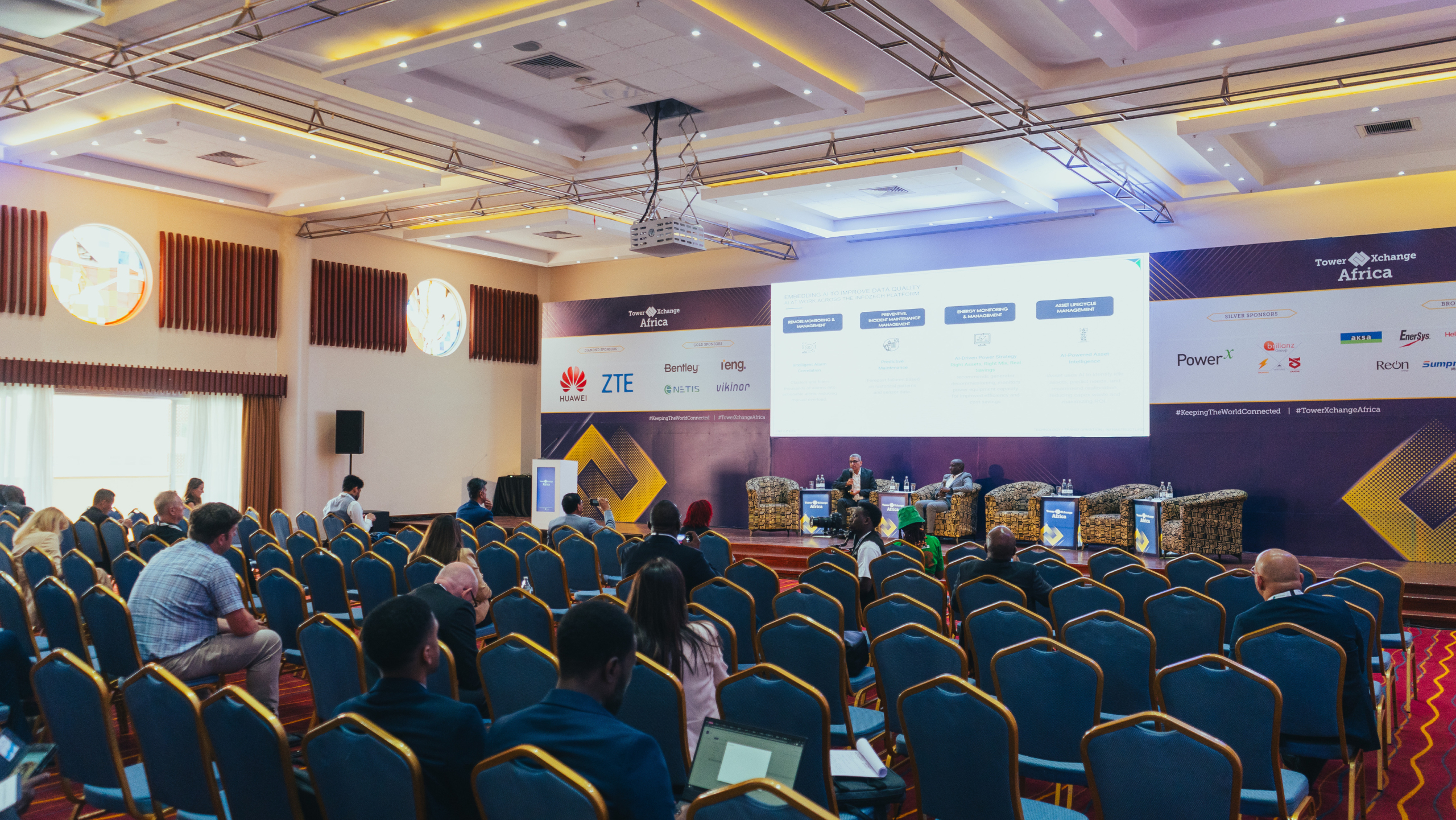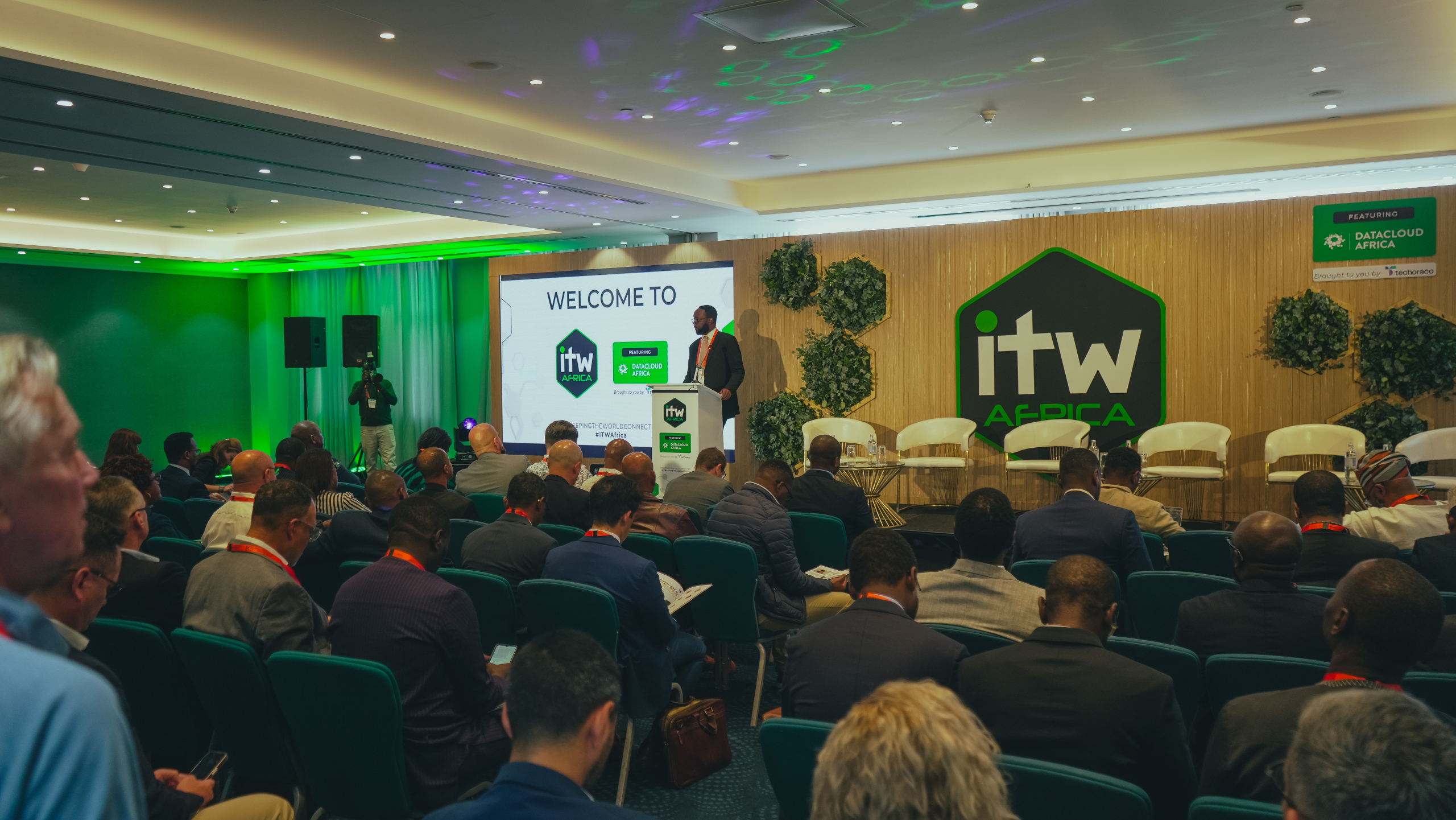
Networking events are professionally organized gatherings designed to bring people together to exchange ideas, establish relationships, discover business opportunities, and develop valuable professional connections. From corporate networking sessions and industry mixers to business forums, investor meetings, association gatherings, and professional meetups, these events provide structured environments where attendees can interact beyond traditional presentations. Well-planned networking events help organizations strengthen stakeholder relationships, encourage collaboration, generate new opportunities, and create meaningful connections that can continue long after the event ends.
The demand for professional networking event planning in Kenya continues to grow among corporations, NGOs, government agencies, professional associations, business communities, startups, financial institutions, educational organizations, and multinational companies. Successful networking events require strategic planning, suitable venues, carefully structured networking activities, effective attendee management, and an environment that encourages natural interaction. Event technology, professional audiovisual production, entertainment, creative staging, lighting, and LED displays can further enhance the atmosphere, while activities such as facilitated introductions, breakout networking sessions, interactive discussions, and digital networking tools help attendees connect with the right people and maximize the value of their participation.
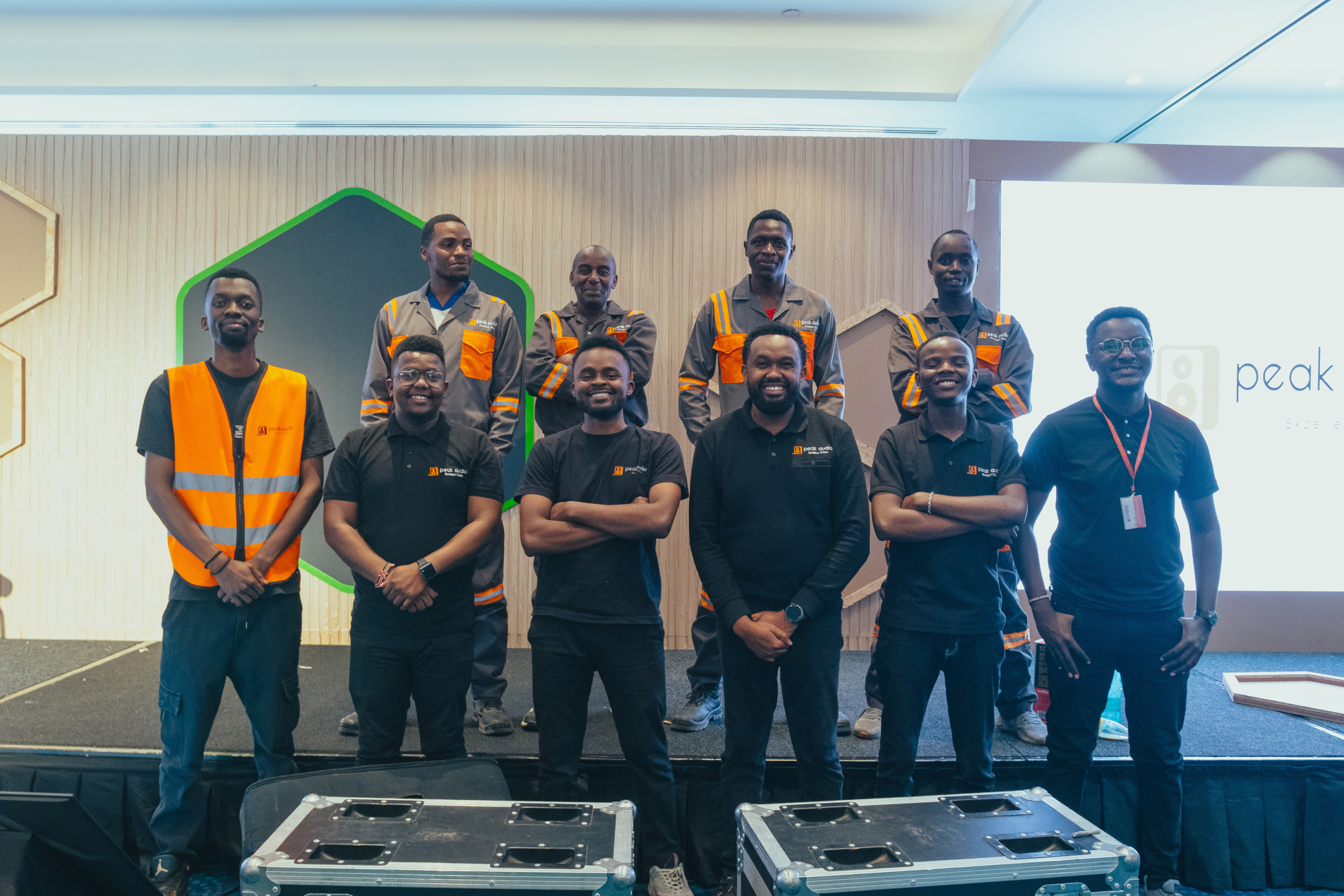
Peak Audio provides professional Networking Event Planning and Production Services in Kenya, combining audiovisual production, staging, lighting, LED screens, event technology, live streaming, sound systems, and comprehensive technical support. Whether organizing a corporate networking reception, business forum, investor gathering, industry meetup, or large professional networking conference, Peak Audio provides the technology and production expertise needed to create a polished and engaging environment. By combining professional event production with reliable technology and thoughtful networking experiences, Peak Audio helps organizations deliver successful events that encourage meaningful conversations, strengthen professional relationships, and create valuable business connections.
1. What Is Networking Event Planning?

Networking Event Planning Kenya
Networking event planning is the process of designing, organizing, coordinating, and delivering professional events specifically intended to help people meet, communicate, exchange ideas, discover opportunities, and develop valuable professional relationships.
Unlike conventional events where networking may happen informally during breaks, professionally planned networking events deliberately create opportunities for interaction through structured introductions, business matchmaking, networking activities, discussion groups, digital networking tools, appropriate venue layouts, and professional audiovisual production.
In Kenya, networking events can be organized for corporations, professional associations, startups, investors, NGOs, government organizations, business communities, educational institutions, financial institutions, and industry groups.
1.1 Understanding Professional Networking Events
Professional networking events are gatherings specifically designed to facilitate introductions, conversations, relationship building, knowledge exchange, and potential business opportunities.
What Makes a Professional Networking Event Different?
- Networking is a primary objective
- Interaction is deliberately incorporated into the event programme.
- Attendees are given sufficient opportunities to meet and communicate.
- Participants share professional interests
- Guests may come from similar industries, professions, organizations, or business communities.
- This increases the likelihood of relevant connections.
- Introductions are facilitated
- Hosts, moderators, networking platforms, or structured activities can help participants meet.
- Reduces dependence on spontaneous introductions.
- Activities encourage conversation
- Speed networking, roundtables, business matchmaking, and discussion groups give attendees reasons to interact.
- Helps conversations begin naturally.
- The environment supports interaction
- Seating arrangements, networking lounges, sound levels, lighting, and venue layouts are planned to encourage communication.
- Makes conversations more comfortable.
- Technology can support networking
- Event apps, attendee directories, QR codes, and digital matchmaking systems can help delegates discover relevant contacts.
- Extends networking beyond face-to-face introductions.
Professional networking events create structured environments where attendees can meet relevant people, exchange ideas, discuss opportunities, and develop relationships rather than relying entirely on chance encounters.
1.2 Objectives of Networking Events
Networking events can serve different objectives depending on the organization, industry, and audience. Establishing these objectives early helps determine the programme, guest profile, activities, venue, and technology required.
Build Professional Relationships
- Connect professionals
- Bring together individuals with shared or complementary interests.
- Creates opportunities for long-term professional relationships.
- Strengthen existing relationships
- Allow colleagues, clients, partners, and industry contacts to reconnect.
- Helps maintain professional networks.
- Create peer connections
- Introduce professionals facing similar industry challenges.
- Encourages continued knowledge exchange.
Generate Business Opportunities
- Connect potential clients and suppliers
- Networking events can introduce businesses to relevant service providers and customers.
- Creates potential commercial conversations.
- Support partnerships
- Organizations with complementary capabilities can discover collaboration opportunities.
- Can lead to future projects.
- Connect investors and businesses
- Investor-focused networking events can introduce entrepreneurs to potential funding partners.
- Creates opportunities for further discussions.
- Encourage referrals
- Strong professional connections can generate future recommendations.
- Extends event value beyond the event itself.
Exchange Knowledge
- Share industry experiences
- Professionals can discuss challenges, lessons, and solutions.
- Supports peer-to-peer learning.
- Discuss emerging trends
- Networking conversations can explore changing technologies, markets, and industry practices.
- Helps attendees remain informed.
- Exchange practical ideas
- Participants can share approaches that have worked within their organizations.
- Provides practical professional insights.
Strengthen Industry Connections
- Bring industry stakeholders together
- Connect companies, associations, professionals, regulators, investors, and other relevant stakeholders.
- Strengthens industry communication.
- Create professional communities
- Regular networking events can help build communities around shared sectors or interests.
- Encourages continued interaction.
- Support cross-sector collaboration
- Bringing different industries together can create unexpected opportunities.
- Encourages new partnerships and ideas.
Networking events can support relationship building, business development, knowledge exchange, partnerships, referrals, and stronger industry connections when their objectives are clearly defined.
1.3 Types of Networking Events
Networking events can take different formats depending on the target audience, professional objectives, number of attendees, and desired level of interaction.
Corporate Networking Events
- Designed for companies, clients, partners, and stakeholders.
- Can support relationship building, partnership development, and business communication.
- May accompany conferences, product launches, corporate dinners, or industry gatherings.
Business Mixers
- Create relaxed environments for professional interaction.
- Usually combine informal conversations with light entertainment, refreshments, or short presentations.
- Suitable for entrepreneurs, professionals, and business communities.
Industry Networking Forums
- Bring together professionals from a particular sector.
- Can include panel discussions, presentations, roundtables, and structured networking.
- Useful for exchanging industry knowledge and identifying opportunities.
Investor Networking Events
- Connect entrepreneurs, companies, startups, and investors.
- May include pitches, presentations, business matchmaking, and scheduled meetings.
- Designed to create opportunities for further investment discussions.
Professional Association Events
- Bring association members and industry professionals together.
- Can combine professional development with networking.
- Useful for strengthening membership relationships and industry communities.
Startup Networking Events
- Connect founders, entrepreneurs, investors, mentors, technology providers, and potential partners.
- Can include startup pitches, demonstrations, panel discussions, and matchmaking.
- Helps emerging businesses expand professional networks.
Other Networking Formats
- Speed networking events
- Create multiple short professional introductions.
- Executive networking dinners
- Provide smaller environments for senior-level conversations.
- Networking breakfasts
- Combine professional interaction with short morning programmes.
- Conference networking sessions
- Provide dedicated networking periods within larger conferences.
- Hybrid networking events
- Connect physical and remote participants through digital platforms.
Networking events can range from corporate mixers and industry forums to investor meetings, association gatherings, startup events, networking breakfasts, executive dinners, and hybrid networking experiences.
1.4 Key Elements of Successful Networking Events
Successful networking requires more than inviting professionals to the same venue. Every aspect of the event should make it easier for participants to identify relevant people, start conversations, exchange information, and continue relationships afterwards.
Clear Objectives
- Define what the event should achieve
- Determine whether the objective is relationship building, lead generation, investment, partnerships, knowledge exchange, or another outcome.
- Provides direction for the entire event.
- Establish measurable goals
- Goals can include attendance, scheduled meetings, introductions, engagement, or participant satisfaction.
- Makes post-event evaluation easier.
Suitable Audience
- Invite relevant participants
- Attendees should have professional interests that create useful networking possibilities.
- Improves the quality of connections.
- Balance participant profiles
- Where appropriate, include complementary groups such as buyers and suppliers or investors and entrepreneurs.
- Supports purposeful interaction.
- Understand attendee expectations
- Knowing what participants want helps organizers develop relevant activities.
- Creates greater networking value.
Structured Activities
- Speed networking
- Helps participants make multiple introductions efficiently.
- Business matchmaking
- Connects attendees according to complementary professional objectives.
- Hosted networking tables
- Groups delegates around specific industries or topics.
- Roundtable discussions
- Encourage smaller-group conversations.
- Networking games
- Appropriate activities can help break down initial communication barriers.
- Dedicated networking breaks
- Provide sufficient time for attendees to continue conversations.
Professional Production
- Professional sound systems
- Ensure announcements, introductions, presentations, and entertainment are clearly heard.
- Wireless microphones
- Support hosts, speakers, and interactive activities.
- LED screens
- Display programmes, speaker information, networking instructions, branding, and visual content.
- Event lighting
- Creates an appropriate atmosphere while maintaining comfortable visibility.
- Stage setup
- Provides a focal point for presentations, introductions, and announcements.
- Digital technology
- Registration systems, event apps, QR codes, and networking platforms can simplify attendee interaction.
Effective Follow-Up
- Share appropriate event resources
- Provide participants with approved presentations, information, or resources after the event.
- Extends event value.
- Facilitate continued connections
- Where appropriate and consented to, digital platforms can help attendees continue conversations.
- Supports longer-term relationship building.
- Collect attendee feedback
- Surveys can identify what participants found useful.
- Helps improve future networking events.
- Evaluate event performance
- Review attendance, engagement, meetings, participant feedback, and other relevant indicators.
- Helps determine whether networking objectives were achieved.
Successful networking events combine clear objectives, the right audience, structured interaction, appropriate venue design, professional audiovisual production, networking technology, and effective follow-up to create meaningful opportunities for professional connection.
Successful networking events require more than bringing people together; they require deliberate planning that encourages meaningful interaction and relationship building. The event should be designed around clear objectives and provide attendees with structured opportunities to meet professionals who are relevant to their interests.
Corporate networking events, business mixers, industry forums, investor gatherings, professional association meetings, and startup networking events can use strategies such as speed networking, business matchmaking, hosted tables, roundtable discussions, networking lounges, and digital networking platforms to make interaction easier and more purposeful.
Professional production also contributes to the experience. Clear sound, suitable staging, LED screens, event lighting, digital registration, presentation technology, and reliable technical support help create an organized environment where participants can communicate comfortably.
Peak Audio can support professional networking events in Kenya with event production, sound systems, staging, lighting, LED screens, audiovisual technology, live streaming, hybrid event solutions, digital presentation systems, and dedicated technical support.
By combining purposeful networking activities with professional event production, organizations can create events where attendees meet relevant people, exchange knowledge, identify opportunities, establish partnerships, and build professional relationships that continue beyond the event itself.
2. Types of Networking Events in Kenya

Networking Event Planning Kenya
Networking events in Kenya can take many different formats depending on the target audience, industry, objectives, number of participants, venue, budget, and desired level of formality. Some events are designed specifically for business development and investment, while others focus on knowledge exchange, industry collaboration, stakeholder engagement, or strengthening professional relationships.
Organizations can choose from corporate networking events, business forums, industry conferences, investor and startup events, professional association gatherings, NGO forums, executive dinners, and networking cocktail events. Each format requires a different approach to programme design, venue setup, networking activities, audiovisual production, and attendee engagement.
2.1 Corporate Networking Events
Corporate networking events bring together employees, executives, clients, business partners, suppliers, investors, and other stakeholders to develop and strengthen professional relationships.
Corporate Networking Events Can Be Used For
- Client relationship building
- Create opportunities for organizations to interact with existing and prospective clients.
- Helps strengthen professional relationships.
- Business development
- Introduce companies to potential customers, suppliers, and partners.
- Can generate new commercial opportunities.
- Partner engagement
- Bring strategic partners together in a professional environment.
- Supports continued collaboration.
- Employee networking
- Connect teams from different departments, branches, or regions.
- Encourages internal collaboration.
- Stakeholder engagement
- Provide opportunities for organizations to communicate directly with important stakeholders.
- Supports stronger institutional relationships.
- Corporate introductions
- Introduce new executives, services, projects, or partnerships.
- Creates opportunities for conversation around organizational developments.
Suitable Formats
- Corporate breakfasts.
- Networking lunches.
- Business mixers.
- Cocktail receptions.
- Corporate dinners.
- Conference networking sessions.
Corporate networking events help organizations strengthen relationships with clients, employees, partners, suppliers, executives, and other important stakeholders.
2.2 Business Networking Forums
Business networking forums bring together professionals and organizations to discuss commercial opportunities, exchange ideas, and establish useful business connections.
Business Networking Forums Can Include
- Business presentations
- Companies can introduce products, services, projects, or opportunities.
- Creates starting points for further conversations.
- Panel discussions
- Industry leaders discuss relevant business topics.
- Provides useful knowledge before networking sessions.
- Business matchmaking
- Connects organizations according to complementary interests.
- Makes networking more targeted.
- Roundtable discussions
- Smaller groups discuss specific business challenges.
- Encourages peer interaction.
- Speed networking
- Allows attendees to meet several professionals within a structured period.
- Creates efficient introductions.
- Exhibition areas
- Businesses can showcase products and services.
- Creates additional opportunities for commercial interaction.
- Dedicated networking breaks
- Give attendees time to continue discussions.
- Prevents networking from being rushed.
Business networking forums combine professional knowledge exchange with structured relationship building, helping attendees discover clients, suppliers, partners, and other commercial opportunities.
2.3 Industry Conferences and Networking Sessions
Industry conferences bring together professionals from particular sectors and can integrate networking directly into the main conference programme.
Networking Opportunities Can Include
- Industry-specific discussions
- Connect professionals facing similar challenges.
- Encourages relevant conversations.
- Conference networking breaks
- Provide dedicated time between formal sessions.
- Allows delegates to discuss presentation topics.
- Exhibition networking
- Connect attendees with exhibitors, suppliers, and technology providers.
- Supports product and service discovery.
- Hosted networking tables
- Organize attendees around particular industry topics.
- Creates focused discussions.
- Speaker networking
- Appropriate sessions can allow delegates to interact with experts and speakers.
- Extends learning beyond presentations.
- Conference mobile apps
- Help attendees discover participants with similar interests.
- Makes networking more targeted.
- Post-conference receptions
- Provide less formal environments for continued conversations.
- Extends networking after conference sessions.
Industries Can Include
- Technology and ICT.
- Financial services.
- Healthcare.
- Education.
- Manufacturing.
- Energy.
- Hospitality and tourism.
- Construction and real estate.
Industry conferences combine professional learning with networking, allowing delegates to exchange knowledge, meet sector professionals, discover solutions, and build industry relationships.
2.4 Investor and Startup Networking Events

Networking Event Planning Kenya
Investor and startup networking events connect entrepreneurs, founders, investors, mentors, accelerators, technology providers, and other members of the business ecosystem.
Common Event Elements Include
- Startup pitches
- Entrepreneurs present their businesses or concepts.
- Introduces opportunities to potential investors and partners.
- Investor introductions
- Create opportunities for founders to meet relevant investment professionals.
- Supports further discussions.
- Business matchmaking
- Matches startups with investors or organizations based on relevant interests.
- Makes networking more purposeful.
- Product demonstrations
- Startups showcase technologies, products, or services.
- Gives participants practical exposure to their solutions.
- Founder discussions
- Entrepreneurs share experiences and lessons.
- Encourages peer-to-peer learning.
- Mentorship networking
- Connects emerging businesses with experienced professionals.
- Provides opportunities for guidance.
- One-to-one meetings
- Scheduled conversations allow deeper discussions.
- Can help participants explore potential collaboration.
Investor and startup networking events create structured environments where entrepreneurs, investors, mentors, and potential partners can identify opportunities and begin valuable professional relationships.
2.5 Professional Association Events
Professional associations can use networking events to strengthen relationships among members while supporting professional development and industry collaboration.
Association Networking Events Can Include
- Member networking sessions
- Help members meet professionals within their field.
- Strengthens the professional community.
- Annual conferences
- Combine educational sessions with networking activities.
- Creates opportunities for knowledge exchange.
- Professional development forums
- Bring members together around emerging industry topics.
- Supports continuous learning.
- Executive networking
- Connect senior professionals and industry leaders.
- Encourages high-level professional relationships.
- New-member introductions
- Help recently joined members connect with established professionals.
- Improves integration into the association.
- Roundtable discussions
- Allow members to discuss professional challenges.
- Encourages peer learning.
- Networking dinners and receptions
- Provide less formal environments for interaction.
- Helps strengthen membership relationships.
Professional association networking events strengthen membership communities by supporting peer interaction, professional development, industry collaboration, and long-term relationship building.
2.6 NGO and Development Sector Networking Forums
NGOs and development organizations frequently bring together donors, implementing partners, government representatives, community organizations, development professionals, researchers, and other stakeholders.
Networking Forums Can Support
- Stakeholder engagement
- Connect organizations working toward related development objectives.
- Improves communication and coordination.
- Donor engagement
- Create professional opportunities for organizations and development partners to interact.
- Supports relationship building.
- Knowledge exchange
- Participants share experiences, research, lessons, and best practices.
- Helps strengthen programme development.
- Partnership development
- Organizations can identify potential implementation or technical partners.
- Supports collaboration.
- Cross-sector discussions
- Bring together government, private sector, NGOs, and other institutions.
- Encourages broader approaches to development challenges.
- Project showcases
- Organizations can present programmes, research, or outcomes.
- Creates opportunities for further discussion.
- Regional networking
- Connect participants working in different parts of Kenya, East Africa, or internationally.
- Expands professional networks.
NGO and development sector networking forums encourage stakeholder coordination, donor engagement, partnership development, knowledge sharing, and cross-sector collaboration.
2.7 Executive Networking Dinners
Executive networking dinners provide smaller, more formal environments for senior executives, business leaders, investors, decision-makers, and invited stakeholders to develop professional relationships.
Key Characteristics
- Curated guest lists
- Participants can be selected according to professional relevance.
- Creates more targeted conversations.
- Formal dining environment
- Provides an appropriate setting for senior-level interaction.
- Supports longer conversations.
- Hosted tables
- Seating arrangements can intentionally connect complementary professionals.
- Makes introductions more purposeful.
- Short keynote presentations
- A featured speaker can introduce an important business or industry topic.
- Provides a common conversation point.
- Executive roundtables
- Smaller discussions can focus on strategic issues.
- Encourages high-level knowledge exchange.
- Professional entertainment
- Appropriate background music or light entertainment can enhance the atmosphere.
- Should complement rather than interrupt conversation.
- High-quality audiovisual production
- Clear sound, microphones, lighting, screens, and presentation technology support formal programme elements.
- Maintains a professional event standard.
Executive networking dinners create focused environments where senior professionals can exchange ideas, discuss opportunities, establish strategic connections, and strengthen business relationships.
2.8 Networking Cocktail Events
Networking cocktail events create a more relaxed professional environment where guests can move freely, meet different people, and participate in informal business conversations.
Important Elements Can Include
- Open networking spaces
- Allow guests to move between different groups.
- Encourages multiple conversations.
- Cocktail tables
- Provide convenient gathering points for small groups.
- Supports informal interaction.
- Background entertainment
- Appropriate live music or DJs can create atmosphere.
- Sound levels should still allow comfortable conversation.
- Professional lighting
- Creates an attractive and welcoming environment.
- Can reinforce event branding.
- Short formal programme
- Brief speeches, introductions, or announcements can provide structure.
- Leaves sufficient time for networking.
- Networking hosts
- Facilitators can introduce guests who may have complementary interests.
- Helps attendees make relevant connections.
- LED screens and digital displays
- Can show branding, guest information, event messages, or approved partner content.
- Enhances the visual environment.
- Photo and media areas
- Branded areas can provide professional event photography opportunities.
- Creates memorable attendee experiences.
Networking cocktail events combine a relaxed social atmosphere with professional relationship building, making them suitable for corporate receptions, conference networking, launches, business communities, and stakeholder gatherings.
Networking events in Kenya can be customized for different industries, audiences, objectives, group sizes, venues, budgets, and levels of formality. Choosing the right format helps ensure the event environment supports the type of professional interaction organizers want to achieve.
Corporate networking events strengthen relationships with clients and partners, while business forums support commercial connections. Industry conferences combine knowledge exchange with professional networking, and investor and startup events connect entrepreneurs with investors and mentors. Professional associations can strengthen membership communities, while NGO forums facilitate stakeholder and development-sector collaboration.
For more targeted interaction, executive networking dinners provide smaller environments for senior professionals, while networking cocktail events offer more relaxed settings for introductions and conversations.
Peak Audio can support professional networking events across Kenya with sound systems, staging, LED screens, professional lighting, audiovisual production, presentation technology, live streaming, hybrid event solutions, entertainment production, and dedicated technical support.
With the right event format, structured networking activities, professional production, and carefully planned environment, organizations can create networking experiences where attendees meet relevant professionals, exchange ideas, discover opportunities, develop partnerships, and build relationships that continue long after the event ends.
3. How to Plan a Successful Networking Event

Networking Event Planning Kenya
Planning a successful networking event requires careful coordination of the objectives, audience, budget, venue, programme, registration, audiovisual production, event technology, and post-event follow-up. The goal should be to create an environment where attendees can easily meet relevant people, start conversations, exchange information, and develop meaningful professional relationships.
Whether organizing a corporate networking event, business mixer, industry forum, executive dinner, startup event, professional association gathering, or stakeholder forum, every element should support interaction rather than simply bringing attendees into the same room.
3.1 Define Clear Event Objectives
Clear objectives provide the foundation for every decision made during networking event planning.
Possible Networking Event Objectives
- Build professional relationships
- Create opportunities for attendees to establish new connections.
- Strengthen existing business relationships.
- Generate business opportunities
- Connect potential clients, suppliers, partners, and service providers.
- Encourage conversations that may develop into commercial opportunities.
- Support investor engagement
- Bring entrepreneurs and businesses together with relevant investors.
- Create opportunities for further investment discussions.
- Facilitate knowledge exchange
- Allow professionals to share experiences, ideas, and industry insights.
- Encourages peer-to-peer learning.
- Strengthen industry connections
- Bring together stakeholders within a particular sector.
- Supports collaboration and professional community building.
- Generate leads
- Create appropriate opportunities for organizations to meet prospective customers.
- Supports future business development.
- Strengthen stakeholder relationships
- Connect organizations with partners, donors, government representatives, members, or other stakeholders.
- Improves communication and collaboration.
Clearly defined objectives help determine the appropriate audience, venue, activities, programme, technology, and networking format for the event.
3.2 Identify the Target Audience
The quality of a networking event depends significantly on having the right mix of attendees. A large audience is not necessarily valuable if participants have little professional relevance to one another.
Define the Attendee Profile
- Industry
- Determine which sectors should be represented.
- Helps create relevant professional connections.
- Professional roles
- Identify whether the event targets executives, entrepreneurs, investors, managers, specialists, or other professionals.
- Influences programme design.
- Organizations
- Determine which companies, institutions, associations, or agencies should participate.
- Helps create an appropriate guest list.
- Seniority levels
- Consider whether the event requires executives, decision-makers, technical professionals, or mixed levels.
- Supports relevant matchmaking.
- Professional interests
- Understand what participants hope to gain from attending.
- Helps develop suitable networking activities.
- Geographical representation
- Decide whether the audience will be local, national, regional, or international.
- Influences logistics and event format.
Balance the Guest List
- Buyers and suppliers
- Creates potential commercial connections.
- Investors and entrepreneurs
- Supports investment networking.
- Industry experts and professionals
- Encourages knowledge exchange.
- Organizations and potential partners
- Creates collaboration opportunities.
A carefully selected audience increases the likelihood that attendees will meet people who are relevant to their professional interests, business needs, and networking objectives.
3.3 Develop an Appropriate Budget
A realistic budget helps organizers balance the desired networking experience with available financial resources.
Important Budget Areas
- Venue costs
- Include venue hire, furniture, meeting spaces, and associated charges.
- Often represents a significant portion of the budget.
- Audiovisual production
- Budget for sound systems, microphones, screens, staging, and lighting.
- Ensures professional communication.
- Event technology
- May include registration systems, QR check-in, networking platforms, or event applications.
- Supports administration and interaction.
- Catering
- Include coffee breaks, meals, refreshments, or cocktail service as required.
- Can form an important part of the networking experience.
- Entertainment
- Budget for appropriate DJs, musicians, hosts, or performers where required.
- Helps create the desired atmosphere.
- Branding and décor
- Include backdrops, signage, displays, and other visual requirements.
- Strengthens event identity.
- Technical personnel
- Budget for sound engineers, video teams, lighting technicians, and other specialists.
- Ensures equipment is professionally managed.
- Contingency allocation
- Reserve funds for unexpected requirements.
- Provides greater flexibility during production.
A detailed budget helps organizers allocate resources to the areas that contribute most directly to professional event delivery and meaningful attendee interaction.
3.4 Choose the Right Venue
The venue should support conversation, movement, presentations, networking activities, catering, and technical production without making interaction difficult.
Important Venue Considerations
- Location
- Choose a venue that is convenient for the target audience.
- Consider transport and accessibility.
- Capacity
- Ensure the venue comfortably accommodates the expected number of guests.
- Avoid excessive crowding or unnecessary empty space.
- Layout
- Provide sufficient space for networking tables, lounges, stages, exhibitions, or breakout areas.
- Supports different activities.
- Acoustics
- Consider how easily attendees will be able to hear conversations and presentations.
- Poor acoustics can negatively affect networking.
- Internet connectivity
- Reliable internet may be required for registration, digital networking, live streaming, and hybrid participation.
- Backup connectivity may also be considered.
- Power infrastructure
- Ensure sufficient power is available for audiovisual and event technology.
- Supports reliable technical production.
- Accessibility
- Consider the needs of different participants.
- Creates a more inclusive event environment.
- Parking and transport
- Assess parking availability and transport access.
- Improves attendee convenience.
The right venue should provide a comfortable, accessible, technically suitable, and flexible environment where professional conversations can take place naturally.
3.5 Create an Effective Event Program
An effective networking programme balances formal content with sufficient time for attendee interaction.
Programme Elements Can Include
- Opening remarks
- Introduce the event objectives and explain networking opportunities.
- Helps attendees understand how to participate.
- Keynote presentations
- Provide valuable professional or industry insights.
- Creates common discussion topics.
- Panel discussions
- Introduce different professional perspectives.
- Can lead naturally into networking conversations.
- Speed networking
- Creates multiple structured introductions.
- Helps attendees expand their contact networks.
- Hosted networking tables
- Group participants according to topics or industries.
- Encourages focused conversations.
- Business matchmaking
- Schedule targeted meetings between relevant participants.
- Makes networking more purposeful.
- Coffee and lunch networking
- Provide sufficient time for informal interaction.
- Allows conversations to develop naturally.
- Closing networking session
- Gives attendees a final opportunity to reconnect and exchange contacts.
- Helps consolidate relationships formed during the event.
A well-designed programme balances presentations, structured networking, informal conversations, breaks, and interactive activities without overcrowding the schedule.
3.6 Plan Registration and Guest Management
Professional registration creates a positive first impression while providing organizers with information that can support networking and event management.
Registration and Guest Management Can Include
- Online pre-registration
- Collect attendee information before the event.
- Reduces delays during arrival.
- Digital invitations
- Provide event details and registration instructions.
- Simplifies guest communication.
- QR code check-in
- Speeds up attendee verification.
- Reduces queues.
- Name badges
- Display names, organizations, and potentially professional roles.
- Makes introductions easier.
- Attendee categories
- Differentiate speakers, delegates, sponsors, exhibitors, or other groups where appropriate.
- Supports event management.
- Guest lists
- Maintain accurate registration records.
- Helps monitor attendance.
- Information desks
- Provide assistance with registration, schedules, and venue navigation.
- Improves attendee experience.
- Attendance reporting
- Digital systems can provide information about registered and checked-in participants.
- Supports post-event analysis.
Efficient registration and guest management help attendees enter the event smoothly while providing useful information that can support networking and event coordination.
3.7 Arrange Audiovisual and Event Technology
Professional audiovisual systems and event technology ensure announcements, presentations, networking instructions, entertainment, and digital interaction can be delivered effectively.
Audiovisual Requirements Can Include
- Professional sound systems
- Ensure presentations and announcements are clearly heard.
- Can be designed around venue size and layout.
- Wireless microphones
- Support speakers, moderators, hosts, and audience participation.
- Allows greater movement.
- LED screens
- Display presentations, branding, schedules, speaker information, and networking instructions.
- Strengthens visual communication.
- Professional lighting
- Creates an appropriate atmosphere and improves stage visibility.
- Can complement event branding.
- Stage setup
- Provides a professional focal point for formal programme elements.
- Supports presentations and panel discussions.
Event Technology Can Include
- Digital registration systems
- Simplify attendee management.
- QR code technology
- Supports check-in, information sharing, and engagement.
- Networking platforms
- Help attendees identify relevant professional contacts.
- Live polling and Q&A
- Add interaction to formal sessions.
- Live streaming
- Extends participation to remote audiences.
- Hybrid event technology
- Connects physical and virtual attendees.
Professional audiovisual production and event technology provide the technical foundation for clear communication, efficient registration, interactive sessions, networking, and polished event delivery.
3.8 Develop a Post-Event Follow-Up Strategy
The value of networking often develops after the event, when attendees continue conversations and explore opportunities identified during their interactions.
Effective Follow-Up Strategies Include
- Thank-you communication
- Send appropriate messages to attendees after the event.
- Maintains professional engagement.
- Post-event surveys
- Ask participants about networking quality, programme content, and overall experience.
- Provides information for future improvement.
- Share approved event resources
- Provide presentations, reports, photographs, or other relevant materials.
- Extends event value.
- Facilitate continued networking
- Where appropriate and consented to, keep digital networking channels available.
- Allows conversations to continue.
- Follow up on business matches
- Encourage participants involved in scheduled matchmaking to continue discussions.
- Helps convert introductions into meaningful relationships.
- Share event highlights
- Provide selected photographs, videos, or session summaries.
- Maintains post-event interest.
- Analyze engagement data
- Review registration, attendance, networking activity, surveys, and other available information.
- Helps evaluate event performance.
- Plan future engagement
- Use feedback and attendee interests to develop future networking events.
- Supports long-term professional communities.
Post-event follow-up helps transform introductions made during the event into ongoing professional conversations, partnerships, collaborations, and potential business opportunities.
Clear objectives, the right audience, a suitable venue, structured programming, and professional production provide the foundation for an effective networking event. Each element should be planned around one central goal: making it easier for attendees to meet relevant people and have meaningful professional conversations.
Organizers should begin by defining the desired outcomes and identifying the appropriate attendee profile. A realistic budget and carefully selected venue then provide the framework for developing the event programme. Speed networking, business matchmaking, hosted tables, presentations, panel discussions, networking breaks, and social sessions can be combined to encourage interaction.
Efficient registration, professional sound systems, wireless microphones, LED screens, staging, lighting, digital networking tools, and event technology further improve the attendee experience. Post-event follow-up then helps extend relationships beyond the event itself.
Peak Audio can support professional networking events in Kenya through event production, audiovisual systems, staging, lighting, LED screens, presentation technology, live streaming, hybrid event solutions, and dedicated technical support, helping organizations create polished environments for professional interaction.
A well-planned networking event ultimately creates opportunities for attendees to meet, communicate, exchange ideas, discover opportunities, establish partnerships, and build professional relationships that continue long after the event has ended.
4. Creative Networking Activities and Ideas

Creative networking activities help transform professional events from simple gatherings into structured environments where attendees can meet, communicate, exchange ideas, discover opportunities, and establish useful professional relationships.
Instead of expecting participants to introduce themselves spontaneously, organizers can incorporate speed networking, business matchmaking, themed tables, industry discussion groups, icebreakers, networking games, hosted coffee or cocktail sessions, and digital networking tools. These approaches are particularly useful for corporate events, conferences, business forums, association meetings, investor events, and professional gatherings in Kenya.
4.1 Speed Networking
Speed networking uses a series of short, structured conversations to help attendees meet multiple professionals within a limited period.
How Speed Networking Works
- Timed introductions
- Participants are given a specific amount of time to introduce themselves.
- Keeps conversations focused and efficient.
- Participant rotation
- Attendees move to another person or table after each round.
- Increases the number of people each participant can meet.
- Professional introductions
- Delegates briefly explain their roles, organizations, services, or professional interests.
- Helps identify potentially relevant connections quickly.
- Conversation prompts
- Organizers can provide questions to help start discussions.
- Reduces awkward introductions.
- Contact exchange
- Participants can exchange business cards, QR codes, or digital contact information.
- Supports continued communication.
- Follow-up opportunities
- Additional networking time can be provided after the structured session.
- Allows promising conversations to continue.
Speed networking provides an efficient way for attendees to make multiple introductions, identify relevant contacts, and begin professional conversations within a short period.
4.2 Business Matchmaking Sessions
Business matchmaking goes beyond random introductions by connecting attendees according to their professional objectives, business needs, interests, industries, or potential areas of collaboration.
Matchmaking Can Connect
- Buyers and suppliers
- Connect organizations looking for products or services with relevant providers.
- Creates targeted commercial conversations.
- Investors and entrepreneurs
- Match businesses seeking investment with potentially relevant investors.
- Supports further investment discussions.
- Companies and strategic partners
- Introduce organizations with complementary capabilities.
- Creates collaboration opportunities.
- Clients and service providers
- Match organizations with professionals offering relevant solutions.
- Makes networking more purposeful.
- Startups and mentors
- Connect entrepreneurs with experienced professionals.
- Supports knowledge sharing and business development.
How to Organize Matchmaking
- Collect participant profiles before the event.
- Identify professional interests and objectives.
- Create relevant matches.
- Schedule individual meetings.
- Provide designated meeting areas.
- Allow participants to request additional meetings.
Business matchmaking creates more targeted networking by connecting participants based on shared interests, complementary needs, and potential professional opportunities.
4.3 Themed Networking Tables
Themed networking tables organize attendees around specific topics, industries, challenges, or professional interests, giving participants an immediate reason to begin conversations.
Networking Tables Can Be Organized Around
- Industry sectors
- Technology, finance, healthcare, education, construction, energy, hospitality, and other industries.
- Connects professionals working in similar areas.
- Business functions
- Marketing, procurement, finance, HR, operations, technology, or leadership.
- Supports role-specific conversations.
- Industry challenges
- Each table discusses a particular problem or emerging issue.
- Encourages knowledge exchange.
- Business opportunities
- Tables can focus on investment, partnerships, exports, procurement, or innovation.
- Creates commercially relevant discussions.
- Emerging trends
- Topics can include artificial intelligence, sustainability, digital transformation, or changing consumer behaviour.
- Encourages forward-looking conversations.
- Regional interests
- Participants can connect according to particular markets or geographical regions.
- Supports regional networking.
Themed networking tables make professional interaction more focused by bringing together attendees with shared industries, responsibilities, interests, challenges, or opportunities.
4.4 Industry-Specific Discussion Groups
Industry-specific groups provide smaller environments where professionals can discuss sector-related challenges, opportunities, technologies, regulations, and emerging trends.
Discussion Group Activities Can Include
- Industry trend discussions
- Explore developments affecting a particular sector.
- Encourages knowledge exchange.
- Problem-solving sessions
- Participants discuss common industry challenges.
- Generates practical ideas.
- Peer experience sharing
- Attendees explain how their organizations approach specific issues.
- Creates valuable peer learning.
- Expert-led discussions
- Industry specialists can introduce topics before opening discussions.
- Provides professional context.
- Case study discussions
- Groups analyze practical examples.
- Encourages deeper conversation.
- Collaborative recommendations
- Participants develop possible solutions or recommendations.
- Creates tangible session outcomes.
- Report-back sessions
- Group representatives share key findings with other attendees.
- Extends knowledge across the event.
Industry-specific discussion groups combine networking with knowledge sharing, peer learning, problem-solving, and professional collaboration.
4.5 Interactive Icebreakers
Icebreakers can help reduce the initial hesitation attendees may experience when entering a room full of unfamiliar professionals.
Professional Icebreaker Ideas
- Two-minute introductions
- Pair participants for brief introductory conversations.
- Provides an easy starting point.
- Common-interest discovery
- Ask participants to identify professionals with similar interests.
- Encourages movement and conversation.
- Industry questions
- Give attendees discussion prompts related to their sector.
- Keeps activities professionally relevant.
- Networking bingo
- Participants identify people matching particular professional descriptions.
- Encourages multiple introductions.
- Table introductions
- Each person briefly introduces themselves to their table.
- Works well for seated events.
- Professional conversation cards
- Cards contain questions about careers, industries, challenges, or opportunities.
- Makes it easier to start meaningful conversations.
- Small-group challenges
- Teams complete short collaborative tasks.
- Creates interaction quickly.
Well-designed icebreakers reduce barriers to conversation and help attendees become comfortable, conversational, and actively involved early in the event.
4.6 Networking Games and Challenges
Networking games introduce elements of gamification, competition, discovery, and achievement into professional interaction.
Networking Game Ideas
- Networking bingo
- Participants find attendees matching specific professional criteria.
- Encourages multiple conversations.
- Connection challenges
- Ask attendees to meet professionals from several industries or organizations.
- Expands networking beyond familiar groups.
- QR code challenges
- Participants scan codes located around networking areas.
- Can connect physical activities with digital engagement.
- Industry trivia
- Teams answer questions about relevant business topics.
- Combines learning with interaction.
- Team problem-solving
- Small groups complete short professional challenges.
- Encourages collaboration.
- Networking leaderboards
- Appropriate digital systems can track participation in selected activities.
- Adds friendly competition.
- Group competitions
- Tables or teams compete in quizzes or creative challenges.
- Helps participants interact naturally.
Networking games make professional interaction more energetic and approachable while encouraging attendees to meet new people, collaborate, communicate, and participate.
4.7 Hosted Coffee and Cocktail Networking
Coffee breaks and cocktail sessions provide natural networking opportunities, but hosting and structuring them can make interactions significantly more productive.
Hosted Coffee Networking
- Themed coffee tables
- Organize tables around particular industries or topics.
- Helps delegates find relevant conversations.
- Facilitated introductions
- Hosts introduce participants who may share professional interests.
- Makes networking easier.
- Conversation prompts
- Table questions can encourage discussion.
- Prevents participants from remaining within familiar groups.
- Extended networking breaks
- Provide enough time for meaningful conversations.
- Avoids rushed introductions.
Hosted Cocktail Networking
- Open networking areas
- Allow attendees to move comfortably between groups.
- Encourages multiple interactions.
- Professional hosts
- Help introduce participants where appropriate.
- Supports targeted connections.
- Appropriate background entertainment
- Music can create atmosphere without interfering with conversations.
- Makes the environment more relaxed.
- Short formal segments
- Brief welcomes or introductions can provide structure.
- Leaves most of the programme available for networking.
- Professional lighting and décor
- Creates an inviting environment.
- Enhances the overall event experience.
Hosted coffee and cocktail sessions combine relaxed environments with deliberate networking opportunities, helping professional conversations develop more naturally.
4.8 Digital Networking and Contact Exchange
Digital technology can make it easier for attendees to discover relevant people, exchange professional information, schedule meetings, and continue conversations after the event.
Digital Networking Tools Can Include
- Attendee directories
- Allow participants to identify relevant professionals.
- Makes networking more targeted.
- Digital profiles
- Provide information about participants’ organizations, roles, and interests.
- Helps attendees identify useful connections.
- QR contact exchange
- Allows participants to share approved professional contact information quickly.
- Reduces reliance on physical business cards.
- Digital business cards
- Provide convenient access to professional information.
- Makes follow-up easier.
- Meeting scheduling
- Allows attendees to arrange networking appointments.
- Creates more structured interaction.
- Direct messaging
- Participants can initiate conversations through appropriate event platforms.
- Helps establish connections before meeting physically.
- Business matchmaking technology
- Can recommend potential contacts based on selected interests.
- Improves networking efficiency.
- Hybrid networking
- Connects physical attendees with remote participants.
- Expands networking beyond the venue.
Supporting Effective Contact Exchange
- Make digital tools easy to access
- Provide QR codes or clear instructions.
- Reduces technical barriers.
- Respect participant privacy
- Contact details should be shared appropriately and with relevant consent.
- Supports professional and responsible networking.
- Keep networking access available after the event where appropriate
- Allows participants to continue conversations.
- Extends event value.
Digital networking and contact exchange tools simplify introductions, meeting scheduling, professional information sharing, and post-event follow-up for both physical and remote attendees.
Structured networking activities make it easier for attendees to start conversations and establish relevant professional connections instead of relying entirely on informal introductions.
Speed networking creates multiple quick introductions, while business matchmaking connects attendees according to complementary professional objectives. Themed tables and industry-specific discussion groups encourage focused conversations, while interactive icebreakers reduce initial communication barriers.
Networking games and challenges can add energy and encourage attendees to interact beyond their existing circles. Hosted coffee and cocktail sessions provide more relaxed environments for relationship building, while digital networking platforms, QR contact exchange, attendee directories, and meeting scheduling tools make connections easier to manage.
Peak Audio can support networking events in Kenya with professional sound systems, wireless microphones, LED screens, staging, event lighting, audiovisual production, presentation technology, live streaming, hybrid event solutions, and dedicated technical support.
By combining creative networking activities with professional event production, organizers can create environments where attendees introduce themselves confidently, exchange knowledge, discover business opportunities, develop partnerships, and build professional relationships that continue beyond the event.
5. Event Technology for Networking Events
Event technology plays an important role in modern networking events by making it easier for attendees to register, identify relevant contacts, exchange information, participate in discussions, interact with event content, and continue professional conversations after the event.
For corporate networking events, business forums, industry gatherings, investor events, association meetings, and hybrid networking events, technologies such as digital registration, QR codes, mobile applications, digital business cards, LED screens, live polling, social media integration, and hybrid networking platforms can create a more organized and interactive experience.
5.1 Digital Registration and Check-In

Networking Event Planning Kenya
Digital registration systems simplify attendee management before and during a networking event while providing organizers with useful participant information.
Digital Registration Can Include
- Online pre-registration
- Participants register before the event using an online form or event platform.
- Reduces manual registration processes.
- Automated confirmations
- Attendees can receive confirmation messages and important event information.
- Improves pre-event communication.
- QR code tickets
- Unique QR codes can be issued to registered participants.
- Makes arrival verification faster.
- Digital check-in
- Guests can be checked in electronically when they arrive.
- Helps reduce queues at registration desks.
- Badge printing
- Name badges can display attendee names, organizations, roles, or networking categories.
- Makes professional introductions easier.
- Attendance tracking
- Organizers can monitor registered and checked-in participants.
- Provides useful event data.
- Guest segmentation
- Attendees can be categorized by industry, organization, professional role, or other appropriate criteria.
- Can support structured networking activities.
Digital registration and check-in create a smoother arrival experience while giving organizers accurate attendee information that can support networking and event management.
5.2 QR Code Networking
QR codes provide a simple way to connect physical networking activities with digital information and interaction.
QR Codes Can Be Used For
- Contact exchange
- Attendees scan personal or professional QR codes to access approved contact details.
- Reduces dependence on physical business cards.
- Professional profiles
- Codes can connect delegates with digital profiles.
- Makes it easier to understand another attendee’s professional background.
- Event schedules
- Participants can scan codes to access programme information.
- Keeps schedules readily available.
- Networking activities
- QR codes can form part of networking challenges or gamification.
- Encourages attendees to explore the event.
- Exhibitor information
- Booths can provide QR access to company profiles, brochures, or product information.
- Supports digital information sharing.
- Meeting registration
- Codes can direct participants to appointment or matchmaking platforms.
- Helps organize targeted conversations.
- Feedback surveys
- Attendees can scan a code after networking sessions to provide feedback.
- Makes evaluation easier.
QR code networking provides a convenient connection between physical attendees and digital profiles, contact information, schedules, networking activities, and event resources.
5.3 Event Mobile Applications
Event mobile applications can place networking, event information, communication, and engagement tools within a single digital platform.
Event Apps Can Provide
- Attendee directories
- Allow participants to discover other registered professionals.
- Makes networking more targeted.
- Professional profiles
- Display roles, organizations, industries, and selected interests.
- Helps identify relevant contacts.
- Meeting scheduling
- Allows attendees to arrange networking appointments.
- Creates more organized interaction.
- Direct messaging
- Participants can initiate appropriate conversations before meeting.
- Helps break down communication barriers.
- Personalized schedules
- Delegates can select sessions and activities they want to attend.
- Improves event navigation.
- Push notifications
- Organizers can communicate networking sessions, programme changes, and announcements.
- Keeps attendees informed.
- Live polling and Q&A
- Allows attendees to participate during presentations.
- Extends the app beyond networking.
- Feedback tools
- Participants can rate sessions and networking activities.
- Provides useful information to organizers.
Event mobile applications centralize networking, schedules, communication, engagement, and attendee information, making it easier for participants to navigate the event and identify relevant connections.
5.4 Digital Business Card Exchange
Digital business cards provide a fast and convenient way for attendees to exchange professional information without relying entirely on printed cards.
Digital Business Cards Can Include
- Name and professional title
- Helps contacts remember who they met.
- Provides professional context.
- Company information
- Identifies the attendee’s organization.
- Supports business follow-up.
- Telephone and email details
- Allows contacts to communicate after the event.
- Makes follow-up easier.
- Professional profile links
- Can connect to appropriate business or professional profiles.
- Provides additional background information.
- Company website information
- Helps potential clients or partners learn more about the organization.
- Supports business development.
- QR code access
- Allows information to be exchanged quickly using smartphones.
- Simplifies contact sharing.
Benefits of Digital Contact Exchange
- Reduces dependence on printed cards.
- Makes contact information easier to save.
- Supports faster follow-up.
- Can reduce errors from manually entering contact details.
- Works well with digital and hybrid networking environments.
Digital business cards make professional contact exchange faster and more convenient while helping attendees maintain accurate information for post-event follow-up.
5.5 LED Screens and Digital Displays
LED screens and digital displays can support networking by providing attendees with clear event information, interactive content, and visual guidance throughout the venue.
LED Screens Can Display
- Networking schedules
- Show upcoming activities and session times.
- Helps attendees plan participation.
- Networking instructions
- Explain how speed networking, matchmaking, or other activities work.
- Reduces confusion.
- Attendee engagement content
- Display live polling results, questions, or interactive challenges.
- Encourages participation.
- Speaker information
- Introduce presenters, moderators, and discussion leaders.
- Provides useful professional context.
- Event branding
- Display event themes, logos, graphics, and visual identities.
- Creates a polished environment.
- Sponsor information
- Provide appropriate visibility for event partners.
- Supports sponsorship programmes.
- Social media walls
- Show selected event-related posts and photographs.
- Connects physical and digital engagement.
- Live camera feeds
- Display speakers, presentations, and important activities.
- Improves visibility at larger events.
LED screens and digital displays improve communication while supporting event branding, networking instructions, audience interaction, social content, and professional visual presentation.
5.6 Live Polling and Audience Interaction
Networking events can incorporate audience interaction technology into presentations, panels, roundtables, and networking activities.
Live Polling Can Be Used To
- Identify attendee interests
- Ask participants which industries or topics interest them.
- Can help guide networking activities.
- Collect opinions
- Gather views on business or industry issues.
- Creates discussion topics.
- Start conversations
- Poll results can be used as prompts for networking tables.
- Connects formal sessions with attendee interaction.
- Conduct knowledge quizzes
- Test participants on event or industry topics.
- Adds an entertaining element.
- Support voting
- Allow audiences to select ideas, topics, or discussion priorities.
- Creates active participation.
Additional Interaction Tools
- Digital Q&A
- Allows attendees to submit questions.
- Audience response systems
- Collect structured responses.
- Interactive quizzes
- Combine learning with gamification.
- Real-time surveys
- Capture participant feedback.
Live polling and audience interaction tools make networking events more participatory while creating useful conversation starters and measurable engagement data.
5.7 Social Media Integration
Social media integration can extend networking conversations beyond the physical venue and create additional opportunities for attendees to interact with event-related content.
Social Media Strategies Can Include
- Event hashtags
- Create a recognizable digital conversation around the event.
- Helps participants discover relevant posts.
- Social media walls
- Display selected attendee posts on event screens.
- Connects digital activity with the physical venue.
- Event photographs
- Share appropriate images from networking activities.
- Helps document the event experience.
- Speaker highlights
- Share selected insights from presentations and discussions.
- Extends knowledge beyond individual sessions.
- Attendee-generated content
- Encourage participants to share appropriate professional experiences from the event.
- Creates additional engagement.
- Event updates
- Use approved social channels to communicate important information.
- Helps keep participants informed.
- Post-event engagement
- Continue selected conversations after the event.
- Extends the networking lifecycle.
Content Moderation
- Review public display content
- Content shown on event screens should be moderated where appropriate.
- Helps maintain a professional environment.
Social media integration can extend networking conversations beyond the venue while increasing digital participation, event visibility, and attendee interaction.
5.8 Hybrid Networking Platforms
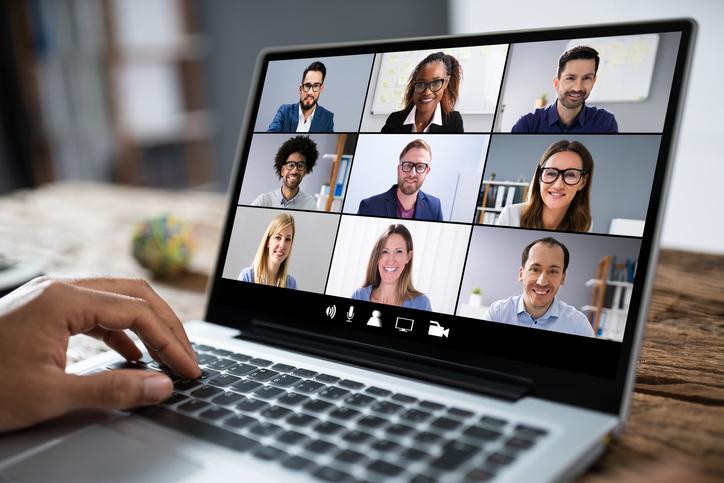
Hybrid networking platforms connect people attending physically with participants joining remotely, expanding networking opportunities beyond a single location.
Hybrid Networking Features Can Include
- Virtual attendee profiles
- Allow physical and remote participants to discover relevant professionals.
- Expands networking possibilities.
- One-to-one video meetings
- Participants can hold private online conversations.
- Supports remote business meetings.
- Virtual networking rooms
- Provide digital spaces for group conversations.
- Replicates aspects of physical networking lounges.
- Business matchmaking
- Connect participants according to professional interests.
- Makes hybrid networking more targeted.
- Meeting scheduling
- Attendees can arrange appointments in advance.
- Improves networking efficiency.
- Live chat
- Provides continuous communication between participants.
- Helps initiate conversations.
- Hybrid panel interaction
- Remote and physical participants can contribute to discussions.
- Creates a more connected event.
- Digital contact exchange
- Participants can exchange professional details regardless of location.
- Supports post-event follow-up.
Hybrid networking platforms remove geographical barriers by allowing physical and remote attendees to discover contacts, schedule meetings, communicate, and participate in shared networking activities.
Event technology can simplify attendee interaction, facilitate contact sharing, improve engagement, and extend networking beyond the physical venue. When appropriately integrated, technology supports the entire networking journey—from registration and arrival to introductions, interaction, contact exchange, and post-event communication.
Digital registration and QR check-in simplify attendee management, while QR networking and digital business cards make professional contact exchange easier. Event mobile applications can provide attendee directories, messaging, meeting scheduling, and personalized programmes.
LED screens and digital displays improve communication throughout the venue, while live polling and audience interaction tools make formal sessions more participatory. Social media integration can extend event conversations online, while hybrid networking platforms allow remote and physical participants to connect within the same professional event.
Peak Audio can support technology-driven networking events in Kenya through professional audiovisual production, sound systems, LED screens, staging, event lighting, digital presentation systems, audience engagement technology, live streaming, hybrid event solutions, and dedicated technical support.
By combining structured networking activities with the right event technology, organizers can create experiences where attendees can register efficiently, discover relevant contacts, interact confidently, exchange professional information, participate actively, and maintain valuable connections after the event.
6. Audiovisual Production for Networking Events

Networking Event Planning Kenya
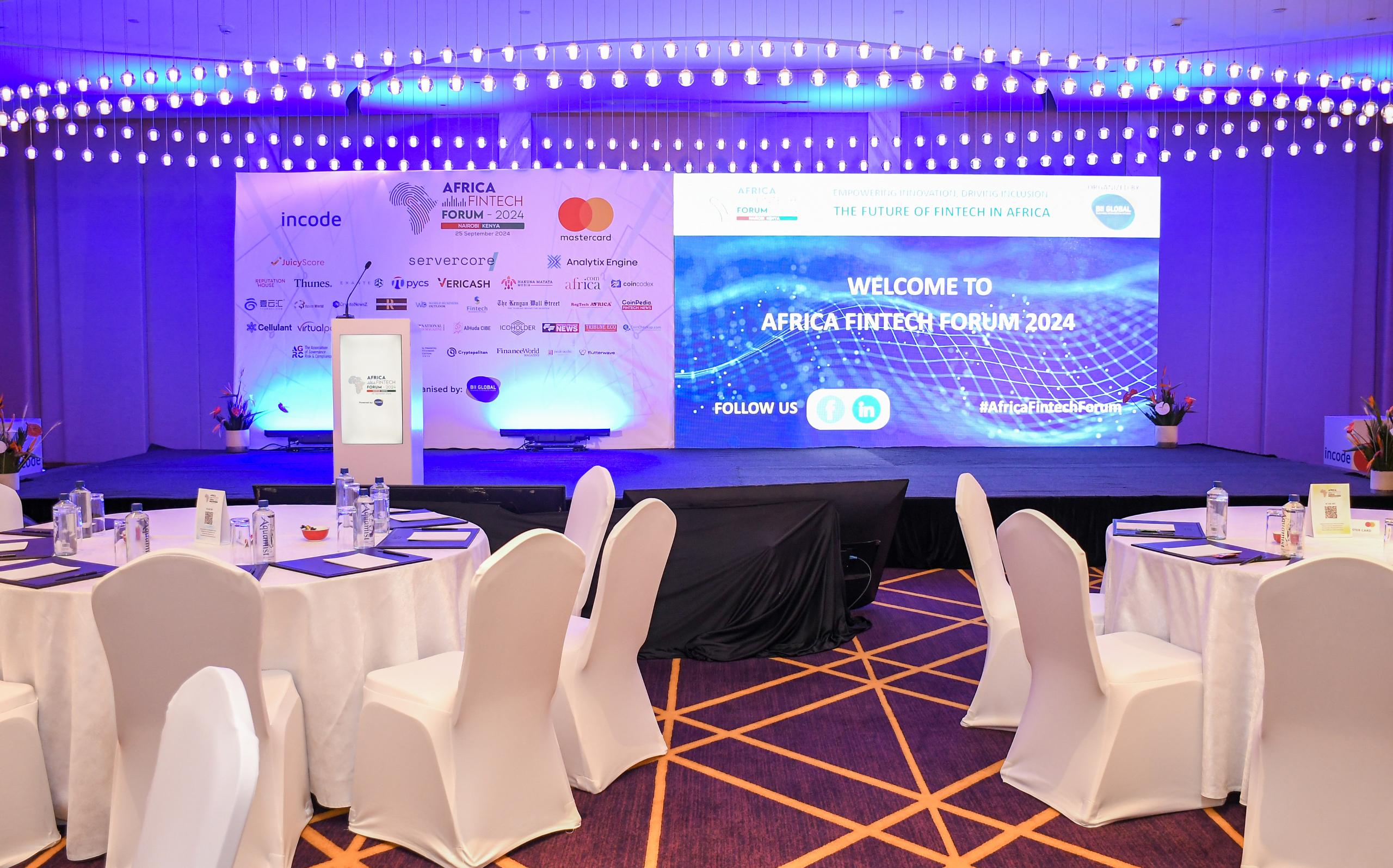
Professional audiovisual production plays an important role in creating a networking environment where attendees can hear announcements clearly, follow presentations, participate in discussions, enjoy entertainment, interact with digital content, and communicate comfortably.
Networking events may be less formal than conferences, but they still require carefully planned sound systems, microphones, staging, LED screens, lighting, entertainment systems, live streaming, and technical support. The production setup should complement networking rather than overpower it, particularly when conversation and relationship building are the primary objectives.
6.1 Professional Sound Systems
Professional sound systems ensure speeches, introductions, presentations, announcements, and entertainment can be heard clearly throughout the networking venue.
Sound Systems Can Support
- Opening remarks
- Ensures hosts and organizers can welcome attendees clearly.
- Helps introduce the event objectives and programme.
- Keynote presentations
- Provides clear amplification for speakers.
- Allows attendees throughout the venue to follow presentations.
- Panel discussions
- Balances audio from several speakers.
- Makes professional discussions easier to follow.
- Networking instructions
- Hosts can explain speed networking, matchmaking, table rotations, and other activities.
- Helps activities run smoothly.
- Background music
- Creates atmosphere during networking periods.
- Sound levels can be managed to allow comfortable conversation.
- Entertainment
- Supports DJs, musicians, hosts, and other performers.
- Adds variety to the programme.
- Large venue coverage
- Appropriately positioned speakers distribute sound throughout the event space.
- Helps avoid areas where announcements cannot be heard.
Professional sound systems provide clear communication while supporting presentations, announcements, entertainment, and structured networking activities.
6.2 Wireless Microphones
Wireless microphones provide flexibility for hosts, speakers, moderators, and attendees who need to move around the venue.
Wireless Microphone Applications
- Event hosts and MCs
- Allows hosts to move around while making announcements.
- Supports a more dynamic programme.
- Keynote speakers
- Wireless microphones allow presenters to communicate without remaining at a fixed position.
- Creates greater presentation flexibility.
- Panel discussions
- Appropriate microphones provide clear audio for panelists.
- Helps audiences follow conversations.
- Audience Q&A
- Handheld microphones can be passed or managed by event staff.
- Allows participants to ask questions clearly.
- Networking activities
- Facilitators can give instructions while moving between attendees.
- Useful for speed networking and group activities.
- Award or recognition sessions
- Supports announcements and short acceptance remarks.
- Maintains professional audio quality.
Common Microphone Options
- Wireless handheld microphones
- Suitable for hosts, audience interaction, and announcements.
- Lapel microphones
- Provide hands-free operation for speakers.
- Headset microphones
- Useful where presenters require greater mobility.
- Table microphones
- Suitable for selected panel and discussion formats.
Wireless microphones provide mobility and clear communication for hosts, speakers, moderators, facilitators, and attendees throughout networking events.
6.3 Stage and Presentation Setup
Even when networking is the primary focus, many events include formal programme elements requiring a professional stage or presentation area.
Stage Setup Can Include
- Speaker platforms
- Create a clear focal point for speeches and presentations.
- Improves audience attention.
- Lecterns
- Provide formal presentation positions where appropriate.
- Useful for opening remarks and keynote speeches.
- Panel discussion areas
- Provide seating for moderators and panelists.
- Supports professional conversations.
- Branded stage backdrops
- Display event identity and organizational branding.
- Creates a professional visual environment.
- Presentation screens
- Allow speakers to display slides, videos, and other visual content.
- Supports information sharing.
- Stage furniture
- Appropriate seating and tables can support fireside chats, interviews, and panel discussions.
- Helps match the stage to the programme format.
- Speaker confidence monitors
- Allow presenters to view relevant presentation content.
- Supports smoother delivery.
A professionally arranged stage creates a clear focal point for presentations, introductions, discussions, announcements, and other formal networking programme elements.
6.4 LED Screens and Visual Displays

Networking Event Planning Kenya
LED screens and digital displays strengthen visual communication and can also support interactive networking activities.
LED Screens Can Display
- Event branding
- Show logos, themes, and branded graphics.
- Creates a consistent professional identity.
- Speaker presentations
- Display slides, charts, photographs, and videos.
- Makes content easier to follow.
- Networking schedules
- Inform attendees about upcoming activities.
- Helps participants manage their time.
- Networking instructions
- Explain table rotations, matchmaking sessions, and other activities.
- Improves coordination.
- Live camera feeds
- Display speakers and programme activities.
- Useful for larger venues.
- Social media walls
- Show selected event-related digital content.
- Adds an interactive component.
- Live polling results
- Display audience responses instantly.
- Encourages participation.
- Sponsor and partner content
- Provide appropriate visibility to event partners.
- Supports sponsorship objectives.
LED screens and digital displays support presentations, branding, networking instructions, audience interaction, live video, and event information throughout the venue.
6.5 Professional Event Lighting
Lighting influences the atmosphere of a networking event while ensuring speakers, stages, networking areas, and entertainment spaces remain appropriately visible.
Event Lighting Can Include
- Stage lighting
- Ensures speakers and presenters are clearly visible.
- Supports photography and video production.
- Ambient lighting
- Creates an appropriate atmosphere across networking spaces.
- Helps make venues more inviting.
- Accent lighting
- Highlights branding, décor, exhibition areas, or architectural features.
- Strengthens the visual environment.
- Corporate colour lighting
- Selected lighting can complement appropriate brand colours.
- Reinforces event identity.
- Networking lounge lighting
- Provides comfortable illumination for conversations.
- Creates a relaxed professional environment.
- Entertainment lighting
- Supports music and performance segments.
- Adds energy where appropriate.
- Camera-friendly lighting
- Ensures speakers and attendees are properly illuminated for recording and streaming.
- Improves video quality.
Professional lighting helps create the desired atmosphere while improving stage visibility, branding, networking environments, entertainment presentation, photography, and video production.
6.6 Background Music and Entertainment
Background music and entertainment can create a more relaxed environment, particularly during business mixers, networking cocktails, corporate receptions, executive dinners, and post-conference networking sessions.
Entertainment Options Can Include
- Professional DJs
- Provide appropriate music during networking and social periods.
- Helps create atmosphere.
- Live acoustic performers
- Offer subtle entertainment without dominating the event.
- Suitable for dinners and receptions.
- Live bands
- Can provide entertainment during selected programme segments.
- Works well for larger networking events.
- Cultural performers
- Can add locally relevant entertainment.
- Particularly useful for international or regional gatherings.
- Professional MCs
- Guide the programme and make important announcements.
- Helps maintain event flow.
- Short entertainment segments
- Can provide transitions between presentations and networking periods.
- Adds variety to the programme.
Managing Background Music
- Maintain appropriate volume
- Music should create atmosphere without making conversations difficult.
- Networking should remain the priority.
- Match music to the audience
- Select entertainment appropriate for the event’s professional profile.
- Helps maintain the desired atmosphere.
Well-managed background music and entertainment can create an enjoyable atmosphere while still allowing attendees to talk comfortably, network, and develop professional relationships.
6.7 Live Streaming for Hybrid Networking
Live streaming allows organizations to extend selected networking event content to participants who cannot attend the physical venue.
Hybrid Networking Production Can Include
- Professional live streaming
- Broadcasts presentations and selected event sessions.
- Expands event accessibility.
- Remote speakers
- Allows experts and presenters to participate from different locations.
- Expands speaker options.
- Virtual attendee participation
- Remote participants can join appropriate discussions and interactive sessions.
- Creates a more inclusive experience.
- Online Q&A
- Allows virtual attendees to submit questions.
- Supports two-way interaction.
- Live polling
- Physical and virtual attendees can participate in shared polls.
- Creates a connected audience experience.
- Virtual networking rooms
- Remote participants can join smaller professional conversations.
- Supports relationship building.
- Hybrid business matchmaking
- Digital platforms can connect remote and physical participants.
- Expands potential professional connections.
- Event recording
- Selected programme content can be captured for appropriate post-event use.
- Extends event value.
Live streaming and hybrid event technology allow organizations to extend networking opportunities beyond the physical venue while supporting remote speakers, presentations, discussions, and audience interaction.
6.8 On-Site Technical Support
Professional technicians ensure audiovisual equipment and event technology are correctly installed, tested, operated, and monitored throughout the networking event.
On-Site Technical Support Can Include
- Equipment installation
- Sets up sound systems, microphones, screens, stages, lighting, and streaming equipment.
- Ensures systems are ready before attendees arrive.
- Sound checks
- Tests microphones, music, videos, and speaker audio.
- Helps maintain clear communication.
- Presentation testing
- Checks slides, videos, laptops, and screen feeds.
- Reduces presentation delays.
- Lighting management
- Adjusts stage and venue lighting throughout the programme.
- Supports different event activities.
- Video management
- Operates cameras, video switching, screens, and recording systems.
- Supports professional visual production.
- Live streaming management
- Monitors online broadcasts and remote connections.
- Helps maintain hybrid event delivery.
- Technical troubleshooting
- Responds quickly when equipment or connectivity problems occur.
- Helps minimize disruptions.
- Production coordination
- Works with organizers, hosts, speakers, entertainers, and venue teams.
- Keeps technical activities aligned with the programme.
Dedicated on-site technicians help ensure sound, screens, presentations, lighting, entertainment, streaming, and other event technologies operate smoothly throughout the networking event.
Professional audiovisual production creates an environment where presentations, announcements, entertainment, networking activities, and hybrid participation can run smoothly while maintaining a polished and professional event experience.
Professional sound systems and wireless microphones ensure clear communication, while staging provides a focal point for presentations and formal programme elements. LED screens support presentations, branding, networking instructions, polling, and live video, while professional lighting creates an appropriate atmosphere across stages and networking areas.
Carefully managed background music and entertainment can make networking environments more welcoming without interfering with conversations. For events with remote participants, live streaming and hybrid technology can extend selected presentations, discussions, and networking opportunities beyond the physical venue.
Peak Audio can support networking events across Kenya with professional sound systems, wireless microphones, staging, LED screens, event lighting, live streaming, hybrid event technology, video production, entertainment technical support, and dedicated on-site technicians.
By combining professional audiovisual production with a networking-focused event design, organizers can create environments where attendees can hear clearly, follow presentations, participate comfortably, interact with other professionals, and remain engaged throughout the event.
7. Why Choose Peak Audio for Networking Event Planning in Kenya?

Networking Event Planning Kenya
Successful networking events require more than a venue and a guest list. They need professional event production, clear sound, suitable staging, effective lighting, strong visual communication, audience engagement technology, and dependable technical support to create an environment where attendees can interact comfortably.
Peak Audio brings these elements together to support corporate networking events, business forums, executive gatherings, industry networking sessions, association events, startup and investor forums, networking dinners, cocktail events, and hybrid networking experiences across Kenya.
7.1 Professional Networking Event Production
Professional event production helps coordinate the different technical and logistical elements required to deliver a polished networking experience.
Peak Audio Networking Event Production Can Include
- Pre-event planning
- Reviews the event objectives, audience, venue, programme, and technical requirements.
- Helps determine an appropriate production approach.
- Technical site assessment
- Evaluates the venue for sound, staging, lighting, screens, power, and technical infrastructure.
- Helps identify requirements before setup.
- Production planning
- Coordinates audiovisual equipment, stage requirements, displays, and other technical elements.
- Helps different systems work together effectively.
- Programme coordination
- Supports presentations, speeches, panel discussions, networking activities, and entertainment.
- Helps maintain smooth transitions.
- Equipment setup and testing
- Technical systems are installed and tested before the event begins.
- Reduces avoidable disruptions.
- Live event production
- Technicians manage sound, presentations, lighting, screens, and other production elements throughout the programme.
- Keeps the event professionally coordinated.
Professional event production provides the technical foundation required to create organized, polished, and engaging networking experiences.
7.2 High-Quality Sound Systems

Networking Event Planning Kenya
Clear audio is important at networking events because attendees need to hear welcomes, introductions, presentations, announcements, networking instructions, panel discussions, and entertainment without difficulty.
Professional Sound Solutions Can Include
- Main PA systems
- Provide balanced sound coverage throughout the venue.
- Can be scaled according to venue size and attendance.
- Speaker amplification
- Ensures keynote speakers and presenters can be heard clearly.
- Supports effective communication.
- Panel discussion audio
- Provides appropriate microphone coverage for multiple speakers.
- Makes conversations easier to follow.
- Networking announcements
- Allows hosts to communicate activity instructions and programme updates.
- Helps keep networking sessions organized.
- Background music management
- Creates atmosphere while maintaining appropriate levels for conversation.
- Particularly important during networking sessions.
- Entertainment audio
- Supports DJs, bands, hosts, and performers where required.
- Adds variety to the event experience.
High-quality sound systems ensure important information can be heard clearly while maintaining an environment where attendees can still communicate comfortably.
7.3 Stage and Lighting Solutions
Stages and lighting create professional focal points for speeches, presentations, panel discussions, entertainment, and other formal programme elements.
Stage Solutions Can Include
- Presentation stages
- Provide dedicated areas for speakers and presentations.
- Creates a clear focal point.
- Panel discussion setups
- Accommodate moderators and multiple speakers.
- Supports professional discussions.
- Branded backdrops
- Reinforce event identity and organizational branding.
- Creates a polished visual environment.
- Lecterns and stage furniture
- Support different presentation formats.
- Can be adapted to the event style.
Professional Lighting Can Include
- Speaker lighting
- Ensures presenters are clearly visible.
- Ambient lighting
- Creates a comfortable networking atmosphere.
- Accent lighting
- Highlights branding, décor, stages, and selected venue features.
- Entertainment lighting
- Supports music and performance segments.
- Camera-friendly lighting
- Improves photography, recording, and live-streaming quality.
Professional staging and lighting improve presentation quality, visibility, branding, atmosphere, photography, and the overall networking environment.
7.4 LED Screens and Visual Displays
LED screens provide flexible visual communication throughout networking events and can support both formal presentations and interactive activities.
LED Screens Can Display
- Event branding
- Reinforces the event identity and visual theme.
- Speaker presentations
- Displays slides, videos, charts, and other presentation content.
- Networking schedules
- Shows upcoming networking sessions and programme information.
- Activity instructions
- Explains speed networking, table rotations, competitions, or matchmaking activities.
- Live camera feeds
- Improves speaker visibility during larger events.
- Polling results
- Displays audience responses in real time.
- Social media walls
- Presents selected event-related digital content.
- Sponsor and partner content
- Provides appropriate visibility for event stakeholders.
LED screens improve visual communication while supporting branding, presentations, networking instructions, live video, audience interaction, and event information.
7.5 Event Technology and Audience Engagement Tools
Peak Audio can integrate event technology into networking experiences to make attendee participation, communication, and information sharing easier.
Event Technology Can Include
- Digital registration
- Simplifies attendee registration and guest management.
- Creates a smoother arrival process.
- QR code check-in
- Provides faster attendee verification.
- Can reduce registration queues.
- Digital networking tools
- Help attendees discover and connect with relevant professionals.
- Makes interaction more targeted.
- Live polling
- Collects audience opinions during presentations and discussions.
- Creates immediate participation.
- Digital Q&A
- Allows participants to submit questions electronically.
- Supports larger audiences.
- Audience response systems
- Can support surveys, quizzes, voting, and other interactive activities.
- Provides measurable engagement data.
- Digital surveys
- Collect attendee feedback during or after the event.
- Helps organizers evaluate the experience.
- QR engagement
- Provides quick access to schedules, resources, surveys, and interactive content.
- Connects physical and digital participation.
Event technology helps make networking events more interactive, measurable, organized, and convenient for both attendees and organizers.
7.6 Live Streaming and Hybrid Event Solutions
Organizations may need to connect attendees, speakers, executives, or stakeholders who cannot be physically present at the networking venue.
Hybrid Event Solutions Can Include
- Professional live streaming
- Broadcasts selected presentations and sessions to remote audiences.
- Expands event accessibility.
- Remote speaker integration
- Allows speakers to contribute from different locations.
- Expands presenter options.
- Virtual networking rooms
- Provide online spaces for smaller professional conversations.
- Supports remote interaction.
- Hybrid Q&A
- Allows physical and remote attendees to submit questions.
- Creates two-way participation.
- Live polling
- Both audiences can participate in shared polls.
- Helps create a connected event experience.
- Multi-camera video production
- Captures speakers, panels, and other event activities.
- Improves the online viewing experience.
- Digital contact exchange
- Helps remote and physical attendees exchange appropriate professional information.
- Supports continued networking.
- Event recording
- Selected sessions can be captured for appropriate post-event use.
- Extends the value of event content.
Live streaming and hybrid event solutions can expand networking opportunities by connecting physical and remote speakers, attendees, partners, and stakeholders within the same event experience.
7.7 Customized Corporate Event Solutions
Networking events have different objectives, audiences, venues, budgets, and programme requirements. Production solutions should therefore be designed around the specific event rather than using the same setup for every occasion.
Customized Solutions Can Consider
- Event objectives
- Production can be designed around relationship building, stakeholder engagement, business development, or another purpose.
- Audience profile
- Executive audiences, investors, entrepreneurs, association members, and other groups may require different approaches.
- Number of attendees
- Sound, screens, staging, and technical requirements can be scaled appropriately.
- Venue characteristics
- Production can be adapted for hotels, conference centres, outdoor spaces, corporate offices, and other locations.
- Event format
- Solutions can be developed for physical, virtual, and hybrid events.
- Brand requirements
- Screens, lighting, stage elements, and visual content can support the event identity.
- Networking activities
- Technical production can support speed networking, matchmaking, roundtables, presentations, and interactive sessions.
- Budget requirements
- Equipment and production requirements can be prioritized according to the event’s needs and available resources.
Customized production allows organizations to select audiovisual and event technology solutions that match their objectives, audience, venue, programme, scale, and budget.
7.8 Dedicated Technical Support
Reliable technical support is essential for keeping networking events running smoothly from setup to completion.
Technical Support Can Include
- Equipment installation
- Sets up sound systems, microphones, stages, screens, lighting, cameras, and other equipment.
- Ensures systems are properly prepared.
- Pre-event testing
- Tests microphones, presentations, screens, videos, and other technical systems.
- Identifies potential problems before attendees arrive.
- Sound engineering
- Manages speeches, presentations, entertainment, and background audio.
- Maintains consistent sound quality.
- Presentation management
- Coordinates slides, videos, screen content, and speaker presentations.
- Supports smooth programme transitions.
- Lighting operation
- Adjusts lighting for networking, presentations, entertainment, and other programme segments.
- Maintains an appropriate atmosphere.
- Streaming and video management
- Supports cameras, recording, live streaming, and remote speakers where required.
- Helps deliver professional hybrid events.
- Technical troubleshooting
- Responds quickly when technical problems occur.
- Helps minimize interruptions.
- Event coordination
- Works with organizers, venues, speakers, hosts, and entertainment teams.
- Keeps technical production aligned with the programme.
Dedicated technical support ensures sound, lighting, screens, presentations, streaming, video, and other event technologies remain professionally managed throughout the networking event.
Peak Audio combines professional event production, audiovisual technology, staging, lighting, digital event solutions, and technical expertise to support successful networking events throughout Kenya.
Professional sound systems and microphones ensure clear communication, while staging, event lighting, LED screens, and visual displays create a polished environment for presentations, discussions, branding, and networking activities. Event technology can further improve the experience through digital registration, audience interaction tools, QR engagement, polling, Q&A, and other digital solutions.
For organizations bringing together participants from different locations, live streaming and hybrid event technology can connect physical and remote attendees, speakers, executives, and stakeholders. Customized production solutions also allow the technical setup to be designed around the event’s audience, venue, programme, objectives, and budget.
With dedicated technical support throughout the event, Peak Audio can help organizations create networking environments where attendees can communicate clearly, participate comfortably, exchange ideas, discover opportunities, establish partnerships, and build valuable professional relationships.
8. Frequently Asked Questions About Networking Event Planning Kenya
Professional networking event planning involves coordinating the audience, venue, programme, networking activities, audiovisual production, event technology, registration, and technical support required to create meaningful professional interactions.
Below are answers to common questions about networking event planning in Kenya and the solutions Peak Audio can provide for corporate, business, association, NGO, investor, executive, and hybrid networking events.
8.1 How Do I Organize a Successful Networking Event in Kenya?
A successful networking event should be designed around clear objectives and provide deliberate opportunities for attendees to meet and communicate.
Key Planning Steps Include
- Define the networking objectives
- Determine whether the event is intended for business development, partnerships, stakeholder engagement, investment, knowledge exchange, or relationship building.
- Clear objectives guide the rest of the planning process.
- Identify the target audience
- Invite professionals who have relevant or complementary interests.
- A carefully selected audience increases the value of networking.
- Develop an appropriate budget
- Consider venue, catering, audiovisual production, entertainment, technology, branding, and staffing.
- Include contingency funds where appropriate.
- Select the right venue
- Choose a location with sufficient space for conversations, presentations, networking activities, and technical production.
- Consider accessibility and convenience.
- Develop a structured programme
- Combine formal content with sufficient networking time.
- Avoid filling the entire schedule with presentations.
- Include networking activities
- Speed networking, matchmaking, themed tables, and discussion groups can encourage interaction.
- Gives attendees clear opportunities to participate.
- Arrange professional production
- Sound, lighting, staging, screens, and presentation technology should support the programme.
- Creates a polished environment.
- Plan post-event follow-up
- Encourage appropriate continued communication after the event.
- Extends the value of relationships established during the gathering.
Successful networking events combine the right audience, structured interaction, suitable venue, professional production, effective technology, and post-event follow-up.
8.2 What Are the Best Networking Activities for Corporate Events?
The best activities encourage professional conversations while remaining appropriate for the event’s audience and objectives.
Popular Networking Activities Include
- Speed networking
- Creates several short introductions between attendees.
- Helps participants expand their networks quickly.
- Business matchmaking
- Connects attendees according to complementary interests or objectives.
- Makes networking more targeted.
- Themed networking tables
- Groups participants around specific topics or industries.
- Provides immediate conversation starters.
- Roundtable discussions
- Creates smaller environments for deeper conversations.
- Encourages knowledge exchange.
- Interactive icebreakers
- Help attendees become comfortable communicating.
- Particularly useful at the beginning of an event.
- Networking games
- Add friendly competition and encourage attendees to meet new people.
- Can be useful for less formal corporate gatherings.
- Hosted coffee sessions
- Combine refreshments with structured introductions.
- Creates relaxed professional interaction.
- Executive networking dinners
- Provide smaller environments for senior-level conversations.
- Suitable for selected business audiences.
Combining structured and informal networking activities gives attendees different ways to meet, communicate, exchange ideas, and establish relevant professional connections.
8.3 How Do You Encourage Attendees to Interact at Networking Events?
Attendees are more likely to interact when organizers remove common barriers to introductions and provide clear opportunities for conversation.
Effective Strategies Include
- Use professional facilitators or hosts
- Hosts can introduce participants and explain networking activities.
- Helps attendees understand how to participate.
- Provide conversation prompts
- Questions can be placed on tables or provided digitally.
- Makes starting conversations easier.
- Use name badges
- Display names and organizations clearly.
- Helps participants identify one another.
- Create smaller discussion groups
- Smaller groups can feel easier to participate in than large open rooms.
- Encourages deeper conversations.
- Introduce structured networking
- Speed networking and matchmaking remove uncertainty about whom to approach.
- Creates purposeful interaction.
- Design the venue for movement
- Networking lounges, standing tables, and open spaces can encourage attendees to circulate.
- Reduces isolated groups.
- Use interactive technology
- Polls, QR activities, event apps, and digital networking tools can encourage participation.
- Adds another way to initiate conversations.
Interaction increases when organizers provide clear introductions, structured activities, conversation prompts, suitable spaces, and convenient networking technology.
8.4 What Type of Venue Is Best for a Networking Event?
The ideal venue depends on the audience size, networking format, programme, catering requirements, and technical production needs.
Important Venue Features Include
- Appropriate capacity
- The venue should accommodate attendees comfortably without feeling overcrowded.
- Sufficient circulation space encourages movement.
- Flexible layout
- Spaces should accommodate standing tables, lounges, presentation areas, and discussion groups.
- Allows different networking formats.
- Good acoustics
- Attendees should be able to communicate comfortably.
- Excessive noise can make networking difficult.
- Reliable internet
- Important for registration, digital networking, streaming, and event applications.
- Backup connectivity may be appropriate for technology-dependent events.
- Suitable power infrastructure
- Supports sound systems, screens, lighting, registration systems, and other equipment.
- Reduces technical limitations.
- Convenient location
- The venue should be reasonably accessible to the intended audience.
- Transport and parking should also be considered.
- Breakout spaces
- Useful for private meetings, matchmaking, or smaller discussions.
- Provides flexibility.
The best networking venue provides a balance of accessibility, comfortable conversation areas, flexible layouts, reliable infrastructure, and sufficient space for professional production.
8.5 What Technology Can Improve Business Networking Events?
Event technology can simplify introductions, contact exchange, attendee management, audience participation, and follow-up.
Useful Networking Technologies Include
- Digital registration systems
- Simplify registration and check-in.
- QR code check-in
- Speeds up attendee verification.
- Event mobile applications
- Can provide schedules, profiles, messaging, and meeting tools.
- Digital attendee directories
- Help participants identify relevant professionals.
- Digital business cards
- Simplify professional contact exchange.
- Business matchmaking platforms
- Connect attendees according to selected professional interests.
- Live polling and Q&A
- Add interaction to presentations and discussions.
- LED screens
- Display programmes, instructions, branding, polling results, and other information.
Event technology makes networking more organized by helping participants identify relevant people, exchange information, schedule conversations, and interact with event content.
8.6 How Can Speed Networking Be Organized Effectively?
Speed networking works best when the process is structured, clearly communicated, and appropriately timed.
Effective Speed Networking Requires
- Create participant groups
- Organize attendees according to the event objectives where appropriate.
- Can improve the relevance of introductions.
- Set conversation times
- Give each pair enough time for brief professional introductions.
- Keep sessions moving consistently.
- Provide prompts
- Suggested questions can help participants begin conversations quickly.
- Particularly useful for first-time attendees.
- Use clear timing signals
- Sound, screens, or facilitators can indicate when each round ends.
- Keeps the activity coordinated.
- Organize rotations
- Participants should know exactly when and where to move.
- Avoids confusion.
- Provide contact-exchange options
- Business cards, digital cards, or QR codes can simplify information sharing.
- Supports later follow-up.
- Allow open networking afterwards
- Participants can reconnect with people they found particularly relevant.
- Allows deeper conversations.
Effective speed networking combines clear instructions, appropriate timing, organized rotations, conversation prompts, and convenient contact exchange.
8.7 Can Networking Events Be Organized in a Hybrid Format?
Yes. Hybrid networking events can combine a physical venue with digital participation for remote attendees, speakers, executives, investors, or other stakeholders.
Hybrid Networking Can Include
- Live streaming
- Remote attendees can follow selected event sessions.
- Virtual networking rooms
- Provide digital spaces for smaller conversations.
- One-to-one video meetings
- Enable targeted discussions between participants in different locations.
- Online business matchmaking
- Matches physical and remote attendees according to relevant interests.
- Hybrid Q&A
- Allows both audiences to submit questions.
- Shared live polling
- Physical and remote participants can respond simultaneously.
- Remote speakers
- Experts can contribute without travelling to the venue.
- Digital contact exchange
- Participants can share appropriate professional information regardless of location.
Hybrid networking removes geographical barriers and allows physical and remote participants to meet, communicate, exchange information, and participate in shared event experiences.
8.8 Does Peak Audio Provide Audiovisual Equipment for Networking Events?
Yes. Peak Audio can provide professional audiovisual production to support networking events of different formats and sizes.
Audiovisual Solutions Can Include
- Professional sound systems
- Provide clear audio for presentations and announcements.
- Wireless microphones
- Support speakers, hosts, moderators, and audience participation.
- Presentation systems
- Support slides, videos, and other digital content.
- LED screens
- Provide large-format visual communication.
- Video production equipment
- Supports recording, live feeds, and hybrid production.
- Professional lighting
- Improves stage visibility and event atmosphere.
- Audio equipment for entertainment
- Supports DJs, musicians, and appropriate entertainment segments.
- Technical operation
- Experienced technicians manage audiovisual equipment throughout the event.
Peak Audio can provide the audiovisual equipment and technical expertise required to support presentations, announcements, networking activities, entertainment, and interactive sessions.
8.9 Can Peak Audio Provide Staging, Lighting and LED Screens?
Yes. Staging, lighting, and LED screens can be integrated into the networking event according to the venue, programme, audience, and branding requirements.
Solutions Can Include
- Professional stages
- Provide focal points for presentations, panels, and announcements.
- Branded stage setups
- Support organizational and event identity.
- Stage lighting
- Ensures speakers and presenters are clearly visible.
- Ambient lighting
- Creates an appropriate networking atmosphere.
- LED video walls
- Display presentations, live video, graphics, and event information.
- Digital branding
- Displays logos, themes, sponsor content, and branded visuals.
- Networking instructions
- Screens can communicate rotations, schedules, and activity information.
- Live audience content
- Poll results and selected interactive content can appear on displays.
Professional staging, lighting, and LED screens help create a visually polished, well-branded, and functional environment for networking events.
8.10 Does Peak Audio Provide Live Streaming for Networking Events?
Yes. Live streaming can extend selected networking event content to participants who cannot attend physically and can form part of a broader hybrid event solution.
Live Streaming Services Can Include
- Multi-camera coverage
- Captures speakers, panels, and programme activities from different angles.
- Professional audio integration
- Provides clear sound for remote viewers.
- Presentation integration
- Incorporates slides, videos, and graphics into the stream.
- Remote speaker integration
- Allows speakers to join from other locations.
- Hybrid audience interaction
- Remote participants can contribute through appropriate Q&A and polling tools.
- Streaming management
- Technical teams monitor the broadcast throughout the event.
- Event recording
- Selected sessions can be recorded for appropriate post-event use.
Professional live streaming helps extend networking events beyond the physical venue while supporting remote speakers, presentations, discussions, and hybrid audience participation.
8.11 Does Peak Audio Support Networking Events Outside Nairobi?
Peak Audio can support networking event production in Nairobi and other locations across Kenya depending on the event requirements.
Nationwide Event Support Can Include
- Pre-event technical planning
- Establishes equipment, production, and logistical requirements.
- Equipment transportation
- Coordinates deployment of required audiovisual equipment.
- Professional sound
- Provides suitable audio systems for the venue and audience.
- Staging and lighting
- Supports presentations, branding, and event atmosphere.
- LED screens
- Provides visual displays for presentations and event information.
- Live streaming
- Connects events with remote participants where required.
- Technical crews
- Provides technicians to install and operate production equipment.
- Equipment breakdown
- Coordinates technical dismantling after the event.
Peak Audio can provide networking event production and technical support for organizations hosting professional events in Nairobi and other locations across Kenya.
8.12 How Can I Get a Quotation for Networking Event Production in Kenya?
A detailed event brief allows Peak Audio to determine the appropriate equipment, personnel, technology, and production requirements for the networking event.
Information to Include in Your Event Brief
- Event date and duration
- Helps determine equipment and technical team requirements.
- Venue and location
- Influences logistics and production planning.
- Expected number of attendees
- Helps determine sound, screen, staging, and technology requirements.
- Type of networking event
- Specify whether it is a corporate mixer, forum, executive dinner, conference networking session, cocktail event, or another format.
- Programme requirements
- Include presentations, panels, entertainment, matchmaking, or networking activities.
- Audiovisual requirements
- Specify sound systems, microphones, screens, staging, lighting, or video requirements.
- Event technology requirements
- Include registration, QR engagement, polling, Q&A, or hybrid participation where needed.
- Live streaming requirements
- Indicate whether remote speakers or attendees will participate.
- Branding requirements
- Specify stage visuals, screen content, sponsor visibility, or other branding needs.
- Technical support requirements
- Indicate the level of on-site production management required.
Providing a comprehensive event brief makes it easier to develop a networking event production solution and quotation based on the actual venue, audience, programme, technology, and technical requirements.
Successful networking event planning in Kenya requires more than gathering professionals in the same venue. Organizers need to create an environment that deliberately encourages attendees to meet, communicate, exchange ideas, identify opportunities, and develop meaningful professional relationships.
Structured activities such as speed networking, business matchmaking, themed networking tables, discussion groups, hosted coffee sessions, and interactive activities can make introductions easier. Digital registration, QR networking, event applications, digital contact exchange, live polling, and hybrid platforms can further improve the networking experience.
Professional audiovisual production is equally important. Clear sound systems, wireless microphones, staging, professional lighting, LED screens, presentation technology, live streaming, and technical support help ensure formal and interactive elements run smoothly.
Peak Audio can support networking events in Nairobi and other locations across Kenya with professional event production, audiovisual equipment, staging, lighting, LED screens, event technology, live streaming, hybrid event solutions, and dedicated technical support.
By combining structured networking, professional production, suitable technology, and effective follow-up, organizations can create networking events that generate valuable conversations, stronger industry connections, potential partnerships, and long-term professional relationships.
The Importance of Professional Networking Event Planning in Kenya
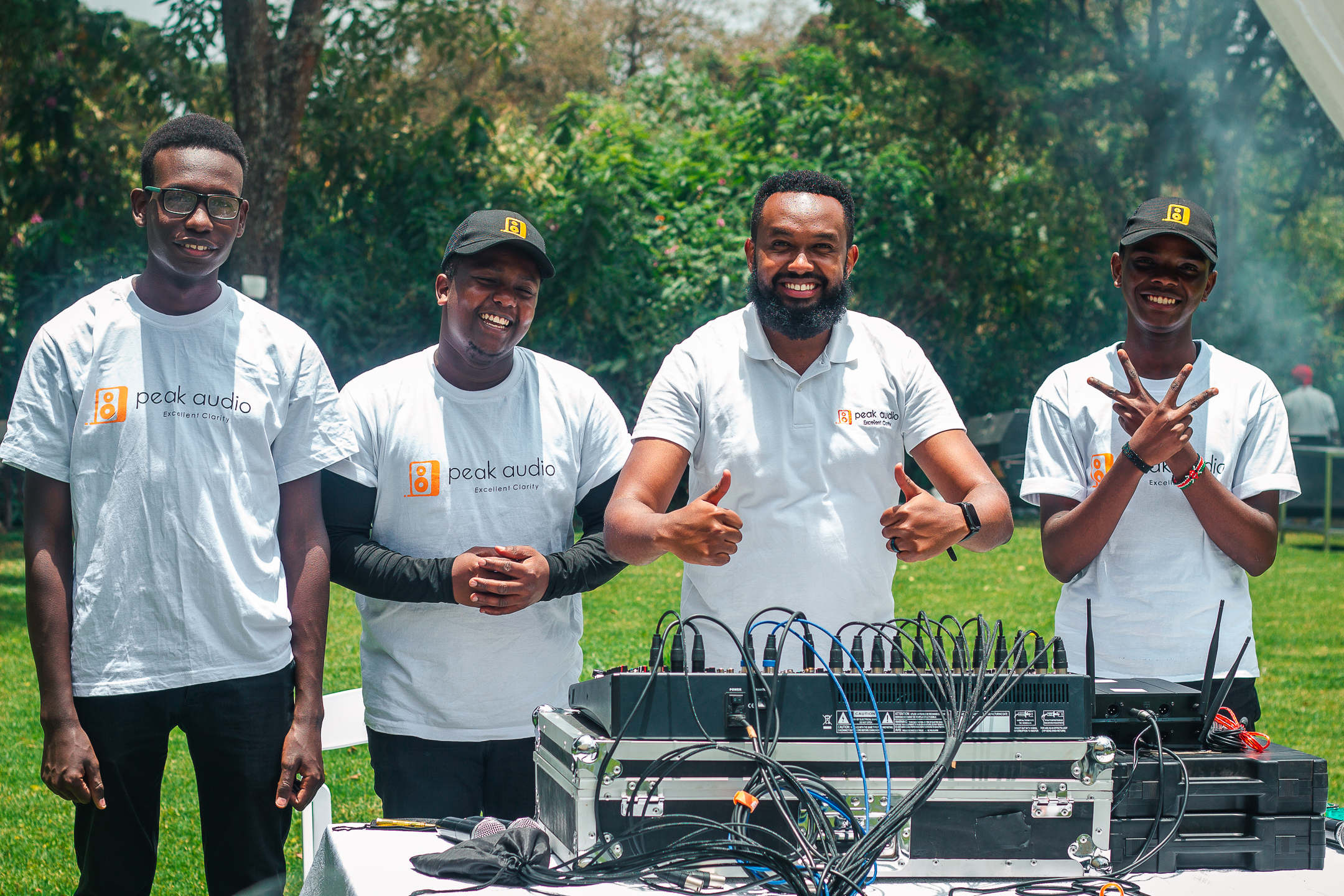
Networking Event Planning Kenya
Professional networking event planning plays a vital role in creating meaningful business connections, strengthening relationships, encouraging knowledge sharing, and opening opportunities for future partnerships. Well-organized networking events give attendees a structured environment to meet potential clients, partners, investors, and industry professionals. By encouraging purposeful interaction and attendee engagement, these events can support collaboration, lead generation, and long-term professional relationships that extend well beyond the event itself.
Successful networking events combine speed networking, business matchmaking, structured discussions, interactive activities, entertainment, and modern event technology to create engaging experiences. Professional audiovisual production further supports clear communication and smooth event flow. Every element should be designed around the event objectives, target audience, venue, format, available technology, budget, and desired attendee experience to ensure networking activities remain relevant, productive, and enjoyable for participants.
At Peak Audio, we provide professional networking event production, sound systems, staging, lighting, LED screens, event technology, live streaming, hybrid event solutions, and technical support across Kenya. Whether you are a corporation, NGO, government agency, professional association, startup, financial institution, educational organization, development organization, or multinational company, Peak Audio can provide customized networking event production solutions designed to strengthen connections, encourage meaningful engagement, and create valuable business opportunities.