Conference Marketing Strategies in Kenya
Table of Contents
ToggleConference Marketing Strategies in Kenya – Drive Attendance & Engagement with Peak Audio
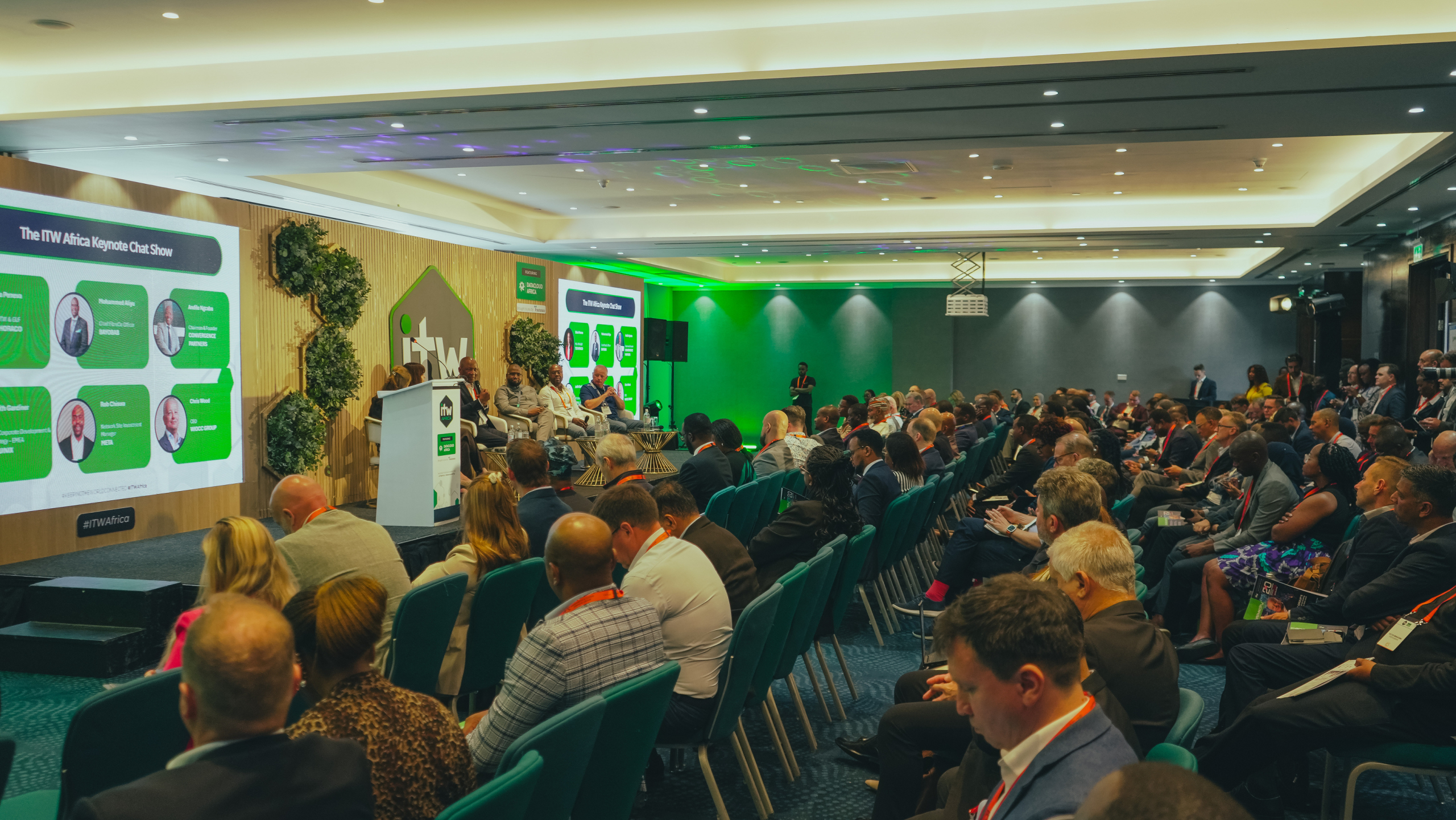
Conference Marketing Strategies in Kenya
Conference marketing strategies are essential for attracting the right audience, maximizing attendance, and ensuring the overall success of any event. In today’s competitive environment, simply organizing a conference is not enough—you must actively promote it using targeted, data-driven approaches that resonate with your audience. Whether it’s a corporate conference, industry summit, or professional workshop, effective marketing plays a decisive role in determining turnout, engagement levels, and overall event impact. A well-marketed conference not only fills seats but also builds credibility and strengthens your brand presence in the market.
In Kenya’s rapidly growing events industry, conference organizers are increasingly leveraging digital platforms, social media campaigns, email marketing, and strategic partnerships to expand their reach. Early promotion is critical, allowing organizers to build awareness, generate excitement, and secure registrations well in advance. Consistent messaging across multiple channels helps reinforce the event’s value, while engaging content—such as speaker highlights, teaser videos, and interactive posts—keeps potential attendees interested. Today’s audiences expect more than just an event; they want a compelling experience that begins long before the conference day and continues even after it ends.
Peak Audio enhances Conference Marketing Strategies in Kenya by providing professional audio-visual solutions and event technologies that amplify visibility and engagement. From high-quality video production and live streaming to dynamic LED displays and immersive presentation setups, Peak Audio helps organizers create visually compelling content that attracts and retains audiences. By integrating advanced AV solutions into marketing efforts and event execution, Peak Audio enables organizations to deliver impactful, well-promoted conferences that achieve strong attendance, meaningful engagement, and lasting success.
1. Understanding Conference Marketing
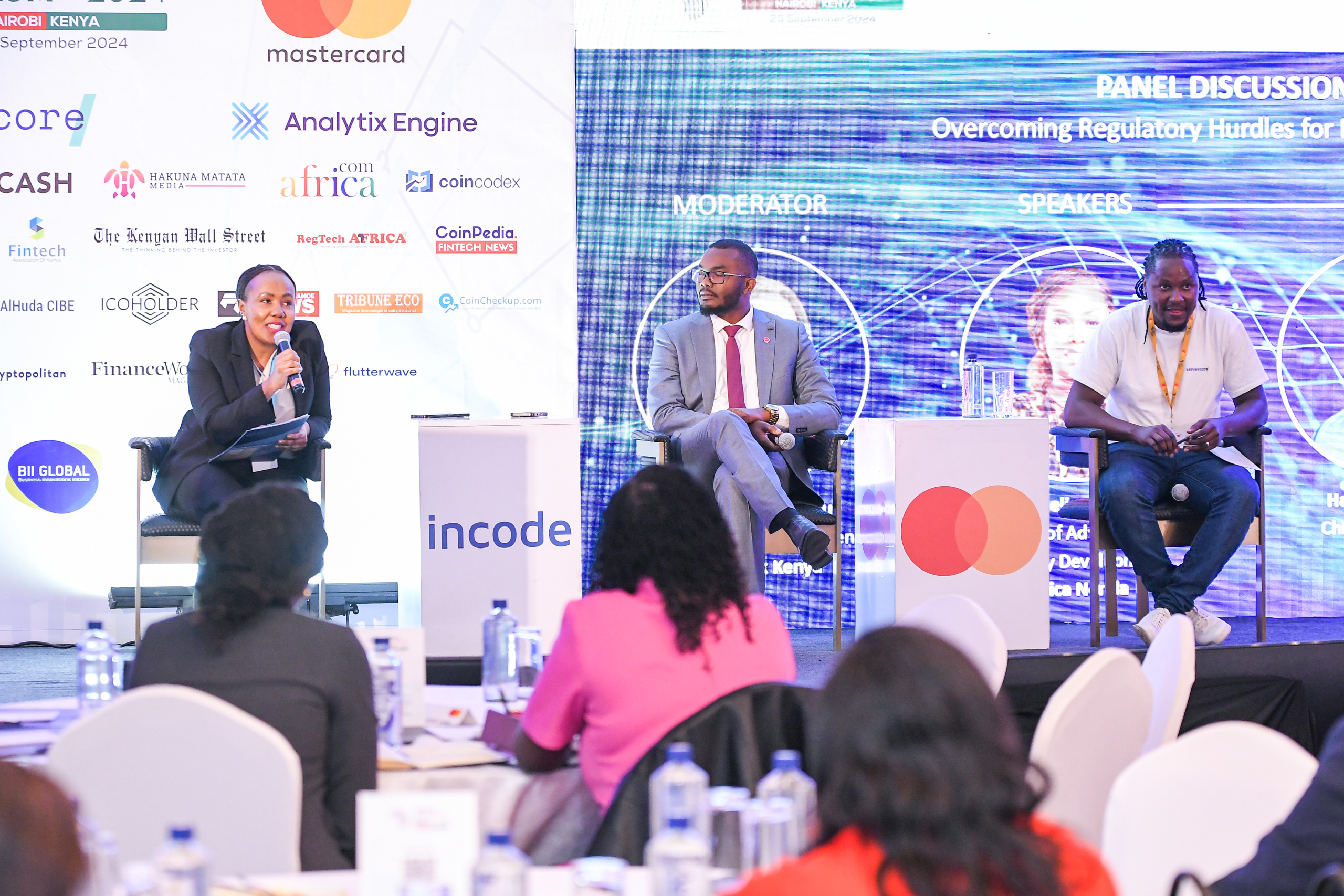
Conference Marketing Strategies in Kenya
Conference marketing is the strategic process of creating awareness, generating interest, driving registrations, attracting sponsors, and maintaining engagement before, during, and after a conference. It is not just about posting event flyers or sending invitations. A strong conference marketing strategy identifies the right audience, communicates the value of attending, builds trust around the event, and gives people clear reasons to register, participate, sponsor, or share the event with others.
1.1 Key Objectives of Conference Marketing
Conference marketing should be guided by clear objectives. Without defined goals, promotion can become scattered, inconsistent, and difficult to measure. The main purpose is to ensure the right people know about the event, understand its value, and take action.
- Increase Event Visibility – Conference marketing helps make the event known to the target audience through channels such as social media, email marketing, websites, search engines, media partnerships, and industry networks. Visibility is important because even a well-planned conference can fail if the right people do not hear about it early enough.
- Drive Registrations and Ticket Sales – A major goal is to convert awareness into attendance. This requires persuasive messaging, clear calls to action, early bird offers, speaker announcements, agenda highlights, and reminders that encourage people to register before deadlines. Strong marketing reduces hesitation by clearly showing the value attendees will receive.
- Attract Sponsors and Partners – Sponsors are more likely to support a conference when they see a clear audience, strong branding, professional communication, and measurable exposure opportunities. Marketing helps present the event as credible and valuable, making it easier to attract corporate partners, exhibitors, media partners, and industry collaborators.
- Build Brand Authority – A well-marketed conference positions the organizer as a trusted voice in the industry. Through quality content, expert speakers, professional visuals, and consistent communication, the event can strengthen the organizer’s reputation and create long-term recognition beyond a single event.
Clear marketing objectives help organizers focus their efforts, measure success, and ensure every campaign supports attendance, sponsorship, engagement, and brand growth.
1.2 Target Audience Identification
Knowing the target audience is one of the most important steps in conference marketing. A conference cannot be marketed effectively to “everyone.” Different groups attend for different reasons, so the messaging must be shaped around their needs, interests, and motivations.
- Defining Ideal Attendees – Organizers should identify the people most likely to benefit from the conference. These may include business leaders, professionals, students, government representatives, investors, exhibitors, researchers, or industry specialists. Defining the ideal attendee helps shape the agenda, speakers, pricing, content, and promotional message.
- Segmenting Audiences Based on Interests and Industry – Audience segmentation allows organizers to group people according to their roles, industries, goals, or pain points. For example, a sponsor may care about brand exposure and lead generation, while an attendee may care about learning, networking, and career growth. Segmentation prevents generic messaging and improves campaign effectiveness.
- Tailoring Messaging for Each Group – Each audience segment should receive messages that speak directly to their interests. Professionals may respond to career development and networking benefits. Sponsors may respond to visibility and audience access. Exhibitors may respond to lead generation. Students may respond to learning opportunities and mentorship. Tailored messaging makes the conference feel more relevant and valuable.
Target audience identification ensures that conference marketing speaks to the right people with the right message, increasing the chances of registration, sponsorship, and meaningful participation.
A clear understanding of conference marketing begins with knowing the event goals and the audience it is meant to serve. Strong marketing is not just about promoting dates and venues; it is about communicating value, building trust, and motivating the right people to take action. When organizers define objectives clearly and understand their target audience deeply, they create a strong foundation for a successful conference marketing strategy.
2. Digital Marketing Strategies for Conferences
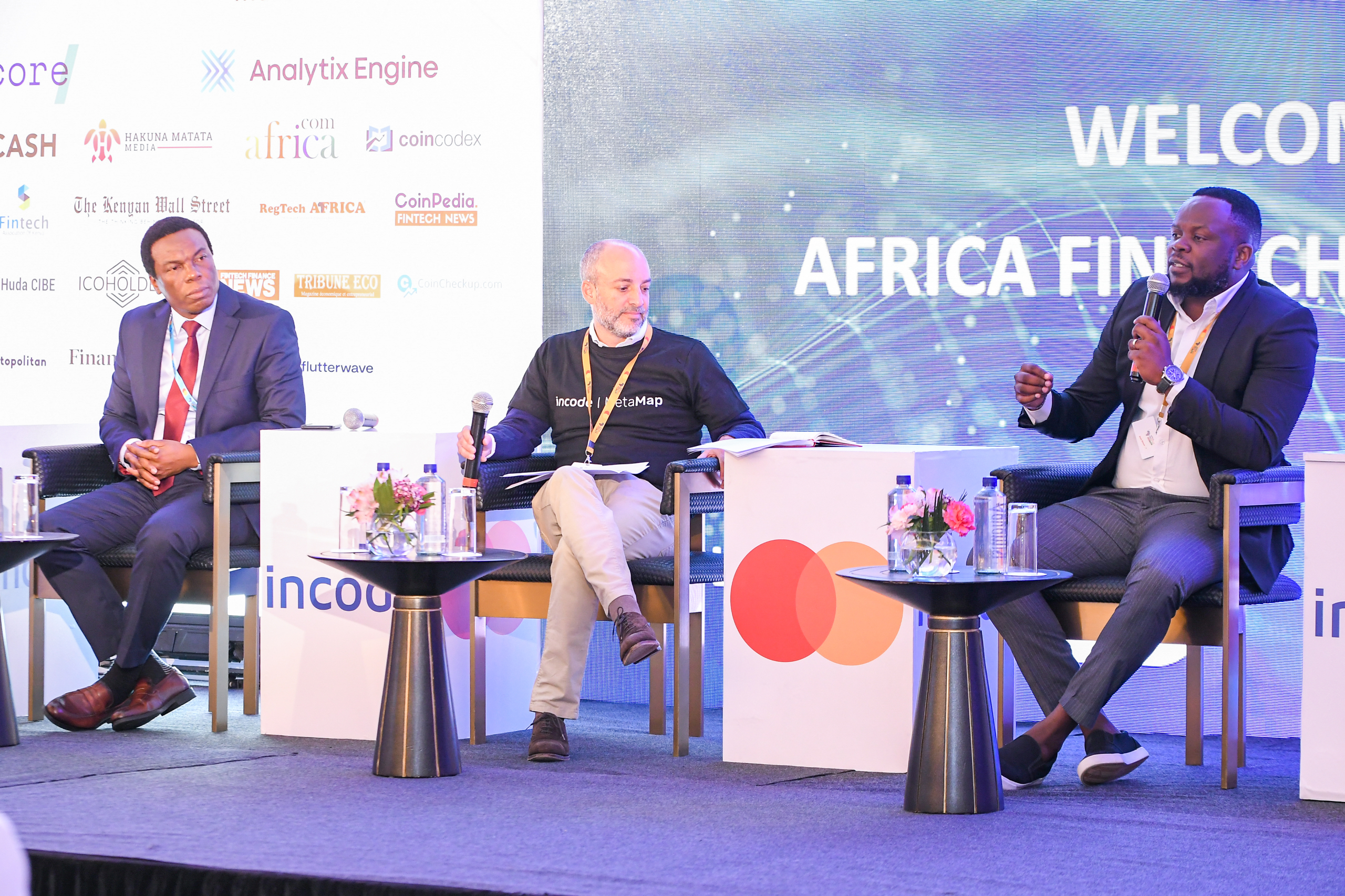
Conference Marketing Strategies in Kenya
Digital marketing is one of the most powerful tools for promoting conferences in Kenya and globally because it allows organizers to reach targeted audiences at scale, track performance in real time, and continuously optimize campaigns. Unlike traditional marketing, digital strategies are data-driven, meaning you can see what is working, adjust quickly, and maximize return on investment.
2.1 Social Media Marketing
Social media is essential for building awareness and engagement around your conference.
- Platform Selection – Platforms like LinkedIn are ideal for professional and B2B conferences, while Facebook and X (Twitter) help reach broader audiences and drive conversations.
- Content Strategy – Effective campaigns include speaker announcements, agenda highlights, behind-the-scenes content, testimonials, and countdown posts.
- Video and Visual Content – Short videos, reels, and graphics increase engagement and make the event more appealing.
- Community Engagement – Responding to comments, using hashtags, and encouraging sharing helps expand reach organically.
Social media builds visibility, creates buzz, and keeps your audience engaged before and during the conference.
2.2 Email Marketing Campaigns
Email marketing remains one of the highest-converting channels for conference promotion.
- Targeted Invitations – Send personalized invitations based on audience segments such as professionals, sponsors, or past attendees.
- Drip Campaigns – Use a sequence of emails (announcement → speakers → agenda → reminders) to guide users toward registration.
- Lead Nurturing – Share valuable content such as speaker insights, industry trends, and event benefits to build interest.
- Reminder and Urgency Emails – Use deadlines, early-bird pricing, and limited seats to drive action.
Email marketing is highly effective for converting interest into registrations and maintaining consistent communication.
2.3 Search Engine Optimization (SEO)
SEO helps your conference get discovered by people actively searching for events.
- Keyword Optimization – Use relevant keywords such as “conference in Kenya,” “business summit Nairobi,” or industry-specific terms.
- Optimized Event Pages – Ensure your website or landing page includes clear titles, descriptions, structured content, and fast loading speed.
- Content Strategy for SEO – Blog posts, guides, and articles related to the conference topic help drive organic traffic.
- Local SEO – Target location-based searches to attract attendees within Kenya or specific cities.
SEO provides long-term visibility and attracts high-intent audiences actively looking for conferences.
2.4 Paid Advertising
Paid ads help accelerate visibility and reach targeted audiences quickly.
- Google Ads – Capture users searching for conferences or related topics.
- Social Media Ads – Target specific demographics, industries, job titles, and interests.
- Retargeting Campaigns – Show ads to users who visited your site but didn’t register, reminding them to complete the process.
- Performance Tracking – Monitor clicks, conversions, and cost per registration to optimize campaigns.
Paid advertising delivers fast results and helps reach the right audience with precision.
2.5 Content Marketing
Content marketing builds credibility and keeps your audience engaged over time.
- Blog Posts and Articles – Share insights related to the conference theme to attract and educate your audience.
- Speaker Highlights – Promote speakers through interviews, profiles, and teaser content.
- Video Content – Use short clips, trailers, and past event highlights to build excitement.
- Thought Leadership – Position the conference as a must-attend event by sharing valuable industry knowledge.
Content marketing builds trust, increases engagement, and strengthens the conference’s reputation.
Digital marketing provides measurable and scalable ways to reach your ideal conference audience. By combining social media, email campaigns, SEO, paid advertising, and content marketing, organizers can build awareness, drive registrations, and maintain engagement throughout the event lifecycle.
3. Leveraging Event Technology for Marketing
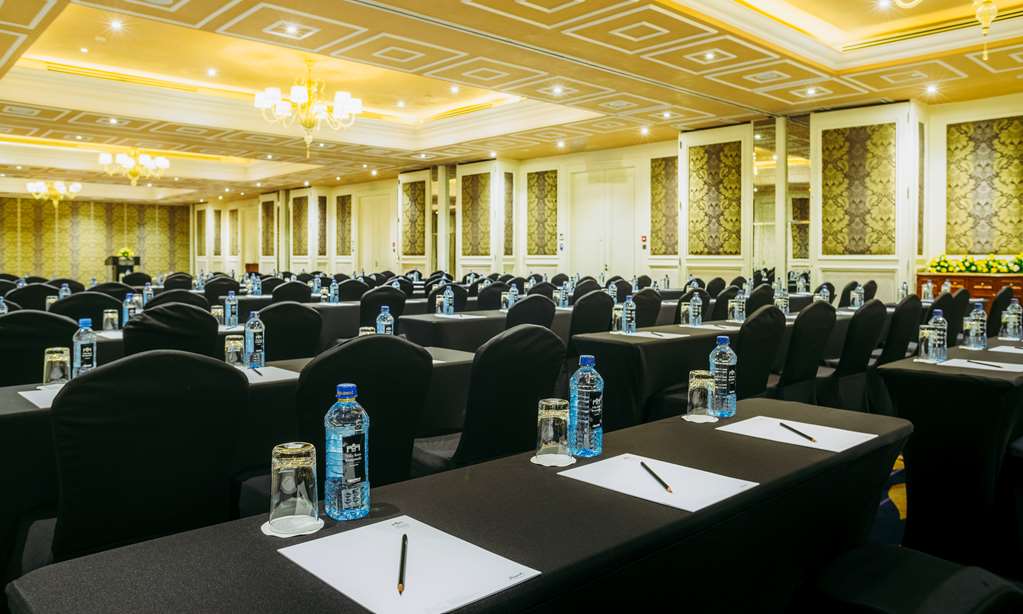
Conference Marketing Strategies in Kenya
Modern event technology doesn’t just support event execution—it actively powers marketing performance. By connecting registration systems, websites, streaming tools, and analytics, organizers can attract the right audience, track behavior, and continuously optimize campaigns. The result is a smarter marketing funnel: discover → engage → convert → analyze → improve.
3.1 Event Registration Platforms
Registration platforms are the backbone of data-driven conference marketing.
- Simplified Sign-Ups – Clean, mobile-friendly forms reduce friction and increase completion rates.
- Conversion Tracking – Measure where registrations come from (social, email, ads) to optimize spend.
- Lead Capture – Collect key data (role, industry, interests) to segment audiences and personalize campaigns.
- Automated Workflows – Trigger confirmations, reminders, and nurture emails to move prospects toward attendance.
- A/B Testing – Test form length, pricing tiers, and messaging to improve conversion rates.
Registration platforms turn marketing traffic into measurable conversions while building a rich attendee database.
3.2 Event Websites and Landing Pages
Your event page is the primary conversion engine for all campaigns.
- Central Information Hub – Hosts agenda, speakers, pricing, venue/virtual details, and FAQs.
- Conversion Optimization (CRO) – Strong headlines, clear value propositions, social proof (testimonials), and prominent CTAs increase sign-ups.
- SEO-Ready Structure – Optimized titles, meta descriptions, and keywords (e.g., “conference in Kenya”) drive organic traffic.
- Performance & UX – Fast loading, mobile optimization, and simple navigation reduce bounce rates.
- Tracking Pixels – Integrations (Google, Meta, LinkedIn) enable retargeting and campaign attribution.
A well-optimized landing page converts interest into registrations and anchors all marketing channels.
3.3 Live Streaming and Hybrid Events
Streaming and hybrid capabilities expand your marketing reach and value proposition.
- Global Accessibility – Attract attendees who cannot travel, increasing total audience size.
- Content Repurposing – Record sessions for on-demand access, post-event marketing, and future promotions.
- Always-On Funnel – Promote virtual passes before, during, and after the event to extend revenue windows.
- Sponsor Value – Offer digital exposure (stream overlays, virtual booths) to attract more partners.
- Engagement Signals – Track views, watch time, and interactions to refine future campaigns.
Hybrid and streaming turn a local event into a global, scalable marketing asset.
3.4 Data Analytics and Insights
Analytics transform marketing from guesswork into precision.
- Behavior Tracking – Monitor page views, drop-off points, click paths, and session engagement.
- Channel Attribution – Identify which channels drive the most registrations and lowest cost per acquisition.
- Audience Segmentation – Use collected data to tailor messaging by role, industry, or interest.
- Real-Time Optimization – Adjust ads, emails, and content mid-campaign based on live performance.
- Post-Event Intelligence – Analyze attendance, engagement, and conversion metrics to improve future events.
Data insights enable continuous optimization, higher ROI, and smarter decision-making.
Event technology is a powerful driver of conference marketing success. By integrating registration platforms, high-converting landing pages, hybrid streaming, and robust analytics, organizers can attract the right audience, convert efficiently, and continuously improve results—making marketing more effective, scalable, and data-driven.
4. Strategic Partnerships and Sponsorships

Conference Marketing Strategies in Kenya
Strategic partnerships and sponsorships are powerful growth levers for conference marketing. Instead of relying solely on your own channels, you tap into established audiences, trusted brands, and media platforms to expand reach, boost credibility, and accelerate registrations. When structured well, these collaborations create win–win value: partners gain visibility and access to your audience, while your event benefits from amplified promotion and authority.
4.1 Partnering with Industry Leaders
Collaborating with respected organizations or thought leaders instantly elevates your conference profile.
- Co-Marketing Opportunities – Joint campaigns (emails, webinars, social posts) expose the event to each partner’s audience.
- Credibility Boost – Association with recognized brands or experts increases trust and perceived value.
- Audience Access – Partners bring in niche, high-quality attendees aligned with your conference theme.
- Content Collaboration – Co-hosted sessions, panels, or pre-event webinars create additional touchpoints for promotion.
Partnerships with industry leaders expand reach and strengthen the event’s authority in the market.
4.2 Sponsorship Marketing
Sponsors are not just funders—they are marketing multipliers.
- Leveraging Sponsor Networks – Sponsors promote the event to their customers, employees, and partners.
- Brand Exposure Packages – Offer visibility through logos, speaking slots, booths, digital placements, and content features.
- Lead Generation Value – Sponsors are more willing to promote when they see clear ROI (leads, demos, sign-ups).
- Tiered Sponsorships – Create levels (Gold, Silver, Exhibitor) with defined benefits to attract a range of partners.
Effective sponsorship marketing turns sponsors into active promoters who help drive registrations and engagement.
4.3 Media Partnerships
Media partnerships help scale awareness quickly and add public credibility.
- Press Coverage – Features, interviews, and announcements increase visibility across wider audiences.
- Event Promotion – Media houses can run ads, listings, and editorial content about the conference.
- Live Coverage – Broadcasting key sessions or highlights attracts additional interest during the event.
- Content Amplification – Post-event stories, recaps, and highlights extend the event’s lifecycle.
Media partnerships expand audience reach and position the conference as a noteworthy industry event.
Strong partnerships and sponsorships amplify conference marketing by extending reach, increasing credibility, and unlocking new audiences. By collaborating with industry leaders, sponsors, and media partners, organizers can significantly boost visibility, drive registrations, and deliver a more impactful and successful event.
5. Attendee Engagement Strategies
Conference Marketing Strategies in Kenya
Engagement is the bridge between awareness and attendance. People may see your conference, but they only register—and actually show up—when they feel involved, excited, and personally connected to the event. Strong engagement strategies nurture interest over time, build anticipation, and keep your audience actively participating before and during the conference.
5.1 Pre-Event Engagement
Pre-event engagement builds anticipation and keeps your audience interested long before the conference begins.
- Webinars and Teaser Content – Hosting short webinars, previews, or panel discussions gives potential attendees a taste of the event value.
- Speaker Announcements – Gradually revealing speakers creates excitement and keeps audiences coming back for updates.
- Behind-the-Scenes Content – Sharing preparation progress makes the event feel more real and engaging.
- Early Interaction – Encourages audiences to start engaging with the event brand early.
Pre-event engagement creates anticipation and keeps your audience emotionally invested in attending.
5.2 Interactive Campaigns
Interactive campaigns turn passive viewers into active participants.
- Polls and Surveys – Ask audiences for opinions on topics, speakers, or sessions to involve them in the event.
- Contests and Giveaways – Offer incentives such as free tickets or merchandise to boost participation.
- Social Media Challenges – Encourage users to share content, tag friends, or use event hashtags.
- User-Generated Content – Builds community and organic promotion.
Interactive campaigns increase visibility and encourage active participation in event promotion.
5.3 Personalized Communication
Personalization makes your audience feel valued and understood.
- Tailored Emails – Send customized messages based on attendee interests, roles, or past behavior.
- Content Recommendations – Suggest relevant sessions, speakers, or networking opportunities.
- Segmented Messaging – Different messages for sponsors, attendees, exhibitors, or students.
- Higher Conversion Rates – Personalized communication is more likely to lead to registration.
Personalized communication improves engagement and increases the likelihood of attendance.
5.4 On-Site Engagement
Engagement should continue during the event to enhance the attendee experience.
- Live Interactions – Q&A sessions, discussions, and networking opportunities keep attendees involved.
- Networking Opportunities – Structured sessions help participants connect and build relationships.
- Immersive AV Experiences – Use screens, sound, lighting, and visuals to create an engaging environment.
- Real-Time Participation – Polls, live chats, and feedback tools maintain interaction throughout sessions.
On-site engagement ensures attendees remain active and satisfied throughout the event.
Engaging your audience before and during the event increases both attendance and satisfaction. By combining pre-event content, interactive campaigns, personalized communication, and on-site engagement, organizers can create a more dynamic and memorable conference experience that drives better results.
6. Role of Audio-Visual Solutions in Conference Marketing

Audio-visual (AV) solutions are not just operational tools—they’re powerful marketing assets. The quality of your sound, visuals, streaming, and stage design directly influences how your event is perceived online and on-site. Strong AV elevates your brand, increases engagement, and creates content that fuels promotion before, during, and after the conference.
6.1 Professional Event Production
High-quality production sets the tone for your entire event and its marketing impact.
- High-Quality Sound and Visuals – Clear audio and crisp visuals ensure messages are delivered effectively, both in-room and online.
- Perception of Quality – Polished production signals professionalism, making the event more attractive to attendees and sponsors.
- Speaker Confidence – Reliable AV allows presenters to focus on content, improving delivery and audience reception.
- Marketing Impact – Professionally shot photos and videos enhance your promotional materials.
Professional production elevates brand perception and makes your conference more marketable.
6.2 Live Streaming and Recording
Streaming transforms a single event into a scalable marketing channel.
- Extended Reach – Live streaming allows global audiences to participate, increasing visibility and registrations.
- Always-On Content – Recordings can be repurposed into highlights, trailers, and educational content for ongoing promotion.
- Lead Generation – Offer access to recordings in exchange for sign-ups, building your marketing database.
- Sponsor Visibility – Streaming overlays and virtual placements increase sponsor exposure.
Streaming and recording extend your event’s lifespan and multiply its marketing value.
6.3 LED Screens and Visual Displays
Visual displays are key to engagement and brand communication.
- Dynamic Presentations – High-resolution LED screens make content more engaging and easier to follow.
- Clear Visibility – Ensures all attendees can see presentations regardless of seating position.
- Real-Time Content – Display agendas, social feeds, and announcements to keep audiences informed.
- Brand Amplification – Showcase logos, themes, and sponsor messages prominently.
LED displays enhance engagement while reinforcing messaging and branding.
6.4 Branding Through AV
AV plays a central role in creating a consistent and memorable brand experience.
- Unified Visual Identity – Colors, fonts, graphics, and motion design align with your event brand across all screens.
- Sponsor Integration – Structured placements (backdrops, slides, stream graphics) deliver clear value to partners.
- Memorable Experiences – Strong visuals and sound design create lasting impressions.
- Content Consistency – Ensures all touchpoints—from stage to stream—reflect the same brand story.
AV-driven branding strengthens recognition, recall, and sponsor value.
Professional AV solutions elevate both the marketing and delivery of your conference. By combining high-quality production, live streaming, dynamic displays, and consistent branding, AV transforms your event into a compelling, shareable, and sponsor-friendly experience that attracts more attendees and drives stronger results.
7. Why Choose Peak Audio for Conference Marketing Support
Conference Marketing Strategies in Kenya
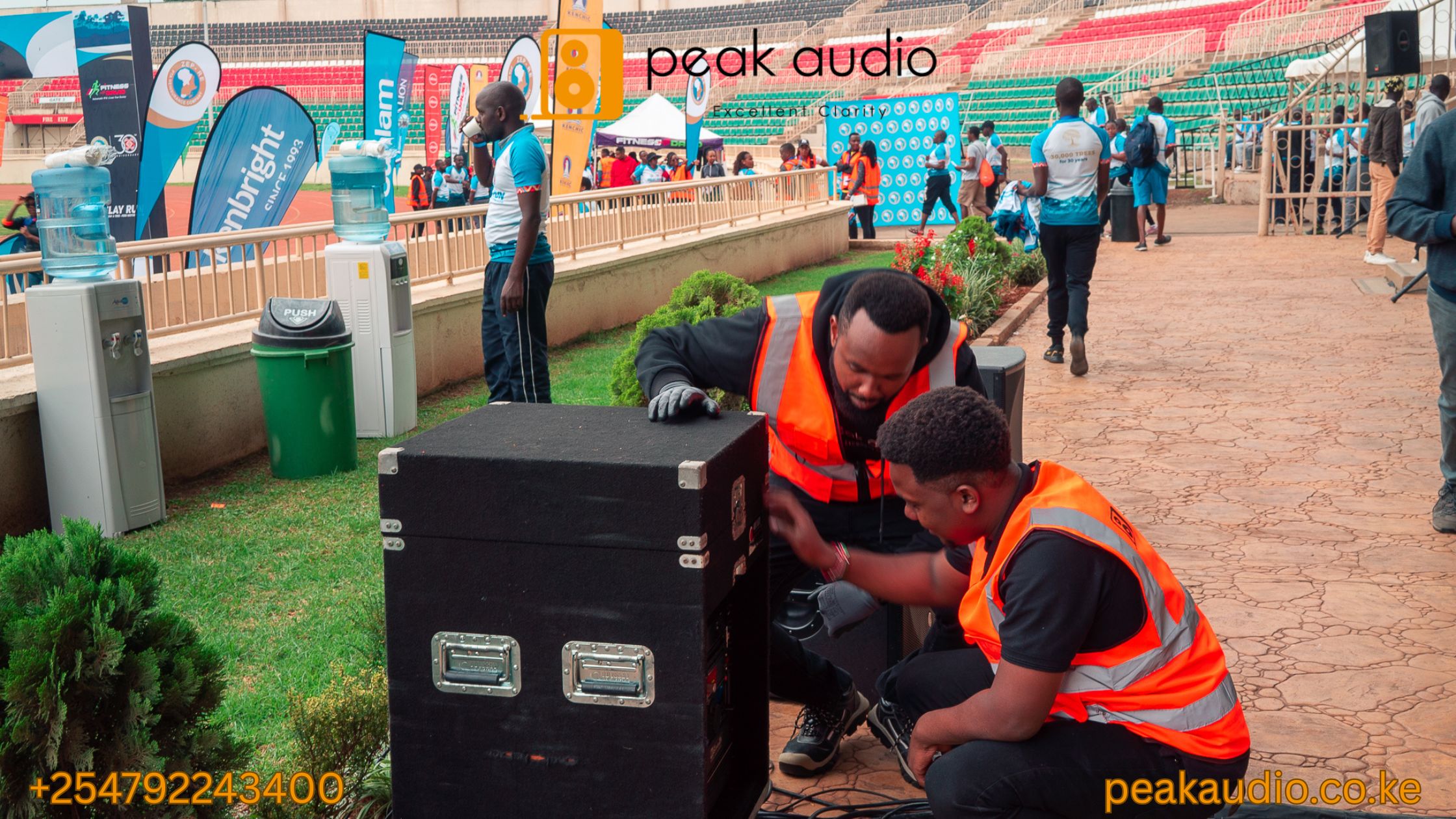
Conference marketing doesn’t end at promotion—it extends into how the event is experienced, captured, and amplified. Peak Audio supports both the visibility and delivery sides of your conference by combining advanced AV, integrated event technology, and production expertise. This ensures your event not only attracts attendees but also delivers a high-impact experience that strengthens your brand and drives future growth.
7.1 Advanced AV Technology
High-end AV is critical for both marketing appeal and event execution.
- State-of-the-Art Sound Systems – Deliver clear, uninterrupted audio for speakers, panels, and presentations.
- High-Resolution Visual Displays – LED screens and projection systems enhance visibility and engagement.
- Professional Lighting Setup – Creates a polished, broadcast-ready environment that looks great on camera and in person.
- Content Quality – High production value improves photos, videos, and promotional materials.
Advanced AV technology enhances both attendee experience and the overall marketability of your conference.
7.2 Event Technology Integration
Integrated systems improve efficiency and marketing performance.
- Registration System Integration – Seamlessly connect sign-ups, check-ins, and attendee tracking.
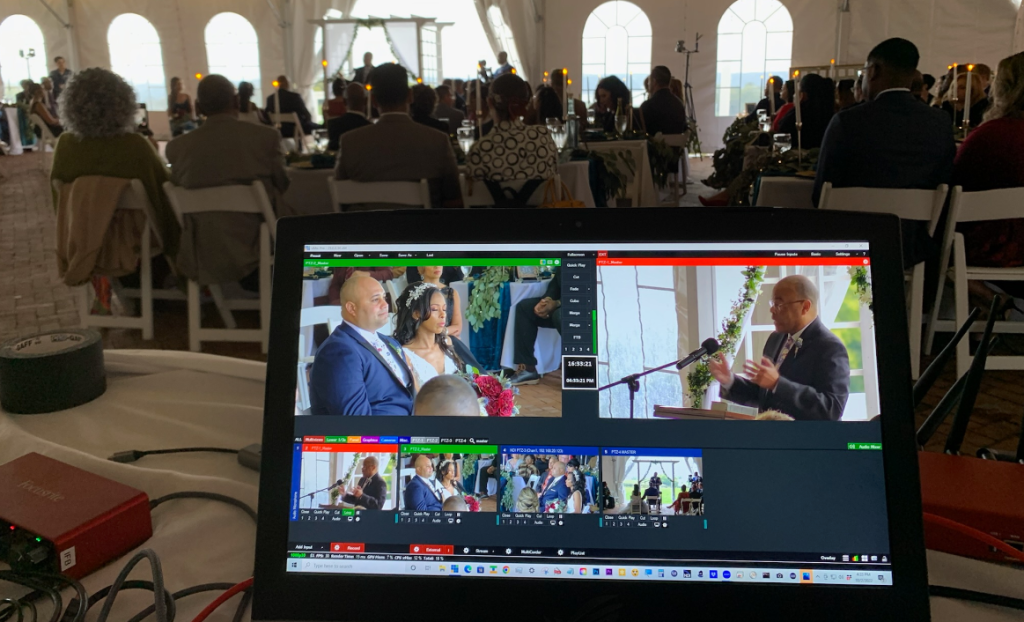
- Live Streaming Capabilities – Expand reach to virtual audiences and increase accessibility.
- Data Synchronization – Align attendee data with engagement tools and reporting systems.
- Hybrid Event Support – Manage both physical and virtual audiences in one unified experience.
Integration ensures smoother operations and creates a more scalable and data-driven marketing approach.
7.3 Experienced Team
Execution quality depends on the expertise behind the event.
- Skilled AV Professionals – Experienced technicians manage sound, visuals, and live production.
- Event Production Expertise – Ensures smooth coordination between all technical elements.
- Problem-Solving Capability – Quick response to technical issues minimizes disruptions.
- Industry Knowledge – Understanding of conference dynamics improves delivery quality.
An experienced team ensures reliability, professionalism, and high-quality event execution.
7.4 Customized Solutions
Every conference has unique goals and requirements.
- Tailored AV Setup – Designed based on venue size, audience, and event format.
- Flexible Technology Options – Adaptable solutions for corporate, NGO, government, or hybrid events.
- Marketing Alignment – AV and technology are structured to support branding and engagement goals.
- Scalable Solutions – Suitable for both small events and large conferences.
Customized solutions ensure the event setup aligns perfectly with your objectives and audience needs.
7.5 Reliable Execution
Consistency and reliability are essential for successful events.
- Seamless Coordination – All systems work together without disruption.
- On-Site Technical Support – Continuous monitoring and troubleshooting during the event.
- Timely Delivery – Setup, execution, and breakdown are handled professionally.
- Risk Minimization – Backup systems and planning reduce the chances of failure.
Reliable execution ensures your conference runs smoothly from start to finish.
Partnering with Peak Audio ensures your conference marketing and execution are fully aligned. With advanced AV technology, integrated systems, experienced professionals, and customized solutions, you can deliver a high-quality event that attracts, engages, and leaves a lasting impression on attendees and sponsors.
8. Future Trends in Conference Marketing
Conference Marketing Strategies in Kenya
Conference marketing is evolving rapidly as technology advances and attendee expectations become more sophisticated. Audiences now expect personalized, interactive, and seamless experiences across digital and physical touchpoints. To stay competitive, organizers must adopt forward-looking strategies that combine data, automation, and immersive engagement to attract and retain attendees.
8.1 AI-Driven Marketing
Artificial Intelligence is transforming how conferences are promoted.
- Personalized Recommendations – AI analyzes user behavior to suggest relevant sessions, speakers, or content.
- Automated Campaigns – Email sequences, ads, and follow-ups can be automated based on user actions.
- Predictive Insights – AI helps forecast attendee behavior and optimize marketing strategies.
- Improved Efficiency – Reduces manual effort while increasing campaign effectiveness.
AI-driven marketing enables smarter, more targeted, and highly efficient promotional campaigns.
8.2 Hybrid and Virtual Events
Hybrid and virtual formats are reshaping conference marketing strategies.
- Increased Accessibility – Attendees can join from anywhere without travel limitations.
- Broader Audience Reach – Events can attract local and international participants simultaneously.
- Flexible Participation – Users can choose between in-person and virtual attendance.
- Extended Engagement – Content can be accessed before, during, and after the event.
Hybrid and virtual events expand reach and create more inclusive conference experiences.
8.3 Data-Driven Strategies
Data is becoming central to effective marketing decisions.
- Better Targeting – Audience segmentation allows more precise messaging.
- Performance Optimization – Real-time analytics help refine campaigns for better results.
- Conversion Tracking – Measure what drives registrations and engagement.
- Continuous Improvement – Data insights inform future event strategies.
Data-driven strategies improve accuracy, efficiency, and overall marketing performance.
8.4 Immersive Experiences
Immersive technologies are redefining audience engagement.
- AR/VR Integration – Augmented and virtual reality create interactive environments.
- Interactive Content – Engages attendees through dynamic visuals and experiences.
- Memorable Events – Unique experiences increase attendee satisfaction and retention.
- Brand Differentiation – Helps conferences stand out in a competitive market.
Immersive experiences enhance engagement and make conferences more memorable.
Staying ahead of emerging trends such as AI-driven marketing, hybrid events, data analytics, and immersive technologies ensures your conference remains competitive and impactful. By embracing these innovations, organizers can deliver more engaging, scalable, and future-ready conference experiences.
9. FAQs on Conference Marketing Strategies
Conference marketing strategies help organizers attract the right attendees, secure sponsors, increase visibility, and create stronger engagement before, during, and after the event. Below is a detailed breakdown of common questions about conference marketing and how it supports successful event delivery.
9.1 What is conference marketing?
Conference marketing is the process of promoting an event to attract attendees, sponsors, exhibitors, partners, and other stakeholders.
- Event Awareness – It ensures the target audience knows the conference exists, understands its purpose, and recognizes its value.
- Audience Attraction – Marketing helps bring in the right participants, whether they are professionals, students, investors, exhibitors, or industry leaders.
- Stakeholder Engagement – It supports communication with sponsors, speakers, media partners, and attendees throughout the event journey.
- Brand Positioning – A strong marketing strategy positions the conference as credible, relevant, and worth attending.
Conference marketing is essential because it creates visibility, builds interest, and encourages the right people to register, sponsor, and participate.
9.2 How early should marketing start?
Conference marketing should ideally begin 3–6 months before the event, depending on the size and complexity of the conference.
- Early Awareness Building – Starting early gives audiences enough time to learn about the event, consider attending, and plan their schedules.
- Speaker and Sponsor Promotion – Early campaigns allow organizers to announce speakers, sponsors, and agenda highlights gradually.
- Better Registration Flow – Early promotion supports early-bird ticket sales and avoids last-minute registration pressure.
- Stronger Campaign Optimization – More time allows organizers to test channels, improve messaging, and adjust campaigns based on results.
Starting marketing early gives the conference enough time to build awareness, attract registrations, and create momentum before the event date.
9.3 Which platforms are best for promotion?
The best platforms depend on the target audience, but social media, email, search engines, and event websites are among the most effective.
- Social Media Platforms – LinkedIn is useful for professional and corporate audiences, while Facebook, Instagram, and X can help build wider awareness.
- Email Marketing – Works well for direct invitations, reminders, speaker updates, and nurturing interested attendees.
- Search Engines – SEO and Google Ads help reach people actively searching for conferences or related industry events.
- Event Landing Pages – A dedicated event page acts as the central hub for registration, agenda details, speaker information, and sponsor visibility.
A strong conference promotion strategy should combine social media, email, search visibility, and a well-designed event page for maximum reach.
9.4 How do I increase conference attendance?
Increasing attendance requires targeted marketing, strong messaging, and consistent engagement.
- Define the Right Audience – Identify who should attend and create messaging that speaks directly to their needs.
- Promote Event Value – Highlight benefits such as learning, networking, expert speakers, certificates, business opportunities, or industry insights.
- Use Engaging Content – Share speaker highlights, countdowns, testimonials, videos, and agenda previews to build interest.
- Create Urgency – Early-bird discounts, limited seats, and registration deadlines encourage faster decisions.
Conference attendance improves when marketing clearly communicates value, targets the right audience, and keeps people engaged until they register.
9.5 Are paid ads necessary?
Paid ads are not always mandatory, but they can significantly improve reach, visibility, and registration conversions.
- Faster Audience Reach – Paid ads help your event reach more people quickly compared to organic marketing alone.
- Precise Targeting – Platforms like Google, LinkedIn, Facebook, and Instagram allow targeting by location, interests, job titles, and industries.
- Retargeting Opportunities – Ads can remind people who visited the event page but did not complete registration.
- Measurable Results – Paid campaigns provide data on clicks, conversions, and cost per registration.
Paid ads are useful when you want faster visibility, stronger targeting, and better control over registration growth.
9.6 What role does content play?
Content is one of the most important parts of conference marketing because it educates, informs, and persuades the audience.
- Builds Interest – Blog posts, videos, speaker interviews, and event previews help potential attendees understand why the conference matters.
- Creates Credibility – Quality content positions the event as professional, relevant, and valuable.
- Supports SEO – Articles and optimized event pages can help the conference appear in search results.
- Keeps Audiences Engaged – Regular content updates maintain excitement before the event.
Content builds trust, strengthens event visibility, and gives people clear reasons to attend.
9.7 How important is event technology?
Event technology is very important because it improves registration, tracking, engagement, and attendee experience.
- Registration Management – Event platforms simplify sign-ups, payments, ticketing, and confirmations.
- Engagement Tools – Polls, Q&A platforms, event apps, and live chats help keep audiences involved.
- Data Tracking – Technology helps organizers monitor registrations, attendance, and campaign performance.
- Hybrid Access – Live streaming and virtual platforms allow remote attendees to participate.
Event technology makes conference marketing more measurable, efficient, and attendee-focused.
9.8 Can small events benefit from marketing?
Yes, small events benefit greatly from marketing because they still need visibility, attendance, and audience engagement.
- Targeted Promotion – Small events can use focused campaigns to reach a specific audience.
- Cost-Effective Channels – Email, WhatsApp, social media, and organic content can promote events without a large budget.
- Better Attendance Quality – Marketing helps attract people who are genuinely interested in the event topic.
- Brand Growth – Even small conferences can build authority and recognition when promoted professionally.
Marketing is essential for events of all sizes because it helps attract the right audience and improve turnout.
9.9 What is a hybrid conference?
A hybrid conference is an event that combines physical attendance with virtual participation.
- Physical Attendees – Some participants attend at the venue in person.
- Virtual Attendees – Others join online through live streaming or digital event platforms.
- Wider Reach – Hybrid events allow people from different locations to participate.
- Flexible Experience – Attendees can choose the participation method that works best for them.
A hybrid conference increases accessibility by allowing both in-person and online participation.
9.10 How do sponsors help in marketing?
Sponsors help conference marketing by expanding reach, improving credibility, and supporting promotion.
- Audience Access – Sponsors can promote the event to their customers, partners, and networks.
- Brand Credibility – Recognized sponsors make the conference appear more trustworthy and professional.
- Co-Marketing Opportunities – Sponsors can participate in joint campaigns, email promotions, and social media announcements.
- Event Value Addition – Sponsor booths, giveaways, and branded sessions can increase attendee interest.
Sponsors act as marketing partners who increase visibility, credibility, and audience reach.
9.11 Why is AV important in conferences?
Audio-visual solutions are important because they affect how attendees experience and remember the event.
- Clear Communication – Professional sound systems ensure speakers and panelists are heard clearly.
- Strong Visual Delivery – LED screens, projectors, and displays make presentations more engaging and easier to follow.
- Professional Image – Quality AV makes the event look polished and credible.
- Content Creation – Live streaming, photography, and recordings create marketing materials for future promotion.
AV improves the attendee experience, strengthens professionalism, and supports conference marketing through high-quality content.
9.12 Who can help with conference marketing in Kenya?
Conference marketing in Kenya can be supported by event planners, digital marketers, AV providers, registration platforms, and production teams.
- Event Marketing Experts – Help with campaigns, audience targeting, content, and promotion.
- AV and Production Teams – Support live streaming, stage setup, sound, lighting, and event content creation.
- Technology Providers – Handle registration systems, analytics, attendee tracking, and hybrid event tools.
- Peak Audio Support – Peak Audio can support conferences through professional AV, live streaming, event technology integration, and production solutions.
Experts like Peak Audio can help improve both the marketing impact and execution quality of conferences in Kenya.
Conference marketing strategies are essential for attracting attendees, sponsors, and stakeholders while building event visibility and credibility. Effective strategies include early promotion, social media campaigns, email marketing, SEO, paid ads, content marketing, event technology, sponsorships, and professional AV support. Whether the event is small, large, physical, virtual, or hybrid, strong marketing ensures better attendance, stronger engagement, and a more successful conference experience.
The Importance of Conference Marketing Strategies in Kenya
Conference Marketing Strategies in Kenya
Conference marketing strategies are essential for delivering successful, well-attended, and impactful events. A strong approach combines digital marketing, strategic partnerships, and audience engagement to create awareness and drive registrations. By understanding target audiences and using the right channels—such as social media, email campaigns, and search marketing—organizers can maximize reach and ensure their event attracts the right participants. Effective marketing not only fills seats but also enhances the overall value of the conference for both attendees and stakeholders.
As the conference landscape in Kenya continues to evolve, embracing modern marketing approaches and leveraging advanced technology has become a necessity. Tools such as event platforms, data analytics, and automated communication systems allow organizers to track performance, refine messaging, and improve engagement in real time. Those who invest in these strategies are better positioned to attract high-quality audiences, secure sponsorships, and deliver experiences that stand out in a competitive market.
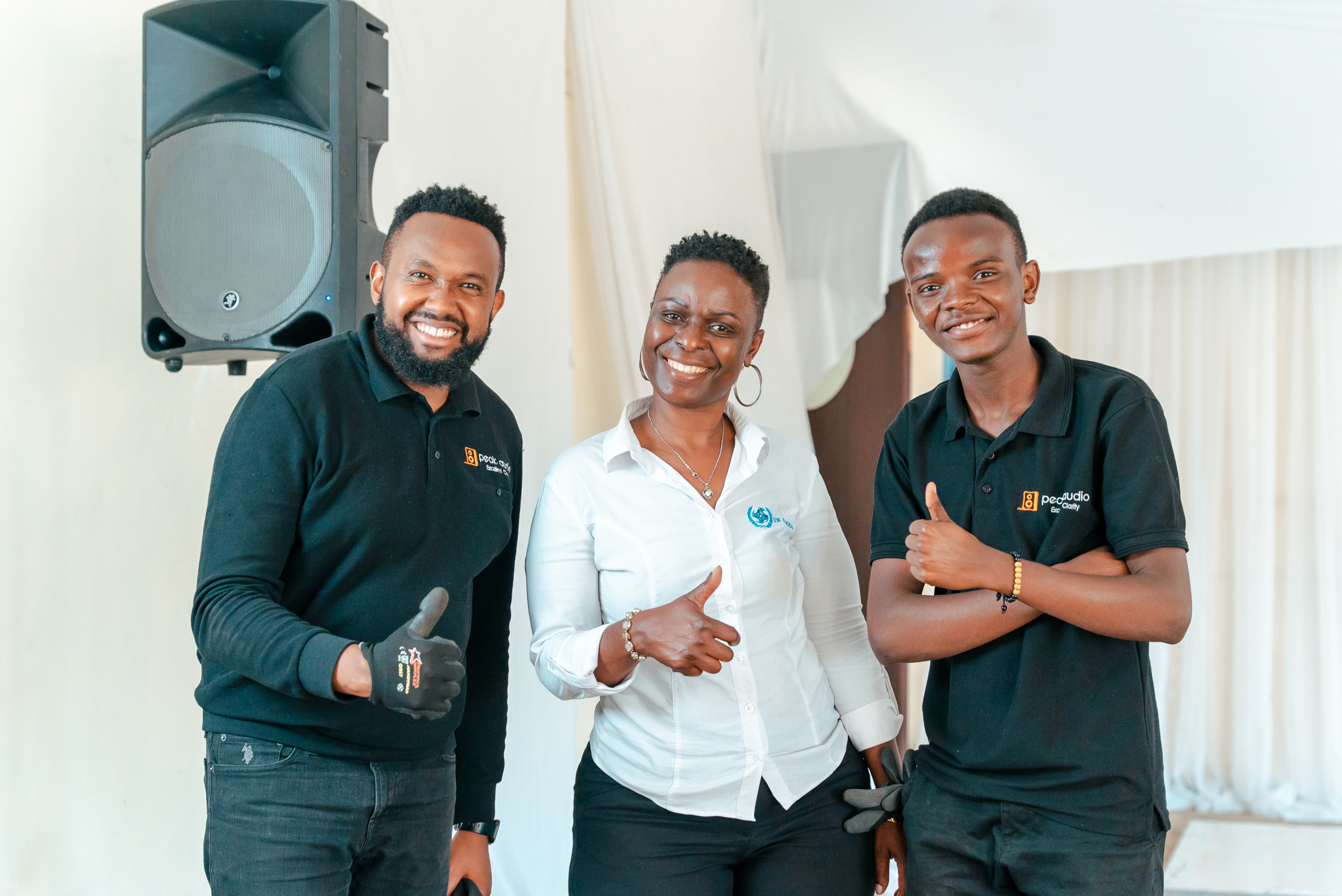
Ultimately, partnering with the right experts amplifies both marketing efforts and event execution. By working with Peak Audio, organizers gain access to cutting-edge audio-visual solutions, event technology, and professional support that elevate every aspect of their conference. With a well-defined strategy and a reliable partner, conferences can achieve greater visibility, deeper engagement, and long-term success.
Leave a Reply
Want to join the discussion?Feel free to contribute!