Corporate Event Planning for HR Managers
Corporate Event Planning for HR Managers – Professional Employee Engagement Events by Peak Audio
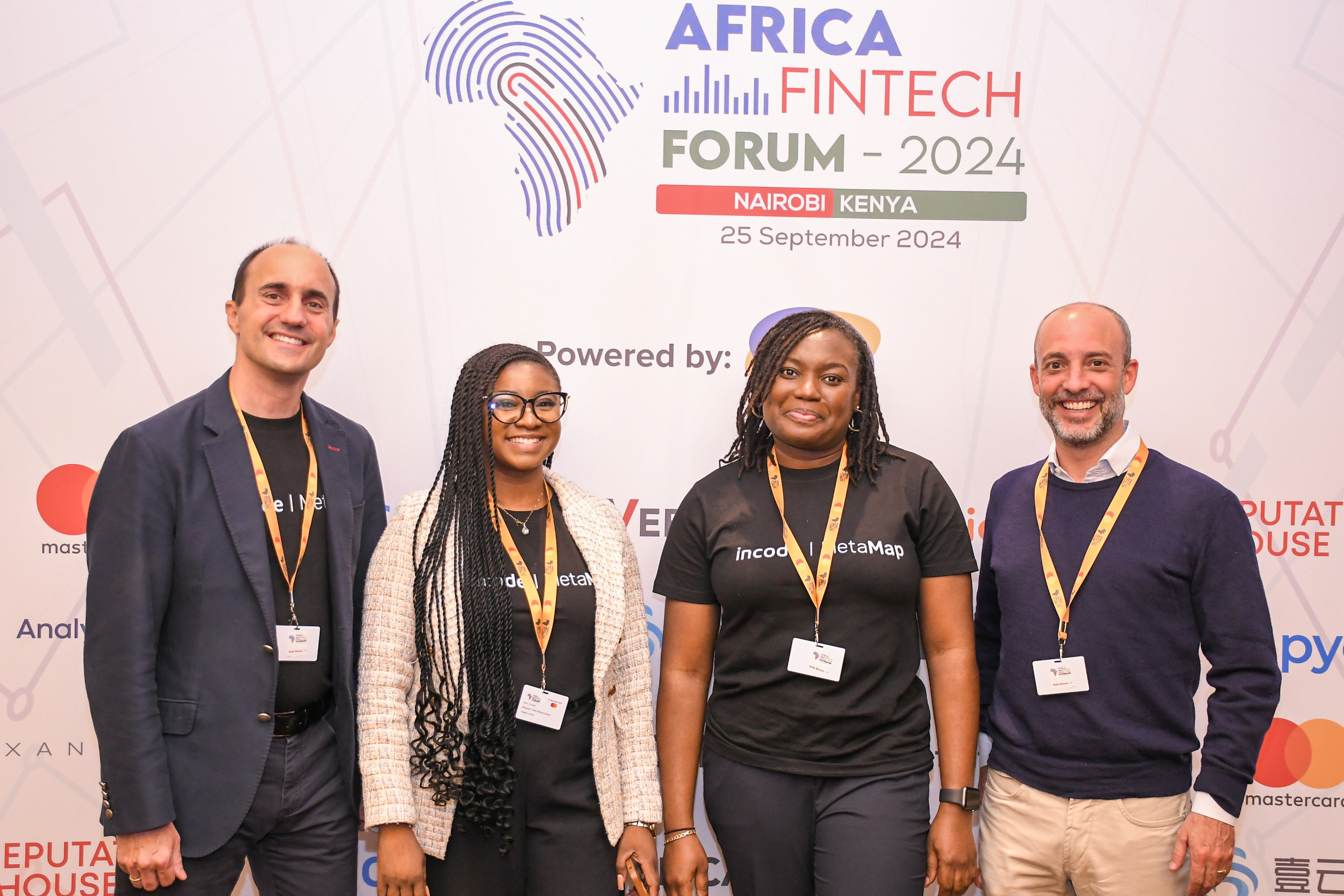
Corporate Event Planning for HR Managers
Corporate events have become essential tools for employee engagement, team building, training, recognition, and overall organizational development. For HR managers in Kenya, these events provide valuable opportunities to strengthen workplace relationships, improve communication, develop employee skills, and reinforce company values. Whether organizing leadership retreats, staff training programs, team-building activities, annual meetings, employee recognition ceremonies, wellness events, or corporate conferences, well-planned events contribute significantly to workforce motivation and long-term organizational success. As businesses continue to prioritize employee experience and organizational culture, corporate event planning has become an increasingly important function within HR departments.
The growing demand for professionally managed corporate events has led many HR managers to seek experienced event partners capable of delivering engaging and results-driven experiences. Successful corporate events require strategic planning, venue coordination, delegate management, event branding, logistics support, audio-visual technology, and effective communication systems. When executed properly, these events can improve employee morale, increase productivity, encourage collaboration, strengthen internal communication, and create a positive workplace culture. Professional event planning also allows HR teams to focus on achieving organizational objectives while ensuring every aspect of the event is coordinated seamlessly.
Peak Audio is a trusted provider of Corporate Event Planning Services for HR Managers in Kenya, offering professional conference technology, event production, interpretation systems, live streaming solutions, and comprehensive corporate event support. From high-quality sound systems and LED display screens to stage production, hybrid event technology, and technical coordination, Peak Audio helps organizations create memorable and impactful employee events. By combining innovative event solutions with professional event management expertise, Peak Audio enables HR managers to deliver engaging corporate experiences that enhance employee satisfaction, strengthen company culture, and support organizational growth.
1. Understanding Corporate Event Planning for HR Managers

Corporate Event Planning for HR Managers
Corporate events have become an important part of modern organizational strategy, helping businesses improve employee engagement, strengthen workplace culture, enhance communication, and support professional development. HR managers play a critical role in planning and coordinating these events, ensuring they align with organizational goals while delivering meaningful experiences for employees. From team-building retreats and training workshops to recognition ceremonies and annual conferences, effective corporate event planning contributes significantly to employee satisfaction and business success.
1.1 What Is Corporate Event Planning?
Corporate event planning involves the professional organization and management of company-sponsored events designed to achieve specific business and employee engagement objectives.
- Professional Planning and Management – Coordinating all aspects of event preparation and execution.
- Venue Selection and Coordination – Identifying suitable locations based on event goals and attendance requirements.
- Logistics Management – Handling transportation, accommodation, registration, and event operations.
- Technology Integration – Managing audio-visual systems, presentation technologies, and hybrid event platforms.
- Attendee Experience Management – Ensuring participants enjoy engaging, productive, and memorable experiences.
Corporate event planning helps organizations deliver structured, impactful events that support business objectives and employee engagement.
1.2 Role of HR Managers in Corporate Events
HR managers are often responsible for planning and overseeing events that support employee development, communication, and organizational culture.
- Organizing Employee-Focused Programs – Planning events that promote learning, collaboration, and recognition.
- Supporting Company Culture Initiatives – Reinforcing organizational values and workplace culture.
- Managing Employee Engagement Activities – Creating opportunities for interaction, motivation, and team building.
- Coordinating Training and Development Events – Supporting professional growth and skills enhancement.
- Facilitating Internal Communication – Encouraging dialogue between leadership and employees.
HR managers use corporate events as strategic tools to improve employee engagement, morale, and organizational performance.
1.3 Importance of Corporate Events in Modern Organizations
Corporate events provide valuable opportunities for organizations to strengthen relationships, improve communication, and recognize achievements.
- Strengthening Teamwork and Collaboration – Encouraging employees to work together more effectively.
- Improving Internal Communication – Providing platforms for information sharing and leadership engagement.
- Enhancing Employee Satisfaction – Creating positive experiences that improve workplace morale.
- Supporting Employee Retention – Demonstrating investment in employee wellbeing and professional development.
- Recognizing Performance and Achievements – Celebrating successes and motivating employees.
Corporate events contribute to stronger workplace relationships, improved employee experiences, and better organizational outcomes.
Corporate event planning is an important responsibility for HR managers seeking to enhance employee engagement, strengthen company culture, and support organizational goals. Through careful planning, effective coordination, and meaningful event experiences, HR managers can create opportunities for learning, recognition, collaboration, and communication. As organizations continue to prioritize employee wellbeing and engagement, corporate events remain a valuable tool for building productive, motivated, and connected teams.
2. Types of Corporate Events Organized by HR Managers

Corporate Event Planning for HR Managers
HR managers organize a variety of corporate events designed to support employee engagement, professional development, communication, recognition, and organizational growth. These events help create stronger workplace relationships, improve morale, encourage collaboration, and align employees with company goals. By planning meaningful and well-executed events, HR managers contribute significantly to a positive workplace culture and enhanced organizational performance.
2.1 Team Building Events
- Employee Bonding Activities – Creating opportunities for employees to build stronger relationships outside their daily work environment.
- Collaboration and Communication Exercises – Encouraging teamwork and problem-solving skills.
- Outdoor Team Engagement Programs – Activities such as adventure challenges, sports events, and retreats.
- Indoor Team-Building Sessions – Workshops, group exercises, and interactive activities.
- Workplace Relationship Development – Strengthening trust and cooperation among team members.
Team-building events improve collaboration, strengthen workplace relationships, and foster a more cohesive organizational culture.
2.2 Staff Training Workshops
- Skills Development Programs – Enhancing employee competencies and technical expertise.
- Professional Growth Opportunities – Supporting career advancement and leadership development.
- Industry Knowledge Sharing – Keeping employees informed about trends, innovations, and best practices.
- Leadership and Management Training – Preparing employees for greater responsibilities.
- Continuous Learning Initiatives – Promoting a culture of ongoing development and improvement.
Training workshops help employees develop new skills while supporting organizational growth and competitiveness.
2.3 Employee Recognition Events
- Award Ceremonies – Recognizing outstanding employee performance and achievements.
- Employee Appreciation Programs – Celebrating contributions and commitment to organizational success.
- Service Recognition Events – Honoring long-serving employees and career milestones.
- Performance-Based Rewards – Encouraging excellence and productivity.
- Motivational Recognition Activities – Reinforcing positive workplace behaviors and accomplishments.
Recognition events boost morale, motivate employees, and strengthen loyalty to the organization.
2.4 Annual General Meetings (AGMs)

Corporate Event Planning for HR Managers
- Company-Wide Communication – Sharing important organizational updates and achievements.
- Business Performance Reviews – Presenting financial results, milestones, and strategic objectives.
- Leadership Engagement Opportunities – Allowing employees to interact with senior management.
- Stakeholder Information Sharing – Promoting transparency and alignment across the organization.
- Future Planning Discussions – Communicating upcoming initiatives and priorities.
AGMs strengthen organizational communication and ensure employees remain informed about company direction and performance.
2.5 Corporate Retreats

Corporate Event Planning for HR Managers
- Strategic Planning Sessions – Supporting organizational goal setting and decision-making.
- Leadership Development Programs – Enhancing management and executive capabilities.
- Executive Team Alignment – Improving collaboration among senior leaders.
- Problem-Solving Workshops – Addressing business challenges in focused environments.
- Relationship-Building Opportunities – Strengthening trust and communication among participants.
Corporate retreats provide valuable opportunities for strategic thinking, leadership development, and team alignment.
2.6 Employee Wellness Events
- Health and Fitness Programs – Encouraging healthy lifestyles and physical wellbeing.
- Mental Health Awareness Initiatives – Promoting stress management and emotional wellness.
- Wellness Workshops and Seminars – Educating employees on health-related topics.
- Corporate Sports and Recreational Activities – Supporting active participation and social interaction.
- Work-Life Balance Programs – Helping employees maintain healthy personal and professional lives.
Employee wellness events improve wellbeing, increase productivity, and contribute to a healthier workplace culture.
HR managers organize a wide range of corporate events, including team-building activities, training workshops, recognition programs, AGMs, leadership retreats, and wellness initiatives. These events play a crucial role in strengthening workplace relationships, improving communication, supporting employee development, and enhancing organizational culture. By investing in meaningful corporate events, organizations can increase employee engagement, improve retention, and create a more productive and motivated workforce.
3. Benefits of Professional Corporate Event Planning

Corporate Event Planning for HR Managers
Corporate events are powerful tools for improving employee engagement, strengthening workplace relationships, enhancing communication, and supporting organizational goals. When professionally planned and executed, these events create meaningful experiences that benefit both employees and the organization. HR managers increasingly rely on professional corporate event planning to ensure events are impactful, well-organized, and aligned with business objectives.
3.1 Improved Employee Engagement
- Encouraging Participation and Motivation – Creating opportunities for employees to become actively involved in organizational activities.
- Interactive Event Experiences – Supporting greater involvement through workshops, discussions, and team activities.
- Recognition and Appreciation Opportunities – Making employees feel valued and acknowledged.
- Increased Workplace Satisfaction – Enhancing employee morale and enthusiasm.
- Stronger Employee Commitment – Encouraging greater connection to organizational goals.
Professional corporate events help employees feel engaged, appreciated, and motivated to contribute to organizational success.
3.2 Enhanced Team Collaboration

Corporate Event Planning for HR Managers
- Building Stronger Workplace Relationships – Creating opportunities for employees to connect outside normal work routines.
- Improving Communication Skills – Encouraging open dialogue and collaboration.
- Strengthening Trust Among Teams – Developing stronger interpersonal relationships.
- Promoting Cross-Departmental Interaction – Breaking down organizational silos.
- Supporting Collective Problem Solving – Encouraging teamwork and shared decision-making.
Corporate events strengthen collaboration and create more productive and cohesive teams.
3.3 Increased Employee Retention
- Creating a Positive Work Environment – Supporting employee wellbeing and workplace satisfaction.
- Demonstrating Organizational Investment – Showing commitment to employee growth and development.
- Recognizing Employee Contributions – Reinforcing the value employees bring to the organization.
- Supporting Career Development – Providing opportunities for learning and advancement.
- Strengthening Employee Loyalty – Encouraging long-term commitment to the company.
Organizations that invest in meaningful employee experiences often experience higher retention and stronger workforce stability.
3.4 Better Internal Communication
- Improving Information Sharing Across Departments – Facilitating communication between teams and leadership.
- Enhancing Organizational Transparency – Providing employees with important business updates.
- Encouraging Employee Feedback – Creating opportunities for dialogue and discussion.
- Supporting Leadership Visibility – Strengthening relationships between management and employees.
- Promoting Organizational Alignment – Ensuring employees understand company goals and priorities.
Effective corporate events improve communication and help employees stay informed, connected, and aligned with organizational objectives.
3.5 Stronger Organizational Culture
- Reinforcing Company Values and Objectives – Communicating organizational mission and vision effectively.
- Strengthening Employee Belonging – Helping employees feel connected to the organization.
- Promoting Shared Purpose – Aligning teams around common goals.
- Encouraging Positive Workplace Behaviors – Supporting collaboration, accountability, and innovation.
- Building Organizational Identity – Creating a consistent and engaging company culture.
Corporate events play an important role in strengthening culture and fostering a workplace environment where employees can thrive.
Professional corporate event planning delivers significant benefits for both employees and organizations. Through improved engagement, stronger collaboration, increased retention, better communication, and enhanced organizational culture, corporate events contribute directly to workplace success. By investing in professionally managed events, HR managers can create meaningful experiences that support employee wellbeing, strengthen business performance, and help organizations achieve their long-term goals.
4. Key Elements of Successful HR Corporate Events

Corporate Event Planning for HR Managers
Successful corporate events require more than good planning—they require clear objectives, effective budgeting, employee engagement strategies, suitable venues, professional technology, and continuous evaluation. HR managers must carefully coordinate these elements to ensure events deliver meaningful value for employees while supporting organizational goals. By focusing on these critical success factors, organizations can create impactful events that enhance engagement, communication, and workplace culture.
4.1 Clear Event Objectives
- Defining Goals and Expected Outcomes – Establishing the purpose of the event before planning begins.
- Aligning Events with Business Objectives – Ensuring activities support organizational priorities.
- Setting Measurable Success Indicators – Identifying metrics for evaluating event performance.
- Understanding Employee Needs – Designing events that address specific workforce challenges or opportunities.
- Creating Focused Event Programs – Developing agendas that support desired outcomes.
Clear objectives provide direction for planning and help ensure the event delivers meaningful results.
4.2 Effective Budget Planning

Corporate Event Planning for HR Managers
- Managing Costs Efficiently – Allocating resources to areas that generate the greatest impact.
- Developing Realistic Budgets – Ensuring spending aligns with event goals and available resources.
- Vendor Cost Management – Monitoring venue, catering, technology, and logistics expenses.
- Contingency Planning – Setting aside resources for unexpected costs.
- Maximizing Return on Investment – Evaluating event value relative to expenditure.
Effective budget planning helps organizations deliver high-quality events while maintaining financial control.
4.3 Venue Selection
- Choosing Suitable Locations for Event Success – Selecting venues that support event objectives and attendee needs.
- Evaluating Venue Capacity – Ensuring adequate space for participants and activities.
- Assessing Accessibility – Considering transportation, parking, and convenience for attendees.
- Reviewing Venue Amenities – Confirming availability of meeting rooms, catering, and support services.
- Ensuring Comfortable Environments – Creating positive experiences for participants.
The right venue contributes significantly to attendee satisfaction and overall event effectiveness.
4.4 Employee Participation Strategies
- Encouraging Engagement and Attendance – Motivating employees to participate actively in event activities.
- Creating Interactive Experiences – Incorporating discussions, workshops, and team-building exercises.
- Promoting Event Awareness – Communicating benefits and objectives clearly.
- Recognizing Employee Contributions – Encouraging participation through appreciation and incentives.
- Supporting Inclusive Participation – Ensuring all employees feel welcome and involved.
Strong participation strategies help maximize engagement and improve the overall impact of corporate events.
4.5 Professional Event Technology
- Supporting Communication and Presentations – Providing tools that improve information delivery.
- Professional Sound Systems – Ensuring presentations are heard clearly by all attendees.
- LED Screens and Visual Displays – Enhancing visibility and audience engagement.
- Hybrid Event Solutions – Supporting both physical and virtual participation.
- Interactive Engagement Tools – Encouraging feedback, networking, and audience interaction.
Professional event technology enhances communication, engagement, and the overall quality of corporate events.
4.6 Post-Event Evaluation
- Measuring Success and Outcomes – Assessing whether event objectives were achieved.
- Gathering Employee Feedback – Understanding participant experiences and satisfaction levels.
- Analyzing Attendance and Engagement Data – Reviewing participation metrics and event performance.
- Identifying Areas for Improvement – Using lessons learned to improve future events.
- Reporting Results to Stakeholders – Demonstrating value and impact to leadership.
Post-event evaluation helps organizations measure effectiveness and continuously improve future corporate events.
Successful HR corporate events depend on several key elements, including clear objectives, effective budget management, appropriate venue selection, strong employee participation, professional event technology, and thorough post-event evaluation. When these elements are properly managed, organizations can create engaging and impactful events that support employee development, strengthen workplace culture, improve communication, and contribute to long-term organizational success.
5. Event Technology for Corporate HR Events

Corporate Event Planning for HR Managers
Technology plays a crucial role in the success of modern corporate HR events. Whether organizing employee training workshops, leadership conferences, town hall meetings, recognition ceremonies, or company retreats, the right event technology enhances communication, engagement, collaboration, and overall event effectiveness. Professional event technology solutions help HR managers deliver seamless experiences while ensuring employees remain informed, connected, and actively involved throughout the event.
5.1 Conference Audio Systems
- Clear Communication During Meetings and Presentations – Ensuring every participant can hear speakers clearly.
- Professional Sound Reinforcement – Delivering consistent audio quality across different venue sizes.
- Support for Multiple Speakers – Accommodating presentations, discussions, and panel sessions.
- Enhanced Audience Experience – Reducing distractions caused by poor audio quality.
- Reliable Event Communication – Supporting smooth information sharing throughout the event.
Conference audio systems are essential for effective communication and successful corporate HR events.
5.2 Wireless Microphones
- Enhancing Speaker Mobility – Allowing presenters to move freely while engaging with participants.
- Improving Audience Interaction – Supporting questions, discussions, and participation.
- Professional Presentation Delivery – Helping speakers communicate confidently and effectively.
- Supporting Different Event Formats – Suitable for workshops, meetings, conferences, and training sessions.
- Flexible Communication Solutions – Accommodating both formal presentations and interactive discussions.
Wireless microphones improve presentation quality and encourage greater interaction between speakers and participants.
5.3 LED Screens and Visual Displays
- Professional Presentation Delivery – Displaying slides, videos, and visual content clearly.
- Improved Audience Visibility – Ensuring all participants can view content regardless of seating location.
- Enhanced Learning and Retention – Supporting visual communication and information sharing.
- Corporate Branding Opportunities – Reinforcing company identity and event messaging.
- Dynamic Content Display – Supporting presentations, videos, announcements, and live feeds.
LED screens and visual displays make presentations more engaging, professional, and impactful.
5.4 Video Conferencing Solutions
- Supporting Remote Participation – Allowing employees and stakeholders to join from different locations.
- Facilitating Virtual Collaboration – Enabling discussions, presentations, and teamwork remotely.
- Reducing Travel Requirements – Improving accessibility while lowering event costs.
- Connecting Distributed Teams – Supporting organizations with multiple offices or remote employees.
- Improving Communication Efficiency – Ensuring employees remain connected regardless of location.
Video conferencing solutions help organizations create inclusive events that connect employees across different locations.
5.5 Live Streaming Services
- Connecting Employees Across Multiple Locations – Broadcasting events to remote participants in real time.
- Expanding Event Reach – Allowing larger audiences to participate without venue limitations.
- Supporting Hybrid Event Models – Combining in-person and virtual attendance.
- Providing On-Demand Content Access – Allowing employees to review sessions after the event.
- Improving Organizational Communication – Ensuring important messages reach all employees.
Live streaming services increase accessibility and help organizations engage employees regardless of their location.
5.6 Audience Engagement Tools
- Interactive Polls and Surveys – Collecting employee feedback and opinions in real time.
- Q&A Platforms – Encouraging participation during presentations and discussions.
- Audience Response Systems – Increasing engagement and interaction throughout the event.
- Event Networking Tools – Supporting communication and collaboration among participants.
- Data Collection and Insights – Measuring engagement levels and identifying areas for improvement.
Audience engagement tools help transform employees from passive listeners into active participants, improving event effectiveness.
Event technology is a critical component of successful corporate HR events. Through conference audio systems, wireless microphones, LED displays, video conferencing solutions, live streaming services, and audience engagement tools, organizations can improve communication, increase participation, and create more engaging experiences for employees. By investing in professional event technology, HR managers can deliver impactful events that support learning, collaboration, employee engagement, and organizational success.
6. Team Building Event Planning for HR Managers

Corporate Event Planning for HR Managers
Team building events are an important part of corporate HR strategies aimed at improving employee engagement, strengthening workplace relationships, enhancing communication, and fostering collaboration. Well-planned team building activities help employees develop trust, improve problem-solving skills, and work more effectively as a team. HR managers play a key role in designing and organizing team building programs that align with organizational goals while creating enjoyable and meaningful experiences for employees.
6.1 Outdoor Team Building Activities
- Adventure and Recreational Programs – Encouraging employees to work together in fun and engaging environments.
- Problem-Solving Challenges – Promoting teamwork, creativity, and strategic thinking.
- Sports and Recreational Activities – Building camaraderie through friendly competition.
- Nature-Based Experiences – Providing opportunities for relaxation and team bonding.
- Trust-Building Exercises – Strengthening relationships and cooperation among employees.
Outdoor team building activities improve collaboration, communication, and employee relationships while creating memorable experiences.
6.2 Indoor Team Building Sessions
- Workshops and Collaborative Exercises – Encouraging teamwork and active participation.
- Group Problem-Solving Activities – Developing critical thinking and communication skills.
- Interactive Learning Sessions – Combining professional development with team engagement.
- Role-Playing and Simulation Exercises – Enhancing workplace collaboration and decision-making.
- Departmental Integration Activities – Strengthening relationships across different teams.
Indoor team building sessions provide structured opportunities for employees to collaborate, learn, and strengthen workplace connections.
6.3 Leadership Development Activities
- Strengthening Management Skills – Developing effective leadership capabilities among supervisors and managers.
- Decision-Making Exercises – Improving strategic thinking and problem-solving abilities.
- Communication and Influence Training – Enhancing leadership effectiveness.
- Executive Development Programs – Preparing future organizational leaders.
- Mentorship and Coaching Activities – Supporting long-term professional growth.
Leadership development activities help build stronger leaders who can inspire teams and drive organizational success.
6.4 Employee Motivation Programs
- Building Morale and Workplace Satisfaction – Creating positive experiences that motivate employees.
- Recognition and Appreciation Activities – Celebrating achievements and contributions.
- Goal-Oriented Motivation Programs – Encouraging performance improvement and engagement.
- Employee Reward Initiatives – Reinforcing positive workplace behaviors.
- Wellness and Personal Development Activities – Supporting overall employee wellbeing.
Employee motivation programs increase morale, strengthen engagement, and contribute to a more productive workplace.
Team building event planning is a valuable HR function that supports employee engagement, collaboration, leadership development, and workplace satisfaction. Through outdoor activities, indoor workshops, leadership programs, and employee motivation initiatives, organizations can strengthen relationships, improve communication, and foster a positive organizational culture. Well-executed team building events help create motivated, connected, and high-performing teams that contribute to long-term business success.
7. Planning Employee Training and Development Events

Corporate Event Planning for HR Managers
Employee training and development events are essential for building a skilled, productive, and future-ready workforce. HR managers play a critical role in identifying training needs, coordinating learning programs, and creating opportunities for professional growth. Well-planned training events help employees improve their knowledge, develop new competencies, adapt to industry changes, and contribute more effectively to organizational success.
7.1 Skills Development Workshops
- Technical Training Sessions – Enhancing job-specific knowledge and technical competencies.
- Professional Development Programs – Improving communication, problem-solving, and workplace skills.
- Industry Knowledge Workshops – Keeping employees informed about emerging trends and best practices.
- Practical Learning Activities – Encouraging hands-on experience and skill application.
- Continuous Learning Initiatives – Supporting long-term employee growth and adaptability.
Skills development workshops help employees improve performance, increase productivity, and remain competitive in their professional roles.
7.2 Leadership Training Programs
- Preparing Future Organizational Leaders – Developing employees with leadership potential.
- Management Skills Development – Strengthening decision-making, communication, and team management abilities.
- Strategic Thinking Training – Equipping leaders to address complex business challenges.
- Executive Development Programs – Supporting senior leadership growth and succession planning.
- Mentorship and Coaching Opportunities – Encouraging continuous leadership improvement.
Leadership training programs build strong management capabilities and prepare employees for future leadership responsibilities.
7.3 Compliance and Policy Training
- Meeting Regulatory Requirements – Ensuring employees understand relevant laws and industry regulations.
- Organizational Policy Awareness – Educating staff on company policies, procedures, and standards.
- Workplace Ethics Training – Promoting integrity, accountability, and professional conduct.
- Health and Safety Education – Supporting compliance with workplace safety requirements.
- Risk Reduction Initiatives – Minimizing legal, operational, and reputational risks.
Compliance and policy training help organizations maintain standards, reduce risk, and ensure employees understand their responsibilities.
7.4 Hybrid Learning Events
- Combining Physical and Virtual Training Sessions – Allowing participants to learn from different locations.
- Expanded Learning Accessibility – Making training available to remote and distributed teams.
- Live and On-Demand Learning Options – Providing flexibility for different learning preferences.
- Interactive Virtual Engagement Tools – Supporting discussions, polls, assessments, and Q&A sessions.
- Scalable Training Solutions – Reaching larger audiences without geographical limitations.
Hybrid learning events provide flexible and accessible training opportunities while maximizing participation and knowledge sharing.
Employee training and development events are critical investments in workforce growth and organizational success. Through skills development workshops, leadership training programs, compliance education, and hybrid learning solutions, HR managers can create valuable learning experiences that improve employee performance and preparedness. Effective training initiatives not only enhance individual capabilities but also strengthen organizational competitiveness, innovation, and long-term sustainability.
8. Employee Recognition and Awards Event Planning

Corporate Event Planning for HR Managers
Employee recognition and awards events are powerful tools for boosting morale, increasing motivation, and strengthening workplace culture. HR managers use these events to acknowledge outstanding performance, celebrate achievements, and demonstrate appreciation for employee contributions. Well-planned recognition programs help employees feel valued, encourage continued excellence, and reinforce positive workplace behaviors that contribute to organizational success.
8.1 Staff Appreciation Ceremonies
- Recognizing Employee Contributions – Celebrating the efforts and achievements of individuals and teams.
- Building Employee Morale – Demonstrating appreciation for dedication and hard work.
- Strengthening Workplace Relationships – Creating positive interactions between employees and leadership.
- Promoting a Culture of Recognition – Encouraging continuous appreciation across the organization.
- Enhancing Employee Satisfaction – Making employees feel respected and valued.
Staff appreciation ceremonies strengthen employee morale and foster a workplace culture built on recognition and respect.
8.2 Performance Awards Programs

Corporate Event Planning for HR Managers
- Celebrating Achievements and Milestones – Recognizing exceptional performance and significant accomplishments.
- Rewarding Excellence – Encouraging employees to maintain high standards of performance.
- Highlighting Organizational Success Stories – Showcasing individuals and teams that contribute to business growth.
- Increasing Employee Motivation – Inspiring others to pursue excellence.
- Supporting Talent Retention – Demonstrating that hard work and dedication are valued.
Performance awards programs motivate employees while reinforcing a culture of excellence and achievement.
8.3 Long-Service Recognition Events
- Honoring Employee Loyalty and Commitment – Recognizing years of dedicated service.
- Celebrating Career Milestones – Acknowledging employees who have made lasting contributions.
- Strengthening Organizational Identity – Highlighting the value of long-term employee relationships.
- Promoting Workplace Stability – Encouraging employee retention and loyalty.
- Recognizing Institutional Knowledge – Appreciating experienced employees who contribute to organizational success.
Long-service recognition events demonstrate appreciation for employee commitment and encourage long-term engagement.
8.4 Corporate Gala Dinners
- Combining Recognition with Networking Opportunities – Creating a professional and celebratory atmosphere.
- Celebrating Organizational Achievements – Highlighting company milestones and successes.
- Enhancing Employee Engagement – Providing memorable experiences outside the normal work environment.
- Strengthening Professional Relationships – Encouraging interaction among employees, management, and stakeholders.
- Creating Lasting Memories – Delivering high-quality experiences that employees value and remember.
Corporate gala dinners combine celebration, recognition, and networking to create impactful employee experiences.
Employee recognition and awards events are essential for building a positive workplace culture and maintaining high levels of employee engagement. Through staff appreciation ceremonies, performance awards programs, long-service recognition events, and corporate gala dinners, HR managers can celebrate employee achievements while reinforcing organizational values. Well-executed recognition programs improve morale, increase motivation, strengthen loyalty, and contribute to a more productive and committed workforce.
9. Challenges in Corporate Event Planning

Corporate Event Planning for HR Managers
Corporate event planning involves balancing organizational objectives, employee expectations, budgets, logistics, and technology requirements. While corporate events provide significant benefits for employee engagement, communication, and professional development, they also present several operational and strategic challenges. HR managers must address these challenges effectively to ensure events are successful, impactful, and aligned with organizational goals.
9.1 Budget Constraints

Corporate Event Planning for HR Managers
- Managing Event Quality Within Available Resources – Delivering meaningful experiences while staying within budget.
- Balancing Costs and Objectives – Prioritizing activities that generate the greatest value.
- Controlling Venue and Supplier Expenses – Managing costs associated with locations, catering, and event services.
- Technology Budget Allocation – Investing in essential audio-visual and engagement tools.
- Contingency Planning – Preparing for unexpected expenses that may arise during planning or execution.
Effective budget management helps organizations maintain event quality while ensuring financial responsibility.
9.2 Employee Participation
- Maximizing Attendance and Engagement – Encouraging employees to actively participate in event activities.
- Addressing Scheduling Conflicts – Planning events at times that accommodate employee availability.
- Creating Relevant Event Content – Designing programs that meet employee interests and needs.
- Promoting Event Awareness – Communicating benefits and objectives effectively.
- Encouraging Interaction and Involvement – Using activities that foster participation and collaboration.
Strong participation strategies are essential for ensuring employees gain maximum value from corporate events.
9.3 Logistics Coordination
- Managing Venues, Schedules, and Suppliers – Coordinating multiple event components efficiently.
- Transportation and Accommodation Planning – Supporting attendees where necessary.
- Vendor Management – Ensuring service providers deliver according to expectations.
- Timeline Coordination – Keeping planning activities on schedule.
- On-Site Event Operations – Managing real-time event activities and support services.
Effective logistics coordination helps ensure smooth event execution and positive attendee experiences.
9.4 Technology Integration
- Ensuring Reliable Event Technology – Supporting seamless communication and presentations.
- Managing Audio-Visual Systems – Coordinating sound, lighting, displays, and presentation tools.
- Supporting Hybrid Participation – Connecting in-person and virtual attendees effectively.
- Maintaining Internet Connectivity – Ensuring stable access for presenters and participants.
- Providing Technical Support – Addressing issues quickly to avoid disruptions.
Reliable technology integration is critical for maintaining professionalism and ensuring successful event delivery.
9.5 Measuring Event Success
- Evaluating Outcomes and Return on Investment – Determining whether event objectives were achieved.
- Collecting Employee Feedback – Understanding participant experiences and satisfaction levels.
- Analyzing Attendance and Engagement Metrics – Measuring participation and involvement.
- Assessing Business Impact – Evaluating how the event contributed to organizational goals.
- Identifying Improvement Opportunities – Using lessons learned to improve future events.
Measuring event success provides valuable insights that help organizations improve future planning and maximize event value.
Corporate event planning presents several challenges, including budget limitations, employee participation, logistics management, technology integration, and performance measurement. Successfully addressing these challenges requires careful planning, strong communication, effective resource management, and professional event support. By overcoming these obstacles, HR managers can deliver impactful corporate events that improve employee engagement, strengthen workplace culture, and contribute to long-term organizational success.
10. How HR Managers Can Choose the Right Event Partner

Corporate Event Planning for HR Managers
Selecting the right event partner is one of the most important decisions HR managers make when planning corporate events. The ideal event partner should have the expertise, technology, resources, and support capabilities needed to deliver successful employee engagement programs, training workshops, conferences, recognition events, and corporate retreats. By carefully evaluating potential event providers, HR managers can ensure events are professionally executed and aligned with organizational objectives.
10.1 Review Corporate Event Experience
- Evaluating Previous Projects and Expertise – Reviewing the event partner’s experience with similar corporate events.
- Assessing Industry Knowledge – Determining their understanding of HR and organizational requirements.
- Examining Event Portfolios – Looking at completed conferences, workshops, retreats, and recognition programs.
- Reviewing Case Studies – Understanding how previous events were managed and their outcomes.
- Verifying Track Record – Ensuring the provider has a history of successful event delivery.
An experienced event partner is better equipped to manage challenges and deliver successful corporate events.
10.2 Assess Technology Capabilities
- Availability of Modern Event Solutions – Ensuring access to advanced event technologies.
- Professional Audio-Visual Systems – Supporting presentations, training sessions, and conferences.
- Hybrid Event Capabilities – Facilitating both in-person and virtual participation.
- Live Streaming Solutions – Expanding event accessibility across multiple locations.
- Audience Engagement Technologies – Supporting polls, surveys, Q&A sessions, and interactive participation.
Strong technology capabilities help create engaging, professional, and effective corporate events.
10.3 Check Client References
- Reviewing Testimonials and Success Stories – Understanding previous client experiences.
- Assessing Client Satisfaction Levels – Evaluating feedback regarding service quality and reliability.
- Examining Long-Term Client Relationships – Looking for evidence of repeat business.
- Seeking Industry Recommendations – Gathering insights from trusted organizations.
- Evaluating Reputation and Credibility – Determining the provider’s standing in the market.
Client references provide valuable insights into an event partner’s reliability, professionalism, and performance.
10.4 Evaluate Service Range
- Comprehensive Planning Services – Supporting event strategy, budgeting, and coordination.
- Event Production and Technology Support – Providing audio-visual systems, staging, and live streaming.
- Logistics and Venue Coordination – Managing accommodation, transportation, and venue arrangements.
- Delegate and Attendee Management – Supporting registration, communication, and engagement.
- Post-Event Reporting and Evaluation – Measuring event performance and outcomes.
A broad service offering allows HR managers to work with a single provider for complete event management solutions.
10.5 Compare Cost and Value
- Selecting Solutions That Meet Organizational Goals – Ensuring services align with event objectives.
- Comparing Pricing Structures – Understanding what is included in each proposal.
- Evaluating Return on Investment – Measuring the value generated by the event.
- Balancing Quality and Budget – Avoiding decisions based solely on the lowest price.
- Considering Long-Term Benefits – Assessing the overall impact on employees and the organization.
The best event partner provides a strong balance between cost, quality, and measurable value.
10.6 Assess Communication and Support
- Ensuring Responsive Project Management – Evaluating how quickly and effectively the provider communicates.
- Dedicated Account Management – Having a primary point of contact throughout the project.
- Regular Progress Updates – Maintaining visibility into planning activities and milestones.
- Collaborative Planning Approach – Encouraging active participation from HR teams and stakeholders.
- Reliable Event-Day Support – Providing real-time assistance during event execution.
Strong communication and support help ensure smoother planning processes and more successful event outcomes.
Choosing the right event partner requires HR managers to evaluate experience, technology capabilities, client feedback, service offerings, value for money, and communication standards. A qualified event partner can significantly improve event quality, reduce planning challenges, and enhance employee experiences. By selecting a provider that aligns with organizational goals and expectations, HR managers can deliver successful corporate events that strengthen employee engagement, support professional development, and contribute to long-term organizational success.
11. Why Choose Peak Audio for Corporate Events in Kenya?

Corporate Event Planning for HR Managers
Corporate events require professional planning, reliable technology, and experienced technical support to achieve their objectives. Whether organizing employee training programs, team-building activities, leadership retreats, recognition ceremonies, AGMs, or corporate conferences, organizations need dependable event partners that can deliver seamless experiences. Peak Audio provides advanced conference technology, audio-visual solutions, hybrid event platforms, and professional event support services that help HR managers and organizations deliver successful corporate events across Kenya.
11.1 Professional Conference Audio Solutions
- High-Quality Sound Systems for Meetings and Events – Ensuring clear communication throughout the venue.
- Professional Audio Engineering – Optimizing sound quality for conferences, workshops, and corporate functions.
- Conference Microphone Systems – Supporting presentations, panel discussions, and audience participation.
- Multi-Room Audio Distribution – Providing seamless sound coverage across multiple event spaces.
- Reliable Event Audio Support – Ensuring uninterrupted communication during critical sessions.
Peak Audio’s professional conference audio solutions help organizations deliver clear, engaging, and effective corporate events.
11.2 Wireless Microphones and Presentation Equipment
- Supporting Effective Communication – Allowing speakers to present confidently and clearly.
- Enhanced Speaker Mobility – Enabling presenters to move freely while engaging with audiences.
- Audience Interaction Support – Facilitating questions, discussions, and participation.
- Professional Presentation Equipment – Supporting training sessions, workshops, and conferences.
- Flexible Event Applications – Suitable for events of different sizes and formats.
Wireless microphones and presentation equipment improve communication and create more dynamic event experiences.
11.3 LED Screens and Visual Technologies
- Enhancing Presentations and Audience Engagement – Delivering clear and impactful visual conent.
- High-Resolution LED Display Solutions – Supporting presentations, videos, branding, and live content.
- Improved Audience Visibility – Ensuring all participants can view information clearly.
- Professional Corporate Branding Opportunities – Reinforcing company identity throughout the event.
- Custom Display Configurations – Adapting solutions to different venue layouts and event requirements.
Peak Audio’s visual technologies enhance communication, professionalism, and attendee engagement
11.4 Hybrid Event and Live Streaming Services
- Connecting Distributed Workforces – Enabling participation from employees in different locations.
- Professional Live Streaming Solutions – Broadcasting events to remote audiences in real time.
- Hybrid Event Integration – Combining physical and virtual participation seamlessly.
- Interactive Online Engagement Tools – Supporting polls, chats, networking, and Q&A sessions.
- Expanded Event Reach and Accessibility – Allowing more employees to participate regardless of location.
Hybrid event and live streaming services help organizations engage wider audiences while maintaining high levels of interaction.
11.5 Experienced Event Technology Team
- Professional Setup and Configuration – Ensuring all systems are properly installed and tested.
- Experienced Event Technicians – Managing sound, displays, streaming platforms, and presentation technologies.
- Real-Time Technical Support – Addressing issues promptly during live events.
- Operational Excellence – Maintaining smooth event operations from start to finish.
- Reliable Event Management Support – Reducing technical risks and disruptions.
Peak Audio’s experienced technical team provides dependable support that ensures successful event execution.
11.6 Comprehensive Corporate Event Support
- Supporting HR Events and Employee Engagement Programs – Enhancing communication and participation.
- Training Program Technology Solutions – Supporting workshops, seminars, and professional development sessions.
- Corporate Retreat and Team-Building Support – Providing event technology and production services.
- Conference and AGM Solutions – Supporting company-wide meetings and strategic planning events.
- End-to-End Event Production Services – Covering planning, setup, operation, and technical management.
Peak Audio provides complete corporate event support solutions that help organizations deliver professional and impactful events across Kenya.
Peak Audio is a trusted provider of corporate event technology and production services in Kenya. Through professional conference audio systems, wireless microphones, LED display solutions, hybrid event platforms, live streaming services, and expert technical support, we help organizations deliver successful HR events, training workshops, retreats, conferences, and employee engagement programs. Our commitment to quality, reliability, and innovation ensures that every corporate event achieves its objectives while creating exceptional experiences for participants and stakeholders.
12. Frequently Asked Questions About Corporate Event Planning for HR Managers Kenya
12.1 Why are corporate events important for HR departments?
Corporate events help HR departments strengthen employee engagement, improve communication, and support organizational culture.
- Improve employee morale and motivation.
- Strengthen teamwork and collaboration.
- Support training and professional development.
- Enhance internal communication.
- Reinforce company culture and values.
- Improve employee retention and satisfaction.
Corporate events help HR departments create more engaged, productive, and connected workforces.
12.2 What types of corporate events can HR managers organize?
HR managers can organize a wide variety of employee-focused events.
- Team-building activities.
- Employee training workshops.
- Leadership development programs.
- Recognition and awards ceremonies.
- Annual General Meetings (AGMs).
- Wellness and employee engagement events.
- Corporate retreats and strategy sessions.
HR managers can use different event formats to support employee development, engagement, and organizational goals.
12.3 How much does corporate event planning cost in Kenya?
The cost varies depending on the event size, venue, technology requirements, and level of support required.
Breakdown:
- Venue hire costs.
- Audio-visual equipment expenses.
- Catering and hospitality services.
- Transportation and accommodation costs.
- Event management and staffing fees.
- Branding and production requirements.
Corporate event budgets vary significantly, making proper planning and cost management essential.
12.4 How can corporate events improve employee engagement?
Corporate events provide opportunities for employees to interact, learn, and collaborate.
- Encourage teamwork and relationship building.
- Improve communication between employees and leadership.
- Recognize employee achievements.
- Support professional development.
- Increase motivation and workplace satisfaction.
Well-planned corporate events create stronger employee connections and improve overall engagement levels.
12.5 What technologies are used in modern corporate events?
Modern corporate events rely on technology to improve communication and participation.
- Conference audio systems.
- Wireless microphones.
- LED screens and video displays.
- Video conferencing platforms.
- Live streaming solutions.
- Audience engagement tools and event applications.
Event technology enhances communication, engagement, and the overall quality of corporate events.
12.6 Can corporate events be conducted as hybrid events?
Yes. Many organizations now use hybrid event formats to accommodate both in-person and remote participants.
Combines physical and virtual attendance.
- Supports remote employees and stakeholders.
- Expands event reach and accessibility.
- Allows flexible participation options.
- Improves engagement across multiple locations.
Hybrid events help organizations connect distributed teams while maintaining strong employee participation.
12.7 How far in advance should HR events be planned?
The planning timeline depends on the size and complexity of the event.
- Small events may require several weeks.
- Medium-sized events often require a few months.
- Large conferences and retreats may require six months or more.
- Early planning improves venue and supplier availability.
- Adequate preparation reduces operational risks.
Starting the planning process early increases the likelihood of successful event execution.
12.8 What should be included in a corporate event budget?
A comprehensive budget should include all major event-related expenses.
- Venue and facility costs.
- Audio-visual and technology expenses.
- Catering and hospitality services.
- Transportation and accommodation.
- Event staffing and management fees.
- Marketing, branding, and contingency costs.
A detailed budget helps organizations manage resources effectively and avoid unexpected expenses
12.9 How can event success be measured?
Event success should be measured against predefined objectives and performance indicators.
- Attendance and participation levels.
- Employee feedback and satisfaction surveys.
- Engagement metrics during the event.
- Achievement of event objectives.
- Return on investment and organizational impact.
Measuring event performance helps organizations improve future events and maximize value.
12.10 Does Peak Audio provide event technology and corporate event support services in Kenya?
Yes. Peak Audio provides professional event technology and support services for corporate events throughout Kenya.
- Conference audio systems.
- Wireless microphones and presentation equipment.
- LED screens and visual display solutions.
- Live streaming and hybrid event technologies.
- Event production and technical support.
- Corporate conferences, HR events, training workshops, retreats, and recognition programs.
Peak Audio delivers comprehensive event technology and production solutions that help organizations host successful corporate events across Kenya.
Corporate event planning plays a crucial role in supporting employee engagement, communication, professional development, and organizational culture. HR managers who invest in well-planned events can create meaningful experiences that improve workplace performance and employee satisfaction. With professional event technology, expert planning support, and reliable production services from Peak Audio, organizations can successfully deliver impactful corporate events that achieve their objectives and create lasting value for employees and stakeholders.
The Importance of Professional Corporate Event Planning for HR Managers
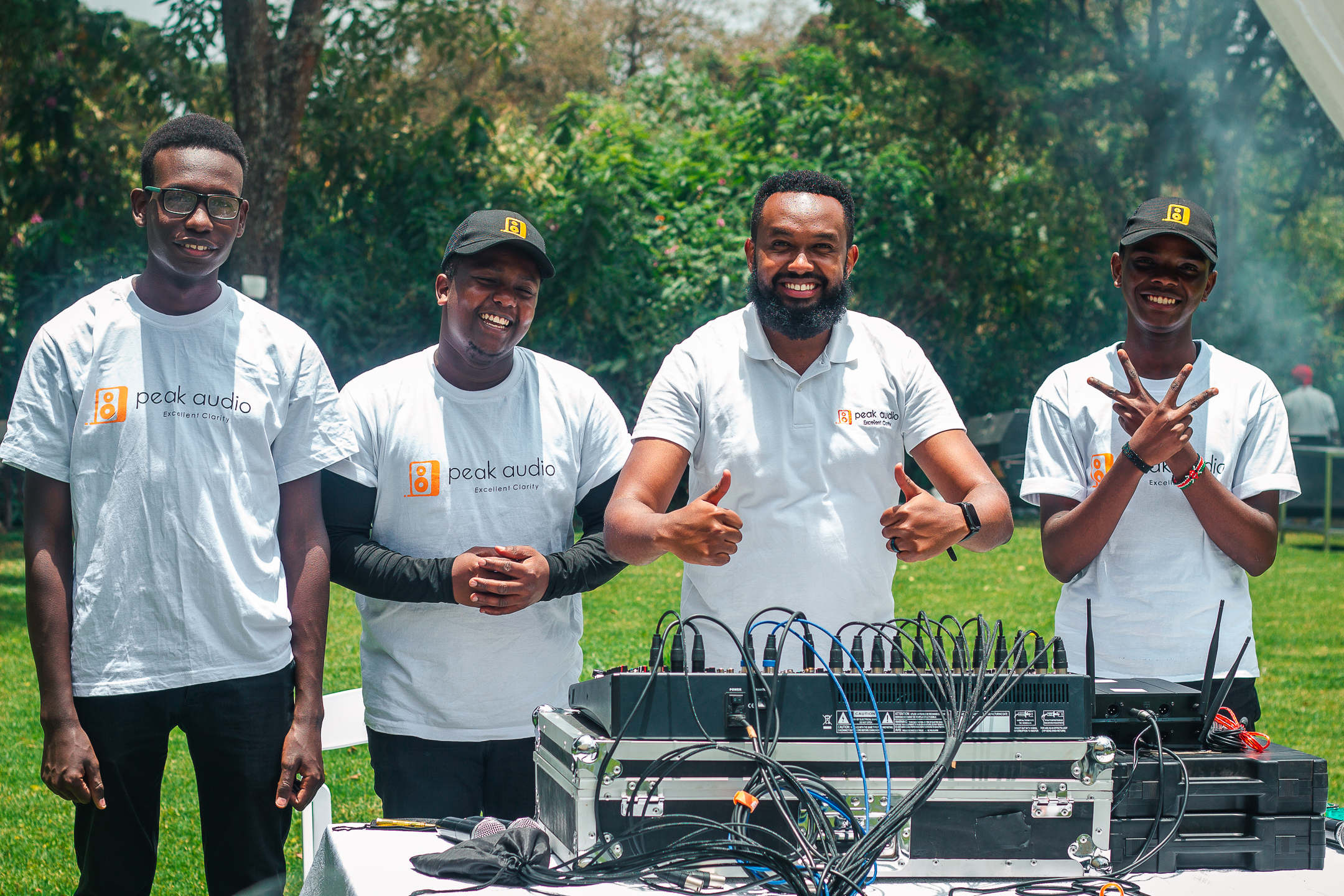
Corporate Event Planning for HR Managers
Professional corporate event planning plays a vital role in helping HR managers strengthen employee engagement, improve internal communication, and foster a positive organizational culture. Well-executed corporate events provide valuable opportunities for team building, knowledge sharing, leadership development, employee recognition, and organizational alignment. By investing in professionally planned events, organizations can create meaningful experiences that support employee satisfaction and long-term business success.
Successful corporate events depend on strategic planning, efficient logistics management, and the effective use of modern event technology. From venue coordination and attendee management to presentation delivery and audience engagement, every detail contributes to the overall effectiveness of the event. Technologies such as conference audio systems, LED displays, wireless microphones, live streaming platforms, and hybrid event solutions help ensure clear communication, greater participation, and a more engaging experience for attendees.
At Peak Audio, we provide professional corporate event technology, event production, and event support services designed to help organizations deliver impactful and memorable events across Kenya. Whether you are planning a staff conference, leadership retreat, training workshop, annual meeting, or employee engagement event, Peak Audio is your trusted partner for customized event solutions. We encourage HR managers, corporate leaders, and organizations to contact us for expert consultation and professional event support tailored to their unique needs.
Leave a Reply
Want to join the discussion?Feel free to contribute!