Conference Management Services in Nairobi
Table of Contents
ToggleConference Management Services in Nairobi – Deliver Seamless Events with Peak Audio

Conference Management Services in Nairobi
Conference management services in Nairobi are essential for organizing successful, professional, and impactful events across various sectors. Whether it’s a corporate conference, NGO summit, government forum, or industry workshop, managing every aspect—from initial planning to final execution—requires experience, coordination, and attention to detail. Nairobi, as a leading business and events hub in Kenya, hosts a wide range of high-profile conferences that demand precision, reliability, and a strong focus on delivering value to attendees.
Effective conference management involves coordinating multiple elements, including venue selection, scheduling, speaker management, delegate handling, and logistics. Each component must align seamlessly to ensure smooth operations and a positive attendee experience. Advanced audio-visual solutions also play a critical role in delivering clear communication, engaging presentations, and interactive sessions. From sound systems and lighting to large display screens and live streaming, the right technology enhances both the professionalism and impact of the event.
Peak Audio provides expert support for Conference Management Services in Nairobi, combining professional event production with advanced AV solutions to ensure flawless execution. From planning and technical setup to on-site support and live broadcasting, Peak Audio helps organizations deliver well-coordinated, engaging, and high-quality conferences. By partnering with Peak Audio, event organizers can achieve seamless operations, enhanced audience engagement, and successful outcomes for every conference.
1. What Are Conference Management Services?

Conference Management Services in Nairobi
Conference management services involve the complete planning, coordination, and execution of conferences, ensuring every detail—from logistics to technology—is handled professionally. These services are essential for delivering smooth, engaging, and successful events, whether corporate, government, NGO, or industry-focused conferences in Kenya.
1.1 End-to-End Planning and Execution of Conferences
Conference management covers the entire event lifecycle from concept to completion.
- Event Concept Development – Defining the purpose, theme, and objectives of the conference.
- Planning and Scheduling – Creating timelines, agendas, and activity schedules.
- Execution Management – Overseeing the event on the actual day to ensure everything runs smoothly.
- Post-Event Evaluation – Reviewing outcomes and gathering feedback for improvement.
End-to-end management ensures every stage of the conference is professionally handled.
1.2 Coordination of Logistics, Venues, and Technical Setups
Effective coordination ensures all physical and technical elements are in place.
- Venue Selection and Setup – Choosing suitable locations and arranging seating, staging, and décor.
- Logistics Management – Handling transportation, accommodation, catering, and materials.
- Technical Setup – Installing sound systems, screens, projectors, lighting, and other AV equipment.
- On-Site Coordination – Managing teams and vendors during setup and execution.
Proper coordination ensures a seamless and well-organized conference environment
1.3 Management of Attendees, Speakers, and Schedules
Managing people and schedules is critical for a successful conference.
- Attendee Registration – Handling sign-ups, check-ins, badges, and communication.
- Speaker Coordination – Managing speaker schedules, presentations, and requirements.
- Program Management – Ensuring sessions run on time and transitions are smooth.
- Audience Engagement – Supporting interaction through Q&A sessions, networking, and participation tools.
Proper management of attendees and speakers ensures a smooth and engaging conference experience.
1.4 Integration of Technology and AV Solutions
Modern conferences rely heavily on technology and audio-visual systems.
- Audio-Visual Equipment – High-quality sound systems, microphones, projectors, and LED screens.
- Hybrid and Virtual Platforms – Supporting both physical and online attendees.
- Live Streaming and Recording – Broadcasting events to wider audiences.
- Event Technology Tools – Registration systems, attendee tracking, and interactive apps.
Technology integration enhances communication, engagement, and overall event impact.
Conference management services ensure conferences are well-organized, efficient, and successful. By handling planning, logistics, attendee management, and technology integration, these services allow organizers to focus on their goals while professionals manage the execution for a seamless and impactful event experience.
2. Why Conference Management Services Are Important in Nairobi

Conference Management Services in Nairobi
Conference management services are especially important in Nairobi because the city hosts a wide range of corporate meetings, NGO forums, government events, business summits, workshops, and international conferences. With many stakeholders, technical requirements, and logistical details involved, professional management helps ensure the event is organized, polished, and successful from planning to execution.
2.1 Nairobi Is a Major Hub for Corporate and International Events
Nairobi has become one of East Africa’s leading destinations for professional events, attracting organizations from different sectors.
- Business and Corporate Presence – Nairobi is home to many companies, regional offices, financial institutions, NGOs, and development organizations that frequently host conferences and meetings.
- International Connectivity – The city attracts regional and global delegates due to its strong business environment, hospitality industry, and accessibility.
- Wide Range of Venues – Nairobi offers hotels, conference centers, boardrooms, exhibition halls, and event spaces suitable for different types of conferences.
- Growing Events Industry – As the demand for professional events increases, the need for reliable conference management services also grows.
Nairobi’s position as a corporate and international events hub makes professional conference management essential for successful event delivery.
2.2 Conferences Require Coordination of Multiple Moving Parts
A successful conference involves many elements that must work together smoothly.
- Venue Coordination – The venue must be selected, prepared, arranged, and managed according to the event’s objectives and audience size.
- Technical Setup – Sound systems, microphones, projectors, screens, lighting, internet, and livestreaming tools must be properly installed and tested.
- Speaker and Guest Management – Speakers, moderators, panelists, VIPs, and attendees require communication, scheduling, and support.
- Vendor and Logistics Management – Catering, transport, décor, branding, registration, and security must all be coordinated professionally.
Conference management ensures all moving parts are organized and aligned for smooth event execution.
2.3 Professional Services Reduce Stress and Operational Risks
Planning and running a conference can be stressful without professional support.
- Reduced Workload for Organizers – Professional managers handle the technical and logistical details, allowing organizers to focus on content and objectives.
- Risk Management – Experienced teams anticipate common issues such as equipment failure, delays, registration challenges, or vendor problems.
- Problem-Solving Support – If challenges occur during the event, professionals can respond quickly and minimize disruption.
- Better Time Management – Proper schedules, timelines, and coordination reduce last-minute pressure.
Professional conference services reduce stress, prevent avoidable mistakes, and lower operational risks.
2.4 Enhances Overall Event Quality and Professionalism
A professionally managed conference creates a stronger impression on attendees, speakers, and sponsors.
- Polished Event Presentation – Good planning ensures the venue setup, branding, stage design, and technical systems look professional.
- Improved Attendee Experience – Smooth registration, clear communication, comfortable seating, and quality AV improve participant satisfaction.
- Stronger Brand Image – A well-executed event reflects positively on the organizing company, NGO, institution, or government body.
- Higher Engagement – Proper sound, visuals, lighting, and session flow help keep attendees focused and involved.
Professional conference management improves event quality, attendee experience, and organizational credibility.
Conference management services are important in Nairobi because the city is a major events hub with high expectations for professionalism and smooth execution. Conferences involve many moving parts, from logistics and venue setup to speaker coordination and AV technology. Working with experts reduces stress, minimizes risks, and enhances the overall quality of the event, ensuring everything runs smoothly from start to finish.
3. Key Conference Management Services Offered
Conference Management Services in Nairobi
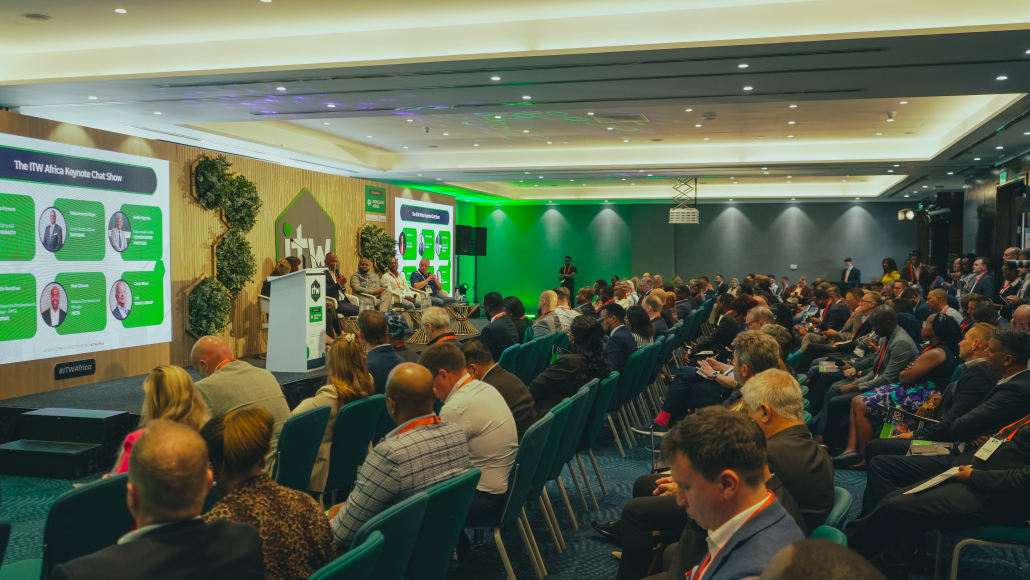
Conference management services cover multiple areas that work together to ensure an event is successful, professional, and well-coordinated. From planning and venue setup to attendee management and on-site execution, each service plays an important role in delivering a smooth conference experience. Below is a detailed breakdown of the main services typically offered.
3.1 Event Planning and Strategy
Event planning and strategy form the foundation of every successful conference. Before any venue is booked or equipment is installed, the event must be clearly defined in terms of its purpose, audience, scope, and expected outcomes. This stage ensures the conference is not just organized, but also aligned with the goals of the organization hosting it.
- Defining Event Objectives and Goals – The first step is to establish what the conference is meant to achieve. This may include knowledge sharing, networking, training, product launches, stakeholder engagement, or brand visibility. Clear goals help guide all other decisions related to the event.
- Budget Planning and Allocation – A conference budget must be prepared carefully to cover venue costs, AV equipment, catering, branding, registration systems, staffing, logistics, and contingency expenses. Proper budget allocation helps prevent overspending and ensures resources are used effectively.
- Timeline Development and Coordination – A detailed event timeline is created to map out each stage of the planning process, including booking deadlines, vendor coordination, promotion, registration, rehearsals, and event-day activities. This helps keep the planning process organized and on schedule.
- Strategic Direction – Event strategy also involves choosing the right format, audience engagement methods, and overall structure of the conference. This ensures that the event delivers real value to attendees and stakeholders.
Event planning and strategy provide the roadmap that guides the entire conference, ensuring every activity supports the event’s goals and objectives.
3.2 Venue Selection and Setup
The venue is one of the most important elements of any conference because it affects comfort, accessibility, logistics, and the overall attendee experience. Conference management teams help identify and prepare venues that fit the size, purpose, and tone of the event.
- Identifying Suitable Venues in Nairobi – Conference managers assess venue options based on location, accessibility, parking, capacity, facilities, and suitability for the event type. In Nairobi, this may include hotels, conference centers, boardrooms, or event venues depending on the expected audience and event format.
- Managing Bookings and Layout Design – Once a venue is chosen, the management team handles booking confirmations, floor planning, and layout design. This includes planning where the stage, registration desk, breakout rooms, exhibition areas, and networking spaces will be placed.
- Coordinating Seating and Stage Arrangements – Proper seating arrangements depend on the nature of the event. Theatre-style seating may suit large conferences, while classroom or boardroom setups may be more appropriate for workshops or executive meetings. Stage arrangement is also planned to ensure visibility, accessibility, and professional presentation.
- Venue Readiness Checks – Conference managers confirm that the venue can support all technical, catering, branding, and logistical needs before the event begins.
Venue selection and setup ensure the conference environment is practical, comfortable, and professionally arranged for both speakers and attendees.
3.3 Audio-Visual (AV) Solutions
Audio-visual solutions are essential in modern conferences because they support communication, engagement, and professional presentation. High-quality AV ensures that attendees can clearly see, hear, and participate in the event without technical distractions.
- Professional Sound Systems – Good sound is critical in any conference. This includes microphones, speakers, mixers, and audio control systems that ensure every speaker is heard clearly throughout the venue.
- LED Screens and Projectors – Visual presentation tools such as LED screens, projectors, and display monitors help present slides, videos, branding, and live content in a clear and impactful way.
- Lighting and Stage Design – Proper lighting improves visibility and creates a professional atmosphere. Stage lighting, uplighting, and branded stage design help enhance the visual experience and support the overall event theme.
- Live Streaming and Recording – Many conferences now include virtual participation or post-event content sharing. Live streaming allows online audiences to join remotely, while event recording helps preserve content for future use, reporting, or marketing.
- Technical Testing and Support – AV teams also test equipment before the event and provide live technical support during sessions to prevent disruptions.
AV solutions enhance communication, presentation quality, and attendee engagement, making the conference more professional and impactful.
3.4 Registration and Attendee Management
Attendee management is a vital part of conference management because it affects first impressions, event flow, and participant experience. A well-managed registration process makes the event feel organized and efficient from the beginning.
- Online Registration Systems – Conference managers often use digital registration platforms that allow attendees to sign up easily, submit details, and receive confirmations before the event.
- Ticketing and Check-In Solutions – For paid or controlled-access events, ticketing systems help manage attendance, while efficient check-in solutions reduce delays at the entrance and improve the arrival experience.
- Attendee Tracking and Communication – Organizers need to know how many people have registered, attended, or participated in different sessions. Communication tools also help send reminders, updates, agendas, venue information, and follow-up messages.
- Badge Printing and Identification – In many conferences, name badges help with identification, networking, and access control.
- Improved Guest Experience – Smooth registration and clear communication help attendees feel valued and informed, which improves the overall event experience.
Registration and attendee management ensure the conference runs efficiently while creating a smooth and professional experience for participants.
3.5 Speaker and Program Coordination
Speakers and program flow are central to the success of any conference. Even when the venue and equipment are excellent, the event can still feel disorganized if the speakers and sessions are not managed properly.
- Managing Speakers and Presentations – Conference managers coordinate with keynote speakers, moderators, panelists, and presenters to confirm session details, presentation requirements, arrival times, and technical needs.
- Scheduling Sessions and Panels – A structured program is developed to ensure each session fits within the event timeline. This includes main sessions, panel discussions, Q&A segments, networking breaks, and breakout sessions.
- Ensuring Smooth Program Flow – During the conference, the team ensures transitions between speakers and sessions happen on time and without confusion. This helps the event maintain momentum and professionalism.
- Briefing Speakers and Hosts – Speakers may also need support with rehearsals, presentation checks, stage access, or speaking order. Proper briefing reduces uncertainty and improves confidence.
- Time Management – Keeping speakers within their allocated time ensures the overall program stays on track.
Speaker and program coordination keep the conference organized, engaging, and professionally delivered from one session to the next.
3.6 On-Site Event Management
On-site event management is where all the planning comes together in real time. This service ensures that the conference runs smoothly on the event day and that any issues are addressed quickly and professionally.
- Coordination During the Event – The event management team oversees all activities on-site, including registration, stage flow, speaker movement, attendee support, and vendor coordination.
- Technical Support and Troubleshooting – If sound issues, presentation failures, delayed sessions, or equipment problems occur, the on-site team responds immediately to minimize disruption.
- Managing Staff and Vendors – Conference managers coordinate ushers, registration staff, AV technicians, caterers, decorators, and security personnel to ensure everyone performs their role correctly.
- Session Monitoring – The team monitors timing, room readiness, speaker transitions, and attendee needs throughout the event.
- Problem Resolution – Unexpected issues can occur at any conference, such as delays, technical faults, or guest concerns. Professional on-site management ensures such challenges are handled quickly and calmly.
On-site event management ensures that the conference is executed smoothly, professionally, and with minimal disruptions on the actual event day.
Conference management services cover every major aspect of a successful event, from planning and venue setup to AV support, attendee management, speaker coordination, and on-site execution. Each service contributes to a more organized, efficient, and professional conference experience. By working with experienced conference management professionals, organizers can ensure that their events run smoothly and deliver meaningful results for attendees, speakers, and stakeholders.
4. Types of Conferences Managed in Nairobi

Conference Management Services in Nairobi
Nairobi hosts a diverse range of conferences due to its role as a regional business, diplomatic, and academic hub. Conference management teams handle different event formats, each with unique requirements in terms of logistics, audience engagement, and technical setup. Below are the main types of conferences commonly managed in Nairobi.
4.1 Corporate Conferences
Corporate conferences are among the most common events in Nairobi, driven by businesses, organizations, and private companies.
- Business Meetings, Seminars, and Workshops – These events focus on internal strategy, training, knowledge sharing, and team development. They often require structured agendas, presentation tools, and breakout sessions.
- Product Launches and Company Events – Businesses use conferences to introduce new products, services, or initiatives. These events require strong branding, high-quality AV setups, and professional staging.
- Networking Opportunities – Corporate conferences often include networking sessions that allow professionals to connect and collaborate.
- Professional Presentation Standards – High-quality lighting, sound systems, and visuals are essential to maintain a strong corporate image.
Corporate conferences require professional planning and execution to reflect brand identity and deliver impactful business outcomes.
4.2 NGO and Development Conferences
Nairobi is a major hub for NGOs and international development organizations, making this type of conference very common.
- Policy Discussions and Stakeholder Meetings – These conferences bring together governments, NGOs, donors, and partners to discuss policies, programs, and development strategies.
- International and Regional Forums – Nairobi hosts many global and regional events involving participants from across Africa and beyond.
- Multi-Stakeholder Engagement – Events often include panel discussions, workshops, and collaborative sessions involving diverse participants.
- Hybrid and Virtual Components – Many NGO conferences include virtual participation to accommodate international attendees.
NGO and development conferences require strong coordination and professional management to handle diverse participants and complex agendas.
4.3 Government Conferences
Government conferences focus on public sector initiatives, policies, and national or regional discussions.
- Public Sector Events and Forums – These include policy discussions, public consultations, and institutional meetings involving government agencies and stakeholders.
- Official Meetings and Summits – High-level conferences may involve ministers, diplomats, and senior officials, requiring strict organization and protocol.
- Formal Structure and Protocol – Government events often follow official procedures, including structured agendas, speeches, and formal seating arrangements.
- Security and Coordination – These events require careful coordination of security, access control, and logistics.
Government conferences require a high level of organization, professionalism, and adherence to formal protocols.
4.4 Educational and Academic Conferences
Educational and academic conferences focus on learning, research, and knowledge sharing.
- University Events and Research Presentations – These include academic conferences, symposiums, and thesis presentations where researchers share findings.
- Training and Knowledge-Sharing Forums – Workshops, seminars, and training sessions are organized for students, professionals, and educators.
- Interactive Learning Environments – These conferences often involve discussions, Q&A sessions, and collaborative learning.
- Technical Requirements – Presentation tools such as projectors, screens, and microphones are essential for effective delivery.
Academic conferences require structured planning and reliable AV support to facilitate effective learning and knowledge exchange.
Nairobi supports a wide variety of conferences, including corporate, NGO, government, and academic events. Each type has unique requirements in terms of planning, logistics, audience engagement, and technical setup. Professional conference management ensures that all these event types are executed smoothly, delivering meaningful experiences and successful outcomes for organizers and participants.
5. Benefits of Professional Conference Management Services

Conference Management Services in Nairobi
Professional conference management services play a key role in delivering successful, well-organized, and impactful events. Whether it’s a corporate meeting, NGO forum, government summit, or academic conference, working with experienced professionals ensures every aspect of the event is handled efficiently and to a high standard.
5.1 Saves Time and Reduces Workload
Organizing a conference involves many tasks that can be overwhelming without support.
- Delegation of Responsibilities – Professional teams handle logistics, vendors, registration, and coordination.
- Reduced Planning Burden – Organizers can focus on content, strategy, and objectives instead of operational details.
- Efficient Coordination – Experienced planners streamline processes and avoid unnecessary delays.
- Better Time Management – Structured timelines ensure tasks are completed on schedule.
Professional management reduces workload and allows organizers to focus on delivering value.
5.2 Ensures Professional Execution
A professionally managed conference reflects positively on the organization hosting it.
- High-Quality Setup – Proper staging, seating, branding, and AV systems create a polished look.
- Structured Event Flow – Sessions run smoothly with minimal disruptions or delays.
- Attention to Detail – Every aspect, from registration to closing remarks, is handled professionally.
- Consistent Standards – Professional teams ensure quality across all areas of the event.
Professional execution enhances credibility and creates a strong impression.
5.3 Improves Attendee Experience
Attendee satisfaction is a key measure of conference success.
- Smooth Registration Process – Efficient check-in reduces delays and confusion.
- Comfortable Environment – Proper seating, lighting, and sound improve comfort and engagement.
- Clear Communication – Attendees receive schedules, updates, and guidance throughout the event.
- Interactive Engagement – Well-managed sessions encourage participation and networking.
Professional management ensures a seamless and enjoyable experience for attendees.
5.4 Reduces Risks and Unexpected Issues
Conferences can face unexpected challenges, but professionals are prepared to handle them.
- Risk Planning – Experienced teams anticipate potential problems such as equipment failure or delays.
- Quick Problem Resolution – Issues are addressed immediately to minimize disruption.
- Technical Support – On-site technicians ensure AV systems function properly.
- Backup Solutions – Contingency plans are in place for critical elements.
Professional services minimize risks and ensure the event continues smoothly.
Professional conference management services deliver efficient, high-quality event outcomes. By saving time, ensuring professional execution, improving attendee experience, and reducing risks, these services help organizations host successful conferences that achieve their objectives and leave a lasting positive impression.
6. Role of Technology in Conference Management

Conference Management Services in Nairobi
Technology plays a major role in modern conference management by making events more organized, efficient, measurable, and engaging. From planning tools and registration systems to live streaming and analytics, event technology helps organizers manage complex conferences with greater accuracy and professionalism.
6.1 Event Management Software for Planning and Tracking
Event management software helps organizers plan, coordinate, and monitor conference activities from one central platform.
- Task Management – Organizers can assign responsibilities, set deadlines, and monitor progress for different planning activities such as venue booking, speaker coordination, AV setup, catering, and branding.
- Timeline Tracking – Software tools help ensure planning milestones are completed on time. This reduces last-minute pressure and keeps the event preparation process organized.
- Budget Monitoring – Event platforms can help track expenses, vendor payments, and budget allocation, ensuring that costs remain controlled.
- Team Collaboration – Multiple team members can work on the same platform, improving communication and reducing confusion.
Event management software improves planning accuracy, coordination, and accountability throughout the conference process.
6.2 Digital Registration and Ticketing Systems
Digital registration and ticketing systems simplify how attendees sign up, check in, and access the event.
- Online Registration – Attendees can register before the event using digital forms, reducing manual paperwork and improving data collection.
- Ticketing and Access Control – QR codes, digital tickets, and badge systems help manage entry efficiently and securely.
- Faster Check-In – Digital systems reduce long queues at registration desks, creating a smoother first impression.
- Attendee Communication – Organizers can send confirmations, reminders, schedules, and updates directly to registered participants.
Digital registration and ticketing systems improve attendee management, reduce delays, and create a more professional conference experience.
6.3 Live Streaming and Hybrid Event Platforms
Live streaming and hybrid platforms allow conferences to reach audiences beyond the physical venue.
- Remote Participation – Attendees who cannot travel can still join sessions online, increasing event accessibility.
- Wider Audience Reach – Organizations can engage national, regional, or international participants through virtual attendance.
- Recorded Sessions – Conference sessions can be recorded for later viewing, training, reporting, or marketing use.
- Interactive Features – Hybrid platforms often include live chat, Q&A, polling, and virtual networking tools to keep online audiences engaged.
Live streaming and hybrid platforms expand conference reach and make events more accessible and flexible.
6.4 Data Analytics for Measuring Event Success
Data analytics helps organizers understand how successful the conference was and where improvements can be made.
- Attendance Tracking – Organizers can measure registrations, actual attendance, session participation, and check-in rates.
- Engagement Measurement – Analytics can track participation in polls, Q&A sessions, networking activities, and digital interactions.
- Feedback Collection – Post-event surveys and digital forms help gather attendee opinions and satisfaction levels.
- Performance Reporting – Data can be used to prepare reports for sponsors, management teams, stakeholders, or future planning.
Data analytics provides valuable insights that help measure success and improve future conferences.
Technology enhances efficiency and delivers modern, engaging conference experiences. Event management software improves planning, digital registration simplifies attendee handling, live streaming expands reach, and analytics helps measure results. By integrating the right technology, conference organizers can create smoother, more professional, and more impactful events.
7. Cost of Conference Management Services in Nairobi

Conference Management Services in Nairobi
The cost of conference management services in Nairobi varies widely depending on the size, scope, and complexity of the event. From small corporate meetings to large international conferences, pricing is influenced by the level of planning, technical requirements, staffing, and logistics involved. Understanding these cost factors helps organizers budget effectively and choose the right service package.
7.1 Costs Vary Based on Event Size and Complexity
The size and complexity of the event are the biggest factors affecting cost.
- Small Events – Boardroom meetings, workshops, or seminars with fewer attendees require minimal setup and lower budgets.
- Medium-Sized Conferences – Corporate events with multiple sessions, speakers, and attendees require more coordination and resources.
- Large Conferences – International or multi-day events involve complex logistics, large venues, advanced AV systems, and higher staffing needs.
- Technical Complexity – Events with live streaming, hybrid participation, or advanced stage production cost more.
Larger and more complex conferences require higher budgets due to increased planning and resources.
7.2 Services May Include Planning, AV, Staffing, and Logistics
Conference management costs typically cover a combination of services.
- Event Planning and Coordination – Includes strategy, scheduling, and overall management.
- Audio-Visual (AV) Solutions – Sound systems, microphones, LED screens, lighting, and technical support.
- Staffing and Support Teams – Registration staff, ushers, technicians, and event coordinators.
- Logistics and Operations – Venue setup, seating arrangements, catering coordination, and transport.
Costs depend on the range of services required for the event.
7.3 Small Events Cost Less, While Large Conferences Require Higher Budgets
Different event scales come with different budget levels.
- Small Events – Require basic planning, minimal AV, and fewer staff, making them more affordable.
- Mid-Range Events – Include more structured programs, better AV setups, and moderate logistics.
- Large Conferences – Demand high-end AV production, large venues, multiple teams, and complex coordination.
- Multi-Day Events – Extended duration increases costs for staffing, venue, and services.
Budget increases with event size, duration, and service requirements.
7.4 Custom Packages Are Often Available
Most conference management providers offer flexible pricing options.
- Tailored Service Packages – Clients can choose specific services based on their needs and budget.
- Scalable Solutions – Start with basic services and add more features as required.
- Consultation-Based Pricing – Costs are often determined after understanding the event requirements.
- Budget Optimization – Professionals can recommend cost-effective solutions without compromising quality.
Custom packages allow organizers to get the best value within their budget.
Investing in professional conference management services ensures value and successful outcomes. While costs in Nairobi vary depending on event size, services, and complexity, working with experienced providers helps optimize budgets, reduce risks, and deliver high-quality, well-executed conferences that meet organizational goals.
8. How to Choose the Right Conference Management Company

Conference Management Services in Nairobi
Choosing the right conference management company is one of the most important decisions when planning a successful event. The right partner should have experience, a strong service range, reliable technology, and a good reputation. In Nairobi’s competitive events industry, working with a capable company helps reduce stress, improve event quality, and ensure smooth execution from start to finish.
8.1 Experience and Expertise
Experience is a key factor when selecting a conference management company because conferences involve many details that must be handled correctly.
- Proven Track Record in Managing Events – A company with experience in corporate conferences, NGO forums, government meetings, and academic events is more likely to understand what different event types require.
- Industry Knowledge – Experienced event managers understand venue logistics, AV requirements, speaker coordination, attendee management, and vendor relationships.
- Problem-Solving Ability – A skilled team can quickly handle unexpected issues such as technical delays, registration challenges, venue changes, or program adjustments.
- Professional Planning Standards – Experienced companies follow structured planning processes, timelines, and checklists to ensure nothing important is missed.
Choose a conference management company with proven experience and strong industry knowledge to ensure professional event delivery.
8.2 Range of Services
A good conference management company should offer comprehensive services that cover the full event process.
- Planning and Strategy – The company should help define objectives, prepare timelines, create budgets, and coordinate event requirements.
- AV and Technical Support – Sound systems, microphones, projectors, LED screens, lighting, live streaming, and recording should be available or properly coordinated.
- Registration and Attendee Management – The company should handle online registration, check-in, badge printing, ticketing, and attendee communication.
- On-Site Execution – A reliable team should manage staff, vendors, speakers, technical support, and overall event flow during the conference.
A company with a wide range of services provides convenience, consistency, and better event coordination.
8.3 Technology and Equipment
Modern conferences require advanced technology to support communication, engagement, and hybrid participation.
- Access to Modern AV Equipment – A reliable company should provide quality sound systems, wireless microphones, LED screens, projectors, lighting, and staging equipment.
- Hybrid Event Capability – If the conference includes online attendees, the company should support live streaming, video conferencing, recording, and virtual engagement tools.
- Event Technology Tools – Digital registration, attendee tracking, event apps, QR check-in, and interactive tools can improve the attendee experience.
- Technical Backup and Support – The company should have technicians on-site to test equipment, monitor performance, and handle technical issues quickly.
Choose a company with modern technology and reliable equipment to ensure a smooth and engaging conference.
8.4 Client Reviews and Reputation
Reputation helps you understand whether a conference management company can deliver what it promises.
- Positive Feedback and Testimonials – Reviews from past clients show whether the company provides reliable and professional service.
- Reliable Service Delivery – A reputable company is more likely to meet deadlines, communicate clearly, and execute events properly.
- Portfolio of Past Events – Reviewing previous conferences, summits, and corporate events helps you assess the company’s capability.
- Trust and Accountability – A strong reputation gives organizers confidence that the event will be handled professionally.
A company with strong reviews and a good reputation is more likely to deliver a successful event.
Choosing the right conference management company ensures a successful and stress-free event. The best partner should have proven experience, a comprehensive range of services, modern technology, and a strong reputation. By working with a reliable company, organizers can reduce planning pressure, avoid common risks, and deliver a polished conference experience for attendees, speakers, sponsors, and stakeholders.
9. Challenges in Conference Management
Conference Management Services in Nairobi
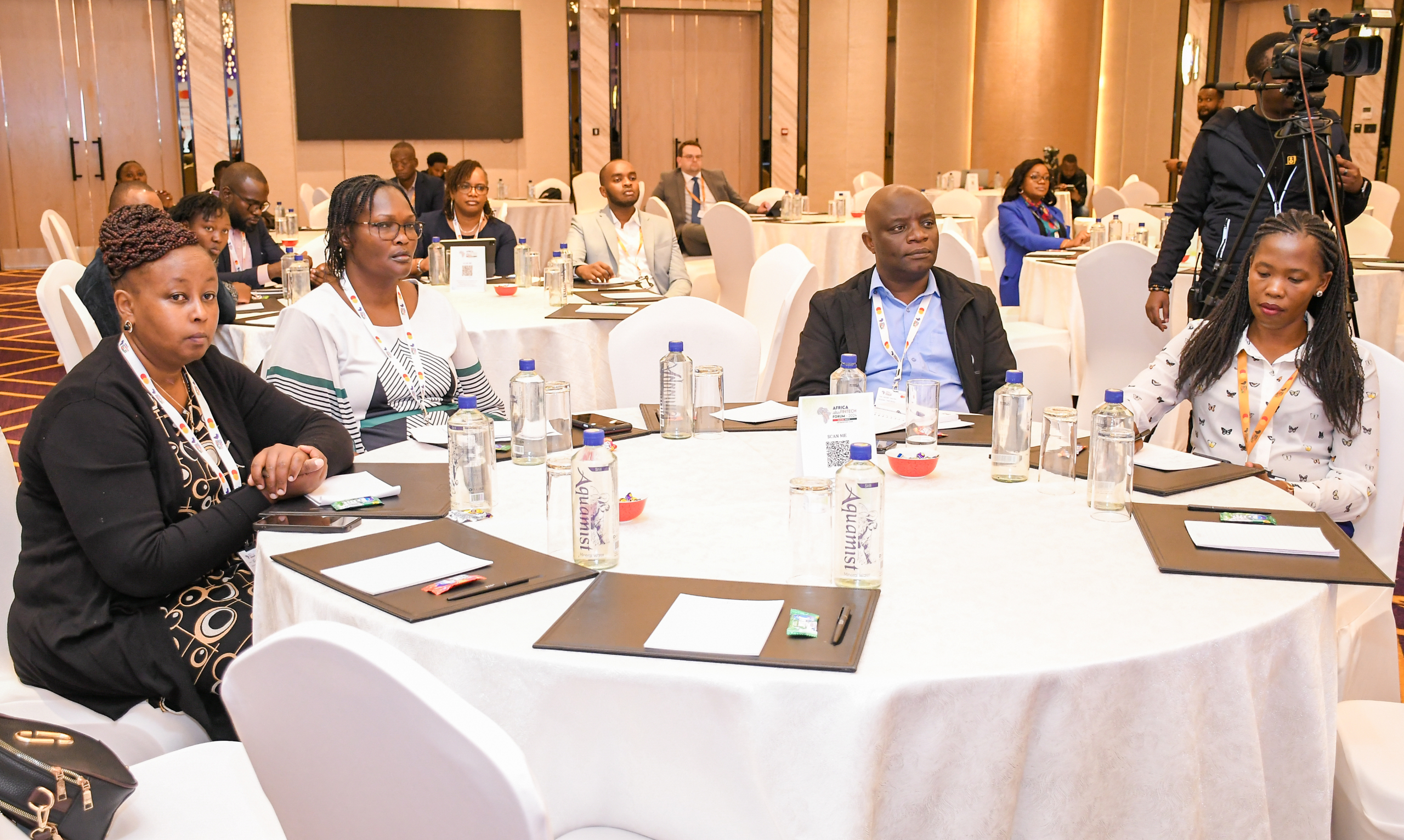
Conference management involves coordinating many moving parts under tight timelines and high expectations. Even well-planned events can face challenges that affect execution, attendee experience, and overall success. Understanding these challenges helps organizers prepare better and highlights the value of working with experienced conference managers.
9.1 Coordinating Multiple Vendors and Stakeholders
Conferences often involve many different parties, each responsible for a specific part of the event.
- Multiple Service Providers – Vendors such as caterers, AV technicians, decorators, transport providers, and venue staff must all work together seamlessly.
- Stakeholder Expectations – Sponsors, speakers, organizers, and attendees may have different expectations that need to be balanced.
- Communication Challenges – Miscommunication between vendors can lead to delays or errors.
- Dependency on Timelines – One delay can affect other aspects of the event.
Coordinating multiple stakeholders requires strong communication and organization to ensure everything runs smoothly.
9.2 Managing Tight Timelines and Budgets
Time and budget constraints are common challenges in conference planning.
- Strict Deadlines – Venue booking, speaker confirmations, registrations, and logistics must be completed within limited timeframes.
- Budget Limitations – Organizers must balance quality with affordability while covering all essential services.
- Cost Control – Unexpected expenses can arise, requiring quick adjustments.
- Resource Allocation – Proper planning is needed to ensure funds are used effectively.
Managing time and budget requires careful planning and efficient resource allocation.
9.3 Handling Technical Issues During Events
Technical issues can disrupt the flow of a conference if not handled properly.
- Audio Problems – Poor sound quality or microphone failure can affect presentations.
- Visual Equipment Failure – Issues with projectors, screens, or presentations can delay sessions.
- Connectivity Challenges – Internet issues can affect live streaming or hybrid participation.
- Need for Backup Systems – Without contingency plans, technical failures can impact the entire event.
Technical challenges require skilled AV teams and backup solutions to minimize disruptions.
9.4 Ensuring Smooth Attendee Experience
Attendee experience is a key factor in the success of any conference.
- Registration Delays – Long queues or poor check-in systems can frustrate attendees.
- Session Management – Delays or disorganized schedules can reduce engagement.
- Comfort and Accessibility – Seating, lighting, sound, and venue layout must meet attendee needs.
- Communication Gaps – Attendees need clear directions, schedules, and updates.
Ensuring a smooth attendee experience requires careful planning and coordination.
Conference management comes with several challenges, including coordinating vendors, managing time and budgets, handling technical issues, and ensuring a smooth attendee experience. Experienced conference managers play a critical role in overcoming these challenges by planning effectively, responding quickly to issues, and maintaining high standards throughout the event.
10. Future of Conference Management in Nairobi
Conference Management Services in Nairobi
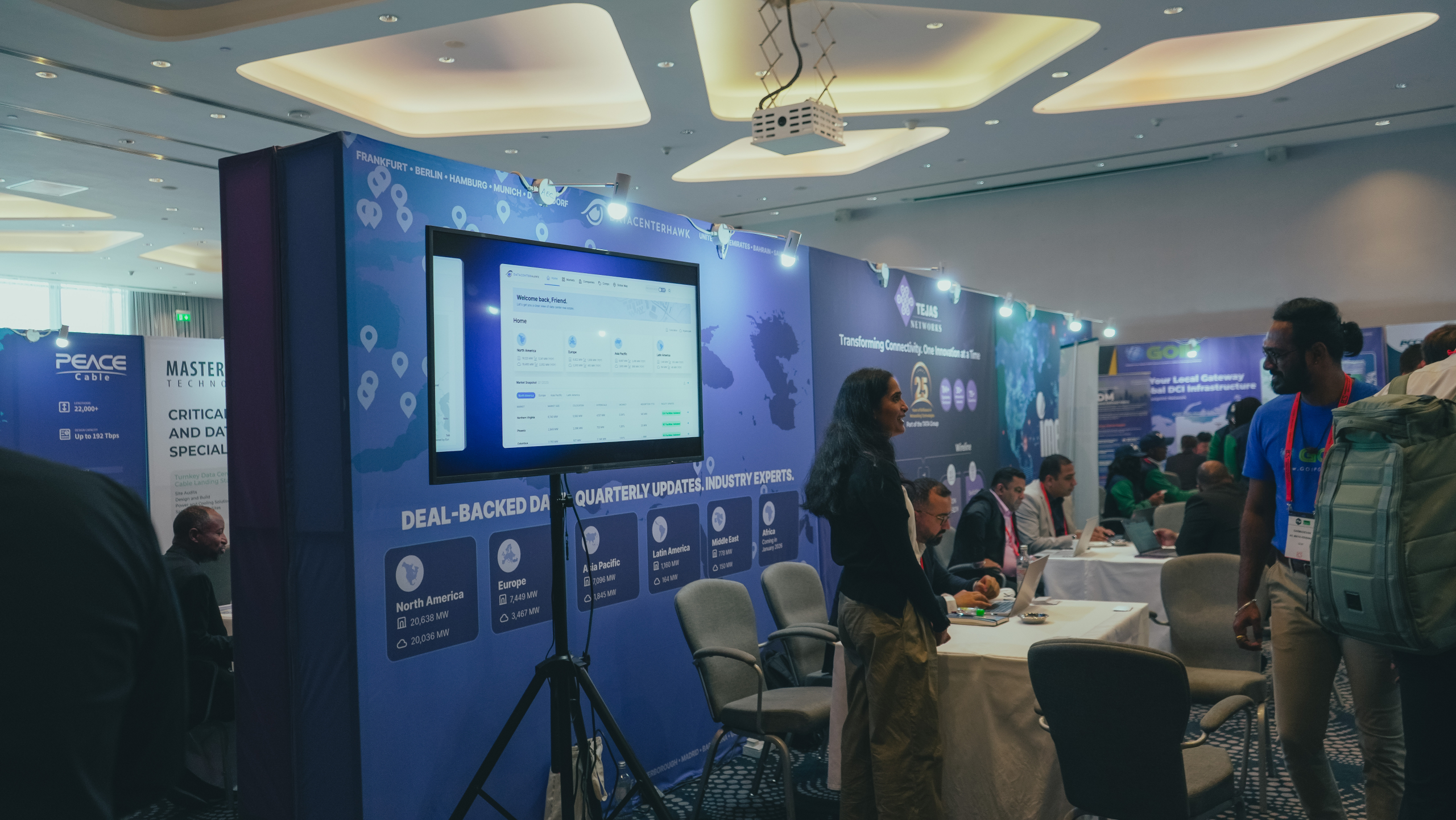
Conference management in Nairobi is rapidly evolving as technology advances and attendee expectations grow. The industry is shifting toward more flexible, data-driven, and experience-focused events that combine physical and digital elements. As Nairobi continues to position itself as a leading events hub in Africa, the future of conference management will be shaped by innovation, efficiency, and enhanced engagement.
10.1 Increased Adoption of Hybrid and Virtual Events
Hybrid and virtual events are becoming a standard part of modern conferences.
- Wider Audience Reach – Events can include both physical and remote attendees from different locations.
- Greater Accessibility – Participants who cannot travel can still attend virtually.
- Flexible Participation Options – Attendees can choose how they want to engage with the event.
- Content Longevity – Sessions can be recorded and reused for future engagement.
Hybrid and virtual formats are expanding conference reach and flexibility.
10.2 Integration of AI and Automation Tools
Artificial intelligence and automation are transforming how conferences are planned and managed.
- Automated Registration and Communication – AI tools can handle attendee registration, confirmations, and reminders.
- Smart Scheduling – Systems can optimize session planning and resource allocation.
- Chatbots and Virtual Assistants – Provide real-time support to attendees during events.
- Operational Efficiency – Automation reduces manual work and improves accuracy.
AI and automation are improving efficiency and simplifying conference management processes.
10.3 Growth in Demand for Professional Event Services
As conferences become more complex, the demand for professional services continues to increase.
- Higher Expectations – Organizations expect well-executed, high-quality events.
- Complex Event Requirements – Modern conferences involve AV, technology, logistics, and engagement strategies.
- Need for Expertise – Professional event managers bring experience and structure to complex projects.
- Business Growth Opportunities – The expanding events industry in Nairobi creates more opportunities for service providers.
The demand for professional conference management services is growing rapidly.
10.4 Enhanced Use of Data and Analytics
Data and analytics are becoming essential tools for measuring conference success.
- Attendee Insights – Organizers can track attendance, engagement, and participation levels.
- Performance Measurement – Data helps evaluate whether the conference met its objectives.
- Improved Decision-Making – Insights guide future event planning and improvements.
- Personalized Experiences – Data can be used to tailor content and engagement for attendees.
Data and analytics help organizers make informed decisions and improve future events.
The future of conference management in Nairobi is technology-driven and experience-focused. With the rise of hybrid events, AI-powered tools, increased demand for professional services, and advanced data analytics, conferences are becoming more efficient, engaging, and impactful. These trends will continue to shape how events are planned and delivered, ensuring better outcomes for organizers and attendees alike.
11. FAQs on Conference Management Services Nairobi
Conference management services in Nairobi help organizations plan, coordinate, and execute professional events with less stress and better results. These services are useful for corporate events, NGO forums, government summits, academic conferences, product launches, workshops, and hybrid events. Below are detailed FAQs to help organizers understand what conference management services include and why they are valuable.
11.1 What Are Conference Management Services?
Conference management services involve the professional planning, organization, coordination, and execution of conferences.
- Event Planning – This includes defining objectives, developing the event concept, preparing timelines, and creating a structured plan for the conference.
- Logistics Coordination – Conference managers handle venue setup, seating arrangements, transport, catering coordination, branding, and supplier management.
- Technical Management – They coordinate AV systems such as sound, microphones, screens, projectors, lighting, and live streaming equipment.
- On-Site Execution – During the event, they manage staff, vendors, speakers, attendees, and program flow to ensure everything runs smoothly.
Conference management services ensure every part of the event is professionally planned and executed.
11.2 Why Should I Hire a Conference Management Company?
Hiring a conference management company helps reduce stress, avoid mistakes, and improve the quality of the event.
- Professional Execution – Experienced event teams understand how to manage conferences efficiently from start to finish.
- Reduced Workload – Organizers can focus on content, guests, sponsors, and business goals while experts handle the operational details.
- Risk Reduction – Professional managers anticipate issues such as technical failures, delays, poor registration flow, or vendor problems.
- Better Event Quality – A well-managed conference looks polished, organized, and credible to attendees and stakeholders.
Hiring a conference management company ensures smoother execution and a more professional event experience.
11.3 What Services Are Included?
Conference management services usually include all the major elements needed to organize and deliver a successful event.
- Planning and Strategy – Defining objectives, preparing budgets, creating timelines, and planning the program structure.
- Logistics Management – Managing venues, seating, catering, transport, accommodation, branding, and event materials.
- AV and Technical Support – Providing sound systems, microphones, LED screens, projectors, lighting, recording, and live streaming.
- Registration and On-Site Management – Handling online registration, check-in, badges, attendee support, speaker coordination, and event-day supervision.
Conference management services cover planning, logistics, AV, registration, and on-site execution.
11.4 How Much Do Conference Services Cost in Nairobi?
The cost of conference management services in Nairobi depends on the size, duration, complexity, and service requirements of the event.
- Small Events – Workshops, boardroom meetings, and small seminars usually cost less because they require fewer resources.
- Large Conferences – Multi-day events, summits, exhibitions, and international conferences require higher budgets due to venue size, technical needs, staffing, and logistics.
- AV and Technology Needs – Events requiring LED screens, live streaming, interpretation systems, or hybrid platforms may cost more.
- Custom Packages – Many providers offer tailored packages based on the client’s budget and objectives.
Costs vary depending on event size, services required, technical needs, and overall complexity.
11.5 Can They Handle Hybrid Events?
Yes, many professional conference management companies in Nairobi can handle hybrid and virtual events.
- Live Streaming Support – They provide cameras, audio systems, lighting, and streaming setups for online audiences.
- Virtual Platforms – Hybrid events can be hosted on platforms that support remote attendance, Q&A, polls, and virtual networking.
- Online and Physical Coordination – The team manages both in-person attendees and online participants at the same time.
- Recording and Content Sharing – Sessions can be recorded for future viewing, reports, or marketing content.
Conference management companies can support hybrid and virtual events with the right technology and technical team.
11.6 Do They Provide AV Equipment?
Yes, most conference management companies provide or coordinate AV equipment.
- Sound Systems – Includes speakers, microphones, mixers, and audio control systems.
- Visual Displays – Includes LED screens, projectors, monitors, and presentation equipment.
- Lighting Solutions – Stage lighting, room lighting, and branded lighting setups improve the event atmosphere.
- Technical Support – AV technicians manage equipment setup, testing, and troubleshooting during the event.
Most conference management providers offer AV equipment such as sound, lighting, and display solutions.
11.7 How Early Should I Plan a Conference?
It is best to start planning a conference early to allow enough time for venue booking, vendor coordination, speaker management, and attendee registration.
- Ideal Planning Window – For most conferences, planning should begin 3–6 months in advance.
- Large Events Need More Time – International conferences, summits, and multi-day events may require even earlier preparation.
- Better Venue Availability – Early planning gives you more options for suitable venues in Nairobi.
- Improved Coordination – More time allows smoother communication with speakers, sponsors, vendors, and attendees.
Ideally, conferences should be planned 3–6 months in advance for better organization and smoother execution.
11.8 Can They Manage Large Conferences?
Yes, experienced conference management companies can manage large events involving many attendees, speakers, sponsors, and vendors.
- Large Venue Setup – They coordinate seating, staging, branding, registration areas, exhibition booths, and technical layouts.
- Multiple Teams – Large conferences require event coordinators, ushers, AV technicians, registration staff, and vendor teams.
- Complex Logistics – Transport, accommodation, catering, security, and session coordination must be carefully managed.
- Professional Oversight – Experienced managers ensure all parts of the event remain aligned and on schedule.
Experienced companies can manage large conferences by coordinating logistics, teams, technology, and event flow.
11.9 Do They Handle Registration Systems?
Yes, conference management companies often provide registration and attendee management solutions.
- Online Registration – Attendees can register digitally before the event.
- Ticketing and Check-In – QR codes, digital tickets, and check-in systems help reduce queues.
- Badge Printing – Name badges help with identification, networking, and access control.
- Attendee Communication – Organizers can send reminders, schedules, updates, and post-event follow-ups.
Conference management providers can handle online registration, check-in, badges, and attendee tracking.
11.10 What Industries Use Conference Services?
Conference management services are used across many sectors in Nairobi and Kenya.
- Corporate Sector – Businesses use them for seminars, product launches, annual meetings, and training events.
- NGO and Development Sector – NGOs use conference services for forums, stakeholder meetings, and policy discussions.
- Government Sector – Public institutions use them for summits, consultations, official meetings, and forums.
- Education Sector – Universities and training institutions use them for academic conferences, research presentations, and knowledge-sharing events.
Corporate, NGO, government, and education sectors commonly use conference management services in Nairobi.
Conference management services in Nairobi help organizations deliver professional, well-organized, and impactful events. These services cover planning, logistics, AV, registration, hybrid event support, speaker coordination, and on-site execution. Whether for a small workshop or a large international conference, working with an experienced conference management company ensures smoother coordination, better attendee experience, reduced risks, and successful event outcomes.
The Value of Conference Management Services in Nairobi

Conference Management Services in Nairobi
Conference management services in Nairobi play a crucial role in delivering successful, well-organized, and impactful events. From initial planning and coordination to logistics and on-site execution, professional services ensure that every detail is handled with precision. This structured approach allows organizers to focus on their objectives while experts manage timelines, vendors, and overall event flow to guarantee a seamless experience.
Effective conference management also involves integrating the right technology and ensuring smooth communication throughout the event. From registration systems and attendee tracking to high-quality audio-visual setups, professional teams ensure that all technical and operational aspects work together efficiently. This not only enhances attendee engagement but also improves the overall quality and professionalism of the conference.
At Peak Audio, we specialize in delivering comprehensive conference management solutions that combine expert planning, advanced AV technology, and seamless execution. By partnering with the right team, you can create memorable events that engage your audience, deliver value, and achieve your goals with confidence.
Leave a Reply
Want to join the discussion?Feel free to contribute!