Business Tourism Event Planners Kenya
Business Tourism Event Planners Kenya – Professional MICE Event Solutions by Peak Audio

Business Tourism Event Planners Kenya
Business tourism has become a major driver of corporate travel, conferences, meetings, exhibitions, incentive programs, and professional networking events in Kenya. As one of Africa’s leading business and conference destinations, Kenya attracts organizations from around the world seeking world-class venues, modern infrastructure, excellent hospitality services, and strategic regional connectivity. Cities such as Nairobi, Mombasa, Naivasha, Kisumu, and Diani continue to host a growing number of corporate meetings, industry conferences, trade exhibitions, and incentive travel programs that contribute significantly to both economic growth and business development.
The growing demand for business tourism has increased the need for professional event planners capable of managing complex event requirements efficiently and effectively. Successful business tourism events require careful coordination of venue selection, delegate registration, accommodation, transportation, conference technology, exhibition management, branding, entertainment, and logistical support. Experienced event planners help organizations streamline these processes while ensuring that attendees enjoy productive, engaging, and memorable experiences. Whether organizing executive meetings, international conferences, trade fairs, or incentive travel programs, professional event management is essential for achieving event objectives and maximizing return on investment.
Peak Audio is a trusted provider of Business Tourism Event Planning Services in Kenya, offering professional conference technology, event production, interpretation systems, live streaming solutions, and technical event support. From high-quality sound systems and LED display screens to simultaneous interpretation equipment, hybrid event platforms, and stage production services, Peak Audio helps organizations deliver exceptional business tourism events with professionalism and precision. By combining innovative event technology with experienced event support, Peak Audio ensures successful conferences, meetings, exhibitions, and incentive programs that enhance attendee engagement and create lasting value for organizations and stakeholders.
1. Understanding Business Tourism Event Planning
Business tourism is a vital component of the global travel and events industry, bringing together professionals, organizations, investors, government institutions, and industry stakeholders through meetings, conferences, exhibitions, and incentive travel programs. In Kenya, business tourism continues to grow rapidly due to the country’s strategic location, modern conference infrastructure, thriving hospitality sector, and status as a regional business hub. Business tourism event planners play a crucial role in ensuring these events are professionally organized and successfully executed.
1.1 What Is Business Tourism?

Business Tourism Event Planners Kenya
Business tourism refers to travel undertaken primarily for professional, corporate, educational, governmental, or commercial purposes.
- Meetings – Corporate meetings, board meetings, executive retreats, and stakeholder engagements.
- Conferences – Industry conferences, professional forums, seminars, and international summits.
- Exhibitions – Trade fairs, expos, product showcases, and industry exhibitions.
- Incentive Travel – Reward-based travel experiences designed to motivate employees and business partners.
- Business Networking Events – Activities that encourage collaboration, partnerships, and knowledge sharing.
Business tourism combines professional activities with travel experiences, creating opportunities for networking, learning, and economic growth.
1.2 Who Are Business Tourism Event Planners?
Business tourism event planners are professionals responsible for organizing, coordinating, and managing business-related events from concept to completion.
- Corporate Event Planning – Managing meetings, conferences, workshops, and corporate functions.
- Venue Coordination – Identifying and securing suitable event venues and accommodations.
- Logistics Management – Coordinating transportation, accommodation, registration, and attendee services.
- Technology Integration – Managing audio-visual systems, interpretation equipment, live streaming, and hybrid event platforms.
- Attendee Experience Management – Ensuring delegates enjoy seamless and productive event experiences.
Business tourism event planners serve as the central coordinators who ensure every aspect of an event operates smoothly and professionally.
1.3 Importance of Business Tourism in Kenya

Business Tourism Event Planners Kenya
Business tourism has become an important contributor to Kenya’s economy and international reputation.
- Supports Economic Growth – Generates revenue for hotels, airlines, transportation providers, venues, and local businesses.
- Promotes International Business Engagement – Attracts investors, development partners, and multinational organizations.
- Strengthens Kenya’s MICE Industry – Increases demand for conferences, exhibitions, and professional event services.
- Enhances Knowledge Exchange – Facilitates learning, innovation, and professional collaboration.
- Promotes Kenya as a Leading African Destination – Positions the country as a preferred location for international business events.
Business tourism plays a significant role in Kenya’s economic development while strengthening its position as a leading MICE destination in Africa.
Business tourism event planning is essential for the successful delivery of meetings, conferences, exhibitions, and incentive travel programs. Through professional planning, logistics coordination, technology integration, and attendee management, business tourism event planners help organizations achieve their objectives while creating memorable event experiences. As Kenya continues to attract international conferences and corporate events, business tourism remains a key driver of economic growth, investment, and global engagement.
2. Services Offered by Business Tourism Event Planners in Kenya

Business Tourism Event Planners Kenya
Business tourism event planners provide a comprehensive range of services designed to help organizations successfully organize meetings, conferences, exhibitions, incentive travel programs, and corporate events. Their expertise covers every stage of event planning and execution, from strategy development and logistics coordination to technology integration and attendee engagement. By managing these critical elements, business tourism event planners help organizations create professional, productive, and memorable event experiences.
2.1 Conference Planning and Management
- End-to-End Conference Organization – Managing conferences from initial planning through post-event evaluation.
- Delegate Coordination – Handling registration, accreditation, communication, and attendee support.
- Speaker Management – Coordinating keynote speakers, panelists, moderators, and presenters.
- Conference Logistics Planning – Managing venues, accommodation, transportation, and schedules.
- Conference Technology Integration – Supporting audio-visual systems, interpretation services, and hybrid event platforms.
Professional conference management ensures events are organized efficiently and deliver value to both organizers and participants.
2.2 Corporate Meeting Planning
- Board Meetings and Executive Retreats – Organizing strategic planning sessions and leadership engagements.
- Annual General Meetings (AGMs) – Coordinating shareholder and stakeholder meetings.
- Corporate Strategy Sessions – Supporting discussions focused on organizational growth and performance.
- Management Workshops – Facilitating leadership development and team collaboration.
- Meeting Logistics and Support – Managing venues, technology, catering, and participant coordination.
Corporate meeting planning helps organizations conduct productive discussions and make informed strategic decisions.
2.3 Incentive Travel Programs

Business Tourism Event Planners Kenya
- Reward and Recognition Travel Experiences – Celebrating outstanding employee and partner performance.
- Corporate Incentive Programs – Motivating teams through unique travel experiences and rewards.
- Team-Building Activities – Strengthening collaboration, communication, and employee engagement.
- Leadership Retreats – Combining professional development with leisure experiences.
- Motivational Events – Encouraging productivity and organizational loyalty.
Incentive travel programs help organizations recognize achievements while improving motivation and team performance.
2.4 Exhibition and Trade Show Management
- Exhibition Planning and Coordination – Organizing exhibition layouts, schedules, and operational activities.
- Exhibitor Management – Coordinating registrations, booth allocations, and exhibitor requirements.
- Booth Setup and Design Support – Creating attractive exhibition spaces that maximize visibility.
- Visitor Engagement Strategies – Enhancing attendee interaction and participation.
- Exhibition Logistics Management – Supporting setup, operations, and dismantling processes.
Professional exhibition management helps exhibitors maximize exposure while creating engaging experiences for visitors.
2.5 Destination Management Services
- Travel Arrangements and Local Logistics – Coordinating flights, transfers, and travel schedules.
- Accommodation Management – Securing suitable lodging for delegates, speakers, and VIP guests.
- Transportation Coordination – Managing airport transfers, shuttle services, and local transport.
- Excursion and Tour Planning – Organizing leisure activities and destination experiences.
- Guest Support Services – Assisting participants throughout their stay.
Destination management services ensure delegates enjoy smooth, comfortable, and well-organized travel experiences.
2.6 Hybrid and Virtual Event Planning
- Live Streaming Solutions – Broadcasting events to remote audiences locally and internationally.
- Virtual Participation Platforms – Enabling attendees to join events from any location.
- Online Audience Engagement Tools – Supporting polls, Q&A sessions, networking, and discussions.
- Hybrid Conference Integration – Connecting virtual and physical participants seamlessly.
- Content Recording and Distribution – Providing on-demand access to event content.
Hybrid and virtual event planning helps organizations expand audience reach while creating flexible participation opportunities.
Business tourism event planners in Kenya provide comprehensive services that support conferences, corporate meetings, incentive travel programs, exhibitions, destination management, and hybrid events. Their expertise in logistics, technology, delegate management, and event coordination helps organizations deliver successful and memorable experiences. By partnering with experienced event planners, businesses and institutions can maximize the value of their events while ensuring professional execution and exceptional attendee satisfaction.
3. Types of Business Tourism Events in Kenya

Business Tourism Event Planners Kenya
Kenya hosts a wide range of business tourism events that attract local, regional, and international participants. These events support knowledge sharing, investment promotion, stakeholder engagement, professional networking, and organizational development. With modern conference facilities, strong hospitality services, and growing international connectivity, Kenya has become a preferred destination for conferences, corporate functions, exhibitions, and incentive travel programs across Africa.
3.1 International Conferences
- Industry Conferences – Bringing together professionals to discuss trends, innovations, and sector developments.
- Professional Association Conferences – Supporting networking, training, and knowledge exchange among members.
- International Summits – Hosting global discussions involving policymakers, experts, and industry leaders.
- Academic and Research Conferences – Facilitating collaboration among scholars, researchers, and institutions.
- Regional Business Forums – Promoting trade, investment, and economic cooperation.
International conferences strengthen professional networks, encourage innovation, and position Kenya as a leading destination for business events.
3.2 Corporate Events
- Product Launches – Introducing new products, services, and technologies to target audiences.
- Corporate Celebrations – Marking company milestones, anniversaries, and achievements.
- Annual Meetings – Bringing together employees, management teams, and stakeholders.
- Customer Engagement Events – Strengthening relationships with clients and business partners.
- Corporate Networking Functions – Creating opportunities for collaboration and business development.
Corporate events help organizations strengthen their brands, engage stakeholders, and support business growth.
3.3 Government and Diplomatic Meetings
- Policy Forums – Facilitating discussions on governance, development, and public policy.
- International Summits – Bringing together government leaders and international organizations.
- Ministerial Meetings – Supporting regional and global cooperation initiatives.
- Diplomatic Engagements – Coordinating events involving embassies and international missions.
- Intergovernmental Conferences – Promoting collaboration between countries and institutions.
Government and diplomatic meetings contribute to policy development, international cooperation, and regional integration.
3.4 NGO and Development Sector Events
- Workshops and Training Programs – Supporting capacity building and professional development.
- Seminars and Knowledge-Sharing Events – Promoting learning and best-practice exchange.
- Stakeholder Forums – Bringing together donors, partners, beneficiaries, and policymakers.
- Development Conferences – Addressing social, economic, health, education, and environmental challenges.
- Advocacy and Awareness Events – Supporting community engagement and public education initiatives.
NGO and development-sector events foster collaboration and support sustainable social and economic progress.
3.5 Trade Exhibitions and Expos
- Industry Showcases – Highlighting products, services, technologies, and innovations.
- Trade Fairs – Connecting businesses with buyers, suppliers, and investors.
- Commercial Exhibitions – Supporting brand promotion and market expansion.
- Product Demonstrations – Allowing organizations to present solutions directly to potential customers.
- Business Networking Events – Facilitating partnerships and commercial opportunities.
Trade exhibitions and expos provide valuable platforms for marketing, networking, and business development
3.6 Incentive Travel and Retreats
- Employee Recognition Programs – Rewarding outstanding performance through travel experiences.
- Executive Retreats – Providing leadership teams with opportunities for strategic planning and reflection.
- Team-Building Activities – Strengthening teamwork, communication, and organizational culture.
- Corporate Wellness Retreats – Promoting employee wellbeing and productivity.
- Motivational Travel Experiences – Encouraging engagement, loyalty, and performance improvement.
Incentive travel and retreats help organizations motivate teams, strengthen relationships, and create memorable experiences.
Kenya hosts a diverse range of business tourism events, including international conferences, corporate functions, government forums, NGO workshops, trade exhibitions, and incentive travel programs. These events contribute significantly to economic growth, professional development, knowledge sharing, and investment promotion. Supported by strong conference infrastructure, hospitality services, and experienced event planners, Kenya continues to strengthen its position as one of Africa’s leading destinations for business tourism and MICE events.
4. Why Kenya Is a Leading Business Tourism Destination

Business Tourism Event Planners Kenya
Kenya has established itself as one of Africa’s premier business tourism destinations, attracting conferences, corporate meetings, exhibitions, incentive travel programs, and international summits from around the world. The country’s strategic location, modern conference infrastructure, strong hospitality industry, excellent connectivity, and world-renowned tourism attractions make it an ideal destination for organizations seeking professional event environments combined with memorable travel experiences.
4.1 Strategic Location in Africa
- Gateway to East and Central Africa – Kenya serves as a major entry point for business, trade, and investment activities across the region.
- Regional Business Hub – Nairobi hosts numerous multinational corporations, NGOs, diplomatic missions, and international organizations.
- Access to Emerging Markets – Organizations can engage with rapidly growing economies across Africa.
- Convenient Meeting Point – The country’s location makes it suitable for regional and international events.
- Support for Cross-Border Collaboration – Facilitates partnerships among businesses, governments, and development organizations.
Kenya’s strategic position makes it a convenient and attractive destination for regional and international business events.
4.2 World-Class Conference Facilities
- Modern Hotels and Convention Centers – Offering facilities capable of hosting events of different sizes and formats.
- Advanced Meeting Infrastructure – Equipped with modern audio-visual systems, high-speed internet, and hybrid event capabilities.
- Flexible Event Spaces – Suitable for conferences, exhibitions, board meetings, workshops, and summits.
- Professional Venue Services – Including catering, technical support, and event coordination.
- International Standards of Service – Meeting the expectations of global organizations and delegates.
Kenya’s conference infrastructure provides organizations with world-class facilities that support successful business events.
4.3 Strong Hospitality Industry
- Diverse Accommodation Options – Ranging from budget-friendly hotels to luxury resorts and executive accommodations.
- Professional Guest Services – Delivering high standards of hospitality and customer care.
- Conference-Friendly Hotels – Many properties offer integrated accommodation and meeting facilities.
- Quality Catering Services – Supporting conferences, meetings, exhibitions, and gala events.
- Comfortable Delegate Experiences – Ensuring visitors enjoy productive and enjoyable stays.
A strong hospitality sector enhances delegate satisfaction and contributes significantly to successful business events.
4.4 International Connectivity
- Extensive Regional and Global Flight Networks – Connecting Kenya to major cities across Africa, Europe, Asia, and the Middle East.
- Efficient Air Transport Infrastructure – Supporting smooth travel for international delegates.
- Regional Accessibility – Making it easier for participants from neighboring countries to attend events.
- Improved Business Travel Experience – Reducing travel challenges for conference attendees.
- Support for International Events – Facilitating participation from global organizations and stakeholders.
Strong international connectivity helps Kenya attract conferences and business events from around the world.
4.5 Diverse Tourism Attractions
- Wildlife Safaris – Offering access to world-famous destinations such as Maasai Mara, Amboseli, Tsavo, and Samburu.
- Coastal Destinations – Featuring attractive locations including Diani, Watamu, Malindi, and Mombasa.
- Cultural Experiences – Allowing delegates to explore Kenya’s rich heritage, traditions, and cuisine.
- Adventure and Nature Tourism – Providing opportunities for hiking, marine tourism, and outdoor activities.
- Incentive Travel Opportunities – Enhancing business events with unique leisure experiences.
Kenya’s diverse tourism attractions add exceptional value to business events by creating memorable experiences for delegates.
Kenya combines strategic geographic advantages, world-class conference facilities, a strong hospitality industry, international accessibility, and exceptional tourism attractions to create one of Africa’s leading business tourism destinations. These strengths enable organizations to host impactful conferences, exhibitions, meetings, and incentive travel programs while offering delegates a unique blend of professional engagement and leisure experiences. As a result, Kenya continues to attract local, regional, and international business events across a wide range of sectors.
5. Benefits of Hiring Professional Business Tourism Event Planners

Business Tourism Event Planners Kenya
Business tourism events involve numerous moving parts, including venue selection, delegate management, travel coordination, event technology, accommodation planning, and on-site operations. Managing these elements effectively requires expertise, industry knowledge, and strong organizational skills. Professional business tourism event planners help organizations streamline event processes, reduce risks, and create memorable experiences that achieve business objectives while maximizing value for attendees.
5.1 Expert Event Coordination
- Efficient Planning and Execution – Managing every stage of the event from concept development to post-event evaluation.
- Centralized Event Management – Coordinating venues, suppliers, speakers, delegates, and logistics through a single management structure.
- Detailed Project Planning – Creating timelines, schedules, and action plans to ensure smooth delivery.
- Stakeholder Coordination – Managing communication between organizers, sponsors, exhibitors, and participants.
- Operational Oversight – Monitoring all event activities to ensure objectives are achieved.
Expert event coordination ensures events are professionally managed, reducing stress for organizers and improving overall event performance.
5.2 Time and Cost Savings
- Optimized Budget Management – Helping organizations allocate resources efficiently and avoid unnecessary expenses.
- Cost Control Strategies – Identifying opportunities to reduce costs without compromising quality.
- Efficient Resource Allocation – Ensuring personnel, technology, venues, and logistics are utilized effectively.
- Reduced Administrative Burden – Allowing internal teams to focus on business priorities.
- Improved Planning Efficiency – Accelerating decision-making and event preparation processes.
Professional planners save organizations valuable time and money through efficient planning, resource management, and cost optimization.
5.3 Access to Industry Networks
- Connections with Venues – Access to conference centers, hotels, resorts, and meeting facilities.
- Supplier Relationships – Partnerships with audio-visual providers, transportation companies, caterers, and production teams.
- Hospitality Industry Networks – Coordinating accommodation and guest services more effectively.
- Technology Service Providers – Access to advanced conference technology and event management solutions.
- Negotiation Advantages – Leveraging established relationships to secure competitive pricing and better services.
Industry networks provide access to trusted suppliers and resources that contribute to successful event delivery.
5.4 Risk Management
- Contingency Planning – Preparing backup solutions for potential operational challenges.
- Operational Support – Monitoring event activities and addressing issues promptly.
- Health and Safety Planning – Ensuring compliance with safety requirements and best practices.
- Technology Risk Mitigation – Providing backup systems for internet, audio-visual equipment, and live streaming services.
- Problem Resolution Expertise – Responding quickly to unexpected situations during events.
Professional risk management minimizes disruptions and helps ensure events proceed smoothly even when challenges arise.
5.5 Enhanced Delegate Experience
- Smooth Registration Processes – Simplifying attendee onboarding and check-in procedures.
- Effective Communication – Keeping participants informed before, during, and after the event.
- Comfortable Travel and Accommodation Arrangements – Supporting delegates throughout their event journey.
- Engaging Event Experiences – Incorporating networking opportunities, technology, and interactive activities.
- Professional On-Site Support – Providing assistance that improves attendee satisfaction.
Enhanced delegate experiences lead to higher satisfaction levels, stronger engagement, and more successful event outcomes.
Hiring professional business tourism event planners provides organizations with expert coordination, cost savings, valuable industry connections, effective risk management, and improved attendee experiences. These benefits help ensure business events are delivered professionally while maximizing value for organizers, delegates, sponsors, and stakeholders. By leveraging the expertise of experienced event planners, organizations can focus on achieving their objectives while leaving the complexities of event management to qualified professionals.
6. Essential Event Technologies for Business Tourism Events

Business Tourism Event Planners Kenya
Technology plays a central role in the success of modern business tourism events. Conferences, corporate meetings, exhibitions, incentive programs, and international forums depend on reliable event technologies to facilitate communication, improve attendee engagement, streamline operations, and support hybrid participation. Professional event technology solutions help organizers deliver seamless and memorable experiences while ensuring events achieve their intended objectives.
6.1 Conference Audio Systems
- Professional Sound Reinforcement Solutions – Ensuring presentations, discussions, and announcements are heard clearly throughout the venue.
- Wireless Microphone Systems – Supporting keynote speakers, moderators, panelists, and audience participation.
- Digital Audio Management – Providing precise sound control and optimization.
- Multi-Room Audio Distribution – Supporting breakout sessions and parallel meetings.
- Consistent Sound Quality – Enhancing communication regardless of venue size.
Conference audio systems are essential for clear communication and effective audience engagement during business events.
6.2 Simultaneous Interpretation Systems
- Multilingual Communication Support – Enabling participants to engage in their preferred language.
- Interpreter Booth Solutions – Providing professional environments for interpreters.
- Wireless Receivers and Headsets – Delivering translated audio directly to delegates.
- Support for International Conferences – Facilitating communication among global participants.
- Enhanced Accessibility and Inclusion – Ensuring language differences do not limit participation.
Interpretation systems help international audiences communicate effectively and participate fully in business events.
6.3 LED Screens and Video Displays
- High-Impact Visual Presentations – Displaying presentations, videos, branding, and event content clearly.
- Large Audience Visibility – Ensuring all participants can view content regardless of seating location.
- Professional Event Branding – Enhancing sponsor visibility and event identity.
- Live Camera Projection – Improving audience engagement during presentations and discussions.
- Flexible Display Configurations – Suitable for conferences, exhibitions, and corporate events.
LED screens and video displays improve content delivery and create more engaging event experiences.
6.4 Live Streaming Solutions
- Hybrid and Virtual Event Participation – Allowing remote attendees to join from anywhere in the world.
- Real-Time Content Delivery – Broadcasting presentations and sessions live.
- Expanded Audience Reach – Increasing participation beyond physical venue limitations.
- Interactive Online Features – Supporting chats, Q&A sessions, and audience interaction.
- On-Demand Content Access – Providing recordings for post-event viewing.
Live streaming solutions help organizations expand their reach and improve event accessibility.
6.5 Event Registration Platforms
- Digital Delegate Management Systems – Simplifying registration and attendee administration.
- Online Registration Processes – Enabling fast and convenient participant registration.
- Badge Printing and Accreditation – Supporting secure attendee identification.
- Attendance Tracking – Monitoring participation and engagement levels.
- Automated Communication Tools – Sending confirmations, reminders, and event updates.
Event registration platforms improve operational efficiency while enhancing delegate experiences.
6.6 Audience Engagement Technologies
- Live Polling Systems – Collecting audience feedback and opinions in real time.
- Interactive Q&A Tools – Encouraging participation during presentations and discussions.
- Audience Response Platforms – Supporting greater engagement and collaboration.
- Event Networking Applications – Connecting delegates, exhibitors, speakers, and sponsors.
- Gamification Features – Increasing attendee interaction through quizzes, challenges, and rewards.
Audience engagement technologies transform participants into active contributors, improving event impact and attendee satisfaction.
Essential event technologies are critical for delivering successful business tourism events. Conference audio systems, simultaneous interpretation equipment, LED displays, live streaming platforms, registration software, and audience engagement tools help organizations improve communication, streamline operations, and create memorable experiences for attendees. By leveraging modern event technology, business tourism event planners can deliver professional, interactive, and highly effective events that meet the needs of both local and international audiences.
7. Conference and Meeting Venue Selection
Business Tourism Event Planners Kenya
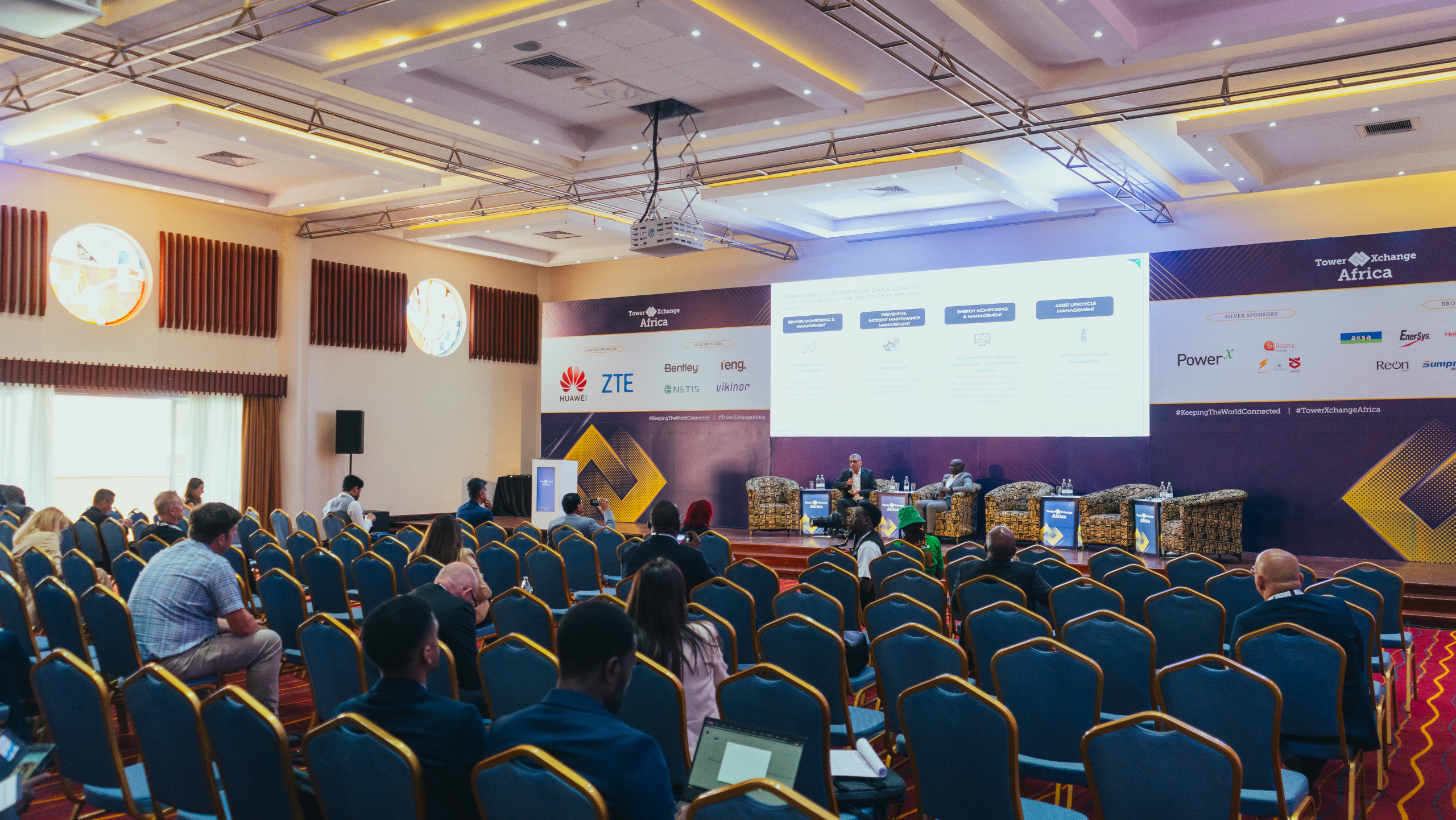
Selecting the right venue is one of the most important decisions in business tourism event planning. The venue influences attendee experiences, event logistics, accessibility, technology performance, and overall event success. Professional business tourism event planners carefully evaluate venue options based on capacity, location, infrastructure, accommodation availability, and security requirements to ensure the selected facility aligns with the event’s objectives and operational needs.
7.1 Venue Capacity Assessment

Business Tourism Event Planners Kenya
- Matching Venue Size to Attendance Requirements – Selecting venues that comfortably accommodate expected participant numbers.
- Room Layout Planning – Evaluating seating arrangements for conferences, workshops, exhibitions, and meetings.
- Breakout Session Requirements – Assessing availability of additional meeting rooms and discussion spaces.
- Exhibition and Networking Areas – Ensuring sufficient space for exhibitors, sponsors, and networking activities.
- Future Growth Considerations – Allowing flexibility for additional attendees if registration exceeds expectations.
Proper venue capacity assessment ensures attendees remain comfortable while supporting effective event operations.
7.2 Location Accessibility
- Convenient Access for Local Delegates – Selecting venues that are easy to reach from major business districts and residential areas.
- Accessibility for International Attendees – Considering proximity to airports and transportation hubs.
- Public and Private Transport Availability – Ensuring delegates have multiple transportation options.
- Reduced Travel Time – Minimizing logistical challenges for participants.
- Accessibility for Persons with Disabilities – Ensuring facilities support inclusive participation.
A well-located venue improves attendance, enhances convenience, and contributes to a positive delegate experience.
7.3 Technology Infrastructure
- Reliable Internet Connectivity – Supporting presentations, live streaming, virtual participation, and attendee communication.
- Audio-Visual Capabilities – Evaluating sound systems, projectors, LED screens, and presentation equipment.
- Hybrid Event Readiness – Ensuring venues can support both physical and virtual participants.
- Power Supply Reliability – Providing uninterrupted operation of event technologies.
- Technical Support Availability – Ensuring access to professional AV and IT assistance.
Strong technology infrastructure is essential for delivering professional, interactive, and successful business events.
7.4 Accommodation Availability
- Nearby Hotels and Lodging Facilities – Providing convenient accommodation options for delegates and speakers.
- Accommodation for Different Budgets – Offering choices ranging from budget-friendly hotels to luxury properties.
- Group Booking Capabilities – Supporting room blocks for conference participants.
- Integrated Conference Hotels – Combining meeting facilities and accommodation in one location.
- Delegate Convenience – Reducing travel time between hotels and event venues.
Adequate accommodation options improve attendee comfort and simplify event logistics.
7.5 Security and Safety Considerations
- Ensuring a Secure Event Environment – Protecting delegates, speakers, exhibitors, and event staff.
- Access Control Measures – Managing entry and participant accreditation systems.
- Emergency Response Planning – Preparing procedures for unexpected incidents.
- Health and Safety Compliance – Ensuring adherence to local safety regulations and best practices.
- VIP and Executive Protection – Supporting high-profile guests and special attendees when required.
Security and safety planning help create a protected environment that allows participants to focus on the event with confidence.
Conference and meeting venue selection plays a critical role in the success of business tourism events. By carefully assessing venue capacity, accessibility, technology infrastructure, accommodation availability, and security considerations, event planners can identify facilities that best support event objectives and attendee needs. A well-chosen venue not only enhances operational efficiency but also contributes significantly to delegate satisfaction, engagement, and overall event success.
8. Challenges in Business Tourism Event Planning

Business Tourism Event Planners Kenya
Business tourism events often involve complex logistics, multiple stakeholders, international participants, and advanced event technologies. While these events create valuable opportunities for networking, learning, and business growth, they also present several planning and operational challenges. Professional business tourism event planners play a critical role in identifying potential obstacles and implementing strategies that ensure smooth event execution and positive attendee experiences.
8.1 Managing Large Delegate Numbers
- Registration and Crowd Management – Handling large volumes of attendees efficiently during registration and event entry.
- Accreditation and Badge Distribution – Ensuring participants receive credentials quickly and accurately.
- Venue Flow Management – Preventing congestion in meeting rooms, exhibition areas, and networking spaces.
- Session Attendance Coordination – Managing movement between plenary sessions and breakout meetings.
- Delegate Support Services – Providing assistance to participants throughout the event.
Managing large delegate numbers requires efficient systems and careful planning to maintain a smooth attendee experience.
8.2 Coordinating International Participants
- Travel and Visa Logistics – Assisting delegates with travel documentation and entry requirements.
- Flight Coordination – Managing arrivals and departures for participants from different countries.
- Accommodation Arrangements – Securing suitable lodging for international attendees.
- Airport Transfer Services – Ensuring reliable transportation between airports, hotels, and venues.
- Cultural and Language Considerations – Supporting diverse participant needs and expectations.
Successful coordination of international participants improves accessibility, convenience, and overall event satisfaction.
8.3 Budget Management
- Balancing Event Quality and Costs – Delivering professional experiences while maintaining financial discipline.
- Vendor and Supplier Cost Control – Managing expenses related to venues, technology, catering, and logistics.
- Resource Allocation Planning – Prioritizing investments that contribute most to event success.
- Contingency Budgeting – Preparing for unexpected costs and operational requirements.
- Return on Investment Evaluation – Ensuring event outcomes justify expenditures.
Effective budget management helps organizations achieve event objectives without exceeding available resources.
8.4 Technology Integration
- Ensuring Seamless Operation of Event Systems – Coordinating multiple technologies within a unified event environment.
- Audio-Visual Equipment Management – Supporting sound systems, displays, and presentation technologies.
- Hybrid Event Integration – Connecting physical and virtual audiences effectively.
- Internet and Network Reliability – Maintaining stable connectivity throughout the event.
- Technical Support and Troubleshooting – Addressing issues quickly to avoid disruptions.
Successful technology integration is essential for maintaining professional event standards and attendee engagement
8.5 Multi-Stakeholder Coordination
- Managing Sponsors – Ensuring sponsors receive agreed branding, visibility, and engagement opportunities.
- Exhibitor Coordination – Supporting booth setup, logistics, and exhibition operations.
- Speaker Management – Coordinating schedules, presentations, travel, and technical requirements.
- Attendee Communication – Keeping participants informed throughout the event lifecycle.
- Partner and Vendor Collaboration – Aligning all stakeholders to support event objectives.
Effective stakeholder coordination helps ensure all participants, partners, and service providers contribute to a successful event.
Business tourism event planning involves several challenges, including managing large delegate numbers, coordinating international participants, controlling budgets, integrating technology, and aligning multiple stakeholders. These complexities require careful planning, strong communication, and professional project management. By addressing these challenges proactively, event planners can deliver seamless, engaging, and successful business tourism events that meet organizational goals while providing exceptional experiences for delegates, sponsors, speakers, and partners.
9. Trends Shaping Business Tourism in Kenya

Business Tourism Event Planners Kenya
Kenya’s business tourism industry continues to evolve as organizations seek more engaging, efficient, and impactful event experiences. Advances in technology, changing attendee expectations, sustainability priorities, and data-driven decision-making are transforming how conferences, meetings, exhibitions, and incentive travel programs are planned and executed. Understanding these emerging trends helps organizations stay competitive while delivering events that meet modern business and delegate requirements.
9.1 Growth of Hybrid Events
- Combining Physical and Virtual Participation – Allowing attendees to participate either in person or remotely.
- Expanded Audience Reach – Increasing participation beyond geographical limitations.
- Flexible Attendance Options – Giving delegates greater convenience and accessibility.
- Remote Speaker Participation – Enabling international presenters to contribute without travel.
- Enhanced Event Accessibility – Supporting broader engagement from diverse audiences.
Hybrid events are becoming a standard feature of business tourism, helping organizations reach larger audiences while increasing flexibility.
9.2 Sustainable Event Practices
- Environmentally Responsible Event Planning – Reducing the environmental impact of conferences and meetings.
- Paperless Event Solutions – Using digital registration systems, mobile applications, and electronic materials.
- Waste Reduction Initiatives – Encouraging recycling and minimizing disposable materials.
- Sustainable Venue Selection – Choosing facilities that support environmentally friendly operations.
- Responsible Resource Management – Promoting energy efficiency and sustainable procurement practices.
Sustainable event practices help organizations reduce environmental impact while meeting growing expectations for responsible event management.
9.3 Data-Driven Event Management
- Using Analytics to Improve Outcomes – Leveraging data to make informed planning decisions.
- Attendee Behavior Tracking – Understanding participation patterns and engagement levels.
- Performance Measurement – Evaluating event success using measurable indicators.
- Real-Time Decision Making – Adjusting event operations based on live data insights.
- Post-Event Reporting – Generating actionable insights for future improvements.
Data-driven event management enables organizations to optimize performance, improve attendee experiences, and maximize return on investment.
9.4 Increased Demand for Event Technology
- Advanced Audio-Visual Solutions – Improving communication and presentation quality.
- Interactive Audience Engagement Tools – Supporting live polling, Q&A sessions, and networking opportunities.
- Live Streaming Technologies – Extending event reach to virtual audiences.
- Event Registration Platforms – Streamlining attendee management and communication.
- Hybrid Event Infrastructure – Supporting seamless integration of online and in-person participation.
Growing demand for event technology is driving more interactive, efficient, and engaging business tourism events.
9.5 Personalized Delegate Experiences
- Customized Networking Opportunities – Connecting delegates based on interests, industries, and objectives.
- Personalized Event Agendas – Allowing attendees to select sessions relevant to their needs.
- Targeted Communication – Delivering customized updates and event information.
- Enhanced Delegate Support Services – Addressing individual preferences and requirements.
- Tailored Event Journeys – Creating more meaningful and memorable participant experiences.
Personalized delegate experiences increase engagement, satisfaction, and the overall value participants gain from events.
Business tourism in Kenya is being shaped by important trends including hybrid events, sustainable event practices, data-driven management, advanced event technologies, and personalized delegate experiences. These developments are transforming how organizations plan and deliver conferences, meetings, exhibitions, and incentive travel programs. By embracing these trends, event planners and organizations can create more engaging, efficient, sustainable, and impactful business tourism experiences that meet the evolving expectations of modern delegates and stakeholders.
10. How to Choose the Right Business Tourism Event Planner

Business Tourism Event Planners Kenya
Selecting the right business tourism event planner is essential for the success of conferences, corporate meetings, exhibitions, incentive travel programs, and other business events. An experienced event planner can help organizations manage complex logistics, optimize budgets, enhance attendee experiences, and ensure smooth event execution. Evaluating potential event partners carefully allows organizations to identify providers that align with their objectives, expectations, and event requirements.
10.1 Evaluate Industry Experience
- Reviewing Previous Projects and Client Portfolios – Assessing the planner’s track record and experience with similar events.
- Industry-Specific Expertise – Determining whether the planner understands the unique requirements of your sector.
- Event Diversity Assessment – Reviewing experience with conferences, exhibitions, meetings, and incentive travel programs.
- Case Study Evaluation – Examining successful event examples and measurable outcomes.
- Long-Term Industry Presence – Considering experience and reputation within the business tourism industry.
Industry experience provides confidence that an event planner can effectively manage challenges and deliver successful event outcomes.
10.2 Assess Service Capabilities
- Comprehensive Planning and Execution Services – Ensuring the planner can manage all aspects of the event.
- Conference and Meeting Management – Supporting planning, logistics, and on-site coordination.
- Delegate Registration and Communication – Managing attendee experiences efficiently.
- Travel and Accommodation Coordination – Supporting local and international participants.
- Exhibition and Event Production Services – Providing additional capabilities where required.
Strong service capabilities allow organizations to work with a single provider for end-to-end event management.
10.3 Review Technology Expertise
- Availability of Modern Event Technologies – Assessing access to current event management and engagement tools.
- Audio-Visual Expertise – Evaluating sound, lighting, display, and presentation solutions.
- Hybrid Event Capabilities – Supporting both virtual and physical participation.
- Live Streaming Services – Expanding audience reach through online participation.
- Event Registration and Analytics Tools – Improving attendee management and event measurement.
Technology expertise helps ensure professional event delivery and enhances attendee engagement.
10.4 Check Client Testimonials
- Measuring Reputation and Reliability – Understanding how previous clients view the planner’s services.
- Reviewing Client Feedback – Evaluating satisfaction levels and service quality.
- Assessing Success Stories – Examining examples of successful event delivery.
- Industry References – Seeking recommendations from trusted organizations and partners.
- Consistency of Service Delivery – Identifying evidence of long-term client relationships.
Client testimonials provide valuable insights into an event planner’s professionalism, reliability, and performance.
10.5 Consider Budget and Value
- Comparing Service Offerings and Costs – Evaluating the balance between price and service quality.
- Understanding Pricing Structures – Reviewing what is included within proposed budgets.
- Assessing Return on Investment – Determining the value generated by the event.
- Budget Transparency – Ensuring costs are clearly outlined and justified.
- Long-Term Value Considerations – Focusing on outcomes rather than selecting solely based on price.
The best event planners deliver strong value through quality services, effective execution, and measurable results.
10.6 Assess Communication and Support
- Ensuring Responsive Project Management – Evaluating how quickly the planner responds to inquiries and requests.
- Dedicated Account Management – Confirming availability of a primary contact person.
- Regular Progress Updates – Maintaining visibility throughout the planning process.
- Collaborative Working Approach – Supporting effective communication among stakeholders.
- Post-Event Support Services – Providing assistance after the event concludes.
Strong communication and support contribute significantly to successful planning, execution, and client satisfaction.
Choosing the right business tourism event planner requires careful evaluation of industry experience, service capabilities, technology expertise, client feedback, budget considerations, and communication standards. Organizations that invest time in selecting the right partner are better positioned to deliver successful conferences, meetings, exhibitions, and incentive travel programs. A qualified event planner not only simplifies event management but also helps create memorable experiences that achieve organizational objectives and deliver lasting value for participants and stakeholders.
11. Why Choose Peak Audio for Business Tourism Events in Kenya?
Business Tourism Event Planners Kenya
Successful business tourism events require professional event technology, reliable technical support, seamless logistics, and exceptional attendee experiences. Peak Audio is a trusted provider of conference technology, interpretation systems, audio-visual production, live streaming services, and event support solutions in Kenya. Whether organizing conferences, exhibitions, executive meetings, international summits, or incentive travel events, Peak Audio provides the expertise and technology needed to ensure successful event delivery.
11.1 Professional Conference Audio Solutions
- Clear and Reliable Sound Systems for Meetings and Conferences – Ensuring every participant can hear presentations and discussions clearly.
- Professional Audio Engineering – Optimizing sound quality for different venue sizes and event formats.
- Wireless Microphone Solutions – Supporting keynote speakers, moderators, panelists, and audience interaction.
- Multi-Room Audio Distribution – Providing seamless audio coverage across breakout sessions and meeting spaces.
- Reliable Event Audio Support – Maintaining uninterrupted communication throughout the event.
Peak Audio delivers professional conference audio solutions that enhance communication, engagement, and event effectiveness.
11.2 Simultaneous Interpretation Equipment
- Supporting Multilingual International Events – Enabling communication among delegates from different language backgrounds.
- Interpreter Booth Solutions – Providing professional environments for interpretation teams.
- Wireless Interpretation Receivers and Headsets – Delivering translated audio directly to participants.
- Multi-Language Conference Support – Supporting international conferences, summits, and diplomatic events.
- Enhanced Accessibility and Inclusion – Ensuring all attendees can participate effectively.
Peak Audio’s interpretation solutions help organizations overcome language barriers and improve international collaboration.
11.3 LED Screens and Visual Presentation Technologies
- Professional Display Solutions for Corporate Events – Supporting presentations, branding, videos, and live content.
- High-Resolution LED Screens – Delivering vibrant and impactful visual experiences.
- Video Wall Technology – Enhancing visibility for large audiences and conference venues.
- Live Camera Projection – Improving audience engagement during presentations and panel discussions.
- Custom Visual Configurations – Adapting displays to different event requirements and venue layouts.
Peak Audio’s visual technologies create engaging event environments and improve the effectiveness of presentations
11.4 Hybrid Event and Live Streaming Solutions
- Connecting Physical and Virtual Audiences – Enabling participation from attendees regardless of location.
- Professional Live Streaming Services – Broadcasting conferences, meetings, and summits to global audiences.
- Interactive Audience Engagement Tools – Supporting polls, Q&A sessions, chats, and networking activities.
- Remote Speaker Integration – Allowing international presenters to participate virtually.
- Expanded Event Reach – Increasing accessibility and audience participation.
Hybrid event and live streaming solutions help organizations maximize attendance and create more flexible event experiences.
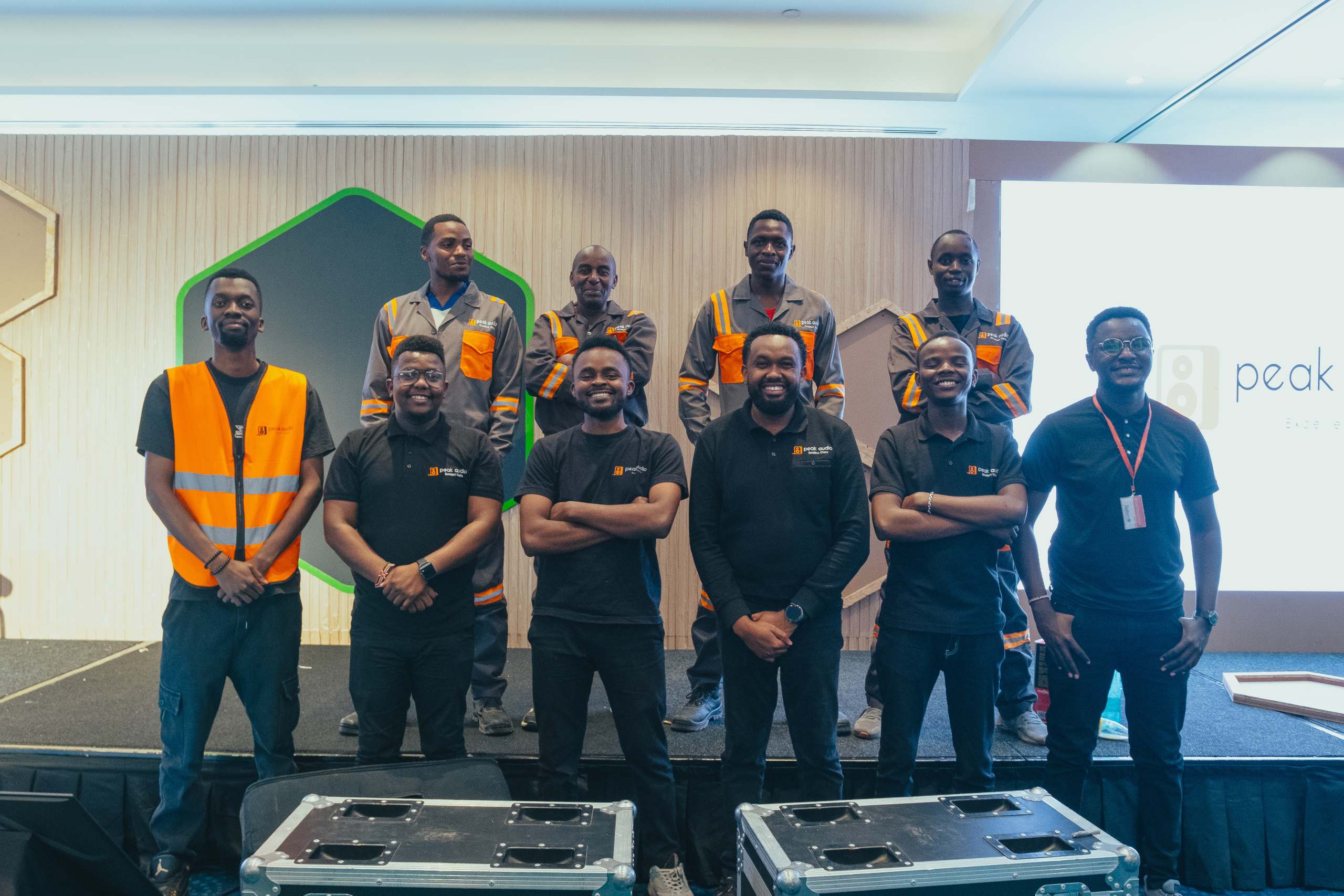
11.5 Experienced Event Technology Team
- Professional Setup and Configuration – Ensuring all equipment is installed and tested before the event.
- Experienced Event Technicians – Managing sound, lighting, displays, interpretation systems, and streaming technologies.
- Real-Time Technical Support – Providing immediate assistance during live events.
- Operational Excellence – Maintaining smooth event operations from start to finish.
- Problem-Solving Expertise – Addressing technical issues quickly and effectively.
Peak Audio’s experienced technical team ensures reliable event operations and professional service delivery.
11.6 Comprehensive Event Production Services
- Supporting Conferences and Summits – Providing technology and production solutions for professional gatherings.
- Exhibition and Trade Show Support – Delivering AV systems, displays, and event infrastructure.
- Corporate Event Production – Enhancing product launches, AGMs, workshops, and executive meetings.
- Business Tourism Event Support – Coordinating event technology requirements across Kenya.
- End-to-End Event Production Services – Covering planning, setup, operation, and technical support.
Peak Audio provides complete event production solutions that support successful business tourism events of all sizes
Peak Audio is a trusted partner for business tourism events in Kenya, offering professional conference audio systems, simultaneous interpretation equipment, LED display technologies, hybrid event solutions, and comprehensive event production services. Supported by an experienced technical team and a commitment to excellence, Peak Audio helps organizations deliver impactful conferences, exhibitions, meetings, summits, and corporate events. Our expertise ensures seamless event execution, enhanced delegate experiences, and successful outcomes for clients across Kenya’s growing business tourism industry.
12. Frequently Asked Questions About Business Tourism Event Planners Kenya
12.1 What does a business tourism event planner do?
A business tourism event planner organizes, coordinates, and manages business-related events from planning to execution.
- Conference planning and management.
- Corporate meeting coordination.
- Delegate registration and communication.
- Venue sourcing and logistics management.
- Event technology coordination.
- Travel and accommodation arrangements.
Business tourism event planners ensure events are professionally organized, efficiently managed, and successfully executed.
12.2 What types of events can business tourism planners manage?
Business tourism planners manage a wide variety of professional events.
- International conferences and summits.
- Corporate meetings and executive retreats.
- Product launches and corporate celebrations.
- Trade exhibitions and expos.
- Government and diplomatic forums.
- Incentive travel programs and team-building events.
Business tourism planners support diverse event formats across corporate, government, NGO, and international sectors.
12.3 Why is Kenya a popular business tourism destination?
Kenya offers several advantages that attract business events from around the world.
- Strategic location in East Africa.
- Modern conference and meeting facilities.
- Strong hospitality industry.
- Excellent international flight connectivity.
- World-renowned tourism attractions.
- Growing business and investment opportunities.
Kenya combines professional event infrastructure with exceptional travel experiences, making it a leading business tourism destination.
12.4 How much does business event planning cost in Kenya?
The cost depends on the size, location, complexity, and technology requirements of the event.
- Venue and accommodation costs.
- Audio-visual and event technology requirements.
- Delegate registration and logistics services.
- Transportation and travel coordination.
- Catering and hospitality services.
- Event production and technical support.
Business event costs vary significantly, making detailed budgeting essential during the planning process.
12.5 Can event planners organize international conferences?
Yes. Professional business tourism event planners regularly manage international conferences and summits.
- International delegate coordination.
- Travel and accommodation management.
- Simultaneous interpretation services.
- Conference technology support.
- Protocol and VIP management.
- Hybrid event integration.
Experienced event planners possess the expertise required to manage complex international events successfully
12.6 Do business tourism event planners provide hybrid event solutions?
Yes. Hybrid events have become an important part of modern business tourism.
- Live streaming services.
- Virtual participation platforms.
- Online audience engagement tools.
- Remote speaker integration.
- Event recording and on-demand content.
- Hybrid conference management.
Hybrid event solutions allow organizations to engage both physical and virtual audiences effectively.
12.7 What technologies are used in modern business events?
Modern business events rely on a variety of technologies to improve communication and attendee engagement.
- Professional sound systems.
- LED screens and video walls.
- Simultaneous interpretation equipment.
- Event registration software.
- Live streaming platforms.
- Audience engagement tools and event apps.
Advanced event technologies help create professional, interactive, and memorable business event experiences.
12.8 How early should a business event be planned?
Planning timelines depend on event size and complexity.
- Small meetings may require a few weeks.
- Medium-sized conferences often require several months.
- International events may require six months or longer.
- Early planning improves venue availability.
- Advanced preparation reduces operational risks.
Starting the planning process early helps ensure better coordination, budgeting, and event execution.
12.9 What are the benefits of hiring a professional event planner?
Professional event planners provide expertise, efficiency, and operational support.
- Expert event coordination.
- Time and cost savings.
- Access to industry networks.
- Better risk management.
- Enhanced attendee experiences.
- Professional event execution.
Hiring a professional planner helps organizations achieve better event outcomes while reducing workload and risk.
12.10 Does Peak Audio provide conference technology and event support services in Kenya?
Yes. Peak Audio provides professional conference technology and event support services throughout Kenya.
- Conference audio systems.
- Simultaneous interpretation equipment.
- LED screens and display solutions.
- Live streaming and hybrid event technologies.
- Event production and technical support.
- Conference, exhibition, corporate, NGO, and government event services.
Peak Audio delivers comprehensive event technology and production solutions that help organizations host successful business tourism events across Kenya.
Business tourism event planners play a crucial role in helping organizations deliver successful conferences, meetings, exhibitions, summits, and incentive travel programs. Through professional planning, logistics management, event technology integration, and attendee support, they ensure events run smoothly and achieve their objectives. Peak Audio provides advanced conference technology, interpretation systems, hybrid event solutions, and professional event support services that help organizations create impactful and memorable business tourism events throughout Kenya.
The Importance of Business Tourism Event Planners in Kenya

Business Tourism Event Planners Kenya
Business tourism event planners play a critical role in supporting Kenya’s rapidly growing MICE and corporate events industry. As organizations continue to host conferences, meetings, exhibitions, incentive programs, and corporate gatherings, the need for experienced professionals who can coordinate every aspect of an event has become increasingly important. Professional event planners help organizations deliver seamless experiences that support networking, knowledge sharing, business development, and stakeholder engagement.
The success of modern business events depends heavily on effective planning, logistics coordination, and the integration of advanced event technology. From venue management and delegate coordination to transportation and accommodation planning, every detail must be managed efficiently. In addition, technologies such as conference audio systems, simultaneous interpretation equipment, LED displays, live streaming platforms, and hybrid event solutions have become essential for enhancing communication, audience engagement, and overall event effectiveness.
At Peak Audio, we provide trusted conference technology, event production, and professional event support services for organizations across Kenya. Our solutions are designed to support corporations, government institutions, NGOs, associations, and event organizers in delivering successful and impactful business events. Whether you are planning a conference, exhibition, summit, or corporate meeting, Peak Audio is your reliable partner for innovative event technology and professional event solutions that ensure outstanding results.
Leave a Reply
Want to join the discussion?Feel free to contribute!