Table of Contents
ToggleHow Technology Is Transforming Conferences in Kenya – Innovate Events with Peak Audio
How Technology Is Transforming Conferences
The conference landscape in Kenya and across the world has undergone a major transformation, driven by rapid advancements in technology. Modern conferences are no longer confined to physical venues—they now incorporate virtual platforms, hybrid participation, and interactive digital tools that extend reach far beyond traditional boundaries. In cities like Nairobi, where large-scale corporate and international events are common, technology is enabling organizers to host more dynamic, inclusive, and globally accessible experiences. This shift has redefined how conferences are planned, delivered, and experienced, making innovation a central component of event success.
For organizers, technology offers powerful tools to improve efficiency, engagement, and overall event impact. Features such as virtual conferencing platforms, AI-powered networking, real-time analytics, and automated event management systems allow for better planning and execution. Advanced audio-visual solutions—including LED screens, live streaming, high-quality sound systems, and interactive displays—ensure that content is delivered clearly and professionally to both in-person and remote audiences. These technologies not only enhance communication but also create immersive environments that keep attendees engaged throughout the event.
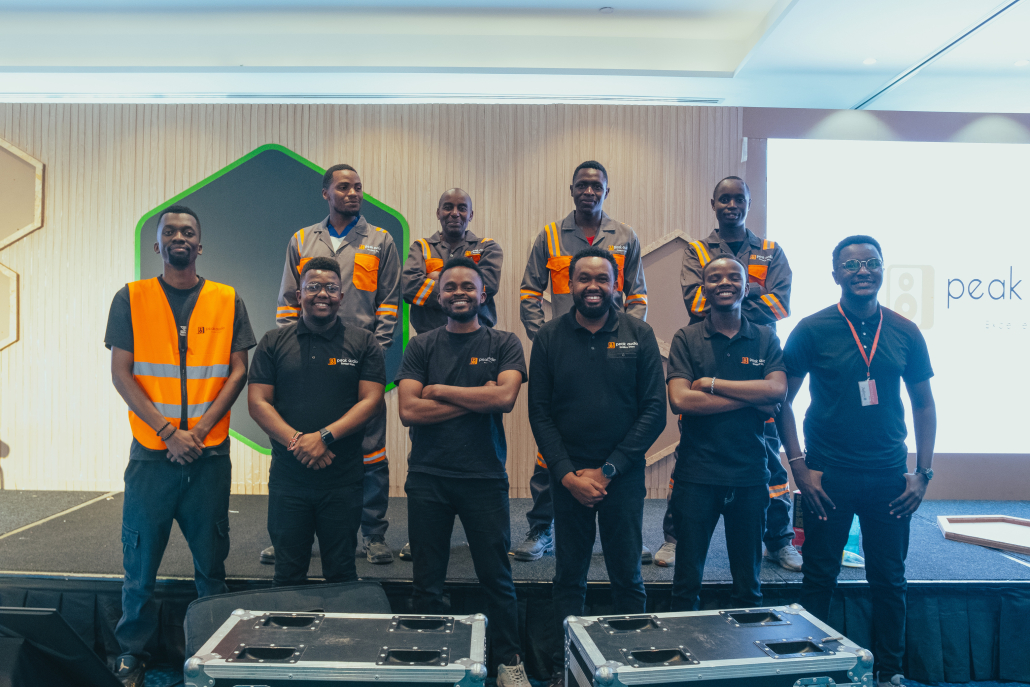
Peak Audio plays a vital role in supporting this transformation by providing cutting-edge AV solutions and event production services tailored to modern conferences. From hybrid event setups and live broadcasting to dynamic lighting and large-scale display systems, Peak Audio ensures seamless integration of technology into every aspect of the event. By partnering with Peak Audio, organizations in Kenya can leverage the full potential of modern technology to deliver engaging, efficient, and impactful conferences that meet the evolving expectations of today’s audiences.
1. The Shift from Traditional to Tech-Driven Conferences

How Technology Is Transforming Conferences
The conference industry has changed significantly over the past few years. What was once centered almost entirely around physical venues, in-person attendance, and printed materials has now evolved into a more flexible, technology-powered experience. Organizers are no longer limited to a single location or audience type, and attendees now expect events to be more interactive, accessible, and convenient.
Technology has played a major role in this transformation by changing how conferences are planned, delivered, and experienced. From hybrid participation and live streaming to mobile event apps and digital networking tools, conferences have become more dynamic and inclusive. This shift has opened up new opportunities for both organizers and attendees, making events more scalable and efficient.
1.1 Conferences Have Moved Beyond Physical-Only Formats
Modern conferences are no longer restricted to people gathering in one location.
- Expanded Event Models – Conferences can now be physical, virtual, or hybrid depending on the goals of the event.
- Greater Flexibility – Organizers have more options in how they structure sessions, attendance, and engagement.
- Broader Reach – Events are no longer limited by venue size or geographical location.
Moving beyond physical-only formats has made conferences more flexible and capable of reaching wider audiences.
1.2 Hybrid and Virtual Events Are Now Mainstream
Hybrid and virtual conferences are no longer occasional alternatives; they are now a normal part of the event industry.
- Hybrid Growth – Many conferences now combine physical attendance with live online participation.
- Virtual Accessibility – Fully virtual events make it possible for people to attend from anywhere in the world.
- Business Continuity – Organizers can continue hosting events even when travel or venue limitations arise.
Hybrid and virtual conferences have become mainstream because they offer flexibility, resilience, and wider audience access.
1.3 Attendees Expect Seamless Digital Experiences
Today’s attendees want conferences to be easy to access, simple to navigate, and digitally efficient.
- Smooth Registration – People expect fast online sign-up, digital tickets, and automated confirmations.
- Real-Time Access to Information – Attendees want schedules, updates, and session details instantly through apps or event platforms.
- Interactive Participation – Features such as live chat, Q&A, polls, and digital networking are now expected.
Attendee expectations have shifted toward seamless digital experiences that make conferences more convenient and engaging.
1.4 Technology Enables Global Participation Without Travel
Technology has removed many of the barriers that once limited conference attendance.
- Remote Access – Participants can join sessions, workshops, and discussions from different countries without traveling.
- Lower Participation Costs – Virtual access reduces spending on flights, accommodation, and transport.
- International Collaboration – Conferences can attract speakers, experts, and audiences from across the globe more easily.
Technology enables global participation by making conferences more accessible, affordable, and inclusive.
The shift from traditional to tech-driven conferences has transformed the event industry in a major way. Conferences are no longer limited to physical-only formats, while hybrid and virtual events have become mainstream. Attendees now expect smooth digital experiences, and technology makes it possible for people to participate from anywhere in the world. As a result, conferences have become more accessible, scalable, and efficient for both organizers and participants.
2. Hybrid and Virtual Conference Platforms

How Technology Is Transforming Conferences
Hybrid and virtual conference platforms have become central to modern event delivery. They allow organizers to go beyond physical limitations, reach wider audiences, and create more flexible and engaging experiences. Whether combining in-person and online participation or hosting fully digital events, these platforms are redefining how conferences are structured and experienced.
2.1 Rise of Hybrid Events
Hybrid events combine physical and virtual participation into one unified experience.
- Combined Participation – Attendees can join either in person or online, depending on their preference.
- Expanded Audience Reach – Organizers are no longer limited by venue capacity.
- Greater Flexibility – Participants can choose how and when they attend sessions.
Hybrid events increase accessibility and allow conferences to scale beyond physical limitations.
2.2 Fully Virtual Conferences
Virtual conferences take place entirely online without a physical venue.
- No Travel Required – Attendees can participate from anywhere in the world.
- Cost Efficiency – Eliminates expenses related to travel, accommodation, and venue hire.
- Global Networking – Enables interaction between participants from different countries and regions.
Fully virtual conferences provide a cost-effective and globally accessible event format.
2.3 Benefits of Digital Platforms
Digital platforms provide tools that enhance both delivery and engagement.
- Live Streaming and On-Demand Content – Sessions can be broadcast live and accessed later.
- Interactive Features – Tools like polls, Q&A, and chat improve audience participation.
- Real-Time Engagement Tools – Enable instant feedback, networking, and communication.
Digital platforms enhance engagement, flexibility, and content accessibility for all attendees.
Hybrid and virtual conference platforms have transformed how events are delivered by enabling flexible participation, global reach, and interactive experiences. With features like live streaming, on-demand content, and real-time engagement tools, technology ensures that conferences are more inclusive, accessible, and effective for audiences worldwide.
3. Advanced Audio-Visual (AV) Technology

How Technology Is Transforming Conferences
Advanced audio-visual (AV) technology is at the core of modern conferences, enabling clear communication, engaging presentations, and seamless hybrid participation. High-quality AV solutions ensure that every attendee—whether onsite or remote—can see, hear, and interact effectively. As conferences become more dynamic and technology-driven, investing in professional AV systems is essential for delivering impactful and memorable experiences.
3.1 High-Quality Sound Systems
Clear audio is critical for effective communication during conferences.
- Clear Audio Delivery – Ensures speakers, panelists, and presenters are heard without distortion.
- Consistent Sound Coverage – Distributes sound evenly across the venue.
- Reduced Disruptions – Minimizes feedback, echoes, and technical interruptions.
High-quality sound systems ensure every message is delivered clearly and professionally.
3.2 LED Screens and Visual Displays
Visual clarity enhances understanding and engagement.
- High-Resolution Displays – Provide sharp and clear visuals for presentations and videos.
- Large Viewing Areas – Ensure all attendees can see content regardless of seating position.
- Enhanced Engagement – Visual elements make presentations more dynamic and impactful.
LED screens and displays improve visibility and create a more engaging conference experience.
3.3 Live Streaming and Broadcasting
Streaming technology extends the reach of conferences beyond physical venues.
- Remote Participation – Allows attendees to join from different locations.
- Global Audience Reach – Expands access to international participants.
- Content Accessibility – Sessions can be recorded and shared for later viewing.
Live streaming enables wider participation and increases the value of conference content.
3.4 Lighting and Stage Design
Lighting and stage setup influence the overall event atmosphere.
- Professional Presentation – Enhances the appearance of speakers and stage setup.
- Improved Visibility – Ensures presenters and visuals are clearly seen.
- Atmosphere Creation – Sets the tone and mood of the event.
Proper lighting and stage design elevate the professionalism and visual impact of conferences.
Advanced AV technology—including sound systems, LED displays, live streaming, and lighting design—is essential for delivering high-quality conference experiences. These elements ensure clear communication, strong audience engagement, and seamless hybrid participation, making modern conferences more effective and impactful.
4. Event Management Software and Automation

How Technology Is Transforming Conferences
Event management software and automation tools have transformed how conferences are planned and executed. Instead of relying on manual coordination, spreadsheets, and fragmented systems, organizers can now use integrated platforms to handle registration, scheduling, attendee tracking, and communication. This reduces errors, saves time, and ensures a smoother, more professional event experience.
4.1 Registration and Ticketing Systems
Registration systems form the foundation of event management software.
- Simplified Registration – Attendees can sign up quickly through online forms and event pages.
- Automated Confirmations – Instant email or SMS confirmations reduce manual follow-ups.
- Integrated Payments – Supports secure ticketing and payment processing.
Registration and ticketing systems streamline onboarding and improve the attendee experience.
4.2 Attendee Management Tools
Managing participants effectively is key to event success.
- Attendance Tracking – Monitor who has registered, checked in, and participated.
- Real-Time Data Insights – Provides instant visibility into attendee numbers and behavior.
- Centralized Data – Keeps all participant information organized in one system.
Attendee management tools improve control, accuracy, and decision-making during events.
4.3 Automated Scheduling
Scheduling tools simplify the organization of sessions and activities.
- Streamlined Planning – Create and manage event agendas efficiently.
- Reduced Manual Coordination – Minimizes conflicts and scheduling errors.
- Dynamic Updates – Easily adjust schedules and notify attendees in real time.
Automated scheduling ensures a well-organized event flow and reduces operational complexity.
Event management software and automation enhance efficiency by simplifying registration, improving attendee management, and streamlining scheduling. These tools reduce manual work, minimize errors, and allow organizers to focus on delivering high-quality conference experiences.
5. Data Analytics and Insights

How Technology Is Transforming Conferences
Data analytics has become a core pillar of modern conference management. Instead of relying on assumptions, organizers can now measure exactly how attendees interact with sessions, content, and the overall event. These insights help improve performance, enhance engagement, and ensure future events are more targeted and successful.
5.1 Tracks Attendee Behavior and Engagement
Understanding how attendees interact with the event is essential.
- Participation Monitoring – Tracks session attendance, check-ins, and activity levels.
- Engagement Metrics – Measures interactions such as Q&A participation, polls, and networking.
- Behavior Insights – Identifies trends in how attendees move through sessions and activities.
Tracking behavior helps organizers understand what works and what needs improvement.
5.2 Provides Insights into Session Popularity
Analytics reveal which parts of the event attract the most attention.
- Session Attendance Data – Shows which sessions have the highest participation.
- Content Performance – Helps identify topics that resonate with attendees.
- Speaker Impact – Measures engagement levels during specific presentations.
Session insights help organizers refine content and improve future programming.
5.3 Helps Organizers Improve Future Events
Data collected during events becomes valuable for planning ahead.
- Performance Evaluation – Analyze what succeeded and what didn’t.
- Audience Preferences – Understand attendee interests and expectations.
- Continuous Improvement – Use insights to enhance future event strategies.
Data-driven feedback enables continuous improvement in event quality.
5.4 Enables Data-Driven Decision-Making
Analytics empower organizers to make informed choices.
- Real-Time Decisions – Adjust sessions or logistics based on live data.
- Strategic Planning – Use historical data to design better events.
- Resource Optimization – Allocate time, budget, and effort more effectively.
Data-driven decisions lead to more efficient and successful events.
Data analytics transforms conferences into measurable and optimizable experiences. By tracking attendee behavior, analyzing session performance, and enabling informed decision-making, organizers can continuously improve event quality and deliver more engaging, impactful conferences.
6. Interactive Technologies Enhancing Engagement

How Technology Is Transforming Conferences
Modern conferences are no longer one-way presentations. Interactive technologies have transformed events into dynamic, participatory experiences where attendees actively contribute, connect, and engage. These tools help organizers create more memorable and impactful conferences by encouraging involvement and real-time interaction.
6.1 Live Polling and Q&A
Interactive tools allow attendees to participate during sessions.
- Audience Participation – Attendees can vote in polls and ask questions in real time.
- Instant Feedback – Speakers can gauge audience opinions immediately.
- Engaging Sessions – Keeps participants involved rather than passive.
Live polling and Q&A make sessions more interactive and engaging.
6.2 Event Apps
Event apps provide a centralized platform for attendee interaction and information.
- Schedules and Updates – Attendees can access agendas and real-time changes.
- Convenience – Everything from tickets to session details is available on mobile devices.
- Enhanced Experience – Improves navigation and overall event flow.
Event apps enhance convenience and improve attendee experience.
6.3 Networking Platforms
Networking tools help attendees connect meaningfully.
- Smart Matching – Connects participants based on interests, roles, or goals.
- Facilitated Interactions – Encourages meetings, discussions, and collaborations.
- Professional Connections – Helps build valuable relationships during the event.
Networking platforms create opportunities for meaningful connections and collaboration.
6.4 Gamification
Gamification adds an element of fun and motivation to events.
- Participation Rewards – Attendees earn points or rewards for engaging in activities.
- Increased Engagement – Encourages active involvement in sessions and networking.
- Competitive Element – Leaderboards and challenges make events more exciting.
Gamification increases engagement by motivating attendees to participate actively.
Interactive technologies such as live polling, event apps, networking platforms, and gamification transform conferences into engaging, participatory experiences. These tools shift attendees from passive listeners to active participants, improving engagement, interaction, and overall event success.
7. Artificial Intelligence (AI) in Conferences

How Technology Is Transforming Conferences
Artificial Intelligence (AI) is rapidly transforming how conferences are planned, delivered, and experienced. By automating tasks, analyzing attendee behavior, and personalizing interactions, AI helps organizers improve efficiency while delivering more engaging and tailored experiences for participants.
7.1 AI-Powered Chatbots for Attendee Support
AI chatbots provide instant assistance to attendees.
- 24/7 Support – Answer questions about schedules, venues, and sessions anytime.
- Instant Responses – Reduces waiting time for attendee inquiries.
- Automated Assistance – Handles common queries without human intervention.
AI chatbots improve efficiency by providing fast and reliable attendee support.
7.2 Personalized Content Recommendations
AI helps tailor the conference experience to each attendee.
- Customized Agendas – Suggests sessions based on interests and preferences.
- Relevant Content Delivery – Recommends workshops, panels, and networking opportunities.
- Improved Engagement – Attendees are more likely to participate in relevant sessions.
Personalized recommendations enhance engagement and attendee satisfaction.
7.3 Smart Matchmaking for Networking
AI improves networking by connecting the right people.
- Interest-Based Matching – Connects attendees with similar goals or industries.
- Efficient Networking – Saves time by suggesting relevant contacts.
- Stronger Connections – Increases the likelihood of meaningful collaborations.
AI-powered matchmaking makes networking more effective and targeted.
7.4 Automated Transcription and Translation
AI enables better accessibility and inclusivity in conferences.
- Real-Time Transcription – Converts speech into text instantly during sessions.
- Language Translation – Allows participants to understand content in different languages.
- Content Accessibility – Makes sessions accessible to a wider audience.
AI-powered transcription and translation improve accessibility and global participation.
Artificial Intelligence is enhancing conferences by improving support, personalization, networking, and accessibility. From chatbots and content recommendations to smart matchmaking and real-time translation, AI enables more efficient operations and delivers personalized, inclusive, and engaging conference experiences.
8. Cloud Technology and Remote Collaboration

How Technology Is Transforming Conferences
Cloud technology has become the backbone of modern conferences, enabling organizers, speakers, and attendees to collaborate seamlessly regardless of location. By storing data online and providing real-time access to tools and platforms, cloud solutions make events more flexible, scalable, and efficient. They are especially critical for hybrid and virtual conferences where coordination across different locations is essential.
8.1 Enables Real-Time Collaboration Across Locations
Cloud platforms allow teams to work together instantly from different places.
- Simultaneous Access – Multiple users can access and update event data at the same time.
- Remote Coordination – Teams can plan and manage events without being physically present.
- Improved Efficiency – Reduces delays caused by manual communication or file sharing.
Real-time collaboration improves coordination and speeds up event planning and execution.
8.2 Supports Virtual Presentations and Meetings
Cloud technology powers online sessions and remote participation.
- Virtual Presentations – Speakers can deliver sessions from anywhere in the world.
- Online Meetings – Enable planning sessions, rehearsals, and live discussions.
- Seamless Integration – Works with video conferencing and live streaming tools.
Cloud solutions make it easy to host and manage virtual and hybrid conference sessions.
8.3 Ensures Secure Data Storage and Access
Data security is a key benefit of cloud-based systems.
- Centralized Storage – All event data is stored in one secure location.
- Controlled Access – Permissions ensure only authorized users can view or edit data.
- Data Protection – Reduces risk of data loss compared to manual or local storage.
Secure cloud storage protects sensitive information and ensures reliable data management.
8.4 Facilitates Global Teamwork During Events
Cloud technology connects teams and participants worldwide.
- Global Accessibility – Teams and attendees can access platforms from anywhere.
- Cross-Border Collaboration – Enables international speakers, partners, and organizers to work together.
- Continuous Communication – Keeps everyone aligned before, during, and after the event.
Cloud solutions enable smooth global collaboration, making conferences more inclusive and scalable.
Cloud technology and remote collaboration tools are transforming conferences by enabling real-time teamwork, supporting virtual presentations, ensuring secure data management, and connecting global participants. These capabilities make conferences more flexible, scalable, and efficient, allowing organizers to deliver high-quality events regardless of location.
9. Benefits of Technology in Conferences

How Technology Is Transforming Conferences
Technology has become a key driver of success in modern conferences, transforming how events are planned, delivered, and experienced. From expanding audience reach to improving engagement and efficiency, digital tools enable organizers to deliver more impactful and professional events while providing greater value to attendees.
9.1 Increased Audience Reach
Technology allows conferences to go beyond physical limitations.
- Global Participation – Attendees can join from anywhere in the world.
- Hybrid Access – Combines in-person and virtual attendance.
- Scalable Events – No longer limited by venue capacity.
Increased reach allows conferences to attract larger and more diverse audiences.
9.2 Improved Attendee Engagement
Digital tools make events more interactive and engaging.
- Interactive Features – Polls, Q&A sessions, and live chats encourage participation.
- Personalized Experiences – Content can be tailored to attendee preferences.
- Real-Time Interaction – Attendees can engage with speakers and each other instantly.
Enhanced engagement leads to more meaningful and memorable conference experiences.
9.3 Better Data Tracking and Insights
Technology enables accurate and real-time data collection.
- Live Analytics – Track attendance, participation, and engagement instantly.
- Performance Measurement – Analyze what works and what doesn’t.
- Informed Decisions – Use insights to improve future events.
Data tracking provides valuable insights that help optimize conference performance.
9.4 Enhanced Event Efficiency and Organization
Automation and digital tools improve event management.
- Streamlined Processes – Automates registration, scheduling, and communication.
- Reduced Errors – Minimizes manual mistakes in data and coordination.
- Better Coordination – Ensures smooth execution from planning to completion.
Technology improves efficiency and ensures events run smoothly and professionally.
Technology delivers significant benefits in conferences, including increased audience reach, improved engagement, better data insights, and enhanced efficiency. By leveraging digital tools, organizers can create more impactful, organized, and scalable events that provide greater value for both attendees and stakeholders.
10. Challenges of Technology Adoption

How Technology Is Transforming Conferences
While technology brings significant advantages to conferences, adopting it also comes with challenges that organizers must plan for carefully. From costs and technical issues to user adoption and infrastructure limitations, these factors can affect event execution if not properly managed. Understanding these challenges helps organizers prepare better and deliver smoother, more reliable events.
10.1 High Initial Investment in Equipment and Software
Adopting event technology often requires upfront costs.
- Equipment Costs – AV systems, cameras, lighting, and streaming tools can be expensive.
- Software Subscriptions – Event platforms, registration systems, and apps may require ongoing fees.
- Set up Expenses – Initial configuration and integration can increase costs.
While the initial investment can be high, it often delivers long-term value through improved efficiency and scalability.
10.2 Technical Issues and Connectivity Challenges
Technology introduces the risk of technical disruptions.
- System Failures – Software or hardware may malfunction during the event.
- Connectivity Problems – Poor internet can affect streaming and virtual participation.
- Compatibility Issues – Different systems may not integrate smoothly.
Technical challenges can impact event flow, but proper testing and backup systems help reduce risks.
10.3 Learning Curve for Organizers and Participants
New technology requires time to understand and use effectively.
- Training Requirements – Event teams need to learn how to operate systems and tools.
- User Adaptation – Attendees may need guidance on using apps or platforms.
- Initial Inefficiencies – Productivity may be lower during early adoption stages.
With proper training and support, the learning curve can be managed effectively.
10.4 Dependence on Reliable Internet Infrastructure
Most event technologies rely heavily on internet connectivity.
- Streaming Dependence – Hybrid and virtual events require a stable internet.
- Cloud Access – Registration and data systems depend on online access.
- Network Reliability – Poor infrastructure can disrupt the entire event experience.
Reliable internet is critical for successful technology-driven events, making proper planning essential.
Technology adoption in conferences comes with challenges such as high initial costs, technical issues, learning curves, and dependence on internet infrastructure. However, with proper planning, testing, and support, these challenges can be effectively managed. By addressing these factors early, organizers can ensure smooth execution and fully benefit from modern event technology.
11. Future of Technology in Conferences

How Technology Is Transforming Conferences
The future of conferences is being shaped by rapid technological innovation and changing attendee expectations. Events are evolving into highly interactive, data-driven, and globally accessible experiences. As digital tools continue to advance, conferences will become more immersive, personalized, and efficient, offering greater value to both organizers and participants.
11.1 Increased Use of AI and Automation
Artificial Intelligence will play an even bigger role in event management.
- Automated Processes – Registration, scheduling, and communication will become fully automated.
- Smart Insights – AI will analyze attendee behavior to improve event planning.
- Enhanced Support – Chatbots and virtual assistants will handle attendee queries instantly.
AI and automation will make conferences more efficient and data-driven.
11.2 Growth of Immersive Technologies Like AR/VR
Immersive technologies will redefine how attendees experience events.
- Virtual Reality (VR) – Enables fully immersive virtual conference environments.
- Augmented Reality (AR) – Enhances presentations with interactive digital overlays.
- Enhanced Engagement – Creates more interactive and memorable experiences.
AR and VR will transform conferences into immersive and interactive environments.
11.3 More Personalized Attendee Experiences
Personalization will become a key focus in conference design.
- Customized Agendas – Attendees receive tailored session recommendations.
- Targeted Content – Information and updates are personalized based on interests.
- Improved Satisfaction – Participants engage more with relevant content.
Personalization will improve engagement and attendee satisfaction.
11.4 Expansion of Hybrid and Virtual Event Models
Hybrid and virtual events will continue to grow.
- Global Accessibility – More people can attend regardless of location.
- Flexible Participation – Attendees choose how they engage with events.
- Scalable Events – Conferences can reach larger audiences without physical limits.
Hybrid and virtual models will remain a core part of future conferences.
The future of conferences is driven by AI, immersive technologies, personalization, and hybrid event models. These innovations will make events more interactive, efficient, and globally connected. As technology continues to evolve, conferences will become fully digital experiences that deliver greater engagement, accessibility, and value for all participants.
12. FAQs on How Technology Is Transforming Conferences
Technology has changed how conferences are planned, attended, and experienced. From hybrid events and AI tools to event management systems and advanced AV solutions, digital innovation is making conferences more flexible, interactive, and globally accessible. Below is a detailed breakdown of common questions about how technology is transforming modern conferences.
12.1 What is a hybrid conference?
A hybrid conference is an event that combines physical attendance with virtual participation.
- In-Person Attendance – Some participants attend physically at the venue.
- Virtual Participation – Remote attendees join through live streaming or online platforms.
- Unified Experience – Both audiences can access sessions, discussions, and engagement tools.
A hybrid conference allows people to participate either physically or online, making events more flexible and accessible.
12.2 Why is technology important in conferences?
Technology improves how conferences are organized, delivered, and experienced.
- Better Engagement – Tools like polls, Q&A, event apps, and live chats keep attendees involved.
- Wider Reach – Virtual and hybrid platforms allow people to attend from different locations.
- Improved Efficiency – Automation reduces manual work in registration, scheduling, and communication.
Technology is important because it makes conferences more engaging, scalable, and efficient.
12.3 What AV equipment is essential for conferences?
Audio-visual equipment ensures clear communication and professional presentation delivery.
- Sound Systems – Microphones, speakers, and mixers ensure speakers are heard clearly.
- LED Screens and Projectors – Display slides, videos, branding, and live feeds clearly.
- Lighting and Streaming Tools – Improve stage visibility and support virtual participation.
Essential AV equipment includes sound systems, screens, lighting, and streaming tools for smooth conference delivery.
12.4 Can conferences be fully virtual?
Yes, conferences can be hosted entirely online using digital platforms.
- Online Sessions – Keynotes, panels, and workshops can be delivered virtually.
- Remote Access – Attendees can participate from anywhere without travel.
- Digital Engagement – Tools such as chat, polls, breakout rooms, and networking platforms support interaction.
Fully virtual conferences are practical, cost-effective, and accessible for global audiences.
12.5 How does AI improve conferences?
Artificial Intelligence improves conferences by making them smarter, more personalized, and more efficient.
- Personalized Recommendations – AI can suggest sessions, exhibitors, or contacts based on attendee interests.
- Automation – Chatbots and automated tools handle common questions, reminders, and support.
- Data Insights – AI helps analyze attendee behavior and engagement patterns.
AI improves conferences by personalizing attendee experiences, automating tasks, and providing useful insights.
12.6 What are event management systems?
Event management systems are software tools used to plan, organize, and monitor events.
- Registration Management – Handle attendee sign-ups, tickets, and confirmations.
- Scheduling Tools – Help organize sessions, speakers, and agendas.
- Tracking and Reporting – Monitor attendance, engagement, and event performance.
Event management systems simplify planning and help organizers manage conferences more professionally.
12.7 How does technology improve networking?
Technology makes networking more targeted, convenient, and effective.
- Smart Matchmaking – Platforms can connect attendees based on interests, industries, or goals.
- Digital Profiles – Participants can view attendee information before connecting.
- Virtual Networking Tools – Chats, video calls, and meeting schedulers help people connect online.
Technology improves networking by helping attendees find and connect with the right people more easily.
12.8 Are virtual conferences cost-effective?
Yes, virtual conferences can reduce many traditional event costs.
- Lower Travel Costs – Attendees do not need flights, accommodation, or transport.
- Reduced Venue Expenses – Organizers can avoid or minimize physical venue costs.
- Scalable Attendance – More people can attend without increasing physical space requirements.
Virtual conferences are cost-effective because they reduce travel, accommodation, venue, and logistical expenses.
12.9 What challenges come with conference technology?
Technology improves conferences, but it also introduces new challenges.
- Initial Costs – AV equipment, platforms, and software may require investment.
- Technical Issues – Internet failures, software glitches, or equipment problems can disrupt sessions.
- Learning Curve – Organizers, speakers, and attendees may need training to use new tools effectively.
The main challenges include cost, technical risks, and the need for proper training and preparation.
12.10 What is the future of conferences?
The future of conferences will be more digital, interactive, and globally connected.
- Hybrid Growth – More events will combine physical and virtual participation.
- AI-Driven Experiences – AI will support personalization, automation, and analytics.
- Immersive Technologies – AR, VR, and interactive platforms will create more engaging event experiences.
The future of conferences is moving toward hybrid, AI-powered, immersive, and highly interactive experiences.
Technology is transforming conferences by improving accessibility, engagement, efficiency, networking, and data-driven decision-making. Hybrid events, virtual platforms, AI tools, AV systems, and event management software are making conferences more flexible and impactful. While challenges such as cost and technical issues exist, proper planning ensures smooth adoption and successful execution. The future of conferences will continue to be more digital, personalized, and globally connected.
How Technology Is Transforming Conferences

Corporate Training Event Planners in Kenya
Technology is fundamentally transforming conferences by making them more engaging, efficient, and accessible. Modern events are no longer confined to physical venues, as hybrid platforms enable both in-person and virtual participation. This shift allows organizers to reach wider audiences, improve inclusivity, and deliver dynamic experiences that go beyond traditional formats. With the integration of advanced audio-visual systems, conferences can now provide clearer communication, immersive presentations, and seamless interactions for attendees.
In addition, the use of artificial intelligence and data analytics is reshaping how conferences are planned and executed. These tools help organizers understand attendee behavior, personalize experiences, and optimize event performance in real time. From automated registration systems to smart networking tools, technology enhances every stage of the event lifecycle, ensuring efficiency and measurable outcomes. As a result, conferences are becoming more strategic, data-driven, and impactful.
At Peak Audio, we understand the power of technology in delivering exceptional events. By integrating cutting-edge audio-visual solutions and digital tools, we help organizers create memorable, high-impact conferences that meet the evolving expectations of today’s audience. Embracing technology is no longer optional—it is the foundation for hosting successful, future-ready events that stand out in a competitive landscape.