NGO Conference Planning in Kenya
Table of Contents
ToggleNGO Conference Planning in Kenya – Host Impactful, Well-Organised Events with Peak Audio
NGO Conference Planning in Kenya
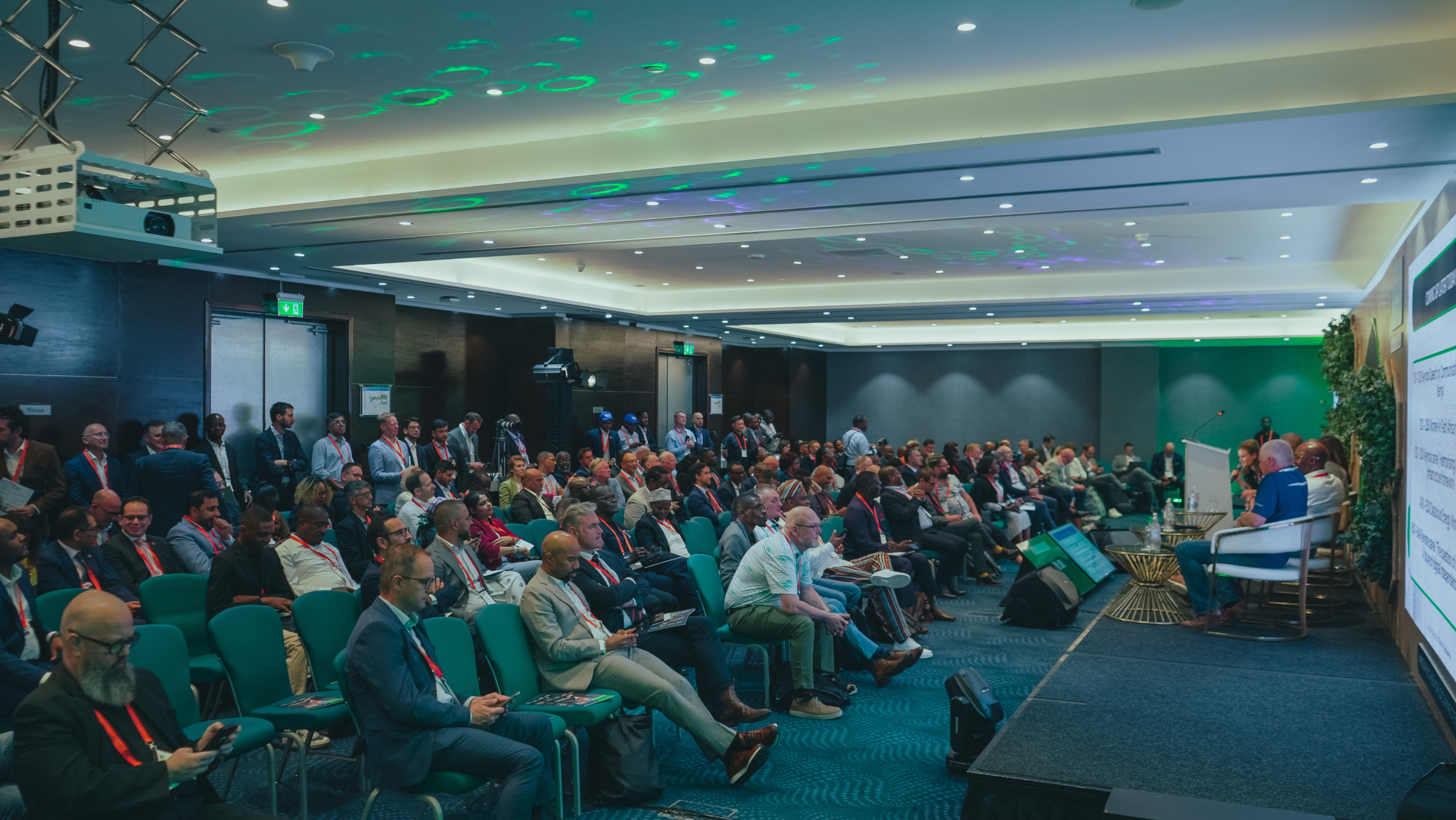
NGO conferences in Kenya play a critical role in uniting stakeholders, donors, policymakers, and communities to address pressing development issues, share knowledge, and drive meaningful impact. From humanitarian forums and advocacy meetings to capacity-building workshops and international summits, these events create platforms for collaboration and informed decision-making. With Nairobi serving as a major hub for NGOs and global organizations, well-planned conferences are essential to ensure that discussions translate into actionable outcomes and sustainable change.
Successful NGO conference planning requires a careful balance of logistics, inclusivity, and technology. Organizers must consider venue selection, participant coordination, interpretation services, and accessibility to accommodate diverse audiences. Equally important is the integration of reliable audio-visual systems that support clear communication, presentations, panel discussions, and hybrid participation. Whether engaging in policy dialogue or showcasing community initiatives, the right setup ensures that every voice is heard and every message is delivered effectively, regardless of audience size or location.
Peak Audio provides expert support for NGO Conference Planning in Kenya, offering professional AV solutions and event production services tailored to development-focused events. From sound systems and stage design to live streaming, interpretation support, and visual displays, Peak Audio ensures that NGO conferences are inclusive, engaging, and professionally executed. By partnering with Peak Audio, organizations can deliver impactful events that foster collaboration, enhance communication, and drive meaningful results across Kenya and beyond.
1. Understanding NGO Conference Planning
NGO conference planning focuses on creating impactful events that support social development, advocacy, and stakeholder collaboration. Unlike purely corporate events, NGO conferences are often mission-driven, aiming to address societal challenges, share knowledge, and drive meaningful change. Effective planning ensures that messages are communicated clearly, stakeholders are engaged, and outcomes align with organizational goals.

1.1 NGO Conferences Focus on Social Impact, Development Goals, and Stakeholder Engagement
These events are designed to address critical societal issues and drive change.
- Social Impact Focus – Topics often include health, education, environment, governance, and community development.
- Goal-Oriented Discussions – Conferences align with specific development goals or organizational missions.
- Stakeholder Engagement – Bring together key players to collaborate, share ideas, and find solutions.
NGO conferences are purpose-driven, focusing on creating meaningful impact and advancing development goals.
1.2 They Often Involve Diverse Participants, Including Donors, Government Agencies, and Community Representatives
A wide range of stakeholders contributes to richer discussions.
- Donors & Partners – Provide funding, support, and strategic input.
- Government Agencies – Offer policy direction and regulatory perspectives.
- Community Representatives – Share real-world experiences and grassroots insights.
- Experts & Practitioners – Contribute technical knowledge and best practices.
Diverse participation ensures comprehensive perspectives and stronger collaboration.
1.3 Planning Requires Attention to Inclusivity, Accessibility, and Communication
Effective NGO events must be inclusive and well-structured.
- Inclusivity – Ensure representation of different groups, including marginalized communities.
- Accessibility – Consider language, physical access, and affordability for all participants.
- Clear Communication – Use simple, effective messaging to reach diverse audiences.
Inclusive and accessible planning ensures all voices are heard and the event achieves its purpose.
1.4 Events Range from Small Workshops to Large International Conferences
NGO conferences vary widely in scale and format.
- Workshops & Training Sessions – Smaller events focused on skill-building and knowledge transfer.
- Regional Forums – Medium-sized gatherings addressing specific issues within a region.
- International Conferences – Large-scale events bringing together global stakeholders and organizations.
NGO events can be tailored to different scales depending on objectives and audience.
NGO conference planning involves organizing purpose-driven events that focus on social impact, stakeholder collaboration, and development goals. With diverse participants, a strong emphasis on inclusivity and accessibility, and flexible event formats, these conferences play a vital role in driving change. Effective planning ensures clear communication, meaningful engagement, and successful outcomes that align with the mission of the organization.
2. Types of NGO Conferences in Kenya
NGO conferences in Kenya take different forms depending on the organization’s mission, target audience, and desired outcomes. Some events are designed to influence policy, others focus on training and capacity development, while some bring together donors and global stakeholders for high-level collaboration. Understanding these event types helps organizations plan more effectively and deliver experiences that match their objectives.

NGO Conference Planning in Kenya
2.1 Advocacy and Policy Conferences
Advocacy and policy conferences are organized to influence decision-making, raise awareness, and shape public or institutional responses to important issues. These events are often centered on topics such as healthcare, education, human rights, governance, climate change, and community development. They create a platform where NGOs can present evidence, share field experiences, and engage policymakers in meaningful dialogue.
- Policy Influence – These conferences are designed to highlight pressing issues and encourage action from government bodies, development agencies, and other stakeholders.
- Stakeholder Participation – They often include government representatives, donors, civil society actors, and subject-matter experts who contribute to informed discussions.
- Structured Communication – Because the goal is often to influence decisions or build consensus, presentations, panels, and discussions must be well organized and clearly delivered.
Advocacy and policy conferences help NGOs amplify important issues, engage decision-makers, and create pathways for policy and social change.
2.2 Capacity-Building Workshops
Capacity-building workshops are focused on improving the knowledge, skills, and effectiveness of staff, partners, volunteers, and community leaders. These events are usually more interactive than formal conferences and are designed to strengthen implementation, leadership, and problem-solving at different levels of the organization or community.
- Training-Focused Structure – Sessions often include presentations, demonstrations, breakout discussions, and practical exercises that support learning.
- Participant Engagement – Group activities, discussions, and workshops encourage active involvement and make learning more effective.
- AV Support for Learning – Strong audio-visual systems, screens, microphones, and presentation tools are essential to ensure all participants can follow the content clearly and remain engaged.
Capacity-building workshops play a vital role in strengthening teams and communities by creating interactive learning environments that support growth and performance.
2.3 Donor and Stakeholder Meetings
Donor and stakeholder meetings are designed to strengthen accountability, collaboration, and strategic alignment between NGOs and the people or institutions that support their work. These events often focus on presenting progress, discussing challenges, reviewing impact, and planning future initiatives together. They are important for maintaining trust, building partnerships, and securing continued support.
- Reporting and Accountability – NGOs use these meetings to share project updates, financial information, outcomes, and lessons learned with donors and partners.
- Strategic Collaboration – Discussions often focus on aligning goals, identifying new opportunities, and improving coordination among stakeholders.
- Professional Presentation Tools – Clear reports, visual presentations, and well-organized communication materials are necessary to present information effectively and credibly.
Donor and stakeholder meetings help NGOs strengthen transparency, deepen partnerships, and align future efforts with shared goals.
2.4 International NGO Conferences
International NGO conferences are large-scale events that bring together participants from different countries to discuss global development issues, share knowledge, and coordinate action. These conferences often attract a broad mix of international donors, development agencies, policymakers, experts, and local representatives. In Kenya, major venues such as the Kenyatta International Convention Centre are often suitable for hosting these high-level gatherings.
- Global Participation – These events include delegates from different regions, making them valuable for cross-border collaboration and knowledge exchange.
- Advanced Logistics – Organizing them requires careful management of travel, accommodation, registration, security, and venue coordination.
- Translation and Hybrid Capabilities – Because of the diversity of participants, services such as interpretation, multilingual materials, and virtual participation options are often important.
International NGO conferences position Kenya as a strong host for global development dialogue, but they require advanced planning, strong logistics, and reliable technical support.
NGO conferences in Kenya take many forms, including advocacy and policy conferences, capacity-building workshops, donor and stakeholder meetings, and large international gatherings. Each type serves a distinct purpose, from influencing policy and strengthening skills to building partnerships and facilitating global dialogue. By understanding these event formats and planning accordingly, NGOs can create impactful events that support their mission, engage stakeholders effectively, and deliver meaningful outcomes.
3. Key Steps in Planning an NGO Conference
Planning an NGO conference requires a structured, step-by-step approach to ensure that objectives are met, stakeholders are engaged, and the event delivers measurable impact. From defining goals to managing logistics and integrating technology, each stage plays a crucial role in creating a successful and meaningful event.

NGO Conference Planning in Kenya
3.1 Define Objectives and Audience
Establishing a clear purpose and identifying the right participants is the foundation of effective planning.
3.1.1 Identify the Purpose of the Conference—Training, Advocacy, or Networking
- Training Focus – Determine if the event is meant to build skills, share knowledge, or improve capacity.
- Advocacy Goals – Define key messages or policy issues the conference aims to address.
- Networking Objectives – Clarify how the event will facilitate collaboration and relationship-building.
3.1.2 Determine Target Participants and Stakeholders
- Key Attendees – Identify groups such as donors, government officials, community leaders, or partners.
- Participant Relevance – Ensure attendees align with the event’s goals and can contribute meaningfully.
- Diverse Representation – Include voices from different sectors for balanced discussions.
3.1.3 Align Goals with Organizational Mission and Impact
- Mission Alignment – Ensure the event supports the organization’s core objectives and values.
- Impact Measurement – Define expected outcomes such as awareness, partnerships, or policy influence.
- Strategic Direction – Link the event to long-term organizational goals.
Clear objectives and the right audience ensure the conference remains focused, relevant, and impactful.
3.2 Choose the Right Venue
The venue sets the tone for the event and affects accessibility, comfort, and engagement.
3.2.1 Select Venues Based on Size, Accessibility, and Facilities
- Capacity Planning – Choose a venue that comfortably accommodates all participants.
- Accessibility – Ensure ease of access for both local and international attendees.
- Facilities – Confirm availability of meeting rooms, breakout spaces, and necessary amenities.
3.2.2 Consider Locations in Nairobi, Naivasha, or Mombasa
- Nairobi – Ideal for international conferences with strong infrastructure and connectivity.
- Naivasha – Suitable for retreats and workshops in a quiet, scenic environment.
- Mombasa – Combines business with coastal experiences, ideal for incentive-style events.
3.2.3 Ensure the Venue Supports AV Setup and Hybrid Participation
- Technical Infrastructure – Adequate space and power supply for AV equipment.
- Internet Connectivity – Reliable internet for live streaming and digital tools.
- Hybrid Capability – Support for both in-person and remote participants.
The right venue enhances accessibility, comfort, and technical execution of the event.
3.3 Plan Logistics and Coordination
Efficient logistics ensure a smooth and organized experience for all participants.
3.3.1 Arrange Accommodation and Transport for Attendees
- Accommodation Options – Book suitable hotels or lodging near the venue.
- Transport Coordination – Organize airport transfers and local transport.
- Convenience – Ensure seamless movement for delegates throughout the event.
3.3.2 Organize Registration, Schedules, and Event Flow
- Registration Systems – Use digital or on-site systems for efficient check-in.
- Structured Agenda – Clearly define session timings and transitions.
- Flow Management – Ensure smooth movement between sessions and activities.
3.3.3 Ensure Catering and Hospitality Services Are in Place
- Meal Planning – Provide appropriate meals and refreshments for attendees.
- Dietary Considerations – Accommodate different dietary needs and preferences.
- Hospitality Experience – Create a welcoming and comfortable environment.
Strong logistics and coordination ensure a seamless and stress-free event experience.
3.4 Integrate Audio-Visual and Technology
Technology is essential for communication, engagement, and professionalism.
3.4.1 Use Professional Sound Systems for Clear Communication
- Microphones & Speakers – Ensure all participants can hear clearly.
- Panel Support – Provide multiple microphones for discussions and presentations.
- Noise Control – Maintain clear, uninterrupted audio.
3.4.2 Incorporate Screens and Projectors for Presentations
- Visual Clarity – Use high-quality screens to display content effectively.
- Content Engagement – Support presentations, videos, and data visualization.
- Audience Visibility – Ensure all participants can see clearly from any position.
3.4.3 Enable Live Streaming for Remote Participants
- Hybrid Access – Allow participants to join virtually.
- Wider Reach – Expand audience beyond physical attendees.
- Recording Options – Provide on-demand access after the event.
3.4.4 Use Microphones Suited for Panel Discussions and Q&A Sessions
- Panel Microphones – Support multiple speakers simultaneously.
- Audience Interaction – Enable Q&A sessions with handheld or roaming microphones.
- Smooth Communication – Ensure seamless transitions between speakers.
Effective AV and technology integration ensures clear communication, engagement, and a professional event experience.
Planning an NGO conference involves defining clear objectives, selecting the right venue, managing logistics, and integrating technology effectively. Each step plays a crucial role in delivering a well-organized, inclusive, and impactful event. By following a structured approach, NGOs can ensure their conferences achieve meaningful outcomes and support their mission and stakeholders.
4. Importance of Audio-Visual Solutions in NGO Conferences
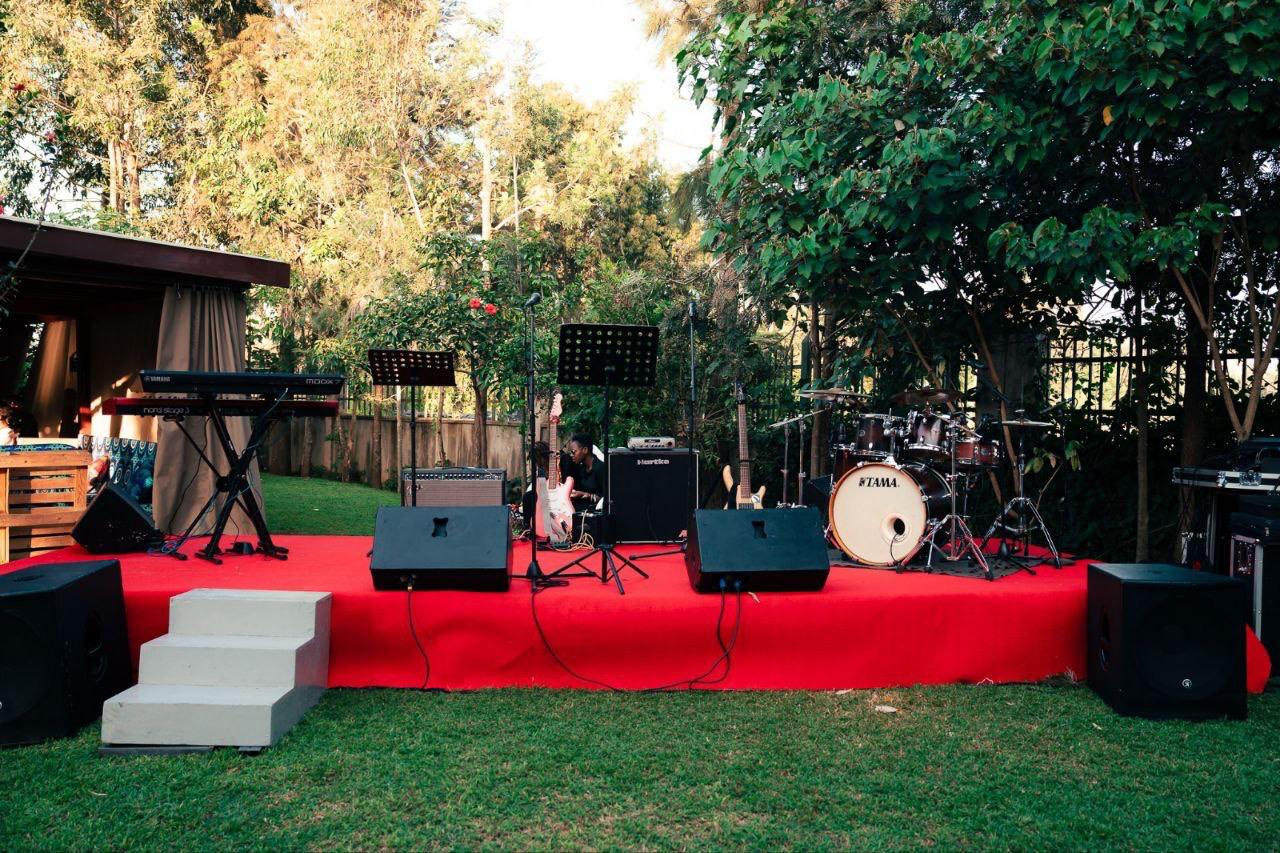
Audio-visual (AV) solutions are essential for delivering impactful NGO conferences, where clear communication, inclusive participation, and effective knowledge sharing are critical. Whether addressing policy issues, training communities, or engaging stakeholders, high-quality AV ensures that every message is heard, understood, and retained. It also enhances participation and enables wider reach through hybrid and virtual formats.
NGO Conference Planning in Kenya
4.1 Ensures Every Participant Hears and Understands Discussions Clearly
Clear communication is fundamental in NGO events where messages often influence decisions and impact communities.
- Speech Clarity – Professional microphones and sound systems ensure every speaker is heard without distortion.
- Inclusive Communication – Ensures all participants, including those in large venues, can follow discussions.
- Reduced Miscommunication – Eliminates background noise and technical issues that may affect understanding.
Reliable audio systems ensure that critical messages are delivered clearly and effectively to all participants.
4.2 Enhances Presentations with Visuals and Multimedia Content
Visual elements strengthen how information is communicated and understood.
- Engaging Content – Use of slides, videos, and graphics makes presentations more dynamic.
- Better Understanding – Visual aids simplify complex topics and improve knowledge retention.
- Professional Delivery – High-quality displays create a polished and credible presentation environment.
Strong visual support enhances engagement and makes presentations more impactful.
4.3 Supports Hybrid and Virtual Participation for Wider Reach
Modern NGO conferences often include remote participants.
- Live Streaming – Enables global participation from stakeholders who cannot attend physically.
- Accessibility – Expands reach to communities, partners, and donors in different locations.
- Content Availability – Recorded sessions allow continued access after the event.
Hybrid capabilities increase inclusivity and extend the impact of NGO conferences.
4.4 Improves Engagement Through Interactive Sessions and Q&A
Interactive tools enhance participation and collaboration.
- Audience Participation – Microphones, Q&A sessions, and digital tools encourage active involvement.
- Real-Time Feedback – Participants can share insights and responses instantly.
- Dynamic Discussions – Interactive formats make sessions more engaging and productive.
AV-supported interaction transforms attendees from passive listeners into active participants.
4.5 Peak Audio Provides Reliable AV Solutions for NGO Events
Professional AV providers ensure seamless execution and high-quality delivery.
- Comprehensive AV Systems – Sound, lighting, screens, and streaming solutions tailored to NGO events.
- Live Streaming Services – Reliable setups for hybrid and virtual participation.
- On-Site Technical Support – Experienced technicians manage setup and troubleshoot issues in real time.
- Customized Solutions – AV setups designed to meet the specific needs of NGO conferences.
Partnering with experts like Peak Audio ensures a smooth, professional, and impactful conference experience.
Audio-visual solutions are critical for the success of NGO conferences, ensuring clear communication, engaging presentations, and inclusive participation. From high-quality audio and visuals to hybrid capabilities and interactive tools, AV technology enhances every aspect of the event. With professional support from providers like Peak Audio, NGOs can deliver effective, engaging, and impactful conferences that achieve their mission and objectives.
5. Budgeting for NGO Conferences in Kenya
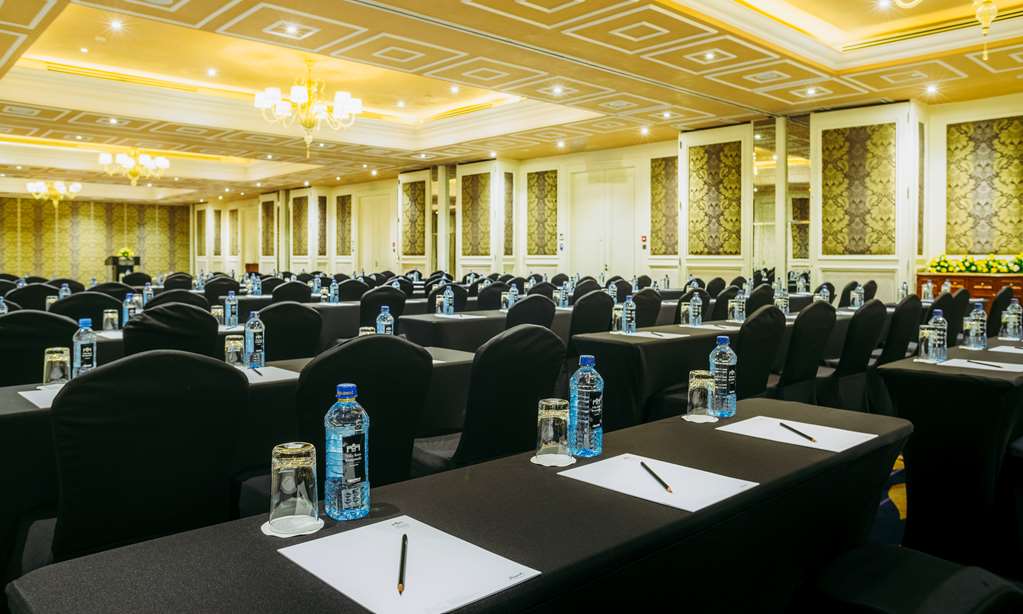
Budgeting is a critical step in NGO conference planning, ensuring that resources—often sourced from donors and partners—are used efficiently and transparently. A well-structured budget helps prioritise essential elements, avoid overspending, and deliver a successful event that meets both financial and programmatic objectives.
NGO Conference Planning in Kenya
5.1 Venue and Accommodation Costs
Venue and accommodation typically form a significant portion of the budget.
- Venue Hire – Costs depend on location, size, facilities, and duration of the event.
- Accommodation – Includes lodging for speakers, delegates, and organizers, especially for multi-day events.
- Location Factors – Cities like Nairobi may have higher costs due to demand, while places like Naivasha or Mombasa offer different pricing and experiences.
Careful selection of venue and accommodation helps balance cost, convenience, and overall event quality.
5.2 Audio-Visual Equipment and Technical Support
AV is essential for communication and engagement in NGO conferences.
- Equipment Costs – Includes microphones, speakers, projectors, LED screens, and lighting systems.
- Technical Expertise – Skilled technicians are required for setup, operation, and troubleshooting.
- Hybrid Capabilities – Additional costs may arise from live streaming and virtual participation tools.
Investing in reliable AV ensures clear communication and a professional event experience.
5.3 Catering and Logistics Expenses
Catering and logistics directly affect participant comfort and satisfaction.
- Meals and Refreshments – Budget for breakfast, lunch, tea breaks, and any special dietary requirements.
- Transport & Transfers – Includes airport pickups, local transport, and shuttle services.
- Event Coordination – Covers staffing, registration systems, and on-site management.
Proper allocation for catering and logistics ensures a smooth and comfortable experience for attendees.
5.4 Marketing, Branding, and Communication Materials
Effective communication is essential for attendance and impact.
- Promotional Activities – Includes digital campaigns, invitations, and outreach to stakeholders.
- Branding Materials – Banners, signage, and printed or digital materials for the event.
- Information Resources – Agendas, reports, and presentation materials shared with participants.
Strong marketing and branding ensure visibility, engagement, and effective communication before and during the event.
Budgeting for NGO conferences in Kenya involves careful planning across key areas such as venue, accommodation, AV support, catering, logistics, and communication. By allocating resources strategically and maintaining transparency, organisations can ensure efficient use of funds and deliver successful, impactful events. Proper budgeting not only supports smooth execution but also strengthens accountability and trust with donors and stakeholders.
6. Ensuring Inclusivity and Accessibility
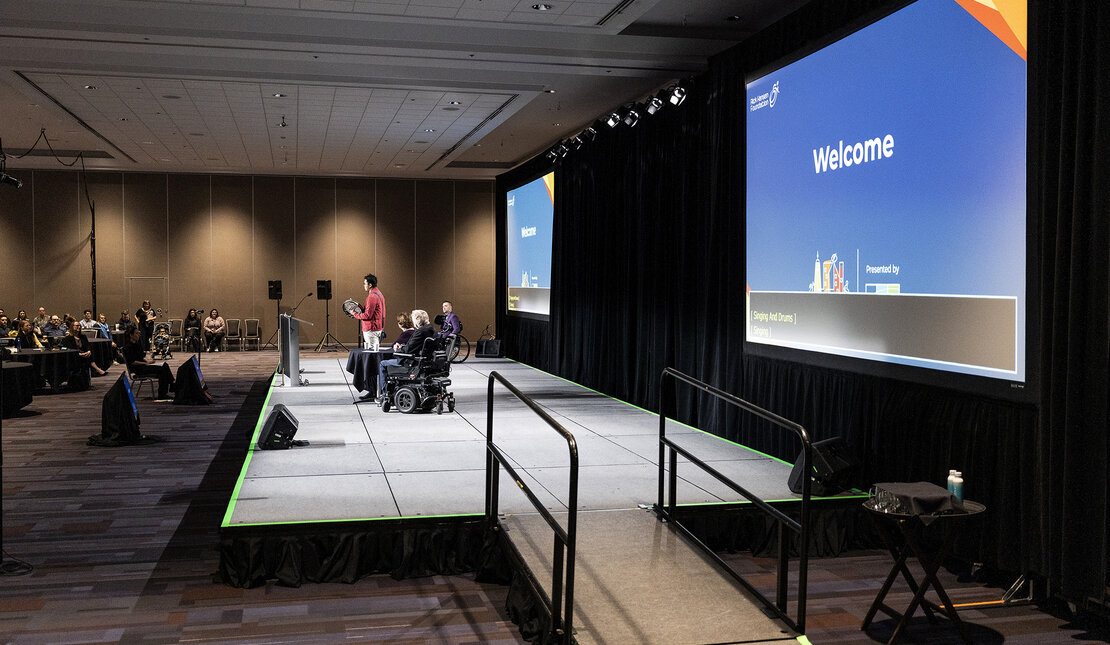
Inclusivity and accessibility are fundamental principles in NGO conference planning. These events often bring together diverse participants from different regions, backgrounds, and abilities, making it essential to create an environment where everyone can participate fully and comfortably. By prioritizing accessibility and inclusive design, organizers ensure that all voices are heard and that the event achieves its intended impact.
NGO Conference Planning in Kenya
6.1 Provide Translation or Interpretation Services Where Needed
Language should never be a barrier to participation.
- Multilingual Support – Provide interpreters or translation systems for participants who speak different languages.
- Simultaneous Interpretation – Use headsets and booths to allow real-time translation during sessions.
- Inclusive Communication – Ensure all participants can understand and contribute effectively.
Translation and interpretation services make conferences accessible to a wider and more diverse audience.
6.2 Ensure Venues Are Accessible to People with Disabilities
Physical accessibility is essential for inclusive participation.
- Barrier-Free Access – Venues should have ramps, elevators, and accessible restrooms.
- Seating Arrangements – Ensure comfortable and accessible seating for all participants.
- Navigation Support – Clear signage and assistance for individuals with mobility or visual challenges.
Accessible venues ensure that all participants, regardless of ability, can fully engage in the event.
6.3 Use Clear Audio Systems for All Participants
Sound clarity is vital for effective communication.
- High-Quality Audio – Use professional microphones and speakers to ensure clarity.
- Hearing Support – Consider assistive listening devices for participants with hearing impairments.
- Consistent Coverage – Ensure all areas of the venue have clear and balanced sound.
Clear audio systems ensure that every participant can follow discussions and presentations without difficulty.
6.4 Consider Hybrid Options for Remote Attendees
Hybrid formats expand accessibility beyond physical boundaries.
- Virtual Participation – Allow remote attendees to join via live streaming or video conferencing.
- Flexible Access – Participants can engage regardless of location or travel limitations.
- Recorded Content – Sessions can be accessed later by those unable to attend live.
Hybrid options make events more inclusive by accommodating participants who cannot attend in person.
Ensuring inclusivity and accessibility is essential in NGO conference planning. By providing translation services, choosing accessible venues, using clear audio systems, and enabling hybrid participation, organizers can create an environment where everyone can engage meaningfully. Prioritizing inclusivity not only enhances participation but also strengthens the overall impact and success of the event.
7. Leveraging Technology for NGO Conferences
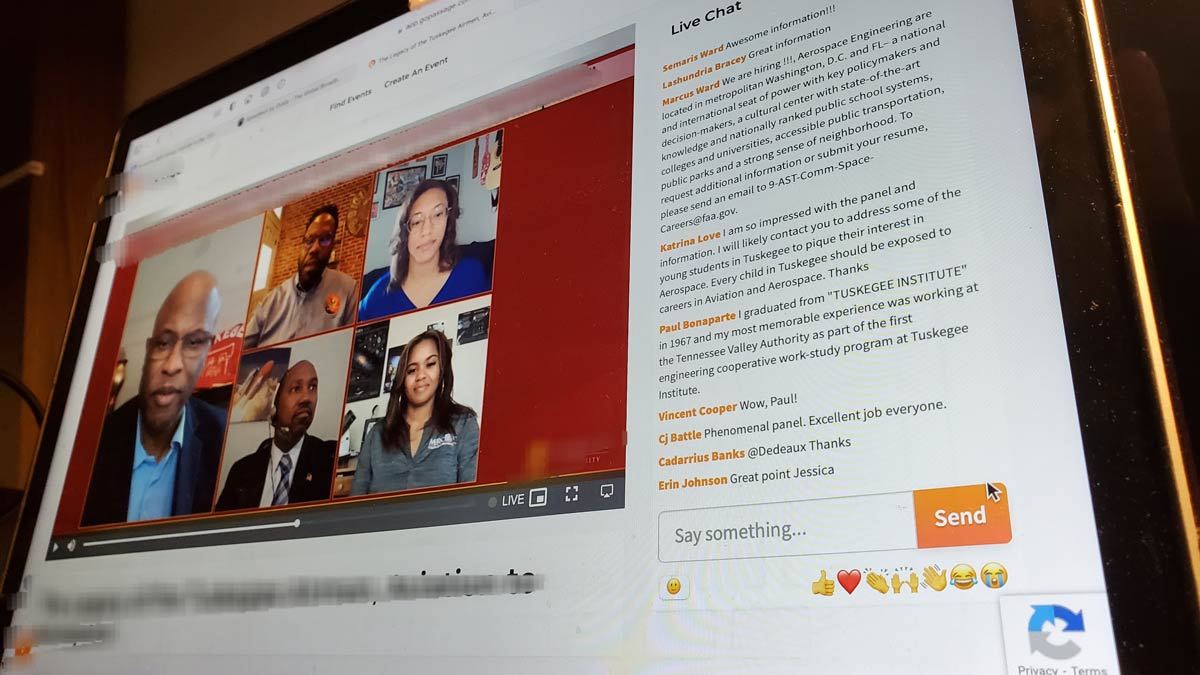
Technology plays a transformative role in NGO conferences by expanding reach, improving efficiency, and enhancing participant engagement. From live streaming to digital tools and social media integration, modern solutions enable NGOs to connect with global audiences, document impact, and deliver more interactive and inclusive events. Leveraging the right technology ensures that conferences achieve maximum visibility and long-term value.
NGO Conference Planning in Kenya
7.1 Use Live Streaming for Global Participation
Live streaming allows NGOs to extend their reach beyond physical venues.
- Global Access – Participants from different countries can join in real time without travel constraints.
- Increased Inclusivity – Enables engagement from stakeholders who may not attend physically.
- Real-Time Interaction – Virtual attendees can participate through chats, polls, and Q&A sessions.
Live streaming expands audience reach and ensures broader participation in NGO conferences.
7.2 Record Sessions for Future Use and Reporting
Recording content adds long-term value to the event.
- On-Demand Access – Participants can revisit sessions after the conference.
- Knowledge Preservation – Important discussions and insights are documented for future reference.
- Reporting & Accountability – Recorded content can be shared with donors and stakeholders as evidence of impact.
Recording sessions ensures continued access to knowledge and supports reporting and evaluation.
7.3 Use Digital Registration and Attendee Tracking Tools
Digital tools streamline event management and data collection.
- Efficient Check-In – Online registration and QR-based systems reduce queues and delays.
- Data Collection – Track attendance, participation, and engagement levels.
- Improved Planning – Insights from data help improve future events and decision-making.
Digital registration and tracking tools enhance efficiency and provide valuable event data.
7.4 Integrate Social Media for Wider Engagement
Social media amplifies event visibility and interaction.
- Real-Time Updates – Share highlights, key messages, and live moments during the event.
- Audience Engagement – Encourage participants to interact, share, and promote the event online.
- Extended Reach – Attract a broader audience beyond those physically present.
Social media integration increases visibility, engagement, and overall event impact.
Leveraging technology in NGO conferences enhances accessibility, engagement, and long-term impact. Through live streaming, session recording, digital registration, and social media integration, NGOs can reach wider audiences, improve efficiency, and strengthen communication with stakeholders. Embracing technology ensures that conferences are not only successful in the moment but continue to deliver value beyond the event itself.
8. Common Challenges in NGO Conference Planning
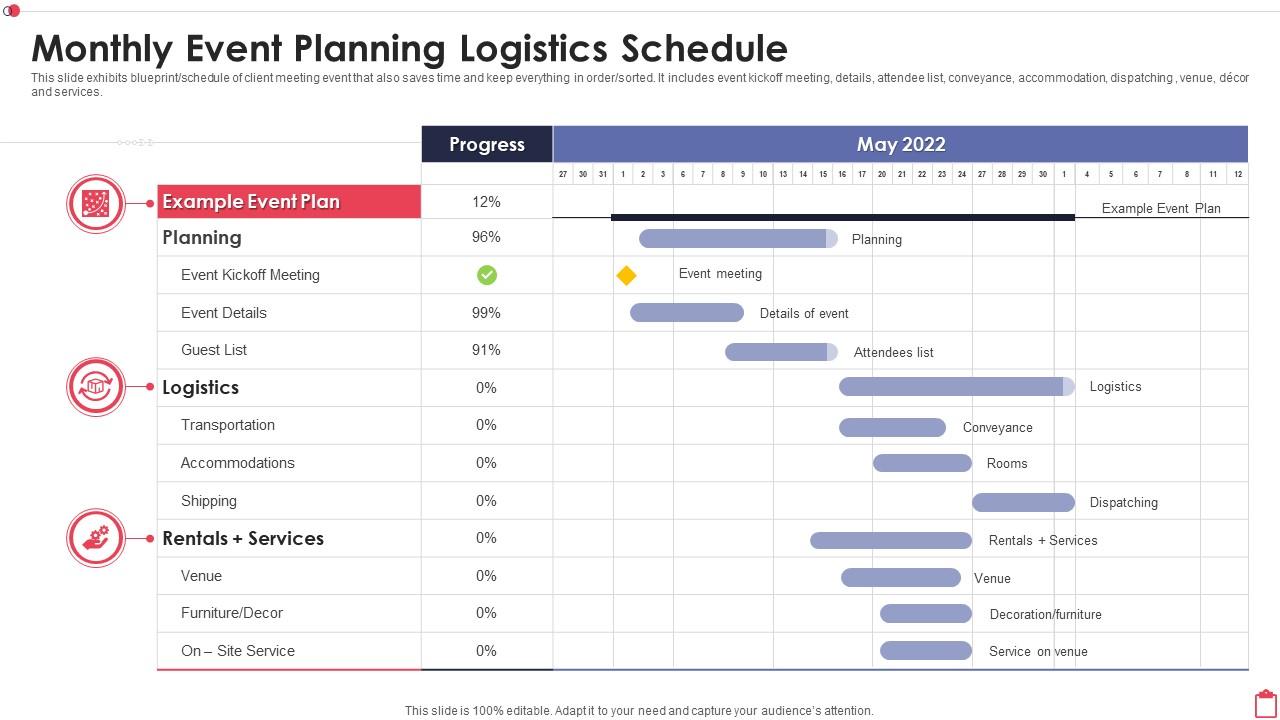
Planning NGO conferences can be complex due to limited resources, diverse stakeholder needs, and the growing demand for hybrid participation. These challenges require careful coordination, strategic planning, and the right partnerships to ensure successful outcomes. Understanding these common obstacles helps organizers prepare effectively and deliver impactful events.
NGO Conference Planning in Kenya
8.1 Limited Budgets and Resource Constraints
NGOs often operate within tight financial limits.
- Funding Limitations – Events must be planned within donor budgets and funding restrictions.
- Resource Allocation – Balancing costs across venue, logistics, AV, and staffing can be challenging.
- Cost Optimization – Requires prioritizing essential elements while maintaining quality.
Careful budgeting and strategic resource allocation are essential to deliver effective events within constraints.
8.2 Coordinating Diverse Stakeholders and Schedules
NGO conferences involve multiple participants with different roles and expectations.
- Stakeholder Diversity – Includes donors, government officials, partners, and community representatives.
- Scheduling Conflicts – Aligning availability across different organizations and time zones can be difficult.
- Communication Gaps – Ensuring everyone is informed and aligned requires consistent coordination.
Strong coordination and communication strategies are key to managing diverse stakeholders effectively.
8.3 Ensuring Clear Communication Across Large Audiences
Delivering messages effectively to all participants can be challenging.
- Audience Size – Larger events require reliable systems to ensure everyone can hear and see clearly.
- Message Clarity – Complex topics must be communicated in a simple and understandable way.
- Technical Support – Dependence on AV systems to maintain clarity and engagement.
Clear communication supported by reliable AV systems is critical for successful NGO conferences.
8.4 Managing Hybrid or Virtual Participation Effectively
Hybrid formats introduce additional complexity.
- Technical Requirements – Reliable internet, streaming platforms, and AV integration are essential.
- Audience Engagement – Keeping both in-person and virtual participants equally engaged can be challenging.
- Coordination Complexity – Managing two audiences simultaneously requires careful planning and execution.
Effective hybrid event management ensures seamless participation and engagement for all attendees.
NGO conference planning comes with challenges such as limited budgets, stakeholder coordination, communication barriers, and hybrid event management. By understanding these challenges and planning proactively, organizers can mitigate risks and improve outcomes. Partnering with experienced event and AV providers helps ensure smooth execution, allowing NGOs to focus on delivering impactful and meaningful conferences.
9. Why Choose Peak Audio for NGO Conferences
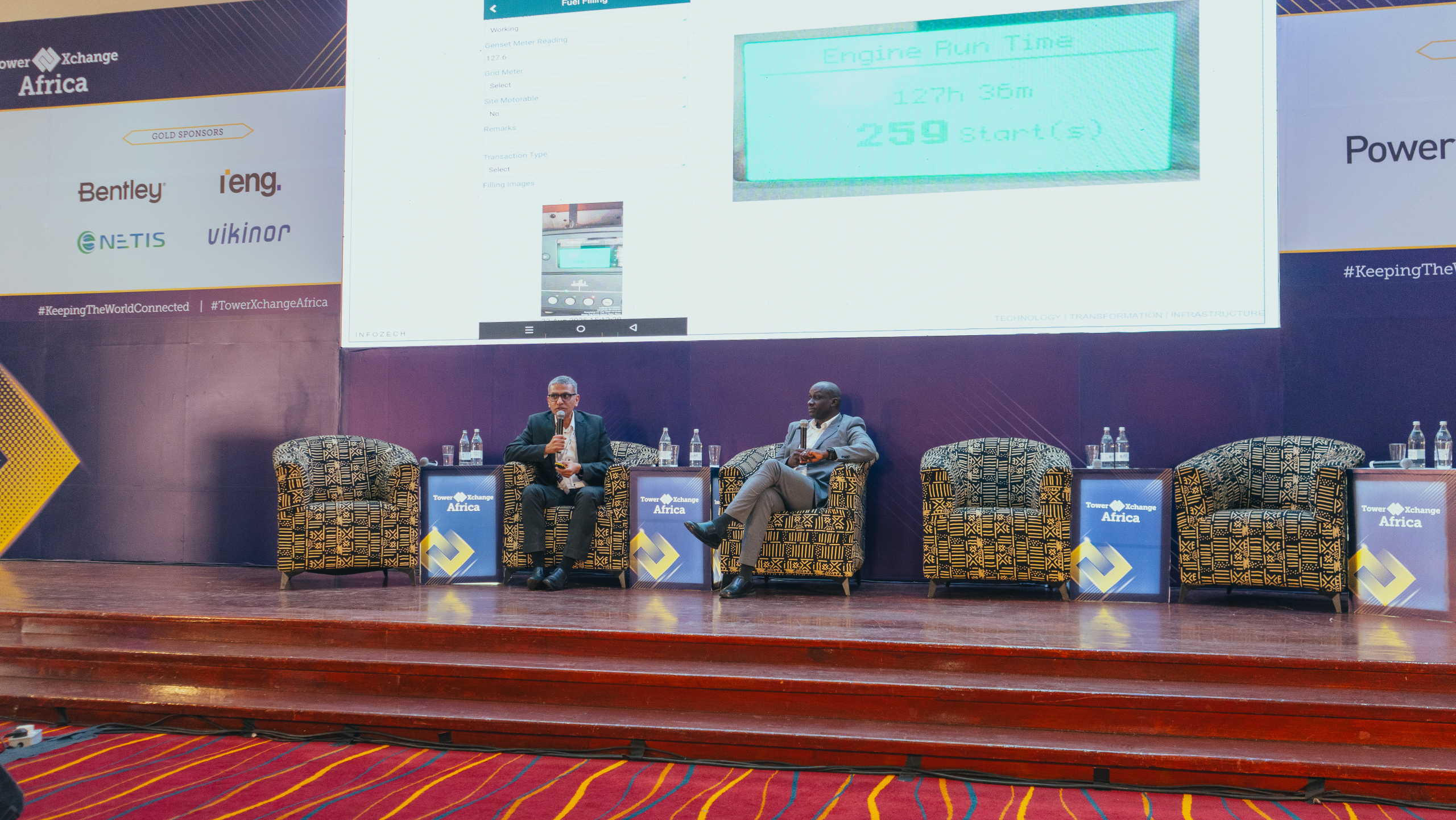
Delivering impactful NGO conferences requires reliable technology, clear communication, and seamless coordination. Peak Audio specializes in providing professional audio-visual solutions tailored to NGO events, ensuring that every message is delivered effectively and every participant remains engaged. Their expertise helps organizations focus on their mission while the technical aspects are handled professionally.
NGO Conference Planning in Kenya
9.1 Provides Professional Audio-Visual Solutions Tailored for NGO Events
NGO conferences have unique requirements that demand customized AV solutions.
- Mission-Focused Setup – AV systems are designed to support advocacy, training, and stakeholder engagement.
- Flexible Configurations – Suitable for workshops, panel discussions, and large conferences.
- Reliable Equipment – Ensures consistent performance throughout the event.
Tailored AV solutions ensure that NGO events are aligned with their purpose and delivered professionally.
9.2 Ensures Clear Sound, High-Quality Visuals, and Seamless Presentations
Quality AV directly impacts communication and engagement.
- Clear Audio – Professional microphones and speakers ensure every participant hears clearly.
- Sharp Visuals – Screens and projectors enhance presentations and audience understanding.
- Smooth Delivery – Seamless integration of audio and visuals ensures uninterrupted sessions.
High-quality AV enhances clarity, engagement, and the overall effectiveness of the conference.
9.3 Offers Live Streaming and Hybrid Event Support
Modern NGO events often require both physical and virtual participation.
- Live Streaming Solutions – Enables remote attendees to join in real time.
- Hybrid Integration – Combines in-person and virtual experiences seamlessly.
- Expanded Reach – Allows NGOs to engage global stakeholders and audiences.
Live streaming and hybrid support ensure inclusivity and wider participation.
9.4 Delivers On-Site Technical Expertise for Smooth Execution
Experienced technical support is essential for successful events.
- Professional Technicians – Handle setup, operation, and troubleshooting.
- Real-Time Support – Immediate response to any technical issues during the event.
- Coordinated Execution – Ensures all AV elements work together seamlessly.
On-site expertise guarantees smooth execution and minimizes disruptions.
Choosing Peak Audio for NGO conferences ensures professional audio-visual solutions, reliable technical support, and seamless event delivery. With expertise in sound, visuals, and hybrid event technology, they help NGOs create engaging, inclusive, and impactful conferences. Partnering with a trusted AV provider allows organizations to focus on their mission while delivering high-quality event experiences.
10. FAQs on NGO Conference Planning Kenya
Planning an NGO conference in Kenya involves more than booking a venue and inviting participants. It requires clear objectives, strong coordination, careful budgeting, and reliable technical support to ensure the event delivers meaningful results. These frequently asked questions help clarify the essentials of NGO conference planning and what organizations should consider for successful execution.
10.1 What is an NGO conference?
An NGO conference is a structured event organized to address development issues, share knowledge, and strengthen collaboration among stakeholders.
- Purpose-Driven Event – These conferences are usually centered on social impact, advocacy, policy, training, or stakeholder engagement.
- Collaborative Platform – They bring together NGOs, donors, government representatives, community leaders, and partners to discuss important issues.
- Knowledge Sharing – They create space for presentations, discussions, workshops, and reporting on key projects or development challenges.
An NGO conference is a mission-focused event designed to promote dialogue, learning, and coordinated action around social and development goals.
10.2 Where are NGO conferences held in Kenya?
NGO conferences in Kenya are commonly held in major cities and conference-friendly destinations.
- Nairobi is the most common location because of its strong infrastructure, accessibility, and wide range of conference venues.
- Naivasha – Popular for workshops, retreats, and conferences that benefit from a quieter environment outside the city.
- Mombasa – Suitable for coastal conferences that combine formal sessions with hospitality and leisure experiences.
Nairobi, Naivasha, and Mombasa are among the most popular locations for NGO conferences because they offer suitable venues, accommodation, and accessibility.
10.3 How long does it take to plan an NGO conference?
The planning timeline depends on the event’s size, objectives, and level of complexity.
- Small Events – Workshops or stakeholder meetings may take a few weeks to organize if requirements are straightforward.
- Medium to Large Conferences – Most NGO conferences require at least 1–3 months of preparation to coordinate venues, speakers, logistics, and communication.
- Complex or Hybrid Events – International or hybrid conferences may require even more time due to travel, AV setup, and virtual participation needs.
Most NGO conferences in Kenya need at least 1–3 months of planning to ensure all elements are well coordinated and professionally delivered.
10.4 What is the role of AV in NGO conferences?
Audio-visual support is essential for clear communication and professional event delivery.
- Clear Sound – Ensures speakers, panelists, and facilitators are heard clearly by all participants.
- Presentation Support – Screens, projectors, and displays help communicate data, reports, and visual content effectively.
- Audience Engagement – AV systems support Q&A sessions, videos, live presentations, and other interactive elements.
AV plays a central role in making NGO conferences clear, engaging, and impactful for all participants.
10.5 Can NGO conferences be hybrid?
Yes, many NGO conferences now include both physical and virtual participation.
- Wider Reach – Hybrid events allow participants from different regions or countries to join without traveling.
- Greater Inclusivity – Stakeholders who may face travel, budget, or accessibility challenges can still participate remotely.
- Extended Value – Sessions can be streamed live and recorded for future use, reporting, or ongoing engagement.
Hybrid NGO conferences are highly effective because they increase participation, inclusivity, and reach.
10.6 How do NGOs manage conference budgets?
NGOs manage budgets by prioritizing essential costs and making careful spending decisions.
- Priority-Based Budgeting – Funds are allocated first to core needs such as venue, AV, logistics, and participant support.
- Cost Control – Organizations often compare vendors, negotiate rates, and choose practical solutions that maintain quality.
- Transparency and Accountability – Budgeting must often align with donor expectations and reporting requirements.
NGOs manage conference budgets by focusing on essential priorities, using resources efficiently, and maintaining accountability.
10.7 What venues are best for NGO conferences?
The best venue depends on the event’s size, audience, and technical requirements.
- Conference Centers – Suitable for formal conferences, policy discussions, and large stakeholder gatherings.
- Hotels – Useful for events that need accommodation, catering, and meeting spaces in one location.
- Convention Venues Like KICC – Ideal for large-scale conferences, international events, and gatherings that need advanced facilities.
Conference centers, hotels, and convention venues such as KICC are among the best options for NGO conferences in Kenya.
10.8 How can NGOs ensure inclusivity?
Inclusivity requires intentional planning that accommodates diverse participants and needs.
- Accessibility Measures – Choose venues that are accessible to people with disabilities and mobility challenges.
- Language Support – Provide translation or interpretation services where participants speak different languages.
- Hybrid Participation – Allow remote access for people who cannot attend in person due to distance, cost, or other limitations.
NGOs can ensure inclusivity by planning for accessibility, language support, and flexible participation options.
10.9 Do NGO conferences require professional planning?
Yes, professional planning is very important for successful NGO conferences.
- Smooth Coordination – Professional planning helps manage schedules, logistics, registrations, and stakeholder communication effectively.
- Better Outcomes – Structured planning ensures the event stays aligned with its objectives and delivers measurable impact.
- Reduced Risk – Experienced planning minimizes confusion, delays, and technical or logistical problems.
Professional planning is essential because it improves coordination, reduces stress, and helps the conference achieve its intended outcomes.
10.10 Why choose Peak Audio?
A trusted AV partner can make a major difference in the quality and effectiveness of an NGO conference.
- Reliable AV Solutions – Peak Audio provides professional sound, screens, projectors, lighting, and microphones tailored to conference needs.
- Hybrid and Streaming Support – Their solutions support both physical and virtual participation for wider engagement.
- Technical Expertise – On-site technicians help ensure smooth presentations, clear communication, and minimal disruptions.
Choosing Peak Audio helps NGOs deliver professional, engaging, and well-supported conferences that communicate their message effectively.
NGO conference planning in Kenya requires clear objectives, careful budgeting, professional coordination, and strong technical support. From choosing venues in Nairobi, Naivasha, or Mombasa to ensuring inclusivity, hybrid participation, and effective AV delivery, every element contributes to event success. With the right planning and a dependable partner like Peak Audio, NGOs can organize conferences that are impactful, inclusive, and professionally executed.
Delivering Impactful NGO Conferences in Kenya
NGO Conference Planning in Kenya
NGO conference planning in Kenya demands a strategic approach that prioritizes coordination, clear communication, and measurable impact. From defining objectives and identifying target audiences to selecting suitable venues, every step plays a critical role in ensuring success. Effective planning helps align stakeholders, streamline logistics, and create an environment where meaningful discussions and knowledge sharing can thrive.
Attention to detail is essential when organizing NGO conferences, especially when integrating technology, promoting inclusivity, and ensuring accessibility for diverse participants. Leveraging modern tools such as virtual participation platforms and interpretation services enhances engagement and broadens reach. By focusing on these elements, organizations can create conferences that not only run smoothly but also foster collaboration, innovation, and actionable outcomes that extend beyond the event itself.
Ultimately, well-executed NGO conferences have the power to drive real change and strengthen partnerships within the development sector. Kenya’s position as a regional hub for NGOs makes it an ideal location for impactful events that bring together global and local stakeholders. By partnering with Peak Audio, NGOs can benefit from professional execution, high-quality audio-visual support, and seamless event delivery that ensures every conference leaves a lasting and meaningful impact.
Leave a Reply
Want to join the discussion?Feel free to contribute!