Table of Contents
ToggleHealthcare Summit Planning in Kenya – Deliver High-Impact Medical Events with Peak Audio

Healthcare Summit Planning in Kenya
Healthcare summits in Kenya are essential platforms for advancing medical knowledge, shaping policy, and improving patient care across the sector. These events bring together doctors, policymakers, NGOs, researchers, and healthcare providers to exchange insights, discuss emerging challenges, and explore innovative solutions. With Nairobi serving as a key hub for such high-level gatherings, healthcare summits have become increasingly important in driving collaboration and influencing decisions that impact public health outcomes. A well-organized summit ensures that these critical conversations translate into actionable strategies and measurable progress.
Planning a successful healthcare summit requires a high level of coordination, attention to detail, and a strong focus on communication. Organizers must manage diverse stakeholders, structure informative sessions, and ensure accessibility for all participants, including hybrid or virtual attendees. Advanced audio-visual solutions are crucial in delivering clear presentations, panel discussions, and real-time data sharing, especially when dealing with complex medical information. Reliable sound systems, high-quality displays, live streaming, and interpretation support help ensure that every participant can engage effectively and benefit from the discussions.
Peak Audio provides expert support for Healthcare Summit Planning in Kenya, offering professional event production and advanced audio-visual solutions tailored to medical and policy-driven events. From sound systems and stage design to LED screens, lighting, and live broadcasting, Peak Audio ensures seamless execution and high-quality delivery. By partnering with Peak Audio, organizations can host impactful healthcare summits that enhance communication, foster collaboration, and contribute to meaningful improvements in Kenya’s healthcare sector.
1. What Is Healthcare Summit Planning?

Healthcare Summit Planning in Kenya
Healthcare summit planning involves organizing high-level events that bring together medical professionals, policymakers, researchers, and stakeholders to discuss critical health issues, innovations, and strategies. These summits are essential for knowledge sharing, collaboration, and improving healthcare systems. Effective planning ensures that the event is professional, well-coordinated, and delivers meaningful outcomes.
1.1 Organizing Large-Scale Medical and Health-Related Conferences
Healthcare summits are typically large and involve multiple sessions and participants.
- Comprehensive Events – Include keynote speeches, panel discussions, and workshops.
- Wide Participation – Attract healthcare professionals, researchers, and organizations.
- Structured Programs – Carefully planned agendas ensure smooth execution.
Healthcare summit planning focuses on organizing structured, large-scale events that address key medical and health topics.
1.2 Coordinating Stakeholders Such as Hospitals, NGOs, and Government Agencies
Healthcare events involve diverse stakeholders.
- Multi-Sector Collaboration – Includes hospitals, NGOs, government bodies, and development partners.
- Stakeholder Alignment – Ensures all participants contribute to shared goals.
- Effective Communication – Keeps all parties informed and coordinated.
Strong coordination ensures collaboration and successful outcomes in healthcare summits.
1.3 Managing Logistics, Scheduling, and Communication
Efficient logistics are critical for smooth event delivery.
- Logistics Management – Covers venue setup, registration, and attendee coordination.
- Scheduling – Organizes sessions, speakers, and event flow.
- Communication Systems – Ensures clear interaction among participants and organizers.
Proper logistics and communication ensure a seamless and well-organized event.
1.4 Integrating Technology for Presentations, Discussions, and Hybrid Participation
Technology enhances accessibility and engagement.
- Audio-Visual Systems – Support presentations, discussions, and information sharing.
- Hybrid Participation – Enables both in-person and virtual attendance.
- Digital Tools – Facilitate registration, networking, and real-time interaction.
Technology integration improves engagement, accessibility, and overall event effectiveness.
Healthcare summit planning involves organizing large-scale medical conferences, coordinating diverse stakeholders, managing logistics, and integrating technology. These elements ensure that healthcare events are professional, informative, and impactful, contributing to improved collaboration and innovation in the health sector.
2. Types of Healthcare Summits in Kenya

Healthcare Summit Planning in Kenya
Healthcare summits in Kenya cover a wide range of topics—from clinical research and public health policy to digital health innovation and community programs. Each type of summit serves a unique purpose but shares a common goal: improving healthcare systems, knowledge sharing, and collaboration among stakeholders.
2.1 Medical Conferences and Research Summits
These summits focus on advancing medical knowledge and clinical practices.
- Research and Innovation – Present findings, case studies, and new treatment approaches.
- Expert-Led Sessions – Include keynote speeches, panel discussions, and workshops led by medical professionals.
- AV Requirements – High-quality audio-visual systems are essential to display detailed medical data, imaging, and presentations clearly.
Medical and research summits drive innovation and knowledge sharing within the healthcare sector.
2.2 Public Health and Policy Summits
These events address national and regional health challenges.
- Policy Discussions – Focus on healthcare policies, regulations, and national health strategies.
- Multi-Stakeholder Participation – Bring together government bodies, NGOs, and development partners.
- Professional Venues – Often hosted in venues like the Kenyatta International Convention Centre for large-scale engagement.
Public health summits support policy development and collaborative solutions to health challenges.
2.3 Healthcare Technology (HealthTech) Summits
HealthTech summits focus on innovation in healthcare delivery.
- Digital Health Solutions – Cover telemedicine, AI, electronic health records, and mobile health platforms.
- Product Demonstrations – Showcase new technologies and solutions in real time.
- Technical Infrastructure – Requires strong internet connectivity and reliable AV systems for live demos.
HealthTech summits highlight technological advancements transforming healthcare services.
2.4 NGO and Donor-Funded Health Events
These events focus on community health and development programs.
- Program Implementation – Share progress, results, and strategies for health initiatives.
- Training and Workshops – Build capacity among healthcare workers and community leaders.
- Structured Coordination – Requires detailed planning to manage diverse participants and objectives.
NGO and donor-funded events support community health initiatives and capacity building.
Healthcare summits in Kenya include medical research conferences, public health policy forums, HealthTech events, and NGO-driven programs. Each type plays a vital role in improving healthcare systems, fostering collaboration, and driving innovation. With proper planning and coordination, these summits contribute significantly to the advancement of healthcare in Kenya.
3. Key Elements of Successful Healthcare Summit Planning

Healthcare Summit Planning in Kenya
Healthcare summits require a high level of organization, precision, and collaboration to deliver meaningful outcomes. From defining clear objectives to integrating technology and managing expert content, each element plays a crucial role in ensuring the event is impactful, professional, and beneficial to participants.
3.1 Strategic Planning and Objectives
A clear strategy forms the foundation of a successful healthcare summit.
3.1.1 Define the Purpose (Education, Policy, Networking)
- Goal Clarity – Identify whether the summit focuses on training, policy discussions, or stakeholder networking.
- Outcome-Oriented Planning – Set measurable objectives such as knowledge sharing or policy recommendations.
- Focused Direction – Guides decisions on speakers, sessions, and structure.
3.1.2 Identify Target Participants and Stakeholders
- Audience Definition – Include healthcare professionals, policymakers, NGOs, and researchers.
- Stakeholder Alignment – Ensure all participants contribute to the summit’s objectives.
- Balanced Participation – Encourage diverse perspectives for meaningful discussions.
3.1.3 Develop a Detailed Program and Agenda
- Structured Schedule – Organize sessions, panels, and networking segments.
- Time Management – Ensure smooth transitions and efficient use of time.
- Engagement Flow – Balance presentations with interactive discussions.
Strategic planning ensures the summit is focused, relevant, and aligned with healthcare goals.
3.2 Venue Selection and Setup
The right venue enhances comfort, accessibility, and professionalism.
3.2.1 Choose Venues with Adequate Capacity and Facilities
- Appropriate Size – Ensure the venue accommodates all participants comfortably.
- Modern Facilities – Support for AV systems, breakout rooms, and exhibitions.
- Professional Environment – Suitable for formal healthcare discussions.
3.2.2 Ensure Proper Seating, Lighting, and Accessibility
- Comfortable Seating – Supports long sessions and participant focus.
- Proper Lighting – Ensures visibility for presentations and note-taking.
- Accessibility – Accommodates participants with different needs.
3.2.3 Provide Spaces for Exhibitions and Networking
- Exhibition Areas – Showcase healthcare products and innovations.
- Networking Zones – Facilitate interaction among participants.
- Flexible Layouts – Support both formal sessions and informal engagement.
A well-selected venue improves participant experience and event effectiveness.
3.3 Audio-Visual and Technology Integration
Technology is essential for communication and engagement.
3.3.1 High-Quality Microphones and Sound Systems
- Clear Audio – Ensures all participants hear discussions without distortion.
- Panel Support – Multiple microphones for interactive sessions.
- Consistent Coverage – Balanced sound across the venue.
3.3.2 LED Screens and Projectors for Presentations
- Visual Clarity – Displays medical data, slides, and visuals effectively.
- Enhanced Learning – Supports presentations and demonstrations.
- Professional Delivery – Improves overall event quality.
3.3.3 Live Streaming for Hybrid Participation
- Remote Access – Enables participants to join virtually.
- Wider Reach – Expands the audience beyond physical attendees.
- Content Recording – Allows sessions to be revisited later.
3.3.4 Reliable Internet for Virtual Sessions and Demos
- Stable Connectivity – Supports streaming, demos, and digital tools.
- Uninterrupted Sessions – Prevents technical disruptions.
- Interactive Engagement – Enables real-time participation and feedback.
AV and technology integration ensure clear communication and seamless hybrid participation.
3.4 Speaker and Content Management
Content quality determines the success of a healthcare summit.
3.4.1 Invite Healthcare Experts and Thought Leaders
- Expert Knowledge – Speakers provide valuable insights and experience.
- Credibility – High-profile experts enhance event reputation.
- Diverse Perspectives – Include voices from different healthcare sectors.
3.4.2 Organize Panels, Workshops, and Keynote Sessions
- Varied Formats – Combine presentations, discussions, and interactive sessions.
- Audience Engagement – Encourage participation through Q&A and group activities.
- Structured Flow – Ensure sessions are well-organized and impactful.
3.4.3 Ensure Content Is Accurate, Relevant, and Engaging
- Evidence-Based Information – Present reliable and up-to-date medical data.
- Practical Insights – Provide actionable knowledge for participants.
- Engaging Delivery – Use interactive and dynamic presentation methods.
Strong content and expert speakers ensure valuable learning and engagement.
Successful healthcare summit planning involves strategic objectives, the right venue, advanced technology integration, and strong content management. Each element contributes to creating a professional, informative, and engaging event. By carefully managing these components, organizers can deliver impactful healthcare summits that drive collaboration, innovation, and improved health outcomes.
4. Role of Audio-Visual Solutions in Healthcare Summits

Healthcare Summit Planning in Kenya
Audio-visual (AV) solutions are critical in healthcare summits where complex medical information, research data, and policy discussions must be communicated clearly and accurately. From detailed presentations to hybrid participation, AV technology ensures that every participant can follow, engage, and contribute effectively.
4.1 Ensures Clear Communication of Complex Medical Information
Healthcare topics often involve detailed and technical content.
- Clarity of Speech – High-quality microphones and sound systems ensure every word is heard clearly.
- Accurate Delivery – Essential for presenting sensitive medical data and research findings.
- Audience Understanding – Clear communication reduces misinterpretation of complex information.
AV systems ensure that complex medical information is delivered accurately and clearly.
4.2 Enhances Presentations with Visuals, Charts, and Videos
Visual aids are essential for effective healthcare communication.
- Data Visualization – Charts, graphs, and imaging help explain medical concepts.
- Multimedia Support – Videos and animations improve understanding of procedures and case studies.
- Professional Presentation – Enhances credibility and engagement.
Visual and multimedia elements make healthcare presentations more effective and engaging.
4.3 Supports Hybrid Events with Live Streaming and Recording
Hybrid formats are increasingly common in healthcare summits.
- Remote Participation – Allows global experts and stakeholders to join virtually.
- Session Recording – Enables access to content after the event for training or reporting.
- Wider Reach – Expands audience beyond physical limitations.
Hybrid AV solutions increase accessibility and extend the impact of healthcare events.
4.4 Improves Audience Engagement and Participation
Engagement is essential for knowledge sharing and collaboration.
- Interactive Sessions – Supports Q&A, panel discussions, and audience interaction.
- Clear Visibility and Audio – Keeps participants focused and involved.
- Professional Atmosphere – Enhances the overall event experience.
AV technology improves engagement and encourages active participation.
4.5 Peak Audio Provides Professional AV Solutions for Healthcare Summits
Professional AV providers ensure reliability and high-quality delivery.
- Advanced Equipment – High-quality sound systems, screens, and presentation tools.
- Hybrid Event Support – Reliable live streaming and recording capabilities.
- Technical Expertise – On-site technicians manage setup and troubleshooting.
- Customized Solutions – Tailored AV setups to meet healthcare-specific needs.
Partnering with Peak Audio ensures seamless communication and professional execution of healthcare summits.
Audio-visual solutions play a vital role in healthcare summits by ensuring clear communication, enhancing presentations, supporting hybrid participation, and improving engagement. With professional AV support from providers like Peak Audio, organizers can deliver impactful, reliable, and high-quality healthcare events.
5. Benefits of Professional Healthcare Summit Planning

Healthcare Summit Planning in Kenya
Professional healthcare summit planning ensures that complex, multi-stakeholder events are delivered efficiently, accurately, and with maximum impact. From coordination to engagement and technical execution, experienced planners help create an environment where knowledge sharing and collaboration can thrive.
5.1 Ensures Smooth Coordination of Multiple Stakeholders
Healthcare summits involve diverse participants and organizations.
- Multi-Stakeholder Management – Coordinates hospitals, NGOs, government agencies, and researchers.
- Aligned Objectives – Ensures all stakeholders work toward shared goals.
- Efficient Communication – Keeps all parties informed and synchronized.
Professional planning ensures seamless coordination among all stakeholders involved.
5.2 Improves Attendee Experience and Engagement
A well-planned summit enhances participant satisfaction.
- Structured Experience – Clear schedules, organized sessions, and smooth transitions.
- Interactive Formats – Encourages participation through panels, Q&A, and workshops.
- Comfort and Accessibility – Proper venue setup and facilities improve the overall experience.
Improved attendee experience leads to higher engagement and better outcomes.
5.3 Enhances Knowledge Sharing and Collaboration
Healthcare summits are designed to exchange ideas and insights.
- Expert-Led Discussions – Facilitates sharing of research, case studies, and best practices.
- Collaborative Platforms – Encourages partnerships between organizations and professionals.
- Meaningful Outcomes – Supports decision-making and policy development.
Professional planning fosters effective knowledge sharing and collaboration.
5.4 Reduces Logistical and Technical Challenges
Managing logistics and technology can be complex without expertise.
- Efficient Logistics – Handles registration, scheduling, and participant coordination.
- Technical Reliability – Ensures AV systems, internet, and hybrid setups function smoothly.
- Risk Management – Anticipates and resolves issues before they impact the event.
Professional planners minimize disruptions and ensure smooth execution.
Professional healthcare summit planning offers significant benefits, including effective stakeholder coordination, improved attendee experience, enhanced knowledge sharing, and reduced logistical challenges. By leveraging expert planning, organizations can deliver high-impact healthcare events that are well-organized, engaging, and successful in achieving their objectives.
6. Key Stakeholders in Healthcare Summits
Healthcare summits bring together a diverse group of stakeholders who contribute to improving health systems, policies, and outcomes. Each group plays a unique role in shaping discussions, sharing knowledge, and driving innovation within the healthcare sector. Their collaboration is essential for creating impactful and sustainable solutions.

Healthcare Summit Planning in Kenya
6.1 Hospitals and Healthcare Providers
Healthcare providers are central to medical service delivery.
- Frontline Experience – Share practical insights from patient care and clinical operations.
- Service Improvement – Discuss ways to enhance healthcare delivery and patient outcomes.
- Collaboration Opportunities – Partner with other stakeholders for better healthcare solutions.
Hospitals and providers bring real-world experience that informs discussions and solutions.
6.2 Government Ministries and Regulators
Government bodies play a key role in policy and regulation.
- Policy Development – Create and implement healthcare regulations and national strategies.
- Oversight and Compliance – Ensure healthcare systems meet standards and guidelines.
- Public Health Leadership – Guide national responses to health challenges.
Government stakeholders provide direction, regulation, and support for healthcare systems.
6.3 NGOs and International Organizations
These organizations focus on community health and global health initiatives.
- Program Implementation – Deliver health programs and interventions at community levels.
- Funding and Support – Provide financial and technical resources for healthcare projects.
- Global Perspective – Share international best practices and experiences.
NGOs and international organizations strengthen healthcare systems through support and innovation.
6.4 Researchers, Doctors, and Medical Professionals
Medical experts drive knowledge and innovation in healthcare.
- Research and Innovation – Present findings, case studies, and new medical approaches.
- Expert Insights – Provide evidence-based recommendations and expertise.
- Professional Development – Engage in knowledge sharing and continuous learning.
Researchers and medical professionals contribute expertise that advances healthcare practices.
Healthcare summits in Kenya bring together hospitals, government bodies, NGOs, and medical professionals to collaborate on improving healthcare systems. Each stakeholder group plays a vital role in sharing knowledge, shaping policy, and driving innovation. Their combined efforts ensure that healthcare summits deliver meaningful discussions and impactful outcomes.
7. Trends in Healthcare Summit Planning in Kenya
Healthcare summit planning in Kenya is evolving rapidly to reflect advancements in technology, changing healthcare priorities, and the need for inclusive participation. Modern summits are becoming more accessible, data-driven, and focused on improving both clinical outcomes and community health systems.

Healthcare Summit Planning in Kenya
7.1 Growth of Hybrid and Virtual Healthcare Events
Hybrid formats are transforming how healthcare summits are delivered.
- Flexible Participation – Attendees can join either physically or remotely.
- Global Collaboration – Enables participation from international experts and organizations.
- Cost Efficiency – Reduces travel costs while increasing reach.
Hybrid healthcare events improve accessibility and expand participation across regions.
7.2 Increased Focus on Digital Health and Telemedicine
Digital transformation is a major focus in healthcare discussions.
- Telemedicine Adoption – Remote consultations and digital care solutions are widely discussed.
- HealthTech Innovation – Showcases new tools for diagnosis, treatment, and patient management.
- Improved Access – Digital solutions help reach underserved populations.
Digital health and telemedicine are key drivers of modern healthcare innovation.
7.3 Integration of Data Analytics and AI Discussions
Data and technology are shaping healthcare decision-making.
- Data-Driven Insights – Analytics help improve patient outcomes and healthcare efficiency.
- AI Applications – Used in diagnostics, predictive analysis, and healthcare automation.
- Informed Decisions – Supports evidence-based healthcare policies and practices.
Data analytics and AI are transforming healthcare systems and summit discussions.
7.4 Emphasis on Community Health and Accessibility
Healthcare summits are increasingly focused on inclusivity and outreach.
- Community-Centered Approaches – Address local health challenges and solutions.
- Accessibility Initiatives – Ensure healthcare services reach marginalized populations.
- Collaborative Programs – Encourage partnerships between stakeholders for community impact.
A strong focus on community health ensures healthcare improvements benefit all populations.
Healthcare summit planning in Kenya is becoming more technology-driven and inclusive, with trends such as hybrid participation, digital health innovation, data analytics integration, and a focus on community health. These developments ensure that healthcare events remain relevant, impactful, and aligned with the evolving needs of the healthcare sector.
8. Common Challenges in Healthcare Event Planning

Healthcare Summit Planning in Kenya
Healthcare event planning involves coordinating complex logistics, diverse stakeholders, and highly sensitive content. From managing large audiences to ensuring reliable technology, organizers must address several challenges to deliver a smooth and impactful event. Understanding these challenges is key to effective planning and successful execution.
8.1 Coordinating Diverse Stakeholders
Healthcare events involve multiple organizations and professionals.
- Multi-Sector Participation – Includes hospitals, NGOs, government agencies, and researchers.
- Alignment Challenges – Different priorities and expectations must be managed.
- Communication Complexity – Requires clear and consistent communication across all parties.
Strong coordination ensures all stakeholders work together effectively.
8.2 Managing Large Audiences and Schedules
Healthcare summits often involve many participants and sessions.
- High Attendance – Large audiences require organized registration and seating arrangements.
- Complex Scheduling – Multiple sessions, panels, and workshops must be coordinated.
- Time Management – Ensuring sessions run on time is critical for smooth flow.
Effective scheduling and crowd management are essential for a seamless event.
8.3 Ensuring Reliable AV and Internet Connectivity
Technology plays a critical role in healthcare events.
- Clear Communication – AV systems must deliver high-quality sound and visuals.
- Hybrid Participation – Reliable internet is essential for live streaming and virtual attendees.
- Backup Systems – Necessary to prevent disruptions during presentations or demos.
Reliable AV and connectivity are vital for uninterrupted event delivery.
8.4 Handling Sensitive and Complex Medical Content
Healthcare events often deal with technical and sensitive information.
- Accurate Presentation – Medical data must be presented clearly and correctly.
- Confidentiality – Sensitive information must be handled with care.
- Audience Understanding – Complex topics must be simplified for diverse audiences.
Careful handling of medical content ensures clarity, accuracy, and professionalism.
Healthcare event planning comes with challenges such as stakeholder coordination, audience management, technical reliability, and handling complex content. These factors require careful planning and expertise. By working with professional planners, these challenges can be effectively managed, ensuring smooth execution and impactful healthcare events.
9. Why Choose Peak Audio for Healthcare Summits

Healthcare Summit Planning in Kenya
Healthcare summits require precision, clarity, and reliability—especially when dealing with complex medical information and diverse stakeholders. Peak Audio provides specialized audio-visual solutions tailored for healthcare events, ensuring seamless communication, professional delivery, and an engaging experience for all participants.
9.1 Provides High-Quality Audio-Visual Solutions for Medical Events
Healthcare events require reliable and precise AV systems.
- Professional Equipment – High-quality microphones, speakers, and display systems ensure consistent performance.
- Tailored Setup – AV solutions are customized to support medical presentations, panels, and workshops.
- Reliable Delivery – Ensures uninterrupted sessions throughout the summit.
High-quality AV solutions ensure clarity and professionalism in healthcare events.
9.2 Supports Hybrid Summits with Live Streaming Capabilities
Hybrid participation is increasingly important in healthcare events.
- Live Streaming – Enables remote participants to join in real time.
- Hybrid Integration – Combines physical and virtual attendance seamlessly.
- Expanded Reach – Allows global experts and stakeholders to participate.
Hybrid capabilities increase accessibility and broaden the impact of healthcare summits.
9.3 Ensures Clear Sound and Visual Delivery for Presentations
Clear communication is critical for medical discussions.
- Clear Audio – Ensures every speaker is heard without distortion.
- Sharp Visuals – Displays charts, data, and medical visuals clearly.
- Seamless Integration – Audio and visuals work together for smooth presentations.
Clear sound and visuals improve understanding and engagement.
9.4 Offers On-Site Technical Support for Seamless Execution
Technical reliability is essential for high-stakes healthcare events.
- Experienced Technicians – Manage setup, operation, and troubleshooting.
- Real-Time Support – Quickly resolve any technical issues during the event.
- Coordinated Execution – Ensures all AV systems function smoothly.
O-site technical expertise guarantees smooth execution and minimizes disruptions.
Choosing Peak Audio for healthcare summits ensures high-quality AV solutions, reliable hybrid support, and seamless technical execution. With expertise in handling complex medical presentations and live events, they help deliver professional, engaging, and impactful healthcare summits.
10. FAQs on Healthcare Summit Planning Kenya
Healthcare summit planning in Kenya requires careful coordination, strong technical support, and a clear understanding of the healthcare sector’s needs. These frequently asked questions help explain what healthcare summits involve, why they matter, and how organizations can plan them effectively for maximum impact.
10.1 What is healthcare summit planning?
Healthcare summit planning is the process of organizing and managing medical and health-related conferences, forums, and stakeholder events.
- Comprehensive Coordination – It includes planning the agenda, inviting speakers, selecting venues, and managing logistics.
- Sector-Specific Focus – These events are designed around medical, public health, research, policy, or healthcare innovation topics.
- Professional Execution – The goal is to ensure that the event runs smoothly, communicates clearly, and achieves meaningful outcomes.
Healthcare summit planning involves professionally managing health-focused events so they are informative, well-structured, and impactful.
10.2 Why are healthcare summits important in Kenya?
Healthcare summits are important because they create a platform for collaboration, learning, and policy dialogue within the health sector.
- Knowledge Sharing – They allow doctors, researchers, and experts to exchange findings, experiences, and best practices.
- Policy Development – Summits help government bodies, NGOs, and institutions discuss national health priorities and reforms.
- Innovation Promotion – They highlight new technologies, treatment methods, and healthcare delivery solutions.
Healthcare summits are important because they strengthen collaboration, support policy progress, and promote innovation in Kenya’s health sector.
10.3 Where are healthcare summits held in Kenya?
Healthcare summits in Kenya are commonly held in cities and venues that offer strong infrastructure and accessibility.
- Nairobi – The most common location because it has major conference venues, hotels, and easy access for local and international delegates.
- Conference Venues – Hotels, convention centers, and dedicated event spaces are often used depending on the scale of the summit.
- Large Event Facilities – High-capacity venues are preferred for national or international healthcare events.
Most healthcare summits in Kenya are held in Nairobi and other major venues that can support professional medical events.
10.4 What AV equipment is needed for healthcare summits?
Healthcare summits require reliable audio-visual equipment to support presentations, discussions, and participant engagement.
- Sound Systems – Microphones, speakers, and mixers are needed to ensure every speaker can be heard clearly.
- Visual Display Equipment – Projectors, LED screens, and monitors help display medical presentations, charts, and videos.
- Live Streaming Tools – Cameras, streaming systems, and digital platforms are needed for hybrid or virtual participation.
Healthcare summits need dependable AV tools such as sound systems, screens, projectors, and streaming equipment to support clear communication and effective presentations.
10.5 Can healthcare summits be hybrid?
Yes, many healthcare summits now use hybrid formats that include both physical and virtual participants.
- Expanded Participation – Hybrid events make it possible for doctors, experts, and stakeholders to join from different locations.
- Greater Flexibility – Participants can attend in person or online depending on their availability and travel needs.
- Wider Reach – Hybrid formats allow the summit to engage both local and international audiences.
Healthcare summits can absolutely be hybrid, and this format increases accessibility, flexibility, and overall reach.
10.6 Who attends healthcare summits?
Healthcare summits attract a wide range of professionals and organizations involved in health and medical services.
- Doctors and Medical Professionals – Attend to share expertise, learn new developments, and discuss health challenges.
- Policymakers and Regulators – Participate in shaping healthcare policy and strategic direction.
- NGOs and Researchers – Contribute project findings, field experience, and research-based insights.
Healthcare summits bring together doctors, policymakers, NGOs, researchers, and other key stakeholders who influence the future of healthcare.
10.7 How long does it take to plan a healthcare summit?
The time required depends on the size, scope, and technical demands of the event.
- Small Events – A focused healthcare workshop or meeting may take a few weeks to plan.
- Larger Summits – Major conferences with many participants, speakers, and technical requirements can take several months.
- Hybrid Events – Events with virtual participation usually need more planning because of additional technology and coordination.
Healthcare summits typically take several weeks to months to plan, depending on how large and complex the event is.
10.8 What challenges do planners solve?
Healthcare summit planners handle many of the challenges that can affect the success of the event.
- Logistics Management – They organize venues, schedules, registration, accommodation, and catering.
- Stakeholder Coordination – They align speakers, institutions, partners, and attendees so the event runs smoothly.
- Technical Setup – They manage AV systems, internet connectivity, streaming, and presentation support.
Planners solve logistical, coordination, and technical challenges so the healthcare summit can run efficiently and professionally.
10.9 Why is AV important in healthcare summits?
AV is especially important in healthcare events because the content is often technical, detailed, and highly visual.
- Clear Communication – Good sound ensures every participant hears presentations and discussions without confusion.
- Detailed Visual Presentation – Medical charts, case studies, imaging, and research findings need to be displayed clearly.
- Audience Engagement – Quality visuals and audio help participants stay focused and understand complex information more easily.
AV is important because it ensures complex medical information is delivered clearly, professionally, and effectively.
10.10 Why choose Peak Audio?
A reliable AV partner is essential for a successful healthcare summit, especially when presentations and hybrid participation are involved.
- Reliable AV Solutions – Peak Audio provides professional sound systems, projectors, LED screens, and live streaming tools.
- Technical Expertise – Their team supports setup, operation, and troubleshooting throughout the event.
- Professional Delivery – Their solutions help ensure that healthcare summits are clear, polished, and engaging.
Choosing Peak Audio helps ensure professional AV support and smooth execution for healthcare summits.
Healthcare summit planning in Kenya involves organizing professional medical and health-related events that support knowledge sharing, policy dialogue, and innovation. These summits are often held in Nairobi and major conference venues, require strong AV support, and may include hybrid participation. With proper planning and dependable partners like Peak Audio, healthcare summits can be delivered smoothly, professionally, and with meaningful impact.
The Importance of Healthcare Summit Planning in Kenya
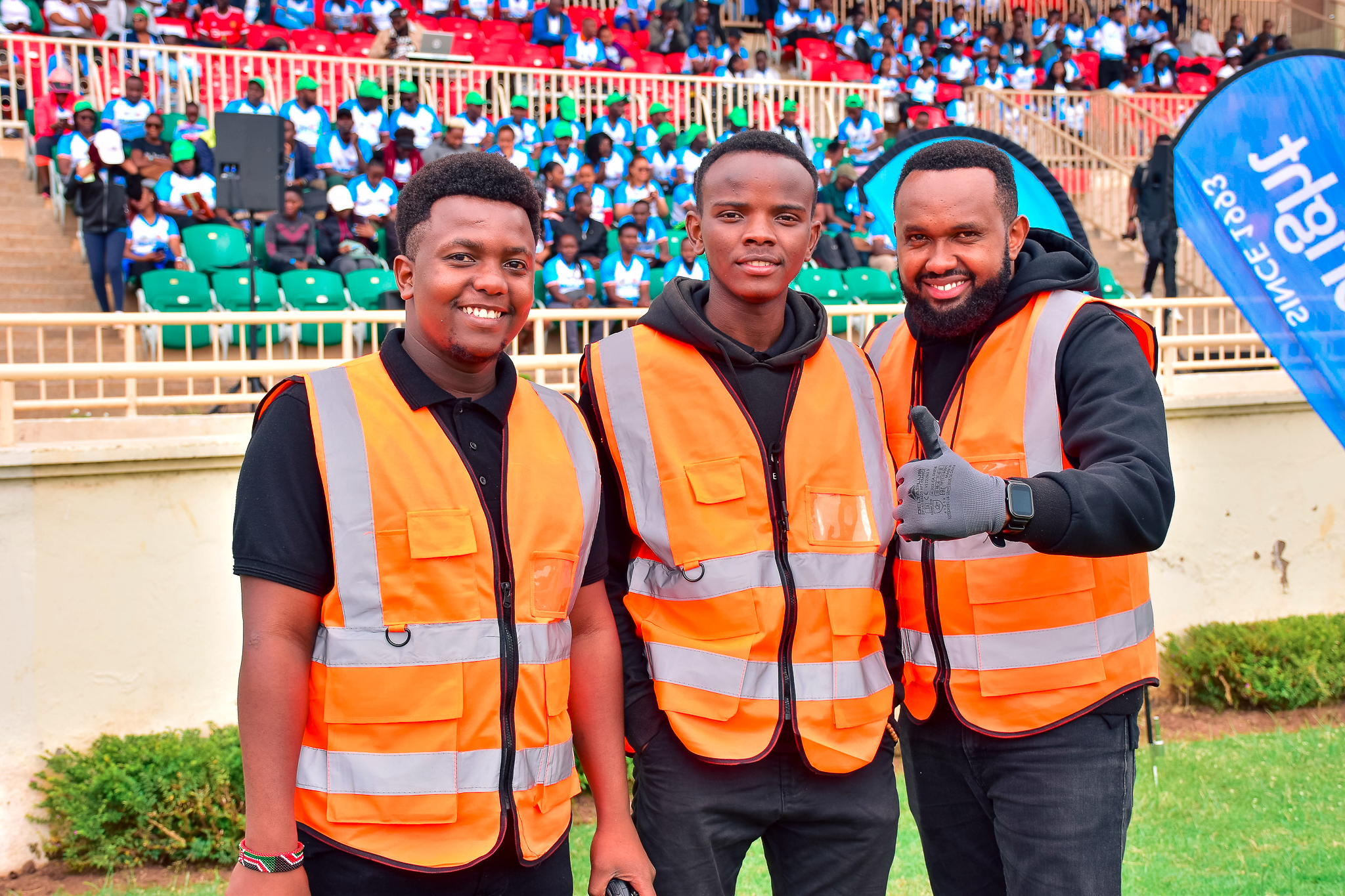
Healthcare Summit Planning in Kenya
Healthcare summit planning in Kenya is crucial for delivering well-organized, impactful, and informative events that contribute to progress in the medical sector. These summits bring together healthcare professionals, policymakers, researchers, and stakeholders, making coordination and clear objectives essential. Proper planning ensures that discussions are structured, resources are efficiently managed, and the event creates a platform for meaningful knowledge exchange and collaboration.
Professional planning also plays a key role in integrating advanced technology and ensuring seamless execution. From managing schedules and speakers to setting up reliable communication systems, experienced organizers handle the complexities that come with large-scale healthcare events. This ensures that presentations are delivered clearly, participants remain engaged, and the overall experience is smooth and productive for all attendees.
Ultimately, partnering with experts enhances the effectiveness and impact of healthcare summits. High-quality audio-visual support, precise coordination, and attention to detail ensure that every message is communicated effectively and every session runs without disruption. By working with Peak Audio, healthcare summits can achieve professional execution, improved engagement, and successful event delivery that leaves a lasting impression on participants.