Table of Contents
ToggleEducational Conference Organizers in Kenya – Inspire Learning Events with Peak Audio
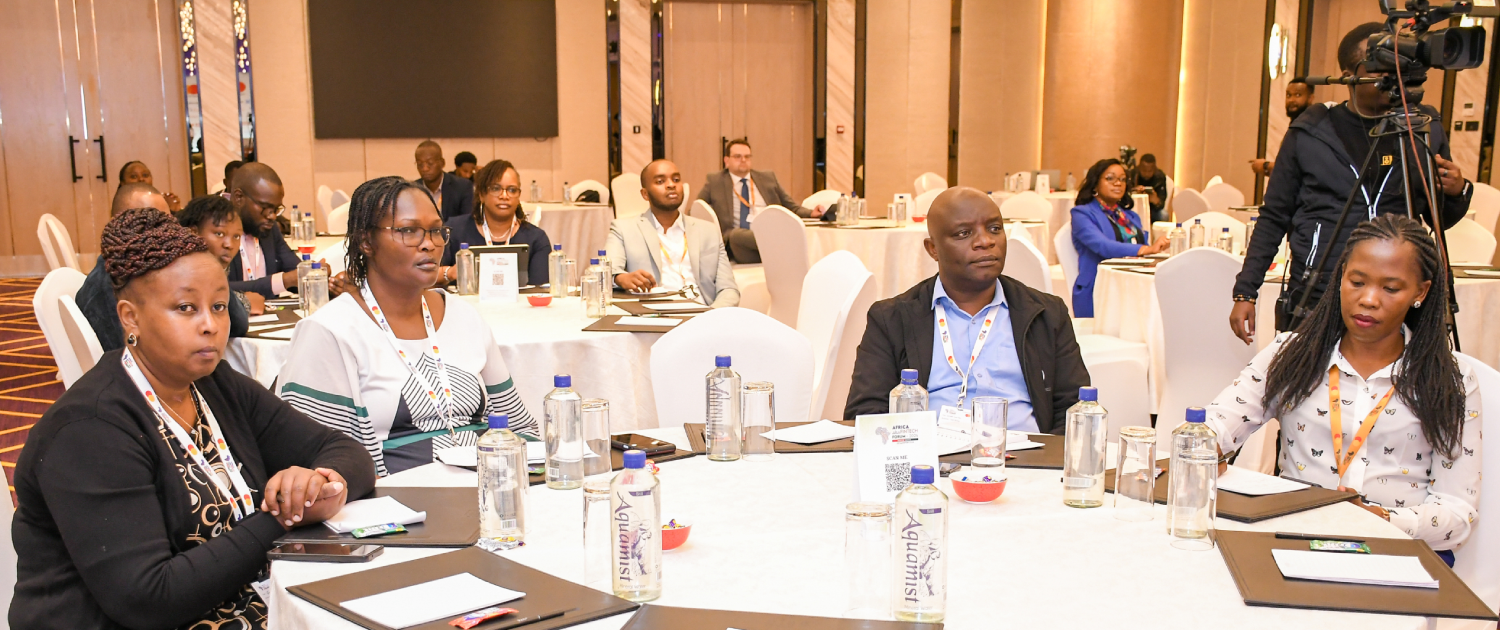
Educational Conference Organizers in Kenya
Educational conferences in Kenya serve as vital platforms for knowledge sharing, research dissemination, and professional development across the academic and training sectors. These events bring together teachers, academic institutions, policymakers, students, and education stakeholders to explore emerging trends, innovative teaching methods, and challenges facing the education system. With Nairobi hosting many of these large-scale gatherings, educational conferences play a key role in shaping the future of learning and fostering collaboration among institutions and professionals.
Organizing a successful educational conference requires thoughtful planning, structured programming, and seamless coordination of participants and resources. From managing keynote speakers and panel discussions to facilitating workshops and breakout sessions, every detail contributes to the overall experience. Advanced audio-visual solutions are essential in ensuring that presentations are clear, engaging, and accessible to all attendees. High-quality sound systems, projection displays, live streaming, and interactive tools help create an environment that supports effective learning, participation, and knowledge exchange.
Peak Audio provides expert support as a trusted partner for Educational Conference Organizers in Kenya, delivering professional event production and advanced audio-visual solutions tailored to academic events. From sound systems and stage design to LED screens, lighting, and technical support, Peak Audio ensures that every conference is executed with precision and professionalism. By partnering with Peak Audio, institutions and organizations can host impactful educational conferences that inspire learning, encourage collaboration, and deliver lasting value to participants across Kenya.
1. What Do Educational Conference Organizers Do?
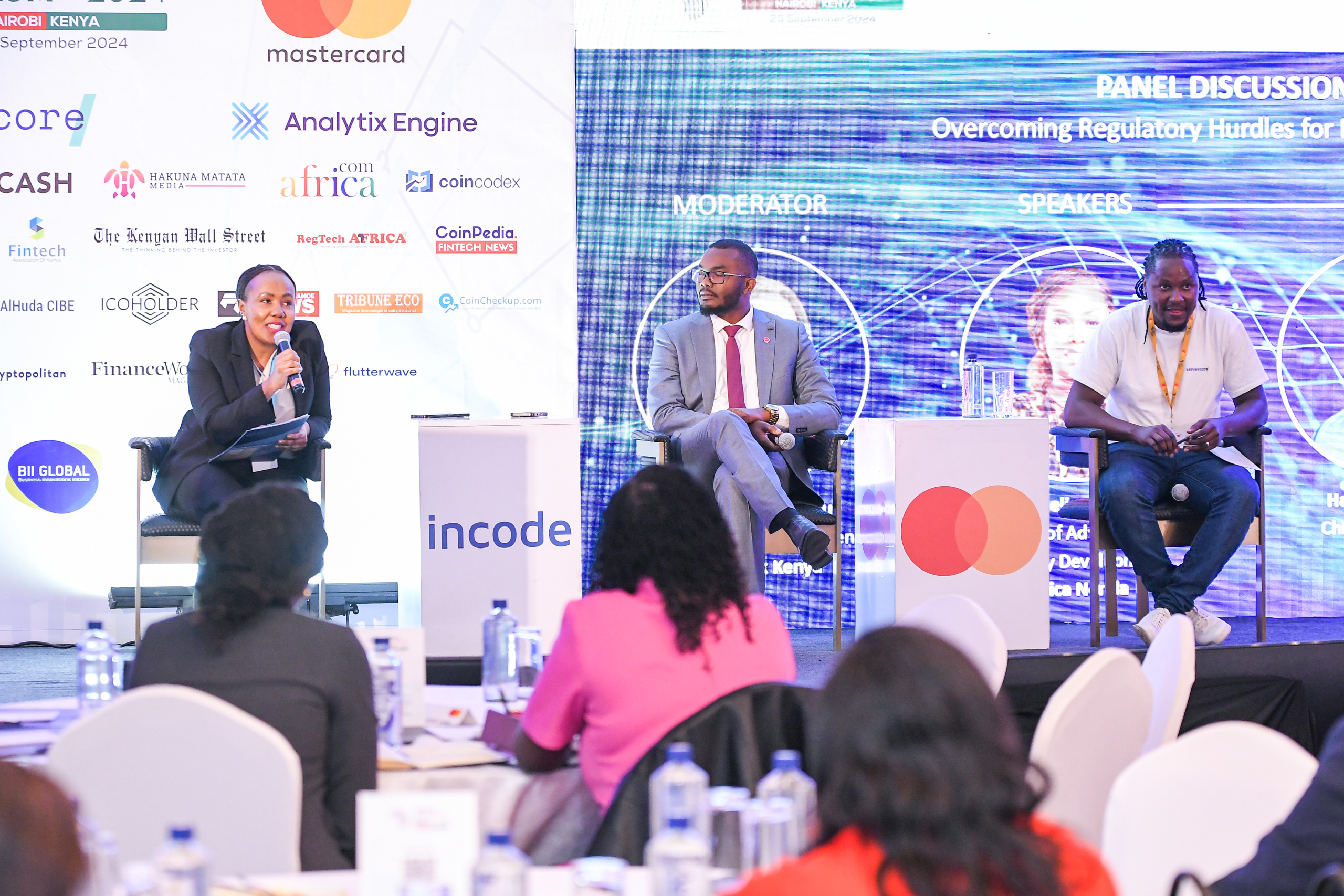
Educational Conference Organizers in Kenya
Educational conference organizers are professionals responsible for planning, coordinating, and executing events focused on learning, research, and academic development. These conferences bring together educators, students, researchers, policymakers, and industry experts to share knowledge, discuss trends, and improve education systems. Organizers ensure that every aspect of the event is structured, engaging, and professionally delivered.
1.1 Plan and Coordinate Academic and Education-Focused Events
Educational conference organizers oversee the entire planning process.
- Event Design – Define the theme, objectives, and structure of the conference.
- Academic Focus – Ensure content aligns with educational goals such as research sharing or professional development.
- End-to-End Management – Handle planning from concept to post-event evaluation.
Effective planning ensures educational conferences are structured, purposeful, and aligned with learning objectives.
1.2 Manage Venues, Schedules, and Participant Registration
Logistics play a key role in successful conference execution.
- Venue Management – Select and prepare suitable locations for sessions and activities.
- Schedule Coordination – Organize session timings, breaks, and event flow.
- Registration Systems – Handle attendee sign-ups, check-ins, and data management.
Proper logistics management ensures a smooth and well-organized conference experience.
1.3 Coordinate Speakers, Panels, and Workshops
Content delivery depends on the effective coordination of participants.
- Speaker Management – Invite and manage educators, researchers, and experts.
- Session Organization – Plan keynote speeches, panel discussions, and interactive workshops.
- Content Alignment – Ensure topics are relevant, engaging, and educational.
Coordinating speakers and sessions ensures valuable knowledge sharing and engagement.
1.4 Integrate Technology for Presentations and Hybrid Participation
Modern educational conferences rely on technology for effective delivery.
- Audio-Visual Systems – Support presentations, lectures, and discussions.
- Hybrid Capabilities – Enable both in-person and virtual participation.
- Digital Tools – Facilitate registration, communication, and audience interaction.
Technology integration enhances accessibility, engagement, and overall conference effectiveness.
Educational conference organizers manage planning, logistics, content coordination, and technology integration to deliver successful academic events. Their expertise ensures conferences run smoothly and provide meaningful learning experiences for all participants.
2. Types of Educational Conferences in Kenya

Educational Conference Organizers in Kenya
Educational conferences in Kenya cover a wide range of learning, research, and policy-focused events. These conferences bring together educators, students, researchers, and policymakers to share knowledge, improve teaching practices, and shape the future of education. Each type of conference serves a unique purpose but contributes to overall academic and professional development.
2.1 Academic and Research Conferences
These conferences focus on advancing knowledge through research and scholarly discussion.
- Research Presentations – Scholars present papers, case studies, and findings across various disciplines.
- Expert Sessions – Include keynote speeches, panel discussions, and workshops led by academics.
- AV Requirements – Clear audio-visual setups are essential for displaying research data, slides, and academic content.
Academic conferences promote knowledge sharing and innovation in research and education.
2.2 Teacher Training and Professional Development Conferences
These events are designed to enhance teaching skills and methodologies.
- Skill Development – Focus on pedagogy, curriculum development, and modern teaching techniques.
- Digital Learning – Explore e-learning tools and technology integration in classrooms.
- Professional Venues – Often hosted in conference centers like the Kenyatta International Convention Centre.
Teacher training conferences improve the quality of education by equipping educators with modern skills
2.3 Student and Youth Conferences
These conferences focus on empowering young people.
- Leadership Development – Encourage personal growth, leadership, and innovation.
- Interactive Sessions – Include workshops, group activities, and mentorship programs.
- Engaging Setup – Require dynamic environments that keep young participants involved.
Student conferences inspire and prepare young people for future academic and career opportunities.
2.4 Education Policy and Stakeholder Conferences
These conferences address governance and development in the education sector.
- Multi-Stakeholder Engagement – Bring together government officials, NGOs, and educational institutions.
- Policy Discussions – Focus on reforms, strategies, and sector improvements.
- Structured Planning – Require careful coordination to manage diverse participants and objectives.
Policy conferences drive improvements in education systems through collaboration and strategic discussions.
Educational conferences in Kenya include academic research events, teacher training programs, student-focused conferences, and policy discussions. Each type plays a vital role in advancing education, improving teaching practices, and shaping the future of the sector. With proper planning and execution, these conferences create meaningful learning and development opportunities.
3. Key Elements of Successful Educational Conference Planning

Educational Conference Organizers in Kenya
Educational conferences require careful planning, strong coordination, and effective use of technology to deliver meaningful learning experiences. From setting clear objectives to managing speakers and integrating AV systems, each element contributes to a well-structured and impactful event.
3.1 Strategic Planning and Objectives
A clear strategy ensures the conference achieves its intended goals.
3.1.1 Define Conference Goals (Education, Networking, Research)
- Purpose Definition – Establish whether the focus is on learning, collaboration, or research dissemination.
- Outcome-Oriented Planning – Set measurable goals such as knowledge transfer or partnerships.
- Guided Execution – Objectives influence all planning decisions, from sessions to speakers.
3.1.2 Identify Target Audience and Stakeholders
- Audience Segmentation – Define participants such as educators, students, researchers, and policymakers.
- Stakeholder Alignment – Ensure all participants contribute to the conference objectives.
- Relevant Participation – Tailor content to meet audience needs.
3.1.3 Develop a Clear Agenda and Program Structure
- Structured Schedule – Organize sessions, workshops, and networking opportunities.
- Time Management – Ensure sessions run smoothly without delays.
- Balanced Flow – Combine presentations with interactive sessions.
Strategic planning ensures the conference is focused, organized, and aligned with educational goals.
3.2 Venue Selection and Setup
The right venue enhances comfort, accessibility, and engagement.
3.2.1 Choose Venues with Appropriate Capacity and Facilities
- Adequate Space – Ensure the venue can comfortably accommodate all participants.
- Modern Facilities – Support for AV systems, breakout rooms, and networking areas.
- Professional Environment – Suitable for academic and educational discussions.
3.2.2 Ensure Comfortable Seating and Accessibility
- Ergonomic Seating – Supports long sessions and improves concentration.
- Accessibility – Accommodates participants with different needs.
- Well-Lit Spaces – Ensures visibility and a conducive learning environment.
3.2.3 Provide Breakout Rooms for Workshops and Sessions
- Interactive Learning – Supports smaller group discussions and activities.
- Flexible Use – Allows multiple sessions to run simultaneously.
- Enhanced Engagement – Encourages participation and collaboration.
A well-chosen venue improves the overall experience and effectiveness of the conference.
3.3 Audio-Visual and Technology Integration
Technology is essential for delivering engaging educational content.
3.3.1 High-Quality Microphones and Sound Systems
- Clear Communication – Ensures all participants hear speakers clearly.
- Interactive Support – Enables discussions, Q&A sessions, and panels.
- Consistent Audio Quality – Across all areas of the venue.
3.3.2 Projectors and LED Screens for Presentations
- Visual Clarity – Displays slides, videos, and educational materials effectively.
- Enhanced Learning – Supports visual understanding of complex topics.
- Professional Delivery – Improves overall presentation quality.
3.3.3 Live Streaming for Hybrid Conferences
- Remote Participation – Allows attendees to join virtually.
- Wider Reach – Expands the audience beyond physical attendees.
- Content Recording – Enables sessions to be accessed later.
3.3.4 Reliable Internet Connectivity
- Digital Tools Access – Supports online platforms and collaboration tools.
- Uninterrupted Sessions – Prevents disruptions during presentations or streaming.
- Real-Time Interaction – Enables live engagement and feedback.
AV and technology integration ensure clear communication and effective hybrid participation.
3.4 Speaker and Content Management
Content quality determines the success of an educational conference.
3.4.1 Invite Educators, Researchers, and Industry Experts
- Expert Insights – Provide valuable knowledge and experience.
- Credibility – Enhances the reputation of the conference.
- Diverse Perspectives – Enrich discussions and learning outcomes.
3.4.2 Organize Panels, Workshops, and Keynote Sessions
- Varied Formats – Combine lectures, discussions, and interactive sessions.
- Audience Engagement – Encourage participation through Q&A and group activities.
- Structured Delivery – Ensure sessions are well-organized and impactful.
3.4.3 Ensure Content Is Relevant, Engaging, and Informative
- Current Topics – Address modern educational trends and challenges.
- Practical Insights – Provide actionable knowledge for participants.
- Interactive Delivery – Keep audiences engaged and attentive.
Strong speaker and content management ensure valuable learning and participant engagement.
Successful educational conference planning involves strategic objectives, appropriate venue selection, effective technology integration, and strong content management. Each element contributes to creating a structured, engaging, and impactful learning environment. By carefully managing these components, organizers can deliver educational conferences that promote knowledge sharing, collaboration, and professional development.
4. Role of Audio-Visual Solutions in Educational Conferences
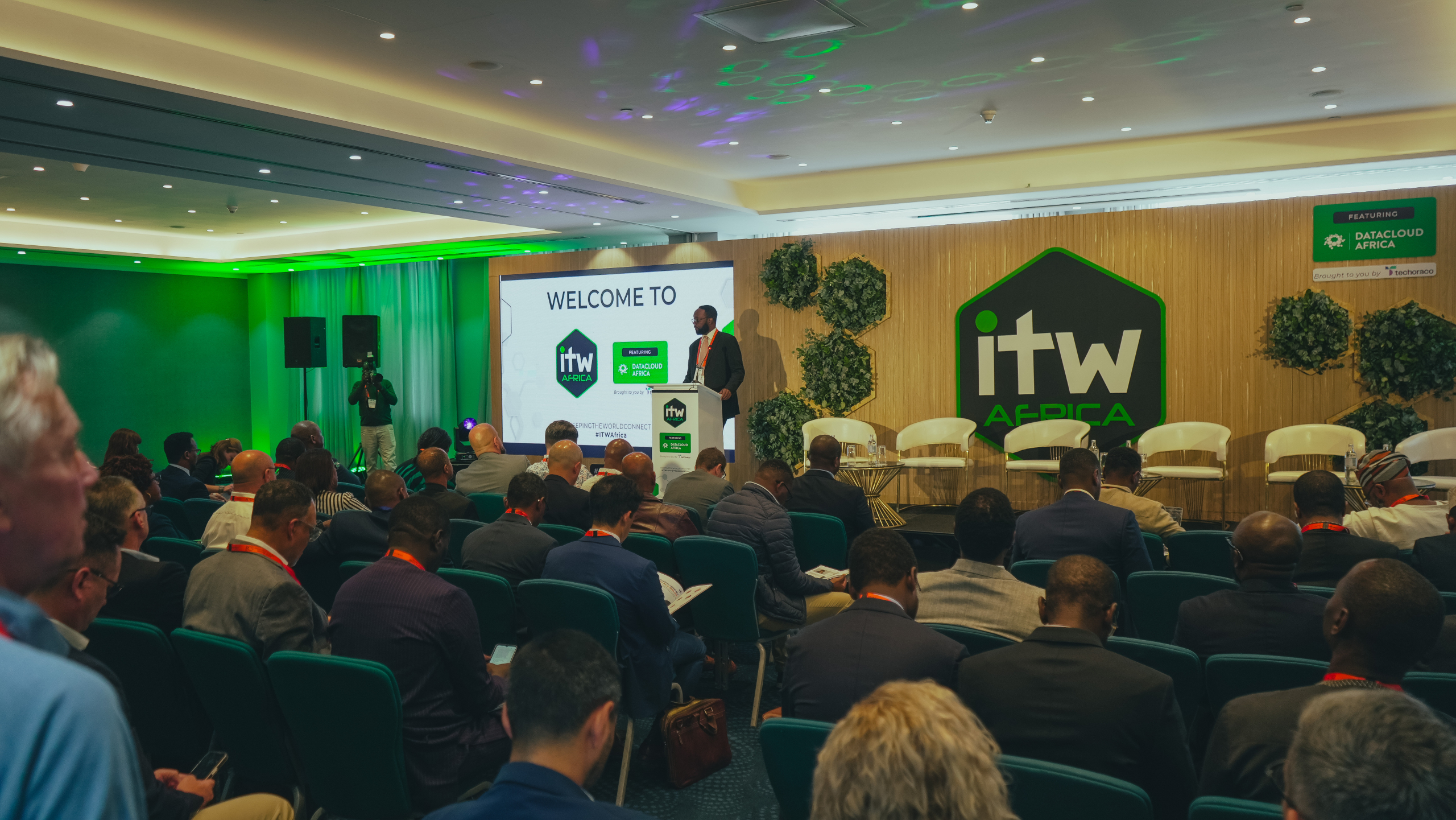
Educational Conference Organizers in Kenya
Audio-visual (AV) solutions play a vital role in educational conferences by ensuring that knowledge is delivered clearly, engagingly, and effectively. Whether it’s lectures, research presentations, or interactive workshops, AV technology enhances understanding, participation, and overall learning outcomes.
4.1 Enhances Clarity of Presentations and Lectures
Clear communication is essential in educational settings.
- Audio Clarity – Microphones and sound systems ensure every word is heard without distortion.
- Visual Support – Projectors and screens display slides, notes, and content clearly.
- Improved Understanding – Helps participants follow lectures and complex topics بسهولة.
AV solutions ensure that presentations and lectures are delivered clearly and effectively.
4.2 Improves Engagement Through Visuals and Multimedia
Engaging content keeps participants attentive and involved.
- Multimedia Integration – Videos, animations, and graphics enhance learning.
- Interactive Learning – Visual aids support demonstrations and discussions.
- Attention Retention – Dynamic content helps maintain focus throughout sessions.
Visual and multimedia tools increase engagement and improve knowledge retention.
4.3 Supports Hybrid Participation with Live Streaming
Hybrid formats are increasingly common in educational conferences.
- Remote Access – Allows participants to join from different locations.
- Flexible Learning – Supports both in-person and virtual attendance.
- Expanded Reach – Enables a wider audience to benefit from the conference.
Hybrid AV solutions make educational conferences more accessible and inclusive.
4.4 Ensures All Attendees Can Hear and See Clearly
Accessibility is key to effective learning.
- Even Audio Distribution – Ensures sound reaches all parts of the venue.
- Clear Visibility – Screens and displays are positioned for maximum visibility.
- Inclusive Experience – All participants can fully engage regardless of seating position.
Reliable AV systems create an inclusive environment for all attendees.
4.5 Peak Audio Provides Professional AV Solutions for Educational Conferences
Professional AV providers ensure smooth and high-quality event delivery.
- Advanced Equipment – High-quality sound systems, projectors, and display screens.
- Hybrid Support – Reliable live streaming and recording capabilities.
- Technical Expertise – On-site technicians manage setup and troubleshooting.
- Customized Solutions – Tailored AV setups to meet specific educational needs.
Partnering with Peak Audio ensures seamless communication and professional delivery of educational conferences.
Audio-visual solutions are essential for educational conferences, enhancing clarity, engagement, accessibility, and hybrid participation. With professional AV support from providers like Peak Audio, organizers can deliver effective, engaging, and high-quality learning experiences.
5. Benefits of Hiring Educational Conference Organizers
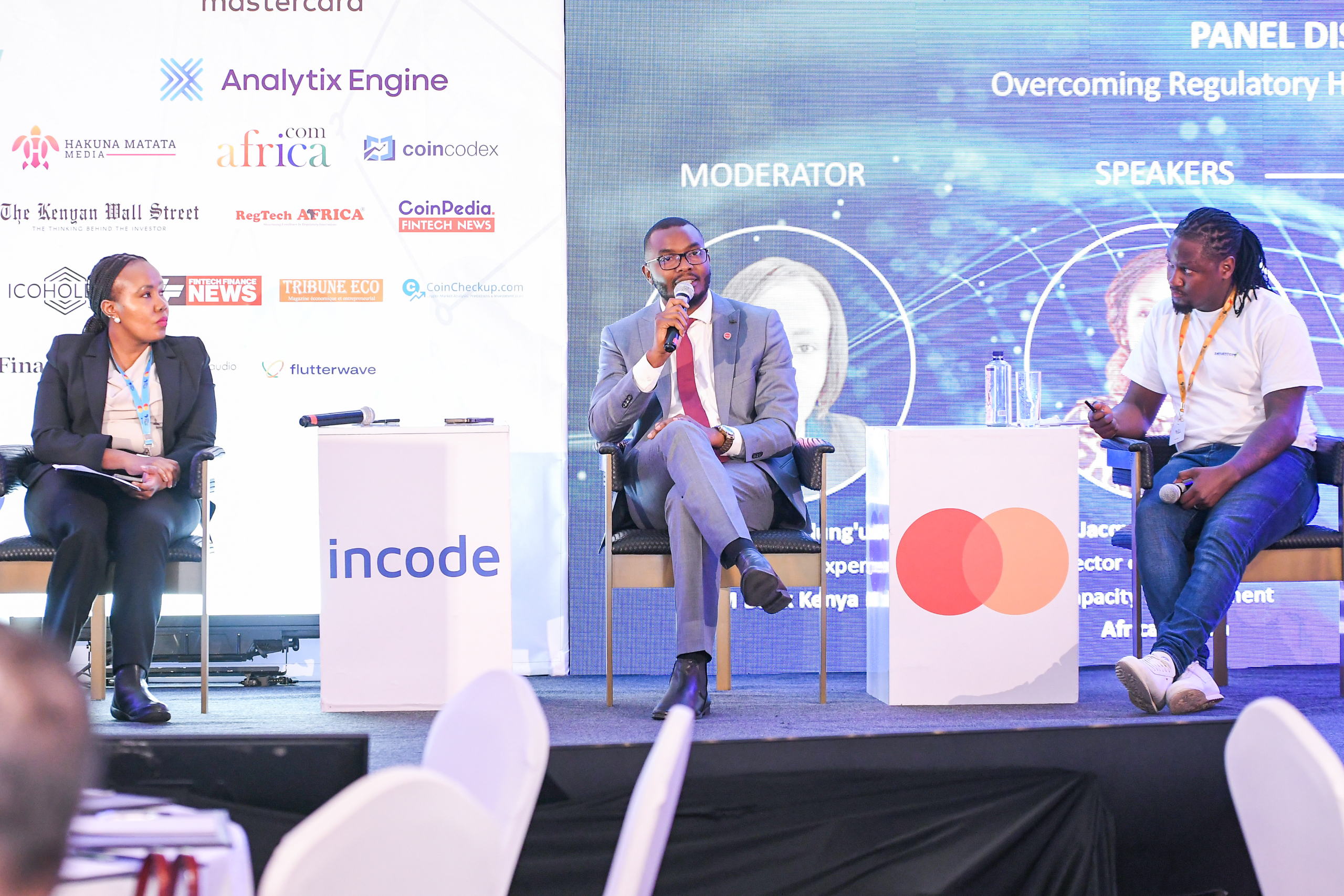
Educational Conference Organizers in Kenya
Hiring professional educational conference organizers ensures that academic events are well-structured, efficient, and impactful. These experts bring experience, resources, and coordination skills that help deliver high-quality learning experiences while reducing the burden on institutions and organizers.
5.1 Ensures Professional Planning and Execution
Professional organizers bring structure and expertise to educational events.
- End-to-End Management – Handle everything from concept development to execution and evaluation.
- Organized Delivery – Ensure sessions, speakers, and activities run smoothly.
- High Standards – Maintain professionalism throughout the conference.
Professional planning guarantees a well-organized and polished educational conference.
5.2 Saves Time and Reduces Logistical Stress
Managing a conference internally can be overwhelming.
- Time Efficiency – Organizers take care of planning, scheduling, and coordination.
- Reduced Workload – Allows institutions and educators to focus on content delivery.
- Stress-Free Execution – Minimizes last-minute issues and disruptions.
Hiring organizers saves time and reduces the complexity of event management.
5.3 Improves Attendee Engagement and Learning Outcomes
Engagement is key to effective learning experiences.
- Interactive Formats – Incorporate workshops, discussions, and participatory sessions.
- Structured Flow – Keeps participants engaged throughout the event.
- Better Learning Results – Engaged attendees are more likely to retain knowledge.
Professional organization enhances engagement and improves learning outcomes.
5.4 Provides Access to Technical Expertise and Resources
Organizers bring valuable tools and expertise to the event.
- Advanced AV Solutions – Access to sound systems, projectors, and presentation tools.
- Skilled Personnel – Technicians, coordinators, and support staff ensure smooth execution.
- Modern Technology – Integration of hybrid platforms, digital tools, and event systems.
Access to expert resources ensures a seamless and high-quality conference experience.
Hiring educational conference organizers offers numerous benefits, including professional execution, time savings, improved engagement, and access to technical expertise. Their involvement ensures that educational conferences are well-managed, impactful, and capable of delivering meaningful learning experiences for all participants.
6. Key Stakeholders in Educational Conferences

Educational Conference Organizers in Kenya
Educational conferences bring together a wide range of stakeholders who play a vital role in shaping the education sector. Each group contributes unique insights, experiences, and resources, making these events powerful platforms for collaboration, innovation, and policy development.
6.1 Schools, Colleges, and Universities
Educational institutions are central to academic conferences.
- Knowledge Hubs – Provide research, academic content, and learning resources.
- Student and Faculty Participation – Engage both learners and educators in discussions and presentations.
- Collaboration Opportunities – Partner with other institutions and stakeholders for academic growth.
Schools, colleges, and universities drive knowledge sharing and academic collaboration.
6.2 Teachers and Academic Professionals
Educators are key contributors to learning and knowledge exchange.
- Expert Insights – Share teaching methods, research findings, and best practices.
- Professional Development – Participate to enhance their skills and stay updated.
- Active Engagement – Lead workshops, panels, and discussions.
Teachers and academic professionals enrich conferences through expertise and experience.
6.3 Government and Education Regulators
Government bodies play a critical role in shaping education systems.
- Policy Development – Create and implement education policies and reforms.
- Regulatory Oversight – Ensure standards and compliance within the education sector.
- Strategic Direction – Guide national education priorities and initiatives.
Government stakeholders provide direction and ensure alignment with national education goals.
6.4 NGOs and Development Organizations
These organizations support education through programs and initiatives.
- Program Implementation – Deliver educational projects and community-based initiatives.
- Funding and Support – Provide resources for education development.
- Global Perspective – Share international best practices and innovations.
NGOs and development organizations strengthen education through support, innovation, and collaboration.
Educational conferences in Kenya bring together institutions, educators, government bodies, and NGOs to collaborate on improving the education sector. Each stakeholder plays a unique role in sharing knowledge, shaping policy, and driving innovation. Their combined efforts ensure that educational conferences deliver meaningful discussions and impactful outcomes.
7. Trends in Educational Conferences in Kenya

Educational Conference Organizers in Kenya
Educational conferences in Kenya are evolving to keep pace with digital transformation, modern teaching methods, and the growing need for flexible learning environments. These events are becoming more interactive, inclusive, and technology-driven, ensuring they remain relevant and impactful for educators, students, and stakeholders.
7.1 Growth of Hybrid and Virtual Conferences
Hybrid and virtual formats are reshaping educational events.
- Flexible Participation – Attendees can join either in person or online.
- Wider Reach – Enables participation from educators and learners across different regions.
- Cost Efficiency – Reduces travel and accommodation costs while expanding access.
Hybrid conferences increase accessibility and participation in educational events.
7.2 Increased Focus on Digital Learning and E-Learning Tools
Digital education is a major focus in modern conferences.
- E-Learning Platforms – Discussions on online learning systems and virtual classrooms.
- Digital Resources – Use of apps, LMS platforms, and online tools for teaching.
- Remote Education – Emphasis on flexible and distance learning solutions.
Digital learning tools are transforming how education is delivered and discussed.
7.3 Use of Interactive and Experiential Learning Methods
Conferences are shifting toward more engaging learning formats.
- Hands-On Activities – Workshops, simulations, and practical sessions enhance understanding.
- Group Collaboration – Encourages teamwork and knowledge exchange.
- Active Participation – Keeps attendees engaged and involved.
Interactive learning methods improve engagement and knowledge retention.
7.4 Integration of Technology in Education
Technology is becoming central to educational development.
- Smart Classrooms – Use of digital boards, projectors, and interactive tools.
- Data and Analytics – Track student performance and learning outcomes.
- Innovation in Teaching – Adoption of new tools and teaching techniques.
Technology integration is driving innovation and improving education systems.
Educational conferences in Kenya are becoming more interactive and technology-driven, with trends such as hybrid participation, digital learning, experiential methods, and technology integration. These developments ensure that conferences remain relevant, engaging, and effective in supporting the growth of the education sector.
8. Common Challenges in Educational Conference Planning

Educational Conference Organizers in Kenya
Educational conference planning involves managing multiple moving parts, from diverse participants to complex schedules and technology requirements. Without proper coordination and expertise, these challenges can affect the quality and effectiveness of the event. Understanding them helps organizers prepare better and deliver successful conferences.
8.1 Managing Large and Diverse Audiences
Educational conferences often attract participants from different backgrounds and experience levels.
- Diverse Participants – Includes students, teachers, researchers, and policymakers.
- Different Expectations – Each group has unique learning needs and interests.
- Crowd Management – Requires efficient registration, seating, and movement planning.
Proper audience management ensures a smooth and inclusive conference experience.
8.2 Coordinating Multiple Sessions and Speakers
Educational conferences typically involve several sessions running concurrently.
- Speaker Coordination – Managing schedules, presentations, and session timing.
- Session Overlaps – Avoiding conflicts between workshops, panels, and lectures.
- Time Management – Ensuring sessions start and end on schedule.
Effective coordination ensures a well-structured and organized conference program.
8.3 Ensuring Reliable AV and Internet Connectivity
Technology is essential for modern educational conferences.
- Clear Audio-Visual Delivery – Ensures presentations are seen and heard clearly.
- Hybrid Participation – Requires stable internet for streaming and virtual engagement.
- Backup Systems – Prevents disruptions during technical failures.
Reliable AV and connectivity are critical for uninterrupted and effective conference delivery.
8.4 Maintaining Participant Engagement
Keeping attendees engaged throughout the conference can be challenging.
- Passive Learning – Long lectures may reduce attention and participation.
- Limited Interaction – Lack of activities or discussions affects engagement.
- Attention Span – Participants may lose focus without dynamic content.
Interactive and well-designed sessions are essential for maintaining engagement.
Educational conference planning faces challenges such as managing diverse audiences, coordinating multiple sessions, ensuring reliable technology, and maintaining engagement. These issues require careful planning and expertise. With experienced organizers, these challenges can be effectively addressed, ensuring smooth execution and a successful, impactful conference.
9. Why Choose Peak Audio for Educational Conferences
Educational Conference Organizers in Kenya
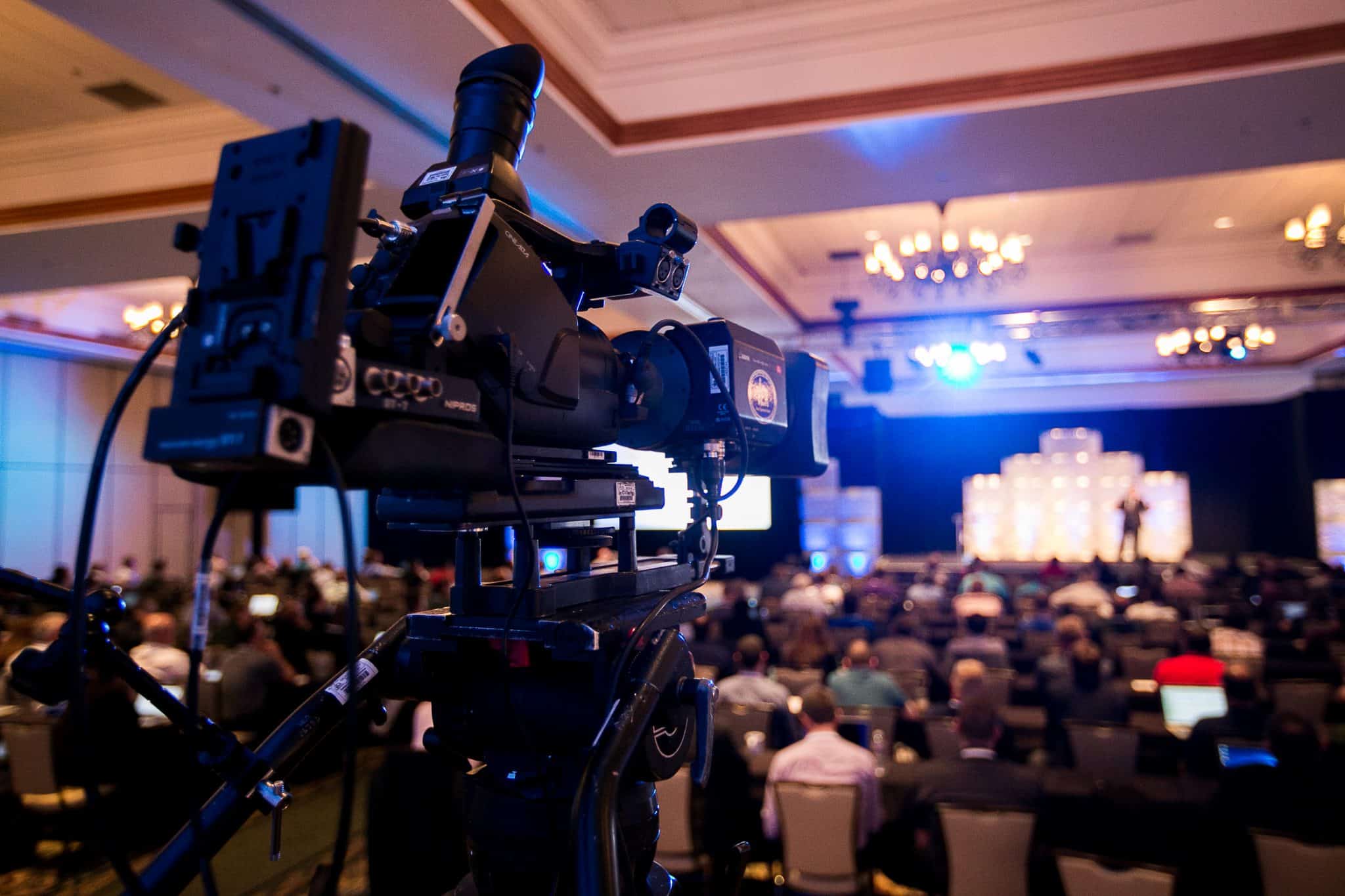
Educational conferences require clear communication, engaging presentations, and reliable technology to deliver meaningful learning experiences. Peak Audio provides professional audio-visual solutions tailored for academic events, ensuring seamless delivery, strong engagement, and high-quality outcomes.
9.1 Provides High-Quality Audio-Visual Solutions for Academic Events
Educational conferences depend on reliable AV systems for effective knowledge delivery.
- Professional Equipment – High-quality microphones, speakers, and display systems ensure consistent performance.
- Tailored Setup – AV configurations are customized for lectures, workshops, and panel discussions.
- Reliable Delivery – Ensures uninterrupted sessions throughout the conference.
High-quality AV solutions enhance clarity and professionalism in educational events.
9.2 Supports Hybrid Conference Setups with Live Streaming
Hybrid learning environments are increasingly important in education.
- Live Streaming – Enables remote participants to join in real time.
- Flexible Participation – Combines physical and virtual attendance seamlessly.
- Expanded Reach – Allows broader access to educational content.
Hybrid capabilities make educational conferences more accessible and inclusive.
9.3 Ensures Clear Sound and Visual Delivery
Clarity is essential for effective teaching and learning.
- Clear Audio – Ensures lecturers and speakers are heard without distortion.
- Sharp Visuals – Displays slides, videos, and educational materials clearly.
- Seamless Integration – Audio and visuals work together for smooth presentations.
Clear sound and visuals improve understanding and engagement.
9.4 Offers On-Site Technical Support for Seamless Execution
Technical reliability is critical for smooth conference operations.
- Experienced Technicians – Handle setup, operation, and troubleshooting.
- Real-Time Support – Quickly resolve any technical issues during sessions.
- Coordinated Execution – Ensures all AV systems function effectively.
On-site technical support guarantees smooth execution and minimizes disruptions.
Choosing Peak Audio for educational conferences ensures high-quality AV solutions, reliable hybrid support, and seamless technical execution. Their expertise helps deliver professional, engaging, and effective academic events that enhance learning experiences.
10. FAQs on Educational Conference Organizers Kenya
Educational conferences in Kenya require proper planning, strong coordination, and reliable technical support to create meaningful learning experiences. These frequently asked questions help explain the role of educational conference organizers, the importance of these events, and what is needed to execute them successfully.
10.1 What do educational conference organizers do?
Educational conference organizers are professionals who plan and manage academic and education-related events.
- Event Planning – They develop the conference structure, objectives, and schedule.
- Coordination – They manage venues, speakers, participants, and logistics.
- Technical Support – They ensure presentation tools, AV systems, and hybrid solutions are in place.
Educational conference organizers ensure academic events are well-planned, well-managed, and professionally executed.
10.2 Why are educational conferences important?
Educational conferences play an important role in advancing learning and professional growth.
- Knowledge Sharing – They provide a platform for educators, researchers, and experts to exchange ideas and findings.
- Research Promotion – They support the presentation of new studies, innovations, and academic work.
- Professional Development – They help participants improve skills, gain insights, and stay current with trends in education.
Educational conferences are important because they promote learning, research, and continuous professional development.
10.3 Where are educational conferences held in Kenya?
Educational conferences in Kenya are commonly hosted in locations with suitable venues and infrastructure.
- Nairobi – The most common location due to its accessibility and availability of conference facilities.
- Conference Venues – Hotels, universities, and convention centers are often used depending on the scale of the event.
- Major Event Spaces – Large conferences may be hosted in established venues that support academic gatherings.
Most educational conferences in Kenya are held in Nairobi and other major venues that support professional learning events.
10.4 What AV equipment is needed for educational conferences?
Educational conferences require dependable AV equipment to support effective teaching and communication.
- Sound Systems – Microphones and speakers ensure that all participants hear clearly.
- Projectors and LED Screens – Help display slides, research papers, videos, and teaching materials.
- Live Streaming Tools – Support hybrid participation and remote attendance when needed.
Educational conferences need sound systems, projectors, display screens, and streaming tools to ensure clear and engaging presentations.
10.5 Can educational conferences be hybrid?
Yes, many educational conferences now use hybrid formats.
- Dual Participation – Attendees can join in person or online.
- Greater Accessibility – Hybrid formats allow wider participation from different locations.
- Flexible Learning – Participants can benefit from the conference even if they cannot attend physically.
Hybrid educational conferences are highly effective because they increase access, flexibility, and participation.
10.6 Who attends educational conferences?
Educational conferences attract a broad range of participants involved in the education sector.
- Teachers and Lecturers – Attend to learn, share insights, and improve professional practice.
- Students and Researchers – Participate in discussions, presentations, and academic exchange.
- Policymakers and Education Leaders – Engage in shaping policy and sector improvements.
Educational conferences bring together teachers, students, researchers, and policymakers to support learning and sector growth.
10.7 How long does it take to plan an educational conference?
The planning period depends on the size and complexity of the event.
- Small Conferences – Can be planned within a few weeks if requirements are straightforward.
- Larger Academic Events – Usually require several weeks to months of preparation.
- Hybrid Conferences – Need extra time for streaming, internet setup, and technical coordination.
Educational conferences typically take several weeks to months to plan, depending on the scale and format.
10.8 What challenges do organizers solve?
Educational conference organizers handle many of the practical issues that can affect event success.
- Logistics Management – They coordinate venues, schedules, registration, and participant movement.
- Session Coordination – They manage speakers, workshops, and program flow.
- Technical Setup – They oversee AV systems, internet connectivity, and hybrid tools.
Organizers solve logistical, coordination, and technical challenges to ensure the conference runs smoothly.
10.9 Why is AV important in educational conferences?
AV is essential because it supports clear communication and better learning.
- Information Clarity – Good sound and visuals help participants understand content more easily.
- Presentation Quality – Slides, videos, and demonstrations are more effective when displayed properly.
- Audience Engagement – AV tools make sessions more dynamic and interactive.
AV is important in educational conferences because it improves communication, understanding, and participant engagement.
10.10 Why choose Peak Audio?
A reliable AV partner is important for delivering professional educational events.
- Reliable AV Solutions – Peak Audio provides sound systems, projectors, LED screens, and live streaming tools.
- Technical Expertise – Their team supports setup, operation, and troubleshooting during the event.
- Professional Delivery – Their solutions help ensure smooth communication and a polished conference experience.
Choosing Peak Audio helps ensure that educational conferences are delivered professionally, clearly, and effectively.
Educational conference organizers in Kenya help institutions plan and manage academic events that support research, professional development, and knowledge sharing. These conferences are commonly held in Nairobi and major venues, often require AV support and hybrid capabilities, and involve diverse participants such as teachers, students, and policymakers. With proper planning and strong technical support from providers like Peak Audio, educational conferences can be engaging, well-organized, and highly impactful.
The Role of Educational Conference Organizers in Kenya

Educational Conference Organizers in Kenya
Educational conference organizers in Kenya play a crucial role in delivering well-structured, engaging, and impactful events that support learning and professional development. These conferences bring together educators, researchers, students, and industry experts, making proper planning essential for meaningful knowledge exchange. From setting clear objectives to coordinating schedules and venues, professional organizers ensure that every element is aligned to create a productive and enriching experience.
Successful educational conferences also depend on seamless logistics and effective technology integration. Organizers manage speaker coordination, session flow, and participant engagement while incorporating tools that enhance presentations and interaction. This ensures that information is communicated clearly and that attendees remain actively involved throughout the event. With the right planning and execution, conferences become powerful platforms for sharing insights, fostering collaboration, and advancing education.
Ultimately, partnering with experienced organizers elevates the quality and impact of educational conferences. Attention to detail, smooth coordination, and reliable technical support contribute to a professional and memorable event. By working with Peak Audio, educational conferences benefit from high-quality audio-visual solutions, ensuring clear communication, enhanced engagement, and successful knowledge-sharing experiences.