Corporate Event Budgeting Tips – Plan Cost-Effective Events with Peak Audio
Corporate Event Budgeting Tips
Corporate event budgeting in Kenya is an essential part of successful event planning and management. Whether organizing conferences, seminars, product launches, annual meetings, exhibitions, workshops, networking events, or corporate celebrations, effective budgeting helps organizations control costs, allocate resources efficiently, and achieve event objectives without unnecessary financial strain. Poor budgeting can lead to overspending, operational delays, compromised event quality, and financial losses that negatively affect both the event experience and organizational goals. A well-structured budget provides the foundation for professional, organized, and financially sustainable events.
As Kenya’s corporate events industry continues to grow, organizations are increasingly investing in advanced event technology, professional audio-visual systems, hybrid event solutions, and premium attendee experiences. However, rising venue costs, transportation expenses, catering charges, marketing budgets, accommodation, and technical requirements have made event budgeting more complex than ever. To remain financially efficient, organizations must adopt practical budgeting strategies such as early planning, vendor comparison, cost prioritization, digital event management, and contingency budgeting. Proper financial planning allows organizers to maximize value while maintaining high standards of professionalism and attendee engagement.
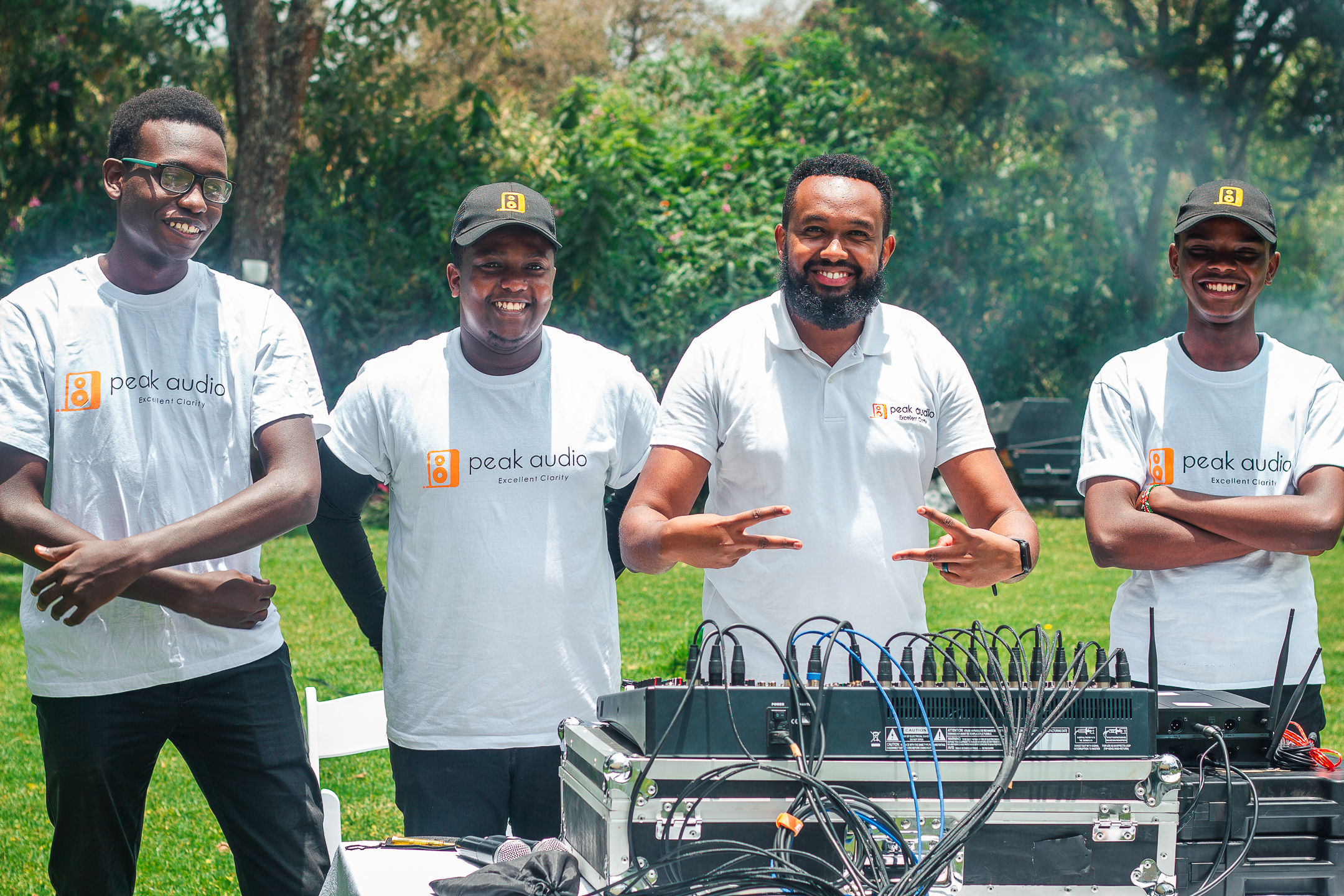
Peak Audio helps organizations improve event execution while maintaining budget efficiency through professional event technology, advanced AV systems, and technical event support. From cost-effective sound systems and LED displays to livestreaming solutions and integrated event technologies, Peak Audio provides reliable services tailored to different event budgets and requirements. By combining technical expertise with efficient event support, Peak Audio enables organizations to host engaging, high-quality corporate events that deliver strong results while keeping costs under control.
1. Why Corporate Event Budgeting Is Important

Corporate Event Budgeting Tips
Corporate event budgeting provides financial structure and control throughout the event planning process. Whether organizing conferences, seminars, exhibitions, product launches, workshops, annual meetings, networking events, or corporate celebrations, budgeting helps organizations manage resources effectively while ensuring the event remains professionally organized and financially sustainable.
Without proper budgeting, organizations may experience:
- Overspending
- Operational inefficiencies
- Resource shortages
- Financial losses
- Reduced event quality
Modern corporate events often involve multiple operational areas including:
- Venue hire
- Audio-visual systems
- Catering
- Transportation
- Marketing
- Livestreaming
- Hybrid event technology
- Security and logistics
Careful budgeting helps organizations prioritize critical services while maintaining financial control throughout the event lifecycle.
Professional event providers such as Peak Audio also help organizations optimize event budgets through efficient AV solutions, hybrid event systems, livestreaming support, and customized conference technology packages that improve operational efficiency and audience engagement.
1.1 Prevents Overspending
Budgeting helps organizations maintain financial discipline during event planning.
Helps Organizations Stay Within Financial Limits
Corporate events often involve many expenses that can increase rapidly without proper financial control.
Common event expenses may include:
- Venue costs
- AV equipment
- Catering
- Branding materials
- Speaker fees
- Transportation
- Internet connectivity
- Livestreaming services
A structured budget helps organizations:
- Define spending limits
- Track expenses
- Avoid unnecessary purchases
- Control operational costs
Without budgeting, organizations may overspend on:
- Non-essential décor
- Excessive hospitality
- Last-minute bookings
- Unplanned technical upgrades
Overspending may negatively affect:
- Organizational finances
- Profitability
- Event sustainability
Professional budgeting systems also help decision-makers approve expenditures more carefully and prioritize services that directly improve attendee experience and event quality.
Budgeting helps organizations control spending and avoid unnecessary financial pressure.
Why Preventing Overspending Matters
Corporate events should deliver value without creating financial strain.
Uncontrolled spending may lead to:
- Budget deficits
- Reduced ROI
- Operational stress
- Financial inefficiency
Strong budgeting practices help organizations maintain financial discipline while still delivering professional and engaging events.
Preventing overspending improves event sustainability and financial efficiency.
1.2 Improves Resource Allocation
Budgeting helps organizations distribute resources more effectively across different event activities.
Prioritizing Important Event Services and Activities
Not all event expenses have equal importance.
Effective budgeting helps organizers prioritize investments in areas such as:
- Professional AV systems
- Venue quality
- Internet infrastructure
- Audience engagement
- Livestreaming
- Security and logistics
Proper resource allocation ensures critical operational areas receive adequate funding while reducing unnecessary expenditure in lower-priority categories.
For example, investing in:
- Reliable sound systems
- Professional lighting
- LED displays
- Hybrid event support
May provide greater value than excessive decorative spending.
Strategic resource allocation improves:
- Event quality
- Operational reliability
- Audience satisfaction
- Conference professionalism
Organizations that prioritize core event functions are more likely to deliver successful and technically reliable corporate events.
Budgeting improves resource allocation and helps prioritize critical event services.
Why Resource Allocation Matters
Corporate events involve limited financial resources that must be managed carefully.
Poor allocation may result in:
- Weak technical support
- Operational inefficiencies
- Reduced attendee experience
Budget-driven planning helps organizations focus investments where they create the greatest impact.
Strategic resource allocation improves event quality and operational effectiveness.
1.3 Supports Better Financial Planning
Budgeting helps organizations forecast event costs more accurately.
Forecasting Event Costs Accurately
Corporate event budgets provide financial visibility during the planning process.
Accurate forecasting helps organizations estimate costs related to:
- Venue booking
- Technical equipment
- Staffing
- Transportation
- Catering
- Marketing campaigns
- Hybrid event systems
Financial forecasting improves:
- Decision-making
- Approval processes
- Cost management
- Operational preparation
Organizations can also use budgeting data from previous events to improve future planning accuracy.
Forecasting helps planners identify:
- High-cost areas
- Potential savings opportunities
- Operational risks
- Revenue expectations
For conferences and ticketed events, financial planning also helps estimate:
- Registration revenue
- Sponsorship income
- Profitability projections
Strong forecasting improves confidence in event planning and helps organizations avoid financial surprises during execution.
Budget forecasting improves financial visibility and planning accuracy.
Why Financial Planning Matters
Event planning becomes more efficient when organizations clearly understand expected costs and financial requirements.
Without forecasting, organizers may struggle with:
- Unexpected expenses
- Budget shortfalls
- Last-minute financial pressure
Strong financial planning supports more organized and sustainable event management.
Accurate forecasting improves financial control and operational preparation.
1.4 Reduces Financial Risks
Budgeting helps organizations prepare for unexpected operational expenses.
Avoiding Unexpected Operational Expenses
Corporate events often encounter unplanned challenges such as:
- Technical failures
- Schedule changes
- Additional staffing needs
- Weather disruptions
- Emergency logistics adjustments
Budgeting helps organizations create contingency reserves for unexpected costs.
Contingency planning improves:
- Financial flexibility
- Operational resilience
- Event continuity
Organizations that allocate emergency funds are better prepared to manage:
- Backup equipment requirements
- Last-minute venue adjustments
- Additional internet support
- Hybrid event technical issues
Financial risk management is especially important for:
- Large conferences
- Hybrid events
- International forums
- Government events
Because operational disruptions can create significant financial consequences if not properly planned for.
Budgeting reduces financial risks and improves event preparedness.
Why Financial Risk Reduction Matters
Unexpected expenses are common during corporate events.
Without contingency planning, organizations may face:
- Operational delays
- Budget overruns
- Event quality compromises
Risk-aware budgeting improves financial stability and event reliability.
Financial risk management strengthens conference sustainability and operational control.
1.5 Improves Decision-Making
Budgeting supports smarter and more strategic event planning decisions.
Better Evaluation of Event Investments and Priorities
Corporate event budgets help organizations evaluate:
- Which services provide the highest value
- Which investments improve attendee experience
- Which operational areas require optimization
Budget-driven decision-making improves:
- Vendor selection
- Technology planning
- Venue choices
- Marketing strategies
Organizations can compare costs against expected benefits more effectively when clear budgeting structures exist.
For example, budgeting may help determine whether investments in:
- Hybrid participation
- Professional livestreaming
- Advanced LED displays
- Interactive networking systems
Will improve audience engagement and conference value sufficiently to justify the cost.
Strategic financial evaluation also improves:
- ROI analysis
- Sponsorship planning
- Resource prioritization
Data-driven budgeting helps organizations make more informed and sustainable event decisions.
Budgeting improves strategic planning and event investment evaluation.
Why Better Decision-Making Matters
Corporate events should balance:
- Financial efficiency
- Audience experience
- Operational quality
Without budgeting, decisions may become reactive instead of strategic.
Budget planning helps organizations:
- Evaluate priorities clearly
- Improve spending efficiency
- Deliver stronger event outcomes
Through structured financial management.
Budget-driven decision-making improves event efficiency and financial sustainability.
Additional Benefits of Corporate Event Budgeting
Improved Operational Coordination
Clear budgets improve communication between departments and vendors.
Better Vendor Negotiation
Financial planning helps organizations negotiate pricing more effectively.
Stronger ROI Measurement
Budgets help organizations evaluate event performance and value.
Increased Financial Accountability
Budget tracking improves transparency and expenditure control.
Corporate event budgeting strengthens operational and financial management.
Common Corporate Event Budgeting Mistakes to Avoid
Underestimating Technical Costs
Professional AV and hybrid event systems require realistic budgeting.
Ignoring Contingency Planning
Unexpected costs should always be anticipated.
Overspending on Non-Essential Elements
Luxury additions may reduce financial efficiency.
Weak Expense Tracking
Poor monitoring may lead to uncontrolled spending.
Avoiding budgeting mistakes improves financial control and event success.
Why Professional Event Support Is Important
Corporate event budgeting also benefits from professional event technology providers who help organizations optimize operational costs while maintaining quality.
Professional AV providers help improve budgeting through:
- Customized event packages
- Efficient equipment planning
- Reliable hybrid systems
- Technical consultation
- Operational support
Experienced event professionals also help organizations avoid costly technical failures and operational inefficiencies during conferences and corporate events.
Professional event support improves both budget efficiency and conference quality.
Effective budgeting improves financial control and supports successful corporate event execution. By preventing overspending, improving resource allocation, supporting accurate financial forecasting, reducing financial risks, and improving decision-making, organizations can plan more efficient and sustainable events. Strong budgeting practices help corporate conferences and events operate more smoothly while maximizing value, attendee satisfaction, and operational success.
2. Define Clear Event Objectives Before Budgeting

Corporate Event Budgeting Tips
Corporate event goals directly influence budget requirements and spending priorities. Before allocating funds or negotiating with vendors, organizations should clearly define what the event is intended to achieve. Event objectives help determine the scale of the conference, the type of venue required, the level of audio-visual support needed, marketing priorities, audience engagement strategies, and operational logistics.
Without clear objectives, organizations may experience:
- Poor resource allocation
- Unnecessary spending
- Weak audience engagement
- Operational inefficiencies
- Difficulty measuring event success
Corporate events vary significantly depending on their purpose. A product launch, executive summit, annual conference, networking event, or team-building activity may all require different budgeting priorities and operational structures.
Professional event providers such as Peak Audio help organizations align event technology, livestreaming systems, AV infrastructure, hybrid participation tools, and audience engagement strategies with specific corporate event objectives and operational requirements.
2.1 Determine the Purpose of the Event
The type and purpose of the event significantly affect budget structure and spending priorities.
Conferences and Seminars
Corporate conferences and seminars often focus on:
- Knowledge sharing
- Professional networking
- Industry education
- Leadership development
These events may require investment in:
- Professional AV systems
- Livestreaming
- LED displays
- Conference registration systems
- Speaker coordination
Budget priorities for conferences often include:
- Venue quality
- Technical production
- Audience engagement
- Hybrid participation systems
Large conferences may also require:
- Networking lounges
- Branding materials
- Simultaneous session support
Clearly identifying conference objectives helps organizations allocate resources more effectively while improving attendee experience and operational planning.
Defining conference goals helps organizations budget more accurately and prioritize critical event services.
Product Launches and Networking Events
Product launches focus heavily on:
- Brand visibility
- Audience engagement
- Media attention
- Presentation quality
These events often require:
- High-impact stage production
- Professional lighting systems
- LED screens
- Livestream broadcasting
- Photography and videography
Networking events may prioritize:
- Hospitality
- Audience interaction
- Comfortable venue layouts
- Networking spaces
Organizations should define whether the goal is to:
- Generate publicity
- Launch new products
- Attract investors
- Build partnerships
Because each objective affects operational and budgeting decisions differently.
Product launches and networking events require budgets aligned with branding and audience engagement goals.
Team-Building and Corporate Celebrations
Internal corporate events such as team-building sessions and celebrations often focus on:
- Employee engagement
- Organizational culture
- Staff recognition
- Internal communication
These events may prioritize:
- Entertainment
- Hospitality
- Venue ambience
- Interactive activities
Compared to conferences, team-building events may require less investment in:
- Livestreaming
- Technical presentation systems
- Formal stage production
Understanding internal event goals helps organizations avoid overspending on unnecessary services while focusing resources on attendee experience and interaction.
Team-building objectives influence budgeting priorities differently from conferences and public events.
Why Event Purpose Matters
Different event types require different operational structures and budget allocations.
Without defining the event purpose clearly, organizations may struggle with:
- Budget inefficiencies
- Weak audience experiences
- Poor operational planning
The event’s purpose determines which services deserve the highest financial priority.
Understanding event purpose improves budgeting efficiency and operational planning.
2.2 Identify the Target Audience
Audience size and participation expectations strongly affect event budgeting.
Number of Attendees and Participation Requirements
Corporate event budgets should reflect:
- Expected attendance numbers
- Audience demographics
- Participation style
- Hybrid attendance requirements
Audience size affects costs related to:
- Venue capacity
- Catering
- Seating arrangements
- Registration systems
- Sound coverage
- Livestream bandwidth
Organizations should also consider:
- VIP guests
- Sponsors
- Exhibitors
- Virtual participants
- Media representatives
Different audiences may require different operational support systems.
For example:
- Executive forums may require premium hospitality
- Hybrid conferences may require livestream infrastructure
- International audiences may require virtual participation tools
Accurate audience planning improves:
- Budget forecasting
- Venue selection
- Operational coordination
Organizations that understand their audience’s needs can allocate resources more effectively while improving attendee experience.
Audience planning helps organizations create more realistic and effective event budgets.
Why Audience Identification Matters
Event budgets should align with attendee expectations and participation requirements.
Underestimating audience needs may lead to:
- Operational strain
- Poor attendee experience
- Technical limitations
Overestimating participation may also result in unnecessary spending.
Strong audience analysis improves budgeting accuracy and event planning efficiency.
Understanding the target audience improves budget planning and event quality.
2.3 Clarify Event Deliverables
Organizations should clearly define what the event is expected to deliver.
Branding, Engagement, and Presentation Goals
Corporate event deliverables may include:
- Brand visibility
- Audience engagement
- Product awareness
- Professional networking
- Lead generation
- Educational outcomes
Event goals influence decisions regarding:
- Stage design
- LED displays
- Branding systems
- Interactive technology
- Livestreaming
- Hybrid participation
For example:
- High-profile product launches may prioritize visual impact
- Educational conferences may prioritize presentation quality
- Networking events may prioritize attendee interaction spaces
Clarifying deliverables helps organizations determine:
- Which technologies are necessary
- Which operational investments create the highest value
- Which services can be reduced or eliminated
Professional event providers help organizations align technical production with event deliverables to improve operational efficiency and audience experience.
Clear deliverables help organizations prioritize spending and improve event outcomes.
Why Event Deliverables Matter
Corporate events should achieve measurable business or organizational objectives.
Without clear deliverables, organizations may experience:
- Weak ROI
- Operational inefficiency
- Misaligned spending priorities
Deliverable-focused budgeting improves strategic planning and event effectiveness.
Event deliverables help guide smarter and more focused budgeting decisions.
2.4 Define Event Success Metrics
Success measurement helps organizations evaluate event effectiveness and budgeting performance.
Registration Targets and Audience Engagement Outcomes
Corporate event success metrics may include:
- Registration numbers
- Attendance rates
- Audience engagement
- Sponsorship visibility
- Livestream participation
- Networking activity
Organizations should define measurable goals such as:
- Number of attendees
- Audience satisfaction levels
- Marketing reach
- Revenue targets
- Lead generation results
These metrics help organizations determine whether event investments deliver expected value.
Success measurement also improves:
- Post-event analysis
- Future budgeting
- Operational improvement
- ROI evaluation
Hybrid conferences may additionally track:
- Virtual participation
- Session interaction
- Livestream engagement
- Digital networking activity
Data-driven event evaluation helps organizations make better decisions for future conferences and corporate events.
Success metrics improve event evaluation and support smarter future budgeting decisions.
Why Success Metrics Matter
Organizations should measure whether event spending supports intended business outcomes.
Without clear success indicators, it becomes difficult to determine:
- Which investments were effective
- Which operational areas need improvement
- Whether the event delivered value
Success metrics improve accountability and long-term event planning efficiency.
Event metrics help organizations evaluate ROI and improve future event planning.
Additional Benefits of Defining Event Objectives Early
Improved Vendor Coordination
Clear objectives help vendors understand operational expectations more accurately.
Better Technology Planning
Organizations can select appropriate AV and hybrid systems more effectively.
Stronger Marketing Strategies
Audience-focused goals improve promotional targeting and communication.
More Efficient Resource Allocation
Budgets become more focused and operationally effective.
Early objective definition improves both financial planning and operational efficiency.
Common Event Planning Mistakes to Avoid
Budgeting Before Defining Goals
Financial planning should follow clear strategic objectives.
Weak Audience Analysis
Poor audience understanding may reduce event effectiveness.
Unclear Deliverables
Undefined goals may lead to inefficient spending.
Lack of Measurable Success Metrics
Without evaluation systems, future improvement becomes difficult.
Avoiding strategic planning mistakes improves event budgeting and execution.
Why Professional Event Support Is Important
Professional event providers help organizations align:
- AV systems
- Livestreaming
- Hybrid participation
- Audience engagement tools
- Event production
With corporate event goals and operational priorities.
Experienced event technology teams also help organizations optimize budgets while improving technical reliability and audience experience.
Reliable professional support strengthens both event execution and financial efficiency.
Professional event support improves strategic planning and operational success.
Clear event objectives help organizations create realistic and focused event budgets. By defining the event purpose, identifying target audiences, clarifying deliverables, and establishing measurable success metrics, organizations can improve financial planning, resource allocation, and operational efficiency. Strong strategic planning helps corporate events operate more smoothly while maximizing audience engagement, professionalism, and overall event success.
3. Create a Detailed Budget Breakdown

Corporate Event Budgeting Tips
Breaking down expenses into categories improves budgeting accuracy and financial visibility. Corporate events often involve multiple operational areas, vendors, technical systems, and logistical requirements that can quickly become difficult to manage without structured financial planning. A detailed budget breakdown helps organizations monitor costs more effectively while ensuring all critical event areas receive appropriate funding.
Detailed budgeting improves:
- Financial control
- Expense tracking
- Resource allocation
- Operational planning
- Decision-making
Corporate event budgets should be organized into clear categories that allow organizers to:
- Forecast costs accurately
- Identify high-expense areas
- Monitor spending continuously
- Reduce financial risks
Structured budgeting is especially important for:
- Conferences
- Corporate summits
- Product launches
- Hybrid events
- Exhibitions
- Networking forums
These events often involve complex operational and technical requirements.
Professional event providers such as Peak Audio help organizations optimize budgeting through professional AV solutions, hybrid event systems, livestreaming support, and customized technical event packages designed to improve operational efficiency and financial planning.
3.1 Venue Costs
Venue expenses are often among the largest components of a corporate event budget.
Venue Hire and Facility Charges
Venue costs may include:
- Venue rental fees
- Conference room charges
- Setup fees
- Furniture rental
- Internet access
- Parking facilities
- Cleaning services
Venue pricing usually depends on:
- Event size
- Location
- Duration
- Included facilities
- Technical infrastructure
Premium venues may also charge additional fees for:
- Security
- Extended operational hours
- Power usage
- Specialized equipment access
Organizations should evaluate whether venues already provide:
- AV systems
- Internet connectivity
- Seating arrangements
- Lighting infrastructure
Built-in facilities may reduce additional equipment rental costs.
Venue budgeting should also consider:
- Accessibility
- Transportation convenience
- Hybrid event compatibility
- Networking spaces
Professional venue selection improves attendee experience while helping organizations manage operational costs more effectively.
Venue budgeting improves financial planning and operational coordination.
Why Venue Budgeting Matters
Venue expenses can consume a significant portion of the total event budget.
Poor venue planning may result in:
- Overspending
- Operational limitations
- Additional technical costs
Careful venue budgeting helps organizations balance cost efficiency with attendee comfort and operational requirements.
Proper venue budgeting improves event efficiency and financial control.
3.2 Audio-Visual and Technical Costs
Professional event technology is essential for modern corporate events.
Sound Systems, LED Screens, Lighting, and Live Streaming
Technical budgeting may include costs related to:
- Sound systems
- Wireless microphones
- LED displays
- Projectors
- Stage lighting
- Livestream systems
- Hybrid event platforms
- Internet connectivity
Corporate events increasingly rely on professional AV systems to support:
- Presentations
- Audience engagement
- Hybrid participation
- Livestream broadcasting
Technical costs often vary depending on:
- Venue size
- Audience capacity
- Event complexity
- Hybrid participation requirements
Organizations should also budget for:
- Technical rehearsals
- Equipment setup
- Technical support personnel
- Backup systems
Professional event technology providers help organizations reduce operational risks by supplying reliable systems and technical expertise.
Poor technical planning may lead to:
- Equipment failures
- Weak audience engagement
- Livestream interruptions
- Communication problems
Investing in reliable AV systems improves:
- Conference professionalism
- Audience experience
- Event reliability
Technical budgeting improves event quality and operational reliability.
Why AV Budgeting Matters
Corporate events depend heavily on reliable technical systems.
Underestimating AV costs may result in:
- Poor sound quality
- Weak visual presentation
- Technical disruptions
Professional technical budgeting improves audience engagement and conference performance.
Proper AV budgeting strengthens event professionalism and audience experience.
3.3 Catering and Hospitality
Hospitality services significantly influence attendee satisfaction and event atmosphere.
Meals, Refreshments, and Guest Services
Catering budgets may include:
- Meals
- Coffee breaks
- Snacks and refreshments
- VIP hospitality
- Water stations
- Service staff
Hospitality planning should also consider:
- Dietary requirements
- Guest comfort
- Service timing
- Crowd management
Corporate event catering costs usually depend on:
- Number of attendees
- Event duration
- Service style
- Venue policies
Hospitality budgeting should balance:
- Quality
- Efficiency
- Cost control
Excessive hospitality spending may reduce financial flexibility in other operational areas.
Professional hospitality coordination improves:
- Attendee comfort
- Networking opportunities
- Conference atmosphere
Well-managed catering services also reduce:
- Long queues
- Operational delays
- Audience frustration
Catering budgeting improves attendee experience and operational efficiency.
Why Hospitality Budgeting Matters
Attendees often associate hospitality quality with overall event professionalism.
Poor catering coordination may negatively affect:
- Audience satisfaction
- Networking quality
- Event reputation
Strong hospitality budgeting helps organizations maintain comfort while controlling operational costs.
Hospitality budgeting improves attendee comfort and event quality.
3.4 Marketing and Promotion
Conference visibility depends heavily on effective marketing and communication.
Advertising, Social Media, and Branding
Marketing budgets may include:
- Social media advertising
- Email campaigns
- Website development
- SEO optimization
- Digital advertising
- Influencer marketing
- Branding materials
Promotional spending helps organizations improve:
- Audience awareness
- Registration numbers
- Sponsor visibility
- Industry credibility
Marketing budgets should prioritize channels that best reach target audiences.
Corporate events may also require investment in:
- Photography and videography
- Livestream promotion
- Media partnerships
- Branded signage
Professional event branding improves:
- Audience engagement
- Conference visibility
- Sponsor recognition
Organizations should monitor marketing ROI carefully to ensure promotional investments generate measurable audience engagement and registration growth.
Marketing budgets improve conference visibility and audience engagement.
Why Marketing Budgeting Matters
Even well-organized corporate events may struggle without effective promotion.
Weak marketing budgets may reduce:
- Attendance
- Audience engagement
- Event visibility
Strategic marketing investments improve conference reach and participation.
Marketing budgeting strengthens conference growth and audience acquisition.
3.5 Transportation and Logistics
Logistics planning supports smooth operational coordination during corporate events.
Equipment Transport and Attendee Coordination
Transportation budgets may include:
- Equipment delivery
- Vehicle hire
- Fuel costs
- Shuttle services
- VIP transport
- Staff transportation
Logistics coordination also involves:
- Equipment setup timing
- Venue access management
- Parking coordination
- Vendor scheduling
Large conferences and exhibitions often require careful logistical planning to avoid:
- Delays
- Equipment shortages
- Operational confusion
Organizations should also budget for:
- Loading support
- Storage arrangements
- Emergency transportation needs
Efficient logistics improve:
- Operational flow
- Audience convenience
- Event punctuality
Professional logistical coordination also reduces stress for organizers and technical teams.
Logistics budgeting improves event coordination and operational efficiency.
Why Logistics Budgeting Matters
Transportation and logistics problems can disrupt event schedules and audience experience.
Poor logistical planning may lead to:
- Delayed setups
- Operational inefficiencies
- Additional emergency expenses
Strong logistics budgeting improves reliability and event organization.
Logistics budgeting strengthens operational coordination and conference efficiency.
3.6 Staffing and Security
Corporate events require professional personnel support for smooth operations.
Event Coordinators, Technical Teams, and Security Personnel
Staffing budgets may include:
- Event coordinators
- Technical support teams
- Registration personnel
- Ushers
- Security officers
- Crowd management teams
Professional staffing improves:
- Audience guidance
- Operational management
- Technical troubleshooting
- Safety coordination
Security planning may involve:
- Access control
- Crowd monitoring
- VIP protection
- Emergency response coordination
Large conferences and public corporate events especially require structured staffing and security planning.
Organizations should also consider staffing costs for:
- Hybrid event moderation
- Livestream coordination
- Audience engagement support
Professional staffing helps events operate more smoothly while improving attendee confidence and operational reliability.
Staffing and security budgets improve operational management and event safety.
Why Staffing Budgeting Matters
Corporate events rely heavily on human coordination and operational support.
Understaffing may lead to:
- Audience confusion
- Operational delays
- Weak technical support
Strong staffing and security planning improve professionalism and event control.
Staffing budgets improve conference coordination and attendee experience.
3.7 Contingency Budget
Unexpected expenses are common during corporate events.
Emergency and Unexpected Expenses
Contingency budgeting helps organizations prepare for:
- Technical failures
- Schedule changes
- Weather disruptions
- Additional staffing needs
- Emergency logistics costs
Contingency reserves improve:
- Financial flexibility
- Operational resilience
- Risk management
Organizations should allocate emergency funds to reduce the impact of unplanned operational challenges.
Contingency budgets are especially important for:
- Hybrid events
- Outdoor conferences
- International forums
- Large-scale exhibitions
Because unexpected disruptions may significantly affect operational continuity and audience experience.
Professional contingency planning improves event stability and reduces financial pressure during emergencies.
Contingency budgeting improves financial preparedness and operational resilience.
Why Contingency Planning Matters
Unexpected expenses can quickly disrupt poorly prepared event budgets.
Without emergency reserves, organizations may struggle to:
- Resolve technical issues
- Maintain operational continuity
- Protect attendee experience
Contingency budgeting improves financial stability and event reliability.
Emergency budgeting strengthens conference preparedness and operational security.
Additional Benefits of Detailed Budget Breakdown
Improved Expense Tracking
Organizations can monitor spending more accurately.
Better Vendor Coordination
Clear budget categories simplify procurement and negotiations.
Stronger Financial Accountability
Budget transparency improves financial management and reporting.
Easier Post-Event Analysis
Detailed tracking improves future budgeting and operational planning.
Detailed budgeting improves financial visibility and operational efficiency.
Common Corporate Event Budgeting Mistakes to Avoid
Ignoring Small Operational Costs
Minor expenses can accumulate significantly during events.
Underestimating Technical Requirements
Hybrid and AV systems require realistic financial planning.
Weak Contingency Planning
Unexpected costs should always be anticipated.
Poor Expense Monitoring
Lack of financial tracking may lead to overspending.
Avoiding budgeting mistakes improves financial control and event success.
Why Professional Event Support Is Important
Professional event providers help organizations optimize budgeting through:
- Customized AV packages
- Technical planning
- Hybrid event solutions
- Operational consultation
- Efficient equipment coordination
Experienced technical teams also help organizations avoid unnecessary costs caused by technical failures or operational inefficiencies.
Reliable event support improves both financial efficiency and conference quality.
Professional event support strengthens budgeting accuracy and operational reliability.
Detailed budget categorization helps organizations monitor costs more effectively. By separating expenses into venue costs, AV systems, catering, marketing, logistics, staffing, and contingency planning, organizations can improve financial visibility, operational coordination, and resource allocation. Structured budgeting helps corporate events operate more efficiently while reducing financial risks and improving overall event success.
4. Prioritize Essential Event Services
Corporate Event Budgeting Tips
Not all event expenses contribute equally to event success. One of the most important aspects of effective corporate event budgeting is understanding which services have the greatest impact on attendee experience, operational efficiency, audience engagement, and overall event quality. Organizations that prioritize essential event services are better positioned to maximize value while maintaining financial control and delivering professional event experiences.
Corporate events often involve competing budget demands across areas such as:
- Venue selection
- Audio-visual systems
- Catering
- Branding
- Entertainment
- Marketing
- Logistics
- Hybrid event technology
Without proper prioritization, organizations may overspend on low-impact elements while underinvesting in operational areas that directly affect conference success.
Professional event providers such as Peak Audio help organizations identify high-value event technology investments through professional AV systems, livestreaming, hybrid event solutions, LED displays, and technical event planning that improve audience engagement and operational reliability while optimizing budget efficiency.
4.1 Invest in High-Impact Areas
Organizations should prioritize services that directly influence event quality and attendee experience.
Professional AV Systems and Attendee Experience
Professional audio-visual systems are among the most important investments for modern corporate events.
High-impact technical services may include:
- Professional sound systems
- LED displays
- Stage lighting
- Livestream systems
- Hybrid event platforms
- Reliable internet connectivity
These systems improve:
- Communication clarity
- Audience engagement
- Presentation quality
- Conference professionalism
Poor technical quality may negatively affect:
- Attendee satisfaction
- Speaker performance
- Hybrid participation
- Event credibility
Investing in professional AV support also reduces risks associated with:
- Technical failures
- Sound interruptions
- Weak visual presentation
- Livestream disruptions
Organizations should additionally prioritize attendee experience through investments in:
- Comfortable seating
- Clear event signage
- Efficient registration systems
- Reliable communication tools
High-impact operational investments help conferences appear more organized, engaging, and professionally managed.
Prioritizing high-impact services improves conference quality and attendee engagement.
Why High-Impact Investments Matter
Not all event expenses provide equal value.
Organizations should focus spending on services that directly affect:
- Audience experience
- Operational reliability
- Event professionalism
Strong investments in core operational areas help maximize event success while reducing technical and organizational risks.
High-impact investments improve event performance and financial efficiency.
4.2 Avoid Unnecessary Luxury Expenses
Corporate event budgets should focus on value rather than excessive spending.
Controlling Décor and Entertainment Costs
Luxury event elements may sometimes consume large portions of the budget without significantly improving attendee experience.
Examples of excessive spending may include:
- Overly expensive décor
- Unnecessary stage effects
- Premium entertainment
- Excessive branding installations
- Luxury hospitality upgrades
While visual presentation is important, organizations should balance aesthetics with operational priorities.
Instead of overspending on decorative elements, organizations may achieve better value by investing in:
- Better sound systems
- Reliable livestreaming
- Audience engagement tools
- Hybrid participation support
Professional event environments can still appear modern and impressive without excessive luxury spending.
Budget-conscious event planning helps organizations:
- Reduce operational waste
- Improve financial control
- Increase ROI
- Maintain professional presentation standards
Organizations should evaluate whether luxury expenses contribute meaningfully to:
- Audience engagement
- Brand visibility
- Operational quality
Before allocating additional budget.
Controlling unnecessary luxury spending improves financial efficiency and event value.
Why Luxury Cost Control Matters
Excessive spending on non-essential elements may reduce resources available for critical operational services.
Overinvestment in décor or entertainment may lead to:
- Budget strain
- Reduced technical quality
- Operational compromises
Balanced budgeting helps organizations maintain professionalism without unnecessary financial pressure.
Cost control improves budget efficiency and event sustainability.
4.3 Focus on Audience Engagement
Attendee engagement should remain a core budgeting priority.
Quality Presentations and Networking Opportunities
Corporate events are more successful when attendees remain actively engaged throughout the experience.
Important engagement-focused investments may include:
- Interactive presentation systems
- Professional speakers
- Networking lounges
- Hybrid participation tools
- Audience polling systems
- Q&A technology
Audience engagement improves:
- Conference participation
- Knowledge sharing
- Networking effectiveness
- Event satisfaction
Organizations should also prioritize:
- Session quality
- Speaker support
- Comfortable networking spaces
- Interactive conference experiences
Because engaged audiences are more likely to:
- Participate actively
- Return for future events
- Recommend conferences to others
Professional AV systems and livestream support further improve audience engagement by ensuring attendees can clearly see, hear, and interact with presentations and discussions.
Audience engagement investments improve participation and conference value.
Why Audience Engagement Matters
Corporate events should create meaningful and interactive experiences rather than passive attendance.
Weak audience engagement may reduce:
- Networking effectiveness
- Session participation
- Overall attendee satisfaction
Engagement-focused budgeting improves conference impact and attendee retention.
Audience-focused investments improve conference effectiveness and attendee experience.
4.4 Balance Quality and Cost
Effective budgeting requires balancing professionalism with financial efficiency.
Achieving Value Without Compromising Professionalism
Organizations should aim for event solutions that provide:
- Operational reliability
- Professional presentation
- Strong attendee experience
- Financial efficiency
Balancing quality and cost involves:
- Comparing vendor quotations
- Prioritizing critical services
- Avoiding unnecessary upgrades
- Negotiating service packages
Organizations do not always need the most expensive solutions to deliver professional conferences.
Instead, budgeting should focus on:
- Practical value
- Operational performance
- Audience satisfaction
- Event objectives
Professional event providers often help organizations optimize costs through:
- Customized AV packages
- Scalable technical systems
- Hybrid event support options
- Efficient operational planning
Cost-effective event planning does not mean sacrificing quality. Rather, it involves making strategic financial decisions that maximize event impact while maintaining budget discipline.
Balanced budgeting improves value, professionalism, and financial control.
Why Budget Balance Matters
Corporate events should maintain professional standards without creating unnecessary financial strain.
Poor financial balance may result in:
- Overspending
- Weak technical support
- Reduced attendee satisfaction
Balanced budgeting improves:
- Event sustainability
- Operational quality
- Financial efficiency
While helping organizations achieve stronger event outcomes.
Balancing quality and cost improves both conference value and operational success.
Additional Ways to Prioritize Event Spending
Invest in Reliable Technology
Technical reliability often has a greater impact than decorative enhancements.
Prioritize Attendee Comfort
Comfortable environments improve audience engagement and satisfaction.
Focus on Operational Efficiency
Efficient logistics improve overall conference flow and professionalism.
Support Hybrid Participation
Flexible attendance options improve accessibility and audience reach.
Smart spending priorities improve conference effectiveness and financial performance.
Common Event Budgeting Mistakes to Avoid
Overspending on Non-Essential Areas
Luxury elements should not compromise operational quality.
Underinvesting in AV Systems
Technical quality directly affects attendee experience.
Ignoring Audience Needs
Budget decisions should prioritize attendee satisfaction and engagement.
Choosing Price Over Reliability
Low-cost vendors may increase operational risks.
Avoiding budgeting mistakes improves event quality and financial efficiency.
Why Professional Event Support Is Important
Professional event providers help organizations prioritize spending more effectively by identifying which services provide the greatest operational and audience impact.
Experienced technical teams support budgeting through:
- Customized AV planning
- Hybrid event consultation
- Efficient equipment allocation
- Technical risk reduction
- Scalable event solutions
Reliable event support also helps organizations avoid costly operational failures during conferences and corporate events.
Professional event support improves budgeting efficiency and conference quality.
Prioritizing essential services helps maximize event impact while controlling costs. By investing in high-impact operational areas, reducing unnecessary luxury expenses, focusing on audience engagement, and balancing quality with financial efficiency, organizations can deliver more professional and successful corporate events. Strategic budgeting helps conferences and corporate functions achieve stronger audience experiences, better operational performance, and improved financial sustainability.
5. Compare Vendors and Service Providers

Corporate Event Budgeting Tips
Vendor selection significantly affects event costs and operational quality. Corporate events rely heavily on external suppliers and service providers for critical operational areas such as audio-visual systems, catering, venue management, logistics, security, branding, and livestreaming support. Choosing the right vendors helps organizations improve budgeting efficiency, reduce operational risks, and maintain professional event standards.
Poor vendor selection may result in:
- Technical failures
- Delays
- Budget overruns
- Weak attendee experiences
- Operational confusion
Organizations should therefore evaluate vendors carefully based on:
- Pricing
- Experience
- Reliability
- Technical capability
- Service quality
- Operational support
Modern corporate events increasingly require vendors capable of supporting:
- Hybrid participation
- Livestreaming
- Interactive engagement systems
- Large-scale operational coordination
Professional event providers such as Peak Audio help organizations improve event execution through reliable AV systems, hybrid event technology, livestreaming support, LED displays, and professional technical coordination tailored to different conference and corporate event requirements.
5.1 Request Multiple Quotations
Comparing quotations helps organizations evaluate pricing and service value more effectively.
Comparing Prices and Service Packages
Organizations should request quotations from multiple vendors before making final decisions.
Comparing quotations helps identify differences in:
- Pricing structures
- Service quality
- Equipment specifications
- Technical support
- Operational capabilities
Vendor quotations may include services such as:
- Sound systems
- LED displays
- Lighting
- Livestream production
- Catering
- Branding
- Security
- Transportation
Comparing multiple quotations improves:
- Budget transparency
- Cost efficiency
- Negotiation opportunities
Organizations should evaluate whether vendors provide:
- Bundled service packages
- Setup support
- Technical staffing
- Equipment transport
- Backup systems
Because some vendors may appear cheaper initially but charge additional fees later.
Quotation comparisons also help organizations identify:
- Unrealistic pricing
- Hidden costs
- Service limitations
Professional vendor evaluation improves financial planning and reduces operational uncertainty during event execution.
Multiple quotations improve cost comparison and budgeting efficiency.
Why Comparing Quotations Matters
Corporate event pricing can vary significantly between vendors.
Without comparing quotations, organizations may:
- Overpay for services
- Miss better-value packages
- Select underqualified providers
Quotation analysis helps organizations balance affordability with operational quality and technical reliability.
Comparing vendor quotations improves financial control and service evaluation.
5.2 Evaluate Vendor Experience
Experience is one of the strongest indicators of vendor reliability and operational quality.
Choosing Reliable and Professional Suppliers
Experienced vendors are often better prepared to handle:
- Technical challenges
- Operational coordination
- Event emergencies
- Large audience requirements
- Hybrid event management
Organizations should evaluate vendor experience based on:
- Previous projects
- Industry specialization
- Technical expertise
- Client references
- Operational history
Professional vendors typically provide:
- Better planning support
- More reliable technical systems
- Faster troubleshooting
- Stronger event coordination
Experienced suppliers are also more likely to understand the operational demands of:
- Corporate conferences
- Government events
- Hybrid conferences
- Product launches
- Large-scale exhibitions
Vendor reliability directly affects:
- Audience experience
- Technical performance
- Event punctuality
- Overall conference professionalism
Organizations should prioritize vendors with proven experience in events similar to their own operational and technical requirements.
Experienced vendors improve operational reliability and conference quality.
Why Vendor Experience Matters
Inexperienced vendors may struggle with:
- Technical coordination
- Equipment reliability
- Operational pressure
This may result in:
- Delays
- Technical failures
- Weak attendee experiences
Professional experience improves both operational confidence and event execution quality.
Vendor experience strengthens conference reliability and operational efficiency.
5.3 Review What Is Included
Organizations should understand exactly what services and support vendors provide.
Equipment, Setup, Staffing, and Technical Support
Vendor quotations should clearly outline included services such as:
- Equipment supply
- Delivery and transport
- Setup and dismantling
- Technical staffing
- Operational support
- Backup systems
Organizations should verify whether pricing includes:
- Onsite technical support
- Hybrid event coordination
- Internet connectivity
- Livestream production
- Event rehearsals
Some vendors may charge separately for:
- Overtime
- Additional staffing
- Equipment transport
- Backup systems
- Technical troubleshooting
Reviewing service inclusions helps organizations avoid:
- Hidden costs
- Operational misunderstandings
- Budget overruns
Professional event providers typically offer more transparent service structures and clearer operational coordination.
Organizations should also confirm:
- Equipment specifications
- Staffing levels
- Setup timelines
- Technical responsibilities
Before finalizing vendor agreements.
Reviewing service inclusions improves budgeting accuracy and operational planning.
Why Service Clarity Matters
Unclear vendor agreements may create:
- Unexpected expenses
- Operational confusion
- Service disputes
Detailed quotation reviews improve:
- Financial transparency
- Operational coordination
- Event preparedness
Organizations should ensure all critical event requirements are clearly covered within vendor agreements.
Clear service agreements improve budgeting control and event coordination.
5.4 Avoid Choosing Based on Price Alone
The cheapest vendor is not always the best option for corporate events.
Low-Cost Services May Compromise Quality
Low-cost vendors may reduce expenses by compromising:
- Equipment quality
- Technical support
- Staffing levels
- Operational reliability
While affordability is important, organizations should also evaluate:
- Service quality
- Vendor reputation
- Technical expertise
- Reliability
- Operational support
Choosing vendors based only on low pricing may increase risks such as:
- Technical failures
- Poor audience experience
- Delays
- Weak event coordination
Professional event services provide long-term value through:
- Reliable equipment
- Experienced personnel
- Strong technical support
- Better operational planning
Organizations should focus on overall value rather than selecting vendors solely based on the cheapest quotation.
Cost-effective budgeting should balance:
- Financial efficiency
- Professional quality
- Operational reliability
To ensure successful corporate event execution.
Value-focused vendor selection improves event quality and reduces operational risks.
Why Price Alone Should Not Determine Vendor Selection
Cheap services may create hidden operational costs through:
- Poor reliability
- Technical failures
- Weak support systems
Corporate events require dependable operational execution and professional audience experiences.
Organizations should therefore evaluate:
- Service quality
- Vendor experience
- Technical reliability
Alongside pricing considerations.
Balanced vendor evaluation improves conference success and financial efficiency.
Additional Tips for Vendor Selection
Conduct Site Visits
Practical assessments help verify vendor capabilities and operational readiness.
Check Client Reviews
Customer feedback provides insights into vendor professionalism and reliability.
Review Technical Capabilities
Ensure vendors can support hybrid and modern event requirements.
Confirm Backup Support
Reliable vendors should provide contingency planning and technical backup systems.
Careful vendor evaluation improves operational quality and budgeting efficiency.
Common Vendor Selection Mistakes to Avoid
Choosing Vendors Too Late
Late booking may reduce availability and increase costs.
Ignoring Contracts
Written agreements improve accountability and reduce disputes.
Overlooking Technical Support
Operational support is essential during live events.
Focusing Only on Price
Low-cost services may compromise professionalism and reliability.
Avoiding vendor selection mistakes improves conference planning and event execution.
Why Professional Event Support Is Important
Professional event providers help organizations improve budgeting efficiency through:
- Transparent pricing
- Reliable technical systems
- Customized event packages
- Experienced operational support
- Hybrid event expertise
Reliable vendors also help reduce financial risks associated with technical failures and operational disruptions.
Professional AV and event technology providers improve both event quality and long-term budgeting value.
Professional event support strengthens operational reliability and financial efficiency.
Careful vendor selection improves budgeting efficiency and event reliability. By comparing multiple quotations, evaluating vendor experience, reviewing service inclusions, and focusing on overall value rather than price alone, organizations can improve operational quality while maintaining financial control. Reliable vendors play a critical role in delivering professional, engaging, and technically successful corporate events.
6. Use Professional Audio-Visual Solutions Efficiently

Corporate Event Budgeting Tips
Audio-visual systems are essential for corporate events but should be planned strategically. Modern conferences, seminars, exhibitions, summits, and hybrid corporate events rely heavily on professional AV systems for communication, audience engagement, presentations, livestreaming, and operational coordination. However, poor technical planning can quickly increase event costs unnecessarily.
Strategic AV planning helps organizations:
- Improve conference quality
- Reduce operational risks
- Optimize technical budgets
- Enhance audience engagement
- Improve hybrid participation experiences
Corporate events often require a combination of:
- Sound systems
- LED displays
- Lighting systems
- Livestreaming
- Hybrid event platforms
- Internet connectivity
- Technical support teams
Without careful planning, organizations may overspend on unnecessary equipment or encounter expensive last-minute technical adjustments.
Professional event providers such as Peak Audio help organizations optimize AV investments through scalable sound systems, hybrid event technology, livestreaming support, LED displays, and professional technical planning tailored to different event sizes and operational requirements.
6.1 Choose Scalable AV Solutions
Corporate event technology should align with audience size and operational requirements.
Matching Technology to Audience Size and Venue Needs
Different events require different levels of AV support.
Small workshops may only require:
- Basic sound systems
- Wireless microphones
- Simple display screens
Large conferences and hybrid events may require:
- Advanced sound reinforcement
- Large LED walls
- Multi-camera livestream production
- Stage lighting systems
- Hybrid participation platforms
Scalable AV planning helps organizations avoid:
- Overspending on unnecessary equipment
- Weak technical performance
- Operational inefficiencies
Organizations should evaluate factors such as:
- Audience size
- Venue layout
- Presentation complexity
- Hybrid participation needs
- Livestreaming requirements
Professional AV providers help organizations select equipment configurations that match operational demands without creating unnecessary financial pressure.
Scalable systems also improve:
- Technical flexibility
- Event efficiency
- Audience engagement
While maintaining cost control.
Scalable AV planning improves technical efficiency and budget management.
Why Scalable AV Solutions Matter
Overly large technical setups may create unnecessary expenses, while undersized systems may reduce audience experience and operational quality.
Scalable AV systems help organizations balance:
- Performance
- Reliability
- Financial efficiency
According to actual event requirements.
Scalable technology improves conference quality while controlling costs.
6.2 Avoid Over-Specifying Equipment
Corporate events should use technology that matches actual operational needs.
Preventing Unnecessary Technical Expenses
One common budgeting mistake is selecting more equipment than necessary.
Examples of unnecessary overspecification may include:
- Excessively large LED screens
- Overpowered sound systems
- Unnecessary lighting effects
- Excessive camera setups
- Complex technical systems for small events
While advanced AV systems can improve presentation quality, unnecessary upgrades may increase:
- Equipment rental costs
- Staffing expenses
- Setup complexity
- Technical risk exposure
Professional AV planning helps organizations identify:
- Essential equipment requirements
- Practical technical configurations
- Cost-saving opportunities
Organizations should focus on equipment that directly improves:
- Audience visibility
- Communication clarity
- Engagement quality
- Hybrid participation experiences
Rather than investing in technology primarily for visual impact without operational value.
Efficient equipment planning improves both:
- Budget performance
- Event professionalism
Avoiding unnecessary technical upgrades improves financial efficiency and operational focus.
Why Over-Specification Matters
Excessive technical spending may reduce resources available for:
- Audience engagement
- Hospitality
- Marketing
- Operational support
Complicated technical systems may also increase:
- Setup time
- Technical risks
- Staffing requirements
Practical AV planning helps organizations maintain professionalism without unnecessary operational costs.
Efficient technical planning improves both event quality and budget control.
6.3 Use Hybrid Event Technology Strategically
Hybrid technology can improve accessibility and audience reach while supporting cost efficiency.
Expanding Audience Reach Cost-Effectively
Hybrid event systems allow organizations to support both:
- Physical attendance
- Virtual participation
Hybrid technology may include:
- Livestreaming platforms
- Virtual networking tools
- Online audience interaction systems
- Remote speaker integration
- Session recording systems
Strategic hybrid planning helps organizations:
- Reach wider audiences
- Reduce venue limitations
- Lower travel expenses
- Improve accessibility
Hybrid participation is especially valuable for:
- International conferences
- Regional corporate forums
- Government summits
- Educational events
Organizations can reduce operational costs by allowing some attendees and speakers to participate remotely instead of requiring full physical attendance.
Professional hybrid systems also improve:
- Audience flexibility
- Digital engagement
- Long-term conference scalability
Hybrid event technology should be integrated carefully to ensure:
- Reliable livestream quality
- Stable internet connectivity
- Smooth audience interaction
Professional technical providers help organizations optimize hybrid event investments while reducing operational complexity and technical risks.
Strategic hybrid event planning improves audience reach and cost efficiency.
Why Hybrid Technology Matters
Modern conferences increasingly require flexible participation options.
Without hybrid systems, organizations may face:
- Limited audience reach
- Higher travel costs
- Reduced accessibility
Hybrid participation also helps organizations continue engaging audiences beyond physical venue limitations.
Hybrid event technology improves accessibility, flexibility, and operational efficiency.
6.4 Conduct Technical Planning Early
Early technical planning reduces operational risks and unexpected expenses.
Reducing Last-Minute Adjustments and Extra Costs
Late technical planning often leads to:
- Emergency equipment rentals
- Setup delays
- Additional staffing costs
- Technical compatibility issues
Early planning helps organizations evaluate:
- Venue technical infrastructure
- Power requirements
- Internet connectivity
- Livestreaming needs
- Equipment placement
- Audience visibility
Professional technical assessments may include:
- Site surveys
- Technical rehearsals
- Equipment testing
- Operational coordination meetings
Early AV planning improves:
- Budget forecasting
- Operational efficiency
- Technical reliability
Organizations can also negotiate better vendor pricing when technical requirements are confirmed earlier in the planning process.
Hybrid conferences especially require early coordination because organizers must manage:
- Physical presentation systems
- Virtual participation platforms
- Internet bandwidth
- Camera positioning
- Audio integration
Strong technical preparation helps reduce operational stress and improve event execution quality.
Early technical planning improves operational efficiency and reduces unnecessary costs.
Why Early Technical Planning Matters
Last-minute AV changes often create:
- Financial pressure
- Operational confusion
- Increased technical risks
Early planning helps organizations:
- Control technical costs
- Improve vendor coordination
- Reduce operational disruptions
Professional preparation improves conference reliability and audience experience.
Early technical coordination strengthens event quality and financial efficiency.
Additional Benefits of Professional AV Planning
Improved Audience Engagement
Reliable AV systems create more immersive and interactive event experiences.
Better Technical Reliability
Professional planning reduces risks of technical failures and interruptions.
Stronger Conference Branding
LED displays and lighting systems improve visual professionalism.
Improved Hybrid Participation
Reliable livestreaming enhances virtual audience engagement.
Professional AV planning improves conference performance and operational quality.
Common AV Budgeting Mistakes to Avoid
Choosing Equipment Without Venue Assessment
Technical planning should match venue requirements and audience size.
Ignoring Internet Infrastructure
Hybrid and livestream systems require reliable connectivity.
Underestimating Technical Staffing Needs
Professional support teams are essential during live events.
Delaying Technical Planning
Late adjustments often increase operational costs.
Avoiding AV planning mistakes improves financial control and conference reliability.
Why Professional Event Support Is Important
Professional AV providers help organizations improve budgeting efficiency through:
- Customized technical packages
- Scalable AV systems
- Hybrid event expertise
- Technical consultation
- Livestream coordination
- Backup support systems
Experienced technical teams also help reduce operational risks associated with equipment failures and technical disruptions during corporate events.
Reliable event technology support improves both conference quality and financial efficiency.
Professional AV support strengthens event performance and operational reliability.
Proper AV planning improves conference quality while maintaining cost efficiency. By choosing scalable AV solutions, avoiding unnecessary equipment specifications, using hybrid technology strategically, and conducting technical planning early, organizations can optimize operational performance and audience engagement without overspending. Professional AV coordination helps corporate events remain technically reliable, financially efficient, and professionally executed.
7. Optimize Venue Selection

Corporate Event Budgeting Tips
Venue costs often consume a significant portion of event budgets. The venue not only affects financial planning, but also influences attendee experience, operational efficiency, accessibility, technical setup, networking opportunities, and overall conference professionalism. Choosing the right venue helps organizations balance cost control with operational quality while improving audience comfort and event execution.
Corporate events such as:
- Conferences
- Seminars
- Product launches
- Hybrid events
- Networking forums
- Corporate celebrations
Require venues that align with:
- Audience size
- Technical requirements
- Accessibility needs
- Budget limitations
- Event objectives
Poor venue selection may lead to:
- Overspending
- Operational inefficiencies
- Weak attendee experience
- Technical limitations
- Transportation challenges
Professional event providers such as Peak Audio help organizations optimize venue planning through professional AV assessments, hybrid event support, technical consultation, livestream infrastructure planning, and scalable event technology solutions tailored to different venues and audience requirements.
7.1 Choose Venues Based on Event Needs
Venue selection should match the specific operational and audience requirements of the event.
Avoid Paying for Unnecessary Space
One common budgeting mistake is selecting venues that are either:
- Too large
- Too small
- Operationally unsuitable
Oversized venues may increase costs related to:
- Rental fees
- Lighting requirements
- Sound reinforcement
- Staffing
- Branding
At the same time, undersized venues may reduce:
- Audience comfort
- Networking opportunities
- Operational efficiency
Organizations should evaluate:
- Expected attendance
- Seating requirements
- Networking spaces
- Exhibition areas
- Hybrid participation needs
Before finalizing venue selection.
The venue should support:
- Comfortable audience movement
- Clear visibility
- Professional presentation setups
- Technical infrastructure
Without forcing organizations to pay for unnecessary capacity or features.
Professional venue planning helps organizations align operational requirements with realistic budgeting priorities.
Selecting venues based on actual event requirements improves efficiency and cost control.
Why Event-Focused Venue Selection Matters
Paying for unnecessary venue space may reduce budgets available for:
- AV systems
- Audience engagement
- Marketing
- Hospitality
At the same time, poorly sized venues may negatively affect attendee experience and conference professionalism.
Choosing the right-sized venue improves both operational quality and financial efficiency.
Practical venue selection improves budgeting performance and attendee satisfaction.
7.2 Evaluate Included Services
Included venue services can significantly reduce operational expenses.
Furniture, Internet, Parking, and AV Infrastructure
Some venues provide built-in facilities that reduce additional rental and logistical costs.
Included services may involve:
- Seating and tables
- Internet connectivity
- Parking facilities
- Lighting infrastructure
- Sound systems
- Projectors
- Backup power systems
Organizations should evaluate whether venue packages already include services that would otherwise require separate vendor arrangements.
Venues with built-in AV infrastructure may help reduce costs associated with:
- Equipment transportation
- Setup complexity
- Technical staffing
- Rental charges
Reliable internet connectivity is especially important for:
- Hybrid conferences
- Livestreaming
- Online registration systems
- Audience interaction tools
Parking availability also improves attendee convenience and reduces transportation challenges.
Organizations should compare venues based not only on rental cost, but also on the overall operational value of included services.
Evaluating included services improves cost efficiency and operational planning.
Why Included Services Matter
A venue with slightly higher rental costs may still provide better value if it includes:
- Technical infrastructure
- Furniture
- Reliable connectivity
- Operational support
Ignoring included services may lead to unnecessary external rental costs and logistical complications.
Value-focused venue evaluation improves financial efficiency and event coordination.
Included venue services help reduce operational costs and simplify event planning.
7.3 Consider Accessibility
Venue accessibility directly affects attendee participation and overall event experience.
Reducing Transportation Challenges for Attendees
Accessible venues improve convenience for:
- Attendees
- Speakers
- Sponsors
- Vendors
- Technical teams
Organizations should evaluate accessibility factors such as:
- Public transport availability
- Parking access
- Traffic conditions
- Proximity to hotels
- Airport connectivity
Poorly located venues may reduce:
- Attendance
- Audience punctuality
- Overall attendee satisfaction
Accessibility is especially important for:
- Large conferences
- Government events
- International forums
- Hybrid events with onsite participation
Convenient venue locations also help reduce:
- Transportation coordination costs
- Shuttle service expenses
- Travel-related delays
Organizations should additionally consider accessibility for:
- Elderly attendees
- Individuals with disabilities
- VIP guests
Because inclusive venue planning improves overall attendee experience and operational professionalism.
Accessible venues improve attendee convenience and operational efficiency.
Why Accessibility Matters
Difficult venue access may discourage participation and negatively affect attendee experience.
Transportation challenges can create:
- Delays
- Frustration
- Reduced attendance
Accessible venues improve:
- Audience satisfaction
- Event punctuality
- Conference professionalism
While reducing logistical pressure for organizers.
Venue accessibility improves attendance and operational coordination.
7.4 Negotiate Venue Packages
Negotiation helps organizations improve budgeting efficiency and reduce operational costs.
Seeking Bundled Event Service Discounts
Many venues offer bundled packages that may include:
- Conference rooms
- Catering
- Furniture
- Internet access
- Technical infrastructure
- Parking
- Accommodation discounts
Organizations should negotiate pricing based on:
- Event duration
- Audience size
- Long-term partnerships
- Off-peak scheduling
- Combined service requirements
Negotiated venue packages may help reduce costs associated with:
- Equipment rentals
- Operational staffing
- Venue setup
- Technical coordination
Professional event planners often negotiate better pricing through:
- Early bookings
- Multi-service agreements
- Repeat business arrangements
Organizations should also clarify:
- Overtime charges
- Setup timelines
- Technical support availability
- Cancellation policies
Before signing agreements.
Strong negotiation strategies improve:
- Financial efficiency
- Operational planning
- Budget predictability
While helping organizations maximize overall event value.
Venue negotiation improves budgeting flexibility and cost management.
Why Venue Negotiation Matters
Venue pricing is often flexible depending on:
- Event timing
- Service requirements
- Package structure
Organizations that fail to negotiate may miss opportunities for:
- Cost savings
- Additional services
- Operational benefits
Professional negotiation improves event affordability without compromising quality.
Negotiated venue packages improve financial efficiency and operational value.
Additional Tips for Venue Optimization
Conduct Site Visits
Practical assessments help identify operational and technical limitations early.
Check Technical Compatibility
Ensure venues support hybrid event and AV infrastructure requirements.
Evaluate Networking Spaces
Comfortable breakout areas improve attendee interaction and engagement.
Confirm Backup Power Availability
Reliable power infrastructure is essential for modern conferences and hybrid events.
Thorough venue evaluation improves operational readiness and conference quality.
Common Venue Selection Mistakes to Avoid
Choosing Venues Based Only on Price
Low-cost venues may create operational limitations and technical challenges.
Ignoring Technical Infrastructure
Weak connectivity and power systems may disrupt events.
Overestimating Attendance
Oversized venues may create unnecessary operational expenses.
Delaying Venue Booking
Late bookings may increase costs and reduce availability.
Avoiding venue planning mistakes improves budgeting efficiency and conference execution.
Why Professional Event Support Is Important
Professional event providers help organizations optimize venue selection through:
- Technical venue assessments
- AV compatibility analysis
- Hybrid event planning
- Livestream infrastructure support
- Operational consultation
Experienced technical teams also help organizations avoid venue-related operational risks and unnecessary expenses during conferences and corporate events.
Reliable event support improves both financial efficiency and event professionalism.
Professional event support strengthens venue planning and operational reliability.
Smart venue selection improves attendee experience and reduces unnecessary expenses. By choosing venues based on event requirements, evaluating included services, prioritizing accessibility, and negotiating bundled packages, organizations can improve operational efficiency while maintaining financial control. Strategic venue planning helps corporate events become more professional, cost-effective, and operationally successful.
8. Leverage Digital and Hybrid Event Solutions

Corporate Event Budgeting Tips
Digital event technology can help organizations reduce costs while increasing audience reach. Modern corporate events increasingly rely on digital systems and hybrid event technologies to improve operational efficiency, simplify communication, enhance attendee engagement, and reduce unnecessary expenses. Organizations are now adopting technology-driven event strategies that combine physical experiences with digital participation and automated event management systems.
Digital and hybrid event solutions help organizations:
- Improve accessibility
- Reduce operational costs
- Increase audience participation
- Simplify event coordination
- Improve communication efficiency
Technology-driven corporate events are especially valuable for:
- Conferences
- Seminars
- Corporate summits
- Product launches
- Training workshops
- Networking events
Because they support both physical and virtual audience participation while improving operational flexibility.
Professional event providers such as Peak Audio help organizations implement hybrid event systems, livestreaming platforms, LED displays, interactive AV technology, and virtual engagement tools designed to improve conference quality and cost efficiency across Kenya and Africa.
8.1 Hybrid Conferences
Hybrid event models help organizations reduce operational expenses while expanding audience reach.
Reducing Travel and Accommodation Expenses
Hybrid conferences combine:
- Physical attendance
- Virtual participation
Through livestreaming and digital event platforms.
This allows attendees, speakers, and stakeholders to participate remotely without requiring physical travel.
Hybrid event systems help reduce costs related to:
- Air travel
- Accommodation
- Local transportation
- Venue capacity expansion
- Catering requirements
Organizations can also invite:
- International speakers
- Regional participants
- Remote stakeholders
Without incurring significant travel expenses.
Hybrid participation improves:
- Accessibility
- Audience flexibility
- Event scalability
While reducing logistical complexity for some attendees.
Hybrid conferences are especially useful for:
- International business events
- Government forums
- NGO conferences
- Educational seminars
- Corporate summits
Professional hybrid event planning also supports:
- Virtual networking
- Real-time audience interaction
- Session recording
- On-demand content access
Hybrid event technology helps organizations balance cost control with audience engagement and conference professionalism.
Hybrid conferences improve accessibility while reducing operational and travel-related expenses.
Why Hybrid Conferences Matter
Traditional conferences often involve high travel and accommodation costs for both organizers and attendees.
Hybrid participation helps organizations:
- Expand audience reach
- Improve flexibility
- Reduce operational expenses
While maintaining strong engagement opportunities for both physical and virtual participants.
Hybrid conferences improve financial efficiency and audience accessibility.
8.2 Online Registration Systems
Digital registration platforms simplify attendee management and reduce administrative costs.
Lower Administrative Costs
Online registration systems help automate important conference processes such as:
- Attendee registration
- Ticketing
- Payment processing
- Confirmation emails
- QR code generation
Automated registration reduces the need for:
- Manual paperwork
- Large registration teams
- Physical ticket printing
- Administrative processing delays
Digital systems also improve:
- Registration accuracy
- Attendee convenience
- Operational efficiency
- Real-time reporting
Organizations can monitor:
- Registration numbers
- Attendance trends
- Payment status
- Audience demographics
More efficiently using online systems.
Mobile-friendly registration platforms are especially important because many attendees now register using smartphones and digital payment systems.
Online registration also improves attendee experience by providing:
- Faster sign-up processes
- Immediate confirmation
- Simplified communication
Professional event technology providers help organizations integrate registration systems with hybrid event platforms and attendee engagement tools for smoother event coordination.
Online registration systems improve operational efficiency and reduce administrative costs.
Why Digital Registration Matters
Manual registration systems may create:
- Long queues
- Administrative errors
- Increased staffing costs
Digital registration improves:
- Speed
- Accuracy
- Audience convenience
While reducing operational pressure for organizers.
Online registration systems strengthen operational efficiency and attendee management.
8.3 Digital Marketing
Digital marketing provides cost-effective conference promotion and audience engagement.
More Affordable Than Traditional Advertising
Traditional event advertising methods such as:
- Newspaper ads
- Billboards
- Printed flyers
- Television commercials
May require large marketing budgets.
Digital marketing often provides:
- Lower advertising costs
- Better audience targeting
- Measurable campaign performance
- Wider online reach
Conference organizers increasingly use:
- Social media marketing
- Email campaigns
- SEO optimization
- Google Ads
- Influencer partnerships
- Video promotion
To increase visibility and registration.
Digital marketing also allows organizations to:
- Track audience engagement
- Measure campaign effectiveness
- Adjust strategies in real time
Social media platforms help conferences improve:
- Audience interaction
- Speaker visibility
- Sponsor promotion
- Event awareness
Digital marketing is especially effective for hybrid conferences because online audiences already interact through digital platforms and virtual event systems.
Digital marketing improves audience reach while reducing promotional expenses.
Why Digital Marketing Matters
Traditional advertising may not always provide:
- Accurate audience targeting
- Real-time performance tracking
- Cost efficiency
Digital marketing helps organizations:
- Reach wider audiences
- Improve engagement
- Reduce advertising waste
Through more targeted and measurable promotional strategies.
Digital marketing improves conference visibility and marketing efficiency.
8.4 Virtual Networking Tools
Digital networking systems improve audience interaction during hybrid and virtual events.
Supporting Remote Attendee Engagement
Virtual networking platforms help attendees:
- Connect digitally
- Schedule meetings
- Join discussion groups
- Participate in Q&A sessions
- Access networking lounges
Networking tools improve engagement for:
- Remote participants
- International attendees
- Hybrid conference audiences
Virtual networking systems may include:
- Chat platforms
- AI matchmaking tools
- Breakout rooms
- Interactive discussion forums
- Audience polling systems
These tools help conferences maintain strong audience interaction even when participants are not physically present.
Virtual networking improves:
- Collaboration opportunities
- Audience participation
- Sponsor interaction
- Industry engagement
Professional hybrid event systems also support:
- Real-time communication
- Livestream interaction
- Digital audience participation
Which helps remote attendees feel more connected and engaged during conferences and corporate events.
Virtual networking tools improve remote participation and audience engagement.
Why Virtual Networking Matters
Without digital networking systems, remote participants may feel disconnected from conference activities.
Virtual engagement tools improve:
- Interaction quality
- Networking opportunities
- Hybrid audience participation
While helping conferences create more inclusive and collaborative event experiences.
Virtual networking improves hybrid conference engagement and accessibility.
Additional Benefits of Digital Event Technology
Reduced Printing Costs
Digital schedules and event apps reduce paper usage and branding expenses.
Improved Data Collection
Digital platforms provide better attendee analytics and engagement insights.
Better Operational Coordination
Automated systems improve communication and event management efficiency.
Expanded Audience Reach
Hybrid systems allow conferences to engage regional and international participants more effectively.
Digital event technology improves efficiency, scalability, and operational flexibility.
Common Digital Event Planning Mistakes to Avoid
Poor Internet Infrastructure
Reliable connectivity is essential for hybrid participation and livestreaming.
Weak Audience Engagement Strategies
Digital audiences require interactive participation opportunities.
Ignoring Technical Support
Professional technical teams are essential for smooth hybrid event operations.
Delayed Technology Planning
Early technical coordination improves operational efficiency and cost control.
Avoiding digital event planning mistakes improves conference quality and technical reliability.
Why Professional Event Support Is Important
Professional event technology providers help organizations optimize digital and hybrid event systems through:
- Livestream production
- Hybrid conference support
- Interactive engagement tools
- Virtual networking systems
- AV integration
- Technical coordination
Experienced technical teams also help reduce operational risks while improving audience experience and event professionalism.
Reliable event support strengthens both financial efficiency and conference performance.
Professional event support improves digital event quality and operational reliability.
Technology helps organizations improve efficiency and reduce operational event costs. By leveraging hybrid conferences, online registration systems, digital marketing, and virtual networking tools, organizations can expand audience reach while improving operational flexibility and financial efficiency. Digital and hybrid event solutions are becoming essential for modern corporate events seeking stronger engagement, accessibility, and long-term scalability.
9. Track Expenses Throughout the Planning Process

Corporate Event Budgeting Tips
Continuous expense monitoring helps organizations maintain budget discipline. Corporate event budgeting should not end after the initial financial plan is created. Throughout the planning and execution process, organizations must continuously track expenses, review financial performance, monitor vendor payments, and adjust spending decisions to ensure the event remains financially sustainable and operationally efficient.
Corporate events often involve multiple moving financial components including:
- Venue payments
- AV systems
- Catering
- Marketing
- Logistics
- Staffing
- Hybrid event technology
- Transportation
Without ongoing financial tracking, organizations may experience:
- Overspending
- Budget overruns
- Poor financial visibility
- Operational inefficiencies
- Reduced ROI
Continuous expense monitoring improves:
- Financial accountability
- Resource allocation
- Budget flexibility
- Decision-making
Professional event providers such as Peak Audio also support organizations through transparent AV planning, scalable technical packages, hybrid event coordination, and professional event management systems that help improve operational and budgeting efficiency during conferences and corporate events.
9.1 Use Expense Tracking Systems
Financial tracking systems improve visibility and spending control throughout the event lifecycle.
Monitoring Payments and Financial Commitments
Organizations should use structured systems to track:
- Vendor invoices
- Deposit payments
- Outstanding balances
- Operational expenses
- Financial approvals
Expense tracking tools may include:
- Budget spreadsheets
- Financial management software
- Event planning platforms
- Accounting systems
Digital tracking systems help organizers monitor:
- Real-time spending
- Payment schedules
- Vendor commitments
- Budget category performance
Proper tracking improves:
- Financial organization
- Payment accuracy
- Budget transparency
Organizations should also maintain clear documentation for:
- Contracts
- Receipts
- Vendor agreements
- Payment confirmations
Because organized financial records help reduce confusion and improve accountability during large corporate events.
Professional expense tracking is especially important for hybrid conferences and large-scale events where technical and operational costs may change frequently throughout the planning process.
Expense tracking systems improve financial visibility and operational accountability.
Why Expense Tracking Matters
Without structured expense monitoring, organizations may struggle to:
- Identify overspending
- Track vendor payments
- Maintain financial control
Weak tracking systems may result in:
- Missed payments
- Budget confusion
- Financial inefficiencies
Professional financial monitoring improves budgeting accuracy and event management efficiency.
Expense tracking strengthens budget discipline and operational control.
9.2 Review Budget Performance Regularly
Regular financial reviews help organizations identify budget issues early.
Identifying Overspending Early
Corporate event budgets should be reviewed continuously throughout the planning process.
Budget reviews help organizations evaluate:
- Spending trends
- Category performance
- Operational costs
- Vendor expenses
- Budget remaining
Regular reviews help identify:
- Overspending risks
- Unexpected cost increases
- Low-priority expenses
- Areas requiring adjustment
Organizations can then take corrective action before financial issues become difficult to manage.
Budget performance reviews are especially important during:
- Vendor negotiations
- Technical planning
- Final event preparation stages
Because operational costs may change rapidly during these phases.
Professional financial reviews also improve:
- Forecasting accuracy
- Resource allocation
- Financial flexibility
Organizations that conduct regular budget evaluations are better prepared to maintain financial discipline while protecting event quality and operational efficiency.
Regular budget reviews improve financial awareness and cost management.
Why Budget Reviews Matter
Budgets should remain flexible and responsive throughout the event planning process.
Without regular financial reviews, organizations may fail to notice:
- Cost overruns
- Vendor pricing increases
- Operational inefficiencies
Frequent budget evaluation helps organizations make smarter and more proactive financial decisions.
Budget reviews improve financial control and operational efficiency.
9.3 Maintain Financial Transparency
Transparent financial management improves accountability and operational coordination.
Organized Reporting and Approvals
Corporate event budgeting often involves multiple departments, vendors, and decision-makers.
Financial transparency helps ensure:
- Clear communication
- Spending accountability
- Proper approvals
- Budget alignment
Organizations should maintain organized records regarding:
- Approved expenditures
- Vendor quotations
- Payment schedules
- Financial reports
- Operational costs
Transparent reporting improves coordination between:
- Event planners
- Finance departments
- Management teams
- Technical providers
Organizations should also establish clear approval structures for:
- Additional spending
- Vendor adjustments
- Emergency expenses
- Technical upgrades
Strong financial transparency reduces risks associated with:
- Miscommunication
- Unauthorized spending
- Budget disputes
Professional reporting systems also improve post-event analysis and future budgeting accuracy.
Financial transparency improves accountability and operational coordination.
Why Financial Transparency Matters
Poor financial communication may create:
- Budget confusion
- Delayed approvals
- Operational inefficiencies
Transparent reporting improves:
- Organizational trust
- Financial accountability
- Decision-making efficiency
While helping teams coordinate more effectively during event planning.
Financial transparency strengthens budget management and operational planning.
9.4 Adjust Spending When Necessary
Flexible budgeting helps organizations respond effectively to changing event priorities.
Reallocating Funds Based on Priorities
Corporate event budgets should remain adaptable throughout the planning process.
Organizations may need to reallocate funds due to:
- Technical upgrades
- Venue changes
- Audience growth
- Hybrid participation requirements
- Unexpected operational challenges
Budget flexibility helps organizations prioritize critical areas such as:
- AV systems
- Audience engagement
- Livestreaming
- Technical support
- Registration systems
While reducing spending in lower-priority categories.
For example, organizations may reduce decorative expenses to support:
- Better internet infrastructure
- Professional livestream systems
- Additional technical staffing
Strategic spending adjustments improve:
- Operational reliability
- Audience experience
- Financial efficiency
Professional event providers also help organizations optimize budgets by identifying operational areas where spending adjustments can improve overall event value without compromising professionalism.
Flexible spending adjustments improve financial efficiency and operational performance.
Why Budget Flexibility Matters
Event planning conditions may change throughout the operational process.
Rigid budgeting may prevent organizations from responding effectively to:
- Technical requirements
- Audience needs
- Operational risks
Flexible budgeting helps organizations maintain:
- Financial stability
- Operational quality
- Audience satisfaction
Even during changing event conditions.
Budget flexibility strengthens operational resilience and financial control.
Additional Benefits of Continuous Financial Tracking
Improved Vendor Coordination
Accurate payment tracking improves supplier relationships and operational planning.
Better ROI Evaluation
Organizations can measure spending efficiency more effectively.
Faster Decision-Making
Real-time financial visibility improves operational responsiveness.
Stronger Post-Event Analysis
Detailed financial records improve future budgeting accuracy.
Continuous expense monitoring improves operational and financial performance.
Common Event Budget Tracking Mistakes to Avoid
Delaying Financial Reviews
Late budget evaluations may increase financial risks.
Weak Documentation
Poor financial records reduce transparency and accountability.
Ignoring Small Expenses
Minor costs can accumulate significantly over time.
Lack of Spending Flexibility
Rigid budgets may limit operational adaptability.
Avoiding tracking mistakes improves financial management and event success.
Why Professional Event Support Is Important
Professional event providers help organizations improve financial efficiency through:
- Transparent quotations
- Scalable service packages
- Technical budgeting support
- Operational consultation
- Hybrid event planning
Experienced technical teams also help organizations avoid unnecessary operational expenses caused by poor planning or technical failures.
Reliable event support improves both budgeting performance and conference reliability.
Professional event support strengthens financial management and operational efficiency.
Ongoing financial tracking improves accountability and budget control. By using expense tracking systems, reviewing budget performance regularly, maintaining financial transparency, and adjusting spending priorities when necessary, organizations can improve operational efficiency while preventing overspending. Continuous financial monitoring helps corporate events remain financially sustainable, professionally organized, and operationally successful.
10. Common Corporate Event Budgeting Mistakes to Avoid

Corporate Event Budgeting Tips
Many organizations overspend due to avoidable budgeting mistakes. Corporate events involve multiple operational, technical, and logistical components that require careful financial planning and continuous monitoring. Without structured budgeting practices, organizations may encounter unnecessary expenses, operational inefficiencies, and reduced event profitability.
Common budgeting mistakes often affect:
- Conferences
- Product launches
- Corporate seminars
- Hybrid events
- Networking forums
- Business exhibitions
Poor budgeting decisions may lead to:
- Overspending
- Technical limitations
- Vendor conflicts
- Operational disruptions
- Reduced attendee satisfaction
Understanding common budgeting errors helps organizations improve:
- Financial control
- Operational efficiency
- Vendor coordination
- Event sustainability
Professional event providers such as Peak Audio help organizations avoid common budgeting challenges through transparent pricing, scalable AV systems, hybrid event planning, livestreaming support, and professional operational coordination designed to improve event quality while maintaining cost efficiency.
10.1 Ignoring Hidden Costs
Hidden operational expenses are one of the most common causes of budget overruns.
Taxes, Transport, and Overtime Charges
Many organizations create budgets that focus only on primary event costs while overlooking smaller operational expenses that accumulate significantly over time.
Common hidden costs may include:
- Taxes and VAT
- Equipment transportation
- Parking fees
- Overtime staffing charges
- Internet upgrades
- Generator fuel
- Emergency technical support
- Venue overtime fees
Technical and hybrid events may also involve hidden costs related to:
- Additional internet bandwidth
- Backup equipment
- Livestream support
- Extra staffing requirements
Organizations should carefully review vendor quotations and venue contracts to identify:
- Additional fees
- Service limitations
- Extra operational charges
Ignoring hidden costs may create:
- Budget shortfalls
- Operational delays
- Last-minute financial pressure
Professional financial planning improves visibility into both major and minor operational expenses, helping organizations prepare more realistic event budgets.
Identifying hidden costs improves budgeting accuracy and financial preparedness.
Why Hidden Costs Matter
Small operational expenses can quickly accumulate during corporate events.
Without detailed financial review, organizations may experience:
- Unexpected budget increases
- Operational disruptions
- Financial strain
Comprehensive budgeting improves financial visibility and reduces costly surprises.
Conclusion: Careful cost analysis strengthens financial control and operational planning.
10.2 Lack of Contingency Planning
Unexpected operational challenges are common during corporate events.
No Budget for Emergencies or Adjustments
Many organizations fail to allocate emergency reserves within event budgets.
Without contingency planning, events may struggle to manage unexpected situations such as:
- Technical failures
- Weather disruptions
- Schedule changes
- Additional staffing needs
- Venue adjustments
- Internet problems
- Hybrid participation issues
Contingency budgets improve:
- Financial flexibility
- Operational resilience
- Event continuity
Hybrid and technology-driven events especially require contingency planning because technical systems may involve:
- Livestream interruptions
- Connectivity issues
- Equipment malfunctions
Organizations should allocate emergency funds to support:
- Backup equipment
- Additional technical support
- Operational adjustments
Contingency planning helps reduce operational stress and improves the organization’s ability to respond quickly to changing event conditions.
Emergency budgeting improves operational stability and financial preparedness.
Why Contingency Planning Matters
Unexpected problems are inevitable during large events.
Without emergency reserves, organizations may face:
- Delayed operations
- Poor attendee experiences
- Budget crises
Strong contingency planning improves operational confidence and event reliability.
Contingency budgeting strengthens conference resilience and operational control.
10.3 Poor Vendor Coordination
Weak vendor communication often leads to avoidable operational costs.
Miscommunication Causing Additional Expenses
Corporate events usually involve coordination between multiple suppliers including:
- AV providers
- Caterers
- Venues
- Transportation teams
- Security personnel
- Branding companies
Poor communication may result in:
- Duplicate services
- Delayed setups
- Incorrect equipment delivery
- Staffing shortages
- Technical compatibility problems
These issues often increase costs through:
- Emergency adjustments
- Additional transport fees
- Overtime charges
- Last-minute equipment rentals
Professional vendor coordination improves:
- Operational efficiency
- Scheduling accuracy
- Technical planning
- Resource management
Organizations should maintain:
- Clear contracts
- Detailed timelines
- Regular coordination meetings
- Defined operational responsibilities
Strong vendor management reduces confusion and improves overall event execution quality.
Effective vendor coordination reduces operational errors and unnecessary expenses.
Why Vendor Coordination Matters
Corporate events depend heavily on teamwork between suppliers and organizers.
Weak coordination may lead to:
- Technical failures
- Scheduling problems
- Increased operational costs
Clear communication improves operational flow and financial efficiency throughout the planning process.
Vendor coordination improves both event reliability and budgeting performance.
10.4 Last-Minute Planning
Delayed planning often increases event costs significantly.
Increased Costs Due to Urgency
Last-minute corporate event planning may result in:
- Limited venue options
- Higher vendor pricing
- Expensive equipment rentals
- Rush transport charges
- Reduced negotiation opportunities
Urgent planning also increases operational risks because organizers may not have enough time for:
- Technical rehearsals
- Venue assessments
- Budget reviews
- Vendor coordination
Hybrid and livestream events require especially early planning due to the technical coordination involved.
Early planning improves:
- Vendor availability
- Budget flexibility
- Operational efficiency
- Technical preparation
Organizations that begin planning earlier are often able to:
- Negotiate better pricing
- Secure preferred venues
- Optimize operational logistics
- Improve audience engagement strategies
Proactive event planning helps reduce financial pressure while improving overall conference quality and operational coordination.
Early planning improves cost efficiency and operational preparedness.
Why Early Planning Matters
Last-minute decisions often force organizations to:
- Accept higher prices
- Compromise on quality
- Increase operational risk exposure
Early preparation improves:
- Budget management
- Vendor coordination
- Event reliability
While reducing unnecessary operational expenses.
Proactive planning improves both financial efficiency and conference quality.
10.5 Weak Expense Monitoring
Poor financial tracking reduces budgeting accuracy and accountability.
Losing Track of Spending During Planning
Many organizations fail to monitor expenses continuously throughout the planning process.
Weak expense tracking may lead to:
- Overspending
- Duplicate payments
- Budget confusion
- Financial reporting problems
Organizations should monitor:
- Vendor invoices
- Deposits
- Outstanding balances
- Operational commitments
- Budget category performance
Using:
- Financial management systems
- Budget tracking spreadsheets
- Event planning software
Continuous monitoring improves:
- Financial visibility
- Spending accountability
- Decision-making
- Budget flexibility
Professional expense tracking also helps organizations identify:
- Overspending trends
- Cost-saving opportunities
- Budget adjustment requirements
Before operational issues escalate.
Strong financial monitoring improves event sustainability and helps organizations maintain control over operational spending throughout the conference lifecycle.
Continuous expense monitoring improves budgeting discipline and financial accountability.
Why Expense Monitoring Matters
Without proper financial tracking, organizations may lose visibility into:
- Operational spending
- Vendor commitments
- Budget performance
Weak monitoring increases the likelihood of:
- Budget overruns
- Financial confusion
- Operational inefficiencies
Structured financial management improves budgeting accuracy and event control.
Expense monitoring strengthens financial discipline and operational management.
Additional Corporate Event Budgeting Challenges
Underestimating Technical Costs
Professional AV and hybrid event systems require realistic financial planning.
Overspending on Non-Essential Elements
Luxury décor and excessive branding may reduce operational efficiency.
Ignoring Audience Experience
Poor attendee experience may negatively affect conference value and engagement.
Weak Financial Communication
Lack of transparency may create budgeting confusion and approval delays.
Understanding budgeting challenges improves financial planning and conference management.
Best Practices for Avoiding Budgeting Mistakes
Start Planning Early
Early preparation improves pricing flexibility and operational coordination.
Maintain Clear Financial Records
Organized tracking improves accountability and decision-making.
Prioritize High-Impact Services
Focus on AV quality, audience engagement, and operational reliability.
Conduct Regular Budget Reviews
Continuous monitoring helps identify financial issues early.
Strong financial management practices improve event sustainability and operational efficiency.
Why Professional Event Support Is Important
Professional event providers help organizations avoid budgeting mistakes through:
- Transparent pricing
- Technical consultation
- Hybrid event planning
- Scalable AV solutions
- Operational coordination
- Budget optimization strategies
Experienced event professionals also help reduce operational risks associated with poor planning, technical failures, and vendor miscommunication.
Reliable support improves both financial control and conference quality.
Professional event support strengthens budgeting efficiency and operational reliability.
Avoiding common budgeting mistakes helps organizations maintain financial control. By identifying hidden costs, creating contingency plans, improving vendor coordination, planning early, and monitoring expenses continuously, organizations can reduce operational risks and improve budgeting efficiency. Strong financial planning helps corporate events operate more smoothly while maximizing professionalism, attendee satisfaction, and long-term event success.
11. Why Choose Peak Audio
Corporate Event Budgeting Tips
Successful corporate events require more than careful budgeting and strong planning. Organizations also need reliable event technology, professional technical coordination, scalable AV systems, hybrid participation support, and experienced operational management to ensure conferences and corporate functions run smoothly and professionally. Working with experienced event technology providers helps organizations improve budgeting efficiency while delivering engaging and technically reliable event experiences.
Peak Audio provides professional event technology solutions designed to support conferences, seminars, exhibitions, hybrid events, networking forums, product launches, and corporate functions across Kenya and Africa. Through advanced AV systems, livestreaming support, LED displays, hybrid event solutions, and technical operational management, Peak Audio helps organizations optimize event quality while maintaining financial efficiency.
Modern corporate events increasingly require:
- Professional sound systems
- LED displays
- Hybrid participation platforms
- Livestream production
- Audience engagement technology
- Reliable technical support
Peak Audio combines technical expertise with operational efficiency to help organizations deliver events that are professional, engaging, and financially sustainable.
11.1 Professional Event Technology Solutions
Reliable technology is essential for successful modern corporate events.
High-Quality AV Systems and Technical Support
Peak Audio provides professional event technology solutions designed to improve:
- Communication clarity
- Audience engagement
- Presentation quality
- Operational reliability
Professional AV systems may include:
- Sound reinforcement systems
- Wireless microphones
- LED screens and displays
- Stage lighting systems
- Livestream technology
- Hybrid participation tools
These systems help conferences and corporate events maintain:
- Strong audience visibility
- Clear communication
- Interactive engagement
- Professional presentation standards
Technical support teams also help manage:
- Equipment setup
- System configuration
- Technical rehearsals
- Real-time troubleshooting
Reliable technical systems reduce risks associated with:
- Audio failures
- Visual disruptions
- Livestream interruptions
- Hybrid event challenges
Professional AV support helps organizations deliver smoother and more engaging corporate event experiences while improving operational confidence and attendee satisfaction.
Professional AV solutions improve event quality, communication, and operational reliability.
Why Professional Event Technology Matters
Corporate events increasingly depend on technology for:
- Presentations
- Livestreaming
- Audience interaction
- Hybrid participation
Weak technical systems may negatively affect:
- Audience engagement
- Conference professionalism
- Operational flow
Professional event technology improves reliability, efficiency, and attendee experience.
Reliable event technology strengthens conference quality and operational success.
11.2 Cost-Effective Event Planning Support
Efficient technical planning helps organizations optimize event budgets.
Efficient and Scalable Event Technology Solutions
Peak Audio helps organizations improve budgeting efficiency through scalable event technology solutions tailored to:
- Event size
- Audience capacity
- Venue requirements
- Hybrid participation needs
- Budget limitations
Cost-effective event planning may involve:
- Scalable AV systems
- Flexible technical packages
- Efficient equipment allocation
- Hybrid participation strategies
- Optimized operational coordination
Professional technical consultation helps organizations avoid:
- Overspending on unnecessary equipment
- Weak technical performance
- Last-minute operational expenses
Peak Audio also helps organizations identify high-impact investments that improve:
- Audience engagement
- Conference professionalism
- Technical reliability
Without creating unnecessary financial pressure.
Strategic technical planning improves:
- Operational efficiency
- Vendor coordination
- Resource allocation
While helping organizations maximize event value and budgeting performance.
Scalable technical planning improves cost efficiency and operational performance.
Why Cost-Efficient Planning Matters
Corporate events should balance:
- Financial control
- Audience experience
- Technical quality
Without strategic planning, organizations may overspend on low-impact services while underinvesting in critical operational areas.
Professional event support helps improve value while maintaining professionalism and reliability.
Efficient technical planning improves budgeting sustainability and event quality.
11.3 Experienced Technical Team
Professional technical coordination is essential for smooth corporate event execution.
Reliable Setup and Event Execution
Peak Audio’s experienced technical teams support:
- Equipment installation
- Venue setup
- Technical rehearsals
- Livestream coordination
- Operational troubleshooting
Experienced technicians help organizations avoid:
- Setup delays
- Technical failures
- Communication disruptions
- Operational inefficiencies
Professional operational support improves:
- Event punctuality
- Audience experience
- Speaker coordination
- Technical reliability
Technical teams also conduct:
- Venue assessments
- Equipment testing
- System monitoring
- Backup preparation
Hybrid and livestream events especially require experienced technical management because organizers must coordinate:
- Physical presentations
- Virtual participation
- Internet connectivity
- Audience interaction systems
Reliable technical support reduces stress for organizers while helping events operate more smoothly and professionally.
Experienced technical teams improve event reliability and operational coordination.
Why Technical Expertise Matters
Modern conferences and hybrid events involve increasingly complex technical systems.
Without experienced support, organizations may face:
- Equipment failures
- Livestream interruptions
- Operational confusion
Professional technical expertise improves:
- Event stability
- Audience engagement
- Conference professionalism
While reducing operational risks.
Technical expertise strengthens event quality and operational efficiency.
11.4 Hybrid Event Expertise
Hybrid events require specialized planning and technical coordination.
Flexible Physical and Virtual Event Solutions
Peak Audio provides hybrid event solutions that support both:
- Physical attendance
- Virtual participation
Hybrid event systems may include:
- Livestream production
- Multi-camera setups
- Interactive audience tools
- Virtual networking platforms
- Remote presenter integration
Hybrid event expertise helps organizations:
- Expand audience reach
- Improve accessibility
- Reduce travel-related expenses
- Increase participation flexibility
Professional hybrid event planning also improves:
- Livestream reliability
- Audience interaction
- Virtual engagement quality
- Conference scalability
Organizations can engage:
- Regional participants
- International audiences
- Remote stakeholders
More effectively through professionally managed hybrid systems.
Peak Audio helps ensure smooth coordination between physical and digital event experiences while maintaining high technical and operational standards.
Hybrid event expertise improves accessibility, flexibility, and audience engagement.
Why Hybrid Expertise Matters
Hybrid conferences require careful coordination between:
- AV systems
- Livestreaming
- Internet infrastructure
- Virtual participation tools
Weak hybrid planning may negatively affect both physical and remote attendees.
Professional hybrid event expertise improves operational efficiency and audience experience.
Hybrid expertise strengthens conference accessibility and technical reliability.
11.5 Reliable Event Coordination
Strong operational coordination is essential for successful corporate events.
Professional Operational Support for Corporate Events
Peak Audio supports event coordination through:
- Technical planning
- Equipment scheduling
- Venue coordination
- Livestream management
- Audience engagement support
Reliable coordination improves:
- Operational flow
- Technical consistency
- Audience experience
- Conference professionalism
Professional event coordination helps reduce:
- Scheduling conflicts
- Vendor miscommunication
- Setup delays
- Technical disruptions
Large conferences and hybrid events especially benefit from centralized technical coordination because multiple systems and teams must operate together efficiently.
Professional operational support also improves:
- Event preparation
- Real-time problem resolution
- Post-event system management
Organizations benefit from smoother conference execution and reduced operational pressure during live events.
Reliable coordination improves event organization and operational efficiency.
Why Event Coordination Matters
Corporate events involve many interconnected operational activities.
Without strong coordination, organizations may experience:
- Technical delays
- Operational confusion
- Reduced audience satisfaction
Professional coordination improves event flow, reliability, and overall conference quality.
Strong operational coordination improves conference success and attendee experience.
Additional Benefits of Working with Peak Audio
Improved Audience Engagement
Professional AV systems create more immersive event experiences.
Better Hybrid Participation
Reliable livestreaming improves remote audience accessibility and interaction.
Reduced Technical Risks
Experienced technical teams improve operational stability.
Scalable Event Support
Flexible event technology solutions adapt to different conference sizes and operational requirements.
Professional event support improves operational quality and financial efficiency.
Common Event Challenges Peak Audio Helps Solve
Weak Audio and Visual Quality
Professional systems improve communication clarity and audience visibility.
Hybrid Participation Problems
Reliable livestream support improves virtual audience experience.
Technical Failures
Experienced technicians reduce operational risks and provide rapid troubleshooting.
Budget Inefficiencies
Scalable AV planning improves cost control and operational value.
Professional event providers help organizations overcome operational and technical challenges effectively.
Why Professional Event Technology Support Is Important
Professional event support helps organizations improve:
- Budget efficiency
- Technical reliability
- Audience engagement
- Operational coordination
- Hybrid participation experiences
Reliable technical providers also help organizations avoid unnecessary costs associated with poor planning, technical failures, and operational disruptions.
Strong event technology support improves both conference quality and long-term event sustainability.
Professional event support strengthens operational reliability and financial performance.
Working with experienced event professionals improves budgeting efficiency and event quality. Through professional AV systems, scalable event technology solutions, experienced technical teams, hybrid event expertise, and reliable operational coordination, Peak Audio helps organizations deliver professional, engaging, and financially efficient corporate events. Strong technical support and operational planning are essential for successful modern conferences and corporate functions across Kenya and Africa.
12. FAQs on Corporate Event Budgeting Tips Kenya
Corporate event budgeting is essential for successful conferences, seminars, product launches, exhibitions, networking events, and corporate functions in Kenya. Proper budgeting helps organizations maintain financial control while delivering professional and engaging event experiences. As modern events increasingly rely on hybrid participation, livestreaming, digital marketing, and professional AV systems, organizations must adopt more strategic and technology-driven budgeting approaches.
Below are detailed answers to some of the most common questions about corporate event budgeting in Kenya.
12.1 Why is event budgeting important?
Event budgeting is important because it helps organizations:
- Control operational costs
- Allocate resources efficiently
- Improve financial planning
- Reduce overspending risks
- Support better decision-making
Corporate events often involve multiple operational expenses such as:
- Venue hire
- AV systems
- Catering
- Marketing
- Staffing
- Transportation
- Hybrid event technology
Without structured budgeting, organizations may experience:
- Budget overruns
- Operational inefficiencies
- Reduced event quality
Strong budgeting practices improve financial discipline while helping organizations deliver more organized and professional events.
Event budgeting improves financial control, operational planning, and overall event success.
12.2 What should be included in an event budget?
A corporate event budget should include all major operational and logistical expenses related to the event.
Common budget categories may include:
- Venue hire and facility charges
- AV systems and technical support
- Catering and hospitality
- Marketing and promotion
- Transportation and logistics
- Staffing and security
- Hybrid event systems
- Livestreaming
- Branding materials
- Internet connectivity
- Contingency reserves
Organizations should also include hidden operational costs such as:
- Taxes
- Overtime charges
- Equipment transport
- Emergency support
Detailed budget categorization improves:
- Financial visibility
- Expense tracking
- Operational coordination
And helps organizations monitor spending more effectively throughout the planning process.
Comprehensive budgeting improves financial planning and operational efficiency.
12.3 Why is contingency budgeting important?
Contingency budgeting helps organizations prepare for unexpected expenses and operational emergencies.
Corporate events may encounter challenges such as:
- Technical failures
- Weather disruptions
- Last-minute logistical changes
- Additional staffing requirements
- Hybrid event issues
- Internet connectivity problems
Contingency reserves help organizations respond quickly without disrupting operational flow or exceeding financial limits.
Emergency budgeting improves:
- Financial flexibility
- Operational resilience
- Event reliability
Large conferences, hybrid events, and public corporate forums especially benefit from strong contingency planning because operational complexity increases the likelihood of unexpected adjustments.
Contingency budgeting improves preparedness and operational stability.
12.4 How can organizations reduce event costs?
Organizations can reduce event costs through strategic planning and efficient resource allocation.
Cost-saving strategies may include:
- Prioritizing essential services
- Using hybrid event systems
- Leveraging digital marketing
- Simplifying décor
- Using online registration platforms
- Negotiating vendor packages
- Conducting early planning
Organizations should focus investments on high-impact operational areas such as:
- Professional AV systems
- Audience engagement
- Reliable internet connectivity
- Technical support
While reducing unnecessary spending on low-priority luxury elements.
Digital and hybrid event solutions also help reduce:
- Travel expenses
- Printing costs
- Administrative overhead
Strategic planning and digital solutions improve cost efficiency without compromising event quality.
12.5 Why is AV planning important for budgeting?
Audio-visual systems are among the most important operational components of modern corporate events.
Professional AV planning helps organizations:
- Select appropriate equipment
- Avoid unnecessary technical expenses
- Improve operational efficiency
- Reduce technical risks
AV budgeting may involve:
- Sound systems
- LED screens
- Lighting systems
- Livestreaming
- Hybrid participation platforms
- Technical staffing
Poor technical planning may lead to:
- Overspending
- Equipment duplication
- Last-minute adjustments
- Operational disruptions
Professional AV providers help organizations optimize technical investments according to:
- Audience size
- Venue requirements
- Event objectives
AV planning improves budget efficiency and event professionalism.
12.6 Should I compare multiple vendors?
Yes, comparing multiple vendors is important for identifying:
- Better pricing
- Higher service quality
- Reliable operational support
- Better-value service packages
Organizations should compare:
- Quotations
- Technical capabilities
- Vendor experience
- Service inclusions
- Operational reliability
Vendor evaluation should not focus only on price because low-cost providers may compromise:
- Equipment quality
- Technical support
- Operational reliability
Professional vendor comparison improves budgeting efficiency and helps organizations select suppliers that align with operational and technical event requirements.
Comparing vendors improves financial efficiency and service quality.
12.7 How can hybrid events reduce costs?
Hybrid events reduce costs by allowing both:
- Physical attendance
- Virtual participation
This reduces expenses related to:
- Travel
- Accommodation
- Venue expansion
- Catering
- Transportation
Organizations can also invite:
- International speakers
- Remote stakeholders
- Regional participants
Without incurring major travel costs.
Hybrid systems improve:
- Accessibility
- Audience reach
- Operational flexibility
While helping organizations optimize event scalability and budgeting efficiency.
Professional hybrid event providers such as Peak Audio help organizations implement reliable livestreaming and virtual participation systems that improve engagement while reducing operational expenses.
Hybrid events improve flexibility and reduce operational and travel-related costs.
12.8 Why is expense tracking important during planning?
Expense tracking helps organizations maintain financial discipline throughout the event lifecycle.
Continuous monitoring improves:
- Budget visibility
- Payment tracking
- Spending accountability
- Financial reporting
- Operational decision-making
Organizations should track:
- Vendor payments
- Deposits
- Operational expenses
- Budget category performance
- Outstanding balances
Expense monitoring helps identify:
- Overspending risks
- Financial inefficiencies
- Areas requiring adjustment
Before operational problems escalate.
Digital financial management systems and event budgeting tools also improve transparency and organizational coordination during corporate event planning.
Expense tracking strengthens financial control and budgeting accuracy.
12.9 What are common event budgeting mistakes?
Common corporate event budgeting mistakes include:
- Ignoring hidden costs
- Weak contingency planning
- Poor vendor coordination
- Last-minute planning
- Weak expense monitoring
- Overspending on non-essential items
These mistakes may lead to:
- Budget overruns
- Technical disruptions
- Operational inefficiencies
- Reduced attendee satisfaction
Organizations can reduce budgeting risks by:
- Planning early
- Conducting regular financial reviews
- Prioritizing essential services
- Using professional event support
Strong financial discipline improves both operational reliability and conference sustainability.
Avoiding common budgeting mistakes improves financial efficiency and event quality.
12.10 Why is venue selection important for budgeting?
Venue costs often represent one of the largest event expenses.
Venue selection affects:
- Rental costs
- Technical setup requirements
- Transportation logistics
- Audience comfort
- Hybrid event capabilities
Organizations should evaluate:
- Venue capacity
- Accessibility
- Included services
- Technical infrastructure
- Internet connectivity
Choosing the right venue helps organizations avoid:
- Overspending on unnecessary space
- Additional equipment costs
- Operational inefficiencies
Venues with built-in AV infrastructure and reliable connectivity may help reduce external technical expenses.
Smart venue selection improves budgeting efficiency and attendee experience.
12.11 Can technology improve event budgeting efficiency?
Yes, technology significantly improves event budgeting and operational efficiency.
Digital tools help organizations:
- Automate registration
- Track expenses
- Improve communication
- Analyze event data
- Reduce administrative costs
Technology solutions may include:
- Online registration systems
- Expense tracking software
- Hybrid event platforms
- Virtual networking tools
- Digital marketing systems
Technology also helps organizations reduce:
- Printing costs
- Staffing requirements
- Travel expenses
Professional event technology providers help organizations optimize both technical performance and financial planning through scalable digital event solutions.
Technology improves operational efficiency and financial management.
12.12 Where can organizations get professional corporate event solutions in Kenya?
Organizations can get professional corporate event solutions from experienced providers such as Peak Audio.
Professional event solutions may include:
- Sound systems
- LED displays
- Lighting systems
- Hybrid event support
- Livestream production
- Technical coordination
- Audience engagement systems
- Conference AV solutions
Experienced event professionals help organizations improve:
- Budget efficiency
- Technical reliability
- Audience engagement
- Operational coordination
Reliable event technology support is essential for successful modern conferences and corporate events across Kenya.
Professional event providers improve conference quality, operational efficiency, and budgeting performance.
Corporate event budgeting in Kenya requires strategic planning, continuous expense monitoring, efficient resource allocation, and professional operational coordination. Organizations that prioritize essential services, leverage digital and hybrid technologies, optimize vendor selection, and maintain strong financial discipline are better positioned to deliver successful and cost-effective events. Through proper budgeting and professional event support, corporate conferences and events can achieve stronger audience engagement, improved operational efficiency, and long-term financial sustainability.
The Importance of Corporate Event Budgeting in Kenya

Corporate Event Budgeting Tips
Corporate event budgeting in Kenya requires careful planning, strategic resource allocation, and continuous financial monitoring to ensure successful event execution. From venue selection and audio-visual systems to catering, logistics, and marketing, every component directly affects overall costs and the quality of the event. Organizations that approach budgeting strategically are better positioned to deliver professional, engaging, and impactful corporate events without unnecessary financial pressure.
As Kenya’s corporate events industry continues to evolve, businesses and organizations must adopt smarter budgeting strategies and modern event technology solutions to improve efficiency and maximize value. Proper budgeting not only helps control expenses but also reduces operational risks, improves attendee experiences, and ensures resources are used effectively. By integrating reliable technology and professional planning into the budgeting process, organizations can achieve better event outcomes while maintaining financial discipline.
At Peak Audio, we provide professional event technology and technical support solutions designed to help organizations manage successful and cost-effective corporate events across Kenya. Effective event budgeting is not just about reducing costs—it is about maximizing impact, improving efficiency, and delivering memorable event experiences that create long-term value.