Corporate Event Production Company Nairobi – Professional Event Production Services by Peak Audio
Corporate Event Production Company Nairobi
Corporate event production companies in Nairobi play a vital role in helping businesses, government agencies, NGOs, educational institutions, and multinational organizations deliver successful and memorable events. Today’s corporate events have evolved far beyond traditional meetings and conferences, becoming immersive experiences that require professional planning, advanced technology, creative stage design, high-quality audio-visual systems, live streaming capabilities, branding, and flawless execution. Organizations increasingly recognize that professional event production is essential for creating engaging experiences that reflect their brand, communicate their message effectively, and achieve their strategic objectives.
As Nairobi continues to strengthen its position as East Africa’s leading business and conference destination, demand for professional corporate event production services continues to grow. Organizations hosting conferences, product launches, annual general meetings, exhibitions, award ceremonies, executive forums, and training workshops require experienced production partners capable of managing both the technical and operational aspects of complex events. From stage construction and lighting design to sound reinforcement, video production, and audience engagement technologies, professional event production ensures seamless coordination and high-quality event delivery that meets modern attendee expectations.
Peak Audio provides comprehensive Corporate Event Production Services in Nairobi, delivering innovative event solutions that combine advanced technology, creative production expertise, and dependable event management. From professional sound systems and LED display screens to stage lighting, live streaming, hybrid event production, and on-site technical support, Peak Audio ensures every event is executed with precision and professionalism. By partnering with Peak Audio, organizations gain access to a trusted event production team dedicated to creating impactful, engaging, and memorable corporate experiences that leave lasting impressions on attendees and stakeholders.
1. What Is Corporate Event Production?
Corporate Event Production Company Nairobi
Corporate event production involves planning, coordinating, and managing the technical, creative, and operational elements of business events. It is the process of transforming an event concept into a professional and engaging experience through the integration of event strategy, audio-visual technology, stage design, logistics, branding, audience engagement, and on-site execution. Corporate event production ensures that every aspect of an event works together seamlessly to achieve organizational objectives while delivering memorable attendee experiences.
1.1 Event Planning and Coordination
Every successful corporate event begins with structured planning and effective coordination.
Event Concept Development
Event concept development involves defining the overall vision, objectives, and direction of the event.
Professional event producers work with organizations to establish:
- Event goals
- Audience expectations
- Key messages
- Branding requirements
- Engagement strategies
The concept development stage helps determine:
- Event format
- Technology requirements
- Venue selection criteria
- Production scope
Whether the event is a conference, product launch, exhibition, or executive summit, a clear concept provides a roadmap for all planning and production decisions.
Strong concept development ensures the event aligns with business objectives while creating meaningful experiences for attendees.
Event concept development establishes the strategic foundation for successful event production.
Project Management
Corporate event production involves managing numerous moving parts simultaneously.
Professional project management helps coordinate:
- Budgets
- Timelines
- Vendors
- Technical requirements
- Stakeholder communication
Dedicated project managers oversee all planning activities to ensure tasks are completed on schedule and according to agreed specifications.
Project management improves:
- Accountability
- Organization
- Communication
- Operational efficiency
Organizations benefit from a structured approach that reduces planning complexity and minimizes risks.
Professional project management improves coordination and event execution.
Timeline Coordination
Corporate events often involve strict deadlines and multiple stakeholders.
Timeline coordination ensures:
- Tasks are completed on schedule
- Vendors meet delivery requirements
- Technical rehearsals occur on time
- Event milestones are achieved
Detailed production schedules help align planning activities while reducing the likelihood of delays.
Professional event producers monitor progress continuously and make adjustments when necessary to maintain project momentum.
This helps ensure events remain on track from planning through execution.
Timeline coordination improves efficiency and supports successful event delivery.
Why Event Planning and Coordination Matter
Without structured planning, corporate events may experience:
- Operational confusion
- Budget overruns
- Scheduling delays
- Technical challenges
Professional coordination improves organization and helps ensure every event component supports the overall event strategy.
Strong planning and coordination are essential for successful corporate event production.
1.2 Technical Production
Technology plays a central role in modern corporate event experiences.
Audio-Visual Systems
Professional AV systems help ensure attendees can clearly hear, see, and engage with presentations.
Technical production may include:
- Sound systems
- Wireless microphones
- LED displays
- Projection systems
- Livestreaming equipment
High-quality AV solutions improve:
- Communication clarity
- Audience engagement
- Presentation effectiveness
Professional technical teams manage setup, testing, monitoring, and troubleshooting throughout the event.
This helps ensure reliable performance and smooth event execution.
Professional AV systems enhance communication and audience experience.
Lighting Design
Lighting plays both functional and creative roles in event production.
Professional lighting design helps:
- Highlight speakers
- Improve stage visibility
- Create atmosphere
- Reinforce branding
Lighting systems may include:
- Stage lighting
- Intelligent moving lights
- Ambient lighting
- LED fixtures
Well-designed lighting contributes to:
- Event professionalism
- Audience engagement
- Visual appeal
Professional lighting teams tailor designs to match event objectives and venue characteristics.
Lighting design improves event presentation and audience impact.
Video Production
Video production services help capture and enhance event experiences.
These services may include:
- Event recording
- Live streaming
- Multi-camera production
- Video playback
- Post-event content creation
Video production extends the value of events by allowing organizations to:
- Reach remote audiences
- Create marketing content
- Preserve presentations for future use
Professional video teams ensure high-quality visual content that reflects organizational standards and event objectives.
Video production expands audience reach and improves event value.
Why Technical Production Matters
Modern audiences expect professional and reliable event technology.
Technical production helps ensure:
- Clear communication
- Strong engagement
- High-quality experiences
While supporting both physical and hybrid event environments.
Technical production is a cornerstone of successful corporate events.
1.3 Stage and Set Design
Stage and set design create the visual environment that defines the event experience.
Professional Event Staging
The stage serves as the focal point of most corporate events.
Professional staging helps:
- Improve visibility
- Enhance presentation quality
- Support audience engagement
Stage designs may include:
- Custom platforms
- Podiums
- LED walls
- Presentation areas
- Branding elements
Professional staging ensures the event environment is both functional and visually appealing.
Organizations benefit from improved professionalism and stronger audience experiences.
Professional staging improves event presentation and audience focus.
Branded Event Environments
Corporate branding should be visible throughout the event environment.
Branded production elements may include:
- Event backdrops
- Stage graphics
- Signage
- Digital displays
- Sponsor recognition
Consistent branding helps reinforce:
- Corporate identity
- Event messaging
- Brand recognition
Professional event producers ensure all visual elements work together cohesively to support event objectives.
This creates a more immersive and memorable attendee experience.
Branded environments strengthen identity and improve event impact.
Why Stage and Set Design Matter
Visual presentation significantly influences attendee perceptions.
Professional stage and set design help:
- Create stronger first impressions
- Improve audience engagement
- Enhance event professionalism
While supporting effective communication and branding.
Stage design is an important component of successful event production.
1.4 Event Execution
Execution is where planning, production, and strategy come together.
On-Site Management
Professional event producers oversee all operational activities during the event.
Responsibilities may include:
- Schedule management
- Vendor coordination
- Registration oversight
- Audience support
- Operational troubleshooting
On-site management helps ensure the event proceeds according to plan while allowing rapid responses to unexpected situations.
Organizations benefit from reduced stress and improved operational control.
On-site management strengthens event reliability and efficiency.
Technical Support
Technical teams monitor event systems continuously to ensure optimal performance.
Support services may include:
- Sound monitoring
- Lighting operation
- Video management
- Livestream supervision
- Equipment troubleshooting
Professional technical support helps minimize disruptions and maintain high production standards throughout the event.
This improves both attendee experiences and organizational confidence.
Technical support ensures smooth and reliable event operations.
Live Event Coordination
Live event coordination involves overseeing every aspect of the event as it unfolds.
This includes:
- Speaker management
- Production cueing
- Schedule adjustments
- Audience engagement support
- Operational communication
Professional coordinators ensure all teams work together effectively while maintaining event momentum and quality.
This helps create seamless experiences for attendees, speakers, sponsors, and stakeholders.
Live coordination improves event flow and operational performance.
Why Event Execution Matters
Even the best plans require professional implementation.
Strong execution helps ensure:
- Timelines are maintained
- Technology performs reliably
- Attendees enjoy positive experiences
While minimizing operational risks and disruptions.
Event execution transforms planning into successful event experiences.
Additional Benefits of Corporate Event Production
Improved Audience Engagement
Professional production creates more immersive and interactive experiences.
Stronger Brand Presentation
Consistent production quality enhances corporate image.
Better Operational Efficiency
Integrated management reduces complexity and improves coordination.
Enhanced Event Outcomes
Professional execution supports organizational objectives and attendee satisfaction.
Corporate event production delivers both strategic and operational value.
Common Challenges Corporate Event Production Helps Solve
Technical Failures
Professional support minimizes disruptions and improves reliability.
Operational Complexity
Integrated planning simplifies event management.
Audience Engagement Issues
Creative production enhances participation and interaction.
Vendor Coordination Challenges
Centralized oversight improves communication and accountability.
Corporate event production helps organizations overcome many event management challenges.
Corporate event production combines technology, creativity, and management expertise to create successful event experiences. Through event planning, technical production, stage design, and professional execution, organizations can deliver engaging, reliable, and memorable events that support business objectives. By working with experienced event production providers such as Peak Audio, businesses can ensure their conferences, summits, exhibitions, and corporate functions are professionally managed from concept to completion.
2. Why Professional Event Production Is Important

Corporate Event Production Company Nairobi
Professional production significantly improves the quality, impact, and effectiveness of corporate events. In today’s competitive business environment, organizations are expected to deliver events that are engaging, professionally executed, technologically advanced, and aligned with their brand image. Whether hosting conferences, leadership summits, exhibitions, product launches, training workshops, stakeholder forums, or hybrid events, professional event production plays a crucial role in ensuring success.
2.1 Enhances Audience Experience
Attendee experience is one of the most important measures of event success.
Better Engagement and Interaction
Professional event production helps create environments that encourage participation, interaction, and engagement.
This may include:
- High-quality sound systems
- LED screens
- Interactive presentations
- Live polling tools
- Hybrid participation platforms
- Audience response systems
When attendees can clearly hear speakers, view presentations, and interact with content, they are more likely to remain engaged throughout the event.
Professional production teams also help create dynamic event experiences through:
- Creative stage design
- Visual effects
- Audience interaction tools
- Seamless session transitions
These elements contribute to a more immersive and memorable experience.
Organizations benefit from stronger audience participation and improved knowledge retention.
Professional production increases audience engagement and enhances overall event experiences.
Improved Event Flow
Smooth event flow is essential for maintaining attendee interest and satisfaction.
Professional event production helps coordinate:
- Session schedules
- Speaker transitions
- Technical cues
- Audience movement
- Program timing
Well-managed events avoid:
- Long delays
- Technical interruptions
- Confusing transitions
This creates a seamless experience that keeps attendees focused and engaged.
Professional coordinators monitor activities throughout the event and make adjustments when necessary to maintain momentum.
Improved event flow contributes to a more professional and enjoyable attendee experience.
Why Audience Experience Matters
Attendees are more likely to remember and recommend events that are engaging and well-organized.
Positive experiences help organizations:
- Improve satisfaction
- Increase participation
- Strengthen reputation
While supporting long-term event success.
Audience experience is a key driver of successful corporate events.
2.2 Improves Event Professionalism
Professionalism significantly influences how attendees perceive an organization and its events.
High-Quality Presentations and Production Standards
Professional event production ensures presentations are delivered in an environment that reflects quality and credibility.
Production elements that contribute to professionalism include:
- Clear audio
- High-resolution displays
- Professional lighting
- Branded staging
- Seamless technical operation
These elements help presenters communicate more effectively while creating a polished and professional atmosphere.
Attendees often associate production quality with organizational competence and credibility.
Professional production teams ensure all event elements meet high standards and support the organization’s objectives.
High production standards improve event credibility and professionalism.
Why Professionalism Matters
Corporate events often represent an organization’s brand, values, and reputation.
Poor production quality can negatively affect perceptions, while professional execution creates confidence and trust.
Professional events help organizations:
- Strengthen credibility
- Improve stakeholder confidence
- Enhance brand perception
Professionalism is essential for creating positive and lasting impressions.
2.3 Reduces Technical Risks
Technical reliability is critical to successful event delivery.
Professional Equipment and Technical Support
Professional event production companies use reliable equipment and experienced technical teams to minimize operational risks.
Technical services may include:
- Sound systems
- Lighting systems
- LED screens
- Live streaming platforms
- Video production equipment
Technical support teams handle:
- Equipment setup
- Testing
- Monitoring
- Troubleshooting
This helps prevent issues such as:
- Audio failures
- Display problems
- Connectivity disruptions
- Livestream interruptions
Professional production teams also implement contingency plans and backup systems to ensure continuity if challenges arise.
Organizations benefit from greater confidence knowing experts are managing technical operations.
Professional equipment and support significantly reduce technical risks.
Why Technical Reliability Matters
Technical failures can disrupt presentations, reduce audience engagement, and damage event credibility.
Professional production helps ensure:
- Reliable performance
- Smooth operations
- Positive attendee experiences
Throughout the event lifecycle.
Technical reliability is fundamental to successful event production.
2.4 Strengthens Brand Image
Corporate events provide valuable opportunities to reinforce organizational identity.
Consistent Branding and Presentation
Professional event production helps ensure branding remains consistent across all event elements.
Branding may include:
- Stage design
- Event backdrops
- LED screen graphics
- Presentation templates
- Signage
- Promotional materials
Consistent branding strengthens:
- Brand recognition
- Professional appearance
- Marketing effectiveness
Professional production teams ensure visual elements align with organizational standards and event objectives.
This creates cohesive event experiences that leave strong impressions on attendees, sponsors, and stakeholders.
Professional production strengthens brand visibility and consistency.
Why Brand Image Matters
Corporate events often serve as public representations of an organization.
Strong branding helps organizations:
- Increase recognition
- Build trust
- Differentiate themselves from competitors
While enhancing overall event quality.
Consistent branding strengthens both event effectiveness and organizational reputation.
2.5 Improves Event Outcomes
Professional production contributes directly to achieving event objectives.
Better Attendee Satisfaction and Participation
Organizations invest in events to achieve specific goals such as:
- Knowledge sharing
- Networking
- Product promotion
- Stakeholder engagement
- Training and development
Professional event production helps maximize these outcomes by creating environments that support:
- Communication
- Interaction
- Learning
- Participation
Satisfied attendees are more likely to:
- Engage actively
- Provide positive feedback
- Return for future events
- Recommend the event to others
Professional production also improves operational efficiency, allowing organizers to focus on strategic objectives rather than technical challenges.
This contributes to stronger event performance and measurable results.
Professional production improves satisfaction, participation, and event success.
Why Event Outcomes Matter
The ultimate purpose of event production is to help organizations achieve their objectives.
Well-produced events improve:
- Audience engagement
- Information delivery
- Networking opportunities
- Brand visibility
While creating greater value for attendees and stakeholders.
Professional production directly supports better event outcomes.
Additional Benefits of Professional Event Production
Stronger Audience Retention
Engaging production helps maintain attendee attention throughout the event.
Better Hybrid Event Experiences
Professional technology improves virtual participation and accessibility.
Improved Operational Efficiency
Experienced teams coordinate activities more effectively.
Enhanced Return on Investment
Successful events deliver greater value for organizational resources.
Professional production provides both operational and strategic advantages.
Common Challenges Professional Event Production Helps Solve
Technical Disruptions
Professional equipment and support improve reliability.
Weak Audience Engagement
Interactive technologies and creative production enhance participation.
Inconsistent Branding
Integrated production ensures cohesive visual presentation.
Operational Complexity
Professional management simplifies coordination and execution.
Professional production helps organizations overcome common event challenges.
Why Organizations Invest in Professional Event Production
Organizations increasingly recognize that event quality influences:
- Brand perception
- Audience satisfaction
- Business outcomes
- Stakeholder engagement
Professional production services help create events that are:
- Engaging
- Reliable
- Memorable
- Professionally executed
By partnering with experienced providers such as Peak Audio, organizations can maximize event impact while reducing operational risks and complexity.
Professional event production is an investment in quality, engagement, and organizational success.
Professional event production helps organizations create impactful and memorable corporate events. Through enhanced audience experiences, improved professionalism, reduced technical risks, stronger branding, and better event outcomes, professional production services provide the expertise and technology needed to deliver successful events. Investing in professional event production ensures organizations can engage attendees effectively while achieving their strategic objectives with confidence and reliability.
3. Corporate Events That Require Professional Production

Corporate Event Production Company Nairobi
Many corporate events benefit from specialized production services. As organizations seek to create engaging, professional, and memorable experiences, event production has become a critical component of successful event management. Professional production combines strategic planning, technical expertise, creative design, audio-visual technology, logistics coordination, and operational management to ensure events achieve their objectives while delivering exceptional attendee experiences.
3.1 Corporate Conferences
Corporate conferences are among the most common events requiring professional production services.
Industry Conferences
Industry conferences bring together professionals, experts, stakeholders, and decision-makers to share knowledge, discuss trends, and explore business opportunities.
These events often require:
- Large-scale audio systems
- LED display screens
- Professional staging
- Registration systems
- Live streaming capabilities
- Audience engagement tools
Professional production helps ensure presentations are delivered effectively while maintaining high standards of professionalism.
Production teams coordinate technical operations, speaker support, audience management, and event flow to create seamless conference experiences.
Organizations benefit from stronger attendee engagement and more successful event outcomes.
Professional production improves the effectiveness and quality of industry conferences.
Leadership Summits
Leadership summits are often high-profile events involving executives, industry leaders, and strategic stakeholders.
These events require:
- Executive-level presentation environments
- Premium staging
- Professional lighting
- Advanced AV systems
- Hybrid participation support
Professional production helps create environments that reflect the importance of the event while supporting meaningful discussions and networking opportunities.
Careful management of logistics and technical operations ensures a polished and professional experience.
Leadership summits benefit significantly from professional production expertise.
Business Forums
Business forums often feature:
- Panel discussions
- Expert presentations
- Networking sessions
- Industry debates
Professional event production helps coordinate multiple speakers, technical requirements, and audience engagement activities.
This improves communication, visibility, and overall event organization.
Organizations can focus on strategic discussions while production teams manage operational execution.
Professional production strengthens the impact and professionalism of business forums.
Why Corporate Conferences Need Professional Production
Conferences involve multiple technical and operational components that must function seamlessly.
Professional production helps:
- Improve audience engagement
- Enhance communication
- Reduce technical risks
- Support event objectives
While creating memorable attendee experiences.
Corporate conferences are among the strongest candidates for professional event production services.
3.2 Product Launches
Product launches require creativity, precision, and strong audience engagement.
New Product Introductions
Introducing a new product often represents a significant business milestone.
Successful product launches require:
- Professional staging
- Visual displays
- Demonstration areas
- Sound systems
- Livestreaming capabilities
Professional production helps organizations showcase products effectively while maintaining brand consistency and audience excitement.
Advanced AV technologies enhance demonstrations and improve audience understanding of product features and benefits.
Professional management ensures all launch activities proceed smoothly and according to plan.
Professional production improves product launch effectiveness and audience engagement.
Brand Activation Events
Brand activation events are designed to create awareness, interaction, and memorable experiences.
These events often involve:
- Interactive displays
- Live demonstrations
- Experiential marketing activities
- Audience participation
Professional production helps integrate branding, technology, and engagement strategies into cohesive event experiences.
Organizations benefit from stronger brand visibility and deeper audience connections.
Brand activation events achieve greater impact through professional production support.
Why Product Launches Need Professional Production
Product launches often attract:
- Customers
- Investors
- Media representatives
- Industry stakeholders
Professional production helps create positive impressions while maximizing event impact.
Product launches require professional execution to support business objectives and brand growth.
3.3 Annual General Meetings
Annual General Meetings (AGMs) require professionalism, accuracy, and reliable communication.
Shareholder Meetings
Shareholder meetings often involve important discussions regarding:
- Business performance
- Corporate governance
- Strategic direction
- Financial reporting
Professional production helps ensure all attendees can clearly hear presentations and participate effectively.
Technical services may include:
- Audio systems
- Presentation displays
- Voting technologies
- Hybrid participation platforms
Professional support improves transparency and communication during critical business discussions.
Shareholder meetings benefit from reliable technical production and event management.
Corporate Reporting Events
Corporate reporting events often involve presenting financial results and organizational updates to stakeholders.
Professional production enhances:
- Presentation quality
- Information visibility
- Audience engagement
By ensuring technical systems operate smoothly and professionally.
Organizations can communicate key messages effectively while maintaining credibility and professionalism.
Professional production strengthens communication during corporate reporting events.
Why AGMs Need Professional Production
AGMs often involve sensitive information and important stakeholder interactions.
Professional production helps ensure:
- Accurate communication
- Reliable technology
- Professional presentation
While supporting organizational transparency.
Professional production contributes to successful AGM execution.
3.4 Training and Workshops
Training programs require environments that support learning and engagement.
Professional Development Programs
Corporate training events help employees and stakeholders acquire new skills and knowledge.
Professional production supports learning through:
- Clear audio systems
- Presentation displays
- Interactive technologies
- Hybrid participation options
Well-produced training environments improve concentration, participation, and knowledge retention.
Professional technical support ensures instructors can focus on content delivery without worrying about operational challenges.
Professional production improves training effectiveness and participant engagement.
Why Training Events Need Professional Production
Effective learning depends on reliable communication and participant engagement.
Professional production helps create environments that support:
- Knowledge sharing
- Collaboration
- Interaction
While improving overall learning experiences.
Training programs benefit from professional production and technical support.
3.5 Award Ceremonies
Recognition events require exceptional presentation quality and audience engagement.
Employee Recognition Events
Employee recognition programs celebrate achievements and strengthen organizational culture.
Professional production enhances award ceremonies through:
- Stage design
- Lighting effects
- Audio systems
- Visual presentations
- Event branding
These elements help create memorable experiences that make recipients feel valued and appreciated.
Organizations benefit from stronger employee morale and engagement.
Professional production elevates the quality and impact of recognition events.
Corporate Celebrations
Corporate celebrations may include:
- Anniversary events
- Milestone celebrations
- Gala dinners
- Executive gatherings
Professional production helps create elegant and engaging environments that reflect organizational achievements.
Creative production elements improve the atmosphere while supporting networking and entertainment activities.
Corporate celebrations become more impactful through professional production services.
Why Award Ceremonies Need Professional Production
Recognition events are designed to create memorable experiences.
Professional production helps:
- Improve atmosphere
- Enhance audience engagement
- Strengthen organizational culture
While ensuring smooth event execution.
Award ceremonies benefit greatly from professional event production.
3.6 Exhibitions and Trade Shows
Exhibitions and trade shows require extensive logistical and technical coordination.
Industry Showcases
Industry showcases provide opportunities for organizations to present products, services, and innovations.
Professional production supports:
- Exhibition layouts
- AV systems
- Digital displays
- Registration systems
- Audience engagement tools
These services help exhibitors communicate effectively while creating professional visitor experiences.
Organizations benefit from stronger visibility and more productive interactions.
Professional production improves exhibition quality and attendee engagement.
Networking Events
Networking events focus on relationship building and business development.
Professional production helps create environments that encourage interaction through:
- Strategic venue layouts
- Branding elements
- AV support
- Event coordination
This improves attendee experiences and supports meaningful business connections.
Networking events benefit from professional planning and production support.
Why Exhibitions and Trade Shows Need Professional Production
Trade shows involve numerous exhibitors, attendees, and operational requirements.
Professional production helps ensure:
- Efficient coordination
- Reliable technology
- Strong audience engagement
While creating professional event environments.
Professional production strengthens exhibition effectiveness and operational success.
Additional Corporate Events That Benefit from Professional Production
Hybrid Events
Hybrid events require advanced technical production to support both physical and virtual audiences.
Product Demonstrations
Professional AV systems improve presentation effectiveness and audience understanding.
Stakeholder Forums
Reliable communication technologies support productive discussions and engagement.
Executive Meetings
Professional production enhances presentation quality and organizational image.
Many event formats benefit from specialized production expertise.
Common Challenges Professional Production Helps Solve
Technical Failures
Professional teams reduce risks through testing and support.
Weak Audience Engagement
Interactive technologies improve participation and attention.
Operational Complexity
Centralized management improves coordination and efficiency.
Inconsistent Branding
Professional production ensures a cohesive visual presentation.
Professional production helps organizations overcome common event challenges.
Professional production services improve event quality across a wide range of corporate functions. From conferences and product launches to AGMs, training programs, award ceremonies, exhibitions, and networking events, professional production enhances communication, audience engagement, operational efficiency, and brand presentation. By partnering with experienced providers such as Peak Audio, organizations can deliver impactful, reliable, and memorable events that achieve their business objectives while creating exceptional attendee experiences.
4. Audio-Visual Production Services

Corporate Event Production Company Nairobi
Audio-visual technology forms the foundation of successful corporate event production. Modern corporate events depend heavily on professional AV systems to facilitate communication, enhance audience engagement, support presentations, and create memorable experiences. Whether hosting conferences, leadership summits, product launches, annual general meetings, training workshops, exhibitions, or hybrid events, organizations rely on audio-visual production services to ensure smooth and professional event delivery.
4.1 Professional Sound Systems
Clear communication is essential for every successful corporate event.
Clear Communication
Professional sound systems ensure that presentations, speeches, discussions, and announcements are heard clearly by all attendees.
Corporate events often involve:
- Keynote presentations
- Panel discussions
- Training sessions
- Executive speeches
- Product demonstrations
Without proper sound reinforcement, audience engagement can decline significantly due to poor audio clarity.
Professional audio systems are designed to deliver:
- Consistent sound coverage
- Clear speech reproduction
- Balanced audio distribution
- Reduced distortion
Advanced sound solutions may include:
- Line array speaker systems
- Wireless microphones
- Digital audio mixers
- Conference audio systems
These technologies help ensure every attendee receives the same high-quality listening experience regardless of venue size.
Clear communication improves audience understanding and event effectiveness.
Audience Engagement
Sound quality directly affects how audiences interact with event content.
When attendees can clearly hear speakers and presentations, they are more likely to:
- Remain attentive
- Participate actively
- Retain information
- Engage in discussions
Professional audio production helps create immersive event experiences that support learning, networking, and collaboration.
Technical teams continuously monitor sound performance to ensure optimal audio quality throughout the event.
This proactive approach minimizes disruptions and improves overall audience satisfaction.
Professional sound systems enhance engagement and attendee experiences.
Why Professional Sound Systems Matter
Audio is one of the most important elements of event communication.
Poor sound quality can lead to:
- Audience frustration
- Reduced engagement
- Communication breakdowns
Professional sound systems help ensure reliable and effective communication throughout the event.
Professional audio solutions are essential for successful corporate event production.
4.2 LED Screens and Displays
Visual communication is equally important in modern corporate events.
Presentation Visibility
LED screens improve visibility by ensuring presentation content remains clear and accessible to all attendees.
Large audiences often struggle to view presentation materials without professional display systems.
LED screens support:
- Presentation slides
- Videos
- Event branding
- Speaker information
- Live camera feeds
High-resolution displays ensure attendees can follow presentations regardless of their location within the venue.
Professional display solutions improve:
- Information delivery
- Audience participation
- Presentation effectiveness
Organizations benefit from stronger communication and improved attendee experiences.
LED displays improve visibility and audience understanding.
Dynamic Visual Content
Modern LED technology enables organizations to deliver visually engaging event experiences.
Dynamic content may include:
- Motion graphics
- Promotional videos
- Interactive presentations
- Event branding
- Sponsor recognition
Professional display systems help create immersive environments that capture attention and maintain audience interest.
Digital displays also provide flexibility, allowing content updates throughout the event.
This helps organizers respond quickly to schedule changes, announcements, and audience engagement opportunities.
Dynamic visual content improves engagement and event impact.
Why LED Displays Matter
Visual communication enhances learning, participation, and audience engagement.
Professional LED displays help:
- Improve content visibility
- Strengthen branding
- Enhance event professionalism
While creating more engaging event experiences.
LED displays are a key component of modern event production.
4.3 Projectors and Presentation Systems
Projection technology continues to play an important role in many corporate events.
Corporate Presentations
Projectors are commonly used for:
- Business meetings
- Conferences
- Seminars
- Corporate briefings
Professional projection systems ensure presentations are displayed clearly and accurately.
Modern systems provide:
- High brightness
- Sharp image quality
- Reliable performance
Professional AV teams select projection solutions based on:
- Venue size
- Audience capacity
- Lighting conditions
- Presentation requirements
This ensures optimal viewing experiences for attendees.
Professional projection systems improve presentation quality and audience engagement.
Training Sessions
Training workshops often rely heavily on presentation technology to support learning objectives.
Projection systems help instructors share:
- Training materials
- Demonstrations
- Educational videos
- Interactive content
Professional setup and calibration ensure participants can clearly view content throughout the training environment.
This improves knowledge transfer and participant engagement.
Organizations benefit from more effective learning experiences and stronger training outcomes.
Projection systems support successful training and educational events.
Why Presentation Systems Matter
Corporate events depend on effective information delivery.
Professional presentation systems help:
- Improve communication
- Support learning
- Enhance professionalism
While ensuring content remains accessible to all attendees.
Reliable presentation technology strengthens event effectiveness.
4.4 Video Production Services
Video production extends the value and reach of corporate events.
Event Recording
Professional event recording allows organizations to preserve valuable content for future use.
Recorded content may include:
- Keynote presentations
- Panel discussions
- Training sessions
- Product demonstrations
Organizations can use recordings for:
- Internal communications
- Employee training
- Marketing campaigns
- Stakeholder engagement
Professional video teams ensure recordings meet high production standards while accurately capturing the event experience.
This helps maximize the return on investment from corporate events.
Event recording extends content value beyond the event itself.
Promotional Content Creation
Corporate events generate valuable marketing content.
Professional video production teams can create:
- Event highlights
- Promotional videos
- Social media content
- Brand storytelling materials
These assets help organizations:
- Increase brand visibility
- Promote future events
- Showcase achievements
High-quality promotional content strengthens marketing efforts while extending audience engagement long after the event concludes.
Video production supports both event objectives and long-term marketing strategies.
Why Video Production Matters
Video content continues to be one of the most effective communication tools available.
Professional production helps organizations:
- Reach wider audiences
- Preserve event content
- Strengthen marketing efforts
While enhancing overall event value.
Video production is a strategic investment for corporate events.
4.5 Live Streaming Solutions
Hybrid and virtual participation have become increasingly important in corporate events.
Hybrid and Virtual Event Support
Live streaming enables organizations to connect with audiences beyond the physical venue.
Professional streaming services support:
- Hybrid conferences
- Virtual meetings
- Product launches
- Leadership forums
- Corporate announcements
Streaming solutions may include:
- Multi-camera production
- Live switching
- Remote audience interaction
- Virtual event platforms
Professional technical teams ensure broadcasts remain stable, engaging, and accessible.
This expands audience reach while improving event flexibility.
Organizations can engage participants from multiple cities, countries, and regions without requiring travel.
Live streaming expands audience reach and improves event accessibility.
Why Live Streaming Matters
Modern organizations increasingly require flexible event participation options.
Live streaming helps:
- Increase attendance
- Improve accessibility
- Expand audience reach
While supporting hybrid and virtual event models.
Live streaming is a critical component of modern event production.
Additional Benefits of Professional AV Production
Improved Audience Engagement
High-quality audio and visual experiences maintain attendee attention and participation.
Enhanced Event Professionalism
Professional technology improves event credibility and presentation quality.
Better Hybrid Experiences
Integrated AV systems support seamless physical and virtual participation.
Stronger Brand Presentation
Advanced visual technologies enhance corporate branding and messaging.
Professional AV production creates more impactful and successful events.
Common Challenges Professional AV Production Helps Solve
Poor Audio Quality
Professional sound systems ensure clear communication.
Limited Visibility
LED displays and projection systems improve content accessibility.
Technical Failures
Experienced technical teams minimize disruptions.
Weak Virtual Participation
Professional streaming solutions improve online attendee experiences.
Professional AV production helps organizations overcome common event technology challenges.
Professional AV systems ensure effective communication and enhanced attendee experiences. Through professional sound systems, LED displays, projection technology, video production services, and live streaming solutions, organizations can deliver engaging, reliable, and professionally executed events. By partnering with experienced providers such as Peak Audio, businesses can leverage advanced event technology to improve audience engagement, strengthen branding, and achieve successful event outcomes.
5. Stage Design and Event Branding
Corporate Event Production Company Nairobi
Stage production and branding help create visually impressive and professional event environments. In corporate events, visual presentation is often one of the first things attendees notice when they enter a venue. A well-designed stage, consistent branding elements, professional signage, and engaging visual content help reinforce organizational identity while creating memorable event experiences. Whether hosting conferences, leadership summits, exhibitions, product launches, award ceremonies, or hybrid events, effective stage design and branding contribute significantly to audience engagement and event success.
5.1 Custom Stage Design
The stage is the centerpiece of most corporate events and plays a major role in shaping audience perceptions.
Event-Specific Stage Layouts
Every event has unique goals, audiences, and presentation requirements.
Professional stage design involves creating layouts that support:
- Event objectives
- Audience engagement
- Speaker visibility
- Technical requirements
- Branding strategies
Custom stage layouts may include:
- Main presentation stages
- Panel discussion areas
- Product demonstration zones
- Executive presentation spaces
- Interactive audience sections
Professional production teams consider factors such as:
- Venue dimensions
- Audience size
- Sightlines
- AV equipment integration
To create stages that are both visually appealing and highly functional.
Custom stage design ensures presenters can communicate effectively while maximizing audience attention and participation.
Event-specific stage designs improve functionality, professionalism, and audience engagement.
Why Custom Stage Design Matters
A generic stage setup may fail to support the unique requirements of an event.
Custom designs help organizations:
- Improve audience experiences
- Enhance presentation quality
- Strengthen event branding
While creating visually impactful environments.
Custom stage design contributes significantly to event success.
5.2 Branded Backdrops
Backdrops are among the most visible branding elements at corporate events.
Corporate Identity Integration
Professional backdrops help reinforce organizational identity throughout the event.
Backdrops may display:
- Company logos
- Event themes
- Sponsor branding
- Corporate messaging
They are commonly used behind:
- Speaker stages
- Registration areas
- Media interview zones
- Award presentation spaces
- Photography stations
Branded backdrops provide visual consistency while supporting:
- Brand recognition
- Professional appearance
- Marketing objectives
High-quality designs ensure branding remains clear and attractive in both live and recorded event environments.
Organizations benefit from stronger visibility and more memorable event experiences.
Branded backdrops strengthen corporate identity and improve visual presentation.
Why Branded Backdrops Matter
Backdrops frequently appear in:
- Event photography
- Video recordings
- Social media content
- Media coverage
Consistent branding helps maximize exposure while reinforcing organizational image.
Professional backdrops enhance brand visibility and event professionalism.
5.3 Event Signage
Effective signage supports both branding and attendee navigation.
Directional and Promotional Displays
Large corporate events often require signage to help attendees navigate efficiently.
Signage may include:
- Directional signs
- Session schedules
- Registration instructions
- Room identifiers
- Sponsor promotions
Well-designed signage helps improve:
- Event organization
- Audience convenience
- Operational efficiency
Promotional displays also provide opportunities to showcase:
- Corporate branding
- Sponsor recognition
- Event messaging
Professional event production teams ensure signage aligns with overall branding while remaining clear and functional.
This helps create a more cohesive and professional event environment.
Event signage improves navigation, branding, and attendee experiences.
Why Event Signage Matters
Poor navigation can create confusion and frustration among attendees.
Professional signage helps:
- Improve event flow
- Reduce congestion
- Support branding objectives
While enhancing the overall attendee experience.
Effective signage strengthens both operational efficiency and event presentation.
5.4 LED Screen Graphics
Digital branding has become an essential component of modern event production.
Dynamic Visual Branding
LED screens provide flexible and engaging branding opportunities throughout corporate events.
Digital content may include:
- Event logos
- Animated graphics
- Sponsor recognition
- Promotional videos
- Session information
- Speaker introductions
Unlike static branding materials, LED graphics can be updated instantly to support changing event requirements.
Professional designers create content optimized for large-format displays to ensure maximum visibility and audience impact.
Dynamic branding helps maintain audience attention while creating visually engaging event experiences.
Organizations benefit from improved communication and stronger brand exposure.
LED screen graphics enhance branding and audience engagement.
Why Digital Branding Matters
Modern audiences expect visually engaging event experiences.
Digital branding helps organizations:
- Improve communication
- Increase audience attention
- Create memorable experiences
While maintaining a professional and contemporary appearance.
LED graphics strengthen both branding and event effectiveness.
5.5 Experiential Event Design
Experiential design focuses on creating interactive and immersive audience experiences.
Interactive Audience Experiences
Corporate events increasingly emphasize participation and engagement rather than passive attendance.
Experiential event design may include:
- Interactive displays
- Product experience zones
- Digital engagement tools
- Audience participation activities
- Branded activation spaces
These elements encourage attendees to interact with content, products, and event activities.
Professional production teams design experiences that align with:
- Event objectives
- Brand messaging
- Audience interests
Interactive experiences often generate stronger emotional connections and improve information retention.
Organizations benefit from increased engagement and more memorable event outcomes.
Experiential design improves audience participation and event impact.
Why Experiential Design Matters
Attendees are more likely to remember events that actively involve them.
Interactive experiences help:
- Increase engagement
- Strengthen brand connections
- Improve satisfaction
While creating unique and memorable event environments.
Experiential design enhances both attendee experiences and event effectiveness.
Additional Benefits of Professional Stage Design and Branding
Improved Brand Recognition
Consistent branding strengthens audience awareness and recall.
Enhanced Event Professionalism
Professional visual presentation improves organizational credibility.
Better Audience Engagement
Creative environments encourage participation and interaction.
Stronger Sponsor Visibility
Strategic branding opportunities improve sponsor value and exposure.
Professional stage design delivers both marketing and operational benefits.
Common Challenges Professional Branding Helps Solve
Weak Brand Visibility
Integrated branding improves recognition across all event touchpoints.
Generic Event Environments
Custom designs create unique and memorable experiences.
Poor Audience Engagement
Interactive visual elements encourage participation.
Inconsistent Presentation
Professional production ensures branding consistency throughout the event.
Professional branding helps organizations overcome common event presentation challenges.
Why Organizations Invest in Professional Stage Design and Branding
Corporate events often serve as powerful communication and marketing platforms.
Organizations invest in professional production because it helps:
- Strengthen brand identity
- Improve audience engagement
- Enhance event quality
- Support business objectives
Professional providers such as Peak Audio combine creative design, advanced technology, and production expertise to create visually impactful event environments that support organizational goals and improve attendee experiences.
Professional stage design and branding are essential for creating memorable and successful corporate events.
Professional stage design and branding strengthen event identity and audience engagement. Through custom stage layouts, branded backdrops, event signage, LED screen graphics, and experiential event design, organizations can create visually compelling environments that support communication, branding, and audience interaction. By investing in professional event production services, businesses can enhance brand visibility, improve attendee experiences, and deliver impactful corporate events that leave lasting impressions.
6. Lighting Production Services

Corporate Event Production Company Nairobi
Lighting is essential for creating ambience and enhancing stage presentations. While audio systems ensure attendees can hear presentations and LED screens help them see content, lighting creates the atmosphere that shapes the overall event experience. Professional lighting production transforms ordinary venues into visually impressive environments while improving visibility, supporting branding, and enhancing audience engagement.
6.1 Stage Lighting
Stage lighting is one of the most important components of event production.
Presenter Visibility
The primary purpose of stage lighting is to ensure presenters, speakers, and performers remain clearly visible throughout the event.
Corporate events often involve:
- Keynote presentations
- Panel discussions
- Executive speeches
- Product demonstrations
- Award presentations
Professional stage lighting helps direct audience attention toward speakers while improving visibility across the venue.
Lighting designers carefully position fixtures to eliminate shadows and ensure consistent illumination from all viewing angles.
This helps attendees maintain focus while improving communication and engagement.
For hybrid and live-streamed events, proper stage lighting also enhances camera performance and video quality.
Stage lighting improves visibility and helps audiences engage more effectively with presentations.
Professional Appearance
Well-designed stage lighting contributes significantly to the professional image of an event.
Professional lighting creates:
- Visual consistency
- Strong focal points
- Enhanced presentation quality
- Better audience experiences
Organizations often use stage lighting to reinforce the importance of speakers and key event moments.
Professional production teams design lighting systems that align with:
- Event objectives
- Stage layouts
- Venue characteristics
- Branding requirements
The result is a polished and visually appealing event environment that reflects organizational professionalism.
Professional stage lighting strengthens event quality and presentation standards.
Why Stage Lighting Matters
Without proper lighting, even the best presentations may lose impact.
Professional stage lighting helps:
- Improve audience focus
- Enhance communication
- Strengthen event professionalism
While creating a more engaging event experience.
Stage lighting is essential for successful corporate event production.
6.2 Ambient Lighting
Ambient lighting helps shape the overall mood and atmosphere of an event.
Venue Atmosphere Enhancement
Ambient lighting extends beyond the stage and influences how attendees experience the entire venue.
Professional ambient lighting can transform spaces into environments that feel:
- Elegant
- Professional
- Modern
- Welcoming
- Dynamic
Lighting designers use various techniques to complement:
- Event themes
- Corporate branding
- Venue architecture
Ambient lighting is commonly applied in:
- Reception areas
- Networking zones
- Dining spaces
- Exhibition halls
Well-designed lighting helps create comfortable environments that encourage interaction and engagement.
Organizations benefit from improved attendee satisfaction and stronger event impressions.
Ambient lighting enhances atmosphere and improves overall event experiences.
Why Ambient Lighting Matters
The environment surrounding attendees significantly affects how they perceive an event.
Professional ambient lighting helps:
- Create mood
- Improve comfort
- Enhance venue aesthetics
While supporting event objectives and branding.
Ambient lighting contributes to memorable and engaging event environments.
6.3 Decorative Lighting
Decorative lighting combines functionality with visual creativity.
Visual Aesthetics and Branding
Decorative lighting is often used to highlight architectural features, event branding, and design elements.
Applications may include:
- Uplighting
- Feature lighting
- Logo projections
- Accent lighting
- Decorative installations
These lighting elements help create visually appealing environments while reinforcing corporate identity.
Organizations often use decorative lighting to:
- Showcase brand colors
- Highlight sponsor displays
- Enhance venue design
- Improve event photography
Professional lighting designers ensure decorative elements complement the overall event theme and production strategy.
This creates cohesive visual experiences that strengthen audience engagement.
Decorative lighting improves aesthetics while supporting branding objectives.
Why Decorative Lighting Matters
Visual appeal plays a major role in attendee perceptions.
Decorative lighting helps:
- Create memorable experiences
- Strengthen branding
- Improve venue presentation
While contributing to overall event quality.
Decorative lighting enhances both appearance and audience engagement.
6.4 Intelligent Lighting Systems
Modern event production increasingly relies on intelligent lighting technologies.
Dynamic Lighting Effects
Intelligent lighting systems provide programmable and automated lighting effects that can adapt throughout the event.
These systems may include:
- Moving head fixtures
- Automated spotlights
- Color-changing LED systems
- Computer-controlled lighting sequences
Dynamic lighting effects can be synchronized with:
- Presentations
- Music
- Videos
- Product launches
- Award presentations
This creates highly engaging visual experiences that capture audience attention.
Intelligent lighting also provides flexibility, allowing production teams to modify lighting scenes instantly as event requirements change.
Organizations benefit from greater creativity and enhanced audience experiences.
Intelligent lighting systems create dynamic and visually impactful event environments.
Why Intelligent Lighting Matters
Modern audiences expect visually engaging experiences.
Intelligent lighting helps:
- Increase excitement
- Improve presentation impact
- Support creative event production
While providing greater control and flexibility.
Intelligent lighting enhances event production quality and audience engagement.
6.5 LED Lighting Solutions
LED technology has transformed modern event lighting.
Energy-Efficient Event Lighting
LED lighting solutions provide numerous advantages over traditional lighting systems.
Benefits include:
- Reduced energy consumption
- Lower heat generation
- Longer equipment lifespan
- Improved color control
- Greater reliability
LED fixtures are widely used for:
- Stage lighting
- Ambient lighting
- Decorative lighting
- Branding applications
Professional event production teams use LED technology to create vibrant visual environments while maintaining operational efficiency.
Organizations benefit from high-performance lighting systems that support both sustainability and cost-effectiveness.
LED lighting delivers efficient and versatile solutions for corporate events.
Why LED Lighting Matters
Modern events require lighting solutions that balance performance and efficiency.
LED technology helps organizations:
- Reduce energy costs
- Improve lighting quality
- Enhance sustainability
While supporting creative event design.
LED lighting is a key component of contemporary event production.
Additional Benefits of Professional Lighting Production
Improved Audience Engagement
Well-designed lighting helps maintain attention and participation.
Enhanced Event Branding
Lighting can reinforce corporate identity through color and design.
Better Photography and Video Production
Proper lighting improves image quality for recordings and live streaming.
Stronger Event Atmosphere
Professional lighting creates environments that support event objectives and audience experiences.
Lighting production delivers both creative and operational value.
Common Challenges Professional Lighting Helps Solve
Poor Visibility
Professional lighting ensures presenters and content remain clearly visible.
Flat Event Environments
Creative lighting transforms ordinary venues into engaging spaces.
Weak Branding
Lighting reinforces brand identity and event themes.
Limited Audience Engagement
Dynamic lighting effects improve attention and participation.
Professional lighting production helps overcome common event presentation challenges.
Why Organizations Invest in Professional Lighting Production
Organizations recognize that lighting influences:
- Audience perceptions
- Event atmosphere
- Presentation quality
- Brand image
Professional lighting services help create events that are:
- Visually impressive
- Professionally executed
- Engaging
- Memorable
By partnering with experienced providers such as Peak Audio, organizations can leverage advanced lighting technologies and creative expertise to deliver exceptional event experiences.
Professional lighting production is a critical investment in event quality and audience engagement.
Professional lighting enhances both visual appeal and event functionality. Through stage lighting, ambient lighting, decorative lighting, intelligent lighting systems, and energy-efficient LED solutions, organizations can create engaging and visually impactful event environments. By investing in professional lighting production services, businesses can improve audience experiences, strengthen branding, and ensure their corporate events achieve the highest standards of professionalism and presentation quality.
7. Hybrid and Virtual Event Production
Corporate Event Production Company Nairobi
Hybrid events are becoming increasingly important in Nairobi’s corporate events industry. As organizations seek to engage wider audiences while maintaining the benefits of face-to-face interactions, hybrid and virtual event production has emerged as a critical component of modern event management. Businesses, government agencies, NGOs, educational institutions, and multinational organizations are increasingly adopting hybrid event models to improve accessibility, expand audience reach, and enhance participation flexibility.
7.1 Live Streaming Services
Live streaming has become one of the most important technologies in modern event production.
Remote Audience Participation
Live streaming enables organizations to reach audiences beyond the physical event venue.
Remote participants can join events from:
- Different cities
- Different countries
- Remote locations
- Home offices
- Corporate branches
This significantly increases event accessibility while reducing travel barriers.
Organizations can engage:
- Employees
- Customers
- Stakeholders
- Investors
- Industry professionals
Without requiring physical attendance.
Professional streaming services ensure virtual attendees receive high-quality audio and video experiences comparable to those of onsite participants.
This improves engagement and helps create inclusive event environments.
Live streaming expands audience participation and improves event accessibility.
Why Live Streaming Matters
Modern audiences increasingly expect flexible participation options.
Live streaming helps organizations:
- Expand reach
- Improve accessibility
- Increase attendance
- Support hybrid event models
While maintaining professional event standards.
Live streaming is essential for modern corporate event production.
7.2 Multi-Camera Production
Professional video production significantly improves the quality of hybrid events.
Professional Broadcast-Quality Streaming
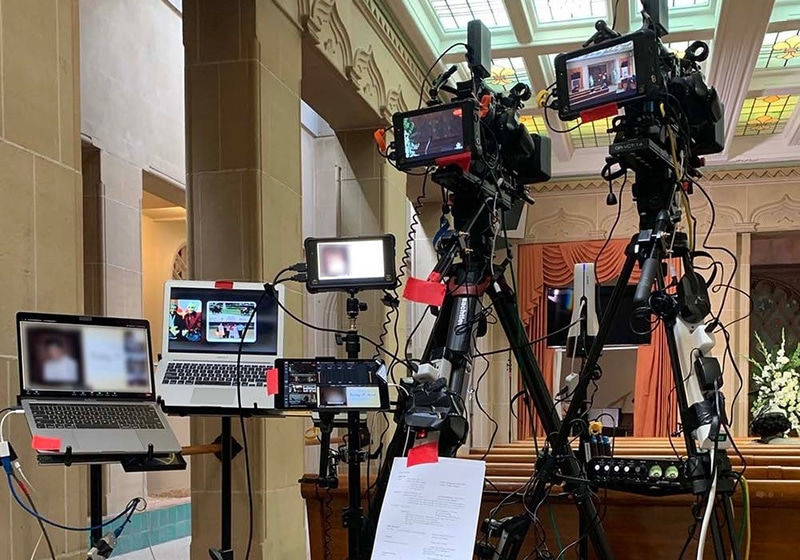
Multi-camera production allows event producers to create dynamic and engaging broadcasts.
Rather than relying on a single camera angle, professional production teams use multiple cameras to capture:
- Speakers
- Panel discussions
- Audience interactions
- Product demonstrations
- Stage presentations
Video directors switch between camera feeds in real time to create polished and visually appealing broadcasts.
This approach improves:
- Viewer engagement
- Production quality
- Content visibility
Broadcast-quality production helps organizations deliver professional virtual experiences that reflect positively on their brand.
Professional video teams also integrate:
- Graphics
- Lower-third titles
- Sponsor branding
- Presentation content
To enhance viewing experiences further.
Multi-camera production improves streaming quality and audience engagement.
Why Multi-Camera Production Matters
Virtual audiences expect professional-quality broadcasts.
Multi-camera production helps:
- Maintain viewer attention
- Improve visual storytelling
- Enhance presentation quality
While creating more immersive online experiences.
Professional video production is critical for successful hybrid events.
7.3 Virtual Event Platforms
Virtual event platforms provide the digital infrastructure required for online participation.
Online Attendee Engagement
Modern virtual event platforms support a wide range of event functions including:
- Registration
- Session access
- Networking
- Audience interaction
- Content delivery
These platforms help organizations create structured and interactive online experiences.
Features may include:
- Personalized attendee dashboards
- Session schedules
- Virtual exhibition booths
- Speaker profiles
- Event announcements
Professional event producers help organizations select and manage platforms that align with event objectives and audience requirements.
Well-managed virtual environments improve attendee satisfaction while supporting event goals.
Virtual event platforms improve accessibility and online attendee experiences.
Why Virtual Platforms Matter
Hybrid events require more than video streaming alone.
Virtual platforms help:
- Organize content
- Facilitate participation
- Improve engagement
While creating professional digital event experiences.
Virtual platforms are essential for effective hybrid event delivery.
7.4 Interactive Audience Features
Audience engagement is one of the biggest challenges in virtual and hybrid events.
Polls, Q&A Sessions, and Networking Tools
Interactive features help transform passive viewers into active participants.
Common engagement tools include:
- Live polls
- Audience surveys
- Q&A sessions
- Virtual networking rooms
- Chat functions
- Gamification activities
These tools encourage participation while providing valuable feedback and insights.
Live interaction helps remote attendees feel connected to the event rather than simply watching a broadcast.
Professional event production teams integrate these features strategically to maximize audience involvement and improve event outcomes.
Organizations benefit from stronger engagement metrics and more meaningful attendee experiences.
Interactive features improve participation and strengthen audience engagement.
Why Audience Interaction Matters
Virtual attendees can quickly lose interest if they are not actively involved.
Interactive tools help:
- Maintain attention
- Encourage participation
- Improve knowledge retention
While creating more engaging event experiences.
Audience interaction is critical for successful hybrid event production.
7.5 Event Recording and Replay
Recorded content extends the value of corporate events beyond the live experience.
On-Demand Content Access
Professional event recording allows attendees to access content after the event concludes.
Recorded materials may include:
- Keynote presentations
- Training sessions
- Panel discussions
- Product demonstrations
- Workshop content
On-demand access provides flexibility for participants who:
- Missed live sessions
- Need to revisit content
- Are located in different time zones
Organizations can also use recorded content for:
- Employee training
- Marketing campaigns
- Stakeholder communication
- Future event promotion
This significantly increases the return on investment from event production efforts.
Event recording extends audience reach and increases long-term content value.
Why Replay Content Matters
Not all attendees can participate in live sessions.
Replay access helps organizations:
- Increase content consumption
- Improve accessibility
- Extend event lifespan
While providing additional value to participants.
Recorded content enhances event impact beyond the live event.
Additional Benefits of Hybrid and Virtual Event Production
Expanded Audience Reach
Organizations can engage participants from multiple regions and countries.
Increased Event Flexibility
Attendees can choose between physical and virtual participation.
Improved Accessibility
Remote participation removes geographical barriers.
Better Event Analytics
Digital platforms provide valuable participation and engagement data.
Hybrid event production delivers significant strategic and operational advantages.
Common Challenges Professional Hybrid Production Helps Solve
Connectivity Issues
Professional technical teams implement backup systems and monitoring tools.
Audience Engagement Difficulties
Interactive technologies encourage participation and involvement.
Broadcast Quality Concerns
Multi-camera production improves visual and audio quality.
Complex Event Coordination
Integrated management ensures smooth operation across physical and virtual environments.
Professional hybrid production helps organizations overcome common virtual event challenges.
Why Organizations Invest in Hybrid Event Production
Organizations increasingly recognize the value of hybrid event models because they:
- Expand participation opportunities
- Improve audience accessibility
- Reduce travel limitations
- Increase content lifespan
- Enhance event scalability
Professional event production providers such as Peak Audio combine advanced technology, experienced production teams, and strategic event management to help organizations deliver engaging and professionally executed hybrid experiences.
By integrating physical and virtual participation seamlessly, organizations can maximize event impact while meeting the evolving expectations of modern audiences.
Hybrid event production supports broader engagement, stronger accessibility, and long-term event value.
Hybrid event production expands audience reach and increases event accessibility. Through live streaming services, multi-camera production, virtual event platforms, interactive audience engagement tools, and on-demand content access, organizations can create flexible and inclusive event experiences. By partnering with experienced providers such as Peak Audio, businesses can leverage professional hybrid event production to engage wider audiences, improve participation, and deliver successful corporate events in Nairobi and beyond.
8. Event Logistics and Operational Support

Corporate Event Production Company Nairobi
Successful events require efficient logistical planning and execution. While event technology, stage production, and branding are highly visible components of corporate events, logistics and operational support are the behind-the-scenes functions that ensure everything runs smoothly. From venue preparation and equipment transportation to registration systems, security management, and real-time event coordination, logistics play a critical role in creating seamless attendee experiences.
8.1 Venue Coordination
Venue coordination forms the foundation of successful event logistics.
Site Inspections and Setup Planning
Before any event takes place, professional event teams conduct detailed site inspections to assess venue suitability and operational requirements.
Site inspections help identify:
- Space utilization opportunities
- Technical infrastructure requirements
- Power availability
- Internet connectivity
- Access routes
- Safety considerations
Based on these assessments, event producers develop detailed setup plans covering:
- Stage placement
- Seating arrangements
- Registration areas
- Exhibition spaces
- Networking zones
- Technical equipment locations
Proper planning helps ensure all event activities can operate efficiently within the venue environment.
Professional venue coordination also involves working closely with venue management teams to align schedules, operational procedures, and logistical requirements.
Venue coordination improves operational efficiency and creates a strong foundation for event success.
Why Venue Coordination Matters
The venue affects nearly every aspect of event execution.
Proper coordination helps:
- Prevent setup delays
- Improve attendee flow
- Enhance safety
- Support technical requirements
While ensuring the venue aligns with event objectives.
Venue coordination is essential for successful event logistics.
8.2 Equipment Transportation
Corporate events often require significant amounts of technical equipment and event materials.
Safe Delivery and Installation
Professional event production involves transporting equipment such as:
- Sound systems
- LED screens
- Lighting fixtures
- Staging components
- Cameras
- Registration systems
Safe transportation ensures equipment arrives:
- On time
- In good condition
- Ready for installation
Professional logistics teams manage:
- Loading and unloading
- Transportation scheduling
- Equipment handling
- Installation planning
This reduces the risk of delays, damage, and operational disruptions.
Once equipment arrives on site, technical teams oversee installation and testing to ensure everything functions correctly before the event begins.
Organizations benefit from reliable event infrastructure and smoother setup processes.
Professional transportation and installation improve event reliability and operational efficiency.
Why Equipment Logistics Matter
Technical equipment is critical to modern event production.
Poor transportation planning can result in:
- Delayed setups
- Equipment damage
- Increased costs
Professional logistics help ensure equipment is available and operational when needed.
Effective equipment logistics support successful event execution.
8.3 Registration Management
Registration is often the first point of interaction between attendees and an event.
Attendee Check-In Systems
Professional registration management helps create efficient and positive attendee experiences.
Modern registration systems may include:
- Online registration platforms
- QR code check-ins
- Badge printing systems
- Self-service kiosks
- Mobile registration solutions
These technologies help reduce:
- Waiting times
- Administrative burdens
- Registration errors
Professional registration teams also assist attendees with:
- Event information
- Session access
- Badge collection
- General inquiries
Efficient registration processes improve first impressions while supporting smooth event operations.
Organizations benefit from improved attendee satisfaction and more accurate event data.
Registration management improves attendee experiences and operational efficiency.
Why Registration Management Matters
Long queues and registration delays can negatively affect attendee perceptions.
Professional registration systems help:
- Improve event flow
- Enhance convenience
- Reduce operational stress
While creating a welcoming experience for participants.
Registration management is a key component of successful event operations.
8.4 Security Coordination
Security is an essential aspect of corporate event management.
Crowd Management and Safety
Professional security planning helps protect:
- Attendees
- Speakers
- Staff
- Equipment
- Venue facilities
Security services may include:
- Access control systems
- Security personnel
- Crowd monitoring
- Emergency response planning
- VIP protection
Large events often require additional crowd management measures to ensure attendees can move safely and comfortably throughout the venue.
Professional security teams work closely with event organizers to develop strategies that address:
- Capacity management
- Emergency procedures
- Access restrictions
- Incident response
Organizations benefit from safer event environments and increased attendee confidence.
Security coordination improves safety and operational stability.
Why Security Matters
Corporate events involve significant investments and large numbers of participants.
Strong security measures help:
- Reduce risks
- Protect assets
- Improve attendee confidence
While ensuring smooth event operations.
Security planning is vital for successful event delivery.
8.5 On-Site Event Management
Live events require continuous oversight and coordination.
Real-Time Operational Support
Professional event managers supervise all operational activities throughout the event.
Responsibilities may include:
- Schedule management
- Vendor coordination
- Technical oversight
- Audience support
- Problem resolution
On-site event teams monitor activities in real time to ensure everything proceeds according to plan.
If unexpected issues arise, experienced professionals can respond quickly and effectively to minimize disruptions.
Operational support teams also facilitate communication between:
- Organizers
- Venue staff
- Technical crews
- Security personnel
- Vendors
This centralized coordination structure improves efficiency and helps maintain event quality.
Organizations benefit from reduced stress and greater confidence knowing experienced professionals are managing event operations.
On-site management improves responsiveness and event reliability.
Why On-Site Support Matters
Even the most carefully planned events can face unexpected challenges.
Professional on-site management helps:
- Resolve issues quickly
- Maintain event flow
- Improve attendee experiences
While reducing operational risks.
Real-time operational support is essential for smooth event execution.
Additional Benefits of Professional Logistics Support
Improved Operational Efficiency
Structured planning helps streamline event workflows and resource allocation.
Better Attendee Experiences
Smooth logistics improve convenience, comfort, and engagement.
Reduced Event Risks
Professional oversight helps identify and address challenges proactively.
Stronger Coordination
Centralized management improves communication among all event stakeholders.
Professional logistics support improves both operational performance and attendee satisfaction.
Common Logistics Challenges Professional Support Helps Solve
Setup Delays
Detailed planning improves installation efficiency and readiness.
Registration Bottlenecks
Modern check-in systems reduce waiting times and congestion.
Equipment Management Issues
Professional transportation and installation improve reliability.
Operational Confusion
Centralized coordination enhances communication and accountability.
Professional logistics management helps organizations overcome common event challenges.
Why Organizations Invest in Event Logistics and Operational Support
Successful events require more than technology and creative design.
Organizations invest in logistics and operational support because it helps:
- Improve efficiency
- Reduce risks
- Enhance attendee experiences
- Strengthen event reliability
Professional event providers such as Peak Audio combine planning expertise, operational management, and logistical coordination to ensure events run smoothly from setup through completion.
By managing the operational details behind the scenes, professional logistics teams allow organizations to focus on achieving their event objectives and engaging their audiences effectively.
Professional logistics support is a critical component of successful corporate event production.
Strong logistics ensure smooth event execution and attendee satisfaction. Through venue coordination, equipment transportation, registration management, security planning, and real-time operational support, organizations can reduce risks while improving efficiency and professionalism. By partnering with experienced providers such as Peak Audio, businesses can ensure their corporate events are organized, reliable, and capable of delivering exceptional experiences for attendees and stakeholders alike.
9. Benefits of Hiring a Corporate Event Production Company
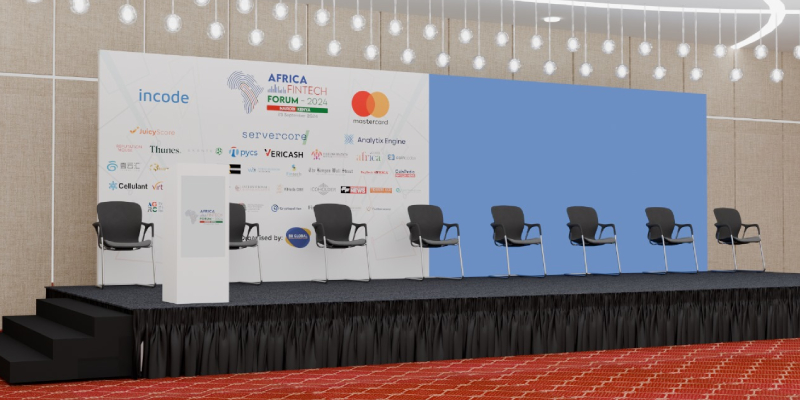
Corporate Event Production Company Nairobi
Professional event production companies provide expertise and resources that improve event outcomes. Organizing successful corporate events requires far more than booking a venue and inviting attendees. Modern conferences, product launches, exhibitions, leadership summits, annual general meetings, training workshops, and hybrid events involve complex technical, logistical, and operational requirements that demand professional management. Hiring an experienced corporate event production company allows organizations to leverage specialized expertise, advanced technology, and proven processes that improve event quality while reducing stress and operational risks.
9.1 Access to Advanced Technology
Technology plays a central role in modern corporate event production.
Professional AV Equipment and Production Systems
Professional event production companies invest in high-quality technology designed to enhance communication, engagement, and event reliability.
Advanced event technologies may include:
- Professional sound systems
- Wireless microphones
- LED video walls
- Stage lighting systems
- Live streaming platforms
- Multi-camera production systems
- Audience engagement tools
These technologies help organizations create immersive and professional event experiences that would be difficult to achieve using basic equipment.
Professional production companies also ensure equipment is properly configured, tested, and monitored throughout the event.
Organizations benefit from access to enterprise-level technology without the high cost of purchasing and maintaining equipment themselves.
Access to advanced technology improves event quality, engagement, and professionalism.
Why Advanced Technology Matters
Modern attendees expect seamless and engaging event experiences.
Professional technology helps:
- Improve communication
- Enhance presentations
- Support hybrid participation
- Increase audience engagement
While creating more memorable events.
Advanced technology is a major advantage of working with professional event producers.
9.2 Experienced Technical Teams
Successful event production depends on the expertise of skilled professionals.
Skilled Event Specialists and Technicians
Professional event production companies employ experienced teams responsible for managing:
- Audio systems
- Lighting production
- Video production
- Live streaming
- Stage management
- Event logistics
These specialists understand how to anticipate challenges and implement solutions before issues affect event operations.
Experienced technicians ensure:
- Equipment performs reliably
- Technical issues are resolved quickly
- Event schedules remain on track
Organizations benefit from the knowledge and experience of professionals who have managed a wide variety of corporate events.
This expertise contributes significantly to event reliability and overall success.
Experienced technical teams improve event performance and operational confidence.
Why Expertise Matters
Corporate events often involve complex technical requirements that require specialized knowledge.
Experienced teams help:
- Reduce technical errors
- Improve efficiency
- Deliver professional results
While minimizing operational disruptions.
Technical expertise is one of the most valuable benefits of professional event production.
9.3 Reduced Event Risks
Every event carries operational, technical, and logistical risks.
Better Planning and Contingency Management
Professional production companies use structured planning processes designed to identify and address potential challenges before they become major issues.
Risk management strategies may include:
- Technical rehearsals
- Backup equipment
- Alternative internet connections
- Power backup systems
- Emergency response procedures
Professional event managers conduct detailed planning to ensure every aspect of the event is prepared for potential disruptions.
This proactive approach helps reduce:
- Technical failures
- Schedule delays
- Operational confusion
- Audience dissatisfaction
Organizations benefit from increased confidence knowing experienced professionals are managing event risks.
Professional production reduces risks and improves event reliability.
Why Risk Management Matters
Unexpected challenges can negatively affect event success.
Professional planning helps organizations:
- Prevent disruptions
- Improve preparedness
- Maintain operational continuity
While protecting event quality and reputation.
Effective risk management is essential for successful event execution.
9.4 Improved Event Efficiency
Professional event production helps streamline planning and execution processes.
Streamlined Operations and Coordination
Managing corporate events often involves coordinating:
- Venues
- Vendors
- Speakers
- Technical teams
- Registration systems
- Logistics providers
Professional event production companies provide centralized management that simplifies communication and coordination.
This improves:
- Project efficiency
- Timeline management
- Resource allocation
- Operational consistency
Organizations can focus on strategic objectives while production teams handle operational details.
Professional coordination reduces administrative burdens and helps ensure all event components work together effectively.
Streamlined operations improve efficiency and support successful event delivery.
Why Efficiency Matters
Efficient event management saves both time and resources.
Professional production helps organizations:
- Reduce planning workload
- Improve coordination
- Accelerate decision-making
While maintaining high event standards.
Improved efficiency contributes to stronger event outcomes.
9.5 Higher Quality Experiences
Attendee experience remains one of the most important indicators of event success.
Enhanced Attendee Engagement and Satisfaction
Professional event production creates environments that encourage participation, interaction, and engagement.
Production elements that contribute to attendee satisfaction include:
- Clear audio systems
- High-quality visuals
- Professional lighting
- Interactive technologies
- Seamless event flow
Well-produced events help attendees:
- Understand content more effectively
- Participate actively
- Network comfortably
- Enjoy positive event experiences
Satisfied attendees are more likely to:
- Recommend the event
- Return for future events
- Engage with the organization
Professional production helps ensure every attendee interaction contributes positively to the overall event experience.
Professional event production enhances engagement and attendee satisfaction.
Why Attendee Experience Matters
Attendee perceptions influence:
- Event reputation
- Brand image
- Future attendance
- Stakeholder relationships
Professional production helps create experiences that leave lasting positive impressions.
High-quality attendee experiences contribute directly to event success.
Additional Benefits of Hiring a Corporate Event Production Company
Stronger Brand Presentation
Professional production ensures branding remains consistent and impactful throughout the event.
Better Hybrid Event Capabilities
Experienced teams help organizations engage both physical and virtual audiences effectively.
Reliable Technical Support
Continuous monitoring and troubleshooting reduce the risk of disruptions.
Improved Return on Investment
Successful events create greater value through stronger engagement and better outcomes.
Professional event production delivers benefits that extend beyond event day.
Common Challenges Professional Event Producers Help Solve
Technical Failures
Experienced technicians implement preventive measures and backup systems.
Operational Complexity
Centralized coordination simplifies planning and execution.
Audience Engagement Challenges
Interactive technologies and creative production improve participation.
Logistical Difficulties
Professional management ensures smoother event operations.
Professional production companies help organizations overcome common event challenges effectively.
Why Organizations Choose Professional Event Production Companies
Organizations increasingly partner with professional event producers because they provide:
- Advanced technology
- Technical expertise
- Risk management
- Operational efficiency
- Higher-quality attendee experiences
Professional providers such as Peak Audio combine creative production, technical excellence, and event management expertise to help businesses deliver memorable and impactful events.
By leveraging professional resources and experience, organizations can focus on achieving strategic objectives while ensuring their events are professionally managed from planning through execution.
Professional event production companies provide the expertise and resources needed for successful corporate events.
Partnering with professional event producers improves event quality and operational success. Through access to advanced technology, experienced technical teams, reduced event risks, streamlined operations, and enhanced attendee experiences, professional event production companies help organizations deliver impactful and memorable events. By working with experienced providers such as Peak Audio, businesses can improve event efficiency, strengthen audience engagement, and achieve their corporate event objectives with confidence and professionalism.
10. Why Choose Peak Audio
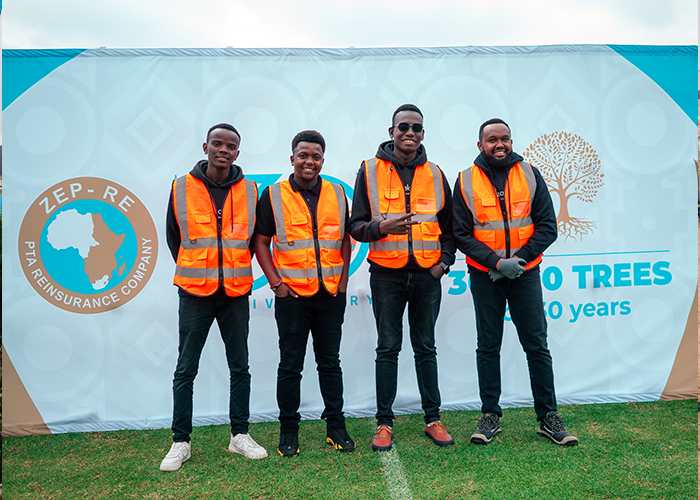
Corporate Event Production Company Nairobi
Corporate events require a combination of strategic planning, advanced technology, creative production, and professional execution to achieve their objectives. Whether organizing conferences, leadership summits, product launches, exhibitions, annual general meetings, training workshops, award ceremonies, or hybrid events, organizations need a reliable event production partner capable of managing every aspect of the event lifecycle. The quality of event production directly influences attendee engagement, brand perception, operational efficiency, and overall event success.
10.1 Comprehensive Event Production Services
Peak Audio offers complete event production solutions designed to support every stage of event planning and execution.
End-to-End Event Management and Technical Support
Managing a successful corporate event requires coordination across multiple operational and technical areas.
Peak Audio provides integrated services that may include:
- Event planning and strategy
- Technical production
- Stage design
- Audio-visual management
- Event branding
- Registration support
- Logistics coordination
- Live event management
By offering all services under one provider, organizations benefit from:
- Simplified communication
- Better coordination
- Improved accountability
- Reduced administrative workload
Dedicated project managers oversee event activities from initial planning through final execution to ensure all event components operate seamlessly.
Organizations can focus on achieving business objectives while Peak Audio manages production and operational details.
Comprehensive event production services improve efficiency and simplify event management.
Why Comprehensive Services Matter
Corporate events involve many interconnected components that must work together effectively.
Integrated event management helps organizations:
- Reduce complexity
- Improve coordination
- Maintain quality standards
While ensuring smoother event delivery.
Comprehensive services create more reliable and successful event experiences.
10.2 Advanced Audio-Visual Solutions
Technology is one of the most important aspects of modern event production.
Professional Sound, Lighting, and Display Systems
Peak Audio provides advanced AV solutions designed to enhance communication, engagement, and event presentation quality.
Services may include:
- Professional sound systems
- Wireless microphone systems
- LED video walls
- Projection systems
- Stage lighting
- Video production services
These technologies help ensure attendees can:
- Hear presentations clearly
- View content effectively
- Engage with event experiences
Professional technical teams oversee installation, testing, monitoring, and troubleshooting to ensure reliable system performance throughout the event.
Organizations benefit from enterprise-grade event technology that improves professionalism and audience satisfaction.
Advanced AV systems improve communication, engagement, and event quality.
Why Advanced AV Matters
Poor audio or visual quality can negatively affect attendee experiences.
Professional AV solutions help:
- Improve clarity
- Enhance presentations
- Strengthen audience engagement
While supporting successful event outcomes.
Advanced AV technology is essential for modern corporate events.
10.3 Hybrid Event Expertise
Hybrid and virtual events have become essential components of corporate communication strategies.
Reliable Virtual and Hybrid Event Production
Peak Audio helps organizations connect physical and virtual audiences through professional hybrid event solutions.
Services may include:
- Live streaming
- Virtual event platforms
- Multi-camera production
- Audience interaction tools
- Event recording
- Remote speaker support
Hybrid event production helps organizations:
- Expand audience reach
- Improve accessibility
- Increase participation flexibility
- Support international engagement
Professional production teams ensure virtual attendees receive high-quality experiences while maintaining seamless integration with physical event activities.
Organizations benefit from greater scalability and improved audience engagement.
Hybrid event expertise improves accessibility and event reach.
Why Hybrid Production Matters
Modern audiences increasingly expect flexible participation options.
Professional hybrid production helps:
- Expand attendance opportunities
- Improve audience experiences
- Enhance event flexibility
While supporting long-term event growth.
Hybrid expertise is a major advantage for contemporary corporate events.
10.4 Experienced Event Professionals
Professional event production depends heavily on the expertise of the people managing it.
Skilled Technical and Production Teams
Peak Audio employs experienced professionals responsible for:
- Event planning
- Technical production
- Audio engineering
- Lighting design
- Video production
- Logistics management
- Operational coordination
These specialists bring valuable experience gained through managing a wide range of corporate events.
Experienced teams help organizations:
- Avoid common mistakes
- Improve operational efficiency
- Reduce technical risks
- Deliver professional experiences
Professional oversight ensures events remain organized, reliable, and aligned with organizational objectives.
Experienced professionals improve event quality and operational reliability.
Why Experience Matters
Corporate events often involve significant investments and high expectations.
Experienced teams help:
- Improve planning accuracy
- Solve challenges efficiently
- Deliver consistent results
While minimizing operational disruptions.
Expertise plays a critical role in event success.
10.5 Customized Event Solutions
Every event has unique requirements that demand tailored production strategies.
Tailored Services for Different Industries and Event Types
Peak Audio develops customized solutions designed to meet the needs of:
- Corporate organizations
- Government agencies
- NGOs
- Educational institutions
- Healthcare organizations
- Financial institutions
Services can be tailored for:
- Conferences
- Exhibitions
- Product launches
- Leadership summits
- Training workshops
- Hybrid events
Customized planning ensures:
- Technology aligns with objectives
- Budgets are optimized
- Audience experiences are enhanced
Organizations receive event solutions specifically designed for their goals rather than generic production packages.
Customized services improve relevance, efficiency, and event effectiveness.
Why Customization Matters
No two events are exactly alike.
Tailored production strategies help organizations:
- Meet unique objectives
- Improve audience engagement
- Optimize event resources
While creating more meaningful event experiences.
Customized solutions contribute to stronger event outcomes.
10.6 Reliable Event Execution
Flawless execution is the ultimate goal of professional event production.
Professional Delivery from Planning to Completion
Peak Audio oversees every stage of event delivery to ensure consistent quality and operational excellence.
Responsibilities may include:
- Schedule management
- Technical coordination
- Vendor supervision
- Registration oversight
- Audience management
- Problem resolution
Professional event managers monitor activities continuously to ensure all event components remain aligned with:
- Event objectives
- Timelines
- Production standards
This proactive approach helps reduce disruptions while maintaining smooth event operations.
Organizations benefit from confidence knowing experienced professionals are managing every detail.
Reliable execution improves event quality and attendee satisfaction.
Why Reliable Execution Matters
Even the best event plans require effective implementation.
Professional execution helps ensure:
- Timelines are maintained
- Technology performs reliably
- Attendees enjoy positive experiences
While minimizing operational risks.
Reliable execution is essential for successful corporate event production.
Additional Benefits of Working with Peak Audio
Centralized Event Management
A single provider manages planning, production, and operational coordination.
Advanced Event Technology
Organizations gain access to professional AV systems, live streaming technologies, and event production tools.
Improved Operational Efficiency
Integrated services reduce complexity and improve project coordination.
Enhanced Audience Experiences
Professional production creates engaging and memorable event environments.
Peak Audio delivers both operational and strategic value for corporate events.
Common Event Challenges Peak Audio Helps Solve
Technical Disruptions
Experienced technical teams implement preventive measures and backup systems.
Planning Complexity
Integrated project management improves organization and coordination.
Hybrid Event Challenges
Professional production ensures seamless physical and virtual participation.
Audience Engagement Issues
Advanced technology and creative production improve interaction and participation.
Peak Audio helps organizations overcome common event production challenges effectively.
Why Organizations Trust Peak Audio
Organizations choose Peak Audio because of its commitment to:
- Professionalism
- Technical excellence
- Innovation
- Reliability
- Customer-focused service
By combining advanced event technology with experienced production expertise, Peak Audio helps businesses deliver high-quality events that engage audiences, strengthen brands, and achieve organizational objectives.
Whether hosting a conference, product launch, exhibition, training program, or hybrid event, organizations benefit from a trusted partner capable of managing every aspect of event production from concept to completion.
Peak Audio provides comprehensive event production support that improves event quality, efficiency, and success.
Peak Audio provides complete event production solutions designed to ensure successful corporate events. Through comprehensive event management services, advanced audio-visual solutions, hybrid event expertise, experienced production teams, customized event support, and reliable execution, Peak Audio helps organizations deliver engaging, professional, and memorable event experiences. By combining technology, creativity, and operational excellence, Peak Audio ensures corporate events are executed smoothly while achieving their intended objectives.
11. FAQs on Corporate Event Production Company Nairobi
Corporate event production plays a critical role in ensuring conferences, exhibitions, product launches, leadership summits, annual general meetings, training workshops, award ceremonies, and hybrid events are professionally executed. As organizations increasingly seek engaging, technology-driven, and memorable event experiences, many turn to professional event production companies for expertise, technical support, and operational management.
Below are answers to some of the most frequently asked questions about corporate event production services in Nairobi.
11.1 What is corporate event production?
Corporate event production involves managing the technical, creative, and operational aspects of business events.
It typically includes:
- Event planning
- Audio-visual production
- Stage design
- Lighting systems
- Event branding
- Video production
- Live streaming
- Logistics coordination
- On-site event management
The objective of event production is to create professional, engaging, and well-organized experiences that support business goals and audience engagement.
Professional event production companies combine technology, creativity, and project management expertise to ensure successful event delivery.
Corporate event production transforms event concepts into professionally executed experiences.
11.2 Why is professional event production important?
Professional event production improves event quality, audience engagement, and operational efficiency.
Experienced production teams help organizations:
- Deliver clear communication
- Improve presentation quality
- Enhance attendee experiences
- Reduce technical risks
- Strengthen brand image
Professional production also ensures all event elements work together seamlessly, creating a more polished and impactful experience.
Organizations benefit from better event outcomes while reducing planning complexity and operational challenges.
Professional production helps organizations deliver successful and memorable events.
11.3 What services do event production companies provide?
Corporate event production companies offer a wide range of services designed to support every stage of event delivery.
Common services include:
- Event planning and coordination
- Audio-visual production
- LED screens and displays
- Professional sound systems
- Lighting production
- Stage design
- Branding and graphics
- Video production
- Live streaming
- Registration management
- Logistics support
- On-site event management
Many providers also offer hybrid event solutions that combine physical and virtual participation.
Event production companies provide comprehensive solutions that support successful event execution.
11.4 Are event production services suitable for conferences?
Yes. Conferences are among the most common events requiring professional production services.
Corporate conferences often involve:
- Multiple speakers
- Technical presentations
- Registration systems
- Audience engagement tools
- AV production
- Live streaming
Professional event production helps ensure conferences run smoothly while improving attendee experiences and operational efficiency.
Organizations benefit from reliable technology, professional staging, and effective event management.
Professional production is highly beneficial for conferences of all sizes.
11.5 Can event production companies manage hybrid events?
Yes. Many event production companies provide hybrid and virtual event services.
Hybrid event production may include:
- Live streaming
- Virtual event platforms
- Multi-camera production
- Audience interaction tools
- Event recording
- Remote presenter support
These services help organizations engage both physical and virtual audiences simultaneously.
Professional production teams ensure seamless integration between onsite and online participants.
Hybrid event management is a key capability of modern event production companies.
11.6 Why are AV systems important?
Audio-visual systems are essential because they support communication, engagement, and presentation effectiveness.
Professional AV solutions may include:
- Sound systems
- Wireless microphones
- LED screens
- Projectors
- Stage lighting
- Video production equipment
These technologies help attendees:
- Hear presentations clearly
- View content effectively
- Participate actively
Reliable AV systems improve audience experiences while reducing technical disruptions.
AV technology is fundamental to successful corporate event production.
11.7 Can production companies handle event branding?
Yes. Branding and visual production are important components of event production services.
Branding solutions may include:
- Event backdrops
- Stage branding
- LED screen graphics
- Signage
- Presentation templates
- Promotional materials
Professional branding helps organizations:
- Strengthen corporate identity
- Improve visibility
- Create memorable experiences
Consistent branding also contributes to a more professional event environment.
Event branding is a core service offered by professional production companies.
11.8 Are event production services suitable for product launches?
Yes. Product launches benefit significantly from professional production support.
Product launch production may involve:
- Stage design
- AV systems
- Demonstration technologies
- Video production
- Branding
- Audience engagement tools
Professional production helps organizations create excitement, showcase products effectively, and maximize audience impact.
These services improve launch experiences while supporting marketing and brand objectives.
Professional production helps create successful and impactful product launch events.
11.9 Why is stage design important?
Stage design influences how attendees perceive the event and engage with presentations.
Professional stage design helps:
- Improve speaker visibility
- Enhance audience focus
- Support branding
- Create visual impact
Modern stage designs often integrate:
- LED screens
- Lighting systems
- Branded graphics
- Interactive elements
A well-designed stage contributes significantly to event professionalism and attendee experience.
Stage design strengthens presentation quality and audience engagement.
11.10 Can event production companies manage large events?
Yes. Professional production companies specialize in managing complex and large-scale events.
Examples include:
- Industry conferences
- Trade shows
- Exhibitions
- Leadership summits
- Corporate conventions
- National forums
Large events require careful coordination of:
- Technology
- Logistics
- Registration
- Security
- Audience management
Experienced production teams help ensure these events are delivered efficiently and professionally.
Event production companies are well-equipped to manage large and complex corporate events.
11.11 How do production companies reduce event risks?
Professional event production companies use structured planning and risk management strategies to minimize potential problems.
Risk reduction measures may include:
- Technical rehearsals
- Backup equipment
- Power redundancy
- Alternative internet connections
- Emergency response planning
Experienced teams also monitor operations throughout the event to identify and address issues quickly.
This proactive approach helps prevent disruptions and improve event reliability.
Professional production reduces risks through planning, expertise, and contingency management.
11.12 Where can organizations get professional corporate event production services in Nairobi?
Organizations can obtain professional event production services from experienced providers such as Peak Audio.
Peak Audio provides:
- Corporate event production
- Professional AV systems
- LED screens
- Lighting production
- Stage design
- Live streaming
- Hybrid event solutions
- Branding services
- Logistics support
- Event management
By combining advanced technology with experienced production teams, Peak Audio helps organizations deliver engaging and professionally executed corporate events throughout Nairobi and across Kenya.
Peak Audio offers comprehensive corporate event production solutions tailored to diverse business needs.
Corporate event production is a vital component of successful business events. Through professional planning, advanced technology, creative production, and operational expertise, event production companies help organizations deliver engaging, reliable, and memorable experiences. Whether hosting conferences, product launches, exhibitions, training programs, or hybrid events, partnering with an experienced production company can significantly improve event quality, audience engagement, and overall success. Organizations seeking professional corporate event production services in Nairobi can benefit from working with trusted providers such as Peak Audio to ensure their events achieve the highest standards of professionalism and impact.
The Value of Corporate Event Production Companies in Nairobi
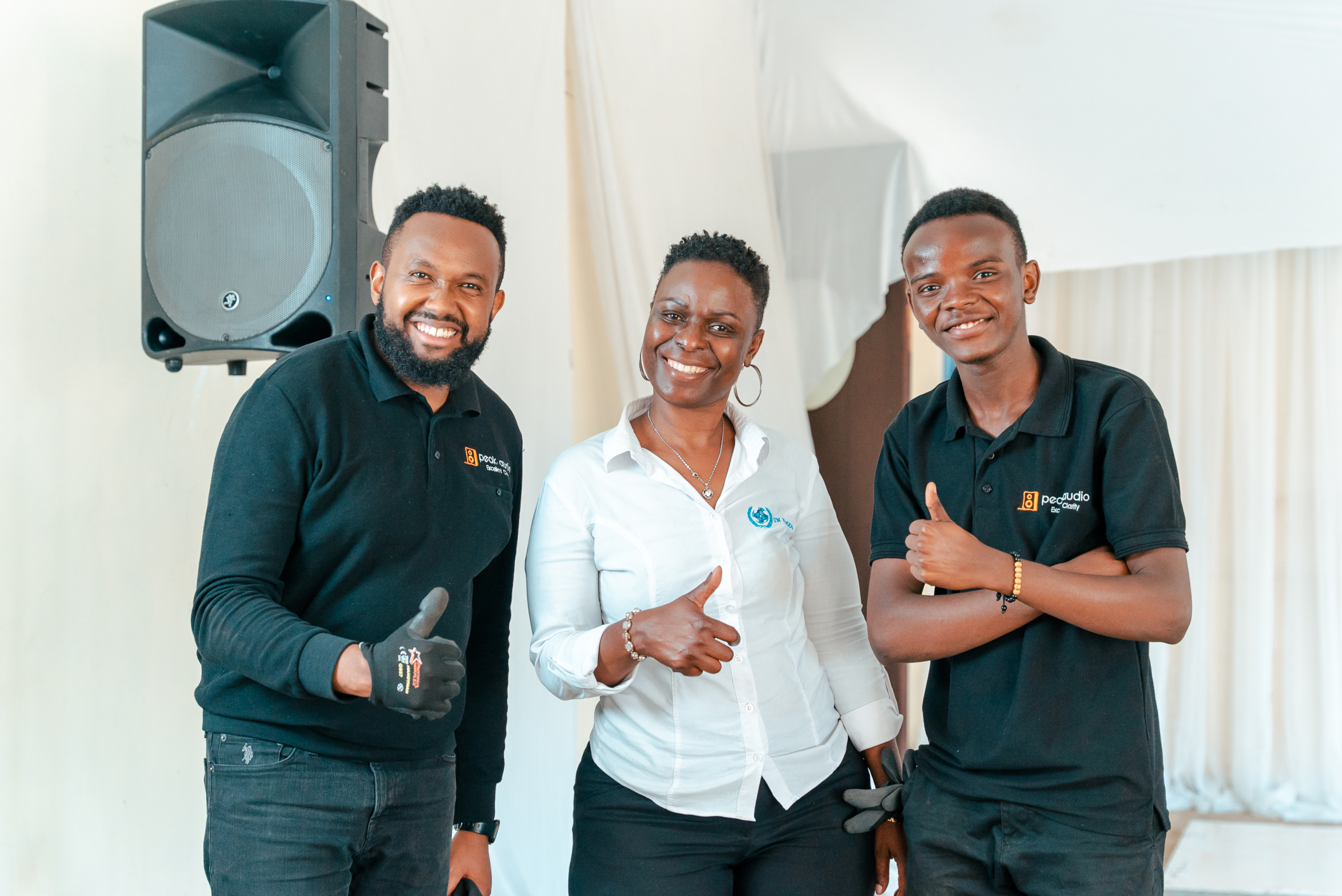
Corporate Event Production Company Nairobi
Corporate event production companies in Nairobi play a critical role in helping organizations deliver professional, engaging, and impactful events. Through advanced technology, creative production solutions, and expert event management, these companies transform ordinary gatherings into memorable experiences. Whether organizing conferences, product launches, exhibitions, award ceremonies, or hybrid events, professional production services ensure smooth execution, enhanced audience engagement, and exceptional event outcomes.
As Nairobi continues to strengthen its position as a leading regional business and events hub, organizations increasingly require experienced event production partners capable of managing complex technical and operational requirements. High-quality audio-visual systems, professional stage design, dynamic lighting, event branding, and hybrid event capabilities have become essential components of successful corporate events. Working with specialists helps organizations maintain professionalism, improve attendee experiences, and achieve their event objectives more effectively.
At Peak Audio, we provide comprehensive corporate event production services designed to support businesses, institutions, and organizations across Kenya. Professional event production is not simply about equipment and technology—it is about creating memorable experiences that deliver measurable results, strengthen audience engagement, and leave a lasting impact long after the event concludes.