Global Event Management Companies in Africa
Global Event Management Companies in Africa – Delivering World-Class Events with Peak Audio
Global Event Management Companies in Africa
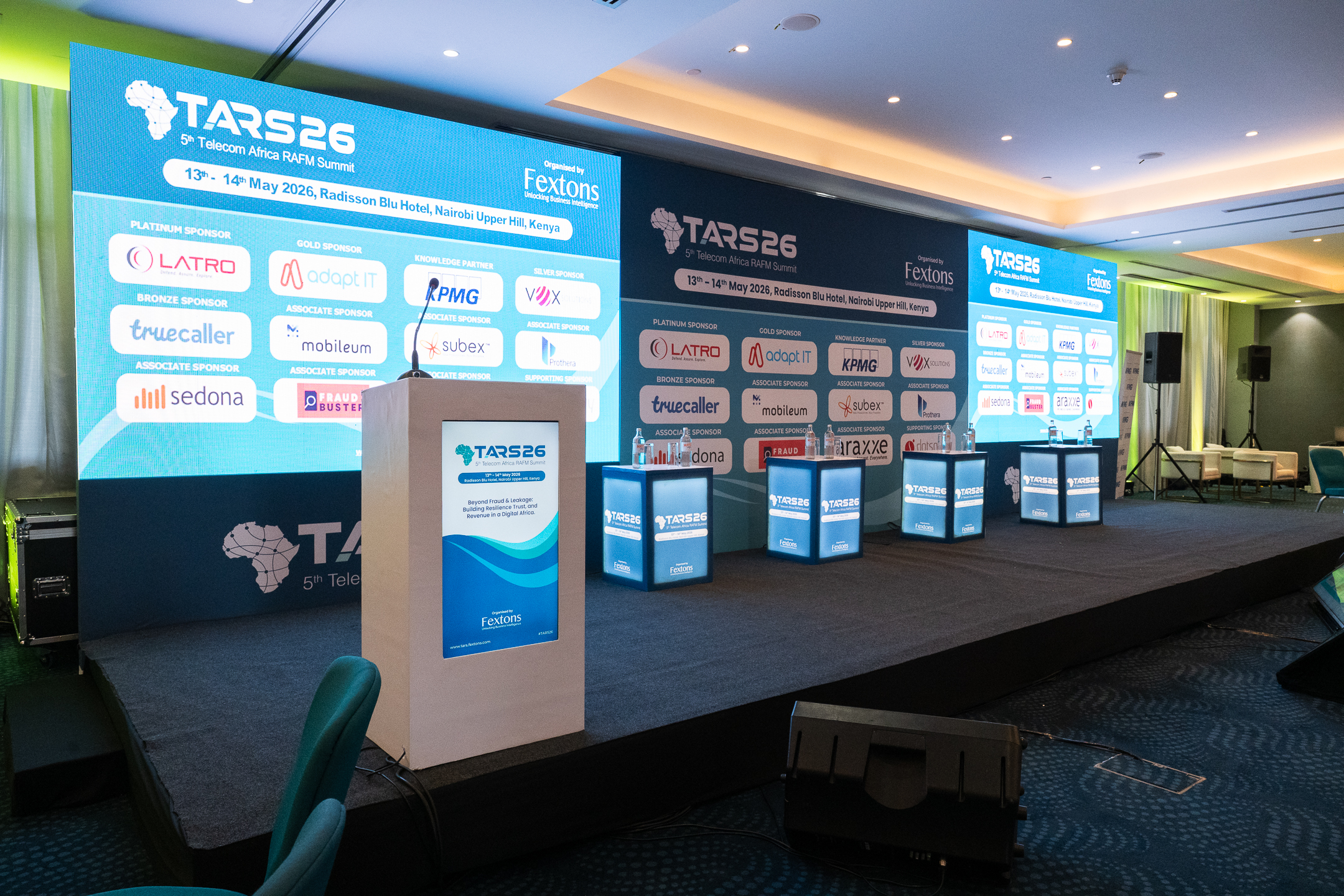
Africa’s Meetings, Incentives, Conferences, and Exhibitions (MICE) industry is experiencing rapid growth as governments, corporations, NGOs, development agencies, educational institutions, and international organizations continue to invest in professional events across the continent. Major cities such as Nairobi, Kigali, Johannesburg, Cape Town, Lagos, Accra, Addis Ababa, and Cairo have emerged as important hubs for conferences, summits, exhibitions, trade fairs, and corporate gatherings. This growth has increased demand for experienced event management companies capable of delivering high-quality events that meet international standards while addressing the unique requirements of diverse audiences and stakeholders.
As events become larger, more complex, and increasingly technology-driven, organizations require professional event management partners to coordinate every aspect of planning and execution. Successful conferences, summits, product launches, exhibitions, and hybrid events depend on effective project management, delegate registration, logistics coordination, venue management, branding, live streaming, interpretation services, audio-visual production, and technical support. Global event management companies provide the expertise, resources, and operational capabilities needed to ensure seamless event delivery, allowing organizations to focus on their objectives while maintaining exceptional attendee experiences and measurable outcomes.
Peak Audio stands out as a trusted provider of professional event technology and production services across Africa, supporting global event management initiatives with advanced conference AV solutions, interpretation systems, live streaming technology, hybrid event platforms, and technical event support. From high-profile international summits and diplomatic forums to corporate conferences and trade exhibitions, Peak Audio delivers reliable, innovative, and scalable event solutions tailored to the needs of modern organizations. By combining cutting-edge technology with experienced event production expertise, Peak Audio helps clients create impactful, engaging, and professionally executed events throughout Africa.
1. Understanding Global Event Management Companies
Global Event Management Companies in Africa
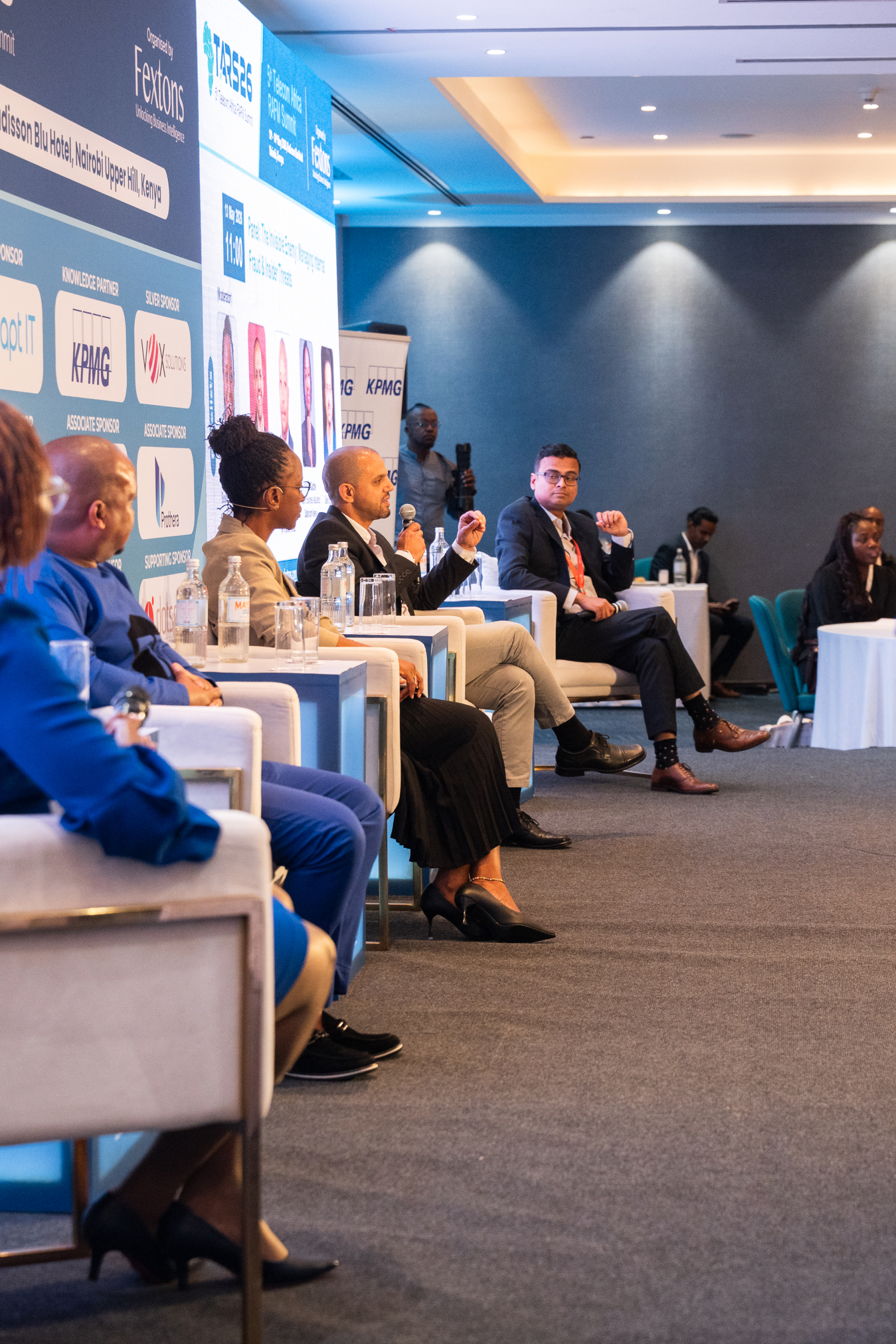
Global event management companies play a critical role in planning, coordinating, and executing successful events across multiple countries and regions. These organizations provide expertise in conference management, exhibitions, corporate meetings, government events, incentive travel programs, product launches, and international summits. As Africa continues to experience growth in business tourism, investment forums, and international conferences, the demand for professional event management services has increased significantly.
1.1 What Is an Event Management Company?

Global Event Management Companies in Africa
An event management company is a professional organization that specializes in planning, organizing, coordinating, and executing events on behalf of clients.
- Event Planning Services – Developing event concepts, objectives, schedules, and execution plans.
- Venue Management – Identifying and coordinating suitable venues for conferences, exhibitions, and corporate events.
- Logistics Coordination – Managing accommodation, transportation, registration, and event operations.
- Technology Management – Providing audio-visual systems, live streaming, hybrid event platforms, and technical support.
- Attendee Experience Management – Creating engaging and seamless experiences for delegates, exhibitors, sponsors, and guests.
Event management companies help organizations deliver professional and successful events by managing every aspect of planning and execution.
1.2 What Makes an Event Management Company Global?
A global event management company has the expertise, resources, and networks required to organize events across different countries and regions.
- Multi-Country Event Management – Ability to coordinate events in various locations worldwide.
- International Experience – Understanding cultural, regulatory, and logistical differences across markets.
- Global Partner Networks – Access to venues, suppliers, hotels, and service providers across multiple countries.
- Cross-Border Logistics Expertise – Managing travel, accommodation, shipping, and event operations internationally.
- Consistent Service Delivery – Maintaining quality standards regardless of event location.
Global event management companies provide organizations with the capability to execute complex international events efficiently and professionally.
1.3 The Growing Event Industry in Africa

Global Event Management Companies in Africa
Africa’s event industry has experienced significant growth due to increased investment, regional integration, and expanding business opportunities.
- Rise of International Conferences – More global organizations are choosing African destinations for conferences and summits.
- Growth in Corporate Events – Businesses are investing in meetings, product launches, training programs, and stakeholder events.
- Expansion of Government and Development Forums – Governments, NGOs, and development agencies frequently host large-scale events across Africa.
- Improved Event Infrastructure – Modern venues, hotels, and conference facilities continue to emerge in major African cities.
- Growing Business Tourism Sector – Business events contribute significantly to tourism revenue and economic development.
Africa’s rapidly growing event industry is creating new opportunities for global event management companies to support conferences, exhibitions, and corporate events across the continent.
Global event management companies play a vital role in supporting organizations that require professional event planning and execution across multiple locations. Their international expertise, extensive partner networks, and ability to manage complex logistics make them valuable partners for conferences, exhibitions, summits, and corporate events. As Africa’s event industry continues to expand, the demand for experienced global event management companies is expected to grow, supporting the continent’s position as an emerging hub for international business events.
2. Services Offered by Global Event Management Companies in Africa

Global Event Management Companies in Africa
Global event management companies provide a wide range of professional services designed to support the successful planning, coordination, and execution of events across Africa. These services help organizations manage complex logistics, engage attendees, coordinate stakeholders, and deliver memorable event experiences. From conferences and exhibitions to corporate meetings and hybrid events, professional event management companies ensure every aspect of an event is handled efficiently and professionally.
2.1 Event Planning and Strategy
- Event Concept Development – Creating event themes, objectives, formats, and engagement strategies that align with organizational goals.
- Budget Planning – Developing detailed financial plans to manage costs and maximize event value.
- Project Management – Coordinating timelines, resources, stakeholders, and deliverables throughout the planning process.
- Risk Assessment and Contingency Planning – Identifying potential challenges and preparing mitigation strategies.
- Stakeholder Coordination – Ensuring sponsors, partners, speakers, and organizers remain aligned throughout the event lifecycle.
Effective event planning and strategy provide the foundation for successful events by ensuring all activities support clearly defined objectives.
2.2 Venue Sourcing and Management
- Identifying Suitable Conference and Event Venues – Selecting venues based on event size, objectives, location, and technical requirements.
- Venue Evaluation and Site Inspections – Assessing facilities to ensure they meet operational expectations.
- Contract Negotiation – Securing favorable pricing, services, and venue terms.
- Venue Coordination – Managing room setups, seating arrangements, catering, and venue logistics.
- Facility Management Support – Ensuring all venue operations run smoothly before and during the event.
Professional venue sourcing and management help create environments that support successful event delivery and attendee satisfaction.
2.3 Event Registration and Delegate Management
- Online Registration Systems – Simplifying attendee registration through digital platforms.
- Delegate Database Management – Maintaining accurate attendee information and records.
- Accreditation and Badge Printing – Providing secure identification for participants, speakers, exhibitors, and staff.
- Attendee Tracking and Communication – Monitoring participation and providing event updates.
- Check-In and On-Site Registration Services – Ensuring efficient participant entry and support.
Delegate management services improve attendee experiences while helping organizers maintain operational efficiency.
2.4 Exhibition and Trade Show Management

Global Event Management Companies in Africa
- Exhibition Layout Planning – Designing exhibition spaces that maximize visitor flow and exhibitor visibility.
- Exhibitor Coordination and Support – Managing exhibitor registration, booth allocation, and operational requirements.
- Sponsor Management – Ensuring sponsors receive agreed branding and promotional benefits.
- Visitor Registration Systems – Supporting attendee registration and access control.
- On-Site Exhibition Operations – Coordinating setup, event activities, and dismantling processes.
Professional exhibition management helps exhibitors achieve greater visibility while enhancing visitor engagement.
2.5 Conference Production Services
- Stage Management – Coordinating presentations, transitions, and event flow during conference sessions.
- Speaker Coordination and Scheduling – Managing speaker logistics, presentation requirements, and schedules.
- Presentation Management – Ensuring content is delivered effectively and professionally.
- Technical Production Support – Managing sound, lighting, video, and presentation technologies.
- Session Management – Overseeing panel discussions, workshops, and breakout sessions.
Conference production services ensure presentations, speakers, and technical elements work together seamlessly to create successful events.
2.6 Virtual and Hybrid Event Management
- Live Streaming Solutions – Broadcasting events to audiences across multiple locations.
- Online Audience Engagement Platforms – Supporting polls, chats, Q&A sessions, and networking opportunities.
- Virtual Event Production – Managing online presentations, speakers, and digital event environments.
- Hybrid Conference Integration – Connecting physical and virtual participants within a unified event experience.
- Remote Participation Support – Ensuring seamless interaction between online and in-person attendees.
Virtual and hybrid event management services help organizations expand audience reach and create more accessible event experiences.
Global event management companies in Africa offer comprehensive services that support every stage of event planning and execution. Through event strategy development, venue management, delegate registration, exhibition coordination, conference production, and hybrid event solutions, these companies help organizations deliver professional, engaging, and impactful events. Their expertise enables businesses, governments, NGOs, and international organizations to successfully host events that achieve meaningful results and create memorable experiences for participants.
3. Types of Events Managed by Global Event Companies

Global Event Management Companies in Africa
Global event management companies are responsible for organizing a wide variety of events across different industries and sectors. Their expertise allows organizations to host professional, engaging, and impactful events regardless of size, location, or complexity. From international conferences and corporate meetings to government summits and trade exhibitions, these companies provide the planning, logistics, technology, and operational support required for successful event execution.
3.1 International Conferences
- Business Conferences – Bringing together business leaders, entrepreneurs, investors, and professionals to discuss industry trends and opportunities.
- Government Conferences – Supporting policy discussions, public sector collaboration, and national development initiatives.
- Industry Conferences – Providing platforms for knowledge sharing, innovation, and professional networking.
- International Summits – Hosting high-level discussions involving global organizations, policymakers, and experts.
- Professional Forums – Facilitating engagement among industry stakeholders and thought leaders.
International conferences create opportunities for collaboration, learning, networking, and strategic discussions across industries and sectors.
3.2 Corporate Events
- Annual Meetings – Bringing together employees, executives, and stakeholders to review performance and future plans.
- Shareholder Events – Facilitating communication between organizations and investors.
- Product Launches – Introducing new products, technologies, and services to target audiences.
- Brand Activations – Creating interactive experiences that strengthen brand awareness and customer engagement.
- Corporate Networking Events – Supporting relationship building and business development opportunities.
Corporate events help organizations communicate effectively, strengthen stakeholder relationships, and promote business growth.
3.3 Government and Diplomatic Events
- Summits and High-Level Meetings – Bringing together government leaders and decision-makers.
- Ministerial Meetings – Facilitating discussions on policy, governance, and regional cooperation.
- International Cooperation Forums – Supporting collaboration between governments, institutions, and development partners.
- Diplomatic Engagements – Coordinating protocol-sensitive events involving embassies and international agencies.
- Official Ceremonies – Managing state functions, launches, and formal governmental events.
Government and diplomatic events require careful planning, protocol management, and professional execution to achieve their objectives.
3.4 NGO and Development Sector Events

Global Event Management Companies in Africa
- Workshops and Training Programs – Building capacity and sharing knowledge among participants.
- Stakeholder Forums – Bringing together partners, beneficiaries, donors, and policymakers.
- Regional Development Conferences – Addressing social, economic, environmental, and humanitarian challenges.
- Donor Engagement Meetings – Facilitating collaboration and project planning discussions.
- Advocacy and Awareness Events – Supporting outreach and public engagement initiatives.
Development sector events encourage collaboration, knowledge exchange, and collective action toward social and economic progress.
3.5 Trade Fairs and Exhibitions
- Industry Expos – Showcasing innovations, products, and services within specific sectors.
- Commercial Exhibitions – Providing businesses with opportunities to engage customers and partners.
- Trade Shows – Connecting exhibitors with buyers, distributors, and investors.
- Product Demonstrations – Allowing organizations to present solutions and innovations directly to audiences.
- Business Networking Opportunities – Supporting partnerships, sales generation, and market expansion.
Trade fairs and exhibitions help organizations increase visibility, generate leads, and strengthen their market presence.
3.6 Award Ceremonies and Gala Dinners
- Corporate Celebrations – Recognizing employee achievements and organizational milestones.
- Industry Awards Events – Honoring excellence, innovation, and outstanding performance.
- Institutional Celebrations – Marking anniversaries, accomplishments, and significant achievements.
- Fundraising Galas – Supporting charitable causes and community initiatives.
- Executive Networking Functions – Creating opportunities for relationship building among industry leaders.
Award ceremonies and gala dinners celebrate success while strengthening relationships and enhancing organizational reputation.
Global event management companies support a diverse range of events across business, government, development, and commercial sectors. Whether organizing international conferences, corporate functions, diplomatic forums, trade exhibitions, or gala dinners, these companies provide the expertise and resources needed to ensure successful event delivery. Their ability to manage complex logistics, technology, stakeholder engagement, and production requirements makes them valuable partners for organizations hosting events across Africa and beyond.
4. Why Africa Is Becoming a Major Event Destination

Global Event Management Companies in Africa
Africa is rapidly emerging as one of the world’s most attractive destinations for conferences, exhibitions, corporate meetings, summits, and international business events. Economic growth, increased investment, improved infrastructure, and stronger regional integration have contributed to the continent’s growing reputation as a preferred location for global events. As more organizations seek new markets and opportunities, Africa continues to attract international conferences, trade fairs, development forums, and corporate gatherings.
4.1 Expanding Business Opportunities
- Growing Investment Across African Economies – Increased local and foreign investment is driving economic expansion across multiple sectors.
- Emerging Business Markets – Africa offers access to fast-growing consumer and business markets.
- Regional Trade Growth – Cross-border trade and economic partnerships continue to strengthen business opportunities.
- Technology and Innovation Development – Rapid growth in technology, fintech, and digital services is attracting international attention.
- Increased Corporate Presence – More multinational companies are establishing operations across the continent.
Africa’s expanding business landscape creates strong demand for conferences, forums, exhibitions, and networking events that support economic growth and investment.
4.2 Modern Conference Infrastructure
- Development of Convention Centers – Major cities across Africa have invested in world-class conference and exhibition facilities.
- Expansion of Hotel Infrastructure – International hotel brands continue to establish and expand operations across the continent.
- Professional Event Venues – Modern facilities support conferences, exhibitions, summits, and corporate meetings of various sizes.
- Advanced Event Technology – Many venues are equipped with modern audio-visual systems, hybrid event capabilities, and high-speed connectivity.
- Improved Delegate Experiences – Contemporary facilities provide comfortable and productive environments for attendees.
Africa’s growing conference infrastructure enables organizations to host international-standard events with confidence.
4.3 Improved Connectivity
- Better Air Transport Networks – Expanded airline routes make travel across Africa and internationally more convenient.
- Improved Regional Accessibility – Major cities are increasingly connected through efficient transport systems.
- Digital Infrastructure Growth – Expanding internet coverage and connectivity support modern event technologies.
- Enhanced Hybrid Event Capabilities – Reliable digital infrastructure enables virtual participation and live streaming.
- Easier Delegate Mobility – Improved transport options support international conference attendance.
Enhanced transportation and digital connectivity make Africa more accessible for international delegates and event organizers.
4.4 Growing Demand for International Events
- Increasing Number of Global Organizations Hosting Events in Africa – International institutions are recognizing Africa’s importance in global discussions.
- Rising Demand for Regional Conferences – Businesses and organizations are hosting more events focused on African markets and opportunities.
- Expansion of Development and NGO Forums – Development agencies frequently organize conferences and stakeholder engagements across the continent.
- Growth of Industry-Specific Events – Sectors such as technology, healthcare, finance, agriculture, and energy continue to attract major conferences.
- Greater International Participation – More global delegates are attending events hosted in African destinations.
The increasing demand for international events reflects Africa’s growing influence in business, development, investment, and global affairs.
Africa’s rise as a major event destination is being driven by expanding business opportunities, modern conference infrastructure, improved transportation and digital connectivity, and increasing demand for international events. These factors have positioned the continent as an attractive location for conferences, exhibitions, summits, and corporate gatherings. As investment and economic development continue to grow, Africa is expected to play an even greater role in the global events industry, attracting organizations and delegates from around the world.
5. Key Features of Successful Global Event Management Companies

Global Event Management Companies in Africa
Successful global event management companies distinguish themselves through their ability to deliver professional, consistent, and high-quality event experiences across different countries and markets. They combine international expertise, strong local partnerships, advanced technology, effective project management, and risk mitigation strategies to ensure successful event execution. These capabilities enable them to support conferences, exhibitions, corporate events, government forums, and international summits across Africa and beyond.
5.1 International Experience
- Managing Events Across Diverse Markets – Successfully delivering events in different countries, cultures, and business environments.
- Cross-Cultural Understanding – Adapting event experiences to suit local customs and international audiences.
- Global Event Expertise – Understanding international event standards, protocols, and best practices.
- Multi-Country Logistics Management – Coordinating travel, accommodation, shipping, and operations across borders.
- Consistent Service Delivery – Maintaining quality regardless of event location.
International experience enables event management companies to confidently handle complex global events while meeting diverse stakeholder expectations.
5.2 Strong Local Partnerships
- Working with Local Suppliers and Venues – Building reliable relationships with service providers in different regions.
- Access to Quality Event Resources – Securing trusted vendors for catering, transport, technology, and logistics.
- Local Market Knowledge – Understanding destination-specific requirements and opportunities.
- Operational Efficiency – Improving service delivery through established local networks.
- Cost Optimization – Leveraging partnerships to secure competitive pricing and better value.
Strong local partnerships help event companies deliver efficient services while ensuring smooth operations in different destinations.
5.3 Advanced Event Technology
- Registration Platforms – Streamlining attendee registration, accreditation, and check-in processes.
- Event Applications – Providing schedules, networking tools, notifications, and event information.
- Hybrid Event Solutions – Supporting both virtual and in-person participation.
- Live Streaming Technology – Expanding event reach to global audiences.
- Data and Analytics Tools – Measuring attendee engagement and event performance.
Advanced event technology improves efficiency, enhances attendee experiences, and supports better event outcomes.
5.4 Professional Project Management
- Effective Planning Processes – Developing clear event timelines, objectives, and deliverables.
- Resource Management – Coordinating personnel, budgets, suppliers, and technology.
- Stakeholder Coordination – Managing communication among sponsors, speakers, delegates, and partners.
- Schedule Management – Ensuring event activities are completed on time.
- Quality Control Measures – Maintaining high standards throughout the event lifecycle.
Professional project management ensures events are delivered efficiently, within budget, and according to client expectations.
5.5 Risk Management Capabilities
- Contingency Planning – Preparing backup plans for operational, logistical, and technical challenges.
- Crisis Response Procedures – Developing strategies for handling unexpected situations.
- Health and Safety Planning – Protecting attendees, staff, and stakeholders.
- Technology Risk Mitigation – Ensuring redundancy for internet, AV systems, and live streaming services.
- Operational Monitoring – Identifying and addressing issues before they affect event delivery.
Strong risk management capabilities help event companies maintain continuity and minimize disruptions during events.
5.6 Sustainability Practices
- Eco-Friendly Event Planning Solutions – Reducing environmental impact through sustainable event practices.
- Waste Reduction Initiatives – Minimizing waste generation and encouraging recycling.
- Digital Event Resources – Reducing paper usage through mobile applications and digital materials.
- Sustainable Supplier Selection – Working with environmentally responsible vendors and partners.
- Responsible Resource Management – Promoting energy efficiency and sustainable event operations.
Sustainability practices help organizations reduce environmental impact while supporting responsible event management.
Successful global event management companies combine international experience, strong local partnerships, advanced technology, professional project management, risk mitigation expertise, and sustainability initiatives to deliver exceptional events. These capabilities enable them to manage conferences, exhibitions, summits, and corporate events across diverse markets while ensuring high-quality experiences for clients and attendees. As the event industry continues to evolve, these key features remain essential for delivering successful and impactful events across Africa and the world.
6. Event Technology Used by Global Event Management Companies

Global Event Management Companies in Africa
Technology has become a critical component of modern event management. Global event management companies rely on advanced event technologies to enhance communication, improve attendee engagement, streamline event operations, and deliver professional event experiences. From conference audio systems and interpretation equipment to live streaming platforms and audience engagement tools, technology helps organizations create impactful events that connect participants across multiple locations and languages.
6.1 Conference Audio Systems
- Professional Sound Reinforcement Solutions – Ensuring clear audio delivery throughout conference venues.
- Wireless Microphone Systems – Supporting speakers, moderators, and audience participation.
- Digital Audio Mixing Consoles – Providing precise control over sound quality and distribution.
- Multi-Room Audio Distribution – Supporting simultaneous sessions and breakout rooms.
- Real-Time Audio Monitoring – Ensuring consistent sound quality throughout the event.
Conference audio systems ensure every participant can hear presentations and discussions clearly, improving communication and engagement.
6.2 Simultaneous Interpretation Systems
- Multilingual Conference Communication – Enabling participants to follow presentations in their preferred language.
- Interpreter Booths – Providing soundproof environments for professional interpreters.
- Wireless Receivers and Headsets – Delivering translated audio directly to delegates.
- Language Distribution Systems – Supporting multiple interpretation channels simultaneously.
- International Conference Support – Facilitating communication among diverse global audiences.
Interpretation systems remove language barriers and help international participants engage effectively in conference discussions.
6.3 LED Screens and Video Walls
- Visual Presentation Solutions – Displaying presentations, videos, graphics, and event content.
- High-Resolution Display Technology – Providing clear and vibrant visuals for attendees.
- Branding and Sponsorship Visibility – Showcasing event branding and sponsor messaging.
- Live Camera Feeds – Improving visibility for large audiences.
- Flexible Display Configurations – Supporting conferences, exhibitions, product launches, and summits.
LED screens and video walls enhance content visibility and create more engaging visual experiences for attendees.
6.4 Live Streaming Platforms
- Virtual Event Participation – Allowing remote attendees to join events from anywhere in the world.
- Real-Time Content Delivery – Broadcasting presentations, discussions, and sessions live.
- Global Audience Reach – Expanding event participation beyond physical venue limitations.
- Interactive Online Features – Supporting chats, polls, and audience questions.
- Content Recording and Replay – Providing on-demand access after the event.
Live streaming platforms increase accessibility and help organizations engage audiences regardless of location.
6.5 Event Registration Software
- Digital Attendee Management – Simplifying registration and participant data collection.
- Online Registration Systems – Allowing attendees to register quickly and conveniently.
- Accreditation and Badge Printing – Supporting secure participant identification.
- Attendance Tracking – Monitoring attendee participation and event engagement.
- Automated Communication Tools – Sending confirmations, reminders, and event updates.
Event registration software improves efficiency, reduces administrative workload, and enhances attendee experiences.
6.6 Audience Engagement Tools
- Live Polling Systems – Gathering audience opinions and feedback in real time.
- Interactive Q&A Platforms – Allowing participants to submit and vote on questions.
- Audience Response Tools – Encouraging active participation during sessions.
- Gamification Features – Increasing engagement through challenges, quizzes, and rewards.
- Event Networking Applications – Facilitating connections between attendees, exhibitors, and speakers.
Audience engagement tools transform participants from passive listeners into active contributors, creating more interactive event experiences.
Event technology plays a central role in the success of modern conferences, exhibitions, and corporate events. Through professional audio systems, simultaneous interpretation equipment, LED displays, live streaming platforms, registration software, and audience engagement tools, global event management companies can deliver high-quality, interactive, and accessible events. These technologies enhance communication, improve attendee experiences, and help organizations achieve greater impact from their events across Africa and around the world.
7. Challenges of Managing Events Across Africa
Global Event Management Companies in Africa
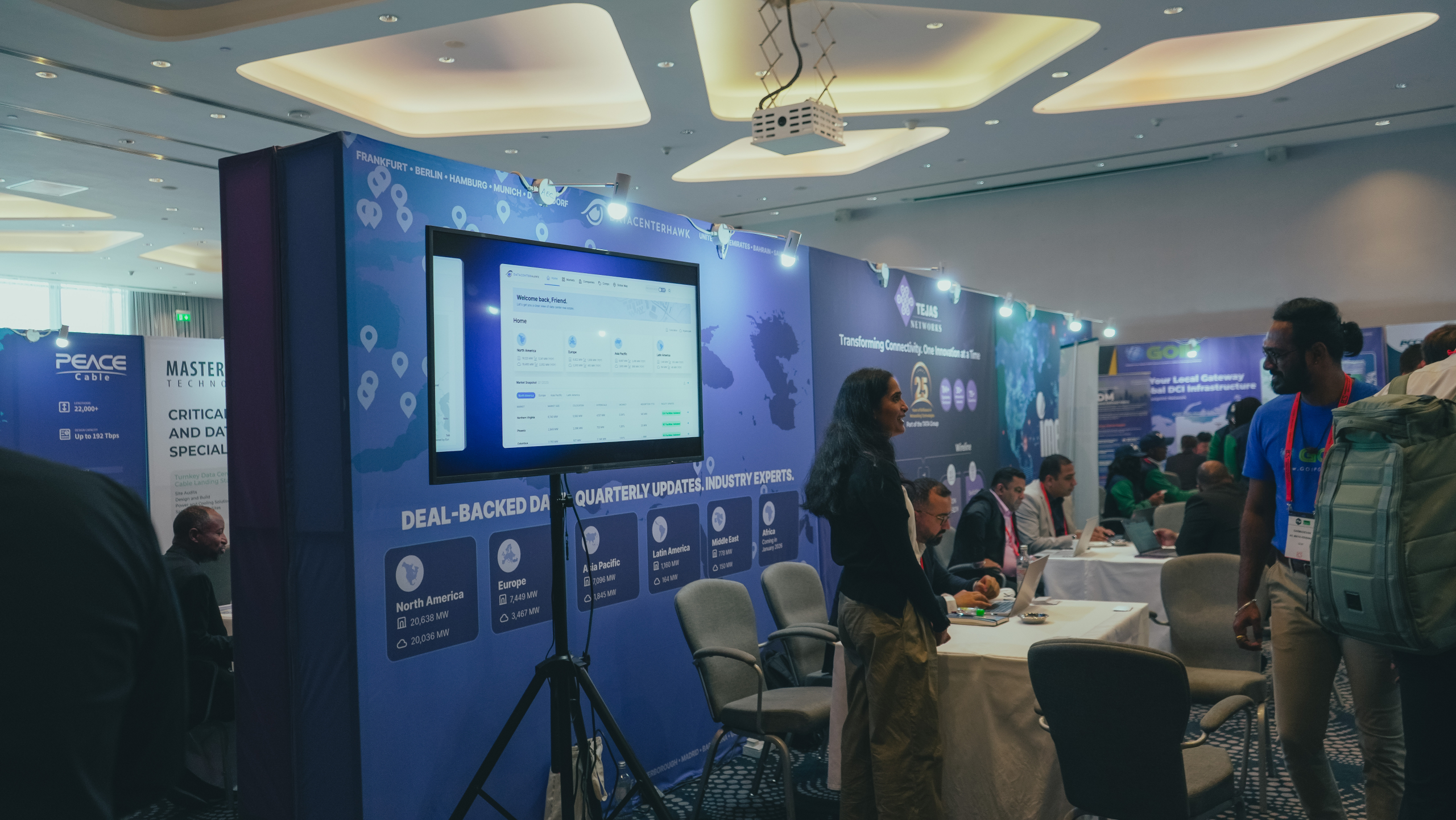
Africa offers significant opportunities for conferences, exhibitions, summits, and corporate events, but managing events across multiple countries also presents unique challenges. Global event management companies must navigate logistical complexities, cultural differences, language requirements, regulatory frameworks, and technology considerations to ensure successful event delivery. Understanding and addressing these challenges is essential for creating seamless and impactful event experiences across the continent.
7.1 Multi-Country Logistics
- Coordinating Equipment and Personnel – Managing the movement of audio-visual equipment, exhibition materials, and event staff across borders.
- Transportation Planning – Organizing air, road, and freight logistics efficiently.
- Customs and Import Procedures – Navigating documentation and clearance requirements for event equipment.
- Accommodation and Travel Coordination – Managing travel arrangements for delegates, speakers, and event teams.
- Time and Resource Management – Ensuring all resources arrive on schedule and within budget.
Multi-country logistics require detailed planning and strong coordination to ensure smooth event execution across different locations.
7.2 Cultural Diversity
- Adapting Events to Local Audiences – Tailoring event experiences to suit cultural expectations and preferences.
- Respecting Local Traditions – Incorporating appropriate customs and cultural considerations into event planning.
- Audience Engagement Strategies – Designing content and activities that resonate with diverse participant groups.
- Cross-Cultural Communication – Ensuring effective interaction among delegates from different backgrounds.
- Inclusive Event Experiences – Creating welcoming environments for all attendees.
Understanding cultural diversity helps event organizers create relevant, respectful, and engaging experiences for participants.
7.3 Language Requirements
- Managing Multilingual Communication – Supporting participants who speak different languages.
- Simultaneous Interpretation Services – Providing real-time translation during presentations and discussions.
- Translation of Event Materials – Making conference documents accessible to diverse audiences.
- Multilingual Registration and Support Services – Assisting attendees throughout the event journey.
- Improving Accessibility and Inclusion – Ensuring language differences do not limit participation.
Effective language support improves communication, participation, and collaboration among international attendees.
7.4 Regulatory Compliance
- Understanding Local Event Regulations – Complying with country-specific event requirements and legal obligations.
- Permit and Licensing Management – Securing approvals required for event operations.
- Health and Safety Compliance – Implementing measures to protect attendees and staff.
- Contractual and Insurance Requirements – Managing legal agreements and risk protection measures.
- Government and Authority Coordination – Working with local agencies and regulatory bodies.
Regulatory compliance helps organizations avoid disruptions while ensuring events operate legally and safely.
7.5 Technology Integration
- Ensuring Reliable Event Infrastructure – Providing stable power, internet connectivity, and technology systems.
- Audio-Visual System Integration – Coordinating sound, lighting, displays, and presentation technologies.
- Hybrid Event Support – Managing virtual and physical participation simultaneously.
- Technical Risk Management – Preparing backup systems and contingency plans.
- Technology Training and Support – Assisting speakers, delegates, and event teams with technology use.
Successful technology integration is essential for delivering professional, engaging, and reliable event experiences.
Managing events across Africa requires global event companies to address logistical, cultural, linguistic, regulatory, and technological challenges. Through careful planning, strong local partnerships, professional interpretation services, regulatory expertise, and advanced event technology, these challenges can be effectively managed. Organizations that successfully navigate these complexities are better positioned to deliver impactful events that engage diverse audiences and achieve their objectives across the continent.
8. Benefits of Hiring a Global Event Management Company

Global Event Management Companies in Africa
Organizing successful conferences, exhibitions, summits, corporate meetings, and large-scale events requires significant expertise, resources, and coordination. Global event management companies bring international experience, professional planning capabilities, and extensive industry networks that help organizations deliver high-quality events. By partnering with experienced event professionals, organizations can reduce operational challenges, improve attendee experiences, and achieve their event objectives more effectively.
8.1 Professional Event Execution
- Reducing Operational Risks – Professional event teams identify and mitigate potential challenges before they impact the event.
- Comprehensive Event Coordination – Managing venues, suppliers, speakers, delegates, and logistics efficiently.
- Structured Planning Processes – Following proven methodologies to ensure smooth event delivery.
- Quality Assurance Measures – Maintaining high standards throughout the event lifecycle.
- Real-Time Problem Resolution – Quickly addressing issues during event execution.
Professional event execution minimizes risks and helps ensure events are delivered smoothly, efficiently, and successfully.
8.2 Access to International Expertise
- Leveraging Global Best Practices – Applying internationally recognized event management standards and methodologies.
- Cross-Cultural Event Experience – Understanding the requirements of diverse audiences and stakeholders.
- International Network Access – Connecting clients with global suppliers, venues, and service providers.
- Industry Knowledge and Insights – Utilizing experience gained from managing events across different markets.
- Specialized Event Expertise – Supporting complex conferences, exhibitions, summits, and corporate events.
International expertise enables organizations to benefit from proven strategies and world-class event management practices.
8.3 Efficient Resource Management
- Optimizing Budgets – Managing event costs effectively while maximizing value.
- Efficient Timeline Management – Ensuring milestones and deadlines are achieved on schedule.
- Supplier and Vendor Coordination – Streamlining procurement and service delivery processes.
- Resource Allocation – Prioritizing investments that contribute most to event success.
- Operational Efficiency – Reducing waste and improving productivity throughout the planning process.
Effective resource management helps organizations control costs, maximize efficiency, and achieve better event outcomes.
8.4 Enhanced Attendee Experience
- Delivering Memorable Events – Creating engaging and impactful experiences for delegates and stakeholders.
- Improved Delegate Services – Providing seamless registration, communication, and support.
- Interactive Event Experiences – Incorporating technology, networking opportunities, and audience engagement tools.
- Professional Event Environments – Ensuring high standards of presentation and service delivery.
- Personalized Attendee Support – Addressing participant needs before, during, and after the event.
Enhanced attendee experiences increase satisfaction, encourage participation, and strengthen event success.
8.5 Scalable Event Solutions
- Supporting Events of Different Sizes – Managing everything from executive meetings to large international conferences.
- Flexible Service Models – Adapting solutions to meet varying budgets and event objectives.
- Multi-Venue Event Management – Coordinating events across multiple locations and destinations.
- Hybrid and Virtual Event Capabilities – Supporting diverse event formats and participation models.
- Complex Project Delivery – Managing events involving multiple stakeholders, countries, and operational requirements.
Scalable event solutions provide organizations with the flexibility needed to manage events of varying sizes and complexity.
Hiring a global event management company provides organizations with access to professional expertise, international best practices, efficient resource management, enhanced attendee experiences, and scalable event solutions. These benefits help reduce operational risks while ensuring events are delivered professionally and effectively. Whether organizing a conference, exhibition, summit, government forum, or corporate event, partnering with an experienced global event management company can significantly improve event outcomes and create lasting value for stakeholders and participants.
9. How to Choose the Right Event Management Company in Africa

Global Event Management Companies in Africa
Selecting the right event management company is one of the most important decisions when planning conferences, exhibitions, summits, corporate meetings, government forums, and international events. The ideal event partner should possess the experience, resources, technology, and operational capabilities required to deliver successful outcomes. By carefully evaluating potential event management companies, organizations can reduce risks, improve event quality, and maximize return on investment.
9.1 Review Industry Experience
- Evaluate Past Projects and Case Studies – Review previously completed events to assess expertise and capabilities.
- Industry-Specific Experience – Determine whether the company has experience managing events similar to yours.
- Portfolio Assessment – Examine the range and complexity of events they have delivered.
- Understanding of Event Requirements – Assess their ability to manage conferences, exhibitions, corporate events, and summits.
- Proven Track Record – Look for evidence of successful event delivery and satisfied clients.
A company with extensive industry experience is more likely to anticipate challenges and deliver successful event outcomes.
9.2 Assess Geographic Coverage
- Confirm Ability to Support Multiple Countries – Ensure the company can manage events across different African markets.
- Regional Presence and Networks – Evaluate access to local partners, suppliers, and venues.
- Cross-Border Logistics Expertise – Assess their ability to coordinate travel, accommodation, and event operations internationally.
- Local Market Knowledge – Determine whether they understand cultural and operational differences across regions.
- Scalability Across Locations – Verify their ability to support simultaneous or multi-country events.
Strong geographic coverage enables event companies to deliver consistent service across multiple destinations.
9.3 Evaluate Technology Capabilities
- Review Event Technology Offerings – Assess available audio-visual, registration, and event management technologies.
- Hybrid Event Capabilities – Confirm support for virtual and in-person participation.
- Live Streaming Services – Evaluate the ability to reach remote audiences effectively.
- Audience Engagement Tools – Review polling, networking, Q&A, and interaction platforms.
- Technical Support Resources – Ensure access to qualified technical teams and equipment.
Advanced technology capabilities help improve attendee experiences and support modern event requirements.
9.4 Check Client References
- Verify Reputation and Reliability – Seek feedback from previous clients and partners.
- Review Testimonials and Case Studies – Examine evidence of successful event delivery.
- Assess Client Satisfaction Levels – Determine how effectively the company meets client expectations.
- Industry Recognition and Awards – Consider any professional certifications or accolades.
- Long-Term Client Relationships – Evaluate whether clients continue to work with the company.
Strong client references provide confidence in a company’s reliability, professionalism, and ability to deliver results.
9.5 Consider Budget and Value

Global Event Management Companies in Africa
- Compare Services Against Event Objectives – Ensure proposed solutions align with your goals.
- Evaluate Overall Value – Focus on quality and outcomes rather than price alone.
- Review Cost Transparency – Confirm all pricing and service inclusions are clearly defined.
- Assess Return on Investment – Consider how services contribute to event success.
- Balance Quality and Budget – Select solutions that provide the best combination of performance and affordability.
Choosing based on value rather than cost alone helps ensure better event results and stronger long-term benefits.
9.6 Assess Communication and Support
- Ensure Responsive Project Management – Evaluate how quickly and effectively the company communicates.
- Dedicated Account Management – Confirm availability of a primary point of contact.
- Regular Progress Updates – Ensure consistent reporting throughout the planning process.
- Collaborative Planning Approach – Assess willingness to work closely with stakeholders.
- Post-Event Support – Determine the level of assistance provided after event completion.
Strong communication and support contribute to smoother planning processes and better event execution.
Choosing the right event management company in Africa requires careful evaluation of experience, geographic reach, technology capabilities, client references, budget considerations, and communication standards. Organizations that invest time in selecting the right partner are more likely to achieve successful event outcomes while minimizing risks and operational challenges. By working with an experienced and reliable event management company, businesses, governments, NGOs, and international organizations can deliver impactful events that meet their objectives and create lasting value for attendees and stakeholders.
10. Why Event Technology Is Critical for Modern African Events

Global Event Management Companies in Africa
Event technology has become a fundamental component of successful conferences, exhibitions, corporate meetings, government forums, and international summits across Africa. As events continue to grow in scale and complexity, organizations increasingly rely on advanced technology to improve communication, enhance attendee engagement, support hybrid participation, and ensure seamless event execution. Professional event technology solutions help create impactful experiences while enabling organizers to reach broader audiences and achieve their event objectives.
10.1 High-Quality Audio Solutions
- Clear Communication for All Attendees – Ensures presentations, speeches, and discussions are heard clearly throughout the venue.
- Professional Microphone Systems – Supports keynote speakers, panel discussions, moderators, and audience participation.
- Consistent Audio Coverage – Delivers uniform sound quality across conference halls and event spaces.
- Enhanced Audience Engagement – Clear audio helps attendees remain focused and actively participate.
- Support for Multiple Event Formats – Suitable for conferences, exhibitions, workshops, and corporate meetings.
High-quality audio solutions are essential for effective communication and contribute significantly to the success of any event.
10.2 Professional Visual Presentation
- Improved Audience Engagement – High-quality visuals help capture and maintain attendee attention.
- Enhanced Presentation Delivery – Supports clear display of slides, videos, graphics, and live content.
- Brand Visibility Opportunities – Promotes sponsors, exhibitors, and event branding effectively.
- Better Information Retention – Visual aids improve understanding and knowledge transfer.
- Professional Event Appearance – Creates a polished and impactful event environment.
Professional visual presentation technologies improve content delivery while creating more engaging event experiences.
10.3 Interpretation and Translation Services
- Supporting International Participants – Enables attendees from different language backgrounds to participate effectively.
- Simultaneous Interpretation Systems – Provides real-time translation during presentations and discussions.
- Translation of Event Materials – Makes conference content accessible to diverse audiences.
- Improved Accessibility and Inclusion – Ensures language barriers do not limit participation.
- Enhanced Cross-Cultural Communication – Supports collaboration among international stakeholders.
Interpretation and translation services help create inclusive events that effectively serve global audiences.
10.4 Hybrid Event Capabilities
- Connecting Physical and Virtual Audiences – Allows participants to attend events regardless of location.
- Expanded Event Reach – Increases participation beyond venue capacity limitations.
- Remote Speaker Integration – Enables presenters to contribute from anywhere in the world.
- Interactive Online Engagement – Supports polls, chats, networking, and Q&A sessions.
- Future-Ready Event Solutions – Provides flexibility for changing event requirements.
Hybrid event capabilities allow organizations to maximize audience reach while improving accessibility and participation.
10.5 Reliable Technical Support
- Minimizing Disruptions During Events – Experienced technicians monitor and manage event systems.
- Real-Time Troubleshooting – Quickly resolves technical issues before they affect attendees.
- Audio-Visual System Management – Ensures sound, lighting, displays, and streaming platforms operate smoothly.
- Equipment Monitoring and Maintenance – Maintains optimal system performance throughout the event.
- Operational Confidence – Allows organizers and speakers to focus on content rather than technical concerns.
Reliable technical support is essential for maintaining smooth event operations and delivering professional event experiences.
Event technology is a critical driver of successful modern events across Africa. Through high-quality audio systems, professional visual displays, interpretation services, hybrid event platforms, and reliable technical support, organizations can improve communication, increase engagement, and enhance attendee experiences. As conferences, exhibitions, and corporate events continue to evolve, investing in advanced event technology has become essential for delivering impactful, inclusive, and professionally executed events.
11. Why Choose Peak Audio for Events Across Africa?
Global Event Management Companies in Africa
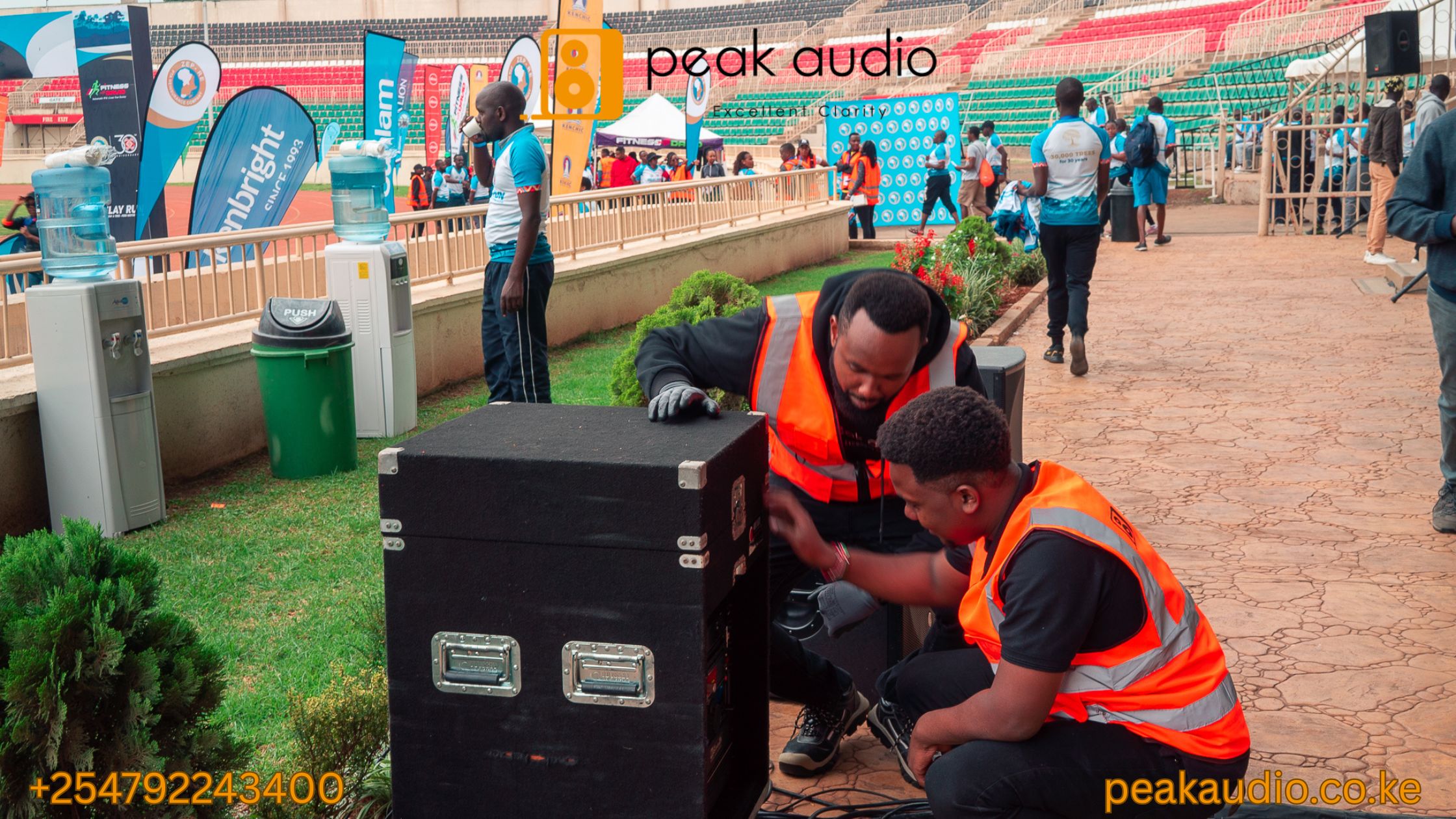
Delivering successful events across Africa requires more than planning alone. It requires reliable technology, experienced technical teams, professional event support, and the ability to adapt to different event environments and audience needs. Peak Audio has built a strong reputation for providing conference technology, interpretation systems, audio-visual production, and hybrid event solutions that help organizations host impactful events across the continent. From international conferences and government summits to exhibitions and corporate functions, Peak Audio delivers the expertise and technology needed for exceptional event experiences.
11.1 Professional Conference Audio Solutions
- High-Quality Sound Systems for Events of All Sizes – Supporting small meetings, large conferences, exhibitions, and summits.
- Professional Audio Engineering – Ensuring clear and consistent sound throughout the venue.
- Wireless Microphone Solutions – Supporting keynote speakers, moderators, panelists, and audience interaction.
- Multi-Room Audio Distribution – Providing seamless sound coverage across multiple event spaces.
- Reliable Event Audio Support – Delivering uninterrupted communication during critical sessions.
Peak Audio’s professional conference audio solutions ensure clear communication and exceptional listening experiences for every attendee.
11.2 Simultaneous Interpretation Equipment
- Supporting Multilingual Conferences and Summits – Enabling communication among delegates from different language backgrounds.
- Interpreter Booth Solutions – Providing professional working environments for interpreters.
- Wireless Interpretation Receivers and Headsets – Delivering high-quality translated audio to participants.
- Multi-Language Conference Support – Accommodating international and regional events.
- Improved Accessibility and Inclusion – Ensuring language barriers do not limit participation.
Peak Audio’s interpretation solutions help organizations communicate effectively with diverse international audiences.
11.3 LED Screens and Visual Technologies
- Advanced Display Solutions for Professional Events – Delivering vibrant, high-resolution visual experiences.
- Large-Format LED Screens – Enhancing visibility for presentations, videos, and event branding.
- Video Wall Technology – Creating impactful visual environments for conferences and exhibitions.
- Live Camera Projection – Improving audience visibility during presentations and panel discussions.
- Custom Display Configurations – Adapting solutions to different venue sizes and event formats.
Peak Audio’s visual technologies enhance audience engagement and strengthen the professional appearance of events.
11.4 Hybrid and Virtual Event Support
- Live Streaming Solutions – Broadcasting events to audiences across Africa and globally.
- Hybrid Event Platforms – Connecting physical and virtual participants in real time.
- Interactive Audience Engagement Tools – Supporting polls, chats, networking, and Q&A sessions.
- Remote Speaker Integration – Allowing presenters to participate from any location.
- Expanded Audience Reach – Increasing accessibility and event participation.
Peak Audio’s hybrid and virtual event solutions help organizations reach wider audiences while maintaining high engagement levels.
11.5 Experienced Technical Team
- Professional Setup and Configuration – Ensuring all event systems are installed and tested correctly.
- Experienced Event Technicians – Managing sound, lighting, displays, interpretation systems, and streaming technologies.
- Real-Time Technical Support – Providing immediate assistance throughout the event.
- Operational Excellence – Maintaining smooth event operations and minimizing disruptions.
- Problem-Solving Expertise – Quickly addressing technical challenges when they arise.
Peak Audio’s experienced technical team provides the expertise and reliability needed for successful event execution.
11.6 Pan-African Event Technology Services

Global Event Management Companies in Africa
- Supporting Conferences Across Africa – Providing technology and production services for regional and international conferences.
- Exhibition and Trade Show Support – Delivering AV solutions, displays, and event infrastructure.
- Government and Diplomatic Events – Supporting summits, ministerial meetings, and policy forums.
- Corporate Functions and Product Launches – Enhancing business events with professional event technology.
- Cross-Border Event Expertise – Coordinating event technology solutions across multiple African countries.
Peak Audio’s Pan-African capabilities enable organizations to deliver consistent, high-quality event experiences across the continent.
Peak Audio combines advanced event technology, professional technical expertise, and extensive regional experience to support successful events across Africa. Through high-quality conference audio systems, simultaneous interpretation equipment, LED display technologies, hybrid event solutions, and reliable technical support, we help organizations deliver impactful conferences, exhibitions, summits, and corporate events. Whether serving governments, NGOs, international organizations, universities, or private sector clients, Peak Audio provides comprehensive event technology solutions designed to ensure exceptional event experiences and successful outcomes across the African continent.
12. Frequently Asked Questions About Global Event Management Companies in Africa
12.1 What does a global event management company do?
A global event management company plans, coordinates, and executes events across different countries and regions.
- Event planning and strategy development.
- Venue sourcing and management.
- Delegate registration and attendee management.
- Audio-visual and event technology support.
- Logistics and travel coordination.
- Exhibition and conference production services.
Global event management companies handle all aspects of event delivery, allowing organizations to focus on their objectives and attendees.
12.2 Can global event companies manage events in multiple African countries?
Yes. Many global event companies specialize in managing events across multiple African countries.
- Cross-border event coordination.
- Multi-country logistics management.
- Regional supplier and venue partnerships.
- International delegate support.
- Consistent service delivery across locations.
Experienced global event companies can successfully coordinate events across different African markets and destinations.
12.3 What types of events can they organize?
Global event companies manage a wide variety of professional events.
- International conferences and summits.
- Corporate meetings and shareholder events.
- Government and diplomatic forums.
- NGO and development-sector conferences.
- Trade fairs and exhibitions.
- Award ceremonies and gala dinners.
Global event companies provide solutions for virtually every type of business, institutional, and professional event.
12.4 How much does event management cost in Africa?
The cost varies depending on the size, location, complexity, technology requirements, and number of attendees.
- Venue and accommodation costs.
- Audio-visual and technology requirements.
- Delegate registration and logistics.
- Travel and transportation expenses.
- Exhibition and production services.
- Staffing and event support requirements.
Event costs vary significantly, making it important to develop a detailed budget based on event objectives and requirements.
12.5 Do global event companies provide hybrid event solutions?
Yes. Hybrid events have become a standard offering for many event management companies.
- Live streaming services.
- Virtual attendee participation.
- Remote speaker integration.
- Online networking platforms.
- Interactive audience engagement tools.
- Event recording and on-demand content.
Hybrid event solutions help organizations engage both physical and virtual audiences simultaneously.
12.6 Can they manage international conferences and summits?
Yes. Managing international conferences and summits is one of the core services offered by global event management companies.
- International delegate coordination.
- Speaker and VIP management.
- Simultaneous interpretation services.
- Protocol and diplomatic event support.
- Conference production and logistics.
- Hybrid participation management.
Global event companies possess the expertise required to manage complex international conferences and high-level summits.
12.7 What event technologies are commonly used?
Modern events utilize a variety of technologies to improve communication and attendee engagement.
- Professional sound systems.
- LED screens and video walls.
- Simultaneous interpretation equipment.
- Event registration software.
- Live streaming platforms.
- Audience engagement tools and event applications.
Advanced event technologies improve communication, accessibility, engagement, and overall event quality.
12.8 How far in advance should an event be planned?
Planning timelines depend on the event size and complexity.
- Small events may require several weeks of preparation.
- Medium-sized conferences often require several months.
- Large international conferences and exhibitions may require six months to a year or more.
- Early planning improves venue availability.
- Advance preparation reduces operational risks.
Starting the planning process early increases flexibility and improves the likelihood of successful event delivery.
12.9 What are the benefits of hiring a professional event management company?
Professional event management companies provide expertise, efficiency, and risk reduction.
- Professional event execution.
- Access to experienced event specialists.
- Better budget and resource management.
- Improved attendee experiences.
- Access to advanced event technology.
- Reduced operational and logistical risks.
Hiring professionals helps organizations deliver high-quality events while saving time, reducing stress, and improving outcomes.
12.10 Does Peak Audio provide conference technology and event production services across Africa?
Yes. Peak Audio provides professional conference technology and event production services for organizations across Africa.
- Conference audio systems.
- Simultaneous interpretation equipment.
- LED screens and visual display solutions.
- Live streaming and hybrid event platforms.
- Event production and technical support.
- Conference, exhibition, government, NGO, and corporate event services.
Peak Audio delivers comprehensive event technology and production solutions that help organizations host successful events throughout Africa.
Global event management companies play a crucial role in helping organizations deliver professional conferences, exhibitions, summits, and corporate events across Africa. Through expert planning, advanced event technology, logistical coordination, and operational support, these companies help ensure successful event outcomes. Peak Audio provides comprehensive conference technology and event production services designed to support local, regional, and international events across the African continent.
The Growing Importance of Global Event Management Companies in Africa
Global Event Management Companies in Africa
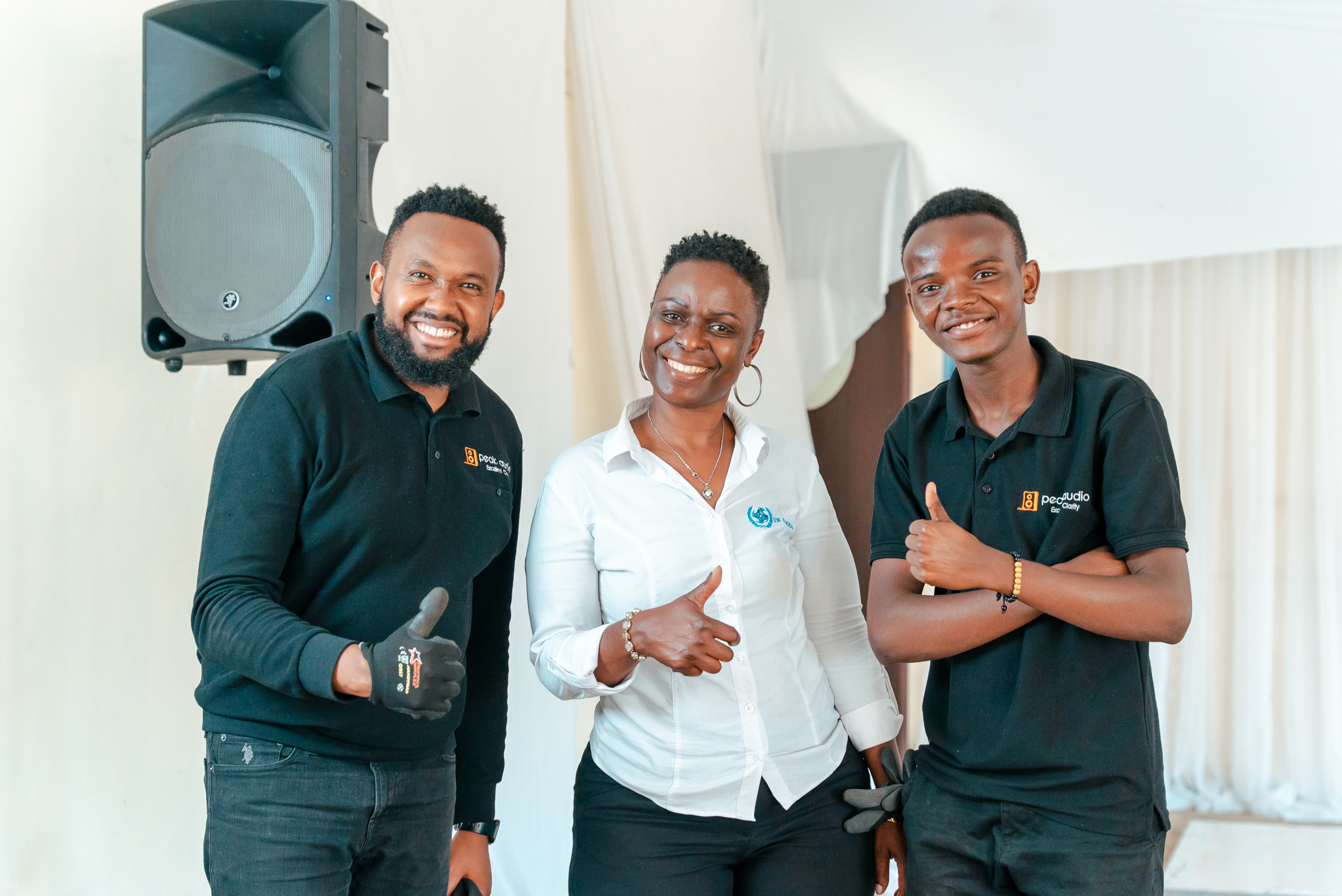
Global event management companies are playing an increasingly important role in supporting Africa’s rapidly expanding events industry. As conferences, summits, exhibitions, corporate meetings, and international forums continue to grow in scale and complexity, organizations require experienced partners who can deliver professional planning, efficient coordination, and seamless event execution. These companies help ensure that events achieve their objectives while providing exceptional experiences for attendees, sponsors, and stakeholders.
Professional planning, advanced technology integration, and international expertise have become essential components of successful modern events. From conference audio systems and simultaneous interpretation equipment to LED display solutions and hybrid event platforms, organizations must leverage reliable technologies that enhance communication, engagement, and accessibility. The ability to combine in-person and virtual participation has further increased the need for sophisticated event solutions capable of meeting the expectations of diverse audiences across Africa and beyond.
At Peak Audio, we provide trusted conference technology, event production, and professional event support services across Africa. Our solutions include high-quality conference audio systems, interpretation equipment, LED displays, live streaming, and hybrid event technologies designed to deliver seamless and impactful experiences. Whether you are a government institution, NGO, corporation, international organization, or event planner, Peak Audio is your trusted partner for innovative event technology solutions that help create successful, engaging, and memorable events.
Leave a Reply
Want to join the discussion?Feel free to contribute!