International Conference Organizers in Kenya
International Conference Organizers in Kenya – World-Class Conference Management Solutions by Peak Audio
International Conference Organizers in Kenya
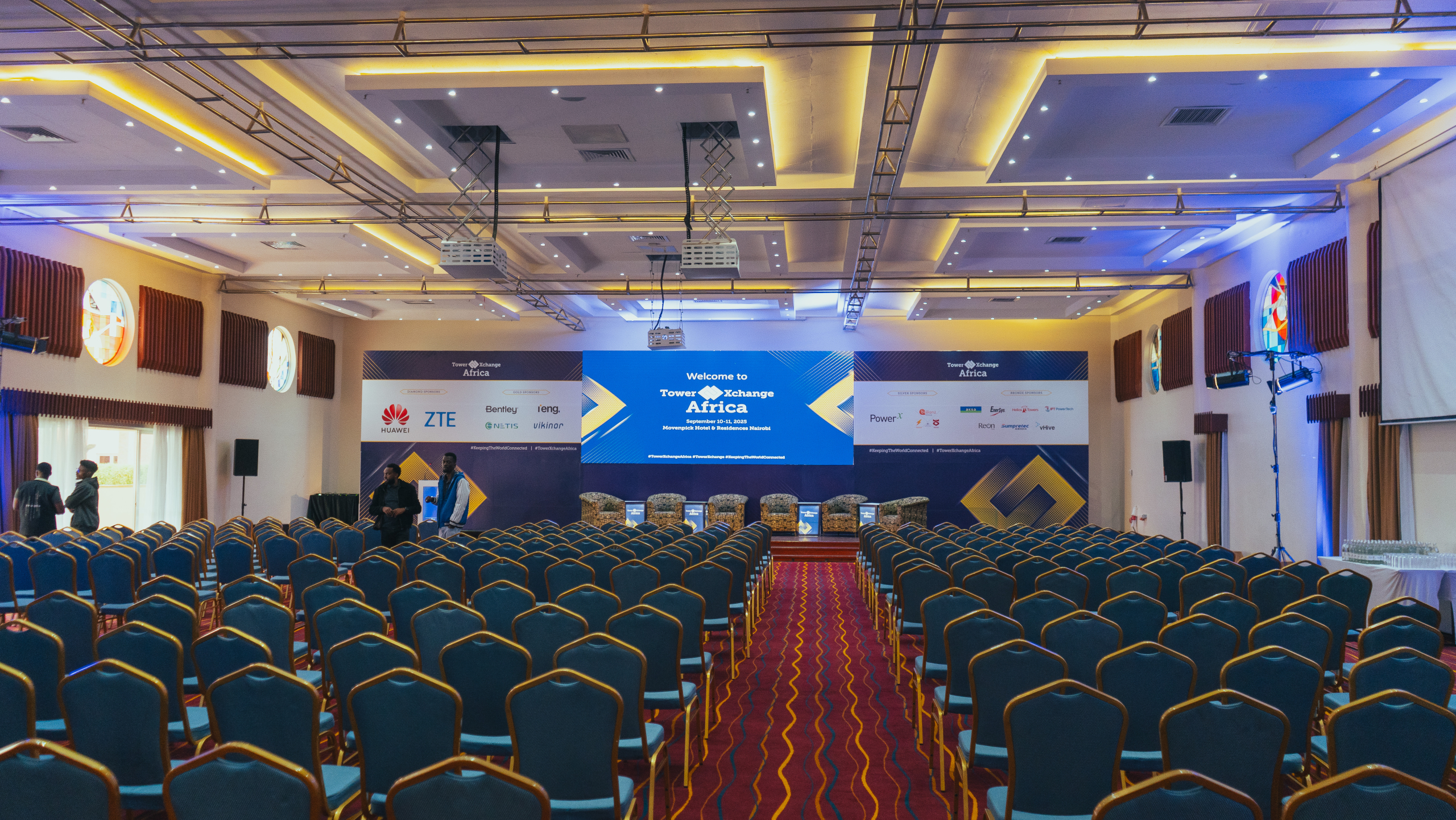
International conference organizers in Kenya play a vital role in helping businesses, government agencies, NGOs, international organizations, educational institutions, and professional associations deliver successful global events. Kenya has established itself as one of Africa’s premier conference destinations thanks to its strategic location, modern infrastructure, excellent international connectivity, quality hospitality facilities, and thriving business environment. As a result, Nairobi and other major cities regularly host regional and international conferences that attract delegates, industry leaders, policymakers, and experts from across Africa and around the world. Professional conference management is essential to ensuring these events meet international standards and deliver meaningful outcomes.
Organizing an international conference involves far more than securing a venue and inviting participants. Successful events require comprehensive planning and coordination across multiple areas, including delegate registration, accommodation arrangements, transportation logistics, audio-visual production, simultaneous interpretation services, security planning, branding, live streaming, and hybrid event technology. Managing these complex requirements demands expertise, experience, and reliable event infrastructure. Professional conference organizers ensure every aspect of the event is carefully coordinated, allowing organizers and attendees to focus on networking, knowledge sharing, collaboration, and achieving conference objectives.
Peak Audio provides professional International Conference Management Solutions in Kenya, offering advanced event technology, audio-visual production, live streaming services, delegate management support, and comprehensive conference coordination. From high-quality sound systems and LED display screens to interpretation systems, hybrid event platforms, stage production, and technical support, Peak Audio ensures seamless event execution from start to finish. By combining professional event management with innovative technology solutions, Peak Audio helps organizations deliver impactful international conferences that enhance engagement, strengthen global connections, and create exceptional experiences for delegates from around the world.
1. Why Kenya Is a Leading Destination for International Conferences
International Conference Organizers in Kenya
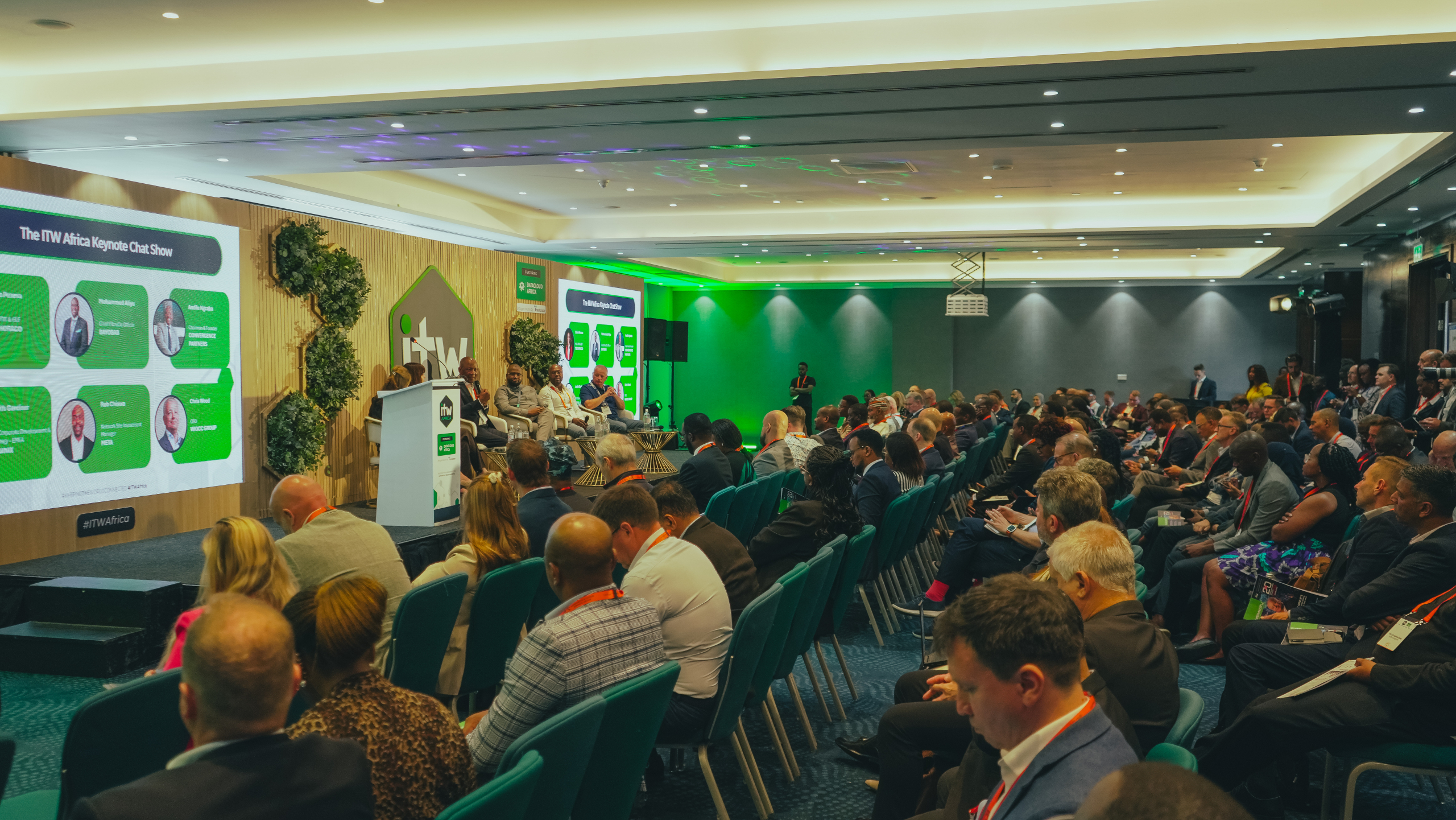
Kenya has emerged as one of Africa’s most preferred destinations for international conferences, summits, exhibitions, corporate meetings, and global forums. The country’s strategic location, modern infrastructure, strong hospitality sector, and growing economy have made it a popular choice for organizations seeking a professional and accessible conference destination. Every year, Kenya hosts thousands of regional and international events that bring together business leaders, government officials, academics, development partners, investors, and professionals from around the world.
1.1 Strategic Location in Africa
Kenya’s geographical location gives it a significant advantage as a conference destination.
Gateway to East and Central Africa
Kenya serves as a major economic, diplomatic, and transportation hub for East and Central Africa. Many international organizations operating within Africa use Nairobi as their regional base because of its accessibility and strategic importance.
This position makes Kenya an ideal meeting point for conferences involving delegates from countries such as:
- Uganda
- Tanzania
- Rwanda
- Ethiopia
- South Sudan
- Democratic Republic of Congo
- Burundi
Organizations hosting regional conferences benefit from reduced travel complexity since delegates can easily access Nairobi from most African capitals.
Kenya’s role as a regional center for commerce, diplomacy, finance, and development also attracts decision-makers who regularly participate in conferences, forums, and business meetings.
As a result, international conferences held in Kenya often experience strong attendance and broad regional representation.
Kenya’s position as a gateway to East and Central Africa makes it highly attractive for international conference organizers.
Convenient International Travel Connections
Accessibility is one of the most important factors when selecting a conference destination.
Kenya enjoys excellent international connectivity through its modern aviation infrastructure. Delegates can travel to Nairobi from major cities across:
- Europe
- North America
- Asia
- The Middle East
- Africa
Direct and connecting flights make travel relatively convenient for international participants.
The presence of numerous international airlines means conference attendees have multiple travel options, helping reduce travel barriers and improving participation rates.
Business travelers also benefit from efficient airport services, modern transport networks, and growing connectivity within the region.
For conference organizers, easier access translates into higher attendance potential and improved delegate experiences.
Strong international connectivity makes Kenya highly accessible to global conference participants.
1.2 Modern Conference Facilities
Kenya has invested heavily in developing world-class conference infrastructure.
World-Class Hotels and Convention Centers
The country offers a wide range of conference venues capable of hosting events of varying sizes and complexity.
These facilities feature:
- Large conference halls
- Breakout rooms
- Exhibition spaces
- Business centers
- High-speed internet
- Advanced AV systems
Modern conference facilities support:
- International summits
- Government forums
- Corporate conferences
- Academic conferences
- Industry exhibitions
Many venues are designed according to international standards, making them suitable for events involving thousands of delegates.
The availability of modern facilities enables organizers to deliver professional events while maintaining high standards of comfort and functionality.
Kenya’s conference venues provide the infrastructure required for successful international events.
Professional Meeting Venues
Not every conference requires a large convention center.
Kenya also offers a variety of professional meeting spaces suitable for:
- Executive meetings
- Board meetings
- Workshops
- Training seminars
- Corporate retreats
These venues provide flexible configurations that can be customized according to event objectives.
Organizers can choose venues based on:
- Audience size
- Budget
- Technical requirements
- Location preferences
This flexibility allows conferences of all sizes to operate effectively while maintaining professional standards.
Kenya provides diverse venue options that accommodate different conference formats and requirements.
1.3 Strong Hospitality Industry
A strong hospitality industry is essential for supporting international conferences.
Quality Accommodation Options
International conferences often require accommodation for delegates, speakers, sponsors, exhibitors, and VIP guests.
Kenya offers accommodation options ranging from luxury hotels to business-class properties and serviced apartments.
These facilities provide:
- Comfortable rooms
- Business amenities
- Conference support services
- Executive lounges
- Meeting spaces
Many hotels are located close to conference venues, making transportation easier and reducing logistical challenges.
Quality accommodation contributes significantly to delegate satisfaction and overall conference success.
Attendees who enjoy comfortable accommodations are more likely to have positive impressions of both the conference and the destination.
Kenya’s accommodation infrastructure supports the needs of international conference delegates.
Diverse Hospitality Services
The hospitality sector extends beyond accommodation.
Conference attendees also benefit from:
- Professional catering services
- Transportation support
- Concierge services
- Event hospitality teams
- VIP guest services
- Tourism support
These services help ensure delegates enjoy seamless experiences throughout their stay.
Professional hospitality providers understand the expectations of international visitors and are experienced in supporting global events.
This contributes to higher levels of attendee satisfaction and event professionalism.
Kenya’s hospitality sector enhances conference experiences through high-quality support services.
1.4 Growing Business Environment
Kenya’s expanding economy strengthens its position as a conference destination.
Regional Headquarters for Many Organizations
Nairobi hosts the regional headquarters of numerous international organizations and multinational corporations.
These include:
- Development agencies
- Financial institutions
- Technology companies
- NGOs
- Diplomatic organizations
The presence of these organizations creates a strong demand for conferences, workshops, forums, and networking events.
It also attracts professionals who regularly attend industry gatherings and international meetings.
This concentration of organizations helps conference organizers access large professional networks and attract high-value participants.
Kenya’s role as a regional headquarters hub supports conference growth and participation.
Expanding Investment Opportunities
Kenya continues to attract investment across numerous sectors.
These include:
- Technology
- Renewable energy
- Healthcare
- Manufacturing
- Agriculture
- Financial services
As industries expand, demand grows for conferences that facilitate:
- Knowledge sharing
- Networking
- Industry collaboration
- Business development
International conferences often choose Kenya because it provides access to emerging opportunities and influential stakeholders.
The country’s dynamic economy creates a favorable environment for industry events and business forums.
Economic growth strengthens Kenya’s attractiveness as a conference destination.
1.5 Tourism and Cultural Attractions
Kenya offers experiences that extend beyond conference activities.
Unique Experiences for International Delegates
Many conference attendees seek destinations that combine business opportunities with leisure experiences.
Kenya is globally recognized for:
- Wildlife safaris
- National parks
- Coastal destinations
- Cultural heritage
- Adventure tourism
These attractions provide delegates with opportunities to explore the country before or after conference activities.
Conference organizers often incorporate cultural experiences, networking excursions, and tourism activities into event programs.
These experiences enhance attendee satisfaction and help create memorable conferences.
The combination of professional conference facilities and unique tourism opportunities gives Kenya a competitive advantage over many destinations.
Kenya’s tourism attractions add value and appeal to international conferences.
Kenya offers an ideal combination of accessibility, infrastructure, hospitality, business opportunities, and tourism experiences. Its strategic location, world-class conference facilities, strong hospitality sector, growing economy, and unique attractions continue to attract international organizations seeking professional conference destinations. By leveraging these advantages and partnering with experienced conference management providers such as Peak Audio, organizations can successfully host impactful international conferences that deliver exceptional experiences for delegates from around the world.
2. What International Conference Organizers Do

International Conference Organizers in Kenya
Professional conference organizers manage every aspect of conference planning and execution, ensuring that events run smoothly from initial concept development to post-event evaluation. International conferences are often complex projects involving hundreds or even thousands of delegates, multiple stakeholders, speakers from different countries, exhibitors, sponsors, hospitality providers, and technology partners. Coordinating all these elements requires specialized expertise, detailed planning, and effective project management.
2.1 Event Planning and Strategy
Every successful conference begins with careful planning and a clear strategy.
Conference Concept Development
Before any venue is booked or invitations are sent, conference organizers work closely with clients to develop the overall concept of the event.
This process involves determining:
- The purpose of the conference
- The target audience
- Key discussion themes
- Event format
- Desired outcomes
For example, an international healthcare summit will require a different approach from a technology conference or a government policy forum.
Professional organizers help shape the conference into a structured event that aligns with organizational goals while appealing to delegates, sponsors, and stakeholders.
A well-developed conference concept serves as the foundation upon which all other planning activities are built.
Strong conference concepts create clear direction and improve overall event effectiveness.
Objective Setting and Planning
International conference organizers help organizations establish measurable objectives for the event.
These objectives may include:
- Knowledge sharing
- Networking opportunities
- Policy discussions
- Industry collaboration
- Business development
- Brand visibility
Once objectives are defined, organizers develop detailed project plans that outline timelines, responsibilities, budgets, and deliverables.
This planning process ensures every conference activity contributes toward achieving the desired outcomes.
Professional project planning also helps organizers anticipate challenges and allocate resources effectively.
Organizations benefit from greater clarity, improved coordination, and more successful conference outcomes.
Clear objectives and structured planning significantly improve conference success.
Why Event Planning Matters
Without proper planning, conferences can face operational challenges, budget overruns, and poor attendee experiences.
Professional planning helps:
- Improve organization
- Align stakeholders
- Reduce risks
- Enhance event quality
While ensuring all activities support conference goals.
Event planning and strategy form the foundation of successful international conferences.
2.2 Budget Management
Financial management is a critical responsibility of international conference organizers.
Financial Planning and Cost Control
International conferences often involve significant investments across multiple areas including:
- Venue hire
- Audio-visual production
- Accommodation
- Catering
- Transportation
- Marketing
- Registration systems
- Security
Professional conference organizers develop detailed budgets that forecast expected costs and allocate resources efficiently.
They monitor expenditures throughout the planning process to ensure spending remains within approved limits.
Budget management also involves identifying opportunities to reduce costs without compromising conference quality.
Through careful financial oversight, organizers help clients maximize value while maintaining financial control.
Organizations benefit from improved budgeting accuracy and reduced financial risks.
Effective budget management supports conference success while protecting organizational resources.
Why Budget Management Matters
Poor financial planning can affect conference quality and organizational objectives.
Professional budget management helps:
- Control costs
- Improve resource allocation
- Prevent overspending
While supporting informed decision-making throughout the event lifecycle.
Budget management is essential for financially sustainable conference planning.
2.3 Venue Selection and Coordination
The venue plays a major role in shaping the conference experience.
Identifying Suitable Conference Locations
International conference organizers evaluate potential venues based on conference requirements.
Factors considered may include:
- Capacity
- Accessibility
- Technical infrastructure
- Accommodation availability
- Security provisions
- Location convenience
Professional organizers assess venues carefully to ensure they support:
- Plenary sessions
- Breakout meetings
- Exhibitions
- Networking activities
- Hybrid participation
Venue selection also considers delegate convenience and overall event objectives.
Choosing the right venue contributes significantly to attendee satisfaction and conference success.
Proper venue selection creates the environment needed for successful conference delivery.
Venue Coordination
After selecting a venue, conference organizers manage all venue-related activities.
Responsibilities may include:
- Contract negotiations
- Space planning
- Room allocations
- Setup coordination
- Venue inspections
- Operational scheduling
Organizers work closely with venue management teams to ensure all conference requirements are met.
This coordination helps prevent logistical issues and ensures conference spaces are prepared according to plan.
Organizations benefit from smoother event operations and improved venue performance.
Venue coordination ensures conference facilities function efficiently throughout the event.
Why Venue Management Matters
The conference venue directly affects attendee experiences and operational efficiency.
Professional venue management helps:
- Improve functionality
- Enhance comfort
- Support event objectives
While reducing logistical challenges.
Venue management is a critical component of conference organization.
2.4 Delegate Management
Delegates are the most important stakeholders in any conference.
Registration and Attendee Support
International conference organizers oversee all aspects of delegate management.
This may include:
- Online registration systems
- Badge printing
- Accreditation
- Check-in management
- Attendance tracking
- Information services
Professional registration systems simplify attendee enrollment while providing organizers with valuable participant data.
Efficient check-in procedures reduce waiting times and create positive first impressions.
Delegate support teams assist participants with conference schedules, venue information, accommodation details, and general inquiries.
These services contribute significantly to attendee satisfaction.
Professional delegate management improves organization and attendee experiences.
Why Delegate Management Matters
Attendee experiences often determine how conferences are perceived.
Effective delegate management helps:
- Improve satisfaction
- Enhance engagement
- Streamline operations
While supporting successful conference delivery.
Delegate management is central to conference success.
2.5 Vendor Coordination
International conferences often involve numerous service providers.
Managing Suppliers and Service Providers
Professional conference organizers coordinate all suppliers required to deliver the event successfully.
These may include:
- Audio-visual providers
- Catering companies
- Transportation providers
- Security firms
- Printing companies
- Exhibition contractors
- Hospitality providers
Managing multiple vendors independently can be time-consuming and complex.
Conference organizers serve as the central point of contact, ensuring all suppliers understand their responsibilities and deliver services according to schedule.
They also monitor performance and address issues before they affect conference operations.
Centralized vendor management improves communication and reduces operational risks.
Organizations benefit from greater efficiency and stronger service quality.
Vendor coordination ensures all conference services work together effectively.
Why Vendor Coordination Matters
Conference success depends on the performance of numerous suppliers.
Professional coordination helps:
- Improve communication
- Maintain quality standards
- Reduce operational challenges
While ensuring all services align with conference objectives.
Vendor coordination strengthens conference efficiency and reliability.
Conference organizers simplify complex event processes and ensure efficient event delivery. Through event planning and strategy, budget management, venue coordination, delegate services, and vendor management, professional organizers help transform conference concepts into successful international events. By partnering with experienced providers such as Peak Audio, organizations can reduce operational complexity, improve attendee experiences, and deliver world-class conferences that achieve their strategic objectives.
3. Conference Planning and Management Services
International Conference Organizers in Kenya
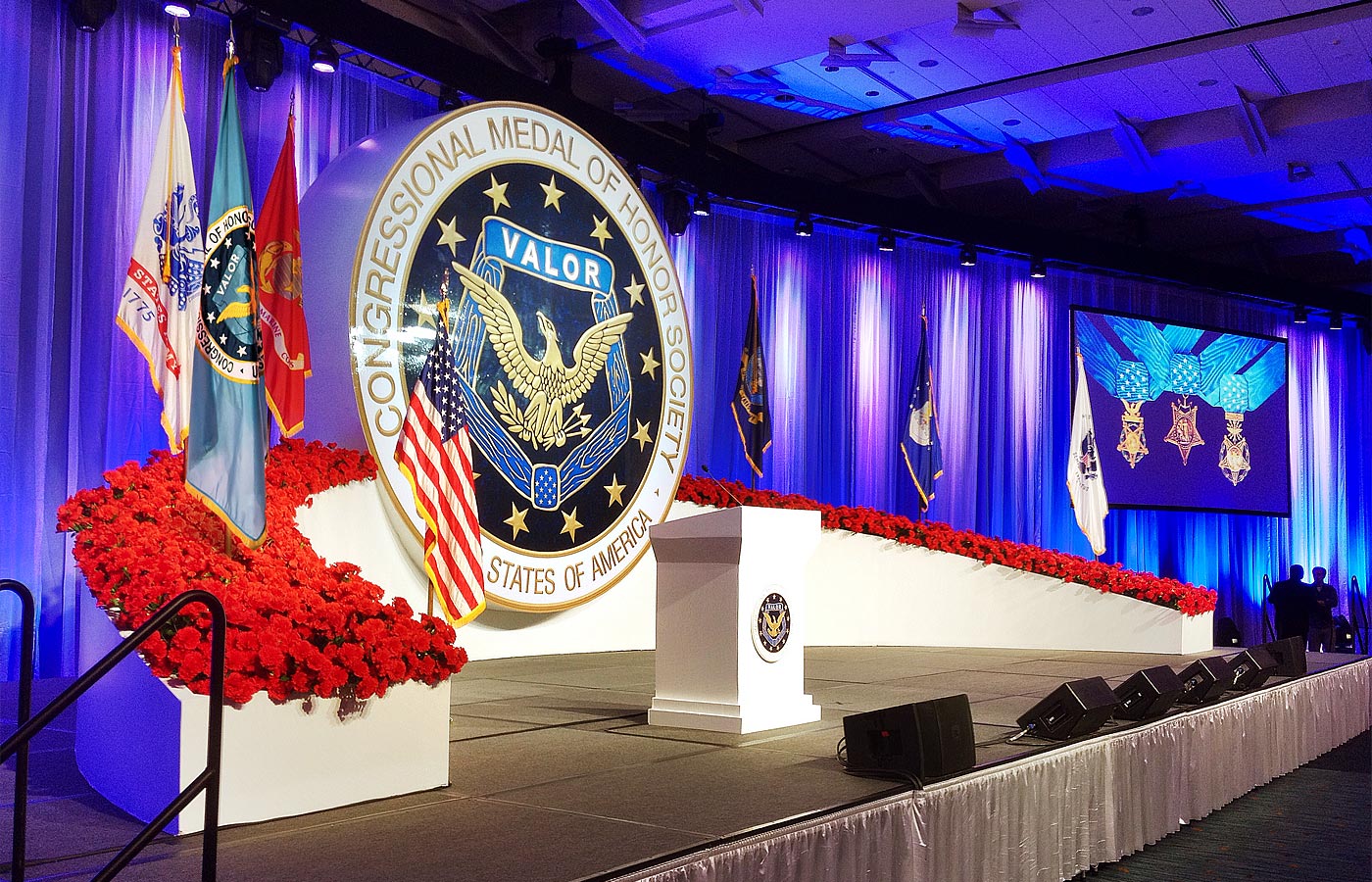
Successful international conferences require structured planning and professional project management. Organizing a conference involves much more than booking a venue and inviting attendees. It requires coordinating multiple stakeholders, managing timelines, overseeing budgets, arranging logistics, supporting speakers, engaging sponsors, and ensuring every operational detail aligns with the event’s objectives. Professional conference planning and management services help organizations navigate these complexities while delivering seamless and impactful events.
3.1 Conference Program Development
The conference program serves as the roadmap that guides the entire event.
Agenda Planning and Scheduling
Professional conference organizers develop detailed conference programs that structure the event logically and engagingly.
Program development involves planning:
- Opening ceremonies
- Keynote presentations
- Panel discussions
- Breakout sessions
- Workshops
- Networking activities
- Closing sessions
The goal is to create a balanced agenda that keeps attendees engaged while supporting conference objectives.
Professional planners carefully allocate time to different sessions while ensuring smooth transitions between activities. They also consider attendee attention spans, networking opportunities, and speaker availability when developing schedules.
A well-designed program enhances delegate experiences by providing valuable content without overwhelming participants.
Conference organizers also ensure the agenda accommodates different attendee interests and learning objectives.
Effective program development creates structure, improves engagement, and supports conference success.
Session Flow and Audience Engagement
Beyond scheduling sessions, conference organizers focus on creating a logical flow that maintains attendee interest throughout the event.
This may involve:
- Alternating presentation formats
- Balancing educational and networking sessions
- Scheduling breaks strategically
- Coordinating parallel tracks
Professional planning helps prevent schedule conflicts and ensures attendees can participate in sessions most relevant to their interests.
Well-structured programs encourage higher attendance rates and stronger delegate engagement.
Organizations benefit from improved conference outcomes and more satisfied participants.
Strategic agenda design enhances both attendee engagement and conference effectiveness.
Why Conference Program Development Matters
The conference agenda shapes the attendee experience and determines how effectively conference objectives are achieved.
Professional program development helps:
- Improve attendee engagement
- Enhance knowledge sharing
- Support networking opportunities
- Maximize conference value
While ensuring smooth event flow.
A strong conference program forms the foundation of a successful international event.
3.2 Speaker Coordination
Speakers are often the primary attraction at international conferences.
Managing Local and International Presenters
Professional conference organizers manage all aspects of speaker coordination before, during, and after the event.
Responsibilities may include:
- Speaker invitations
- Travel arrangements
- Accommodation bookings
- Presentation scheduling
- Technical support
- Session briefings
International conferences frequently involve presenters from multiple countries, requiring careful logistical planning and communication.
Conference organizers work closely with speakers to ensure they understand event objectives, audience expectations, and session requirements.
This coordination helps presenters prepare effectively and deliver high-quality presentations.
Organizations benefit from smoother conference operations and stronger speaker experiences.
Professional speaker coordination improves presentation quality and conference professionalism.
Presentation and Technical Support
Speakers often require assistance with:
- Presentation submissions
- Audio-visual requirements
- Live streaming participation
- Panel discussion coordination
- Rehearsals
Professional conference teams ensure technical systems are tested and presentations are properly integrated into conference production workflows.
This reduces the likelihood of technical disruptions and helps speakers focus on delivering valuable content.
Effective support also improves audience experiences by ensuring presentations run smoothly.
Technical and logistical support helps speakers perform confidently and effectively.
Why Speaker Coordination Matters
High-quality speakers contribute significantly to conference success.
Professional coordination helps:
- Improve presentation quality
- Reduce logistical challenges
- Enhance attendee satisfaction
While supporting conference objectives.
Speaker management is a critical component of international conference planning.
3.3 Sponsorship Management
Sponsors often play an important role in supporting conference budgets and enhancing event value.
Securing and Supporting Event Sponsors
Professional conference organizers develop sponsorship strategies designed to attract organizations interested in supporting the event.
This may involve:
- Sponsorship package development
- Sponsor outreach
- Proposal preparation
- Benefit negotiation
- Contract management
Conference sponsors may seek opportunities to:
- Increase brand visibility
- Generate business leads
- Network with attendees
- Demonstrate industry leadership
Professional organizers help align sponsor objectives with conference opportunities.
This creates value for both sponsors and conference organizers.
Effective sponsorship management strengthens conference funding and industry partnerships.
Sponsor Relationship Management
Conference organizers maintain ongoing communication with sponsors before, during, and after the event.
Responsibilities may include:
- Branding coordination
- Exhibition space allocation
- Marketing support
- VIP hospitality
- Reporting and feedback
By ensuring sponsors receive promised benefits, organizers build stronger relationships and increase the likelihood of future support.
Successful sponsorship programs contribute significantly to conference sustainability and growth.
Strong sponsor management improves conference resources and long-term partnerships.
Why Sponsorship Management Matters
Sponsors provide financial support and industry engagement opportunities.
Professional sponsorship management helps:
- Increase conference revenue
- Enhance attendee experiences
- Strengthen industry relationships
While supporting conference growth.
Sponsorship management creates value for both organizers and event partners.
3.4 Exhibition Management
Many international conferences include exhibitions that showcase products, services, research, and innovations.
Coordination of Exhibitors and Booths
Professional conference organizers manage all aspects of exhibition planning and execution.
This may include:
- Exhibitor recruitment
- Booth allocation
- Floor plan development
- Logistics coordination
- Technical support
- Set up and dismantle schedules
Exhibitions provide valuable opportunities for organizations to interact with conference attendees and demonstrate their offerings.
Professional management helps ensure exhibition spaces operate efficiently and deliver value to exhibitors and delegates alike.
Well-organized exhibitions also contribute to attendee engagement and networking opportunities.
Exhibition management enhances conference value and supports industry interaction.
Maximizing Exhibitor Success
Conference organizers help exhibitors maximize their participation by providing:
- Marketing opportunities
- Lead generation support
- Networking access
- Operational assistance
This improves exhibitor satisfaction while encouraging continued participation in future events.
Organizations benefit from stronger exhibition programs and increased conference attractiveness.
Supporting exhibitors strengthens conference impact and stakeholder engagement.
Why Exhibition Management Matters
Exhibitions often represent a significant component of international conferences.
Professional management helps:
- Improve exhibitor experiences
- Increase attendee engagement
- Support conference revenue
While enhancing overall event value.
Exhibition management contributes significantly to conference success.
3.5 Risk Management Planning
Every international conference faces potential risks that must be addressed proactively.
Preparing for Operational Challenges
Professional conference organizers conduct detailed risk assessments during the planning phase.
Potential challenges may include:
- Technical failures
- Travel disruptions
- Speaker cancellations
- Security concerns
- Venue issues
- Weather-related disruptions
Risk management planning involves identifying these threats and developing strategies to address them before they affect conference operations.
Professional planners create contingency plans that help maintain continuity even when unexpected challenges arise.
Organizations benefit from greater preparedness and improved operational resilience.
Risk management planning reduces uncertainty and strengthens conference reliability.
Contingency Planning and Response
Effective risk management often includes:
- Backup equipment
- Alternative venues
- Emergency communication plans
- Security procedures
- Technical redundancies
Professional conference teams monitor risks continuously and respond quickly when issues arise.
This proactive approach minimizes disruptions and protects attendee experiences.
Organizations gain confidence knowing experienced professionals are prepared to handle unexpected situations.
Contingency planning helps ensure conferences remain successful despite operational challenges.
Why Risk Management Matters
Unexpected disruptions can affect conference quality, budgets, and attendee satisfaction.
Professional risk management helps:
- Reduce operational disruptions
- Protect conference investments
- Improve preparedness
- Maintain event quality
While supporting successful conference delivery.
Risk management is an essential component of professional conference planning.
Comprehensive planning lays the foundation for successful conference execution. Through conference program development, speaker coordination, sponsorship management, exhibition management, and risk management planning, professional conference organizers ensure every aspect of an international event is carefully managed and aligned with organizational objectives. By working with experienced providers such as Peak Audio, organizations can reduce complexity, improve efficiency, and deliver world-class conferences that create meaningful experiences for delegates, sponsors, speakers, and stakeholders.
4. Audio-Visual and Event Technology Solutions
International Conference Organizers in Kenya
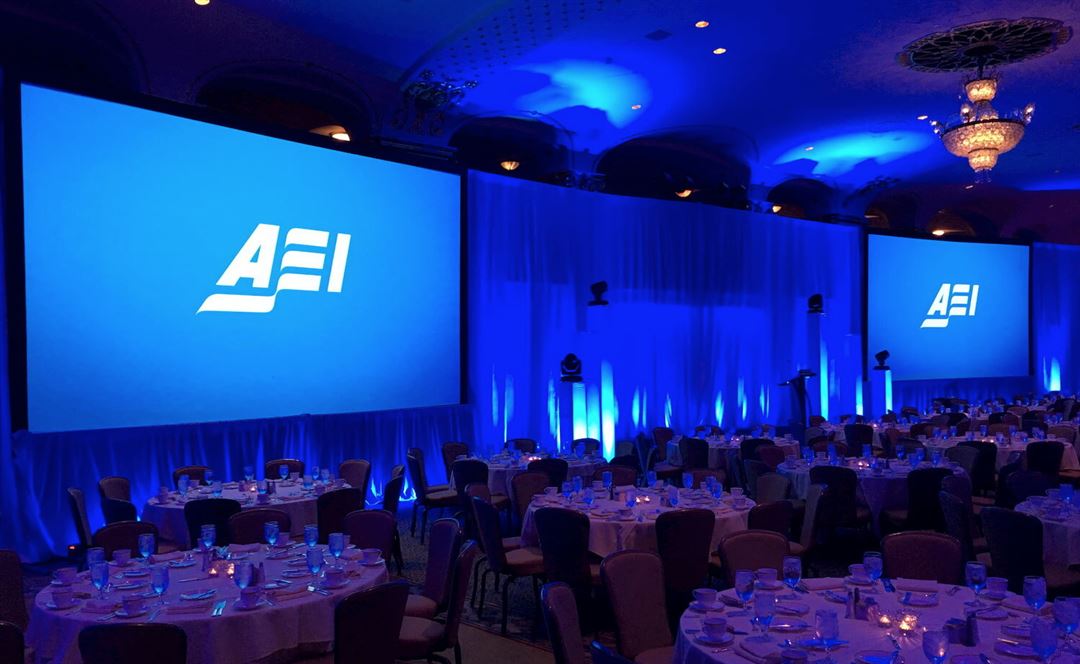
Technology plays a critical role in modern international conferences. Today’s conferences rely heavily on advanced audio-visual systems, digital communication tools, live streaming platforms, and hybrid event technologies to deliver engaging and professional experiences. Whether hosting a corporate summit, government forum, academic conference, healthcare symposium, or international trade event, event technology serves as the backbone that supports communication, audience engagement, knowledge sharing, and operational efficiency.
4.1 Professional Sound Systems
Clear audio communication is one of the most important elements of a successful conference.
Clear Communication for Large Audiences
International conferences often involve hundreds or thousands of attendees gathered in large venues.
Professional sound systems ensure that:
- Speakers can be heard clearly
- Presentations are understood effectively
- Audience participation remains seamless
- Communication reaches every attendee
Conference audio systems may include:
- Wireless microphones
- Podium microphones
- Handheld microphones
- Line array speakers
- Digital audio mixers
- Interpretation audio systems
Professional audio engineers carefully design and configure sound systems according to venue size, acoustics, and audience capacity.
This helps eliminate issues such as:
- Audio distortion
- Feedback
- Uneven sound coverage
- Communication interruptions
Organizations benefit from stronger audience engagement and more effective knowledge sharing.
Professional sound systems ensure clear communication and improve attendee experiences.
Supporting Multiple Conference Formats
Modern conferences often include:
- Keynote speeches
- Panel discussions
- Workshops
- Breakout sessions
- Hybrid presentations
Professional audio systems are designed to support all these formats efficiently.
Technical teams monitor audio quality continuously throughout the event to ensure optimal performance.
This level of support reduces disruptions and enhances professionalism.
Flexible audio solutions help support diverse conference activities effectively.
Why Professional Sound Systems Matter
Poor audio quality can negatively affect attendee engagement and learning outcomes.
Professional sound solutions help:
- Improve communication
- Increase audience participation
- Enhance event professionalism
While supporting successful conference delivery.
Audio quality remains one of the most important components of conference success.
4.2 LED Screens and Displays
Visual communication is equally important in modern conference environments.
High-Visibility Presentations and Branding
LED screens and digital display systems help ensure attendees can clearly view conference content regardless of where they are seated.
Display systems are commonly used for:
- Presentation slides
- Speaker information
- Conference schedules
- Live video feeds
- Sponsor branding
- Promotional content
Large-format LED screens provide excellent visibility even in expansive conference halls.
These displays help attendees remain engaged and improve information retention during presentations.
Professional event organizers also use display technology to reinforce conference branding and enhance the overall visual experience.
Organizations benefit from stronger communication and increased audience engagement.
LED displays improve visibility and strengthen conference branding.
Dynamic and Interactive Content Delivery
Modern display systems support:
- Live presentations
- Video content
- Interactive sessions
- Social media feeds
- Real-time conference updates
These capabilities help create more engaging and dynamic conference experiences.
Attendees remain connected to conference activities and receive information in visually appealing formats.
Professional display solutions contribute significantly to the overall production quality of international conferences.
Dynamic displays enhance audience engagement and presentation effectiveness.
Why LED Displays Matter
Visual presentation quality influences how attendees perceive conference professionalism.
Professional display systems help:
- Improve visibility
- Enhance engagement
- Support branding
While creating memorable conference experiences.
LED technology plays a vital role in modern conference production.
4.3 Stage Lighting Systems
Lighting helps transform ordinary conference spaces into professional event environments.
Professional Event Production
Stage lighting serves both functional and aesthetic purposes during conferences.
Professional lighting systems help:
- Improve speaker visibility
- Enhance stage presence
- Direct audience attention
- Support video production
- Reinforce conference branding
Lighting solutions may include:
- Stage wash lighting
- Spotlights
- Intelligent lighting systems
- Ambient lighting
- Decorative lighting
Professional lighting designers create customized solutions that align with conference objectives and venue characteristics.
The result is a more polished and visually appealing conference environment.
Professional lighting improves presentation quality and conference aesthetics.
Supporting Video and Photography
International conferences are often documented through:
- Photography
- Video production
- Live streaming
- Media coverage
Proper lighting helps ensure high-quality visual content by improving image clarity and presentation appearance.
Professional lighting systems help presenters look their best while enhancing overall production quality.
Organizations benefit from stronger visual documentation and media assets.
Lighting contributes significantly to professional conference production.
Why Lighting Matters
Lighting affects how attendees experience conference environments.
Professional lighting helps:
- Improve visibility
- Enhance atmosphere
- Support branding
While creating visually impressive events.
Lighting is a critical element of successful conference production.
4.4 Video Production Services
Video content has become an essential component of international conferences.
Conference Recording and Documentation
Professional video production teams capture conference activities for future use.
Recording services may include:
- Keynote presentations
- Panel discussions
- Workshops
- Interviews
- Networking activities
Recorded content can be used for:
- Internal training
- Marketing campaigns
- Post-event reporting
- On-demand viewing
Professional production teams utilize high-quality cameras, switching systems, and editing tools to create polished conference recordings.
Organizations benefit from valuable content assets that extend the impact of the event beyond the conference itself.
Video production helps preserve conference content and increase event value.
Professional Event Documentation
Conference recordings provide permanent documentation of:
- Presentations
- Discussions
- Strategic announcements
- Industry insights
These resources can be shared with attendees, stakeholders, and individuals who were unable to attend.
Professional documentation also supports future conference planning and organizational learning.
Video production extends conference reach and supports long-term engagement.
Why Video Production Matters
Conferences generate valuable knowledge and content.
Professional video services help:
- Preserve information
- Expand audience reach
- Improve marketing opportunities
While maximizing conference value.
Video production is an increasingly important conference investment.
4.5 Live Streaming Solutions
Live streaming has transformed the way international conferences reach audiences.
Global Audience Participation
Professional live streaming solutions allow attendees to participate from virtually anywhere in the world.
Streaming services may support:
- Remote delegates
- International stakeholders
- Virtual speakers
- Online media audiences
Live streaming helps organizations:
- Expand conference reach
- Increase accessibility
- Reduce travel barriers
- Improve participation rates
Professional streaming infrastructure ensures stable, high-quality broadcasts that provide virtual attendees with engaging conference experiences.
Organizations benefit from broader audience participation and greater conference impact.
Live streaming enables global participation and increases conference accessibility.
Real-Time Engagement
Modern streaming platforms support:
- Live chats
- Audience questions
- Polling systems
- Interactive discussions
These tools help virtual attendees engage actively rather than simply watch presentations.
Professional event technology teams ensure online participants remain connected and involved throughout the conference.
Interactive streaming improves engagement and virtual attendee experiences.
Why Live Streaming Matters
International audiences increasingly expect remote participation options.
Professional live streaming helps:
- Expand attendance
- Improve accessibility
- Enhance flexibility
While supporting modern conference objectives.
Live streaming is now a core component of international conference delivery.
4.6 Hybrid Event Technology
Hybrid events combine physical attendance with virtual participation.
Integration of Physical and Virtual Attendees
Hybrid event technology enables conference organizers to create unified experiences for both onsite and remote participants.
Key hybrid event components include:
- Live streaming platforms
- Multi-camera production
- Virtual networking tools
- Audience interaction systems
- Remote speaker support
Professional hybrid solutions ensure both audiences can:
- View presentations
- Participate in discussions
- Access conference materials
- Engage with speakers
This approach increases flexibility while expanding conference reach.
Organizations can attract delegates who may be unable to travel while maintaining the benefits of in-person participation.
Hybrid technology creates more inclusive and scalable conference experiences.
Supporting Future Conference Models
Hybrid conferences continue to grow because they offer:
- Greater accessibility
- Increased participation
- Lower travel barriers
- Enhanced audience reach
Professional conference organizers use hybrid technology to help organizations adapt to changing event expectations.
This flexibility positions conferences for long-term success in an increasingly digital environment.
Hybrid event technology supports the future of international conference management.
Why Hybrid Technology Matters
Modern conferences often require both physical and virtual participation capabilities.
Hybrid solutions help:
- Expand audience reach
- Improve flexibility
- Increase engagement
While supporting evolving conference formats.
Hybrid technology has become essential for modern international conferences.
Professional event technology improves engagement, communication, and conference quality. Through advanced sound systems, LED displays, stage lighting, video production, live streaming, and hybrid event technologies, organizations can deliver professional and impactful international conferences. By partnering with experienced providers such as Peak Audio, conference organizers can leverage cutting-edge technology to create engaging experiences for both physical and virtual audiences while ensuring successful event delivery.
5. Delegate Registration and Attendee Management
International Conference Organizers in Kenya
Managing hundreds or thousands of delegates requires efficient systems and processes. Delegate registration and attendee management are among the most critical aspects of international conference organization because they directly affect attendee experiences from the moment participants register until the event concludes. A well-managed delegate system helps organizers maintain accurate records, improve communication, streamline event operations, and create positive experiences for attendees, speakers, sponsors, exhibitors, and stakeholders.
5.1 Online Registration Platforms
The registration process is often the first interaction delegates have with a conference.
Easy Attendee Registration
Modern online registration platforms provide convenient and efficient ways for participants to register for conferences from anywhere in the world.
Professional registration systems typically allow attendees to:
- Complete registration forms
- Select conference sessions
- Purchase tickets
- Make payments
- Book workshops
- Update personal profiles
These platforms eliminate many of the challenges associated with manual registration methods.
Attendees can register quickly while organizers receive accurate participant information in real time.
Online registration systems also support automated workflows that simplify administrative processes and reduce human error.
Organizations benefit from improved efficiency and enhanced attendee convenience.
Online registration platforms streamline enrollment and improve the overall registration experience.
Simplifying Conference Administration
Registration systems provide organizers with valuable management tools that help oversee attendee data and conference operations.
These tools may include:
- Delegate databases
- Registration reports
- Payment tracking
- Session enrollment monitoring
- Attendance forecasting
Access to real-time registration information helps conference organizers make informed decisions regarding:
- Venue capacity
- Catering requirements
- Seating arrangements
- Resource allocation
This improves planning accuracy and supports successful event delivery.
Digital registration systems simplify administration and improve operational planning.
Why Online Registration Matters
Registration is the foundation of attendee management.
Professional registration platforms help:
- Improve convenience
- Increase efficiency
- Reduce administrative workloads
- Improve data accuracy
While supporting a more professional conference experience.
Effective registration systems create a strong first impression and improve conference operations.
5.2 Accreditation and Badge Printing
Accreditation helps organizers manage attendees while maintaining security and operational control.
Delegate Identification and Access Control
Professional accreditation systems help conference organizers verify attendee identities and manage access permissions.
Accreditation solutions may include:
- Delegate badges
- Speaker credentials
- Exhibitor passes
- VIP identification cards
- Staff access badges
These credentials often contain:
- Delegate names
- Organizations
- Job titles
- QR codes
- Access permissions
Accreditation systems help ensure only authorized individuals have access to conference facilities and restricted areas.
This improves both security and event organization.
Professional badge printing systems also support fast and accurate credential production.
Organizations benefit from improved operational control and attendee management.
Accreditation systems improve security, organization, and conference professionalism.
Supporting Conference Security
Access control is particularly important for international conferences involving:
- Government officials
- Corporate executives
- International delegates
- High-profile speakers
Professional accreditation systems help conference organizers manage access to:
- VIP lounges
- Speaker preparation rooms
- Executive sessions
- Exhibition areas
This helps create secure and well-organized conference environments.
Accreditation supports both attendee management and conference security.
Why Accreditation Matters
Proper identification helps organizers maintain control over conference participation.
Professional accreditation systems help:
- Improve security
- Simplify attendee identification
- Support operational efficiency
While enhancing attendee experiences.
Accreditation is a critical element of successful delegate management.
5.3 Check-In Management
The check-in process often determines attendees’ first impressions of a conference.
Efficient Event Entry Procedures
Professional conference organizers implement check-in systems that allow attendees to enter events quickly and efficiently.
Modern check-in solutions may include:
- QR code scanning
- Self-service kiosks
- Mobile check-in applications
- Automated badge printing
These technologies help reduce waiting times and improve delegate experiences.
Efficient check-in procedures also help organizers manage large attendee volumes while maintaining organized event entry processes.
Professional event teams strategically design registration areas to improve traffic flow and minimize congestion.
Organizations benefit from smoother event operations and enhanced attendee satisfaction.
Efficient check-in systems improve event flow and create positive attendee experiences.
Reducing Registration Delays
Large international conferences often experience peak arrival periods.
Professional check-in management helps:
- Minimize queues
- Improve processing speed
- Enhance attendee convenience
By utilizing technology and trained event staff, organizers can manage high attendee volumes effectively.
This helps maintain conference schedules and improve operational efficiency.
Effective check-in management reduces delays and strengthens conference organization.
Why Check-In Management Matters
Long queues and registration delays can negatively impact attendee perceptions.
Professional systems help:
- Improve efficiency
- Enhance first impressions
- Reduce congestion
While supporting smooth conference operations.
Check-in management plays a vital role in conference success.
5.4 Delegate Communication
Effective communication is essential throughout the conference lifecycle.
Updates and Event Notifications
Professional conference organizers use multiple communication channels to keep delegates informed before, during, and after the event.
Communication tools may include:
- Email campaigns
- SMS alerts
- Mobile event applications
- Push notifications
- Digital announcements
These systems help organizers share:
- Registration confirmations
- Conference schedules
- Venue information
- Speaker updates
- Session reminders
- Emergency notifications
Timely communication helps attendees prepare effectively and reduces uncertainty.
Organizations benefit from improved attendee engagement and smoother conference operations.
Effective communication strengthens attendee experiences and conference management.
Enhancing Delegate Engagement
Communication platforms also support attendee engagement by providing:
- Networking opportunities
- Session updates
- Interactive content
- Real-time announcements
Well-informed attendees are more likely to participate actively and enjoy positive conference experiences.
Professional communication strategies help strengthen attendee satisfaction and event success.
Delegate communication improves engagement and conference effectiveness.
Why Delegate Communication Matters
Attendees rely on accurate information throughout their conference journey.
Professional communication helps:
- Improve awareness
- Increase participation
- Enhance satisfaction
While supporting efficient event management.
Communication is a key pillar of successful attendee management.
5.5 Attendance Tracking
Understanding attendee participation provides valuable insights for conference organizers.
Monitoring Participation and Engagement
Attendance tracking systems help conference organizers monitor delegate activity throughout the event.
Tracking methods may include:
- QR code scanning
- Badge verification
- Session attendance monitoring
- Mobile application analytics
These systems provide valuable information regarding:
- Session popularity
- Participation rates
- Delegate engagement
- Resource utilization
Attendance data helps organizers evaluate conference performance and identify opportunities for future improvement.
Organizations also use attendance reports for sponsor reporting and event analysis.
Attendance tracking provides important insights that improve conference management.
Supporting Data-Driven Decision Making
Conference organizers increasingly rely on attendance data to improve future events.
Participation analytics help organizations:
- Understand attendee preferences
- Improve program development
- Enhance resource planning
- Increase conference effectiveness
Data-driven insights support better decision-making and stronger conference outcomes.
Organizations benefit from measurable performance indicators and continuous improvement opportunities.
Attendance tracking supports smarter planning and improved conference experiences.
Why Attendance Tracking Matters
Measuring attendee participation helps organizers understand conference effectiveness.
Professional tracking systems help:
- Monitor engagement
- Evaluate performance
- Support future planning
While providing valuable operational insights.
Attendance tracking is an important component of modern conference management.
Professional delegate management enhances attendee experiences and operational efficiency. Through online registration platforms, accreditation systems, efficient check-in processes, delegate communication tools, and attendance tracking technologies, conference organizers can create seamless and engaging experiences for participants. By partnering with experienced providers such as Peak Audio, organizations can streamline conference operations, improve attendee satisfaction, and deliver successful international events that meet both organizational objectives and delegate expectations.
6. Logistics and International Delegate Support
International Conference Organizers in Kenya
International conferences often require extensive logistical planning. Unlike local events, international conferences involve delegates traveling from different countries, time zones, and cultural backgrounds, creating additional operational requirements that must be carefully managed. From accommodation arrangements and airport transfers to visa assistance and equipment transportation, successful international conferences depend on efficient logistics systems that ensure delegates can participate comfortably and without unnecessary challenges.
6.1 Accommodation Coordination
Accommodation planning is one of the most important aspects of international conference logistics.
Hotel Bookings and Room Management
International conferences often involve large numbers of delegates requiring accommodation for several days.
Professional conference organizers coordinate hotel arrangements by:
- Identifying suitable accommodation options
- Negotiating room allocations
- Managing group reservations
- Coordinating special requests
- Supporting VIP accommodation requirements
Accommodation planning considers factors such as:
- Proximity to conference venues
- Hotel quality standards
- Budget requirements
- Delegate preferences
- Transportation accessibility
By securing accommodation early, organizers help ensure delegates have convenient and comfortable lodging throughout the event.
Professional room management also helps prevent booking conflicts and simplifies accommodation administration.
Organizations benefit from smoother conference operations and improved delegate satisfaction.
Effective accommodation coordination improves delegate comfort and supports successful conference participation.
Supporting Delegate Convenience
Conference organizers often provide accommodation information that helps delegates make informed decisions regarding their stay.
This may include:
- Hotel recommendations
- Booking assistance
- Check-in information
- Transportation guidance
- Local area information
These services help international attendees feel supported before they arrive at the conference destination.
Delegates who enjoy comfortable accommodation experiences are more likely to have positive perceptions of the conference as a whole.
Accommodation support contributes significantly to delegate satisfaction and event success.
Why Accommodation Coordination Matters
Accommodation is often one of the largest logistical considerations for international conferences.
Professional coordination helps:
- Improve delegate experiences
- Simplify travel planning
- Reduce administrative challenges
While ensuring attendees remain comfortable throughout the event.
Accommodation management is a key component of international conference logistics.
6.2 Airport Transfers
Transportation coordination is essential for international delegates arriving from different parts of the world.
Transportation for Delegates and Speakers
Professional conference organizers arrange transportation services that ensure attendees can travel efficiently between:
- Airports
- Hotels
- Conference venues
- Networking events
- Social functions
Transportation planning may include:
- Airport pickups
- Shuttle services
- Group transfers
- Executive transportation
- Speaker transportation
These services help reduce travel uncertainty while ensuring delegates arrive on schedule.
Professional transportation management also improves safety and convenience, particularly for first-time visitors unfamiliar with the destination.
Organizations benefit from improved attendee experiences and more reliable conference schedules.
Airport transfer services simplify travel logistics and enhance delegate convenience.
VIP and Speaker Transportation
International conferences frequently involve:
- Keynote speakers
- Government officials
- Corporate executives
- Industry leaders
These individuals often require dedicated transportation arrangements.
Professional organizers coordinate:
- Executive vehicles
- Chauffeur services
- Personalized schedules
- VIP arrival assistance
Providing reliable transportation support helps ensure high-profile guests can participate effectively while maintaining conference schedules.
Professional transportation services improve operational efficiency and guest experiences.
Why Transportation Coordination Matters
Travel-related challenges can negatively affect conference experiences.
Professional transportation planning helps:
- Improve punctuality
- Reduce travel stress
- Enhance delegate satisfaction
While supporting smooth conference operations.
Transportation logistics play an important role in successful international conferences.
6.3 Visa Support Services
International delegates often require assistance navigating travel documentation requirements.
Assistance for International Attendees
Professional conference organizers frequently provide visa support services to help delegates attend conferences without unnecessary administrative challenges.
Visa support may include:
- Invitation letters
- Supporting documentation
- Registration confirmations
- Event verification materials
- Travel guidance
These documents assist delegates when applying for visas and meeting entry requirements.
Professional organizers also provide information regarding:
- Application timelines
- Entry regulations
- Documentation requirements
This support helps reduce uncertainty and improve attendance rates among international participants.
Organizations benefit from stronger delegate participation and smoother travel experiences.
Visa support services facilitate international attendance and improve conference accessibility.
Improving International Participation
International conferences often attract attendees from countries with varying travel requirements.
Professional support helps delegates:
- Prepare documentation correctly
- Meet application deadlines
- Understand entry procedures
By simplifying these processes, conference organizers make participation more accessible to global audiences.
This contributes to increased diversity and broader international representation.
Visa assistance supports global participation and conference inclusivity.
Why Visa Support Matters
Travel documentation challenges can prevent delegates from attending conferences.
Professional support helps:
- Reduce administrative barriers
- Improve participation rates
- Enhance delegate experiences
While supporting successful international event delivery.
Visa support is an important service for international conference management.
6.4 Equipment Logistics
Conference technology and infrastructure require careful transportation and coordination.
Transport and Setup of Event Equipment
International conferences often depend on a wide range of equipment, including:
- Sound systems
- LED screens
- Projectors
- Lighting systems
- Interpretation equipment
- Registration technology
Professional organizers coordinate equipment logistics to ensure all assets arrive safely and on schedule.
Responsibilities may include:
- Transportation planning
- Customs coordination
- Delivery scheduling
- Equipment tracking
- Installation management
Careful planning helps prevent delays and reduces the risk of equipment-related disruptions.
Organizations benefit from reliable technical operations and smoother conference execution.
Equipment logistics help ensure conference technology is available and operational when needed.
Technical Setup Coordination
After equipment arrives, professional teams manage:
- Installation
- Configuration
- Testing
- Rehearsals
- Performance monitoring
This ensures all systems function properly before attendees arrive.
Technical preparation is particularly important for international conferences involving hybrid participation, live streaming, and multilingual communication.
Technical setup coordination strengthens conference reliability and production quality.
Why Equipment Logistics Matter
Conference technology is essential for communication and attendee engagement.
Professional logistics help:
- Protect equipment investments
- Improve operational reliability
- Reduce technical risks
While supporting successful conference production.
Equipment logistics are fundamental to conference success.
6.5 On-Site Operational Support
Even the best conference plans require professional execution during the event itself.
Real-Time Conference Management
Professional conference organizers provide on-site support teams that oversee operations throughout the conference.
Responsibilities may include:
- Delegate assistance
- Registration support
- Vendor coordination
- Schedule management
- Technical supervision
- Speaker support
These teams monitor conference activities continuously and respond quickly to operational challenges.
Their presence helps ensure all conference components work together efficiently.
Organizations benefit from smoother event operations and reduced management burdens.
On-site support improves operational control and conference performance.
Problem Resolution and Coordination
Unexpected situations can arise during any conference.
Professional operational teams help address:
- Technical issues
- Schedule changes
- Delegate inquiries
- Transportation challenges
- Venue concerns
By resolving issues quickly, organizers minimize disruptions and maintain positive attendee experiences.
This proactive approach contributes significantly to conference professionalism and success.
Real-time operational support helps maintain conference quality and continuity.
Why On-Site Support Matters
Successful conferences require constant coordination and oversight.
Professional support teams help:
- Improve efficiency
- Resolve issues quickly
- Enhance attendee experiences
While ensuring conference objectives are achieved.
On-site operational management is critical for successful conference execution.
Strong logistics management ensures a seamless experience for international participants. Through accommodation coordination, airport transfer services, visa support, equipment logistics, and on-site operational support, professional conference organizers help eliminate many of the challenges associated with international events. By partnering with experienced providers such as Peak Audio, organizations can deliver well-coordinated conferences that provide exceptional experiences for delegates, speakers, sponsors, and stakeholders while ensuring smooth and professional event execution.
7. Why Choose Peak Audio
International Conference Organizers in Kenya
Organizing a successful international conference requires more than a venue and an agenda. It demands careful planning, advanced technology, experienced personnel, reliable logistics, and professional execution. International conferences often involve multiple stakeholders, complex technical requirements, hybrid participation, international delegates, exhibitors, sponsors, and demanding operational schedules. Working with an experienced conference solutions provider helps organizations manage these complexities while delivering exceptional experiences for attendees
Peak Audio has established itself as a trusted partner for conference organizers across Kenya by providing comprehensive event management, audio-visual production, live streaming, hybrid event technology, and conference support services. The company’s ability to combine technical expertise with operational excellence enables organizations to host professional, engaging, and successful conferences of all sizes.
7.1 Professional Conference Support
Successful conferences depend on effective planning, coordination, and management.
End-to-End Conference Management Assistance
Peak Audio provides comprehensive conference support services that cover every phase of the conference lifecycle.
Services may include:
- Conference planning
- Event strategy development
- Venue coordination
- Delegate management
- Logistics planning
- Technical production
- On-site event management
By offering integrated support services, Peak Audio helps organizations simplify conference planning while improving operational efficiency.
Professional project managers coordinate activities across multiple departments and service providers, ensuring all event components work together seamlessly.
Organizations benefit from reduced administrative burdens and greater confidence throughout the planning process.
End-to-end conference support improves organization, efficiency, and event success.
Dedicated Event Coordination
Every conference has unique requirements and objectives.
Peak Audio assigns experienced professionals who oversee:
- Event timelines
- Resource allocation
- Vendor coordination
- Delegate support
- Operational management
This centralized approach helps maintain accountability while ensuring conference activities remain aligned with organizational goals.
Clients receive professional guidance throughout the event planning journey.
Dedicated conference coordination enhances efficiency and reduces planning complexity.
Why Professional Conference Support Matters
International conferences involve numerous moving parts that require careful oversight.
Professional support helps:
- Improve coordination
- Reduce operational risks
- Enhance attendee experiences
While ensuring successful conference delivery.
Professional management provides the foundation for successful conferences.
7.2 Advanced Audio-Visual Solutions
Technology is one of the most important components of modern conference experiences.
Professional Sound, Lighting, and Display Systems
Peak Audio provides advanced audio-visual solutions designed to enhance communication, engagement, and presentation quality.
Services may include:
- Professional sound systems
- Wireless microphone systems
- LED screens
- Projection systems
- Stage lighting
- Video production services
These technologies help ensure attendees can:
- Hear speakers clearly
- View presentations effectively
- Engage actively throughout the conference
Professional AV engineers oversee setup, testing, operation, and troubleshooting to maintain optimal performance.
Organizations benefit from high-quality production standards that enhance conference professionalism.
Advanced AV solutions improve communication, engagement, and event quality.
Modern Conference Production Technology
Peak Audio continuously invests in modern event technology that supports:
- Large conferences
- Hybrid events
- Corporate meetings
- Exhibitions
- International summits
This allows organizations to access professional-grade equipment without making significant capital investments.
Professional technology support contributes to stronger attendee experiences and more impactful presentations.
Modern AV technology strengthens conference production and audience engagement.
Why Advanced AV Matters
Conference attendees expect professional presentation environments.
Advanced AV systems help:
- Improve visibility
- Enhance communication
- Strengthen branding
While creating memorable event experiences.
Professional AV technology is essential for successful international conferences.
7.3 Hybrid and Virtual Conference Expertise
Hybrid events have become increasingly important in the conference industry.
Live Streaming and Remote Participation Solutions
Peak Audio provides hybrid and virtual event solutions that enable organizations to engage audiences beyond physical conference venues.
Services may include:
- Live streaming
- Multi-camera production
- Virtual event platforms
- Online attendee engagement tools
- Event recording
These technologies allow participants from different countries and regions to attend conferences remotely.
Organizations benefit from:
- Expanded audience reach
- Increased accessibility
- Greater participation flexibility
Hybrid solutions also help reduce travel barriers for international delegates.
Hybrid technology expands conference reach and improves accessibility.
Integrated Physical and Virtual Experiences
Peak Audio designs hybrid event experiences that connect physical and virtual audiences effectively.
This includes:
- Live audience interaction
- Remote speaker participation
- Virtual networking opportunities
- Interactive Q&A sessions
- Real-time engagement tools
The objective is to create a seamless experience regardless of how attendees participate.
Organizations benefit from stronger engagement and broader audience participation.
Hybrid expertise helps organizations maximize conference impact.
Why Hybrid Expertise Matters
Modern conferences increasingly require flexible participation options.
Professional hybrid solutions help:
- Increase attendance
- Improve accessibility
- Support international participation
While enhancing conference value.
Hybrid technology has become a critical element of modern conference management.
7.4 Experienced Technical Teams
Technology is only as effective as the professionals who manage it.
Reliable Conference Production Support
Peak Audio employs experienced technical specialists who support conference production from setup through event completion.
Technical teams may include:
- Audio engineers
- Lighting specialists
- Video production professionals
- Live streaming operators
- Technical coordinators
These professionals ensure all systems operate reliably throughout the conference.
They also monitor performance continuously and respond quickly to technical challenges.
Organizations benefit from reduced risks and improved production quality.
Experienced technical teams strengthen conference reliability and professionalism.
Technical Problem Resolution
Unexpected technical issues can occur during any event.
Peak Audio’s technical teams are trained to:
- Identify issues quickly
- Implement solutions efficiently
- Minimize disruptions
- Maintain conference continuity
This proactive approach helps ensure attendees enjoy uninterrupted conference experiences.
Organizations gain confidence knowing technical experts are available throughout the event.
Professional technical support reduces operational risks and improves conference performance.
Why Experienced Teams Matter
Professional expertise helps ensure conference technology performs effectively.
Experienced teams help:
- Improve reliability
- Reduce disruptions
- Enhance event quality
While supporting successful conference delivery.
Skilled professionals are essential for managing modern conference environments.
7.5 Customized Conference Solutions
No two conferences are exactly alike.
Tailored Services for Different Event Types
Peak Audio develops customized conference solutions based on each client’s objectives, audience, industry, and operational requirements.
Solutions can be tailored for:
- Corporate conferences
- Government forums
- NGO events
- Educational conferences
- Healthcare summits
- Trade exhibitions
Customization may involve:
- Technology selection
- Logistics planning
- Delegate management
- Hybrid event design
- Branding integration
This flexible approach helps ensure conference resources align closely with organizational goals.
Organizations receive solutions designed specifically for their unique needs.
Customized conference solutions improve efficiency and event effectiveness.
Scalable Conference Support
Peak Audio supports events ranging from small executive meetings to large international conferences.
Scalable services allow organizations to:
- Optimize budgets
- Match technology requirements
- Adjust operational support levels
This flexibility helps maximize value while maintaining professional standards.
Scalable support enables organizations to host conferences of any size successfully.
Why Customization Matters
Every conference has unique challenges and objectives.
Customized solutions help:
- Improve relevance
- Optimize resources
- Enhance attendee experiences
While supporting conference success.
Tailored services contribute significantly to effective conference management.
7.6 Reliable Event Execution
Planning alone does not guarantee conference success.
Professional Support from Planning Through Completion
Peak Audio provides continuous support throughout every stage of conference execution.
Responsibilities may include:
- Operational supervision
- Vendor coordination
- Technical monitoring
- Delegate support
- Schedule management
- Event troubleshooting
Professional teams remain on-site to ensure all conference activities proceed according to plan.
This hands-on approach helps maintain conference quality while reducing stress for organizers.
Organizations benefit from smoother event operations and stronger attendee experiences.
Reliable execution transforms conference plans into successful realities.
Delivering Consistent Results
Peak Audio focuses on delivering conferences that are:
- Professionally managed
- Technically reliable
- Operationally efficient
- Attendee-focused
By combining planning expertise with technical excellence, the company helps organizations achieve their event objectives while maintaining high standards of professionalism.
Consistent execution strengthens conference outcomes and organizational reputation.
Why Reliable Execution Matters
Successful conferences depend on flawless implementation.
Professional execution helps:
- Maintain schedules
- Improve attendee experiences
- Reduce operational challenges
While ensuring conference objectives are achieved.
Reliable event execution is essential for conference success.
Peak Audio provides the technology and event expertise required for successful international conferences. Through professional conference support, advanced audio-visual solutions, hybrid and virtual event expertise, experienced technical teams, customized conference services, and reliable event execution, Peak Audio helps organizations deliver world-class conferences that engage attendees, support strategic objectives, and create memorable experiences. By combining innovative technology with professional event management, Peak Audio ensures international conferences are executed efficiently, professionally, and successfully from planning through completion.
8. FAQs About International Conference Organizers in Kenya
International conferences require extensive planning, professional coordination, and effective management to ensure successful outcomes. Organizations hosting conferences often have questions about the role of conference organizers, the services they provide, and how professional conference management contributes to event success. Whether planning a corporate summit, government forum, NGO conference, academic symposium, healthcare conference, or industry exhibition, understanding the value of professional conference organizers can help organizations make informed decisions.
Below are answers to some of the most frequently asked questions about international conference organizers in Kenya.
8.1 What do international conference organizers do?
International conference organizers plan, coordinate, and manage all aspects of international conferences from concept development to event completion.
Their responsibilities may include:
- Event planning and strategy
- Venue selection and coordination
- Delegate registration
- Speaker management
- Sponsorship coordination
- Audio-visual production
- Logistics management
- Live streaming and hybrid event support
- On-site event management
Professional organizers ensure every component of the conference operates smoothly while helping organizations achieve their event objectives.
Conference organizers provide comprehensive support that simplifies conference planning and execution.
8.2 Why hire a professional conference organizer?
Professional conference organizers bring specialized expertise, technology, and project management skills that improve conference quality and efficiency.
Benefits include:
- Reduced planning workload
- Better coordination
- Improved attendee experiences
- Stronger risk management
- Access to professional event technology
- More efficient resource allocation
Professional organizers also help organizations avoid common event planning mistakes that can affect conference success.
By managing operational complexities, organizers allow clients to focus on conference content and stakeholder engagement.
Hiring professional organizers improves conference efficiency, quality, and overall success.
8.3 Can conference organizers manage large international events?
Yes. Professional conference organizers are experienced in managing conferences of various sizes and complexity levels.
They can coordinate:
- Small executive meetings
- Corporate conferences
- Industry summits
- International forums
- Academic conferences
- Multi-day exhibitions
Large conferences often involve thousands of delegates, multiple venues, numerous speakers, and extensive logistical requirements.
Professional conference management teams utilize proven systems and processes to ensure efficient coordination and successful event delivery.
Professional organizers have the expertise and resources needed to manage large international conferences effectively.
8.4 Do organizers provide delegate registration services?
Yes. Delegate registration and attendee management are among the most important conference services offered by professional organizers.
Services may include:
- Online registration systems
- Accreditation management
- Badge printing
- Check-in support
- Attendance tracking
- Delegate communication
These systems improve operational efficiency while creating positive attendee experiences.
Registration platforms also provide valuable participant data that helps organizers manage conference logistics effectively.
Delegate registration services improve organization, attendee management, and conference efficiency.
8.5 Can conference organizers manage hybrid events?
Yes. Many modern conference organizers provide comprehensive hybrid event solutions that support both physical and virtual participation.
Hybrid conference services may include:
- Live streaming
- Virtual event platforms
- Multi-camera production
- Audience interaction tools
- Remote speaker support
- Event recording
These solutions help organizations expand conference reach while providing flexible participation options.
Hybrid events are increasingly popular because they improve accessibility and support international attendance.
Professional organizers can effectively manage hybrid conferences that combine physical and virtual audiences.
8.6 Why are audio-visual systems important for conferences?
Audio-visual systems play a vital role in communication, engagement, and conference production quality.
Professional AV systems support:
- Clear audio communication
- Presentation visibility
- Audience engagement
- Live streaming
- Video production
- Conference branding
Technology failures can negatively impact attendee experiences, making professional AV planning essential.
Experienced conference organizers work with technical specialists to ensure all systems perform reliably throughout the event.
Professional AV systems improve communication, engagement, and conference effectiveness.
8.7 Do international conferences require live streaming?
While not mandatory, many modern international conferences utilize live streaming to expand audience reach and improve accessibility.
Live streaming offers benefits such as:
- Remote participation
- Increased attendance
- Global audience engagement
- Reduced travel barriers
- Extended conference reach
Organizations can include delegates, speakers, and stakeholders who may be unable to travel to the conference venue.
Professional live streaming solutions also support recording and on-demand content access.
Live streaming enhances conference accessibility and expands audience participation.
8.8 Can organizers assist with accommodation and transport?
Yes. Delegate logistics are commonly included within professional conference management services.
Organizers often coordinate:
- Hotel bookings
- Room allocations
- Airport transfers
- Local transportation
- VIP travel arrangements
- Speaker transportation
These services help ensure delegates enjoy convenient and stress-free travel experiences.
Professional logistics planning also improves operational efficiency and supports conference schedules.
Accommodation and transportation support contribute significantly to successful conference experiences.
8.9 What types of organizations use conference organizers?
Conference organizers work with a wide range of organizations across different sectors.
Common clients include:
- Corporations
- Government agencies
- NGOs
- Universities
- Healthcare institutions
- Professional associations
- International organizations
- Industry groups
Any organization planning a conference, summit, workshop, exhibition, or large-scale meeting can benefit from professional event management services.
Organizers adapt their services to meet the specific needs of different industries and event formats.
Conference organizers support organizations across virtually every sector.
8.10 How early should international conference planning begin?
International conference planning should ideally begin several months before the event.
The exact timeline depends on factors such as:
- Event size
- Venue requirements
- Delegate numbers
- International participation
- Sponsorship objectives
- Technical complexity
Large conferences often require planning periods of six months to one year or more.
Early planning provides sufficient time to secure venues, attract speakers, coordinate logistics, and promote the conference effectively.
Organizations that begin planning early typically experience fewer operational challenges.
Early planning improves organization, reduces risks, and enhances conference success.
8.11 Why is Kenya popular for international conferences?
Kenya has become one of Africa’s leading conference destinations due to several advantages.
These include:
- Strategic location in Africa
- Excellent international connectivity
- Modern conference facilities
- Strong hospitality sector
- Quality accommodation options
- Growing business environment
- Unique tourism attractions
The country regularly hosts regional and international conferences involving delegates from around the world.
Its combination of accessibility, infrastructure, and hospitality makes it highly attractive to conference organizers.
Kenya offers the infrastructure, accessibility, and services required for successful international conferences.
8.12 Where can organizations get professional conference support in Kenya?
Organizations seeking professional conference management services can work with experienced providers such as Peak Audio.
Peak Audio provides:
- Conference planning and management
- Delegate registration systems
- Audio-visual production
- Live streaming solutions
- Hybrid event technology
- Logistics coordination
- Speaker support
- On-site conference management
By combining advanced event technology with experienced conference professionals, Peak Audio helps organizations deliver successful international conferences across Kenya.
Peak Audio provides comprehensive conference support solutions tailored to international event requirements.
International conference organizers play a critical role in ensuring conferences are professionally planned, efficiently managed, and successfully executed. Through conference planning, delegate management, logistics coordination, audio-visual production, live streaming, and hybrid event support, professional organizers help organizations create engaging and impactful events. Whether hosting a regional forum, corporate summit, academic conference, government meeting, or international exhibition, partnering with an experienced provider such as Peak Audio can significantly improve conference quality, attendee experiences, and overall event success.
The Value of International Conference Organizers in Kenya

International Conference Organizers in Kenya
International conference organizers in Kenya play a crucial role in helping organizations deliver successful, professional, and impactful events. Managing an international conference involves coordinating numerous moving parts, including venue selection, delegate registration, speaker management, accommodation arrangements, logistics, and technical support. Professional organizers bring the expertise needed to oversee these complex requirements, ensuring that every aspect of the event is executed smoothly and efficiently.
As Kenya continues to strengthen its reputation as one of Africa’s leading conference destinations, organizations are increasingly relying on experienced event professionals to deliver world-class conference experiences. Modern international delegates expect seamless event management, advanced technology, effective communication systems, and engaging conference environments. Through careful planning, reliable logistical support, and the integration of innovative event technologies, organizers can meet these expectations while creating meaningful opportunities for networking, collaboration, and knowledge sharing.
At Peak Audio, we provide comprehensive conference technology and event support solutions designed to help organizations host successful international conferences across Kenya. Professional conference management is not simply about organizing an event—it is about creating meaningful experiences, facilitating valuable knowledge exchange, and delivering measurable results that benefit both organizers and attendees long after the conference concludes.
Leave a Reply
Want to join the discussion?Feel free to contribute!