East Africa Corporate Event Management
East Africa Corporate Event Management – Professional Event Planning and Production Solutions by Peak Audio
East Africa Corporate Event Management
East Africa corporate event management has become increasingly important as businesses, government institutions, NGOs, development organisations, educational institutions, and multinational companies continue to expand their activities across the region. Countries such as Kenya, Uganda, Tanzania, Rwanda, Ethiopia, Burundi, and South Sudan are experiencing significant economic growth, creating greater demand for professionally managed conferences, summits, exhibitions, product launches, annual meetings, training programs, and networking events. As organisations seek to strengthen partnerships, share knowledge, and enhance brand visibility, professional event management has become a key factor in delivering successful and impactful experiences.
Modern corporate events are far more complex than traditional gatherings and require strategic planning, creative branding, advanced audio-visual production, delegate management, venue coordination, logistics support, live streaming capabilities, hybrid event technology, and technical expertise. Managing these elements across different countries, cultures, and operational environments requires experienced event professionals who can coordinate every aspect of the event efficiently. Professional event management not only reduces operational risks but also improves attendee engagement, strengthens brand perception, and ensures event objectives are achieved successfully.
Peak Audio provides comprehensive Corporate Event Management Services Across East Africa, delivering professional event planning, conference technology, audio-visual production, live streaming, and technical support solutions tailored to regional and international events. From sound systems, LED display screens, and stage production to hybrid event platforms, delegate management, and on-site technical coordination, Peak Audio ensures seamless event execution from concept to completion. By combining innovative event technology with professional management expertise, Peak Audio helps organizations deliver high-impact corporate events that engage audiences, strengthen stakeholder relationships, and create lasting value throughout East Africa.
1. What Is Corporate Event Management?
East Africa Corporate Event Management
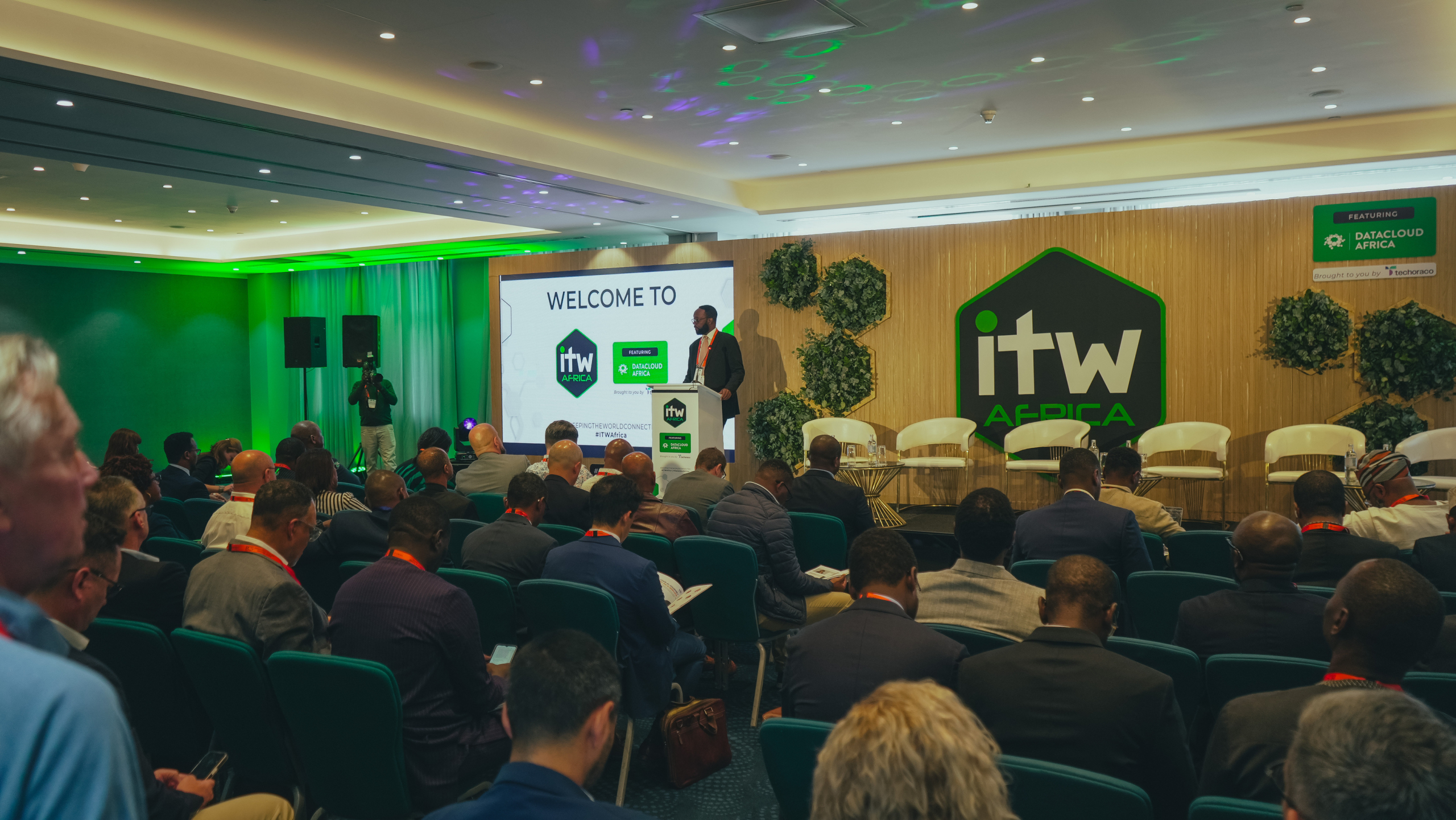
Corporate event management involves planning, organizing, coordinating, and executing business-related events from concept to completion. These events may include conferences, seminars, product launches, annual general meetings, corporate celebrations, training workshops, networking events, exhibitions, leadership summits, and stakeholder forums. Effective event management ensures that every aspect of an event is carefully planned and professionally delivered to achieve specific business objectives.
1.1 Strategic Event Planning
Successful corporate events begin with a well-defined strategy and clear objectives.
Defining Objectives and Outcomes
Before planning begins, event managers work closely with organizations to understand the purpose of the event and the desired outcomes.
Common objectives may include:
- Brand awareness
- Product promotion
- Employee engagement
- Customer relationship building
- Training and education
- Business networking
- Stakeholder communication
Clearly defined goals help shape every aspect of the event, including venue selection, audience targeting, program design, technology requirements, and budget allocation.
Professional event managers ensure all planning decisions align with these objectives, helping organizations maximize the value of their events.
Clear objectives provide direction and help ensure event activities support organizational goals.
Developing Event Concepts and Themes
Once objectives are established, event managers develop a concept that defines the overall identity and experience of the event.
This may involve:
- Creating event themes
- Designing attendee experiences
- Developing branding elements
- Planning engagement activities
- Structuring event content
A strong event concept helps create consistency across presentations, marketing materials, venue design, and attendee interactions.
Well-developed themes also improve audience engagement by creating memorable and meaningful experiences.
Strong event concepts enhance engagement and strengthen event impact.
Why Strategic Planning Matters
Strategic planning provides the foundation for successful event management.
It helps organizations:
- Align activities with objectives
- Improve decision-making
- Allocate resources effectively
- Measure event success
While reducing uncertainty throughout the planning process.
Strategic planning is essential for achieving successful corporate event outcomes.
1.2 Project Coordination
Corporate events involve numerous tasks, stakeholders, and deadlines that must be managed carefully.
Managing Timelines and Deliverables
Professional event managers create detailed project plans that outline every activity required before, during, and after the event.
These plans may include:
- Venue booking deadlines
- Vendor contracts
- Marketing schedules
- Technical setup timelines
- Registration milestones
- Speaker coordination activities
Effective timeline management ensures tasks are completed on schedule while reducing the risk of last-minute challenges.
Project coordination also helps keep stakeholders informed and aligned throughout the planning process.
Strong timeline management improves organization and supports successful event delivery.
Coordinating Multiple Stakeholders
Corporate events often involve collaboration between:
- Clients
- Sponsors
- Vendors
- Speakers
- Exhibitors
- Technical teams
- Venue operators
Event managers serve as the central coordination point for these stakeholders, ensuring communication remains clear and responsibilities are properly managed.
This reduces confusion and helps maintain project momentum.
Effective stakeholder coordination improves efficiency and strengthens event execution.
Why Project Coordination Matters
Without proper coordination, even well-planned events can experience delays and operational issues.
Project coordination helps:
- Improve communication
- Maintain schedules
- Reduce planning challenges
- Enhance accountability
While ensuring all event components work together effectively.
Project coordination is critical for delivering successful corporate events.
1.3 Resource Management
Corporate events require the efficient allocation and management of resources.
Coordinating Venues, Vendors, and Equipment
Resource management involves ensuring that all necessary facilities, services, and equipment are available when needed.
This may include:
- Venue selection
- Catering services
- Transportation
- Security personnel
- Registration systems
- Audio-visual equipment
- Exhibition infrastructure
Professional event managers coordinate these resources to avoid conflicts, reduce costs, and improve operational efficiency.
Careful resource planning also helps ensure event requirements are met without exceeding budget constraints.
Resource management improves efficiency and supports smooth event operations.
Optimizing Event Investments
Organizations often work within specific budgets and resource limitations.
Event managers help prioritize investments by focusing on areas that contribute most to attendee experiences and event objectives.
This may involve:
- Selecting cost-effective suppliers
- Negotiating vendor agreements
- Allocating budgets strategically
- Monitoring resource utilization
Organizations benefit from improved value and stronger financial control.
Effective resource allocation helps maximize event impact while maintaining budget discipline.
Why Resource Management Matters
Resources directly affect event quality and operational success.
Professional management helps:
- Improve efficiency
- Reduce waste
- Control costs
- Support event objectives
While ensuring all requirements are met effectively.
Resource management is a key component of successful event planning.
1.4 Technical Event Production
Technology has become an essential part of modern corporate events.
Managing Audio-Visual and Digital Requirements
Technical event production involves planning and managing the technology needed to support presentations, communication, branding, and audience engagement.
This may include:
- Professional sound systems
- Wireless microphones
- LED screens
- Projection systems
- Stage lighting
- Video production
- Live streaming platforms
- Hybrid event technology
Professional event managers coordinate technical teams to ensure all systems are installed, tested, and operated correctly.
Reliable technology enhances communication while creating professional event experiences.
Technical production supports effective communication and audience engagement.
Supporting Hybrid and Digital Participation
Many organizations now incorporate virtual and hybrid elements into their events.
This may include:
- Live streaming
- Virtual networking
- Online attendee participation
- Remote speaker integration
- Event recording
Professional event management teams ensure physical and virtual experiences are integrated effectively.
This helps organizations expand audience reach while increasing accessibility.
Digital event technology improves flexibility and extends event impact.
Why Technical Production Matters
Technology influences how attendees experience an event.
Professional technical production helps:
- Improve communication
- Enhance engagement
- Support branding
- Reduce technical risks
While creating more impactful event experiences.
Technical production is essential for modern corporate event success.
1.5 On-Site Event Execution
Planning alone is not enough to ensure event success.
Supervising Event Operations and Logistics
On the event day, professional event managers oversee all operational activities to ensure plans are implemented effectively.
Responsibilities may include:
- Registration supervision
- Vendor coordination
- Speaker support
- Schedule management
- Technical monitoring
- Delegate assistance
This hands-on oversight helps ensure all activities run according to plan.
Event managers also coordinate responses to any unexpected challenges that may arise during the event.
Professional supervision improves operational efficiency and event quality.
Managing Real-Time Challenges
Even the most carefully planned events can encounter unforeseen situations.
Professional event managers help resolve:
- Technical issues
- Schedule changes
- Logistics disruptions
- Attendee concerns
- Vendor-related challenges
Their experience allows them to respond quickly while minimizing disruptions.
This helps maintain positive attendee experiences and protects event objectives.
Real-time event management reduces risks and supports successful event delivery.
Why On-Site Execution Matters
Successful events depend on effective implementation.
Professional execution helps:
- Maintain schedules
- Improve attendee experiences
- Reduce operational risks
- Ensure event continuity
While delivering professional results.
On-site execution transforms event plans into successful experiences.
Corporate event management ensures every aspect of an event is professionally coordinated and executed. Through strategic event planning, project coordination, resource management, technical production, and on-site execution, professional event managers help organisations deliver impactful events that achieve business objectives while creating positive attendee experiences. By partnering with experienced providers such as Peak Audio, organisations can reduce complexity, improve efficiency, and ensure successful event delivery from concept to completion.
2. Types of Corporate Events in East Africa
East Africa Corporate Event Management
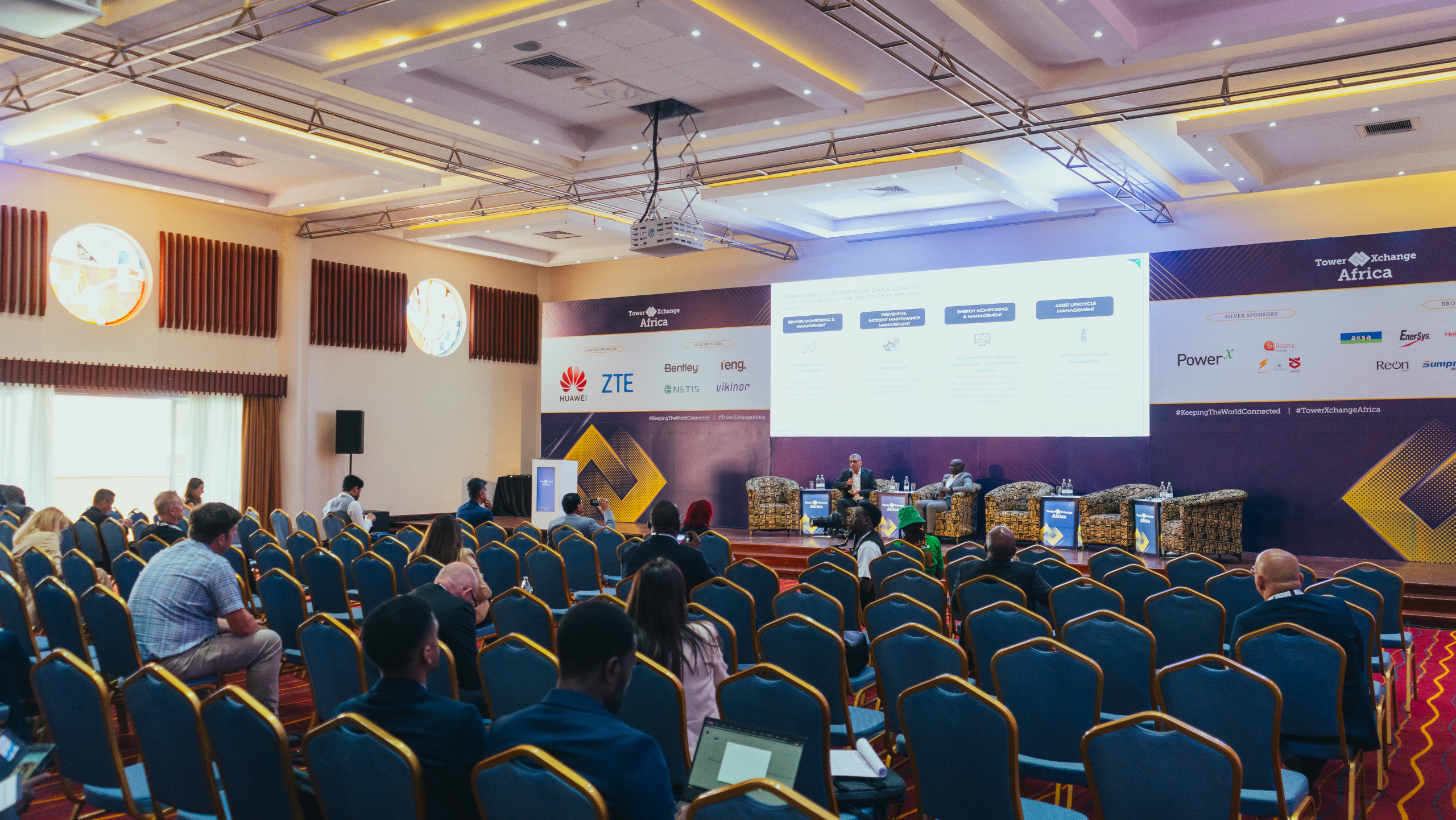
Organisations across East Africa host various corporate events to support business growth, networking, knowledge sharing, stakeholder engagement, and organizational development. As economies across Kenya, Uganda, Tanzania, Rwanda, Ethiopia, Burundi, and South Sudan continue to expand, businesses, government institutions, NGOs, educational organisations, and multinational corporations increasingly rely on professionally managed events to achieve strategic objectives.
2.1 Corporate Conferences
Corporate conferences are among the most common business events organised across East Africa.
Industry Conferences
Industry conferences bring together professionals, executives, policymakers, investors, and subject matter experts to discuss trends, challenges, opportunities, and innovations within specific sectors.
These conferences may focus on industries such as:
- Finance and banking
- Healthcare
- Technology
- Agriculture
- Manufacturing
- Education
- Telecommunications
Participants attend these events to gain insights, share knowledge, build professional networks, and explore emerging opportunities.
Professional event management helps ensure conferences operate smoothly through effective planning, delegate registration, audio-visual support, speaker coordination, and logistics management.
Industry conferences promote knowledge sharing and professional collaboration across East Africa.
Leadership Forums
Leadership forums provide opportunities for senior executives, business leaders, policymakers, and organisational decision-makers to discuss strategic issues and leadership challenges.
These events often include:
- Executive presentations
- Panel discussions
- Networking sessions
- Leadership workshops
Leadership forums help organizations strengthen decision-making capabilities while encouraging collaboration among industry leaders.
Professional planning ensures high-quality experiences that support meaningful dialogue and relationship building.
Leadership forums facilitate strategic discussions and executive engagement.
Why Corporate Conferences Matter
Conferences help organisations share knowledge, strengthen relationships, and support industry development.
They help:
- Promote collaboration
- Improve learning opportunities
- Support innovation
- Enhance networking
While creating valuable professional experiences.
Corporate conferences play a vital role in business growth and industry advancement.
2.2 Product Launches
Product launches help organisations introduce new products, services, and innovations to target audiences.
New Product Introductions
Companies frequently organise launch events to showcase new products and generate market awareness.
These events may involve:
- Product demonstrations
- Media briefings
- Customer presentations
- Investor engagement
- Sales team participation
A successful launch creates excitement while communicating product features, benefits, and market value.
Professional event management ensures all technical, branding, and logistical requirements are coordinated effectively.
Product launches help organisations generate awareness and support successful market entry.
Brand Activation Events
Brand activations are designed to create direct engagement between organisations and their target audiences.
Activities may include:
- Interactive experiences
- Product sampling
- Demonstrations
- Customer engagement activities
- Promotional campaigns
These events help strengthen brand visibility and customer relationships.
Professional event teams create memorable experiences that encourage audience participation and brand recognition.
Brand activation events strengthen customer engagement and brand awareness.
Why Product Launches Matter
Introducing new products effectively can significantly influence market success.
Product launch events help:
- Increase visibility
- Generate media coverage
- Engage stakeholders
- Build customer interest
While supporting business growth.
Product launches are important tools for marketing and brand development.
2.3 Annual General Meetings
Annual General Meetings (AGMs) provide opportunities for organisations to engage shareholders and stakeholders.
Shareholder and Stakeholder Meetings
AGMs allow company leadership to present performance reports, discuss strategic plans, and address stakeholder concerns.
Typical AGM activities include:
- Financial reporting
- Board presentations
- Shareholder discussions
- Voting procedures
- Strategic updates
These meetings require professional coordination to ensure transparency, compliance, and effective communication.
Professional event management supports venue preparation, registration systems, audio-visual requirements, and attendee management.
AGMs strengthen stakeholder engagement and support corporate governance.
Supporting Professional Communication
AGMs often involve important organisational decisions and discussions.
Professional event support helps ensure:
- Clear communication
- Accurate documentation
- Efficient meeting management
- Positive stakeholder experiences
This contributes to stronger stakeholder confidence and organisational credibility.
Professional AGM management improves communication and stakeholder engagement.
Why AGMs Matter
AGMs provide essential opportunities for organisational accountability and stakeholder interaction.
They help:
- Improve transparency
- Support governance
- Strengthen relationships
- Facilitate decision-making
While promoting organisational trust.
AGMs remain an important component of corporate communication.
2.4 Training Workshops
Training events support employee development and organisational learning.
Staff Development Programs
Organisations regularly organise training workshops to improve employee skills, productivity, and performance.
Topics may include:
- Leadership development
- Technical skills training
- Customer service
- Compliance education
- Management development
These programs help organisations build stronger and more capable workforces.
Professional event management ensures training environments are conducive to learning and engagement.
Staff development programs support workforce growth and organisational success.
Professional Certification Events
Certification workshops provide participants with opportunities to acquire specialized skills and professional qualifications.
These events often involve:
- Expert instructors
- Practical exercises
- Assessments
- Certification processes
Professional planning helps ensure participants enjoy productive and well-organized learning experiences.
Certification events promote professional development and career advancement.
Why Training Workshops Matter
Continuous learning helps organisations remain competitive.
Training events help:
- Improve employee skills
- Increase productivity
- Support professional growth
- Strengthen organizational performance
While encouraging innovation and adaptability.
Training workshops contribute to long-term business success.
2.5 Exhibitions and Trade Shows
Exhibitions provide platforms for organisations to showcase products, services, and innovations.
Industry Showcases and Networking Opportunities
Trade shows bring together exhibitors, buyers, investors, suppliers, and industry professionals.
Activities may include:
- Product demonstrations
- Exhibition booths
- Networking sessions
- Business meetings
- Industry presentations
These events help organisations generate leads, build relationships, and explore new business opportunities.
Professional event management ensures exhibitors and attendees enjoy organized and productive experiences.
Exhibitions support business development and industry networking.
Supporting Business Growth
Trade shows create opportunities for:
- Market expansion
- Partnership development
- Brand visibility
- Customer engagement
Organisations can showcase innovations while connecting directly with potential customers and partners.
Professional event support enhances exhibition effectiveness and attendee experiences.
Trade shows help organisations expand their market presence and business opportunities.
Why Exhibitions Matter
Exhibitions help businesses connect with customers, partners, and industry stakeholders.
They help:
- Generate leads
- Increase visibility
- Promote innovation
- Support networking
While strengthening industry relationships.
Exhibitions remain valuable platforms for business growth and engagement.
2.6 Corporate Awards and Gala Dinners
Recognition events celebrate achievements and strengthen organisational culture.
Recognition and Celebration Events
Corporate awards ceremonies recognise employee performance, organisational achievements, and industry excellence.
These events may include:
- Award presentations
- Executive speeches
- Entertainment
- Networking sessions
- Formal dinners
Recognition programs help motivate employees while reinforcing organisational values and culture.
Professional event management ensures these celebrations are memorable and professionally executed.
Awards events strengthen morale and celebrate organisational success.
Enhancing Corporate Relationships
Gala dinners often provide opportunities for organisations to engage:
- Clients
- Partners
- Investors
- Employees
- Industry leaders
These events create relaxed environments that encourage relationship building and networking.
Professional planning ensures a premium guest experience that reflects positively on the organisation.
Gala dinners strengthen relationships and enhance corporate image.
Why Awards and Gala Events Matter
Recognition events contribute to stronger organisational cultures and stakeholder relationships.
They help:
- Celebrate success
- Improve morale
- Strengthen engagement
- Build relationships
While enhancing brand reputation.
Corporate celebrations support both employee motivation and business development.
Professional event management supports a wide range of corporate events across different industries. From conferences and product launches to AGMs, training workshops, exhibitions, and gala dinners, these events help organizations achieve strategic objectives, strengthen relationships, share knowledge, and support business growth. By partnering with experienced providers such as Peak Audio, organisations across East Africa can ensure their events are professionally planned, efficiently managed, and successfully executed to deliver meaningful outcomes for attendees and stakeholders.
3. Event Planning and Coordination Services
East Africa Corporate Event Management
Successful corporate events require detailed planning and structured management processes. Whether organising a conference, product launch, annual meeting, training workshop, exhibition, networking event, or corporate celebration, effective planning is essential to ensure that every aspect of the event runs smoothly. Without a clear strategy and organised coordination, organisations may face challenges such as budget overruns, logistical issues, technical failures, scheduling conflicts, and poor attendee experiences.
3.1 Event Strategy Development
Defining Goals and Key Performance Indicators
Every successful corporate event begins with a clearly defined strategy. Professional event planners work with organisations to establish the purpose of the event and identify the outcomes they hope to achieve.
Common objectives may include:
- Brand awareness
- Lead generation
- Employee engagement
- Customer retention
- Knowledge sharing
- Business networking
- Product promotion
Once objectives are established, planners develop key performance indicators (KPIs) that can be used to measure event success.
Examples of KPIs include:
- Attendance levels
- Delegate engagement
- Sponsorship outcomes
- Revenue generation
- Customer acquisition
- Participant satisfaction
Clearly defined goals and measurable outcomes help ensure all event activities contribute toward achieving organisational objectives.
Strategic planning helps align event activities with business goals and supports measurable success.
Creating an Event Roadmap
Professional planners develop detailed event roadmaps that outline:
- Planning milestones
- Resource requirements
- Stakeholder responsibilities
- Operational timelines
- Marketing activities
These roadmaps provide structure and help keep projects on schedule.
Organisations benefit from improved visibility and better coordination throughout the event lifecycle.
Event roadmaps improve organisation and support effective project management.
Why Event Strategy Matters
A clear strategy provides direction for every aspect of event planning.
Strategic planning helps:
- Improve decision-making
- Align stakeholders
- Optimize resources
- Support event objectives
While reducing uncertainty throughout the planning process.
Event strategy provides the foundation for successful corporate event management.
3.2 Budget Planning
Cost Management and Financial Control
Budget planning is one of the most important responsibilities in event management. Professional planners develop detailed budgets that account for all anticipated expenses while ensuring spending remains aligned with organisational objectives.
Typical budget categories include:
- Venue costs
- Audio-visual production
- Catering
- Marketing
- Transportation
- Accommodation
- Staffing
- Security
- Registration systems
Careful budgeting helps organisations avoid unexpected expenses while maintaining financial control throughout the planning process.
Professional event managers also monitor spending continuously to ensure resources are allocated effectively.
Effective budgeting improves financial control and supports successful event delivery.
Maximising Return on Investment
Corporate events often represent significant investments.
Professional planners help organisations maximise value by:
- Prioritising essential services
- Negotiating supplier rates
- Identifying cost-saving opportunities
- Managing contingency funds
This approach helps ensure resources are used efficiently while maintaining event quality.
Organisations benefit from stronger financial outcomes and improved event performance.
Budget planning helps organisations achieve greater value from event investments.
Why Budget Planning Matters
Financial discipline is essential for successful event management.
Professional budgeting helps:
- Control costs
- Improve accountability
- Reduce financial risks
- Support informed decision-making
While ensuring resources are used effectively.
Budget planning strengthens both financial management and event success.
3.3 Venue Selection
Identifying Suitable Event Locations
Choosing the right venue is critical because it directly influences attendee experiences, event logistics, and operational efficiency.
Professional event planners evaluate venues based on factors such as:
- Capacity requirements
- Accessibility
- Location
- Technical infrastructure
- Parking availability
- Accommodation proximity
- Budget considerations
Different event types require different venue environments.
For example:
- Conferences may require large meeting halls
- Product launches may require flexible event spaces
- Workshops may require training rooms
- Gala dinners may require banquet facilities
Selecting an appropriate venue helps ensure the event supports its objectives while meeting attendee expectations.
Venue selection significantly influences event quality and attendee satisfaction.
Supporting Operational Requirements
Professional planners also assess venue capabilities to ensure they support:
- Audio-visual systems
- Internet connectivity
- Registration areas
- Catering services
- Exhibition spaces
- Networking zones
These considerations help prevent operational challenges and improve event efficiency.
Organisations benefit from smoother logistics and stronger attendee experiences.
Careful venue evaluation supports successful event operations.
Why Venue Selection Matters
The venue serves as the foundation of the event experience.
Professional venue selection helps:
- Improve attendee comfort
- Support event objectives
- Enhance logistics
- Strengthen event professionalism
While contributing to overall event success.
Choosing the right venue is essential for achieving positive event outcomes.
3.4 Vendor Management
Coordinating Suppliers and Service Providers
Corporate events often require collaboration with multiple vendors and service providers.
These may include:
- Caterers
- Audio-visual suppliers
- Decor companies
- Transportation providers
- Security firms
- Registration technology providers
- Printing companies
Professional event managers coordinate these suppliers to ensure all services are delivered according to schedule and quality expectations.
Vendor coordination involves:
- Contract management
- Communication
- Scheduling
- Quality control
- Performance monitoring
This centralised management approach helps improve efficiency and reduce operational challenges.
Vendor management ensures all service providers contribute effectively to event success.
Maintaining Quality Standards
Professional planners evaluate suppliers carefully to ensure they meet event requirements.
This includes reviewing:
- Experience
- Reliability
- Service quality
- Technical capabilities
- Pricing structures
Maintaining high vendor standards helps improve attendee experiences and reduce risks.
Organisations benefit from stronger service delivery and more professional event outcomes.
Quality vendor management supports reliability and operational excellence.
Why Vendor Management Matters
Multiple suppliers must work together effectively to support successful events.
Professional management helps:
- Improve coordination
- Maintain quality
- Reduce operational issues
- Support efficient execution
While ensuring consistent service delivery.
Vendor management is critical for seamless event operations.
3.5 Risk Management
Planning for Operational and Technical Challenges
Every corporate event faces potential risks that can affect schedules, budgets, attendee experiences, or overall success.
Professional event planners identify and prepare for risks such as:
- Technical failures
- Venue issues
- Speaker cancellations
- Transportation disruptions
- Weather challenges
- Registration problems
Risk assessments help planners develop contingency plans that reduce the impact of unforeseen situations.
By anticipating potential challenges, organisations can respond more effectively when issues arise.
Risk management improves preparedness and reduces event disruptions.
Developing Contingency Plans
Contingency planning involves preparing alternative solutions for critical event components.
Examples may include:
- Backup equipment
- Alternative speakers
- Emergency communication systems
- Additional staffing resources
- Alternative venue arrangements
Professional event managers ensure these plans are documented and communicated to relevant stakeholders.
This proactive approach helps protect event quality and maintain operational continuity.
Contingency planning strengthens event resilience and supports successful outcomes.
Why Risk Management Matters
Unexpected challenges can affect even the best-planned events.
Professional risk management helps:
- Reduce disruptions
- Improve preparedness
- Protect event objectives
- Strengthen operational reliability
While enhancing attendee confidence and satisfaction.
Risk management is essential for maintaining successful event operations.
Strong planning creates a foundation for successful and stress-free event execution. Through event strategy development, budget planning, venue selection, vendor management, and risk management, professional event planners help organisations coordinate complex activities while maintaining efficiency and quality. By partnering with experienced providers such as Peak Audio, businesses and institutions across East Africa can ensure their corporate events are professionally planned, effectively managed, and successfully executed from concept to completion.
4. Audio-Visual and Event Technology Solutions
East Africa Corporate Event Management
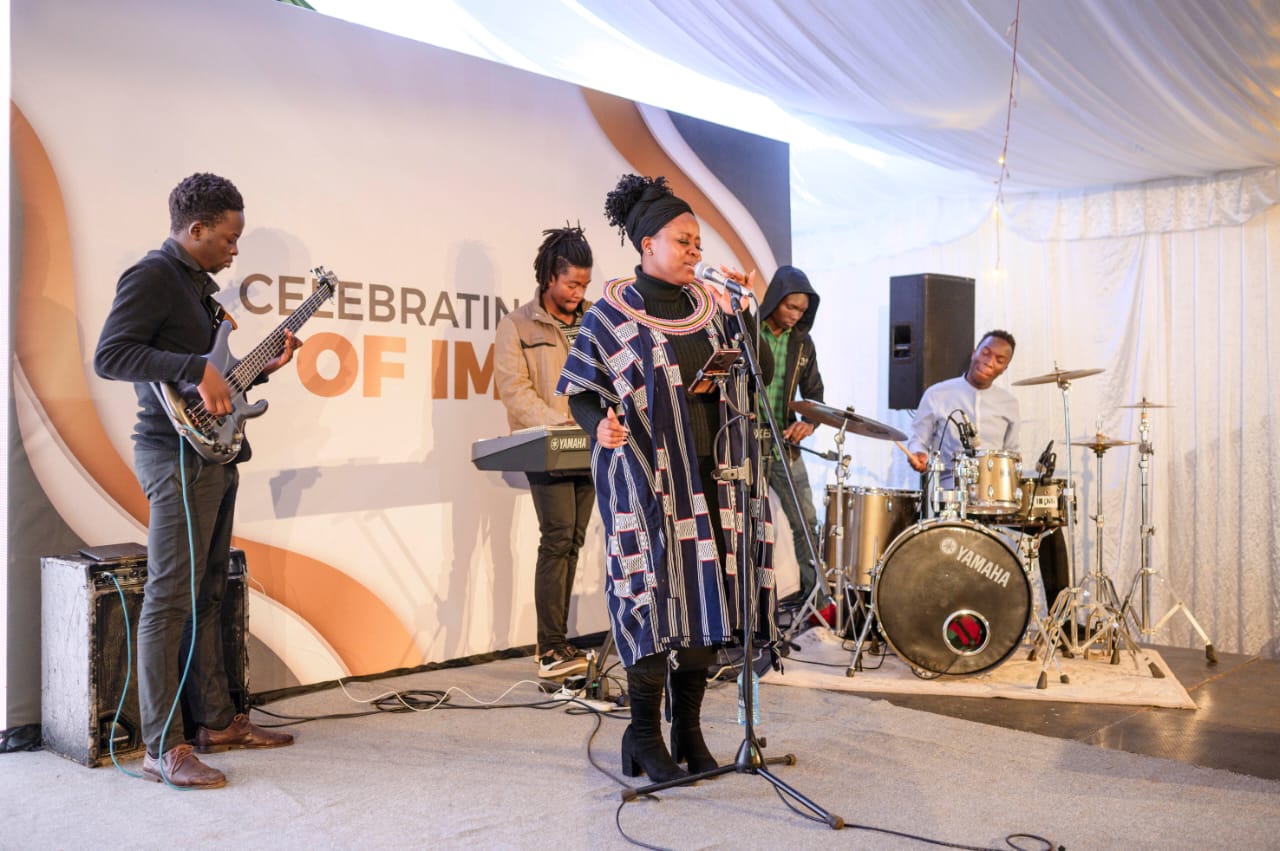
Technology is a critical component of modern corporate event management. Today’s conferences, product launches, annual meetings, exhibitions, training workshops, leadership forums, and corporate celebrations depend heavily on audio-visual systems and digital event technologies to facilitate communication, engagement, branding, and audience participation. As organisations across East Africa continue to host increasingly sophisticated events, the demand for professional event technology solutions continues to grow.
4.1 Professional Sound Systems
Clear Communication and Audience Engagement
Sound quality is one of the most important elements of any corporate event. Regardless of how well an event is planned, poor audio can negatively affect attendee experiences and limit communication effectiveness.
Professional sound systems ensure:
- Clear speech delivery
- Effective audience engagement
- Reliable communication
- Consistent sound coverage
Audio solutions may include:
- Wireless microphones
- Handheld microphones
- Podium microphones
- Digital audio mixers
- Speaker systems
- Conference audio equipment
Professional audio engineers carefully design sound systems based on venue size, audience capacity, room acoustics, and event requirements.
This helps eliminate common issues such as:
- Audio feedback
- Sound distortion
- Uneven volume levels
- Communication interruptions
Organisations benefit from stronger audience engagement and more effective presentations.
Professional sound systems improve communication and enhance attendee experiences.
Supporting Different Event Formats
Corporate events often involve multiple presentation formats, including:
- Keynote speeches
- Panel discussions
- Training sessions
- Product demonstrations
- Networking events
Professional sound systems can be configured to support these different activities while maintaining consistent audio quality throughout the event.
Technical teams monitor audio performance continuously to ensure reliability and minimise disruptions.
Flexible sound solutions support diverse event requirements and improve overall event quality.
Why Professional Sound Matters
Attendees must be able to hear presenters clearly to engage effectively.
Professional sound systems help:
- Improve communication
- Enhance audience engagement
- Reduce distractions
- Support event objectives
While contributing to a more professional event environment.
High-quality sound remains essential for successful corporate event delivery.
4.2 LED Screens and Displays
High-Impact Presentations and Branding
Visual communication is equally important in modern corporate events.
LED screens and display systems help ensure attendees can view presentations, videos, branding elements, and event content clearly, regardless of their location within the venue.
These displays are commonly used for:
- Presentation slides
- Corporate branding
- Sponsor recognition
- Event schedules
- Product demonstrations
- Live video feeds
Large-format LED screens provide superior visibility while creating dynamic and engaging event environments.
Professional display solutions help reinforce brand identity while improving audience engagement and information delivery.
LED displays improve presentation visibility and strengthen event branding.
Supporting Dynamic Event Content
Modern display systems can showcase:
- Videos
- Animations
- Social media feeds
- Interactive content
- Data visualizations
- Real-time event updates
These capabilities help presenters communicate information more effectively while creating memorable attendee experiences.
Organisations benefit from stronger audience attention and improved content delivery.
Dynamic display technology enhances communication and attendee engagement.
Why LED Displays Matter
Visual presentation quality directly affects audience understanding and participation.
Professional display systems help:
- Improve visibility
- Enhance branding
- Increase engagement
- Support effective communication
While contributing to a more impactful event experience.
LED displays play a vital role in modern corporate event production.
4.3 Stage Lighting Systems
Professional Event Production and Ambience
Lighting significantly influences how attendees experience an event.
Professional lighting systems help:
- Improve stage visibility
- Highlight speakers
- Create ambience
- Enhance branding
- Support presentations
Lighting solutions may include:
- Stage wash lighting
- Spotlights
- Ambient lighting
- Decorative lighting
- Intelligent lighting systems
Professional lighting designers create customised solutions that complement event themes, venue layouts, and branding requirements.
Organisations benefit from improved visual appeal and stronger event professionalism.
Professional lighting enhances both functionality and aesthetics.
Supporting Visual Production
Corporate events often involve:
- Photography
- Video recording
- Live streaming
- Media coverage
Proper lighting helps ensure high-quality visual content while creating attractive environments for attendees and viewers.
Professional lighting contributes to more effective content creation and stronger event documentation.
Lighting supports visual quality and strengthens event production standards.
Why Lighting Matters
Lighting affects audience perception, atmosphere, and overall event quality.
Professional lighting helps:
- Improve visibility
- Enhance ambience
- Support branding
- Strengthen production value
While creating engaging and memorable experiences.
Lighting is a critical component of professional event production.
4.4 Video Production Services
Event Recording and Content Creation
Video production services help organisations capture valuable event content for future use.
Professional video services may include:
- Event recording
- Speaker interviews
- Highlight videos
- Promotional content
- Documentary coverage
Recorded content can be used for:
- Marketing campaigns
- Internal communications
- Training materials
- Social media promotion
- Stakeholder reporting
Professional production teams use advanced equipment and editing techniques to create high-quality content that extends the value of the event beyond its conclusion.
Video production preserves event content and supports long-term marketing objectives.
Creating Lasting Value
Corporate events often generate valuable insights and discussions.
Professional video production allows organisations to:
- Share content with wider audiences
- Preserve important presentations
- Promote future events
- Demonstrate event success
This helps maximise the return on investment associated with corporate events.
Event recording creates long-term value and extends audience reach.
Why Video Production Matters
Video content helps organisations continue benefiting from events after they conclude.
Professional video services help:
- Preserve knowledge
- Expand audience reach
- Support marketing efforts
- Improve stakeholder engagement
While strengthening brand visibility.
Video production enhances the long-term impact of corporate events.
4.5 Live Streaming Solutions
Expanding Audience Reach Beyond the Venue
Live streaming enables organisations to engage participants who cannot attend events in person.
Streaming solutions support:
- Remote attendees
- International participants
- Virtual speakers
- Online audiences
Organisations benefit from:
- Increased accessibility
- Expanded audience reach
- Greater participation opportunities
- Enhanced event visibility
Professional streaming infrastructure helps ensure stable and reliable broadcasts throughout the event.
This improves experiences for virtual attendees while extending event impact.
Live streaming expands event reach and supports broader participation.
Supporting Global Engagement
East African organisations increasingly engage regional and international stakeholders.
Live streaming enables participants from different countries and regions to join events without travel requirements.
This flexibility improves attendance while supporting collaboration and knowledge sharing.
Professional streaming solutions help maintain production quality and audience engagement.
Live streaming supports international participation and audience growth.
Why Live Streaming Matters
Virtual participation has become an important part of modern event strategies.
Live streaming helps:
- Increase attendance
- Improve accessibility
- Expand audience reach
- Support global engagement
While maximising event impact.
Live streaming is an essential tool for modern corporate events.
4.6 Hybrid Event Technology
Supporting Both In-Person and Virtual Attendees
Hybrid events combine physical attendance with virtual participation.
Professional hybrid event solutions enable organisations to create seamless experiences for all attendees, regardless of location.
Hybrid technologies may include:
- Virtual event platforms
- Multi-camera production
- Audience interaction tools
- Remote speaker integration
- Live streaming systems
These solutions allow attendees to:
- View presentations
- Participate in discussions
- Engage with speakers
- Access event content
Without needing to be physically present at the venue.
Hybrid event technology increases flexibility and improves accessibility.
Enhancing Audience Engagement
Modern hybrid platforms often provide features such as:
- Live polls
- Q&A sessions
- Virtual networking
- Interactive discussions
- Real-time feedback
These tools help maintain engagement among both physical and virtual participants.
Professional event managers ensure all audiences enjoy meaningful and interactive experiences.
Hybrid solutions strengthen engagement and improve attendee participation.
Why Hybrid Technology Matters
Organisations increasingly require flexible participation options.
Hybrid event technology helps:
- Expand audience reach
- Increase accessibility
- Improve engagement
- Support international participation
While adapting to evolving attendee expectations.
Hybrid solutions are becoming an essential component of corporate event management.
Advanced event technology enhances communication, engagement, and overall event quality. Through professional sound systems, LED displays, stage lighting, video production services, live streaming solutions, and hybrid event technology, organisations can create impactful experiences that engage both physical and virtual audiences. By partnering with experienced providers such as Peak Audio, businesses and institutions across East Africa can leverage modern event technology to deliver professional, accessible, and successful corporate events that achieve meaningful outcomes.
5. Delegate Registration and Attendee Management
East Africa Corporate Event Management
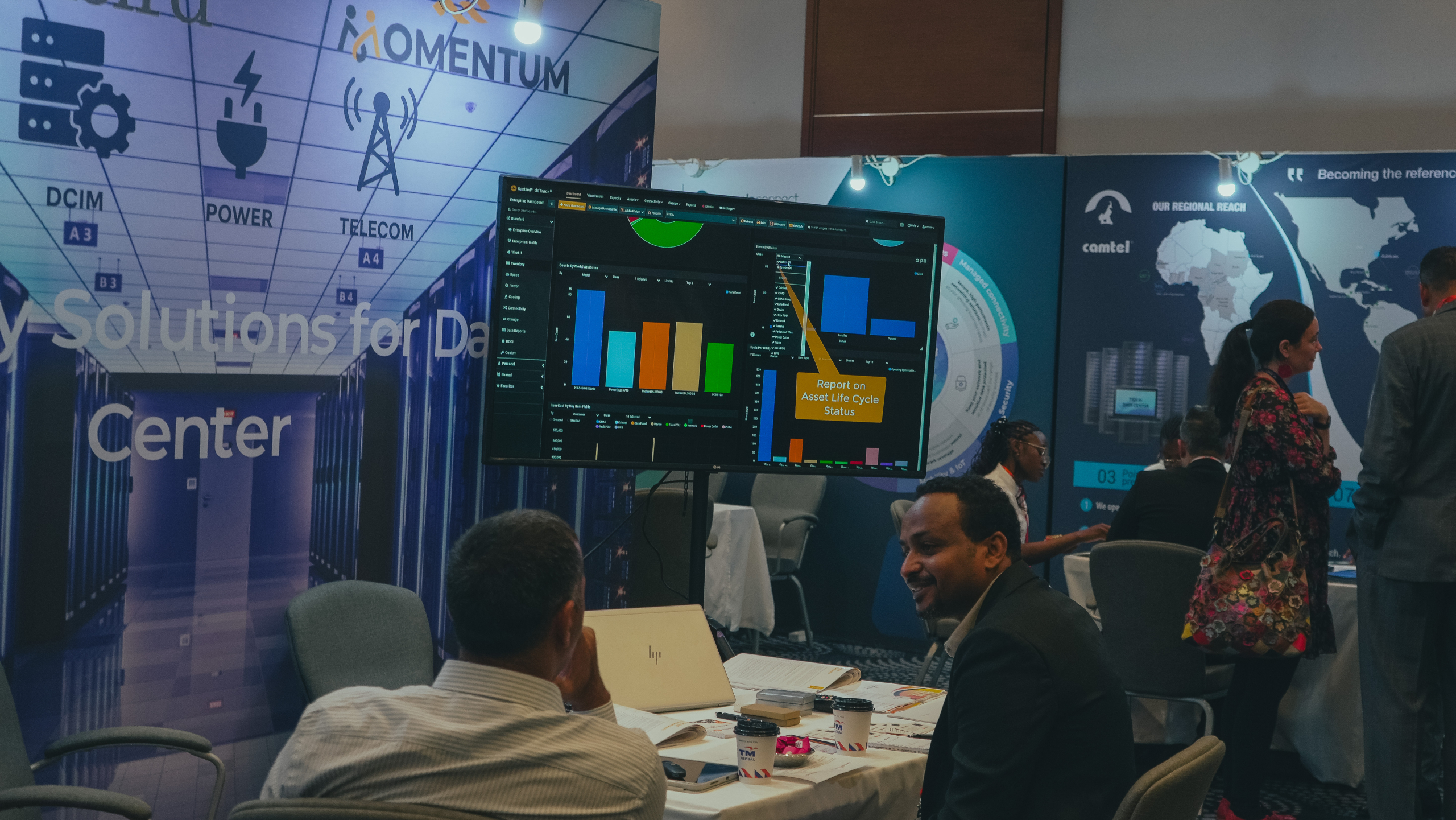
Efficient attendee management is essential for corporate event success. Whether hosting a conference, product launch, training workshop, annual general meeting, exhibition, networking forum, or corporate gala, organisers must ensure participants can register easily, receive timely information, access the venue efficiently, and engage fully throughout the event. Poor attendee management can lead to long queues, communication challenges, security concerns, and negative participant experiences.
5.1 Online Registration Platforms
Streamlined Attendee Registration
Online registration platforms simplify the process of enrolling participants for corporate events. Instead of relying on manual forms or email-based registrations, attendees can complete registration through secure digital systems that capture all required information efficiently.
Registration platforms typically collect:
- Delegate information
- Organization details
- Contact information
- Session preferences
- Ticket selections
- Payment details were applicable
These systems help reduce administrative workloads while improving data accuracy and registration efficiency.
Attendees benefit from convenient registration experiences, while organisers gain access to real-time participant information that supports planning and logistics coordination.
Online registration platforms improve convenience, accuracy, and operational efficiency.
Supporting Event Planning
Registration data provides valuable insights that help organisers make informed planning decisions.
Information gathered through registration systems can be used to:
- Forecast attendance
- Allocate seating
- Plan catering requirements
- Coordinate accommodation
- Manage event resources
Real-time registration tracking also allows organisers to monitor participation trends and adjust planning activities accordingly.
Organisations benefit from stronger operational control and more effective resource allocation.
Registration systems provide essential data that supports successful event planning.
Why Online Registration Matters
Registration is often the first interaction attendees have with an event.
Professional registration platforms help:
- Improve attendee convenience
- Reduce administrative burdens
- Increase data accuracy
- Support planning activities
- Enhance professionalism
While creating positive first impressions.
Online registration forms the foundation of effective attendee management.
5.2 Accreditation and Badge Printing
Secure Participant Identification
Accreditation systems help organisers identify participants and manage access throughout the event.
Professional badges may include:
- Delegate names
- Organization names
- Job titles
- Event categories
- QR codes
- Barcodes
- Event branding
These badges help event staff, security personnel, and organizers quickly identify attendees while maintaining professional event standards.
Accreditation systems are especially important for large events involving speakers, sponsors, exhibitors, media representatives, VIP guests, and general delegates.
Accreditation improves security, organisation, and attendee identification.
Managing Access Levels
Different attendee categories often require different levels of access.
For example:
- VIP guests may access executive lounges
- Speakers may access preparation rooms
- Exhibitors may access the exhibition areas
- Media representatives may access press zones
Accreditation systems help manage these permissions effectively while maintaining security and operational efficiency.
Organisations benefit from better access control and smoother event operations.
Badge systems support secure and organised event environments.
Why Accreditation Matters
Professional accreditation systems help:
- Improve security
- Simplify attendee identification
- Manage venue access
- Enhance professionalism
- Support operational efficiency
While contributing to positive attendee experiences.
Accreditation is a key element of successful attendee management.
5.3 Check-In Systems
Fast and Organised Event Entry
The check-in process plays a major role in shaping attendee perceptions of an event.
Professional check-in systems help participants enter the venue quickly and efficiently through solutions such as:
- QR code scanning
- Digital verification
- Self-service kiosks
- Automated badge printing
- Registration counters
Efficient check-in reduces waiting times and helps create positive first impressions.
It also enables organisers to process large numbers of attendees while maintaining accurate attendance records.
Professional check-in systems improve efficiency and attendee satisfaction.
Supporting Operational Efficiency
Modern check-in systems provide real-time information regarding:
- Attendee arrivals
- Registration status
- Session participation
- Venue capacity
This information helps organisers manage crowd flow, allocate resources effectively, and respond quickly to operational needs.
Organisations benefit from stronger event control and improved attendee experiences.
Check-in systems support smooth event operations and better attendee management.
Why Check-In Systems Matter
Efficient event entry contributes significantly to attendee experiences.
Professional check-in systems help:
- Reduce queues
- Improve organization
- Support attendance tracking
- Enhance security
- Improve event flow
While creating a more professional event environment.
Effective check-in systems contribute directly to event success.
5.4 Attendee Communication
Event Updates and Reminders
Clear communication helps ensure attendees remain informed before, during, and after the event.
Professional attendee communication systems allow organisers to share information through:
- Email notifications
- SMS alerts
- Mobile event applications
- Push notifications
- Event websites
These communications may include:
- Registration confirmations
- Event schedules
- Speaker announcements
- Venue information
- Session reminders
- Event updates
Timely communication helps attendees prepare effectively and participate fully in event activities.
Effective communication improves attendee experiences and operational coordination.
Enhancing Engagement
Communication tools also support attendee engagement by promoting:
- Networking opportunities
- Session participation
- Sponsor activities
- Interactive experiences
- Feedback collection
Well-informed attendees are more likely to engage actively with event content and activities.
This contributes to higher satisfaction levels and stronger event outcomes.
Attendee communication strengthens engagement and improves event value.
Why Attendee Communication Matters
Successful events depend on clear and timely information sharing.
Professional communication helps:
- Reduce confusion
- Improve participation
- Increase engagement
- Support event coordination
- Enhance attendee satisfaction
While creating smoother event experiences.
Communication is a critical component of professional attendee management.
5.5 Attendance Analytics
Measuring Engagement and Participation
Attendance analytics help organisers understand how participants interact with event activities.
Modern attendance tracking systems may utilise:
- Badge scanning
- QR code verification
- Mobile applications
- Access control systems
These technologies provide insights into:
- Attendance levels
- Session popularity
- Delegate engagement
- Networking participation
- Exhibition traffic
Organisations can use this information to evaluate event performance and identify opportunities for improvement.
Attendance analytics provide valuable insights into participant behaviour and engagement.
Supporting Better Decision-Making
Analytics help organisers determine:
- Which sessions attracted the largest audiences
- Which topics generated the greatest interest
- Which activities delivered the most value
- How attendees interacted with event content
These insights support future event planning while helping organisations demonstrate value to sponsors, partners, and stakeholders.
Data-driven decisions contribute to stronger event outcomes and improved attendee experiences.
Analytics help organisations improve future events and maximise event impact.
Why Attendance Analytics Matter
Without reliable data, it is difficult to measure event success accurately.
Attendance analytics help:
- Measure engagement
- Improve reporting
- Support future planning
- Demonstrate event value
- Enhance decision-making
While providing meaningful insights into event performance.
Attendance analytics strengthen event evaluation and continuous improvement efforts.
Professional attendee management improves participant experiences and event efficiency. Through online registration platforms, accreditation and badge printing systems, check-in solutions, attendee communication tools, and attendance analytics, organisations can streamline event operations while creating seamless and engaging experiences for participants. By partnering with experienced providers such as Peak Audio, businesses and institutions across East Africa can implement effective attendee management solutions that improve organisation, engagement, security, and overall event success.
6. Logistics and Operational Management
East Africa Corporate Event Management
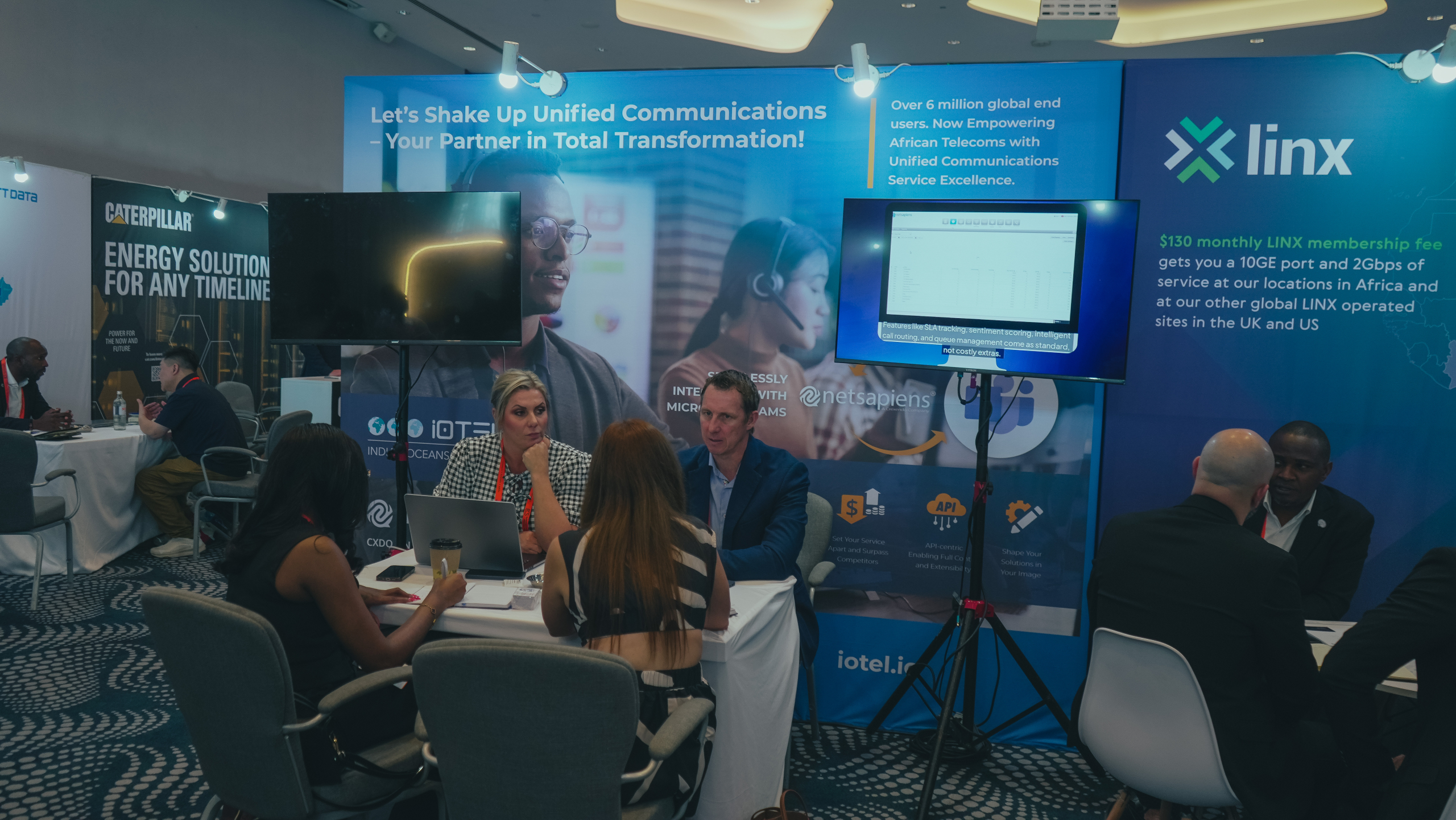
Corporate events require effective coordination of multiple operational components. Regardless of whether an organisation is hosting a conference, product launch, training workshop, exhibition, networking forum, annual general meeting, or corporate gala, success depends on the ability to manage logistics efficiently. Event logistics involve coordinating venues, transportation, accommodation, security, equipment, suppliers, and on-site operations to ensure everything runs according to plan.
As corporate events across East Africa continue to grow in size and complexity, logistics management has become increasingly important. Attendees expect seamless experiences, speakers require reliable support, and organisers need confidence that every operational detail is being handled professionally. Effective logistics management helps minimise disruptions, improve attendee satisfaction, and ensure event objectives are achieved.
Organisations frequently work with experienced event management providers such as Peak Audio to coordinate logistics, technical production, venue operations, transportation, security, and event support services that contribute to successful event delivery.
6.1 Venue Setup and Coordination
Event Space Preparation
The venue serves as the foundation of every corporate event. Proper venue setup ensures the space is prepared to accommodate attendees comfortably while supporting all planned activities.
Venue preparation may include:
- Seating arrangements
- Stage construction
- Registration areas
- Exhibition spaces
- Networking zones
- Branding installations
- Audio-visual setup
Professional event managers coordinate these activities to ensure all components are installed correctly and ready before attendees arrive.
Careful planning also helps optimise traffic flow, improve accessibility, and create an environment that supports attendee engagement.
Proper venue preparation creates a functional and professional event environment.
Coordinating Venue Operations
Venue coordination involves working closely with venue management teams, suppliers, technical crews, and event staff to ensure all activities are aligned.
This may include:
- Setup scheduling
- Vendor access management
- Facility inspections
- Technical testing
- Operational readiness checks
Effective coordination helps prevent delays and ensures all event requirements are met.
Organisations benefit from smoother operations and improved attendee experiences.
Venue coordination supports efficient event execution and operational success.
Why Venue Coordination Matters
The venue directly influences attendee experiences and event performance.
Professional venue coordination helps:
- Improve functionality
- Support event objectives
- Enhance attendee comfort
- Reduce operational challenges
While creating a strong foundation for successful event delivery.
Venue coordination is a critical component of corporate event logistics.
6.2 Transportation Planning
Delegate and Equipment Logistics
Transportation planning ensures people and equipment arrive at the right place at the right time.
Corporate events often require coordination of:
- Delegate transportation
- Speaker transfers
- VIP transportation
- Equipment delivery
- Vendor logistics
Professional planners work with transport providers to develop schedules and routes that support event timelines while minimising delays.
Efficient transportation management helps ensure attendees and event resources arrive safely and punctually.
Transportation planning improves reliability and supports smooth event operations.
Supporting Event Efficiency
Poor transportation coordination can lead to delays, missed sessions, equipment shortages, and attendee frustration.
Professional logistics teams help prevent these issues by:
- Monitoring transport schedules
- Coordinating arrivals and departures
- Managing equipment movement
- Supporting contingency planning
This helps maintain event schedules and improve attendee experiences.
Effective transportation management strengthens event efficiency and reliability.
Why Transportation Planning Matters
Transportation affects both operational performance and attendee satisfaction.
Professional planning helps:
- Reduce delays
- Improve punctuality
- Support logistics coordination
- Enhance attendee convenience
While ensuring resources are available when needed.
Transportation planning plays a key role in successful corporate event management.
6.3 Accommodation Management
Hotel Booking and Coordination
Many corporate events involve participants travelling from different cities, regions, or countries.
Accommodation management helps organisers coordinate:
- Hotel bookings
- Room allocations
- Group reservations
- VIP accommodations
- Speaker lodging arrangements
Professional event planners work with hotels to secure suitable accommodation options that align with event budgets, attendee expectations, and venue proximity.
Early planning helps ensure room availability and supports smoother event logistics.
Accommodation management improves attendee convenience and event organisation.
Supporting Guest Experiences
Comfortable accommodation contributes significantly to overall attendee satisfaction.
Professional accommodation coordination helps ensure participants receive:
- Clear booking information
- Convenient hotel locations
- Reliable reservation support
- Hospitality assistance
This reduces travel-related stress and allows attendees to focus on event participation.
Organisations benefit from improved delegate experiences and stronger event outcomes.
Accommodation planning enhances comfort and supports positive attendee experiences.
Why Accommodation Management Matters
Accommodation often forms a major part of the attendee experience.
Professional management helps:
- Improve convenience
- Reduce logistical challenges
- Support attendee satisfaction
- Strengthen event organisation
While contributing to successful event delivery.
Effective accommodation coordination supports both operational efficiency and attendee comfort.
6.4 Security and Access Control
Event Safety and Crowd Management
Security is a critical aspect of corporate event logistics.
Professional security planning helps protect:
- Attendees
- Speakers
- Staff
- Equipment
- Venue facilities
Security measures may include:
- Access control systems
- Badge verification
- Security personnel
- Crowd management procedures
- Emergency response planning
These measures help create safe and organised event environments.
Professional event managers work closely with security teams to ensure safety protocols are implemented effectively.
Security planning helps protect attendees and supports successful event operations.
Managing Venue Access
Access control systems help regulate movement within the venue.
These systems may be used to manage entry to:
- Conference halls
- VIP lounges
- Speaker preparation areas
- Exhibition zones
- Restricted operational areas
Effective access control improves security while ensuring attendees can navigate the venue efficiently.
Organisations benefit from improved safety and operational control.
Access control systems strengthen event security and organisation.
Why Security Matters
Safe environments are essential for successful corporate events.
Professional security helps:
- Protect participants
- Prevent disruptions
- Improve attendee confidence
- Support operational continuity
While ensuring compliance with event safety requirements.
Security and access control are fundamental components of event logistics management.
6.5 On-Site Event Support
Real-Time Operational Management
Even with extensive planning, events require active management during execution.
On-site event support teams oversee:
- Registration operations
- Vendor coordination
- Speaker support
- Technical production
- Venue management
- Schedule monitoring
These teams help ensure activities run according to plan while responding quickly to operational needs.
Professional oversight reduces stress for organisers and improves event reliability.
On-site support strengthens event control and operational performance.
Managing Unexpected Challenges
Unexpected issues can occur during any event.
Examples include:
- Technical problems
- Schedule adjustments
- Transportation delays
- Venue-related concerns
- Attendee requests
Experienced event professionals can respond quickly to these situations and implement solutions that minimise disruption.
This proactive approach helps maintain positive attendee experiences and protects event objectives.
Real-time support improves resilience and supports successful event execution.
Why On-Site Event Support Matters
Successful events require continuous monitoring and coordination.
Professional support teams help:
- Improve efficiency
- Maintain schedules
- Resolve issues quickly
- Support attendees
- Enhance event quality
While ensuring all operational activities remain aligned.
On-site event support is essential for delivering smooth and professional corporate events.
Effective logistics management ensures smooth event execution and attendee satisfaction. Through venue setup and coordination, transportation planning, accommodation management, security and access control, and on-site event support, organisations can deliver seamless corporate event experiences that meet business objectives and attendee expectations. By partnering with experienced providers such as Peak Audio, businesses and institutions across East Africa can benefit from professional logistics management that reduces complexity, improves efficiency, and supports successful event delivery from start to finish.
7. Why Choose Peak Audio
East Africa Corporate Event Management
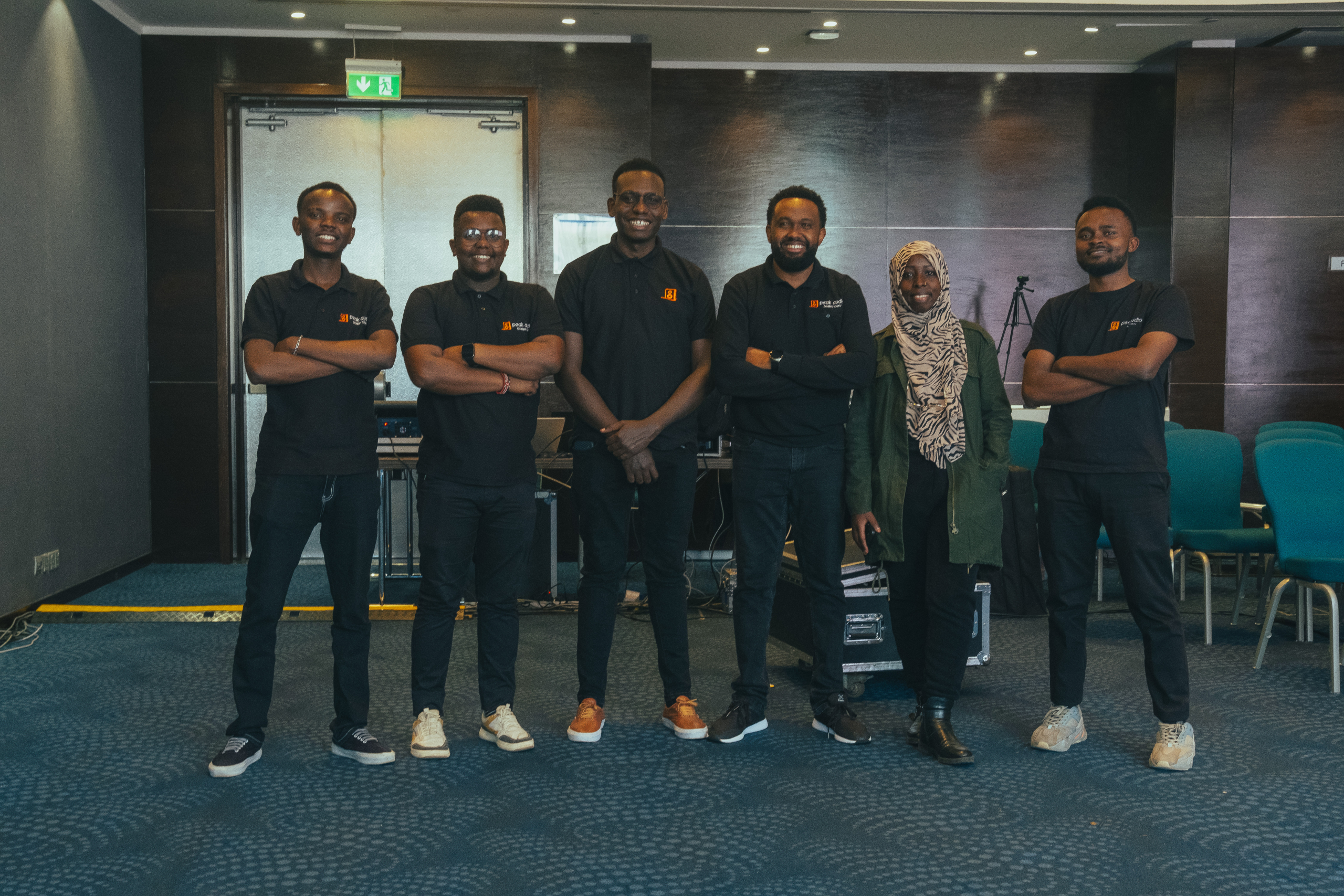
Selecting the right event management partner is one of the most important decisions organisations make when planning corporate events. Whether hosting a conference, product launch, annual general meeting, training workshop, exhibition, networking event, leadership summit, or corporate gala, success depends on professional planning, reliable technology, efficient logistics, and flawless execution. Organisations need experienced partners who can manage these complex requirements while delivering exceptional attendee experiences.
7.1 Professional Corporate Event Management
End-to-End Event Planning and Coordination
Peak Audio provides complete corporate event management services that support organizations throughout the entire event lifecycle. Rather than managing multiple suppliers independently, clients can rely on a single experienced partner to coordinate all aspects of event planning and execution.
Services may include:
- Event planning and strategy
- Venue coordination
- Delegate management
- Logistics planning
- Vendor coordination
- Technical production
- Event execution support
This integrated approach simplifies communication, improves coordination, and reduces the administrative burden on event organisers.
Organisations can focus on achieving their business objectives while Peak Audio manages the operational and technical details required for successful event delivery.
End-to-end event management improves efficiency, coordination, and overall event quality.
Supporting Complex Corporate Events
Corporate events often involve multiple stakeholders, suppliers, presenters, sponsors, and attendees.
Peak Audio helps coordinate these elements through:
- Structured project management
- Timeline development
- Resource planning
- Stakeholder communication
- Operational oversight
This ensures all event activities remain aligned and on schedule.
Professional coordination also helps minimise risks and improve event outcomes.
Professional management simplifies complex event processes and supports successful execution.
Why Professional Event Management Matters
Successful events require expertise, organisation, and attention to detail.
Professional management helps:
- Improve planning efficiency
- Reduce operational risks
- Enhance attendee experiences
- Support business objectives
While ensuring smooth event delivery.
Professional event management creates a strong foundation for successful corporate events.
7.2 Advanced Audio-Visual Solutions
Professional Sound, Lighting, and Display Systems
Technology plays a central role in modern corporate events, and Peak Audio provides advanced audio-visual solutions designed to enhance communication, engagement, and presentation quality.
Services may include:
- Professional sound systems
- Wireless microphones
- LED screens
- Video displays
- Projection systems
- Stage lighting
- Conference technology
These systems help ensure presentations are delivered clearly while creating professional and engaging event environments.
Whether hosting a small executive meeting or a large international conference, Peak Audio provides technology solutions tailored to event requirements.
Advanced AV systems improve communication and elevate event experiences.
Enhancing Audience Engagement
Professional audio-visual production helps attendees connect more effectively with event content.
High-quality sound, dynamic visual displays, and professional lighting contribute to:
- Better audience engagement
- Improved presentation visibility
- Stronger branding
- Enhanced attendee satisfaction
Technical teams ensure all systems operate reliably throughout the event while minimizing disruptions.
Professional AV solutions support stronger engagement and event effectiveness.
Why Audio-Visual Technology Matters
Event technology directly affects attendee experiences and communication quality.
Advanced AV systems help:
- Improve visibility
- Enhance engagement
- Strengthen branding
- Support professionalism
While creating more impactful events.
Professional AV technology is essential for successful corporate event production.
7.3 Hybrid Event Expertise
Live Streaming and Virtual Participation Solutions
Hybrid events have become increasingly important for organisations seeking to engage audiences beyond the physical venue.
Peak Audio provides hybrid event solutions that support:
- Live streaming
- Virtual attendance
- Remote speaker participation
- Online audience engagement
- Event recording
These solutions allow organisations to reach participants across different regions and countries while increasing accessibility.
Hybrid events also provide greater flexibility for attendees who may be unable to travel.
Hybrid event technology expands audience reach and participation opportunities.
Creating Integrated Event Experiences
Managing both physical and virtual audiences requires specialized expertise.
Peak Audio helps organisations create seamless hybrid experiences by integrating:
- Live broadcasts
- Interactive engagement tools
- Virtual networking features
- Real-time audience participation
This ensures remote attendees remain connected and engaged throughout the event.
Organisations benefit from broader participation and stronger event impact.
Integrated hybrid solutions enhance accessibility and audience engagement.
Why Hybrid Expertise Matters
Modern audiences increasingly expect flexible participation options.
Hybrid solutions help:
- Expand reach
- Improve accessibility
- Increase attendance
- Support international participation
While maximizing event value.
Hybrid expertise is becoming an essential part of corporate event management.
7.4 Experienced Event Teams
Skilled Technical and Operational Professionals
Successful events depend on experienced professionals who can manage both technical and operational requirements effectively.
Peak Audio’s event teams include specialists in:
- Audio-visual production
- Event coordination
- Technical support
- Logistics management
- Live streaming
- Hybrid event operations
These professionals bring extensive experience in planning and executing corporate events across various industries.
Their expertise helps ensure all event components are delivered according to plan.
Experienced teams improve reliability and strengthen event execution.
Providing Real-Time Support
During events, Peak Audio’s teams provide on-site support to manage:
- Technical operations
- Vendor coordination
- Schedule monitoring
- Attendee assistance
- Problem resolution
Real-time support allows issues to be addressed quickly before they affect event quality or attendee experiences.
Organisations benefit from smoother operations and greater peace of mind.
Professional event teams help ensure successful and stress-free event delivery.
Why Experienced Teams Matter
Event success depends on the people responsible for execution.
Experienced professionals help:
- Reduce risks
- Improve efficiency
- Maintain quality standards
- Support attendees
While ensuring operational excellence.
Skilled event teams are critical for delivering successful corporate events.
7.5 Customised Event Solutions
Tailored Support for Different Industries and Event Objectives
Every corporate event is unique.
Peak Audio provides customised solutions designed to meet the specific needs of different industries, organisations, and event formats.
Supported sectors may include:
- Corporate organizations
- Government institutions
- NGOs
- Educational institutions
- Healthcare organizations
- Development agencies
- Professional associations
Services are tailored based on:
- Event objectives
- Audience size
- Venue requirements
- Technical needs
- Budget considerations
This customised approach helps organisations achieve their goals more effectively.
Tailored event solutions improve relevance, efficiency, and overall event performance.
Aligning Technology with Event Needs
Peak Audio works closely with clients to determine the most appropriate technologies and services for each event.
This may involve selecting:
- Suitable AV systems
- Hybrid event platforms
- Delegate management tools
- Branding solutions
- Production services
Customised planning ensures resources are allocated efficiently while maintaining high event standards.
Tailored planning helps optimise both event quality and budget utilisation.
Why Customised Solutions Matter
No two events have identical requirements.
Customised support helps:
- Meet specific objectives
- Improve attendee experiences
- Optimize resources
- Enhance event outcomes
While providing greater flexibility.
Customised event solutions ensure organisations receive the support they need.
7.6 Reliable Event Execution
Professional Delivery from Planning to Completion
Peak Audio supports clients throughout the entire event journey, ensuring all planning activities translate into successful execution.
This includes:
- Pre-event planning
- Venue preparation
- Technical setup
- Event rehearsals
- Live event management
- Post-event support
Professional execution ensures all event components function together effectively while maintaining high-quality standards.
Organisations benefit from reliable service and successful event outcomes.
Reliable execution transforms planning into successful event experiences.
Maintaining Operational Excellence
Peak Audio focuses on maintaining consistent quality throughout every stage of event delivery.
This involves:
- Monitoring event performance
- Managing technical operations
- Coordinating stakeholders
- Supporting attendees
- Resolving issues promptly
This commitment to operational excellence helps ensure events run smoothly from beginning to end.
Professional execution improves attendee satisfaction and event success.
Why Reliable Execution Matters
Even the best plans require effective implementation.
Reliable execution helps:
- Maintain schedules
- Reduce disruptions
- Improve attendee experiences
- Achieve event objectives
While protecting the organisational reputation.
Successful execution is the final step in delivering impactful corporate events.
Peak Audio provides complete corporate event solutions designed to support successful events throughout East Africa. Through professional corporate event management, advanced audio-visual solutions, hybrid event expertise, experienced event teams, customised event services, and reliable event execution, Peak Audio helps organisations deliver engaging, professional, and results-driven events. Whether hosting conferences, product launches, training programs, exhibitions, networking forums, or corporate celebrations, organisations can rely on Peak Audio’s expertise, technology, and operational support to achieve outstanding event outcomes.
8. FAQs About East Africa Corporate Event Management
Corporate event management has become an essential service for organisations across East Africa as conferences, exhibitions, product launches, training programs, leadership forums, annual meetings, and networking events continue to grow in scale and complexity. Professional event management companies help organisations plan, coordinate, and execute these events efficiently while ensuring positive attendee experiences and successful outcomes.
8.1 What is corporate event management?
Corporate event management involves planning, coordinating, and executing business-related events from concept development through final delivery.
These services may include:
- Event planning
- Venue coordination
- Delegate management
- Audio-visual production
- Logistics planning
- Vendor coordination
- Technical support
- Event execution
Professional event managers oversee all operational, technical, and logistical aspects of an event to ensure it achieves its intended objectives.
Organisations benefit from improved efficiency, reduced stress, and more successful event outcomes.
Corporate event management helps organisations deliver professional and well-coordinated business events.
8.2 Why hire a professional event management company?
Professional event management companies bring expertise, experience, and specialized resources that help improve event quality and operational efficiency.
Benefits include:
- Better planning and organization
- Reduced operational risks
- Improved attendee experiences
- Professional technical support
- Stronger vendor coordination
- Efficient budget management
Professional event managers also help organisations avoid common planning mistakes while ensuring events run smoothly.
This allows clients to focus on business objectives while experts manage event execution.
Professional event management improves efficiency, reduces risks, and enhances event quality.
8.3 Can event management companies handle regional events across East Africa?
Yes. Experienced event management companies regularly coordinate events across multiple countries in East Africa.
These countries may include:
- Kenya
- Uganda
- Tanzania
- Rwanda
- Ethiopia
- Burundi
- South Sudan
Regional events often require additional planning related to logistics, travel coordination, venue selection, local suppliers, and international delegates.
Professional event companies have the expertise and networks required to manage these complexities effectively.
Experienced event managers can successfully coordinate multi-country events throughout East Africa.
8.4 What types of corporate events require professional management?
Many different event types benefit from professional planning and coordination.
Common examples include:
- Corporate conferences
- Industry exhibitions
- Product launches
- Annual General Meetings (AGMs)
- Training workshops
- Leadership forums
- Networking events
- Corporate gala dinners
- Awards ceremonies
Each event type involves unique operational, technical, and logistical requirements that professional event managers help coordinate effectively.
Professional event management is valuable for a wide range of corporate event formats.
8.5 Do event management companies provide audio-visual services?
Yes. Audio-visual production is one of the most important components of modern corporate event management.
AV services may include:
- Professional sound systems
- Wireless microphones
- LED screens
- Projection systems
- Stage lighting
- Video production
- Live streaming solutions
These technologies help improve communication, audience engagement, branding, and presentation quality.
Professional AV support also reduces technical risks and enhances overall event professionalism.
Audio-visual production is a core service offered by most professional event management companies.
8.6 Can corporate events be hosted as hybrid events?
Yes. Hybrid event technology allows organisations to combine in-person attendance with virtual participation.
Hybrid event solutions may include:
- Live streaming
- Virtual event platforms
- Remote speaker integration
- Online audience engagement tools
- Event recording services
These technologies enable participants to join events from different locations while maintaining meaningful interaction and engagement.
Hybrid events are increasingly popular because they improve accessibility and expand audience reach.
Hybrid event technology allows organisations to engage both physical and virtual audiences effectively.
8.7 Why is attendee management important?
Attendee management helps ensure participants enjoy smooth and organised event experiences.
Professional attendee management may include:
- Online registration
- Accreditation
- Badge printing
- Check-in systems
- Attendance tracking
- Event communication
These services improve registration efficiency, reduce waiting times, enhance security, and support attendee engagement.
Organisations also gain access to valuable participant data that can be used for planning and reporting purposes.
Effective attendee management improves both operational efficiency and participant satisfaction.
8.8 Can event managers coordinate accommodation and transport?
Yes. Logistics planning is an important component of corporate event management.
Services may include:
- Hotel bookings
- Room allocations
- Airport transfers
- Delegate transportation
- Speaker transport coordination
- Equipment logistics
Professional logistics management helps ensure attendees travel comfortably while supporting smooth event operations.
Organisations benefit from reduced administrative burdens and improved attendee experiences.
Accommodation and transport coordination help create seamless event experiences.
8.9 How early should corporate event planning begin?
The ideal planning timeline depends on the size and complexity of the event.
Factors that influence planning requirements include:
- Audience size
- Venue requirements
- International participation
- Sponsorship activities
- Technical production needs
Large conferences, exhibitions, and regional events often require several months of preparation, while smaller events may require less time.
Early planning provides greater flexibility and helps reduce operational risks.
Starting event planning early improves organisation and increases the likelihood of success.
8.10 What industries use corporate event management services?
Corporate event management services are utilised by organizations across many sectors.
Common industries include:
- Corporate and commercial organizations
- Government institutions
- NGOs
- Healthcare providers
- Educational institutions
- Technology companies
- Development organizations
- Professional associations
Each sector uses events to achieve objectives such as networking, education, stakeholder engagement, business development, and knowledge sharing.
Professional event managers adapt their services to meet the specific needs of different industries.
Event management services support organisations across a diverse range of sectors.
8.11 Why is professional event technology important?
Technology plays a critical role in modern event experiences.
Professional event technology helps:
- Improve communication
- Enhance attendee engagement
- Support branding
- Improve presentation quality
- Enable hybrid participation
Examples include:
- Sound systems
- LED screens
- Lighting systems
- Live streaming platforms
- Interactive event technologies
Professional technology solutions help organisations deliver more engaging, professional, and impactful events.
Event technology strengthens communication, engagement, and overall event effectiveness.
8.12 Where can organisations get professional corporate event management services in East Africa?
Organisations seeking professional corporate event management support can partner with experienced providers such as Peak Audio.
Peak Audio provides:
- Event planning and coordination
- Audio-visual production
- Professional sound systems
- LED display solutions
- Stage lighting
- Live streaming services
- Hybrid event technology
- Delegate management
- Logistics support
- Technical event production
By combining event management expertise with advanced technology solutions, Peak Audio helps organisations deliver successful corporate events across East Africa.
Peak Audio provides comprehensive corporate event management and technology solutions for organisations throughout the region.
East Africa corporate event management helps organisations deliver professional, engaging, and successful business events through strategic planning, technical production, attendee management, logistics coordination, and operational support. Whether organising conferences, product launches, exhibitions, AGMs, training workshops, networking forums, or corporate celebrations, professional event management companies provide the expertise needed to achieve event objectives efficiently and effectively. By working with trusted providers such as Peak Audio, organisations can ensure their events are professionally planned, expertly managed, and successfully executed across East Africa.
The Value of East Africa Corporate Event Management

East Africa Corporate Event Management
East Africa corporate event management plays a vital role in helping organisations deliver professional, engaging, and impactful events across one of Africa’s fastest-growing and most interconnected regions. From strategic planning and logistics coordination to delegate management, audio-visual production, and event execution, professional event managers ensure that every detail is handled efficiently. Their expertise enables organisations to host conferences, exhibitions, product launches, training programs, and corporate gatherings that achieve their objectives while creating memorable attendee experiences.
As businesses, government institutions, NGOs, and multinational organisations continue expanding their presence across East Africa, the demand for experienced event management partners continues to grow. Events increasingly involve diverse audiences, multiple stakeholders, and international participants, making seamless coordination and reliable technology essential. Professional event managers help organisations navigate these complexities while maintaining high standards of quality, consistency, and operational efficiency throughout the event lifecycle.
At Peak Audio, we provide comprehensive corporate event management, conference technology, and event production solutions designed to support successful events throughout East Africa. Professional event management is about more than organising an event—it is about creating valuable experiences, strengthening relationships, enhancing audience engagement, and delivering measurable results that benefit both organisations and attendees long after the event concludes.
Leave a Reply
Want to join the discussion?Feel free to contribute!