Affordable Corporate Event Planners in Kenya
Affordable Corporate Event Planners in Kenya – Professional Event Planning on a Budget
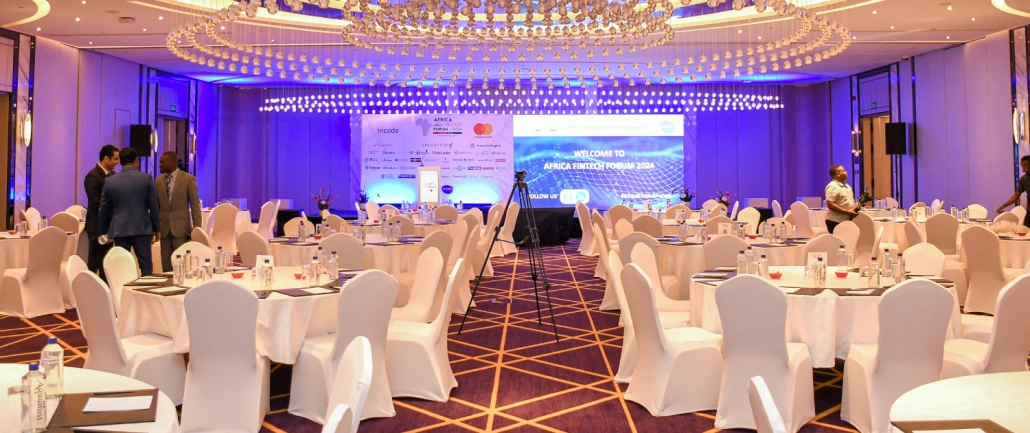
Affordable Corporate Event Planners in Kenya
Finding affordable corporate event planners in Kenya does not necessarily mean selecting the cheapest service provider. Effective budget-conscious event planning focuses on achieving the required event quality while controlling unnecessary expenditure. Whether organizing conferences, seminars, AGMs, product launches, workshops, gala dinners, networking events, team-building activities, exhibitions, executive meetings, or corporate celebrations, organizations need to identify essential services, establish clear priorities, compare quotations, and allocate resources to the areas that have the greatest impact on event delivery and delegate experience.
Corporate event costs can vary considerably depending on factors such as guest numbers, venue, catering, audiovisual requirements, staging, branding, entertainment, transportation, staffing, event duration, and technical complexity. Professional event planning can help organizations manage these variables by coordinating venues, suppliers, schedules, catering, branding, registration, technical production, logistics, and event-day operations within an agreed budget. Careful planning also makes it easier to identify hidden or unnecessary expenses, negotiate appropriate service packages, prevent duplication between suppliers, and develop contingency provisions without compromising the essential requirements of the event.
Peak Audio supports cost-conscious corporate events across Kenya with professional Audiovisual and Event Production Solutions tailored to different event sizes, formats, and budgets. From professional sound systems, LED screens, staging, and lighting to simultaneous interpretation, livestreaming, hybrid event technology, video production, recording, and on-site technical support, Peak Audio helps organizations prioritize the technology and production services their events genuinely require. With careful budgeting, coordinated suppliers, and the right technical setup, organizations can deliver professional, engaging, and memorable corporate events while maintaining greater control over overall event expenditure.
1. What Makes a Corporate Event Planner Affordable?

Affordable Corporate Event Planners in Kenya
An affordable corporate event planner is not necessarily the planner offering the lowest quotation. Affordability is better understood as the ability to organize a professional event while making efficient use of the available budget, controlling unnecessary expenditure, and protecting the areas that directly affect delegate experience, event operations, technical quality, and business objectives.
For corporate conferences, seminars, AGMs, product launches, workshops, gala dinners, networking events, exhibitions, executive meetings, team-building activities, and corporate celebrations in Kenya, affordability can depend on transparent pricing, realistic budgeting, supplier selection, efficient logistics, and careful prioritization of essential services.
1.1 Transparent Event Pricing
Transparent pricing helps organizations understand exactly what they are paying for before committing to an event. A detailed quotation should clearly separate the major services, quantities, assumptions, and additional costs that may arise.
- Detailed Quotations – Major services should be clearly identified instead of being hidden inside a single unexplained total.
- Venue Costs – Clients should understand what venue hire includes, such as conference rooms, furniture, internet, power, parking, or other facilities.
- Catering Charges – Quotations should indicate the expected number of delegates, meals, refreshments, and applicable service arrangements.
- Audiovisual Costs – Sound systems, LED screens, microphones, staging, lighting, livestreaming, recording, and technical personnel should be appropriately specified.
- Staffing Costs – Event managers, registration teams, technicians, security, ushers, photographers, or other personnel should be included where required.
- Transport and Logistics – Equipment transportation, delegate transfers, delivery, setup, and related logistical expenses should be identified where applicable.
- Optional Services – Additional branding, entertainment, décor, photography, video production, or other upgrades should be distinguished from essential requirements.
- Additional Charges – Overtime, extra equipment, additional meals, extended venue hours, or last-minute programme changes may create additional costs and should be explained where possible.
- Payment Terms – Deposits, payment schedules, balances, and other commercial terms should be clearly communicated.
Transparent pricing makes it easier for organizations to understand where their event budget is going, what services are included, which items are optional, and what circumstances could create additional costs.
1.2 Budget-Based Event Planning
A practical event plan should be developed around an agreed budget from the beginning. This allows organizers to determine what can realistically be delivered and where compromises may be necessary before commitments are made.
- Establish the Budget Early – Determine the approximate amount available before selecting major suppliers and services.
- Define Event Objectives – Understand whether the event is primarily focused on education, networking, sales, employee engagement, stakeholder communication, product promotion, or another objective.
- Estimate Delegate Numbers – Attendance significantly influences venue, catering, seating, registration, transport, and technical costs.
- Allocate Budget Categories – Divide available resources among venue, catering, audiovisual production, branding, logistics, staffing, marketing, entertainment, and other requirements.
- Identify Fixed Costs – Venue hire, staging, technical production, or certain supplier charges may remain relatively stable regardless of small attendance changes.
- Identify Variable Costs – Catering, delegate materials, transport, accommodation, and similar expenses often change with attendance.
- Include Contingencies – A reasonable contingency can help accommodate legitimate unforeseen requirements.
- Review Changes Against Budget – New requests should be assessed according to their cost and importance before being approved.
- Track Actual Expenditure – Monitor commitments throughout the planning process to reduce unexpected overspending.
Budget-based planning keeps the event design connected to available financial resources, business objectives, delegate numbers, and operational priorities, reducing the risk of uncontrolled costs later.
1.3 Prioritizing Essential Services
When budgets are limited, organizers should identify which services have the greatest influence on whether the event functions professionally. Essential requirements should generally be protected before money is allocated to optional enhancements.
- Suitable Venue – The venue should provide appropriate capacity, accessibility, facilities, power, and event infrastructure.
- Professional Sound – Delegates need to hear speakers, presentations, panels, and announcements clearly.
- Presentation Displays – LED screens, projection, or other appropriate displays may be essential for presentations and visual content.
- Catering – Food and refreshments should be planned according to event duration, programme, audience, and budget.
- Delegate Registration – Efficient check-in and accreditation help create an organized arrival experience.
- Technical Support – Qualified technicians can help prevent or quickly resolve problems involving microphones, presentations, screens, lighting, or livestreaming.
- Event Staffing – Appropriate staff may be required for registration, delegate management, logistics, technical operations, and supplier coordination.
- Safety and Security – Suitable safety, security, and venue-management arrangements should not be compromised merely to reduce costs.
- Programme Delivery – Resources should support the activities that directly contribute to the event’s primary objectives.
Prioritizing essential services helps organizations direct limited budgets toward the elements that have the greatest effect on event functionality, delegate experience, communication, safety, and professional delivery.
1.4 Competitive Supplier Sourcing
Supplier sourcing can significantly influence overall event costs. However, selecting suppliers purely because they provide the lowest quotation may create quality, reliability, or operational problems.
- Compare Multiple Quotations – Where practical, obtain comparable proposals for significant event requirements.
- Compare Equivalent Specifications – A cheaper quotation may contain fewer services, smaller quantities, or different equipment specifications.
- Evaluate Reliability – Consider whether suppliers can deliver according to the agreed schedule and requirements.
- Review Relevant Experience – Suppliers with appropriate corporate-event experience may be better prepared for professional conference environments.
- Check Equipment and Resources – Technical suppliers should have suitable equipment, personnel, and backup arrangements.
- Understand the Scope – Determine whether transportation, setup, operation, dismantling, staffing, or other services are included.
- Consider Service Quality – Price should be balanced with communication, responsiveness, technical capability, and professionalism.
- Negotiate Appropriate Packages – Suppliers may be able to adjust quantities or specifications to meet the available budget.
- Consider Total Cost – A low initial quotation can become expensive if essential services have to be added later.
Competitive sourcing should balance price, quality, reliability, specifications, experience, and complete scope of service rather than automatically selecting the cheapest supplier.
1.5 Bundled Event Services
Using a supplier or event partner capable of providing several related services can simplify procurement and reduce the number of independent teams that need to be coordinated.
- Audiovisual Packages – Sound, LED screens, microphones, staging, lighting, and technical support can often be planned together.
- Production Coordination – Related technical services can be managed through a coordinated production team.
- Livestreaming and Video – Camera production, livestreaming, recording, and presentation integration can be designed as a connected workflow.
- Stage and Branding Integration – Stage design, screens, lighting, and visual branding can be coordinated from the beginning.
- Simplified Procurement – Organizations may need to process fewer separate quotations, purchase orders, and supplier agreements.
- Reduced Coordination – Fewer independent vendors can reduce communication complexity.
- Integrated Setup – Suppliers can coordinate equipment delivery, installation, testing, and dismantling.
- Clearer Accountability – Related services managed through one production structure can make responsibilities easier to understand.
- Potential Cost Efficiency – Bundling may reduce duplicated transportation, staffing, equipment, or logistical costs depending on the supplier and scope.
Bundling related event services can improve procurement, coordination, accountability, setup efficiency, and potentially overall cost control, provided the package remains appropriate to the event’s actual requirements.
1.6 Avoiding Unnecessary Extras
Corporate events can become expensive when optional upgrades are added without considering whether they contribute meaningfully to the event’s objectives or delegate experience.
- Essential vs Optional Services – Separate what the event needs from what would simply be desirable.
- Décor Upgrades – Elaborate decorative elements may not be necessary for every corporate conference or meeting.
- Oversized Staging – Stage dimensions should reflect the number of speakers, venue size, presentations, and programme requirements.
- Excessive Screens – Screen quantities and sizes should be based on viewing distances, room layout, and audience numbers.
- Unnecessary Entertainment – Entertainment should be included where it supports the programme rather than added automatically.
- Excessive Printed Materials – Digital programmes, QR codes, event apps, or digital signage can sometimes replace unnecessary printing.
- Premium Giveaways – Branded merchandise should have a clear purpose rather than simply increasing the event budget.
- Duplicate Services – Review supplier scopes carefully to avoid paying different vendors for overlapping responsibilities.
- Last-Minute Additions – Unplanned changes can increase transport, labour, equipment, and supplier costs.
Separating essential requirements from optional enhancements allows organizations to protect the quality of important event services while reducing expenditure that provides limited additional value.
1.7 Efficient Event Logistics
Poor logistics can create unnecessary expenses even when individual supplier quotations appear affordable. Effective scheduling and coordination can reduce delays, duplicated transportation, overtime, emergency purchases, and last-minute changes.
- Detailed Event Schedules – Establish clear times for deliveries, setup, rehearsals, registration, programme activities, and dismantling.
- Supplier Coordination – Ensure venues, caterers, audiovisual teams, decorators, entertainers, and other suppliers understand the production schedule.
- Efficient Transportation – Coordinate equipment and supplier transportation to reduce unnecessary journeys where practical.
- Venue Access Planning – Confirm loading areas, access times, parking, lifts, security procedures, and equipment routes before setup.
- Staff Scheduling – Deploy personnel according to actual operational requirements rather than overstaffing or relying on insufficient teams.
- Technical Rehearsals – Testing presentations, microphones, videos, remote speakers, and other systems before the programme can reduce avoidable disruptions.
- Delegate Transport – Where transportation is provided, routes, pickup points, vehicle capacity, and schedules should be planned carefully.
- Catering Coordination – Accurate programme and attendance information helps caterers prepare and serve at appropriate times.
- Early Problem Identification – Site surveys and planning meetings can identify venue or technical challenges before event day.
- Contingency Planning – Practical alternatives for critical services can reduce the cost and disruption associated with unexpected problems.
Efficient logistics can prevent avoidable expenditure by improving scheduling, transportation, supplier coordination, staffing, venue access, technical setup, catering, and contingency planning.
An affordable corporate event planner should focus on transparent budgeting, efficient procurement, appropriate supplier selection, practical event design, and delivering maximum value from the available budget.
Affordability should not simply mean choosing the cheapest venue, catering package, audiovisual company, or other supplier. A low initial quotation can become expensive when essential requirements are excluded, specifications are inadequate, or last-minute corrections become necessary. Effective planners therefore evaluate both cost and complete value.
By establishing a realistic budget early, protecting essential services, comparing suppliers carefully, bundling suitable services, removing unnecessary extras, and coordinating logistics efficiently, organizations can control expenditure while still delivering a professional, organized, technically reliable, and positive corporate event experience.
2. Corporate Events That Can Be Planned on Different Budgets

Affordable Corporate Event Planners in Kenya
Corporate events do not require identical budgets or production setups. A small executive meeting for 20 participants has very different requirements from a 1,000-person conference, exhibition, gala dinner, or product launch. Affordable corporate event planning therefore begins by matching the venue, catering, audiovisual production, branding, staffing, logistics, entertainment, and technology to the event’s actual objectives and scale.
Organizations in Kenya can organize professional events at different budget levels by identifying essential requirements first and then selecting optional enhancements according to available resources. The objective should be to create an appropriate event experience rather than simply adding more services or equipment.
2.1 Corporate Conferences
Corporate conferences can range from relatively small industry meetings to large national, regional, and international gatherings involving hundreds or thousands of delegates. The budget depends heavily on attendance, venue, programme complexity, duration, technical production, catering, and accommodation requirements.
- Venue Selection – Smaller conferences may use hotel meeting rooms, while larger events may require ballrooms, convention facilities, or multiple conference spaces.
- Delegate Numbers – Attendance influences seating, catering, registration, security, staffing, and audiovisual requirements.
- Conference Sound – Professional microphones and speaker systems should be scaled according to the venue and audience.
- Presentation Screens – Projection may be suitable for some smaller rooms, while larger audiences may require appropriately sized LED screens.
- Stage Production – Stage size and design can range from a simple presentation platform to a customized conference set.
- Breakout Sessions – Additional rooms increase requirements for sound, displays, technicians, signage, and event staff.
- Livestreaming – Organizations can add professional streaming where remote participation is important.
- Simultaneous Interpretation – International conferences may require interpretation systems and related technical infrastructure.
- Catering – Tea breaks, lunches, dinners, and other hospitality services should reflect attendance and programme duration.
- Branding – Digital screens, stage graphics, signage, banners, and other branding can be adjusted according to available resources.
Corporate conference budgets can be controlled by matching venue size, technical production, catering, breakout rooms, branding, livestreaming, and staffing to actual delegate numbers and programme requirements.
2.2 Seminars and Workshops
Seminars and workshops can often be organized efficiently because they generally prioritize learning, presentations, discussions, demonstrations, and participant interaction rather than elaborate event production.
- Appropriate Meeting Rooms – Choose rooms that comfortably accommodate the expected group without paying for unnecessary space.
- Simple Stage Setup – Many workshops require only a presentation area rather than elaborate staging.
- Presentation Equipment – A suitable screen, laptop connection, and presentation system may be sufficient for smaller sessions.
- Sound Requirements – Smaller rooms may need fewer microphones and speakers than large conferences.
- Interactive Sessions – Workshops may require flip charts, digital collaboration tools, live polling, or audience Q&A.
- Breakout Groups – Additional rooms or divided spaces may be required for group activities.
- Catering – Tea, coffee, refreshments, and lunch can be planned according to programme length.
- Training Materials – Digital resources and QR-code downloads can sometimes reduce printing requirements.
- Recording – Important training sessions can be recorded where future access is valuable.
Seminars and workshops can remain affordable by prioritizing functional venues, clear presentations, participant interaction, suitable sound, practical catering, and essential learning resources.
2.3 Annual General Meetings
Annual General Meetings can range from relatively simple shareholder meetings to large hybrid events involving extensive audiovisual production, voting, presentations, remote participation, and formal documentation.
- Meeting Venue – Select a space appropriate to expected shareholder or member attendance.
- Professional Sound – Clear audio is particularly important for formal presentations, questions, resolutions, and discussions.
- Presentation Displays – Financial reports, charts, resolutions, and other materials may require suitable screens.
- Microphone Systems – Chairman, directors, presenters, and participants may require different microphone arrangements.
- Registration and Accreditation – Attendance may need to be accurately recorded depending on the organization’s requirements.
- Voting Technology – Appropriate digital or physical voting systems can be incorporated where required.
- Hybrid Participation – Remote participation can be provided when the meeting structure and organizational requirements allow it.
- Recording – Meetings may be recorded for appropriate documentation or internal reference.
- Technical Support – Professional technicians can manage presentations, microphones, video, and remote participants.
AGM budgets should reflect the organization’s requirements for attendance management, presentations, sound, voting, documentation, remote participation, and technical reliability rather than unnecessary decorative production.
2.4 Product Launches
Product launches can be simple media presentations or highly produced experiences involving custom staging, dramatic lighting, large LED screens, demonstrations, entertainment, livestreaming, and extensive branding.
- Launch Venue – Select a venue that complements the product and expected audience without unnecessary excess capacity.
- Product Presentation – Allocate resources to clearly demonstrating the product’s most important features.
- LED Screens – Large displays can present promotional videos, product specifications, animations, and demonstrations.
- Stage Design – Production can range from simple branded staging to customized launch environments.
- Event Lighting – Strategic lighting can create visual impact without requiring unnecessarily complex installations.
- Professional Sound – Presentations, videos, entertainment, and demonstrations require appropriate audio systems.
- Media Production – Photography and video can extend the value of the launch beyond the physical audience.
- Livestreaming – Launches can be distributed to remote customers, media, partners, or other audiences.
- Branding – Resources can be concentrated on highly visible areas rather than covering every surface.
- Entertainment – Performances can be included where they contribute meaningfully to the launch concept.
Product-launch budgets can be optimized by concentrating resources on product presentation, strategic branding, audiovisual impact, media production, and audience experience rather than unnecessary decorative elements.
2.5 Corporate Gala Dinners
Corporate gala dinners combine formal hospitality with presentations, entertainment, recognition, networking, fundraising, or celebration. Budgets can vary substantially depending on the venue, menu, décor, production, and entertainment.
- Venue and Seating – Guest numbers influence ballroom size, table arrangements, furniture, and service requirements.
- Food and Beverage – Catering is often one of the largest gala dinner expenses and should be carefully matched to the budget.
- Stage Production – A suitable stage may be required for speeches, presentations, entertainment, and awards.
- Professional Sound – Speech and entertainment audio requirements should be planned together.
- Event Lighting – Appropriate lighting can significantly improve atmosphere without requiring excessive décor.
- LED Screens – Screens can display videos, presentations, sponsor content, award categories, and live camera feeds.
- Entertainment – Bands, DJs, performers, or other entertainment can be selected according to the event’s objectives.
- Décor – Table styling, floral arrangements, backdrops, and other decorative elements can be scaled according to budget.
- Photography and Video – Important moments can be documented for internal communication and future marketing.
Gala dinner budgets should balance venue, catering, audiovisual production, lighting, décor, entertainment, and guest experience, with spending concentrated on elements that create the greatest impact.
2.6 Networking Events
Networking events can often be organized at relatively flexible budgets because their primary purpose is facilitating professional conversations, introductions, partnerships, lead generation, and relationship building.
- Accessible Venue – Select a convenient location with suitable space for conversation and movement.
- Flexible Layout – Cocktail tables, lounges, meeting areas, or informal seating can encourage interaction.
- Registration – Simple digital registration and check-in can streamline delegate management.
- Background Sound – Music and announcements should support rather than interfere with conversation.
- Short Presentations – A simple stage, microphone, and display may be sufficient for introductions or sponsor presentations.
- Networking Technology – Larger events may use matchmaking platforms or meeting-scheduling tools.
- Refreshments – Light catering can often be more appropriate than full formal dining.
- Branding – Strategic digital displays, banners, or networking-area branding can provide visibility without excessive production.
- Photography – Event photography can document participation and support post-event communication.
Networking events can remain cost-effective by focusing resources on a suitable venue, comfortable interaction spaces, registration, refreshments, communication, and opportunities for meaningful professional connections.
2.7 Team-Building Events
Team-building events can range from simple internal activities to destination experiences involving outdoor challenges, professional facilitators, transport, accommodation, entertainment, and catering.
- Clear Objectives – Determine whether the event focuses on communication, collaboration, leadership, motivation, wellness, or recreation.
- Location Selection – Local venues may reduce transport and accommodation costs.
- Activity Design – Select activities that support the objectives rather than simply increasing the programme.
- Professional Facilitation – Skilled facilitators may be valuable where structured learning outcomes are required.
- Transport – Group transport can simplify logistics and may reduce individual travel arrangements.
- Catering – Meals and refreshments should reflect programme duration and participant numbers.
- Equipment – Activities should use appropriate, safe, and necessary equipment.
- Photography and Video – Documentation can be added according to communication or internal engagement requirements.
- Accommodation – Overnight stays should be included only where the programme or destination justifies them.
Team-building budgets can be adjusted by controlling location, activities, transport, catering, facilitation, equipment, and accommodation while maintaining the intended team-development objectives.
2.8 Award Ceremonies
Award ceremonies can be organized at different scales, from internal employee-recognition events to major industry awards with sophisticated stage production, entertainment, video, and formal dining.
- Stage and Set Design – The stage should provide a professional setting for award presentations and photographs.
- Professional Lighting – Stage and audience lighting can create visual impact and improve photography and video.
- Sound Systems – Clear audio is required for hosts, acceptance speeches, announcements, and entertainment.
- LED Screens – Screens can display nominees, winners, videos, sponsor content, and live camera feeds.
- Award Production – Trophies, certificates, plaques, or other recognition materials should be planned according to recipient numbers.
- Entertainment – Performances can be included according to the programme and available budget.
- Photography and Video – Capturing award presentations can extend the value of the event.
- Catering – The ceremony may include cocktails, dinner, refreshments, or other hospitality.
- Branding – Backdrops, screens, entrance areas, and stage graphics can provide focused branding opportunities.
Award ceremony budgets should prioritize professional presentations, stage visibility, sound, lighting, recognition materials, photography, and guest experience, with optional entertainment and décor scaled according to available resources.
2.9 Exhibitions and Trade Events
Exhibitions and trade events can vary from small business showcases to large multi-day industry exhibitions involving numerous exhibitors, sponsors, demonstrations, meeting areas, and conference programmes.
- Exhibition Venue – Space requirements depend on exhibitor numbers, booth dimensions, expected visitors, and circulation areas.
- Exhibition Booths – Stand designs can range from standardized modular booths to customized branded structures.
- Registration Systems – Digital check-in can help manage larger visitor numbers efficiently.
- Exhibitor Services – Power, internet, furniture, lighting, displays, and other requirements should be planned centrally where practical.
- Conference Areas – Some exhibitions require stages or seminar rooms for presentations and demonstrations.
- Sound Systems – Public announcements and presentation areas may require dedicated audio systems.
- Digital Displays – Screens can provide schedules, directional information, sponsor content, and promotional material.
- Lead Capture – Suitable digital systems can support exhibitor lead generation.
- Staffing and Security – Larger exhibitions may require substantial operational, registration, cleaning, and security teams.
- Logistics – Exhibitor setup and dismantling schedules should be carefully coordinated.
Exhibition budgets depend heavily on venue size, exhibitor numbers, booth design, registration, technical infrastructure, staffing, security, and logistics, making careful planning particularly important.
2.10 Executive and Board Meetings
Executive and board meetings are usually smaller than conferences but may require a high standard of privacy, reliability, presentation technology, communication, and hospitality.
- Appropriate Boardroom – Select a comfortable, private venue with suitable furniture and meeting facilities.
- Presentation Displays – Screens should allow participants to review presentations, reports, financial information, and other documents clearly.
- Video Conferencing – Remote directors or executives may require reliable virtual participation.
- Conference Audio – Larger boardrooms may benefit from dedicated microphones and conferencing systems.
- Reliable Internet – Strong connectivity is particularly important for cloud-based presentations and remote participation.
- Technical Support – Important meetings may require on-site assistance to reduce disruptions.
- Catering – Tea, coffee, working lunches, or executive dining can be matched to meeting duration.
- Recording Requirements – Audio or video recording can be provided where appropriate and authorized.
- Confidentiality – Technical and operational arrangements should reflect the private nature of executive discussions.
Executive and board meetings can be planned efficiently by focusing spending on privacy, comfort, reliable presentation technology, video conferencing, technical support, connectivity, and appropriate hospitality rather than large-scale event production.
Corporate event budgets differ significantly according to format and scale, so planners should customize venue, production, catering, branding, staffing, and technology instead of applying the same package to every event.
A seminar or executive meeting may need only a suitable meeting room, professional presentation facilities, reliable sound, and basic catering, while a large conference, exhibition, product launch, gala dinner, or award ceremony may require LED screens, staging, lighting, livestreaming, multi-camera production, extensive catering, branding, entertainment, security, and larger operational teams.
The most effective approach is therefore to begin with the event objectives, expected audience, programme, venue requirements, and available budget, then build an appropriate production package around those priorities. This allows organizations to control costs without automatically compromising the professional quality of the event.
3. How to Plan an Affordable Corporate Event in Kenya

Affordable Corporate Event Planners in Kenya
Planning an affordable corporate event in Kenya requires more than finding the cheapest venue or supplier. Effective cost control begins with defining the event objective, available budget, expected attendance, venue requirements, programme, catering, audiovisual production, staffing, logistics, and technology before major commitments are made.
For corporate conferences, seminars, AGMs, product launches, workshops, gala dinners, networking events, award ceremonies, exhibitions, executive meetings, and team-building events, early planning allows organizations to identify essential requirements, compare suitable options, and avoid expensive last-minute changes.
3.1 Establish the Event Objective
Before allocating money, organizations should determine exactly what the event is expected to accomplish. Clear objectives help distinguish essential expenditure from services that may be desirable but do not significantly contribute to the intended outcome.
- Define the Primary Purpose – Determine whether the event is intended to educate, launch a product, generate leads, engage employees, recognize achievements, strengthen customer relationships, or achieve another objective.
- Identify the Target Audience – Understand whether participants are employees, customers, prospects, shareholders, partners, industry professionals, executives, or other stakeholders.
- Define Expected Outcomes – Establish what should happen as a result of the event, such as generating qualified leads, improving knowledge, introducing a product, or strengthening relationships.
- Prioritize Programme Activities – Allocate resources to sessions and activities that contribute directly to the main objective.
- Determine Production Requirements – The objective can influence whether the event needs simple presentation facilities or more extensive sound, screens, lighting, livestreaming, and video production.
- Avoid Unrelated Additions – Services that do not support the event’s purpose can be reduced or removed.
- Establish Performance Measures – Determine how success will be evaluated after the event.
- Communicate Objectives to Suppliers – Clear objectives allow venues, audiovisual providers, caterers, and other suppliers to recommend appropriate solutions.
Establishing the event objective provides a foundation for deciding where money should be spent, which services are essential, and which optional elements can be reduced without undermining the event’s purpose.
3.2 Set a Realistic Budget
A clear budget helps prevent an event from expanding beyond what the organization can reasonably afford. The budget should cover the complete event rather than focusing only on highly visible expenses such as venue hire.
- Establish Maximum Expenditure – Determine the amount the organization is prepared to spend before major bookings are confirmed.
- Create Budget Categories – Separate venue, catering, audiovisual production, branding, staffing, transport, entertainment, accommodation, marketing, and other requirements.
- Identify Essential Costs – Protect expenditure required for the event to operate professionally.
- Identify Optional Costs – Separate upgrades and enhancements that can be adjusted if the budget becomes tight.
- Request Detailed Quotations – Compare clearly defined supplier scopes rather than only comparing total prices.
- Include Taxes and Additional Charges – Consider applicable taxes, service charges, transportation, overtime, and other possible expenses.
- Track Commitments – Update the budget whenever suppliers, venues, or services are confirmed.
- Compare Budget vs Actual Costs – Regularly identify areas where spending is above or below the original allocation.
- Approve Changes Carefully – New requests should be assessed against the remaining budget before confirmation.
A realistic event budget provides a financial framework for controlling venue, catering, production, staffing, logistics, branding, entertainment, and other expenditure throughout the planning process.
3.3 Determine the Guest Count Early
Delegate numbers influence almost every major event cost. Even an approximate attendance forecast can help organizers avoid booking spaces, meals, equipment, or services that are significantly larger than required.
- Venue Capacity – Expected attendance determines the appropriate room or venue size.
- Catering Quantities – Food and beverage costs are commonly influenced directly by delegate numbers.
- Seating Requirements – Chairs, tables, lounge furniture, or other seating should reflect realistic attendance.
- Registration Infrastructure – Larger audiences may require more check-in desks, staff, printers, badges, or digital registration systems.
- Audiovisual Requirements – Audience size can influence speaker coverage, microphone quantities, screen sizes, and technical staffing.
- Transport Requirements – Delegate transportation should be planned according to realistic passenger numbers.
- Event Materials – Badges, programmes, gifts, and printed materials should not significantly exceed expected requirements.
- Security and Staffing – Larger audiences generally require additional operational personnel.
- Attendance Updates – Registration numbers should be reviewed regularly as the event approaches.
- Final Confirmation – Provide suppliers with realistic final attendance numbers within agreed deadlines.
Early attendance forecasting helps control expenditure across venue capacity, catering, seating, registration, audiovisual production, transport, staffing, and delegate materials.
3.4 Choose the Right Venue
Venue selection can have a major effect on the total event budget. The cheapest venue is not automatically the most affordable if organizers later have to pay separately for equipment, furniture, power, security, internet, or extensive technical infrastructure.
- Match Capacity to Attendance – Avoid paying for significantly more space than expected delegates require.
- Review Included Facilities – Determine whether furniture, internet, power, parking, breakout rooms, and basic equipment are included.
- Consider Existing Infrastructure – Built-in stages, screens, lighting, rigging, and technical facilities may reduce additional setup requirements.
- Check Catering Policies – Understand whether the venue requires in-house catering or permits external suppliers.
- Assess Accessibility – Consider transport routes, parking, public transport, and accessibility for delegates.
- Review Setup Time – Understand when suppliers can access the venue and whether additional setup hours create extra charges.
- Consider Breakout Requirements – Do not book multiple rooms unless the programme genuinely requires them.
- Check Power and Internet – Reliable infrastructure can reduce the need for additional temporary solutions.
- Conduct a Site Survey – Inspect the venue before confirming major production requirements.
The right venue provides the required capacity, accessibility, infrastructure, facilities, and operational flexibility without forcing the organization to pay for unnecessary space or extensive additional services.
3.5 Select the Appropriate Event Date
Event dates can influence venue availability, supplier options, travel arrangements, accommodation, and other costs. Selecting a date early can give organizers more time to compare alternatives.
- Book Early Where Practical – Early planning can provide more venue and supplier choices.
- Compare Date Options – Where the event date is flexible, request availability for alternative dates.
- Consider Peak Periods – High-demand periods may affect venue, accommodation, and supplier availability.
- Check Major Events – Large conferences, exhibitions, public events, or other activities in the same location may affect accommodation and transport.
- Consider Delegate Availability – Avoid dates that significantly reduce participation among the target audience.
- Allow Adequate Planning Time – Short preparation periods can increase the need for urgent procurement and last-minute decisions.
- Coordinate Key Suppliers – Confirm important venues and technical partners before finalizing complex production requirements.
- Consider Setup Requirements – Large events may require access before the actual event date for installation and rehearsals.
Selecting an appropriate date early can improve venue availability, supplier choice, planning time, accommodation options, logistics, and overall cost control.
3.6 Prioritize Audiovisual Requirements
Audiovisual production should be based on the actual event rather than selecting a generic package. The objective is to ensure that delegates can hear, see, understand, and participate effectively without paying for unnecessary equipment.
- Professional Sound – Specify speakers according to venue size, layout, and audience numbers.
- Microphone Requirements – Determine the actual number of handheld, lapel, headset, podium, or panel microphones required.
- Presentation Screens – Select appropriate projection or LED-screen solutions based on venue layout and viewing distance.
- Stage Requirements – Stage size should reflect speakers, panels, presentations, entertainment, and other programme activities.
- Event Lighting – Prioritize functional stage and presentation lighting before optional decorative effects.
- Livestreaming – Include streaming when there is a genuine remote audience or business requirement.
- Video Production – Determine whether the event requires documentation, multi-camera coverage, interviews, or post-event content.
- Interpretation Systems – Provide simultaneous interpretation where multilingual participation requires it.
- Technical Personnel – Include appropriate technicians to operate and monitor production systems.
- Site Survey – Technical teams should understand venue dimensions, power, internet, access, stage positions, and other conditions before final equipment specifications.
Audiovisual budgets can be controlled by specifying sound, microphones, screens, staging, lighting, livestreaming, recording, interpretation, and technical support according to actual event requirements.
3.7 Control Catering Costs
Catering can represent a significant proportion of corporate event expenditure, particularly for large conferences, gala dinners, multi-day meetings, and exhibitions. Accurate planning can reduce both unnecessary spending and food waste.
- Use Realistic Attendance Numbers – Base catering quantities on updated registrations and expected attendance.
- Track Confirmations – Regularly review confirmed delegates as the event approaches.
- Consider Historical No-Shows – Previous attendance patterns may provide useful planning information where relevant.
- Select Appropriate Menus – Match catering choices to the event format, audience, duration, and budget.
- Plan Meal Times Carefully – Coordinate catering with the conference programme to avoid unnecessary service periods.
- Collect Dietary Requirements – Identify legitimate dietary needs during registration.
- Avoid Excessive Menu Variety – More options can increase complexity and costs without necessarily improving the delegate experience.
- Review Beverage Requirements – Plan tea, coffee, water, and other refreshments according to programme duration.
- Confirm Final Numbers – Provide updated attendance information within the caterer’s agreed deadlines.
Accurate attendance forecasting and appropriate menu planning can help organizations control food, beverage, staffing, and service costs while reducing unnecessary catering waste.
3.8 Use Digital Communication
Digital communication can reduce printing requirements while making event information easier to distribute and update. It can be particularly useful for conferences with changing schedules, multiple sessions, or large delegate groups.
- Digital Invitations – Email and suitable digital communication can replace some printed invitations.
- Online Registration – Digital forms can simplify registration and attendance management.
- QR-Code Check-In – Suitable systems can speed up delegate verification and reduce paperwork.
- Digital Programmes – Agendas can be distributed through websites, email, QR codes, or event apps.
- Digital Speaker Profiles – Speaker biographies and session information can be made available online.
- QR-Code Resources – Delegates can access presentations, reports, brochures, and other materials digitally.
- Digital Signage – LED screens and displays can communicate schedules and announcements without repeatedly printing new signage.
- Event Updates – Programme changes can be communicated through email, messaging platforms, websites, or event apps.
- Post-Event Communication – Recordings, presentations, surveys, photographs, and follow-up resources can be distributed electronically.
Digital communication can reduce printing and distribution requirements while improving access to registration, programmes, schedules, speaker information, event resources, updates, and post-event content.
3.9 Maintain a Contingency Budget
Even carefully planned events can encounter unexpected requirements. Keeping part of the budget uncommitted provides flexibility without forcing organizers to remove essential services or seek emergency funding.
- Unexpected Attendance Changes – Additional delegates may increase catering, seating, registration, and material requirements.
- Technical Requirements – Programme changes may create legitimate needs for additional microphones, displays, connectivity, or other equipment.
- Venue Changes – Room changes or operational restrictions can create additional production requirements.
- Transport Issues – Additional transportation may occasionally be required for delegates, equipment, or suppliers.
- Programme Changes – New speakers, presentations, entertainment, or sessions can affect technical and operational costs.
- Extended Event Hours – Delays or programme extensions may result in venue, staffing, technical, or supplier overtime.
- Additional Staffing – Larger-than-expected audiences may require more registration or operational personnel.
- Replacement Requirements – Unexpected equipment, materials, or logistical requirements may need to be addressed quickly.
- Controlled Approval – Contingency funds should be used for genuine unforeseen requirements rather than routine optional upgrades.
A contingency allocation provides financial flexibility for genuine unexpected requirements while helping the main event budget remain controlled.
Affordable corporate event planning depends on making important decisions early and controlling guest numbers, venue selection, catering, production, logistics, technology, and optional extras throughout the planning process.
Organizations should begin by defining the event objective and establishing a realistic budget. Expected attendance can then guide decisions about venue capacity, catering quantities, seating, registration, audiovisual production, staffing, and transport. Selecting an appropriate venue and date early also provides more time to compare suppliers and avoid unnecessary last-minute expenditure.
Cost control should not mean compromising the services that allow the event to function professionally. Clear sound, visible presentations, suitable technical support, appropriate catering, reliable event operations, and effective delegate communication should remain priorities. Digital communication, accurate attendance forecasting, carefully specified audiovisual requirements, and a controlled contingency budget can then help organizations achieve a professional corporate event while making efficient use of the available resources.
4. How to Reduce Corporate Event Costs Without Compromising Quality

Affordable Corporate Event Planners in Kenya
Reducing corporate event costs does not have to mean lowering professional standards. Effective cost reduction focuses on eliminating unnecessary expenditure, avoiding duplicated services, choosing appropriately sized solutions, improving logistics, and directing available resources toward the elements that have the greatest impact on the event.
For conferences, seminars, AGMs, product launches, gala dinners, award ceremonies, exhibitions, networking events, and other corporate functions in Kenya, careful decisions involving the venue, production infrastructure, suppliers, branding, programme, equipment, and logistics can create meaningful savings while maintaining a professional delegate experience
4.1 Choose an Appropriately Sized Venue
Venue size can influence not only the hire charge but also expenditure on sound, screens, lighting, staging, décor, furniture, staffing, and catering. A venue that is substantially larger than required may therefore increase several parts of the event budget.
- Estimate Attendance Early – Use registrations, invitations, historical attendance, and expected no-shows to develop a realistic delegate forecast.
- Match Capacity to Attendance – Select a room that comfortably accommodates expected participants without excessive unused space.
- Consider Seating Style – Theatre, classroom, banquet, boardroom, and cabaret arrangements have different space requirements.
- Review Stage Requirements – Large stages can reduce available delegate space and may require larger venues.
- Consider Breakout Rooms – Only book additional meeting rooms when the programme genuinely requires them.
- Evaluate Networking Space – Ensure adequate circulation and networking areas without unnecessarily increasing the venue footprint.
- Consider Exhibition Requirements – Conferences with exhibitors may require additional floor space beyond delegate seating.
- Review Production Implications – Larger rooms may require additional speakers, screens, lighting, rigging, and technical equipment.
- Allow Practical Flexibility – Avoid choosing a room so small that normal attendance changes create operational problems.
Choosing an appropriately sized venue can reduce costs associated with venue hire, audiovisual equipment, staging, lighting, décor, furniture, staffing, and other production requirements while maintaining adequate comfort and functionality.
4.2 Use Existing Venue Infrastructure
Before hiring additional equipment, organizers should identify what the venue already provides. Existing stages, furniture, screens, power systems, internet infrastructure, meeting rooms, and other facilities can sometimes reduce external rental and installation requirements.
- Existing Stages – A suitable permanent stage may eliminate or reduce temporary staging requirements.
- Tables and Chairs – Using appropriate venue furniture can reduce external furniture hire and transportation.
- Built-In Screens – Existing projection or display infrastructure may be adequate for some smaller meetings and workshops.
- Power Infrastructure – Confirm whether suitable electrical supply is already available for audiovisual and production requirements.
- Internet Connectivity – Existing connectivity may support normal event operations, although dedicated connections may still be required for critical livestreaming.
- Breakout Rooms – Venues with existing meeting spaces can simplify multi-session conferences.
- Registration Areas – Existing reception counters or foyer spaces may reduce additional infrastructure requirements.
- Loading Facilities – Convenient equipment access can reduce setup complexity and labour time.
- Existing Lighting – Appropriate venue lighting may reduce additional fixtures for simpler events.
- Technical Inspection – Audiovisual teams should inspect existing equipment before relying on it for critical event functions.
Using suitable existing venue infrastructure can reduce expenditure on equipment rental, transportation, installation, furniture, staging, screens, power distribution, and other temporary infrastructure.
4.3 Use Reusable Stage and Production Equipment
Custom-built event structures can create strong visual impact, but they may also increase costs through fabrication, materials, transportation, installation, and disposal. Modular rental equipment can provide a professional alternative for many corporate events.
- Modular Stage Decks – Standard stage components can be configured according to different venue sizes and layouts.
- Reusable Trussing – Professional truss systems can support lighting, displays, and appropriate production infrastructure.
- Rental LED Screens – Modular LED panels can be configured to suit different stage designs and audience sizes.
- Reusable Lighting Equipment – Professional event lighting can be deployed across different event formats.
- Standard Technical Equipment – Microphones, speakers, mixers, cameras, and related production equipment can be hired according to actual requirements.
- Modular Set Elements – Reusable structures can provide professional stage designs without requiring complete fabrication for every event.
- Digital Branding – Screen-based graphics can change between sessions, speakers, sponsors, or events without replacing physical structures.
- Reduced Material Requirements – Reusable systems can decrease the amount of single-use construction material required.
- Simplified Logistics – Standardized equipment can make installation, dismantling, and transportation more predictable.
Reusable and modular production equipment can help organizations maintain a professional stage and technical environment while reducing unnecessary custom fabrication, material, transportation, and installation costs.
4.4 Replace Some Printed Branding with Digital Displays
Printed branding remains useful for certain applications, but digital displays can perform several communication functions using the same infrastructure. LED screens can change content throughout the programme without requiring new physical materials for every message
- Stage Branding – LED screens can display corporate identities, event themes, and branded graphics.
- Speaker Information – Names, titles, organizations, and session topics can be displayed digitally.
- Event Schedules – Screens can communicate agendas, session changes, and announcements.
- Sponsor Messages – Multiple sponsors can receive scheduled visibility through the same display infrastructure.
- Presentation Content – The same screen can display slides, videos, charts, demonstrations, and other programme materials.
- Live Camera Feeds – Large audiences can view close-up images of speakers and panelists.
- Digital Backdrops – Different backgrounds can be displayed for presentations, panels, entertainment, and award segments.
- Real-Time Updates – Organizers can change suitable information without reprinting materials.
- Reusable Digital Assets – Graphics can often be adapted for websites, social media, livestreams, and future events.
- Reduced Printing – Digital communication can complement physical signage and reduce unnecessary banners, programmes, posters, and temporary branding.
Digital displays can combine branding, presentations, schedules, sponsor visibility, speaker information, video, and live camera feeds within the same infrastructure, reducing some printing and physical branding requirements.
4.5 Consolidate Suppliers
Using many independent suppliers can sometimes create duplicated transportation, staffing, management, and technical requirements. Where practical, related services can be consolidated under capable providers without compromising specialization or accountability.
- Integrated Audiovisual Production – Sound, screens, staging, lighting, and technical support can often be coordinated together.
- Video and Livestream Integration – Cameras, recording, livestreaming, audio, and presentation feeds can share production infrastructure.
- Combined Transportation – Related equipment may be transported together instead of using multiple independent delivery teams.
- Shared Technical Personnel – Properly planned teams can sometimes support several related production functions.
- Reduced Management Time – Event planners spend less time coordinating multiple separate suppliers.
- Simplified Setup – Integrated teams can coordinate installation and testing according to one production schedule.
- Clearer Accountability – Defined responsibility for related services can make troubleshooting and decision-making easier.
- Fewer Procurement Processes – Organizations may process fewer quotations, purchase orders, contracts, and supplier payments.
- Reduced Duplication – Careful consolidation can prevent different suppliers from charging for overlapping equipment or services.
Consolidating compatible services can reduce duplicated transport, staffing, equipment, procurement, and coordination costs while creating a more integrated event-production workflow.
4.6 Limit Unnecessary Décor
Décor can contribute significantly to an event’s atmosphere, but not every part of a venue needs elaborate decoration. Strategic design can concentrate resources on locations that receive the greatest delegate attention and photographic visibility.
- Main Stage – Prioritize the area that receives the greatest attention during presentations and photography.
- Entrance Area – Create a professional first impression without decorating every corridor or external area.
- Registration Area – Strategic branding can make delegate arrival organized and visually consistent.
- Photo Area – A dedicated branded backdrop can concentrate photography and branding in one location.
- Networking Areas – Use simple, functional design rather than excessive decorative installations.
- Table Styling – Gala dinners can use carefully selected centrepieces rather than expensive oversized arrangements.
- Lighting – Strategic lighting can transform venue appearance without requiring extensive physical décor.
- Digital Backgrounds – LED screens can provide changing visual themes without constructing multiple physical sets.
- Reuse Existing Elements – Suitable venue architecture, furniture, plants, and décor can sometimes be incorporated into the design.
Focusing décor expenditure on the stage, entrance, registration area, photo points, and other high-impact locations can create a professional visual experience without decorating every part of the venue.
4.7 Optimize the Event Programme
An inefficient programme can increase venue hire, catering, staffing, audiovisual, transport, and supplier overtime. A well-designed schedule can deliver the required content while using time and resources more efficiently.
Set Realistic Session Lengths – Avoid unnecessarily long presentations that extend the event without adding proportional value.
- Control Speaker Timing – Brief speakers clearly and use professional moderation to keep the programme on schedule.
- Coordinate Breaks – Schedule tea, lunch, networking, and programme breaks efficiently.
- Reduce Unnecessary Gaps – Long programme gaps can extend venue and staffing hours.
- Coordinate Entertainment – Position performances where they contribute meaningfully to the event experience.
- Plan Technical Transitions – Prepare presentations and equipment changes in advance to reduce delays.
- Rehearse Important Segments – Technical rehearsals can reduce avoidable programme interruptions.
- Manage Breakout Sessions – Schedule parallel sessions efficiently to avoid unnecessarily extending venue use.
- Establish a Run Sheet – A detailed production schedule helps suppliers, speakers, caterers, and technical teams work to the same timeline.
- Avoid Unplanned Overtime – Keeping the programme on schedule can reduce additional venue, crew, equipment, transport, and staffing charges.
An efficient event programme helps control venue hours, catering schedules, technical crew time, staffing, transport, equipment hire, and potential overtime costs while maintaining the intended event content.
4.8 Request Detailed Quotations
Detailed quotations allow organizations to understand exactly what they are buying and make meaningful comparisons between suppliers. Kenyan event-planning guidance notes that corporate event pricing can vary substantially according to event scale, venue, production requirements, and content deliverables, and recommends transparent line-item pricing rather than relying only on a lump-sum total. Cara
- Venue Costs – Confirm hire periods, rooms, furniture, facilities, service charges, and overtime conditions.
- Catering Costs – Request clear per-person or package pricing and understand what the menu includes.
- Audiovisual Equipment – Sound, LED screens, lighting, staging, microphones, and other technical equipment should be appropriately specified.
- Technical Personnel – Understand whether technicians, operators, engineers, camera crews, or other personnel are included.
- Branding Costs – Separate stage graphics, signage, printing, digital content, and other branding requirements.
- Photography and Video – Clarify crew numbers, coverage hours, editing, deliverables, and delivery timelines.
- Livestreaming – Understand the platforms, cameras, encoding, connectivity, personnel, and other requirements included.
- Transport and Logistics – Determine whether equipment transportation, crew transport, setup, and dismantling are included.
- Taxes and Charges – Applicable taxes and additional charges should be clearly identified.
- Optional Upgrades – Separate essential requirements from services that can be added if additional budget becomes available.
- Compare Like for Like – Ensure competing quotations are based on similar quantities, specifications, service levels, and deliverables.
Cara’s 2026 Nairobi cost guide similarly identifies venue, food and beverage, audiovisual production, branding, photography/video, livestreaming, registration, logistics, contingency, and taxes among the items that can form part of a detailed event cost breakdown
Detailed quotations make it easier to identify unnecessary services, missing requirements, duplicated charges, optional upgrades, and major differences between competing supplier proposals before contracts are confirmed.
Cost reduction should focus on eliminating duplication, unnecessary equipment, excessive venue space, avoidable printing, inefficient logistics, and low-value extras rather than compromising essential event quality.
Organizations can reduce expenditure by selecting appropriately sized venues, taking advantage of existing infrastructure, using modular production equipment, replacing some physical branding with digital displays, consolidating compatible suppliers, and concentrating décor on high-impact areas. Efficient programme scheduling can further reduce venue overtime, technical crew hours, catering delays, transportation, and staffing costs.
Most importantly, every saving should be considered in relation to its effect on the event. Essential areas such as clear sound, visible presentations, reliable technical support, delegate comfort, safety, appropriate catering, and professional event operations should remain protected. The objective is not simply to spend less, but to use the available corporate event budget more efficiently.
5. Services to Expect from Corporate Event Planners in Kenya

Affordable Corporate Event Planners in Kenya
Professional corporate event planners can manage much more than the activities taking place on the event day. Depending on the agreed scope, their responsibilities may begin with event concept development, budgeting, venue sourcing, supplier procurement, registration planning, catering, branding, and technical production and continue through event-day management and post-event reporting.
For organizations planning corporate conferences, seminars, AGMs, product launches, gala dinners, award ceremonies, exhibitions, networking events, workshops, executive meetings, and other business events in Kenya, using a planner can help centralize responsibilities and improve coordination between the client, venue, suppliers, speakers, delegates, and technical teams.
5.1 Event Concept and Planning
Event planning begins with understanding what the organization wants to achieve. The planner can then translate the business objective into a practical event concept, programme, guest experience, production plan, and implementation schedule.
- Event Objectives – Establish whether the event is intended to educate, generate leads, engage employees, launch a product, recognize achievements, strengthen relationships, or achieve another objective.
- Audience Definition – Identify expected delegates, including employees, customers, prospects, executives, shareholders, partners, media, or industry professionals.
- Event Format – Determine whether the programme should be a conference, workshop, exhibition, gala dinner, networking event, hybrid meeting, or another format.
- Event Theme – Develop an appropriate theme or creative direction where required.
- Programme Development – Structure keynotes, panels, workshops, entertainment, networking, meals, and other activities.
- Guest Experience Planning – Consider the complete delegate journey from invitation and registration to arrival, participation, catering, and departure.
- Production Requirements – Identify sound, screens, staging, lighting, video, livestreaming, interpretation, and other technical needs.
- Planning Timeline – Establish deadlines for venue confirmation, suppliers, speakers, branding, registration, production, rehearsals, and other activities.
- Responsibility Allocation – Define what will be handled by the planner, client, venue, suppliers, and other stakeholders.
Event concept development creates the foundation for the entire project by connecting business objectives, audience requirements, programme design, delegate experience, production, and implementation timelines.
5.2 Budget Development and Management
Corporate event planners can help organizations translate event objectives into a realistic budget and monitor expenditure as planning progresses.
- Initial Budget Development – Estimate the resources required to deliver the proposed event.
- Budget Categories – Allocate expenditure among venue, catering, audiovisual production, branding, staffing, transport, accommodation, entertainment, marketing, and other requirements.
- Supplier Estimates – Obtain suitable quotations for significant services.
- Cost Prioritization – Protect essential requirements before allocating money to optional upgrades.
- Quotation Comparison – Compare supplier prices alongside specifications, service levels, and complete scope.
- Budget Tracking – Record confirmed commitments as suppliers and services are approved.
- Cost Adjustments – Modify quantities, specifications, or optional services when expenditure begins exceeding the agreed budget.
- Contingency Planning – Reserve suitable resources for legitimate unexpected requirements.
- Final Cost Reconciliation – Compare estimated and actual expenditure after the event.
Professional budget management helps organizations maintain control over event expenditure, supplier commitments, optional upgrades, contingencies, and final costs throughout the planning process.
5.3 Venue Selection and Coordination
The venue influences the delegate experience, catering, production, logistics, accessibility, and overall budget. Corporate planners can help identify and coordinate venues that match the event’s actual requirements.
- Venue Sourcing – Identify appropriate hotels, conference centres, meeting rooms, outdoor spaces, or other venues.
- Capacity Assessment – Ensure the venue accommodates expected attendance and the required seating arrangement.
- Location Evaluation – Consider accessibility, transport, parking, accommodation, and delegate convenience.
- Facilities Assessment – Review meeting rooms, breakout spaces, kitchens, washrooms, registration areas, and other facilities.
- Technical Infrastructure – Assess power, internet, staging, rigging, screens, lighting, and audiovisual possibilities.
- Site Inspections – Conduct physical visits before finalizing complex event requirements.
- Venue Coordination – Communicate programme, catering, setup, security, supplier access, and technical requirements.
- Setup and Dismantling Access – Confirm when suppliers can enter and leave the venue.
- Venue Policies – Understand restrictions relating to catering, external suppliers, branding, entertainment, sound, access, and operating hours.
Effective venue coordination ensures that capacity, location, accessibility, facilities, technical infrastructure, catering, supplier access, and programme requirements are considered before event day.
5.4 Supplier and Vendor Management
Corporate events often involve numerous specialist suppliers. Managing them independently can become complicated, particularly for larger conferences, exhibitions, gala dinners, and product launches.
- Supplier Identification – Source suitable providers according to event requirements.
- Quotation Collection – Obtain detailed proposals for relevant services.
- Supplier Comparison – Evaluate price, specifications, experience, reliability, availability, and scope.
- Contract Coordination – Ensure responsibilities and agreed deliverables are clearly understood.
- Production Scheduling – Coordinate delivery, installation, rehearsals, event operation, and dismantling.
- Supplier Communication – Provide vendors with relevant programme and venue information.
- Technical Coordination – Ensure audiovisual, staging, lighting, video, livestreaming, and other production suppliers work within a coordinated technical plan.
- Performance Monitoring – Confirm that suppliers deliver the agreed services.
- Problem Resolution – Address supplier or operational issues that arise during preparation or event delivery.
Centralized supplier management can improve procurement, communication, accountability, scheduling, technical integration, and event-day coordination.
5.5 Registration and Delegate Management
Delegate management begins before participants arrive at the venue. Professional planners can coordinate invitations, registration, confirmations, check-in, accreditation, information, and on-site assistance.
- Invitation Management – Coordinate suitable invitations and delegate communication.
- Online Registration – Establish registration forms or platforms where appropriate.
- Delegate Database Management – Maintain relevant attendee information required for event operations.
- Registration Confirmation – Send appropriate confirmations, schedules, venue information, and instructions.
- Special Requirements – Collect relevant dietary, accessibility, or other operational information.
- Badge Preparation – Prepare delegate identification where required.
- On-Site Check-In – Organize registration desks, digital check-in, QR systems, or other suitable processes.
- VIP Management – Coordinate appropriate arrangements for executives, speakers, sponsors, or other designated guests.
- Delegate Assistance – Provide information about rooms, sessions, schedules, transport, catering, and other event services.
- Attendance Records – Maintain appropriate attendance information for reporting and future planning.
Professional registration and delegate management can create a smoother attendee journey from invitation and confirmation through check-in, accreditation, event participation, and post-event communication.
5.6 Catering Coordination
Catering affects both the event budget and delegate experience. Event planners can coordinate menus, service schedules, attendance forecasts, dietary requirements, and venue arrangements.
- Menu Selection – Choose food and beverage options appropriate to the audience, event format, duration, and budget.
- Delegate Numbers – Provide caterers with realistic attendance estimates and updated confirmations.
- Dietary Requirements – Collect and communicate legitimate dietary needs.
- Tea and Coffee Breaks – Coordinate refreshments with the conference programme.
- Lunch Service – Schedule meals to minimize disruption to sessions.
- Gala Dinner Service – Coordinate formal dining where required.
- Service Style – Determine whether buffet, plated, cocktail, working-lunch, or another format is appropriate.
- Catering Setup – Coordinate tables, service areas, meal stations, water points, and other requirements.
- Final Numbers – Confirm attendance within the caterer’s agreed deadlines.
- Food-Waste Reduction – Use realistic forecasts to help limit unnecessary over-ordering.
Effective catering coordination balances delegate experience, programme timing, dietary needs, attendance forecasts, service quality, and budget control.
5.7 Branding and Stage Design
Corporate event branding helps create a consistent visual identity across the venue, stage, registration areas, digital screens, signage, and event content. The scale of branding should reflect both the event objectives and available budget.
- Stage Concept – Develop a stage appropriate to the venue, audience, programme, and brand.
- LED Screen Design – Integrate suitable displays for presentations, branding, videos, and live camera feeds.
- Stage Backdrops – Use physical, digital, or combined backgrounds according to the production design.
- Registration Branding – Create clear and professional arrival areas.
- Directional Signage – Help delegates locate conference rooms, breakout sessions, registration, catering, and other facilities.
- Sponsor Branding – Provide agreed visibility across suitable physical and digital locations.
- Digital Graphics – Prepare speaker titles, holding slides, schedules, sponsor graphics, and other screen content.
- Photo Areas – Design suitable branded locations for photography and media.
- Consistent Visual Identity – Coordinate colours, typography, graphics, signage, screens, and stage elements.
Branding and stage design help create a professional and recognizable event environment across the stage, screens, entrance, registration, signage, sponsor areas, and digital content.
5.8 Audiovisual Production
Audiovisual production is essential for conferences and corporate events where delegates must clearly hear speakers, see presentations, interact with content, or participate remotely. Requirements should be designed according to the venue, audience, programme, and available budget.
- Professional Sound Systems – Provide appropriate audio coverage for the venue and audience.
- Microphones – Supply suitable handheld, lapel, headset, podium, or panel microphones.
- LED Screens and Displays – Present slides, videos, branding, schedules, speaker information, and live camera feeds.
- Stage Production – Provide appropriate staging and production infrastructure.
- Event Lighting – Support speaker visibility, stage presentation, atmosphere, photography, and video.
- Presentation Management – Coordinate slides, videos, speaker content, and other media.
- Livestreaming – Broadcast suitable events to remote audiences where required.
- Hybrid Technology – Integrate remote speakers and participants with the physical event.
- Multi-Camera Video Production – Capture speakers, panels, presentations, audiences, and other programme content.
- Simultaneous Interpretation – Provide appropriate interpretation technology for multilingual conferences where required.
- Technical Personnel – Operate and monitor sound, screens, cameras, lighting, presentations, livestreams, and other systems.
Professional audiovisual production ensures that speakers can be heard, presentations can be seen, digital content can be delivered effectively, and physical and remote audiences can participate appropriately.
5.9 Event-Day Coordination
Event-day coordination brings together the months or weeks of planning into one operational programme. The planner helps ensure that the venue, suppliers, speakers, technical teams, catering, registration, and programme operate according to the agreed schedule.
- Supplier Arrival Coordination – Ensure suppliers arrive and set up according to the production schedule.
- Venue Coordination – Work with venue teams regarding access, rooms, catering, power, security, and other operational requirements.
- Registration Supervision – Monitor delegate arrival and check-in.
- Speaker Management – Ensure speakers understand their timing, presentation requirements, and stage procedures.
- Technical Rehearsals – Coordinate microphone, presentation, video, lighting, and remote-speaker testing.
- Programme Management – Monitor the event run sheet and keep activities as close to schedule as practical.
- Catering Coordination – Ensure refreshments and meals align with programme timing.
- Technical Coordination – Maintain communication with sound, screen, lighting, video, and livestream teams.
- Problem Resolution – Respond quickly to operational changes and unexpected requirements.
- Dismantling Coordination – Manage supplier breakdown and venue handover after the programme.
Event-day coordination ensures that suppliers, speakers, delegates, catering, venue operations, technical production, and programme activities work together within one coordinated schedule.
5.10 Post-Event Reporting and Content
The planner’s work may continue after delegates leave the venue. Depending on the agreed scope, post-event services can include financial closeout, attendance reporting, feedback analysis, supplier reconciliation, content delivery, and recommendations for future events.
- Attendance Reporting – Compare registrations with actual participation.
- Delegate Feedback – Review surveys, ratings, comments, and suggestions.
- Supplier Review – Evaluate whether suppliers delivered according to agreed requirements.
- Budget Reconciliation – Compare planned expenditure with actual event costs.
- Lead Reporting – Where relevant, consolidate leads or business opportunities generated through the event.
- Sponsor Reporting – Provide appropriate evidence of agreed visibility, participation, or engagement.
- Photography Delivery – Organize selected and edited event photographs where included.
- Video Production – Deliver recordings, highlight videos, interviews, speaker sessions, or other agreed content.
- Livestream Analytics – Review available platform data relating to online participation where relevant.
- Event Performance Analysis – Compare results with the original objectives and KPIs.
- Lessons Learned – Document operational successes, challenges, and recommendations for future events.
Post-event services help organizations turn the completed event into reports, financial records, feedback insights, photographs, videos, performance information, and practical lessons for future planning.
Depending on the agreed scope, professional corporate planners can coordinate the event from initial concept and budgeting through supplier management, technical production, event-day execution, and post-event closeout. Kenyan corporate-event planning providers similarly describe responsibilities spanning planning, venue and vendor coordination, logistics, production, on-site management, and related event services.
The exact services required should depend on the event type, audience size, venue, programme, objectives, technical complexity, and available budget. A small executive meeting may require limited planning and technical support, while a major conference, exhibition, gala dinner, product launch, or award ceremony can involve numerous suppliers and substantial production coordination.
For organizations working with limited budgets, clearly defining the planner’s scope is particularly important. It allows resources to be concentrated on services that provide genuine value—including venue coordination, supplier management, delegate experience, catering, audiovisual production, event-day operations, and post-event evaluation—rather than paying for unnecessary additions.
6. How to Choose an Affordable Corporate Event Planner in Kenya

Affordable Corporate Event Planners in Kenya
Choosing an affordable corporate event planner in Kenya should involve more than comparing the lowest prices. The most suitable planner should be able to deliver the required event within the available budget while maintaining appropriate standards of planning, communication, supplier coordination, technical production, delegate management, logistics, and event-day execution.
Organizations planning conferences, seminars, AGMs, product launches, gala dinners, award ceremonies, exhibitions, networking events, workshops, executive meetings, and other corporate functions should therefore compare planners according to the complete scope of service and the specific requirements of the event.
6.1 Request a Detailed Quotation
A detailed quotation makes it easier to understand exactly what the planner intends to provide. Comparing only the final figure can be misleading because two quotations may contain significantly different services, equipment specifications, staffing levels, and deliverables.
- Venue Costs – Confirm whether venue hire, meeting rooms, furniture, power, internet, parking, and other facilities are included.
- Catering Costs – Understand meal quantities, menus, refreshments, service arrangements, and pricing assumptions.
- Audiovisual Equipment – Request appropriate specifications for sound systems, microphones, LED screens, lighting, staging, and other equipment.
- Technical Personnel – Determine whether sound engineers, video technicians, lighting operators, camera crews, livestreaming teams, and other personnel are included.
- Branding and Décor – Separate essential branding from optional decorative enhancements.
- Photography and Video – Confirm coverage hours, editing, deliverables, and content formats.
- Transport and Logistics – Establish whether equipment transportation, crew transport, setup, and dismantling are included.
- Planning Fees – Understand how event-management or coordination fees are structured.
- Taxes and Additional Charges – Confirm applicable taxes, overtime, service charges, or other possible costs.
- Optional Upgrades – Ask planners to identify services that can be removed or added depending on the final budget.
Detailed quotations allow organizations to compare actual scope, equipment, staffing, deliverables, logistics, optional upgrades, and additional costs rather than making decisions based solely on the final price.
6.2 Review Relevant Corporate Event Experience
Corporate events have different operational and technical requirements. A planner experienced in weddings or social events, for example, may not automatically have the same experience required for a multi-room conference, AGM, exhibition, or hybrid corporate meeting.
- Similar Event Type – Look for experience with conferences, AGMs, launches, exhibitions, gala dinners, or other events comparable to yours.
- Comparable Audience Size – Managing 50 executives differs considerably from managing 1,000 conference delegates.
- Venue Experience – Familiarity with hotels, conference centres, outdoor venues, and exhibition facilities can support better planning.
- Corporate Protocol – Professional events may require appropriate handling of executives, VIPs, speakers, sponsors, and stakeholders.
- Programme Management – Review experience coordinating keynotes, panels, breakout sessions, entertainment, awards, and networking.
- Delegate Management – Larger events may require experience with registration, accreditation, queues, seating, and attendee communication.
- Technical Complexity – Determine whether the planner has handled events involving livestreaming, interpretation, multi-camera video, remote speakers, or complex production.
- Multi-Day Events – Longer conferences require additional scheduling, staffing, supplier, and logistical coordination.
- Regional Events – For events involving international or regional delegates, relevant logistical experience may also be useful.
Relevant experience demonstrates whether a planner has previously handled the audience size, programme, venue, technical complexity, delegate requirements, and operational challenges associated with your type of corporate event.
6.3 Ask About In-House Capabilities
Understanding which services are delivered directly and which are subcontracted can help organizations evaluate pricing, accountability, communication, and technical coordination.
- Event Planning Team – Determine whether project management is handled directly by the company.
- Audiovisual Equipment – Ask whether sound, screens, lighting, and related equipment are owned, hired, or subcontracted.
- Stage Production – Understand how staging, sets, and production structures are provided.
- Video Production – Determine whether camera operators, directors, recording, and editing are managed internally or through partners.
- Livestreaming – Establish who provides streaming technology and operates the production.
- Technical Personnel – Ask whether technicians are permanent team members, regular freelancers, or third-party suppliers.
- Branding and Design – Determine whether creative design and production are managed internally.
- Registration Services – Understand how delegate registration and accreditation are handled.
- Supplier Network – Ask how external caterers, venues, entertainers, decorators, transport providers, and other specialists are selected.
- Accountability – Ensure there is a clearly identified person responsible for coordinating all services, regardless of who ultimately provides them.
Understanding in-house and subcontracted capabilities helps organizations evaluate pricing, supplier dependencies, communication, technical integration, quality control, and overall accountability.
6.4 Check Technical Production Capabilities
Audiovisual production can significantly affect the success of a corporate event. Poor sound, unreadable screens, presentation failures, unreliable livestreaming, or inadequate technical support can disrupt even a well-planned programme.
- Professional Sound Systems – Confirm that equipment can provide appropriate coverage for the venue and audience.
- Microphone Systems – Assess requirements for handheld, lapel, headset, podium, and panel microphones.
- LED Screens and Displays – Ensure screen dimensions and placement suit audience size and viewing distances.
- Stage Production – Review staging capabilities for presentations, panels, awards, entertainment, and product demonstrations.
- Event Lighting – Determine whether appropriate stage, presentation, atmospheric, and camera lighting can be provided.
- Presentation Management – Ask how slides, videos, speaker presentations, and other digital content will be managed.
- Livestreaming – For hybrid events, review streaming, audio integration, remote speakers, and internet requirements.
- Multi-Camera Production – Determine whether professional video coverage is available where required.
- Simultaneous Interpretation – International conferences may require specialized interpretation systems.
- Technical Support – Confirm that qualified personnel will install, test, operate, monitor, and troubleshoot the systems.
A capable technical production team should be able to design and operate sound, microphones, screens, staging, lighting, presentations, livestreaming, video, and related systems according to the venue and programme.
6.5 Ask About Backup Plans
Professional event planning should include practical contingency arrangements for important systems and operational risks. Backup planning becomes particularly important for conferences involving live presentations, streaming, remote speakers, outdoor activities, or strict programmes.
- Backup Equipment – Ask what happens if an essential microphone, laptop, cable, mixer, camera, or other component fails.
- Power Contingency – Determine whether the venue has suitable backup power and whether additional arrangements are necessary.
- Internet Backup – Livestreaming and hybrid events may require contingency connectivity depending on their importance and technical design.
- Presentation Backups – Important presentations and videos should be available from appropriate backup locations or devices.
- Remote Speaker Contingencies – Establish alternatives if a remote presenter experiences connectivity problems.
- Weather Planning – Outdoor events should have appropriate arrangements for rain, wind, heat, or other relevant conditions.
- Supplier Delays – Understand how critical services will be handled if a supplier encounters a delay.
- Staffing Contingency – Ensure essential operational roles can still be covered when unexpected personnel issues occur.
- Programme Contingency – Establish how speaker delays, cancellations, or schedule changes will be managed.
- Emergency Communication – Key organizers and suppliers should know who makes decisions when an urgent issue occurs.
Backup planning protects the event against avoidable disruption by preparing for potential problems involving equipment, electricity, connectivity, weather, suppliers, staffing, presentations, and programme changes.
6.6 Review Previous Projects
A planner’s previous work can provide useful evidence of their practical experience, production quality, event scale, and ability to manage different corporate formats.
- Corporate Conferences – Review events involving speakers, panels, presentations, delegates, and breakout sessions.
- Annual General Meetings – Look for experience with formal corporate meetings and technical presentation requirements.
- Product Launches – Examine stage design, branding, lighting, product presentation, and media production.
- Gala Dinners – Review experience with catering, entertainment, lighting, décor, and guest management.
- Award Ceremonies – Assess stage presentation, lighting, screens, sound, photography, and video.
- Exhibitions – Look for evidence of booth coordination, registration, exhibitor management, logistics, and technical production.
- Hybrid Events – Review events involving remote speakers, virtual audiences, and livestreaming.
- Large-Scale Events – Consider whether the planner has managed audience sizes comparable to the proposed event.
- Event Documentation – Photographs, videos, case studies, or suitable client references can provide additional context.
Reviewing previous projects helps organizations determine whether the planner has demonstrated experience with similar event formats, audience sizes, production requirements, venues, and operational complexity.
6.7 Check Communication and Project Management
Even experienced planners can create difficulties if communication is inconsistent or responsibilities are unclear. Corporate clients should understand how the event will be managed from confirmation through completion.
- Dedicated Contact Person – Establish who will be responsible for managing the project.
- Planning Timeline – Request clear deadlines for major decisions, supplier confirmations, branding, speakers, registration, and production.
- Responsibility Matrix – Understand what will be handled by the planner, client, venue, and suppliers.
- Budget Updates – Changes affecting costs should be communicated clearly.
- Regular Progress Updates – Larger events may benefit from scheduled planning meetings or status reports.
- Supplier Coordination – The planner should communicate effectively with all major service providers.
- Production Schedule – Setup, rehearsals, programme activities, catering, and dismantling should be documented.
- Event Run Sheet – Important event-day activities should be organized within a detailed operational timeline.
- Change Management – New requests and programme changes should be documented and communicated to affected teams.
- Fast Escalation – Important problems should reach the appropriate decision-maker quickly.
Strong project management creates clear timelines, responsibilities, budgets, supplier coordination, production schedules, communication channels, and decision-making procedures throughout the event.
6.8 Compare Overall Value
The lowest quotation is not necessarily the least expensive option once missing equipment, additional staff, transport, overtime, technical problems, and other excluded requirements are considered. Organizations should therefore evaluate the complete value offered by each planner.
- Price – Determine whether the proposal fits within the available budget.
- Complete Scope – Compare exactly what is included in each quotation.
- Service Quality – Consider the expected standard of planning, equipment, production, staffing, and delegate management.
- Relevant Experience – Give appropriate consideration to previous experience with comparable corporate events.
- Technical Capability – Evaluate whether the planner can support the required audiovisual and digital production.
- Reliability – Consider whether the company appears capable of delivering agreed requirements according to schedule.
- Project Management – Review communication, timelines, responsibilities, and reporting processes.
- Contingency Planning – Consider the arrangements available when unexpected problems occur.
- Additional Costs – Identify services that may need to be purchased separately.
- Long-Term Value – Photography, recordings, videos, reports, and reusable digital content may extend value beyond the event day.
Comparing overall value allows organizations to consider price, service scope, production quality, technical capability, reliability, experience, project management, and potential additional costs together.
The lowest quotation is not automatically the most affordable option. Organizations should compare scope, reliability, experience, technical capability, hidden or additional costs, and overall value before selecting a corporate event partner.
A strong evaluation process should begin with detailed quotations and continue through reviewing comparable projects, understanding in-house and subcontracted capabilities, assessing technical production, discussing backup arrangements, and examining how each planner will manage communication and responsibilities.
Ultimately, an affordable corporate event planner should help the organization make effective use of its available budget while maintaining the services that matter most to the event. The objective is to find an appropriate balance between cost efficiency, professional planning, reliable production, effective supplier management, technical quality, and a positive delegate experience.
7. How Peak Audio Supports Affordable Corporate Events in Kenya

Affordable Corporate Event Planners in Kenya
Affordable corporate event production is not about using the least equipment possible or compromising technical quality. It involves selecting sound, screens, staging, lighting, interpretation, livestreaming, video production, and technical personnel according to the actual requirements of the venue, programme, audience, and available budget.
Peak Audio can support corporate conferences, seminars, AGMs, product launches, gala dinners, award ceremonies, exhibitions, workshops, executive meetings, and hybrid events by developing an audiovisual production setup appropriate to the event’s scale. This can help organizations direct resources toward essential production requirements while avoiding unnecessary equipment or excessive specifications.
7.1 Professional Sound Systems for Different Event Sizes
Clear sound is one of the most important requirements for a professional corporate event. However, the sound system required for a 30-person board meeting is very different from what may be needed for a large conference, exhibition, gala dinner, or outdoor corporate event.
Peak Audio can design the sound setup according to audience numbers, venue dimensions, seating layout, programme format, speakers, entertainment, and presentation requirements.
- Small Corporate Meetings – Compact professional audio solutions can support executive meetings, workshops, training sessions, and smaller seminars.
- Medium-Sized Conferences – Appropriate speaker coverage can be designed for hotel conference rooms, ballrooms, and similar venues.
- Large Conferences – Larger audiences may require distributed sound systems designed to provide consistent coverage across the venue.
- Wireless Microphones – Handheld and lapel microphones can support presenters, moderators, and audience interaction.
- Panel Discussion Audio – Multiple microphones can be configured for panelists, moderators, and audience Q&A.
- Podium Microphones – Formal presentations, AGMs, conferences, and ceremonies can incorporate suitable podium audio.
- Entertainment Audio – Gala dinners, launches, and awards events may require additional systems for DJs, bands, or performers.
- Hybrid Event Audio – Physical and remote participants can be integrated so both audiences can communicate effectively.
- Technical Monitoring – Professional audio technicians can monitor levels and address issues throughout the event.
By matching sound equipment to the venue, audience size, programme, speakers, and entertainment requirements, Peak Audio can provide professional audio without unnecessarily overspecifying the system.
7.2 LED Screens and Digital Displays
LED screens can perform several functions within the same event, making them useful for both production and communication. A single appropriately designed display system can support presentations, branding, videos, schedules, sponsor messages, speaker information, and live camera feeds.
- Presentation Content – Display PowerPoint presentations, charts, reports, videos, and other business content.
- Digital Event Branding – Show event themes, logos, corporate colours, and branded backgrounds.
- Speaker Information – Display names, titles, organizations, and session information.
- Sponsor Visibility – Rotate sponsor logos and promotional messages through the same screen infrastructure.
- Event Schedules – Communicate agendas, session changes, breaks, and announcements.
- Live Camera Feeds – Provide close-up views of speakers and panelists for larger audiences.
- Video Playback – Display corporate videos, product demonstrations, interviews, and promotional content.
- Award Presentations – Show award categories, nominees, winners, and recognition graphics.
- Multiple Content Uses – The same display can change purpose throughout different parts of the programme.
- Reduced Physical Branding – Digital content can replace some temporary printed backdrops, banners, and signage where appropriate.
LED screens can provide multiple functions from the same production infrastructure, combining presentations, branding, video, sponsor visibility, schedules, speaker information, and live camera feeds while reducing the need for some separate display and printed materials.
7.3 Modular Stage and Set Production
Corporate stages do not always require completely custom-built structures. Modular stage and set systems can be configured according to the venue, audience, programme, and branding requirements.
- Modular Stage Platforms – Stage dimensions can be adjusted according to the available space and programme.
- Conference Stages – Professional layouts can support keynote speakers, presentations, and panel discussions.
- Panel Discussion Sets – Seating and stage arrangements can be configured according to the number of participants.
- Product Launch Stages – Stage layouts can accommodate demonstrations, product reveals, speakers, and media.
- Award Ceremony Stages – Production can support hosts, presentations, trophy handovers, entertainment, and photography.
- LED Screen Integration – Screens can form part of the stage design instead of requiring extensive printed backdrops.
- Reusable Production Elements – Modular components can reduce unnecessary custom fabrication.
- Brand Integration – Digital and physical branding can be incorporated according to the event identity.
- Venue-Specific Design – Stage dimensions can be adapted to room size, ceiling height, audience layout, and viewing requirements.
Modular stage and set production allows Peak Audio to create professional event environments while matching stage dimensions, screen configurations, branding, speaker requirements, and production elements to the actual event rather than relying on unnecessarily elaborate fabrication.
7.4 Professional Event Lighting
Lighting influences speaker visibility, stage appearance, photography, video production, branding, and the overall atmosphere of a corporate event. Affordable production involves using the right lighting in the areas where it has the greatest practical and visual impact.
- Speaker Lighting – Ensure presenters and panelists remain clearly visible.
- Stage Lighting – Highlight important stage areas without unnecessarily lighting the entire venue.
- Panel Discussion Lighting – Provide suitable coverage for multiple participants.
- Camera Lighting – Support professional photography, livestreaming, and video recording.
- Corporate Colour Lighting – Suitable lighting can reinforce brand colours and event themes.
- Entrance Lighting – Strategic fixtures can improve important arrival and branding areas.
- Gala Dinner Lighting – Lighting can help create atmosphere without relying entirely on extensive physical décor.
- Product Launch Lighting – Focused lighting can draw attention to products, demonstrations, and reveal moments.
- Award Ceremony Lighting – Highlight presenters, recipients, trophies, and stage moments.
- Energy-Efficient LED Fixtures – Modern professional LED lighting can provide flexible event illumination with efficient power use.
Professional lighting can concentrate resources on speakers, stages, cameras, branding, entrances, products, and other high-impact areas, helping create a polished event environment without unnecessary lighting equipment.
7.5 Simultaneous Interpretation Systems
Corporate conferences involving participants from different language backgrounds may require simultaneous interpretation. Instead of allowing language barriers to reduce participation, appropriate interpretation technology can enable delegates to follow presentations and discussions in supported languages.
- Interpreter Booths – Appropriate booths can provide working environments for professional interpreters.
- Interpreter Audio Systems – Technical systems can distribute the original programme audio to interpreters.
- Delegate Receivers – Participants can receive interpreted audio through suitable listening devices.
- Headphones – Delegates can listen to their selected interpretation channel without interrupting the main programme.
- Multiple Languages – Systems can be configured according to the languages required for the conference.
- Conference Audio Integration – Interpretation can be integrated with microphones and the main sound system.
- Hybrid Event Integration – Where technically appropriate, interpreted content can also support remote participants.
- International Conferences – Interpretation can support regional and international delegates at conferences, summits, and meetings.
- Technical Monitoring – Technicians can monitor equipment and signal distribution throughout the programme.
Peak Audio’s simultaneous interpretation systems can support multilingual events by integrating interpreter facilities, delegate receivers, headphones, conference audio, and technical monitoring according to the event’s actual language requirements.
7.6 Live Streaming and Hybrid Event Technology
Not every event requires livestreaming. However, when organizations have remote delegates, international speakers, distributed offices, customers, partners, or other online audiences, hybrid production can extend participation beyond the physical venue.
- Professional Livestreaming – Broadcast conferences and corporate events to appropriate online audiences.
- Remote Speakers – Integrate presenters who cannot physically attend the venue.
- Virtual Delegates – Allow suitable audiences to participate remotely.
- Hybrid Panel Discussions – Connect physical panelists with remote participants.
- Presentation Integration – Combine speaker video, slides, graphics, and other content within the broadcast.
- Remote Q&A – Facilitate interaction between online participants and the physical event where the platform supports it.
- Professional Audio Integration – Ensure online viewers receive appropriate event audio.
- Multi-Camera Streaming – Different camera angles can improve coverage of speakers, panels, audiences, and demonstrations.
- Recording – Livestreamed sessions can also be recorded where required.
- Technical Monitoring – Production teams can monitor video, audio, presentation feeds, and streaming performance.
Livestreaming and hybrid production should be included where remote participation provides genuine value. Peak Audio can scale cameras, audio, streaming, remote-speaker integration, presentation feeds, and technical support according to the event’s online requirements.
7.7 Multi-Camera Video Production and Recording
Professional video can extend the value of a corporate event beyond the event day. Instead of treating video purely as an additional expense, organizations can determine which sessions and moments genuinely need to be recorded and how the resulting content will be used.
- Keynote Recording – Capture important presentations for future viewing.
- Panel Discussion Recording – Preserve expert discussions and industry insights.
- Multi-Camera Coverage – Use different angles for speakers, audiences, panels, and stage activity where appropriate.
- Presentation Capture – Integrate slides and visual content with recorded sessions.
- Event Highlight Videos – Produce shorter summaries for websites, internal communication, and marketing.
- Speaker Interviews – Capture additional insights from presenters and industry experts.
- Executive Interviews – Record leadership messages or organizational announcements.
- Product Demonstrations – Preserve launches and demonstrations for later marketing or sales use.
- Training Content – Suitable conference or workshop recordings can become internal learning resources.
- Social Media Content – Selected footage can be edited into shorter digital clips.
- Event Archives – Important sessions can be retained for appropriate organizational reference.
Multi-camera production can create lasting value when recordings are planned around clear objectives. Peak Audio can help organizations prioritize important sessions, speakers, presentations, interviews, demonstrations, and highlight content rather than recording more material than necessary.
7.8 Technical Planning and On-Site Support
Appropriate technical planning can prevent unnecessary equipment hire and reduce the risk of expensive last-minute changes. Before major corporate events, technical requirements should be evaluated against the venue, programme, audience, presentations, speakers, and digital-production requirements.
- Pre-Event Consultation – Review the event programme, audience, venue, and technical objectives.
- Site Surveys – Inspect stage positions, room dimensions, power, access, internet, rigging possibilities, and equipment locations.
- System Design – Specify sound, screens, staging, lighting, video, streaming, and other equipment according to actual requirements.
- Equipment Installation – Coordinate professional setup before the event.
- System Testing – Test microphones, presentations, screens, video feeds, lighting, internet connections, and other critical systems.
- Technical Rehearsals – Prepare speakers, presentations, videos, remote participants, and important programme sequences.
- Presentation Management – Coordinate speaker slides, videos, holding screens, and other digital content.
- Live Technical Operation – Operate audio, screens, lighting, cameras, livestreaming, and related systems during the event.
- Technical Monitoring – Continuously monitor production systems and respond to emerging issues.
- Troubleshooting – Address equipment, presentation, audio, video, or connectivity problems as quickly as practical.
- Production Coordination – Maintain communication between planners, speakers, venue teams, technical crews, and other suppliers.
- Backup Planning – Prepare appropriate contingency arrangements for critical technical requirements.
Professional technical planning helps ensure that equipment and personnel are selected according to the venue, audience, programme, presentations, speakers, and production requirements, reducing both unnecessary specifications and avoidable technical problems.
Peak Audio can help organizations match audiovisual production to the actual event requirements, allowing clients to prioritize essential sound, screens, staging, lighting, livestreaming, interpretation, video production, and technical support without unnecessarily overspecifying the production.
For smaller corporate meetings, this may mean a straightforward professional sound and presentation setup. Larger conferences, AGMs, product launches, award ceremonies, gala dinners, exhibitions, and hybrid events may require more extensive LED screens, staging, lighting, multi-camera production, interpretation systems, livestreaming, and technical personnel.
The objective is therefore not simply to reduce equipment. It is to design a production package appropriate to the event objectives, audience size, venue, programme, content, remote participation requirements, and available budget. Through early technical planning, appropriate equipment selection, modular production systems, and professional on-site support, Peak Audio can help organizations achieve a polished corporate event while making efficient use of their production budget.
8. Frequently Asked Questions About Affordable Corporate Event Planners in Kenya
Organizations planning corporate events in Kenya often need to balance professional quality, available budget, delegate expectations, venue requirements, catering, audiovisual production, branding, staffing, and logistics. The following frequently asked questions address some of the most important considerations when selecting an affordable corporate event planner and controlling event costs
8.1 How much does a corporate event planner cost in Kenya?
There is no single standard price for hiring a corporate event planner in Kenya because costs vary significantly according to the event type, number of delegates, venue, duration, location, production requirements, catering, branding, entertainment, staffing, and level of planning support required.
Important factors affecting the overall cost include:
- Event Type – A small executive meeting generally has different requirements from a conference, exhibition, product launch, gala dinner, or award ceremony.
- Number of Delegates – Larger audiences typically increase venue, catering, seating, registration, security, and staffing requirements.
- Venue – Hotel ballrooms, conference centres, meeting rooms, outdoor venues, and specialist event spaces have different pricing structures.
- Event Duration – Multi-day events may require additional venue hours, catering, accommodation, equipment, and personnel.
- Audiovisual Production – Sound systems, microphones, LED screens, staging, lighting, livestreaming, interpretation, and video production affect the technical budget.
- Catering – Meals and refreshments can represent a significant proportion of the total event cost.
- Branding and Décor – Requirements can range from simple digital branding to extensive custom installations.
- Planning Scope – Full-service planning will generally involve more responsibilities than event-day coordination alone.
- Logistics – Transportation, accommodation, equipment movement, and other operational requirements can affect costs.
The most reliable way to determine corporate event planning costs is to request a detailed quotation based on the event date, venue, audience size, programme, required services, and production scope rather than relying on a general price.
8.2 How can I organize a corporate event on a limited budget?
A limited budget does not automatically prevent an organization from delivering a professional event. The key is to establish priorities early and allocate resources to services that directly influence the event’s objectives and delegate experience.
- Define the Event Objective – Know exactly what the event needs to accomplish.
- Establish the Budget Early – Set a realistic spending limit before confirming major services.
- Estimate Attendance Carefully – Delegate numbers affect most major expenses.
- Choose an Appropriate Venue – Avoid paying for significantly more space than required.
- Prioritize Essential Services – Protect sound, presentations, catering, technical support, registration, and other critical requirements.
- Use Existing Venue Infrastructure – Take advantage of suitable stages, furniture, screens, power, and other facilities.
- Use Digital Communication – Digital invitations, programmes, registration, and QR codes can reduce some printing requirements.
- Control Optional Extras – Reduce unnecessary décor, entertainment, giveaways, and production upgrades.
- Compare Supplier Quotations – Consider scope and quality as well as price.
- Plan Early – Early decisions can reduce expensive last-minute changes.
A limited corporate event budget can be managed effectively by controlling venue size, delegate numbers, catering, production, logistics, branding, and optional extras while protecting the services essential to professional delivery.
8.3 What services do corporate event planners provide?
The exact services depend on the planner and the agreed scope. Some organizations require complete event management, while others may need support only with particular parts of the project.
Common services include:
- Event Concept Development
- Budget Development and Tracking
- Venue Sourcing and Coordination
- Supplier Procurement and Management
- Delegate Registration
- Speaker and VIP Coordination
- Catering Coordination
- Branding and Stage Design
- Audiovisual Production
- Entertainment Coordination
- Transport and Logistics
- Event-Day Management
- Photography and Video
- Livestreaming and Hybrid Production
- Post-Event Reporting
Professional corporate planners can coordinate the complete event lifecycle from initial planning and budgeting through suppliers, delegates, production, logistics, event-day execution, and post-event closeout, depending on the agreed scope.
8.4 How can I reduce corporate event costs without compromising quality?
Cost reduction should target unnecessary or duplicated expenditure rather than services that determine whether delegates can comfortably participate in the event.
- Use an Appropriately Sized Venue – Avoid paying for unused space.
- Use Existing Infrastructure – Suitable venue furniture, stages, screens, power, and facilities can reduce additional hire.
- Use Modular Production Equipment – Reusable staging and technical equipment can reduce custom fabrication.
- Use Digital Branding – LED screens can support branding, presentations, schedules, and sponsor content.
- Consolidate Compatible Services – Integrated production may reduce duplicated logistics and coordination.
- Focus Décor Strategically – Concentrate design expenditure on high-impact areas.
- Optimize the Programme – Efficient scheduling can reduce venue and supplier overtime.
- Forecast Attendance – Better delegate estimates can reduce unnecessary catering and materials.
- Request Detailed Quotations – Understand exactly what is included before selecting suppliers.
The objective should be to eliminate unused space, duplicated services, unnecessary equipment, excessive printing, inefficient scheduling, and low-value extras while protecting essential event quality.
8.5 Is it cheaper to hire one company for multiple event services?
It can be more cost-efficient, but this is not automatically true for every event. The benefit depends on the services being combined, the supplier’s capabilities, pricing, and whether consolidation genuinely removes duplicated resources.
Potential advantages include:
- Shared Transportation – Related equipment can sometimes travel together.
- Integrated Technical Teams – Compatible production roles can be coordinated through one structure.
- Reduced Procurement – Organizations may handle fewer separate supplier processes.
- Simplified Communication – Fewer independent teams can make coordination easier.
- Integrated Setup – Sound, screens, staging, lighting, video, and streaming can be planned together.
- Reduced Duplication – Consolidation may prevent overlapping equipment or staffing charges.
- Clearer Accountability – Responsibility for connected production services can be easier to establish.
However, organizations should still compare the bundled quotation with suitable alternatives and confirm that the provider has the required expertise.
Bundling related services can improve cost efficiency, technical integration, logistics, procurement, and coordination, but organizations should still evaluate the complete package rather than assuming bundled services are always cheaper.
8.6 What should be included in a corporate event budget?
A complete corporate event budget should account for more than venue hire and catering. The exact categories depend on the event, but organizations should consider all significant operational and production requirements.
Typical budget categories include:
- Venue Hire
- Catering and Beverages
- Audiovisual Production
- Sound and Microphones
- LED Screens or Projection
- Staging and Set Production
- Event Lighting
- Branding and Signage
- Registration and Delegate Management
- Photography and Video
- Livestreaming or Hybrid Technology
- Simultaneous Interpretation
- Entertainment
- Event Staffing
- Transport and Logistics
- Accommodation Where Required
- Security
- Planning or Management Fees
- Applicable Taxes and Charges
- Contingency Allocation
A complete budget should account for all major venue, catering, production, staffing, branding, technology, logistics, management, and contingency requirements to reduce unexpected expenses later.
8.7 How early should I hire a corporate event planner in Kenya?
There is no universal booking period because planning time depends on the event’s scale and complexity. In general, earlier engagement provides more time for venue sourcing, supplier comparison, programme development, technical planning, branding, and delegate communication.
- Small Meetings and Workshops – May require relatively short planning periods when requirements are straightforward.
- Medium Corporate Events – Additional time may be needed for venue sourcing, suppliers, catering, branding, and delegate coordination.
- Large Conferences – Should generally begin significantly earlier because they may involve multiple suppliers, speakers, sponsors, and technical systems.
- International Conferences – Additional preparation may be required for travel, accommodation, interpretation, international speakers, and delegate logistics.
- Exhibitions – Exhibitor recruitment, floor planning, booth production, registration, and logistics can require substantial lead time.
- Product Launches – Branding, creative production, media, product demonstrations, and technical rehearsals may increase planning requirements.
- Peak Periods – Earlier booking can be particularly useful when popular venues and suppliers have limited availability.
The more complex the event, the earlier planning should begin. Early engagement generally provides greater flexibility for venue selection, supplier sourcing, budgeting, production design, programme development, and delegate management.
8.8 What should I look for when comparing event-planning quotations?
Do not compare quotations using the final totals alone. Two proposals with similar prices may include significantly different equipment, personnel, services, and deliverables.
Important areas to compare include:
- Complete Scope of Services
- Venue and Catering Assumptions
- Equipment Specifications
- Equipment Quantities
- Technical Personnel
- Setup and Dismantling
- Transportation
- Branding Deliverables
- Photography and Video Deliverables
- Livestreaming Requirements
- Planning and Coordination Fees
- Overtime Conditions
- Taxes and Additional Charges
- Optional Upgrades
- Payment Terms
- Exclusions
Comparing quotations line by line helps identify missing services, specification differences, optional items, exclusions, duplicated costs, and potential additional charges before selecting an event planner.
8.9 Can corporate event planners work with a fixed budget?
Yes. A fixed budget can provide a useful framework for designing the event, provided the budget is realistic for the required scope.
A planner can work within the available amount by:
- Prioritizing Essential Services
- Adjusting Venue Options
- Controlling Guest Numbers
- Selecting Appropriate Catering
- Scaling Audiovisual Production
- Using Modular Staging
- Reducing Unnecessary Décor
- Using Digital Branding
- Adjusting Entertainment
- Consolidating Compatible Services
- Removing Optional Upgrades
- Maintaining a Controlled Contingency
If the desired scope exceeds the available budget, the planner should explain the trade-offs rather than quietly reducing critical services.
Fixed-budget planning works best when the client and planner agree on priorities, essential requirements, optional services, and acceptable trade-offs from the beginning.
8.10 Does Peak Audio support budget-conscious corporate events?
Yes. Peak Audio can support organizations by matching audiovisual and technical production requirements to the event size, venue, programme, audience, objectives, and available production budget.
Depending on the event, support can include:
- Professional Sound Systems
- Wireless and Conference Microphones
- LED Screens and Digital Displays
- Modular Staging
- Professional Event Lighting
- Presentation Management
- Simultaneous Interpretation Systems
- Livestreaming
- Hybrid Event Technology
- Multi-Camera Video Production
- Event Recording
- Technical Planning
- On-Site Technical Support
The production can be designed around the services genuinely required instead of automatically specifying the largest possible technical package.
Peak Audio can support budget-conscious corporate events by helping organizations prioritize the technical services that directly contribute to communication, presentations, audience experience, and reliable event delivery.
8.11 Can Peak Audio provide sound, LED screens, staging, lighting and livestreaming as one production package?
Yes. These services can be planned as an integrated technical production package where appropriate to the event.
An integrated package can include:
- Professional Sound Systems – Appropriate speakers, mixing, and audio distribution.
- Microphones – Wireless, lapel, handheld, podium, or panel systems.
- LED Screens – Presentations, branding, videos, live feeds, and sponsor content.
- Modular Staging – Platforms configured according to the programme and venue.
- Professional Lighting – Stage, speaker, camera, branding, and atmospheric lighting.
- Livestreaming – Professional broadcast production for remote audiences.
- Multi-Camera Video – Camera coverage for streaming and recording.
- Presentation Integration – Slides, videos, graphics, and digital content.
- Technical Crew – Personnel to install, test, operate, monitor, and troubleshoot the systems.
- Production Coordination – Technical elements can be designed to work together within one event workflow.
Combining related technical services can simplify production planning, equipment integration, supplier coordination, setup, operation, and technical accountability while allowing the package to be scaled according to the event.
8.12 How can I get a quotation for an affordable corporate event in Kenya?
To receive an accurate quotation, provide as much information as possible about the proposed event. A clear brief allows the planner or production company to recommend appropriate services instead of estimating unnecessary equipment or resources
Useful information to provide includes:
- Event Type – Conference, AGM, product launch, gala dinner, awards ceremony, workshop, exhibition, networking event, or another format.
- Event Date – Include setup and dismantling dates where relevant.
- Venue or Location – Provide the confirmed venue or preferred location.
- Expected Attendance – Give the estimated number of physical and remote participants.
- Event Duration – Specify whether the programme runs for several hours, a full day, or multiple days.
- Programme Format – Include keynote presentations, panels, workshops, entertainment, awards, demonstrations, or breakout sessions.
- Sound Requirements – Indicate speakers, microphones, panel discussions, audience Q&A, or entertainment.
- Screen Requirements – Explain presentation, video, branding, or live-feed requirements.
- Stage and Lighting Requirements – Describe the expected stage setup and visual production.
- Livestreaming Requirements – Indicate whether remote participants or speakers need to be included.
- Video Production – Specify recording, multi-camera coverage, interviews, or highlight-video requirements.
- Interpretation Requirements – Provide the languages and expected delegate numbers where simultaneous interpretation is required.
- Catering and Delegate Requirements – Where complete event planning is requested, include meal and registration requirements.
- Available Budget – Providing a realistic budget range can help the planner develop an appropriate solution rather than proposing services outside the available resources.
A detailed event brief enables the planner to prepare a more relevant quotation based on the event type, venue, attendance, programme, technical requirements, logistics, and available budget.
Affordable corporate event planning in Kenya is primarily about using the available budget effectively rather than automatically selecting the cheapest planner, venue, or supplier. Organizations should establish clear objectives, determine realistic attendance, prioritize essential services, compare detailed quotations, and understand exactly what each supplier provides.
Costs can often be controlled through appropriately sized venues, realistic catering quantities, modular production equipment, digital communication, strategic branding, efficient scheduling, supplier consolidation, and carefully specified audiovisual requirements. At the same time, essential areas such as clear sound, visible presentations, technical reliability, delegate comfort, safety, and effective event management should remain protected.
For organizations requiring professional technical production, Peak Audio can support events with appropriately scaled sound systems, LED screens, staging, lighting, simultaneous interpretation, livestreaming, hybrid technology, multi-camera video production, recording, and on-site technical support. The most suitable package should be based on the actual event requirements so that the available budget is directed toward services that contribute meaningful value to the event.
Affordable Corporate Event Planning in Kenya Without Compromising Quality

Affordable Corporate Event Planners in Kenya
Affordable corporate event planning in Kenya requires realistic budgeting, appropriate venue selection, supplier coordination, cost control, efficient logistics, accurate guest forecasting, digital communication, and correctly specified audiovisual production. Event costs can vary significantly depending on guest numbers, venue, catering, production requirements, branding, event duration, logistics, staffing, and technical complexity. For this reason, a customized quotation based on the actual event requirements is generally more useful than assuming that every corporate event can be delivered at a single standard price.
Affordability should focus on achieving value for money rather than simply selecting the cheapest event planner or supplier. Critical areas such as professional sound, technical production, safety, delegate experience, and event-day coordination can directly affect the success of an event. Organizations can control costs by choosing appropriately sized venues, consolidating compatible services, using digital communication, reusing production equipment, forecasting catering numbers accurately, scheduling efficiently, and eliminating unnecessary extras while protecting the elements that matter most to attendees and event objectives.
At Peak Audio, we provide professional sound systems, LED screens, staging, lighting, simultaneous interpretation, livestreaming, hybrid event technology, video production, and technical support for cost-conscious corporate events across Kenya. By carefully matching equipment, production requirements, and technical services to the event’s venue, audience size, objectives, format, and budget, Peak Audio helps organizations deliver professional, reliable, and engaging corporate events while maintaining effective cost control.
Leave a Reply
Want to join the discussion?Feel free to contribute!