Future of Conferences in Kenya
Future of Conferences in Kenya – Discover the Trends Transforming Meetings & Business Events
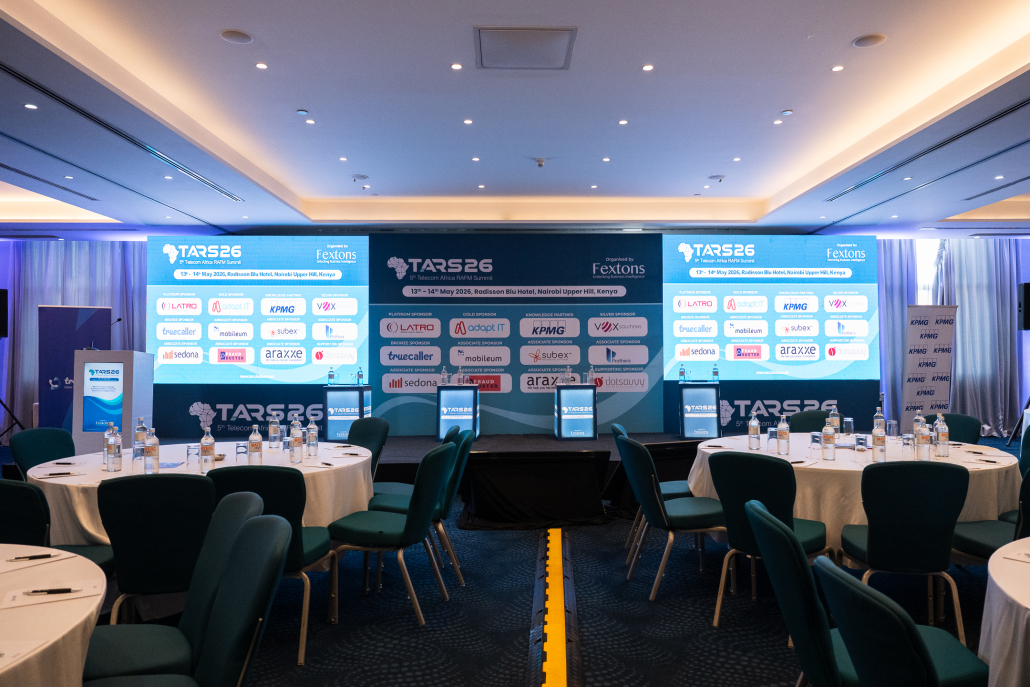
Future of Conferences in Kenya
The future of conferences in Kenya is being shaped by rapid advances in technology, changing delegate expectations, sustainability priorities, regional business growth, tourism development, and the emergence of new event formats. Kenya’s position as a major East African business, diplomatic, and development hub creates significant opportunities for corporate conferences, international summits, association congresses, NGO meetings, exhibitions, government forums, academic conferences, and wider MICE events. As organizations seek greater value from business gatherings, conferences are evolving from conventional presentation-led meetings into more connected, engaging, and experience-focused events.
Future conferences will increasingly combine physical interaction with digital technology to create events that are interactive, technology-enabled, measurable, accessible, and capable of engaging both in-person and remote audiences. Hybrid participation, livestreaming, audience engagement tools, LED displays, professional video production, event data, simultaneous interpretation, reliable connectivity, and high-quality audiovisual systems are becoming increasingly important considerations. At the same time, organizers, hotels, venues, corporations, associations, and government institutions must respond to growing expectations around sustainability, security, accessibility, personalization, networking opportunities, and the overall delegate experience.
Peak Audio supports the changing conference landscape with professional Conference Technology and Audiovisual Production Services in Kenya. From professional sound systems, LED screens, staging, and creative lighting to simultaneous interpretation, livestreaming, hybrid event technology, multi-camera video production, recording, and on-site technical support, Peak Audio helps organizations deliver modern and professionally produced conferences. This guide explores the major trends shaping the future of conferences in Kenya and how organizers can prepare for a new generation of connected, engaging, flexible, and technology-driven business events.
1. Growth of Kenya as a Conference and MICE Destination
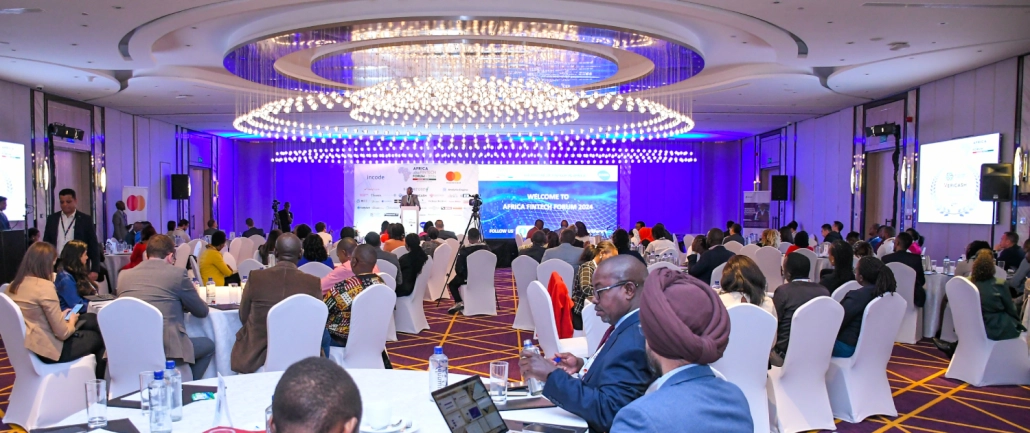
Future of Conferences in Kenya
Kenya has continued to strengthen its position as a conference and MICE (Meetings, Incentives, Conferences, and Exhibitions) destination in East Africa. Nairobi remains the main conference hub, while destinations such as Naivasha, Mombasa, Diani, Nanyuki, and Kisumu provide opportunities for conferences, retreats, incentive travel, and business events. Growth in infrastructure, hospitality, transport, technology, and specialized industry events can further support the development of Kenya’s MICE sector.
1.1 Nairobi as a Regional Conference Hub
Nairobi is well positioned to host regional and international conferences because of its strong business environment, international connectivity, diplomatic presence, and availability of conference facilities.
- Corporate Meetings – Local and multinational companies organize conferences, strategy meetings, product launches, training sessions, and corporate events in Nairobi.
- Diplomatic Events – Embassies, diplomatic missions, and international institutions create demand for summits, policy meetings, forums, and official events.
- NGO and Development Conferences – International organizations, NGOs, and development agencies regularly organize workshops, stakeholder meetings, training programmes, and conferences.
- Government Conferences – Government ministries, agencies, and public institutions organize national and regional meetings, consultations, forums, and official conferences.
- Association Meetings – Professional bodies and industry associations use Nairobi for annual conferences, seminars, exhibitions, and networking events.
- International Events – Nairobi’s international air connections, hotels, conference venues, and supporting services make it suitable for delegates travelling from different countries.
Nairobi’s combination of business activity, diplomatic presence, international organizations, conference venues, accommodation, and transport connectivity strengthens its role as an important regional conference hub.
1.2 Growth of Business and MICE Tourism
Conference and MICE activities can increase business travel while creating demand for services across Kenya’s hospitality, tourism, transport, and professional events industries.
- Accommodation – Conferences increase demand for hotels, resorts, serviced apartments, and other accommodation facilities.
- Transport – Delegates require airport transfers, local transportation, vehicle hire, and event logistics services.
- Catering – Conferences create demand for meals, refreshments, cocktail receptions, gala dinners, and other catering services.
- Tourism – Business travellers can combine conferences with safaris, coastal holidays, city tours, and cultural experiences.
- Entertainment – Corporate dinners, networking events, award ceremonies, and social programmes create opportunities for entertainment providers.
- Professional Services – Event planners, audiovisual companies, photographers, videographers, interpreters, decorators, security teams, and technical crews can benefit from increased conference activity.
Growth in MICE tourism can benefit more than conference venues alone by supporting hotels, transport companies, caterers, tourism operators, entertainment providers, and professional event service companies.
1.3 More Regional and International Conferences
Kenya has opportunities to attract more organizations looking for accessible destinations for East African, African, and international meetings and conferences.
- Regional Business Meetings – Companies operating across East Africa can use Kenya for regional strategy meetings, training programmes, and corporate conferences.
- Continental Conferences – African professional bodies, businesses, associations, and development organizations can organize continental meetings in Kenya.
- International Summits – Kenya can host international forums, summits, conventions, and high-level meetings involving delegates from different countries.
- Association Conferences – Professional and industry associations can organize annual conferences, exhibitions, workshops, and networking events.
- Knowledge Exchange Events – Conferences can bring together experts, businesses, governments, researchers, and organizations to exchange ideas and develop partnerships.
Attracting more regional, continental, association, corporate, and international conferences can increase delegate numbers while strengthening Kenya’s visibility within the global MICE market.
1.4 Expansion Beyond Nairobi
Kenya’s MICE industry can expand beyond Nairobi by developing destinations that combine conference facilities, accommodation, accessibility, and leisure experiences.
- Naivasha – Suitable for residential conferences, corporate retreats, workshops, strategy meetings, and team-building activities.
- Mombasa – Combines conference facilities with hotels, resorts, coastal attractions, and leisure activities.
- Diani – Suitable for executive retreats, incentive travel, corporate meetings, and conferences combined with beach experiences.
- Nanyuki – Offers opportunities for executive retreats, strategy meetings, team building, and nature-based corporate experiences.
- Kisumu – Can serve conferences and business events targeting western Kenya and the wider Lake Victoria region.
- Other Destinations – Counties with suitable hotels, transport infrastructure, attractions, and meeting facilities can gradually develop their MICE markets.
Developing conference destinations beyond Nairobi can create a more diverse MICE industry by combining business events, accommodation, tourism, retreats, incentive travel, and destination experiences.
1.5 Continued Investment in Conference Infrastructure
Continued investment in venues, accommodation, transport, technology, and digital connectivity can improve Kenya’s ability to accommodate different types and sizes of conferences.
- Conference Centres – Modern and flexible conference facilities can accommodate meetings ranging from small corporate sessions to large conventions.
- Hotels and Resorts – Additional accommodation and meeting facilities can support residential conferences and multi-day events.
- Exhibition Spaces – Dedicated exhibition facilities can support trade shows, expos, product exhibitions, and industry conventions.
- Audiovisual Technology – Professional sound systems, LED screens, projection, lighting, staging, livestreaming, and video conferencing can improve event production.
- Digital Connectivity – Reliable high-speed internet supports hybrid conferences, livestreaming, digital registration, presentations, and online participation.
- Transport Infrastructure – Airports, roads, transfers, and local transport systems make it easier for delegates to reach conference destinations.
Investment in modern venues, accommodation, audiovisual technology, exhibition facilities, transport, and reliable internet connectivity can increase Kenya’s capacity to host professional and internationally competitive events.
1.6 Growth of Specialized Industry Conferences
Growth in different sectors of Kenya’s economy can create opportunities for more specialized conferences that bring together professionals, investors, businesses, researchers, policymakers, and industry stakeholders.
- Technology
- Artificial intelligence.
- Cybersecurity.
- Telecommunications.
- Fintech.
- Digital transformation.
- Healthcare
- Medical conferences.
- Healthcare technology.
- Pharmaceuticals.
- Public health.
- Medical research.
- Finance
- Banking.
- Insurance.
- Investment.
- Fintech.
- Financial inclusion.
- Agriculture
- Agribusiness.
- Agricultural technology.
- Food security.
- Sustainable farming.
- Agricultural financing.
- Energy
- Renewable energy.
- Solar power.
- Electricity infrastructure.
- Energy efficiency.
- Clean technology.
- Construction
- Engineering.
- Architecture.
- Infrastructure development.
- Real estate.
- Building technologies.
- Education
- Education technology.
- Higher education.
- Professional training.
- Research.
- Skills development.
- Tourism
- Hospitality.
- Sustainable tourism.
- Destination marketing.
- Travel technology.
- Hotel development.
- Climate and Sustainability
- Climate change.
- Green technology.
- Conservation.
- Climate finance.
- Sustainable development.
Specialized conferences can support knowledge sharing, professional networking, investment, innovation, partnerships, and industry development while creating additional opportunities for Kenya’s conference and events sector.
Kenya’s conference and MICE industry has opportunities for continued growth through Nairobi’s regional position, increased business tourism, international conference activity, expansion into other destinations, infrastructure investment, specialized industry events, and professional event services. This growth can also create wider opportunities for the country’s hospitality, tourism, transport, audiovisual, catering, and events industries.
2. Hybrid Conferences and Digital Participation

Future of Conferences in Kenya
Hybrid conferences combine traditional face-to-face events with digital technology, allowing participants, speakers, and audiences to join either physically or remotely. This approach can help conference organizers in Kenya expand their audiences beyond venue capacity and geographical boundaries while still maintaining the networking and engagement advantages of physical events.
2.1 Hybrid Conference Formats
Hybrid conferences allow organizers to host physical delegates at a venue while simultaneously connecting remote delegates, speakers, exhibitors, or other participants through digital platforms.
- Physical Delegates – Participants can attend the conference venue and experience presentations, exhibitions, networking, and discussions in person.
- Online Delegates – Remote participants can follow conference sessions through livestreaming or dedicated virtual event platforms.
- Hybrid Speakers – Conferences can combine speakers presenting physically on stage with others joining remotely.
- Multiple Audiences – The same conference can serve local, regional, and international audiences simultaneously.
- Flexible Participation – Delegates can choose between physical and online attendance depending on their location, travel availability, budget, or schedule.
Hybrid conference formats provide greater flexibility by combining physical attendance, remote participation, virtual speakers, digital engagement, and international accessibility within the same event.
2.2 Professional Live Streaming
Professional livestreaming allows conference sessions to be broadcast in real time to participants who are not physically present at the venue.
- Wider Audience Reach – Livestreaming enables people outside the venue, city, or country to follow conference proceedings.
- Multiple Camera Production – Professional events can use several cameras to capture speakers, panel discussions, presentations, and audience interactions.
- Presentation Integration – Slides, videos, graphics, speaker names, and other conference materials can be incorporated into the livestream.
- Online Platforms – Conferences can be streamed through event platforms, websites, social media platforms, or private viewing portals.
- Real-Time Engagement – Remote audiences can participate through questions, polls, comments, and other interactive features.
- Extended Venue Capacity – Online broadcasting allows organizers to reach audiences beyond the physical seating capacity of the conference venue.
Professional livestreaming can transform a physical conference into a wider digital event by providing real-time broadcasting, multiple-camera production, presentation integration, audience interaction, and greater event reach.
2.3 Remote International Speakers
Digital conference technology allows international speakers, experts, executives, and panelists to participate without necessarily travelling to Kenya.
- Reduced Travel Requirements – Speakers can contribute remotely without flights, accommodation, and other travel arrangements.
- Access to Global Experts – Organizers can invite specialists and industry leaders from different countries.
- Remote Keynote Presentations – Keynote speakers can deliver presentations through high-quality video conferencing systems.
- Virtual Panel Discussions – Remote speakers can participate alongside panelists who are physically present at the venue.
- Greater Scheduling Flexibility – Speakers with limited travel time may still be able to participate virtually.
- International Knowledge Exchange – Remote participation can connect Kenyan audiences with experts, organizations, and professionals around the world.
Remote speaker technology can increase access to international experts, keynote speakers, executives, researchers, and industry professionals while reducing some of the logistical requirements associated with international travel.
2.4 Virtual Delegate Participation
Virtual participation enables delegates who cannot physically travel to a conference venue to attend sessions and interact with conference content online.
- Geographical Accessibility – Delegates can participate from different counties, countries, or continents.
- Reduced Travel Requirements – Participants can attend without paying for flights, accommodation, transfers, or other travel expenses.
- Flexible Attendance – Delegates can join selected sessions depending on their interests and schedules.
- Interactive Participation – Virtual participants can contribute through live chat, polls, Q&A sessions, surveys, and discussion tools.
- Inclusive Conference Access – Organizations can involve employees, students, partners, or stakeholders who may otherwise be unable to attend physically.
- International Audience Growth – Online access can help Kenyan conferences attract participants from outside the country.
Virtual participation can make conferences more accessible by reducing geographical barriers and providing remote attendance, interactive engagement, flexible access, and opportunities to reach larger audiences.
2.5 Digital Breakout Sessions
Hybrid conference platforms can support smaller virtual discussions alongside the main physical conference programme.
- Small Group Discussions – Delegates can be divided into smaller online groups to discuss specific topics.
- Specialized Sessions – Different breakout rooms can focus on industries, themes, projects, or areas of interest.
- Remote Workshops – Facilitators can conduct interactive workshops with participants joining from different locations.
- Networking Sessions – Virtual rooms can connect delegates for professional discussions and networking.
- Parallel Sessions – Several sessions can take place simultaneously without requiring every participant to remain in the main conference room.
- Physical and Virtual Integration – Some breakout discussions can connect physical conference rooms with remote participants.
Digital breakout sessions can increase conference engagement through smaller discussions, workshops, networking, specialized sessions, and interaction between physical and remote participants.
2.6 On-Demand Conference Content
Recording conference sessions allows organizers to make presentations and discussions available after the physical event has ended.
- Recorded Presentations – Keynotes, panel discussions, workshops, and presentations can be professionally recorded.
- Post-Event Viewing – Delegates can watch sessions they missed during the live conference.
- Extended Content Lifespan – Conference materials can remain useful long after the event has ended.
- Training and Education – Recorded sessions can become learning resources for employees, students, association members, or industry professionals.
- Marketing Content – Selected conference highlights can be repurposed for websites, social media, promotional videos, and future event campaigns.
- Content Libraries – Organizations can build digital archives containing presentations and discussions from previous conferences.
On-demand conference content can extend the value of an event by turning presentations, discussions, workshops, and keynote sessions into reusable digital resources.
2.7 Reliable Internet and Technical Redundancy
As conferences become increasingly dependent on digital technology, reliable connectivity and technical backup systems become essential for successful hybrid event delivery.
- Reliable Internet Connectivity – Stable high-speed internet is important for livestreaming, remote speakers, virtual delegates, and cloud-based conference platforms.
- Backup Internet Connections – Secondary internet connections can help maintain conference operations if the primary connection experiences problems.
- Power Backup Systems – UPS systems, generators, portable power stations, and other backup solutions can protect essential conference technology during power interruptions.
- Backup Equipment – Additional microphones, laptops, cables, cameras, adapters, and other equipment can help reduce disruption if primary equipment fails.
- Technical Support Teams – Experienced audiovisual and IT technicians can monitor conference systems and respond quickly to technical problems.
- Pre-Event Testing – Internet connections, remote speakers, presentation systems, livestreams, microphones, cameras, and conference platforms should be tested before the event.
- Technical Monitoring – Conference teams can continuously monitor audio, video, internet connectivity, streaming quality, and remote connections throughout the event.
Reliable hybrid conferences depend on more than internet access alone. They require stable connectivity, backup internet, power redundancy, backup equipment, pre-event testing, professional audiovisual systems, and experienced technical support.
The future of conferences is unlikely to be simply physical versus virtual. Hybrid events can combine the strengths of face-to-face interaction with the accessibility and reach of digital technology.
By integrating physical delegates, virtual participants, remote international speakers, professional livestreaming, digital breakout sessions, conference recording, on-demand content, and reliable technical infrastructure, conference organizers in Kenya can create events that reach audiences both inside and outside the venue.
3. Conference Technology Trends in Kenya

Future of Conferences in Kenya
Technology is becoming an increasingly important part of conferences in Kenya as organizers seek better ways to communicate with delegates, manage events, engage audiences, and distribute conference content. Modern conferences increasingly combine professional audiovisual systems, digital event-management tools, livestreaming, interpretation technology, and AI-assisted solutions to create more efficient and engaging experiences.
3.1 Large LED Screens and Video Walls
Large LED screens and video walls are increasingly used at conferences to ensure that presentations, speakers, videos, branding, and other visual content remain clearly visible throughout the venue.
- Conference Presentations – LED screens can display PowerPoint presentations, videos, charts, reports, and other visual materials.
- Live Camera Feeds – Cameras can capture speakers and panelists and display them on large screens so delegates seated farther from the stage can follow proceedings.
- Event Branding – Screens can display conference themes, logos, colours, schedules, speaker information, and branded graphics.
- Sponsor Visibility – Sponsor logos, advertisements, videos, and promotional messages can be incorporated into conference screen content.
- Dynamic Stage Backgrounds – LED walls can replace traditional printed backdrops with graphics that can change between sessions.
- Multimedia Content – Videos, animations, photographs, presentations, and live feeds can be combined within the conference production.
LED screens and video walls can improve both communication and event presentation by supporting presentations, live camera feeds, branding, sponsor visibility, multimedia content, and dynamic stage design.
3.2 Advanced Conference Sound Systems
Clear and consistent sound remains one of the most important technical requirements for conferences. As venues and audiences become larger, professional sound systems help ensure that speakers can be heard clearly throughout the conference space.
- Clear Speech Reproduction – Professional audio systems help ensure that presentations, speeches, and discussions remain understandable.
- Venue-Wide Coverage – Speakers can be positioned strategically to distribute sound throughout large conference halls.
- Digital Audio Mixing – Digital mixing consoles allow technicians to manage microphones, presentations, videos, music, and remote participants.
- Panel Discussion Audio – Multiple microphones can be managed simultaneously during panel discussions.
- Hybrid Conference Audio – Sound systems can connect physical speakers and audiences with remote participants.
- Audio Recording – Conference sound can be captured for livestreaming, recording, interviews, and post-event content.
Professional conference sound systems provide the clarity, coverage, control, recording capability, and technical flexibility required for modern conferences.
3.3 Wireless and Digital Microphone Systems
Wireless and digital microphone systems provide speakers, moderators, panelists, and delegates with greater flexibility during conferences.
- Wireless Handheld Microphones – Suitable for presenters, moderators, audience questions, and mobile speakers.
- Lapel Microphones – Allow presenters to speak while keeping their hands free during demonstrations and presentations.
- Headset Microphones – Useful for speakers who require consistent microphone positioning while moving around the stage.
- Conference Microphone Systems – Tabletop delegate microphones can support board meetings, panel discussions, government meetings, and formal conferences.
- Audience Q&A – Wireless microphones allow delegates to participate in question-and-answer sessions from different areas of the venue.
- Multiple Speaker Management – Digital systems can help technicians control several microphones during complex conference sessions.
Wireless and digital microphone systems support presentations, panel discussions, audience participation, mobility, and flexible conference layouts while maintaining professional audio quality.
3.4 Multi-Camera Video Production
Multi-camera production allows conferences to be professionally captured from several angles, improving both live event coverage and the quality of recorded content.
- Speaker Coverage – Dedicated cameras can capture keynote speakers and presenters.
- Panel Discussions – Different cameras can capture individual panelists, moderators, and wider panel shots.
- Audience Coverage – Cameras can capture audience reactions, questions, networking, and participation.
- Livestreaming – Camera feeds can be switched professionally for online audiences watching the conference remotely.
- Conference Recording – Sessions can be recorded for later viewing and documentation.
- Interviews – Speakers, sponsors, exhibitors, and delegates can be interviewed during the event.
- Post-Event Content – Recorded footage can be transformed into highlights, promotional videos, social media clips, and future event marketing materials.
Multi-camera production extends the value of a conference by supporting livestreaming, professional recording, interviews, audience coverage, highlights, and reusable post-event content.
3.5 Digital Registration and Check-In
Digital registration systems can simplify how conference organizers register, identify, check in, and manage delegates
- Online Registration – Delegates can register and provide required information before arriving at the venue.
- QR Code Check-In – Unique QR codes can allow delegates to check in quickly at registration points.
- Digital Accreditation – Organizers can verify delegates, speakers, exhibitors, media representatives, and staff electronically.
- Badge Printing – Registration systems can connect with printers to produce delegate badges at the venue.
- Attendance Tracking – Digital systems can help organizers monitor attendance and participation.
- Delegate Databases – Registration information can be organized into centralized databases for communication and event administration.
Digital registration can make conference entry and delegate management more efficient through online registration, QR codes, digital accreditation, badge printing, attendance tracking, and centralized delegate information.
3.6 Event Apps and Digital Platforms
Event applications and digital platforms can provide delegates with important conference information while also creating additional opportunities for interaction and networking.
- Digital Agendas – Delegates can access conference programmes and session schedules from their phones.
- Speaker Profiles – Applications can provide information about keynote speakers, panelists, moderators, and presenters.
- Networking – Delegates can identify and communicate with other participants.
- Event Notifications – Organizers can send reminders, programme changes, announcements, and important updates.
- Live Polls – Speakers can collect audience responses during presentations.
- Conference Documents – Presentations, reports, brochures, and supporting documents can be distributed digitally.
- Sponsor Information – Sponsors and exhibitors can have digital profiles containing their products, services, contacts, and promotional materials.
Event apps can create a central digital information point for agendas, speakers, networking, notifications, audience engagement, documents, exhibitors, and sponsors.
3.7 AI-Assisted Conference Technology
Artificial intelligence is creating new opportunities for conference organizers to automate administrative tasks, improve communication, analyze information, and produce conference content
- Live Transcription – AI tools can convert spoken presentations and discussions into text.
- Meeting Summaries – Recorded sessions can be processed into summaries, key points, and action items.
- Content Creation – Conference recordings and presentations can help generate articles, social media posts, highlights, and other post-event materials.
- Attendee Communication – AI assistants and chatbots can help answer common questions about schedules, venues, speakers, and event information.
- Conference Analytics – AI-assisted systems can help analyze registration, attendance, engagement, and other event data.
- Personalized Information – Digital platforms can recommend sessions or content based on delegate interests.
- Administrative Automation – AI can support emails, scheduling, documentation, reporting, and other repetitive conference-management tasks.
AI-assisted technology can support conference teams through transcription, summaries, content creation, attendee communication, analytics, personalization, and administrative automation.
3.8 Simultaneous Interpretation Technology
Simultaneous interpretation systems are particularly important for conferences involving delegates and speakers who communicate in different languages.
- Interpreter Booths – Professional interpreters can work from dedicated booths while listening to conference speakers.
- Delegate Receivers – Participants can use wireless receivers and headphones to listen to their preferred language.
- Multiple Language Channels – Interpretation systems can support several languages during the same conference.
- International Conferences – Interpretation enables delegates from different countries to participate more effectively.
- Panel Discussions – Speakers and delegates using different languages can participate in the same discussion.
- Hybrid Interpretation – Interpretation can also be integrated into livestreams and virtual conference platforms for remote audiences.
Simultaneous interpretation technology improves accessibility at multilingual events by providing real-time interpretation, multiple language channels, delegate receivers, interpreter facilities, and integration with physical and hybrid conferences.
Conference technology is shifting from being an optional addition to becoming part of the core infrastructure of modern conferences in Kenya. Professional audiovisual systems, LED screens, advanced sound, wireless microphones, video production, digital registration, event platforms, AI-assisted tools, and interpretation systems can work together to improve how conferences are delivered and experienced.
These technologies can strengthen communication, delegate engagement, accessibility, event management, livestreaming, content production, branding, international participation, and post-event content distribution, making technology an increasingly important part of planning and delivering professional conferences.
4. Changing Delegate Experience and Audience Engagement

Future of Conferences in Kenya
The success of a modern conference increasingly depends on more than the speakers and topics on the programme. Delegates expect opportunities to participate, interact, network, learn, and share their experiences. Conference organizers in Kenya can respond by creating more interactive programmes, stronger networking opportunities, engaging stage environments, personalized experiences, and comfortable event schedules.
4.1 More Interactive Conference Formats
Traditional conferences dominated by long presentations are increasingly being complemented by shorter, more interactive formats that encourage discussion and participation.
- Shorter Presentations – Focused presentations can communicate key ideas while helping maintain audience attention.
- Panel Discussions – Multiple experts can provide different perspectives on the same subject while creating opportunities for discussion.
- Interactive Workshops – Smaller sessions allow delegates to participate directly in exercises, discussions, demonstrations, and problem-solving activities.
- Fireside Conversations – Informal moderated conversations can create a more relaxed environment for discussions with executives, experts, and industry leaders.
- Live Demonstrations – Products, technologies, services, and processes can be demonstrated directly to delegates.
- Roundtable Discussions – Smaller groups can discuss specific challenges, opportunities, or industry topics in greater detail.
Interactive conference formats can improve delegate involvement by combining short presentations, panel discussions, workshops, fireside conversations, demonstrations, and roundtable discussions rather than depending entirely on traditional presentations.
4.2 Live Polling and Q&A
Digital audience-engagement tools allow delegates to participate in conference discussions instead of remaining passive listeners.
- Live Polling – Speakers can ask questions and display audience responses during presentations.
- Digital Q&A – Delegates can submit questions through smartphones, conference applications, or digital platforms.
- Audience Voting – Participants can vote on ideas, topics, proposals, or discussion questions.
- Real-Time Feedback – Organizers and speakers can collect immediate feedback from delegates.
- Anonymous Questions – Digital platforms can allow participants to submit questions without publicly identifying themselves.
- Interactive Presentations – Poll results and audience responses can be incorporated directly into presentations and discussions.
Live polling and digital Q&A can transform delegates from passive listeners into active participants through questions, voting, feedback, surveys, and real-time interaction.
4.3 Better Networking Opportunities
Networking is an important reason many delegates attend conferences. Organizers can create structured opportunities that make it easier for participants to identify and connect with relevant people.
- Structured Networking Sessions – Dedicated periods can be included in the conference programme specifically for networking.
- Business Matchmaking – Delegates can be matched according to industries, professional interests, business needs, or partnership opportunities.
- Networking Lounges – Comfortable areas can provide spaces for informal conversations away from the main conference sessions.
- One-to-One Meetings – Organizers can provide spaces or scheduling systems for private business discussions.
- Industry Networking – Delegates from similar sectors can participate in dedicated networking sessions.
- Digital Networking – Conference applications and platforms can help participants identify and communicate with other delegates before, during, and after the event.
Well-designed networking can increase conference value by creating opportunities for business connections, professional relationships, partnerships, knowledge exchange, and one-to-one meetings.
4.4 Immersive Stage and Event Design
Stage design can influence how delegates experience a conference. Professional audiovisual technology, lighting, branding, and multimedia can transform an ordinary conference room into a more engaging event environment.
- Large LED Screens – High-quality screens can display presentations, videos, speaker information, branding, and live camera feeds.
- Professional Lighting – Stage and ambient lighting can create different environments for keynotes, panels, entertainment, and networking sessions.
- Creative Stage Design – Staging, furniture, screens, décor, and architectural elements can create a distinctive conference environment.
- Conference Branding – Logos, colours, graphics, and event themes can be integrated throughout the stage and venue.
- Multimedia Content – Videos, animations, graphics, music, and live camera feeds can make presentations more visually engaging.
- Dynamic Visual Content – Screen content and lighting can change between sessions, speakers, sponsors, and different parts of the programme.
Immersive event design combines LED screens, lighting, staging, branding, multimedia, and creative visual production to create conference environments that are more engaging and memorable.
4.5 Personalized Delegate Journeys
Digital conference systems can increasingly help organizers provide delegates with information and recommendations based on their interests, roles, schedules, and participation.
- Customized Agendas – Delegates can select sessions that match their professional interests.
- Session Recommendations – Digital platforms can recommend presentations, workshops, and discussions based on attendee preferences.
- Networking Suggestions – Participants can be introduced to other delegates with similar interests or relevant business objectives.
- Personalized Notifications – Delegates can receive reminders about selected sessions, meetings, programme changes, or networking opportunities.
- Relevant Content – Conference materials and resources can be organized according to delegate interests.
- Post-Event Communication – Participants can receive relevant recordings, presentations, surveys, and follow-up information after the conference.
Personalization can help delegates navigate large conferences more effectively through customized agendas, session recommendations, networking suggestions, relevant content, notifications, and targeted follow-up communication.
4.6 Wellness and Comfortable Conference Experiences
Long conference programmes can be physically and mentally demanding. Comfortable environments, appropriate breaks, and balanced schedules can help delegates remain attentive and engaged.
- Regular Breaks – Coffee breaks and networking intervals give delegates opportunities to rest and interact.
- Comfortable Seating – Appropriate conference furniture can improve comfort during long sessions.
- Outdoor Sessions – Where venues allow, selected discussions, networking sessions, or workshops can take place outdoors.
- Wellness Activities – Light exercise, stretching, walking, or other wellness activities can be incorporated into longer programmes.
- Natural Environments – Conference destinations such as resorts and retreat venues can provide relaxing surroundings alongside formal sessions.
- Balanced Schedules – Programmes can combine presentations, discussions, networking, meals, breaks, and social activities rather than scheduling continuous sessions.
- Refreshment Areas – Accessible water, coffee, snacks, and relaxation areas can improve overall delegate comfort.
Delegate wellness can be supported through balanced schedules, regular breaks, comfortable seating, outdoor environments, wellness activities, refreshments, and opportunities to relax between sessions.
4.7 Social and Shareable Conference Experiences
Conferences increasingly exist both inside the venue and across digital platforms. Strong visual production and professionally created content can encourage delegates and organizers to extend the conference experience online.
- Visually Strong Stages – Attractive LED screens, lighting, branding, and stage designs can create recognizable visual content.
- Branded Photo Areas – Dedicated photo walls and installations can provide spaces where delegates can take branded photographs.
- Professional Photography – Event photographers can capture speakers, delegates, networking sessions, exhibitions, and important conference moments.
- Speaker Interviews – Short interviews with speakers, sponsors, executives, and delegates can create additional digital content.
- Short-Form Videos – Conference highlights can be converted into short videos for social and digital platforms.
- Behind-the-Scenes Content – Setup, rehearsals, technical production, speaker preparation, and other activities can provide additional content.
- Delegate-Generated Content – Attendees can share photographs, videos, quotes, insights, and experiences from the conference.
- Post-Event Highlights – Professional highlight videos and photo collections can continue promoting the conference after it has ended.
Shareable conference experiences can extend an event beyond the venue through professional photography, branded installations, speaker interviews, short-form videos, delegate-generated content, and post-event highlights.
Future conferences will increasingly compete for delegates’ attention, participation, time, and engagement, making the overall delegate experience as important as the formal conference programme.
Successful conferences can combine interactive sessions, audience participation, meaningful networking, immersive stage design, personalized experiences, delegate wellness, and shareable digital content. By focusing on the entire delegate journey—from registration and arrival to networking, participation and post-event engagement—conference organizers in Kenya can create experiences that provide value both inside and beyond the conference venue.
5. Sustainability and the Future of Conferences in Kenya

Future of Conferences in Kenya
Sustainability is becoming an increasingly important consideration in how conferences are planned, produced, and managed. In Kenya, conference organizers can reduce unnecessary waste, improve resource efficiency, support local businesses, and use digital technology to make events more sustainable. Rather than being a separate activity, sustainability can increasingly become part of decisions involving venues, suppliers, transportation, event production, delegate communication, and technology.
5.1 Reduced Printed Materials
Digital technology can reduce dependence on printed conference programmes, brochures, tickets, schedules, and other documents while making information easier to update and distribute.
- Digital Programmes – Conference schedules can be provided through websites, mobile applications, emails, or digital displays instead of printed programmes.
- QR Codes – Delegates can scan QR codes to access agendas, speaker profiles, presentations, surveys, registration information, and other resources.
- Electronic Documents – Reports, presentations, brochures, and conference materials can be distributed electronically.
- Digital Tickets and Invitations – Electronic invitations and tickets can replace some printed materials during registration and entry.
- Event Applications – Conference apps can bring programmes, maps, speaker information, notifications, and documents together in one digital platform.
- Digital Signage – LED screens and displays can communicate schedules, directions, announcements, and sponsor information without repeatedly printing new signage.
Reducing printed materials through digital programmes, QR codes, electronic documents, event apps, digital tickets, and electronic signage can reduce paper use while making conference information easier to distribute and update.
5.2 Reusable Event Infrastructure
Conference production often involves stages, branding materials, exhibition structures, furniture, signage, and technical equipment. Designing these elements for repeated use can help reduce unnecessary waste.
- Modular Staging – Stage platforms and structures can be assembled in different configurations and reused across multiple events.
- Reusable Exhibition Structures – Modular exhibition stands can be redesigned for different conferences rather than constructed from scratch each time.
- LED Screens – Digital screens can replace some single-use printed banners, backdrops, and signs.
- Adaptable Branding Systems – Reusable frames and structures can allow branding elements to be changed without replacing entire installations.
- Reusable Furniture – Rental furniture can be used across multiple conferences instead of purchasing temporary event furniture.
- Reusable Technical Equipment – Professional lighting, sound, staging, screens, and audiovisual systems can serve many events over their operational life.
- Responsible Material Selection – Where physical branding and décor are required, organizers can consider durable, recyclable, or reusable materials.
Reusable production systems such as modular staging, adaptable exhibition structures, digital screens, reusable furniture, and professional AV equipment can help reduce waste while maintaining high conference production standards.
5.3 Sustainable Venue Selection
The choice of conference venue can influence energy consumption, transportation requirements, waste generation, water use, and overall event operations.
- Energy Efficiency – Venues can use energy-efficient lighting, equipment, cooling systems, and building-management technologies.
- Renewable Energy – Some venues may incorporate solar power or other renewable-energy solutions into their operations.
- Waste Management – Recycling, waste separation, food-waste management, and responsible disposal practices can support more sustainable events.
- Water Management – Efficient water systems can help reduce unnecessary consumption during large events.
- Accessibility – Venues that are easy to reach and accessible to people with different mobility requirements can improve overall event inclusivity.
- Location – Selecting venues near accommodation, transport links, or delegate activity areas can reduce some transportation requirements.
- Environmental Practices – Organizers can consider the venue’s broader environmental policies when selecting conference facilities.
Sustainable venue selection can consider energy efficiency, renewable energy, waste management, water use, accessibility, location, and responsible environmental practices alongside traditional requirements such as capacity and facilities.
5.4 Local Suppliers and Local Sourcing
Using local suppliers can increase the amount of conference spending that remains within the destination while potentially reducing some of the transportation and logistics associated with sourcing services from farther away.
- Local Event Production – Kenyan audiovisual, staging, lighting, and technical production companies can provide conference infrastructure and technical services.
- Local Catering – Hotels and catering companies can source food and beverages locally where practical.
- Local Transport Providers – Transport companies can provide airport transfers, delegate transportation, and logistics services.
- Local Entertainment – Kenyan musicians, performers, cultural groups, DJs, and entertainers can be incorporated into conference programmes.
- Local Décor and Branding – Event decorators, printers, fabricators, designers, and branding companies can provide locally produced event materials.
- Local Professionals – Photographers, videographers, interpreters, technicians, moderators, event planners, and other professionals can support conference delivery.
- Local Products – Delegate gifts and conference materials can incorporate products from Kenyan businesses, artisans, and manufacturers.
Local sourcing can strengthen the wider economic impact of conferences by creating opportunities for Kenyan suppliers, caterers, transport providers, entertainers, technicians, creative professionals, and local businesses.
5.5 Hybrid Participation to Reduce Some Travel
Hybrid participation allows selected speakers, delegates, and other participants to join conferences remotely when physical travel is unnecessary or impractical.
- Remote International Speakers – Speakers can contribute without necessarily travelling internationally for a single presentation.
- Virtual Delegates – Participants who cannot travel can attend conference sessions online.
- Remote Panelists – Experts can join physical panel discussions through video conferencing systems.
- Hybrid Meetings – Smaller meetings can connect physical and remote participants within the same programme.
- Reduced Travel Requirements – Organizations can determine which participants need to attend physically and which can participate remotely.
- Greater Accessibility – Hybrid options can also increase access for participants limited by travel costs, schedules, distance, or other practical barriers.
Hybrid participation can provide an alternative to some conference travel by enabling remote speakers, virtual delegates, online panelists, and hybrid meetings while maintaining physical attendance where it provides value.
5.6 Measuring Event Environmental Impact
As sustainability requirements develop, larger organizations may increasingly want information about the environmental impact of their conferences and the practices used by venues and suppliers.
- Energy Consumption – Organizers can monitor electricity and fuel used during conference production and venue operations where data is available.
- Waste Generation – Events can track waste produced and the amount reused, recycled, or responsibly disposed of.
- Travel Information – Delegate and supplier transportation can form part of broader environmental-impact assessments.
- Material Use – Organizers can review the amount of printed material, temporary branding, décor, packaging, and other physical materials used.
- Supplier Sustainability Information – Conference procurement can include questions about suppliers’ environmental practices and operating standards.
- Sustainability Targets – Organizations can establish practical objectives for reducing waste, printing, energy use, or unnecessary transportation.
- ESG Reporting – Larger organizations may incorporate conference-related environmental information into broader environmental, social, and governance reporting processes.
- Post-Event Evaluation – Sustainability performance can be reviewed after an event to identify improvements for future conferences.
Measuring environmental impact can help organizations understand and improve conference operations by examining energy use, waste, transportation, materials, supplier practices, sustainability targets, and post-event performance.
Sustainability is likely to become increasingly integrated into conference planning in Kenya rather than treated as a separate element of event production.
Conference organizers can incorporate more sustainable practices through digitalization, reduced printing, reusable event infrastructure, responsible venue selection, local sourcing, hybrid participation, waste reduction, and environmental-impact measurement.
These approaches can help create conferences that remain professionally produced and engaging while also supporting more efficient use of resources, stronger local economic participation, responsible procurement, and more sustainable event operations.
6. Data, Content and Measurable Conference ROI

Future of Conferences in Kenya
Modern conferences can generate significant amounts of useful data and digital content before, during, and after an event. Registration systems, event applications, livestreaming platforms, audience-engagement tools, surveys, and networking systems can help organizers understand how delegates interact with a conference. At the same time, professionally recorded conference content can continue creating value long after the physical event has ended.
6.1 Data-Driven Conference Planning
Conference organizers can use information collected from previous and current events to make better decisions about programmes, venues, speakers, marketing, technology, and delegate services.
- Registration Data – Registration systems can show the number and type of delegates interested in attending.
- Delegate Profiles – Information about industries, organizations, job roles, locations, and interests can help organizers understand their audience.
- Attendance Data – Check-in systems can show how many registered delegates actually attended the conference.
- Session Attendance – Organizers can identify which presentations, workshops, and discussions attracted the strongest participation.
- Engagement Data – Polls, questions, downloads, networking activity, and digital-platform interactions can indicate how delegates engaged with the programme.
- Programme Planning – Previous event data can help organizers identify topics, speakers, and session formats that attracted greater interest.
- Capacity Planning – Registration and attendance information can assist with venue selection, seating, catering, staffing, and technical requirements.
Data-driven planning allows conference organizers to use registration, attendance, delegate profiles, session participation, engagement, and previous event performance to make more informed planning decisions.
6.2 Measuring Delegate Engagement
Attendance alone does not necessarily show how actively delegates participated in a conference. Organizers can use different engagement indicators to understand how audiences interacted with sessions and activities.
- Session Attendance – Tracking attendance can identify the sessions that attracted the largest audiences.
- Live Poll Participation – The number of delegates responding to polls can provide an indication of active participation.
- Questions and Q&A – Audience questions can demonstrate interest and involvement in particular topics.
- Networking Activity – Scheduled meetings, networking sessions, introductions, and digital connections can help measure professional interaction.
- Content Downloads – Downloads of presentations, reports, brochures, or other materials can indicate interest beyond the live session.
- Event App Activity – Usage of agendas, speaker profiles, networking tools, polls, and other features can provide additional engagement information.
- Delegate Surveys – Post-event surveys can collect feedback about speakers, content, venues, organization, technology, and overall experience.
Delegate engagement can be assessed through a combination of attendance, polling, questions, networking activity, content downloads, digital interactions, and post-event feedback rather than relying only on total attendance.
6.3 Sponsor and Exhibitor Analytics
Sponsors and exhibitors often participate in conferences to increase visibility, meet potential customers, build relationships, generate leads, and create business opportunities. Providing measurable information can help demonstrate the value of their participation.
- Brand Visibility – Organizers can track where and how sponsor branding appeared across stages, screens, digital platforms, programmes, and conference materials.
- Exhibition Stand Traffic – Exhibitors can monitor the number of delegates visiting or interacting with their stands.
- Lead Generation – Digital registration and lead-capture systems can help exhibitors collect contact information from interested delegates with appropriate consent.
- Session Sponsorship – Sponsors can measure attendance and engagement with sponsored sessions, workshops, or presentations.
- Digital Engagement – Clicks, downloads, video views, QR-code scans, and interactions with sponsor profiles can provide additional indicators.
- Business Meetings – Scheduled meetings between sponsors and delegates can help demonstrate networking and business-development activity.
- Post-Event Opportunities – Leads and contacts generated during the conference can be followed up after the event.
Sponsor and exhibitor value can increasingly be demonstrated through brand visibility, stand traffic, digital engagement, lead generation, sponsored-session participation, business meetings, and post-event opportunities.
6.4 Conference Content Recording
Professional recording can transform conference presentations and discussions into digital assets that continue providing value after delegates leave the venue.
- Keynote Presentations – Major speeches can be professionally recorded for future viewing and distribution.
- Panel Discussions – Expert conversations can become valuable educational and industry content.
- Speaker Presentations – Presentations can be combined with video, slides, graphics, and professional audio.
- Interviews – Speakers, sponsors, executives, exhibitors, and delegates can participate in dedicated conference interviews.
- Workshop Recording – Selected workshops and training sessions can become learning resources.
- Event Highlights – Important moments can be captured for conference highlight videos.
- Conference Documentation – Video provides an audiovisual record of important presentations, discussions, announcements, and milestones.
Professional recording can turn keynotes, presentations, panel discussions, interviews, workshops, and important conference moments into valuable digital content.
6.5 Post-Event Content Repurposing
A single conference can generate enough material for weeks or months of communication and marketing when recorded content is strategically repurposed.
- Conference Highlight Videos – Important moments can be combined into short summaries of the event.
- Short-Form Videos – Key statements, insights, and memorable moments can be converted into shorter clips for digital platforms.
- Speaker Interviews – Interviews can be published individually as professional or educational content.
- Presentation Clips – Important sections of keynote speeches and presentations can be extracted as standalone videos.
- Articles and Blogs – Conference discussions and presentations can provide material for written articles and industry insights.
- Social Media Content – Quotes, photographs, statistics, short videos, and speaker insights can support post-event social communication.
- Educational Resources – Workshops, panel discussions, and presentations can be organized into training or learning materials.
- Promotional Content – Previous conference footage can help market future editions of the event.
Content repurposing can transform a conference into an ongoing communication resource through highlight videos, interviews, short-form clips, articles, social media content, educational materials, and future-event promotion.
6.6 Longer Conference Content Lifecycles
Conference content does not have to lose its value when the physical event ends. Livestreaming, recording, editing, and digital distribution can significantly extend its useful lifespan.
- On-Demand Viewing – Recorded sessions can remain available for delegates who want to revisit presentations.
- Access for Absent Delegates – Registered participants who missed particular sessions can watch them later.
- Digital Content Libraries – Organizations can build collections of conference presentations, discussions, and training resources.
- Educational Use – Conference content can support internal training, professional development, research, and learning.
- Marketing Use – Selected recordings can promote future conferences, speakers, sponsors, and participating organizations.
- Extended Audience Reach – Content can continue reaching people who did not participate in the original conference.
- Future Conference Promotion – Highlights and testimonials from previous events can demonstrate what delegates can expect from future editions.
Livestreaming and professional recording can extend the conference lifecycle by supporting on-demand viewing, education, marketing, digital archives, wider audience reach, and future-event promotion.
6.7 Measuring Return on Investment
Conference ROI can be assessed by comparing event objectives with measurable results. Different organizations may define successful returns differently depending on whether the conference focuses on revenue, education, networking, brand awareness, lead generation, partnerships, or stakeholder engagement.
- Attendance – Organizers can compare registrations, actual attendance, repeat attendance, and audience growth.
- Delegate Engagement – Session participation, polls, questions, networking, downloads, and digital activity can provide engagement indicators.
- Lead Generation – Business conferences can measure qualified contacts and potential customers generated during the event.
- Business Opportunities – Organizers and participants can track meetings, proposals, sales opportunities, and other commercial outcomes.
- Partnerships – Conferences can create new collaborations between organizations, sponsors, exhibitors, institutions, and professionals.
- Delegate Satisfaction – Surveys and feedback can measure how participants viewed the programme, speakers, venue, organization, and overall experience.
- Sponsor Performance – Sponsors can evaluate visibility, engagement, leads, meetings, and other agreed objectives.
- Content Performance – Video views, downloads, website visits, social engagement, and other digital metrics can measure the continued reach of conference content.
- Audience Reach – Physical attendance can be combined with livestream viewers, on-demand audiences, and digital content reach.
- Financial Performance – Where appropriate, organizers can compare conference revenue, sponsorship, ticket sales, and other financial benefits with event costs.
Conference ROI can be evaluated using a combination of attendance, engagement, leads, partnerships, delegate satisfaction, sponsor performance, content reach, business opportunities, and financial results, depending on the objectives established for the event.
Future conferences will increasingly be evaluated not only by the number of people who attend, but also by what happens during and after the event.
Conference organizers can use data and digital technology to measure delegate engagement, business outcomes, audience reach, sponsor and exhibitor performance, content value, delegate satisfaction, networking activity, and overall return on investment.
At the same time, professional recording and content repurposing can transform a conference from a one- or two-day physical event into a longer-lasting digital resource, extending its educational, marketing, communication, and commercial value well beyond the conference venue.
7. How Peak Audio Supports the Future of Conferences in Kenya

Future of Conferences in Kenya
As conferences in Kenya become more technology-driven, interactive, hybrid, and visually sophisticated, professional audiovisual production plays an increasingly important role in delivering successful events. Peak Audio supports conference organizers with integrated sound, visual, staging, lighting, interpretation, livestreaming, video production, and technical support solutions for events of different sizes and formats.
7.1 Professional Conference Sound Systems
Clear and reliable sound is essential for conferences because every presentation, panel discussion, question, and announcement depends on delegates being able to hear comfortably. Peak Audio can provide professional conference audio systems designed around the venue, audience size, programme, and event format.
- Professional PA Systems – Sound systems can be configured according to venue size, seating arrangement, audience numbers, and conference requirements.
- Clear Speech Reproduction – Professional speakers, microphones, processing, and mixing help maintain clear and intelligible speech.
- Digital Mixing Systems – Digital consoles allow technicians to manage microphones, presentations, videos, music, remote speakers, and other audio sources.
- Panel Discussion Audio – Multiple speakers and microphones can be professionally managed during panel sessions.
- Audience Q&A – Wireless microphones can allow delegates to ask questions and participate from different areas of the venue.
- Hybrid Conference Audio – Physical conference sound can be integrated with livestreaming and video-conferencing platforms for remote participants.
Peak Audio’s professional conference sound solutions can support clear speech, presentations, panel discussions, audience participation, hybrid sessions, and consistent audio coverage throughout the conference venue.
7.2 LED Screens and Video Walls
LED screens and video walls can become the visual centrepiece of a modern conference, providing a flexible platform for presentations, branding, live video, sponsor content, and multimedia.
- Presentation Display – Large screens can clearly display presentations, charts, reports, videos, and other conference materials.
- Live Camera Feeds – Speakers and panelists can be displayed on large screens for delegates seated farther from the stage.
- Conference Branding – Event themes, logos, speaker names, session titles, and branded graphics can be incorporated into screen content.
- Sponsor Content – Sponsor logos, advertisements, promotional videos, and branded messages can receive prominent visibility.
- Digital Stage Backgrounds – LED screens can create dynamic stage environments without relying entirely on printed backdrops.
- Multimedia Integration – Presentations, videos, animations, graphics, and live feeds can be incorporated into a coordinated visual production.
Peak Audio’s LED screen and video-wall solutions can strengthen conference communication and visual presentation through large-format presentations, live feeds, digital branding, sponsor visibility, multimedia, and dynamic stage backgrounds.
7.3 Custom Stage and Set Production
Professional staging provides the physical foundation for speakers, panels, presentations, entertainment, branding, and audiovisual production. Custom stage and set design can also help give each conference its own visual identity.
- Custom Stage Design – Stage layouts can be developed according to the venue, audience size, conference programme, and event theme.
- Speaker Stages – Professional staging creates suitable presentation areas for keynote speakers and moderators.
- Panel Discussion Sets – Furniture, staging, screens, and lighting can be arranged specifically for panel conversations.
- LED Stage Integration – Screens can be incorporated into stage structures to create a unified visual environment.
- Branded Set Elements – Conference colours, logos, themes, and other visual elements can be integrated into the set.
- Modular Production – Adaptable staging structures can accommodate different conference sizes and venue configurations.
Custom stage and set production can combine staging, branding, LED screens, furniture, lighting, and technical infrastructure to create professional conference environments suited to each event.
7.4 Professional Conference Lighting
Lighting affects both the atmosphere of a conference and how speakers, stages, branding, photographs, and video recordings appear.
- Speaker Lighting – Presenters and panelists can be illuminated clearly for both the physical audience and cameras.
- Stage Lighting – Lighting can highlight different areas of the conference stage.
- Ambient Lighting – Venue lighting can help create an appropriate atmosphere for conferences, networking sessions, dinners, and other activities.
- Brand Colour Integration – Lighting can complement organizational or conference colours.
- Camera-Ready Lighting – Appropriate lighting improves the quality of livestreaming, photography, interviews, and video recordings.
- Dynamic Lighting – Lighting can change between keynote sessions, panels, entertainment, award ceremonies, and other programme elements.
Professional conference lighting can improve stage visibility, atmosphere, branding, photography, livestreaming, and video production, helping create a polished conference environment.
7.5 Simultaneous Interpretation Systems
Regional and international conferences often bring together delegates who speak different languages. Professional interpretation technology can help make conference content accessible to multilingual audiences.
- Interpreter Booths – Professional booths provide interpreters with suitable working environments during multilingual conferences.
- Wireless Delegate Receivers – Delegates can use receivers and headphones to listen to interpretation in their preferred language.
- Multiple Language Channels – Different interpretation channels can support several languages within the same event.
- International Conferences – Interpretation systems can improve communication between delegates from different countries.
- Multilingual Panel Discussions – Speakers using different languages can participate within the same conference session.
- Hybrid Interpretation – Interpretation feeds can also be integrated into virtual and hybrid conference environments where appropriate.
Peak Audio’s interpretation solutions can support multilingual conferences through interpreter facilities, delegate receivers, multiple language channels, professional audio integration, and support for international audiences.
7.6 Live Streaming and Hybrid Conference Technology
Hybrid technology allows conferences in Kenya to reach audiences beyond the physical venue by connecting remote speakers, delegates, and viewers to live conference proceedings.
- Professional Livestreaming – Conference sessions can be broadcast to remote audiences in real time.
- Remote Speakers – International and regional speakers can participate through video-conferencing technology.
- Virtual Delegates – Participants who cannot attend physically can access conference sessions remotely.
- Presentation Integration – Slides, videos, speaker graphics, and other visual materials can be incorporated into the stream.
- Hybrid Q&A – Questions and contributions from remote participants can be incorporated into physical conference sessions.
- Online Audience Reach – Livestreaming can extend the event beyond the physical capacity and geographical location of the venue.
- Technical Redundancy – Backup connectivity, equipment, and power planning can help improve the reliability of hybrid conference production.
Peak Audio’s livestreaming and hybrid conference solutions can connect physical audiences, virtual delegates, remote speakers, presentations, and online viewers within a coordinated conference environment.
7.7 Multi-Camera Video Production and Recording
Professional video production allows conferences to be captured from multiple perspectives while creating valuable content that can continue to be used after the event.
- Multi-Camera Coverage – Several cameras can capture speakers, panelists, audiences, presentations, and wider venue views.
- Professional Live Switching – Camera feeds can be switched in real time for LED screens, livestreams, and recordings.
- Keynote Recording – Important presentations can be professionally captured for future distribution.
- Panel Recording – Panel discussions can be preserved as educational and professional content.
- Speaker Interviews – Dedicated interviews can be recorded with speakers, sponsors, executives, exhibitors, and delegates.
- Conference Highlights – Important moments can be edited into event highlight videos.
- Post-Event Content – Recorded footage can be repurposed into interviews, social clips, promotional videos, and other digital materials.
Multi-camera production can extend the value of a conference through professional livestreaming, recording, interviews, highlight videos, social content, and long-term digital archives.
7.8 Dedicated Technical Production and On-Site Support
Successful conference technology requires more than equipment. Experienced technical personnel are needed to install, test, operate, monitor, troubleshoot, and coordinate audiovisual systems throughout the event.
- Pre-Event Technical Planning – Technical requirements can be assessed according to the venue, programme, delegate numbers, speakers, and production requirements.
- Equipment Setup and Testing – Sound, screens, lighting, cameras, microphones, interpretation equipment, and streaming systems can be tested before delegates arrive.
- On-Site Technicians – Technical teams can operate and monitor equipment throughout the conference.
- Speaker and Presentation Support – Presentations, laptops, videos, microphones, and remote speaker connections can be prepared and managed.
- Live Production Coordination – Audio, video, lighting, screens, cameras, livestreaming, and stage activities can be coordinated as one production.
- Technical Troubleshooting – On-site technicians can respond quickly when technical issues occur.
- Backup Planning – Backup equipment, connectivity, power, cables, microphones, and other critical systems can be incorporated where required.
Dedicated technical support brings together planning, equipment, technicians, testing, live operation, troubleshooting, and backup systems, helping conference technology operate as one coordinated production.
Peak Audio supports the changing conference environment in Kenya by providing integrated audiovisual and technical production solutions for corporate conferences, international summits, AGMs, NGO meetings, association congresses, exhibitions, hybrid events, and other professional gatherings throughout Kenya.
Through professional conference sound systems, LED screens and video walls, custom staging, conference lighting, simultaneous interpretation, livestreaming, hybrid technology, multi-camera video production, recording, and dedicated technical support, Peak Audio can help conference organizers deliver professional experiences for speakers, delegates, sponsors, exhibitors, physical audiences, and remote participants.
8. Frequently Asked Questions About the Future of Conferences in Kenya
As Kenya’s conference and MICE industry continues to develop, organizers are increasingly considering the role of technology, hybrid participation, sustainability, audience engagement, data, and professional audiovisual production. Below are common questions about the future of conferences in Kenya, with practical breakdown points for each answer.
8.1 What is the future of conferences in Kenya?
The future of conferences in Kenya is likely to combine strong physical events with digital participation, professional audiovisual production, interactive experiences, sustainable practices, and greater use of event data.
- Physical Conferences – Face-to-face meetings will remain important for networking, relationship building, exhibitions, and direct interaction.
- Hybrid Participation – Remote speakers and delegates can participate alongside physical audiences.
- Professional AV Production – Sound, LED screens, lighting, staging, cameras, and livestreaming will continue to influence conference quality.
- Interactive Experiences – Workshops, live polling, Q&A, panel discussions, and networking can create greater delegate participation.
- Digital Conference Management – Registration systems, event apps, QR codes, and digital communication can simplify event management.
- Measurable Results – Organizers can increasingly use data to evaluate attendance, engagement, leads, satisfaction, and conference ROI.
The future of conferences in Kenya can combine physical interaction, digital participation, professional technology, stronger engagement, sustainability, and measurable results.
8.2 Is Kenya’s conference industry growing?
Kenya has opportunities for continued development as a conference and MICE destination because of its business environment, international connectivity, hospitality sector, tourism attractions, and conference infrastructure.
- Nairobi’s Regional Role – Nairobi serves as an important business, diplomatic, development, and organizational centre within East Africa.
- International Connectivity – Air connections make Kenya accessible to regional and international delegates.
- Conference Infrastructure – Hotels, convention facilities, meeting venues, resorts, and professional event suppliers support different event formats.
- Business Tourism – Conferences can create demand for accommodation, transport, catering, entertainment, and tourism.
- Destination Diversity – Naivasha, Mombasa, Diani, Nanyuki, Kisumu, and other destinations can complement Nairobi.
- Specialized Conferences – Technology, healthcare, finance, agriculture, energy, construction, tourism, and sustainability provide opportunities for industry-specific events.
Kenya’s conference sector has opportunities for continued development through regional connectivity, business tourism, conference infrastructure, destination diversity, and specialized industry events.
8.3 Will hybrid conferences continue to be important in Kenya?
Hybrid conferences can remain important because they allow organizers to combine the networking benefits of physical events with the accessibility and wider reach of digital participation.
- Remote Speakers – International and regional experts can contribute without necessarily travelling to the venue.
- Virtual Delegates – Participants can attend remotely when physical travel is difficult or unnecessary.
- Wider Audience Reach – Livestreaming can extend conference content beyond venue capacity.
- Flexible Participation – Delegates can participate physically or digitally depending on their circumstances.
- Recorded Content – Hybrid production can make it easier to record and distribute conference sessions.
- International Participation – Digital access can help Kenyan conferences connect with wider regional and global audiences.
Hybrid conferences can provide greater flexibility, international participation, remote speaker access, wider audience reach, and reusable digital content while maintaining physical conference experiences.
8.4 How is technology changing conferences in Kenya?
Technology is becoming part of the core infrastructure used to communicate with delegates, manage events, produce content, and improve audience experiences.
- LED Screens and Video Walls – Provide large-format presentations, branding, videos, and live camera feeds.
- Advanced Sound Systems – Improve speech clarity and audio coverage throughout conference venues.
- Wireless Microphones – Support presenters, panel discussions, moderators, and audience Q&A.
- Multi-Camera Production – Enables professional livestreaming, recording, interviews, and post-event content.
- Digital Registration – QR codes and online registration can simplify delegate check-in.
- Event Apps – Can provide programmes, speaker profiles, notifications, documents, polls, and networking tools.
- Interpretation Technology – Helps multilingual audiences participate in regional and international conferences.
Conference technology can improve communication, accessibility, audience engagement, event management, content production, and the overall delegate experience.
8.5 How will AI affect conference planning and production?
Artificial intelligence can assist conference teams with administrative work, communication, content production, data analysis, and personalization.
- Live Transcription – AI can help convert conference discussions and presentations into written text.
- Conference Summaries – Recorded sessions can be summarized into important points and action items.
- Content Creation – Conference recordings can support articles, social posts, summaries, and promotional content.
- Attendee Communication – AI assistants can help answer questions about programmes, speakers, venues, and schedules.
- Data Analysis – AI tools can assist organizers in analyzing attendance, engagement, feedback, and other conference information.
- Personalization – Delegates can receive relevant session or networking recommendations based on their interests.
- Administrative Automation – Repetitive tasks involving scheduling, emails, documentation, and reporting can be supported by AI tools.
AI can support conference teams through transcription, content creation, communication, analytics, personalization, summaries, and administrative automation.
8.6 Will physical conferences remain important?
Physical conferences are likely to remain important because face-to-face interaction provides networking, relationship-building, exhibition, and social experiences that cannot always be fully reproduced online.
- Face-to-Face Networking – Delegates can build professional relationships through direct interaction.
- Business Meetings – Conferences provide opportunities for clients, suppliers, investors, and partners to meet directly.
- Exhibitions – Delegates can physically interact with products, demonstrations, and exhibitors.
- Informal Interaction – Coffee breaks, meals, lounges, and social activities create spontaneous networking opportunities.
- Live Experiences – Professional staging, speakers, entertainment, and audience interaction create experiences that differ from virtual attendance.
- Relationship Building – Repeated physical interaction can strengthen professional and organizational relationships.
Physical conferences can remain valuable for networking, business meetings, exhibitions, live experiences, informal interaction, and relationship building, while digital technology complements the physical event.
8.7 Why is audience engagement becoming more important at conferences?
Delegates increasingly expect opportunities to participate rather than simply listen to long presentations.
- Live Polling – Delegates can respond to questions during presentations.
- Digital Q&A – Participants can submit questions through conference platforms or mobile devices.
- Panel Discussions – Multiple speakers can provide different perspectives and encourage discussion.
- Interactive Workshops – Smaller sessions allow delegates to participate directly.
- Networking Sessions – Structured networking can help delegates create meaningful professional connections.
- Fireside Conversations – Informal discussions can provide more conversational alternatives to traditional presentations.
- Audience Feedback – Surveys and digital tools allow organizers to understand delegate opinions and experiences.
Audience engagement can increase conference value through participation, discussion, networking, interaction, feedback, and more varied session formats.
8.8 Are sustainable conferences becoming more important in Kenya?
Sustainability is becoming a more relevant consideration as organizations look at how conferences use materials, energy, transportation, venues, and other resources.
- Reduced Printing – Digital programmes, QR codes, electronic tickets, and apps can reduce printed materials.
- Reusable Infrastructure – Modular staging, reusable structures, rental furniture, and digital screens can reduce single-use production materials.
- Venue Selection – Organizers can consider energy efficiency, waste management, water use, and environmental practices.
- Local Sourcing – Kenyan catering, production, transport, entertainment, and professional services can support local economic participation.
- Hybrid Participation – Remote attendance can provide an alternative for participants who do not need to travel physically.
- Waste Management – Better planning can reduce unnecessary materials, packaging, food waste, and disposable items.
More sustainable conferences can incorporate digitalization, reusable infrastructure, responsible venue selection, local sourcing, hybrid participation, and waste reduction.
8.9 How can organizers measure conference ROI?
Conference ROI can be measured against the specific objectives established before the event rather than relying only on attendance numbers.
- Registration and Attendance – Compare registrations with actual delegate attendance.
- Delegate Engagement – Measure session attendance, polls, questions, downloads, and event-app activity.
- Lead Generation – Track qualified business contacts generated through the conference.
- Business Opportunities – Monitor meetings, proposals, partnerships, sales opportunities, and follow-up activities.
- Sponsor Performance – Assess visibility, engagement, leads, meetings, and other sponsor objectives.
- Delegate Satisfaction – Use surveys and feedback to evaluate the overall conference experience.
- Content Performance – Measure video views, downloads, website traffic, social engagement, and on-demand viewing.
- Financial Results – Where relevant, compare revenue, sponsorship, ticket sales, and other benefits with conference costs.
Conference ROI can be evaluated through attendance, engagement, leads, business opportunities, sponsor performance, delegate satisfaction, content performance, and financial results.
8.10 Does Peak Audio provide hybrid conference technology in Kenya?
Yes. Peak Audio can support hybrid conference production by integrating the physical conference environment with remote speakers, virtual delegates, livestreaming, audiovisual systems, and digital platforms.
- Professional Livestreaming – Conference sessions can be broadcast to remote audiences.
- Remote Speaker Integration – Speakers can participate virtually alongside physical presenters.
- Virtual Delegate Access – Remote audiences can follow selected conference sessions.
- Professional Audio Integration – Physical and remote participants can be connected through the conference sound system.
- Presentation Integration – Slides, videos, graphics, and speaker information can be incorporated into livestreams.
- Multi-Camera Production – Multiple cameras can provide professional visual coverage.
- Technical Support – On-site technicians can manage the physical and digital elements of the production.
Peak Audio can help combine physical audiences, remote speakers, virtual delegates, livestreaming, professional AV, and technical support within an integrated hybrid conference setup.
8.11 Can Peak Audio provide LED screens, staging, interpretation and livestreaming?
Yes. Peak Audio can provide integrated audiovisual and technical solutions for conferences and professional events.
- LED Screens and Video Walls – For presentations, branding, videos, sponsor content, and live feeds.
- Custom Staging – For keynote presentations, panels, discussions, and conference branding.
- Professional Sound Systems – For clear speech and consistent venue coverage.
- Conference Lighting – For speakers, stages, branding, photography, and video production.
- Simultaneous Interpretation – For multilingual regional and international conferences.
- Livestreaming – For broadcasting conference sessions to online audiences.
- Multi-Camera Video Production – For live coverage, recording, interviews, and highlights.
- Technical Production Support – For setup, testing, operation, monitoring, and troubleshooting.
Peak Audio can bring together sound, LED screens, staging, lighting, interpretation, livestreaming, video production, and technical support as part of an integrated conference production.
8.12 How can I get a quotation for conference audiovisual production in Kenya?
To prepare an appropriate audiovisual quotation, the conference production team needs basic information about the event, venue, audience, programme, and technical requirements.
- Event Date – Provide the conference date and number of event days.
- Venue and Location – Specify the hotel, conference centre, outdoor venue, or other event location.
- Expected Attendance – Provide the estimated number of delegates.
- Venue Size – Conference-room dimensions or capacity can help determine appropriate AV requirements.
- Sound Requirements – Indicate microphones, speakers, panel discussions, audience Q&A, and other audio requirements.
- LED Screen Requirements – Specify whether screens are required for presentations, branding, videos, or live camera feeds.
- Stage Requirements – Provide information about staging, set design, podiums, panel furniture, and branding.
- Lighting Requirements – Indicate whether stage, ambient, branding, or video-production lighting is required.
- Interpretation Requirements – Specify languages and the expected number of delegates requiring interpretation.
- Livestreaming Requirements – Indicate whether remote audiences or speakers will participate.
- Video Production – Specify recording, interviews, highlight videos, or multi-camera production requirements.
- Special Requirements – Include exhibitions, breakout rooms, entertainment, multiple conference rooms, or other technical requirements.
Providing detailed information about the venue, audience, programme, sound, screens, staging, lighting, interpretation, livestreaming, and recording requirements allows Peak Audio to recommend an appropriate production setup and prepare a more accurate quotation.
The future of conferences in Kenya is likely to involve much more than simply bringing delegates into a conference room. Successful events can combine physical interaction, digital participation, professional audiovisual production, audience engagement, sustainability, data, AI-assisted tools, networking, and measurable outcomes.
For organizers, this means considering the complete conference journey — from registration and delegate arrival to sound, screens, staging, presentations, networking, livestreaming, recording, post-event content, and ROI measurement.
Peak Audio can support this changing conference environment with integrated solutions for corporate conferences, international summits, AGMs, NGO meetings, association congresses, exhibitions, hybrid events, and other professional gatherings throughout Kenya.
The Future of Conferences in Kenya
Future of Conferences in Kenya
The future of conferences in Kenya is being shaped by technology, hybrid participation, audience engagement, sustainability, artificial intelligence, data analytics, destination experiences, professional event production, and changing delegate expectations. Conference organizers are increasingly expected to deliver more than traditional presentations by creating interactive, technology-enabled experiences that provide meaningful opportunities for learning, networking, collaboration, and participation. As these expectations evolve, professional planning and reliable event technology will become even more important in delivering successful conferences.
Kenya has significant opportunities to strengthen its conference sector through improved infrastructure, stronger regional connectivity, venue development, tourism, digital technology, professional event services, and the attraction of regional and international conferences. Physical conferences are likely to remain important because face-to-face events provide valuable opportunities for networking, relationship building, exhibitions, collaboration, business development, and shared experiences. At the same time, livestreaming, hybrid conference platforms, AI-powered tools, audience engagement technology, and data analytics can extend event reach, improve accessibility, and help organizers better understand and measure conference performance.
At Peak Audio, we provide professional sound systems, LED screens, staging, lighting, simultaneous interpretation, livestreaming, hybrid event technology, video production, and technical support for the future of conferences in Kenya. As the industry continues to evolve, successful conferences will increasingly depend on valuable content, seamless technology, strong audience engagement, measurable outcomes, accessibility, sustainability, and memorable delegate experiences. Peak Audio helps organizations combine professional production with modern conference technology to deliver engaging, reliable, and future-ready events across Kenya.
Leave a Reply
Want to join the discussion?Feel free to contribute!