Sustainability in Corporate Events Kenya
Sustainability in Corporate Events Kenya – How to Plan Greener & Responsible Events
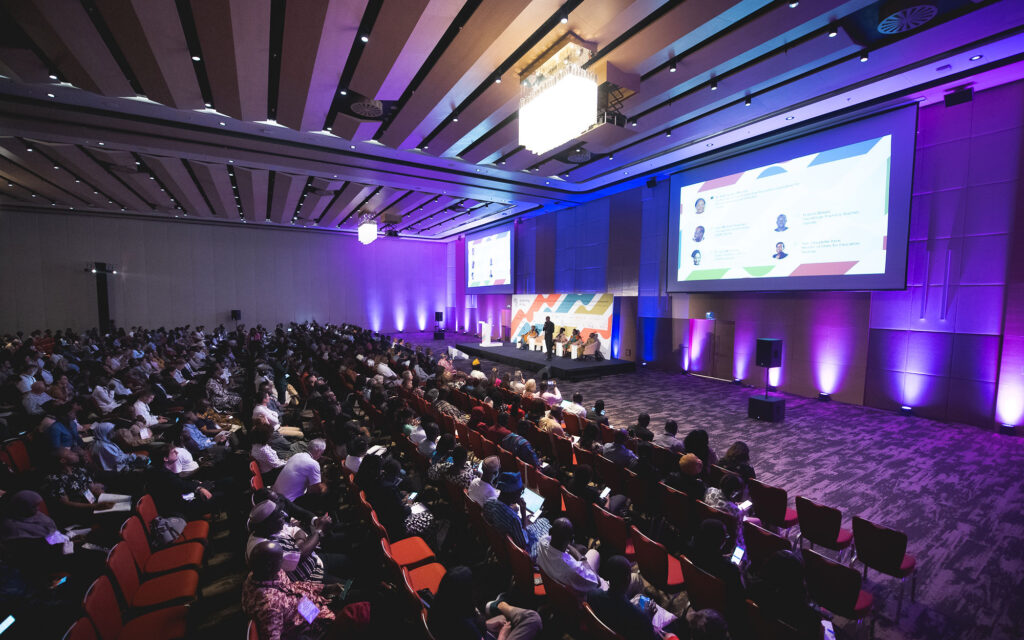
Sustainability in Corporate Events Kenya
Sustainability in corporate events in Kenya is becoming an increasingly important consideration as organizations rethink how they plan conferences, exhibitions, AGMs, product launches, executive meetings, gala dinners, workshops, trade shows, team-building activities, and MICE events. Businesses and institutions are increasingly connecting their events with broader environmental, social and governance (ESG) objectives, encouraging practices such as paperless delegate management, reusable event infrastructure, responsible waste management, local sourcing, and more efficient use of resources. Sustainable event planning does not mean compromising professionalism or the delegate experience; instead, it focuses on delivering successful events while reducing unnecessary environmental and social impacts.
Planning a more sustainable corporate event requires looking beyond individual measures such as eliminating printed programs or plastic bottles. Organizers should consider the entire event lifecycle, including venue selection, procurement, catering, transportation, audiovisual production, branding materials, delegate registration, energy consumption, waste handling, and post-event reporting. Measures such as digital registration, reusable staging and event equipment, efficient LED technology, virtual or hybrid participation, responsible catering, waste separation, local suppliers, and reusable or recyclable branding materials can help reduce waste, printing, unnecessary travel, single-use materials, and inefficient resource consumption. A coordinated approach also makes it easier for organizations to measure their sustainability efforts and align events with wider corporate ESG commitments.
Peak Audio supports modern corporate events across Kenya with professional Audiovisual and Event Technology Solutions that can be integrated into broader sustainability strategies. From professional sound systems, LED screens, staging, and lighting to simultaneous interpretation, livestreaming, hybrid event technology, video production, recording, and technical support, Peak Audio helps organizations develop efficient event-production setups suited to their venues and audiences. This guide explores practical ways to plan greener and more responsible corporate events in Kenya while maintaining the professional production quality, accessibility, engagement, and delegate experience expected from successful business events.
1. Why Sustainability Matters in Corporate Events

Sustainability in Corporate Events Kenya
Sustainability is becoming an increasingly important consideration when planning corporate conferences, exhibitions, AGMs, product launches, executive meetings, gala dinners, workshops, trade shows, team-building events, and MICE events in Kenya. A sustainable event is not simply one that uses environmentally friendly decorations; it considers how decisions involving materials, energy, catering, transportation, procurement, audiovisual production, waste, suppliers, and logistics can reduce unnecessary environmental impact while still delivering a professional delegate experience.
1.1 Reducing Environmental Impact
Corporate events can generate environmental impacts through catering waste, printed materials, temporary branding, packaging, transportation, energy consumption, disposable products, and event infrastructure. Considering these areas during planning can help organizers identify practical opportunities to reduce unnecessary waste and resource use.
- Reducing Printed Materials – Digital programmes, QR codes, mobile applications, digital tickets, and electronic documents can reduce dependence on printed materials.
- Reducing Single-Use Products – Reusable or durable alternatives can replace some disposable cups, bottles, decorations, signs, and other temporary materials.
- Better Catering Planning – Accurate attendance estimates can help caterers prepare more appropriate quantities and reduce unnecessary food waste.
- Reusable Event Infrastructure – Modular stages, exhibition structures, furniture, audiovisual equipment, and other reusable systems can reduce repeated fabrication.
- Waste Separation – Clearly identified waste points can make it easier to separate recyclable, organic, and general waste where suitable collection systems are available.
- Transportation Planning – Shared transport, shuttle services, venue accessibility, and hybrid participation can help reduce some unnecessary individual travel.
- Efficient Energy Use – Appropriate equipment selection, scheduling, and venue infrastructure can help reduce unnecessary energy consumption.
- Responsible Material Selection – Event teams can consider durability, reusability, recyclability, and disposal requirements when selecting materials.
Reducing environmental impact requires attention to printing, catering, disposable materials, transportation, energy, waste management, event infrastructure, and material selection throughout the event-planning process.
1.2 Supporting Corporate ESG Goals
Many organizations consider environmental, social, and governance factors within broader corporate strategies. Events can provide a practical opportunity to reflect these commitments through decisions about procurement, waste, accessibility, suppliers, energy, community participation, and reporting.
- Environmental Commitments – Events can incorporate waste reduction, efficient energy use, reduced printing, and responsible material selection.
- Social Considerations – Accessibility, inclusion, working conditions, community participation, and local economic opportunities can form part of event planning.
- Responsible Procurement – Supplier selection can consider environmental and social practices alongside cost, quality, and reliability.
- Internal Sustainability Policies – Event decisions can be aligned with an organization’s existing environmental or sustainability guidelines.
- Sustainability Reporting – Organizations can document relevant event practices and outcomes where these contribute to broader ESG reporting.
- Employee Engagement – Corporate events can provide opportunities to communicate and demonstrate organizational sustainability initiatives.
- Stakeholder Communication – Sustainability practices can help organizations demonstrate how corporate commitments are being incorporated into operational activities.
Corporate events can support broader ESG objectives by incorporating environmental responsibility, social considerations, responsible procurement, organizational policies, stakeholder communication, and measurable sustainability practices.
1.3 Meeting Changing Stakeholder Expectations
Sustainability increasingly appears within the strategies and expectations of corporations, employees, investors, sponsors, partners, clients, and delegates. Event organizers may therefore need to consider how sustainability fits within the objectives and values of different stakeholders.
- Corporate Clients – Organizations may expect event suppliers and planners to understand their sustainability policies and procurement requirements.
- Employees – Internal corporate events can reflect sustainability initiatives already being promoted within the organization.
- Investors and Partners – Organizations may increasingly communicate environmental and social initiatives as part of broader corporate strategies.
- Sponsors – Event sponsors may want their participation to align with their own sustainability commitments.
- Delegates – Participants may appreciate practical measures such as digital information, refill stations, responsible catering, and efficient waste systems.
- International Organizations – Multinational corporations, NGOs, development organizations, and international institutions may have specific sustainability requirements for events.
- Event Venues – Hotels and conference facilities may increasingly introduce their own energy, water, waste, and procurement initiatives.
Changing stakeholder expectations mean sustainability can influence relationships with clients, employees, investors, sponsors, partners, delegates, international organizations, and event venues.
1.4 Improving Resource Efficiency
Sustainable event planning can also improve operational efficiency. Careful forecasting and coordination can reduce unnecessary purchases, overproduction, repeated fabrication, excess catering, inefficient transportation, and unused event materials.
- Accurate Attendance Forecasting – Better registration information can help determine catering, seating, printing, and transport requirements.
- Reduced Over-Catering – More accurate delegate numbers can reduce unnecessary food preparation.
- Digital Communication – Electronic programmes, invitations, tickets, and documents can reduce printing and distribution requirements.
- Reusable Branding Systems – Modular signage and adaptable branding structures can potentially be reused across multiple events.
- Reusable Technical Equipment – Professional sound, lighting, LED screens, staging, and other AV equipment can serve many events rather than being fabricated for single use.
- Efficient Logistics – Coordinated equipment deliveries, supplier schedules, and transport arrangements can reduce unnecessary movements.
- Better Inventory Management – Keeping records of reusable materials can reduce repeated purchasing.
- Appropriate Equipment Selection – Selecting systems according to actual venue and audience requirements can help avoid unnecessary equipment deployment.
Resource efficiency can reduce unnecessary materials, catering, printing, fabrication, equipment, transportation, and logistics, helping events operate more efficiently while supporting sustainability objectives.
1.5 Supporting Responsible Procurement
Procurement decisions can significantly influence the environmental, social, and economic impact of an event. Organizers can therefore consider more than price when selecting venues, caterers, audiovisual companies, transport providers, decorators, printers, and other suppliers.
- Supplier Environmental Practices – Organizers can ask how suppliers manage waste, materials, energy, packaging, and transportation.
- Local Sourcing – Working with suppliers closer to the event can support local businesses and potentially simplify transportation and logistics.
- Durable Materials – Equipment and materials designed for repeated use can reduce dependence on single-use alternatives.
- Responsible Packaging – Suppliers can be encouraged to minimize unnecessary packaging where practical.
- Ethical Business Practices – Procurement processes can consider working conditions, responsible operations, and appropriate business practices.
- Supplier Reliability – Sustainability should be balanced with quality, safety, technical capability, and dependable service delivery.
- Reusable Solutions – Suppliers offering modular staging, reusable exhibition systems, rental equipment, and adaptable branding can support lower-waste production models.
- Sustainability Information – Organizers can request relevant information from suppliers when sustainability reporting is required.
Responsible event procurement can consider environmental practices, local sourcing, durability, packaging, ethical operations, reusable solutions, reliability, and supplier sustainability information alongside price and quality.
1.6 Strengthening Local Economic Participation
Sustainable events can also consider their economic and social contribution to the destinations where they take place. Using Kenyan suppliers, technicians, caterers, venues, creatives, transport providers, and other professionals can help retain more event expenditure within local supply chains.
- Local Event Suppliers – Working with Kenyan event-production companies can support businesses operating within the local events industry.
- Technical Professionals – Sound engineers, lighting technicians, camera operators, stage crews, interpreters, and other specialists can benefit from event activity.
- Local Catering – Kenyan caterers and food suppliers can participate in corporate and international events.
- Local Venues – Hotels, conference centres, resorts, exhibition facilities, and specialized venues benefit from conference and MICE activity.
- Creative Professionals – Designers, photographers, videographers, decorators, entertainers, content creators, and branding professionals can participate in event supply chains.
- Transport and Logistics – Local transport providers, equipment logistics companies, and related services can benefit from event activity.
- Local Products – Where appropriate, locally produced food, gifts, décor, materials, and other products can be incorporated into events.
- Skills and Industry Development – Regular demand for professional event services can contribute to experience, skills development, employment, and stronger local supplier networks.
Using local suppliers can extend the benefits of corporate events beyond the venue by supporting Kenyan businesses, technical professionals, caterers, venues, creatives, transport providers, local products, and wider event-industry development.
Sustainable corporate events combine environmental responsibility, efficient resource use, responsible procurement, ESG considerations, and positive local economic impact rather than treating sustainability simply as a decorative theme or marketing message.
A more responsible approach considers the entire event lifecycle — from planning and supplier selection to catering, transportation, audiovisual production, materials, energy use, waste management, delegate participation, and post-event evaluation.
By integrating sustainability into these operational decisions, organizations can work toward events that reduce unnecessary waste and resource consumption while also supporting corporate sustainability objectives, responsible supply chains, efficient event delivery, and greater participation by Kenyan businesses and professionals.
2. Sustainable Venue and Event Planning

Sustainability in Corporate Events Kenya
Sustainable corporate events begin long before delegates arrive at the venue. Decisions made during the planning stage can influence energy consumption, transportation, catering quantities, material use, waste generation, supplier logistics, accessibility, and overall resource efficiency. By considering sustainability when selecting venues, estimating attendance, appointing suppliers, and coordinating logistics, organizers can reduce unnecessary resource use without compromising professional event delivery or delegate experience.
2.1 Choosing an Appropriate Venue
Selecting a venue that closely matches the expected audience is one of the first opportunities to improve event efficiency. An unnecessarily large venue may require additional lighting, cooling, sound reinforcement, screens, staging, staffing, and other resources that provide little additional value to delegates.
- Match Capacity to Attendance – Choose a venue that comfortably accommodates the expected number of delegates without excessive unused space.
- Consider Event Format – Conferences, exhibitions, workshops, gala dinners, product launches, and hybrid events have different space requirements.
- Assess Room Configuration – Theatre, classroom, boardroom, banquet, cabaret, and exhibition layouts can significantly affect required floor space.
- Consider Existing Infrastructure – Venues with suitable stages, screens, power distribution, internet connectivity, furniture, and technical infrastructure may reduce additional installations.
- Evaluate Technical Requirements – Consider whether the venue can efficiently accommodate sound systems, LED screens, lighting, cameras, interpretation, and livestreaming equipment.
- Avoid Unnecessary Spaces – Hiring rooms or areas that will remain largely unused can increase operational requirements and costs.
- Consider Delegate Comfort – Sustainability should not compromise ventilation, accessibility, seating, visibility, safety, or overall delegate experience.
Choosing an appropriately sized venue can help reduce unnecessary energy consumption, equipment requirements, staffing, infrastructure, and operational resources while maintaining a comfortable and professional event environment.
2.2 Considering Venue Sustainability Practices
The sustainability performance of a corporate event can be influenced significantly by the venue. Organizers can therefore consider how hotels, conference centres, resorts, exhibition facilities, and other venues manage energy, water, waste, accessibility, and environmental practices.
- Energy Efficiency – Consider whether the venue uses energy-efficient lighting, cooling, heating, equipment, or building-management systems.
- Renewable Energy – Where available, venues may incorporate solar power or other renewable-energy technologies.
- Waste Management – Assess whether systems exist for separating, collecting, recycling, or responsibly disposing of event waste.
- Water Efficiency – Water-saving fixtures, responsible landscaping, and efficient cleaning practices can contribute to reduced water consumption.
- Food Waste Management – Ask how the venue or catering team manages excess food and catering waste.
- Accessibility – Consider entrances, lifts, ramps, washrooms, seating arrangements, and other facilities that support delegates with different accessibility requirements.
- Environmental Policies – Some venues may have documented environmental or sustainability policies that can support organizational event objectives.
- Sustainability Reporting – Where required, organizers can request relevant environmental information from the venue for post-event reporting.
Evaluating venue sustainability practices allows organizers to consider energy, water, waste, accessibility, food management, environmental policies, and reporting as part of the venue-selection process.
2.3 Selecting Accessible Locations
Venue location can influence both delegate experience and the environmental footprint of event transportation. Conveniently located venues can reduce complicated travel arrangements while making attendance easier for delegates, suppliers, speakers, and technical teams.
- Public Transport Access – Locations near established transport routes can provide delegates with additional travel options.
- Central Locations – A venue positioned conveniently relative to attendees can reduce unnecessarily long journeys.
- Airport Accessibility – International conferences may benefit from locations with practical connections to airports and major transport routes.
- Accommodation Proximity – Selecting hotels close to the event venue can reduce repeated transfers for visiting delegates.
- Shared Transport – Shuttle buses or coordinated transport can reduce the need for numerous individual vehicle journeys.
- Walkability – Where safe and practical, nearby accommodation, restaurants, and meeting facilities can reduce short vehicle trips.
- Supplier Accessibility – Convenient loading and delivery access can simplify equipment and catering logistics.
- Hybrid Participation – Where travel is unnecessary for some participants, remote participation can provide an additional attendance option.
Accessible event locations can simplify delegate travel, accommodation, airport transfers, supplier logistics, shared transportation, and overall event movement, supporting both convenience and resource efficiency.
2.4 Accurate Delegate Forecasting
Accurate attendance information is essential for sustainable event planning because many event resources are calculated according to expected delegate numbers. Poor forecasting can result in excessive catering, unused seats, unnecessary printing, oversized transport arrangements, and wasted event materials.
- Online Registration – Digital registration systems can provide organizers with updated attendance information.
- RSVP Tracking – Monitoring confirmations, cancellations, and pending responses can improve attendance estimates.
- Historical Attendance Data – Previous events can provide useful information when forecasting attendance for recurring conferences or meetings.
- Catering Quantities – Reliable delegate numbers can help caterers prepare more appropriate food and beverage quantities.
- Seating Requirements – Accurate forecasts help determine the appropriate number of chairs, tables, and room configurations.
- Transport Planning – Shuttle sizes and transport schedules can be planned according to realistic passenger numbers.
- Event Materials – Badges, gifts, printed documents, and other materials can be ordered according to expected attendance.
- Technical Planning – Audience size can influence sound coverage, screens, staging, interpretation receivers, and other technical requirements.
Accurate delegate forecasting can reduce unnecessary catering, seating, transportation, printing, materials, and technical equipment while improving operational planning.
2.5 Consolidating Event Logistics
Corporate events can involve multiple deliveries from audiovisual companies, caterers, decorators, exhibitors, furniture suppliers, printers, transport companies, and other service providers. Coordinating these activities can reduce unnecessary movements and improve operational efficiency.
- Coordinated Delivery Schedules – Suppliers can be assigned organized delivery and collection times.
- Consolidated Equipment Transport – Where practical, equipment can be transported together instead of through multiple unnecessary trips.
- Efficient Load-In and Load-Out – Structured installation and dismantling schedules can reduce waiting time and repeated vehicle movements.
- Supplier Coordination – Production teams, caterers, decorators, venues, and exhibitors can work from shared schedules.
- Local Equipment Sourcing – Hiring equipment near the event location can sometimes reduce long-distance transportation.
- Advance Technical Planning – Early confirmation of equipment requirements can reduce emergency deliveries and last-minute changes.
- Storage Planning – Suitable storage areas can prevent repeated movement of equipment and materials during multi-day events.
- Return Logistics – Reusable equipment, packaging, exhibition materials, and other items can be collected systematically after the event.
Consolidated event logistics can reduce unnecessary deliveries, transport movements, emergency trips, equipment handling, and supplier duplication while supporting more efficient event setup and dismantling.
2.6 Selecting Local Suppliers
Working with Kenyan suppliers can support the local economy while simplifying some aspects of event procurement and logistics. Local sourcing can be particularly valuable for venues, catering, audiovisual production, transport, entertainment, décor, printing, photography, and other event services.
- Local Audiovisual Providers – Kenyan AV companies can provide sound, screens, lighting, staging, cameras, livestreaming, and technical personnel.
- Local Caterers – Working with local catering companies can support nearby food-service businesses and supply chains.
- Local Technical Teams – Sound engineers, lighting technicians, camera operators, stage crews, and other specialists can be sourced locally.
- Local Transport Providers – Kenyan transport and logistics companies can support delegate and equipment movement.
- Local Creative Professionals – Designers, photographers, videographers, entertainers, decorators, and content creators can contribute to event delivery.
- Local Products – Gifts, food, décor, furniture, branding materials, and other suitable products can be sourced locally where practical.
- Simplified Logistics – Local sourcing can reduce some long-distance transport, shipping, customs, and complex delivery requirements.
- Economic Participation – Event expenditure can contribute more directly to Kenyan businesses and professionals.
Selecting local suppliers can combine simpler logistics, local expertise, reduced long-distance sourcing, stronger supply chains, and greater economic participation by Kenyan businesses and professionals.
2.7 Incorporating Sustainability into Supplier Briefs
Sustainability objectives are more likely to influence an event when they are communicated clearly to every supplier involved. Environmental requirements should therefore form part of supplier briefs, quotations, planning meetings, and production schedules rather than being introduced only shortly before the event.
- Venue Briefs – Communicate expectations relating to energy, waste, water, accessibility, catering, and event operations.
- Catering Briefs – Discuss food quantities, local sourcing, serving methods, packaging, reusable serviceware, and food-waste management.
- Audiovisual Production Briefs – Specify requirements for appropriately sized systems, reusable equipment, efficient logistics, and coordinated technical schedules.
- Decorator Briefs – Encourage reusable, modular, recyclable, or durable décor and event structures where appropriate.
- Exhibitor Guidelines – Provide guidance concerning stand materials, printed collateral, giveaways, packaging, and waste.
- Transport Briefs – Coordinate vehicles, routes, passenger numbers, equipment deliveries, and shared transportation.
- Printing and Branding Briefs – Identify which materials genuinely require printing and where digital alternatives can be used.
- Waste Management Requirements – Clarify responsibilities for collection, separation, removal, recycling, and disposal.
- Reporting Requirements – Where sustainability data is required, tell suppliers in advance what information should be recorded.
Including sustainability in supplier briefs helps ensure that venues, caterers, audiovisual teams, decorators, exhibitors, transport providers, printers, and waste-management teams work toward shared event objectives.
Sustainable event planning begins before event day through thoughtful decisions about venue, delegate numbers, transportation, suppliers, procurement, logistics, and resource requirements.
Selecting an appropriately sized and accessible venue, assessing its environmental practices, forecasting attendance accurately, consolidating logistics, sourcing locally, and communicating sustainability requirements to suppliers can help prevent waste before it occurs.
The most effective approach is therefore to make sustainability part of the initial event brief, budgeting, procurement, venue selection, supplier appointments, technical planning, and logistics coordination rather than attempting to add environmental measures after most event decisions have already been made.
3. Reducing Waste at Corporate Events

Sustainability in Corporate Events Kenya
Waste reduction is one of the most practical areas where corporate event organizers can introduce more sustainable practices. Conferences, exhibitions, AGMs, product launches, gala dinners, workshops, and other events can generate waste through printed materials, temporary branding, food and beverages, packaging, disposable serviceware, decorations, delegate materials, and exhibition structures. The most effective approach is to prevent unnecessary materials from entering the event in the first place, then prioritize reuse, recycling, and responsible disposal for what remains.
3.1 Digital Invitations and Registration
Replacing some printed invitations, registration forms, tickets, and confirmation documents with digital alternatives can reduce paper consumption while making delegate communication easier to update and manage.
- Digital Invitations – Invitations can be distributed through email, event websites, messaging platforms, or other appropriate digital channels.
- Online Registration Forms – Delegates can submit attendance information electronically instead of completing printed forms.
- Digital Confirmations – Registration confirmations can be sent automatically through email or event platforms.
- Electronic Tickets – Digital tickets can reduce the need to print individual admission documents.
- Automated Reminders – Organizers can send event reminders electronically without producing additional printed materials.
- Easy Information Updates – Changes to schedules, venues, speakers, or instructions can be communicated without reprinting materials.
- Improved Attendance Forecasting – Digital registration systems can provide updated information about registrations, cancellations, and confirmed attendees.
Digital invitations and registration can reduce dependence on printed invitations, forms, tickets, confirmations, and administrative paperwork while improving delegate communication and attendance management.
3.2 QR Code Check-In
QR-code and contactless check-in systems can simplify delegate arrival while reducing reliance on printed registration lists, manually prepared attendance sheets, and some forms of physical accreditation.
- Digital QR Codes – Delegates can receive unique codes through email or their mobile devices before arriving.
- Electronic Verification – Registration teams can scan codes to confirm attendance digitally.
- Reduced Registration Lists – Staff can access delegate information electronically instead of printing multiple attendance lists.
- Faster Check-In – Digital verification can help process large numbers of delegates efficiently.
- Real-Time Attendance Records – Organizers can monitor actual arrivals and compare them with registrations.
- Digital Accreditation – QR codes can be linked to attendee categories, sessions, or permitted event areas where required.
- Reduced Administrative Materials – Digital check-in can decrease dependence on forms, pens, printed confirmations, and other registration materials.
QR-code check-in can support more paper-efficient events through digital verification, reduced registration lists, real-time attendance records, simplified accreditation, and fewer administrative materials.
3.3 Digital Event Programmes
Printed programmes, speaker biographies, venue maps, schedules, brochures, and conference documents can generate significant amounts of paper, particularly at large events. Digital information provides an alternative that can also be updated when programme details change.
- Digital Agendas – Conference programmes can be accessed through websites, event apps, or QR codes.
- Speaker Profiles – Biographies, photographs, session descriptions, and other speaker information can be provided digitally.
- Digital Venue Maps – Floor plans, exhibition layouts, meeting rooms, and other navigation information can be accessed on mobile devices.
- QR-Code Information Points – Strategically positioned QR codes can direct delegates to programmes, documents, menus, surveys, or other resources.
- Electronic Conference Documents – Reports, presentations, brochures, and supporting documents can be distributed digitally.
- Real-Time Programme Updates – Session changes can be updated electronically without reprinting programmes.
- Post-Event Access – Delegates can continue accessing selected documents and presentations after the event.
Digital programmes can reduce printed materials by providing agendas, speaker profiles, maps, presentations, documents, updates, and other delegate information electronically.
3.4 Reusable Event Branding
Corporate events often require stages, backdrops, signage, exhibition structures, branded panels, registration desks, and other temporary elements. Designing these systems for repeated use can reduce the need to fabricate entirely new structures for every event.
- Modular Stage Structures – Reusable staging systems can be reconfigured according to different venue sizes and event formats.
- Reusable Signage Frames – Frames and supporting structures can remain in use while only event-specific graphics are changed.
- Adaptable Branding Systems – Generic structural elements can be designed to accommodate different brands, themes, and campaigns.
- LED Screen Branding – Digital screens can display changing logos, sponsor graphics, speaker names, and branded backgrounds without requiring separate printed surfaces for every programme segment.
- Reusable Exhibition Structures – Modular exhibition stands can be dismantled, stored, transported, and reconfigured for future events.
- Rental Event Infrastructure – Hiring stages, screens, furniture, lighting, and technical equipment can reduce the need to manufacture temporary items for single events.
- Durable Materials – Where physical branding is necessary, more durable materials can be selected when repeated use is practical.
- Planned Storage and Reuse – Organizations can identify which branded materials should be retained for future conferences, exhibitions, and corporate activities.
Kenyan event-production providers are also promoting approaches such as modular fabrication and paperless delegate journeys as practical sustainability measures within event management. Cara Events Kenya sustainability guidance
Reusable event branding can reduce repeated fabrication by combining modular staging, adaptable signage, digital displays, reusable exhibition structures, rental infrastructure, durable materials, and planned reuse.
3.5 Reducing Single-Use Plastics
Corporate events can generate significant quantities of disposable bottles, cups, cutlery, plates, packaging, and other single-use items. Where practical and hygienically appropriate, reusable or refillable alternatives can reduce this waste stream.
- Refillable Water Stations – Water dispensers or refill stations can reduce reliance on individually packaged water bottles.
- Reusable Drinking Containers – Glasses, cups, or reusable bottles can replace some disposable alternatives.
- Reusable Serviceware – Plates, cutlery, glasses, and serving equipment can be washed and reused where facilities allow.
- Reduced Individual Packaging – Catering teams can avoid unnecessary individually wrapped items where practical.
- Bulk Beverage Service – Water and selected beverages can be provided from larger dispensers instead of numerous individual containers.
- Supplier Packaging Requirements – Caterers and suppliers can be encouraged to minimize unnecessary plastic packaging.
- Delegate Communication – Participants can be informed about refill points and other waste-reduction initiatives.
Reducing single-use plastics can involve refill stations, reusable serviceware, reduced packaging, bulk beverage systems, responsible supplier practices, and clear delegate communication.
3.6 Waste Separation and Recycling
Even well-planned sustainable events will generate some waste. Clearly designed collection systems can help separate different waste streams and improve the possibility of appropriate recycling, composting, or disposal where suitable services are available.
- Clearly Labelled Bins – Collection points should make it easy for delegates to understand where different materials belong.
- Recyclable Waste – Suitable paper, cardboard, plastics, metals, and other materials can be separated according to available recycling systems.
- Organic Waste – Food and other suitable organic waste can be separated where appropriate processing options exist.
- General Waste – Non-recyclable materials should have clearly identified collection points.
- Strategic Bin Placement – Waste stations can be positioned near catering areas, registration points, exhibition spaces, exits, and other high-traffic locations.
- Supplier Coordination – Caterers, venues, cleaners, exhibitors, and production teams should understand the event’s waste-separation system.
- Back-of-House Sorting – Staff areas can also provide appropriate waste separation for packaging, food preparation, and event materials.
- Responsible Collection – Organizers should establish how separated waste will be collected and processed after leaving the venue.
Effective waste separation requires more than placing recycling bins around the venue; it depends on clear labelling, appropriate waste streams, strategic collection points, supplier coordination, and responsible downstream handling.
3.7 Reducing Food Waste
Food waste can be a major source of event waste, particularly when catering quantities are based on inaccurate attendance estimates or when menus and serving methods are poorly matched to delegate requirements.
- Accurate Attendance Numbers – Updated registration and RSVP information can help caterers prepare more realistic quantities.
- Final Delegate Confirmation – Organizers can provide caterers with updated numbers closer to the event date.
- Appropriate Portion Planning – Portion sizes can be planned according to the event format, meal type, and expected audience.
- Menu Planning – Carefully designed menus can reduce unnecessary ingredients and overly complicated catering requirements.
- Dietary Information – Collecting dietary requirements in advance can help reduce preparation of unsuitable meals.
- Staged Food Service – Caterers can replenish food gradually instead of displaying excessive quantities immediately.
- Supplier Coordination – Organizers and caterers can discuss expected attendance, serving times, programme changes, and consumption patterns.
- Responsible Surplus Management – Where safe, lawful, and practical, organizers and caterers can establish suitable procedures for handling appropriate surplus food.
- Food Waste Separation – Unavoidable food waste can be separated from general waste where suitable collection or organic-waste processing is available.
Food waste can be reduced through accurate attendance forecasting, appropriate portion sizes, menu planning, dietary information, staged service, supplier coordination, and responsible surplus management.
Waste reduction is most effective when organizers focus on prevention first, followed by reuse, recycling, responsible disposal, and accurate procurement.
Digital invitations, QR-code check-in, electronic programmes, reusable branding systems, refillable alternatives, well-designed waste separation, and better catering forecasts can prevent significant amounts of unnecessary material from becoming waste in the first place.
A sustainable corporate event should therefore consider the complete material lifecycle — what is purchased, how much is required, whether it can be avoided, whether it can be reused, and how remaining materials will be collected and processed after the event.
4. Sustainable Event Technology and Audiovisual Production

Sustainability in Corporate Events Kenya
Audiovisual technology can play an important role in making corporate events more resource-efficient. Professional LED screens, digital signage, reusable staging, energy-efficient lighting, hybrid-event systems, sound equipment, cameras, and integrated production infrastructure can perform multiple functions while reducing dependence on some single-use materials and repeated fabrication. However, sustainable AV production is not simply about using newer equipment; it also requires careful system design, correct equipment sizing, efficient transportation, coordinated setup, and reuse across multiple events.
4.1 LED Screens Instead of Some Printed Displays
LED screens can reduce the need for certain temporary printed materials by allowing organizers to display and update different types of information digitally. One screen can support numerous visual functions throughout the event without requiring a separately printed surface for every message.
- Digital Event Branding – Logos, corporate colours, event themes, and branded backgrounds can be displayed electronically.
- Conference Presentations – Slides, reports, charts, photographs, and videos can be presented on the same screen infrastructure.
- Sponsor Content – Multiple sponsors can share screen space at different times without requiring individual printed displays for every placement.
- Digital Schedules – Programme information and session schedules can be displayed and updated electronically.
- Speaker Information – Speaker names, titles, biographies, and session information can appear dynamically during presentations.
- Live Announcements – Programme changes, reminders, directions, and other information can be updated without reprinting signage.
- Live Camera Feeds – The same screens can display speakers, panelists, demonstrations, and audience participation.
- Reusable Infrastructure – Rental LED panels can be dismantled and reconfigured for different events rather than functioning as single-use event materials.
LED screens can reduce reliance on some temporary printed displays by combining branding, presentations, schedules, sponsor content, speaker information, announcements, multimedia, and live video within reusable digital infrastructure.
4.2 Reusable Stage and Set Structures
Corporate events frequently require stages, platforms, truss systems, speaker areas, exhibition structures, and other temporary infrastructure. Modular production systems can be assembled, dismantled, transported, stored, and reused across many different events.
- Modular Stage Platforms – Stage sections can be combined in different configurations according to venue and programme requirements.
- Reusable Truss Systems – Truss structures can support lighting, screens, branding, speakers, and other production equipment across multiple events.
- Adaptable Stage Layouts – The same structural components can support conferences, panels, launches, awards, gala dinners, and exhibitions.
- Reusable Technical Equipment – Speakers, microphones, lighting fixtures, cameras, screens, mixers, and other equipment can serve numerous productions.
- Interchangeable Branding – Reusable structures can accommodate event-specific graphics without replacing the complete physical framework.
- Rental Production Infrastructure – Hiring professional staging and AV systems can reduce the need for organizations to manufacture temporary infrastructure for individual events.
- Planned Storage and Maintenance – Proper storage, inspection, maintenance, and repair can extend the useful life of production equipment.
- Reduced Repeated Fabrication – Modular systems can decrease the need to build entirely new stage structures for every event.
Reusable staging can support more resource-efficient production through modular platforms, truss systems, adaptable layouts, reusable equipment, interchangeable branding, professional rental infrastructure, and reduced repeated fabrication.
4.3 Energy-Efficient LED Event Lighting
Lighting is essential for conference stages, presentations, gala dinners, exhibitions, awards, livestreams, photography, and entertainment. Modern LED fixtures can provide flexible lighting while generally requiring less electricity than many older conventional event-lighting technologies.
- Lower Energy Demand – LED fixtures can provide substantial light output with lower electricity consumption than many older lighting technologies.
- Reduced Heat Output – LEDs generally produce less radiant heat than traditional incandescent or halogen fixtures, which can improve comfort around stages and production areas.
- Programmable Colours – Many LED fixtures can generate different colours electronically without requiring separate coloured filters.
- Multiple Lighting Functions – Suitable fixtures can support stage illumination, branding, ambience, entertainment, and camera requirements.
- Digital Control – Lighting consoles can control intensity, colour, movement, timing, and programmed scenes.
- Longer Equipment Life – LED light sources generally have long operating lifespans, supporting repeated professional use.
- Scene Programming – Different lighting environments can be programmed for presentations, panels, entertainment, awards, and networking.
- Appropriate Fixture Selection – Technicians can specify lighting according to the actual venue and programme rather than deploying unnecessary equipment.
LED event lighting can combine lower energy demand, reduced heat, programmable colours, digital control, multiple production functions, and repeated professional use while maintaining the visual quality required for corporate events.
4.4 Digital Signage
Digital signage allows event organizers to communicate changing information without producing a new printed sign whenever schedules, directions, room assignments, speakers, or announcements change.
- Digital Wayfinding – Screens can direct delegates toward registration desks, meeting rooms, exhibition halls, dining areas, and other facilities.
- Programme Information – Session schedules and room allocations can be displayed electronically.
- Speaker Announcements – Speaker information and upcoming sessions can be updated throughout the programme.
- Sponsor Visibility – Digital displays can rotate content from multiple sponsors and partners.
- Event Announcements – Organizers can communicate delays, programme changes, reminders, and other information quickly.
- Registration Information – Screens can provide check-in instructions, QR-code information, and delegate guidance.
- Reusable Screens – The same displays can be reprogrammed for different events rather than discarded after one production.
- Real-Time Updates – Information can be changed centrally without printing and distributing replacement signs.
Digital signage can reduce some temporary printing by delivering wayfinding, schedules, speaker information, sponsor content, registration instructions, announcements, and real-time updates through reusable displays.
4.5 Hybrid Participation
Hybrid-event technology allows selected speakers, delegates, panelists, executives, and other participants to join remotely when physical travel is unnecessary, impractical, or inconsistent with the event’s objectives.
- Remote Speakers – International or regional experts can contribute without necessarily travelling to the venue.
- Virtual Delegates – Participants can access selected sessions remotely where suitable technology is available.
- Hybrid Panel Discussions – Physical and remote panelists can participate within the same discussion.
- Executive Participation – Senior executives can contribute to specific sessions without attending the entire physical event.
- International Participation – Organizations can connect audiences and speakers across different countries.
- Professional Livestreaming – Sessions can be broadcast to approved online audiences.
- Digital Q&A – Remote participants can submit questions and interact with physical sessions.
- Recorded Content – Sessions can be recorded for participants who cannot attend the live programme.
Hybrid participation can provide an alternative to some physical travel by connecting remote speakers, virtual delegates, international participants, executives, and online audiences with the physical event.
4.6 Multi-Purpose Audiovisual Infrastructure
One of the advantages of professional audiovisual technology is that individual systems can perform several functions during the same event. This can reduce unnecessary duplication while helping organizers make better use of installed production infrastructure.
- Presentations – LED screens and projection systems can display slides, reports, graphics, and multimedia.
- Event Branding – The same screens can display corporate identities, themes, event graphics, and digital backdrops.
- Sponsor Exposure – Sponsor logos, advertisements, videos, and acknowledgements can be incorporated digitally.
- Live Camera Feeds – Screens can display speakers and panelists to improve visibility for larger audiences.
- Entertainment Content – Video, animation, music-related visuals, and other content can use the same infrastructure.
- Delegate Information – Schedules, announcements, directions, and other information can be displayed between sessions.
- Remote Participants – Screens can display virtual speakers and panelists during hybrid sessions.
- Recording and Streaming – Cameras, microphones, mixers, and presentation systems can feed both venue screens and online broadcasts.
Multi-purpose audiovisual infrastructure can improve resource efficiency by allowing the same screens, cameras, sound systems, control equipment, and digital platforms to support presentations, branding, entertainment, livestreaming, sponsor exposure, and delegate communication.
4.7 Efficient Technical Planning
Even energy-efficient and reusable equipment can become inefficient when an event is poorly designed. Sustainable technical production therefore begins with understanding the venue, audience, programme, event objectives, and actual equipment requirements before systems are transported and installed.
- Pre-Event Site Surveys – Technical teams can assess venue size, power, access, internet connectivity, staging, and equipment positions before installation.
- Correct Equipment Specification – Sound, screens, lighting, staging, and cameras should be sized according to actual requirements.
- Avoiding Over-Specification – Unnecessary equipment can increase transport, power, labour, setup time, and production complexity.
- Integrated System Design – Equipment can be planned so that individual systems perform multiple functions rather than unnecessarily duplicating infrastructure.
- Coordinated Transportation – Technical equipment can be consolidated into efficient delivery and collection schedules.
- Efficient Setup Schedules – Coordinated installation can reduce unnecessary waiting, repeated site visits, and emergency deliveries.
- Venue Infrastructure Assessment – Existing venue screens, power, internet, rigging, stages, and other infrastructure can be considered before additional equipment is specified.
- Power Planning – Understanding equipment power requirements can help technical teams design appropriate distribution and backup systems.
- Preventive Testing – Testing systems before the event can reduce emergency replacements and last-minute equipment movements.
- Equipment Maintenance – Properly maintained AV equipment can remain reliable and useful across many productions.
Efficient technical planning helps reduce unnecessary equipment, transportation, power demand, labour, repeated site visits, emergency deliveries, and setup complexity while supporting reliable event production.
Sustainable event technology involves more than choosing efficient equipment; it requires smart system design, reusable infrastructure, digital communication, appropriate equipment sizing, efficient logistics, and integrated production planning.
Technologies such as LED screens, digital signage, modular staging, LED lighting, hybrid-event platforms, livestreaming systems, cameras, and professional AV equipment can perform multiple functions and be reused across many events. This can reduce dependence on some temporary printed materials, single-use structures, and unnecessarily duplicated production systems.
The strongest approach combines technology with careful planning: specifying only what the event actually requires, maximizing the use of existing and reusable infrastructure, coordinating transportation and setup, and using each audiovisual system for multiple purposes wherever practical.
5. Sustainable Catering, Transport and Delegate Experience

Sustainability in Corporate Events Kenya
Sustainability in corporate events extends beyond the venue and audiovisual production to the entire delegate journey. Decisions involving food sourcing, catering quantities, serviceware, transportation, accommodation, digital communication, accessibility, and inclusion can influence both resource consumption and the overall attendee experience. For conferences, exhibitions, AGMs, summits, gala dinners, workshops, and MICE events in Kenya, these areas provide practical opportunities to make event delivery more responsible while maintaining comfort, professionalism, and convenience.
5.1 Locally Sourced Catering
Food and beverage services represent a significant part of many corporate events. Working with Kenyan caterers and sourcing suitable ingredients locally can support local businesses while potentially simplifying some parts of the event supply chain.
- Local Ingredients – Caterers can incorporate suitable ingredients sourced from Kenyan producers and suppliers.
- Local Catering Companies – Working with Kenyan caterers can retain more event expenditure within the local economy.
- Seasonal Menu Planning – Menus can consider ingredients that are readily available during the event period.
- Simplified Supply Chains – Local sourcing can reduce dependence on complicated or long-distance procurement for suitable items.
- Supporting Local Producers – Event catering can create demand for farmers, food processors, bakeries, beverage suppliers, and other local businesses.
- Kenyan Cuisine – Local dishes and ingredients can introduce international delegates to Kenyan food and culinary traditions.
- Supplier Transparency – Organizers can discuss sourcing, packaging, preparation, and waste-management practices with catering providers.
- Appropriate Menu Design – Menus can balance delegate expectations, dietary requirements, availability, cost, and sustainability considerations.
Locally sourced catering can combine Kenyan ingredients, local suppliers, seasonal menu planning, simplified supply chains, cultural experiences, and greater participation by local businesses.
5.2 Accurate Catering Numbers
Over-catering can create unnecessary food waste, increase costs, and require additional preparation, transportation, refrigeration, serviceware, and labour. Reliable attendance information therefore plays an important role in sustainable catering.
- Confirmed Registration Numbers – Registration systems can provide an initial estimate of expected attendance.
- RSVP Monitoring – Organizers can track confirmations, cancellations, and outstanding responses.
- Final Attendance Updates – Caterers can receive updated delegate numbers closer to the event date.
- Dietary Requirements – Collecting dietary information during registration can help caterers prepare appropriate meals.
- Meal-Specific Numbers – Multi-day events can track attendance for breakfasts, lunches, dinners, receptions, and other catering sessions separately.
- Appropriate Portion Planning – Caterers can estimate realistic serving quantities according to the audience and meal format.
- Staged Replenishment – Buffet food can be replenished progressively instead of placing excessive quantities out immediately.
- Historical Event Data – Attendance and consumption information from recurring events can improve future catering forecasts.
Accurate catering numbers help reduce unnecessary food preparation, ingredients, transport, energy use, serviceware, labour, and food waste while maintaining sufficient catering for delegates.
5.3 Reducing Disposable Catering Materials
Disposable bottles, cups, plates, cutlery, straws, napkins, containers, and packaging can create significant waste at large corporate events. Where practical and appropriate, reusable serviceware can reduce dependence on single-use materials.
- Reusable Plates – Durable plates can replace disposable alternatives where washing facilities and event conditions permit.
- Reusable Glassware – Glasses and reusable cups can reduce dependence on single-use beverage containers.
- Reusable Cutlery – Metal or other durable cutlery can replace disposable utensils.
- Water Refill Stations – Refill points can reduce the number of individually packaged water bottles required.
- Bulk Beverage Service – Tea, coffee, water, and selected beverages can be served from larger containers rather than individual packages.
- Reduced Individual Packaging – Sugar, condiments, snacks, and other items can be managed in ways that avoid unnecessary packaging where hygienically appropriate.
- Reusable Serving Equipment – Trays, serving dishes, dispensers, and catering equipment can be used repeatedly.
- Supplier Requirements – Organizers can include waste-reduction expectations within catering briefs and procurement discussions.
Reducing disposable catering materials can involve reusable plates, glasses, cups, cutlery, refill stations, bulk beverage systems, reduced packaging, and reusable serving equipment.
5.4 Sustainable Transportation
Delegate and supplier transportation can be a significant component of an event’s overall resource use. Organizers can improve transport efficiency by coordinating journeys and providing delegates with practical alternatives to unnecessary individual trips.
- Shared Shuttle Services – Delegates travelling between common locations can use coordinated transport.
- Airport Transfers – International delegates arriving at similar times can potentially share organized transfers.
- Hotel-to-Venue Transport – Scheduled shuttles can consolidate journeys during multi-day conferences.
- Public Transport Information – Where practical, delegates can receive information about suitable public transport options.
- Carpooling – Organizations can encourage shared travel among employees or delegates coming from similar locations.
- Coordinated Supplier Transport – Technical teams, caterers, decorators, and other suppliers can organize deliveries and collections efficiently.
- Transport Scheduling – Clearly communicated departure and collection times can reduce unnecessary repeated journeys.
- Hybrid Participation – Some speakers and delegates may participate remotely when physical travel is unnecessary or impractical.
Sustainable transportation planning can reduce unnecessary individual journeys through shared shuttles, coordinated airport transfers, hotel transport, public transport information, carpooling, supplier coordination, and hybrid participation.
5.5 Accommodation Near the Venue
Accommodation planning is particularly important for multi-day conferences, international summits, corporate retreats, exhibitions, and MICE events. Selecting accommodation close to the event venue can reduce repeated transfers while making participation more convenient for delegates.
- Reduced Daily Transfers – Shorter distances between accommodation and the venue can reduce transport requirements.
- Walkable Locations – Where safe and practical, delegates may be able to walk between hotels and conference facilities.
- Venue Hotels – Hosting delegates at the same hotel as the conference can eliminate some daily transfers.
- Clustered Accommodation – Using a limited number of nearby hotels can simplify shuttle planning.
- Improved Delegate Convenience – Shorter journeys can reduce travel time and make event schedules easier to manage.
- Simplified Logistics – Speakers, organizers, and technical personnel can move between accommodation and the event more efficiently.
- Networking Opportunities – Shared accommodation areas can also provide informal opportunities for delegate interaction.
- Accommodation Sustainability Practices – Organizers can consider hotels’ energy, water, waste, food, and environmental practices when selecting accommodation.
Accommodation close to the venue can reduce daily transfers, transport complexity, travel time, and logistical requirements while improving convenience for delegates and event teams.
5.6 Digital Delegate Communication
Digital communication can reduce dependence on printed programmes, maps, brochures, notices, and other temporary materials while allowing organizers to distribute updated information quickly.
- Mobile-Friendly Event Schedules – Delegates can access programmes from smartphones, tablets, or laptops.
- Digital Speaker Profiles – Speaker biographies, photographs, and session details can be published electronically.
- QR Codes – Codes positioned around the venue can direct delegates to programmes, documents, maps, surveys, and other resources.
- Digital Venue Maps – Interactive or downloadable maps can support navigation without requiring large quantities of printed copies.
- Real-Time Notifications – Organizers can communicate room changes, schedule updates, reminders, and announcements electronically.
- Digital Conference Documents – Presentations, reports, brochures, and other resources can be distributed online.
- Event Apps – Suitable applications can combine schedules, notifications, networking, maps, speaker information, and event content.
- Post-Event Communication – Recordings, presentations, surveys, photographs, and follow-up resources can continue to be distributed digitally after the event.
Digital delegate communication can reduce printed materials while providing schedules, maps, speaker information, notifications, documents, event updates, networking resources, and post-event content through accessible digital channels.
5.7 Accessibility and Inclusion
Sustainability also has a social dimension. A responsible event should consider whether delegates with different physical, sensory, linguistic, technological, and participation requirements can access the venue, information, programme, and event experience effectively.
- Accessible Venues – Entrances, ramps, lifts, washrooms, seating areas, stages, and circulation routes should be considered when selecting venues.
- Accessible Seating – Suitable seating locations can be planned for delegates with mobility or other accessibility requirements.
- Simultaneous Interpretation – Multilingual events can use professional interpretation systems to make presentations accessible across languages.
- Live Captioning – Captions can support participants who are deaf or hard of hearing as well as some multilingual audiences.
- Sign Language Interpretation – Where required, qualified interpreters can improve accessibility for relevant delegates.
- Accessible Digital Content – Event websites, programmes, presentations, and digital documents should consider readability and accessibility.
- Dietary Inclusion – Registration processes can collect relevant dietary requirements to support appropriate catering.
- Hybrid Participation – Remote participation can provide an additional option for delegates who cannot attend physically.
- Delegate Support – Organizers can provide clear channels through which participants can communicate accessibility or other support requirements before the event.
- Inclusive Programme Planning – Speakers, moderators, networking activities, and programme formats can be planned to support participation from diverse delegates.
Inclusive event planning considers physical accessibility, language, interpretation, captioning, digital accessibility, dietary requirements, hybrid participation, and appropriate delegate support, making sustainability a social as well as environmental consideration.
A sustainable event should consider the complete delegate journey, including travel, accommodation, catering, accessibility, communication, inclusion, and overall resource consumption.
Locally sourced catering and accurate attendance forecasts can reduce unnecessary food and supply-chain demands, while reusable serviceware can reduce disposable waste. Coordinated transportation and nearby accommodation can simplify delegate movement, while digital communication can reduce printing and provide information more efficiently.
Equally important, sustainability should not focus exclusively on environmental measures. Accessibility and inclusion are important parts of responsible event planning, helping ensure that delegates with different mobility, language, communication, dietary, and participation requirements can engage effectively with the event.
6. Measuring Sustainability and Event Impact

Sustainability in Corporate Events Kenya
Sustainable event management becomes more useful when organizations can measure what was planned, what was implemented, and what results were achieved. Rather than relying only on broad sustainability statements, organizers can establish practical indicators covering materials, waste, transportation, digital alternatives, procurement, supplier performance, energy, catering, and local participation. The resulting information can help organizations demonstrate progress, contribute to ESG reporting, and improve future corporate events.
6.1 Establish Sustainability Objectives
Measurement should begin before the event rather than after it. Organizers can identify a limited number of realistic sustainability priorities and determine how progress will be measured during and after the event.
- Define Priority Areas – Determine whether the event will focus on waste, printing, catering, transportation, energy, procurement, accessibility, local sourcing, or a combination of areas.
- Establish a Baseline – Where previous event information exists, organizers can use it to understand current resource consumption and identify improvement opportunities.
- Set Measurable Targets – Objectives can include reducing printed materials, increasing reusable infrastructure, improving waste separation, or increasing local procurement.
- Assign Responsibilities – Specific team members or suppliers can be responsible for collecting information and implementing sustainability measures.
- Include Sustainability in the Event Brief – Environmental and social objectives should form part of the main event-planning documentation.
- Communicate Objectives to Suppliers – Venues, caterers, audiovisual companies, decorators, exhibitors, transport providers, and other suppliers should understand relevant expectations.
- Identify Measurement Methods – Decide in advance what information will be collected, how it will be recorded, and who will provide it.
- Keep Targets Practical – Sustainability indicators should reflect information that organizers and suppliers can realistically measure.
Clear sustainability objectives provide a foundation for measurement by defining priorities, targets, responsibilities, supplier expectations, baseline information, and practical indicators before event delivery begins.
6.2 Track Materials Used
Corporate events can use significant quantities of printed documents, signage, packaging, branding, delegate gifts, catering materials, decorations, and exhibition infrastructure. Tracking these materials can help organizers understand where resources are being consumed and where alternatives may be possible.
- Printed Materials – Record programmes, brochures, reports, invitations, menus, maps, and other printed documents.
- Event Branding – Track banners, backdrops, directional signage, stage graphics, exhibition panels, and other branded materials.
- Packaging – Review packaging arriving with catering, equipment, gifts, exhibition materials, and other supplies.
- Delegate Giveaways – Record promotional merchandise, conference bags, stationery, gifts, and other delegate items.
- Catering Materials – Monitor disposable cups, bottles, plates, cutlery, napkins, containers, and packaging where applicable.
- Exhibition Materials – Consider stand structures, printed collateral, samples, decorations, and promotional items.
- Reusable Materials – Identify staging, signage frames, exhibition structures, furniture, technical equipment, and other items that can be used again.
- Unused Materials – Record items ordered but not used to identify opportunities for better procurement and forecasting.
Tracking event materials helps organizations understand consumption across printing, branding, packaging, catering, giveaways, exhibitions, reusable infrastructure, and unused supplies, providing useful information for future procurement decisions.
6.3 Measure Waste
Waste measurement can provide a clearer picture of what happens to event materials after they have been used. Where practical, organizers can work with venues, caterers, cleaning teams, waste contractors, and other suppliers to understand different waste streams.
- Total Waste Generated – Where measurement systems exist, organizers can estimate or record the total volume or weight of event waste.
- Reused Materials – Identify materials retained for future events rather than discarded.
- Recycled Materials – Record suitable paper, cardboard, plastics, metals, glass, or other materials sent to appropriate recycling streams.
- Organic Waste – Food and other suitable organic waste can be measured separately where relevant systems are available.
- Donated Materials – Record appropriate event materials or surplus items that are responsibly donated for further use.
- General Waste – Monitor materials that cannot be reused or recycled and require disposal.
- Food Waste – Catering teams can help identify unused or discarded food and opportunities to improve future quantities.
- Waste by Event Area – Registration, catering, exhibitions, backstage areas, delegate spaces, and production zones can generate different types of waste.
Waste measurement can show how much event material is reused, recycled, recovered, donated, composted where appropriate, or disposed of, helping organizers identify where waste-prevention efforts should be strengthened.
6.4 Review Transportation
Transportation can involve delegates, speakers, employees, suppliers, technical crews, equipment, caterers, exhibitors, and other participants. Understanding these movements can help organizers identify opportunities for more efficient travel and logistics at future events.
- Delegate Travel – Where appropriate, surveys or registration information can provide insights into how attendees reached the event.
- International Travel – International conferences can record the number or origin of delegates travelling from other countries where relevant.
- Airport Transfers – Organizers can review whether transfers were individual, shared, or coordinated.
- Hotel Transfers – Multi-day conferences can assess transport between accommodation and the venue.
- Supplier Deliveries – Record major equipment, catering, décor, exhibition, and production deliveries.
- Technical Equipment Transport – AV companies can review how sound systems, LED screens, staging, lighting, and other equipment were transported.
- Staff Transportation – Internal teams and production crews can also be considered when reviewing event movement.
- Remote Participation – Record speakers or delegates who participated virtually rather than travelling physically.
Reviewing transportation can provide insight into delegate journeys, airport transfers, hotel transport, supplier deliveries, technical logistics, staff travel, and remote participation, helping identify opportunities for more coordinated future events.
6.5 Monitor Digital Alternatives
Digital technology can replace or reduce certain physical event materials. Measuring where these alternatives were used can help organizations understand the practical impact of paperless and digital-first event strategies.
- Digital Invitations – Record whether invitations were distributed electronically rather than printed.
- Online Registration – Measure the proportion of delegates registered through digital systems.
- QR-Code Check-In – Track the use of digital accreditation and electronic attendance systems.
- Digital Programmes – Record whether agendas and schedules were delivered through websites, QR codes, apps, or other digital platforms.
- Digital Signage – Identify where screens replaced temporary printed informational or directional signs.
- Digital Event Documents – Record presentations, reports, brochures, speaker profiles, and other resources distributed electronically.
- Digital Surveys – Post-session and post-event feedback can be collected electronically rather than through printed forms.
- Digital Sponsor Content – Screens and event platforms can provide sponsor exposure without requiring separate printed materials for every placement.
Monitoring digital alternatives can demonstrate where electronic registration, QR codes, digital programmes, screens, online documents, surveys, and digital sponsor content reduced dependence on physical event materials.
6.6 Evaluate Supplier Performance
Sustainability objectives depend heavily on the suppliers delivering the event. Post-event evaluation can determine whether agreed practices were implemented and identify improvements for future procurement.
- Venue Performance – Review waste management, energy practices, water use, accessibility, catering support, and other agreed requirements.
- Catering Performance – Evaluate sourcing, quantities, packaging, reusable serviceware, food waste, and surplus management.
- Audiovisual Production – Review reusable infrastructure, appropriate equipment specification, transportation, power planning, and technical efficiency.
- Decor and Branding – Assess whether reusable, modular, recyclable, or durable materials were used as agreed.
- Transport Providers – Review vehicle coordination, shuttle occupancy, scheduling, and unnecessary journeys.
- Exhibitors – Assess compliance with guidelines concerning materials, packaging, printed collateral, and waste.
- Waste Contractors – Confirm whether separated waste streams were handled according to agreed processes.
- Documentation – Suppliers can provide relevant records or information where sustainability reporting requires supporting evidence.
Supplier evaluation creates greater accountability by reviewing how venues, caterers, AV companies, decorators, transport providers, exhibitors, and waste contractors performed against agreed sustainability requirements.
6.7 Prepare Post-Event Sustainability Reports
A post-event sustainability report brings together relevant information from the event and converts it into a structured record of actions, results, challenges, and opportunities for improvement. It can be prepared as a standalone event document or contribute to wider organizational ESG and sustainability reporting.
- Sustainability Objectives – Restate the targets established before the event and whether they were achieved.
- Materials Used – Summarize printing, branding, packaging, delegate materials, catering supplies, and other significant consumables.
- Print Avoided – Estimate or document where digital invitations, programmes, signage, registration, and documents replaced planned physical materials.
- Reuse Information – Record staging, signage, exhibition structures, branding systems, technical equipment, and other materials retained for future use.
- Waste Information – Summarize available information on recycling, organic waste, general waste, donations, reuse, and other waste streams.
- Transportation Information – Include relevant information about delegate transport, shared transfers, supplier logistics, and remote participation.
- Local Procurement – Where relevant, record the use of Kenyan suppliers, professionals, products, and services.
- Supplier Performance – Document compliance with sustainability requirements and areas requiring improvement.
- Challenges and Lessons Learned – Identify measures that worked well and areas where targets were difficult to achieve.
- Recommendations for Future Events – Convert findings into practical actions for the next conference or corporate event.
Some Kenyan event providers are already incorporating post-event sustainability reporting around measures such as print avoided, material reuse, and waste separation, demonstrating how practical event data can be turned into useful reporting. Cara Events Kenya – Sustainable Event Management
Post-event sustainability reporting can transform event information into a practical record covering objectives, materials, waste, digital alternatives, transportation, local procurement, supplier performance, lessons learned, and future improvements.
Sustainability becomes more meaningful when organizations move from broad claims to clear objectives, measurable indicators, supplier accountability, transparent reporting, and continuous improvement.
Event organizers can begin by establishing realistic targets and then collecting information about materials used, waste generated, transportation, digital alternatives, supplier performance, local procurement, and other relevant sustainability measures. Not every impact will be easy to quantify, so reporting should distinguish between measured data, estimates, and qualitative observations.
Most importantly, measurement should support future action. A sustainability report should help organizations understand what worked, what created unnecessary waste or resource consumption, which suppliers met expectations, and what should change at the next event. Over time, this creates a cycle of planning, measurement, learning, and improvement that can strengthen both sustainable event delivery and broader organizational ESG objectives.
7. How Peak Audio Supports Sustainable Corporate Events in Kenya

Sustainability in Corporate Events Kenya
Sustainable corporate event production requires balancing professional event quality, reliable technology, delegate experience, resource efficiency, and responsible production practices. Peak Audio can support this approach by using reusable audiovisual equipment, modular production infrastructure, LED technology, digital displays, livestreaming, hybrid-event systems, video production, and carefully planned technical solutions for corporate conferences, exhibitions, AGMs, product launches, gala dinners, international summits, association meetings, and MICE events in Kenya.
7.1 Energy-Efficient LED Screens and Digital Displays
LED screens can perform several functions during the same event, including presentations, digital branding, live video, sponsor visibility, announcements, and programme information. Their flexibility can reduce the need for some temporary printed materials while providing professional visual communication.
- Digital Presentations – LED screens can display presentations, charts, reports, photographs, videos, and other conference content.
- Digital Event Branding – Logos, event themes, corporate colours, and branded backgrounds can be displayed electronically.
- Sponsor Visibility – Multiple sponsors can share the same digital display infrastructure throughout the programme.
- Live Camera Feeds – Speakers, panelists, performers, and audience interactions can be shown on screens throughout larger venues.
- Digital Announcements – Programme changes, reminders, speaker information, and other messages can be updated without producing new printed displays.
- Reusable Screen Systems – LED panels can be dismantled, transported, and configured for different events rather than functioning as single-use infrastructure.
- Multi-Purpose Use – The same screens can support presentations, branding, entertainment, remote speakers, livestream feeds, and delegate information.
- Appropriate Screen Specification – Screen size and configuration can be selected according to the venue, viewing distance, audience size, and programme requirements.
Peak Audio’s LED screens and digital displays can support more resource-efficient visual production by combining presentations, branding, sponsor exposure, live video, announcements, remote participation, and delegate information within reusable infrastructure.
7.2 Reusable Professional Sound Equipment
Professional sound equipment is designed for repeated deployment across different events. Speakers, microphones, digital mixing consoles, processors, stands, cables, and related systems can be configured according to individual venue and audience requirements.
- Reusable Speaker Systems – Professional speakers can be deployed repeatedly across conferences, exhibitions, gala dinners, launches, and other events.
- Wireless Microphones – Handheld, lapel, headset, and other microphone systems can support different programme formats without becoming single-use event materials.
- Digital Mixing Consoles – Professional consoles can manage numerous audio sources within one integrated system.
- Conference Audio Systems – Appropriate microphone and speaker configurations can be selected for presentations, panels, meetings, and audience Q&A.
- Hybrid Audio Integration – Existing sound infrastructure can also support remote speakers, livestreams, recordings, and virtual audiences.
- Scalable Systems – Equipment quantities can be adjusted according to the actual audience and venue rather than using unnecessarily large systems.
- Equipment Maintenance – Professional maintenance, testing, storage, and repair can extend equipment life and support repeated use.
- Multi-Purpose Deployment – The same professional audio inventory can serve different event formats and production requirements.
Reusable professional sound systems support sustainable production through repeated equipment use, scalable system design, proper maintenance, digital audio management, hybrid integration, and appropriate equipment specification.
7.3 Modular Stage and Set Production
Modular staging allows professional event environments to be created using structures that can be assembled, dismantled, reconfigured, and reused across multiple productions.
- Modular Stage Platforms – Stage sections can be combined to create different sizes and configurations.
- Reusable Truss Systems – Truss structures can support screens, lighting, speakers, branding, and other technical equipment.
- Adaptable Conference Sets – The same infrastructure can support keynote presentations, panel discussions, interviews, awards, and entertainment.
- Reusable Stage Furniture – Podiums, tables, chairs, and other suitable elements can be redeployed across events.
- Digital Stage Backgrounds – LED screens can provide changing visual environments without requiring a completely new physical backdrop for every programme segment.
- Interchangeable Branding – Event-specific branding can be applied to reusable structural frameworks.
- Reduced Repeated Fabrication – Modular systems can reduce the need to manufacture complete temporary stages and structures for individual events.
- Flexible Venue Configuration – Production systems can be adapted according to venue dimensions, audience size, programme format, and technical requirements.
Peak Audio’s modular stage and set production can combine reusable platforms, truss systems, adaptable layouts, digital backgrounds, interchangeable branding, and flexible production infrastructure to reduce unnecessary repeated fabrication.
7.4 Energy-Efficient LED Event Lighting
Modern LED lighting can provide the professional illumination required for conferences, stages, gala dinners, exhibitions, video production, and entertainment while generally using less electricity than many older conventional lighting technologies.
- Efficient LED Fixtures – Modern LED fixtures can deliver strong light output with comparatively lower electricity demand.
- Stage Illumination – Lighting can provide appropriate visibility for speakers, moderators, panelists, and performers.
- Programmable Colours – Individual fixtures can generate different colours without requiring separate coloured lamps or filters.
- Digital Lighting Control – Consoles can manage brightness, colour, movement, timing, and programmed scenes.
- Camera-Ready Lighting – Suitable lighting can support livestreaming, photography, interviews, and professional video production.
- Multiple Event Functions – The same lighting systems can support conferences, branding, gala dinners, awards, entertainment, and exhibitions.
- Reusable Lighting Equipment – Professional fixtures, stands, truss, cabling, and control systems can be deployed across numerous events.
- Appropriate Fixture Selection – Lighting can be specified according to the venue and programme instead of deploying unnecessary equipment.
LED event lighting can support more efficient production through lower energy demand, programmable operation, multiple production uses, reusable equipment, camera-ready illumination, and appropriate fixture selection.
7.5 Digital Presentation and Branding Solutions
Digital presentation and branding systems can reduce the need for some printed materials while giving event organizers greater flexibility to change content throughout the programme.
- Digital Stage Branding – Corporate logos, event themes, and branded backgrounds can be displayed electronically.
- Speaker Identification – Names, titles, organizations, and session information can appear digitally.
- Digital Sponsor Content – Sponsor logos, videos, advertisements, and acknowledgements can rotate throughout the event.
- Electronic Schedules – Session information and programme updates can be displayed on screens.
- Presentation Management – Slides, videos, graphics, animations, and other content can be managed through integrated production systems.
- Real-Time Updates – Digital content can be changed quickly when speakers, schedules, rooms, or announcements change.
- Reduced Temporary Printing – Digital alternatives can replace some banners, stage backgrounds, schedules, and informational signs.
- Reusable Infrastructure – Screens and playback systems can be used repeatedly while the digital content changes for each event.
Digital presentation and branding solutions can combine event branding, speaker information, sponsor visibility, schedules, multimedia content, announcements, and programme updates while reducing dependence on some temporary printed materials.
7.6 Live Streaming and Hybrid Event Technology
Hybrid-event technology can allow selected speakers, delegates, executives, and other participants to join events remotely when travelling to the venue is unnecessary or impractical.
- Remote Speaker Participation – International and regional speakers can contribute without necessarily travelling to the event.
- Virtual Delegates – Selected participants can attend sessions remotely.
- Hybrid Panel Discussions – Physical and virtual speakers can participate within the same session.
- Professional Livestreaming – Conference sessions can be broadcast to approved online audiences.
- Presentation Integration – Slides, videos, graphics, and speaker information can be incorporated into the livestream.
- Digital Audience Engagement – Remote participants can contribute through Q&A, polls, chat, and other appropriate interaction tools.
- Recorded Sessions – Content can remain available after the live event where organizers choose to provide on-demand access.
- Reduced Travel Requirements – Hybrid participation can provide an alternative where particular speakers or delegates do not need to travel physically.
Peak Audio’s livestreaming and hybrid-event technology can support remote speakers, virtual delegates, international participation, digital audience engagement, professional broadcasting, and on-demand content, providing alternatives to some physical travel.
7.7 Multi-Camera Video Production and Digital Content
Professional video production can increase the long-term value of an event by turning presentations, interviews, panel discussions, demonstrations, and other sessions into reusable digital content.
- Multi-Camera Coverage – Cameras can capture speakers, panelists, audiences, demonstrations, entertainment, and wider venue views.
- Conference Recording – Keynotes, presentations, workshops, and panel discussions can be preserved for future access.
- Livestream Production – The same camera infrastructure can support real-time online audiences.
- Speaker Interviews – Interviews with executives, experts, partners, exhibitors, and speakers can provide additional content.
- Event Highlight Videos – Important moments can be edited into concise post-event summaries.
- Social Media Content – Selected footage can be adapted into shorter digital formats for appropriate online channels.
- Training and Knowledge Resources – Recorded conference sessions can potentially be reused for internal learning, stakeholder communication, or educational purposes.
- Extended Content Lifecycle – Instead of event content disappearing after the physical programme ends, recordings can continue providing value.
Multi-camera production can extend the useful life of an event through recordings, livestreams, interviews, highlight videos, social content, training resources, and reusable digital archives.
7.8 Efficient Technical Planning and On-Site Support
Sustainable technical production depends heavily on planning. Correctly specifying sound, screens, lighting, staging, cameras, power, connectivity, and other equipment can prevent unnecessary transportation, oversized systems, repeated deliveries, and avoidable production complexity.
- Pre-Event Site Surveys – Venue size, access, power, internet connectivity, staging, equipment positions, and existing infrastructure can be assessed in advance.
- Correct Equipment Specification – Systems can be selected according to actual audience, venue, programme, and production requirements.
- Avoiding Over-Specification – Using more equipment than necessary can increase transportation, power consumption, labour, and setup complexity.
- Integrated AV Planning – Screens, cameras, sound, lighting, staging, and streaming systems can be designed to perform complementary functions.
- Coordinated Equipment Transport – Technical deliveries and collections can be planned efficiently.
- Efficient Setup and Dismantling – Structured production schedules can reduce repeated site visits and unnecessary equipment movements.
- Preventive Testing – Systems can be tested before the event to identify problems and reduce emergency replacements.
- On-Site Technical Monitoring – Technicians can monitor sound, video, lighting, screens, livestreams, and other systems throughout the event.
- Rapid Troubleshooting – On-site support can address technical problems without unnecessary replacement or additional equipment where issues can be resolved directly.
- Equipment Maintenance – Proper inspection, repair, testing, storage, and maintenance can extend the working life of professional AV equipment.
Efficient technical planning and on-site support can reduce unnecessary equipment, transportation, power requirements, repeated deliveries, setup complexity, and avoidable replacements while maintaining reliable professional event production.
Peak Audio can support more sustainable corporate event production by integrating reusable audiovisual equipment, LED technology, modular production systems, digital displays, hybrid participation, efficient technical planning, and professional on-site support.
Rather than treating sustainability as a separate addition to event production, these practices can be incorporated directly into how sound, screens, staging, lighting, branding, livestreaming, video production, transportation, and technical infrastructure are planned and used.
For corporate conferences, exhibitions, AGMs, product launches, international summits, association meetings, gala dinners, and MICE events in Kenya, this approach can help organizers maintain professional production quality and delegate experience while reducing unnecessary materials, repeated fabrication, equipment duplication, transport movements, and resource consumption.
8. Frequently Asked Questions About Sustainability in Corporate Events Kenya
Sustainability is becoming an increasingly important consideration when organizations plan corporate conferences, exhibitions, AGMs, product launches, gala dinners, workshops, international summits, association meetings, and MICE events in Kenya. The following frequently asked questions explain practical ways organizers can reduce waste, improve resource efficiency, use technology effectively, manage suppliers, and incorporate sustainability into professional event production.
8.1 What is a sustainable corporate event?
A sustainable corporate event is planned and delivered in a way that considers its environmental, social, and economic impacts while still achieving the organization’s communication, networking, business, and delegate-experience objectives.
- Resource Efficiency – Equipment, materials, food, energy, water, and other resources are planned according to actual requirements.
- Waste Prevention – Organizers seek to prevent unnecessary materials before considering recycling or disposal.
- Reusable Infrastructure – Staging, audiovisual equipment, signage systems, furniture, and other suitable resources can be used repeatedly.
- Digital Communication – Registration, programmes, invitations, signage, presentations, and other information can be delivered digitally where appropriate.
- Responsible Catering – Catering quantities, sourcing, packaging, serviceware, and food waste are considered during planning.
- Efficient Transportation – Delegate, supplier, staff, and equipment movements can be coordinated to reduce unnecessary journeys.
- Responsible Procurement – Suppliers can be selected based on quality, reliability, sustainability practices, and local participation alongside price.
- Accessibility and Inclusion – Venue access, interpretation, captioning, dietary requirements, digital accessibility, and other delegate needs form part of responsible planning.
A sustainable corporate event combines environmental responsibility, resource efficiency, social inclusion, responsible procurement, waste prevention, and professional event delivery throughout the event lifecycle.
8.2 How can corporate events in Kenya become more sustainable?
Corporate events in Kenya can become more sustainable by incorporating sustainability into the planning process rather than introducing isolated environmental measures shortly before the event.
- Choose Appropriate Venues – Select venues that match attendance numbers, technical requirements, accessibility needs, and sustainability objectives.
- Use Local Suppliers – Where appropriate, source catering, audiovisual production, transport, creative services, and other requirements locally.
- Reduce Printing – Use digital invitations, QR codes, electronic programmes, event apps, and digital signage.
- Use Reusable Infrastructure – Hire modular staging, professional AV equipment, reusable signage systems, and other adaptable infrastructure.
- Plan Catering Carefully – Confirm attendance and dietary requirements before finalizing quantities.
- Coordinate Transportation – Consider shared transfers, shuttles, nearby accommodation, and remote participation.
- Communicate Supplier Requirements – Include sustainability expectations within supplier briefs and procurement documents.
- Measure Results – Track relevant indicators and document lessons for future events.
Sustainable corporate events in Kenya require coordinated decisions across venues, suppliers, catering, transportation, technology, materials, accessibility, procurement, and measurement.
8.3 How can event organizers reduce waste?
The most effective waste strategy is generally to prevent unnecessary materials first, then prioritize reuse, recycling, recovery where appropriate, and responsible disposal.
- Use Digital Registration – Replace unnecessary printed registration forms and attendance lists.
- Provide Digital Programmes – Share agendas, speaker profiles, maps, and conference information electronically.
- Use Reusable Branding Systems – Modular structures and adaptable signage can reduce repeated fabrication.
- Reduce Single-Use Items – Reusable serviceware and refill stations can reduce disposable catering materials where practical.
- Plan Catering Quantities – Accurate attendance forecasts can reduce unnecessary food preparation.
- Separate Waste Streams – Provide clearly labelled collection points where suitable recycling or organic-waste systems are available.
- Reuse Event Infrastructure – Staging, truss, screens, furniture, lighting, and AV equipment can serve multiple events.
- Review Procurement – Avoid purchasing materials that are unlikely to be used or have no realistic reuse plan.
Event waste can be reduced through prevention, accurate procurement, digital communication, reusable infrastructure, responsible catering, waste separation, recycling, and appropriate disposal.
8.4 How can technology make corporate events more sustainable?
Technology can reduce reliance on some temporary physical materials while allowing individual systems to perform multiple event functions.
- LED Screens – Digital displays can support presentations, branding, schedules, sponsor content, live feeds, and announcements.
- Digital Signage – Screens can replace some temporary printed informational and directional signage.
- Online Registration – Digital registration can reduce paperwork and improve attendance forecasting.
- QR Codes – Delegates can access programmes, maps, documents, surveys, and other information electronically.
- Hybrid Technology – Remote speakers and delegates can participate without necessarily travelling physically.
- Livestreaming – Event content can reach audiences beyond the physical venue.
- Multi-Camera Production – Recorded sessions can become reusable digital content after the event.
- Integrated AV Systems – The same infrastructure can support presentations, branding, video, entertainment, streaming, and delegate communication.
Technology can support sustainability through digital communication, reusable AV infrastructure, hybrid participation, livestreaming, digital displays, paperless systems, and multi-purpose production equipment.
8.5 Are hybrid events more sustainable than fully physical events?
Hybrid events can reduce some environmental impacts, particularly when remote participation replaces travel that would otherwise have occurred. However, hybrid delivery still requires technology, electricity, internet connectivity, digital infrastructure, and production resources, so it should not automatically be described as more sustainable in every situation.
- Reduced Speaker Travel – International or regional speakers may participate remotely.
- Remote Delegate Participation – Selected attendees can access sessions without travelling to the venue.
- Reduced Accommodation Requirements – Remote participants do not require local hotel accommodation.
- Reduced Local Transportation – Fewer physical attendees can mean fewer airport and hotel transfers.
- Smaller Physical Requirements – In some cases, fewer in-person delegates can allow a smaller venue or reduced catering.
- Digital Content Distribution – Presentations and recordings can be shared online.
- Technology Requirements – Streaming equipment, cameras, platforms, connectivity, and power still consume resources.
- Event-Specific Assessment – The sustainability benefit depends on attendance patterns, travel distances, venue requirements, and technology choices.
Hybrid events can reduce travel, accommodation, transportation, catering, and some physical resource requirements, but their overall sustainability depends on how the event is designed and delivered.
8.6 How can corporate events reduce paper use?
Corporate events can significantly reduce unnecessary paper by identifying information that can be delivered effectively through digital channels.
- Digital Invitations – Send invitations electronically.
- Online Registration – Collect delegate information through digital forms.
- QR-Code Check-In – Use electronic attendance verification instead of printed registration lists where suitable.
- Digital Programmes – Provide agendas and speaker information through websites, apps, or QR codes.
- Digital Venue Maps – Allow delegates to access navigation information from mobile devices.
- Electronic Documents – Distribute presentations, reports, brochures, and supporting materials digitally.
- Digital Signage – Use screens for selected directions, schedules, and announcements.
- Online Feedback Forms – Collect delegate feedback electronically after sessions and events.
Paper use can be reduced by moving invitations, registration, programmes, maps, documents, signage, surveys, and delegate communication to appropriate digital platforms.
8.7 How can organizers reduce food waste at corporate events?
Food waste can be reduced by improving attendance forecasting, menu planning, portion management, and communication between organizers and caterers.
- Confirm Attendance – Use registrations and RSVPs to establish realistic numbers.
- Update Caterers – Provide revised attendance figures closer to the event.
- Collect Dietary Requirements – Understand delegate needs before meals are prepared.
- Plan Appropriate Portions – Match serving quantities to audience size and event format.
- Use Staged Replenishment – Replenish buffet stations progressively instead of displaying excessive quantities immediately.
- Plan Menus Carefully – Select menus that suit the event, delegate profile, season, and expected consumption.
- Manage Appropriate Surplus Responsibly – Establish suitable procedures for safe surplus food where practical and lawful.
- Record Food Waste – Catering teams can document waste to improve planning for future events.
Reducing food waste requires accurate attendance data, realistic quantities, appropriate portions, dietary planning, staged service, responsible surplus management, and post-event evaluation.
8.8 What should organizers consider when choosing a sustainable event venue?
A sustainable venue should be assessed not only by appearance and price but also by location, capacity, accessibility, infrastructure, resource efficiency, and operational practices.
- Appropriate Capacity – The venue should match expected attendance without unnecessary unused space.
- Location and Accessibility – Consider public transport, accommodation, airport access, and delegate travel requirements.
- Existing AV Infrastructure – Available screens, staging, power, internet, and other infrastructure can reduce additional installations.
- Energy Practices – Consider lighting, cooling, equipment, and other energy-management practices.
- Waste Management – Understand how the venue handles recyclable, organic, and general waste.
- Water Management – Review relevant water-efficiency practices where information is available.
- Physical Accessibility – Consider ramps, lifts, washrooms, seating, entrances, and movement around the venue.
- Catering Practices – Assess food sourcing, serviceware, packaging, quantities, and food-waste procedures.
A sustainable venue should balance capacity, location, accessibility, energy, water, waste management, catering, existing infrastructure, and delegate convenience.
8.9 How can companies measure the sustainability of an event?
Organizations can establish sustainability objectives before the event and then collect practical data during planning, delivery, and post-event evaluation.
- Track Materials – Record printing, branding, packaging, giveaways, and other consumables.
- Measure Waste – Where practical, record what was reused, recycled, donated, composted, or disposed of.
- Monitor Digital Alternatives – Identify printed materials replaced by digital systems.
- Review Transportation – Assess delegate, staff, supplier, and equipment movement.
- Evaluate Catering – Review quantities, food waste, serviceware, and sourcing.
- Assess Supplier Performance – Determine whether agreed sustainability requirements were followed.
- Record Local Procurement – Document appropriate Kenyan suppliers, professionals, products, and services used.
- Prepare a Post-Event Report – Summarize results, limitations, lessons learned, and future improvements.
Event sustainability can be measured using clear objectives, material and waste data, transportation information, digital adoption, catering performance, supplier evaluation, local procurement, and post-event reporting.
8.10 Does Peak Audio support sustainable corporate events in Kenya?
Yes. Peak Audio can support more sustainable approaches to professional audiovisual and technical event production through reusable equipment, digital technology, modular infrastructure, hybrid participation, and efficient technical planning.
- Professional Sound Systems – Reusable sound equipment can be configured for different event sizes and formats.
- LED Screens – Digital screens can support presentations, branding, sponsors, live video, and event information.
- Modular Staging – Reusable stage and truss infrastructure can be adapted for different productions.
- LED Event Lighting – Professional LED fixtures provide flexible event and camera lighting.
- Digital Branding – Screens can replace some temporary printed stage and informational materials.
- Livestreaming – Events can reach audiences beyond the physical venue.
- Hybrid Technology – Remote speakers and delegates can participate alongside physical audiences.
- Video Production – Recorded event content can be reused after the event.
- Technical Planning – Correct system specification can help avoid unnecessary equipment and production complexity.
Peak Audio can support sustainable event production through reusable AV equipment, LED technology, modular staging, digital content, livestreaming, hybrid participation, video production, and efficient technical planning.
8.11 Can Peak Audio provide reusable staging, LED screens and energy-efficient event lighting?
Yes. Peak Audio can integrate professional staging, LED screens, event lighting, sound systems, and supporting audiovisual infrastructure into a coordinated event-production solution.
- Modular Stage Platforms – Stage structures can be configured according to venue and programme requirements.
- Reusable Truss Systems – Truss can support lighting, screens, speakers, and production equipment across multiple events.
- LED Screens – Modular panels can be configured to different dimensions and reused across productions.
- LED Event Lighting – Modern fixtures can support stage, ambience, branding, entertainment, and video-production requirements.
- Digital Stage Backgrounds – LED displays can provide changing visual environments and branding.
- Professional Sound Equipment – Reusable speakers, microphones, mixers, processors, and related equipment can be integrated with the production.
- Integrated Production Design – Staging, screens, lighting, audio, cameras, and branding can be planned as one coordinated system.
- Technical Support – Professional technicians can install, test, operate, monitor, and dismantle the equipment.
Peak Audio can combine modular staging, reusable truss, LED screens, LED lighting, professional sound, digital backgrounds, and technical support within an integrated corporate event-production system.
8.12 How can I get a quotation for sustainable audiovisual event production in Kenya?
To receive an accurate quotation, organizers should provide Peak Audio with information about the event type, date, venue, audience size, programme, audiovisual requirements, and sustainability priorities. This allows the technical team to recommend an appropriately sized production solution rather than specifying unnecessary equipment.
- Event Type – Indicate whether the event is a conference, AGM, exhibition, gala dinner, product launch, summit, workshop, awards ceremony, or another format.
- Event Date and Duration – Provide setup, rehearsal, event, and dismantling dates where available.
- Venue Details – Share the venue name, location, room, outdoor space, or proposed event site.
- Expected Attendance – Estimated delegate numbers help determine appropriate sound, screens, staging, and other equipment.
- Sound Requirements – Provide information about microphones, speakers, panel discussions, entertainment, and audience Q&A.
- Screen Requirements – Indicate whether LED screens are required for presentations, branding, sponsors, live camera feeds, or digital signage.
- Stage and Lighting Requirements – Explain the expected stage layout, branding, lighting, and visual-production requirements.
- Livestreaming or Hybrid Requirements – Identify remote speakers, online delegates, streaming platforms, or virtual participation requirements.
- Video Production Requirements – Specify whether recording, multi-camera production, interviews, or event highlight videos are required.
- Sustainability Priorities – Mention objectives such as reducing printed materials, maximizing reusable infrastructure, enabling remote participation, or minimizing unnecessary equipment.
- Site Survey Requirements – For technically complex events, a site survey can help confirm power, internet connectivity, access, equipment positions, staging, and other production requirements.
Providing a detailed event brief enables Peak Audio to develop a quotation based on the actual venue, audience, programme, technical requirements, digital production needs, and sustainability objectives, helping create an efficient and professionally planned audiovisual solution.
Sustainable corporate events in Kenya require more than isolated environmental initiatives. They involve coordinated decisions across venue selection, procurement, waste prevention, catering, transportation, delegate communication, accessibility, audiovisual production, supplier management, and post-event measurement.
Technology can play an important role through LED screens, digital signage, paperless communication, reusable audiovisual infrastructure, livestreaming, hybrid participation, modular staging, LED lighting, and reusable digital content. At the same time, sustainability should include responsible catering, efficient logistics, accessibility, inclusion, local economic participation, and measurable event outcomes.
For organizations seeking to integrate these principles into professional corporate event production, Peak Audio can support sound, LED screens, staging, lighting, livestreaming, hybrid-event technology, video production, digital presentation systems, and technical support, helping align high-quality event delivery with more resource-efficient production practices.
The Future of Sustainable Corporate Events in Kenya
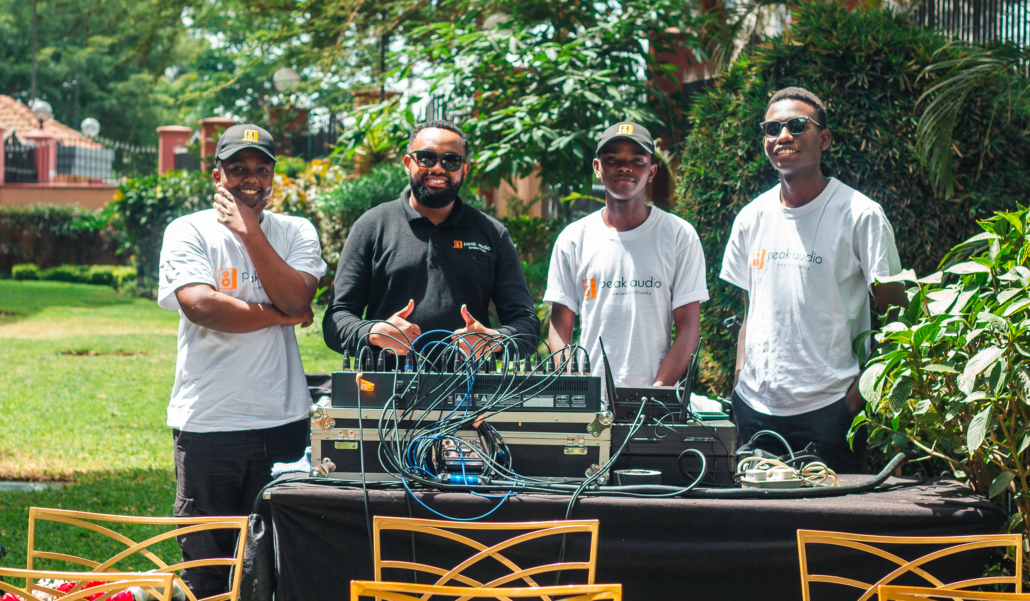
Sustainability in Corporate Events Kenya
Sustainability in corporate events involves making responsible decisions across venue selection, waste reduction, digital communication, reusable event infrastructure, efficient audiovisual technology, sustainable catering, transport planning, local sourcing, accessibility, and measurable reporting. Kenyan event organizers are increasingly incorporating practical approaches such as paperless delegate communication, digital registration and QR check-in, reusable staging and branding materials, waste separation, local sourcing, and sustainability reporting. These measures can help organizations reduce unnecessary resource consumption while aligning events with broader environmental and corporate sustainability objectives.
Effective sustainable event planning should consider the entire event lifecycle, beginning with procurement and delegate registration and continuing through venue preparation, audiovisual production, catering, transportation, waste management, dismantling, and post-event reporting. Sustainability does not have to compromise professional event quality or the delegate experience. Thoughtful planning can maintain high production standards while reducing unnecessary materials, waste, energy consumption, transportation requirements, and logistical inefficiencies. Technologies such as LED displays, livestreaming, hybrid event platforms, digital signage, and electronic event materials can also reduce reliance on some single-use and printed resources.
At Peak Audio, we provide professional sound systems, LED screens, staging, lighting, simultaneous interpretation, livestreaming, hybrid event technology, video production, and technical support for modern and sustainability-conscious corporate events across Kenya. By combining reusable professional event infrastructure, efficient technology, careful technical planning, and reliable production support, Peak Audio helps organizations deliver engaging and professional corporate events while supporting more responsible approaches to event production.
Leave a Reply
Want to join the discussion?Feel free to contribute!