Best Conference Organizers for NGOs in Kenya
Best Conference Organizers for NGOs in Kenya – Professional NGO Conference Planning & Event Management Services
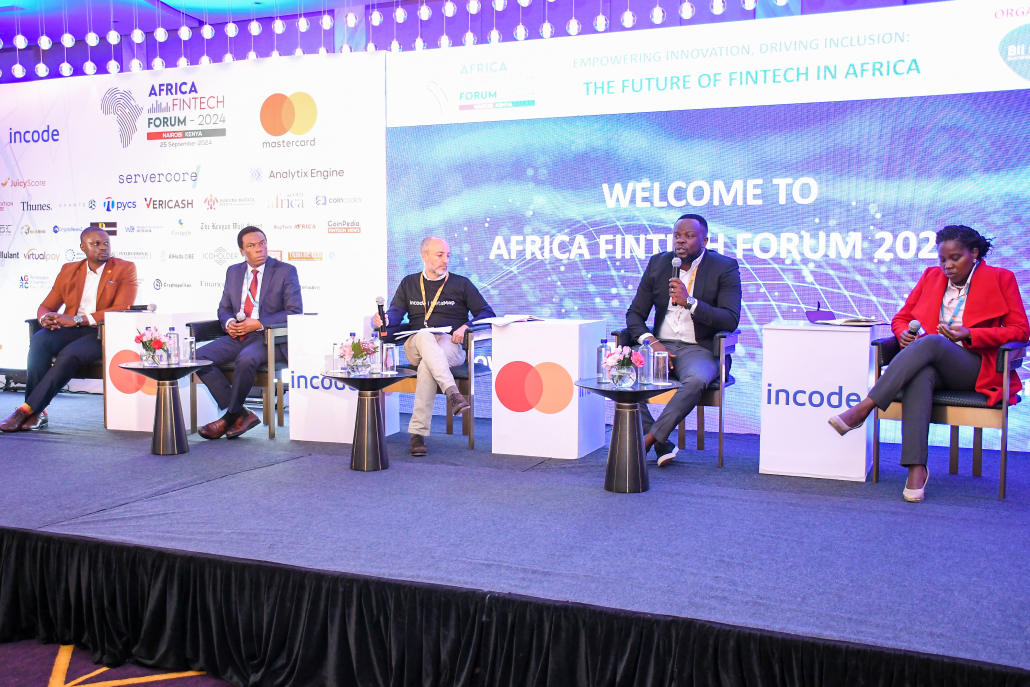
Best Conference Organizers for NGOs in Kenya
Finding the best conference organizers for NGOs in Kenya is essential for non-governmental organizations (NGOs), international NGOs (INGOs), humanitarian organizations, foundations, development agencies, civil society organizations, donor-funded programmes, and nonprofit institutions seeking to deliver successful and impactful events. These organizations regularly host stakeholder forums, donor meetings, policy dialogues, capacity-building workshops, annual meetings, advocacy events, development summits, training seminars, and regional consultations to advance their programmes and strengthen collaboration. Professional NGO conference planning helps ensure these gatherings are well-organized, accessible, inclusive, and aligned with institutional objectives while creating meaningful opportunities for knowledge sharing, stakeholder engagement, and partnership development.
Successful NGO conferences require careful coordination of venues, budgets, delegate registration, accessibility, audiovisual equipment, simultaneous interpretation, logistics, security, documentation, livestreaming, and stakeholder communication. Unlike many conventional corporate events, NGO conferences may also involve strict procurement procedures, donor reporting requirements, multilingual audiences, international participants, accessibility considerations, and clearly defined programme outcomes. Selecting the right conference organizer therefore involves evaluating industry experience, financial transparency, technical capabilities, procurement compliance, supplier coordination, budget management, operational reliability, and the ability to deliver measurable results. An experienced event management partner can help organizations minimize logistical challenges, maintain accountability, coordinate multiple stakeholders, and ensure that every aspect of the conference supports its intended purpose.
Peak Audio supports NGOs, INGOs, humanitarian agencies, foundations, and development organizations with professional Conference Audiovisual Production and Event Technology Services in Kenya and across East Africa. From high-quality sound systems, LED screens, staging, professional lighting, and simultaneous interpretation to livestreaming, hybrid event technology, multi-camera video production, event recording, and on-site technical support, Peak Audio provides solutions tailored to the requirements of NGO conferences and development-sector events. Whether organizing a donor-funded workshop, international development summit, stakeholder consultation, policy forum, regional conference, or humanitarian coordination meeting, Peak Audio helps organizations create professional, accessible, engaging, and technically reliable event experiences that support effective communication and meaningful programme outcomes.
1. What Do NGO Conference Organizers in Kenya Do?

Best Conference Organizers for NGOs in Kenya
Professional NGO conference organizers in Kenya are responsible for planning, coordinating, and managing conferences that bring together non-governmental organizations (NGOs), international NGOs (INGOs), humanitarian agencies, development partners, foundations, civil society organizations, government representatives, donors, and other stakeholders.
These conferences may include donor meetings, stakeholder consultations, policy dialogues, development summits, humanitarian forums, capacity-building workshops, annual conferences, advocacy events, and regional consultations. Each event requires careful coordination to ensure that organizational objectives are achieved while maintaining professional standards, accessibility, accountability, and efficient use of available resources.
NGO conference organizers can oversee multiple aspects of event delivery, including concept development, venue sourcing, budgeting, delegate registration, audiovisual production, simultaneous interpretation, catering, transportation, accommodation, documentation, and post-event reporting.
1.1 Conference Planning and Coordination
Conference planning is the foundation of a successful NGO event. Professional organizers help translate organizational objectives into a structured conference programme, ensuring that activities, speakers, suppliers, technical teams, and delegates are coordinated effectively.
For NGOs and development organizations, conference planning may also involve aligning the event with programme goals, donor expectations, stakeholder engagement objectives, procurement requirements, and reporting obligations.
- – Conference Objectives – Define the purpose of the event, whether it involves policy dialogue, knowledge sharing, donor engagement, advocacy, capacity building, or programme evaluation.
- – Conference Concept Development – Develop an appropriate conference format, theme, structure, and delegate experience.
- – Target Audience Identification – Determine the expected participants, including donors, government officials, NGO representatives, researchers, development partners, community representatives, and international delegates.
- – Programme Development – Structure keynote addresses, panel discussions, workshops, breakout sessions, networking opportunities, and stakeholder consultations.
- – Speaker Coordination – Manage communication with keynote speakers, moderators, panelists, facilitators, and other presenters.
- – Conference Timelines – Establish deadlines for venue confirmation, registration, supplier procurement, branding, technical production, and programme preparation.
- – Stakeholder Coordination – Maintain communication between the organizing NGO, partners, sponsors, speakers, suppliers, and venue management.
- – Implementation Planning – Develop practical work plans identifying activities, responsibilities, deadlines, and expected deliverables.
- – Risk Assessment – Identify potential challenges involving attendance, logistics, suppliers, technical systems, programme changes, and other operational requirements.
- – Event-Day Supervision – Coordinate activities to ensure the conference programme runs according to the approved schedule.
Professional conference planning helps NGOs translate their objectives into a structured event by coordinating programmes, speakers, stakeholders, suppliers, schedules, responsibilities, and operational requirements.
1.2 Venue Selection and Management

Best Conference Organizers for NGOs in Kenya
The conference venue influences delegate accessibility, comfort, participation, technical production, security, and overall event costs. NGO conference organizers can help identify suitable venues that meet organizational requirements while remaining within the approved budget.
– Venue Capacity – Select a facility that accommodates the expected number of delegates without unnecessary additional space.
– Location and Accessibility – Consider proximity to airports, accommodation, public transport, and major roads.
– Accessible Facilities – Evaluate access for delegates with disabilities, including suitable entrances, seating, washrooms, and circulation areas.
– Conference Infrastructure – Assess stages, presentation screens, microphones, power supply, internet connectivity, and other technical facilities.
– Breakout Rooms – Identify additional rooms for workshops, working groups, bilateral meetings, and parallel sessions.
– Delegate Accommodation – Consider venues offering convenient accommodation or access to nearby hotels.
– Catering Facilities – Review meal service areas, refreshment arrangements, and dietary accommodation.
– Security Arrangements – Assess venue security procedures, access control, emergency exits, and relevant safety provisions.
– Venue Site Surveys – Conduct inspections to evaluate room layouts, technical infrastructure, equipment access, and production requirements.
– Venue Contract Coordination – Review hire periods, included facilities, supplier access, payment terms, and other agreed conditions.
Effective venue selection ensures that NGO conferences take place in facilities that support delegate accessibility, appropriate capacity, technical requirements, accommodation, catering, security, and budget efficiency.
1.3 Budget Planning and Financial Coordination
NGO conferences frequently operate within approved project budgets, donor-funded allocations, or organizational expenditure limits. Professional conference organizers can help ensure that event costs are properly estimated, documented, monitored, and managed.
Budget coordination is particularly important for organizations that require transparent procurement, itemized quotations, expenditure approvals, supporting documentation, and financial accountability.
– Initial Budget Development – Prepare an estimated conference budget based on expected attendance, venue, duration, programme, and required services.
– Budget Categorization – Allocate funds to venue hire, catering, accommodation, transport, audiovisual production, interpretation, registration, branding, and documentation.
– Supplier Quotations – Obtain detailed proposals from suitable service providers.
– Competitive Procurement – Compare suppliers according to pricing, specifications, experience, reliability, and relevant organizational procurement requirements.
– Budget Prioritization – Direct available resources toward essential conference services before optional enhancements.
– Expenditure Tracking – Monitor approved commitments and actual expenditure throughout the planning process.
– Cost Control – Identify opportunities to reduce unnecessary equipment, duplicated services, excessive venue costs, or avoidable logistical expenses.
– Contingency Planning – Allocate suitable resources for unexpected but legitimate operational requirements.
– Financial Documentation – Coordinate quotations, invoices, receipts, contracts, and other supporting records as required.
– Post-Event Reconciliation – Compare budgeted expenditure with actual costs and identify significant differences.
Professional budget management supports financial transparency, procurement compliance, expenditure control, supplier accountability, and responsible use of NGO or donor-funded resources.
1.4 Delegate Registration and Management
Delegate registration is essential for conferences involving multiple organizations, international participants, government representatives, donors, researchers, community representatives, and other stakeholders.
An organized registration process helps ensure that participants receive accurate information and can access conference activities efficiently.
– Invitation Coordination – Manage conference invitations and communication with invited organizations and participants.
– Online Registration – Establish suitable registration forms or platforms for collecting necessary attendee information.
– Delegate Confirmation – Track confirmed attendance and communicate relevant conference details.
– Registration Database – Maintain appropriate participant records for planning, accreditation, and reporting.
– On-Site Check-In – Organize registration desks, attendance verification, and delegate assistance.
– Conference Badges – Prepare identification badges for delegates, speakers, organizers, media, and other participants where required.
– Seating Arrangements – Coordinate seating for general delegates, speakers, VIPs, government representatives, and other designated participants.
– Accessibility Requirements – Collect and coordinate relevant accessibility accommodations.
– Delegate Communication – Share programmes, venue information, session updates, transport arrangements, and other essential instructions.
– Attendance Reporting – Maintain suitable attendance records for organizational monitoring and reporting.
– Data Protection – Collect and handle personal information responsibly, with appropriate access controls and retention arrangements.
Effective registration and delegate management improve the conference experience through organized invitations, registration, accreditation, communication, accessibility arrangements, seating, and attendance documentation.
1.5 Conference Audiovisual Production
Professional audiovisual production enables NGO conferences to communicate information clearly and support effective participation. Sound systems, microphones, screens, lighting, staging, and technical support should be designed according to the venue, audience, programme, and conference objectives.
For development conferences, audiovisual production may also support panel discussions, policy presentations, donor briefings, research findings, stakeholder consultations, hybrid participation, and recorded sessions.
– Professional Sound Systems – Provide suitable audio coverage so delegates can hear speakers and discussions clearly.
– Conference Microphones – Supply handheld, lapel, headset, podium, or tabletop microphones according to the programme.
– Panel Discussion Systems – Configure microphones and audio mixing for moderators, panelists, and audience questions.
– Presentation Screens – Display reports, research findings, presentations, charts, and other conference materials.
– LED Screens – Provide suitable displays for large audiences, branding, presentations, and live camera feeds.
– Stage Production – Create appropriate stage arrangements for keynote addresses, panel discussions, and official presentations.
– Professional Lighting – Improve speaker visibility and support photography, video recording, and livestreaming.
– Presentation Management – Coordinate slides, videos, speaker presentations, and other digital content.
– Hybrid Conference Integration – Connect remote speakers and participants where required.
– Technical Rehearsals – Test microphones, screens, presentations, cameras, and other systems before the programme.
– On-Site Technical Support – Provide qualified personnel to operate, monitor, and troubleshoot conference equipment.
Professional audiovisual production helps ensure that presentations are visible, speakers are clearly heard, panel discussions run smoothly, and both physical and remote delegates can participate effectively.
1.6 Interpretation and Multilingual Communication
Many NGO conferences in Kenya involve participants from different countries, regions, and language backgrounds. International development organizations, humanitarian agencies, regional institutions, and civil society networks may therefore require multilingual communication support.
Simultaneous interpretation systems can help delegates follow conference proceedings in their preferred supported languages without requiring the main programme to stop for consecutive translation.
– Language Requirements Assessment – Identify the languages required according to the delegate profile and programme.
– Interpreter Booths – Provide suitable facilities for professional interpreters where required.
– Interpreter Audio Systems – Deliver clear programme audio to interpreters.
– Delegate Receivers – Provide suitable receivers that allow delegates to select available interpretation channels.
– Conference Headphones – Enable participants to listen to interpreted content without disrupting the main session.
– Multiple Language Channels – Configure interpretation systems according to the number of required languages.
– Audio Integration – Connect interpretation systems with the conference microphones and sound infrastructure.
– Hybrid Interpretation – Where supported, extend appropriate interpretation feeds to remote participants.
– Interpreter Coordination – Work with qualified language-service providers to align interpreter schedules, language combinations, and session requirements.
– Technical Monitoring – Ensure interpretation equipment and audio distribution operate reliably throughout the conference.
– Accessibility Considerations – Consider additional communication support, including captioning or sign-language interpretation where appropriate.
Multilingual communication support helps NGO conferences become more inclusive by enabling participants from different language backgrounds to understand presentations, follow discussions, contribute to consultations, and engage meaningfully with conference content.
1.7 Conference Logistics
Conference logistics involve coordinating the people, equipment, services, and schedules required to deliver the event. For NGOs hosting regional or international participants, logistical planning can become particularly important because delegates may travel from different counties, countries, and organizational offices.
– Delegate Transportation – Coordinate suitable airport transfers, hotel transfers, and local transport where included.
– Accommodation Arrangements – Organize hotel bookings or accommodation coordination for eligible delegates, speakers, and staff.
– Catering Coordination – Manage meals, refreshments, service schedules, and dietary requirements.
– Venue Setup – Coordinate seating, stages, registration areas, breakout rooms, branding, and technical infrastructure.
– Equipment Delivery – Schedule transportation and installation of audiovisual equipment and other conference materials.
– Supplier Coordination – Maintain communication with venues, caterers, transport providers, technical teams, and other vendors.
– Conference Scheduling – Coordinate setup, rehearsals, sessions, meals, networking activities, and dismantling.
– Speaker Logistics – Support agreed travel, accommodation, transport, presentation, and programme arrangements for speakers.
– Security Coordination – Work with venue personnel and relevant service providers on access and security arrangements.
– Accessibility Logistics – Coordinate appropriate transport, venue access, seating, and assistance for delegates with disabilities.
– Contingency Planning – Prepare for possible transport delays, supplier problems, programme changes, equipment issues, and other operational risks.
– Event-Day Operations – Monitor logistics throughout the conference and resolve operational issues as they arise.
Effective conference logistics ensure that delegates, speakers, suppliers, equipment, accommodation, catering, transportation, venue setup, and event schedules are coordinated to support smooth conference delivery.
1.8 Conference Documentation and Reporting
NGO conferences often contribute to wider organizational objectives, including programme implementation, stakeholder engagement, donor reporting, policy development, advocacy, training, and institutional knowledge sharing.
Professional conference documentation helps preserve important discussions, decisions, presentations, and outcomes for use after the event.
– Conference Photography – Capture speakers, delegates, panel discussions, networking, and important programme activities.
– Video Recording – Record keynote presentations, discussions, workshops, and other relevant sessions.
– Multi-Camera Production – Provide professional coverage of speakers, panels, audience participation, and stage activities.
– Livestream Archives – Retain suitable recordings of streamed sessions for later viewing where permitted.
– Presentation Collection – Organize approved speaker presentations, reports, and other conference materials.
– Attendance Records – Compile relevant registration and participation information.
– Session Summaries – Document key discussion points, recommendations, and agreed next steps where included in the scope.
– Stakeholder Feedback – Collect participant evaluations, surveys, and comments to assess the conference experience.
– Donor Reporting Support – Provide relevant event records, media, attendance information, and other agreed supporting documentation.
– Conference Highlight Videos – Produce suitable summaries for organizational websites, newsletters, social media, and stakeholder communication.
– Post-Event Evaluation – Compare conference outcomes with the original objectives and agreed performance indicators.
– Lessons Learned – Identify improvements for future stakeholder meetings, development forums, and conferences.
– Responsible Content Management – Ensure photographs, recordings, delegate information, and other materials are collected, used, stored, and shared according to applicable consent and data-protection requirements.
Professional conference documentation helps NGOs preserve presentations, discussions, attendance information, photographs, videos, stakeholder feedback, and event outcomes for reporting, communication, accountability, and future programme planning
Professional NGO conference organizers in Kenya coordinate the essential activities required to deliver successful development conferences, humanitarian forums, donor meetings, policy dialogues, stakeholder consultations, capacity-building workshops, advocacy events, and regional summits.
Their responsibilities can extend from conference concept development, budgeting, venue selection, and delegate registration to audiovisual production, simultaneous interpretation, logistics, documentation, and event-day execution. By coordinating these services, organizers help NGOs and development partners maintain professional standards while meeting organizational objectives, accessibility needs, procurement expectations, and budget requirements.
For conferences requiring professional technical production, Peak Audio can support NGO organizers with sound systems, microphones, LED screens, staging, lighting, simultaneous interpretation systems, livestreaming, hybrid conference technology, multi-camera video production, recording, and on-site technical support.
2. Types of NGO Conferences and Events in Kenya

Best Conference Organizers for NGOs in Kenya
Non-governmental organizations (NGOs), international NGOs (INGOs), humanitarian agencies, foundations, civil society organizations, development partners, and nonprofit institutions organize different types of conferences and professional events across Kenya. These gatherings support stakeholder engagement, knowledge sharing, donor coordination, policy development, humanitarian response, organizational governance, capacity building, and regional cooperation.
The requirements of NGO conferences vary considerably depending on the event objectives, delegate numbers, participating organizations, venue, programme structure, funding arrangements, accessibility needs, interpretation requirements, audiovisual production, and logistical complexity.
A small capacity-building workshop may require a meeting room, presentation equipment, and basic catering, while a major international development summit may involve multiple conference halls, simultaneous interpretation, professional sound systems, LED screens, hybrid participation, livestreaming, multi-camera video production, delegate registration, security coordination, and international travel arrangements.
2.1 International NGO Conferences
International NGO conferences bring together representatives from nonprofit organizations, development agencies, humanitarian institutions, foundations, regional networks, and international partners. These conferences may focus on programme implementation, development priorities, humanitarian coordination, institutional partnerships, research, advocacy, and cross-border cooperation.
Kenya, particularly Nairobi, provides a location for international development meetings involving organizations operating across East Africa and other regions.
– International Delegate Coordination – Manage participants travelling from different countries, including registration, arrival information, accommodation, and transport arrangements.
– Conference Venue Selection – Identify facilities with appropriate capacity, accessibility, meeting rooms, technical infrastructure, and accommodation options.
– Multilingual Communication – Provide simultaneous interpretation systems where delegates require different languages.
– Professional Audiovisual Production – Arrange sound systems, microphones, LED screens, presentation displays, staging, and lighting.
– Hybrid Participation – Enable speakers or delegates who cannot attend physically to participate remotely.
– Multi-Session Programmes – Coordinate plenary sessions, panel discussions, workshops, breakout rooms, and networking activities.
– Speaker Management – Support international speakers, moderators, facilitators, and organizational representatives.
– Protocol and VIP Arrangements – Coordinate appropriate arrangements for senior representatives, institutional leaders, and invited officials.
– Conference Documentation – Capture presentations, discussions, photographs, videos, and agreed outcomes.
– Event-Day Technical Support – Ensure audiovisual, interpretation, presentation, and livestreaming systems operate reliably
International NGO conferences require coordinated delegate logistics, multilingual communication, venue management, audiovisual production, hybrid participation, speaker coordination, and conference documentation to support effective collaboration between organizations from different countries.
2.2 Donor and Development Partner Meetings

Best Conference Organizers for NGOs in Kenya
Donor and development partner meetings provide opportunities for NGOs, funding institutions, foundations, implementing partners, and other stakeholders to review programmes, discuss funding priorities, strengthen partnerships, and evaluate development outcomes.
These events may include donor roundtables, grant review meetings, programme consultations, partnership conferences, project launch meetings, accountability forums, and development financing discussions.
– Programme Review Sessions – Present project achievements, implementation progress, challenges, and future priorities.
– Funding Discussions – Facilitate structured conversations about programme financing, funding opportunities, and resource allocation.
– Partnership Development – Create opportunities for donors, implementing partners, and development organizations to strengthen collaboration.
– Accountability Presentations – Support presentations involving financial reporting, programme performance, monitoring, and evaluation findings.
– Professional Meeting Venues – Select facilities appropriate for formal discussions, presentations, and confidential meetings.
– Presentation Technology – Provide suitable screens, microphones, sound systems, and digital presentation equipment.
– Hybrid Donor Participation – Connect international funding partners and organizational representatives who cannot attend physically.
– Breakout Discussions – Organize smaller meetings for thematic discussions, programme planning, and partnership negotiations.
– Conference Documentation – Capture approved presentations, meeting outcomes, attendance records, and other reporting materials.
– Confidentiality and Information Management – Apply appropriate controls to sensitive programme, financial, and organizational information.
Donor and development partner meetings require professional coordination of programme presentations, stakeholder discussions, meeting facilities, audiovisual technology, confidentiality, documentation, and accountability requirements.
2.3 Stakeholder Engagement Forums
Stakeholder engagement forums bring together individuals and organizations affected by, involved in, or interested in specific development programmes, policies, projects, and community initiatives.
Participants may include government officials, county representatives, community leaders, civil society organizations, NGOs, development agencies, private-sector representatives, researchers, and beneficiaries
– Stakeholder Identification – Determine which organizations, institutions, communities, and individuals should participate.
– Inclusive Invitations – Coordinate participation across relevant stakeholder groups.
– Accessible Venue Selection – Choose venues that accommodate different participant needs and travel considerations.
– Facilitated Discussions – Structure consultations, moderated panels, group discussions, and question-and-answer sessions.
– Audience Participation – Provide suitable microphones and facilitation arrangements for meaningful contributions.
– Multilingual Communication – Consider interpretation or translation support where participants use different languages.
– Breakout Groups – Create smaller discussion sessions for specific communities, sectors, or thematic priorities.
– Feedback Collection – Record stakeholder comments, concerns, recommendations, and priorities through appropriate methods.
– Documentation – Prepare attendance records, consultation summaries, photographs, and other agreed outputs.
– Follow-Up Communication – Share appropriate outcomes, decisions, or next steps with participants.
Stakeholder engagement forums require careful planning to support inclusive participation, accessible venues, effective facilitation, clear communication, audience interaction, and reliable documentation of stakeholder contributions.
2.4 Humanitarian and Development Conferences
Humanitarian and development conferences focus on challenges affecting communities, institutions, and regions. Topics may include emergency response, food security, health, education, water and sanitation, displacement, climate resilience, poverty reduction, livelihoods, and sustainable development.
These conferences often involve humanitarian organizations, government institutions, development partners, researchers, civil society networks, and implementing agencies.
– Humanitarian Coordination – Support discussions involving emergency response, operational priorities, and coordination between participating organizations.
– Development Programme Reviews – Present progress, research findings, programme challenges, and implementation lessons.
– Technical Presentations – Provide appropriate audiovisual systems for reports, maps, data visualizations, and research presentations.
– Multi-Agency Participation – Coordinate representatives from different institutions and sectors.
– Thematic Sessions – Organize discussions on health, education, climate resilience, livelihoods, food security, and other development priorities.
– Breakout Workshops – Facilitate specialized working groups and technical consultations.
– Remote Expert Participation – Use hybrid conference technology where specialists cannot attend physically.
– Interpretation Services – Support multilingual participation where required.
– Knowledge Documentation – Record approved presentations, discussions, recommendations, and lessons learned.
– Accessibility and Inclusion – Consider the needs of participants with disabilities and other relevant access requirements.
– Event Logistics – Coordinate venue arrangements, delegate transport, accommodation, catering, and conference schedules.
Humanitarian and development conferences depend on effective multi-agency coordination, technical presentations, thematic discussions, accessibility, hybrid participation, interpretation, and documentation to support knowledge sharing and programme cooperation.
2.5 Policy Dialogue and Advocacy Conferences
Policy dialogue and advocacy conferences provide structured environments for discussing public policy, governance, human rights, environmental issues, social development, economic challenges, and institutional reforms.
These events may involve government representatives, civil society organizations, legal professionals, researchers, development partners, advocacy groups, community representatives, and policymakers.
– Policy Discussion Programmes – Structure presentations and discussions around specific policy questions or development challenges.
– Expert Panels – Coordinate policymakers, researchers, advocates, and institutional representatives.
– Moderated Discussions – Provide professional moderation to encourage constructive and balanced participation.
– Government and Institutional Coordination – Manage appropriate invitations, protocol, and stakeholder communication.
– Research Presentations – Support the display of policy briefs, evidence, statistics, and research findings.
– Audience Q&A – Provide microphones and structured participation opportunities.
– Media Coordination – Organize suitable press access, interviews, photography, and video coverage where appropriate.
– Hybrid Participation – Allow relevant experts and stakeholders to participate remotely.
– Interpretation and Accessibility – Support participation across language and accessibility requirements.
– Conference Documentation – Record key discussions, recommendations, resolutions, and agreed next steps.
– Sensitive Information Management – Establish appropriate recording, consent, confidentiality, and media-access arrangements.
Policy dialogue and advocacy conferences require coordinated expert participation, structured discussions, accessible communication, audiovisual production, media management, and accurate documentation to support constructive engagement on important public issues.
2.6 Capacity-Building Workshops
Capacity-building workshops are designed to strengthen the knowledge, skills, systems, and operational capabilities of individuals, communities, organizations, and professional teams.
NGOs frequently organize training programmes for staff, implementing partners, community-based organizations, government representatives, volunteers, project beneficiaries, and other stakeholders.
– Training Objectives – Define the knowledge, competencies, or practical skills participants should gain.
– Workshop Programme Design – Structure presentations, demonstrations, group exercises, discussions, and assessments.
– Suitable Training Venues – Choose meeting rooms that support interactive learning and participant movement.
– Presentation Equipment – Provide screens, projectors, microphones, and other appropriate teaching tools.
– Interactive Sessions – Support group discussions, exercises, role-playing, demonstrations, and practical activities.
– Breakout Groups – Organize smaller sessions for specialized learning and collaborative tasks.
– Training Materials – Coordinate printed or digital manuals, worksheets, presentations, and other resources.
– Facilitator Support – Assist trainers with scheduling, presentation requirements, and room arrangements.
– Participant Registration – Maintain appropriate attendance and training participation records.
– Catering and Breaks – Coordinate refreshments and meals according to the training programme.
– Workshop Documentation – Capture approved training materials, photographs, recordings, and participant feedback.
– Learning Evaluation – Support suitable assessments, feedback surveys, and post-training reporting.
Capacity-building workshops require practical coordination of training objectives, facilitators, learning spaces, presentation equipment, interactive sessions, materials, participant management, and evaluation to support effective knowledge and skills development.
2.7 Annual General Meetings and Board Conferences
NGOs, foundations, associations, nonprofit institutions, and other organizations may organize annual general meetings, board conferences, strategic planning retreats, and governance review sessions.
These meetings often involve formal reporting, institutional oversight, strategic decisions, organizational accountability, and future programme planning.
– Annual Performance Reviews – Present organizational achievements, challenges, programme outcomes, and institutional progress.
– Financial Reporting – Support the presentation of financial statements, budgets, and other approved reports.
– Board and Governance Discussions – Coordinate formal meetings involving board members, trustees, and senior leadership.
– Strategic Planning Sessions – Organize discussions about organizational priorities, programme direction, and future activities.
– Formal Meeting Procedures – Support appropriate registration, agenda management, and procedural requirements.
– Voting Arrangements – Coordinate suitable voting technology or processes where required by the organization.
– Professional Conference Audio – Provide microphones and clear sound for presentations, discussions, and questions.
– Presentation Displays – Support reports, financial information, charts, and strategic presentations.
– Hybrid Board Participation – Enable authorized remote participants to join where permitted.
– Confidentiality – Apply appropriate access, recording, and information-management arrangements.
– Meeting Documentation – Support approved recordings, attendance records, presentations, and other materials.
– Technical Support – Ensure meeting systems operate reliably throughout the programme.
Annual general meetings and board conferences require professional coordination of governance procedures, formal presentations, financial reporting, strategic discussions, voting arrangements, confidentiality, and reliable meeting technology.
2.8 Regional and International Development Summits
Regional and international development summits are often larger, more complex events involving multiple organizations, institutions, countries, speakers, sponsors, and delegates.
These gatherings may focus on regional development, humanitarian cooperation, climate action, public health, education, governance, economic development, infrastructure, innovation, and sustainable development priorities.
Compared with smaller NGO meetings, development summits may require extensive technical production, multiple conference spaces, international delegate logistics, and coordinated event management.
– Large-Scale Conference Planning – Coordinate complex programmes involving multiple sessions, organizations, and stakeholders.
– International Delegate Management – Support registration, accommodation, transport information, and conference communication for international participants.
– Multiple Conference Rooms – Coordinate plenary halls, breakout rooms, workshops, bilateral meetings, and other spaces.
– Professional Stage Production – Provide suitable staging for keynote addresses, panel discussions, official sessions, and presentations.
– LED Screens and Digital Displays – Support presentations, branding, sponsor visibility, schedules, and live camera feeds.
– Advanced Conference Sound – Provide appropriate audio coverage for large audiences and multiple speakers.
– Simultaneous Interpretation – Support multilingual participation through suitable interpretation systems.
– Livestreaming and Hybrid Technology – Extend participation to regional or international audiences unable to attend physically.
– Multi-Camera Video Production – Capture keynote addresses, panel discussions, interviews, and other important sessions.
– Sponsor and Partner Branding – Coordinate agreed visibility across stages, screens, registration areas, and event materials.
– VIP and Protocol Coordination – Support arrangements for invited institutional leaders, government officials, and other designated participants.
– Security and Access Management – Coordinate appropriate venue security, accreditation, and delegate access procedures.
– Media and Documentation – Support photography, interviews, recording, livestream archives, and approved event reporting.
– Technical Rehearsals and Monitoring – Test production systems and coordinate technical teams before and during the summit.
– Post-Event Reporting – Compile appropriate attendance information, media content, session summaries, feedback, and other agreed deliverables.
Regional and international development summits require comprehensive coordination of international delegates, multiple venues, large-scale audiovisual production, interpretation, livestreaming, logistics, protocol, security, documentation, and technical operations.
NGO conferences in Kenya vary significantly according to their objectives, delegate profiles, organizational requirements, funding arrangements, programme themes, and technical complexity. International NGO conferences, donor meetings, stakeholder forums, humanitarian conferences, policy dialogues, capacity-building workshops, AGMs, and regional development summits each require a different approach to planning and execution.
Ultimately, customized planning helps ensure that every NGO conference receives the appropriate venue, programme structure, technical infrastructure, accessibility arrangements, delegate services, logistics, and documentation needed to support its organizational objectives and meaningful stakeholder engagement.
3. How to Choose the Best Conference Organizers for NGOs in Kenya

Best Conference Organizers for NGOs in Kenya
Choosing the best conference organizer for an NGO in Kenya requires more than identifying a company that can arrange a venue, catering, and event equipment. NGO conferences often involve donor-funded programmes, international development partners, government institutions, humanitarian organizations, civil society representatives, community stakeholders, and delegates from different countries.
These events may have specific requirements involving financial accountability, procurement procedures, accessibility, multilingual communication, technical production, delegate registration, security, documentation, and post-event reporting.
The right conference organizer should understand these requirements and demonstrate the ability to deliver a professional event within the approved budget while maintaining reliable operations, transparent communication, and appropriate technical standards.
3.1 Experience with NGO and Development Events
Relevant experience is one of the most important factors when selecting an NGO conference organizer. Conferences involving development partners, humanitarian agencies, foundations, international NGOs, and government stakeholders may require different planning procedures from ordinary commercial or social events.
An experienced organizer should understand the operational expectations associated with donor-funded conferences, stakeholder consultations, policy dialogues, capacity-building workshops, humanitarian forums, annual meetings, and regional development summits
– Previous NGO Conferences – Review experience organizing events for nonprofit organizations, foundations, humanitarian institutions, and development agencies.
– Donor-Funded Events – Assess familiarity with conferences that require approved budgets, supporting documentation, supplier accountability, and expenditure reporting.
– Stakeholder Engagement – Look for experience coordinating government representatives, donors, community organizations, development partners, and civil society participants.
– International Conferences – Consider experience with regional and international delegates, multilingual programmes, and cross-border coordination.
– Comparable Event Sizes – Determine whether the organizer has handled events with similar delegate numbers, session formats, and logistical requirements.
– Relevant Conference Formats – Review previous work involving conferences, workshops, policy forums, donor meetings, exhibitions, and development summits.
– Speaker and VIP Coordination – Assess experience supporting keynote speakers, moderators, senior institutional representatives, and invited officials.
– Conference Documentation – Look for the ability to coordinate attendance records, photography, video production, session materials, and agreed reporting deliverables.
– Client References – Request suitable references or examples of comparable projects where available.
– Problem-Solving Experience – Ask how the organizer has handled supplier delays, programme changes, technical issues, or unexpected logistical challenges.
Relevant NGO and development-sector experience helps demonstrate whether an organizer understands donor expectations, stakeholder coordination, international participation, conference logistics, technical requirements, and organizational accountability.
3.2 Transparent Budgeting and Quotations
Financial transparency is particularly important for NGO conferences because expenditure may be funded through organizational budgets, grants, development programmes, or donor contributions.
A professional conference organizer should provide a detailed quotation that clearly identifies the proposed services, equipment, personnel, logistics, taxes, and other applicable charges.
– Itemized Service Costs – Request a breakdown of venue hire, catering, registration, audiovisual production, transport, accommodation, branding, and other required services.
– Audiovisual Equipment Specifications – Confirm the types and quantities of microphones, speakers, screens, lighting fixtures, staging, cameras, and interpretation equipment included.
– Technical Staffing – Determine whether sound engineers, video technicians, lighting operators, livestreaming personnel, and other technical staff are included.
– Transportation and Logistics – Establish whether equipment transport, crew movement, delivery, setup, and dismantling are covered.
– Applicable Taxes – Confirm whether quoted prices include or exclude VAT and any other applicable taxes or charges.
– Optional Services – Separate essential conference requirements from upgrades that can be added or removed.
– Payment Terms – Review deposit requirements, payment milestones, cancellation conditions, and final settlement arrangements.
– Quotation Validity – Confirm how long the quotation remains valid and whether prices may change.
– Budget Monitoring – Ask how approved costs, variations, and additional expenditure will be tracked.
– Change Approval – Establish whether additional expenses require written authorization before being incurred.
– Post-Event Reconciliation – Determine whether the organizer can provide appropriate final expenditure records and supporting documents.
Transparent quotations help NGOs compare suppliers fairly, control expenditure, and maintain financial accountability, budget visibility, clear payment arrangements, and documented approval of additional costs.
3.3 Understanding NGO Procurement Requirements
Many NGOs and development organizations follow established procurement procedures when selecting conference organizers, venues, audiovisual providers, caterers, and other suppliers.
These procedures may require competitive quotations, supplier registration, statutory documentation, evaluation criteria, purchase orders, contracts, and supporting financial records.
The exact requirements vary by organization, donor agreement, procurement policy, and contract value.
– Supplier Registration – Determine whether the organizer can complete the organization’s vendor registration or prequalification process.
– Company Registration Documents – Confirm that the provider can supply applicable business registration or incorporation records.
– Tax Documentation – Request relevant tax identification and compliance documentation where required by the procurement policy.
– Detailed Technical Proposals – Assess whether the organizer can explain the proposed methodology, equipment, staffing, implementation schedule, and deliverables.
– Financial Proposals – Ensure quotations provide sufficient detail for comparison and internal approvals.
– Competitive Procurement – Determine whether the organizer understands tendering, requests for quotations, and formal supplier evaluation processes.
– Purchase Orders and Contracts – Confirm the ability to work under approved purchase orders, service agreements, and contractual terms.
– Electronic Invoicing – Check whether the supplier can issue invoices and applicable electronic tax documentation required for the transaction.
– Supporting Documentation – Establish whether delivery notes, completion reports, invoices, receipts, and other agreed records can be provided.
– Insurance and Safety Documentation – Request relevant coverage, personnel, equipment, or safety documentation where required by the event or venue.
– Ethical Procurement – Assess whether the supplier can comply with applicable conflict-of-interest, confidentiality, anti-bribery, and organizational conduct requirements.
– Documentation Deadlines – Ensure required documents can be submitted within the organization’s procurement and approval timelines.
An NGO conference organizer should be prepared to support the client’s procurement process through appropriate supplier documentation, detailed proposals, clear contracts, compliant invoicing, transparent pricing, and timely submission of required records.
3.4 Strong Audiovisual Capabilities
Audiovisual production plays a central role in the success of NGO conferences. Development forums often involve research presentations, policy discussions, keynote addresses, panel sessions, stakeholder consultations, and remote participation.
The conference organizer should therefore have access to reliable technical production services and qualified personnel capable of supporting the programme.
– Professional Sound Systems – Ensure suitable audio coverage for the venue and expected audience.
– Conference Microphones – Confirm the availability of handheld, lapel, podium, tabletop, and panel microphones as required.
– LED Screens and Displays – Evaluate screen size, placement, resolution, and suitability for presentations and video content.
– Professional Staging – Review stage configurations for keynote speakers, panel discussions, formal presentations, and conference branding.
– Event Lighting – Ensure appropriate illumination for speakers, presentations, photography, and video recording.
– Simultaneous Interpretation Systems – Confirm suitable interpreter booths, receivers, headphones, language channels, and audio integration where needed.
– Livestreaming Capabilities – Assess whether the provider can support remote delegates, online audiences, and virtual speakers.
– Multi-Camera Video Production – Consider professional recording and live camera coverage for important conference sessions.
– Presentation Management – Confirm arrangements for slides, videos, speaker content, and transitions between sessions.
– Technical Site Surveys – Determine whether the production team can assess the venue before specifying equipment.
– Qualified Technical Personnel – Confirm that experienced technicians will install, test, operate, and monitor conference systems.
– Equipment Compatibility – Ensure audio, video, interpretation, presentation, and livestreaming systems can work together.
Strong audiovisual capabilities help ensure that speakers are clearly heard, presentations remain visible, multilingual delegates can participate, remote audiences can connect, and technical systems operate reliably.
For NGOs requiring specialized audiovisual production, Peak Audio can support conference organizers through professional sound, LED screens, staging, lighting, simultaneous interpretation, livestreaming, video production, and on-site technical services.
3.5 Experience with International Delegates
International NGO conferences may bring together participants from East Africa, other African countries, Europe, Asia, the Americas, and other regions.
Managing international participation requires attention to communication, registration, language differences, accessibility, travel coordination, programme scheduling, and hybrid conference technology.
– International Registration – Establish suitable registration procedures for delegates travelling from different countries.
– Delegate Communication – Provide clear event information, including schedules, venue details, transport arrangements, and participation instructions.
– Time Zone Coordination – Schedule remote speakers and virtual sessions with appropriate consideration for participants in different regions.
– Multilingual Communication – Assess whether interpretation or translation services are required.
– Simultaneous Interpretation – Provide appropriate technical systems for conferences involving multiple languages.
– Hybrid Participation – Enable remote delegates and speakers to join sessions through suitable conferencing technology.
– Travel Coordination – Support agreed airport transfer, accommodation, and local transport arrangements.
– Accessibility Requirements – Consider physical accessibility, hearing-related accommodations, and other reasonable adjustments.
– Cultural Considerations – Plan appropriate hospitality, communication, catering, and programme arrangements for diverse participants.
– International Speaker Management – Coordinate presentation formats, technical checks, session schedules, and remote connections.
– Technical Rehearsals – Test remote speakers, interpretation feeds, presentation sharing, and video connections before the event.
– Participant Support – Establish appropriate assistance channels for registration, venue access, schedules, and technical difficulties.
Experience with international delegates helps organizers coordinate multilingual participation, remote speakers, time zones, registration, travel arrangements, accessibility, technical rehearsals, and communication across different countries.
3.6 Reliable Supplier and Venue Networks
NGO conferences often depend on several independent service providers, including venues, caterers, accommodation providers, transport companies, audiovisual specialists, interpreters, photographers, and registration teams.
A reliable organizer should be able to identify appropriate suppliers, compare their capabilities, coordinate their activities, and manage agreed deliverable
– Conference Venue Networks – Identify suitable hotels, conference centres, meeting facilities, and other venues.
– Catering Providers – Coordinate refreshments, meals, dietary requirements, and service schedules.
– Accommodation Partners – Support appropriate hotel arrangements for speakers, delegates, and staff where required.
– Transport Providers – Coordinate airport transfers, hotel shuttles, equipment transport, and other approved travel services.
– Audiovisual Suppliers – Work with qualified technical production providers for sound, screens, staging, lighting, interpretation, and livestreaming.
– Interpretation Providers – Coordinate suitable language-service professionals and interpretation equipment.
– Registration Services – Arrange online registration, accreditation, check-in systems, and delegate support.
– Photography and Video – Coordinate conference photography, recording, interviews, and approved media deliverables.
– Branding Suppliers – Arrange appropriate stage branding, signage, printed materials, and digital content.
– Supplier Evaluation – Compare vendors according to reliability, experience, pricing, service quality, and contractual requirements.
– Supplier Scheduling – Coordinate delivery, installation, rehearsals, event-day services, and dismantling.
– Single Coordination Structure – Establish clear responsibilities and communication between the organizer, client, venue, and suppliers.
Reliable supplier and venue networks support professional conference delivery through appropriate sourcing, competitive quotations, dependable service providers, coordinated schedules, and clear supplier accountability.
3.7 Accessibility and Inclusive Conference Planning
Accessibility and inclusion are particularly important for NGO conferences because development organizations often engage diverse communities, stakeholders, professionals, and representatives with different participation needs.
Inclusive planning should consider physical accessibility, communication, presentation formats, language requirements, and reasonable accommodations from the earliest stages of conference preparation.
– Accessible Venue Entrances – Select facilities with appropriate entrances, ramps, lifts, or other access arrangements.
– Accessible Seating – Provide suitable seating positions and circulation space for delegates with mobility requirements.
– Accessible Washrooms – Confirm that appropriate facilities are available.
– Clear Signage – Use readable directions for registration areas, conference halls, breakout rooms, washrooms, and emergency exits.
– Accessible Presentation Formats – Consider readable fonts, suitable contrast, clear visuals, and alternative formats where required.
– Professional Sound – Ensure speakers can be heard clearly throughout the conference venue.
– Captioning – Consider live captions or other suitable communication support for participants who need them.
– Sign-Language Interpretation – Arrange qualified interpreters where required by participant needs.
– Multilingual Interpretation – Provide language support for delegates who cannot comfortably follow the main conference language.
– Accessible Registration – Ensure registration processes can accommodate participants with different access needs.
– Dietary Requirements – Coordinate appropriate meal options based on communicated requirements.
– Quiet or Support Spaces – Consider suitable areas for participants who need a quieter environment or other reasonable accommodations.
– Emergency Accessibility – Review evacuation procedures and relevant assistance arrangements with the venue.
– Participant Consultation – Ask delegates about relevant accessibility requirements early enough to plan suitable accommodations.
Inclusive conference planning supports meaningful participation by considering physical accessibility, communication needs, presentation formats, interpretation, captioning, registration, catering, and reasonable accommodations throughout the event.
3.8 Technical Backup and Risk Management
Technical failures, power interruptions, internet problems, transport delays, supplier issues, programme changes, and other unexpected circumstances can disrupt NGO conferences.
Professional organizers should identify important operational risks before the event and establish appropriate contingency arrangements based on the conference’s complexity and available resources.
– Backup Power Arrangements – Review venue backup electricity and determine whether additional power solutions are necessary for critical systems.
– Internet Connectivity – Assess the primary internet connection and suitable alternatives for livestreaming, hybrid sessions, and online registration.
– Backup Microphones – Prepare appropriate alternatives for essential microphones and audio components.
– Presentation Backups – Maintain suitable backup copies of important slides, videos, and presentation materials.
– Video Production Contingencies – Review backup arrangements for cameras, signal connections, recording, and livestreaming equipment.
– Interpretation System Backup – Establish appropriate responses to problems affecting receivers, headphones, microphones, or language channels.
– Remote Speaker Alternatives – Prepare options for participants who experience connection difficulties.
– Supplier Delays – Develop contingency procedures for late deliveries, unavailable personnel, or other supplier problems.
– Programme Changes – Establish procedures for speaker delays, session adjustments, cancellations, and other scheduling changes.
– Weather-Related Risks – Prepare suitable arrangements for outdoor activities or transport disruptions caused by adverse weather.
– Health and Safety – Coordinate with the venue on emergency procedures, medical assistance arrangements, access routes, and other relevant safety requirements.
– Technical Rehearsals – Test important systems before the conference begins.
– On-Site Troubleshooting – Ensure qualified personnel are available to address technical issues during the event.
– Emergency Communication – Establish clear contacts and decision-making responsibilities for urgent operational matters.
Effective risk management reduces avoidable disruption by preparing for potential problems involving electricity, internet connectivity, audiovisual equipment, interpretation, suppliers, programme changes, weather, and emergencies.
The best conference organizer for NGOs in Kenya should demonstrate relevant experience, financial transparency, procurement readiness, technical reliability, inclusive planning, strong supplier coordination, and effective contingency management.
Organizations should evaluate potential conference partners according to their experience with NGO and donor-funded events, detailed quotations, procurement documentation, international delegate coordination, venue and supplier networks, accessibility arrangements, audiovisual capabilities, and operational risk management.
Ultimately, selecting a conference organizer should involve evaluating overall value, organizational compatibility, reliability, experience, technical capability, and the ability to deliver the agreed conference objectives within the approved budget.
4. Essential Audiovisual Services for NGO Conferences

Best Conference Organizers for NGOs in Kenya
Professional audiovisual production is essential for delivering successful NGO conferences in Kenya. Conferences organized by non-governmental organizations (NGOs), international NGOs (INGOs), humanitarian agencies, development partners, foundations, civil society organizations, and donor-funded programmes depend on reliable communication systems to support presentations, discussions, stakeholder engagement, and knowledge sharing.
Whether an organization is hosting a small capacity-building workshop in Nairobi, a national stakeholder consultation, a donor meeting, or a large international development summit, the quality of audiovisual production directly influences the conference experience.
Essential technical services include professional sound systems, conference microphones, LED screens, presentation displays, staging, lighting, simultaneous interpretation, livestreaming, hybrid conference technology, multi-camera video production, and on-site technical support.
For NGO conferences involving international delegates, multilingual discussions, and remote participants, these systems must be carefully integrated to ensure effective communication between speakers, physical attendees, interpreters, and online audiences.
4.1 Professional Conference Sound Systems
Clear and reliable sound is one of the most important requirements for any NGO conference. Delegates must be able to hear keynote speeches, presentations, panel discussions, workshops, announcements, and audience contributions without unnecessary distortion or interruptions.
Poor audio can reduce audience engagement, interfere with interpretation, affect recordings, and make it difficult for remote participants to follow conference proceedings.
Professional conference sound systems should therefore be designed according to the venue size, room acoustics, audience numbers, seating arrangements, speaker positions, programme format, and technical requirements.
– Main Conference Sound Systems – Provide appropriate speakers and audio distribution to ensure clear coverage throughout the conference hall.
– Sound System Design – Position speakers according to the venue layout, seating arrangements, and acoustic characteristics.
– Keynote Speech Audio – Ensure keynote speakers and organizational representatives can communicate clearly with delegates.
– Panel Discussion Audio – Manage multiple speakers and microphones during moderated discussions.
– Workshop Sound Systems – Provide appropriately sized audio equipment for smaller training rooms and breakout sessions.
– Audience Participation – Support questions, comments, and stakeholder contributions through suitable microphone arrangements.
– Audio Mixing – Use professional mixing equipment to control microphone levels, presentation audio, and other sound sources.
– Feedback Management – Configure microphones and speakers to minimize unwanted feedback and other audio disturbances.
– Interpretation Integration – Provide suitable audio feeds for simultaneous interpretation systems.
– Livestream Audio – Deliver a suitable audio mix to online participants without relying solely on sound captured from the room.
– Recording Audio – Provide clean audio feeds for conference video production and archival recordings.
– Technical Sound Monitoring – Assign qualified personnel to monitor sound levels and address audio problems during the event.
Professional conference sound systems support effective communication by ensuring that keynote speakers, panelists, facilitators, and audience members can be heard clearly. Proper system design, audio mixing, microphone management, and technical monitoring are essential for both physical and hybrid NGO conferences.
4.2 Wireless and Conference Microphones
Microphones play a central role in NGO conferences because different programme activities require different communication arrangements.
A keynote address may require a podium or lapel microphone, while a panel discussion may require several tabletop or handheld microphones. Stakeholder consultations and workshops may also require microphones that can be shared among delegates.
Selecting the appropriate microphone systems helps maintain professional audio quality while supporting the event’s programme and participation requirements.
– Wireless Handheld Microphones – Suitable for moderators, audience questions, announcements, and speakers who need flexible microphone access.
– Lapel Microphones – Allow keynote speakers and presenters to communicate while keeping their hands free.
– Headset Microphones – Support presenters who move frequently or require consistent microphone positioning.
– Podium Microphones – Provide a professional speaking arrangement for formal addresses, official presentations, and institutional announcements.
– Tabletop Conference Microphones – Support panel discussions, executive meetings, board conferences, and structured delegate participation.
– Delegate Microphone Systems – Enable organized participation during formal meetings and stakeholder discussions.
– Panel Discussion Configurations – Provide suitable microphones for moderators and multiple panelists.
– Audience Q&A Microphones – Support interaction between speakers and conference delegates.
– Microphone Frequency Coordination – Configure wireless systems to reduce interference and maintain reliable performance.
– Battery Management – Prepare suitable battery or charging arrangements for wireless microphones.
– Audio Level Control – Maintain consistent speech levels across different speakers.
– Backup Microphones – Keep appropriate alternatives available for important speaking positions.
The right microphone selection improves conference communication by supporting formal speeches, panel discussions, workshops, delegate contributions, audience questions, and hybrid participation. Professional microphone coordination also reduces avoidable technical interruptions.
4.3 LED Screens and Presentation Displays
LED screens and professional presentation displays help NGO conferences communicate information visually. Development conferences often involve research findings, project reports, policy presentations, statistics, programme updates, maps, videos, and other information that delegates need to see clearly.
Appropriately sized screens can improve visibility, strengthen conference branding, and support communication across large meeting spaces.
– Keynote Presentations – Display slides, reports, charts, and other materials during major conference sessions.
– Research and Data Visualization – Present statistics, maps, development indicators, and programme findings.
– Conference Branding – Display event themes, organizational identities, sponsor logos, and approved partner branding.
– Speaker Information – Show speaker names, titles, organizations, and session details.
– Programme Schedules – Communicate session times, room information, announcements, and programme changes.
– Panel Discussion Support – Display discussion topics, speaker details, and relevant visual materials.
– Video Playback – Present documentaries, project updates, interviews, beneficiary stories, and organizational videos.
– Live Camera Feeds – Show speakers and panelists on large displays to improve visibility for delegates seated farther from the stage.
– Multiple Screen Configurations – Use suitable arrangements for large halls, wide venues, or rooms with challenging sightlines.
– Breakout Room Displays – Provide appropriate presentation screens for workshops and smaller sessions.
– Digital Sponsor Visibility – Integrate approved sponsor and development partner recognition into screen content.
– Presentation Management – Coordinate slides, video files, graphics, and screen transitions during the programme.
– Technical Display Monitoring – Ensure that screens, signal connections, and presentation content operate reliably.
LED screens and presentation displays improve the effectiveness of NGO conferences by supporting clear presentations, research communication, conference branding, speaker visibility, programme information, video content, and audience engagement.
4.4 Professional Staging and Set Design
Professional staging helps create a structured environment for keynote speeches, panel discussions, official addresses, donor presentations, and conference ceremonies.
Stage design should reflect the event’s purpose, audience size, venue layout, accessibility requirements, and visual identity.
NGO conferences generally benefit from practical, professional staging that prioritizes speaker visibility, safe access, appropriate branding, presentation integration, and efficient use of available space.
– Modular Stage Platforms – Provide appropriately sized stages for different conference formats and venue requirements.
– Keynote Speaking Areas – Create suitable presentation spaces for organizational leaders, development partners, and invited speakers.
– Panel Discussion Staging – Arrange chairs, tables, microphones, and other elements for moderated discussions.
– Professional Lecterns – Provide suitable podiums or lecterns for formal presentations and official addresses.
– Conference Backdrops – Integrate event themes, organizational branding, and approved partner visibility.
– LED Screen Integration – Combine staging with digital displays for presentations, branding, and live video content.
– Stage Lighting – Ensure speakers and panelists remain clearly visible to delegates and cameras.
– Accessible Stage Arrangements – Consider appropriate access for speakers and participants with mobility requirements.
– Stage Furniture – Coordinate suitable seating, tables, lecterns, and other presentation elements.
– Camera-Friendly Design – Arrange staging and visual backgrounds to support professional photography, recording, and livestreaming.
– Venue-Specific Configuration – Adapt stage dimensions and placement to the room layout and audience sightlines.
– Reusable Production Elements – Use modular components where appropriate to reduce unnecessary custom fabrication.
– Safe Installation – Ensure staging and supporting structures are installed and checked by competent personnel.
Professional staging and set design improve speaker visibility, programme organization, branding, accessibility, camera coverage, and overall conference presentation. Practical, modular staging can also help NGOs manage production budgets without compromising essential requirements.
4.5 Simultaneous Interpretation Systems
Simultaneous interpretation systems are particularly important for NGO conferences involving delegates from different countries and language backgrounds.
International NGOs, humanitarian organizations, regional development institutions, and civil society networks may organize meetings where participants speak English, French, Kiswahili, Arabic, or other languages.
Appropriate interpretation technology allows delegates to follow discussions in supported languages while the main conference programme continues.
– Interpreter Booths – Provide suitable workspaces for professional conference interpreters where required.
– Interpreter Consoles – Enable interpreters to receive source audio and deliver interpreted speech.
– Delegate Receivers – Allow participants to select the available interpretation channel.
– Conference Headphones – Enable delegates to listen to interpretation without disturbing other participants.
– Multiple Language Channels – Support the required language combinations according to the conference programme.
– Microphone Integration – Connect conference microphones to the interpretation system.
– Clear Interpreter Audio – Provide suitable audio feeds so interpreters can hear speakers and other programme content accurately.
– Hybrid Interpretation Integration – Where technically supported, extend interpreted audio to remote participants.
– Interpreter Coordination – Work with qualified language-service providers to organize interpretation schedules and requirements.
– Equipment Distribution – Coordinate receiver and headphone allocation, collection, and inventory management.
– System Testing – Verify language channels, microphones, receivers, and interpreter audio before the conference.
– Technical Monitoring – Assign personnel to monitor interpretation systems throughout the programme.
– Backup Equipment – Prepare appropriate spare receivers, headphones, batteries, and other essential components.
Simultaneous interpretation systems support inclusive multilingual participation by allowing delegates to follow presentations, understand policy discussions, contribute to consultations, and engage with international stakeholders in their supported languages.
4.6 Live Streaming and Hybrid Conference Technology
Live streaming and hybrid conference technology allow NGO conferences to reach participants who cannot attend physically.
International development organizations may have speakers, donors, technical experts, programme teams, and stakeholders based in different countries or regions. Hybrid participation can help connect these individuals without requiring every participant to travel to the conference venue.
A professional hybrid conference should integrate physical meeting systems, cameras, microphones, presentation content, remote speakers, interpretation where required, and reliable internet connectivity.
– Professional Livestreaming – Broadcast approved conference sessions to remote audiences through suitable platforms.
– Remote Speaker Integration – Allow international speakers and experts to deliver presentations virtually.
– Hybrid Panel Discussions – Connect remote panelists with speakers participating at the physical venue.
– Virtual Delegate Participation – Enable authorized remote participants to follow sessions and contribute where supported.
– Multi-Camera Streaming – Switch between camera angles to improve the online viewing experience.
– Presentation Integration – Display slides, videos, speaker names, and other conference materials within the broadcast.
– Professional Audio Integration – Deliver clear sound to remote participants and return suitable audio from virtual speakers to the venue.
– Online Q&A – Coordinate appropriate questions and participation from virtual delegates.
– Livestream Graphics – Include approved conference branding, session titles, speaker details, and other visual information.
– Interpretation Integration – Provide suitable multilingual audio options where supported by the conference platform and technical setup.
– Internet Connectivity Assessment – Evaluate available bandwidth, connection stability, and backup options.
– Recording and Archiving – Capture approved livestream sessions for later reference or organizational reporting.
– Technical Rehearsals – Test virtual speakers, microphones, cameras, presentation sharing, and online participation before the event.
– Dedicated Technical Operators – Monitor the livestream, audio, video feeds, and remote connections throughout the programme.
Professional livestreaming and hybrid conference technology help NGOs extend participation beyond the physical venue by connecting international speakers, remote delegates, development partners, technical experts, and distributed stakeholders through reliable audiovisual systems.
4.7 Multi-Camera Video Production
Multi-camera video production allows NGO conferences to be professionally documented for organizational reporting, stakeholder communication, training, programme evaluation, and future reference.
Unlike a single fixed camera, multi-camera production can capture different perspectives, including keynote speakers, panel discussions, audience contributions, presentation content, and important conference activities.
For NGOs and donor-funded programmes, professional video documentation may also provide useful material for annual reports, project communication, knowledge sharing, stakeholder updates, and approved public information campaigns
– Keynote Speech Recording – Capture major addresses from organizational leaders, invited speakers, and development partners.
– Panel Discussion Coverage – Record moderators, panelists, and relevant audience contributions.
– Multiple Camera Angles – Provide different perspectives to improve the quality and clarity of recorded content.
– Live Video Switching – Select appropriate camera feeds during livestreams or live production.
– Presentation Capture – Integrate slides, graphics, videos, and other relevant conference materials.
– Audience Participation – Document appropriate delegate questions, discussions, and interactive sessions.
– Speaker Interviews – Record approved interviews with conference speakers, experts, and organizational representatives.
– Conference Highlight Videos – Produce edited summaries of important sessions, activities, and event moments.
– Training Recordings – Capture workshops and presentations for approved educational or internal learning purposes.
– Development Programme Documentation – Support appropriate communication about programme outcomes, partnerships, and stakeholder engagement.
– Social Media Content – Produce suitable short-form clips for organizational communication channels.
– Archival Recordings – Preserve approved conference proceedings for future institutional reference.
– Professional Audio Capture – Integrate clean audio feeds with recorded video.
– Consent and Privacy Management – Follow agreed recording permissions, confidentiality requirements, and applicable data-protection procedures.
Multi-camera video production helps NGOs preserve important conference content through professional keynote recordings, panel coverage, presentation capture, interviews, highlight videos, training materials, and approved archival documentation.
4.8 On-Site Technical Support
Even well-designed audiovisual systems require professional operation and monitoring during the conference.
NGO events may involve multiple speakers, presentations, panel discussions, interpretation channels, livestreaming systems, cameras, and breakout rooms. Technical teams must coordinate these elements to ensure smooth transitions and respond quickly when problems arise.
Professional on-site technical support is therefore essential for maintaining reliable audiovisual performance throughout the event.
– Pre-Event Technical Planning – Review the programme, venue layout, equipment requirements, and production schedule.
– Venue Site Surveys – Assess power supply, internet connectivity, room acoustics, equipment positioning, and technical access.
– Equipment Installation – Set up sound systems, microphones, screens, staging, lighting, interpretation systems, cameras, and related infrastructure.
– System Testing – Verify that technical equipment operates correctly before delegates arrive.
– Speaker Rehearsals – Test microphones, presentation files, video playback, and other speaker requirements.
– Sound Engineering – Monitor microphone levels, audio mixing, feedback, and overall sound quality.
– Presentation Management – Coordinate slides, videos, graphics, and transitions between speakers.
– LED Screen Operation – Manage display content, video feeds, conference branding, and presentation switching.
– Interpretation Support – Monitor interpreter audio, language channels, receivers, and other interpretation equipment.
– Livestream Monitoring – Supervise broadcast quality, remote speaker connections, audio feeds, and streaming stability.
– Camera Operation – Coordinate camera positioning, live switching, recording, and video production.
– Lighting Operation – Adjust appropriate lighting for speakers, panel discussions, recording, and other programme activities.
– Technical Troubleshooting – Respond to microphone failures, presentation problems, connectivity interruptions, and equipment issues.
– Backup Coordination – Maintain appropriate contingency equipment and procedures for critical technical systems.
– Event Programme Coordination – Work with the organizer, moderator, stage manager, and conference team to maintain smooth session transitions.
– Post-Event Dismantling – Safely remove equipment and coordinate technical closeout after the event.
Professional on-site technical support ensures that sound, microphones, LED screens, presentations, interpretation, livestreaming, video recording, lighting, and other audiovisual systems are properly installed, operated, monitored, and maintained throughout the conference.
Reliable audiovisual production is fundamental to successful NGO conferences in Kenya. Whether an organization is hosting a donor meeting, stakeholder engagement forum, capacity-building workshop, policy dialogue, humanitarian conference, international development summit, or annual general meeting, the technical infrastructure should support clear communication, professional presentations, inclusive participation, and effective documentation.
Essential audiovisual services include professional conference sound systems, wireless and tabletop microphones, LED screens, presentation displays, modular staging, simultaneous interpretation systems, livestreaming, hybrid conference technology, multi-camera video production, and on-site technical support. Each component should be selected according to the venue, programme, delegate numbers, accessibility requirements, and available budget.
Ultimately, successful NGO conference production is not simply about providing equipment. It is about ensuring that every presentation is visible, every contribution can be heard, multilingual communication is supported, remote participation functions reliably, and technical operations contribute to the conference’s wider development and stakeholder engagement objectives.
5. Planning Affordable and Donor-Compliant NGO Conferences

Best Conference Organizers for NGOs in Kenya
Planning affordable and donor-compliant NGO conferences in Kenya requires a careful balance between financial accountability, procurement requirements, professional event delivery, accessibility, technical reliability, and organizational objectives.
Non-governmental organizations (NGOs), international NGOs (INGOs), humanitarian agencies, foundations, civil society organizations, and development partners often organize conferences using funds allocated through grants, donor agreements, institutional budgets, or specific development programmes.
These events may include stakeholder consultations, policy dialogues, donor meetings, humanitarian forums, capacity-building workshops, regional development summits, annual general meetings, and international conferences.
Unlike events where purchasing decisions can be made primarily on convenience, donor-funded conferences may require formal procurement procedures, competitive supplier evaluations, expenditure approvals, detailed financial records, and evidence that contracted services were delivered.
Affordable conference planning should therefore focus on achieving the required outcomes with appropriate resources, rather than automatically choosing the lowest-priced venue or supplier.
5.1 Establish Clear Conference Objectives
Clear conference objectives provide the foundation for effective planning, budgeting, supplier selection, and programme development. Before booking a venue or requesting audiovisual quotations, the organizing NGO should establish what the conference is intended to achieve.
An event designed for donor engagement may have different requirements from a community consultation, policy dialogue, technical workshop, or international development summit.
– Define the Conference Purpose – Establish whether the event focuses on knowledge sharing, donor engagement, programme evaluation, advocacy, training, partnership development, or policy discussions.
– Identify Expected Outcomes – Determine the specific results the organization expects, such as recommendations, agreements, training outcomes, stakeholder feedback, or programme decisions.
– Determine the Target Audience – Identify participating organizations, government representatives, development partners, donors, researchers, community representatives, and other delegates.
– Estimate Delegate Numbers – Establish realistic attendance projections to guide venue selection, catering, registration, and audiovisual requirements.
– Choose the Appropriate Conference Format – Decide whether the event should be physical, virtual, or hybrid.
– Develop the Programme Structure – Identify keynote presentations, panel discussions, breakout sessions, workshops, consultations, and networking activities.
– Establish Accessibility Requirements – Consider physical access, language interpretation, captioning, and other reasonable accommodations.
– Identify Technical Requirements – Determine whether the programme requires microphones, presentation screens, LED displays, staging, interpretation, livestreaming, or video recording.
– Define Reporting Deliverables – Establish whether attendance records, photographs, session summaries, video recordings, or post-event reports will be required.
– Set Performance Indicators – Identify suitable measures of success, such as attendance, stakeholder participation, training completion, satisfaction, or agreed programme outputs.
– Assign Planning Responsibilities – Clarify who will approve budgets, coordinate suppliers, manage registration, supervise technical production, and authorize changes.
Establishing clear conference objectives helps NGOs make informed decisions about venues, budgets, delegate numbers, programme formats, accessibility, technical production, documentation, and supplier requirements. This reduces unnecessary expenditure and keeps the event aligned with organizational and donor-funded programme goals.
5.2 Develop a Detailed Conference Budget
A detailed conference budget is essential for controlling expenditure and ensuring that the event remains financially manageable.
For donor-funded NGO conferences, budgeting may also involve allocating costs to approved project activities, observing expenditure limits, and maintaining records that support financial reporting.
The budget should reflect the actual programme requirements rather than relying on estimates that omit important services.
– Venue Hire – Include conference halls, meeting rooms, breakout spaces, setup periods, and applicable venue charges.
– Catering and Refreshments – Budget for meals, tea breaks, water, dietary requirements, and agreed hospitality services.
– Audiovisual Production – Allocate funds for sound systems, microphones, presentation screens, LED displays, staging, lighting, and technical personnel.
– Simultaneous Interpretation – Include interpreter services, booths, consoles, receivers, headphones, and related technical support where required.
– Livestreaming and Hybrid Technology – Account for cameras, streaming equipment, connectivity, online meeting platforms, and technical operators.
– Delegate Accommodation – Include approved hotel arrangements for eligible speakers, participants, and staff.
– Transportation and Logistics – Budget for airport transfers, local transport, equipment delivery, supplier logistics, and other authorized movements.
– Registration and Delegate Management – Include registration systems, identification badges, check-in equipment, and delegate support.
– Conference Branding – Account for stage branding, signage, digital graphics, printed materials, and approved sponsor recognition.
– Photography and Video Documentation – Include conference photography, recording, editing, highlight videos, and other agreed deliverables.
– Event Staffing – Budget for coordinators, registration personnel, ushers, technical teams, and other required support staff.
– Accessibility Arrangements – Include reasonable accommodations such as accessible communication services, captioning, or other identified needs.
– Applicable Taxes – Confirm the tax treatment of each quotation and account for relevant charges.
– Contingency Allocation – Set aside an approved amount for unforeseen but legitimate conference expenses.
– Post-Event Reporting – Include any costs associated with preparing required reports, media deliverables, and documentation.
A detailed NGO conference budget helps organizations anticipate expenditure, prioritize essential services, monitor financial commitments, and avoid unexpected costs. It also supports transparent approvals, expenditure tracking, donor reporting, and responsible use of available funds.
5.3 Follow Organizational Procurement Procedures
Procurement compliance is an important consideration when planning NGO conferences, particularly where expenditure is financed through donor grants or institutional funding arrangements.
Organizations may have specific procedures governing supplier identification, competitive quotations, tendering, evaluation, contracting, invoicing, and payment approvals.
These requirements are not identical across all NGOs. The applicable process depends on the organization’s procurement policy, donor agreement, expenditure thresholds, and relevant legal obligations.
– Review Applicable Procurement Policies – Identify the organization’s requirements before inviting quotations or engaging suppliers.
– Confirm Donor Conditions – Check whether the funding agreement imposes additional rules on eligible expenditure, supplier selection, documentation, or approvals.
– Prepare Clear Terms of Reference – Describe the conference objectives, services, technical specifications, expected deliverables, and implementation schedule.
– Follow Quotation Requirements – Obtain the number and type of competitive quotations required by the applicable policy.
– Use Approved Evaluation Criteria – Assess suppliers against relevant factors such as technical capability, experience, pricing, reliability, and compliance.
– Verify Supplier Documentation – Request applicable business registration, tax, banking, insurance, and other required records.
– Manage Conflicts of Interest – Follow organizational procedures for declaring and addressing potential conflicts during supplier selection.
– Document Supplier Selection – Maintain suitable evaluation records and explanations for procurement decisions.
– Obtain Required Approvals – Ensure purchase orders, contracts, and expenditure commitments are authorized by the appropriate personnel.
– Review Contract Terms – Confirm the agreed scope, pricing, deliverables, timelines, payment conditions, cancellation provisions, and responsibilities.
– Maintain Procurement Records – Retain quotations, evaluation documents, approvals, contracts, purchase orders, and related correspondence.
– Control Contract Changes – Require appropriate authorization before accepting additional costs or changes in scope.
– Confirm Service Delivery – Verify that contracted services have been provided before approving payments according to the organization’s procedures.
Following organizational procurement procedures helps NGOs maintain transparency, fair supplier evaluation, documented approvals, contractual accountability, and compliance with applicable donor requirements. Procurement decisions should be based on the organization’s actual policies rather than assumptions about a universal NGO procurement standard.
5.4 Compare Conference Supplier Quotations
Comparing supplier quotations is an important step in identifying cost-effective conference services.
However, the lowest quotation does not necessarily represent the best value. Suppliers may offer different equipment specifications, staffing levels, service durations, transport arrangements, and technical support.
NGOs should therefore compare proposals using a consistent scope of work and clearly defined evaluation criteria.
– Compare the Complete Service Scope – Confirm that each quotation addresses the same conference requirements.
– Review Technical Specifications – Evaluate the proposed sound systems, microphones, screens, lighting, staging, cameras, and interpretation equipment.
– Check Equipment Quantities – Determine whether the proposed equipment is sufficient for the venue and delegate numbers.
– Assess Supplier Experience – Review relevant conference projects, particularly those involving NGOs, development partners, and international delegates.
– Evaluate Staffing – Confirm whether qualified technicians, operators, coordinators, and other personnel are included.
– Review Setup and Dismantling – Establish whether installation, testing, rehearsals, equipment removal, and venue access periods are covered.
– Compare Transportation Costs – Determine whether delivery, crew movement, and equipment logistics are included.
– Check Interpretation Requirements – Confirm whether quotations cover the necessary language channels, equipment, and coordination.
– Review Livestreaming Specifications – Compare camera coverage, streaming platforms, audio integration, connectivity requirements, and recording arrangements.
– Identify Exclusions – Ask suppliers to clarify any services or equipment not included in their proposals.
– Confirm Taxes and Additional Charges – Compare total costs on a consistent tax-inclusive or tax-exclusive basis.
– Evaluate Technical Support – Determine whether the supplier will provide on-site operators and troubleshooting throughout the conference.
– Assess Contingency Arrangements – Review backup equipment, alternative technical arrangements, and responses to potential failures.
– Compare Overall Value – Consider reliability, quality, experience, technical suitability, accountability, and total cost together.
Detailed quotation comparisons help NGOs select suppliers that offer the best combination of technical suitability, service quality, reliability, transparent pricing, and overall value. Standardized evaluation reduces the risk of choosing an incomplete or unsuitable proposal based solely on price.
5.5 Choose Cost-Effective Venues
Venue selection can significantly influence the overall cost of an NGO conference. The venue affects not only room hire but also catering, transportation, accommodation, technical production, accessibility, and logistical requirements.
A cost-effective venue should provide the facilities necessary to support the programme without requiring unnecessary expenditure on additional space or infrastructure.
– Appropriate Venue Capacity – Select a conference hall that comfortably accommodates the expected delegates without excessive unused space.
– Convenient Location – Consider accessibility from airports, hotels, offices, and transport routes.
– Physical Accessibility – Assess entrances, lifts, ramps, washrooms, seating, and circulation areas.
– Existing Audiovisual Infrastructure – Check whether suitable screens, sound systems, microphones, and other equipment are already available.
– Technical Compatibility – Confirm whether the venue can accommodate additional professional production equipment where required.
– Reliable Electricity – Assess available power connections, electrical capacity, and backup arrangements.
– Internet Connectivity – Evaluate the venue’s internet suitability for registration, presentations, livestreaming, and hybrid participation.
– Breakout Room Availability – Determine whether the venue offers suitable spaces for workshops, consultations, and parallel sessions.
– Catering Arrangements – Review meal packages, dietary options, service capacity, and applicable restrictions.
– Accommodation Access – Consider nearby accommodation for international delegates and speakers.
– Security and Safety – Review venue security arrangements, emergency exits, and relevant safety procedures.
– Venue Package Comparisons – Compare day-conference packages with separately priced venue, catering, and equipment services.
– Setup and Rehearsal Access – Confirm when technical teams can access the venue and whether additional charges apply.
– Supplier Restrictions – Establish whether external audiovisual companies, caterers, or other vendors can operate at the venue.
Cost-effective venue selection involves balancing capacity, location, accessibility, technical infrastructure, catering, accommodation, safety, and total cost. A suitable venue can reduce additional equipment, transport, and logistical expenses while supporting professional conference delivery.
5.6 Optimize Audiovisual Equipment
Audiovisual equipment should be selected according to the actual conference requirements rather than automatically specifying the largest or most expensive production package.
A small NGO workshop may require a compact sound system, microphones, and a presentation display. A large international conference may require advanced audio distribution, LED screens, simultaneous interpretation, professional staging, livestreaming, and multi-camera production.
Correctly specified equipment helps organizations avoid unnecessary expenditure while maintaining essential technical quality.
– Assess Venue Size – Match sound systems, screens, and other equipment to the dimensions and layout of the conference space.
– Consider Delegate Numbers – Select equipment that provides suitable audio coverage and presentation visibility for the expected audience.
– Determine Microphone Requirements – Specify handheld, lapel, podium, tabletop, or delegate microphones according to the programme.
– Choose Appropriate Display Technology – Compare projection, conventional displays, and LED screens based on viewing distances, content, lighting conditions, and budget.
– Use Modular Staging – Select reusable stage platforms and practical layouts instead of unnecessary custom construction.
– Optimize Lighting – Focus lighting on speakers, panel discussions, presentations, and camera requirements.
– Assess Interpretation Needs – Provide interpretation systems only for the required languages, delegate numbers, and session formats.
– Match Livestreaming to Audience Requirements – Determine whether the conference needs a simple professional stream or a more complex hybrid production.
– Right-Size Camera Coverage – Select an appropriate number of cameras based on the programme, recording requirements, and production objectives.
– Use Existing Venue Equipment Where Suitable – Avoid duplicate rentals when existing systems meet the required technical standards.
– Integrate Related Services – Coordinate sound, screens, staging, lighting, interpretation, and video production to reduce incompatible or duplicated arrangements.
– Plan Equipment Logistics – Schedule delivery, setup, testing, rehearsals, and dismantling efficiently.
– Protect Critical Technical Functions – Maintain appropriate backup arrangements for essential audio, presentations, power, and connectivity.
– Request Technical Site Surveys – Assess the venue before finalizing equipment specifications for complex events.
Optimizing audiovisual equipment helps NGOs achieve clear sound, visible presentations, suitable staging, reliable interpretation, effective hybrid participation, and professional recording without paying for unnecessary production capacity.
For organizations requiring technical production, Peak Audio can support the planning and delivery of appropriately scaled audiovisual packages for NGO conferences, workshops, stakeholder forums, and development summits in Kenya.
5.7 Use Digital Registration and Communication
Digital registration and communication tools can simplify conference administration while reducing dependence on printed materials.
NGOs organizing conferences with numerous participants may benefit from online registration systems, electronic invitations, QR-based check-in, digital programmes, and automated attendee communication.
These tools can improve efficiency, although organizers should also consider participants who have limited internet access, require accessibility accommodations, or prefer alternative registration methods.
– Digital Invitations – Send conference invitations electronically to relevant organizations and delegates.
– Online Registration Forms – Collect appropriate attendee information before the conference.
– Automated Confirmations – Provide registration confirmations and essential event details.
– QR Code Check-In – Use suitable digital systems to simplify attendance verification.
– Electronic Conference Programmes – Share session schedules, speaker information, and programme updates digitally.
– Digital Delegate Communication – Provide venue directions, transport information, session changes, and important announcements.
– Online Speaker Coordination – Collect presentation materials and communicate technical requirements electronically.
– Digital Feedback Surveys – Gather participant evaluations and recommendations after the conference.
– Electronic Attendance Records – Maintain suitable participation data for monitoring and reporting.
– Digital Presentation Materials – Share approved reports, slides, policy briefs, and other resources electronically.
– Hybrid Participation Links – Distribute appropriate access details to authorized remote delegates.
– Accessible Communication – Provide suitable alternatives for participants who cannot use a particular digital platform.
– Data Protection – Limit collection to necessary personal information and apply appropriate access, security, consent, and retention practices.
– Reduced Printing – Minimize unnecessary paper programmes, invitations, and other printed materials where digital alternatives are suitable.
Digital registration and communication can improve administrative efficiency, delegate coordination, attendance tracking, programme updates, feedback collection, and documentation while reducing unnecessary printing and manual processes.
5.8 Maintain Financial Accountability
Financial accountability is essential for NGO conferences, particularly where expenditure is linked to donor-funded projects, institutional budgets, or restricted programme allocations.
Organizations should maintain appropriate records showing that expenses were authorized, suppliers were engaged through applicable procedures, and agreed services were delivered.
Effective financial accountability also helps conference teams identify budget differences, resolve supplier disputes, and prepare accurate reports.
– Approved Conference Budget – Maintain a documented budget showing authorized expenditure categories and allocations.
– Procurement Records – Retain relevant requests for quotations, supplier proposals, evaluations, and approvals.
– Supplier Contracts – Keep signed agreements or other approved documents defining services, costs, responsibilities, and deliverables.
– Purchase Orders – Use purchase orders where required by the organization’s procurement procedures.
– Invoices – Obtain appropriate invoices containing the relevant supplier and transaction details.
– Receipts and Payment Records – Maintain evidence of payments made to suppliers.
– Applicable Tax Documentation – Obtain relevant tax invoices and supporting records where required.
– Expenditure Tracking – Monitor actual and committed expenditure against the approved budget.
– Authorization of Changes – Document approval for additional services, revised quantities, or changes in contracted costs.
– Service Delivery Verification – Confirm that equipment, staffing, venue services, catering, and other contracted deliverables were provided.
– Attendance Records – Maintain appropriate delegate records where required for programme monitoring or financial reporting.
– Conference Documentation – Preserve approved photographs, videos, reports, and other agreed evidence of event delivery.
– Supplier Performance Reviews – Record relevant observations about service quality, reliability, and contractual performance.
– Budget Reconciliation – Compare estimated expenditure with actual costs after the conference.
– Donor Reporting Support – Organize relevant supporting documents according to applicable grant and reporting requirements.
– Record Retention – Store documents securely for the periods required by organizational policy, donor agreements, and applicable law.
Strong financial accountability ensures that NGO conference expenditure is properly authorized, documented, monitored, reconciled, and supported by appropriate evidence. This contributes to responsible resource management, organizational transparency, and compliance with applicable procurement and donor requirements.
Planning affordable and donor-compliant NGO conferences in Kenya requires a structured approach that combines clear conference objectives, realistic budgeting, transparent procurement, careful supplier evaluation, cost-effective venue selection, efficient logistics, appropriate audiovisual production, digital administration, and financial accountability.
For NGOs, INGOs, humanitarian agencies, foundations, civil society organizations, and development partners, affordability should not mean compromising essential services. Instead, organizations should prioritize expenditure that contributes directly to conference objectives, delegate participation, accessibility, communication, technical reliability, and documented outcomes.
Peak Audio can support NGOs and conference organizers in Kenya through technical planning and appropriately specified sound systems, LED screens, staging, event lighting, simultaneous interpretation, livestreaming, hybrid conference technology, multi-camera video production, recording, and on-site technical support.
6. Hybrid, Multilingual and Inclusive NGO Conferences in Kenya

Best Conference Organizers for NGOs in Kenya
Hybrid, multilingual, and inclusive conference planning has become an important consideration for non-governmental organizations (NGOs), international NGOs (INGOs), humanitarian agencies, development partners, foundations, civil society organizations, and donor-funded programmes operating in Kenya and across East Africa.
NGO conferences frequently bring together participants from different countries, professional backgrounds, communities, and language groups. While some delegates attend physically, others may need to participate remotely because of travel restrictions, budget limitations, geographical distance, accessibility requirements, or competing responsibilities.
Modern conference technology enables organizations to combine in-person attendance, virtual participation, simultaneous interpretation, live captioning, digital audience engagement, professional recording, and accessible communication within a coordinated event environment.
However, delivering a successful hybrid and inclusive conference requires more than providing an internet connection and an online meeting link. Organizers must carefully coordinate conference audio, cameras, presentation displays, remote speakers, interpretation systems, online platforms, accessibility arrangements, technical personnel, and contingency procedures.
6.1 Hybrid Conference Planning
Hybrid conference planning combines physical attendance with remote participation, allowing delegates, speakers, development partners, and other stakeholders to join the same event from different locations.
For NGOs operating across Kenya, East Africa, and internationally, hybrid conferences can improve access to expertise and stakeholder participation without requiring every individual to travel to the conference venue.
A successful hybrid conference should provide a coordinated experience for both physical and online participants.
– Define Hybrid Participation Objectives – Determine why remote participation is necessary and which sessions should be accessible online.
– Identify Physical and Virtual Audiences – Estimate in-person and online attendance to guide platform selection, registration, and technical planning.
– Select an Appropriate Venue – Choose a conference facility with suitable power, internet connectivity, acoustics, presentation infrastructure, and production space.
– Choose a Suitable Online Platform – Evaluate the platform according to participant capacity, access controls, interaction features, accessibility, and recording requirements.
– Integrate Conference Audio – Ensure remote delegates can hear physical speakers clearly and that in-person participants can hear virtual contributors.
– Coordinate Video Production – Use appropriate cameras and video switching to show speakers, panels, presentations, and relevant audience contributions.
– Manage Presentations – Coordinate slides, videos, graphics, and other content across physical screens and online feeds.
– Support Remote Speakers – Provide appropriate arrangements for international speakers and virtual panelists.
– Enable Audience Interaction – Establish moderated questions, polling, and other suitable participation methods.
– Plan Multilingual Communication – Determine whether interpretation or captioning is required for either audience.
– Conduct Technical Rehearsals – Test remote connections, microphones, cameras, screen sharing, and online participation before the conference.
– Assign Technical Personnel – Ensure suitable operators are responsible for audio, video, streaming, presentations, and virtual participation.
– Prepare Contingency Arrangements – Plan appropriate responses to internet interruptions, power problems, equipment failures, and remote speaker difficulties.
Effective hybrid conference planning allows NGOs to connect physical delegates, remote speakers, international development partners, and distributed stakeholders through integrated audiovisual systems and coordinated event management. The objective is to provide meaningful participation regardless of where delegates are located.
6.2 Pofessional Conference Live Streaming
Professional livestreaming allows NGO conferences to reach approved online audiences beyond the physical venue.
Development organizations may livestream keynote addresses, policy discussions, donor presentations, research findings, humanitarian forums, stakeholder consultations, and other conference sessions to participants in different locations.
A professionally managed livestream should deliver clear audio, stable video, readable presentations, appropriate branding, and reliable transmission.
– Livestreaming Platform Selection – Choose an appropriate platform based on audience requirements, privacy settings, participation features, and organizational policies.
– Professional Camera Coverage – Capture keynote speakers, panel discussions, presentations, and other relevant conference activities.
– Clear Broadcast Audio – Provide a suitable audio feed from the conference sound system to the livestream.
– Multi-Camera Switching – Use different camera angles to improve the online viewing experience.
– Presentation Integration – Display slides, videos, charts, research findings, and other materials clearly.
– Conference Branding – Include approved organizational identities, conference themes, speaker names, and session titles.
– Remote Audience Access – Distribute appropriate viewing links and participation instructions to authorized delegates.
– Private Streaming Options – Use suitable access controls for conferences involving confidential or restricted discussions.
– Livestream Monitoring – Assign technical personnel to monitor video quality, sound, connectivity, and platform performance.
– Internet Assessment – Evaluate upload capacity, connection stability, and network reliability before the event.
– Recording Integration – Capture approved sessions for post-event viewing or documentation.
– Technical Testing – Conduct livestream rehearsals to identify possible problems before the programme begins.
– Backup Arrangements – Prepare appropriate alternatives for important connectivity or production components.
Professional conference livestreaming helps NGOs extend the reach of development discussions, policy dialogues, stakeholder forums, donor meetings, and training sessions while maintaining appropriate audiovisual quality and access controls.
6.3 Remote Speaker Participation
Remote speaker participation enables NGOs to include international experts, development partners, policymakers, researchers, humanitarian professionals, and organizational representatives who cannot attend physically.
This can be particularly valuable for conferences involving speakers from different countries, regional offices, and international institutions.
Remote participation must be carefully coordinated to ensure that virtual speakers can communicate clearly with both physical and online audiences.
– Remote Speaker Scheduling – Coordinate presentation times while considering different time zones.
– Technical Requirements Communication – Provide speakers with suitable guidance on internet connectivity, microphones, cameras, lighting, and presentation formats.
– Pre-Conference Connection Tests – Test each speaker’s audio, video, and presentation-sharing capabilities.
– Virtual Speaker Audio – Route remote speaker audio clearly through the physical venue’s sound system.
– Speaker Video Display – Show virtual speakers on appropriate screens so physical delegates can see them.
– Presentation Sharing – Coordinate slides, reports, videos, and other materials used by remote presenters.
– Hybrid Panel Discussions – Enable remote panelists to participate alongside speakers physically present at the venue.
– Moderator Coordination – Establish clear procedures for introducing speakers, managing questions, and controlling session transitions.
– Audience Questions – Provide suitable communication channels for physical and online delegates to ask questions.
– Speaker Waiting Arrangements – Use appropriate virtual waiting rooms or backstage procedures where supported.
– Backup Communication Channels – Establish alternative contact methods if a speaker experiences connection problems.
– Presentation File Backups – Obtain approved presentation materials in advance where appropriate.
– Technical Support – Assign personnel to manage virtual connections, audio routing, video feeds, and troubleshooting.
Professional remote speaker coordination helps NGOs access international expertise while supporting clear communication, reliable presentations, moderated discussions, audience interaction, and smooth integration between virtual and physical speakers.
6.4 Simultaneous Interpretation
Simultaneous interpretation is essential for conferences involving delegates who communicate in different languages.
International NGOs, humanitarian agencies, regional institutions, and development partners may host meetings where participants speak English, French, Kiswahili, Arabic, or other languages.
Professional interpretation systems enable delegates to follow presentations and discussions in their selected supported language without repeatedly interrupting the conference programme.
– Language Requirements Assessment – Identify the languages needed according to the delegate profile and conference programme.
– Qualified Conference Interpreters – Coordinate appropriate language professionals through suitable interpretation service providers.
– Interpreter Booths – Provide suitable working environments for interpreters where required.
– Interpreter Consoles – Enable interpreters to receive source audio and transmit interpreted speech.
– Delegate Receivers – Allow physical participants to select available interpretation channels.
– Conference Headphones – Provide appropriate listening equipment for delegates requiring interpretation.
– Multiple Language Channels – Configure interpretation systems according to the required languages.
– Conference Microphone Integration – Ensure interpreters receive clear audio from keynote speakers, panelists, and audience participants.
– Hybrid Interpretation – Where technically supported, provide interpreted audio to remote participants.
– Interpretation Platform Compatibility – Check whether the selected virtual conference platform supports the required language channels.
– Interpreter Scheduling – Coordinate appropriate interpreter assignments, working arrangements, and session schedules.
– Equipment Distribution – Organize receiver allocation, collection, and inventory control.
– Technical Rehearsals – Test interpretation channels, audio routing, receivers, and remote language feeds.
– On-Site Technical Monitoring – Ensure interpretation equipment operates reliably throughout the conference.
Simultaneous interpretation supports inclusive multilingual participation by enabling delegates to understand presentations, follow discussions, contribute to stakeholder consultations, and engage with development partners in their supported languages.
6.5 Accessible Conference Communication
Accessible communication helps ensure that NGO conferences can accommodate participants with different physical, sensory, language, and communication needs.
For development organizations committed to inclusive participation, accessibility should be considered during venue selection, programme planning, registration, technical production, and delegate communication.
Accessible conference planning should be based on actual participant requirements rather than assumptions about what delegates may need.
– Live Captioning – Provide suitable captions for conference presentations and discussions where required.
– Sign-Language Interpretation – Arrange qualified sign-language interpreters for participants who need this service.
– Accessible Presentation Materials – Use readable fonts, suitable contrast, clear layouts, and alternative formats where appropriate.
– Clear Conference Audio – Ensure sound systems provide intelligible speech throughout the venue.
– Accessible Venue Facilities – Consider ramps, lifts, entrances, washrooms, seating, and circulation routes.
– Appropriate Seating Arrangements – Reserve suitable spaces for delegates with mobility, hearing, or visual access requirements.
– Accessible Digital Platforms – Evaluate whether online registration and virtual participation tools support relevant accessibility features.
– Clear Signage – Provide readable directions to conference halls, registration desks, breakout rooms, and essential facilities.
– Multilingual Communication – Offer suitable language support where delegates cannot comfortably follow the primary conference language.
– Advance Accessibility Information – Communicate venue accessibility and available accommodations before the event.
– Participant Requirements Collection – Provide a suitable way for delegates to request reasonable accommodations during registration.
– Accessible Livestreams – Consider captions, interpretation, readable visuals, and clear audio for remote participants.
– Staff Awareness – Ensure registration and conference support teams understand agreed accessibility arrangements.
– Emergency Accessibility – Coordinate appropriate emergency and evacuation procedures with venue management.
Accessible conference communication helps NGOs support meaningful participation through clear sound, captioning, sign-language interpretation, accessible presentation materials, suitable venues, inclusive digital platforms, and reasonable accommodations.
6.6 Digital Audience Engagement
Digital audience engagement tools can make NGO conferences more interactive by allowing delegates to contribute questions, participate in polls, share feedback, and respond to discussion topics.
These tools can be particularly useful for hybrid conferences where physical and remote participants need opportunities to engage with the same programme.
However, digital engagement should support the conference objectives rather than introduce unnecessary complexity.
– Live Audience Polling – Collect participant responses to questions, programme topics, or consultation priorities.
– Moderated Q&A Sessions – Allow physical and remote delegates to submit questions for speakers and panelists.
– Digital Feedback Forms – Gather participant evaluations, suggestions, and comments.
– Interactive Surveys – Collect structured responses during workshops, consultations, and programme discussions.
– Online Discussion Tools – Enable authorized participants to contribute to moderated discussions.
– Virtual Breakout Rooms – Support smaller group discussions among remote delegates.
– Hybrid Audience Participation – Coordinate questions and contributions from both physical and online audiences.
– Digital Programme Updates – Communicate session changes, announcements, and relevant information electronically.
– Presentation Integration – Display approved poll results, questions, or feedback on conference screens.
– Anonymous Participation Options – Where appropriate, allow delegates to contribute without publicly identifying themselves.
– Stakeholder Consultation Tools – Collect relevant recommendations, priorities, and observations from participants.
– Accessibility Considerations – Provide alternative participation methods for delegates unable to use specific digital tools.
– Data Protection – Apply appropriate privacy, consent, access, and retention controls when collecting participant information.
– Post-Event Analysis – Review engagement results to support conference evaluation and reporting.
Digital audience engagement tools help NGO conferences become more participatory by supporting live polling, moderated questions, stakeholder feedback, interactive discussions, hybrid participation, and structured evaluation.
6.7 Conference Recording and Documentation
Conference recording and documentation are important for NGOs because event discussions may contribute to programme implementation, donor reporting, policy development, organizational learning, and stakeholder communication.
Professional documentation allows organizations to preserve approved conference proceedings and share relevant information with participants who could not attend.
For donor-funded events, documentation may also support agreed reporting requirements and provide evidence of completed activities.
– Keynote Speech Recording – Capture important addresses from organizational leaders, experts, government representatives, and development partners.
– Panel Discussion Documentation – Record moderated discussions, stakeholder perspectives, and expert contributions.
– Multi-Camera Video Production – Capture different angles of speakers, panelists, and relevant audience activities.
– Presentation Recording – Integrate approved slides, reports, charts, and visual content into conference recordings.
– Livestream Archives – Preserve suitable recordings of streamed sessions for authorized future use.
– Training Documentation – Record workshops and capacity-building sessions for approved educational purposes.
– Conference Photography – Capture relevant speakers, delegates, discussions, networking, and programme activities.
– Speaker Interviews – Record approved interviews with experts, institutional representatives, and development partners.
– Conference Highlight Videos – Produce edited summaries of important sessions and event activities.
– Stakeholder Reporting – Support communication of approved conference outcomes, recommendations, and achievements.
– Donor Reporting Materials – Provide agreed photographs, videos, attendance information, and other supporting documentation.
– Institutional Knowledge Preservation – Maintain suitable archives of presentations and discussions for future reference.
– Post-Event Communication – Prepare approved content for organizational websites, newsletters, reports, and social media.
– Consent and Confidentiality – Respect recording permissions, restricted sessions, participant privacy, and applicable data-protection requirements.
– Secure Content Storage – Maintain appropriate access controls and retention procedures for recordings and related materials.
Professional conference recording and documentation help NGOs preserve presentations, discussions, training content, stakeholder contributions, and important conference outcomes for reporting, institutional learning, communication, and future reference.
6.8 Connectivity and Technical Backup
Reliable connectivity and technical backup arrangements are essential for hybrid NGO conferences, particularly when international speakers, remote delegates, interpretation systems, and livestreaming platforms depend on continuous communication.
Internet interruptions, electricity failures, equipment problems, and unexpected programme changes can disrupt conference proceedings.
Organizers should therefore assess the technical risks associated with the event and prepare suitable contingency arrangements.
– Primary Internet Connectivity – Assess the reliability, bandwidth, and suitability of the venue’s main internet connection.
– Backup Internet Connection – Consider a suitable secondary connection using a different service or access technology where practical.
– Dedicated Streaming Connectivity – Where possible, separate critical livestreaming traffic from general delegate internet usage.
– Power Backup – Review venue backup power arrangements and provide appropriate protection for essential production systems.
– Uninterruptible Power Supplies – Consider UPS protection for critical networking, switching, recording, and control equipment.
– Backup Microphones – Maintain suitable alternatives for important speaking positions.
– Audio System Contingencies – Prepare responses to mixer, microphone, speaker, or signal-routing problems.
– Video Equipment Backup – Assess suitable alternatives for cameras, cables, converters, and other critical video components.
– Presentation Backups – Keep appropriate copies of slides, videos, and essential presentation materials.
– Remote Speaker Alternatives – Establish alternative communication procedures if virtual speakers lose connectivity.
– Interpretation Equipment Backup – Prepare spare receivers, headphones, batteries, and other essential components where appropriate.
– Technical Rehearsals – Test internet connectivity, remote speakers, audio, cameras, interpretation, and presentations before the conference.
– On-Site Technical Monitoring – Assign qualified personnel to supervise critical systems during the event.
– Emergency Communication Procedures – Establish clear contacts and responsibilities for urgent technical issues.
– Recording Contingencies – Where appropriate, maintain local recording arrangements that can continue even if a livestream is interrupted.
– Post-Event Technical Review – Document relevant technical problems and improvements for future conferences.
Reliable connectivity and technical backup planning help reduce disruption by preparing for internet interruptions, electricity problems, equipment failures, remote speaker difficulties, interpretation issues, and other technical challenges.
Hybrid, multilingual, and inclusive NGO conferences in Kenya provide opportunities for development organizations to expand participation, improve accessibility, and strengthen collaboration across different locations, institutions, and language groups.
For NGOs, INGOs, humanitarian agencies, foundations, and development partners organizing hybrid or international conferences in Kenya, Peak Audio can support technical production through professional sound systems, microphones, LED screens, staging, lighting, simultaneous interpretation equipment, livestreaming, hybrid conference integration, multi-camera video production, recording, and on-site technical support.
Ultimately, the goal of hybrid and inclusive conference planning is not simply to introduce more technology. It is to ensure that delegates can hear, see, understand, contribute, and participate meaningfully, whether they are attending a conference in Nairobi, joining from another Kenyan county, or connecting from another country.
7. Why Choose Peak Audio for NGO Conference Production in Kenya?

Best Conference Organizers for NGOs in Kenya
Professional audiovisual production is an essential component of successful NGO conferences, international development meetings, humanitarian forums, stakeholder consultations, donor conferences, policy dialogues, and capacity-building workshops in Kenya.
For non-governmental organizations (NGOs), international NGOs (INGOs), foundations, humanitarian agencies, development partners, civil society organizations, and nonprofit institutions, selecting the right technical production partner helps ensure that conference presentations are clearly communicated, delegates can participate effectively, and important proceedings are professionally documented.
Peak Audio provides audiovisual and event production solutions designed to support different conference formats, venue requirements, audience sizes, technical specifications, and organizational budgets.
Its conference production services include professional sound systems, wireless and conference microphones, LED screens, digital displays, staging, set production, event lighting, simultaneous interpretation systems, livestreaming, hybrid conference technology, multi-camera video production, recording, and on-site technical support.
Rather than treating these services as unrelated equipment rentals, Peak Audio can coordinate them as part of an integrated technical production package aligned with the conference programme and the needs of participating organizations.
7.1 Professional NGO Conference Audiovisual Solutions
Clear communication is central to every successful NGO conference. Whether the programme involves keynote speeches, donor presentations, policy discussions, stakeholder consultations, workshops, or international panel sessions, delegates must be able to hear speakers clearly and follow presentation materials.
Peak Audio supports conference organizers with audiovisual solutions designed around the venue layout, delegate numbers, programme structure, presentation requirements, and technical complexity.
– Professional Conference Sound Systems – Appropriate sound reinforcement for small meeting rooms, medium-sized conferences, and larger delegate gatherings.
– Clear Speech Reproduction – Audio systems configured to support intelligible keynote speeches, panel discussions, presentations, and announcements.
– Wireless Handheld Microphones – Flexible microphone arrangements for moderators, speakers, audience questions, and stakeholder discussions.
– Lapel and Headset Microphones – Hands-free options for presenters, facilitators, and keynote speakers.
– Podium Microphones – Suitable microphones for formal addresses, official presentations, and institutional announcements.
– Conference Tabletop Microphones – Structured audio solutions for panel discussions, board meetings, and formal delegate sessions.
– Presentation Audio Integration – Support for videos, recorded messages, multimedia presentations, and other programme content.
– Breakout Room Audio – Appropriately sized sound systems for workshops, training sessions, and parallel conference activities.
– Professional Audio Mixing – Management of multiple microphones, presentation audio, remote speakers, and other sound sources.
– Livestream and Recording Audio – Suitable audio feeds for online participation and professional conference documentation.
– Technical Sound Monitoring – On-site personnel to monitor sound quality, microphone levels, and system performance.
– Audiovisual Coordination – Integration of sound systems with screens, video production, interpretation, and other technical services.
Peak Audio’s audiovisual solutions can support NGO conferences by providing clear sound, suitable microphones, coordinated presentation audio, professional mixing, and technical monitoring. These services help ensure that speakers communicate effectively and delegates can follow conference proceedings.
7.2 LED Screens and Digital Conference Displays
Visual communication is particularly important for NGO conferences because presentations often involve research findings, programme reports, development indicators, policy recommendations, statistics, maps, and multimedia content.
Peak Audio provides LED screens and digital display solutions that can be configured according to the venue, audience size, viewing distances, programme format, and presentation requirements.
– Large Conference LED Screens – Suitable displays for keynote presentations, development forums, international conferences, and stakeholder events.
– Presentation Displays – Clear visual presentation of reports, research findings, charts, policy briefs, and programme updates.
– Conference Branding – Display of organizational identities, conference themes, approved partner logos, and event graphics.
– Speaker Information – Presentation of speaker names, professional titles, organizations, and session details.
– Digital Programme Schedules – Display of session times, announcements, programme changes, and relevant conference information.
– Live Camera Feeds – Display of keynote speakers, panelists, and other conference activities to improve visibility for larger audiences.
– Multimedia Playback – Support for documentaries, project videos, interviews, recorded messages, and other audiovisual materials.
– Panel Discussion Content – Display of discussion themes, questions, research findings, and relevant graphics.
– Sponsor and Partner Recognition – Appropriate visibility for donors, development partners, and conference sponsors.
– Multiple Display Configurations – Screen arrangements suited to different venue layouts and delegate seating plans.
– Presentation Switching – Technical coordination of slides, videos, graphics, and live camera feeds.
– Digital Branding Efficiency – Use of reusable display infrastructure to reduce reliance on some physical branding materials.
Peak Audio’s LED screens and digital displays support professional conference communication through clear presentations, digital branding, speaker visibility, programme information, multimedia content, and live video feeds.
7.3 Conference Staging and Set Production

Best Conference Organizers for NGOs in Kenya
Professional staging helps create an organized presentation environment for NGO conferences. Keynote speakers, moderators, panelists, institutional representatives, and invited officials require suitable spaces that support visibility, accessibility, communication, and professional presentation.
Peak Audio can support conference staging and set production through modular structures, appropriate stage layouts, lecterns, backdrops, and integrated audiovisual equipment.
– Modular Conference Stages – Adaptable stage platforms for different venue sizes and conference formats.
– Keynote Presentation Areas – Professional speaking spaces for organizational leaders, development partners, and invited speakers.
– Panel Discussion Staging – Appropriate arrangements for moderators, panelists, microphones, and presentation furniture.
– Conference Lecterns – Suitable lecterns for formal addresses, keynote presentations, and official announcements.
– Stage Backdrops – Integration of conference themes, organizational branding, and approved partner identities.
– LED Screen Integration – Combination of staging and digital displays for presentations, branding, and live camera feeds.
– Professional Stage Lighting – Suitable illumination for speakers, panel discussions, photography, and video production.
– Stage Furniture Coordination – Appropriate seating, tables, lecterns, and other presentation elements.
– Camera-Friendly Set Design – Stage arrangements that support clear camera angles and professional recording.
– Venue-Specific Configurations – Staging adapted to available floor space, ceiling height, audience sightlines, and venue access.
– Accessible Stage Planning – Consideration of appropriate access arrangements for speakers and participants with mobility requirements.
– Reusable Production Components – Modular staging and set elements that can help reduce unnecessary custom fabrication.
– Technical Installation and Dismantling – Coordination of safe setup, equipment integration, and removal after the conference.
Peak Audio’s staging and set production solutions can improve speaker visibility, conference organization, presentation quality, branding, accessibility, and video production while allowing stage configurations to be matched to the venue and event requirements.
7.4 Simultaneous Interpretation Systems
International NGO conferences frequently involve delegates from different countries, regions, and language backgrounds.
Humanitarian organizations, development partners, foundations, and regional institutions may require interpretation between English, French, Kiswahili, Arabic, and other languages depending on the participants.
Peak Audio provides simultaneous interpretation technology that can support multilingual conference communication when combined with appropriately qualified interpreters and suitable programme coordination.
– Interpreter Booths – Suitable working environments for professional conference interpreters where required.
– Interpreter Consoles – Equipment that enables interpreters to receive source audio and transmit interpreted speech.
– Delegate Interpretation Receivers – Devices that allow participants to select available language channels.
– Conference Headphones – Listening equipment for delegates requiring interpreted conference audio.
– Multiple Language Channels – Interpretation configurations based on the required language combinations.
– Conference Audio Integration – Connection of interpretation systems with keynote microphones, panel microphones, and other audio sources.
– International Conference Support – Technical interpretation solutions for regional and international development meetings.
– Stakeholder Consultation Support – Multilingual communication arrangements for consultations involving different language groups.
– Hybrid Interpretation Integration – Appropriate audio routing for remote delegates where supported by the selected platform.
– Interpreter Coordination Support – Technical collaboration with qualified interpretation service providers.
– Equipment Distribution – Coordination of receiver allocation, collection, and equipment management.
– Interpretation System Testing – Verification of language channels, microphone feeds, receivers, and audio quality before the event.
– On-Site Technical Monitoring – Technical personnel to supervise interpretation equipment throughout the programme.
Peak Audio’s simultaneous interpretation systems can help NGO conferences support multilingual participation, international stakeholder engagement, donor discussions, regional cooperation, and accessible communication across different language groups.
7.5 Hybrid Conference and Live Streaming Solutions
Hybrid conferences allow NGOs to connect physical delegates with remote participants, international speakers, development partners, and stakeholders based in different locations.
For organizations operating across Kenya, East Africa, and internationally, hybrid conference technology can support participation without requiring every speaker or delegate to attend physically.
Peak Audio provides technical production solutions that can integrate conference audio, cameras, presentation displays, online meeting platforms, and remote speaker connections.
– Professional Conference Livestreaming – Broadcasting of approved conference sessions to appropriate online platforms.
– Remote Speaker Integration – Connection of international speakers, researchers, development partners, and technical experts.
– Hybrid Panel Discussions – Technical integration of virtual panelists with speakers physically present at the venue.
– Virtual Delegate Participation – Support for authorized online attendees who need to follow or contribute to sessions.
– Professional Camera Coverage – Suitable video capture of keynote presentations, panel discussions, and conference activities.
– Broadcast Audio Integration – Clear audio feeds for online audiences and appropriate sound routing for remote speakers.
– Presentation Sharing – Integration of slides, videos, graphics, and other programme content into online sessions.
– Livestream Branding – Display of approved organizational identities, conference themes, speaker names, and session information.
– Moderated Online Q&A – Technical support for questions and contributions from virtual participants.
– Multi-Camera Streaming – Switching between camera angles to improve the online viewing experience.
– Interpretation Integration – Support for multilingual audio feeds where compatible with the conference platform and technical setup.
– Internet Connectivity Assessment – Review of bandwidth, stability, and suitable backup connectivity arrangements.
– Technical Rehearsals – Testing of virtual speakers, audio feeds, cameras, presentations, and platform connections.
– Livestream Recording – Capture of approved conference sessions for later reference or reporting.
– Dedicated Technical Monitoring – On-site operation and troubleshooting of streaming and hybrid conference systems.
Peak Audio’s hybrid conference and livestreaming solutions can support NGO events by connecting in-person delegates, international speakers, remote participants, and development partners through professionally coordinated audio, video, presentation, and streaming systems.
7.6 Multi-Camera Video Production and Recording
Conference documentation is important for NGOs because event proceedings may contribute to donor reporting, programme evaluation, organizational learning, stakeholder communication, training, and institutional records.
Peak Audio supports conference documentation through multi-camera video production and recording services designed to capture important presentations, discussions, and event activities.
– Keynote Speech Recording – Professional capture of major addresses, official presentations, and institutional announcements.
– Panel Discussion Coverage – Recording of moderators, panelists, and relevant discussion content.
– Multi-Camera Production – Use of different camera angles to capture speakers, audience participation, and stage activities.
– Live Camera Switching – Coordination of camera feeds during livestreaming and event production.
– Presentation Integration – Inclusion of approved slides, graphics, and multimedia content in conference recordings.
– Conference Interviews – Recording of approved interviews with speakers, experts, development partners, and organizational representatives.
– Workshop Documentation – Capture of training sessions and capacity-building activities for approved educational use.
– Conference Highlight Videos – Edited summaries featuring important sessions, presentations, and event moments.
– Donor Reporting Content – Suitable audiovisual documentation to support agreed programme reporting requirements.
– Organizational Communication – Video content for approved websites, newsletters, social media, and stakeholder updates.
– Livestream Archives – Retention of approved conference broadcasts for authorized future viewing.
– Professional Audio Recording – Clean audio capture integrated with video production.
– Post-Production Editing – Preparation of agreed recordings, highlights, interviews, and other video deliverables.
– Content Access and Privacy – Coordination of recording permissions, restricted sessions, and appropriate handling of sensitive materials.
Peak Audio’s multi-camera video production services can help NGOs preserve keynote presentations, panel discussions, training sessions, interviews, and important conference proceedings for documentation, reporting, communication, and institutional knowledge sharing.
7.7 Conference Lighting and Technical Integration
Conference lighting contributes to speaker visibility, stage presentation, audience experience, photography, and video production.
However, effective lighting should be planned alongside sound systems, LED screens, staging, cameras, and other audiovisual equipment rather than treated as an isolated service.
Peak Audio can coordinate lighting and technical systems according to the conference programme, venue characteristics, audience size, stage layout, camera requirements, and available production budget.
– Keynote Speaker Lighting – Appropriate illumination for speakers delivering presentations and official addresses.
– Panel Discussion Lighting – Balanced lighting arrangements for moderators and panelists.
– Stage Lighting – Professional illumination of presentation areas, lecterns, and conference stages.
– Camera Lighting – Suitable lighting to improve video recording and livestream image quality.
– LED Screen Coordination – Lighting arrangements that complement screen visibility and presentation content.
– Conference Branding Lighting – Appropriate use of lighting to support stage backdrops and visual identity.
– Audience Lighting – Suitable illumination for delegate comfort, note-taking, and participation.
– Workshop Lighting – Practical lighting configurations for training rooms and breakout sessions.
– Conference Entrance Lighting – Appropriate lighting for registration areas and important event spaces where required.
– Lighting Control Systems – Management of lighting levels and changes during different programme segments.
– Audio and Video Integration – Coordination of lighting with microphones, camera positions, presentation screens, and stage layouts.
– Venue Assessment – Consideration of existing lighting, daylight, ceiling height, available power, and technical access.
– Energy-Efficient Equipment – Use of suitable LED lighting technology where appropriate.
– Technical Rehearsals – Testing lighting arrangements for keynote speeches, panels, video production, and other activities.
Peak Audio’s conference lighting and technical integration services can support speaker visibility, professional staging, camera coverage, presentation quality, and coordinated audiovisual production across different NGO conference formats.
7.8 On-Site Technical Management and Support
Professional technical support is essential for ensuring that audiovisual systems operate reliably throughout an NGO conference.
Even well-designed equipment requires proper installation, testing, operation, monitoring, and troubleshooting. Conferences involving multiple speakers, presentation formats, interpretation channels, livestreaming, and breakout sessions can be particularly demanding.
Peak Audio’s technical production approach includes coordinating equipment and personnel according to the event programme and operational requirements.
– Pre-Event Technical Consultation – Review the conference objectives, programme, venue, delegate numbers, and audiovisual requirements.
– Technical Site Surveys – Assess room layouts, acoustics, power availability, internet connectivity, equipment positioning, and access requirements.
– Production Planning – Develop suitable equipment configurations and technical schedules.
– Equipment Transportation – Coordinate delivery of sound systems, screens, staging, lighting, interpretation equipment, and other production resources.
– Technical Installation – Set up and integrate audiovisual systems before the conference.
– Equipment Testing – Verify microphones, speakers, displays, cameras, interpretation channels, and other critical components.
– Speaker Rehearsals – Test presentation materials, microphones, videos, remote speaker connections, and stage arrangements.
– Sound Engineering – Monitor audio levels, microphone performance, and conference sound quality.
– Presentation Management – Coordinate slides, graphics, videos, and other content during sessions.
– LED Screen Operation – Manage presentation feeds, digital branding, camera content, and display transitions.
– Interpretation System Monitoring – Supervise language channels, interpreter audio, receivers, and related equipment.
– Livestream Operation – Monitor online transmission, remote speaker connections, audio feeds, and broadcast video.
– Camera and Video Management – Coordinate camera operators, live switching, recording, and video production.
– Lighting Operation – Adjust lighting according to keynote presentations, panel discussions, and camera requirements.
– Technical Troubleshooting – Respond to equipment failures, microphone issues, presentation problems, and connectivity interruptions.
– Backup Arrangements – Coordinate suitable contingency equipment and alternative technical procedures for critical systems.
– Conference Team Coordination – Work with event organizers, moderators, venue management, and other suppliers.
– Equipment Dismantling – Manage safe equipment removal and technical closeout after the event.
Peak Audio’s on-site technical management and support can help NGO conference organizers maintain reliable operations through technical planning, equipment setup, testing, rehearsals, live operation, troubleshooting, supplier coordination, and post-event dismantling.
Choosing the right audiovisual production partner is an important part of organizing successful NGO conferences in Kenya. Development organizations require technical services that support clear communication, professional presentations, multilingual participation, hybrid engagement, accessibility, reliable operations, and conference documentation.
Peak Audio supports NGO conference organizers, international development agencies, humanitarian organizations, foundations, civil society institutions, and nonprofit organizations with integrated audiovisual and event production solutions.
By coordinating related technical services, Peak Audio can help conference organizers simplify production planning, improve equipment integration, manage technical requirements, and allocate resources according to the event’s objectives and available budget.
For organizations hosting NGO conferences in Nairobi, other parts of Kenya, and across East Africa, Peak Audio can serve as a technical production partner, working alongside conference organizers, venue teams, interpretation professionals, and other suppliers.
8. Frequently Asked Questions About NGO Conference Organizers in Kenya
Organizing a successful NGO conference in Kenya involves several important considerations, including conference planning, budgeting, venue selection, procurement compliance, audiovisual production, accessibility, simultaneous interpretation, hybrid participation, and professional event documentation.
Non-governmental organizations (NGOs), international NGOs (INGOs), humanitarian agencies, development partners, foundations, and nonprofit institutions frequently require conference services that meet organizational objectives while maintaining financial accountability and professional standards.
The following frequently asked questions explain how to choose reliable NGO conference organizers in Kenya, understand conference costs, identify essential services, and arrange professional audiovisual production through Peak Audio.
8.1 Who Are the Best Conference Organizers for NGOs in Kenya?
The best conference organizers for NGOs in Kenya are event management professionals and companies with relevant experience planning and coordinating conferences for nonprofit organizations, international development agencies, humanitarian institutions, foundations, and donor-funded programmes.
A suitable conference organizer should understand the specific requirements of NGO events, including transparent budgeting, procurement procedures, stakeholder coordination, accessibility, international delegate management, and technical production.
When identifying the best NGO conference organizers in Nairobi or elsewhere in Kenya, organizations should evaluate the following factors:
– Relevant NGO Conference Experience – Look for organizers who have managed development conferences, donor meetings, stakeholder forums, policy dialogues, and humanitarian events.
– Professional Conference Planning – Evaluate their ability to coordinate programmes, venues, suppliers, delegates, speakers, and event schedules.
– Transparent Pricing – Choose organizers who provide detailed quotations and clearly explain the services included.
– Procurement Understanding – Assess their familiarity with supplier documentation, competitive quotations, contracts, approvals, and donor-funded procurement procedures.
– Reliable Supplier Networks – Consider their ability to coordinate suitable venues, caterers, transport providers, interpreters, and audiovisual companies.
– Technical Production Capability – Confirm that they can arrange professional sound systems, LED screens, staging, lighting, livestreaming, and other conference technology.
– Accessibility and Inclusion – Evaluate their ability to accommodate delegates with different communication, mobility, and language requirements.
– Conference Documentation – Determine whether they can coordinate photography, video recording, attendance records, and reporting deliverables.
– Client References – Request examples of comparable events and relevant client feedback.
– Risk Management – Assess their approach to contingency planning, technical backup, supplier coordination, and operational challenges.
Peak Audio can work alongside NGO conference organizers as an audiovisual and technical production partner, providing the equipment and technical expertise required for professional conference delivery.
8.2 What Services Do NGO Conference Organizers Provide?
NGO conference organizers provide planning, coordination, logistical management, supplier oversight, and event delivery services designed to support nonprofit and development-sector conferences.
The exact services depend on the event size, programme objectives, delegate requirements, and contractual scope.
Common NGO conference organizing services include:
– Conference Concept Development – Establishing objectives, themes, expected outcomes, and programme requirements.
– Venue Selection and Booking – Identifying suitable conference halls, hotels, meeting facilities, and breakout spaces.
– Conference Budgeting – Preparing expenditure estimates and coordinating approved financial allocations.
– Supplier Procurement – Identifying, evaluating, and coordinating suitable service providers.
– Delegate Registration – Managing invitations, registration systems, confirmations, attendance, and check-in.
– Speaker and Panel Coordination – Organizing keynote speakers, moderators, panelists, facilitators, and presenters.
– Audiovisual Production – Arranging sound systems, microphones, screens, staging, lighting, and technical support.
– Simultaneous Interpretation – Coordinating language professionals and appropriate interpretation equipment.
– Hybrid Conference Technology – Supporting virtual speakers, remote delegates, and online participation.
– Livestreaming and Video Production – Coordinating professional broadcasts, recordings, and conference documentation.
– Catering and Hospitality – Managing refreshments, meals, dietary requirements, and hospitality arrangements.
– Transport and Accommodation – Coordinating approved travel and accommodation arrangements for eligible participants.
– Conference Branding – Managing signage, backdrops, digital graphics, and organizational visibility.
– On-Site Event Management – Supervising schedules, suppliers, registration, session transitions, and conference operations.
– Post-Event Reporting – Coordinating attendance records, feedback, media deliverables, and agreed conference documentation.
Professional NGO conference organizers combine these services to create a coordinated event experience while working with specialized providers such as Peak Audio for audiovisual production.
8.3 How Much Does It Cost to Organize an NGO Conference in Kenya?
The cost of organizing an NGO conference in Kenya depends on the number of delegates, venue location, event duration, catering arrangements, accommodation requirements, audiovisual specifications, interpretation needs, and level of event management support.
A small stakeholder meeting or capacity-building workshop generally requires fewer resources than a multi-day international conference involving hundreds of delegates, simultaneous interpretation, multiple breakout rooms, and professional livestreaming.
The main factors influencing NGO conference costs include:
– Conference Size – Larger delegate numbers may increase venue, catering, registration, and logistical expenses.
– Event Duration – Multi-day conferences typically require additional venue time, staffing, equipment hire, and hospitality services.
– Venue Selection – Conference halls, hotels, convention facilities, and meeting rooms have different pricing structures.
– Catering Requirements – Meal packages, refreshments, dietary accommodations, and service arrangements affect expenditure.
– Audiovisual Equipment – Sound systems, microphones, LED screens, staging, and lighting are priced according to the required specifications.
– Simultaneous Interpretation – Interpreter services, language channels, booths, receivers, and headphones can add to the budget.
– Hybrid Conference Technology – Remote speaker integration, livestreaming, cameras, and connectivity arrangements may require additional resources.
– Accommodation and Transport – International delegates and speakers may require approved travel and hospitality arrangements.
– Conference Documentation – Photography, video recording, editing, and reporting deliverables affect total costs.
– Technical Staffing – Professional sound engineers, video operators, lighting technicians, and other personnel contribute to production costs.
– Branding and Materials – Signage, backdrops, delegate materials, and digital content may require separate allocations.
– Contingency Requirements – Backup equipment, connectivity, and other risk-management arrangements should be considered.
There is no single reliable fixed price for every NGO conference. Organizations should request an itemized quotation based on their actual requirements, with taxes, exclusions, and optional services clearly identified.
For audiovisual production, Peak Audio can prepare a quotation based on the proposed venue, conference dates, audience size, programme, and equipment requirements.
8.4 How Do NGOs Choose Reliable Conference Organizers in Nairobi?
NGOs should choose conference organizers in Nairobi by evaluating their experience, operational capability, financial transparency, technical coordination, and understanding of development-sector events.
A reliable organizer should demonstrate the ability to manage the conference from initial planning through event delivery and post-event documentation.
Important evaluation criteria include:
– Relevant Conference Portfolio – Review previous NGO, humanitarian, donor, corporate, or international development events.
– Experience with Comparable Events – Consider conferences with similar delegate numbers, programme complexity, and technical requirements.
– Clear Scope of Services – Request a detailed explanation of planning, logistics, supplier management, and on-site responsibilities.
– Transparent Quotations – Confirm that pricing, taxes, exclusions, and additional charges are clearly stated.
– Procurement Documentation – Check whether the organizer can provide the records required by the organization’s procurement process.
– Venue Knowledge – Evaluate their familiarity with suitable conference venues in Nairobi and surrounding areas.
– Supplier Coordination – Confirm their ability to manage caterers, audiovisual providers, interpreters, transport companies, and other vendors.
– Technical Planning – Determine how audiovisual equipment, internet connectivity, livestreaming, and interpretation will be coordinated.
– Accessibility Planning – Assess their approach to inclusive participation and reasonable accommodations.
– Event Management Personnel – Confirm that appropriate coordinators and supervisors will be available.
– Client References – Request feedback or examples from relevant previous projects.
– Contingency Planning – Review their procedures for addressing supplier delays, technical failures, and programme changes.
NGOs should compare organizers using documented criteria rather than selecting a provider solely because they offer the lowest quotation.
8.5 What Should Be Included in an NGO Conference Budget?
An NGO conference budget should include all anticipated expenditure necessary to deliver the event and meet its approved objectives.
For donor-funded conferences, the budget should also align with applicable grant conditions, organizational policies, and authorized expenditure categories.
Essential budget components include:
– Venue Hire – Conference halls, breakout rooms, meeting spaces, and applicable venue charges.
– Catering – Meals, refreshments, drinking water, and dietary accommodations.
– Audiovisual Equipment – Sound systems, microphones, presentation displays, LED screens, staging, and lighting.
– Simultaneous Interpretation – Interpretation equipment, language professionals, and related technical arrangements.
– Livestreaming and Hybrid Technology – Cameras, streaming equipment, online platforms, connectivity, and technical support.
– Accommodation – Approved lodging arrangements for eligible speakers, delegates, and staff.
– Transportation – Airport transfers, local travel, equipment logistics, and other authorized transport.
– Registration and Delegate Management – Registration platforms, badges, check-in systems, and delegate communication.
– Conference Branding – Signage, stage backdrops, digital graphics, and approved partner recognition.
– Photography and Video Production – Conference documentation, recording, editing, and agreed media deliverables.
– Event Staffing – Coordinators, registration personnel, technical operators, and other support staff.
– Accessibility Services – Captioning, sign-language interpretation, accessible materials, and other necessary accommodations.
– Taxes and Applicable Charges – Relevant taxes and other charges associated with contracted services.
– Contingency Allocation – An approved provision for legitimate unforeseen expenses.
– Post-Event Reporting – Required documentation, evaluation, and reporting activities.
A detailed budget helps NGOs control costs, compare supplier quotations, maintain expenditure records, and prepare accurate financial reports.
8.6 Can NGO Conference Organizers Support Donor Procurement Requirements?
Yes. Experienced NGO conference organizers can support organizations by preparing appropriate quotations, providing supplier documentation, coordinating procurement information, and delivering services according to approved contractual requirements.
However, the NGO remains responsible for applying its own procurement policies and any relevant donor conditions. A conference organizer should not be assumed to guarantee compliance with every donor’s rules.
Useful procurement support may include:
– Detailed Service Quotations – Providing itemized proposals with clear pricing and service descriptions.
– Technical Specifications – Describing equipment, staffing, venue arrangements, and expected deliverables.
– Supplier Registration Information – Providing applicable business registration and organizational records.
– Tax Documentation – Supplying relevant tax information and invoices where required.
– Competitive Procurement Support – Responding to requests for quotations, proposals, or tender documentation.
– Clear Contractual Terms – Defining responsibilities, pricing, payment conditions, timelines, and deliverables.
– Purchase Order Coordination – Working within the organization’s approved purchasing process.
– Service Delivery Records – Providing agreed documentation showing that contracted services were delivered.
– Expenditure Transparency – Clearly identifying additional charges, exclusions, and approved changes.
– Invoice Documentation – Issuing appropriate invoices and supporting payment records.
– Supplier Performance Information – Providing relevant records for service evaluation.
– Post-Event Documentation – Supplying agreed reports, recordings, photographs, or other deliverables.
NGOs should confirm procurement requirements before engaging suppliers to avoid unnecessary delays, incomplete documentation, or unapproved expenditure.
8.7 What Audiovisual Equipment Is Required for an NGO Conference?
The audiovisual equipment required for an NGO conference depends on the venue, delegate numbers, programme structure, accessibility needs, and whether the event includes remote participation.
A small workshop may require a basic professional sound system and presentation display, while a large international development conference may require integrated audio, video, interpretation, staging, lighting, and livestreaming systems.
Common audiovisual requirements include:
– Professional Sound Systems – Speakers and audio equipment appropriate for the venue and audience.
– Wireless Handheld Microphones – Microphones for speakers, moderators, and audience participation.
– Lapel or Headset Microphones – Hands-free microphones for keynote speakers and presenters.
– Podium Microphones – Suitable microphones for formal speeches and institutional addresses.
– Conference Tabletop Microphones – Audio systems for panel discussions, board meetings, and structured consultations.
– Audio Mixing Equipment – Professional control of microphones, presentation audio, and other sound sources.
– LED Screens or Presentation Displays – Equipment for slides, research findings, conference branding, and multimedia content.
– Conference Staging – Platforms, lecterns, backdrops, and suitable presentation furniture.
– Professional Lighting – Appropriate illumination for speakers, panelists, photography, and video recording.
– Simultaneous Interpretation Systems – Booths, consoles, language channels, delegate receivers, and headphones where needed.
– Livestreaming Equipment – Cameras, video switching, streaming hardware, and suitable connectivity arrangements.
– Video Recording Equipment – Professional cameras and recording systems for conference documentation.
– Hybrid Conference Technology – Audio and video integration for remote speakers and online participants.
– Technical Backup Equipment – Appropriate spare microphones, cables, connectivity options, and other critical components.
– On-Site Technical Personnel – Qualified operators to install, test, manage, and troubleshoot the equipment.
Peak Audio can support these audiovisual requirements through equipment provision, technical planning, installation, operation, and event production services.
8.8 Can NGO Conferences in Kenya Include International and Remote Participants?
Yes. NGO conferences in Kenya can include international speakers, remote delegates, overseas development partners, and distributed stakeholders through hybrid conference technology and professional livestreaming.
This arrangement can be useful for organizations coordinating programmes across Kenya, East Africa, and other regions.
Key requirements for successful international and remote participation include:
– Hybrid Conference Planning – Designing sessions to accommodate both physical and virtual participants.
– Suitable Online Platforms – Selecting platforms with appropriate access, communication, and participation features.
– Professional Livestreaming – Broadcasting approved sessions to online audiences.
– Remote Speaker Integration – Connecting international speakers and panelists to the physical venue.
– Clear Audio Communication – Ensuring remote participants can hear conference discussions and contribute effectively.
– Professional Camera Coverage – Providing suitable views of speakers, panelists, and presentations.
– Presentation Sharing – Making slides, videos, and other relevant content accessible to online delegates.
– Hybrid Panel Discussions – Coordinating conversations involving physical and remote speakers.
– Moderated Online Questions – Enabling virtual delegates to participate in Q&A sessions.
– Time Zone Coordination – Scheduling international speakers appropriately.
– Multilingual Support – Providing interpretation or captions where required.
– Reliable Internet Connectivity – Assessing primary and backup connection options.
– Technical Rehearsals – Testing speaker connections, microphones, cameras, and presentation sharing.
– On-Site Technical Support – Managing livestreaming, audio routing, remote speakers, and troubleshooting.
Peak Audio can provide technical solutions that connect in-person and remote participants through professionally managed hybrid conference production.
8.9 Do NGO Conferences Require Simultaneous Interpretation Systems?
Not every NGO conference requires simultaneous interpretation. The need depends on the languages spoken by delegates, the conference objectives, the complexity of discussions, and the expected level of participation.
International conferences, regional development meetings, humanitarian forums, and multilingual stakeholder consultations may benefit significantly from interpretation systems.
Important considerations include:
– Delegate Language Profiles – Identify the primary languages spoken and understood by participants.
– Conference Working Languages – Determine the languages used for keynote speeches, discussions, and presentations.
– International Participation – Consider interpretation when delegates come from different language backgrounds.
– Stakeholder Inclusion – Support meaningful participation by delegates who may not comfortably follow the main conference language.
– Qualified Interpreters – Arrange suitable language professionals for the required language combinations.
– Interpreter Booths – Provide appropriate working environments where required.
– Interpreter Consoles – Enable professional interpretation and language-channel management.
– Delegate Receivers – Allow participants to select supported interpretation channels.
– Conference Headphones – Provide suitable listening equipment.
– Microphone Integration – Ensure interpreters receive clear audio from speakers and panelists.
– Hybrid Interpretation – Assess whether interpreted audio must also reach remote participants.
– Technical Testing – Verify language channels and equipment before the conference.
– Budget Considerations – Match interpretation arrangements to the actual number of languages, delegates, and sessions.
Peak Audio provides simultaneous interpretation technology that can support multilingual NGO conferences when coordinated with qualified interpretation professionals.
8.10 How Can NGOs Organize Accessible and Inclusive Conferences?
NGOs can organize accessible and inclusive conferences by identifying participant requirements early and integrating suitable accommodations into venue selection, registration, communication, audiovisual production, and programme planning.
Inclusive conference planning should consider participants with disabilities, different language backgrounds, varying digital access, and other relevant participation needs.
Important measures include:
– Accessible Conference Venues – Select facilities with suitable entrances, lifts, ramps, washrooms, and circulation areas.
– Appropriate Seating – Provide suitable arrangements for delegates with mobility or other access requirements.
– Clear Conference Audio – Use professional sound systems to support speech intelligibility.
– Live Captioning – Provide captions where required for participants who benefit from text-based communication.
– Sign-Language Interpretation – Arrange qualified interpreters where needed.
– Simultaneous Interpretation – Support delegates participating in different spoken languages.
– Accessible Presentation Materials – Use readable text, suitable contrast, clear graphics, and alternative formats where appropriate.
– Clear Signage – Provide understandable directions to conference rooms, registration areas, and essential facilities.
– Accessible Registration Systems – Offer suitable ways for delegates to register and communicate accommodation requirements.
– Inclusive Digital Platforms – Evaluate the accessibility features of online conference systems.
– Hybrid Participation – Provide remote participation options where they support accessibility and programme objectives.
– Dietary Accommodations – Collect and address relevant dietary requirements where feasible.
– Accessible Emergency Procedures – Coordinate appropriate safety arrangements with venue management.
– Participant Feedback – Provide suitable channels for delegates to identify accessibility concerns and suggest improvements.
– Staff Awareness – Ensure conference personnel understand agreed accommodations and participant support arrangements.
Accessibility should be considered throughout conference planning rather than introduced only after equipment and venue arrangements have been finalized.
8.11 Does Peak Audio Provide Audiovisual and Technical Production Services for NGO Conferences?
Yes. Peak Audio provides professional audiovisual and technical event production solutions suitable for NGO conferences, international development meetings, stakeholder forums, donor events, humanitarian conferences, capacity-building workshops, and regional summits in Kenya.
Peak Audio can work with NGOs, event organizers, foundations, development agencies, and nonprofit institutions to coordinate technical requirements according to the event programme and venue.
Its relevant conference production services include:
– Professional Conference Sound Systems – Sound reinforcement for keynote speeches, panel discussions, workshops, and delegate participation.
– Wireless and Conference Microphones – Handheld, lapel, podium, and tabletop microphone solutions.
– LED Screens and Digital Displays – Presentation screens for slides, multimedia content, conference branding, and live camera feeds.
– Conference Staging – Modular stages, lecterns, backdrops, and professional presentation arrangements.
– Conference Lighting – Suitable stage and presentation lighting for speakers, panelists, and cameras.
– Simultaneous Interpretation Equipment – Technical systems supporting multilingual conference communication.
– Professional Livestreaming – Online broadcasting of approved conference sessions.
– Hybrid Conference Technology – Integration of physical and remote speakers, delegates, and presentations.
– Multi-Camera Video Production – Professional camera coverage of conference activities and proceedings.
– Conference Recording – Recording of keynote addresses, panel discussions, workshops, and other approved sessions.
– Video Editing and Highlights – Preparation of agreed conference videos and documentation content.
– Technical Site Surveys – Assessment of venue layouts, power, connectivity, acoustics, and production requirements.
– Equipment Installation and Testing – Professional setup and technical preparation before the event.
– On-Site Technical Support – Operation, monitoring, troubleshooting, and coordination throughout the conference.
– Equipment Dismantling – Technical closeout and removal of production equipment after the event.
Peak Audio’s role is primarily focused on audiovisual and technical production, working alongside the NGO’s conference planning team or appointed event organizer.
8.12 How Can I Request a Quotation for NGO Conference Production in Kenya?
NGOs, international development organizations, humanitarian agencies, foundations, and conference organizers can request an audiovisual production quotation from Peak Audio by providing details about the proposed event.
A detailed event brief helps determine the appropriate equipment, technical staffing, logistics, and production arrangements.
When requesting a quotation, provide the following information:
– Organization Name – Identify the NGO, foundation, development agency, or institution organizing the conference.
– Conference Name or Theme – Provide the proposed event title and purpose.
– Conference Dates – Indicate the event dates and any additional setup or rehearsal requirements.
– Event Location – Specify the venue, town, or county where the conference will take place.
– Expected Delegate Numbers – Provide an estimated number of physical and online participants.
– Conference Duration – Indicate whether the event will last a few hours, one day, or several days.
– Conference Programme – Describe keynote speeches, panel discussions, workshops, breakout sessions, and other planned activities.
– Sound System Requirements – Identify microphone arrangements and audio coverage needs.
– LED Screens and Displays – Specify presentation screens, LED walls, or other visual display requirements.
– Staging and Lighting – Describe stage arrangements, lecterns, backdrops, and lighting requirements.
– Interpretation Requirements – Indicate the languages, expected users, and sessions requiring interpretation.
– Livestreaming Requirements – Confirm whether sessions will be broadcast online and identify the intended platform.
– Hybrid Participation – Explain whether international speakers or remote delegates will participate.
– Video Recording – Identify required recordings, interviews, highlight videos, and other documentation deliverables.
– Technical Site Survey – Indicate whether a venue assessment is needed before finalizing the quotation.
– Budget Guidance – Share an approved budget range where available to help identify suitable production options.
– Procurement Documentation – Specify any required quotation format, supplier information, tax documentation, or contractual conditions.
After reviewing these details, Peak Audio can prepare a proposed technical production scope and an itemized quotation identifying relevant equipment, services, staffing, logistics, and applicable charges.
Requesting a detailed audiovisual production quotation helps NGOs compare suitable options, allocate budgets, follow procurement procedures, and prepare for reliable technical delivery. Early engagement also allows sufficient time for venue assessment, equipment planning, interpretation coordination, technical rehearsals, and contingency arrangements.
Choosing the best conference organizers for NGOs in Kenya involves more than finding an event management company. Organizations should evaluate conference planning experience, procurement transparency, financial accountability, accessibility, venue suitability, supplier reliability, technical production capability, and conference documentation requirements.
NGO conferences may range from small stakeholder consultations and capacity-building workshops to large international development summits involving hundreds of delegates, multilingual communication, hybrid participation, and complex audiovisual systems.
With services covering professional sound systems, conference microphones, LED screens, staging, lighting, simultaneous interpretation technology, livestreaming, hybrid conference systems, multi-camera video production, recording, and on-site technical support, Peak Audio can work alongside conference organizers to deliver coordinated technical production.
For your next NGO conference in Nairobi or elsewhere in Kenya, contact Peak Audio to discuss your audiovisual requirements and request a tailored conference production quotation.
Choosing the Best Conference Organizers for NGOs in Kenya
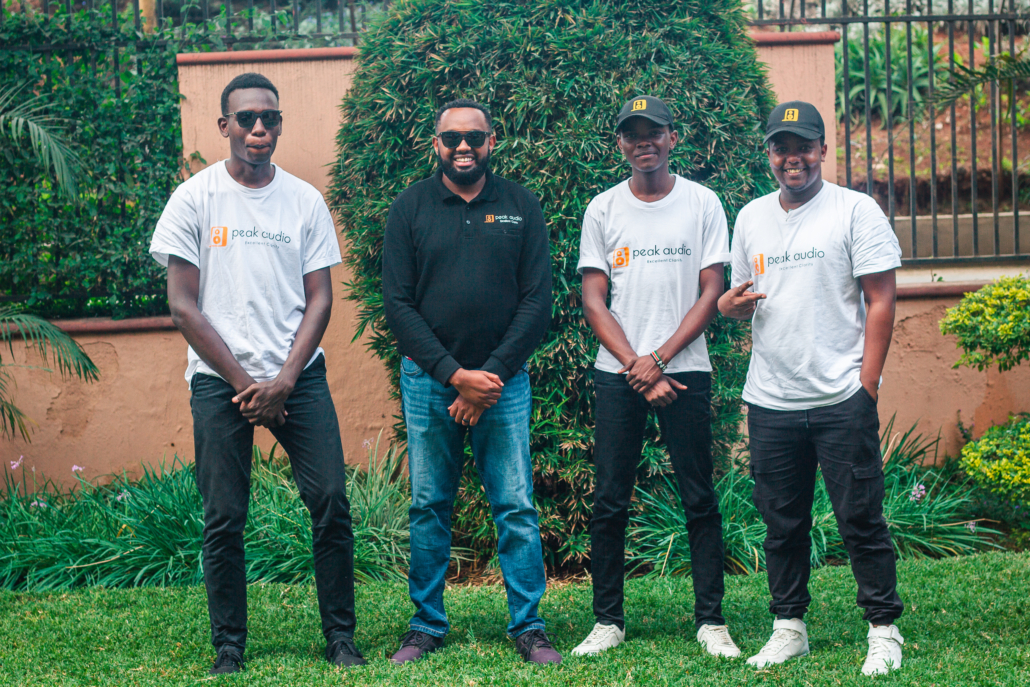
Best Conference Organizers for NGOs in Kenya
Selecting the best conference organizers for NGOs in Kenya requires careful evaluation of relevant experience, transparent budgeting, procurement compliance, venue coordination, delegate management, accessibility, audiovisual capabilities, interpretation services, and technical reliability. NGOs, INGOs, foundations, development agencies, and nonprofit organizations organize diverse events, including donor conferences, stakeholder forums, policy dialogues, development summits, humanitarian meetings, training workshops, annual meetings, and international conferences. Choosing experienced event organizers helps ensure these gatherings are professionally coordinated, financially accountable, inclusive, and aligned with organizational objectives.
Successful NGO conferences require more than effective logistics and venue arrangements. Clear sound, professional presentation displays, staging, multilingual interpretation, hybrid participation, livestreaming, video documentation, and reliable on-site technical support are essential for effective communication and meaningful stakeholder participation. Conference organizers must also balance cost efficiency, procurement accountability, accessibility, stakeholder engagement, technical quality, and measurable organizational outcomes. Careful planning and dependable audiovisual production help NGOs communicate important messages, engage diverse audiences, accommodate international participants, and deliver conferences that support their programmes and development objectives.
At Peak Audio, we provide professional conference sound systems, LED screens, staging, lighting, simultaneous interpretation, livestreaming, hybrid event solutions, video production, and experienced technical support for NGO conferences across Kenya and East Africa. As a trusted audiovisual and event production partner, Peak Audio supports NGOs, INGOs, foundations, development agencies, humanitarian organizations, and nonprofit institutions in delivering professional, accessible, engaging, and technically reliable conferences. By combining modern event technology with carefully coordinated production services, we help organizations create impactful conference experiences that strengthen stakeholder relationships, improve communication, and support measurable development outcomes.
Leave a Reply
Want to join the discussion?Feel free to contribute!