Outdoor Corporate Event Venues in Kenya
Outdoor Corporate Event Venues in Kenya – Create Memorable Business Events in the Right Setting

Outdoor Corporate Event Venues in Kenya
Outdoor corporate events are becoming increasingly popular in Kenya as organizations look for more flexible, engaging, and memorable environments for team building, conferences, product launches, company parties, networking events, executive retreats, and corporate celebrations. Outdoor venues can create a refreshing change from traditional hotel meeting rooms while giving attendees more space to interact, relax, and participate in activities. From Nairobi and its surrounding areas to destination locations across the country, businesses can choose settings that match both the purpose and atmosphere of their event.
Kenya offers a wide variety of outdoor corporate event venues, including luxury hotels with landscaped grounds, private gardens, conference resorts, country clubs, private estates, lodges, and countryside destinations. However, choosing the right venue requires more than attractive scenery. Organizers should carefully consider accessibility, parking, seating, weather protection, power availability, internet connectivity, staging, sound coverage, lighting, catering logistics, security, and backup arrangements. These factors are especially important for events that include presentations, entertainment, live performances, speeches, hybrid participation, or large numbers of guests.
A successful outdoor corporate event depends on combining the right venue with careful planning and professional technical production. This guide explores the main types of outdoor corporate event venues in Kenya, the key factors to consider before booking, essential audiovisual and power requirements, and practical ways to manage weather, staging, seating, and event logistics. With the right venue and reliable event technology, organizations can create outdoor events that are comfortable, professional, engaging, and memorable for every participant.
1. Types of Outdoor Corporate Event Venues in Kenya

Outdoor Corporate Event Venues in Kenya
Kenya offers a wide range of outdoor venues for organizations planning corporate dinners, networking events, product launches, conferences, exhibitions, team-building activities, employee celebrations, retreats, and incentive programs. The most suitable venue depends on the event size, guest profile, location, weather conditions, accessibility, catering requirements, entertainment, and technical production needs.
Outdoor corporate events also require additional planning for sound, power, staging, lighting, weather protection, LED screens, guest seating, branding, parking, security, internet connectivity, and backup plans. The following venue types are among the most common options available in Kenya.
1.1 Hotels and Resort Gardens
Hotels and resorts with landscaped gardens are among the most convenient options for outdoor corporate events because they combine an outdoor environment with access to indoor facilities.
They are particularly suitable for:
- Corporate dinners.
- Networking receptions.
- Product launches.
- Award ceremonies.
- Employee celebrations.
- Cocktail events.
- Outdoor conferences.
- Gala dinners.
- Team-building activities.
- Client appreciation events.
One of the biggest advantages of a hotel garden is access to supporting services such as:
- Accommodation.
- Catering.
- Restrooms.
- Parking.
- Security.
- Indoor conference rooms.
- Kitchens.
- Electricity.
- Guest reception areas.
- Backup indoor spaces.
Some Nairobi hotels actively market outdoor conference gardens. For example, Eka Gardens can host outdoor events and conferences for up to about 1,000 guests and is promoted for themed dinners, luncheons, cocktail parties, performances, product launches, and incentive events. (Eka Hotel)
Why Choose a Hotel or Resort Garden?
Hotel gardens are especially useful when an event requires both indoor and outdoor components.
A typical program might include:
- Morning conference sessions indoors.
- Outdoor lunch.
- Afternoon networking.
- Cocktail reception.
- Evening dinner or entertainment.
This allows organizers to move activities according to the program or weather conditions without relocating delegates to another property.
Technical Considerations
For outdoor hotel events, confirm:
- Availability of outdoor power.
- Generator backup.
- Sound restrictions.
- Stage location.
- LED-screen positioning.
- Lighting access.
- Weather protection.
- Tent or marquee options.
- Cable routes.
- Loading access.
Peak Audio can supplement hotel infrastructure with professional outdoor sound, microphones, LED screens, staging, lighting, live streaming, and technical support.
1.2 Conference and Events Centres
Conference and events centres are designed primarily for professional gatherings, making them particularly suitable for organizations that require structured meeting facilities together with outdoor spaces.
They may provide:
- Conference halls.
- Meeting rooms.
- Breakout rooms.
- Outdoor lawns.
- Exhibition areas.
- Registration spaces.
- Business centres.
- Parking.
- Catering facilities.
- Dedicated event coordinators.
These venues are suitable for:
- Conferences.
- Seminars.
- Exhibitions.
- Corporate meetings.
- Networking events.
- Product demonstrations.
- Training programs.
- Business forums.
- Company gatherings.
Some conference properties combine indoor facilities with landscaped grounds specifically intended for corporate activities. For example, Oak Place in Ridgeways promotes conference facilities, high-speed internet, catering, AV support, and grounds for team-building and corporate events. (Oakplace)
Advantages of Conference Centres
Their main strength is that they are usually built around business functionality.
Organizers may find it easier to coordinate:
- Registration.
- Breakout sessions.
- Presentations.
- Exhibitions.
- Networking.
- Outdoor activations.
- Catering.
- Delegate movement.
A conference centre with both indoor halls and outdoor lawns can also provide a practical weather contingency plan.
Production Requirements
Outdoor areas may still require separate technical production, including:
- Outdoor PA systems.
- Wireless microphones.
- Staging.
- LED screens.
- Lighting.
- Generators.
- Cabling.
- Internet extension.
- Recording or streaming equipment.
1.3 Private Gardens and Event Estates
Private gardens and event estates provide greater flexibility for organizations that want to create a customized corporate environment rather than work within the restrictions of a conventional hotel ballroom.
These venues are particularly suitable for:
- Team-building activities.
- Employee celebrations.
- Corporate family days.
- Product launches.
- Staff parties.
- Networking events.
- Brand activations.
- Award events.
- Company anniversaries.
- Outdoor dinners.
Private event grounds can allow organizers greater freedom over:
- Stage positioning.
- Seating layouts.
- Tent installation.
- Branding.
- Décor.
- Entertainment.
- Food stations.
- Exhibition booths.
- Team-building zones.
- Vehicle displays.
Some purpose-built outdoor estates offer substantial capacity. Empaash Gardens, for example, promotes several exclusive outdoor grounds near Nairobi National Park, including a lawn for up to about 800 guests and a covered deck for approximately 150–400 guests. (Empaa Sh Gardens)
Why Choose a Private Garden?
The major advantage is customization.
Instead of adapting an event to a hotel’s existing setup, organizers can often design the space around the event concept.
This is particularly useful for:
- Experiential marketing.
- Car launches.
- Technology demonstrations.
- Corporate festivals.
- Staff appreciation events.
- Large team-building programs.
Important Planning Considerations
Private gardens may provide fewer built-in services than hotels.
Always confirm:
- Power supply.
- Generator requirements.
- Toilets.
- Catering facilities.
- Parking.
- Security.
- Lighting.
- Water.
- Internet.
- Weather protection.
- Noise restrictions.
- Emergency access.
For technically complex events, a site survey should be completed before finalizing the production design.
1.4 Safari Lodges and Outdoor Retreats
Safari lodges and retreat properties offer a destination-style environment for organizations that want to combine business meetings with nature, leisure, team engagement, wellness, and unique Kenyan experiences.
They are particularly suitable for:
- Executive retreats.
- Management off-sites.
- Board retreats.
- Leadership programs.
- Team-building events.
- Incentive travel.
- Strategy meetings.
- Residential conferences.
- Senior-management workshops.
Typical facilities may include:
- Indoor meeting rooms.
- Outdoor lawns.
- Terraces.
- Safari-view decks.
- Accommodation.
- Restaurants.
- Swimming pools.
- Spa facilities.
- Team-building areas.
- Nature trails.
Business Combined with Experience
A safari-based corporate program can combine:
- Morning strategy sessions.
- Outdoor lunches.
- Team-building.
- Game drives.
- Sundowner networking.
- Evening dinners.
- Executive discussions.
This format can be particularly effective where the organization wants delegates to spend several days together away from normal workplace distractions.
Technical Challenges
Safari and remote venues require more planning for:
- Equipment transport.
- Power.
- Backup generators.
- Internet.
- Mobile network coverage.
- Lighting.
- Weather.
- Setup schedules.
- Technician accommodation.
- Equipment security.
Peak Audio can support destination events by planning sound, staging, LED displays, lighting, cameras, streaming, and power requirements around the venue.
1.5 Beach and Coastal Venues

Outdoor Corporate Event Venues in Kenya
Kenya’s coastline provides some of the country’s most distinctive environments for outdoor corporate events.
Beach and coastal venues are particularly suitable for:
- Corporate retreats.
- Incentive events.
- Product launches.
- Networking receptions.
- Employee celebrations.
- Team-building activities.
- Gala dinners.
- Executive gatherings.
- Destination conferences.
- Client appreciation events.
Popular coastal locations include:
- Diani.
- Mombasa.
- Watamu.
- Kilifi.
- Malindi.
Why Choose a Coastal Venue?
The coast allows companies to combine formal corporate programming with:
- Beach dinners.
- Outdoor receptions.
- Team activities.
- Water-based recreation.
- Resort accommodation.
- Entertainment.
- Wellness.
- Informal networking.
- Incentive experiences.
The relaxed environment can be particularly effective for leadership retreats, reward programs, annual company events, and destination conferences.
Outdoor Production Challenges at the Coast
Coastal environments require careful technical planning because of:
- Wind.
- Humidity.
- Salt air.
- Sand.
- Strong sunlight.
- Rain.
- Tides.
- Limited rigging locations.
Outdoor sound systems may need to be positioned carefully to maintain clear coverage without excessive volume.
LED screens may require sufficient brightness for daytime viewing, while stages and structures must be secured appropriately against wind.
Lighting becomes particularly important for:
- Evening dinners.
- Beach receptions.
- Awards ceremonies.
- Entertainment.
- Branded activations.
Comparing Outdoor Corporate Venue Types
| Venue Type | Best For | Main Advantage |
|---|---|---|
| Hotels and Resort Gardens | Dinners, launches, conferences, networking | Accommodation and full hospitality support |
| Conference and Events Centres | Conferences, seminars, exhibitions | Purpose-built business facilities |
| Private Gardens and Estates | Team building, launches, staff events | Greater production and layout flexibility |
| Safari Lodges and Retreats | Executive retreats, leadership events | Destination experience and privacy |
| Beach and Coastal Venues | Retreats, incentives, celebrations | Memorable coastal environment |
Outdoor AV Requirements Across All Venue Types
Regardless of the type of venue selected, organizers should assess the technical requirements before confirming the event layout.
Important considerations include:
- Professional outdoor sound.
- Wireless microphones.
- Stage platforms.
- LED screens.
- Projectors where suitable.
- Conference lighting.
- Ambient lighting.
- Power distribution.
- Generators.
- Backup power.
- Weather-resistant equipment positioning.
- Livestreaming.
- Cameras.
- Internet connectivity.
- Cable protection.
- Technical control areas.
Outdoor events can be more technically demanding than indoor conferences because the production team cannot rely on the venue’s walls, ceiling, acoustics, lighting, or permanent power infrastructure.
Kenya offers outdoor corporate venues ranging from hotel gardens and conference centres to private estates, safari retreats, and coastal resorts. Each venue type provides different advantages depending on the event format, delegate numbers, level of customization, hospitality requirements, and desired guest experience.
For professionally produced outdoor events, Peak Audio can complement the venue with sound systems, microphones, LED screens, staging, lighting, live streaming, video production, power planning, and on-site technical support, helping create a corporate event that remains reliable even outside a conventional conference hall.
2. Popular Locations for Outdoor Corporate Events in Kenya

Outdoor Corporate Event Venues in Kenya
Kenya offers a wide choice of destinations for outdoor corporate events, ranging from urban hotel gardens and private estates to lakeside resorts, highland retreats, beach properties, safari destinations, and countryside venues. The right location depends on the type of event, delegate numbers, transport requirements, accommodation, weather, scenery, and technical production needs.
Organizations planning conferences, team-building activities, networking events, launches, staff celebrations, retreats, or executive gatherings should compare destinations based on accessibility, venue variety, accommodation, outdoor space, catering, power, internet connectivity, parking, security, and backup options.
2.1 Nairobi
Nairobi is one of the most convenient locations for outdoor corporate events because it combines a large concentration of hotels, gardens, conference centres, private estates, restaurants, rooftops, clubs, and purpose-built event spaces.
It is especially suitable for:
- Corporate dinners.
- Product launches.
- Networking receptions.
- Staff parties.
- Award ceremonies.
- Outdoor conferences.
- Client events.
- Brand activations.
- Team-building programs.
- Corporate family days.
Why Choose Nairobi?
The biggest advantage is convenience.
Companies can access:
- Large numbers of venues.
- Multiple catering suppliers.
- Professional event production companies.
- Accommodation.
- Airport access.
- Corporate offices.
- Hotels.
- Transport providers.
- Security services.
- Entertainment.
- Technical equipment.
Nairobi also offers both premium and affordable outdoor venue options. For example, Eka Gardens along Mombasa Road promotes outdoor conferences, product launches, cocktail events, luncheons, and incentive functions for up to about 1,000 guests. (Eka Hotel)
Other properties combine business facilities with landscaped outdoor settings. Oak Place in Ridgeways, for instance, offers conference facilities, catering, AV support, high-speed internet, and grounds that can be used for team-building activities. (Oakplace)
Best Areas in Nairobi
Popular areas for outdoor corporate venues include:
- Karen.
- Lang’ata.
- Ridgeways.
- Runda.
- Gigiri.
- Westlands.
- Mombasa Road.
- Kiambu Road.
- Thika Road.
- Nairobi National Park surroundings.
Technical Advantages
Because Nairobi has a strong event-services ecosystem, it is easier to source:
- Professional sound.
- LED screens.
- Staging.
- Lighting.
- Generators.
- Livestreaming.
- Cameras.
- Branding.
- Décor.
- Additional tents.
- Technical staff.
This makes Nairobi particularly suitable for technically demanding outdoor corporate events.
2.2 Limuru and Kiambu
Limuru and Kiambu are popular for organizations seeking green surroundings, cooler temperatures, larger outdoor spaces, and a quieter atmosphere while remaining relatively accessible from Nairobi.
These areas are particularly suitable for:
- Team-building events.
- Executive retreats.
- Leadership workshops.
- Staff away-days.
- Strategy sessions.
- Corporate picnics.
- Employee celebrations.
- Wellness events.
- Outdoor training.
Why Limuru and Kiambu Work Well
The highland environment often provides:
- Landscaped gardens.
- Forested areas.
- Open lawns.
- Countryside views.
- Cooler weather.
- Greater privacy.
- Less urban noise.
This can create a more relaxed atmosphere for corporate groups that want to move away from the city without travelling too far.
A good example is Brackenhurst Conference & Retreat Centre in Limuru, which provides both indoor conference facilities and outdoor meeting areas. Its forest amphitheatre accommodates around 200 delegates, while smaller forest and garden spaces are available for more intimate sessions. (Brackenhurst)
Suitable Event Formats
Limuru and Kiambu can work especially well for programs combining:
- Morning workshops.
- Outdoor team activities.
- Lunch.
- Leadership exercises.
- Networking.
- Evening functions.
Weather Considerations
The cooler climate is attractive, but organizers should prepare for:
- Rain.
- Mist.
- Lower evening temperatures.
- Wet ground.
- Wind.
Marquees, tenting, flooring, heating where necessary, and protected audiovisual equipment should therefore be considered during planning.
2.3 Naivasha

Outdoor Corporate Event Venues in Kenya
Naivasha is one of Kenya’s most established destinations for corporate retreats, team-building programs, residential conferences, leadership meetings, and multi-day company events.
The area offers:
- Resorts.
- Conference hotels.
- Lodges.
- Gardens.
- Camps.
- Lakeside properties.
- Large outdoor grounds.
- Team-building venues.
Naivasha is particularly suitable for:
- Executive retreats.
- Strategy sessions.
- Leadership development.
- Management conferences.
- Team building.
- Annual company retreats.
- Incentive programs.
- Staff motivation events.
- Outdoor dinners.
- Residential workshops.
Recent Kenya venue guides continue to highlight Naivasha as a leading corporate retreat destination because of its mix of meeting rooms, accommodation, outdoor grounds, and leisure opportunities. (Team Building Kenya)
Why Choose Naivasha?
One of its biggest advantages is the ability to combine business and leisure.
A typical program can include:
- Indoor conference sessions.
- Outdoor team-building.
- Lakeside lunch.
- Boat excursions.
- Evening networking.
- Bonfires.
- Gala dinners.
- Overnight accommodation.
Some properties can support very large outdoor gatherings. For example, Enkapune Resort promotes expansive grounds for corporate retreats, seminars, dinners, team-building, and other events, with tented setups capable of handling very large groups. (Enkapune Resort Naivasha)
Technical Planning
For large Naivasha outdoor events, consider:
- Generator capacity.
- Sound coverage.
- LED-screen brightness.
- Evening lighting.
- Internet.
- Equipment transport.
- Backup equipment.
- Crew accommodation.
- Weather protection.
2.4 Mombasa and the Kenyan Coast
Mombasa and the wider Kenyan coast provide a distinctive environment for organizations planning beachside conferences, retreats, incentive programs, celebrations, launches, and team-building events.
Coastal destinations can combine:
- Business meetings.
- Resort accommodation.
- Beach activities.
- Outdoor dining.
- Networking.
- Entertainment.
- Team building.
- Leisure.
This makes the coast especially attractive for multi-day corporate programs where the company wants delegates to experience more than a conventional conference.
Popular Coastal Destinations
These include:
- Mombasa.
- Diani.
- Kilifi.
- Watamu.
- Malindi.
Diani, in particular, has properties combining conference facilities with beaches, networking spaces, leisure facilities, and team-building opportunities. The 2026 AAK Convention venue information, for example, describes a Diani beachfront resort setup offering a 600+ delegate conference hall alongside networking terraces, pools, golf, spa, and water-sports facilities. (AAK Annual Convention 2026)
Suitable Events
The coast works particularly well for:
- Executive retreats.
- Incentive travel.
- Annual company retreats.
- Client appreciation events.
- Leadership programs.
- Corporate celebrations.
- Gala dinners.
- Destination conferences.
- Product launches.
- Team-building activities.
Technical Considerations at the Coast
The environment can create additional challenges such as:
- Strong wind.
- Salt air.
- Humidity.
- Sand.
- Intense sunlight.
- Rain.
- Tidal conditions.
Organizers should therefore carefully plan:
- Stage anchoring.
- Tent stability.
- Outdoor sound coverage.
- LED brightness.
- Lighting.
- Weather protection.
- Equipment security.
- Cable protection.
- Power.
- Backup systems.
2.5 Other Destination Locations
Beyond Nairobi, Limuru, Naivasha, and the coast, several other Kenyan destinations can provide memorable settings for corporate events.
Nanyuki
Nanyuki is particularly suitable for:
- Executive retreats.
- Board retreats.
- Leadership programs.
- Incentive travel.
- Strategy sessions.
- Premium corporate gatherings.
Its appeal includes:
- Mount Kenya scenery.
- Luxury lodges.
- Resorts.
- Golf.
- Wildlife experiences.
- Privacy.
- Cooler climate.
Nanyuki works especially well for smaller senior-management groups seeking a premium destination-style experience.
Nakuru
Nakuru can be suitable for:
- Conferences.
- Team-building.
- Regional corporate events.
- Staff retreats.
- Leadership workshops.
- Outdoor employee gatherings.
Its location makes it useful for organizations with delegates travelling from different parts of the Rift Valley and western Kenya.
Diani
Diani is one of Kenya’s strongest destinations for:
- Incentive events.
- Executive retreats.
- Destination conferences.
- Product launches.
- Beach dinners.
- Corporate celebrations.
- Team-building.
The combination of premium resorts, white-sand beaches, leisure activities, and air access through Ukunda makes it attractive for residential events.
Amboseli
Amboseli can provide a more exclusive safari environment for:
- Leadership retreats.
- Executive incentives.
- Board meetings.
- Senior-management off-sites.
- High-value client events.
Its strongest attraction is the ability to combine corporate programming with safari experiences and views of Mount Kilimanjaro.
Machakos
Machakos is useful for companies seeking:
- Large outdoor spaces.
- Day retreats.
- Team-building activities.
- Corporate picnics.
- Staff events.
- Outdoor training.
Its proximity to Nairobi can make it a practical option for organizations that want a countryside setting without travelling to more distant destinations.
Comparing Popular Outdoor Corporate Event Locations
| Location | Best For | Main Advantage |
|---|---|---|
| Nairobi | Launches, corporate parties, conferences, networking | Accessibility and wide venue choice |
| Limuru & Kiambu | Retreats, team-building, leadership events | Green environment and cooler climate |
| Naivasha | Residential conferences, retreats, team-building | Strong balance of business and leisure |
| Mombasa & Coast | Destination conferences, retreats, celebrations | Beach and resort experience |
| Nanyuki | Executive retreats and incentives | Premium mountain and safari environment |
| Nakuru | Regional meetings and team events | Central Rift Valley accessibility |
| Diani | Incentives, retreats, destination events | Premium beach setting |
| Amboseli | Executive and leadership retreats | Safari and Mount Kilimanjaro views |
| Machakos | Team-building and staff events | Large outdoor spaces near Nairobi |
How to Choose Between These Locations
The best destination should be determined by the event’s priorities.
Organizations should compare:
- Distance from the office.
- Airport accessibility.
- Road conditions.
- Delegate travel time.
- Accommodation availability.
- Outdoor space.
- Indoor backup facilities.
- Catering.
- Weather.
- Parking.
- Security.
- Internet connectivity.
- Power.
- Team-building opportunities.
- Leisure activities.
- Audiovisual production access.
- Overall budget.
A location that offers outstanding scenery may still be unsuitable if it creates excessive transport costs, weak connectivity, difficult equipment access, or insufficient accommodation.
Popular outdoor corporate-event destinations in Kenya include Nairobi, Limuru, Kiambu, Naivasha, Mombasa, Diani, Nanyuki, Nakuru, Amboseli, and Machakos. Each offers a different combination of accessibility, scenery, accommodation, privacy, leisure opportunities, and event infrastructure.
Where professional production is required, Peak Audio can support outdoor corporate events across these destinations with sound systems, microphones, LED screens, staging, lighting, livestreaming, video production, power planning, and on-site technical support.
3. What to Consider When Choosing an Outdoor Corporate Event Venue

Outdoor Corporate Event Venues in Kenya
Choosing an outdoor corporate event venue requires more than finding an attractive garden or scenic location. The venue must support the number of guests, event program, transport requirements, catering, audiovisual production, security, weather contingency, power requirements, and overall guest experience.
Outdoor events also introduce logistical considerations that are less significant in conventional conference halls. Organizers should therefore conduct a venue inspection and technical site survey before confirming major events, particularly where professional sound, LED screens, staging, lighting, entertainment, livestreaming, or video production will be required.
3.1 Location and Accessibility
Location affects attendance, transportation costs, setup logistics, and the overall convenience of the event.
The venue should be reasonably accessible to:
- Employees.
- Clients.
- Executives.
- Speakers.
- Suppliers.
- Entertainment teams.
- Event-production crews.
- Guests travelling from other counties or countries.
Consider Distance and Travel Time
For a company event, determine how long delegates will need to travel from:
- Company offices.
- Nairobi CBD or another business district.
- Hotels.
- Airports.
- Railway stations.
- Major highways.
- Residential areas.
A beautiful venue may become inconvenient if guests must spend several hours travelling for a relatively short event.
For destination events in Naivasha, Nanyuki, Mombasa, Diani, Amboseli, or other regions, transport should become part of the overall event plan.
Organizers may need:
- Corporate buses.
- Shuttle vehicles.
- Executive transfers.
- Airport transfers.
- Driver coordination.
- Directional signage.
- Vehicle-access schedules.
Check Road and Equipment Access
Accessibility also matters for suppliers.
Large production equipment such as:
- LED screens.
- Stage structures.
- Speakers.
- Lighting equipment.
- Generators.
- Tents.
- Furniture.
- Catering equipment.
may arrive in trucks or vans.
The venue should therefore have suitable vehicle access, loading areas, gates, pathways, and setup routes.
3.2 Venue Capacity

Outdoor Corporate Event Venues in Kenya
Confirm that the outdoor venue can comfortably accommodate the expected number of guests after the complete event infrastructure has been installed.
The maximum advertised capacity should not automatically be treated as the practical event capacity.
Space may be required for:
- Guest seating.
- Dining tables.
- Stage.
- LED screens.
- Speakers.
- Lighting towers.
- Dance floor.
- Entertainment.
- Registration.
- Catering stations.
- Bars.
- Exhibition stands.
- Sponsor activations.
- Networking.
- Photography.
- Cameras.
- Production control.
- Generators.
- Toilets.
- Emergency access.
Match Capacity to the Event Format
The same garden can accommodate very different numbers depending on the layout.
| Event Format | Main Space Requirements |
|---|---|
| Outdoor Conference | Stage, theatre seating, screens, control area |
| Gala Dinner | Banquet tables, stage, catering and entertainment |
| Networking Event | Cocktail tables, bars and circulation space |
| Product Launch | Stage, product display, media and branding |
| Team Building | Large open activity zones |
| Corporate Party | Stage, dining, dance floor and entertainment |
| Exhibition | Stands, demonstration areas and visitor circulation |
Avoid Overcrowding
A premium corporate event should provide enough room for guests to move comfortably between:
- Registration.
- Seating.
- Catering.
- Networking.
- Restrooms.
- Entertainment.
- Activity areas.
Always evaluate the usable event area, not simply the total size of the property.
3.3 Weather and Backup Plans
Weather is one of the biggest variables when organizing outdoor corporate events in Kenya.
Organizers should prepare for:
- Rain.
- Strong winds.
- Excessive sunshine.
- Heat.
- Cold evenings.
- Muddy ground.
- Sudden temperature changes.
Provide Covered Areas
Depending on the season and location, organizers may require:
- Marquees.
- Stretch tents.
- Gazebos.
- Covered stages.
- Covered catering stations.
- Covered technical-control areas.
- Umbrellas.
- Temporary flooring.
Coverage should protect both delegates and equipment.
Create a Weather Contingency Plan
The event team should decide in advance what happens if weather conditions become unsuitable.
A contingency plan might include:
- Moving the event indoors.
- Moving dining indoors.
- Installing additional tenting.
- Delaying outdoor activities.
- Relocating entertainment.
- Protecting technical equipment.
- Adjusting the program.
Protect Audiovisual Equipment
Professional equipment such as:
- Mixing consoles.
- LED processors.
- Amplifiers.
- Cameras.
- Computers.
- Lighting controllers.
- Power distribution equipment.
must be properly protected against rain and moisture.
Wind should also be considered when installing LED screens, stages, tents, banners, lighting structures, and other temporary structures.
3.4 Power Supply
Reliable electricity is essential for technically produced outdoor corporate events.
Power may be required for:
- Sound systems.
- LED screens.
- Lighting.
- Catering.
- Entertainment.
- Livestreaming.
- Cameras.
- Computers.
- Registration systems.
- Wi-Fi equipment.
- Refrigeration.
- Decorative installations.
Check the Venue’s Electrical Capacity
Do not simply confirm that electricity is available.
Determine:
- Available electrical capacity.
- Location of power outlets.
- Distance between power and event area.
- Distribution-board capacity.
- Earthing.
- Dedicated circuits.
- Generator availability.
- Backup arrangements.
Large LED walls, professional lighting, catering equipment, and entertainment systems can create substantial power requirements.
Use Backup Power Where Necessary
Critical systems should have an appropriate contingency.
Depending on the event, this may include:
- Standby generators.
- UPS systems.
- Battery backup.
- Separate technical power circuits.
- Backup internet power.
For important conferences, launches, livestreams, and executive events, a power failure can interrupt presentations, sound, screens, lighting, recording, and online broadcasting simultaneously.
Separate Technical and Catering Loads
Where practical, high-demand catering equipment should not share the same electrical circuits as sensitive audiovisual equipment.
A professional technical survey can determine the event’s estimated load and establish appropriate power distribution before installation begins.
3.5 Catering and Refreshments
Food and beverage arrangements play a significant role in the guest experience, particularly for events lasting several hours or an entire day.
First determine whether the venue:
- Provides in-house catering.
- Allows external caterers.
- Charges external-catering fees.
- Has kitchen facilities.
- Provides service staff.
- Provides tables and chairs.
- Allows external beverage suppliers.
Choose Catering Around the Event Format
Different events may require:
- Welcome refreshments.
- Tea and coffee.
- Breakfast.
- Buffet lunch.
- Plated meals.
- Barbecue.
- Food stations.
- Cocktail service.
- Canapés.
- Gala dinner.
- Dessert stations.
- Evening refreshments.
Consider Dietary Requirements
Organizers should collect dietary information early enough to accommodate requirements such as:
- Vegetarian.
- Vegan.
- Halal.
- Gluten-free.
- Food allergies.
- Other medically or culturally required dietary arrangements.
Outdoor Catering Logistics
Outdoor catering requires additional consideration for:
- Food storage.
- Refrigeration.
- Water.
- Waste disposal.
- Hand-washing facilities.
- Serving areas.
- Weather protection.
- Lighting after dark.
- Electricity.
- Service access.
Catering areas should also be positioned so that service staff can operate without disrupting presentations, networking, or entertainment.
3.6 Parking and Security
Parking and security can significantly affect the experience guests have before they even enter the event.
Parking Requirements
Estimate how many guests will:
- Drive individually.
- Use company transport.
- Arrive by taxi or ride-hailing services.
- Require chauffeur access.
- Arrive in supplier vehicles.
- Require VIP parking.
Confirm whether the venue has:
- Sufficient parking spaces.
- Overflow parking.
- Secure parking.
- Bus parking.
- VIP parking.
- Accessible parking.
- Drop-off and pickup zones.
- Supplier loading areas.
For large corporate events, parking attendants may be required to control vehicle movement.
Professional Security
Security requirements should reflect the type of event and guest profile.
Measures can include:
- Security guards.
- Controlled entrances.
- Guest lists.
- Accreditation.
- Wristbands or badges.
- Vehicle checks.
- Bag screening where appropriate.
- CCTV.
- Equipment security.
- VIP protection arrangements.
- Restricted production areas.
- Emergency response planning.
Protect Production Equipment
Outdoor events can involve valuable equipment including:
- LED panels.
- Cameras.
- Computers.
- Mixing consoles.
- Microphones.
- Lighting fixtures.
- Generators.
Technical areas should therefore be controlled, particularly where equipment remains at the venue overnight.
Additional Factors to Check Before Booking
Beyond the six main considerations, organizers should also investigate:
- Noise restrictions: Check music cut-off times and local sound limitations.
- Internet connectivity: Essential for livestreaming, hybrid participation, registration, and digital payment systems.
- Restrooms: Ensure facilities are sufficient for the expected attendance.
- Accessibility: Consider guests with mobility requirements.
- Lighting: Pathways, parking, entrances, dining and activity areas require illumination after dark.
- Waste management: Establish collection and disposal arrangements.
- Emergency access: Ambulances, fire services, and emergency vehicles should have clear access.
- Accommodation: Important for destination or multi-day events.
- Setup time: Confirm when suppliers can begin installation.
- Breakdown time: Determine when equipment must leave the venue.
- Sound curfew: Particularly important for evening parties and entertainment.
- Branding permissions: Check restrictions on banners, structures, vehicle displays, and signage.
Conduct an Outdoor Event Site Survey
For technically complex events, the event organizer and audiovisual production team should inspect the venue together before finalizing the setup.
The survey should establish:
- Stage location.
- Audience orientation.
- Speaker positions.
- LED-screen position.
- Lighting locations.
- Generator position.
- Power-distribution routes.
- Production-control position.
- Camera positions.
- Cable routes.
- Catering zones.
- Registration area.
- Entertainment area.
- Loading access.
- Parking.
- Emergency routes.
- Weather-protection requirements.
This helps prevent expensive changes once equipment has already arrived at the venue.
The best outdoor corporate event venue should provide more than attractive scenery. Organizers need to evaluate location, accessibility, practical capacity, weather protection, power, catering, parking, security, internet connectivity, supplier access, and emergency arrangements.
Particular attention should be given to weather and power. Outdoor events require contingency planning for rain, wind, strong sunlight, electrical interruptions, and changing ground conditions, especially when stages, LED screens, lighting, cameras, tents, and sound systems are involved.
Where professional production is required, Peak Audio can work with organizers and venues to assess sound, staging, LED screens, lighting, power, livestreaming, video production, equipment positioning, and technical logistics, helping ensure the outdoor corporate event is planned around the actual conditions of the venue.
4. Audiovisual Requirements for Outdoor Corporate Events

Outdoor Corporate Event Venues in Kenya
Outdoor corporate events require a different audiovisual approach from indoor conferences because there are no walls or ceilings to naturally contain sound, block sunlight, support lighting equipment, or protect technology from weather. The technical setup must therefore be designed around the venue’s size, terrain, audience layout, weather conditions, power availability, event schedule, and surrounding environment.
Whether the event is a corporate dinner, conference, product launch, networking reception, team-building program, awards ceremony, company party, or executive retreat, organizers should involve the audiovisual team early. This makes it possible to plan sound, microphones, staging, screens, lighting, power, cabling, cameras, branding, and weather protection as one coordinated production.
4.1 Professional Sound Systems
Professional sound is one of the most important technical requirements for an outdoor corporate event. Unlike an enclosed conference hall, an open garden or field does not contain or reflect sound in the same way, so equipment needs to be carefully selected and positioned.
The sound system should ensure that speeches, presentations, announcements, videos, entertainment, and audience participation can be heard clearly across the event area.
Sound Equipment May Include
Depending on the event, the system can incorporate:
- Professional PA speakers.
- Line-array systems.
- Full-range speakers.
- Front-fill speakers.
- Delay speakers.
- Subwoofers.
- Stage monitors.
- Digital mixing consoles.
- Audio processors.
- Wireless microphone systems.
- Media playback equipment.
- Professional cabling.
- Power distribution.
- Backup equipment.
Match the Sound System to the Venue
The technical team should consider:
- Number of guests.
- Size of the outdoor area.
- Audience layout.
- Stage location.
- Distance between the stage and audience.
- Nearby buildings.
- Trees and physical obstacles.
- Wind direction.
- Entertainment requirements.
- Nearby residential areas.
- Venue sound restrictions.
A system suitable for an intimate 50-person executive dinner will be very different from one required for a 500-person company celebration or 1,000-person outdoor conference.
Use Distributed Sound for Large Areas
Simply making the speakers near the stage louder is not always the best solution for a large outdoor event.
Additional speaker positions or delay systems can help distribute sound across the venue, providing more consistent coverage while preventing the front rows from experiencing excessive volume.
The goal should be clear and even sound throughout the audience area.
4.2 Microphones

Outdoor Corporate Event Venues in Kenya
Different speakers and sessions may require different microphone types.
A professional outdoor corporate event may use:
- Wireless handheld microphones.
- Lapel microphones.
- Headset microphones.
- Podium microphones.
- Wired microphones.
- Audience Q&A microphones.
- Panel microphones.
Wireless Handheld Microphones
Wireless handheld microphones are particularly useful for:
- MCs.
- Facilitators.
- Presenters.
- Award ceremonies.
- Audience participation.
- Question-and-answer sessions.
- Team-building activities.
They allow speakers to move freely around the stage or event area.
Lapel and Headset Microphones
Lapel microphones can work well for:
- Keynote presentations.
- Executive speeches.
- Moderators.
- Interviews.
- Panel discussions.
Headset microphones can be useful when presenters need even greater freedom of movement.
For panel discussions, microphone choice should be determined by the number of panelists, seating arrangement, wind conditions, recording requirements, and whether the discussion is being livestreamed.
Plan for Backup Microphones
Important corporate events should have backup microphones available.
The technical team should also coordinate wireless frequencies carefully when multiple wireless microphones, in-ear systems, communication devices, or other RF equipment are operating at the same event.
4.3 Staging and Podiums
A professionally constructed stage gives speakers, presenters, performers, and VIP guests a clear focal position while improving visibility for the audience.
Outdoor stages may be required for:
- Conferences.
- CEO addresses.
- Product launches.
- Awards ceremonies.
- Panel discussions.
- Company celebrations.
- Entertainment.
- Gala dinners.
- Staff events.
Stage Components
Depending on the event design, staging can include:
- Raised platforms.
- Stage carpeting.
- Steps.
- Accessible ramps.
- Podiums.
- Lecterns.
- Branded backdrops.
- LED-screen structures.
- Scenic panels.
- Speaker furniture.
- Panel seating.
- Confidence monitors.
- Stage timers.
Branded Podiums and Stage Areas
Corporate branding can be incorporated through:
- Company logos.
- Branded lecterns.
- Printed backdrops.
- LED graphics.
- Sponsor logos.
- Event themes.
- Scenic panels.
- Digital backgrounds.
The stage should visually reflect the organization’s brand while remaining clean enough for photography, video production, and media coverage.
Outdoor Stage Safety
Outdoor staging requires additional attention to:
- Ground stability.
- Stage levelling.
- Wind.
- Rain.
- Structural stability.
- Equipment loading.
- Cable management.
- Emergency access.
- Weather protection.
Where roofing, trussing, LED structures, or other substantial temporary structures are required, appropriate professional installation and safety procedures are essential.
4.4 Screens and Visual Displays
Visual displays are important for outdoor conferences, product launches, awards ceremonies, and branded corporate events.
They can be used to display:
- Presentations.
- Corporate videos.
- Speaker information.
- Event schedules.
- Company logos.
- Sponsor branding.
- Product demonstrations.
- Live camera feeds.
- Award graphics.
- Entertainment content.
- Remote participants.
LED Screens for Outdoor Events
LED screens are often preferable for larger outdoor events because they can provide the brightness and scale required for viewing in daylight.
Screen selection should consider:
- Direct sunlight.
- Screen orientation.
- Audience distance.
- Number of guests.
- Stage width.
- Viewing angles.
- Content type.
- Event start and finish times.
A screen that performs well inside a ballroom may not necessarily provide the same visibility in bright outdoor conditions.
Projection Systems
Projection can still be appropriate in some outdoor situations, particularly:
- After sunset.
- Inside marquees.
- In heavily shaded spaces.
- For smaller audiences.
However, ambient daylight can significantly reduce projected-image visibility.
Consider Multiple Screens
Large or unusually shaped venues may require:
- Main stage screen.
- Side screens.
- Relay screens.
- Confidence monitors.
- Digital branding displays.
This helps ensure that delegates seated further from the stage can still follow presentations comfortably.
Outdoor Screens Need Proper Structural and Weather Planning

Outdoor Corporate Event Venues in Kenya
Outdoor LED installations require careful planning because large screens can create significant structural loads and may be exposed to wind and weather.
The technical team should assess:
- Ground conditions.
- Screen dimensions.
- Supporting structures.
- Wind exposure.
- Power requirements.
- Weather protection.
- Cable routes.
- Audience safety.
- Equipment access.
Screen positioning should therefore be established during the site survey rather than decided on the day of installation.
4.5 Event Lighting
Lighting becomes particularly important when an outdoor corporate event continues into the evening.
Unlike hotel ballrooms, gardens and outdoor estates may have very limited permanent lighting.
Professional event lighting may therefore be required for:
- Stage.
- Speakers.
- Performers.
- Dining areas.
- Networking spaces.
- Bars.
- Registration.
- Pathways.
- Trees and landscaping.
- Venue architecture.
- Parking areas.
- Entrances.
Stage Lighting
Speakers and performers should be properly illuminated for both the audience and cameras.
Stage lighting can include:
- Front lighting.
- Stage washes.
- Speaker key lighting.
- Panel lighting.
- Backlighting.
- Moving lights.
- LED fixtures.
Good lighting becomes even more important when the event is being photographed, recorded, or livestreamed.
Ambient Lighting
Ambient lighting helps transform an ordinary outdoor venue into a more sophisticated corporate environment.
It can include:
- Uplighting.
- Tree lighting.
- Decorative lighting.
- Festoon lighting.
- Architectural lighting.
- Table lighting.
- Landscape illumination.
- Branded color washes.
- Gobo projection.
Ambient lighting is particularly effective for:
- Corporate dinners.
- Cocktail receptions.
- Gala events.
- Awards ceremonies.
- Networking evenings.
- Product launches.
- Company celebrations.
Lighting for Guest Safety
Not all event lighting is decorative.
Functional lighting should also cover:
- Walkways.
- Steps.
- Toilets.
- Parking.
- Entrances.
- Emergency exits.
- Catering areas.
- Technical areas.
Guests should be able to move around the venue safely after dark without interfering with the atmosphere created by the decorative lighting.
Outdoor Event AV Planning Checklist
| Requirement | What to Check |
|---|---|
| Sound | Audience size, coverage, noise limits and speaker positions |
| Microphones | Speakers, presenters, panels and audience Q&A |
| Stage | Dimensions, ground stability, branding and weather protection |
| LED Screens | Brightness, viewing distance, sunlight and structural support |
| Lighting | Stage, ambient areas, pathways and parking |
| Power | Available capacity, distribution and backup generator |
| Internet | Livestreaming requirements and backup connectivity |
| Cameras | Sightlines, platforms and production-control location |
| Cabling | Safe cable routes and pedestrian protection |
| Weather | Rain, wind, sunlight and equipment protection |
| Technical Control | Secure and weather-protected operating area |
| Backup Equipment | Critical microphones, playback, power and other essential systems |
How Peak Audio Can Support Outdoor Corporate Events

Outdoor Corporate Event Venues in Kenya
This is where Peak Audio can help companies create a professional and reliable outdoor event environment through coordinated sound, lighting, staging, screens, and audiovisual production.
Depending on the event, Peak Audio can support:
- Professional outdoor sound systems.
- Wireless and lapel microphones.
- Podiums and lecterns.
- Custom staging.
- LED screens and video walls.
- Presentation management.
- Stage lighting.
- Ambient and decorative lighting.
- Power planning.
- Live streaming.
- Hybrid event technology.
- Multi-camera video production.
- Event recording.
- Technical site surveys.
- On-site audiovisual technicians.
For destination events outside Nairobi, technical planning can also account for equipment transportation, crew requirements, setup schedules, backup equipment, power, internet connectivity, and breakdown logistics.
Outdoor corporate events require audiovisual systems designed specifically for an open environment rather than simply transferring an indoor conference setup outside. Sound coverage, daylight, weather, ground conditions, power availability, audience layout, and equipment protection all influence the final technical design.
By coordinating sound, microphones, LED screens, staging, lighting, power, livestreaming, cameras, and technical support, Peak Audio can help companies create outdoor corporate events that are professional, visually engaging, technically reliable, and appropriate for the venue and audience.
5. Why Professional Audio Matters at Outdoor Corporate Events
Outdoor Corporate Event Venues in Kenya
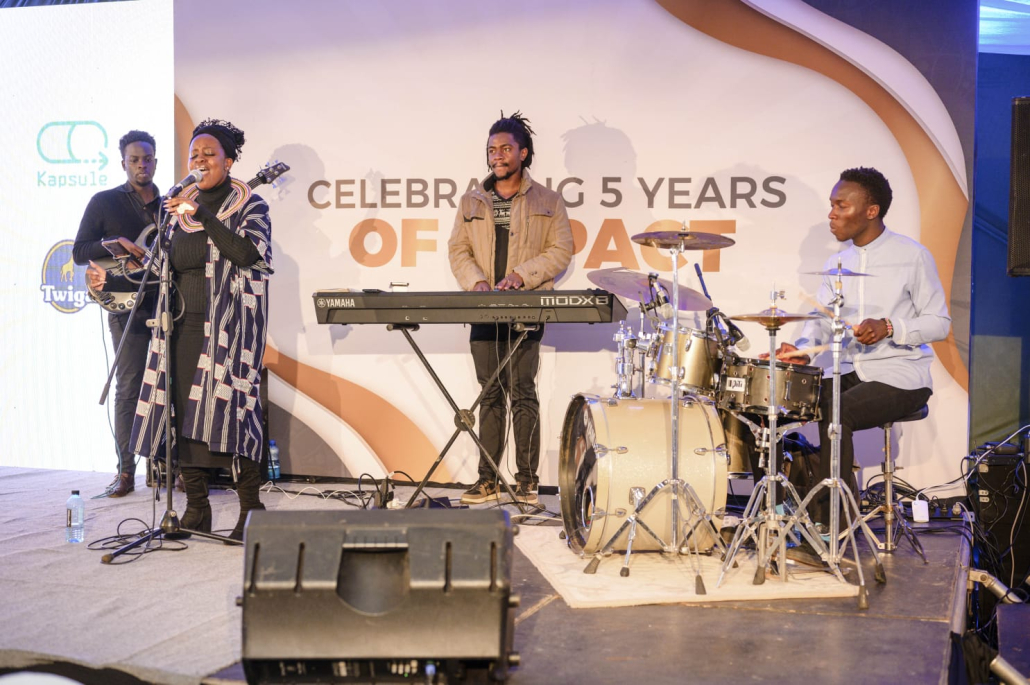
Professional audio is one of the most important elements of a successful outdoor corporate event. In an open environment, sound can easily disperse, become uneven, or be affected by wind, distance, background noise, nearby roads, landscaping, and the shape of the venue.
A well-designed sound system helps ensure that delegates can hear speeches, presentations, announcements, panel discussions, videos, entertainment, and audience questions clearly from different parts of the event area. It also supports the professional image of the organization hosting the event.
5.1 Clear Communication
Clear communication should be the first objective of any corporate event sound system.
Guests need to understand:
- Opening remarks.
- CEO speeches.
- Keynote presentations.
- Panel discussions.
- Safety announcements.
- Award presentations.
- Product demonstrations.
- MC instructions.
- Audience questions.
Even Sound Coverage Across the Venue
Outdoor spaces can be challenging because there are no walls to contain sound.
If only one pair of speakers is placed near the stage, guests at the front may experience excessive volume while people seated further away may struggle to hear.
A professional audio design can use:
- Main PA speakers.
- Line-array systems.
- Front fills.
- Delay speakers.
- Distributed speaker positions.
- Digital signal processing.
This helps create more consistent sound coverage across the audience area.
Reduce Unnecessary Volume
Professional sound does not simply mean making the event louder.
The objective is to provide:
- Clear speech.
- Controlled volume.
- Balanced frequencies.
- Minimal distortion.
- Consistent coverage.
This is particularly important at venues near hotels, residential areas, wildlife environments, offices, or other event spaces where excessive sound may create complaints or interfere with surrounding activities.
5.2 Better Presentations
High-quality microphones and professional sound systems can significantly improve how presenters communicate with an audience.
A speaker who can trust the technical system can focus more effectively on the presentation rather than worrying about whether guests can hear them.
Microphone Selection Matters
Different presentation formats may require:
- Wireless handheld microphones.
- Lapel microphones.
- Headset microphones.
- Podium microphones.
- Panel microphones.
- Audience Q&A microphones.
For example:
- Lapel microphones can provide hands-free delivery for keynote speakers.
- Handheld microphones work well for MCs and audience interaction.
- Podium microphones are suitable for formal corporate speeches.
- Headset microphones can work well for energetic presenters or trainers.
Audio Supports Videos and Demonstrations
Corporate presentations often include more than speech.
They may incorporate:
- Corporate videos.
- Product demonstrations.
- Animation.
- Music.
- Pre-recorded interviews.
- Remote speakers.
- Video conferencing.
- Award stings.
- Presentation sound effects.
The audio system should therefore integrate correctly with:
- Presentation laptops.
- LED screens.
- Video processors.
- Livestreaming systems.
- Video conferencing platforms.
- Recording equipment.
Good integration prevents common problems such as videos playing without sound, inconsistent playback volume, delayed audio, or remote speakers being difficult to understand.
5.3 Professional Brand Image
Corporate events represent the organization hosting them.
Guests often judge the quality of an event through seemingly small details such as:
- Sound clarity.
- Stage appearance.
- Screen quality.
- Lighting.
- Speaker transitions.
- Presentation playback.
- Microphone reliability.
- Technical coordination.
A professionally produced event communicates:
- Preparation.
- Attention to detail.
- Reliability.
- Professionalism.
- Strong brand standards.
Poor Audio Can Affect the Entire Experience
Even an attractive venue, expensive catering, elaborate décor, and impressive stage can be undermined by poor sound.
Common problems include:
- Microphone feedback.
- Distorted speech.
- Intermittent wireless microphones.
- Music playing too loudly.
- Delegates unable to hear.
- Videos with no audio.
- Long technical interruptions.
- Uneven sound across the venue.
These problems can distract from the message the company is trying to communicate.
Executive and Client-Facing Events Need Higher Reliability
Sound quality becomes particularly important during:
- CEO addresses.
- Investor events.
- Product launches.
- Client appreciation events.
- Awards ceremonies.
- Government events.
- Executive forums.
- International conferences.
- Media events.
Technical failures during these moments can be especially noticeable because they involve senior guests, important announcements, or significant brand exposure.
5.4 Audience Engagement
Good audio helps delegates remain engaged throughout an outdoor corporate event.
When sound is difficult to understand, people may:
- Lose concentration.
- Start private conversations.
- Move closer to speakers.
- Miss important information.
- Participate less actively.
- Leave sessions early.
Clear sound allows guests to follow the program comfortably.
Panel Discussions
Panel discussions require careful microphone management because several people may be speaking during the same session.
The audio team may need to manage:
- Multiple microphones.
- Speaker levels.
- Moderator microphones.
- Audience Q&A.
- Recording feeds.
- Livestream audio.
Each panelist should remain clear without microphones creating excessive background noise or feedback.
Interactive Sessions
Professional audio also supports:
- Audience Q&A.
- Employee town halls.
- Workshops.
- Team-building activities.
- Competitions.
- Corporate games.
- Polling sessions.
- Recognition programs.
Wireless microphones can be passed between guests or operated by microphone runners so participants can contribute without shouting across the venue.
Entertainment
Corporate events may also include:
- Live bands.
- DJs.
- Cultural performances.
- Comedians.
- Dancers.
- Award-show music.
- Entertainment acts.
Entertainment requires a different audio approach from conference speeches.
A professional system can be configured to transition from speech-focused corporate sessions to music and entertainment without compromising sound quality.
Professional Audio Also Supports Livestreaming and Recording
Professional event audio is not only for guests physically present at the venue.
The same audio feeds may also be required for:
- Livestream viewers.
- Remote delegates.
- Hybrid participants.
- Video recordings.
- Media teams.
- Event archives.
- Highlight videos.
If the room or outdoor sound is poor, the problem can also affect the recorded or streamed version of the event.
For important corporate events, the audio production team should therefore coordinate with the video, streaming, and recording teams from the beginning.
Why an Audio Technician Matters
Professional equipment alone does not guarantee good sound.
An experienced audio technician can:
- Conduct sound checks.
- Set microphone gain correctly.
- Prevent feedback.
- Balance different speakers.
- Manage presentation audio.
- Monitor wireless microphones.
- Control entertainment levels.
- Troubleshoot technical issues.
- Coordinate with presenters and MCs.
- Manage backup equipment.
During the event, sound conditions may change as:
- More guests arrive.
- Wind increases.
- Entertainment starts.
- Speakers move around.
- Program formats change.
Real-time technical monitoring helps keep the system consistent throughout the event.
Key Elements of Professional Outdoor Corporate Audio
| Audio Requirement | Why It Matters |
|---|---|
| Main PA System | Delivers speeches, music and presentations to the audience |
| Distributed Speakers | Improves coverage across larger outdoor areas |
| Wireless Microphones | Gives presenters and MCs freedom of movement |
| Lapel/Headset Mics | Supports hands-free professional presentations |
| Audience Microphones | Enables Q&A and interactive sessions |
| Digital Mixing Console | Allows precise control of microphones and playback |
| Presentation Audio | Ensures videos and demonstrations are heard clearly |
| Streaming Audio Feed | Provides clean sound for online audiences |
| Backup Equipment | Reduces disruption if critical equipment fails |
| On-Site Technician | Monitors and adjusts sound throughout the event |
How Peak Audio Supports Professional Outdoor Sound
Peak Audio can provide professional sound solutions designed around the actual size, layout, audience, and program of an outdoor corporate event.
Depending on the event, support can include:
- Professional PA systems.
- Line-array systems.
- Distributed speaker systems.
- Wireless microphones.
- Lapel and headset microphones.
- Podium microphones.
- Audience Q&A microphones.
- Digital mixing consoles.
- Presentation audio.
- Entertainment sound.
- Video and livestream audio feeds.
- Backup equipment.
- Sound checks.
- On-site audio technicians.
Peak Audio can also coordinate sound with LED screens, staging, lighting, livestreaming, video production, and other audiovisual requirements, creating one integrated technical production setup.
Professional audio is essential because communication is at the centre of almost every corporate event. Guests should be able to hear executives, presenters, panelists, entertainers, and announcements clearly regardless of where they are positioned within the outdoor venue..
By using appropriately designed sound systems, professional microphones, distributed coverage, backup equipment, and experienced technicians, Peak Audio can help organizations deliver outdoor corporate events with clear communication, reliable technical performance, and a polished audience experience.
6. Outdoor Corporate Event Setup

Outdoor Corporate Event Venues in Kenya
A successful outdoor corporate event depends heavily on how the venue is physically arranged. The setup should support comfortable seating, clear sightlines, smooth guest movement, strong sound coverage, professional lighting, branding, catering, networking, entertainment, and technical production.
Unlike an indoor ballroom, an outdoor space often starts as an empty lawn or garden. Organizers therefore need to deliberately plan the position of seating, stage, speakers, LED screens, lighting, registration, catering, branding, cameras, power, technical control, and emergency routes.
6.1 Guest Seating
The seating arrangement should match the purpose and format of the event.
Common options include:
- Theatre-style seating.
- Classroom-style seating.
- Banquet tables.
- Cabaret-style seating.
- Cocktail tables.
- Lounge furniture.
- Networking zones.
- Mixed seating arrangements.
Theatre-Style Seating
Theatre-style seating is suitable for:
- Conferences.
- Keynote speeches.
- Employee town halls.
- Product presentations.
- Awards ceremonies.
- Large corporate briefings.
It allows more guests to face the stage while using the available space efficiently.
Important considerations include:
- Chair spacing.
- Central and side aisles.
- Emergency access.
- Stage visibility.
- Distance from screens.
- Sound coverage.
- Accessibility.
Classroom-Style Seating
Classroom seating is more appropriate for:
- Training sessions.
- Workshops.
- Seminars.
- Strategy meetings.
- Educational conferences.
Delegates receive tables for:
- Laptops.
- Writing materials.
- Documents.
- Refreshments.
Because tables occupy more space, classroom layouts usually accommodate fewer delegates than theatre-style arrangements.
Banquet Tables

Outdoor Corporate Event Venues in Kenya
Banquet seating works well for:
- Gala dinners.
- Corporate celebrations.
- Awards ceremonies.
- Networking dinners.
- Employee recognition events.
- Client appreciation functions.
Round or rectangular tables should be positioned so guests can still see:
- The stage.
- LED screens.
- Speakers.
- Entertainment.
Avoid placing tables directly behind large production structures or speakers where visibility may be restricted.
Lounge and Networking Areas
Lounge areas can create a more relaxed atmosphere for:
- Cocktail receptions.
- Executive networking.
- VIP guests.
- Sponsor lounges.
- Informal discussions.
These spaces may include:
- Sofas.
- Lounge chairs.
- Cocktail tables.
- High stools.
- Coffee tables.
- Branded furniture.
Networking zones should be positioned away from areas where conversations could interfere with formal presentations.
6.2 Stage and Presentation Area

Outdoor Corporate Event Venues in Kenya
The stage becomes the main visual focal point of the event and should therefore be positioned carefully.
It may be used for:
- Keynote speeches.
- CEO addresses.
- Panel discussions.
- Award presentations.
- Product demonstrations.
- Entertainment.
- Video presentations.
- Corporate announcements.
Choose the Stage Position Carefully
The stage should ideally provide:
- Clear visibility from the majority of seats.
- Suitable background or branding opportunities.
- Access for presenters.
- Nearby technical connections.
- Space for screens.
- Appropriate speaker positions.
- Safe entry and exit routes.
Avoid positioning the stage where delegates will be looking directly into strong sunlight for extended periods.
Consider Audience Sightlines
Sightlines can be affected by:
- Trees.
- Tents.
- Columns.
- Speakers.
- Lighting towers.
- Cameras.
- LED screens.
- Décor.
- Branding structures.
For large audiences, organizers may need:
- Raised staging.
- Elevated LED screens.
- Side screens.
- Relay screens.
- Raised camera platforms.
Allow Space for Speaker Movement
Presenters may need room to move across the stage during:
- Keynotes.
- Demonstrations.
- Panel transitions.
- Awards.
- Entertainment.
The stage should not become overcrowded with podiums, monitors, cables, furniture, and branding.
6.3 Sound System Placement
Correct speaker positioning is essential for providing clear and even sound across the venue.
The sound system should be positioned according to:
- Audience size.
- Seating layout.
- Stage location.
- Venue dimensions.
- Nearby buildings.
- Background noise.
- Wind.
- Sound restrictions.
Main Speaker Positions
Main speakers are commonly positioned near the stage so sound appears to originate naturally from the presentation area.
However, they should not:
- Block LED screens.
- Obstruct guest views.
- Interfere with stage entrances.
- Restrict emergency routes.
- Dominate photographs unnecessarily.
Use Delay Speakers for Larger Areas
For larger outdoor events, additional speakers may be positioned further back.
Delay speakers can help:
- Improve speech clarity.
- Reduce excessive front-stage volume.
- Provide more consistent coverage.
- Reach distant audience areas.
Keep Sound Equipment Out of Guest Traffic
Speaker stands, cables, amplifiers, and technical equipment should not be placed where guests may trip or where they interfere with:
- Walkways.
- Dining service.
- Registration.
- Photography.
- Emergency access.
Cable ramps or protected cable routes should be used where cables cross pedestrian areas.
6.4 Lighting Setup
Lighting is both a functional and visual part of outdoor event design.
A complete setup may include:
- Stage lighting.
- Speaker lighting.
- Pathway lighting.
- Dining lighting.
- Networking-area lighting.
- Decorative lighting.
- Architectural lighting.
- Parking lighting.
- Entrance lighting.
Stage Lighting
Stage lighting should ensure that:
- Speakers are clearly visible.
- Panelists are evenly lit.
- Cameras capture good-quality images.
- The stage remains visually distinct from the audience area.
Lighting options may include:
- Front wash.
- Key lights.
- Backlighting.
- LED fixtures.
- Moving lights.
- Accent lighting.
Pathway Lighting
Pathways should be sufficiently illuminated for guests moving between:
- Parking.
- Registration.
- Seating.
- Restrooms.
- Catering.
- Networking areas.
- Accommodation.
Functional lighting should be installed without creating glare or destroying the overall atmosphere of the event.
Decorative Lighting
Decorative lighting can transform the venue after sunset.
Options include:
- Uplighting.
- Tree lighting.
- Festoon lights.
- Fairy lights.
- Architectural washes.
- Gobos.
- Branded lighting.
- Moving effects.
Dining and Networking Lighting
Dining and lounge areas should provide enough light for guests to:
- See food.
- Read menus.
- Interact comfortably.
- Move safely.
Lighting should remain warm and comfortable rather than overly bright.
6.5 Branding and Décor
Branding helps transform a generic outdoor space into an event that clearly represents the organization.
Corporate branding can appear through:
- Stage backdrops.
- Company logos.
- Banners.
- Flags.
- Directional signage.
- Branded screens.
- Podiums.
- Registration desks.
- Photo walls.
- Sponsor displays.
- Stage structures.
- Digital content.
Branded Backdrops
Backdrops can be used behind:
- Speakers.
- Panelists.
- Award stages.
- Media interviews.
- Photo areas.
They may be:
- Printed.
- Fabric-based.
- Scenic.
- LED-based.
- Modular.
LED Screens as Branding Tools
LED screens can display:
- Company logos.
- Event themes.
- Sponsor logos.
- Session titles.
- Animated backgrounds.
- Corporate videos.
- Speaker names.
- Event schedules.
Digital branding can be updated throughout the event without physically replacing printed materials.
Directional Signage
Outdoor venues can be large and unfamiliar.
Signage may be needed for:
- Registration.
- Parking.
- Stage areas.
- Breakout zones.
- Restrooms.
- Catering.
- VIP areas.
- Emergency exits.
Coordinate Branding With Production
Branding should be planned together with:
- Stage design.
- Screens.
- Lighting.
- Cameras.
- Décor.
- Furniture.
For example, a logo should not be positioned where it will be blocked by speakers, lighting fixtures, or panel furniture.
Plan the Entire Outdoor Event as One Layout
Seating, staging, sound, lighting, branding, catering, and technical production should not be planned separately.
They affect one another.
For example:
- Moving the stage changes speaker coverage.
- Moving the LED screen can affect audience sightlines.
- Adding banquet tables reduces usable capacity.
- Adding a tent changes lighting and audio requirements.
- Moving catering can change guest-flow patterns.
- Camera positions may require aisles or platforms.
- Branding may need structural support.
A coordinated site plan can prevent these elements from competing for the same space.
Outdoor Corporate Event Setup Checklist
| Setup Area | Key Questions |
|---|---|
| Guest Seating | Is the layout suitable for the event format and audience size? |
| Stage | Can all guests see presenters clearly? |
| LED Screens | Are they visible from all important seating areas? |
| Sound | Are speakers positioned for even coverage? |
| Lighting | Are stage, dining, walkways and entrances properly lit? |
| Branding | Are logos and backdrops clearly visible? |
| Catering | Can service staff move without disrupting guests? |
| Networking | Is there enough space for informal interaction? |
| Cameras | Do camera positions have clear sightlines? |
| Technical Control | Is there a protected area for operators and equipment? |
| Power | Are generators and distribution systems safely positioned? |
| Emergency Access | Are exits and access routes unobstructed? |
How Peak Audio Can Support Outdoor Event Setup
Peak Audio can work with event organizers to coordinate the technical elements of the setup, including:
- Stage positioning.
- Professional staging.
- Podiums and lecterns.
- Sound-system design.
- Speaker placement.
- Wireless microphones.
- LED screens.
- Presentation systems.
- Stage lighting.
- Ambient lighting.
- Video production.
- Livestreaming.
- Technical control areas.
- Power planning.
- On-site technical crews.
A technical site survey can be particularly useful for larger events because it allows the team to establish the most practical positions for the stage, LED screens, speakers, lighting, cameras, generators, and control equipment before installation begins.
Outdoor corporate event setup requires careful coordination between guest seating, stage design, sound placement, lighting, branding, catering, networking areas, and technical infrastructure. Each element should support the event program while maintaining comfortable movement and clear visibility for guests.
By coordinating sound, staging, LED screens, lighting, presentation systems, livestreaming, cameras, and technical support, Peak Audio can help organizations build outdoor corporate event environments that are functional, professional, visually consistent, and appropriate for both delegates and the event program.
7. Best Outdoor Corporate Event Ideas in Kenya

Outdoor Corporate Event Venues in Kenya
Outdoor corporate events in Kenya can be designed around team engagement, brand promotion, networking, recognition, leadership development, entertainment, and employee experience. The advantage of an outdoor setting is the freedom to combine formal business activities with interactive sessions, dining, demonstrations, performances, and leisure.
The best concept should match the objective of the event, guest profile, venue, budget, weather conditions, technical requirements, and company culture. A well-planned outdoor event can feel more relaxed and memorable while still maintaining the professionalism expected from a corporate function.
7.1 Corporate Team-Building Events
Corporate team-building events are among the most popular uses of outdoor venues in Kenya because they allow employees to interact in a less formal environment.
Activities can be designed around:
- Communication.
- Leadership.
- Problem-solving.
- Collaboration.
- Trust.
- Competition.
- Creativity.
- Employee engagement.
Outdoor Games
Possible activities include:
- Relay races.
- Obstacle courses.
- Tug of war.
- Treasure hunts.
- Football.
- Volleyball.
- Sack races.
- Water-based games.
- Outdoor puzzles.
- Group fitness activities.
The activities should be selected according to the age range, physical abilities, company culture, and number of participants.
Team Challenges
Structured challenges can encourage teams to:
- Plan together.
- Communicate under pressure.
- Delegate responsibilities.
- Solve problems.
- Compete constructively.
- Build stronger working relationships.
Companies can also create department-versus-department competitions or mixed teams to encourage interaction between employees who do not normally work together.
Employee Engagement Activities
Team-building programs can be combined with:
- Employee recognition.
- Staff appreciation.
- Family days.
- Wellness activities.
- Leadership talks.
- Entertainment.
- Food and refreshments.
- Music.
- Awards.
A professionally amplified MC and background music can help maintain energy and coordinate large groups throughout the day.
7.2 Product Launches
Outdoor venues can be particularly effective for product launches because they provide more flexibility for demonstrations, displays, experiential activations, media coverage, branded installations, and entertainment.
Outdoor launches are suitable for products such as:
- Vehicles.
- Technology.
- Consumer products.
- Construction equipment.
- Telecommunications products.
- Energy solutions.
- Lifestyle brands.
- Food and beverage products.
Product Demonstrations
Outdoor space can make it possible to demonstrate products in real operating conditions.
Examples include:
- Vehicle demonstrations.
- Machinery demonstrations.
- Solar and energy systems.
- Outdoor technology.
- Equipment testing.
- Interactive product stations.
Guests can see, touch, test, or experience the product rather than simply watching a presentation.
Branded Stage Production
A launch stage can include:
- Company branding.
- Product graphics.
- LED screens.
- Branded backdrops.
- Podiums.
- Display platforms.
- Scenic elements.
- Product reveal structures.
Professional Sound and Visual Displays
Professional AV can support:
- CEO speeches.
- Product videos.
- Demonstrations.
- Countdown sequences.
- Reveal moments.
- Brand animations.
- Music.
- Media presentations.
- Livestreaming.
The production should be timed carefully so sound, lighting, LED content, presenters, cameras, and the physical product reveal work together.
7.3 Corporate Networking Events
Outdoor networking events are ideal for creating a relaxed environment where clients, employees, partners, investors, and other stakeholders can interact informally.
Suitable formats include:
- Cocktail receptions.
- Sundowner events.
- Garden networking.
- Client appreciation evenings.
- Investor receptions.
- Industry mixers.
- Sponsor networking sessions.
- After-conference receptions.
Cocktail-Style Setup
A networking layout may include:
- Cocktail tables.
- High stools.
- Lounge seating.
- Bars.
- Food stations.
- Canapé service.
- Branded lounges.
- VIP areas.
The layout should encourage movement rather than assigning every guest a fixed seat.
Background Music
Music can help create atmosphere without interfering with conversation.
Options may include:
- DJ sets.
- Instrumental music.
- Acoustic performers.
- Jazz bands.
- Background playlists.
- Live saxophone or similar entertainment.
The sound level should remain appropriate for networking.
Professional Lighting and Décor
Lighting can define different areas of the venue through:
- Tree lighting.
- Uplighting.
- Architectural lighting.
- Festoon lights.
- Branded color washes.
- Table lighting.
- Entrance lighting.
Décor and lighting should reinforce the company’s brand without making the networking space feel overly formal.
7.4 Company Awards and Celebrations

Outdoor Corporate Event Venues in Kenya
Outdoor venues can provide memorable settings for company celebrations and employee-recognition events.
These may include:
- Annual awards.
- Staff appreciation events.
- Company anniversaries.
- End-of-year parties.
- Sales awards.
- Long-service recognition.
- Corporate milestones.
- Partner recognition events.
Stage Presentations
A dedicated stage can be used for:
- Executive speeches.
- Award presentations.
- Recognition.
- Employee announcements.
- Sponsor acknowledgements.
- Entertainment.
The stage should have adequate:
- Lighting.
- Sound.
- LED displays.
- Branding.
- Camera coverage.
Awards Ceremonies
Awards can be enhanced through:
- Nominee graphics.
- Winner announcements.
- Award music.
- Lighting cues.
- Video playback.
- Live camera feeds.
- Branded digital backgrounds.
These elements help make the ceremony feel more professional and engaging.
Entertainment and Live Performances

Outdoor Corporate Event Venues in Kenya
Entertainment options can include:
- Live bands.
- DJs.
- Comedians.
- Cultural performers.
- Dancers.
- Celebrity performers.
- Acoustic musicians.
- MCs.
The technical team should plan the sound and stage requirements around both the corporate program and the entertainment rider.
7.5 Corporate Retreats
Corporate retreats combine formal business sessions with informal activities and are particularly effective for leadership development, strategic planning, management alignment, employee engagement, and team building.
Popular retreat destinations in Kenya include:
- Naivasha.
- Nanyuki.
- Limuru.
- Diani.
- Mombasa.
- Amboseli.
- Safari destinations.
Business Sessions During the Day
The formal part of a retreat may include:
- Strategy meetings.
- Leadership workshops.
- Training.
- Departmental planning.
- Board discussions.
- Team presentations.
- Goal-setting sessions.
These sessions can take place indoors or in covered outdoor spaces depending on the venue.
Entertainment and Networking in the Evening
Evening activities can include:
- Outdoor dinners.
- Cocktail receptions.
- Bonfires.
- Live music.
- DJ entertainment.
- Awards.
- Informal networking.
- Team recognition.
This provides a more relaxed environment for strengthening relationships outside the formal business program.
Outdoor Activities and Team Building
Retreat activities can include:
- Game drives.
- Boat rides.
- Hiking.
- Cycling.
- Golf.
- Beach activities.
- Team challenges.
- Wellness sessions.
- Nature walks.
The best retreat programs balance business objectives with relaxation and social interaction rather than filling every hour with formal meetings.
Other Outdoor Corporate Event Ideas
Organizations can also consider additional concepts depending on their objectives.
These include:
- Corporate family days – employees attend with family members for games, food, entertainment, and activities.
- Client appreciation events – relaxed receptions or dinners designed to strengthen customer relationships.
- Corporate wellness days – fitness, yoga, health talks, outdoor activities, and wellness experiences.
- Brand activations – interactive outdoor campaigns involving demonstrations and customer engagement.
- Corporate sports days – football, athletics, volleyball, golf, or mixed sporting activities.
- CSR events – environmental, community, or social-impact activities followed by networking.
- Outdoor conferences – formal presentations combined with fresh-air networking and dining.
- Executive sundowners – smaller premium networking events for senior executives, investors, and clients.
Matching the Event Idea to the Right Setup
| Event Idea | Important Setup Requirements |
|---|---|
| Team Building | Open activity areas, PA system, facilitator microphones |
| Product Launch | Stage, LED screens, branding, lighting and sound |
| Networking Event | Lounge furniture, background audio, ambient lighting |
| Awards Ceremony | Stage, screens, microphones, lighting and entertainment |
| Corporate Retreat | Meeting facilities, accommodation, activities and evening production |
| Family Day | Activity zones, entertainment, catering and sound |
| Sports Day | Large grounds, announcements, music and activity coordination |
| Client Reception | Premium décor, lighting, background music and hospitality |
How Peak Audio Can Support These Outdoor Event Ideas
Different outdoor event concepts require different technical setups. Peak Audio can help organizations design audiovisual production around the event rather than using a one-size-fits-all package.
Support can include:
- Professional sound systems.
- Wireless microphones.
- Stage construction.
- Podiums.
- LED screens and video walls.
- Presentation systems.
- Product-launch production.
- Stage lighting.
- Ambient lighting.
- Entertainment sound.
- Livestreaming.
- Multi-camera video production.
- Event recording.
- Power planning.
- On-site technical support.
For events such as product launches and awards ceremonies, Peak Audio can coordinate sound, screens, stage, lighting, video, and presentation content so important moments happen smoothly and with greater visual impact.
Some of the best outdoor corporate event ideas in Kenya include team-building programs, product launches, networking receptions, company awards, celebrations, and corporate retreats. Each format offers organizations a different way to engage employees, clients, executives, partners, and other stakeholders.
The event concept should determine the venue, layout, catering, entertainment, branding, and audiovisual production. A team-building day needs large activity areas and clear announcements, while a product launch may require professional staging, LED displays, dramatic lighting, sound, and video production.
With coordinated sound, staging, LED screens, lighting, microphones, livestreaming, video production, and technical support, Peak Audio can help organizations turn outdoor event concepts into professionally produced corporate experiences.
8. Common Challenges With Outdoor Corporate Events

Outdoor Corporate Event Venues in Kenya
Outdoor corporate events can create memorable experiences, but they also introduce technical and logistical challenges that are less common in hotel ballrooms and purpose-built conference halls. Weather, sound dispersion, electricity, environmental noise, internet connectivity, ground conditions, and limited permanent infrastructure can all affect an event.
Most of these challenges can be managed when they are identified during the planning stage. A venue inspection, technical site survey, weather contingency plan, backup power strategy, and professionally designed audiovisual setup can significantly reduce the risk of disruptions on the event day.
8.1 Unpredictable Weather
Weather is one of the most important variables when organizing an outdoor event because conditions can change quickly.
Potential challenges include:
- Heavy rain.
- Light showers.
- Strong winds.
- Intense sunshine.
- High temperatures.
- Cold evenings.
- Muddy ground.
- Dust.
- High humidity.
These conditions can affect both guests and event equipment.
Rain Protection
Organizers should determine which parts of the event need to remain covered.
These may include:
- Guest seating.
- Stage.
- LED screens.
- Technical control areas.
- Catering.
- Registration.
- Entertainment.
- VIP areas.
Marquees, tents, gazebos, covered stages, and other appropriate structures can form part of the contingency plan.
Wind Management

Outdoor Corporate Event Venues in Kenya
Strong winds can affect:
- Tents.
- Banners.
- Backdrops.
- Screens.
- Lighting structures.
- Décor.
- Stage roofs.
- Temporary signage.
Large outdoor structures should therefore be professionally installed with weather conditions and structural safety in mind.
Heat and Strong Sunshine
Sunlight can affect both guests and technology.
Organizers may need:
- Shaded seating.
- Tents.
- Drinking-water stations.
- Appropriate event timing.
- Ventilated structures.
- Suitable outdoor screens.
Strong daylight can also make conventional projection difficult to see, making appropriately specified outdoor LED screens more suitable for many daytime events.
Have a Weather Contingency Plan
The event team should establish in advance:
- Who monitors weather conditions.
- When additional covering will be installed.
- Whether activities can be moved.
- Which equipment requires immediate protection.
- Whether an indoor alternative exists.
- How guests will be informed of changes.
The plan should be agreed upon before the event rather than developed after bad weather begins.
8.2 Poor Sound Coverage
Sound behaves differently outdoors because there are no walls or ceilings to contain it.
Poorly designed systems can result in:
- Excessive volume near the stage.
- Weak sound at the back.
- Poor speech intelligibility.
- Feedback.
- Distortion.
- Uneven music levels.
- Guests struggling to hear presentations.
Venue Size Matters
The sound system should be selected according to the actual:
- Audience size.
- Seating arrangement.
- Venue dimensions.
- Stage position.
- Distance between audience sections.
- Background noise.
- Event program.
Simply increasing speaker volume is rarely the best solution.
Use Distributed Sound Where Necessary
For large gardens, lawns, estates, or open conference areas, the system may require:
- Main PA speakers.
- Front fills.
- Delay speakers.
- Distributed speaker positions.
- Digital processing.
This can provide more consistent coverage without making the areas closest to the stage unnecessarily loud.
Conduct a Sound Check
Sound checks should be completed before guests arrive.
The technical team should test:
- Every microphone.
- Presentation audio.
- Videos.
- Music playback.
- Panel microphones.
- Audience Q&A microphones.
- Entertainment inputs.
The system should ideally be checked from different audience positions, not only from the technical-control area.
8.3 Power Interruptions
Power interruptions can stop several important event systems simultaneously.
Electricity may be required for:
- Sound.
- LED screens.
- Lighting.
- Livestreaming.
- Cameras.
- Presentation laptops.
- Wi-Fi equipment.
- Catering.
- Refrigeration.
- Entertainment.
Check Available Power Before the Event
The technical team should determine:
- Available electrical capacity.
- Power-source location.
- Distribution requirements.
- Cable distances.
- Earthing arrangements.
- Required circuits.
- Generator requirements.
The existence of a wall socket near the venue does not necessarily mean there is sufficient electrical capacity for a complete corporate production.
Provide Backup Power
Critical events may require:
- Standby generators.
- UPS systems.
- Battery backup.
- Separate circuits.
- Backup power distribution.
Protect Critical Systems
Some equipment should remain operational during the transition to backup power.
This can be particularly important for:
- Mixing consoles.
- Streaming computers.
- Video switchers.
- Network equipment.
- Presentation computers.
A properly planned power system helps avoid a situation where a brief electrical interruption shuts down the entire event production.
8.4 Ambient Noise
Outdoor events are exposed to environmental noise that cannot always be completely controlled.
Common sources include:
- Road traffic.
- Aircraft.
- Wind.
- Nearby construction.
- Other events.
- Crowds.
- Catering operations.
- Generators.
- Wildlife and natural sounds.
- Nearby entertainment.
Consider Noise During Venue Selection
A garden beside a busy road may look attractive during a short site inspection but become difficult for speeches during peak traffic.
When inspecting a venue, organizers should consider the likely noise conditions at the same time of day that the actual event will take place.
Stage Orientation Can Help
The orientation of the stage and speakers can sometimes reduce the effect of environmental noise.
Sound-system design should consider:
- Speaker direction.
- Audience orientation.
- Noise source location.
- Stage location.
- Nearby properties.
Microphone Selection Matters
Correct microphone choice and positioning can improve speech clarity.
Presenters should also be shown how to use microphones correctly, particularly handheld units.
Professional audio engineering cannot eliminate every environmental sound, but it can help ensure that the intended presentation remains clear and dominant.
8.5 Limited Infrastructure
Some of Kenya’s most attractive outdoor event locations may have relatively little permanent event infrastructure.
A garden, private estate, safari property, beach, or countryside venue may provide an excellent environment but lack:
- Permanent stages.
- Professional sound.
- LED screens.
- Event lighting.
- Sufficient electricity.
- Internet connectivity.
- Technical control rooms.
- Rigging points.
- Covered areas.
- Suitable furniture.
- Cable infrastructure.
In these situations, the event may effectively require the production team to create a temporary conference or entertainment environment from the ground up.
Temporary Infrastructure May Be Required
Depending on the venue, suppliers may need to provide:
- Staging.
- Stage roofing.
- LED screens.
- PA systems.
- Lighting.
- Trussing.
- Generators.
- Power distribution.
- Tents.
- Flooring.
- Furniture.
- Internet solutions.
- Cable ramps.
- Technical-control areas.
Allow More Setup Time
Outdoor events with substantial temporary infrastructure may require significantly more installation time than a simple meeting inside an established conference hall.
Setup can involve:
- Site preparation.
- Tent and structure installation.
- Stage construction.
- Power distribution.
- LED-screen installation.
- Sound installation.
- Lighting.
- Branding.
- Video and livestream systems.
- Testing and rehearsals.
Organizers should therefore agree on supplier access and setup schedules with the venue well in advance.
Additional Outdoor Event Challenges to Prepare For
Beyond weather, power, sound, ambient noise, and infrastructure, several additional issues should be considered.
Internet Connectivity
Reliable connectivity can be important for:
- Livestreaming.
- Hybrid participation.
- Registration systems.
- Digital presentations.
- Cloud-based content.
- Communication between production teams.
For important broadcasts, relying entirely on ordinary venue Wi-Fi may create unnecessary risk. The production team should assess bandwidth and consider backup connectivity where required.
Uneven or Soft Ground
Lawns and natural surfaces can create problems for:
- Stages.
- LED structures.
- Camera platforms.
- Speaker stands.
- Guest furniture.
- Wheelchairs.
- Equipment cases.
Heavy rain can make these problems more significant.
Cable Management
Outdoor production often requires longer power, audio, video, lighting, and network cable runs.
Cables should be routed carefully and protected where they cross:
- Guest walkways.
- Vehicle routes.
- Catering areas.
- Stage entrances.
Long Equipment Distances
A remote garden may have considerable distance between the parking or loading point and the actual event location.
A site survey should therefore examine truck access, loading routes, equipment movement, setup time, and crew requirements.
Challenge and Solution Overview
| Challenge | Potential Impact | Planning Response |
|---|---|---|
| Rain | Guest discomfort and equipment risk | Tents, covers and indoor contingency |
| Wind | Affects structures, décor and sound | Secure installations and weather monitoring |
| Strong Sunlight | Heat and poor screen visibility | Shade and suitable outdoor displays |
| Poor Sound Coverage | Guests cannot hear clearly | Professional speaker design and distribution |
| Power Failure | AV systems stop operating | Generators, UPS and backup power |
| Ambient Noise | Reduced speech clarity | Venue assessment and professional audio design |
| Limited Infrastructure | More equipment required | Bring temporary production infrastructure |
| Weak Internet | Streaming or hybrid interruptions | Test connectivity and arrange backup |
| Uneven Ground | Installation and accessibility problems | Site assessment and appropriate flooring/support |
| Long Cable Runs | Safety and signal challenges | Planned cable routes and protection |
Why a Technical Site Survey Is Important
Many outdoor event problems can be identified before equipment arrives.
A professional site survey can examine:
- Event dimensions.
- Stage position.
- Audience layout.
- Sound coverage.
- LED-screen position.
- Power availability.
- Generator location.
- Lighting requirements.
- Internet connectivity.
- Ground conditions.
- Equipment access.
- Cable routes.
- Weather exposure.
- Technical-control position.
This allows the production team to prepare appropriate equipment and backup systems instead of discovering limitations during installation.
How Peak Audio Can Help Reduce Outdoor Event Risks

Outdoor Corporate Event Venues in Kenya
Peak Audio can help organizations address the technical challenges of outdoor corporate events through advance planning and coordinated audiovisual production.
Depending on the event, support can include:
- Technical site surveys.
- Professional sound-system design.
- Wireless microphones.
- Distributed speaker systems.
- Staging.
- LED screens.
- Stage and ambient lighting.
- Power planning.
- Backup power coordination.
- Livestreaming.
- Video production.
- Internet planning for broadcasts.
- Cable management.
- Backup audiovisual equipment.
- On-site technicians.
For large or destination events, advance planning can also account for equipment transportation, installation schedules, crew requirements, weather protection, power availability, and breakdown logistics.
The most common challenges with outdoor corporate events include unpredictable weather, poor sound coverage, electricity interruptions, ambient noise, and limited venue infrastructure. Additional issues such as weak internet connectivity, uneven ground, long cable routes, and restricted equipment access can also affect production.
With appropriate planning and professional support for sound, staging, LED screens, lighting, power, livestreaming, video production, and on-site technical management, Peak Audio can help companies create outdoor corporate events that remain reliable and professional even when the venue presents technical challenges.
9. How Peak Audio Can Support Outdoor Corporate Events

Outdoor Corporate Event Venues in Kenya
Outdoor corporate events require more than simply transporting indoor audiovisual equipment to a garden, resort, beach, or private estate. The production needs to be designed around venue size, audience layout, weather, power availability, ambient noise, daylight, event program, branding, and guest experience.
Peak Audio can support companies, event planners, conference organizers, hotels, institutions, and agencies with coordinated audiovisual production for corporate conferences, product launches, team-building events, networking receptions, awards ceremonies, gala dinners, company celebrations, executive retreats, and other outdoor business events across Kenya.
9.1 Professional Sound Systems
Clear sound is essential for outdoor corporate events because guests may be spread across large gardens, lawns, terraces, beaches, or resort grounds.
Peak Audio can design the sound setup according to:
- Number of guests.
- Venue dimensions.
- Seating layout.
- Stage location.
- Event format.
- Background noise.
- Entertainment requirements.
- Distance between audience areas.
PA Systems for Speeches and Presentations
Professional PA systems can support:
- CEO addresses.
- Keynote presentations.
- Conference sessions.
- Employee town halls.
- Award presentations.
- Product launches.
- Panel discussions.
- Corporate announcements.
For larger venues, sound coverage can be expanded using appropriately positioned speakers so delegates further from the stage can hear presentations clearly without excessive volume near the front.
Wireless Microphones
Depending on the program, Peak Audio can provide microphone solutions for:
- Presenters.
- MCs.
- CEOs and executives.
- Moderators.
- Panelists.
- Facilitators.
- Audience Q&A.
- Entertainment.
These can include:
- Wireless handheld microphones.
- Lapel microphones.
- Headset microphones.
- Podium microphones.
- Audience microphones.
Backup microphones can also be incorporated for important presentations.
Sound Systems for Entertainment
Corporate outdoor events frequently transition from formal presentations to entertainment.
Audio production can support:
- DJs.
- Live bands.
- Acoustic performers.
- Cultural groups.
- Comedians.
- Dancers.
- Award-show playback.
- Corporate parties.
The system can therefore be designed to accommodate both clear corporate speech and higher-impact entertainment audio.
9.2 Event Lighting
Lighting can completely change the appearance and usability of an outdoor venue, particularly when the event continues into the evening.
Peak Audio can help plan lighting for:
- Stages.
- Speakers.
- Dining areas.
- Networking areas.
- Entertainment.
- Trees and gardens.
- Buildings.
- Entrances.
- Walkways.
- Selected venue features.
Stage Lighting
Stage lighting helps speakers, panelists, award recipients, and performers remain clearly visible.
A professional setup can incorporate:
- Front lighting.
- Stage washes.
- Backlighting.
- Speaker key lighting.
- LED fixtures.
- Moving lights.
- Performance lighting.
Good stage lighting is particularly important when the event is being photographed, recorded, or livestreamed.
Decorative and Ambient Lighting
Ambient lighting can help create the desired atmosphere for:
- Corporate dinners.
- Cocktail receptions.
- Gala events.
- Networking evenings.
- Award ceremonies.
- Product launches.
- Executive events.
Possible treatments include:
- Uplighting.
- Tree lighting.
- Architectural illumination.
- Decorative lighting.
- Branded lighting effects.
- Accent lighting.
- Lounge-area lighting.
Evening Event Illumination
Outdoor lighting also has a functional role.
Areas requiring sufficient illumination may include:
- Guest pathways.
- Steps.
- Registration.
- Catering.
- Toilets.
- Entrances.
- Technical areas.
Functional and decorative lighting should be planned together so the event remains safe without compromising the desired atmosphere.
9.3 LED Screens and Visual Production
Visual communication is increasingly important at corporate events.
Peak Audio can integrate LED screens and visual-production systems for:
- Presentations.
- Videos.
- Branding.
- Live camera feeds.
- Speaker information.
- Product demonstrations.
- Event schedules.
- Entertainment content.
- Sponsor graphics.
Corporate Presentations
LED screens can display:
- PowerPoint presentations.
- Charts and data.
- Corporate videos.
- Speaker profiles.
- Session titles.
- Company announcements.
For larger outdoor events, appropriately positioned screens can help delegates sitting further away follow the presentation.
Product Launches
Product launches can use visual production to create stronger reveal moments through:
- Countdown videos.
- Product animations.
- Brand films.
- Launch graphics.
- Live demonstrations.
- Camera feeds.
- Product specifications.
- Reveal sequences.
Visual content can be coordinated with sound and lighting cues to create a more polished presentation.
Branded Content and Video Playback
Screens can remain part of the event branding even when presentations are not taking place.
They can display:
- Company logos.
- Event themes.
- Sponsor branding.
- Animated graphics.
- Welcome messages.
- Social-media content.
- Video loops.
This turns the screen into both a presentation tool and a dynamic branding platform.
9.4 Staging and Event Production
The stage provides the main focal point for many corporate events.
Peak Audio can help coordinate staging around the requirements of:
- Keynote presentations.
- Panel discussions.
- Awards.
- Product demonstrations.
- Entertainment.
- Executive speeches.
- Corporate celebrations.
Professional Stages
Stage planning should consider:
- Audience size.
- Visibility.
- LED-screen dimensions.
- Number of speakers.
- Panel furniture.
- Entertainment requirements.
- Presenter movement.
- Camera angles.
- Venue ground conditions.
The objective is to create a stage that is large enough for the program without overwhelming the event space.
Podiums and Lecterns
Podiums can provide a professional presentation position for:
- Executives.
- Keynote speakers.
- Government representatives.
- Award presenters.
- Conference moderators.
Podium microphones and presentation technology can be integrated into the overall sound system.
Backdrops and Production Elements
The presentation area can also incorporate:
- Corporate backdrops.
- Branding panels.
- LED walls.
- Scenic elements.
- Stage furniture.
- Confidence monitors.
- Speaker timers.
- Presentation monitors.
These elements should be coordinated so the stage works effectively for both the live audience and cameras.
9.5 Technical Event Support
Professional technical support is one of the most important parts of audiovisual production.
Equipment can perform effectively only when it is correctly installed, tested, operated, monitored, and adjusted throughout the event.
Equipment Setup and Testing
Before guests arrive, the technical team can test:
- Sound systems.
- Microphones.
- LED screens.
- Presentation laptops.
- Videos.
- Lighting.
- Cameras.
- Livestreaming systems.
- Network connections.
- Playback devices.
- Backup equipment.
Sound Checks and Rehearsals
Where possible, key speakers, MCs, entertainers, and presenters should participate in rehearsals or technical checks.
These can confirm:
- Microphone levels.
- Presentation order.
- Video playback.
- Speaker entrances.
- Award sequences.
- Lighting cues.
- Product reveals.
- Entertainment transitions.
On-Site Technical Personnel
Depending on the complexity of the event, the technical team may include:
- Audio engineers.
- Lighting technicians.
- LED technicians.
- Video technicians.
- Camera operators.
- Streaming technicians.
- Stage technicians.
- Production coordinators.
Having specialists on-site makes it possible to monitor equipment continuously rather than relying on a setup that is left unattended.
Live Event Troubleshooting
Corporate events can change quickly.
A presenter may:
- Change their presentation.
- Request a video.
- Move away from the podium.
- Introduce another speaker.
- Extend a panel discussion.
- Add an audience Q&A session.
Weather and power conditions can also change.
On-site technicians can respond immediately and adjust the production accordingly.
Additional Peak Audio Services for Outdoor Events
Peak Audio’s role can extend beyond the five core production areas depending on the requirements of the event.
Support can include:
- Multi-camera video production.
- Live streaming.
- Hybrid conference technology.
- Event recording.
- Presentation management.
- Conference microphones.
- Power planning.
- Backup audiovisual equipment.
- Technical site surveys.
- Equipment transportation.
- Installation and breakdown.
- Destination-event production.
For multi-day conferences, executive retreats, and destination events, the technical team can also plan around transportation, setup schedules, accommodation, power availability, equipment security, and venue access.
Peak Audio Outdoor Corporate Event Production Overview
| Service | Typical Applications |
|---|---|
| Professional Sound | Speeches, conferences, entertainment and announcements |
| Wireless Microphones | Presenters, executives, panels and audience Q&A |
| LED Screens | Presentations, branding, videos and live camera feeds |
| Staging | Conferences, launches, awards and performances |
| Stage Lighting | Speakers, panels, entertainment and video production |
| Ambient Lighting | Dinners, receptions and networking events |
| Video Production | Event recording, corporate content and live feeds |
| Livestreaming | Remote audiences and hybrid participation |
| Technical Support | Setup, testing, operation and troubleshooting |
| Site Survey | Technical planning before event installation |
Why Integrated Event Production Matters
The greatest advantage of coordinated technical production is that different systems can be planned to work together.
For example:
- The stage dimensions can be matched to the LED screen.
- Speaker positions can be designed around audience seating.
- Lighting can be optimized for both guests and cameras.
- Presentation systems can feed both LED screens and livestreams.
- Audio can feed the physical PA, recording system, and online broadcast.
- Power distribution can be calculated around all technical systems.
This reduces conflicts between suppliers and creates a more consistent audiovisual experience.
Professional Production Lets Your Corporate Team Focus on the Event
A company’s executives, marketing department, HR team, conference organizers, or communications team should not have to spend the event worrying about microphone levels, video playback, screen signals, lighting cues, cables, speaker placement, or technical faults.
Professional production support allows the corporate team to concentrate on:
- Hosting delegates.
- Managing speakers.
- Networking with clients.
- Delivering presentations.
- Managing employees.
- Promoting the brand.
- Achieving the objectives of the event.
Meanwhile, the technical production team manages the audiovisual environment behind the scenes.
Peak Audio can support outdoor corporate events through coordinated professional sound, wireless microphones, event lighting, LED screens, staging, visual production, livestreaming, video production, and technical event support.
This allows the corporate organizing team to focus on the guests, speakers, brand, and objectives of the event while experienced technical personnel manage the audiovisual production, helping create an outdoor corporate event that is professional, reliable, visually impressive, and technically well managed.
10. How to Choose the Right Outdoor Corporate Event Venue

Outdoor Corporate Event Venues in Kenya
Choosing the right outdoor corporate event venue should begin with the purpose of the event and then move into practical considerations such as guest comfort, technical production, accessibility, weather protection, power, catering, parking, accommodation, and supplier access.
The best venue is not necessarily the most scenic or expensive. It is the one that can comfortably support the event format, audience size, program, branding, audiovisual requirements, and overall guest experience without creating unnecessary logistical complications.
10.1 Match the Venue to the Event Type
Different corporate events require very different spaces.
Before comparing venues, organizers should define exactly what the event needs to achieve.
Conference
An outdoor conference venue should provide:
- Clear audience sightlines.
- Suitable seating areas.
- Stage space.
- LED-screen positions.
- Reliable sound coverage.
- Power.
- Internet connectivity.
- Breakout areas.
- Catering facilities.
- Weather contingency.
For larger conferences, organizers should also consider registration areas, exhibition space, camera positions, speaker preparation areas, and technical-control zones.
Product Launch

Outdoor Corporate Event Venues in Kenya
Product launches often require more flexibility for:
- Product displays.
- Demonstration areas.
- Vehicle access.
- Branded stages.
- LED screens.
- Media coverage.
- Photography.
- Livestreaming.
- Experiential activations.
A venue with large open areas can be especially useful for products that need to be physically demonstrated.
Team Building
Team-building venues should provide:
- Large open grounds.
- Activity areas.
- Safe terrain.
- Changing or washroom facilities.
- Catering.
- Rest areas.
- Parking.
- PA systems for coordination.
The venue should also allow enough space for multiple activities to operate without interfering with each other.
Corporate Dinner
Corporate dinners need more than dining space.
The venue should accommodate:
- Banquet tables.
- Stage.
- Entertainment.
- LED screens.
- Lighting.
- Catering service.
- Bars.
- Networking.
- Guest circulation.
Evening lighting and weather protection become particularly important.
Awards Ceremony
Awards events often require a more formal production setup involving:
- Stage.
- Podium.
- LED screens.
- Award graphics.
- Lighting.
- Professional sound.
- Cameras.
- Entertainment.
- Dining areas.
The venue should provide strong visibility between the audience and stage.
10.2 Consider the Guest Experience
Even a technically impressive venue can perform poorly if guests find it uncomfortable or difficult to access.
The entire experience should be considered from arrival to departure.
Accessibility
Check:
- Road access.
- Distance from offices.
- Public transport.
- Airport access.
- Vehicle access.
- Accessibility for guests with mobility requirements.
Destination events may require shuttle services or coordinated transfers.
Comfort
Guest comfort can be affected by:
- Seating quality.
- Shade.
- Weather.
- Temperature.
- Ground conditions.
- Distance between facilities.
- Availability of resting areas.
For long events, comfort becomes especially important.
Parking
Confirm:
- Number of spaces.
- VIP parking.
- Bus parking.
- Supplier parking.
- Overflow arrangements.
- Security.
- Drop-off zones.
Restrooms
Restroom facilities should be sufficient for the expected attendance and located within a reasonable walking distance from the event area.
Temporary facilities may be required at remote locations.
Catering
Determine whether:
- Catering is provided in-house.
- External caterers are permitted.
- Kitchen facilities are available.
- Refrigeration is available.
- Water is available.
- Dietary requirements can be accommodated.
Accommodation
For multi-day events or destination retreats, assess:
- Number of rooms.
- Room quality.
- Executive accommodation.
- Staff accommodation.
- Check-in procedures.
- Distance between rooms and event areas.
10.3 Evaluate Technical Requirements
Technical capability should be assessed before booking, especially for events involving presentations, entertainment, livestreaming, video production, or large audiences.
Power Availability
Check:
- Electrical capacity.
- Outlet locations.
- Distribution boards.
- Generator availability.
- Backup power.
- Cable distances.
Large productions may need dedicated power planning.
Sound Requirements
Consider:
- Audience size.
- Stage position.
- Venue dimensions.
- Noise restrictions.
- Nearby residences.
- Background noise.
- Speaker positions.
A technical team should determine whether distributed sound or delay speakers will be required.
Lighting
The venue may need lighting for:
- Stage.
- Speakers.
- Dining.
- Networking.
- Parking.
- Walkways.
- Entrances.
- Décor.
A daytime site visit alone may not reveal how dark the venue becomes after sunset.
Screens
Determine whether:
- Projection is practical.
- LED screens are required.
- Screens can be safely installed.
- Guests will have clear viewing angles.
- Direct sunlight will affect visibility.
Internet Connectivity
Reliable internet may be required for:
- Livestreaming.
- Hybrid events.
- Registration.
- Cloud presentations.
- Remote speakers.
- Production communication.
Important events should also consider backup connectivity.
10.4 Visit the Venue Before Booking
Photographs and online descriptions are useful, but they cannot replace a physical site inspection.
A venue visit allows organizers to understand:
- Actual usable space.
- Ground conditions.
- Noise levels.
- Access.
- Shade.
- Power.
- Parking.
- Weather exposure.
- Supplier routes.
Inspect the Outdoor Space
Walk through the venue as if you were a guest.
Check:
- Entrances.
- Registration.
- Seating.
- Stage.
- Dining.
- Toilets.
- Parking.
- Networking areas.
- Emergency routes.
Test Potential Stage and Sound Positions
Stage placement affects almost every other technical decision.
Inspect possible positions for:
- Stage.
- Speakers.
- LED screens.
- Lighting.
- Cameras.
- Technical control.
- Generators.
Identify Technical Challenges Early
A site inspection can reveal problems such as:
- Uneven ground.
- Long power runs.
- Weak internet.
- Poor truck access.
- Noise from nearby roads.
- Limited parking.
- Restricted setup hours.
- Strong wind exposure.
- Difficult LED-screen positioning.
Identifying these challenges early allows organizers to adjust the production plan or choose another venue if necessary.
10.5 Work With Professional Event Suppliers
Experienced suppliers can help determine whether a venue is technically suitable before major commitments are made.
Depending on the event, suppliers may include:
- Audiovisual production companies.
- Lighting specialists.
- Staging companies.
- Event planners.
- Caterers.
- Tent suppliers.
- Décor companies.
- Security providers.
- Transport providers.
Audiovisual Production Companies
A professional AV team can assess:
- Sound coverage.
- Microphones.
- LED screens.
- Stage location.
- Lighting.
- Power.
- Cameras.
- Streaming.
- Technical-control positions.
Lighting Specialists
Lighting teams can determine how to illuminate:
- Stage.
- Speakers.
- Trees.
- Buildings.
- Dining areas.
- Paths.
- Entrances.
Staging Companies
Staging specialists can assess:
- Stage dimensions.
- Ground conditions.
- Structural requirements.
- Access.
- Roofing.
- Steps.
- Branding support.
Event Planners
Event planners can coordinate:
- Venue.
- Suppliers.
- Program.
- Guests.
- Catering.
- Branding.
- Entertainment.
- Transport.
- Production schedules.
Use a Venue Evaluation Checklist
A structured comparison helps prevent organizers from choosing purely on appearance.
| Evaluation Area | Questions to Ask |
|---|---|
| Event Fit | Does the venue suit the event format? |
| Capacity | Can it comfortably accommodate guests and production? |
| Accessibility | Is it convenient for delegates and suppliers? |
| Parking | Is there enough secure parking? |
| Weather Backup | Are covered or indoor alternatives available? |
| Power | Is sufficient electricity and backup available? |
| Sound | Can professional sound be installed effectively? |
| Screens | Is there space for LED or projection systems? |
| Lighting | Can stage and ambient lighting be installed? |
| Internet | Is connectivity suitable for digital requirements? |
| Catering | Are service and kitchen arrangements adequate? |
| Accommodation | Is lodging available where required? |
| Supplier Access | Can trucks and technical crews access the site easily? |
| Security | Are guests and equipment adequately protected? |
| Budget | Does the complete venue and production cost remain viable? |
Choose Based on Total Event Cost, Not Venue Hire Alone
A venue with a lower hire fee may eventually cost more if organizers must bring in:
- Generators.
- Temporary toilets.
- Extensive lighting.
- Long cable runs.
- Additional security.
- Tents.
- Flooring.
- Furniture.
- Internet connectivity.
- Extra transportation.
The true comparison should therefore consider the total event cost, not only the venue’s advertised hire price.
Involve Peak Audio Before Finalizing a Technically Complex Venue
For events involving substantial sound, LED screens, staging, lighting, livestreaming, cameras, or entertainment, involving the technical production team before booking can help identify whether the outdoor space can realistically support the planned setup.
Peak Audio can help assess:
- Stage position.
- Audience sightlines.
- Speaker coverage.
- LED-screen locations.
- Power requirements.
- Lighting positions.
- Camera locations.
- Internet requirements.
- Technical-control areas.
- Equipment access.
- Weather protection.
This allows technical requirements to influence the venue decision before deposits, layouts, and supplier arrangements are finalized.
Choosing the right outdoor corporate event venue requires balancing event type, guest experience, accessibility, capacity, technical capability, weather protection, catering, parking, accommodation, security, and budget.
For technically demanding events, Peak Audio can support venue evaluation and production planning so the selected outdoor space can properly accommodate professional sound, staging, LED screens, lighting, livestreaming, video production, and on-site technical support.
11. FAQs About Outdoor Corporate Event Venues in Kenya
11.1 What are the best outdoor corporate event venues in Kenya?
The best outdoor corporate event venue depends on the type of event, number of guests, preferred location, budget, accommodation requirements, and technical production needs.
Popular options include:
- Hotel and resort gardens.
- Conference centres with outdoor grounds.
- Private gardens and event estates.
- Safari lodges.
- Beach resorts.
- Countryside retreats.
- Lakeside resorts.
- Executive retreat properties.
For convenience and access to suppliers, Nairobi is one of the strongest options. Naivasha, Limuru, Kiambu, Nanyuki, Diani, Mombasa, Amboseli, Nakuru, and other destination locations can be suitable for retreats, residential conferences, team-building programs, executive events, and corporate celebrations.
The best venue should combine a suitable outdoor environment with reliable access, catering, parking, restrooms, power, weather contingency, accommodation where needed, and enough space for staging and audiovisual production.
11.2 What should I consider when choosing an outdoor corporate venue?
When comparing outdoor corporate event venues in Kenya, consider:
- Event type.
- Number of guests.
- Location and accessibility.
- Parking.
- Guest comfort.
- Weather protection.
- Indoor backup space.
- Catering.
- Restrooms.
- Accommodation.
- Security.
- Power availability.
- Internet connectivity.
- Sound restrictions.
- Stage requirements.
- LED-screen positioning.
- Lighting requirements.
- Supplier access.
- Setup and breakdown times.
It is also important to consider the total cost of using the venue, rather than looking only at the hire fee.
A cheaper outdoor space may require additional spending on tents, generators, furniture, toilets, lighting, staging, internet connectivity, and other temporary infrastructure.
11.3 Do outdoor corporate events need professional sound systems?
Yes, professional sound is highly recommended for most outdoor corporate events, particularly where speeches, presentations, entertainment, panel discussions, announcements, or audience participation are involved.
Outdoor environments do not have walls and ceilings to contain sound, so audio can disperse more quickly than it does inside a conference hall.
A professionally designed sound system can provide:
- Clear speeches.
- Even audience coverage.
- Better microphone performance.
- Controlled volume.
- Reliable presentation audio.
- Support for entertainment.
- Better audience engagement.
Larger venues may require main speakers, distributed speakers, front fills, delay speakers, wireless microphones, digital mixing, and professional technicians.
11.4 How do I prepare for bad weather at an outdoor corporate event?
A weather contingency plan should be developed before the event.
Depending on the venue and season, organizers should consider:
- Marquees.
- Tents.
- Covered stages.
- Covered technical areas.
- Indoor backup spaces.
- Flooring.
- Umbrellas.
- Equipment protection.
- Secure temporary structures.
- Guest communication procedures.
Wind should also be considered because it can affect:
- Tents.
- Screens.
- Backdrops.
- Banners.
- Lighting structures.
- Stage roofing.
- Décor.
The event team should determine in advance who makes weather-related decisions, when the contingency plan is activated, and where guests and equipment will move if conditions deteriorate.
11.5 How much does an outdoor corporate event cost in Kenya?
The cost can vary significantly depending on the scale, venue, location, number of guests, catering, décor, entertainment, transport, accommodation, and audiovisual production.
Major cost areas may include:
- Venue hire.
- Catering.
- Seating and furniture.
- Tents or marquees.
- Staging.
- Sound systems.
- LED screens.
- Lighting.
- Branding.
- Entertainment.
- Generators.
- Security.
- Transport.
- Accommodation.
- Photography and video.
- Livestreaming.
- Event management.
A relatively small corporate garden function will normally have very different requirements from a large product launch, gala dinner, conference, or multi-day executive retreat.
For accurate budgeting, organizers should develop the event concept first and request quotations from the venue and relevant suppliers based on the actual guest numbers, program, setup, and technical requirements.
11.6 Can Peak Audio provide sound and lighting for outdoor events?
Yes. Peak Audio can support outdoor corporate events with professional audiovisual and technical production services, depending on the requirements of the event.
Services can include:
- Professional PA systems.
- Wireless microphones.
- Conference audio.
- Entertainment sound.
- Stage lighting.
- Ambient lighting.
- LED screens.
- Staging.
- Podiums.
- Presentation systems.
- Video production.
- Livestreaming.
- Hybrid event technology.
- Technical site surveys.
- On-site technical support.
The setup can be designed around the venue size, audience layout, event program, power availability, weather exposure, and branding requirements.
11.7 What equipment is needed for an outdoor corporate event?
The exact equipment depends on the event type, but a typical outdoor corporate production may require:
- PA speakers.
- Wireless microphones.
- Digital mixing console.
- Stage.
- Podium.
- LED screens.
- Presentation laptops.
- Video playback equipment.
- Stage lighting.
- Ambient lighting.
- Cameras.
- Livestreaming equipment.
- Networking equipment.
- Power distribution.
- Generators or backup power.
- Cable ramps.
- Technical-control equipment.
Additional equipment may be required for:
- Live bands.
- DJs.
- Product demonstrations.
- Hybrid conferences.
- Simultaneous interpretation.
- Multi-camera recording.
- Awards ceremonies.
The equipment list should ideally be prepared after a technical site survey, because the venue layout can significantly affect what is required.
11.8 How early should I book an outdoor corporate venue?
It is advisable to book as early as possible, especially for:
- Large corporate events.
- Conferences.
- Product launches.
- Annual staff functions.
- Awards ceremonies.
- Executive retreats.
- Destination events.
- Peak-season dates.
Booking early provides more time to coordinate:
- Venue availability.
- Accommodation.
- Catering.
- Audiovisual production.
- Entertainment.
- Branding.
- Transport.
- Security.
- Weather contingencies.
- Supplier access.
For smaller events, the planning period may be shorter, but technically complex events benefit from additional preparation time.
Early booking also gives the production team enough time to conduct a site inspection, design the stage and sound layout, identify power and internet requirements, plan equipment transport, and prepare backup systems.
Choosing and preparing an outdoor corporate event venue in Kenya involves much more than finding an attractive garden or resort. Organizers need to think about accessibility, guest comfort, weather, power, sound, screens, lighting, catering, accommodation, security, and technical production.
For organizations that require professional sound, wireless microphones, staging, LED screens, lighting, video production, livestreaming, and technical support, Peak Audio can help plan and deliver the audiovisual requirements for outdoor corporate events across Kenya.
Choosing the Right Outdoor Corporate Event Venue in Kenya
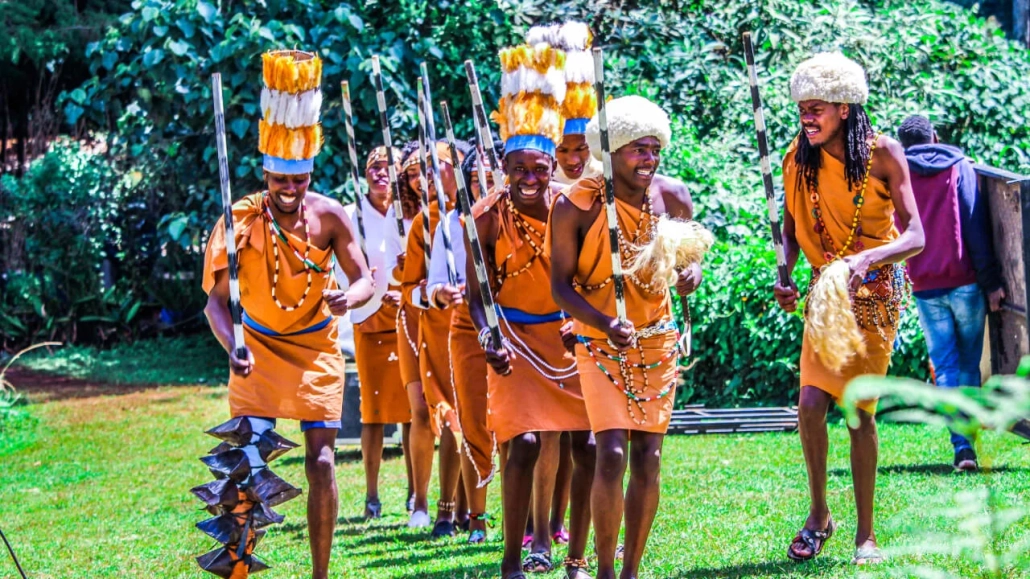
Outdoor Corporate Event Venue in Kenya
Kenya offers a diverse range of outdoor venues suitable for corporate meetings, executive retreats, product launches, team-building activities, company celebrations, networking events, and other business gatherings. From hotel gardens and private estates to conference resorts and countryside destinations, organizations can select outdoor spaces that provide a refreshing environment while supporting their event objectives. The right venue can enhance guest experience, encourage interaction, and create a memorable setting for both formal and informal corporate activities.
Selecting the best outdoor corporate event venue requires careful consideration of accessibility, capacity, weather preparedness, reliable power, guest comfort, parking, catering, and technical facilities. Because outdoor environments present additional production challenges, professional sound systems, lighting, staging, LED screens, power distribution, and audiovisual production are essential for ensuring presentations, speeches, entertainment, and branding are delivered clearly and professionally. Backup plans for rain, wind, power interruptions, and changing weather conditions should also form part of the event planning process.
At Peak Audio, we provide professional sound, lighting, staging, LED screens, audiovisual production, live streaming, and technical support for outdoor corporate events across Kenya. A successful outdoor corporate event starts with the right venue and is completed through careful planning, reliable event production, and experienced technical support. Peak Audio can provide customized production solutions to help corporations, NGOs, government agencies, professional associations, and other organizations deliver polished, engaging, and memorable outdoor events.
Leave a Reply
Want to join the discussion?Feel free to contribute!