Conference Checklist for Event Managers in Kenya
Conference Checklist for Event Managers in Kenya – Complete Planning, Coordination & Professional Event Production Guide

Conference Checklist for Event Managers in Kenya
A comprehensive conference checklist for event managers in Kenya is essential for organizing successful corporate conferences, business summits, NGO forums, government meetings, international conventions, academic conferences, industry seminars, and professional networking events. Conference planning involves coordinating multiple activities, including event objectives, budgeting, venue selection, supplier management, speaker coordination, sponsorships, delegate registration, marketing, audiovisual production, logistics, security, hospitality, and post-event reporting. Whether managing a small corporate seminar or a large international conference, event managers need a structured planning framework to ensure every activity is completed efficiently, professionally, and within the approved budget.
An effective conference planning and event management checklist helps organizers assign responsibilities, establish deadlines, monitor progress, control costs, coordinate suppliers, and minimize operational challenges. From initial preparations six months before the conference to final supplier confirmations, technical rehearsals, event-day coordination, and post-conference evaluation, every stage requires careful attention. This comprehensive guide provides a practical conference checklist for event managers, covering venue bookings, programme development, speaker management, delegate registration, sponsorship coordination, branding, audiovisual requirements, catering, transportation, security, and technical production to help organizers deliver engaging conferences and measurable event outcomes.
Peak Audio is a trusted audiovisual and conference production partner in Kenya, providing professional sound systems, conference microphones, LED screens, staging, lighting, livestreaming, hybrid event technology, simultaneous interpretation systems, multi-camera video production, and on-site technical support. Working alongside conference organizers and event managers, Peak Audio helps ensure clear communication, professional presentations, seamless programme transitions, and reliable technical execution. Whether organizing a corporate conference, international summit, NGO forum, government meeting, or industry convention, Peak Audio delivers audiovisual solutions tailored to different event requirements across Nairobi, Kenya, and East Africa.
1. Why Every Event Manager Needs a Conference Planning Checklist

Conference Checklist for Event Managers in Kenya
A conference planning checklist is an essential organizational tool that helps event managers coordinate activities, manage budgets, communicate with suppliers, and deliver successful conferences. Whether organizing corporate meetings, business summits, NGO conferences, government forums, or international conventions in Kenya, a structured checklist ensures that every planning activity is completed efficiently and on schedule.
Below are the key reasons why every professional event manager should use a comprehensive conference planning checklist.
1.1 Establish Clear Conference Objectives
Defining clear conference objectives provides direction for every planning decision and helps organizers measure the success of the event.
-
Define the conference purpose: Establish whether the event focuses on networking, professional development, knowledge sharing, product launches, stakeholder engagement, or industry collaboration.
-
Identify the target audience: Determine whether the conference will attract corporate executives, government representatives, NGO professionals, investors, industry specialists, or international delegates.
-
Establish expected outcomes: Outline the results the conference should achieve, including partnerships, business opportunities, policy discussions, training outcomes, or improved stakeholder relationships.
-
Set measurable performance indicators: Develop key performance indicators (KPIs) covering delegate attendance, audience engagement, sponsorship revenue, budget performance, and participant satisfaction.
-
Align conference activities with objectives: Ensure that speakers, presentations, networking sessions, audiovisual production, and conference programmes support the event’s primary goals.
1.2 Improve Conference Planning and Organization
A detailed conference checklist helps event managers organize complex preparations into manageable tasks and clearly defined milestones.
-
Break down planning activities: Divide conference preparations into venue selection, budgeting, supplier coordination, speaker management, delegate registration, marketing, technical production, and logistics.
-
Create a planning timeline: Establish deadlines covering six months before the conference, three months before, one month before, the final week, and event-day activities.
-
Assign individual responsibilities: Allocate specific tasks to event coordinators, registration teams, technical crews, hospitality personnel, and supplier representatives.
-
Prioritize essential activities: Identify critical tasks such as venue confirmation, audiovisual bookings, speaker invitations, and sponsorship agreements.
-
Monitor planning progress: Use digital checklists, spreadsheets, project management platforms, or shared planning documents to track completed and outstanding activities.
1.3 Manage Conference Budgets Effectively
Effective conference budgeting helps organizers control expenditure, allocate resources appropriately, and avoid unexpected financial challenges.
-
Prepare an estimated conference budget: Identify projected expenses for venue hire, catering, audiovisual equipment, staging, lighting, branding, transportation, accommodation, and event personnel.
-
Compare supplier quotations: Request and evaluate quotations from conference venues, audiovisual companies, caterers, decorators, and other service providers.
-
Track approved expenses: Maintain accurate records of authorized purchases, contractual commitments, supplier deposits, and outstanding payments.
-
Monitor actual expenditure: Compare planned budgets against actual costs throughout the conference planning process.
-
Allocate contingency funds: Reserve a reasonable percentage of the conference budget for unforeseen expenses, emergency equipment, additional delegates, or last-minute adjustments.
-
Prepare financial reports: Document total expenditure, supplier payments, sponsorship income, and overall conference financial performance.
1.4 Coordinate Multiple Conference Suppliers
Successful conferences depend on effective coordination between multiple suppliers responsible for different aspects of event delivery.
-
Coordinate conference venues: Confirm venue availability, seating capacity, room layouts, accessibility, electrical supply, internet connectivity, and setup arrangements.
-
Manage audiovisual suppliers: Arrange professional sound systems, wireless microphones, conference microphones, LED screens, projectors, staging, lighting, livestreaming, and video recording.
-
Organize catering services: Confirm meal schedules, refreshment breaks, delegate numbers, dietary requirements, and catering service locations.
-
Coordinate branding and decoration: Ensure that stage backdrops, banners, directional signage, exhibition stands, and conference decorations are prepared and installed correctly.
-
Arrange transportation and accommodation: Coordinate airport transfers, delegate transportation, speaker accommodation, and logistical requirements where necessary.
-
Monitor supplier deliverables: Track contracts, equipment specifications, delivery schedules, setup deadlines, and supplier performance.
1.5 Improve Communication Between Event Teams
Clear communication between event teams helps prevent misunderstandings, operational delays, and duplicated responsibilities.
-
Define team responsibilities: Establish the duties of conference directors, event coordinators, technical managers, registration officers, hospitality teams, and security personnel.
-
Establish communication channels: Use email, WhatsApp groups, telephone calls, shared planning platforms, and two-way radios where appropriate.
-
Schedule planning meetings: Conduct regular coordination meetings to review completed activities, outstanding tasks, supplier updates, and operational challenges.
-
Develop reporting procedures: Establish clear processes for communicating progress, escalating problems, and approving important decisions.
-
Prepare contact directories: Maintain updated contact information for suppliers, speakers, venue representatives, emergency responders, and event personnel.
-
Conduct pre-event briefings: Ensure that all team members understand the conference programme, reporting structure, emergency procedures, and event-day responsibilities.
1.6 Reduce Last-Minute Conference Problems
A comprehensive conference checklist helps event managers identify potential problems early and implement preventive measures before they disrupt conference operations.
-
Identify outstanding planning tasks: Review incomplete activities, pending supplier confirmations, missing materials, and unresolved logistical requirements.
-
Monitor critical deadlines: Track payment deadlines, speaker confirmations, registration cutoffs, equipment delivery dates, and venue access schedules.
-
Assess potential risks: Identify possible challenges involving power interruptions, internet failures, supplier delays, equipment malfunctions, and unexpected attendance changes.
-
Verify technical requirements: Confirm sound systems, microphones, LED screens, presentation equipment, livestreaming connections, and interpretation systems.
-
Develop contingency arrangements: Prepare backup equipment, alternative internet connections, emergency power solutions, and replacement personnel where necessary.
-
Conduct technical rehearsals: Test presentations, microphone levels, lighting cues, video playback, livestreaming, and speaker transitions before the conference begins.
1.7 Maintain Professional Conference Standards
Professional conference standards contribute to a positive delegate experience, strengthen organizational credibility, and improve the overall quality of event delivery.
-
Prepare a structured conference programme: Develop clear schedules covering registration, opening remarks, keynote presentations, panel discussions, networking sessions, refreshment breaks, and closing activities.
-
Maintain consistent conference branding: Ensure that banners, stage backdrops, digital displays, name badges, printed materials, and presentation templates reflect the organization’s identity.
-
Provide reliable audiovisual equipment: Use appropriately specified sound systems, microphones, LED screens, projectors, stage lighting, and video production equipment.
-
Organize efficient delegate registration: Establish clearly marked registration desks, digital check-in systems, badge distribution procedures, and attendee support arrangements.
-
Maintain hospitality standards: Provide appropriate seating, refreshments, accessibility arrangements, directional signage, and assistance for speakers and delegates.
-
Ensure professional technical production: Coordinate sound engineers, lighting technicians, camera operators, livestreaming specialists, and stage managers to support smooth conference delivery.
For conferences in Nairobi and across Kenya, Peak Audio supports professional event production through sound systems, LED screens, staging, lighting, livestreaming, hybrid conference technology, simultaneous interpretation, and technical support.
1.8 Improve Accountability and Performance Tracking
A conference planning checklist provides a practical framework for monitoring responsibilities, evaluating performance, and identifying opportunities for improvement.
-
Track task completion: Record completed, pending, delayed, and overdue planning activities to maintain accountability across the event team.
-
Evaluate supplier performance: Assess supplier punctuality, equipment quality, service delivery, responsiveness, and compliance with contractual requirements.
-
Monitor conference expenditure: Compare actual spending against approved budgets and identify areas where resources were used efficiently.
-
Measure delegate satisfaction: Collect participant feedback on conference content, speaker presentations, venue facilities, registration, catering, and technical production.
-
Evaluate conference outcomes: Review attendance figures, engagement levels, sponsorship performance, networking outcomes, and achievement of conference objectives.
-
Prepare post-conference reports: Document event performance, financial results, operational challenges, supplier evaluations, and recommendations for future conferences.
A comprehensive conference planning checklist for event managers provides the structure needed to organize successful corporate conferences, business summits, NGO forums, government meetings, and professional events in Kenya.
Professional audiovisual production is also an important component of successful conference delivery. Peak Audio provides sound systems, conference microphones, LED screens, staging, lighting, livestreaming, hybrid event solutions, interpretation systems, and technical production support for conferences in Nairobi, across Kenya, and throughout East Africa.
2. Conference Planning Checklist: 3–6 Months Before the Event

The first three to six months of conference planning are critical for establishing a strong foundation for a successful event. During this period, event managers should define conference objectives, identify target audiences, develop budgets, select suitable venues, appoint planning teams, and begin coordinating essential suppliers.
For corporate conferences, NGO forums, government meetings, business summits, and international conventions in Kenya, early preparation helps organizers secure preferred venues, manage costs, engage speakers, and arrange professional audiovisual production before demand and scheduling pressures increase.
2.1 Define the Conference Purpose and Objectives
Defining the conference purpose provides a clear direction for planning decisions, programme development, resource allocation, and performance evaluation.
-
Establish the primary conference purpose: Determine whether the event focuses on knowledge sharing, business networking, stakeholder engagement, professional development, policy discussions, or industry growth.
-
Identify the desired outcomes: Outline expected results, such as new business partnerships, improved professional knowledge, stakeholder collaboration, investment opportunities, or policy recommendations.
-
Develop measurable objectives: Establish targets for attendance, audience participation, sponsorship revenue, networking opportunities, and delegate satisfaction.
-
Align activities with conference goals: Ensure that keynote presentations, panel discussions, workshops, exhibitions, and networking sessions support the event’s objectives.
-
Define conference success indicators: Identify key performance indicators that will help organizers evaluate event performance and outcomes.
2.2 Identify the Target Audience
Understanding the target audience helps event managers develop relevant conference programmes, select appropriate venues, and establish effective marketing strategies.
-
Identify expected participants: Determine whether attendees will include corporate executives, industry professionals, government representatives, NGO officials, development partners, sponsors, or international delegates.
-
Estimate attendance numbers: Develop preliminary projections for delegates, speakers, exhibitors, sponsors, media representatives, and event personnel.
-
Analyze audience expectations: Identify participant interests, professional backgrounds, learning objectives, and networking requirements.
-
Consider accessibility and inclusion: Plan for delegates with mobility requirements, dietary restrictions, language interpretation needs, and other accessibility considerations.
-
Identify international delegate requirements: Consider visa arrangements, airport transfers, accommodation, interpretation services, and travel schedules.
-
Develop audience engagement strategies: Plan suitable networking opportunities, interactive sessions, workshops, exhibitions, and digital participation options.
2.3 Establish the Conference Budget
Preparing a realistic conference budget helps organizers allocate resources efficiently, evaluate supplier quotations, and maintain financial control throughout the planning process.
-
Estimate venue expenses: Include conference hall hire, breakout rooms, meeting facilities, exhibition spaces, and venue-related service charges.
-
Budget for catering and hospitality: Estimate costs for refreshments, meals, VIP hospitality, speaker accommodation, and delegate support.
-
Allocate audiovisual production costs: Include sound systems, microphones, LED screens, projectors, staging, lighting, livestreaming, video recording, and interpretation equipment.
-
Estimate branding and marketing expenses: Budget for banners, stage backdrops, signage, promotional materials, digital advertising, and conference websites.
-
Include speaker and programme expenses: Consider speaker fees, travel allowances, accommodation, presentation requirements, and programme materials.
-
Allocate logistics and operational funding: Include transportation, security, registration systems, event personnel, and communication services.
-
Establish contingency funding: Reserve an appropriate amount for unforeseen expenses, technical emergencies, and last-minute adjustments.
2.4 Select the Conference Date and Duration
Selecting suitable conference dates helps maximize attendance, secure preferred venues, and reduce scheduling conflicts.
-
Review public holidays: Check Kenyan public holidays and major national events that could affect attendance, transportation, or venue availability.
-
Consider industry calendars: Avoid scheduling conflicts with major trade exhibitions, industry conferences, professional meetings, and sector-specific events.
-
Confirm speaker availability: Consult keynote speakers, panelists, moderators, and important stakeholders before finalizing dates.
-
Evaluate venue availability: Identify dates when preferred conference venues can accommodate the expected audience and programme requirements.
-
Determine conference duration: Decide whether the event requires a half-day, full-day, two-day, or multi-day programme.
-
Consider travel requirements: Allow sufficient time for international delegates, regional participants, and speakers to arrange transportation and accommodation.
-
Include setup and rehearsal periods: Reserve adequate time before the conference for equipment installation, technical testing, branding, and rehearsals.
2.5 Determine the Conference Format
Choosing the appropriate conference format ensures that the event meets audience expectations, supports participation, and aligns with available resources.
-
Physical conferences: Organize in-person events at conference hotels, convention centres, corporate venues, or dedicated meeting facilities.
-
Virtual conferences: Use online meeting platforms, webinars, and livestreaming technology to connect participants remotely.
-
Hybrid conferences: Combine physical attendance with virtual participation through professional cameras, audio systems, livestreaming equipment, and interactive digital platforms.
-
Evaluate audience accessibility: Consider participant locations, travel budgets, internet availability, and remote attendance requirements.
-
Assess technical requirements: Determine the need for microphones, LED screens, cameras, video switching, streaming software, internet connectivity, and interpretation systems.
-
Compare format-related costs: Evaluate venue expenses, production costs, digital platform subscriptions, and technical personnel requirements.
-
Plan audience engagement: Incorporate live questions, polls, virtual networking, moderated discussions, and interactive sessions where appropriate.
2.6 Establish the Conference Planning Committee
A dedicated conference planning committee provides clear leadership, distributes responsibilities, and ensures effective coordination throughout the planning process.
-
Appoint a conference director: Assign overall responsibility for conference strategy, approvals, coordination, and successful delivery.
-
Establish a finance and procurement team: Assign responsibility for budgeting, supplier quotations, procurement procedures, payments, and financial reporting.
-
Create a programme development team: Coordinate conference themes, speaker invitations, panel discussions, workshops, and session schedules.
-
Assign sponsorship responsibilities: Identify potential sponsors, prepare sponsorship packages, negotiate partnerships, and coordinate sponsor deliverables.
-
Establish a registration team: Manage delegate invitations, ticketing, registration platforms, attendee databases, and check-in arrangements.
-
Appoint marketing and communications personnel: Coordinate conference branding, promotional campaigns, media relations, website updates, and attendee communication.
-
Assign logistics and technical coordinators: Oversee venue arrangements, transportation, accommodation, audiovisual production, staging, livestreaming, and event-day technical operations.
-
Define reporting procedures: Establish regular committee meetings, progress reports, approval processes, and communication channels.
2.7 Shortlist Suitable Conference Venues
Selecting a suitable conference venue is one of the most important early planning decisions because it influences delegate experience, event logistics, technical production, and overall conference costs.
-
Evaluate venue location: Consider proximity to business districts, airports, hotels, public transportation, and major access roads.
-
Confirm seating capacity: Ensure that the venue can accommodate expected delegates, speakers, exhibitors, and event personnel comfortably.
-
Assess venue accessibility: Review parking facilities, wheelchair access, lifts, entrances, emergency exits, and delegate movement.
-
Check accommodation availability: Identify suitable on-site or nearby accommodation for international delegates, speakers, and VIP guests.
-
Inspect breakout facilities: Confirm the availability of smaller meeting rooms for workshops, parallel sessions, private meetings, and networking activities.
-
Evaluate internet connectivity: Assess bandwidth, Wi-Fi coverage, dedicated internet options, and suitability for livestreaming or hybrid participation.
-
Inspect audiovisual infrastructure: Review electrical supply, rigging provisions, stage dimensions, acoustic conditions, projection surfaces, and equipment installation access.
-
Compare venue quotations: Evaluate hire charges, catering packages, included facilities, setup restrictions, and additional service costs.
2.8 Identify Essential Conference Suppliers
Identifying reliable suppliers early allows event managers to compare services, secure equipment availability, negotiate contracts, and coordinate professional conference production.
-
Audiovisual service providers: Shortlist companies offering professional sound systems, microphones, LED screens, projectors, livestreaming, hybrid event technology, and technical support.
-
Staging and lighting companies: Identify suppliers capable of providing conference stages, podiums, stage lighting, trussing, and presentation backdrops.
-
Catering companies: Evaluate providers offering conference meals, refreshments, buffet services, VIP hospitality, and specialized dietary options.
-
Event branding and decoration suppliers: Source companies providing banners, directional signage, exhibition stands, stage branding, and decorative installations.
-
Transportation providers: Identify reliable companies for airport transfers, shuttle services, speaker transportation, and delegate movement.
-
Photography and videography teams: Shortlist professionals experienced in conference photography, multi-camera recording, interviews, and event highlights.
-
Registration service providers: Evaluate digital ticketing platforms, badge printing services, QR-code check-in systems, and delegate management solutions.
-
Compare supplier capabilities: Review experience, equipment specifications, service packages, quotations, references, and previous conference projects.
Peak Audio provides professional audiovisual and event production services in Kenya, including conference sound systems, LED screens, staging, lighting, livestreaming, interpretation equipment, multi-camera video production, and technical support.
2.9 Develop the Conference Programme Structure
Developing the conference programme early helps organizers identify suitable speakers, allocate session durations, plan technical requirements, and create a balanced delegate experience.
-
Define the conference theme: Establish a central theme that reflects the event’s objectives, industry focus, and target audience.
-
Plan keynote presentations: Identify major topics and potential keynote speakers who can provide valuable insights and industry perspectives.
-
Organize panel discussions: Develop discussion topics and identify moderators and panelists with relevant professional expertise.
-
Schedule workshops and training sessions: Include practical learning opportunities, professional development sessions, and interactive activities.
-
Plan breakout sessions: Allocate dedicated spaces and time slots for specialized discussions, parallel presentations, and smaller group activities.
-
Incorporate exhibitions: Provide opportunities for sponsors, exhibitors, and participating organizations to showcase products, services, and innovations.
-
Include networking opportunities: Schedule registration networking, refreshment breaks, business matchmaking, and professional interaction sessions.
-
Prepare closing activities: Plan conference summaries, acknowledgements, award presentations where relevant, and closing remarks.
2.10 Create a Conference Planning Timeline
A structured conference planning timeline helps event managers track milestones, coordinate responsibilities, and ensure that essential preparations are completed before the event.
-
Establish major planning milestones: Divide conference preparations into early planning, supplier confirmation, programme development, marketing, final coordination, and event execution.
-
Set venue booking deadlines: Confirm when venue inspections, negotiations, contractual agreements, and deposits must be completed.
-
Schedule supplier selection: Establish deadlines for requesting quotations, evaluating suppliers, approving contracts, and confirming equipment requirements.
-
Track speaker confirmations: Set dates for invitations, speaker agreements, biography submissions, presentation materials, and programme approvals.
-
Plan sponsorship activities: Schedule sponsor outreach, proposal submissions, partnership negotiations, and sponsorship deliverables.
-
Develop marketing deadlines: Establish dates for conference announcements, website launches, social media campaigns, invitations, and promotional materials.
-
Set registration milestones: Define registration opening dates, early-bird deadlines, attendance reviews, and final registration cutoffs.
-
Schedule technical preparations: Plan audiovisual site inspections, equipment confirmations, presentation testing, livestreaming checks, and technical rehearsals.
Suggested Conference Planning Milestones
| Timeline | Priority activities |
|---|---|
| 6 months before | Define objectives, target audience, preliminary budget, and planning committee |
| 5 months before | Shortlist venues, identify suppliers, develop programme structure |
| 4 months before | Confirm venue, approach speakers and sponsors, begin supplier procurement |
| 3 months before | Launch marketing, open registration, confirm major suppliers and programme details |
During this period, event managers should prioritize defining conference objectives, identifying target audiences, preparing realistic budgets, selecting appropriate dates and formats, establishing planning committees, shortlisting suitable venues, sourcing reliable suppliers, developing conference programmes, and creating achievable planning timelines.
Peak Audio supports corporate event managers, conference organizers, NGOs, government institutions, and businesses with professional sound systems, conference microphones, LED screens, staging, lighting, livestreaming, hybrid event technology, interpretation systems, video production, and on-site technical services across Kenya and East Africa.
3. Conference Planning Checklist: 1–3 Months Before the Event

Conference Checklist for Event Managers in Kenya
The period between one and three months before a conference is a critical stage when event managers transition from preliminary planning to confirming essential arrangements and coordinating event execution. During this phase, organizers should finalize venue bookings, confirm speakers, secure audiovisual equipment, develop conference branding, launch marketing campaigns, and establish reliable delegate registration systems.
For corporate conferences, NGO forums, government meetings, business summits, and international conventions in Kenya, this planning stage helps ensure that suppliers, speakers, sponsors, and event teams are aligned before the final weeks of preparation.
3.1 Confirm the Conference Venue
Confirming the conference venue ensures that the selected facility meets event requirements and provides suitable infrastructure for delegates, speakers, exhibitors, and technical production teams.
-
Finalize venue contracts: Review and sign agreements covering venue hire, payment terms, cancellation policies, access schedules, and included services.
-
Confirm room allocations: Assign appropriate spaces for plenary sessions, breakout discussions, workshops, exhibitions, registration, and VIP meetings.
-
Approve seating arrangements: Select theatre-style, classroom, banquet, boardroom, or cabaret seating configurations based on conference activities.
-
Inspect venue facilities: Verify washrooms, parking, accessibility, air conditioning, catering areas, emergency exits, and delegate circulation spaces.
-
Confirm technical infrastructure: Evaluate electrical capacity, internet connectivity, stage dimensions, rigging points, acoustics, and audiovisual installation requirements.
-
Coordinate setup schedules: Agree on supplier access times, equipment delivery procedures, installation periods, rehearsals, and dismantling arrangements.
-
Review venue restrictions: Confirm noise limits, branding policies, external supplier rules, security procedures, and equipment installation restrictions.
3.2 Finalize the Conference Programme
A finalized conference programme provides a clear structure for speakers, delegates, suppliers, and event personnel while supporting smooth transitions between activities.
-
Confirm keynote presentations: Finalize keynote speakers, presentation topics, session durations, and speaking order.
-
Organize panel discussions: Confirm discussion themes, moderators, panelists, audience participation formats, and allocated session times.
-
Schedule workshops and breakout sessions: Assign suitable meeting rooms, facilitators, equipment, and session durations.
-
Include networking activities: Allocate time for business networking, stakeholder engagement, exhibitions, refreshments, and professional interaction.
-
Coordinate entertainment where applicable: Confirm performers, cultural presentations, award ceremonies, or other programme elements relevant to the conference.
-
Plan opening and closing sessions: Schedule welcoming remarks, official addresses, acknowledgements, conference summaries, and closing activities.
-
Prepare a preliminary event run sheet: Develop a detailed programme showing session timings, speaker transitions, technical cues, and responsible personnel.
-
Allow transition periods: Include sufficient time for stage changes, audience movement, equipment adjustments, and unexpected programme delays.
3.3 Confirm Speakers and Moderators
Confirming speakers and moderators early allows event managers to finalize conference content, coordinate logistics, and prepare the technical requirements for presentations and discussions.
-
Send formal speaker confirmations: Communicate presentation dates, session times, conference objectives, audience profiles, and participation expectations.
-
Collect speaker biographies: Request professional profiles, photographs, job titles, organization details, and introductory information for conference materials.
-
Confirm presentation topics: Agree on keynote themes, panel discussion subjects, workshop content, and expected learning outcomes.
-
Coordinate travel arrangements: Organize flights, airport transfers, local transportation, and arrival schedules where necessary.
-
Arrange accommodation: Confirm hotel bookings, check-in requirements, and hospitality arrangements for visiting speakers.
-
Identify technical requirements: Determine microphone preferences, presentation formats, video playback needs, internet access, and interpretation requirements.
-
Brief moderators: Share panel objectives, discussion questions, speaker profiles, timing guidelines, and audience engagement procedures.
-
Establish communication channels: Maintain direct contact with speakers and moderators for updates, presentation submissions, and last-minute changes.
3.4 Book Conference Audiovisual Equipment
Professional audiovisual production is essential for clear communication, effective presentations, audience engagement, and reliable conference delivery.
-
Book professional sound systems: Select suitable PA speakers, audio mixers, amplifiers, and sound reinforcement equipment based on venue size and audience capacity.
-
Confirm conference microphones: Arrange wireless handheld microphones, lapel microphones, headset microphones, podium microphones, and delegate discussion systems where required.
-
Reserve LED screens and projectors: Determine appropriate display sizes, screen resolutions, positioning, and presentation visibility requirements.
-
Arrange staging equipment: Confirm stage platforms, podiums, risers, trussing, and other structural requirements for keynote presentations and panel discussions.
-
Plan conference lighting: Book stage lighting, speaker illumination, ambient lighting, and lighting control equipment.
-
Organize livestreaming services: Arrange cameras, video switchers, streaming encoders, recording equipment, and suitable internet connectivity for virtual audiences.
-
Confirm interpretation systems: Book interpreter booths, headsets, receivers, and language distribution equipment for multilingual conferences.
-
Assign technical personnel: Confirm sound engineers, lighting technicians, LED screen operators, camera operators, livestreaming specialists, and stage managers.
-
Schedule technical inspections: Arrange venue site visits to assess equipment positioning, power distribution, cabling, internet requirements, and installation logistics.
Peak Audio provides professional conference audiovisual services in Nairobi and across Kenya, including sound systems, LED screens, staging, lighting, livestreaming, hybrid event technology, simultaneous interpretation, multi-camera video production, and on-site technical support.
3.5 Develop Conference Branding and Signage
Consistent conference branding strengthens organizational identity, improves delegate navigation, and creates a professional visual experience throughout the event.
-
Design conference banners: Prepare welcome banners, promotional displays, roll-up banners, and branded installations for entrances and meeting spaces.
-
Develop stage backdrops: Create professional stage graphics featuring the conference theme, event identity, organizer branding, and sponsor recognition.
-
Prepare directional signage: Design signs guiding delegates to registration desks, conference halls, breakout rooms, washrooms, exhibition areas, and emergency exits.
-
Brand registration areas: Prepare branded registration counters, welcome displays, name badges, lanyards, and check-in materials.
-
Coordinate sponsor visibility: Allocate branding spaces for sponsor logos, exhibition displays, digital screens, and promotional materials.
-
Create digital graphics: Develop LED screen backgrounds, holding slides, speaker introduction graphics, countdown displays, and session transition visuals.
-
Standardize presentation templates: Provide consistent slide templates for keynote speakers, panelists, moderators, and conference organizers.
-
Approve artwork and production schedules: Confirm design specifications, print quality, installation arrangements, and delivery deadlines.
3.6 Launch Conference Marketing Campaigns
Effective conference marketing helps organizers attract the right audience, increase registrations, improve sponsor visibility, and build awareness before the event.
-
Launch the conference website or landing page: Publish event objectives, dates, venue information, speaker profiles, programme highlights, registration details, and contact information.
-
Develop email marketing campaigns: Send invitations, event announcements, registration reminders, speaker updates, and programme highlights to targeted audiences.
-
Promote through LinkedIn: Reach corporate executives, industry professionals, business leaders, and institutional decision-makers through professional networks.
-
Use social media platforms: Share conference updates, promotional graphics, speaker announcements, countdown posts, and registration information.
-
Engage industry associations: Collaborate with professional bodies, chambers of commerce, trade associations, and sector organizations to reach relevant participants.
-
Establish media partnerships: Work with newspapers, radio stations, television channels, online publications, and industry media platforms where appropriate.
-
Coordinate sponsor promotion: Encourage sponsors and partners to share conference announcements through their communication channels.
-
Monitor campaign performance: Track website visits, email engagement, social media reach, registration conversions, and promotional effectiveness.
3.7 Open Delegate Registration
A reliable delegate registration system simplifies attendance management, improves communication, and supports an organized conference check-in experience.
-
Select a registration platform: Choose an appropriate online registration system that supports attendee information collection, confirmation emails, and reporting.
-
Develop registration forms: Collect essential information such as participant names, organizations, job titles, contact details, and attendance preferences.
-
Manage conference invitations: Send personalized invitations to corporate representatives, government officials, sponsors, speakers, and other stakeholders.
-
Track RSVPs: Monitor confirmed attendees, pending responses, cancellations, and changes in attendance.
-
Implement ticketing where applicable: Establish ticket categories, payment arrangements, early registration offers, and confirmation procedures.
-
Prepare delegate communication: Send registration confirmations, venue directions, programme updates, accommodation information, and conference instructions.
-
Plan registration equipment: Arrange laptops, tablets, badge printers, QR-code scanners, internet connectivity, and registration desk supplies.
-
Monitor registration numbers: Review attendance projections regularly to adjust seating, catering, conference materials, and logistical arrangements.
3.8 Coordinate Sponsorship and Exhibition Requirements
Sponsorship and exhibition coordination helps event managers fulfill partnership commitments, create valuable brand exposure, and provide suitable networking opportunities.
-
Confirm sponsorship packages: Finalize sponsorship categories, financial contributions, partnership benefits, and contractual obligations.
-
Allocate exhibition spaces: Assign booth locations based on exhibition layouts, sponsor packages, visitor movement, and available venue space.
-
Approve sponsor branding: Confirm logo placements on conference banners, stage screens, printed programmes, websites, and promotional materials.
-
Coordinate sponsor presentations: Schedule speaking opportunities, product demonstrations, sponsored sessions, and promotional activities where agreed.
-
Confirm exhibition equipment: Arrange display stands, tables, chairs, electrical connections, internet access, screens, and lighting.
-
Collect sponsor materials: Request approved logos, promotional videos, advertisements, presentation slides, and exhibition graphics.
-
Develop exhibition schedules: Establish exhibitor setup times, access arrangements, exhibition opening hours, and dismantling procedures.
-
Track contractual deliverables: Maintain a checklist showing sponsorship benefits, branding commitments, payment status, and completed obligations.
3.9 Arrange Catering and Delegate Hospitality
Well-organized catering and hospitality services contribute to delegate comfort, professional networking, and a positive overall conference experience.
-
Confirm catering arrangements: Finalize catering providers, service packages, menu selections, estimated guest numbers, and payment terms.
-
Plan conference meals: Determine breakfast, lunch, dinner, or other meal requirements based on conference duration and programme structure.
-
Schedule tea and coffee breaks: Coordinate refreshments with keynote sessions, workshops, networking activities, and programme transitions.
-
Arrange drinking water: Ensure that speakers, delegates, panelists, and event personnel have appropriate access to water throughout the conference.
-
Organize VIP hospitality: Prepare dedicated arrangements for keynote speakers, senior executives, government officials, sponsors, and invited guests where required.
-
Collect dietary requirements: Identify vegetarian, vegan, allergy-related, religious, and medically necessary dietary needs where voluntarily disclosed.
-
Coordinate catering service areas: Confirm buffet locations, dining spaces, service routes, waste management, and catering staff access.
-
Review catering timelines: Ensure that food preparation, service, replenishment, and clearing schedules align with the conference programme.
3.10 Review Conference Safety and Compliance
Conference safety and compliance planning helps organizers protect delegates, meet applicable requirements, and prepare for emergencies or operational disruptions.
-
Review venue regulations: Confirm compliance with applicable building occupancy limits, fire safety requirements, and venue operating conditions.
-
Identify necessary permits: Determine whether the event requires relevant county approvals, public entertainment permits, temporary structures approvals, or other authorizations depending on its activities and location.
-
Review insurance requirements: Assess applicable public liability, equipment, employer-related, and event cancellation insurance arrangements.
-
Coordinate security procedures: Plan access control, security personnel, VIP protection where necessary, crowd management, and incident reporting.
-
Prepare emergency response arrangements: Identify evacuation routes, assembly points, first-aid facilities, emergency contacts, and response responsibilities.
-
Evaluate electrical and technical safety: Ensure that audiovisual installations, power distribution, stage structures, cables, and equipment placement follow appropriate safety practices.
-
Confirm accessibility arrangements: Review wheelchair access, accessible seating, washrooms, signage, and support for delegates with disabilities.
-
Conduct risk assessments: Identify potential hazards involving crowd movement, equipment installation, weather conditions, transport, and operational activities.
-
Brief suppliers and event teams: Communicate relevant safety procedures, emergency responsibilities, reporting channels, and venue restrictions.
The one-to-three-month conference planning period is essential for transforming initial event plans into confirmed operational arrangements. During this stage, event managers should focus on finalizing conference venues, confirming speakers and programmes, securing audiovisual services, developing branding, launching marketing campaigns, opening delegate registration, coordinating sponsorships, arranging catering, and reviewing safety requirements.
For conferences in Nairobi and across Kenya, Peak Audio supports event managers, corporate organizations, NGOs, government institutions, and conference organizers with professional sound systems, conference microphones, LED screens, staging, lighting, livestreaming, hybrid conference technology, interpretation systems, multi-camera video production, and reliable on-site technical support.
4. Conference Planning Checklist: 1–4 Weeks Before the Event

Conference Checklist for Event Managers in Kenya
The final one to four weeks before a conference are essential for confirming operational arrangements, verifying supplier readiness, reviewing delegate requirements, and preparing for successful event execution. During this period, event managers should move beyond general planning and focus on detailed coordination, technical inspections, staff briefings, contingency planning, and rehearsals.
For corporate conferences, NGO forums, government meetings, business summits, and international conventions in Kenya, a structured final conference planning checklist helps prevent last-minute complications, improve communication, and ensure that venues, speakers, suppliers, and technical production teams are fully prepared.
4.1 Reconfirm All Conference Suppliers
Reconfirming suppliers ensures that all contracted services, equipment, personnel, and delivery arrangements remain aligned with conference requirements.
-
Verify supplier bookings: Contact venue managers, audiovisual providers, caterers, decorators, transport companies, photographers, videographers, and registration service providers to reconfirm their commitments.
-
Review equipment specifications: Confirm the quantities, models, dimensions, and technical capabilities of booked sound systems, microphones, LED screens, lighting, staging, and other equipment.
-
Confirm delivery schedules: Establish exact equipment delivery dates, installation times, setup deadlines, and collection arrangements.
-
Verify staffing arrangements: Confirm the availability of sound engineers, lighting technicians, camera operators, stage managers, registration personnel, and hospitality teams.
-
Review payment terms: Check outstanding balances, supplier deposits, payment deadlines, and contractual obligations.
-
Update supplier contact information: Maintain an accessible directory containing supplier representatives, telephone numbers, email addresses, and emergency contacts.
-
Confirm supplier access requirements: Coordinate loading areas, parking, security clearance, venue entry procedures, and equipment handling arrangements.
-
Document final confirmations: Record supplier agreements, approved changes, outstanding requirements, and responsibilities in the conference planning checklist.
4.2 Finalize Delegate Registration and Attendance
Finalizing delegate registration helps organizers prepare accurate attendance records, seating plans, hospitality arrangements, and registration procedures.
-
Review registration records: Check completed registrations, pending confirmations, cancellations, duplicate entries, and incomplete attendee information.
-
Confirm expected attendance: Establish updated numbers for delegates, speakers, sponsors, exhibitors, VIP guests, media representatives, and event personnel.
-
Finalize seating arrangements: Prepare seating layouts based on conference format, audience capacity, reserved sections, and accessibility requirements.
-
Confirm VIP requirements: Review reserved seating, protocol arrangements, security considerations, hospitality services, and special guest reception procedures.
-
Identify accessibility needs: Arrange wheelchair-accessible seating, appropriate movement routes, interpretation services, and other reasonable accommodations.
-
Prepare registration materials: Organize name badges, lanyards, attendance lists, QR codes, registration desks, and check-in equipment.
-
Send final delegate communications: Share venue directions, arrival times, parking information, programme updates, and registration instructions.
-
Coordinate attendance figures with suppliers: Update caterers, venue managers, security personnel, and registration teams on the latest confirmed delegate numbers.
4.3 Prepare the Detailed Conference Run Sheet
A detailed conference run sheet provides a coordinated schedule that guides speakers, event managers, technical operators, suppliers, and support personnel throughout the event.
-
Develop a minute-by-minute programme: Document the planned timing of registration, opening remarks, keynote presentations, panel discussions, workshops, networking sessions, breaks, and closing activities.
-
Assign activity responsibilities: Identify the individuals responsible for each programme segment, including stage managers, moderators, registration coordinators, and technical operators.
-
Include speaker transitions: Specify speaker introductions, stage entry procedures, microphone handovers, and presentation changes.
-
Document audiovisual cues: Indicate when microphones, presentation slides, videos, lighting effects, LED screen graphics, and livestreaming feeds should be activated.
-
Coordinate catering schedules: Include tea breaks, lunch service, refreshments, and hospitality arrangements within the programme timeline.
-
Plan networking activities: Allocate time for exhibitions, sponsor engagement, professional networking, and delegate interaction.
-
Include contingency time: Allow reasonable flexibility for delayed speakers, extended discussions, technical adjustments, and unexpected programme changes.
-
Distribute the final run sheet: Share approved copies with conference managers, technical crews, moderators, speakers, venue representatives, and relevant suppliers.
4.4 Conduct a Final Conference Venue Inspection
A final venue inspection helps identify operational problems and ensures that conference facilities meet approved layouts, technical requirements, and safety standards.
-
Confirm stage positioning: Verify stage dimensions, podium placement, speaker movement areas, presentation visibility, and equipment positioning.
-
Inspect seating layouts: Ensure that delegate seating arrangements support visibility, accessibility, comfort, and safe movement.
-
Review registration areas: Confirm adequate space for check-in desks, queues, badge distribution, welcome signage, and attendee assistance.
-
Inspect breakout rooms: Verify seating capacity, furniture arrangements, presentation equipment, internet connectivity, and room identification signage.
-
Check emergency exits: Ensure that evacuation routes, emergency doors, assembly points, and safety signage remain accessible.
-
Verify electrical supply: Confirm available power connections, distribution arrangements, equipment load requirements, and backup power provisions.
-
Test internet connectivity: Assess network availability, connection stability, Wi-Fi coverage, and dedicated bandwidth for livestreaming or hybrid sessions.
-
Confirm loading access: Review supplier delivery routes, equipment unloading areas, lifts, storage facilities, and venue access restrictions.
-
Document inspection findings: Record outstanding issues, assign corrective actions, and establish deadlines for resolving identified problems.
4.5 Confirm Conference Audiovisual Specifications
Verifying audiovisual specifications ensures that conference presentations, speaker communication, audience participation, and technical production meet professional standards.
-
Confirm microphone quantities: Verify the required number of wireless handheld microphones, lapel microphones, headset microphones, podium microphones, and delegate discussion units.
-
Assess sound coverage: Ensure that speaker placement, audio distribution, mixing equipment, and sound reinforcement arrangements are appropriate for the venue.
-
Verify LED screen specifications: Confirm screen dimensions, resolution, aspect ratio, positioning, brightness, and content display requirements.
-
Check presentation compatibility: Review laptop connections, HDMI interfaces, presentation software, video formats, and backup presentation devices.
-
Confirm livestreaming arrangements: Verify camera positions, video switching equipment, streaming platforms, audio feeds, recording systems, and internet connectivity.
-
Review interpretation equipment: Confirm interpreter booths, language channels, receivers, headsets, microphones, and interpreter communication systems.
-
Verify recording requirements: Determine whether the conference requires full-session recordings, individual speaker videos, interviews, or event highlight footage.
-
Confirm technical personnel: Ensure that qualified sound engineers, LED screen operators, lighting technicians, camera operators, and livestreaming specialists are assigned.
-
Approve final technical layouts: Coordinate equipment placement, cable routing, power distribution, camera positions, and stage arrangements with the venue.
Peak Audio supports conference organizers in Kenya with professional sound systems, conference microphones, LED screens, staging, lighting, livestreaming, hybrid event production, interpretation systems, multi-camera recording, and experienced on-site technical personnel.
4.6 Collect Speaker Presentations and Multimedia Files
Collecting presentation materials before the conference gives technical teams sufficient time to verify compatibility, organize content, and prepare smooth transitions between sessions.
-
Request final presentation slides: Collect PowerPoint, PDF, or other approved presentation files from keynote speakers, moderators, panelists, and workshop facilitators.
-
Obtain video materials: Request promotional videos, presentation clips, animations, speaker introduction videos, and other multimedia content.
-
Confirm speaker biographies: Collect updated professional profiles, photographs, titles, and organizational information for introductions and conference materials.
-
Review presentation formats: Verify file compatibility, screen aspect ratios, embedded media, fonts, and display requirements.
-
Organize presentation files: Arrange materials according to session order, speaker names, presentation times, and conference programme segments.
-
Test multimedia playback: Check video quality, audio levels, animation performance, and compatibility with the conference display systems.
-
Prepare backup copies: Store approved presentation files on designated laptops, secure storage devices, and suitable backup locations.
-
Coordinate last-minute changes: Establish a clear deadline and approval process for revised slides, updated videos, and replacement presentation files.
4.7 Finalize Conference Branding and Signage
Finalizing conference branding ensures consistent visual presentation, effective sponsor recognition, and clear delegate navigation throughout the venue.
-
Approve conference banners: Review welcome banners, promotional displays, roll-up banners, and other printed materials for accurate information and branding consistency.
-
Confirm stage backdrops: Approve conference themes, event logos, sponsor recognition, stage graphics, and backdrop dimensions.
-
Finalize directional signage: Prepare signs identifying registration areas, conference halls, breakout rooms, exhibition spaces, washrooms, and emergency routes.
-
Verify sponsor graphics: Confirm sponsor logos, branding positions, exhibition displays, digital advertisements, and contractual visibility requirements.
-
Prepare delegate name badges: Finalize attendee names, organizational details, badge categories, and lanyard requirements.
-
Approve conference programmes: Confirm printed or digital agendas, speaker information, session schedules, venue maps, and sponsor acknowledgements.
-
Test digital displays: Review LED screen backgrounds, speaker introduction graphics, holding slides, countdown timers, and session transition visuals.
-
Confirm printing and installation schedules: Coordinate production deadlines, supplier deliveries, branding installation, and final quality inspections.
4.8 Brief the Conference Management Team
A comprehensive team briefing ensures that every individual understands their responsibilities, reporting structure, communication procedures, and event-day expectations.
-
Review individual responsibilities: Confirm duties for conference managers, registration personnel, ushers, hospitality teams, security staff, stage managers, and technical operators.
-
Explain the conference programme: Walk team members through the event schedule, session transitions, speaker movements, and important operational milestones.
-
Establish reporting procedures: Identify team leaders, supervisors, approval authorities, and reporting requirements for different event activities.
-
Confirm communication channels: Organize WhatsApp groups, telephone contacts, two-way radios, and other communication systems where appropriate.
-
Distribute emergency contacts: Provide updated contact details for venue management, medical responders, security personnel, suppliers, and conference leadership.
-
Explain escalation procedures: Establish clear steps for reporting equipment failures, delayed speakers, registration problems, security incidents, and other operational challenges.
-
Review delegate service standards: Brief staff on professional conduct, guest assistance, VIP handling, accessibility support, and complaint resolution.
-
Confirm reporting times: Communicate staff arrival schedules, briefing times, assigned workstations, breaks, and end-of-event responsibilities.
4.9 Prepare Technical Backup and Contingency Plans
Technical contingency planning helps conference organizers respond quickly to unexpected problems and minimize interruptions to presentations, communication, and event operations.
-
Arrange backup microphones: Prepare additional wireless or wired microphones, spare batteries, and replacement microphone accessories.
-
Confirm backup power solutions: Evaluate suitable UPS systems, generators, or other approved power arrangements for critical conference equipment.
-
Prepare alternative internet connectivity: Arrange backup internet connections, secondary routers, or suitable mobile connectivity options for livestreaming and registration systems.
-
Identify replacement audiovisual equipment: Confirm access to spare cables, adapters, presentation laptops, video converters, and other essential technical components.
-
Prepare presentation backups: Maintain copies of speaker slides, videos, graphics, and conference media on secure backup devices.
-
Develop equipment failure procedures: Establish clear response steps for microphone problems, LED screen interruptions, lighting failures, and video playback issues.
-
Assign technical response responsibilities: Identify the technicians responsible for troubleshooting, replacing equipment, and communicating operational updates.
-
Review emergency procedures: Coordinate technical shutdown procedures, electrical safety, venue evacuation requirements, and incident reporting arrangements.
-
Test contingency arrangements: Verify that backup equipment and alternative systems function correctly before conference day.
4.10 Schedule Technical Rehearsals
Technical rehearsals allow event managers and production teams to identify potential problems, refine programme transitions, and confirm that conference systems operate reliably.
-
Conduct sound checks: Test microphones, speaker coverage, audio levels, mixer settings, and potential feedback issues throughout the venue.
-
Test presentation systems: Verify laptop connections, slide transitions, presentation clickers, screen resolution, and multimedia compatibility.
-
Adjust stage lighting: Check speaker illumination, podium lighting, panel discussion lighting, and camera exposure requirements.
-
Review video playback: Test promotional videos, speaker introduction clips, animations, embedded audio, and playback transitions.
-
Test interpretation systems: Verify interpreter microphones, language channels, headsets, receivers, and audio distribution.
-
Rehearse livestreaming: Test cameras, video switching, audio feeds, internet connectivity, streaming platforms, and recording systems.
-
Practice speaker transitions: Coordinate microphone handovers, stage entry procedures, presentation changes, and moderator introductions.
-
Review technical cues: Rehearse lighting changes, LED screen graphics, video playback, speaker introductions, and session transitions using the conference run sheet.
-
Document rehearsal findings: Record technical issues, assign corrective actions, and conduct follow-up tests before the conference begins.
For corporate conferences, NGO forums, government meetings, business summits, and international events in Nairobi and across Kenya, Peak Audio provides professional audiovisual and event production services, including sound systems, conference microphones, LED screens, staging, lighting, livestreaming, hybrid conference technology, simultaneous interpretation, multi-camera video production, technical rehearsals, and on-site production support.
5. Conference Event-Day Checklist for Event Managers

Conference Checklist for Event Managers in Kenya
Conference day is the most important stage of event execution, when months of planning, supplier coordination, technical preparation, and logistical arrangements come together. Event managers must supervise venue readiness, audiovisual production, delegate registration, speaker coordination, programme delivery, hospitality, security, and event documentation to ensure a professional and successful conference experience.
For corporate conferences, NGO forums, government meetings, business summits, and international conventions in Kenya, following a structured conference event-day checklist helps organizers maintain operational control, respond quickly to unexpected challenges, and deliver a smooth experience for delegates, speakers, sponsors, and stakeholders.
5.1 Confirm Conference Venue Readiness
A final venue inspection before delegate arrival ensures that conference facilities are properly arranged, operational, accessible, and ready for the scheduled programme.
-
Inspect the conference hall: Confirm that the venue is clean, organized, adequately ventilated, and prepared for the expected number of delegates.
-
Verify seating arrangements: Ensure that theatre-style, classroom, banquet, or boardroom seating layouts match the approved conference floor plan.
-
Confirm stage readiness: Inspect stage platforms, podium positioning, speaker seating, panel discussion furniture, and stage access routes.
-
Check conference signage: Verify the correct placement of welcome banners, directional signs, sponsor displays, and room identification signage.
-
Inspect registration areas: Ensure that check-in desks, queuing spaces, badge distribution stations, and information points are ready.
-
Confirm catering facilities: Review refreshment stations, dining areas, buffet arrangements, and catering service access.
-
Check emergency routes: Ensure that emergency exits, evacuation paths, fire safety equipment, and assembly point information remain accessible.
-
Resolve outstanding venue issues: Coordinate immediate corrections with venue management before conference registration begins.
5.2 Supervise Audiovisual Equipment Setup
Supervising audiovisual equipment setup ensures that technical systems are installed correctly, positioned appropriately, and ready to support conference presentations and audience engagement.
-
Verify sound system installation: Confirm the positioning of PA speakers, audio mixers, amplifiers, monitors, and sound distribution equipment.
-
Check conference microphones: Ensure that handheld microphones, lapel microphones, headset microphones, podium microphones, and delegate discussion systems are correctly positioned.
-
Inspect LED screens and projectors: Confirm screen dimensions, display positioning, projection alignment, image visibility, and presentation connections.
-
Review stage lighting: Verify speaker illumination, podium lighting, panel discussion lighting, and ambient lighting arrangements.
-
Inspect staging equipment: Confirm stage stability, podium placement, stairs, accessibility arrangements, and equipment positioning.
-
Check interpretation systems: Ensure that interpreter booths, headsets, receivers, microphones, and language distribution equipment are installed.
-
Confirm technical control positions: Verify the location of sound mixing consoles, lighting controllers, video switching stations, and livestreaming equipment.
-
Review cable management: Ensure that power cables, audio connections, video cables, and network lines are safely routed and secured.
5.3 Conduct Final Technical Testing
Final technical testing helps identify equipment faults, compatibility issues, and operational problems before conference presentations begin.
-
Test all microphones: Check microphone clarity, battery levels, wireless frequencies, audio levels, and potential feedback problems.
-
Verify sound coverage: Confirm that speech and multimedia audio are clearly audible throughout the conference hall.
-
Test LED screens and projectors: Review display resolution, image alignment, brightness, colour consistency, and presentation visibility.
-
Check presentation files: Open keynote slides, panel presentations, workshop materials, and other multimedia content on the designated presentation systems.
-
Test video playback: Verify embedded videos, promotional clips, speaker introductions, animations, and audio synchronization.
-
Adjust lighting settings: Confirm stage illumination, speaker visibility, camera lighting, and programmed lighting transitions.
-
Verify internet connectivity: Test primary and backup internet connections for registration systems, presentations, and livestreaming.
-
Conduct livestreaming checks: Verify camera feeds, audio integration, streaming platforms, recording systems, and remote audience access.
-
Test interpretation equipment: Confirm language channels, interpreter audio quality, headset functionality, and receiver distribution.
-
Confirm backup equipment readiness: Ensure that spare microphones, cables, adapters, batteries, and suitable power solutions are available.
5.4 Coordinate Delegate Registration and Check-In
Efficient delegate registration creates a positive first impression, reduces waiting times, and helps organizers maintain accurate attendance records.
-
Prepare registration desks: Ensure that tables, chairs, laptops, tablets, badge printers, scanners, and stationery are ready before delegate arrival.
-
Verify attendee lists: Confirm updated registration records, speaker lists, sponsor representatives, VIP guests, and expected participants.
-
Organize name badges: Arrange badges and lanyards alphabetically, by organization, or according to registration categories.
-
Distribute welcome materials: Provide conference programmes, information packs, promotional materials, and relevant delegate instructions.
-
Confirm directional signage: Ensure that delegates can easily locate conference halls, breakout rooms, washrooms, refreshment areas, and exhibition spaces.
-
Establish information points: Assign staff to assist with programme questions, venue directions, accessibility requirements, and registration concerns.
-
Manage registration queues: Allocate sufficient check-in personnel and organize registration lines to minimize congestion.
-
Monitor attendance: Track delegate arrivals, walk-in registrations where permitted, cancellations, and updated participation figures.
-
Coordinate VIP arrivals: Ensure that designated personnel are available to receive speakers, senior executives, government representatives, and special guests.
5.5 Brief Speakers, Moderators and MCs
Briefing speakers, moderators, and masters of ceremonies helps maintain programme consistency, effective communication, and smooth transitions between conference sessions.
-
Confirm speaking schedules: Remind speakers of their allocated presentation times, session order, and reporting locations.
-
Review speaker introductions: Verify names, professional titles, organizational affiliations, and introductory biographies.
-
Confirm presentation files: Ensure that the correct presentation slides, videos, and multimedia materials are loaded and ready.
-
Explain microphone arrangements: Confirm whether speakers will use handheld, lapel, headset, or podium microphones.
-
Review stage access procedures: Show speakers where to enter and exit the stage, where to stand, and how to approach presentation equipment.
-
Communicate timing expectations: Explain session durations, countdown indicators, time warnings, and procedures for handling overruns.
-
Brief moderators: Review panel discussion formats, speaker introductions, audience questions, and session transition procedures.
-
Coordinate with MCs: Confirm announcements, sponsor acknowledgements, programme updates, emergency communication procedures, and closing remarks.
-
Establish technical support contacts: Identify the personnel responsible for resolving presentation, microphone, and multimedia issues during sessions.
5.6 Coordinate Conference Programme Execution
Effective programme coordination ensures that conference activities follow the approved schedule while allowing event managers to respond appropriately to changes and operational challenges.
-
Monitor keynote presentations: Ensure that keynote speakers begin on time, presentation files display correctly, and technical support remains available.
-
Coordinate panel discussions: Confirm moderator readiness, panelist seating, microphone allocation, audience participation, and session timing.
-
Supervise workshops: Verify facilitator availability, breakout room readiness, presentation equipment, and delegate movement.
-
Manage networking sessions: Coordinate scheduled networking activities, exhibition visits, sponsor engagement, and refreshment breaks.
-
Control technical transitions: Ensure that microphones, lighting, LED screen graphics, videos, and presentation materials change smoothly between sessions.
-
Monitor the conference run sheet: Track actual programme timing against the approved schedule and communicate necessary adjustments.
-
Coordinate speaker movements: Ensure that upcoming speakers and moderators are available backstage before their sessions.
-
Manage programme delays: Adjust transition periods, communicate revised timings, and coordinate changes with relevant suppliers and event teams.
-
Supervise closing activities: Confirm final presentations, acknowledgements, sponsor recognition, closing remarks, and delegate departure arrangements.
5.7 Manage Catering and Hospitality
Professional catering and hospitality management helps maintain delegate comfort, supports networking, and ensures that meal services do not disrupt conference activities.
-
Confirm refreshment availability: Ensure that drinking water, tea, coffee, and scheduled refreshments are available at the appropriate times.
-
Monitor meal service: Coordinate breakfast, lunch, dinner, or other catering arrangements according to the conference programme.
-
Verify catering quantities: Confirm that food and beverage provisions are sufficient for the expected number of delegates, speakers, and event personnel.
-
Coordinate VIP hospitality: Ensure that designated guests receive appropriate reception, seating, refreshments, and other agreed hospitality services.
-
Manage dietary requirements: Confirm the availability and clear identification of requested vegetarian, vegan, allergy-conscious, and other special meals.
-
Inspect catering areas: Monitor cleanliness, food service organization, seating arrangements, and delegate movement.
-
Coordinate catering personnel: Ensure that service teams understand meal schedules, replenishment requirements, and operational responsibilities.
-
Monitor service timing: Prevent unnecessary delays by aligning catering activities with conference breaks and networking sessions.
-
Address hospitality concerns: Respond promptly to delegate feedback involving food service, seating, refreshments, or other hospitality arrangements.
5.8 Monitor Conference Safety and Security
Maintaining conference safety and security helps protect delegates, speakers, suppliers, and event personnel while ensuring compliance with applicable venue requirements.
-
Coordinate access control: Ensure that authorized delegates, suppliers, speakers, and event personnel can access designated conference areas.
-
Monitor security personnel: Confirm that security teams are positioned at entrances, restricted areas, VIP zones, and other relevant locations.
-
Review emergency procedures: Ensure that event personnel understand evacuation routes, emergency contacts, assembly points, and incident reporting procedures.
-
Manage crowd movement: Monitor registration queues, conference hall entrances, breakout room transitions, and high-traffic areas.
-
Confirm medical arrangements: Verify the availability of first-aid supplies, designated responders, and emergency medical contacts.
-
Inspect emergency exits: Ensure that evacuation routes, fire exits, and safety equipment remain unobstructed throughout the event.
-
Monitor electrical safety: Check that audiovisual cables, power distribution equipment, lighting installations, and technical systems remain secure.
-
Support accessibility: Ensure that accessible routes, designated seating, and assistance arrangements remain available.
-
Respond to incidents: Coordinate appropriate action for medical emergencies, security concerns, equipment hazards, and other unexpected situations.
-
Maintain incident records: Document relevant safety issues, actions taken, and follow-up requirements.
5.9 Supervise Technical Production Teams
Technical production supervision ensures that sound, lighting, video, livestreaming, interpretation, and stage operations remain coordinated throughout the conference.
-
Coordinate sound engineers: Monitor microphone levels, speaker clarity, audio mixing, multimedia playback, and sound system performance.
-
Supervise lighting technicians: Ensure that stage lighting, speaker illumination, panel discussion lighting, and programmed lighting cues operate correctly.
-
Manage video operators: Coordinate LED screen content, presentation switching, camera feeds, video playback, and recording requirements.
-
Monitor livestreaming personnel: Verify stream stability, audio quality, camera transitions, online platform performance, and recording status.
-
Coordinate interpretation technicians: Ensure that interpreter microphones, language channels, receivers, and delegate headsets function correctly.
-
Work with stage managers: Coordinate speaker entrances, podium adjustments, microphone handovers, panel seating changes, and session transitions.
-
Maintain technical communication: Use appropriate communication channels to coordinate production cues and respond to operational changes.
-
Monitor equipment performance: Identify overheating, signal interruptions, connection failures, battery issues, and other technical concerns.
-
Activate contingency arrangements: Deploy backup microphones, replacement equipment, alternative connections, or approved power solutions when necessary.
-
Record technical incidents: Document significant equipment problems, corrective actions, and lessons for future conference production.
Peak Audio provides professional on-site conference technical production services in Kenya, supporting sound engineering, LED screen operation, stage lighting, livestreaming, multi-camera video production, interpretation systems, and event production coordination.
5.10 Document Conference Activities
Conference documentation provides valuable records for post-event reporting, marketing, sponsor recognition, stakeholder communication, and future conference planning.
-
Capture professional photography: Document keynote presentations, panel discussions, workshops, networking activities, exhibitions, and important conference moments.
-
Record conference sessions: Capture approved keynote presentations, panel discussions, workshops, and other relevant programme activities.
-
Manage livestream recordings: Ensure that livestream footage is recorded where required and that recording quality is monitored throughout the event.
-
Document speaker presentations: Preserve authorized presentation materials, speaker contributions, and important discussion highlights.
-
Conduct speaker interviews: Record approved interviews with keynote speakers, panelists, sponsors, and conference organizers.
-
Capture delegate engagement: Document networking sessions, audience participation, exhibition interactions, and stakeholder discussions where appropriate.
-
Produce event highlights: Collect suitable footage for conference recap videos, promotional content, sponsor reports, and social media updates.
-
Verify recording permissions: Follow applicable privacy, consent, intellectual property, and event recording requirements.
-
Organize media files: Label photographs, videos, audio recordings, and presentation materials for efficient retrieval.
-
Secure conference documentation: Store approved media files in suitable locations with appropriate access controls and backup arrangements.
Successful conference event-day management requires continuous coordination, effective communication, operational supervision, and reliable technical production. Event managers must ensure that venues are ready, audiovisual systems function correctly, registration operates efficiently, speakers remain informed, conference programmes run smoothly, hospitality services meet expectations, and safety procedures are maintained.
For corporate conferences, business summits, NGO forums, government meetings, and international conventions in Nairobi and across Kenya, Peak Audio provides professional audiovisual and event production support, including sound systems, conference microphones, LED screens, staging, lighting, livestreaming, hybrid event technology, simultaneous interpretation, multi-camera video recording, and experienced technical personnel.
6. Post-Conference Checklist and Event Management Tools

Conference Checklist for Event Managers in Kenya
Post-conference activities are essential for evaluating event success, completing financial obligations, documenting outcomes, and improving future conference planning. Once delegates have departed, event managers must coordinate equipment removal, restore the venue, reconcile budgets, collect stakeholder feedback, prepare reports, and communicate with speakers, sponsors, suppliers, and organizing teams.
For corporate conferences, NGO forums, government meetings, business summits, and international conventions in Kenya, a comprehensive post-conference checklist helps organizers maintain accountability, measure event performance, strengthen professional relationships, and develop more efficient conference management processes.
6.1 Supervise Conference Breakdown and Venue Restoration
Conference breakdown and venue restoration ensure that equipment is removed safely, supplier responsibilities are fulfilled, and conference facilities are returned in accordance with venue agreements.
-
Coordinate audiovisual equipment removal: Supervise the dismantling and packing of sound systems, microphones, LED screens, projectors, lighting equipment, cameras, and interpretation systems.
-
Manage stage dismantling: Ensure that staging platforms, podiums, trussing, backdrops, and other temporary structures are removed by qualified personnel.
-
Confirm supplier departure schedules: Coordinate equipment collection, transport vehicles, loading access, and departure arrangements with suppliers.
-
Inspect conference facilities: Conduct a post-event walkthrough with venue representatives to identify damage, missing items, or outstanding restoration requirements.
-
Coordinate waste management: Arrange the collection and appropriate disposal or recycling of conference materials, packaging, decorations, and general waste.
-
Restore conference spaces: Confirm that seating arrangements, breakout rooms, registration areas, exhibition spaces, and catering facilities are returned to the agreed condition.
-
Verify equipment inventories: Check that rented equipment, cables, accessories, and other technical items are accounted for before supplier departure.
-
Complete venue handover: Obtain confirmation of venue restoration, equipment removal, and any outstanding obligations.
6.2 Reconcile Conference Budgets and Payments
Financial reconciliation helps conference organizers evaluate expenditure, settle supplier obligations, and maintain accurate financial records.
-
Review supplier invoices: Collect and verify final invoices from venue providers, audiovisual companies, caterers, decorators, transport providers, photographers, and other suppliers.
-
Confirm approved expenses: Compare submitted invoices against approved quotations, purchase orders, contracts, and agreed service specifications.
-
Identify outstanding payments: Prepare a schedule of unpaid supplier balances, reimbursements, deposits, and other financial commitments.
-
Analyze budget variances: Compare estimated expenses with actual expenditure to identify overspending, savings, and unexpected costs.
-
Review sponsorship income: Reconcile sponsorship contributions, exhibition payments, registration revenue, and other conference income.
-
Verify contingency expenditure: Document how emergency allocations and contingency funds were used during conference preparation and execution.
-
Prepare final financial reports: Summarize total income, expenditure, outstanding liabilities, and overall financial performance.
-
Document financial lessons: Identify opportunities to improve procurement, supplier negotiations, cost forecasting, and budget management for future conferences.
6.3 Collect Delegate and Speaker Feedback
Collecting feedback from conference participants and stakeholders provides valuable insights into event quality, audience satisfaction, and areas requiring improvement.
-
Distribute delegate satisfaction surveys: Request feedback on conference organization, programme relevance, speaker quality, venue facilities, and overall experience.
-
Evaluate speaker experiences: Ask keynote speakers, moderators, and panelists about communication, scheduling, presentation support, and technical arrangements.
-
Collect sponsor feedback: Assess sponsor satisfaction with brand visibility, networking opportunities, exhibition arrangements, and agreed partnership benefits.
-
Review exhibitor experiences: Gather feedback on booth locations, visitor engagement, logistical support, and exhibition facilities.
-
Consult organizing teams: Request observations from registration personnel, hospitality teams, technical crews, security staff, and conference coordinators.
-
Assess audiovisual performance: Collect feedback on microphone clarity, LED screen visibility, presentation quality, livestreaming, and interpretation services.
-
Identify recurring challenges: Review comments concerning registration delays, programme timing, catering, accessibility, or technical interruptions.
-
Summarize improvement opportunities: Organize feedback into actionable recommendations for future conferences.
6.4 Evaluate Conference Performance
Conference performance evaluation helps event managers determine whether the event achieved its objectives and delivered value to delegates, sponsors, and stakeholders.
-
Compare attendance against targets: Review registered participants, actual attendance, cancellations, and overall participation rates.
-
Measure audience engagement: Evaluate workshop participation, audience questions, networking activities, exhibition interactions, and digital engagement.
-
Assess sponsor satisfaction: Review sponsor feedback, brand exposure, agreed deliverables, and partnership outcomes.
-
Evaluate technical performance: Assess sound quality, LED screen operation, lighting, livestreaming stability, interpretation services, and recording quality.
-
Review financial results: Compare actual expenditure, sponsorship income, registration revenue, and financial performance against approved budgets.
-
Measure programme effectiveness: Evaluate speaker presentations, panel discussions, workshops, session timing, and delegate feedback.
-
Assess supplier performance: Review punctuality, professionalism, equipment quality, service delivery, and responsiveness to operational challenges.
-
Compare outcomes with original objectives: Determine whether the conference achieved its intended networking, training, business development, stakeholder engagement, or policy discussion goals.
-
Document key performance indicators: Record measurable results that can guide future conference planning and management decisions.
6.5 Prepare the Final Conference Report
A final conference report provides an organized record of event activities, achievements, operational challenges, financial results, and recommendations.
-
Prepare an executive summary: Provide a concise overview of the conference purpose, activities, attendance, achievements, and overall outcomes.
-
Document conference activities: Summarize keynote presentations, panel discussions, workshops, exhibitions, networking sessions, and closing activities.
-
Present attendance statistics: Include registration figures, actual attendance, delegate categories, and participation trends.
-
Highlight major achievements: Document successful partnerships, knowledge-sharing outcomes, stakeholder engagement, and other significant results.
-
Review financial performance: Summarize conference income, expenditure, budget variances, and outstanding financial obligations.
-
Evaluate technical production: Report on sound systems, LED screens, lighting, livestreaming, interpretation, video recording, and technical support.
-
Document operational challenges: Identify supplier delays, programme changes, registration difficulties, technical problems, and other relevant issues.
-
Include stakeholder feedback: Summarize delegate satisfaction, speaker evaluations, sponsor observations, and organizing team recommendations.
-
Develop future recommendations: Outline practical improvements for budgeting, scheduling, supplier coordination, technical preparation, and conference execution.
-
Share the approved report: Distribute the final report to relevant management teams, sponsors, partners, and other authorized stakeholders.
6.6 Share Conference Documentation
Sharing conference documentation helps organizers communicate event outcomes, recognize stakeholders, promote achievements, and preserve useful records.
-
Organize professional photographs: Select and categorize approved images covering speakers, delegates, exhibitions, networking sessions, and conference highlights.
-
Distribute presentation materials: Share authorized keynote slides, workshop resources, panel discussion materials, and other relevant conference documents.
-
Prepare video recordings: Edit and organize recorded presentations, panel discussions, interviews, and conference sessions where permitted.
-
Produce conference highlight videos: Develop concise recap videos showcasing important presentations, delegate engagement, and major event achievements.
-
Share livestream recordings: Provide access to approved conference recordings for delegates, stakeholders, and participants who could not attend.
-
Prepare sponsor documentation: Share relevant photographs, branding evidence, engagement summaries, and reports demonstrating agreed sponsorship deliverables.
-
Distribute conference summaries: Publish approved event highlights, key takeaways, and post-conference reports through suitable communication channels.
-
Maintain secure documentation archives: Store photographs, videos, reports, and presentation materials with appropriate access permissions and backups.
-
Respect recording and distribution permissions: Ensure that shared materials comply with applicable consent, privacy, copyright, and organizational requirements.
6.7 Send Appreciation and Follow-Up Messages
Post-conference appreciation and follow-up communication help maintain professional relationships, acknowledge contributions, and encourage continued stakeholder engagement.
-
Thank keynote speakers: Recognize speakers for their presentations, professional insights, preparation, and contributions to conference discussions.
-
Appreciate moderators and panelists: Acknowledge their role in facilitating discussions, engaging audiences, and supporting programme delivery.
-
Send sponsor appreciation messages: Thank sponsors for their financial contributions, partnerships, branding participation, and event support.
-
Thank conference delegates: Express appreciation for attendance, participation, networking, and contributions to conference activities.
-
Recognize suppliers: Acknowledge venue providers, audiovisual companies, caterers, decorators, transport providers, and other service partners.
-
Appreciate organizing teams: Recognize conference managers, volunteers, registration personnel, technical crews, hospitality teams, and security staff.
-
Share post-event resources: Include approved conference photographs, presentations, recordings, reports, or relevant follow-up information.
-
Maintain stakeholder relationships: Identify opportunities for future partnerships, professional networking, sponsorship, and subsequent conference participation.
6.8 Develop a Reusable Conference Planning Checklist Template
A reusable conference planning checklist template helps event managers standardize planning procedures, improve accountability, and reduce repetitive administrative work.
-
Create detailed task descriptions: List essential conference planning activities, including budgeting, venue selection, supplier coordination, registration, technical production, and post-event reporting.
-
Assign responsible personnel: Identify the event manager, committee member, department, or supplier responsible for completing each activity.
-
Establish task deadlines: Include clear completion dates for bookings, approvals, supplier confirmations, speaker submissions, and technical rehearsals.
-
Categorize task priorities: Identify critical, high-priority, medium-priority, and routine planning activities.
-
Track completion status: Use categories such as Not Started, In Progress, Completed, Delayed, and Awaiting Approval.
-
Include planning notes: Provide space for supplier contacts, budget references, outstanding issues, and important operational information.
-
Organize tasks by planning phase: Separate activities into early planning, intermediate preparation, final coordination, event-day operations, and post-conference evaluation.
-
Maintain version control: Update the template after each conference to incorporate lessons learned and improved planning procedures.
-
Enable team collaboration: Store the checklist in a shared location where authorized team members can update responsibilities and progress.
Example Conference Planning Checklist Template
| Task | Responsible person | Deadline | Priority | Status |
|---|---|---|---|---|
| Confirm conference venue | Event manager | 3 months before | High | Completed |
| Approve conference budget | Finance manager | 3 months before | High | Completed |
| Book audiovisual equipment | Technical coordinator | 2 months before | High | In Progress |
| Confirm keynote speakers | Programme coordinator | 2 months before | High | In Progress |
| Finalize conference branding | Marketing coordinator | 3 weeks before | Medium | Not Started |
| Conduct technical rehearsal | Production manager | 1 day before | High | Not Started |
| Prepare post-event report | Event manager | 1 week after | Medium | Not Started |
Illustrative checklist entries and statuses. Actual deadlines should be adjusted to the conference’s size and requirements.
6.9 Use Digital Conference Management Tools
Digital conference management tools help event managers organize tasks, collaborate with teams, monitor budgets, track registrations, and maintain accurate planning records.
-
Spreadsheet applications: Use Microsoft Excel or Google Sheets to manage conference budgets, supplier quotations, attendance records, task lists, and expenditure reports.
-
Project management platforms: Use tools such as Trello, Asana, Monday.com, or ClickUp to assign responsibilities, establish deadlines, and monitor planning milestones.
-
Shared calendar systems: Coordinate planning meetings, supplier appointments, speaker deadlines, technical rehearsals, and conference schedules using shared calendars.
-
Delegate registration software: Use suitable registration platforms to manage attendee details, invitations, ticketing, QR-code check-in, and participation reports.
-
Communication platforms: Coordinate suppliers and conference teams through email, Microsoft Teams, Slack, WhatsApp, or other approved communication channels.
-
Document management systems: Store conference contracts, quotations, programmes, presentation files, supplier records, and final reports in organized shared folders.
-
Budget tracking tools: Monitor supplier payments, approved expenses, sponsorship income, and financial performance through appropriate accounting or spreadsheet systems.
-
Survey and feedback tools: Use digital questionnaires to collect delegate satisfaction ratings, speaker evaluations, and sponsor feedback.
-
Reporting dashboards: Develop visual summaries showing registration numbers, budget performance, task completion, audience engagement, and conference outcomes.
-
Maintain information security: Control access to delegate information, supplier contracts, financial records, and other confidential conference documents.
6.10 Prepare a Downloadable Conference Checklist PDF
A downloadable conference planning checklist PDF provides event managers with a practical reference for organizing, monitoring, and evaluating conference preparations. The document should include printable checkboxes, clearly defined planning categories, responsibility fields, deadlines, and space for additional notes.
The PDF should cover the following essential conference management sections:
-
Conference objectives and planning: Define the event purpose, target audience, expected outcomes, conference format, planning committee, and overall timeline.
-
Budget and procurement: Track estimated costs, approved budgets, supplier quotations, contracts, payment schedules, and contingency allocations.
-
Venue selection and inspection: Record venue evaluations, bookings, seating arrangements, breakout rooms, accessibility, electrical infrastructure, and final inspections.
-
Speakers and programme development: Monitor speaker invitations, biographies, presentation topics, programme schedules, moderator briefings, and session materials.
-
Audiovisual equipment and technical production: Track sound systems, microphones, LED screens, staging, lighting, livestreaming, interpretation systems, recording equipment, technical personnel, and rehearsals.
-
Marketing, branding, and registration: Coordinate conference promotions, sponsor branding, banners, signage, digital graphics, delegate invitations, registration platforms, and attendance tracking.
-
Catering, transport, and hospitality: Confirm meals, refreshments, accommodation, airport transfers, delegate transport, VIP hospitality, and accessibility arrangements.
-
Safety, compliance, and contingency planning: Review applicable permits, venue safety, emergency procedures, security, insurance, backup equipment, and alternative technical arrangements.
-
Conference-day operations: Monitor venue readiness, supplier arrivals, delegate registration, speaker coordination, programme execution, technical cues, catering, and event documentation.
-
Post-event reporting and evaluation: Track equipment removal, venue restoration, supplier payments, delegate feedback, performance analysis, appreciation messages, and final conference reports.
Downloadable Conference Planning Checklist PDF
The following printable PDF includes checkboxes, task ownership, deadlines, and notes covering the complete conference planning process.
Conference Planning Checklist Kenya PDF
3 pages · Printable · 10 planning categories
Download Conference Planning Checklist PDF
The checklist covers early preparations, event-day operations, and post-conference evaluation, with task checkboxes and spaces for responsibilities, deadlines, and notes.
Post-conference evaluation and reusable planning tools help event managers strengthen financial accountability, improve supplier performance, document conference outcomes, maintain stakeholder relationships, and streamline future event preparations.
For corporate conferences, NGO forums, government meetings, business summits, and international conventions in Nairobi and across Kenya, Peak Audio provides professional audiovisual and event production services, including sound systems, conference microphones, LED screens, staging, lighting, livestreaming, hybrid conference technology, simultaneous interpretation, multi-camera video production, and on-site technical support.
7. Why Choose Peak Audio for Professional Conference Production in Kenya?
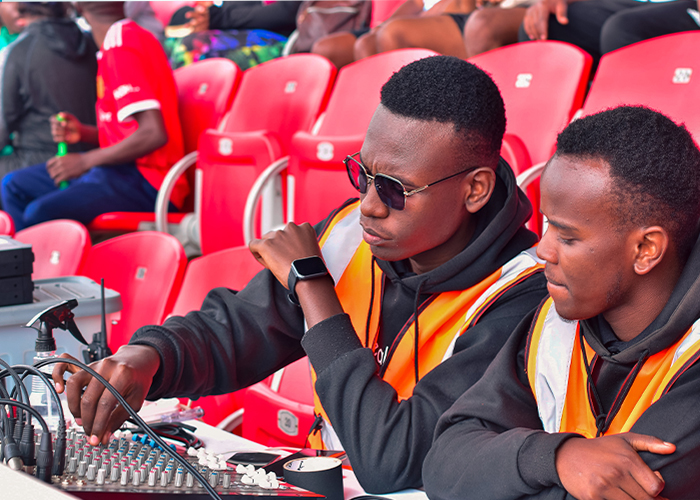
Conference Checklist for Event Managers in Kenya
Professional audiovisual production plays an essential role in delivering successful corporate conferences, business summits, NGO forums, government meetings, and international conventions. From clear sound reinforcement and high-quality visual displays to professional staging, lighting, livestreaming, and simultaneous interpretation, reliable technical production helps organizers deliver engaging and well-coordinated events.
Peak Audio provides comprehensive conference audiovisual and event production solutions in Nairobi and across Kenya, supporting event managers, corporate organizations, institutions, NGOs, and conference organizers with equipment, technical expertise, and on-site production services.
7.1 Professional Conference Audiovisual Solutions
Peak Audio supports conference organizers with integrated audiovisual solutions designed to improve communication, presentation quality, audience engagement, and event delivery.
-
Corporate conference production: Provide audiovisual equipment and technical support for company meetings, annual general meetings, leadership forums, product launches, and corporate summits.
-
NGO and development forums: Support stakeholder meetings, donor conferences, policy discussions, workshops, and development partner events.
-
International conference solutions: Coordinate sound, visual displays, livestreaming, interpretation, and technical requirements for international delegates and speakers.
-
Business summit production: Deliver audiovisual systems for keynote presentations, panel discussions, networking sessions, and industry exhibitions.
-
Institutional event support: Provide technical production services for government institutions, universities, professional associations, and other organizations.
-
Integrated technical coordination: Combine sound systems, LED screens, staging, lighting, video production, and related technologies into a coordinated event setup.
-
Conference equipment planning: Assist event managers in identifying appropriate audiovisual requirements based on venue capacity, conference format, and programme activities.
-
On-site production services: Support equipment installation, technical testing, live conference operation, troubleshooting, and dismantling.
7.2 Professional Conference Sound Systems
Clear and reliable sound is essential for effective communication during keynote presentations, panel discussions, seminars, workshops, and large corporate conferences.
-
Professional PA systems: Provide sound reinforcement solutions suitable for small meeting rooms, medium-sized conference halls, and large auditoriums.
-
Keynote presentation audio: Support clear speech reproduction for keynote speakers, corporate executives, government representatives, and invited presenters.
-
Panel discussion sound: Configure audio systems for multiple panelists, moderators, and interactive discussions.
-
Seminar and workshop audio: Provide suitable sound equipment for training sessions, professional workshops, and breakout meetings.
-
Large audience coverage: Plan speaker placement and audio distribution to improve sound clarity throughout conference venues.
-
Digital audio mixing: Use appropriate audio mixing systems to manage microphones, presentations, multimedia playback, and other sound sources.
-
Audio monitoring and adjustments: Coordinate sound levels, microphone balance, feedback prevention, and ongoing audio management.
-
Technical sound support: Provide sound engineers to oversee setup, testing, operation, and troubleshooting during conferences.
7.3 Conference Microphones and Audio Management
Peak Audio provides conference microphone solutions that support clear communication between speakers, moderators, masters of ceremonies, delegates, and audience members.
-
Wireless handheld microphones: Suitable for MCs, moderators, audience questions, interactive discussions, and mobile presenters.
-
Wireless lapel microphones: Provide hands-free communication for keynote speakers, trainers, and presenters who need to move naturally on stage.
-
Headset microphones: Support presenters, facilitators, and speakers who require consistent microphone positioning.
-
Podium microphones: Provide speech reinforcement for formal addresses, opening remarks, institutional presentations, and official speeches.
-
Delegate discussion microphones: Support board meetings, stakeholder forums, government conferences, and structured panel discussions.
-
Wired microphone systems: Provide dependable microphone options for fixed presentation positions and specific conference requirements.
-
Microphone frequency coordination: Manage wireless microphone channels to reduce interference and signal interruptions.
-
Audio mixing and control: Coordinate microphone activation, sound levels, mute functions, and transitions between speakers.
-
Backup microphone arrangements: Prepare suitable replacement microphones, batteries, and accessories to minimize disruptions.
7.4 LED Screens and Digital Presentation Displays
Professional LED screens and digital displays improve presentation visibility, strengthen conference branding, and support effective communication with delegates.
-
Large-format LED screens: Provide high-visibility displays for keynote presentations, business summits, corporate conferences, and institutional events.
-
Conference presentation displays: Show PowerPoint slides, charts, infographics, videos, and other multimedia materials.
-
Corporate branding: Display conference themes, company logos, branded backgrounds, and organizational messages.
-
Sponsor recognition: Present sponsor logos, promotional graphics, partnership acknowledgements, and digital advertisements.
-
Live camera feeds: Display close-up views of keynote speakers, panel discussions, and conference activities on large screens.
-
Multiple display configurations: Arrange screens according to venue dimensions, audience seating, stage design, and presentation requirements.
-
Video playback management: Coordinate promotional videos, speaker introductions, animations, and multimedia transitions.
-
Professional display operation: Provide technical personnel to manage screen content, video switching, and presentation changes.
-
Display testing and optimization: Verify screen resolution, aspect ratios, brightness, positioning, and compatibility with presentation systems.
7.5 Conference Staging and Set Production
Professional conference staging creates organized presentation spaces, improves speaker visibility, and supports effective audiovisual production.
-
Conference stage platforms: Provide suitable raised stages for keynote presentations, panel discussions, award ceremonies, and official addresses.
-
Lecterns and podiums: Arrange professional presentation positions for speakers, moderators, and conference officials.
-
Panel discussion setups: Coordinate stage seating, furniture placement, microphone positions, and presentation arrangements for panelists.
-
Stage backdrops: Integrate conference branding, sponsor graphics, decorative elements, and digital displays into stage designs.
-
Trussing and technical structures: Arrange appropriate support structures for lighting, screens, and other production equipment.
-
Presentation area layouts: Design stage configurations that support audience visibility, speaker movement, and camera coverage.
-
Stage lighting integration: Coordinate staging arrangements with lighting equipment and audiovisual production requirements.
-
Technical installation planning: Review stage dimensions, equipment positioning, venue restrictions, and installation schedules.
-
Stage setup and dismantling: Coordinate installation, inspection, operation, and safe removal of staging equipment.
7.6 Professional Conference Lighting
Professional conference lighting improves stage visibility, enhances presentation quality, supports video production, and contributes to the overall conference atmosphere.
-
Stage illumination: Provide suitable lighting for keynote speakers, panelists, moderators, and conference presenters.
-
Speaker lighting: Position lighting equipment to improve facial visibility and presentation clarity.
-
Podium lighting: Illuminate lecterns and presentation areas for formal speeches and official addresses.
-
Panel discussion lighting: Configure lighting for multiple speakers seated across conference stages.
-
Decorative conference lighting: Use suitable lighting effects to complement conference themes, branding, and venue design.
-
Corporate colour integration: Coordinate lighting colours with approved conference branding and visual identity.
-
Video production lighting: Provide appropriate illumination for camera recording, livestreaming, and professional conference photography.
-
Lighting control systems: Manage lighting intensity, transitions, scene changes, and programmed cues.
-
On-site lighting operation: Coordinate lighting technicians responsible for setup, testing, live adjustments, and equipment management.
7.7 Hybrid Conference and Livestreaming Solutions
Hybrid conference and livestreaming technology enables organizers to connect physical audiences with remote speakers, international delegates, and online participants.
-
Professional conference livestreaming: Broadcast keynote presentations, panel discussions, workshops, and other approved conference sessions to online audiences.
-
Hybrid conference integration: Connect in-person conference activities with virtual participants through appropriate audiovisual and conferencing systems.
-
Remote speaker participation: Support speakers joining conference sessions through compatible video conferencing platforms.
-
International delegate access: Enable participants from different countries to follow presentations and discussions without attending physically.
-
Multi-platform streaming: Configure conference broadcasts for suitable platforms such as YouTube, Zoom, Microsoft Teams, or other approved services.
-
Professional audio integration: Deliver clear conference audio to online participants through properly configured mixing and streaming systems.
-
Live video switching: Coordinate camera feeds, speaker presentations, videos, and conference graphics during broadcasts.
-
Audience interaction: Support moderated questions, virtual discussions, and other remote participation features where required.
-
Internet connectivity planning: Assess streaming bandwidth, network reliability, and suitable backup connections.
-
Technical streaming supervision: Provide production personnel to monitor stream quality, audio synchronization, video feeds, and recording performance.
7.8 Multi-Camera Video Production and Documentation
Professional multi-camera video production helps conference organizers document presentations, capture important discussions, and create valuable media content for post-event communication.
-
Multi-camera conference recording: Capture keynote presentations, panel discussions, workshops, and conference activities from multiple camera angles.
-
Keynote presentation coverage: Record speakers, presentation content, audience reactions, and important conference moments.
-
Panel discussion recording: Capture moderators, panelists, and audience participation through coordinated camera positioning.
-
Live video switching: Manage transitions between camera feeds, presentation slides, videos, and conference graphics.
-
Speaker interviews: Record approved interviews with keynote speakers, sponsors, executives, and conference participants.
-
Conference highlight videos: Produce visual summaries featuring important presentations, networking activities, exhibitions, and event achievements.
-
Livestream video production: Integrate professional camera feeds with online broadcasting systems.
-
Conference documentation: Provide suitable footage for organizational archives, stakeholder reports, promotional campaigns, and future conference marketing.
-
Professional recording management: Coordinate video capture, audio synchronization, file organization, and approved media delivery.
7.9 Simultaneous Interpretation Systems
Simultaneous interpretation systems help conference organizers overcome language barriers and improve communication during international meetings, multilingual forums, and regional events.
-
Multilingual conference solutions: Support conferences involving participants who communicate in different languages.
-
Interpreter booth arrangements: Provide suitable interpretation facilities for professional interpreters where required.
-
Interpreter microphones and headsets: Support interpreters with appropriate audio input and monitoring equipment.
-
Delegate interpretation receivers: Provide listening devices that allow participants to select available interpretation channels.
-
Multiple language channels: Configure interpretation systems according to the languages and technical requirements of the conference.
-
International NGO forums: Support multilingual stakeholder discussions, development conferences, and international partnership meetings.
-
Government and institutional conferences: Facilitate communication during official meetings, regional forums, and policy discussions.
-
Hybrid interpretation integration: Coordinate interpretation audio with livestreaming or virtual conference systems where technically supported.
-
Interpretation equipment testing: Verify audio clarity, channel selection, receiver functionality, and interpreter communication systems.
-
Technical interpretation support: Provide technicians to manage equipment setup, operation, troubleshooting, and dismantling.
7.10 On-Site Technical Management and Support
On-site technical management ensures that conference audiovisual systems are installed, tested, operated, and monitored throughout the event.
-
Pre-event technical coordination: Review conference objectives, venue layouts, equipment requirements, production schedules, and supplier arrangements.
-
Equipment delivery and installation: Coordinate the transportation, setup, positioning, and connection of audiovisual equipment.
-
Technical inspections: Assess sound coverage, display visibility, lighting positions, electrical requirements, cable routing, and equipment safety.
-
Sound checks and system testing: Test microphones, audio mixers, speakers, LED screens, presentation systems, cameras, and interpretation equipment.
-
Technical rehearsals: Coordinate speaker transitions, presentation changes, video playback, lighting cues, and livestreaming tests.
-
Live conference operation: Manage audiovisual equipment throughout keynote presentations, panel discussions, workshops, and other programme activities.
-
Technical troubleshooting: Respond to microphone faults, display interruptions, playback problems, streaming issues, and other equipment challenges.
-
Backup equipment coordination: Arrange appropriate spare microphones, cables, adapters, batteries, and other contingency equipment.
-
Coordination with event managers: Maintain communication with conference organizers, stage managers, speakers, moderators, and venue representatives.
-
Post-event equipment breakdown: Supervise equipment shutdown, dismantling, packing, collection, and venue restoration.
Choosing a professional audiovisual and event production partner is an important step in organizing successful corporate conferences, NGO forums, government meetings, business summits, and international conventions.
Peak Audio supports conference organizers with integrated technical production solutions, including professional sound systems, conference microphones, LED screens, staging, lighting, livestreaming, hybrid conference technology, simultaneous interpretation, multi-camera video production, and on-site technical management.
8. Frequently Asked Questions About Conference Checklists for Event Managers
8.1 What is a conference checklist for event managers?
A conference checklist for event managers is a structured planning tool used to organize, coordinate, monitor, and evaluate all activities involved in hosting a professional conference. It outlines essential tasks, responsibilities, deadlines, supplier requirements, budgets, and operational procedures.
A comprehensive conference checklist helps event managers:
-
Define conference objectives, target audiences, and expected outcomes.
-
Coordinate venue selection, budgeting, suppliers, speakers, and delegate registration.
-
Plan audiovisual production, staging, lighting, livestreaming, and interpretation services.
-
Monitor conference preparations and event-day operations.
-
Track task completion, deadlines, responsibilities, and outstanding requirements.
-
Evaluate conference performance and document recommendations for future events.
Conference checklists are particularly useful for corporate conferences, NGO forums, government meetings, business summits, professional seminars, and international conventions in Kenya.
8.2 What should be included in a conference planning checklist?
A professional conference planning checklist should cover every stage of event preparation, execution, and post-conference evaluation.
Essential components include:
-
Conference objectives: Event purpose, target audience, expected outcomes, and performance indicators.
-
Budget and procurement: Estimated costs, supplier quotations, approved expenditure, payment schedules, and contingency funds.
-
Venue arrangements: Venue selection, contracts, seating layouts, breakout rooms, accessibility, and technical infrastructure.
-
Speakers and programmes: Speaker invitations, presentation topics, biographies, moderators, session schedules, and conference run sheets.
-
Audiovisual production: Sound systems, microphones, LED screens, projectors, staging, lighting, livestreaming, and interpretation equipment.
-
Marketing and registration: Conference promotion, branding, delegate invitations, ticketing, attendance tracking, and registration systems.
-
Logistics and hospitality: Catering, accommodation, transportation, VIP arrangements, and delegate support.
-
Safety and contingency planning: Security, emergency procedures, applicable permits, backup equipment, and technical rehearsals.
-
Event-day operations: Venue readiness, supplier coordination, registration, programme execution, and technical supervision.
-
Post-conference activities: Equipment removal, financial reconciliation, stakeholder feedback, documentation, and final reporting.
8.3 How do event managers plan a successful conference in Kenya?
Planning a successful conference in Kenya requires clear objectives, realistic budgeting, reliable suppliers, appropriate venues, and effective coordination between organizing teams.
Event managers should:
-
Define conference objectives: Identify the event’s purpose, intended audience, and measurable outcomes.
-
Prepare a realistic budget: Estimate venue, catering, audiovisual, branding, logistics, speaker, and marketing expenses.
-
Select an appropriate venue: Consider location, seating capacity, accessibility, internet connectivity, and technical infrastructure.
-
Establish a planning committee: Assign responsibilities for finance, procurement, marketing, registration, programme development, and production.
-
Engage professional suppliers: Coordinate audiovisual providers, caterers, decorators, transport companies, photographers, and other service providers.
-
Develop a structured programme: Confirm keynote presentations, panel discussions, workshops, networking sessions, and closing activities.
-
Promote the conference: Use websites, email marketing, LinkedIn, social media, and relevant professional networks.
-
Conduct technical rehearsals: Test microphones, LED screens, presentations, lighting, livestreaming, and interpretation systems.
-
Supervise event-day operations: Monitor registration, hospitality, programme timing, technical production, and safety.
-
Evaluate conference performance: Collect feedback, reconcile budgets, and prepare post-event reports.
For conferences in Nairobi and across Kenya, early coordination with an audiovisual production provider such as Peak Audio can help organizers determine suitable technical requirements.
8.4 How far in advance should conference planning begin?
Conference planning should generally begin three to six months before the event, although larger international conferences, government conventions, and complex multi-day events may require six to twelve months or longer.
A practical conference planning timeline includes:
-
3–6 months before: Define objectives, identify audiences, establish budgets, select dates, shortlist venues, and appoint planning teams.
-
1–3 months before: Confirm venues, speakers, audiovisual suppliers, branding, marketing, registration, and sponsorship arrangements.
-
1–4 weeks before: Reconfirm suppliers, finalize delegate lists, prepare run sheets, inspect venues, and schedule technical rehearsals.
-
Conference day: Supervise venue readiness, registration, speakers, audiovisual systems, hospitality, safety, and programme execution.
-
After the conference: Coordinate equipment removal, reconcile finances, collect feedback, prepare reports, and communicate with stakeholders.
Beginning preparations early improves supplier availability, budget management, programme development, and technical readiness.
8.5 What are the main responsibilities of a conference event manager?
A conference event manager is responsible for overseeing the planning, coordination, execution, and evaluation of professional conferences.
Key responsibilities include:
-
Establishing conference objectives, scope, budgets, and planning schedules.
-
Selecting and coordinating suitable conference venues.
-
Managing suppliers, contracts, procurement, and payments.
-
Coordinating keynote speakers, moderators, panelists, and conference programmes.
-
Supervising delegate registration, invitations, marketing, and communications.
-
Organizing audiovisual equipment, staging, lighting, livestreaming, and technical production.
-
Managing catering, accommodation, transportation, and hospitality arrangements.
-
Coordinating event personnel, security, accessibility, and emergency procedures.
-
Supervising conference-day activities and resolving operational challenges.
-
Evaluating event performance, preparing reports, and documenting improvements.
A structured conference checklist helps event managers manage these responsibilities efficiently.
8.6 How do I prepare a conference budget and planning timeline?
Preparing a conference budget and planning timeline involves identifying essential activities, estimating costs, assigning responsibilities, and establishing realistic deadlines.
To prepare a conference budget:
-
Estimate the expected number of delegates, speakers, sponsors, and event personnel.
-
Identify venue hire, catering, accommodation, and transportation expenses.
-
Request quotations for sound systems, LED screens, microphones, staging, lighting, livestreaming, and technical support.
-
Allocate funding for branding, marketing, registration, security, and conference materials.
-
Include speaker fees, travel costs, and other programme expenses where applicable.
-
Reserve contingency funding for unexpected costs.
-
Compare approved budgets against actual expenditure throughout the planning process.
To develop a conference timeline:
-
Divide preparations into early planning, supplier confirmation, final coordination, event-day execution, and post-event evaluation.
-
Assign specific deadlines to each activity.
-
Identify responsible individuals or departments.
-
Prioritize critical tasks such as venue bookings and audiovisual reservations.
-
Review progress regularly and update outstanding activities.
Using a spreadsheet or digital project management platform makes it easier to track budgets, deadlines, and responsibilities.
8.7 What audiovisual equipment is required for a professional conference?
Professional conferences require audiovisual equipment that supports clear communication, effective presentations, audience engagement, and reliable technical production.
Common audiovisual requirements include:
-
Professional sound systems: PA speakers, audio mixers, amplifiers, and suitable sound reinforcement equipment.
-
Conference microphones: Wireless handheld, lapel, headset, podium, and delegate discussion microphones.
-
LED screens and projectors: Visual displays for presentations, corporate branding, sponsor recognition, and video content.
-
Conference staging: Stage platforms, lecterns, podiums, backdrops, and supporting structures.
-
Professional lighting: Stage illumination, speaker lighting, panel discussion lighting, and decorative lighting.
-
Livestreaming equipment: Cameras, video switchers, streaming encoders, recording equipment, and internet connectivity.
-
Hybrid conference systems: Technology connecting physical audiences with remote speakers and virtual participants.
-
Simultaneous interpretation equipment: Interpreter booths, microphones, headsets, receivers, and language distribution systems.
-
Video production equipment: Professional cameras, tripods, video recorders, and production control systems.
-
Technical backup equipment: Spare microphones, cables, adapters, batteries, and appropriate power solutions.
The exact equipment required depends on conference size, venue layout, audience capacity, programme format, and technical objectives.
Peak Audio provides professional conference audiovisual equipment and technical production support in Nairobi and across Kenya.
8.8 What should an event manager check before conference day?
Before conference day, event managers should conduct a comprehensive review of all operational, logistical, and technical arrangements.
Important checks include:
-
Reconfirming venue bookings, supplier agreements, and equipment delivery schedules.
-
Verifying delegate registration records, seating plans, and VIP requirements.
-
Finalizing speaker schedules, presentation files, and conference programmes.
-
Inspecting stages, seating arrangements, registration areas, breakout rooms, and emergency exits.
-
Testing sound systems, microphones, LED screens, projectors, and lighting equipment.
-
Confirming livestreaming, recording, internet connectivity, and interpretation arrangements.
-
Reviewing catering schedules, meal quantities, and dietary requirements.
-
Approving conference branding, banners, signage, badges, and digital graphics.
-
Briefing registration teams, ushers, security personnel, stage managers, and technical operators.
-
Preparing backup equipment, contingency procedures, and emergency contacts.
-
Conducting final technical rehearsals and reviewing the conference run sheet.
These checks help reduce last-minute problems and improve conference readiness.
8.9 What should be included in a conference event-day checklist?
A conference event-day checklist should provide a clear operational guide for managing all activities from venue setup to conference closure.
It should include:
-
Venue readiness: Inspect seating, staging, signage, registration areas, catering facilities, and emergency routes.
-
Audiovisual setup: Confirm sound systems, microphones, LED screens, projectors, lighting, livestreaming, and interpretation equipment.
-
Technical testing: Conduct sound checks, presentation tests, video playback checks, and internet connectivity verification.
-
Delegate registration: Prepare attendee lists, name badges, registration equipment, welcome materials, and information desks.
-
Speaker coordination: Brief keynote speakers, moderators, MCs, and panelists on schedules and technical arrangements.
-
Programme management: Monitor presentations, panel discussions, workshops, networking sessions, and closing activities.
-
Hospitality supervision: Coordinate refreshments, meals, VIP services, and special dietary arrangements.
-
Safety and security: Monitor access control, emergency procedures, crowd movement, and medical readiness.
-
Technical production: Coordinate sound engineers, lighting technicians, camera operators, livestreaming personnel, and stage managers.
-
Event documentation: Capture approved photography, video recordings, interviews, presentations, and conference highlights.
8.10 Where can I download a conference planning checklist PDF?
You can download a conference planning checklist Kenya PDF designed to help event managers organize conference preparations, monitor responsibilities, and track essential activities.
The checklist covers conference objectives, budgeting, venue selection, supplier coordination, speakers, audiovisual production, branding, registration, logistics, safety, event-day operations, and post-conference evaluation.
Download the Conference Planning Checklist Kenya PDF
The printable checklist provides a practical reference for corporate event managers, conference organizers, NGOs, institutions, and professional event planning teams.
8.11 Does Peak Audio provide audiovisual and technical production services for conference event managers?
Yes. Peak Audio provides professional audiovisual equipment and technical production services for conference event managers, corporate organizations, NGOs, government institutions, business associations, and conference organizers in Kenya.
Its conference production solutions include:
-
Professional conference sound systems and audio engineering.
-
Wireless and wired microphones for speakers, moderators, and delegates.
-
LED screens, projectors, and digital presentation displays.
-
Conference staging, podiums, and stage production infrastructure.
-
Professional stage lighting and decorative lighting.
-
Conference livestreaming and hybrid event technology.
-
Multi-camera video production and conference recording.
-
Simultaneous interpretation systems for multilingual conferences.
-
Equipment installation, testing, technical rehearsals, and troubleshooting.
-
On-site technical personnel and event production support.
Peak Audio supports conferences in Nairobi, across Kenya, and throughout East Africa, with audiovisual arrangements tailored to event requirements.
8.12 How can I request a quotation for professional conference production in Kenya?
To request a quotation for professional conference audiovisual and technical production services in Kenya, contact Peak Audio with details about your upcoming event.
For an accurate quotation, provide the following information:
-
Conference name and type: Corporate conference, business summit, NGO forum, government meeting, workshop, or international convention.
-
Event date and duration: Confirm the scheduled date, number of conference days, and expected setup periods.
-
Conference location: Specify the venue name, town, or county.
-
Expected attendance: Provide the estimated number of delegates, speakers, and participants.
-
Audiovisual requirements: Indicate whether you require sound systems, microphones, LED screens, staging, lighting, livestreaming, interpretation, or video production.
-
Conference format: Confirm whether the event will be physical, virtual, or hybrid.
-
Programme requirements: Share the conference agenda, speaker arrangements, breakout sessions, and other technical needs.
-
Budget expectations: Provide an indicative budget where available to help identify suitable equipment and production options.
Peak Audio can use these details to assess the conference’s technical requirements and prepare an appropriate audiovisual production quotation.
Planning a conference in Nairobi or anywhere in Kenya? Contact Peak Audio to discuss your sound, LED screen, staging, lighting, livestreaming, interpretation, video production, and technical support requirements.
The Importance of a Comprehensive Conference Checklist for Event Managers

Conference Checklist for Event Managers in Kenya
A comprehensive conference checklist for event managers is an essential planning and coordination tool for organizing successful, professional, and well-executed conferences. It provides a structured approach to managing event objectives, budgeting, venue selection, supplier procurement, speaker coordination, sponsorship arrangements, delegate registration, marketing, audiovisual production, logistics, safety, and post-conference reporting. Whether organizing corporate conferences, business summits, NGO forums, government meetings, international conventions, academic conferences, or industry seminars, a detailed checklist helps event managers allocate responsibilities, monitor progress, control expenditure, and minimize operational challenges. Following a structured conference planning timeline covering early preparations, venue and supplier bookings, programme development, final confirmations, technical rehearsals, conference-day operations, and post-event evaluation ensures that every stage of the conference receives the attention required for successful delivery.
Using a reusable conference checklist for event managers improves organization, accountability, and efficiency throughout the planning process. A practical checklist should feature task checkboxes, assigned responsibilities, deadlines, priority levels, completion tracking, and planning notes, allowing event teams to monitor outstanding activities, coordinate suppliers, and maintain clear communication. Beyond administrative coordination, successful conferences depend on professional sound systems, reliable conference microphones, LED screens, staging, lighting, livestreaming, hybrid event technology, multi-camera video production, simultaneous interpretation systems, dependable internet connectivity, and technical backup arrangements. These essential audiovisual and technical solutions support clear presentations, effective audience engagement, inclusive participation, seamless programme delivery, and reliable communication between speakers, delegates, and virtual participants.
At Peak Audio, we provide professional conference sound systems, microphones, LED screens, staging, lighting, livestreaming, hybrid event solutions, simultaneous interpretation, multi-camera video production, and comprehensive on-site technical support for conferences in Nairobi and across Kenya and East Africa. As a trusted audiovisual and event production partner, Peak Audio supports corporate organizations, conference event managers, professional event planners, NGOs, government institutions, industry associations, and international organizations with customized technical production solutions tailored to their conference objectives, venue requirements, audience sizes, and budgets. By combining modern audiovisual equipment, experienced technical personnel, and carefully coordinated production services, we help event managers deliver professionally organized, engaging, technically reliable, and memorable conferences that strengthen stakeholder engagement, improve communication, and achieve measurable event objectives.
Leave a Reply
Want to join the discussion?Feel free to contribute!