Best Event Management Companies for Small Businesses
Best Event Management Companies for Small Businesses – Affordable Corporate Event Planning & Professional Production Services

Best Event Management Companies for Small Businesses
Finding the best event management companies for small businesses is essential for startups, small and medium-sized enterprises (SMEs), entrepreneurs, retailers, professional service providers, growing companies, and local brands seeking to organize successful corporate events without exceeding their budgets. As Kenya’s business environment continues to create opportunities for entrepreneurship, brand development, and customer engagement, small businesses increasingly use professionally organized events to strengthen their market presence and build valuable relationships. From product launches, business networking events, customer appreciation ceremonies, corporate seminars, workshops, exhibitions, and brand activations to employee engagement activities and company celebrations, these gatherings provide opportunities to showcase products, attract potential customers, connect with industry stakeholders, and improve brand recognition. Working with experienced event management professionals enables small businesses to deliver organized, engaging, and memorable experiences while concentrating on their core business operations and long-term growth objectives.
Choosing affordable event management services for small businesses involves balancing professional event quality with realistic budgets, operational efficiency, and measurable business outcomes. Successful small business event planning requires careful coordination of event objectives, venue selection, budgeting, supplier management, guest invitations, branding, audiovisual equipment, staging, lighting, delegate registration, catering, logistics, and event-day operations. Unlike large corporations with dedicated event departments and extensive financial resources, startups and SMEs often require flexible event packages, cost-effective production solutions, transparent quotations, and reliable suppliers capable of adapting services to different event sizes and budgets. When evaluating event management companies in Nairobi and across Kenya, business owners should consider industry experience, affordability, service flexibility, technical capabilities, supplier reliability, communication, and the ability to deliver results such as increased brand awareness, stronger customer relationships, qualified business leads, and improved audience engagement. A professionally coordinated event should not simply look impressive; it should provide meaningful value and support the organization’s marketing, networking, and business development goals.
Peak Audio is a trusted audiovisual and corporate event production partner in Kenya, supporting startups, SMEs, entrepreneurs, corporate organizations, and professional event planners with reliable, scalable, and cost-conscious technical solutions. From professional sound systems, wireless microphones, LED screens, staging, and event lighting to livestreaming, hybrid event technology, multi-camera video production, event recording, and on-site technical support, Peak Audio provides audiovisual production services tailored to different event formats, venue requirements, audience sizes, and available budgets. Whether organizing a small business product launch in Nairobi, a corporate networking event, a customer appreciation ceremony, an entrepreneurship workshop, a brand activation, a business exhibition, or an employee engagement event, Peak Audio helps organizations deliver clear presentations, professional event environments, engaging audience experiences, and dependable technical execution. This comprehensive guide explores how to choose the right event management companies for small businesses in Kenya, evaluate affordable corporate event planning services, manage event budgets, coordinate suppliers, and incorporate professional audiovisual production to achieve successful business events across Kenya and East Africa.
1. Why Small Businesses Need Professional Event Management Companies

Best Event Management Companies for Small Businesses
Small businesses in Kenya use corporate events to promote products, attract customers, build partnerships, and increase brand visibility. However, organizing a successful event requires time, money, reliable suppliers, and careful coordination.
Professional event management companies help businesses plan and execute events efficiently. They support activities such as scheduling, budgeting, supplier coordination, logistics, and event-day management.
For audiovisual requirements, Peak Audio supports small businesses with professional sound systems, LED screens, staging, lighting, livestreaming, and technical production services in Kenya.
1.1 Save Time and Reduce Planning Work
Planning a business event can take valuable time away from daily operations. Professional event support helps entrepreneurs and business owners concentrate on customers, sales, and business growth.
How professional event management saves time:
-
Event Planning: Develop a structured plan with clear activities and deadlines.
-
Supplier Coordination: Communicate with venues, caterers, decorators, and technical providers.
-
Programme Scheduling: Organize presentations, speeches, and networking sessions.
-
Delegate Management: Coordinate invitations, confirmations, and registration.
-
Equipment Arrangements: Plan sound systems, microphones, screens, and lighting.
-
Logistics Management: Coordinate deliveries, setup, and supplier arrival times.
-
Task Delegation: Assign responsibilities to relevant team members.
-
Event-Day Supervision: Monitor activities without requiring the business owner to handle every detail.
-
Problem Resolution: Respond to operational challenges as they arise.
-
Post-Event Follow-Up: Coordinate feedback, reporting, and outstanding activities.
Professional event support reduces administrative workload, saves time, and allows small business owners to focus on business operations and customer relationships.
1.2 Improve Event Organization
Successful business events require coordination between people, suppliers, equipment, and activities. Without a clear plan, small businesses may experience scheduling conflicts, communication gaps, and unnecessary delays.
Ways professional event management improves organization:
-
Clear Event Objectives: Establish the purpose and expected results.
-
Detailed Event Timeline: Set deadlines for important activities.
-
Supplier Scheduling: Coordinate arrival, setup, and departure times.
-
Venue Layout Planning: Arrange seating, stages, registration areas, and networking spaces.
-
Programme Coordination: Organize speakers, presentations, and entertainment.
-
Registration Management: Prepare attendance lists and check-in procedures.
-
Audiovisual Coordination: Ensure technical equipment supports planned activities.
-
Staff Responsibilities: Assign clear roles to organizing team members.
-
Communication Channels: Keep suppliers and event personnel informed.
-
Event Monitoring: Track activities against the approved programme.
Structured event management improves coordination, reduces confusion, and helps small businesses deliver organized and professional events.
1.3 Manage Limited Event Budgets
Small businesses often operate with restricted marketing and event budgets. Professional planning helps identify essential services, compare supplier quotations, and allocate available resources effectively.
How professional event planning supports budget management:
-
Budget Preparation: Estimate the total cost of the event.
-
Expense Prioritization: Identify essential and optional services.
-
Venue Cost Comparison: Evaluate suitable venues within the available budget.
-
Supplier Quotations: Compare prices and service packages.
-
Audiovisual Budgeting: Select appropriate sound, screens, and lighting equipment.
-
Catering Cost Control: Match catering arrangements to expected attendance.
-
Branding Expenses: Allocate funds for banners, backdrops, and promotional materials.
-
Transport Planning: Avoid unnecessary logistical expenses.
-
Contingency Allocation: Reserve funds for unexpected costs.
-
Financial Tracking: Monitor payments and outstanding balances.
-
Avoiding Unnecessary Equipment: Choose technical solutions appropriate to the event.
-
Post-Event Reconciliation: Compare actual spending with the approved budget.
Careful event budgeting helps small businesses control expenditure, prioritize important services, and obtain better value from their event investment.
1.4 create Professional Brand Experiences
Corporate events give small businesses an opportunity to present their products, services, and brand identity directly to customers and business partners.
A professionally produced event can help establish credibility and create a positive impression among attendees.
How event management strengthens brand presentation:
-
Consistent Branding: Use approved logos, colours, and brand messages.
-
Professional Event Backdrops: Create attractive presentation backgrounds.
-
Branded LED Screens: Display company visuals and promotional content.
-
Quality Sound Systems: Ensure clear speeches and presentations.
-
Professional Lighting: Improve the appearance of stages and products.
-
Organized Registration: Create a positive first impression.
-
Branded Signage: Guide guests while reinforcing company identity.
-
Product Demonstrations: Present products clearly and professionally.
-
Corporate Presentations: Communicate business achievements and services.
-
Photography and Video: Capture approved marketing content.
-
Guest Experience: Provide comfortable and organized event arrangements.
-
Brand Consistency: Maintain a professional appearance throughout the programme.
Professional event production strengthens brand visibility, improves credibility, and helps small businesses create memorable experiences for customers and partners.
1.5 Access Reliable Event Suppliers
Small businesses may struggle to identify suitable event suppliers, particularly when organizing their first corporate function.
Event management companies can help coordinate different service providers, while specialist audiovisual partners such as Peak Audio handle technical production requirements.
Important event suppliers for small businesses include:
-
Conference Venues: Hotels, meeting facilities, and event spaces.
-
Catering Providers: Meals, refreshments, and hospitality services.
-
Audiovisual Companies: Sound systems, microphones, screens, and technical production.
-
Stage Suppliers: Presentation platforms, lecterns, and backdrops.
-
Lighting Providers: Stage illumination and decorative lighting.
-
Branding Companies: Banners, signage, promotional materials, and branded displays.
-
Photographers: Professional event photography.
-
Videographers: Event recording and video highlights.
-
Transport Providers: Guest transfers and equipment logistics.
-
Furniture Suppliers: Chairs, tables, exhibition stands, and related equipment.
-
Registration Service Providers: Check-in systems and delegate management.
-
Security Providers: Appropriate event access and security arrangements.
Reliable supplier coordination improves service delivery, simplifies event preparation, and helps small businesses avoid unnecessary operational challenges.
1.6 Improve Customer Engagement
Business events provide opportunities for face-to-face communication with customers, potential clients, suppliers, and partners.
Unlike many traditional advertising activities, corporate events allow businesses to demonstrate products, answer questions, and build personal relationships.
How corporate events improve customer engagement:
-
Direct Customer Interaction: Communicate personally with existing and potential customers.
-
Product Demonstrations: Show how products work.
-
Service Presentations: Explain business solutions and benefits.
-
Networking Opportunities: Connect with entrepreneurs and industry professionals.
-
Customer Feedback: Collect opinions and suggestions.
-
Question-and-Answer Sessions: Address customer concerns.
-
Interactive Presentations: Encourage audience participation.
-
Brand Activations: Create engaging promotional experiences.
-
Customer Appreciation Events: Recognize loyal customers.
-
Business Workshops: Share practical knowledge and expertise.
-
Partnership Discussions: Explore potential collaborations.
-
Follow-Up Opportunities: Maintain contact with interested attendees.
Corporate events help small businesses strengthen customer relationships, improve brand engagement, and create valuable networking opportunities.
1.7 Reduce Event-Day Problems
Unexpected challenges can affect even carefully planned events. Common issues include delayed suppliers, equipment failures, programme changes, registration delays, and logistical problems.
Experienced event teams help anticipate these risks and establish appropriate contingency arrangements.
How professional event support reduces operational problems:
-
Pre-Event Inspections: Identify venue and logistical challenges early.
-
Supplier Confirmations: Verify delivery schedules and responsibilities.
-
Technical Rehearsals: Test presentations, microphones, and audiovisual equipment.
-
Backup Microphones: Prepare suitable alternatives for critical presentations.
-
Power Planning: Review electrical requirements and backup arrangements.
-
Internet Connectivity Checks: Assess connections for livestreaming and registration.
-
Programme Coordination: Prepare for speaker delays and schedule changes.
-
Registration Preparation: Reduce congestion at entry points.
-
Equipment Testing: Identify technical problems before the programme.
-
Emergency Procedures: Establish appropriate safety and response arrangements.
-
On-Site Technical Personnel: Provide support during presentations and discussions.
-
Communication Planning: Maintain clear communication between event teams.
-
Contingency Budgeting: Allocate funds for approved unexpected expenses.
-
Event Monitoring: Respond promptly to emerging operational issues.
Professional preparation and technical support reduce avoidable disruptions, improve event reliability, and help organizers manage unexpected challenges.
1.8 Support Business Growth
Corporate events are valuable marketing and business development tools for small businesses seeking to expand their customer base and strengthen industry relationships.
Product launches, networking events, exhibitions, seminars, and customer appreciation functions can create opportunities for sales, partnerships, brand recognition, and future business growth.
How professional events contribute to business growth:
-
Lead Generation: Attract potential customers interested in products or services.
-
Product Launches: Introduce new products to the market.
-
Brand Awareness: Increase recognition among target audiences.
-
Customer Retention: Strengthen relationships with existing customers.
-
Business Networking: Connect with suppliers, investors, and partners.
-
Market Expansion: Reach audiences in new locations or industries.
-
Sales Opportunities: Create opportunities for product enquiries and purchases.
-
Corporate Partnerships: Establish relationships with other businesses.
-
Industry Visibility: Position the business within relevant professional networks.
-
Customer Education: Demonstrate product features and service benefits.
-
Content Marketing: Generate photographs, videos, and approved event highlights.
-
Social Media Engagement: Share relevant event activities online.
-
Customer Feedback: Identify opportunities for product and service improvement.
-
Business Follow-Up: Convert relevant event contacts into future meetings and sales discussions.
Well-organized corporate events can support lead generation, customer retention, business partnerships, market visibility, and long-term growth.
Professional event management companies help small businesses in Kenya organize successful corporate events without placing unnecessary pressure on their internal teams.
Peak Audio complements professional event management by providing specialist audiovisual and technical production services for small business and corporate events in Nairobi, across Kenya, and throughout East Africa.
Its services include professional sound systems, wireless microphones, LED screens, staging, lighting, livestreaming, hybrid event technology, multi-camera video production, and on-site technical support.
By combining organized event management with reliable audiovisual production, small businesses can create professional experiences that strengthen their brands, engage customers, and support measurable business objectives.
2. Types of Events Small Businesses Can Organize in Kenya

Best Event Management Companies for Small Businesses
Small businesses in Kenya can organize different types of corporate events to promote products, attract customers, strengthen partnerships, motivate employees, and increase brand awareness. The most suitable event depends on the business objectives, target audience, available budget, and expected outcomes.
From product launches and networking forums to exhibitions, workshops, customer appreciation dinners, and team-building activities, professionally organized events create opportunities for business development and meaningful customer engagement.
Peak Audio supports small businesses with professional audiovisual and technical production services, including sound systems, microphones, LED screens, staging, lighting, livestreaming, and event recording.
2.1 Product Launch Events
Product launch events introduce new products, services, or business solutions to customers, distributors, investors, media representatives, and potential business partners.
A successful product launch should communicate the product’s benefits, demonstrate its features, and encourage customer interest.
Important activities for product launch events:
-
Product Introduction: Present the new product or service to the target audience.
-
Live Demonstrations: Show how the product works and explain its benefits.
-
Brand Presentations: Communicate the company’s values and market positioning.
-
Customer Invitations: Invite potential buyers, existing clients, and distributors.
-
Media Engagement: Provide opportunities for approved media coverage.
-
Professional Staging: Create an attractive presentation area.
-
LED Screen Displays: Showcase product specifications, demonstrations, and promotional videos.
-
Sound Systems: Ensure speeches and presentations are clearly heard.
-
Stage Lighting: Highlight products and important unveiling moments.
-
Photography and Videography: Capture content for future marketing.
-
Audience Interaction: Allow customers to ask questions and explore the product.
-
Sales Follow-Up: Collect enquiries and relevant contact information for future communication.
How Peak Audio Supports Product Launches
Peak Audio provides sound systems, LED screens, lighting, staging, microphones, and video production solutions that help small businesses deliver professional product presentations.
Product launch events help small businesses introduce new offerings, attract potential customers, increase brand visibility, and create sales opportunities.
2.2 Business Networking Events
Business networking events bring together entrepreneurs, professionals, suppliers, investors, industry representatives, and potential customers.
These gatherings help small businesses establish relationships, exchange ideas, discover opportunities, and build professional networks.
Important activities for business networking events:
-
Business Introductions: Allow participants to introduce themselves and their organizations.
-
Professional Networking: Create opportunities for meaningful business conversations.
-
Industry Discussions: Explore current challenges and market opportunities.
-
Business Presentations: Give selected businesses opportunities to showcase their services.
-
Investor Engagement: Connect entrepreneurs with potential investors.
-
Supplier Networking: Help businesses identify potential suppliers.
-
Partnership Development: Encourage collaboration between organizations.
-
Speed Networking: Organize short, structured introductions.
-
Panel Discussions: Invite professionals to share practical insights.
-
Guest Speakers: Feature relevant industry experts.
-
Networking Sessions: Allocate sufficient time for informal interaction.
-
Contact Follow-Up: Encourage participants to maintain relationships after the event.
How Peak Audio Supports Networking Events
Peak Audio provides microphones, sound systems, presentation displays, and appropriate lighting for business networking sessions, professional discussions, and corporate networking dinners.
Networking events help small businesses establish valuable professional relationships, identify commercial opportunities, and expand their business connections.
2.3 Corporate Seminars and Workshops
Corporate seminars and workshops allow small businesses to educate employees, customers, industry professionals, and business partners.
These events may focus on entrepreneurship, digital marketing, financial management, customer service, leadership, technology, or industry-specific skills.
Important activities for corporate seminars and workshops:
-
Training Objectives: Define the skills or knowledge participants should gain.
-
Relevant Topics: Select subjects that address audience needs.
-
Professional Facilitators: Engage suitable trainers and industry experts.
-
Programme Development: Organize presentations, practical sessions, and breaks.
-
Participant Registration: Maintain attendance records.
-
Training Materials: Prepare presentations, handouts, and learning resources.
-
Interactive Sessions: Encourage questions, discussions, and practical exercises.
-
Group Activities: Support teamwork and collaborative learning.
-
Presentation Screens: Display slides, diagrams, and training videos.
-
Professional Microphones: Ensure facilitators can communicate clearly.
-
Hybrid Participation: Allow remote participants to join where appropriate.
-
Training Evaluation: Collect feedback and assess learning outcomes.
How Peak Audio Supports Seminars and Workshops
Peak Audio provides sound systems, wireless microphones, projectors, LED screens, livestreaming, and technical support for professional seminars and training events.
Seminars and workshops help small businesses share knowledge, develop professional skills, educate customers, and strengthen their industry credibility.
2.4 Customer Appreciation Events
Customer appreciation events recognize loyal customers, strengthen relationships, and demonstrate the company’s commitment to customer satisfaction.
Small businesses can organize appreciation dinners, recognition ceremonies, exclusive networking gatherings, and customer engagement activities.
Important activities for customer appreciation events:
-
Customer Recognition: Acknowledge loyal and long-term customers.
-
Appreciation Speeches: Thank customers for their continued support.
-
Networking Opportunities: Encourage interaction between customers and business representatives.
-
Recognition Awards: Celebrate important customer relationships where appropriate.
-
Corporate Dinner Arrangements: Provide suitable hospitality and dining experiences.
-
Branded Decorations: Reinforce the company’s identity.
-
Entertainment Activities: Include suitable entertainment aligned with the audience.
-
Customer Testimonials: Invite customers to share relevant experiences.
-
Company Updates: Communicate important achievements and developments.
-
Photography: Capture approved event highlights.
-
Feedback Collection: Learn how customers perceive the business.
-
Future Engagement: Identify opportunities for continued communication and collaboration.
How Peak Audio Supports Customer Appreciation Events
Peak Audio provides professional sound systems, microphones, stage lighting, LED screens, and technical production for appreciation dinners and corporate recognition events.
Customer appreciation events help small businesses strengthen customer loyalty, improve relationships, and encourage repeat business.
2.5 Brand Activation Events
Brand activation events introduce customers to products or services through interactive promotional experiences.
These events are particularly useful for businesses launching new brands, entering new markets, or seeking stronger engagement with their target audiences.
Important activities for brand activation events:
-
Product Sampling: Allow customers to experience products directly.
-
Live Demonstrations: Showcase product features and practical benefits.
-
Interactive Displays: Encourage hands-on customer engagement.
-
Branded Promotional Booths: Create attractive spaces for product interaction.
-
Customer Education: Explain product features and applications.
-
Promotional Campaigns: Communicate special offers and brand messages.
-
Audience Participation: Organize appropriate interactive activities.
-
Social Media Engagement: Encourage approved event content sharing.
-
Branded Photography Areas: Create opportunities for customer photographs.
-
LED Screen Advertising: Display promotional videos and product information.
-
Professional Sound: Support announcements and promotional presentations.
-
Lead Collection: Record relevant customer enquiries with appropriate consent.
-
Campaign Evaluation: Review participation, enquiries, and other performance indicators.
How Peak Audio Supports Brand Activations
Peak Audio supports brand activation events with sound systems, microphones, LED screens, lighting, staging, and multimedia presentation solutions.
Brand activation events help small businesses increase product awareness, encourage customer interaction, and create memorable promotional experiences.
2.6 Small Business Exhibitions and Trade Shows
Exhibitions and trade shows allow small businesses to showcase products, demonstrate services, meet potential buyers, and establish commercial partnerships.
These events can be particularly valuable for manufacturers, distributors, retailers, technology businesses, service providers, and growing brands.
Important activities for small business exhibitions
-
Exhibition Booth Planning: Design suitable product display areas.
-
Product Showcases: Present products clearly and attractively.
-
Live Demonstrations: Explain how products or services work.
-
Business Branding: Display company logos, banners, and promotional materials.
-
LED Screen Presentations: Showcase product videos and marketing content.
-
Customer Engagement: Answer enquiries and provide product information.
-
Sales Discussions: Explore purchasing opportunities with interested visitors.
-
Distributor Networking: Connect with potential resellers and suppliers.
-
Investor Engagement: Present relevant business opportunities.
-
Promotional Materials: Distribute approved brochures and product information.
-
Lead Generation: Collect relevant customer enquiries.
-
Competitor Research: Observe market trends and customer preferences.
-
Post-Exhibition Follow-Up: Contact interested buyers and potential partners.
How Peak Audio Supports Exhibitions
Peak Audio provides LED screens, presentation displays, sound systems, microphones, lighting, and technical support for exhibition stands, product demonstrations, and trade show presentations.
Exhibitions and trade shows help small businesses improve market visibility, demonstrate products, generate leads, and establish new commercial relationships.
2.7 Employee Engagement and Team-Building Events
Employee engagement and team-building events help small businesses strengthen workplace relationships, improve communication, and motivate staff.
These events may include staff retreats, training sessions, recognition ceremonies, team challenges, and internal corporate gatherings.
Important activities for employee engagement events:
-
Team-Building Exercises: Encourage collaboration between employees.
-
Communication Activities: Improve interaction between departments.
-
Leadership Development: Support management and leadership skills.
-
Staff Recognition: Celebrate employee achievements.
-
Motivational Sessions: Encourage positive workplace attitudes.
-
Corporate Retreats: Provide opportunities for reflection and team development.
-
Problem-Solving Activities: Encourage creative thinking and cooperation.
-
Employee Feedback: Allow staff to share relevant suggestions.
-
Company Presentations: Communicate organizational goals and achievements.
-
Training Workshops: Develop practical workplace skills.
-
Team Celebrations: Recognize important company milestones.
-
Employee Networking: Strengthen relationships across different teams.
How Peak Audio Supports Employee Events
Peak Audio provides sound systems, microphones, presentation displays, staging, lighting, and technical support for staff conferences, recognition ceremonies, and corporate team-building programmes.
Employee engagement and team-building events help small businesses strengthen teamwork, improve staff motivation, and build a positive organizational culture.
2.8 Business Anniversary and Milestone Celebrations
Business anniversary and milestone celebrations recognize important achievements in a company’s development.
Small businesses may organize celebrations for company anniversaries, expansion projects, new branches, major partnerships, successful product launches, or significant business accomplishments.
Important activities for business milestone celebrations:
-
Company Anniversary Events: Celebrate years of business operations.
-
Business Expansion Celebrations: Recognize new offices, branches, or facilities.
-
Achievement Presentations: Highlight important company accomplishments.
-
Founder Recognition: Acknowledge the contribution of business founders.
-
Employee Appreciation: Recognize staff contributions to business growth.
-
Customer Recognition: Thank loyal customers and business partners.
-
Corporate Speeches: Share the company’s journey and future plans.
-
Business History Presentations: Showcase important milestones through photographs and videos.
-
Branded Event Staging: Create a professional presentation environment.
-
LED Screen Displays: Present company achievements and promotional content.
-
Professional Lighting: Enhance the celebration atmosphere.
-
Photography and Video Recording: Document important moments.
-
Networking Activities: Strengthen relationships with guests and partners.
-
Future Business Announcements: Communicate upcoming plans where appropriate.
How Peak Audio Supports Corporate Celebrations
Peak Audio provides sound systems, microphones, LED screens, staging, lighting, and video production for business anniversaries, corporate dinners, and milestone celebrations.
Business anniversary and milestone celebrations help small businesses recognize achievements, appreciate stakeholders, strengthen their brand identity, and communicate future ambitions.
Small businesses in Kenya can organize different corporate events depending on their marketing objectives, available resources, target audiences, and business development priorities.
Each event type requires appropriate planning, budgeting, supplier coordination, branding, and technical preparation.
Peak Audio supports small businesses, corporate organizations, and event planners in Nairobi, across Kenya, and throughout East Africa with professional audiovisual and technical event production services.
Through sound systems, wireless microphones, LED screens, staging, lighting, livestreaming, hybrid event technology, video recording, and on-site technical support, Peak Audio helps businesses create organized, engaging, and professionally presented events that support their commercial objectives.
3. How to Choose the Best Event Management Company for Your Small Business

Best Event Management Companies for Small Businesses
Choosing the right event management company in Kenya helps small businesses organize professional events while controlling costs, managing suppliers, and achieving their business objectives.
Whether planning a product launch, networking event, corporate seminar, customer appreciation dinner, exhibition, or company anniversary, businesses should evaluate potential providers based on experience, pricing, flexibility, technical capabilities, and reliability.
Peak Audio supports event management companies and small businesses with professional audiovisual production, including sound systems, LED screens, staging, lighting, livestreaming, and on-site technical support across Kenya and East Africa.
3.1 Evaluate Experience with Small Business Events
Small business events often require practical planning, affordable solutions, and careful resource allocation. Choose an event management company that understands SME budgets, limited internal teams, and business-focused event objectives.
Important factors to evaluate:
-
SME Event Experience: Confirm experience organizing events for startups and small businesses.
-
Relevant Event Types: Look for experience with launches, workshops, exhibitions, and networking events.
-
Budget Awareness: Choose providers that understand financial limitations.
-
Business Objectives: Ensure the company considers marketing, networking, and customer engagement goals.
-
Audience Management: Evaluate experience with small and medium-sized gatherings.
-
Practical Planning: Confirm the ability to deliver suitable solutions without unnecessary complexity.
-
Supplier Relationships: Assess access to appropriate event service providers.
-
Venue Knowledge: Look for familiarity with suitable corporate venues in Kenya.
-
Technical Understanding: Determine whether audiovisual requirements are considered during planning.
-
Event Coordination: Review the provider’s ability to manage activities from preparation to completion.
-
Problem-Solving Experience: Ask how previous event challenges were handled.
-
Relevant References: Request examples of comparable small business events.
An event management company experienced in SME events can help small businesses organize professional functions while balancing affordability, efficiency, and business objectives.
3.2 Request Transparent Quotations
Transparent quotations help small businesses understand the cost of event services before making financial commitments.
A professional event management company should provide a clear breakdown of services, equipment, personnel, transport, setup, and applicable charges.
What to check in an event quotation:
-
Itemized Services: Confirm that each major service is clearly described.
-
Venue Costs: Identify venue hire and associated facility charges.
-
Audiovisual Equipment: Review prices for microphones, speakers, LED screens, and lighting.
-
Stage Production: Confirm charges for platforms, lecterns, and backdrops.
-
Technical Personnel: Identify costs for sound engineers, lighting technicians, and video operators.
-
Equipment Transport: Check delivery and collection charges.
-
Setup and Breakdown: Confirm whether installation and dismantling are included.
-
Catering Charges: Review food, refreshments, and hospitality costs.
-
Branding Expenses: Confirm charges for banners, signage, and promotional displays.
-
Event Management Fees: Understand the cost of planning and coordination.
-
Applicable Taxes: Verify whether prices include or exclude VAT where applicable.
-
Additional Charges: Identify overtime, extra equipment, and other potential expenses.
-
Payment Terms: Review deposits, balances, and payment deadlines.
-
Cancellation Terms: Understand the conditions for cancellations or changes.
-
Quotation Validity: Confirm how long the quoted prices remain valid.
Peak Audio’s Role: Small businesses can request a quotation for audiovisual and technical production requirements based on their event scope, venue, equipment needs, and schedule.
Transparent quotations help small businesses compare suppliers fairly, avoid unexpected expenses, and make informed event budgeting decisions.
3.3 Assess Event Planning Capabilities
A suitable event management company should demonstrate the ability to coordinate the different activities involved in organizing a successful business event.
These activities may include venue selection, supplier communication, programme development, registration, branding, hospitality, and event-day operations.
Essential event planning capabilities:
-
Event Concept Development: Translate business objectives into a suitable event format.
-
Budget Preparation: Develop realistic financial estimates.
-
Venue Selection: Identify facilities that meet audience and programme requirements.
-
Supplier Coordination: Communicate with catering, branding, audiovisual, and other providers.
-
Programme Development: Prepare session schedules and event activities.
-
Speaker Coordination: Manage invitations, confirmations, and presentation requirements.
-
Delegate Registration: Coordinate invitations, attendance lists, and check-in.
-
Branding Management: Organize signage, backdrops, and promotional materials.
-
Catering Coordination: Confirm meals, refreshments, and hospitality arrangements.
-
Transport Logistics: Plan guest transfers and supplier deliveries where required.
-
Technical Production Coordination: Align audiovisual requirements with the event programme.
-
Event-Day Supervision: Monitor activities and supplier performance.
-
Contingency Planning: Prepare for relevant operational challenges.
-
Post-Event Evaluation: Collect feedback and review event performance.
Strong event planning capabilities help small businesses coordinate suppliers, maintain schedules, manage resources, and deliver organized corporate events.
3.4 Check Audiovisual Production Services
Audiovisual production is an important consideration when selecting an event management company because sound, visual displays, lighting, and staging influence the audience experience.
Small businesses should confirm whether the event management provider offers audiovisual services directly or works with a specialist technical production company.
Important audiovisual services to check:
-
Professional Sound Systems: Suitable speakers and audio equipment for the venue.
-
Wireless Microphones: Handheld microphones for presentations and audience participation.
-
Lapel and Headset Microphones: Hands-free options for keynote speakers.
-
Audio Mixing Equipment: Professional control of sound levels and microphone inputs.
-
LED Screens: Large displays for presentations, videos, and branding.
-
Projectors and Screens: Appropriate visual presentation alternatives.
-
Corporate Staging: Platforms, lecterns, and presentation areas.
-
Stage Lighting: Suitable illumination for speakers and stage activities.
-
Decorative Lighting: Lighting that complements the event atmosphere.
-
Livestreaming: Technology for broadcasting events to online audiences.
-
Hybrid Event Solutions: Support for remote speakers and virtual delegates.
-
Multi-Camera Video Production: Recording of presentations and other event activities.
-
Interpretation Systems: Multilingual audio solutions where required.
-
Technical Rehearsals: Equipment testing before the programme.
-
On-Site Technical Support: Technicians to operate and troubleshoot equipment.
How Peak Audio Helps: Peak Audio provides specialist audiovisual and technical production services for corporate events, allowing event organizers to coordinate sound, screens, staging, lighting, livestreaming, and recording through a technical production partner.
Reliable audiovisual production supports clear communication, professional presentations, audience engagement, and smooth technical operations.
3.5 Review Previous Event Experience
A company’s previous projects can help small businesses evaluate its suitability for an upcoming event.
Reviewing event portfolios, photographs, videos, testimonials, and relevant client references provides insight into the types of events a provider has handled.
What to examine in an event company’s portfolio:
-
Completed Events: Review examples of previous corporate functions.
-
Similar Event Types: Look for projects comparable to your planned event.
-
Event Size: Assess experience with similar audience numbers.
-
Venue Experience: Check familiarity with comparable event locations.
-
Stage Production Quality: Examine presentation layouts and branding.
-
Audiovisual Setup: Review sound, lighting, and screen arrangements.
-
Event Photography: Assess the professional appearance of previous events.
-
Video Documentation: Examine available event highlights and recordings.
-
Client Testimonials: Read feedback from previous customers.
-
Client References: Request relevant references where appropriate.
-
Programme Complexity: Consider experience with multiple speakers and sessions.
-
Supplier Coordination: Ask how different event services were managed.
-
Technical Challenges: Enquire about problems encountered and resolved.
-
Consistency: Evaluate whether the quality of work appears consistent across projects.
Reviewing previous event experience helps small businesses assess supplier capabilities, presentation standards, and suitability for their specific requirements.
3.6 Consider Flexible Event Packages
Small businesses have different budgets, audience sizes, venue requirements, and event objectives.
A suitable event management company should be able to adjust its service scope without compromising essential operational and safety requirements.
Important elements of flexible event packages:
-
Audience-Based Solutions: Match services to the expected number of participants.
-
Venue-Based Planning: Adjust equipment to suit indoor or outdoor locations.
-
Essential Service Packages: Prioritize the most important event requirements.
-
Optional Add-On Services: Include additional services only when needed.
-
Scalable Sound Systems: Select audio equipment suitable for the audience and venue.
-
Flexible Screen Options: Choose appropriate LED screens or projectors.
-
Stage Configuration: Adjust staging to the event programme.
-
Lighting Requirements: Select functional or decorative lighting as needed.
-
Livestreaming Options: Include online broadcasting when relevant.
-
Video Production Packages: Select appropriate recording requirements.
-
Event Duration: Account for half-day, full-day, and multi-day events.
-
Technical Staffing: Match personnel requirements to production complexity.
-
Budget Adjustments: Review suitable alternatives when costs exceed available funds.
-
Future Expansion: Consider services that can accommodate larger events as the business grows.
Flexible event packages allow small businesses to choose services aligned with their objectives, audience requirements, and available budgets.
3.7 Evaluate Communication and Reliability
Effective communication is essential for coordinating venues, suppliers, speakers, attendees, and technical teams.
A reliable event management company should respond clearly to enquiries, confirm important arrangements, and maintain communication throughout the planning process.
Signs of reliable event communication:
-
Prompt Responses: Respond to enquiries within reasonable timelines.
-
Clear Proposals: Explain services, costs, and responsibilities.
-
Defined Contacts: Assign appropriate points of contact.
-
Planning Meetings: Schedule discussions to review event progress.
-
Written Confirmations: Document important agreements and changes.
-
Supplier Communication: Coordinate relevant service providers.
-
Programme Updates: Communicate schedule changes promptly.
-
Technical Briefings: Share presentation and equipment requirements.
-
Deadline Management: Monitor agreed milestones.
-
Problem Reporting: Communicate challenges before they escalate.
-
Professional Conduct: Maintain respectful and organized communication.
-
Availability: Confirm support arrangements during setup and event execution.
-
Change Management: Explain the impact of additional requirements.
-
Post-Event Follow-Up: Address outstanding issues after the event.
Reliable communication helps small businesses avoid misunderstandings, coordinate suppliers effectively, and maintain confidence throughout the event planning process.
3.8 Confirm Technical Backup Arrangements
Technical problems can interrupt presentations, delay programmes, and affect audience engagement.
Before selecting an event management or audiovisual production provider, small businesses should enquire about backup equipment, contingency procedures, and technical support arrangements.
Important technical backup arrangements to confirm:
-
Backup Microphones: Suitable alternatives if a microphone fails.
-
Spare Audio Cables: Replacement cables for important connections.
-
Backup Presentation Devices: Alternative laptops or playback arrangements where appropriate.
-
Power Backup Planning: Review available generators, UPS systems, or other suitable options.
-
Internet Connectivity Alternatives: Prepare backup connections for critical livestreaming activities.
-
Display Contingencies: Establish procedures for screen or projector problems.
-
Audio Equipment Testing: Verify equipment before the programme begins.
-
Presentation Compatibility Checks: Test laptops, adapters, videos, and slides.
-
Technical Rehearsals: Identify possible problems before delegates arrive.
-
On-Site Technicians: Ensure appropriate personnel are available during the event.
-
Equipment Maintenance: Confirm that supplied equipment is appropriately maintained.
-
Weather Contingencies: Consider suitable arrangements for outdoor events.
-
Emergency Communication: Establish clear reporting procedures.
-
Technical Escalation: Identify who is responsible for resolving production problems.
-
Contingency Budget: Allow for approved additional requirements where appropriate.
Peak Audio’s Role: Peak Audio supports technical planning, equipment setup, testing, rehearsals, and on-site production management. Organizers should confirm the specific backup equipment and contingency provisions included in their quotation.
Appropriate technical backup arrangements help reduce interruptions, protect important presentations, and improve event reliability.
Choosing the best event management company for a small business in Kenya requires more than comparing prices. Businesses should evaluate the provider’s experience, planning capabilities, communication, supplier relationships, flexibility, and technical production arrangements.
For small businesses planning corporate events in Nairobi and other parts of Kenya, working with a capable event management company and a specialist audiovisual production partner can help improve organization, control expenditure, and create professional event experiences.
Peak Audio provides audiovisual and technical production services for product launches, networking events, corporate seminars, exhibitions, customer appreciation functions, business anniversaries, and other professional gatherings.
4. Affordable Event Management Services for Small Businesses

Best Event Management Companies for Small Businesses
Affordable event management services help small businesses in Kenya organize professional corporate functions without exceeding their available budgets. Whether planning a product launch, business networking event, seminar, exhibition, customer appreciation dinner, or company celebration, selecting essential services helps control costs while maintaining event quality.
Small businesses should prioritize practical event planning, suitable venues, reliable audiovisual equipment, professional branding, and effective technical coordination. Peak Audio supports these events through specialist audiovisual production services, including sound systems, LED screens, projectors, staging, lighting, video production, and on-site technical support.
4.1 Event Planning and Coordination
Professional event planning and coordination help small businesses organize their activities, manage suppliers, control budgets, and maintain clear event schedules.
A structured planning approach reduces unnecessary expenditure and ensures that available resources support the event’s objectives.
Essential event planning and coordination services include:
-
Event Concept Development: Define the purpose, theme, and format of the event.
-
Event Objectives: Establish expected business outcomes and target audiences.
-
Budget Preparation: Allocate available funds to essential event activities.
-
Event Scheduling: Develop timelines for preparation and execution.
-
Supplier Identification: Select suitable venues, caterers, audiovisual providers, and other suppliers.
-
Supplier Coordination: Communicate requirements and confirm responsibilities.
-
Programme Development: Organize speeches, presentations, discussions, and networking sessions.
-
Guest Management: Coordinate invitations, confirmations, and attendance.
-
Venue Layout Planning: Arrange seating, registration areas, and presentation spaces.
-
Audiovisual Planning: Identify microphones, speakers, screens, and lighting requirements.
-
Logistics Coordination: Plan equipment delivery, setup, and supplier access.
-
Event-Day Supervision: Monitor activities against the approved programme.
-
Contingency Planning: Prepare practical responses to potential disruptions.
-
Post-Event Evaluation: Review performance, expenses, and attendee feedback.
Cost-Saving Tip: Assign routine administrative tasks to internal staff while engaging professional suppliers for specialized services.
Structured event planning improves organization, controls expenditure, and helps small businesses coordinate successful events within realistic budgets.
4.2 Affordable Venue Selection
Venue selection significantly influences the total cost of organizing a small business event. The ideal venue should accommodate the expected audience, provide essential facilities, and support the planned activities without unnecessary expenses.
Small businesses can consider hotel meeting rooms, conference facilities, training centres, coworking spaces, restaurants with private rooms, and suitable business premises.
Important considerations when choosing an affordable venue:
-
Expected Attendance: Select a venue suitable for the number of participants.
-
Venue Location: Consider accessibility for guests, speakers, and suppliers.
-
Rental Charges: Compare available venue packages.
-
Seating Arrangements: Confirm appropriate conference, classroom, or networking layouts.
-
Audiovisual Compatibility: Check space for microphones, speakers, and presentation screens.
-
Electrical Infrastructure: Confirm sufficient power connections.
-
Internet Availability: Assess connectivity for registration and online presentations.
-
Parking Facilities: Consider parking requirements for delegates.
-
Catering Options: Review in-house catering and external supplier policies.
-
Furniture Availability: Check whether tables, chairs, and lecterns are included.
-
Accessibility: Consider suitable access for participants with disabilities.
-
Supplier Access: Confirm equipment delivery and setup arrangements.
-
Venue Restrictions: Review noise limits, operating hours, and technical installation rules.
-
Cancellation Terms: Understand booking conditions and potential charges.
Cost-Saving Tip: Compare weekday packages, smaller meeting rooms, and venues that include essential furniture and facilities.
Affordable venue selection helps small businesses control event costs while providing a suitable environment for presentations, networking, training, and customer engagement.
4.3 Sound System Hire
Professional sound system hire is important for small business events involving speeches, presentations, panel discussions, product demonstrations, and entertainment.
The required equipment depends on the audience size, venue layout, event format, and number of speakers.
Common sound system hire services include:
-
Portable PA Systems: Suitable for smaller meetings and presentations.
-
Professional Loudspeakers: Provide appropriate sound coverage.
-
Wireless Handheld Microphones: Support speeches, announcements, and audience questions.
-
Lapel Microphones: Provide hands-free options for presenters.
-
Headset Microphones: Support demonstrations and interactive presentations.
-
Podium Microphones: Suitable for formal speeches.
-
Audio Mixing Consoles: Control microphone and multimedia audio levels.
-
Presentation Audio: Reproduce sound from laptops and promotional videos.
-
Panel Discussion Audio: Support multiple speakers and moderators.
-
Audience Participation Microphones: Facilitate questions and discussions.
-
Music Playback: Support background music and approved entertainment.
-
Sound System Setup: Position and configure equipment appropriately.
-
Sound Checks: Test microphones and audio levels before the event.
-
On-Site Sound Operation: Provide technical support where required.
-
Equipment Breakdown: Remove sound equipment after the event.
How Peak Audio Helps: Peak Audio provides professional sound systems, microphones, audio mixing equipment, and technical support for small business and corporate events.
Cost-Saving Tip: Hire sound equipment appropriate to the venue and audience rather than selecting a larger system than necessary.
Affordable sound system hire supports clear speeches, professional presentations, effective discussions, and improved audience engagement.
4.4 LED Screens and Projector Hire
LED screens and projectors help small businesses display presentations, promotional videos, product demonstrations, company branding, and other visual content.
The choice between an LED screen and a projector depends on the venue, lighting conditions, audience size, viewing distance, and available budget.
Important LED screen and projector hire services include:
-
LED Screen Hire: Provide suitable digital displays for corporate presentations.
-
Projector Hire: Offer projection equipment for compatible indoor venues.
-
Projection Screens: Display presentation content clearly.
-
Corporate Presentation Displays: Show slides, charts, and business information.
-
Product Demonstration Videos: Present product features and applications.
-
Branding Displays: Showcase company logos and promotional graphics.
-
Sponsor Recognition: Display approved sponsor content.
-
Event Programme Graphics: Present schedules and session information.
-
Speaker Introductions: Display names, titles, and relevant profiles.
-
Video Playback: Show approved marketing and corporate videos.
-
Laptop Connectivity: Connect presentation devices to display systems.
-
Display Positioning: Consider audience visibility and venue layout.
-
Screen Testing: Verify picture quality and presentation compatibility.
-
Technical Operation: Coordinate content changes during the programme.
-
Equipment Dismantling: Remove display systems after the event.
How Peak Audio Helps: Peak Audio provides LED screens, presentation displays, projectors, and technical production support for corporate events in Kenya.
Cost-Saving Tip: For smaller indoor seminars, a suitable projector and screen may be more economical than a large LED display, depending on the venue conditions.
LED screens and projectors improve visual communication, product presentations, corporate branding, and audience engagement.
4.5 Small Event Staging
Small event staging creates an organized presentation area for speakers, product demonstrations, panel discussions, and corporate announcements.
Not every small business event requires a large stage. Compact platforms, lecterns, and simple backdrops may provide an appropriate professional appearance
Affordable small event staging services include:
-
Compact Stage Platforms: Provide raised presentation areas where necessary.
-
Professional Lecterns: Support formal speeches and presentations.
-
Branded Backdrops: Display company logos and event themes.
-
Panel Discussion Areas: Arrange seating for moderators and speakers.
-
Product Display Platforms: Highlight products during demonstrations.
-
Stage Furniture: Provide suitable chairs, tables, and related items.
-
Stage Layout Planning: Match staging to the venue and programme.
-
LED Screen Integration: Coordinate screens with stage positioning.
-
Microphone Placement: Arrange microphones for speakers and panelists.
-
Lighting Coordination: Ensure presenters are appropriately illuminated.
-
Stage Access: Provide suitable entry and exit arrangements.
-
Camera-Friendly Layouts: Consider photography and recording requirements.
-
Safe Installation: Ensure appropriate stability and access arrangements.
-
Stage Setup and Removal: Coordinate installation and dismantling.
How Peak Audio Helps: Peak Audio supports corporate staging and presentation setups, including lecterns, backdrops, audiovisual integration, and technical coordination.
Cost-Saving Tip: Use an existing venue presentation platform where suitable instead of hiring additional staging.
Compact staging solutions help small businesses create organized presentation areas without unnecessary production expenses.
4.6 Event Lighting
Professional event lighting improves speaker visibility, stage presentation, corporate branding, and the overall event atmosphere.
Small business events generally benefit from lighting solutions that match their purpose rather than elaborate production effects.
Common affordable event lighting services include:
-
Stage Lighting: Illuminate the main presentation area.
-
Speaker Lighting: Improve visibility during speeches.
-
Lectern Lighting: Support formal presentations.
-
Panel Discussion Lighting: Provide suitable illumination for multiple speakers.
-
LED Uplighting: Enhance backdrops and selected venue areas.
-
Decorative Lighting: Complement the event theme.
-
Product Display Lighting: Highlight products and demonstration areas.
-
Corporate Branding Lighting: Improve the appearance of branded backdrops.
-
Photography Lighting: Support clear event photographs.
-
Video Production Lighting: Improve recorded presentation quality.
-
Awards Ceremony Lighting: Highlight recognition activities.
-
Lighting Controls: Manage changes during the programme.
-
Lighting Setup: Position and configure equipment appropriately.
-
Technical Testing: Confirm suitable lighting levels before the event.
How Peak Audio Helps: Peak Audio provides stage lighting, presentation lighting, decorative lighting, and technical lighting support for business events.
Cost-Saving Tip: Prioritize clear speaker illumination and essential stage lighting before adding decorative effects.
Affordable event lighting improves presentation quality, speaker visibility, brand appearance, and professional event production.
4.7 Event Branding and Decoration
Event branding helps small businesses communicate their identity, reinforce marketing messages, and create a consistent visual experience.
Affordable branding should focus on materials that provide practical communication and promotional value.
Important event branding and decoration services include:
-
Branded Backdrops: Display company logos and event themes.
-
Roll-Up Banners: Present promotional information.
-
Directional Signage: Guide delegates around the venue.
-
Registration Branding: Create a professional welcome area.
-
Stage Branding: Reinforce the event identity.
-
LED Screen Graphics: Display digital company branding.
-
Sponsor Logos: Recognize relevant event sponsors.
-
Product Displays: Showcase business products and services.
-
Promotional Materials: Prepare brochures, flyers, and relevant information.
-
Branded Name Badges: Identify delegates, speakers, and staff.
-
Table Branding: Incorporate appropriate company visuals.
-
Photo Backdrops: Provide branded photography areas.
-
Digital Presentation Templates: Maintain consistent presentation designs.
-
Decoration Coordination: Match decorative elements to the event theme.
-
Brand Consistency: Use approved colours, logos, and messaging.
How Peak Audio Helps: Peak Audio supports visual branding through LED screens, stage backdrops, lighting, and multimedia presentation systems. Printed branding and decorative arrangements can be coordinated by the event organizer or relevant suppliers.
Cost-Saving Tip: Use reusable banners and digital displays to reduce repeated printing expenses.
Effective event branding helps small businesses strengthen recognition, communicate professionally, and create memorable customer experiences.
4.8 Photography and Video Production
Photography and video production allow small businesses to document events and create content for marketing, social media, websites, and business presentations.
Professional event documentation can continue generating promotional value after the event has concluded.
Important photography and video production services include:
-
Corporate Event Photography: Capture important event activities.
-
Speaker Photography: Document keynote presentations and panel discussions.
-
Product Photography: Record product demonstrations and displays.
-
Networking Photography: Capture approved interactions between attendees.
-
Group Photographs: Document teams, speakers, and invited guests.
-
Event Highlight Videos: Produce short recap content.
-
Product Demonstration Recording: Capture relevant demonstrations.
-
Corporate Interviews: Record approved customer or speaker interviews.
-
Multi-Camera Video Production: Cover important activities from different angles.
-
Presentation Recording: Preserve authorized speeches and discussions.
-
Social Media Content: Prepare suitable photographs and short videos.
-
Website Content: Create approved material for company websites.
-
Sponsor Documentation: Capture agreed sponsor visibility.
-
Video Editing: Prepare relevant post-event deliverables.
-
Media File Organization: Maintain accessible event documentation.
How Peak Audio Helps: Peak Audio provides multi-camera video production, event recording, livestreaming, and technical video services. Organizers can coordinate separate photography requirements as needed.
Cost-Saving Tip: Prioritize coverage of important event activities and agree on specific deliverables before booking production services.
Professional photography and video production help small businesses preserve important moments, improve marketing content, and extend the value of corporate events.
4.9 Event-Day Technical Support
Event-day technical support helps ensure that audiovisual equipment operates properly throughout the programme.
Even small corporate events require suitable equipment installation, sound checks, presentation testing, technical operation, and troubleshooting.
Essential event-day technical support services include:
-
Equipment Delivery: Coordinate arrival of technical equipment.
-
Sound System Installation: Set up speakers, microphones, and audio equipment.
-
LED Screen Setup: Install and configure display systems.
-
Projector Installation: Prepare projection equipment where required.
-
Lighting Setup: Position and test lighting systems.
-
Stage Coordination: Align technical equipment with presentation areas.
-
Microphone Testing: Check sound quality and operation.
-
Presentation Testing: Verify slides, videos, and laptop connections.
-
Technical Rehearsals: Test important programme activities.
-
Sound Engineering: Manage microphones and audio levels.
-
Display Operation: Coordinate presentations and multimedia content.
-
Lighting Operation: Manage appropriate lighting changes.
-
Livestreaming Support: Monitor online broadcasts where applicable.
-
Video Recording: Coordinate approved event documentation.
-
Technical Troubleshooting: Respond to equipment problems.
-
Backup Equipment Coordination: Manage agreed contingency arrangements.
-
Supplier Communication: Coordinate relevant technical activities.
-
Equipment Breakdown: Safely remove technical installations after the event.
How Peak Audio Helps: Peak Audio provides on-site audiovisual technicians, equipment setup, technical testing, rehearsals, operation, troubleshooting, and production coordination.
Cost-Saving Tip: Select a technical package that includes the necessary setup, operation, and breakdown services to reduce the risk of unexpected charges.
Professional event-day technical support helps small businesses maintain reliable equipment performance, reduce interruptions, and deliver organized presentations.
Affordable event management services allow small businesses in Kenya to organize professional corporate events while maintaining control over their budgets.
Small businesses should prioritize essential services, compare quotations, avoid unnecessary equipment, and choose suppliers that understand their event requirements.
Peak Audio supports affordable corporate event production through professional sound systems, microphones, LED screens, projectors, staging, lighting, livestreaming, video production, and on-site technical support in Nairobi, across Kenya, and throughout East Africa.
5. How Much Does Event Management Cost for Small Businesses in Kenya?

Best Event Management Companies for Small Businesses
The cost of organizing a small business event in Kenya depends on the event type, location, number of attendees, venue, audiovisual equipment, branding, and technical requirements. A simple business seminar will generally require a smaller budget than a product launch featuring LED screens, professional staging, lighting, and video production.
For small businesses in Nairobi, Mombasa, Kisumu, Nakuru, and other Kenyan towns, affordable event management begins with identifying essential services and obtaining transparent quotations.
Peak Audio helps businesses plan the audiovisual component of their event budgets through professional sound system hire, LED screens, projectors, staging, lighting, livestreaming, and technical production services.
5.1 Factors Affecting Event Management Costs
Corporate event costs vary according to the event’s size, complexity, duration, and service requirements. Understanding these factors helps small businesses prepare realistic budgets and avoid unnecessary expenses.
Major factors influencing event management costs include:
-
Event Type: Seminars, product launches, exhibitions, and corporate dinners have different requirements.
-
Audience Size: Larger audiences may require more seating, catering, sound coverage, and registration resources.
-
Event Duration: Half-day, full-day, and multi-day events have different costs.
-
Event Location: Transport, venue charges, and supplier logistics vary across Kenya.
-
Venue Requirements: Conference rooms, hotels, outdoor spaces, and exhibition halls have different pricing structures.
-
Audiovisual Equipment: Microphones, speakers, LED screens, projectors, and lighting affect production costs.
-
Technical Personnel: Sound engineers, video operators, and lighting technicians may be required.
-
Staging: Platforms, lecterns, backdrops, and stage structures add to the budget.
-
Branding: Printed materials, signage, and digital displays influence expenses.
-
Catering: Meals, refreshments, and hospitality depend on attendance.
-
Livestreaming: Remote participation may require additional cameras, audio integration, and connectivity.
-
Transport and Logistics: Equipment delivery, setup, and collection influence quotations.
-
Contingency Requirements: Backup arrangements and unexpected expenses require financial provision.
Event management costs depend on several interconnected factors. Defining the event scope early helps small businesses prioritize services and establish a manageable budget.
5.2 Venue Hire Costs
Venue hire is often a significant expense when organizing corporate events in Kenya. Prices vary depending on location, capacity, facilities, event duration, and included services.
Small businesses should compare suitable meeting rooms, conference halls, coworking spaces, hotels, and other venues before making a booking.
Factors influencing venue hire costs:
-
Venue Location: Facilities in different business districts and towns may have different rates.
-
Seating Capacity: Larger halls may cost more than compact meeting rooms.
-
Event Duration: Hourly, half-day, full-day, and multi-day packages vary.
-
Venue Facilities: Furniture, air conditioning, internet, and presentation equipment may be included.
-
Catering Packages: Some venues offer conference packages with refreshments and meals.
-
Setup Time: Early access or additional setup hours may attract charges.
-
Parking: Confirm whether guest parking is included.
-
Breakout Rooms: Additional meeting rooms can increase costs.
-
Power Supply: Check electrical capacity and backup arrangements.
-
Supplier Restrictions: Some venues impose conditions or charges for external suppliers.
-
Booking Period: Demand may influence availability and quoted rates.
-
Cancellation Policies: Review deposit, cancellation, and rescheduling terms.
Ways to save on venue hire:
-
Choose a venue appropriate to expected attendance.
-
Compare weekday and off-peak packages.
-
Consider venues with included furniture and essential facilities.
-
Avoid paying for unused breakout rooms or additional spaces.
-
Confirm all venue charges before making payment.
Affordable venue selection involves comparing the total package cost, not simply the advertised rental price.
5.3 Sound System and Microphone Costs
Sound system hire costs depend on the audience size, venue acoustics, number of microphones, equipment specifications, and technical staffing requirements.
A small indoor workshop may require a compact PA system, while a larger conference may need multiple speakers, microphones, audio mixing equipment, and a dedicated sound engineer.
Factors influencing sound system hire costs:
-
Audience Size: Larger gatherings require suitable sound coverage.
-
Venue Acoustics: Room shape and background noise affect equipment selection.
-
Speaker Quantity: The number and type of loudspeakers influence costs.
-
Microphone Requirements: Handheld, lapel, headset, and podium microphones have different rental requirements.
-
Audio Mixing Equipment: Multiple microphones and multimedia sources may require more advanced mixers.
-
Panel Discussions: Additional microphones may be needed for moderators and panelists.
-
Entertainment Requirements: Music performances may require additional equipment.
-
Event Duration: Extended operation may increase staffing costs.
-
Technical Personnel: Professional sound engineers may be required.
-
Transport: Equipment delivery and collection affect quotations.
-
Setup and Testing: Installation and sound checks should be included in the agreed scope.
-
Backup Equipment: Additional contingency equipment may influence pricing.
Ways to reduce sound system costs:
-
Match the sound system to the venue and audience.
-
Confirm the actual number of microphones required.
-
Avoid hiring unnecessary high-capacity equipment.
-
Combine compatible sound requirements within one technical package.
-
Request an itemized quotation covering equipment and technical support.
Peak Audio provides professional sound system hire, microphones, audio mixing equipment, and on-site sound engineering for small business events in Kenya.
Choosing appropriately sized sound equipment helps businesses maintain clear communication without unnecessary production expenses.
5.4 LED Screen and Projector Costs
LED screens and projectors support corporate presentations, product demonstrations, promotional videos, branding, and audience engagement.
Their rental costs depend on screen size, display technology, resolution, installation requirements, rental duration, and technical operation.
Factors influencing LED screen and projector hire costs:
-
Screen Size: Larger displays generally require more equipment.
-
Display Technology: LED screens and projection systems have different cost structures.
-
Resolution: Image quality requirements influence equipment selection.
-
Viewing Distance: Audience layout affects the appropriate screen dimensions.
-
Venue Lighting: Bright environments may require different display solutions.
-
Screen Installation: Mounting, support structures, and positioning affect costs.
-
Content Requirements: Videos, presentations, and multiple inputs may require additional processing equipment.
-
Technical Personnel: Operators may be needed for complex presentations.
-
Rental Duration: Longer events may increase charges.
-
Transport and Setup: Equipment handling and installation influence quotations.
-
Backup Arrangements: Spare cables, adapters, and contingency solutions may add costs.
Ways to reduce display costs:
-
Use a suitable projector for smaller indoor meetings where practical.
-
Select an LED screen size appropriate to the venue.
-
Prepare presentation content before the event.
-
Avoid unnecessary display configurations.
-
Confirm whether installation and operation are included.
Selecting the right display technology helps small businesses communicate effectively while managing audiovisual expenses.
5.5 Staging and Lighting Costs
Staging and lighting costs depend on the dimensions of the presentation area, equipment quantities, installation complexity, and event duration.
Small business seminars may need only a lectern and basic speaker lighting, while product launches and awards ceremonies may require larger stages and decorative lighting.
Factors influencing staging and lighting costs:
-
Stage Dimensions: Larger platforms require more materials and installation work.
-
Stage Height: Elevated platforms may need additional access and safety arrangements.
-
Stage Design: Custom structures and layouts increase complexity.
-
Lecterns: Podiums and branded lecterns may be priced separately.
-
Stage Backdrops: Printed or constructed backgrounds affect the budget.
-
Lighting Quantity: More fixtures generally increase equipment costs.
-
Lighting Type: Basic LED fixtures and moving-head lights have different rates.
-
Lighting Control: Complex lighting sequences may require specialist operators.
-
Rigging: Trusses and support structures may add expenses.
-
Transport and Installation: Equipment delivery, setup, and dismantling affect the final quotation.
Indicative Nairobi equipment rates: Published 2026 supplier listings show modular stage hire from approximately KSh 2,500 per square metre, while basic event lighting packages can start around KSh 4,000. These are individual supplier examples, not guaranteed all-inclusive prices.
Cost-saving approaches:
-
Use an existing venue stage where suitable.
-
Select compact staging for smaller events.
-
Prioritize lighting that improves speaker visibility.
-
Avoid unnecessary decorative lighting effects.
-
Combine compatible staging and lighting requirements.
Affordable staging and lighting help small businesses create professional presentation environments without investing in unnecessary production features.
5.6 Branding and Decoration Costs
Event branding and decoration costs depend on the quantity, design, materials, printing requirements, and installation of promotional displays.
Small businesses should prioritize branding elements that communicate their identity and improve the attendee experience.
Factors affecting branding and decoration costs:
-
Branded Backdrops: Size, material, and printing specifications influence costs.
-
Roll-Up Banners: Quantity and dimensions affect the total budget.
-
Directional Signage: Additional signs increase printing expenses.
-
Registration Branding: Welcome desks may require customized materials.
-
Stage Branding: Large stage graphics may cost more than simple backdrops.
-
LED Screen Graphics: Digital designs may require creative production work.
-
Promotional Materials: Brochures, flyers, and product catalogues add printing costs.
-
Delegate Badges: Costs depend on quantities and materials.
-
Table Decorations: Centrepieces and branded displays influence expenditure.
-
Photo Backdrops: Custom installations may require additional structures.
-
Design Services: Professional graphic design may be charged separately.
-
Installation and Removal: Labour and transport may increase the quotation.
Ways to reduce branding expenses:
-
Use reusable roll-up banners.
-
Display promotional content on existing digital screens.
-
Print only the materials required.
-
Keep branding consistent and uncomplicated.
-
Avoid excessive decorative installations.
Cost-effective branding helps small businesses maintain professional presentation standards while concentrating expenditure on materials that support marketing objectives.
5.7 Photography, Videography and Livestreaming Costs
Photography, videography, and livestreaming costs depend on coverage duration, equipment requirements, production personnel, editing, and the complexity of the event programme.
Small businesses should choose documentation services based on how the resulting photographs and videos will be used.
Factors influencing photography, videography, and livestreaming costs:
-
Coverage Duration: Half-day and full-day assignments have different staffing requirements.
-
Number of Photographers: Multiple photographers increase personnel costs.
-
Camera Quantity: Multi-camera productions require additional equipment.
-
Video Resolution: Recording specifications may affect equipment and editing requirements.
-
Audio Recording: Direct audio feeds and dedicated recording systems may be necessary.
-
Video Editing: Highlight reels and complete session recordings require different editing workloads.
-
Photography Deliverables: The number of edited photographs influences post-production.
-
Livestreaming Platforms: Different streaming destinations may require different configurations.
-
Internet Connectivity: Dedicated or backup internet connections can add expenses.
-
Remote Speakers: Hybrid participation may require additional technical integration.
-
Live Video Switching: Multiple camera feeds may require an operator and switching equipment.
-
Recording and Storage: Long events generate larger files and delivery requirements.
-
Transport: Production crew and equipment movement affect quotations.
-
Post-Event Delivery: Delivery formats, deadlines, and revisions may influence costs.
Ways to reduce production costs:
-
Record only the most important sessions.
-
Choose one camera where multi-camera coverage is unnecessary.
-
Agree on the number and length of edited videos.
-
Use a suitable venue internet connection after verifying its reliability.
-
Combine compatible recording and livestreaming requirements.
-
Confirm all deliverables before booking.
How Peak Audio Helps: Peak Audio provides event video production, multi-camera recording, livestreaming, hybrid event technology, and technical support for corporate events in Kenya.
Selecting suitable photography, videography, and livestreaming packages helps small businesses create valuable marketing content while maintaining budget control.
5.8 Ways to Reduce Small Business Event Costs
Small businesses can reduce event management costs by selecting appropriate venues, prioritizing essential services, comparing supplier quotations, and planning early.
The objective should be to eliminate unnecessary expenditure without compromising safety, communication, or important event activities.
Practical ways to organize affordable business events in Kenya:
-
Prioritize Essential Equipment: Focus on sound systems, microphones, and presentation displays needed for the programme.
-
Choose Appropriately Sized Venues: Avoid paying for unused capacity.
-
Avoid Unnecessary Production Features: Remove decorative elements that do not support event objectives.
-
Combine Compatible Services: Request coordinated audiovisual packages where practical.
-
Book Suppliers Early: Allow time to compare quotations and confirm availability.
-
Compare Itemized Quotations: Review the exact equipment, services, and personnel included.
-
Use Digital Invitations: Reduce printing and distribution costs.
-
Adopt Online Registration: Simplify attendance tracking.
-
Limit Unnecessary Printing: Use digital programmes and presentations.
-
Use Existing Venue Facilities: Take advantage of included furniture and suitable presentation equipment.
-
Select Practical Event Dates: Compare rates for different dates and times.
-
Confirm Guest Numbers: Avoid excessive catering and seating arrangements.
-
Simplify Stage Designs: Choose functional presentation layouts.
-
Use Reusable Branding: Retain banners and displays for future events.
-
Optimize Technical Staffing: Match personnel requirements to the production scope.
-
Plan Equipment Transport: Coordinate deliveries to avoid unnecessary trips.
-
Prepare Content Early: Reduce last-minute design and technical changes.
-
Establish a Contingency Budget: Reserve funds for unexpected expenses.
-
Track All Expenditure: Monitor approved budgets, invoices, and payments.
-
Evaluate Event Results: Identify opportunities to improve future event spending.
Example: Small Business Event Budget Calculator
The following interactive example illustrates how an SME might allocate funds for a one-day seminar in Nairobi. It is a hypothetical planning budget, not a supplier quotation.
50
10%
| Venue | Ksh 20,000 |
| Sound and microphones | Ksh 15,000 |
| Projector and screen | Ksh 8,000 |
| Catering | Ksh 30,000 |
| Branding | Ksh 7,000 |
| Technical and logistics | Ksh 10,000 |
| Contingency (10%) | Ksh 9,000 |
Illustrative total budget
Ksh 99,000
Actual prices, taxes, venue inclusions, and supplier terms may differ.
Copy budget estimate
Affordable small business events require clear priorities, practical budgeting, early supplier engagement, and careful cost monitoring.
The cost of event management for small businesses in Kenya varies according to event size, venue, duration, audiovisual equipment, staffing, branding, logistics, and production requirements.
To manage event expenses effectively, businesses should:
-
Define their event objectives and spending limits.
-
Select suitable venues and appropriately sized equipment.
-
Obtain transparent, itemized supplier quotations.
-
Prioritize essential audiovisual and presentation services.
-
Avoid unnecessary branding and production features.
-
Plan early and maintain a contingency allocation.
-
Evaluate the business value of each event expense.
For small businesses organizing product launches, networking events, seminars, exhibitions, and corporate celebrations, Peak Audio provides professional audiovisual and technical production services tailored to event requirements.
Its solutions include sound systems, wireless microphones, LED screens, projectors, staging, lighting, livestreaming, video production, and on-site technical support in Nairobi, across Kenya, and throughout East Africa.
Businesses can request an event-specific quotation from Peak Audio to determine the equipment, staffing, and technical production costs appropriate for their budgets.
6. How to Plan a Successful Small Business Event in Kenya

Best Event Management Companies for Small Businesses
Planning a successful small business event in Kenya requires clear objectives, careful budgeting, reliable suppliers, and effective coordination. Whether organizing a product launch, business seminar, networking event, exhibition, or customer appreciation function, every activity should support a specific business goal.
Small businesses can organize professional events without excessive expenditure by prioritizing essential services, selecting suitable venues, and preparing early. Peak Audio supports these events through professional sound systems, LED screens, staging, lighting, livestreaming, and on-site audiovisual technical support.
6.1 Define Your Event Objectives
Before organizing a small business event, identify what the business wants to achieve. Clear objectives help determine the event format, budget, target audience, marketing strategy, and required services.
Important event objectives to consider:
-
Generate Sales Leads: Attract potential customers interested in the business.
-
Launch New Products: Introduce new products or services to the market.
-
Increase Brand Awareness: Improve recognition among target customers.
-
Strengthen Customer Relationships: Engage existing clients and encourage loyalty.
-
Educate Customers: Explain product features, services, or industry developments.
-
Build Business Partnerships: Connect with suppliers, distributors, and investors.
-
Promote Business Expansion: Announce new branches, services, or market opportunities.
-
Improve Employee Engagement: Strengthen teamwork and workplace relationships.
-
Generate Marketing Content: Capture event photographs and videos.
-
Measure Business Outcomes: Establish targets for attendance, enquiries, and engagement.
Practical Tip: Set measurable objectives, such as attracting 50 relevant attendees, generating 20 qualified enquiries, or arranging 10 follow-up meetings.
Clear event objectives help small businesses make better planning decisions, prioritize spending, and evaluate results.
6.2 Identify Your Target Audience
Understanding the target audience helps small businesses select suitable venues, develop relevant programmes, and choose effective promotional channels.
The audience should reflect the event’s objectives and the business’s products or services.
Important audience planning activities:
-
Identify Potential Customers: Invite people likely to benefit from the business’s offerings.
-
Engage Existing Customers: Include loyal clients where appropriate.
-
Invite Business Partners: Consider suppliers, distributors, and collaborators.
-
Target Industry Professionals: Reach relevant professional groups.
-
Consider Investors: Invite potential investors when the event supports fundraising or expansion.
-
Identify Decision-Makers: Prioritize participants with purchasing or partnership responsibilities.
-
Estimate Attendance: Determine the expected number of guests.
-
Understand Audience Interests: Select topics and activities relevant to participants.
-
Review Accessibility Needs: Consider appropriate facilities and support.
-
Identify Preferred Communication Channels: Use suitable invitations and marketing methods.
-
Manage Invitations: Track confirmations and responses.
-
Prepare Attendance Lists: Support registration and event-day coordination.
Practical Tip: Focus on attracting relevant participants rather than maximizing attendance without considering business value.
Identifying the right audience improves event relevance, marketing effectiveness, customer engagement, and business development opportunities.
6.3 Establish a Realistic Budget
A realistic budget helps small businesses organize professional events while controlling expenditure.
The budget should cover essential services, anticipated operating costs, and appropriate contingency arrangements.
Essential event budget categories:
-
Venue Hire: Conference room, meeting hall, or event space.
-
Audiovisual Equipment: Sound systems, microphones, LED screens, and projectors.
-
Staging: Platforms, lecterns, and presentation backdrops.
-
Lighting: Stage illumination and relevant decorative lighting.
-
Catering: Meals, refreshments, and drinking water.
-
Branding: Banners, signage, and promotional materials.
-
Marketing: Digital advertising, invitations, and communication.
-
Photography and Video: Event documentation and marketing content.
-
Technical Personnel: Sound engineers and other production staff.
-
Transport: Equipment delivery and relevant guest logistics.
-
Registration: Badges, attendance systems, and welcome materials.
-
Contingency Funds: A reserve for unexpected but necessary expenses.
-
Applicable Taxes: Relevant statutory charges.
Ways to maintain budget control:
-
Obtain itemized supplier quotations.
-
Separate essential services from optional additions.
-
Avoid hiring equipment that exceeds event requirements.
-
Track approved expenses and payments.
-
Review the budget before making major commitments.
Realistic budgeting helps small businesses allocate resources effectively, avoid unnecessary expenditure, and maintain financial control.
6.4 Select a Suitable Venue
The venue influences attendance, event organization, audiovisual requirements, and the overall participant experience.
Small businesses should choose facilities that match the event format, expected audience, location preferences, and available budget.
Important venue selection considerations:
-
Location: Choose an accessible location for the intended audience.
-
Venue Capacity: Confirm suitable seating and circulation space.
-
Accessibility: Consider participants with mobility or other access requirements.
-
Parking: Review available parking facilities.
-
Public Transport: Consider convenient transport connections.
-
Venue Layout: Select an appropriate conference, classroom, banquet, or networking arrangement.
-
Electrical Infrastructure: Confirm sufficient power for equipment.
-
Internet Connectivity: Check suitability for registration and livestreaming.
-
Audiovisual Compatibility: Review screen positioning, sound coverage, and stage space.
-
Catering Facilities: Confirm suitable food and refreshment arrangements.
-
Supplier Access: Review equipment delivery and installation procedures.
-
Safety Arrangements: Check emergency exits and relevant venue requirements.
-
Booking Terms: Understand deposits, cancellations, and additional charges.
-
Venue Inspection: Visit the venue before confirming major arrangements.
Practical Tip: Involve the audiovisual provider in the venue inspection when the event requires LED screens, staging, complex sound systems, or livestreaming.
Selecting a suitable venue improves accessibility, event organization, technical readiness, and the overall attendee experience.
6.5 Develop an Event Programme
A structured event programme helps organizers coordinate speakers, presentations, product demonstrations, networking sessions, and other activities.
The programme should support the event’s objectives while maintaining audience interest.
Important event programme components:
-
Guest Registration: Allocate time for arrival and check-in.
-
Opening Remarks: Welcome attendees and introduce the event.
-
Company Introduction: Present relevant business information.
-
Keynote Presentations: Feature important speakers or industry experts.
-
Product Demonstrations: Showcase products and services.
-
Panel Discussions: Encourage professional conversations.
-
Question-and-Answer Sessions: Allow audience participation.
-
Networking Breaks: Create opportunities for business interaction.
-
Refreshment Breaks: Schedule suitable hospitality intervals.
-
Entertainment: Include appropriate activities where relevant.
-
Customer Testimonials: Share approved customer experiences.
-
Recognition Activities: Celebrate relevant achievements.
-
Closing Remarks: Summarize key messages and next steps.
-
Post-Event Networking: Allow additional professional interaction.
Programme coordination tips:
-
Allocate realistic time to each activity.
-
Confirm speaker availability.
-
Prepare presentation materials early.
-
Include transition time between sessions.
-
Assign a programme coordinator.
-
Share the final schedule with technical personnel.
A clear event programme improves time management, speaker coordination, audience engagement, and professional event delivery.
6.6 Book Essential Audiovisual Equipment
Professional audiovisual equipment helps small businesses communicate clearly, deliver presentations, display products, and create engaging event experiences.
The equipment required depends on the venue, audience size, event format, and presentation activities.
Essential audiovisual equipment to consider:
-
PA Sound Systems: Provide appropriate audio coverage.
-
Wireless Handheld Microphones: Support speeches and audience questions.
-
Lapel Microphones: Enable hands-free presentations.
-
Headset Microphones: Support active presenters and demonstrators.
-
Audio Mixers: Manage microphone and multimedia sound.
-
LED Screens: Display presentations, videos, and company branding.
-
Projectors: Provide visual presentations in suitable venues.
-
Projection Screens: Display presentation content.
-
Presentation Switchers: Coordinate different multimedia sources.
-
Stage Platforms: Create designated presentation areas where necessary.
-
Lecterns: Support formal speeches.
-
Stage Lighting: Improve speaker visibility.
-
Decorative Lighting: Complement the event atmosphere.
-
Video Cameras: Record approved event activities.
-
Livestreaming Equipment: Support remote audiences where required.
-
Backup Equipment: Provide appropriate alternatives for critical systems.
-
Technical Personnel: Operate equipment and resolve technical issues.
How Peak Audio Helps: Peak Audio provides sound systems, wireless microphones, LED screens, projectors, staging, lighting, livestreaming, video production, and on-site technical support for small business events.
Booking suitable audiovisual equipment early helps small businesses deliver clear presentations, maintain professional production standards, and reduce technical problems
6.7 Promote the Event
Effective event promotion helps small businesses attract relevant participants, increase awareness, and achieve attendance targets.
The promotional strategy should reflect the event’s objectives, audience, and available marketing budget.
Effective event promotion methods in Kenya:
-
Social Media Marketing: Promote events through relevant social platforms.
-
WhatsApp Invitations: Share event information with appropriate business contacts and customer groups.
-
Email Marketing: Send invitations and reminders to relevant subscribers.
-
Business Websites: Publish event announcements and registration details.
-
LinkedIn Promotion: Reach professionals and corporate audiences.
-
Facebook Events: Promote suitable public business gatherings.
-
Instagram Content: Share event posters, speaker highlights, and promotional videos.
-
Business Networks: Use professional associations and relevant industry groups.
-
Customer Databases: Invite existing customers through appropriate communication channels.
-
Partner Promotion: Encourage participating businesses to share event information.
-
Speaker Promotion: Invite speakers to promote their participation.
-
Digital Advertising: Use targeted campaigns where appropriate.
-
Early Registration: Encourage participants to confirm attendance.
-
Reminder Messages: Send timely event updates.
-
Post-Event Promotion: Share approved highlights and follow-up content.
Practical Tip: Include the event date, location, programme highlights, target audience, registration instructions, and relevant contact information in promotional materials.
Targeted event promotion helps small businesses reach suitable audiences, improve attendance, and increase the marketing value of their events.
6.8 Coordinate Event Logistics
Effective logistics coordination ensures that suppliers, equipment, staff, speakers, and guests are ready for the event.
Small businesses should prepare a checklist and assign responsibilities before event day.
Essential event logistics activities:
-
Supplier Confirmations: Verify bookings and service requirements.
-
Venue Access: Confirm setup and breakdown schedules.
-
Equipment Delivery: Coordinate audiovisual equipment transportation.
-
Stage Installation: Prepare presentation areas.
-
Seating Arrangements: Confirm layout and capacity.
-
Registration Setup: Prepare check-in desks and attendance lists.
-
Speaker Coordination: Confirm arrival times and presentation requirements.
-
Catering Arrangements: Verify meals, refreshments, and service schedules.
-
Branding Installation: Position banners, backdrops, and signage.
-
Transport Coordination: Arrange necessary guest and supplier transportation.
-
Accommodation: Confirm relevant bookings for visiting speakers.
-
Technical Staffing: Verify audiovisual personnel availability.
-
Power Requirements: Check electrical supply and backup arrangements.
-
Internet Connectivity: Confirm suitable connections where required.
-
Safety Planning: Review appropriate emergency procedures.
-
Communication Channels: Establish clear contacts between teams.
-
Event-Day Responsibilities: Assign operational roles.
-
Breakdown Arrangements: Plan equipment removal and venue handover.
Practical Tip: Prepare a supplier contact sheet containing company names, responsible persons, phone numbers, arrival times, and assigned responsibilities.
Organized logistics coordination reduces confusion, improves supplier cooperation, and helps small businesses deliver events efficiently.
6.9 Conduct Technical Testing
Technical testing helps identify equipment problems before guests arrive and ensures that presentations, microphones, screens, lighting, and video systems operate as expected.
Every event involving audiovisual equipment should include sufficient setup and testing time.
Essential pre-event technical checks:
-
Sound System Testing: Confirm appropriate audio coverage.
-
Microphone Checks: Test handheld, lapel, headset, and podium microphones.
-
Audio Mixing: Adjust sound levels and microphone inputs.
-
LED Screen Testing: Verify display functionality.
-
Projector Testing: Confirm brightness, focus, and image positioning.
-
Presentation Compatibility: Test laptops and presentation files.
-
Video Playback: Check promotional videos and audio synchronization.
-
Lighting Checks: Confirm speaker visibility and stage illumination.
-
Stage Inspection: Review stability and presentation access.
-
Internet Testing: Assess connectivity for online activities.
-
Livestreaming Tests: Verify camera feeds, audio, and streaming configuration.
-
Recording Tests: Confirm video and audio capture.
-
Backup Equipment: Check agreed spare equipment.
-
Power Connections: Inspect relevant electrical arrangements.
-
Speaker Rehearsals: Allow presenters to test microphones and slides.
-
Programme Transitions: Rehearse important multimedia changes.
-
Technical Communication: Confirm coordination between operators.
-
Final Readiness Check: Verify systems before attendee registration begins.
How Peak Audio Helps: Peak Audio supports equipment installation, sound checks, presentation testing, technical rehearsals, live operation, and troubleshooting.
Thorough technical testing reduces avoidable disruptions, improves presentation quality, and supports reliable event execution.
6.10 Measure Event Success
Measuring event success helps small businesses determine whether their investment achieved the intended objectives.
Event evaluation should consider attendance, customer engagement, enquiries, sales opportunities, feedback, and relevant financial outcomes.
Important event performance indicators:
-
Total Attendance: Compare actual attendance with registration targets.
-
Attendance Rate: Measure the proportion of registered guests who attended.
-
Customer Engagement: Review participation in discussions and demonstrations.
-
Sales Enquiries: Count relevant product and service enquiries.
-
Qualified Leads: Identify contacts with genuine business potential.
-
Follow-Up Meetings: Track meetings arranged after the event.
-
Sales Conversions: Monitor relevant sales resulting from event contacts.
-
Customer Feedback: Collect participant opinions and suggestions.
-
Brand Awareness: Review relevant exposure and audience responses.
-
Social Media Engagement: Track approved posts, interactions, and reach.
-
Website Traffic: Assess relevant visits generated by event promotion.
-
Partnership Opportunities: Record potential collaborations.
-
Sponsor Outcomes: Evaluate agreed sponsor deliverables.
-
Budget Performance: Compare actual expenses with the approved budget.
-
Supplier Performance: Review service quality and reliability.
-
Technical Performance: Assess sound, visuals, lighting, and livestreaming.
-
Event Documentation: Review the quality of photographs and videos.
-
Return on Investment: Compare attributable financial benefits with event costs where measurable.
Simple event ROI formula:
For example, if an event costs KSh 100,000 and generates KSh 150,000 in attributable contribution after direct sales costs, the calculated ROI is 50%. For brand awareness and relationship-building events, non-financial performance indicators may be more appropriate.
Event performance measurement helps small businesses understand results, identify improvements, and make informed decisions about future events.
Successful small business events in Kenya require structured planning, realistic budgets, suitable venues, targeted promotion, reliable audiovisual equipment, and coordinated event-day operations.
Peak Audio supports small businesses, event organizers, and corporate clients in Nairobi, across Kenya, and throughout East Africa through professional audiovisual and technical production services.
Its solutions include sound system hire, wireless microphones, LED screens, projectors, staging, lighting, livestreaming, hybrid event technology, multi-camera video production, and on-site technical support.
By combining effective event planning with professional technical production, small businesses can organize engaging corporate events that strengthen customer relationships, increase brand visibility, and support sustainable business growth.
7. Why Choose Peak Audio for Small Business Event Production in Kenya?

Best Event Management Companies for Small Businesses
Peak Audio provides professional audiovisual and technical event production services for startups, small and medium-sized enterprises (SMEs), entrepreneurs, and growing businesses in Kenya. Its solutions support product launches, networking events, corporate seminars, workshops, exhibitions, customer appreciation functions, and business celebrations.
Small businesses benefit from selecting audiovisual equipment appropriate to their audience size, venue, programme, and available budget. Peak Audio helps organizers coordinate professional sound, visual presentations, staging, lighting, livestreaming, and technical operations without unnecessary production complexity.
7.1 Professional Audiovisual Solutions for Small Businesses
Peak Audio supports small businesses with audiovisual solutions tailored to different corporate event formats, venue sizes, and presentation requirements.
Key audiovisual solutions include:
-
Customized Technical Planning: Identify equipment based on event requirements.
-
Professional Sound Systems: Provide clear audio for speeches and presentations.
-
Wireless Microphones: Support speakers, moderators, and audience participation.
-
Presentation Displays: Showcase slides, videos, and company information.
-
LED Screens: Improve visual communication and corporate branding.
-
Projector Solutions: Support presentations in suitable meeting rooms.
-
Corporate Staging: Create organized presentation areas.
-
Event Lighting: Improve visibility and stage appearance.
-
Multimedia Integration: Coordinate audio, video, and presentation content.
-
Technical Rehearsals: Test equipment before the event.
-
On-Site Technicians: Support equipment operation and troubleshooting.
-
Scalable Production: Match technical services to the event’s size and complexity.
Peak Audio helps small businesses deliver professional presentations and engaging corporate experiences through appropriately selected audiovisual equipment and technical support.
7.2 Sound System and Microphone Hire
Clear sound is essential for product launches, seminars, networking events, workshops, customer appreciation dinners, and corporate presentations.
Peak Audio provides professional sound systems and microphone solutions suited to different event environments.
Sound system and microphone hire services include:
-
PA Sound Systems: Provide appropriate audio coverage for attendees.
-
Professional Loudspeakers: Support clear speech and multimedia playback.
-
Wireless Handheld Microphones: Suitable for speeches and audience questions.
-
Lapel Microphones: Enable hands-free presentations.
-
Headset Microphones: Support active presenters and product demonstrations.
-
Podium Microphones: Suitable for formal corporate addresses.
-
Panel Discussion Microphones: Support moderators and multiple speakers.
-
Audio Mixing Consoles: Manage microphone and presentation audio levels.
-
Background Music: Support networking sessions and corporate dinners.
-
Multimedia Audio: Play sound from videos and presentations.
-
Sound System Installation: Position equipment appropriately.
-
Sound Checks: Test audio quality before attendees arrive.
-
Professional Sound Engineers: Operate equipment during the event.
-
Technical Troubleshooting: Address audio-related problems.
Suitable events: Product launches, seminars, workshops, business networking functions, corporate dinners, and company celebrations.
Peak Audio’s sound system and microphone solutions support clear communication, professional speeches, and effective audience engagement.
7.3 LED Screens and Presentation Displays
Professional visual displays help small businesses communicate product information, showcase company achievements, present promotional videos, and reinforce corporate branding.
Peak Audio provides LED screens, projectors, and presentation display solutions for different event formats.
LED screen and presentation display services include:
-
LED Screen Hire: Provide suitable digital displays for corporate events.
-
Projector Hire: Support presentations in appropriate indoor venues.
-
Projection Screens: Display slides and multimedia content.
-
Company Presentations: Showcase business profiles and achievements.
-
Product Demonstrations: Display product features and instructional videos.
-
Corporate Branding: Present logos, slogans, and promotional graphics.
-
Sponsor Recognition: Display approved sponsor content.
-
Speaker Introductions: Showcase speaker names and professional profiles.
-
Event Programme Displays: Present schedules and session information.
-
Promotional Videos: Play company advertisements and product videos.
-
Presentation Switching: Coordinate different laptops and multimedia sources.
-
Screen Positioning: Improve visibility for the audience.
-
Display Testing: Verify presentation compatibility and image quality.
-
Technical Operation: Manage visual content during the programme.
Suitable events: Product launches, exhibitions, seminars, corporate conferences, networking events, and business anniversary celebrations.
Peak Audio’s LED screens and presentation displays help small businesses deliver visually engaging presentations and professional brand experiences.
7.4 Event Staging and Backdrop Solutions
Professional staging creates a designated presentation area for speakers, product demonstrations, panel discussions, and corporate announcements.
Peak Audio supports staging arrangements that complement the venue, event programme, and audiovisual requirements.
Event staging and backdrop solutions include:
-
Compact Stage Platforms: Suitable for small corporate gatherings.
-
Presentation Stages: Provide designated areas for speakers.
-
Corporate Lecterns: Support formal speeches and announcements.
-
Branded Backdrops: Reinforce company identity and event themes.
-
LED Screen Backdrops: Display dynamic corporate visuals.
-
Panel Discussion Setups: Arrange suitable seating and presentation areas.
-
Product Demonstration Areas: Support live product showcases.
-
Speaker Positioning: Coordinate presentation layouts.
-
Stage Lighting Integration: Improve visibility and visual presentation.
-
Microphone Integration: Position microphones for effective communication.
-
Camera-Friendly Layouts: Support professional video production.
-
Stage Access Arrangements: Consider safe and practical movement.
-
Technical Installation: Coordinate setup with other audiovisual equipment.
-
Equipment Dismantling: Remove staging equipment after the event.
Suitable events: Business seminars, product launches, corporate awards, networking conferences, and milestone celebrations.
Peak Audio’s staging and backdrop solutions help small businesses create organized, professional, and visually appealing presentation environments.
7.5 Professional Event Lighting
Professional event lighting improves speaker visibility, enhances stage presentation, and creates an atmosphere appropriate to the event.
Peak Audio provides lighting solutions suited to different corporate event formats and production requirements.
Professional event lighting services include:
-
Stage Lighting: Illuminate the main presentation area.
-
Speaker Lighting: Improve visibility during speeches.
-
Lectern Lighting: Support formal corporate addresses.
-
Panel Discussion Lighting: Provide appropriate illumination for multiple speakers.
-
LED Uplighting: Enhance backdrops and selected venue areas.
-
Decorative Lighting: Complement event themes and branding.
-
Product Display Lighting: Highlight products during demonstrations.
-
Corporate Branding Lighting: Improve the appearance of branded backgrounds.
-
Awards Ceremony Lighting: Highlight recognition activities.
-
Photography Lighting: Support clear event photographs.
-
Video Production Lighting: Improve recorded image quality.
-
Lighting Controls: Manage lighting changes during the programme.
-
Technical Installation: Position and configure lighting equipment.
-
Lighting Testing: Verify suitable lighting levels before the event.
Suitable events: Product launches, corporate dinners, customer appreciation events, awards ceremonies, and company anniversaries.
Peak Audio’s professional lighting solutions improve event presentation, audience experience, and the visual quality of corporate activities.
7.6 Livestreaming and Hybrid Event Solutions
Livestreaming and hybrid event technology allow small businesses to engage participants who cannot attend physically.
These solutions are useful for business seminars, product launches, stakeholder meetings, corporate conferences, and training programmes.
Livestreaming and hybrid event services include:
-
Professional Livestreaming: Broadcast approved event activities online.
-
Hybrid Event Production: Connect physical and remote participants.
-
Remote Speaker Integration: Support virtual presentations.
-
Online Audience Participation: Enable suitable virtual engagement.
-
Multi-Camera Streaming: Capture presentations from different angles.
-
Live Video Switching: Coordinate camera feeds and presentation content.
-
Professional Audio Integration: Deliver clear audio to online participants.
-
Presentation Sharing: Display slides and videos during broadcasts.
-
Streaming Platform Integration: Support compatible online meeting and broadcasting platforms.
-
Internet Connectivity Planning: Assess bandwidth and reliability requirements.
-
Streaming Tests: Verify broadcast readiness before the event.
-
Event Recording: Capture approved sessions for future reference.
-
Technical Monitoring: Supervise audio and video quality.
-
Post-Event Video Delivery: Provide agreed recording deliverables.
Suitable events: Corporate seminars, online product launches, hybrid workshops, stakeholder meetings, and business conferences.
Peak Audio’s livestreaming and hybrid event solutions help small businesses extend audience reach, accommodate remote participants, and improve event accessibility.
7.7 Photography, Video Production and Event Documentation
Event documentation helps small businesses preserve important activities and generate content for websites, social media, marketing campaigns, and internal communications.
Peak Audio specializes in professional video production, multi-camera event coverage, and recording solutions. Still photography can be coordinated separately where required.
Event documentation and video production services include:
-
Corporate Event Recording: Capture authorized event activities.
-
Multi-Camera Video Production: Record important sessions from different angles.
-
Keynote Presentation Recording: Document important speeches.
-
Panel Discussion Recording: Capture professional conversations.
-
Product Demonstration Videos: Record product features and presentations.
-
Customer Testimonial Recording: Capture approved customer experiences.
-
Corporate Interviews: Record interviews with speakers and business representatives.
-
Event Highlight Videos: Produce promotional summaries.
-
Livestream Recording: Preserve online broadcasts where required.
-
Presentation Audio Recording: Capture clear sound for video content.
-
Video Editing: Prepare agreed post-event deliverables.
-
Social Media Video Content: Create suitable clips for online promotion.
-
Website Marketing Videos: Produce approved content for business websites.
-
Internal Corporate Documentation: Record relevant meetings and training sessions.
-
Event Photography Coordination: Align separate photography coverage with the production schedule.
Suitable events: Product launches, business seminars, networking events, exhibitions, customer appreciation functions, and corporate celebrations.
Peak Audio’s video production and recording solutions help small businesses document events, develop marketing content, and extend promotional value beyond event day.
7.8 On-Site Technical Management and Support
Reliable technical management is essential for maintaining sound quality, visual presentations, lighting, livestreaming, and overall audiovisual performance.
Peak Audio provides technical personnel to coordinate equipment installation, testing, operation, troubleshooting, and dismantling.
On-site technical management services include:
-
Technical Planning: Review event equipment and production requirements.
-
Equipment Delivery: Coordinate audiovisual equipment transportation.
-
Sound System Installation: Set up speakers, microphones, and audio equipment.
-
LED Screen Installation: Prepare presentation displays.
-
Projector Setup: Configure projection equipment where required.
-
Lighting Installation: Position and test lighting fixtures.
-
Stage Coordination: Align technical equipment with presentation areas.
-
Sound Checks: Test microphones and audio levels.
-
Presentation Testing: Verify slides, videos, and laptop connections.
-
Technical Rehearsals: Test important programme activities.
-
Live Sound Engineering: Manage audio during speeches and discussions.
-
Display Operation: Coordinate presentation and multimedia content.
-
Lighting Operation: Manage lighting during the programme.
-
Livestreaming Support: Monitor online broadcasts where applicable.
-
Video Recording: Coordinate approved event capture.
-
Technical Troubleshooting: Respond to equipment problems.
-
Backup Coordination: Manage agreed contingency arrangements.
-
Production Communication: Coordinate technical cues with event organizers.
-
Equipment Dismantling: Safely remove technical installations.
-
Venue Handover Support: Complete relevant technical breakdown activities.
Suitable events: Corporate seminars, conferences, product launches, exhibitions, business networking events, and company celebrations.
Peak Audio’s on-site technical management helps small businesses reduce audiovisual disruptions, maintain presentation quality, and coordinate reliable event production.
Choosing Peak Audio for small business event production in Kenya gives startups, SMEs, entrepreneurs, and growing companies access to specialist audiovisual and technical production services.
Peak Audio supports product launches, networking events, corporate seminars, workshops, exhibitions, customer appreciation events, and business milestone celebrations in Nairobi, across Kenya, and throughout East Africa.
By working with Peak Audio as an audiovisual production partner, small businesses can deliver professional, engaging, and technically coordinated events while selecting services appropriate to their budgets and business objectives.
8. Frequently Asked Questions About Event Management Companies for Small Businesses in Kenya
Small businesses in Kenya often have questions about event planning costs, professional event management services, venue selection, audiovisual equipment, and supplier reliability. Understanding these considerations helps startups, entrepreneurs, SMEs, and growing companies organize successful corporate events without unnecessary expenditure.
The following frequently asked questions explain how to select event management companies, plan affordable business functions, and work with specialist audiovisual production providers such as Peak Audio.
8.1 What do event management companies do for small businesses?
Event management companies help small businesses plan, organize, coordinate, and execute professional business events. Their responsibilities vary depending on the event type, available budget, and agreed scope of services.
These companies can coordinate everything from initial event planning to venue arrangements, supplier management, guest registration, and event-day operations.
Common event management services include:
-
Event Concept Development: Establish the event theme, objectives, and format.
-
Budget Planning: Prepare realistic cost estimates and spending allocations.
-
Venue Selection: Identify suitable meeting rooms, conference halls, and event spaces.
-
Supplier Coordination: Work with caterers, decorators, audiovisual companies, and other service providers.
-
Programme Development: Organize speeches, presentations, demonstrations, and networking activities.
-
Guest Management: Coordinate invitations, confirmations, and registration.
-
Event Branding: Arrange signage, backdrops, and promotional materials.
-
Audiovisual Coordination: Organize sound systems, screens, staging, and lighting.
-
Event-Day Management: Monitor schedules, suppliers, and operational activities.
-
Post-Event Evaluation: Review attendance, feedback, and business outcomes.
How Peak Audio Supports Small Businesses: Peak Audio works as a specialist audiovisual and technical production partner, supporting sound, visual displays, staging, lighting, livestreaming, and event recording.
Event management companies simplify event organization, allowing small businesses to concentrate on customer engagement, marketing, networking, and business growth.
8.2 Which are the best event management companies for small businesses in Kenya?
The best event management company for a small business in Kenya is one that understands the organization’s objectives, budget, target audience, and event requirements.
Rather than choosing a provider based on popularity alone, small businesses should evaluate relevant experience, service capabilities, pricing transparency, and reliability.
Important qualities to consider include:
-
Small Business Experience: Understanding the needs of startups and SMEs.
-
Affordable Service Options: Packages appropriate to available budgets.
-
Transparent Quotations: Clear descriptions of services and charges.
-
Relevant Event Experience: Previous work on similar corporate functions.
-
Reliable Suppliers: Access to suitable venues, catering, branding, and technical providers.
-
Professional Coordination: Organized planning and event-day management.
-
Audiovisual Capabilities: Access to sound systems, microphones, and presentation displays.
-
Flexible Packages: Services adaptable to different event sizes.
-
Client Feedback: Relevant testimonials and references.
-
Communication: Clear responses and agreed responsibilities.
-
Technical Preparedness: Appropriate testing and contingency arrangements.
-
Location Coverage: Ability to serve the intended event location.
Where Peak Audio Fits: Peak Audio is an audiovisual and technical event production provider rather than a substitute for every full-service event planning function. Businesses can engage Peak Audio directly for technical production or through their event management company.
The best provider is one whose experience, services, budget requirements, and reliability match the needs of the business event.
8.3 How much does it cost to hire an event management company in Kenya?
The cost of hiring an event management company in Kenya varies depending on the event type, number of attendees, location, duration, venue, and services required.
A small workshop may require basic coordination and presentation equipment, while a larger product launch may need professional staging, LED screens, lighting, branding, and video production.
Major factors affecting event management costs include:
-
Event Type: Seminars, launches, exhibitions, and corporate dinners have different requirements.
-
Audience Size: Larger events generally need more resources.
-
Venue Hire: Location, capacity, and included facilities influence pricing.
-
Event Duration: Half-day, full-day, and multi-day events have different costs.
-
Planning Fees: Charges depend on the agreed management responsibilities.
-
Sound Equipment: Speaker systems, microphones, and mixing equipment affect production costs.
-
LED Screens and Projectors: Display specifications and installation requirements influence pricing.
-
Staging and Lighting: Costs depend on equipment quantities and design complexity.
-
Branding: Printed backdrops, banners, and signage add expenses.
-
Catering: Food and refreshments depend on attendance.
-
Photography and Video: Coverage and editing requirements affect quotations.
-
Technical Personnel: Engineers, camera operators, and other production staff may be needed.
-
Transport and Logistics: Equipment movement and installation influence costs.
Budgeting Tip: Request separate, itemized quotations for event planning, venue services, audiovisual production, and other major expenses. This makes comparisons more meaningful.
There is no single fixed event management price in Kenya. Small businesses should obtain quotations based on their specific event requirements.
8.4 Can small businesses afford professional event management services?
Yes. Small businesses can access professional event management and audiovisual production services by choosing appropriately sized venues, prioritizing essential equipment, and selecting services that match their budgets.
Professional event production does not always require elaborate stages, large LED screens, or extensive decoration.
Ways small businesses can afford professional events include:
-
Start with Clear Objectives: Identify the business outcomes that matter most.
-
Establish a Spending Limit: Set a realistic maximum budget.
-
Choose Smaller Venues: Avoid paying for unnecessary space.
-
Prioritize Sound Quality: Ensure presentations and speeches are clearly audible.
-
Use Suitable Display Equipment: Select projectors or screens appropriate to the venue.
-
Limit Decorative Features: Focus on essential branding.
-
Choose Flexible Packages: Request services tailored to the event scope.
-
Use Digital Invitations: Reduce printing expenses.
-
Combine Compatible Services: Coordinate audiovisual requirements where practical.
-
Book Early: Allow sufficient time to compare supplier options.
-
Use Existing Facilities: Take advantage of suitable venue equipment.
-
Track Expenses: Monitor commitments and payments.
Small businesses can organize professional events affordably by prioritizing practical planning, essential equipment, and services that directly support their objectives.
8.5 What types of events should small businesses organize?
Small businesses should organize events that support their marketing, sales, customer engagement, employee development, and business growth objectives.
The most appropriate event depends on the target audience and expected business outcomes.
Popular small business event types in Kenya include:
-
Product Launch Events: Introduce new products and services.
-
Business Networking Events: Connect with potential customers and partners.
-
Corporate Seminars: Share professional information and industry insights.
-
Business Workshops: Provide practical training and demonstrations.
-
Customer Appreciation Events: Strengthen customer loyalty.
-
Brand Activation Events: Encourage interaction with products and services.
-
Trade Exhibitions: Showcase products to potential buyers.
-
Business Conferences: Bring together industry stakeholders.
-
Employee Engagement Events: Improve teamwork and motivation.
-
Company Anniversary Celebrations: Recognize business milestones.
-
Supplier and Distributor Meetings: Strengthen commercial relationships.
-
Investor Presentations: Communicate business plans and growth opportunities.
Small businesses should select event formats that provide measurable value through sales opportunities, customer relationships, professional development, or brand awareness.
8.6 How do I plan a small business product launch in Nairobi?
Planning a small business product launch in Nairobi requires clear marketing objectives, a suitable venue, targeted invitations, product demonstrations, and reliable audiovisual production.
The launch should communicate the product’s value while creating opportunities for customers, distributors, partners, and other relevant stakeholders to interact with the business.
Steps for organizing a product launch:
-
Define Launch Objectives: Establish sales, publicity, and customer engagement targets.
-
Identify the Target Audience: Select potential buyers, partners, and other relevant guests.
-
Prepare a Budget: Allocate funds to essential services.
-
Choose a Nairobi Venue: Consider accessibility, capacity, and technical facilities.
-
Select the Launch Date: Allow sufficient preparation and promotional time.
-
Develop the Programme: Include introductions, demonstrations, and networking.
-
Prepare Product Demonstrations: Showcase important features and benefits.
-
Book Audiovisual Equipment: Arrange suitable microphones, sound systems, and screens.
-
Organize Branding: Prepare backdrops, banners, and promotional displays.
-
Invite Relevant Guests: Use appropriate email, WhatsApp, and business communication channels.
-
Promote the Launch: Share information through relevant digital platforms.
-
Coordinate Event Logistics: Confirm suppliers, registration, and hospitality.
-
Conduct Technical Rehearsals: Test presentations and demonstration equipment.
-
Capture Event Content: Record approved photographs and videos.
-
Follow Up with Attendees: Contact interested customers and business partners.
How Peak Audio Helps: Peak Audio supports product launches with sound systems, microphones, LED screens, staging, lighting, livestreaming, and video production.
A successful Nairobi product launch combines targeted marketing, organized event planning, effective product demonstrations, and professional audiovisual production.
8.7 What audiovisual equipment is required for a small business event?
The audiovisual equipment required depends on the audience size, venue, programme, and presentation activities.
A small business seminar may need a PA system, wireless microphones, and a projector, while a product launch may require LED screens, staging, lighting, and recording equipment.
Common audiovisual equipment includes:
-
PA Sound Systems: Provide suitable audio coverage.
-
Professional Loudspeakers: Support speeches and presentations.
-
Wireless Handheld Microphones: Enable speeches and audience participation.
-
Lapel Microphones: Support hands-free presentations.
-
Headset Microphones: Suit demonstrations and interactive sessions.
-
Audio Mixing Consoles: Control microphone and multimedia sound.
-
LED Screens: Display presentations, videos, and branding.
-
Projectors: Support visual presentations in suitable venues.
-
Projection Screens: Display projected content.
-
Stage Platforms: Provide presentation areas where necessary.
-
Lecterns: Support formal addresses.
-
Stage Lighting: Improve speaker visibility.
-
Video Cameras: Record important event activities.
-
Livestreaming Equipment: Support remote audiences.
-
Technical Control Equipment: Coordinate audio, video, and presentation sources.
-
Backup Equipment: Support appropriate technical contingency arrangements.
Small businesses should hire audiovisual equipment that matches their event requirements rather than selecting unnecessary production features.
8.8 How can I organize a corporate event on a limited budget?
Organizing a corporate event on a limited budget requires early planning, clear priorities, transparent supplier quotations, and careful expenditure management.
The objective is to maintain essential event quality while eliminating costs that do not directly support the business’s goals.
Practical cost-saving strategies include:
-
Set a Maximum Budget: Establish spending limits before booking suppliers.
-
Prioritize Essential Services: Focus on venue, sound, presentations, and necessary logistics.
-
Choose an Appropriate Venue: Avoid unnecessary capacity.
-
Compare Supplier Quotations: Review itemized proposals.
-
Book Services Early: Allow time for planning and supplier selection.
-
Use Digital Invitations: Reduce printing costs.
-
Adopt Online Registration: Simplify attendance management.
-
Limit Decorative Installations: Use essential branding.
-
Select Suitable Sound Equipment: Avoid oversized systems.
-
Use Projectors Where Practical: Consider alternatives to large LED screens.
-
Simplify Staging: Use existing venue facilities where suitable.
-
Combine Compatible Technical Services: Reduce unnecessary duplication.
-
Confirm Attendance: Avoid excessive catering expenditure.
-
Prepare Presentations Early: Reduce last-minute production changes.
-
Use Reusable Branding: Retain banners for future events.
-
Maintain a Contingency Budget: Prepare for unexpected requirements.
-
Monitor Expenses: Track quotations, deposits, and final payments.
Small businesses can organize effective corporate events on limited budgets by choosing suitable services, controlling expenses, and focusing on business objectives.
8.9 Do event management companies provide sound systems and LED screens?
Some event management companies provide audiovisual equipment directly, while others work with specialist audiovisual production providers.
The arrangement depends on the event company’s capabilities, equipment availability, and the technical requirements of the event.
Audiovisual services commonly arranged include:
-
Sound System Hire: Speakers and audio equipment.
-
Wireless Microphone Hire: Handheld, lapel, and headset microphones.
-
Audio Mixing: Professional control of sound levels.
-
LED Screen Hire: Digital displays for corporate presentations.
-
Projector Hire: Presentation equipment for suitable venues.
-
Projection Screens: Supporting visual displays.
-
Corporate Staging: Platforms and presentation areas.
-
Lectern Hire: Equipment for formal speeches.
-
Stage Lighting: Illumination for speakers and presentations.
-
Decorative Lighting: Lighting for corporate dinners and celebrations.
-
Livestreaming: Online event broadcasting.
-
Video Production: Professional event recording.
-
Technical Personnel: Equipment operators and engineers.
-
Installation and Testing: Setup and technical preparation.
Peak Audio’s Role: Peak Audio provides specialist audiovisual and technical production services that small businesses can book directly or coordinate through their event organizers.
Event management companies can coordinate audiovisual services, while specialist providers such as Peak Audio handle the technical equipment and production requirements.
8.10 How far in advance should I book event management services?
Small businesses should book event management and audiovisual production services as early as practical.
The appropriate booking period depends on the event size, venue availability, supplier requirements, equipment complexity, and number of participants.
Suggested planning timelines:
| Event type | Suggested booking lead time |
|---|---|
| Small business meeting | 1–2 weeks |
| Corporate workshop | 2–4 weeks |
| Business networking event | 3–6 weeks |
| Product launch | 4–8 weeks |
| Corporate seminar | 4–8 weeks |
| Business exhibition | 6–12 weeks |
| Large corporate conference | 2–4 months |
These are planning recommendations, not guaranteed supplier lead times. Complex events and busy dates may require earlier booking.Important preparations before booking include:
-
Confirm Event Objectives: Define the event’s purpose.
-
Estimate Attendance: Determine the expected audience.
-
Prepare the Budget: Establish spending limits.
-
Identify the Venue: Confirm location and facilities.
-
Develop the Programme: Outline presentations and activities.
-
Determine Equipment Needs: Identify sound, screens, lighting, and staging.
-
Request Quotations: Compare appropriate suppliers.
-
Confirm Availability: Check equipment and technical personnel.
-
Review Booking Terms: Understand deposits and cancellation conditions.
-
Schedule Rehearsals: Allow time for technical testing.
Early booking improves planning flexibility, supplier coordination, and the likelihood of securing suitable equipment and venues.
8.11 Does Peak Audio provide audiovisual and technical production services for small business events?
Yes. Peak Audio provides professional audiovisual and technical event production services for startups, SMEs, entrepreneurs, growing companies, and corporate event organizers in Kenya.
Its services support business seminars, product launches, networking events, exhibitions, workshops, customer appreciation functions, and corporate celebrations.
Peak Audio’s audiovisual and technical production services include:
-
Professional Sound System Hire: Audio equipment for corporate gatherings.
-
Wireless Microphone Hire: Microphones for speakers and audience participation.
-
Audio Mixing: Professional sound management.
-
LED Screen Hire: Large-format visual displays.
-
Projector and Screen Hire: Presentation solutions for suitable venues.
-
Corporate Staging: Platforms and presentation infrastructure.
- Lectern and Backdrop Solutions: Professional presentation arrangements.
Choosing Affordable Event Management Companies for Small Businesses in Kenya
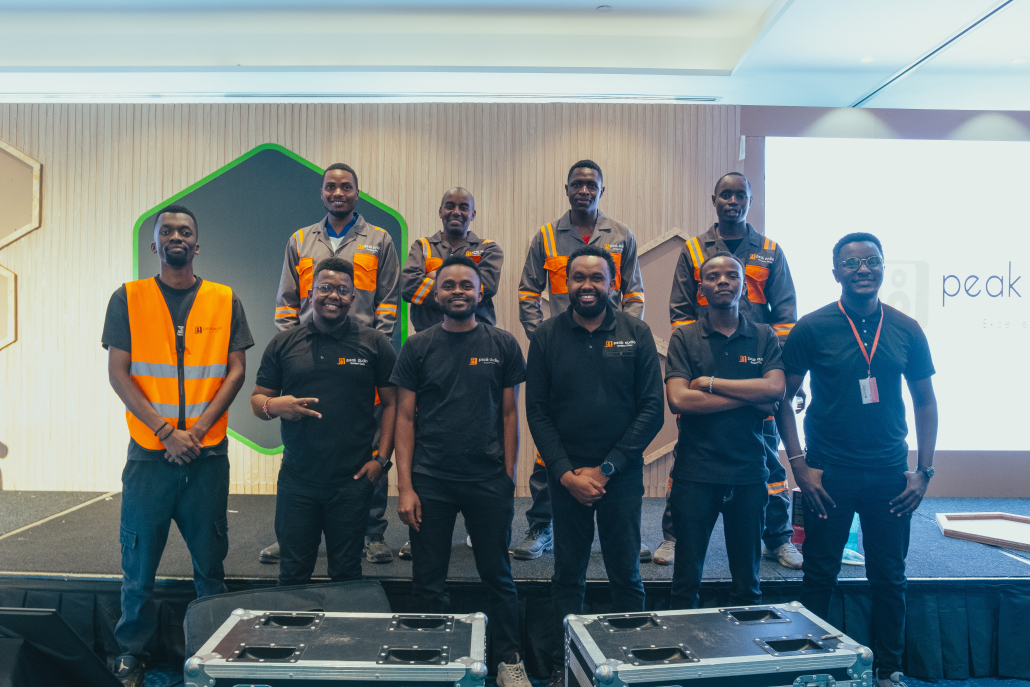
Best Event Management Companies for Small Businesses
Professional event management companies for small businesses in Kenya play an important role in helping startups, SMEs, entrepreneurs, retailers, professional service providers, and growing companies organize successful business events. From product launches, networking events, business seminars, training workshops, exhibitions, customer appreciation events, and brand activations to corporate celebrations, professional event management helps businesses coordinate essential activities while maintaining quality and controlling costs. Choosing the right event management services requires careful consideration of available budgets, event objectives, audience size, venue requirements, technical capabilities, supplier reliability, and expected business outcomes to ensure every event contributes to business growth, brand visibility, customer engagement, and meaningful professional relationships.
Successful small business events require more than securing a venue and inviting guests. Professional sound systems, microphones, LED screens, staging, lighting, livestreaming, hybrid event technology, video production, and reliable technical support help create engaging presentations, effective communication, and memorable attendee experiences. However, organizing a professional corporate event does not necessarily require excessive expenditure. Small businesses can achieve excellent results by prioritizing essential services, comparing transparent quotations, selecting appropriately sized venues, coordinating suppliers efficiently, managing guest numbers, and measuring event performance. A well-planned event should balance affordability with technical reliability, audience engagement, professional presentation, and measurable returns on investment.
At Peak Audio, we provide professional sound systems, LED screens, staging, lighting, livestreaming, hybrid event solutions, video production, and comprehensive technical support for small business and corporate events in Nairobi and across Kenya and East Africa. As a trusted audiovisual and event production partner, Peak Audio supports startups, SMEs, entrepreneurs, retailers, professional service providers, and growing companies with customized event production solutions tailored to their budgets, venues, audience sizes, and business objectives. By combining modern audiovisual equipment, experienced technical personnel, and carefully coordinated production services, we help small businesses deliver professional, engaging, and cost-effective events that strengthen brand awareness, build customer relationships, and support sustainable business growth.
Leave a Reply
Want to join the discussion?Feel free to contribute!