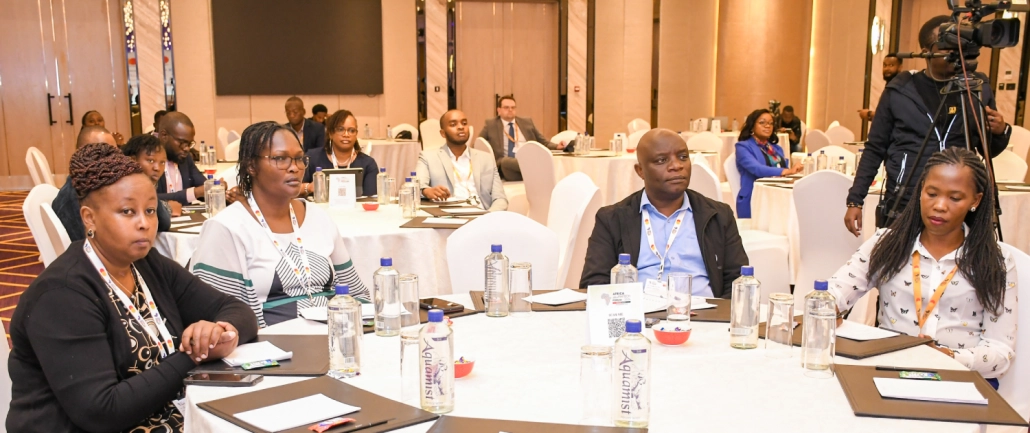
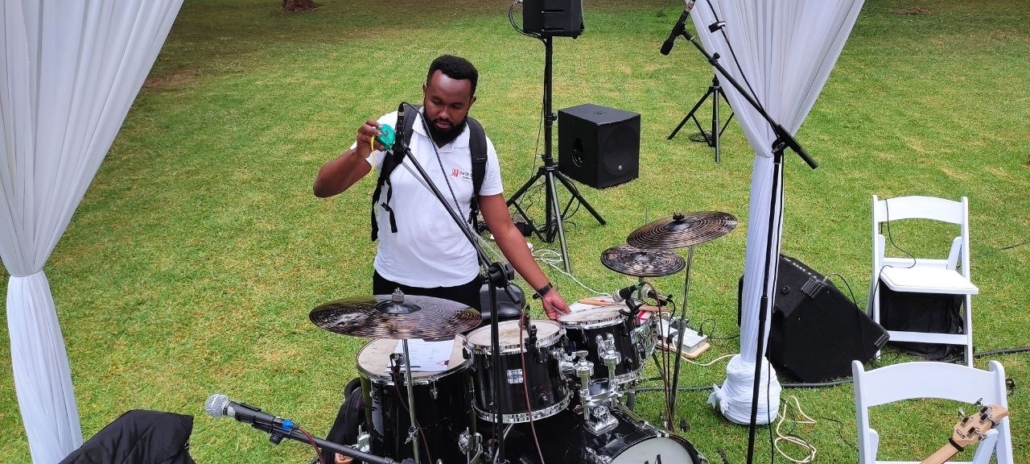
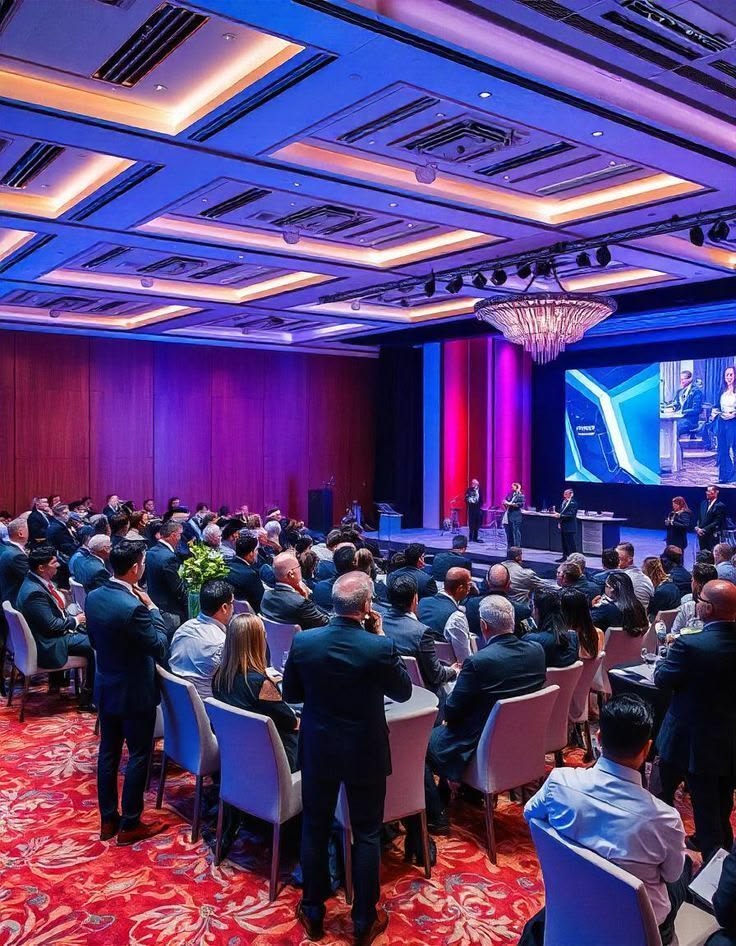
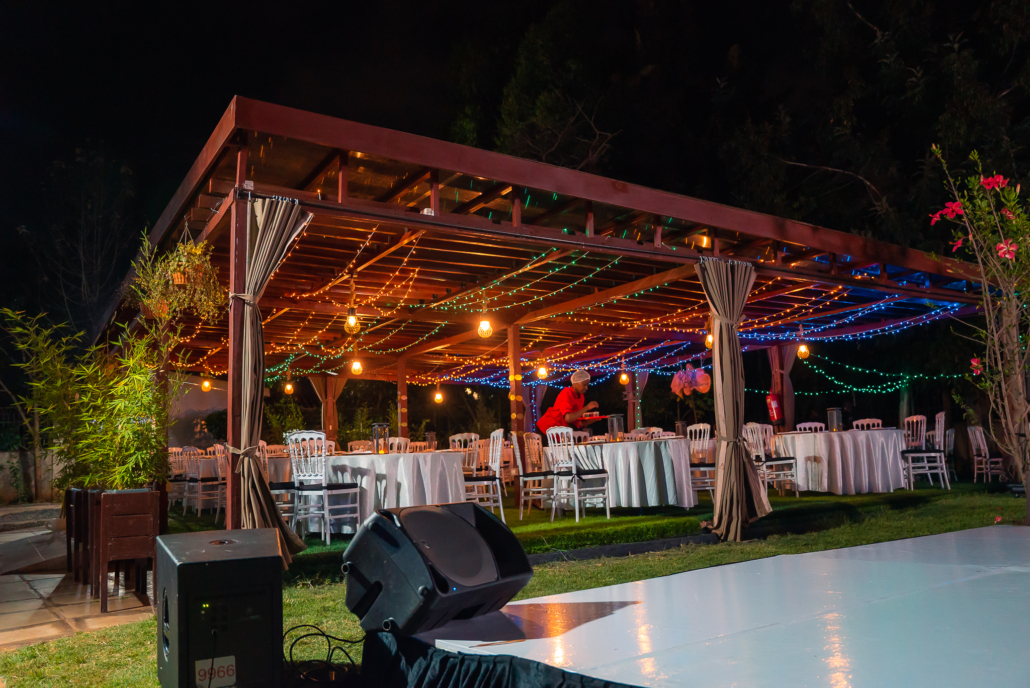
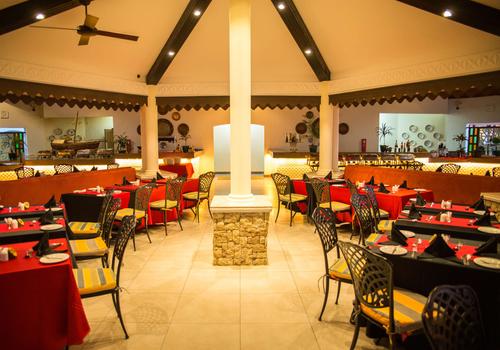
End of Year Corporate Party Planners in Kenya: Elevate Your Celebration with Peak Audio
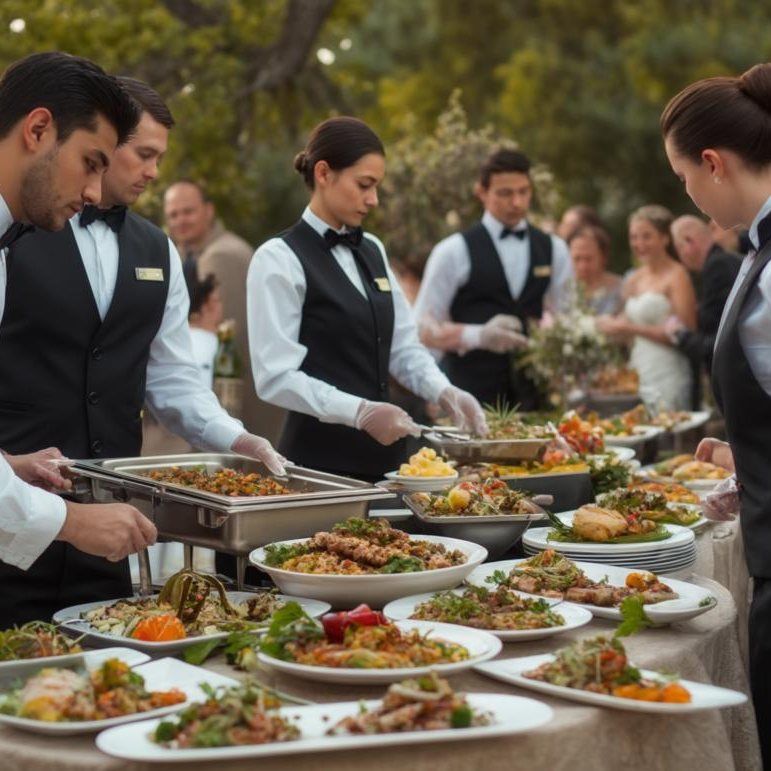
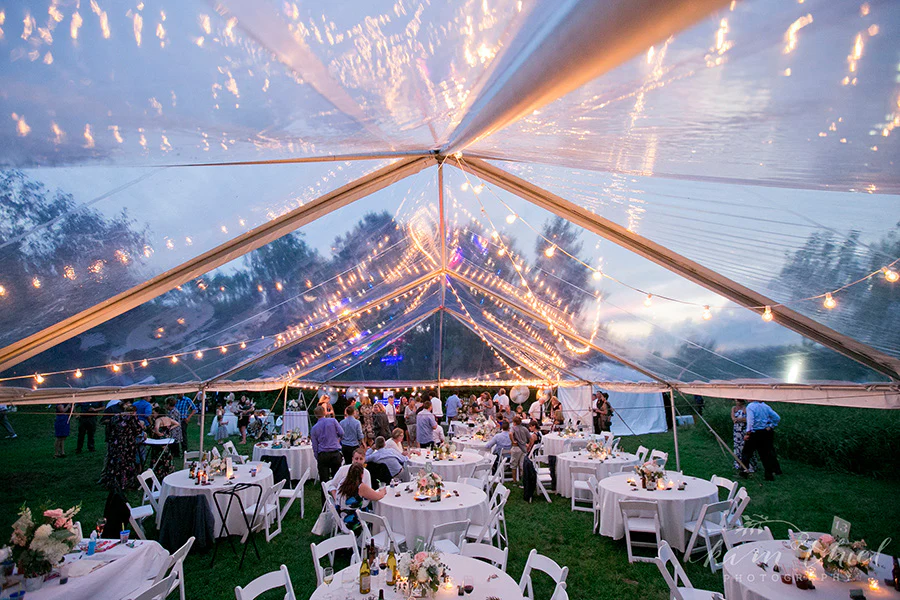
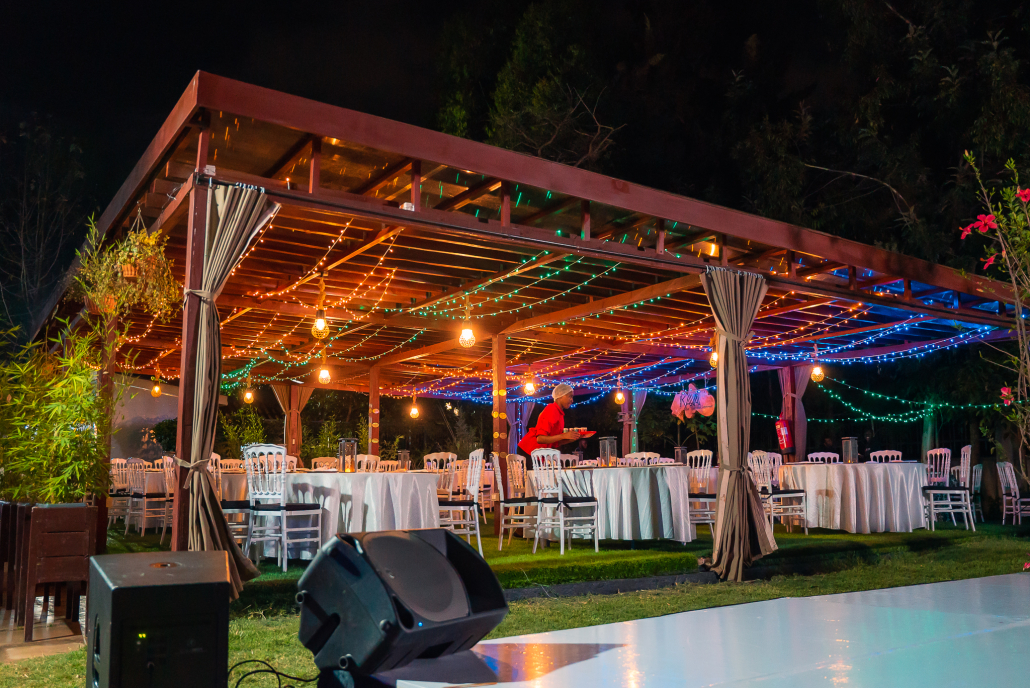
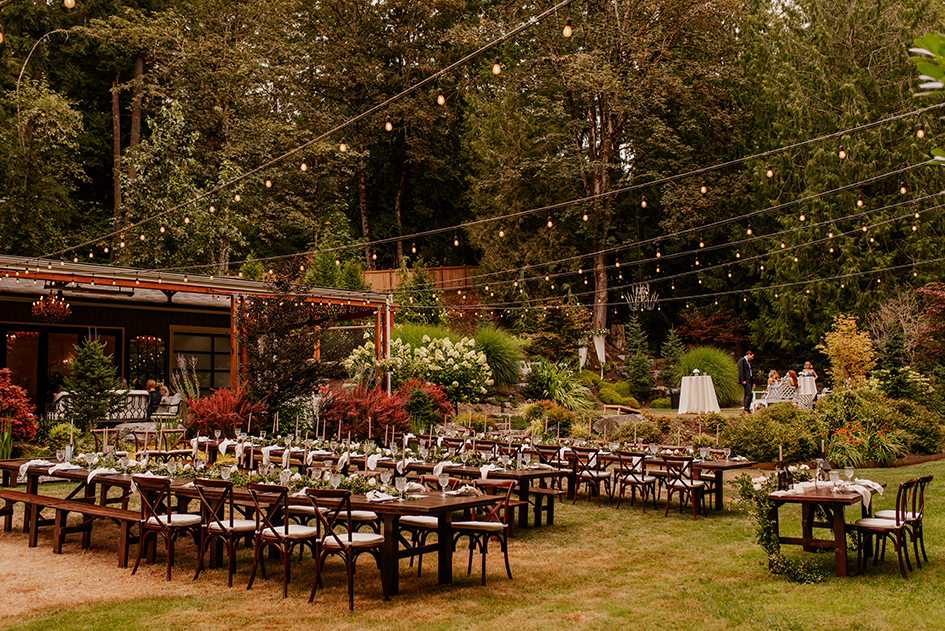
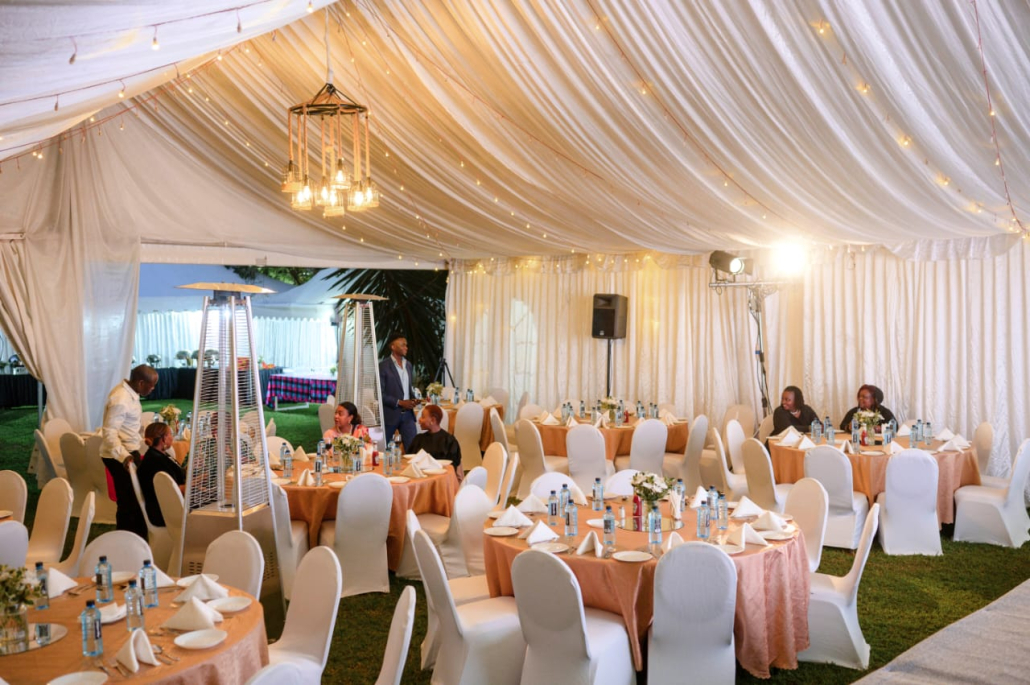
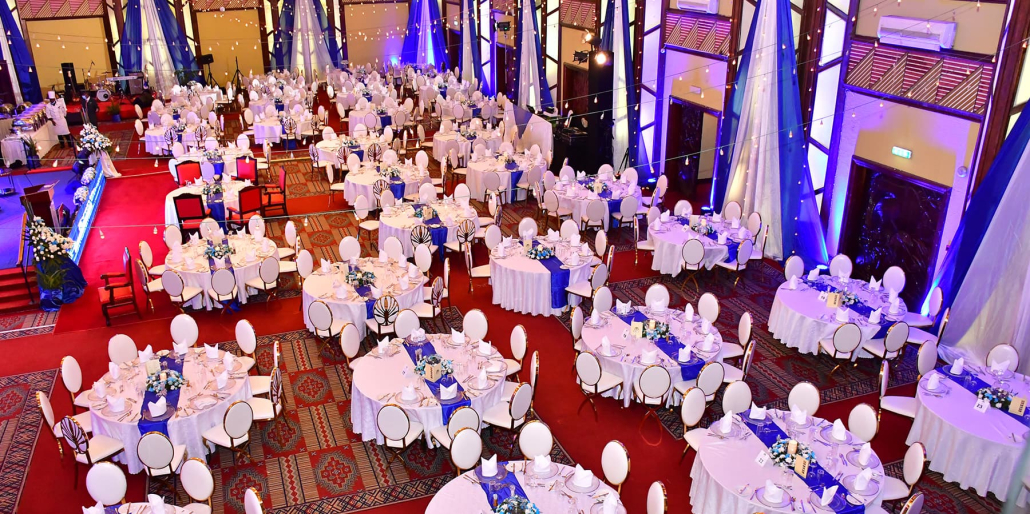
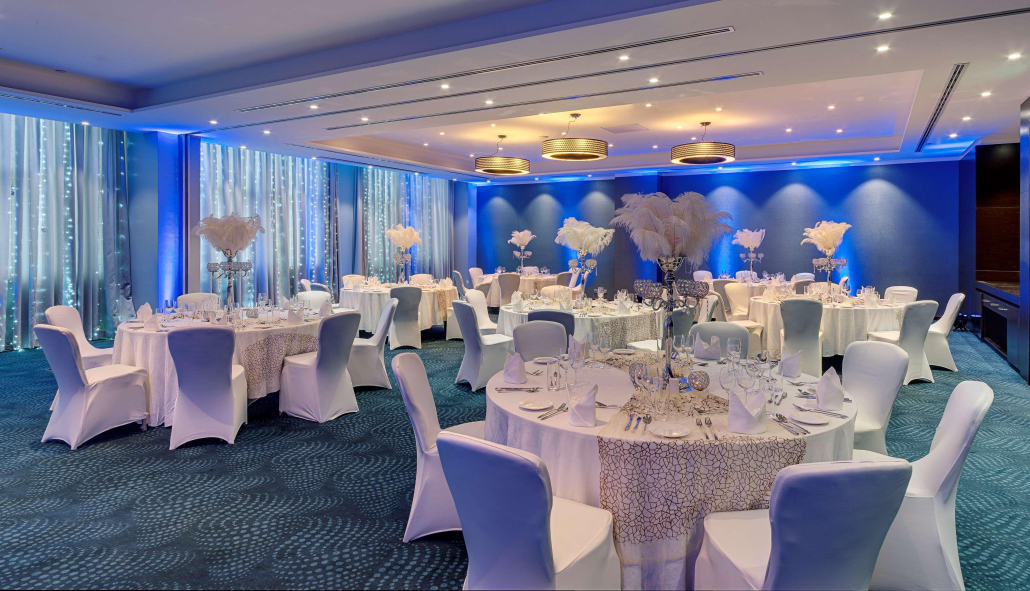
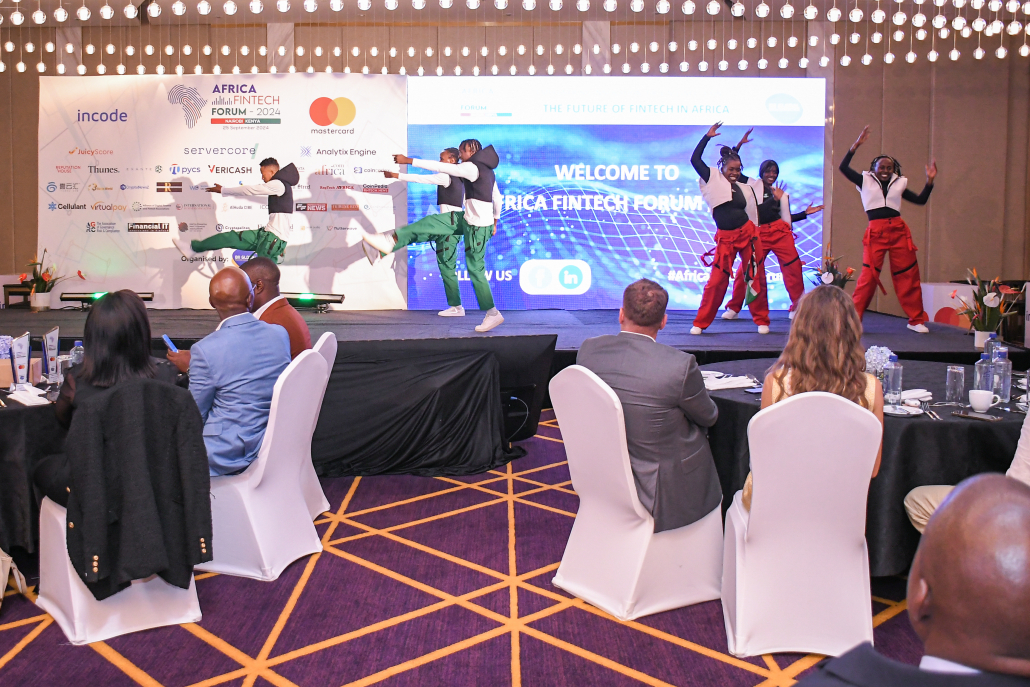
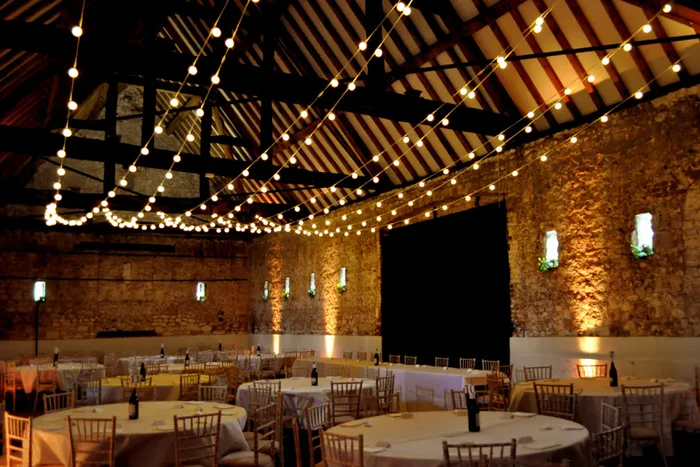
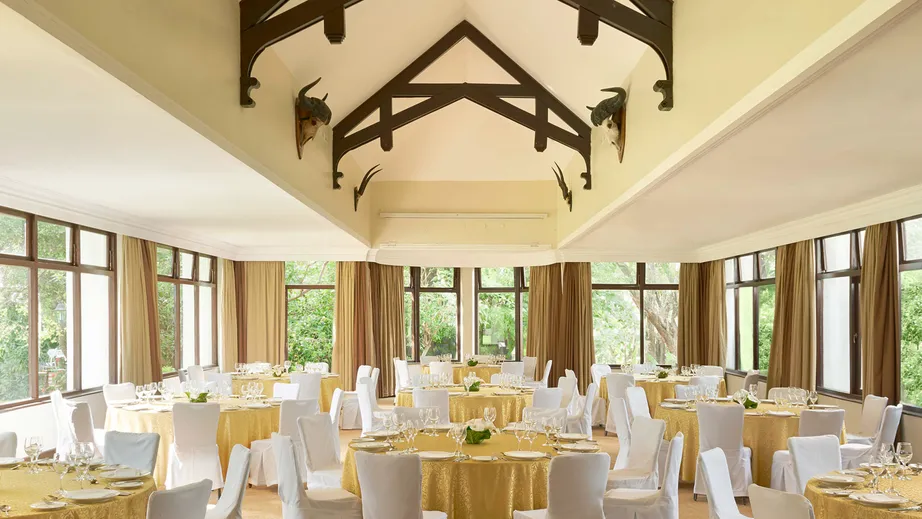
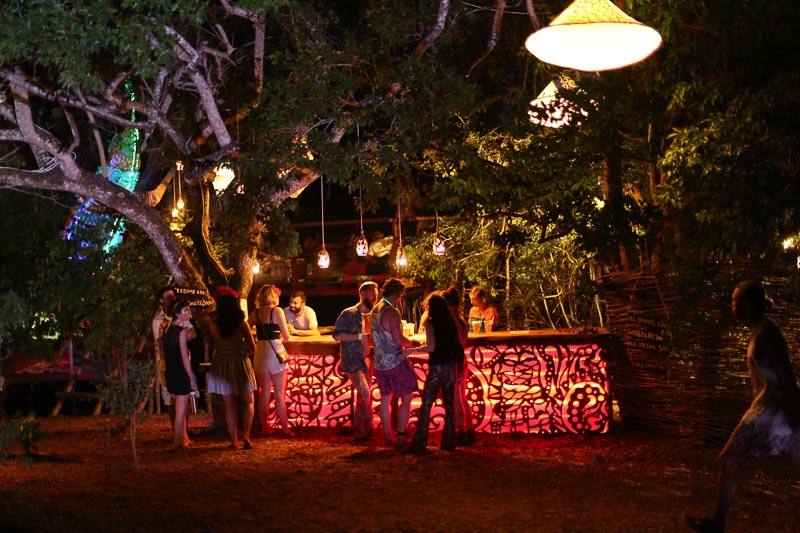
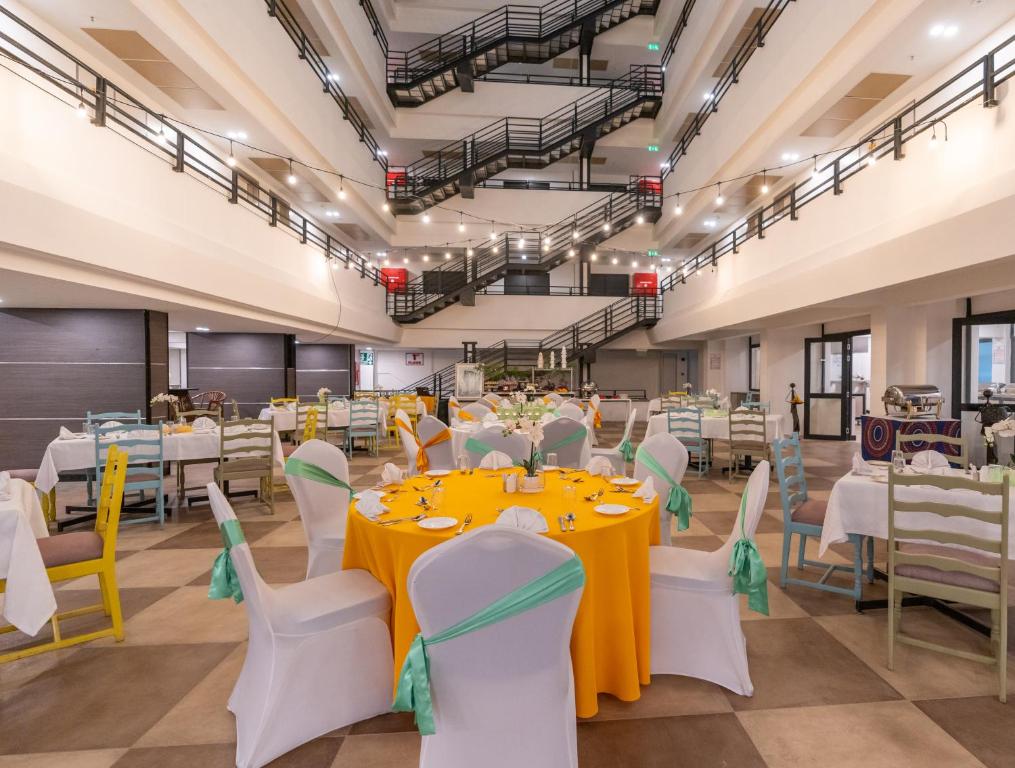
End-of-year corporate parties in Kenya are no longer just routine gatherings—they have become strategic, memorable experiences that showcase success, uplift team morale, and leave employees feeling valued as they step into a new year. Whether you envision an elegant gala dinner, a creative themed event, or a high-energy awards night, careful coordination and seamless execution are essential to delivering a celebration that feels both meaningful and exciting. This is where expert planning truly transforms a simple party into an unforgettable corporate moment.
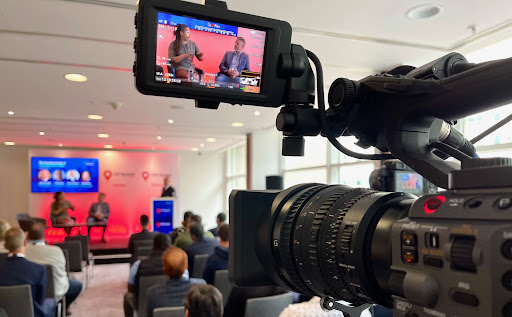
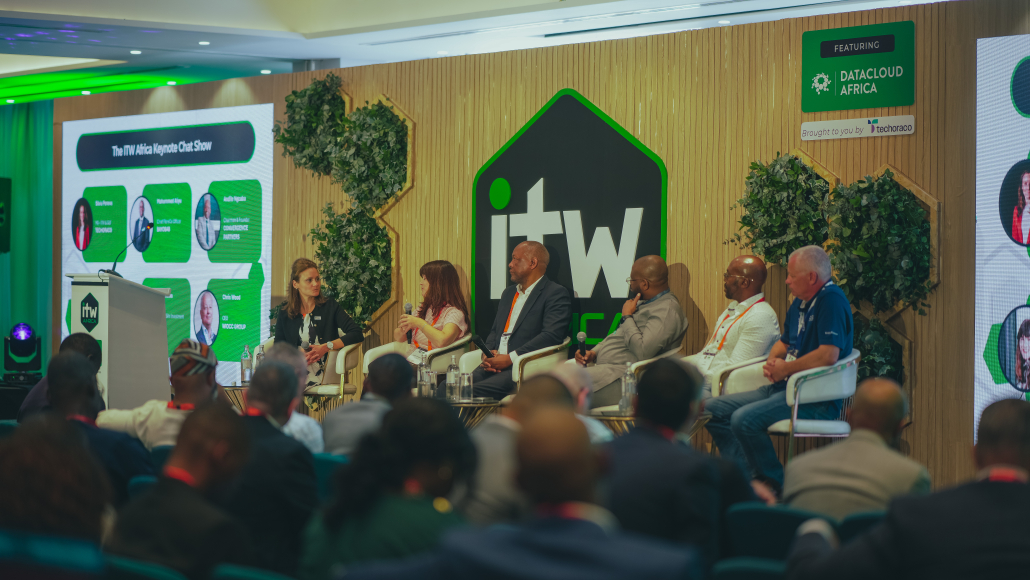
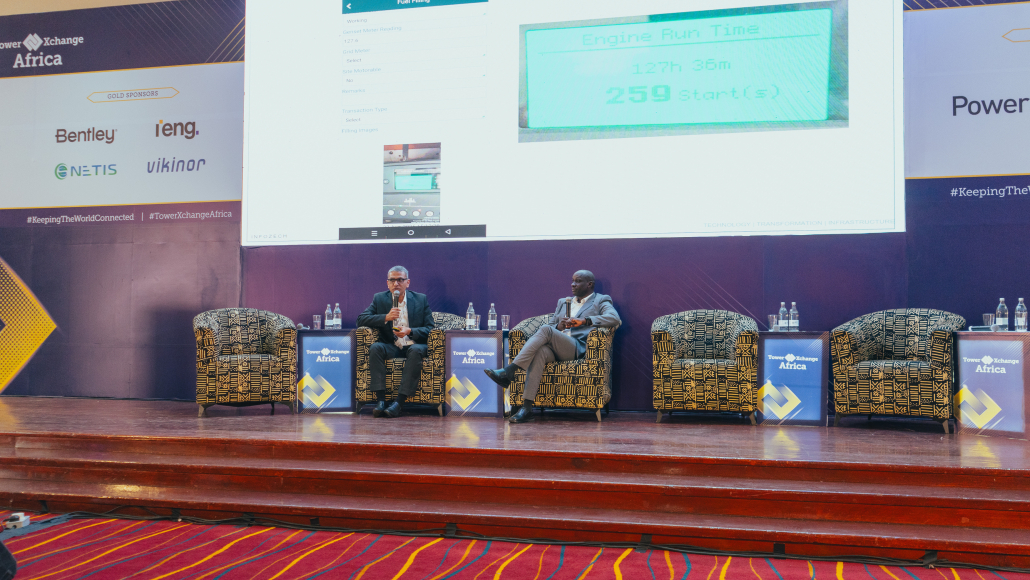
In Kenya’s fast-evolving event space, companies are seeking more immersive, polished, and professionally executed celebrations than ever before. From ambient lighting and crystal-clear sound to entertainment management and creative staging, the details matter—and they define the guest experience. Working with a dedicated corporate event planning team gives you access to ideas, structure, and technical solutions that turn your vision into a refined and memorable reality.
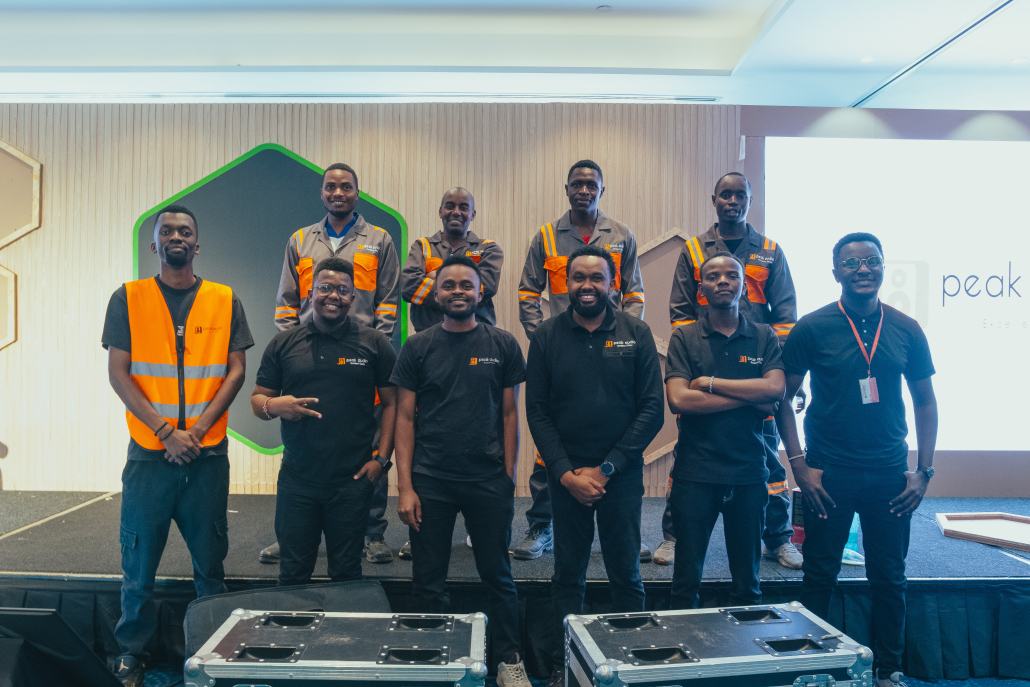
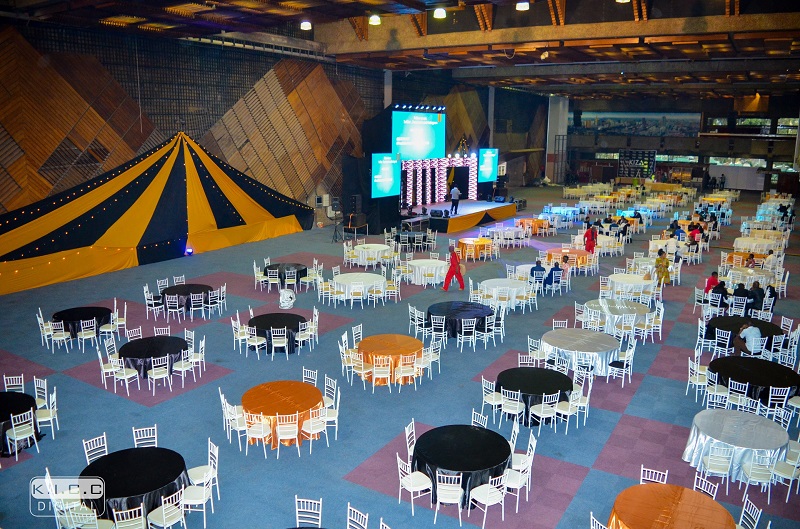
Peak Audio stands at the forefront of end-of-year corporate event planning, delivering world-class audio-visual solutions, technical support, and full event coordination tailored to your brand and goals. With expertise in staging, lighting design, sound engineering, live streaming, and on-site management, Peak Audio ensures your celebration flows flawlessly—from concept to applause. When you partner with Peak Audio, you don’t just host an event; you create a signature end-of-year experience your team will treasure long after the final toast.
Corporate Charity Events in Kenya: Elevate Your Impact with Peak Audio
Corporate charity events in Kenya have evolved beyond simple fundraising activities; they are now powerful platforms for businesses to demonstrate social responsibility, engage employees, and strengthen community ties. Hosting a well-structured charity event allows companies to showcase their commitment to causes such as education, healthcare, environmental conservation, and support for vulnerable communities. Beyond giving back, these events help build brand credibility, enhance stakeholder trust, and create memorable experiences that resonate long after the event concludes.
Planning a successful corporate charity event in Kenya requires careful attention to logistics, audience engagement, and professional execution. From selecting the right venue and theme to organizing sponsorships, guest speakers, and volunteer programs, every element contributes to the event’s overall impact. The integration of high-quality audio-visual solutions ensures that presentations, performances, and announcements reach the audience clearly and professionally, creating an immersive and inspiring atmosphere that reinforces the purpose of the event.
Peak Audio specializes in providing state-of-the-art AV services tailored for corporate charity events, ensuring seamless sound, lighting, and multimedia experiences. By combining technical expertise with a deep understanding of event objectives, Peak Audio helps businesses amplify their message, engage attendees, and leave a lasting impression. Whether it’s a gala dinner, fundraising concert, or community outreach program, Peak Audio transforms ordinary events into extraordinary experiences, making every corporate charity initiative in Kenya both impactful and unforgettable.
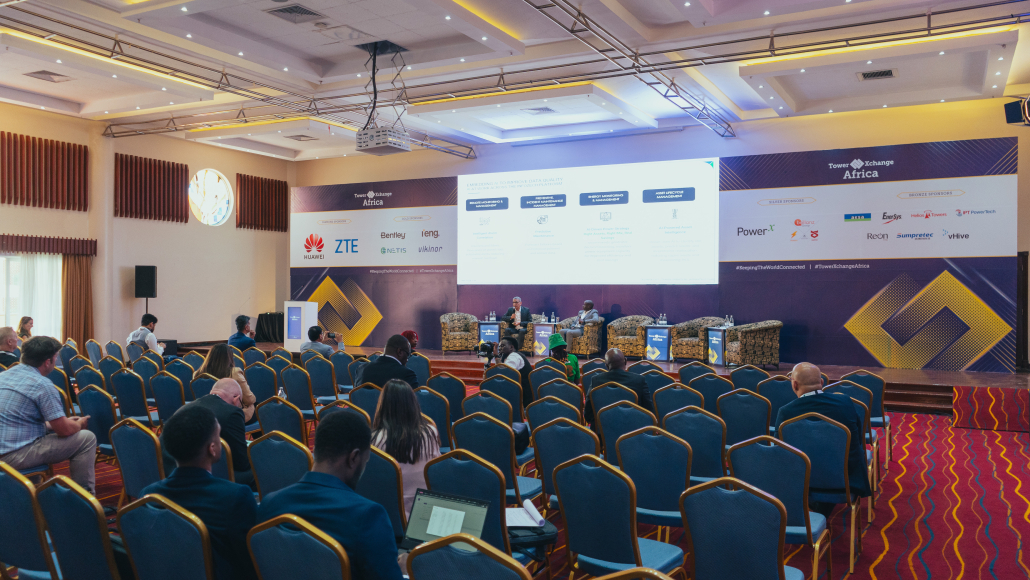
1. Understanding the Importance of Corporate Charity Events
Corporate charity events are powerful tools for organizations to demonstrate their commitment to social responsibility, engage stakeholders, and make a tangible difference in communities. Beyond fundraising, these events reinforce brand values, strengthen public trust, and foster meaningful connections with beneficiaries and partners. For companies in Kenya, professionally executed charity initiatives elevate both corporate reputation and community impact.
1.1 Strengthening Corporate Social Responsibility (CSR) Initiatives and Public Trust
Corporate charity events serve as a practical extension of CSR policies:
-
Demonstrating Commitment: Organizing charitable activities shows stakeholders that the company is genuinely invested in social good.
-
Public Trust: Transparent and well-planned events build credibility among clients, employees, and the wider community.
-
Brand Alignment: Linking charity initiatives with company values enhances consistency in messaging and reputation.
-
Employee Engagement: CSR-focused events encourage staff participation, fostering a sense of pride and shared purpose.
Conclusion: Charity events reinforce a company’s CSR efforts while building trust and credibility among stakeholders.
1.2 Building Positive Relationships with Communities and Beneficiaries
Effective charity events create lasting connections between businesses and the communities they serve:
-
Direct Engagement: Employees and leaders interact with beneficiaries, understanding community needs firsthand.
-
Long-Term Partnerships: Repeated initiatives strengthen relationships with NGOs, local leaders, and community organizations.
-
Social Impact: Providing resources, skills, or funding creates measurable improvements in people’s lives.
-
Mutual Value: Communities benefit directly while companies cultivate goodwill and meaningful engagement.
Conclusion: Corporate charity events build positive, long-term relationships that extend beyond a single event.
1.3 Enhancing Brand Reputation and Stakeholder Loyalty Through Meaningful Action
Charity events offer visible proof of a company’s values and ethical commitments:
-
Positive Publicity: Well-executed events attract media coverage, enhancing the company’s profile.
-
Stakeholder Confidence: Clients, investors, and partners view socially responsible companies as trustworthy and ethical.
-
Employee Pride: Staff feel motivated and loyal when they see their employer making a tangible difference.
-
Differentiation: Active CSR initiatives help a company stand out in competitive markets.
Conclusion: Corporate charity events enhance brand reputation and strengthen loyalty among employees, clients, and partners.
1.4 Why Professionally Executed Charity Events Increase Visibility and Long-Term Impact
The professionalism of execution directly affects the reach and impact of charity initiatives:
-
Structured Planning: Clear objectives, budgets, and logistics ensure that events run smoothly.
-
Maximizing Reach: Professional events attract wider audiences, including media, partners, and donors.
-
Sustainable Outcomes: Thoughtful planning ensures that the impact extends beyond the event itself, creating long-lasting benefits.
-
Memorable Experiences: High-quality production, AV support, and seamless execution leave a positive impression on all stakeholders.
Conclusion: Professionally managed charity events amplify visibility, impact, and credibility, ensuring benefits for both the community and the company.
Corporate charity events in Kenya are more than philanthropic gestures—they are strategic opportunities to strengthen CSR initiatives, foster community relationships, and enhance brand reputation. By executing these events professionally, companies not only create tangible social impact but also build trust, loyalty, and long-term engagement with stakeholders. With thoughtful planning, strategic partnerships, and reliable execution, charity events become a powerful tool for meaningful corporate impact.
2. Defining the Purpose and Type of Charity Event
A successful corporate charity event begins with a clear understanding of its purpose. Defining why you are hosting the event shapes every aspect—from planning and logistics to messaging, partnerships, and budgeting. In Kenya, charity events can take many forms, each suited to different goals and audiences. Clarity of purpose ensures your event achieves measurable social impact while reinforcing your company’s values.
2.1 Identifying Your Core Mission — Fundraising, Awareness, Volunteering, or Resource Mobilization
The first step in planning a charity event is establishing its primary goal:
-
Fundraising: Raising financial support for a cause, organization, or community initiative.
-
Awareness: Educating the public or stakeholders about social issues, campaigns, or causes.
-
Volunteering: Engaging employees and community members in hands-on service projects.
-
Resource Mobilization: Collecting goods, equipment, or services to support targeted beneficiaries.
Conclusion: Clearly defining the core mission ensures that all event elements, from activities to marketing, are purpose-driven and impactful.
2.2 Common Charity Event Formats in Kenya
Kenya offers a variety of event formats that can align with different charitable objectives:
-
Gala Dinners: Elegant fundraising events with sponsorship opportunities, auctions, and networking.
-
Marathons & Walkathons: Active events that raise funds and awareness while encouraging public participation.
-
Donation Drives: Collection campaigns for food, clothing, school supplies, or medical resources.
-
Auctions: Selling donated items to raise funds while creating engaging experiences for guests.
-
Community Outreach Programs: Hands-on initiatives such as tree planting, clean-ups, or health campaigns that engage both employees and beneficiaries.
Conclusion: Selecting the right format ensures your event resonates with your audience while fulfilling its charitable mission.
2.3 Aligning Your Charity Goals with the Right Event Structure
Once your purpose and format are clear, structure the event to maximize impact:
-
Mission-Focused Design: Every component—from invitations to activities—should reinforce the event’s objective.
-
Target Audience Consideration: Tailor the program to suit donors, volunteers, employees, or community participants.
-
Engagement Strategies: Include interactive elements like presentations, performances, or participatory activities that communicate the cause effectively.
-
Scalable Approach: Design the event so it can accommodate small, intimate gatherings or large public participation depending on the goal.
Conclusion: Aligning goals with structure ensures your charity event is both engaging and effective in achieving its mission.
2.4 How Clarity of Purpose Guides Your Logistics, Messaging, and Budgeting
A well-defined purpose provides direction for every practical and strategic decision:
-
Logistics: Determines the choice of venue, duration, staffing, and AV requirements.
-
Messaging: Shapes marketing, invitations, sponsorship proposals, and social media campaigns.
-
Budgeting: Helps prioritize expenditures—whether it’s on entertainment, catering, equipment, or promotional materials.
-
Evaluation: Clear objectives allow for tracking success metrics, such as funds raised, volunteer hours, or audience reach.
Conclusion: Purpose-driven planning ensures resources are used efficiently and that the event’s impact aligns with corporate and community goals.
Defining the purpose and type of a corporate charity event is critical for success. By identifying your core mission—fundraising, awareness, volunteering, or resource mobilization—you set a clear path for planning and execution. Choosing the right format and aligning the event structure with goals ensures engagement, relevance, and measurable outcomes. Clarity of purpose also informs logistics, messaging, and budgeting, resulting in a professional, impactful, and memorable charity event.
3. Choosing the Right Venue for Charity Events in Kenya
Selecting the ideal venue is a cornerstone of a successful charity event. The right space not only accommodates your guests comfortably but also reflects the purpose, professionalism, and values of your organization. In Kenya, venues vary widely—from luxury hotels for formal galas to open community spaces for outreach events. Thoughtful venue selection ensures accessibility, enhances engagement, and supports smooth execution of your charity program.
3.1 Key Considerations — Accessibility, Capacity, Safety, and Audience Profile
Choosing a venue involves multiple factors to ensure a successful event:
-
Accessibility: Consider proximity to public transport, parking availability, and ease of access for all guests, including those with mobility challenges.
-
Capacity: Match the venue size to your expected audience to avoid overcrowding or a sparse atmosphere.
-
Safety and Security: Evaluate emergency exits, first aid readiness, and security personnel, particularly for large gatherings.
-
Audience Profile: Consider the demographics, preferences, and expectations of attendees—corporate donors may prefer upscale venues, while community-focused events might benefit from open-air or public spaces.
Conclusion: Prioritizing accessibility, capacity, safety, and audience alignment ensures comfort, professionalism, and a positive guest experience.
3.2 Popular Venues for Charity Galas, Fundraising Dinners, and Community Events Across Kenya
Kenya offers a wide variety of venues tailored to different types of charity events:
-
Nairobi: Luxury hotels, private halls, rooftop venues, and gardens are ideal for gala dinners and high-profile fundraisers.
-
Naivasha & Central Kenya: Lakeside lodges and resorts provide scenic backdrops for fundraising events or retreats.
-
Mombasa & Coastal Regions: Beachfront resorts and gardens suit outdoor celebrations or charity concerts.
-
Community Spaces: Local community halls, schools, and public parks offer accessible venues for outreach programs, volunteer events, and donation drives.
Conclusion: Selecting a venue that matches your event type and audience helps reinforce the purpose and ambiance of your charity initiative.
3.3 Importance of AV-Readiness for Speeches, Presentations, and Entertainment
A charity event often involves speeches, multimedia presentations, live performances, or auctions. Ensuring the venue supports these requirements is critical:
-
Sound Systems: Adequate speakers, microphones, and amplification for clear communication.
-
Visual Displays: Projectors, LED screens, and screens for presentations or live feeds.
-
Lighting: Stage lighting, ambient lighting, and spotlighting for key moments like award presentations or performances.
-
Technical Support: On-site AV assistance to prevent disruptions during critical segments.
Conclusion: AV-ready venues allow seamless delivery of your program, ensuring guests remain engaged and key messages are communicated effectively.
3.4 Conducting Venue Assessments to Ensure Seamless Program Flow
Before finalizing a venue, conduct thorough assessments:
-
Site Visits: Evaluate room layouts, stage placement, seating arrangements, and traffic flow.
-
Check Acoustics: Assess sound quality and potential echo issues that could affect speeches or performances.
-
Evaluate Technical Infrastructure: Confirm availability of power sources, internet connectivity, and AV compatibility.
-
Plan for Logistics: Consider catering areas, registration desks, and emergency access to ensure smooth operations.
Conclusion: Proper venue assessment minimizes risks, allows efficient planning, and guarantees a polished and professional charity event.
Choosing the right venue is fundamental to the success of charity events in Kenya. By considering accessibility, capacity, safety, and audience expectations, organizers can provide a comfortable and welcoming environment. Popular venues range from luxury hotels and resorts to community spaces, each suited to different event formats. Ensuring AV-readiness supports speeches, presentations, and entertainment, while careful venue assessments guarantee seamless program flow. Selecting the right space creates a professional, engaging, and memorable experience that amplifies the impact of your charitable initiatives.
4. Budgeting and Financial Planning
Financial planning is a critical component of any successful charity event. Proper budgeting ensures that resources are allocated efficiently, the event runs smoothly, and maximum impact is achieved without overspending. For charity events in Kenya, balancing cost-effectiveness with professionalism is essential to maintain credibility while delivering a memorable experience for donors, beneficiaries, and participants.
4.1 Major Cost Areas — Venue, Production, Marketing, Entertainment, and AV Setups
A comprehensive budget must account for all essential elements of your charity event:
-
Venue Costs: Includes rental fees, deposits, and additional charges for amenities or security. Selecting a venue within budget but aligned with the event’s purpose is key.
-
Production Costs: Stage setup, décor, lighting, signage, and props that create a polished and professional environment.
-
Marketing and Promotion: Invitations, social media campaigns, press releases, and sponsorship materials to attract attendees and donors.
-
Entertainment: Performers, speakers, live music, or other activities that engage the audience and enhance the event experience.
-
AV Setups: Sound systems, microphones, projectors, LED screens, and technical support to ensure smooth presentations and performances.
Conclusion: Identifying major cost areas upfront allows organizers to prioritize spending and allocate resources strategically for maximum event impact.
4.2 Strategies to Minimize Costs While Maximizing Charity Output
Efficient financial planning ensures funds are directed toward meaningful initiatives without compromising the event’s quality:
-
Negotiate with Vendors: Seek discounts for bulk bookings or charity-focused partnerships.
-
Prioritize Essentials: Focus spending on elements that directly enhance attendee experience and engagement.
-
Leverage In-Kind Sponsorships: Collaborate with businesses to provide catering, décor, or AV services in exchange for recognition.
-
Use Multi-Purpose Resources: Reuse décor, lighting, or AV setups from previous events to reduce recurring expenses.
Conclusion: Strategic cost management maximizes the funds available for the charitable cause while maintaining a professional and impactful event.
4.3 Balancing Professionalism with Responsible Spending to Support the Cause
While it is important to control costs, maintaining a professional image is crucial for credibility and donor confidence:
-
Avoid Cutting Critical Services: Do not compromise on AV quality, safety, or guest comfort, as these elements reflect your organization’s standards.
-
Set Clear Priorities: Allocate more budget to high-visibility areas such as stage presentations, lighting, and audio, which directly affect guest perception.
-
Transparent Financial Reporting: Communicate your budget and spending strategy to stakeholders to build trust and accountability.
Conclusion: Responsible spending combined with professional execution ensures that the charity event is credible, memorable, and effective in supporting your mission.
4.4 How Peak Audio Provides Cost-Effective AV Packages Tailored for Charity Events
Partnering with experienced AV providers like Peak Audio helps manage costs without compromising on quality:
-
Custom Packages: Tailored AV solutions based on event size, venue, and audience, ensuring optimal performance at a reasonable cost.
-
Technical Expertise: On-site support for sound, lighting, and visual displays reduces the need for additional personnel or rental equipment.
-
Efficiency: Streamlined setup and operation minimize time and labor costs, maximizing value for the charity.
-
Reliability: Professional AV services prevent technical disruptions, ensuring the event runs smoothly and leaves a positive impression on attendees.
Conclusion: With Peak Audio’s cost-effective and professional AV services, organizers can enhance event quality, maintain credibility, and focus more resources on supporting the charitable cause.
Budgeting and financial planning are essential to delivering successful charity events in Kenya. By identifying major cost areas, employing cost-saving strategies, balancing professionalism with responsible spending, and leveraging expert AV services like Peak Audio, organizers can maximize both impact and efficiency. Thoughtful financial management ensures that every shilling contributes meaningfully to the cause, while maintaining a polished, engaging, and memorable event experience for donors, beneficiaries, and attendees alike.
5. Designing an Engaging Program for Charity Events
A well-structured program is the heartbeat of any charity event. It not only keeps attendees engaged but also inspires empathy, encourages participation, and motivates contributions. For charity events in Kenya, careful planning of content, pacing, and presentation elements ensures that guests remain emotionally connected to the cause throughout the event.
5.1 Structuring the Event to Inspire Compassion and Participation
The overall flow of the event sets the tone for engagement and emotional impact:
-
Opening Segment: Welcome guests with a brief introduction, expressing gratitude and setting the purpose of the event.
-
Emotional Connection: Share stories, videos, or live testimonials from beneficiaries to create empathy and a sense of urgency.
-
Interactive Elements: Incorporate donation drives, live pledges, or audience participation activities to actively involve attendees.
-
Closing Segment: Summarize achievements, thank participants, and leave a lasting impression that encourages continued support.
Conclusion: A thoughtfully structured event fosters compassion and motivates attendees to take meaningful action in support of the cause.
5.2 Combining Speeches, Storytelling, Entertainment, and Beneficiary Showcases
Balancing informative and entertaining elements maintains energy and focus throughout the program:
-
Speeches: Short, compelling addresses from organizers, sponsors, or community leaders reinforce credibility and purpose.
-
Storytelling: Personal stories from beneficiaries or project leaders humanize the cause, making it relatable and memorable.
-
Entertainment: Cultural performances, music, or dance interludes add excitement and help maintain audience engagement.
-
Showcases: Demonstrations of charitable projects or tangible results help donors visualize their impact.
Conclusion: A dynamic combination of speeches, storytelling, entertainment, and showcases ensures the program remains engaging, emotional, and memorable.
5.3 Using Multimedia Presentations to Highlight Impact and Encourage Giving
Visual and audio tools amplify the message and influence donor behavior:
-
Videos and Slideshows: Highlight success stories, ongoing projects, and before-and-after transformations.
-
Infographics and Charts: Present statistics on reach, impact, and fundraising goals clearly and visually.
-
Live Streaming: Extend reach to remote supporters, enabling participation and donations beyond the physical venue.
-
Interactive AV Tools: Use LED screens, projectors, or live polling to create immersive experiences that drive engagement.
Conclusion: Multimedia presentations make the charity’s work tangible, compelling, and persuasive, encouraging greater participation and contributions.
5.4 How a Compelling Program Influences Donor Engagement and Contribution Levels
The effectiveness of your program directly impacts fundraising success:
-
Emotional Resonance: Programs that evoke empathy increase the likelihood of donations and pledges.
-
Clear Call-to-Action: Strategic timing of giving opportunities, such as live pledges or online donation prompts, maximizes contributions.
-
Professional Execution: Smooth transitions, quality AV support, and seamless scheduling convey credibility and inspire confidence.
-
Engagement Momentum: Maintaining high energy and focus throughout ensures attendees remain motivated to support the cause until the very end.
Conclusion: A compelling, well-executed program significantly enhances donor engagement, encourages generosity, and reinforces the charity’s mission and credibility.
Designing an engaging program is crucial for the success of charity events in Kenya. By structuring the event to foster compassion, blending speeches, storytelling, entertainment, and showcases, utilizing multimedia presentations, and ensuring a clear call-to-action, organizers can captivate attendees and maximize contributions. When thoughtfully planned and professionally executed, a charity event program not only entertains but also inspires meaningful action, deepening connections between donors, beneficiaries, and the organization.
6. The Role of Audio Visual (AV) Solutions in Corporate Charity Events
Audio Visual (AV) solutions play a pivotal role in the success of corporate charity events. They not only enhance communication but also create immersive experiences that inspire attendees and drive engagement. In Kenya, where charity events often combine speeches, multimedia storytelling, and live performances, professional AV setups ensure every moment is delivered clearly, memorably, and impactfully.
6.1 Ensuring Clear Communication Through Professional Sound Systems
Sound is the backbone of any event, and clarity is crucial in charity settings:
-
High-Quality Audio: Professional microphones, speakers, and amplifiers ensure every speech, announcement, and presentation is audible to all attendees.
-
Uniform Coverage: Properly positioned speakers prevent dead zones and maintain consistent sound levels throughout the venue.
-
Minimizing Feedback and Distortion: Using mixers and sound engineers allows for seamless adjustments during live events.
-
Supporting Audience Interaction: Clear audio facilitates Q&A sessions, live pledges, and interactive discussions, keeping participants engaged.
Conclusion: A professional sound system guarantees that your message resonates clearly, encouraging participation and maximizing the event’s impact.
6.2 Enhancing Emotional Impact with Visuals, Videos, and Lighting
Visual storytelling and lighting elevate the emotional and aesthetic experience of charity events:
-
LED Screens and Projectors: Display videos, slideshows, and live feeds to highlight the cause and showcase beneficiaries’ stories.
-
Lighting Effects: Mood lighting, spotlights, and color themes emphasize key moments, such as award presentations or performance segments.
-
Dynamic Visuals: Combining visuals with music and narration creates immersive experiences that inspire empathy and action.
-
Event Branding: Visual elements reinforce the charity’s identity and key messaging, leaving a lasting impression on guests.
Conclusion: Visual and lighting elements enhance emotional engagement, making the event more memorable and compelling for donors and participants alike.
6.3 Supporting Performances, Presentations, and Fundraising Activities with the Right AV Tools
Corporate charity events often include varied activities that require versatile AV support:
-
Stage Performances: Music, dance, and theatrical presentations benefit from quality sound, stage lighting, and clear visibility for all attendees.
-
Presentations and Speeches: Projectors, teleprompters, and confidence monitors support presenters in delivering their message confidently.
-
Fundraising Activities: Live auctions, pledging sessions, and interactive donation prompts are amplified through microphones, screens, and visual cues.
-
Seamless Transitions: AV integration allows smooth flow between different segments, maintaining energy and audience engagement.
Conclusion: The right AV tools make every activity—from speeches to performances—executed flawlessly, creating a polished, professional, and emotionally engaging event.
6.4 How Peak Audio Delivers Dependable, High-Quality AV Setups for Seamless Events
Professional expertise ensures that charity events run smoothly and leave a lasting impression:
-
Reliable Equipment: Peak Audio provides high-quality sound systems, lighting, and display technology tailored to each event’s scale and venue.
-
Technical Support: On-site engineers monitor and adjust AV setups in real time, preventing disruptions.
-
Customized Solutions: AV systems are designed to meet specific event goals, from intimate recognition ceremonies to large-scale fundraising galas.
-
Integrated Experience: Coordination of sound, visuals, and lighting ensures a cohesive, immersive experience that elevates the charity’s mission.
Conclusion: By partnering with Peak Audio, organizations in Kenya can rely on professional AV solutions that guarantee clarity, emotional impact, and seamless execution for all charity events.
Audio Visual solutions are essential for corporate charity events, ensuring clear communication, enhancing emotional storytelling, and supporting performances and fundraising activities. With professional AV setups, every speech, video, and interactive segment is delivered flawlessly, engaging guests and amplifying the event’s impact. Peak Audio provides dependable, high-quality AV services that allow charities and corporations to focus on their mission while delivering memorable and professionally executed events.
7. Incorporating Technology and Modern Trends in Charity Events
In today’s fast-evolving corporate landscape, integrating technology into charity events is no longer optional—it’s essential. Modern tools and digital innovations help organizations in Kenya expand reach, engage audiences, and maximize fundraising outcomes. By leveraging technology, charity events become more interactive, efficient, and impactful, ensuring that both in-person and remote participants can contribute meaningfully.
7.1 Using Digital Fundraising Platforms and Mobile Payments for Wider Reach
Digital fundraising tools allow charities to collect donations efficiently and securely:
-
Online Donation Portals: Platforms enable donors to contribute before, during, and after the event, increasing total fundraising potential.
-
Mobile Payment Integration: Services like M-Pesa, PayPal, and credit card processing simplify contributions for attendees in Kenya and abroad.
-
Real-Time Tracking: Digital dashboards allow organizers to monitor donation progress and display live totals, creating excitement and encouraging generosity.
-
Automation: Automated receipts and thank-you messages enhance donor experience and build trust.
Conclusion: Digital fundraising platforms expand reach beyond the physical venue, making it easier for more people to support the cause and increasing overall donations.
7.2 Live Streaming Charity Events to Engage Remote Donors
Live streaming allows events to transcend geographical limitations:
-
Global Participation: Donors, partners, and beneficiaries who cannot attend in person can still be part of the event in real time.
-
Interactive Features: Chat functions, Q&A sessions, and live polls keep remote attendees engaged and invested.
-
Amplified Visibility: Sharing the event on social media and corporate channels raises awareness and builds credibility for the cause.
-
On-Demand Viewing: Recorded streams can be shared post-event, maintaining engagement and attracting additional donations.
Conclusion: Live streaming transforms charity events into inclusive experiences, connecting local and international supporters while increasing transparency and engagement.
7.3 Incorporating LED Screens, Interactive Displays, and Digital Storytelling
Modern AV technology enhances the visual and emotional impact of charity events:
-
LED Screens: High-resolution displays showcase videos, slideshows, and live feeds, bringing beneficiaries’ stories to life.
-
Interactive Displays: Touchscreens and kiosks allow attendees to explore campaigns, pledge donations, or participate in challenges.
-
Digital Storytelling: Combining video, graphics, and motion design conveys the charity’s mission compellingly, creating a deeper emotional connection.
-
Immersive Experiences: Integrating visuals with lighting and sound makes presentations and performances more memorable.
Conclusion: LED screens, interactive displays, and multimedia storytelling create immersive, engaging experiences that effectively communicate the charity’s message and motivate action.
7.4 Kenya’s Increasing Shift Toward Hybrid, Tech-Enabled Charity Events
Hybrid charity events are becoming increasingly popular in Kenya, combining physical attendance with virtual participation:
-
Expanded Audience: Hybrid formats allow simultaneous engagement of in-person and online attendees, increasing the event’s reach and impact.
-
Data-Driven Insights: Digital tools provide analytics on attendee engagement, donation patterns, and overall event performance.
-
Flexibility: Organizations can adjust to unforeseen challenges like travel restrictions, ensuring continuity.
-
Trend Adoption: Tech-enabled charity events reflect modern professionalism and demonstrate innovation, attracting younger, digitally-savvy donors.
Conclusion: The hybrid, technology-driven approach is shaping the future of corporate charity events in Kenya, allowing organizations to host inclusive, scalable, and impactful fundraisers.
Incorporating technology and modern trends in charity events amplifies impact, reach, and engagement. Digital fundraising platforms, mobile payments, live streaming, interactive displays, and hybrid event formats ensure that donors and participants—both local and remote—can connect meaningfully with the cause. By embracing these tools, organizations in Kenya can host professional, memorable, and highly effective charity events, aligning with global best practices while maximizing support for their mission.
8. FAQs on Corporate Charity Events in Kenya
Corporate charity events are an excellent way to strengthen your brand, give back to the community, and engage stakeholders. However, planning these events can raise several questions, especially in the Kenyan context. Below are detailed answers to the most frequently asked questions to guide organizations in executing successful charity events.
8.1 How Early Should We Start Planning a Charity Event?
Answer: Planning should begin at least eight weeks in advance. This timeline allows you to:
-
Secure partners and sponsors: Popular venues and suppliers book quickly, so early planning ensures availability.
-
Finalize logistics: Catering, AV setup, transportation, and event schedules need adequate lead time.
-
Marketing and promotion: Build awareness through social media, email campaigns, and media coverage to maximize attendance and donations.
Conclusion: Early preparation ensures a smoother, well-coordinated event that meets your goals and creates a professional impression.
8.2 What is the Typical Cost of Hosting a Charity Event in Kenya?
Answer: Costs vary based on scale and type:
-
Small community events: KSh 100,000 – suitable for donation drives, tree planting, or health camps.
-
Medium-scale events: KSh 500,000 – covers local galas, workshops, and volunteer-based activities.
-
Large gala fundraisers or red-carpet events: KSh 2 million+ – includes high-end venues, full AV production, entertainment, and catering.
Conclusion: Establish a realistic budget early and allocate funds to the most impactful areas like AV production, marketing, and audience engagement.
8.3 Can Peak Audio Handle Full Production for Charity Events?
Answer: Yes. Peak Audio offers comprehensive event production services, including:
-
Professional sound and lighting systems.
-
LED screens, projection, and stage setups.
-
Technical support throughout the event.
-
Coordination with performers, presenters, and sponsors for smooth execution.
Conclusion: Partnering with experienced AV providers ensures your charity event is executed professionally, elevating both credibility and donor experience.
8.4 Do Charity Events Require Professional AV Setups?
Answer: Absolutely. Professional AV enhances the event’s impact by:
-
Delivering clear sound for speeches, presentations, and performances.
-
Supporting visual storytelling through videos, slides, and LED displays.
-
Creating emotional engagement that encourages participation and donations.
Conclusion: Investing in professional AV is crucial to ensuring that your message is heard and that your audience feels connected to the cause.
8.5 What Kinds of Venues Work Best for Charity Events?
Answer: Venue selection depends on the type and scale of the event:
-
Indoor: Hotels, conference rooms, auditoriums for formal dinners and award-style events.
-
Outdoor: Gardens, community grounds, sports fields for marathons, volunteer activities, and fairs.
-
Accessibility: Ensure the venue is reachable for guests, sponsors, and beneficiaries.
-
Amenities: Check for AV compatibility, stage space, seating, and catering facilities.
Conclusion: Choosing the right venue sets the tone for the event and supports both logistical and engagement needs.
8.6 Can We Livestream Our Charity Event for Remote Donors?
Answer: Yes. Live streaming and hybrid setups are increasingly popular in Kenya:
-
Allow remote participation, increasing donor reach beyond physical attendees.
-
Integrate interactive features such as live chat, polls, and Q&A.
-
Display real-time donation updates to create excitement and encourage giving.
Conclusion: Streaming expands accessibility, engagement, and transparency, helping to maximize event impact.
8.7 How Can We Increase Participation at Charity Events?
Answer: Boost attendance and engagement through:
-
Effective marketing: Social media campaigns, email newsletters, and press releases.
-
Compelling storytelling: Highlight the charity’s impact and the lives it touches.
-
Convenient donation methods: Mobile payments, QR codes, and online portals.
-
Interactive elements: Games, raffles, and performances to keep guests involved.
Conclusion: A multi-faceted engagement strategy ensures that attendees are motivated to participate actively and contribute generously.
8.8 Are Outdoor Charity Events Popular in Kenya?
Answer: Yes, outdoor charity events are widely embraced:
-
Marathons and walks for health and education causes.
-
Tree planting and environmental clean-ups for sustainability campaigns.
-
Medical camps and community outreach for social welfare initiatives.
Conclusion: Outdoor events not only attract larger crowds but also create hands-on, memorable experiences for participants while maximizing visibility for the cause.
Corporate charity events in Kenya require careful planning, strategic budgeting, and professional execution. Understanding timelines, costs, venue selection, AV requirements, and engagement strategies ensures that every event is impactful, memorable, and successful. By leveraging modern AV solutions, live streaming, and technology-driven participation, organizations can amplify their CSR efforts, build strong community connections, and create lasting impressions among donors and stakeholders.
Elevate Your Corporate Charity Events with Peak Audio
Corporate charity events offer organizations a unique opportunity to create meaningful social impact while simultaneously strengthening brand identity and building trust among stakeholders. When thoughtfully planned, these events go beyond fundraising—they inspire communities, recognize contributions, and highlight your organization’s commitment to positive change. From intimate gatherings to large-scale galas, every detail contributes to the overall experience, making professional support essential.
Partnering with Peak Audio ensures that your charity events are executed flawlessly. With reliable AV solutions, expert coordination, and advanced technology, Peak Audio enhances every aspect of your event—from crystal-clear sound and immersive lighting to dynamic visual displays that captivate audiences. Their professional team manages setup, troubleshooting, and live support, allowing you to focus on engaging guests and delivering your message effectively.
By combining strategic planning, authentic storytelling, and high-quality production, organizations can transform their charitable visions into unforgettable experiences. Peak Audio’s expertise ensures that every moment resonates, leaving lasting impressions on donors, beneficiaries, and participants alike. Across Kenya, they empower companies to host events that are not only inspiring but also impactful, turning corporate charity initiatives into powerful expressions of social responsibility.
Corporate Educational Events in Kenya: Your Ultimate Guide to High-Impact Learning by Peak Audio
Corporate educational events in Kenya play a crucial role in shaping the skills, confidence, and productivity of today’s workforce. From specialised training workshops to large-scale professional development seminars, these events help organisations stay competitive in a fast-evolving market. Employees gain practical insights, sharpen their expertise, and return to their workplaces better equipped to solve challenges and drive performance. As companies invest more in learning, the demand for well-structured, impactful, and engaging educational events continues to rise across Kenya.
Successful corporate educational events require a strategic blend of clear content delivery, attendee engagement, and seamless execution. Everything — from venue selection and program design to pacing, breakout sessions, and visual aids — must work together to create a smooth learning experience. In the Kenyan corporate environment where time is valuable, the right setup ensures that participants remain focused while absorbing complex ideas with ease. This is where event planners must prioritise not only the curriculum but also the overall environment that enhances clarity, comfort, and communication.
Peak Audio stands at the centre of elevating corporate educational events by providing world-class audio-visual solutions that enhance professionalism and engagement. With high-definition projectors, crystal-clear sound systems, wireless microphones, LED screens, livestreaming setups, and on-site technical support, Peak Audio ensures every session runs smoothly from start to finish. Whether you’re planning a leadership seminar, corporate training, onboarding program, or company-wide workshop, Peak Audio transforms ordinary learning events into powerful, memorable, and highly effective experiences that leave a lasting impact on participants and organisations alike.
1. Understanding the Importance of Corporate Educational Events
Corporate educational events are essential tools for developing employee skills, fostering professional growth, and improving overall organizational performance. These events, ranging from workshops and seminars to conferences and training sessions, provide structured learning opportunities that directly impact efficiency, innovation, and workplace culture.
1.1 Enhancing Employee Skills, Knowledge, and Productivity
Educational events equip employees with new competencies and practical knowledge that can be applied directly to their roles:
-
Skill Development: Targeted workshops and training sessions help employees acquire both technical and soft skills, improving day-to-day performance.
-
Knowledge Sharing: Exposure to industry trends, best practices, and expert insights broadens understanding and inspires innovative approaches.
-
Productivity Boost: Well-trained employees can execute tasks more efficiently, reducing errors and increasing output.
-
Motivation and Engagement: Providing learning opportunities demonstrates investment in employees’ growth, boosting morale and commitment.
Conclusion: Corporate educational events serve as catalysts for skill enhancement and practical learning, directly contributing to individual and organizational productivity.
1.2 Improving Organizational Performance Through Continuous Learning
Continuous learning through corporate educational events strengthens the organization’s overall performance:
-
Adaptability: Employees equipped with up-to-date knowledge can respond effectively to industry changes and challenges.
-
Problem-Solving: Exposure to new ideas and techniques fosters creative thinking, leading to better solutions for workplace challenges.
-
Efficiency Gains: Standardized training ensures employees follow best practices, minimizing inefficiencies and improving operational processes.
-
Knowledge Retention: Structured learning programs help maintain organizational knowledge, ensuring long-term benefits for both staff and management.
Conclusion: Regular educational initiatives not only upskill employees but also enhance the organization’s capacity to perform, innovate, and compete effectively.
1.3 Strengthening Leadership, Innovation, and Professional Growth
Educational events are vital for nurturing leadership potential and encouraging innovation within the workforce:
-
Leadership Development: Training programs and seminars equip emerging leaders with strategic thinking, decision-making, and people-management skills.
-
Innovation Encouragement: Exposure to new concepts, technologies, and approaches sparks creative ideas applicable to organizational projects.
-
Career Advancement: Employees gain credentials, certifications, or recognition that support professional growth and retention.
-
Mentorship and Networking: Events provide opportunities for guidance, collaboration, and relationship-building across departments and with industry experts.
Conclusion: By focusing on leadership and innovation, corporate educational events help build a workforce capable of driving growth and adapting to evolving business needs.
1.4 Why Professionally Planned Educational Events Lead to Better Outcomes
The effectiveness of educational events depends largely on professional planning and execution:
-
Tailored Content: Expert planners ensure content aligns with organizational goals, employee needs, and industry standards.
-
Engaging Formats: Interactive sessions, hands-on workshops, and multimedia presentations enhance learning retention.
-
Seamless Logistics: Efficient scheduling, venue setup, and AV solutions ensure minimal disruptions and maximum focus.
-
Measurable Results: Professional planning allows for clear evaluation of learning outcomes and ROI through assessments, feedback, and follow-up actions.
Conclusion: Professionally organized educational events maximize engagement, learning retention, and long-term benefits, ensuring both employees and organizations gain measurable value.
Corporate educational events are vital for developing employee skills, enhancing productivity, and fostering professional growth. They improve organizational performance, nurture leadership and innovation, and ensure continuous learning aligns with company goals. When planned professionally, these events deliver structured, engaging, and impactful experiences that benefit both employees and the organization, ultimately contributing to a more capable, motivated, and competitive workforce.
2. Defining the Purpose and Type of Educational Event
Before organizing a corporate educational event, it is essential to clearly define its purpose and determine the most suitable type of event. Establishing these foundations ensures that the learning experience is targeted, relevant, and maximizes value for both employees and the organization.
2.1 Identifying Your Main Objective — Skill Development, Compliance Training, Onboarding, or Leadership Coaching
Every educational event must begin with a clear objective:
-
Skill Development: Events focused on technical, soft, or professional skills improve employee performance and fill competency gaps.
-
Compliance Training: Ensures staff understand regulatory requirements, workplace policies, and safety protocols, reducing legal risks.
-
Onboarding Programs: Structured learning for new employees accelerates integration, clarifies expectations, and aligns them with company culture.
-
Leadership Coaching: Programs designed for emerging leaders build strategic thinking, decision-making abilities, and people-management skills.
Conclusion: Clearly defining the objective ensures the event’s content, activities, and assessments are purposeful and aligned with organizational goals.
2.2 Popular Corporate Educational Event Types in Kenya — Workshops, Seminars, Executive Trainings, and Capacity-Building Programs
Choosing the right type of event depends on goals, audience, and expected outcomes:
-
Workshops: Interactive and hands-on sessions for practical skill-building and collaborative learning.
-
Seminars: Knowledge-sharing sessions led by experts, ideal for larger groups and information dissemination.
-
Executive Trainings: Tailored programs for senior management to develop leadership, strategic planning, or industry-specific expertise.
-
Capacity-Building Programs: Multi-day programs designed to enhance overall organizational capabilities, often involving blended learning and assessments.
Conclusion: Selecting the appropriate event type ensures content delivery matches participants’ learning needs and engagement preferences.
2.3 Choosing the Right Format — In-Person, Hybrid, or Virtual Learning
Event format impacts accessibility, engagement, and effectiveness:
-
In-Person Events: Ideal for hands-on learning, team activities, and networking; suitable when participant interaction is a priority.
-
Hybrid Events: Combines physical and virtual attendance, accommodating participants across locations while maximizing reach.
-
Virtual Events: Cost-effective and flexible; useful for remote teams or nationwide training without travel constraints.
Conclusion: Matching the format to the audience and objectives ensures maximum participation, engagement, and learning outcomes.
2.4 How Event Goals Influence Content, Trainers, and Logistics
The purpose of the educational event directly shapes its design and execution:
-
Content Design: Skill-focused sessions require practical exercises, compliance training demands detailed modules, and leadership programs involve case studies and simulations.
-
Trainer Selection: Expert facilitators should align with event goals—technical specialists for skill workshops, regulatory experts for compliance, or seasoned executives for leadership coaching.
-
Logistics and AV Needs: The event format and type dictate venue requirements, seating arrangements, audio-visual setups, and support materials. Proper planning ensures smooth delivery and an optimal learning environment.
Clear goals guide every aspect of the event, from content creation to delivery logistics, ensuring a focused and impactful learning experience.
Defining the purpose and type of a corporate educational event is critical to its success. By identifying objectives, selecting the most suitable event type, choosing the right format, and aligning trainers and logistics with goals, organizations can ensure meaningful learning outcomes. Proper planning at this stage lays the foundation for a highly effective, engaging, and professionally executed educational event that meets both employee and organizational needs.
3. Choosing the Right Venue in Kenya
Selecting the appropriate venue is a crucial step in planning a corporate educational event. The right location enhances learning, ensures comfort, and provides the technical infrastructure needed for seamless delivery. In Kenya, careful venue selection also reflects professionalism and helps participants stay focused and engaged throughout the program.
3.1 Key Factors — Accessibility, Classroom Setup, Breakout Rooms, and Technical Amenities
When choosing a venue, several practical considerations are critical:
-
Accessibility: The venue should be easy to reach for all participants, whether they are commuting within the city or arriving from other regions. Proximity to major roads, airports, and public transport options matters for efficiency and punctuality.
-
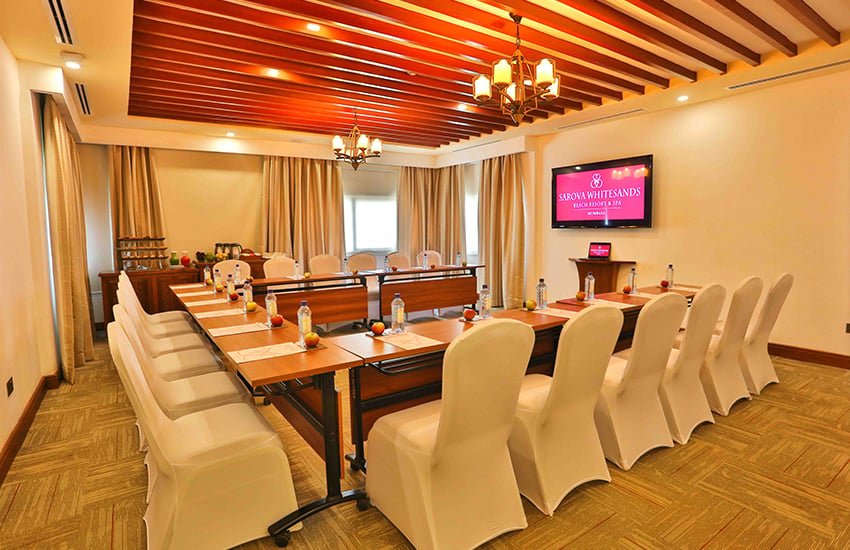
Classroom Setup: Flexible seating arrangements such as theater style, classroom style, or U-shaped setups support different learning styles and event objectives. Ergonomic seating ensures comfort for long sessions.
-
Breakout Rooms: Smaller spaces for group discussions, workshops, or team exercises enhance engagement and allow for interactive learning experiences.
-
Technical Amenities: Adequate electrical outlets, projector mounts, Wi-Fi connectivity, and power backup solutions are essential for smooth session delivery and technology-driven learning.
Conclusion: Prioritizing accessibility, seating, breakout facilities, and technical amenities ensures the venue supports both participant comfort and educational effectiveness.
3.2 Recommended Venues for Educational Events — Training Centers, Conference Hotels, and Modern Learning Spaces
Kenya offers a range of venues suitable for corporate educational events:
-
Training Centers: Purpose-built facilities often include flexible seating, AV systems, and modern classroom resources ideal for skill-building workshops.
-
Conference Hotels: Hotels in Nairobi, Naivasha, and Mombasa provide fully equipped meeting rooms, catering, and accommodation for multi-day events.
-
Modern Learning Spaces: Contemporary co-working spaces or educational hubs offer interactive technology, creative layouts, and a professional atmosphere for smaller, innovative sessions.
Conclusion: Selecting the right type of venue ensures the space aligns with the event’s scale, format, and learning objectives.
3.3 Importance of AV Readiness, Acoustic Quality, and Reliable Internet
A modern educational event relies heavily on technology for content delivery, interaction, and connectivity:
-
AV Readiness: Projectors, LED screens, microphones, speakers, and presentation tools must be available and compatible with the planned activities.
-
Acoustic Quality: Proper sound distribution and minimal echo prevent distractions, ensuring all participants can hear clearly.
-
Reliable Internet: Stable Wi-Fi or wired connections are essential for hybrid events, live demonstrations, or cloud-based learning platforms.
Conclusion: A venue’s technical capabilities directly impact participant engagement and learning outcomes, making AV readiness and connectivity top priorities.
3.4 Conducting Site Visits to Confirm Layout Suitability for Learning
Before finalizing a venue, site visits are essential to validate its practicality and suitability:
-
Layout Evaluation: Confirm seating arrangements, breakout rooms, stage or presentation areas, and traffic flow meet the event’s needs.
-
Technical Inspection: Test AV equipment, lighting, Wi-Fi performance, and power supply reliability.
-
Accessibility Check: Assess parking, entrances, and ease of navigation for participants with different mobility needs.
-
Environment Assessment: Evaluate noise levels, natural lighting, and overall ambiance to ensure a comfortable and focused learning environment.
Conducting thorough site visits prevents surprises on event day and ensures the chosen venue supports the educational program’s objectives efficiently.
Choosing the right venue in Kenya is more than just selecting a space; it is about creating an environment conducive to learning, engagement, and professional growth. By prioritizing accessibility, classroom design, breakout facilities, AV readiness, acoustic quality, and conducting site visits, organizers can guarantee a seamless educational experience. Proper venue selection supports both the logistical and educational success of corporate events, leaving a positive impression on attendees and maximizing learning outcomes.
4. Budgeting and Financial Planning
Financial planning is a critical component of organizing successful corporate educational events. A well-structured budget ensures that all essential elements—from venue and facilitators to AV equipment and catering—are adequately covered without overspending. In Kenya, careful budgeting allows organizations to deliver high-quality learning experiences while maximizing return on investment.
4.1 Main Cost Categories — Facilitators, Venue, Training Materials, Catering, and AV Equipment
Understanding where your money goes is the first step toward effective budgeting:
-
Facilitators and Trainers: High-quality instructors, keynote speakers, or professional coaches may command significant fees, but they are central to the value of your educational event.
-
Venue Costs: Includes rental, setup, and sometimes additional charges for breakout rooms or special arrangements. Venue choice impacts both comfort and learning outcomes.
-
Training Materials: Printed manuals, digital handouts, and interactive learning tools support knowledge retention but need to be accounted for in the budget.
-
Catering: Meals, coffee breaks, and refreshments enhance participant satisfaction and focus during long sessions.
-
Audio Visual (AV) Equipment: Projectors, screens, microphones, and sound systems are critical for delivering content effectively, especially for hybrid or large-scale events.
Conclusion: Recognizing main cost categories allows for targeted allocation, ensuring no critical element is overlooked.
4.2 Budgeting Strategies for Maximizing Value Without Sacrificing Learning Quality
Balancing costs with learning outcomes is key:
-
Early Planning: Booking venues and facilitators in advance can reduce costs and secure availability.
-
Package Deals: Many venues offer inclusive packages covering AV equipment, catering, and seating arrangements, which often reduce overall expenses.
-
Digital Materials: Using online handouts and presentations can cut printing costs while supporting eco-friendly practices.
-
Shared Resources: For recurring training programs, reusable AV setups or materials can reduce long-term expenditure.
Conclusion: Strategic budgeting ensures that financial resources are used efficiently while maintaining high-quality educational delivery.
4.3 Balancing Cost-Efficiency with Knowledge Delivery and Comfort
Cost savings should never compromise the learning experience or participant comfort:
-
Comfortable Learning Environment: Adequate seating, lighting, and room temperature contribute to focus and retention, and should remain a priority.
-
Technology Investments: High-quality AV solutions enhance clarity, engagement, and interactive learning, making them worthwhile even in tight budgets.
-
Prioritizing Key Elements: Allocate more budget to areas that directly impact learning outcomes, such as expert facilitators or AV support, while optimizing less critical areas.
Conclusion: Cost-efficiency and quality are not mutually exclusive; thoughtful allocation ensures both excellent learning outcomes and budget control.
4.4 How Peak Audio Offers Transparent, Affordable, and Professional AV Packages for All Educational Setups
Professional AV support plays a major role in ensuring successful corporate educational events:
-
Transparent Pricing: Peak Audio provides clear cost structures for AV equipment, installation, and support, preventing unexpected charges.
-
Affordable Packages: Packages are tailored to event size and format, ensuring cost-effectiveness without sacrificing quality.
-
Professional Support: From setup and testing to on-site troubleshooting, Peak Audio ensures smooth operation so that trainers can focus on teaching.
-
Scalable Solutions: Options are available for small workshops, large seminars, and hybrid or virtual learning environments.
Conclusion: Partnering with Peak Audio ensures organizations access reliable, professional, and budget-conscious AV services that enhance the learning experience.
Budgeting and financial planning are foundational for the success of corporate educational events in Kenya. By clearly identifying main cost categories, adopting smart budgeting strategies, balancing cost-efficiency with participant comfort, and leveraging professional AV support from Peak Audio, organizations can deliver impactful learning experiences without overspending. Proper planning ensures every aspect of the event—from facilitators and venues to technology and catering—aligns with both educational objectives and financial constraints, leading to a seamless, effective, and memorable program.
5. Designing an Effective Educational Program
A well-designed educational program is essential for maximizing learning, engagement, and overall participant satisfaction. In Kenya, corporate events that thoughtfully structure sessions and integrate interactive elements create a meaningful experience that translates into real-world skills and improved organizational performance.
5.1 Structuring Sessions to Maximize Understanding and Retention
Organizing content in a logical and engaging sequence is crucial for effective learning:
-
Clear Learning Objectives: Define what participants should know or be able to do by the end of each session.
-
Segmented Modules: Break down topics into digestible portions to prevent information overload and maintain attention.
-
Pacing: Alternate between high-energy sessions and reflection periods to optimize comprehension and retention.
-
Reinforcement: Include summaries, key takeaways, and quick recaps to strengthen memory and understanding.
Conclusion: Thoughtful session structuring ensures that participants absorb knowledge efficiently and remain engaged throughout the event.
5.2 Incorporating Group Activities, Discussions, and Hands-On Exercises
Active participation solidifies learning and encourages collaboration:
-
Team Exercises: Problem-solving or case-study activities foster practical application of concepts.
-
Discussions and Debates: Small group discussions or Q&A sessions allow participants to exchange ideas and clarify understanding.
-
Role-Playing and Simulations: Hands-on exercises help participants experience real-world scenarios in a controlled learning environment.
-
Peer Learning: Encouraging participants to share experiences enhances knowledge retention and builds workplace relationships.
Conclusion: Interactive elements transform passive learning into active engagement, making lessons more memorable and impactful.
5.3 Using Visual Content, Presentations, and Multimedia for Higher Engagement
Visual aids and multimedia tools significantly improve comprehension and attention:
-
Slides and Infographics: Present complex information in simplified, visually appealing formats.
-
Videos and Animations: Demonstrate processes or concepts that are difficult to explain verbally.
-
Interactive Screens and AV Tools: Polls, quizzes, and touchscreens create a dynamic learning environment.
-
Consistent Branding: Use company visuals and real-world examples to relate content to the organization’s context.
Conclusion: Integrating multimedia makes learning more engaging, caters to different learning styles, and reinforces key messages effectively.
5.4 How a Well-Designed Program Improves Participant Outcomes and Satisfaction
The ultimate goal of an educational program is measurable improvement and positive participant experience:
-
Enhanced Knowledge Retention: Structured sessions, hands-on exercises, and multimedia tools help participants internalize content.
-
Skill Development: Practical exercises and real-world applications translate learning into actionable skills.
-
Increased Engagement: Interactive and visually rich sessions sustain attention and encourage active participation.
-
Positive Feedback and Motivation: Participants leave with a sense of accomplishment and motivation to apply new knowledge at work.
A thoughtfully designed program maximizes both learning outcomes and participant satisfaction, ensuring that corporate educational events provide real value to employees and the organization.
Designing an effective corporate educational program requires careful attention to session structure, interactive participation, and multimedia integration. By combining structured modules, group exercises, discussions, and engaging visual tools, organizers can enhance understanding, retention, and skill application. A well-crafted program not only improves participant outcomes but also increases satisfaction, making educational events in Kenya a worthwhile investment in workforce development.
6. The Role of Audio Visual (AV) Solutions in Educational Events
Audio Visual (AV) solutions play a pivotal role in modern corporate educational events, ensuring that content is delivered clearly, participants remain engaged, and learning outcomes are maximized. In Kenya, leveraging professional AV technology can transform workshops, seminars, and training programs into interactive, immersive, and highly effective learning experiences.
6.1 Why High-Quality AV Systems Are Essential for Clarity and Learning
Clear communication is the cornerstone of any educational program:
-
Audio Clarity: High-quality microphones and sound systems ensure that facilitators are heard clearly by all participants, regardless of room size.
-
Visual Precision: Projectors, LED screens, and interactive displays make complex concepts easier to understand.
-
Engagement Boost: Crisp audio and visuals capture attention, prevent fatigue, and enhance focus during sessions.
-
Professional Environment: Reliable AV technology creates a polished, professional atmosphere that reinforces the seriousness and value of the learning event.
Conclusion: Investing in high-quality AV systems guarantees that every participant receives content clearly, improving comprehension and knowledge retention.
6.2 Core AV Components — Projectors, LED Screens, Microphones, Sound Systems, and Recording Setups
Effective educational AV setups rely on a combination of essential components:
-
Projectors and LED Screens: Deliver large, bright visuals for slides, videos, and live demonstrations.
-
Microphones and Sound Systems: Ensure facilitators’ voices reach the entire room, maintaining consistent volume and clarity.
-
Recording Equipment: Captures sessions for later review, remote participants, or internal training libraries.
-
Interactive Tools: Clickers, touchscreens, and digital polling systems foster engagement and provide real-time feedback.
-
Lighting Solutions: Proper lighting improves visibility for both presenters and content displays, enhancing focus and comprehension.
Conclusion: A comprehensive AV setup combines multiple technologies to support clear communication, interaction, and long-term learning.
6.3 Enhancing Content Delivery Through Visuals, Live Demos, and Interactive Tools
AV technology elevates how content is presented, making learning more dynamic and effective:
-
Visual Aids: High-resolution slides, diagrams, and infographics simplify complex topics.
-
Live Demonstrations: AV setups enable real-time demonstrations visible to all participants, bridging theory and practice.
-
Interactive Sessions: Polling, quizzes, and multimedia activities foster active participation and engagement.
-
Multimedia Integration: Videos, animations, and sound effects help illustrate concepts and maintain attention.
Conclusion: AV tools transform passive presentations into interactive and immersive learning experiences that improve understanding and retention.
6.4 How Peak Audio Provides Reliable, User-Friendly AV Setups Tailored for Corporate Educational Environments
Professional support is critical to ensure AV systems perform flawlessly during educational events:
-
Tailored Solutions: Peak Audio assesses venue size, audience size, and event format to recommend the best AV setup.
-
On-Site Setup and Testing: Expert technicians ensure all equipment is installed correctly and fully functional before sessions begin.
-
User-Friendly Operation: Training and guidance are provided so facilitators can use AV tools confidently.
-
Reliability: Peak Audio ensures minimal technical disruptions, enabling seamless content delivery and participant engagement.
Conclusion: Partnering with Peak Audio guarantees professional, reliable, and intuitive AV solutions that enhance every aspect of corporate educational events.
AV solutions are integral to the success of corporate educational events in Kenya. By providing clear audio, high-quality visuals, and interactive tools, AV technology ensures content is delivered effectively, participants stay engaged, and learning outcomes are maximized. With tailored, professional setups from Peak Audio, organizations can create immersive, reliable, and highly impactful educational experiences that elevate workforce skills and productivity.
7. Incorporating Technology and Modern Trends
Modern corporate educational events increasingly rely on technology to enhance learning, engagement, and accessibility. In Kenya, organizations are adopting tech-driven approaches to ensure employees gain knowledge efficiently while remaining actively involved. Leveraging digital tools, hybrid models, and innovative solutions can transform traditional workshops and seminars into interactive, flexible, and future-ready learning experiences.
7.1 Hybrid Learning Models for Remote and In-Person Participation
Hybrid learning combines the benefits of physical and virtual attendance, making training more inclusive and flexible:
-
Expanded Reach: Employees from multiple locations can participate without travel, saving time and costs.
-
Flexible Scheduling: Participants can join live sessions or watch recorded content at convenient times.
-
Real-Time Interaction: Video conferencing and chat tools allow remote learners to ask questions and contribute to discussions seamlessly.
-
Enhanced Engagement: Hybrid setups ensure all participants, whether in-person or online, experience high-quality audio, visuals, and interaction.
Conclusion: Hybrid learning models broaden access, improve convenience, and ensure no participant misses critical content, making corporate training more effective and inclusive.
7.2 Use of Digital Tools — E-Learning Platforms, Virtual Whiteboards, and Audience Response Systems
Digital tools complement live sessions, providing interactive and collaborative experiences:
-
E-Learning Platforms: Supplement in-person sessions with self-paced modules, quizzes, and assessments.
-
Virtual Whiteboards: Encourage brainstorming, idea sharing, and collaboration during workshops.
-
Audience Response Systems: Enable instant feedback, polling, and real-time engagement to assess understanding.
-
Gamification Tools: Incorporate interactive games and challenges to make learning more dynamic and memorable.
Conclusion: Integrating digital tools transforms static presentations into interactive, engaging, and participatory learning experiences, boosting retention and application of knowledge.
7.3 Recording Sessions for Future Reference, Onboarding, or Training Libraries
Recording corporate educational events provides long-term value for organizations:
-
Onboarding Support: New employees can access recorded sessions for quick orientation and learning.
-
Knowledge Retention: Teams can revisit complex topics at their own pace, reinforcing understanding.
-
Training Libraries: Create a repository of professional learning content that can be reused for future programs.
-
Flexibility: Recordings accommodate participants who missed the live session, ensuring no one falls behind.
Conclusion: Recording sessions extends the impact of educational events beyond the live day, offering a continuous learning resource for employees and teams.
7.4 Kenya’s Rising Adoption of Tech-Driven Corporate Learning Solutions
Kenyan companies are increasingly embracing innovative educational technologies to stay competitive:
-
Corporate Trend: Businesses are integrating e-learning, virtual workshops, and hybrid models to enhance workforce skills.
-
Technological Accessibility: Improved internet connectivity and digital platforms make tech-enabled learning more feasible nationwide.
-
Professional Facilitation: Companies like Peak Audio provide expert AV support, ensuring technology functions seamlessly during training.
-
Enhanced ROI: Investing in tech-driven learning solutions ensures higher engagement, better knowledge retention, and measurable training outcomes.
Conclusion: Tech-driven learning is becoming the standard for corporate education in Kenya, enabling organizations to deliver effective, scalable, and modern training programs.
Incorporating technology and modern trends in corporate educational events enhances learning, engagement, and accessibility. Hybrid models allow both in-person and remote participation, digital tools foster interactive learning, and recorded sessions provide long-term value for training and onboarding. With Kenya’s growing adoption of tech-driven corporate learning solutions, organizations can deliver efficient, flexible, and impactful educational programs. Partnering with experts ensures seamless integration of these technologies, maximizing outcomes for employees and the business alike.
8. FAQs on Corporate Educational Events in Kenya
Corporate educational events require careful planning, professional execution, and reliable AV support. To help organizations navigate the process, we answer the most frequently asked questions about hosting effective training, workshops, and learning programs in Kenya.
8.1 How Early Should I Begin Planning an Educational Event?
Answer: Planning should start at least one month in advance.
-
Securing Facilitators: Early planning ensures you book the right trainers, speakers, or subject-matter experts.
-
Technical Preparation: Allows time to arrange AV systems, internet connectivity, and any required recording or streaming setups.
-
Materials and Logistics: Adequate time ensures learning materials, workbooks, and participant kits are prepared and delivered on time.
-
Conclusion: Starting early minimizes last-minute challenges, ensures a smooth flow, and guarantees a professional learning experience.
8.2 What Are the Costs of Hosting a Corporate Training Event in Kenya?
Answer: Budgets vary depending on scale, duration, and services required:
-
Small Workshops: Typically start from KSh 80,000, covering venue, facilitator fees, and basic AV support.
-
Multi-Day or Large Events: Can exceed KSh 500,000, including advanced AV setups, catered meals, training materials, and event management.
-
Additional Costs: Travel for trainers, hybrid streaming, and interactive tools may add to the budget.
-
Conclusion: Costs can be tailored to the organization’s objectives, with Peak Audio offering flexible AV packages to suit different budgets.
8.3 Does Peak Audio Support Educational Events with AV Services?
Answer: Yes, Peak Audio provides comprehensive AV solutions:
-
Equipment: High-quality screens, projectors, microphones, and sound systems.
-
Setup & Testing: On-site installation and testing to ensure reliability and clarity.
-
Support: Technical staff available during events to resolve any issues in real-time.
-
Conclusion: Partnering with Peak Audio guarantees professional AV integration, enhancing the learning experience.
8.4 Do Training Events Need Professional AV?
Answer: Absolutely. Quality AV directly impacts the effectiveness of corporate training:
-
Clarity: Clear audio ensures participants understand instructions, discussions, and presentations.
-
Visibility: High-resolution displays and projectors make slides, visuals, and demonstrations easy to follow.
-
Engagement: Good sound and visuals maintain attention and encourage participation.
-
Conclusion: Professional AV is essential for delivering a high-quality, impactful educational event.
8.5 Can These Events Be Hybrid or Fully Virtual?
Answer: Yes. Peak Audio offers hybrid and virtual learning solutions:
-
Hybrid Learning: Combines in-person and remote participation with live streaming, interactive Q&A, and digital tools.
-
Fully Virtual: Online sessions with robust audio, video, and screen-sharing capabilities.
-
Recording & Playback: Sessions can be recorded for future reference or training libraries.
-
Conclusion: Organizations can deliver flexible and inclusive learning experiences to all employees, regardless of location.
8.6 What Are the Best Venues for Educational Events in Nairobi?
Answer: The right venue ensures comfort, accessibility, and technical readiness:
-
Conference Hotels: Offer large spaces, AV support, catering, and professional ambiance.
-
Training Centers: Designed for interactive sessions, often with breakout rooms and modern tech infrastructure.
-
Serviced Offices & Learning Spaces: Ideal for smaller groups, workshops, and department-specific training.
-
Conclusion: Choosing a venue with strong AV and logistical support is crucial for a seamless learning experience.
8.7 Can Events Be Customized by Department or Skill Level?
Answer: Yes. Educational programs can be tailored for specific teams:
-
Department-Specific Training: HR, sales, leadership, technical, or operations teams.
-
Skill-Level Adaptation: Beginner, intermediate, or advanced sessions to match participant experience.
-
Special Focus: Compliance, professional development, soft skills, or product knowledge.
-
Conclusion: Customization ensures content is relevant, engaging, and impactful for each participant group.
8.8 Do You Provide Recording or Live-Streaming Services?
Answer: Yes. Peak Audio offers professional recording and streaming:
-
Recording: Capture full sessions for archiving, onboarding, or future reference.
-
Live Streaming: Broadcast events to remote teams, clients, or partner organizations.
-
Hybrid Integration: Combine live and recorded formats for maximum reach and flexibility.
-
Conclusion: Recording and streaming extend the event’s value beyond the live session, allowing continuous learning opportunities.
Corporate educational events in Kenya require strategic planning, professional AV support, and tailored content to achieve learning objectives. Starting early, budgeting appropriately, choosing the right venue, and leveraging hybrid or fully virtual solutions are essential steps. Peak Audio’s expertise in AV systems ensures clarity, engagement, and seamless execution, while customization and modern technology enhance training outcomes. By addressing these FAQs, organizations can confidently plan and execute impactful educational events that benefit employees and the business alike.
Elevate Your Corporate Educational Events with Peak Audio
Corporate educational events are essential for enhancing employee skills, fostering professional growth, and driving overall organizational performance. From workshops and seminars to leadership trainings and capacity-building programs, a well-structured educational event provides teams with the knowledge, tools, and motivation to perform at their best. Clear objectives, engaging programs, and thoughtfully chosen venues ensure that participants remain focused, inspired, and ready to apply what they learn in their daily roles.
Equally important is the role of professional audio-visual (AV) support in delivering a seamless learning experience. High-quality sound systems, projectors, LED screens, and interactive displays allow participants to see, hear, and engage with content clearly, making learning more effective and memorable. By integrating modern AV solutions, businesses can elevate the overall impact of their educational events, ensuring clarity, participation, and a polished, professional presentation that reflects the organization’s commitment to excellence.
With Peak Audio, businesses across Kenya can access reliable, user-friendly AV setups and expert technical support tailored for corporate educational environments. From planning and setup to live support and troubleshooting, Peak Audio ensures every seminar, workshop, or training session runs smoothly and professionally. Partnering with Peak Audio empowers organizations to deliver impactful, engaging, and memorable educational experiences that create long-lasting value for both employees and the company.
Corporate Holiday Celebration Events in Kenya: Elevate Your Festive Experience with Peak Audio
Corporate holiday celebration events in Kenya have evolved into more than just end-of-year parties—they are powerful opportunities for organizations to strengthen relationships, boost morale, and reinforce a positive workplace culture. Whether it’s a vibrant themed party, a refined gala dinner, or a warm festive luncheon, these events bring teams together in a relaxed and joyful atmosphere that encourages bonding beyond daily work routines. Companies across Nairobi, Mombasa, Kisumu, and other major towns now prioritize these celebrations as an essential part of employee appreciation.
Planning a corporate holiday celebration requires a blend of creativity, strategy, and logistical precision. Selecting the right venue, managing décor, coordinating entertainment, and ensuring seamless timing are all crucial to creating a memorable experience. Businesses also increasingly aim to personalize celebrations with unique concepts such as cultural-themed nights, elegant awards ceremonies, or interactive entertainment experiences. Each element must be carefully aligned with the organization’s values, brand identity, and desired ambience.
This is where Peak Audio transforms the ordinary into the exceptional. As a trusted leader in corporate event AV solutions in Kenya, Peak Audio ensures your celebration looks, sounds, and feels outstanding. From professional sound reinforcement to intelligent lighting, HD screens, stage design, and full technical management, the team guarantees a smooth and impactful experience. With meticulous attention to detail and high-end equipment, Peak Audio elevates corporate holiday celebrations into unforgettable moments that leave employees inspired, valued, and excited for the year ahead.
1. Understanding the Importance of Corporate Holiday Celebrations
Corporate holiday celebrations are more than just festive gatherings—they play a critical role in nurturing workplace culture, motivating employees, and enhancing a company’s overall image. Thoughtfully planned celebrations can reinforce company values, recognize achievements, and create lasting positive impressions for both staff and external partners.
1.1 Appreciating Staff Contributions and Boosting Company Morale
Recognizing employees’ hard work is key to fostering engagement and motivation:
-
Acknowledgment of Achievements: Celebrations provide an opportunity to formally or informally recognize employee accomplishments throughout the year.
-
Boosting Morale: Festive events create a sense of appreciation and pride, which can translate into higher productivity and commitment.
-
Rewarding Teams: Offering awards, gifts, or perks during holiday events reinforces that contributions are valued.
-
Positive Atmosphere: Fun, relaxed celebrations encourage employees to feel happier and more connected to their organization.
Conclusion: Recognizing staff contributions during holiday celebrations strengthens morale and fosters loyalty, making employees feel valued and motivated.
1.2 Strengthening Team Bonds and Workplace Culture
Corporate holiday events offer unique opportunities for team building and cultural reinforcement:
-
Encouraging Interaction: Social gatherings allow colleagues from different departments to connect in a relaxed environment.
-
Team Cohesion: Group activities, games, or collaborative events improve communication and camaraderie.
-
Cultural Reinforcement: Celebrations can reflect company values and traditions, promoting a shared sense of identity.
-
Cross-Department Engagement: Employees can network with peers and managers outside formal work settings, enhancing workplace relationships.
Conclusion: Holiday celebrations strengthen workplace culture by building relationships, fostering teamwork, and promoting a sense of belonging.
1.3 Enhancing Brand Reputation Among Employees and Partners
Corporate celebrations also influence how a company is perceived internally and externally:
-
Employee Loyalty: Thoughtful events signal that the company cares about its people, reducing turnover.
-
Partner Engagement: Inviting clients, partners, or stakeholders to holiday events demonstrates professionalism and strengthens business relationships.
-
Corporate Image: Well-executed events reflect a polished and organized company, boosting reputation.
-
Employer Branding: Positive experiences can be shared on social media or through testimonials, attracting talent and reinforcing brand prestige.
Conclusion: Holiday celebrations enhance a company’s reputation, leaving both employees and partners with a positive impression of the organization.
1.4 Why Professionally Executed Celebrations Leave Lasting Impressions
The execution quality of corporate events significantly affects their impact:
-
Professional Planning: Expert event organizers ensure smooth logistics, engaging programs, and seamless AV integration.
-
Memorable Experiences: Creative themes, entertainment, and interactive elements make celebrations unforgettable.
-
Attention to Detail: From décor to catering, well-managed events demonstrate professionalism and care.
-
Employee and Guest Satisfaction: A polished experience leaves participants with lasting positive memories, reinforcing engagement and loyalty.
Conclusion: Professionally executed holiday celebrations maximize engagement, enjoyment, and brand impact, making the event a meaningful highlight of the year.
Corporate holiday celebrations in Kenya serve multiple strategic purposes: recognizing staff contributions, boosting morale, strengthening team bonds, enhancing brand reputation, and creating memorable experiences. By investing in professionally planned events, companies can leave lasting impressions on employees and partners alike, fostering loyalty, engagement, and a positive workplace culture while projecting a polished and reputable brand image.
2. Defining the Purpose and Theme of Your Holiday Event
A well-defined purpose and theme are the foundation of a successful corporate holiday celebration. They guide every decision—from venue selection and décor to entertainment and AV requirements—ensuring the event aligns with company values, engages employees, and leaves a memorable impression on guests.
2.1 Clarifying Your Main Objective — Appreciation, Celebration, Recognition, or Team Bonding
Identifying the primary goal of your holiday event sets the tone and shapes the overall planning:
-
Appreciation: Celebrate staff contributions with formal or informal recognition programs, awards, or thank-you speeches.
-
Celebration: Highlight company milestones, achievements, or the year’s successes in a festive atmosphere.
-
Recognition: Acknowledge top performers, departments, or teams for exceptional work, motivating continued excellence.
-
Team Bonding: Encourage collaboration, engagement, and interpersonal connection through games, workshops, or interactive activities.
-
Decision-Making Influence: Clear objectives help determine event scale, tone, and the types of activities that will best achieve your goals.
Conclusion: Defining your event’s purpose ensures all elements—from AV to entertainment—support the desired outcomes, making the celebration meaningful and effective.
2.2 Popular Holiday Event Themes in Kenya
Choosing a theme enhances the visual and experiential appeal of your celebration:
-
Gala Nights: Elegant, formal events with black-tie dress codes, live entertainment, and sophisticated décor.
-
African-Themed Celebrations: Highlight Kenyan culture with local music, traditional décor, and regional cuisine.
-
Cocktail Evenings: Casual, stylish gatherings with networking opportunities, music, and interactive experiences.
-
Outdoor Parties: Garden or rooftop celebrations that leverage natural beauty, open-air activities, and flexible décor options.
-
Seasonal Themes: Incorporate festive holiday motifs such as Christmas, New Year, or end-of-year celebrations for a cheerful atmosphere.
Conclusion: Selecting a theme adds cohesion, excitement, and relevance, ensuring guests experience a unified and engaging celebration.
2.3 Aligning Themes with Your Company Identity and Audience Preferences
Your chosen theme should reflect both your brand and the interests of your attendees:
-
Brand Alignment: Themes should reinforce your company’s image, whether modern, innovative, traditional, or luxury-oriented.
-
Audience Engagement: Consider employee demographics, cultural background, and preferences to ensure the event resonates.
-
Corporate Messaging: Integrate branding subtly through décor, invitations, stage design, and multimedia elements.
-
Event Atmosphere: The right theme can influence mood, participation, and overall guest satisfaction.
Conclusion: Aligning themes with corporate identity and audience expectations ensures relevance, engagement, and a stronger connection to your brand.
2.4 How Theme and Purpose Influence Décor, Entertainment, and Planning
The combination of purpose and theme shapes the practical and aesthetic aspects of the celebration:
-
Décor Choices: Color schemes, table settings, lighting, and stage design should match the theme and support the event’s goal.
-
Entertainment Selection: Music, performances, interactive games, and AV presentations should complement the theme and engage attendees.
-
Logistics and Planning: Theme and purpose determine the type of venue, timing, flow of activities, and resource allocation.
-
Guest Experience: A cohesive approach ensures that every element—from visuals to interactions—creates a memorable, immersive celebration.
Conclusion: Purpose and theme guide every aspect of event planning, ensuring consistency, engagement, and an enjoyable experience for all attendees.
Defining the purpose and theme of a corporate holiday event in Kenya is essential for creating a meaningful, engaging, and memorable celebration. Clear objectives—whether appreciation, recognition, or team bonding—combined with a thoughtfully chosen theme, guide décor, entertainment, AV, and logistics. When aligned with company identity and audience preferences, these elements ensure a cohesive, enjoyable, and professionally executed event that leaves a lasting impression on employees and partners alike.
3. Choosing the Right Venue for Holiday Events in Kenya
Selecting the right venue is a critical step in planning a successful corporate holiday celebration. The venue sets the tone, impacts guest experience, and determines how smoothly your event runs—from décor and catering to AV setups and entertainment. Choosing wisely ensures comfort, accessibility, and a festive atmosphere that aligns with your company’s objectives and theme.
3.1 Key Considerations — Capacity, Ambiance, Accessibility, and Facilities
When evaluating potential venues, several practical and aesthetic factors should guide your decision:
-
Capacity: Ensure the venue can comfortably accommodate all attendees, allowing space for dining, dancing, or interactive activities. Overcrowding can compromise safety and guest comfort.
-
Ambiance: The setting should complement your event’s theme, whether elegant, festive, casual, or culturally inspired. Ambiance influences mood, engagement, and overall impression.
-
Accessibility: Consider location convenience for staff and partners, availability of parking, and accessibility for guests with special needs.
-
Facilities and Amenities: Evaluate in-house catering, restrooms, AV infrastructure, furniture, climate control, and outdoor/indoor flexibility. These support seamless operations and guest satisfaction.
Conclusion: A well-chosen venue provides a functional, aesthetically pleasing foundation that enhances both the event experience and operational efficiency.
3.2 Popular Holiday Event Venues in Nairobi, Naivasha, Mombasa, and Kisumu
Kenya offers diverse venues suited to various corporate holiday events:
-
Nairobi: Luxury hotels, rooftop gardens, private estates, and convention centers with modern AV facilities for high-end or formal events.
-
Naivasha: Lakeside resorts and gardens offering scenic outdoor spaces, perfect for informal, relaxed, or themed celebrations.
-
Mombasa & Coastal Regions: Beachfront resorts and tropical gardens provide a unique backdrop for festive, open-air parties with cultural or leisure themes.
-
Kisumu: Lakefront venues and boutique event spaces combine natural beauty with a cozy, intimate atmosphere ideal for medium-sized corporate gatherings.
Conclusion: Choosing a location that matches your event style, theme, and guest expectations enhances both visual appeal and the overall experience.
3.3 Why AV Readiness, Stage Areas, and Lighting Options Matter
Modern corporate holiday events rely heavily on AV equipment and stage setups to engage attendees:
-
AV Infrastructure: Ensure the venue can accommodate sound systems, LED screens, projectors, and microphones for speeches, presentations, or entertainment.
-
Stage Areas: Adequate stage space is crucial for performances, awards, or live shows, ensuring visibility for all attendees.
-
Lighting Options: Venues should support creative lighting setups, including mood lighting, spotlighting, or decorative effects that match your theme.
-
Power Supply & Connectivity: Check for stable electricity, backup options, and internet connectivity to support AV equipment and streaming if needed.
Conclusion: AV readiness and proper staging transform a venue into a fully functional event space capable of delivering professional, immersive experiences.
3.4 Importance of Site Visits to Confirm Layout, Acoustics, and Event Flow
Conducting site visits is a critical step in confirming that the venue meets your expectations:
-
Layout Assessment: Examine seating arrangements, traffic flow, dining areas, and breakout zones to optimize guest experience.
-
Acoustics Check: Evaluate how sound travels in the space to avoid echo, dead zones, or interference with presentations.
-
Lighting Opportunities: Identify natural light sources, electrical points, and potential areas for decorative lighting.
-
Practical Considerations: Assess accessibility, emergency exits, and overall safety, ensuring compliance with regulations and comfort for all attendees.
Conclusion: Visiting the venue in advance provides insights into potential challenges, allowing planners to optimize space, AV setups, and logistics for a smooth, professional holiday event.
Choosing the right venue for corporate holiday events in Kenya requires careful consideration of capacity, ambiance, accessibility, facilities, and AV readiness. Popular options range from luxury hotels in Nairobi to lakeside resorts in Naivasha and tropical coastal venues in Mombasa. Ensuring adequate stage areas, lighting options, and AV infrastructure, combined with thorough site visits, guarantees a seamless, engaging, and memorable celebration that aligns with company goals, themes, and guest expectations.
4. Budgeting and Financial Planning
Planning a corporate holiday event in Kenya requires careful financial planning to ensure a successful celebration without overspending. Effective budgeting balances quality, guest experience, and operational efficiency. Identifying major cost drivers and applying smart strategies can help companies host memorable events while staying within financial limits.
4.1 Primary Cost Areas — Venue, Catering, Entertainment, Décor, and AV Production
A significant portion of any holiday event budget is allocated to core components:
-
Venue: Costs vary depending on location, prestige, capacity, and included amenities such as AV equipment, furniture, and catering facilities.
-
Catering: Food and beverage expenses depend on menu choice, number of guests, and service style—buffet, plated, or cocktail reception.
-
Entertainment: This includes live bands, DJs, performers, MCs, and other activities that engage and delight attendees.
-
Décor: Theme-based decorations, table settings, lighting effects, floral arrangements, and festive installations contribute to the ambiance.
-
AV Production: Professional sound systems, LED screens, projectors, lighting setups, and technical support are essential for presentations, performances, and immersive experiences.
Conclusion: Recognizing these primary cost areas allows planners to allocate resources strategically, ensuring all essential elements receive appropriate attention and quality.
4.2 Smart Holiday Event Budgeting Tips for Small and Large Companies
Companies of all sizes can host impressive events by applying effective budgeting strategies:
-
Prioritize Core Elements: Focus on high-impact areas such as venue and AV while simplifying minor elements without compromising experience.
-
Package Deals: Many venues and event service providers offer bundled packages for catering, décor, and AV, which often reduce overall costs.
-
Early Booking: Secure vendors and venues early to take advantage of discounts and avoid premium charges during peak holiday seasons.
-
DIY and Rentals: Small companies can combine DIY décor, cost-effective lighting, and rentable AV equipment to reduce expenditure while maintaining quality.
-
Detailed Cost Tracking: Maintain spreadsheets or budget management software to monitor allocations, avoid overruns, and adjust in real time.
Conclusion: With careful planning and strategic allocation, both small and large companies can maximize their budget for an impressive, enjoyable event.
4.3 Balancing Luxury, Fun, and Affordability
Holiday events should feel festive and luxurious, but budget constraints often require creative solutions:
-
Luxury Within Reach: Focus on a few standout elements such as a high-quality AV setup, signature décor pieces, or premium entertainment, while simplifying other areas.
-
Guest Experience Matters: Prioritize activities and experiences that guests notice most—comfort, food quality, and audiovisual clarity.
-
Affordable Creativity: Use creative lighting, themed props, and interactive elements to add flair without large expenses.
-
Negotiation and Vendor Flexibility: Many vendors in Kenya can tailor packages to suit specific budgets without sacrificing quality.
Conclusion: A well-balanced budget ensures the event feels lavish and memorable while remaining financially sustainable.
4.4 How Peak Audio Provides Cost-Effective AV Packages for Festive Events
Partnering with a professional AV provider like Peak Audio can optimize your budget while elevating the event experience:
-
Tailored Packages: Peak Audio offers flexible AV solutions designed to fit various budgets and event scales.
-
Rental Options: High-quality sound, lighting, and display equipment can be rented rather than purchased, reducing upfront costs.
-
Technical Expertise: On-site support ensures efficient setup and operation, avoiding costly mistakes or last-minute equipment issues.
-
Enhanced ROI: Investing in professional AV improves guest engagement, event flow, and overall perception, delivering value beyond the equipment cost.
Conclusion: Peak Audio helps companies achieve professional, immersive holiday events while keeping AV expenditure efficient and effective.
Budgeting for corporate holiday events in Kenya requires careful attention to key cost areas: venue, catering, entertainment, décor, and AV production. Smart strategies—such as early booking, package deals, and selective investment in high-impact elements—allow companies to balance luxury, fun, and affordability. By leveraging professional AV providers like Peak Audio, businesses can optimize costs while delivering an engaging, high-quality experience that leaves a lasting impression on employees, partners, and guests.
5. Crafting an Engaging Holiday Program
A successful corporate holiday event depends heavily on a well-thought-out program that keeps guests entertained, engaged, and immersed in the festive atmosphere. Structuring the event carefully ensures a smooth flow, maximizes guest interaction, and highlights key moments such as appreciation speeches, awards, and performances.
5.1 Structuring the Program — Welcome Remarks, Entertainment, Awards, and Festivities
The program structure sets the tone for the entire celebration:
-
Welcome Remarks: A warm opening by company leadership or an MC sets a friendly and festive mood, acknowledging staff contributions and outlining the evening’s highlights.
-
Entertainment Segments: Incorporate live music, dance performances, or cultural showcases to energize attendees and create memorable moments.
-
Awards and Recognition: Highlight employee achievements or team milestones with award presentations, ensuring staff feel valued and appreciated.
-
Festive Celebrations: Include themed activities, holiday traditions, or seasonal performances to reinforce the celebratory atmosphere.
Conclusion: A clear, structured program ensures every part of the evening flows logically, maintaining momentum and engagement from start to finish.
5.2 Incorporating Interactive Moments such as Games, Raffles, and Team Activities
Interactivity is key to keeping guests involved and energized:
-
Games and Challenges: Fun quizzes, holiday-themed competitions, or team challenges encourage participation and laughter among attendees.
-
Raffles and Giveaways: Prize draws create excitement and anticipation, motivating guests to stay engaged throughout the event.
-
Collaborative Activities: Team-based tasks or icebreakers foster bonding, reinforce company culture, and enhance networking opportunities.
-
Audience Participation: Encourage guests to sing, vote, or share experiences to make them feel like an active part of the celebration.
Conclusion: Interactive elements elevate the program from passive observation to active involvement, creating memorable experiences for all attendees.
5.3 Balancing Speeches, Performances, and Social Time for Smooth Flow
Maintaining a balanced mix of activities ensures guests remain attentive and entertained without fatigue:
-
Timing and Pacing: Schedule speeches early or between high-energy performances to maintain engagement without losing focus.
-
Variety of Segments: Alternate between formal moments (awards, speeches) and informal, festive segments (music, games, social mingling).
-
Social Interaction: Include breaks and networking periods to allow guests to mingle, fostering connections and a relaxed atmosphere.
-
Avoid Overcrowding: Keep each segment concise and purposeful, preventing long pauses or drawn-out presentations that may reduce energy.
Conclusion: Proper pacing and balance create a seamless, enjoyable experience where guests remain entertained, engaged, and socially connected.
5.4 How a Well-Crafted Program Keeps Guests Entertained and Engaged
The program is the backbone of a successful holiday celebration:
-
Memorable Experiences: Strategic planning ensures each element—from entertainment to awards—leaves a lasting impression.
-
Guest Satisfaction: Thoughtful sequencing and variety cater to diverse preferences, keeping everyone involved.
-
Company Culture Reinforcement: Activities, speeches, and team moments reflect corporate values and enhance staff appreciation.
-
Event Flow Optimization: A structured program allows seamless transitions, reducing downtime and maintaining excitement.
Conclusion: Crafting an engaging holiday program transforms the event into an immersive experience where employees feel valued, entertained, and connected.
Designing a corporate holiday program in Kenya requires a balance of structure, interaction, and pacing. A successful program blends welcome remarks, entertainment, awards, and festive activities while incorporating interactive moments like games and raffles. Proper sequencing and balance between formal and informal segments ensure guests remain engaged, entertained, and appreciated. By carefully crafting the program, companies create a celebration that leaves a lasting impression, strengthens team bonds, and reinforces corporate culture.
6. The Role of Audio Visual (AV) Solutions in Holiday Celebrations
Audio-Visual (AV) solutions are the backbone of modern corporate holiday events, transforming ordinary gatherings into memorable and immersive celebrations. From sound and lighting to digital displays, professional AV ensures the event runs smoothly, captivates attendees, and highlights key moments like speeches, awards, and performances.
6.1 Why Professional Sound and Lighting Are Essential for Festive Ambiance
High-quality sound and lighting create the right mood, energizing attendees and setting the festive tone:
-
Sound Clarity: Crisp audio ensures speeches, announcements, and music are clearly heard, preventing misunderstandings or audience disengagement.
-
Lighting Effects: Dynamic lighting—such as spotlights, colored washes, or ambient uplighting—enhances décor, highlights key areas, and evokes excitement.
-
Atmosphere Creation: Coordinated lighting and sound work together to transform spaces into festive, immersive environments tailored to your holiday theme.
-
Event Flow Support: Proper AV timing helps transition between segments like speeches, performances, and awards smoothly.
Conclusion: Professional sound and lighting elevate the overall atmosphere, creating a cohesive and engaging environment for holiday celebrations.
6.2 Using LED Screens, Stage Lighting, and Music Systems to Elevate the Experience
Modern AV technology allows for creative storytelling and audience engagement:
-
LED Screens: Display holiday visuals, branded messages, and live feeds to keep everyone informed and entertained, even in large venues.
-
Stage Lighting: Spotlights, intelligent lighting, and themed effects highlight performers, speakers, and key moments, making each segment visually striking.
-
Music Systems: High-quality audio setups ensure background music, dance tracks, and live performances sound vibrant and balanced across the venue.
-
Integrated Control: AV systems allow seamless coordination of lights, screens, and sound to match program flow and enhance the festive experience.
Conclusion: Combining LED screens, stage lighting, and music systems ensures a professional, immersive experience that captures attention and keeps guests engaged.
6.3 Enhancing Award Segments and Presentations Through AV Technology
Award presentations and speeches are central to holiday events, and AV technology amplifies their impact:
-
Visual Support: LED screens and projectors display winners, award categories, and branding elements for clear visibility to all attendees.
-
Lighting Focus: Spotlighting presenters or awardees draws attention to key moments and adds dramatic effect.
-
Audio Precision: High-quality microphones and speakers ensure every announcement is clear, maintaining excitement and audience engagement.
-
Multimedia Integration: Videos, slideshows, and animations can be incorporated to celebrate achievements and enhance storytelling.
Conclusion: AV solutions transform award and presentation segments into memorable highlights, making staff recognition more impactful and professional.
6.4 How Peak Audio Ensures Flawless Sound, Visuals, and Event Production
Professional AV providers like Peak Audio deliver seamless execution from planning to live event:
-
Customized Setup: Tailored AV solutions for venue size, guest numbers, and event format ensure optimal performance.
-
Technical Expertise: Experienced technicians handle installation, calibration, and real-time monitoring to prevent disruptions.
-
Full-Service Support: Peak Audio manages sound, lighting, screens, and multimedia integration, letting organizers focus on guests.
-
Reliability and Quality: Using modern, high-quality AV equipment guarantees consistent, professional experiences across indoor and outdoor settings.
Conclusion: Partnering with experts like Peak Audio ensures corporate holiday celebrations run smoothly, look visually stunning, and leave a lasting impression on employees and guests.
Audio-Visual solutions are crucial to delivering memorable corporate holiday events in Kenya. Professional sound and lighting create the right festive ambiance, while LED screens, stage lighting, and music systems elevate the guest experience. AV technology enhances awards, speeches, and presentations, making key moments engaging and impactful. With Peak Audio’s expertise in design, setup, and live support, organizations can achieve seamless, high-quality events that impress attendees and strengthen corporate culture.
7. Incorporating Technology and Modern Trends
Modern corporate holiday celebrations in Kenya are increasingly embracing technology to create interactive, engaging, and memorable experiences. By integrating digital solutions, event organizers can include remote teams, elevate branding, and introduce innovative entertainment elements that resonate with today’s workforce.
7.1 Live Streaming Holiday Celebrations for Remote Staff or Global Teams
Live streaming allows employees who cannot attend in person to participate in real time:
-
Inclusive Engagement: Remote or international staff can join virtually, ensuring everyone feels part of the celebration.
-
Real-Time Interaction: Features like live chat, Q&A sessions, and virtual applause keep online attendees actively involved.
-
Extended Reach: Celebrations can be broadcast to multiple locations, allowing large organizations to unify teams across regions.
-
Cost Efficiency: Reduces the need for travel while maintaining engagement and excitement for all employees.
Conclusion: Live streaming technology ensures inclusivity, allowing all staff members to experience the holiday celebration regardless of location.
7.2 Digital Photo Walls, Interactive LED Displays, and Branded Visuals
Visual technology enhances engagement and reinforces corporate identity:
-
Digital Photo Walls: Employees can capture festive moments instantly, creating interactive memories shared across social media or internal platforms.
-
Interactive LED Displays: Touchscreen displays allow guests to explore event details, games, or themed content in real time.
-
Branded Visuals: LED walls and projections showcase company branding, holiday messages, or multimedia content to strengthen corporate identity.
-
Dynamic Ambiance: Animated visuals and digital décor add movement and energy to event spaces, elevating the overall festive atmosphere.
Conclusion: Incorporating digital visuals and interactive elements transforms static decorations into immersive, brand-driven experiences that engage and delight guests.
7.3 Using Event Apps for Games, Voting, and Prize Announcements
Event apps bring interactivity and gamification to corporate celebrations:
-
Games and Challenges: Interactive quizzes, scavenger hunts, or festive games encourage team participation.
-
Voting and Polling: Employees can vote for award winners, favorite performances, or holiday-themed contests, making the event more engaging.
-
Prize Announcements: Real-time notifications and leaderboard updates enhance excitement and anticipation.
-
Data Collection: Event apps provide feedback and insights for organizers to improve future events.
Conclusion: Event apps create a fun, participatory environment, keeping guests engaged while streamlining interaction and communication.
7.4 Kenya’s Growing Shift Toward Tech-Enhanced Corporate Holiday Events
Kenya’s corporate event scene is increasingly adopting technology-driven experiences:
-
Hybrid Celebrations: Organizations combine in-person gatherings with digital elements to accommodate diverse teams.
-
Immersive Experiences: AR/VR setups, interactive installations, and advanced AV systems are becoming popular for high-impact events.
-
Efficiency and Innovation: Technology simplifies event logistics, enhances entertainment, and ensures smooth execution.
-
Trend Adoption: Forward-thinking companies use tech innovations to differentiate their holiday celebrations and leave lasting impressions on employees and partners.
Conclusion: Technology is redefining corporate holiday celebrations in Kenya, making them more inclusive, interactive, and memorable while aligning with modern workplace trends.
Incorporating technology and modern trends into corporate holiday celebrations transforms traditional gatherings into interactive, inclusive, and high-impact events. Live streaming allows remote participation, digital photo walls and LED displays enhance visual engagement, and event apps facilitate games, voting, and prize distribution. With Kenya’s shift toward tech-enhanced celebrations, organizations can deliver memorable experiences that engage employees, reinforce brand identity, and create lasting festive memories.
8. FAQs on Corporate Holiday Celebration Events in Kenya
Planning a corporate holiday event involves many moving parts, from budgeting and AV setups to entertainment and venue selection. Below are frequently asked questions to guide Kenyan companies in organizing successful, memorable celebrations.
8.1 When Should Companies Start Planning Holiday Celebrations?
-
Recommended Timeline: Ideally, planning should begin by October or early November.
-
Reason: Early planning ensures availability of preferred venues, entertainment providers, AV equipment, and catering services.
-
Benefits: Securing bookings early avoids last-minute price surges and limited choices, allowing for a smoother event execution.
Conclusion: Early planning is crucial for organizing a seamless, stress-free corporate holiday celebration.
8.2 What Is the Average Cost of a Corporate Holiday Event in Kenya?
-
Cost Range: Small team gatherings may start from KSh 150,000, while large gala-style events with full AV, entertainment, and catering can reach several million shillings.
-
Factors Affecting Costs: Venue selection, catering, entertainment, AV production, décor, and guest count.
-
Cost Management: Early bookings, smart budgeting, and selecting suitable packages help balance luxury and affordability.
Conclusion: Event costs vary widely, but careful planning ensures a festive experience without overspending.
8.3 Does Peak Audio Provide Full AV Support for Holiday Celebrations?
-
Comprehensive Services: Peak Audio offers sound systems, lighting, LED screens, staging, and on-site technical management.
-
Customization: AV solutions are tailored to venue size, event style, and audience size.
-
Technical Support: Experienced engineers ensure seamless operation throughout the event.
Conclusion: Peak Audio delivers end-to-end AV support, guaranteeing a professional and engaging holiday celebration.
8.4 What Entertainment Options Work Best for Corporate Holiday Events?
-
Popular Choices: Live bands, DJs, comedians, dance groups, and interactive games.
-
Interactive Engagement: Games, raffles, and team activities encourage participation and fun.
-
Audience Consideration: Entertainment should align with the company culture and employee preferences.
Conclusion: Carefully selected entertainment enhances engagement and creates memorable moments for attendees.
8.5 Can Outdoor Holiday Events Be Supported with AV Setups?
-
Outdoor Feasibility: Yes, professional outdoor sound and lighting solutions are available.
-
Weather Readiness: Equipment is designed to handle rain, wind, and sunlight.
-
Coverage: High-quality audio ensures all guests hear announcements, music, and performances clearly.
Conclusion: Outdoor events can be fully supported with robust AV solutions, providing a festive experience regardless of location.
8.6 Do Holiday Celebrations Require Professional Lighting?
-
Purpose of Lighting: Enhances décor, photography, stage presence, and overall ambiance.
-
Professional Benefits: Creates thematic moods, highlights key areas, and elevates the visual impact.
-
Integration: Works seamlessly with sound, stage design, and multimedia presentations.
Conclusion: Professional lighting is essential for creating a festive, visually appealing, and memorable celebration.
8.7 Can the Event Be Live Streamed for Remote Staff?
-
Hybrid Capability: Yes, events can be live streamed to employees working remotely or in different locations.
-
Features: Live video, real-time interaction, Q&A, and virtual engagement options.
-
Employee Inclusion: Ensures all staff feel part of the celebration, regardless of location.
Conclusion: Live streaming extends participation, creating a more inclusive corporate holiday experience.
8.8 Is It Necessary to Have a Stage for Holiday Events?
-
Importance of a Stage: Vital for award presentations, performances, speeches, and key announcements.
-
Visibility: Ensures all attendees can see and hear activities clearly.
-
Professional Impression: Enhances event structure, flow, and overall prestige.
Conclusion: Stages significantly improve audience experience, especially for formal or large-scale events.
Corporate holiday celebrations in Kenya are most successful when planned with clear objectives, professional AV support, and engaging entertainment. From early planning and budgeting to professional sound, lighting, and hybrid solutions, every element contributes to a memorable and inclusive experience. Companies partnering with providers like Peak Audio can ensure seamless execution, high-quality production, and a festive atmosphere that delights employees, management, and partners alike.
Elevate Your Corporate Holiday Celebrations with Peak Audio
Corporate holiday celebrations are more than just festive gatherings—they are strategic opportunities to recognize employee achievements, strengthen team cohesion, and boost workplace morale. A well-executed event leaves a lasting impression on staff, reinforces company culture, and sets a positive tone for the year ahead. From carefully chosen themes to thoughtfully planned programs, every detail contributes to an unforgettable experience.
To make your holiday event truly stand out, professional AV solutions are essential. Peak Audio delivers top-tier sound, lighting, LED displays, and stage setups that enhance every moment of your celebration. Their expert team ensures seamless coordination, allowing your event to run smoothly while providing the perfect ambiance for awards, entertainment, and interactive experiences.
Whether you are planning an elegant gala, a casual corporate gathering, or a hybrid celebration with remote participants, Peak Audio brings the technical expertise, creativity, and high-quality equipment needed to make your event shine. With their support, your corporate holiday celebration will not only dazzle attendees but also leave a lasting impression of professionalism, festivity, and team appreciation.
Corporate Awards Events in Kenya: Elevate Every Celebration with Peak Audio
Corporate awards events in Kenya have evolved into more than just formal gatherings—they are strategic opportunities to celebrate excellence, showcase achievements, and inspire teams. These events, ranging from annual galas and recognition luncheons to year-end celebrations and industry awards nights, serve as a platform for businesses to reinforce their values and culture while motivating employees. A well-executed awards event not only boosts morale but also strengthens brand reputation and stakeholder engagement, making meticulous planning and attention to detail essential.
Peak Audio understands that the success of any corporate awards event hinges on flawless execution, which is why they provide end-to-end event production solutions tailored to the Kenyan business environment. From state-of-the-art audio-visual systems and dynamic lighting to professional stage design and live streaming capabilities, Peak Audio ensures that every award announcement, speech, and performance is delivered with clarity and impact. Their expertise allows companies to focus on celebrating their achievements while leaving the technical complexities to seasoned professionals.
Beyond technical excellence, Peak Audio adds a creative edge that transforms ordinary corporate gatherings into unforgettable experiences. Thoughtful integration of immersive soundscapes, visual storytelling, and customized stage layouts elevates the ambiance, leaving a lasting impression on attendees. Whether hosting a small recognition luncheon or a grand awards gala, Peak Audio’s innovative approach guarantees that every moment is polished, professional, and memorable, making corporate awards events in Kenya not just a celebration of success but an unforgettable showcase of organizational excellence.
1. Understanding the Importance of Corporate Awards Events
Corporate awards events play a significant role in shaping a company’s internal culture, motivating employees, and strengthening brand identity. These events go far beyond trophies and applause—they help organizations reinforce their values, recognize exceptional performance, and inspire continued excellence. In Kenya’s competitive business environment, well-planned awards events have become powerful tools for employee engagement, retention, and public positioning.
1.1 Boosting Employee Morale Through Recognition and Appreciation
Recognizing employees for their achievements has a profound emotional and psychological impact on workplace morale.
-
Validation and Appreciation: When individuals receive awards for their hard work, they feel valued and appreciated, which boosts their confidence and sense of belonging.
-
Motivation to Excel: Recognition encourages employees to maintain or improve performance, driving a positive cycle of productivity and innovation.
-
Healthy Work Culture: Celebrating success promotes a culture where achievements are noticed, celebrated, and emulated, strengthening teamwork and collaboration.
-
Employee Wellness: Morale-boosting events help reduce burnout, stress, and workplace fatigue by reinforcing the human side of organizational performance.
Conclusion: Recognizing employees publicly enhances morale, strengthens relationships, and nurtures a positive, motivated workforce.
1.2 Strengthening Brand Image and Organizational Culture
Corporate awards events help companies shape how employees, clients, partners, and the public perceive the organization.
-
Showcasing Company Values: Awards categories can highlight qualities the organization prioritizes—integrity, innovation, customer service, leadership, or teamwork.
-
Public Relations and Visibility: Professionally executed awards ceremonies can enhance the company’s reputation in the market, especially when results are shared across media or social platforms.
-
Cultural Cohesion: Employees better understand and align themselves with the company’s mission and culture when they see those values celebrated.
-
Attracting Top Talent: Organizations that prioritize recognition are more likely to attract skilled professionals who value appreciation and growth.
Conclusion: Awards events reinforce your company’s identity, strengthen its culture, and elevate its public image.
1.3 Enhancing Loyalty, Productivity, and Long-Term Engagement
Well-planned recognition initiatives have long-term organizational benefits that go beyond the event itself.
-
Employee Loyalty: Being acknowledged for contributions increases employees’ emotional connection to the company, reducing turnover.
-
Higher Productivity: Recognition is one of the strongest drivers of productivity, encouraging employees to consistently deliver high-quality work.
-
Team Engagement: Celebrating individual and group achievements fosters unity and encourages stronger collaboration.
-
Long-Term Impact: Awards ceremonies create lasting memories and traditions that become part of the organization’s identity, fostering long-term engagement.
Conclusion: Awards events inspire loyalty and commitment, boost productivity, and create enduring motivation across teams.
1.4 Why a Professionally Executed Awards Event Leaves Lasting Impact
The success of an awards ceremony depends heavily on its execution—from the venue and décor to sound, lighting, and program flow.
-
Professional Quality: High-quality AV systems, lighting, staging, and event design elevate the experience, making it memorable for attendees.
-
Smooth Flow and Clarity: Clear visuals, crisp audio, and organized programming ensure the event is engaging and error-free.
-
Emotional Resonance: When winners are celebrated in a polished and uplifting environment, the recognition feels meaningful and impactful.
-
Brand Elevation: A well-executed event reflects professionalism and excellence, leaving a strong impression on employees, clients, and partners.
A professionally produced awards event amplifies emotion, enhances prestige, and ensures the celebration leaves a powerful, lasting impact.
Corporate awards events play a vital role in motivating employees, strengthening company culture, and reinforcing organizational values. By celebrating achievements in a meaningful and professional way, companies can boost morale, enhance loyalty, and elevate brand image. When executed with excellence—supported by strong AV systems, seamless flow, and strategic planning—awards events become unforgettable experiences that drive long-term engagement and organizational growth.
2. Defining the Purpose and Format of the Award Ceremony
A successful award ceremony begins with a clear understanding of why the event is being held and how it should be structured. Whether it’s a corporate recognition night, industry celebration, or glamorous red-carpet gala, defining the purpose shapes the tone, style, and overall experience. In Kenya’s vibrant events landscape, aligning the ceremony’s objectives with its format ensures the event feels intentional, meaningful, and consistent with your brand identity. By clarifying these foundational elements, planners can deliver an experience that honors recipients, engages audiences, and reinforces organizational values.
2.1 Setting Clear Objectives — Appreciation, Celebration, or Motivating Future Performance
Award ceremonies typically revolve around three primary goals, each influencing how the event is designed:
-
Appreciation: Recognizing employees, partners, clients, or industry contributors reinforces a sense of value and gratitude. Ceremonies centered on appreciation often carry a warm, intimate, and heartfelt tone.
-
Celebration: Events designed to celebrate milestones, achievements, or excellence are more energetic and festive. These often feature entertainment, striking visuals, and high-energy moments that elevate the atmosphere.
-
Motivation: Many organizations use award ceremonies to inspire continued performance. In such cases, the event emphasizes success stories, future goals, and aspirational messaging through speeches, visuals, and storytelling.
Conclusion: Clearly defining whether the ceremony aims to appreciate, celebrate, or motivate helps shape the content, flow, and emotional journey of the event.
2.2 Common Award Formats in Kenya
Kenya offers diverse award ceremony formats tailored to different industries, audiences, and organizational cultures. Selecting the right format ensures the experience matches your event goals:
-
Gala Dinners: Formal, elegant events featuring multi-course dining, speeches, and staged presentations. Ideal for corporate organizations, NGOs, and industry bodies.
-
Red-Carpet Events: High-glamour ceremonies with media presence, photography, and elevated production. Suitable for entertainment, fashion, lifestyle brands, and high-profile awards.
-
Internal Recognition Ceremonies: Held within the company, often in conference rooms, auditoriums, or outdoor settings. These are more intimate and focused on employee engagement and appreciation.
-
Industry Awards: Large-scale events bringing together professionals from across sectors—technology, finance, entertainment, real estate, or hospitality—to celebrate excellence and innovation.
Conclusion: Choosing the right format helps determine the formality level, guest experience, and technical requirements needed for a successful award ceremony.
2.3 Matching the Event Style with Your Brand Identity and Audience
The ceremony’s style should be a direct reflection of the organization’s character, values, and audience expectations:
-
Brand Identity: Luxury brands may opt for glamorous décor and premium AV setups, while corporate organizations may prefer refined, professional aesthetics. Nonprofits might focus on impactful storytelling and mission-driven messaging.
-
Audience Composition: Senior executives, clients, employees, or industry stakeholders each require different tones—from formal and elegant to relaxed and celebratory.
-
Visual Presentation: Stage design, lighting, screens, and décor must support brand colors, themes, and atmosphere.
-
Engagement Style: Understanding what resonates with your audience—entertainment, inspirational speeches, interactive elements—guides program flow and AV choices.
Conclusion: Aligning event style with brand and audience ensures coherence, professionalism, and a memorable experience that strengthens brand perception.
2.4 How Purpose Influences Programming, Venue Selection, and Production Requirements
The intended purpose of the award ceremony informs every logistical and production decision:
-
Programming: Appreciation-focused events may emphasize speeches and personal stories, while celebration-driven ceremonies might feature entertainment, performances, and dynamic presentations. Motivation-focused events often include future-focused messaging, testimonials, and multimedia storytelling.
-
Venue Selection:
-
Gala events require spacious ballrooms with advanced lighting and staging.
-
Internal ceremonies may use office auditoriums or outdoor tents.
-
Industry awards often need large-capacity venues with strong technical infrastructure.
-
-
Production Requirements:
-
Sound systems for speeches and live performances.
-
LED screens for nominee videos and presentations.
-
Stage lighting to highlight award moments.
-
Cue and timing systems for smooth transitions.
-
Conclusion: When the event’s purpose is clearly defined, every production element—from AV setups to venue options and program design—aligns seamlessly, ensuring a professional, meaningful, and well-coordinated ceremony.
Defining the purpose and format of your award ceremony is the foundation of successful planning. By setting clear objectives—whether appreciation, celebration, or motivation—you create a strong direction for the event’s tone and structure. Understanding common award formats in Kenya helps refine the level of formality and expected experience. Aligning the event style with your brand identity and audience ensures the ceremony feels authentic and impactful. Finally, recognizing how your purpose shapes programming, venue selection, and production needs ensures a cohesive and polished event. With these elements aligned, your award ceremony will deliver meaningful recognition and a memorable experience for all attendees.
3. Choosing the Right Venue for Awards Events in Kenya
Selecting the perfect venue is a critical step in planning an awards ceremony. The right location sets the tone, supports the event’s purpose, and ensures both guests and honorees enjoy a seamless experience. In Kenya, the diversity of available venues—from luxury hotels to lakeside resorts—provides ample options for different budgets, audience sizes, and themes. Careful consideration of ambience, technical capabilities, and accessibility ensures your event is memorable, professional, and engaging.
3.1 Key Considerations — Ambience, Capacity, Accessibility, and Amenities
When evaluating potential venues, several factors should guide your decision:
-
Ambience: The venue should reflect the tone of the awards—formal and elegant for corporate ceremonies, vibrant and dynamic for entertainment or industry events, or cozy and intimate for internal recognition. Décor possibilities, natural lighting, and architectural style all contribute to the atmosphere.
-
Capacity: Consider the number of guests and ensure the venue comfortably accommodates them without feeling overcrowded. Adequate seating, stage visibility, and space for movement are essential.
-
Accessibility: Venues should be easy to reach for all attendees, with sufficient parking, proximity to hotels, and compliance with accessibility standards for differently-abled guests.
-
Amenities: Modern award ceremonies often require AV infrastructure, dressing rooms for performers or hosts, catering facilities, and areas for networking. A venue offering these reduces the complexity of logistics.
Conclusion: Prioritizing ambience, capacity, accessibility, and amenities ensures the venue enhances the guest experience and aligns with the event’s purpose.
3.2 Top Awards Event Venues in Nairobi, Naivasha, Mombasa, and Kisumu
Kenya offers a range of award-friendly venues across major cities, each catering to different scales and styles of events:
-
Nairobi: Luxury hotels like Sankara, Villa Rosa Kempinski, and Tribe Hotel offer elegant ballrooms, modern AV infrastructure, and experienced event management. Karura Forest venues provide a serene, nature-inspired setting for daytime or outdoor ceremonies.
-
Naivasha: Lakeside resorts and lodges such as Lake Naivasha Country Club and Enashipai Resort offer scenic backdrops, perfect for gala dinners and photo opportunities.
-
Mombasa & Coastline: Beachfront venues like Sarova Whitesands, Voyager Beach, and Diani Reef provide tropical, high-impact settings with indoor and outdoor options.
-
Kisumu: Hotels and lakeside resorts provide intimate, picturesque settings suitable for regional or smaller-scale award events.
Conclusion: Choosing the right city and venue type ensures the event matches the desired scale, style, and guest experience, while taking advantage of Kenya’s unique landscapes and hospitality.
3.3 Importance of Acoustics, Stage Space, and Lighting Compatibility
Technical suitability is as crucial as aesthetics:
-
Acoustics: A venue with good sound distribution ensures speeches, announcements, and performances are clearly heard by all attendees, reducing the need for excessive amplification.
-
Stage Space: The stage should accommodate presenters, performers, award recipients, and AV setups comfortably, allowing smooth transitions and professional presentations.
-
Lighting Compatibility: Adequate power points, rigging options, and adaptable lighting systems are essential to support professional AV setups, photography, and video recording.
Conclusion: Venues that meet technical requirements prevent disruptions, enhance production quality, and provide a seamless visual and auditory experience for attendees.
3.4 Conducting Site Visits to Assess Layout, Branding Opportunities, and AV Needs
A thorough site visit is indispensable for successful planning:
-
Layout Assessment: Evaluate guest flow, seating arrangements, stage positioning, and emergency exits. This ensures comfort, safety, and smooth transitions during the ceremony.
-
Branding Opportunities: Check for areas where company logos, banners, or thematic décor can be displayed without obstructing essential facilities.
-
AV Requirements: Inspect existing AV equipment, power access, internet connectivity, and potential installation points for projectors, screens, speakers, and lighting rigs.
-
Problem-Solving: Site visits allow you to anticipate challenges—like acoustics, lighting angles, or crowd movement—and plan mitigation strategies.
Conclusion: Visiting potential venues ensures they align with event objectives, brand presentation, and technical needs, avoiding last-minute surprises and enabling confident decision-making.
Choosing the right venue for awards events in Kenya requires balancing aesthetics, functionality, and technical capability. Key considerations include ambience, capacity, accessibility, and available amenities to support guest comfort and event flow. Kenya’s diverse venues—from Nairobi’s luxury hotels to Naivasha’s lakeside resorts, Mombasa’s beachfront properties, and Kisumu’s intimate lodges—offer options for every style and scale. Evaluating acoustics, stage space, and lighting compatibility ensures professional AV execution, while thorough site visits confirm layout, branding, and technical feasibility. Selecting the ideal venue ultimately sets the stage for a polished, memorable, and impactful awards ceremony that delights attendees and honors recipients.
4. Budgeting and Financial Planning
Proper budgeting is essential for organizing a successful awards event. Effective financial planning ensures that every element—from décor and catering to AV production and entertainment—aligns with the event’s prestige while avoiding overspending. By identifying key cost areas, prioritizing investments, and leveraging professional support, organizers can deliver a high-quality, memorable ceremony without financial surprises.
4.1 Key Cost Categories — Décor, Catering, Staging, Trophies, Sound, Lighting, and Entertainment
An awards ceremony involves multiple expense areas, each contributing to the overall experience:
-
Décor: From table settings and floral arrangements to thematic backdrops and branding displays, décor sets the visual tone of the event.
-
Catering: Food and beverages are a major portion of the budget, requiring menu planning, service staff, and potential dietary accommodations.
-
Staging: Stage design, platforms, podiums, and runways are crucial for presentations, performances, and photography.
-
Trophies and Awards: Custom trophies, plaques, or certificates should reflect the prestige of the event while remaining within budget.
-
Sound and Lighting: Professional AV ensures clarity, ambiance, and engagement, including microphones, speakers, projectors, and lighting rigs.
-
Entertainment: Performers, MCs, or live acts contribute to guest enjoyment and create memorable moments.
Conclusion: Identifying and planning for each cost category upfront allows for a comprehensive, realistic budget that captures all critical aspects of the awards ceremony.
4.2 Budgeting Smartly Without Compromising Prestige or Professionalism
Smart budgeting balances quality with financial efficiency:
-
Prioritize Key Elements: Allocate more resources to aspects that directly impact guest experience, like AV, stage design, and professional hosting.
-
Leverage Packages: Use bundled services from vendors like Peak Audio to combine sound, lighting, and technical support at reduced costs.
-
Negotiate and Compare: Obtain multiple quotes for catering, décor, and AV to identify the best value without compromising quality.
-
Plan for Contingencies: Reserve a portion of the budget for unforeseen expenses, such as last-minute technical needs or additional décor touches.
Conclusion: Careful prioritization and strategic planning ensure that even with budget limits, the awards ceremony maintains a high level of professionalism and sophistication.
4.3 Balancing Glamor with Practicality
While glamour is central to awards events, practicality ensures a smooth, cost-effective execution:
-
Functional Design: Choose décor and stage setups that are visually stunning but easy to install and dismantle.
-
Guest Comfort vs. Cost: Invest in seating, climate control, and accessibility rather than purely aesthetic elements.
-
AV and Lighting Efficiency: Utilize energy-efficient equipment and multi-purpose setups that reduce redundant costs while maintaining visual and auditory impact.
-
Timing and Scheduling: Plan events to minimize overtime charges for staff and vendors.
Conclusion: A balance between glamour and practicality creates an elegant and functional ceremony that impresses attendees without overspending.
4.4 How Peak Audio Provides Transparent, High-Value AV and Production Packages
Working with professional AV providers streamlines budgeting and enhances value:
-
Transparent Pricing: Peak Audio provides clear, itemized quotes that outline exactly what services and equipment are included.
-
Custom Packages: Tailored solutions combine sound, lighting, staging, and technical support to suit the specific scale and style of the awards event.
-
Reliable Execution: Professional management minimizes the risk of costly last-minute issues or equipment failures.
-
Cost Efficiency: By leveraging expertise and ready-to-use equipment, Peak Audio helps organizers achieve premium results without unnecessary expenditure.
Conclusion: Partnering with Peak Audio ensures budget clarity, high-quality production, and efficient resource allocation, allowing organizers to host prestigious, memorable awards events in Kenya.
Budgeting and financial planning are critical for a successful awards ceremony. Key cost categories include décor, catering, staging, trophies, sound, lighting, and entertainment, each requiring careful allocation to maintain prestige and professionalism. Smart budgeting prioritizes impactful elements, leverages vendor packages, and plans for contingencies. Balancing glamour with practicality ensures both elegance and operational efficiency. Professional support from providers like Peak Audio adds value by offering transparent, tailored AV and production packages, minimizing risk, and maximizing impact. With thoughtful planning and expert guidance, organizers can deliver an unforgettable, high-quality awards experience while keeping finances under control.
5. Designing an Engaging Awards Program
A well-designed awards program is the backbone of a successful ceremony. It guides the evening’s flow, ensures that guests remain engaged, and reinforces the prestige and excitement of the event. Strategic planning of timing, content, and audiovisual elements allows organizers to craft a memorable experience for both attendees and award recipients.
5.1 Structuring Flow — Opening Acts, Speeches, Award Presentations, Entertainment, and Closing Remarks
A clear program flow ensures the event maintains momentum and keeps guests attentive:
-
Opening Acts: Begin with an engaging performance, welcome speech, or multimedia presentation to capture attention immediately.
-
Speeches: Schedule speeches from dignitaries, sponsors, or executives in concise, impactful slots to avoid audience fatigue.
-
Award Presentations: Organize awards by category, alternating between recognition and entertainment segments to maintain excitement.
-
Entertainment Segments: Include performances, musical interludes, or interactive moments to break monotony and energize the crowd.
-
Closing Remarks: End with a strong message, acknowledgment of sponsors, and a farewell to leave a lasting impression.
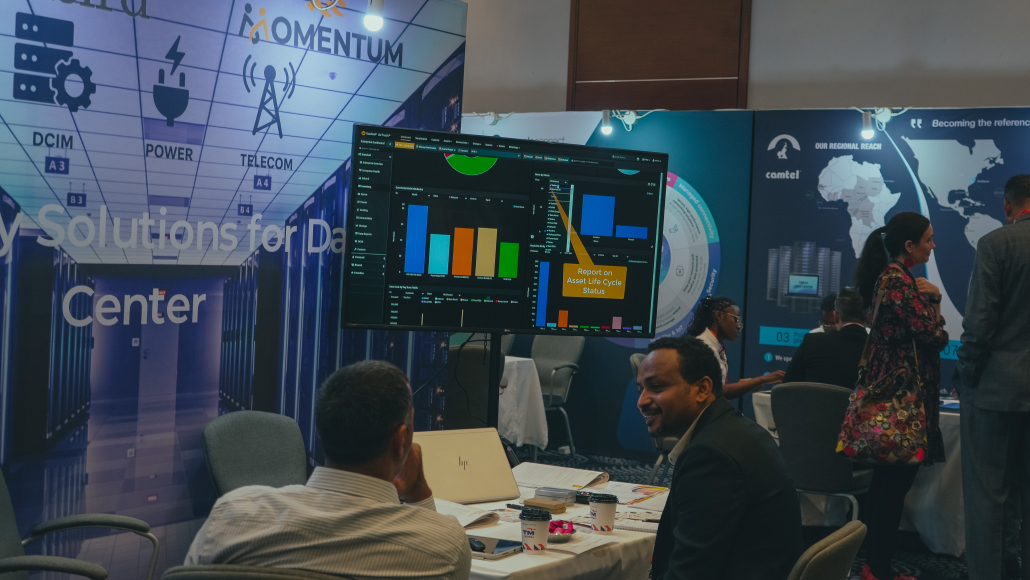
Conclusion: A structured flow ensures the program feels cohesive, professional, and engaging, keeping the audience’s attention from start to finish.
5.2 Crafting a Memorable Audience Experience with Creative Transitions
Transitions between segments are crucial for maintaining engagement and creating a polished event:
-
Smooth Handoffs: Use audiovisual cues, lighting changes, or short video clips to signal transitions without awkward pauses.
-
Thematic Continuity: Keep décor, lighting, and music consistent with the overall theme to enhance immersion.
-
Interactive Engagement: Encourage audience participation during interludes, such as polls, quizzes, or social media integration.
-
Pacing: Balance fast-moving segments with quieter, reflective moments to maintain energy and prevent fatigue.
Conclusion: Creative transitions make the awards program feel seamless, professional, and enjoyable, leaving guests with a sense of sophistication and care.
5.3 Integrating Music, Visuals, and Entertainment Segments Strategically
Audiovisual elements and entertainment elevate the program and reinforce brand messaging:
-
Music: Curate playlists that match the ceremony’s mood, with upbeat tracks during awards and soft background for speeches.
-
Visuals: Incorporate LED screens, live feeds, and graphics to highlight nominees, sponsors, and key moments.
-
Entertainment Timing: Position performances to energize guests at key points, ensuring the audience remains engaged throughout.
-
Coordination: Align lighting, sound, and multimedia cues with each segment for a polished, professional experience.
Conclusion: Thoughtful integration of music, visuals, and entertainment enhances the ceremony’s impact, creating a more memorable and immersive experience for attendees.
5.4 How a Well-Planned Program Keeps Guests Engaged All Evening
Guest engagement is critical for a successful awards event:
-
Dynamic Variety: Alternating speeches, performances, and award presentations prevents monotony and sustains interest.
-
Audience Participation: Including interactive segments, voting, or recognition moments keeps attendees involved.
-
Timing Management: Adhering to the schedule ensures the program doesn’t drag, maintaining excitement and focus.
-
Professional Oversight: Skilled event managers and AV teams coordinate each segment, preventing technical hiccups or awkward pauses.
Conclusion: A carefully planned and executed program guarantees that guests remain captivated, fully experiencing the prestige and excitement of the awards event.
Designing an engaging awards program involves more than scheduling awards and speeches—it requires a holistic approach to flow, audience experience, and audiovisual integration. Structuring the program with clear segments, creating smooth and thematic transitions, strategically incorporating music, visuals, and entertainment, and ensuring dynamic audience engagement are all key to a successful ceremony. With meticulous planning, organizers can deliver a polished, memorable, and enjoyable experience that celebrates achievements while leaving guests impressed from start to finish.
6. The Role of Audio Visual (AV) Solutions in Awards Events
Audio visual (AV) solutions are the backbone of any prestigious awards ceremony. They ensure that every moment—from speeches to performances and award presentations—is delivered with clarity, impact, and elegance. The right AV setup elevates the event’s professionalism, engages the audience, and reinforces your brand identity.
6.1 Ensuring Stage Presence and Clarity with Professional Sound Systems
Clear, high-quality audio is essential for speeches, announcements, and live performances:
-
Microphones: Use a mix of handheld, lapel, and podium microphones to suit presenters and performers.
-
Speaker Placement: Strategically positioned speakers ensure uniform sound coverage across the venue.
-
Mixing and Control: Sound engineers balance levels, reduce feedback, and ensure clarity for both live and recorded audio.
-
Backup Systems: Redundant systems prevent interruptions in case of technical faults, ensuring a smooth ceremony.
Conclusion: Professional sound systems guarantee that every word, performance, and announcement is heard clearly, reinforcing the event’s prestige and keeping guests engaged.
6.2 Using Lighting to Create Ambience, Prestige, and Dramatic Award Moments
Lighting transforms the atmosphere, highlights key moments, and adds sophistication:
-
Stage Lighting: Spotlights focus attention on award presenters, performers, and winners.
-
Ambience Lighting: Colored washes, uplighting, and thematic effects enhance the overall mood of the venue.
-
Dramatic Effects: Lighting changes during award announcements or performances create memorable, cinematic moments.
-
Coordination with AV: Synchronizing lighting cues with music, speeches, and presentations ensures a cohesive experience.
Conclusion: Strategic lighting elevates the sense of occasion, highlights critical moments, and immerses guests in a visually stunning environment.
6.3 Displaying Winners, Categories, and Branding Using LED Screens and Projection
Visual displays amplify engagement, showcase achievements, and reinforce branding:
-
LED Screens: High-resolution screens display nominees, winners, sponsor logos, and live feeds to every guest.
-
Projection Mapping: Creative projection enhances stage design and adds a modern, high-end touch.
-
Information Display: Clearly communicates award categories, voting results, and agenda highlights.
-
Interactive Visuals: Motion graphics and animations keep guests engaged during transitions between segments.
Conclusion: Incorporating LED screens and projections ensures information is accessible, visually impressive, and enhances the overall prestige of the event.
6.4 How Peak Audio Delivers Polished, Seamless AV and Event Production for Prestigious Award Nights
Partnering with a professional AV provider ensures flawless execution:
-
Tailored Solutions: Peak Audio customizes AV setups to match the venue, event size, and theme.
-
Expert Coordination: On-site engineers manage sound, lighting, and visuals in real-time to avoid disruptions.
-
Technical Support: Immediate troubleshooting ensures no delays or technical issues affect the event flow.
-
Enhanced Experience: Combining professional AV with creative staging transforms the awards ceremony into a memorable, high-end experience.
With expert AV solutions from Peak Audio, awards events achieve a seamless, polished production that impresses guests, highlights winners, and upholds brand prestige.
AV solutions are central to the success of awards events. Professional sound ensures clarity and engagement, strategic lighting creates atmosphere and drama, and LED screens or projection amplify information and branding. By integrating these elements seamlessly, organizers can deliver a polished, high-impact awards ceremony. Peak Audio’s expertise guarantees flawless execution, turning every award night in Kenya into a memorable, prestigious celebration.
7. Incorporating Technology and Modern Trends
Modern awards events are increasingly leveraging technology to enhance transparency, engagement, and overall guest experience. By integrating digital tools and creative AV solutions, organizers can transform traditional ceremonies into interactive, memorable, and highly professional experiences.
7.1 Digital Voting Systems and Automated Scoring for Transparency
Technology ensures fairness, accuracy, and real-time results:
-
Digital Voting Platforms: Allow judges or audiences to submit votes securely via tablets, mobile apps, or kiosks.
-
Automated Scoring: Scores are calculated instantly, reducing errors and delays during award announcements.
-
Transparency: Real-time updates on leaderboards or voting trends enhance credibility.
-
Integration with AV: Results can be displayed live on LED screens or projected for all guests to see, increasing excitement and engagement.
Conclusion: Digital voting and automated scoring streamline the awards process, ensure fairness, and create a professional, trustworthy experience for both nominees and attendees.
7.2 Live Streaming for Remote Employees and Guests
Expanding the event’s reach ensures inclusivity and brand exposure:
-
Multi-Camera Setup: Captures key moments, speeches, and performances from different angles.
-
Streaming Platforms: Events can be broadcast live on social media, company intranets, or private streams.
-
Remote Engagement: Employees, partners, and guests unable to attend in person can participate virtually.
-
On-Demand Access: Recordings provide a lasting resource for post-event promotion and internal sharing.
Conclusion: Live streaming extends the impact of your awards ceremony beyond the venue, allowing wider participation and strengthening brand presence.
7.3 Interactive LED Displays and Creative Stage Designs
Modern AV solutions enhance engagement and visual appeal:
-
Interactive LED Screens: Guests can view nominee profiles, vote in real-time, or explore sponsor messages.
-
Projection Mapping: Adds creative visual effects to stages, creating a high-end cinematic experience.
-
Dynamic Stage Design: LED walls, moving panels, and themed backdrops make the event visually striking.
-
Guest Interaction: Visual cues and live graphics keep the audience engaged throughout transitions and performances.
Conclusion: Interactive displays and creative stage designs create a memorable visual experience that captivates guests and reinforces the prestige of the event.
7.4 Kenya’s Rising Trend Toward Red-Carpet Photo Walls and Immersive Guest Experiences
Event organizers in Kenya are adopting global trends to elevate awards nights:
-
Red-Carpet Experiences: Guests arrive to professional photo walls, media coverage, and VIP-style greetings, enhancing glamour.
-
Immersive Environments: Combining lighting, sound, and thematic décor creates an all-encompassing atmosphere.
-
Social Media Integration: Photo moments encourage sharing, amplifying the event’s visibility online.
-
Guest-Centric Approach: Immersive experiences ensure that attendees feel valued, entertained, and part of a memorable occasion.
Conclusion: Incorporating these modern trends adds sophistication, enhances attendee satisfaction, and positions awards events as high-end, professional celebrations.
Technology and modern trends are reshaping awards events in Kenya. Digital voting and automated scoring enhance transparency, live streaming expands audience reach, interactive LED displays elevate engagement, and red-carpet experiences create glamour and immersion. By combining these elements, organizers deliver professional, memorable, and inclusive events that resonate with both in-person and remote audiences, setting a new standard for prestige and innovation.
8. FAQs on Corporate Awards Events in Kenya
Corporate awards events in Kenya involve meticulous planning, technical precision, and attention to guest experience. Below are some of the most frequently asked questions to guide companies and organizers in preparing successful and memorable award ceremonies.
8.1 How long does it take to plan an awards event?
The planning timeline depends on the scale and complexity of the event:
-
Small Internal Ceremonies: Typically require 1–2 months of preparation, focusing on employee recognition and simple logistics.
-
Medium to Large Gala Events: May take 2–3 months to coordinate venues, AV production, entertainment, catering, and branding elements.
-
Complex Awards Nights: Full-scale industry events with live streaming, multiple performances, and interactive elements may require 3–4 months.
Conclusion: Early planning ensures sufficient time to secure venues, vendors, technical support, and creative elements, avoiding last-minute stress.
8.2 What’s the average budget for a corporate awards event in Kenya?
Budgets vary widely depending on size, location, and production requirements:
-
Small Internal Ceremonies: KSh 200,000 – 500,000, covering modest décor, catering, and technical setup.
-
Medium Events: KSh 500,000 – 1.5 million, allowing for enhanced production, lighting, sound, and entertainment.
-
Large Gala Events: Several million shillings, including luxury venues, extensive AV production, professional MCs, and live streaming.
Conclusion: Budgeting should align with the event’s scale, objectives, and desired guest experience to ensure value for money.
8.3 Can Peak Audio handle all technical production for award ceremonies?
Yes. Peak Audio offers comprehensive technical production services:
-
Stage setup, including trussing and backdrop designs.
-
Professional sound systems to ensure clarity across the venue.
-
Lighting solutions for dramatic and immersive experiences.
-
LED screens and projection for visuals, branding, and award announcements.
-
On-site coordination to manage all technical aspects seamlessly.
Conclusion: Partnering with Peak Audio ensures a cohesive and professionally managed technical production.
8.4 Do awards events require professional MCs or entertainment?
Yes, professional hosts and curated entertainment enhance event quality:
-
MCs: Maintain flow, engage the audience, and ensure smooth transitions.
-
Entertainment Acts: Live performers, musicians, or dancers add excitement and create memorable moments.
-
Integration with AV: Coordinated lighting, sound, and visuals complement performances for maximum impact.
Conclusion: Professional MCs and entertainment elevate the prestige and engagement of awards events.
8.5 What are the best venues for corporate awards in Nairobi?
Top venues combine accessibility, ambience, and technical infrastructure:
-
Kempinski Hotel
-
Radisson Blu Hotel
-
Sarit Expo Centre
-
Safari Park Hotel
-
Nairobi Serena Hotel
Conclusion: Selecting a venue with excellent facilities and AV compatibility is key to a seamless and high-end experience.
8.6 Can the event be live-streamed for remote teams?
Absolutely. Modern corporate awards increasingly include hybrid or fully virtual components:
-
Multi-Camera Production: Captures speeches, performances, and award announcements.
-
Streaming Platforms: Connects remote employees, clients, or global audiences.
-
Interactive Features: Live polls, chat, and reactions keep virtual attendees engaged.
Conclusion: Live streaming ensures inclusivity and extends the event’s reach beyond physical attendees.
8.7 Do award events need LED screens?
LED screens are highly recommended for clarity and engagement:
-
Display award categories, nominee profiles, and winners in real-time.
-
Reinforce branding and sponsorship messages.
-
Enhance visual appeal and support stage design aesthetics.
Conclusion: LED screens make award ceremonies more professional, visually dynamic, and informative for all attendees.
8.8 Can Peak Audio customize lighting for dramatic award moments?
Yes. Lighting design is crucial for impact and storytelling:
-
Dramatic Cues: Spotlights on winners, dynamic color changes, and synchronized effects create anticipation.
-
Thematic Designs: Match lighting to branding, event theme, or specific award categories.
-
Mood Enhancement: Subtle changes in intensity or color enhance emotional resonance during key moments.
Conclusion: Customized lighting transforms ordinary award announcements into memorable and visually striking experiences.
Corporate awards events in Kenya require careful planning, precise budgeting, and professional AV execution. Addressing FAQs around timelines, budgets, technical production, venues, entertainment, streaming, and lighting helps organizers make informed decisions. With expert partners like Peak Audio, companies can deliver prestigious, engaging, and seamless award ceremonies that leave a lasting impression on attendees, nominees, and stakeholders alike.
Elevate Your Corporate Awards with Peak Audio
Corporate awards events are more than just ceremonies—they are strategic opportunities to recognize achievements, motivate teams, and reinforce your brand’s prestige. Thoughtful planning, a well-chosen venue, and attention to every detail ensure that these events leave a lasting impression on employees, stakeholders, and clients alike. From structured programs to seamless execution, every element contributes to an inspiring and memorable experience.
Achieving excellence in awards events requires professional audio-visual support to deliver crisp sound, stunning lighting, and immersive visuals. Peak Audio specializes in creating flawless production setups for corporate awards across Kenya. Their expert team ensures perfect coordination of stage, lighting, and sound systems, transforming ordinary presentations into captivating, high-impact moments that engage every attendee.
By partnering with Peak Audio, your awards event becomes a showcase of professionalism and style. From dramatic lighting cues to synchronized multimedia displays, they elevate the ceremony into a world-class celebration of success. With their expertise, every corporate awards night turns into an unforgettable milestone that honors achievement while leaving a powerful brand impression.
How to Throw a Networking Event in Kenya: Elevate Your Connections with Peak Audio
Networking events have become essential in Kenya’s vibrant business landscape, offering professionals an opportunity to build meaningful relationships, explore collaborations, and discover growth opportunities. From corporate mixers to industry-specific meet-ups and investor forums, these events serve as a hub for exchanging ideas and forging partnerships. The key to a successful networking event lies in meticulous planning, understanding your audience, and creating an environment that encourages interaction and engagement.
A well-executed networking event requires attention to detail beyond logistics. Factors such as venue selection, ambiance, guest experience, and timing play a crucial role in shaping attendees’ impressions. A professional approach ensures that participants feel valued and motivated to connect, fostering long-term business relationships. Moreover, integrating the latest technology, especially Audio Visual (AV) solutions, can dramatically enhance communication and presentation effectiveness, ensuring that your event leaves a lasting impression.
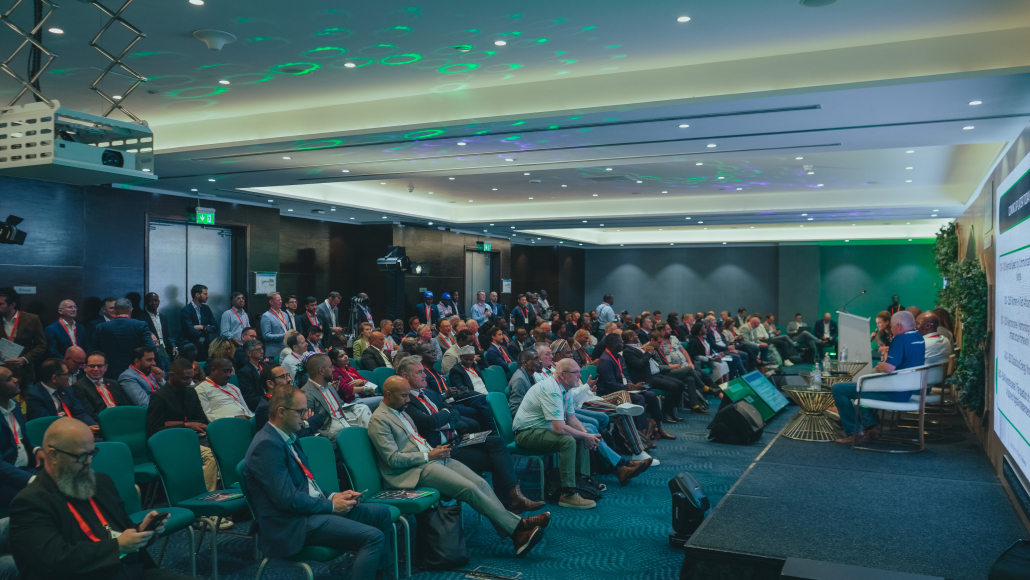
This is where Peak Audio stands out as a trusted partner in Kenya for hosting exceptional networking events. With state-of-the-art sound systems, dynamic lighting, and advanced event technology, Peak Audio transforms ordinary gatherings into memorable experiences. By combining technical expertise with creative event support, they help you engage your audience seamlessly, amplify your messaging, and ensure that your networking event achieves its full potential.
1. Understanding the Purpose of Networking Events in Kenya
Networking events are essential platforms for professionals, entrepreneurs, and organizations to connect, collaborate, and grow their influence in the Kenyan business landscape. These events go beyond casual meetups—they are strategic opportunities to build relationships, exchange insights, and create long-term business value. When properly planned and executed, networking events foster an environment where meaningful connections thrive, knowledge is shared, and professional growth is accelerated.
1.1 Building Valuable Business Connections and Fostering Collaboration
Networking events create opportunities to meet potential partners, clients, suppliers, or mentors:
-
Relationship Development: Attendees can engage in meaningful conversations that may lead to collaborations, partnerships, or joint ventures.
-
Industry Connections: Meeting peers within your sector facilitates idea exchange and exposure to best practices.
-
Opportunity Discovery: Informal interactions often lead to discovering new business opportunities, investments, or collaborations.
-
Follow-Up Potential: Collecting contacts and insights allows for sustained engagement beyond the event.
Conclusion: Networking events serve as fertile ground for forming connections that can result in tangible business growth and collaborative opportunities.
1.2 Enhancing Visibility and Credibility Within Your Industry
Participation in professional networking events increases brand and personal recognition:
-
Showcasing Expertise: Presentations, panel discussions, or casual conversations highlight your skills and knowledge.
-
Brand Exposure: Businesses and entrepreneurs gain visibility among peers, clients, and industry leaders.
-
Thought Leadership: Engaging in discussions positions you as a credible voice and trusted resource.
-
Professional Reputation: Consistent attendance builds a recognizable presence in the local business ecosystem.
Conclusion: Networking events are not just about meeting people—they help you establish credibility, showcase expertise, and strengthen your professional reputation.
1.3 Creating a Platform for Knowledge Sharing and Strategic Introductions
Networking events provide structured opportunities to exchange insights and create meaningful business connections:
-
Industry Insights: Attendees gain access to trends, innovations, and emerging opportunities relevant to their sector.
-
Mentorship and Guidance: Experienced professionals can share practical advice with newcomers or peers.
-
Strategic Introductions: Facilitated introductions can connect the right people for mutually beneficial partnerships.
-
Learning Opportunities: Workshops or breakout sessions help attendees acquire new skills or perspectives.
Conclusion: Networking events act as knowledge hubs, enabling attendees to learn from each other and connect strategically with influential contacts.
1.4 Why Professional Planning Leads to Meaningful Engagement
The success of networking events depends heavily on organization and execution:
-
Structured Agendas: Planning ensures time is allocated for introductions, discussions, and follow-up opportunities.
-
Venue and Atmosphere: Professional setups encourage comfort, conversation, and collaboration.
-
AV and Technical Support: Clear sound, lighting, and presentations enhance communication and engagement.
-
Facilitation: Skilled hosts guide attendees, encourage interaction, and create a purposeful networking flow.
Thoughtful planning maximizes the potential of networking events, ensuring every participant leaves with meaningful connections and actionable insights.
Networking events in Kenya are powerful platforms for building business connections, enhancing visibility, sharing knowledge, and fostering collaboration. Through professional planning, structured interactions, and an engaging environment, these events create opportunities for both personal and organizational growth. When leveraged effectively, networking events go beyond casual meetups—they become strategic engines for relationships, learning, and business success.
2. Defining Your Networking Event Goals and Format
Effective networking events start with a clear understanding of what you want to achieve and how the event will be structured. In Kenya’s diverse business landscape, defining objectives and selecting the right format ensures that attendees leave with meaningful connections and tangible value. Aligning goals with the type of event, audience, and logistical setup—like venue, AV, and activities—maximizes engagement and return on investment.
2.1 Identifying Whether Your Goal is Lead Generation, Branding, Partnerships, or Community Building
The purpose of your networking event determines how it is planned and executed:
-
Lead Generation: Events designed to attract potential clients or customers should prioritize structured introductions, product demos, and follow-up opportunities.
-
Branding: Focused on raising awareness, branding events highlight your company’s values, services, and expertise to a targeted audience.
-
Partnerships: If collaboration is the aim, activities like roundtable discussions and facilitated matchmaking help attendees identify synergies.
-
Community Building: Events that foster a sense of belonging encourage repeat attendance, long-term engagement, and loyalty among industry peers.
Conclusion: Clearly identifying the primary goal guides every aspect of the event, from content and guest lists to AV and logistical planning.
2.2 Common Networking Event Types in Kenya
Different formats serve different objectives and audiences, and selecting the right type enhances effectiveness:
-
Cocktail Mixers: Informal, social gatherings ideal for casual networking and conversation in relaxed settings.
-
Business Breakfasts or Luncheons: Structured yet approachable, allowing attendees to network over shared meals.
-
Panel Discussions or Seminars: Educational events that combine expert insights with networking opportunities.
-
After-Work Meetups: Short, flexible gatherings tailored for busy professionals looking to connect in a social atmosphere.
Conclusion: Choosing an event type that aligns with your objectives and audience ensures participation and engagement are optimized.
2.3 Matching the Event Structure with Your Audience and Objectives
The success of a networking event depends on tailoring the format to meet the needs of attendees:
-
Audience Size: Small, intimate gatherings are ideal for deep relationship building, while larger events work for broad exposure or lead generation.
-
Demographics and Interests: Understanding attendee profiles—industry, seniority, or professional goals—guides activity selection, discussion topics, and AV requirements.
-
Interaction Levels: Some audiences prefer structured sessions and presentations, while others thrive in free-flowing, social networking environments.
-
Event Flow: Aligning agenda items—welcome remarks, presentations, breakout sessions, and informal networking—with audience expectations improves participation and satisfaction.
Conclusion: Tailoring the event structure to your audience maximizes engagement, ensures relevance, and facilitates meaningful connections.
2.4 How Clear Goals Guide Your Format, Speakers, and AV Needs
Setting objectives early directly informs key logistical and technical decisions:
-
Format Decisions: Goals determine whether the event should be formal, casual, educational, or social.
-
Speaker Selection: For branding or knowledge-sharing objectives, industry experts or thought leaders are essential.
-
AV and Technical Requirements: Lead generation or panel discussions may require microphones, projectors, LED screens, or live streaming.
-
Venue Selection: The size, layout, and facilities should accommodate the intended interaction level and AV setup.
Clear goals ensure that every element of the networking event—from format and speakers to AV and venue—aligns with the purpose, delivering a cohesive and impactful experience.
Defining networking event goals and format is critical for success in Kenya’s dynamic business environment. Whether aiming for lead generation, branding, partnerships, or community building, clearly outlined objectives guide decisions on event type, structure, speakers, AV requirements, and venue. By aligning format with audience needs and strategic goals, organizers can create networking events that are engaging, purposeful, and memorable—maximizing connections and long-term value for participants.
3. Choosing the Right Venue in Kenya for Networking Events
The venue is the foundation of any successful networking event. In Kenya, the right location enhances comfort, professionalism, and engagement while facilitating meaningful interactions. From ambiance and accessibility to technical infrastructure, choosing an appropriate venue ensures that the event runs smoothly and leaves a lasting impression on attendees.
3.1 Key Considerations — Location, Ambience, Accessibility, and Capacity
Selecting the perfect venue requires a strategic approach that balances multiple factors:
-
Location: Central locations like Nairobi or Westlands make it easier for attendees to access the event. Proximity to transport hubs, parking facilities, and hotels can significantly enhance convenience.
-
Ambience: The venue’s design, décor, and overall feel should align with the event’s tone—professional, casual, or upscale. Ambience contributes to first impressions and sets the mood for networking.
-
Accessibility: Consider attendees with mobility needs and ensure entrances, exits, and restrooms are easily accessible. Accessibility also includes proximity to public transport and ride-hailing services.
-
Capacity: The space should comfortably accommodate the expected number of attendees while allowing areas for presentations, breakout discussions, and informal networking.
Conclusion: Thoughtful evaluation of location, ambience, accessibility, and capacity ensures the venue supports your networking objectives and attendee experience.
3.2 Popular Networking Venues in Nairobi, Westlands, Karen, Kilimani, and Upper Hill
Kenya offers a wide range of venues suitable for professional networking events:
-
Nairobi Central Business District (CBD): Offers hotels and conference halls suitable for corporate events, easily accessible for urban professionals.
-
Westlands: Known for modern event spaces and rooftop venues with impressive city views, ideal for upscale gatherings.
-
Karen: Offers serene, garden-like environments for intimate networking events, blending professionalism with nature.
-
Kilimani: A vibrant district with boutique hotels, coworking spaces, and event centers suitable for mid-sized professional gatherings.
-
Upper Hill: Known for contemporary business hotels and event centers with strong infrastructure, ideal for high-end corporate events.
Conclusion: Selecting a venue from the right district enhances convenience, professionalism, and the overall event experience, depending on the target audience and event scale.
3.3 Importance of a Venue with Strong AV Infrastructure and Good Acoustics
Networking events rely heavily on clear communication, presentations, and sound quality:
-
Audio-Visual Systems: A venue with built-in AV infrastructure, including microphones, speakers, projectors, and LED screens, simplifies logistics and ensures professional delivery.
-
Acoustics: Properly designed acoustics prevent echo, distortion, and noise interference, allowing attendees to communicate effectively and presenters to be clearly heard.
-
Connectivity: High-speed internet and reliable Wi-Fi are crucial for live demos, online interactions, and hybrid participation.
-
Technical Support: Venues with on-site AV technicians reduce the risk of technical disruptions during the event.
Conclusion: Strong AV infrastructure and good acoustics ensure that presentations, announcements, and networking interactions occur seamlessly, maintaining professionalism throughout the event.
3.4 Conducting Site Visits to Assess Layout, Lighting, and Networking Flow
Visiting potential venues allows you to evaluate their suitability in real-time:
-
Layout Assessment: Check the arrangement of seating, breakout areas, registration desks, and networking zones to ensure smooth movement and interaction.
-
Lighting Evaluation: Ensure natural and artificial lighting is adequate for presentations, photography, and a welcoming atmosphere.
-
Networking Flow: Observe how attendees will move between spaces, gather for conversations, and access amenities without congestion.
-
Trial Runs: Some organizers simulate parts of the event during site visits to identify potential challenges and adjust the setup accordingly.
Site visits provide practical insights into the venue’s functionality, helping organizers make informed decisions that optimize attendee experience and networking effectiveness.
Choosing the right venue is a critical step in hosting successful networking events in Kenya. Factors such as location, ambience, accessibility, and capacity influence attendee comfort and engagement. Selecting from districts like Nairobi, Westlands, Karen, Kilimani, or Upper Hill provides options for both professional and upscale events. Additionally, strong AV infrastructure, good acoustics, and thorough site visits ensure smooth presentations, clear communication, and an optimal networking flow. By carefully evaluating and selecting the venue, organizers can create an environment that fosters meaningful connections, professionalism, and lasting impressions.
4. Budgeting and Financial Planning for Networking Events
Budgeting is a cornerstone of successful networking events in Kenya. Proper financial planning ensures that all aspects of the event—from venue and catering to AV setup and speakers—are executed efficiently, without compromising quality or attendee experience. By strategically allocating resources and identifying cost-saving opportunities, organizers can create high-impact events that deliver measurable business value.
4.1 Main Cost Categories — Venue, Catering, Décor, AV Setup, and Speakers
Networking events have multiple cost components that need careful attention:
-
Venue: Often the largest expense, including rental fees, deposits, and any additional charges for setup or utilities. Location, size, and facilities can greatly affect cost.
-
Catering: Food and beverages for attendees, ranging from light refreshments and coffee breaks to full meals, plus service staff and equipment rental.
-
Décor: Includes signage, floral arrangements, table settings, and branding materials that enhance aesthetics and reflect the event’s theme.
-
AV Setup: Costs cover sound systems, microphones, projectors, LED screens, lighting, and technical staff for setup and support.
-
Speakers and Entertainment: Professional speakers, MCs, panelists, or entertainers may require fees, travel, and accommodation depending on their profile.
Conclusion: Identifying all major cost categories upfront allows organizers to allocate budgets effectively, preventing unexpected overruns and ensuring each element contributes to the event’s success.
4.2 Smart Budgeting Tips for Creating High-Impact Events at Reasonable Cost
Efficient budgeting can maximize impact without unnecessary spending:
-
Prioritize Essentials: Focus on elements that directly enhance networking opportunities, such as AV setup, venue comfort, and refreshments.
-
Package Deals: Negotiate bundled services with venues or AV providers to reduce costs while accessing high-quality offerings.
-
Early Booking: Securing venues, caterers, and AV providers early often results in lower rates and better availability.
-
Reuse and Repurpose: Reusable décor, branded materials, or technology from previous events can save money without affecting quality.
-
Flexible Catering Options: Offering finger foods or buffet-style meals instead of plated dinners can reduce catering costs while maintaining professionalism.
Conclusion: Smart budgeting strategies enable organizers to create memorable networking events while staying within financial limits.
4.3 Balancing Premium Experience with Financial Efficiency
High-impact events don’t always require extravagant spending:
-
Strategic Investment: Allocate higher budgets to areas that directly affect attendee experience, such as AV systems, key speakers, or interactive networking zones.
-
Cost-Effective Choices: Opt for venues that include AV infrastructure or flexible catering packages to reduce ancillary costs.
-
Value over Quantity: It’s better to invest in fewer high-quality features than to overspend on multiple elements that don’t enhance engagement.
-
Monitoring ROI: Track expenditures and evaluate which areas deliver the most business value, helping guide future budgeting decisions.
Conclusion: Balancing quality with cost-efficiency ensures attendees have a premium experience without exceeding the budget.
4.4 How Peak Audio Offers Transparent, Cost-Friendly AV Packages for Networking Events
Reliable AV support is crucial for seamless networking experiences, and Peak Audio provides solutions that align with budgeting needs:
-
Tailored Packages: Peak Audio designs AV packages that fit event scale, complexity, and budget, ensuring organizers pay only for what’s necessary.
-
Transparent Pricing: Clear, upfront pricing eliminates hidden costs, allowing precise financial planning.
-
Comprehensive Support: Packages include setup, technical support, and testing, reducing the risk of costly last-minute fixes.
-
Flexible Options: From small-scale meetings to large corporate gatherings, Peak Audio’s solutions are adaptable to budget and event goals.
Partnering with Peak Audio allows organizers to maintain financial control while delivering professional, high-quality AV experiences that enhance networking effectiveness.
Effective budgeting and financial planning are essential for successful networking events in Kenya. Key cost categories—venue, catering, décor, AV setup, and speakers—must be accounted for, with smart strategies to maximize impact while minimizing unnecessary expenses. By balancing premium experiences with financial efficiency and leveraging cost-friendly AV packages from providers like Peak Audio, organizers can deliver seamless, professional, and engaging networking events that leave a lasting impression without straining the budget.
5. Crafting a Smooth and Engaging Networking Event Program
A successful networking event in Kenya relies heavily on a thoughtfully designed program that balances structured activities with opportunities for informal interaction. The program should encourage meaningful connections, provide value to attendees, and maintain an engaging flow from start to finish. By planning each segment carefully, organizers can maximize both participation and satisfaction.
5.1 Designing a Flow That Encourages Interaction — Icebreakers, Talks, and Free-Mixing Sessions
The structure of the event should motivate attendees to interact, connect, and exchange ideas.
-
Icebreakers: Short, fun, and interactive activities at the start help attendees feel comfortable and encourage initial introductions. Examples include speed networking, trivia games, or themed exercises.
-
Presentations and Talks: Keynote speeches, panel discussions, or product demonstrations provide structured content and opportunities for follow-up conversations during breaks.
-
Free-Mixing Sessions: Scheduled networking periods allow attendees to mingle organically, fostering one-on-one or small group interactions.
-
Flow Management: Alternating between structured talks and unstructured networking prevents monotony and keeps energy levels high throughout the event.
Conclusion: A well-planned flow combines structured content with interactive sessions, creating an environment that naturally encourages attendee engagement.
5.2 Balancing Structured Programming with Open Networking Time
Striking the right balance between formal sessions and informal networking ensures that attendees gain knowledge while forming meaningful connections.
-
Structured Segments: Include presentations, panels, or workshops that provide tangible value and showcase expertise or products.
-
Open Networking Opportunities: Allow attendees time to approach speakers, exhibitors, or other participants without the pressure of scheduled sessions.
-
Timing Considerations: Avoid overly long sessions that could lead to fatigue or disengagement; intersperse breaks strategically.
-
Flexibility: Provide optional sessions or lounges where attendees can choose how to spend their time, catering to different networking styles.
Conclusion: Balancing structure and flexibility ensures participants remain engaged, while maximizing opportunities for genuine business connections.
5.3 Integrating Entertainment, Panel Discussions, or Product Showcases
Incorporating diverse content elements enhances interest and creates memorable experiences:
-
Entertainment Segments: Light performances, live music, or interactive activities maintain energy and provide natural networking conversation starters.
-
Panel Discussions: Expert panels offer insights into industry trends while giving attendees talking points and discussion opportunities.
-
Product Showcases: Demo booths or live demonstrations allow participants to experience offerings firsthand, sparking curiosity and networking.
-
Seamless Integration: Each component should complement the networking objective, avoiding interruptions or schedule clashes.
Conclusion: Thoughtful integration of entertainment, panels, and showcases keeps the program dynamic, engaging, and relevant to attendee interests.
5.4 How a Well-Planned Schedule Enhances Attendee Engagement and Satisfaction
The overall schedule is critical in shaping the event experience:
-
Predictable Yet Flexible: Clear agendas allow attendees to plan their participation while leaving room for spontaneous interactions.
-
AV and Technical Support: Ensuring presentations, displays, and sound systems run smoothly reduces downtime and frustration.
-
Flow of Interaction: Proper sequencing of talks, breaks, and networking periods encourages natural engagement and minimizes idle time.
-
Positive Experience: A seamless schedule leaves attendees with a sense of accomplishment, enjoyment, and meaningful business connections.
A carefully structured schedule transforms networking events into productive, enjoyable, and memorable experiences, maximizing both business value and attendee satisfaction.
Crafting a smooth and engaging networking event program in Kenya requires thoughtful planning, a balance between structured sessions and open networking, and strategic integration of entertainment, panel discussions, and product showcases. By designing a dynamic flow, organizers ensure attendees remain engaged, interact meaningfully, and enjoy a seamless, value-driven experience. Well-executed scheduling, supported by reliable AV and technical solutions, not only enhances engagement but also leaves a lasting impression that strengthens business relationships and encourages repeat participation.
6. The Role of Audio Visual (AV) Solutions in Networking Events
Audio Visual (AV) solutions are a cornerstone of modern networking events in Kenya. Effective AV systems not only enhance the professional appearance of the event but also facilitate communication, engagement, and brand visibility. By carefully integrating sound, lighting, and visual displays, organizers can create an immersive environment that encourages meaningful interactions and leaves a lasting impression on attendees.
6.1 Why Clear Sound and Lighting Are Essential for Event Ambience
The quality of sound and lighting shapes the overall experience of a networking event.
-
Sound Clarity: Crisp audio ensures that speeches, panel discussions, and announcements are heard by all attendees, minimizing miscommunication and improving engagement.
-
Background Music: Subtle, well-chosen music sets the tone of the event, energizes networking sessions, and creates a welcoming atmosphere.
-
Lighting Ambience: Proper lighting highlights key areas such as stages, networking zones, and exhibitor booths while enhancing the visual appeal of the venue.
-
Mood and Flow: Dynamic lighting transitions can signal shifts in programming or signal breaks, guiding attendees naturally through the event schedule.
Conclusion: Sound and lighting are not just technical necessities—they actively shape how attendees perceive and engage with the event.
6.2 Key AV Components — Microphones, Background Music, Screens, and Mood Lighting
A comprehensive AV setup combines multiple elements to support communication and engagement:
-
Microphones: Wireless or lapel microphones ensure speakers, panelists, and hosts are clearly heard across the venue, even in large spaces.
-
Background Music Systems: Carefully calibrated music enhances ambiance without overpowering conversations, keeping energy levels optimal.
-
Screens and Projectors: Large displays for live presentations, schedules, or informational content ensure visibility and comprehension for all attendees.
-
Mood Lighting: Accent lights, color themes, and stage illumination highlight areas of focus, reinforce branding, and create a visually appealing environment.
Conclusion: Integrating these AV components provides a seamless experience where attendees can see, hear, and interact effectively.
6.3 Using Displays for Branding, Live Feeds, and Sponsor Visibility
Visual displays play a critical role in reinforcing messaging and promoting engagement:
-
Branding: Digital signage, LED walls, and screens showcase company logos, key messages, and thematic visuals that reinforce brand identity.
-
Live Feeds: Real-time streaming of speakers or panels ensures visibility for all attendees, including those at the back of the venue.
-
Sponsor Recognition: Screens and digital banners highlight sponsors, partners, and exhibitors, providing added value and professional exposure.
-
Dynamic Content: Rotating slides, event schedules, and multimedia content maintain attention and enhance the overall networking experience.
Conclusion: Properly used displays strengthen communication, promote brand presence, and keep attendees informed and engaged throughout the event.
6.4 How Peak Audio Delivers Polished, Reliable, and Visually Appealing AV Setups Tailored for Networking Events
Professional AV management ensures that technology enhances rather than hinders event execution:
-
Tailored Solutions: Peak Audio assesses the venue, audience size, and event goals to design an AV setup that meets specific networking needs.
-
Reliable Performance: High-quality equipment and expert calibration prevent technical disruptions, ensuring uninterrupted sound and visuals.
-
Aesthetic Integration: Equipment is discreetly integrated into the venue to maintain elegance while providing maximum impact.
-
On-Site Support: Experienced technicians provide real-time monitoring, troubleshooting, and adjustments to ensure smooth operation from start to finish.
Partnering with experts like Peak Audio guarantees professional AV execution, delivering an event that looks polished, functions flawlessly, and leaves a strong impression on attendees.
AV solutions are essential for networking events in Kenya, influencing everything from attendee engagement and atmosphere to branding and sponsor visibility. Clear sound, strategic lighting, dynamic screens, and professional execution ensure presentations are impactful, conversations flow smoothly, and the event environment is inviting and professional. By leveraging Peak Audio’s tailored, reliable, and visually appealing AV setups, event organizers can create networking events that are not only effective but also memorable, leaving a lasting impression on clients, partners, and attendees alike.
7. Incorporating Technology and Modern Trends
Technology is transforming networking events in Kenya, making them more interactive, efficient, and inclusive. By adopting modern tools, organizers can streamline operations, engage attendees in new ways, and extend the reach of their events beyond the physical venue. Leveraging these innovations ensures that networking events are not only contemporary but also highly effective in creating connections and showcasing brands.
7.1 Using Digital Registration Systems and Smart Badges for Smooth Check-In
Digital registration and smart badge technologies simplify attendee management and create a seamless first impression:
-
Online Registration: Attendees can pre-register online, reducing queues and manual paperwork on the event day.
-
Smart Badges: RFID or QR-enabled badges allow quick scanning for check-in, session tracking, and personalized experiences.
-
Data Collection: Organizers can gather attendee insights for follow-up engagement and future event planning.
-
Efficiency: Streamlined check-in processes save time for both guests and staff, ensuring a professional start to the event.
Conclusion: Digital registration and smart badges enhance operational efficiency while providing attendees with a smooth, high-tech welcome experience.
7.2 Live Streaming for Participants Who Cannot Attend Physically
Live streaming expands the reach of networking events and increases inclusivity:
-
Remote Participation: Participants unable to attend in person can join virtually, ensuring maximum engagement and connectivity.
-
Global Reach: Businesses can extend networking opportunities beyond Kenya, connecting with international partners and clients.
-
Recording & Replay: Sessions can be recorded for later viewing, providing value to attendees who missed portions of the event.
-
Professional Execution: Quality streaming ensures clear audio and visuals, maintaining a professional experience for online participants.
Conclusion: Live streaming makes networking events accessible, scalable, and more impactful, bridging geographic barriers and increasing participation.
7.3 Interactive Tools — Live Polls, Social Media Integrations, and QR-Code Business Cards
Interactive technology encourages engagement and facilitates meaningful connections among attendees:
-
Live Polls & Q&A: Real-time polls and question submissions engage audiences during panel discussions or presentations.
-
Social Media Integration: Event hashtags, live social media feeds, and content sharing boost visibility and attendee interaction.
-
QR-Code Business Cards: Digital business cards allow fast exchange of contact information, reducing the need for physical cards.
-
Gamification & Feedback: Interactive apps, games, and feedback surveys keep participants involved and provide actionable insights.
Conclusion: Interactive tools transform attendees from passive observers to active participants, increasing networking effectiveness and engagement.
7.4 Kenya’s Rising Trend Toward Tech-Enabled, Hybrid Networking Experiences
Kenya is increasingly adopting hybrid and tech-driven networking events to meet modern business needs:
-
Hybrid Models: Combining in-person and virtual participation accommodates diverse audiences and maximizes reach.
-
Smart Event Management: From automated scheduling to real-time analytics, technology streamlines event operations.
-
Enhanced Attendee Experience: Tech-enabled features improve navigation, networking, and overall satisfaction.
-
Innovation Adoption: Modern businesses in Nairobi, Mombasa, and other cities are embracing these tools to showcase professionalism and innovation.
Integrating technology ensures that networking events in Kenya are modern, efficient, and capable of delivering meaningful connections for attendees both locally and globally.
Incorporating technology and modern trends is no longer optional—it’s a critical factor in the success of networking events in Kenya. Digital registration systems, smart badges, live streaming, and interactive tools enhance efficiency, engagement, and accessibility, while hybrid models allow broader participation. By leveraging these innovations, event organizers can create dynamic, high-impact networking experiences that resonate with modern professionals and reflect a forward-thinking, tech-savvy approach.
8. FAQs on Hosting Networking Events in Kenya
Organizing a networking event in Kenya comes with multiple considerations — from planning timelines to venue selection and AV support. Below are detailed answers to frequently asked questions that can guide organizers in delivering successful, professional, and engaging events.
8.1 How Early Should I Start Planning a Networking Event?
Planning ahead is key to securing the best venues, speakers, and AV support.
-
Recommended Timeline: Start 4–8 weeks before the event, depending on the size, location, and complexity.
-
Venue Booking: Popular venues in Nairobi, Westlands, Karen, and other cities often require early reservations.
-
Vendor Coordination: Early planning ensures sufficient time to secure catering, AV, décor, and entertainment.
-
Contingency Planning: Advance preparation allows room for last-minute changes or emergencies.
Conclusion: Starting 4–8 weeks in advance helps ensure smooth logistics and a professionally executed event.
8.2 What Is the Average Cost of a Networking Event in Kenya?
Costs vary widely based on multiple factors, and understanding them helps in budgeting effectively.
-
Typical Range: Networking events can cost between KSh 80,000 and over KSh 500,000.
-
Key Cost Drivers: Venue rental, AV setup, catering, décor, speakers, and entertainment.
-
Event Size Impact: Larger events with more attendees, premium venues, or high-end AV systems increase costs.
-
Cost Management: Early planning, package deals, and prioritizing essentials can optimize the budget.
Conclusion: Knowing potential costs upfront allows for realistic budgeting and a well-executed event without overspending.
8.3 Does a Networking Event Require Professional AV Support?
Yes — quality AV elevates the overall attendee experience and ensures smooth communication.
-
Sound Systems: Clear audio is essential for speeches, presentations, and panel discussions.
-
Lighting: Proper lighting enhances the ambiance, guides movement, and highlights key areas.
-
Visual Displays: Screens and projectors help showcase branding, presentations, and sponsor visibility.
-
Expert Setup: Professionals prevent technical issues and ensure equipment runs seamlessly throughout the event.
Conclusion: Professional AV support is crucial for delivering a polished, engaging, and hassle-free networking event.
8.4 Can Peak Audio Support Both Small and Large Networking Events?
Absolutely — Peak Audio caters to a wide range of networking event scales.
-
Small Mixers: Intimate settings with minimal AV requirements are fully supported.
-
Large Gatherings: Large conferences, exhibitions, or business summits benefit from comprehensive AV solutions.
-
Tailored Services: Each event receives customized audio, visual, and lighting setups based on size and format.
-
Technical Assistance: On-site support ensures flawless execution regardless of event scale.
Conclusion: Peak Audio’s versatility allows businesses to host successful networking events of any size with confidence.
8.5 What Type of Venue Works Best for Networking?
Choosing the right venue impacts networking flow, comfort, and overall experience.
-
Open-Layout Spaces: Encourage easy movement and natural interaction among attendees.
-
Ambience & Comfort: Proper seating, lighting, and ventilation create a welcoming environment.
-
Accessibility: Venues should be easy to reach for participants, with adequate parking and transport options.
-
Infrastructure: Strong AV support and electrical capacity are crucial for presentations and displays.
Conclusion: A well-chosen venue supports smooth networking, fosters engagement, and enhances attendee satisfaction.
8.6 Do I Need Background Music for Networking Events?
Yes — curated music enhances the event atmosphere.
-
Professional Mood: Light background music sets a relaxed, welcoming tone for conversations.
-
Avoiding Distraction: Music should be subtle to complement, not overpower, networking discussions.
-
Timing & Volume: Adjusted throughout the event to match activity phases, such as arrival, breaks, and wrap-up.
Conclusion: Background music adds a professional and pleasant ambiance, encouraging attendees to engage naturally.
8.7 Can I Add Panel Discussions or Keynote Speakers to a Networking Event?
Yes — panels and speakers elevate the professional value of your event.
-
AV Support: Peak Audio provides microphones, lighting, screens, and live displays for speaker sessions.
-
Engagement: Interactive Q&A, live polling, and presentations keep audiences attentive.
-
Scheduling: Careful integration ensures panels do not disrupt informal networking opportunities.
Conclusion: Adding panels or keynote speakers enhances content quality, learning, and audience engagement.
8.8 Are Hybrid Networking Events Popular in Kenya?
Yes — hybrid events are increasingly common in Kenya, especially for corporate and industry gatherings.
-
Virtual Participation: Remote attendees join via live streaming, expanding audience reach.
-
Interactive Tools: Polls, Q&A, and live chats keep online participants engaged.
-
Business Advantage: Enables participation from international clients or employees unable to attend physically.
-
Professional Execution: Requires robust AV solutions and reliable streaming technology.
Hybrid networking events are a growing trend in Kenya, providing flexibility, inclusivity, and global reach.
Hosting a successful networking event in Kenya requires careful planning, professional AV support, and thoughtful integration of technology. By understanding planning timelines, budgeting considerations, venue selection, and modern trends such as hybrid events, organizers can ensure meaningful engagement and a high-quality experience for all attendees. Peak Audio provides the expertise, equipment, and on-site support to make every networking event — from intimate mixers to large corporate gatherings — seamless, professional, and impactful.
Elevate Your Networking Events with Peak Audio
A well-executed networking event has the power to create lasting business connections, foster collaboration, and enhance your brand’s visibility in Kenya’s dynamic market. Careful planning, clear objectives, and a thoughtfully designed program are key to ensuring that your event not only attracts attendees but also leaves a memorable impression that encourages meaningful engagement. From selecting the right venue to crafting an agenda that balances interaction with structured activities, attention to detail can make all the difference.
Equally important is professional audio-visual support. High-quality sound, clear visuals, and well-designed lighting create an atmosphere that engages participants, reinforces your brand messaging, and ensures that presentations, panel discussions, and interactive sessions are experienced without disruption. Proper AV integration transforms an ordinary event into a seamless, immersive experience that keeps attendees focused, comfortable, and inspired throughout the networking sessions.
Partnering with Peak Audio guarantees world-class AV solutions tailored to your networking events. From concept to execution, Peak Audio provides expert sound, lighting, and visual setups, ensuring every connection is clear, every message is heard, and every moment is professional. With their expertise, your event will run smoothly, leaving attendees impressed and your brand elevated in Kenya’s competitive business landscape.
Corporate Team Building in Kenya: Elevate Your Experience with Peak Audio
Corporate team building in Kenya has evolved far beyond the traditional fun games and outdoor challenges. Today, organizations are embracing strategic activities that strengthen workplace relationships, improve collaboration, and inspire teams to work toward common goals. Whether it’s a high-energy company retreat, an indoor problem-solving workshop, or a structured leadership-focused session, team building plays a powerful role in enhancing productivity and boosting overall morale.
To achieve meaningful results, team building must be intentionally planned. This includes choosing the right venue, designing engaging activities tailored to your team’s needs, and ensuring all logistical elements — especially audiovisual requirements — run smoothly. Professional coordination ensures that presentations, team challenges, speeches, and interactive sessions flow seamlessly, creating an environment where employees can fully engage without distractions.
This is where Peak Audio transforms your event from ordinary to exceptional. With cutting-edge sound systems, crystal-clear projection, interactive tools, and reliable technical support, Peak Audio ensures your team-building experience is immersive, impactful, and unforgettable. Whether you’re hosting an intimate workshop or a large corporate retreat, Peak Audio provides the high-quality AV solutions and expert coordination you need to elevate your event and empower your team.
1. Understanding the Importance of Corporate Team Building
Corporate team building is more than just a fun activity or a break from routine—it’s a strategic investment in employee engagement, collaboration, and overall organizational performance. Well-designed team-building programs strengthen interpersonal relationships, foster a positive work environment, and enhance productivity. Below is a detailed breakdown of why team building matters in a corporate setting.
1.1 Strengthening Teamwork, Trust, and Interdepartmental Collaboration
Team building encourages employees to work together effectively, breaking down silos and fostering trust.
-
Collaborative Exercises: Activities like problem-solving challenges, group projects, and simulations encourage employees to rely on each other’s strengths.
-
Trust-Building: Exercises designed to promote trust help employees feel comfortable sharing ideas, giving feedback, and collaborating across departments.
-
Breaking Silos: Team building often involves cross-department interactions, encouraging employees to understand each other’s roles and responsibilities.
Conclusion: Strengthened teamwork and trust lead to a more cohesive, efficient, and collaborative workplace.
1.2 Boosting Employee Morale and Motivation
Engaged and motivated employees contribute more effectively to organizational goals.
-
Recognition and Reward: Team-building activities often highlight achievements, recognize contributions, and celebrate successes.
-
Positive Work Environment: Fun and interactive sessions break the monotony of daily tasks, helping employees feel valued and energized.
-
Motivational Boost: Participating in team challenges and achieving goals together increases confidence and workplace motivation.
Conclusion: Boosted morale translates into higher productivity, loyalty, and a stronger organizational culture.
1.3 Improving Communication and Problem-Solving Skills
Effective communication and problem-solving are critical in any business. Team-building activities enhance these competencies in practical, engaging ways.
-
Interactive Communication Exercises: Activities that require verbal coordination, active listening, and clear instructions sharpen workplace communication.
-
Problem-Solving Challenges: Team challenges simulate real-world work situations, encouraging employees to think critically and solve issues collaboratively.
-
Conflict Resolution: Structured exercises teach employees how to manage disagreements constructively, improving workplace harmony.
Conclusion: Improved communication and problem-solving abilities directly impact efficiency, innovation, and employee satisfaction.
1.4 Why Structured, Professionally Facilitated Team Building Delivers Measurable Results
Not all team-building activities are equally effective; professional facilitation ensures outcomes align with business objectives.
-
Goal-Oriented Design: Professionals tailor activities to strengthen specific skills, such as leadership, collaboration, or creativity.
-
Safe and Inclusive Environment: Facilitators create a supportive atmosphere where all employees feel comfortable participating.
-
Measurable Impact: Professional programs can track improvements in teamwork, engagement, and performance metrics before and after activities.
-
Expert Guidance: Facilitators provide feedback, insights, and strategies to translate lessons from activities into workplace practices.
Structured, professional team building maximizes ROI by fostering real behavioral change, stronger team cohesion, and improved organizational performance.
Corporate team building is a strategic tool for strengthening teamwork, boosting morale, enhancing communication, and driving measurable performance improvements. By combining trust-building exercises, collaborative challenges, and professionally facilitated programs, organizations in Kenya can foster a positive workplace culture, increase employee engagement, and promote long-term productivity. Effective team-building initiatives are not just enjoyable—they are essential investments in the company’s human capital and success.
2. Defining the Goals and Format of Your Team-Building Event
Successful corporate team-building requires careful planning, starting with a clear understanding of objectives and the best format to achieve them. A well-defined purpose ensures that the activities are meaningful, engaging, and aligned with your company’s goals. Below is a detailed breakdown to help structure a team-building event effectively in Kenya.
2.1 Identifying Your Main Objectives: Bonding, Training, Motivation, or Problem-Solving
The first step is determining the primary purpose of your team-building activity.
-
Bonding: Activities focused on building trust, relationships, and camaraderie among employees. Examples include collaborative games or trust exercises.
-
Training: Skills development initiatives, such as leadership workshops, communication exercises, or role-playing scenarios, that enhance employee capabilities.
-
Motivation: Events designed to energize employees, boost morale, and recognize achievements.
-
Problem-Solving: Challenges that stimulate critical thinking, creativity, and collaboration under pressure.
Conclusion: Clearly defined objectives guide the choice of activities and help measure the success of the team-building event.
2.2 Types of Team-Building Formats in Kenya
Kenya offers a wide range of indoor and outdoor options to suit corporate objectives and employee preferences.
-
Indoor Activities: Board games, escape rooms, interactive workshops, or collaborative brainstorming sessions, suitable for smaller spaces and controlled environments.
-
Outdoor Retreats: Resorts, farms, or garden venues provide ample space for sports, adventure activities, and large-group exercises.
-
Adventure Experiences: Activities such as obstacle courses, zip-lining, or hiking build resilience, teamwork, and problem-solving under exciting conditions.
-
Skill-Based Workshops: Cooking classes, art projects, or innovation challenges develop specific skills while fostering team interaction.
Conclusion: Selecting the right format enhances engagement, ensures safety, and makes the event memorable for participants.
2.3 Matching Activities to Team Size, Culture, and Company Goals
Not all activities are suitable for every organization—matching them to your team ensures relevance and impact.
-
Team Size: Small teams may benefit from intimate workshops or tabletop exercises, while large teams can leverage outdoor group challenges or competitions.
-
Company Culture: Creative organizations may enjoy innovation-focused workshops, while structured industries may prefer problem-solving exercises with measurable outcomes.
-
Goals Alignment: Choose activities that directly reflect your objectives, such as leadership development, conflict resolution, or cross-departmental collaboration.
Conclusion: Proper alignment between activities, team characteristics, and company goals maximizes participation and outcomes.
2.4 How Clear Goal-Setting Guides Budgeting, Logistics, and Activity Selection
Defining objectives upfront streamlines planning, reduces wasted resources, and ensures a smooth event experience.
-
Budget Planning: Knowing the event type and scale allows accurate cost estimation for venues, equipment, facilitators, and travel.
-
Logistics Management: Clear goals help in selecting suitable locations, scheduling activities, and arranging transportation or catering.
-
Activity Selection: Objectives act as a filter to choose exercises that are meaningful, safe, and impactful for participants.
-
Evaluation Metrics: Predefined goals provide benchmarks for measuring the success and ROI of the team-building event.
Goal-setting is the backbone of effective team-building planning, providing clarity for decision-making, resource allocation, and success measurement.
Defining the goals and format of a team-building event is essential for maximizing impact and ensuring alignment with organizational objectives. By identifying whether the focus is bonding, training, motivation, or problem-solving, selecting appropriate activity types, matching them to team characteristics, and using clear goals to guide logistics and budgeting, Kenyan companies can create structured, engaging, and effective team-building experiences that foster collaboration, morale, and long-term performance.
3. Choosing the Right Venue for Team Building in Kenya
Selecting an appropriate venue is a crucial step in planning a corporate team-building event. The right location not only supports the planned activities but also inspires creativity, encourages engagement, and ensures participant comfort. In Kenya, the diversity of landscapes—from urban centers to scenic rural retreats—offers a variety of options to suit different team sizes, budgets, and objectives.
3.1 Factors to Consider — Location, Space, Accessibility, and Available Amenities
Choosing a venue requires careful evaluation of several logistical and practical factors:
-
Location: Proximity to participants’ offices or accommodation reduces travel time and ensures punctuality. Consider urban vs. rural settings depending on activity type.
-
Space: Adequate indoor and outdoor space is necessary for the planned exercises, whether workshops, adventure activities, or group challenges.
-
Accessibility: Ensure the venue is reachable by all employees, including considerations for parking, transport options, and mobility access.
-
Amenities: Key facilities such as restrooms, dining areas, breakout rooms, Wi-Fi connectivity, and first-aid availability enhance convenience and safety.
Conclusion: Evaluating these factors ensures participants are comfortable, activities run smoothly, and the event maintains a professional standard.
3.2 Popular Team-Building Venues in Nairobi, Naivasha, Nanyuki, Mombasa, and Machakos
Kenya offers diverse landscapes ideal for different types of corporate team-building experiences:
-
Nairobi: Private resorts, hotels with conference facilities, and urban gardens provide convenient locations for workshops and indoor/outdoor activities.
-
Naivasha: Lakeside lodges and ranches offer open spaces, water-based activities, and scenic retreats suitable for large groups.
-
Nanyuki: Mountain and safari lodges allow for adventurous exercises and team challenges amidst breathtaking landscapes.
-
Mombasa & Coastal Areas: Beachfront resorts provide tropical settings for fun, relaxed team-building activities with water sports and cultural experiences.
-
Machakos: Hillside retreats and farm estates offer serene environments for focused workshops and outdoor problem-solving activities.
Conclusion: The choice of venue can elevate the experience, creating memorable moments that foster team bonding and motivation.
3.3 Why the Right Environment Enhances Creativity and Engagement
The venue itself can significantly influence the outcome of team-building activities:
-
Inspiration: Natural settings, unique architecture, or immersive interiors stimulate creativity and positive energy among participants.
-
Focus: A well-chosen venue minimizes distractions, allowing teams to concentrate fully on activities and objectives.
-
Engagement: Spaces that accommodate movement, group interaction, and breakout sessions encourage participation and collaboration.
-
Mood & Atmosphere: Scenic, comfortable, and safe environments foster enthusiasm, reduce stress, and strengthen group dynamics.
Conclusion: A carefully selected environment amplifies engagement, productivity, and the overall impact of team-building activities.
3.4 Conducting Site Visits to Assess Suitability and Activity Flow
Before finalizing a venue, it is essential to conduct site inspections:
-
Activity Mapping: Walk through the space to plan how each activity will be conducted and determine the flow from one session to another.
-
Safety Assessment: Identify potential hazards, check lighting, surfaces, and emergency exits to ensure participant safety.
-
Logistical Review: Verify availability of amenities, parking, catering areas, restrooms, and technical requirements like Wi-Fi or audio-visual setups.
-
Contingency Planning: Evaluate weather risks for outdoor activities and consider backup options for rain or unforeseen circumstances.
Site visits provide practical insights, allowing organizers to make informed decisions, anticipate challenges, and optimize the participant experience.
Choosing the right venue is pivotal for a successful team-building event in Kenya. By carefully considering location, space, accessibility, and amenities, exploring popular venues across Nairobi, Naivasha, Nanyuki, Mombasa, and Machakos, understanding how the environment affects creativity and engagement, and conducting thorough site visits, organizers can ensure smooth execution and an inspiring, impactful experience. The right venue sets the foundation for effective teamwork, motivation, and lasting memories.
4. Budgeting and Planning for Team-Building Activities
Proper budgeting and planning are essential to ensure that corporate team-building events in Kenya achieve their objectives without overspending. By understanding the key cost areas, implementing cost-saving strategies, and aligning activities with professional development goals, organizations can deliver impactful experiences that motivate and engage employees. Strategic planning also ensures resources are allocated efficiently, enhancing both participant satisfaction and organizational ROI.
4.1 Key Expense Areas — Venue, Facilitators, Activities, Catering, and AV Setups
Budgeting begins with identifying the major cost components of a team-building event:
-
Venue Costs: Rental fees vary based on location, size, and facilities. Outdoor retreats may include additional charges for access, security, or amenities.
-
Facilitators and Trainers: Professional facilitators lead activities, workshops, and motivational sessions. Their experience, duration of engagement, and expertise influence costs.
-
Activities and Materials: This includes supplies for exercises, adventure equipment, games, or skill-based challenges. Specialized setups or adventure activities may incur higher expenses.
-
Catering and Hospitality: Food, beverages, and refreshments for participants are a significant portion of the budget. Options range from simple snacks to full-service meals.
-
Audio-Visual (AV) Equipment: Quality AV systems for presentations, sound, and lighting enhance engagement. Renting or hiring professional support ensures smooth execution.
Conclusion: Identifying all major expense areas upfront allows planners to allocate resources effectively and avoid last-minute overspending.
4.2 Cost-Saving Strategies Without Compromising Experience
Smart planning can reduce costs while maintaining a high-quality team-building experience:
-
Early Bookings: Reserve venues, facilitators, and AV equipment in advance to access discounts and ensure availability.
-
Package Deals: Many venues and service providers, including Peak Audio, offer bundled packages for activities, catering, and AV support.
-
DIY Options: Simple team challenges or icebreaker activities can supplement professional sessions to reduce facilitator costs.
-
Flexible Scheduling: Hosting events on weekdays or off-peak seasons may lower venue and catering expenses.
-
Reuse and Adapt: Repurpose previous event materials, props, or AV setups to minimize additional costs.
Conclusion: Cost-effective planning ensures a memorable experience without compromising safety, engagement, or professionalism.
4.3 Balancing Experiential Activities with Professional Development Goals
Effective team-building blends fun with strategic outcomes:
-
Align Activities with Objectives: Choose exercises that promote teamwork, leadership, or problem-solving while remaining enjoyable.
-
Structured vs. Unstructured Sessions: Mix formal workshops with informal challenges to create balance and prevent fatigue.
-
Time Allocation: Ensure sufficient time for both experiential learning and recreational activities to maximize engagement.
-
Evaluation Metrics: Incorporate feedback or performance assessments to measure the impact of activities on team dynamics.
Conclusion: Aligning activities with development goals ensures the event delivers tangible benefits alongside entertainment and bonding.
4.4 How Peak Audio Provides Cost-Effective Packages with Reliable AV Support
Partnering with a professional AV provider simplifies budgeting and planning:
-
Turnkey Solutions: Peak Audio offers packages that include sound, lighting, and interactive AV equipment tailored to team-building events.
-
On-Site Support: Professional technicians handle setup, troubleshooting, and operation, reducing risks and unexpected costs.
-
Flexible Options: Packages can be scaled for different team sizes, budgets, and venues, allowing planners to optimize expenditure.
-
Enhanced Engagement: High-quality AV enhances the impact of presentations, workshops, and interactive sessions, making every shilling spent count.
By leveraging Peak Audio’s expertise and comprehensive AV solutions, organizations can maximize the value of their budget while ensuring smooth and impactful team-building experiences.
Budgeting and planning are critical to the success of corporate team-building in Kenya. Understanding major expenses—venues, facilitators, activities, catering, and AV systems—helps allocate resources wisely. Implementing cost-saving strategies, balancing experiential and professional development goals, and partnering with providers like Peak Audio ensures a high-quality, engaging, and cost-effective event. Thoughtful planning transforms team-building from a logistical challenge into a rewarding, memorable experience for employees and organizations alike.
5. Designing an Engaging Team-Building Program
Designing a successful team-building program goes beyond simply arranging activities—it’s about creating a well-thought-out schedule that balances fun, learning, reflection, and bonding. An engaging program ensures participants are motivated, energized, and invested throughout the event. By incorporating diverse activities, using technology strategically, and considering timing and flow, organizations can maximize the impact of their team-building initiatives in Kenya.
5.1 Creating a Balanced Schedule — Activities, Reflection, Bonding, and Breaks
A balanced schedule keeps participants energized, focused, and fully engaged:
-
Structured Activity Blocks: Schedule high-energy exercises, problem-solving challenges, or adventure-based tasks at times when participants are most alert.
-
Reflection Sessions: Include short reflection or debriefing periods after activities to allow teams to discuss lessons learned and insights gained.
-
Bonding Time: Allocate moments for informal interaction, networking, and socializing to strengthen interpersonal relationships.
-
Breaks and Refreshments: Regular breaks prevent fatigue, maintain enthusiasm, and provide opportunities for casual conversation and networking.
Conclusion: Thoughtful scheduling ensures a dynamic, well-paced program that balances action, reflection, and social interaction.
5.2 Incorporating Both Fun Challenges and Structured Learning Sessions
A successful program combines entertainment with tangible learning outcomes:
-
Fun Challenges: Icebreakers, team races, scavenger hunts, or creative exercises energize participants and foster teamwork.
-
Skill-Based Sessions: Leadership workshops, communication exercises, or problem-solving challenges provide measurable professional development.
-
Thematic Consistency: Align activities with organizational goals, values, or project objectives to maintain relevance and purpose.
-
Variety and Adaptability: Rotating between high-energy and reflective exercises keeps energy levels balanced and caters to diverse personality types.
Conclusion: Combining fun and learning ensures participants are engaged while achieving meaningful professional outcomes.
5.3 Using Technology and AV Tools to Improve Interaction and Focus
Modern AV tools and technology enhance engagement and streamline program management:
-
Interactive Displays: LED screens or projectors can show instructions, scores, or live activity updates to keep teams informed and motivated.
-
Sound Systems: Clear audio ensures instructions, presentations, or announcements are heard by all participants, especially in large or outdoor venues.
-
Mobile Apps and Gamification: Apps for activity tracking, scoring, or team challenges increase participation and competitiveness.
-
Lighting and Visual Effects: Dynamic lighting and projections can add excitement and reinforce themes or storytelling elements during activities.
Conclusion: Integrating technology and AV tools elevates the overall experience, making activities more interactive, engaging, and memorable.
5.4 How a Well-Planned Program Ensures Team Engagement from Start to Finish
Engagement depends on meticulous planning, attention to detail, and anticipation of participant needs:
-
Pre-Event Communication: Inform participants about schedules, objectives, and expectations to build anticipation.
-
Seamless Transitions: Smooth flow between activities, presentations, and breaks reduces downtime and keeps energy levels high.
-
Inclusive Design: Ensure activities accommodate diverse abilities, personalities, and team dynamics to maximize participation.
-
On-Site Support: Facilitators and AV technicians manage logistics and technology to prevent interruptions and maintain focus.
A thoughtfully designed program maintains momentum, encourages collaboration, and ensures participants are invested in the event from start to finish.
Designing an engaging team-building program is about more than selecting activities—it’s about creating a strategic mix of fun, learning, reflection, and bonding. By balancing schedules, integrating structured and informal exercises, leveraging AV tools and technology, and ensuring smooth transitions, organizations in Kenya can deliver highly engaging and impactful experiences. A well-planned program fosters teamwork, improves communication, and leaves lasting memories, all while aligning with corporate goals and development objectives.
6. The Role of Audio Visual (AV) Solutions in Modern Team Building
Audio Visual (AV) solutions have become an integral part of modern team-building events, transforming ordinary exercises into immersive, interactive, and highly engaging experiences. Beyond basic logistics, AV technology enhances communication, ensures clear instruction delivery, and elevates the overall atmosphere of both indoor and outdoor activities. By incorporating professional sound, displays, lighting, and multimedia, organizations can maximize participant engagement and reinforce learning objectives.
6.1 How Quality Sound and Displays Enhance Instructions, Presentations, and Engagement
Clear audio and visual elements are crucial for ensuring participants understand instructions and remain engaged throughout activities:
-
Instruction Clarity: High-quality microphones and speakers ensure facilitators’ instructions are audible to all participants, minimizing confusion and errors.
-
Visual Reinforcement: LED screens, monitors, or projectors display slides, scores, or key messages to reinforce verbal instructions.
-
Audience Engagement: Well-balanced sound and captivating visuals maintain energy levels, ensuring participants stay focused and motivated.
-
Acoustic Management: Professional AV setups manage echo and volume, especially in large halls or outdoor environments, for consistent delivery.
Conclusion: Quality sound and displays create a professional, immersive environment where all participants can follow instructions easily and remain actively engaged.
6.2 Using Screens, Projectors, and Lighting to Elevate Indoor Workshops
Indoor team-building sessions benefit greatly from well-integrated AV solutions:
-
Interactive Displays: Touchscreens and LED panels allow real-time participation, voting, or activity tracking.
-
Projectors: Large screens display presentations, training content, or live demonstrations clearly to all attendees.
-
Thematic Lighting: Controlled lighting enhances the atmosphere, sets the mood, and aligns with specific activity themes.
-
Spatial Awareness: Proper placement of screens and lights ensures visibility and engagement from every corner of the room.
Conclusion: AV technology transforms indoor workshops into visually and intellectually stimulating experiences that enhance learning and participation.
6.3 Integrating Music, Sound Cues, and Multimedia for Immersive Activities
Multimedia and audio elements create dynamic, memorable, and interactive experiences:
-
Music and Rhythms: Background music energizes participants and supports icebreakers or high-energy challenges.
-
Sound Cues: Timers, alerts, and effects guide activities seamlessly and add an element of excitement.
-
Video and Animation: Short clips, storytelling visuals, or instructional videos enrich learning and reinforce objectives.
-
Gamification: Multimedia scoreboards and interactive elements encourage friendly competition and team collaboration.
Conclusion: Thoughtful integration of audio and visual elements immerses participants, making activities more engaging, enjoyable, and effective in achieving learning goals.
6.4 How Peak Audio Delivers Reliable, User-Friendly AV Setups for Both Indoor and Outdoor Team-Building Events
Professional support ensures AV systems perform flawlessly in diverse environments:
-
Customized Solutions: Peak Audio tailors AV setups to the venue, team size, and activity requirements.
-
Indoor & Outdoor Adaptation: Systems are designed to handle acoustics indoors and open spaces outdoors, with weatherproof equipment when necessary.
-
Ease of Use: User-friendly controls allow facilitators to manage sound, visuals, and lighting without technical hassle.
-
On-Site Support: Peak Audio provides technicians to troubleshoot, optimize, and maintain systems throughout the event.
Professional AV solutions from Peak Audio ensure team-building events are smooth, engaging, and memorable, regardless of location or scale.
AV solutions play a pivotal role in modern team-building, turning ordinary activities into immersive, professional, and highly interactive experiences. High-quality sound, dynamic displays, thematic lighting, music, and multimedia enhance instruction delivery, participant engagement, and overall enjoyment. With Peak Audio’s reliable, customized AV setups, both indoor and outdoor team-building events in Kenya can run smoothly, leaving teams motivated, inspired, and better connected.
7. Incorporating Technology and Modern Trends in Team Building
Modern team-building in Kenya is increasingly leveraging technology to create dynamic, engaging, and highly interactive experiences. Traditional icebreakers and outdoor exercises are being complemented with digital solutions, hybrid formats, and real-time feedback tools. By integrating technology, organizations can maximize participation, measure engagement, and deliver more impactful outcomes.
7.1 Digital-Based Activities and Gamification for High Participant Engagement
Gamification and digital tools add excitement and competitiveness to team-building exercises:
-
Interactive Challenges: Apps and digital platforms can host quizzes, puzzles, and problem-solving games that encourage collaboration.
-
Scoring Systems: Real-time leaderboards and points tracking motivate participants and foster healthy competition.
-
Customizable Content: Digital platforms allow tailoring of games to company values, learning objectives, or team dynamics.
-
Engagement Metrics: Facilitators can track participation, response times, and team performance for analysis and feedback.
Conclusion: Digital gamification keeps participants fully engaged, creates friendly competition, and transforms traditional exercises into modern, measurable experiences.
7.2 Hybrid Team-Building: Connecting In-Person Teams with Remote Workers
Hybrid formats ensure that remote or distributed teams are included, breaking geographical barriers:
-
Virtual Integration: Video conferencing and collaboration tools connect remote participants to live activities.
-
Synchronized Challenges: Teams can compete in real-time, regardless of location, maintaining cohesion and interaction.
-
Inclusive Participation: Remote members contribute equally to problem-solving and decision-making activities.
-
Consistency Across Teams: Hybrid solutions ensure that the experience and learning outcomes are consistent for all attendees.
Conclusion: Hybrid team-building promotes inclusivity and ensures that remote or multi-location teams remain engaged and integrated in real-time activities.
7.3 Using Event Apps and Live Polls for Interactive Participation
Mobile apps and live feedback tools elevate interaction during team-building events:
-
Live Polling: Instant surveys and polls allow teams to share opinions, vote on challenges, or make group decisions.
-
Activity Tracking: Apps track participation, points, and performance, providing transparency and motivation.
-
Notifications and Reminders: Event apps keep participants informed of schedules, rules, and transitions.
-
Enhanced Communication: Chat features allow real-time collaboration and discussion during exercises.
Conclusion: Event apps and live polling tools make team-building interactive, provide instant feedback, and improve participant involvement throughout the program.
7.4 Kenya’s Rising Demand for Tech-Enhanced Team-Building Experiences
Organizations in Kenya are increasingly seeking modern, technology-driven approaches:
-
Corporate Trend: Businesses aim to impress teams and clients with innovative, high-tech experiences.
-
Efficiency and Measurement: Technology allows tracking outcomes, engagement, and learning, adding value to team-building initiatives.
-
Scalable Solutions: Tech-enhanced activities can be scaled for small teams or large corporate groups without losing effectiveness.
-
Competitive Edge: Companies offering modern, digital team-building experiences create a culture of innovation and employee satisfaction.
Tech-driven team-building is no longer optional—Kenyan organizations are embracing digital trends to engage employees, deliver measurable results, and create unforgettable experiences.
Incorporating technology and modern trends into team-building in Kenya enhances engagement, inclusivity, and overall effectiveness. Digital gamification, hybrid participation, event apps, and live polls transform traditional exercises into interactive, measurable, and highly engaging experiences. As businesses increasingly demand innovative approaches, technology ensures team-building is not only fun but also strategically aligned with organizational goals. By integrating these solutions, companies can foster collaboration, motivation, and stronger team connections, regardless of location or team size.
8. FAQs on Corporate Team Building in Kenya
Corporate team-building events in Kenya are increasingly popular, but organizations often have questions regarding frequency, costs, venues, and technical requirements. The following FAQ guide addresses the most common concerns and highlights how Peak Audio supports successful, engaging, and well-managed team-building experiences.
8.1 How Often Should Companies Host Team-Building Events?
Regular team-building helps maintain morale, communication, and collaboration across departments.
-
Recommended Frequency: Most organizations find quarterly or bi-annual events ideal for reinforcing teamwork and boosting engagement.
-
Strategic Planning: Scheduling events in alignment with project cycles or corporate milestones ensures relevance and maximum impact.
-
Employee Wellbeing: Frequent, well-planned activities prevent burnout and maintain motivation among staff.
Conclusion: Hosting team-building events multiple times a year ensures continuous team cohesion and long-term productivity.
8.2 What Is the Average Cost of a Team-Building Event in Kenya?
Costs vary depending on scale, venue, and activity types:
-
Small Teams: Simple half-day workshops with basic AV support can cost around KSh 50,000.
-
Medium Teams: Full-day activities, catering, and professional facilitation range from KSh 150,000–300,000.
-
Large Groups or Retreats: Multi-day outdoor retreats with premium venues, AV setups, and team facilitators can exceed KSh 500,000.
-
Cost Factors: Venue choice, activity complexity, catering, and AV equipment all influence the total expenditure.
Conclusion: Budgeting should balance cost with the desired experience, ensuring that investment translates into engagement, learning, and team cohesion.
8.3 Can Peak Audio Support Team-Building Events with AV Setups?
Yes. AV solutions play a critical role in modern team-building events:
-
Sound Systems: Clear audio for announcements, music, and instructions.
-
Visual Displays: Screens and projectors for presentations, live scoring, and interactive content.
-
Lighting: Mood lighting or dynamic effects to enhance indoor and outdoor experiences.
-
On-Site Support: Technical teams manage setup, troubleshooting, and real-time adjustments for seamless execution.
Conclusion: Peak Audio ensures every team-building event has professional, reliable AV support for maximum engagement.
8.4 Do Outdoor Team-Building Activities Require AV Support?
Often, yes — especially for large groups or structured sessions:
-
Presentations & Briefings: Microphones and speakers ensure instructions reach all participants.
-
Interactive Games: Projectors or screens help display scores, challenges, or leaderboards.
-
Entertainment: Music and sound effects elevate fun and maintain energy.
Conclusion: Proper AV support outdoors ensures smooth communication, engagement, and safety for all participants.
8.5 What Are the Best Team-Building Destinations Near Nairobi?
Kenya offers a variety of venues suitable for corporate retreats and activities:
-
Tigoni & Limuru: Cool highland locations with open-air activity spaces.
-
Naivasha: Lakeside resorts with adventure activities and boat rides.
-
Machakos: Rolling landscapes perfect for outdoor challenges and obstacle courses.
-
Karen & Nairobi Outskirts: Easily accessible estates and lodges with indoor/outdoor flexibility.
Conclusion: Selecting a venue that matches your team-building goals, group size, and accessibility is key to a successful experience.
8.6 Can Team Building Be Customized for Specific Departments?
Absolutely. Tailored programs maximize relevance and engagement:
-
HR Teams: Focus on communication, conflict resolution, and wellness activities.
-
Sales Teams: Competitive challenges, client simulation games, and strategic problem-solving exercises.
-
Leadership Groups: Workshops on decision-making, delegation, and team influence.
-
Full-Staff Events: Mix of fun challenges, collaborative tasks, and interactive learning for overall cohesion.
Conclusion: Customizing activities for departments or roles enhances outcomes and ensures targeted skill development.
8.7 Do You Support Hybrid Team-Building Events?
Yes. Hybrid events combine in-person and remote participation seamlessly:
-
Virtual Collaboration: Remote employees connect via video conferencing platforms integrated into activities.
-
Interactive AV Tools: Polls, live quizzes, and leaderboards allow remote participation in real-time.
-
Consistency: Both in-person and online participants experience the same level of engagement and interaction.
Conclusion: Hybrid solutions allow companies to include all team members, regardless of location, maintaining engagement and cohesion.
8.8 How Long Should a Team-Building Event Last?
Duration depends on objectives, team size, and activity complexity:
-
Half-Day Events: Suitable for small teams or focused workshops.
-
Full-Day Activities: Balance learning, team challenges, meals, and breaks.
-
Multi-Day Retreats: Ideal for large teams, complex programs, or outdoor adventures.
-
Planning Tip: Always schedule enough time for reflection and feedback sessions to reinforce learnings.
The right duration ensures participants remain energized, engaged, and able to absorb lessons without fatigue.
Corporate team-building in Kenya requires careful planning, budget consideration, and professional execution. Frequently asked questions highlight common concerns such as event frequency, costs, venue selection, customization, and AV support. With professional partners like Peak Audio, organizations can implement well-structured, tech-enhanced, and engaging events—whether in-person, hybrid, or outdoor—ensuring measurable outcomes, employee satisfaction, and stronger teamwork.
Elevate Your Corporate Team Building with Peak Audio
Corporate team building is more than just a fun day out — it’s a strategic investment in strengthening teamwork, boosting morale, and fostering a positive organizational culture. Thoughtful planning, clear objectives, and choosing the right venue are essential to ensure that your team-building activities deliver meaningful results and leave a lasting impact on participants.
Professional support plays a critical role in turning ideas into seamless experiences. From high-quality sound systems and visual displays to interactive multimedia and lighting, Peak Audio provides reliable AV solutions that elevate every aspect of your team-building events. Their technical expertise ensures smooth coordination, real-time troubleshooting, and immersive engagement for both indoor and outdoor activities.
By partnering with Peak Audio, companies across Kenya can create dynamic, memorable, and effective team-building events. Whether your goal is to enhance collaboration, encourage creativity, or reinforce your company’s values, Peak Audio’s innovative AV solutions and professional support empower teams to connect, communicate, and perform at their best.
Corporate AV Integration in Kenya: Discover How Peak Audio Transforms Business Communication
Corporate AV Integration in Kenya is redefining how businesses connect, collaborate, and communicate in today’s fast-paced digital world. This comprehensive guide dives deep into what corporate AV integration truly means and how it can revolutionize your organization’s communication strategy. You’ll explore the essential components of modern AV systems—from video conferencing and digital displays to sound engineering and control automation—and understand how each element contributes to smoother operations, better engagement, and a more professional brand image. Most importantly, you’ll learn how Peak Audio, Kenya’s leading AV specialist, designs and delivers customized solutions that align with your unique business goals and technical needs.
As the demand for hybrid meetings, seamless collaboration, and digital presentations grows, businesses across Kenya are realizing that effective AV integration is no longer optional—it’s a strategic necessity. This article will unpack the process behind successful AV design and installation, including needs assessment, equipment selection, acoustic optimization, and ongoing support. You’ll also discover how Peak Audio leverages the latest technologies—such as wireless conferencing systems, networked audio, and smart control interfaces—to transform ordinary spaces into powerful communication hubs that drive engagement and efficiency.
Whether you’re setting up a high-tech boardroom, upgrading your conference facilities, or creating a digital-ready training center, this guide will show you how Peak Audio delivers unmatched expertise and results. We don’t just install AV systems—we integrate innovation into your business environment, helping your team collaborate effortlessly, communicate clearly, and impress every audience. With Peak Audio, Corporate AV Integration in Kenya becomes more than a service; it’s a partnership for growth, productivity, and long-term success.
1. Understanding Corporate AV Integration
Corporate AV integration involves combining various audio-visual components—such as video conferencing systems, digital displays, sound systems, and control interfaces—into a cohesive ecosystem. Proper integration ensures that technology works seamlessly to support communication, collaboration, and operational efficiency in modern organizations. Below is a detailed breakdown of the concept and its importance for businesses.
1.1 What AV Integration Means for Modern Organizations
AV integration is the process of connecting different AV devices and software into a unified, easy-to-manage system.
-
Centralized Control: Integrated systems allow users to manage multiple devices (projectors, speakers, screens, lighting) from a single interface.
-
Simplified Operation: Employees can initiate meetings, presentations, or video calls without navigating multiple standalone systems.
-
Streamlined Workflows: Integration reduces delays caused by manual adjustments and ensures smoother interactions in conference rooms, boardrooms, or training spaces.
Conclusion: AV integration transforms complex, multi-device setups into a cohesive system that enhances productivity and usability.
1.2 The Role of Integrated AV Systems in Enhancing Communication
Effective communication is vital for modern businesses, and integrated AV systems play a key role.
-
Hybrid Collaboration: Video conferencing, screen sharing, and interactive displays work together seamlessly, connecting remote and on-site teams.
-
Clarity and Precision: Integrated audio and visual systems ensure presentations, announcements, and discussions are heard and seen clearly by all participants.
-
Consistency Across Spaces: Standardized integration across multiple meeting rooms or offices maintains uniform quality and user experience.
Conclusion: Integrated AV systems elevate communication efficiency, supporting collaboration across teams and locations.
1.3 The Difference Between Standalone AV Setups and Full Integration
Not all AV setups are created equal. Understanding the distinction is crucial for businesses considering investment.
-
Standalone Systems: Individual devices operate independently. For example, a projector works separately from the sound system, requiring manual coordination.
-
Fully Integrated Systems: All devices communicate with each other and can be controlled centrally, reducing errors and improving workflow.
-
Operational Impact: Full integration reduces setup time, troubleshooting, and human error compared to multiple standalone devices.
Conclusion: While standalone AV solutions may be sufficient for small or occasional use, full integration provides consistent efficiency, scalability, and ease of use for corporate environments.
1.4 Why Seamless Integration Improves Efficiency and User Experience
The ultimate goal of corporate AV integration is to make technology invisible, intuitive, and supportive of business operations.
-
Time Savings: Meetings and presentations start faster because devices work together automatically.
-
Enhanced Productivity: Employees focus on content and collaboration rather than troubleshooting equipment.
-
Professional Impressions: Clients, partners, and employees experience smooth, reliable AV interactions, reflecting positively on the organization.
-
Future Scalability: Integrated systems are easier to expand or upgrade as business needs evolve.
Seamless AV integration minimizes operational friction, enhances user satisfaction, and contributes to overall organizational efficiency.
Corporate AV integration is more than connecting devices—it’s about creating a unified, user-friendly ecosystem that enhances communication, collaboration, and efficiency. By understanding what integration entails, recognizing its impact on communication, differentiating it from standalone setups, and appreciating the operational benefits, organizations can make informed decisions that improve productivity, professionalism, and future readiness.
2. The Importance of AV Integration in Corporate Environments
In modern corporate environments, businesses rely heavily on audio-visual (AV) systems for meetings, presentations, and collaboration. Integrating these systems into a unified ecosystem ensures they deliver maximum value—enhancing efficiency, professionalism, and operational continuity. Below is a detailed breakdown of why AV integration matters in corporate settings.
2.1 Streamlining Communication Across Departments and Locations
AV integration connects devices and platforms across multiple teams, floors, or office locations, creating seamless communication channels.
-
Unified Meeting Systems: Integrated video conferencing and presentation tools allow employees to connect across departments without technical hurdles.
-
Real-Time Collaboration: Employees can share content instantly, reducing delays and improving decision-making.
-
Consistent Communication Standards: Standardized AV setups across offices ensure the same quality of interaction for every team, regardless of location.
Conclusion: Streamlined communication via integrated AV systems eliminates bottlenecks and ensures that messages are delivered efficiently, consistently, and professionally.
2.2 Improving Professionalism and Client Engagement Through Quality AV
First impressions matter, and AV integration significantly contributes to a polished corporate image.
-
Crystal-Clear Audio and Video: Integrated microphones, speakers, and displays ensure that presentations, pitches, and discussions are heard and seen clearly.
-
Smooth Presentations: Coordinated control systems reduce technical interruptions and allow for seamless transitions between slides, videos, and live content.
-
Enhanced Client Experience: Professional AV setups make meetings feel sophisticated and well-organized, building trust and confidence among clients and partners.
Conclusion: Quality AV integration elevates the corporate image and fosters stronger relationships with clients and stakeholders.
2.3 Enabling Hybrid and Remote Collaboration in Today’s Workplace
Modern businesses increasingly operate with hybrid or fully remote teams, and AV integration supports these models effectively.
-
Seamless Remote Participation: Employees working from home can join meetings with the same clarity and engagement as those in the office.
-
Interactive Collaboration Tools: Shared whiteboards, screen sharing, and real-time annotations enhance remote teamwork.
-
Scalable Solutions: Integrated systems allow organizations to add or expand collaboration spaces without complex setups.
Conclusion: AV integration ensures that hybrid and remote work environments remain productive, interactive, and connected, bridging physical and digital gaps.
2.4 Reducing Technical Issues and Downtime Through Unified Control Systems
Integrated AV systems minimize operational risks by providing centralized control and monitoring.
-
Centralized Management: IT teams can monitor all AV devices from a single interface, quickly identifying and resolving issues.
-
Preventative Maintenance: Integration allows for automated diagnostics, reducing unexpected failures during meetings or presentations.
-
Efficient Troubleshooting: When problems occur, a unified system makes it easier to pinpoint the source and apply solutions quickly.
Unified control and integration significantly reduce downtime, technical disruptions, and user frustration, ensuring smoother corporate operations.
AV integration in corporate environments is critical for seamless communication, professionalism, hybrid collaboration, and operational reliability. By streamlining interactions across departments, enhancing client engagement, supporting remote work, and reducing technical issues, integrated AV systems create a more efficient, connected, and modern workplace. Organizations that invest in these solutions benefit from increased productivity, a polished corporate image, and scalable technology for future growth.
3. Key Components of Corporate AV Integration
Effective AV integration in corporate environments relies on multiple interconnected systems working seamlessly. Each component contributes to smooth communication, professional presentations, and enhanced collaboration. Understanding these key elements helps organizations make informed decisions when designing or upgrading their AV infrastructure.
3.1 Audio Systems: Ensuring Clear Sound for Meetings and Presentations
High-quality audio is essential for effective communication in offices, conference rooms, and boardrooms.
-
Microphones: Integrated ceiling, table, or wireless microphones capture clear speech from presenters and participants.
-
Speakers: Strategically placed speakers ensure sound reaches every corner of the room, avoiding dead zones.
-
Acoustic Optimization: Audio systems are calibrated to room acoustics, minimizing echo, feedback, and distortion.
-
Professional Amplifiers & Mixers: These devices balance volume and tone, ensuring uniform sound quality for all attendees.
Conclusion: Reliable audio systems ensure everyone is heard clearly, which is crucial for productive meetings, professional presentations, and smooth collaboration.
3.2 Visual Displays: LED Walls, Projectors, and Interactive Screens for Engagement
Visual elements enhance comprehension, engagement, and brand communication.
-
LED Walls & Large Displays: Deliver high-resolution visuals visible from all angles, ideal for presentations, branding, and live data.
-
Projectors: Provide scalable solutions for large conference rooms or auditoriums with flexible image sizes.
-
Interactive Touchscreens: Encourage engagement during meetings, brainstorming sessions, and collaborative workshops.
-
Content Management: Integrated systems allow seamless switching between video, slides, and live feeds.
Conclusion: Quality visual displays complement audio systems to ensure presentations are impactful, engaging, and professional.
3.3 Video Conferencing Solutions: Connecting Teams Across the Globe
Video conferencing is now critical for hybrid work models and international collaboration.
-
High-Definition Cameras: Ensure all participants are visible and framed correctly, improving engagement.
-
Conference Microphones & Speakers: Capture voices clearly and broadcast them to remote participants.
-
Software Integration: Systems compatible with Zoom, Microsoft Teams, Google Meet, and other platforms allow smooth virtual collaboration.
-
Recording & Streaming Options: Capture sessions for later reference or for sharing with absent team members.
Conclusion: Advanced video conferencing solutions connect teams seamlessly, supporting remote collaboration, client interactions, and training sessions with minimal disruption.
3.4 Control Systems: Simplifying Operation with Automation and Central Management
Control systems unify AV components for effortless operation.
-
Centralized Interfaces: Touch panels or apps allow staff to control lights, audio, and displays from a single device.
-
Automation: Pre-programmed sequences manage AV transitions during meetings or presentations, reducing human error.
-
Monitoring & Alerts: Systems provide diagnostics and status updates, helping IT teams detect issues early.
-
Scalability: Integrated control systems allow for easy expansion or adaptation of AV components as organizational needs grow.
Conclusion: Control systems simplify operation, enhance efficiency, and ensure a professional, seamless AV experience across corporate environments.
3.5 Networking and Connectivity: Supporting Reliable, Real-Time Communication
Reliable networking underpins all AV systems, ensuring smooth data transfer and uninterrupted service.
-
High-Speed Wired & Wireless Networks: Maintain stable connections for streaming video, audio, and interactive content.
-
Bandwidth Management: Prioritizes AV traffic to prevent lags, buffering, or dropouts during critical meetings.
-
Secure Connections: Protect sensitive corporate data and communications.
-
Cloud Integration: Supports remote management, content sharing, and backup solutions.
Strong network infrastructure is essential for the consistent performance of integrated AV systems, enabling real-time communication, data sharing, and collaboration.
Corporate AV integration depends on a combination of well-designed audio systems, visual displays, video conferencing solutions, control systems, and robust network connectivity. Each component plays a critical role: audio ensures clarity, visuals enhance engagement, conferencing connects teams globally, control systems simplify operation, and networking guarantees reliability. When these elements work together seamlessly, businesses benefit from improved communication, productivity, and professional presentation capabilities—essential for modern corporate success.
4. The AV Integration Process
Successfully integrating AV systems in corporate environments requires a structured approach. Each phase ensures that the final setup aligns with business goals, operates reliably, and enhances productivity. Below is a detailed breakdown of the AV integration process for modern offices in Kenya.
4.1 Needs Assessment: Understanding Your Business Communication Goals
The first step in AV integration is evaluating the organization’s specific communication and collaboration requirements.
-
Identify Objectives: Determine whether the AV system is for presentations, video conferencing, training, hybrid meetings, or multi-purpose spaces.
-
Space Analysis: Evaluate the layout, acoustics, and lighting of meeting rooms, boardrooms, or auditoriums to determine equipment placement and specifications.
-
Audience Considerations: Estimate the number of attendees per room to select appropriately sized speakers, displays, and microphones.
-
Budget Alignment: Understand budget constraints and prioritize solutions that provide maximum impact within the available resources.
Conclusion: A thorough needs assessment ensures the AV solution aligns perfectly with organizational goals and avoids unnecessary expenditures.
4.2 System Design and Engineering: Creating Customized AV Plans for Your Space
Once needs are identified, professional AV engineers design a system tailored to the organization.
-
Customized Layouts: Engineers create detailed floor plans specifying speaker placement, display positioning, cabling, and control system integration.
-
Equipment Selection: Recommendations are made for audio, visual, video conferencing, and networking components suited to the business environment.
-
Technical Specifications: Detailed designs include system calibration, power requirements, and environmental considerations such as lighting and acoustics.
-
Future-Proof Planning: Designs account for scalability, enabling easy upgrades and technology integration as business needs evolve.
Conclusion: Thoughtful system design ensures the AV setup is efficient, reliable, and scalable for future expansion.
4.3 Installation and Configuration: Professional Setup with Precision and Safety
Proper installation is critical for both performance and safety.
-
Professional Setup: Certified technicians handle the installation of speakers, displays, microphones, projectors, and control systems.
-
Cable Management: Structured cabling ensures tidy, safe, and durable connections.
-
Integration: All components are configured to work seamlessly together, including audio, video, lighting, and control systems.
-
Safety Compliance: Installation adheres to electrical and building safety standards, minimizing hazards.
Conclusion: Expert installation ensures the system operates optimally from day one, reducing risks of malfunction or safety issues.
4.4 Testing and Optimization: Ensuring Quality, Reliability, and User-Friendliness
After installation, the system undergoes rigorous testing and fine-tuning.
-
Audio Calibration: Microphones, speakers, and amplifiers are adjusted to suit room acoustics, eliminating echo or distortion.
-
Visual Optimization: Displays, projectors, and LED walls are tested for resolution, brightness, and clarity.
-
System Integration Check: AV components are tested collectively to ensure seamless switching, control, and operation.
-
User-Friendly Configuration: Interfaces are simplified for staff use, including pre-set modes for different meeting or presentation scenarios.
Conclusion: Thorough testing guarantees consistent performance, professional quality, and ease of use for all staff.
4.5 Training and Ongoing Support: Empowering Teams to Maximize AV System Use
Even the best AV systems are ineffective without proper user training and support.
-
Staff Training: Employees receive hands-on guidance for operating audio, visual, and control systems confidently.
-
Documentation: User manuals, quick-start guides, and system diagrams are provided for easy reference.
-
Technical Support: Ongoing support addresses troubleshooting, updates, and expansions.
-
Continuous Optimization: Periodic checkups ensure the AV system remains reliable and up to date with technological advancements.
Training and support empower teams to leverage the AV system fully, maximizing productivity and minimizing downtime.
The AV integration process involves a sequence of essential phases: needs assessment, system design, installation, testing, and training. Each stage ensures that corporate AV systems in Kenya are customized, reliable, and scalable while enhancing communication and collaboration. By following a structured approach, businesses can achieve seamless integration, professional performance, and a technology-driven workspace that supports both current operations and future growth.
5. Benefits of Corporate AV Integration
Integrating AV systems into corporate environments offers numerous advantages, transforming how organizations communicate, collaborate, and present themselves. A well-integrated AV setup not only enhances day-to-day operations but also contributes to long-term efficiency and growth. Below is a detailed breakdown of the key benefits that corporate AV integration brings to businesses in Kenya.
5.1 Enhanced Collaboration and Meeting Productivity
AV integration significantly boosts how teams work together, making meetings more effective and engaging.
-
Seamless Connectivity: Integrated systems ensure that all participants, whether in-office or remote, can join meetings without technical barriers.
-
Interactive Tools: Features like screen sharing, real-time collaboration, and virtual whiteboards foster active participation and creativity.
-
Time Efficiency: Streamlined technology reduces setup times, allowing teams to focus on discussions and decision-making rather than troubleshooting.
-
Improved Engagement: High-quality audio and visuals keep attendees attentive and involved, leading to more productive meetings.
Conclusion: Enhanced collaboration through AV integration leads to more efficient, productive, and engaging meetings, driving better business outcomes.
5.2 Improved Presentation Quality and Brand Impression
The quality of AV systems directly impacts how a company is perceived by clients, partners, and employees.
-
Professional Visuals: High-resolution displays and projectors ensure that presentations are clear, impactful, and visually appealing.
-
Clear Audio: Superior sound systems guarantee that every word is heard, preventing miscommunication and ensuring clarity.
-
Consistent Branding: Integrated AV allows for seamless incorporation of corporate branding in presentations, enhancing brand recognition.
-
Positive Impressions: A polished, professional AV setup reinforces the company’s commitment to quality and attention to detail.
Conclusion: High-quality AV integration enhances presentation effectiveness and strengthens the company’s brand image, leaving a lasting impression on stakeholders.
5.3 Simplified Technology Management Through Automation
Automated AV systems reduce the complexity of managing multiple devices and ensure consistent performance.
-
Centralized Control: Unified control systems allow easy management of all AV components from a single interface, simplifying operations.
-
Automation: Pre-set modes and schedules streamline the setup process, reducing the need for manual adjustments during meetings or events.
-
Reduced Human Error: Automated systems minimize the risk of technical issues caused by incorrect settings or user mistakes.
-
Efficient Maintenance: Automated diagnostics and alerts help quickly identify and resolve issues before they impact operations.
Conclusion: Automation in AV integration simplifies technology management, improves reliability, and reduces operational burdens.
5.4 Long-Term Cost Savings from Reduced Maintenance and Downtime
Investing in integrated AV systems leads to significant savings over time by minimizing costs associated with maintenance and disruptions.
-
Durability: High-quality, integrated systems are designed to be robust and require less frequent repairs.
-
Proactive Maintenance: Automated monitoring helps detect and address issues early, preventing costly breakdowns.
-
Efficiency Gains: Reduced downtime means less disruption to business operations, maintaining productivity and reducing lost revenue.
-
Lower Total Cost of Ownership: Over the long term, integrated systems save money by reducing the need for frequent upgrades and repairs.
Conclusion: AV integration offers long-term financial benefits by lowering maintenance costs and minimizing downtime, ensuring a higher return on investment.
5.5 Scalable Systems That Grow with Your Business Needs
As businesses evolve, scalable AV systems can adapt to changing requirements without the need for complete overhauls.
-
Modular Design: Components can be added or upgraded as the organization grows, ensuring the system remains relevant.
-
Future-Proofing: Integrated systems are designed to accommodate new technologies and increased demand.
-
Flexibility: Scalable solutions allow for easy expansion, whether adding new meeting rooms, enhancing existing spaces, or integrating new features.
-
Investment Protection: By planning for scalability, companies protect their AV investment, avoiding costly replacements.
Scalable AV systems ensure that corporate technology evolves alongside business growth, providing flexibility and protecting long-term investments.
Corporate AV integration delivers a range of benefits, from enhanced collaboration and improved presentation quality to simplified management, cost savings, and scalability. By investing in integrated AV systems, businesses in Kenya can achieve more productive meetings, stronger brand impressions, efficient operations, and long-term financial savings. Ultimately, AV integration supports business growth and ensures that technology remains a strategic asset as the organization evolves.
6. Choosing the Right AV Integration Partner in Kenya
Selecting the right AV integration partner is crucial for ensuring that your corporate AV systems perform reliably, meet your business needs, and remain future-ready. A competent partner combines technical expertise, experience, and innovation to deliver seamless, scalable, and professional AV solutions. Below is a detailed breakdown of the key considerations when choosing an AV integration partner in Kenya.
6.1 Factors to Consider: Experience, Technology, and After-Sales Support
Choosing a partner requires evaluating multiple aspects to ensure long-term success.
-
Experience: Look for companies with a proven track record of delivering AV integration projects in corporate settings, including offices, boardrooms, and hybrid workspaces. Experience indicates familiarity with diverse technical challenges.
-
Technology Expertise: The partner should have knowledge of the latest AV systems, networking solutions, video conferencing platforms, and display technologies to provide cutting-edge solutions.
-
After-Sales Support: Reliable partners offer ongoing maintenance, troubleshooting, and updates, ensuring systems continue to function optimally after installation.
-
Client References: Check previous projects and client testimonials to assess consistency, professionalism, and quality of service.
Conclusion: A partner’s experience, technological capability, and support services form the foundation for a successful AV integration project.
6.2 Why Professionalism and Technical Expertise Make All the Difference
Successful AV integration goes beyond installing equipment; it requires a blend of technical skill and professional project management.
-
Project Planning: Skilled partners plan installations meticulously, from site assessments to system design and implementation.
-
Technical Precision: Experts ensure correct calibration of audio, visual, and control systems for peak performance.
-
Problem-Solving Skills: Professional teams can anticipate challenges, provide alternative solutions, and respond quickly to on-site issues.
-
Professional Conduct: Clear communication, milestone tracking, and transparency in timelines and costs ensure a smooth partnership.
Conclusion: Professionalism and technical expertise reduce risk, enhance performance, and give businesses confidence in their AV investments.
6.3 Evaluating a Partner’s Ability to Deliver Both Hardware and Design
AV integration is not just about supplying equipment—it’s about designing a system that fits your environment and workflow.
-
System Design: The partner should offer customized designs tailored to room acoustics, lighting, and display needs.
-
Hardware Provision: Access to high-quality, reliable AV equipment ensures consistent performance and longevity.
-
Integration Skills: Ability to combine hardware, software, and control systems into a unified, easy-to-use solution.
-
Testing and Optimization: Professionals test and fine-tune the system before handover to ensure seamless operation.
Conclusion: A capable partner delivers end-to-end solutions, balancing both design expertise and hardware supply for a cohesive AV system.
6.4 How Peak Audio Ensures Flawless Integration Through Innovation and Precision
Peak Audio stands out in Kenya’s AV integration market by combining innovation, technical skill, and client-focused services.
-
Customized Solutions: Peak Audio designs AV systems that align with specific business goals and spaces.
-
Cutting-Edge Technology: Using modern AV hardware, software, and control systems, Peak Audio ensures future-ready solutions.
-
On-Site Expertise: Professional installation, calibration, and testing guarantee optimal performance from day one.
-
Ongoing Support: Post-installation support and maintenance keep systems reliable, efficient, and scalable as your business grows.
By prioritizing precision, innovation, and client satisfaction, Peak Audio delivers seamless, high-quality AV integration that enhances business communication and operations across Kenya.
Choosing the right AV integration partner in Kenya is critical for achieving a reliable, professional, and future-ready system. Factors such as experience, technological expertise, professionalism, and the ability to deliver both design and hardware are key. Peak Audio exemplifies these qualities by providing tailored solutions, advanced technology, meticulous installation, and ongoing support, ensuring that corporate AV systems operate flawlessly and deliver maximum value.
7. Future Trends in Corporate AV Integration
Corporate AV integration is evolving rapidly, driven by technological innovation, changing workplace dynamics, and sustainability goals. Staying ahead of these trends ensures businesses in Kenya remain competitive, productive, and efficient. Below is a detailed exploration of key future trends shaping AV integration in modern workplaces.
7.1 The Rise of Hybrid and Remote-First Meeting Systems
Hybrid work models are becoming standard, requiring AV systems that seamlessly connect in-office and remote participants.
-
Unified Communication Platforms: Integration with tools like Zoom, Microsoft Teams, and Google Meet ensures all participants can collaborate effectively.
-
High-Quality Audio & Video: Clear sound and high-resolution visuals bridge the gap between physical and virtual attendees, maintaining engagement and professionalism.
-
Room Scheduling and Smart Booking: AV systems linked with calendars optimize room usage and resource management.
-
Enhanced Interactivity: Features like live polls, Q&A, and collaborative whiteboards enrich hybrid meetings.
Conclusion: Hybrid-ready AV systems support modern work practices, ensuring collaboration, inclusivity, and productivity regardless of location.
7.2 Smart Automation and AI-Driven Control Panels
Artificial intelligence and automation are transforming how AV systems are managed.
-
Centralized Control: AI-powered panels enable one-touch control of audio, lighting, video, and room settings.
-
Adaptive Systems: Smart AV adjusts lighting, sound levels, and display settings automatically based on room occupancy and meeting type.
-
Predictive Maintenance: AI monitors system performance, anticipating faults before they disrupt meetings.
-
User-Friendly Interfaces: Automation simplifies operation, reducing the learning curve for employees.
Conclusion: Smart automation improves efficiency, reduces operational errors, and enhances user experience in corporate environments.
7.3 Wireless Connectivity and Cloud-Based Collaboration Tools
The shift to wireless and cloud-enabled AV solutions enhances flexibility and scalability.
-
Wireless Audio & Video: Eliminates cable clutter and allows flexible room layouts without compromising quality.
-
Cloud Integration: AV systems can store presentations, stream content, and synchronize across multiple locations in real time.
-
Remote Management: IT teams can monitor, configure, and troubleshoot AV systems remotely.
-
Scalability: Cloud-based solutions grow with business needs, supporting multiple offices and remote teams efficiently.
Conclusion: Wireless and cloud-enabled AV ensures seamless connectivity, mobility, and scalability for modern workplaces.
7.4 Integration of Sustainability and Energy-Efficient AV Technologies
Sustainable practices are increasingly important in corporate AV design.
-
Energy-Efficient Equipment: LED displays, low-power projectors, and efficient audio systems reduce energy consumption.
-
Smart Power Management: Automated shutdown of unused systems conserves electricity.
-
Eco-Friendly Materials: AV infrastructure can incorporate recyclable and low-impact components.
-
Corporate Responsibility: Sustainable AV practices align with environmental goals and enhance company reputation.
Sustainable AV technologies reduce operational costs, minimize environmental impact, and support corporate social responsibility initiatives.
The future of corporate AV integration in Kenya is defined by hybrid-first systems, AI-driven automation, wireless connectivity, cloud-based collaboration, and sustainable technologies. These trends ensure businesses remain agile, efficient, and eco-conscious while delivering professional, seamless, and engaging communication experiences. By embracing these innovations, companies can enhance collaboration, streamline operations, and future-proof their AV infrastructure.
8. FAQs on Corporate AV Integration in Kenya
Businesses in Kenya are increasingly adopting corporate AV integration to improve communication, collaboration, and professional presentation. To help organizations understand the process, benefits, and practical considerations, here are the most frequently asked questions about corporate AV integration.
8.1 What is Corporate AV Integration?
Corporate AV integration refers to the process of combining all audio-visual systems—such as sound, video, displays, and control systems—into one cohesive, easy-to-manage network.
-
Unified Operation: Instead of managing multiple standalone devices, AV integration centralizes control for efficiency.
-
Simplified Management: IT and office managers can operate audio, video, lighting, and conferencing systems from one interface.
-
Improved User Experience: Employees experience seamless communication, presentations, and collaboration.
Conclusion: AV integration turns complex systems into a streamlined, professional setup that enhances operational effectiveness.
8.2 Why is AV Integration Important for Businesses?
AV integration offers tangible benefits for corporate operations and team productivity.
-
Enhanced Communication: Clear sound, sharp visuals, and interactive displays improve understanding in meetings and presentations.
-
Boosted Productivity: Integrated systems reduce technical disruptions, saving time and enabling faster decision-making.
-
Professional Presentation: Uniform, high-quality AV ensures your business projects a polished, credible image.
Conclusion: Proper AV integration transforms meetings, client presentations, and corporate events into efficient, professional experiences.
8.3 Can Peak Audio Design and Install a Full AV System for Our Office?
Yes. Peak Audio provides end-to-end solutions for corporate AV needs across Kenya.
-
Consultation: Assessment of office space, business requirements, and user needs.
-
Design & Planning: Customized AV layouts and system designs tailored to your workflows.
-
Installation & Integration: Professional setup and configuration for optimal performance.
-
Support Services: Ongoing maintenance and troubleshooting to ensure reliability.
Conclusion: Peak Audio delivers comprehensive AV solutions, from concept to long-term support, ensuring seamless integration.
8.4 Do You Provide Hybrid Meeting Solutions?
Absolutely. AV integration includes setups that enable both in-office and remote participation.
-
Video Conferencing Tools: Integration with platforms like Zoom, Microsoft Teams, and Google Meet.
-
Cameras & Microphones: High-quality devices that capture participants clearly.
-
Collaboration Features: Screen sharing, live annotation, and cloud-based file access for interactive meetings.
Conclusion: Hybrid-ready systems ensure teams collaborate effectively, no matter their location.
8.5 How Long Does Integration Take?
The timeline depends on the size and complexity of the AV project.
-
Small Offices: Simple setups may take 1–2 weeks.
-
Medium to Large Offices: Complex integrations with multiple meeting rooms can take 3–8 weeks.
-
Planning & Testing: Additional time may be required for custom designs, staff training, and quality assurance.
Conclusion: AV integration is a structured process that balances speed with precision for optimal results.
8.6 What Types of Companies Benefit Most from AV Integration?
All types of organizations can benefit from well-integrated AV systems.
-
SMEs: Simplified communication and professional presentation on a budget.
-
Large Corporations: Streamlined management across multiple departments and locations.
-
Educational & Training Institutions: Interactive displays, sound systems, and video conferencing for effective teaching.
-
Event & Conference Spaces: High-quality AV to impress clients and attendees.
Conclusion: Any organization aiming for improved communication, productivity, and professionalism can benefit.
8.7 Can AV Systems Be Customized to Fit Our Office Layout?
Yes. Peak Audio customizes AV designs based on the unique space and workflow requirements of each office.
-
Tailored Layouts: Placement of speakers, screens, and cameras for optimal coverage.
-
Aesthetic Integration: Systems blend seamlessly with interior design and branding.
-
Workflow Optimization: AV setup supports your team’s operational needs efficiently.
Conclusion: Customization ensures AV systems enhance functionality without compromising office aesthetics.
8.8 What Brands or Technologies Do You Work With?
Peak Audio works with globally recognized AV brands to guarantee performance and durability.
-
Trusted Hardware: High-quality microphones, speakers, cameras, displays, and control systems.
-
Advanced Technology: Integration-ready solutions for audio, video, and lighting.
-
Future-Proof Options: Equipment that supports updates, scalability, and hybrid work trends.
Conclusion: Working with reliable brands ensures consistent performance, longevity, and professional output.
8.9 Do You Provide Maintenance and Support?
Yes. Peak Audio offers continuous technical support and maintenance services.
-
Regular Checks: Preventive maintenance to avoid unexpected disruptions.
-
On-Site Support: Troubleshooting and quick resolution of technical issues.
-
Remote Assistance: System monitoring and configuration adjustments as needed.
Conclusion: Ongoing support maximizes uptime and protects your investment in corporate AV systems.
8.10 Can We Integrate Our Existing Systems with New AV Technology?
Yes. Peak Audio specializes in integrating legacy systems with modern AV solutions.
-
Seamless Migration: Existing hardware is upgraded without disrupting operations.
-
Compatibility Solutions: Ensures new systems communicate effectively with older devices.
-
Cost Efficiency: Extends the life of previous investments while modernizing capabilities.
Integrating legacy systems with new AV technology offers businesses enhanced functionality without starting from scratch.
Corporate AV integration in Kenya transforms communication, collaboration, and professional presentation for businesses of all sizes. By combining audio, video, and control systems into one cohesive network, companies benefit from enhanced productivity, seamless hybrid collaboration, and impressive client experiences. Peak Audio provides end-to-end solutions, including design, installation, customization, hybrid meeting support, and ongoing maintenance. With the right expertise, businesses can future-proof their AV infrastructure, integrate legacy systems, and achieve reliable, high-quality communication across all corporate operations.
Elevate Your Business Communication with Peak Audio
Corporate AV integration goes beyond simply installing technology—it’s about creating an environment where communication flows seamlessly, teams collaborate effortlessly, and every message is delivered with clarity. Modern businesses require reliable, high-quality audio and visual systems that support hybrid meetings, presentations, and client engagements, ensuring that every interaction leaves a professional impression.
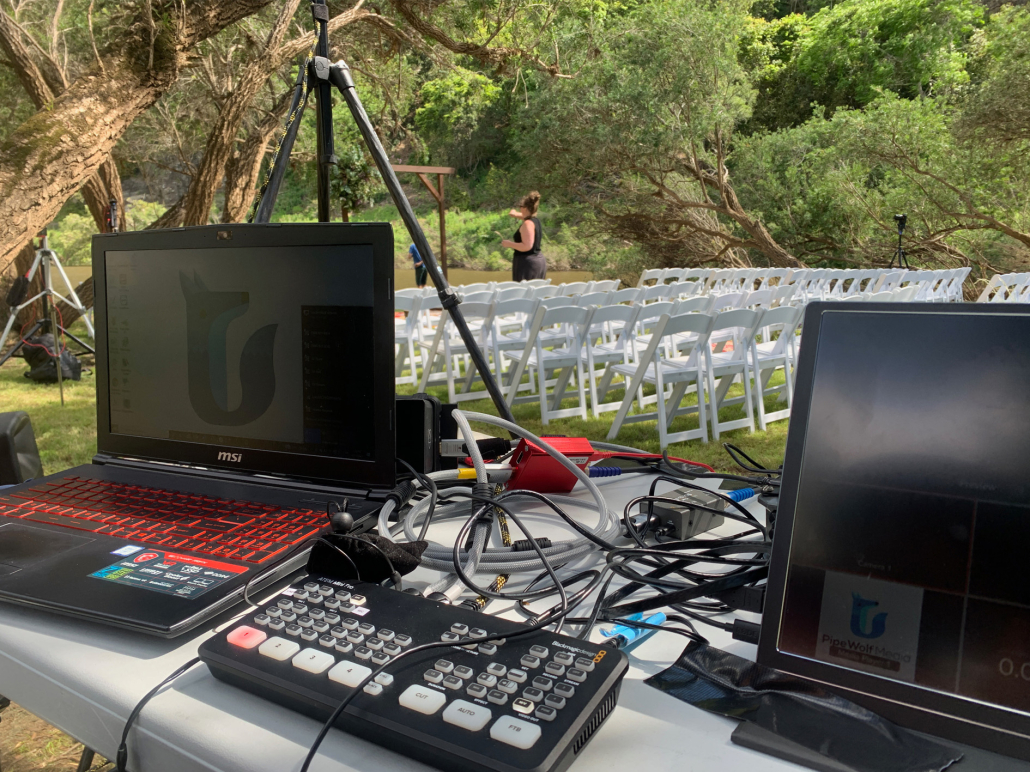
At Peak Audio, we combine cutting-edge equipment, deep technical expertise, and meticulous design to craft AV solutions tailored to your office needs. From single conference rooms to entire corporate campuses, our integrated systems provide clear sound, vivid visuals, and intuitive control, enabling your teams to focus on productivity rather than technical challenges.
With our comprehensive approach, your office transforms into a hub of collaboration and innovation. By partnering with Peak Audio, businesses across Kenya gain access to world-class AV systems that not only enhance efficiency but also reflect a modern, technology-driven brand identity—turning every meeting, presentation, and event into a seamless, professional experience.
AV Project Management for Businesses in Kenya – Partner with Peak Audio for Seamless Solutions
In today’s competitive corporate world, businesses in Kenya rely heavily on efficient and intelligent Audio Visual (AV) systems to connect teams, impress clients, and drive productivity. Whether it’s upgrading your boardroom, setting up a training facility, or implementing a hybrid meeting solution, effective AV project management ensures that every component works in harmony. In this complete guide, we explore what successful AV project management involves, from concept and system design to installation and ongoing support — and why choosing a trusted partner like Peak Audio is the key to getting it right the first time.
Throughout this article, we’ll uncover the full journey of AV project management — including needs assessment, planning, budgeting, installation, testing, and long-term maintenance. You’ll learn how each stage contributes to creating reliable, user-friendly, and scalable AV environments tailored to your organization’s goals. More importantly, we’ll highlight how Peak Audio brings together expert engineers, cutting-edge technology, and years of experience to deliver projects that exceed expectations and stand the test of time.
By the end, you’ll understand why more businesses across Kenya are turning to Peak Audio for their AV solutions. Whether you’re building a new conferencing hub, integrating video walls, or upgrading your sound systems, Peak Audio ensures your investment delivers maximum value, seamless performance, and future-ready innovation. Let’s dive in and discover how professional AV project management can transform the way your business communicates and collaborates.
1. Understanding AV Project Management
Audio-Visual (AV) project management is a critical aspect of modern business operations, ensuring that technology-driven communication tools are planned, implemented, and maintained efficiently. Proper AV project management balances technical precision, budget constraints, and user experience, creating seamless systems that support collaboration, presentations, and corporate events.
1.1 What AV Project Management Means for Modern Businesses
AV project management involves planning, designing, implementing, and overseeing AV systems for corporate spaces, event venues, or educational institutions.
-
Comprehensive Planning: From system design to installation, every step is coordinated to meet business objectives.
-
Resource Coordination: Ensures all equipment, personnel, and materials are available at the right time and location.
-
Risk Mitigation: Anticipates potential issues like equipment failure, connectivity challenges, or technical conflicts.
-
Lifecycle Management: Includes installation, testing, training, maintenance, and eventual upgrades.
Conclusion: Effective AV project management ensures businesses deploy reliable, high-quality systems that maximize productivity and impact.
1.2 Why AV Integration is Vital for Communication and Collaboration
Modern businesses rely on AV solutions for internal collaboration and external communication.
-
Seamless Meetings: Integrated AV ensures audio, video, and presentation tools work together, enhancing team communication.
-
Remote Collaboration: AV systems support hybrid work, enabling remote staff to participate fully in meetings and training.
-
Professional Presentations: High-quality visuals and sound reinforce corporate messaging during client pitches, product launches, or conferences.
-
Efficient Workflow: Integrated AV reduces technical delays, allowing teams to focus on objectives rather than troubleshooting.
Conclusion: AV integration strengthens communication and collaboration, ensuring teams and clients experience smooth, professional interactions.
1.3 The Balance Between Technical Precision and User Experience
Successful AV project management requires attention to both technical performance and user accessibility.
-
Technical Precision: Proper calibration of sound, video, lighting, and network systems ensures reliable, high-quality output.
-
User Experience: Systems are designed for intuitive operation, minimizing complexity for staff or attendees.
-
Customization: Solutions are tailored to specific workflows, room layouts, and organizational needs.
-
Support & Training: Ensures users can maximize the AV system’s capabilities without relying solely on technicians.
Conclusion: Balancing technical accuracy with user-friendliness maximizes system adoption and satisfaction, providing both reliability and convenience.
1.4 How Professional AV Management Ensures Cost and Time Efficiency
Professional AV project management helps organizations optimize budgets and schedules.
-
Budget Management: Prevents overspending by planning equipment purchases, rentals, and maintenance strategically.
-
Time Efficiency: Streamlines installation, testing, and deployment, reducing downtime and minimizing disruption to business operations.
-
Problem Prevention: Proactive management reduces the likelihood of system failures or unexpected repair costs.
-
ROI Maximization: Well-managed AV systems increase productivity, engagement, and brand impact, delivering measurable value.
Investing in professional AV project management ensures businesses save time and money while achieving reliable, high-performing AV solutions.
AV project management is essential for modern businesses, combining strategic planning, integration, technical precision, and user experience to deliver efficient and reliable AV solutions. By managing resources, mitigating risks, and balancing functionality with usability, professional AV management enhances communication, collaboration, and presentations while optimizing cost and time. Companies that prioritize expert AV oversight achieve seamless, high-impact systems that support both day-to-day operations and high-profile events.
2. The Role of AV Systems in Business Operations
Audio-Visual (AV) systems are no longer just an accessory in modern offices—they are essential tools that drive communication, collaboration, and brand presentation. In today’s competitive business environment, effective AV solutions enhance daily operations, improve employee productivity, and create professional impressions for clients and stakeholders.
2.1 Enhancing Presentations, Meetings, and Corporate Communication
AV systems elevate the quality and effectiveness of business interactions.
-
Clear Presentations: High-resolution screens, projectors, and LED walls ensure visuals are crisp and information is easily understood.
-
Professional Meetings: Superior sound systems make conversations clear, preventing misunderstandings and ensuring all participants hear key points.
-
Interactive Tools: Features like annotation, screen sharing, and real-time polling improve engagement during corporate meetings.
-
Consistency Across Locations: AV systems standardize presentations, making multi-location meetings uniform and professional.
Conclusion: Well-integrated AV systems turn routine meetings and presentations into efficient, impactful, and professional experiences.
2.2 Supporting Hybrid and Remote Collaboration Across Teams
As hybrid work models gain traction, AV systems become critical for connecting in-office and remote employees.
-
Seamless Communication: Video conferencing tools and high-quality audio facilitate real-time interaction between teams in different locations.
-
Productivity Boost: Remote employees can participate in discussions, presentations, and brainstorming sessions as effectively as on-site staff.
-
Collaboration Tools: Interactive displays, cloud-based AV integrations, and remote desktop sharing improve joint decision-making.
-
Flexible Work Environments: Offices equipped with robust AV support can host hybrid meetings without technical disruptions.
Conclusion: AV systems bridge physical and digital workspaces, ensuring collaboration remains smooth and productive regardless of location.
2.3 Strengthening Brand Identity Through Digital Displays and Visuals
AV systems play a strategic role in reinforcing brand presence and corporate messaging.
-
Digital Signage: Screens in reception areas or meeting rooms showcase corporate branding, values, and key messages.
-
Professional Presentations: High-quality visuals enhance the impact of product demos, investor pitches, and training sessions.
-
Event Branding: Integrated AV in corporate events reinforces company identity through visuals, lighting, and sound.
-
Consistent Messaging: AV systems ensure that branding elements are displayed accurately across all communication touchpoints.
Conclusion: Strategic use of AV systems elevates the company’s image, making every interaction, presentation, or event a reflection of its professionalism and values.
2.4 The Growing Demand for Integrated AV Solutions in Kenyan Offices
Kenyan businesses are increasingly adopting AV solutions to meet modern operational demands.
-
Corporate Adoption: More companies are investing in conference room AV systems, hybrid meeting tools, and collaborative displays.
-
Competitive Advantage: Offices with integrated AV solutions attract clients, support efficient decision-making, and improve employee satisfaction.
-
Scalability: Modern AV systems are modular, allowing businesses to expand capabilities as operations grow.
-
Professional Support: Companies like Peak Audio provide end-to-end AV solutions, from consultation to installation and maintenance, ensuring seamless adoption.
The demand for integrated AV systems in Kenya is driven by the need for efficiency, professionalism, and competitive advantage in an increasingly digital workplace.
AV systems are vital for modern business operations, enhancing presentations, meetings, remote collaboration, and brand identity. They ensure clear communication, productive hybrid work environments, and professional impressions for clients and stakeholders. As Kenyan offices increasingly adopt integrated AV solutions, companies gain both operational efficiency and a strategic edge, making expert planning, installation, and support essential for long-term success.
3. Phases of Effective AV Project Management
Managing an AV project successfully requires a systematic approach that balances technical precision with client expectations. Each phase—from initial planning to ongoing support—ensures that the AV solution not only meets functional requirements but also enhances business operations. Below is a detailed breakdown of the key phases in effective AV project management.
3.1 Planning and Needs Assessment
The foundation of any AV project is thorough planning, which aligns technology with business goals.
-
Understanding Client Goals: Identify what the client wants to achieve—whether it’s improving collaboration, upgrading meeting rooms, or enhancing event production.
-
Technical Requirements: Assess room dimensions, acoustic properties, network infrastructure, and AV functionality needed for presentations, conferencing, or hybrid work.
-
Budget Considerations: Determine available funds, prioritize essential components, and propose scalable solutions that allow for future upgrades.
-
Stakeholder Consultation: Engage all relevant parties—IT, facilities, management—to ensure the solution meets operational needs.
Conclusion: A detailed planning and needs assessment phase ensures that the AV project is purpose-driven, cost-effective, and aligned with organizational objectives.
3.2 Design and Engineering
Once needs are established, the focus shifts to designing a solution that is both functional and efficient.
-
System Layouts: Create detailed diagrams showing equipment placement, cabling routes, and control interfaces.
-
Integration Planning: Ensure AV components—speakers, microphones, displays, and lighting—work together seamlessly.
-
Technical Engineering: Calculate power requirements, signal paths, and room acoustics to prevent performance issues.
-
Future-Proofing: Design systems that allow easy upgrades as technology advances or organizational needs grow.
Conclusion: Thoughtful design and engineering prevent costly errors, optimize performance, and guarantee a cohesive AV setup that meets both current and future demands.
3.3 Implementation and Integration
This phase turns designs into a fully operational AV system.
-
Equipment Installation: Mount displays, install speakers, run cables, and configure control systems according to design plans.
-
System Integration: Connect all components—audio, video, lighting, and network—to ensure smooth operation.
-
Testing and Calibration: Verify audio clarity, video quality, lighting effects, and system responsiveness in real-world conditions.
-
Troubleshooting: Identify and resolve any technical issues before the system goes live, ensuring reliability.
Conclusion: Careful implementation and integration translate design plans into a fully functional AV solution, ready to deliver consistent, high-quality performance.
3.4 Training and Support
Even the best AV system is only effective if users can operate it confidently.
-
Staff Training: Educate employees or operators on system controls, troubleshooting, and basic maintenance.
-
Documentation: Provide user manuals, quick guides, and operational protocols for reference.
-
Technical Support: Offer ongoing assistance to handle software updates, equipment malfunctions, or operational queries.
-
Optimization: Collect feedback and make adjustments to ensure the system meets evolving needs.
Training and support ensure that staff maximize the system’s potential, maintain performance, and reduce downtime or operational frustrations.
Effective AV project management follows four critical phases: planning and needs assessment, design and engineering, implementation and integration, and training and support. Each phase builds on the previous one to ensure a reliable, high-quality AV system that aligns with client goals, enhances productivity, and delivers professional results. By approaching AV projects systematically, businesses in Kenya can enjoy seamless, future-ready AV solutions that optimize communication, collaboration, and overall operational efficiency.
4. Key Components of Business AV Projects
A successful business AV project relies on carefully selected components that work together to enhance communication, collaboration, and brand presentation. Each element plays a specific role, ensuring that offices, conference rooms, and meeting spaces operate efficiently and professionally. Below is a detailed breakdown of the essential AV components in modern business environments.
4.1 Audio Systems for Clarity and Reach in Corporate Environments
High-quality audio is foundational for effective communication in business settings.
-
Purpose: Deliver clear sound for meetings, presentations, and corporate events without distortion or echo.
-
Speakers: Ceiling, wall-mounted, or portable speakers ensure uniform sound coverage across the room.
-
Microphones: Options include wireless handhelds, lavaliers, or boundary microphones to provide flexibility and mobility for presenters.
-
Acoustic Considerations: Soundproofing, room layout, and materials affect clarity, requiring calibration to optimize audio performance.
-
Advanced Features: Noise reduction, echo cancellation, and audio mixers allow precise control of multiple input sources.
Conclusion: Reliable audio systems guarantee that every word and presentation detail is heard, enhancing engagement and professionalism.
4.2 Display Solutions — LED Screens, Projectors, and Digital Signage
Visuals are critical for communication, branding, and engagement in corporate spaces.
-
LED Screens: Provide high-resolution, bright displays suitable for boardrooms, auditoriums, or lobbies.
-
Projectors: Ideal for large venues and presentations where flexibility and scalability are required.
-
Digital Signage: Displays company information, event schedules, or marketing content dynamically throughout the workspace.
-
Integration: Coordinated with audio and control systems for smooth transitions between presentations or video content.
-
Customization: Sizes, resolutions, and mounting options tailored to room dimensions and visibility requirements.
Conclusion: Effective display solutions ensure that all participants can clearly see content, reinforcing messaging and enhancing the overall experience.
4.3 Video Conferencing Setups for Hybrid and Remote Meetings
Hybrid work and remote collaboration demand robust, professional conferencing setups.
-
High-Definition Cameras: Provide clear visuals, often with auto-framing and wide-angle lenses to capture the entire room.
-
Microphones and Speakers: Ensure voices are transmitted clearly, even in larger conference rooms.
-
Platform Integration: Compatible with Zoom, Microsoft Teams, Google Meet, and other collaboration tools.
-
Screen Sharing and Collaboration: Supports real-time presentations, document sharing, and interactive discussions.
-
Scalability: Configurations for small huddle rooms to large boardrooms, allowing flexible deployment across office locations.
Conclusion: Video conferencing systems enable seamless communication between in-office and remote participants, fostering collaboration and productivity.
4.4 Control Systems for Automation and Ease of Management
Centralized control simplifies operations and enhances user experience.
-
Control Panels and Interfaces: Touchscreens or mobile apps allow users to operate audio, video, and lighting systems easily.
-
Automation: Pre-programmed settings streamline presentations, meetings, or events with minimal manual intervention.
-
Scheduling and Monitoring: System diagnostics and usage tracking prevent downtime and allow proactive maintenance.
-
Integration with Other Systems: AV components, lighting, blinds, and HVAC can be synchronized for a seamless environment.
-
User-Friendly Design: Intuitive interfaces reduce training requirements and empower staff to manage the AV system confidently.
Control systems centralize operations, reduce complexity, and allow staff to focus on the event or meeting rather than technical management.
Business AV projects in Kenya rely on four key components: audio systems for clear communication, display solutions for effective visual presentation, video conferencing setups for hybrid collaboration, and control systems for seamless management. Each component contributes to an integrated, professional, and efficient AV environment that supports corporate operations, enhances client and employee experiences, and reinforces organizational branding. By focusing on these essential elements, businesses can create modern, high-performance spaces that meet today’s communication and collaboration demands.
5. Choosing the Right AV Partner in Kenya
Selecting the right AV partner is critical to the success of any business AV project. The ideal partner combines technical expertise, modern equipment, and strong project management to deliver seamless solutions that enhance communication, collaboration, and professional presentation. Below is a detailed breakdown of the key factors to consider when choosing an AV partner in Kenya.
5.1 The Importance of Experience and Proven Expertise
Experience matters when handling complex AV projects in diverse environments.
-
Track Record: An experienced partner demonstrates a history of successful installations across offices, conference halls, and hybrid meeting spaces.
-
Knowledge of Standards: Professionals understand industry standards, ensuring compliance with safety, performance, and technical regulations.
-
Problem-Solving Skills: Experienced teams can anticipate challenges and implement solutions before they impact operations.
-
Diverse Projects: Exposure to different sectors—corporate, education, events—ensures adaptability and tailored solutions.
Conclusion: A partner with proven expertise reduces risks, ensures high-quality delivery, and provides confidence that your AV system will perform reliably.
5.2 Evaluating Technical Capacity and Available Equipment
Modern AV projects require access to the right technology and tools.
-
Comprehensive Equipment Inventory: Ensure the partner has a range of audio systems, display solutions, video conferencing gear, and control systems.
-
Up-to-Date Technology: Equipment should support current software, collaboration platforms, and high-definition standards.
-
Installation Capabilities: Partners should be capable of handling everything from small boardrooms to large corporate venues.
-
Maintenance & Support: Availability of backup equipment and technical support minimizes downtime and ensures smooth operation.
Conclusion: Technical capacity ensures that your AV project can be executed without compromise, with reliable, modern equipment for optimal performance.
5.3 Transparent Communication and Milestone Tracking
Effective communication is essential to managing complex AV projects.
-
Project Planning: Clear timelines and detailed plans help clients understand each phase of the AV setup.
-
Milestone Updates: Regular progress reports allow stakeholders to monitor completion of key tasks, such as installation, testing, and calibration.
-
Feedback Mechanisms: Open channels for client feedback help tailor solutions and resolve concerns quickly.
-
Documentation: Detailed reports and manuals ensure smooth operation and easy troubleshooting post-installation.
Conclusion: Transparent communication and tracking create accountability, reduce surprises, and build trust between clients and AV partners.
5.4 How Peak Audio Ensures Reliability, Precision, and Professionalism in Every Project
Peak Audio stands out as a premier AV partner in Kenya, delivering turnkey solutions for businesses of all sizes.
-
End-to-End Services: From needs assessment to system design, installation, and training, every stage is professionally managed.
-
Skilled Technicians: Highly trained staff handle complex setups with precision and attention to detail.
-
Modern Equipment: Access to cutting-edge audio, visual, and control technology ensures state-of-the-art performance.
-
On-Site Support: Live monitoring and troubleshooting during events guarantee uninterrupted operations.
Partnering with Peak Audio ensures your AV project is executed with technical expertise, reliability, and professionalism, delivering a seamless experience tailored to your business needs.
Choosing the right AV partner in Kenya involves evaluating experience, technical capacity, communication practices, and the partner’s ability to deliver professional solutions. A skilled partner like Peak Audio provides end-to-end support, modern equipment, and on-site expertise, ensuring every business AV project—from conference rooms to large corporate venues—is executed flawlessly. With the right partner, organizations can enhance collaboration, streamline operations, and leave a lasting impression on clients and employees alike.
5. Choosing the Right AV Partner in Kenya
Selecting the right AV partner is critical to the success of any business AV project. The ideal partner combines technical expertise, modern equipment, and strong project management to deliver seamless solutions that enhance communication, collaboration, and professional presentation. Below is a detailed breakdown of the key factors to consider when choosing an AV partner in Kenya.
5.1 The Importance of Experience and Proven Expertise
Experience matters when handling complex AV projects in diverse environments.
-
Track Record: An experienced partner demonstrates a history of successful installations across offices, conference halls, and hybrid meeting spaces.
-
Knowledge of Standards: Professionals understand industry standards, ensuring compliance with safety, performance, and technical regulations.
-
Problem-Solving Skills: Experienced teams can anticipate challenges and implement solutions before they impact operations.
-
Diverse Projects: Exposure to different sectors—corporate, education, events—ensures adaptability and tailored solutions.
Conclusion: A partner with proven expertise reduces risks, ensures high-quality delivery, and provides confidence that your AV system will perform reliably.
5.2 Evaluating Technical Capacity and Available Equipment
Modern AV projects require access to the right technology and tools.
-
Comprehensive Equipment Inventory: Ensure the partner has a range of audio systems, display solutions, video conferencing gear, and control systems.
-
Up-to-Date Technology: Equipment should support current software, collaboration platforms, and high-definition standards.
-
Installation Capabilities: Partners should be capable of handling everything from small boardrooms to large corporate venues.
-
Maintenance & Support: Availability of backup equipment and technical support minimizes downtime and ensures smooth operation.
Conclusion: Technical capacity ensures that your AV project can be executed without compromise, with reliable, modern equipment for optimal performance.
5.3 Transparent Communication and Milestone Tracking
Effective communication is essential to managing complex AV projects.
-
Project Planning: Clear timelines and detailed plans help clients understand each phase of the AV setup.
-
Milestone Updates: Regular progress reports allow stakeholders to monitor completion of key tasks, such as installation, testing, and calibration.
-
Feedback Mechanisms: Open channels for client feedback help tailor solutions and resolve concerns quickly.
-
Documentation: Detailed reports and manuals ensure smooth operation and easy troubleshooting post-installation.
Conclusion: Transparent communication and tracking create accountability, reduce surprises, and build trust between clients and AV partners.
5.4 How Peak Audio Ensures Reliability, Precision, and Professionalism in Every Project
Peak Audio stands out as a premier AV partner in Kenya, delivering turnkey solutions for businesses of all sizes.
-
End-to-End Services: From needs assessment to system design, installation, and training, every stage is professionally managed.
-
Skilled Technicians: Highly trained staff handle complex setups with precision and attention to detail.
-
Modern Equipment: Access to cutting-edge audio, visual, and control technology ensures state-of-the-art performance.
-
On-Site Support: Live monitoring and troubleshooting during events guarantee uninterrupted operations.
Partnering with Peak Audio ensures your AV project is executed with technical expertise, reliability, and professionalism, delivering a seamless experience tailored to your business needs.
Choosing the right AV partner in Kenya involves evaluating experience, technical capacity, communication practices, and the partner’s ability to deliver professional solutions. A skilled partner like Peak Audio provides end-to-end support, modern equipment, and on-site expertise, ensuring every business AV project—from conference rooms to large corporate venues—is executed flawlessly. With the right partner, organizations can enhance collaboration, streamline operations, and leave a lasting impression on clients and employees alike.
6. Budgeting and Timelines for AV Projects
Successful AV projects require careful planning not just in design and equipment selection, but also in budgeting and scheduling. Understanding the costs and timelines helps businesses in Kenya make informed decisions, avoid unexpected expenses, and ensure timely project completion. Below is a detailed breakdown of key considerations.
6.1 Factors Influencing AV Project Costs in Kenya
Several elements determine the overall cost of AV installations and integrations.
-
Equipment Quality: High-end audio systems, LED walls, advanced video conferencing setups, and control systems typically cost more but provide better reliability and performance.
-
Project Complexity: Multi-room installations, large conference halls, and hybrid AV setups increase labor and design costs.
-
Customization Requirements: Tailored solutions, such as branded visuals, interactive touchscreens, or bespoke control systems, can add to the budget.
-
Installation Challenges: Structural modifications, cabling infrastructure, or difficult access areas may require additional labor and materials.
-
Support and Maintenance: Ongoing technical support, equipment servicing, and warranties should be factored into long-term project costs.
Conclusion: Understanding these cost drivers allows businesses to plan budgets realistically, ensuring the right balance between quality and affordability.
6.2 Balancing Budget Limits with Quality Expectations
Cost-conscious planning should never compromise system performance or user experience.
-
Prioritize Essentials: Identify critical components, such as core audio and video systems, and allocate resources accordingly.
-
Phased Implementation: Consider rolling out the project in stages—starting with essential systems and upgrading over time.
-
Leverage Rentals and Leasing: For temporary setups or rapid deployment, renting certain AV components can reduce upfront costs.
-
Vendor Expertise: Experienced AV partners like Peak Audio can recommend cost-effective alternatives without compromising reliability.
Conclusion: Strategic planning ensures projects stay within budget while maintaining professional quality and functionality.
6.3 How Timelines Are Affected by Scope and Complexity
The schedule for completing AV projects depends heavily on the project’s scale and technical requirements.
-
Project Scope: Larger spaces, multiple rooms, and integrated systems naturally require more time for installation and testing.
-
Technical Complexity: Advanced control systems, interactive displays, or multi-channel audio setups take longer to calibrate and synchronize.
-
Resource Availability: Timely access to equipment, skilled technicians, and coordination with other contractors can impact delivery schedules.
-
Testing and Fine-Tuning: Comprehensive testing ensures systems function reliably, which may require additional setup days.
Conclusion: Realistic timelines, adjusted for project complexity, prevent delays and ensure smooth deployment.
6.4 Peak Audio’s Approach to Efficient Delivery and Cost-Effective Solutions
Peak Audio combines expertise, planning, and resource management to optimize both costs and timelines.
-
Detailed Project Planning: Each AV project begins with a clear roadmap covering budget allocation, equipment needs, and milestones.
-
Optimized Resource Allocation: Skilled teams and modern equipment are scheduled efficiently to avoid downtime or delays.
-
Cost-Efficient Solutions: Peak Audio recommends alternatives and phased implementations that maintain quality while controlling costs.
-
On-Time Delivery: Adherence to agreed timelines ensures businesses can start using their AV systems without interruption.
With Peak Audio, clients benefit from well-planned, cost-effective, and timely AV project execution that balances budget constraints with high-quality performance.
Budgeting and scheduling are fundamental to the success of AV projects in Kenya. Costs are influenced by equipment, project complexity, customization, and support needs, while timelines depend on scope and technical requirements. By strategically balancing budget limitations with quality expectations, and partnering with experienced AV professionals like Peak Audio, businesses can achieve seamless, efficient, and reliable AV deployments—delivering maximum impact without overspending or delays.
7. Ensuring Scalability and Future Readiness
In today’s fast-evolving business environment, AV systems must not only meet current needs but also adapt to future growth and technological advancements. Planning for scalability ensures that companies in Kenya can expand or upgrade their systems efficiently without major disruptions or additional costs. Below is a detailed breakdown of the key considerations for scalable and future-ready AV solutions.
7.1 Designing AV Systems That Adapt to Future Business Needs
Scalable AV systems are built with flexibility in mind, allowing businesses to grow or reconfigure their setups without starting from scratch.
-
Modular Design: AV components, such as speakers, displays, and control systems, can be added or reconfigured as the organization expands.
-
Room Flexibility: Meeting rooms and conference halls are equipped with AV solutions that can handle varying group sizes, from small huddle spaces to large boardrooms.
-
Anticipating Business Growth: Forward-thinking design considers potential office expansions, remote collaboration needs, and additional presentation requirements.
Conclusion: Designing AV systems with adaptability in mind prevents costly overhauls and supports long-term business growth.
7.2 Integrating Smart Technologies and Wireless Connectivity
Modern AV systems benefit from smart, connected technologies that simplify upgrades and enhance usability.
-
Wireless Solutions: Wireless microphones, cameras, and display connections reduce cabling challenges and allow for easier reconfiguration.
-
Smart Control Systems: Centralized control panels, mobile apps, and cloud-based management simplify operation and future integration.
-
IoT and Automation: Smart lighting, scheduling, and audio automation can adapt to changing meeting environments, improving efficiency.
Conclusion: Incorporating smart technologies ensures AV systems remain compatible with future innovations and flexible for evolving business needs.
7.3 Upgrading Legacy Systems Without Disrupting Operations
Many businesses already have existing AV infrastructure. Scalable solutions allow smooth integration or phased upgrades.
-
Compatibility Assessment: Evaluating current systems to identify components that can be reused or upgraded.
-
Phased Implementation: Upgrading in stages ensures ongoing operations remain uninterrupted, especially for live meetings or training sessions.
-
Minimal Downtime: Strategic planning and technical expertise prevent operational disruptions during equipment swaps or system enhancements.
Conclusion: Businesses can modernize AV infrastructure without halting operations, maintaining productivity while preparing for future needs.
7.4 Why Investing in Scalable AV Systems Saves Costs Long-Term
While scalable AV systems may involve slightly higher initial investment, the long-term benefits far outweigh the costs.
-
Reduced Replacement Costs: Modular and upgradable systems minimize the need for full replacements as technology evolves.
-
Efficient Resource Utilization: Businesses can expand or enhance systems incrementally, avoiding large, sudden expenditures.
-
Future-Proofing: Ensuring compatibility with emerging software, hardware, and collaboration tools protects against obsolescence.
-
Enhanced ROI: Scalable systems provide extended usability, maximizing the value of the initial investment.
Prioritizing scalability allows businesses to adapt AV infrastructure as they grow, ultimately saving time, money, and operational headaches.
Ensuring scalability and future readiness in AV projects is essential for Kenyan businesses looking to stay competitive and adaptable. By designing flexible systems, integrating smart technologies, upgrading legacy infrastructure without disruption, and investing in modular solutions, companies can safeguard their AV investments and accommodate evolving business needs. Scalable AV solutions not only reduce long-term costs but also enhance operational efficiency, making them a strategic choice for forward-thinking organizations.
8. FAQs on AV Project Management for Businesses in Kenya
Businesses in Kenya are increasingly relying on professional AV systems to enhance communication, collaboration, and presentations. However, questions often arise regarding project management, installation, support, and scalability. Below is a detailed FAQ section addressing the most common concerns for Kenyan businesses.
8.1 What is AV Project Management?
AV project management is the structured process of planning, implementing, and maintaining audio-visual systems tailored to business goals.
-
Scope Planning: Assessing the business’s communication needs, space requirements, and expected functionality.
-
Implementation: Selecting, installing, and integrating equipment such as projectors, LED displays, microphones, and video conferencing systems.
-
Ongoing Maintenance: Ensuring systems operate optimally with regular checks and updates.
Conclusion: AV project management ensures businesses achieve seamless communication and collaboration while optimizing equipment performance and investment.
8.2 How Long Does a Typical AV Project Take?
Project timelines vary depending on complexity, scale, and customization.
-
Small-Scale Installations: Simple setups, such as a single meeting room, may take 2–3 weeks from planning to completion.
-
Medium to Large Projects: Full-floor or multi-room corporate setups usually take 1–3 months to complete, including design, installation, and staff training.
-
Factors Affecting Duration: Scope of work, equipment availability, site readiness, and integration with existing systems.
Conclusion: Timelines are flexible and tailored to project size, ensuring thorough planning, installation, and testing.
8.3 Can Peak Audio Handle Both Small and Large-Scale Installations?
Yes. Peak Audio specializes in AV projects of all sizes.
-
Small Offices: Single-room solutions with clear sound, high-quality displays, and basic video conferencing.
-
Large Enterprises: Multi-room or multi-site projects with complex integration, advanced conferencing, and centralized control systems.
-
Scalable Solutions: Every project is designed to grow as the business expands.
Conclusion: Peak Audio delivers reliable solutions whether for a single room or an entire corporate network.
8.4 What Kind of Support is Offered After Installation?
Peak Audio provides comprehensive post-installation support to ensure smooth operations.
-
Maintenance Services: Regular system checks, software updates, and preventive maintenance.
-
Technical Training: Staff are trained to operate AV systems efficiently and confidently.
-
Troubleshooting: Prompt on-site or remote assistance to address any technical issues.
Conclusion: Businesses can rely on continuous support, minimizing downtime and maximizing AV system performance.
8.5 Are AV Solutions Customizable to My Office Design?
Absolutely. Every installation is tailored to the specific space and branding of the client.
-
Spatial Considerations: Equipment placement and wiring are customized for optimal performance and aesthetics.
-
Brand Integration: AV solutions can incorporate company colors, logos, and style in displays and presentations.
-
Functional Design: Ensures systems meet both current and anticipated business needs.
Conclusion: Customization ensures AV systems complement the office environment and company identity.
8.6 What Makes Peak Audio’s Project Management Different?
Peak Audio combines technical expertise with meticulous project coordination.
-
Expert Engineers: Skilled staff manage all technical aspects efficiently.
-
World-Class Equipment: Only high-quality, reliable AV solutions are used.
-
Project Coordination: Milestones are tracked carefully to ensure timely delivery.
Conclusion: Peak Audio delivers seamless AV projects that are professional, reliable, and tailored to client needs.
8.7 Can AV Systems Be Integrated With Existing IT Infrastructure?
Yes. Integration is a standard part of AV project planning.
-
Compatibility Checks: Assess current networks, Wi-Fi, and software systems.
-
Seamless Integration: Ensures AV systems work smoothly with existing IT tools.
-
Enhanced Efficiency: Reduces complexity and ensures connectivity across platforms.
Conclusion: Proper integration ensures maximum efficiency without disrupting existing operations.
8.8 How Do I Ensure My AV Investment is Future-Proof?
Future-proofing involves planning for scalability and technological advancement.
-
Scalable Systems: Modular designs allow for additional rooms or features as needed.
-
Upgrade-Ready Equipment: Hardware and software can be enhanced without major replacements.
-
Smart Technologies: Wireless, cloud-based, and automated systems adapt to evolving business needs.
Conclusion: Investing in scalable and upgrade-ready solutions ensures long-term value and adaptability.
8.9 Does Peak Audio Provide Equipment as Well as Installation?
Yes. Peak Audio offers a complete solution.
-
Equipment Supply: High-quality audio, visual, and conferencing devices.
-
Installation Services: Professional setup for optimal performance.
-
Support Packages: Optional ongoing maintenance and system checks.
Conclusion: Clients benefit from a full-service solution covering both equipment and installation.
8.10 Can You Handle Multi-Location AV Projects?
Yes. Peak Audio coordinates multi-site installations across Kenya.
-
Centralized Planning: Ensures consistent AV standards across all locations.
-
On-Site Support: Technicians manage installations and troubleshooting at every site.
-
Efficient Deployment: Streamlined logistics and project management minimize downtime and delays.
Multi-location projects are executed seamlessly, maintaining performance and uniformity.
AV project management in Kenya involves careful planning, customization, and ongoing support to ensure businesses have reliable, high-quality audio-visual systems. By choosing a professional partner like Peak Audio, companies gain access to scalable solutions, seamless integration with existing infrastructure, technical expertise, and future-ready systems. From small offices to multi-site corporate networks, Peak Audio ensures that every AV project delivers enhanced communication, collaboration, and overall business efficiency.
Elevate Your Business Communication with Peak Audio
Successful AV project management is more than just installing equipment—it’s about creating a strategic, functional, and future-ready system that enhances every aspect of business communication. From corporate meetings to large-scale presentations, well-planned AV solutions ensure that every message is delivered clearly, every collaboration runs smoothly, and every audience remains engaged. With careful planning, integration, and technical expertise, businesses can leverage AV technology to drive efficiency and professionalism.
Partnering with Peak Audio means gaining a trusted AV partner in Kenya who oversees every stage of your project with precision and attention to detail. From initial planning and needs assessment to design, implementation, and staff training, Peak Audio ensures that each solution is tailored to your specific business environment. Their team combines technical proficiency with innovative design, guaranteeing seamless operation, minimal downtime, and a polished, professional setup that reflects your brand identity.
Looking ahead, Peak Audio delivers systems built for scalability and long-term value. Businesses can confidently invest in integrated AV infrastructure that evolves with their growth, supports hybrid work models, and accommodates future technological advancements. Whatever your vision or event scale, Peak Audio provides the expertise and equipment to ensure your business communicates effectively, collaborates efficiently, and impresses audiences consistently—today and in the years to come.
ARE YOU PLANNING FOR AN EVENT?
We provide complete event entertainment solutions for you so that you can rest without stressing about last minute surprises.
Our team has it all in one house. We intensely care about your success. With us, you are guaranteed of freedom, lifted stress, convenience, and honor during the event.
Quick Links
Contact Info
Phone:
+254792243400
Email:
info@peakaudio.co.ke
Location:
Mushrooms Lane, Off Quarry Rd.