Best Event Tech Tools for Conferences in Kenya
Best Event Tech Tools for Conferences in Kenya – Top Digital Platforms & Audiovisual Solutions

Best Event Tech Tools for Conferences in Kenya
The best event tech tools for conferences in Kenya help event organizers streamline planning, improve delegate experiences, increase audience engagement, and measure conference performance. Businesses, NGOs, government institutions, universities, professional associations, and international organizations increasingly use conference technology and digital event management platforms to manage online registration, attendee check-in, event scheduling, professional networking, live polling, presentations, livestreaming, and hybrid participation. From corporate conferences and business summits to international conventions and academic forums, reliable event technology improves operational efficiency, communication, accessibility, and the overall conference experience.
Choosing the right conference technology solutions in Kenya requires evaluating event size, audience needs, venue infrastructure, available budgets, internet connectivity, data protection requirements, and technical complexity. Essential tools include event management software, online registration and ticketing platforms, QR-code check-in systems, mobile event apps, audience engagement tools, networking platforms, LED screens, professional sound systems, livestreaming equipment, interpretation systems, and event analytics software. This guide explores the best event technology tools for conference organizers, highlighting their features, benefits, selection criteria, and practical applications for delivering successful in-person, virtual, and hybrid conferences.
Peak Audio is a trusted audiovisual and conference event production partner in Kenya, providing professional conference sound systems, microphones, LED screens, staging, lighting, livestreaming, hybrid event technology, simultaneous interpretation systems, multi-camera video production, and on-site technical support. Whether organizing a corporate conference, international summit, NGO forum, government meeting, or academic convention, Peak Audio delivers audiovisual solutions tailored to different event formats, venue requirements, and audience sizes. Working alongside conference organizers, Peak Audio helps ensure clear communication, engaging presentations, reliable technical production, and seamless conference experiences across Nairobi, Kenya, and East Africa.
1. Understanding Event Technology and Its Importance for Modern Conferences

Best Event Tech Tools for Conferences in Kenya
Event technology has become an essential component of planning, organizing, managing, and delivering successful conferences in Kenya and across the global events industry. As businesses, government institutions, NGOs, universities, professional associations, and international organizations increasingly adopt digital solutions, conference organizers rely on modern event technology to streamline operations, improve delegate experiences, enhance audience engagement, and measure event performance. From online registration platforms and QR-code check-in systems to professional audiovisual equipment, LED screens, livestreaming solutions, mobile event applications, and event analytics software, technology supports nearly every stage of conference management.
1.1 What Is Event Technology?
– Definition of Event Technology: Event technology refers to the software applications, digital platforms, audiovisual equipment, communication systems, and technical solutions used to plan, organize, deliver, manage, and evaluate professional events, including corporate conferences, business summits, exhibitions, seminars, workshops, and hybrid meetings.
– Event Management Software: Digital platforms that help conference organizers coordinate event schedules, delegate registrations, speaker information, venue arrangements, supplier activities, and administrative responsibilities through centralized systems.
– Online Registration and Ticketing Systems: Technology that enables participants to register for conferences, purchase tickets where applicable, receive confirmation emails, and access digital event credentials.
– Audiovisual Technology: Professional sound systems, microphones, LED screens, projectors, cameras, lighting equipment, and video production systems used to deliver presentations and enhance communication during conferences.
– Audience Engagement Technology: Interactive tools such as live polling platforms, digital question-and-answer systems, audience surveys, quizzes, and feedback applications that encourage active participation.
– Virtual and Hybrid Conference Technology: Livestreaming platforms, video conferencing software, remote presentation tools, and hybrid production systems that allow delegates to participate from different geographical locations.
– Conference Networking Technology: Digital platforms that help delegates connect with other participants, schedule meetings, exchange professional information, and identify potential business partners.
– Event Data and Analytics Systems: Tools used to collect, organize, analyze, and report conference information, including registrations, attendance, session participation, audience engagement, and event performance.
– Event Communication Technology: Email automation systems, SMS notifications, mobile applications, digital signage, and push notifications that help organizers communicate important information to delegates.
– Integrated Conference Technology Solutions: Modern conference technology often combines several systems to create a coordinated environment where registration, check-in, presentations, networking, communication, and reporting work together.
1.2 Why Conference Technology Matters in Kenya
– Growing Demand for Professional Conferences: Businesses, NGOs, government institutions, universities, and professional associations in Kenya organize conferences that require efficient registration, reliable communication, professional presentations, and coordinated technical operations.
– Efficient Delegate Registration: Digital registration platforms simplify attendee sign-ups, reduce manual paperwork, minimize administrative errors, and help organizers maintain accurate participant records.
– Faster Conference Check-In: QR-code check-in systems and digital attendee databases help reduce registration queues, verify participant details, and improve the arrival experience at conference venues.
– Improved Conference Communication: Email notifications, SMS alerts, mobile event applications, and digital signage allow organizers to communicate schedule changes, venue information, speaker updates, and important announcements.
– Effective Session Coordination: Conference management platforms help organizers coordinate keynote presentations, breakout sessions, panel discussions, workshops, and speaker schedules.
– Enhanced Delegate Experiences: Digital schedules, accessible presentation materials, interactive sessions, and networking platforms make conferences more convenient, organized, and engaging for participants.
– Support for International Participation: Virtual and hybrid event technology enables delegates, speakers, and stakeholders outside Nairobi or Kenya to participate remotely without necessarily travelling to the conference venue.
– Improved Accessibility and Inclusion: Technologies such as live captioning, interpretation systems, assistive listening solutions, and accessible digital platforms can help accommodate participants with different communication and accessibility needs.
– Professional Conference Presentations: High-quality sound systems, LED screens, microphones, projectors, and lighting equipment help ensure that presentations are clearly delivered and visible to participants.
– Accurate Conference Data Collection: Registration platforms, attendance tracking systems, audience engagement tools, and post-event surveys provide useful information for evaluating conference performance.
– Support for Kenya’s Business Events Industry: Reliable conference technology helps event organizers deliver professional business summits, exhibitions, corporate meetings, and international conferences that meet the operational requirements of diverse organizations.
1.3 Benefits of Using Event Tech Tools for Conferences
– Improved Operational Efficiency: Event technology automates repetitive administrative tasks, including registration confirmations, ticket generation, attendee communication, scheduling, and reporting.
– Accurate Registration and Attendance Records: Digital registration systems reduce manual data entry errors and provide organizers with reliable information about registered participants, confirmed attendees, and actual turnout.
– Faster Delegate Check-In: QR-code scanning, digital badges, and electronic attendance systems simplify entry procedures and reduce congestion at conference registration desks.
– Enhanced Audience Participation: Live polls, interactive quizzes, digital Q&A platforms, and audience response systems encourage delegates to participate actively in presentations and discussions.
– Better Professional Networking: Conference networking applications help attendees discover relevant participants, schedule meetings, exchange contacts, and develop professional relationships.
– Centralized Conference Management: Integrated platforms allow organizers to manage multiple event activities, including registration, speaker coordination, session scheduling, communication, and reporting.
– Improved Communication With Delegates: Automated emails, SMS notifications, mobile alerts, and digital information displays help participants receive timely conference updates.
– Greater Accessibility: Digital tools can support remote attendance, captioning, interpretation, accessible event information, and flexible participation options.
– Real-Time Conference Monitoring: Event dashboards enable organizers to track registrations, check-in activity, session attendance, and audience participation as the conference progresses.
– Improved Data Collection and Reporting: Event technology makes it easier to gather attendee information, engagement statistics, survey responses, and performance indicators.
– More Effective Resource Allocation: Accurate registration forecasts and attendance records help organizers plan seating, catering, staffing, conference materials, and technical resources.
– Reduced Administrative Workload: Automation minimizes repetitive manual processes, allowing event teams to focus on delegate support, coordination, and conference delivery.
– Improved Event Performance Measurement: Analytics tools help organizers evaluate attendance rates, audience engagement, lead generation, participant satisfaction, and other conference KPIs.
– Potential Cost Savings: Appropriate technology can reduce printing requirements, manual administrative work, and some logistical expenses, although overall savings depend on software pricing, implementation requirements, and event complexity.
1.4 Types of Conference Event Technology
– Event Management Platforms: Comprehensive software systems used to manage conference planning, registrations, schedules, attendee information, communication, and event reporting.
– Online Registration and Ticketing Tools: Digital solutions that enable participants to register, purchase tickets, receive confirmation messages, and access electronic event passes.
– QR-Code Check-In Systems: Technologies that verify delegate registrations, record attendance, and support efficient entry into conference venues.
– Mobile Conference Applications: Event apps that provide digital agendas, speaker profiles, venue maps, networking features, announcements, and interactive conference information.
– Audience Engagement Software: Platforms that support live polling, Q&A sessions, surveys, quizzes, word clouds, and other interactive presentation activities.
– Conference Networking Platforms: Digital systems that facilitate attendee matchmaking, meeting scheduling, professional introductions, and business networking.
– Audiovisual Equipment: Professional microphones, loudspeakers, audio mixers, LED screens, projectors, cameras, lighting systems, and related technical equipment.
– Livestreaming and Video Conferencing Technology: Platforms and production systems that transmit conference sessions to remote participants through internet-based video and audio services.
– Interpretation and Translation Systems: Technology that supports multilingual conferences through interpretation consoles, language distribution systems, receivers, and compatible digital interpretation platforms.
– Digital Signage and Information Displays: LED screens, digital kiosks, and electronic noticeboards used to display schedules, directions, announcements, sponsor messages, and conference information.
– Event Analytics and Reporting Tools: Systems that track registrations, attendance, engagement, networking activity, participant feedback, and other performance indicators.
– Event Marketing and Communication Tools: Email marketing platforms, SMS systems, social media management tools, and automated communication software used to promote conferences and engage delegates.
– Customer Relationship Management Integrations: CRM connections that allow organizations to transfer qualified leads, track follow-up activities, and evaluate business opportunities generated through conferences.
– Conference Payment Systems: Secure payment solutions that facilitate ticket purchases, registration payments, invoicing, and financial reconciliation, including appropriate local payment options in Kenya.
1.5 Event Technology for Physical, Virtual and Hybrid Conferences
– Physical Conference Technology: In-person conferences primarily require on-site systems such as registration kiosks, QR-code check-in devices, microphones, sound systems, LED screens, projectors, lighting, digital signage, and audience engagement tools.
– Physical Conference Registration: Digital registration and check-in systems help organizers verify participants, issue badges, manage attendance, and reduce delays at venue entrances.
– Physical Conference Audiovisual Production: Professional audio systems, presentation displays, cameras, and technical operators support clear communication and effective presentation delivery.
– Virtual Conference Technology: Fully online conferences rely on video conferencing platforms, webinar systems, digital registration tools, online networking features, audience engagement software, and cloud-based event management platforms.
– Virtual Conference Accessibility: Remote participation allows delegates to attend from different locations, provided they have suitable devices, compatible software, and reliable internet connectivity.
– Virtual Audience Engagement: Live chats, digital polls, breakout rooms, Q&A features, and virtual networking sessions help maintain participant interaction.
– Hybrid Conference Technology: Hybrid events combine physical conference production with livestreaming, video conferencing, remote audience engagement, and integrated audiovisual systems.
– Hybrid Video Production: Multiple cameras, video switchers, encoders, presentation feeds, and livestreaming platforms allow organizers to transmit conference sessions to remote audiences.
– Hybrid Audio Management: Professional audio routing, microphones, mixers, and monitoring systems help ensure that both physical and remote participants can hear speakers clearly without disruptive feedback or echo.
– Hybrid Audience Interaction: Digital engagement platforms allow remote delegates to submit questions, participate in polls, and interact with speakers alongside in-person attendees.
– Internet Connectivity Requirements: Virtual and hybrid conferences require sufficient upload bandwidth, stable connectivity, suitable network infrastructure, and contingency arrangements for connectivity interruptions.
– Technology Selection Based on Event Format: Organizers should choose conference technology according to audience size, event objectives, venue infrastructure, participation requirements, available budget, and technical complexity.
1.6 Factors to Consider When Choosing Conference Technology
– Ease of Use and User Experience: Select event technology that is intuitive for organizers, delegates, speakers, and technical teams to operate without unnecessary complexity.
– Technology Pricing and Budget Compatibility: Evaluate software subscriptions, licensing fees, equipment rental costs, implementation expenses, technical support charges, and potential additional costs.
– Scalability and Audience Capacity: Ensure the selected platforms and equipment can accommodate the expected number of registrations, attendees, concurrent viewers, and event sessions.
– Integration With Existing Systems: Choose technology that can connect with registration platforms, CRM software, email marketing systems, payment gateways, and analytics tools where required.
– Mobile Compatibility: Confirm that event registration pages, mobile applications, digital schedules, and attendee engagement tools work effectively on smartphones and tablets.
– Technical Reliability: Evaluate platform stability, equipment performance, system availability, and the ability to operate effectively under expected conference conditions.
– Customer Support and Technical Assistance: Consider whether software providers and audiovisual production companies offer responsive support, troubleshooting, training, and on-site technical assistance.
– Data Security and Privacy: Select systems with appropriate access controls, secure payment processing, data protection measures, and clear policies for collecting and managing attendee information.
– Compliance With Kenyan Data Protection Requirements: Organizations handling personal data should consider their obligations under Kenya’s Data Protection Act, 2019, including lawful processing, appropriate security safeguards, and relevant participant rights.
– Accessibility Features: Evaluate support for screen readers, captions, accessible navigation, multilingual communication, interpretation systems, and other inclusive participation features.
– Local Payment Options: For paid conferences in Kenya, consider whether registration systems support relevant payment methods such as M-Pesa, bank transfers, and card payments through suitable integrations.
– Internet and Infrastructure Requirements: Assess whether the venue has sufficient bandwidth, reliable electricity, appropriate cabling, network coverage, and space for technical equipment.
– Reporting and Analytics Capabilities: Choose platforms that provide useful information on registrations, attendance, engagement, feedback, and event performance.
– Customization and Branding: Evaluate whether the technology allows organizers to customize registration pages, attendee communications, mobile applications, digital badges, and presentation interfaces.
– Vendor Experience and Reputation: Consider the provider’s technical expertise, relevant event experience, service capabilities, and ability to support conferences of similar size and complexity.
1.7 Common Conference Technology Challenges
– Unstable Internet Connectivity: Poor connectivity can interrupt livestreams, online registration, digital check-in, virtual presentations, and audience engagement platforms.
– Audiovisual Equipment Failures: Malfunctioning microphones, speakers, projectors, LED screens, cameras, or video switching systems can disrupt presentations and reduce conference quality.
– Software Compatibility Problems: Event applications, registration systems, payment platforms, and presentation tools may experience integration difficulties when they use incompatible formats or technical configurations.
– Inadequate Technical Training: Organizers, speakers, and event personnel may struggle to operate unfamiliar systems without sufficient preparation and practical training.
– Unexpected Technology Costs: Additional licensing fees, equipment upgrades, internet requirements, technical staffing, and emergency support can increase conference expenditure.
– Limited Technical Support: Delayed assistance from software providers or equipment suppliers can make it difficult to resolve problems during live conference sessions.
– Power Interruptions: Electricity disruptions can affect audiovisual equipment, internet infrastructure, registration systems, lighting, and conference production operations.
– Cybersecurity and Data Privacy Risks: Inadequately secured registration platforms, payment systems, and attendee databases may expose personal information or create opportunities for unauthorized access.
– Poor System Integration: Disconnected registration, communication, engagement, and analytics systems can lead to duplicate records, inconsistent information, and inefficient workflows.
– Low Delegate Technology Adoption: Some attendees may be unfamiliar with mobile event applications, QR-code registration, virtual networking platforms, or digital engagement tools.
– Insufficient Pre-Event Testing: Failure to test microphones, presentation files, livestream connections, registration systems, and audience engagement platforms can result in preventable technical disruptions.
– Lack of Backup Systems: Conferences without alternative internet connections, spare microphones, backup presentation devices, or suitable power contingency plans may experience prolonged interruptions.
– Strategies for Overcoming Technology Challenges: Organizers should conduct technical rehearsals, train relevant personnel, verify equipment compatibility, prepare contingency plans, test internet connectivity, and engage experienced technical production teams.
1.8 Role of Professional Audiovisual Production in Conference Technology
– Professional Conference Sound Systems: High-quality loudspeakers, audio mixers, amplifiers, and sound distribution systems help ensure that delegates can hear presentations clearly throughout the conference venue.
– Microphone Systems: Wireless handheld microphones, lapel microphones, headset microphones, and podium microphones support keynote speeches, panel discussions, interviews, and audience participation.
– LED Screens and Presentation Displays: Large LED screens, projectors, and digital presentation systems display speaker presentations, conference branding, videos, live camera feeds, and important event information.
– Professional Conference Lighting: Stage lighting, presentation lighting, and controlled illumination improve speaker visibility, support video production, and enhance the overall conference environment.
– Video Production and Camera Systems: Professional cameras capture keynote presentations, panel discussions, interviews, and audience interactions for livestreaming, recording, and post-event content.
– Video Switching and Presentation Management: Video switchers and presentation systems allow technical operators to transition between cameras, speaker presentations, videos, and other visual sources.
– Livestreaming Integration: Audiovisual production systems connect with streaming encoders and digital platforms to deliver conference content to remote participants.
– Hybrid Conference Audio and Video Coordination: Technical teams manage audio routing, camera feeds, remote speaker connections, presentation displays, and livestream outputs to support coordinated participation.
– Conference Recording and Documentation: Professional video recording and audio capture systems preserve conference sessions for internal reference, training, marketing, and future distribution.
– Interpretation and Multilingual Conference Support: Interpretation equipment, microphones, receivers, and compatible language distribution systems enable delegates to follow presentations in their preferred languages.
– Technical Rehearsals and Equipment Testing: Professional production teams test microphones, sound levels, displays, cameras, lighting, internet connections, and presentation systems before the conference begins.
– Real-Time Technical Monitoring: Experienced technicians monitor audio quality, video feeds, livestream stability, lighting, and presentation systems throughout the event.
– Backup Equipment and Contingency Planning: Professional audiovisual teams can prepare spare microphones, alternative signal paths, backup playback devices, and other technical safeguards to reduce the impact of equipment failures.
– Integration With Digital Event Platforms: Audiovisual systems work alongside registration software, virtual meeting platforms, audience engagement tools, and event management applications to create a coordinated conference experience.
– Role of Peak Audio in Conference Production in Kenya: Peak Audio provides professional audiovisual and event production solutions for conferences, corporate meetings, business summits, exhibitions, and hybrid events in Nairobi and across Kenya. Its service areas include conference sound systems, microphones, LED screens, staging, lighting, livestreaming, video production, interpretation systems, and technical event support.
– Importance of Professional Audiovisual Production: Reliable audiovisual equipment and experienced technical operators help improve presentation clarity, audience engagement, event professionalism, and the overall conference experience.
However, successful technology implementation requires careful consideration of usability, budget, scalability, internet connectivity, data security, accessibility, system compatibility, and technical support. By integrating reliable digital platforms with professional audiovisual equipment, experienced technical personnel, and effective contingency planning, conference organizers can streamline event management, improve communication, encourage audience participation, and collect meaningful performance data. Working with professional audiovisual production partners such as Peak Audio can further support the successful delivery of physical, virtual, and hybrid conferences in Nairobi, across Kenya, and throughout East Africa.
2. Best Event Management and Conference Registration Tools

Best Event Tech Tools for Conferences in Kenya
Event management and conference registration tools play a critical role in simplifying the planning, coordination, and execution of professional conferences in Kenya. Businesses, NGOs, government institutions, universities, professional associations, and international organizations increasingly rely on digital platforms to manage delegate registrations, automate communication, process event payments, coordinate conference schedules, and monitor attendance. Leading event management solutions such as Cvent, Whova, Eventbrite, Bizzabo, vFairs, and Swoogo provide different combinations of registration management, event marketing, attendee engagement, networking, virtual participation, and performance analytics. Choosing the right platform requires evaluating conference size, event objectives, available budget, ease of use, data security, customer support, and compatibility with local requirements such as Kenyan shilling payments and M-Pesa integrations.
2.1 Cvent – Comprehensive Enterprise Event Management
– Overview of Cvent: Cvent is an enterprise event management platform designed to help organizations plan, market, manage, and evaluate corporate conferences, business meetings, exhibitions, seminars, and large-scale professional events.
– Online Conference Registration: Cvent provides tools for creating registration websites, collecting attendee information, configuring registration categories, and managing participant records.
– Venue Sourcing and Management: The platform offers venue sourcing capabilities that help event planners research potential venues, submit requests for proposals, and coordinate venue selection.
– Attendee Management: Conference organizers can maintain attendee databases, manage registration information, monitor participation, and coordinate different delegate categories.
– Conference Website Development: Cvent supports branded event websites that display agendas, speaker information, venue details, registration instructions, and other conference content.
– Event Marketing and Communication: Email marketing and attendee communication features help organizers promote conferences, distribute invitations, and send registration updates.
– Mobile Event Experiences: Supported mobile event tools enable delegates to access conference agendas, speaker profiles, event information, and networking opportunities.
– On-Site Registration and Check-In: Cvent offers event check-in and badge-related capabilities that can help organizers manage delegate arrivals and attendance records.
– Event Analytics and Reporting: Organizers can analyze registration performance, attendance, participant engagement, and other event metrics through reporting tools.
– Integration Capabilities: Cvent supports integrations with selected CRM systems, marketing platforms, and other business applications, depending on the products and configurations purchased.
– Suitability for Conferences in Kenya: Cvent may be appropriate for large corporate conferences, international summits, institutional events, and organizations requiring extensive event management capabilities.
– Potential Limitations: Organizations should evaluate enterprise pricing, implementation requirements, staff training, payment gateway availability, and the suitability of specific features for Kenyan event operations.
– Best For: Large corporate conferences, international business summits, enterprise event programs, and organizations managing complex or multiple professional events.
2.2 Whova – Conference Management and Attendee Engagement
– Overview of Whova: Whova is an event management and attendee engagement platform designed to support conferences, exhibitions, professional meetings, seminars, and hybrid events.
– Conference Agenda Management: Organizers can create digital agendas containing keynote presentations, breakout sessions, workshops, speaker profiles, and event schedules.
– Attendee Networking: Whova provides networking features that help participants discover other attendees, exchange professional information, and establish business connections.
– Event Registration: The platform offers registration and ticketing capabilities for collecting attendee information and managing event participation.
– Mobile Conference Application: Delegates can use supported mobile event experiences to access schedules, announcements, networking features, and event information.
– Audience Engagement Tools: Whova supports interactive features such as discussions, live polling, surveys, and audience participation activities.
– Event Communication: Organizers can share announcements, send updates, and communicate important conference information to participants.
– Sponsor and Exhibitor Visibility: Sponsors and exhibitors can be featured through event profiles, promotional information, and engagement opportunities within supported event experiences.
– Virtual and Hybrid Event Support: Whova offers features for supporting remote participation and connecting digital conference activities with in-person event experiences.
– Attendee Engagement Analytics: Organizers can review selected participation, engagement, and event activity metrics to assess conference performance.
– Suitability for Kenyan Conferences: Whova may be useful for professional associations, NGOs, academic conferences, corporate summits, and networking-focused events where attendee interaction is a priority.
– Potential Limitations: Organizers should assess subscription costs, mobile application adoption, available integrations, internet requirements, and local payment compatibility.
– Best For: Networking conferences, professional association events, academic conferences, corporate seminars, and events prioritizing delegate engagement.
2.3 Eventbrite – Online Event Registration and Ticketing
– Overview of Eventbrite: Eventbrite is an online event registration, ticketing, and event discovery platform that helps organizers create event listings, manage registrations, distribute tickets, and communicate with attendees.
– Event Registration Pages: Organizers can create event pages containing descriptions, schedules, venue information, ticket categories, and registration details.
– Online Ticketing: Eventbrite supports ticket creation and distribution for free and paid events, subject to the payment capabilities available in the organizer’s country.
– Registration Management: Event organizers can monitor ticket orders, manage attendee information, and track registration activity.
– Digital Ticket Distribution: Participants can receive electronic tickets and registration confirmations for use during event entry.
– QR-Code Check-In: Supported organizer tools enable event teams to scan tickets and record attendee arrivals.
– Event Promotion and Discovery: Public event listings and promotional features can help organizers reach potential participants beyond their existing contact lists.
– Attendee Communication: Organizers can send event updates, reminders, and relevant registration information to participants.
– Registration Analytics: Eventbrite provides reporting features for monitoring ticket sales, registration trends, and selected event performance indicators.
– Suitability for Kenyan Conferences: Eventbrite may be useful for free conference registrations, workshops, seminars, and public-facing professional events where its supported registration and payment features meet the organizer’s requirements.
– Payment Considerations in Kenya: Organizers should verify whether paid ticket processing, payouts to Kenyan bank accounts, KES settlement, and required payment methods are supported for their specific account and event setup.
– Potential Limitations: Payment availability, ticketing fees, country eligibility, branding customization, and enterprise event management functionality may affect suitability.
– Best For: Workshops, seminars, professional networking events, public conferences, and organizers seeking straightforward registration and ticket distribution.
2.4 Bizzabo – Corporate Conference and Event Marketing
– Overview of Bizzabo: Bizzabo is an event experience platform designed to support corporate conferences, business events, event marketing programs, and attendee engagement.
– Branded Event Experiences: The platform enables organizers to create customized conference experiences that reflect organizational branding, event messaging, and marketing objectives.
– Conference Registration Management: Bizzabo provides registration capabilities for collecting participant information, managing attendee categories, and coordinating event access.
– Event Website Creation: Organizers can develop branded event websites containing schedules, speaker details, registration information, and promotional content.
– Event Marketing Tools: Marketing teams can use supported communication and campaign features to promote conferences and manage attendee engagement.
– Audience Engagement: Bizzabo offers event experience features intended to support participant interaction, networking, and engagement across conference activities.
– On-Site Event Experiences: Supported check-in and event technology products can assist with attendee arrival management and participation tracking.
– Event Performance Analytics: Organizers can review event data to evaluate attendance, engagement, marketing effectiveness, and selected business outcomes.
– CRM and Marketing Integrations: Bizzabo supports integrations with selected marketing and customer relationship management systems to help organizations manage event-related data.
– Physical and Hybrid Conference Support: The platform is designed to support different professional event formats, including in-person and hybrid experiences.
– Suitability for Kenyan Conferences: Bizzabo may be appropriate for corporate marketing conferences, product launches, executive summits, and organizations using events as part of broader business development strategies.
– Potential Limitations: Enterprise pricing, implementation requirements, feature availability, payment integrations, and technical support arrangements should be evaluated before adoption.
– Best For: Corporate conferences, event marketing programs, branded business summits, and organizations focused on attendee experience and measurable event outcomes.
2.5 vFairs – Virtual and Hybrid Conference Management
– Overview of vFairs: vFairs is an event management platform designed to support virtual, physical, and hybrid conferences, exhibitions, trade shows, career fairs, and other professional events.
– Virtual Exhibition Environments: The platform offers digital exhibition experiences where participants can explore virtual booths, access exhibitor information, and interact with participating organizations.
– Conference Registration Management: Organizers can create registration workflows, collect delegate information, manage attendee categories, and coordinate participation.
– Virtual Conference Experiences: vFairs supports online presentations, webinars, digital conference sessions, and remote audience participation.
– Exhibitor Participation: Exhibitors can use virtual exhibition features to showcase products, distribute promotional materials, interact with visitors, and generate business enquiries.
– Hybrid Event Delivery: Organizers can combine physical conference activities with virtual participation to reach delegates who cannot attend the venue.
– Attendee Networking: Supported networking features help participants connect with exhibitors, speakers, sponsors, and other delegates.
– Audience Engagement: Interactive features can support live discussions, questions, polls, and other conference participation activities.
– Event Branding and Customization: Organizers can customize selected virtual environments, registration experiences, and event pages to reflect their organization’s identity.
– Lead Generation and Reporting: Event analytics can help organizers evaluate attendance, exhibition interactions, content engagement, and potential business opportunities.
– Suitability for Kenyan Conferences: vFairs may be appropriate for international NGO conferences, professional exhibitions, virtual trade shows, academic events, and hybrid business summits.
– Potential Limitations: Organizers should evaluate platform costs, virtual environment complexity, attendee internet requirements, mobile compatibility, and the technical support needed for event delivery.
– Best For: Virtual exhibitions, hybrid conferences, digital trade shows, international events, and conferences requiring interactive online exhibition experiences.
2.6 Swoogo – Custom Conference Registration
– Overview of Swoogo: Swoogo is an event management platform focused on customizable registration, event websites, communication workflows, attendee management, and reporting.
– Customizable Registration Forms: Organizers can develop registration forms that collect specific information, including delegate categories, organization details, session preferences, dietary requirements, and other relevant attendee data.
– Conditional Registration Workflows: Swoogo supports conditional registration logic that allows different questions, options, or registration paths to appear based on attendee selections.
– Branded Conference Websites: Organizations can create customized event websites featuring conference information, speaker profiles, agendas, registration forms, and organizational branding.
– Automated Attendee Communication: Email automation tools help organizers distribute invitations, registration confirmations, reminders, and conference updates.
– Session and Speaker Management: Conference teams can manage speaker information, session submissions, and event schedules through supported tools.
– Attendee Categories and Registration Rules: Organizers can configure registration experiences for delegates, speakers, sponsors, exhibitors, VIP guests, and other participant groups.
– On-Site Conference Check-In: Swoogo offers check-in capabilities for managing delegate arrivals and tracking participation.
– Virtual and Hybrid Conference Support: The platform supports digital event experiences and hybrid event workflows involving both physical and remote participants.
– Event Analytics and Reporting: Organizers can monitor registrations, attendance, participant information, and event performance through reporting features.
– Integration Capabilities: Swoogo provides integrations and developer tools that can help organizations connect event registration data with other business systems.
– Suitability for Kenyan Conferences: Swoogo may be useful for corporate conferences, executive meetings, institutional events, and organizations requiring customized registration processes.
– Potential Limitations: Organizations should evaluate subscription pricing, technical configuration requirements, local payment integrations, and the resources needed to manage complex registration workflows.
– Best For: Corporate conferences, customized registration experiences, multi-session events, and organizations requiring flexible attendee management.
2.7 QR-Code Conference Check-In Systems
– Overview of QR-Code Conference Check-In: QR-code check-in systems use unique digital codes to identify registered delegates, verify registration records, and record attendance when participants arrive at a conference venue.
– Digital Conference Tickets: Registered participants receive digital tickets or confirmation messages containing unique QR codes that can be presented at event entrances.
– QR-Code Scanning Applications: Event personnel use compatible smartphones, tablets, or dedicated scanners to scan delegate codes and retrieve registration information.
– Automated Attendance Recording: Successful scans update attendee records, helping organizers monitor arrivals and maintain accurate attendance information.
– Faster Delegate Registration: QR-code systems can reduce manual searches, paperwork, and check-in delays, particularly at conferences with large numbers of participants.
– Reduced Registration Errors: Automated verification minimizes some errors associated with manual attendance lists and handwritten registration records.
– Real-Time Attendance Dashboards: Supported systems provide organizers with information about registered participants, checked-in delegates, pending arrivals, and attendance trends.
– Duplicate Check-In Prevention: Registration platforms can flag previously scanned tickets to help prevent unauthorized reuse or accidental duplicate attendance records.
– VIP and Special Guest Registration: QR-code systems can support separate check-in procedures for speakers, sponsors, exhibitors, VIP delegates, and other attendee categories.
– Integration With Badge Printing: QR-code check-in systems may connect with on-site badge printers to produce personalized identification badges after successful registration verification.
– Offline Check-In Capabilities: Some platforms support offline attendance recording and later synchronization, which can be useful when venue internet connectivity is unreliable.
– Importance for Kenyan Conferences: QR-code registration systems can improve delegate arrival management at corporate conferences, business summits, exhibitions, seminars, and institutional events.
2.8 Conference Badge Printing and Access Management
– Conference Badge Printing: Badge printing systems produce identification cards containing attendee names, organizations, professional titles, registration categories, and other relevant information.
– On-Site Badge Printing: Compatible printers allow event teams to produce badges during check-in, helping accommodate late registrations, corrected attendee details, and replacement badges.
– Pre-Printed Conference Badges: Organizers can prepare identification badges before the event to reduce registration time and support efficient delegate distribution.
– QR-Code Identification Badges: Badges containing unique QR codes can support attendance verification, session access, networking interactions, and other authorized event activities.
– Attendee Identification: Conference badges help event staff, delegates, speakers, sponsors, and exhibitors identify participants and their organizational affiliations.
– VIP Registration and Identification: Special badge categories can distinguish VIP guests, keynote speakers, government representatives, sponsors, and other designated participants.
– Access Control Management: Registration platforms can assign permissions determining which participants may enter specific conference halls, workshops, networking areas, or restricted sessions.
– Session Entry Tracking: QR-code or compatible access scanning systems can record attendance at individual conference sessions and breakout activities.
– Exhibitor and Sponsor Identification: Customized badges can distinguish exhibitors and sponsors from general attendees, simplifying event coordination and networking.
– Badge Design and Branding: Organizations can incorporate conference logos, sponsor identities, event colours, and relevant branding elements into badge layouts.
– Data Protection Considerations: Badge information should be limited to appropriate identification details, avoiding unnecessary exposure of personal or sensitive attendee information.
– Importance for Conference Management: Badge printing and access control systems improve attendee identification, registration efficiency, security coordination, and participation tracking.
2.9 Conference Payment and Ticketing Integrations in Kenya
– Importance of Local Payment Compatibility: Conference registration platforms used in Kenya should support payment methods that are practical and accessible to the intended audience.
– M-Pesa Payment Integration: Organizers should evaluate whether the registration software supports M-Pesa directly or through a compatible Kenyan payment gateway or custom integration.
– Card Payment Processing: International conferences may require secure debit and credit card payments for participants registering from Kenya and other countries.
– Kenyan Shilling Support: Platforms should be evaluated for their ability to display ticket prices, process transactions, and provide settlement or reporting in KES.
– Bank Transfer Payments: Corporate and institutional delegates may require payment through bank transfers, particularly where registration fees are processed through organizational finance departments.
– Invoice Generation: Conference registration systems should ideally support invoices or integrate with suitable invoicing tools for organizations that require formal payment documentation.
– Payment Confirmation Automation: Automated confirmation messages can help delegates verify successful payments and receive registration details without unnecessary manual follow-up.
– Refund Management: Organizers should assess whether the platform supports refunds, cancellations, payment adjustments, and appropriate refund records.
– Payment Reconciliation: Integration with financial reporting tools can help event finance teams match registration payments with bank deposits, mobile money transactions, and ticket records.
– Payment Gateway Transaction Fees: Evaluate transaction charges, settlement fees, currency conversion costs, and other payment-related expenses before selecting a platform.
– Payment Security: Choose solutions that apply appropriate payment security controls and avoid unnecessarily exposing sensitive cardholder or financial information.
– Important Eventbrite Consideration: Eventbrite’s published list of countries eligible for its own payment processing does not currently include Kenya. Organizers should therefore verify alternative payment arrangements before relying on Eventbrite for paid conferences.
– Testing Before Conference Launch: Event organizers should conduct test registrations and payment transactions to confirm that ticket purchases, payment confirmations, refunds, and reconciliation processes work as intended.
– Importance for Kenyan Event Organizers: Selecting registration software with suitable payment capabilities helps reduce transaction difficulties, improve delegate convenience, and support accurate financial administration.
2.10 Comparing Conference Registration Platforms
Selecting the best conference registration platform requires comparing the functionality, pricing, customization, technical capabilities, and operational requirements of different event management solutions. Organizations should prioritize platforms that meet their specific conference objectives rather than selecting software solely because of its popularity or range of features.
Comparison of leading conference registration platforms
| Platform | Main strength | Best suited for |
|---|---|---|
| Cvent | Enterprise event management and venue sourcing | Large corporate conferences and international events |
| Whova | Networking and attendee engagement | Professional conferences and association events |
| Eventbrite | Registration, ticketing, and event discovery | Seminars, workshops, and public events |
| Bizzabo | Branded event experiences and marketing analytics | Corporate marketing conferences |
| vFairs | Virtual exhibitions and hybrid event experiences | Digital exhibitions and hybrid conferences |
| Swoogo | Flexible registration forms and workflows | Customized corporate and institutional events |
Important factors when comparing conference registration software
– Registration Functionality: Compare the ability to create registration forms, manage attendee categories, distribute tickets, and maintain accurate participant records.
– Pricing Models: Evaluate subscription fees, per-event charges, ticketing commissions, transaction fees, implementation costs, and optional paid features.
– Attendee Capacity: Confirm whether the platform can accommodate the expected number of delegates and support future event growth.
– Customization Options: Assess the flexibility of registration forms, branded websites, ticket categories, automated messages, and attendee experiences.
– On-Site Check-In Capabilities: Determine whether the platform supports QR-code scanning, badge printing, attendance tracking, and registration desk management.
– Conference Agenda Management: Compare tools for managing speakers, keynote presentations, breakout sessions, workshops, and event schedules.
– Audience Engagement Features: Evaluate networking, live polling, Q&A, attendee messaging, and other interactive conference functions.
– Virtual and Hybrid Event Support: Confirm whether the platform can support livestreaming, remote participation, online networking, and hybrid conference activities.
– Analytics and Reporting: Assess registration dashboards, attendance reports, engagement metrics, financial reporting, and post-event performance measurement.
– Third-Party Integrations: Check compatibility with CRM systems, email marketing platforms, payment gateways, analytics software, and other organizational tools.
– Customer Support and Training: Evaluate the availability of technical assistance, onboarding resources, troubleshooting support, and training materials.
– Data Security and Privacy: Consider platform security measures, attendee data management, access controls, and compliance with applicable data protection requirements.
– Local Payment Compatibility: For paid conferences in Kenya, confirm M-Pesa support, card payment availability, KES pricing, invoicing, refunds, and settlement arrangements.
– Mobile Accessibility: Ensure registration pages, digital tickets, conference agendas, and attendee applications work effectively on smartphones and tablets.
– Suitability for Kenyan Events: Consider local internet conditions, payment preferences, technical support availability, conference budgets, and delegate technology familiarity.
– Importance of Software Demonstrations: Before committing to a platform, request demonstrations, compare quotations, review contractual terms, and test critical registration and payment workflows.
Choosing the right event management and conference registration tools is essential for delivering organized, efficient, and professional conferences in Kenya. Platforms such as Cvent, Whova, Eventbrite, Bizzabo, vFairs, and Swoogo offer different capabilities for managing registrations, coordinating conference schedules, communicating with delegates, supporting networking, delivering virtual experiences, and evaluating event performance. QR-code check-in systems, badge printing solutions, access management tools, and secure payment integrations further improve operational efficiency and attendee experiences.
3. Best Audience Engagement, Networking and Conference Mobile Apps

Best Event Tech Tools for Conferences in Kenya
Audience engagement, professional networking, and mobile event applications have become essential tools for organizing interactive, informative, and successful conferences in Kenya. Modern conference organizers increasingly use digital engagement platforms to encourage delegate participation, facilitate meaningful business connections, improve communication, and create memorable event experiences. Whether hosting corporate conferences, business summits, NGO meetings, academic seminars, professional workshops, trade exhibitions, or hybrid events, technologies such as Slido, Mentimeter, Kahoot!, Whova, Swapcard, and EventMobi help transform traditional presentations into interactive experiences.
3.1 Slido – Live Polling and Audience Q&A
– Overview of Slido: Slido is an audience interaction platform designed to help conference organizers, speakers, trainers, and meeting facilitators encourage participation through live polls, questions, surveys, and interactive discussions.
– Live Audience Polling: Conference speakers can create interactive polls that allow participants to respond to questions using smartphones, tablets, or other internet-enabled devices.
– Audience Question-and-Answer Sessions: Slido enables delegates to submit questions digitally during keynote presentations, panel discussions, workshops, and corporate meetings.
– Question Upvoting: Participants can support questions submitted by other attendees, helping moderators identify topics that attract significant audience interest.
– Anonymous Question Submission: Organizers can allow anonymous participation, encouraging delegates to raise questions they may feel uncomfortable asking publicly.
– Interactive Surveys: Conference teams can collect participant opinions, session feedback, and audience preferences through digital surveys.
– Live Poll Results: Speakers can display polling results during presentations, allowing delegates to see audience responses and participate in real-time discussions.
– Integration With Presentation Tools: Slido supports integrations with selected presentation and meeting platforms, including PowerPoint, Google Slides, Microsoft Teams, and Webex.
– Audience Engagement Analytics: Organizers can review polling participation, submitted questions, and other interaction data to evaluate session engagement.
– Simple Participant Access: Delegates can generally join activities using an event code, QR code, or participation link without creating a dedicated Slido account.
– Suitability for Kenyan Conferences: Slido can support corporate conferences, NGO workshops, government stakeholder forums, business summits, academic seminars, and professional training sessions.
– Potential Limitations: Reliable internet access is generally required, while participant limits, available poll types, moderation tools, and reporting capabilities depend on the selected plan.
– Best For: Keynote presentations, panel discussions, corporate meetings, stakeholder engagement forums, and conferences requiring structured audience Q&A.
3.2 Mentimeter – Interactive Presentations and Surveys
– Overview of Mentimeter: Mentimeter is an interactive presentation platform that allows speakers, trainers, facilitators, and conference organizers to engage audiences through live polls, word clouds, quizzes, surveys, and visual feedback.
– Interactive Conference Presentations: Speakers can incorporate audience questions and interactive activities directly into presentations rather than relying exclusively on traditional slides.
– Live Voting and Polling: Participants can vote on questions, express opinions, and respond to multiple-choice activities using internet-enabled devices.
– Word Cloud Generation: Mentimeter can display frequently submitted words or phrases in a visual format, helping speakers identify common audience opinions and ideas.
– Interactive Quizzes: Organizers can create knowledge-based questions and competitive activities to encourage participation during conferences and workshops.
– Audience Feedback Collection: Digital feedback questions help conference teams understand participant expectations, satisfaction levels, and learning experiences.
– Real-Time Response Visualization: Audience responses can be displayed immediately through charts, word clouds, rankings, and other visual formats.
– Anonymous Participation: Supported response formats allow delegates to share opinions without publicly identifying themselves.
– Workshop and Training Applications: Mentimeter can support brainstorming exercises, group discussions, knowledge assessments, and professional development sessions.
– Hybrid Conference Participation: Both physical and remote delegates can participate in interactive activities when they have compatible devices and internet connectivity.
– Presentation Reporting: Available reporting and export features help organizers review responses and analyze audience feedback after the event.
– Suitability for Kenyan Conferences: Mentimeter is particularly useful for corporate training, university conferences, NGO workshops, leadership seminars, strategic planning meetings, and professional development events.
– Potential Limitations: Advanced features, audience limits, and reporting capabilities may require paid subscriptions, while interactive participation depends on suitable internet access.
– Best For: Interactive presentations, training workshops, brainstorming sessions, audience feedback, and conferences requiring visual participation tools.
3.3 Kahoot! – Conference Quizzes and Gamification
– Overview of Kahoot!: Kahoot! is a game-based learning and audience engagement platform that enables organizers to create interactive quizzes, knowledge competitions, surveys, and educational activities.
– Interactive Conference Quizzes: Speakers can introduce quiz sessions during presentations, workshops, and training programs to encourage participation and reinforce key messages.
– Knowledge Competitions: Organizers can create competitions that test participants’ understanding of conference topics, industry trends, company policies, or training materials.
– Real-Time Audience Participation: Delegates can join quiz activities using compatible smartphones, tablets, or computers and submit answers during live sessions.
– Gamified Learning Experiences: Points, rankings, and competitive elements can make conference learning activities more engaging and enjoyable.
– Live Leaderboards: Supported quiz formats display participant rankings, encouraging friendly competition and continued engagement.
– Employee Training Activities: Organizations can use Kahoot! to assess employee knowledge, reinforce training content, and support professional development.
– Conference Icebreaker Activities: Short quizzes can help participants become comfortable with one another before workshops, networking sessions, and team-building exercises.
– Product Knowledge Demonstrations: Businesses can create quizzes that introduce product features, test customer knowledge, and reinforce marketing messages.
– Audience Feedback and Assessment: Supported question formats and reporting features can help organizers evaluate participant understanding and learning outcomes.
– Hybrid and Virtual Participation: Kahoot! can support interactive activities involving both in-person and remote participants, subject to the selected event setup.
– Suitability for Kenyan Conferences: Kahoot! may be useful for corporate retreats, employee training, educational conferences, professional workshops, and interactive business seminars.
– Potential Limitations: Participant limits, quiz formats, reporting capabilities, and business features vary by subscription. Competitive formats may also be less appropriate for highly formal conference sessions.
– Best For: Training conferences, employee engagement activities, educational workshops, team-building sessions, and gamified audience participation.
3.4 Whova – Conference Networking and Mobile Engagement
– Overview of Whova: Whova is an event management and attendee engagement platform that provides mobile event experiences, professional networking, conference agendas, event communication, and interactive participation features.
– Digital Attendee Profiles: Delegates can create or access professional profiles containing relevant information such as names, organizations, professional interests, and networking preferences.
– Attendee Messaging: Supported messaging features enable conference participants to communicate with other delegates and establish professional connections.
– Conference Networking Opportunities: Whova helps participants identify relevant attendees, initiate conversations, and develop business relationships.
– Digital Conference Agendas: Organizers can publish conference schedules, keynote presentations, breakout sessions, workshops, and speaker information.
– Personalized Event Schedules: Delegates can select sessions of interest and organize their conference participation through supported agenda features.
– Event Announcements and Updates: Organizers can distribute important information about programme changes, session locations, speaker updates, and other conference activities.
– Interactive Discussions: Community discussion features allow participants to exchange ideas, ask questions, and engage with conference topics.
– Sponsor and Exhibitor Engagement: Sponsors and exhibitors can share organizational information and interact with potential customers through supported event features.
– Audience Engagement Tools: Whova offers features for polls, surveys, questions, and other interactive conference activities.
– Virtual and Hybrid Event Support: The platform can support conference experiences involving remote participants alongside physical attendees.
– Event Engagement Analytics: Organizers can monitor selected networking activities, audience interactions, and participation metrics.
– Suitability for Kenyan Conferences: Whova may be appropriate for professional association conferences, NGO events, academic conferences, business networking summits, and multi-day corporate events.
– Potential Limitations: Organizers should evaluate pricing, attendee onboarding requirements, mobile compatibility, internet connectivity, and the availability of specific networking features.
– Best For: Multi-day conferences, professional networking events, academic conferences, business summits, and events prioritizing delegate interaction.
3.5 Swapcard – Professional Networking and Matchmaking
– Overview of Swapcard: Swapcard is an event management and networking platform designed to connect conference attendees, exhibitors, sponsors, and business professionals through digital networking, matchmaking, and engagement tools.
– Professional Attendee Profiles: Delegates can access professional profiles containing relevant information about participants, their organizations, business interests, and networking objectives.
– AI-Powered Matchmaking: Swapcard offers recommendation features designed to help participants discover relevant attendees, exhibitors, and business connections based on available profile and interest information.
– One-to-One Meeting Scheduling: Conference participants can arrange individual meetings with potential customers, business partners, suppliers, and industry professionals.
– Digital Business Networking: Attendees can discover professional contacts, exchange information, initiate conversations, and establish relationships through the platform.
– Exhibitor Engagement: Exhibitors can showcase products, provide company information, communicate with delegates, and generate business enquiries.
– Lead Capture and Qualification: Supported exhibitor tools enable organizations to collect and organize potential customer information during conferences and exhibitions.
– Sponsor Visibility: Sponsors can receive digital exposure through event profiles, promotional placements, and other supported sponsorship opportunities.
– Personalized Conference Experiences: Participants can discover relevant sessions, exhibitors, networking opportunities, and event activities based on their interests.
– Conference Agenda Management: Organizers can publish session schedules, speaker information, and conference programmes through digital event experiences.
– Event Engagement Analytics: Organizers can monitor selected attendee interactions, networking activity, exhibitor engagement, and lead generation performance.
– Physical and Hybrid Conference Support: Swapcard can support networking and engagement for in-person conferences, exhibitions, and hybrid events.
– Suitability for Kenyan Conferences: Swapcard may be appropriate for trade exhibitions, international business summits, investment forums, professional networking conferences, and business-to-business events.
– Potential Limitations: Organizers should evaluate platform pricing, attendee profile quality, onboarding requirements, data protection, and the availability of specific matchmaking and exhibitor features.
– Best For: B2B conferences, trade exhibitions, investor forums, industry networking events, and conferences focused on business matchmaking.
3.6 EventMobi – Mobile Conference Applications
– Overview of EventMobi: EventMobi is an event management and attendee experience platform that helps conference organizers deliver digital agendas, mobile event information, attendee engagement, networking, and communication.
– Mobile Conference Applications: Organizers can provide mobile-friendly event experiences where participants access conference information using smartphones, tablets, and other compatible devices.
– Digital Conference Agendas: Delegates can view keynote presentations, workshops, panel discussions, breakout sessions, and other scheduled conference activities.
– Speaker Profiles and Information: Event applications can display speaker biographies, professional backgrounds, session descriptions, and presentation details.
– Personalized Event Schedules: Participants can select sessions of interest and create individualized conference agendas.
– Event Notifications and Announcements: Organizers can communicate schedule changes, speaker updates, venue information, and other important announcements through supported notification features.
– Attendee Networking: EventMobi provides networking features that help participants discover relevant delegates and establish professional connections.
– Interactive Audience Engagement: Supported features can include live polling, surveys, questions, and other activities designed to encourage delegate participation.
– Sponsor and Exhibitor Visibility: Conference sponsors and exhibitors can be featured through digital profiles, promotional content, and event-related engagement opportunities.
– Conference Information Accessibility: Mobile event experiences can provide venue maps, event schedules, session details, and logistical information in a centralized location.
– Event Feedback Collection: Organizers can gather attendee opinions and satisfaction information through digital surveys and evaluation tools.
– Event Performance Reporting: Available analytics help conference teams review selected participation, engagement, and attendee activity indicators.
– Suitability for Kenyan Conferences: EventMobi may be useful for corporate conferences, professional association meetings, NGO events, academic conferences, and multi-day business summits.
– Potential Limitations: Organizers should evaluate pricing, device compatibility, connectivity requirements, application access, and the specific features included in their selected package.
– Best For: Multi-day conferences, corporate meetings, professional association events, and conferences requiring centralized mobile communication.
3.7 Digital Conference Agenda and Scheduling Tools
– Overview of Digital Conference Agendas: Digital agenda and scheduling tools allow conference organizers to publish, update, and distribute event programmes through mobile applications, event websites, and digital information displays.
– Centralized Conference Programmes: Organizers can provide delegates with a single digital location for accessing keynote presentations, workshops, breakout sessions, networking activities, and other scheduled events.
– Real-Time Programme Updates: Digital agendas allow conference teams to communicate changes involving speaker availability, session timings, room assignments, and other programme adjustments.
– Personalized Attendee Schedules: Delegates can select sessions relevant to their professional interests and create individual schedules.
– Automated Session Reminders: Supported notification systems can remind participants about upcoming presentations, workshops, networking appointments, and other conference activities.
– Speaker Schedule Management: Event organizers can coordinate speaker appearances, presentation times, session locations, and relevant programme information.
– Breakout Session Coordination: Digital scheduling tools help manage multiple conference sessions taking place simultaneously in different meeting rooms.
– Conference Room Information: Digital agendas can display room names, locations, floor plans, and directions to help attendees navigate conference venues.
– Integration With Mobile Event Applications: Platforms such as Whova, EventMobi, and other conference management solutions can provide agenda functionality within broader attendee experiences.
– Digital Signage Integration: Conference schedules can be displayed on LED screens, digital noticeboards, and information kiosks throughout the venue.
– Reduced Dependence on Printed Programmes: Digital agendas can minimize the need for repeated printing when conference schedules change.
– Improved Delegate Communication: Centralized schedules reduce confusion and help participants stay informed about conference activities.
– Importance for Kenyan Conferences: Digital scheduling tools can improve programme coordination at business summits, NGO conferences, academic events, and multi-track corporate conferences.
3.8 Conference Networking and Appointment Schedulin
– Overview of Conference Networking Technology: Digital networking and appointment scheduling tools help delegates identify relevant participants, arrange meetings, exchange professional information, and develop business relationships.
– One-to-One Meeting Bookings: Attendees can schedule individual appointments with potential customers, investors, exhibitors, sponsors, and other conference participants.
– Attendee Matchmaking: Networking platforms can recommend potential professional connections based on business interests, industry categories, attendee profiles, and stated networking objectives.
– Digital Business Cards: Participants can exchange professional contact information electronically through compatible networking applications or QR-code-based contact sharing.
– Professional Attendee Directories: Digital directories help delegates discover other participants according to organization, job title, industry, or professional interests, subject to privacy settings.
– Structured Networking Sessions: Organizers can create scheduled networking activities, business matchmaking sessions, executive meetings, and industry-specific discussion groups.
– Meeting Availability Management: Appointment scheduling tools help participants identify suitable meeting times and reduce scheduling conflicts.
– Networking Notifications: Automated reminders can notify participants about upcoming meetings, appointment changes, and networking opportunities.
– Exhibitor and Buyer Meetings: Trade exhibitions can use networking technology to connect exhibitors with potential customers, distributors, procurement teams, and business partners.
– Sponsor Engagement Opportunities: Sponsors can use supported networking features to arrange meetings with relevant conference delegates.
– Networking Performance Tracking: Organizers can measure scheduled meetings, completed appointments, professional connections, and selected engagement activities.
– Post-Conference Relationship Development: Networking platforms can support follow-up communication and help participants maintain professional relationships after the event.
– Data Privacy Considerations: Organizers should provide appropriate controls over attendee profile visibility, contact sharing, and communication preferences.
– Importance for Kenyan Conferences: Structured networking technology can support business development, investment discussions, supplier relationships, and professional collaboration at conferences across Kenya.
3.9 Conference Gamification and Interactive Challenges
– Overview of Conference Gamification: Conference gamification involves introducing game-like activities, challenges, rewards, and competitive elements into event programmes to encourage participation and engagement.
– Interactive Knowledge Quizzes: Organizers can use platforms such as Kahoot! and Mentimeter to create quizzes that test participants’ understanding of conference presentations and training topics.
– Live Leaderboards: Digital leaderboards display participant rankings based on points, completed activities, or quiz performance.
– Participation Rewards: Organizers can recognize delegates who actively participate in conference sessions, networking activities, surveys, and other approved engagement opportunities.
– Digital Scavenger Hunts: Participants can complete challenges by visiting designated exhibition booths, attending sessions, finding conference information, or participating in networking activities.
– Exhibition Booth Challenges: Trade exhibitions can introduce interactive activities that encourage delegates to explore exhibitor stands and learn about participating organizations.
– Session Participation Challenges: Attendees can earn points for attending designated workshops, completing learning activities, or contributing to interactive discussions.
– Networking Challenges: Organizers can encourage professional introductions, structured meetings, and collaborative activities through appropriate networking incentives.
– Team-Based Competitions: Corporate retreats and training conferences can incorporate group challenges that encourage teamwork, communication, and problem-solving.
– Interactive Polling Competitions: Live polls and audience response activities can introduce friendly competition while gathering useful participant feedback.
– Recognition and Prize Distribution: Organizers can provide certificates, branded merchandise, or other appropriate rewards to recognize participation and achievement.
– Measuring Gamification Performance: Track participation rates, completed challenges, quiz scores, engagement duration, and attendee feedback to evaluate activity effectiveness.
– Avoiding Excessive Competition: Gamification should support conference objectives without distracting from professional discussions or discouraging less competitive participants.
– Importance for Kenyan Conferences: Gamification can enhance corporate training, employee engagement events, professional workshops, educational conferences, and interactive business summits.
3.10 Choosing Audience Engagement Tools for Kenyan Conferences
– Mobile Accessibility: Choose audience engagement tools that work effectively on smartphones and tablets, since many delegates may prefer using their personal mobile devices.
– Ease of Joining Interactive Sessions: Prioritize platforms that allow participants to access polls, quizzes, Q&A sessions, and networking features through simple links, QR codes, or event codes.
– Internet Connectivity Requirements: Evaluate the bandwidth and connectivity requirements of selected platforms, particularly for conferences involving large audiences or remote participants.
– Participant Familiarity: Consider whether attendees are comfortable using digital event applications, online polling systems, and networking platforms.
– User-Friendly Interfaces: Select tools with straightforward navigation, clear instructions, and accessible participation features.
– Conference Audience Capacity: Confirm that the platform can accommodate the expected number of simultaneous participants without exceeding subscription or technical limits.
– Pricing and Subscription Models: Compare free and paid plans, participant limits, event duration restrictions, reporting capabilities, and additional feature charges.
– Compatibility With Presentation Systems: Ensure engagement platforms work with the conference’s presentation software, audiovisual equipment, and technical production arrangements.
– Physical and Hybrid Event Support: Select tools that allow both on-site and remote participants to engage where hybrid participation is required.
– Data Protection and Privacy: Evaluate how platforms collect, store, process, and share attendee information, taking into account relevant obligations under Kenya’s Data Protection Act, 2019.
– Audience Engagement Analytics: Choose platforms that provide useful reporting on poll responses, submitted questions, quiz participation, networking activity, and attendee feedback.
– Integration With Event Management Platforms: Consider whether the selected tools can connect with registration software, conference mobile applications, CRM systems, and other event technologies.
– Technical Support Availability: Evaluate whether software providers offer reliable assistance, troubleshooting resources, and technical guidance before and during the conference.
– Pre-Event Testing and Rehearsals: Test interactive activities, QR codes, presentation integrations, networking features, and internet connectivity before delegates arrive.
– Accessibility and Inclusive Participation: Consider tools that support accessible navigation, readable interfaces, suitable language options, and alternative participation methods.
– Offline Alternatives and Contingency Planning: Prepare backup engagement methods, such as moderated verbal questions or paper feedback forms, in case digital platforms become unavailable.
– Suitability for Different Conference Types: Match the technology to the event’s objectives, whether the priority is audience Q&A, interactive training, professional networking, exhibitor engagement, or conference communication.
Comparison of Leading Audience Engagement and Networking Tools
| Platform | Primary strength | Best suited for |
|---|---|---|
| Slido | Live polling and audience Q&A | Panel discussions, keynote sessions, corporate meetings |
| Mentimeter | Interactive presentations and word clouds | Workshops, training, audience feedback |
| Kahoot! | Quizzes and gamified learning | Employee training, educational conferences |
| Whova | Attendee networking and mobile engagement | Multi-day conferences, professional associations |
| Swapcard | Business matchmaking and exhibitor networking | B2B conferences, exhibitions, investment forums |
| EventMobi | Mobile agendas and event communication | Corporate conferences, association meetings |
Audience engagement, networking, and conference mobile applications play an important role in creating interactive, informative, and professionally organized events in Kenya. Platforms such as Slido, Mentimeter, and Kahoot! help conference organizers encourage participation through live polling, audience questions, quizzes, interactive presentations, and gamified activities. Meanwhile, Whova, Swapcard, and EventMobi provide capabilities for professional networking, attendee matchmaking, digital agendas, mobile communication, and participant engagement. Additional technologies such as appointment scheduling systems, digital business cards, session reminders, and conference gamification tools can further improve delegate experiences and create meaningful networking opportunities. However, selecting the most suitable audience engagement technology requires careful consideration of mobile accessibility, internet connectivity, participant familiarity, pricing, data protection, technical compatibility, and available support.
4. Best Livestreaming, Hybrid Conference and Audiovisual Technologies

Best Event Tech Tools for Conferences in Kenya
Livestreaming, hybrid conference solutions, and professional audiovisual technologies are crucial for executing successful corporate events in Kenya, as they enable the connection of in-person audiences with remote participants. Organizers now depend on dependable video conferencing platforms, sound systems, LED screens, cameras, livestreaming gear, lighting, and technical production infrastructure.
4.1 Zoom Events and Zoom Webinars
– Overview of Zoom Events and Zoom Webinars: Zoom provides virtual meeting and event solutions that support online presentations, webinars, remote speakers, audience participation, and professional conference sessions.
– Zoom Events for Multi-Session Conferences: Zoom Events is designed to support more complex virtual and hybrid event experiences, including multi-session programmes, event registration, attendee networking, and event management capabilities.
– Zoom Webinars for Structured Presentations: Zoom Webinars enables organizations to deliver presentations to larger audiences using controlled speaker and attendee roles.
– Remote Speaker Participation: Conference organizers can invite keynote speakers, panelists, trainers, and international experts to participate remotely without travelling to the physical venue.
– Virtual Conference Registration: Supported registration features allow organizers to collect participant information, manage sign-ups, and distribute event access details.
– Screen Sharing and Presentations: Speakers can share slides, documents, videos, and other presentation materials with remote participants.
– Audience Question-and-Answer Sessions: Webinar Q&A features allow delegates to submit questions that moderators and speakers can address during presentations.
– Interactive Audience Polling: Supported polling features enable organizers to collect participant opinions, conduct surveys, and encourage audience interaction.
– Conference Recording: Organizers can record presentations and discussions for later review, subject to applicable permissions and recording settings.
– Livestreaming and Audiovisual Integration: Professional cameras, audio mixers, and video switching systems can supply high-quality video and sound feeds to compatible Zoom configurations.
– Event Performance Reporting: Available reporting tools help organizers monitor registration, attendance, participation, and selected engagement metrics.
– Suitability for Kenyan Conferences: Zoom can support NGO conferences, international business meetings, professional seminars, corporate training, academic events, and hybrid conferences.
– Potential Limitations: Organizers should evaluate licensing, participant capacity, internet requirements, webinar features, and technical integration needs.
– Best For: Virtual conferences, international webinars, remote keynote presentations, hybrid seminars, and structured online audience participation.
4.2 Microsoft Teams for Corporate Conferences
– Overview of Microsoft Teams: Microsoft Teams is a communication and collaboration platform that supports virtual meetings, corporate presentations, webinars, town halls, and hybrid workplace communication.
– Internal Corporate Conferences: Organizations can use Teams for employee conferences, departmental meetings, leadership briefings, and company-wide communication.
– Executive and Leadership Meetings: Teams supports remote participation in management meetings, strategic planning sessions, executive discussions, and leadership presentations.
– Hybrid Meeting Collaboration: Physical conference participants can connect with remote colleagues through compatible meeting-room equipment and audiovisual systems.
– Screen Sharing and Presentations: Speakers can share PowerPoint presentations, documents, spreadsheets, and other business materials during meetings.
– Microsoft 365 Integration: Teams integrates with Microsoft 365 applications, supporting collaboration through Outlook, PowerPoint, OneDrive, and other compatible services.
– Meeting Chat and Communication: Participants can exchange messages, share information, and communicate during conference sessions.
– Webinars and Town Halls: Supported Teams event formats provide capabilities for structured presentations, larger organizational broadcasts, and attendee management.
– Remote Speaker Participation: External presenters, business partners, and international colleagues can join supported meetings and events remotely.
– Meeting Recording and Transcription: Eligible configurations support recording and transcription features that can assist with documentation and post-event review.
– Conference Room Integration: Teams can work with compatible cameras, microphones, displays, and certified meeting-room systems.
– Security and Administrative Controls: Organizations can manage participant access, meeting permissions, and relevant security settings through available administrative tools.
– Suitability for Kenyan Conferences: Microsoft Teams is particularly useful for corporate organizations, NGOs, government institutions, universities, and businesses already using Microsoft 365.
– Potential Limitations: Advanced event features, participant capacities, external access policies, and recording capabilities may depend on licensing and organizational settings.
– Best For: Internal corporate conferences, executive meetings, employee town halls, leadership presentations, and hybrid workplace collaboration.
4.3 Webex for Professional Virtual Meetings
– Overview of Webex: Webex is a professional communication and collaboration platform offering virtual meetings, webinars, video conferencing, and hybrid meeting solutions.
– Corporate Video Conferencing: Webex enables organizations to conduct professional meetings involving participants from different offices, cities, and countries.
– Virtual Conference Sessions: Organizers can use appropriate Webex products to deliver online presentations, webinars, panel discussions, and professional training sessions.
– Remote Speaker Participation: Conference speakers and panelists can contribute remotely through compatible devices and internet connections.
– Screen Sharing and Presentation Delivery: Participants can share slides, documents, applications, and other presentation materials.
– Audience Engagement Features: Depending on the product and subscription, Webex offers features for polling, Q&A, chat, and participant interaction.
– Webex Webinars: Webinar capabilities support structured online events with speaker roles, attendee participation controls, and registration options.
– Hybrid Conference Integration: Compatible Webex room systems, cameras, microphones, and displays can support meetings involving both physical and remote participants.
– Conference Recording: Supported recording features allow organizers to preserve presentations, discussions, and other conference content.
– Meeting Security: Webex provides meeting access controls, administrative settings, and security features intended to protect organizational communication.
– Audio and Video Quality: Compatible hardware and appropriate network conditions can support clear communication between conference venues and remote participants.
– Event Reporting: Available analytics and reporting features help organizations review attendance, participation, and selected event performance indicators.
– Suitability for Kenyan Conferences: Webex can support corporate meetings, government conferences, institutional seminars, international business discussions, and hybrid professional events.
– Potential Limitations: Organizations should evaluate subscription costs, supported audience capacities, hardware compatibility, network requirements, and available event features.
– Best For: Professional corporate meetings, institutional conferences, executive presentations, webinars, and hybrid collaboration.
4.4 Professional Conference Livestreaming Equipment
– Professional Video Cameras: Broadcast cameras, camcorders, PTZ cameras, and suitable cinema cameras capture keynote presentations, panel discussions, audience interactions, and other conference activities.
– Video Switchers: Hardware and software video switchers allow technical operators to select between multiple camera feeds, presentations, videos, and other visual sources during live production.
– Streaming Encoders: Encoders convert video and audio signals into formats suitable for transmission through compatible livestreaming platforms.
– Audio Interfaces: Professional audio interfaces help transfer sound from conference microphones and audio mixing systems into streaming computers or video production equipment.
– Streaming Computers: Suitable computers run streaming software, manage video sources, monitor transmission performance, and support online event delivery.
– Production Monitors: Video monitors enable technical operators to preview camera feeds, verify presentation content, monitor livestream outputs, and identify technical issues.
– Video Capture Devices: Capture cards and compatible interfaces allow computers to receive video signals from professional cameras, switchers, and other equipment.
– Video Production Software: Applications such as OBS Studio and vMix can support live video mixing, graphics, recording, and streaming workflows.
– Camera Tripods and Mounting Equipment: Stable tripods, camera mounts, and support systems help maintain consistent framing and reduce unwanted camera movement.
– Professional Cabling and Signal Distribution: HDMI, SDI, Ethernet, fibre-optic, and other suitable connections transmit video, audio, and control signals between production equipment.
– Internet Connectivity: Livestreaming requires stable upload bandwidth, reliable networking equipment, and sufficient capacity for the selected streaming resolution and bitrate.
– Audio Monitoring Equipment: Headphones and audio meters help technical operators identify distortion, unwanted noise, incorrect sound levels, and other audio problems.
– Livestream Recording Systems: Local recording equipment provides copies of conference sessions for documentation, editing, and post-event distribution.
– Backup Production Equipment: Spare cables, power adapters, capture devices, and other critical components help reduce disruption if primary equipment fails.
– Importance for Kenyan Conferences: Professional livestreaming equipment supports reliable remote participation, high-quality conference broadcasts, event documentation, and hybrid audience experiences.
4.5 LED Screens and Digital Presentation Displays
– Professional LED Screens: LED video walls provide large, bright visual displays suitable for keynote presentations, conference branding, live video feeds, and sponsor content.
– Conference Projectors: Projectors display slides, videos, charts, and other presentation materials onto suitable screens.
– Presentation Confidence Monitors: Monitors positioned near speakers allow presenters to view slides, notes, timers, or other relevant information without turning toward the main audience screen.
– Live Camera Feed Displays: LED screens can show close-up camera views of speakers, panelists, and audience interactions to improve visibility in large conference venues.
– Conference Branding: Digital displays can present event logos, organizational identities, conference themes, and branded visual content.
– Sponsor Visibility: LED screens provide opportunities to display sponsor logos, promotional messages, advertisements, and partnership acknowledgements.
– Digital Conference Agendas: Screens can display session schedules, speaker information, programme changes, and important announcements.
– Multiple Display Configurations: Large conferences may use main stage screens, side screens, confidence monitors, and additional displays positioned throughout the venue.
– Display Resolution and Pixel Pitch: LED screen selection should consider viewing distance, pixel pitch, screen dimensions, content resolution, and venue conditions.
– Brightness and Visibility: Display brightness should be appropriate for indoor lighting conditions, audience distance, and presentation requirements.
– Presentation Switching Systems: Video processors and presentation switchers allow operators to manage multiple content sources and display layouts.
– Technical Installation and Safety: LED screens and supporting structures should be installed by qualified personnel using suitable mounting, power distribution, and safety procedures.
– Importance for Conference Experiences: Professional display technology improves presentation visibility, strengthens event branding, supports audience engagement, and enhances the overall appearance of corporate conferences.
4.6 Professional Conference Sound Systems and Microphones
– Public Address (PA) Systems: Professional PA systems amplify speech, presentations, videos, and other audio content so delegates can hear clearly throughout the conference venue.
– Wireless Handheld Microphones: Wireless microphones support keynote speeches, audience questions, panel discussions, and presentations requiring flexible speaker movement.
– Lapel Microphones: Lavalier microphones provide discreet hands-free audio capture for speakers, trainers, moderators, and presenters.
– Headset Microphones: Headset systems help maintain consistent microphone positioning for presenters who move frequently during sessions.
– Podium Microphones: Gooseneck and other podium microphones support formal speeches, executive presentations, government conferences, and institutional events.
– Conference Discussion Systems: Dedicated discussion microphone systems support structured meetings involving multiple delegates, panelists, and representatives.
– Digital Audio Mixers: Audio mixing consoles allow technicians to control microphone levels, equalization, audio routing, and other sound parameters.
– Speaker Placement and Sound Coverage: Loudspeakers should be positioned to provide consistent sound coverage while minimizing feedback, excessive volume, and uneven audio distribution.
– Venue Acoustics: Conference sound planning should consider room dimensions, reverberation, reflective surfaces, audience size, and background noise.
– Audio Processing: Equalizers, compressors, feedback suppression, and other processing tools can improve speech clarity when configured appropriately.
– Hybrid Conference Audio Integration: Audio systems must provide clear sound to both physical and remote participants while preventing feedback and echo.
– Audio Recording: Direct audio feeds from conference mixers can provide clearer recordings than relying solely on camera-mounted microphones.
– Technical Sound Checks: Microphones, speakers, mixers, and signal connections should be tested before the event begins.
– Importance for Kenyan Conferences: Professional sound production helps ensure clear communication, effective presentations, and positive delegate experiences at conferences of different sizes.
4.7 Multi-Camera Conference Video Production
– Overview of Multi-Camera Production: Multi-camera conference production involves using two or more cameras to capture presentations, speakers, audience reactions, and different viewing angles.
– Main Stage Camera: A primary camera captures a stable wide view of the stage, including speakers, presentation screens, and relevant conference activities.
– Speaker Close-Up Cameras: Additional cameras capture detailed views of keynote speakers, panelists, moderators, and presenters.
– Audience Reaction Cameras: Dedicated camera positions can capture audience participation, questions, networking activities, and important conference moments.
– PTZ Camera Systems: Pan-tilt-zoom cameras can provide flexible camera positioning and remote control in suitable conference production environments.
– Live Video Switching: Video switchers enable operators to transition between camera angles, presentations, and other visual sources during livestreaming and recording.
– Presentation Capture: Conference production systems can capture PowerPoint slides, videos, charts, and other digital presentation content directly from source devices.
– Picture-in-Picture Displays: Supported video production systems can combine speaker footage with presentation slides within a single video layout.
– Lower-Third Graphics: Professional video graphics can display speaker names, job titles, organizations, and other relevant information.
– Conference Recording: Multi-camera recording provides footage that can be edited into complete presentations, conference highlights, interviews, and promotional videos.
– Camera Synchronization: Appropriate synchronization and production workflows help maintain consistent video timing and reliable switching between camera feeds.
– Audio and Video Synchronization: Technical teams should monitor and correct timing differences between sound and video to maintain a natural viewing experience.
– Camera Placement and Venue Planning: Camera positions should provide useful viewing angles without obstructing delegates, emergency exits, or normal conference activities.
– Professional Video Documentation: Recorded footage can support post-event reports, internal training, marketing campaigns, and future conference promotion.
– Importance for Hybrid Conferences: Multi-camera production improves the viewing experience for remote participants by providing varied perspectives and clear coverage of conference activities.
4.8 Simultaneous Interpretation and Multilingual Conference Technology
– Overview of Simultaneous Interpretation: Simultaneous interpretation allows delegates to listen to presentations in their preferred language while the original speaker continues speaking.
– Interpreter Consoles: Professional interpretation consoles allow interpreters to listen to the source language, control microphone output, and manage interpretation channels.
– Interpretation Booths: Suitable interpretation booths provide controlled working environments that reduce background noise and support concentration.
– Audio Distribution Systems: Interpretation systems distribute translated audio to delegates through compatible wired, wireless, infrared, radio-frequency, or digital technologies.
– Delegate Receivers: Participants can use interpretation receivers and headphones to listen to the selected language channel.
– Multiple Language Channels: Conference organizers can configure separate audio channels for different languages according to audience requirements.
– Multilingual Conference Participation: Interpretation technology enables participants from different linguistic backgrounds to follow presentations and contribute to discussions.
– Hybrid Interpretation Integration: Compatible interpretation systems can connect with virtual meeting platforms and professional audiovisual production equipment.
– Remote Simultaneous Interpretation: Suitable remote interpretation solutions allow interpreters to work from different locations, subject to technical requirements and appropriate working conditions.
– Audio Quality Requirements: Clear microphone signals, suitable monitoring, low latency, and reliable audio routing are essential for effective interpretation.
– Interpreter Coordination: Conference organizers should coordinate interpreter schedules, language assignments, terminology preparation, and technical rehearsals.
– Equipment Testing: Interpretation consoles, language channels, receivers, headphones, and audio distribution systems should be tested before delegates arrive.
– Accessibility and Inclusion: Multilingual conference technology helps organizations communicate more effectively with participants who speak different languages.
– Importance for Kenyan Conferences: Interpretation technology can support international NGO conferences, diplomatic meetings, government forums, regional business summits, and multilingual events involving participants from East Africa and beyond.
4.9 Conference Lighting and Stage Production Technology
– Professional Stage Lighting: Conference lighting systems illuminate speakers, presentation areas, panel discussions, and other important stage activities.
– Speaker Illumination: Suitable front lighting helps ensure that presenters are clearly visible to both physical audiences and video cameras.
– LED Stage Lighting: Modern LED fixtures provide flexible lighting options with controllable brightness, colour, and other relevant settings.
– Digital Lighting Control: Lighting consoles and compatible control systems allow technicians to manage lighting scenes, transitions, and event-specific requirements.
– Lighting for Video Recording: Camera-friendly lighting helps maintain consistent exposure, suitable skin tones, and professional video quality.
– Conference Stage Design: Stage production involves arranging platforms, presentation areas, LED screens, lighting equipment, branding, and other visual elements.
– Lighting Trusses and Rigging: Suitable trussing and rigging systems support lighting fixtures and other production equipment when designed and installed for the required loads.
– Keynote Presentation Lighting: Lighting should direct audience attention toward speakers without creating excessive glare or reducing screen visibility.
– Panel Discussion Lighting: Balanced illumination helps ensure that all panelists remain visible during discussions and video production.
– Conference Branding Through Lighting: Appropriate lighting colours and effects can reinforce organizational branding and event themes.
– Hybrid Conference Lighting: Lighting plans should account for both the physical audience experience and the technical requirements of livestreaming cameras.
– Power Distribution and Electrical Safety: Lighting systems require suitable electrical connections, load calculations, protective equipment, and safe cable management.
– Technical Lighting Rehearsals: Lighting levels, transitions, camera exposure, and presentation visibility should be tested before the event.
– Importance for Professional Conferences: Effective lighting improves stage visibility, supports video production, strengthens event presentation, and contributes to a polished conference environment.
4.10 Internet Connectivity, Backup Power and Technical Redundancy
– Dedicated Conference Internet Connectivity: Hybrid conferences and livestreaming operations benefit from reliable internet connections with sufficient upload bandwidth and stable network performance.
– Internet Bandwidth Planning: Organizers should estimate bandwidth requirements based on streaming resolution, video bitrate, remote speakers, concurrent users, and other internet-dependent event activities.
– Wired Network Connections: Ethernet connections are generally preferable for critical livestreaming and production equipment because they reduce dependence on wireless signal conditions.
– Backup Internet Connectivity: Secondary connections, including alternative fibre providers, suitable mobile broadband, or satellite internet where appropriate, can help maintain operations during primary connection failures.
– Network Redundancy: Routers and networking equipment can be configured to support automatic or manual failover between internet connections.
– Conference Wi-Fi Management: Organizers should plan wireless coverage, device capacity, network security, and appropriate separation between attendee networks and critical production systems.
– Uninterruptible Power Supplies: UPS systems can provide short-term backup power for critical networking devices, computers, audio equipment, and other compatible systems.
– Backup Power Stations and Generators: Appropriately sized backup power systems can support essential conference operations during electricity interruptions.
– Power Capacity Planning: Technical teams should calculate equipment power consumption, startup loads, required runtime, and the capacity of available backup systems.
– Spare Audiovisual Equipment: Backup microphones, cables, adapters, audio interfaces, and other critical components can help reduce disruption when equipment fails.
– Redundant Audio and Video Signal Paths: Where event complexity justifies it, alternative signal routes can help maintain communication and production continuity.
– Livestream Recording Backups: Local recording systems can preserve conference content even when internet transmission is temporarily interrupted.
– Pre-Event Technical Testing: Organizers should test internet speed, connection stability, microphones, cameras, LED screens, video switchers, streaming platforms, and backup equipment before the event.
– Full Technical Rehearsals: Rehearsals involving speakers, moderators, audiovisual operators, and livestreaming personnel help identify potential problems before the conference begins.
– Technical Contingency Procedures: Event teams should establish procedures for internet outages, power failures, microphone malfunctions, presentation problems, and livestream interruptions.
– On-Site Technical Personnel: Experienced technicians should monitor audio systems, video production, connectivity, lighting, and presentation equipment throughout the conference.
– Importance for Kenyan Conferences: Appropriate connectivity planning, backup power, equipment redundancy, and technical preparation help reduce disruptions and support reliable conference delivery.
Successful livestreaming, hybrid conferences, and technology-enabled corporate events depend on the effective integration of reliable digital meeting platforms, professional audiovisual equipment, stable internet connectivity, and experienced technical personnel. For businesses, NGOs, government institutions, universities, professional associations, and international organizations hosting conferences in Nairobi and across Kenya, working with an experienced audiovisual production partner such as Peak Audio can help ensure reliable sound, clear presentations, professional livestreaming, effective hybrid participation, and seamless technical coordination throughout the event.
5. Best Conference Analytics, AI and Event Performance Tools

Best Event Tech Tools for Conferences in Kenya
Conference analytics, artificial intelligence (AI), and event performance measurement tools have become increasingly important for organizations seeking to plan, manage, and evaluate professional conferences in Kenya. Businesses, NGOs, government institutions, universities, professional associations, and international organizations rely on digital analytics platforms to monitor registrations, track attendance, measure audience engagement, manage potential customers, evaluate marketing campaigns, and assess event profitability. Modern solutions such as Google Analytics 4, HubSpot, Salesforce, SurveyMonkey, and AI-powered event management platforms provide valuable insights into delegate behaviour, conference performance, sales opportunities, and participant satisfaction.
5.1 Event Registration and Attendance Analytics
– Overview of Registration and Attendance Analytics: Registration and attendance analytics involve collecting, monitoring, and evaluating data relating to conference registrations, confirmed participation, actual attendance, and delegate engagement.
– Total Conference Registrations: Track the number of individuals who register through online registration platforms, event websites, invitation forms, and ticketing systems.
– Confirmed Registrations: Monitor participants who complete registration requirements, confirm attendance, or successfully purchase conference tickets.
– Actual Conference Attendance: Use QR-code scanning, electronic check-in systems, attendance applications, and registration records to determine the number of delegates who attend.
– Conference Attendance Rate: Calculate the percentage of registered participants who attend the event to assess registration effectiveness and audience commitment.
– Attendance Rate Formula:
– Conference No-Show Rate: Measure the percentage of registered delegates who do not attend, helping organizers identify participation gaps and improve communication strategies.
– Session Participation Tracking: Monitor attendance at keynote presentations, breakout sessions, workshops, panel discussions, and networking activities.
– Delegate Demographic Analysis: Where appropriate and lawful, analyze relevant attendee characteristics such as professional sector, organization type, job role, geographical region, and other information necessary for conference planning.
– Registration Source Tracking: Identify whether delegates registered through email campaigns, social media advertisements, partner referrals, company websites, or other promotional channels.
– Registration Conversion Rates: Measure the percentage of relevant website visitors or registration-page users who successfully complete conference registration.
– Real-Time Attendance Monitoring: Event dashboards allow organizers to review check-in activity, expected arrivals, and session participation during the conference.
– Attendance Forecasting: Historical registration and attendance data can help organizers estimate seating requirements, catering quantities, staffing needs, and conference materials.
– Importance for Kenyan Conferences: Accurate registration and attendance analytics support operational planning, budget efficiency, delegate management, and post-event performance reporting.
5.2 Google Analytics 4 for Conference Websites
– Overview of Google Analytics 4: Google Analytics 4 (GA4) is a website and application analytics platform that helps organizations understand visitor activity, marketing performance, user engagement, and selected conversion events.
– Conference Website Traffic Monitoring: GA4 can measure visits and user activity on conference websites, registration landing pages, speaker information pages, and event-related content.
– Traffic Source Analysis: Organizers can identify traffic arriving from search engines, social media platforms, referral websites, email campaigns, and other marketing channels.
– Marketing Campaign Performance: Campaign tracking parameters, including UTM tags, help distinguish traffic generated by different promotional activities.
– Registration Conversion Tracking: GA4 can track completed registrations when the registration system supports appropriate event tracking, confirmation pages, or compatible integrations.
– Key Event Measurement: Organizers can designate relevant actions, such as successful registrations or enquiry submissions, as key events for performance reporting.
– Website Visitor Engagement: Engagement metrics help organizers understand how users interact with conference information, registration pages, and promotional content.
– Conference Landing Page Performance: Analytics can identify which event pages attract visitors, generate interest, and contribute to registration activity.
– Device and Technology Analysis: GA4 provides information about device categories, browsers, and other technical characteristics that can help organizers optimize mobile registration experiences.
– Geographical Audience Insights: Where available and appropriate, location reports can help organizers understand broad geographical patterns in conference website traffic.
– Conversion Funnel Analysis: Funnel reports can help identify where visitors abandon registration processes, allowing organizers to investigate potential usability problems.
– Integration With Advertising Platforms: GA4 can support marketing analysis through compatible Google advertising and reporting integrations.
– Conference Reporting Dashboards: GA4 information can be presented through reporting tools such as Looker Studio to create visual conference marketing reports.
– Data Privacy Considerations: Organizers should implement appropriate consent and privacy controls and avoid sending personally identifiable attendee information through prohibited analytics fields.
– Potential Limitations: GA4 does not automatically provide complete registration or financial information from external ticketing systems. Accurate conversion measurement may require additional configuration and integrations.
– Best For: Conference website analytics, marketing campaign evaluation, registration conversion tracking, and digital audience insights.
5.3 CRM Integration for Conference Lead Management
– Overview of CRM Integration: Customer Relationship Management (CRM) integration connects conference registration and engagement data with systems used to manage potential customers, business relationships, sales opportunities, and follow-up activities.
– HubSpot for Conference Lead Management: HubSpot provides contact management, marketing automation, sales pipeline tracking, and reporting tools that can support event-generated lead management.
– Salesforce for Corporate Event Sales Tracking: Salesforce offers CRM capabilities for managing contacts, accounts, sales opportunities, campaigns, and customer relationships.
– Centralized Delegate Information: CRM integrations can help organizations maintain relevant event-generated contact information within existing customer databases.
– Lead Capture and Organization: Conference registration forms, exhibition enquiries, networking activities, and product demonstrations can generate leads for follow-up.
– Lead Qualification: Marketing and sales teams can categorize prospects according to business needs, purchasing authority, budget suitability, and potential buying timelines.
– Automated Follow-Up Communication: Supported CRM workflows can help organizations send relevant follow-up messages, schedule sales activities, and coordinate customer communication.
– Sales Pipeline Tracking: Event-generated opportunities can be monitored as they progress from initial enquiry to quotation, negotiation, and confirmed purchase.
– Event Campaign Attribution: CRM campaign records and source tracking can help organizations identify business opportunities associated with particular conferences.
– Lead Conversion Measurement: Sales teams can calculate the proportion of qualified conference leads that become paying customers.
– Customer Acquisition Cost Analysis: CRM and financial data can help organizations compare relevant acquisition expenditure against the number of customers acquired through events.
– Long-Term Relationship Management: CRM platforms support continued engagement with customers, sponsors, exhibitors, and business partners after conferences.
– Data Synchronization: Organizers should ensure that integrations transfer information accurately, avoid unnecessary duplication, and respect attendee communication preferences.
– Importance for Kenyan Conferences: CRM integration can be valuable for trade exhibitions, business summits, product launches, investment forums, and conferences intended to generate measurable commercial opportunities.
5.4 Event Surveys and Feedback Collection Tools
– Overview of Event Feedback Tools: Survey platforms help conference organizers collect structured information about attendee satisfaction, speaker performance, event organization, networking experiences, and overall conference quality.
– Google Forms for Conference Surveys: Google Forms provides a straightforward way to create digital questionnaires, collect responses, and review feedback.
– SurveyMonkey for Event Feedback: SurveyMonkey offers survey creation, response collection, and analysis features for evaluating participant experiences.
– Post-Event Satisfaction Surveys: Organizers can distribute questionnaires after conferences to assess whether the event met attendee expectations.
– Speaker and Presentation Evaluations: Participants can rate speaker expertise, presentation clarity, content relevance, and overall session quality.
– Venue and Hospitality Feedback: Surveys can assess venue accessibility, seating arrangements, catering, registration processes, and delegate comfort.
– Audiovisual Experience Evaluation: Attendees can provide feedback on microphone clarity, sound quality, LED screen visibility, lighting, livestreaming, and presentation delivery.
– Networking Experience Surveys: Organizers can evaluate whether delegates found networking opportunities useful and whether they established relevant professional connections.
– Net Promoter Score (NPS): A standardized recommendation question can help measure how likely participants are to recommend the conference to colleagues or professional contacts.
– Open-Ended Feedback Questions: Written responses allow attendees to explain concerns, suggest improvements, and identify particularly valuable event experiences.
– Session-Specific Surveys: Conference organizers can collect feedback after individual workshops, keynote presentations, or breakout sessions.
– Real-Time Feedback Collection: QR codes and digital links can allow delegates to submit feedback during the event.
– Survey Response Rate: Monitor the percentage of eligible attendees who complete surveys to assess the coverage of collected feedback.
– Survey Data Analysis: Organizers can summarize ratings, identify common concerns, compare session performance, and develop recommendations for future events.
– Potential Limitations: Survey results may be affected by low response rates, biased participation, unclear questions, or incomplete feedback.
– Best For: Attendee satisfaction measurement, speaker evaluations, conference quality assessment, and post-event improvement planning.
5.5 Conference ROI Measurement Software
– Overview of Conference ROI Measurement: Conference ROI measurement software helps organizations consolidate financial, registration, marketing, sales, and engagement information to evaluate the value generated by event investments.
– Event Expenditure Tracking: Financial reporting tools can help organizers record venue hire, catering, audiovisual production, staging, lighting, marketing, staffing, technology, and logistical expenses.
– Registration Revenue Analysis: Ticketing and registration systems can provide information about paid registrations, ticket categories, and collected registration revenue.
– Sponsorship Performance Tracking: Organizers can monitor sponsorship income, agreed deliverables, brand exposure, and relevant sponsor engagement indicators.
– Lead Generation Measurement: CRM and event management platforms can help track enquiries, qualified prospects, and potential customers generated through conference participation.
– Sales Attribution: Connected CRM and financial systems can help organizations identify sales and contribution profit attributable to event-generated opportunities.
– Customer Acquisition Cost: Reporting tools can compare relevant event acquisition expenditure against the number of customers acquired.
– Cost Per Attendee: Conference financial reports can calculate the average expenditure associated with each attendee.
– Cost Per Qualified Lead: Marketing teams can evaluate the relevant expenditure required to generate qualified prospects through the event.
– Corporate Event ROI Formula:
– Illustrative ROI Calculation: If a corporate conference costs KES 1,000,000 and generates KES 1,500,000 in attributable financial benefits, the net financial return is KES 500,000, resulting in a 50% ROI.
– Contribution Profit Considerations: Sales-related benefits should generally be measured using attributable contribution profit rather than treating gross sales revenue as profit.
– Event Management Platform Reporting: Platforms such as Cvent and Bizzabo provide event reporting capabilities that can contribute to performance measurement.
– Business Intelligence Tools: Microsoft Power BI and Looker Studio can help organizations combine data from different sources into visual performance reports.
– Avoiding Double-Counting: Organizers should ensure that the same financial benefit is not counted repeatedly across registration revenue, sales conversions, and customer acquisition reports.
– Importance for Kenyan Conferences: Conference ROI measurement supports financial accountability, budget optimization, sponsor reporting, and evidence-based decisions about future event investments.
5.6 AI-Assisted Conference Planning Tools
– Overview of AI-Assisted Conference Planning: Artificial intelligence can support event organizers by helping draft content, organize information, analyze documents, generate planning suggestions, and streamline selected administrative activities.
– Conference Agenda Development: AI tools can help organizers prepare draft conference programmes based on event objectives, audience interests, session durations, and proposed topics.
– Speaker Session Planning: AI can assist with organizing speaker information, developing draft session descriptions, and identifying potential scheduling conflicts.
– Event Communication Drafting: Tools such as ChatGPT and Microsoft Copilot can assist with drafting invitations, registration confirmations, speaker briefings, attendee instructions, and follow-up messages.
– Conference Content Summaries: AI can help summarize approved event documents, speaker materials, meeting notes, and conference reports.
– Marketing Content Development: Event teams can use AI to prepare draft social media posts, promotional emails, conference descriptions, and marketing campaign ideas.
– Event Checklist Preparation: AI tools can help generate planning checklists covering registration, venue preparation, audiovisual requirements, catering, staffing, logistics, and technical rehearsals.
– Scheduling Support: AI-assisted planning tools can help identify scheduling conflicts and suggest alternative arrangements based on supplied information.
– Budget Planning Assistance: AI can help organize expense categories, compare supplied cost estimates, and identify areas requiring further financial review.
– Attendee Communication Support: AI can assist with preparing frequently asked questions, delegate information guides, and responses to common conference enquiries.
– Post-Event Reporting: AI can help summarize verified registration data, attendee feedback, engagement results, and performance findings.
– Human Review and Verification: Organizers should verify AI-generated schedules, financial calculations, speaker details, event information, and communications before implementation.
– Responsible Data Handling: Confidential organizational information and attendee personal data should only be processed through AI systems where appropriate privacy, security, and contractual safeguards are in place.
– Importance for Kenyan Conferences: Responsible AI assistance can reduce some administrative workloads and help conference teams coordinate planning activities more efficiently.
5.7 AI-Powered Conference Networking and Matchmaking
– Overview of AI-Powered Matchmaking: AI-assisted networking platforms use attendee profiles, stated interests, event participation information, and other permitted data to recommend relevant professional connections.
– Attendee Recommendations: Matchmaking systems can suggest participants who share similar professional interests, industries, or business objectives.
– Business Matchmaking: Conference platforms can help connect buyers, suppliers, investors, exhibitors, and potential business partners.
– Personalized Networking Suggestions: Recommendations may consider participant preferences, organizational categories, and declared networking goals.
– AI-Assisted Exhibitor Discovery: Delegates can receive suggestions for exhibitors whose products or services align with their stated interests.
– Meeting Scheduling Integration: Supported platforms allow attendees to arrange one-to-one meetings with recommended contacts.
– Personalized Session Discovery: Recommendation systems can suggest keynote presentations, workshops, or conference sessions relevant to attendee interests.
– Swapcard Networking Features: Swapcard offers AI-assisted matchmaking and networking capabilities for conferences, exhibitions, and business events.
– Exhibitor Lead Generation: Networking platforms can support the identification and organization of relevant potential customer interactions.
– Improved Delegate Experiences: Personalized recommendations can help participants discover useful networking opportunities without manually searching large attendee directories.
– Networking Performance Analytics: Organizers can review scheduled meetings, networking activity, and selected engagement indicators.
– Limitations of AI Recommendations: Matchmaking results depend on the quality of attendee information, platform configuration, and the relevance of available profile data.
– Privacy and Consent Requirements: Organizers should explain how attendee information will be used for recommendations and provide appropriate privacy controls.
– Importance for Kenyan Conferences: AI-powered networking may be valuable for B2B exhibitions, investment summits, trade conferences, professional association meetings, and international business forums.
5.8 AI Transcription and Meeting Summary Tools
– Overview of AI Transcription Technology: AI transcription tools use speech recognition to convert spoken presentations, discussions, interviews, and meetings into written text.
– Automatic Speech-to-Text Conversion: Compatible systems can generate written transcripts from recorded audio or supported live conference sessions.
– Live Conference Captioning: Real-time captions can help participants follow presentations, particularly in situations where spoken audio is difficult to hear or understand.
– Meeting and Session Summaries: AI tools can help produce draft summaries highlighting major discussion topics, key messages, and important decisions.
– Microsoft Teams Transcription: Supported Microsoft Teams configurations provide meeting transcription and AI-assisted recap capabilities, depending on licensing and administrative settings.
– Zoom Transcription Features: Eligible Zoom configurations support transcription, captions, and AI-assisted meeting summaries.
– Otter.ai for Meeting Documentation: Otter.ai provides AI-assisted transcription and meeting documentation features.
– Conference Knowledge Management: Transcripts and summaries can help organizations preserve information from keynote presentations, panel discussions, workshops, and strategic meetings.
– Speaker Content Documentation: Event organizers can use approved transcripts to prepare conference reports, presentation summaries, and post-event communication materials.
– Accessibility Benefits: Captioning and transcripts can support participants with hearing difficulties and those who benefit from written information.
– Multilingual Transcription Considerations: Accuracy varies across languages, accents, audio conditions, and supported transcription models.
– Audio Quality Requirements: Clear microphones, controlled background noise, and suitable recording levels can improve transcription accuracy.
– Human Accuracy Checks: AI-generated transcripts should be reviewed for errors involving speaker names, technical terminology, numerical information, and important statements.
– Participant Consent and Notification: Organizers should provide appropriate recording and transcription notices and obtain consent where required by applicable law and the circumstances of processing.
– Confidentiality and Data Security: Sensitive meeting content should be handled through approved tools with suitable access controls and retention policies.
– Importance for Kenyan Conferences: AI transcription can support conference documentation, accessibility, knowledge sharing, training, and post-event reporting.
5.9 Conference Analytics Dashboards
– Overview of Conference Analytics Dashboards: Conference analytics dashboards consolidate important event performance information into visual reports that help organizers monitor operations, identify trends, and evaluate results.
– Registration Performance Dashboard: Display total registrations, confirmed participants, registration trends, and registration sources.
– Attendance Monitoring Dashboard: Track actual attendance, check-in rates, no-show percentages, and session participation.
– Audience Engagement Dashboard: Monitor live polling participation, submitted questions, networking activity, survey responses, and other engagement indicators.
– Marketing Performance Dashboard: Present website traffic, campaign conversions, referral sources, registration costs, and promotional performance.
– Lead Generation Dashboard: Track total leads, qualified prospects, business enquiries, follow-up activities, and sales pipeline opportunities.
– Financial Performance Dashboard: Consolidate event expenditure, ticket revenue, sponsorship income, attributable contribution profit, and calculated financial ROI.
– Sponsor and Exhibitor Dashboard: Report exhibitor interactions, booth traffic, lead generation, sponsor visibility, and relevant commercial outcomes.
– Attendee Satisfaction Dashboard: Summarize survey results, satisfaction scores, speaker evaluations, and qualitative feedback themes.
– Hybrid Conference Dashboard: Compare physical attendance, virtual participation, livestream viewing duration, and online engagement.
– Google Looker Studio: Looker Studio can be used to create visual reports from compatible analytics and data sources.
– Microsoft Power BI: Power BI provides business intelligence capabilities for combining, analyzing, and visualizing conference data.
– Real-Time Reporting: Where supported, dashboards can provide updated information during registration periods and live event operations.
– Historical Event Comparisons: Organizers can compare performance across previous conferences to identify improvements and recurring challenges.
– Data Quality and Integration: Dashboard accuracy depends on consistent definitions, reliable source records, appropriate integrations, and timely data updates.
– Stakeholder Reporting: Dashboards help communicate conference performance to management teams, sponsors, finance departments, and other authorized stakeholders.
– Importance for Kenyan Conferences: Centralized dashboards support informed planning, financial accountability, operational monitoring, and evidence-based event evaluation.
5.10 Data Privacy and Security for Conference Technology
– Importance of Conference Data Protection: Event technology systems frequently process personal information, including attendee names, contact details, organizations, registration records, payment information, and participation data.
– Kenya’s Data Protection Act, 2019: Conference organizers should consider their obligations under Kenya’s Data Protection Act and applicable regulations when collecting, processing, storing, and sharing personal data.
– Lawful Data Collection: Personal information should be collected and processed on an appropriate lawful basis, with clear communication about how the information will be used.
– Consent Management: Where consent is the applicable lawful basis, organizers should obtain valid consent and provide appropriate options for withdrawing it.
– Data Minimization: Registration forms and event platforms should collect only information that is necessary and relevant to legitimate conference purposes.
– Transparent Privacy Notices: Organizers should explain what information is collected, why it is required, how it will be used, and which relevant parties may receive it.
– Secure Attendee Databases: Registration systems and CRM platforms should use suitable security measures to protect personal information against unauthorized access, loss, or misuse.
– Role-Based Access Controls: Access to attendee records should be restricted according to staff responsibilities and legitimate operational requirements.
– Password Security and Authentication: Strong authentication practices, including multi-factor authentication where available, can help protect event management accounts.
– Vendor and Service Provider Agreements: Organizers should assess data processing arrangements with registration providers, CRM platforms, payment processors, and other technology vendors.
– Data Retention Policies: Personal information should not be retained indefinitely without a legitimate purpose. Organizers should establish appropriate retention and deletion procedures.
– Secure Payment Processing: Conference payment systems should use reputable payment providers and appropriate safeguards for financial transactions.
– International Data Transfers: Where conference technology providers process information outside Kenya, organizers should assess applicable cross-border data transfer requirements.
– AI and Transcription Privacy: Conference recordings, transcripts, and AI-generated summaries should be handled with appropriate notices, access controls, confidentiality safeguards, and lawful processing arrangements.
– Attendee Rights: Organizations should establish procedures for responding to applicable requests involving access, correction, deletion, objection, or other data protection rights.
– Data Breach Response Planning: Conference organizers should prepare procedures for identifying, containing, investigating, and responding to personal data security incidents.
– Staff Training and Awareness: Registration teams, event coordinators, marketing personnel, and technical operators should understand relevant privacy and information security responsibilities.
– Importance for Kenyan Conferences: Responsible data protection strengthens delegate trust, reduces privacy and security risks, and supports compliance with applicable Kenyan legal requirements.
Conference analytics, artificial intelligence, and event performance measurement tools provide valuable opportunities for organizations to improve conference planning, delegate management, audience engagement, marketing effectiveness, and post-event evaluation. Platforms such as Google Analytics 4, HubSpot, Salesforce, Google Forms, SurveyMonkey, Power BI, and Looker Studio help conference organizers monitor registrations, analyze attendance, manage leads, collect feedback, visualize performance data, and assess financial outcomes. Meanwhile, responsible AI applications can support agenda development, event communications, networking recommendations, transcription, accessibility, and conference documentation. However, successful implementation requires reliable data collection, accurate financial attribution, appropriate technology integration, human verification of AI-generated outputs, and effective privacy and security safeguards.
6. How to Choose and Implement the Best Event Tech Tools for Conferences in Kenya
Best Event Tech Tools for Conferences in Kenya
Choosing and implementing the best event technology tools for conferences in Kenya requires careful planning, clear objectives, realistic budgeting, and coordination between event organizers, technology providers, venue management teams, and professional audiovisual production specialists. With numerous conference technology solutions available, including event management software, online registration platforms, QR-code check-in systems, audience engagement applications, livestreaming tools, networking platforms, and event analytics software, organizations must select technologies that match their specific event requirements.
6.1 Define Your Conference Technology Requirements
– Establish Clear Conference Objectives: Identify the primary purpose of the conference, whether it involves professional networking, employee training, business development, knowledge sharing, stakeholder engagement, product launches, or industry collaboration. Technology requirements should directly support these objectives.
– Determine Registration Requirements: Assess whether the conference requires online registration forms, paid ticketing, invitation-only access, multiple delegate categories, automated confirmations, or registration approval workflows.
– Identify Delegate Check-In Needs: Determine whether QR-code scanning, digital tickets, badge printing, self-service registration kiosks, or electronic attendance tracking will be necessary.
– Evaluate Presentation Technology: Identify requirements for projectors, LED screens, presentation laptops, confidence monitors, video switchers, and compatible presentation software.
– Plan Audience Engagement Activities: Determine whether speakers will use live polling, interactive quizzes, digital Q&A, surveys, or other participation tools.
– Assess Professional Networking Requirements: Consider whether delegates need attendee directories, business matchmaking, one-to-one appointment scheduling, digital business cards, or networking applications.
– Define Livestreaming Requirements: Establish whether the conference will be streamed online, which sessions require broadcasting, and whether remote participants need interactive capabilities.
– Identify Hybrid Participation Needs: Determine how remote speakers and delegates will communicate with physical audiences, including audio routing, video feeds, audience questions, and presentation sharing.
– Consider Interpretation and Accessibility: Assess whether the conference requires simultaneous interpretation, live captioning, assistive listening systems, accessible registration pages, or multilingual event information.
– Establish Event Communication Requirements: Identify the need for automated emails, SMS notifications, mobile event applications, digital signage, and real-time programme announcements.
– Define Analytics and Reporting Needs: Determine which metrics must be collected, including registrations, attendance, engagement, lead generation, participant satisfaction, and financial performance.
– Prioritize Essential and Optional Features: Separate critical conference technology requirements from desirable enhancements to prevent unnecessary expenditure.
– Prepare a Conference Technology Requirements Document: Record the required systems, equipment specifications, estimated participant numbers, technical responsibilities, and expected deliverables before requesting quotations.
6.2 Match Technology to Conference Size and Format
– Small Seminars and Workshops: Smaller events may require straightforward registration forms, basic check-in tools, a suitable projector or display, microphones, and simple audience engagement applications.
– Medium-Sized Corporate Conferences: Conferences involving several hundred delegates may benefit from dedicated registration software, QR-code check-in systems, professional sound equipment, LED screens, and digital event agendas.
– Large Conferences and Conventions: Large-scale events often require enterprise event management platforms, multiple registration stations, advanced audiovisual systems, extensive networking infrastructure, and dedicated technical teams.
– International Business Summits: Events involving participants from different countries may require multilingual communication, interpretation systems, international payment capabilities, and hybrid participation tools.
– Physical Conference Requirements: In-person conferences should prioritize venue audiovisual infrastructure, attendee check-in, presentation displays, audience engagement, and reliable on-site communication.
– Virtual Conference Requirements: Fully online conferences require suitable webinar platforms, virtual registration systems, reliable streaming infrastructure, remote speaker coordination, and digital engagement features.
– Hybrid Conference Requirements: Hybrid events combine physical production with cameras, video switchers, streaming encoders, remote speaker feeds, online audience interaction, and stable internet connectivity.
– Multi-Track Conference Requirements: Conferences with simultaneous breakout sessions may need separate room displays, sound systems, session check-in tools, and centralized agenda management.
– Delegate Capacity Planning: Confirm that software subscriptions, streaming platforms, Wi-Fi infrastructure, and registration systems can accommodate the expected number of users.
– Technology Scalability: Select solutions that can expand if registration numbers increase or additional conference sessions are introduced.
– Avoiding Unnecessary Technology Complexity: Small conferences do not necessarily require expensive enterprise systems when simpler tools can meet their operational needs.
– Importance for Kenyan Event Organizers: Matching technology to conference size and format helps organizations control expenditure while maintaining professional standards and reliable event delivery.
6.3 Establish a Realistic Conference Technology Budget
– Conference Technology Budget Planning: Establish a dedicated budget covering software, audiovisual equipment, internet connectivity, installation, technical staffing, testing, and contingency requirements.
– Event Management Software Costs: Account for subscriptions, event licensing, registration platform fees, and additional charges associated with advanced functionality.
– Online Registration and Ticketing Fees: Consider transaction commissions, payment processing charges, ticketing fees, and applicable registration costs.
– Audience Engagement Software: Include the cost of polling platforms, interactive presentation applications, networking tools, and mobile event experiences.
– Audiovisual Equipment Hire: Budget for microphones, speakers, audio mixers, LED screens, projectors, cameras, video switchers, and other production equipment.
– Livestreaming Equipment and Software: Account for streaming encoders, production computers, capture devices, streaming software, monitoring equipment, and recording systems.
– Stage and Lighting Production: Include staging, lighting fixtures, trussing, digital lighting controls, installation, and relevant production accessories.
– Interpretation Technology: Budget for interpreter consoles, booths, language distribution systems, delegate receivers, and qualified interpreters where required.
– Internet Connectivity Costs: Consider dedicated conference internet services, additional bandwidth, backup connections, and networking equipment.
– Technical Personnel: Include audiovisual engineers, livestreaming operators, camera operators, lighting technicians, registration support staff, and other required personnel.
– Equipment Installation and Dismantling: Account for transport, setup, configuration, testing, dismantling, and removal of hired equipment.
– Software Integration Costs: Allow for configuration work needed to connect registration systems with payment gateways, CRM platforms, analytics tools, and other applications.
– Technical Training and Rehearsals: Include staff onboarding, platform demonstrations, speaker rehearsals, and pre-event technical testing.
– Contingency Allowance: Reserve a reasonable portion of the technology budget for unforeseen technical requirements, replacement equipment, and emergency support.
– Comparing Supplier Quotations: Request itemized quotations that clearly distinguish equipment hire, software fees, labour, transport, installation, taxes, and optional services.
– Evaluating Total Cost of Ownership: Consider the full cost of implementing and operating each technology solution rather than comparing subscription or rental prices alone.
– Importance for Kenyan Conferences: A realistic technology budget helps organizers avoid unexpected expenses, prioritize essential services, and maintain financial control.
6.4 Compare Software Features and Integration Capabilities
– Event Management Platform Compatibility: Evaluate whether selected software can support the conference’s registration, scheduling, communication, engagement, and reporting requirements.
– Registration System Integration: Determine whether registration platforms can connect with ticketing systems, QR-code check-in applications, badge printers, and attendee databases.
– Mobile Event Application Compatibility: Assess whether conference mobile applications can synchronize agendas, speaker information, announcements, and networking features.
– CRM Integration: Evaluate compatibility with platforms such as HubSpot and Salesforce for lead management and follow-up activities.
– Payment Gateway Integration: Confirm whether the registration platform supports the payment methods required by the conference, including suitable M-Pesa and card payment arrangements.
– Presentation Software Compatibility: Check whether audience engagement tools work with PowerPoint, Google Slides, and other presentation systems used by speakers.
– Livestreaming Platform Integration: Determine whether the selected technology can connect with Zoom, Microsoft Teams, Webex, or other required streaming platforms.
– Audience Engagement Integration: Evaluate whether polling, Q&A, survey, and networking tools can be incorporated into the conference experience without unnecessary complexity.
– Analytics and Reporting Integration: Confirm whether registration, engagement, marketing, and financial information can be transferred into reporting tools.
– API and Data Export Capabilities: Assess whether platforms provide suitable APIs, webhooks, or data export options for integration and reporting.
– Data Synchronization: Ensure that information transferred between systems remains accurate and does not create unnecessary duplicate attendee records.
– Security and Access Controls: Evaluate authentication, permissions, data processing arrangements, and other security capabilities.
– Software Scalability: Confirm that the selected systems can support increasing delegate numbers, additional sessions, and future conference requirements.
– Vendor Demonstrations and Trials: Request demonstrations or suitable trials to evaluate usability, configuration, and compatibility before making purchasing decisions.
– Importance for Conference Operations: Selecting compatible systems reduces administrative duplication, improves data accuracy, and supports coordinated event management.
6.5 Evaluate Conference Venue Technical Infrastructure
– Conduct a Pre-Event Venue Inspection: Visit the proposed conference venue to evaluate technical infrastructure, equipment installation requirements, and potential operational challenges.
– Internet Connectivity Assessment: Verify available internet services, upload and download performance, network reliability, and the feasibility of dedicated production connectivity.
– Electrical Capacity Evaluation: Confirm that the venue’s electrical infrastructure can safely support audiovisual equipment, lighting systems, LED screens, production computers, and other technical devices.
– Power Outlet Availability: Assess the number, location, and suitability of electrical outlets required for conference production.
– Existing Audiovisual Facilities: Determine whether the venue provides suitable microphones, speakers, projectors, screens, lighting equipment, and technical support.
– Venue Acoustics: Evaluate room size, reverberation, background noise, and other acoustic conditions that may affect speech clarity.
– Stage Layout and Dimensions: Assess stage size, presentation positions, panel discussion arrangements, speaker movement, and equipment placement.
– LED Screen Installation Requirements: Confirm available space, viewing distances, rigging arrangements, power requirements, and suitable installation methods.
– Camera Positioning: Identify locations that provide useful views of speakers and audiences without obstructing delegates or venue operations.
– Lighting Conditions: Evaluate natural light, existing room lighting, stage illumination, and the requirements of livestreaming cameras.
– Technical Control Areas: Identify suitable locations for audio mixing consoles, video switchers, streaming computers, and production monitoring equipment.
– Cable Routing and Safety: Plan secure cable routes that minimize trip hazards and avoid obstructing emergency exits.
– Accessibility Requirements: Assess wheelchair access, accessible seating, assistive listening needs, and other relevant delegate accessibility requirements.
– Equipment Loading and Installation Access: Confirm whether the venue provides suitable loading areas, lifts, storage space, and access times for technical suppliers.
– Venue Restrictions: Review venue policies concerning installation, rigging, power use, noise levels, operating hours, and equipment removal.
– Importance for Kenyan Conferences: A thorough technical venue inspection helps organizers identify infrastructure limitations before they affect conference operations.
6.6 Consider Local Payment and Connectivity Requirements
– M-Pesa Payment Compatibility: For paid conferences in Kenya, assess whether the registration platform supports M-Pesa directly or through an appropriate payment gateway.
– Card Payment Support: Consider secure debit and credit card processing for local and international delegates.
– Kenyan Shilling Pricing: Confirm whether registration systems support KES ticket pricing, invoicing, and financial reporting.
– Bank Transfer and Corporate Payments: Evaluate payment arrangements for organizations that require bank transfers, purchase orders, or formal invoices.
– Payment Confirmation Automation: Ensure that successful payments trigger appropriate registration confirmations and ticket delivery.
– Mobile-First Registration: Select registration websites and event applications that work effectively on smartphones.
– Low-Bandwidth Accessibility: Where possible, use lightweight registration pages and participation tools that remain practical on slower internet connections.
– Offline Check-In Capabilities: Consider systems that can record attendance without continuous internet access and synchronize records when connectivity returns.
– Conference Internet Reliability: Evaluate the stability of the venue’s internet service and the requirements of registration, livestreaming, and audience engagement systems.
– Backup Internet Options: Consider suitable alternative connections for critical operations, particularly during hybrid conferences.
– Local Technical Support: Evaluate whether technology providers can offer timely assistance during Kenyan working hours and throughout the conference.
– Vendor Payment and Settlement Terms: Confirm payment processing fees, settlement periods, currency conversion arrangements, and refund procedures.
– Data Protection Requirements: Ensure that local payment and registration workflows use appropriate security safeguards and comply with applicable data protection obligations.
– Importance for Kenyan Conferences: Addressing local payment preferences, mobile accessibility, and connectivity limitations improves registration convenience and reduces operational difficulties.
6.7 Select Professional Audiovisual Production Partners
– Importance of Professional Audiovisual Partners: Experienced audiovisual production providers help conference organizers coordinate technical equipment, installation, testing, live operations, and troubleshooting.
– Conference Sound System Provision: Select providers capable of supplying suitable loudspeakers, audio mixers, microphones, and sound distribution equipment.
– Microphone Selection and Management: Professional teams should recommend appropriate handheld, lapel, headset, podium, and conference discussion microphones.
– LED Screen and Projection Solutions: Evaluate the provider’s ability to supply and operate LED screens, projectors, presentation monitors, and related display equipment.
– Professional Stage Production: Consider suppliers experienced in stage layouts, presentation platforms, branding arrangements, and technical production requirements.
– Conference Lighting Services: Assess the availability of suitable stage lighting, speaker illumination, lighting control systems, and video-friendly lighting arrangements.
– Livestreaming Capabilities: Confirm whether the provider can manage professional cameras, video switching, audio routing, streaming encoders, and remote participation.
– Multi-Camera Video Production: Evaluate the provider’s experience in camera positioning, live switching, presentation capture, recording, and event documentation.
– Interpretation Technology: Where required, select providers capable of coordinating interpreter consoles, language distribution systems, receivers, and compatible audio infrastructure.
– Hybrid Conference Integration: Ensure the technical team can coordinate physical conference sound and video with virtual meeting platforms.
– Technical Personnel and Expertise: Assess the qualifications and experience of sound engineers, camera operators, video directors, lighting technicians, and livestreaming specialists.
– Equipment Quality and Maintenance: Request information about equipment condition, maintenance practices, technical specifications, and backup arrangements.
– Pre-Event Planning and Rehearsals: Professional production partners should participate in technical planning meetings, venue inspections, and rehearsals.
– Emergency Technical Support: Confirm that qualified personnel will be available throughout the conference to address unexpected technical problems.
– Transparent Quotations and Deliverables: Request detailed proposals outlining equipment, technical staffing, installation schedules, responsibilities, and service costs.
– Role of Peak Audio in Kenyan Conferences: Peak Audio provides professional audiovisual and event production services, including conference sound systems, microphones, LED screens, staging, lighting, livestreaming, video production, interpretation systems, and technical support for corporate and institutional events in Nairobi and across Kenya.
– Importance of Coordinated Technical Production: Working with experienced audiovisual professionals helps improve presentation clarity, audience engagement, event professionalism, and conference reliability.
6.8 Conduct Conference Technology Testing and Rehearsals
– Importance of Pre-Event Technology Testing: Testing helps identify equipment faults, software configuration problems, connectivity issues, and operational weaknesses before delegates arrive.
– Registration Platform Testing: Conduct sample registrations to verify forms, confirmation messages, ticket generation, attendee categories, and registration workflows.
– QR-Code Check-In Testing: Test scanning devices, ticket verification, attendance recording, duplicate detection, and offline check-in procedures where supported.
– Payment Integration Testing: Verify that supported payment methods, confirmation processes, refunds, and reconciliation records function as intended.
– Microphone Sound Checks: Test handheld, lapel, headset, podium, and conference discussion microphones for clarity, signal stability, and appropriate sound levels.
– PA System Testing: Confirm that loudspeakers provide suitable coverage throughout the venue without excessive feedback or distortion.
– LED Screen and Projector Testing: Verify display resolution, brightness, presentation compatibility, content scaling, and video signal stability.
– Presentation File Compatibility: Test speaker slides, videos, fonts, embedded media, and presentation devices before sessions begin.
– Livestreaming Connection Tests: Conduct trial broadcasts to assess video quality, audio synchronization, upload bandwidth, and streaming stability.
– Remote Speaker Rehearsals: Test internet connections, microphones, cameras, presentation sharing, and communication procedures with remote presenters.
– Audience Polling and Q&A Testing: Verify that delegates can access interactive activities through links, QR codes, or event codes.
– Interpretation Equipment Testing: Check interpreter consoles, language channels, delegate receivers, and audio distribution systems.
– Lighting Rehearsals: Test stage lighting levels, speaker illumination, camera exposure, and lighting transitions.
– Backup Internet and Power Testing: Confirm that backup connections and power systems operate as intended and can support essential equipment.
– Full Conference Technical Rehearsal: Conduct a coordinated rehearsal involving speakers, moderators, event organizers, audiovisual technicians, and relevant support personnel.
– Documenting Technical Issues: Record identified problems, assign responsible personnel, and confirm that critical issues are resolved before the conference begins.
6.9 Prepare Technical Contingency and Support Plans
– Overview of Technical Contingency Planning: A conference technology contingency plan establishes procedures for responding to equipment failures, internet interruptions, power outages, software problems, and other technical incidents.
– Internet Outage Procedures: Prepare alternative connectivity arrangements and define how livestreaming, registration, and other critical services will continue if the primary connection fails.
– Backup Power Arrangements: Identify suitable UPS systems, power stations, generators, or other approved backup power solutions for essential equipment.
– Spare Microphones and Audio Equipment: Maintain appropriate replacement microphones, batteries, cables, adapters, and other critical audio accessories.
– Backup Presentation Devices: Prepare alternative laptops, presentation files, and compatible connections in case the primary presentation system becomes unavailable.
– Livestreaming Failure Procedures: Establish steps for restarting streams, switching to backup equipment, notifying remote participants, and preserving local recordings.
– Software Platform Failure Response: Determine how registration, audience engagement, and conference communication will continue if a digital platform experiences an outage.
– Offline Registration Procedures: Maintain appropriate backup attendee records or offline check-in tools to support registration during connectivity interruptions.
– Technical Incident Escalation: Assign clear responsibilities for identifying, reporting, investigating, and resolving technical problems.
– On-Site Technical Support Personnel: Ensure that qualified technicians are available to manage sound, video, lighting, networking, and presentation equipment.
– Delegate Assistance: Provide suitable support channels for attendees experiencing registration problems, mobile application difficulties, or virtual participation issues.
– Remote Speaker Support: Assign personnel to help remote presenters resolve microphone, camera, connectivity, and screen-sharing problems.
– Emergency Communication Procedures: Establish methods for informing organizers, speakers, delegates, and technical teams about significant operational changes.
– Incident Documentation: Record technical problems, their causes, response actions, and resolution times for post-event evaluation.
– Contingency Plan Rehearsals: Test critical backup procedures before the event to confirm that personnel understand their responsibilities.
– Importance for Kenyan Conferences: Effective contingency planning reduces the impact of unexpected technical disruptions and supports continuity during professional conferences.
6.10 Evaluate Technology Performance After the Conference
– Importance of Post-Event Technology Evaluation: Reviewing conference technology performance helps organizers determine whether selected systems supported event objectives and delivered acceptable operational results.
– Registration Performance Analysis: Evaluate total registrations, successful check-ins, registration completion rates, and administrative difficulties.
– Attendance and No-Show Analysis: Compare registered participants with actual attendance to identify participation trends and planning opportunities.
– Audience Engagement Measurement: Review polling participation, submitted questions, quiz activity, networking interactions, and survey responses.
– Conference Mobile Application Performance: Assess application adoption, agenda usage, communication effectiveness, and participant feedback.
– Livestreaming Performance Review: Evaluate streaming stability, audio quality, video quality, remote attendance, and technical interruptions.
– Audiovisual Production Assessment: Review microphone clarity, sound coverage, LED screen visibility, camera production, lighting quality, and presentation delivery.
– Interpretation System Evaluation: Assess interpretation audio quality, language channel availability, receiver performance, and relevant participant feedback.
– Technical Incident Analysis: Document equipment failures, software interruptions, connectivity problems, and the effectiveness of technical responses.
– Software Usability Evaluation: Gather feedback from organizers, speakers, registration personnel, and delegates about the ease of using selected platforms.
– Technology Expenditure Review: Compare actual software, equipment, installation, connectivity, and technical staffing costs against the approved budget.
– Conference ROI Assessment: Where relevant financial outcomes can be attributed to the event, calculate financial ROI using appropriate cost and benefit information.
– Vendor Performance Evaluation: Review the reliability, responsiveness, professionalism, and service delivery of technology and audiovisual providers.
– Data Quality Assessment: Confirm that registration records, attendance reports, engagement data, and financial information are accurate and appropriately maintained.
– Lessons Learned Documentation: Prepare a post-event report identifying successful technologies, operational challenges, and recommendations for future conferences.
– Continuous Improvement Planning: Use performance findings to improve technology selection, budgeting, technical preparation, and event delivery processes.
– Importance for Kenyan Conference Organizers: Structured post-event evaluation supports better procurement decisions, improved conference experiences, financial accountability, and long-term event management efficiency.
Choosing and implementing the best event technology tools for conferences in Kenya requires a structured approach that combines clear conference objectives, appropriate software selection, realistic budgeting, venue infrastructure assessments, and professional technical coordination. Organizers should carefully evaluate registration platforms, QR-code check-in systems, audience engagement applications, networking tools, livestreaming technology, analytics software, and local payment compatibility to ensure that selected solutions meet their operational requirements. Equally important are reliable internet connectivity, suitable electrical infrastructure, professional sound systems, LED screens, microphones, cameras, lighting, interpretation equipment, and experienced audiovisual production personnel. Comprehensive technical rehearsals, backup systems, contingency procedures, and post-event performance evaluations further help reduce disruptions and improve conference outcomes.
7. Why Choose Peak Audio for Professional Conference Technology and Audiovisual Production in Kenya?
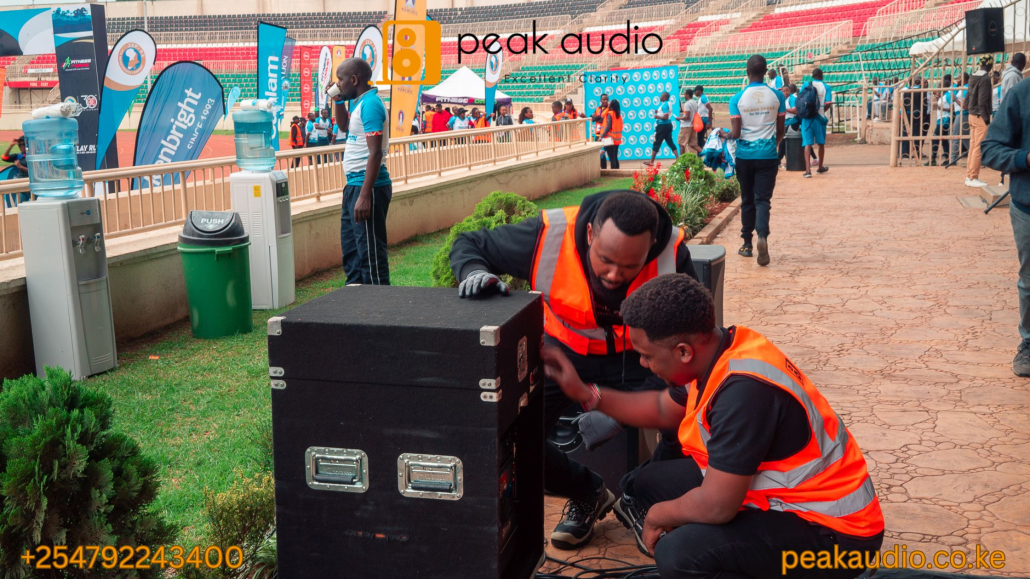
Best Event Tech Tools for Conferences in Kenya
Choosing a reliable conference technology and audiovisual production partner is essential for delivering successful corporate conferences, business summits, international conventions, NGO forums, government meetings, academic conferences, and institutional events in Kenya. Professional audiovisual production ensures that presentations are clearly heard and seen, speakers communicate effectively, remote participants remain connected, and conference programmes run smoothly. Peak Audio provides professional conference audiovisual solutions in Nairobi and across Kenya, including sound systems, microphones, LED screens, staging, lighting, livestreaming, hybrid conference technology, multi-camera video production, simultaneous interpretation systems, and on-site technical support. By combining suitable equipment with technical planning, installation, testing, live operation, and event coordination, Peak Audio helps conference organizers create professional, engaging, and well-managed experiences for physical and remote audiences.
7.1 Professional Conference Audiovisual Solutions
– Comprehensive Conference Audiovisual Services: Peak Audio provides integrated audiovisual solutions that support professional conference presentations, communication, audience engagement, and technical event delivery.
– Corporate Conference Production: Businesses organizing annual conferences, executive meetings, leadership summits, product launches, and stakeholder events can benefit from coordinated audiovisual systems.
– International Business Summits: Professional audiovisual production supports conferences involving international speakers, business leaders, investors, exhibitors, and delegates from different countries.
– NGO and Development Sector Conferences: Peak Audio supports audiovisual requirements for NGO forums, donor meetings, stakeholder consultations, development conferences, and institutional workshops.
– Government and Institutional Events: Formal meetings, public sector conferences, policy forums, and institutional events require clear audio, professional presentation displays, and reliable technical coordination.
– Academic and Professional Conferences: Universities, research institutions, professional associations, and training organizations can use audiovisual technology to support lectures, research presentations, workshops, and panel discussions.
– Integrated Technical Production: Coordinating sound, video, lighting, staging, and presentation equipment helps maintain consistent technical performance throughout conference activities.
– Conference Venue Assessment: Reviewing venue dimensions, audience arrangements, stage layouts, acoustics, and available infrastructure helps determine suitable audiovisual configurations.
– Customized Conference Technology Requirements: Audiovisual equipment and production arrangements can be planned according to conference size, programme complexity, venue conditions, and audience requirements.
– Professional Equipment Installation: Appropriate equipment setup, cable management, signal routing, and system configuration help create organized and reliable conference production environments.
– Conference Technical Rehearsals: Pre-event testing and rehearsals help identify potential technical challenges before speakers and delegates arrive.
– Coordinated Conference Production: Working with an audiovisual production partner helps organizers manage technical requirements while concentrating on conference programmes, speakers, delegates, and event objectives.
– Professional Conference Experiences: Integrated audiovisual production enhances presentation clarity, visual communication, event branding, and the overall experience for participants.
7.2 Professional Conference Sound Systems
– Professional Conference Sound Solutions: Peak Audio provides sound systems designed to support clear speech, presentations, panel discussions, workshops, and other professional conference activities.
– Keynote Presentation Sound: Suitable audio systems help ensure keynote speakers are heard clearly throughout conference venues.
– Panel Discussion Audio: Professional sound equipment supports balanced audio levels for moderators and multiple panelists participating in discussions.
– Breakout Session Sound Systems: Conferences with simultaneous workshops and smaller meeting rooms may require separate audio configurations for each session.
– Workshop and Training Audio: Appropriate sound reinforcement helps trainers and facilitators communicate effectively during interactive learning sessions.
– Delegate Question-and-Answer Sessions: Audience microphones enable participants to ask questions and contribute to conference discussions.
– Public Address Systems: Professional PA equipment distributes speech and other audio content throughout conference spaces.
– Digital Audio Mixing: Audio mixing consoles allow technicians to manage microphone levels, sound sources, and audio routing.
– Sound Coverage Planning: Speaker placement and equipment configuration should consider venue size, audience distribution, and acoustic conditions.
– Speech Clarity and Intelligibility: Appropriate microphone selection, equalization, and sound system configuration help improve spoken communication.
– Hybrid Conference Audio: Audio systems can be integrated with virtual meeting platforms to support communication between physical audiences and remote participants.
– Sound Checks and Monitoring: Technical testing and live audio monitoring help identify and address feedback, distortion, and inconsistent sound levels.
– Reliable Conference Communication: Professional sound production helps delegates follow presentations, participate in discussions, and remain engaged throughout conference sessions.
7.3 Conference Microphones and Audio Management
– Professional Conference Microphone Solutions: Peak Audio provides microphone solutions suitable for keynote speakers, moderators, panelists, trainers, presenters, and conference delegates.
– Wireless Handheld Microphones: Handheld microphones provide flexibility for speakers, moderators, and participants during presentations and audience discussions.
– Lapel Microphones: Lavalier microphones allow presenters to speak hands-free while moving naturally during presentations.
– Headset Microphones: Headset microphones help maintain consistent microphone positioning for speakers who move frequently or deliver interactive presentations.
– Podium Microphones: Podium and gooseneck microphones support formal speeches, executive presentations, government meetings, and institutional conferences.
– Conference Discussion Microphones: Dedicated conference microphone systems help manage structured discussions involving multiple participants.
– Panel Discussion Microphone Management: Audio technicians can coordinate microphones to maintain appropriate sound levels and minimize unwanted noise.
– Audience Participation Microphones: Suitable microphones can be positioned or distributed to support questions and contributions from delegates.
– Wireless Frequency Coordination: Appropriate wireless system configuration helps reduce interference and maintain reliable microphone performance.
– Audio Mixing and Signal Routing: Professional audio management ensures microphone signals reach venue speakers, recording systems, and livestreaming equipment as required.
– Microphone Placement and Technique: Proper microphone positioning improves speech clarity and reduces unnecessary handling noise.
– Feedback Prevention: Appropriate system configuration and microphone management help minimize feedback during conference presentations.
– Microphone Testing and Backup Planning: Testing microphones, batteries, receivers, and signal connections helps reduce interruptions during live sessions.
– Professional Audio Management: Coordinated microphone operation supports clear communication, smooth speaker transitions, and effective delegate participation.
7.4 LED Screens and Digital Presentation Solutions
– Professional Conference LED Screens: Peak Audio provides LED screen solutions for displaying presentations, videos, conference branding, sponsor content, and live camera feeds.
– Keynote Presentation Displays: Large digital screens help delegates view presentation slides, charts, graphics, and other visual information.
– Corporate Conference Branding: LED screens can display conference logos, organizational identities, event themes, and branded visual backgrounds.
– Sponsor Recognition: Digital displays provide opportunities to feature sponsor logos, partnership acknowledgements, and promotional content.
– Live Camera Feed Displays: Conference screens can display close-up camera views of speakers and panelists to improve visibility for large audiences.
– Video Playback and Multimedia Content: Professional display systems support corporate videos, promotional materials, event introductions, and other approved multimedia presentations.
– Conference Agenda Displays: LED screens can present session schedules, speaker information, programme changes, and important announcements.
– Multiple Screen Configurations: Depending on venue requirements, conference production may involve main stage screens, side displays, and additional information monitors.
– Presentation Confidence Monitors: Speaker-facing monitors help presenters view relevant slides, timing information, or presentation notes.
– Video Signal Management: Presentation switchers and video processors help coordinate multiple visual sources during conference sessions.
– Screen Visibility Planning: Suitable screen dimensions, brightness, pixel pitch, and positioning help improve viewing conditions.
– Integration With Video Production: LED screens can be connected with camera systems and presentation equipment to support live conference visuals.
– Professional Visual Communication: Appropriate digital presentation technology helps strengthen audience engagement, branding, and overall conference presentation quality.
7.5 Professional Conference Staging and Set Production
– Professional Conference Stage Production: Peak Audio supports conference staging and set production requirements that help create organized presentation environments.
– Keynote Presentation Stages: Suitable stage platforms provide designated spaces for keynote speakers, executives, moderators, and presenters.
– Conference Lecterns: Professional lecterns support formal speeches, keynote presentations, and institutional addresses.
– Panel Discussion Areas: Stage arrangements can accommodate moderators, panelists, microphones, seating, and presentation displays.
– Presentation Platforms: Appropriate platforms help improve speaker visibility and establish clear presentation areas.
– Corporate Conference Branding: Stage backdrops, LED screens, signage, and other visual elements can reinforce organizational identity and event themes.
– Stage Layout Planning: Conference staging should consider venue dimensions, audience sightlines, speaker movement, and presentation requirements.
– Audiovisual Equipment Integration: Staging arrangements should accommodate microphones, monitors, LED screens, lighting fixtures, and other production equipment.
– Speaker Movement and Accessibility: Stage design should provide suitable access and movement space for presenters and participants.
– Stage Lighting Coordination: Appropriate lighting positions help illuminate speakers and support video production.
– Conference Set Design: Professional stage arrangements contribute to the visual appearance and atmosphere of corporate and institutional events.
– Technical Installation and Safety: Stage structures and supporting equipment should be installed using appropriate load considerations, access arrangements, and safety procedures.
– Professional Conference Presentation: Well-planned staging helps improve speaker visibility, audience attention, and the overall organization of conference sessions.
7.6 Conference Lighting and Visual Production
– Professional Conference Lighting: Peak Audio provides lighting solutions that support stage visibility, speaker illumination, visual presentation, and conference production.
– Keynote Speaker Illumination: Suitable lighting helps ensure presenters remain clearly visible to physical audiences and video cameras.
– Panel Discussion Lighting: Balanced illumination supports consistent visibility across multiple panelists and moderators.
– LED Stage Lighting: Professional LED lighting fixtures offer flexible options for controlling brightness, colour, and stage appearance.
– Corporate Event Branding Through Lighting: Lighting colours and visual effects can complement conference branding and event themes.
– Decorative Conference Lighting: Appropriate decorative lighting can enhance stage backgrounds, presentation areas, and selected venue features.
– Livestreaming Lighting Requirements: Camera-friendly lighting helps improve video exposure, colour consistency, and overall livestream quality.
– Conference Video Recording: Professional illumination supports clear video documentation of presentations, panel discussions, and interviews.
– Digital Lighting Control: Lighting control systems allow technicians to coordinate lighting scenes and transitions throughout conference programmes.
– Lighting and LED Screen Coordination: Lighting arrangements should maintain speaker visibility without creating excessive glare or reducing display clarity.
– Venue Lighting Assessment: Technical planning should consider natural light, existing fixtures, stage dimensions, and audience requirements.
– Lighting Equipment Installation: Suitable mounting, cable routing, power distribution, and equipment positioning support safe production arrangements.
– Lighting Rehearsals: Pre-event testing helps confirm that lighting levels and transitions meet presentation and video production requirements.
– Professional Visual Experiences: Effective lighting strengthens conference presentation quality and contributes to a polished event environment.
7.7 Livestreaming and Hybrid Conference Technology
– Professional Conference Livestreaming: Peak Audio supports livestreaming production for conferences requiring remote audience access and online event delivery.
– Hybrid Conference Integration: Technical systems connect physical conference venues with remote speakers, online delegates, and international participants.
– Professional Camera Systems: Suitable cameras capture keynote presentations, panel discussions, and other conference activities for livestreaming.
– Video Switching and Production: Video switchers allow technical operators to coordinate camera feeds, presentation slides, videos, and other visual content.
– Streaming Platform Integration: Conference audiovisual systems can be configured to work with compatible platforms such as Zoom, Microsoft Teams, and Webex.
– Remote Speaker Participation: Hybrid production systems support presentations and discussions involving speakers joining from different locations.
– Audio Integration for Hybrid Events: Professional audio routing helps ensure that physical and virtual participants can hear conference discussions clearly.
– Presentation Sharing: Slides, videos, and other digital materials can be incorporated into livestream feeds for remote audiences.
– Audience Interaction: Supported configurations can facilitate questions and discussions involving both physical and online delegates.
– Livestream Monitoring: Technical operators monitor video quality, sound levels, connectivity, and streaming performance during conference sessions.
– Conference Recording: Livestreaming production can include recording arrangements for later documentation and content distribution.
– Internet Connectivity Planning: Stable upload bandwidth and suitable networking infrastructure are essential for reliable hybrid conference delivery.
– Backup Streaming Procedures: Appropriate contingency arrangements help reduce disruption during connectivity or equipment problems.
– International Audience Reach: Hybrid conference technology allows organizations to extend participation beyond the physical venue.
– Professional Hybrid Conference Experiences: Coordinated livestreaming and audiovisual production support clear communication between on-site and remote audiences.
7.8 Multi-Camera Conference Video Production
– Professional Multi-Camera Video Production: Peak Audio supports video production for conferences requiring coverage of keynote speeches, panel discussions, presentations, interviews, and other event activities.
– Keynote Speech Recording: Professional cameras capture keynote presentations for documentation, internal communication, and future content use.
– Panel Discussion Coverage: Multiple camera angles help capture moderators, panelists, and relevant discussion interactions.
– Presentation Recording: Video production systems can combine speaker footage with presentation slides and other digital content.
– Audience Reaction Coverage: Camera operators can capture audience questions, participation, and important conference moments.
– Live Video Switching: Video switchers allow production teams to select appropriate camera angles during livestreaming and recording.
– Speaker Close-Up Shots: Dedicated camera positions help capture facial expressions and presentation details.
– Wide Conference Coverage: Wide-angle cameras provide views of the stage, audience, and overall conference environment.
– Conference Interview Recording: Video production arrangements can support interviews with speakers, organizers, sponsors, and other authorized participants.
– Conference Highlight Videos: Recorded footage can be edited into event highlights for marketing, reporting, and future promotional activities.
– Professional Audio Capture: Direct audio feeds from conference sound systems help improve recording clarity.
– Video Graphics and Branding: Production graphics can display speaker names, job titles, event branding, and other relevant information.
– Conference Documentation: Professional recordings provide useful material for institutional archives, training, stakeholder reporting, and post-event communication.
– Video Production Coordination: Camera operators, sound technicians, and video directors work together to maintain consistent production quality.
– Long-Term Content Value: Conference video recordings can support ongoing communication, knowledge sharing, and promotional activities beyond the event itself.
7.9 Simultaneous Interpretation Systems
– Professional Simultaneous Interpretation Solutions: Peak Audio supports multilingual conference requirements through interpretation equipment and associated audio production systems.
– International Conference Interpretation: Interpretation technology helps participants follow presentations and discussions delivered in different languages.
– Interpreter Consoles: Professional consoles allow interpreters to listen to source audio and transmit interpreted speech through designated channels.
– Interpretation Booths: Suitable booths provide controlled working environments for interpreters during conference sessions.
– Delegate Interpretation Receivers: Participants can use compatible receivers and headphones to listen to the language channel they require.
– Multiple Language Channels: Interpretation systems can distribute audio in different languages according to conference requirements and available equipment.
– Multilingual Stakeholder Meetings: Interpretation technology supports communication among participants representing different linguistic backgrounds.
– Diplomatic and Government Events: International meetings and formal forums may require professional multilingual audio distribution.
– NGO and Development Conferences: Interpretation systems can support international development meetings, donor forums, and regional stakeholder discussions.
– Hybrid Interpretation Integration: Compatible systems can be integrated with virtual conference platforms where remote interpretation or multilingual online participation is required.
– Professional Audio Routing: Interpretation feeds must be coordinated with microphones, conference sound systems, and relevant distribution equipment.
– Interpretation Equipment Testing: Consoles, receivers, headphones, language channels, and audio connections should be tested before the conference.
– Interpreter Coordination: Organizers should plan interpretation requirements, language assignments, interpreter availability, and technical rehearsals.
– Improved Conference Accessibility: Multilingual audio solutions help more participants understand presentations and contribute effectively.
– Importance for East African Conferences: Simultaneous interpretation can support regional and international events involving participants from different countries and language backgrounds.
7.10 On-Site Conference Technical Management and Support
– Professional On-Site Technical Support: Peak Audio provides technical production support to help conference organizers coordinate audiovisual equipment and manage event operations.
– Pre-Event Technical Planning: Technical preparation involves reviewing conference programmes, venue requirements, speaker arrangements, and production needs.
– Conference Venue Inspection: Assessing the venue helps identify suitable equipment locations, power requirements, acoustic considerations, and installation arrangements.
– Audiovisual Equipment Installation: Technical personnel coordinate the setup of sound systems, microphones, LED screens, cameras, lighting, and other production equipment.
– System Configuration: Audio, video, presentation, lighting, and streaming systems require appropriate configuration before conference activities begin.
– Microphone and Sound Testing: Sound checks help confirm microphone clarity, speaker coverage, and appropriate audio levels.
– Presentation Display Testing: Technicians verify that LED screens, projectors, video processors, and presentation devices function correctly.
– Livestreaming System Testing: Streaming connections, cameras, audio feeds, video switchers, and online platforms should be tested before live transmission.
– Conference Technical Rehearsals: Rehearsals involving speakers, moderators, and production personnel help identify potential technical challenges.
– Live Sound Management: Audio technicians monitor microphones, sound levels, and audio routing during presentations and discussions.
– Live Video Production: Camera operators and video technicians coordinate camera feeds, presentation content, and recording systems.
– Lighting Operation: Lighting technicians manage speaker illumination and appropriate stage lighting throughout conference programmes.
– Technical Troubleshooting: On-site support personnel respond to equipment faults, signal interruptions, presentation problems, and other technical issues.
– Backup Equipment Coordination: Suitable spare equipment and contingency arrangements help reduce the impact of unexpected technical failures.
– Coordination With Event Organizers: Technical teams work with conference coordinators, venue personnel, speakers, and other service providers to maintain smooth operations.
– Equipment Dismantling and Removal: Following the conference, technical personnel coordinate safe equipment shutdown, dismantling, packing, and removal.
– Professional Event Delivery: Reliable on-site technical management allows organizers to concentrate on delegate experiences, programme delivery, and conference objectives.
Peak Audio provides professional conference technology and audiovisual production solutions for businesses, NGOs, government institutions, universities, professional associations, and international organizations hosting events in Nairobi, across Kenya, and throughout East Africa. By coordinating audiovisual equipment selection, venue preparation, installation, system configuration, technical rehearsals, live production, troubleshooting, and equipment breakdown, Peak Audio helps conference organizers deliver clear presentations, reliable communication, engaging visual experiences, and professionally managed events. Whether planning a corporate conference, business summit, international convention, NGO forum, institutional meeting, or hybrid conference, working with Peak Audio can help organizations create successful, technology-enabled conference experiences that meet their presentation, communication, accessibility, and production requirements.
8. Frequently Asked Questions About the Best Event Tech Tools for Conferences in Kenya
Choosing the best event technology tools for conferences in Kenya involves understanding the available event management software, registration platforms, audience engagement applications, professional audiovisual equipment, livestreaming solutions, and event analytics systems. The following frequently asked questions address common concerns among corporate event organizers, businesses, NGOs, government institutions, universities, professional associations, and international organizations planning physical, virtual, and hybrid conferences in Nairobi and across Kenya.
8.1 What Are the Best Event Tech Tools for Conferences?
- The best event tech tools for conferences include Cvent, Whova, Eventbrite, Bizzabo, vFairs, Swoogo, Slido, Mentimeter, Kahoot!, Swapcard, EventMobi, Zoom Events, Microsoft Teams, and Webex. These platforms support different aspects of conference planning, including registration, ticketing, attendee management, live polling, networking, virtual participation, and event analytics.
- For example, Cvent and Bizzabo provide comprehensive event management capabilities, while Whova and EventMobi support conference mobile applications and attendee engagement. Slido and Mentimeter are useful for live polling and audience Q&A, whereas Zoom and Microsoft Teams support virtual presentations and hybrid collaboration. The best choice depends on conference size, objectives, budget, required integrations, and participant needs.
8.2 What Technology Is Essential for Organizing a Successful Conference?
- Essential conference technology includes online registration systems, QR-code check-in tools, professional sound systems, microphones, LED screens or projectors, presentation equipment, reliable internet connectivity, and event communication platforms.
- Larger conferences may also require mobile event applications, digital agendas, audience polling systems, livestreaming equipment, multi-camera video production, simultaneous interpretation systems, and event analytics software. Hybrid conferences additionally require suitable cameras, video switchers, streaming encoders, audio interfaces, and backup connectivity.
- Professional audiovisual production is particularly important because clear sound, visible presentations, reliable video feeds, and effective technical coordination directly influence the conference experience.
8.3 Which Event Management Software Is Best for Corporate Conferences?
- Some of the leading event management software platforms for corporate conferences include Cvent, Bizzabo, Whova, Swoogo, and EventMobi.
- Cvent is suitable for organizations requiring comprehensive event management, registration, attendee tracking, and reporting. Bizzabo focuses on corporate event experiences, marketing, and engagement, while Whova supports networking, digital agendas, and attendee interaction. Swoogo provides customizable registration workflows, and EventMobi supports mobile event experiences and communication.
- For corporate conferences in Kenya, organizers should compare pricing, participant capacity, registration functionality, integration options, reporting capabilities, local payment compatibility, and technical support before selecting a platform.
8.4 What Are the Best Conference Registration and Ticketing Platforms?
- Popular conference registration and ticketing platforms include Cvent, Eventbrite, Swoogo, Bizzabo, Whova, and vFairs. These platforms offer different combinations of registration forms, ticketing, attendee management, confirmation emails, reporting, and check-in capabilities.
- Eventbrite is commonly used for online event registration and ticketing in supported markets, while Cvent and Swoogo offer more extensive registration and event management options. Whova and Bizzabo can support registration alongside broader attendee engagement and conference management.
- For paid conferences in Kenya, organizers must verify whether their preferred platform supports Kenyan shilling payments, M-Pesa integration, card processing, invoicing, and suitable settlement arrangements. International registration platforms do not necessarily provide native payment processing in Kenya.
8.5 Which Tools Are Best for Live Polling and Audience Engagement at Conferences?
- Slido, Mentimeter, and Kahoot! are among the most useful tools for interactive conference participation.
- Slido supports live polling, audience questions, Q&A moderation, and question upvoting. Mentimeter provides interactive presentations, word clouds, surveys, quizzes, and real-time response visualization. Kahoot! is particularly useful for knowledge competitions, training activities, team-building exercises, and gamified learning.
- These tools can help conference organizers encourage delegate participation, collect audience opinions, assess understanding, and make presentations more interactive. For conferences in Kenya, organizers should consider smartphone accessibility, internet reliability, participant capacity, and subscription costs.
8.6 What Are the Best Mobile Apps for Conference Networking and Attendee Management?
- Leading conference mobile applications include Whova, Swapcard, EventMobi, and compatible mobile event experiences offered by Cvent and Bizzabo.
- Whova provides attendee networking, digital agendas, messaging, announcements, and engagement features. Swapcard focuses on professional networking, business matchmaking, exhibitor engagement, and meeting scheduling. EventMobi supports digital conference programmes, speaker profiles, event communication, and participant engagement.
- These applications are particularly valuable for business summits, professional association conferences, trade exhibitions, and multi-day corporate events where networking and attendee communication are important. Organizers should also consider data privacy, ease of use, mobile compatibility, and the quality of available networking features.
8.7 How Much Does Conference Technology Cost in Kenya?
- The cost of conference technology in Kenya varies depending on the event size, venue, duration, software requirements, audiovisual equipment, technical staffing, and production complexity.
- Small seminars may require basic registration software, microphones, a projector, and a modest sound system. Medium-sized corporate conferences may need professional PA systems, LED screens, digital registration, audience engagement tools, and dedicated technical personnel. Large conventions and hybrid international conferences can require multi-camera production, advanced video switching, interpretation equipment, livestreaming infrastructure, and extensive technical support.
- Conference technology budgets should account for software subscriptions, licensing, equipment hire, installation, internet connectivity, transport, technical personnel, rehearsals, and contingency costs.
- For accurate conference technology pricing in Kenya, request an itemized quotation based on the event date, venue, expected number of delegates, required equipment, and production services.
8.8 What Technology Is Required for Hybrid and Virtual Conferences?
- Hybrid and virtual conferences require reliable video conferencing platforms, professional cameras, microphones, audio mixing equipment, video switching systems, streaming encoders, computers, and stable internet connectivity.
- Platforms such as Zoom Events, Zoom Webinars, Microsoft Teams, and Webex support online presentations, remote speakers, and virtual participation. Physical conference venues may additionally require LED screens, PA systems, stage lighting, confidence monitors, and suitable audiovisual signal distribution.
- For professional hybrid conferences, multi-camera production, clear audio routing, reliable livestream monitoring, and appropriate backup connectivity are particularly important. Organizers should also conduct technical rehearsals involving remote speakers, moderators, and audiovisual operators before the event begins.
8.9 Can Conference Registration Platforms Integrate With M-Pesa Payments in Kenya?
- Yes. Conference registration systems can support M-Pesa payments in Kenya when the selected platform provides compatible payment gateway integrations, suitable APIs, or appropriately configured custom payment workflows.
- Kenyan event organizers may use payment service providers that support M-Pesa collections, subject to the provider’s current capabilities and integration requirements. However, not every international event registration platform supports M-Pesa directly.
- Before selecting a platform, organizers should confirm M-Pesa compatibility, Kenyan shilling transactions, payment confirmation automation, transaction fees, settlement procedures, refunds, and financial reconciliation.
- For corporate conferences, it may also be useful to provide card payments, bank transfers, and invoice-based registration options.
8.10 How Can Event Organizers Use AI and Analytics to Improve Conference Performance?
- Event organizers can use artificial intelligence and analytics to improve conference planning, marketing, attendee engagement, networking, reporting, and post-event evaluation.
- AI tools can assist with drafting conference agendas, preparing event communications, summarizing presentations, generating planning checklists, and recommending relevant networking opportunities. AI transcription tools can also support meeting documentation, accessibility, and conference reporting.
- Analytics platforms such as Google Analytics 4, HubSpot, Salesforce, Power BI, and Looker Studio help organizers monitor website traffic, registrations, attendance, marketing conversions, lead generation, participant satisfaction, and financial outcomes.
- By combining accurate data with appropriate human oversight, conference organizers can identify operational weaknesses, improve future events, and evaluate return on investment. Personal data must be processed responsibly and in accordance with applicable data protection requirements.
8.11 Does Peak Audio Provide Audiovisual and Technical Production Services for Conferences in Kenya?
- Yes. Peak Audio provides professional conference audiovisual and technical production services in Nairobi and across Kenya, supporting corporate conferences, business summits, NGO forums, government meetings, international conventions, academic conferences, and institutional events.
- Its conference production solutions include professional sound systems, wireless microphones, podium microphones, conference discussion systems, LED screens, staging, lighting, livestreaming, hybrid conference technology, multi-camera video production, and simultaneous interpretation systems.
- Peak Audio also supports technical planning, equipment installation, system configuration, audiovisual testing, conference rehearsals, live technical operation, troubleshooting, and equipment breakdown.
- These services help conference organizers deliver clear presentations, reliable sound, professional visual experiences, effective remote participation, and coordinated event production.
8.12 How Can I Request a Quotation for Professional Conference Audiovisual Equipment and Technical Production in Kenya?
You can request a professional conference audiovisual quotation by contacting Peak Audio with details about your event and the technical services required.
To help the production team prepare an appropriate quotation, provide the following information:
-
Conference Type: Corporate conference, business summit, NGO forum, government meeting, academic conference, exhibition, or hybrid event.
-
Event Date and Duration: The proposed date, programme duration, and number of event days.
-
Conference Venue: The venue name and location in Nairobi or elsewhere in Kenya.
-
Expected Attendance: The approximate number of physical and virtual delegates.
-
Audiovisual Requirements: Sound systems, microphones, LED screens, projectors, staging, lighting, and presentation equipment.
-
Livestreaming Requirements: Whether the conference requires remote speakers, online participation, video recording, or multi-camera production.
-
Interpretation Requirements: The number of languages and expected delegates requiring interpretation equipment.
-
Additional Technical Needs: Internet connectivity arrangements, rehearsals, on-site technicians, and any special production requirements.
Peak Audio can use these details to assess the proposed conference setup and prepare a quotation reflecting the relevant equipment, technical personnel, installation requirements, and production scope.
Contact Peak Audio to discuss your conference audiovisual requirements and request a customized quotation for professional event production in Nairobi, across Kenya, and throughout East Africa.
Choosing the Best Event Tech Tools for Successful Conferences in Kenya
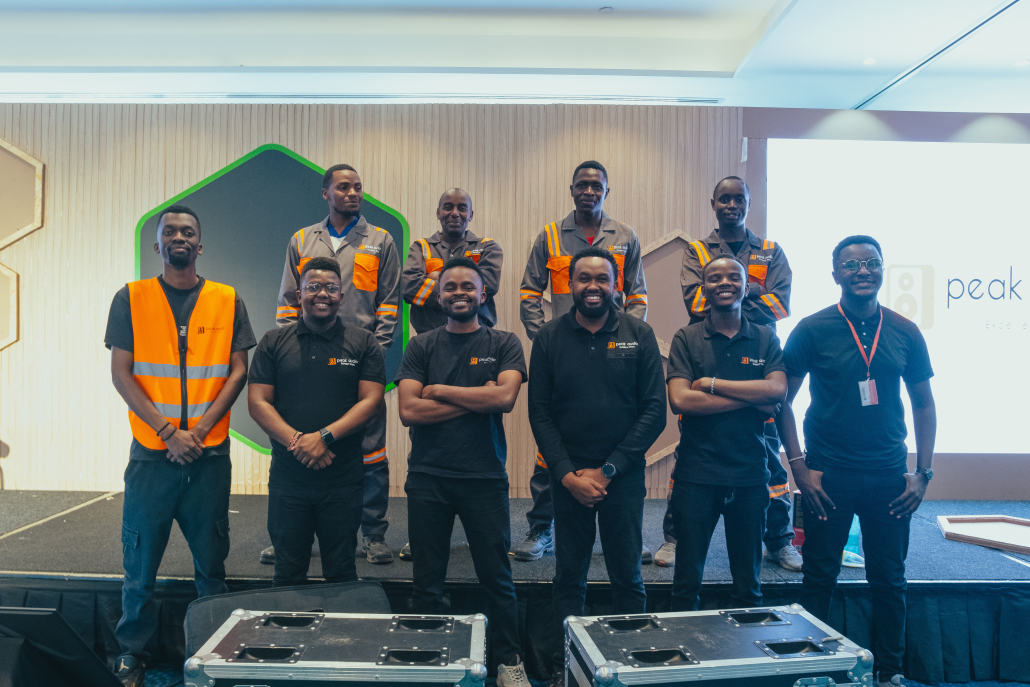
Best Event Tech Tools for Conferences in Kenya
Selecting the best event tech tools for conferences in Kenya is essential for organizing professional, engaging, efficient, and technology-driven conferences. Modern conference technology helps event organizers streamline event planning, delegate registration, attendee communication, audience engagement, professional networking, hybrid participation, operational coordination, and performance measurement. Popular event technology platforms, including Cvent, Whova, Eventbrite, Bizzabo, Slido, Mentimeter, Zoom Events, and Microsoft Teams, offer different capabilities for managing conference registrations, event programmes, attendee interactions, live polling, virtual participation, and post-event analytics. Whether organizing corporate conferences, business summits, NGO forums, government meetings, academic conferences, or international conventions, selecting suitable conference software requires careful consideration of organizational objectives, event size, audience requirements, available budgets, and technical complexity.
Equally important is combining digital event platforms with professional sound systems, reliable conference microphones, LED screens, staging, lighting, livestreaming equipment, multi-camera video production, simultaneous interpretation systems, dependable internet connectivity, and technical backup arrangements. Effective coordination between event management software, audiovisual equipment, and experienced technical teams helps ensure seamless presentations, reliable hybrid participation, interactive audience experiences, and accurate event performance tracking. By investing in appropriate technology and professional production services, organizations can improve operational efficiency, enhance delegate satisfaction, strengthen stakeholder engagement, and achieve measurable conference outcomes.
At Peak Audio, we provide professional conference sound systems, microphones, LED screens, staging, lighting, livestreaming, hybrid event solutions, multi-camera video production, simultaneous interpretation systems, and comprehensive technical support for conferences in Nairobi and across Kenya and East Africa. As a trusted audiovisual and event production partner, Peak Audio supports corporate organizations, conference organizers, NGOs, government institutions, professional associations, universities, and international agencies with customized technical production solutions tailored to their event objectives, venue requirements, delegate numbers, and budgets.
Leave a Reply
Want to join the discussion?Feel free to contribute!