High-End Corporate Event Solutions in Kenya: Elevate Your Brand with Peak Audio

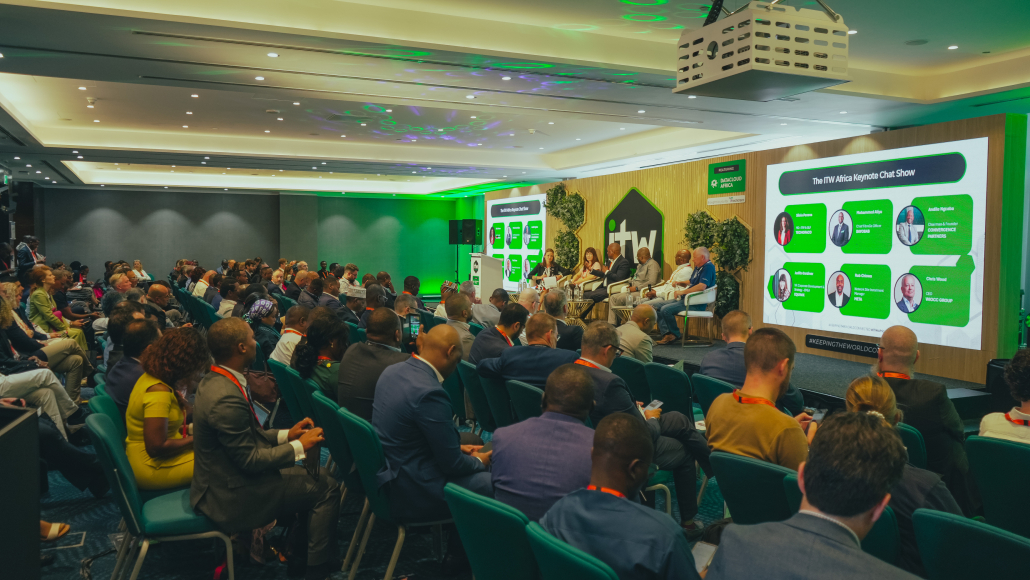
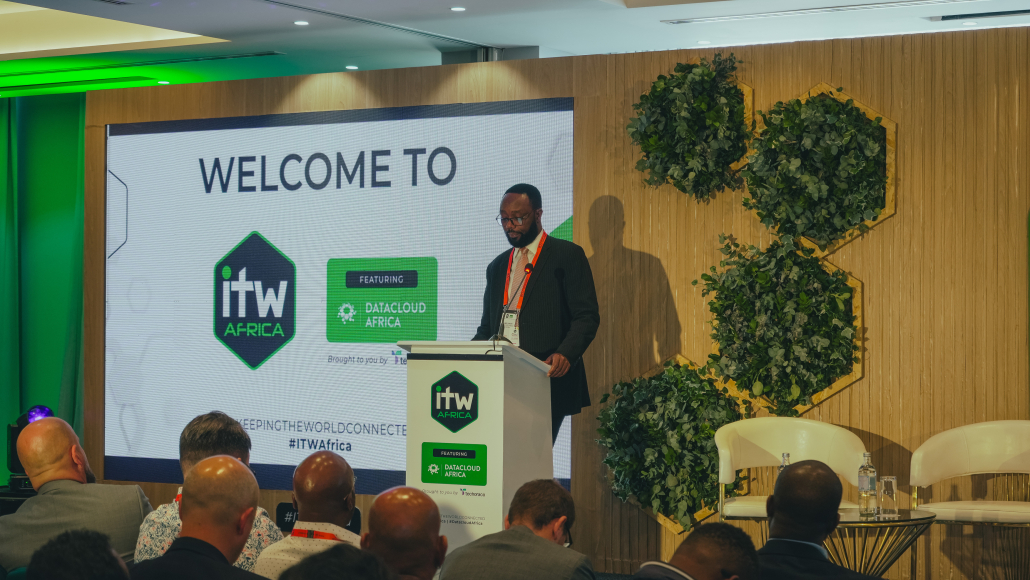
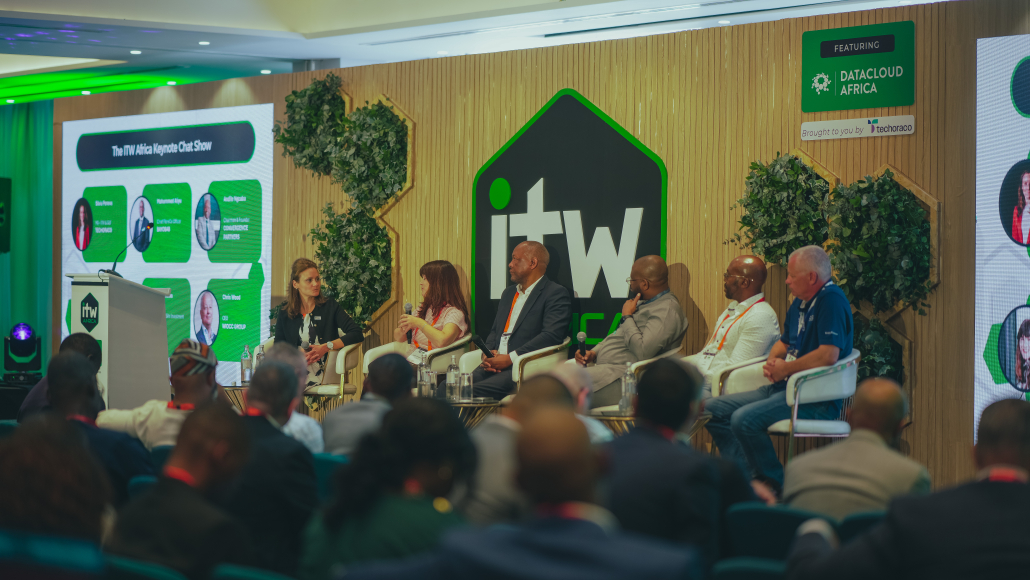
High-end corporate events in Kenya demand more than just organization—they require a seamless integration of sophistication, technology, and creative flair. From executive galas to international product launches, each event must communicate professionalism and leave a lasting impression. The right combination of sound, lighting, staging, and décor can transform a standard gathering into an unforgettable experience that reflects the prestige of your brand.

Navigating the corporate event landscape in Kenya means understanding both local expectations and global standards. Companies seeking to host world-class events must invest in solutions that deliver precision, reliability, and innovation. High-quality audiovisual setups, immersive lighting designs, and expert event management ensure that presentations, performances, and speeches resonate perfectly with audiences, reinforcing corporate messages with impact and clarity.

Peak Audio stands out as a premier partner for organizations aiming to deliver flawless events. With cutting-edge AV technology, professional expertise, and a meticulous approach to execution, Peak Audio ensures that every detail—from acoustics to stage design—is perfectly orchestrated. By partnering with Peak Audio, Kenyan businesses can elevate their corporate events, impress stakeholders, and create moments that are remembered long after the final curtain falls.

1. Understanding High-End Corporate Events

High-end corporate events are more than ordinary business gatherings—they are strategic experiences designed to elevate a brand’s reputation, impress key stakeholders, and create memorable moments that strengthen business relationships. These events focus on precision, luxury, and impeccable execution to communicate a company’s values, vision, and professionalism. Whether it’s an executive summit, product launch, investor gala, or VIP networking event, every detail is orchestrated to exude exclusivity and excellence.


1.1 What Defines a Premium Corporate Event Experience

Premium corporate events stand apart because of the superior level of planning, aesthetics, and guest experience they deliver.

  • Attention to Detail: Every aspect—from lighting, décor, and sound to seating, hospitality, and flow of activities—is carefully curated.

  • High Production Value: These events rely on advanced AV technology, premium décor materials, luxury venues, and professional-grade equipment.

  • Tailored Guest Experience: Invitations, registration, seating arrangements, gifts, and entertainment are customized for the guests’ status and expectations.

  • Immersive Environments: Premium events create atmospheres that immerse participants, whether it’s through LED walls, ambient lighting, crisp audio, or thematic staging.

Conclusion: A premium corporate event is defined not by size, but by the quality of experience—polished, elegant, intentional, and impressive at every touchpoint.


1.2 The Role of Exclusivity and Luxury in Brand Perception

Luxury elements in corporate events go beyond aesthetics—they shape how the brand is perceived.

  • Elevates Brand Image: High-end execution signals success, stability, and attention to excellence, which strengthens stakeholder confidence.

  • Creates Prestige: Exclusive venues, premium audiovisuals, gourmet catering, and VIP experiences communicate that guests are valued and important.

  • Differentiates the Brand: In competitive industries, luxury-driven events help brands stand out and be remembered for sophistication and professionalism.

  • Amplifies Messaging: High-quality environments ensure that branding, speeches, product reveals, and presentations are impactful and taken seriously.

Conclusion: Incorporating exclusivity and luxury enhances brand positioning, making the company appear polished, influential, and trustworthy.


1.3 How High-End Events Influence Client Trust and Loyalty

Corporate events are relationship-building tools, and premium execution significantly boosts their effectiveness.

  • Demonstrates Commitment: When a company invests in a high-end event, clients interpret it as commitment to excellence.

  • Builds Emotional Connection: Sophisticated branding, seamless organization, and a luxurious atmosphere create positive emotional experiences.

  • Strengthens Long-Term Loyalty: Clients and partners are more likely to stay connected with brands that consistently deliver professionalism and value.

  • Showcases Reliability: Smooth execution reflects operational competence—clients trust companies that demonstrate control and precision.

Conclusion: By delivering a superior experience, high-end events deepen trust, reinforce loyalty, and enhance long-term business relationships.


1.4 Why Professional Execution Is Critical to Maintaining Prestige

In luxury corporate events, execution is everything. Even minor errors can undermine the brand’s image.

  • Eliminates Technical Failures: Professional AV teams prevent sound issues, visual glitches, or lighting failures that could embarrass the brand.

  • Ensures Smooth Flow: Event managers coordinate staging, speakers, transitions, and timing to maintain elegance and order.

  • Guarantees Consistency: Professionals maintain quality standards across décor, hospitality, presentations, and guest services.

  • Protects Brand Reputation: Flawless execution reinforces the company’s prestige and ensures guests leave with admiration and confidence.

Conclusion: Professional execution safeguards the event’s integrity and ensures the brand’s prestige remains unquestioned from start to finish.

High-end corporate events stand out through luxury, precision, and a commitment to excellence. They elevate brand perception, create exclusivity, and strengthen trust among clients and partners. Professional execution ensures every detail contributes to a seamless, impressive experience that reflects the company’s prestige. Ultimately, premium corporate events are powerful tools for building influence, showcasing competence, and nurturing long-term business relationships.

2. Setting Clear Objectives for Premium Events

Premium events demand clarity, intention, and strategic planning. Whether you’re hosting a high-end corporate gala, an executive networking mixer, or a luxury product launch, defining your objectives from the start ensures every element—from décor to AV systems—supports the event’s purpose. Clear objectives provide direction, unify stakeholders, and help you deliver an impactful experience that resonates with attendees and aligns with your brand’s long-term goals.


2.1 Identifying Your Event’s Purpose — Celebration, Networking, or Product Showcase

Understanding why the event is happening is the foundation of successful planning.

  • Celebrations: If the event is marking a milestone—like an anniversary, merger, or achievement—the focus is on creating memorable experiences, emotional moments, and celebratory atmospheres that reflect prestige.

  • Networking Events: When the objective is to foster relationships, the layout, lighting, sound, and program flow must encourage conversations, comfortable interactions, and smooth transitions between activities.

  • Product Showcases: For launches or demonstrations, the goal is to highlight innovation and functionality. AV systems, lighting, and staging should draw attention to the product’s key features and create a sense of excitement.

  • Internal Events: Leadership retreats or strategic meetings prioritize clarity, collaboration, and engagement, which require seamless communication tools and structured content delivery.

Conclusion: Defining the core purpose ensures your event is tailored to create the right experience and deliver the intended message.


2.2 Aligning Event Goals with Corporate Branding and Communication

Premium events are powerful branding opportunities, and every decision should reinforce who you are as an organization.

  • Brand Identity: Colors, styling, soundscapes, and visual presentations must reflect your company’s personality—whether modern, elegant, youthful, or luxury-driven.

  • Messaging Consistency: Keynotes, videos, signage, and printed materials should communicate your core values and reinforce strategic themes.

  • Tone and Atmosphere: A brand that prides itself on innovation needs cutting-edge AV elements, while a brand rooted in tradition may opt for classic décor and warm lighting.

  • Audience Alignment: Consider who will attend—clients, partners, executives, or employees—and ensure the brand message resonates with them.

Conclusion: Aligning your goals with your brand ensures a cohesive, memorable experience that strengthens recognition and trust.


2.3 Tailoring Experiences to Reflect Company Vision and Values

Premium events are an extension of your company’s culture and long-term vision.

  • Meaningful Touchpoints: Personalized welcome messages, branded stage designs, or curated interactive experiences communicate what your company stands for.

  • Value-Driven Themes: Whether emphasizing sustainability, innovation, or excellence, event elements—from décor to content—must match these values.

  • Emotional Connection: Attendees are more likely to remember events that feel authentic and aligned with the company’s bigger purpose.

  • Employee & Client Alignment: A well-crafted experience ensures both internal and external stakeholders clearly understand your direction and ambitions.

Conclusion: Tailoring experiences with intention transforms your event from a simple gathering into a meaningful expression of your company’s identity.


2.4 How Strategic Planning Supports a Lasting Impact

Premium events must leave a strong, lasting impression—and strategy is the key.

  • Structured Roadmap: Clear objectives guide decisions on program flow, speaker selection, venue choice, and AV integration.

  • Resource Alignment: Budgets, teams, and vendors work more efficiently when everyone understands the desired outcome.

  • Measurable Success: Defined goals allow you to evaluate impact—attendance engagement, client interest, employee satisfaction, or brand visibility.

  • Long-Term Benefits: Strategic planning ensures the event contributes to broader business goals, whether strengthening relationships, enhancing reputation, or driving sales.

Conclusion: Strategic objective-setting ensures your premium event is not just well-organized but also influential, purposeful, and aligned with long-term success.

Setting clear objectives is the foundation of any premium event. By identifying the event’s purpose, aligning goals with brand identity, tailoring experiences to reflect company values, and relying on strategic planning, businesses can deliver high-impact events that strengthen relationships, elevate reputation, and leave lasting impressions. A well-defined vision turns premium events into powerful storytelling platforms that showcase the best of your organization.

3. Choosing Prestigious Venues in Kenya

The venue is the centerpiece of any premium event. In Kenya, selecting a high-end location is about more than just aesthetics—it influences the atmosphere, guest experience, and the overall impression of your brand or celebration. A prestigious venue signals sophistication, sets expectations, and provides the right environment for a memorable, seamless event.


3.1 Iconic High-End Venues — From Luxury Hotels to Exclusive Resorts

Kenya offers a wide range of prestigious venues that cater to different tastes and event types.

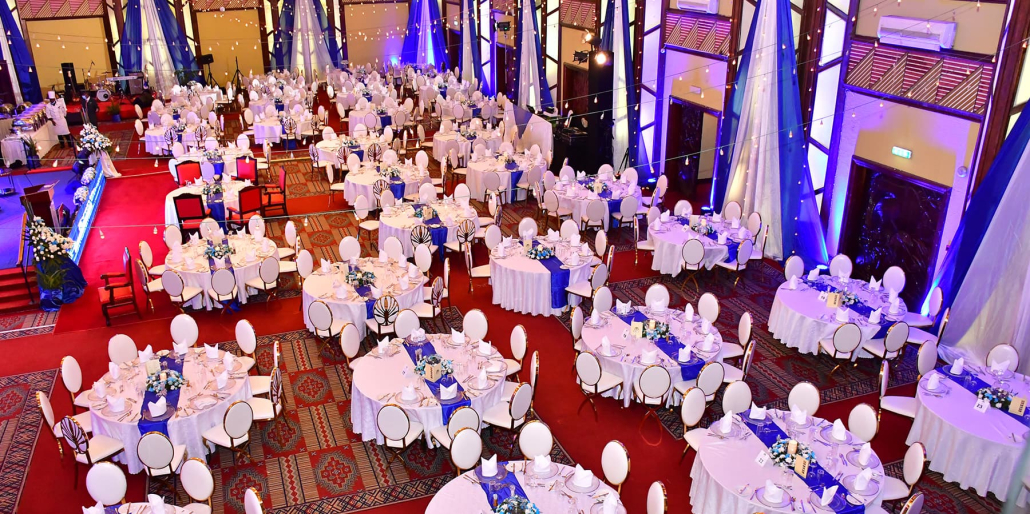
  • Luxury Hotels: Nairobi, Mombasa, and Kisumu have globally recognized hotels with state-of-the-art facilities, elegant ballrooms, and world-class service. These are ideal for corporate galas, product launches, and high-profile weddings.

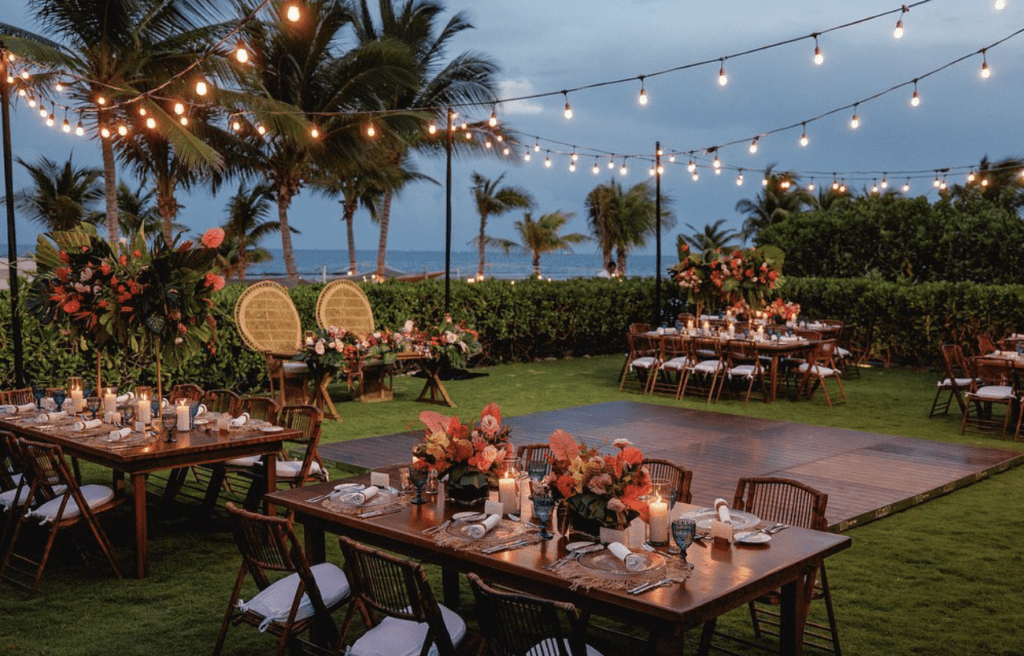
  • Exclusive Resorts: Coastal and lakeside resorts provide breathtaking natural backdrops for intimate weddings, VIP gatherings, or luxury retreats, combining elegance with privacy.

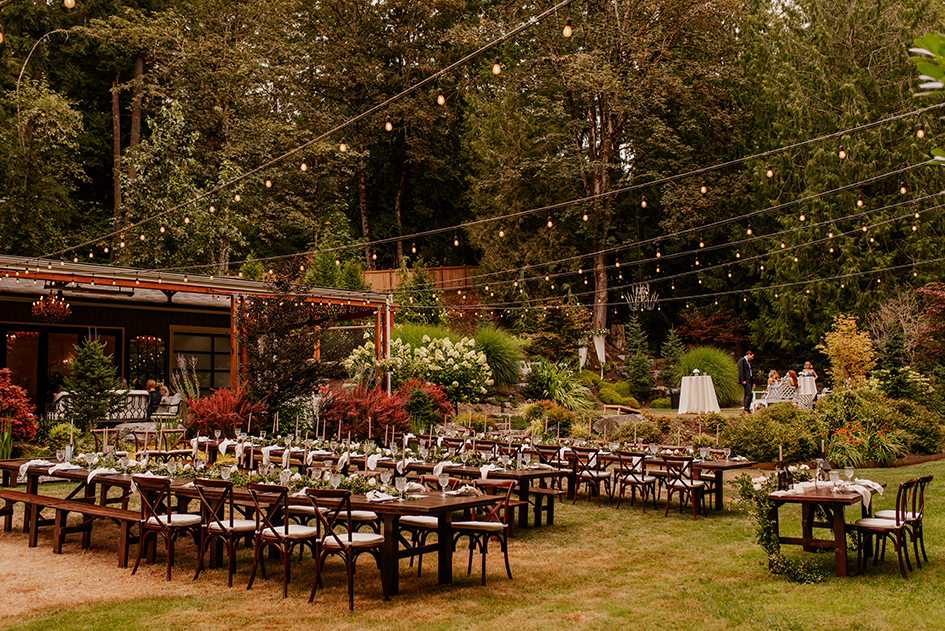
  • Private Estates and Gardens: For personalized experiences, private villas, ranches, and curated garden spaces allow bespoke setups tailored to your event vision.

  • Cultural & Heritage Venues: Museums, historic estates, and lodges add a unique charm and sense of prestige, perfect for themed events or brand storytelling.

Conclusion: Selecting an iconic venue instantly elevates the perceived value of your event and impresses attendees with elegance and sophistication.


3.2 Evaluating Venue Ambiance, Acoustics, and Technical Infrastructure

A luxurious venue must support both aesthetic and functional requirements.

  • Ambiance: Lighting, décor, and architectural style should align with your event’s theme, whether modern elegance or classic luxury.

  • Acoustics: Clear sound is critical for speeches, presentations, or performances. Evaluate how the space manages echoes, background noise, and audio distribution.

  • Technical Infrastructure: Ensure the venue supports AV requirements, Wi-Fi connectivity, stage setups, and power for lighting, sound, and interactive elements.

  • Flexibility: Check whether the venue can accommodate customized layouts, seating arrangements, and branding opportunities without compromising flow.

Conclusion: A venue with both aesthetic charm and technical readiness ensures the event runs smoothly while maintaining a premium experience.


3.3 Balancing Comfort, Accessibility, and Visual Appeal

Prestige is not just about grandeur—it’s also about the comfort and convenience of guests.

  • Comfort: Adequate seating, climate control, restrooms, and accessibility features ensure all attendees feel valued and relaxed.

  • Accessibility: Easy access for local and international guests, parking, and transportation options contribute to a seamless experience.

  • Visual Appeal: Natural lighting, scenic views, landscaping, and architecture enhance photography and create lasting impressions.

  • Space Optimization: Ensure the venue can comfortably host your guest list while allowing room for stages, dining, and interactive areas.

Conclusion: Balancing luxury with practical considerations ensures guests enjoy the event without compromise, reinforcing the sense of refinement and care.


3.4 Why the Right Venue Sets the Tone for a Luxury Experience

The venue is more than a backdrop—it communicates quality, professionalism, and exclusivity.

  • First Impressions: Guests often judge an event’s caliber the moment they enter, making venue selection a critical element of perception.

  • Experience Design: The space influences flow, mood, and engagement, supporting your event narrative from arrival to departure.

  • Brand Alignment: A venue that reflects your brand’s values—innovation, elegance, or exclusivity—reinforces identity and credibility.

  • Event Prestige: The right location signals importance to attendees, sponsors, and media, elevating the overall impact of the event.

 Choosing a prestigious venue establishes a foundation for a high-end experience, shaping guest perceptions and enhancing every aspect of your premium event.

Selecting the right venue in Kenya is a cornerstone of premium event planning. By focusing on iconic locations, evaluating ambiance and technical readiness, balancing comfort and accessibility, and understanding the venue’s role in setting the tone, organizers can create an unforgettable luxury experience. The venue not only provides a physical space but also conveys prestige, supports seamless execution, and ensures that every detail of the event aligns with the desired level of sophistication.

4. Designing Premium Event Experiences

A premium event is defined not just by its luxury venue or high-profile guests, but by the way every detail contributes to an immersive, memorable experience. Thoughtful design integrates visual, auditory, and sensory elements, ensuring attendees are engaged, entertained, and impressed throughout the event. In Kenya, creating such experiences requires careful planning, creativity, and technical expertise.


4.1 Creating Immersive Atmospheres Through Lighting and Stage Design

Lighting and stage design are central to setting the tone and mood for premium events.

  • Dynamic Lighting: Strategic use of colors, textures, and intensity can evoke emotions, highlight focal areas, and create dramatic entrances or transitions.

  • Stage Design: Customized stages complement the venue, brand, and event theme while offering functional space for speakers, performers, or presentations.

  • Mood Control: Adjustable lighting and stage configurations allow organizers to shift the atmosphere seamlessly between sessions—formal presentations, entertainment, or networking breaks.

  • Integration with AV Systems: Coordinated lighting, video, and audio systems enhance immersion, ensuring attendees remain captivated.

Conclusion: Thoughtful lighting and stage design transform ordinary spaces into unforgettable environments, elevating the perceived quality of the event.


4.2 Enhancing Audience Engagement with Live Visuals and Interactive Elements

Engagement is critical to premium experiences; visuals and interactive elements make events memorable.

  • Live Visuals: LED screens, projection mapping, and video walls keep audiences informed and visually stimulated, showcasing presentations, products, or real-time social media feeds.

  • Interactive Displays: Touchscreens, VR experiences, or gamified stations encourage active participation, making guests feel involved.

  • Audience Interaction: Polls, Q&A sessions, and live demos increase attentiveness and make experiences more personalized.

  • Brand Storytelling: Visuals and interactions reinforce the brand narrative, helping attendees connect with your message on a deeper level.

Conclusion: Incorporating live visuals and interactive elements transforms passive audiences into active participants, leaving a lasting impression.


4.3 Incorporating Creative Décor, Branding, and Sensory Experiences

Premium events rely on creativity to elevate the environment beyond aesthetics.

  • Thematic Décor: Aligning décor with the event theme creates cohesion—luxurious textures, color schemes, floral arrangements, and furnishings contribute to a refined look.

  • Brand Integration: Subtle yet effective branding on displays, signage, and lighting ensures the company’s identity is prominent without overpowering the experience.

  • Sensory Elements: Scents, textures, and soundscapes enhance the overall ambiance, making the event immersive for multiple senses.

  • Custom Touches: Personalized experiences, such as signature cocktails or interactive installations, make attendees feel valued and unique.

Conclusion: Creative décor and sensory details elevate the sophistication and memorability of an event, leaving guests with a multi-sensory impression.


4.4 The Importance of Seamless Flow and Elegant Transitions

A premium event feels effortless when each element flows naturally into the next.

  • Event Timeline: Thoughtful scheduling ensures sessions, performances, and networking moments are well-paced, minimizing downtime or confusion.

  • Transition Design: Smooth transitions between presentations, entertainment, and meals maintain engagement and prevent disruptions.

  • Spatial Planning: Strategic placement of stages, seating, and interactive zones ensures attendees move comfortably without congestion.

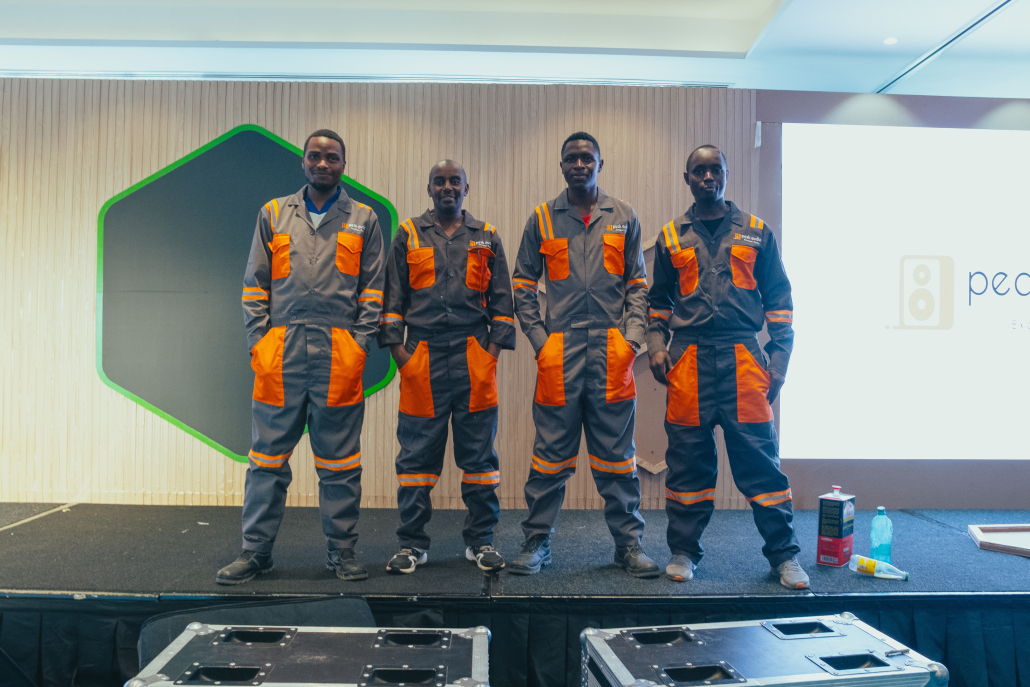
  • Staff Coordination: Professional support and event management teams handle logistics, timing, and technical aspects to preserve elegance throughout.

 Seamless flow and polished transitions create a sense of sophistication, ensuring attendees experience the event as a cohesive and professionally orchestrated affair.

Designing premium event experiences in Kenya requires more than luxury venues—it’s about curating atmospheres that captivate the senses, engage audiences, and communicate the brand effectively. Through expert lighting and stage design, live visuals and interactive elements, creative décor and branding, and seamless flow with elegant transitions, organizers can craft events that are not only memorable but also leave a lasting impression of sophistication and professionalism. Each element works together to deliver an immersive, high-end experience that resonates with every attendee.

4. Designing Premium Event Experiences

Designing a premium event is about creating an experience that captivates, engages, and leaves a lasting impression on attendees. Every element—from lighting and stage design to décor, branding, and flow—must work together to reflect sophistication, professionalism, and creativity. In Kenya, where event expectations are increasingly high, thoughtful design is key to achieving memorable outcomes.


4.1 Creating Immersive Atmospheres Through Lighting and Stage Design

Lighting and stage design are fundamental to shaping the ambiance and mood of a premium event.

  • Dynamic Lighting: Using intelligent lighting systems with color, intensity, and effects to match the event theme or highlight key moments.

  • Stage Architecture: Custom stages that enhance the visual appeal, accommodate speakers or performers, and integrate seamlessly with AV systems.

  • Mood Adaptation: Lighting can shift between formal presentations, entertainment segments, or social networking periods, keeping the environment engaging.

  • Technical Integration: Synchronizing stage elements with audiovisual cues ensures a smooth, immersive experience.

Conclusion: Thoughtful lighting and stage design turn ordinary venues into extraordinary spaces, enhancing the perceived value of the event.


4.2 Enhancing Audience Engagement with Live Visuals and Interactive Elements

Active participation and engagement are crucial in premium events.

  • Live Visuals: LED screens, projection mapping, and video walls enhance presentations and create immersive storytelling experiences.

  • Interactive Elements: Touchscreens, gamified stations, and real-time social media feeds encourage audience participation.

  • Enhanced Focus: Integrating visual cues and interactive components helps retain attention and makes messages more memorable.

  • Brand Storytelling: Live visuals and interactivity reinforce brand identity, making a strong impression on attendees.

Conclusion: Engaging audiences through visuals and interactivity transforms them from passive observers to active participants, elevating the overall experience.


4.3 Incorporating Creative Décor, Branding, and Sensory Experiences

Decor and branding go beyond aesthetics—they evoke emotions and reflect the event’s identity.

  • Thematic Décor: Use of colors, textures, floral arrangements, and furniture to align with the event theme.

  • Brand Integration: Logos, signage, and visual elements subtly reinforce brand presence without overwhelming the space.

  • Sensory Experiences: Incorporating soundscapes, scents, and textures enhances immersion and makes the event memorable.

  • Personalized Touches: Custom details, such as bespoke centerpieces or interactive installations, make guests feel valued.

Conclusion: Creative décor and sensory experiences amplify sophistication, making attendees feel engaged and connected to the event.


4.4 The Importance of Seamless Flow and Elegant Transitions

A premium event is defined by how effortlessly it runs from start to finish.

  • Structured Timeline: Carefully planned schedules prevent downtime and keep attendees engaged throughout the event.

  • Smooth Transitions: Shifts between presentations, performances, or social interactions should feel natural and polished.

  • Spatial Planning: Thoughtful placement of stages, seating, and interactive zones ensures comfort and accessibility.

  • Professional Coordination: Event managers and technical teams handle logistics, timing, and AV operations for flawless execution.

Seamless flow and elegant transitions create an air of sophistication, ensuring that every segment of the event feels cohesive and professionally orchestrated.

Designing premium event experiences is about harmonizing multiple elements—lighting, stage design, live visuals, interactivity, décor, branding, and flow—to create an immersive, memorable, and elegant event. When executed thoughtfully, these components ensure that attendees are engaged, impressed, and fully immersed in a high-end experience that reflects professionalism, creativity, and attention to detail. Premium event design in Kenya is not just about aesthetics; it’s about crafting a seamless, captivating journey that leaves a lasting impression on every guest.

5. The Role of AV Excellence in High-End Events

Audio-visual (AV) excellence is a cornerstone of premium events. It defines professionalism, enhances guest experience, and ensures that every moment—from keynote presentations to live performances—is delivered with precision and impact. In high-end events in Kenya, attention to AV detail reflects brand quality and leaves a lasting impression on attendees.


5.1 Why High-Quality Sound and Visuals Define Professionalism

Clear, high-quality audio and visuals are essential for maintaining audience engagement and reinforcing the prestige of the event.

  • Audio Clarity: Crisp sound ensures speeches, presentations, and performances are understood by every attendee, regardless of venue size.

  • Visual Excellence: High-resolution screens, LED walls, and projection systems create visually appealing displays that enhance storytelling.

  • Professional Perception: Flawless AV conveys attention to detail, credibility, and a high standard of event management.

  • Audience Comfort: Balanced sound levels prevent fatigue, while clear visuals minimize distractions, keeping attendees focused.

Conclusion: Premium AV systems set the tone for a sophisticated and professional event experience, elevating brand perception.


5.2 Integrating LED Walls, Advanced Lighting, and Precision Sound Systems

The integration of multiple AV components ensures a cohesive and immersive experience.

  • LED Walls & Displays: Used for presentations, branding, and live feeds, these create dynamic and visually compelling content.

  • Advanced Lighting Systems: Intelligent lighting enhances mood, highlights focal points, and complements both décor and performances.

  • Precision Sound Systems: High-fidelity speakers, mixers, and wireless microphones ensure uniform sound coverage across the venue.

  • Seamless Coordination: Proper integration of lighting, visuals, and sound provides a synchronized, impactful experience.

Conclusion: Combining advanced AV technology allows every aspect of the event to function harmoniously, impressing attendees and delivering a high-end experience.


5.3 Ensuring Perfect Synchronization Between Presentations and Performances

Synchronization is critical to maintaining flow and engagement in high-end events.

  • Timing Coordination: AV cues are carefully timed to match speeches, musical performances, and transitions.

  • Interactive Presentations: Live demonstrations or audience participation segments are supported with coordinated visuals and sound.

  • Live Performances: Music, lighting effects, and visual backdrops are synchronized to enhance entertainment segments.

  • Real-Time Adjustments: Expert technicians monitor and adjust AV in real time to prevent disruptions and maintain consistency.

Conclusion: Perfect synchronization ensures every moment is delivered flawlessly, keeping the audience engaged and the event experience seamless.


5.4 How Peak Audio Delivers Flawless AV Design and Execution

Professional AV companies like Peak Audio provide the expertise needed to execute high-end events without compromise.

  • Custom AV Solutions: Systems are tailored to venue size, event goals, and audience needs.

  • Expert Installation: Technicians handle setup, calibration, and testing to guarantee optimal performance.

  • Live Monitoring: On-site professionals oversee AV operations, preventing technical issues during the event.

  • Innovation & Creativity: Peak Audio leverages the latest AV technologies to deliver immersive experiences that elevate the event’s impact.

With Peak Audio, high-end events benefit from precision, reliability, and creativity in AV execution, ensuring every guest enjoys a flawless and memorable experience.

AV excellence is a defining feature of premium events. High-quality sound and visuals, advanced lighting, LED walls, and perfectly synchronized presentations create an immersive and professional environment. By partnering with experts like Peak Audio, event organizers in Kenya can ensure flawless AV design and execution, transforming high-end gatherings into unforgettable experiences that reflect prestige, sophistication, and attention to detail.

6. Managing Guest Experience and Hospitality

In premium events, guest experience and hospitality are central to success. Every interaction, from the moment an invitation is received to the final farewell, contributes to the event’s perceived quality and lasting impression. Thoughtful management ensures attendees feel valued, comfortable, and fully engaged throughout the event.


6.1 Personalized Invitations and Luxury Guest Management

The first touchpoint of a premium event begins with how guests are invited and managed.

  • Tailored Invitations: Elegant, customized invitations convey the event’s tone and reflect the host’s brand or style.

  • VIP Handling: Prioritized registration and check-in services make attendees feel important and respected.

  • Seating & Accessibility: Carefully planned seating arrangements accommodate preferences, networking goals, and accessibility needs.

  • Guest Communication: Providing clear, timely information before and during the event enhances comfort and reduces confusion.

Conclusion: Personalized invitations and meticulous guest management set the stage for a refined, memorable experience that makes attendees feel valued from the outset.


6.2 Curated Entertainment and Fine Dining Experiences

High-end events offer experiences that go beyond expectations, combining entertainment and culinary excellence.

  • Entertainment Selection: Live bands, DJs, cultural performances, or interactive acts are chosen to match the event’s theme and audience profile.

  • Fine Dining: Gourmet menus, paired beverages, and exceptional presentation elevate the dining experience.

  • Timing & Flow: Food and entertainment are coordinated to avoid downtime, keeping guests engaged and entertained.

  • Sensory Appeal: Thoughtful integration of music, visuals, and flavors enhances the overall ambiance and mood.

Conclusion: Curated entertainment and fine dining ensure guests are captivated, satisfied, and immersed in a luxurious and memorable event experience.


6.3 Professional MCs, Performers, and Brand Ambassadors

The right on-stage talent and representatives enhance communication, engagement, and brand perception.

  • Professional MCs: Skilled hosts guide the program, manage transitions, and maintain energy throughout the event.

  • Performers & Artists: Live acts, dancers, or keynote speakers provide entertainment while reinforcing the event’s theme.

  • Brand Ambassadors: Trained representatives engage guests, answer questions, and promote the brand seamlessly.

  • Audience Engagement: Interactive elements led by professionals keep guests involved, ensuring no moment feels dull.

Conclusion: Professional talent and brand ambassadors elevate the event, creating memorable interactions and reinforcing the host’s message and prestige.


6.4 How Attention to Detail Enhances Guest Satisfaction

Luxury events hinge on meticulous planning and careful execution of every detail.

  • Ambiance & Décor: Thoughtful placement of décor, lighting, and furniture enhances visual appeal and comfort.

  • Service Excellence: Attentive staff anticipate guest needs, provide seamless service, and resolve issues discreetly.

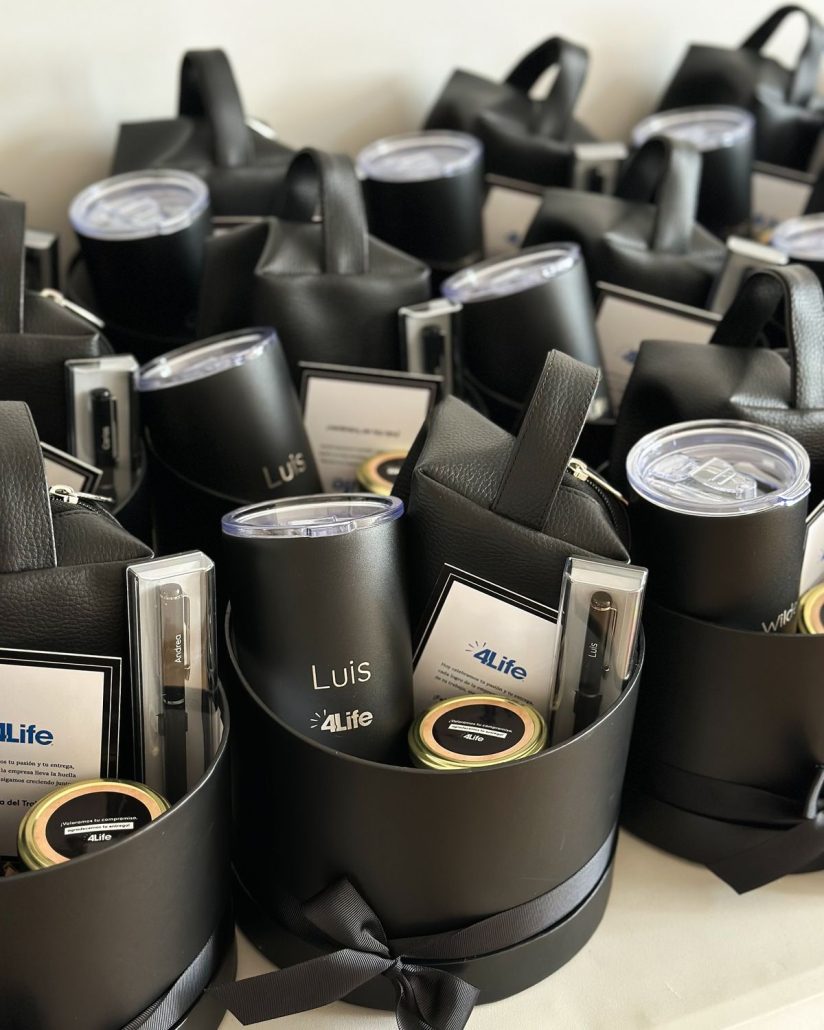
  • Personal Touches: Customized elements—such as welcome gifts, thematic signage, or tailored experiences—make guests feel special.

  • Continuous Oversight: Event coordinators monitor flow, guest interactions, and satisfaction to adjust in real time.

Attention to detail transforms an ordinary event into a premium experience, ensuring that every guest leaves with positive memories and a strong impression of professionalism.

Managing guest experience and hospitality is a critical component of high-end events. Personalized invitations, luxury guest management, curated entertainment, fine dining, and professional on-stage talent all work together to create a seamless and memorable experience. By prioritizing attention to detail, premium events in Kenya ensure guests feel valued, engaged, and impressed, elevating both satisfaction and the event’s overall prestige.

7. Incorporating Innovation and Technology

Innovation and cutting-edge technology are central to premium events, transforming ordinary experiences into extraordinary, immersive, and memorable occasions. From interactive displays to smart AV integration, modern tools allow hosts to impress audiences, facilitate engagement, and maintain a high level of sophistication.


7.1 Using Digital Displays, AR/VR, and Hybrid Elements to Impress Audiences

Technology enables event planners to create unique and captivating experiences that leave lasting impressions.

  • Digital Displays: High-resolution screens and LED walls provide visually striking presentations, product showcases, and brand messaging.

  • AR/VR Integration: Augmented and virtual reality elements allow guests to interact with products, environments, or simulations, adding a futuristic touch.

  • Hybrid Event Capabilities: Combining physical and virtual attendance through live-streamed sessions or interactive platforms expands reach and engagement.

  • Immersive Storytelling: These technologies enhance storytelling, allowing brands to communicate their vision in dynamic, memorable ways.

Conclusion: Digital displays, AR/VR, and hybrid integrations create a wow factor that captivates audiences and positions the event as innovative and forward-thinking.


7.2 Real-Time Streaming for Global Corporate Engagement

High-end events often target not just local attendees but international audiences, and technology makes this possible.

  • Live Streaming: Broadcast presentations, panels, and performances in real time to remote participants.

  • Global Reach: Employees, clients, and stakeholders worldwide can engage without physical attendance, extending the event’s impact.

  • Interactive Participation: Virtual Q&A, polls, and chat features allow online guests to participate actively, ensuring inclusion.

  • Data Analytics: Streaming platforms provide insights into audience behavior, engagement, and feedback for future event improvements.

Conclusion: Real-time streaming transforms premium events into globally accessible experiences, maximizing engagement and extending brand influence.


7.3 Intelligent Lighting and Mood-Based Sound Control

Smart lighting and audio systems enhance both atmosphere and functionality, providing dynamic, tailored experiences.

  • Adaptive Lighting: Intelligent fixtures adjust colors, brightness, and patterns according to mood, timing, or event segments.

  • Sound Zoning: Advanced audio systems allow separate areas to have different volumes or content, maintaining clarity and focus.

  • Synchronized Effects: Lighting and sound are coordinated with presentations, performances, or music for a cohesive sensory experience.

  • Energy Efficiency: Smart systems optimize energy use while maintaining a high-quality experience.

Conclusion: Intelligent lighting and mood-based sound control heighten ambiance, create immersive environments, and allow for precise customization of the event experience.


7.4 How Technology Redefines Exclusivity and Engagement

Incorporating technology into premium events elevates the sense of exclusivity and audience engagement.

  • Personalized Experiences: Guests can interact with technology for customized tours, branded experiences, or interactive sessions.

  • Cutting-Edge Impression: Use of modern AV tools signals innovation, sophistication, and professionalism.

  • Interactive Networking: Tech-enabled engagement platforms facilitate connections among guests, enhancing collaboration and relationship-building.

  • Memorability: Technological innovations create unique, shareable moments that attendees remember long after the event ends.

Strategic use of innovation and technology positions premium events as exclusive, immersive, and highly engaging, leaving a lasting impression on attendees.

Incorporating innovation and technology in premium events redefines the audience experience. Through digital displays, AR/VR, hybrid event solutions, real-time streaming, intelligent lighting, and mood-based sound control, hosts can deliver immersive, interactive, and memorable events. These advancements not only enhance engagement but also communicate a message of sophistication and exclusivity, ensuring every guest experiences a cutting-edge, professional, and unforgettable event.

8. FAQs on High-End Corporate Event Solutions in Kenya

High-end corporate events in Kenya require careful planning, advanced technology, and precise execution. Peak Audio has extensive experience in delivering luxury corporate experiences that impress both local and international audiences. Below are frequently asked questions to help businesses understand the scope, standards, and offerings of premium corporate events.


8.1 What Makes an Event “High-End”?

A high-end corporate event is defined by superior quality, meticulous attention to detail, and exclusive experiences.

  • Quality Execution: Every element, from invitations to AV production, is handled professionally.

  • Premium Technology: High-definition sound, visuals, intelligent lighting, and interactive displays elevate the experience.

  • Exclusive Venues: Prestigious locations provide luxury, comfort, and privacy.

  • Exceptional Detailing: Personalized décor, brand integration, and tailored programs ensure every guest feels valued.

Conclusion: A high-end event combines elegance, sophistication, and flawless execution to create memorable impressions.


8.2 What Types of High-End Events Does Peak Audio Manage?

Peak Audio specializes in a wide range of luxury corporate events, ensuring professionalism and memorable experiences.

  • Executive Galas: Elegant gatherings for top management, partners, or stakeholders.

  • International Conferences: Full-scale events with global participation, requiring advanced AV solutions.

  • Luxury Brand Launches: High-impact product reveals designed to showcase brand prestige.

  • Investor Meetings: Professional setups that reflect corporate credibility and attention to detail.

Conclusion: Peak Audio caters to diverse corporate requirements, ensuring all high-end events meet expectations of sophistication and effectiveness.


8.3 Can Peak Audio Provide End-to-End Event Solutions?

Yes. Peak Audio handles every stage of high-end event management.

  • Concept Design: Developing creative event themes, layouts, and flow.

  • Technical Setup: Installing sound, lighting, video, and interactive technology.

  • Event Production: Coordinating live activities, performances, and presentations.

  • On-Site Management: Ensuring smooth execution, troubleshooting, and staff support throughout the event.

Conclusion: Businesses can rely on Peak Audio for complete event management, eliminating the stress of coordinating multiple vendors.


8.4 What’s the Typical Budget for a Luxury Corporate Event in Kenya?

Budgets for high-end corporate events vary depending on scale, customization, and technology requirements.

  • Small to Medium Events: Typically range from Ksh 500,000 to Ksh 1.5 million.

  • Large or International-Level Events: Can exceed Ksh 5 million.

  • Customization Costs: Advanced AV setups, bespoke décor, luxury catering, and entertainment add to the budget.

Conclusion: Budgeting depends on desired sophistication, guest count, and the level of customization.


8.5 Which Venues Are Ideal for High-End Corporate Functions?

Selecting the right venue is critical for a luxurious experience.

  • Villa Rosa Kempinski: Iconic Nairobi hotel with elegant ballrooms.

  • Windsor Golf Hotel: Exclusive setting with premium amenities.

  • Hemingways Nairobi: Luxury venue with panoramic views and refined ambiance.

  • Enashipai Resort: Ideal for retreats and intimate corporate gatherings in a scenic setting.

Conclusion: Premium venues set the tone, complement AV systems, and reinforce a high-end event experience.


8.6 Can Peak Audio Handle International-Level Event Standards?

Absolutely. Peak Audio’s solutions are designed to meet global expectations.

  • AV Excellence: High-definition visuals, precision sound, and intelligent lighting.

  • Event Management Expertise: Coordination, planning, and execution align with international protocols.

  • Quality Assurance: Rigorous testing and on-site supervision ensure flawless delivery.

Conclusion: Companies can trust Peak Audio to deliver events that reflect global corporate standards.


8.7 Do High-End Events Include Hybrid or Live-Streaming Options?

Yes. Modern corporate events often require multi-channel participation.

  • Hybrid Solutions: Simultaneously engage in-person and virtual audiences.

  • Live Streaming: High-quality broadcasts for remote participants.

  • Interactive Platforms: Virtual attendees can participate via polls, Q&A, or chat.

Conclusion: Peak Audio integrates digital technology to extend reach, engagement, and inclusivity.


8.8 How Far in Advance Should I Plan a High-End Corporate Event?

Early planning is essential for securing venues, technology, and talent.

  • Recommended Lead Time: 3 to 6 months prior to the event date.

  • Benefits: Ensures access to premium venues, quality vendors, and customized AV solutions.

  • Flexibility: Early planning allows for contingency arrangements and refinement of event flow.

Conclusion: Adequate preparation time is crucial to deliver a seamless and luxurious experience.


8.9 Can Décor and Branding Be Customized to My Company’s Theme?

Yes. High-end events prioritize brand identity and personalized touches.

  • Lighting & AV Coordination: Color schemes, logos, and thematic visuals reinforce brand messaging.

  • Décor Customization: Elegant tablescapes, backdrops, and installations tailored to corporate themes.

  • Event Flow: Activities, presentations, and entertainment aligned with company values.

Conclusion: Every aspect of the event can reflect the company’s identity, ensuring a cohesive, premium experience.


8.10 Why Choose Peak Audio for High-End Corporate Events?

Peak Audio combines creativity, technical expertise, and advanced AV technology to deliver exceptional events.

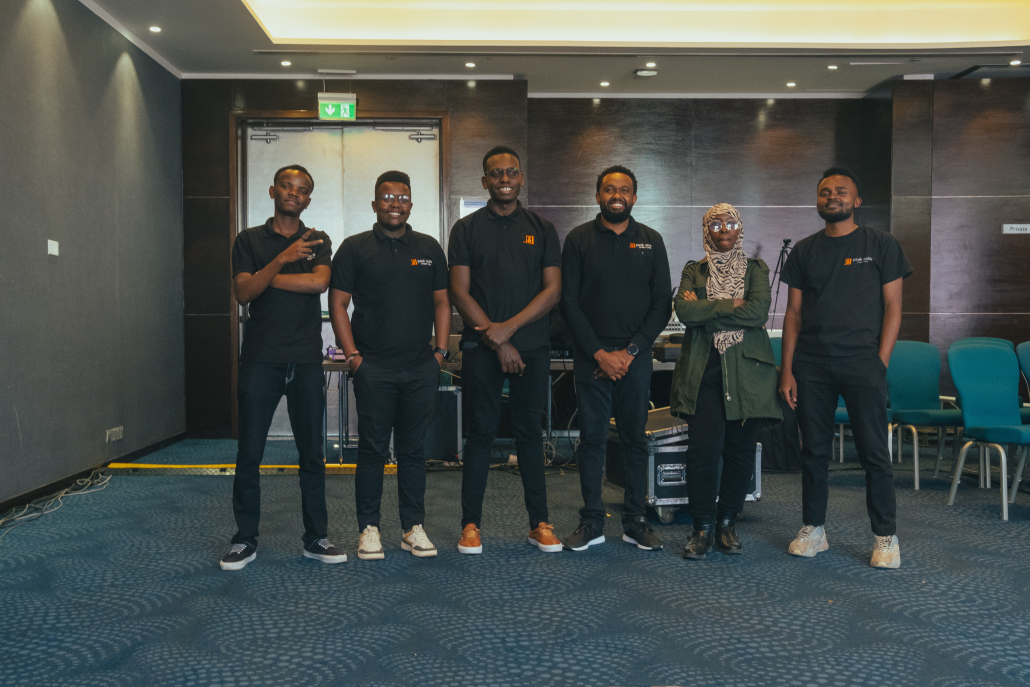
  • Professional Team: Experienced planners, technicians, and support staff.

  • Cutting-Edge Technology: LED walls, intelligent lighting, immersive sound systems, and interactive displays.

  • Attention to Detail: Seamless integration of décor, branding, and entertainment.

  • Reliable Execution: On-site supervision ensures smooth delivery from start to finish.

Peak Audio provides end-to-end solutions that impress, inspire, and guarantee a high-end corporate experience.

High-end corporate events in Kenya demand excellence in planning, technology, and execution. Peak Audio meets these standards by offering tailored AV solutions, premium venues, meticulous event coordination, and innovative hybrid options. From immersive lighting and precise sound to interactive displays and live streaming, every detail is managed to reflect sophistication, professionalism, and brand identity. With careful budgeting, strategic planning, and expert execution, businesses can create unforgettable corporate events that leave lasting impressions on clients, stakeholders, and employees.

Elevate Your Corporate Events with Peak Audio

High-end corporate events demand more than just planning—they require flawless execution, sophisticated aesthetics, and cutting-edge technology. Every element, from lighting and sound to stage design and AV integration, plays a critical role in delivering an immersive and memorable experience. At Peak Audio, we specialize in transforming corporate visions into reality, ensuring that each event reflects professionalism, elegance, and innovation. Whether it’s a gala dinner, product launch, or executive summit, we design events that captivate audiences and leave lasting impressions.

Our team of experts handles every aspect of event production, combining technical expertise with creative vision. From concept development to on-site execution, we meticulously coordinate audio-visual systems, stage layouts, and branding elements to guarantee seamless flow and maximum engagement. With Peak Audio, clients benefit from high-quality sound, immersive lighting, and interactive visual solutions, all tailored to the specific needs of the event. Every detail is curated to enhance audience experience, elevate brand presence, and ensure that your message resonates with impact.

Ultimately, partnering with Peak Audio means choosing excellence in corporate event production. We bring precision, reliability, and innovation to every project, turning ordinary events into extraordinary experiences. By combining technology, creativity, and attention to detail, we ensure your brand shines with sophistication and influence, transforming each corporate gathering into a true masterpiece of professionalism and style.

Planning AV for Trade Shows in Kenya: Elevate Your Booth with Peak Audio

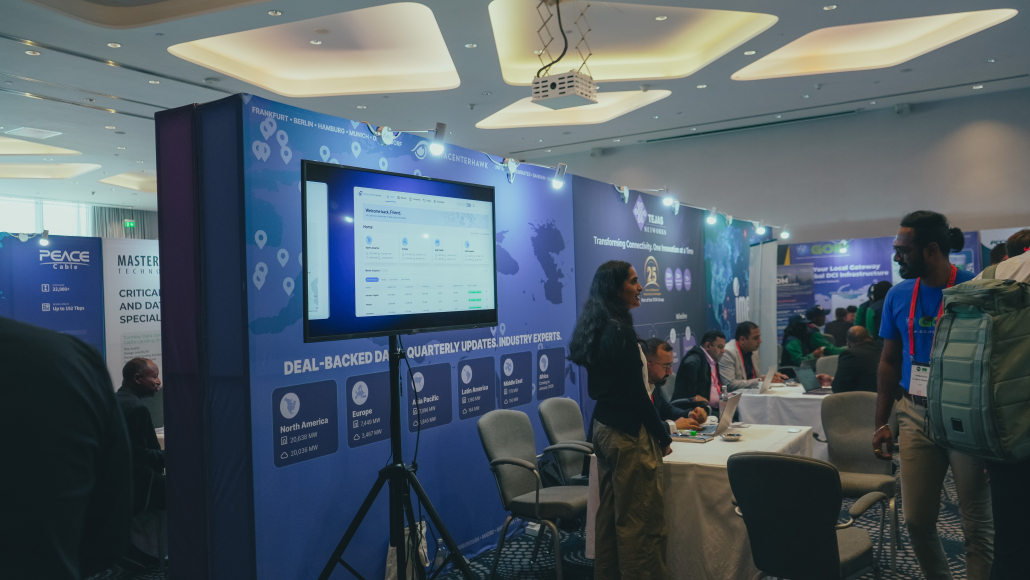
Trade shows in Kenya are vibrant hubs of business networking, product launches, and brand promotion. But to truly stand out, your booth or presentation needs more than just visuals — it needs a powerful audio-visual (AV) setup that captivates your audience. This article explores the essential elements of planning AV for trade shows, from choosing the right equipment and screen placement to ensuring crystal-clear sound and seamless integration. With the right AV strategy, your trade show presence can leave a lasting impression, increase engagement, and effectively communicate your brand’s message.

Peak Audio, a leading AV solutions provider in Kenya, specializes in delivering tailored audio-visual setups for trade shows of any size. From high-definition screens and projectors to immersive sound systems, their expertise ensures that every presentation, demo, or showcase runs smoothly. This guide will highlight the key considerations for AV planning, including technical requirements, space optimization, and attendee interaction, demonstrating how Peak Audio’s solutions make your trade show experience flawless.

By following these strategies, you can transform a standard booth into an unforgettable experience that draws crowds and boosts brand recognition. Whether you’re aiming for dynamic product demos, live presentations, or interactive displays, understanding AV planning is crucial. Read on to discover how Peak Audio’s professional services help businesses in Kenya maximize impact at trade shows, combining innovative technology, expert installation, and seamless execution to elevate every event.

1. Understanding the Importance of AV in Trade Shows

Audio-visual (AV) technology is a critical component of modern trade shows, transforming booths and presentations from static displays into engaging, immersive experiences. AV not only captures attention but also enhances communication, reinforces branding, and ensures that attendees retain key information.


1.1 How AV Enhances Attendee Engagement and Information Retention

Interactive and high-quality AV makes trade show experiences more engaging and memorable.

  • Attention-Grabbing Displays: LED screens, projectors, and dynamic lighting capture visitor interest instantly.

  • Interactive Presentations: Touch screens, demos, and synchronized sound-visual elements encourage hands-on participation.

  • Information Retention: Clear visuals and well-mixed audio help attendees remember product details and brand messaging.

  • Emotional Connection: Music, sound effects, and lighting evoke emotions, making presentations more impactful.

Conclusion: AV elevates engagement and ensures attendees not only notice your booth but also remember the information presented.


1.2 The Role of Sound, Visuals, and Lighting in Reinforcing Brand Identity

A cohesive AV setup strengthens your brand presence and communicates professionalism.

  • Sound: High-quality audio ensures clear messaging, announcements, and presentations without strain or distraction.

  • Visuals: Logos, product videos, and dynamic presentations visually reinforce the brand’s identity.

  • Lighting: Accent lighting highlights key products and creates an inviting, branded ambiance.

  • Consistency: Coordinated AV elements maintain a consistent brand theme across all exhibitor touchpoints.

Conclusion: Integrated AV supports brand recognition and communicates professionalism effectively to attendees.


1.3 Why Professional AV Setup Ensures Your Message is Delivered Clearly

Poor AV can compromise presentations and leave visitors disengaged.

  • Technical Expertise: Professionals calibrate audio levels, adjust lighting, and ensure video clarity tailored to booth space.

  • Equipment Selection: Choosing the right AV hardware for your booth size, visitor volume, and presentation style ensures optimal performance.

  • Problem Prevention: Experienced technicians anticipate and prevent issues such as feedback, glare, or low visibility.

  • Professional Appearance: A well-executed AV setup communicates credibility and attention to detail.

Conclusion: Professional AV setups guarantee that your message reaches attendees clearly, consistently, and effectively.


1.4 How AV Contributes to Creating a Memorable and Interactive Trade Show Presence

AV makes your booth not just seen but experienced, leaving a lasting impression.

  • Immersive Experiences: Video walls, ambient sound, and lighting effects create a sensory environment that captivates visitors.

  • Interactive Demos: AV enables interactive product demos, virtual simulations, or gamified experiences that draw crowds.

  • Engagement Metrics: By attracting and retaining attention, AV increases the likelihood of meaningful conversations and lead generation.

  • Differentiation: Booths with advanced AV stand out in crowded trade show floors, making your brand more memorable.

AV transforms ordinary trade show spaces into dynamic, interactive environments that engage visitors and reinforce your brand identity.

Audio-visual technology is a cornerstone of successful trade shows. By combining sound, visuals, and lighting, AV enhances attendee engagement, reinforces brand identity, and ensures clear communication. Professional AV setups elevate presentations, enable interactive experiences, and make your booth memorable in a competitive environment. Investing in high-quality AV solutions is essential for businesses looking to maximize impact, attract visitors, and leave a lasting impression at trade shows.

2. Assessing Your Trade Show AV Needs

Before investing in audio-visual (AV) equipment for a trade show, it’s essential to evaluate your booth and presentation requirements. Proper assessment ensures that your setup is tailored to your space, audience, and engagement goals, maximizing impact while avoiding unnecessary costs.


2.1 Determine the Size and Layout of Your Booth or Presentation Area

Understanding your physical space is the foundation of AV planning.

  • Booth Dimensions: Measure the width, depth, and height of your booth to determine what AV equipment can fit comfortably without crowding.

  • Traffic Flow: Identify entry and exit points to ensure screens and speakers are positioned where attendees can easily view and hear.

  • Viewing Angles: Ensure displays and monitors are visible from multiple angles so visitors don’t miss key presentations.

  • Flexibility: Consider movable or modular equipment for dynamic setups that can adapt to different booth sizes or layouts.

Conclusion: Properly assessing booth space ensures that all AV components are visible, audible, and enhance visitor experience.


2.2 Identify Key Presentations, Product Demos, and Live Interactions

Different activities require specific AV solutions.

  • Product Demonstrations: Interactive demos may need close-up cameras, LED screens, or projection mapping for clear visibility.

  • Live Presentations: Presenters require microphones, PA systems, and lighting to maintain audience attention and clarity.

  • Interactive Experiences: Touch screens, VR setups, or motion sensors may enhance engagement but require careful AV planning.

  • Timing and Flow: Schedule AV cues to align with live events, ensuring smooth transitions between presentations and demos.

Conclusion: Mapping out your activities allows you to choose AV tools that enhance both presentations and interactive experiences.


2.3 Estimate Audience Size to Choose Appropriate Sound and Display Equipment

The number of attendees impacts both audio and visual requirements.

  • Sound Levels: Larger audiences require more powerful speakers, additional amplification, and possible distributed sound zones.

  • Visual Visibility: Bigger crowds may necessitate larger screens, projectors, or LED walls so every attendee can see clearly.

  • Crowd Movement: Ensure that AV placements do not obstruct pathways while still delivering optimal coverage.

  • Multiple Zones: For high-traffic trade shows, consider creating audio zones to prevent interference between adjacent booths.

Conclusion: Estimating your audience size ensures that every attendee can see, hear, and engage without compromising comfort or clarity.


2.4 Assess the Need for Microphones, Screens, LED Walls, and Interactive Displays

Selecting the right AV tools is critical for effective communication and engagement.

  • Microphones: Handheld, lapel, or headset mics may be required depending on presenter mobility and booth size.

  • Screens & Projectors: High-resolution screens and projectors showcase products and presentations with clarity.

  • LED Walls: Large LED walls provide immersive visuals, ideal for high-impact demonstrations or branding.

  • Interactive Displays: Touchscreens, AR/VR setups, or digital kiosks encourage visitor participation and hands-on engagement.

Carefully assessing AV requirements ensures that the right combination of equipment meets both presentation goals and audience needs.

Assessing your trade show AV needs is a critical step in planning a successful booth. By evaluating your booth size, mapping out key activities, estimating audience numbers, and selecting the appropriate AV equipment, you can ensure that your presentations are clear, engaging, and impactful. Proper assessment prevents technical issues, optimizes visitor experience, and maximizes the return on your trade show investment.

3. Choosing the Right AV Equipment

Selecting the right audio-visual (AV) equipment is crucial for creating an engaging and professional trade show presence. The goal is to ensure that sound is clear, visuals are sharp, and interactive elements captivate visitors while remaining practical for the booth space and audience size.


3.1 Selecting Speakers Suitable for Indoor or Crowded Trade Show Halls

Sound quality is a major factor in attendee engagement, and speakers must be tailored to your venue.

  • Speaker Type: Full-range speakers or line arrays provide even sound distribution across large or crowded spaces.

  • Volume & Clarity: Ensure speakers can reach the farthest corners of the booth without distortion, maintaining clear audio for announcements and presentations.

  • Directional Sound: Use directional or zoned speakers to prevent overlapping with neighboring booths, minimizing audio interference.

  • Portability & Setup: Lightweight, easy-to-mount speakers save setup time and allow flexibility in layout adjustments.

Conclusion: Choosing the right speakers ensures your message is audible and engaging without disturbing nearby exhibitors.


3.2 High-Resolution Screens and Projectors for Clear Visuals

Visual clarity enhances presentations and reinforces branding.

  • Screen Size: Match the screen size to your booth dimensions and anticipated crowd size to ensure visibility.

  • Resolution: Opt for high-definition displays to showcase product details, videos, and presentations clearly.

  • Projectors: For larger spaces or dynamic content, projectors can display immersive visuals on walls or screens.

  • Brightness & Contrast: Consider ambient lighting at the trade show to select screens/projectors with appropriate brightness and contrast for optimal viewing.

Conclusion: High-quality visual equipment ensures that every attendee sees your content clearly, enhancing engagement and brand impact.


3.3 Wireless Microphones and Headsets for Presenters’ Mobility

Mobility and clear communication are critical for presentations and live demos.

  • Handheld Microphones: Ideal for Q&A sessions or interactive presentations where speakers move among attendees.

  • Lapel or Lavalier Mics: Discreet options for presenters who need hands-free communication while demonstrating products.

  • Headset Mics: Best for energetic presenters or those managing live demonstrations who require maximum mobility.

  • Interference-Free Systems: Ensure wireless microphones operate on frequencies that avoid interference with other booths.

Conclusion: Wireless audio solutions allow presenters to move freely while maintaining clear and professional sound.


3.4 Interactive Touchscreens or Demo Stations to Engage Visitors

Hands-on experiences make your booth memorable and interactive.

  • Touchscreens: Allow visitors to explore product features, pricing, or digital catalogs independently.

  • Demo Stations: Physical or virtual demos integrated with audio-visual elements engage attendees directly.

  • Gamification: Interactive games or quizzes on screens can attract crowds and increase dwell time.

  • Analytics: Interactive displays often provide visitor insights, helping you track engagement and interests.

 Interactive AV elements enhance engagement, provide memorable experiences, and encourage visitors to spend more time at your booth.

Choosing the right AV equipment is essential for a successful trade show presence. By selecting appropriate speakers, high-resolution screens, wireless microphones, and interactive displays, exhibitors can ensure clear communication, captivating visuals, and engaging experiences for attendees. Thoughtful AV selection enhances brand perception, supports live presentations, and creates an immersive environment that stands out on the trade show floor.

4. AV Placement and Calibration

Proper placement and calibration of audio-visual (AV) equipment are critical for delivering a professional and immersive trade show experience. Even the best equipment will underperform if positioned or calibrated incorrectly. Ensuring optimal placement and fine-tuning sound and visuals maximizes attendee engagement and prevents technical issues during the event.


4.1 Optimizing Speaker Placement for Uniform Coverage and Minimal Interference

Sound distribution is key to making sure every attendee hears presentations clearly.

  • Strategic Positioning: Place speakers to cover the entire booth or presentation area evenly, avoiding “dead zones” where sound is weak.

  • Height and Angles: Mount speakers at optimal height and angle to project sound above the crowd, reducing obstruction from attendees or furniture.

  • Directional Audio: Use directional speakers to contain sound within your booth, minimizing interference with neighboring exhibitors.

  • Zoned Sound: In larger booths or halls, consider multiple speaker zones with independent volume control to maintain clarity throughout.

Conclusion: Correct speaker placement ensures consistent audio coverage while maintaining professionalism and minimizing sound bleed to other areas.


4.2 Arranging Screens and Monitors for Maximum Visibility

Visual placement is just as important as sound for attendee engagement.

  • Eye-Level Positioning: Screens should be mounted at eye level for easy viewing without neck strain, especially for standing audiences.

  • Angles & Orientation: Tilt monitors or screens slightly to maximize visibility from multiple directions within the booth.

  • Avoid Obstructions: Keep displays clear of pillars, furniture, or props that could block views.

  • Multiple Screens: For large crowds, deploy additional screens or projectors to ensure everyone sees presentations without crowding.

Conclusion: Thoughtful screen placement enhances visual engagement and ensures that attendees can clearly view content from any point within your booth.


4.3 Calibrating Sound and Visuals to Suit Room Acoustics and Lighting

Calibration tailors AV performance to the specific venue environment, avoiding common technical pitfalls.

  • Sound Calibration: Adjust speaker levels, equalization, and delay settings to suit room size, wall surfaces, and crowd density.

  • Visual Calibration: Adjust brightness, contrast, and color settings on screens and projectors to accommodate ambient lighting conditions.

  • Interactive Syncing: Ensure audio and visuals are synchronized for presentations, demos, or live events to avoid lag or misalignment.

  • Testing Multiple Scenarios: Check performance with different crowd sizes or lighting conditions to anticipate real-time changes.

Conclusion: Calibrating AV systems ensures optimal audio and visual quality, tailored to your booth’s environment and audience.


4.4 Conducting Pre-Event Tests to Ensure Flawless Performance

Testing is the final step to prevent technical issues during the trade show.

  • Dry Runs: Conduct complete run-throughs of presentations, demos, and interactive elements.

  • Equipment Checks: Test all microphones, speakers, screens, and interactive displays to confirm functionality.

  • Troubleshooting: Identify and resolve potential issues like feedback, signal interference, or display misalignment.

  • Team Familiarization: Allow presenters and staff to practice using AV equipment confidently.

Pre-event testing ensures that the entire AV setup operates smoothly, giving exhibitors confidence and preventing disruptions during live interactions.

AV placement and calibration are critical for trade show success. Proper speaker positioning, screen arrangement, and precise calibration optimize sound and visuals, creating a professional, immersive experience. Conducting thorough pre-event tests ensures that all equipment functions flawlessly, reducing technical risks and maximizing attendee engagement. By meticulously planning and fine-tuning AV setups, exhibitors can deliver impactful presentations that enhance brand perception and create a memorable presence at any trade show.

5. Integrating Multimedia and Interactive Elements

Modern trade shows rely on more than just static displays. Incorporating multimedia and interactive AV elements transforms your booth into an engaging experience that captures attention, communicates your message clearly, and leaves a lasting impression on attendees.


5.1 Synchronizing Audio with Video Content and Presentations

Audio-visual synchronization ensures presentations are professional and impactful.

  • Precision Timing: Align spoken content, background music, and sound effects with video cues for a seamless experience.

  • Consistent Messaging: Clear, synchronized audio reinforces the narrative of product demos, marketing videos, or corporate presentations.

  • Avoid Distractions: Unsynchronized AV can confuse or disengage attendees, diminishing your brand impact.

  • Live Demonstrations: For live presentations, microphones, speakers, and screens are coordinated to ensure every word and visual aligns perfectly.

Conclusion: Proper synchronization creates a cohesive, professional, and engaging audiovisual experience that enhances audience comprehension and attention.


5.2 Using LED Walls, Digital Signage, and Lighting Effects to Attract Attention

Dynamic visual displays draw attendees to your booth and communicate key information effectively.

  • LED Walls: Provide high-resolution, bright visuals that can display videos, animations, or product highlights even in large, well-lit exhibition halls.

  • Digital Signage: Rotating content or interactive screens highlight promotions, key messages, and event schedules.

  • Lighting Effects: Strategically placed lights accentuate displays, create mood, and focus attention on featured products or presentations.

  • Visual Hierarchy: Using multiple elements together ensures that critical information stands out while maintaining visual harmony.

Conclusion: Integrating LED walls, signage, and lighting makes your booth visually compelling, attracting visitors and enhancing overall engagement.


5.3 Incorporating Interactive Demos or Live Product Showcases

Hands-on experiences engage attendees and make your brand memorable.

  • Touchscreens & Kiosks: Allow visitors to explore products, features, and services interactively.

  • Virtual or Augmented Reality: Immersive experiences that showcase products in 3D or simulated environments increase retention.

  • Live Demonstrations: Presenting products in action demonstrates value, builds trust, and encourages questions.

  • Gamification & Contests: Interactive games or challenges tied to your products boost visitor participation and excitement.

Conclusion: Interactive elements turn passive spectators into engaged participants, creating memorable experiences that reinforce brand messages.


5.4 How AV Technology Enhances Engagement and Information Retention

A well-integrated AV setup doesn’t just impress—it educates and informs.

  • Multi-Sensory Experience: Combining sound, visuals, and interactive touchpoints stimulates multiple senses, improving comprehension.

  • Attention Management: Dynamic content captures and holds attention in busy trade show environments.

  • Message Reinforcement: Visual and auditory cues reinforce key points, ensuring visitors remember your offerings long after the event.

  • Analytics & Feedback: Interactive setups can provide real-time data on visitor engagement, helping optimize future exhibits.

 Multimedia and interactive AV elements significantly enhance engagement and knowledge retention, making your trade show presence more effective and memorable.

Integrating multimedia and interactive elements in trade show AV setups transforms ordinary booths into dynamic, engaging experiences. Synchronizing audio with video, using LED walls and lighting effects, and incorporating hands-on demos ensures attendees are drawn in, actively engaged, and retain key information. By leveraging modern AV technology thoughtfully, exhibitors can elevate brand perception, facilitate deeper connections, and maximize the impact of every visitor interaction.

6. Managing AV for Multiple Presentations

Trade shows often involve several presentations happening simultaneously. Managing audio-visual systems across multiple sessions is essential to prevent disruptions, maintain professional quality, and ensure each exhibitor communicates effectively with their audience. Effective AV management enhances attendee experience and supports smooth event flow.


6.1 Coordinating Timing and Sound Levels for Simultaneous Sessions

Proper coordination ensures that overlapping presentations do not interfere with one another.

  • Session Scheduling: Establish clear start and end times for each presentation, allowing technical teams to prepare and adjust equipment between sessions.

  • Volume Management: Calibrate speakers to deliver optimal sound within each presentation space without overpowering adjacent sessions.

  • Cue Coordination: Use central control systems to synchronize microphones, projectors, and display cues across multiple areas.

  • Transition Smoothness: Automated or manual adjustments help maintain consistent quality when moving from one session to the next.

Conclusion: Coordinated timing and sound management prevent disruptions, ensuring each session runs smoothly and maintains audience focus.


6.2 Preventing Audio Interference Between Neighboring Booths

Multiple booths in close proximity can cause sound bleed, reducing clarity and professionalism.

  • Directional Speakers: Focus sound within each booth to minimize overlap with neighboring areas.

  • Frequency Management: Use wireless microphones on different channels to avoid cross-talk and interference.

  • Physical Barriers: Booth layout and acoustical treatments can further isolate sound.

  • Continuous Monitoring: AV technicians actively monitor sound levels to identify and correct issues in real time.

Conclusion: Preventing interference ensures every presentation is clearly heard, maintaining a professional and engaging environment for attendees.


6.3 Ensuring Presenters Have Access to Proper Monitors and Cue Systems

Presenters need reliable feedback tools to deliver effective demonstrations.

  • Stage Monitors: Provide real-time audio for presenters, helping them stay on cue without turning toward the main audience.

  • Teleprompters & Cue Displays: Digital screens or cue lights help presenters follow scripts, schedules, or slide transitions seamlessly.

  • Hands-Free Microphones: Wireless lapel or headset mics allow mobility while maintaining consistent audio capture.

  • Technical Support: On-site AV staff ensure all monitors and cue systems are functional and correctly configured.

Conclusion: Access to proper monitoring and cue systems empowers presenters to deliver confident, professional, and engaging presentations.


6.4 How Peak Audio Provides Full Technical Management for Multi-Session Trade Shows

Managing AV across multiple presentations requires expertise, equipment, and coordination.

  • Centralized AV Oversight: Peak Audio manages all sound, visuals, and interactive elements from setup to teardown.

  • Real-Time Troubleshooting: Technicians respond immediately to any technical issues, minimizing downtime.

  • Customized Solutions: AV systems are tailored to the size of the expo, number of sessions, and exhibitor requirements.

  • Seamless Integration: Audio, video, and lighting work together cohesively, ensuring consistent quality across all booths and stages.

Professional AV management by Peak Audio ensures every session in a multi-presentation trade show runs flawlessly, delivering a seamless, high-quality experience for both exhibitors and attendees.

Managing AV for multiple presentations is critical to the success of any trade show. Coordinating timing, controlling sound levels, preventing interference, and providing presenters with reliable monitors and cue systems ensures smooth and professional sessions. With Peak Audio’s full technical management, multi-session trade shows in Kenya can run seamlessly, offering clear communication, engaging presentations, and a polished experience that reflects positively on every exhibitor and the event as a whole.

7. Partnering with Professionals for Seamless Execution

Trade shows are complex events with multiple presentations, demonstrations, and interactive elements happening simultaneously. Partnering with professional AV providers ensures every aspect of sound, visuals, and lighting runs smoothly, delivering a polished and engaging experience for attendees and exhibitors alike.


7.1 Why Professional AV Support Guarantees Reliability and Quality

Professional AV teams bring technical expertise, experience, and industry-grade equipment to ensure flawless execution.

  • Expert Knowledge: AV professionals understand the acoustic dynamics of large venues and the technical requirements for high-quality sound and visuals.

  • Equipment Quality: Professionals use reliable, high-end audio, visual, and lighting equipment that minimizes malfunctions and maximizes performance.

  • Consistency: Trained technicians maintain uniform audio levels, clear visuals, and synchronized lighting across all presentations.

  • Event Success: Professional oversight ensures that attendees experience clear communication, immersive presentations, and engaging interactions.

Conclusion: Professional AV support provides peace of mind, guaranteeing reliability, high quality, and a smooth trade show experience.


7.2 On-Site Troubleshooting to Resolve Technical Issues Quickly

Even with meticulous planning, technical issues can arise during live events.

  • Real-Time Monitoring: AV teams monitor audio, video, and lighting systems continuously to detect potential problems early.

  • Immediate Response: On-site technicians can quickly resolve issues such as microphone feedback, display malfunctions, or connectivity interruptions.

  • Preventive Measures: Professionals implement backup systems and redundancies to minimize the risk of downtime.

  • Stress-Free Execution: Organizers and exhibitors can focus on presentations and interactions, knowing that technical support is readily available.

Conclusion: On-site troubleshooting ensures minimal disruption, maintaining a professional and seamless event flow.


7.3 Coordinating with Lighting, Stage, and Other AV Elements for Smooth Operation

AV does not work in isolation; integration with lighting, stage design, and other event elements is crucial.

  • Synchronized Systems: Audio, video, and lighting cues are coordinated to match presentations, performances, or product demonstrations.

  • Stage Management: Professionals ensure that speaker placement, monitors, and lighting complement the presenter’s movements and audience visibility.

  • Efficient Setup: Proper coordination prevents interference between booths, overlapping sounds, and misaligned visual elements.

  • Cohesive Experience: Integrated AV and stage management create a polished, immersive, and professional trade show environment.

Conclusion: Coordinating AV with other event components guarantees a smooth, unified experience that impresses attendees and exhibitors alike.


7.4 How Peak Audio Delivers Turnkey AV Solutions for Trade Shows Across Kenya

Peak Audio provides comprehensive AV services tailored to the unique needs of trade shows.

  • End-to-End Services: From pre-event planning and equipment setup to live management and post-event support, Peak Audio handles every technical aspect.

  • Customized Solutions: AV systems are designed to suit venue size, audience expectations, and the number of simultaneous presentations.

  • Experienced Technicians: Skilled professionals ensure reliable performance, troubleshoot issues instantly, and maintain optimal quality throughout the event.

  • Nationwide Reach: Peak Audio supports trade shows across Kenya, ensuring consistency and professionalism regardless of location.

Peak Audio’s turnkey AV solutions eliminate the stress of technical management, enabling exhibitors and organizers to focus on engaging their audience and delivering a memorable trade show.

Partnering with professional AV providers is essential for seamless trade show execution. Expert support guarantees reliable, high-quality audio, visuals, and lighting, while on-site troubleshooting minimizes disruptions. Coordinating AV with lighting, stage, and other event elements ensures a cohesive and immersive experience. With Peak Audio’s turnkey AV solutions, trade shows across Kenya achieve smooth, professional, and impactful presentations, leaving lasting impressions on attendees and exhibitors alike.

8. FAQs on Trade Show AV in Kenya

Trade show organizers often have many questions about how AV systems can impact their events, from planning and costs to technical requirements. Below, we address the most common queries with practical advice and professional insights.


8.1 How Far in Advance Should AV Be Planned for a Trade Show?

Planning AV early is crucial to ensure equipment availability and seamless execution.

  • Recommended Timeline: Start at least 4–6 weeks before the event to reserve AV equipment, schedule technical tests, and coordinate logistics.

  • Early Coordination: Allows sufficient time to assess venue acoustics, power supply, and any special requirements for booths or stages.

  • Buffer for Adjustments: Early planning provides room to handle unforeseen challenges such as equipment shortages or last-minute venue changes.

Conclusion: Starting AV planning several weeks in advance guarantees smoother execution and minimizes stress on organizers.


8.2 What’s the Cost of Professional AV for a Trade Show in Kenya?

Costs depend on the scale of the event and specific technical needs.

  • Factors Affecting Price: Booth size, number of presentations, type of equipment (LED screens, speakers, projectors), and on-site technical support.

  • Typical Ranges: Small setups may start around Ksh 50,000, while large, multi-booth events can exceed Ksh 300,000.

  • Value Over Price: Investing in professional AV ensures quality sound, visuals, and support, which enhances attendee engagement and brand perception.

Conclusion: Budgeting realistically for AV services ensures professional performance without compromising event quality.


8.3 Do Outdoor Trade Shows Require Different AV Solutions?

Yes. Outdoor venues introduce unique challenges.

  • Weather-Proof Equipment: Speakers, microphones, and projectors must withstand wind, dust, and moisture.

  • Higher Power Needs: Outdoor spaces often require more powerful amplifiers and speakers to cover larger areas.

  • Specialized Microphones: Wireless and directional mics help reduce interference from environmental noise.

Conclusion: Outdoor trade shows require tailored AV setups for consistent performance and attendee satisfaction.


8.4 Can Peak Audio Provide AV for Multiple Booths Simultaneously?

Absolutely. Managing multiple booths is one of Peak Audio’s core strengths.

  • Centralized Coordination: Sound, visuals, and lighting are managed across booths to prevent interference and ensure uniform quality.

  • Dedicated Technicians: Teams are deployed to each area to monitor performance and provide immediate support.

  • Optimized Scheduling: Technical coordination ensures simultaneous demos and presentations run smoothly.

Conclusion: Multi-booth AV setups are feasible and reliable with professional management.


8.5 How Do I Avoid Audio Interference Between Booths?

Professional setup is key to minimizing interference.

  • Directional Speakers: Focus sound on target areas instead of spilling into neighboring booths.

  • Calibration: Adjust volume, EQ, and frequency settings for each booth.

  • Professional Planning: AV experts strategically place equipment to reduce overlaps and maintain clear audio.

Conclusion: Careful design and technical expertise prevent disruptive audio bleed and maintain professionalism.


8.6 Can Multimedia Presentations Be Integrated with AV Systems?

Yes, multimedia integration is fully achievable.

  • Synchronized AV: Audio, video, and lighting are coordinated for seamless presentations.

  • Interactive Displays: Touchscreens, LED walls, and projection mapping can enhance engagement.

  • Dynamic Content: Supports live demos, product walkthroughs, and interactive experiences.

Conclusion: Integrated multimedia maximizes impact and creates immersive attendee experiences.


8.7 Do Small Booths Require Professional AV Setup?

Even small spaces benefit from professional audio-visual support.

  • Clear Messaging: Well-balanced sound ensures all visitors hear presentations clearly.

  • Visual Appeal: LED screens or monitors attract attention and convey information effectively.

  • Professional Impression: Small booths with quality AV project credibility and brand sophistication.

Conclusion: Professional AV elevates even compact trade show spaces.


8.8 Can Peak Audio Provide Training for Staff on AV Equipment?

Yes, training ensures smooth operation during live events.

  • Hands-On Guidance: Staff learn to operate microphones, screens, and projectors effectively.

  • Quick Troubleshooting: Basic troubleshooting skills reduce downtime in case of minor issues.

  • Confidence Boost: Well-trained staff contribute to a professional and seamless event.

Conclusion: Training empowers teams to use AV systems confidently and efficiently.


8.9 What Type of AV is Best for Interactive Demonstrations?

Interactive demos require specialized AV setups to maximize engagement.

  • Touchscreens and LED Walls: Allow visitors to explore products or services actively.

  • Wireless Audio Systems: Ensure clear communication without restricting movement.

  • Digital Signage: Highlights key features and instructions for participants.

  • Ambient Effects: Background music and sound cues enhance the interactive experience.

Conclusion: Proper AV design ensures interactive presentations are engaging, clear, and memorable.


8.10 Can AV Setups Be Customized to Match Brand Identity?

Yes. Branding integration is a key focus for trade show AV.

  • Visual Consistency: Screens, LED walls, and signage display brand colors, logos, and messaging.

  • Audio Branding: Branded audio cues, music, or voiceovers enhance the identity of your booth.

  • Tailored Experiences: AV arrangements can reflect corporate style and align with marketing goals.

Customized AV setups reinforce brand identity and leave a strong impression on attendees.

Trade show AV in Kenya requires careful planning, professional support, and the right equipment. Peak Audio provides tailored solutions for every booth size and venue, whether indoor or outdoor. By addressing common questions—from planning timelines and budgets to multimedia integration and branding—organizers can ensure seamless, engaging, and professional trade show experiences. With expert guidance, reliable technology, and on-site support, AV becomes a powerful tool to captivate audiences, showcase products effectively, and enhance brand presence across Kenya.

Why Peak Audio Is Your Ultimate Trade Show AV Partner in Kenya

Effective AV planning is the backbone of a successful trade show presentation. High-quality sound, crystal-clear visuals, and engaging interactive elements work together to capture attention, deliver your message clearly, and enhance the overall attendee experience. When these systems are professionally designed and executed, your booth becomes more than just a display—it becomes a powerful storytelling platform that draws people in and keeps them engaged.

Partnering with a professional AV provider ensures that every element of your setup performs flawlessly. From avoiding audio interference to ensuring your screens, microphones, and lighting are optimized for the environment, expert support eliminates technical disruptions and enhances your brand’s credibility. Kenyan businesses that invest in professional AV consistently see better engagement, smoother presentations, and stronger connections with visitors.

With Peak Audio, companies can trust that their trade show presence will be polished, impactful, and memorable. The team provides customized AV solutions for both small booths and large exhibition spaces—complete with on-site support, equipment optimization, and seamless integration of multimedia elements. Whether you’re showcasing a new product or hosting multiple live demos, Peak Audio ensures your brand stands out and leaves a lasting impression on every attendee.

Expo Sound Setup Guidelines in Kenya: Elevate Your Event with Peak Audio

When planning an expo in Kenya, one element can make or break the attendee experience: sound. Expo Sound Setup Guidelines in Kenya explores everything you need to know to ensure crisp, balanced, and immersive audio throughout your event. From strategic speaker placement to managing acoustics in large halls, this guide will walk you through the essential considerations that transform a standard exhibition into an unforgettable experience. With Peak Audio, you don’t just get equipment—you gain expert guidance, seamless AV integration, and technical precision that brings every presentation and demonstration to life.

In this guide, we delve into the practical steps for optimizing expo sound, covering key aspects like choosing the right speakers, configuring microphones, and balancing audio levels for different zones. You’ll also learn how to handle live presentations, product demos, and ambient soundscapes to create a cohesive auditory environment. Our focus is on providing actionable insights that are specifically tailored for expo venues in Kenya, ensuring that every corner of your space delivers clear and engaging sound.

Peak Audio’s expertise makes the difference between mediocre and exceptional audio experiences. By following these Expo Sound Setup Guidelines in Kenya, you can elevate your event, engage your audience more effectively, and leave a lasting impression on visitors. Whether you’re hosting a trade show, a product launch, or a corporate exhibition, Peak Audio ensures your sound setup is professional, reliable, and perfectly suited to your venue. Let us help you bring your expo to life with flawless sound and immersive AV solutions.

1. Understanding the Role of Sound in Expos

Sound is a critical element in expos and trade shows, often determining how effectively exhibitors communicate their message and engage attendees. High-quality audio ensures that presentations, demonstrations, and announcements are clear, immersive, and professional. Proper sound management enhances both the attendee experience and brand perception, making it a vital component of any successful expo. Below is a detailed look at the importance of sound in expos.


1.1 How Quality Audio Enhances Attendee Engagement

Clear and well-managed sound captures attention and keeps participants focused.

  • Attracting Attendees: Engaging audio can draw people to booths or presentation areas, increasing foot traffic.

  • Retention of Information: Attendees are more likely to remember key messages and product details when they can hear everything clearly.

  • Interactive Experiences: Sound effects, background music, and live announcements make the expo environment dynamic and stimulating.

  • Emotional Connection: Music or audio cues can influence mood, creating a welcoming and enjoyable atmosphere.

Conclusion: Quality audio is a tool for engagement, ensuring attendees remain attentive and interested throughout the expo.


1.2 The Influence of Sound on Brand Perception and Messaging

Sound reflects professionalism and reinforces the brand’s image.

  • Professionalism: Clear, balanced audio conveys attention to detail and competence, boosting credibility.

  • Brand Messaging: Consistent and strategic use of sound ensures that brand messages are delivered clearly and memorably.

  • Thematic Soundscapes: Background music and audio branding can reinforce a company’s identity, values, and product positioning.

  • Audience Experience: Poor sound can detract from perceived quality, while high-quality audio elevates the overall perception of the exhibitor.

Conclusion: Effective sound management strengthens branding and ensures messaging is received as intended.


1.3 Ensuring Presentations and Demonstrations Are Clearly Heard by All

Expos often involve live presentations, product demos, or workshops where clarity is essential.

  • Sound Coverage: Proper speaker placement ensures that every corner of the booth or hall receives clear audio.

  • Microphone Selection: Handheld, lapel, or headset microphones help presenters communicate without straining their voices.

  • Audio Balancing: Adjusting volume levels and minimizing background noise ensures the message reaches the audience clearly.

  • Accessibility Considerations: Clear audio allows attendees with hearing difficulties to participate fully, improving inclusivity.

Conclusion: Clear audio is vital for effective communication, ensuring that presentations and demonstrations are impactful and professional.


1.4 Why Professional Sound Management Is Key to a Smooth Expo Experience

Managing sound in a busy expo environment requires expertise.

  • Technical Expertise: Professionals can handle complex audio setups, feedback issues, and live adjustments during events.

  • Equipment Quality: High-grade speakers, mixers, and microphones reduce distortion and improve reliability.

  • Seamless Operation: Experienced technicians monitor the system in real time, preventing disruptions and ensuring consistent audio quality.

  • Integration with Other AV Elements: Sound must work harmoniously with lighting, screens, and presentations for a cohesive experience.

Professional sound management guarantees a smooth, polished expo experience, preventing technical issues that can disrupt presentations and diminish attendee satisfaction.

Sound is a cornerstone of successful expos, influencing attendee engagement, brand perception, and communication effectiveness. Quality audio ensures that presentations and demonstrations are heard clearly, while professional management prevents technical hiccups and enhances the overall experience. By prioritizing sound, exhibitors in Kenya and beyond can create immersive, professional, and memorable expo environments that captivate attendees and reinforce their brand identity.

2. Planning Your Sound Requirements

Proper planning is essential for an effective sound setup at expos. Without assessing your requirements, even the best audio equipment may fail to deliver clear, consistent sound throughout the venue. Planning ensures that all presentations, announcements, and performances are well-amplified, engaging, and accessible to every attendee. Below is a breakdown of key considerations when planning sound for an expo.


2.1 Determine the Size and Layout of the Expo Hall

The physical space dictates the type, number, and placement of audio equipment.

  • Hall Dimensions: Larger halls require more powerful speakers or multiple zones to ensure even sound coverage.

  • Ceiling Height and Acoustics: High ceilings, reflective surfaces, or open-air spaces affect sound propagation and may require acoustic treatments or speaker adjustments.

  • Booth Arrangements: Staggered or clustered booths can influence how audio travels; proper placement avoids interference between nearby presentations.

  • Audience Flow: Consider how attendees will move around the space so that important announcements and presentations remain audible.

Conclusion: Understanding the hall’s size and layout is the first step in creating an effective sound system tailored to the space.


2.2 Identify the Type of Presentations and Performances Expected

Different activities require different audio setups.

  • Keynote Presentations: Require clear vocal amplification and possibly podium microphones.

  • Product Demonstrations: May need directional speakers or individual booth monitors for focused sound.

  • Live Performances: Music or entertainment acts demand high-quality PA systems with bass management, stage monitors, and possibly mixing consoles.

  • Interactive Sessions: Workshops or panel discussions may require multiple wireless microphones for presenters and audience interaction.

Conclusion: Understanding the type of presentations allows you to choose appropriate equipment that delivers clarity, balance, and professional sound.


2.3 Estimate the Number of Attendees to Select Suitable Speaker Systems

Audience size directly affects speaker selection and system configuration.

  • Small Crowds (Under 100): Compact PA systems with minimal amplification may suffice.

  • Medium Crowds (100–500): Larger speakers or multiple speaker zones ensure coverage without distortion.

  • Large Crowds (500+): High-output speakers, subwoofers, and distributed audio systems are necessary to maintain consistent volume and clarity across the venue.

  • Crowd Distribution: Consider areas where attendees will stand, sit, or circulate to avoid dead zones where sound may be inaudible.

Conclusion: Accurate audience estimation ensures the sound system is neither underpowered nor excessively loud, providing a comfortable listening experience for all.


2.4 Assess the Need for Microphones, PA Systems, and Monitors

Selecting the right combination of audio tools is critical for seamless communication.

  • Microphones: Handheld, lapel, or headset microphones must match the presenter’s style and movement requirements.

  • PA Systems: Centralized PA systems distribute sound evenly; wireless or portable systems may be ideal for smaller booths or mobile demos.

  • Monitors and Feedback Systems: Stage monitors or booth monitors allow presenters and performers to hear themselves clearly, avoiding performance errors.

  • Additional Equipment: Consider mixers, amplifiers, or signal processors for complex setups with multiple input sources.

 Properly assessing microphone and system needs ensures clear, uninterrupted communication and a professional expo environment.

Planning your sound requirements is a critical step for a successful expo. By carefully evaluating the size and layout of the venue, the type of presentations and performances, expected audience size, and the necessary microphones and PA systems, organizers can ensure smooth, clear, and professional audio coverage. Thoughtful planning prevents technical challenges, enhances attendee engagement, and ensures every voice, demonstration, and performance is heard as intended, creating a memorable and impactful expo experience.

3. Choosing the Right Audio Equipment

Selecting the right audio equipment is crucial for ensuring clear, balanced, and professional sound at expos. The correct combination of speakers, microphones, mixers, and monitors not only amplifies presentations but also enhances attendee engagement, brand perception, and overall event experience. Below is a detailed breakdown of key audio components to consider.


3.1 Selecting Speakers Appropriate for Indoor or Outdoor Spaces

Speakers are the foundation of any sound system, and their choice depends on venue size and environment.

  • Indoor Spaces:

    • Compact or line-array speakers deliver clear sound without overwhelming the space.

    • Ceiling or wall-mounted options can save floor space while ensuring even audio coverage.

    • Consider acoustics—echo or reverberation may require sound dampening or additional speaker placement.

  • Outdoor Spaces:

    • High-output speakers with weather-resistant features are essential for open-air expos.

    • Distributed speaker setups prevent dead zones, ensuring sound reaches all attendees.

    • Subwoofers may be needed for events with live music or performances.

  • Speaker Placement: Strategic positioning avoids audio interference, feedback, and uneven coverage.

Conclusion: Choosing speakers based on venue type guarantees clear and consistent sound, making presentations and performances audible and professional.


3.2 Using Mixers and Amplifiers to Balance Volume and Tone

Mixers and amplifiers are key for adjusting sound levels and ensuring optimal audio quality.

  • Mixers:

    • Combine multiple audio sources, including microphones, instruments, and media devices.

    • Allow real-time adjustments of volume, bass, treble, and equalization for a balanced output.

    • Enable smooth transitions between different presenters, performances, or audio tracks.

  • Amplifiers:

    • Boost audio signals to reach the entire audience without distortion.

    • Ensure consistent volume across large or acoustically challenging spaces.

    • Work with both indoor and outdoor speakers for flexibility in venue setups.

Conclusion: Proper use of mixers and amplifiers ensures balanced, professional sound, preventing issues such as overpowering bass, muffled voices, or inconsistent volume levels.


3.3 Incorporating Wireless Microphones for Mobility and Flexibility

Wireless microphones provide freedom of movement while maintaining high-quality audio.

  • Presenter Mobility: Allows speakers, performers, or demonstrators to move freely without being tethered to a fixed point.

  • Variety of Options: Handheld, lapel, or headset microphones cater to different presentation styles and event formats.

  • Reduced Cable Clutter: Minimizes tripping hazards and keeps booth areas clean and organized.

  • Flexibility for Multiple Users: Systems can handle multiple wireless channels for simultaneous presenters or panel discussions.

Conclusion: Wireless microphones enhance engagement and professionalism by allowing presenters to interact naturally with the audience while maintaining clear audio.


3.4 Integrating Monitors and Feedback Systems for Presenters and Performers

Monitors and feedback systems ensure that speakers and performers hear themselves clearly.

  • Stage Monitors: Provide on-stage audio feedback for presenters, ensuring they stay on pitch or volume.

  • Booth Monitors: Allow exhibitors conducting product demos to hear media playback accurately.

  • Feedback Prevention: Proper monitor placement and sound balancing reduce echo and audio feedback.

  • Real-Time Adjustments: Technicians can make live adjustments to accommodate dynamic presentations and performances.

Monitors and feedback systems are essential for smooth, professional delivery, helping presenters and performers maintain confidence and clarity throughout the expo.

Choosing the right audio equipment is a critical step for a successful expo. Properly selected speakers, mixers, amplifiers, wireless microphones, and monitors ensure that presentations, demonstrations, and performances are heard clearly and professionally. These elements work together to create a cohesive audio experience, enhance attendee engagement, and reinforce brand messaging. By investing in appropriate, high-quality equipment and expert setup, organizers can guarantee smooth, memorable, and impactful expo events.

4. Placement and Calibration of Sound Systems

Proper placement and calibration of audio equipment are vital for ensuring a seamless sound experience at expos. Even the best audio gear can underperform if positioned incorrectly or left uncalibrated. Careful consideration of speaker placement, room acoustics, and sound levels ensures all attendees receive clear, consistent audio throughout the event.


4.1 Optimal Speaker Placement for Uniform Coverage Across the Venue

Speaker placement determines how evenly sound is distributed.

  • Zoning the Venue: Divide the expo hall into audio zones to ensure consistent coverage in every area, especially in large or irregular spaces.

  • Height and Angle: Mount speakers at appropriate heights and angles to project sound evenly, avoiding “hot spots” or areas that are too loud or too soft.

  • Distance Between Speakers: Ensure speakers are spaced adequately to prevent overlapping sound waves, which can cause interference or echo.

  • Audience Consideration: Align speaker placement with where attendees will stand, walk, or sit to guarantee that every participant hears presentations clearly.

Conclusion: Strategic speaker placement ensures that all areas of the venue are covered, providing a professional and uniform audio experience.


4.2 Avoiding Echo and Sound Distortion by Considering Wall Surfaces and Crowd Density

Acoustics are influenced by walls, ceilings, floors, and the audience itself.

  • Reflective Surfaces: Glass, metal, or tile surfaces can reflect sound, causing echo or muddiness. Acoustic panels or strategic speaker orientation can mitigate this.

  • Crowd Absorption: A dense audience can absorb sound, reducing volume. Calibration must account for expected attendee numbers.

  • Outdoor Considerations: Open spaces may require higher output and wind or environmental noise adjustments.

  • Avoiding Feedback Loops: Proper speaker placement relative to microphones prevents audio feedback, maintaining clarity.

Conclusion: Understanding room acoustics and crowd dynamics is essential to avoid distortion and maintain professional sound quality.


4.3 Calibrating Sound Levels to Match Room Acoustics and Presentation Needs

Calibration ensures that volume, tone, and balance are optimized for the environment.

  • Volume Control: Adjust overall levels so that all areas are audible without being overpowering or causing listener fatigue.

  • Equalization (EQ): Fine-tune bass, midrange, and treble frequencies to suit room acoustics and the type of content—speeches, music, or multimedia presentations.

  • Balance Across Zones: Ensure sound is evenly distributed across different areas, especially in multi-stage or segmented expo setups.

  • Dynamic Adjustments: Anticipate changes in sound due to audience movement or presentation type and calibrate for flexibility.

Conclusion: Proper calibration ensures that all audio content is delivered clearly and comfortably, tailored to the unique characteristics of the venue.


4.4 Testing and Fine-Tuning Prior to the Start of the Expo

Pre-event testing is critical to identify and correct potential issues.

  • Dry Runs: Conduct a complete sound check with all microphones, speakers, and audio sources to simulate real event conditions.

  • Troubleshooting: Identify dead zones, feedback points, or distortion and adjust equipment placement or settings.

  • Technician Oversight: Experienced sound engineers make real-time tweaks to ensure flawless audio throughout the event.

  • Contingency Plans: Test backup systems, such as spare microphones or alternative amplification, to address unexpected failures.

Thorough pre-event testing guarantees a smooth, professional audio experience from the first presentation to the last demonstration.

Placement and calibration are fundamental to a successful expo sound system. By strategically positioning speakers, accounting for room acoustics and crowd density, calibrating sound levels, and conducting pre-event tests, organizers can ensure clear, balanced, and immersive audio. These measures prevent distortion, feedback, or dead zones, allowing every attendee to engage fully with presentations, demonstrations, and performances. Proper sound setup not only enhances the expo experience but also reinforces professionalism and brand credibility.

5. Handling Multiple Booths and Presentations

Managing sound for expos with multiple booths, stages, or presentation areas requires strategic planning and technical expertise. Proper audio coordination ensures that each exhibitor, speaker, or performer can communicate effectively without interfering with neighboring setups. Below is a detailed breakdown of best practices for handling multiple audio zones.


5.1 Ensuring Each Exhibitor Has Clear Sound Without Interference

In expos with several booths, overlapping sound can confuse or annoy attendees.

  • Independent Zones: Assign each booth or stage its own audio zone with dedicated speakers and microphones.

  • Volume Control: Adjust the output levels so that each area is audible without bleeding into neighboring booths.

  • Frequency Management: Use different frequency channels for wireless microphones to prevent interference between booths.

  • Monitoring: Continuous oversight by technicians ensures that unexpected volume spikes or feedback are immediately corrected.

Conclusion: Individual sound control for each booth preserves clarity, allowing exhibitors to deliver presentations effectively while minimizing distractions.


5.2 Using Directional Speakers to Isolate Audio to Specific Areas

Directional speakers focus sound in a targeted area, reducing bleed into adjacent spaces.

  • Targeted Coverage: Speakers are aimed directly at the booth or stage, ensuring attendees receive clear audio only in that space.

  • Reducing Noise Pollution: Helps maintain a comfortable overall expo environment, preventing cumulative noise from multiple sources.

  • Flexible Placement: Can be mounted overhead, on stands, or integrated into booth structures to maximize efficiency.

  • Compatibility with Booth Layouts: Works well in crowded or irregularly shaped halls, ensuring all exhibitors maintain high audio quality.

Conclusion: Directional speakers isolate sound, allowing multiple booths to operate simultaneously without compromising attendee experience.


5.3 Coordinating Schedules to Prevent Overlapping Announcements

Audio scheduling prevents conflicts and ensures that presentations or announcements remain effective.

  • Staggered Sessions: Coordinate exhibitor presentations, product demos, and stage activities to avoid simultaneous loud audio in overlapping zones.

  • Central Scheduling System: Maintain a master schedule to track booth activities, presentations, and announcement times.

  • Time Alerts: Notify exhibitors and presenters in advance to prepare and finish on time.

  • Real-Time Adjustments: Technicians can pause or lower overlapping audio if unexpected conflicts occur.

Conclusion: Careful scheduling minimizes audio clashes, ensuring attendees can focus on each presentation without distraction.


5.4 Providing Shared AV Support for Workshops, Panels, and Demos

Shared technical resources streamline audio management across multiple booths and sessions.

  • AV Kits: Centralized microphone, speaker, and display systems can be temporarily assigned to different areas as needed.

  • Technician Support: A dedicated team moves between zones to adjust sound, resolve issues, and assist presenters.

  • Integrated Solutions: Central control systems allow seamless switching between audio sources, facilitating panel discussions, workshops, or live demos.

  • Consistency in Quality: Ensures all presentations, regardless of booth size or location, maintain professional sound levels and clarity.

Shared AV support maximizes resource efficiency while maintaining high-quality sound for every presentation and activity.

Handling multiple booths and presentations at expos requires a combination of careful planning, technical expertise, and strategic equipment deployment. Ensuring each exhibitor has clear sound, using directional speakers, coordinating schedules, and providing shared AV support allows attendees to enjoy presentations without interference or confusion. By implementing these practices, organizers create a professional, immersive, and organized audio experience, enhancing both exhibitor effectiveness and overall event quality.

6. Incorporating Multimedia and Interactive Elements

Modern expos are more than just static displays—they are interactive experiences where sound, visuals, and technology work together to engage attendees. Incorporating multimedia and interactive elements requires careful planning, precise synchronization, and high-quality AV equipment. Below is a breakdown of how to effectively integrate these features.


6.1 Synchronizing Sound with Video Displays and LED Walls

Seamless audio-visual integration ensures presentations are professional and engaging.

  • Timing Precision: Audio tracks must align perfectly with video content, slides, or animations to avoid lag or disconnection.

  • LED Wall Coordination: For large displays, sound must be calibrated to match screen size and viewing distance so that attendees perceive a unified experience.

  • Multiple Screen Management: In expos with several screens, audio synchronization prevents overlapping or conflicting sound outputs.

  • Professional Tools: AV software and consoles allow technicians to fine-tune timing and ensure audiovisual cohesion.

Conclusion: Perfectly synchronized sound and visuals create a polished and captivating experience, making presentations more memorable and impactful.


6.2 Integrating Audio Cues for Interactive Demonstrations and Presentations

Interactive elements engage attendees and enhance learning or product exploration.

  • Directional Sound Cues: Speakers can provide audio prompts at specific demo stations or booths, guiding attendees to engage with products or activities.

  • Live Sound Effects: Incorporating sound effects for product launches, simulations, or interactive displays heightens immersion.

  • Audience Participation: Microphones and interactive sensors allow attendees to trigger audio feedback, encouraging engagement.

  • Timing Control: Technicians coordinate audio cues with event flow, ensuring presentations remain smooth and synchronized.

Conclusion: Audio cues in interactive setups make expos dynamic and participatory, increasing attendee engagement and retention.


6.3 Using Ambient Sound Strategically to Enhance the Expo Experience

Subtle, ambient audio can shape the atmosphere and mood throughout the venue.

  • Background Music: Gentle tracks create a welcoming environment without distracting from presentations or conversations.

  • Thematic Ambience: Custom sounds aligned with the expo theme, such as nature sounds for eco-focused events or futuristic tones for tech expos, enhance the experience.

  • Crowd Flow Guidance: Ambient sound can be used to guide attendees toward certain zones or highlight priority areas.

  • Volume Balancing: Background audio is carefully balanced to complement rather than compete with main presentations.

Conclusion: Thoughtful use of ambient sound adds depth to the expo environment, subtly enhancing immersion and comfort for attendees.


6.4 How Modern AV Solutions Create Immersive Storytelling Opportunities

Multimedia allows expos to tell stories that captivate audiences beyond simple product displays.

  • Narrative Integration: Combining video, lighting, and sound creates a cohesive storyline for presentations, workshops, or brand showcases.

  • Interactive Storytelling: Attendees can trigger audio-visual sequences, making them active participants in the narrative.

  • Immersive Experiences: 3D audio, LED walls, projection mapping, and synchronized lighting immerse visitors in a multi-sensory journey.

  • Brand Messaging: High-quality multimedia ensures brand messages are delivered effectively, leaving a lasting impression.

 Modern AV technology transforms expos from static displays into fully immersive, story-driven experiences that captivate and engage attendees.

Incorporating multimedia and interactive elements elevates expos by combining sound, visuals, and interactivity into cohesive experiences. Synchronizing audio with video displays, integrating interactive cues, using ambient sound strategically, and leveraging modern AV solutions allows exhibitors to create immersive, memorable presentations. These approaches not only engage attendees but also reinforce brand messaging, improve knowledge retention, and make the event experience far more impactful and professional.

7. Partnering with Professionals for Seamless Sound Execution

Executing high-quality sound at expos is a complex task that goes beyond simply plugging in speakers. Partnering with professional AV teams ensures reliability, consistency, and a polished experience for exhibitors and attendees alike. Experts bring technical knowledge, troubleshooting skills, and coordination capabilities that guarantee smooth event operations.


7.1 Why Expert Sound Engineers Improve Reliability and Quality

Professional sound engineers bring both technical expertise and practical experience to handle diverse expo environments.

  • Sound System Optimization: Engineers select the right speakers, mixers, and microphones tailored to the expo hall size and layout.

  • Technical Expertise: Proper calibration of EQ, volume, and frequency ensures clear, balanced audio without distortion.

  • Preventive Measures: Professionals anticipate potential sound issues such as feedback, echoes, or interference before the event begins.

  • Experience with Crowded Venues: Engineers know how to maintain clarity even in noisy, high-traffic expo halls.

Conclusion: Expert sound engineers ensure reliability, high-quality audio, and peace of mind for organizers and exhibitors.


7.2 On-Site Troubleshooting to Prevent Technical Disruptions

Despite careful planning, live events can face unexpected technical challenges.

  • Real-Time Monitoring: Engineers continuously monitor audio levels, signal strength, and equipment performance throughout the expo.

  • Rapid Problem Solving: Quick identification and resolution of issues like feedback, dead zones, or mic malfunctions prevent disruptions.

  • Backup Equipment: Professionals often bring spare microphones, cables, and amplifiers to replace any faulty components immediately.

  • Minimizing Downtime: Effective on-site troubleshooting ensures presentations, demos, and panels continue seamlessly.

Conclusion: On-site expertise minimizes disruptions, ensuring a smooth, professional expo experience for both exhibitors and attendees.


7.3 Coordinating with Lighting, Stage, and Other AV Components

Sound doesn’t operate in isolation—coordination with other event elements is crucial.

  • Integrated AV Approach: Sound engineers work closely with lighting and stage teams to synchronize effects, ensuring a cohesive presentation.

  • Timing and Cue Management: Coordination prevents conflicts between audio cues, lighting transitions, and stage movements.

  • Optimized Stage Layouts: Professionals advise on speaker placement, mic setups, and stage design to maximize coverage without interfering with other AV elements.

  • Enhanced Audience Experience: Seamless integration of sound, visuals, and lighting keeps attendees engaged and ensures consistent messaging.

Conclusion: Coordination between AV components results in a harmonious, immersive environment that elevates the overall expo experience.


7.4 How Peak Audio Ensures Flawless Sound Setup and Live Support for Expos Across Kenya

Peak Audio specializes in delivering professional sound services for expos of all sizes throughout Kenya.

  • Custom Audio Solutions: Each event receives tailored sound setups based on venue size, number of booths, and expected activities.

  • Experienced Technicians: Certified engineers handle setup, calibration, and live monitoring throughout the expo.

  • Full-Service Support: From initial planning to teardown, Peak Audio provides end-to-end management of audio systems.

  • Nationwide Reach: Whether in Nairobi, Mombasa, or Kisumu, Peak Audio ensures consistent quality and professional execution.

By partnering with Peak Audio, organizers gain reliable, expertly managed sound systems that guarantee a flawless and engaging expo experience.

Professional support is essential for flawless sound execution at expos. Expert engineers enhance reliability and audio quality, provide real-time troubleshooting, and coordinate with lighting, stage, and other AV components for a seamless experience. Peak Audio’s specialized services ensure that exhibitors’ presentations, panels, and interactive zones run smoothly across Kenya, delivering a professional, immersive, and memorable event for attendees.

8. FAQs on Expo Sound Setup in Kenya

Organizing an expo requires careful planning of sound and AV systems to ensure presentations, workshops, and demonstrations run smoothly. Below are common questions Kenyan event organizers ask, with detailed guidance from professional AV experts.


8.1 How Early Should I Plan the Sound Setup for an Expo?

Proper planning is essential to guarantee a seamless audio experience.

  • Lead Time: Start planning at least 4–6 weeks before the expo to ensure equipment availability, technical consultations, and testing.

  • Scheduling Setup: Early planning allows for installation during off-peak hours and prevents last-minute rushes.

  • Vendor Coordination: Gives AV teams time to align with organizers, exhibitors, and venue management.

Conclusion: Advance planning is crucial to secure the right equipment, schedule technical checks, and avoid stress on the event day.


8.2 What’s the Cost of Professional Sound Setup for Expos in Kenya?

Costs vary based on several factors, but budgeting helps organizers plan effectively.

  • Factors Affecting Cost: Hall size, number of speakers, microphones, mixers, and on-site technical support.

  • Typical Range: Small expos may start at around Ksh 50,000, while large halls with multiple booths and full AV support can exceed Ksh 300,000.

  • Value Consideration: Investing in professional sound enhances attendee experience, reduces technical risks, and improves the overall impression of the event.

Conclusion: Costs depend on scale and complexity, but professional sound setup delivers value by ensuring clarity, reliability, and professionalism.


8.3 Do Outdoor Expos Require Different Sound Systems?

Yes, outdoor venues present unique audio challenges.

  • Higher Power Speakers: Open spaces require more wattage to cover larger areas without distortion.

  • Wind-Resistant Microphones: Protects audio clarity in breezy conditions.

  • Environmental Considerations: Equipment may need weatherproofing and careful placement to avoid ambient noise interference.

Conclusion: Outdoor expos require specialized sound systems to ensure all attendees hear presentations clearly.


8.4 Can Peak Audio Manage Sound for Multiple Exhibitors?

Absolutely. Coordinated solutions are essential for expos with multiple booths.

  • Directional Speakers: Prevent audio overlap between neighboring booths.

  • Schedule Coordination: AV teams synchronize presentations and announcements to avoid conflicts.

  • Central Monitoring: Ensures all exhibitors receive adequate sound coverage and clarity.

Conclusion: Professional management allows multiple exhibitors to operate seamlessly without interference, improving the attendee experience.


8.5 How Do I Avoid Sound Feedback During Presentations?

Feedback can disrupt presentations and create an unprofessional impression.

  • Microphone Placement: Keep mics at optimal distances from speakers to reduce echo and feedback loops.

  • Gain and EQ Control: Professional engineers adjust levels for clarity while minimizing noise.

  • Pre-Event Testing: Rehearsals identify potential feedback issues before the expo starts.

Conclusion: Proper planning, expert setup, and sound checks prevent feedback, ensuring smooth and professional presentations.


8.6 Can Multimedia Presentations Be Integrated with the Sound System?

Yes, modern expos often require seamless integration of audio with visuals.

  • Video Synchronization: Audio cues are matched with video displays, LED walls, or projector screens.

  • Interactive Elements: Sound supports workshops, demos, and interactive presentations.

  • Immersive Experience: Coordinated AV enhances storytelling and engagement, making content more impactful.

Conclusion: Integration of multimedia and sound creates a polished, immersive experience for attendees.


8.7 How Many Microphones Are Typically Needed for an Expo Hall?

The number depends on event size and planned activities.

  • Presentations and Panels: Each speaker should have a dedicated mic for clarity.

  • Workshops or Demonstrations: Additional microphones may be needed for interactivity.

  • Professional Assessment: AV experts evaluate attendee numbers, booth locations, and stage setups to determine exact requirements.

Conclusion: A proper assessment ensures adequate microphone coverage without overcrowding or redundancy.


8.8 Do You Provide On-Site AV Support During the Expo?

Yes, real-time support is crucial for smooth operations.

  • Monitoring: Engineers continuously adjust audio levels and address technical issues instantly.

  • Troubleshooting: Any unexpected problems—feedback, dead spots, or equipment malfunctions—are resolved on the spot.

  • Coordination: On-site support maintains synchronization between sound, lighting, and multimedia components.

Conclusion: Live AV support guarantees uninterrupted presentations and a professional atmosphere.


8.9 Can Small Expos Benefit from Professional Sound Setup?

Definitely. Even small events gain multiple advantages from professional audio.

  • Clarity: Ensures attendees hear every presentation clearly.

  • Professional Impression: Well-managed audio enhances credibility and brand perception.

  • Scalability: Systems can be tailored for small spaces without unnecessary over-investment.

Conclusion: Professional sound enhances even small expos, providing clarity, engagement, and a polished experience.


8.10 What’s the Best Way to Test Sound Before the Event Starts?

Testing ensures all equipment works and levels are optimized.

  • Full Rehearsal: Conduct a dry run with all presenters, microphones, and multimedia content.

  • Calibration: Adjust volume, balance, and EQ to match the room’s acoustics.

  • Feedback Identification: Detect potential echo, distortion, or dead zones before attendees arrive.

Pre-event sound tests prevent disruptions and ensure a flawless experience.

Proper sound setup is crucial for successful expos in Kenya, regardless of size or venue. Advance planning, professional equipment, and expert management ensure presentations are clearly heard, multimedia is synchronized, and multiple exhibitors operate without interference. Peak Audio’s comprehensive solutions, including on-site support, equipment rental, and integration of interactive elements, guarantee a polished, immersive, and engaging expo experience that leaves a lasting impression on attendees and exhibitors alike.

Elevate Your Expo Experience with Peak Audio

A successful expo depends on more than just visuals—it requires sound that is clear, balanced, and perfectly calibrated. Every presentation, workshop, and live demonstration should be heard distinctly by all attendees, ensuring your message is communicated effectively and your brand makes a strong impression. Proper audio setup transforms an ordinary expo into a professional, engaging environment where participants feel connected and immersed in the experience.

At Peak Audio, we specialize in delivering expert sound solutions tailored to expos across Kenya. From selecting the right speakers and microphones to synchronizing multimedia presentations, our team ensures that every detail of your audio-visual setup is handled with precision. Our comprehensive approach guarantees smooth execution, allowing exhibitors and organizers to focus on engaging their audience without worrying about technical disruptions.

With on-site technical support, AV integration, and real-time troubleshooting, Peak Audio takes your expo to the next level. Attendees enjoy immersive, high-quality sound while presenters communicate with confidence, and brands shine with professionalism. Trust Peak Audio to create expo experiences that are impactful, memorable, and fully reflective of your vision.

Video Conferencing Upgrade for Your Office in Kenya: Elevate Your Meetings with Peak Audio

In this article, we delve into everything you need to know about upgrading your office video conferencing system in Kenya. From identifying outdated equipment to choosing cutting-edge audio-visual solutions, we explore how the right setup can transform your meetings. Whether it’s improving clarity, reducing technical interruptions, or creating a professional environment for clients and staff, this guide highlights the practical steps to elevate your office communication. With Peak Audio’s expertise, you gain access to tailored AV solutions designed for seamless, high-quality interactions.

We will also examine the common challenges offices face with outdated conferencing systems, including poor video resolution, audio lag, and unreliable connectivity. By understanding these pitfalls, office managers can make informed decisions about upgrades that enhance productivity and collaboration. Peak Audio not only supplies state-of-the-art AV equipment but also ensures installation and configuration meet the highest professional standards, making your upgrade stress-free and efficient.

Finally, this article presents actionable insights on maximizing the return on your AV investment. From integrating user-friendly controls to leveraging the latest conferencing software, we show how to create an environment where every meeting is smooth, engaging, and professional. By choosing Peak Audio, Nairobi offices can enjoy superior video conferencing solutions that boost team performance and impress clients, ensuring every interaction is impactful and memorable.

1. Understanding the Importance of Video Conferencing in Modern Offices

In today’s fast-paced business environment, video conferencing has become a vital tool for companies seeking to maintain productivity, collaboration, and engagement across multiple locations. Unlike traditional meetings, video conferencing enables real-time communication without the limitations of distance, helping teams, clients, and stakeholders stay connected and informed. Professional video conferencing systems go beyond convenience—they enhance workflow, decision-making, and overall organizational efficiency.


1.1 Facilitating Hybrid Work and Remote Collaboration Effectively

Modern offices often operate with hybrid models where employees split their time between home and office.

  • Seamless Collaboration: Video conferencing bridges the gap between on-site and remote employees, allowing everyone to participate equally in discussions.

  • Real-Time Interaction: Teams can brainstorm, share screens, and provide immediate feedback as if they were in the same room.

  • Global Teams: Companies with branches in different cities or countries can collaborate without the cost or time constraints of travel.

Conclusion: Video conferencing ensures hybrid and remote teams stay connected, engaged, and productive, maintaining a cohesive work environment.


1.2 Enhancing Team Communication and Productivity Across Locations

Effective communication is crucial for teamwork, and video conferencing makes this both efficient and measurable.

  • Clarity in Messaging: Visual cues and live demonstrations reduce misunderstandings common in emails or voice calls.

  • Faster Decision-Making: Quick discussions via video eliminate delays associated with back-and-forth communication.

  • Collaboration Tools Integration: Many systems integrate with productivity apps like document sharing, task management, and calendars to streamline workflows.

Conclusion: By improving communication clarity and facilitating instant collaboration, video conferencing boosts productivity across offices, departments, and remote teams.


1.3 Supporting Client Meetings, Presentations, and Training Sessions

Video conferencing is not only for internal teams—it is critical for engaging clients and training employees.

  • Client Engagement: Face-to-face interaction, even virtually, strengthens relationships and trust with clients.

  • Effective Presentations: Screen sharing, slides, and multimedia support make product demos or project updates more impactful.

  • Training & Workshops: Employees can participate in workshops, onboarding, or technical training sessions remotely without disruption.

Conclusion: Video conferencing enhances professionalism, ensuring that client-facing interactions and internal training are engaging, interactive, and impactful.


1.4 Why Professional Systems Improve Engagement and Decision-Making

Not all video conferencing setups are created equal. Professional-grade systems offer significant advantages over basic software solutions.

  • High-Quality Audio and Video: Clear sound and sharp visuals reduce fatigue and ensure participants understand discussions fully.

  • Reliable Connectivity: Professional systems minimize interruptions, lag, or dropouts that can disrupt meetings.

  • Advanced Features: Tools like AI-driven transcription, recording, breakout rooms, and real-time polling improve meeting efficiency and engagement.

  • Enhanced Security: Enterprise systems provide encryption and compliance features to protect sensitive business data.

 Investing in professional video conferencing solutions leads to better engagement, smoother communication, and faster, more informed decision-making across the organization.

Video conferencing has transformed modern offices by facilitating hybrid work, enhancing team collaboration, supporting client interactions, and improving productivity. Professional systems provide high-quality audio and video, reliability, advanced features, and security, making meetings more efficient and engaging. By integrating video conferencing effectively, organizations in Kenya and beyond can maintain seamless communication, strengthen relationships, and drive better business outcomes in an increasingly digital work environment.

2. Identifying Common Video Conferencing Challenges

While video conferencing has become essential for modern offices, many organizations encounter challenges that can undermine its effectiveness. Understanding these issues is critical for selecting the right systems, improving meeting efficiency, and ensuring professional communication. Below are the most common challenges businesses face in video conferencing setups.


2.1 Poor Audio Quality That Causes Misunderstandings

Audio clarity is arguably the most crucial aspect of any video conference. Poor audio can disrupt communication, slow decision-making, and lead to errors.

  • Distorted or Echoing Sound: Low-quality microphones or speakers can produce echoes, background noise, or distortion, making it difficult for participants to follow discussions.

  • Volume Inconsistencies: Some participants may be too quiet or too loud, leading to repeated instructions or missed information.

  • Impact on Collaboration: Misunderstandings caused by poor audio require clarifications, wasting valuable time and reducing productivity.

Conclusion: Clear, reliable audio is essential; without it, even high-quality video and collaboration tools cannot ensure effective communication.


2.2 Low-Resolution Video Reducing Clarity and Professionalism

Video quality directly affects engagement and perception during virtual meetings.

  • Pixelated or Blurry Images: Low-resolution cameras or inadequate bandwidth can make it difficult to read facial expressions and non-verbal cues.

  • Unprofessional Impression: Poor video quality can make meetings seem less formal or reduce client confidence in your organization.

  • Difficulty in Presentations: Visual materials, gestures, or demonstrations are less effective when video resolution is low.

Conclusion: Investing in high-resolution cameras and ensuring sufficient bandwidth are key to maintaining professionalism and effective communication in video conferencing.


2.3 Connectivity Issues That Interrupt Meetings

Internet connectivity remains a common barrier to seamless video conferencing, particularly in regions with inconsistent infrastructure.

  • Lag and Freezing: Unstable connections can cause video to freeze or audio to lag, disrupting the flow of meetings.

  • Dropped Calls: Poor network stability may result in participants being disconnected, delaying decision-making and collaboration.

  • Frustration and Productivity Loss: Frequent interruptions can frustrate employees and clients, reducing engagement and efficiency.

Conclusion: Reliable internet connectivity is essential; investing in stable networks and backup options ensures uninterrupted video conferencing experiences.


2.4 Limited Compatibility with Modern Collaboration Software

Compatibility issues can hinder the full potential of video conferencing tools.

  • Software Integration: Systems that do not integrate with modern tools like project management software, cloud storage, or productivity suites can create workflow bottlenecks.

  • Device Limitations: Some platforms may not function properly across different devices, including laptops, tablets, or mobile phones.

  • Restricted Features: Lack of compatibility may prevent use of advanced features such as screen sharing, real-time collaboration, or virtual whiteboards.

Choosing a video conferencing system compatible with existing software and devices is critical for efficient, collaborative, and feature-rich meetings.

Video conferencing is a cornerstone of modern office communication, but challenges like poor audio, low-resolution video, connectivity interruptions, and software compatibility issues can limit its effectiveness. Addressing these obstacles through professional-grade systems, high-quality equipment, reliable internet, and compatible software ensures that meetings are productive, engaging, and professional. By identifying and mitigating these common challenges, organizations can maximize the value of their video conferencing investments and maintain seamless collaboration across teams and locations.

3. Benefits of Upgrading Your Video Conferencing System

Investing in a modern, high-quality video conferencing system offers tangible benefits for businesses looking to enhance communication, collaboration, and overall professionalism. Upgraded systems go beyond simple video calls—they create a seamless virtual environment that supports productivity, client relations, and employee engagement. Below are the key advantages of upgrading your video conferencing setup.


3.1 High-Definition Video for Clear and Professional Visuals

Upgraded systems deliver crystal-clear visuals, making every interaction more engaging and professional.

  • Enhanced Clarity: HD and 4K cameras provide sharp images, allowing participants to see facial expressions, gestures, and details of shared content clearly.

  • Professional Impression: High-quality video conveys competence and reliability to clients, partners, and stakeholders during presentations or meetings.

  • Effective Collaboration: Clear visuals make screen sharing, product demos, and creative discussions more impactful and easier to follow.

Conclusion: High-definition video elevates the quality of interactions, ensuring that every participant feels engaged and confident in the professionalism of the meeting.


3.2 Superior Audio Quality for Effective Communication

Clear audio is just as crucial as video for productive meetings.

  • Noise Reduction: Advanced microphones minimize background noise and enhance voice clarity, making communication effortless.

  • Balanced Volume Levels: Upgraded systems automatically balance audio to prevent one participant from being too loud or too soft.

  • Reliable Understanding: Superior audio eliminates misunderstandings and reduces the need for repeated explanations, saving time.

Conclusion: High-quality audio ensures every message is heard clearly, fostering effective communication and smoother collaboration.


3.3 Reliable Connectivity and Reduced Downtime

Modern video conferencing systems are built to provide stable and uninterrupted connections.

  • Stable Networks: Advanced systems manage bandwidth efficiently to reduce lag, buffering, and dropped calls.

  • Redundancy and Fail-Safes: Features such as auto-reconnect and backup network options minimize disruptions during critical meetings.

  • Consistent Performance: Reliable connectivity ensures that important discussions, client meetings, and team collaborations proceed without interruption.

Conclusion: Upgrading to a reliable system reduces downtime, ensures continuous productivity, and keeps virtual meetings flowing smoothly.


3.4 Improved Employee and Client Experience During Virtual Interactions

Investing in modern systems benefits both internal teams and external stakeholders.

  • Enhanced Engagement: Clear visuals and audio help employees stay focused, engaged, and active participants during meetings.

  • Professional Client Experience: Clients perceive upgraded systems as a sign of a competent and forward-thinking organization.

  • Streamlined Collaboration: Integrated features like screen sharing, chat, polls, and whiteboards improve interactivity and decision-making.

A modern video conferencing system creates a better experience for all participants, increasing satisfaction, engagement, and professionalism.

Upgrading your video conferencing system delivers significant benefits, including high-definition video, superior audio quality, reliable connectivity, and an improved experience for employees and clients. These enhancements not only make meetings more professional and engaging but also support effective communication, seamless collaboration, and higher productivity across organizations. By investing in modern systems, businesses ensure that virtual interactions are efficient, impactful, and consistent with the standards expected in today’s digital workplace.

4. Key Features of Modern Video Conferencing Setups

Modern video conferencing setups go far beyond basic webcams and laptop speakers. They combine advanced hardware, intelligent software, and integrated displays to provide professional, seamless communication experiences. These features ensure that virtual meetings are engaging, productive, and accessible for all participants, whether in small meeting rooms or large conference halls.


4.1 Advanced Cameras with Auto-Framing and Wide-Angle Lenses

High-quality cameras are essential for capturing every participant and maintaining professional video quality.

  • Auto-Framing: Smart cameras automatically adjust framing to keep speakers centered and in focus, even as they move around the room.

  • Wide-Angle Lenses: These lenses capture the entire room, ensuring all participants are visible in team meetings without the need for multiple cameras.

  • High-Resolution Output: HD or 4K cameras provide crisp visuals, making presentations, gestures, and shared materials clear and professional.

  • Enhanced Engagement: Participants can see each other clearly, which improves non-verbal communication and keeps remote attendees engaged.

Conclusion: Advanced cameras with auto-framing and wide-angle lenses ensure that all participants are clearly visible, creating a professional and inclusive video conferencing experience.


4.2 High-Quality Microphones and Speakers for Full-Room Coverage

Audio quality is critical for ensuring effective communication in virtual meetings.

  • Full-Room Coverage: Ceiling, tabletop, or beamforming microphones capture voices from across the room, so no one is missed.

  • Noise Cancellation: Advanced microphones reduce background noise and echo, ensuring clear speech for all participants.

  • Powerful Speakers: High-quality speakers distribute sound evenly, so everyone can hear clearly, even in larger rooms.

  • Consistent Audio: Combined with auto-leveling features, these systems maintain uniform volume levels, preventing participants from straining to hear.

Conclusion: Professional microphones and speakers guarantee crystal-clear communication, essential for productive collaboration in any office setting.


4.3 Integrated Display Solutions Such as LED Screens or Projectors

Visuals are a core part of video conferencing, enhancing presentations and team collaboration.

  • Large LED Displays: Provide clear, bright visuals for group meetings, allowing participants to easily see shared content and remote attendees.

  • Projectors for Flexibility: Ideal for larger conference rooms or training sessions, offering scalable visual solutions.

  • Multi-Display Integration: Some setups allow for dual or multiple screens to view participants, slides, and collaboration tools simultaneously.

  • Interactive Capabilities: Touch-enabled screens or smart boards enhance engagement by enabling on-screen annotations and collaborative problem-solving.

Conclusion: Integrated display solutions ensure that content is visible, accessible, and interactive, making meetings more dynamic and effective.


4.4 Compatibility with Zoom, Microsoft Teams, Google Meet, and Other Platforms

A modern setup must work seamlessly with the most commonly used collaboration software.

  • Cross-Platform Flexibility: Systems that integrate with multiple platforms allow teams to connect without worrying about software limitations.

  • Ease of Use: Simplifies the meeting setup process, reducing time wasted on technical issues or platform-specific configurations.

  • Feature Accessibility: Full compatibility ensures access to advanced features like screen sharing, recording, breakout rooms, and virtual backgrounds.

  • Future-Proofing: Supporting multiple platforms makes the system adaptable to evolving organizational needs and software updates.

Compatibility with major conferencing platforms ensures smooth operation, flexibility, and access to essential collaboration tools.

Modern video conferencing setups combine advanced cameras, professional audio, integrated displays, and platform compatibility to deliver seamless and professional virtual meetings. These features improve engagement, clarity, and productivity while ensuring all participants—whether remote or in-room—can communicate effectively. Investing in these key elements equips offices in Kenya and beyond to run high-quality, reliable video conferencing sessions that meet the demands of hybrid work, client interactions, and large-scale presentations.

5. Enhancing Business Efficiency Through Video Conferencing

Video conferencing is more than just a communication tool—it’s a strategic asset that drives business efficiency, collaboration, and professionalism. By leveraging advanced video conferencing systems, organizations can streamline workflows, strengthen client relations, and adapt seamlessly to hybrid work models. Below are the primary ways video conferencing enhances business efficiency.


5.1 Real-Time Collaboration and Faster Decision-Making

Video conferencing enables teams to work together in real time, regardless of location.

  • Instant Communication: Team members can share ideas, documents, and presentations immediately, eliminating delays associated with emails or travel.

  • Interactive Discussions: Features like screen sharing, virtual whiteboards, and live annotations facilitate dynamic collaboration and brainstorming.

  • Quicker Approvals: Managers and decision-makers can participate instantly, allowing for faster approvals and reducing project timelines.

  • Problem-Solving Efficiency: Complex issues can be discussed and resolved immediately, minimizing bottlenecks in workflows.

Conclusion: Real-time collaboration through video conferencing accelerates decision-making, enhances team productivity, and ensures projects move forward efficiently.


5.2 Strengthening Client Relationships with Professional Virtual Presentations

High-quality video conferencing improves the client experience and reinforces trust.

  • Polished Presentations: HD video, clear audio, and integrated visuals make virtual meetings appear professional and credible.

  • Engagement Tools: Interactive features like polls, Q&A sessions, and document sharing keep clients engaged and informed.

  • Global Reach: Businesses can communicate with clients anywhere in the world without the constraints of travel, saving time and costs.

  • Consistent Communication: Reliable virtual meetings maintain strong relationships, even when in-person visits are not feasible.

Conclusion: Professional video conferencing enables businesses to deliver impactful presentations, build trust, and strengthen client relationships effectively.


5.3 Supporting Hybrid Work Models Without Productivity Loss

Modern organizations increasingly rely on hybrid work, combining remote and in-office employees.

  • Inclusive Meetings: All team members, whether remote or on-site, can participate equally, ensuring no one is left out.

  • Seamless Collaboration: Integrated tools allow file sharing, screen sharing, and live updates, maintaining workflow continuity.

  • Reduced Commuting Time: Employees save time and energy by joining meetings virtually, improving overall efficiency.

  • Flexible Scheduling: Video conferencing supports flexible hours, allowing teams to adapt to different time zones and work styles.

Conclusion: Video conferencing supports hybrid work environments, maintaining productivity, collaboration, and team cohesion across locations.


5.4 Reflecting a Modern, Technology-Driven Brand Identity

Adopting advanced video conferencing systems signals that a business is innovative and tech-savvy.

  • Professional Image: High-quality virtual meetings convey competence, organization, and attention to detail.

  • Competitive Advantage: Companies that embrace technology are perceived as forward-thinking and agile.

  • Brand Consistency: Visual and audio quality, combined with consistent meeting practices, reinforces a professional and trustworthy brand identity.

  • Employee Morale: Providing reliable, modern tools empowers staff and fosters a culture of efficiency and innovation.

Modern video conferencing enhances a company’s professional image while reinforcing its reputation as a technology-driven, forward-looking organization.

Video conferencing significantly boosts business efficiency by enabling real-time collaboration, supporting hybrid work, enhancing client relationships, and projecting a professional, technology-driven brand image. High-quality systems allow organizations to operate smoothly across locations, save time and costs, and make faster decisions. By integrating modern video conferencing into daily operations, businesses in Kenya and globally can achieve greater productivity, stronger partnerships, and a competitive edge in their industries.

6. Partnering with Professionals for Seamless Implementation

Implementing a video conferencing system in your office is more than just purchasing equipment—it requires careful planning, technical expertise, and precise setup to ensure smooth, reliable operation. Partnering with professional AV service providers like Peak Audio ensures that your office gets a system tailored to its unique needs, maximizing productivity and return on investment. Below are the key aspects of professional implementation.


6.1 Expert Assessment of Office Space and Conferencing Needs

Before any installation, a thorough evaluation is critical to identify the requirements of your office environment.

  • Space Analysis: Professionals assess room dimensions, seating arrangements, lighting conditions, and acoustics to determine the best camera placement, microphone coverage, and display positioning.

  • Team Size Considerations: The number of participants, frequency of meetings, and hybrid work patterns influence the scale and features of the video conferencing system.

  • Workflow Integration: Assessment includes understanding how teams collaborate, what software platforms they use, and how meetings are structured to recommend the most suitable system.

  • Identifying Potential Challenges: AV experts anticipate issues such as background noise, glare on screens, or network limitations and plan solutions in advance.

Conclusion: Expert assessments ensure that the system is designed for optimal functionality, efficiency, and user experience from day one.


6.2 Customized AV Solutions Tailored to Team Size and Workflows

Off-the-shelf solutions often fail to meet specific organizational needs, making customization essential.

  • Scalable Equipment: From small huddle rooms to large boardrooms, AV setups are designed to accommodate current team size and future growth.

  • Feature Selection: Cameras, microphones, and displays are selected to match workflow requirements, including video quality, audio clarity, and interactive tools.

  • Software Integration: Systems are configured to work seamlessly with Zoom, Microsoft Teams, Google Meet, and other collaboration platforms used by the organization.

  • Optimal Layouts: Placement of cameras, microphones, and displays is strategically planned to ensure all participants are visible and audible, no matter their location in the room.

Conclusion: Customized AV solutions deliver a conferencing experience that aligns perfectly with your team’s needs, boosting efficiency and engagement.


6.3 On-Site Setup, Testing, and Staff Training for Smooth Adoption

Even the best systems require proper installation and training to achieve maximum effectiveness.

  • Professional Installation: Technicians handle all hardware setup, cable management, and system integration to ensure reliable operation.

  • System Testing: Comprehensive testing of audio, video, connectivity, and platform compatibility ensures the system works flawlessly before going live.

  • Staff Training: Employees receive hands-on guidance on using the system, managing meetings, troubleshooting common issues, and maximizing available features.

  • Ongoing Support: Professionals provide advice on maintenance and upgrades, ensuring long-term system performance.

Conclusion: On-site setup, testing, and training guarantee that employees can adopt the system quickly and confidently, minimizing disruptions and maximizing productivity.


6.4 How Peak Audio Ensures Reliable, High-Quality Conferencing Systems in Nairobi Offices

Peak Audio combines technical expertise, premium equipment, and professional service to deliver seamless video conferencing solutions.

  • High-Quality Equipment: Peak Audio provides reliable, durable cameras, microphones, speakers, and displays optimized for Nairobi office environments.

  • Tailored Solutions: Each office receives a system designed to meet its specific requirements, from small startups to large corporate headquarters.

  • Technical Oversight: Experienced technicians supervise installation, configuration, and real-time troubleshooting to prevent issues during meetings.

  • Customer-Centric Service: Peak Audio prioritizes client satisfaction, offering ongoing support and guidance to ensure that every meeting is professional and efficient.

By partnering with Peak Audio, Nairobi offices gain access to expertly designed and implemented video conferencing systems that enhance communication, collaboration, and overall business efficiency.

Partnering with professionals for video conferencing implementation ensures a seamless and efficient experience. Through expert assessment, customized AV solutions, meticulous on-site setup, and staff training, organizations can deploy systems that meet their unique needs and workflows. Peak Audio’s expertise guarantees reliable, high-quality solutions, enabling Nairobi offices to conduct meetings with clarity, professionalism, and confidence—ultimately improving collaboration, productivity, and the overall business experience.

Elevate Your Office Meetings with Peak Audio Video Conferencing Solutions

Upgrading your office video conferencing system is no longer a luxury—it’s a necessity for businesses that value seamless communication, efficient collaboration, and a professional image. Modern offices require high-quality audio, crystal-clear video, and reliable connectivity to ensure that meetings—whether internal or with clients—run smoothly and productively. Poor audio or video quality can disrupt workflows, hinder decision-making, and leave a negative impression on clients and partners.

By partnering with Peak Audio, Nairobi offices gain access to expertly designed video conferencing solutions tailored to their unique needs. From small meeting rooms to large boardrooms, Peak Audio provides integrated systems that combine advanced cameras, microphones, displays, and platform compatibility. Their professional approach ensures flawless setup, staff training, and on-site support, allowing your team to focus on business rather than technical issues.

Moreover, Peak Audio’s solutions are scalable and future-ready, accommodating business growth and evolving technology requirements. Whether you are implementing hybrid work models, hosting client presentations, or conducting team training sessions, Peak Audio equips your office with the tools to communicate clearly, collaborate efficiently, and maintain a competitive edge in today’s digital workplace. Investing in professional video conferencing solutions today is an investment in productivity, professionalism, and business success.

Corporate Event Entertainment in Kenya: Elevate Every Moment with Peak Audio

Corporate event entertainment in Kenya has evolved far beyond simple performances — it’s now about creating immersive, emotionally charged experiences that leave a lasting impression on your guests. In this guide, we’ll explore everything you need to know about planning, choosing, and executing unforgettable corporate entertainment that aligns perfectly with your event goals. From live bands and cultural acts to digital displays and interactive soundscapes, we’ll uncover how entertainment can be strategically used to enhance engagement, strengthen your brand, and energize your audience.

We’ll also dive into the unique entertainment trends shaping corporate events across Kenya, from Nairobi’s high-end business galas to Mombasa’s coastal retreats and Naivasha’s exclusive corporate getaways. You’ll learn how to balance creativity with professionalism, manage budgets effectively, and seamlessly integrate entertainment with audio-visual (AV) technology to deliver a flawless experience. Whether you’re organizing a product launch, conference, or appreciation dinner, this guide offers practical insights to help you design an event that captivates and connects.

At Peak Audio, we understand that great entertainment depends on perfect sound, lighting, and visual synchronization. Our expert team provides advanced AV setups, live sound engineering, LED displays, and event coordination designed to transform your entertainment from ordinary to extraordinary. Partner with us to create powerful, memorable corporate experiences that reflect your brand’s energy and vision — because at Peak Audio, we don’t just set up events, we set the stage for success.

1. Understanding the Role of Entertainment in Corporate Events

Entertainment is one of the most powerful tools in creating memorable, engaging, and results-driven corporate events. It’s more than just a fun addition — it’s a strategic element that influences audience engagement, strengthens brand identity, and enhances the emotional impact of your gathering. Whether you’re hosting a gala dinner, seminar, team-building session, or product launch, the right entertainment transforms the atmosphere, reinforces your objectives, and connects attendees on both personal and professional levels.

Corporate entertainment should always be intentional, aligning with the event’s purpose, tone, and audience expectations. A well-planned performance can inspire, motivate, and leave lasting impressions that extend beyond the event itself.


1.1 How Entertainment Enhances Engagement and Defines Event Purpose

Effective entertainment brings life and energy to your event, creating an engaging rhythm that sustains audience interest throughout the program. Beyond enjoyment, it helps communicate purpose and emotion — whether you aim to inspire employees, celebrate achievements, or impress clients.

  • Energy and Engagement: Music, comedy, or cultural performances keep audiences alert, entertained, and emotionally invested.

  • Purpose Connection: Entertainment can set the tone — lively acts for celebration, motivational speakers for inspiration, or elegant performances for prestige.

  • Seamless Transitions: Performances help manage flow, offering refreshing breaks between sessions without losing focus.

When your entertainment choices align with your event’s mission, you create not only enjoyment but also meaning and engagement that support your broader objectives.


1.2 Reinforcing Brand Culture and Values Through Entertainment

Entertainment is an extension of your brand story. Every performance, sound, and visual display can be crafted to reflect your company’s personality and culture. Selecting acts that align with your values ensures that the audience experiences your brand not just intellectually, but emotionally.

  • Brand Expression: Music, dance, or theatrical acts can creatively communicate your mission, innovation, and professionalism.

  • Cultural Alignment: Local talent or themed performances can highlight inclusivity, creativity, or tradition — depending on your brand message.

  • Identity Reinforcement: High-quality, well-coordinated entertainment enhances your company’s image and demonstrates commitment to excellence.

Through intentional entertainment, your event becomes a living representation of your brand’s values and corporate spirit.


1.3 Creating Memorable and Meaningful Experiences

The most successful corporate events are those that attendees remember long after they’ve ended — and entertainment is key to achieving that. Shared laughter, excitement, and inspiration forge emotional connections that traditional speeches or presentations alone cannot achieve.

  • Emotional Engagement: Great entertainment evokes emotion, ensuring your event is both enjoyable and impactful.

  • Networking Enhancement: Relaxed environments foster better interaction among guests, helping business relationships flourish naturally.

  • Long-Term Recall: Attendees often associate positive emotions from entertainment with your company, strengthening loyalty and trust.

By crafting memorable experiences, you create deeper connections that elevate your brand’s perception and strengthen professional relationships.


1.4 Aligning Tone, Audience, and Professional Planning

To maximize impact, entertainment must be carefully aligned with your audience type, event tone, and technical setup. Professional event planners and AV experts ensure that every performance complements your message rather than distracting from it.

  • Audience Relevance: Understanding attendee demographics and preferences helps choose suitable acts and hosts.

  • Tone Definition: Whether formal, festive, or motivational, the tone guides the style of music, performances, and presentations.

  • Technical Excellence: Proper sound, lighting, and stage design amplify performances, ensuring smooth delivery and strong emotional impact.

  • Professional Support: Partnering with experts like Peak Audio guarantees flawless AV integration — from sound calibration to stage lighting — enhancing both entertainment and brand presentation.

When all these elements come together, your entertainment becomes a strategic asset that enhances engagement, professionalism, and overall event success.

Entertainment plays a critical role in shaping the success of any corporate event. It engages audiences, reinforces brand culture, and transforms formal gatherings into unforgettable experiences. By defining your event’s purpose and tone early, aligning performances with brand values, and ensuring professional AV execution, you can create a seamless and impactful experience that leaves a lasting impression. With expert support from Peak Audio, your entertainment strategy can elevate not only your event’s atmosphere but also your brand’s connection with its audience.

2. Choosing the Right Entertainment for Your Corporate Event in Kenya

Selecting the right entertainment for your corporate event is both an art and a strategy. It’s not just about choosing what’s fun — it’s about finding performances that resonate with your audience, reflect your brand identity, and complement your event’s tone and objectives. The right entertainment captures attention, sustains energy, and helps attendees connect emotionally with your company message.

In Kenya’s dynamic corporate scene, entertainment options have expanded far beyond traditional performances. From live bands to digital acts, every choice presents an opportunity to engage your guests while showcasing your organization’s creativity and culture. When chosen thoughtfully, entertainment not only elevates the atmosphere but also strengthens professional relationships and leaves a lasting impression.


2.1 Popular Entertainment Options for Corporate Events in Kenya

Kenya’s entertainment landscape offers a vibrant mix of traditional artistry, modern music, and digital innovation — making it possible to tailor experiences for any event type, from formal conferences to end-year galas.

  • Live Bands and Musicians: Perfect for dinners, award galas, and cocktail receptions. Live music creates a refined ambiance while allowing flexible pacing throughout the evening. Acoustic bands or jazz ensembles add sophistication, while contemporary artists bring energy and excitement.

  • Comedians and MCs: Humor is a universal connector. Professional comedians and charismatic MCs engage audiences, keep programs flowing, and inject lighthearted energy into formal settings.

  • Cultural Performances: Kenya’s rich diversity offers opportunities to celebrate tradition through local dance troupes, drumming ensembles, or storytelling acts. These performances not only entertain but also reflect authenticity and inclusivity.

  • DJs, Dance Groups, and Digital Acts: For modern corporate events or youthful audiences, DJs, choreographed dance groups, and multimedia entertainment provide high energy and interactivity. Digital elements such as LED visuals or augmented reality can further enhance the experience.

Each entertainment type serves a unique purpose. The key is to match it with the mood and message of your event while ensuring it fits your guests’ expectations and cultural context.


2.2 Understanding and Matching Your Audience

Even the most impressive act can fall flat if it doesn’t resonate with the audience. Understanding your guests’ demographics, preferences, and professional backgrounds ensures that entertainment feels relevant, respectful, and engaging.

  • Audience Demographics: Senior executives may prefer elegant live music or cultural showcases, while younger teams might connect more with energetic DJs or interactive digital performances.

  • Cultural and Professional Sensitivity: Kenya’s corporate audiences are often diverse. Choose entertainment that aligns with professional decorum while celebrating inclusivity and creativity.

  • Balancing Fun and Formality: While entertainment should bring enjoyment, it must also reflect your brand’s tone. Overly casual or inappropriate acts can undermine your message — the best choices strike a balance between relaxation and respect.

  • Engagement Level: Determine whether your audience prefers to watch passively or participate actively. For instance, interactive performances or Q&A sessions with entertainers can increase engagement.

By tailoring entertainment to your audience, you ensure every guest feels valued, connected, and inspired.


2.3 The Role of Professional Planning and AV Integration

No matter how talented your entertainers are, their impact depends heavily on sound quality, lighting, and stage management. A poorly balanced sound system or inadequate lighting can diminish even the best performances.

  • Technical Coordination: Every act — from a live band to a comedian — requires specific equipment and stage configurations.

  • Sound Clarity and Balance: Musicians need well-calibrated audio, while speakers and MCs require clear, echo-free microphones.

  • Lighting and Visuals: Proper illumination enhances mood and directs attention, while dynamic visuals add excitement and brand consistency.

  • Professional AV Partnership: Peak Audio specializes in tailoring sound, lighting, and staging setups to suit each entertainment type. Their expertise ensures that performances run smoothly and that audiences enjoy a rich, immersive experience.

Seamless integration between entertainment and AV design transforms your event from ordinary to extraordinary, leaving both guests and performers impressed.

Choosing the right entertainment for your corporate event in Kenya goes far beyond selecting an act — it’s about creating the perfect harmony between audience, brand, and experience. From live bands and cultural showcases to modern DJs and digital acts, the right choice can inspire connection, elevate energy, and communicate your company’s identity in powerful ways. By understanding your audience and working with professional partners like Peak Audio for expert AV support, you ensure that every sound, light, and performance detail aligns perfectly with your event’s purpose and atmosphere. The result is an unforgettable experience that reflects excellence, creativity, and brand confidence.

Choosing Location for Your Corporate Event in Kenya – Elevate Every Moment with Peak Audio

Choosing the right location for your corporate event in Kenya is more than just finding a venue — it’s about creating an atmosphere that reflects your brand’s identity, inspires your guests, and supports your event’s goals. In this article, we’ll explore the essential factors that go into selecting the perfect location, from accessibility and amenities to ambience and technical readiness. You’ll discover how the right space can transform a simple gathering into an unforgettable experience.

We’ll also highlight how Peak Audio partners with businesses to turn any chosen venue into a professional, immersive environment. Whether it’s setting up high-quality sound, visuals, and lighting, or ensuring seamless live streaming and conferencing capabilities, our team brings precision and creativity to every setup. With our advanced AV solutions, we help you maximize the potential of your event location — ensuring your message is not only seen and heard but truly felt.

From Nairobi’s bustling conference halls to serene coastal retreats and scenic safari lodges, Peak Audio makes every space event-ready. So, before you book your next venue, read on to learn what makes a location truly stand out — and how our expertise can help you design a corporate event experience that resonates with your audience and strengthens your brand presence.

1. Understanding the Role of Location in Event Success

The location of an event plays a pivotal role in determining its overall success. It influences everything from guest attendance and engagement to brand perception and logistical efficiency. A strategically chosen venue not only reflects your organization’s professionalism but also enhances comfort, convenience, and participation. When paired with proper planning and advanced AV integration, the right location can transform a standard event into an unforgettable experience.

1.1 How Venue Choice Impacts Engagement, Attendance, and Satisfaction

The venue is often the first impression attendees have of your event — and first impressions count.

  • Accessibility and convenience: A location that’s easy to reach encourages higher attendance and punctuality.

  • Comfort and atmosphere: Adequate seating, temperature control, and acoustics all affect how long guests remain attentive and engaged.

  • Experience alignment: The venue should reflect the purpose of your event — whether it’s a formal corporate meeting, a celebratory dinner, or an interactive product launch.

When participants feel comfortable and valued, they’re more likely to stay engaged, network freely, and leave with a positive impression.

1.2 The Influence of Ambiance and Accessibility on Brand Perception

Every event is a brand experience, and the venue’s ambiance directly contributes to how your organization is perceived.

  • Ambiance consistency: The lighting, décor, and layout should align with your brand’s tone — modern, elegant, or innovative.

  • Accessibility: Venues located near main roads or airports improve convenience, particularly for out-of-town guests.

  • Perceived professionalism: High-quality venues project competence, trust, and attention to detail — all essential traits for building long-term credibility.

Selecting a venue that complements your brand image communicates quality, reliability, and sophistication to every attendee.

1.3 How the Right Environment Supports Networking and Communication

A well-planned environment facilitates meaningful interactions and communication flow.

  • Layout and design: Open spaces, breakout areas, and lounge setups encourage informal conversations and connections.

  • Sound clarity: Proper acoustics and sound systems ensure that every speaker is heard clearly without interruptions or echo.

  • Lighting and visibility: Balanced lighting makes facial expressions and body language visible, fostering a sense of openness and trust.

An environment designed for interaction helps attendees feel more connected — to each other, the content, and your brand.

1.4 Why Professional Venue Selection Sets the Stage for Seamless AV Integration

AV performance can make or break an event — and venue selection plays a huge role in that outcome.

  • Infrastructure readiness: Venues with proper power outlets, lighting control, and acoustical balance support smooth AV operations.

  • Space design: The room layout must accommodate LED screens, projectors, and speaker systems without crowding or obstructions.

  • Coordination with experts: Working with professional AV providers like Peak Audio ensures that your venue’s technical potential is fully maximized.

When your chosen venue aligns with AV requirements, it minimizes setup issues, improves sound and visual quality, and creates a cohesive event atmosphere.

The location of your event is more than just a backdrop — it’s a critical factor that shapes experience, perception, and engagement. A well-chosen venue enhances comfort, supports communication, and reinforces your brand’s identity. Moreover, it provides the ideal foundation for professional AV integration, ensuring that sound, lighting, and visuals all work in harmony. By prioritizing location as a strategic decision rather than a logistical one, you set the stage for an event that is both impactful and memorable.

2. Defining Your Event Type and Objectives

Every successful event begins with a clear sense of direction. Defining your event type and objectives ensures that every decision—from venue selection to technical setup—aligns with your intended outcomes. Whether your event aims to celebrate, educate, or strategize, clarity of purpose shapes how guests experience and engage with it. Establishing this foundation early makes planning more efficient, cohesive, and impactful.

2.1 Clarify Your Event’s Purpose — Whether It’s Celebratory, Informative, or Strategic

Understanding why you’re hosting the event sets the tone for everything that follows.

  • Celebratory events: Focus on atmosphere, décor, and entertainment to create a memorable experience that strengthens relationships.

  • Informative events: Prioritize sound clarity, visuals, and seating arrangements that promote learning and focus.

  • Strategic events: Require private, well-equipped environments that support discussions, decision-making, and presentations.

A well-defined purpose ensures that your message resonates with attendees and that all logistical details support your overarching goals.

2.2 Align Venue Features with Your Objectives (e.g., Presentations, Dining, or Team-Building)

The right venue should complement your event’s functional and emotional objectives.

  • Presentation-driven events: Need strong AV infrastructure, stage areas, and comfortable seating.

  • Dining experiences: Demand elegant spaces with catering facilities and ambient lighting.

  • Team-building sessions: Benefit from open layouts, outdoor options, and flexible configurations.

By matching venue capabilities to your event’s needs, you create an environment that enhances engagement and leaves a lasting impression.

2.3 Consider Audience Demographics and Expectations

Understanding your audience helps tailor both the experience and logistics.

  • Corporate audiences: Expect professionalism, smooth coordination, and modern amenities.

  • Creative or youth-focused audiences: Appreciate innovative setups, dynamic visuals, and interactive experiences.

  • Executives or VIPs: Value exclusivity, comfort, and personalized service.

When your event design reflects the preferences and comfort of your attendees, you foster stronger participation and satisfaction.

2.4 The Event Type Guides Layout, Capacity, and Technical Requirements

The structure of your event determines both the physical and technical setup required.

  • Layout: Conferences may require theatre-style seating, while gala dinners favor round tables or cabaret-style setups.

  • Capacity: Estimating guest numbers ensures the space feels balanced—not overcrowded or empty.

  • Technical requirements: Each event type demands specific AV solutions, lighting schemes, and stage arrangements to meet its goals.

Defining these elements early ensures smooth coordination between planners, venue managers, and AV teams.

Defining your event type and objectives is the cornerstone of effective planning. It informs every logistical and creative choice, ensuring that the event runs smoothly and delivers the desired impact. By clarifying your purpose, aligning the venue with your goals, and understanding your audience, you create a cohesive experience that communicates professionalism and purpose. Whether it’s a corporate dinner, product launch, or strategy session, thoughtful alignment of objectives ensures every moment counts.

3. Accessibility and Convenience

Accessibility and convenience are key factors that determine how smoothly your attendees arrive, participate, and enjoy your conference. A well-located venue not only boosts attendance but also ensures participants arrive relaxed and on time. When delegates—especially those traveling from different cities or countries—can reach the venue without hassle, it enhances their overall experience and sets a positive tone for the event.

3.1 Ensure the Venue Is Easily Reachable via Major Roads or Public Transport

Ease of access is one of the first things attendees consider when evaluating whether to attend an event.

  • Road connectivity: Choose a venue that connects seamlessly to major highways or main city roads to minimize travel time.

  • Public transport: Ensure availability of nearby matatus, taxis, or ride-hailing options for those not driving.

  • Traffic considerations: Be mindful of peak-hour congestion and provide alternative routes or travel recommendations.

When your venue is simple to locate and reach, participants can focus on networking and learning rather than battling traffic or navigation stress.

3.2 Consider Proximity to Airports, Hotels, or City Centers for Out-of-Town Guests

For conferences attracting guests from other regions or abroad, convenience extends beyond road access.

  • Air travel proximity: Venues near airports—like those around JKIA or Wilson Airport in Nairobi—make travel logistics easier.

  • Nearby accommodation: Ensure a selection of hotels or serviced apartments within short driving distance to suit various budgets.

  • Urban accessibility: City-center venues are ideal for business travelers who prefer easy access to restaurants, banking, and shopping amenities.

Choosing a location that accommodates both local and international attendees ensures smooth transitions and contributes to a positive guest experience.

3.3 Provide Clear Directions and Signage for Smooth Navigation

Even the most strategically located venue can become confusing without proper guidance.

  • Pre-event communication: Send detailed maps, venue pins, and access instructions in confirmation emails or event invitations.

  • Signage: Use branded directional signs at entrances, parking areas, and registration points for clarity.

  • Digital navigation aids: Consider integrating GPS or QR-based maps for quick mobile access to directions.

Clear, consistent guidance minimizes confusion, prevents delays, and gives your event a polished, professional impression from the moment guests arrive.

3.4 Accessibility Enhances Attendance and Reduces Logistical Challenges

Convenience isn’t just a comfort—it’s a strategy for higher participation and smoother operations.

  • Improved turnout: Attendees are more likely to commit when venues are easy to reach and well-facilitated.

  • Operational efficiency: Simplified transport routes reduce late arrivals, lost guests, and logistical bottlenecks.

  • Inclusive planning: Accessibility also means ensuring spaces accommodate individuals with disabilities through ramps, elevators, and restrooms.

By prioritizing accessibility and convenience, you not only enhance attendee satisfaction but also reduce stress for your planning team, ensuring a smoother, more successful conference.

A truly successful conference begins with a venue that’s easy to access and navigate. When participants can reach the location comfortably—whether by car, public transport, or plane—it reflects professionalism and care in planning. Proximity to hotels, clear directions, and thoughtful signage all contribute to a seamless experience. Prioritizing accessibility doesn’t just improve logistics; it builds goodwill, encourages punctuality, and creates the foundation for a well-attended and efficiently run event.

4. Venue Size and Capacity

Selecting a venue with the right size and capacity is fundamental to the success of your event. The space should comfortably accommodate all guests while allowing smooth movement, proper setup of equipment, and designated areas for activities like catering, registration, and networking. A well-sized venue enhances comfort, safety, and overall engagement—ensuring that every participant enjoys the experience without feeling crowded or disconnected.

4.1 Match the Venue Size to Your Guest Count for Comfort and Safety

Accurate guest estimation helps determine how much space is required to host your event successfully.

  • Comfort and accessibility: A properly sized venue ensures that attendees can move freely, find seating easily, and interact without feeling cramped.

  • Safety regulations: Always verify that the venue complies with local safety codes and fire regulations for the number of guests expected.

  • Future-proofing: If guest confirmations are still pending, consider selecting a venue that offers slight flexibility in capacity to handle last-minute additions.

Balancing space and attendance guarantees both safety and a positive atmosphere throughout the event.

4.2 Avoid Cramped Spaces That Limit Movement or Engagement

A tight or overcrowded setup can negatively impact guest interaction and comfort.

  • Restricted flow: Limited walking space between tables or seating rows makes it difficult for guests to network or move freely.

  • Disrupted focus: Overcrowding can cause noise disturbances and discomfort, reducing attentiveness during presentations or speeches.

  • Event atmosphere: Adequate space encourages relaxation and engagement, allowing attendees to enjoy the event without distractions.

Prioritizing open, breathable layouts helps maintain professionalism and ensures everyone feels welcome and engaged.

4.3 Ensure There’s Room for Catering, Registration, and AV Equipment Setup

Beyond the main seating area, your event requires multiple functional zones that need sufficient space.

  • Catering and dining: Designate a section for buffet tables, service stations, or cocktail setups that do not disrupt guest flow.

  • Registration area: Allocate space at the entrance for check-ins, name tags, or information desks to streamline guest arrivals.

  • AV and production zones: Audio-visual setups—such as speaker systems, lighting rigs, and LED screens—require dedicated floor space and proper distancing from guests for optimal performance.

Efficient space planning ensures operational smoothness and prevents congestion or logistical bottlenecks during the event.

4.4 Always Confirm the Venue’s Maximum Capacity and Layout Flexibility

Before booking, clarify the venue’s capacity limits and adaptability to your event’s layout requirements.

  • Capacity limits: Confirm the maximum number of attendees allowed based on seating arrangement, fire code, and event type.

  • Layout flexibility: Choose a venue that allows for various setups (theatre, classroom, banquet, or U-shape) to match your program’s flow.

  • Adaptability: Ensure movable partitions, adjustable lighting, and accessible power outlets for AV customization and stage design.

A venue that offers flexibility can easily adapt to last-minute changes in attendance, theme, or technical setup—keeping your event dynamic and well-organized.

Summary Conclusion

Choosing the right venue size and capacity is more than a numbers game—it’s about creating an environment that balances comfort, engagement, and functionality. From seating arrangements to AV zones and catering areas, every inch of space contributes to the event’s success. By accurately matching the venue to your guest count, ensuring movement space, and confirming flexibility, you set the stage for a professional, seamless, and memorable experience for all attendees.

5. Amenities and On-Site Facilities

The quality and availability of on-site facilities can make or break the flow of your conference. Beyond the venue’s appearance, amenities such as reliable Wi-Fi, air conditioning, and restrooms contribute directly to guest comfort and event efficiency. A venue with comprehensive facilities not only enhances the attendee experience but also supports smooth operations for organizers, speakers, and technical teams alike.

5.1 Look for Essential Features Such as Reliable Wi-Fi, Air Conditioning, and Restrooms

Comfort and convenience are non-negotiable in professional settings.

  • Reliable Wi-Fi: A strong, high-speed internet connection is crucial for presentations, live demos, and hybrid streaming sessions. Always test the network beforehand.

  • Air Conditioning or Ventilation: Climate control ensures a pleasant environment throughout the event, regardless of weather conditions.

  • Clean Restrooms: Adequate, well-maintained restroom facilities prevent congestion and enhance guest satisfaction.

Attention to these basic yet vital features ensures that participants remain comfortable and focused throughout the conference.

5.2 Confirm Availability of Catering Options or External Vendor Permissions

Food and beverages play a significant role in attendee satisfaction and networking.

  • In-house catering: Some venues provide comprehensive meal services ranging from coffee breaks to full-course menus.

  • Vendor flexibility: If you prefer specialized or branded catering, confirm whether the venue allows external vendors and check for any service charges.

  • Setup convenience: Ensure there are designated areas for serving, dining, or storing refreshments without disrupting the event flow.

By confirming catering details early, you can coordinate menus, timings, and logistics to enhance the overall guest experience.

5.3 Check for Parking, Power Supply, and Loading Zones for AV Setup

Logistical readiness determines how smoothly the event runs behind the scenes.

  • Parking facilities: Adequate parking or valet services make attendance more convenient for guests, staff, and speakers.

  • Power supply: Verify the number and distribution of electrical outlets, ensuring sufficient capacity for AV equipment, laptops, and lighting.

  • Loading zones: If your event involves professional audio-visual setup, confirm that the venue has designated loading areas and access routes for easy installation.

These logistical considerations ensure efficient setup, safe operations, and reduced downtime during your event.

5.4 Additional Facilities Like Breakout Rooms or Green Rooms Enhance Event Flow

Extra spaces contribute to smoother scheduling and improved attendee interaction.

  • Breakout rooms: Ideal for workshops, parallel sessions, or networking discussions.

  • Green rooms: Offer private spaces for speakers or performers to prepare and rest before taking the stage.

  • Lounge or networking zones: Encourage informal interactions and relaxation between sessions.

These additional facilities add flexibility to your program and help create a more engaging, well-organized experience for both participants and organizers.

Amenities and on-site facilities form the backbone of a successful conference. Reliable Wi-Fi, air conditioning, restrooms, and catering options ensure comfort and functionality, while parking, power, and loading zones support technical operations. Supplementary spaces like breakout or green rooms further enhance flow and engagement. When evaluating potential venues, prioritize those that combine convenience, flexibility, and technical readiness—ensuring your event runs seamlessly from start to finish.

6. Audio Visual (AV) Readiness, Technical Support, and Value for Money

When planning a successful conference, the choice of venue must go beyond aesthetics and capacity. It’s vital to evaluate the venue’s technical capabilities, particularly its audio-visual infrastructure, and balance these features against overall value for money. A well-prepared venue ensures smooth presentations, uninterrupted communication, and a professional impression—all within a manageable budget.


6.1 Assess Technical Infrastructure and Acoustics

The backbone of any effective conference setup is its audio-visual environment. Evaluate how sound travels across the venue to avoid echoes, dead zones, or feedback. Proper acoustics ensure that speakers are heard clearly and that virtual attendees—if it’s a hybrid event—receive crisp sound without distortion.

  • Lighting: Check whether the venue offers adjustable lighting suited for presentations, discussions, or video sessions.

  • Sound Control: Ensure walls, ceilings, and floors have sufficient insulation to prevent sound bleeding from adjacent spaces.

  • Room Shape: Prefer rectangular or square rooms with minimal reflective surfaces to optimize sound balance.
    These small yet critical details determine how comfortable and engaging your audience’s experience will be.


6.2 Review AV Equipment and Technical Support Availability

Before signing any agreement, confirm the scope of the venue’s AV facilities and whether technical support is provided throughout the event. Not all venues offer comprehensive AV systems; some only include basic microphones and screens.

  • Existing Equipment: Check for projectors, screens, PA systems, and recording equipment.

  • Support Staff: Ask whether the venue provides an in-house technician or if external professionals are required.

  • Connectivity: Ensure smooth compatibility with your laptops, HDMI cables, or wireless presentation devices.
    By confirming these elements early, you can avoid last-minute technical mishaps and ensure professional-grade performance.


6.3 Evaluate Power Stability and Equipment Compatibility

Even the most advanced AV setup is useless without stable power. A sudden outage or overload can disrupt presentations and cause reputational damage.

  • Power Reliability: Confirm that the venue has a steady power supply and functional backup generators.

  • Socket Distribution: Verify the availability and placement of electrical outlets to support your devices, cameras, and lighting.

  • Voltage Compatibility: Ensure voltage levels match your AV equipment’s requirements to prevent damage.
    Technical reliability directly affects your event’s flow, especially when operating multiple systems simultaneously.


6.4 Balance Cost, Transparency, and Practical Value

An ideal venue offers clear pricing and fair value for the facilities provided. Compare packages across venues and request detailed quotations to uncover hidden fees.

  • Hidden Charges: Look out for overtime fees, security costs, or mandatory cleanup charges not included in the initial quote.

  • Package Comparison: Weigh what’s offered—AV systems, refreshments, parking, or setup time—against the total cost.

  • Smart Budgeting: Remember, an affordable venue with reliable technical support often outperforms expensive spaces lacking readiness.
    Balancing prestige with practicality ensures that your budget supports quality rather than appearances.


6.5 Partnering with Peak Audio for Professional AV and Event Efficiency

For organizations that want to maximize both technical quality and cost efficiency, collaboration with professionals like Peak Audio can be transformative.

  • Comprehensive Setup: Peak Audio provides end-to-end AV setup, including microphones, speakers, lighting, and display systems tailored to your venue.

  • Expert Calibration: Our technicians fine-tune sound and visuals for clarity, ensuring every attendee enjoys a consistent experience.

  • Live Event Management: We handle on-site support, live feeds, and quick troubleshooting to guarantee seamless execution.
    By integrating our expertise, you reduce stress, save costs, and achieve a polished, high-impact event.

Choosing a venue with strong AV readiness and transparent pricing is essential for a successful conference. From acoustics to power reliability, each technical aspect contributes to the audience’s experience and the event’s professionalism. Balancing these elements with budget considerations ensures you get true value for money. With Peak Audio’s expert AV design and event management solutions, you can confidently host a smooth, impactful, and budget-conscious conference that reflects excellence in every detail.

7. Venue Ambiance, Brand Image, and Safety Considerations

The atmosphere and safety of your conference venue are powerful indicators of your organization’s professionalism. A well-chosen space not only reflects your brand’s values but also ensures the comfort and security of every attendee. From aesthetic appeal to accessibility, the right venue leaves a lasting impression and builds confidence among your guests.


7.1 Align the Venue Ambiance with Your Brand Identity

Your conference venue acts as a physical extension of your company’s image. Whether you’re a corporate brand, a creative agency, or an academic institution, the venue should embody your values and personality.

  • Corporate Consistency: For formal meetings or executive sessions, sleek and modern venues with minimalist décor convey sophistication and reliability.

  • Creative or Tech Brands: Spaces with bold colors, digital displays, or open layouts communicate innovation and forward-thinking.

  • Relaxed Brands: Outdoor or natural-light venues help promote openness and collaboration.
    Matching your venue’s ambiance with your message strengthens audience engagement and reinforces brand authenticity.


7.2 Leverage Décor, Lighting, and Architecture to Enhance Experience

The look and feel of your venue have a direct psychological effect on attendees. Décor, lighting, and structural design all shape mood, focus, and perception.

  • Décor: Choose furnishings and wall accents that complement your brand colors or event theme.

  • Lighting: Warm tones can promote comfort and connection, while cool tones highlight professionalism and focus.

  • Architecture: High ceilings, natural light, and open designs inspire creativity and comfort.
    When combined strategically with your audio-visual setup, these design elements enhance the sensory experience, making presentations more engaging and memorable.


7.3 Prioritize Safety and Compliance with Regulations

Even the most stunning venue must meet essential safety standards. Attendees should feel secure from start to finish, regardless of the event’s scale.

  • Emergency Preparedness: Confirm the venue has visible fire exits, clear signage, and accessible emergency equipment.

  • Regulatory Compliance: Check that the space adheres to local building codes, health standards, and capacity limits.

  • Event Insurance: Ask about coverage for incidents such as power failures or property damage.
    Prioritizing safety ensures smooth operations and demonstrates your commitment to attendee well-being.


7.4 Ensure Accessibility and Inclusivity for All Guests

A professional conference is inclusive by design. Accessibility considerations reflect organizational ethics and hospitality.

  • Mobility Access: Confirm ramps, lifts, and wide passageways are available for guests with mobility challenges.

  • Auditory & Visual Support: Provide captioning or assistive listening devices for guests with hearing impairments.

  • Transport Accessibility: Choose a location near public transportation with clear directions and parking for all.
    By planning inclusively, you build goodwill, enhance comfort, and ensure no guest feels excluded from participating fully.

7.5 How Ambiance, Safety, and AV Integration Work Together

A secure and well-designed venue isn’t just visually appealing — it enhances your audio-visual effectiveness. Proper lighting supports visual displays, good acoustics improve sound quality, and thoughtful layout design ensures all attendees can see and hear clearly.

Peak Audio specializes in integrating AV technology into venues that reflect your brand tone while maintaining safety and accessibility. Through precise calibration and design, we help create spaces that look impressive, sound perfect, and feel welcoming.

The best conference venues go beyond location and size — they embody your brand, engage the senses, and ensure complete safety for every attendee. Balancing ambiance with security and accessibility shows true organizational excellence. By partnering with Peak Audio, you can seamlessly merge professional audio-visual setups with aesthetic and safety priorities, ensuring every aspect of your event aligns with your message and your guests’ comfort.

8. FAQs on Choosing Corporate Event Locations in Kenya

When planning a corporate event, choosing the right venue can make or break the experience. From booking timelines and acoustics to hybrid setups and costs, event planners often have several important questions. Below are the most frequently asked questions about selecting ideal corporate event locations in Kenya — complete with expert insights and practical tips.


8.1 How Far in Advance Should I Book a Venue for a Corporate Event?

Booking early gives you the advantage of choice, flexibility, and better rates. Ideally, you should reserve your venue at least 4–8 weeks in advance — longer if you’re hosting during peak seasons such as December or major conference months.
Early booking allows time to coordinate with audio-visual teams, test equipment, and align décor and catering. It also gives you leverage to negotiate better packages and avoid last-minute disappointments, especially in high-demand locations like Nairobi and Mombasa.


8.2 What Are the Top Corporate Event Venues in Nairobi?

Nairobi offers a wide variety of professional event venues tailored to different budgets and audiences. Some of the most popular include:

  • Sarit Expo Centre – Ideal for large exhibitions and trade shows.

  • Radisson Blu Hotel – Offers elegant meeting spaces with in-house AV and catering.

  • Bomas of Kenya – Combines cultural ambiance with ample outdoor and indoor options.

  • Nairobi Serena Hotel – Known for its luxurious boardrooms and conference halls.
    Each venue offers different capacities, atmospheres, and AV compatibility. Partnering with Peak Audio ensures your chosen space is optimized for sound, visuals, and presentation quality.


8.3 What Should I Check Before Signing a Venue Contract?

Before finalizing any agreement, carefully review the pricing structure, cancellation policies, and inclusions. Key items to confirm include:

  • Whether the venue package covers AV systems, projectors, and lighting.

  • If there are hidden charges such as overtime, setup, or security fees.

  • What the cancellation or postponement terms are.

  • Whether catering, Wi-Fi, and parking are included.
    Having a clear understanding upfront prevents budget overruns and logistical challenges later on.


8.4 Do Outdoor Venues Require Extra AV Setup?

Yes. Outdoor venues present unique acoustic and lighting challenges that demand specialized AV setups. Unlike enclosed spaces, open grounds disperse sound and light unevenly, making it harder to maintain clarity.
Peak Audio provides tailored outdoor AV solutions, including high-output speakers, weatherproof microphones, and powerful lighting rigs to ensure your event runs smoothly and remains visually appealing even under natural light conditions.


8.5 Can Peak Audio Handle AV Setups in Any Location?

Absolutely. Whether your event is in a hotel ballroom, corporate boardroom, open garden, or remote site, Peak Audio has the expertise and portable equipment to deliver reliable AV solutions.
We manage everything from sound calibration and stage lighting to live streaming and recording. Our team ensures your message is clearly seen and heard — regardless of venue size or layout.


8.6 What’s the Best Location for a Company Retreat Near Nairobi?

Kenya offers several scenic destinations perfect for corporate retreats or team-building events. Top choices include:

  • Naivasha – Famous for its lakeside resorts and relaxed atmosphere.

  • Limuru – Offers tranquil countryside settings close to the city.

  • Nanyuki – Combines luxury lodges with breathtaking mountain views.
    These destinations balance serenity with accessibility and are ideal for team reflection, workshops, or strategy sessions — all enhanced by professional AV setups for presentations and entertainment.


8.7 How Do I Know If a Venue Has Good Acoustics?

The best way to determine a venue’s acoustic quality is to conduct a site visit with your AV partner before booking.
Listen for echo, background noise, or muffled sound when speaking normally. Venues with carpeted floors, fabric curtains, or acoustic panels usually offer better sound control. Peak Audio can assist in testing and fine-tuning the venue’s sound design to ensure consistent clarity and balance throughout the space.


8.8 Are Hybrid or Virtual Setups Possible in Most Kenyan Venues?

Yes. Many modern venues in Kenya now support hybrid and virtual conferencing. However, the quality of these setups depends on stable internet, adequate lighting, and multiple camera angles.
Peak Audio provides comprehensive hybrid event solutions — from video streaming equipment and wireless microphones to on-site technical support — ensuring that both in-person and online participants enjoy an immersive experience.


8.9 What’s the Average Venue Cost for Corporate Events in Kenya?

Venue costs vary based on location, size, and included amenities. On average, expect to spend between Ksh 50,000 and Ksh 500,000 for a mid to large-scale corporate event.
Premium hotels or conference centers charge more for their brand prestige and comprehensive packages, while smaller venues may offer flexibility for customization. When budgeting, consider not just rental fees but also AV, décor, and logistical expenses.


8.10 Can Peak Audio Recommend Suitable Venues for My Event?

Yes. Peak Audio regularly collaborates with leading event venues across Kenya and can recommend the best options based on your event’s purpose, size, and budget.
Whether you’re hosting a product launch, executive meeting, or gala dinner, our team ensures the venue aligns with your brand image, technical needs, and audience expectations — guaranteeing a professional and seamless event experience.

Choosing the perfect corporate event location in Kenya requires balancing logistics, ambiance, cost, and technology. With the right planning and expert AV support, you can turn any venue into a dynamic, brand-aligned experience. Partnering with Peak Audio ensures that every detail — from sound and lighting to hybrid streaming — works harmoniously to engage your audience and elevate your corporate event.

Elevate Your Corporate Event Experience with Peak Audio

The success of any corporate event begins with the right venue — one that aligns with your brand image, audience needs, and event objectives. From accessibility and comfort to acoustics and ambiance, every aspect contributes to how attendees perceive and engage with your message. A venue that balances practicality with atmosphere creates a lasting impression and sets the tone for professional excellence.

Yet, even the most elegant location needs flawless technical execution to shine. That’s where Peak Audio comes in. With our expertise in sound, lighting, and visual integration, we transform ordinary spaces into immersive experiences. Our team ensures that every speech is crisp, every presentation vibrant, and every performance seamless — regardless of the venue size or setup complexity.

Whether you’re planning a small executive meeting, an annual general conference, or a high-profile corporate gala, Peak Audio provides tailored AV solutions to match your vision. We don’t just deliver equipment — we deliver reliability, precision, and professionalism that bring your event to life. Partner with us today and experience how expert sound and visuals can turn your next corporate event in Kenya into a powerful, unforgettable success.

Tips for Reserving Conference Rooms in Kenya – Simplify Your Event Planning with Peak Audio

Planning a successful corporate event or meeting begins long before the first attendee walks through the door—it starts with securing the right space. In this guide, we’ll explore practical and expert-backed tips for reserving conference rooms in Kenya, from identifying the ideal venue to understanding key audio-visual requirements and logistical details that can make or break your event. Whether you’re organizing a board meeting, seminar, or hybrid business session, this article will help you make informed choices that ensure smooth execution and maximum impact.

You’ll discover what factors to consider before making a reservation, including location, capacity, technology compatibility, and accessibility. We’ll also dive into the often-overlooked technical elements—like sound clarity, display systems, and connectivity—that determine how effectively your message reaches your audience. In addition, we’ll share insights into how to align your room setup with the purpose of your event, ensuring an engaging and comfortable experience for all participants.

At Peak Audio, we go beyond venue selection—we empower you to host professional, high-impact events with seamless audio-visual integration. From advanced sound systems and conference microphones to digital displays and video conferencing setups, our solutions are designed to transform ordinary meeting spaces into exceptional communication environments. Read on to discover how to reserve the right conference room in Kenya and how Peak Audio can make every presentation sound as impressive as your message.

1. Determine Your Conference Objectives

Every successful conference begins with a clear understanding of its purpose. Defining your objectives early helps you align every element—from venue and setup to AV solutions and engagement strategies—with your desired outcomes. Whether your event focuses on education, networking, training, or decision-making, clarity of purpose ensures that both planning and execution remain seamless and impactful.


1.1 Define the Purpose of Your Meeting to Guide Venue Selection

The first step in planning any conference is determining why it’s being held. Is the goal to inform, inspire, strategize, or celebrate?

  • Purpose-driven planning: When you clearly define the meeting’s intent, it becomes easier to select the right environment—whether a formal boardroom, seminar hall, or creative workshop space.

  • Atmosphere alignment: A training session may require a quiet, distraction-free environment, while a corporate seminar benefits from a spacious, interactive setup.

  • Venue functionality: The venue should complement your objectives by providing the necessary space, amenities, and technical support to enhance participation and productivity.

A well-defined purpose not only simplifies logistics but also sets the tone for engagement and results.


1.2 Identify Whether It’s a Board Meeting, Seminar, Training, or Hybrid Conference

Different conference types demand unique planning approaches and technical setups.

  • Board Meetings: Require confidentiality, minimal distractions, and high-quality sound systems for clarity during discussions.

  • Seminars and Workshops: Need flexible seating, projection screens, and interactive elements to support information sharing.

  • Trainings: Often benefit from classroom setups, whiteboards, and reliable AV equipment for demonstrations.

  • Hybrid Conferences: Combine in-person and virtual audiences, requiring advanced streaming capabilities, cameras, and strong internet connections.

Recognizing the event type helps determine the right tools, technologies, and setup styles to achieve maximum impact.


1.3 Match the Room Setup (Theatre, U-Shape, Classroom, etc.) with Your Objectives

Room layout directly affects communication, engagement, and learning.

  • Theatre Style: Best for large audiences and presentations where interaction is minimal.

  • U-Shape or Boardroom Setup: Ideal for discussions, strategy sessions, and decision-making.

  • Classroom Style: Perfect for training and note-taking, offering comfort and structure.

  • Cabaret or Cluster Style: Encourages collaboration and networking in small groups.

Choosing the correct arrangement ensures that participants are comfortable, focused, and connected to both the speaker and one another.


1.4 Consider Participant Interaction Levels and Technical Requirements

The level of audience engagement you envision should influence both the setup and the AV design.

  • Interactive Events: Require wireless microphones, multiple displays, and audience response tools.

  • Presentation-heavy Sessions: Benefit from large projection screens, LED walls, and professional lighting for visual clarity.

  • Collaborative Discussions: Need clear sound systems, adequate lighting, and easy access to digital collaboration tools.

  • Hybrid or Virtual Elements: Depend on stable internet, streaming equipment, and technical support teams to manage transitions smoothly.

By anticipating how participants will engage, you can ensure that the environment and technology work together to deliver a smooth, professional, and productive experience.

Defining your conference objectives is the foundation of effective planning. It determines everything—from venue selection and room design to AV requirements and engagement strategies. When you start with clarity, every decision becomes intentional and aligned with your goals. Whether your aim is to educate, strategize, or inspire, a purpose-driven approach ensures that your conference leaves a lasting impression.

2. Estimate the Number of Attendees

Accurate attendance estimation is a cornerstone of successful conference planning. Knowing how many guests to expect helps you choose an appropriately sized venue, design a comfortable layout, and ensure your AV setup supports every participant effectively. A well-calibrated space fosters engagement, comfort, and seamless event flow—key ingredients for an impactful experience.

2.1 Know Your Guest Count Early to Choose an Appropriately Sized Room

Understanding your expected attendance early streamlines the entire planning process. It allows you to evaluate venues based on capacity, accessibility, and layout options that best fit your event type.

  • Capacity planning: Choosing a space that aligns with your guest count prevents the discomfort of overcrowding or the awkwardness of empty seats.

  • AV coordination: Early numbers also help audio-visual teams plan camera angles, screen placements, and sound coverage effectively.

  • Operational efficiency: From catering to seating and registration, an accurate count ensures every logistical element runs smoothly and efficiently.

In short, early guest estimation sets the foundation for a well-balanced, well-organized event.

2.2 Avoid Overcrowding or Excessive Empty Space, Both of Which Affect Engagement

The physical density of your venue directly impacts how attendees feel and interact.

  • Overcrowding issues: Tight spaces can create noise interference, poor air circulation, and limited movement—all of which reduce focus and satisfaction.

  • Underfilled rooms: On the other hand, too much empty space can make a venue feel disengaged, lowering energy levels and reducing the sense of connection.

  • Balanced atmosphere: Strive for a setup that feels comfortably full, maintaining intimacy and engagement while leaving room for free movement and visual clarity.

An appropriately filled venue enhances participation and helps sustain a positive, energetic tone throughout the event.

2.3 Ensure Adequate Spacing for Comfort, Equipment, and Movement

Well-thought-out spacing is vital for participant comfort and smooth technical integration.

  • Attendee comfort: Attendees should be able to move freely without disrupting others, whether they’re networking, taking notes, or accessing refreshments.

  • AV equipment placement: Proper spacing allows for unobstructed camera lines, optimized acoustics, and effective lighting distribution.

  • Accessibility and flow: Consider those with mobility needs and ensure clear walkways for efficient transitions between sessions or breakout areas.

Adequate spacing not only enhances safety and comfort but also ensures that technology performs at its best without compromising the audience experience.

2.4 Verify COVID-19 or Safety Compliance Measures Where Applicable

Health and safety remain integral to professional event planning.

  • Compliance: Ensure the venue adheres to local and national safety regulations, including emergency exits, fire safety protocols, and accessibility standards.

  • Hygiene and ventilation: Good airflow, sanitation stations, and clean facilities create a healthier environment for all attendees.

  • Peace of mind: Communicating these measures reassures participants that their wellbeing is prioritized, encouraging confidence and attendance.

Prioritizing safety builds trust and contributes to a professional, responsible event image.

Estimating your attendee numbers isn’t just about headcounts—it’s about creating balance, comfort, and connection. When you plan for the right capacity, you optimize your space, sound, and visuals for meaningful engagement. From logistics and AV design to safety and comfort, accurate estimation ensures a smooth, immersive, and successful conference experience that reflects professionalism and care.

3. Choose the Right Location

Selecting the right location is one of the most crucial decisions in conference planning. The venue’s location affects attendance rates, convenience, accessibility, and overall attendee satisfaction. A well-chosen location not only makes logistics easier but also enhances the professional image of your event. The goal is to balance practicality with prestige—ensuring guests can arrive easily, feel comfortable, and remain engaged throughout the conference.

3.1 Prioritize Accessibility and Proximity to Major Roads or Airports

Accessibility is a top priority for any successful event.

  • Ease of arrival: Choose a location that’s simple to reach via major highways or main roads to minimize travel challenges for local attendees.

  • Airport proximity: For guests traveling from other regions or countries, being close to an airport can significantly reduce fatigue and travel stress.

  • Traffic considerations: Select venues with manageable traffic routes, especially during peak hours, to ensure punctuality and smooth flow.

When attendees find it easy to reach your event, they’re more likely to arrive on time, stay engaged, and leave with a positive impression of your organization.

3.2 Ensure Availability of Parking and Public Transport Connections

Transport logistics can make or break the attendee experience.

  • Ample parking: A venue should provide secure and sufficient parking for all participants, vendors, and staff. Consider valet or reserved parking options for VIP guests.

  • Public transport access: Venues near bus stops, train stations, or shuttle services offer flexibility for attendees who prefer not to drive.

  • Traffic flow management: Ensure clear signage and easy entry and exit points to reduce congestion during arrival and departure times.

Smooth transport accessibility demonstrates thoughtful planning and boosts overall satisfaction for every participant.

3.3 Consider Nearby Accommodation and Amenities for Out-of-Town Guests

If your conference attracts attendees from outside the local area, proximity to comfortable lodging and amenities is essential.

  • Hotel options: Choose a location surrounded by hotels or serviced apartments within walking distance or a short commute.

  • Convenience and comfort: Access to restaurants, shopping areas, and entertainment spots enhances the guest experience beyond the conference hours.

  • Partnership opportunities: Some venues collaborate with nearby hotels to offer discounted rates for attendees, adding value and convenience.

Providing accommodation options ensures your event remains accessible and appealing to both local and international participants.

3.4 Review Security, Convenience, and Overall Atmosphere of the Location

Safety and ambiance play an important role in shaping attendees’ perceptions of your event.

  • Security measures: Verify that the area and venue maintain proper security systems, surveillance, and professional personnel for peace of mind.

  • Convenience and services: Check for essential services such as Wi-Fi availability, emergency medical access, and backup power.

  • Atmosphere and image: A well-maintained, attractive, and professional environment sets the tone for a positive conference experience and aligns with your brand image.

An ideal location is one that combines practicality with professionalism—safe, convenient, and reflective of your organization’s standards.

Choosing the right location is about more than finding a venue—it’s about creating accessibility, comfort, and confidence for all attendees. A strategic location ensures smooth travel, reliable infrastructure, and a welcoming atmosphere. When your conference is easy to reach, well-supported by transport and accommodation, and situated in a safe, professional area, every attendee feels valued and focused. The right location not only enhances participation but also reinforces the quality and credibility of your event.

4. Assess the Conference Room Amenities

The amenities within your chosen conference room directly influence the comfort, productivity, and overall success of your event. A well-equipped room ensures smooth operations, minimizes last-minute challenges, and provides a professional environment that reflects your organization’s standards. From technical essentials to comfort features, every detail matters in shaping a seamless attendee experience.

4.1 Look for Essentials Such as Air Conditioning, Furniture, and Reliable Wi-Fi

Comfort and functionality are the cornerstones of an effective conference space.

  • Climate control: A venue with proper air conditioning or ventilation maintains comfort throughout long sessions, especially in Kenya’s warm climate.

  • Quality furniture: Comfortable chairs and ergonomic tables help participants stay focused and engaged during lengthy discussions or presentations.

  • Reliable internet: Strong, stable Wi-Fi is essential for hybrid events, presentations, and audience interaction tools. Confirm that the bandwidth can support simultaneous device connections without lag.

These essentials ensure your event runs smoothly and keeps attendees comfortable and connected.

4.2 Check for Catering Options, Restrooms, and Waiting Areas

Support facilities are just as important as the main conference hall.

  • Catering services: Verify if the venue provides in-house catering or allows external vendors. Light snacks, tea breaks, and lunch options help maintain energy levels.

  • Restrooms: Ensure restrooms are clean, accessible, and conveniently located for all attendees.

  • Waiting and lounge areas: Comfortable waiting areas or lounges provide space for informal networking and rest between sessions.

Having these amenities available ensures that guests remain comfortable and well-catered throughout the event.

4.3 Confirm Availability of Breakout Rooms or Networking Spaces

A successful conference goes beyond main presentations—it thrives on collaboration and interaction.

  • Breakout rooms: These smaller spaces allow for workshops, panel discussions, or strategy sessions without disrupting the main agenda.

  • Networking zones: Areas designed for social interaction help attendees connect, share ideas, and build professional relationships.

  • Privacy and comfort: Ensure these spaces are soundproofed or separated enough to allow productive discussions.

Breakout and networking spaces foster engagement and make the conference more dynamic and impactful.

4.4 Evaluate the Flexibility of the Space for Branding and AV Setup

Your conference room should not only function well but also reflect your brand identity.

  • Brand visibility: Check whether the space allows for banners, signage, or digital displays to showcase your organization’s image.

  • Technical adaptability: Ensure the room can accommodate necessary AV setups—such as LED screens, sound systems, and lighting equipment—without obstruction.

  • Room configuration: A flexible layout enables quick transitions between different session types or seating arrangements.

A venue that supports customization and branding gives your event a professional edge while enhancing audience engagement.

Assessing the conference room amenities is vital for ensuring that both the functional and experiential aspects of your event are covered. From comfort essentials like air conditioning and Wi-Fi to thoughtful details like breakout spaces and branding flexibility, every feature contributes to the success of your conference. A well-equipped venue not only enhances productivity and interaction but also elevates your event’s professionalism and overall appeal. When your space is comfortable, connected, and customized, your attendees can focus fully on what truly matters—meaningful engagement and impactful outcomes.

5. Evaluate Audio-Visual (AV) Capabilities

Audio-Visual (AV) systems are the heartbeat of any successful conference. Whether it’s delivering clear sound during a keynote, displaying engaging visuals, or connecting virtual participants in a hybrid setup, professional AV integration ensures that your message is seen, heard, and remembered. Evaluating the AV capabilities of your chosen venue is crucial for seamless communication, professional presentation, and a memorable attendee experience.

5.1 Ensure the Room Supports Modern AV Technology Like Projectors, Screens, and Microphones

A modern conference requires reliable AV tools that support both presenters and participants.

  • Projectors and screens: Ensure the venue provides high-resolution projectors or LED screens large enough for all attendees to view presentations clearly.

  • Microphones: Multiple microphones—both wired and wireless—are essential for speakers, panel discussions, and audience Q&A sessions.

  • Audio playback systems: For videos, multimedia, or music, confirm the availability of quality speakers with balanced sound distribution.

A venue equipped with up-to-date AV infrastructure minimizes the need for external rentals and guarantees smooth, uninterrupted presentations.

5.2 Check for Good Acoustics to Avoid Echoes or Sound Distortion

Acoustics play a critical role in ensuring that every word is heard with clarity.

  • Room design: Avoid spaces with hard, reflective surfaces that cause echoes or sound bounce.

  • Soundproofing: Venues should be insulated from external noise such as traffic, construction, or other nearby events.

  • Speaker placement: Well-positioned speakers and balanced sound coverage ensure that sound reaches all corners of the room evenly.

Good acoustics prevent fatigue, keep participants engaged, and enhance the professionalism of your event.

5.3 Verify Power Outlets, Lighting Controls, and Connectivity for Laptops or Devices

Technical readiness extends beyond audio and visuals—it’s also about accessibility and convenience.

  • Power supply: Ensure that there are sufficient power outlets strategically placed for presenters, attendees, and equipment.

  • Lighting controls: Adjustable lighting enhances visibility for speakers while creating a comfortable atmosphere for the audience.

  • Connectivity options: Verify compatibility with HDMI, USB, and wireless connections to support laptops, tablets, and streaming devices.

When these details are in place, technical setups run efficiently, minimizing delays and disruptions during the event.

5.4 Partner with Peak Audio for Professional AV Setup, Sound Clarity, and Live Streaming Integration

Even with the best venue, professional AV management makes all the difference.

  • Expert setup: Peak Audio ensures precise installation and calibration of all sound, lighting, and visual systems.

  • Crystal-clear sound: Our team optimizes acoustics and sound balance for crisp, distortion-free communication.

  • Live streaming integration: For hybrid events, we provide reliable streaming solutions, ensuring virtual participants enjoy the same quality experience as those onsite.

  • End-to-end support: From setup to live coordination, Peak Audio’s technicians ensure flawless execution throughout your event.

With professional AV support, you can focus on content and connection while we handle the technical excellence behind the scenes.

Evaluating your venue’s audio-visual capabilities is vital to the overall success of your conference. Clear sound, engaging visuals, and reliable connectivity elevate the professionalism and impact of every presentation. Poor AV can distract and frustrate participants, but seamless integration enhances engagement, understanding, and retention. Partnering with experts like Peak Audio ensures that your event not only looks and sounds exceptional but also runs smoothly from start to finish—delivering an unforgettable experience that amplifies your brand’s credibility and communication.

6. Understand Booking Terms and Costs

Before finalizing a venue for your conference, it’s essential to fully understand the financial and contractual aspects of your booking. Clear communication and thorough review of terms prevent unpleasant surprises later and help you stay within budget. From pricing transparency to cancellation policies, taking the time to understand all conditions ensures smooth collaboration with your venue provider and better overall event planning.

6.1 Compare Rates Across Venues and Check for Hidden Charges

Not all venues offer the same value, even at similar price points.

  • Comprehensive comparison: Request detailed quotations from multiple venues to evaluate not only rental fees but also inclusions like equipment, staff, and cleaning.

  • Hidden costs: Be cautious of additional fees for services such as setup, teardown, or extra furniture.

  • Value assessment: Choose a venue that balances cost-effectiveness with the quality of amenities, accessibility, and service reliability.

A well-informed cost comparison allows you to allocate your budget efficiently without compromising on essential elements of your event.

6.2 Review Cancellation Policies and Overtime Fees

Unexpected changes are common in event planning, making flexible booking terms crucial.

  • Cancellation clauses: Understand refund policies, rescheduling options, and any penalties for late cancellations.

  • Overtime fees: Some venues charge extra if the event exceeds the booked duration—confirm hourly rates and grace periods in advance.

  • Contract clarity: Ensure that all terms are clearly stated in writing to avoid disputes later.

Knowing your rights and responsibilities ahead of time provides peace of mind and prevents budget overruns due to unforeseen extensions or cancellations.

6.3 Confirm the Booking Duration and Availability of Technical Support Staff

Time management and technical readiness are critical for conference success.

  • Booking duration: Confirm when setup can begin and when teardown must be completed to plan logistics efficiently.

  • Support staff: Verify if the venue provides in-house technicians to assist with lighting, sound, and equipment troubleshooting.

  • Extended access: For large or multi-day conferences, ensure you can access the venue early for rehearsals and final checks.

Having support personnel onsite ensures that any technical or operational challenges are handled swiftly, minimizing disruptions.

6.4 Ensure Clear Communication on What’s Included — AV, Refreshments, or Furniture

Transparency about inclusions helps you avoid surprise expenses and manage expectations.

  • AV inclusions: Check whether the venue provides microphones, projectors, speakers, and screens or if these require separate rental.

  • Catering and refreshments: Some venues include water, tea breaks, or buffet services, while others may require external catering arrangements.

  • Furniture and décor: Confirm the availability of tables, chairs, podiums, and other essentials for your conference setup.

Detailed confirmation of inclusions allows you to plan additional services—such as professional AV from Peak Audio—without overlapping or missing key components.

Understanding booking terms and costs is one of the most critical steps in conference planning. It ensures financial transparency, prevents hidden expenses, and aligns expectations between you and the venue provider. By reviewing contracts carefully, clarifying inclusions, and confirming technical support, you protect your budget and guarantee a smooth experience from setup to closing remarks. A clear, well-structured agreement allows you to focus on what truly matters—delivering a professional, engaging, and memorable conference.

7. Schedule Early to Secure the Best Options

Timing is everything when it comes to conference planning. Booking early not only guarantees access to the best venues but also ensures smoother coordination of technical and logistical aspects. Whether you’re hosting a corporate seminar, training, or hybrid event, early scheduling gives you ample time to plan, test equipment, and refine every detail for a seamless experience.

7.1 Book at Least 3–4 Weeks in Advance, Especially During Peak Seasons

Kenya’s event calendar fills up quickly, particularly between March–June and October–December when corporate activities peak.

  • Early advantage: Reserving your venue early gives you access to premium options and favorable rates before demand increases.

  • Availability: Popular spaces like Sarit Expo Centre, Villa Rosa Kempinski, or Radisson Blu are often fully booked months ahead.

  • Vendor coordination: Early booking gives you enough time to engage caterers, decorators, and AV specialists like Peak Audio without rush.

Planning ahead reduces stress and allows for strategic adjustments if changes arise before the event.

7.2 Confirm Your Reservation in Writing and Request a Signed Agreement

Verbal agreements can lead to misunderstandings, so always formalize your booking.

  • Written confirmation: Request an official booking form or contract that outlines all agreed-upon details, including dates, times, and inclusions.

  • Signatures: Both parties should sign the agreement to establish mutual accountability.

  • Documentation: Keep copies of all correspondence, receipts, and payment proofs for reference in case of any disputes.

Having everything in writing safeguards your interests and ensures transparency throughout the planning process.

7.3 Reconfirm with the Venue Days Before the Event to Avoid Surprises

Even with a signed agreement, last-minute checks are vital to ensure readiness.

  • Reconfirmation call: Contact the venue 2–3 days before the conference to verify timing, layout, and technical arrangements.

  • Equipment inspection: Ensure that microphones, screens, lighting, and internet connections are operational.

  • Coordination: Inform your AV provider and other vendors of any layout or schedule updates for final alignment.

This proactive approach prevents miscommunication, ensuring that everything runs smoothly on the day of the event.

7.4 Early Booking Also Allows Time for AV Testing, Branding Setup, and Logistics

When you secure your venue in advance, you give your technical and creative teams room to perfect their setups.

  • AV testing: Early access to the venue enables Peak Audio’s technicians to test sound, lighting, and projection systems thoroughly.

  • Brand setup: There’s enough time to install banners, LED walls, and digital branding elements without rushing.

  • Logistics: Transport arrangements, seating layouts, and registration setups can be coordinated efficiently.

Early preparation ensures that every detail—from technology to décor—aligns with your event objectives and brand presentation.

Scheduling your conference early is one of the smartest planning decisions you can make. It gives you access to top venues, reliable vendors, and adequate time for detailed setup and testing. Written confirmations and reconfirmation calls eliminate uncertainty, while early coordination with AV professionals ensures technical excellence. By booking in advance, you set the foundation for a polished, stress-free, and impactful conference experience that reflects professionalism and precision.

8. Partner with AV Experts for a Seamless Experience

No conference can achieve its full potential without reliable audio-visual support. Professional AV setup not only enhances communication but also defines the overall experience — ensuring every presentation, speech, and visual element leaves a lasting impression. Partnering with seasoned experts like Peak Audio guarantees technical excellence, smooth execution, and a professional atmosphere that reflects your brand’s standards.

8.1 Professional AV Setup Ensures Your Event Runs Smoothly and Looks Polished

High-quality AV systems are the backbone of successful conferences.

  • Technical precision: Professional setups eliminate common issues such as microphone feedback, poor lighting, and unclear visuals.

  • Visual consistency: Proper lighting and display setups ensure every detail — from speaker presentations to video segments — appears sharp and captivating.

  • Professional image: A polished AV experience reinforces your organization’s credibility and leaves attendees impressed with the overall execution.

With expert handling, your event flows seamlessly, maintaining focus and engagement throughout.

8.2 Peak Audio Provides End-to-End AV Solutions — from Microphones and Sound Systems to LED Screens and Lighting

Peak Audio delivers comprehensive solutions tailored to your event’s specific needs.

  • Complete AV coverage: From wireless microphones and PA systems to LED walls and intelligent lighting, every component is integrated for perfect harmony.

  • Custom setups: Whether it’s a small board meeting or a large-scale hybrid conference, Peak Audio customizes the AV design to match your venue layout and audience size.

  • Reliable performance: Our equipment and technicians ensure consistent quality across all segments, from opening sessions to closing remarks.

By entrusting your AV needs to Peak Audio, you gain a partner committed to flawless delivery and professional presentation.

8.3 We Collaborate with Venues Across Kenya to Deliver Optimal Audio-Visual Performance

Peak Audio has extensive experience working with top venues across Kenya, from Nairobi to Mombasa, Naivasha, and beyond.

  • Venue coordination: Our team liaises directly with venue managers to assess acoustics, power availability, and installation logistics.

  • On-site optimization: We adapt setups to each venue’s dimensions and environmental conditions for the best sound and lighting performance.

  • Nationwide service: Regardless of your event’s location, we ensure consistent, high-quality AV standards that elevate your conference experience.

This collaboration minimizes setup challenges, ensuring your event starts and runs on schedule.

8.4 Our Team Ensures Every Presentation, Video Call, or Speech Is Clear and Impactful

From boardroom discussions to large-scale conferences, clarity and precision are key.

  • Speech clarity: Our sound engineers fine-tune microphones and speakers to ensure every word is heard distinctly.

  • Seamless integration: We handle live streaming, video conferencing, and digital displays with precision for hybrid or virtual audiences.

  • Real-time support: Technicians remain onsite throughout your event, ready to troubleshoot and adjust as needed to maintain optimal performance.

With Peak Audio managing your AV setup, you can focus on content delivery, confident that every technical aspect is under control.

Partnering with AV experts like Peak Audio transforms your conference from ordinary to exceptional. Our professional approach ensures crystal-clear sound, vibrant visuals, and smooth operation — no matter the scale or location. From equipment setup and venue coordination to live technical support, every detail is handled with precision. When your AV systems work flawlessly, your message is amplified, your brand image strengthened, and your audience fully engaged. With Peak Audio, every conference becomes a seamless, memorable experience.

9. FAQs on Reserving Conference Rooms in Kenya

Booking a conference room involves more than just finding an available space. It requires careful planning, cost evaluation, and coordination with AV experts to ensure your meeting or event runs smoothly. Below are detailed answers to the most frequently asked questions about reserving conference rooms in Kenya.


9.1 When should I start looking for a conference room?

  • It’s best to start searching 3–6 weeks before your planned event date.

  • Early booking gives you more flexibility to choose from top venues, negotiate rates, and secure the ideal setup.

  • High-demand venues, especially in Nairobi and Mombasa, are often fully booked during corporate or holiday seasons.

  • Early planning also allows your AV provider—like Peak Audio—to inspect the venue and prepare the right technical setup ahead of time.


9.2 What’s the average cost of reserving a conference room in Nairobi?

  • The average cost ranges from Ksh 10,000 to Ksh 150,000 per day, depending on venue size, location, and available amenities.

  • Smaller meeting spaces in business centers or co-working offices cost less, while large hotel halls with advanced facilities charge more.

  • Always confirm if the quoted price includes VAT, Wi-Fi, refreshments, stationery, and AV equipment, as these extras can increase your budget.

  • Some venues offer discounted packages for full-day or multi-day bookings—always inquire about deals before making payment.


9.3 Do most conference rooms include AV equipment?

  • Many venues provide basic audio-visual equipment such as projectors, microphones, and extension cables.

  • However, these setups are often limited in quality and not ideal for hybrid or large-scale events.

  • For professional performance, partner with AV experts like Peak Audio, who provide sound systems, LED screens, lighting, and streaming tools tailored to your event’s needs.

  • This ensures crisp audio, clear visuals, and a polished overall presentation that keeps your audience engaged.


9.4 Can I bring my own AV equipment?

  • Yes. Most venues in Kenya allow clients to use their own AV equipment.

  • Before bringing in your system, confirm that the venue’s power capacity, space, and cable routes can accommodate your setup.

  • Coordinating early with the venue’s technical team prevents delays or compatibility issues on event day.

  • If you’re working with Peak Audio, our technicians can handle the entire setup and integration with the venue’s infrastructure.


9.5 What’s the best room layout for small meetings?

  • For smaller groups, boardroom and U-shape layouts are most effective.

  • These designs encourage communication, visibility, and equal participation among attendees.

  • Ensure screens or presentation areas are visible from all angles, and that there’s enough room for cables or equipment.

  • If hybrid participation is involved, position cameras to capture all participants for better virtual engagement.


9.6 Do hotels offer conference packages?

  • Yes. Many hotels across Kenya offer conference packages combining venue hire, catering, stationery, Wi-Fi, and basic AV setups.

  • Packages are convenient and often more affordable than booking each service separately.

  • However, check whether the package allows external AV providers, as hotel systems may not meet high-quality presentation needs.

  • Partnering with Peak Audio can help you enhance the sound and visual quality for a more professional event experience.


9.7 How can I test the AV setup before the meeting?

  • Schedule a site visit or rehearsal session at least one day before your event.

  • Use this time to test microphones, projectors, speakers, and connectivity for live streaming.

  • A rehearsal helps identify and resolve issues like power surges, echo, or weak Wi-Fi signals early.

  • With Peak Audio’s support, you’ll have a team on-site to adjust and fine-tune equipment for optimal clarity and performance.


9.8 Can Peak Audio assist with hybrid or virtual conferences?

  • Absolutely. Peak Audio provides comprehensive hybrid and virtual conferencing solutions for both local and international audiences.

  • Services include live streaming, camera setups, virtual platform integration, and audio mixing.

  • We ensure your online and physical attendees have synchronized, high-quality experiences.

  • Whether you’re hosting in Nairobi, Mombasa, or Kisumu, our team ensures seamless execution across all channels.


9.9 How do I handle last-minute changes in attendance?

  • Choose a venue that offers flexible guest policies and adaptable seating layouts.

  • Inform both the venue manager and your AV provider as soon as attendance numbers change.

  • Adjustments may include rearranging seating, expanding projection coverage, or modifying sound zones.

  • Proactive communication ensures the event remains well-organized, even with unexpected attendance fluctuations.


9.10 Which cities in Kenya offer top conference facilities?

  • Nairobi: Kenya’s main business hub with premier hotels, business parks, and convention centers.

  • Mombasa: Ideal for corporate retreats and beachfront business summits.

  • Kisumu: A growing destination for regional and lakefront conferences.

  • Nakuru: Offers peaceful settings for workshops and strategy sessions away from city distractions.

  • Each city has distinct advantages depending on your budget, audience, and event style. Peak Audio partners with top venues in these cities to ensure professional AV performance for every event type.

Elevate Your Conference Experience with Peak Audio

A successful conference goes beyond just booking a venue — it’s about creating an environment where ideas flow effortlessly, communication is clear, and technology enhances rather than interrupts. From selecting the right room size and layout to ensuring proper acoustics, lighting, and connectivity, each decision shapes the experience of your attendees. Proper planning ensures comfort, engagement, and a professional atmosphere that reflects your organization’s goals.

At Peak Audio, we understand that seamless audio-visual integration is at the heart of every impactful event. Our team provides end-to-end AV solutions — from microphones, LED screens, and sound systems to lighting, streaming, and technical support. Whether you’re hosting a small board meeting or a large corporate conference, we tailor our solutions to match your space, audience, and objectives.

With years of experience supporting top conference venues across Kenya, Peak Audio ensures that every sound, presentation, and broadcast is crystal clear. We take the stress out of technical coordination so you can focus entirely on your agenda. Partner with us to transform your next conference into a memorable, professional, and perfectly executed event that inspires success and leaves a lasting impression.

How AV Affects Buyer Behavior in Kenya – Discover the Power of Immersive Experiences with Peak Audio

In today’s competitive Kenyan market, every brand is fighting for attention — and the secret weapon many overlook is audio-visual (AV) design. From the sound that fills a store to the lighting that highlights a product, AV elements can transform ordinary spaces into emotional experiences that drive buyers to take action. This article explores how AV affects buyer behavior in Kenya — from shaping perception and influencing emotions to guiding purchasing decisions — and how the right setup can turn casual viewers into loyal customers.

At Peak Audio, we understand that sound and visuals do more than decorate a space — they tell your brand’s story. Whether you’re launching a product, hosting a corporate event, or designing a retail environment, our tailored AV solutions help you connect with your audience on a deeper level. We combine cutting-edge technology with creative strategy to ensure every visual, sound, and light source works together to captivate, engage, and convert.

Join us as we unpack the psychology behind AV influence, the science of sensory marketing, and real-world examples of how Kenyan businesses are leveraging professional AV systems to boost engagement and sales. Discover how Peak Audio can help you craft immersive experiences that don’t just attract buyers — they inspire action.

1. Understanding the Connection Between AV and Buyer Behavior

Audio Visual (AV) design isn’t just about making an event look or sound good—it’s a science-backed tool that shapes perception, emotion, and action. Whether it’s the lighting at a product launch, the background sound at a trade show, or the crisp visuals during a presentation, every AV element contributes to how customers experience your brand. Understanding this connection allows businesses to craft impactful, emotionally resonant events that drive engagement and purchasing decisions.


1.1 How Sound and Visuals Influence Emotions and Decision-Making

Sound and visuals are powerful emotional triggers. The tone of music, color of lighting, or clarity of visuals can subtly influence how attendees feel about your brand or product.

  • Sound: Uplifting or calm background music can create comfort, while upbeat rhythms can energize and inspire action.

  • Visuals: Vibrant colors and dynamic displays attract attention and evoke excitement, while muted tones convey sophistication and trust.

  • Combined Effect: When integrated effectively, audio and visual elements create a multi-sensory experience that encourages emotional engagement and positive associations—key factors that influence purchase decisions.

A well-planned AV environment helps align emotions with brand goals, nudging customers toward trust, interest, and action.


1.2 The Psychology of Sensory Engagement in Consumer Experiences

Human behavior is deeply influenced by sensory input. The psychology of sensory engagement suggests that the more senses an experience stimulates, the stronger and more memorable it becomes.

  • Audio Triggers: Certain sounds or melodies can trigger emotional memory, associating your brand with pleasant experiences.

  • Visual Cues: Dynamic lighting, colors, and imagery guide attention and create atmosphere.

  • Sensory Balance: When sound and visuals are harmonized, attendees feel more immersed and attentive, reducing distractions and enhancing satisfaction.

This psychological connection transforms passive audiences into emotionally engaged participants who are more likely to trust and invest in your brand.


1.3 Why Consistent Brand AV Cues Enhance Recognition and Trust

Consistency in sound and visual presentation is crucial for brand identity. Using the same tones, lighting palettes, and display styles across multiple events reinforces brand recognition and credibility.

  • Familiarity Builds Trust: Repetition of specific AV cues—like a signature sound effect, color theme, or lighting tone—creates a sense of reliability and professionalism.

  • Brand Recall: Audiences begin to associate these sensory cues directly with your brand, improving recognition even outside event contexts.

  • Unified Experience: Consistency also ensures your message feels cohesive across in-person, virtual, and hybrid experiences.

When audiences consistently see and hear quality, they subconsciously associate your brand with excellence and dependability.


1.4 How Poor AV Can Negatively Impact Customer Perception and Sales

While good AV elevates experiences, poor AV can destroy credibility instantly.

  • Distorted Audio: Crackling microphones or inconsistent sound levels frustrate audiences and distract from your message.

  • Low-Quality Visuals: Fuzzy projections or dim displays make brands seem careless or outdated.

  • Technical Failures: Delays or malfunctions signal unprofessionalism and reduce audience confidence in your business.

These small technical missteps can subconsciously lead customers to question your attention to detail, reducing trust and willingness to engage. In short, the quality of your AV directly reflects the quality of your brand.

The connection between audio-visual design and buyer behavior runs deeper than aesthetics—it’s rooted in psychology and emotion. High-quality, consistent AV experiences enhance perception, strengthen brand trust, and influence decision-making. On the other hand, poor AV execution can weaken credibility and drive audiences away. By understanding how sound and visuals shape customer experiences, brands can craft immersive, persuasive events that inspire action and loyalty.

2. Using Sound to Influence Buyers

Sound is one of the most powerful yet often underestimated tools in shaping customer behavior. From the music that sets the atmosphere to the subtle voiceovers that guide attention, every audio element influences how buyers feel, move, and engage within a space. In retail stores, exhibitions, or brand events, strategic sound design can subtly increase dwell time, create emotional resonance, and drive purchasing decisions.


2.1 Background Music and Its Effect on Mood and Dwell Time

Background music doesn’t just fill silence—it shapes emotion and behavior. The tempo, genre, and rhythm of background music directly affect how long customers stay and how they perceive your brand.

  • Mood Creation: Soft, melodic music can make an environment feel welcoming and relaxed, encouraging people to linger. Upbeat tempos, on the other hand, create energy and excitement, ideal for promotional events or product launches.

  • Dwell Time: Studies show that when music matches the desired mood, customers spend more time browsing and interacting with products.

  • Brand Connection: The right music selection reinforces brand identity, helping customers subconsciously link the audio atmosphere with your brand’s personality—be it luxury, innovation, or youthful energy.

By curating the right background tracks, brands can enhance customer comfort, emotional engagement, and ultimately, sales.


2.2 Voiceovers, Announcements, and Audio Cues for Product Emphasis

Strategically placed voiceovers and audio cues can guide attention and emphasize key products or messages.

  • Voiceovers: A professional voice that aligns with your brand tone—warm, confident, or energetic—helps deliver information with authority and appeal.

  • Announcements: Timed product announcements or special offers can capture attention without being intrusive when mixed with the right volume and tone.

  • Audio Cues: Subtle sound effects, such as a chime or beat, can draw attention to screens, product demos, or transitions in an event.

These auditory prompts help direct the audience’s focus and keep engagement high, ensuring your brand message is both heard and remembered.


2.3 The Role of Volume, Tone, and Clarity in Shaping Perception

Sound quality and balance are just as important as content. Poorly tuned systems can distort messaging and cause discomfort, while balanced audio enhances comprehension and satisfaction.

  • Volume: The ideal sound level ensures messages are audible but not overwhelming. Excessive volume can irritate, while low levels may cause disengagement.

  • Tone: A warm, natural tone builds comfort and trust; harsh or sharp tones may feel aggressive or unrefined.

  • Clarity: Clear sound allows every word, cue, and note to be understood without strain, reinforcing professionalism and attention to detail.

When volume, tone, and clarity are harmonized, sound becomes a subtle yet persuasive communication tool that positively shapes audience perception.


2.4 How Peak Audio Designs Tailored Soundscapes to Enhance Customer Experience

At Peak Audio, sound isn’t just an add-on—it’s an integral part of storytelling. Every soundscape we design is customized to reflect a brand’s goals, audience, and environment.

  • Customized Music Profiles: We curate playlists and sound patterns that match your brand’s identity and desired emotional response.

  • Voice and Cue Integration: Our team integrates professional voiceovers and cues seamlessly within the sound mix to guide and captivate audiences.

  • Precision Audio Engineering: Using advanced mixing and tuning systems, we ensure optimal clarity, tone, and balance in every setup—whether it’s a retail space, product launch, or exhibition.

  • Outcome-Driven Design: Our focus is not only on sound quality but also on measurable results—higher engagement, increased dwell time, and improved brand perception.

Through expertly crafted soundscapes, Peak Audio helps businesses in Kenya create experiences that don’t just sound good—they feel right, resonate deeply, and inspire action.

Sound is more than an auditory experience—it’s a psychological and emotional driver that influences how customers behave and perceive your brand. From background music that shapes mood to precise audio cues that command attention, every sound has a purpose. By leveraging professional sound design and technology, brands can create immersive environments that leave lasting impressions and boost conversions. With Peak Audio’s tailored soundscapes, every note becomes part of a meaningful brand story.

3. Leveraging Visuals to Drive Engagement

In today’s fast-paced world, visuals play a critical role in capturing attention and conveying brand messages effectively. Whether through LED screens, video walls, or creative projections, visuals help transform ordinary events and retail environments into memorable experiences. High-quality visual design not only enhances storytelling but also strengthens emotional connection, guiding buyers to interact, explore, and purchase.


3.1 The Impact of High-Quality Displays, LED Walls, and Projections

High-quality visual displays are no longer a luxury—they’re an expectation. In conferences, exhibitions, and brand activations, LED walls and projections instantly elevate the audience experience.

  • Attention-Grabbing Displays: Large LED walls and ultra-clear screens draw focus to key visuals, announcements, or product highlights, ensuring your message reaches every corner of the venue.

  • Visual Clarity and Vibrancy: Crisp resolution and vivid colors reinforce professionalism and ensure every detail—from a product demo to a brand video—stands out.

  • Immersive Projections: Projection mapping and visual effects can transform walls, floors, and ceilings into dynamic storytelling surfaces, turning brand narratives into living, interactive experiences.

By investing in quality visuals, businesses can communicate with impact, ensuring every frame strengthens brand appeal and retention.


3.2 Using Dynamic Visuals to Highlight Product Features and Benefits

Dynamic visuals turn products into experiences. Rather than simply showing a product, visual storytelling demonstrates how it feels, performs, and benefits the user.

  • Product Demos: Animated sequences or slow-motion visuals showcase functionality and quality in a way static displays cannot.

  • Before-and-After Comparisons: Split-screen visuals or transitions illustrate tangible results, helping customers visualize value.

  • Narrative Videos: Short, engaging brand videos emotionally connect with audiences, blending visuals, text, and sound to reinforce key selling points.

This approach creates an immersive atmosphere that guides viewers through the brand story, making information more memorable and persuasive.


3.3 Interactive Screens and Digital Signage for Personalized Experiences

Interactive technology bridges the gap between passive viewing and active engagement. With digital signage and touchscreens, brands can offer personalized experiences that increase participation and dwell time.

  • Touch-Enabled Displays: Customers can explore catalogs, promotions, or service demos through intuitive on-screen interactions.

  • Adaptive Signage: Dynamic content updates based on audience demographics, time of day, or event theme, keeping visuals fresh and relevant.

  • Data-Driven Interaction: Integrated systems can capture engagement metrics—such as touch frequency or dwell duration—helping brands refine their strategies.

Interactive visuals not only inform but also invite customers to connect more deeply, creating a sense of involvement that strengthens loyalty.


3.4 How Professional AV Ensures Visuals Complement Messaging Effectively

Even the most stunning visuals lose their power without precise AV integration. Professional AV teams ensure every image, transition, and projection aligns perfectly with the event’s theme and audio design.

  • Technical Precision: Proper calibration guarantees accurate color representation, optimal brightness, and distortion-free visuals.

  • Synchronization: Coordinated timing between visuals, lighting, and sound creates seamless transitions that captivate audiences.

  • Brand Consistency: Peak Audio ensures that all visual components—from slideshows to LED animations—align with your brand’s tone, message, and identity.

By harmonizing visuals with sound and lighting, Peak Audio transforms environments into cohesive brand experiences that engage the senses and inspire action.

Visuals are not just decoration—they are a vital communication tool that shapes emotion, reinforces messages, and drives engagement. From immersive LED walls to interactive displays, every visual touchpoint tells a story. When paired with expert AV design, these visuals become an extension of your brand’s identity, creating an experience that is as compelling as it is memorable. With Peak Audio’s expertise in high-quality visual solutions, your brand doesn’t just get seen—it gets remembered.

4. Lighting and Its Effect on Buyer Decisions

Lighting plays a powerful yet often underestimated role in shaping consumer perception and behavior. Beyond mere illumination, lighting influences mood, attention, and the overall shopping experience. Whether in retail environments, exhibitions, or corporate events, strategic lighting design enhances visual appeal, guides customer focus, and reinforces brand storytelling. When harmonized with sound and visuals, it transforms ordinary spaces into emotionally engaging experiences that inspire action and loyalty.


4.1 Mood Lighting and Its Influence on Shopping Behavior

Mood lighting sets the emotional tone of any environment, directly impacting how customers feel and behave.

  • Emotional Triggers: Warm lighting creates comfort and trust, encouraging customers to linger longer, while cooler tones evoke energy, focus, and attentiveness.

  • Behavioral Influence: Studies show that dim, relaxed lighting encourages slower browsing and deeper engagement, while brighter environments promote faster decisions and impulse buying.

  • Brand Personality: Consistent lighting across spaces reinforces brand identity—whether your brand is luxurious and calm or vibrant and youthful.

By understanding the psychology behind light, brands can shape customer experiences that align with their goals, from boosting sales to enhancing brand perception.


4.2 Accent Lighting to Highlight Products or Focal Areas

Accent lighting serves as a visual guide, directing customer attention to key products, displays, or architectural features.

  • Product Focus: Spotlights or LED strips emphasize textures, colors, and details that make products stand out, creating a premium showcase effect.

  • Focal Hierarchy: Strategic placement of accent lights helps organize visual flow, subtly guiding the shopper’s journey from one highlight to the next.

  • Event Applications: At trade shows or launches, accent lighting enhances product reveals, stage design, and branding visuals, ensuring every focal moment is impactful and memorable.

When used creatively, accent lighting becomes an active storytelling tool—one that draws the eye, conveys emotion, and reinforces value.


4.3 Synchronizing Lighting with Sound and Visuals for Immersive Experiences

True immersion happens when lighting, sound, and visuals move as one cohesive system.

  • Dynamic Coordination: Synchronized lighting changes can align with music tempo, screen transitions, or audience reactions, creating multi-sensory engagement.

  • Emotional Storytelling: Light pulses and color shifts timed to key moments—such as a product unveiling or announcement—build anticipation and excitement.

  • Adaptive Environments: Smart lighting systems can adjust in real time based on ambient noise, crowd movement, or visual cues, ensuring fluid experiences.

By blending these elements, brands create environments that go beyond presentation—spaces that connect emotionally and linger in memory long after the event.


4.4 How Peak Audio Integrates Lighting into Cohesive AV Strategies

Peak Audio understands that lighting isn’t a standalone component—it’s an integral part of the AV ecosystem.

  • Tailored Design: Every lighting plan is customized to match the event’s tone, brand identity, and visual narrative.

  • Technical Precision: Our team ensures proper color temperature, intensity, and positioning to complement both the soundscape and visual design.

  • Seamless Integration: From ambient lighting for networking events to dynamic stage lighting for product launches, Peak Audio synchronizes all elements for maximum impact.

With expert lighting integration, Peak Audio transforms events and retail spaces into immersive brand environments that captivate attention, inspire emotion, and drive decision-making.

Lighting is more than illumination—it’s an emotional and behavioral trigger that shapes how customers see, feel, and respond to a brand. From mood-setting ambience to strategic product highlights, the right lighting design enhances perception and encourages engagement. When integrated with sound and visuals through professional AV design, lighting becomes the silent language of influence—one that Peak Audio expertly uses to craft experiences that not only attract but also convert.

5. Creating Immersive Multi-Sensory Experiences

In today’s competitive marketplace, brands must go beyond simple presentations — they must create experiences that captivate and connect with audiences on an emotional level. Multi-sensory environments that combine sound, visuals, and lighting immerse participants in a story, strengthening brand identity and deepening audience engagement. Whether it’s a product launch, exhibition, or corporate showcase, immersive AV setups transform passive viewers into active participants, leaving a lasting impression that drives loyalty and conversion.


5.1 Combining Sound, Visuals, and Lighting to Engage Multiple Senses

Human perception thrives on sensory input, and effective AV design leverages this to create memorable experiences.

  • Auditory Engagement: Sound sets emotional tone and rhythm, guiding how people feel throughout the experience.

  • Visual Impact: Dynamic screens, projections, and displays capture attention and communicate brand messages instantly.

  • Lighting as Emotion: Lighting enhances depth, color, and atmosphere, linking sound and visuals into a cohesive sensory narrative.

By integrating these three elements, brands move from simply communicating information to evoking emotion — ensuring audiences don’t just remember the message but feel it.


5.2 Using AV to Tell a Brand Story and Reinforce Identity

Every brand has a story, and audiovisual elements are the language that brings it to life.

  • Narrative Structure: Soundscapes and lighting cues can follow the rhythm of a story — from intrigue and build-up to climax and resolution.

  • Visual Branding: LED walls, motion graphics, and projection mapping showcase brand logos, taglines, and color themes in powerful, fluid ways.

  • Emotional Connection: Matching soundtracks and visuals to brand tone — be it elegant, energetic, or innovative — creates a cohesive sensory identity.

Through immersive storytelling, AV transforms events into brand expressions, allowing audiences to experience a company’s essence rather than just hear about it.


5.3 Enhancing Product Launches and Exhibitions Through Immersive Setups

Product launches and exhibitions are opportunities to wow audiences — and immersive AV design is the secret to making that happen.

  • 360° Experience: Surround sound, panoramic LED displays, and synchronized lighting wrap attendees in the brand universe.

  • Highlighting Innovation: Interactive visuals, motion sensors, and live demos make products feel futuristic and engaging.

  • Emotional Resonance: Carefully timed sound cues and lighting transitions elevate the drama of product reveals, leaving a memorable impact.

Whether it’s a luxury brand unveiling or a tech exhibition, immersive AV setups transform ordinary events into extraordinary brand moments.


5.4 How Immersive AV Experiences Increase Retention and Conversion

Immersion isn’t just about aesthetics — it’s a proven way to boost engagement and sales.

  • Memory Retention: Multi-sensory experiences activate more areas of the brain, improving recall of brand messages and visuals.

  • Emotional Influence: When audiences feel something, they’re more likely to form positive associations and take action.

  • Behavioral Impact: Engaging multiple senses increases dwell time, boosts brand affinity, and drives higher conversion rates.

Peak Audio specializes in crafting these immersive environments — harmonizing sound, visuals, and lighting to ensure every audience walks away inspired, impressed, and connected to your brand.

Immersive multi-sensory experiences redefine how brands communicate. By combining sound, visuals, and lighting into one cohesive narrative, companies can transform their spaces into storytelling platforms that engage both the mind and emotions. From exhibitions to launches, immersive AV setups elevate brand perception, strengthen recall, and ultimately drive action. With Peak Audio’s expertise, your brand can create experiences that aren’t just seen or heard — but felt.

6. Measuring the Impact of AV on Buyer Behavior

Understanding how audio-visual (AV) setups influence buyer decisions is crucial for refining marketing strategies and maximizing ROI. While great sound, visuals, and lighting create memorable experiences, their true value lies in measurable results — from increased engagement to higher conversions. Modern analytics tools, observation techniques, and customer feedback provide tangible data that reveal how effectively AV design drives consumer response.


6.1 Observing Dwell Time, Engagement, and Interactions

Dwell time — the duration customers spend engaging with a display, booth, or store area — is one of the strongest indicators of AV effectiveness.

  • Visual Attraction: Eye-catching LED screens, dynamic lighting, and synchronized soundscapes naturally extend customer attention span.

  • Behavioral Observation: Monitoring how people move, pause, or interact within the space reveals which AV features capture the most interest.

  • Emotional Response: Reactions such as smiling, nodding, or photographing displays show genuine engagement and emotional resonance.

These insights help brands fine-tune content, lighting patterns, and sound levels to optimize attention and encourage deeper customer connection.


6.2 Tracking Sales Lift and Conversion During AV-Enhanced Events

The most direct measure of AV impact lies in how it influences purchase behavior.

  • Sales Correlation: Comparing sales data before, during, and after AV-enhanced events reveals performance spikes linked to sensory engagement.

  • Promotional Performance: Branded sound cues, digital signage, and immersive displays can drive impulse purchases or reinforce premium value perception.

  • Cross-Selling Opportunities: Effective AV layouts encourage exploration of related products, improving average transaction values.

By connecting sales metrics with specific AV strategies, businesses gain a clear picture of which sensory elements translate into tangible results.


6.3 Gathering Attendee Feedback and Behavioral Analytics

Customer and attendee feedback offers invaluable qualitative insight into the emotional and practical success of an AV setup.

  • Surveys and Interviews: Asking guests about sound quality, visuals, and overall atmosphere reveals how the experience aligns with brand intent.

  • Heat Mapping and Sensors: Modern analytics tools track movement patterns and engagement zones, pinpointing where AV design performs best.

  • Social Media Sentiment: User-generated content and real-time reactions on social platforms provide organic validation of event impact.

Combining direct feedback with behavioral data ensures that future AV designs not only look and sound great but also deliver meaningful audience experiences.


6.4 How Peak Audio Provides Insights to Optimize Future AV Strategies

Peak Audio goes beyond installation — we help clients measure and improve performance through data-driven insight.

  • Performance Analysis: Our team evaluates crowd engagement, sound distribution, and visual effectiveness during live events.

  • Customized Reporting: We provide detailed post-event summaries that highlight strengths, areas for improvement, and ROI indicators.

  • Strategic Recommendations: Insights gained are used to refine future AV setups, ensuring every event is more effective and immersive than the last.

With a results-focused approach, Peak Audio transforms AV from an expense into a strategic investment that continually enhances buyer engagement and business outcomes.

The true power of AV lies not just in creating captivating experiences but in understanding how those experiences shape buyer behavior. By tracking dwell time, conversions, and audience feedback, businesses can quantify emotional engagement and financial impact. With Peak Audio’s expert analysis and optimization services, every event becomes an opportunity to learn, adapt, and grow — turning every sound, light, and image into a measurable driver of success.

7. Partnering with AV Experts to Influence Buyer Decisions

Creating meaningful buyer experiences requires more than great products—it demands the perfect balance of sound, visuals, and lighting that connects with audiences on an emotional level. While DIY setups may seem cost-effective, they often lack the technical precision and strategic coordination needed to truly captivate consumers. Partnering with professional AV experts ensures every element—from audio clarity to visual storytelling—is executed seamlessly, helping brands influence decisions, enhance engagement, and leave lasting impressions.


7.1 Benefits of Professional AV Design and Implementation

Professional AV design goes beyond equipment — it’s about creating environments that communicate your brand’s message with precision and impact.

  • Strategic Planning: AV experts analyze your venue, audience, and goals to design an optimized setup that enhances customer experience.

  • Technical Excellence: High-quality sound, lighting, and visuals ensure every cue, transition, and presentation is flawless.

  • Brand Consistency: Professionals align AV elements with your brand’s tone and visual identity to deliver cohesive, recognizable experiences.

  • Operational Efficiency: With experts handling setup, calibration, and coordination, your team can focus on strategy and engagement instead of technical issues.

Working with professionals turns AV from a background element into a powerful marketing tool that drives connection and conversion.


7.2 How Peak Audio Customizes AV Setups to Align with Brand Objectives

At Peak Audio, every setup begins with understanding the client’s brand story and campaign goals.

  • Tailored Solutions: Whether for retail, exhibitions, or corporate launches, we customize audio, visual, and lighting systems to reflect your brand’s essence.

  • Emotional Alignment: Our sound and visual designs evoke the desired mood—be it excitement for a product launch or calm sophistication for a luxury display.

  • Integrated Branding: We incorporate logos, color palettes, and brand motifs into LED displays, lighting patterns, and audio cues to reinforce identity.

  • Scalable Design: From intimate brand showcases to national expos, our solutions scale seamlessly while maintaining high performance and brand consistency.

Through personalization and precision, Peak Audio ensures every AV detail aligns with your marketing vision and customer journey.


7.3 Real-Time Support and Troubleshooting to Ensure Flawless Execution

Even the best-designed AV setups need expert management during live events.

  • Dedicated On-Site Technicians: Peak Audio provides a skilled technical team to oversee installation, operation, and live coordination.

  • Proactive Monitoring: Our professionals anticipate potential issues before they arise, ensuring smooth performance throughout the event.

  • Immediate Response: Any unexpected disruptions are handled swiftly, minimizing downtime and maintaining audience engagement.

  • Post-Event Support: We also provide feedback and system insights to help you refine future events for even greater impact.

With reliable real-time support, you can confidently focus on engaging your audience while we handle every technical detail.


7.4 Ensuring Consistent, Persuasive, and Engaging AV Experiences Across Events

Consistency is key to brand trust and recognition. Peak Audio ensures that your AV experience remains persuasive and uniform across all platforms and occasions.

  • Unified Standards: We maintain consistent sound quality, lighting tone, and visual presentation for every event, regardless of scale or venue.

  • Cross-Event Continuity: Whether it’s a product launch, trade show, or brand activation, audiences experience the same immersive sound-visual signature.

  • Quality Assurance: All equipment undergoes rigorous testing to deliver stable, high-quality performance in varying environments.

  • Experience Optimization: We adapt each setup based on audience feedback and analytics to continually enhance engagement and satisfaction.

By maintaining cohesive and high-performing AV standards, Peak Audio helps brands build familiarity, credibility, and emotional resonance with every audience interaction.

Partnering with AV experts like Peak Audio transforms the way customers experience your brand. From immersive soundscapes to captivating visuals and flawless execution, professional AV design creates an environment that not only attracts attention but also influences decisions. With customized setups, real-time support, and consistent quality across events, Peak Audio ensures your brand communicates powerfully—every time, everywhere.

8. FAQs on How AV Affects Buyer Behavior in Kenya

Audio Visual (AV) systems are no longer just accessories in events and retail environments—they are strategic tools that influence how customers perceive, engage with, and respond to a brand. From captivating lighting to immersive soundscapes and stunning LED visuals, AV technology has the power to guide emotions, strengthen brand recall, and drive purchasing decisions. Below are some frequently asked questions on how AV impacts buyer behavior and how Peak Audio helps brands in Kenya harness this potential.


8.1 Can AV really influence purchasing decisions?

Yes. Extensive research shows that sound, visuals, and lighting directly affect mood, engagement, and buying intent.

  • Sound: Background music can alter how customers perceive time and value—soft, rhythmic tunes often encourage longer browsing and higher spending.

  • Visuals: High-definition LED screens and interactive displays draw attention and communicate brand quality.

  • Lighting: Proper lighting enhances product appeal, triggers emotions, and sets the tone of the shopping or event environment.

Together, these elements create an immersive sensory journey that strengthens trust and influences decisions at a subconscious level.


8.2 What AV elements are most effective in retail or product events?

The most impactful AV components include:

  • High-quality sound systems for clear, rich audio that enhances product demos and announcements.

  • Dynamic LED visuals that showcase brand messages, videos, and animations with brilliance.

  • Accent and mood lighting to highlight key products or focal points.

  • Interactive displays that allow customers to engage directly with digital content.

When used strategically, these AV tools transform passive observation into active participation—leading to deeper brand engagement and stronger sales outcomes.


8.3 How much does it cost to implement AV for buyer-focused events?

AV setup costs vary depending on the venue, event scale, and technical requirements.

  • Small events or retail activations: Typically range from Ksh 50,000 to Ksh 150,000.

  • Medium-scale launches or exhibitions: Range between Ksh 200,000 and Ksh 350,000.

  • Large corporate or brand experiences: Can exceed Ksh 500,000, especially when incorporating LED walls, synchronized lighting, and hybrid streaming.

Peak Audio offers flexible and transparent packages tailored to your budget and brand objectives, ensuring you get maximum value without compromising quality.


8.4 Can AV be used effectively in small-scale or boutique events?

Absolutely. Even small-scale events benefit significantly from professional AV setups.

  • Compact sound systems ensure clarity during speeches or product demos.

  • Smart lighting enhances ambience without overwhelming the space.

  • Portable LED displays provide visual engagement while maintaining an intimate feel.

These smaller yet high-quality setups elevate your event’s professionalism and customer experience, reinforcing your brand’s credibility.


8.5 Can Peak Audio integrate AV across physical and virtual events?

Yes. Peak Audio provides comprehensive hybrid AV solutions that seamlessly connect physical and online audiences.

  • Live streaming ensures global participation.

  • Virtual engagement tools like chat and polling enhance interactivity.

  • Integrated branding maintains consistency across both platforms.

Whether you’re hosting a virtual product launch or hybrid trade show, our team ensures uniform quality, clarity, and impact across all touchpoints.


8.6 How do I measure the effectiveness of AV in influencing buyers?

Effectiveness can be assessed through a mix of quantitative and qualitative metrics, such as:

  • Customer engagement levels and dwell time in specific zones.

  • Sales conversions before and after AV integration.

  • Feedback surveys and audience sentiment.

  • Brand recall and repeat interactions.

These indicators reveal how well your AV setup resonates with customers and contributes to measurable outcomes.


8.7 Are immersive AV experiences suitable for corporate presentations as well?

Yes. Immersive AV enhances not only retail and marketing events but also corporate presentations, workshops, and exhibitions.

  • LED screens help visualize data and case studies more dynamically.

  • High-quality sound ensures every message is delivered with precision.

  • Lighting and visuals keep audiences attentive and emotionally engaged.

This blend of professionalism and creativity enhances audience understanding and leaves a lasting impression.


8.8 How early should I plan AV for a buyer-focused event?

It’s advisable to begin planning your AV setup 4–6 weeks before the event.

  • This allows time for venue assessment, equipment booking, and content preparation.

  • Early coordination ensures your brand story, visuals, and sound design are perfectly aligned.

Proactive planning minimizes last-minute challenges and guarantees flawless execution on the event day.


8.9 Can AV be reused for multiple events to save costs?

Yes. Many modern AV systems are modular and scalable, allowing components to be reused and adapted for different events.

  • LED panels can be resized or rearranged.

  • Sound systems can be tuned for new venues.

  • Lighting setups can be reprogrammed with new color schemes or effects.

Peak Audio helps clients optimize their AV investments by designing versatile systems that maintain high performance across various event types.


8.10 Which venues in Kenya support advanced AV for buyer engagement?

Kenya offers a range of world-class venues with strong AV compatibility, including:

  • Sarit Expo Centre – ideal for large exhibitions and trade fairs.

  • Radisson Blu Nairobi – perfect for product launches and corporate showcases.

  • Villa Rosa Kempinski – offers elegant setups for high-end brand events.

  • Bomas of Kenya – great for cultural and large-scale presentations.

Peak Audio’s technical team conducts on-site assessments to ensure your chosen venue delivers optimal sound, lighting, and visual performance.

AV technology is a silent yet powerful influencer in the customer journey. From immersive lighting and captivating visuals to emotionally tuned soundscapes, each element contributes to how buyers perceive and interact with your brand. Whether you’re planning a retail activation, trade show, or corporate presentation, integrating AV strategically ensures engagement, memorability, and measurable results. Peak Audio stands as Kenya’s trusted partner in delivering impactful, well-coordinated AV solutions that turn audience attention into lasting loyalty.

Elevate Buyer Experiences with Peak Audio’s Expert AV Solutions

In today’s competitive market, first impressions matter — and few elements influence those impressions as powerfully as sound, visuals, and lighting. Audio-visual (AV) design is no longer just about technical setup; it’s about crafting an emotional journey that guides buyer behavior. Whether it’s the subtle rhythm of background music that encourages customers to linger, or immersive lighting that draws focus to a product, AV directly impacts how audiences perceive, engage, and decide. A well-executed AV strategy transforms ordinary interactions into meaningful brand experiences that resonate long after the event ends.

That’s where Peak Audio comes in. With years of expertise in designing dynamic, sensory-driven environments, Peak Audio understands how to blend sound, visuals, and lighting into cohesive brand stories. From high-energy product launches and retail activations to intimate corporate presentations, the company tailors AV setups that reflect your brand’s tone and purpose. Every component — from LED displays to sound cues and ambient lighting — is carefully optimized to create emotional impact and enhance audience engagement.

Partnering with Peak Audio means investing in more than just equipment — it’s about unlocking the full potential of AV as a strategic marketing tool. Their team goes beyond technical precision to deliver measurable results: increased dwell time, stronger brand recall, and higher conversion rates. By integrating modern AV technology with creativity and brand understanding, Peak Audio ensures your message doesn’t just reach your audience — it captivates them. In every sense, they turn sound and vision into your most persuasive selling tools.

Seamless AV for Office Events in Kenya – Elevate Every Moment with Peak Audio

Planning an office event in Kenya demands more than just good coordination—it requires flawless sound and visuals that keep everyone engaged from start to finish. This article explores everything you need to know about creating seamless AV experiences for office events, from choosing the right audio-visual setup to understanding lighting, acoustics, and display configurations that enhance communication and ambiance.

We’ll take you through the essentials of designing impactful AV systems for meetings, corporate launches, and staff training sessions—ensuring every presentation runs smoothly and every word is heard clearly. You’ll also discover how professional AV integration can transform a simple office gathering into a polished, high-impact experience that leaves a lasting impression.

At Peak Audio, we specialize in delivering tailored AV solutions that match the energy, purpose, and scale of your corporate events. Our expertise in sound engineering, visual design, and event integration guarantees that your next office event won’t just be functional—it will be unforgettable. Whether you’re hosting an executive briefing or an all-hands celebration, Peak Audio is your trusted partner for seamless AV in Kenya.

1. Understanding the Importance of AV in Office Events

Audio Visual (AV) technology plays a central role in the success of any office event — from internal meetings and product updates to annual general assemblies and corporate celebrations. High-quality sound, visuals, and lighting transform simple gatherings into powerful communication platforms that engage employees, impress clients, and reinforce brand identity. When executed well, AV systems elevate professionalism, enhance participation, and ensure that every message is delivered with clarity and impact.


1.1 How Quality AV Enhances Communication and Audience Engagement

  • Clarity in Communication: Quality sound systems ensure that every speaker, presenter, or panelist is heard clearly, regardless of room size. Visual displays, such as LED screens or projectors, support comprehension by reinforcing key messages with graphics or videos.

  • Interactive Experiences: With well-integrated AV tools like microphones, video conferencing systems, and real-time polling platforms, attendees can engage more actively and meaningfully.

  • Increased Focus and Retention: Professionally delivered audio and visuals reduce distractions and help participants stay focused on the core message, improving knowledge retention and overall event satisfaction.

Engagement thrives when attendees can see, hear, and interact seamlessly — and that’s what quality AV ensures.


1.2 The Impact of Clear Sound, Visuals, and Lighting on Corporate Branding

  • Brand Perception: Sound and visuals are extensions of your brand identity. Clear audio, dynamic lighting, and branded visuals communicate attention to detail and professionalism.

  • Emotional Connection: The right lighting and music can evoke specific emotions, helping to set the tone for the event and reinforce your company’s culture and values.

  • Visual Storytelling: LED screens, video walls, and projection mapping allow companies to tell their stories visually — from achievements to future goals — leaving a lasting impression on both employees and guests.

Consistent, well-designed AV presentations make your event not only informative but also a memorable representation of your corporate identity.


1.3 Why AV Professionalism Elevates the Perceived Value of Your Event

  • First Impressions Matter: Professional AV setup gives your event a polished and organized look, showing that your company values excellence.

  • Smooth Delivery: Trained technicians ensure that transitions between speakers, videos, and lighting effects happen flawlessly — avoiding awkward pauses or interruptions.

  • Confidence for Presenters: When speakers can rely on clear microphones and well-timed visuals, they deliver messages more confidently and persuasively.

  • Audience Trust: A professionally managed AV experience communicates reliability, strengthening attendees’ trust in your brand and its operations.

In short, professionalism in AV execution elevates your event from functional to exceptional, leaving a lasting positive impression.


1.4 Common AV Pitfalls and Their Effects on Attendee Experience

  • Poor Sound Quality: Echo, distortion, or uneven volume can make it difficult for attendees to follow discussions, causing frustration and disengagement.

  • Technical Failures: Unreliable connections, dead microphones, or projector issues can derail an event and diminish credibility.

  • Inadequate Lighting: Too much or too little lighting can affect visibility and mood, especially for presentations or photos.

  • Uncoordinated Visuals: Slides that don’t sync with audio or inconsistent branding across visuals can confuse audiences and weaken message impact.

Avoiding these pitfalls requires foresight, planning, and the expertise of professional AV teams like Peak Audio, who ensure that every element works in harmony.

AV is far more than just equipment — it’s the heartbeat of every successful office event. Clear sound, crisp visuals, and dynamic lighting foster engagement, enhance professionalism, and communicate brand excellence. Conversely, poor AV planning can undermine even the best-planned gatherings. Partnering with experts like Peak Audio guarantees that your corporate event delivers clarity, impact, and an unforgettable experience for every participant.

2. Identifying Your AV Requirements

Before setting up any audio-visual system for an office event, it’s essential to clearly define your specific needs. Understanding the event’s purpose, audience, and environment helps determine the right mix of sound, lighting, and display equipment. Whether you’re hosting a board meeting, training session, or corporate announcement, identifying your AV requirements early ensures the setup is both functional and cost-effective.


2.1 Determining the Type of Office Event and Expected Audience Size

  • Event Type: The AV setup for a small internal meeting differs greatly from that of a company-wide presentation or press briefing. Knowing whether the event involves speeches, panel discussions, product demos, or multimedia playback helps define the necessary equipment.

  • Audience Size: The number of attendees affects the scale of sound and visual systems needed. Smaller groups may only require a compact PA system and screen, while larger audiences demand more powerful speakers, multiple displays, and advanced mixing controls.

  • Interaction Level: Consider whether the event requires Q&A sessions, live polling, or collaborative discussions — all of which influence microphone selection and audio configurations.

By identifying these parameters, you lay the foundation for an AV setup that perfectly matches your event’s dynamics.


2.2 Choosing AV Equipment Based on Room Layout, Acoustics, and Content Type

  • Room Layout: The shape and seating arrangement of your office or hall dictate where speakers, projectors, and screens should be placed. Poor placement can lead to uneven sound distribution or obstructed visuals.

  • Acoustics: Rooms with hard surfaces may require acoustic treatments or directional speakers to prevent echo. Understanding your venue’s acoustic behavior helps in selecting the right equipment.

  • Content Type: A presentation focused on visuals may need large LED screens or projectors, while an event with live speakers demands clear microphones and well-calibrated sound systems.

Customizing AV equipment to match these factors ensures that every participant experiences high-quality sound and visuals without distraction.


2.3 Considering Hybrid Setups for Remote Participation

  • Hybrid Capabilities: Many modern office events now combine in-person and virtual attendance. Integrating cameras, streaming tools, and conference platforms like Zoom or Microsoft Teams expands audience reach.

  • Audio Integration: To maintain clarity for both local and online participants, ensure microphones capture sound cleanly without echo or delay.

  • Video and Lighting: Proper lighting ensures presenters are clearly visible on camera, while video switchers allow smooth transitions between live and shared content.

  • Network Stability: A reliable internet connection is crucial for uninterrupted streaming and communication.

Hybrid setups offer flexibility and inclusivity, allowing remote participants to engage just as effectively as those attending physically.


2.4 How Assessing Needs Upfront Ensures Efficient Budgeting and Planning

  • Cost Management: Clearly identifying your AV needs from the start prevents overspending on unnecessary equipment or last-minute rentals.

  • Resource Allocation: Knowing what’s required helps allocate staff, time, and logistics efficiently, minimizing disruptions during the event.

  • Vendor Coordination: When working with AV professionals like Peak Audio, providing detailed requirements upfront allows for precise recommendations and accurate cost estimates.

  • Quality Assurance: Early assessment ensures the final setup aligns with your technical, aesthetic, and functional expectations.

Taking time to define your AV requirements early in the planning phase leads to smoother coordination, better performance, and reduced stress on the event day.

Identifying your AV requirements is the foundation of a successful office event. From understanding your audience size and event type to evaluating room acoustics and considering hybrid options, every detail matters. A clear needs assessment not only streamlines setup but also optimizes costs and outcomes. With Peak Audio’s expertise, you can rest assured that your event’s AV setup will be precise, professional, and perfectly aligned with your goals.

3. Selecting the Right AV Equipment for Office Events

Selecting the right audiovisual (AV) equipment is one of the most critical steps in ensuring the success of any office event — whether it’s a board meeting, a quarterly briefing, or a team celebration. The right tools enhance communication, engagement, and professionalism, helping every message reach the audience with precision and clarity. Peak Audio understands that every office environment is unique, and our goal is to match the right technology with the event’s purpose, size, and layout.


3.1 Microphones: Lapel, Handheld, and Conference Mics for Clear Communication

Microphones play a vital role in ensuring that every participant, whether speaking or listening, experiences seamless communication.

  • Lapel Microphones: Ideal for presenters or speakers who need mobility. These discreet, hands-free mics provide consistent sound without requiring the user to hold anything.

  • Handheld Microphones: Suitable for Q&A sessions, interviews, and announcements. They offer flexibility, reliability, and ease of use for multiple speakers.

  • Conference Microphones: Designed for meeting rooms, these units ensure balanced pickup from all participants, making them perfect for roundtable discussions or hybrid meetings.

The choice of microphone should depend on the event’s format and the number of speakers. With proper calibration, Peak Audio ensures clean, interference-free sound delivery.


3.2 Display Solutions: LED Screens, Projectors, and Interactive Monitors

Visual communication is just as important as sound when delivering impactful office presentations.

  • LED Screens: These provide crisp, high-definition visuals ideal for corporate branding, product demos, or live video feeds. Their brightness and clarity make them suitable even for well-lit spaces.

  • Projectors: A practical choice for medium to large meeting rooms, projectors are excellent for displaying slideshows, videos, and data visualizations. Modern laser projectors deliver vibrant colors and sharp images.

  • Interactive Monitors: Perfect for collaborative office settings, these touch-enabled screens allow participants to annotate, share, and engage with content in real time — a great fit for brainstorming or training sessions.

By selecting the right display technology, you create a more dynamic and engaging communication experience for your audience.


3.3 Speakers and Audio Distribution for Even Sound Coverage

Sound distribution is key to ensuring that every attendee, regardless of seating position, hears clearly and comfortably.

  • Speaker Placement: Properly positioned speakers prevent dead zones and sound distortion, providing uniform coverage across the room.

  • Audio Zoning: In larger office spaces, zoning systems allow independent control of sound levels in different areas — ideal for breakout sessions or simultaneous meetings.

  • Amplification: Ensures that sound remains balanced and natural, whether the event involves soft-spoken discussions or dynamic presentations.

Peak Audio uses precision-tuned equipment and professional sound mapping to achieve optimal clarity and consistency throughout your space.


3.4 How Peak Audio Customizes Equipment Selection for Each Office Setup

Every office has its own acoustic challenges, spatial limitations, and event goals. Peak Audio tailors each AV setup by considering:

  • Room Size and Layout: Selecting equipment that complements the space without cluttering or overpowering it.

  • Event Type: Matching solutions to the event’s purpose — from high-level executive meetings to team-building sessions.

  • Technical Requirements: Ensuring compatibility with existing infrastructure and ease of integration with conferencing tools such as Zoom, Microsoft Teams, or Google Meet.

  • Aesthetic Considerations: Choosing sleek, modern equipment that blends seamlessly with your office décor for a professional appearance.

This personalized approach ensures a flawless AV experience, enhancing both functionality and brand image.

Choosing the right AV equipment transforms an ordinary office event into a polished and professional experience. From selecting the ideal microphones for clear dialogue to integrating high-definition visuals and balanced sound systems, each component plays a critical role in communication success. With Peak Audio’s expertise, your office events benefit from tailored AV solutions designed for maximum clarity, engagement, and reliability — ensuring every presentation, meeting, or celebration leaves a lasting impression.

4. Optimizing Office Venue Acoustics and Layout

The acoustic quality and physical layout of your office venue can make or break a presentation. Even the best sound system can fall short if the room isn’t optimized for audio performance. Hard surfaces, awkward layouts, or poor lighting can distort sound and distract the audience. A well-planned setup ensures clarity, engagement, and comfort — turning your office space into a professional, presentation-ready environment.


4.1 Understanding How Room Size, Furniture, and Surfaces Affect Sound

Every room has its own acoustic personality. Large spaces may produce echo and reverberation, while small ones can create sound reflections that muffle clarity. The materials in the room — such as glass, tiles, or concrete — tend to reflect sound, while carpets, curtains, and upholstered furniture absorb it.

To achieve balanced acoustics:

  • Add soft materials: Rugs, curtains, and acoustic panels help absorb excess sound and reduce echo.

  • Rearrange furniture: Strategic placement of desks, chairs, and partitions can diffuse sound waves and prevent them from bouncing off walls.

  • Consider ceiling height: Low ceilings can trap sound; high ones may need acoustic treatment to maintain clarity.

By fine-tuning the environment, you create a space where sound travels evenly, ensuring that every word is heard distinctly.


4.2 Strategic Placement of Speakers and Microphones to Prevent Echo or Feedback

Speaker and microphone placement directly influences audio quality. When positioned incorrectly, they can cause distortion, feedback, or uneven sound distribution.

Key strategies include:

  • Speakers: Position speakers facing the audience, away from walls and microphones, to minimize echo and avoid feedback loops.

  • Microphones: Place microphones close to the speaker’s mouth (ideally 6–12 inches) and away from direct speaker output to maintain crisp audio.

  • Sound coverage: For larger rooms, use multiple speakers arranged in zones to ensure even distribution.

Professional AV teams like Peak Audio use acoustic mapping and calibration tools to find the ideal placement for optimal clarity and balance across the room.


4.3 Adjusting Visuals for Lighting Conditions and Sightlines

Acoustics and visuals work hand-in-hand to enhance audience engagement. Poor lighting or obstructed views can be just as disruptive as unclear audio.

To ensure the best visual experience:

  • Control ambient light: Use blinds or curtains to reduce glare on screens and ensure projected visuals remain sharp.

  • Adjust screen height: Position display panels or projectors at eye level or slightly above to improve visibility for everyone in the room.

  • Optimize seating layout: Arrange chairs in a semi-circle or angled formation to maintain clear sightlines without crowding.

  • Balance color temperature: Use warm lighting for comfort and cool lighting around the presentation area for focus.

Proper lighting and visual alignment create a professional atmosphere that complements clear, immersive sound.


4.4 Conducting Pre-Event AV Checks to Ensure Flawless Performance

No matter how well-equipped the venue is, testing is essential. Pre-event AV checks identify potential issues before the presentation begins, ensuring seamless delivery.

A thorough checklist should include:

  • Sound tests: Verify microphone levels, speaker balance, and absence of feedback or distortion.

  • Lighting adjustments: Check brightness, shadows, and spotlight positioning.

  • Visual calibration: Ensure projectors, screens, and displays show crisp, color-accurate visuals.

  • Backup readiness: Confirm that spare microphones, cables, and power sources are available.

At Peak Audio, technicians conduct full pre-event rehearsals, fine-tuning every element — sound, lighting, and visuals — to deliver flawless performance in any office setting.

Optimizing your office venue for sound and visuals ensures a smooth, professional presentation experience. From managing room acoustics and arranging equipment strategically to checking lighting and visuals, every detail contributes to clarity and engagement. Partnering with experts like Peak Audio guarantees that every aspect — from sound balance to sightlines — is perfected, ensuring your audience remains attentive and impressed from start to finish.

5. Enhancing Presentations and Interaction

Modern presentations are no longer just about slides and speeches — they’re immersive experiences that combine sound, visuals, and interactivity. Whether in an office meeting or a large conference, the goal is to capture attention, inspire engagement, and make information memorable. By integrating multimedia elements and interactive tools, presenters can transform passive listeners into active participants.


5.1 Integrating Multimedia Content with Presentations for Greater Impact

A well-designed presentation goes beyond static visuals. Incorporating videos, animations, graphics, and live demonstrations can help communicate complex ideas more clearly and make key messages stand out. Multimedia content also caters to different learning styles — combining audio, visuals, and motion to boost comprehension and retention.

When planning your presentation:

  • Embed short video clips or motion graphics to emphasize main points.

  • Use high-resolution images and infographics to simplify data-heavy content.

  • Combine voiceovers or background narration with visuals to maintain flow.

Peak Audio provides advanced AV integration that ensures smooth transitions between multimedia elements, eliminating awkward pauses or technical hitches that could break your audience’s focus.


5.2 Using Sound Effects, Background Music, and Visual Cues to Maintain Attention

Sound and visuals work together to guide audience emotion and attention. Strategic use of background music, sound effects, and lighting transitions can enhance storytelling and create emotional resonance.

For instance:

  • Soft background music can maintain focus during breaks or introductions.

  • Sound effects can punctuate key moments or highlight transitions between topics.

  • Lighting cues — such as spotlighting the speaker during key points — can help redirect focus and maintain engagement.

These subtle elements elevate the presentation’s energy, ensuring that participants stay attentive and emotionally connected throughout the session. With Peak Audio’s professional sound design and lighting synchronization, your presentation becomes both captivating and memorable.


5.3 Incorporating Live Polls, Q&A, and Interactive AV Tools

Interactivity transforms presentations from one-way communication into a dynamic exchange of ideas. Tools like live polls, audience Q&A sessions, and real-time feedback displays encourage participation, making attendees feel heard and valued.

To achieve this:

  • Integrate polling software or event apps that display instant results on large screens.

  • Use wireless microphones to facilitate audience questions smoothly.

  • Employ touchscreens or digital boards for collaborative brainstorming or visual demonstrations.

Peak Audio specializes in setting up interactive AV systems that seamlessly merge engagement tools with sound and visual elements — ensuring that every participant can see, hear, and interact effortlessly.


5.4 How Peak Audio Ensures Seamless Integration of All AV Elements

Behind every flawless presentation is a well-coordinated AV system. Peak Audio brings together expertise in sound engineering, lighting, and visual production to ensure all elements function in harmony.

Their process includes:

  • Custom AV design: Tailored setups that suit the venue, audience size, and presentation format.

  • Technical synchronization: Aligning sound cues, video playback, and lighting transitions to match the speaker’s flow.

  • On-site monitoring: Technicians oversee every moment of the presentation, ready to resolve any issues instantly.

  • System testing: Multiple pre-event checks ensure smooth integration of all equipment.

This level of precision guarantees a seamless, high-quality experience that enhances professionalism and audience impact.

Enhancing presentations with multimedia, sound design, and interactivity transforms standard sessions into powerful storytelling experiences. By combining technology with creativity, speakers can hold attention, drive participation, and leave lasting impressions. With Peak Audio’s expertise, every sound, light, and visual element aligns perfectly — delivering presentations that inform, engage, and inspire.

6. Leveraging Technology for Modern Office Events

In today’s dynamic business environment, technology plays a transformative role in shaping how office events are experienced and managed. From hybrid setups that bridge physical and virtual audiences to real-time monitoring that ensures flawless performance, modern AV technology enhances interaction, engagement, and impact. Embracing these tools not only improves efficiency but also positions your organization as forward-thinking and tech-savvy.


6.1 Hybrid and Virtual Event Setups to Connect On-Site and Remote Participants

The rise of hybrid and virtual events has redefined how organizations host internal meetings, product briefings, and corporate conferences. Hybrid setups combine live, in-person participation with virtual attendance, ensuring inclusivity and broader reach.

Key advantages include:

  • Seamless participation: Remote employees or clients can join via platforms like Zoom, Teams, or Webex without missing vital sessions.

  • Enhanced flexibility: Hybrid events accommodate unpredictable schedules and travel limitations.

  • Scalability: Whether it’s a small office meeting or a large corporate gathering, hybrid setups can adapt easily to your audience size.

Peak Audio specializes in integrated hybrid AV solutions — blending sound, visuals, and connectivity to ensure all participants, whether in the room or online, enjoy the same high-quality experience.


6.2 Event Apps, Live Streaming, and Interactive Displays for Engagement

Modern office events thrive on interactivity and real-time communication. Event apps and digital tools enable participants to engage directly through polls, Q&A sessions, and instant feedback.

  • Event apps: These allow attendees to view schedules, access resources, and interact with speakers through their phones or tablets.

  • Live streaming: Broadcasting your event live extends its impact beyond the room, reaching employees, partners, or audiences globally.

  • Interactive displays: LED touchscreens, digital signage, and motion-responsive displays keep participants visually engaged and reinforce brand identity.

By incorporating these technologies, office events become more dynamic, data-driven, and memorable. Peak Audio helps integrate these tools with your AV system, ensuring smooth communication and flawless synchronization.


6.3 Real-Time AV Monitoring and Adjustments for a Smooth Event

Even the most advanced setups require real-time management to maintain performance quality. Continuous monitoring ensures that sound, visuals, and lighting remain perfectly balanced throughout the event.

Professional AV teams handle:

  • Live sound mixing: Adjusting microphone and speaker levels for optimal clarity.

  • Visual calibration: Managing brightness, contrast, and screen transitions in real time.

  • System diagnostics: Detecting and resolving technical issues before they affect the presentation.

  • Network management: Maintaining stable connections for live streams and hybrid participation.

Peak Audio’s technicians remain on-site to provide instant technical support, ensuring every aspect of your office event runs seamlessly without interruptions or technical hiccups.


6.4 Kenya’s Trend Toward Technologically Advanced, Immersive Office Events

Kenya’s corporate scene is rapidly adopting high-tech event solutions to enhance engagement and productivity. From Nairobi’s leading offices to tech-driven startups, companies are embracing interactive audio-visual environments that reflect innovation and modernity.

Trends include:

  • Smart conference rooms: Equipped with automated AV control systems and wireless connectivity.

  • Immersive experiences: Combining sound, lighting, and visuals for brand storytelling and dynamic presentations.

  • Sustainable technologies: Energy-efficient LED systems and digital alternatives to traditional printed materials.

Peak Audio remains at the forefront of this transformation, offering cutting-edge AV solutions that align with Kenya’s fast-evolving business and event landscape.

Leveraging modern technology in office events is no longer optional — it’s essential for engagement, flexibility, and professionalism. From hybrid participation and live streaming to real-time monitoring and immersive AV setups, each innovation elevates the attendee experience and enhances communication. With Peak Audio’s expertise, your office events will seamlessly combine technology, creativity, and precision — ensuring your message resonates both in-person and online.

7. Partnering with Professional AV Providers

Partnering with professional Audio-Visual (AV) experts ensures that every office presentation or event runs smoothly, looks impressive, and sounds exceptional. While in-house setups may seem cost-effective, they often fall short when it comes to sound clarity, visual quality, and real-time troubleshooting. Experienced AV specialists bring not only advanced equipment but also the technical expertise to design, execute, and manage every detail — turning ordinary office presentations into memorable, impactful experiences.


7.1 The Benefits of Working with Experienced AV and Event Specialists

Professional AV providers combine technical precision with creative insight. They understand the intricate balance between audio, lighting, and visuals — ensuring that all elements work harmoniously to support your message.

Key benefits include:

  • Reliability: Specialists ensure every microphone, speaker, and display functions perfectly.

  • Consistency: You get uniform sound and visual quality across all sessions or rooms.

  • Efficiency: They streamline setup and breakdown processes, saving valuable time.

  • Expert recommendations: Based on your space, audience size, and objectives, professionals suggest the ideal equipment and layout.

Working with experts guarantees not just operational excellence but also peace of mind, knowing your event is in capable hands.


7.2 How Peak Audio Delivers Tailored AV Setups That Match Your Corporate Objectives

At Peak Audio, every setup begins with understanding your organization’s goals. Whether it’s a board meeting, quarterly presentation, product demo, or hybrid conference, the team designs an AV solution that enhances communication, reinforces branding, and elevates audience engagement.

Their tailored approach includes:

  • Customized designs: AV systems that suit your room size, lighting conditions, and acoustics.

  • Brand integration: Visuals and lighting that complement your company’s identity.

  • Scalable solutions: From small in-office setups to large corporate events, Peak Audio adapts technology to fit your exact needs.

By aligning the technical design with your business objectives, Peak Audio ensures your presentations not only look and sound great but also achieve their intended impact.


7.3 On-Site Technical Support to Handle Troubleshooting and Adjustments

Even with the best planning, technical issues can arise during live events. That’s where professional on-site support becomes invaluable. Peak Audio provides experienced technicians who monitor sound levels, visuals, and lighting in real time, ready to make quick adjustments whenever needed.

Their on-site support covers:

  • Live sound mixing and monitoring for balanced and distortion-free audio.

  • Lighting adjustments to match speaker movements or presentation transitions.

  • Instant troubleshooting for equipment, cables, or connectivity issues.

  • Coordination with presenters and hosts to ensure seamless transitions.

This hands-on support ensures that your audience experiences uninterrupted clarity and professionalism throughout the event.


7.4 Ensuring Every Office Event Runs Flawlessly, from Start to Finish

From the moment planning begins to the final applause, professional AV partners ensure flawless execution. Peak Audio takes a holistic approach — handling system setup, pre-event rehearsals, live operation, and post-event dismantling — all while maintaining technical precision and efficiency.

Their start-to-finish service includes:

  • Pre-event consultation to understand goals and venue requirements.

  • System calibration for optimal sound and visual performance.

  • Live coordination during the event to manage timing and transitions.

  • Post-event review to assess success and suggest improvements.

By entrusting your AV needs to a professional team, you eliminate guesswork and elevate the overall experience for both speakers and attendees.

Partnering with professional AV providers like Peak Audio transforms corporate presentations and events into seamless, high-impact experiences. From custom setup design to live technical management, their expertise ensures every element — sound, visuals, and lighting — works flawlessly together. With a trusted partner handling the technical side, your team can focus on delivering the message confidently, knowing every moment will be heard and seen with clarity and precision.

8. FAQs on Seamless AV for Office Events in Kenya

Planning an office event often involves more than just setting up a projector and microphone. Professional Audio Visual (AV) integration can transform even a simple meeting into an engaging, efficient, and interactive experience. Below are some of the most common questions about AV setup and management for office events in Kenya — and expert insights on how Peak Audio ensures every event runs seamlessly.


8.1 How Early Should I Book AV Services for an Office Event?

It’s best to book your AV services at least 2–3 weeks in advance. This allows ample time for site assessments, equipment selection, setup planning, and technical rehearsals. Early booking ensures that all components — sound, visuals, and lighting — are perfectly aligned with your event’s goals. Peak Audio uses this preparation period to test systems, customize layouts, and prevent last-minute challenges.


8.2 What Type of Microphones Are Best for Office Meetings?

The right microphone depends on the meeting format and speaker setup:

  • Lapel microphones: Ideal for presenters who move around while speaking, offering hands-free convenience.

  • Handheld microphones: Perfect for Q&A sessions or interactive discussions.

  • Conference microphones: Best suited for boardroom or panel setups where multiple speakers need balanced sound.

Peak Audio recommends combining different mic types to ensure flexibility and consistent clarity throughout your event.


8.3 Can Peak Audio Manage Hybrid Office Events?

Yes. Peak Audio specializes in hybrid office events, combining physical and virtual participation seamlessly. We provide live streaming, synchronized sound and visuals, and interactive digital displays to ensure remote attendees enjoy the same immersive experience as those on-site. Our hybrid setups also include two-way communication systems to foster real-time engagement and collaboration.


8.4 How Do I Prevent Technical Glitches During the Event?

Technical issues can disrupt the flow and professionalism of an event. To prevent them:

  • Conduct thorough pre-event AV tests to check all systems.

  • Use high-quality, professionally maintained equipment.

  • Have on-site technicians available to monitor sound, visuals, and lighting in real-time.

Peak Audio’s team provides full technical support from setup to teardown, ensuring everything runs flawlessly from start to finish.


8.5 Is Professional AV Necessary for Small Office Gatherings?

Absolutely. Even a small meeting benefits from clear audio, sharp visuals, and smooth transitions. Poor sound or dim visuals can quickly lead to disengagement and miscommunication. Professional AV ensures everyone — whether seated close to the speaker or at the back — can see and hear perfectly. Peak Audio tailors AV setups to suit the size and nature of every office event, no matter how intimate.


8.6 What Are the Best Office Venues in Nairobi for AV-Dependent Events?

Nairobi offers several excellent venues equipped with modern AV infrastructure, including:

  • Radisson Blu Hotel – Elegant spaces ideal for board meetings and conferences.

  • Sarit Expo Centre – Excellent for large-scale corporate events.

  • Villa Rosa Kempinski – Perfect for high-end, professional gatherings.

  • Modern co-working hubs – Such as Nairobi Garage and Workify, which feature built-in AV facilities for smaller events.

Peak Audio can also retrofit AV systems in offices without in-house infrastructure, ensuring optimal performance anywhere.


8.7 Can Peak Audio Integrate Audio, Visuals, and Lighting for Cohesive Presentations?

Absolutely. Peak Audio designs fully integrated AV solutions where sound, visuals, and lighting work together harmoniously. This synchronization ensures smooth transitions, balanced atmospheres, and impactful delivery. Whether it’s a corporate training, presentation, or executive meeting, our setups reinforce professionalism and engagement.


8.8 Can AV Setups Be Reused for Multiple Office Events?

Yes. With modular and scalable AV solutions, equipment can be reconfigured to suit various event types and room sizes. This flexibility reduces long-term costs and allows companies to maintain consistent audio and visual quality across all internal events. Peak Audio also offers regular maintenance and storage services for reusable setups.


8.9 What’s the Typical Cost for Professional AV in Office Events?

The cost depends on event size, technical complexity, and equipment required, but generally ranges between Ksh 25,000 and Ksh 200,000. Packages can include microphones, sound systems, projectors, LED displays, and technical support. Peak Audio provides transparent quotes and customized packages to match each client’s needs and budget.


8.10 How Can AV Enhance Engagement During Office Training Sessions?

Professional AV transforms traditional training sessions into interactive learning experiences.

  • Clear audio ensures every instruction and discussion is understood.

  • High-quality visuals make presentations more dynamic and memorable.

  • Interactive displays encourage collaboration and participation.

By integrating sound, visuals, and engagement tools, Peak Audio helps companies create training environments that motivate, inform, and inspire.

A seamless AV setup is the backbone of any successful office event — from small board meetings to hybrid conferences. Clear sound, sharp visuals, and reliable technical support ensure that every moment is professional and impactful. With Peak Audio, organizations in Kenya can count on expert planning, integration, and live support that elevate communication, engagement, and overall event success.

Transform Your Office Events with Peak Audio’s Unmatched AV Excellence

Every successful office event depends on one crucial factor — seamless communication. Whether it’s a corporate training, annual strategy meeting, or hybrid presentation, the ability to hear clearly, see vividly, and connect effortlessly defines the experience. A single glitch in sound or visuals can break the flow and dampen engagement. That’s why Peak Audio delivers end-to-end professional audio-visual (AV) solutions designed to keep your event running flawlessly. From crisp audio clarity to dynamic visuals, our systems ensure your message lands with maximum impact every time.

At Peak Audio, we understand that every venue, audience, and event has its own rhythm. Our expert engineers craft bespoke AV setups tailored to your space — optimizing sound balance, lighting, and screen placement for immersive communication. Whether you’re hosting a boardroom presentation, company celebration, or hybrid meeting, we integrate cutting-edge equipment such as digital mixers, HD projectors, and intelligent lighting to enhance every detail. With real-time monitoring and on-site support, you’ll enjoy smooth transitions and consistent performance from start to finish.

Partnering with Peak Audio means choosing precision, reliability, and sophistication. We don’t just provide AV equipment — we deliver experiences that inspire confidence and elevate professionalism. Let us transform your office gatherings into memorable, impactful events that leave your team and guests impressed. With Peak Audio, your message doesn’t just reach your audience — it resonates, inspires, and lasts long after the event is over.

Audio for Presentations in Kenya – Elevate Every Word with Peak Audio

In today’s fast-paced corporate and event scene, audio for presentations in Kenya is no longer a technical afterthought — it’s the heartbeat of effective communication. Whether you’re unveiling a new product, leading a boardroom discussion, or hosting a nationwide seminar, your audience’s focus depends on what they hear and how clearly they hear it. Poor sound distorts not only your voice but also your message, professionalism, and credibility.

This article explores how to achieve crystal-clear, professional audio for every presentation scenario — from intimate office meetings to large-scale conferences. You’ll discover the essential components of an effective presentation sound setup, including microphones, mixers, speakers, and acoustic design. We’ll also break down common sound challenges in Kenyan venues and how to overcome them with smart planning and the right equipment.

At Peak Audio, we don’t just deliver sound — we craft clarity, precision, and presence. Our expertise ensures that every word resonates with confidence and every message lands with impact. Whether you need audio setup, system calibration, or full presentation sound management, we’re here to make your next event unforgettable. Experience the difference of professional sound — because your voice deserves to be heard perfectly.

1. Understanding the Importance of Audio in Presentations

Audio is one of the most critical yet often overlooked elements of any presentation. Whether it’s a corporate seminar, academic lecture, or product launch, clear and well-balanced sound directly affects how audiences perceive, understand, and remember information. Poor audio can make even the best visuals or speeches fall flat, while professional sound elevates engagement and credibility.


1.1 How Clear Audio Enhances Audience Attention and Understanding

  • Clarity Drives Comprehension: Audiences can only stay engaged when every word and tone is audible. Crisp, distortion-free sound ensures that key messages are not lost in background noise or echo.

  • Reduces Listener Fatigue: Poor acoustics or inconsistent volume forces listeners to strain to hear, which can quickly lead to distraction and fatigue.

  • Promotes Engagement: When audio is clear, audiences naturally focus on the speaker’s message, fostering participation and connection throughout the session.

In essence, strong audio clarity transforms passive listeners into active participants, maximizing the presentation’s impact.


1.2 The Impact of Sound on Speaker Credibility and Presentation Effectiveness

  • Professionalism and Authority: High-quality sound conveys professionalism and competence, reinforcing the speaker’s authority.

  • Emotional Influence: Well-managed tone and balance allow presenters to express emotion and emphasis effectively, helping messages resonate more deeply.

  • Audience Trust: Smooth audio delivery builds audience confidence, showing that the event is well-organized and worth their attention.

Sound isn’t just a technical detail — it’s an integral part of how audiences perceive both the presenter and the brand.


1.3 Why Professional Audio Setup Goes Beyond Microphones to Encompass the Full Sound Environment

  • Holistic Sound Design: True audio quality involves more than microphones; it includes speaker placement, acoustics, equalization, and mixing balance.

  • Customized Setup: Professional AV teams adjust systems to suit venue size, ceiling height, and audience layout for optimal sound coverage.

  • Integration with Visuals: Properly synchronized audio and visuals ensure a cohesive and immersive experience, whether in-person or hybrid.

A professional setup ensures every listener, regardless of their seat or device, hears with the same clarity and consistency.


1.4 Common Audio Mistakes That Reduce Presentation Impact

  • Feedback and Echo: Caused by poor microphone handling or speaker placement, these distractions can break audience focus instantly.

  • Volume Inconsistency: Uneven sound levels between speakers, videos, or segments make the experience disjointed.

  • Ignoring Acoustics: Hard surfaces, open spaces, or crowded rooms can distort sound if not managed properly.

  • DIY or Inexperienced Setup: Relying on untrained hands often leads to sound dropouts, static, or imbalance that undermines professionalism.

Avoiding these pitfalls through expert planning and equipment ensures your message reaches every ear clearly and confidently.

Effective presentations depend on powerful, precise, and well-balanced audio. Clear sound enhances understanding, builds credibility, and keeps audiences engaged from start to finish. By going beyond basic microphone use and addressing the entire acoustic environment, professional audio setups eliminate distractions and elevate presentation quality. In short, sound is not just support — it’s the heartbeat of every successful presentation.

2. Choosing the Right Audio Equipment

Selecting the right audio equipment is the foundation of a successful presentation. The setup you choose determines how well your message is heard, how comfortable your speakers feel, and how engaged your audience remains. From microphones to amplifiers and mixers, every component plays a role in ensuring clarity, consistency, and professionalism. The key is to match your equipment to the venue, presentation type, and audience size for the best sound experience.


2.1 Microphones: Handheld, Lapel, and Headset Options for Different Settings

  • Handheld Microphones: Ideal for panel discussions, Q&A sessions, or presentations involving multiple speakers. They offer mobility and are easy to pass around but require awareness of distance from the mouth for consistent sound.

  • Lapel (Lavalier) Microphones: Small, discreet, and hands-free, lapel mics are perfect for formal presentations or when the speaker needs to move freely. They clip onto clothing and provide a professional, unobtrusive look.

  • Headset Microphones: Preferred for interactive or high-energy presentations where freedom of movement is essential. They maintain a consistent distance from the mouth, ensuring clear sound even when the speaker turns their head.

Each microphone type has its strengths, and choosing the right one depends on your event format, speaker preference, and venue acoustics.


2.2 Speakers and Amplifiers: Ensuring Consistent Coverage and Clarity

  • Speaker Placement: Properly positioned speakers ensure even sound distribution, eliminating dead zones or areas that are too loud.

  • Amplifier Power: The amplifier’s wattage must match the room size and audience capacity to deliver clean, distortion-free sound.

  • Speaker Types: For small indoor events, compact powered speakers work well, while larger venues may require line-array systems for even projection across wide spaces.

Balanced amplification ensures that every attendee, from the front row to the back, hears the presentation clearly without strain or echo.


2.3 Mixers and Sound Systems for Controlling Levels and Eliminating Interference

  • Mixing Consoles: The heart of every audio system, mixers balance microphone inputs, video feeds, and background music to create a polished sound output.

  • Noise and Feedback Control: Professional mixers come equipped with equalizers, filters, and compressors that minimize distortion and background noise.

  • Multi-Channel Setup: For events with multiple speakers or devices, multi-channel mixers allow for precise level adjustments and seamless transitions.

An experienced sound engineer uses the mixer to ensure volume consistency, eliminate interference, and fine-tune frequencies for maximum clarity.


2.4 How Peak Audio Customizes Equipment Selection Based on Venue Size and Presentation Format

At Peak Audio, every audio setup is tailored to fit the specific requirements of your event. The team begins by assessing the venue’s dimensions, audience size, and acoustic properties to recommend the most effective combination of microphones, speakers, and mixers.

  • For intimate boardroom meetings, compact speakers and wireless lapel mics provide clarity without clutter.

  • For large conferences or auditoriums, Peak Audio deploys advanced line-array speaker systems, high-fidelity microphones, and digital mixing consoles for professional-grade performance.

  • For hybrid or live-streamed presentations, the team integrates sound interfaces that ensure seamless audio delivery both on-site and online.

This customized approach guarantees that your presentation’s sound is optimized for every listener, every time.

The right audio equipment transforms a standard presentation into an engaging and professional experience. By selecting appropriate microphones, powerful speakers, reliable amplifiers, and expertly tuned mixers, you can ensure crystal-clear sound from start to finish. Partnering with a professional AV team like Peak Audio ensures that every piece of equipment is chosen and configured with precision — tailored to your venue, audience, and presentation goals.

3. Optimizing Venue Acoustics

Even the most advanced sound equipment can underperform if the venue’s acoustics are poor. The way sound travels, reflects, and fills a room depends heavily on its size, shape, and surface materials. Proper acoustic optimization ensures that every word spoken or sound played is crisp, clear, and free from distortion. Whether you’re hosting an indoor seminar, outdoor conference, or hybrid presentation, understanding and managing acoustics is key to delivering a seamless audio experience.


3.1 Understanding How Room Size, Shape, and Materials Affect Sound Quality

  • Room Size: Large halls may cause sound to disperse unevenly, creating echo or loss of clarity. Smaller rooms, on the other hand, can produce muffled or overly intense audio if sound reflections aren’t managed.

  • Room Shape: Square or rectangular rooms often lead to standing waves and flutter echoes. Spaces with irregular or curved shapes tend to distribute sound more evenly.

  • Surface Materials: Hard surfaces like glass, tile, and concrete reflect sound waves, while carpets, curtains, and padded walls absorb them. The right balance between reflective and absorptive materials ensures natural, intelligible audio.

By understanding these acoustic fundamentals, event organizers can make smarter decisions when choosing venues or arranging AV setups.


3.2 Using Soundproofing, Acoustic Panels, and Speaker Placement to Reduce Echo

  • Soundproofing Solutions: Adding sound barriers, drapes, or foam insulation helps minimize unwanted noise from adjacent areas or outdoor disturbances.

  • Acoustic Panels: Strategically placed wall and ceiling panels absorb excess sound energy, reducing reverberation and echo.

  • Speaker Placement: Positioning speakers at appropriate angles and distances ensures even sound distribution, preventing feedback loops and dead zones.

Combining these techniques creates a controlled sound environment, making it easier for audiences to focus on the presentation without distraction.


3.3 Adjusting Audio Settings for Indoor Versus Outdoor Presentations

  • Indoor Settings: Indoor venues require fine-tuned equalization to reduce low-frequency buildup and manage echo. Adjusting gain levels and speaker orientation helps maintain clarity.

  • Outdoor Settings: Open environments disperse sound quickly, so more powerful speakers or delay towers may be needed. Wind and ambient noise can also interfere, making directional microphones and windshields essential.

  • Acoustic Balance: Regardless of setting, balancing bass, midrange, and treble frequencies ensures that voices and music sound natural and dynamic.

Adapting your audio configuration to the venue type guarantees consistent sound quality across different environments.


3.4 Conducting Sound Checks to Ensure Optimal Performance Before the Event

  • Pre-Event Testing: Running a complete sound check allows technicians to detect and correct issues such as echo, distortion, or feedback before guests arrive.

  • Microphone Calibration: Each microphone should be tested for sensitivity, range, and clarity based on the speaker’s tone and movement.

  • Audience Simulation: Technicians may simulate audience presence by adjusting volume levels to account for how bodies absorb sound once the venue fills up.

  • Backup Preparedness: Always have spare microphones, cables, and batteries on hand to handle last-minute technical hitches.

Comprehensive sound checks are the final assurance that every aspect of the audio system will perform flawlessly during the event.

Optimizing venue acoustics transforms your audio setup from functional to exceptional. By understanding how room dynamics affect sound, implementing acoustic treatments, and carefully positioning speakers, you can create a balanced and professional listening environment. Pre-event sound checks ensure that every voice, note, and cue resonates perfectly with the audience. With Peak Audio’s expertise, your presentations will always sound as clear and impactful as they are meant to be — no matter the venue or setting.

4. Enhancing Presentations with Audio Integration

Audio plays a transformative role in making presentations engaging, memorable, and emotionally resonant. Beyond simply amplifying voices, well-integrated sound elements — from music and effects to synchronized multimedia — elevate storytelling and capture audience attention. When done professionally, audio integration turns an ordinary presentation into an immersive experience that connects message and emotion seamlessly.


4.1 Using Music, Sound Effects, and Audio Cues to Reinforce Messaging

  • Music for Emotional Connection: The right background music can set the tone of a presentation — whether inspiring, calming, or energizing. It helps control pacing and transitions while keeping the audience emotionally invested.

  • Sound Effects for Emphasis: Subtle effects such as chimes, swooshes, or ambient tones can highlight key points, transitions, or product reveals, helping reinforce key takeaways.

  • Audio Cues for Flow: Strategic sound cues alert audiences to changes in sections, speakers, or topics, maintaining rhythm and engagement throughout the presentation.

When thoughtfully chosen, these elements not only enhance clarity but also strengthen the emotional resonance of your message.


4.2 Integrating Multimedia Audio with Slides, Videos, and Animations

  • Slides and Voiceovers: Adding voice narration or audio commentary to slides ensures consistent delivery and helps remote participants follow along.

  • Videos and Animations: Integrating synchronized sound effects and background music makes multimedia content more dynamic and persuasive.

  • Timing and Balance: Proper timing between visuals and sound ensures neither element overpowers the other, maintaining a professional and polished flow.

  • Technical Compatibility: Ensuring that file formats, playback devices, and presentation software are compatible avoids lag or distortion during live sessions.

By blending visuals and audio seamlessly, presenters can deliver a more cohesive and impactful narrative.


4.3 Maintaining Audio Consistency Across Hybrid or Virtual Presentation Formats

  • Uniform Sound Levels: Whether in-person or online, consistent audio levels prevent sections of your presentation from sounding uneven or distorted.

  • Microphone and Stream Integration: High-quality microphones and mixers ensure that virtual participants hear the same clarity as those attending in person.

  • Latency and Sync Management: Professional AV systems synchronize audio and video to eliminate echo, lag, or mismatched playback — common issues in virtual events.

  • Testing Across Platforms: Testing sound delivery on platforms like Zoom, Microsoft Teams, or YouTube Live ensures smooth streaming and consistent volume control.

Consistency is key to maintaining professionalism and engagement across all audience touchpoints.


4.4 How Peak Audio Ensures Synchronized, High-Quality Sound for Maximum Engagement

  • Customized Audio Design: Peak Audio tailors sound setups to match presentation content, venue acoustics, and audience size.

  • Real-Time Sound Mixing: Technicians continuously monitor and adjust audio levels to maintain clarity, balance, and synchronization.

  • Multimedia Coordination: The team ensures seamless alignment between sound, video, and lighting for a cohesive sensory experience.

  • Hybrid Readiness: Peak Audio’s advanced systems cater to both physical and virtual audiences, ensuring every participant experiences premium sound quality.

With professional support from Peak Audio, presenters can focus on delivering their message confidently while the audience enjoys crisp, immersive, and synchronized sound.

Audio integration is the bridge between content and emotion in modern presentations. When music, sound effects, and multimedia are harmoniously combined, they turn ordinary slides into stories that resonate. From fine-tuning sound levels to synchronizing live and virtual delivery, professional AV management ensures a seamless and memorable experience. With Peak Audio’s expertise, your presentations will not only inform — they’ll inspire, engage, and leave a lasting impression.

5. Training Speakers for Effective Audio Delivery

Even the most sophisticated audio system cannot compensate for poor speaker technique. For any presentation or corporate event, speaker training is vital to ensure clear communication, consistent tone, and confident delivery. Proper use of microphones, controlled voice projection, and familiarity with the AV setup all contribute to a polished performance. Training also helps reduce technical errors and boosts overall audience engagement — turning a good presentation into a memorable one.


5.1 Proper Microphone Techniques for Clarity and Volume Control

  • Positioning the Microphone: Speakers should hold handheld microphones about 2–3 inches from the mouth, angled slightly off-center to avoid breath noise. For lapel or headset microphones, placement near the collarbone ensures natural tone and minimizes distortion.

  • Volume Consistency: Maintaining a steady distance from the microphone prevents abrupt volume changes. Speakers should avoid turning their heads away while speaking.

  • Handling Noise: Training helps speakers learn how to move microphones smoothly without creating unwanted handling sounds or feedback.

Good microphone technique ensures every word is transmitted clearly and evenly across the room, enhancing professionalism and audience focus.


5.2 Managing Voice Projection and Pacing for Audience Comprehension

  • Projection Techniques: Speakers should use natural breath support rather than shouting. Proper posture and diaphragm control improve vocal projection and resonance.

  • Pacing: Clear pacing allows audiences to absorb key points. Training helps speakers avoid rushing through slides or speaking monotonously.

  • Tone Variation: A well-modulated tone keeps the audience engaged, emphasizing important points and maintaining interest.

By mastering projection and pacing, speakers communicate more effectively and maintain control of the room’s energy and attention.


5.3 Minimizing Technical Issues Through Rehearsal and Speaker Coordination

  • Pre-Event Rehearsals: Running full rehearsals with the AV team allows speakers to familiarize themselves with microphone sensitivity, audio cues, and stage layout.

  • Timing Coordination: Rehearsing transitions between multiple speakers or media clips prevents awkward pauses or overlapping sound.

  • Backup Awareness: Speakers should know what to do in case of a microphone failure, such as switching to a backup unit or maintaining composure while technicians assist.

Rehearsing with the AV team ensures seamless communication and reduces stress during the live event.


5.4 How Guidance from AV Professionals Improves Overall Presentation Quality

  • Customized Coaching: AV specialists can provide one-on-one coaching to help speakers use microphones, manage tone, and understand how sound travels in the venue.

  • Technical Insights: Professionals help speakers adapt their delivery to suit the room’s acoustics and the event’s sound setup.

  • Confidence Building: When speakers understand how the technology works, they perform with greater assurance and composure.

Peak Audio’s team of AV experts offers tailored speaker guidance to ensure presenters sound clear, confident, and engaging from start to finish.

Effective speaker training bridges the gap between great content and great communication. By mastering microphone technique, pacing, and coordination with AV systems, presenters can deliver messages that truly resonate with their audience. Rehearsals and expert guidance from Peak Audio ensure not only technical precision but also confidence on stage. When technology and technique align, every word is heard — and every presentation leaves a lasting impression.

6. Leveraging Technology for Modern Presentation Audio

Modern presentation environments demand more than just clear sound — they require flexibility, interactivity, and flawless integration with digital platforms. As technology continues to redefine how audiences engage with speakers, advanced audio systems now play a central role in ensuring seamless communication and memorable delivery. From wireless systems to hybrid conferencing setups, embracing new audio technologies helps presenters connect effectively, whether in a boardroom, auditorium, or virtual space.


6.1 Wireless Audio Solutions for Mobility and Flexibility

Wireless audio systems have revolutionized how presenters move and communicate during events. Gone are the days of being restricted by cables and static podiums.

  • Freedom of Movement: Wireless lapel or headset microphones allow speakers to walk freely across the stage or interact with the audience without sound interruptions.

  • Simplified Setup: These systems minimize cable clutter, reducing tripping hazards and setup time.

  • Reliable Signal Transmission: Modern wireless technology uses stable frequency channels to prevent interference, ensuring consistent and high-quality sound.

Wireless systems not only improve mobility but also enhance engagement, making the presentation more dynamic and natural for both speaker and audience.


6.2 Hybrid and Virtual Presentation Setups with Clear Streaming Audio

In today’s digital-first world, hybrid and virtual presentations are becoming the new norm — and crystal-clear audio is key to their success.

  • Professional Microphone Integration: Using condenser or boundary microphones ensures clarity for both in-person and online attendees.

  • Digital Mixers and Audio Interfaces: These tools balance sound levels between the venue and the live stream, preventing distortion or lag.

  • Noise Cancellation and Echo Reduction: Advanced systems automatically minimize background noise, ensuring a clean listening experience across digital platforms.

By leveraging modern audio technology, presenters can bridge the gap between physical and virtual audiences — maintaining clarity, connection, and engagement on every level.


6.3 Real-Time Audio Monitoring and Troubleshooting During Live Events

Even with top-tier equipment, live events can face unexpected audio challenges. That’s where real-time monitoring and troubleshooting come in.

  • Audio Engineers on Standby: Skilled technicians monitor sound levels throughout the event to detect and fix issues instantly.

  • Digital Feedback Suppression: Automatic systems detect and neutralize potential feedback loops before they become audible.

  • Live Mix Adjustments: During the presentation, engineers fine-tune equalization, gain, and volume levels to match audience size and room dynamics.

This proactive approach ensures uninterrupted delivery and professional-grade sound quality throughout the event.


6.4 Kenya’s Trend Toward Immersive and Interactive Presentation Experiences

Kenya’s corporate and creative sectors are increasingly embracing advanced presentation technologies that blend sound, visuals, and interactivity.

  • Immersive Audio: Techniques like spatial and surround sound are being used to create multi-dimensional listening experiences.

  • Interactive Elements: Touchscreens, motion sensors, and synced lighting respond to audio cues, deepening engagement.

  • Smart Integration: Businesses are investing in hybrid-ready, tech-driven setups that connect physical events with online audiences through synchronized sound systems.

This evolution reflects Kenya’s growing appetite for innovation, where audio isn’t just about being heard — it’s about creating an experience that audiences remember long after the event ends.

Leveraging technology in presentation audio transforms standard communication into an immersive experience. From wireless systems that enable movement to hybrid setups that unite global audiences, modern AV innovations ensure clarity, consistency, and engagement. Real-time monitoring guarantees smooth execution, while Kenya’s trend toward interactive and tech-driven presentations highlights the future of professional communication. With Peak Audio’s advanced solutions, every presentation becomes a blend of precision, innovation, and impact — connecting people and ideas seamlessly, anywhere.

7. Partnering with Professional Audio Providers

Delivering a flawless presentation or corporate event experience requires more than just good equipment — it requires expertise, precision, and adaptability. Partnering with professional audio providers ensures that your sound system is designed, installed, and managed by specialists who understand the dynamics of live environments. Whether you’re organizing a business seminar, product launch, or conference, professional audio support guarantees reliability, clarity, and an elevated experience for your audience.


7.1 Benefits of Working with Experienced Audio Technicians and Event Specialists

Experienced audio technicians bring a wealth of knowledge to event sound management. They understand the nuances of acoustics, equipment compatibility, and real-time troubleshooting.

  • Technical Expertise: Professionals ensure that microphones, speakers, and mixers are calibrated for optimal performance.

  • Efficiency and Reliability: With experts handling setup and monitoring, you can focus on the event content instead of worrying about technical issues.

  • Crisis Management: In case of unexpected glitches, professional technicians can make quick adjustments without interrupting the flow of your event.

  • Quality Assurance: Every sound element is fine-tuned for clarity, balance, and impact, ensuring your presentation leaves a strong impression.

Working with experts minimizes risk while maximizing sound quality and audience satisfaction.


7.2 How Peak Audio Customizes Setups for Each Presentation, Audience, and Venue

No two venues or events are alike, and Peak Audio recognizes the importance of tailored solutions.

  • Venue Assessment: We evaluate room size, acoustics, and audience layout to determine the best speaker placement and sound coverage.

  • Event Type Consideration: Whether it’s a conference, awards dinner, or hybrid seminar, our setups are designed to match your event’s tone and purpose.

  • Audience Focus: For large audiences, we use distributed speaker systems for even sound delivery; for smaller groups, compact systems provide intimacy without distortion.

  • Technical Adaptation: We align every setup with your lighting, stage design, and visual displays for an integrated sensory experience.

This personalized approach ensures that every event sounds perfect — not just good.


7.3 On-Site Support and Adjustments to Ensure Flawless Execution

Peak Audio provides continuous on-site technical support throughout the event to maintain performance and reliability.

  • Live Monitoring: Our technicians oversee sound levels, feedback control, and microphone performance in real time.

  • Dynamic Adjustments: We adapt audio levels based on the speaker’s tone, audience size, and environment conditions.

  • Backup Readiness: Spare equipment and alternate channels are always on standby to ensure seamless continuity.

  • Speaker Assistance: Our team coordinates with presenters to ensure smooth transitions and comfortable sound delivery.

This hands-on presence guarantees that your event’s audio quality remains consistent from start to finish.


7.4 Providing Seamless Integration of Audio with Lighting, Visuals, and Stage Design

Sound doesn’t exist in isolation — it works best when synchronized with visuals and lighting. Peak Audio ensures all technical elements harmonize to create a unified experience.

  • Audio-Visual Synchronization: We align audio cues with video playback, animations, and presentation transitions.

  • Lighting Coordination: Background music and sound effects are timed with lighting changes for emotional and dramatic impact.

  • Stage Design Alignment: Speaker placement and equipment layout are integrated into the stage design to maintain visual appeal.

  • Event Flow Support: Our technical team collaborates with lighting and video operators for coordinated show cues and smooth transitions.

This integrated approach transforms standard events into captivating, multi-sensory experiences that enhance both engagement and brand perception.

Partnering with professional audio providers like Peak Audio ensures precision, reliability, and quality in every presentation. From setup customization to on-site management and system integration, our team handles every technical detail with expertise. We combine advanced sound engineering with creative event coordination to deliver immersive, high-impact audio experiences. With Peak Audio by your side, your sound will always match your message — clear, professional, and unforgettable.

8. FAQs on Audio for Presentations in Kenya

Choosing the right audio setup for presentations can make or break the success of your event. From ensuring clarity and projection to integrating sound with visuals and lighting, professional audio plays a crucial role in delivering your message effectively. Below are the most frequently asked questions about audio for presentations in Kenya — and how Peak Audio ensures every presentation sounds perfect.


8.1 How Early Should I Book Audio Services for a Presentation?

It’s best to book audio services at least two to three weeks in advance. This timeline allows your AV provider to assess the venue, plan equipment placement, and conduct preliminary sound tests. Early booking also ensures you secure the best-quality microphones, mixers, and sound engineers, especially during peak corporate event seasons in Nairobi and major cities.


8.2 What Type of Microphone Is Best for Presentations?

The ideal microphone depends on the presentation format and audience size:

  • Lapel microphones (clip-on): Perfect for presenters who move around the stage or interact with visuals.

  • Handheld microphones: Great for Q&A sessions or multiple speakers sharing the mic.

  • Headset microphones: Offer consistent sound and freedom of movement, ideal for large venues or energetic speakers.

Peak Audio helps you choose the most suitable microphone based on your event’s technical and stylistic needs.


8.3 Can Peak Audio Handle Hybrid or Virtual Presentations?

Yes. Peak Audio provides high-quality streaming audio for hybrid or fully virtual presentations. Our setups include synchronized sound and visuals for remote participants, ensuring crystal-clear communication across platforms like Zoom, Teams, or YouTube Live. We also manage latency and volume balancing so online and in-person audiences enjoy the same immersive experience.


8.4 How Do I Prevent Audio Feedback During a Presentation?

Feedback occurs when a microphone picks up sound from nearby speakers. To prevent this:

  • Maintain proper microphone-to-speaker distance.

  • Conduct thorough pre-event sound checks.

  • Use directional microphones and feedback suppressors.

  • Have professional sound technicians manage mixing levels in real time.

Peak Audio’s expert engineers handle these adjustments to eliminate unwanted noise and ensure uninterrupted clarity.


8.5 What Are the Best Venues in Nairobi for Audio-Sensitive Presentations?

Nairobi offers several venues designed with acoustics and AV compatibility in mind, including:

  • Radisson Blu Hotel, Upper Hill – Known for its high ceilings and excellent sound insulation.

  • Sarit Expo Centre – Equipped with modern AV infrastructure for large conferences.

  • Villa Rosa Kempinski – Offers refined spaces ideal for executive-level presentations.

  • Safari Park Hotel – Known for its flexible indoor and outdoor presentation setups.

Peak Audio conducts site-specific acoustic assessments to optimize audio performance for each venue.


8.6 Can Peak Audio Integrate Presentation Audio with Visuals and Lighting?

Absolutely. Peak Audio offers complete AV integration, ensuring your sound, visuals, and lighting work together seamlessly. This creates a professional and immersive environment where every cue, slide, and video transitions flawlessly in sync with the audio output.


8.7 How Can I Ensure Consistent Sound Quality in Outdoor Presentations?

Outdoor venues present challenges like wind, background noise, and sound dispersion. To maintain consistency:

  • Use weather-resistant speakers and amplifiers.

  • Employ directional microphones and windshields.

  • Have technicians continuously monitor sound levels during the event.

Peak Audio’s outdoor audio solutions are engineered to deliver clear, even sound coverage regardless of environmental conditions.


8.8 Is Professional Audio Necessary for Small Presentations?

Yes. Even small gatherings benefit from professional audio. Clear sound ensures that every participant, regardless of seating position, hears every word. Poor audio, even in intimate settings, can distract audiences and diminish credibility. Peak Audio offers compact audio setups designed for smaller boardrooms and seminars without compromising quality.


8.9 Can Peak Audio Provide Recording Services for Presentations?

Yes. Peak Audio provides high-definition audio and video recording services for presentations. These recordings can be used for later review, sharing with absent participants, or online publication. Our recording setups maintain pristine sound fidelity, ensuring your message retains its clarity long after the event.


8.10 What’s the Typical Cost of Professional Audio for Presentations in Kenya?

The cost varies based on venue size, technical requirements, and event duration.

  • Small presentations: From around Ksh 20,000–40,000 for basic microphone and speaker setups.

  • Mid-size events: Approximately Ksh 50,000–120,000, including mixers and multi-speaker configurations.

  • Large conferences or hybrid setups: Ksh 150,000–200,000+, covering advanced sound systems, technicians, and integration services.

Peak Audio offers transparent, customized quotes to match your presentation’s exact needs and budget.

Professional audio is the foundation of any successful presentation. From clear microphones to balanced acoustics and flawless AV integration, every detail contributes to how your audience perceives and understands your message. Peak Audio ensures your presentations — whether small boardroom sessions or large corporate summits — are supported by crystal-clear, consistent, and immersive sound. With expert technicians, top-tier equipment, and comprehensive event support, we guarantee your message resonates with precision and professionalism.

Elevate Your Presentations with Professional Audio Solutions from Peak Audio

In today’s competitive business environment, a presentation is more than just slides and speeches—it’s a performance that demands precision, clarity, and impact. Poor sound quality can undermine even the most powerful message, leaving audiences disengaged or distracted. That’s where Peak Audio steps in. With years of expertise in sound engineering and event audio management, we ensure every word, tone, and cue is delivered with unmatched clarity. Whether it’s a boardroom presentation, a conference keynote, or a high-stakes product launch, our professional-grade audio systems guarantee your message resonates powerfully with every listener in the room.

At Peak Audio, we understand that every presentation venue comes with unique acoustic challenges. That’s why we tailor our solutions—from microphone selection and speaker placement to sound mixing and calibration—to suit the specific environment and audience size. Our team uses advanced audio technology and precise tuning to eliminate echo, feedback, and distortion. Whether you’re hosting an event indoors at a corporate hotel or outdoors at an open venue, we make sure your sound remains balanced, crisp, and consistent from start to finish.

By partnering with Peak Audio, you elevate your presentation from ordinary to exceptional. We don’t just provide audio equipment—we craft immersive sound experiences that enhance engagement and retention. Our on-site technicians manage every detail, allowing you to focus entirely on delivering your message with confidence. When you choose Peak Audio, you’re choosing Kenya’s trusted experts in professional sound and AV solutions—because great ideas deserve to be heard, loud and clear.