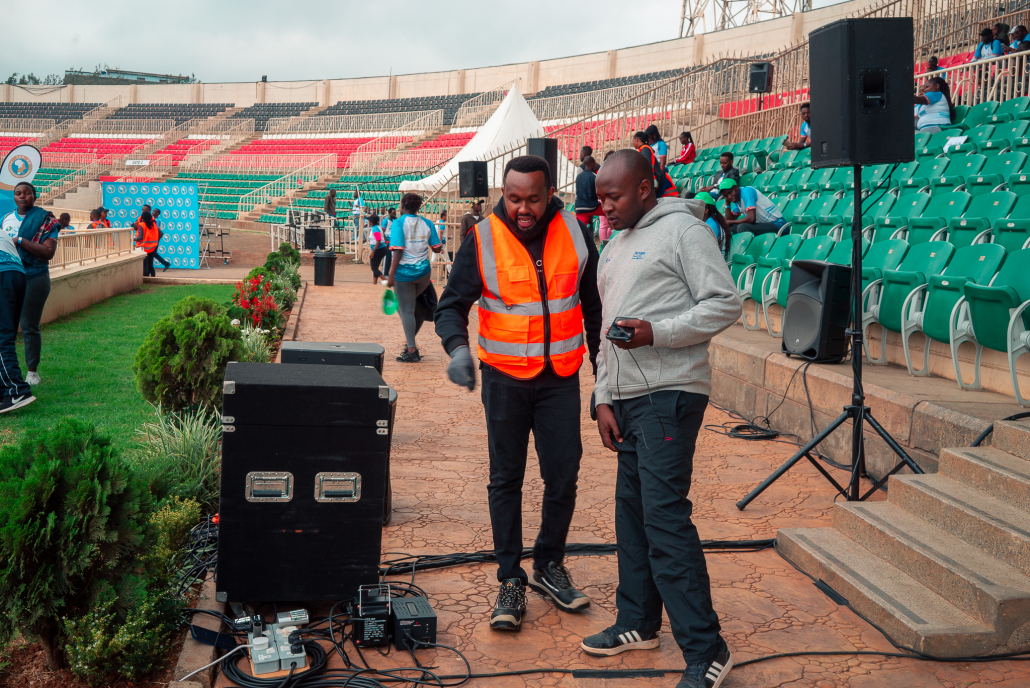
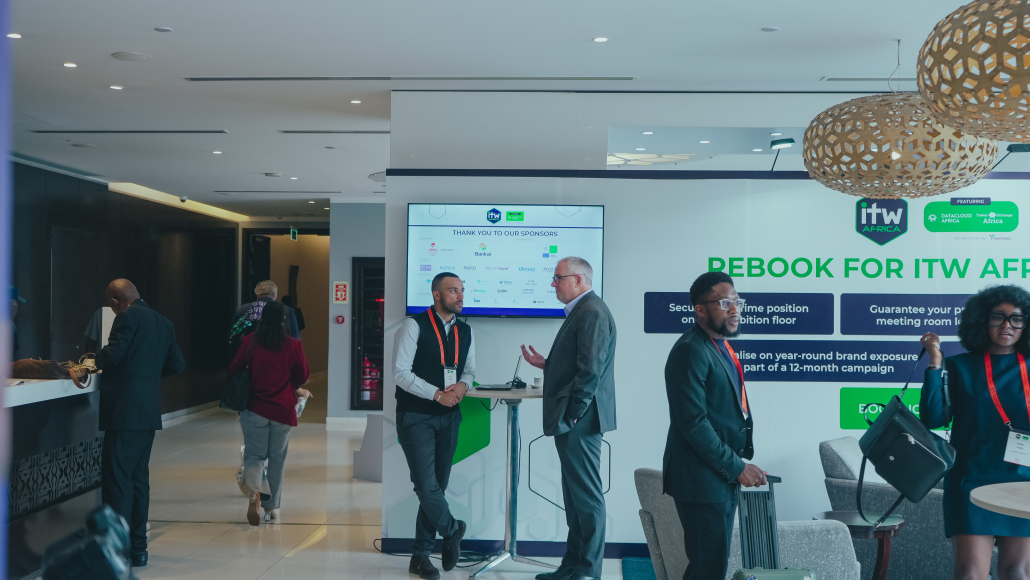
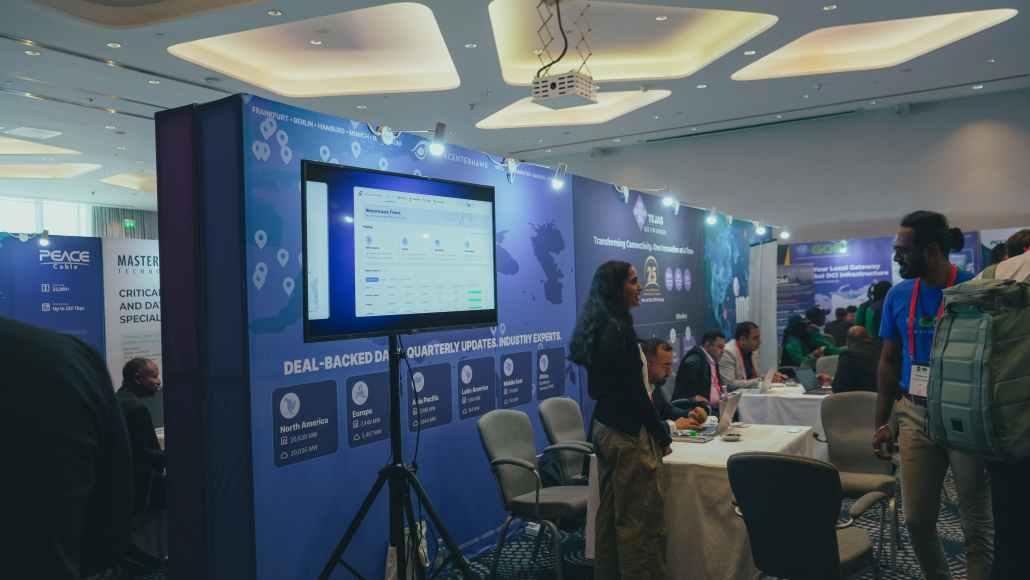
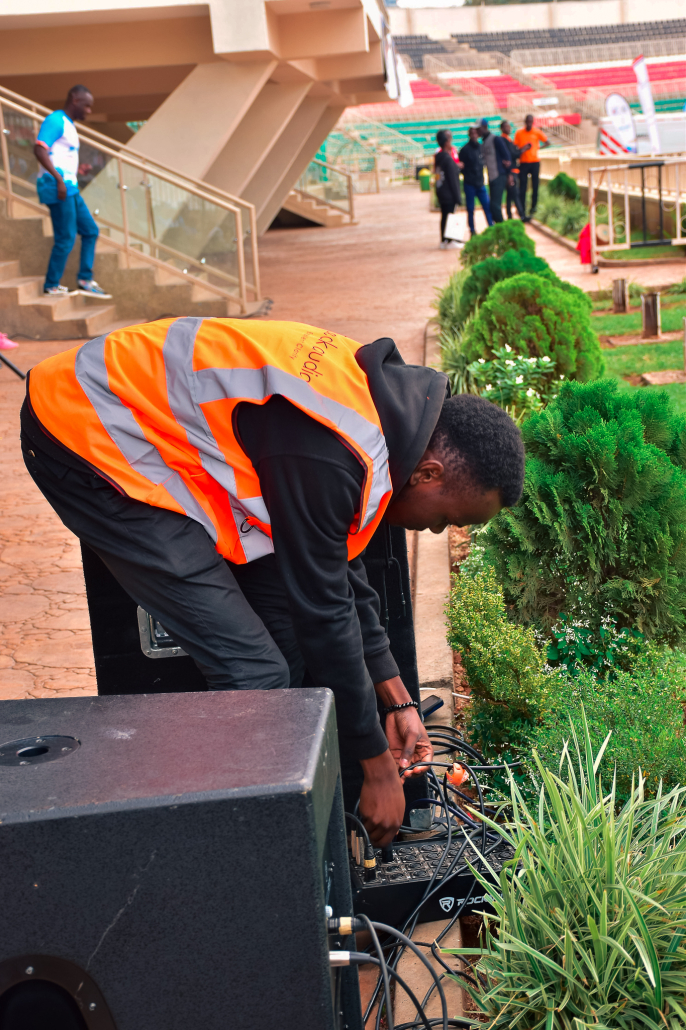
Corporate Event Audience Engagement in Kenya: Elevate Every Moment with Peak Audio
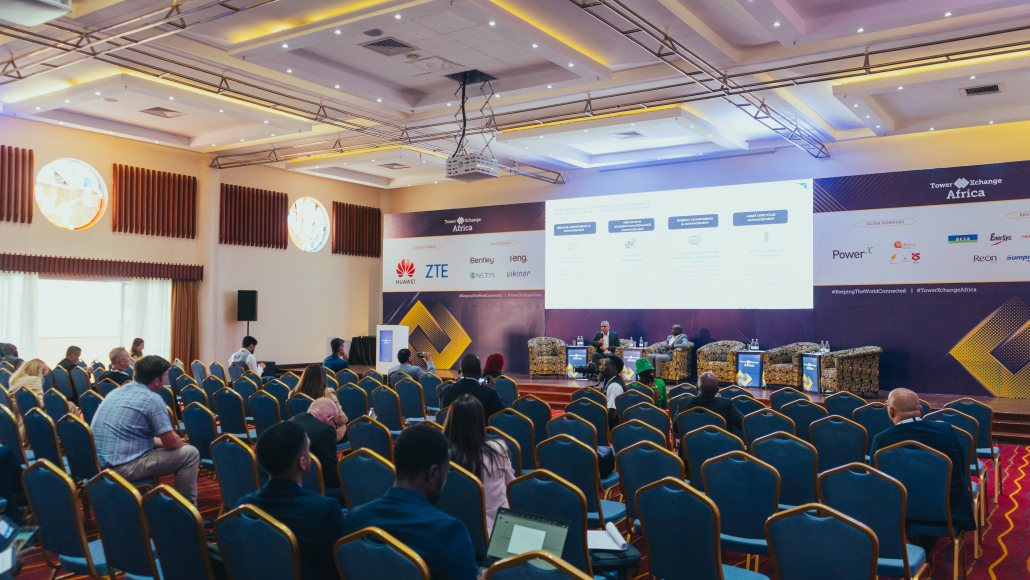
Corporate Event Audience Engagement in kenya

Corporate Event Audience Engagement in Kenya

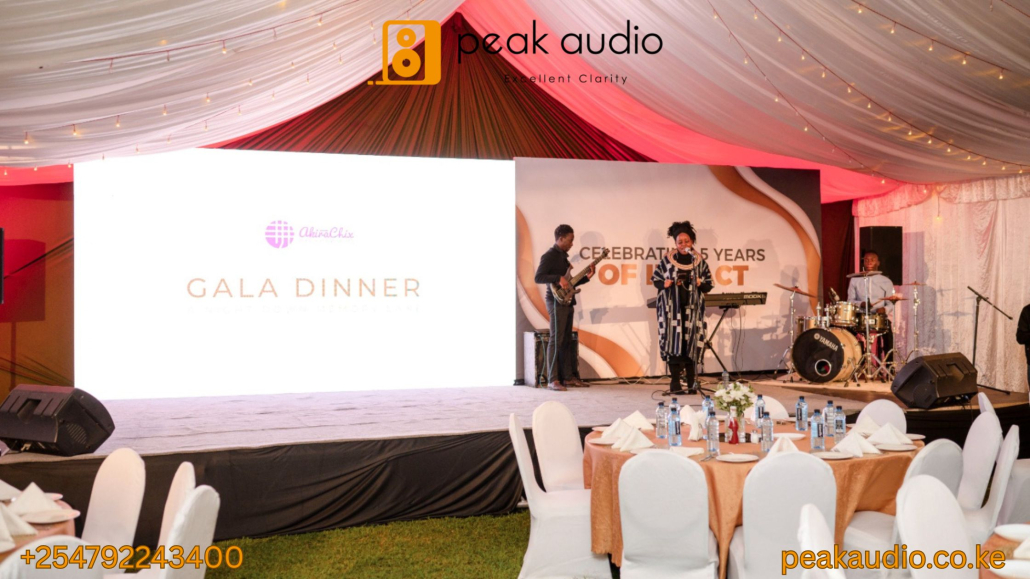
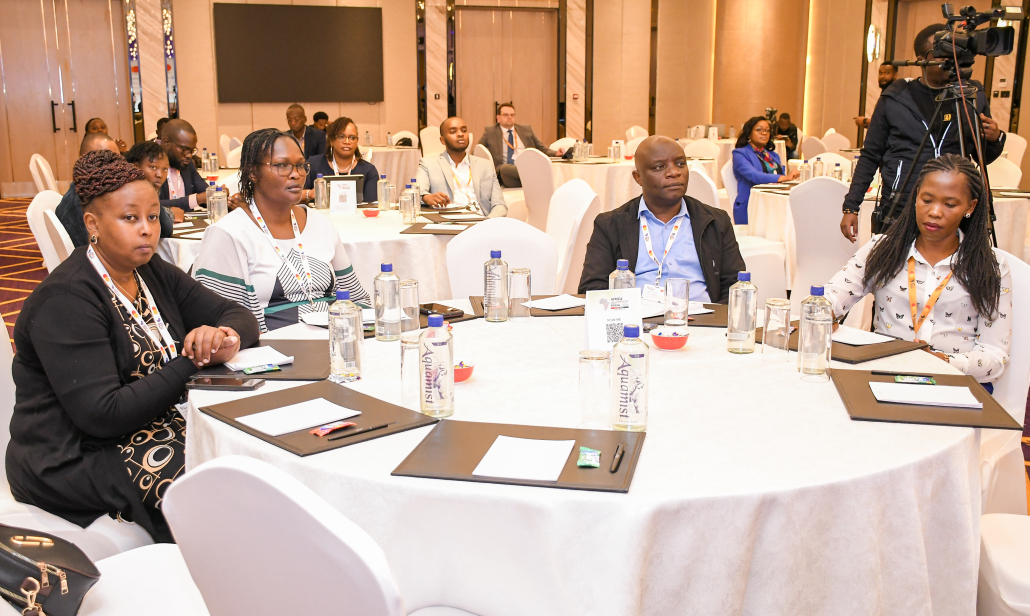
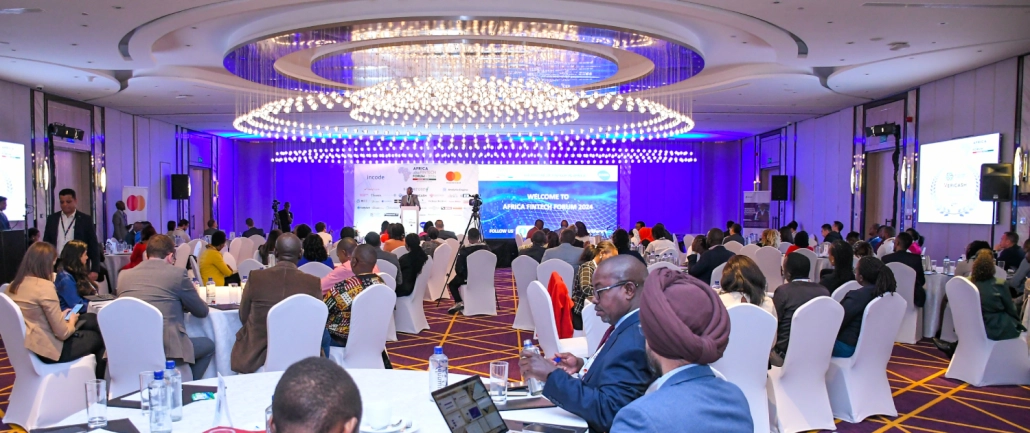
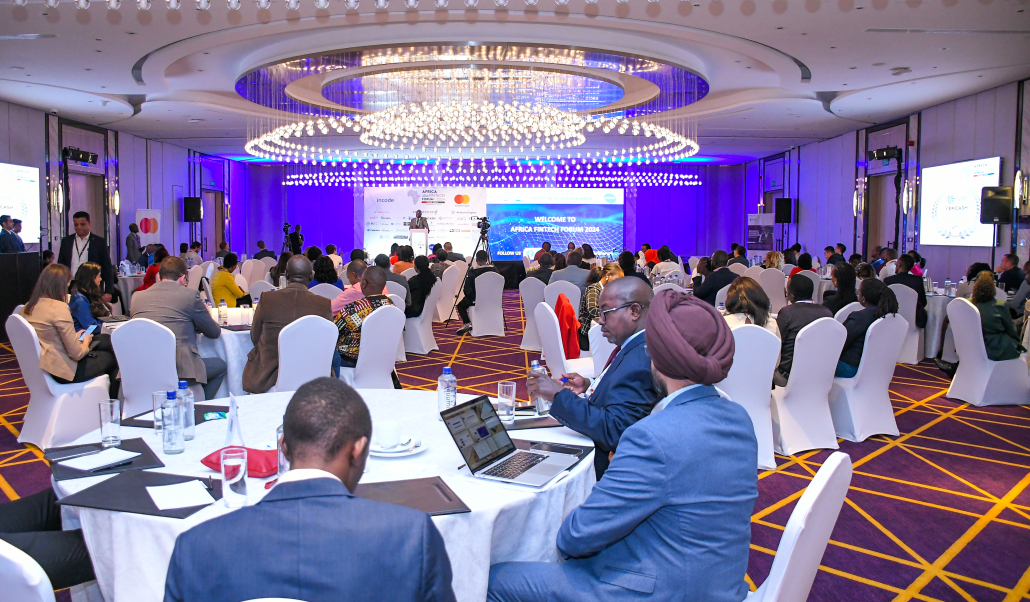
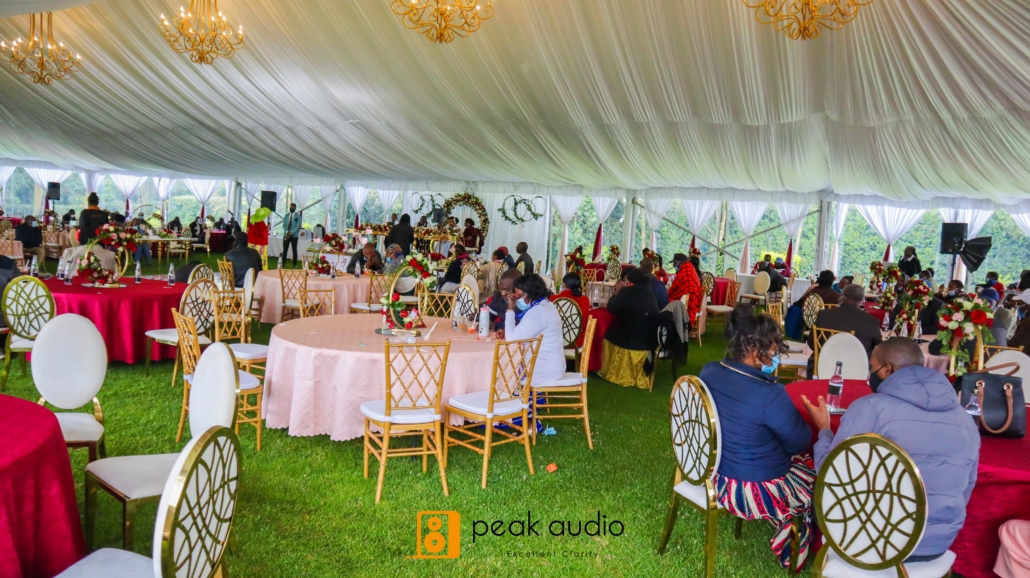
In Kenya’s competitive corporate landscape, audience engagement has become the cornerstone of successful events. Whether hosting a high-profile conference, an interactive seminar, or a product launch, keeping attendees attentive and connected is essential. Peak Audio understands that a truly engaged audience not only absorbs your message but also participates actively, creating memorable experiences that resonate long after the event ends.

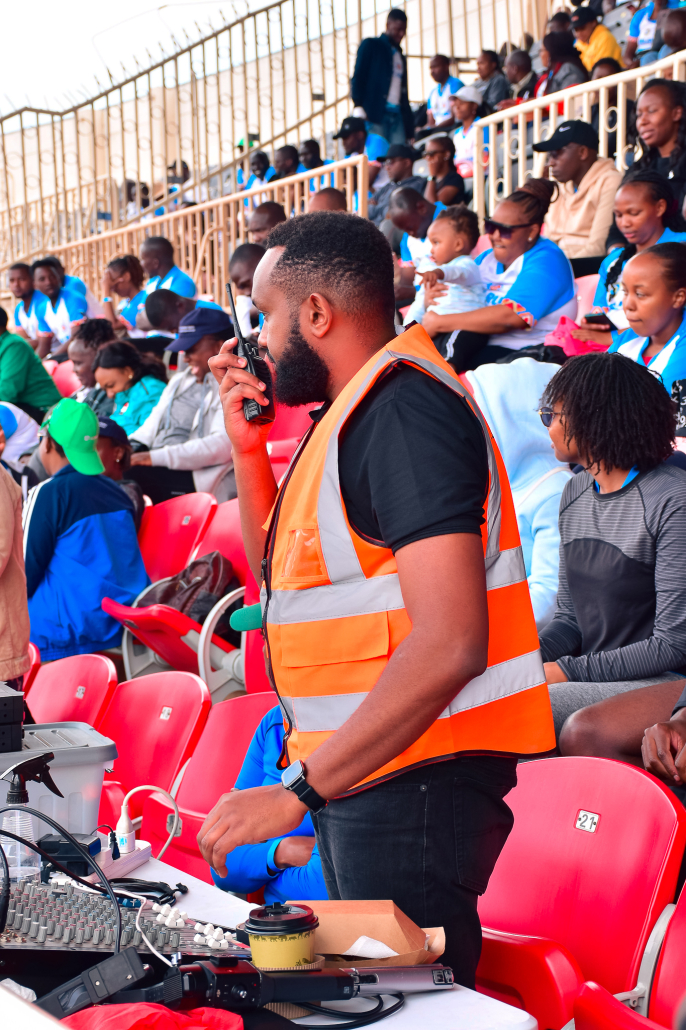
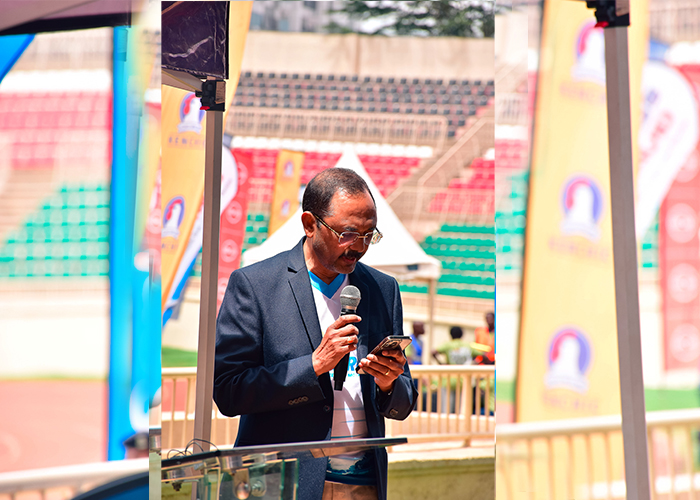
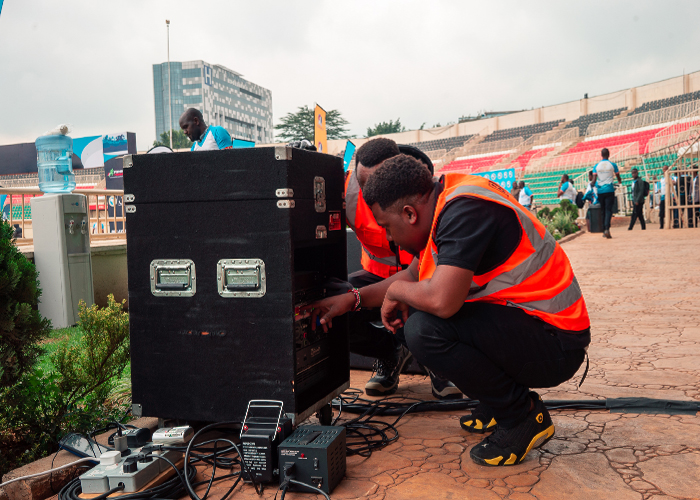
Modern corporate events are no longer just about delivering information—they are about creating immersive experiences. From interactive sessions to real-time feedback tools, businesses in Kenya are embracing dynamic approaches that foster participation and excitement. Peak Audio leverages state-of-the-art audiovisual solutions, professional sound systems, and advanced event technology to ensure that every presentation, demonstration, and discussion captures attention and maximizes impact.

By combining expert event planning with cutting-edge AV technology, Peak Audio transforms ordinary gatherings into extraordinary experiences. Every detail, from crisp audio clarity to seamless visual presentations, is designed to keep your audience engaged and invested in the moment. For organizations looking to elevate their corporate events in Kenya, embracing these engagement strategies with Peak Audio ensures that your message is not only heard but remembered, creating a lasting impression on every attendee.

1. Understanding Audience Engagement in Corporate Events
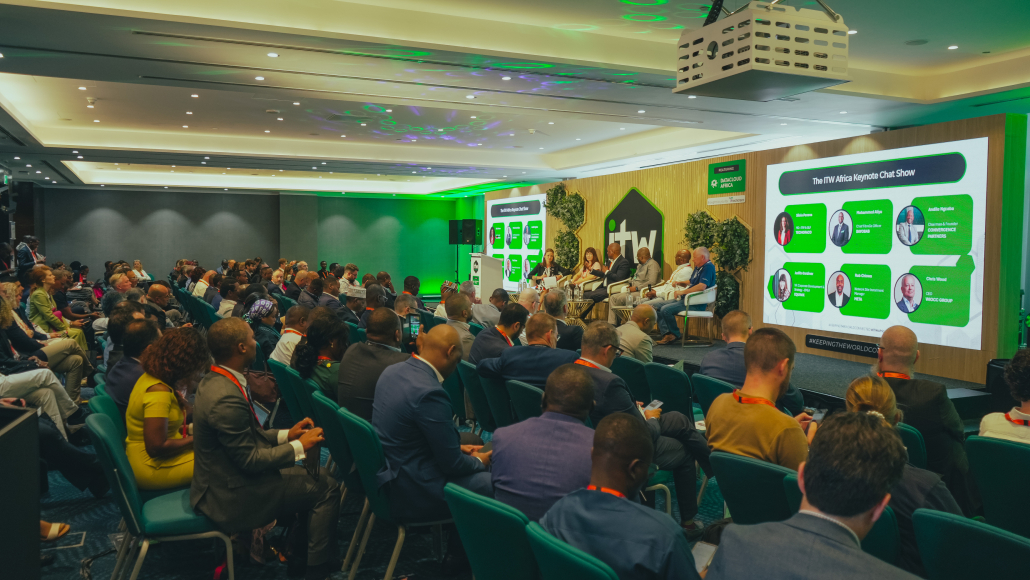
Corporate Event Audience Engagement in kenya

Corporate Event Audience Engagement in kenya

Audience engagement is the bridge between delivering information and creating meaningful impact. In corporate events — whether conferences, trainings, launches, or internal meetings — engagement determines how well participants absorb messages, interact with content, and connect with the brand or organization. When engagement is intentionally designed, events move beyond presentations and become memorable, results-driven experiences.

1.1 What Audience Engagement Means in a Corporate Setting

In corporate environments, engagement goes beyond simply having attendees in the room. It reflects how actively participants think, respond, and interact during the event.

Corporate engagement typically involves:

  • Attentive listening and participation

  • Asking questions and sharing feedback

  • Interaction with presenters or facilitators

  • Participation in polls or activities

  • Emotional and intellectual connection to content

True engagement signals that attendees are mentally invested.

1.2 Why Engagement Is Critical for Message Retention and Impact

Information delivered without engagement is often forgotten quickly. Interactive experiences improve understanding and recall.

Engagement strengthens impact by:

  • Increasing focus and attention

  • Improving memory retention

  • Encouraging idea exchange

  • Supporting a clearer understanding

  • Reinforcing key messages

Engaged audiences are more likely to act on what they learn.

1.3 The Difference Between Passive Attendance and Active Participation

Attendance alone does not guarantee value. The quality of involvement matters.

Passive attendance looks like:

  • Listening without interaction

  • Limited emotional response

  • Minimal feedback

Active participation includes:

  • Dialogue and questions

  • Hands-on activities

  • Collaborative discussions

  • Real-time responses

Active participation creates ownership and deeper learning.

1.4 How Engagement Reflects the Overall Success of an Event

High engagement often indicates that content, delivery, and environment are aligned with audience needs.

Engagement success indicators include:

  • Consistent audience attention

  • Participation rates in activities

  • Positive feedback

  • Post-event action or follow-up

  • Observable energy and interaction

Engagement acts as a real-time measure of event effectiveness.

Audience engagement transforms corporate events from information delivery into interactive experiences that drive retention, understanding, and impact. By encouraging active participation and meaningful interaction, organizers can gauge success and maximize the value of every session. Strong engagement is a clear sign that an event resonates with its audience.

2. Knowing Your Audience
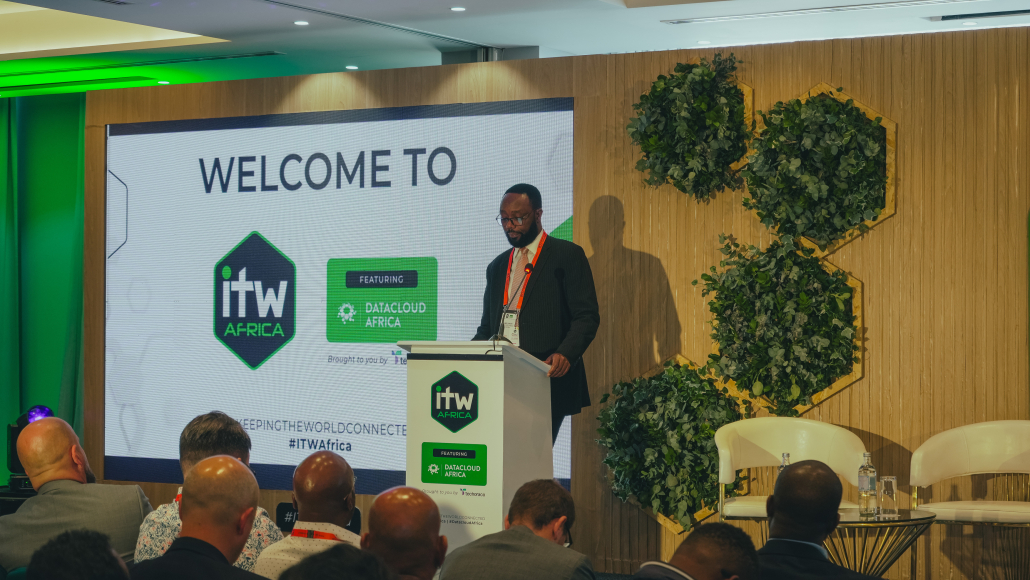
Corporate Event Audience Engagement in kenya

Corporate Event Audience Engagement in Kenya

Effective audience engagement begins with understanding who will be in the room. Corporate events bring together people with different roles, expectations, and professional backgrounds. When organizers tailor content and delivery to audience characteristics, communication becomes more relevant, respectful, and impactful. Knowing your audience ensures the event experience aligns with participant needs and organizational goals.

2.1 Identifying Audience Demographics and Expectations

Audience demographics influence how information should be presented and received.

Key audience factors to assess include:

  • Professional roles and seniority levels

  • Industry background

  • Age and experience diversity

  • Learning preferences

  • Expectations for value and outcomes

Clear audience profiling helps shape tone, pacing, and interaction style.

2.2 Tailoring Content to Suit Executives, Staff, Clients, or Partners

Different audience groups require different communication approaches.

Tailoring strategies include:

  • Executive-focused content emphasizing strategy and decision-making

  • Staff sessions prioritizing practical application

  • Client-facing presentations highlighting value propositions

  • Partner engagements centered on collaboration and alignment

Matching content to audience priorities increases relevance and engagement.

2.3 Cultural and Professional Considerations in Kenyan Audiences

Corporate events in Kenya often reflect diverse cultural and workplace norms.

Important considerations include:

  • Respect for hierarchy and professional etiquette

  • Language clarity and inclusivity

  • Sensitivity to regional diversity

  • Appropriate communication tone

  • Audience comfort with participation styles

Culturally aware delivery fosters trust and openness.

2.4 How Audience Insight Influences Program Design and Delivery

Audience understanding directly shapes event structure and experience.

Design decisions influenced by audience insight include:

  • Session length and pacing

  • Interaction formats

  • Speaker style and tone

  • Use of visual or practical demonstrations

  • Engagement tools and activities

Audience-centered design improves clarity and participation.

Knowing your audience is foundational to creating corporate events that resonate. By understanding demographics, tailoring communication, respecting cultural context, and designing programs around participant needs, organizers deliver more relevant and engaging experiences. Audience insight transforms planning decisions into purposeful, effective event execution.

3. Designing Engaging Event Programs
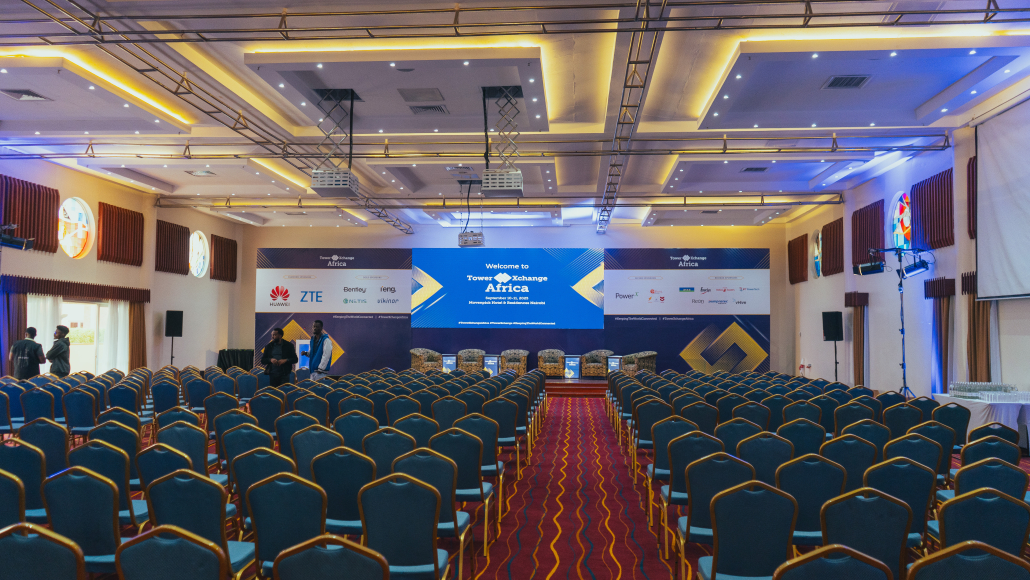
Corporate Event Audience Engagement in kenya

Corporate Event Audience Engagement in Kenya

An engaging corporate event program is intentionally structured to sustain attention, encourage participation, and deliver value without overwhelming attendees. Good program design balances information delivery with interaction, maintains energy throughout the schedule, and creates natural transitions that keep participants mentally present. When thoughtfully planned, the agenda becomes a tool for engagement rather than just a timeline.

3.1 Structuring Sessions to Maintain Energy and Focus

Session structure plays a major role in how audiences absorb information.

Effective structuring strategies include:

  • Breaking content into manageable segments

  • Alternating high-focus sessions with lighter activities

  • Scheduling regular short breaks

  • Varying speaker formats

  • Starting with strong opening sessions

Energy-conscious structuring helps audiences stay attentive.

3.2 Balancing Presentations with Interaction and Discussion

Passive listening alone rarely sustains engagement for long periods.

Balanced program elements include:

  • Facilitated discussions

  • Audience Q&A segments

  • Group activities or exercises

  • Polls and feedback moments

  • Collaborative problem-solving

Interaction transforms attendees into active participants.

3.3 Incorporating Storytelling and Real-Life Case Studies

Stories and practical examples make information relatable and memorable.

Story-driven engagement benefits include:

  • Easier understanding of complex ideas

  • Emotional connection to content

  • Practical relevance

  • Increased recall

  • Stronger audience interest

Real-world context reinforces learning.

3.4 Why Well-Paced Programs Prevent Audience Fatigue

Even strong content loses impact when pacing is poor.

Pacing best practices include:

  • Avoiding overly long sessions

  • Mixing presentation styles

  • Allowing time for reflection

  • Managing transitions smoothly

  • Monitoring audience energy

Proper pacing protects attention and engagement.

Designing engaging event programs requires thoughtful structure, interaction, storytelling, and pacing. When sessions are balanced and audience-focused, participants remain energized, involved, and receptive to key messages. A well-designed program ensures content delivery feels dynamic rather than exhausting, maximizing event impact.

4. Interactive Tools and Techniques for Engagement
Corporate Event Audience Engagement in kenya

Corporate Event Audience Engagement in Kenya

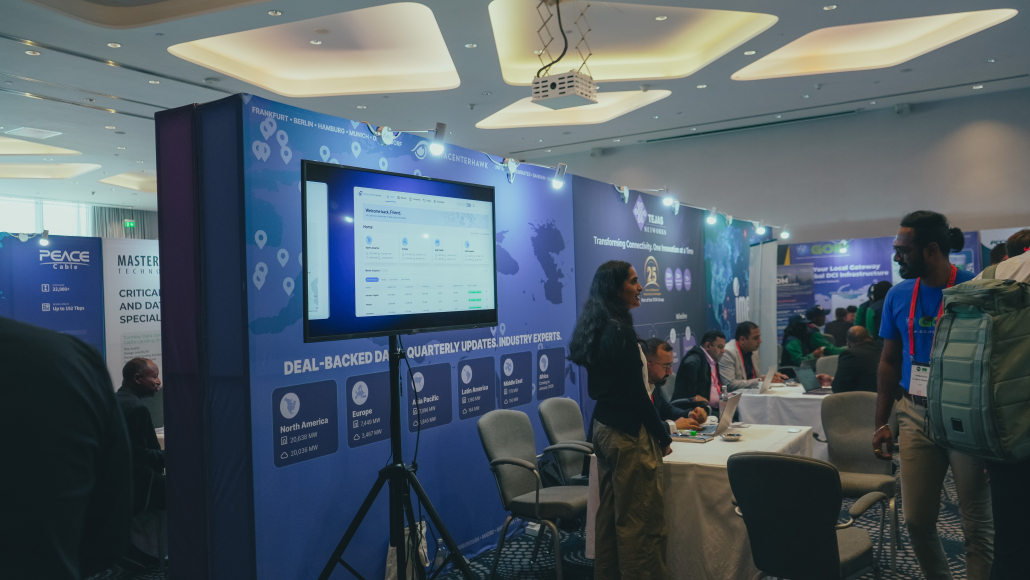
Interactive tools turn corporate events from one-way presentations into shared experiences. When participants are invited to contribute, question, and collaborate, engagement rises naturally. The right mix of techniques encourages attention, builds confidence, and creates a sense of involvement that strengthens learning and relationship-building.

4.1 Live Q&A Sessions and Moderated Discussions

Live dialogue allows audiences to clarify ideas and contribute perspectives.

Effective Q&A and discussion practices include:

  • Allocating dedicated time for audience questions

  • Using moderators to guide conversation flow

  • Encouraging diverse viewpoints

  • Clarifying key takeaways

  • Keeping discussions focused and respectful

Open dialogue reinforces understanding and participation.

4.2 Polls, Surveys, and Real-Time Audience Feedback

Instant feedback tools help audiences feel heard while providing valuable insights.

Benefits of real-time feedback tools include:

  • Gauging audience understanding

  • Encouraging participation from quieter attendees

  • Collecting opinions quickly

  • Adjusting content delivery in real time

  • Creating interactive moments

Digital engagement tools make participation accessible and efficient.

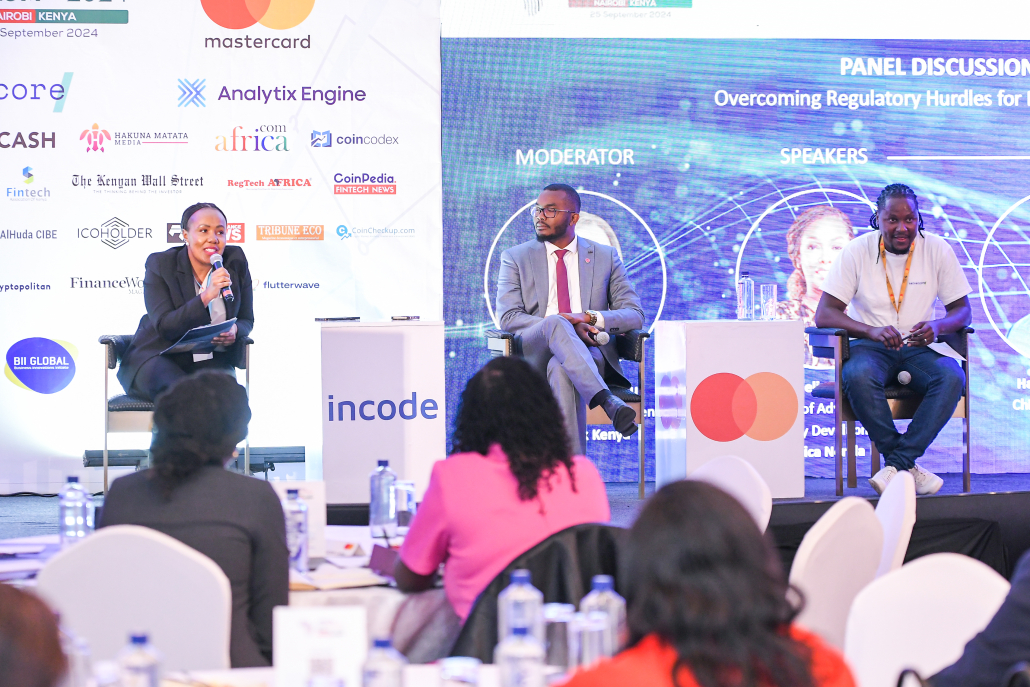
4.3 Panel Discussions and Breakout Sessions

Collaborative formats deepen exploration of topics and perspectives.

Panel and breakout advantages include:

  • Exposure to multiple viewpoints

  • Focused small-group interaction

  • Practical problem-solving

  • Shared learning experiences

  • Stronger peer engagement

These formats encourage active contribution rather than passive listening.

4.4 Encouraging Networking and Peer-to-Peer Interaction

Corporate events are also relationship-building platforms.

Networking facilitation strategies include:

  • Structured networking sessions

  • Icebreaker activities

  • Collaborative exercises

  • Informal discussion spaces

  • Guided introductions

Peer interaction strengthens professional connections and engagement.

Interactive tools and engagement techniques transform corporate events into collaborative environments. From live discussions and polls to breakout sessions and networking, these approaches invite participation, deepen understanding, and build relationships. When thoughtfully integrated, interaction keeps audiences invested and enhances overall event value.

5. The Role of Audio Visual (AV) in Audience Engagement

Corporate Event Audience Engagement in kenya

Corporate Event Audience Engagement in Kenya

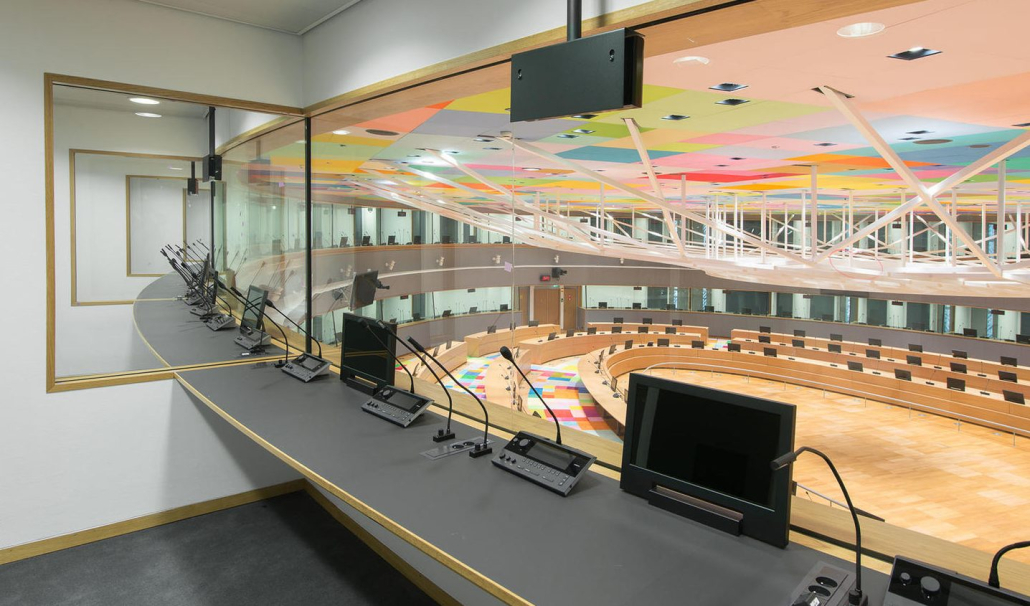
Audiovisual elements are powerful engagement drivers in corporate events. AV does more than support presentations — it shapes how audiences see, hear, and emotionally connect with content. When sound, visuals, and lighting are professionally integrated, they guide attention, reinforce messaging, and create an immersive environment that keeps participants focused and involved.

5.1 How Clear Sound Keeps Audiences Attentive and Focused

Audio clarity directly affects how long audiences can stay engaged.

Clear sound contributes to engagement by:

  • Ensuring every word is easily understood

  • Reducing listening fatigue

  • Supporting speaker confidence

  • Maintaining consistent volume throughout the venue

  • Eliminating distractions like feedback or distortion

When audiences hear comfortably, they remain mentally present.

5.2 Visual Storytelling Through LED Screens and Presentations

Strong visuals help audiences absorb and remember information.

Visual engagement tools include:

  • LED screens for high-impact display

  • Dynamic slide presentations

  • Video storytelling elements

  • Branded graphics and animations

  • Data visualization for clarity

Visual storytelling reinforces key messages and sustains interest.

5.3 Lighting Design to Guide Attention and Set the Mood

Lighting influences where audiences focus and how they feel.

Strategic lighting supports engagement by:

  • Highlighting speakers or focal areas

  • Creating visual contrast

  • Setting an appropriate atmosphere

  • Supporting transitions between segments

  • Enhancing stage presence

Thoughtful lighting subtly directs audience attention.

5.4 How Peak Audio Uses AV Technology to Amplify Engagement

Professional AV execution ensures technology enhances — rather than distracts from — the experience.

Peak Audio’s engagement-focused approach includes:

  • Custom sound design for venue acoustics

  • Integrated visual and lighting setups

  • Reliable equipment for uninterrupted delivery

  • Real-time technical monitoring

  • Coordination with event programming

This ensures audiences remain focused on content, not technical issues.

Audiovisual systems are essential engagement tools that shape how audiences experience corporate events. Clear sound, compelling visuals, and purposeful lighting work together to maintain attention and strengthen message delivery. When AV is professionally managed, events become immersive, memorable experiences that maximize audience participation and impact.

6. Leveraging Technology and Modern Trends
Corporate Event Audience Engagement in kenya

Corporate Event Audience Engagement in kenya

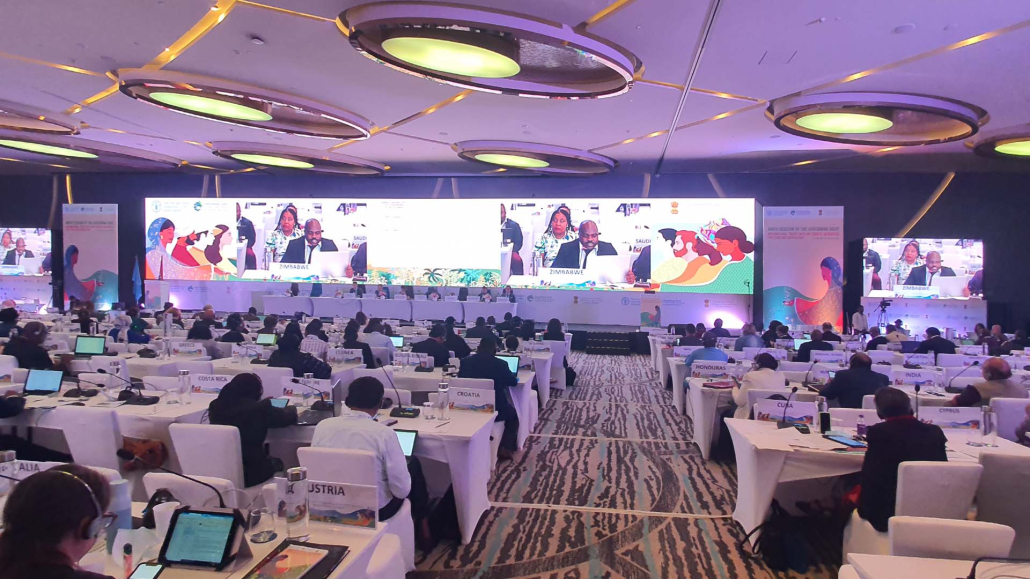
Technology is transforming how corporate events engage audiences. Modern tools extend participation beyond the physical venue, create interactive touchpoints, and provide measurable engagement insights. When thoughtfully integrated, technology supports inclusive participation, real-time communication, and dynamic content delivery — all essential for today’s fast-evolving corporate environments.

6.1 Hybrid and Virtual Engagement for Remote Participants

Hybrid and virtual formats ensure broader reach and accessibility.

Key benefits include:

  • Participation from remote stakeholders

  • Real-time interaction between in-person and online attendees

  • Reduced travel barriers

  • Flexible attendance options

  • Expanded audience reach

Well-designed hybrid setups maintain engagement parity between physical and virtual audiences.

6.2 Event Apps and Digital Platforms for Interaction

Digital platforms create structured, interactive engagement channels.

Common uses include:

  • Session agendas and schedules

  • Live Q&A and polling

  • Feedback collection

  • Networking features

  • Resource sharing

Event apps centralize communication and keep participants actively involved.

6.3 Live Streaming and Social Media Integration

Broadcasting event moments increases visibility and engagement.

Streaming and social integration support:

  • Real-time audience expansion

  • Brand exposure beyond the venue

  • Instant audience feedback

  • Content sharing and replay value

  • Community participation

This transforms events into multi-platform engagement experiences.

6.4 Kenya’s Growing Shift Toward Tech-Enabled Corporate Events

Corporate events in Kenya are increasingly embracing digital tools to meet modern expectations.

This shift is driven by:

  • Remote workforce participation

  • Demand for scalable engagement

  • Innovation in AV technology

  • Data-driven event planning

  • Competitive brand positioning

Organizations that adopt tech-enabled formats create more inclusive, efficient, and impactful events.

Modern technology is redefining corporate engagement by expanding reach, deepening interaction, and improving event accessibility. Hybrid participation, digital platforms, and live broadcasting allow organizations to connect with audiences in new and meaningful ways. As Kenya continues to adopt technology-driven event models, leveraging these tools becomes essential for delivering future-ready corporate experiences.

7. Measuring and Improving Engagement
Corporate Event Audience Engagement in kenya

Corporate Event Audience Engagement in Kenya

Audience engagement should be monitored, evaluated, and continuously refined. Measuring engagement helps organizers understand what resonated with participants, where attention dropped, and how effectively the event achieved its objectives. When insights are captured and applied, future events become more targeted, interactive, and impactful.

7.1 Tracking Participation and Interaction Levels

Engagement begins with observing how actively audiences participate during the event.

Key participation indicators include:

  • Attendance consistency throughout sessions

  • Audience involvement in discussions or Q&A

  • Poll and activity participation rates

  • Networking engagement

  • Session-to-session retention

Tracking these signals reveals where energy and interest were strongest.

7.2 Collecting Post-Event Feedback and Insights

Feedback provides direct insight into attendee perceptions and experiences.

Effective feedback collection methods include:

  • Digital surveys and evaluation forms

  • Follow-up emails or app feedback prompts

  • Facilitated debrief sessions

  • Speaker and moderator input

  • Informal attendee conversations

Structured feedback highlights strengths and improvement areas.

7.3 Evaluating Speaker Effectiveness and Content Relevance

Content delivery plays a major role in audience engagement.

Evaluation areas include:

  • Clarity and pacing of presentations

  • Audience responsiveness

  • Relevance of topics

  • Speaker interaction style

  • Alignment with event objectives

Strong evaluation ensures presenters meet audience expectations.

7.4 Using Data to Enhance Future Corporate Events

Collected insights should inform actionable improvements.

Data-driven enhancements may include:

  • Refining program structure

  • Adjusting session formats

  • Improving engagement tools

  • Selecting speakers strategically

  • Optimizing scheduling and pacing

Continuous learning strengthens future event outcomes.

Measuring engagement transforms corporate events into learning opportunities. By tracking participation, gathering feedback, evaluating delivery, and applying insights, organizers can continuously elevate event quality. A data-driven approach ensures each future event becomes more engaging, relevant, and impactful for its audience.

8. FAQs on Corporate Event Audience Engagement in Kenya

Below are practical, experience-based answers to the most common questions organizations ask about keeping audiences engaged during corporate events.

8.1 Why is audience engagement important in corporate events?

Engagement ensures attendees remain mentally present, absorb key messages, and leave with meaningful value.

Key reasons engagement matters:

  • Improves message retention

  • Encourages active listening

  • Strengthens event impact

  • Supports learning and decision-making

  • Creates memorable experiences

8.2 What are the best engagement strategies for Kenyan corporate events?

Strategies should match audience expectations, culture, and event objectives.

Effective engagement approaches include:

  • Interactive discussions and Q&A

  • Relatable, locally relevant content

  • Clear, professional AV support

  • Polls and audience feedback tools

  • Facilitated networking moments

8.3 Do formal corporate events still need engagement activities?

Professional tone does not eliminate the need for interaction — it enhances it.

Ways to maintain engagement in formal settings:

  • Structured audience participation

  • Moderated discussions

  • Thought-provoking presentations

  • Visual storytelling

  • Guided interaction moments

8.4 How does AV quality affect audience engagement?

Audio-visual quality directly shapes audience attention and comfort.

AV elements that influence engagement:

  • Clear, balanced sound

  • Visible, sharp presentation screens

  • Proper lighting focus

  • Smooth transitions

  • Reliable technical execution

8.5 Can small corporate events be highly engaging?

Event size does not determine engagement — intentional design does.

Advantages of engaging in small events:

  • Easier interaction

  • Personalized discussions

  • Strong audience connection

  • Flexible formats

  • Immediate feedback opportunities

8.6 Are hybrid events engaging for remote attendees?

Hybrid formats can be highly engaging when properly supported.

Requirements for strong hybrid engagement:

  • Broadcast-quality audio

  • Clear video and visuals

  • Interactive digital tools

  • Moderated online participation

  • Reliable connectivity

8.7 How can speakers improve audience engagement?

Speaker delivery strongly influences audience energy and focus.

Speaker engagement techniques:

  • Clear, confident communication

  • Visual support materials

  • Audience interaction prompts

  • Storytelling and examples

  • Strong stage presence

8.8 Can Peak Audio support engagement-focused event setups?

Professional AV design plays a critical role in engagement success.

How Peak Audio enhances engagement:

  • Customized AV system design

  • Audience-focused sound coverage

  • Visual clarity optimization

  • Lighting for attention control

  • On-site technical support

8.9 What role does lighting play in engagement?

Lighting subtly guides audience attention and emotional tone.

Lighting benefits for engagement:

  • Highlights speakers and focal areas

  • Sets mood and energy

  • Reduces visual fatigue

  • Enhances stage presence

  • Supports visual storytelling

8.10 Why choose Peak Audio for engagement-driven corporate events?

Engagement thrives when technology and experience align.

Why organizations partner with Peak Audio:

  • Proven corporate event expertise

  • Integrated AV solutions

  • Reliable technical execution

  • Creative engagement support

  • Professional on-site management

Audience engagement is not accidental — it is engineered through thoughtful program design, strong delivery, and professional AV support. Whether events are formal, hybrid, or intimate, engagement determines how effectively messages are understood and remembered. By combining strategy, technology, and audience insight, organizations can create corporate events that truly connect. With Peak Audio’s expertise, engagement becomes a built-in feature of every event, ensuring audiences stay attentive, involved, and inspired.
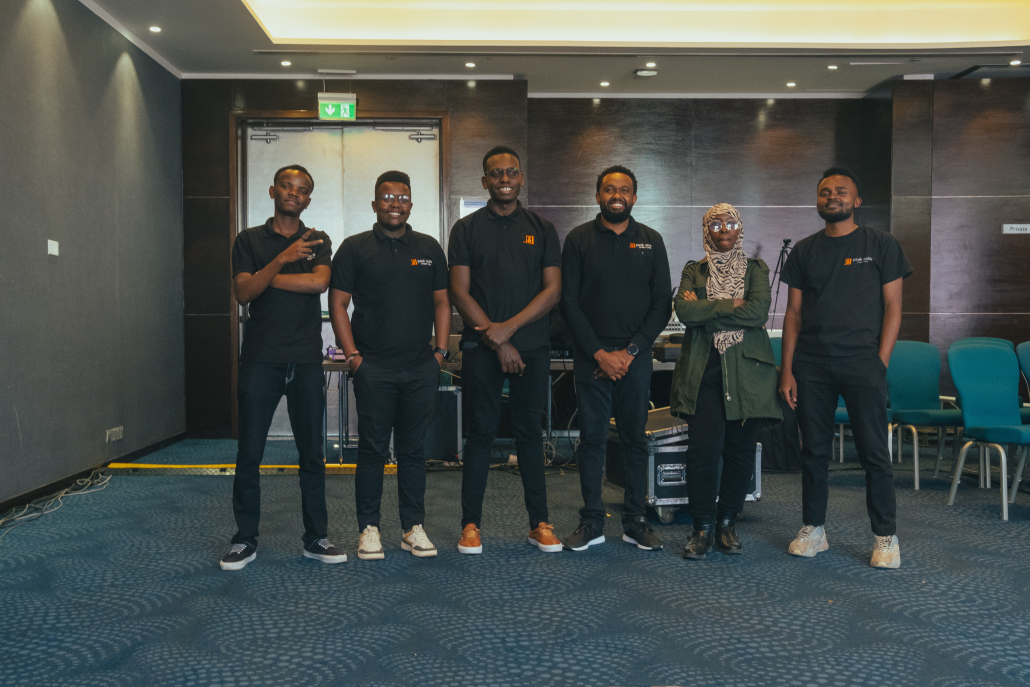
Audience Engagement at Corporate Events in Kenya – Create Memorable Moments with Peak Audio

Corporate Event Audience Engagement in kenya

Corporate Event Audience Engagement in kenya

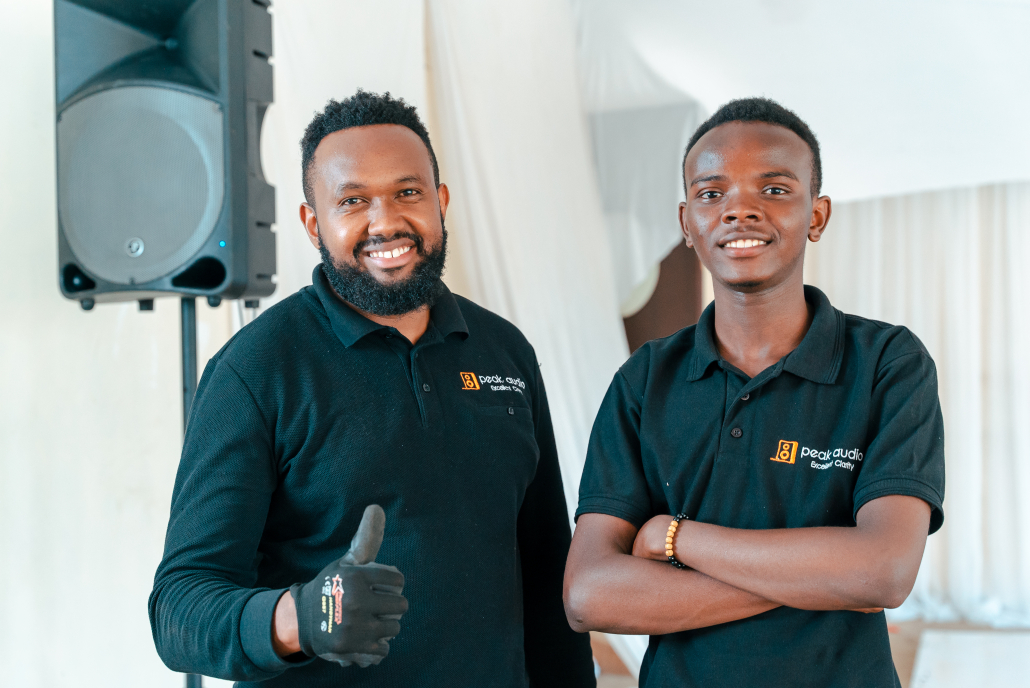
Audience engagement is what turns corporate events from routine meetings into meaningful, high-impact experiences. When organizers understand their audience and design programs that invite participation, events become more dynamic, relevant, and memorable. In Kenya’s corporate event landscape, engagement-driven planning helps messages resonate more deeply and encourages active involvement rather than passive attendance.

Interactive formats, thoughtful pacing, and professional AV integration play a major role in sustaining attention and connection. Clear visuals, reliable sound, and immersive presentation tools ensure every participant can see, hear, and contribute comfortably. When engagement strategies and technical execution align, events feel inclusive, energetic, and purpose-driven.

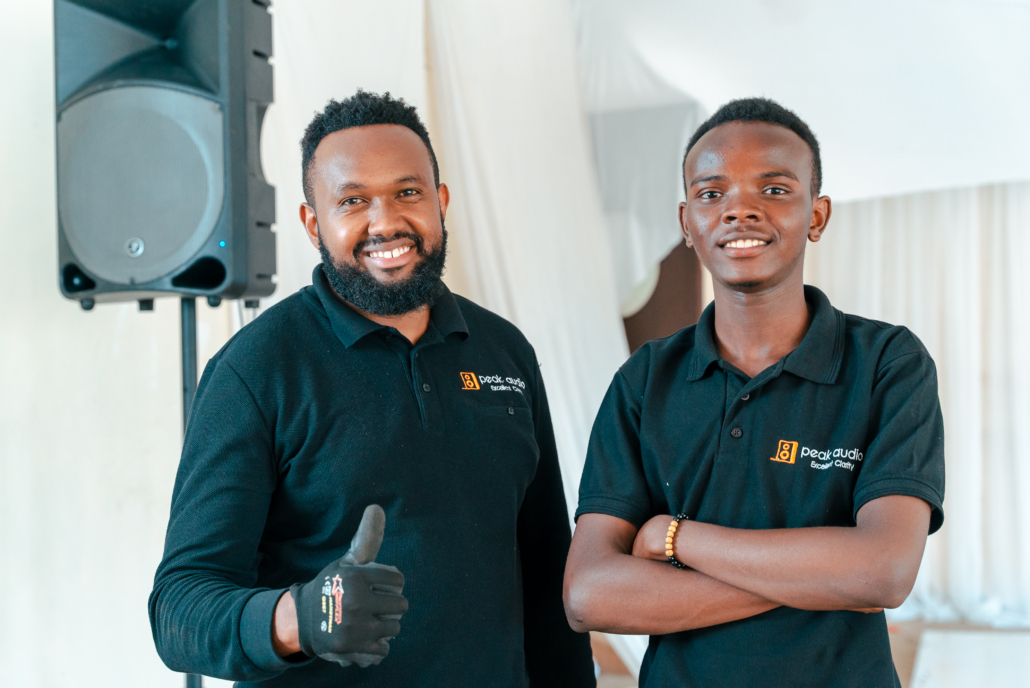
At Peak Audio, we specialize in building engagement-focused corporate event environments across Kenya. Our AV expertise ensures every message is delivered clearly and every attendee feels connected to the experience. Visit Peak Audio to discover how the right strategy and production transform corporate events into experiences that aren’t just attended — they’re remembered.
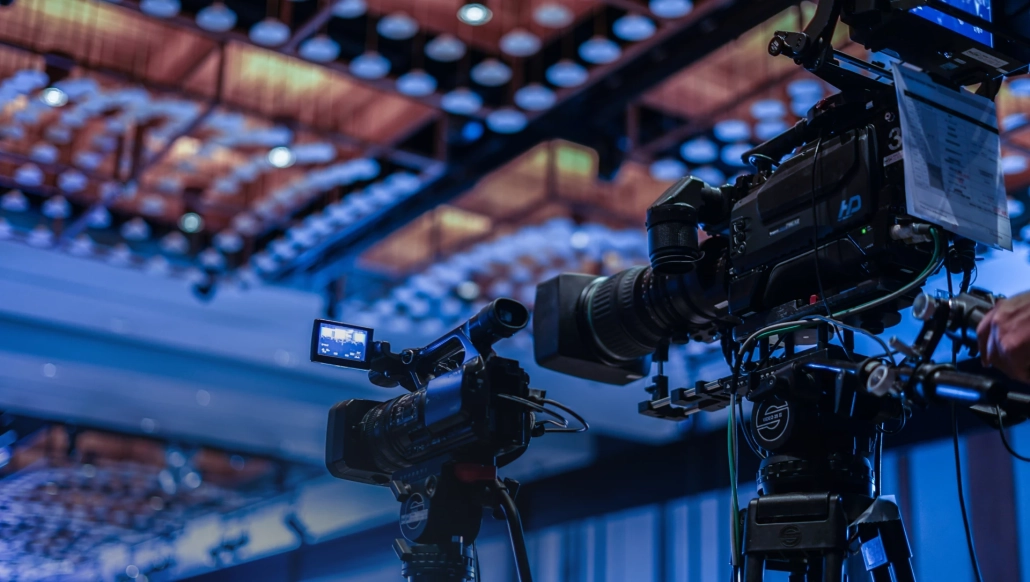
Corporate Roadshows in Kenya: Driving Brand Impact with Peak Audio’s Professional Event Solutions

Corporate Roadshows in Kenya

Corporate Roadshows in Kenya

Corporate roadshows in Kenya have become one of the most effective ways for brands to cut through the noise and connect directly with their target audiences. By taking products, services, and messages to the streets, malls, campuses, and town centers, companies create memorable face-to-face experiences that build trust and boost brand recall. Whether it’s a product launch, brand activation, promotional tour, or public awareness campaign, roadshows allow businesses to meet customers where they are and engage them in a lively, interactive environment.

Planning a successful corporate roadshow in Kenya requires more than just a branded vehicle and promoters. It involves strategic route planning, audience targeting, reliable sound and visual systems, clear messaging, and seamless coordination across multiple locations. High-quality audio ensures your message is heard clearly even in busy outdoor environments, while professional lighting, staging, and displays elevate your brand image and attract crowds. Every detail—from setup to teardown—plays a role in how your brand is perceived.
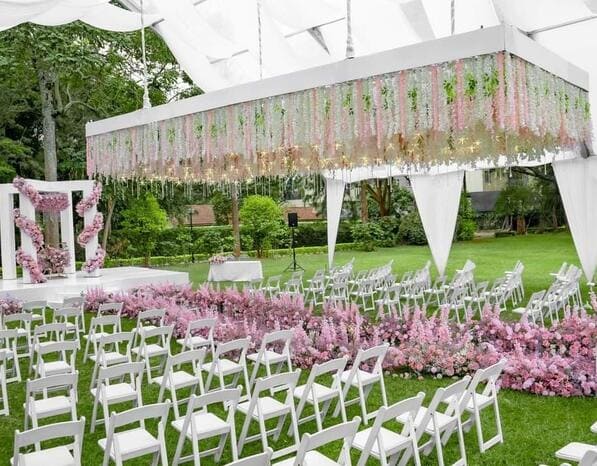
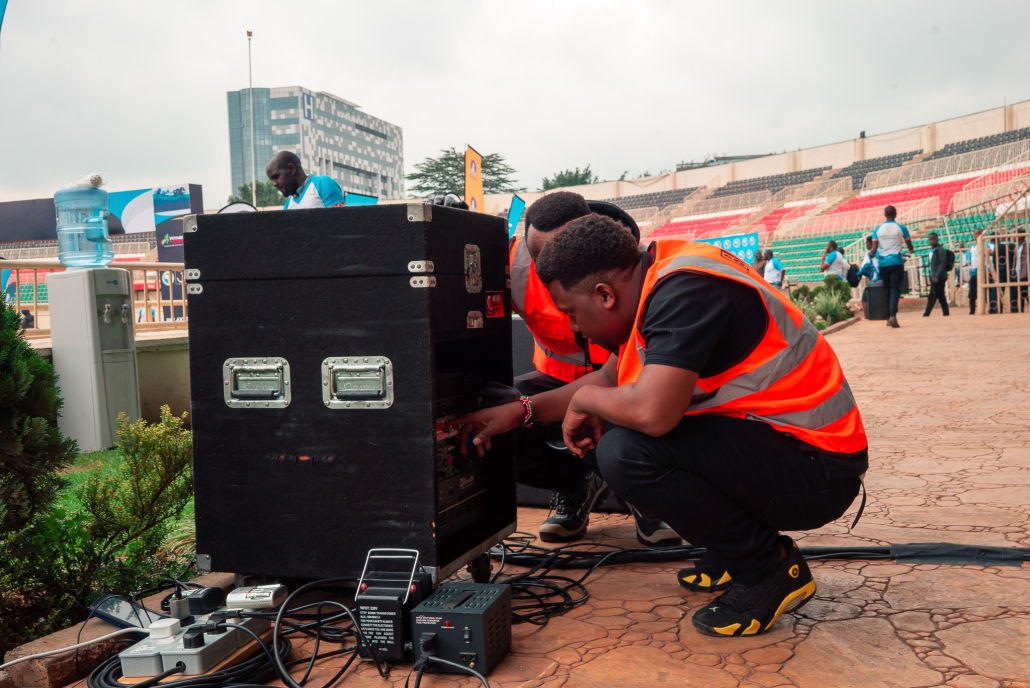
This is where Peak Audio comes in as a trusted partner for corporate roadshows in Kenya. With extensive experience in professional audio-visual solutions and event production, Peak Audio provides powerful sound systems, LED screens, staging, lighting, and technical support tailored for roadshows of any scale. By combining technical excellence with on-the-ground expertise, Peak Audio helps brands deliver impactful, well-organized roadshows that capture attention, engage audiences, and leave a lasting impression long after the convoy moves on.

1. Understanding Corporate Roadshows

Corporate Roadshows in Kenya

Corporate Roadshows in Kenya

Corporate roadshows are dynamic, multi-location events designed to bring a company’s message, product, or campaign directly to target audiences. Unlike single-venue corporate events, roadshows require mobility, adaptability, and consistent brand delivery across different environments. When planned professionally, roadshows become powerful tools for engagement, awareness, and relationship-building.

1.1 What Corporate Roadshows Are and Why Businesses Use Them

A corporate roadshow is a structured series of branded activations or presentations conducted across multiple locations within a defined timeframe.

Core purposes include:

  • Launching new products or services

  • Expanding brand visibility in new markets

  • Direct customer engagement

  • Investor or stakeholder presentations

  • Market education and demonstrations

Roadshows allow organizations to meet audiences where they are, creating personalized brand experiences.

1.2 The Role of Roadshows in Increasing Brand Awareness and Reach

Roadshows extend a company’s presence beyond headquarters or major cities, helping brands connect with broader audiences.

Key awareness benefits include:

  • Repeated brand exposure across regions

  • Localized audience engagement

  • Stronger community presence

  • Interactive product experiences

  • Word-of-mouth amplification

Consistent messaging across locations strengthens brand recognition and trust.

1.3 Differences Between Corporate Roadshows and Traditional Events

While traditional events occur in a single venue, roadshows involve coordinated execution across multiple sites.

Major distinctions include:

  • Mobile equipment and staging requirements

  • Flexible venue adaptation

  • Compressed setup and teardown timelines

  • Regional audience variations

  • Logistics-heavy scheduling

Roadshows demand operational agility and standardized execution.

1.4 Why Professional Planning Is Essential for Multi-Location Events

Roadshows multiply logistical and technical complexity, making expert coordination critical.

Professional planning ensures:

  • Consistent brand presentation at every location

  • Efficient equipment transport and setup

  • Compliance with venue and safety standards

  • Reliable AV performance

  • Structured scheduling and contingency planning

Without strong planning, delays and inconsistencies can undermine campaign impact.

Corporate roadshows are strategic, mobile events that bring brands directly to diverse audiences. Their success depends on consistent messaging, logistical precision, and professional execution across locations. With proper planning and technical support, roadshows become effective platforms for brand visibility, engagement, and growth.

2. Defining Roadshow Objectives and Strategy

Corporate Roadshows in Kenya

Corporate Roadshows in Kenya

A successful corporate roadshow begins with a clear strategic foundation. Objectives guide every decision — from location selection to messaging, staffing, and technical setup. When goals are well defined, roadshows become focused campaigns that deliver measurable outcomes instead of scattered promotional efforts.

2.1 Identifying Your Target Audience and Key Locations

Understanding who you want to reach determines where and how the roadshow should operate.

Key planning considerations include:

  • Audience demographics and buying behavior

  • Regional market opportunities

  • Accessibility and foot traffic potential

  • Alignment with campaign priorities

  • Local partnerships or venue suitability

Strategic location choices maximize visibility and engagement.

2.2 Setting Clear Goals — Sales, Awareness, or Education

Roadshows should be outcome-driven, with goals shaping the experience design.

Common objectives include:

  • Driving immediate sales or sign-ups

  • Building brand recognition

  • Educating audiences about products or services

  • Strengthening stakeholder relationships

  • Generating leads or market feedback

Clear goals enable performance tracking and resource prioritization.

2.3 Aligning Messaging with Brand Identity and Campaign Goals

Consistency across locations reinforces credibility and brand trust.

Messaging alignment involves:

  • Unified brand visuals and tone

  • Clear value propositions

  • Adaptation to local audience context

  • Consistent storytelling

  • Integration with broader marketing campaigns

Strong alignment ensures audiences receive a coherent brand message everywhere.

2.4 How Strategy Influences Logistics, Staffing, and AV Needs

Strategic clarity directly informs operational planning.

Strategic impact areas include:

  • Equipment scale and mobility requirements

  • Staffing levels and skill specialization

  • Scheduling and transport logistics

  • Audience interaction tools and AV setup

  • Contingency planning

Well-defined strategy prevents overspending and operational inefficiencies.

Defining objectives and strategy transforms a corporate roadshow into a purposeful campaign. Clear audience targeting, measurable goals, consistent messaging, and strategy-driven logistics ensure each location contributes to overall success. With a strong framework in place, roadshows deliver focused engagement and tangible business value.

3. Choosing the Right Locations Across Kenya

Corporate Roadshows in Kenya

Corporate Roadshows in Kenya

Location selection is one of the most influential decisions in a corporate roadshow. The right venues determine audience reach, engagement quality, logistical efficiency, and overall campaign impact. Because roadshows operate across diverse environments, careful evaluation ensures each stop supports your objectives while minimizing operational risks.

3.1 High-Impact Locations — Malls, Town Centers, Campuses, and Markets

Different venue types attract different audience profiles and engagement opportunities.

High-impact location considerations include:

  • Shopping malls with steady foot traffic

  • Busy town centers with strong community presence

  • University and college campuses with youthful audiences

  • Public markets with high daily circulation

  • Event grounds suited for branded activations

Selecting environments aligned with your target audience increases visibility and participation.

3.2 Urban vs Rural Roadshows: Planning for Different Environments

Urban and rural settings present unique logistical and engagement dynamics.

Urban planning factors include:

  • Crowd density and movement control

  • Space limitations

  • Noise regulations

  • Structured venue management

Rural planning factors include:

  • Infrastructure availability

  • Transport logistics

  • Community engagement approaches

  • Equipment adaptability

Tailored planning ensures consistency despite environmental differences.

3.3 Securing Permits and Approvals from Local Authorities

Roadshows often require formal permissions to operate legally and safely.

Approval considerations include:

  • County or municipal permits

  • Venue management authorization

  • Public safety compliance

  • Noise and operational regulations

  • Insurance or liability requirements

Early coordination prevents delays and legal complications.

3.4 Assessing Accessibility, Crowd Flow, and Power Availability

Operational success depends on practical site conditions.

Key assessment factors include:

  • Ease of public access and visibility

  • Safe entry and exit points

  • Crowd circulation patterns

  • Reliable electrical supply

  • Space for staging and equipment

Site evaluations reduce setup challenges and improve attendee experience.

Choosing the right roadshow locations across Kenya requires balancing audience reach with operational feasibility. High-traffic venues, environment-specific planning, regulatory approvals, and site readiness all contribute to smooth execution. Strategic location selection ensures each roadshow stop maximizes engagement while maintaining safety and efficiency.

4. Designing an Engaging Roadshow Experience

Corporate Roadshows in Kenya

Corporate Roadshows in Kenya

A corporate roadshow succeeds when it captures attention quickly and keeps audiences engaged long enough to communicate key messages. Because roadshows compete with busy public environments, the experience must be visually striking, interactive, and easy to understand. Thoughtful design ensures every stop feels organized, energetic, and aligned with brand goals.
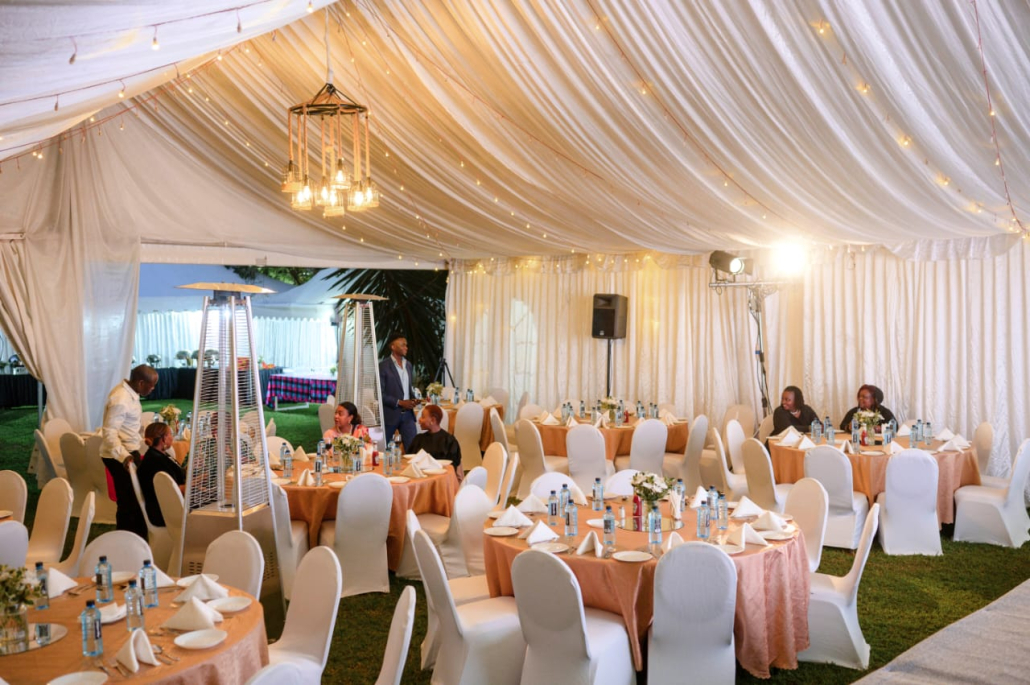
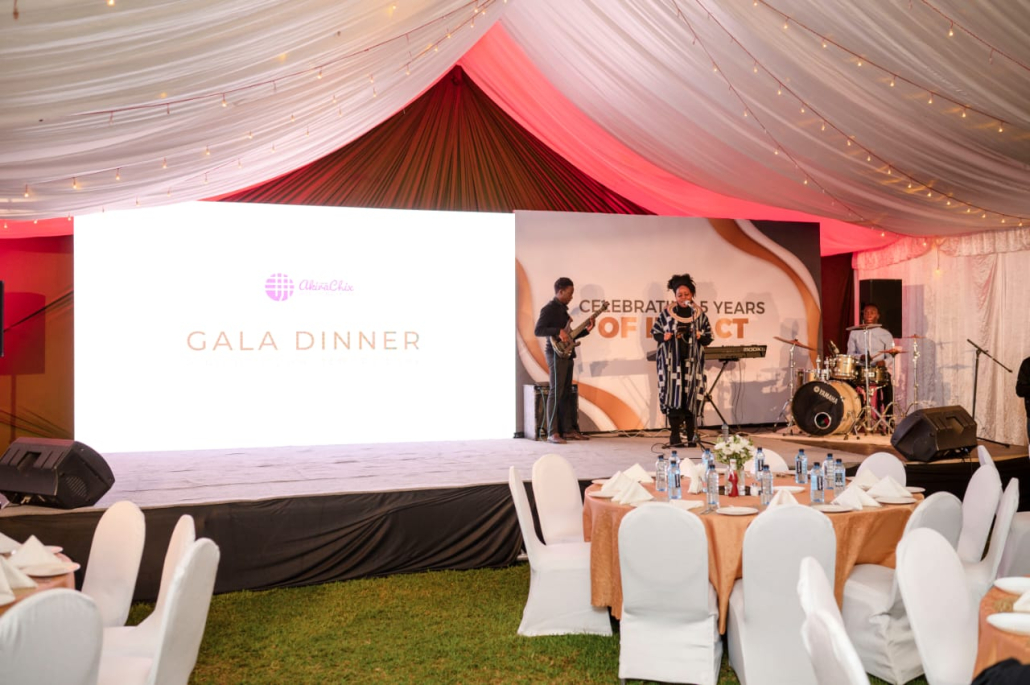
4.1 Stage and Setup Options for Mobile Events

Mobile staging must balance portability with visual impact and functionality.

Common setup considerations include:

  • Compact modular stages for fast assembly

  • Branded backdrops and presentation areas

  • Weather-adaptable structures for outdoor environments

  • Flexible layouts to suit varying venue sizes

  • Safe equipment placement and cable management

Efficient staging allows quick transitions while maintaining professional presentation standards.

4.2 Branding Through Banners, LED Screens, and Décor

Strong visual branding reinforces recognition and message clarity.

Branding elements typically include:

  • Eye-catching banners and signage

  • LED displays for dynamic visuals

  • Branded tents or activation booths

  • Color schemes aligned with corporate identity

  • Decorative elements that enhance visibility

Consistent branding across locations builds familiarity and trust.

4.3 Interactive Activities, Demonstrations, and Audience Participation

Engagement increases when audiences become active participants rather than passive observers.

Interactive features may include:

  • Product demonstrations

  • Live presentations and Q&A sessions

  • Games or competitions

  • Hands-on trials

  • Audience polls or feedback opportunities

Participation encourages deeper connection and message retention.

4.4 Creating Memorable Experiences That Attract and Retain Attention

Roadshows must stand out in crowded environments to leave a lasting impression.

Experience-enhancing strategies include:

  • High-energy hosts or presenters

  • Clear storytelling around the brand message

  • Music and sound design that draw attention

  • Visual movement through lighting or screens

  • Smooth event pacing

Memorable experiences increase recall and positive brand association.

Designing an engaging roadshow experience requires a balance of mobility, branding, and interactivity. Professional staging, strong visuals, audience participation, and memorable presentation techniques transform roadshow stops into impactful brand moments. When thoughtfully designed, each activation captures attention and reinforces key messages effectively.

5. The Role of Audio Visual (AV) in Corporate Roadshows

Corporate Roadshows in Kenya

Corporate Roadshows in Kenya

Audiovisual systems are the backbone of an effective corporate roadshow. Unlike controlled indoor venues, roadshows operate in open, unpredictable environments where noise, weather, and crowd dynamics can interfere with communication. Professional AV ensures messages remain clear, visuals stay impactful, and the experience feels polished at every location.

5.1 Why Clear Sound Is Critical in Outdoor and Noisy Environments

Roadshows often compete with environmental noise — traffic, crowds, and ambient activity.

Clear sound is essential because it:

  • Ensures announcements are heard above background noise

  • Maintains audience focus

  • Supports the presenter’s confidence

  • Reduces listener fatigue

  • Projects professionalism

Strong sound reinforcement keeps messaging effective regardless of surroundings.

5.2 Portable Sound Systems and Microphones for Mobility

Roadshow AV must be powerful yet easy to transport and deploy.

Mobile audio priorities include:

  • Compact speaker systems with wide coverage

  • Wireless microphones for presenter movement

  • Quick setup and teardown capability

  • Battery or generator compatibility

  • Durable transport-friendly equipment

Mobility ensures consistent performance across multiple stops.

5.3 Visual Tools — LED Screens and Digital Displays for Messaging

Visual reinforcement enhances message clarity and audience attraction.

Visual AV tools commonly include:

  • LED screens for bright outdoor visibility

  • Digital signage for promotions and schedules

  • Branded video loops

  • Presentation playback systems

  • Interactive display elements

Dynamic visuals draw attention and support storytelling.

5.4 How Peak Audio Delivers Durable, Roadshow-Ready AV Solutions

Roadshows demand equipment and teams built for mobility and reliability.

Peak Audio’s roadshow approach includes:

  • Rugged, transport-ready AV systems

  • Custom setups tailored to each location

  • Rapid deployment workflows

  • On-site technical support

  • Integration with staging and branding

This ensures consistent performance across the entire campaign.

AV systems are central to delivering clear communication and engaging visuals during corporate roadshows. Portable sound, bright displays, and durable equipment allow roadshows to succeed in challenging environments. With professional AV planning and execution, each stop maintains high production standards and audience impact.

6. Logistics, Power, and Technical Considerations

Corporate Roadshows in Kenya

Corporate roadshows are operationally intensive because they move equipment, teams, and branding assets across multiple locations. Smooth execution depends on disciplined logistics planning, reliable power management, and proactive technical oversight. When these elements are well coordinated, each stop runs efficiently and safely, preserving both brand reputation and audience experience.

6.1 Managing Transportation and Setup Across Multiple Locations

Roadshow logistics must prioritize speed, organization, and consistency.

Key logistics practices include:

  • Structured packing and inventory tracking

  • Transport schedules aligned with event timelines

  • Modular equipment for quick assembly

  • Clear setup and teardown workflows

  • Coordination between logistics and technical teams

Efficient movement reduces delays and protects equipment integrity.

6.2 Power Solutions — Generators, Backup Systems, and Safety

Reliable power is essential for uninterrupted AV and activation activities.

Power planning considerations include:

  • Properly sized generators for equipment load

  • Backup power redundancy

  • Safe cable routing and grounding

  • Fuel planning and monitoring

  • Compliance with electrical safety standards

Strong power planning prevents downtime and safety risks.

6.3 Weather Considerations and Equipment Protection

Outdoor roadshows must anticipate environmental exposure.

Protection strategies include:

  • Weather-resistant staging and coverings

  • Protective cases for AV equipment

  • Wind stabilization for structures

  • Heat and moisture management

  • Contingency plans for sudden weather changes

Preparedness safeguards both equipment and attendees.

6.4 On-Site Technical Support for Smooth Daily Operations

Live roadshows require active monitoring and rapid response capabilities.

Technical support responsibilities include:

  • System testing before each activation

  • Real-time troubleshooting

  • Equipment calibration

  • Coordination with presenters and crew

  • Immediate issue resolution

Professional oversight ensures consistent performance throughout the campaign.

Roadshow success depends heavily on logistics discipline, dependable power systems, environmental preparedness, and on-site technical expertise. Coordinated planning keeps equipment moving efficiently, protects against interruptions, and maintains professional standards at every location. With strong operational foundations, corporate roadshows run smoothly and deliver consistent audience impact.

7. Measuring Success and Brand Impact

Corporate Roadshows in Kenya

Corporate Roadshows in Kenya

A corporate roadshow should not end when the equipment is packed up. Measuring success is essential to understand what worked, what needs improvement, and how effectively the campaign achieved its objectives. Structured evaluation turns roadshow activities into actionable insights that guide future marketing and operational decisions.

7.1 Tracking Audience Engagement and Turnout

Attendance alone does not fully define success — engagement quality matters just as much.

Key engagement indicators include:

  • Estimated audience size at each location

  • Participation in demonstrations or activities

  • Duration of audience interaction

  • Crowd response and attention levels

  • Repeat engagement throughout the activation

Tracking these metrics reveals how well the roadshow captured and maintained interest.

7.2 Collecting Feedback and Leads During Roadshows

Roadshows provide valuable opportunities for direct audience input.

Effective collection methods include:

  • On-site surveys or digital forms

  • QR code sign-ups

  • Product trial feedback

  • Contact information capture

  • Informal audience conversations

These insights help measure perception and generate actionable sales or marketing leads.

7.3 Evaluating AV Performance and Overall Execution

Technical performance directly affects audience experience.

Evaluation areas include:

  • Sound clarity in varied environments

  • Visibility of visual displays

  • Equipment reliability

  • Setup efficiency

  • Responsiveness to technical challenges

Reviewing execution helps refine operational standards.

7.4 Using Insights to Improve Future Roadshow Campaigns

Analysis should inform strategic and logistical improvements.

Improvement actions may include:

  • Adjusting location selection

  • Enhancing engagement strategies

  • Optimizing AV configurations

  • Refining staffing and workflows

  • Updating messaging or presentation style

Continuous learning strengthens future campaign performance.

Measuring roadshow success involves more than attendance counts — it requires evaluating engagement, gathering feedback, reviewing technical execution, and applying lessons learned. A structured assessment process transforms each activation into a learning opportunity, ensuring future roadshows become more effective, efficient, and impactful.

8. FAQs on Corporate Roadshows in Kenya

Corporate roadshows involve moving logistics, public engagement, and technical coordination across multiple locations. These frequently asked questions clarify practical expectations so organizers can plan confidently and execute professional, high-impact roadshow campaigns throughout Kenya.

8.1 What types of companies benefit from roadshows?

Roadshows are ideal for organizations that rely on direct public engagement and visibility.

Companies that commonly benefit include:

  • FMCG brands promoting consumer products

  • Telecommunications companies launching services

  • Financial institutions running outreach campaigns

  • NGOs conducting awareness programs

  • Startups introducing new offerings

Roadshows work best for businesses that value face-to-face interaction and market activation.

8.2 How long does a typical corporate roadshow last?

There is no fixed duration — timelines depend on goals and geographic coverage.

Typical roadshow durations include:

  • Single-day targeted activations

  • Weekend or short regional tours

  • Multi-city week-long campaigns

  • Extended multi-week awareness drives

Scheduling should balance audience reach with logistics capacity.

8.3 Do roadshows require professional AV equipment?

Yes — outdoor and public environments demand reliable audio and visual performance.

Professional AV ensures:

  • Clear speech in noisy environments

  • Visible branding and messaging

  • Consistent audience engagement

  • Reliable equipment performance

  • Efficient setup and mobility

Quality AV directly shapes audience experience.

8.4 Can roadshows be held outside major cities?

Absolutely — expanding beyond urban hubs increases campaign reach.

Benefits of regional roadshows include:

  • Access to new audience segments

  • Stronger local brand presence

  • Community-level engagement

  • Broader market exposure

  • Valuable regional insights

Planning must account for infrastructure and logistical differences.

8.5 What permits are needed for a roadshow?

Operating legally protects organizers, attendees, and partners.

Common permit requirements include:

  • County or municipal event approvals

  • Venue authorization

  • Public safety compliance

  • Noise regulation clearance

  • Insurance documentation

Early application prevents operational delays.

8.6 How do you manage sound in noisy outdoor spaces?

Outdoor sound requires strategic reinforcement and live tuning.

Effective sound control involves:

  • High-output speaker systems

  • Correct speaker placement

  • Feedback and echo management

  • Environmental noise assessment

  • Continuous technical monitoring

Professional tuning ensures messaging remains audible and clear.

8.7 Can Peak Audio provide mobile stages and LED screens?

Yes — mobile infrastructure is central to roadshow execution.

Available roadshow AV solutions include:

  • Modular mobile staging systems

  • Portable LED display screens

  • Integrated sound reinforcement

  • Branded visual setups

  • Rapid deployment equipment

These tools enable professional presentations anywhere.

8.8 What happens if it rains during a roadshow?

Weather readiness is critical for outdoor activations.

Contingency measures typically include:

  • Weather-resistant staging covers

  • Equipment protection enclosures

  • Electrical safety precautions

  • Backup scheduling flexibility

  • Rapid response teardown planning

Preparation protects both equipment and participants.

8.9 How early should planning begin?

Roadshows involve layered coordination that benefits from early preparation.

Recommended planning steps include:

  • Starting logistics planning 1–2 months ahead

  • Securing permits early

  • Scheduling equipment and staffing

  • Confirming locations and routing

  • Conducting technical readiness checks

Early planning improves reliability and execution quality.

8.10 Why choose Peak Audio for corporate roadshows in Kenya?

Successful roadshows require mobility, consistency, and technical expertise.

Peak Audio delivers through:

  • Roadshow-ready AV systems

  • Mobile staging and LED capabilities

  • Experienced on-site technicians

  • Structured logistics coordination

  • Consistent performance across locations

This ensures every activation reflects professional standards.

Corporate roadshows in Kenya demand professional planning, mobile AV infrastructure, legal compliance, and environmental preparedness. From equipment reliability to audience engagement and contingency readiness, each element contributes to smooth execution. With experienced support and structured coordination, roadshows become powerful tools for expanding brand reach and delivering consistent experiences across locations.

Corporate Roadshows in Kenya – Take Your Brand Further with Peak Audio

Corporate Roadshows in Kenya

Corporate Roadshows in Kenya

Corporate roadshows are a powerful way to bring your brand directly to your audience, creating face-to-face engagement that builds trust and visibility. By meeting people where they are, organizations can deliver targeted messaging, interactive experiences, and memorable brand moments. With the right planning and location strategy, roadshows across Kenya become dynamic platforms for outreach and measurable impact.

Successful roadshows depend on reliable, mobile-ready AV execution. Consistent sound, staging, and lighting ensure your presentation maintains quality from one stop to the next, regardless of venue conditions. Professional technical management keeps transitions smooth, protects equipment, and ensures every activation runs on schedule — helping your brand appear polished and dependable on the move.

At Peak Audio, we provide end-to-end roadshow AV solutions designed for performance and flexibility. Our team delivers dependable sound, staging, lighting, and technical expertise that travels seamlessly with your campaign. Visit Peak Audio to discover how we help your brand stand out, connect, and succeed at every stop on the road.

Conference Sound Setup Best Practices in Kenya: How Peak Audio Delivers Crystal-Clear Conference Experiences

Conference Sound Setup Best Practices

Conference Sound Setup Best Practices

Conference sound setup best practices in Kenya begin with one simple principle: every word matters. Whether it’s a corporate board meeting, a government forum, or a large international conference, clear and consistent audio ensures that speakers are heard, messages are understood, and audiences remain fully engaged. From selecting the right microphones and speakers to managing acoustics in diverse venues, professional sound design plays a huge role in the success of any event. Poor audio doesn’t just cause inconvenience—it affects credibility, attention, and overall impact.

In Kenya’s dynamic conference landscape, sound challenges can vary widely depending on venue size, room layout, audience capacity, and technical demands such as hybrid or live-streamed sessions. Best practices include proper sound system sizing, strategic speaker placement, feedback control, and thorough sound checks before the event begins. Wireless microphones must be reliable, mixers well-calibrated, and backup systems always on standby. These details ensure seamless communication, even during long sessions or multi-speaker conferences.

Peak Audio stands out by turning these best practices into consistently exceptional results. With deep experience across Kenyan conference venues, Peak Audio provides professionally engineered sound solutions tailored to each event’s unique needs. From planning and setup to live monitoring and technical support, their team ensures flawless audio delivery from start to finish. When clarity, professionalism, and reliability matter most, Peak Audio helps conferences sound as powerful as their ideas.

1. Why Sound Quality Matters in Conferences

Conference Sound Setup Best Practices

Conference Sound Setup Best Practices

Sound quality is one of the most critical — yet often underestimated — elements of a successful conference. Clear, balanced audio ensures that every message is understood, speakers feel supported, and attendees remain engaged. When sound is managed professionally, it reinforces credibility, improves learning, and contributes to a polished event experience.

1.1 Ensuring Every Attendee Hears Clearly, Regardless of Seating Position

A well-designed audio system distributes sound evenly throughout the venue.

Key factors that support clear coverage include:

  • Strategic speaker placement to eliminate dead zones

  • Volume balancing across the room

  • Acoustic adjustments based on venue layout

  • Use of appropriate microphones for presenters

  • Continuous monitoring during sessions

Uniform sound coverage ensures no participant is left straining to hear.

1.2 Enhancing Audience Engagement and Focus During Sessions

Clear audio helps attendees stay mentally present and connected to the content.

Engagement benefits include:

  • Reduced listening fatigue

  • Improved comprehension of key points

  • Sustained attention during long sessions

  • Easier participation in discussions

  • Greater retention of information

When participants hear effortlessly, they engage more fully.

1.3 Supporting Speaker Confidence and Presentation Effectiveness

Reliable sound systems allow presenters to focus on delivery rather than technical concerns.

Speaker advantages include:

  • Clear voice projection without strain

  • Freedom to move with wireless microphones

  • Immediate feedback from the audience

  • Smooth transitions between speakers

  • Confidence in consistent audio performance

Strong audio support improves presenter impact.

1.4 Why Poor Sound Reflects Negatively on Event Professionalism

Audio issues are immediately noticeable and can undermine credibility.

Negative impacts of poor sound include:

  • Audience frustration and distraction

  • Miscommunication or missed information

  • Perception of poor planning

  • Reduced trust in event organizers

  • Loss of engagement

Professional sound management protects the event’s reputation.

High-quality sound is essential for conference success. It ensures every attendee hears clearly, keeps audiences engaged, supports confident presenters, and reinforces professionalism. Investing in proper audio design and management prevents disruptions and elevates the entire conference experience.

2. Understanding Conference Sound Requirements

Conference Sound Setup Best Practices

Conference Sound Setup Best Practices

Designing the right sound system for a conference begins with understanding the event’s scale, environment, and format. Audio requirements vary widely depending on audience size, venue characteristics, and the nature of the conference itself. A thoughtful assessment ensures sound is clear, balanced, and appropriate for the experience organizers want to deliver.

2.1 Assessing Audience Size and Room Capacity

The number of attendees and the physical space directly influence audio system design.

Key assessment considerations include:

  • Coverage needed to reach all seating areas

  • Speaker power and distribution requirements

  • Room acoustics and echo control

  • Distance between presenters and audience

  • Comfort listening levels for large groups

Proper scaling prevents uneven sound and listening fatigue.

2.2 Identifying the Type of Conference — Corporate, Academic, or International

Different conference styles place unique demands on audio clarity and flexibility.

Audio priorities vary by event type:

  • Corporate conferences: Clear speech reinforcement and smooth transitions

  • Academic conferences: Precision audio for lectures and discussions

  • International conferences: Multilingual support and interpretation systems

Matching audio design to event purpose improves communication effectiveness.

2.3 Matching Sound Systems to Indoor and Outdoor Venues

The venue environment significantly affects how sound behaves.

Indoor audio considerations include:

  • Managing reflections and reverberation

  • Integrating with venue acoustics

  • Controlling volume levels

Outdoor audio considerations include:

  • Wider sound projection needs

  • Environmental noise compensation

  • Weather-resistant equipment

  • Stable power solutions

Tailored systems maintain clarity in any setting.

2.4 How Event Format Influences Audio Setup Decisions

Conference structure determines how sound systems are configured.

Format-driven factors include:

  • Keynote presentations vs. panel discussions

  • Audience participation and Q&A needs

  • Breakout sessions or multi-room setups

  • Hybrid streaming requirements

  • Session timing and transitions

Audio planning aligned with the format ensures smooth operation.

Conference sound requirements depend on audience scale, event type, venue environment, and session format. Careful assessment allows organizers to select systems that deliver consistent clarity and reliability. When audio design is matched to these factors, communication remains effective, and the overall conference experience is enhanced.

3. Choosing the Right Audio Equipment

Conference Sound Setup Best Practices

Conference Sound Setup Best Practices

Selecting appropriate audio equipment is essential to delivering clear, reliable sound in a conference setting. The right combination of microphones, speakers, and control systems ensures presenters are heard comfortably and consistently. Equipment choices should reflect venue size, event format, and the level of interaction expected.

3.1 Microphone Options — Lapel, Handheld, Headset, and Podium Microphones

Different microphones serve different speaking styles and movement needs.

Common microphone options include:

  • Lapel (lavaliere) microphones: Ideal for presenters who need hands-free mobility

  • Handheld microphones: Suitable for Q&A sessions and shared speaking

  • Headset microphones: Provide stable, close-range pickup for active presenters

  • Podium microphones: Best for formal speeches with minimal movement

Choosing the right microphone supports clarity and presenter comfort.

3.2 Speaker Systems for Small, Medium, and Large Conference Halls

Speaker systems must be scaled to match room size and audience distribution.

Speaker selection considerations include:

  • Compact speakers for small rooms with focused coverage

  • Distributed speaker arrays for medium halls

  • High-output systems for large venues

  • Even sound dispersion to avoid hot spots

  • Integration with venue acoustics

Proper scaling ensures consistent listening quality.

3.3 Mixing Consoles and Sound Processors for Balanced Audio

Audio control systems manage signal levels and tonal balance.

Key functions include:

  • Adjusting the microphone and playback levels

  • Equalizing sound to suit room acoustics

  • Preventing feedback and distortion

  • Managing multiple audio sources

  • Enabling smooth transitions between speakers

Professional control systems maintain audio clarity throughout the event.

3.4 Backup Equipment to Prevent Technical Disruptions

Redundancy planning protects against unexpected equipment failure.

Important backup measures include:

  • Spare microphones and cables

  • Secondary power sources

  • Backup signal paths

  • Replacement audio components

  • Quick-change contingency plans

Preparedness minimizes downtime and maintains professionalism.

Choosing the right conference audio equipment involves matching microphones, speaker systems, and control tools to the venue and event format. Proper scaling, professional audio management, and backup readiness ensure consistent clarity and reliability. Well-selected equipment supports confident presenters and engaged audiences.

4. Venue Acoustics and Sound Placement

Conference Sound Setup Best Practices

Conference Sound Setup Best Practices

Even the best audio equipment can underperform if venue acoustics and sound placement are poorly managed. Understanding how sound behaves within a space allows organizers to position equipment correctly, control echo, and deliver clear, balanced audio to every attendee. Proper acoustic planning is essential for professional conference sound.

4.1 Understanding Room Acoustics and Echo Control

Every venue interacts differently with sound based on its size, shape, and surfaces.

Key acoustic factors include:

  • Reflective surfaces such as walls, glass, and ceilings

  • Room shape and ceiling height

  • Furnishings that absorb or reflect sound

  • Reverberation time affects speech clarity

  • Ambient noise sources

Managing echo improves intelligibility and listener comfort.

4.2 Proper Speaker Placement for Even Sound Distribution

Speaker positioning determines how evenly sound travels across the audience.

Best placement practices include:

  • Positioning speakers to cover all seating areas

  • Angling speakers toward the audience, not walls

  • Using distributed speakers for larger rooms

  • Aligning speakers with audience sightlines

  • Balancing volume levels across zones

Even distribution prevents dead spots and overpowering areas.

4.3 Avoiding Feedback and Sound Distortion

Feedback and distortion disrupt sessions and distract audiences.

Prevention strategies include:

  • Keeping microphones behind speaker lines

  • Adjusting gain and equalization settings

  • Using directional microphones

  • Monitoring sound levels continuously

  • Positioning speakers away from microphones

Proactive control maintains clean, stable audio.

4.4 Conducting Sound Checks and Rehearsals Before the Event

Testing ensures the sound system performs as intended during live sessions.

Sound check activities include:

  • Testing all microphones and audio sources

  • Verifying speaker coverage

  • Adjusting equalization and volume

  • Simulating session flow and transitions

  • Identifying and resolving issues early

Rehearsals reduce risk and build confidence.

Effective conference sound depends on understanding venue acoustics and placing audio equipment strategically. Proper echo control, balanced speaker placement, feedback prevention, and thorough sound checks ensure clear, reliable audio. When acoustics and placement are addressed professionally, conferences deliver a smooth and engaging listening experience.

5. Managing Sound for Multi-Speaker and Panel Sessions

Conference Sound Setup Best Practices

Conference Sound Setup Best Practices

Panel discussions and multi-speaker sessions introduce added complexity to conference audio. Multiple voices, changing speaking positions, and dynamic interaction require careful coordination to maintain clarity and balance. A structured approach ensures every speaker is heard clearly while transitions feel seamless and professional.

5.1 Coordinating Microphones for Panel Discussions

Each panelist must have reliable audio access without clutter or confusion.

Coordination priorities include:

  • Assigning dedicated microphones to each speaker

  • Choosing appropriate mic types for seated discussions

  • Labeling or organizing channels for quick identification

  • Managing battery levels and signal stability

  • Preparing spare microphones

Proper coordination prevents delays and audio interruptions.

5.2 Ensuring Smooth Transitions Between Speakers

Transitions should feel natural and free of technical distractions.

Transition strategies include:

  • Pre-setting microphone levels

  • Muting unused channels to reduce noise

  • Cueing speakers before handovers

  • Coordinating with moderators

  • Monitoring transitions in real time

Smooth handovers maintain session momentum.

5.3 Balancing Audio Levels for Different Voice Types

Speakers vary in projection, tone, and speaking style.

Balancing techniques include:

  • Individual-level adjustments per microphone

  • Equalization for clarity and consistency

  • Compression to control volume fluctuations

  • Continuous monitoring during discussions

  • Fine-tuning based on room acoustics

Balanced audio ensures fairness and comfort for listeners.

5.4 Using Professional Sound Engineers for Live Adjustments

Live sound management requires expertise and quick decision-making.

Professional support provides:

  • Real-time audio balancing

  • Immediate response to feedback or noise

  • Seamless troubleshooting

  • Coordination with stage management

  • Consistent sound quality

Expert oversight protects session flow and professionalism.

Managing audio for panel and multi-speaker sessions demands coordination, level balancing, and skilled live monitoring. Proper microphone organization, smooth transitions, and professional engineering ensure every voice is heard clearly. When handled effectively, complex sessions feel effortless and engaging for the audience.

6. Integrating Sound with Visual and Presentation Systems

Conference Sound Setup Best Practices

Conference Sound Setup Best Practices

Modern conferences rely on audio and visual systems functioning as a single, coordinated platform. When sound is properly integrated with screens, video playback, and streaming tools, presentations become clearer, transitions feel seamless, and the audience experiences fewer distractions. Integration ensures that what attendees see and hear is synchronized and professionally delivered.

6.1 Syncing Audio with Projectors and LED Screens

Audio and visual elements must align to maintain clarity and timing.

Key synchronization practices include:

  • Matching audio output with on-screen content

  • Preventing delays between sound and visuals

  • Balancing speaker volume with presentation playback

  • Testing signal routing before sessions

  • Monitoring synchronization during live presentations

Accurate syncing supports smooth, professional delivery.

6.2 Supporting Video Playback and Multimedia Presentations

Multimedia segments require audio systems that preserve clarity and impact.

Important considerations include:

  • High-quality playback routing through the sound system

  • Volume consistency between live speech and media

  • Clear dialogue reproduction

  • Avoiding distortion during dynamic audio segments

  • Coordinating cues with presentation timing

Proper setup ensures multimedia enhances — not disrupts — the session.

6.3 Audio Requirements for Hybrid and Live-Streamed Conferences

Hybrid events demand audio that serves both in-room and remote audiences.

Hybrid audio priorities include:

  • Dedicated feeds for streaming platforms

  • Balanced microphone capture for remote listeners

  • Echo control for two-way communication

  • Consistent audio levels across channels

  • Monitoring broadcast sound quality

Well-managed hybrid audio maintains engagement for all participants.

6.4 How Integrated AV Improves Overall Conference Experience

When sound and visuals operate together, the conference feels organized and intentional.

Integration benefits include:

  • Seamless transitions between segments

  • Reduced technical interruptions

  • Enhanced audience immersion

  • Clear communication of key messages

  • Professional production standards

A unified AV approach elevates event quality.

Integrating sound with visual and presentation systems ensures conferences run smoothly and deliver clear, synchronized communication. From multimedia playback to hybrid streaming, coordinated AV systems reduce distractions and enhance engagement. Professional integration creates a cohesive experience that reflects strong event management.

7. Working with Professional Sound Providers in Kenya

Conference Sound Setup Best Practices

Conference Sound Setup Best Practices

Professional sound providers play a critical role in ensuring conferences run smoothly, safely, and without technical distractions. Conferences often involve multiple speakers, presentations, multimedia playback, and hybrid participation — all of which demand expert audio planning and execution. Partnering with experienced AV professionals allows organizers to focus on content and audience engagement while technical teams manage sound performance behind the scenes.

7.1 Why Experienced AV Partners Are Essential for Conferences

Conference environments are dynamic and technically demanding. Experienced AV partners bring structured processes and practical knowledge that prevent avoidable issues.

Key advantages include:

  • Accurate assessment of venue acoustics and layout

  • Proper equipment selection for the event scale

  • Efficient system setup and calibration

  • Anticipation of technical risks

  • Smooth coordination with event schedules

Experienced providers ensure sound delivery supports — rather than disrupts — conference flow.

7.2 Safety, Reliability, and Technical Expertise Considerations

Sound systems involve electrical equipment, rigging, and signal routing that must be managed professionally.

Critical considerations include:

  • Compliance with electrical safety standards

  • Secure equipment installation and cable management

  • Redundant systems to prevent failures

  • Qualified technicians oversee operations

  • Preventive maintenance and system checks

Reliable infrastructure protects attendees while maintaining uninterrupted audio performance.

7.3 On-Site Technical Support During the Event

Live conferences require real-time monitoring and rapid problem-solving.

On-site support typically includes:

  • Continuous audio level monitoring

  • Immediate troubleshooting of microphones or playback

  • Adjustments for speaker transitions

  • Coordination with presenters and moderators

  • Backup equipment deployment if needed

Active support minimizes downtime and maintains professional delivery.

7.4 How Peak Audio Delivers Dependable, High-Quality Conference Sound Solutions

Peak Audio approaches conference sound with a focus on planning, integration, and reliability.

Their service model emphasizes:

  • Detailed pre-event technical assessments

  • Custom sound system design based on venue needs

  • Professional installation and calibration

  • On-site engineering support throughout the event

  • Coordination with visual, staging, and event teams

This structured approach ensures conferences achieve clear, consistent audio that enhances communication and audience engagement.

Working with professional sound providers ensures conference audio is safe, reliable, and expertly managed. From planning and installation to live technical support, experienced AV partners eliminate uncertainty and elevate production quality. With dependable systems and skilled technicians, conferences maintain clear communication and professional standards throughout the event.

8. FAQs on Conference Sound Setup in Kenya

Conference organizers often have practical questions about sound setup, reliability, and professional standards. Understanding these fundamentals helps ensure clear communication, audience comfort, and smooth event execution.

8.1 What is the most important element of conference sound?

The primary goal of conference audio is clear speech reinforcement — ensuring every attendee hears presenters without strain or distortion.

Why this matters:

  • Maintains audience focus and comprehension

  • Reduces listening fatigue

  • Supports speaker confidence

  • Prevents misunderstandings

  • Reflects professional event standards

Clear audio is the foundation of effective communication.

8.2 How many microphones are needed for a conference?

Microphone requirements depend on event format, number of speakers, and interaction level.

Factors influencing microphone count include:

  • Keynote speakers and presenters

  • Panel discussions

  • Moderators

  • Audience Q&A sessions

  • Backup microphones

Proper planning ensures seamless transitions and uninterrupted participation.

8.3 Do small conferences need professional sound systems?

Yes — room size does not eliminate the need for balanced audio.

Benefits for small conferences include:

  • Even sound coverage

  • Elimination of echo or uneven volume

  • Professional presentation quality

  • Better audience engagement

  • Reduced strain on speakers

Professional sound improves clarity regardless of event scale.

8.4 How early should the sound setup be done before a conference?

Early setup allows time for testing, adjustments, and rehearsals.

Recommended preparation timeline includes:

  • Equipment installation ahead of schedule

  • Full system sound checks

  • Microphone testing

  • Playback verification

  • Presenter rehearsals

Preparation minimizes last-minute disruptions.

8.5 Can sound systems support hybrid conferences?

Modern conference audio must serve both in-room and remote audiences.

Hybrid audio considerations include:

  • Dedicated streaming audio feeds

  • Balanced microphone capture

  • Echo management

  • Clear remote playback

  • Real-time monitoring

Integrated systems maintain consistent sound quality across platforms.

8.6 How do you prevent feedback during conferences?

Audio feedback is avoidable with a proper technical setup.

Prevention methods include:

  • Strategic microphone placement

  • Correct speaker positioning

  • Gain control and tuning

  • Acoustic awareness

  • Continuous monitoring

Professional tuning ensures a stable, clean sound.

8.7 Are outdoor conferences common in Kenya?

Yes — outdoor events are popular but require specialized sound planning.

Outdoor sound considerations include:

  • Weather-resistant equipment

  • Wider sound coverage

  • Wind and environmental noise management

  • Stable power supply

  • Safety-focused setup

Outdoor audio must adapt to changing conditions.

8.8 Can Peak Audio provide sound engineers on-site?

On-site technicians are essential for live conference support.

Technical support typically includes:

  • Real-time sound monitoring

  • Microphone management

  • Immediate troubleshooting

  • Session transitions

  • Equipment oversight

Professional engineers ensure uninterrupted audio performance.

8.9 What happens if equipment fails during a conference?

Professional AV providers plan for redundancy to avoid disruptions.

Backup strategies include:

  • Spare microphones and cables

  • Secondary signal paths

  • Redundant playback systems

  • Immediate replacement procedures

  • Technical contingency planning

Preparedness protects event continuity.

8.10 Why choose Peak Audio for conference sound in Kenya?

Reliable conference sound depends on expertise, planning, and equipment quality.

Peak Audio’s strengths include:

  • Proven conference experience

  • Professional-grade sound systems

  • Skilled technical teams

  • Comprehensive pre-event planning

  • On-site support and redundancy

This approach ensures consistent, high-quality audio delivery.

Conference sound setup is about more than equipment — it is about clarity, preparation, and professional execution. From microphone planning and hybrid integration to safety and backup systems, each element contributes to smooth communication and audience engagement. Partnering with experienced providers ensures conferences in Kenya achieve dependable, distortion-free sound that supports both presenters and attendees.

Conference Sound Solutions in Kenya – Crystal-Clear Audio with Peak Audio

Conference Sound Setup Best Practices

Conference Sound Setup Best Practices

Conference sound setup is far more than a technical checkbox — it is the foundation of effective communication. When audio is clear, balanced, and dependable, speakers present with confidence, and audiences remain fully engaged. Strong sound design ensures that every message is delivered without strain or distraction, elevating the professionalism of conferences across Kenya.

Applying best practices — from proper microphone selection to balanced speaker placement and sound testing — prevents common audio issues that disrupt events. Working with experienced professionals guarantees that equipment is configured correctly and monitored throughout the conference. This proactive approach supports smooth delivery, consistent clarity, and a comfortable listening experience for every attendee.

At Peak Audio, we specialize in seamless conference sound solutions designed to meet world-class standards. Our expertise ensures every word is heard clearly and every session runs without technical interruptions. Visit Peak Audio to discover how professional audio execution keeps your conference engaging, polished, and successful from start to finish.

Corporate Training Event Setup in Kenya: Elevate Learning Experiences with Peak Audio

Corporate Training Event Setup in Kenya

Corporate Training Event Setup in Kenya

Corporate training events in Kenya are pivotal for fostering employee growth, enhancing skills, and driving organizational success. Whether organizations are conducting leadership programs, technical workshops, or onboarding sessions, the effectiveness of these events heavily depends on the quality of their setup. From strategic seating arrangements to professional audio-visual solutions, every element contributes to creating an environment that encourages focus, interaction, and retention. Ensuring these components are expertly coordinated can transform routine training into a memorable, engaging learning experience.

At Peak Audio, we understand that seamless audio and visual integration is the backbone of any successful training event. High-quality sound systems, clear projection displays, and reliable connectivity not only keep participants attentive but also enhance the clarity of instructional materials. Additionally, proper lighting, stage design, and ergonomically arranged seating further contribute to participant comfort and engagement. Our team works closely with clients to tailor each training setup to the specific needs of the organization, ensuring that every session runs smoothly without technical disruptions.

Beyond technology, a professional corporate training event setup considers the overall attendee experience. From registration flow and breakout spaces to interactive tools and presentation aids, every detail matters in creating a cohesive learning journey. By choosing Peak Audio, companies in Kenya gain access to experienced AV specialists who provide end-to-end solutions—from planning and installation to on-site support—allowing facilitators to focus entirely on delivering impactful training. With our expertise, your corporate training events become more than just sessions; they become experiences that inspire, educate, and leave a lasting impression.

1. Understanding Corporate Training Events

Corporate Training Event Setup in Kenya

Corporate Training Event Setup in Kenya

Corporate training events are structured learning environments designed to build employee skills, improve performance, and support organizational goals. Unlike general meetings, training events require intentional setup decisions that promote interaction, clarity, and retention. Understanding what defines these events — and the challenges involved — helps organizers create productive learning experiences.

1.1 What Defines a Corporate Training Event

A corporate training event is focused on skill development, knowledge transfer, or behavioral improvement within an organization.

Core defining elements include:

  • Clear learning objectives and measurable outcomes

  • Facilitator-led instruction or guided learning

  • Interactive participation rather than passive listening

  • Structured agendas with practical exercises

  • Materials and tools that support knowledge retention

These elements distinguish training events from standard presentations or briefings.

1.2 Types of Corporate Training Events Commonly Held in Kenya

Organizations in Kenya conduct a wide range of training formats to address workforce development needs.

Common training event types include:

  • Professional skills workshops

  • Leadership and management training sessions

  • Compliance and policy training seminars

  • Technical or product knowledge training

  • Team-building and performance development programs

Each format influences room layout, AV requirements, and facilitation style.

1.3 Learning Objectives and Their Impact on Event Setup Decisions

Training goals directly shape how the venue is arranged and equipped.

Setup decisions influenced by objectives include:

  • Seating configurations for collaboration or focus

  • Display systems for visual learning materials

  • Audio clarity for instruction and discussion

  • Breakout areas for group activities

  • Accessibility to training resources

Aligning setup with objectives maximizes engagement and effectiveness.

1.4 Common Setup Challenges That Affect Training Effectiveness

Poor planning can limit participant engagement and learning outcomes.

Frequent challenges include:

  • Inadequate visibility of training materials

  • Weak audio coverage is causing a distraction

  • Overcrowded or inflexible seating layouts

  • Insufficient space for interactive exercises

  • Technical interruptions or equipment failures

Addressing these issues early ensures a smoother learning experience.

Corporate training events are purpose-driven learning environments that demand thoughtful setup and coordination. Understanding event types, aligning logistics with learning objectives, and avoiding common setup pitfalls are essential for delivering effective training. When properly planned, these events foster engagement, retention, and measurable organizational value.

2. Planning a Corporate Training Event Setup

Corporate Training Event Setup in Kenya

Corporate Training Event Setup in Kenya

Successful corporate training begins long before participants enter the room. Planning the setup ensures the environment supports learning goals, participant engagement, and smooth facilitation. Every decision — from venue selection to technical layout — should align with how the training will be delivered and experienced.

2.1 Defining Training Goals and Participant Outcomes

Clear objectives shape every aspect of the training environment.

Planning considerations include:

  • Identifying the skills or knowledge participants should gain

  • Determining whether the session is instructional or hands-on

  • Aligning room layout with collaboration needs

  • Selecting visual tools that support learning materials

  • Planning evaluation or feedback activities

When goals are clearly defined, setup decisions become purposeful and effective.

2.2 Assessing Audience Size, Duration, and Interaction Level

Participant dynamics influence space design and technical requirements.

Key assessment factors include:

  • Number of attendees and seating capacity

  • Session length and comfort considerations

  • Frequency of group discussions or exercises

  • Movement needs for facilitators and participants

  • Break planning and flow management

Matching setup to participant dynamics improves engagement and energy levels.

2.3 Selecting the Right Venue for Training Sessions

The venue should enhance — not limit — the learning experience.

Venue selection priorities include:

  • Adequate space for seating and activities

  • Good acoustics for clear communication

  • Lighting that supports visibility and focus

  • Reliable power and technical infrastructure

  • Accessibility and comfort for attendees

A well-chosen venue minimizes distractions and supports productivity.

2.4 How Peak Audio Supports Planning with Technical Assessments and Setup Design

Professional technical planning ensures training sessions run smoothly. Peak Audio evaluates venues and training needs to design practical, reliable setups.

Support activities typically include:

  • Site inspections and technical feasibility checks

  • AV layout planning for visibility and sound clarity

  • Equipment recommendations based on training format

  • Coordination with facilitators and organizers

  • On-site setup and testing

Expert planning reduces risk and enhances training delivery.

Planning a corporate training setup requires aligning goals, participant dynamics, venue selection, and technical preparation. Thoughtful planning creates an environment that supports learning, interaction, and facilitator effectiveness. With professional assessments and setup design, organizations can deliver structured, engaging training experiences.

3. Audio Requirements for Corporate Training Events

Corporate Training Event Setup in Kenya

Corporate Training Event Setup in Kenya

Clear, reliable audio is essential for effective learning. Participants must hear instructions, discussions, and demonstrations without strain or distraction. A well-designed audio setup supports comprehension, engagement, and smooth facilitation — all of which directly influence training outcomes.

3.1 Importance of Clear Audio for Learning and Retention

Audio clarity affects how well participants absorb and remember information.

Why clear audio matters:

  • Reduces listener fatigue and distraction

  • Improves comprehension of complex material

  • Supports interactive discussions

  • Maintains participant focus

  • Encourages active engagement

When participants can hear effortlessly, they learn more effectively.

3.2 Microphone Selection for Trainers, Facilitators, and Group Discussions

Different training formats require different microphone solutions to support communication.

Common microphone options include:

  • Wireless lapel or headset mics for trainers who move around

  • Handheld microphones for Q&A sessions

  • Boundary or table microphones for group discussions

  • Backup microphones for uninterrupted sessions

  • Noise-controlled microphones for clearer pickup

Choosing the right microphone ensures flexibility and clarity.

3.3 Speaker Placement for Even Sound Coverage

Proper speaker positioning prevents uneven audio distribution.

Key placement considerations include:

  • Coverage that reaches all seating areas

  • Avoiding sound hotspots or dead zones

  • Minimizing echo or feedback

  • Aligning speakers with room acoustics

  • Maintaining comfortable listening levels

Balanced sound coverage keeps all participants engaged.

3.4 How Peak Audio Ensures Consistent, Distraction-Free Audio Throughout the Training

Professional audio support ensures reliability and performance. Peak Audio designs and manages training audio setups to maintain clarity and stability.

Support measures typically include:

  • Venue acoustic assessment

  • Equipment calibration and testing

  • Real-time audio monitoring

  • Backup systems for reliability

  • Coordination with facilitators

Consistent audio reduces interruptions and enhances learning flow.

Effective corporate training depends on clear audio delivery. Proper microphone selection, strategic speaker placement, and professional technical management ensure participants hear every instruction and discussion without strain. A reliable audio environment supports engagement, retention, and overall training success.

4. Visual and Presentation Setup

Corporate Training Event Setup in Kenya

Corporate Training Event Setup in Kenya

Visual presentation is a central component of corporate training. Clear displays, interactive tools, and well-integrated visuals help participants absorb information faster and retain it longer. A thoughtful setup ensures that every attendee can follow demonstrations, read materials comfortably, and engage with the learning process.

4.1 Screens, Projectors, and Displays for Training Materials

The right display technology supports clarity and accessibility for all participants.

Key setup considerations include:

  • Screen size appropriate for room dimensions

  • High-resolution projectors or LED displays for readability

  • Proper mounting height and viewing angles

  • Compatibility with presentation devices

  • Backup display options

Reliable display systems prevent interruptions and keep training on track.

4.2 Ensuring Visibility of Slides, Videos, and Demonstrations

Participants should be able to see training materials without strain or obstruction.

Visibility best practices include:

  • Positioning screens within clear sightlines

  • Adjusting brightness and contrast for room lighting

  • Minimizing glare or reflections

  • Testing video playback quality

  • Confirming readability from all seating areas

Good visibility maintains focus and reduces fatigue.

4.3 Interactive Presentation Tools for Enhanced Learning

Interactive tools increase engagement and encourage active participation.

Common interactive solutions include:

  • Digital whiteboards or touch displays

  • Live polling or feedback platforms

  • Annotation tools for demonstrations

  • Screen-sharing capabilities

  • Collaborative presentation software

Interactive elements transform passive viewing into active learning.

4.4 Integrating Visuals with Audio for Effective Knowledge Delivery

Visual and audio systems should function as a unified communication platform.

Integration priorities include:

  • Synchronizing audio with video playback

  • Ensuring clear narration during demonstrations

  • Balancing sound levels with visual transitions

  • Coordinating cues between facilitators and AV teams

  • Testing full system performance before sessions

Integrated delivery improves clarity and comprehension.

A strong visual setup supports learning by ensuring materials are clear, accessible, and engaging. Proper display selection, visibility planning, interactive tools, and seamless audio integration create an environment where participants can focus on understanding and applying new information. When visuals and sound work together, training becomes more effective and impactful.

5. Seating and Room Layout for Training

Corporate Training Event Setup in Kenya

Corporate Training Event Setup in Kenya

The way a training room is arranged has a direct impact on participation, communication, and learning effectiveness. A thoughtful seating layout supports visibility, encourages collaboration, and allows facilitators to manage the session smoothly. Matching room design to training objectives helps participants stay engaged and comfortable.

5.1 Classroom, Boardroom, U-Shape, and Workshop-Style Layouts

Different training goals call for different seating configurations.

Common layouts and their strengths include:

  • Classroom layout: Ideal for lecture-style instruction and note-taking

  • Boardroom layout: Supports focused discussion and decision-making

  • U-shape layout: Encourages facilitator interaction and group visibility

  • Workshop-style layout: Promotes teamwork and collaborative exercises

Choosing the right format aligns the physical space with learning activities.

5.2 Optimizing Sightlines and Participant Interaction

Clear visibility and easy communication are essential for effective training.

Optimization strategies include:

  • Ensuring unobstructed views of screens and facilitators

  • Spacing seating for comfortable movement

  • Positioning facilitators within participant sightlines

  • Reducing distractions or visual barriers

  • Supporting eye contact during discussions

Good sightlines enhance engagement and comprehension.

5.3 Accommodating Group Activities and Breakout Sessions

Interactive training requires flexible space planning.

Key considerations include:

  • Allowing room for small group discussions

  • Providing movable seating or tables

  • Creating zones for collaborative tasks

  • Maintaining access to training materials

  • Supporting facilitator circulation

Flexible layouts enable active participation without disruption.

5.4 How Room Layout Influences Engagement and Learning Outcomes

The environment shapes how participants behave and absorb information.

Layout impacts include:

  • Encouraging open communication

  • Supporting facilitator-led demonstrations

  • Reducing physical discomfort and fatigue

  • Promoting collaboration and idea sharing

  • Maintaining attention throughout sessions

A well-designed room layout strengthens learning effectiveness.

Seating and room layout play a critical role in corporate training success. Selecting the right configuration, optimizing visibility, and allowing space for interaction create an environment that supports engagement and collaboration. When layout decisions align with training objectives, participants learn more comfortably and effectively.

6. Technology Integration for Modern Training Events

Corporate Training Event Setup in Kenya

Corporate Training Event Setup in Kenya

Modern corporate training increasingly relies on technology to expand reach, improve engagement, and support flexible learning formats. Integrating digital tools with physical training environments allows organizations to deliver consistent experiences, whether participants are on-site, remote, or accessing materials later. Thoughtful technology planning ensures reliability, accessibility, and scalability.

6.1 Hybrid and Virtual Training Setups

Hybrid and fully virtual training formats enable participation beyond the physical venue.

Key setup elements include:

  • Cameras positioned for clear trainer visibility

  • Reliable internet connectivity and redundancy

  • Platform integration for remote participants

  • Audio systems optimized for two-way communication

  • Monitoring tools to manage virtual engagement

Well-designed hybrid setups maintain interaction and clarity across audiences.

6.2 Live Streaming and Recording for Future Reference

Recording training sessions extends learning beyond the live event.

Important considerations include:

  • High-quality video capture for demonstrations

  • Clear audio recording for instruction

  • Stable streaming infrastructure

  • File storage and accessibility planning

  • Compliance with privacy or consent requirements

Recorded sessions support review, onboarding, and ongoing development.

6.3 Use of Training Software, Polls, and Engagement Tools

Digital tools enhance participation and reinforce learning.

Common engagement technologies include:

  • Interactive polling platforms

  • Real-time feedback tools

  • Collaborative whiteboards

  • Learning management system integration

  • Screen-sharing applications

Technology-driven engagement keeps participants active and attentive.

6.4 How Peak Audio Supports Technology Integration for Scalable Training

Professional AV partners ensure training technology operates smoothly and adapts to different event sizes. Peak Audio designs scalable solutions that align with organizational training goals.

Support capabilities typically include:

  • Technical assessment of hybrid requirements

  • Equipment configuration and platform integration

  • On-site and remote monitoring

  • Troubleshooting during live sessions

  • Expansion planning for larger audiences

Expert integration reduces technical risk and improves learning continuity.

Technology integration transforms corporate training into a flexible, scalable learning experience. Hybrid setups, recording capabilities, and engagement tools extend reach and reinforce retention. With professional planning and technical support, organizations can deliver reliable, modern training environments that adapt to evolving workforce needs.

7. On-Site Technical Support and Event Management

Corporate Training Event Setup in Kenya

Corporate Training Event Setup in Kenya

Even the best-planned corporate training event depends on reliable on-site technical support to run smoothly. Real-time oversight ensures equipment performs correctly, transitions stay organized, and unexpected issues are resolved quickly. Strong technical management protects the learning environment so facilitators and participants can focus on the training itself.

7.1 Pre-Event Testing and Rehearsals

Preparation reduces the risk of disruptions once training begins.

Essential pre-event actions include:

  • Full system checks for audio, visuals, and connectivity

  • Testing presentation materials and playback devices

  • Verifying microphone performance

  • Simulating session transitions

  • Coordinating rehearsal timing with facilitators

Testing builds confidence and prevents avoidable interruptions.

7.2 Real-Time Technical Monitoring During Sessions

Continuous monitoring ensures systems remain stable throughout training.

Monitoring priorities include:

  • Audio clarity and volume consistency

  • Display performance and signal stability

  • Internet connectivity for hybrid sessions

  • Equipment temperature and power reliability

  • Facilitator support for live adjustments

Active oversight keeps the training environment reliable.

7.3 Troubleshooting Audio, Visual, or Connectivity Issues

Quick response minimizes downtime and maintains participant focus.

Common troubleshooting actions include:

  • Addressing microphone feedback or signal loss

  • Resolving display or projection interruptions

  • Restoring network connectivity

  • Switching to backup equipment

  • Communicating fixes discreetly

Fast resolution prevents disruptions from affecting learning flow.

7.4 Ensuring Smooth Transitions Between Training Modules

Transitions should feel organized and seamless to maintain momentum.

Transition management includes:

  • Cueing presentation changes

  • Resetting equipment between sessions

  • Coordinating facilitator handovers

  • Managing breaks and restart timing

  • Preparing materials for upcoming modules

Smooth transitions keep participants engaged and sessions on schedule.

On-site technical support is essential for maintaining stability, resolving issues quickly, and ensuring smooth session flow during corporate training events. Pre-event testing, live monitoring, rapid troubleshooting, and coordinated transitions protect the learning experience and allow facilitators to deliver training with confidence.

8. Partnering with Professional AV and Event Setup Providers

Corporate Training Event Setup in Kenya

Corporate Training Event Setup in Kenya

Corporate training events benefit greatly from professional AV and setup support. Skilled providers bring technical expertise, structured planning, and operational efficiency that allow facilitators to focus on delivering content. A professional partnership ensures the training environment is reliable, adaptable, and aligned with learning objectives.

8.1 Benefits of Professional Setup for Corporate Training Events

A professional setup creates a stable foundation for effective training delivery.

Key benefits include:

  • Proper equipment selection and configuration

  • Optimized room layout for learning activities

  • Clear audio and visual performance

  • Reduced risk of technical interruptions

  • Compliance with safety and operational standards

A professional setup enhances both facilitator confidence and participant experience.

8.2 How Peak Audio Customizes Training Event Setups

Every training session has unique goals and logistical requirements. Peak Audio tailors setups to support the intended learning format.

Customization approaches include:

  • Assessing training objectives and audience needs

  • Designing AV layouts for visibility and interaction

  • Recommending scalable equipment solutions

  • Coordinating with facilitators and organizers

  • Preparing backup systems for reliability

Tailored setups align technology with learning outcomes.

8.3 End-to-End Support from Setup to Breakdown

Comprehensive support ensures consistency throughout the event lifecycle.

End-to-end services typically include:

  • Pre-event planning and site assessment

  • Equipment delivery and installation

  • System testing and rehearsals

  • On-site technical supervision

  • Safe dismantling and equipment management

Full-cycle support reduces logistical stress and ensures smooth execution.

8.4 Delivering Reliable, Efficient, and Professional Training Environments

Professional AV providers help maintain a controlled and productive learning space.

Operational advantages include:

  • Consistent technical performance

  • Efficient session transitions

  • Minimal downtime during training

  • Enhanced participant comfort

  • Professional presentation standards

Reliable environments allow training objectives to remain the focus.

Partnering with professional AV and event setup providers ensures corporate training sessions run smoothly, safely, and effectively. From customized planning to full lifecycle support, expert teams create environments that support engagement, clarity, and operational efficiency — enabling organizations to deliver impactful learning experiences.

9. FAQs on Corporate Training Event Setup in Kenya

Below are practical answers to frequently asked questions about planning and executing corporate training setups. Each response explains key considerations to help organizers create effective, reliable learning environments.

9.1 What AV equipment is essential for corporate training events?

Core AV tools ensure trainers can communicate clearly and present materials effectively.

Essential equipment typically includes:

  • Display screens or projectors for presentations

  • Reliable microphones for trainers and discussions

  • Speakers for even sound coverage

  • Presentation laptops or switching devices

  • Internet connectivity for hybrid tools

  • Backup cables and power solutions

Having the right foundation prevents disruptions and supports smooth delivery.

9.2 How early should the training event setup be planned?

Early planning reduces last-minute risks and improves coordination.

Planning benefits include:

  • Venue and equipment assessment

  • Layout and seating design

  • Technical testing schedules

  • Facilitator coordination

  • Resource allocation

Ideally, planning should begin several weeks in advance for larger sessions.

9.3 Can training events be hybrid or fully virtual?

Yes — modern training often combines in-person and remote participation.

Hybrid/virtual setup elements include:

  • Cameras for trainer visibility

  • Streaming platforms for remote access

  • Two-way audio communication

  • Stable internet connectivity

  • Session recording capabilities

These setups expand reach while maintaining interaction.

9.4 How do I ensure participants remain engaged?

Engagement depends on environment, facilitation, and interactive tools.

Engagement strategies include:

  • Interactive seating layouts

  • Clear visuals and audio

  • Live polls and feedback tools

  • Group exercises and breakout discussions

  • Comfortable room conditions

Active environments promote better retention.

9.5 What room layout works best for training sessions?

The ideal layout depends on learning objectives.

Common effective layouts include:

  • Classroom style for structured instruction

  • U-shape for discussion and visibility

  • Workshop clusters for collaboration

  • Boardroom format for focused dialogue

Matching layout to training goals enhances participation.

9.6 Can Peak Audio support multi-day training programs?

Yes — professional AV providers can maintain consistent performance across extended sessions.

Multi-day support typically includes:

  • Equipment stability and monitoring

  • Daily testing and recalibration

  • On-site technical supervision

  • Session transition management

  • Backup system readiness

Consistency ensures uninterrupted learning.

9.7 Is recording training sessions recommended?

Recording allows content to be reviewed and reused.

Benefits of recording include:

  • Reinforcing learning after sessions

  • Supporting remote participants

  • Creating training archives

  • Enabling onboarding resources

  • Reviewing facilitator delivery

Recorded materials extend training value.

9.8 How do you ensure clear audio in large training rooms?

Audio clarity depends on proper system design and calibration.

Key audio practices include:

  • Strategic speaker placement

  • Appropriate microphone selection

  • Acoustic assessment of the venue

  • Volume balancing across zones

  • Real-time monitoring

Clear sound keeps participants attentive.

9.9 What venues in Kenya are ideal for corporate training events?

Suitable venues provide comfort, accessibility, and technical readiness.

Important venue features include:

  • Adequate seating and workspace

  • Good acoustics and lighting

  • Reliable power infrastructure

  • Internet connectivity

  • Breakout space availability

Hotels, conference centers, and training facilities are common choices.

9.10 What is the cost range for corporate training event setup in Kenya?

Costs vary based on scale, duration, and technical complexity.

Pricing factors include:

  • Equipment type and quantity

  • Venue logistics

  • Staffing requirements

  • Hybrid or recording needs

  • Multi-day setup considerations

Small sessions require modest investment, while advanced setups increase production scope.

Corporate training event setups in Kenya rely on proper AV equipment, early planning, thoughtful layout design, and strong technical support. Hybrid capabilities, engagement tools, and reliable audio-visual performance all contribute to effective learning environments. With professional planning and execution, organizations can deliver training that is structured, engaging, and scalable.

Corporate Training Event Setup in Kenya – Optimize Learning with Peak Audio

Corporate Training Event Setup in Kenya

Corporate Training Event Setup in Kenya

A thoughtfully planned corporate training setup lays the foundation for effective, engaging learning experiences. Clear audio, professional visuals, and well-designed room layouts help participants stay focused and absorb information more easily. In Kenya’s corporate training environments, attention to these fundamentals ensures sessions run smoothly and support meaningful knowledge transfer.

Reliable technical execution is just as important as content delivery. Seamless AV integration minimizes distractions, keeps schedules on track, and creates a professional atmosphere that encourages participation. When every element — from display clarity to sound quality — is optimized, trainers can focus on teaching while attendees remain fully engaged.

At Peak Audio, we deliver tailored corporate training event setup solutions across Kenya, combining expert planning with dependable AV support. Our team ensures your learning environment is polished, functional, and technically sound. Visit Peak Audio to discover how professional event setup elevates corporate training into impactful, seamless experiences.

Lighting for Corporate Conferences in Kenya: Elevate Every Event with Peak Audio

Lighting for Corporate Conferences in Kenya

Lighting for Corporate Conferences in Kenya

Lighting is more than just illumination; it sets the tone for corporate conferences and shapes how audiences perceive the event. In Kenya’s dynamic business environment, professional lighting ensures that every speaker, presentation, and panel discussion is seen clearly, while creating an atmosphere that commands attention and encourages engagement. From spotlighting keynote speakers to subtle ambient lighting, every detail matters in leaving a lasting impression on attendees.

At Peak Audio, we understand that effective lighting goes beyond visibility. Our expert team designs and implements lighting solutions that reinforce branding, guide audience focus, and highlight key moments during conferences. Whether it’s dynamic stage lighting, mood-enhancing ambient setups, or tailored effects for product launches and award ceremonies, we ensure that every element aligns seamlessly with your event’s objectives.

Investing in professional lighting elevates the overall conference experience and reflects the professionalism of your organization. With Peak Audio’s expertise, businesses in Kenya can transform standard conference halls into visually compelling spaces that captivate attendees from start to finish. By combining technical precision with creative design, we deliver lighting solutions that not only illuminate but also inspire, leaving a memorable impact long after the event concludes.

1. Understanding the Importance of Lighting in Corporate Conferences

Lighting for Corporate Conferences in Kenya

Lighting for Corporate Conferences in Kenya

Lighting is one of the most powerful — and often underestimated — elements of a corporate conference. It shapes how attendees see the stage, perceive the brand, and experience the environment. Good lighting supports focus, professionalism, and engagement, while poor lighting can distract, fatigue audiences, or undermine presentation quality. When planned strategically, lighting becomes a functional and visual tool that enhances the entire conference experience.

1.1 How Lighting Influences Audience Attention and Engagement

Lighting directs where people look and how they feel in a space. Proper lighting design keeps attention focused on key moments and reduces visual strain.

Key ways lighting supports engagement include:

  • Highlighting speakers and presentation areas

  • Creating visual contrast that guides audience focus

  • Maintaining comfortable brightness levels

  • Supporting transitions between sessions

  • Reducing glare and distractions

Well-balanced lighting helps attendees stay attentive and connected to the program.

1.2 The Role of Lighting in Speaker Visibility and Stage Presence

Speakers must be clearly visible to maintain authority and audience connection. Lighting ensures presenters are seen without harsh shadows or discomfort.

Important lighting considerations include:

  • Even front lighting to eliminate shadows

  • Balanced brightness for facial clarity

  • Stage lighting that separates speakers from the background

  • Angles that avoid glare or eye strain

  • Consistent illumination across speaking areas

Effective lighting strengthens speaker confidence and audience perception.

1.3 Supporting Branding and Corporate Identity Through Lighting Design

Lighting can reinforce brand identity by integrating color, mood, and visual themes into the environment.

Brand-focused lighting strategies include:

  • Using corporate colors for accent lighting

  • Creating themed stage atmospheres

  • Coordinating lighting with décor and visuals

  • Highlighting branded elements or signage

  • Maintaining visual consistency throughout the venue

Thoughtful lighting helps communicate professionalism and brand presence.

1.4 Common Lighting Mistakes That Reduce Conference Impact

Lighting errors can disrupt presentations and diminish the audience experience.

Frequent mistakes include:

  • Overly dim or excessively bright environments

  • Uneven lighting that creates shadows

  • Glare affecting screens or audience visibility

  • Poor color balance that distorts visuals

  • Ignoring the stage-to-audience lighting contrast

  • Lack of coordination with AV setups

Avoiding these issues ensures lighting supports — rather than distracts from — the conference.

Lighting plays a critical role in shaping audience focus, speaker visibility, and brand presentation during corporate conferences. Strategic lighting design enhances engagement, professionalism, and visual clarity while preventing common disruptions. When executed thoughtfully, lighting transforms a conference environment into a focused, comfortable, and impactful space.

2. Types of Lighting Used in Corporate Conferences

Lighting for Corporate Conferences in Kenya

Lighting for Corporate Conferences in Kenya

Corporate conferences rely on multiple layers of lighting to support visibility, comfort, branding, and safety. Each lighting type serves a distinct purpose, working together to create a balanced environment where presenters are clearly seen, attendees remain comfortable, and the venue feels professional and organized.

2.1 Stage Lighting for Keynote Speakers and Panel Discussions

Stage lighting ensures presenters remain the visual focal point of the conference. It supports clarity, authority, and audience connection.

Key functions include:

  • Illuminating speakers evenly to reduce shadows

  • Enhancing facial visibility for live and recorded sessions

  • Separating presenters from background elements

  • Supporting camera capture for hybrid or recorded events

  • Maintaining consistent brightness during presentations

Proper stage lighting reinforces professionalism and presentation impact.

2.2 Ambient Lighting for Audience Comfort and Visibility

Ambient lighting provides general illumination across the venue, helping attendees remain comfortable without distracting from the stage.

Primary purposes include:

  • Creating a comfortable viewing environment

  • Allowing note-taking or device use

  • Maintaining safe movement during sessions

  • Reducing eye strain

  • Supporting smooth transitions between program segments

Balanced ambient lighting helps sustain audience focus and comfort.

2.3 Accent Lighting for Branding Elements, Backdrops, and Décor

Accent lighting adds visual depth and emphasizes key design features within the venue.

Common applications include:

  • Highlighting branded signage or logos

  • Enhancing stage backdrops

  • Adding color themes aligned with corporate identity

  • Drawing attention to the décor focal points

  • Creating visual interest without overpowering the stage

Accent lighting strengthens brand presence and atmosphere.

2.4 Functional Lighting for Registration Areas, Walkways, and Exits

Functional lighting prioritizes safety and operational efficiency in high-traffic areas.

Essential roles include:

  • Ensuring clear visibility at registration desks

  • Illuminating walkways and access routes

  • Supporting safe entry and exit movement

  • Guiding attendees through the venue

  • Maintaining compliance with safety standards

Reliable functional lighting keeps the event organized and secure.

Corporate conferences use layered lighting — stage, ambient, accent, and functional — to balance presentation clarity, audience comfort, branding, and safety. Each lighting type contributes to a cohesive environment that supports both technical performance and guest experience. When integrated thoughtfully, lighting enhances professionalism and ensures smooth event operation.

3. Lighting Design and Conference Venues

Lighting for Corporate Conferences in Kenya

Lighting for Corporate Conferences in Kenya

Every conference venue presents unique lighting challenges and opportunities. Effective lighting design begins with understanding the physical space and adapting equipment, positioning, and intensity to match the environment. A well-planned setup ensures presenters are clearly visible, attendees remain comfortable, and the venue supports both technical performance and visual appeal.

3.1 Assessing Venue Size, Layout, and Ceiling Height

The physical characteristics of a venue directly influence lighting strategy.

Key assessment factors include:

  • Room dimensions affecting light coverage

  • Ceiling height determining fixture placement

  • Stage positioning relative to audience seating

  • Obstructions that may block lighting angles

  • Power availability and rigging points

A thorough assessment ensures lighting is evenly distributed and technically safe.

3.2 Indoor Versus Outdoor Conference Lighting Considerations

Lighting requirements differ significantly depending on whether the event is indoors or outdoors.

Indoor considerations include:

  • Controlling ambient light levels

  • Avoiding glare from reflective surfaces

  • Integrating with the venue’s house lighting

Outdoor considerations include:

  • Compensating for natural light changes

  • Weather-resistant equipment

  • Visibility during daytime and evening sessions

  • Backup lighting for unexpected conditions

Tailored planning maintains consistency regardless of the environment.

3.3 Adapting Lighting Setups for Hotels, Convention Centers, and Auditoriums

Different venue types require flexible lighting approaches.

Hotels:

  • Working within existing lighting infrastructure

  • Enhancing ballrooms without overpowering décor

Convention centers:

  • Covering large spaces with scalable lighting rigs

  • Coordinating with multi-zone staging

Auditoriums:

  • Leveraging built-in rigging systems

  • Aligning lighting with fixed seating layouts

Adaptation ensures optimal visibility and aesthetic balance.

3.4 How Peak Audio Conducts Venue Assessments to Design Optimal Lighting Plans

Professional lighting providers rely on structured evaluation before installation. Peak Audio conducts venue assessments to align lighting design with event goals and technical realities.

Assessment steps typically include:

  • Site walkthroughs and measurements

  • Evaluating rigging and power capacity

  • Identifying audience sightlines

  • Coordinating with staging and décor layouts

  • Planning fixture placement for maximum coverage

This preparation minimizes surprises and supports smooth execution.

Lighting design must be tailored to each conference venue’s size, structure, and environment. Careful assessment ensures fixtures are positioned for clarity, comfort, and safety, whether indoors or outdoors. By adapting lighting strategies to hotels, convention centers, and auditoriums — and conducting professional venue evaluations — organizers can deliver consistent, high-quality conference experiences.

4. Integrating Lighting with Audio-Visual Systems

Lighting for Corporate Conferences in Kenya

Lighting for Corporate Conferences in Kenya

Modern corporate conferences depend on lighting and audio-visual (AV) systems working as one coordinated environment. Lighting is no longer a standalone feature — it must align with presentations, cameras, sound cues, and stage timing. Proper integration enhances clarity, professionalism, and audience engagement while reducing disruptions.

4.1 Synchronizing Lighting with Presentations and Screen Content

Lighting should support — not compete with — visual presentations. Synchronization ensures attendees can clearly see both the stage and the displayed content.

Key integration practices include:

  • Adjusting brightness to preserve screen visibility

  • Coordinating lighting colors with presentation themes

  • Highlighting speakers without washing out visuals

  • Timing lighting changes with presentation segments

  • Preventing glare on projection surfaces

Well-synced lighting keeps attention focused on the message.

4.2 Ensuring Proper Lighting for Live Streaming and Recordings

Hybrid and recorded conferences require lighting that works for both in-room audiences and cameras.

Important considerations include:

  • Balanced front lighting for clear facial visibility

  • Avoiding shadows or overexposure on camera

  • Maintaining consistent lighting levels

  • Supporting color accuracy for video capture

  • Positioning lights to reduce reflections

Camera-friendly lighting improves broadcast quality and professionalism.

4.3 Coordinating Lighting Cues with Sound and Stage Transitions

Lighting transitions should align with program timing and audio cues to maintain flow.

Coordination actions include:

  • Cueing lighting changes during speaker transitions

  • Supporting dramatic or thematic moments

  • Aligning fades with audio transitions

  • Highlighting panel or performance segments

  • Communicating timing with stage managers

This coordination creates a polished, seamless experience.

4.4 How Integrated AV Lighting Improves Overall Conference Flow

When lighting and AV teams operate as a unified system, the event feels organized and intentional.

Benefits include:

  • Smooth transitions between sessions

  • Reduced technical distractions

  • Better audience focus and engagement

  • Enhanced visual storytelling

  • Faster response to unexpected changes

Integration minimizes friction and elevates the production quality.

Integrating lighting with AV systems ensures presentations are clear, broadcasts look professional, and stage transitions feel seamless. Synchronization between lighting, sound, and visual content supports audience focus and operational efficiency. When lighting is treated as part of the AV ecosystem, conferences run more smoothly and deliver a higher-impact experience.

5. Lighting for Different Conference Formats

Lighting for Corporate Conferences in Kenya

Lighting for Corporate Conferences in Kenya

Not all corporate conferences are structured the same way — and lighting design must adapt to the format, duration, audience size, and technical requirements of each event. Thoughtful lighting ensures visibility, comfort, and professionalism while supporting the goals of the specific conference style.

5.1 Single-Day Corporate Conferences and Seminars

Single-day events prioritize efficiency, clarity, and audience focus. Lighting setups must be reliable, quick to deploy, and optimized for presentations.

Lighting priorities include:

  • Clear stage illumination for speakers

  • Balanced ambient lighting for attendee comfort

  • Minimal glare on screens and projection surfaces

  • Fast setup and breakdown capability

  • Consistent lighting throughout the schedule

Well-planned lighting keeps sessions running smoothly without unnecessary complexity.

5.2 Multi-Day Conferences and Expos

Longer events demand durable, scalable lighting solutions that maintain quality across extended use.

Key considerations include:

  • Lighting consistency across multiple days

  • Zoned lighting for exhibition and presentation areas

  • Energy-efficient fixtures for prolonged operation

  • Flexible adjustments for changing schedules

  • Maintenance access without disrupting sessions

Sustainable lighting design supports operational reliability and attendee experience.

5.3 Hybrid and Virtual Conferences Requiring Broadcast-Quality Lighting

Events with live streaming or recordings require lighting optimized for cameras as well as in-room visibility.

Essential elements include:

  • Even front lighting for presenters

  • Controlled color temperature for accurate video capture

  • Reduced shadows and glare

  • Camera-friendly brightness levels

  • Lighting continuity across broadcast segments

Professional broadcast lighting elevates the virtual audience experience.

5.4 Executive Meetings and Breakout Sessions

Smaller, focused gatherings benefit from lighting that encourages comfort, communication, and engagement.

Lighting goals include:

  • Soft ambient lighting to reduce fatigue

  • Clear visibility for collaborative discussions

  • Adjustable lighting for presentations

  • Minimal distraction in intimate settings

  • Alignment with the room layout and seating

Appropriate lighting supports productivity and professionalism.

Different conference formats require tailored lighting strategies — from efficient single-day setups to durable multi-day systems, broadcast-ready hybrid lighting, and comfortable executive environments. Matching lighting design to the event structure enhances visibility, engagement, and operational flow, ensuring each format delivers a professional and effective experience.

6. Technical Considerations for Conference Lighting

Lighting for Corporate Conferences in Kenya

Lighting for Corporate Conferences in Kenya

Behind every polished conference lighting setup is careful technical planning. Lighting must operate safely, respond accurately to program cues, and deliver consistent visual quality. Addressing technical details early prevents disruptions and ensures the lighting system enhances — rather than distracts from — the event.

6.1 Power Requirements and Electrical Safety

Lighting equipment draws significant power and must be supported by safe, properly distributed electrical systems.

Key technical priorities include:

  • Calculating total power load for fixtures

  • Using certified cables and connectors

  • Proper grounding to prevent electrical hazards

  • Distributing loads across circuits

  • Backup power planning for critical lighting

Safe power management protects equipment, staff, and attendees.

6.2 Control Systems for Lighting Cues and Adjustments

Modern conferences rely on programmable lighting control to synchronize cues with the event agenda.

Important control elements include:

  • Lighting consoles for real-time adjustments

  • Pre-programmed cues aligned with sessions

  • Smooth transitions between lighting scenes

  • Integration with AV timing systems

  • Operator monitoring throughout the event

Reliable control systems support precision and professionalism.

6.3 Managing Glare, Shadows, and Color Temperature

Lighting quality affects how presenters, screens, and environments are perceived.

Technical considerations include:

  • Positioning fixtures to minimize glare

  • Layering light sources to reduce harsh shadows

  • Selecting an appropriate color temperature for visibility

  • Maintaining a consistent lighting balance

  • Adjusting angles to protect screen clarity

Proper calibration improves comfort and visual clarity.

6.4 Importance of Rehearsals and Lighting Tests Before Conferences

Testing ensures lighting performs exactly as intended when the event begins.

Best practices include:

  • Full lighting run-throughs with presenters

  • Cue timing verification

  • Camera and projection checks

  • Identifying and correcting technical issues

  • Coordination with AV and stage teams

Rehearsals reduce surprises and build operational confidence.

Technical planning is essential to effective conference lighting. Safe power management, responsive control systems, careful visual calibration, and thorough rehearsals ensure lighting performs reliably and enhances the event experience. When these elements are prioritized, conferences run smoothly with minimal technical interruptions.

7. Best Practices for Professional Conference Lighting

Lighting for Corporate Conferences in kenya

Lighting for Corporate Conferences in Kenya

Professional conference lighting is the result of deliberate planning, coordination, and ongoing management. Beyond equipment selection, best practices focus on aligning lighting with event goals, maintaining consistency, and ensuring technical responsiveness. When executed correctly, lighting enhances clarity, audience engagement, and overall production quality.

7.1 Early Planning and Coordination with AV and Event Teams

Lighting decisions should be integrated into the broader event production plan from the beginning.

Best practice actions include:

  • Involving lighting designers during event planning

  • Aligning fixture placement with staging and AV layouts

  • Confirming power and rigging requirements early

  • Scheduling joint technical walkthroughs

  • Establishing communication protocols among teams

Early coordination prevents conflicts and supports seamless execution.

7.2 Aligning Lighting Design with Conference Agenda and Content

Lighting should reflect the structure and tone of the conference program.

Key alignment strategies include:

  • Designing cues for keynote sessions and panels

  • Adjusting lighting intensity for presentations

  • Supporting branded segments with color themes

  • Planning transitions for session changes

  • Anticipating special moments or demonstrations

Content-driven lighting enhances storytelling and audience focus.

7.3 Maintaining Consistent Lighting Throughout Sessions

Consistency helps preserve a professional atmosphere and visual comfort.

Important consistency measures include:

  • Monitoring brightness and color balance

  • Avoiding sudden or distracting lighting changes

  • Ensuring uniform coverage across the stage

  • Checking fixtures between sessions

  • Maintaining a stable power supply

Reliable lighting reinforces event quality.

7.4 On-Site Technical Support for Real-Time Adjustments

Live conferences require immediate responsiveness to changing conditions.

Support priorities include:

  • Dedicated lighting technicians on standby

  • Quick adjustment capability during sessions

  • Troubleshooting unexpected issues

  • Coordination with AV and stage management

  • Continuous monitoring of lighting performance

On-site expertise ensures smooth, uninterrupted operation.

Professional conference lighting depends on early coordination, alignment with event content, consistent execution, and responsive technical support. These best practices minimize disruptions, elevate presentation quality, and maintain audience engagement. When lighting is treated as a core production element, conferences deliver a polished and reliable experience.

8. Partnering with Professional Lighting and AV Providers

Lighting for Corporate Conferences in kenya

Lighting for Corporate Conferences in Kenya

Conference lighting is most effective when managed by experienced professionals who understand how to integrate visuals, sound, and staging into a unified production. Partnering with a skilled lighting and AV provider ensures technical reliability, creative alignment, and smooth execution — all essential for delivering a high-quality corporate conference experience.

8.1 Benefits of Working with Experienced Conference Lighting Specialists

Professional lighting specialists bring technical expertise and production insight that reduce risk and elevate event quality.

Key benefits include:

  • Accurate assessment of venue lighting needs

  • Safe and efficient equipment setup

  • Professional cue programming and operation

  • Troubleshooting and contingency planning

  • Consistent visual quality throughout the event

Expert support minimizes disruptions and enhances confidence.

8.2 How Peak Audio Customizes Lighting Solutions for Corporate Conferences

A tailored approach ensures lighting supports both functional requirements and brand presentation. Peak Audio designs lighting plans based on the specific goals and environment of each conference.

Customization typically involves:

  • Venue evaluation and fixture planning

  • Aligning lighting with corporate branding

  • Designing cues for presentations and transitions

  • Coordinating with staging and décor layouts

  • Providing on-site technical management

Customized solutions create cohesive and purposeful lighting environments.

8.3 Integration of Lighting with Sound, Visuals, and Stage Design

Lighting must operate as part of a broader production system rather than in isolation.

Integration priorities include:

  • Synchronizing lighting with AV timelines

  • Protecting screen visibility and audio clarity

  • Supporting the presenter’s movement on stage

  • Coordinating cues with sound and visual elements

  • Maintaining balanced stage aesthetics

Integrated systems produce seamless audience experiences.

8.4 Delivering Polished, Professional Conference Environments

When lighting and AV teams collaborate effectively, the entire conference environment feels intentional and refined.

Professional outcomes include:

  • Smooth session transitions

  • Clear presenter visibility

  • Enhanced audience engagement

  • Consistent production quality

  • Reduced technical distractions

A coordinated production approach reinforces brand credibility and event impact.

Partnering with professional lighting and AV providers ensures conferences benefit from expert planning, tailored solutions, and seamless system integration. From venue assessment to live operation, experienced teams deliver reliable performance and polished visual environments that elevate the overall conference experience.

9. FAQs on Lighting for Corporate Conferences in Kenya

Below are practical answers to common questions organizers ask when planning conference lighting. Each response explains not just what to do, but why it matters and what to consider for successful execution.

9.1 Why is professional lighting important for corporate conferences?

Professional lighting ensures speakers are clearly visible, presentations remain readable, and the venue maintains a polished, corporate atmosphere.

Why it matters:

  • Enhances audience focus and engagement

  • Improves speaker visibility and authority

  • Supports video capture and photography

  • Reinforces brand professionalism

  • Reduces visual fatigue for attendees

Without proper lighting, even well-planned conferences can appear disorganized or low quality.

9.2 What types of lighting are best for conference stages?

Stage lighting should combine front lighting for clarity, fill lighting to reduce shadows, and accent lighting for depth.

Effective stage lighting includes:

  • Key lights for presenter visibility

  • Fill lights to soften shadows

  • Backlighting to separate speakers from backgrounds

  • Accent lighting for branding or décor

  • Controlled brightness for screen compatibility

A layered approach produces a balanced and professional stage appearance.

9.3 Can lighting support corporate branding?

Yes — lighting is a powerful branding tool that reinforces company identity and event themes.

Brand-supporting lighting strategies include:

  • Using brand color tones in accent lighting

  • Highlighting logos and backdrops

  • Coordinating lighting with presentation visuals

  • Creating an atmosphere aligned with the brand personality

  • Enhancing stage aesthetics

Consistent visual branding strengthens audience perception.

9.4 How does lighting affect live streaming and recording quality?

Lighting directly influences how presenters appear on camera and how clearly visuals are captured.

Camera-focused lighting considerations include:

  • Even illumination to prevent shadows

  • Proper color temperature for natural skin tones

  • Avoiding glare or overexposure

  • Stable brightness levels

  • Strategic fixture placement

Camera-ready lighting improves broadcast professionalism.

9.5 Are lighting needs different for large versus small conferences?

Yes — venue scale significantly affects lighting design.

Large conferences require:

  • Higher-output fixtures

  • Wider coverage zones

  • Multi-angle lighting rigs

Small conferences benefit from:

  • Soft, focused illumination

  • Minimal equipment footprint

  • Flexible adjustments

Matching lighting to scale ensures comfort and clarity.

9.6 How early should lighting services be booked?

Lighting should be secured during early production planning to allow proper assessment and preparation.

Early booking allows for:

  • Venue walkthroughs

  • Equipment allocation

  • Power planning

  • Cue programming

  • Coordination with AV teams

Last-minute arrangements increase technical risk.

9.7 Can lighting be adjusted during live sessions?

Yes — professional lighting systems are designed for real-time adjustments.

Live adjustment capabilities include:

  • Brightness control

  • Cue transitions

  • Color changes

  • Focus shifts for stage movement

  • Emergency corrections

On-site technicians ensure smooth adaptation without disrupting the event.

9.8 What safety measures are required for conference lighting setups?

Safety is critical due to the electrical load and elevated equipment.

Essential safety measures include:

  • Certified electrical connections

  • Proper cable management

  • Secure rigging and mounting

  • Load-balanced power distribution

  • Compliance with venue safety standards

Safe setups protect both people and equipment.

9.9 Does Peak Audio provide lighting for outdoor conferences?

Yes — outdoor conferences require specialized lighting planning to handle environmental factors.

Outdoor lighting considerations include:

  • Weather-resistant fixtures

  • Compensation for natural light changes

  • Stable mounting structures

  • Backup power options

  • Visibility for evening sessions

Professional planning ensures reliability in open environments.

9.10 What is the cost range for conference lighting services in Kenya?

Costs vary depending on event scale, venue complexity, equipment needs, and duration.

Factors influencing pricing include:

  • Venue size and layout

  • Fixture quantity and type

  • Technical staffing requirements

  • Event duration

  • Integration with AV systems

Small setups may require modest budgets, while large conferences demand comprehensive production investment.

Conference lighting in Kenya plays a vital role in visibility, branding, broadcast quality, and event safety. From stage illumination to camera optimization and venue scaling, professional lighting ensures conferences run smoothly and present a polished image. Early planning, expert setup, and integrated AV coordination are key to achieving consistent, high-impact results.

Corporate Conference Lighting in Kenya – Elevate Every Moment with Peak Audio

Lighting for Corporate Conferences in kenya

Lighting for Corporate Conferences in Kenya

Professional lighting has the power to transform corporate conferences from simple gatherings into immersive, high-impact experiences. Well-designed lighting improves speaker visibility, guides audience attention, and reinforces brand identity, creating an environment that feels intentional and engaging. In Kenya’s corporate conference scene, visual presentation plays a major role in how messages are received and remembered.

Strategic lighting design does more than brighten a room — it enhances mood, supports staging, and ensures presenters and visuals are clearly seen. When lighting integrates smoothly with sound and display systems, conferences flow more naturally, helping attendees stay focused and connected. This technical harmony contributes directly to professionalism and audience satisfaction.

At Peak Audio, we deliver expertly planned lighting solutions tailored to corporate conferences across Kenya. Our team ensures every visual element is executed with precision, supporting seamless production and impactful presentation. Visit Peak Audio to discover how professional lighting elevates conferences into polished, memorable experiences for every attendee.

Top Corporate Event Decorators in Kenya: Elevating Corporate Experiences with Peak Audio

Top Corporate Event Decorators in Kenya

Top Corporate Event Decorators in Kenya

Corporate event décor is more than just aesthetics; it is a strategic tool that defines atmosphere, communicates brand values, and leaves a lasting impression on guests. In Kenya’s fast-growing corporate events landscape, professional décor transforms ordinary venues into immersive environments suitable for conferences, product launches, gala dinners, exhibitions, and award ceremonies. Thoughtfully designed stage backdrops, branded elements, lighting, and spatial layouts help organizations tell their story clearly while ensuring guests feel engaged, comfortable, and inspired throughout the event.

Kenya is home to several top-tier corporate event decorators known for creativity, attention to detail, and the ability to tailor designs to diverse corporate needs. These decorators specialize in modern, elegant, and brand-aligned setups that balance functionality with visual impact. Whether it’s a sleek corporate conference, a high-energy product reveal, or a sophisticated executive dinner, the best decorators understand how to blend color, textures, lighting, and staging to support the event’s purpose. Their work becomes even more powerful when décor is planned alongside technical production, ensuring that visual elements complement sound, screens, and lighting rather than competing with them.

This is where Peak Audio stands out as a strategic partner in corporate events. By integrating professional audio-visual solutions with décor planning, Peak Audio ensures seamless harmony between sound, lighting, LED screens, and event styling. The result is a polished, high-impact corporate event where décor enhances presentations, branding is clearly visible, and every detail works together to deliver a memorable experience. For organizations seeking exceptional corporate events in Kenya, combining top corporate décor with Peak Audio’s AV expertise is the key to events that are not only visually stunning but also technically flawless.

1. Understanding Corporate Event Décor

Top Corporate Event Decorators in Kenya

Top Corporate Event Decorators in Kenya

Corporate event décor is more than visual decoration — it is a strategic element that shapes how attendees experience and interpret an event. Décor influences perception, reinforces branding, guides movement, and contributes to the overall atmosphere. When thoughtfully planned, décor supports both functional and emotional aspects of an event, helping organizers deliver a cohesive and memorable experience.

1.1 What Corporate Event Décor Involves Beyond Aesthetics

While décor certainly enhances visual appeal, its purpose extends into structure, communication, and guest comfort.

Key elements include:

  • Stage and backdrop design that frames presentations

  • Branded signage and visual identity placement

  • Lighting accents that support mood and visibility

  • Table layouts and spatial organization

  • Entrance styling that sets expectations

  • Wayfinding elements that guide movement

Effective décor combines beauty with practicality to support event operations.

1.2 The Role of Décor in Brand Communication and Audience Perception

Décor acts as a visual language that communicates brand identity and professionalism before a single word is spoken.

Important branding functions include:

  • Reinforcing corporate colors and themes

  • Reflecting company values and positioning

  • Creating a consistent visual narrative

  • Signaling event purpose and tone

  • Enhancing credibility and trust

Well-aligned décor strengthens brand recognition and leaves a positive impression.

1.3 How Décor Influences Mood, Engagement, and Event Flow

The environment affects how attendees feel and interact within the space. Décor plays a key role in shaping energy and participation.

Impact areas include:

  • Lighting that creates warmth or focus

  • Spatial layout that encourages networking

  • Visual focal points that guide attention

  • Comfortable seating arrangements

  • An atmosphere that supports engagement

Thoughtful décor helps maintain a natural rhythm throughout the event.

1.4 Common Décor Mistakes That Reduce Event Impact

Poor décor planning can distract from the event message or create logistical challenges.

Frequent mistakes include:

  • Overcrowding the venue with excessive decoration

  • Ignoring brand alignment

  • Blocking sightlines or walkways

  • Inconsistent theme execution

  • Poor lighting balance

  • Neglecting functional guest flow

Avoiding these pitfalls ensures décor enhances rather than hinders the experience.

Corporate event décor is a powerful tool that blends aesthetics with strategy. Beyond visual appeal, décor communicates brand identity, shapes mood, guides movement, and supports engagement. When planned carefully — and when common mistakes are avoided — décor elevates professionalism and strengthens the overall event experience.

2. Types of Corporate Events Requiring Professional Décor

Top Corporate Event Decorators in Kenya

Top Corporate Event Decorators in Kenya

Different corporate events have different goals — from knowledge sharing to brand promotion or executive decision-making. Professional décor helps align the environment with the purpose of the event, ensuring the space feels intentional, polished, and supportive of the experience organizers want to create.

2.1 Conferences, Seminars, and Corporate Forums

These events focus on communication, learning, and audience engagement. Décor should support clarity, professionalism, and comfort.

Décor priorities include:

  • Clean stage backdrops for presentations

  • Branded signage and visual identity placement

  • Functional lighting for visibility

  • Organized seating layouts

  • Directional elements for multi-room venues

Well-structured décor enhances focus and reinforces credibility.

2.2 Product Launches and Brand Activations

Brand-driven events require décor that captures attention and creates memorable visual experiences.

Key décor elements include:

  • Strong brand color integration

  • Feature displays highlighting products

  • Creative lighting for visual impact

  • Photo-ready installations

  • Immersive thematic styling

Effective décor builds excitement and strengthens brand storytelling.

2.3 Corporate Dinners, Award Ceremonies, and Galas

Formal corporate gatherings require elegant décor that reflects prestige and celebration.

Décor considerations include:

  • Refined table styling and centerpieces

  • Ambient lighting for atmosphere

  • Coordinated stage and award presentation areas

  • Cohesive color themes

  • Decorative elements that enhance sophistication

Thoughtful décor elevates the guest experience and event tone.

2.4 Executive Meetings, Retreats, and Strategy Events

High-level corporate gatherings benefit from décor that encourages focus, comfort, and collaboration.

Important décor features include:

  • Minimal, professional styling

  • Comfortable seating arrangements

  • Subtle branding

  • Calm lighting environments

  • Organized layouts supporting discussion

Décor should promote clarity and productive engagement without distraction.

Professional décor plays a vital role across various corporate event formats. Conferences demand functional clarity, product launches emphasize brand impact, formal galas require elegance, and executive gatherings prioritize focus and comfort. By tailoring décor to the event’s purpose, organizers create environments that support goals, enhance perception, and improve attendee experience.

3. Key Elements of Corporate Event Décor

Top Corporate Event Decorators in Kenya

Top Corporate Event Decorators in Kenya

Corporate event décor is built from several core elements that work together to create a cohesive environment. Each component supports both visual appeal and event functionality. When these elements are thoughtfully integrated, they enhance professionalism, guide audience focus, and reinforce branding.

3.1 Stage Design and Backdrop Styling

The stage is often the visual centerpiece of a corporate event. Its design frames speakers, presentations, and performances.

Key considerations include:

  • Clean, branded backdrops that support visibility

  • Balanced stage proportions for audience sightlines

  • Materials and textures that reflect the event tone

  • Placement of logos and messaging

  • Safe and accessible staging layouts

Strong stage design ensures presenters remain the focal point while reinforcing brand identity.

3.2 Table Setups, Seating Arrangements, and Branding Elements

Guest seating and table styling influence comfort, movement, and overall atmosphere.

Important elements include:

  • Seating layouts that support interaction and visibility

  • Branded table accents or signage

  • Comfortable spacing for guest movement

  • Coordinated linens and décor pieces

  • Clear identification for VIP or reserved areas

Well-planned arrangements promote organization and guest comfort.

3.3 Lighting Design and Color Themes

Lighting shapes mood, highlights focal areas, and enhances visual impact.

Lighting priorities include:

  • Ambient lighting for comfort and visibility

  • Accent lighting to highlight décor features

  • Brand-aligned color schemes

  • Balanced brightness for presentations

  • Lighting transitions that support program flow

Thoughtful lighting transforms the space and supports audience engagement.

3.4 Integration of Décor With AV Elements Such as Screens and LED Displays

Décor must work harmoniously with technical equipment to maintain a clean and professional presentation.

Integration considerations include:

  • Positioning décor to avoid blocking screens

  • Aligning visual themes with digital content

  • Concealing cables and equipment where possible

  • Ensuring lighting complements display visibility

  • Coordinating stage layout with AV requirements

Seamless integration prevents visual clutter and enhances technical performance.

Corporate event décor relies on coordinated stage design, seating layouts, lighting strategy, and AV integration. Each element supports both aesthetics and functionality, ensuring branding is clear, guests are comfortable, and presentations remain visually effective. When these components are aligned, the event environment feels polished, organized, and impactful.

4. What Defines Top Corporate Event Decorators in Kenya

Top Corporate Event Decorators in Kenya

Top Corporate Event Decorators in Kenya

Top corporate event decorators do more than make venues look attractive — they translate business objectives into a professional environment that supports branding, guest experience, and event flow. In Kenya’s growing corporate events landscape, leading decorators stand out through creativity, operational discipline, and strong collaboration with other event teams.

4.1 Creativity and Ability to Translate Brand Identity Into Décor

Corporate décor must visually communicate the host organization’s identity while matching the tone of the event.

Key strengths include:

  • Interpreting brand colors, themes, and messaging

  • Designing cohesive visual concepts

  • Balancing creativity with professionalism

  • Creating focal points that reinforce branding

  • Adapting designs to suit different venues

Creative decorators ensure décor tells a clear brand story without overwhelming the space.

4.2 Experience With Corporate Clients and Professional Standards

Corporate environments demand reliability, discretion, and consistent quality. Experienced decorators understand these expectations.

Professional capabilities include:

  • Familiarity with corporate protocols

  • Structured planning and execution processes

  • Clear communication with organizers

  • Compliance with venue and safety standards

  • Delivery of polished, business-appropriate designs

Experience reduces risk and improves event execution.

4.3 Attention to Detail, Timelines, and Venue Requirements

Corporate events often operate on tight schedules and specific venue constraints. Precision is essential.

Critical practices include:

  • Accurate measurements and layout planning

  • Timely installation and breakdown

  • Respecting venue rules and logistics

  • Quality checks before guest arrival

  • Contingency planning for last-minute adjustments

Detail-oriented decorators prevent disruptions and maintain professional presentation.

4.4 Ability to Collaborate With AV, Catering, and Event Management Teams

Corporate events involve multiple service providers working simultaneously. Successful decorators integrate seamlessly into this ecosystem.

Collaboration strengths include:

  • Coordinating layouts with AV equipment placement

  • Aligning décor timing with catering setups

  • Communicating with event planners for smooth transitions

  • Supporting stage and program requirements

  • Adjusting designs to accommodate operational needs

Teamwork ensures décor enhances — rather than complicates — event operations.

Top corporate event decorators in Kenya combine creative vision with professional execution. They translate brand identity into cohesive décor, maintain strict operational standards, manage timelines and venue logistics carefully, and collaborate effectively with other event teams. These qualities result in polished environments that support corporate objectives while delivering a memorable guest experience.

5. Choosing the Right Corporate Event Decorator

Top Corporate Event Decorators in Kenya

Top Corporate Event Decorators in Kenya

Selecting the right corporate event decorator is a strategic decision that affects how your event looks, feels, and functions. A strong decorator does more than provide visual styling — they align design with objectives, manage logistics, and collaborate with other teams to deliver a professional result.

5.1 Assessing Portfolios and Previous Corporate Work

A decorator’s portfolio offers insight into their style, quality, and experience with corporate environments.

What to look for includes:

  • Evidence of corporate event experience

  • Consistency in quality and finishing

  • Variety in themes and venue types

  • Branding integration examples

  • Professional staging and layout execution

Reviewing past work helps determine whether the decorator understands corporate standards.

5.2 Aligning Décor Concepts With Event Objectives and Audience

Décor should support the purpose of the event and resonate with attendees.

Alignment considerations include:

  • Event tone (formal, celebratory, or educational)

  • Brand messaging and identity

  • Audience expectations

  • Venue atmosphere

  • Program structure and focal areas

A decorator who prioritizes alignment ensures the environment reinforces the event’s goals.

5.3 Budget Considerations and Value for Money

Cost is an important factor, but value should extend beyond price alone.

Budget evaluation should consider:

  • Scope of décor services provided

  • Material quality and durability

  • Set up and breakdown support

  • Customization options

  • Professional reliability

Balancing the budget with quality prevents overspending while maintaining event standards.

5.4 Importance of Site Visits and Technical Coordination

Seeing the venue firsthand allows decorators to plan layouts and coordinate with other event teams effectively.

Key benefits include:

  • Accurate space measurements

  • Identification of logistical constraints

  • Alignment with AV and staging requirements

  • Planning safe installation routes

  • Anticipating lighting or structural challenges

Site visits reduce surprises and support smoother execution.

Choosing the right corporate event decorator involves evaluating experience, aligning design with event goals, balancing cost with value, and prioritizing venue coordination. A decorator who understands both aesthetics and logistics can transform a space into a professional, functional environment that enhances guest experience and event success.

6. Décor and Audio-Visual Coordination

Top Corporate Event Decorators in Kenya

Top Corporate Event Decorators in Kenya

Corporate events rely on both visual styling and technical production to deliver a polished experience. Décor and audio-visual (AV) elements must work together rather than compete for space or attention. When coordinated properly, décor enhances technical performance, maintains safety, and supports a clean, professional presentation.

6.1 Ensuring Décor Does Not Obstruct Screens, Speakers, or Lighting

Technical visibility and sound clarity are essential for presentations. Décor placement must support — not interfere with — AV equipment.

Key coordination priorities include:

  • Maintaining clear sightlines to screens and stages

  • Avoiding placement near speaker output paths

  • Preserving lighting angles and coverage

  • Keeping access points open for technicians

  • Securing décor elements to prevent equipment hazards

Thoughtful placement protects both audience experience and technical reliability.

6.2 Harmonizing Colors, Textures, and Lighting With AV Design

Visual consistency improves audience focus and brand presentation. Décor choices should complement AV lighting and screen content.

Important considerations include:

  • Selecting colors that display well under stage lighting

  • Avoiding reflective materials that cause glare

  • Coordinating lighting tones with décor themes

  • Ensuring textures do not distort projected visuals

  • Aligning visual mood with program content

Harmony between décor and AV creates a cohesive environment.

6.3 Managing Stage Space for Presenters and Performers

The stage must remain functional, safe, and uncluttered while still visually appealing.

Best practices include:

  • Allowing clear movement paths for speakers

  • Maintaining safe distances from equipment

  • Designing décor that frames rather than crowds the stage

  • Preserving visibility for audience seating areas

  • Supporting quick transitions between segments

A well-managed stage balances aesthetics with usability.

6.4 How Peak Audio Collaborates With Decorators for Seamless Integration

Successful events depend on teamwork between décor and AV providers. Peak Audio works closely with decorators to align design and technical needs.

Collaboration typically involves:

  • Joint planning and venue walkthroughs

  • Coordinated stage and layout design

  • Shared timing for installation and setup

  • Real-time communication during the event

  • Adjustments to support safety and presentation quality

This partnership ensures décor enhances — rather than disrupts — technical delivery.

Effective décor and AV coordination ensure that visual styling supports sound, lighting, and presentation clarity. By maintaining clear sightlines, harmonizing design elements, protecting stage functionality, and fostering collaboration between providers, corporate events achieve a seamless and professional finish. Integrated planning minimizes risks and maximizes audience experience.

7. Trends in Corporate Event Décor in Kenya

Top Corporate Event Decorators in Kenya

Top Corporate Event Decorators in Kenya

Corporate event décor in Kenya is evolving to reflect changing audience expectations, brand sophistication, and advances in event technology. Modern décor trends focus on clean aesthetics, immersive visuals, sustainability, and customization — all aimed at creating memorable yet practical event environments.

7.1 Minimalist and Brand-Focused Décor Designs

Many corporate organizers are moving toward clean, intentional décor that highlights brand identity without overwhelming the venue.

Key characteristics include:

  • Simple, uncluttered stage and venue styling

  • Strong emphasis on corporate colors and logos

  • Functional décor that supports movement and visibility

  • Neutral palettes accented with brand highlights

  • Elegant, professional finishing

Minimalist décor keeps attention on messaging while reinforcing brand presence.

7.2 Use of LED Walls, Digital Backdrops, and Projection Mapping

Technology-driven décor is becoming a central feature of high-impact corporate events.

Popular applications include:

  • LED walls are replacing traditional printed backdrops

  • Dynamic digital branding and animations

  • Projection mapping to transform venue surfaces

  • Interactive visual displays

  • Real-time content integration

These tools create immersive environments while allowing flexible content updates.

7.3 Sustainable and Reusable Décor Materials

Environmental awareness is influencing décor choices, with many organizations prioritizing eco-friendly solutions.

Sustainability trends include:

  • Reusable modular décor structures

  • Fabric and materials with a lower environmental impact

  • Reduced single-use printed elements

  • Energy-efficient lighting

  • Designs intended for multi-event use

Sustainable décor supports corporate responsibility while maintaining visual quality.

7.4 Customized Décor Experiences for Different Corporate Event Formats

Décor is increasingly tailored to match the purpose and audience of each event rather than using one-size-fits-all styling.

Customization trends include:

  • Unique themes aligned with event objectives

  • Layouts supporting networking or presentations

  • Interactive décor features for engagement

  • Audience-specific visual storytelling

  • Venue-adaptive styling

Customization ensures décor enhances both experience and functionality.

Corporate event décor trends in Kenya are shifting toward purposeful minimalism, digital integration, sustainability, and tailored experiences. These trends reflect a growing emphasis on professionalism, flexibility, and audience engagement. By adopting modern décor approaches, organizations can create environments that feel contemporary, responsible, and aligned with their brand goals.

8. Partnering with Professional Event Production Teams

Top Corporate Event Decorators in Kenya

Top Corporate Event Decorators in Kenya

Corporate events are most effective when décor, staging, and technical production operate as a unified system. Partnering with professional event production teams ensures visual styling aligns with sound, lighting, and program flow. This coordinated approach reduces operational friction and delivers a polished, high-impact experience for attendees.

8.1 Benefits of Working With Coordinated Décor and AV Providers

When décor and AV teams collaborate from the planning stage, the event environment becomes both visually appealing and technically reliable.

Key benefits include:

  • Unified design and staging concepts

  • Clear sightlines and sound coverage

  • Reduced setup conflicts

  • Faster problem resolution

  • Improved safety and workflow efficiency

  • Consistent professional presentation

Coordination prevents last-minute adjustments that can disrupt the event.

8.2 How Peak Audio Supports Decorators With Professional Staging and Lighting

Technical staging and lighting form the backbone of many décor concepts. Peak Audio works alongside decorators to ensure visual ideas are supported by reliable infrastructure.

Support areas typically include:

  • Professional stage structures and layouts

  • Lighting design that complements décor themes

  • Safe rigging and equipment placement

  • Power distribution planning

  • Integration with screens and digital displays

This collaboration helps decorators bring their vision to life without compromising functionality.

8.3 On-Site Collaboration to Ensure Smooth Setup and Execution

Event setup often involves multiple teams working under tight timelines. Effective on-site collaboration is essential.

Best practices include:

  • Joint setup schedules and clear task allocation

  • Real-time communication between teams

  • Coordinated installation sequences

  • Safety checks during build and teardown

  • Rapid adjustments when conditions change

Strong teamwork minimizes delays and supports efficient execution.

8.4 Delivering Cohesive, Visually Striking Corporate Events

When production teams operate in sync, the final result feels intentional and seamless.

Outcomes include:

  • Balanced visual and technical presentation

  • Smooth transitions between program segments

  • Enhanced audience engagement

  • Professional brand representation

  • Reduced operational stress for organizers

A cohesive approach transforms separate services into a unified event experience.

Partnering with professional event production teams ensures that décor and AV elements work together to support both aesthetics and functionality. Coordinated planning, technical support, and on-site collaboration led to smoother setups, safer operations, and visually compelling corporate events. Integrated teamwork ultimately delivers a refined, memorable experience that reflects organizational professionalism.

9. FAQs on Corporate Event Decorators in Kenya

Below are common questions organizations ask when planning corporate décor. These answers provide practical guidance to help decision-makers choose the right approach and partners.

9.1 What Should I Look for in a Corporate Event Decorator?

Choosing a decorator involves more than liking their style — you want a professional partner who understands corporate standards.

Important factors include:

  • Proven experience with corporate events

  • Strong, consistent portfolio quality

  • Ability to align décor with branding

  • Professional communication and planning

  • Reliability with timelines and venue rules

  • Collaboration skills with other vendors

A well-rounded decorator balances creativity with operational discipline.

9.2 How Early Should Décor Services Be Booked?

Early booking gives decorators enough time to plan, design, and coordinate logistics.

Booking timelines help with:

  • Concept development and approvals

  • Material sourcing and customization

  • Venue walkthroughs

  • Coordination with AV and staging teams

  • Staffing and installation scheduling

For major events, booking several weeks or months ahead reduces last-minute pressure.

9.3 Can Décor Be Customized to Match Corporate Branding?

Yes — customization is a core part of professional corporate décor.

Customization may include:

  • Brand color integration

  • Logo placement and visual identity elements

  • Thematic styling aligned with messaging

  • Branded stage backdrops

  • Cohesive visual storytelling

Tailored décor strengthens brand recognition and event impact.

9.4 How Does Décor Affect Event Lighting and AV Setup?

Décor and AV must work together to maintain visibility, sound quality, and audience focus.

Key interactions include:

  • Ensuring décor does not block screens or speakers

  • Choosing materials that respond well to lighting

  • Supporting clear stage sightlines

  • Coordinating installation with technical layouts

  • Preventing glare or visual clutter

Proper coordination protects both aesthetics and performance.

9.5 Are Sustainable Décor Options Available in Kenya?

Yes, many decorators now offer environmentally conscious alternatives.

Common sustainable options include:

  • Reusable modular décor structures

  • Eco-friendly fabrics and materials

  • Reduced single-use printing

  • Energy-efficient lighting accents

  • Designs intended for repeat use

Sustainable décor supports corporate responsibility without sacrificing quality.

9.6 Can Decorators Handle Large-Scale Corporate Events?

Professional decorators are equipped to manage complex, high-capacity environments.

Capabilities often include:

  • Large venue layout planning

  • Stage and backdrop installations

  • Coordinated logistics and manpower

  • Multi-zone décor execution

  • Integration with technical teams

Experience and infrastructure are key indicators of scalability.

9.7 How Do I Balance Décor Quality With Budget Constraints?

Smart planning helps maintain visual standards while controlling costs.

Practical budgeting approaches include:

  • Prioritizing high-impact focal areas

  • Using modular or reusable elements

  • Aligning design scope with objectives

  • Comparing value rather than price alone

  • Planning early to avoid rush expenses

The goal is efficient spending, not cutting essential quality.

9.8 Should Décor Planning Involve AV Teams?

Yes — early collaboration prevents conflicts and improves overall design.

Benefits include:

  • Clear stage and equipment placement

  • Harmonized lighting and visual themes

  • Efficient installation scheduling

  • Safer cable and equipment management

  • Unified presentation flow

Joint planning ensures décor supports technical performance.

9.9 Are Decorators Involved in Stage and Backdrop Design?

In most corporate events, decorators play a major role in shaping stage visuals.

Typical responsibilities include:

  • Backdrop styling and branding integration

  • Stage framing and visual balance

  • Material selection for durability and appearance

  • Coordination with AV staging requirements

  • Maintaining presenter visibility

Well-designed staging reinforces professionalism.

9.10 What Is the Cost Range for Corporate Event Décor in Kenya?

Décor costs vary widely depending on scale and customization.

Pricing factors include:

  • Event size and venue complexity

  • Level of customization and branding

  • Materials and installation scope

  • Duration of setup and teardown

  • Technical integration needs

Most decorators provide tailored quotations based on event requirements rather than fixed pricing.

Corporate event décor in Kenya requires thoughtful planning, brand alignment, technical coordination, and realistic budgeting. From booking timelines to sustainability options and AV collaboration, professional decorators provide scalable solutions that elevate event presentation. Understanding these FAQs helps organizations make informed decisions that balance creativity, logistics, and value.

Corporate Event Décor in Kenya – Visually Stunning Events with Peak Audio

Top Corporate Event Decorators in Kenya

Top Corporate Event Decorators in Kenya

Choosing the right corporate event decorator is a key step in shaping how your event is perceived. Thoughtfully designed décor communicates professionalism, reinforces branding, and sets the tone for attendee engagement. In Kenya’s competitive corporate environment, strong visual presentation helps events stand out while creating an atmosphere that supports your objectives.

When décor is coordinated with audio-visual production, the entire experience becomes more immersive and cohesive. Lighting, sound, and staging should complement visual elements rather than compete with them. This integration ensures that branding remains consistent, transitions are smooth, and the environment enhances both communication and audience focus.

At Peak Audio, we collaborate with leading corporate event decorators to seamlessly align décor with professional AV production. Our expertise ensures every visual and technical element works together to deliver a polished, high-impact experience. Visit Peak Audio to discover how integrated design and production elevate corporate events into memorable, strategically powerful experiences.

Corporate Event Ushering Services in Kenya – Elevating Professional Events with Peak Audio

Corporate Event Ushering Services in Kenya

Corporate Event Ushering Services in Kenya

Corporate event ushering services in Kenya are a critical pillar of successful, well-orchestrated events, setting the tone from the very first guest interaction. At high-level conferences, executive forums, seminars, and product launches, professional ushers ensure guests are welcomed courteously, guided efficiently, and seated appropriately. This structured guest management not only prevents confusion and delays but also reflects positively on the host organization’s brand image. In a fast-growing corporate events market like Kenya’s, polished ushering is no longer optional—it is a standard expectation for premium events.

Peak Audio understands that exceptional events rely on more than just sound and visuals; they depend on seamless coordination and human interaction. By integrating trained ushering teams into the broader event management framework, Peak Audio ensures smooth crowd flow, accurate registration support, and timely communication between guests and event organizers. Ushers work hand-in-hand with technical crews, event coordinators, and security teams to maintain order while allowing the event program to run uninterrupted and on schedule.

What sets Peak Audio apart in delivering corporate event ushering services in Kenya is its holistic approach to event execution. Ushering is treated as a strategic support function that enhances attendee experience, reinforces brand professionalism, and complements high-quality audiovisual production. From VIP protocol handling to audience assistance during sessions, Peak Audio’s coordinated event support ensures every detail aligns perfectly, resulting in corporate events that are not only well-managed but memorable and impactful.

1. Understanding Corporate Event Ushering Services

Corporate Event Ushering Services in Kenya

Corporate Event Ushering Services in Kenya

Corporate event ushering services are a structured hospitality and crowd-management function designed to support the smooth running of professional events. Ushers act as the visible frontline team — welcoming guests, guiding movement, maintaining order, and ensuring attendees experience a polished, organized environment from arrival to departure. In corporate settings, ushering is not simply about greeting people; it is a strategic operational layer that influences brand perception, attendee satisfaction, safety, and overall event flow.

Modern corporate ushering blends hospitality, communication, logistics awareness, and situational problem-solving. When properly planned, ushering reduces confusion, prevents bottlenecks, protects VIP protocols, and supports the technical and program teams behind the scenes.

1.1 What Corporate Event Ushering Services Entail

Corporate event ushering services encompass a range of coordinated responsibilities that ensure attendees move through an event efficiently and comfortably. These services are typically customized to match event scale, venue layout, audience size, and program complexity.

Core components include:

Guest reception and registration support
  • Greeting attendees professionally upon arrival

  • Directing guests to check-in desks or badge collection points

  • Assisting with guest lists or digital registration systems

  • Managing queues to prevent congestion

Directional guidance and seating coordination
  • Escorting attendees to designated seating areas

  • Managing reserved seating for VIPs or speakers

  • Providing venue orientation

Crowd flow management
  • Controlling entry and exit points

  • Preventing overcrowding in specific areas

  • Supporting orderly transitions between program segments

Program support
  • Coordinating audience movement during breaks

  • Supporting stage transitions or speaker access routes

  • Relaying instructions from event coordinators

Information assistance
  • Answering attendee questions

  • Providing schedules or directions

  • Helping guests navigate facilities

Safety and compliance support
  • Identifying hazards or overcrowding

  • Assisting during emergency protocols

  • Maintaining clear evacuation routes

Professional presentation standards
  • Dress code compliance

  • Consistent communication etiquette

  • Brand-aligned hospitality demeanor

When integrated into the event plan, ushering becomes an operational system rather than a reactive task.

1.2 The Role of Ushers in Maintaining Professionalism and Organization

Ushers serve as ambassadors of the host organization. Their behavior, efficiency, and communication style directly shape the first and lasting impressions of the event.

Professional representation

  • Ushers embody brand values through appearance and conduct

  • They demonstrate courtesy, calmness, and authority

  • They maintain consistent guest interaction standards

Operational coordination

  • They act as a communication bridge between attendees and organizers

  • They report logistical issues in real time

  • They support timing and transitions

Environment control

  • Prevent confusion or overcrowding

  • Maintain orderly guest movement

  • Protect VIP pathways and sensitive areas

Guest experience enhancement

  • Provide reassurance and assistance

  • Reduce stress for attendees unfamiliar with the venue

  • Create a welcoming atmosphere

Problem management

  • Handle minor disruptions diplomatically

  • De-escalate crowd frustrations

  • Redirect attendees smoothly

In essence, ushers translate event planning into visible execution, ensuring that logistics feel seamless rather than mechanical.

1.3 Types of Corporate Events That Require Ushering Support

Not every event requires the same level of ushering, but many corporate environments benefit significantly from professional support.

Conferences and summits

  • Large attendee volumes require structured crowd management

  • Multiple sessions demand directional guidance

Product launches

  • VIP coordination and presentation flow are critical

  • Media access requires organization

Corporate galas and award ceremonies

  • Seating management and guest hospitality are essential

  • Formal presentation standards apply

Board meetings and executive retreats

  • Privacy, discretion, and coordination are key

Trade exhibitions

  • Visitor navigation support improves attendee experience

Training seminars and workshops

  • Registration flow and seating organization are needed

Corporate dinners and networking events

  • Guest reception and table coordination enhance hospitality

Hybrid or high-security events

  • Controlled access and structured movement are critical

Event scale, guest profile, and venue complexity determine the intensity of ushering requirements.

1.4 Common Challenges Faced When Ushering Is Unplanned or Understaffed

When ushering is treated as an afterthought, the consequences ripple across the entire event experience.

Guest confusion

  • Poor directions cause delays and frustration

  • Guests struggle to locate seating or facilities

Congestion and crowd bottlenecks

  • Entry and exit points become chaotic

  • Program transitions are delayed

Unprofessional atmosphere

  • Lack of visible support undermines brand credibility

  • VIP experiences suffer

Operational breakdowns

  • Miscommunication disrupts event timing

  • Speakers or performers encounter logistical issues

Safety risks

  • Emergency responses become disorganized

  • Overcrowding increases hazards

Staff overload

  • Event coordinators become distracted from core responsibilities

  • Volunteers may lack training to manage crowd dynamics

Reduced attendee satisfaction

  • Negative impressions linger beyond the event

  • Engagement levels decline

Proper staffing ratios, training, and planning prevent these issues and protect the integrity of the event.

Corporate event ushering services are a critical operational pillar that transforms planning into smooth execution. Ushers manage guest reception, crowd flow, seating coordination, and safety support while representing the host organization with professionalism. Their presence enhances attendee experience, protects event structure, and minimizes logistical risks.

Events ranging from conferences to executive gatherings benefit from tailored ushering strategies, while inadequate staffing can lead to confusion, congestion, safety concerns, and reputational damage. Investing in structured ushering is not merely logistical — it is a strategic decision that reinforces professionalism, efficiency, and guest satisfaction.

2. Roles and Responsibilities of Corporate Event Ushers

Corporate Event Ushering Services in Kenya

Corporate Event Ushering Services in Kenya

Corporate event ushers are the frontline support team that helps an event run smoothly. Their work focuses on welcoming guests, guiding movement, supporting key participants, and coordinating with the event crew. While their tasks may look simple, each responsibility directly affects guest experience, organization, and professionalism.

2.1 Guest Reception and Registration Support

One of the usher’s most visible roles is welcoming attendees and helping them through the entry process. This sets the tone for the entire event.

Key responsibilities include:

  • Greeting guests politely and professionally

  • Directing attendees to registration or check-in desks

  • Helping manage queues to avoid crowding

  • Confirming seating sections or guest categories

  • Providing basic event information

When done well, reception support prevents confusion, reduces delays, and creates a welcoming first impression.

2.2 Seating Management and Directional Assistance

Ushers help guests find their seats and move around the venue efficiently. This keeps the program organized and prevents unnecessary disruptions.

Typical duties include:

  • Guiding guests to assigned seating areas

  • Managing reserved or VIP seating

  • Directing attendees to restrooms, exits, or session rooms

  • Maintaining clear walkways

  • Assisting with orderly entry and exit during program breaks

Effective seating management ensures the venue feels calm, organized, and professional.

2.3 Assisting Speakers, VIPs, and Special Guests

High-profile guests and presenters often require additional coordination. Ushers support their movement and comfort throughout the event.

Support tasks include:

  • Escorting speakers or VIPs to designated areas

  • Managing access to restricted sections

  • Coordinating arrival and departure routes

  • Providing quick assistance when requested

  • Ensuring minimal disruption during transitions

This role helps protect protocol, privacy, and timing — all essential for professional events.

2.4 Coordinating with Event Organizers, Security, and AV Teams

Ushers act as communication links between attendees and the operational teams behind the scenes.

Coordination responsibilities include:

  • Relaying guest concerns or logistical issues

  • Supporting crowd control alongside security staff

  • Assisting AV teams by managing audience movement

  • Following instructions from the event coordinators

  • Reporting safety or venue concerns immediately

Strong coordination keeps the event synchronized and reduces unexpected disruptions.

Corporate event ushers handle essential frontline responsibilities that keep events organized, welcoming, and professional. They support guest reception, seating flow, VIP coordination, and communication with operational teams. Even in a simplified structure, their work has a major impact on event efficiency, guest comfort, and overall success.

Properly trained ushers help events run smoothly, reduce confusion, and ensure that both attendees and organizers experience a well-managed environment.

Corporate Event Health and Safety in Kenya: How Peak Audio Delivers Secure, Professional Events

Corporate Event Health and Safety in Kenya

Corporate Event Health and Safety in Kenya

Corporate Event Health and Safety in Kenya is a critical pillar of successful event planning, especially in today’s highly regulated and safety-conscious business environment. From high-level conferences and executive meetings to corporate galas and product launches, safeguarding attendees, staff, and partners is not optional—it is a professional obligation. Proper health and safety planning minimizes risks, ensures compliance with Kenyan regulations, and creates a comfortable environment where guests can focus on the event’s purpose. Well-managed safety standards also enhance brand reputation, demonstrating responsibility, preparedness, and respect for all participants.

In Kenya’s corporate events landscape, health and safety considerations extend beyond crowd control to include electrical safety, structural stability, emergency preparedness, sound management, and clear evacuation procedures. Audio-visual setups, staging, power distribution, and lighting must all meet safety standards to prevent accidents or disruptions. This is where experienced event partners make a critical difference. A professionally planned event anticipates potential risks, implements preventive measures, and ensures all technical elements are installed and operated by qualified personnel.

Corporate Event Health and Safety in Kenya is an area where Peak Audio excels, combining technical expertise with strict safety compliance to deliver seamless, secure events. Peak Audio prioritizes proper equipment installation, safe cable management, controlled sound levels, and coordinated on-site support to reduce risks before they arise. By working closely with event organizers and venues, Peak Audio ensures every corporate event meets both safety expectations and professional standards, giving clients confidence that their event is not only impactful but also responsibly executed.

1. Understanding Health and Safety in Corporate Events

Corporate Event Health and Safety in Kenya

Corporate Event Health and Safety in Kenya

Health and safety planning is a critical foundation of any successful corporate event. Beyond protecting attendees and staff, structured safety measures ensure compliance, reduce liability, and support smooth event execution. In Kenya’s growing corporate event landscape, proactive planning helps organizations deliver professional experiences while minimizing risk.

1.1 Why is health and safety planning is essential for corporate events

Safety planning protects people, assets, and reputation.

Key reasons include:

  • Preventing accidents and medical incidents

  • Ensuring safe crowd movement and venue use

  • Reducing legal and financial exposure

  • Building attendee confidence

  • Supporting smooth operational flow

  • Protecting brand credibility

A safe environment allows participants to focus fully on the event.

1.2 Legal and regulatory considerations for events in Kenya

Corporate events must align with applicable safety frameworks.

Important considerations include:

  • Venue compliance with occupancy and safety standards

  • Emergency exit accessibility and signage

  • Fire safety provisions

  • Insurance and liability coverage

  • Public gathering permissions were required

  • Vendor adherence to safety guidelines

Compliance reduces risk and supports responsible event delivery.

1.3 Roles and responsibilities of event organizers and service providers

Safety is a shared responsibility across all stakeholders.

Clear roles typically include:

  • Organizer oversight of safety planning

  • The venue is responsible for infrastructure safety

  • Vendor compliance with operational standards

  • AV teams ensuring safe equipment setup

  • Crowd management coordination

  • Emergency response planning

Defined accountability prevents gaps in protection.

1.4 Common health and safety risks at corporate events

Understanding risks enables proactive prevention.

Typical concerns include:

  • Overcrowding or poor crowd flow

  • Electrical and equipment hazards

  • Slip, trip, and fall risks

  • Fire hazards

  • Medical emergencies

  • Environmental factors (weather, ventilation, temperature)

Risk awareness supports better preparation and response.

Health and safety planning is a non-negotiable aspect of professional corporate events. By understanding legal responsibilities, defining stakeholder roles, and addressing common risks, organizations create safer environments that protect attendees, staff, and event outcomes.

2. Risk Assessment and Event Safety Planning

Corporate Event Health and Safety in Kenya

Corporate Event Health and Safety in Kenya

Risk assessment is the backbone of effective health and safety management in corporate events. By identifying hazards early and planning structured responses, organizers can prevent incidents, protect participants, and maintain professional event standards. Proactive safety planning ensures both operational confidence and regulatory compliance.

2.1 Conducting thorough risk assessments before the event

A structured assessment evaluates all aspects of the event environment.

Key actions include:

  • Reviewing venue layout and access points

  • Evaluating expected crowd size and flow

  • Identifying equipment and staging risks

  • Considering environmental factors

  • Assessing vendor operations

  • Documenting potential hazards and mitigation steps

Early assessment allows corrective action before setup begins.

2.2 Identifying potential hazards related to venues, equipment, and crowd movement

Hazard identification focuses on preventing avoidable incidents.

Common areas of concern include:

  • Electrical cabling and equipment placement

  • Stage and rigging stability

  • Entry and exit congestion

  • Slippery surfaces or uneven flooring

  • Poor lighting in walkways

  • Obstructed emergency routes

Recognizing risks improves layout and operational planning.

2.3 Developing safety plans and emergency response procedures

A formal safety plan ensures coordinated action if issues arise.

Important components include:

  • Emergency evacuation procedures

  • First-aid readiness and medical contacts

  • Fire response planning

  • Incident reporting protocols

  • Staff safety briefings

  • Communication chains during emergencies

Prepared teams respond faster and more effectively.

2.4 How professional AV planning minimizes technical and physical risks

Well-managed AV setups reduce both operational and safety hazards.

Professional practices include:

  • Secure cable routing and equipment mounting

  • Load-tested staging and rigging

  • Electrical safety compliance

  • Backup power and redundancy planning

  • Technical supervision during the event

  • Pre-event equipment testing

Proper AV planning protects attendees while ensuring uninterrupted production.

Risk assessment and safety planning transform potential hazards into manageable scenarios. Through early evaluation, structured procedures, and professional technical coordination, corporate events can operate confidently, safely, and efficiently.

3. Venue Safety and Crowd Management

Corporate Event Health and Safety in Kenya

Corporate Event Health and Safety in Kenya

Venue safety and effective crowd management are essential to delivering corporate events that are both professional and secure. A well-planned environment protects attendees, prevents congestion, and allows smooth movement throughout the event. Proper coordination ensures safety measures support — rather than disrupt — the attendee experience.

3.1 Ensuring venues meet safety standards and capacity limits

Selecting a compliant venue reduces operational risk.

Important checks include:

  • Verified occupancy capacity limits

  • Clearly marked emergency exits

  • Functional fire safety systems

  • Safe electrical infrastructure

  • Adequate ventilation and lighting

  • Compliance with local safety regulations

Operating within venue limits protects both guests and organizers.

3.2 Managing entry, exit, and crowd flow

Controlled movement prevents congestion and confusion.

Effective strategies include:

  • Clearly designated entry and exit points

  • Queue management systems

  • Signage guiding attendee movement

  • Staff positioned to assist the flow

  • Staggered scheduling where necessary

  • Open, unobstructed walkways

Structured flow reduces accident risk and improves comfort.

3.3 Accessibility considerations for all attendees

Inclusive design ensures everyone can participate safely.

Accessibility planning may include:

  • Step-free access routes

  • Reserved seating or viewing areas

  • Accessible restrooms

  • Clear directional signage

  • Adequate lighting for navigation

  • Assistance and support were required

Accessibility planning enhances safety and attendee satisfaction.

3.4 Coordination with venue management and security teams

Collaboration strengthens overall safety readiness.

Key coordination areas include:

  • Shared emergency response protocols

  • Security presence and positioning

  • Incident reporting channels

  • Crowd monitoring responsibilities

  • Equipment safety oversight

  • Communication during live operations

Aligned teams respond faster and more effectively.

Venue safety and crowd management are foundational to securing corporate events. By selecting compliant spaces, managing attendee movement, prioritizing accessibility, and coordinating with venue teams, organizers create environments that support both safety and a seamless event experience.

4. Audio-Visual Equipment Safety

Corporate Event Health and Safety in Kenya

Corporate Event Health and Safety in Kenya

Audio-visual equipment plays a central role in modern corporate events, but it must be installed and managed with strict safety standards. Proper AV safety planning protects attendees, staff, and equipment while ensuring uninterrupted event delivery. Professional handling reduces the likelihood of accidents, electrical hazards, and operational failures.

4.1 Safe installation and securing of AV equipment

Correct installation prevents tipping, collapse, or accidental damage.

Best practices include:

  • Load-rated staging and rigging systems

  • Stable mounting of screens and lighting fixtures

  • Proper weight distribution for elevated equipment

  • Securing loose components

  • Compliance with manufacturer installation guidelines

  • Final safety inspections before operation

Secure setups protect both people and production quality.

4.2 Electrical safety and power management

Electrical planning is critical for safe AV operation.

Key safety measures include:

  • Use of certified power distribution equipment

  • Avoiding overloaded circuits

  • Grounded electrical connections

  • Surge protection for sensitive gear

  • Clear separation of power and signal lines

  • Backup power planning is required

Safe power management reduces fire and shock risks.

4.3 Cable management to prevent trips and falls

Poor cable routing is a common but preventable hazard.

Effective cable management involves:

  • Routing cables away from walkways

  • Using cable ramps or protective covers

  • Securing loose wiring with proper fasteners

  • Clearly marking cable crossings

  • Maintaining tidy backstage layouts

  • Regular inspections during the event

Well-managed cables enhance both safety and professionalism.

4.4 How Peak Audio adheres to industry best practices for AV safety

Professional AV teams follow strict safety protocols.

Peak Audio prioritizes:

  • Certified installation procedures

  • Equipment inspection and testing

  • Compliance with electrical safety standards

  • Structured cable routing systems

  • On-site technical supervision

  • Preventive risk assessments

These practices ensure reliable, safe AV delivery throughout the event.

AV equipment safety is essential to protecting people and maintaining smooth event operations. Through secure installation, responsible power management, organized cabling, and professional oversight, corporate events can deliver high-quality production without compromising safety.

5. Health Measures and Emergency Preparedness

Corporate Event Health and Safety in Kenya

Corporate Event Health and Safety in Kenya

Corporate events must be prepared to respond quickly and effectively to health incidents or emergencies. Proactive planning protects attendees, staff, and organizers while minimizing disruption. Clear procedures, trained personnel, and proper equipment ensure that unexpected situations are handled calmly and professionally.

5.1 First aid availability and trained personnel on-site

Immediate medical response can prevent minor incidents from escalating.

Key considerations include:

  • Designated first aid stations

  • Certified first aid personnel on-site

  • Clearly marked medical assistance points

  • Basic medical supplies are readily accessible

  • Communication channels to summon help quickly

  • Coordination with local emergency services if required

Visible preparedness increases attendee confidence and safety.

5.2 Emergency evacuation plans and communication protocols

A structured evacuation plan ensures a fast, organized response.

Effective planning involves:

  • Clearly identified emergency exits

  • Pre-event briefing for staff and volunteers

  • Public address or alert communication systems

  • Assembly points for evacuation

  • Assigned evacuation roles and responsibilities

  • Practice walkthroughs where feasible

Clear communication prevents panic and confusion.

5.3 Fire safety equipment and compliance

Fire preparedness is a critical legal and operational requirement.

Safety measures include:

  • Accessible fire extinguishers

  • Functional fire alarms and detection systems

  • Unblocked exit routes

  • Compliance with venue fire regulations

  • Staff awareness of fire response procedures

  • Inspection of electrical and staging equipment

Preparedness reduces risk and response time.

5.4 Managing health risks during large or extended events

Long-duration or high-attendance events require additional planning.

Risk management strategies may include:

  • Crowd comfort planning (ventilation, hydration access)

  • Rest areas for attendees and staff

  • Hygiene and sanitation facilities

  • Monitoring environmental conditions

  • Scheduling breaks to prevent fatigue

  • Rapid response plans for medical situations

Comfort and health planning improve overall event resilience.

Health measures and emergency preparedness are essential components of professional corporate event management. With first aid readiness, evacuation planning, fire safety compliance, and proactive risk management, organizers create safer environments that support both attendee well-being and operational continuity.

6. Staff, Vendor, and Contractor Safety

Corporate Event Health and Safety in Kenya

Corporate Event Health and Safety in Kenya

Corporate event safety extends beyond attendees — it also protects the teams responsible for setup, execution, and breakdown. Staff, vendors, and contractors often work with heavy equipment, tight timelines, and shared spaces, making structured safety coordination essential. Clear protocols reduce accidents, protect assets, and maintain professional working conditions.

6.1 Ensuring trained and certified personnel handle equipment

Qualified personnel reduce operational and physical risks.

Best practices include:

  • Assigning certified technicians for AV and staging equipment

  • Verifying operator training and credentials

  • Following manufacturer handling guidelines

  • Supervising high-risk installations

  • Providing safety briefings before work begins

  • Restricting equipment access to authorized personnel

Competence directly improves safety and efficiency.

6.2 Clear communication of safety protocols to all service providers

Everyone involved must understand shared safety expectations.

Effective communication involves:

  • Pre-event safety briefings

  • Written safety guidelines and procedures

  • Defined emergency reporting channels

  • Role clarification for hazard response

  • Coordination between vendors and venue teams

  • Continuous safety reminders during operations

Alignment prevents misunderstandings and unsafe practices.

6.3 Coordinating setup and breakdown procedures safely

Setup and teardown are high-risk phases requiring structured oversight.

Safety-focused coordination includes:

  • Scheduled work windows to reduce congestion

  • Clear equipment movement pathways

  • Proper lifting techniques and tools

  • Use of protective gear where needed

  • Sequenced installation to avoid hazards

  • Supervised dismantling procedures

Orderly workflows reduce injury and equipment damage.

6.4 Maintaining a safe working environment throughout the event lifecycle

Safety is an ongoing responsibility — not a one-time checklist.

Continuous safety management includes:

  • Routine hazard inspections

  • Immediate reporting and correction of risks

  • Safe storage of tools and materials

  • Adequate lighting in work areas

  • Monitoring fatigue during long shifts

  • Post-event safety review

Consistent vigilance keeps teams protected.

Protecting staff, vendors, and contractors is fundamental to responsible corporate event management. Through trained personnel, clear communication, structured workflows, and continuous oversight, organizers create a safe environment that supports efficient, professional event delivery from start to finish.

7. Technology and Safety Integration

Corporate Event Health and Safety in Kenya

Corporate Event Health and Safety in Kenya

Modern corporate events increasingly rely on technology to strengthen safety planning and emergency response. When properly integrated, AV and digital systems support rapid communication, situational awareness, and coordinated action — helping organizers respond effectively while maintaining calm and professionalism.

7.1 Using AV systems for safety announcements and alerts

Audio-visual systems play a critical role in communicating urgent information.

Practical applications include:

  • Public address announcements during emergencies

  • Real-time safety instructions

  • Clear evacuation guidance

  • Priority override messaging when needed

  • Audible alerts across large venues

  • Backup communication channels

Reliable AV ensures messages are heard and understood immediately.

7.2 Digital signage for guidance and emergency information

Visual communication reduces confusion during high-pressure moments.

Effective uses include:

  • Directional signage for exits and assembly points

  • Safety reminders and protocols

  • Real-time updates during incidents

  • Crowd flow guidance

  • Emergency instructions are displayed clearly

  • Multilingual safety messaging when required

Digital signage provides fast, adaptable communication.

7.3 Live monitoring and communication tools during events

Active monitoring improves response speed and coordination.

Key tools may include:

  • Event control dashboards

  • Radio or headset communication systems

  • Security and crowd monitoring feeds

  • Incident reporting channels

  • Real-time coordination between teams

  • Backup communication systems

Centralized communication keeps teams aligned.

7.4 How technology enhances overall event safety management

Integrated technology strengthens every layer of safety planning.

Benefits include:

  • Faster incident response

  • Improved situational awareness

  • Reduced communication delays

  • Enhanced coordination between vendors

  • Automated alerts and reminders

  • Better post-event safety analysis

Technology transforms safety from reactive to proactive management.

Technology-driven safety integration enables clearer communication, faster coordination, and smarter risk management during corporate events. By leveraging AV systems, digital signage, and live monitoring tools, organizers create safer, more responsive environments that protect attendees, staff, and operations.

Virtual Corporate Event Support in Kenya: Seamless Digital Experiences by Peak Audio

Virtual Corporate Event support

Virtual Corporate Event support

Virtual Corporate Event Support in Kenya has become a strategic necessity for organizations seeking reliable, professional, and engaging online interactions. As businesses increasingly adopt virtual conferences, executive town halls, product launches, webinars, and remote trainings, the demand for dependable technology and expert coordination continues to grow. A successful virtual corporate event goes beyond simply going live; it requires stable connectivity, clear audio, high-quality video, secure platforms, and a well-orchestrated technical setup that ensures every participant enjoys a smooth and immersive experience.

In Kenya’s fast-evolving corporate environment, technical failures or poor engagement can undermine even the most well-planned virtual event. That is why professional virtual event support is essential. From platform selection and live streaming to real-time moderation, audiovisual integration, and technical troubleshooting, every detail must be handled with precision. Well-supported virtual events enhance audience participation, maintain brand credibility, and allow organizations to communicate effectively without the constraints of physical venues or geographical boundaries.

Peak Audio stands at the forefront of Virtual Corporate Event Support in Kenya, offering end-to-end solutions tailored to corporate needs. With proven expertise in audiovisual systems, live streaming, and event technology management, Peak Audio ensures your virtual event is professionally executed from planning to post-event wrap-up. Whether hosting a high-level corporate conference or an interactive online training session, Peak Audio delivers reliable, engaging, and polished virtual experiences that elevate your brand and keep your audience fully connected.

1. Understanding Virtual Corporate Events

Virtual Corporate Event support

Virtual Corporate Event support

Virtual corporate events have become a core part of modern business communication in Kenya. They allow organizations to connect teams, stakeholders, and audiences without geographic limitations. While they share goals with in-person events, virtual formats require different planning, technology, and engagement strategies to succeed.

1.1 What virtual corporate events are and how they differ from in-person events

Virtual events take place on digital platforms rather than physical venues.

Key differences include:

  • Online delivery instead of face-to-face interaction

  • Reliance on streaming and conferencing technology

  • Greater emphasis on audio and visual clarity

  • Structured digital agendas and timed segments

  • Remote audience participation tools

  • Reduced physical logistics but increased technical coordination

Success depends heavily on technology and digital engagement design.

1.2 Types of virtual corporate events commonly hosted in Kenya

Organizations use virtual formats for a wide range of objectives.

Common event types include:

  • Webinars and training sessions

  • Virtual conferences and seminars

  • Product launches and demonstrations

  • Corporate town halls and internal briefings

  • Stakeholder meetings and investor updates

  • Panel discussions and expert forums

Each format requires tailored technical and engagement planning.

1.3 Key benefits: cost efficiency, scalability, and wider audience reach

Virtual delivery creates measurable operational advantages.

Primary benefits include:

  • Reduced venue and travel costs

  • Ability to host large audiences without space limits

  • Accessibility for remote participants

  • Faster scheduling and deployment

  • On-demand content recording

  • Data-driven engagement insights

These benefits make virtual events strategically attractive.

1.4 Common challenges of virtual events without professional support

Technical and engagement risks increase without expert coordination.

Typical challenges include:

  • Poor audio or unstable video quality

  • Platform reliability issues

  • Internet connectivity disruptions

  • Low audience engagement

  • Presenter’s technical difficulties

  • Lack of professional production flow

Professional planning minimizes disruptions and protects credibility.

Virtual corporate events expand reach and efficiency while introducing new technical and engagement demands. With proper planning, reliable technology, and professional execution, organizations can deliver impactful virtual experiences that match the quality and objectives of in-person events.

Corporate Event Trends in Kenya: How Peak Audio Elevates Every Experience

3.Corporate Event Trends in Kenya

3. Corporate Event Trends in Kenya

Corporate events in Kenya are no longer just gatherings—they are immersive experiences that leave lasting impressions. Businesses are increasingly prioritizing events that engage audiences on multiple levels, combining innovation, interactivity, and personalization. From hybrid conferences that connect virtual and in-person attendees to tech-driven workshops that enhance participation, the focus is on creating memorable moments that reflect a brand’s vision and values. Peak Audio plays a pivotal role in transforming these ideas into reality, offering professional audio-visual solutions that ensure every detail resonates with the audience.

Sustainability and inclusivity are also shaping corporate events across Kenya. Companies are opting for eco-friendly venues, digital resources over printed materials, and experiences that cater to diverse audiences. These trends not only align with global best practices but also enhance a brand’s reputation by demonstrating social responsibility. Peak Audio supports these initiatives with cutting-edge AV equipment and expertise, helping organizations execute flawless events that leave a positive impression while minimizing environmental impact.

Moreover, the rise of experiential and data-driven events is changing how businesses measure success. Attendees now expect personalized interactions, seamless technology integration, and clear takeaways from every event. With high-quality sound systems, dynamic lighting, and interactive presentation tools, Peak Audio ensures that every corporate event in Kenya delivers maximum engagement and tangible results. By embracing these trends, companies can elevate their events from ordinary gatherings to transformative experiences that inspire, inform, and connect.

1. The Evolution of Corporate Events in Kenya

3.Corporate Event Trends in Kenya

Corporate Event Trends in Kenya

Corporate events in Kenya have undergone a significant transformation over the past decade. Advances in technology, rising audience expectations, and exposure to global standards have reshaped how organizations design, deliver, and evaluate their events. Today, success depends on professionalism, production quality, and meaningful engagement rather than simple logistics.

1.1 How corporate events have changed in response to digital transformation

Digital innovation has expanded what corporate events can achieve.

Key shifts include:

  • Adoption of hybrid and virtual participation models

  • Increased reliance on live streaming and digital platforms

  • Real-time audience interaction tools

  • Data-driven planning and feedback collection

  • Digital registration and attendee management

  • Integration of multimedia presentations

Technology has made events more accessible, measurable, and scalable.

1.2 Growing demand for high-quality production and professional execution

Organizations now expect events to reflect brand excellence.

This demand is driven by:

  • Competitive corporate environments

  • Elevated audience expectations

  • Need for polished presentations

  • Professional sound and visual delivery

  • Seamless stage and program management

  • Consistent brand representation

High production value reinforces credibility and impact.

1.3 Influence of global event standards on Kenya’s corporate sector

Exposure to international practices is shaping local expectations.

Notable influences include:

  • Broadcast-style event production

  • Structured program flow

  • Advanced AV integration

  • Immersive audience experiences

  • Professional staging and lighting design

  • Strategic event measurement

Global standards push local events toward greater sophistication.

1.4 Shifting expectations from attendees and stakeholders

Modern participants seek more than passive attendance.

Current expectations include:

  • Interactive and engaging experiences

  • Clear communication and content delivery

  • Professional audio-visual environments

  • Comfort, accessibility, and inclusivity

  • Opportunities for networking and collaboration

  • Measurable value from participation

Events are now judged by experience, not just organization.

Corporate events in Kenya have evolved into technology-driven, professionally produced experiences shaped by global standards and rising audience expectations. Organizations that embrace this evolution can deliver events that are engaging, credible, and aligned with modern business communication needs.

2. Hybrid and Virtual Corporate Events

Corporate Event Trends in Kenya

Corporate Event Trends in Kenya

Hybrid and virtual formats have become a permanent part of Kenya’s corporate event landscape. By blending physical and digital participation, organizations can expand reach, improve accessibility, and maintain engagement while managing costs. Success depends on thoughtful planning and strong technical execution.

2.1 Rise of hybrid events combining in-person and virtual audiences

Hybrid events are redefining attendance models.

Key drivers include:

  • Demand for a wider audience reach

  • Flexibility for remote stakeholders

  • Continuity across locations

  • Increased inclusivity

  • Scalable participation options

  • Resilience against travel limitations

This model allows organizations to connect beyond physical boundaries.

2.2 Benefits of virtual participation for accessibility and cost efficiency

Virtual access removes many traditional barriers.

Advantages include:

  • Reduced travel and accommodation costs

  • Easier participation for global teams

  • Accessibility for differently-abled attendees

  • Flexible viewing options

  • Lower venue capacity pressure

  • Extended audience reach

Virtual participation increases efficiency without sacrificing engagement.

2.3 Technical requirements for successful hybrid events

Reliable infrastructure is critical for smooth delivery.

Core technical needs include:

  • Stable high-speed internet connectivity

  • Professional audio capture and mixing

  • Multi-camera video production

  • Live switching and encoding systems

  • Platform integration for remote interaction

  • Backup power and connectivity solutions

Strong technical foundations ensure equal experiences for all attendees.

2.4 How Peak Audio delivers seamless hybrid and virtual event solutions

Professional coordination bridges in-room and online experiences.

Peak Audio support includes:

  • Venue-specific hybrid system design

  • Broadcast-quality audio and video setups

  • Platform compatibility planning

  • Real-time monitoring and troubleshooting

  • Redundancy planning for reliability

  • On-site technical supervision

Expert execution keeps both audiences fully engaged.

Hybrid and virtual corporate events are transforming how Kenyan organizations connect with audiences. With proper planning and professional AV support, these formats deliver scalable, accessible, and high-quality experiences that meet modern communication demands.

3. Technology-Driven Event Experiences

Corporate Event Trends in Kenya

Corporate Event Trends in Kenya

Modern corporate events in Kenya are increasingly shaped by intelligent technology that enhances engagement, efficiency, and measurable impact. From AI-powered tools to smart AV systems, technology is transforming events into dynamic, data-informed experiences rather than one-way presentations.

3.1 Increased use of AI, data analytics, and event apps

Digital intelligence is improving how events are planned and experienced.

Key applications include:

  • AI-driven attendee matchmaking and personalization

  • Predictive analytics for attendance planning

  • Event apps for scheduling and communication

  • Real-time registration and check-in tracking

  • Behavioral insights for engagement analysis

  • Automated feedback collection

These tools enable smarter decisions before, during, and after events.

3.2 Smart AV systems for enhanced audio, visuals, and lighting

Advanced AV technology improves clarity and immersion.

Capabilities include:

  • Automated sound optimization

  • Intelligent lighting control

  • High-resolution LED and projection systems

  • Integrated show control platforms

  • Adaptive audio balancing

  • Scene-based lighting presets

Smart systems create polished, responsive environments.

3.3 Interactive technologies such as live polls, Q&A, and real-time feedback

Participation tools turn passive audiences into active contributors.

Interactive features include:

  • Live polling for instant audience input

  • Moderated digital Q&A sessions

  • Real-time surveys and sentiment capture

  • Gamified engagement tools

  • Audience voting and decision-making features

  • Feedback dashboards for organizers

Interaction increases attention, retention, and satisfaction.

3.4 Role of professional AV integration in delivering technology-driven events

Technology only succeeds when systems work together seamlessly.

Professional integration ensures:

  • Compatibility between platforms and hardware

  • Reliable signal flow and system stability

  • Balanced audio and visual performance

  • Smooth transitions between program segments

  • Real-time troubleshooting and monitoring

  • Consistent user experience

Expert coordination transforms complex tools into cohesive event experiences.

Technology-driven corporate events combine AI, analytics, smart AV, and interactive tools to create engaging, data-informed experiences. When professionally integrated, these technologies elevate production quality, improve participation, and deliver measurable outcomes that align with modern business goals.

4. Focus on Attendee Experience and Engagement

Corporate Event Trends in Kenya

Corporate Event Trends in Kenya

Corporate events in Kenya are increasingly designed around the attendee experience. Rather than simply delivering information, modern events prioritize engagement, personalization, and immersion — ensuring participants remain attentive, involved, and connected throughout the program.

4.1 Personalization of content and event flow

Tailored experiences make events more relevant and impactful.

Personalization strategies include:

  • Agenda tracks aligned with attendee interests

  • Customized session recommendations

  • Targeted messaging and communication

  • Flexible participation options

  • Data-informed scheduling decisions

  • Personalized follow-up content

When attendees feel the event speaks directly to them, engagement rises.

4.2 Immersive experiences using lighting, sound, and visuals

Immersion enhances emotional connection and memory retention.

Key immersive elements include:

  • Dynamic lighting to guide attention

  • High-quality sound for clarity and presence

  • Visual storytelling through screens and media

  • Thematic stage and environment design

  • Synchronized AV cues for key moments

  • Sensory balance that supports focus

Well-designed AV environments transform passive viewing into an active experience.

4.3 Networking-focused event formats and engagement zones

Connection-driven formats encourage meaningful interaction.

Effective engagement structures include:

  • Dedicated networking lounges

  • Facilitated discussion areas

  • Breakout sessions and roundtables

  • Interactive sponsor or demo zones

  • Social and collaborative activities

  • Guided introductions and matchmaking

These spaces foster relationships beyond formal sessions.

4.4 How AV design influences audience focus and participation

Strategic AV placement shapes how attendees engage with content.

Design considerations include:

  • Screen positioning for optimal visibility

  • Balanced audio coverage across the venue

  • Lighting that highlights speakers without distraction

  • Visual cues that guide program transitions

  • Interactive display integration

  • Spatial design supporting movement and interaction

Thoughtful AV design keeps attention where it matters most.

A strong focus on attendee experience transforms corporate events into engaging, immersive environments. Through personalization, interactive design, and professional AV integration, organizers create meaningful moments that sustain attention, encourage participation, and leave lasting impressions.

5. Sustainability and Eco-Friendly Corporate Events

Corporate Event Trends in Kenya

Corporate Event Trends in Kenya

Sustainability is becoming a core priority in Kenya’s corporate event landscape. Organizations increasingly recognize that responsible planning not only reduces environmental impact but also strengthens brand reputation and aligns with modern stakeholder values. Eco-conscious events balance professionalism, efficiency, and environmental stewardship.

5.1 Growing emphasis on sustainable event planning in Kenya

Corporate sustainability goals are influencing event design.

Key drivers include:

  • Increased environmental awareness

  • Corporate social responsibility commitments

  • Stakeholder expectations for ethical practices

  • Regulatory and industry sustainability trends

  • Brand positioning around responsible operations

  • Long-term cost efficiency through resource optimization

Sustainable planning is shifting from optional to essential.

5.2 Reducing waste through digital invitations and paperless systems

Digital alternatives significantly lower material waste.

Common paperless practices include:

  • Online invitations and registrations

  • Digital agendas and programs

  • QR-based check-ins and access control

  • Electronic feedback forms

  • Mobile event apps for communication

  • Digital signage instead of printed materials

Paperless workflows streamline operations while minimizing waste.

5.3 Energy-efficient AV equipment and responsible production practices

Technical production can be optimized for sustainability.

Eco-friendly AV approaches include:

  • LED lighting with lower power consumption

  • Energy-efficient audio and display systems

  • Smart power management during setup and operation

  • Equipment reuse and modular staging

  • Reduced transport emissions through efficient logistics

  • Responsible for equipment maintenance and lifecycle management

Efficient production reduces environmental footprint without sacrificing quality.

5.4 How Peak Audio supports environmentally conscious events

Professional AV partners play a critical role in green execution.

Peak Audio’s sustainability practices include:

  • Deployment of energy-efficient AV systems

  • Optimized equipment planning to minimize excess

  • Digital-first visual communication solutions

  • Logistics planning to reduce resource waste

  • Technical setups that support paperless operations

  • Responsible equipment handling and reuse

These measures help organizations deliver impactful events with reduced environmental impact.

Eco-friendly corporate events in Kenya reflect a growing commitment to sustainability and responsible production. By adopting digital systems, energy-efficient AV solutions, and mindful planning practices, organizations can host professional events that align with environmental values while maintaining high production standards.

6. Smaller, High-Impact Corporate Gatherings

Corporate Event Trends in Kenya

Corporate Event Trends in Kenya

Corporate events in Kenya are increasingly shifting toward smaller, purpose-driven gatherings that prioritize quality interaction over scale. Executive dinners, strategy sessions, and focused workshops create environments where meaningful dialogue, faster decision-making, and stronger engagement can thrive. These events demand precision, customization, and a premium experience.

6.1 Shift toward executive dinners, strategy sessions, and focused workshops

Organizations are favoring targeted formats designed for outcomes.

This shift is driven by:

  • Need for deeper strategic conversations

  • Leadership alignment and confidential discussions

  • Efficient use of executive time

  • High-value stakeholder engagement

  • Specialized knowledge-sharing sessions

  • Relationship-focused networking

Smaller formats support clarity and purposeful collaboration.

6.2 Benefits of intimate event formats for decision-making and engagement

Reduced scale enhances participation and focus.

Key advantages include:

  • Greater opportunity for dialogue

  • Faster consensus-building

  • Personalized interaction

  • Increased accountability among participants

  • Improved attention and retention

  • Stronger relationship development

Intimate settings encourage active contribution rather than passive attendance.

6.3 Customized AV setups for smaller, premium events

Scaled-down events still require professional technical support.

Tailored AV solutions include:

  • Discreet microphone systems for discussions

  • Compact, high-quality display screens

  • Controlled ambient lighting for focus

  • Portable presentation and conferencing systems

  • Balanced audio coverage without overpowering the room

  • Hybrid-ready configurations when needed

Customization ensures technology enhances — not overwhelms — the experience.

6.4 Maintaining professionalism and impact in limited-capacity events

Smaller gatherings demand elevated attention to detail.

Professional execution involves:

  • Thoughtful room layout and seating design

  • Clear agenda flow and facilitation

  • Premium staging and visual presentation

  • Seamless transitions between program segments

  • Technical reliability and minimal disruption

  • Consistent branding and atmosphere

Impact comes from precision, not scale.

Smaller corporate gatherings are redefining value by focusing on depth, engagement, and strategic outcomes. With customized AV support and meticulous planning, organizations can deliver premium, high-impact experiences that foster meaningful collaboration and professional excellence.