Audience Engagement Strategies for Conferences
Audience Engagement Strategies for Conferences – Keep Attendees Connected with Peak Audio
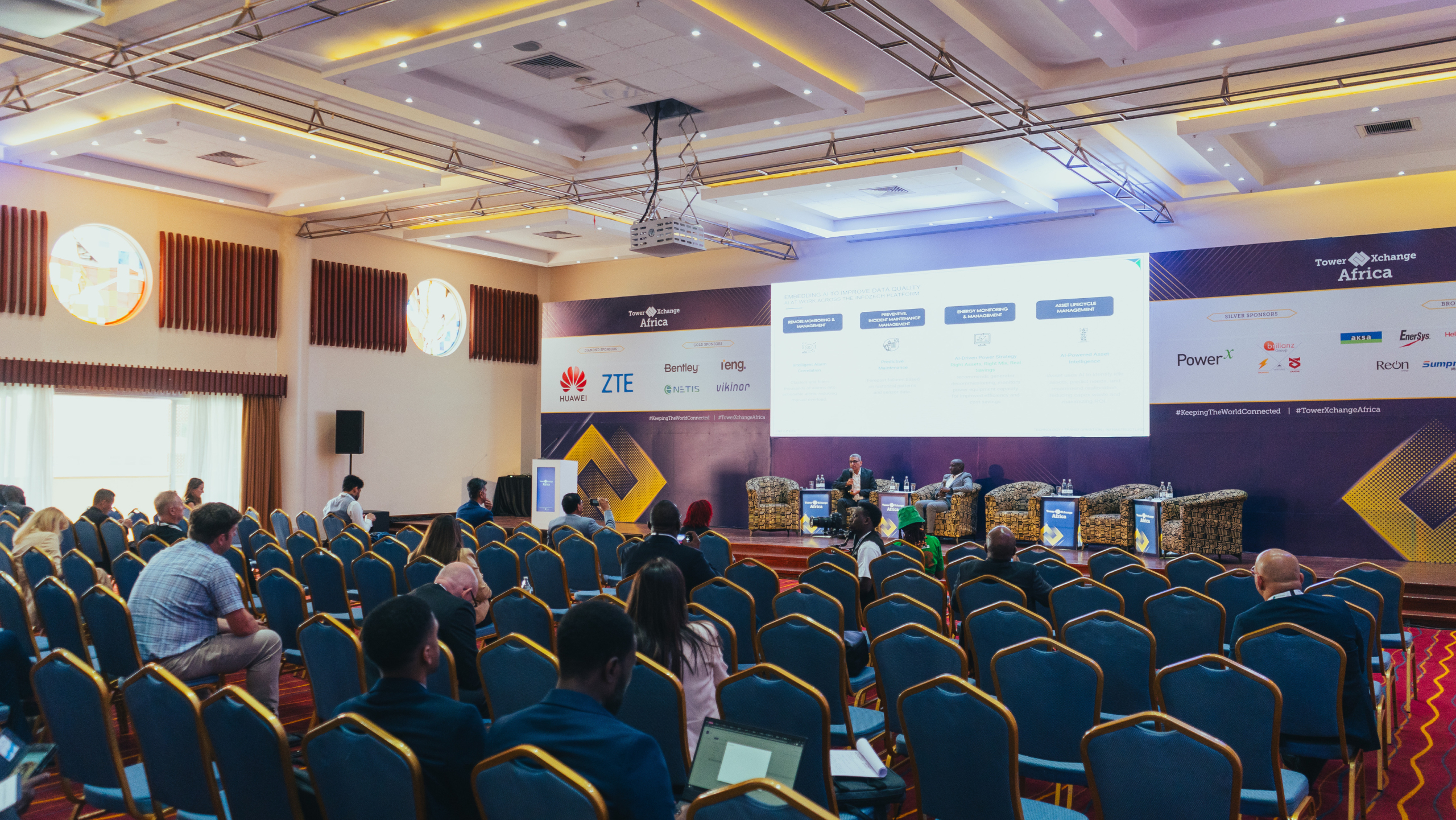
Audience Engagement Strategies for Conferences
Audience engagement is at the heart of a successful conference, transforming attendees from passive listeners into active participants who interact, network, exchange ideas, and connect with speakers, exhibitors, and fellow delegates. Modern conferences are increasingly designed around two-way communication through interactive discussions, live Q&A sessions, networking activities, workshops, demonstrations, and collaborative sessions. Strong audience engagement not only keeps attendees interested throughout the event but also improves knowledge retention, encourages meaningful connections, and creates a more memorable conference experience.
Audience engagement has become increasingly important for corporate conferences, summits, seminars, workshops, hybrid events, association meetings, NGO forums, and international conferences across Kenya. Successful engagement requires a combination of compelling content, interactive conference formats, networking opportunities, entertainment, and modern event technology. Tools such as live polling, digital Q&A platforms, audience response systems, interactive LED displays, event apps, social media integration, and hybrid participation can encourage attendees to contribute actively throughout the event. Professional audiovisual production, creative staging, lighting, and reliable sound also help maintain attention and create an environment where speakers and audiences can communicate effectively.
Peak Audio provides professional Audience Engagement and Conference Production Solutions in Kenya, combining event technology with audiovisual production, live streaming, hybrid event solutions, staging, lighting, LED screens, and comprehensive technical support. From interactive presentations and live audience polling to high-quality sound, multi-camera production, and seamless virtual participation, Peak Audio helps organizations create dynamic conference experiences that keep audiences engaged from opening session to closing remarks. By combining creative engagement strategies with professional event production and reliable technology, Peak Audio helps organizations deliver conferences that encourage participation, strengthen connections, and leave lasting impressions on attendees.
1. Why Is Audience Engagement Important at Conferences?

Audience Engagement Strategies for Conferences
Audience engagement is a critical part of a successful conference because attendees gain more value when they are actively involved rather than simply listening to presentations. Effective engagement encourages delegates to ask questions, participate in discussions, respond to polls, interact with speakers, exchange ideas, network with other attendees, and contribute their own experiences.
For conferences in Kenya, engagement can be strengthened through a combination of interactive session formats, professional audiovisual production, audience response technology, live polling, Q&A platforms, networking activities, LED screens, event apps, and hybrid event solutions.
1.1 Encourages Active Participation
Active participation transforms conference attendees from passive listeners into contributors who interact with speakers, content, and other delegates.
How Audience Engagement Encourages Participation
- Interactive Q&A sessions
- Give delegates opportunities to ask speakers questions.
- Creates direct communication between presenters and audiences.
- Live polling
- Allows attendees to respond to questions using smartphones or audience response systems.
- Displays collective opinions in real time.
- Panel discussions
- Create opportunities to explore different perspectives.
- Audience questions can make discussions more relevant.
- Interactive workshops
- Allow attendees to participate in exercises, demonstrations, and problem-solving activities.
- Moves beyond conventional presentations.
- Audience voting
- Delegates can vote on topics, ideas, proposals, or discussion questions.
- Creates immediate involvement.
- Open discussions
- Give attendees opportunities to contribute their experiences and opinions.
- Makes sessions more collaborative.
- Gamification
- Quizzes, challenges, points, and competitions can encourage participation.
- Adds an entertaining element to conference engagement.
Active participation makes conferences more dynamic by giving delegates opportunities to ask questions, share ideas, respond to speakers, and contribute directly to sessions.
1.2 Improves Knowledge Retention
Attendees are often exposed to large amounts of information during conferences. Interactive experiences can help delegates process, understand, and remember important messages.
How Engagement Supports Learning
- Interactive discussions
- Encourage delegates to think critically about presented information.
- Helps participants connect ideas with practical experiences.
- Practical demonstrations
- Show concepts, products, or processes in action.
- Makes complex information easier to understand.
- Audience questions
- Allow participants to clarify information they do not understand.
- Helps address knowledge gaps immediately.
- Live quizzes
- Test understanding during or after presentations.
- Reinforces important messages.
- Visual presentations
- LED screens, videos, graphics, charts, and presentations support spoken information.
- Provides multiple ways to communicate key concepts.
- Breakout sessions
- Smaller groups can explore topics in greater depth.
- Encourages practical discussion.
- Session summaries
- Reviewing major points at the end of presentations reinforces key information.
- Helps delegates identify important takeaways.
Interactive discussions, demonstrations, visual content, quizzes, and practical activities can reinforce conference messages and improve delegates’ understanding and retention.
1.3 Creates Better Networking Opportunities
Networking is an important reason many professionals attend conferences. However, meaningful connections are more likely when organizers deliberately create opportunities for attendees to interact.
Audience Engagement Can Improve Networking Through
- Structured networking sessions
- Allocate specific time for delegates to meet one another.
- Prevents networking from depending entirely on informal introductions.
- Speed networking
- Allows participants to meet several people within short structured conversations.
- Useful for larger conferences.
- Breakout discussions
- Bring together delegates interested in similar topics.
- Creates natural opportunities for professional conversations.
- Networking lounges
- Provide comfortable areas where participants can interact between sessions.
- Supports informal relationship building.
- Themed networking tables
- Organize delegates around specific industries or interests.
- Helps attendees find relevant contacts.
- Event applications
- Digital platforms can help attendees discover and connect with other delegates.
- Supports networking before, during, and potentially after the conference.
- Coffee and lunch networking
- Meal breaks can be intentionally structured to encourage interaction.
- Makes networking part of the conference programme.
Structured networking activities make it easier for delegates to establish meaningful professional connections, exchange ideas, and identify potential collaboration opportunities.
1.4 Improves Attendee Satisfaction
Conference attendees are more likely to value an event when they feel involved, connected, and able to contribute rather than spending the entire programme listening passively.
Engagement Can Improve the Attendee Experience Through
- Varied session formats
- Combining presentations, panels, workshops, discussions, and demonstrations prevents monotony.
- Keeps the programme interesting.
- Opportunities to participate
- Polls, questions, games, and discussions give attendees an active role.
- Makes sessions more engaging.
- Relevant content
- Real-time feedback can help speakers understand audience interests.
- Allows discussions to address relevant concerns.
- Professional audiovisual production
- Clear sound, quality visuals, appropriate lighting, and reliable presentation systems improve communication.
- Reduces distractions caused by technical problems.
- Networking opportunities
- Helping attendees establish useful connections increases the practical value of attendance.
- Creates benefits beyond formal presentations.
- Accessible participation
- Hybrid technology can allow remote participants to engage alongside physical attendees.
- Creates a more inclusive conference experience.
- Entertainment and breaks
- Appropriate entertainment and well-planned breaks can balance intensive conference sessions.
- Helps maintain attendee energy.
Engaged delegates are more likely to find a conference useful, enjoyable, relevant, and worth attending again.
1.5 Provides Valuable Audience Feedback
Audience engagement also provides conference organizers with valuable information about what attendees think, understand, prefer, and expect.
Ways to Collect Audience Feedback
- Live polling
- Ask delegates questions during sessions.
- Provides immediate audience responses.
- Digital surveys
- Collect structured feedback about speakers, sessions, venues, and the overall event.
- Supports post-conference evaluation.
- Q&A data
- Frequently asked questions can reveal topics that matter most to attendees.
- Helps organizers understand audience priorities.
- Session ratings
- Delegates can evaluate individual presentations or workshops.
- Helps identify successful content.
- Event app feedback
- Conference applications can provide convenient feedback tools.
- Makes responses easier to collect.
- QR code surveys
- QR codes displayed on screens or event materials can direct delegates to feedback forms.
- Provides convenient smartphone access.
- Real-time audience responses
- Polling and audience response systems can show changing opinions during discussions.
- Provides immediate insights.
How Organizers Can Use the Feedback
- Improve future conference programmes
- Identify topics audiences want to explore further.
- Evaluate speakers and sessions
- Understand which presentations delivered the greatest value.
- Improve event logistics
- Identify concerns involving registration, scheduling, venue arrangements, or technical production.
- Understand attendee expectations
- Learn what delegates want from future events.
- Measure conference performance
- Compare attendee satisfaction and engagement with event objectives.
- Support future planning
- Use collected insights when designing subsequent conferences, summits, workshops, and corporate events.
Audience feedback gives conference organizers measurable insights into attendee interests, satisfaction, expectations, and experiences, helping them improve both current and future events.
Strong audience engagement at conferences can significantly improve participation, learning, networking, attendee satisfaction, and the overall impact of the event. Instead of treating delegates as passive spectators, organizers can create opportunities for attendees to ask questions, participate in polls, contribute to discussions, interact with speakers, network with other professionals, and provide immediate feedback.
Engagement can be strengthened through live polling, interactive Q&A, workshops, breakout sessions, audience response systems, networking activities, gamification, event apps, digital surveys, professional audiovisual production, and hybrid event technology.
Peak Audio can support engaging conferences in Kenya through professional conference sound systems, LED screens, presentation technology, live streaming, hybrid event solutions, audience engagement technology, event lighting, video production, staging, and dedicated technical support.
By making participation an intentional part of conference planning, organizers can create events where delegates do more than attend—they contribute, connect, learn, interact, and remain actively involved throughout the conference experience.
2. Interactive Conference Session Strategies

Audience Engagement Strategies for Conferences
Interactive conference sessions are designed to move delegates beyond passive listening and give them opportunities to ask questions, exchange ideas, solve problems, share experiences, provide feedback, and interact directly with speakers and other attendees.
Rather than relying entirely on traditional presentations, conference organizers can combine live Q&A sessions, audience polling, panel discussions, breakout sessions, roundtables, workshops, fireside chats, and audience-led discussions. Using several formats throughout the programme can help maintain attention and accommodate different participation styles.
2.1 Live Q&A Sessions
Live question-and-answer sessions create direct communication between speakers and delegates, allowing audiences to explore topics beyond prepared presentations.
How to Make Live Q&A Effective
- Allocate dedicated Q&A time
- Reserve time after presentations specifically for audience questions.
- Prevents Q&A from being rushed at the end.
- Use roaming microphones
- Wireless microphones allow attendees to ask questions clearly from different parts of the room.
- Ensures everyone can hear the discussion.
- Provide digital question submission
- Attendees can submit questions through event apps, QR codes, or Q&A platforms.
- Helps delegates who may prefer not to speak publicly.
- Allow anonymous questions
- Where appropriate, anonymous submissions can encourage participation.
- Useful when discussing sensitive or complex topics.
- Use a moderator
- A moderator can organize questions and keep discussions relevant.
- Helps maintain session timing.
- Display questions on screens
- Selected questions can appear on LED screens or presentation displays.
- Helps the wider audience follow the discussion.
- Encourage follow-up questions
- Allow delegates to explore important answers further where time permits.
- Creates deeper discussion.
Live Q&A sessions create direct communication between speakers and delegates while giving attendees opportunities to clarify information and explore topics in greater depth.
2.2 Audience Polling
Live polling allows organizers and speakers to collect audience opinions and responses instantly during conference sessions.
Ways to Use Audience Polling
- Opening polls
- Ask delegates about their knowledge, expectations, or opinions before a presentation.
- Helps speakers understand the audience.
- Knowledge checks
- Ask questions during presentations to determine whether key information has been understood.
- Reinforces learning.
- Opinion polls
- Collect audience perspectives on industry issues or discussion topics.
- Creates useful talking points.
- Prediction questions
- Ask attendees what they believe will happen regarding a particular trend or issue.
- Encourages critical thinking.
- Multiple-choice questions
- Provide simple options that delegates can respond to quickly.
- Works particularly well for large audiences.
- Real-time results
- Display responses immediately on LED screens or presentation displays.
- Creates visible collective participation.
- Closing polls
- Repeat selected opening questions after the session.
- Can reveal whether opinions or understanding changed.
Audience polling provides immediate participation while giving speakers and organizers useful information about attendee knowledge, opinions, expectations, and interests.
2.3 Panel Discussions

Audience Engagement Strategies for Conferences
Panel discussions bring together several experts to examine a topic from different perspectives, creating a more conversational alternative to individual presentations.
How to Create Engaging Panel Discussions
- Select complementary panelists
- Include speakers with different experiences or areas of expertise.
- Creates a broader discussion.
- Use an experienced moderator
- Guides the conversation and manages speaking time.
- Helps prevent individual panelists from dominating.
- Focus on specific questions
- Structure discussions around clearly defined issues.
- Keeps conversations relevant.
- Include audience questions
- Allow delegates to contribute questions throughout the session.
- Connects the discussion with audience interests.
- Encourage different perspectives
- Panelists should be able to discuss contrasting experiences or approaches.
- Creates more meaningful conversations.
- Use live polling
- Audience responses can introduce new questions for panelists.
- Creates interaction between delegates and speakers.
- Manage session timing
- Balance moderator questions, panel discussion, and audience participation.
- Ensures sufficient time for engagement.
Well-structured panel discussions expose attendees to multiple perspectives while creating opportunities for audience questions, debate, and expert interaction.
2.4 Breakout Sessions
Breakout sessions divide larger conference audiences into smaller groups, making it easier for individual delegates to participate actively.
Effective Breakout Session Approaches
- Topic-based groups
- Allow delegates to choose discussions relevant to their interests.
- Creates more focused participation.
- Problem-solving exercises
- Give groups a specific challenge to address.
- Encourages collaboration.
- Case study discussions
- Participants analyze practical situations.
- Connects conference content with real-world applications.
- Industry-specific groups
- Bring together attendees from similar sectors or professions.
- Supports relevant conversations.
- Facilitated discussions
- Assign facilitators to guide each group.
- Helps maintain focus.
- Group presentations
- Ask breakout teams to present their conclusions to the main audience.
- Creates accountability and knowledge sharing.
- Virtual breakout rooms
- Hybrid and virtual conferences can create digital group spaces.
- Allows remote delegates to participate.
Breakout sessions create smaller and more focused environments where delegates can collaborate, discuss ideas, solve problems, and contribute more comfortably.
2.5 Roundtable Discussions
Roundtable discussions create relatively equal participation by bringing smaller groups together to discuss specific topics, challenges, or industry issues.
How Roundtables Encourage Engagement
- Small-group conversations
- Smaller numbers make it easier for everyone to contribute.
- Reduces dependence on a single speaker.
- Topic-specific tables
- Each table can focus on a different issue.
- Allows delegates to select relevant conversations.
- Facilitated discussions
- Table facilitators can introduce questions and maintain focus.
- Helps generate productive conversations.
- Peer knowledge sharing
- Participants contribute their professional experiences.
- Allows attendees to learn from one another.
- Rotating discussions
- Delegates can move between tables during longer sessions.
- Exposes participants to multiple topics and people.
- Group recommendations
- Tables can develop recommendations or key takeaways.
- Creates practical outcomes.
- Report-back sessions
- Representatives share important conclusions with the wider conference.
- Extends insights beyond individual tables.
Roundtable discussions encourage peer-to-peer learning by creating smaller environments where attendees can exchange experiences, discuss challenges, and develop ideas together.
2.6 Workshops and Demonstrations
Workshops and demonstrations provide practical learning experiences where delegates actively apply ideas rather than simply hearing about them.
Interactive Workshop Strategies
- Hands-on exercises
- Give participants tasks related to the session topic.
- Reinforces learning through practice.
- Live demonstrations
- Show products, processes, systems, or techniques in action.
- Makes complex concepts easier to understand.
- Case studies
- Allow delegates to analyze practical situations.
- Encourages problem-solving.
- Group exercises
- Participants collaborate on specific assignments.
- Supports teamwork and discussion.
- Role-playing
- Delegates practice realistic workplace or industry scenarios.
- Helps develop practical skills.
- Technology demonstrations
- Present software, platforms, equipment, or digital solutions interactively.
- Allows audiences to understand how technology works.
- Question periods
- Encourage participants to ask questions during demonstrations.
- Provides immediate clarification.
Workshops and demonstrations combine practical learning with audience participation, helping delegates understand concepts through direct application and experience.
2.7 Fireside Chats
Fireside chats use a relaxed conversational format, typically involving a moderator interviewing an executive, expert, entrepreneur, industry leader, or other featured guest.
How to Create an Engaging Fireside Chat
- Use a conversational setup
- Create a more relaxed environment than a formal podium presentation.
- Helps speakers communicate naturally.
- Select a strong moderator
- Guides the discussion and asks relevant follow-up questions.
- Keeps conversations focused.
- Explore personal experiences
- Encourage speakers to share practical lessons, challenges, and experiences.
- Adds authenticity to the discussion.
- Discuss industry insights
- Explore trends, opportunities, and challenges.
- Provides valuable professional perspectives.
- Include audience questions
- Allow delegates to submit questions during the conversation.
- Creates direct audience involvement.
- Use live polling
- Audience responses can introduce topics for further discussion.
- Makes the session more dynamic.
- Keep presentations minimal
- Focus primarily on conversation rather than lengthy slides.
- Differentiates the format from conventional presentations.
Fireside chats create relaxed and conversational sessions that allow attendees to gain practical insights from leaders and experts while participating through questions and discussion.
2.8 Audience-Led Discussions
Audience-led discussions give delegates greater influence over the direction of a conference session by allowing their questions, experiences, and interests to shape the conversation.
Ways to Create Audience-Led Sessions
- Crowdsource discussion topics
- Ask attendees to submit topics they want explored.
- Makes sessions more relevant to audience interests.
- Audience-generated questions
- Allow participants to submit and potentially vote on questions.
- Prioritizes issues delegates consider important.
- Open microphone sessions
- Give attendees opportunities to contribute directly.
- Creates spontaneous discussion.
- Delegate storytelling
- Invite participants to share relevant experiences and examples.
- Brings practical perspectives into the session.
- Peer problem-solving
- Allow attendees to present challenges for the wider group to discuss.
- Encourages collaborative thinking.
- Live voting
- Participants can determine which topics should receive additional discussion time.
- Gives audiences greater control.
- Moderator-supported discussion
- A moderator maintains structure while allowing delegates to guide the content.
- Prevents conversations from becoming unfocused.
- Closing takeaways
- Ask delegates to identify the most important lessons or actions from the discussion.
- Creates a clear session outcome.
Audience-led discussions give delegates greater ownership of conference content by allowing their questions, experiences, challenges, and interests to influence the conversation.
Combining different interactive conference session strategies encourages attendees to contribute ideas, ask questions, exchange experiences, and remain actively involved throughout the conference. Rather than relying entirely on traditional presentations, organizers can alternate between live Q&A, audience polling, panels, breakout sessions, roundtables, workshops, demonstrations, fireside chats, and audience-led discussions.
Each format serves a different purpose. Q&A and polling create immediate interaction, panels expose audiences to multiple perspectives, breakout sessions and roundtables encourage smaller-group participation, workshops support practical learning, and fireside chats create more conversational exchanges with speakers and industry leaders.
Peak Audio can support interactive conferences in Kenya with professional conference sound systems, wireless microphones, LED screens, presentation technology, audience response systems, live polling and Q&A solutions, live streaming, hybrid event technology, video production, staging, lighting, and on-site technical support.
By combining strong conference content with the right session formats and technology, organizers can create an environment where delegates listen, question, discuss, collaborate, learn, network, and actively contribute throughout the event.
3. Event Technology for Audience Engagement

Audience Engagement Strategies for Conferences
Event technology has transformed how delegates participate in modern conferences. Instead of relying entirely on microphones and traditional question-and-answer sessions, organizers can use live polling, digital Q&A platforms, audience response systems, conference mobile apps, QR codes, electronic voting, social media walls, and real-time feedback tools to create continuous interaction.
These technologies are particularly valuable for corporate conferences, summits, seminars, workshops, association meetings, AGMs, hybrid events, and large international conferences, where organizers need convenient ways to engage hundreds or even thousands of participants while collecting measurable engagement data.
3.1 Live Polling Platforms
Live polling platforms allow delegates to respond instantly to questions presented by speakers, moderators, or conference organizers.
How Live Polling Can Be Used
- Opening audience questions
- Ask delegates about their knowledge, expectations, or opinions before a session.
- Gives speakers an immediate understanding of the audience.
- Knowledge checks
- Test whether attendees understand important information.
- Helps reinforce key messages.
- Opinion polling
- Collect delegate perspectives on industry topics and conference discussions.
- Creates additional talking points for speakers.
- Multiple-choice questions
- Allow large audiences to participate quickly using smartphones or other response devices.
- Makes engagement simple.
- Real-time results
- Display poll results immediately on LED screens or projection systems.
- Allows delegates to see how their opinions compare with the wider audience.
- Pre- and post-session polling
- Ask similar questions before and after presentations.
- Can help identify changes in knowledge or opinion.
Live polling turns presentations into two-way conversations while providing speakers with immediate information about audience opinions, understanding, and interests.
3.2 Digital Q&A Systems
Digital Q&A systems allow attendees to submit questions using smartphones, tablets, conference apps, or web-based platforms.
Benefits of Digital Q&A
- Convenient question submission
- Delegates can submit questions without waiting for a microphone.
- Particularly useful for large conferences.
- Anonymous participation
- Appropriate platforms can allow attendees to ask questions anonymously.
- Can encourage participation in sensitive discussions.
- Question voting
- Delegates can vote for questions they consider most important.
- Helps moderators prioritize popular topics.
- Real-time submissions
- Questions can be submitted while presentations are taking place.
- Creates continuous interaction.
- Moderator control
- Moderators can review and organize questions before presenting them to speakers.
- Helps maintain session relevance.
- Screen integration
- Selected questions can appear on LED screens or presentation displays.
- Allows the entire audience to follow the discussion.
- Remote participation
- Virtual delegates can submit questions alongside physical attendees.
- Supports hybrid conferences.
Digital Q&A systems make it easier for both physical and remote attendees to contribute questions while helping moderators manage audience participation efficiently.
3.3 Audience Response Systems
Audience response systems provide structured tools for collecting attendee responses during presentations, workshops, panels, and discussions.
Audience Response Systems Can Support
- Live voting
- Delegates respond to questions immediately.
- Creates visible audience participation.
- Multiple-choice questions
- Speakers can collect responses from large groups.
- Useful for quizzes and knowledge checks.
- Interactive quizzes
- Test attendee knowledge during sessions.
- Adds a gamification element.
- Opinion measurement
- Collect audience views on conference topics.
- Provides useful discussion data.
- Anonymous responses
- Participants can express opinions without public identification where appropriate.
- Can encourage more open feedback.
- Real-time visualization
- Results can appear immediately on conference screens.
- Makes collective audience responses part of the presentation.
- Engagement analytics
- Digital systems can record participation levels.
- Helps organizers evaluate session engagement.
Audience response systems create structured interaction between presenters and delegates while producing measurable information about participation and audience opinions.
3.4 Conference Mobile Apps
Conference mobile applications can combine several engagement, communication, networking, and information tools within one digital platform.
Conference Apps Can Provide
- Digital agendas
- Allow delegates to view conference schedules from their smartphones.
- Makes programme information easier to access.
- Speaker profiles
- Provide information about presenters and panelists.
- Helps delegates understand speaker backgrounds.
- Live polling
- Allows attendees to participate directly through the app.
- Removes the need for separate response devices.
- Digital Q&A
- Delegates can submit questions during sessions.
- Creates convenient participation.
- Networking tools
- Help participants discover and connect with other attendees.
- Supports professional networking.
- Push notifications
- Inform delegates about programme changes, upcoming sessions, and important announcements.
- Improves conference communication.
- Session feedback
- Participants can rate presentations and provide comments.
- Supports post-event evaluation.
- Event information
- Maps, exhibitor details, documents, and other resources can be provided digitally.
- Reduces dependence on printed materials.
Conference mobile apps can centralize schedules, networking, polling, Q&A, feedback, and event information while giving attendees a convenient digital connection to the conference.
3.5 QR Code Engagement
QR codes provide a simple way for delegates to access interactive conference content directly from their smartphones.
QR Codes Can Link Attendees To
- Live polls
- Delegates scan a displayed code and immediately participate.
- Removes complicated login processes.
- Q&A platforms
- Provides quick access to digital question submission.
- Encourages participation.
- Conference programmes
- Gives delegates digital access to schedules.
- Makes event information readily available.
- Speaker presentations
- Provide access to approved presentation materials.
- Helps delegates revisit important information.
- Feedback surveys
- Attendees can evaluate sessions immediately.
- Supports real-time feedback collection.
- Networking information
- QR codes can provide access to appropriate networking tools.
- Supports delegate interaction.
- Digital resources
- Reports, brochures, videos, and other approved materials can be accessed electronically.
- Reduces printed materials.
- Event registration
- Codes can support check-in and attendee verification.
- Improves conference administration.
QR codes provide a simple bridge between physical conference environments and digital engagement tools, allowing attendees to access interactive content using their smartphones.
3.6 Electronic Voting Systems
Electronic voting systems are particularly useful for AGMs, association conferences, professional meetings, governance events, and conferences requiring formal decision-making.
Electronic Voting Can Provide
- Secure participant authentication
- Helps verify eligible voters before ballots are issued.
- Supports voting integrity.
- Digital ballots
- Participants cast votes electronically.
- Reduces manual ballot processing.
- Real-time vote counting
- Results can be calculated quickly after voting closes.
- Speeds up decision-making.
- Confidential voting
- Appropriate systems can protect individual voting choices.
- Supports privacy.
- Remote voting
- Eligible virtual participants can potentially vote alongside physical attendees.
- Supports hybrid meetings.
- Multiple resolutions
- Several motions, elections, or decisions can be managed within one system.
- Simplifies formal proceedings.
- Voting reports
- Systems can produce structured records of results.
- Supports post-event documentation and auditing requirements.
Electronic voting systems provide efficient and structured ways to conduct elections, resolutions, and formal decision-making during physical, virtual, and hybrid conferences.
3.7 Social Media Walls
Social media walls connect online conference conversations with the physical venue by displaying selected social content on LED screens and digital displays.
Social Media Walls Can Display
- Conference hashtags
- Bring relevant conversations together.
- Makes the event’s digital activity more visible.
- Attendee posts
- Selected participant posts can appear on event screens.
- Encourages attendees to contribute.
- Event photographs
- Appropriate images from conference activities can be displayed.
- Creates a sense of community.
- Speaker highlights
- Selected quotes or key messages can reinforce important conference content.
- Extends discussions beyond individual sessions.
- Sponsor content
- Approved sponsor messaging can be incorporated where appropriate.
- Provides additional visibility.
- Event announcements
- Screens can combine social content with programme information.
- Keeps attendees informed.
Content Moderation
- Review content before display
- Appropriate moderation helps prevent unsuitable content from appearing publicly.
- Protects the professional conference environment.
- Establish clear hashtag guidelines
- Makes it easier to identify relevant event conversations.
- Supports consistent engagement.
Social media walls connect digital conversations with the physical conference environment while encouraging attendees to create, share, and interact with event-related content.
3.8 Real-Time Surveys and Feedback Tools
Real-time surveys and feedback tools allow organizers to collect attendee opinions while the conference experience is still fresh.
Feedback Tools Can Measure
- Session satisfaction
- Ask attendees to rate individual presentations, panels, or workshops.
- Identifies high-performing sessions.
- Speaker performance
- Collect feedback about presentation quality and relevance.
- Supports future speaker selection.
- Content relevance
- Determine whether sessions addressed attendee interests and expectations.
- Helps improve future programmes.
- Venue experience
- Collect opinions about seating, accessibility, catering, and facilities.
- Supports operational improvements.
- Audiovisual quality
- Ask delegates about sound, screens, presentations, and streaming.
- Helps identify technical improvements.
- Networking value
- Determine whether delegates made useful professional connections.
- Helps evaluate networking activities.
- Overall conference satisfaction
- Measure the attendee’s complete event experience.
- Provides a broader performance indicator.
Ways to Collect Real-Time Feedback
- QR code surveys
- Display survey links on conference screens.
- Provides convenient smartphone access.
- Conference apps
- Allow attendees to rate sessions immediately.
- Centralizes feedback.
- Live polls
- Collect quick responses during sessions.
- Provides instant results.
- Post-session surveys
- Ask a few targeted questions immediately after presentations.
- Captures feedback while details remain fresh.
Real-time surveys provide immediate insights into attendee satisfaction, content quality, speaker performance, networking value, technical production, and the overall conference experience.
Event technology provides convenient and scalable ways for conference attendees to participate, communicate, vote, ask questions, share opinions, access information, network, and provide feedback throughout an event.
Live polling platforms create immediate participation, while digital Q&A systems make it easier for delegates to interact with speakers. Audience response systems provide measurable participation, conference apps centralize event information and engagement tools, and QR codes provide quick access to digital experiences. Electronic voting supports structured decision-making, while social media walls and real-time surveys extend participation and provide valuable audience insights.
These technologies also give organizers access to valuable engagement information such as poll responses, Q&A activity, voting participation, survey results, session ratings, app engagement, and attendee feedback, helping them understand what worked and where future conferences can improve.
Peak Audio can support conferences in Kenya with professional audience engagement technology, live polling and Q&A solutions, electronic voting systems, conference audiovisual production, LED screens, sound systems, presentation technology, live streaming, hybrid event solutions, staging, lighting, and dedicated technical support.
By integrating the right technology into the conference programme, organizers can create an environment where attendees do more than watch presentations—they participate, respond, question, vote, connect, share, and contribute throughout the conference experience.
4. Networking Strategies for Conference Attendees

Audience Engagement Strategies for Conferences
Networking is one of the most valuable elements of a professional conference because delegates often attend not only to learn from speakers but also to meet potential clients, business partners, suppliers, investors, industry experts, employers, and other professionals.
However, simply placing hundreds of people in the same venue does not automatically create meaningful networking. Conference organizers can improve interaction by incorporating speed networking, structured networking sessions, industry discussion groups, hosted tables, business matchmaking, networking lounges, dedicated meal networking, and digital networking platforms into the programme.
4.1 Speed Networking
Speed networking uses short, timed conversations to help delegates meet several people within a limited period.
How Speed Networking Works
- Short introductions
- Participants are paired for brief conversations.
- Each person introduces themselves, their organization, and professional interests.
- Timed conversations
- Discussions may last several minutes before participants rotate.
- Keeps networking structured and efficient.
- Participant rotation
- Delegates move between tables, seats, or designated networking positions.
- Creates opportunities to meet multiple people.
- Professional introductions
- Participants can briefly explain their role, services, projects, or business interests.
- Helps identify potential connections quickly.
- Conversation prompts
- Organizers can provide questions to help participants start conversations.
- Particularly useful when attendees do not know one another.
- Contact exchange
- Delegates can exchange business cards, QR contact details, or digital profiles.
- Makes post-conference follow-up easier.
Speed networking helps delegates meet multiple professionals quickly while reducing the uncertainty of approaching unfamiliar attendees.
4.2 Structured Networking Sessions
Structured networking sessions allocate specific periods within the conference programme exclusively for professional interaction.
Effective Structured Networking Can Include
- Dedicated networking time
- Include networking directly in the official conference agenda.
- Prevents it from being treated as an optional activity.
- Facilitated introductions
- Hosts can introduce participants or organizations with complementary interests.
- Helps initiate useful conversations.
- Networking objectives
- Encourage delegates to identify the types of people they want to meet.
- Makes interactions more purposeful.
- Conversation prompts
- Provide industry questions or discussion topics.
- Helps start meaningful conversations.
- Small networking groups
- Divide large audiences into manageable groups.
- Gives more attendees opportunities to participate.
- Contact-sharing tools
- QR codes, event applications, or digital profiles can simplify contact exchange.
- Supports follow-up after the event.
Structured networking sessions ensure professional relationship building becomes an intentional part of the conference rather than something delegates must organize independently.
4.3 Industry-Specific Discussion Groups
Industry-specific discussion groups connect delegates who share similar professional interests, challenges, sectors, or areas of expertise.
Discussion Groups Can Be Organized By
- Industry sector
- Group participants from technology, finance, healthcare, education, energy, manufacturing, hospitality, or other sectors.
- Creates relevant professional conversations.
- Professional role
- Bring together executives, marketers, engineers, procurement professionals, HR teams, entrepreneurs, or other groups.
- Encourages peer-to-peer exchange.
- Business challenges
- Organize discussions around shared problems.
- Allows participants to exchange practical solutions.
- Emerging trends
- Create groups around technology, regulation, innovation, sustainability, or other industry developments.
- Encourages knowledge sharing.
- Regional interests
- Connect delegates operating in similar geographical markets.
- Can support regional partnerships.
- Specialized topics
- Allow participants to select discussions relevant to their interests.
- Makes networking more targeted.
Industry-specific discussion groups help delegates connect with professionals who share similar interests, challenges, responsibilities, and business opportunities.
4.4 Hosted Networking Tables

Audience Engagement Strategies for Conferences
Hosted networking tables organize attendees around clearly identified themes and use a host or facilitator to guide introductions and conversation.
How Hosted Networking Tables Work
- Assign specific themes
- Each table focuses on a particular industry, topic, challenge, or opportunity.
- Helps attendees choose relevant conversations.
- Use table hosts
- A facilitator welcomes participants and starts discussions.
- Reduces awkward introductions.
- Introduce attendees
- Participants briefly introduce themselves and their professional interests.
- Helps identify useful connections.
- Use discussion prompts
- Hosts can introduce questions relevant to the table theme.
- Keeps conversations focused.
- Rotate participants
- Delegates can move between tables during longer networking sessions.
- Creates opportunities to explore different topics.
- Exchange contact information
- Participants can share business cards or digital contact details.
- Supports future communication.
Hosted networking tables create focused and welcoming environments where delegates can connect around shared professional interests.
4.5 Business Matchmaking
Business matchmaking uses attendee information and professional objectives to connect delegates with potentially relevant business contacts.
Business Matchmaking Can Connect
- Buyers and suppliers
- Introduce organizations seeking products or services to potential providers.
- Creates targeted commercial conversations.
- Investors and entrepreneurs
- Connect businesses seeking investment with relevant investors.
- Supports potential funding discussions.
- Companies and potential partners
- Identify organizations with complementary capabilities.
- Creates partnership opportunities.
- Clients and service providers
- Match attendees according to specific business needs.
- Makes networking more efficient.
- Industry experts and organizations
- Connect participants seeking specialist knowledge with appropriate professionals.
- Supports advisory conversations.
How Matchmaking Can Be Organized
- Pre-event profiles
- Collect information about delegate interests before the conference.
- Helps identify suitable matches.
- Scheduled meetings
- Allocate specific times for matched participants to meet.
- Creates structured networking appointments.
- Digital matchmaking
- Event platforms can recommend relevant participants based on selected interests.
- Supports larger conferences.
- Dedicated meeting areas
- Provide spaces where scheduled conversations can take place.
- Creates a professional meeting environment.
Business matchmaking makes networking more targeted by connecting attendees according to their professional needs, interests, and potential business opportunities.
4.6 Networking Lounges
Networking lounges provide dedicated spaces where delegates can meet and hold conversations away from busy conference sessions.
Features of Effective Networking Lounges
- Comfortable seating
- Create environments suitable for longer conversations.
- Encourages delegates to spend time networking.
- Small meeting areas
- Allow groups to hold focused discussions.
- Useful for spontaneous business meetings.
- Charging facilities
- Provide convenient places for delegates to charge devices.
- Encourages attendees to remain in networking areas.
- Wi-Fi connectivity
- Helps participants access digital profiles and business information.
- Supports digital networking.
- Appropriate background music
- Creates atmosphere without interfering with conversation.
- Makes the space more welcoming.
- Digital information displays
- Screens can display conference schedules, sponsor information, and networking instructions.
- Keeps delegates informed.
- Branded environments
- Appropriate conference or sponsor branding can be incorporated.
- Creates a professional visual identity.
Networking lounges provide comfortable environments for informal professional conversations, spontaneous meetings, and relationship building between conference sessions.
4.7 Coffee and Lunch Networking Sessions
Coffee and lunch breaks already bring delegates together, but organizers can structure these periods to create more meaningful networking opportunities.
Ways to Improve Meal-Time Networking
- Themed tables
- Assign tables according to industries or discussion topics.
- Helps attendees identify relevant conversations.
- Hosted lunches
- Facilitators or industry leaders can guide table discussions.
- Creates additional professional value.
- Rotating seating
- Encourage delegates to sit with different people during different meals.
- Expands networking opportunities.
- Conversation prompts
- Place relevant questions or topics at tables.
- Helps participants begin discussions.
- Extended coffee breaks
- Provide sufficient time for meaningful conversations.
- Prevents networking from feeling rushed.
- Networking announcements
- MCs can remind delegates about specific networking opportunities.
- Encourages participation.
- Contact exchange
- Encourage attendees to connect digitally or exchange business information.
- Supports continued communication.
Structured coffee and lunch sessions turn ordinary conference breaks into valuable opportunities for professional introductions, conversations, and relationship building.
4.8 Digital Networking Platforms
Digital networking platforms extend professional interaction beyond face-to-face conversations and can help attendees identify useful connections before, during, and after a conference.
Digital Networking Features Can Include
- Attendee profiles
- Delegates create professional profiles with relevant information.
- Helps participants identify people they may want to meet.
- Searchable directories
- Allow attendees to search by organization, industry, role, or interest.
- Makes networking more targeted.
- Matchmaking recommendations
- Platforms can suggest potentially relevant contacts.
- Reduces the effort required to identify connections.
- Meeting scheduling
- Delegates can arrange appointments during available conference periods.
- Makes networking more organized.
- Direct messaging
- Participants can communicate through the conference platform.
- Helps initiate conversations.
- QR contact exchange
- Attendees can quickly exchange approved professional information.
- Reduces dependence on physical business cards.
- Virtual networking rooms
- Remote delegates can meet other attendees digitally.
- Supports hybrid conferences.
- Post-event networking
- Where the platform remains available, delegates can continue appropriate professional conversations after the conference.
- Extends networking beyond the event date.
Digital networking platforms make it easier for physical and remote delegates to discover relevant contacts, schedule meetings, exchange information, and continue professional conversations.
Structured networking opportunities help conference delegates build meaningful professional relationships instead of relying entirely on informal interactions. While spontaneous conversations remain valuable, deliberate networking strategies can make it easier for attendees to identify and connect with people who share relevant business interests.
Speed networking allows delegates to make multiple introductions quickly, while structured sessions provide dedicated networking time. Industry-specific groups and hosted tables create focused conversations, business matchmaking connects potentially complementary participants, and networking lounges provide comfortable environments for deeper discussions. Coffee and lunch sessions can also become valuable networking opportunities, while digital platforms extend connections beyond physical interactions.
Peak Audio can support professionally organized conferences in Kenya with conference audiovisual production, professional sound systems, wireless microphones, LED screens, digital displays, event technology, live streaming, hybrid conference solutions, staging, lighting, and dedicated technical support, helping organizers create environments that support both formal sessions and meaningful delegate interaction.
By making networking an intentional part of conference planning, organizers can help attendees exchange ideas, discover opportunities, establish partnerships, meet potential clients, connect with industry professionals, and develop relationships that continue beyond the conference itself.
5. Creative Ways to Keep Conference Attendees Engaged

Keeping attendees engaged throughout a conference requires more than strong speakers and presentations. Long sessions, information overload, and limited interaction can reduce attention, particularly during full-day or multi-day events. Organizers can maintain energy by introducing gamification, competitions, interactive exhibition booths, live demonstrations, entertainment, photo experiences, LED displays, and social media activities throughout the programme.
These activities should complement the conference objectives rather than distract from them. When properly planned, creative engagement can encourage delegates to participate, explore, network, interact with exhibitors, share experiences, and remain interested throughout the event.
5.1 Gamification and Conference Challenges
Gamification introduces elements such as points, challenges, achievements, rewards, quizzes, and leaderboards into the conference experience.
Gamification Ideas Can Include
- Conference quizzes
- Ask questions based on presentations or conference themes.
- Reinforces important information while encouraging participation.
- Session participation points
- Attendees can earn points for participating in selected activities.
- Encourages active involvement.
- Exhibition challenges
- Delegates complete tasks by visiting participating exhibition booths.
- Helps increase exhibitor interaction.
- Networking challenges
- Encourage attendees to meet professionals from different industries or organizations.
- Makes networking more purposeful.
- QR code challenges
- Place QR codes at selected conference locations.
- Participants scan them to unlock questions, activities, or information.
- Digital leaderboards
- Display top participants on conference screens.
- Creates friendly competition.
- Team challenges
- Divide delegates into groups for collaborative activities.
- Encourages teamwork and interaction.
Gamification can transform ordinary conference activities into interactive challenges that encourage participation, learning, networking, and friendly competition.
5.2 Competitions and Giveaways
Competitions and appropriate giveaways can encourage attendees to participate in conference activities while creating anticipation throughout the programme.
Competition Ideas Can Include
- Knowledge competitions
- Test delegates on conference topics.
- Reinforces learning.
- Live trivia
- Participants answer questions using audience response platforms.
- Creates real-time interaction.
- Exhibition competitions
- Delegates complete activities at participating booths.
- Encourages exhibitor engagement.
- Social media competitions
- Appropriate campaign activities can encourage attendees to share conference experiences.
- Extends digital engagement.
- Networking challenges
- Reward completion of structured networking activities.
- Encourages professional interaction.
- Team competitions
- Groups compete in problem-solving or knowledge challenges.
- Creates collaboration.
- Closing prize sessions
- Announce appropriate competition results near the end of the programme.
- Can encourage delegates to remain engaged throughout the conference.
Competitions and appropriate giveaways can create excitement while encouraging attendees to participate in learning, networking, exhibition, and digital engagement activities.
5.3 Interactive Exhibition Booths

Audience Engagement Strategies for Conferences
Interactive exhibition booths give delegates reasons to stop, explore, ask questions, and interact with exhibitors rather than simply walking past static displays.
Interactive Booth Features Can Include
- Touchscreen displays
- Allow visitors to explore products, services, and company information.
- Creates self-guided interaction.
- Product demonstrations
- Show products or technologies in action.
- Improves understanding.
- Digital games
- Incorporate quizzes or branded challenges.
- Adds entertainment to the booth experience.
- QR code content
- Connect attendees with brochures, videos, contact information, or registration pages.
- Reduces dependence on printed materials.
- LED displays
- Show videos, animations, product information, and branded graphics.
- Helps attract attention.
- Interactive presentations
- Allow exhibitors to customize demonstrations according to visitor interests.
- Creates more relevant conversations.
- Lead capture systems
- Allow interested attendees to provide appropriate professional information.
- Supports post-conference follow-up.
Interactive exhibition booths encourage delegates to explore exhibitors more actively while creating opportunities for demonstrations, conversations, lead generation, and product discovery.
5.4 Live Product Demonstrations
Live demonstrations can make technical, commercial, or product-focused conference sessions more practical by allowing attendees to see solutions operating in real time.
Benefits of Live Demonstrations
- Shows products in action
- Attendees see practical applications rather than relying entirely on descriptions.
- Makes product information easier to understand.
- Explains key features
- Presenters can demonstrate specific capabilities.
- Improves product knowledge.
- Creates audience interaction
- Delegates can ask questions during demonstrations.
- Creates two-way communication.
- Supports hands-on experiences
- Suitable products can be made available for attendee interaction.
- Creates deeper engagement.
- Encourages comparison
- Different features or solutions can be demonstrated.
- Helps attendees understand available options.
- Supports visual learning
- Live camera feeds can display demonstrations on LED screens.
- Makes activities visible to larger audiences.
Live demonstrations turn product information into practical experiences, making conference content more visual, interactive, and easier to understand.
5.5 Entertainment Between Sessions

Audience Engagement Strategies for Conferences
Strategically placed entertainment can refresh attendees between intensive conference sessions and create a more balanced programme.
Entertainment Options Can Include
- Live acoustic music
- Creates a relaxed atmosphere during selected breaks.
- Provides a change from formal presentations.
- Professional DJs
- Maintain appropriate background music during networking or social sessions.
- Helps create atmosphere.
- Cultural performances
- Can introduce locally relevant entertainment.
- Particularly suitable for international conferences.
- Spoken word performances
- Provide short creative segments between formal sessions.
- Adds variety to the programme.
- Professional hosts
- Keep audiences informed and energized during transitions.
- Helps maintain programme flow.
- Short interactive activities
- Simple games or audience challenges can re-energize attendees.
- Encourages movement and participation.
Well-timed entertainment gives attendees mental breaks from formal presentations while helping maintain energy and create a more enjoyable conference atmosphere.
5.6 Photo and Video Experience Areas

Audience Engagement Strategies for Conferences
Photo and video experience areas provide delegates with creative opportunities to capture memories while supporting conference branding and social interaction.
Experience Areas Can Include
- Branded photo walls
- Incorporate conference, organizer, or appropriate sponsor branding.
- Creates recognizable event photographs.
- Professional photo booths
- Provide convenient attendee photography.
- Encourages participation during breaks.
- 360-degree video experiences
- Create short dynamic video content.
- Adds an interactive entertainment element.
- Themed installations
- Design visual environments around the conference theme.
- Creates distinctive photo opportunities.
- Digital photo sharing
- Appropriate systems can make it easier for attendees to access their images.
- Extends engagement beyond the physical experience.
- Group photography areas
- Provide suitable spaces for teams, partners, and networking groups.
- Encourages social interaction.
Photo and video experience areas create memorable attendee moments while providing opportunities for conference branding, interaction, and appropriate digital sharing.
5.7 Interactive LED Displays
LED screens do not have to function only as presentation displays. They can become active engagement tools throughout the conference.
Interactive LED Content Can Include
- Live polling results
- Display audience responses instantly.
- Makes participation visible.
- Digital Q&A
- Show selected audience questions.
- Helps delegates follow discussions.
- Conference leaderboards
- Display rankings from quizzes and challenges.
- Supports gamification.
- Social media walls
- Show selected conference-related audience content.
- Connects digital and physical engagement.
- Live camera feeds
- Display attendees, speakers, demonstrations, and performances.
- Improves visibility.
- Animated conference graphics
- Display schedules, speaker introductions, and event information.
- Strengthens visual communication.
- Interactive visual content
- Screens can work alongside audience response technology.
- Creates more dynamic sessions.
- Sponsor and exhibition content
- Approved content can provide appropriate partner visibility.
- Integrates sponsorship into the visual environment.
Interactive LED displays can transform conference screens into dynamic engagement platforms for polling, Q&A, gamification, social content, information, and live video.
5.8 Social Media Activities
Social media activities can connect the physical conference with wider digital conversations while giving attendees additional ways to participate
Social Media Engagement Ideas
- Conference hashtags
- Create a recognizable hashtag for relevant conference conversations.
- Helps organize attendee-generated content.
- Live social media walls
- Display selected posts on conference screens.
- Encourages attendees to contribute.
- Speaker highlights
- Share important insights and session takeaways.
- Extends conference discussions.
- Photo challenges
- Encourage attendees to capture appropriate conference moments.
- Adds an interactive element.
- Social competitions
- Appropriate challenges can encourage digital participation.
- Creates additional engagement.
- Behind-the-scenes content
- Share selected preparation and production moments.
- Provides another perspective on the event.
- Short video content
- Capture interviews, attendee reactions, or session highlights.
- Creates shareable conference material.
- Post-event conversations
- Continue selected discussions after the conference.
- Extends engagement beyond the event day.
Important Consideration
- Content moderation
- Content displayed publicly should be reviewed where appropriate.
- Helps maintain a professional conference environment.
Social media activities extend conference participation beyond individual sessions by encouraging attendees to share experiences, discuss ideas, and interact with event-related digital content.
Creative activities help maintain attendee energy, participation, curiosity, and interaction while making conferences more enjoyable and memorable. They are especially valuable when incorporated strategically between formal presentations, panel discussions, workshops, and networking sessions.
Gamification and challenges encourage active participation, while competitions can create excitement. Interactive exhibition booths and live product demonstrations make conference experiences more practical, and carefully selected entertainment can refresh delegates between sessions. Photo and video areas create memorable moments, while interactive LED displays and social media activities connect physical participation with digital engagement.
Peak Audio can support engaging conferences in Kenya with professional LED screens and video walls, sound systems, staging, creative lighting, video production, live streaming, interactive presentation technology, audience engagement solutions, entertainment production, and dedicated on-site technical support.
By combining valuable conference content with creative activities and professional event technology, organizers can create experiences where attendees learn, interact, compete, explore, network, share, and remain actively engaged throughout the event.
6. Audience Engagement for Hybrid and Virtual Conferences

Audience engagement is especially important for hybrid and virtual conferences because remote delegates can easily become passive viewers when an event is designed primarily around the physical audience. Successful hybrid conferences should give online participants meaningful opportunities to ask questions, join discussions, participate in polls, network, interact with speakers, complete activities, and access conference content.
By combining virtual event platforms with live streaming, breakout rooms, polling, digital Q&A, live chat, networking tools, gamification, professional audiovisual production, and on-demand content, organizers can create a more inclusive experience for both physical and remote delegates.
6.1 Virtual Breakout Rooms
Virtual breakout rooms divide a large online audience into smaller discussion groups where participants can communicate more directly.
Ways to Use Virtual Breakout Rooms
- Small-group discussions
- Divide attendees into manageable groups.
- Makes it easier for individual participants to contribute.
- Topic-based rooms
- Create separate rooms around different conference themes.
- Allows delegates to choose discussions relevant to their interests.
- Problem-solving exercises
- Give groups a challenge or case study to discuss.
- Encourages collaboration and practical thinking.
- Industry-specific groups
- Connect professionals from similar sectors.
- Creates relevant peer-to-peer conversations.
- Facilitated discussions
- Assign moderators or facilitators to individual rooms.
- Helps keep conversations focused.
- Group presentations
- Participants can return to the main conference and share their conclusions.
- Extends breakout insights to the wider audience.
- Networking breakouts
- Smaller rooms can be dedicated specifically to introductions and professional networking.
- Helps remote delegates establish connections.
Virtual breakout rooms create smaller and more interactive environments where remote attendees can discuss ideas, collaborate, network, and contribute directly.
6.2 Online Polling and Q&A
Online polling and digital Q&A provide simple ways for virtual and hybrid audiences to interact with speakers throughout conference sessions.
Online Polling Can Be Used For
- Opening questions
- Ask attendees about their knowledge, expectations, or opinions.
- Helps speakers understand their audience.
- Knowledge checks
- Test understanding during presentations.
- Reinforces important information.
- Opinion polls
- Gather participant views about discussion topics.
- Creates additional talking points.
- Real-time voting
- Allow participants to select options instantly.
- Makes sessions more interactive.
Digital Q&A Can Include
- Live question submission
- Remote attendees submit questions during presentations.
- Creates direct speaker interaction.
- Question voting
- Participants can support questions they want answered.
- Helps moderators identify popular topics.
- Anonymous questions
- Where appropriate, delegates can participate without displaying their identity.
- Can encourage more open participation.
- Screen integration
- Selected questions and poll results can appear on conference screens.
- Connects online responses with the physical venue.
Online polling and Q&A give remote attendees an active voice while providing speakers with immediate information about audience questions, opinions, and understanding.
6.3 Live Chat and Discussion Tools
Live chat creates an ongoing communication channel that allows virtual participants to interact throughout presentations and other conference activities.
Live Chat Can Support
- Attendee conversations
- Participants can exchange thoughts during sessions.
- Creates a sense of community.
- Speaker questions
- Delegates can submit questions directly through the chat.
- Makes participation convenient.
- Session discussions
- Attendees can comment on presentation topics.
- Encourages peer-to-peer learning.
- Resource sharing
- Moderators can provide approved links, documents, and supplementary information.
- Helps attendees access useful content.
- Technical assistance
- Participants can report access or technical problems.
- Allows support teams to respond quickly.
- Announcements
- Organizers can communicate programme changes and important information.
- Keeps remote audiences informed.
- Moderator prompts
- Moderators can introduce questions throughout sessions.
- Encourages quieter participants to contribute.
Live chat and discussion tools provide continuous communication channels that keep virtual audiences connected with speakers, organizers, content, and other delegates.
6.4 Virtual Networking Sessions
Remote attendees should have opportunities to establish professional relationships just like delegates attending the physical conference.
Virtual Networking Strategies
- Speed networking
- Match participants for short digital conversations.
- Helps delegates meet several professionals efficiently.
- Interest-based networking rooms
- Group attendees according to industries or professional interests.
- Creates more relevant conversations.
- Business matchmaking
- Connect delegates according to complementary professional objectives.
- Supports potential partnerships.
- One-to-one meetings
- Allow participants to schedule private virtual meetings.
- Supports deeper discussions.
- Digital attendee directories
- Help participants identify relevant professionals.
- Makes networking more targeted.
- Virtual networking lounges
- Provide informal online spaces for attendee interaction.
- Replicates aspects of physical networking areas.
- Hosted networking sessions
- Facilitators introduce participants and guide discussions.
- Reduces awkwardness and encourages participation.
Virtual networking gives remote delegates structured opportunities to meet professionals, exchange ideas, discover opportunities, and build relationships beyond formal conference sessions.
6.5 Online Gamification
Gamification can make virtual conferences more dynamic by introducing points, quizzes, challenges, achievements, competitions, and leaderboards.
Online Gamification Ideas
- Live quizzes
- Test attendees on conference topics.
- Reinforces learning.
- Participation points
- Reward selected forms of conference participation.
- Encourages active involvement.
- Digital challenges
- Give attendees tasks to complete during the event.
- Maintains attention.
- Virtual exhibition challenges
- Encourage participants to explore digital exhibitor spaces.
- Supports exhibitor engagement.
- Networking challenges
- Encourage delegates to connect with other participants.
- Makes networking more purposeful.
- Digital badges
- Recognize completion of selected conference activities.
- Provides visible achievement.
- Leaderboards
- Display participant rankings.
- Creates friendly competition.
- Appropriate rewards
- Recognize top participants where suitable.
- Can motivate continued involvement.
Online gamification introduces competition, achievement, and entertainment into virtual conferences while encouraging attendees to participate throughout the programme.
6.6 Remote Speaker Interaction
Hybrid technology allows speakers, panelists, experts, and moderators to participate from different locations without being physically present at the conference venue.
Remote Speaker Interaction Can Include
- Virtual keynote presentations
- Speakers deliver presentations remotely.
- Expands access to experts who cannot travel.
- Hybrid panel discussions
- Combine physical and remote panelists within the same session.
- Provides greater speaker flexibility.
- Remote interviews
- Hosts can conduct live conversations with speakers in other locations.
- Creates additional programme possibilities.
- Live Q&A
- Physical and online attendees can ask remote speakers questions.
- Creates two-way communication.
- Presentation sharing
- Remote speakers can display slides, videos, and other content.
- Supports professional presentations.
- Professional audio integration
- Remote speaker audio is routed through the venue sound system.
- Allows the physical audience to hear clearly.
- Large-screen video
- Remote speakers can appear on LED screens or projection systems.
- Creates stronger visual presence within the venue.
Remote speaker technology allows conferences to include experts and presenters from different locations while maintaining direct interaction with both physical and virtual audiences.
6.7 Connecting Physical and Virtual Audiences
A successful hybrid conference should operate as one connected event rather than separate experiences for physical and online attendees.
Ways to Connect Both Audiences
- Shared live polling
- Physical and virtual delegates respond to the same questions.
- Creates collective participation.
- Combined Q&A
- Moderators take questions from both audiences.
- Gives remote attendees equal opportunities to contribute.
- Remote participants on screens
- Selected virtual delegates can appear on venue displays during discussions.
- Creates greater presence.
- Shared panel discussions
- Physical and remote speakers participate together.
- Creates integrated conversations.
- Hybrid networking
- Provide opportunities for online and on-site delegates to connect.
- Extends networking beyond the venue.
- Shared competitions
- Both audiences participate in quizzes and challenges.
- Creates a unified conference experience.
- Dedicated virtual moderators
- Assign team members to represent online participants.
- Ensures virtual questions and comments are not overlooked.
- Professional audiovisual integration
- Sound, video, screens, cameras, and streaming systems connect both environments.
- Makes communication more natural.
Connecting physical and virtual audiences creates a more inclusive hybrid conference where all participants can contribute to the same discussions, polls, questions, networking activities, and experiences.
6.8 On-Demand Conference Content
On-demand content extends the value of a conference beyond the live programme by allowing authorized attendees to access recorded sessions after they have ended.
On-Demand Content Can Include
- Recorded keynote sessions
- Allow attendees to revisit important presentations.
- Supports continued learning.
- Panel discussions
- Preserve valuable conversations for later viewing.
- Helps attendees who missed simultaneous sessions.
- Workshop recordings
- Provide access to selected educational content.
- Extends training value.
- Speaker interviews
- Additional recorded conversations can supplement conference sessions.
- Provides deeper insights.
- Presentation materials
- Approved slides, reports, and supporting documents can accompany recordings.
- Creates a more complete learning resource.
- Session highlights
- Short videos summarize important conference moments.
- Provides convenient recap content.
- Secure access
- Appropriate content can be restricted to registered or authorized delegates.
- Helps control distribution.
- Post-event engagement
- Recorded content can support continued discussions and learning.
- Extends the attendee experience beyond the conference dates.
On-demand conference content extends event value by allowing attendees to revisit presentations, catch missed sessions, reinforce learning, and continue engaging after the live conference ends.
Effective hybrid engagement strategies ensure remote attendees participate actively rather than simply watching the conference broadcast. Virtual breakout rooms create smaller collaborative discussions, while online polling, Q&A, and live chat give remote audiences immediate ways to communicate and contribute.
Virtual networking helps delegates establish professional relationships, while gamification keeps online participation interesting. Remote speaker technology expands access to experts, and professional audiovisual integration connects physical and virtual participants within the same conference experience. On-demand content then extends the value of the event after the live programme has concluded.
Peak Audio can support hybrid and virtual conferences in Kenya with professional live streaming, multi-camera video production, conference sound systems, LED screens, virtual event platforms, online polling and Q&A technology, audiovisual integration, recording, presentation management, staging, lighting, and dedicated technical support.
By combining reliable event technology with carefully planned engagement strategies, organizers can create hybrid conferences where both physical and remote delegates can watch, listen, ask questions, vote, discuss, network, collaborate, and participate throughout the event.
7. How Peak Audio Supports Audience Engagement at Conferences

Creating an engaging conference requires more than good speakers and relevant content. Delegates must be able to hear clearly, see presentations comfortably, interact with speakers, participate remotely, follow visual content, and contribute through appropriate engagement tools.
Peak Audio supports conferences in Kenya by bringing together professional audiovisual production, conference technology, staging, lighting, live streaming, video production, audience interaction solutions, and technical support. These services can be adapted for corporate conferences, summits, seminars, workshops, association meetings, hybrid events, and other professional gatherings.
7.1 Professional Conference Production
Professional conference production coordinates the technical elements required to deliver a smooth and engaging event from setup through the final session.
Peak Audio Conference Production Can Include
- Pre-event technical planning
- Reviews the conference programme, venue, audience size, speaker requirements, and engagement objectives.
- Helps determine appropriate production requirements.
- Venue assessment
- Evaluates stage positioning, screen visibility, sound coverage, lighting, power, and technical spaces.
- Helps develop an appropriate venue setup.
- Audiovisual planning
- Coordinates microphones, sound systems, screens, presentations, cameras, and other equipment.
- Ensures different technologies work together.
- Speaker technical coordination
- Helps prepare microphones, presentations, videos, and remote connections.
- Reduces technical delays during speaker transitions.
- Rehearsals and testing
- Tests presentations, microphones, videos, lighting, streaming, and other systems.
- Helps identify technical problems before delegates arrive.
- Live production management
- Coordinates technical cues during presentations, panels, Q&A sessions, entertainment, and other programme elements.
- Keeps the event running professionally.
Professional conference production brings together the technical systems, people, and processes required to create a smooth environment where speakers can communicate effectively and audiences can remain engaged.
7.2 High-Quality Sound Systems
Clear sound is fundamental to audience engagement. If delegates struggle to hear speakers, panelists, videos, or audience questions, participation and concentration can quickly decline.
Professional Conference Audio Can Include
- Main PA systems
- Provide clear and balanced sound throughout the conference venue.
- Can be scaled according to room size and audience numbers.
- Wireless handheld microphones
- Allow audience members to participate during Q&A sessions.
- Makes interaction easier across larger venues.
- Lapel microphones
- Give speakers hands-free mobility.
- Suitable for presentations and keynote sessions.
- Panel microphones
- Provide clear audio for panel discussions and roundtables.
- Helps audiences follow conversations between multiple speakers.
- Digital mixing consoles
- Control microphones, presentations, videos, music, and remote audio.
- Provides centralized management of conference sound.
- Audio monitoring
- Technical teams continuously manage sound levels.
- Helps maintain clarity throughout the event.
- Hybrid audio integration
- Connects remote speakers and participants with the physical venue.
- Allows both audiences to hear and interact effectively.
High-quality sound systems ensure speakers, panelists, remote participants, and audience members can communicate clearly, creating a stronger foundation for participation.
7.3 LED Screens and Visual Displays

LED screens and professional visual displays help delegates follow presentations, speakers, videos, poll results, questions, and other conference content.
LED Screens Can Display
- Speaker presentations
- Show slides, charts, photographs, and other presentation materials.
- Makes information visible to larger audiences.
- Live camera feeds
- Display close-up views of speakers and panelists.
- Particularly useful in large venues.
- Polling results
- Show audience responses immediately.
- Makes participation visible to everyone.
- Digital Q&A
- Selected attendee questions can appear on screens.
- Helps audiences follow interactive discussions.
- Conference branding
- Display event logos, themes, speaker names, and branded graphics.
- Creates a professional visual environment.
- Remote speakers
- Virtual presenters can appear on large screens.
- Integrates remote speakers into physical sessions.
- Schedules and announcements
- Screens can communicate programme information.
- Helps delegates stay informed.
- Social media walls
- Selected event-related content can be displayed.
- Adds another interactive element.
LED screens and visual displays strengthen communication by making presentations, speakers, audience responses, event information, and interactive content clearly visible.
7.4 Professional Stage and Lighting Solutions
A professionally designed stage creates a clear focal point for the conference, while appropriate lighting ensures speakers, panelists, demonstrations, and other programme elements remain visible.
Stage Solutions Can Include
- Speaker stages
- Provide dedicated presentation areas.
- Creates a clear visual focus.
- Panel discussion setups
- Accommodate moderators and multiple speakers comfortably.
- Supports conversational session formats.
- Branded backdrops
- Reinforce the conference identity.
- Creates a consistent visual environment.
- Lecterns
- Provide professional presentation positions where required.
- Can support formal conference sessions.
Professional Lighting Can Include
- Speaker lighting
- Ensures presenters are clearly visible.
- Supports both physical audiences and cameras.
- Panel lighting
- Provides consistent illumination across multiple speakers.
- Improves visibility during discussions.
- Stage wash lighting
- Creates balanced illumination across the presentation area.
- Supports a professional stage appearance.
- Ambient lighting
- Helps create the desired conference atmosphere.
- Can complement event branding.
- Camera-friendly lighting
- Supports video recording and live streaming.
- Helps maintain professional video quality.
Professional staging and lighting improve visibility, presentation quality, branding, and the overall conference environment while supporting both in-person and video audiences.
7.5 Live Streaming and Hybrid Event Technology
Live streaming and hybrid event technology allow conferences to extend participation beyond the physical venue.
Hybrid Conference Solutions Can Include
- Professional live streaming
- Broadcasts conference sessions to authorized online audiences.
- Expands event accessibility.
- Virtual conference platforms
- Provide digital environments where remote delegates can access sessions.
- Supports online participation.
- Remote speaker integration
- Allows presenters and panelists to join from other locations.
- Expands speaker possibilities.
- Online Q&A
- Remote delegates can submit questions.
- Creates two-way participation.
- Live polling
- Physical and online attendees can respond to the same questions.
- Creates shared interaction.
- Hybrid panel discussions
- Combine on-site and remote panelists.
- Supports geographically distributed speakers.
- Presentation integration
- Slides, videos, speakers, and other content can be incorporated into the broadcast.
- Creates a more professional online experience.
- Conference recording
- Sessions can be captured for appropriate post-event use.
- Extends the value of conference content.
Live streaming and hybrid event technology expand conference reach while giving remote attendees opportunities to participate rather than simply watch.
7.6 Audience Engagement and Interaction Tools
Audience engagement technology gives delegates convenient ways to respond, ask questions, vote, provide feedback, and contribute during sessions.
Engagement Tools Can Include
- Live polling
- Collects audience opinions and responses instantly.
- Creates immediate participation.
- Digital Q&A
- Allows delegates to submit questions from their devices.
- Makes Q&A easier for large audiences.
- Audience response systems
- Collect structured answers during presentations.
- Supports quizzes, surveys, and knowledge checks.
- QR code engagement
- Provides quick access to polls, surveys, documents, and digital resources.
- Simplifies participation.
- Electronic voting
- Supports appropriate formal decisions and audience voting.
- Useful for AGMs, associations, and governance meetings.
- Real-time surveys
- Collect feedback while sessions are still fresh.
- Provides useful attendee insights.
- Interactive quizzes
- Combine learning with friendly competition.
- Helps maintain audience attention.
- Digital feedback tools
- Allow attendees to evaluate speakers and sessions.
- Provides measurable information for organizers.
Audience interaction tools create convenient ways for delegates to participate while giving organizers measurable information about attendee opinions, interests, understanding, and satisfaction.
7.7 Multi-Camera Video Production
Multi-camera production captures a conference from different perspectives and is especially valuable for live streaming, large venue screens, recording, and hybrid events.
Multi-Camera Production Can Include
- Speaker cameras
- Capture keynote speakers and presenters.
- Provides clear close-up views.
- Panel cameras
- Capture moderators and panelists from appropriate angles.
- Makes discussions easier to follow.
- Audience cameras
- Capture questions and selected audience interactions.
- Makes engagement visible to remote participants.
- Wide venue shots
- Show the overall conference environment.
- Adds visual variety.
- Live video switching
- Switches between cameras, presentations, videos, and graphics.
- Creates a polished live programme.
- LED screen feeds
- Camera footage can be displayed inside the venue.
- Helps delegates seated farther from the stage.
- Streaming integration
- Selected camera feeds are incorporated into online broadcasts.
- Improves the remote viewing experience.
- Conference recording
- Sessions can be captured for official records or appropriate on-demand content.
- Extends the useful life of the event.
Multi-camera video production improves visibility and creates a more professional experience for both physical and remote audiences while supporting live streaming, recording, and large-screen presentation.
7.8 Dedicated On-Site Technical Support
Professional conference technology requires experienced technicians to install, test, operate, monitor, and troubleshoot equipment throughout the event.
On-Site Technical Support Can Include
- Equipment installation
- Sets up sound systems, screens, stages, lighting, cameras, and streaming equipment.
- Ensures systems are ready before the conference begins.
- Pre-event testing
- Tests microphones, presentations, videos, internet connections, and other systems.
- Helps identify potential problems early.
- Sound engineering
- Manages speaker, panel, audience, video, and remote participant audio.
- Maintains consistent sound quality.
- Presentation management
- Coordinates slides, videos, speaker content, and screen feeds.
- Helps create smooth transitions.
- Video operation
- Manages cameras, switching, recording, and live feeds.
- Supports both venue and remote audiences.
- Streaming management
- Monitors live broadcasts and remote connections.
- Helps maintain a stable hybrid experience.
- Technical troubleshooting
- Responds quickly when technical problems occur.
- Helps minimize disruptions.
- Production coordination
- Works with organizers, speakers, moderators, and other event teams.
- Ensures technical cues follow the conference programme.
Dedicated technical support ensures conference sound, visuals, presentations, streaming, lighting, cameras, and engagement technologies remain professionally managed throughout the event.
Peak Audio combines professional audiovisual production, event technology, staging, lighting, live streaming, video production, and audience engagement solutions to support interactive conference experiences across Kenya.
Professional sound systems ensure delegates hear every presentation and discussion clearly, while LED screens and visual displays make speakers, presentations, polling results, and interactive content easy to follow. Professional staging and lighting create an appropriate conference environment, while multi-camera production improves both in-room visibility and the remote viewing experience.
For hybrid and technology-driven conferences, live streaming, remote speaker integration, digital Q&A, live polling, audience response systems, electronic voting, QR engagement, and feedback tools can give attendees more opportunities to participate.
With dedicated on-site technical support coordinating these systems, Peak Audio can help conference organizers create environments where delegates can see clearly, hear clearly, ask questions, respond, vote, interact, connect, and remain actively involved throughout the conference.
8. Frequently Asked Questions About Audience Engagement Strategies for Conferences
Audience engagement is essential for creating conferences where delegates participate, interact, learn, network, and contribute rather than simply listening to presentations. Effective engagement combines strong conference content with interactive formats, professional audiovisual production, networking opportunities, event technology, and well-planned audience activities.
Below are answers to frequently asked questions about audience engagement strategies for conferences in Kenya and how Peak Audio can support interactive conference experiences.
8.1 How Can I Increase Audience Engagement at a Conference?
Increasing audience engagement starts with creating multiple opportunities for delegates to participate throughout the conference instead of limiting interaction to a short Q&A at the end.
Effective Strategies Include
- Live Q&A sessions
- Give delegates opportunities to ask speakers questions.
- Creates direct interaction between the audience and presenters.
- Audience polling
- Collect opinions and responses during presentations.
- Keeps delegates actively involved.
- Breakout sessions
- Divide large audiences into smaller discussion groups.
- Encourages greater individual participation.
- Interactive workshops
- Allow delegates to complete exercises and practical activities.
- Supports active learning.
- Panel discussions
- Introduce different perspectives and audience questions.
- Creates more conversational sessions.
- Networking activities
- Include structured opportunities for delegates to meet.
- Increases the professional value of the conference.
- Gamification
- Use quizzes, challenges, points, and competitions.
- Adds energy and friendly competition.
Conference engagement improves when organizers intentionally create opportunities for delegates to question, respond, discuss, collaborate, and interact throughout the programme.
8.2 What Are the Best Interactive Activities for Conference Attendees?
The best activities depend on the conference objectives, audience profile, group size, available time, venue, and event format.
Popular Interactive Activities Include
- Live quizzes
- Test knowledge from presentations.
- Reinforces key messages.
- Audience polls
- Allow delegates to express opinions instantly.
- Creates immediate participation.
- Roundtable discussions
- Encourage smaller groups to discuss specific topics.
- Supports peer-to-peer learning.
- Problem-solving challenges
- Give groups practical scenarios to address.
- Encourages teamwork.
- Speed networking
- Helps attendees meet several professionals quickly.
- Creates structured introductions.
- Interactive product demonstrations
- Allow attendees to see solutions operating in practice.
- Makes technical content easier to understand.
- Conference challenges
- Encourage delegates to complete activities throughout the event.
- Maintains engagement.
- Photo and digital experiences
- Give attendees creative opportunities to interact with the event.
- Creates memorable conference moments.
A combination of educational, social, technological, and entertaining activities can accommodate different attendee interests while maintaining participation.
8.3 How Can Live Polling Improve Conference Engagement?
Live polling turns presentations into two-way conversations by allowing attendees to respond immediately to questions.
Benefits of Live Polling
- Encourages participation
- Large numbers of delegates can respond simultaneously.
- Gives more attendees an active role.
- Collects opinions
- Speakers can quickly understand audience perspectives.
- Provides useful discussion material.
- Checks understanding
- Questions can determine whether audiences understand important concepts.
- Helps reinforce learning.
- Creates discussion
- Unexpected poll results can become conversation starters.
- Makes presentations less predictable.
- Displays immediate results
- Results can appear on LED screens or projection systems.
- Makes collective participation visible.
- Generates engagement data
- Responses provide measurable information about attendee participation.
- Supports post-event analysis.
Live polling improves engagement by giving attendees an immediate voice while providing speakers and organizers with real-time information about audience opinions and understanding.
8.4 What Technology Can Be Used to Engage Conference Audiences?
Modern event technology provides multiple ways for delegates to interact using smartphones, event platforms, displays, and audience response systems.
Useful Technologies Include
- Live polling platforms
- Collect audience responses instantly.
- Digital Q&A systems
- Allow delegates to submit and potentially vote on questions.
- Audience response systems
- Support quizzes, surveys, polling, and voting.
- Conference mobile apps
- Combine schedules, networking, Q&A, polling, and event information.
- QR codes
- Provide quick access to surveys, resources, polls, and digital content.
- Electronic voting systems
- Support structured voting during appropriate meetings and conferences.
- LED screens
- Display poll results, questions, presentations, social content, and live video.
- Virtual event platforms
- Allow remote delegates to participate during hybrid conferences.
The right combination of polling, Q&A, mobile, voting, display, and virtual event technologies can create convenient participation opportunities for both physical and remote audiences.
8.5 How Can Networking Be Improved at Corporate Conferences?
Networking improves when organizers create structured opportunities rather than expecting delegates to make connections entirely on their own.
Effective Networking Strategies Include
- Speed networking
- Creates multiple short professional introductions.
- Hosted networking tables
- Groups delegates around specific topics or industries.
- Industry discussion groups
- Connect professionals with shared interests.
- Business matchmaking
- Matches delegates according to professional objectives.
- Networking lounges
- Provide comfortable areas for informal conversations.
- Coffee and lunch networking
- Turns conference breaks into structured interaction opportunities.
- Digital attendee directories
- Help delegates identify people they want to meet.
- Meeting scheduling platforms
- Allow participants to arrange conversations in advance.
Structured networking makes it easier for attendees to identify relevant contacts, exchange ideas, discover opportunities, and build meaningful professional relationships.
8.6 How Do You Keep Attendees Engaged During Long Conference Sessions?
Long sessions should include changes in format and opportunities for interaction to reduce passive listening and maintain attendee attention.
Strategies Include
- Break presentations into shorter segments
- Avoid extended periods of uninterrupted speaking.
- Introduce live polls
- Ask questions periodically.
- Gives audiences opportunities to respond.
- Include Q&A throughout
- Do not always wait until the end of a long presentation.
- Use strong visual content
- Videos, graphics, presentations, and LED screens can support spoken information.
- Introduce demonstrations
- Show practical examples where appropriate.
- Adds variety.
- Use short discussions
- Allow attendees to discuss questions with nearby delegates.
- Changes the pace.
- Schedule appropriate breaks
- Give delegates time to refresh and network.
- Use experienced moderators
- Keep sessions moving and manage transitions effectively.
Variety, interaction, visual content, appropriate breaks, and shorter presentation segments help maintain attendee attention during longer conference programmes.
8.7 What Are Effective Engagement Strategies for Large Conferences?
Large conferences require engagement methods that allow hundreds or thousands of delegates to participate efficiently.
Effective Large-Conference Strategies Include
- Smartphone-based polling
- Allows large audiences to respond simultaneously.
- Digital Q&A
- Collects questions without requiring everyone to access physical microphones.
- Large LED screens
- Display speakers, questions, poll results, and live video clearly.
- Audience cameras
- Show attendees asking questions.
- Improves visibility.
- Breakout sessions
- Divide large audiences into smaller groups.
- Creates deeper interaction.
- Conference apps
- Centralize schedules, networking, engagement, and information.
- Gamification
- Challenges and leaderboards can involve large numbers of attendees.
- Structured networking
- Helps delegates navigate large audiences and identify useful connections.
Large conferences benefit from scalable technologies and structured activities that allow many delegates to participate without creating unnecessary disruption.
8.8 How Can Virtual Attendees Participate in Hybrid Conferences?
Remote delegates should have opportunities to participate in the same core conference experience rather than simply receiving a video broadcast.
Virtual Participation Can Include
- Online Q&A
- Remote delegates submit questions to speakers.
- Shared live polling
- Physical and virtual audiences respond to the same polls.
- Live chat
- Online attendees communicate with moderators and other delegates.
- Virtual breakout rooms
- Smaller groups participate in discussions.
- Virtual networking
- Remote attendees can meet other delegates digitally.
- Online gamification
- Virtual participants join quizzes and conference challenges.
- Remote speaker interaction
- Online attendees can interact with speakers and panelists.
- Dedicated virtual moderation
- A moderator monitors remote questions and ensures they are represented during physical sessions.
Hybrid conferences become more inclusive when remote delegates can ask, respond, discuss, network, vote, and participate alongside physical attendees.
8.9 Does Peak Audio Provide Audience Engagement Technology?
Peak Audio can support conferences with audiovisual and event technology designed to create more interactive attendee experiences.
Engagement Solutions Can Include
- Live polling solutions
- Support immediate audience responses.
- Digital Q&A
- Provides convenient question submission.
- Audience response technology
- Supports quizzes, surveys, and interactive sessions.
- Electronic voting
- Provides structured voting where required.
- LED screen integration
- Displays questions, responses, presentations, and engagement content.
- Hybrid audience interaction
- Connects remote participants with physical sessions.
- Conference audiovisual systems
- Professional sound and visuals provide the technical foundation for interaction.
- Technical support
- Experienced technicians manage engagement systems throughout the event.
Peak Audio can combine audience interaction technology with professional audiovisual production to create more participatory conference environments.
8.10 Can Peak Audio Provide Live Streaming and Hybrid Conference Solutions?
Yes. Live streaming and hybrid conference production can connect physical conference venues with speakers and delegates participating remotely.
Hybrid Solutions Can Include
- Professional live streaming
- Broadcast conference sessions to authorized remote audiences.
- Multi-camera production
- Provides different views of speakers, panels, audiences, and the venue.
- Remote speaker integration
- Allows presenters to join from other locations.
- Presentation integration
- Combines slides, videos, graphics, and speakers within the broadcast.
- Online audience interaction
- Supports Q&A, polling, and other engagement tools.
- Professional audio integration
- Connects remote and physical speakers clearly.
- Event recording
- Captures sessions for appropriate post-event use.
- Technical management
- Coordinates physical and virtual production systems.
Peak Audio can combine live streaming, professional audiovisual production, multi-camera video, and interactive technology to connect physical and remote conference audiences.
8.11 Does Peak Audio Provide Conference Production Services Outside Nairobi?
Peak Audio can support conference production in Nairobi and other locations across Kenya, depending on the event requirements.
Production Support Can Include
- Technical planning
- Determines audiovisual and production requirements before deployment.
- Professional sound systems
- Provides appropriate audio coverage for different venues.
- LED screens and visual displays
- Supports presentations, branding, video, and audience interaction.
- Stage and lighting production
- Creates professional presentation environments.
- Live streaming
- Connects venues with remote audiences.
- Multi-camera production
- Supports large screens, recording, and streaming.
- Equipment logistics
- Coordinates transportation, installation, and breakdown.
- Technical crews
- Operate and monitor production systems throughout the event.
Peak Audio can provide conference audiovisual production and technical support for events in Nairobi and other locations across Kenya.
8.12 How Can I Get a Quotation for Interactive Conference Production in Kenya?
A detailed event brief helps determine the equipment, technology, personnel, and production infrastructure required for an interactive conference.
Information to Provide for a Quotation
- Conference date and duration
- Determines production time and equipment availability.
- Venue and location
- Helps establish technical and logistical requirements.
- Expected number of attendees
- Influences sound, screens, seating, and engagement technology requirements.
- Conference format
- Specify whether the event is physical, virtual, or hybrid.
- Stage requirements
- Indicate keynote, panel, workshop, or presentation arrangements.
- Audiovisual requirements
- Include sound systems, microphones, LED screens, projection, lighting, and presentation technology.
- Engagement requirements
- Specify polling, Q&A, voting, surveys, networking, or other interactive features.
- Live streaming requirements
- Indicate whether remote audiences or speakers will participate.
- Video production requirements
- Specify cameras, recording, live switching, and on-demand content needs.
- Technical support requirements
- Identify the level of on-site production and technical management required.
Providing Peak Audio with a detailed conference brief makes it easier to recommend an appropriate audiovisual, engagement, streaming, and technical production solution and prepare a quotation based on the actual event requirements.
Effective audience engagement strategies for conferences transform delegates from passive listeners into active participants who can ask questions, share opinions, collaborate, network, vote, provide feedback, and interact with speakers and other attendees.
Conference organizers can improve engagement through interactive Q&A, live polling, workshops, breakout sessions, structured networking, gamification, interactive exhibition experiences, digital engagement tools, and hybrid participation. For large events, professional technology such as LED screens, audience response systems, conference apps, digital Q&A platforms, and multi-camera production can make participation easier to manage and scale.
Peak Audio can support interactive conferences across Kenya with professional sound systems, LED screens, staging, event lighting, live streaming, hybrid conference technology, multi-camera video production, audience engagement solutions, presentation systems, and dedicated technical support.
By combining strong content with professional production and carefully selected engagement strategies, conference organizers can create experiences where delegates participate actively, build meaningful connections, retain valuable information, and remain engaged from the opening session to the conclusion of the event.
The Importance of Audience Engagement Strategies for Conferences
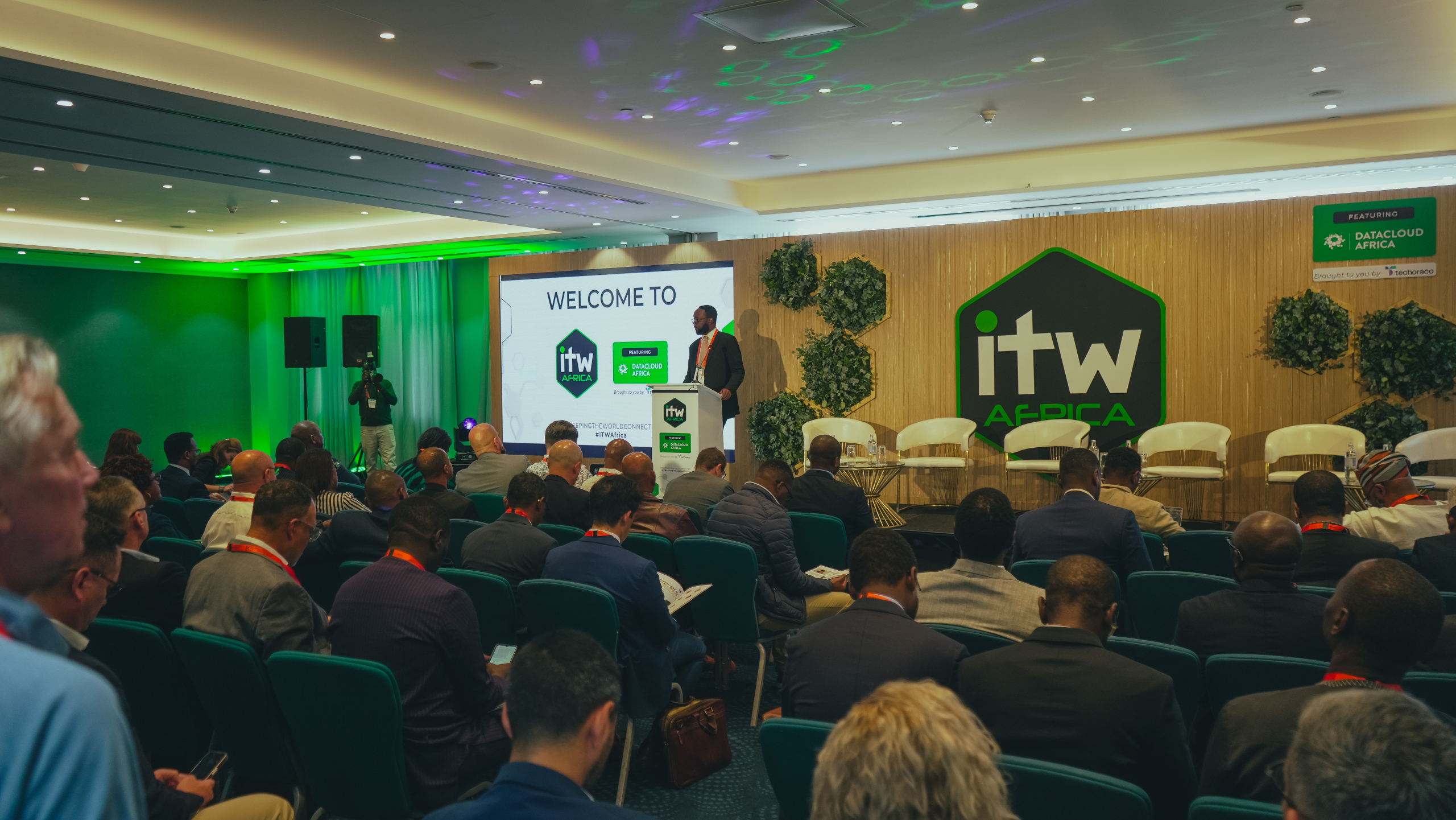
Audience Engagement Strategies for Conferences
Effective audience engagement strategies can transform conferences from passive presentations into interactive experiences that improve participation, knowledge retention, networking, attendee satisfaction, and feedback. When delegates are encouraged to contribute, exchange ideas, ask questions, and connect with others, they become active participants in the conference rather than simply spectators. This deeper involvement creates a more valuable attendee experience while increasing the overall impact and memorability of the event.
Successful conference engagement can combine live polling, Q&A sessions, breakout discussions, networking activities, gamification, interactive displays, entertainment, and audience response technology. These strategies should be designed around the conference objectives, audience profile, event format, venue, content, available technology, and desired attendee experience. Organizers should also consider both physical and virtual participants, ensuring that hybrid audiences have meaningful opportunities to interact, contribute, and connect throughout the conference.
At Peak Audio, we provide professional conference production, sound systems, staging, lighting, LED screens, audience engagement technology, live streaming, hybrid event solutions, and technical support across Kenya. Whether you are a corporation, NGO, government agency, professional association, educational institution, financial institution, development organization, or multinational company, Peak Audio can provide customized conference production and audience engagement solutions designed to increase participation, strengthen connections, and create impactful conference experiences.
Leave a Reply
Want to join the discussion?Feel free to contribute!