Virtual Corporate Event Support in Kenya
Table of Contents
ToggleVirtual Corporate Event Support in Kenya: Seamless Digital Experiences by Peak Audio
Virtual Corporate Event support
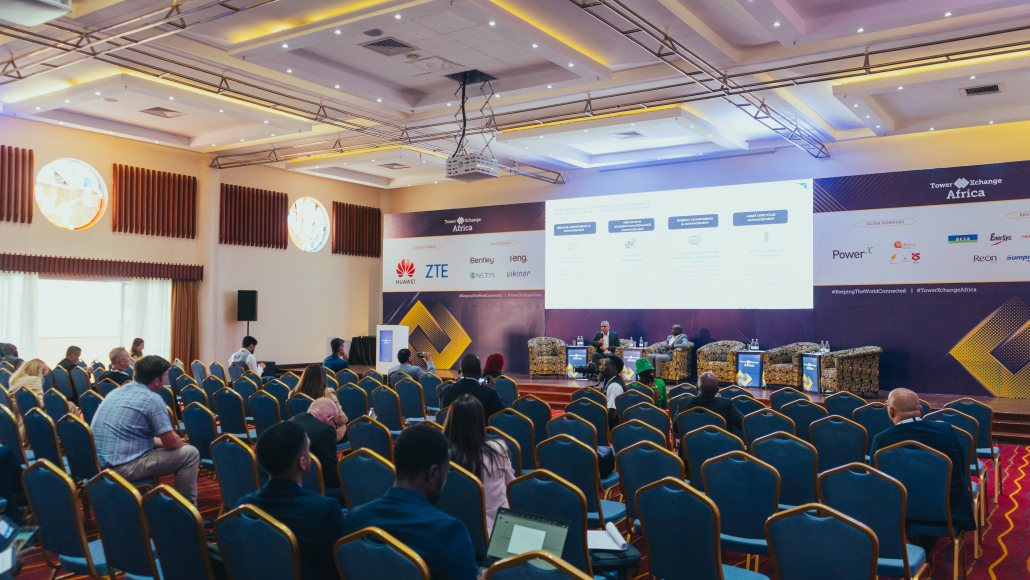
Virtual Corporate Event Support in Kenya has become a strategic necessity for organizations seeking reliable, professional, and engaging online interactions. As businesses increasingly adopt virtual conferences, executive town halls, product launches, webinars, and remote trainings, the demand for dependable technology and expert coordination continues to grow. A successful virtual corporate event goes beyond simply going live; it requires stable connectivity, clear audio, high-quality video, secure platforms, and a well-orchestrated technical setup that ensures every participant enjoys a smooth and immersive experience.
In Kenya’s fast-evolving corporate environment, technical failures or poor engagement can undermine even the most well-planned virtual event. That is why professional virtual event support is essential. From platform selection and live streaming to real-time moderation, audiovisual integration, and technical troubleshooting, every detail must be handled with precision. Well-supported virtual events enhance audience participation, maintain brand credibility, and allow organizations to communicate effectively without the constraints of physical venues or geographical boundaries.
Peak Audio stands at the forefront of Virtual Corporate Event Support in Kenya, offering end-to-end solutions tailored to corporate needs. With proven expertise in audiovisual systems, live streaming, and event technology management, Peak Audio ensures your virtual event is professionally executed from planning to post-event wrap-up. Whether hosting a high-level corporate conference or an interactive online training session, Peak Audio delivers reliable, engaging, and polished virtual experiences that elevate your brand and keep your audience fully connected.
1. Understanding Virtual Corporate Events
Virtual Corporate Event support
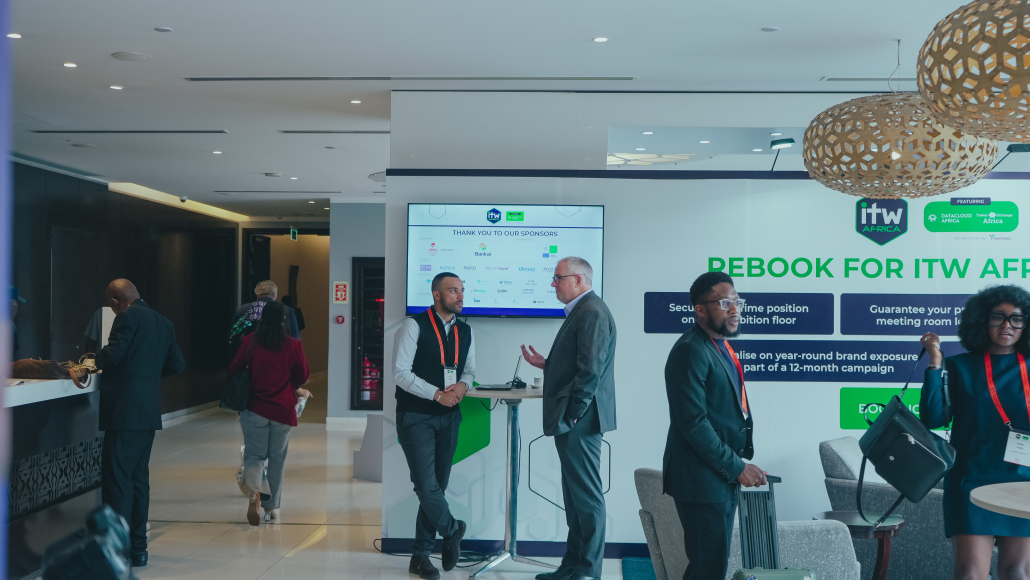
Virtual corporate events have become a core part of modern business communication in Kenya. They allow organizations to connect teams, stakeholders, and audiences without geographic limitations. While they share goals with in-person events, virtual formats require different planning, technology, and engagement strategies to succeed.
1.1 What virtual corporate events are and how they differ from in-person events
Virtual events take place on digital platforms rather than physical venues.
Key differences include:
-
Online delivery instead of face-to-face interaction
-
Reliance on streaming and conferencing technology
-
Greater emphasis on audio and visual clarity
-
Structured digital agendas and timed segments
-
Remote audience participation tools
-
Reduced physical logistics but increased technical coordination
Success depends heavily on technology and digital engagement design.
1.2 Types of virtual corporate events commonly hosted in Kenya
Organizations use virtual formats for a wide range of objectives.
Common event types include:
-
Webinars and training sessions
-
Virtual conferences and seminars
-
Product launches and demonstrations
-
Corporate town halls and internal briefings
-
Stakeholder meetings and investor updates
-
Panel discussions and expert forums
Each format requires tailored technical and engagement planning.
1.3 Key benefits: cost efficiency, scalability, and wider audience reach
Virtual delivery creates measurable operational advantages.
Primary benefits include:
-
Reduced venue and travel costs
-
Ability to host large audiences without space limits
-
Accessibility for remote participants
-
Faster scheduling and deployment
-
On-demand content recording
-
Data-driven engagement insights
These benefits make virtual events strategically attractive.
1.4 Common challenges of virtual events without professional support
Technical and engagement risks increase without expert coordination.
Typical challenges include:
-
Poor audio or unstable video quality
-
Platform reliability issues
-
Internet connectivity disruptions
-
Low audience engagement
-
Presenter’s technical difficulties
-
Lack of professional production flow
Professional planning minimizes disruptions and protects credibility.
Virtual corporate events expand reach and efficiency while introducing new technical and engagement demands. With proper planning, reliable technology, and professional execution, organizations can deliver impactful virtual experiences that match the quality and objectives of in-person events.
2. Planning a Successful Virtual Corporate Event
Virtual Corporate Event support
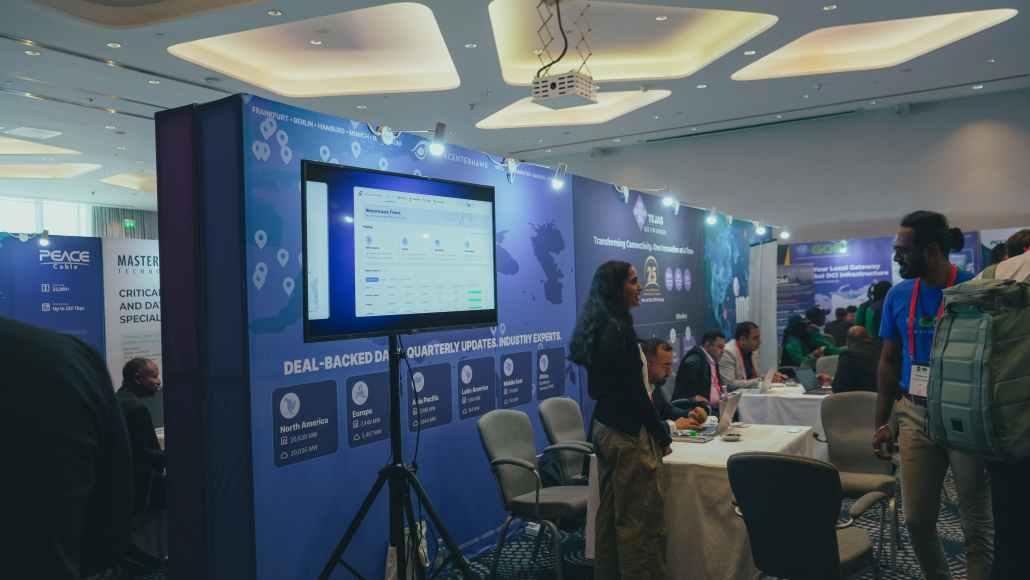
Effective virtual events do not happen by accident — they are the result of deliberate planning, technical preparation, and structured program design. Clear goals, the right platforms, coordinated speakers, and professional AV input all work together to create a smooth, engaging digital experience.
2.1 Defining clear objectives and success metrics
Every decision should connect back to a measurable purpose.
Planning should establish:
-
Primary event goals (training, engagement, announcements, etc.)
-
Target audience profile and expected participation
-
Desired attendee actions or outcomes
-
Engagement benchmarks (attendance, interaction levels)
-
Content delivery priorities
-
Post-event evaluation criteria
Clear objectives guide platform choice, content structure, and production needs.
2.2 Choosing the right virtual event platforms and tools
Technology selection shapes the attendee experience.
Key platform considerations include:
-
Audience size capacity and scalability
-
Interactive features (polls, chat, Q&A)
-
Screen sharing and presentation integration
-
Recording and replay capability
-
Security and access controls
-
Compatibility with AV and streaming systems
The right tools enable reliability, engagement, and professional delivery.
2.3 Scheduling sessions and managing speakers across locations
Remote coordination requires careful timing and communication.
Effective scheduling includes:
-
Time-zone alignment for distributed participants
-
Structured session pacing to avoid fatigue
-
Speaker briefing and rehearsal timelines
-
Transition planning between segments
-
Built-in breaks for audience retention
-
Backup presenters or contingency timing
Well-managed schedules maintain flow and reduce virtual friction.
2.4 How Peak Audio supports planning with technical assessments and event design
Professional AV input strengthens virtual execution.
Support typically includes:
-
Pre-event technical evaluations
-
Platform compatibility testing
-
Audio and video setup guidance for presenters
-
Internet and redundancy planning
-
Production workflow design
-
Live technical coordination
Expert preparation ensures the virtual experience is stable and polished.
Planning a successful virtual corporate event requires clear objectives, smart platform selection, coordinated scheduling, and professional technical design. With structured preparation and AV expertise, organizations can deliver virtual experiences that are engaging, reliable, and aligned with business goals.
3. Audio Solutions for Virtual Corporate Events

Virtual Corporate Event Support in Kenya
In virtual corporate events, audio quality is often more important than video. Remote participants rely entirely on clear sound to understand speakers, follow discussions, and remain engaged. Professional audio planning ensures consistency, intelligibility, and a polished broadcast experience.
3.1 Importance of clear, consistent audio for remote audiences
Poor audio quickly leads to disengagement and miscommunication.
Clear sound enables:
-
Easy comprehension of presentations and discussions
-
Reduced listener fatigue
-
Professional brand perception
-
Strong audience retention
-
Effective knowledge transfer
-
Smooth interaction during Q&A sessions
Reliable audio is the foundation of virtual communication.
3.2 Microphone selection for presenters, panels, and moderators
Different speaking formats require tailored microphone solutions.
Common options include:
-
Lavalier microphones for hands-free presenters
-
Headset microphones for active speakers
-
Desktop or boundary mics for panel discussions
-
USB broadcast microphones for remote contributors
-
Wireless systems for flexible movement
-
Backup microphones for redundancy
Proper selection improves clarity and minimizes disruptions.
3.3 Audio mixing and noise control for virtual environments
Virtual production requires active sound management.
Key practices include:
-
Balancing multiple speaker levels
-
Eliminating echo and feedback
-
Reducing background noise
-
Managing transitions between speakers
-
Monitoring live audio feeds
-
Applying broadcast processing for consistency
Professional mixing ensures a smooth listening experience.
3.4 How Peak Audio ensures broadcast-quality sound for virtual events
Expert AV coordination elevates audio performance.
Peak Audio support includes:
-
Professional microphone configuration
-
Digital mixing and signal processing
-
Real-time audio monitoring
-
Redundant audio pathways
-
Presenter setup guidance
-
Integration with streaming platforms
This approach delivers dependable, high-quality sound for remote audiences.
Audio excellence is critical to the success of virtual corporate events. Through proper microphone selection, professional mixing, and expert AV support, organizations can provide clear, engaging sound that keeps remote participants connected and focused throughout the experience.
4. Video Production and Visual Presentation
Virtual Corporate Event support
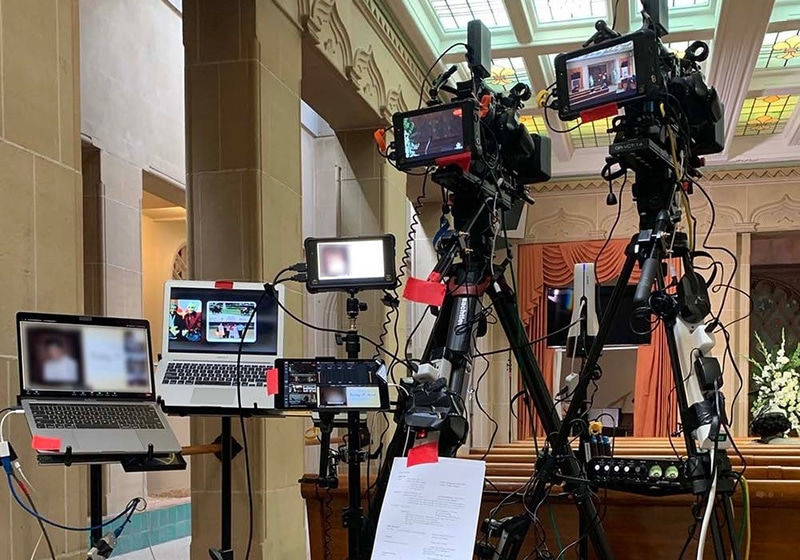
Strong video production transforms a virtual corporate event from a basic online meeting into a professional broadcast experience. Clear visuals, thoughtful framing, and branded presentation elements help maintain audience focus while reinforcing credibility and brand identity.
4.1 Camera setups for professional presenter appearances
Camera placement and quality directly influence how presenters are perceived.
Best practices include:
-
Using high-definition cameras for sharp image clarity
-
Positioning cameras at eye level for natural engagement
-
Stable mounting to prevent distracting movement
-
Proper distance framing for a balanced head-and-shoulders view
-
Multi-camera options for panel discussions
-
Backup video feeds to reduce disruption risk
Professional camera setup enhances confidence and authority.
4.2 Lighting and framing for clear, engaging video
Lighting defines visibility, mood, and presenter presence.
Effective lighting strategies include:
-
Soft front lighting to eliminate harsh shadows
-
Balanced exposure to maintain skin tone accuracy
-
Avoiding strong backlighting that silhouettes presenters
-
Consistent lighting across multiple speakers
-
Neutral backgrounds to reduce distractions
-
Framing that keeps focus on facial expressions
Good lighting keeps viewers visually connected.
4.3 Integrating slides, videos, and branded visuals
Visual content should support — not compete with — the presenter.
Integration techniques include:
-
Clean slide layouts optimized for streaming
-
Picture-in-picture presentation formats
-
Smooth transitions between speakers and visuals
-
Branded overlays and title graphics
-
Embedded video playback without lag
-
Synchronization between presenter narration and visuals
Professional integration improves clarity and storytelling.
4.4 Maintaining visual consistency across multiple speakers
Consistency reinforces professionalism and brand identity.
Key coordination steps include:
-
Standardized camera framing guidelines
-
Matching lighting conditions where possible
-
Unified background or branding templates
-
Consistent lower-thirds or graphic styles
-
Presenter setup briefings
-
Real-time visual monitoring
Uniform visuals create a cohesive viewing experience.
Professional video production ensures virtual corporate events look polished, engaging, and brand-aligned. Through careful camera setup, lighting design, visual integration, and consistency management, organizations can deliver broadcasts that capture attention and communicate with clarity and authority.
5. Engagement Tools for Virtual Events
Virtual Corporate Event Support in Kenya
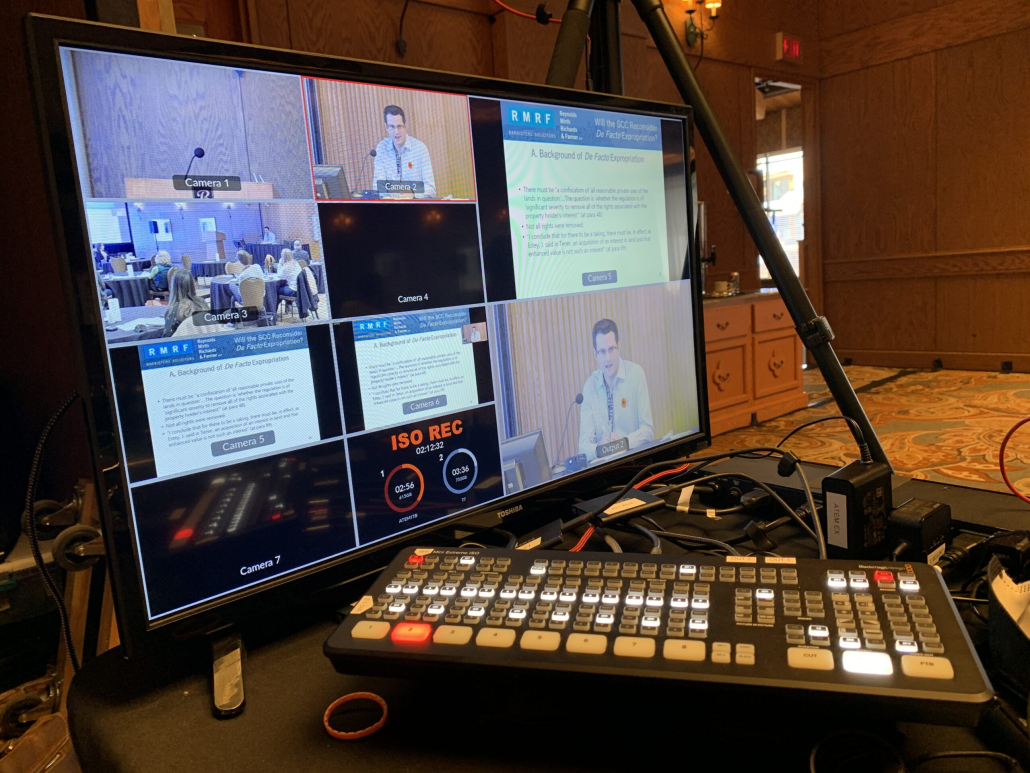
Virtual corporate events succeed when audiences feel involved rather than passive. Engagement tools transform one-way presentations into interactive experiences that sustain attention, encourage participation, and improve knowledge retention. When properly managed, these tools create a dynamic digital environment that mirrors in-person interaction.
5.1 Live Q&A sessions, polls, and audience chat
Real-time interaction keeps participants mentally present.
Effective engagement features include:
-
Structured live Q&A segments
-
Instant polling to gather opinions or feedback
-
Moderated chat discussions
-
Reaction features for quick audience response
-
Question upvoting to prioritize relevance
-
Presenter prompts that invite participation
Interactive tools turn viewers into active contributors.
5.2 Breakout rooms and networking features
Smaller group interaction builds connection and collaboration.
Common applications include:
-
Facilitated breakout discussions
-
Team-based problem-solving sessions
-
Virtual networking lounges
-
Topic-focused mini-groups
-
Peer introductions and icebreakers
-
Post-session collaboration spaces
Breakout formats replicate in-person networking dynamics.
5.3 Moderation and technical management of participant interactions
Engagement requires structure to remain productive.
Key management practices include:
-
Dedicated moderators for Q&A and chat
-
Clear participation guidelines
-
Filtering and prioritizing audience questions
-
Managing speaker transitions
-
Monitoring participant behavior
-
Technical troubleshooting during live interaction
Professional moderation keeps sessions focused and smooth.
5.4 Using AV and platform tools to maintain audience attention
Visual and audio variety prevents fatigue.
Attention-support strategies include:
-
Dynamic scene switching between speakers and slides
-
Visual overlays highlighting key points
-
Audio cues for transitions
-
Timed engagement prompts
-
Interactive countdowns or participation reminders
-
Smooth pacing supported by production cues
Well-coordinated AV enhances rhythm and focus.
Engagement tools are essential for transforming virtual events into participatory experiences. Through live interaction features, structured networking, professional moderation, and thoughtful AV integration, organizations can maintain audience attention and create meaningful digital engagement that rivals in-person events.
6. Technical Execution and Live Event Management
Virtual Corporate Event Support in Kenya
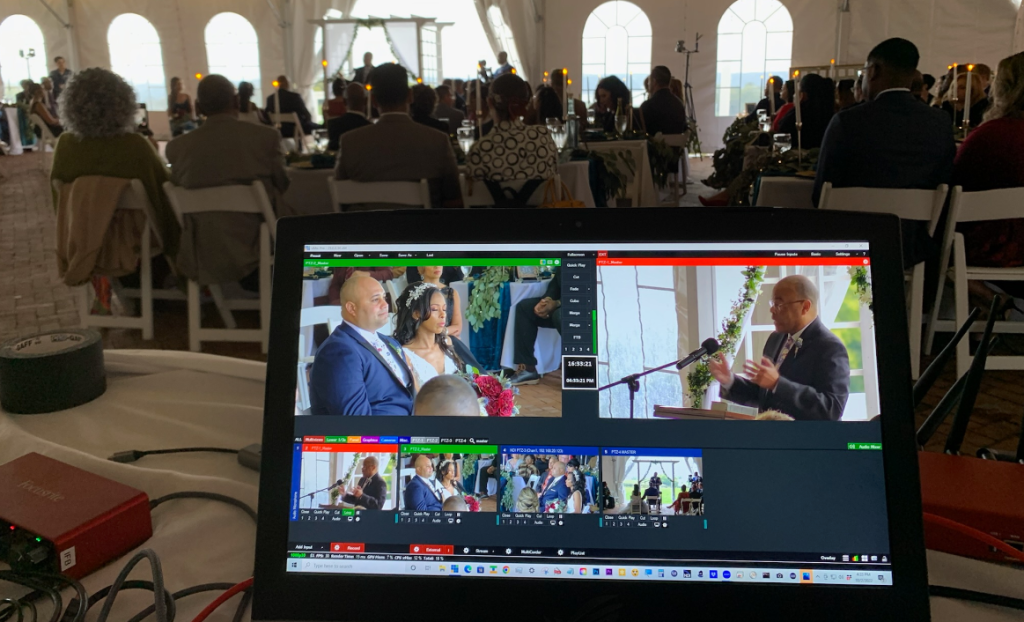
Flawless virtual events depend on disciplined technical execution and active live management. Behind every smooth broadcast is a structured process that includes rehearsals, monitoring, redundancy planning, and real-time support. Professional oversight minimizes risk, protects presenter confidence, and ensures audiences experience uninterrupted delivery.
6.1 Pre-event rehearsals and system testing
Preparation prevents most live-event failures.
Critical rehearsal activities include:
-
Full platform and streaming tests
-
Presenter audio and video checks
-
Slide and media playback verification
-
Connectivity and bandwidth validation
-
Timing walkthroughs for transitions
-
Speaker orientation and cue practice
Rehearsals reveal issues before audiences ever log in.
6.2 Real-time monitoring of audio, video, and connectivity
Live oversight ensures consistent broadcast quality.
Monitoring responsibilities include:
-
Tracking audio clarity and levels
-
Watching video framing and visual quality
-
Checking stream stability and latency
-
Managing presenter handoffs
-
Observing participant interaction channels
-
Immediate troubleshooting when anomalies appear
Continuous monitoring keeps production stable.
6.3 Backup systems and contingency planning
Redundancy protects the event from unexpected disruptions.
Essential safeguards include:
-
Secondary internet connections
-
Backup audio pathways
-
Spare microphones and cameras
-
Duplicate presentation files
-
Alternate streaming routes
-
Emergency communication channels
Prepared contingencies reduce downtime and stress.
6.4 On-demand technical support during live sessions
Rapid assistance maintains presenter confidence and audience trust.
Support functions include:
-
Real-time troubleshooting for speakers
-
Platform navigation assistance
-
Media playback correction
-
Transition coordination
-
Participant technical guidance
-
Immediate escalation for critical issues
Responsive support keeps the event moving seamlessly.
Technical execution is the backbone of successful virtual corporate events. Through rehearsals, live monitoring, redundancy planning, and on-demand support, organizations can deliver stable, professional broadcasts that maintain audience confidence and engagement from start to finish.
7. Hybrid Integration and Scalability
Virtual Corporate Event Support in Kenya
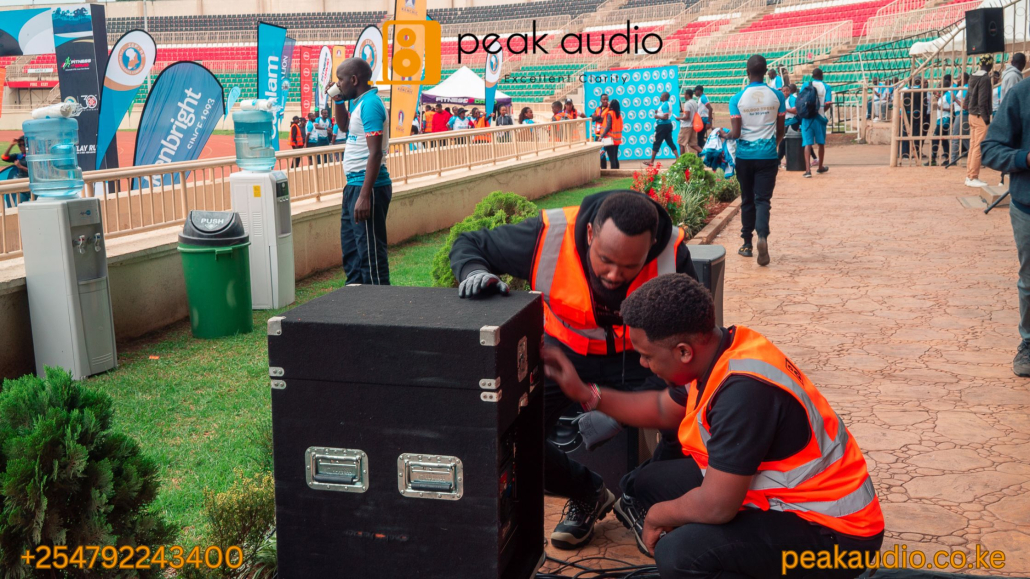
Modern corporate events increasingly blend physical and virtual participation. Hybrid integration allows organizations to reach broader audiences while preserving the energy of in-person interaction. Scalable design ensures the same professional experience whether the event serves a small executive team or a large international conference.
7.1 Combining virtual and in-person participation
Hybrid environments require synchronized planning.
Successful integration includes:
-
Unified audio systems serving both room and stream
-
Camera coverage that captures presenters and audience interaction
-
Shared visual content for on-site and remote viewers
-
Coordinated timing between live and virtual segments
-
Interactive tools accessible to all participants
-
Clear facilitation bridging both audiences
Balanced design prevents either group from feeling secondary.
7.2 Supporting remote speakers and international audiences
Distributed participation expands reach and expertise.
Key support measures include:
-
Remote presenter onboarding and technical checks
-
Time-zone scheduling considerations
-
Reliable video call integration
-
Language or captioning support where needed
-
Stable connectivity planning
-
Backup communication channels
Thoughtful coordination enables smooth global participation.
7.3 Scaling virtual events for small teams or large conferences
Scalability ensures flexibility without sacrificing quality.
Planning considerations include:
-
Platform capacity and performance limits
-
Modular AV configurations
-
Tiered production complexity
-
Audience interaction management
-
Resource allocation based on event size
-
Redundant infrastructure for high-attendance sessions
Scalable design supports growth while maintaining professionalism.
7.4 How Peak Audio manages hybrid and scalable virtual setups
Professional AV coordination ensures seamless expansion.
Peak Audio support includes:
-
Hybrid system architecture design
-
Integrated audio and video routing
-
Platform and hardware compatibility testing
-
Scalable production workflows
-
Real-time technical supervision
-
Redundancy planning for mission-critical events
Expert management delivers consistent quality at any scale.
Hybrid integration and scalability allow corporate events to reach wider audiences without compromising experience. With synchronized planning, remote participation support, scalable infrastructure, and professional AV oversight, organizations can deliver flexible, high-impact events that adapt to evolving needs.
8. Partnering with Professional Virtual Event Support Providers

Virtual Corporate Event Support in Kenya
Virtual corporate events demand more than basic streaming tools — they require coordinated planning, technical expertise, and production discipline. Working with professional virtual event specialists ensures reliability, polish, and a smooth experience for presenters and audiences alike. Expert support reduces risk while elevating the overall impact of the event.
8.1 Benefits of working with experienced AV and virtual event specialists
Professional partners bring structure and technical confidence.
Key advantages include:
-
Broadcast-quality audio and video production
-
Reduced risk of technical failure
-
Structured planning and rehearsals
-
Expert troubleshooting during live sessions
-
Scalable infrastructure for different event sizes
-
Professional presenter guidance
Specialist support allows organizers to focus on content and goals.
8.2 How Peak Audio customizes virtual event solutions for Kenyan businesses
Tailored solutions reflect event objectives and audience needs.
Customization includes:
-
Platform selection based on audience size and purpose
-
Branded visual environments
-
Flexible AV configurations
-
Hybrid participation integration
-
Connectivity optimization for local venues
-
Presenter setup consultation
Localized expertise ensures practical, effective delivery.
8.3 End-to-end support from planning to post-event delivery
Comprehensive service ensures consistency throughout the event lifecycle.
Support typically covers:
-
Pre-event technical assessments
-
Rehearsals and system testing
-
Live production management
-
Real-time monitoring and troubleshooting
-
Recording and content capture
-
Post-event media preparation
End-to-end coordination minimizes surprises.
8.4 Ensuring reliable, polished, and stress-free virtual events
Professional execution builds confidence and credibility.
Reliability strategies include:
-
Redundant systems and connectivity safeguards
-
Dedicated technical supervision
-
Clear communication channels
-
Structured run-of-show management
-
Presenter onboarding and training
-
Continuous quality monitoring
A disciplined production approach delivers seamless experiences.
Partnering with professional virtual event providers ensures corporate events run smoothly, look polished, and achieve their objectives. With tailored solutions, full lifecycle support, and expert execution, organizations can deliver reliable virtual experiences that reflect professionalism and technical excellence.
9. FAQs on Virtual Corporate Event Support in Kenya
Virtual corporate events raise practical questions about technology, reliability, and planning. Below are common concerns organizations have when preparing for professionally supported virtual or hybrid events.
9.1 What internet speed is required for virtual events?
Reliable connectivity is essential for smooth streaming.
General recommendations include:
-
Minimum 10–20 Mbps upload speed for small broadcasts
-
Higher bandwidth for multi-camera or hybrid events
-
Wired connections preferred over Wi-Fi
-
Backup internet options for redundancy
Professional testing ensures stability before going live.
9.2 Can Peak Audio support multi-day virtual conferences?
Yes — extended events require structured technical planning.
Support typically includes:
-
Multi-session scheduling and coordination
-
Continuous monitoring across days
-
Equipment consistency and maintenance
-
Presenter onboarding for each session
-
Backup planning for long-duration broadcasts
Multi-day events benefit from disciplined production management.
9.3 What platforms are best for virtual corporate events?
Platform choice depends on event goals and audience needs.
Common considerations include:
-
Participant capacity requirements
-
Engagement tools and breakout functionality
-
Security and access controls
-
Integration with presentations and media
-
Recording capabilities
Professional consultation helps match platform to purpose.
9.4 How do you ensure audio clarity for all participants?
Clear audio is prioritized through professional setup.
Best practices include:
-
Broadcast-grade microphones
-
Proper gain staging and mixing
-
Echo and noise management
-
Dedicated audio monitoring
-
Redundant signal pathways
Quality audio dramatically improves audience experience.
9.5 Can virtual events be recorded for later viewing?
Yes — recording extends event value.
Typical uses include:
-
On-demand access for attendees
-
Internal training resources
-
Marketing or recap content
-
Documentation of presentations
Professional capture ensures high-quality playback.
9.6 How are technical issues handled during live events?
Prepared teams respond immediately to minimize disruption.
Response strategies include:
-
Real-time troubleshooting protocols
-
Backup equipment activation
-
Stream rerouting when necessary
-
Presenter communication channels
-
Dedicated technical supervision
Rapid intervention keeps events running smoothly.
9.7 Are virtual events secure for confidential corporate discussions?
Security depends on platform configuration and access control.
Protective measures include:
-
Password-protected sessions
-
Controlled participant access
-
Encrypted streaming options
-
Moderator oversight
-
Restricted recording permissions
Proper setup supports confidential communication.
9.8 Can Peak Audio support hybrid events with remote speakers?
Yes — hybrid integration is a core capability.
Support includes:
-
Remote presenter onboarding and testing
-
Audio-video synchronization
-
Platform integration
-
Live switching between locations
-
Backup communication pathways
Hybrid coordination ensures seamless participation.
9.9 How early should virtual event support be booked?
Early planning improves technical readiness.
Recommended timelines:
-
Small events: 3–4 weeks minimum
-
Medium to large events: 6–10 weeks
-
Multi-day or hybrid conferences: earlier planning preferred
Advance booking allows thorough testing and preparation.
9.10 What is the cost of virtual corporate event support in Kenya?
Costs vary based on complexity and scale.
Pricing factors include:
-
Event duration
-
Equipment requirements
-
Platform integration
-
Staffing and technical support
-
Hybrid or multi-location needs
Professional consultation provides accurate budgeting guidance.
Virtual corporate event support involves connectivity, production quality, security, and planning discipline. By working with experienced providers, organizations can address technical challenges proactively and deliver reliable, engaging, and professional virtual experiences.
Virtual Corporate Events in Kenya – Seamless Digital Experiences with Peak Audio

Virtual Corporate Event Support in Kenya
Virtual corporate events have become a powerful solution for organizations seeking flexibility, scalability, and cost efficiency. By removing geographic barriers, businesses in Kenya can connect with wider audiences while maintaining professional communication and engagement. When thoughtfully designed, virtual events deliver structured interaction, clear messaging, and meaningful participation that rival traditional formats.
Success in a virtual environment depends on more than just going online — it requires reliable technology, polished audio and video, and active technical management. Smooth transitions, stable streaming, and audience engagement tools ensure your event feels professional and immersive rather than improvised. Proper execution builds trust, maintains attention, and reinforces your brand’s credibility.
At Peak Audio, we provide comprehensive support for virtual corporate events, combining expert audio-visual production with live technical oversight to guarantee flawless delivery. Our team ensures your digital events run smoothly and connect with audiences effectively across Kenya. Visit Peak Audio to discover how we elevate virtual corporate communications into impactful, professional experiences.
Leave a Reply
Want to join the discussion?Feel free to contribute!