Table of Contents
ToggleSkills Every Great Event Planner Possesses in Kenya: A Complete Guide by Peak Audio
Skills Every Great Event Planner Possesses in Kenya
Event planning blends creativity with precision, making it both an art and a science. Behind every smooth corporate function, product launch, or gala is a planner who understands how to balance vision with execution. In Kenya’s expanding events industry, expectations continue to rise as organizations seek experiences that are polished, engaging, and professionally delivered. Great planners stand out because they anticipate challenges, manage moving parts, and transform ideas into coordinated experiences that feel effortless to attendees.
The most successful event planners possess a combination of organizational discipline, communication skills, adaptability, and creative problem-solving. They excel at coordinating vendors, timelines, and stakeholders while maintaining a clear focus on the event’s objectives. These capabilities are especially valuable in Kenya’s diverse event landscape, where logistical realities, cultural nuances, and client expectations require flexibility and foresight. Strong planners create environments where teams collaborate effectively, ensuring every element — from scheduling to technical execution — aligns seamlessly.
This guide explores the essential skills that define outstanding event planners and explains how these strengths translate into memorable, professional events. While planning expertise drives structure and flow, technical excellence ensures flawless delivery. Peak Audio supports planners with dependable audiovisual solutions, expert setup, and on-site technical management, helping events achieve clarity, engagement, and impact. When planning skill meets professional production support, the result is an event experience that feels smooth, purposeful, and unforgettable.
1. Exceptional Organizational Skills
Skills Every Great Event Planner Possesses in Kenya
Strong organizational ability is the backbone of successful event management. Events involve dozens of moving parts — timelines, vendors, budgets, and people — all of which must align perfectly. Exceptional organization allows planners to stay in control, anticipate needs, and deliver seamless experiences without last-minute chaos.
1.1 Managing multiple tasks, deadlines, and stakeholders simultaneously
Event planners juggle many responsibilities at once, often under tight timelines.
Core task-management practices include:
-
Prioritizing deliverables based on urgency and impact
-
Creating structured task timelines
-
Coordinating vendor and stakeholder expectations
-
Delegating responsibilities clearly
-
Tracking progress against milestones
-
Maintaining contingency buffers
Effective multitasking ensures nothing critical slips through the cracks.
1.2 Keeping track of budgets, contracts, and schedules efficiently
Financial and logistical oversight protects event quality and accountability.
Key management approaches include:
-
Detailed budget tracking and expense forecasting
-
Vendor contract monitoring
-
Payment and invoice scheduling
-
Timeline synchronization across teams
-
Resource allocation planning
-
Documentation control
Accurate tracking prevents costly surprises and delays.
1.3 Using tools and software to streamline event logistics
Modern planning tools reduce manual workload and improve visibility.
Helpful technologies include:
-
Event management platforms
-
Shared digital calendars and task boards
-
Budget tracking software
-
Registration and attendee databases
-
Communication and collaboration apps
-
Automated reminders and reporting tools
Technology supports faster decisions and clearer coordination.
1.4 Why organization reduces stress and ensures smooth event execution
A well-organized plan minimizes uncertainty and reactive problem-solving.
Operational benefits include:
-
Predictable workflows
-
Fewer last-minute emergencies
-
Improved team coordination
-
Clear accountability
-
Higher confidence during execution
-
Better attendee experience
Organization transforms complexity into manageable systems.
Exceptional organizational skills enable event professionals to manage complexity with confidence. By structuring tasks, tracking finances, leveraging technology, and maintaining clear workflows, planners create smoother operations — resulting in stress-free execution and successful, well-coordenated events.
2. Strong Communication and Interpersonal Skills
Skills Every Great Event Planner Possesses in Kenya
Event success depends heavily on how well people communicate and collaborate. Planners constantly interact with clients, vendors, teams, and attendees — translating ideas into action while maintaining positive relationships. Strong communication and interpersonal skills ensure clarity, trust, and alignment at every stage of the event lifecycle.
2.1 Clearly conveying ideas and instructions to teams and vendors
Clear communication prevents misunderstandings and execution errors.
Best practices include:
-
Providing concise written briefs and timelines
-
Confirming expectations and deliverables
-
Using visual references or mockups when needed
-
Holding structured planning meetings
-
Summarizing decisions and action items
-
Maintaining consistent follow-up
Clarity keeps teams focused and accountable.
2.2 Building rapport with clients, sponsors, and attendees
Strong relationships create smoother collaboration and better outcomes.
Relationship-building strategies include:
-
Active listening and empathy
-
Professional yet approachable communication
-
Understanding stakeholder priorities
-
Personalizing interactions when possible
-
Demonstrating reliability and transparency
-
Showing appreciation and recognition
Trust encourages open dialogue and long-term partnerships.
2.3 Handling feedback and resolving conflicts diplomatically
Events involve differing opinions, time pressure, and unexpected issues.
Diplomatic conflict management includes:
-
Staying calm and solution-focused
-
Acknowledging concerns respectfully
-
Seeking win-win compromises
-
Clarifying misunderstandings quickly
-
Escalating issues appropriately
-
Maintaining professionalism under stress
Constructive handling prevents tension from escalating.
2.4 How effective communication ensures everyone is aligned on the event vision
Alignment is achieved when all stakeholders share the same understanding of goals and expectations.
Alignment techniques include:
-
Reiterating objectives throughout planning
-
Using shared documentation and plans
-
Conducting regular status updates
-
Encouraging questions and clarifications
-
Reviewing milestones collaboratively
-
Reinforcing the overall event vision
Unified communication drives cohesive execution.
Strong communication and interpersonal skills turn complex event collaboration into coordinated teamwork. By conveying information clearly, nurturing relationships, resolving challenges diplomatically, and reinforcing shared goals, planners create alignment and trust — essential ingredients for successful, memorable events.
3. Creativity and Innovation
Skills Every Great Event Planner Possesses in Kenya
Creativity is what transforms an ordinary gathering into a memorable experience. In event planning, innovation influences everything — from themes and décor to audience engagement and problem-solving. Creative thinking allows planners to design moments that surprise, delight, and resonate long after the event ends.
3.1 Designing unique concepts that leave a lasting impression
A strong creative concept defines the event’s identity and emotional impact.
Concept development strategies include:
-
Crafting a clear narrative or theme
-
Aligning creative direction with event objectives
-
Designing signature moments or focal experiences
-
Incorporating storytelling elements
-
Reflecting brand personality through visuals
-
Creating immersive attendee journeys
Distinct concepts help events stand out.
3.2 Incorporating themes, décor, and AV in visually compelling ways
Visual cohesion elevates professionalism and audience engagement.
Creative integration includes:
-
Coordinated color palettes and stage design
-
Themed décor and branded environments
-
Dynamic lighting to shape mood
-
Multimedia displays and visual storytelling
-
Interactive installations or focal points
-
Seamless AV integration with design
Visual harmony enhances the overall atmosphere.
3.3 Thinking outside the box to solve unforeseen challenges
Events rarely unfold exactly as planned — innovation supports adaptability.
Creative problem-solving approaches include:
-
Rapid idea generation under pressure
-
Flexible use of available resources
-
Reimagining layouts or schedules
-
Alternative technical solutions
-
Collaborative brainstorming with teams
-
Turning obstacles into opportunities
Innovation keeps execution moving forward.
3.4 Why innovation keeps events fresh and memorable
Audiences value experiences that feel new, engaging, and thoughtfully designed.
Benefits of continuous innovation include:
-
Higher attendee engagement
-
Stronger emotional connection
-
Increased shareability and buzz
-
Competitive differentiation
-
Enhanced brand perception
-
Repeat attendance interest
Fresh ideas sustain audience excitement.
Creativity and innovation are essential drivers of impactful event experiences. By developing distinctive concepts, integrating visual elements thoughtfully, solving problems creatively, and continuously refreshing ideas, planners deliver events that captivate audiences and leave lasting impressions.
4. Attention to Detail
Skills Every Great Event Planner Possesses in Kenya
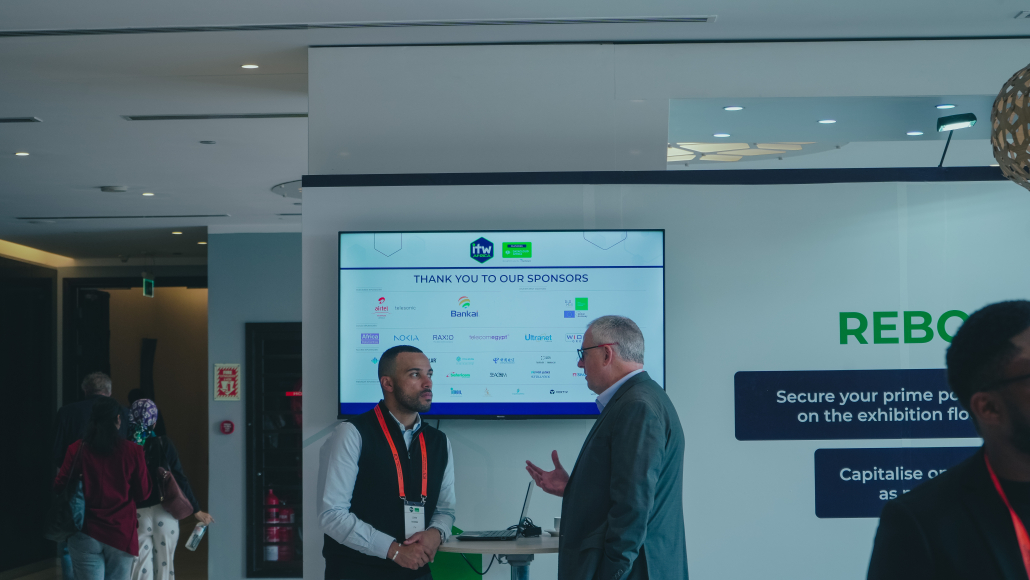
Attention to detail is what elevates an event from functional to exceptional. While big ideas attract attention, it’s the precision behind execution — timing, setup, presentation, and coordination — that determines how smoothly everything runs. Meticulous planners anticipate needs, refine small elements, and ensure consistency across every touchpoint.
4.1 Ensuring every element, from seating arrangements to lighting, is perfect
Every physical and logistical component contributes to attendee comfort and perception.
Key detail-focused practices include:
-
Reviewing seating layouts for visibility and flow
-
Aligning lighting with stage and audience needs
-
Checking signage placement and readability
-
Confirming décor positioning and balance
-
Ensuring clear pathways and accessibility
-
Verifying room setup against the event plan
Precision creates a polished environment.
4.2 Double-checking AV, catering, and décor for consistency
Consistency reinforces professionalism and prevents last-minute surprises.
Important verification steps include:
-
Testing microphones, screens, and lighting cues
-
Confirming presentation compatibility
-
Reviewing catering timing and setup
-
Inspecting décor alignment with theme
-
Cross-checking vendor deliverables
-
Conducting pre-event walkthroughs
Redundancy checks protect event quality.
4.3 Identifying potential issues before they impact the event
Proactive planning reduces risk and downtime.
Preventive measures include:
-
Scenario planning for technical failures
-
Backup equipment and materials
-
Timeline buffers for transitions
-
Vendor coordination rehearsals
-
Safety and crowd flow assessments
-
Early troubleshooting of weak points
Anticipation minimizes disruption.
4.4 How meticulous planning differentiates ordinary events from extraordinary ones
Small refinements collectively shape attendee perception.
Benefits of detail-driven execution include:
-
Seamless attendee experience
-
Professional visual presentation
-
Reduced operational stress
-
Higher confidence among stakeholders
-
Positive brand impression
-
Memorable, high-quality delivery
Details are where excellence lives.
Attention to detail ensures that every component of an event aligns with the intended vision. Through precise setup, thorough verification, and proactive problem prevention, planners deliver smooth, polished experiences — transforming good events into truly outstanding ones.
5. Budgeting and Financial Management
Skills Every Great Event Planner Possesses in Kenya
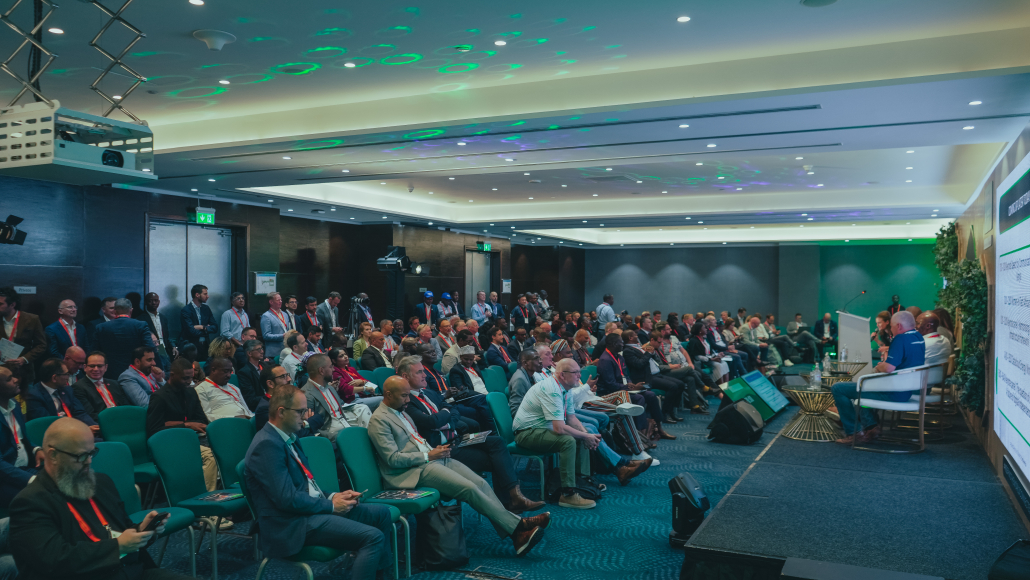
Strong financial management is essential to delivering successful events without unnecessary stress or compromise. A well-managed budget ensures that resources are allocated strategically, priorities are clear, and spending aligns with event goals. Skilled planners balance creativity with cost control to produce high-impact experiences within realistic financial boundaries.
5.1 Allocating resources effectively without compromising quality
Smart budgeting focuses on impact rather than simply cutting costs.
Effective allocation strategies include:
-
Prioritizing high-visibility event elements
-
Separating essential vs. optional expenses
-
Planning contingency reserves
-
Aligning spending with event objectives
-
Evaluating cost-to-impact ratios
-
Optimizing resource distribution
Strategic allocation preserves quality while maintaining control.
5.2 Negotiating with vendors to maximize value
Vendor relationships influence both cost efficiency and service quality.
Successful negotiation practices include:
-
Comparing multiple supplier quotes
-
Leveraging long-term partnerships
-
Bundling services for better pricing
-
Clarifying deliverables and timelines
-
Negotiating flexible payment terms
-
Ensuring transparent agreements
Value-driven negotiation stretches budgets further.
5.3 Tracking expenditures and avoiding cost overruns
Continuous monitoring prevents financial surprises.
Tracking best practices include:
-
Maintaining real-time budget records
-
Approving expenses through clear processes
-
Monitoring vendor invoices and payments
-
Reviewing budget variances regularly
-
Adjusting allocations when needed
-
Documenting all financial decisions
Visibility keeps spending predictable.
5.4 Why financial acumen is critical for professional credibility
Financial discipline reflects reliability and professionalism.
Key credibility benefits include:
-
Increased stakeholder trust
-
Strong vendor relationships
-
Accurate forecasting and planning
-
Reduced financial risk
-
Accountability and transparency
-
Consistent delivery within budget
Sound financial management builds long-term reputation.
Budgeting and financial management provide the structure that supports creative execution. Through smart allocation, vendor negotiation, and disciplined tracking, planners maintain control while delivering quality experiences. Financial expertise not only protects resources — it reinforces professionalism and trust.
6. Problem-Solving and Adaptability

Skills Every Great Event Planner Possesses in Kenya
No event unfolds exactly as planned. Weather changes, technical hiccups, late arrivals, or vendor delays can arise at any moment. Strong problem-solving skills — paired with adaptability — allow planners to respond quickly, minimize disruption, and keep the event running smoothly. The goal isn’t to avoid every issue, but to handle challenges with confidence and control.
6.1 Handling last-minute changes or unexpected issues calmly
Calm responses prevent small problems from escalating.
Effective crisis-handling approaches include:
-
Maintaining composure to reassure teams and clients
-
Quickly assessing the scope of the issue
-
Prioritizing solutions based on impact
-
Communicating clearly with relevant stakeholders
-
Activating backup plans when needed
-
Delegating corrective actions efficiently
A steady mindset stabilizes the entire operation.
6.2 Making quick, informed decisions under pressure
Time-sensitive decisions require clarity and confidence.
Smart decision-making practices include:
-
Gathering essential facts rapidly
-
Evaluating risks versus benefits
-
Consulting key team members when possible
-
Choosing practical, outcome-focused solutions
-
Avoiding overanalysis in urgent situations
-
Documenting decisions for follow-up
Speed paired with judgment keeps events on track.
6.3 Adjusting plans while maintaining the event’s quality and flow
Flexibility ensures that changes do not compromise attendee experience.
Adaptation strategies include:
-
Reworking schedules without disrupting core moments
-
Reallocating resources efficiently
-
Modifying layouts or program flow
-
Coordinating quick vendor adjustments
-
Maintaining consistent branding and messaging
-
Preserving audience engagement
Thoughtful adjustments protect event integrity.
6.4 How adaptability ensures a smooth experience for clients and attendees
When challenges are handled seamlessly, attendees rarely notice disruptions.
Benefits of adaptable planning include:
-
Reduced stress for stakeholders
-
Continuous event momentum
-
Strong client confidence
-
Improved team collaboration
-
Positive attendee perception
-
Professional crisis management
Flexibility transforms obstacles into manageable moments.
Problem-solving and adaptability are essential survival skills in event management. By staying calm, making smart decisions, adjusting plans strategically, and focusing on the attendee experience, planners maintain control even under pressure — ensuring smooth, professional execution regardless of unexpected challenges.
7. Technical Knowledge and AV Coordination
Skills Every Great Event Planner Possesses in Kenya
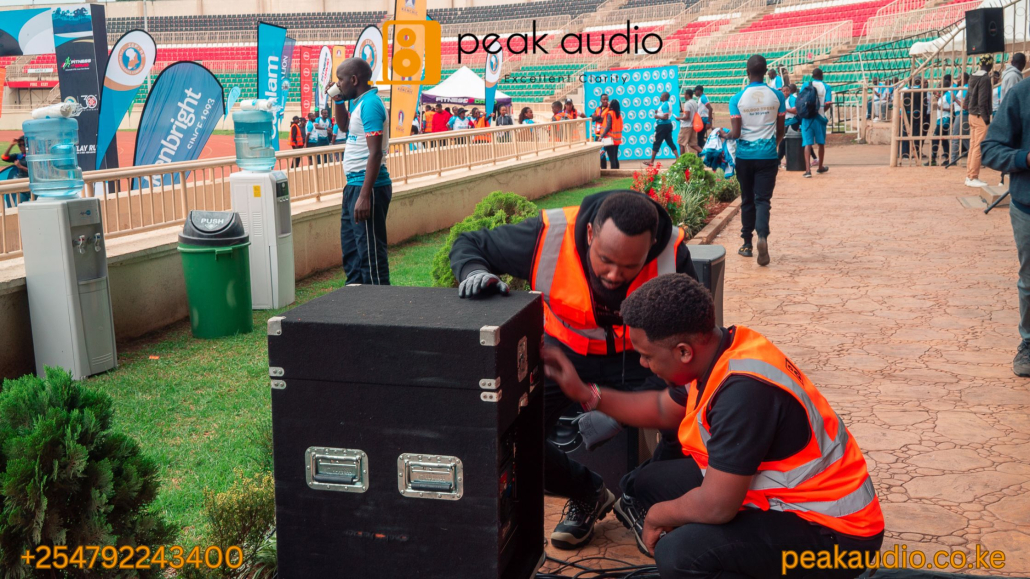
Modern events rely heavily on technology — sound systems, lighting, displays, and multimedia elements shape how audiences experience content. A planner with solid technical awareness can communicate effectively with AV teams, anticipate requirements, and prevent avoidable disruptions. While planners don’t need to be engineers, understanding the fundamentals ensures smooth, professional execution.
7.1 Understanding sound, lighting, and video equipment requirements
Basic technical literacy allows planners to make informed decisions.
Key knowledge areas include:
-
Microphone types and placement needs
-
Speaker coverage and room acoustics
-
Lighting for visibility, mood, and focus
-
Screen sizing and viewing angles
-
Power and cabling considerations
-
Compatibility between presentation devices
Understanding requirements reduces setup errors.
7.2 Collaborating with AV teams to enhance presentations and performances
Strong coordination maximizes the impact of technical production.
Effective collaboration includes:
-
Sharing run-of-show timelines early
-
Aligning AV cues with program flow
-
Clarifying presenter requirements
-
Coordinating rehearsals and technical checks
-
Communicating creative goals clearly
-
Establishing on-site communication channels
Partnership ensures cohesive delivery.
7.3 Troubleshooting minor technical issues efficiently
Quick intervention prevents disruptions from escalating.
Practical troubleshooting habits include:
-
Checking connections and power sources
-
Verifying input and display settings
-
Having backup cables and devices ready
-
Resetting or rerouting equipment when needed
-
Escalating complex issues promptly
-
Maintaining calm communication with the AV team
Preparedness minimizes downtime.
7.4 How technical expertise ensures events run seamlessly and professionally
Technical awareness supports confident planning and execution.
Benefits include:
-
Reduced risk of technical failures
-
Faster problem resolution
-
Improved presenter confidence
-
Enhanced audience experience
-
Better coordination across teams
-
Professional production quality
Technical fluency strengthens overall event delivery.
Technical knowledge and AV coordination bridge planning and execution. By understanding equipment needs, collaborating closely with specialists, and responding quickly to issues, planners create reliable, polished experiences that allow content — and the event itself — to shine.
8. FAQs on Skills Every Great Event Planner Possesses in Kenya
Great event planners combine technical awareness, creativity, organization, and people skills to deliver seamless experiences. These frequently asked questions highlight the practical abilities that distinguish professional planners and explain why those skills matter in real-world event execution.
8.1 Do event planners need technical AV skills?
Yes — planners don’t need to be technicians, but understanding AV fundamentals improves coordination.
Why AV knowledge matters:
-
Enables clearer communication with AV teams
-
Prevents unrealistic technical expectations
-
Supports better stage and layout planning
-
Reduces setup errors
-
Helps anticipate equipment needs
-
Improves presenter experience
Basic AV literacy strengthens execution.
8.2 Which skill is most critical for event planning?
No single skill works in isolation, but organization and communication form the backbone of success.
Core foundational abilities include:
-
Managing timelines and logistics
-
Coordinating vendors and stakeholders
-
Clear instruction and expectation setting
-
Prioritizing tasks under pressure
-
Maintaining workflow visibility
-
Preventing small issues from escalating
Strong foundations support every other skill.
8.3 Can small-scale events benefit from professional planners?
Absolutely — complexity exists at every scale.
Benefits for smaller events include:
-
Efficient use of limited budgets
-
Smooth scheduling and coordination
-
Professional presentation
-
Reduced host stress
-
Better attendee flow and comfort
-
Polished execution
Professional structure elevates any event size.
8.4 Is creativity essential for corporate events?
Yes — creativity enhances engagement without compromising professionalism.
Creative impact includes:
-
Memorable themes and experiences
-
Engaging visual environments
-
Interactive audience moments
-
Strong brand storytelling
-
Increased attendee interest
-
Competitive differentiation
Creativity adds energy and identity.
8.5 How do planners handle budget constraints?
Experienced planners balance ambition with practicality.
Smart budget strategies include:
-
Prioritizing high-impact elements
-
Negotiating vendor pricing
-
Phasing optional enhancements
-
Preventing unnecessary spending
-
Tracking expenses in real time
-
Finding creative alternatives
Financial discipline protects event quality.
8.6 Are problem-solving and adaptability really necessary?
Yes — unexpected challenges are part of live events.
Adaptability allows planners to:
-
Respond calmly to last-minute changes
-
Rework timelines quickly
-
Activate contingency plans
-
Maintain audience experience
-
Coordinate rapid team action
-
Prevent disruptions
Flexibility keeps events running smoothly.
8.7 Can Peak Audio support planners with technical AV needs?
Yes — collaboration with AV specialists strengthens production quality.
AV partnership benefits include:
-
Reliable sound and lighting execution
-
Professional equipment setup
-
Technical rehearsals and testing
-
On-site troubleshooting
-
Integrated presentation support
-
Seamless program flow
Expert AV support enhances confidence and delivery.
8.8 How do planners maintain attention to detail under pressure?
Structure and preparation prevent oversight.
Detail-management techniques include:
-
Comprehensive planning checklists
-
Run-of-show documentation
-
Pre-event walkthroughs
-
Vendor confirmation processes
-
Timeline monitoring
-
Delegation and accountability
Systems reduce human error.
8.9 What makes an event planner truly exceptional in Kenya?
Exceptional planners combine technical, creative, and interpersonal strengths.
Standout qualities include:
-
Strong logistical control
-
Cultural and venue awareness
-
Vendor network expertise
-
Creative problem-solving
-
Leadership under pressure
-
Seamless coordination of people and technology
Versatility defines excellence.
8.10 Why should companies hire skilled event planners?
Professional planning transforms complexity into confidence.
Organizational advantages include:
-
Flawless operational flow
-
Professional brand presentation
-
Reduced internal workload
-
Higher attendee satisfaction
-
Risk mitigation
-
Measurable event success
Expert planning protects both reputation and outcomes.
The skills of a great event planner — organization, communication, creativity, adaptability, and technical awareness — work together to deliver smooth, memorable events. Whether managing budgets, coordinating AV, or solving last-minute challenges, professional planners bring structure, confidence, and polish to every stage of execution.
Event Planning Excellence in Kenya – Elevated with Peak Audio

Skills Every Great Event Planner Possesses in Kenya
Great event planners stand out through a powerful mix of organization, creativity, communication, and technical awareness. These strengths allow them to coordinate moving parts, anticipate challenges, and design experiences that resonate with audiences. In Kenya’s dynamic event environment, planners who balance structure with imagination consistently deliver events that feel seamless, engaging, and professionally executed.
When these core skills are paired with the right technical support, the results are even more impactful. Clear communication keeps teams aligned, strong organization ensures smooth timelines, and creative thinking enhances attendee engagement. Professional AV execution adds polish and reliability, transforming well-planned concepts into immersive, high-quality event experiences that elevate brand perception.
By combining skilled event planners with expert AV and technical support from Peak Audio, organizations in Kenya can execute events with confidence and precision. Peak Audio helps bring creative visions to life through seamless production and dependable technology. Visit Peak Audio to discover how the right partnership turns complex events into smooth, memorable successes.