Table of Contents
ToggleMust-Have Elements for Every Corporate Event in Kenya: A Complete Guide by Peak Audio
Must-Have Elements for Every Corporate Event in Kenya
Corporate events play a vital role in strengthening professional relationships, energizing teams, and reinforcing brand identity. Whether it’s a conference, seminar, product launch, or company celebration, these gatherings serve as platforms for communication and engagement. In Kenya’s competitive business environment, expectations for corporate events continue to rise, making thoughtful planning essential. A successful event is not accidental — it is built around key elements that support clear messaging, smooth coordination, and a positive attendee experience.
From selecting the right venue and designing a structured program to ensuring reliable audiovisual delivery, every component contributes to how an event is perceived. Comfort, accessibility, branding, and technical quality all influence audience engagement and professionalism. When these elements work together, they create an environment where participants can focus on the purpose of the event rather than logistical distractions. Kenyan organizations increasingly recognize that attention to these fundamentals directly impacts event credibility and effectiveness.
This guide outlines the essential elements that every corporate event should include and explains how careful execution elevates the overall experience. Professional AV support is especially critical in maintaining clarity, pacing, and audience connection. Peak Audio enhances corporate events with dependable audiovisual systems, expert setup, and on-site technical management, ensuring each component runs seamlessly. With the right foundation and expert support, corporate events can deliver meaningful impact while leaving a lasting professional impression.
1. Clear Event Objectives
Must-Have Elements for Every Corporate Event in Kenya
Every successful corporate or social event begins with clearly defined objectives. When organizers understand why the event is happening and what success looks like, every planning decision becomes more focused, efficient, and impactful. Clear objectives act as a roadmap that aligns teams, resources, and execution toward a shared outcome.
1.1 Defining the purpose of the event — whether to inform, celebrate, or inspire
An event’s purpose determines its tone, structure, and delivery style. Without clarity, planning becomes reactive instead of strategic.
Common event purposes include:
-
Informing audiences through training, conferences, or product briefings
-
Celebrating milestones, achievements, or company anniversaries
-
Inspiring teams through leadership talks or recognition programs
-
Launching products or services to build awareness
-
Strengthening relationships with clients or partners
A well-defined purpose ensures consistency in messaging and experience.
1.2 Aligning event goals with company strategy and messaging
Events should reinforce broader organizational priorities rather than exist in isolation.
Strategic alignment involves:
-
Supporting brand positioning and corporate values
-
Reinforcing marketing or communication campaigns
-
Driving measurable business outcomes
-
Ensuring leadership messaging is consistent
-
Reflecting long-term organizational goals
When events mirror company strategy, they become powerful extensions of brand communication.
1.3 Understanding audience expectations to tailor content
Audience-centered planning improves engagement and satisfaction.
Key audience considerations include:
-
Professional background and interests
-
Knowledge level and learning needs
-
Cultural or industry expectations
-
Preferred formats (interactive vs. presentation-based)
-
Accessibility and comfort requirements
Tailored content keeps participants engaged and invested.
1.4 How clear objectives guide budgeting, logistics, and AV requirements
Defined goals simplify operational decision-making and prevent unnecessary spending.
Clear objectives influence:
-
Budget allocation toward high-impact elements
-
Venue selection and layout planning
-
Program structure and timing
-
Audio-visual setup and technical needs
-
Staffing and vendor coordination
Purpose-driven planning leads to smarter resource use and smoother execution.
Clear event objectives provide direction, alignment, and measurable purpose. By defining intent, aligning with strategy, understanding the audience, and guiding logistics, organizers create events that are focused, meaningful, and professionally executed. Objectives transform planning from guesswork into strategic action, setting the foundation for a successful event.
2. Ideal Venue Selection
Must-Have Elements for Every Corporate Event in Kenya
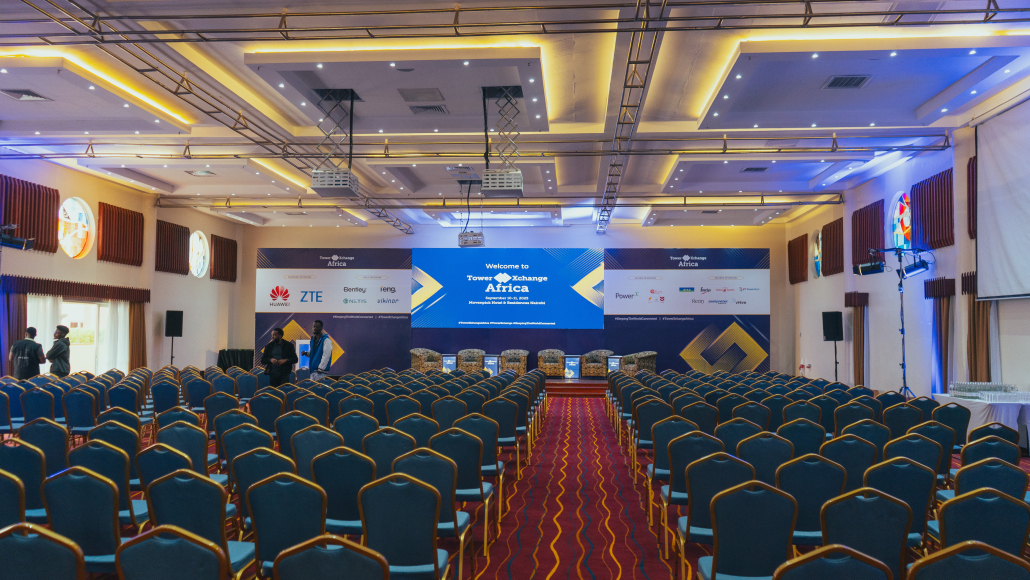
Choosing the right venue is one of the most influential decisions in event planning. The venue shapes attendee comfort, logistics, communication, and overall experience. A well-selected location supports your objectives, enhances professionalism, and allows your program to run smoothly without avoidable constraints.
2.1 Evaluating capacity, accessibility, and amenities
A venue must comfortably support your audience while providing the facilities needed for seamless execution.
Key evaluation factors include:
-
Seating capacity aligned with expected attendance
-
Safe crowd flow and emergency exits
-
Accessibility for differently-abled guests
-
Parking availability and transport access
-
Restrooms, power supply, and service areas
-
On-site support staff and security
The goal is to create a comfortable, safe, and functional environment.
2.2 Indoor vs outdoor venues for corporate events in Kenya
Each venue type offers advantages depending on the nature of the event.
Indoor venue considerations:
-
Climate control and weather protection
-
Enhanced acoustics and lighting control
-
Suitable for presentations and formal sessions
-
Greater security and controlled access
Outdoor venue considerations:
-
Open atmosphere ideal for large gatherings
-
Flexibility in layout and staging
-
Strong visual appeal for experiential events
-
Requires weather contingency planning
The choice should match your event goals and audience expectations.
2.3 Considering acoustics and AV infrastructure in venue choice
Technical readiness significantly affects communication and engagement.
Important AV factors include:
-
Room acoustics that support clear sound projection
-
Ceiling height for lighting and rigging
-
Power availability and distribution
-
Space for screens, staging, and control equipment
-
Noise control in surrounding areas
A venue with strong technical compatibility reduces setup complexity and improves audience experience.
2.4 Conducting site visits to ensure smooth event flow
A physical inspection helps planners anticipate challenges before event day.
Site visits allow you to:
-
Visualize guest movement and traffic flow
-
Identify staging and setup zones
-
Assess loading and equipment access points
-
Confirm safety and compliance requirements
-
Coordinate vendor logistics in advance
Seeing the space firsthand prevents surprises and supports confident planning.
An ideal venue balances comfort, accessibility, and technical readiness while aligning with event goals. By carefully evaluating capacity, choosing between indoor or outdoor spaces, assessing AV compatibility, and conducting site visits, organizers lay the groundwork for smooth execution. A strategic venue choice enhances professionalism, attendee satisfaction, and overall event success.
3. Professional Audio Visual (AV) Solutions
Must-Have Elements for Every Corporate Event in Kenya
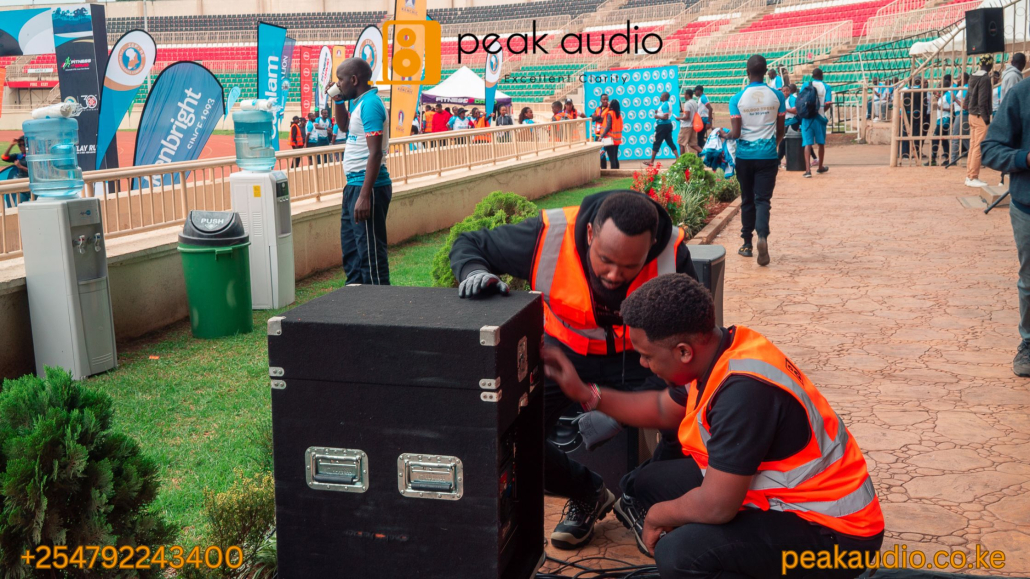
Professional audio visual (AV) production is the backbone of effective corporate communication. Whether delivering presentations, showcasing brand visuals, or engaging audiences, high-quality AV ensures clarity, professionalism, and impact. A well-executed AV setup enhances attention, reduces technical risks, and elevates the overall event experience.
3.1 Ensuring clear sound and visual support for presentations
Clear communication is essential in corporate environments where information accuracy matters.
Critical sound and visual priorities include:
-
High-quality microphones for speakers and panelists
-
Even sound distribution across the venue
-
Feedback and echo control
-
Sharp, high-resolution display output
-
Presenter confidence monitors
-
Smooth transitions between speakers and media
Reliable AV ensures every message is heard and understood.
3.2 Using LED screens, projectors, and multimedia displays effectively
Visual technology enhances storytelling and audience engagement when used strategically.
Best practices include:
-
Selecting screen size appropriate for venue scale
-
Positioning displays for maximum visibility
-
Integrating branded graphics and motion visuals
-
Supporting live feeds and multi-camera views
-
Synchronizing slides, video, and live content
-
Maintaining brightness and clarity in varying lighting conditions
Strong visuals keep audiences focused and reinforce messaging.
3.3 Lighting design to create ambiance and highlight key moments
Lighting shapes mood, directs attention, and enhances stage presence.
Effective lighting design involves:
-
Stage lighting for speaker visibility
-
Ambient lighting to create atmosphere
-
Accent lighting for branding and décor
-
Dynamic lighting for transitions or key moments
-
Color balance that aligns with corporate identity
-
Avoiding glare or shadows that distract attendees
Thoughtful lighting transforms a functional space into an engaging environment.
3.4 How Peak Audio delivers reliable, high-quality AV setups for corporate events
Professional execution reduces risk and maximizes impact.
Peak Audio’s AV approach includes:
-
Pre-event technical planning and site assessments
-
High-grade sound, display, and lighting equipment
-
Skilled technicians for setup and live operation
-
Redundancy planning to prevent disruptions
-
Seamless coordination with event planners
-
Real-time troubleshooting and support
This ensures presentations run smoothly while maintaining a polished, professional atmosphere.
Professional AV solutions are essential for delivering clear communication, engaging visuals, and immersive environments. By prioritizing sound clarity, effective display technology, and purposeful lighting — supported by expert execution — organizers create corporate events that feel seamless, impactful, and memorable.
4. Engaging Program Design
Must-Have Elements for Every Corporate Event in Kenya
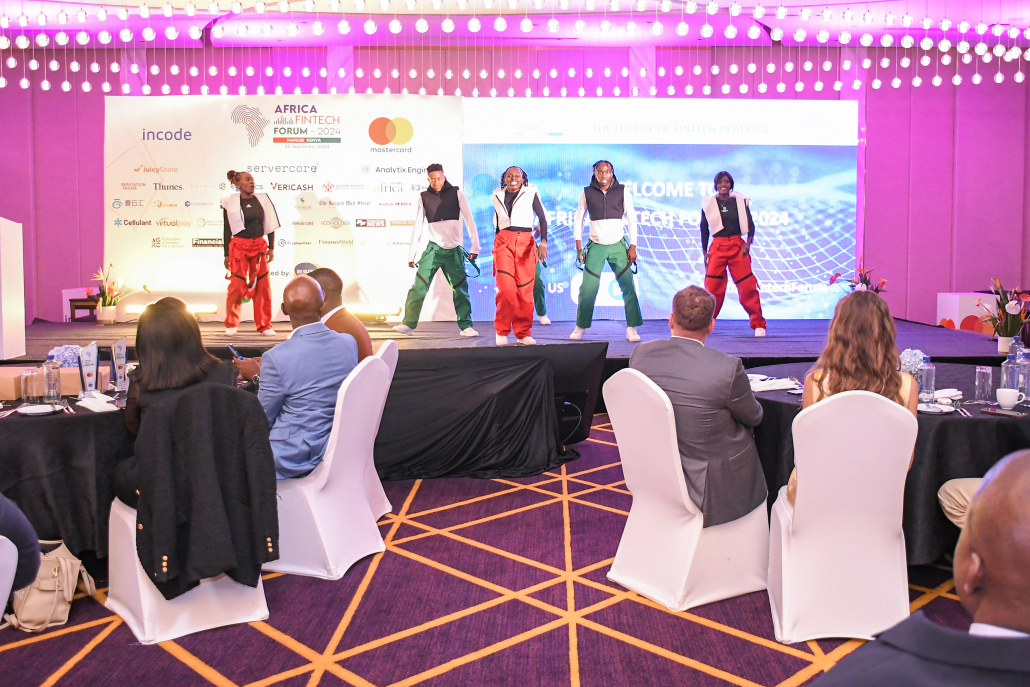
An engaging program design keeps attendees attentive, energized, and emotionally invested throughout the event. Corporate audiences have limited attention spans, so structuring the flow thoughtfully ensures that information is absorbed, participation stays high, and the experience feels dynamic rather than repetitive. A well-designed agenda balances structure with flexibility to maintain momentum.
4.1 Structuring sessions to maintain attention and energy
Session structure directly influences audience focus and retention. Long, uninterrupted segments can cause fatigue, while well-paced sessions sustain engagement.
Key structuring principles include:
-
Breaking content into digestible session blocks
-
Alternating high-focus presentations with lighter segments
-
Scheduling keynote moments to anchor the program
-
Using transitions to reset audience attention
-
Incorporating visual or multimedia breaks
-
Avoiding back-to-back heavy information sessions
Thoughtful structure keeps energy levels steady and prevents disengagement.
4.2 Balancing presentations with networking, discussions, and entertainment
Variety enhances the attendee experience and prevents monotony. Different formats appeal to different learning and engagement styles.
Effective balance includes:
-
Dedicated networking intervals to encourage relationship building
-
Panel discussions for diverse perspectives
-
Live demonstrations or showcases
-
Entertainment segments to refresh the audience
-
Informal interaction spaces between sessions
-
Moderated Q&A to deepen engagement
A varied agenda maintains interest and supports both learning and connection.
4.3 Integrating interactive activities to boost audience participation
Participation transforms attendees from passive listeners into active contributors. Interaction increases retention, satisfaction, and perceived value.
Interactive strategies may include:
-
Live polls and audience voting
-
Small group discussions or breakout sessions
-
Hands-on demonstrations
-
Gamified learning or challenges
-
Audience Q&A sessions
-
Digital engagement through event apps
When attendees actively participate, they feel more invested in the experience.
4.4 The importance of timing and pacing for attendee satisfaction
Timing determines how the event feels — rushed, slow, or perfectly balanced. Proper pacing ensures smooth transitions and sustained attention.
Best pacing practices include:
-
Realistic time allocation for each segment
-
Built-in buffers for overruns
-
Strategic placement of breaks
-
Smooth transitions between speakers
-
Aligning high-energy moments with peak attention periods
-
Ending sessions on strong, memorable notes
Good pacing keeps the program flowing naturally and prevents fatigue.
Engaging program design combines structure, variety, participation, and pacing to create an event that feels dynamic and rewarding. By carefully structuring sessions, balancing formats, encouraging interaction, and managing timing, organizers deliver experiences that maintain attention, foster connection, and leave attendees satisfied and energized.
5. Catering and Refreshments

Must-Have Elements for Every Corporate Event in Kenya
Catering is more than just providing food — it directly influences attendee comfort, satisfaction, and perception of professionalism. Well-planned refreshments keep energy levels high, encourage networking, and reflect the care invested in the event. Matching catering choices to the event format ensures a smooth and enjoyable experience.
5.1 Providing meals and beverages that suit the event type and duration
Food planning should align with the event schedule, audience expectations, and session intensity. The right timing and quantity prevent fatigue and distractions.
Important considerations include:
-
Matching meal size to event length (snacks vs full meals)
-
Scheduling refreshment breaks to maintain energy
-
Offering hydration stations throughout the venue
-
Choosing menus appropriate for formal or casual settings
-
Avoiding overly heavy meals during work sessions
-
Coordinating serving times with program flow
Well-timed refreshments support focus and comfort.
5.2 Catering to dietary preferences and cultural considerations in Kenya
Inclusive catering ensures every attendee feels considered and respected. Kenya’s diverse dietary needs and cultural preferences should be reflected in menu planning.
Key inclusivity practices include:
-
Providing vegetarian and vegan options
-
Addressing common food allergies and restrictions
-
Including culturally familiar meal choices
-
Clearly labeling food items
-
Consulting attendees in advance when possible
-
Working with caterers experienced in diverse menus
Thoughtful menu planning prevents exclusion and enhances satisfaction.
5.3 Presentation and setup that enhance the professional feel of the event
Food presentation contributes to the event’s visual and experiential quality. Clean, organized catering setups reinforce professionalism.
Best presentation practices include:
-
Elegant buffet or plated arrangements
-
Clean serving stations with logical flow
-
Professional staff attire and service etiquette
-
Proper lighting around catering areas
-
Branded or themed serving displays where appropriate
-
Maintaining cleanliness throughout service
A polished setup elevates the overall atmosphere.
5.4 How thoughtful catering contributes to a positive attendee experience
Catering affects mood, energy, and social interaction. When executed well, it becomes a memorable part of the event experience.
Positive impacts include:
-
Sustained energy and concentration
-
Opportunities for informal networking
-
Enhanced attendee comfort
-
Perception of hospitality and professionalism
-
Reduced stress during long sessions
-
Stronger overall event satisfaction
Good catering supports both productivity and enjoyment.
Effective catering blends practicality, inclusivity, presentation, and timing to support attendee comfort and engagement. By aligning food service with event goals and audience needs, organizers create a welcoming environment that enhances professionalism, encourages interaction, and leaves a lasting positive impression.
6. Event Branding and Décor
Must-Have Elements for Every Corporate Event in Kenya
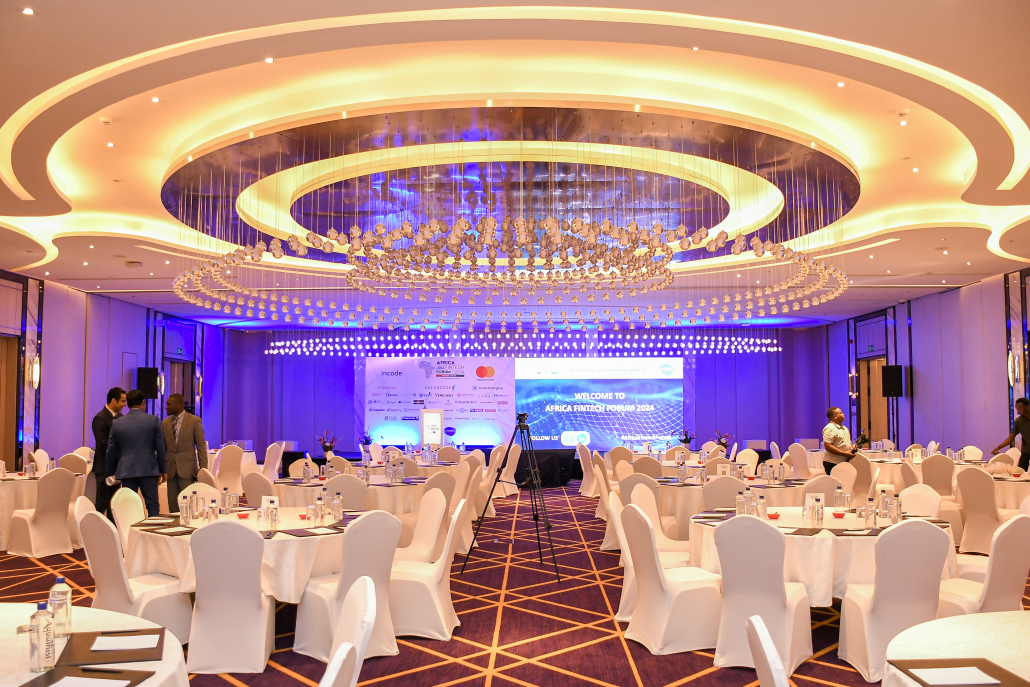
Event branding and décor shape how attendees perceive your organization and the purpose of the gathering. Strong visual identity reinforces messaging, builds recognition, and creates a cohesive atmosphere. When branding is thoughtfully integrated into décor, the event feels intentional, professional, and memorable without appearing overwhelming.
6.1 Using signage, banners, and digital displays for consistent branding
Visual branding ensures attendees immediately recognize the event’s identity and purpose.
Effective branding elements include:
-
Welcome signage that sets the tone on arrival
-
Branded stage backdrops and banners
-
Directional signage aligned with brand visuals
-
Digital screens displaying logos and messaging
-
Name badges and printed materials with consistent styling
-
Sponsor or partner branding integrated professionally
Consistency builds credibility and reinforces brand presence.
6.2 Themed décor to reflect the company’s image and event purpose
Décor should support the story your event is telling. A clear theme connects the visual environment to the event objective.
Thematic décor considerations include:
-
Color palettes aligned with brand identity
-
Furniture and layout that reflect event tone
-
Stage styling that complements messaging
-
Cultural or seasonal design elements when appropriate
-
Cohesive visual storytelling throughout the venue
-
Décor choices that enhance, not distract from, content
A strong theme creates immersion and emotional connection.
6.3 Small details—table arrangements, flowers, and lighting—that enhance professionalism
Minor design touches often leave the strongest impressions. Attention to detail communicates care and quality.
Professional finishing touches include:
-
Clean, organized table layouts
-
Subtle floral or centerpiece arrangements
-
Coordinated linens and materials
-
Accent lighting to highlight focal areas
-
Balanced spacing to avoid clutter
-
Well-maintained décor elements
These details elevate the event’s polish and comfort.
6.4 Ensuring branding elements are subtle yet impactful
Effective branding enhances the environment without overwhelming attendees. Balance is key.
Best practices for subtle branding include:
-
Integrating logos naturally into décor
-
Avoiding excessive repetition of brand visuals
-
Using lighting to highlight brand colors
-
Placing messaging where it adds value
-
Maintaining visual breathing space
-
Prioritizing clarity over saturation
Subtle branding feels sophisticated and intentional.
Event branding and décor transform a venue into a cohesive brand experience. Through consistent visuals, themed environments, refined details, and balanced branding, organizers create spaces that communicate professionalism and purpose. Thoughtful design strengthens brand perception while enhancing attendee comfort and engagement.
7. Professional Event Management

Must-Have Elements for Every Corporate Event in Kenya
Professional event management brings structure, oversight, and expertise to every stage of an event. From early planning to on-site execution, a coordinated management approach ensures that logistics, people, and technology work together seamlessly. Strong management reduces risk, improves efficiency, and allows organizers to focus on their objectives rather than troubleshooting.
7.1 Planning, coordination, and execution of all event elements
Effective management begins long before event day. Detailed planning aligns all moving parts toward a unified outcome.
Core planning responsibilities include:
-
Developing timelines and production schedules
-
Coordinating vendors and service providers
-
Budget tracking and resource allocation
-
Venue logistics and layout planning
-
Program flow and speaker coordination
-
Technical and AV integration planning
Structured preparation prevents confusion and last-minute stress.
7.2 On-site management to handle technical, logistical, and attendee needs
Live oversight ensures smooth execution and rapid response to emerging needs.
On-site management tasks include:
-
Supervising setup and breakdown operations
-
Coordinating AV, staging, and lighting teams
-
Managing attendee flow and registration
-
Supporting speakers and presenters
-
Monitoring schedules and transitions
-
Addressing real-time issues discreetly
Strong on-site leadership keeps the event running professionally.
7.3 Contingency planning for unexpected challenges
Even the best plans require flexibility. Contingency preparation minimizes disruption when surprises occur.
Key contingency strategies include:
-
Backup equipment and technical redundancy
-
Alternative program timing plans
-
Vendor substitution readiness
-
Emergency communication protocols
-
Weather or venue-related mitigation
-
Rapid decision-making frameworks
Prepared teams resolve issues before attendees notice them.
7.4 How Peak Audio provides comprehensive support from setup to teardown
Professional AV partners extend management capability through technical expertise and operational reliability.
Peak Audio support includes:
-
Pre-event technical assessments and planning
-
Professional installation of sound, lighting, and displays
-
Skilled technicians for live monitoring
-
Coordination with planners and venue teams
-
Troubleshooting and backup readiness
-
Efficient teardown and equipment recovery
This end-to-end support ensures technical excellence throughout the event lifecycle.
Professional event management unifies planning, coordination, execution, and contingency readiness into a smooth operational framework. With expert oversight and reliable AV partnership, events run efficiently, challenges are handled proactively, and attendees experience a polished, worry-free environment.
8. FAQs on Must-Have Elements for Corporate Events in Kenya
A successful corporate event combines planning, technical excellence, attendee comfort, and strategic execution. Below are detailed answers to common questions organizers ask when preparing impactful events in Kenya.
8.1 What are the essential elements for a corporate event?
Strong events are built on foundational components that work together to deliver clarity, engagement, and professionalism.
Core essentials include:
-
Clearly defined objectives and success metrics
-
A venue suited to capacity, accessibility, and logistics
-
Professional AV for sound, visuals, and lighting
-
An engaging, well-paced program structure
-
Quality catering and hospitality planning
-
Consistent branding and visual presentation
-
Skilled on-site management and coordination
When these elements align, execution becomes smoother and attendee experience improves.
8.2 How early should planning start?
Timing directly affects venue availability, vendor quality, and preparation depth.
Recommended planning timelines:
-
2–3 months for small to mid-sized corporate events
-
4–6 months for conferences or multi-day programs
-
Additional lead time for hybrid or large-scale productions
Early planning allows:
-
Better venue and vendor selection
-
Technical rehearsals and coordination
-
Budget optimization
-
Reduced last-minute pressure
Preparation time translates into confidence and control.
8.3 Do small events require AV support?
Yes — scale does not eliminate the need for clarity and professionalism.
Benefits of AV in smaller events include:
-
Clear speech intelligibility
-
Professional presentation delivery
-
Visual reinforcement of messaging
-
Reduced speaker strain
-
Enhanced audience engagement
Even intimate gatherings benefit from clean sound and visuals.
8.4 Can Peak Audio handle both AV and event management?
Integrated support simplifies coordination and improves reliability.
Peak Audio provides:
-
Sound, lighting, and display systems
-
Stage and technical setup
-
On-site technical supervision
-
Coordination with planners and venues
-
Real-time troubleshooting
-
Efficient setup and teardown
Unified technical management reduces communication gaps and execution risks.
8.5 How can branding be incorporated effectively?
Branding should reinforce identity without overwhelming attendees.
Effective branding methods include:
-
Branded stage backdrops and signage
-
LED screen visuals and presentation templates
-
Table setups and printed materials
-
Accent lighting in brand colors
-
Subtle décor integration
Balanced branding builds recognition and professionalism.
8.6 Are hybrid events considered a must-have today?
Hybrid formats expand accessibility and audience reach.
Advantages include:
-
Remote participation for wider engagement
-
Live streaming and digital interaction
-
Increased inclusivity
-
Recorded content for future use
-
Greater flexibility for attendees
Hybrid capability strengthens event impact and visibility.
8.7 What role does catering play in event success?
Catering directly influences attendee comfort, energy, and perception.
Key contributions include:
-
Sustained focus during long sessions
-
Networking opportunities during breaks
-
Positive hospitality experience
-
Accommodation of dietary needs
-
Professional presentation
Thoughtful catering supports both productivity and satisfaction.
8.8 Do outdoor events need additional planning?
Outdoor environments introduce variables that require proactive management.
Important considerations include:
-
Weather contingency planning
-
Power and AV infrastructure
-
Safety and crowd management
-
Sound projection challenges
-
Lighting adjustments
Preparation ensures outdoor events remain controlled and professional.
8.9 How can engagement be maximized?
Active participation transforms passive attendance into memorable experiences.
Engagement strategies include:
-
Interactive Q&A sessions
-
Live polls and digital participation tools
-
Breakout discussions
-
Demonstrations or showcases
-
Dynamic AV visuals
Engaged audiences retain information and feel more connected.
8.10 Why choose Peak Audio for corporate events in Kenya?
Reliable technical execution is essential for professional outcomes.
Peak Audio delivers:
-
High-quality AV equipment and expertise
-
Skilled technical crews
-
Seamless coordination with planners
-
Redundancy and contingency readiness
-
Creative production solutions
-
Consistent professional standards
This combination ensures events run smoothly and leave a strong impression.
Corporate event success depends on aligning objectives, logistics, technical execution, and attendee experience. By prioritizing essential elements — supported by professional planning and AV expertise — organizers create seamless, engaging, and memorable events that achieve measurable impact.
Corporate Events in Kenya That Deliver Complete Experiences – Powered by Peak Audio

Must-Have Elements for Every Corporate Event in Kenya
Every successful corporate event is built on essential elements working together — clear objectives, engaging programs, thoughtful branding, quality catering, and professional AV execution. When these components are aligned, events move beyond routine gatherings and become purposeful experiences that communicate your message effectively. In Kenya’s competitive business environment, attention to these fundamentals is what separates forgettable events from those that truly resonate.
Detail-driven planning ensures each element supports the overall goal. A well-structured agenda keeps audiences engaged, strong branding reinforces identity, and seamless AV production guarantees your message is seen and heard. When logistics, timing, and presentation are handled with precision, the attendee experience becomes smooth, professional, and memorable.
At Peak Audio, we specialize in helping companies across Kenya integrate these must-have elements flawlessly. Our expertise in AV and event production transforms planning into polished execution, ensuring your event inspires and leaves a lasting impression. Visit Peak Audio to discover how we turn corporate gatherings into experiences attendees remember.