Live Streaming Corporate Events in Kenya
Table of Contents
ToggleLive Streaming Corporate Events in Kenya by Peak Audio: Delivering Seamless, Broadcast-Quality Experiences
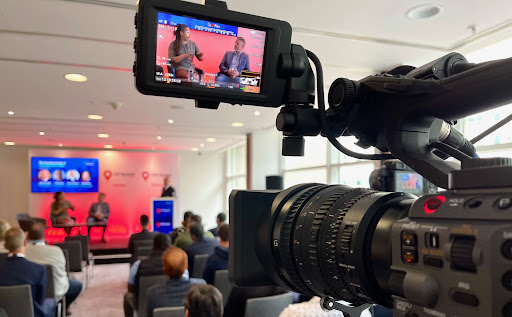
Live Streaming Corporate Events in Kenya
Live streaming corporate events in Kenya has transformed how organizations communicate, collaborate, and connect with their audiences. As businesses increasingly embrace hybrid and virtual formats, live streaming enables conferences, product launches, annual general meetings, and training sessions to reach participants anywhere in real time. Beyond convenience, it enhances accessibility, boosts engagement through interactive features, and ensures important corporate moments are not limited by physical location. In a fast-paced corporate environment, live streaming is no longer a luxury but a strategic necessity for forward-thinking organizations.
Delivering a successful corporate live stream requires more than just an internet connection and a camera. High-quality audio, clear visuals, stable connectivity, and professional production are critical to maintaining credibility and keeping audiences engaged. Poor sound, dropped streams, or low-resolution video can quickly undermine even the most well-planned event. Best practices include thorough technical rehearsals, redundant internet connections, professional-grade cameras and microphones, and experienced technicians who can manage the stream seamlessly from start to finish.
Peak Audio stands out as a trusted partner for live streaming corporate events in Kenya, offering end-to-end solutions designed for reliability and excellence. From concept planning and equipment setup to multi-camera production, sound reinforcement, and secure online broadcasting, Peak Audio ensures your event is delivered with broadcast-quality precision. With a deep understanding of Kenya’s corporate events landscape and a commitment to innovation, Peak Audio helps organizations extend their reach, elevate their brand image, and deliver impactful live experiences that resonate with both in-person and virtual audiences.
1. Understanding Live Streaming for Corporate Events
Live Streaming Corporate Events in Kenya
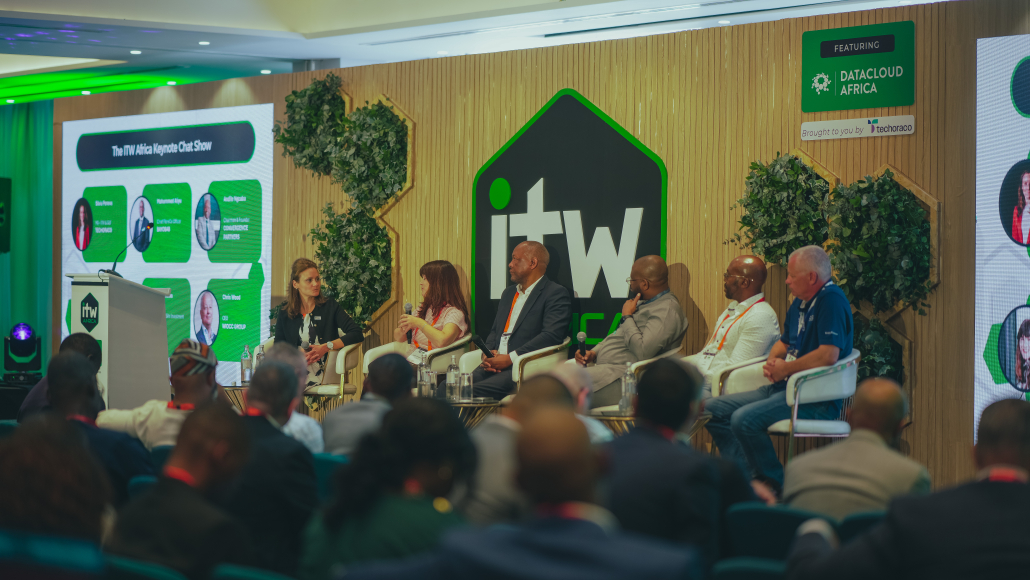
Live streaming has become a core component of modern corporate communication. It allows organizations to extend their events beyond physical venues, connecting with remote audiences in real time. When executed professionally, live streaming enhances accessibility, engagement, and brand presence while maintaining production quality.
1.1 What live streaming is and why it is essential for corporate events
Live streaming broadcasts an event to remote viewers as it happens.
Its importance includes:
-
Real-time audience participation
-
Wider geographic reach
-
Immediate information sharing
-
Support for hybrid event formats
-
Brand visibility beyond the venue
-
Flexible viewing access
It transforms events into scalable communication platforms.
1.2 Benefits of live streaming: expanded reach, inclusivity, and scalability
Streaming removes physical attendance limitations.
Key advantages include:
-
Participation from remote stakeholders
-
Inclusion of international audiences
-
Scalable attendance without venue constraints
-
Reduced travel barriers
-
Extended event lifespan through recordings
-
Greater engagement opportunities
Accessibility strengthens event impact.
1.3 Common corporate events that benefit from live streaming
Many business gatherings gain value from remote access.
Typical examples include:
-
Conferences and seminars
-
Product launches
-
Corporate town halls
-
Training sessions and workshops
-
Investor briefings
-
Executive announcements
Streaming increases audience connection and visibility.
1.4 Challenges of live streaming without professional technical support
Poor execution can undermine credibility and engagement.
Common risks include:
-
Audio dropouts or distortion
-
Video lag or buffering
-
Unstable internet connectivity
-
Poor camera framing or lighting
-
Synchronization issues
-
Lack of backup systems
Professional support minimizes disruptions and protects brand reputation.
Live streaming enables corporate events to reach broader audiences while maintaining real-time engagement. When supported by professional planning and technical expertise, it becomes a powerful tool for communication, inclusivity, and scalability — ensuring remote participants experience the event with clarity and reliability.
2. Planning a Live Streamed Corporate Event
Live Streaming Corporate Events in Kenya
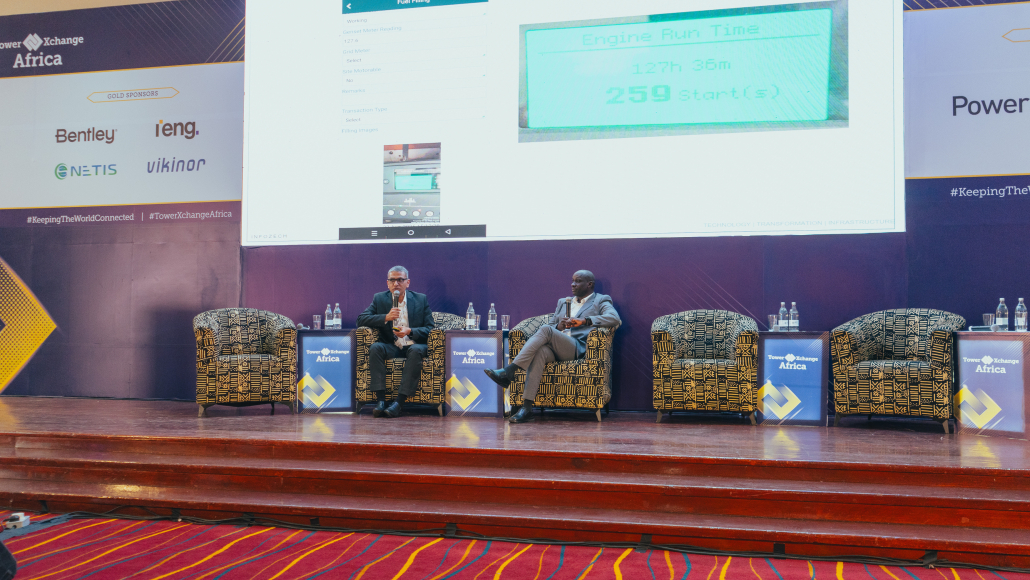
Successful live streaming starts long before cameras go live. Strategic planning ensures the technology, venue, and program align with the event’s objectives. Clear preparation reduces technical risks and creates a smooth viewing experience for both in-person and remote audiences.
2.1 Defining event goals: internal communication, brand visibility, or stakeholder engagement
Purpose drives every streaming decision.
Goal-setting considerations include:
-
Clarifying the primary audience
-
Identifying key messages
-
Determining desired engagement levels
-
Aligning content with corporate objectives
-
Establishing measurable success indicators
-
Structuring the agenda around outcomes
Clear goals guide platform, format, and production choices.
2.2 Choosing the right streaming platforms for corporate audiences
Platform selection affects accessibility and interaction.
Evaluation factors include:
-
Audience familiarity with the platform
-
Security and privacy controls
-
Scalability for expected viewership
-
Interactive features like chat or Q&A
-
Recording and playback options
-
Compatibility with corporate systems
The right platform ensures reliable audience participation.
2.3 Assessing venue internet connectivity and bandwidth requirements
Connectivity determines stream stability.
Technical planning includes:
-
Measuring upload speed capacity
-
Testing network reliability
-
Planning wired backup connections
-
Managing network traffic during the event
-
Redundancy for failover protection
-
Coordination with venue IT teams
Strong connectivity prevents interruptions and lag.
2.4 How Peak Audio evaluates technical needs during pre-event planning
Professional assessment reduces uncertainty.
Pre-event evaluation typically covers:
-
Venue signal testing and mapping
-
Equipment scaling for audience size
-
Camera and audio placement planning
-
Lighting adjustments for broadcast clarity
-
Platform integration testing
-
Backup system preparation
Thorough preparation ensures seamless live delivery.
Planning a live-streamed corporate event requires aligning goals, platform choice, connectivity, and technical readiness. With structured preparation and professional evaluation, organizations can deliver stable, engaging broadcasts that extend their message beyond the venue without compromise.
3. Audio Requirements for Live Streaming
Live Streaming Corporate Events in Kenya
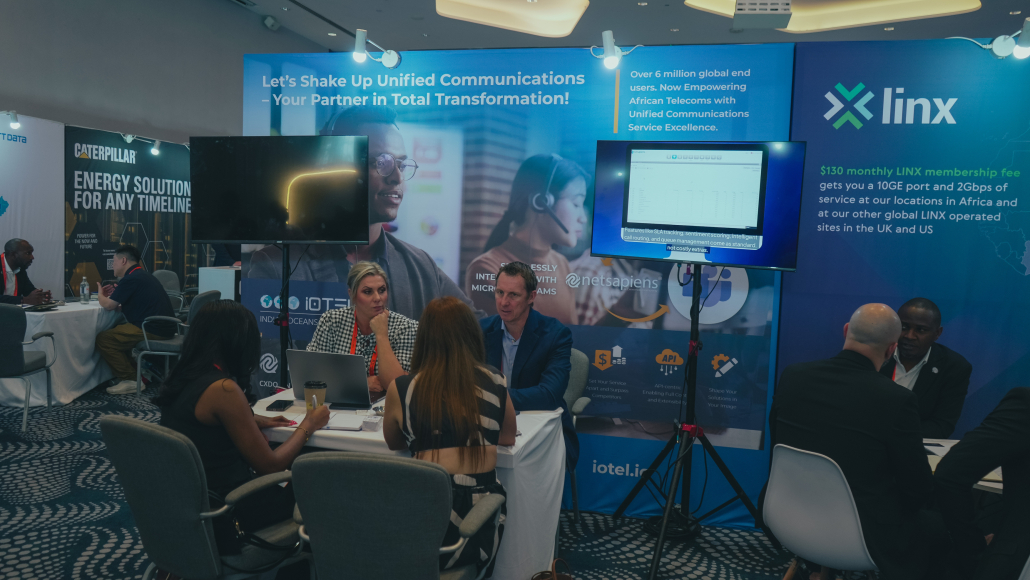
Audio quality is the backbone of any successful live-streamed corporate event. Online audiences are far less tolerant of poor sound than visual issues, making professional audio planning essential for clarity, engagement, and credibility.
3.1 Importance of clear, distortion-free audio for online audiences
Clear audio ensures your message is understood and trusted.
Key reasons audio quality matters include:
-
Maintains audience attention throughout the stream
-
Ensures accurate delivery of speeches and discussions
-
Prevents listener fatigue and frustration
-
Enhances the perceived professionalism of the organization
-
Supports accessibility for diverse audiences
-
Reduces drop-offs from virtual viewers
Poor audio is one of the main reasons viewers disengage.
3.2 Selecting microphones for speakers, panels, and Q&A sessions
Different speaking formats require different microphone solutions.
Common microphone choices include:
-
Lavalier microphones for presenters and speakers
-
Headset microphones for hands-free presentations
-
Handheld microphones for audience Q&A
-
Boundary microphones for panel discussions
-
Wireless systems for movement and flexibility
-
Backup microphones for redundancy
Correct selection ensures consistent sound capture.
3.3 Mixing live sound for both in-room and remote participants
Live streaming requires dual-purpose audio mixing.
Professional mixing considers:
-
Separate audio feeds for the live stream and room speakers
-
Balanced volume levels across all microphones
-
Elimination of feedback and echo
-
Clear capture of audience questions
-
Integration of media playback and video audio
-
Continuous monitoring during the event
Balanced mixing ensures clarity for all participants.
3.4 How Peak Audio ensures broadcast-quality audio for live streams
Professional expertise elevates sound quality.
Peak Audio delivers quality by:
-
Using professional-grade microphones and mixers
-
Configuring dedicated broadcast audio outputs
-
Conducting sound checks and test recordings
-
Assigning experienced audio engineers on-site
-
Monitoring live feeds in real time
-
Implementing backup systems for reliability
This approach guarantees polished, broadcast-ready sound.
High-quality audio is critical to the success of live-streamed corporate events. From microphone selection to professional mixing and monitoring, investing in expert audio solutions ensures your message is heard clearly—both in the room and across digital platforms.
4. Video and Visual Production for Live Streaming

Live Streaming Corporate Events in Kenya
Professional video production transforms a simple broadcast into a polished viewing experience. Clear visuals, intentional camera work, and seamless integration of media help remote audiences stay engaged and understand key messages without distraction.
4.1 Camera selection and placement for professional coverage
The right cameras and positioning define what the audience sees.
Key considerations include:
-
Matching camera quality to broadcast standards
-
Strategic placement for natural viewing angles
-
Dedicated shots for speakers and panels
-
Wide shots to establish room context
-
Close-ups for emphasis and engagement
-
Stable mounting to prevent visual shake
Thoughtful placement creates a professional visual narrative.
4.2 Switching between speakers, presentations, and audience views
Dynamic switching maintains viewer interest.
Effective switching involves:
-
Smooth transitions between camera feeds
-
Timely cuts aligned with speaking cues
-
Visual emphasis on active speakers
-
Inclusion of audience reactions when appropriate
-
Coordinated timing with presentations
-
Real-time direction and monitoring
Controlled switching keeps the broadcast lively and clear.
4.3 Integrating slides, videos, and branding into the live stream
Visual content should reinforce key messages.
Integration best practices include:
-
Clean overlay of presentation slides
-
Picture-in-picture speaker framing
-
Branded lower thirds or titles
-
Seamless playback of video segments
-
Consistent visual formatting
-
Pre-tested media compatibility
Integrated visuals enhance understanding and brand presence.
4.4 Maintaining visual consistency and quality throughout the broadcast
Consistency builds trust and professionalism.
Quality control measures include:
-
Balanced lighting for camera clarity
-
Color consistency across feeds
-
Proper framing and focus checks
-
Continuous signal monitoring
-
Backup capture pathways
-
On-the-fly adjustments
Steady quality prevents distractions and drop-offs.
Strong video production ensures remote audiences experience corporate events with clarity and engagement. Through careful camera planning, dynamic switching, media integration, and consistent quality control, live streams become professional, immersive communication platforms rather than simple recordings.
5. Hybrid Events and Remote Participation

Live Streaming Corporate Events in Kenya
Hybrid corporate events blend physical presence with virtual access, allowing organizations to reach wider audiences without sacrificing engagement. Successful hybrid execution requires careful coordination, so both in-room and remote participants feel equally included.
5.1 Supporting both in-person and virtual attendees simultaneously
A hybrid design must serve two audiences at once.
Ke planning priorities include:
-
Clear visibility and audio for in-room attendees
-
Dedicated broadcast feeds for remote viewers
-
Screen layouts that support shared content
-
Speaker positioning for camera and audience sightlines
-
Balanced pacing for dual participation
-
Accessibility for both attendance formats
Thoughtful design prevents one audience from feeling secondary.
5.2 Managing live Q&A, polls, and interactions from remote audiences
Remote engagement should feel immediate and meaningful.
Interaction strategies include:
-
Moderated chat or Q&A channels
-
Real-time polling integration
-
Facilitated audience question flow
-
On-screen display of virtual inputs
-
Time allocation for hybrid discussions
-
Clear participation instructions
Structured interaction keeps remote participants involved.
5.3 Synchronizing audio and video for seamless hybrid experiences
Timing alignment is critical for credibility and comfort.
Synchronization requires:
-
Proper audio-video signal routing
-
Delay compensation where needed
-
Real-time monitoring of broadcast feeds
-
Balanced sound levels across platforms
-
Clean transitions between segments
-
Redundant signal paths
Accurate sync prevents confusion and viewer fatigue.
5.4 How Peak Audio manages complex hybrid event setups
Professional coordination ensures smooth dual delivery.
Hybrid support includes:
-
Pre-event technical assessment
-
Scalable AV system design
-
Dedicated streaming and in-room audio mixes
-
Experienced in live switching and monitoring
-
Backup connectivity planning
-
On-site technical supervision
Expert management allows organizers to focus on content.
Hybrid events succeed when both in-person and remote audiences receive equal attention. Through structured interaction, precise synchronization, and professional AV coordination, organizations can deliver inclusive experiences that extend reach while maintaining engagement and production quality.
6. Technical Execution and Live Monitoring
Live Streaming Corporate Events in Kenya
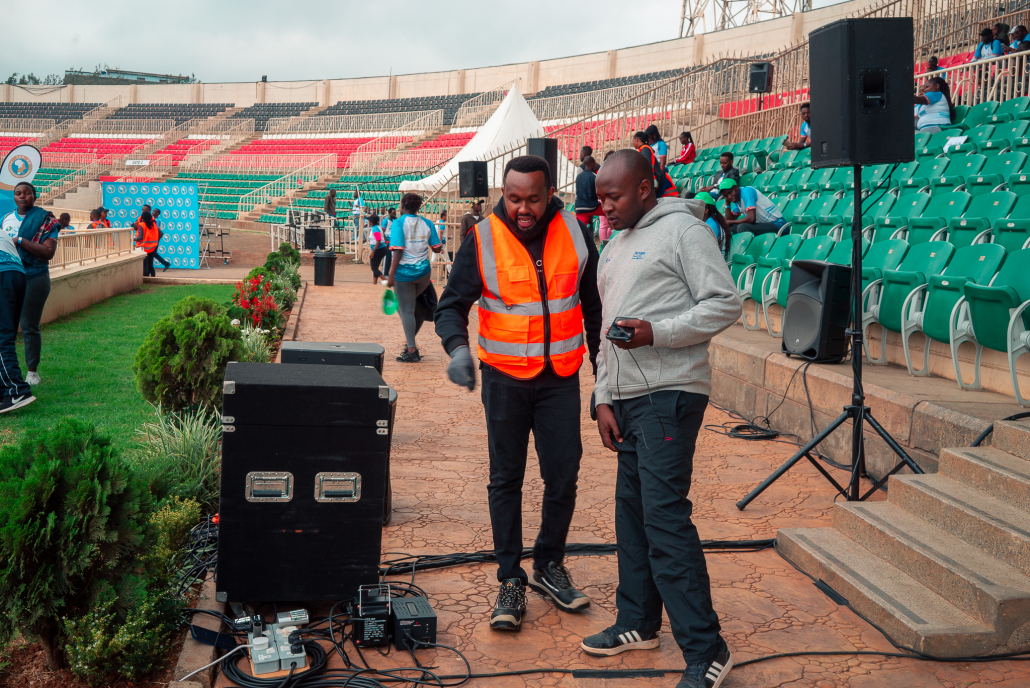
Even the best-planned live stream depends on flawless execution. Technical oversight ensures every system performs reliably before and during the broadcast. Continuous monitoring reduces risk, maintains quality, and protects the event’s professional image.
6.1 Conducting pre-event testing and rehearsals
Preparation minimizes surprises during the live broadcast.
Essential testing steps include:
-
Full audio and video signal checks
-
Platform connectivity verification
-
Camera framing and lighting tests
-
Media playback confirmation
-
Microphone level balancing
-
Dry-run rehearsals with presenters
Thorough testing builds confidence and consistency.
6.2 Real-time monitoring of audio, video, and internet stability
Live oversight allows immediate correction.
Monitoring priorities include:
-
Audio clarity and level consistency
-
Video feed integrity
-
Stream latency and buffering checks
-
Internet bandwidth stability
-
Platform performance observation
-
Continuous broadcast review
Active monitoring keeps the stream stable and professional.
6.3 Managing backups and redundancy to prevent disruptions
Redundancy protects against unexpected failures.
Key safeguards include:
-
Backup microphones and cameras
-
Secondary internet connections
-
Duplicate recording paths
-
Spare power solutions
-
Failover streaming setups
-
Rapid equipment swap readiness
Prepared backups reduce downtime risk.
6.4 On-site technical support for smooth live streaming operations
Experienced technicians maintain operational control.
Support responsibilities include:
-
Immediate troubleshooting
-
Presenter technical assistance
-
Signal routing adjustments
-
Live switching coordination
-
Equipment supervision
-
Quiet intervention during issues
Professional presence ensures uninterrupted delivery.
Technical execution and live monitoring transform planning into dependable performance. With rehearsals, real-time oversight, redundancy planning, and expert on-site support, live-streamed corporate events can run smoothly while maintaining broadcast-level quality and reliability.
7. Post-Event Streaming and Content Repurposing
Live Streaming Corporate Events in Kenya
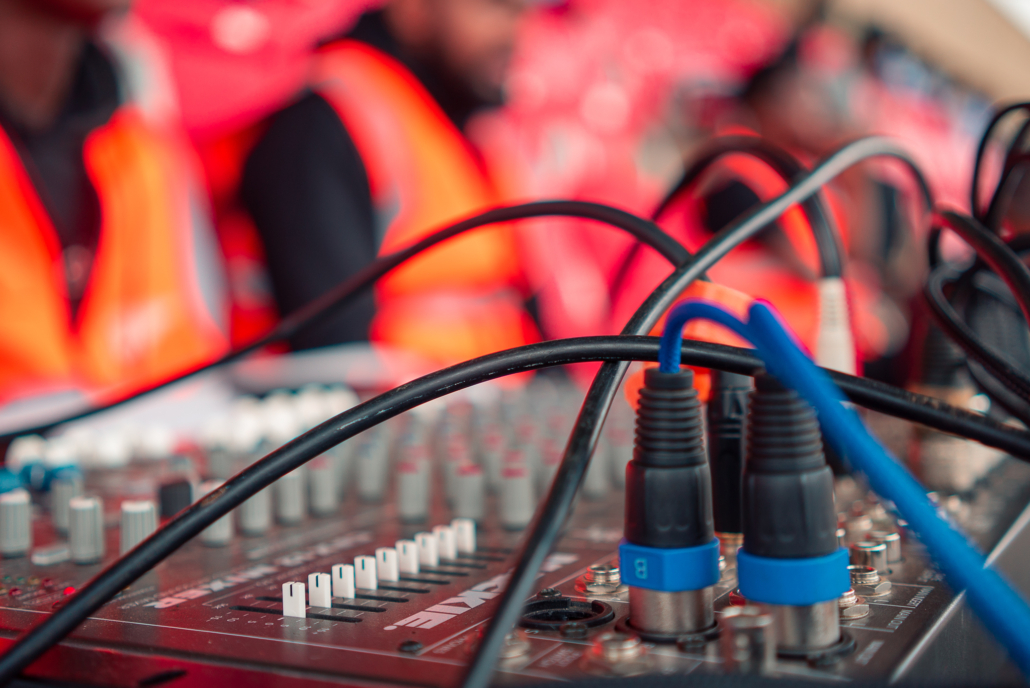
The value of a live streamed corporate event does not end when the broadcast stops. Capturing, refining, and analyzing recorded content allows organizations to extend impact, reinforce messaging, and extract long-term value from a single production.
7.1 Recording live streams for on-demand access
Recording preserves the event for future viewing.
Best practices include:
-
Capturing high-quality master recordings
-
Storing files securely for future use
-
Creating segmented versions for easy navigation
-
Providing controlled access for stakeholders
-
Archiving presentations and media assets
-
Ensuring playback compatibility
On-demand access increases reach and longevity.
7.2 Editing content for internal training or marketing use
Post-production transforms raw footage into targeted resources.
Editing opportunities include:
-
Highlight reels for promotions
-
Training modules from keynote segments
-
Social media clips
-
Branded recap videos
-
Speaker spotlight edits
-
Educational content repackaging
Refined content supports multiple communication goals.
7.3 Measuring engagement and viewership analytics
Analytics reveal how audiences interacted with the stream.
Key measurement areas include:
-
Total views and watch duration
-
Peak engagement moments
-
Audience drop-off points
-
Geographic reach
-
Interaction rates
-
Replay activity
Data informs future content strategy.
7.4 Using recorded content to extend event value beyond the live session
Recorded assets can serve ongoing organizational needs.
Long-term applications include:
-
Knowledge sharing within teams
-
Sales or stakeholder presentations
-
Learning and onboarding resources
-
Marketing campaigns
-
Thought leadership distribution
-
Event documentation
Repurposing maximizes return on investment.
Post-event streaming and content repurposing turn a live broadcast into a long-term asset. By recording, editing, analyzing, and reusing event content, organizations extend engagement, reinforce messaging, and unlock continued value well beyond the live experience.
8. Partnering with Professional Live Streaming Providers

Live Streaming Corporate Events in Kenya
Professional live streaming requires more than cameras and internet access — it demands coordination, expertise, and reliable systems. Partnering with experienced providers ensures your corporate event delivers a polished broadcast that reflects your brand’s professionalism while reducing operational stress.
8.1 Benefits of working with experienced AV and streaming professionals
Expert teams elevate both quality and reliability.
Key advantages include:
-
Broadcast-grade audio and video quality
-
Structured technical planning
-
Reduced risk of live failures
-
Efficient setup and execution
-
Professional troubleshooting
-
Confidence for presenters and organizers
Experience translates into smoother delivery.
8.2 How Peak Audio customizes live streaming solutions for corporate events
Tailored solutions align technology with event goals.
Customization includes:
-
Venue-specific system design
-
Audience-scaled streaming configurations
-
Branded visual integration
-
Platform compatibility planning
-
Redundant connectivity setups
-
Workflow tailored to program structure
Customization ensures technology supports the message.
8.3 Integrating live streaming with audio, lighting, and stage design
Unified production enhances visual and sonic impact.
Integration priorities include:
-
Balanced lighting for broadcast clarity
-
Stage layouts optimized for cameras
-
Clean audio routing for streaming feeds
-
Visual consistency across platforms
-
Coordinated cue timing
-
Minimal equipment visibility
Integrated design creates a cohesive experience.
8.4 Ensuring a reliable, professional, and stress-free event experience
Professional oversight reduces uncertainty.
Reliability measures include:
-
Pre-event testing and rehearsals
-
Continuous live monitoring
-
Backup equipment and connectivity
-
On-site technical supervision
-
Rapid issue resolution
-
Structured communication with organizers
Professional support allows focus on content, not technology.
Partnering with professional live streaming providers transforms complex technical demands into a seamless production. Through expert planning, customization, and integrated execution, corporate events achieve reliable broadcasts that enhance engagement while delivering a calm, controlled experience for organizers and presenters alike.
9. FAQs on Live Streaming Corporate Events in Kenya
Live streaming has become a core component of modern corporate events in Kenya. Below are answers to some of the most common questions organizations ask when planning professionally streamed events.
9.1 How much internet bandwidth is required for live streaming?
Reliable bandwidth is essential for stable streaming.
For professional corporate events, a minimum of 10–20 Mbps upload speed is recommended, depending on video quality, number of cameras, and platform requirements. Dedicated or bonded internet connections are ideal for uninterrupted performance.
9.2 Can Peak Audio stream events to multiple platforms simultaneously?
Yes.
Peak Audio can support simultaneous multi-platform streaming, such as YouTube, Zoom, Microsoft Teams, LinkedIn Live, or private corporate platforms, ensuring different audiences can join through their preferred channels.
9.3 What equipment is needed for professional live streaming?
Professional setups typically include:
-
Broadcast-quality cameras
-
Professional microphones and audio mixers
-
Video switchers and encoders
-
Streaming computers or hardware encoders
-
Lighting for broadcast clarity
-
Backup power and internet solutions
Peak Audio supplies and manages all required equipment.
9.4 Is live streaming suitable for small corporate meetings?
Absolutely.
Live streaming works well for board meetings, executive briefings, trainings, and internal communications, allowing remote stakeholders to participate without compromising quality or confidentiality.
9.5 How do you ensure audio clarity for online viewers?
Audio clarity is achieved through:
-
High-quality microphones for each speaker
-
Separate audio mixes for in-room and online audiences
-
Noise control and sound optimization
-
Continuous live audio monitoring
This ensures remote participants hear every word clearly.
9.6 Can remote participants interact during the event?
Yes.
Remote attendees can engage through live Q&A sessions, polls, chat functions, and moderated discussions, creating an interactive experience comparable to in-person participation.
9.7 What happens if the internet connection fails during the stream?
Professional providers plan for redundancy.
Peak Audio implements backup internet connections, bonded networks, and local recording, ensuring minimal disruption and content preservation even if primary connectivity fails.
9.8 Can live streams be recorded and reused?
Yes.
Live streams can be recorded in high resolution and repurposed for training, internal communication, marketing, or on-demand viewing, extending the event’s value beyond the live session.
9.9 How early should live streaming services be booked?
It’s recommended to book at least 2–4 weeks in advance, especially for large or hybrid events. Early booking allows sufficient time for planning, testing, and coordination with venues and stakeholders.
9.10 What is the typical cost of live-streaming corporate events in Kenya?
Costs vary based on:
-
Event size and duration
-
Number of cameras
-
Platform complexity
-
Audio and lighting requirements
-
Backup and redundancy needs
Professional live streaming services in Kenya typically range from mid to premium pricing, depending on technical scope and production level.
Live streaming corporate events in Kenya requires careful planning, reliable technology, and professional execution. By partnering with experienced providers like Peak Audio, organizations can ensure high-quality broadcasts, meaningful engagement, and dependable performance — regardless of event size or complexity.
Corporate Live Streaming in Kenya – Broadcast Brilliance with Peak Audio
Live Streaming Corporate Events in Kenya
Live streaming has transformed how corporate events are delivered, making them more accessible, scalable, and impactful than ever before. Organizations can now reach wider audiences without sacrificing engagement, creating experiences that extend beyond physical venues. With thoughtful planning and the right production approach, live streamed events can rival — and sometimes surpass — traditional in-person formats in clarity, reach, and audience interaction.
High-quality live streaming depends on professional equipment, stable infrastructure, and experienced technical execution. Clear audio, sharp visuals, and seamless transitions ensure your message is delivered without distraction. When every technical element is managed expertly, presenters remain confident, audiences stay engaged, and the overall experience reflects your brand’s professionalism.
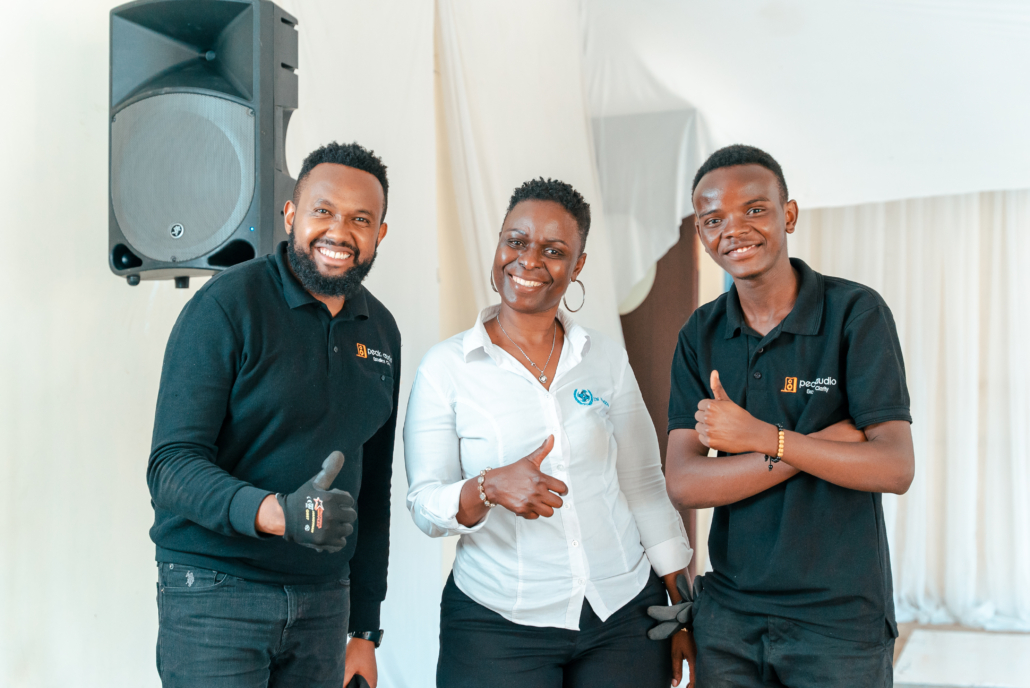
At Peak Audio, we deliver end-to-end live streaming solutions that combine expert audio, video, and on-site technical support for flawless broadcasts. Our team ensures your corporate events connect with audiences smoothly and professionally across Kenya. Visit Peak Audio to discover how we help amplify your message and deliver live streaming experiences that leave a lasting impression.
Leave a Reply
Want to join the discussion?Feel free to contribute!