Lighting for Corporate Conferences in Kenya: Elevate Every Event with Peak Audio
Lighting for Corporate Conferences in Kenya
Lighting is more than just illumination; it sets the tone for corporate conferences and shapes how audiences perceive the event. In Kenya’s dynamic business environment, professional lighting ensures that every speaker, presentation, and panel discussion is seen clearly, while creating an atmosphere that commands attention and encourages engagement. From spotlighting keynote speakers to subtle ambient lighting, every detail matters in leaving a lasting impression on attendees.
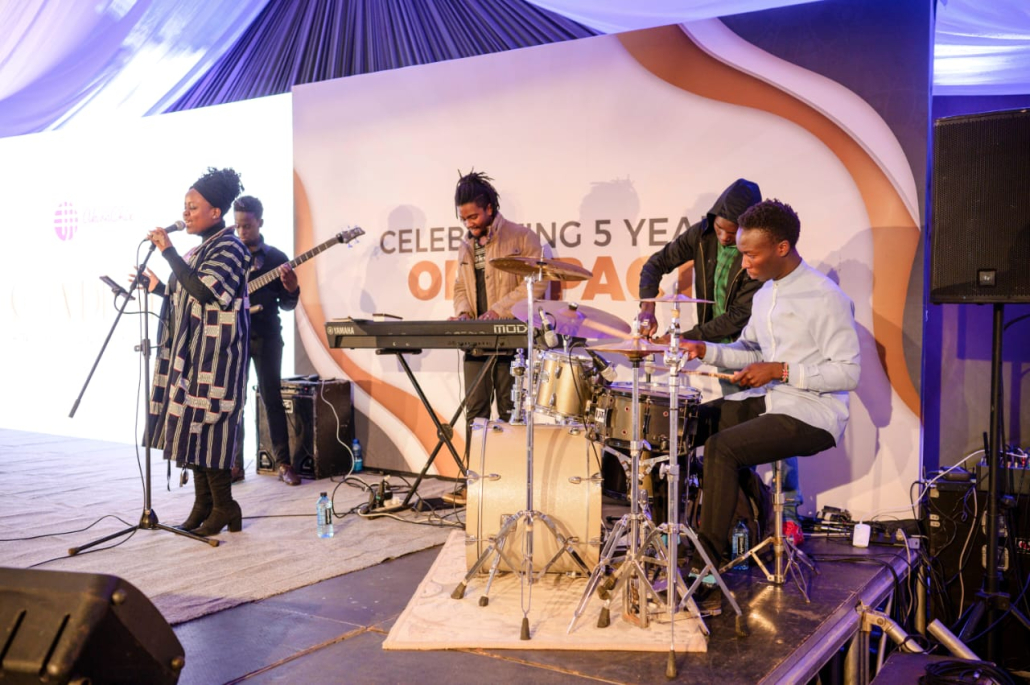
At Peak Audio, we understand that effective lighting goes beyond visibility. Our expert team designs and implements lighting solutions that reinforce branding, guide audience focus, and highlight key moments during conferences. Whether it’s dynamic stage lighting, mood-enhancing ambient setups, or tailored effects for product launches and award ceremonies, we ensure that every element aligns seamlessly with your event’s objectives.
Investing in professional lighting elevates the overall conference experience and reflects the professionalism of your organization. With Peak Audio’s expertise, businesses in Kenya can transform standard conference halls into visually compelling spaces that captivate attendees from start to finish. By combining technical precision with creative design, we deliver lighting solutions that not only illuminate but also inspire, leaving a memorable impact long after the event concludes.
1. Understanding the Importance of Lighting in Corporate Conferences
Lighting for Corporate Conferences in Kenya
Lighting is one of the most powerful — and often underestimated — elements of a corporate conference. It shapes how attendees see the stage, perceive the brand, and experience the environment. Good lighting supports focus, professionalism, and engagement, while poor lighting can distract, fatigue audiences, or undermine presentation quality. When planned strategically, lighting becomes a functional and visual tool that enhances the entire conference experience.
1.1 How Lighting Influences Audience Attention and Engagement
Lighting directs where people look and how they feel in a space. Proper lighting design keeps attention focused on key moments and reduces visual strain.
Key ways lighting supports engagement include:
Highlighting speakers and presentation areas
Creating visual contrast that guides audience focus
Maintaining comfortable brightness levels
Supporting transitions between sessions
Reducing glare and distractions
Well-balanced lighting helps attendees stay attentive and connected to the program.
1.2 The Role of Lighting in Speaker Visibility and Stage Presence
Speakers must be clearly visible to maintain authority and audience connection. Lighting ensures presenters are seen without harsh shadows or discomfort.
Important lighting considerations include:
Even front lighting to eliminate shadows
Balanced brightness for facial clarity
Stage lighting that separates speakers from the background
Angles that avoid glare or eye strain
Consistent illumination across speaking areas
Effective lighting strengthens speaker confidence and audience perception.
1.3 Supporting Branding and Corporate Identity Through Lighting Design
Lighting can reinforce brand identity by integrating color, mood, and visual themes into the environment.
Brand-focused lighting strategies include:
Using corporate colors for accent lighting
Creating themed stage atmospheres
Coordinating lighting with décor and visuals
Highlighting branded elements or signage
Maintaining visual consistency throughout the venue
Thoughtful lighting helps communicate professionalism and brand presence.
1.4 Common Lighting Mistakes That Reduce Conference Impact
Lighting errors can disrupt presentations and diminish the audience experience.
Frequent mistakes include:
Overly dim or excessively bright environments
Uneven lighting that creates shadows
Glare affecting screens or audience visibility
Poor color balance that distorts visuals
Ignoring the stage-to-audience lighting contrast
Lack of coordination with AV setups
Avoiding these issues ensures lighting supports — rather than distracts from — the conference.
Lighting plays a critical role in shaping audience focus, speaker visibility, and brand presentation during corporate conferences. Strategic lighting design enhances engagement, professionalism, and visual clarity while preventing common disruptions. When executed thoughtfully, lighting transforms a conference environment into a focused, comfortable, and impactful space.
2. Types of Lighting Used in Corporate Conferences
Lighting for Corporate Conferences in Kenya
Corporate conferences rely on multiple layers of lighting to support visibility, comfort, branding, and safety. Each lighting type serves a distinct purpose, working together to create a balanced environment where presenters are clearly seen, attendees remain comfortable, and the venue feels professional and organized.
2.1 Stage Lighting for Keynote Speakers and Panel Discussions
Stage lighting ensures presenters remain the visual focal point of the conference. It supports clarity, authority, and audience connection.
Key functions include:
Illuminating speakers evenly to reduce shadows
Enhancing facial visibility for live and recorded sessions
Separating presenters from background elements
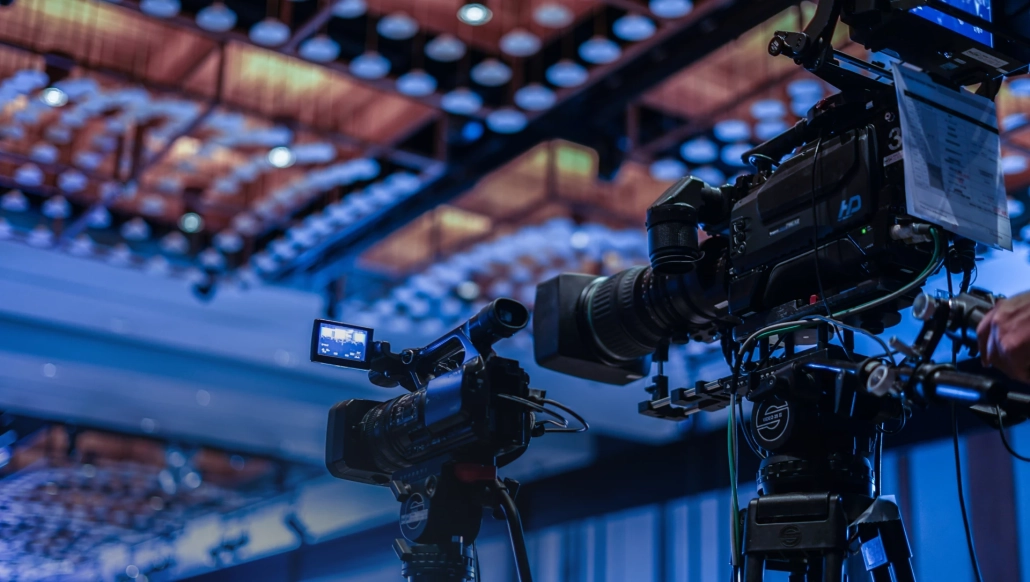
Supporting camera capture for hybrid or recorded events
Maintaining consistent brightness during presentations
Proper stage lighting reinforces professionalism and presentation impact.
2.2 Ambient Lighting for Audience Comfort and Visibility
Ambient lighting provides general illumination across the venue, helping attendees remain comfortable without distracting from the stage.
Primary purposes include:
Creating a comfortable viewing environment
Allowing note-taking or device use
Maintaining safe movement during sessions
Reducing eye strain
Supporting smooth transitions between program segments
Balanced ambient lighting helps sustain audience focus and comfort.
2.3 Accent Lighting for Branding Elements, Backdrops, and Décor
Accent lighting adds visual depth and emphasizes key design features within the venue.
Common applications include:
Highlighting branded signage or logos
Enhancing stage backdrops
Adding color themes aligned with corporate identity
Drawing attention to the décor focal points
Creating visual interest without overpowering the stage
Accent lighting strengthens brand presence and atmosphere.
2.4 Functional Lighting for Registration Areas, Walkways, and Exits
Functional lighting prioritizes safety and operational efficiency in high-traffic areas.
Essential roles include:
Ensuring clear visibility at registration desks
Illuminating walkways and access routes
Supporting safe entry and exit movement
Guiding attendees through the venue
Maintaining compliance with safety standards
Reliable functional lighting keeps the event organized and secure.
Corporate conferences use layered lighting — stage, ambient, accent, and functional — to balance presentation clarity, audience comfort, branding, and safety. Each lighting type contributes to a cohesive environment that supports both technical performance and guest experience. When integrated thoughtfully, lighting enhances professionalism and ensures smooth event operation.
3. Lighting Design and Conference Venues
Lighting for Corporate Conferences in Kenya
Every conference venue presents unique lighting challenges and opportunities. Effective lighting design begins with understanding the physical space and adapting equipment, positioning, and intensity to match the environment. A well-planned setup ensures presenters are clearly visible, attendees remain comfortable, and the venue supports both technical performance and visual appeal.
3.1 Assessing Venue Size, Layout, and Ceiling Height
The physical characteristics of a venue directly influence lighting strategy.
Key assessment factors include:
Room dimensions affecting light coverage
Ceiling height determining fixture placement
Stage positioning relative to audience seating
Obstructions that may block lighting angles
Power availability and rigging points
A thorough assessment ensures lighting is evenly distributed and technically safe.
3.2 Indoor Versus Outdoor Conference Lighting Considerations
Lighting requirements differ significantly depending on whether the event is indoors or outdoors.
Indoor considerations include:
Controlling ambient light levels
Avoiding glare from reflective surfaces
Integrating with the venue’s house lighting
Outdoor considerations include:
Compensating for natural light changes
Weather-resistant equipment
Visibility during daytime and evening sessions
Backup lighting for unexpected conditions
Tailored planning maintains consistency regardless of the environment.
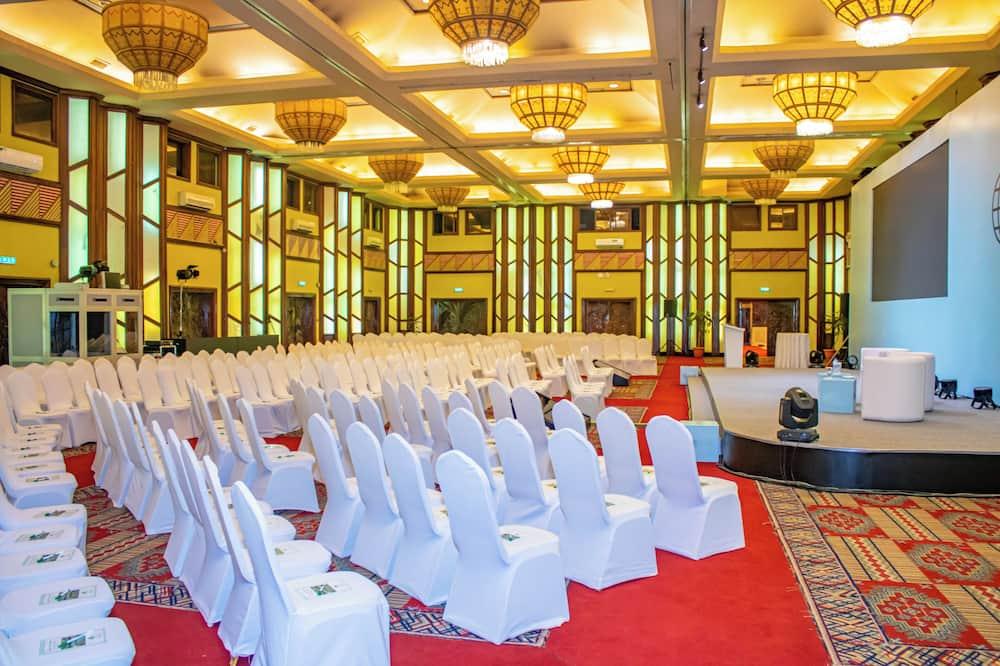
3.3 Adapting Lighting Setups for Hotels, Convention Centers, and Auditoriums
Different venue types require flexible lighting approaches.
Hotels:
Working within existing lighting infrastructure
Enhancing ballrooms without overpowering décor
Convention centers:
Covering large spaces with scalable lighting rigs
Coordinating with multi-zone staging
Auditoriums:
Leveraging built-in rigging systems
Aligning lighting with fixed seating layouts
Adaptation ensures optimal visibility and aesthetic balance.
3.4 How Peak Audio Conducts Venue Assessments to Design Optimal Lighting Plans
Professional lighting providers rely on structured evaluation before installation. Peak Audio conducts venue assessments to align lighting design with event goals and technical realities.
Assessment steps typically include:
Site walkthroughs and measurements
Evaluating rigging and power capacity
Identifying audience sightlines
Coordinating with staging and décor layouts
Planning fixture placement for maximum coverage
This preparation minimizes surprises and supports smooth execution.
Lighting design must be tailored to each conference venue’s size, structure, and environment. Careful assessment ensures fixtures are positioned for clarity, comfort, and safety, whether indoors or outdoors. By adapting lighting strategies to hotels, convention centers, and auditoriums — and conducting professional venue evaluations — organizers can deliver consistent, high-quality conference experiences.
4. Integrating Lighting with Audio-Visual Systems
Lighting for Corporate Conferences in Kenya
Modern corporate conferences depend on lighting and audio-visual (AV) systems working as one coordinated environment. Lighting is no longer a standalone feature — it must align with presentations, cameras, sound cues, and stage timing. Proper integration enhances clarity, professionalism, and audience engagement while reducing disruptions.
4.1 Synchronizing Lighting with Presentations and Screen Content
Lighting should support — not compete with — visual presentations. Synchronization ensures attendees can clearly see both the stage and the displayed content.
Key integration practices include:
Adjusting brightness to preserve screen visibility
Coordinating lighting colors with presentation themes
Highlighting speakers without washing out visuals
Timing lighting changes with presentation segments
Preventing glare on projection surfaces
Well-synced lighting keeps attention focused on the message.
4.2 Ensuring Proper Lighting for Live Streaming and Recordings
Hybrid and recorded conferences require lighting that works for both in-room audiences and cameras.
Important considerations include:
Balanced front lighting for clear facial visibility
Avoiding shadows or overexposure on camera
Maintaining consistent lighting levels
Supporting color accuracy for video capture
Positioning lights to reduce reflections
Camera-friendly lighting improves broadcast quality and professionalism.
4.3 Coordinating Lighting Cues with Sound and Stage Transitions
Lighting transitions should align with program timing and audio cues to maintain flow.
Coordination actions include:
Cueing lighting changes during speaker transitions
Supporting dramatic or thematic moments
Aligning fades with audio transitions
Highlighting panel or performance segments
Communicating timing with stage managers
This coordination creates a polished, seamless experience.
4.4 How Integrated AV Lighting Improves Overall Conference Flow
When lighting and AV teams operate as a unified system, the event feels organized and intentional.
Benefits include:
Smooth transitions between sessions
Reduced technical distractions
Better audience focus and engagement
Enhanced visual storytelling
Faster response to unexpected changes
Integration minimizes friction and elevates the production quality.
Integrating lighting with AV systems ensures presentations are clear, broadcasts look professional, and stage transitions feel seamless. Synchronization between lighting, sound, and visual content supports audience focus and operational efficiency. When lighting is treated as part of the AV ecosystem, conferences run more smoothly and deliver a higher-impact experience.
5. Lighting for Different Conference Formats
Lighting for Corporate Conferences in Kenya
Not all corporate conferences are structured the same way — and lighting design must adapt to the format, duration, audience size, and technical requirements of each event. Thoughtful lighting ensures visibility, comfort, and professionalism while supporting the goals of the specific conference style.
5.1 Single-Day Corporate Conferences and Seminars
Single-day events prioritize efficiency, clarity, and audience focus. Lighting setups must be reliable, quick to deploy, and optimized for presentations.
Lighting priorities include:
Clear stage illumination for speakers
Balanced ambient lighting for attendee comfort
Minimal glare on screens and projection surfaces
Fast setup and breakdown capability
Consistent lighting throughout the schedule
Well-planned lighting keeps sessions running smoothly without unnecessary complexity.
5.2 Multi-Day Conferences and Expos
Longer events demand durable, scalable lighting solutions that maintain quality across extended use.
Key considerations include:
Lighting consistency across multiple days
Zoned lighting for exhibition and presentation areas
Energy-efficient fixtures for prolonged operation
Flexible adjustments for changing schedules
Maintenance access without disrupting sessions
Sustainable lighting design supports operational reliability and attendee experience.
5.3 Hybrid and Virtual Conferences Requiring Broadcast-Quality Lighting
Events with live streaming or recordings require lighting optimized for cameras as well as in-room visibility.
Essential elements include:
Even front lighting for presenters
Controlled color temperature for accurate video capture
Reduced shadows and glare
Camera-friendly brightness levels
Lighting continuity across broadcast segments
Professional broadcast lighting elevates the virtual audience experience.
5.4 Executive Meetings and Breakout Sessions
Smaller, focused gatherings benefit from lighting that encourages comfort, communication, and engagement.
Lighting goals include:
Soft ambient lighting to reduce fatigue
Clear visibility for collaborative discussions
Adjustable lighting for presentations
Minimal distraction in intimate settings
Alignment with the room layout and seating
Appropriate lighting supports productivity and professionalism.
Different conference formats require tailored lighting strategies — from efficient single-day setups to durable multi-day systems, broadcast-ready hybrid lighting, and comfortable executive environments. Matching lighting design to the event structure enhances visibility, engagement, and operational flow, ensuring each format delivers a professional and effective experience.
6. Technical Considerations for Conference Lighting
Lighting for Corporate Conferences in Kenya
Behind every polished conference lighting setup is careful technical planning. Lighting must operate safely, respond accurately to program cues, and deliver consistent visual quality. Addressing technical details early prevents disruptions and ensures the lighting system enhances — rather than distracts from — the event.
6.1 Power Requirements and Electrical Safety
Lighting equipment draws significant power and must be supported by safe, properly distributed electrical systems.
Key technical priorities include:
Calculating total power load for fixtures
Using certified cables and connectors
Proper grounding to prevent electrical hazards
Distributing loads across circuits
Backup power planning for critical lighting
Safe power management protects equipment, staff, and attendees.
6.2 Control Systems for Lighting Cues and Adjustments
Modern conferences rely on programmable lighting control to synchronize cues with the event agenda.
Important control elements include:
Lighting consoles for real-time adjustments
Pre-programmed cues aligned with sessions
Smooth transitions between lighting scenes
Integration with AV timing systems
Operator monitoring throughout the event
Reliable control systems support precision and professionalism.
6.3 Managing Glare, Shadows, and Color Temperature
Lighting quality affects how presenters, screens, and environments are perceived.
Technical considerations include:
Positioning fixtures to minimize glare
Layering light sources to reduce harsh shadows
Selecting an appropriate color temperature for visibility
Maintaining a consistent lighting balance
Adjusting angles to protect screen clarity
Proper calibration improves comfort and visual clarity.
6.4 Importance of Rehearsals and Lighting Tests Before Conferences
Testing ensures lighting performs exactly as intended when the event begins.
Best practices include:
Full lighting run-throughs with presenters
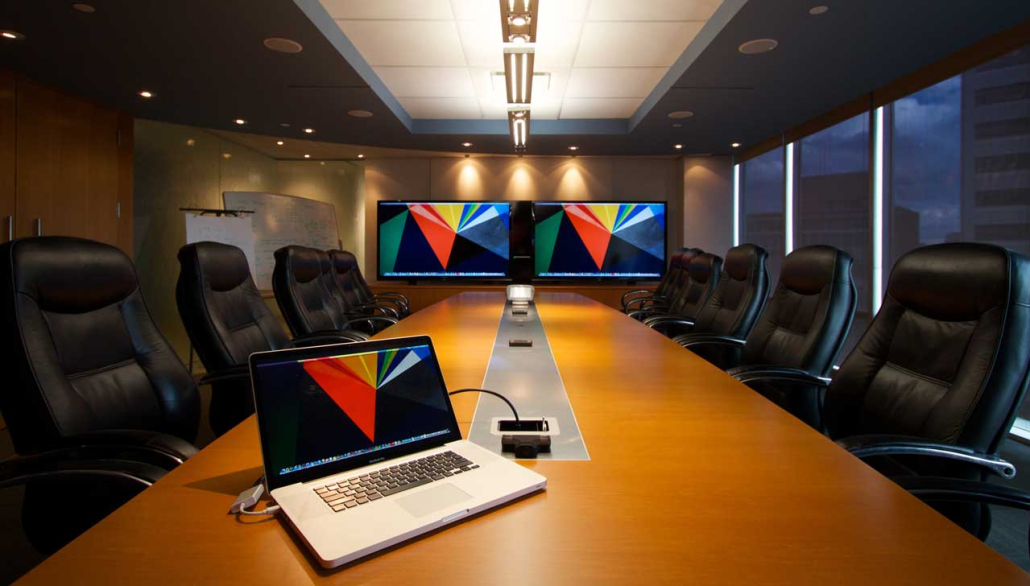
Cue timing verification
Camera and projection checks
Identifying and correcting technical issues
Coordination with AV and stage teams
Rehearsals reduce surprises and build operational confidence.
Technical planning is essential to effective conference lighting. Safe power management, responsive control systems, careful visual calibration, and thorough rehearsals ensure lighting performs reliably and enhances the event experience. When these elements are prioritized, conferences run smoothly with minimal technical interruptions.
7. Best Practices for Professional Conference Lighting
Lighting for Corporate Conferences in Kenya
Professional conference lighting is the result of deliberate planning, coordination, and ongoing management. Beyond equipment selection, best practices focus on aligning lighting with event goals, maintaining consistency, and ensuring technical responsiveness. When executed correctly, lighting enhances clarity, audience engagement, and overall production quality.
7.1 Early Planning and Coordination with AV and Event Teams
Lighting decisions should be integrated into the broader event production plan from the beginning.
Best practice actions include:
Involving lighting designers during event planning
Aligning fixture placement with staging and AV layouts
Confirming power and rigging requirements early
Scheduling joint technical walkthroughs
Establishing communication protocols among teams
Early coordination prevents conflicts and supports seamless execution.
7.2 Aligning Lighting Design with Conference Agenda and Content
Lighting should reflect the structure and tone of the conference program.
Key alignment strategies include:
Designing cues for keynote sessions and panels
Adjusting lighting intensity for presentations
Supporting branded segments with color themes
Planning transitions for session changes
Anticipating special moments or demonstrations
Content-driven lighting enhances storytelling and audience focus.
7.3 Maintaining Consistent Lighting Throughout Sessions
Consistency helps preserve a professional atmosphere and visual comfort.
Important consistency measures include:
Monitoring brightness and color balance
Avoiding sudden or distracting lighting changes
Ensuring uniform coverage across the stage
Checking fixtures between sessions
Maintaining a stable power supply
Reliable lighting reinforces event quality.
7.4 On-Site Technical Support for Real-Time Adjustments
Live conferences require immediate responsiveness to changing conditions.
Professional conference lighting depends on early coordination, alignment with event content, consistent execution, and responsive technical support. These best practices minimize disruptions, elevate presentation quality, and maintain audience engagement. When lighting is treated as a core production element, conferences deliver a polished and reliable experience.
8. Partnering with Professional Lighting and AV Providers
Lighting for Corporate Conferences in Kenya
Conference lighting is most effective when managed by experienced professionals who understand how to integrate visuals, sound, and staging into a unified production. Partnering with a skilled lighting and AV provider ensures technical reliability, creative alignment, and smooth execution — all essential for delivering a high-quality corporate conference experience.
8.1 Benefits of Working with Experienced Conference Lighting Specialists
Professional lighting specialists bring technical expertise and production insight that reduce risk and elevate event quality.
Key benefits include:
Accurate assessment of venue lighting needs
Safe and efficient equipment setup
Professional cue programming and operation
Troubleshooting and contingency planning
Consistent visual quality throughout the event
Expert support minimizes disruptions and enhances confidence.
8.2 How Peak Audio Customizes Lighting Solutions for Corporate Conferences
A tailored approach ensures lighting supports both functional requirements and brand presentation. Peak Audio designs lighting plans based on the specific goals and environment of each conference.
Customization typically involves:
Venue evaluation and fixture planning
Aligning lighting with corporate branding
Designing cues for presentations and transitions
Coordinating with staging and décor layouts
Providing on-site technical management
Customized solutions create cohesive and purposeful lighting environments.
8.3 Integration of Lighting with Sound, Visuals, and Stage Design
Lighting must operate as part of a broader production system rather than in isolation.
Integration priorities include:
Synchronizing lighting with AV timelines
Protecting screen visibility and audio clarity
Supporting the presenter’s movement on stage
Coordinating cues with sound and visual elements
Maintaining balanced stage aesthetics
Integrated systems produce seamless audience experiences.
8.4 Delivering Polished, Professional Conference Environments
When lighting and AV teams collaborate effectively, the entire conference environment feels intentional and refined.
Professional outcomes include:
Smooth session transitions
Clear presenter visibility
Enhanced audience engagement
Consistent production quality
Reduced technical distractions
A coordinated production approach reinforces brand credibility and event impact.
Partnering with professional lighting and AV providers ensures conferences benefit from expert planning, tailored solutions, and seamless system integration. From venue assessment to live operation, experienced teams deliver reliable performance and polished visual environments that elevate the overall conference experience.
9. FAQs on Lighting for Corporate Conferences in Kenya
Below are practical answers to common questions organizers ask when planning conference lighting. Each response explains not just what to do, but why it matters and what to consider for successful execution.
9.1 Why is professional lighting important for corporate conferences?
Professional lighting ensures speakers are clearly visible, presentations remain readable, and the venue maintains a polished, corporate atmosphere.
Why it matters:
Enhances audience focus and engagement
Improves speaker visibility and authority
Supports video capture and photography
Reinforces brand professionalism
Reduces visual fatigue for attendees
Without proper lighting, even well-planned conferences can appear disorganized or low quality.
9.2 What types of lighting are best for conference stages?
Stage lighting should combine front lighting for clarity, fill lighting to reduce shadows, and accent lighting for depth.
Effective stage lighting includes:
Key lights for presenter visibility
Fill lights to soften shadows
Backlighting to separate speakers from backgrounds
Accent lighting for branding or décor
Controlled brightness for screen compatibility
A layered approach produces a balanced and professional stage appearance.
9.3 Can lighting support corporate branding?
Yes — lighting is a powerful branding tool that reinforces company identity and event themes.
Brand-supporting lighting strategies include:
Using brand color tones in accent lighting
Highlighting logos and backdrops
Coordinating lighting with presentation visuals
Creating an atmosphere aligned with the brand personality
Professional planning ensures reliability in open environments.
9.10 What is the cost range for conference lighting services in Kenya?
Costs vary depending on event scale, venue complexity, equipment needs, and duration.
Factors influencing pricing include:
Venue size and layout
Fixture quantity and type
Technical staffing requirements
Event duration
Integration with AV systems
Small setups may require modest budgets, while large conferences demand comprehensive production investment.
Conference lighting in Kenya plays a vital role in visibility, branding, broadcast quality, and event safety. From stage illumination to camera optimization and venue scaling, professional lighting ensures conferences run smoothly and present a polished image. Early planning, expert setup, and integrated AV coordination are key to achieving consistent, high-impact results.
Corporate Conference Lighting in Kenya – Elevate Every Moment with Peak Audio
Lighting for Corporate Conferences in Kenya
Professional lighting has the power to transform corporate conferences from simple gatherings into immersive, high-impact experiences. Well-designed lighting improves speaker visibility, guides audience attention, and reinforces brand identity, creating an environment that feels intentional and engaging. In Kenya’s corporate conference scene, visual presentation plays a major role in how messages are received and remembered.
Strategic lighting design does more than brighten a room — it enhances mood, supports staging, and ensures presenters and visuals are clearly seen. When lighting integrates smoothly with sound and display systems, conferences flow more naturally, helping attendees stay focused and connected. This technical harmony contributes directly to professionalism and audience satisfaction.
At Peak Audio, we deliver expertly planned lighting solutions tailored to corporate conferences across Kenya. Our team ensures every visual element is executed with precision, supporting seamless production and impactful presentation. Visit Peak Audio to discover how professional lighting elevates conferences into polished, memorable experiences for every attendee.
https://peakaudio.co.ke/blog/wp-content/uploads/2024/11/New-Project6.svg00Peak Audiohttps://peakaudio.co.ke/blog/wp-content/uploads/2024/11/New-Project6.svgPeak Audio2026-01-22 04:35:322026-02-27 09:16:10Lighting for Corporate Conferences in Kenya
0replies
Leave a Reply
Want to join the discussion? Feel free to contribute!
Leave a Reply
Want to join the discussion?Feel free to contribute!