Table of Contents
ToggleIs It Worth Hiring an Event Planner in Kenya? A Practical Guide by Peak Audio Events
Is It Worth Hiring an Event Planner in Kenya?
Event planning in Kenya can be complex, often involving multiple vendors, logistics coordination, venue arrangements, and strict timelines. From managing décor and catering to handling guest logistics and technical setups, organizing a successful event requires careful attention to detail and strong coordination skills. Without proper planning, even small issues can quickly affect the overall experience.
As a result, the demand for professional event planners has grown significantly across the country. Weddings, corporate functions, product launches, conferences, and social gatherings increasingly rely on experienced planners to ensure smooth execution. Professional planners bring industry connections, organizational expertise, and creative insight, helping clients turn their vision into a well-managed and memorable event.
This guide explores whether hiring an event planner in Kenya is worth it by examining the benefits, potential costs, and situations where professional support makes the most sense. With insights from Wedi Shoes Events, readers can better understand how expert planning can reduce stress, improve event quality, and ensure that every detail is handled professionally from start to finish.
1. What an Event Planner Does
Is It Worth Hiring an Event Planner in Kenya?
Event planners play a key role in turning ideas into well-organized and memorable experiences. Whether for weddings, corporate functions, conferences, or social gatherings, they handle the planning, coordination, and execution of events from start to finish. By managing logistics, vendors, and timelines, event planners ensure that every element of the event runs smoothly and according to plan.
1.1 Event Concept and Planning
• Designing the event theme, layout, and overall experience
Event planners begin by developing the concept and vision for the event based on the client’s goals, preferences, and budget.
Concept Development
-
Creating the overall theme and style of the event
-
Selecting color schemes, décor concepts, and visual elements
-
Designing the atmosphere and guest experience
Event Layout and Design
-
Planning seating arrangements and floor layouts
-
Organizing stage placement, lighting, and entertainment areas
-
Ensuring the smooth flow of guests between different event spaces
Timeline Planning
-
Creating a detailed schedule for the event day
-
Planning key moments such as speeches, performances, or ceremonies
-
Coordinating preparation timelines leading up to the event
This planning stage ensures that the event has a clear direction and cohesive design.
1.2 Vendor Coordination
• Booking venues, catering, décor, photography, and entertainment
Event planners manage relationships with vendors who provide the services required to run the event.
Vendor Selection
-
Researching and recommending suitable service providers
-
Comparing vendor prices, quality, and availability
-
Booking venues, caterers, decorators, photographers, and entertainers
Contract Negotiation
-
Discussing service packages and pricing
-
Negotiating discounts or customized service arrangements
-
Ensuring contracts clearly define services and delivery timelines
Vendor Communication
-
Coordinating schedules among multiple vendors
-
Ensuring all vendors understand the event plan and requirements
-
Confirming arrival times and setup responsibilities
Effective vendor coordination ensures that all event services work together seamlessly.
1.3 Budget Management
• Managing expenses and negotiating with vendors
Budget management is one of the most important responsibilities of an event planner.
Budget Planning
-
Establishing a realistic budget based on the client’s priorities
-
Allocating funds to major categories such as venue, catering, décor, and entertainment
Expense Monitoring
-
Tracking payments, deposits, and outstanding balances
-
Ensuring spending stays within the approved budget
Vendor Negotiation
-
Negotiating prices or service packages with suppliers
-
Recommending cost-effective alternatives when necessary
Through careful budgeting, event planners help clients avoid overspending while maintaining quality.
1.4 On-the-Day Event Coordination
• Supervising setup, managing schedules, and solving issues during the event
On the day of the event, planners oversee all operations to ensure everything runs according to plan.
Event Setup Supervision
-
Coordinating venue preparation and decoration
-
Ensuring lighting, seating, and equipment are properly installed
Schedule Management
-
Monitoring the event timeline
-
Ensuring speeches, meals, entertainment, and activities occur as planned
Problem Solving
-
Addressing unexpected issues such as vendor delays or technical problems
-
Adjusting schedules and coordinating solutions quickly
This coordination allows hosts and guests to enjoy the event without worrying about logistics.
Event planners manage the entire event process—from concept development and vendor coordination to budgeting and on-the-day supervision. By handling logistics, scheduling, and problem-solving, they ensure events run smoothly and create memorable experiences for hosts and guests alike.
2. Benefits of Hiring an Event Planner in Kenya
Is It Worth Hiring an Event Planner in Kenya?
Organizing an event in Kenya can involve coordinating many different services, including venues, catering, décor, entertainment, and logistics. Hiring a professional event planner helps streamline this process by providing expertise, reliable vendor connections, and efficient management of all event details. Below are some of the key benefits of working with an experienced event planner.
2.1 Access to Trusted Vendors
• Planners often work with reliable caterers, venues, and suppliers, ensuring quality service.
One of the biggest advantages of hiring an event planner is their established network of trusted vendors.
Vendor Recommendations
-
Event planners maintain relationships with reputable caterers, decorators, photographers, and entertainment providers.
-
They can recommend vendors known for delivering consistent and high-quality service.
Quality Assurance
-
Planners often work repeatedly with the same vendors, which means they understand their reliability, pricing, and service standards.
-
This reduces the risk of last-minute cancellations or poor service.
Better Coordination
-
Because vendors are familiar with working alongside the planner, communication and coordination are smoother.
-
This helps ensure all event elements—such as food, décor, and entertainment—come together seamlessly.
2.2 Time and Stress Savings
• Planning an event involves many moving parts; professionals handle logistics so clients can focus on enjoying the event.
Event planning requires careful attention to detail and extensive coordination. Hiring a professional allows clients to save time and reduce stress.
Handling Complex Logistics
-
Event planners manage scheduling, vendor communication, and venue coordination.
-
They organize timelines and ensure each stage of the event is properly prepared.
Reducing Planning Workload
-
Clients avoid spending hours researching vendors, comparing prices, and negotiating contracts.
-
Planners take responsibility for these tasks while keeping clients informed.
Allowing Clients to Enjoy the Event
-
Instead of worrying about logistics during the event, hosts can focus on interacting with guests and enjoying the experience.
2.3 Professional Expertise and Creativity
• Experienced planners bring fresh ideas and know what works for different event types.
Professional planners bring valuable experience and creative insights that enhance the overall event experience.
Creative Event Concepts
-
Planners help develop unique themes, décor styles, and event layouts.
-
They can suggest innovative ideas that align with the client’s vision and budget.
Experience With Different Event Types
-
Weddings, corporate events, conferences, birthdays, and social celebrations each have unique requirements.
-
Experienced planners know what works best for each type of event.
Efficient Planning Strategies
-
Because they have organized many events before, planners can anticipate common challenges and implement proven solutions.
2.4 Problem-Solving and Crisis Management
• They anticipate issues such as weather changes, vendor delays, or technical problems.
Unexpected issues can arise during event planning or on the event day. Event planners are trained to handle challenges quickly and efficiently.
Anticipating Potential Issues
-
Experienced planners identify possible risks early, such as bad weather for outdoor events or vendor delays.
Rapid Problem Resolution
-
If problems occur, planners coordinate solutions immediately without disrupting the event schedule.
Maintaining a Smooth Event Flow
-
By managing crises behind the scenes, planners ensure guests remain unaware of issues and continue enjoying the event.
Hiring an event planner in Kenya offers several advantages, including access to trusted vendors, reduced stress, creative event design, and effective problem-solving. Their expertise ensures that every aspect of the event—from planning to execution—is professionally managed, allowing hosts to focus on celebrating and creating memorable experiences for their guests.
3. Event Planners and Budget Optimization
Is It Worth Hiring an Event Planner in Kenya?
Effective budget management is essential for hosting a successful event in Kenya. Event planners not only help organize logistics but also optimize spending, ensuring every shilling is used strategically to deliver maximum impact. With their experience, industry connections, and attention to detail, planners can prevent costly mistakes, prioritize key elements, and maintain transparent financial control throughout the process.
3.1 Leveraging Industry Connections for Discounts and Better Deals
Professional planners have established relationships with vendors, venues, and service providers that allow them to access exclusive discounts and favorable deals.
-
Negotiated Pricing – Planners can secure lower rates for catering, décor, and equipment that might not be available to the public.
-
Exclusive Packages – Access to bundled services, such as AV equipment with the venue or combined décor and floral packages, can reduce costs significantly.
-
Trusted Vendors – Long-term partnerships ensure reliable service, reducing risks of last-minute price hikes or cancellations.
Leveraging industry connections allows planners to stretch the budget further while maintaining high-quality services.
3.2 Prioritizing Spending on Key Event Components to Maximize Impact
Not every element of an event contributes equally to its success. Planners help allocate funds where they matter most.
-
High-Impact Areas – Focus on elements that guests notice most, such as venue ambiance, catering quality, or audiovisual setup.
-
Strategic Allocation – Avoid overspending on minor details while underfunding critical aspects.
-
Event-Specific Priorities – For weddings, décor and photography might take precedence; for corporate events, AV and stage setup are crucial.
Prioritizing key components ensures the event delivers memorable experiences without unnecessary expenditure.
3.3 Avoiding Costly Mistakes That Arise from Inexperience or Poor Planning
Inexperienced organizers often face unexpected costs due to overlooked details or mismanaged logistics.
-
Error Prevention – Planners anticipate potential pitfalls such as equipment shortages, late deliveries, or miscommunications with vendors.
-
Contingency Planning – Having backup plans avoids expensive last-minute fixes.
-
Contract Management – Ensures all agreements are clear and binding, preventing hidden fees or disputes.
Professional guidance minimizes financial risks and prevents unnecessary losses.
3.4 Transparent Financial Tracking and Reporting Throughout the Planning Process
Clear visibility of all expenses is key to staying within budget.
-
Detailed Records – Tracking deposits, payments, and pending costs ensures no hidden expenses.
-
Regular Reports – Clients receive updates showing exactly how funds are being used.
-
Budget Adjustments – Savings in one area can be reallocated to enhance other aspects of the event.
Transparent financial tracking provides accountability, informed decision-making, and confidence that the budget is under control.
Event planners are essential partners for optimizing budgets in Kenya. By leveraging industry connections, prioritizing high-impact spending, avoiding costly mistakes, and maintaining transparent financial tracking, planners ensure that events are both memorable and cost-efficient. Their expertise allows hosts to maximize the value of every shilling, delivering exceptional experiences without financial stress.
4. Time-Saving Advantages

Is It Worth Hiring an Event Planner in Kenya?
Organizing an event involves juggling multiple tasks, deadlines, and details. Hiring a professional event planner in Kenya allows hosts to save valuable time while ensuring every aspect of the event runs smoothly. Planners efficiently manage logistics, coordinate vendors, and handle administrative requirements so hosts can focus on what matters most—whether it’s engaging with guests, preparing content, or attending to business priorities.
4.1 Managing Schedules, Deliveries, and Timelines Efficiently
Event planners take the responsibility of keeping all tasks on track, ensuring that nothing is delayed or overlooked.
-
Structured Timelines – Planners create detailed schedules for every component, from setup to teardown, preventing overlaps or bottlenecks.
-
Delivery Coordination – They track deliveries for catering, décor, and equipment, confirming arrival times and quality standards.
-
Deadline Management – Critical tasks are prioritized to meet key milestones without last-minute rushes or oversights.
Efficient scheduling ensures the event progresses seamlessly, saving time and reducing stress for the host.
4.2 Coordinating Vendors, Rehearsals, and Technical Setups
Professional planners act as the central point of communication, aligning all parties involved in the event.
-
Vendor Coordination – They liaise with caterers, decorators, AV technicians, and performers to ensure everyone is aligned on expectations and timelines.
-
Rehearsals & Run-Throughs – Planners schedule and oversee rehearsals or technical tests to catch issues before the event.
-
Technical Setup Management – From sound checks to lighting arrangements, planners handle the logistics, avoiding delays on the day of the event.
Coordinating multiple vendors and technical details reduces inefficiencies and prevents delays, giving the event a professional and polished execution.
4.3 Streamlining Approvals, Contracts, and Permits for Venues or City Authorities
Events often require permissions, legal compliance, and signed agreements. Planners handle these administrative tasks on behalf of the host.
-
Contract Management – They review and finalize agreements with vendors and venues, ensuring terms are fair and clear.
-
Permit Handling – Planners manage necessary permits for public spaces or city-authorized events, avoiding legal complications.
-
Regulatory Compliance – Ensures that events adhere to local rules and safety regulations, preventing interruptions or fines.
Streamlining administrative processes saves hosts from time-consuming paperwork and legal hurdles, keeping the event on track.
4.4 Freeing the Host to Focus on Content, Guests, or Business Priorities
With logistics and planning managed professionally, the host can focus on high-value responsibilities.
-
Guest Interaction – Hosts can engage meaningfully with attendees without worrying about setup or emergencies.
-
Content Preparation – For corporate events, speakers or presenters can concentrate on refining their presentations.
-
Business or Personal Priorities – Planners handle time-intensive details, allowing hosts to maintain productivity or enjoy the event stress-free.
Delegating operational responsibilities enables the host to focus on what matters most, enhancing the overall experience for both the host and attendees.
Event planners save hosts significant time by managing schedules, coordinating vendors, handling administrative tasks, and overseeing technical setups. By streamlining operations, planners reduce stress, prevent delays, and allow hosts to focus on their guests, content, or business priorities. The result is a well-executed, seamless event delivered efficiently and professionally.
5. Ensuring Professional Execution

Is It Worth Hiring an Event Planner in Kenya?
A successful event in Kenya is defined not just by planning but by flawless execution. Professional event planners ensure that every detail is implemented correctly, from setup to the final moments. Their expertise guarantees that unexpected issues are managed seamlessly, the event flow remains smooth, and guests have a memorable experience.
5.1 On-Site Supervision to Handle Unexpected Issues
Professional planners provide hands-on supervision during the event, ready to address any challenges in real time.
-
Problem-Solving on the Spot – Whether a vendor is late, equipment fails, or weather changes, planners quickly implement solutions.
-
Minimizing Disruptions – Issues are managed discreetly without affecting the guest experience.
-
Crisis Preparedness – Planners anticipate potential risks and have contingency plans in place.
On-site supervision ensures that problems are resolved immediately, keeping the event seamless and stress-free for the host.
5.2 Overseeing Setup, Décor, and Event Flow
Planners ensure that the venue is arranged according to the agreed design and that the event proceeds as planned.
-
Set up Management – Supervising vendors and staff to arrange seating, décor, and signage efficiently.
-
Flow Coordination – Organizing the sequence of activities to maintain smooth transitions between segments of the event.
-
Attention to Detail – Ensuring every visual and functional element aligns with the planned aesthetic and guest expectations.
Oversight of setup and flow guarantees the event is visually appealing and runs smoothly from start to finish.
5.3 Managing Registration, Guest Experience, and Program Timing
A professional execution focuses on the guests’ journey from arrival to departure.
-
Registration Efficiency – Streamlined check-ins reduce queues and enhance the first impression.
-
Guest Comfort – Monitoring seating, refreshments, and accessibility ensures attendees feel valued.
-
Program Timing – Keeping the agenda on schedule avoids delays, overlaps, or rushed segments.
Managing guest interactions and timing creates a polished experience that reflects well on the host and the event.
5.4 Coordinating Audio-Visual and Technical Requirements for Smooth Presentations
Technical excellence is critical for presentations, performances, or speeches.
-
AV Setup Supervision – Ensuring microphones, projectors, screens, and lighting are functional and correctly positioned.
-
Technical Troubleshooting – Addressing glitches immediately to prevent interruptions.
-
Seamless Presentations – Coordinating timing and cues for speakers, performers, or entertainers.
Effective AV and technical management ensures presentations and performances run flawlessly, enhancing the overall professionalism of the event.
Professional execution is the hallmark of a successful event. By providing on-site supervision, overseeing setup and flow, managing guest experience, and coordinating technical requirements, event planners ensure that every detail is handled efficiently. Their expertise guarantees a polished, seamless event that impresses guests and allows the host to enjoy the occasion stress-free.
6. Creative Value of Event Planners
Is It Worth Hiring an Event Planner in Kenya?
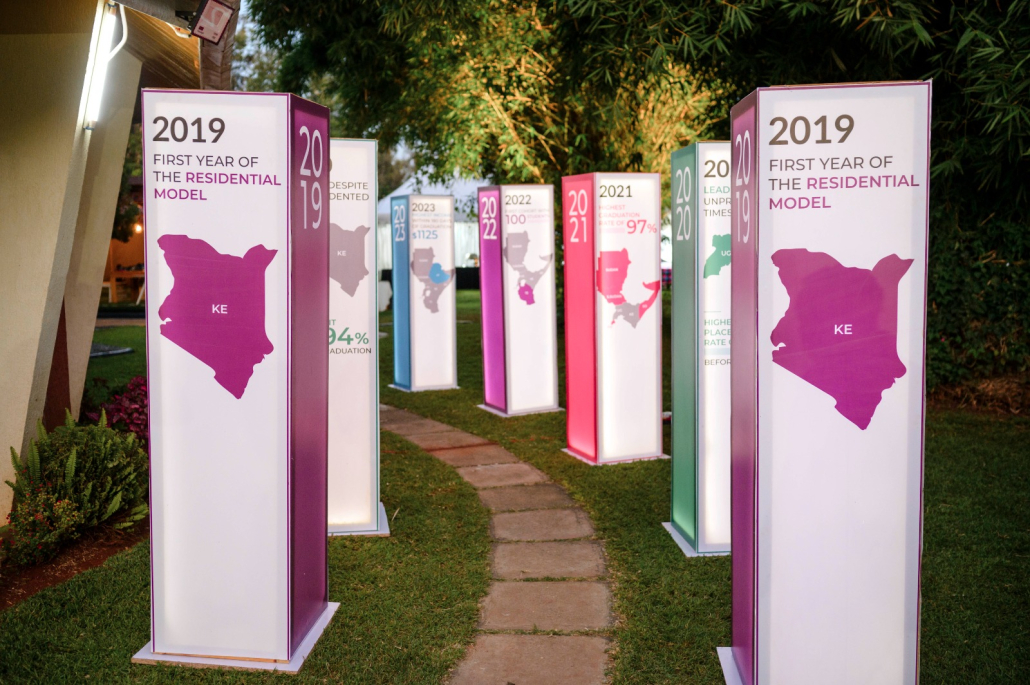
Event planners do more than handle logistics—they bring creativity and vision that elevate any gathering. In Kenya, where both corporate and social events compete for attention and engagement, planners help design unique experiences that leave lasting impressions. Their expertise ensures that events are visually appealing, thematically cohesive, and memorable for all attendees.
6.1 Designing Unique Event Concepts and Themes
Professional planners create distinctive concepts that reflect the purpose and personality of the event.
-
Tailored Themes – Events are designed to match the client’s vision, whether a corporate launch, gala, or wedding celebration.
-
Creative Storytelling – Planners develop a narrative through décor, entertainment, and ambiance that guides the guest experience.
-
Memorable Experiences – Unique concepts make events stand out, ensuring attendees remember them long after they conclude.
By designing tailored themes, planners transform ordinary gatherings into extraordinary, memorable experiences.
6.2 Enhancing Branding for Corporate Events in Kenya
For corporate clients, planners ensure that branding is visible, cohesive, and impactful throughout the event.
-
Visual Consistency – Logos, colors, and messaging are integrated into décor, presentations, and marketing materials.
-
Brand Storytelling – Activities and event flow reinforce the company’s values, mission, and identity.
-
Professional Image – Thoughtful branding elevates the company’s reputation and leaves a positive impression on stakeholders.
Event planners enhance corporate identity, ensuring that every touchpoint communicates the brand effectively.
6.3 Introducing Innovative Ideas in Entertainment, Décor, and Engagement
Planners bring fresh concepts to make events interactive, enjoyable, and unforgettable.
-
Interactive Experiences – Incorporating guest engagement activities, photo stations, or live performances.
-
Creative Décor – Innovative arrangements, lighting, and staging enhance visual appeal and set the mood.
-
Unique Entertainment – Curating performances or presentations that surprise and delight guests.
By introducing innovative elements, planners make events lively, engaging, and visually impressive.
6.4 Ensuring Consistent Messaging and Visual Impact for Corporate or Social Events
Planners maintain coherence across all aspects of an event to reinforce the intended message or theme.
-
Integrated Design – From invitations and signage to décor and presentations, all elements align with the concept.
-
Message Reinforcement – Activities, speeches, and visuals convey the intended message clearly to attendees.
-
Visual Harmony – Professional oversight ensures colors, lighting, and arrangements create a polished and consistent look.
Consistent messaging and cohesive visuals enhance the professionalism and memorability of any event.
Event planners add significant creative value by designing unique concepts, enhancing branding, introducing innovative ideas, and ensuring consistent messaging and visual impact. Their expertise transforms ordinary events into immersive experiences that impress attendees, strengthen corporate identity, and leave lasting memories.
7. When Hiring an Event Planner Makes Sense

Is It Worth Hiring an Event Planner in Kenya?
While smaller events may be manageable without professional help, there are specific scenarios in Kenya where engaging an event planner is highly beneficial. Planners bring expertise, resources, and organization that ensure complex events run smoothly, meet objectives, and leave a lasting impression.
7.1 Large-Scale Corporate Conferences, Exhibitions, or Seminars
Events with many attendees and multiple components require meticulous planning.
-
Complex Logistics – Coordinating speakers, breakout sessions, catering, and AV setups is time-intensive and prone to errors without professional oversight.
-
Vendor Management – Planners manage contracts, deliveries, and schedules with multiple suppliers simultaneously.
-
Seamless Execution – Professional oversight ensures a polished experience, leaving a strong impression on clients, partners, and stakeholders.
For large-scale corporate events, planners ensure organization, efficiency, and professionalism at every stage.
7.2 Weddings, Gala Dinners, and Celebrations with Many Guests
Social events with numerous attendees require precise planning to create a memorable experience.
-
Guest Management – Ensuring seating arrangements, invitations, and guest flow are handled efficiently.
-
Décor and Ambiance – Coordinating floral arrangements, lighting, and décor to achieve the desired aesthetic.
-
Program Coordination – Timelines for speeches, entertainment, and ceremonies are executed without delays or confusion.
Planners make large social celebrations seamless, allowing hosts to enjoy the occasion without stress.
7.3 Hybrid or Virtual Events Requiring Technical Coordination
Events that combine in-person and online participation demand specialized technical skills.
-
AV and Streaming Setup – Coordinating high-quality video, sound, and connectivity for both audiences.
-
Platform Management – Managing virtual platforms, registration, and interactive features.
-
Integrated Experience – Ensuring online and offline participants enjoy a seamless, engaging event.
For hybrid or virtual events, planners provide the technical expertise required to deliver a professional and glitch-free experience.
7.4 Any Event Where Quality, Professionalism, and Seamless Execution Are Priorities
Even smaller events can benefit from professional planning when precision and quality matter.
-
High Expectations – Corporate launches, VIP meetings, or milestone celebrations require flawless execution.
-
Stress Reduction – Planners handle logistics, vendor management, and troubleshooting, freeing hosts to focus on the event itself.
-
Consistency and Impact – Professional oversight ensures all elements align with the theme, objective, and desired outcome.
When quality and seamless execution are priorities, hiring an event planner guarantees a polished and stress-free experience.
Hiring an event planner makes sense for large-scale corporate events, weddings, and gala dinners, hybrid or virtual events, and any occasion where professionalism and flawless execution are essential. Planners provide expertise, organization, and creative solutions that ensure events are memorable, impactful, and executed without stress.
8. FAQs on Hiring Event Planners in Kenya
Hiring an event planner can simplify the process of organizing both corporate and social events in Kenya. These FAQs address common concerns, helping hosts understand the value, cost, and practical considerations of working with professional planners.
8.1 How much does an event planner in Kenya cost?
The cost depends on the event’s scale, complexity, and services required.
-
Small to Medium Events – Typically range from Ksh 50,000 to Ksh 150,000.
-
Large Corporate Events or Galas – Can exceed Ksh 500,000, especially when multiple vendors, extensive décor, or technical setups are involved.
-
Value Consideration – Costs often reflect the planner’s experience, local connections, and ability to maximize efficiency and quality.
Prices vary, but investing in a planner often saves time, stress, and hidden costs in the long run.
8.2 Can event planners work within a strict budget?
Yes, professional planners specialize in optimizing budgets without compromising quality.
-
Strategic Allocation – They prioritize high-impact areas such as venue, catering, and AV setups.
-
Negotiated Deals – Planners leverage vendor relationships to secure discounts and package offers.
-
Cost Monitoring – Transparent tracking ensures no overspending and allows reallocation of funds as needed.
A skilled planner maximizes every shilling to deliver a memorable event within budget.
8.3 Do event planners handle vendors?
Absolutely—they coordinate all suppliers involved in the event.
-
Catering & Beverages – Ensuring menus, quantities, and delivery schedules are accurate.
-
Décor & Floral Arrangements – Managing setup and alignment with the theme.
-
Audio-Visual & Entertainment – Coordinating equipment, performers, and presentations.
Planners act as the central point of contact for all vendors, saving the host time and reducing miscommunication.
8.4 Will hiring a planner save time?
Yes, one of the main advantages is significant time savings.
-
Logistics Management – Planners oversee schedules, deliveries, and vendor coordination.
-
Administrative Tasks – Contracts, permits, and approvals are handled professionally.
-
Focus for Hosts – Freeing hosts to concentrate on content, guests, or other priorities.
Planners streamline the process, allowing hosts to enjoy the event without being overwhelmed by details.
8.5 Can they plan virtual or hybrid events in Kenya?
Yes, experienced planners are well-versed in digital event components.
-
Live Streaming & Online Registration – Integrating virtual platforms for seamless participation.
-
Technical Coordination – Ensuring audio, video, and connectivity run smoothly.
-
Interactive Engagement – Planning virtual polls, Q&A sessions, and audience interaction.
Planners ensure hybrid and virtual events are professional, engaging, and technically sound.
8.6 How early should I hire an event planner?
Timing depends on the event’s scale and complexity.
-
Small Events – Hiring 2–3 months in advance is usually sufficient.
-
Large or Corporate Events – 4–6 months or more is ideal to secure vendors, venues, and permits.
-
Planning Flexibility – Early engagement allows creative ideas and contingencies to be integrated.
Early planning ensures ample time for preparation, reducing stress and last-minute complications.
8.7 Can an event planner handle corporate branding?
Yes, planners help maintain a cohesive and professional brand presence.
-
Visual Identity – Logos, colors, and messaging are integrated into décor, presentations, and materials.
-
Consistent Messaging – Ensures that the company’s values and objectives are clearly communicated.
-
Professional Impression – Enhances brand perception among clients, partners, and stakeholders.
Corporate branding is strengthened when planners manage every visual and messaging element strategically.
8.8 Are planners responsible for on-the-day execution?
Yes, they oversee the event from start to finish.
-
Set up Supervision – Ensuring all elements are arranged correctly and on time.
-
Troubleshooting – Addressing issues discreetly without interrupting the flow.
-
Program Management – Keeping activities on schedule and ensuring seamless transitions.
Conclusion: On-the-day oversight guarantees a polished, professional, and stress-free event experience.
8.9 What type of events benefit most from planners?
Planners add value for events that require coordination, precision, or scale.
-
Corporate Conferences & Seminars – Multiple sessions, speakers, and technical requirements.
-
Product Launches & Award Ceremonies – High visibility and brand impact.
-
Large Weddings & Social Galas – Numerous guests and complex logistics.
-
Public Events – Coordination of permits, security, and large-scale logistics.
Any event with complexity, high expectations, or many participants benefits from professional planning.
8.10 How do I choose the right event planner in Kenya?
Selecting the right planner ensures your event is executed professionally.
-
Experience & Expertise – Review portfolios and past events.
-
Local Vendor Networks – Planners with strong local connections can optimize costs and reliability.
-
Client Testimonials & Reviews – Feedback from previous clients indicates quality and professionalism.
-
Understanding Objectives – Ensure the planner aligns with your goals and vision for the event.
Careful selection of a planner guarantees a well-executed event that meets expectations and stays within budget.
Hiring an event planner in Kenya simplifies the complexities of organizing any event. They provide expertise in budgeting, vendor management, technical coordination, and execution, whether for in-person, hybrid, or virtual events. By choosing a skilled planner early, hosts save time, ensure professionalism, enhance branding, and deliver a memorable experience for all attendees.
Why Hiring a Professional Event Planner in Kenya Is Worth It

Is It Worth Hiring an Event Planner in Kenya?
Organizing an event, whether corporate or social, can be an overwhelming task, with countless details demanding attention. From coordinating schedules and managing vendors to ensuring the right ambiance and guest experience, even small oversights can impact the overall success. Hiring a professional event planner in Kenya helps ease this burden, offering expertise and experience that streamline the entire process. Their skills allow hosts to focus on enjoying the occasion rather than worrying about logistics or last-minute challenges.
Professional event planners bring a unique blend of creativity, organization, and industry knowledge to the table. They can transform a vision into a cohesive and memorable event, providing innovative ideas for décor, entertainment, and thematic execution. Moreover, their established networks with reliable vendors often result in better quality services and cost efficiency. By anticipating potential challenges and implementing proactive solutions, planners reduce the likelihood of mistakes, ensuring a smooth, stress-free experience for both hosts and attendees.
Ultimately, investing in a skilled event planner guarantees not just a well-organized event but one that leaves a lasting impression. Attendees notice attention to detail, seamless coordination, and thoughtful touches that enhance the overall experience. For businesses, this professionalism can reinforce brand image and client relationships, visit Peak Audio while for social events, it creates memories that guests cherish. Partnering with a professional ensures peace of mind and remarkable results. For more information on creating unforgettable events with expert support.