Table of Contents
ToggleHow to Work with an Event Planner in Kenya: A Complete Guide by Peak Audio

How to Work with an Event Planner in Kenya
Planning a corporate event, conference, or social gathering involves countless moving parts, and without professional guidance, it can quickly become overwhelming. Event planners bring structure, industry knowledge, and creative direction that turn complex ideas into well-coordinated experiences. In Kenya’s expanding events landscape, organizations increasingly rely on planners to manage logistics, timelines, and vendor coordination so they can focus on their goals. With the right support, what might feel chaotic becomes organized, efficient, and enjoyable for both hosts and attendees.
Working effectively with an event planner is built on clear communication, shared expectations, and collaborative decision-making. When clients articulate their vision, budget, and priorities early, planners can design solutions that align with objectives while anticipating challenges. This partnership approach helps streamline approvals, minimize last-minute surprises, and ensure every detail — from scheduling to guest experience — is thoughtfully handled. Kenyan events often involve diverse stakeholders and dynamic environments, making cooperation and transparency essential to success.
This guide explains practical ways to build a productive relationship with your planner and maximize the value of their expertise. Strong collaboration becomes even more powerful when paired with reliable technical execution. Peak Audio works alongside planners to deliver professional audiovisual solutions that enhance communication, atmosphere, and audience engagement. By combining strategic planning with expert production support, your event can run seamlessly while creating a polished, memorable experience that achieves its intended impact.
1. Understanding the Role of an Event Planner
How to Work with an Event Planner in Kenya
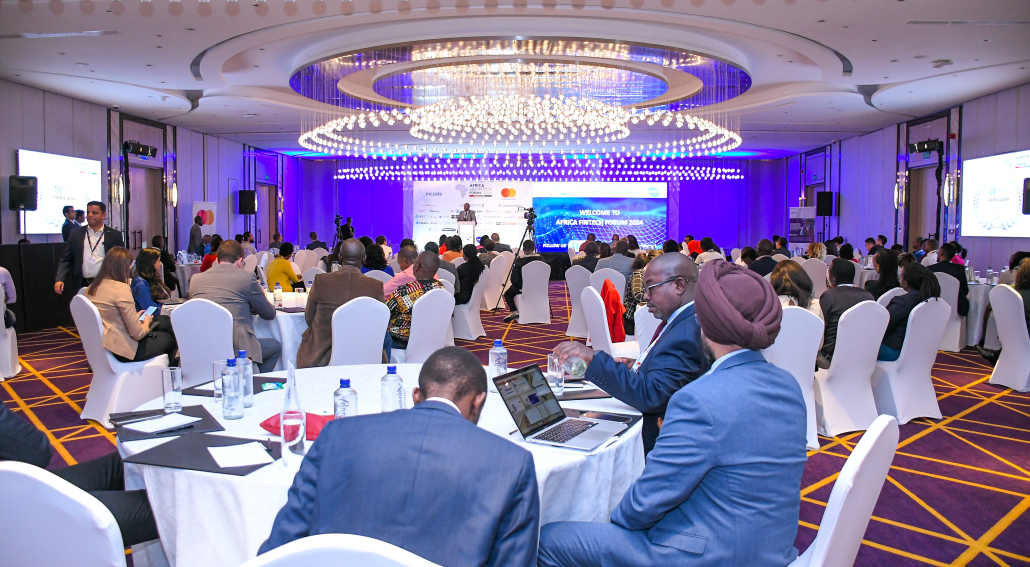
Event planners are the strategic backbone of successful events. They transform ideas into structured, well-executed experiences by managing planning, logistics, vendors, and guest experience. Understanding their role helps organizations appreciate how professional coordination drives smoother, more impactful events.
1.1 What event planners do — from concept to logistics
An event planner’s role begins long before the event day and extends beyond execution. They bridge vision and practicality to deliver a cohesive experience.
Core responsibilities typically include:
-
Defining event objectives and overall concept
-
Developing event themes and program structure
-
Creating detailed timelines and planning schedules
-
Venue sourcing and layout planning
-
Vendor coordination (AV, catering, décor, staging)
-
Guest management and registration flow
-
On-site supervision and event execution
This end-to-end involvement ensures consistency and alignment with goals.
1.2 How planners manage vendors, budgets, and timelines
Professional planners act as the central command hub, keeping all moving parts synchronized.
Vendor management includes:
-
Sourcing reliable service providers
-
Negotiating contracts and deliverables
-
Coordinating setup schedules
-
Ensuring quality standards
Budget management involves:
-
Allocating funds strategically
-
Monitoring expenses in real time
-
Preventing overspending
-
Maximizing value for investment
Timeline management focuses on:
-
Milestone tracking
-
Scheduling rehearsals and setup windows
-
Coordinating transitions
-
Maintaining event flow
Strong management prevents delays, cost overruns, and miscommunication.
1.3 The difference between an event coordinator and a full-service planner
While these roles overlap, their scope differs significantly.
An event coordinator typically:
-
Focuses on execution logistics
-
Oversees day-of operations
-
Ensures vendors follow schedules
-
Handles on-site troubleshooting
A full-service event planner:
-
Develops the event concept and strategy
-
Manages budgeting and vendor sourcing
-
Designs timelines and guest experiences
-
Oversees execution from start to finish
Understanding this distinction helps clients select the right level of support.
1.4 Why professional planning increases the success and impact of events
Professional planning reduces risk and elevates overall quality. Experienced planners anticipate challenges and create structured solutions.
Key benefits include:
-
Streamlined logistics and coordination
-
Enhanced guest experience
-
Consistent branding and presentation
-
Reliable vendor execution
-
Reduced stress for organizers
-
Higher engagement and measurable outcomes
Professional oversight transforms ideas into polished, memorable experiences.
Event planners play a critical role in turning concepts into seamless realities. By managing logistics, vendors, budgets, and timelines, they create structure and clarity throughout the planning process. Whether coordinating execution or delivering full-service planning, professional expertise significantly improves event outcomes, efficiency, and attendee satisfaction.
2. Determining Your Event Goals and Requirements

How to Work with an Event Planner in Kenya
Defining your goals and requirements is the foundation of successful event planning. Clear direction allows planners to align logistics, creativity, and execution with measurable outcomes. When expectations are well established early, every decision becomes more focused and efficient.
2.1 Clarifying the purpose and objectives of your event
Every strong event begins with a clearly defined purpose. Understanding why the event exists guides strategy, messaging, and design.
Important considerations include:
-
Whether the event is educational, celebratory, promotional, or networking-focused
-
Desired outcomes such as brand awareness, lead generation, or stakeholder engagement
-
Key messages you want attendees to remember
-
Success indicators and measurable goals
-
Alignment with broader organizational objectives
Clear objectives prevent scattered planning and keep all stakeholders aligned.
2.2 Identifying your target audience and expected attendance
Knowing who the event is for shapes everything from venue choice to communication style.
Audience planning involves:
-
Defining attendee demographics and professional profiles
-
Understanding expectations and engagement preferences
-
Estimating attendance numbers
-
Planning seating, space, and accessibility needs
-
Tailoring program content to audience interests
Audience clarity ensures the experience feels intentional and relevant.
2.3 Establishing a preliminary budget and timeline
A realistic budget and schedule provide structure and prevent costly surprises.
Budget planning includes:
-
Allocating funds for venue, AV, catering, décor, and staffing
-
Setting contingency reserves
-
Prioritizing high-impact spending
Timeline planning focuses on:
-
Key planning milestones
-
Vendor booking deadlines
-
Marketing rollout schedules
-
Set up and rehearsal windows
Early structure keeps the planning process controlled and predictable.
2.4 How clear goals help the planner create a tailored plan
When planners fully understand expectations, they can design solutions that match both vision and resources.
Benefits of goal clarity include:
-
Customized event concepts and layouts
-
Efficient vendor selection
-
Strategic resource allocation
-
Better risk anticipation
-
Cohesive execution aligned with objectives
Clear direction enables planners to deliver results instead of guesswork.
Determining event goals and requirements establishes the roadmap for planning success. By clarifying purpose, understanding the audience, and defining budget and timelines, organizers empower planners to craft a focused, efficient, and impactful strategy. Strong foundations lead to smoother execution and events that achieve their intended outcomes.
3. Finding the Right Event Planner in Kenya

How to Work with an Event Planner in Kenya
Choosing the right event planner is one of the most important decisions you’ll make during the planning process. A skilled planner turns ideas into structured execution, minimizes risk, and ensures your event reflects professionalism and purpose. In Kenya’s dynamic event industry, selecting a planner with the right qualities and partnerships can significantly elevate outcomes.
3.1 Qualities to look for: experience, creativity, and reliability
An effective event planner combines practical expertise with creative thinking and dependable execution.
Key qualities include:
-
Proven experience managing events similar in size and scope
-
Creative problem-solving and fresh event concepts
-
Strong organizational and time-management skills
-
Clear communication and responsiveness
-
Ability to stay calm under pressure
-
Attention to both logistics and guest experience
These traits ensure the planner can balance vision with real-world execution.
3.2 Checking references and past event portfolios
A planner’s track record provides insight into their capabilities and style.
Evaluation steps include:
-
Reviewing photo and video portfolios of past events
-
Assessing event diversity and production quality
-
Requesting client testimonials or references
-
Understanding challenges they’ve handled successfully
-
Evaluating consistency in branding and presentation
Past performance is one of the strongest predictors of future success.
3.3 Understanding the planner’s network of vendors and AV partners
Strong vendor relationships often determine how smoothly an event runs.
Important considerations:
-
Access to reliable venues and service providers
-
Partnerships with professional AV and staging teams
-
Negotiation leverage for better pricing and availability
-
Coordinated workflows between vendors
-
Backup options for contingencies
A well-connected planner reduces risk and improves execution quality.
3.4 How Peak Audio partners with trusted planners for seamless AV integration
Technical production is most effective when planners and AV teams collaborate from the start.
Benefits of strong AV partnerships include:
-
Early planning of sound, lighting, and visual layouts
-
Integration of AV requirements into event timelines
-
Reduced setup conflicts and last-minute changes
-
Enhanced audience engagement through professional production
-
Reliable on-site technical support
Peak Audio works alongside experienced planners to ensure every technical element supports the event vision and runs flawlessly.
Finding the right event planner in Kenya requires evaluating experience, creativity, reliability, and professional networks. By reviewing portfolios, checking references, and prioritizing planners with strong AV partnerships, organizers set the stage for smooth execution. The right collaboration transforms planning into a coordinated, high-impact experience that delivers both professionalism and memorable results.
4. Effective Communication and Collaboration
How to Work with an Event Planner in Kenya
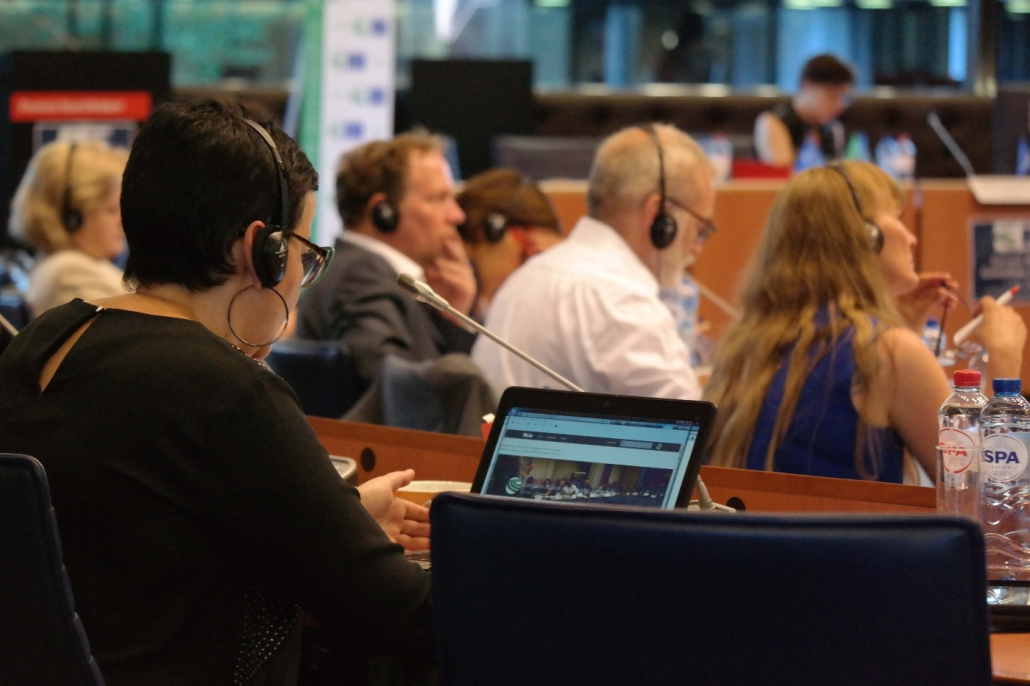
Strong communication is the backbone of a successful planner–client relationship. When expectations, ideas, and updates flow clearly between all parties, decisions are faster, misunderstandings are minimized, and execution becomes more precise. Collaboration ensures that the event reflects your goals while benefiting from professional expertise.
4.1 Setting expectations from the outset
Clear expectations prevent confusion and align everyone toward the same outcome.
Key actions include:
-
Defining scope, responsibilities, and deliverables early
-
Agreeing on timelines, milestones, and approval stages
-
Establishing budget boundaries and priorities
-
Clarifying decision-making authority
-
Documenting expectations in a shared plan
This foundation creates accountability and smooth workflow.
4.2 Sharing your vision, brand guidelines, and key messaging
A planner can only execute effectively when they fully understand your goals and identity.
Important elements to communicate:
-
Event purpose and success criteria
-
Brand tone, colors, and visual standards
-
Audience expectations and experience goals
-
Key messages or themes to emphasize
-
Any non-negotiable requirements
Clear direction ensures consistency and authenticity.
4.3 Regular updates, meetings, and progress tracking
Ongoing communication keeps planning aligned with objectives and timelines.
Best practices include:
-
Scheduled check-ins to review milestones
-
Shared task trackers or planning dashboards
-
Status updates on vendors and logistics
-
Early identification of risks or delays
-
Transparent reporting on budget usage
Consistent updates reduce surprises and improve coordination.
4.4 Encouraging a collaborative approach for creative problem-solving
Events rarely go exactly as planned — collaboration enables quick, effective solutions.
Collaborative strategies include:
-
Welcoming planner expertise and recommendations
-
Brainstorming alternatives when challenges arise
-
Maintaining open, solution-focused dialogue
-
Leveraging team creativity for enhancements
-
Supporting adaptive decision-making
A partnership mindset leads to smarter, more resilient outcomes.
Effective communication and collaboration transform event planning into a coordinated partnership. By setting expectations early, sharing your vision clearly, maintaining regular updates, and embracing joint problem-solving, organizers create an environment where creativity and precision thrive. This approach minimizes risk, strengthens alignment, and ensures the final event reflects both strategic goals and professional execution.
5. Budgeting and Vendor Management
How to Work with an Event Planner in Kenya
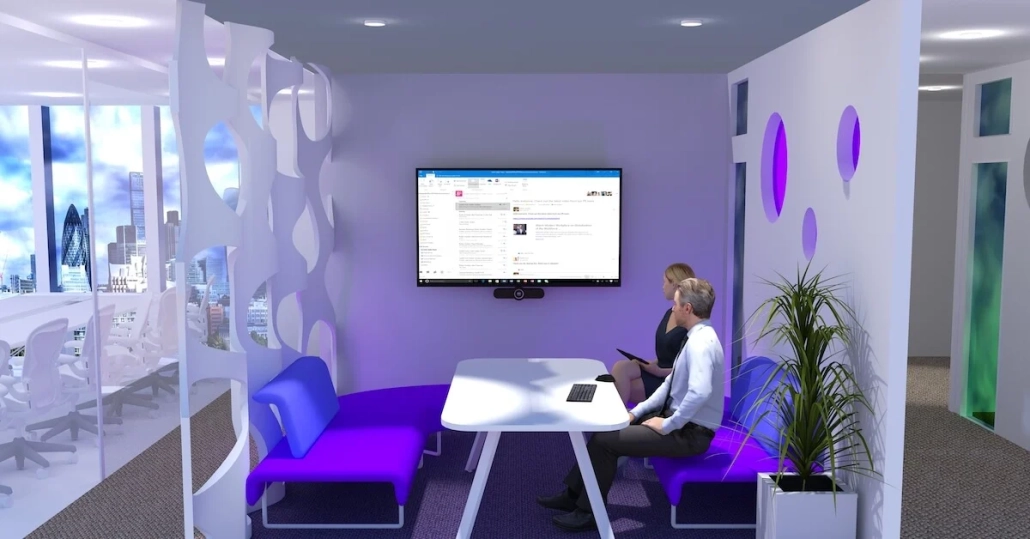
Effective budgeting and vendor management ensure your event delivers maximum impact without unnecessary costs. Professional planners balance quality, logistics, and financial control while coordinating multiple suppliers into one seamless operation.
5.1 How planners help allocate budgets efficiently
Event planners structure budgets to align spending with priorities and objectives.
Key budgeting practices include:
-
Breaking down costs by category (venue, AV, catering, décor, staffing)
-
Prioritizing high-impact elements that influence attendee experience
-
Identifying cost-saving alternatives without compromising quality
-
Planning contingency funds for unexpected needs
-
Tracking expenses against approved budgets in real time
Smart allocation ensures value for every shilling spent.
5.2 Coordinating with venues, caterers, and entertainment providers
Managing multiple vendors requires organization and clear communication.
Planner responsibilities include:
-
Shortlisting and booking suitable vendors
-
Aligning vendor schedules with the event program
-
Communicating technical and logistical requirements
-
Coordinating setup, service times, and breakdown
-
Ensuring vendors work collaboratively on-site
Strong coordination prevents delays and service gaps.
5.3 Negotiating contracts and ensuring transparency
Contracts protect your investment and define expectations clearly.
Professional planners focus on:
-
Negotiating competitive pricing and favorable terms
-
Clarifying deliverables, timelines, and payment schedules
-
Reviewing cancellation and contingency clauses
-
Avoiding hidden costs through detailed agreements
-
Maintaining transparent communication with all vendors
Clear contracts reduce risk and build trust.
5.4 Integrating AV solutions into your overall event budget with Peak Audio
Audio-visual systems are critical to communication and engagement and should be planned early.
Effective AV budgeting includes:
-
Assessing event size, format, and technical needs
-
Matching AV solutions to program requirements
-
Coordinating AV with venue infrastructure
-
Allocating funds for setup, testing, and technical support
-
Leveraging Peak Audio’s scalable AV packages for cost efficiency
Early AV integration ensures smooth delivery and avoids last-minute expenses.
Budgeting and vendor management are central to successful event planning. By allocating resources strategically, coordinating reliable vendors, negotiating transparent contracts, and integrating professional AV solutions, planners deliver well-controlled, high-quality events. With expert support from partners like Peak Audio, organizers achieve financial efficiency without compromising on experience or execution.
6. On-Site Event Management and Execution
How to Work with an Event Planner in Kenya
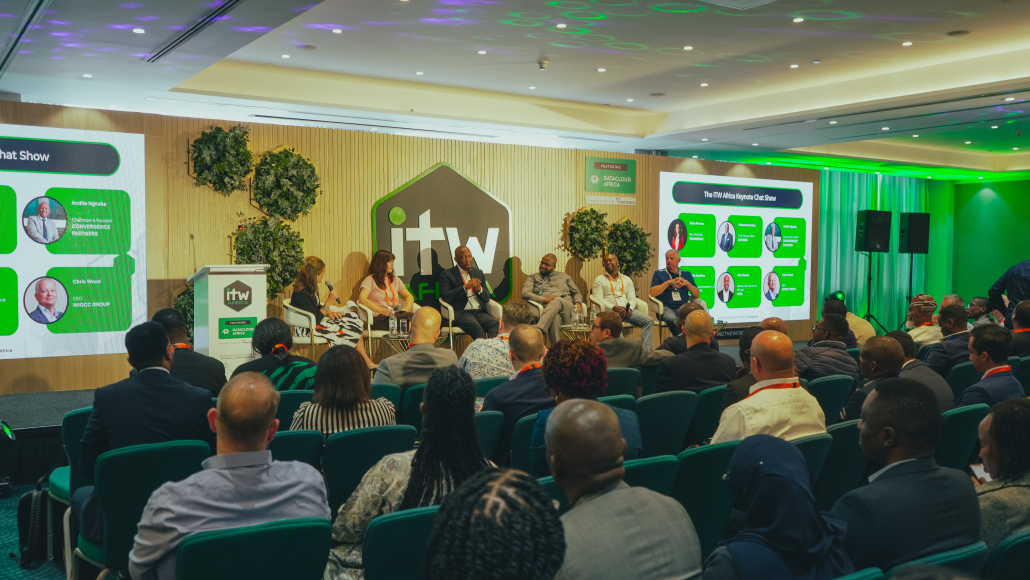
On-site execution is where planning turns into real experience. Professional event planners coordinate people, timelines, and technical elements to ensure everything runs smoothly — even when unexpected situations arise.
6.1 How planners ensure timelines and logistics run smoothly
A structured timeline keeps the event flowing without confusion or delays.
On-site timeline management includes:
-
Implementing a detailed run-of-show schedule
-
Coordinating vendor arrival and setup windows
-
Managing speaker or performer transitions
-
Monitoring session timing to prevent overruns
-
Communicating updates across teams in real time
Strong time control keeps the event professional and stress-free.
6.2 Overseeing setup, décor, AV, and catering
Execution requires constant supervision to maintain quality and consistency.
Key oversight responsibilities include:
-
Verifying layout and décor match approved plans
-
Supervising AV installation and testing
-
Coordinating catering setup and service timing
-
Ensuring branding materials are correctly placed
-
Conducting final walkthroughs before guest arrival
Hands-on oversight prevents small issues from affecting guest experience.
6.3 Managing last-minute changes or emergencies
Unexpected challenges are inevitable — preparedness makes the difference.
Effective contingency management involves:
-
Rapid decision-making under pressure
-
Activating backup vendors or equipment
-
Adjusting schedules without disrupting flow
-
Communicating calmly with stakeholders
-
Implementing pre-planned emergency procedures
Experienced planners minimize disruption and maintain event momentum.
6.4 How Peak Audio works alongside planners to provide professional AV support
Audio-visual performance is critical to communication and audience engagement.
Peak Audio’s on-site collaboration includes:
-
Pre-event AV testing and system calibration
-
Dedicated technicians for live troubleshooting
-
Seamless integration with the event program
-
Backup equipment readiness
-
Real-time coordination with planners and stage managers
Professional AV support ensures presentations, sound, and visuals run flawlessly.
On-site event management is about precision, adaptability, and teamwork. By controlling timelines, supervising setup, preparing for contingencies, and partnering with professional AV providers like Peak Audio, planners deliver smooth, polished experiences. Strong execution transforms careful planning into a successful, memorable event.
7. Post-Event Review and Feedback
How to Work with an Event Planner in Kenya
A successful event does not end when the guests leave — it concludes with a thoughtful review process. Post-event evaluation helps planners and organizations measure performance, capture insights, and continuously improve future events.
7.1 Evaluating the success of the event against objectives
Every event begins with goals, and reviewing outcomes ensures those goals were achieved.
Key evaluation practices include:
-
Comparing results with original event objectives
-
Measuring attendance versus projections
-
Reviewing engagement and participation levels
-
Assessing budget performance and ROI indicators
-
Identifying which goals were exceeded or unmet
Objective evaluation provides clarity and accountability.
7.2 Gathering attendee feedback and insights
Attendee perspectives reveal how the experience was received and where improvements are needed.
Effective feedback collection methods include:
-
Post-event digital surveys
-
Live polling summaries
-
Direct attendee interviews
-
Social media sentiment monitoring
-
Feedback from speakers or sponsors
Audience insights highlight strengths and uncover blind spots.
7.3 Analyzing vendor and planner performance
Vendor coordination and execution quality play a major role in event success.
Performance analysis should include:
-
Timeliness and reliability of service providers
-
Quality of AV, catering, décor, and logistics delivery
-
Communication effectiveness during execution
-
Problem-solving responsiveness
-
Alignment with contractual expectations
Strong vendor reviews guide future partnerships.
7.4 Using lessons learned to improve future events
Continuous improvement is the hallmark of professional event management.
Applying insights involves:
-
Documenting successes and challenges
-
Refining timelines and workflows
-
Updating contingency strategies
-
Improving communication protocols
-
Adjusting budgeting or vendor selection processes
Learning from experience strengthens future planning.
Post-event review transforms a completed event into a learning opportunity. By evaluating objectives, collecting attendee feedback, analyzing vendor performance, and applying lessons learned, organizations build smarter, more effective events over time. Thoughtful reflection ensures continuous growth and long-term event success.
8. FAQs on Working with an Event Planner in Kenya
Choosing to work with an event planner raises important questions about value, process, and expectations. Below are clear, practical answers to help organizations and individuals understand how planners contribute to successful events in Kenya.
8.1 Why should I hire an event planner in Kenya?
Event planners bring structure, expertise, and industry connections that significantly reduce stress and risk.
Benefits include:
-
Professional planning and execution
-
Access to trusted vendor networks
-
Efficient budget management
-
Risk mitigation and contingency planning
-
Time savings and smoother coordination
A planner ensures your vision is translated into a well-managed experience.
8.2 What types of events do planners manage?
Event planners handle a wide range of gatherings across industries and social settings.
Common event categories include:
-
Corporate conferences and seminars
-
Product launches and roadshows
-
Awards ceremonies and galas
-
Weddings and milestone celebrations
-
Community and CSR events
Their versatility allows tailored planning for different goals and audiences.
8.3 How early should I hire a planner?
Timing affects availability, vendor coordination, and execution quality.
Recommended planning windows:
-
Small events: 2–3 months in advance
-
Medium events: 3–6 months in advance
-
Large or complex events: 6+ months
Early engagement allows for strategic planning and cost efficiency.
8.4 Do event planners also handle AV and technical needs?
Planners coordinate technical production to ensure seamless communication and presentation quality.
Typical AV coordination includes:
-
Sound system planning
-
Lighting design and staging
-
Visual presentations and screens
-
Live streaming and hybrid setups
-
Collaboration with AV experts like Peak Audio
Professional AV integration enhances audience engagement and clarity.
8.5 How do I communicate my vision to a planner?
Clear communication lays the foundation for a successful partnership.
Helpful tools include:
-
Detailed event briefs
-
Mood boards and inspiration references
-
Brand guidelines and objectives
-
Budget expectations
-
Regular planning meetings
Transparency helps planners align execution with your goals.
8.6 Can planners work within tight budgets?
Experienced planners prioritize impact while controlling costs.
Budget optimization strategies include:
-
Smart vendor selection
-
Resource prioritization
-
Negotiated pricing
-
Efficient scheduling
-
Creative alternatives to high-cost elements
Good planning maximizes value without sacrificing quality.
8.7 Will a planner handle vendor negotiations?
Yes — vendor coordination is a core planner responsibility.
This typically involves:
-
Contract negotiation and review
-
Pricing comparisons
-
Scheduling coordination
-
Service quality assurance
-
Payment tracking
Professional negotiation protects your budget and expectations.
8.8 Can Peak Audio collaborate with any planner?
Yes — AV specialists frequently partner with independent planners.
Collaboration benefits include:
-
Seamless technical integration
-
Professional sound and lighting execution
-
Clear communication between teams
-
Reliable on-site technical support
-
Enhanced overall event quality
Teamwork ensures smooth production delivery.
8.9 Do planners assist with hybrid or virtual events?
Modern planners increasingly manage digital and hybrid experiences.
Support often includes:
-
Streaming platform coordination
-
Virtual attendee engagement tools
-
Interactive session management
-
Technical rehearsals
-
Online audience communication
Digital readiness expands reach and accessibility.
8.10 How do I know if the planner is right for my event?
Compatibility is as important as experience.
Evaluation tips include:
-
Reviewing portfolios and past projects
-
Checking client testimonials
-
Assessing communication style
-
Confirming budget alignment
-
Ensuring they understand your vision
A strong planner-client fit leads to smoother collaboration.
Working with an event planner in Kenya provides expertise, structure, and industry coordination that elevate event outcomes. By understanding timelines, communication expectations, budgeting, and technical integration, clients can form productive partnerships that lead to successful, memorable events.
Event Planning Partnerships in Kenya – Flawless Execution with Peak Audio

How to Work with an Event Planner in Kenya
Working with an experienced event planner turns complex ideas into smooth, enjoyable event experiences. Professional guidance brings structure to timelines, logistics, and creative direction, allowing your event to stay focused on its objectives while delivering a polished attendee experience. In Kenya’s fast-paced event environment, collaboration and preparation are what transform planning into confident execution.
When planners and technical teams work in sync, every element supports the overall vision. Careful coordination ensures sound, visuals, lighting, and staging function seamlessly alongside scheduling and program flow. This collaborative approach minimizes surprises, enhances audience engagement, and elevates the overall professionalism of the event.
At Peak Audio, we partner closely with event planners to provide advanced AV and production solutions that bring events to life. Our expertise ensures every technical detail is executed flawlessly, helping your event run smoothly and leave a lasting impression. Visit Peak Audio to discover how collaboration and cutting-edge production create truly memorable events in Kenya.