Table of Contents
ToggleHow to Host a Successful Corporate Event in Kenya: A Practical Planning Framework by Peak Audio
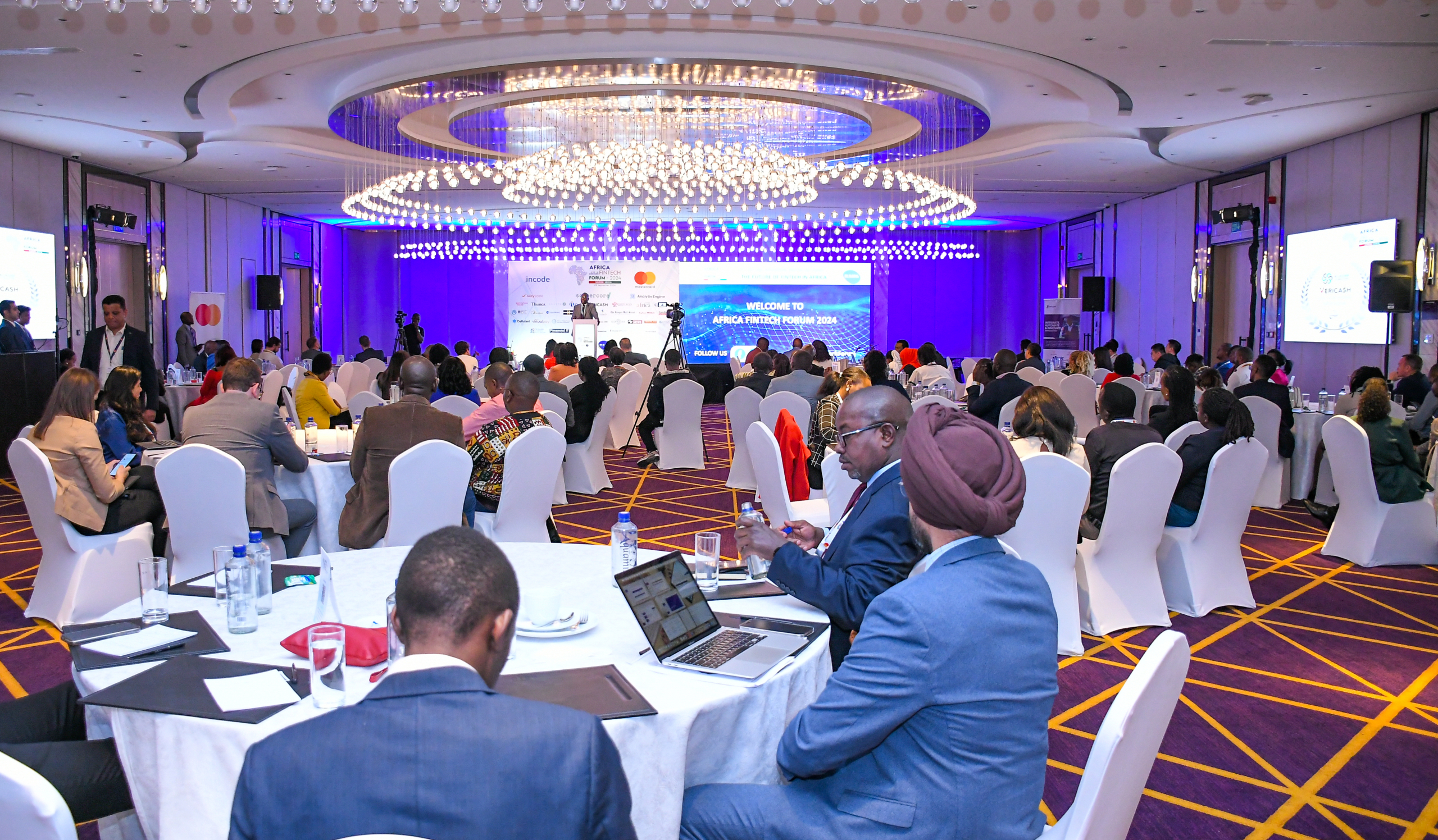
How to Host a Successful Corporate Event
Corporate events in Kenya play an important role in networking, brand promotion, and employee engagement. When planned well, they create valuable opportunities for organizations to connect with clients, strengthen internal culture, and present a polished professional image. In a competitive business environment, a successful event does more than fill a room — it helps build relationships and reinforces your brand’s presence in a memorable way.
Delivering a successful corporate event requires careful attention to detail, realistic budgeting, and a clear understanding of the audience. Every decision, from venue selection and scheduling to technical production and guest experience, influences the final outcome. When these elements are aligned thoughtfully, the event feels organized, purposeful, and impactful rather than rushed or disconnected.
This guide walks through the step-by-step planning process, key considerations, practical tips, and frequently asked questions for hosting a strong corporate event in Kenya. With the right structure and execution, a well-planned event can strengthen relationships, elevate your brand image, and leave attendees with a positive and lasting impression.
1. Define Your Event Goals

How to Host a Successful Corporate Event
Every successful event begins with a clear purpose. Defining your event goals helps shape every decision that follows, from the format and venue to the speakers, content, and promotional strategy. Whether you are planning a corporate conference, product launch, team event, or networking function, having specific goals ensures the event stays focused and delivers meaningful results.
1.1 Identify Objectives
The first step is to determine why the event is being held and what it should achieve.
Brand Awareness – Events can be used to increase visibility, introduce your company to a wider audience, or strengthen your market presence.
Employee Recognition – Some events are designed to appreciate staff, celebrate achievements, and boost morale within the organization.
Product Launch – A launch event creates excitement around a new product or service while giving you a platform to showcase its value.
Networking – Many events are organized to connect people, build relationships, and create opportunities for collaboration.
Clearly identifying your objective gives the event direction and ensures every planning decision supports the intended purpose.
1.2 Determine Key Outcomes
Once the objective is clear, define what success should look like.
Expected ROI – Consider whether the event should generate revenue, new business opportunities, or long-term value for the organization.
Audience Engagement – Decide how actively you want attendees to participate through discussions, demos, or interactive sessions.
Lead Generation – For business-focused events, one important outcome may be collecting contacts, inquiries, or potential sales leads.
Identifying the desired outcomes helps you measure whether the event achieved its goals and delivered real value.
1.3 Set Measurable KPIs
To evaluate success accurately, establish measurable indicators before the event begins.
Attendance – Track how many people registered and actually attended.
Feedback Scores – Use surveys or rating forms to understand attendee satisfaction and areas for improvement.
Social Media Engagement – Monitor likes, shares, mentions, and hashtag activity to measure online reach and visibility.
Measurable KPIs make it easier to assess performance, compare results, and improve future events. Clearly defined goals give an event structure, direction, and purpose. By identifying objectives, determining key outcomes, and setting measurable KPIs, organizers can make better decisions, stay focused during planning, and measure success more effectively after the event ends.
2. Plan Your Budget and Resources

How to Host a Successful Corporate Event
Budgeting is a critical step in event planning because it directly influences what is possible and how smoothly the event runs. A well-structured budget helps organizers allocate resources efficiently, avoid overspending, and make informed decisions about vendors, venue, and program elements.
2.1 Estimate Overall Costs
Begin by calculating the total expected expenses across all aspects of the event.
Venue – Costs vary based on location, size, amenities, and duration of the event.
Catering – Include meals, beverages, snacks, and any special dietary requirements.
Entertainment or Speakers – Account for talent fees, honorariums, or speaker travel and accommodation.
Marketing and Promotion – Budget for advertising, social media campaigns, email marketing, and printed materials.
Staffing and Logistics – Consider event staff, security, technical support, and volunteers.
Estimating total costs gives a clear picture of financial requirements and helps prevent last-minute surprises.
2.2 Allocate Funds to Key Areas
Once total costs are estimated, distribute the budget strategically to areas that matter most.
Prioritize Attendee Experience – Invest in elements that impact how participants perceive the event, such as quality catering, comfortable seating, and engaging content.
Essential vs. Optional – Identify must-have services versus extras that can be scaled back if needed.
Vendor Negotiations – Allocate sufficient funds to secure reliable vendors without compromising quality.
Thoughtful allocation ensures the most critical components receive proper funding while maintaining overall balance.
2.3 Factor in Contingencies
Unexpected expenses can arise, and planning for them prevents stress and disruption.
Technical Issues – Backup audiovisual equipment, internet connectivity, and power solutions.
Weather Adjustments – For outdoor events, consider tents, heating, or cooling arrangements.
Emergency Costs – Allocate a percentage of the budget (usually 10–15%) for unforeseen circumstances.
Contingency planning safeguards the event from financial surprises and ensures smooth execution under any scenario. Careful budgeting and resource planning provide a roadmap for successful event execution. By estimating costs, allocating funds strategically, and including contingencies, organizers can deliver a high-quality experience without overspending or facing last-minute challenges.
3. Choose the Right Venue in Kenya
How to Host a Successful Corporate Event
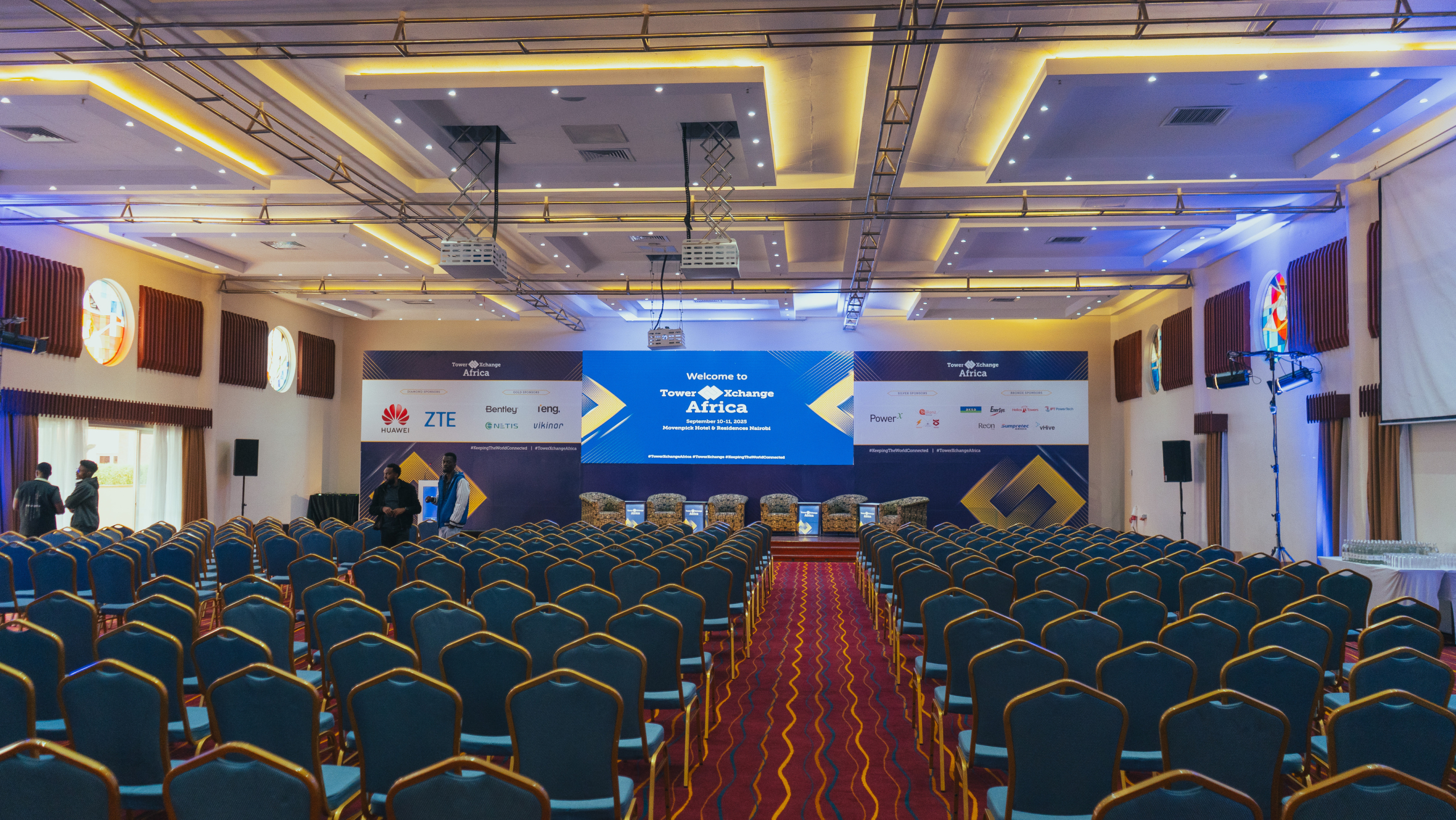
The venue is one of the most important parts of event planning because it shapes the attendee experience from the moment people arrive. A suitable venue does more than provide space — it supports your program, reflects your brand, and helps the event run smoothly. In Kenya, choosing the right venue means balancing capacity, accessibility, available services, and the overall atmosphere you want to create.
3.1 Consider Size and Capacity
The venue should be large enough to fit all guests comfortably without feeling overcrowded or too empty.
Guest Comfort – Attendees should have enough space to move, sit, network, and participate without congestion.
Event Format – The layout should support your event style, whether it is a conference, wedding, product launch, or workshop.
Scalability – The venue should accommodate your expected attendance plus any extra room for equipment, staging, or exhibition areas.
Choosing the right size ensures comfort, smooth movement, and a professional event experience.
3.2 Accessibility and Location
A convenient location makes it easier for guests, vendors, and staff to arrive on time and participate fully.
Public Transport Access – A venue that is easy to reach by matatu, taxi, or other transport options improves attendance.
Parking Availability – Adequate parking reduces stress for guests who drive to the event.
Central Location – Venues in accessible areas are often more attractive for corporate or city-based events.
A well-located venue improves convenience, attendance, and overall guest satisfaction.
3.3 Amenities and Services
The right venue should provide the facilities needed to support a successful event.
Audio-Visual Equipment – Projectors, microphones, screens, and sound systems are essential for presentations and speeches.
Seating and Layout Options – Flexible seating arrangements help match the venue to your event type.
Wi-Fi and Connectivity – Reliable internet supports live streaming, presentations, and guest engagement.
Catering Options – In-house or partnered catering services can simplify planning and improve the guest experience.
Venues with strong amenities reduce logistical challenges and make event execution smoother.
3.4 Ambiance and Brand Fit
The venue should reflect the tone, image, and purpose of your event.
Visual Appeal – The décor, lighting, and architecture should complement the kind of event you are hosting.
Brand Alignment – Corporate events should feel professional, while creative or lifestyle events may need a more stylish or relaxed environment.
First Impressions – The venue sets the tone before the event even begins, influencing how guests perceive the occasion.
A venue that matches your brand and event style helps create a consistent and memorable experience. Choosing the right venue in Kenya involves considering space, accessibility, amenities, and ambiance. A well-selected venue supports your program, reflects your brand, and creates the right atmosphere for a professional and successful event.
4. Plan the Event Program
How to Host a Successful Corporate Event
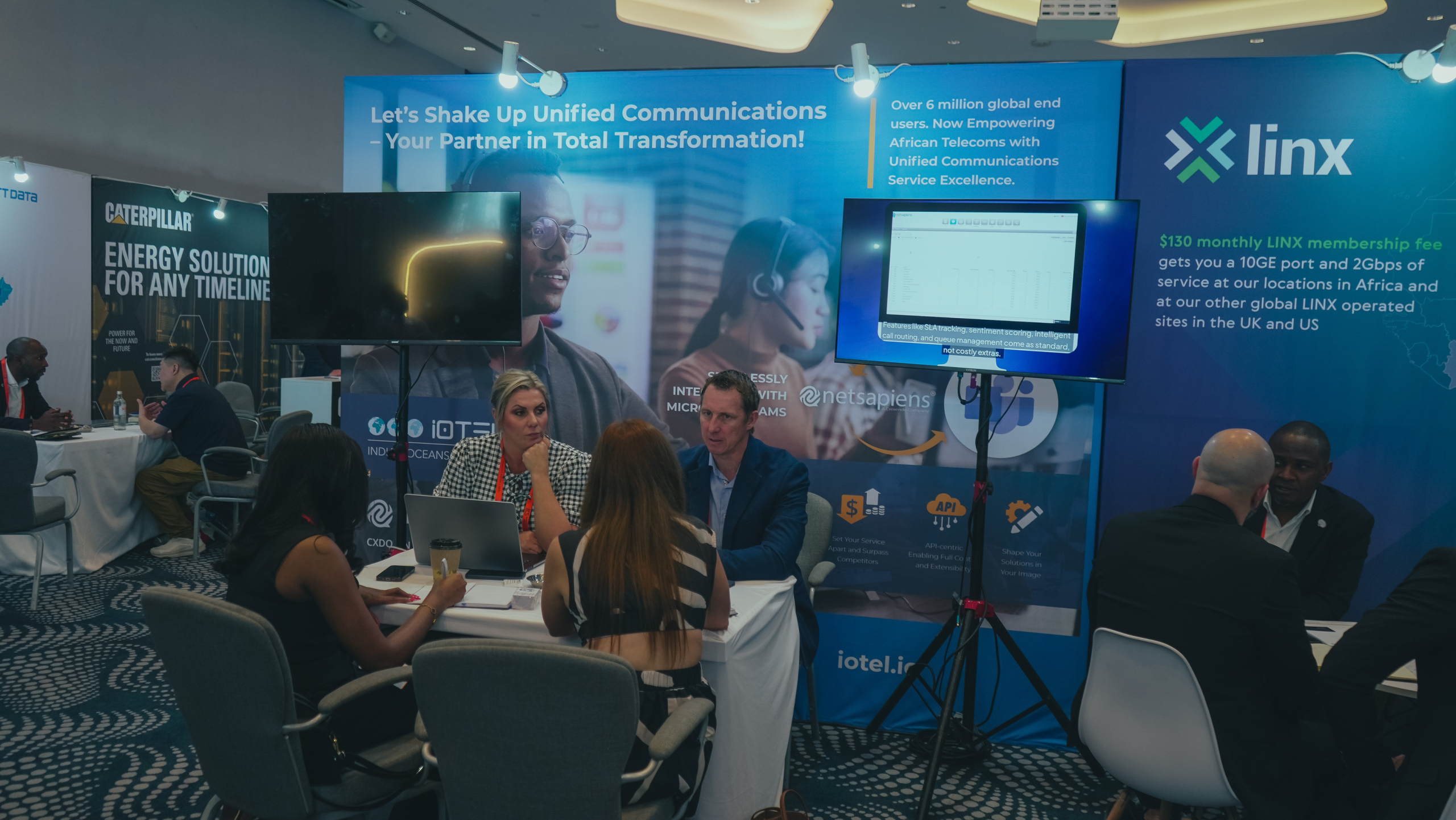
A well-planned event program is what turns an ordinary gathering into a smooth, engaging, and memorable experience. It gives the event structure, keeps everything on schedule, and ensures attendees know what to expect at each stage. In Kenya, whether the event is a corporate conference, summit, workshop, or celebration, the program should balance information, interaction, and breaks so that guests remain interested and comfortable throughout.
4.1 Agenda and Schedule
The agenda is the backbone of the event, showing how the day or session will unfold.
Session Flow – Organize speeches, presentations, panel discussions, entertainment, and breaks in a logical sequence.
Time Management – Allocate enough time for each activity so the program does not feel rushed or overly long.
Smooth Transitions – Plan clear transitions between sessions to maintain energy and avoid confusion.
A clear agenda helps the event stay organized, on time, and easy for attendees to follow.
4.2 Speakers and Presenters
The quality of speakers has a major effect on the value of the event.
Credibility – Invite professionals or experts who have relevant experience and knowledge.
Engagement – Choose speakers who can communicate clearly and hold the audience’s attention.
Relevance – Ensure each presenter aligns with the event theme and audience interests.
Strong speakers add authority, insight, and excitement to the event program.
4.3 Activities and Engagement
Interactive elements help keep attendees active and involved rather than passive.
Q&A Sessions – Allow guests to ask questions and participate in discussions.
Networking Opportunities – Create time for attendees to connect with each other informally.
Interactive Segments – Include polls, workshops, demos, or group activities to boost participation.
Engagement activities make the event more dynamic and increase its overall value to attendees.
4.4 Timing Considerations
The timing of sessions affects attendee comfort, attention, and attendance.
Convenience – Schedule the event at a time that suits the target audience, whether early morning, afternoon, or evening.
Session Length – Keep sessions long enough to be useful but short enough to maintain focus.
Breaks and Rest Periods – Include pauses to avoid fatigue and give attendees time to network or refresh.
Thoughtful timing helps maintain energy levels and improves the overall attendee experience. A strong event program combines a clear agenda, credible speakers, interactive activities, and thoughtful timing. When these elements are well coordinated, the event feels organized, engaging, and impactful, leaving attendees with a positive and memorable experience.
5. Promote Your Corporate Event
How to Host a Successful Corporate Event
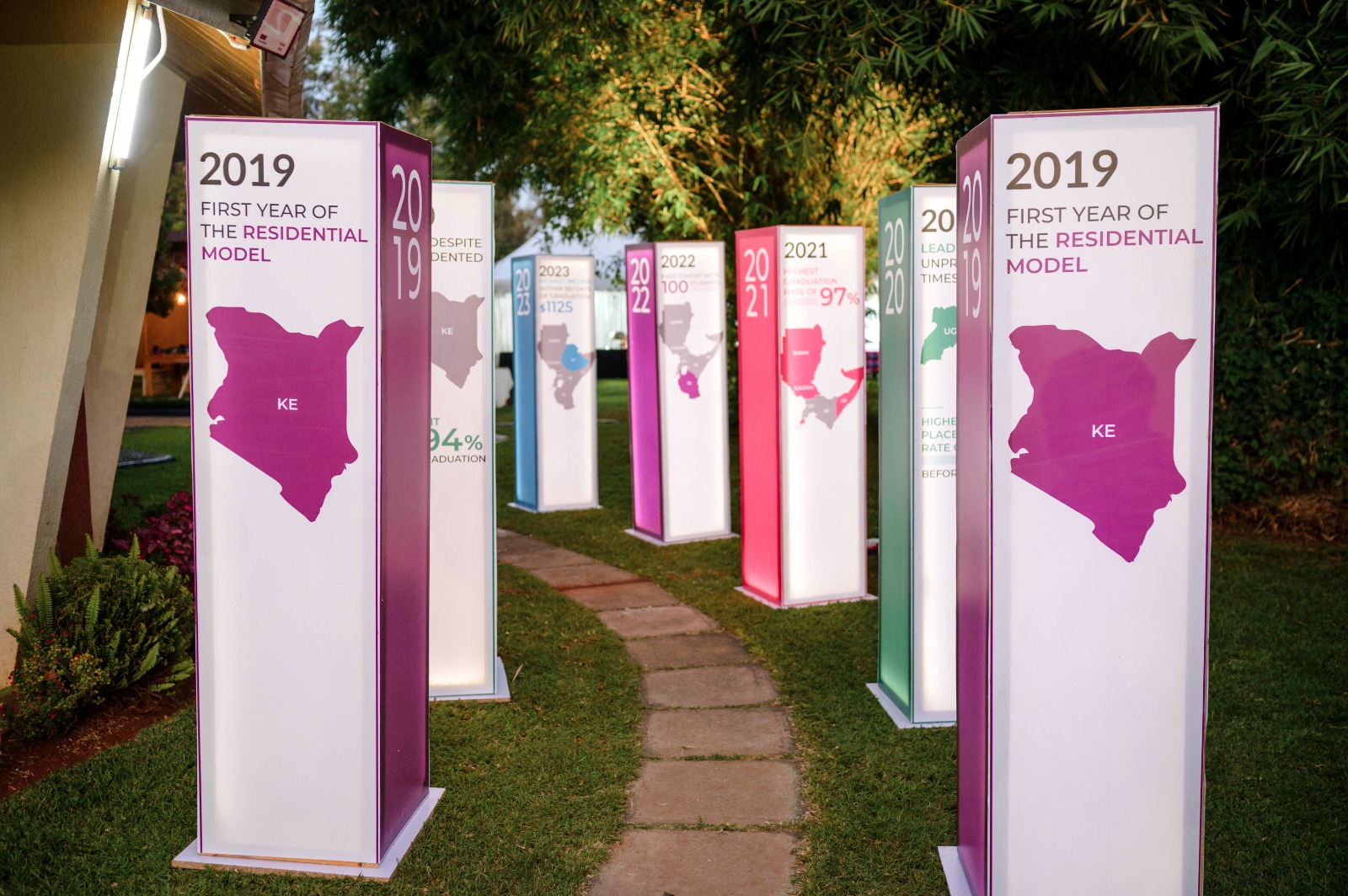
Promotion is what drives awareness, attendance, and excitement around a corporate event. Even the best-planned event can fall flat if the right audience does not hear about it in time. Effective promotion ensures people know why the event matters, how to attend, and what value they will gain. It also strengthens brand visibility before, during, and after the event.
5.1 Invitations and Registration
The invitation process is the first direct communication with your audience.
Timely Invites – Send invitations early enough to allow guests to plan and confirm attendance.
Clear Event Details – Include the date, venue, time, purpose, and registration instructions so people know exactly what to expect.
RSVP Management – Track responses to estimate attendance, prepare seating, catering, and materials accordingly.
Well-managed invitations and registration create a professional first impression and help you organize the event more accurately.
5.2 Digital Marketing
Online promotion helps you reach a wider audience quickly and cost-effectively.
Social Media Promotion – Use platforms like LinkedIn, Facebook, Instagram, and X to share event updates, speaker announcements, and reminders.
Email Campaigns – Send targeted emails to clients, partners, employees, or prospects with personalized messaging and clear calls to action.
Company Website – Create a dedicated event page with key details, registration links, and updates to build credibility and ease access.
Digital marketing expands reach, builds anticipation, and makes it easier for attendees to engage with the event.
5.3 Partnerships and Sponsorships
Collaborating with other organizations can boost visibility and add value to your event.
Brand Partnerships – Work with complementary businesses that can promote the event to their own audiences.
Influencer Support – Partner with industry influencers or thought leaders to increase trust and reach.
Sponsorship Benefits – Sponsors may provide funding, resources, or promotional support in exchange for brand exposure.
Strategic partnerships and sponsorships increase credibility, broaden reach, and strengthen the event’s overall impact.
5.4 On-Site Branding
Branding at the venue reinforces your company’s identity and creates a polished event experience.
Signage and Directional Materials – Clear signs help guests navigate the venue easily while reinforcing the event theme.
Banners and Backdrops – Branded visuals create strong photo opportunities and enhance professional presentation.
Company Materials – Brochures, programs, name tags, and presentation materials help maintain brand consistency throughout the event.
Strong on-site branding boosts visibility, supports professionalism, and leaves attendees with a lasting impression of your brand. Promoting a corporate event requires a combination of timely invitations, digital outreach, partnerships, and visible branding. When done well, promotion drives stronger attendance, increases brand exposure, and sets the stage for a successful and memorable event.
6. Manage Event Logistics
How to Host a Successful Corporate Event
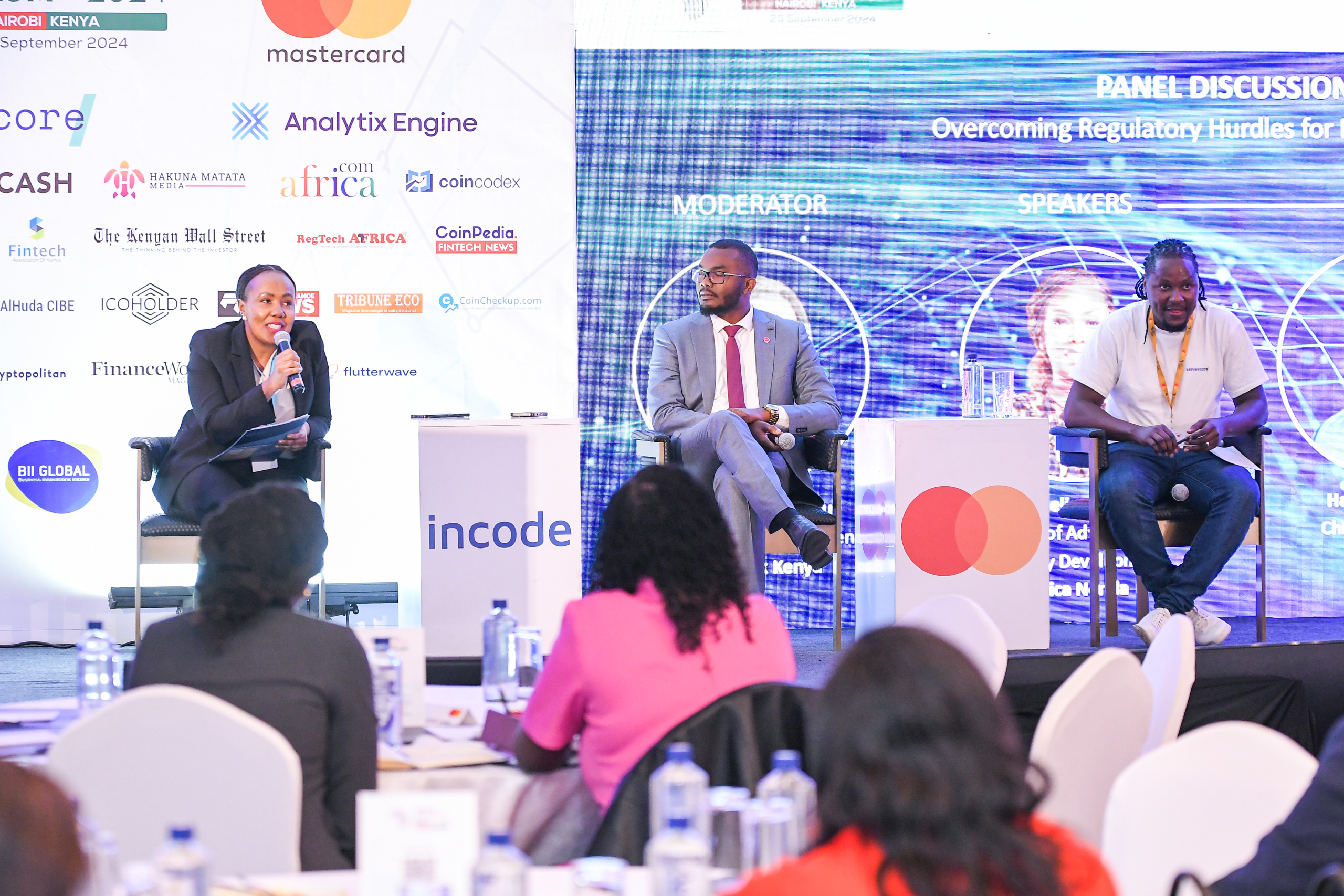
Event logistics are the behind-the-scenes systems that keep everything running smoothly on the day of the event. Even with a strong program and great promotion, poor logistics can create delays, confusion, and a weak attendee experience. Good logistics management ensures that staff know their responsibilities, technical elements work properly, guests are well cared for, and safety requirements are met.
6.1 Staff and Volunteer Coordination
A successful event depends on having the right people in the right roles.
Clear Role Assignment – Staff and volunteers should know exactly who is handling registration, ushering, guest support, speaker assistance, and technical coordination.
Team Communication – Everyone should be briefed before the event so they understand the schedule, escalation process, and contact persons.
Efficient Guest Assistance – Well-coordinated staff help attendees find their way, answer questions, and resolve issues quickly.
Proper coordination of staff and volunteers keeps the event organized, reduces confusion, and improves guest experience.
6.2 Audio-Visual and Technical Setup
Technical systems play a major role in how professional the event feels.
Microphones and Sound – Audio must be tested in advance to ensure speakers can be heard clearly throughout the venue.
Screens and Presentations – Projectors, LED screens, and display equipment should be checked for visibility, compatibility, and quality.
Lighting and Power – Lighting should support the event’s mood and function, while power backup should be available to avoid disruptions.
A reliable audio-visual setup ensures presentations, performances, and announcements run smoothly and professionally.
6.3 Catering and Hospitality
Food, drinks, and comfort strongly influence how attendees remember the event.
Quality Refreshments – Meals and beverages should match the event type, schedule, and attendee expectations.
Seating Comfort – Comfortable seating and well-planned dining arrangements help guests stay relaxed and engaged.
Hospitality Flow – Catering should be well timed to avoid long waits, congestion, or interruptions to the program.
Good catering and hospitality make guests feel valued and contribute to a positive, enjoyable event experience.
6.4 Safety and Compliance
Safety should be built into the planning process, not added at the last minute.
Health Protocols – Depending on the event, hygiene stations, emergency medical support, or health screening measures may be necessary.
Security Measures – Proper crowd control, access checks, and venue security help protect guests and assets.
Emergency Planning – Clear evacuation routes, emergency contacts, and response procedures should be in place before the event begins.
Strong safety and compliance planning protects everyone involved and ensures the event runs responsibly and professionally. Managing event logistics well means coordinating people, technology, hospitality, and safety in a seamless way. When these elements are handled carefully, the event feels organized, stress-free, and professional, allowing attendees to focus on the experience rather than the details behind it.
7. Measure Success and Gather Feedback
How to Host a Successful Corporate Event
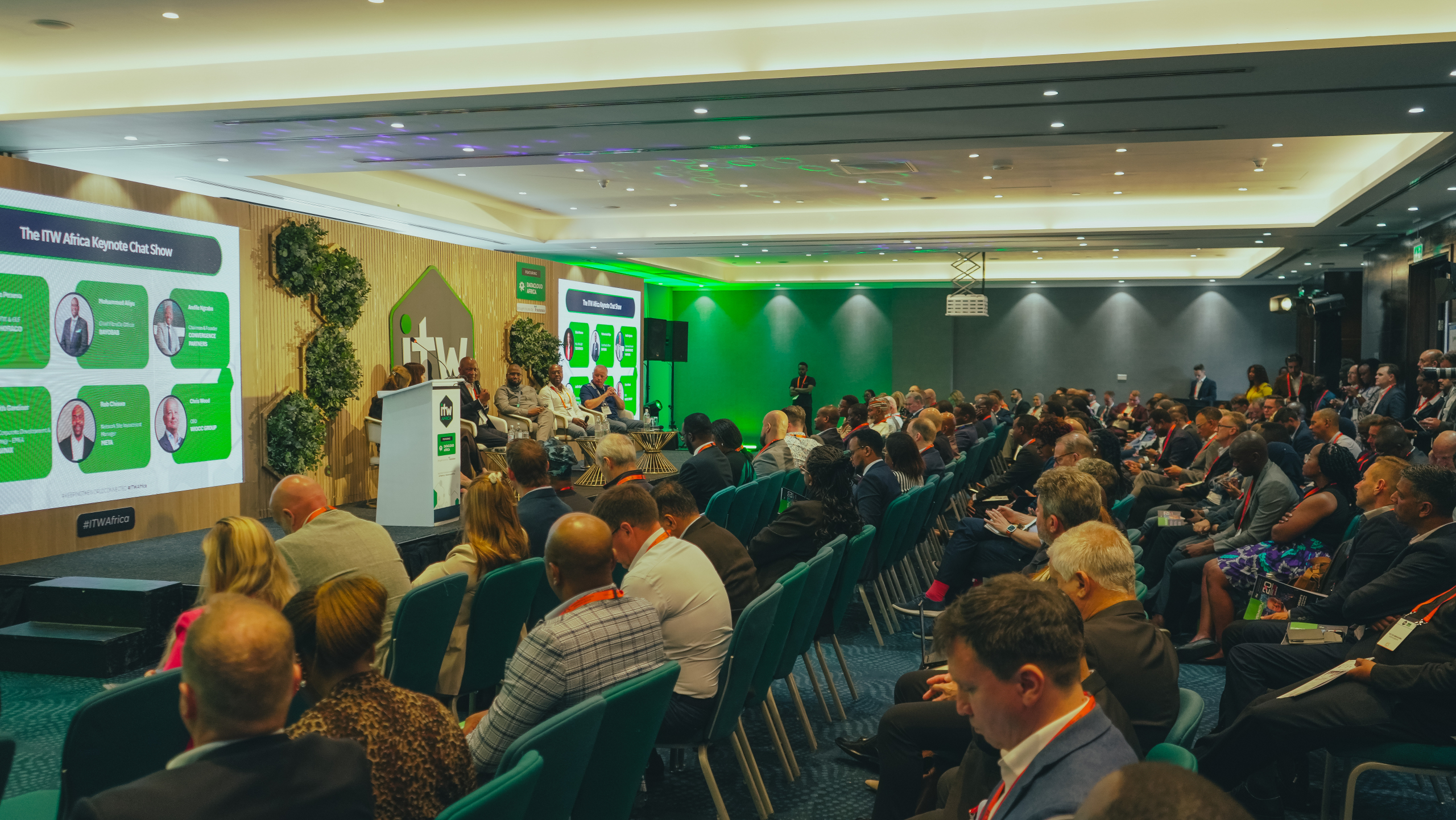
Measuring success and collecting feedback are essential steps to understanding the impact of your corporate event and identifying areas for improvement. Beyond the immediate experience, analyzing outcomes helps guide future planning, ensures ROI, and strengthens relationships with attendees and stakeholders.
7.1 Attendee Feedback
Direct feedback from participants provides insights into their satisfaction and experience.
Surveys and Polls – Distribute post-event surveys via email, apps, or on-site kiosks to collect ratings and opinions on sessions, speakers, venue, and logistics.
Open-Ended Questions – Allow attendees to suggest improvements or highlight memorable moments, giving qualitative insight.
Immediate Impressions – Quick feedback tools like live polls during the event help gauge real-time engagement and satisfaction.
Gathering attendee feedback provides a clear picture of what worked well and what needs adjustment for future events.
7.2 Analyze KPIs
Key Performance Indicators (KPIs) allow you to quantify the success of your event against your initial goals.
Attendance Metrics – Compare actual turnout with registered participants to assess reach and engagement.
Engagement Levels – Track participation in sessions, Q&As, networking activities, or digital interactions (app usage, social media mentions).
Financial ROI – Evaluate budget vs. actual spend, sponsorship returns, and revenue generated from ticket sales or product exposure.
KPI analysis helps determine whether the event met strategic objectives and provides measurable insights for improvement.
7.3 Post-Event Follow-Up
Maintaining engagement after the event ensures lasting value and strengthens professional relationships.
Thank-You Communications – Send personalized messages to attendees, speakers, and sponsors to show appreciation.
Content Sharing – Distribute event photos, videos, presentations, or recap highlights to extend the event’s impact.
Ongoing Engagement – Use follow-ups to nurture leads, encourage feedback, or promote future events.
Post-event follow-up reinforces positive impressions, deepens connections, and ensures continuous engagement. Measuring success and collecting feedback transforms a one-time event into a learning opportunity. By understanding attendee experience, analyzing KPIs, and following up strategically, organizations can enhance future events, optimize ROI, and strengthen relationships with clients, partners, and employees.
8. FAQs About Hosting Corporate Events in Kenya
Hosting corporate events in Kenya comes with many practical considerations, and these frequently asked questions help clarify key concerns for organizers, whether planning small gatherings or large-scale conferences.
8.1 How much does it cost to host a corporate event in Kenya?
Event costs vary widely depending on scale, venue, catering, entertainment, and additional services.
- Small Meetings or Workshops: Costs may range from KES 50,000 to KES 200,000 for local venues and minimal catering.
- Medium Corporate Events: With a larger audience, professional AV setup, and catering, expect KES 300,000 to KES 1,000,000+.
- Large Conferences or Galas: Premium venues, elaborate production, and guest speakers can push budgets beyond KES 2,000,000.
Costs depend on objectives, audience size, and the level of production; careful budgeting ensures value without overspending.
8.2 What is the ideal time to host a corporate event?
Timing affects attendance, availability, and impact.
- Weekdays: Midweek days (Tuesday–Thursday) are often preferred for professional events.
- Avoid Peak Holidays: Major public holidays or school vacations may reduce attendance.
- Seasonal Considerations: Nairobi and other cities may have weather patterns that affect outdoor events; plan accordingly.
Choose a date that maximizes availability for your target audience while fitting logistical requirements.
8.3 How do I choose the best venue in Nairobi or other cities?
Selecting a venue requires balancing capacity, amenities, and brand alignment.
- Size and Comfort: Ensure the venue accommodates attendees comfortably.
- Accessibility: Look for easy transport links, parking, and accommodation if needed.
- Facilities: AV equipment, Wi-Fi, seating layout, and catering services are critical.
- Aesthetics: Venue design should reflect your corporate image and event style.
The right venue sets the tone for a professional and enjoyable event experience.
8.4 Can I host a corporate event on a small budget?
Yes, with careful planning and prioritization:
- Focus on Essentials: Prioritize venue, key speakers, and core activities.
- Leverage Partnerships: Collaborate with sponsors or local vendors to reduce costs.
- Simplify Catering and Décor: Opt for quality over extravagance.
- Use Digital Tools: Invitations, registration, and promotions can be managed online to save money.
Small budgets require strategic choices, but they can still deliver impactful experiences.
8.5 How do I ensure high attendance at my event?
Effective promotion and engagement are key:
- Targeted Invitations: Reach the right audience through emails, social media, and professional networks.
- Clear Value Proposition: Communicate the benefits of attending, such as networking, learning, or exposure to innovations.
- Timely Reminders: Send confirmations and reminders leading up to the event.
- Engaging Program: Ensure the agenda includes relevant speakers, interactive sessions, and networking opportunities.
High attendance relies on strategic promotion, clear messaging, and delivering value to participants. Understanding costs, timing, venue selection, budget management, and promotion ensures your corporate event in Kenya is professional, well-attended, and impactful. Proper planning and execution maximize both attendee satisfaction and organizational goals.
Corporate Event Planning in Kenya — Creating Impactful Experiences

How to Host a Successful Corporate Event
Successful corporate events in Kenya rely on clear objectives, meticulous planning, and careful attention to every detail. From defining the purpose of the event to selecting the right venue, coordinating vendors, and managing timelines, each element plays a crucial role in ensuring a seamless experience. Well-planned corporate events not only convey professionalism but also create opportunities for meaningful engagement and relationship building.
Prioritizing audience experience, logistics, and post-event evaluation is key to achieving lasting impact. Ensuring that guests are comfortable, engaged, and inspired enhances the effectiveness of presentations, networking sessions, and brand messaging. Evaluating feedback and outcomes after the event helps businesses measure success and identify areas for improvement in future initiatives.
By following these principles, organizations can create memorable corporate events that strengthen relationships, enhance brand image, and achieve measurable goals. For professional guidance and reliable AV support for corporate events across Kenya, visit Peak Audio Kenya to ensure your events are impactful, seamless, and memorable.