Holiday Event Safety Tips for Corporate Events
Holiday Event Safety Tips for Corporate Events: Celebrate Securely with Peak Audio
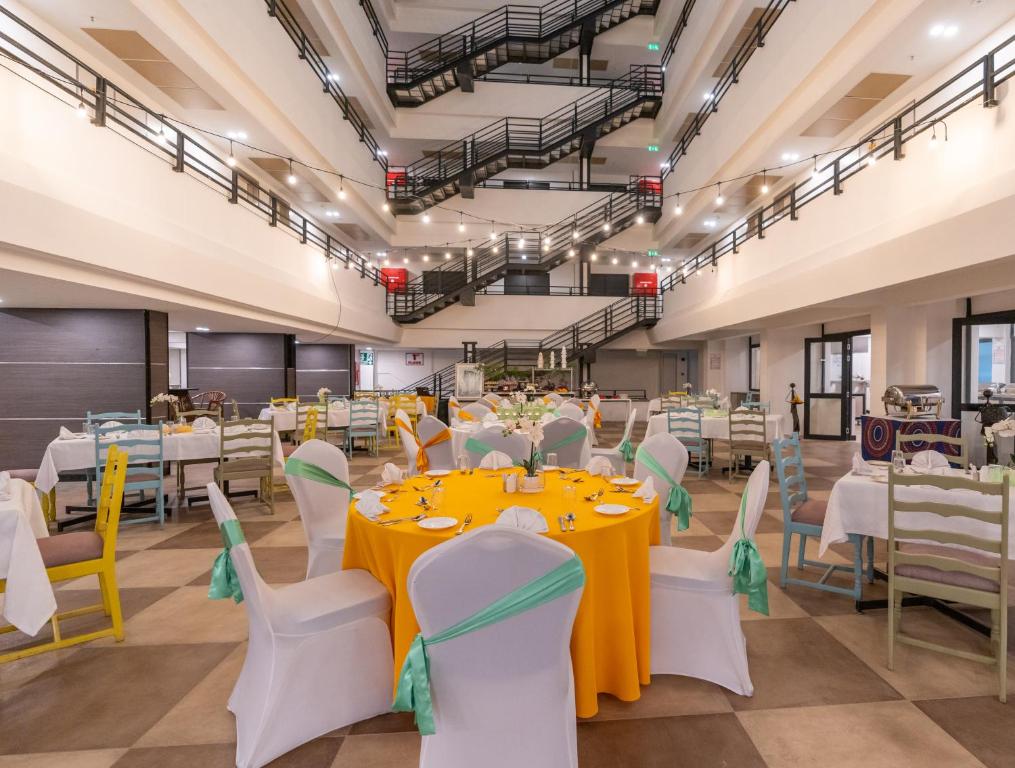
Holiday corporate events are a time of celebration, reflection, and team appreciation, bringing together colleagues to honor achievements and strengthen workplace bonds. However, amidst the festive cheer, organizers must prioritize safety, seamless logistics, and attendee comfort to ensure the event is both memorable and secure. From managing large guest lists to overseeing venue compliance, attention to detail is crucial for a smooth, worry-free experience.
Peak Audio understands the unique challenges of corporate holiday events in Kenya and provides professional support to mitigate risks while maintaining the celebratory atmosphere. Our team ensures that all technical, audio-visual, and event coordination aspects are handled with precision, minimizing potential hazards and creating an environment where attendees can enjoy themselves safely. Proper lighting, sound management, crowd control, and emergency preparedness are just a few ways Peak Audio enhances event security without compromising fun.
By integrating safety measures with innovative event management solutions, Peak Audio empowers businesses to host exceptional holiday gatherings that are both exciting and secure. Whether it’s a gala dinner, festive party, or employee appreciation event, our expertise guarantees that every detail — from AV setup to crowd safety — is carefully executed. With Peak Audio, corporate holiday celebrations in Kenya can be both joyful and worry-free, leaving a lasting impression on employees and stakeholders alike.
1. Understanding the Importance of Safety in Holiday Corporate Events
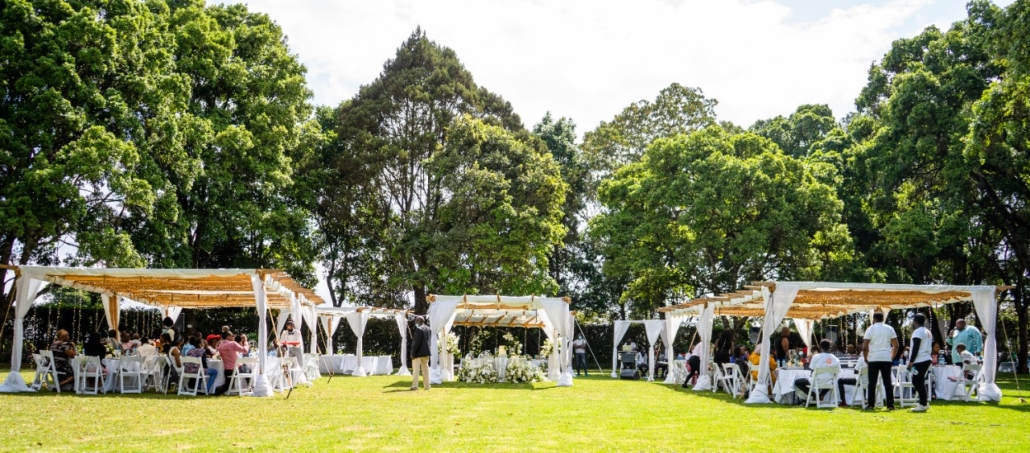
Holiday corporate events bring excitement, high attendance, and complex logistics — all of which increase the need for intentional safety planning. During festive seasons, venues are busier, equipment usage is higher, and timelines are tighter. A proactive safety approach protects guests, staff, and assets while ensuring the celebration remains enjoyable and professionally executed.
Safety is not just compliance — it directly affects guest confidence, event flow, and overall experience quality. When hazards are anticipated and controlled, organizers can focus on delivering a memorable event without unnecessary disruptions.
1.1 Why safety planning is crucial during festive seasons
Festive periods are peak event seasons, meaning venues, suppliers, and staff operate under higher pressure. Increased crowd sizes, accelerated schedules, and multiple moving parts elevate risk levels.
Key reasons why safety planning becomes critical
-
Higher guest volumes and crowd movement
-
Increased electrical and staging equipment usage
-
Tight setup and teardown timelines
-
Seasonal weather variability
-
Vendor congestion and shared venue access
Early safety planning allows organizers to anticipate these pressures, assign responsibilities, and implement protective measures before risks escalate.
1.2 Common risks during corporate holiday events
Understanding typical hazards is the first step toward prevention. Holiday events combine social celebration with technical production, creating a broad safety landscape.
Common event risks include
Physical hazards
-
Slips or trips from cables, décor, or wet surfaces
-
Overcrowding near entrances or stages
Technical risks
-
Improper electrical load management
-
Equipment instability
Environmental risks
-
Outdoor weather exposure
-
Heat or ventilation concerns
Operational risks
-
Poor crowd flow
-
Emergency access obstruction
Recognizing these risks early enables targeted mitigation strategies.
1.3 Safety as a contributor to positive guest experience
Guests rarely notice safety measures when they work — but they immediately notice when they fail. Smooth, hazard-free environments create subconscious comfort that enhances enjoyment.
Safety improves the guest experience by
-
Preventing interruptions or accidents
-
Supporting smooth crowd movement
-
Maintaining clear sound and visibility
-
Reducing stress for organizers and attendees
-
Demonstrating professionalism and care
A well-managed environment allows guests to focus on celebration rather than uncertainty.
1.4 How professional coordination minimizes hazards
Professional event coordination integrates safety into every stage of planning and execution. This includes technical setup standards, venue assessments, and real-time monitoring.
Organizations like Peak Audio apply structured safety practices during holiday events, such as:
-
Secure cable routing and staging layouts
-
Electrical load balancing and equipment testing
-
Clear communication between vendors
-
Emergency readiness planning
-
On-site technical supervision
Professional oversight transforms safety from a reactive concern into a built-in operational standard.
Safety is a foundational pillar of successful holiday corporate events. Festive excitement should never overshadow preparation. By identifying risks, planning proactively, and working with experienced technical partners, organizers create environments that are secure, efficient, and welcoming. When safety is embedded into event design, celebrations remain smooth, enjoyable, and professionally managed.
2. Choosing a Safe and Suitable Holiday Event Venue
Selecting the right venue is one of the most important safety decisions for a holiday corporate event. Beyond aesthetics and capacity, the venue must support crowd flow, emergency readiness, and secure operations. A safe venue protects guests while allowing technical teams, caterers, and planners to work efficiently — especially during the busy festive season when timelines are tight,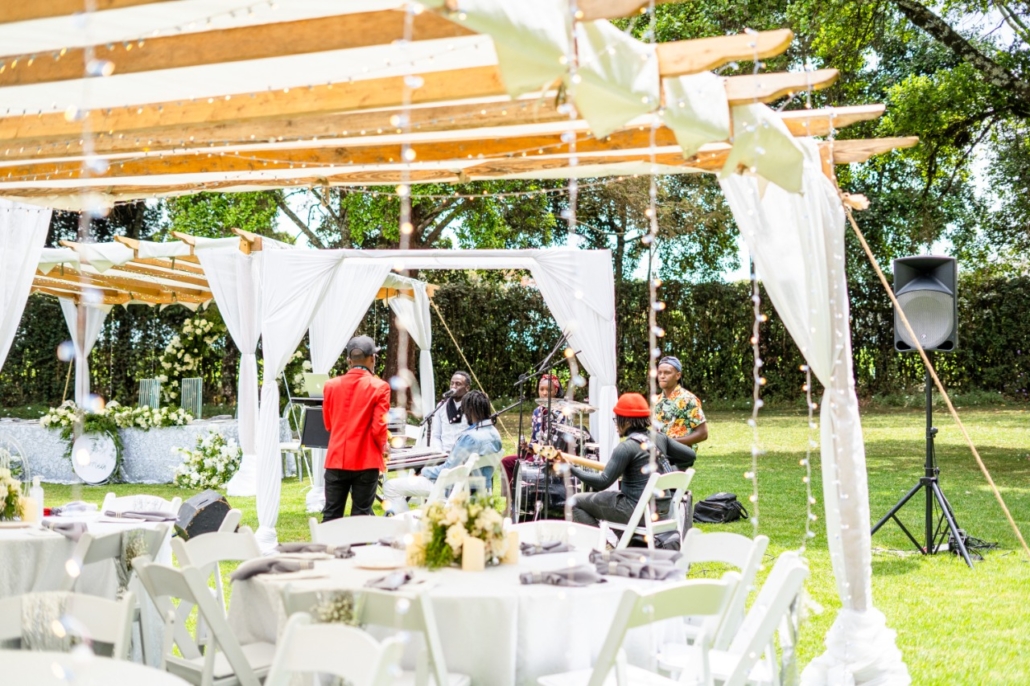 and attendance is high.
A structured venue evaluation ensures the celebration environment is both welcoming and risk-aware from the start.
2.1 Importance of accessibility, security, and emergency readiness
A venue should accommodate all guests comfortably while maintaining a strong safety infrastructure. Accessibility and emergency preparedness directly influence how quickly situations can be managed if needed.
Critical venue safety considerations
-
Clear, unobstructed access routes for guests and service teams
-
Accessibility features for guests with mobility needs
-
On-site or coordinated security personnel
-
Clearly marked emergency exits
-
Fire safety equipment and evacuation plans
-
Medical response readiness or proximity to emergency services
When these fundamentals are in place, organizers gain confidence that the venue can handle both routine operations and unexpected situations.
2.2 Venues with reliable safety protocols in Kenya
Established venues often implement structured safety procedures, trained staff oversight, and emergency planning frameworks. While each event requires its own risk assessment, reputable facilities typically maintain higher operational standards.
Examples of well-known corporate event venues include:
-
Safari Park Hotel — Large-capacity event grounds with controlled access and professional coordination
-
Radisson Blu Hotel Nairobi Upper Hill — Modern infrastructure with strong safety and facility management
-
Windsor Golf Hotel & Country Club — Spacious layouts that support crowd management
-
Trademark Hotel — Contemporary event spaces with organized access flow
These venues illustrate the type of operational readiness planners should look for when prioritizing safety.
2.3 Assessing crowd capacity to avoid congestion
Overcrowding is one of the most preventable event risks. A venue should comfortably support attendance numbers while leaving room for staging, catering, AV setups, and emergency pathways.
Capacity planning should include
-
Accurate guest count projections
-
Space allocation for seating and standing areas
-
Technical equipment footprint
-
Catering service zones
-
Emergency movement corridors
Maintaining safe density ensures guests can circulate freely without bottlenecks or pressure points.
2.4 Evaluating venue entrances, exits, and parking safety
Guest arrival and departure are peak congestion moments. Poor layout planning in these areas can create confusion or hazards.
Key evaluation points
-
Clearly visible and well-lit entrances
-
Separate service and guest access routes when possible
-
Multiple exit pathways for evacuation readiness
-
Organized vehicle flow and parking supervision
-
Adequate lighting in outdoor walkways
Smooth access management improves both safety and guest experience.
A holiday event venue should be chosen with safety as a primary criterion — not an afterthought. Accessibility, emergency readiness, crowd capacity, and entry logistics all shape how secure and comfortable the environment feels. By evaluating venues through a safety lens, organizers reduce risk while supporting seamless event flow and professional execution.
3. Managing Guest Flow and Capacity
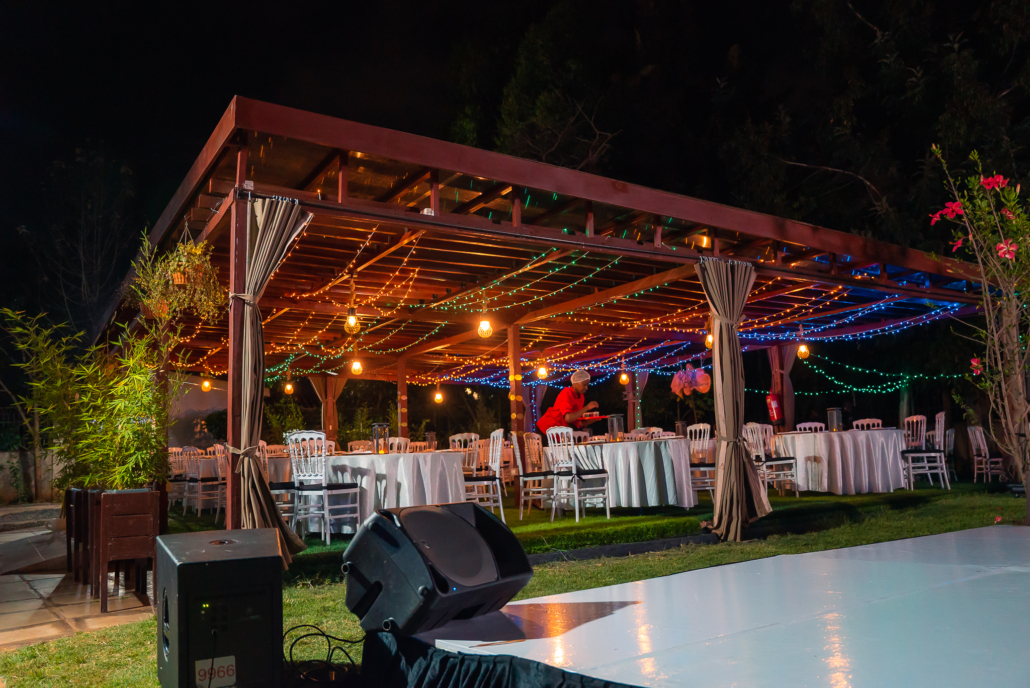
Guest movement is one of the most overlooked — yet critical — aspects of holiday corporate event safety. When attendees can move comfortably between entrances, seating areas, catering zones, and activity spaces, the entire event feels organized and secure. Poor flow management, on the other hand, increases congestion, delays, and the risk of accidents.
A structured guest-flow plan ensures the venue layout, staffing, and timing work together to support safety, comfort, and operational efficiency.
3.1 Creating accurate guest lists to avoid overcrowding
Capacity issues often begin with inaccurate attendance estimates. A precise guest list allows planners to align seating, catering, staffing, and emergency planning with real numbers.
Best practices for attendance control
-
Confirm RSVPs rather than relying on rough estimates
-
Maintain a digital or printed guest registry
-
Plan for a small attendance buffer — not an uncontrolled overflow
-
Align guest count with venue capacity limits
-
Coordinate numbers with catering and AV teams
Accurate headcounts prevent overcrowding and allow every operational element to scale appropriately.
3.2 Signage and directional guidance for easy navigation
Guests should never feel unsure about where to go. Clear visual guidance reduces hesitation, bottlenecks, and unnecessary crowd clustering.
Effective navigation planning includes
-
Clearly labeled entrances and exits
-
Directional signs for restrooms and dining areas
-
Program signage for activity zones
-
Lighting that highlights pathways
-
Branded wayfinding displays
Well-placed signage keeps movement intuitive and evenly distributed.
3.3 Managing queues at registration, food stations, and facilities
Queue congestion is one of the most common causes of crowd discomfort. Structured queue systems maintain order without disrupting the event atmosphere.
Queue management strategies
-
Multiple registration or check-in points
-
Staggered food service timing when possible
-
Clearly marked queue lanes
-
Barrier placement to guide flow
-
Staff oversight to maintain pacing
Thoughtful queue planning minimizes wait times and reduces pressure points.
3.4 Using ushers and event staff to maintain smooth movement
Human coordination is essential for adapting to real-time crowd behavior. Ushers act as visible guides, helping guests navigate safely and confidently.
Roles of guest-flow staff
-
Directing arrivals to the correct areas
-
Assisting with seating transitions
-
Managing high-traffic zones
-
Supporting accessibility needs
-
Responding quickly to congestion
Well-briefed staff create a calm, organized environment that prevents small disruptions from escalating.
Managing guest flow is a proactive safety measure that enhances both comfort and operational efficiency. Accurate attendance planning, clear signage, queue control, and attentive staff coordination work together to prevent congestion and maintain a relaxed atmosphere. When movement is smooth, guests remain focused on the celebration — not logistical frustrations.
4. Ensuring Food and Beverage Safety
Holiday Event Safety Tips for Corporate Events
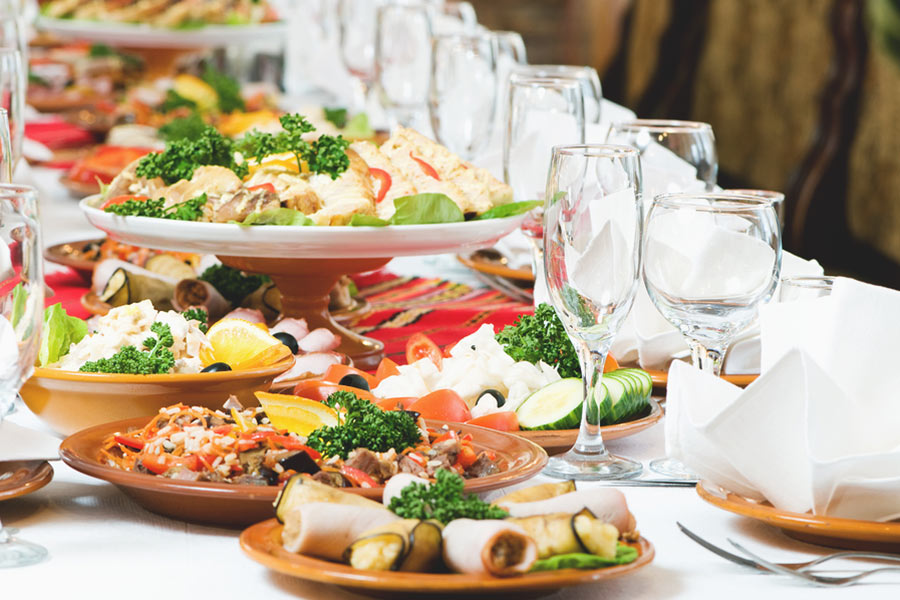
Food and beverage service plays a central role in holiday corporate events — but it also introduces health, hygiene, and crowd-management risks that require proactive planning. Safe catering practices protect guests from foodborne illness, allergic reactions, and service congestion, while reinforcing professionalism and duty of care.
A structured food-safety approach ensures preparation, service, and consumption all meet hygiene standards without disrupting the festive atmosphere.
4.1 Vetting catering services for hygiene and compliance
The foundation of food safety begins with choosing a qualified catering partner. Professional caterers operate under regulated hygiene standards and structured food-handling processes.
What to evaluate when selecting a caterer
-
Valid food-handling certifications and licensing
-
Clean preparation and transport procedures
-
Trained service staff on hygiene protocols
-
Temperature control for hot and cold foods
-
Proper sanitation equipment at service stations
Reputable providers — such as Peak Audio when coordinating full event logistics — work alongside vetted catering teams to maintain safety compliance throughout service.
4.2 Considering dietary restrictions and allergy precautions
Modern corporate events must accommodate diverse dietary needs. Failure to plan for allergies or restrictions can pose serious health risks.
Key dietary safety measures
-
Collect dietary information during RSVP registration
-
Clearly label food items and ingredients
-
Separate preparation zones for allergen-sensitive dishes
-
Provide vegetarian, vegan, halal, or gluten-free options
-
Brief serving staff on allergen awareness
Transparent communication ensures guests feel safe and included.
4.3 Setting up safe buffet, bar, and serving areas
Service layout directly affects hygiene, traffic flow, and spill prevention. Well-designed food stations minimize contamination and congestion.
Safe service-area setup includes
-
Adequate spacing to prevent crowd clustering
-
Clearly defined entry and exit points
-
Spill-resistant flooring or mats
-
Covered food displays to reduce exposure
-
Accessible hand-sanitizing stations
Proper layout protects both guests and staff while maintaining efficient movement.
4.4 Monitoring alcohol consumption during festive celebrations
Alcohol service requires responsible management to maintain guest safety and event professionalism. Overservice can lead to accidents, conflict, or liability issues.
Responsible alcohol-management practices
-
Professional bartenders trained in service limits
-
Controlled drink distribution methods
-
Availability of non-alcoholic alternatives
-
Clear closing times for bar service
-
Event staff monitoring guest behavior
Balanced alcohol management supports celebration without compromising safety.
Food and beverage safety is a critical component of holiday corporate event planning. Vetting caterers, accommodating dietary needs, structuring service areas, and responsibly managing alcohol all contribute to a secure and enjoyable environment. When safety protocols are built into catering operations, guests can celebrate confidently while organizers maintain professional standards.
5. Protecting Equipment, Power, and AV Installations
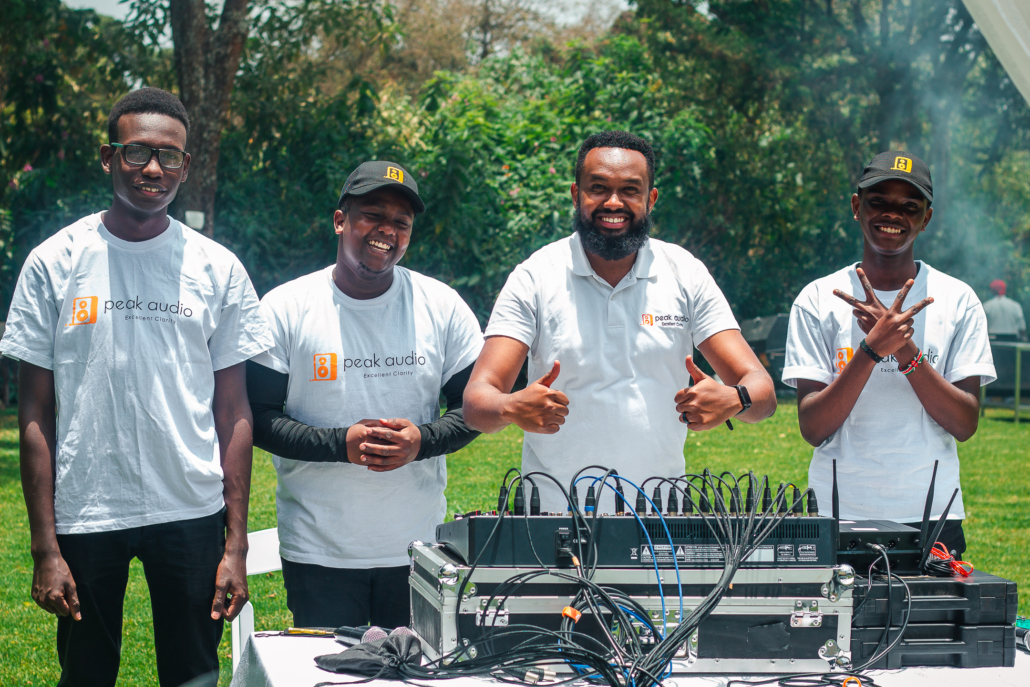
Audio-visual systems are essential to holiday corporate events — but they also introduce electrical, structural, and trip hazards if not professionally managed. Safe AV installation protects guests, staff, and equipment while ensuring uninterrupted event flow. When power distribution, staging, and cable routing are carefully planned, organizers minimize risk and maintain a polished, professional environment.
A proactive AV safety strategy combines engineering awareness, proper equipment handling, and on-site monitoring.
5.1 Ensuring safe cable management to prevent tripping hazards
Cables are one of the most common safety risks at live events. Poor routing can cause trips, falls, or equipment damage.
Best practices for cable safety
-
Routing cables away from high-traffic walkways
-
Using cable ramps or protective covers
-
Securing loose lines with professional tape or clamps
-
Separating power and signal cables to reduce interference
-
Clearly marking technical zones
Organized cable management protects both guests and technicians while preserving system reliability.
5.2 Managing power loads for lighting, sound, and décor
Holiday events often require high electrical demand. Overloaded circuits or improper distribution can cause outages or fire hazards.
Power safety considerations
-
Conducting pre-event load calculations
-
Using certified distribution boards and breakers
-
Separating lighting and audio circuits
-
Deploying surge protection equipment
-
Monitoring power usage during the event
Proper power planning ensures stable performance without compromising safety.
5.3 Securing stages, trusses, and lighting fixtures
Temporary structures must be engineered and installed to withstand movement, vibration, and environmental conditions.
Structural safety measures include
-
Professional rigging and weight balancing
-
Secure anchoring of trusses and lighting bars
-
Stability checks before guest entry
-
Restricted access to technical structures
-
Routine inspections during the event
Well-secured installations prevent accidents and equipment failure.
5.4 How professional AV execution ensures a safe event environment
Complex AV setups require trained technicians who understand both performance and safety standards. Professional teams anticipate risks before they impact the event.
Working with experienced providers like Peak Audio delivers:
-
Safety-first installation protocols
-
Certified equipment and structured rigging
-
Continuous on-site monitoring
-
Rapid troubleshooting capability
-
Compliance with venue safety guidelines
Professional AV coordination reduces hazards while maintaining high production quality.
Protecting equipment, power systems, and AV installations is essential for safe holiday corporate events. Structured cable management, responsible electrical planning, secure staging, and professional oversight create a controlled environment where technology enhances the celebration without introducing risk. When AV safety is prioritized, organizers protect guests, staff, and the success of the event itself.
6. Developing a Robust Emergency Plan

Even well-planned holiday corporate events can face unexpected situations — medical incidents, fire hazards, crowd surges, or power failures. A structured emergency plan ensures organizers can respond quickly, protect guests, and maintain calm under pressure. Preparation is not about anticipating disaster; it’s about creating confidence, clarity, and coordinated action.
An effective emergency framework integrates venue readiness, staff training, communication protocols, and professional support services.
6.1 Identifying emergency exits and assembly points
Clear evacuation routes are foundational to event safety. Guests should be able to exit quickly without confusion or congestion.
Key evacuation planning steps
-
Mapping all emergency exits before setup
-
Keeping exit paths unobstructed at all times
-
Installing visible directional signage
-
Briefing staff on evacuation flow
-
Establishing designated assembly points
Well-communicated exit planning reduces panic and speeds safe evacuation.
6.2 Preparing fire safety measures and first aid provisions
Fire and medical readiness protects attendees and minimizes escalation during incidents.
Essential preparedness measures
-
Positioning certified fire extinguishers strategically
-
Inspecting electrical and staging equipment
-
Maintaining stocked first aid kits
-
Assigning trained first responders
-
Coordinating with venue safety officers
Immediate access to safety tools enables fast, effective intervention.
6.3 Training staff to respond to emergencies quickly and effectively
Event personnel act as first-line responders before external help arrives. Proper training improves decision-making and crowd control.
Staff readiness includes
-
Emergency role assignments
-
Communication protocols
-
Crowd guidance procedures
-
Incident reporting channels
-
Calm, authoritative guest assistance
Prepared staff reduce confusion and improve coordinated action.
6.4 Why having on-site security and medical personnel matters
Professional support adds an additional layer of protection, particularly for large or high-energy events.
Benefits of on-site specialists
-
Rapid medical response capability
-
Professional crowd management
-
Risk monitoring throughout the event
-
Immediate escalation handling
-
Visible reassurance for guests
Collaborating with experienced event partners like Peak Audio ensures technical setups align with safety protocols and emergency planning.
A robust emergency plan transforms uncertainty into preparedness. Clear evacuation routes, fire and medical readiness, trained staff, and on-site specialists create a secure environment where guests can celebrate confidently. When emergency planning is integrated into event design, organizers protect people, reputation, and the success of the occasion.
7. Incorporating Technology for Safety and Crowd Control
Modern holiday corporate events benefit greatly from technology-driven safety systems. Digital tools improve visibility, communication, and coordination — allowing organizers to manage crowds proactively rather than reactively. When thoughtfully integrated, technology supports smoother guest flow, faster incident response, and better situational awareness without disrupting the celebratory atmosphere.
A technology-backed safety approach strengthens both prevention and real-time control.
7.1 Using digital check-ins for better attendance management
Digital registration systems provide real-time insight into guest numbers and movement. This reduces congestion and improves accountability.
Benefits of digital check-in systems
-
Accurate attendance tracking
-
Faster guest entry with minimal queues
-
Capacity monitoring to prevent overcrowding
-
Instant access to guest lists during emergencies
-
Improved data reporting post-event
Streamlined entry reduces pressure at access points and enhances control.
7.2 Surveillance and monitoring tools for security
Visible monitoring tools act as both deterrents and safety mechanisms. They allow organizers to observe crowd behavior and identify risks early.
Key surveillance advantages
-
Real-time crowd monitoring
-
Rapid incident detection
-
Coordination with security personnel
-
Protection of equipment and restricted areas
-
Increased guest confidence
When used responsibly, monitoring enhances situational awareness without feeling intrusive.
7.3 Event communication systems for staff coordination
Clear communication prevents confusion and accelerates response times. Technology enables instant coordination between teams.
Communication essentials
-
Two-way radios for operational staff
-
Dedicated emergency communication channels
-
Centralized command coordination
-
Live updates across departments
-
Quick escalation pathways
Efficient communication keeps staff aligned during both routine operations and emergencies.
7.4 How AV technology enhances holiday event safety and order
Professional AV systems do more than entertain — they support safety messaging, visibility, and crowd guidance. Lighting, screens, and audio systems help manage guest behavior and communicate instructions clearly.
Safety-focused AV applications
-
Public announcements for instructions or alerts
-
Lighting to guide exits and pathways
-
Display screens for directional messaging
-
Controlled sound levels to maintain clarity
-
Backup power integration for continuity
Working with experienced providers like Peak Audio ensures AV installations meet both performance and safety standards.
Technology transforms crowd safety from reactive control to proactive management. Digital check-ins, surveillance systems, coordinated communication, and safety-focused AV solutions provide structure, visibility, and rapid response capability. When integrated correctly, these tools protect guests while preserving the festive energy of corporate celebrations.
8. FAQs on Holiday Event Safety for Corporate Events
Holiday corporate celebrations are energetic, social, and often larger than standard business gatherings — which means safety planning must be equally elevated. Below is a practical, expanded FAQ breakdown to help organizers anticipate risks, maintain control, and protect guests while preserving a festive atmosphere.
8.1 Why is safety planning more important during holiday events?
Holiday parties typically combine higher attendance, celebratory moods, alcohol service, and dynamic entertainment. These factors increase the likelihood of congestion, slips, equipment hazards, or behavioral incidents.
Why proactive safety matters
-
Larger crowds increase movement risks
-
Alcohol can impair judgment
-
Excited environments elevate unpredictability
-
Extended event hours create fatigue risks
-
Complex setups introduce technical hazards
Structured planning reduces preventable incidents while keeping the celebration enjoyable.
8.2 What should I look for in a safe holiday event venue?
A safe venue is one designed to manage crowds, emergencies, and logistics smoothly — not just aesthetics.
Venue safety checklist
-
Clearly marked emergency exits
-
Adequate capacity without overcrowding
-
On-site security presence
-
Fire safety compliance
-
Accessible entry and evacuation routes
-
Well-lit parking and walkways
High-quality venues like Safari Park Hotel are often selected because they integrate operational safety into their event infrastructure.
8.3 Does Peak Audio help with AV safety and risk management?
Yes. Professional AV providers reduce hazards associated with staging, cables, lighting, and electrical systems.
AV safety support includes
-
Certified cable routing and securing
-
Load-balanced power distribution
-
Stable staging and rigging
-
Equipment placement planning
-
Compliance with safety standards
Working with experienced teams like Peak Audio ensures that performance and safety are treated equally.
8.4 How do we prevent overcrowding at a corporate holiday party?
Crowd control is about proactive management — not last-minute intervention.
Effective prevention strategies
-
RSVP and guest list verification
-
Controlled entry points
-
Professional ushers
-
Capacity monitoring
-
Zoned activity areas
Balanced guest flow maintains comfort and safety.
8.5 What emergency preparations are necessary for holiday events?
Preparedness allows staff to respond quickly and confidently if an incident occurs.
Core emergency measures
-
Documented evacuation plan
-
First aid availability
-
Fire extinguishers and alarms
-
Staff emergency briefings
-
Clear assembly points
Preparation minimizes confusion during high-pressure moments.
8.6 Can alcohol service increase safety risks?
Alcohol can contribute to slips, conflicts, or impaired decision-making if unmanaged.
Responsible service practices
-
Limit excessive serving
-
Professional bartending staff
-
Hydration and food availability
-
Safe transport coordination
-
Monitoring guest wellbeing
Balanced service protects guests without diminishing the celebration.
8.7 Do AV setups pose safety risks?
Only when installed improperly. Professional installation eliminates common hazards.
Safe AV setup principles
-
Secured cable pathways
-
Stable lighting rigs
-
Proper electrical grounding
-
Equipment safety checks
-
Restricted backstage access
Technical discipline prevents trip hazards and electrical risks.
8.8 How do we keep guests informed during emergencies?
Clear communication prevents panic and guides orderly response.
Emergency communication tools
-
Public address announcements
-
Directional screen messaging
-
Staff radio coordination
-
Visible signage
-
Calm verbal guidance
Timely communication maintains control and reassurance.
8.9 Is it necessary to have security personnel at holiday events?
Security presence supports prevention, monitoring, and incident response.
Security roles include
-
Access control
-
Crowd observation
-
Conflict de-escalation
-
Emergency assistance
-
Asset protection
Visible professionals enhance guest confidence and order.
8.10 Can technology assist in improving event safety?
Yes — modern tools elevate monitoring, coordination, and response capabilities.
Technology advantages
-
Digital attendance tracking
-
Real-time surveillance
-
Rapid communication networks
-
Emergency messaging systems
-
Operational visibility
Technology enables proactive crowd management instead of reactive crisis handling.
Holiday corporate event safety depends on preparation, professional coordination, and smart technology use. By addressing venue readiness, crowd management, AV safety, emergency planning, and responsible service, organizers create environments where guests feel secure and free to celebrate. Safety planning does not diminish fun — it enables it.
Safe Holiday Corporate Events in Kenya – Celebrate Confidently with Peak Audio

Holiday corporate events should be joyful, engaging, and thoughtfully managed to protect everyone involved. Prioritizing venue safety, crowd flow, AV setup security, catering hygiene, and emergency readiness ensures celebrations remain positive from start to finish. When safety is built into planning, organizations create an environment where guests can relax, connect, and enjoy the festivities with confidence.
Well-managed safety measures work quietly in the background to support a seamless experience. Clear coordination, secure installations, and proactive oversight reduce risk while preserving the festive atmosphere. This balance allows event organizers to maintain professionalism without dampening the energy or excitement of the occasion.
With professional support from Peak Audio, your holiday celebration benefits from secure AV installations, smooth coordination, and dependable technical supervision. Their expertise helps ensure every festive detail is both engaging and responsibly managed. Partner with Peak Audio to deliver holiday corporate events that are memorable, polished, and worry-free for everyone attending.
Leave a Reply
Want to join the discussion?Feel free to contribute!