Table of Contents
ToggleEssential Tasks Corporate Event Planners Handle: A Complete Guide by Peak Audio
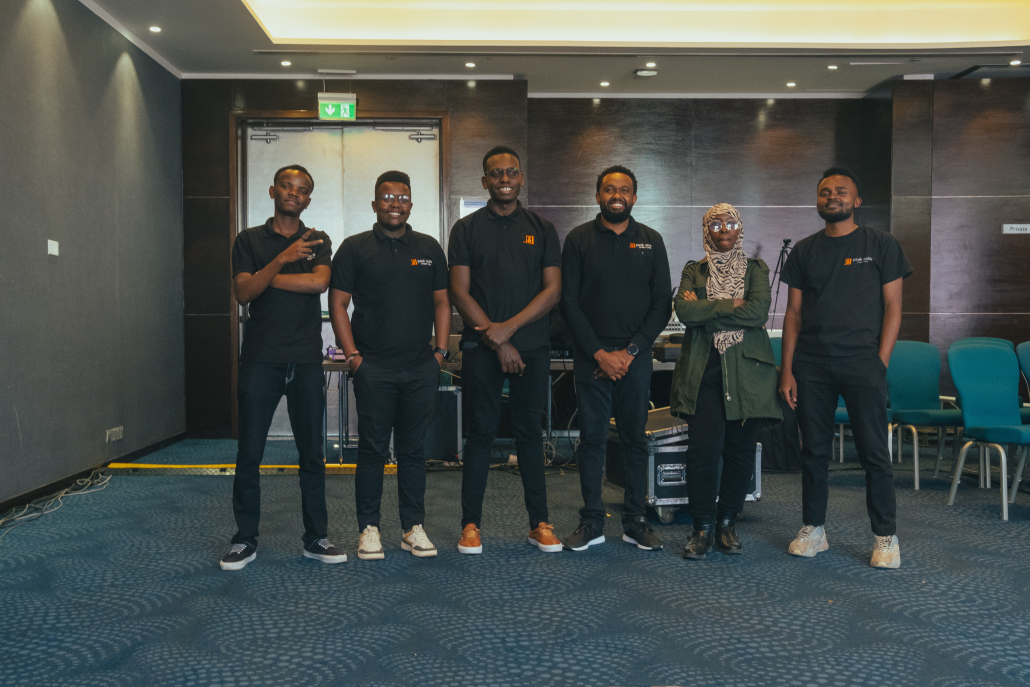
Essential Tasks Corporate Event Planners Handle
Behind every successful corporate event is a team of skilled planners managing countless moving parts. From concept development and budgeting to vendor coordination and on-site management, corporate event planners ensure that every detail aligns with the company’s objectives. In Kenya’s competitive corporate landscape, professional planning is no longer optional—it is essential for delivering polished, impactful, and memorable experiences.
Corporate event planners handle critical responsibilities such as venue sourcing, logistics coordination, supplier management, guest experience design, and risk assessment. They oversee timelines, manage contracts, coordinate décor and branding, and ensure seamless communication between stakeholders. Their expertise minimizes stress, prevents costly mistakes, and ensures that events—from conferences and product launches to executive meetings—run efficiently and professionally.
This guide explores the essential tasks corporate event planners manage and highlights how technical execution plays a central role in event success. By partnering with experts like Peak Audio for professional audio-visual integration, staging, lighting, and technical support, organizations can elevate their events with seamless production quality and flawless delivery. Together, strategic planning and technical excellence create corporate events that achieve business goals while leaving lasting impressions.
1. Defining Event Objectives and Strategy
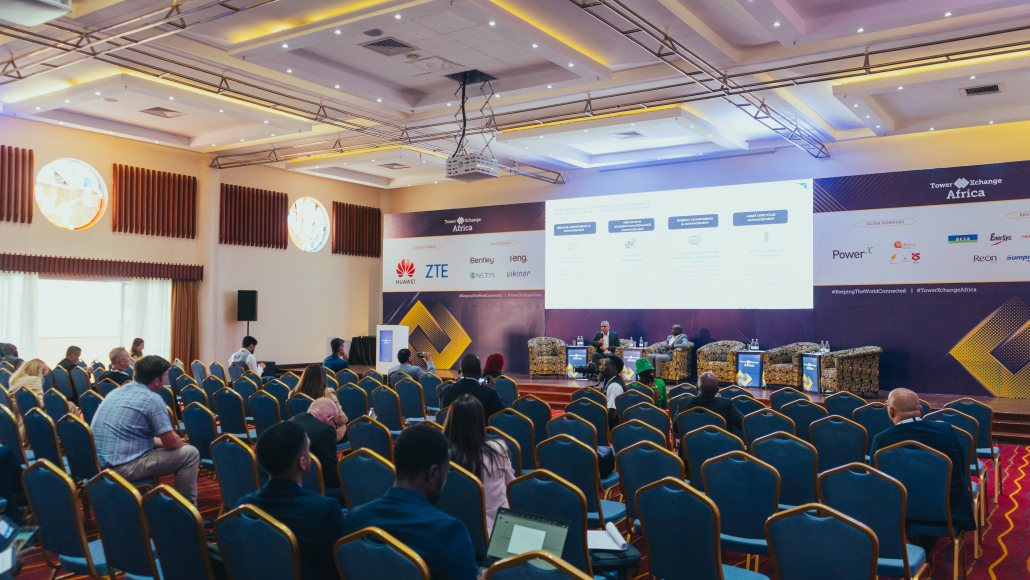
Essential Tasks Corporate Event Planners Handle
Every successful corporate event begins with a clear purpose and well-structured strategy. Before booking venues or arranging logistics, event planners focus on defining why the event is being held and what it is meant to achieve. This foundation guides all other planning decisions and ensures measurable impact.
1.1 Understanding the Purpose of the Event
-
Clarifying the core reason
The first step is identifying whether the event is a product launch, conference, corporate celebration, networking forum, or staff training session. Each type has different goals, formats, and audience expectations. -
Defining success criteria
Planners work with stakeholders to determine what success looks like — brand awareness, lead generation, employee engagement, revenue growth, or knowledge transfer. -
Setting measurable objectives
Clear metrics such as attendance numbers, engagement levels, or post-event conversions help track performance.
1.2 Aligning Event Goals with Company Vision and Branding
-
Brand consistency
The event theme, messaging, décor, and communication materials must reflect the company’s mission, values, and brand identity. -
Strategic positioning
Events should reinforce how the organization wants to be perceived — innovative, premium, community-focused, or industry-leading. -
Long-term impact
Proper alignment ensures the event contributes to broader corporate goals rather than being a standalone activity.
1.3 Identifying Target Audiences and Expected Outcomes
-
Audience segmentation
Determining whether the event targets clients, partners, employees, investors, or the public shapes the tone and structure of the program. -
Understanding attendee expectations
Knowing what the audience values — networking, learning, entertainment, or recognition — helps tailor content and experiences. -
Outcome planning
Planners define expected results such as new partnerships, improved morale, brand visibility, or customer acquisition.
1.4 Creating a Clear Event Roadmap
-
Structured planning timeline
A roadmap outlines key milestones, deadlines, and responsibilities from concept development to post-event evaluation. -
Budget alignment
Strategic planning ensures financial resources are allocated efficiently based on priorities. -
Risk management
Anticipating potential challenges early allows planners to develop contingency plans and maintain smooth execution.
Defining event objectives and strategy is the foundation of professional corporate event planning. It involves clarifying the event’s purpose, aligning goals with company branding, identifying the right audience, and creating a structured roadmap for execution. With a clear strategy in place, every decision — from venue selection to program design — supports measurable outcomes and long-term business impact.
2. Budget Planning and Financial Management
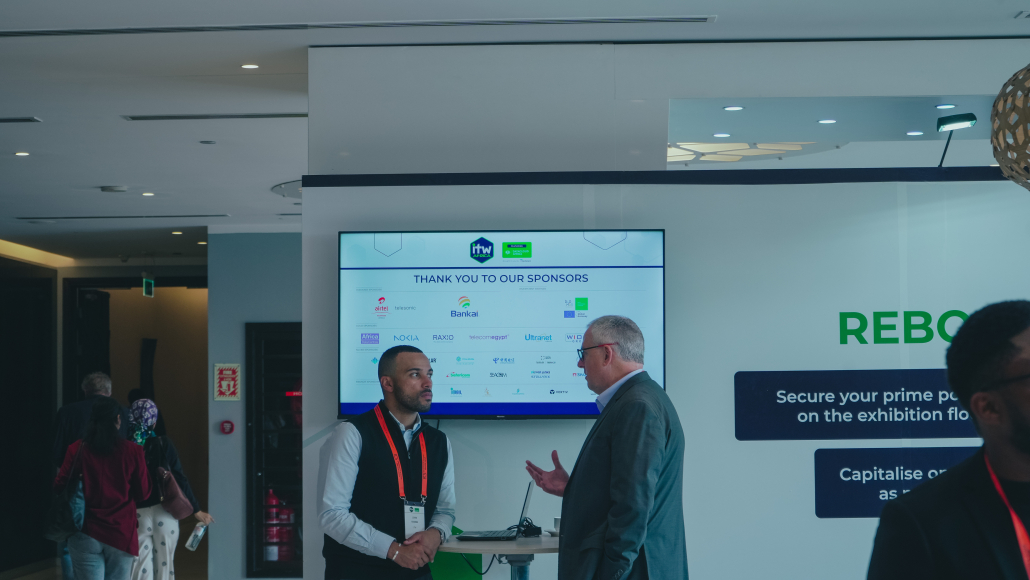
Essential Tasks Corporate Event Planners Handle
Effective budget planning is one of the most critical responsibilities in corporate event management. A well-structured financial plan ensures that the event delivers maximum impact without exceeding available resources. Proper budgeting also supports transparency, accountability, and smooth execution.
2.1 Developing a Realistic and Detailed Event Budget
-
Comprehensive cost breakdown
Planners create a detailed list of expected expenses, including venue hire, catering, audiovisual equipment, décor, staffing, marketing, and contingency funds. -
Setting financial limits
A realistic budget aligns with the company’s financial capacity while still meeting event objectives and quality expectations. -
Including contingency funds
Allocating a reserve (often 5–15%) helps cover unexpected costs such as last-minute changes or technical adjustments.
2.2 Allocating Funds Across Key Areas
-
Venue and logistics
A significant portion typically goes toward securing the venue, seating arrangements, staging, and basic infrastructure. -
Catering and hospitality
Food, beverages, and service staff must match the event type and guest expectations. -
AV, décor, and entertainment
Audio-visual systems, lighting, branding elements, and entertainment enhance attendee experience and brand perception. -
Prioritization strategy
Funds are distributed based on what matters most to the event’s objectives, ensuring critical elements receive adequate investment.
2.3 Negotiating with Vendors to Maximize Value
-
Securing competitive pricing
Experienced planners negotiate rates, bundled services, and added benefits without compromising quality. -
Leveraging long-term relationships
Established vendor partnerships often result in better pricing, priority service, and flexible payment terms. -
Clarifying deliverables
Clear contracts outline what is included, preventing hidden charges and misunderstandings.
2.4 Monitoring Expenses to Avoid Cost Overruns
-
Ongoing expense tracking
Planners continuously compare actual spending against the approved budget to ensure alignment. -
Approval systems
Implementing sign-off processes prevents unauthorized or unnecessary expenditures. -
Financial reporting
Post-event financial summaries provide transparency and help improve budgeting for future events.
Budget planning and financial management ensure that corporate events remain cost-effective, controlled, and strategically aligned. By developing a detailed budget, allocating funds wisely, negotiating vendor contracts, and closely monitoring expenses, event planners prevent overruns and maximize value. Strong financial oversight allows organizations to deliver high-quality events while maintaining fiscal responsibility and measurable return on investment.
3. Venue Selection and Logistics Coordination

Essential Tasks Corporate Event Planners Handle
Choosing the right venue and coordinating logistics are critical steps in delivering a seamless corporate event. The venue sets the tone, influences attendee experience, and determines how efficiently all other event elements can be executed. Professional planners ensure every logistical detail is carefully managed from start to finish.
3.1 Researching and Securing Suitable Venues in Kenya
-
Identifying event-appropriate locations
Planners evaluate venues based on the event type — whether it is a conference, product launch, gala dinner, or executive meeting. -
Comparing options
Multiple venues are assessed for availability, pricing, amenities, and overall suitability before making a recommendation. -
Early booking
Securing venues in advance ensures availability, especially during peak corporate seasons in major cities like Nairobi and Mombasa.
3.2 Assessing Capacity, Accessibility, and Technical Infrastructure
-
Guest capacity and layout
The venue must comfortably accommodate the expected number of attendees while allowing proper seating arrangements and stage setup. -
Accessibility considerations
Easy access, parking availability, disability access, and proximity to major roads or airports are essential for attendee convenience. -
Technical readiness
Planners assess internet connectivity, power supply reliability, acoustics, lighting systems, and space for audiovisual equipment to avoid last-minute complications.
3.3 Managing Permits, Contracts, and Insurance Requirements
-
Contract negotiation and review
Event planners carefully review venue contracts, ensuring clarity on pricing, cancellation policies, and included services. -
Permit acquisition
Certain events may require local authority permits, especially for large gatherings, outdoor setups, or public spaces. -
Insurance compliance
Liability coverage and vendor insurance documentation protect the company from unexpected risks.
3.4 Coordinating Transportation, Accommodation, and Scheduling
-
Guest transportation
Arranging airport transfers, shuttle services, or designated parking ensures smooth arrival and departure for attendees. -
Accommodation planning
For multi-day events or out-of-town guests, planners coordinate hotel bookings and negotiated group rates. -
Scheduling and flow management
Detailed event timelines ensure that venue access, vendor setup, rehearsals, and program execution occur without delays.
Venue selection and logistics coordination are foundational to a successful corporate event. By researching suitable venues, assessing capacity and infrastructure, managing contracts and compliance, and organizing transportation and scheduling, planners create a well-structured and stress-free experience. Strong logistical planning ensures that the event runs smoothly, meets safety requirements, and delivers a professional and memorable experience for all attendees.
4. Vendor and Supplier Management

Essential Tasks Corporate Event Planners Handle
Vendor and supplier management is a core responsibility in corporate event planning. From catering to audiovisual production, every service provider plays a vital role in delivering a smooth and professional experience. Effective coordination ensures quality service, timely execution, and alignment with the event’s objectives.
4.1 Identifying and Hiring Reliable Service Providers
-
Sourcing trusted vendors
Event planners research and shortlist vendors based on reputation, experience, and proven track records in corporate events. -
Evaluating quality and capability
This includes reviewing portfolios, conducting tastings (for caterers), inspecting equipment, and checking references to ensure reliability. -
Contract agreements
Clear contracts outline deliverables, timelines, payment terms, and service expectations to prevent misunderstandings.
4.2 Coordinating Caterers, Decorators, Entertainers, and AV Teams
-
Integrated planning
Planners ensure all vendors understand the event theme, schedule, and technical requirements to maintain consistency. -
Scheduling collaboration
Setup times, rehearsals, and service sequences are coordinated to avoid overlap or delays. -
Quality alignment
Every vendor’s output — from décor aesthetics to sound clarity — must align with the brand image and event goals.
4.3 Ensuring Timely Delivery and Setup of All Services
-
Pre-event confirmations
Vendors are contacted in advance to confirm arrival times, equipment lists, and staffing levels. -
On-site supervision
Event planners oversee setup to verify that staging, catering stations, lighting, and branding elements are installed correctly. -
Contingency planning
Backup plans are prepared in case of delays, equipment failure, or unforeseen challenges.
4.4 Maintaining Clear Communication Between All Stakeholders
-
Centralized coordination
The event planner acts as the main communication hub between vendors, venue management, and the client. -
Regular updates
Clear timelines, briefing documents, and meetings ensure everyone understands their responsibilities. -
Problem resolution
Immediate communication helps resolve issues quickly, minimizing disruptions during the event.
Vendor and supplier management ensures that every service provider contributes effectively to the success of a corporate event. By carefully selecting reliable vendors, coordinating their roles, supervising timely setup, and maintaining clear communication, event planners create a cohesive and well-executed experience. Strong vendor management reduces risks, maintains quality standards, and guarantees that all elements come together seamlessly on event day
5. Program Development and Agenda Structuring

Essential Tasks Corporate Event Planners Handle
A well-designed program is the backbone of any successful corporate event. Beyond logistics and venue setup, the agenda determines how attendees experience the event, how messages are delivered, and how engagement is maintained. Strategic program development ensures the event flows smoothly while achieving its intended objectives.
5.1 Designing a Well-Balanced and Engaging Event Program
-
Structuring the event flow
Planners design a program that balances presentations, interactive sessions, entertainment, and breaks to maintain audience interest. -
Aligning with objectives
Each segment of the program supports the event’s goals — whether it’s brand awareness, knowledge sharing, networking, or celebration. -
Audience engagement strategy
Incorporating Q&A sessions, panel discussions, live demonstrations, or interactive elements keeps participants actively involved.
5.2 Scheduling Speakers, Sessions, and Networking Breaks
-
Speaker coordination
Event planners manage invitations, confirmations, and briefing sessions for keynote speakers, panelists, and facilitators. -
Time management
A clear timeline ensures sessions start and end on schedule, preventing overruns that could disrupt the overall flow. -
Strategic breaks
Networking and refreshment breaks are scheduled thoughtfully to encourage interaction without losing momentum.
5.3 Coordinating Rehearsals and Run-Throughs
-
Technical rehearsals
Sound checks, lighting adjustments, and presentation testing ensure all audiovisual elements function correctly. -
Speaker run-throughs
Presenters are guided through stage positioning, microphone use, and timing to enhance confidence and delivery. -
Full program rehearsal
A complete run-through helps identify gaps, timing conflicts, or technical issues before the live event.
5.4 Ensuring Smooth Transitions Between Segments
-
Clear cueing systems
Coordinated signals between stage managers, AV teams, and speakers prevent awkward pauses or confusion. -
Emcee or moderator guidance
A skilled host bridges segments, maintains energy, and keeps the audience engaged throughout the program. -
Contingency readiness
Backup plans are prepared to handle delays, speaker cancellations, or technical glitches without disrupting the experience.
Program development and agenda structuring are essential for delivering a corporate event that is engaging, organized, and impactful. By designing a balanced program, scheduling speakers effectively, conducting rehearsals, and ensuring smooth transitions, event planners create a seamless experience for attendees. A well-structured agenda not only enhances audience engagement but also reinforces the event’s objectives and overall success.
6. Audio Visual (AV) and Technical Coordination

Essential Tasks Corporate Event Planners Handle
Audio visual and technical coordination are critical to delivering a professional and impactful corporate event. Clear sound, effective lighting, and reliable presentation systems ensure that messages are communicated clearly and that attendees remain fully engaged throughout the program.
6.1 Identifying Sound, Lighting, and Display Requirements
-
Assessing venue acoustics
Planners evaluate room size, ceiling height, and layout to determine the appropriate sound system setup for clear audio distribution. -
Lighting design planning
Lighting is structured to enhance stage visibility, highlight speakers, and create the right ambiance in line with the event theme. -
Display and screen needs
Decisions are made regarding LED screens, projectors, or video walls based on audience size and content requirements.
6.2 Ensuring Microphones, LED Screens, and Presentation Systems Are Properly Set Up
-
Microphone configuration
Selection of handheld, lapel, or podium microphones depends on the event format and speaker movement. -
Screen positioning and clarity
LED screens and projectors are positioned to ensure visibility from all seating areas, avoiding blind spots. -
Presentation testing
Slides, videos, and multimedia content are tested in advance to confirm compatibility and smooth playback.
6.3 Coordinating Live Streaming or Hybrid Elements
-
Streaming setup
For virtual or hybrid events, planners coordinate cameras, streaming platforms, and stable internet connections to ensure uninterrupted broadcasts. -
Audience integration
Tools for virtual participation, such as live Q&A or chat moderation, are configured to maintain engagement. -
Technical redundancy
Backup internet sources and spare equipment are prepared to prevent disruptions.
6.4 Working with Professionals Like Peak Audio for Flawless Technical Execution
-
Expert equipment handling
Professional AV teams manage advanced sound systems, stage lighting, LED walls, and control systems with precision. -
On-site technical support
Dedicated technicians monitor sound levels, visuals, and transitions throughout the event. -
Seamless coordination
Collaboration between event planners and AV professionals ensures technical elements align perfectly with the event agenda.
Audio visual and technical coordination ensure that every presentation, speech, and performance is delivered clearly and professionally. By identifying sound and lighting needs, properly setting up microphones and display systems, managing live streaming components, and partnering with experienced providers like Peak Audio, event planners guarantee smooth execution. Strong technical planning enhances audience engagement and reinforces the overall success of the corporate event.
7. Guest Management and Communication
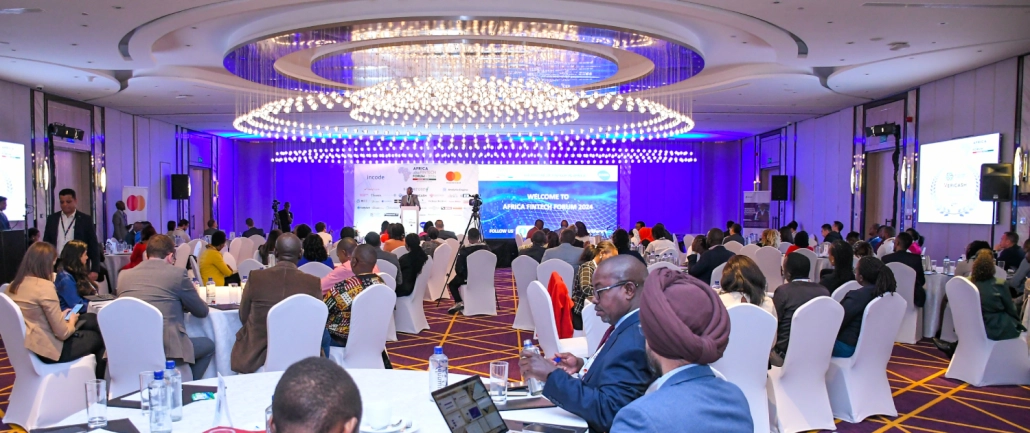
Essential Tasks Corporate Event Planners Handle
Guest management is a crucial aspect of corporate event planning, directly influencing attendee experience and overall event success. From the first invitation to post-event follow-up, clear communication and organized coordination ensure guests feel valued and well-informed.
7.1 Handling Invitations, RSVPs, and Guest Lists
-
Invitation design and distribution
Event planners prepare professional invitations aligned with the event’s branding and distribute them via email, physical cards, or digital platforms. -
Tracking RSVPs
RSVP systems help monitor confirmations, declines, and special requests, enabling accurate attendance projections. -
Managing guest databases
Updated guest lists ensure smooth planning for seating, catering, security, and registration materials.
7.2 Managing Registration and Check-In Processes
-
Pre-event registration systems
Online registration forms streamline attendee data collection and reduce delays on event day. -
On-site check-in coordination
Organized registration desks, digital scanners, or printed name badges ensure efficient entry and minimize queues. -
Real-time attendance tracking
Monitoring guest arrivals helps planners adjust seating, catering service, and program flow if necessary.
7.3 Ensuring VIP and Speaker Hospitality Arrangements
-
Dedicated guest handling
VIPs, keynote speakers, and executives often require personalized assistance, including reserved seating and private lounges. -
Travel and accommodation coordination
Planners may arrange airport transfers, hotel bookings, and personal escorts for high-profile guests. -
Comfort and protocol management
Ensuring hospitality standards, protocol adherence, and smooth transitions enhances the event’s professionalism.
7.4 Maintaining Clear Communication Before, During, and After the Event
-
Pre-event updates
Sending reminders, event schedules, venue directions, and parking information ensures guests are well-prepared. -
On-site information flow
Announcements, signage, and staff coordination keep attendees informed throughout the event. -
Post-event follow-up
Thank-you messages, feedback surveys, and shared highlights strengthen relationships and measure success.
Guest management and communication play a central role in creating a seamless and positive event experience. By efficiently handling invitations and RSVPs, managing registration processes, coordinating VIP hospitality, and maintaining clear communication at every stage, event planners ensure attendees feel organized, welcomed, and valued. Strong guest management enhances engagement, reinforces brand professionalism, and contributes significantly to the overall success of the corporate event.
8. Risk Management and On-Site Supervision

Essential Tasks Corporate Event Planners Handle
Risk management and on-site supervision are essential for ensuring a corporate event runs smoothly, safely, and without disruption. Even with detailed planning, unexpected challenges can arise. Professional event planners anticipate potential risks and remain actively present to manage real-time operations.
8.1 Identifying Potential Risks and Developing Contingency Plans
-
Risk assessment planning
Planners identify possible issues such as technical failures, power outages, speaker cancellations, weather disruptions (for outdoor events), or low attendance. -
Backup strategies
Contingency plans may include standby equipment, alternative speakers, backup power solutions, or adjusted program schedules. -
Vendor coordination for emergencies
All service providers are briefed on emergency protocols to ensure quick and coordinated responses if needed.
8.2 Monitoring Event Flow to Resolve Issues Promptly
-
Active oversight
Event managers continuously monitor timelines, stage transitions, catering service, and guest movement to maintain smooth flow. -
Quick problem-solving
Any delays, technical glitches, or logistical challenges are addressed immediately to minimize disruption. -
Maintaining professionalism
Issues are resolved discreetly to ensure guests remain unaware of behind-the-scenes adjustments.
8.3 Ensuring Safety Compliance and Crowd Management
-
Adhering to safety regulations
Compliance with venue capacity limits, fire safety standards, and emergency exit accessibility is strictly observed. -
Crowd control planning
Strategic seating layouts, signage, and security personnel help manage guest movement and prevent congestion. -
Health and safety measures
Depending on the event type, provisions such as first aid stations, security checks, and trained personnel are arranged.
8.4 Supervising Real-Time Operations for Seamless Execution
-
Central command coordination
The event planner acts as the central point of coordination, liaising with vendors, venue management, and staff. -
Timeline enforcement
Keeping sessions on schedule ensures speakers, performances, and catering align with the planned agenda. -
Final quality control
Continuous supervision guarantees that sound, lighting, hospitality, and guest services maintain professional standards throughout the event.
Risk management and on-site supervision ensure that corporate events are executed safely and efficiently. By identifying potential risks, preparing contingency plans, monitoring event flow, and enforcing safety compliance, planners minimize disruptions and maintain control. Active real-time supervision allows immediate problem resolution, ensuring a seamless and professional experience for all attendees.
9. Marketing and Promotion Support

Essential Tasks Corporate Event Planners Handle
Marketing and promotion are vital components of a successful corporate event. Beyond planning logistics, event professionals help ensure the event attracts the right audience, generates buzz, and strengthens brand positioning. Strategic promotion maximizes attendance, engagement, and overall return on investment.
9.1 Coordinating Promotional Materials and Branding
-
Branded event assets
Planners oversee the creation of banners, backdrops, stage designs, brochures, digital invites, and branded merchandise to ensure visual consistency. -
Messaging alignment
All promotional materials reflect the company’s tone, values, and objectives, reinforcing brand identity. -
Visual impact at the venue
On-site branding elements such as LED screens, signage, and photo walls enhance visibility and memorability.
9.2 Supporting Digital Campaigns and Event Announcements
-
Online promotions
Event planners collaborate with marketing teams to schedule email campaigns, website updates, and digital invitations. -
Social media engagement
Coordinated posts, countdowns, teaser videos, and event hashtags build anticipation and audience interaction. -
Registration optimization
Clear calls to action and streamlined registration links help increase sign-ups and attendance rates.
9.3 Managing Media Coverage and Public Relations
-
Press coordination
Planners assist in preparing press releases, media invitations, and press kits to attract coverage. -
On-site media management
Designated media areas, interview schedules, and branded backdrops support professional reporting. -
Reputation management
Clear messaging and organized communication ensure positive public perception before, during, and after the event.
9.4 Enhancing Brand Visibility Through Professional Presentation
-
Consistent brand experience
From stage design to staff attire, every detail reflects professionalism and reinforces brand credibility. -
High-quality production value
Professional lighting, sound, and visual displays elevate the brand image and leave a lasting impression. -
Memorable audience engagement
A polished presentation strengthens brand recognition and positions the company as organized, innovative, and reliable.
Marketing and promotion support amplify the impact of corporate events by increasing awareness, driving attendance, and strengthening brand positioning. Through coordinated branding materials, digital campaigns, media engagement, and professional presentation, event planners ensure the event not only runs smoothly but also delivers strong visibility and measurable promotional value.
10. Post-Event Evaluation and Reporting

Essential Tasks Corporate Event Planners Handle
Post-event evaluation is a crucial step in corporate event management. It allows planners and organizers to measure the event’s success, understand areas for improvement, and document lessons for future planning. Comprehensive reporting ensures accountability and provides actionable insights.
10.1 Gathering Feedback from Attendees and Stakeholders
-
Surveys and questionnaires
Planners collect structured feedback from attendees, sponsors, and stakeholders to understand satisfaction levels, preferences, and suggestions. -
Interviews or focus groups
For high-profile events, direct discussions with key participants provide in-depth insights into the event experience. -
Digital analytics
Online registration data, social media engagement, and event app activity also inform attendee behavior and engagement patterns.
10.2 Evaluating Event Performance Against Objectives
-
Assessing goal achievement
Planners compare outcomes with the initial objectives, such as attendance targets, brand visibility, lead generation, or participant engagement. -
Key performance indicators (KPIs)
Metrics like audience interaction, session ratings, media coverage, and return on investment (ROI) are analyzed to measure success. -
Identifying strengths and weaknesses
Understanding what worked well and what didn’t allows for targeted improvements in future events.
10.3 Reviewing Budget and Vendor Performance
-
Expense reconciliation
Actual spending is compared against the planned budget to identify variances and cost-saving opportunities. -
Vendor evaluation
Performance, reliability, and service quality of caterers, AV teams, decorators, and other suppliers are assessed for future collaboration. -
Contract and payment closure
Ensuring all vendor agreements are fulfilled and final payments are processed completes financial accountability.
10.4 Documenting Insights to Improve Future Events
-
Comprehensive post-event report
A detailed report consolidates feedback, KPI analysis, budget review, and vendor assessments for internal review. -
Actionable recommendations
Insights guide improvements in planning, logistics, program design, and marketing for subsequent events. -
Knowledge retention
Documenting lessons learned ensures that institutional knowledge is preserved and can be applied to future corporate events for greater efficiency and impact.
Post-event evaluation and reporting ensure that every corporate event provides measurable value and continuous improvement opportunities. By gathering attendee feedback, assessing performance against objectives, reviewing budgets and vendor performance, and documenting insights, event planners can refine strategies, optimize resources, and enhance the quality and impact of future events. This step completes the event lifecycle and contributes to long-term organizational success.
11. FAQs on Corporate Event Planners in Kenya
Corporate event planners play a pivotal role in ensuring that business events are well-organized, engaging, and professionally executed. Their expertise spans strategy, logistics, vendor management, and technical coordination, allowing companies to focus on their core objectives while delivering memorable experiences.
11.1 Why Should Businesses Hire Corporate Event Planners?
-
Professional execution
Planners bring expertise in strategy, coordination, and problem-solving to ensure events run smoothly. -
Time and resource efficiency
Outsourcing planning reduces the workload on internal teams and minimizes the risk of costly mistakes. -
Stress reduction
Planners handle the complex details so businesses can focus on attendees and outcomes.
11.2 Do Event Planners Handle AV Coordination?
-
Collaboration with technical experts
Planners work with AV professionals like Peak Audio to manage sound, lighting, and display needs. -
Seamless integration
Ensures presentations, live streaming, and hybrid components function flawlessly.
11.3 Can Planners Manage Both Small and Large-Scale Events?
-
Flexible approach
Whether it’s an intimate executive meeting or a large conference, planners scale their strategy, staffing, and logistics accordingly. -
Custom solutions
Each event is tailored to objectives, audience size, and available resources.
11.4 How Early Should a Corporate Event Planner Be Engaged?
-
Advanced planning
Ideally, planners should be engaged several months prior to the event to allow time for budgeting, vendor selection, and logistical coordination. -
Complex events
Large-scale or multi-day events require longer lead times to secure venues, speakers, and technical resources.
11.5 Do Planners Handle Vendor Negotiations?
-
Cost optimization
Planners negotiate pricing, service packages, and contract terms to ensure value for money. -
Vendor relationship management
They leverage industry connections to secure reliable and high-quality services.
11.6 What Types of Corporate Events Do Planners Manage?
-
Diverse portfolio
Conferences, product launches, award ceremonies, training sessions, corporate celebrations, team-building activities, and hybrid events. -
Tailored experiences
Planners adjust content, format, and logistics to suit event objectives and audience expectations.
11.7 How Do Planners Handle Unexpected Issues During Events?
-
Contingency planning
Pre-event risk assessments and backup strategies prepare for potential disruptions. -
On-site supervision
Planners respond immediately to technical glitches, schedule changes, or vendor issues to minimize impact.
11.8 Can Planners Support Hybrid or Virtual Events?
-
Digital coordination
They manage online platforms, streaming services, and virtual engagement tools. -
Integrated experience
Ensures both in-person and remote attendees have a seamless and interactive experience.
11.9 How Is Event Success Measured?
-
Key performance indicators (KPIs)
Metrics include attendance numbers, engagement levels, feedback scores, lead generation, and achievement of business objectives. -
Continuous improvement
Post-event evaluations inform strategies for future events, ensuring ongoing enhancement.
11.10 Why Partner with Peak Audio Alongside an Event Planner?
-
Technical excellence
High-quality AV is critical for professional presentations, live streaming, and audience engagement. -
Seamless execution
Peak Audio’s expertise ensures flawless sound, lighting, and visual displays, complementing the planner’s overall coordination.
Corporate event planners in Kenya provide end-to-end management that ensures events are organized, engaging, and aligned with business objectives. From vendor negotiation and AV coordination to hybrid event management and risk mitigation, their services enhance professionalism and reduce stress for companies. Partnering with experts like Peak Audio further elevates the event experience, guaranteeing high-quality technical execution and a polished, memorable outcome.
The Role of Corporate Event Planners in Kenya

Essential Tasks Corporate Event Planners Handle
Corporate event planners do far more than simply manage logistics—they orchestrate every element of an event to align with business objectives and create meaningful experiences. Their work spans budgeting, venue selection, program design, vendor coordination, and post-event evaluation, ensuring that every aspect of the event contributes to a seamless and professional outcome. By leveraging their expertise, organizations can save time, reduce stress, and deliver events that impress and engage attendees.
Strategic planning, creativity, and meticulous coordination are at the heart of effective corporate event management. Planners ensure that every detail—from audiovisual setup to branding, catering, and scheduling—is executed flawlessly, creating an environment that supports networking, learning, and business growth. Their oversight allows companies to focus on their goals while knowing that the operational aspects are handled expertly.
For businesses in Kenya, partnering with professional event planners and trusted AV providers like Peak Audio ensures that corporate events are not only well-organized but also impactful and memorable. To explore how professional planning and AV solutions can elevate your next corporate event, visit Peak Audio Kenya and start creating seamless, engaging experiences today.