Difference Between a Convention and a Summit: Essential Insights for Event Planning by Peak Audio
Difference Between a Convention and a Summit
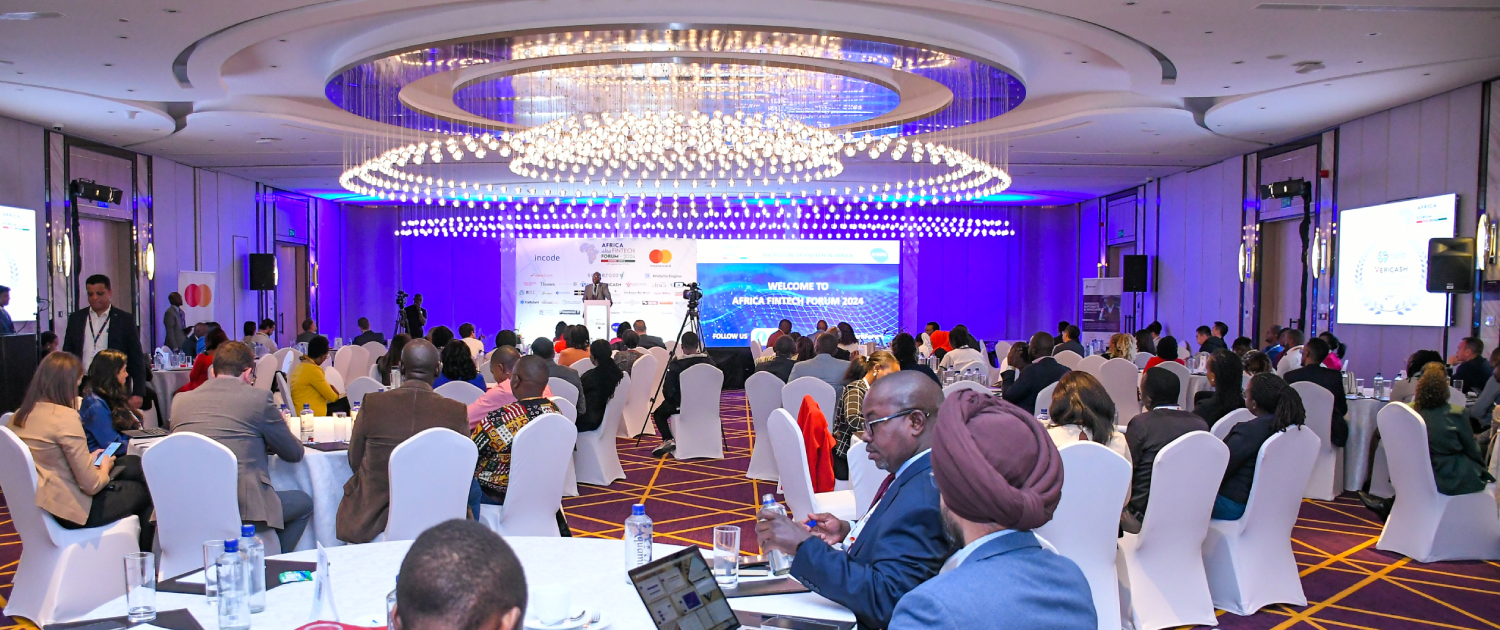
Understanding the difference between a convention and a summit is important for effective event planning and strategic engagement. Although both event types bring people together around a shared purpose, they serve different goals, attract different audiences, and follow different formats. Knowing which is which helps organizers design events that match their objectives while also ensuring attendees know what to expect.
For businesses, organizations, and professionals, this distinction can shape everything from content planning and guest experience to logistics and production needs. A convention often focuses on broad participation, networking, exhibitions, and multiple sessions, while a summit is usually more focused, high-level, and discussion-driven. Choosing the right format supports better communication, stronger engagement, and more meaningful outcomes for everyone involved.
This guide explains the definitions, purposes, structures, benefits, and examples of conventions and summits. Whether you are planning an event or attending one, understanding these differences helps you make smarter decisions and set clearer expectations. With the right format in place, your event can feel more intentional, more organized, and more impactful from start to finish.
1. What a Convention Is
Difference Between a Convention and a Summit
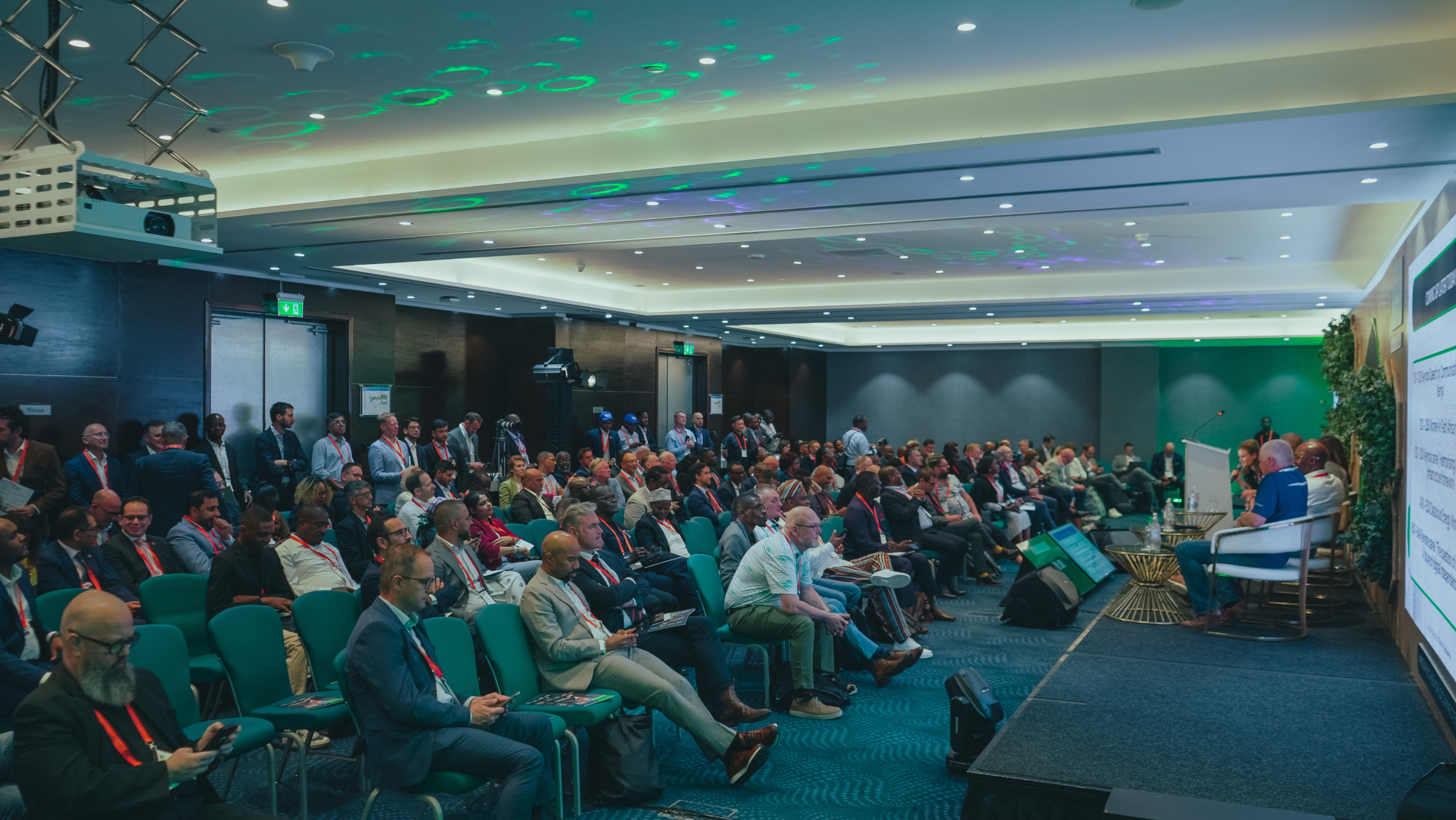
A convention is more than just a large gathering — it is a structured event that unites people from a particular industry, profession, or shared interest. Conventions serve as hubs for knowledge exchange, networking, and showcasing products, services, or innovations. In Kenya and globally, they can range from trade conventions and professional summits to hobbyist or enthusiast gatherings.
Conventions are strategic platforms where learning, collaboration, and business development occur simultaneously. Attendees gain exposure to the latest trends, technologies, and ideas, while organizers and exhibitors showcase offerings to a highly engaged audience.
1.1 Definition and Purpose
Conventions are designed to connect people, ideas, and opportunities.
- Knowledge Sharing: Through workshops, keynote speeches, panel discussions, and presentations, participants gain insights from experts and peers.
- Networking Opportunities: Conventions facilitate interactions between professionals, suppliers, clients, and industry leaders, often leading to collaborations or partnerships.
- Product and Service Showcases: Trade shows, exhibitions, and demos allow companies to introduce innovations, get feedback, and attract potential customers.
A convention is a dynamic, multi-purpose event that blends learning, networking, and commercial activity, making it essential for professional growth and industry visibility.
1.2 Common Convention Activities
Conventions typically include a mix of interactive, informative, and promotional activities:
- Workshops: Hands-on sessions where attendees develop skills or explore new techniques.
- Exhibitions and Trade Shows: Showcases of products, technologies, and services, often with live demonstrations.
- Panel Sessions and Keynote Speeches: Experts discuss trends, innovations, and challenges in the industry.
- Networking Events: Cocktail hours, meet-and-greets, and roundtables for building connections.
By offering diverse activities, conventions create a holistic experience where learning, engagement, and business opportunities converge.
1.3 Typical Attendees
Conventions attract a broad spectrum of participants who contribute to the event’s energy and purpose:
- Industry Professionals: Experts and practitioners seeking knowledge, partnerships, and market insights.
- Enthusiasts or Hobbyists: Individuals passionate about a topic or industry.
- Clients and Buyers: People exploring products, services, and business opportunities.
- Suppliers and Partners: Companies looking to showcase offerings or forge collaborations.
The diversity of attendees makes conventions valuable for exchanging ideas, discovering trends, and creating meaningful connections.
A convention is not just a meeting — it is a strategic environment for learning, collaboration, and growth. By combining structured sessions, interactive workshops, and networking opportunities, conventions provide participants with actionable insights, new contacts, and industry exposure that extend far beyond the event itself.
2. What a Summit Is
Difference Between a Convention and a Summit
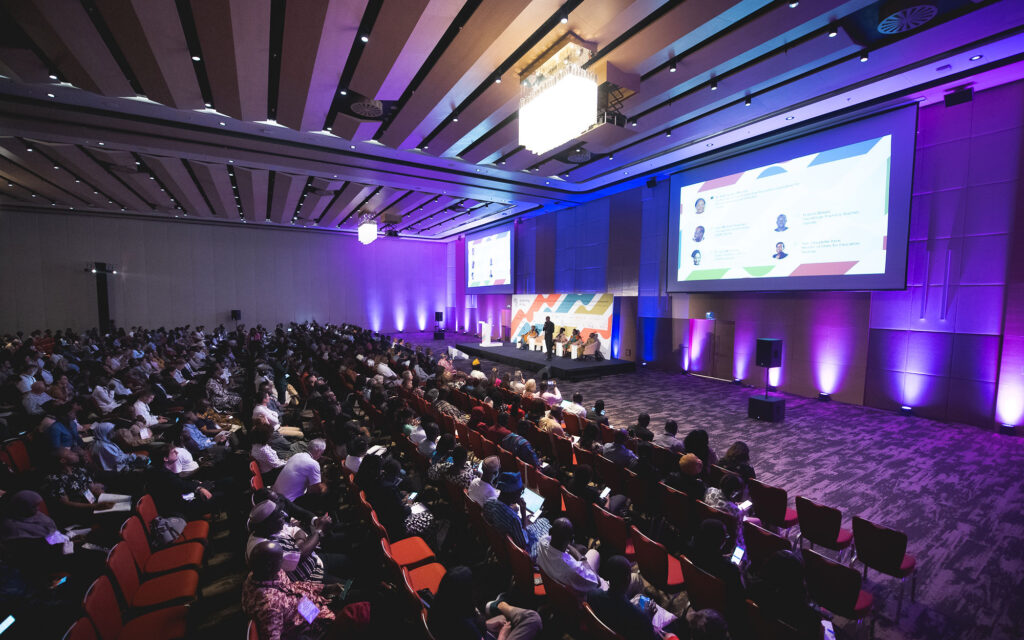
A summit is a high-level gathering that brings together leaders, experts, and decision-makers from a specific industry, sector, or policy area. Unlike larger conventions that focus on networking and broad participation, summits emphasize strategic discussion, collaboration, and actionable outcomes. In Kenya, summits often address business growth, innovation, government policy, or sector-specific challenges, making them pivotal for shaping strategies and decisions at the top level.
Summits are carefully structured to facilitate meaningful dialogue, problem-solving, and consensus-building among participants who have the authority and expertise to influence change.
2.1 Definition and Purpose
Summits are intensive, goal-oriented meetings with a focus on leadership and strategy.
- Strategic Discussion: Participants engage in high-level conversations about trends, challenges, and opportunities in their field.
- Problem Solving: Summits provide a platform to brainstorm solutions for pressing industry or policy issues.
- Collaboration and Decision Making: The format encourages joint initiatives, partnerships, and actionable plans that can influence sectors or organizations.
A summit is not just a meeting; it is a concentrated forum for driving impactful decisions, sharing expertise, and guiding the future direction of industries, organizations, or policies.
2.2 Common Summit Activities
Summits typically feature a mix of structured discussions and interactive sessions designed for executive-level engagement:
- Keynote Addresses: Thought leaders and experts present insights on emerging trends and critical issues.
- Roundtable Discussions: Small, focused groups encourage in-depth dialogue on specific topics.
- Closed-Door Forums: Private meetings for sensitive or strategic discussions among top-level participants.
- Policy Panels: Experts and decision-makers debate policy directions, frameworks, and industry regulations.
Summit activities are designed to maximize engagement, knowledge sharing, and actionable outcomes for participants who hold decision-making power.
2.3 Typical Attendees
Summits attract a highly selective audience that contributes to the strategic depth of the event:
- CEOs and Executives: Organizational leaders seeking insights and strategic opportunities.
- Policymakers and Regulators: Government officials involved in shaping industry or national policies.
- Industry Experts and Thought Leaders: Specialists who provide data, analysis, and innovative solutions.
- Strategic Partners: Stakeholders looking to collaborate on initiatives or influence sector directions.
The focused nature of summits ensures that attendees are not just present to network, but to engage in meaningful discussions, make decisions, and drive tangible outcomes.
Summits are purpose-driven gatherings that prioritize strategic thinking, leadership dialogue, and actionable results. By concentrating on quality participation rather than sheer numbers, summits create environments where ideas are translated into decisions, policies, and high-level collaborations that can shape industries, governments, or sectors.
3. Key Differences Between Conventions and Summits
Difference Between a Convention and a Summit
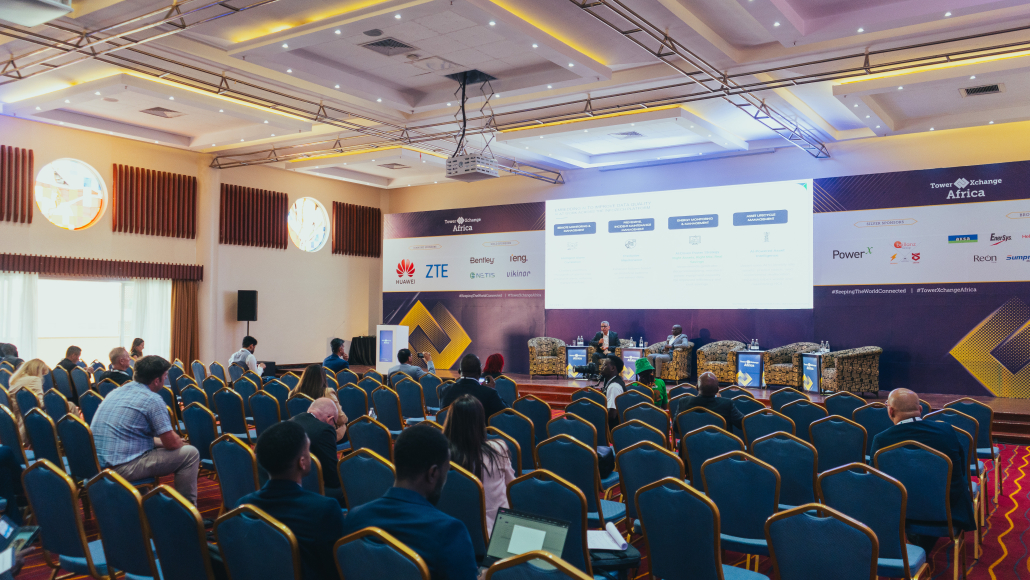
While conventions and summits both bring people together for professional purposes, they differ significantly in scale, focus, and outcomes. Understanding these distinctions helps organizers, attendees, and sponsors choose the right event type for their goals in Kenya or globally.
3.1 Scale and Scope
The size and range of content distinguish conventions from summits.
- Conventions: Typically host large audiences, often in the hundreds or thousands, covering multiple tracks, sessions, and topics simultaneously. They are designed to appeal to a broad spectrum of participants within an industry.
- Summits: Smaller in scale, focusing on targeted groups of leaders or decision-makers. Sessions are often limited to a few specialized topics with in-depth discussion.
Conventions prioritize breadth, while summits prioritize depth.
3.2 Audience Profile
The type of attendees varies between these events.
- Conventions: Draw a diverse mix including professionals at different career levels, students, vendors, exhibitors, and enthusiasts. The goal is inclusivity and exposure to a wide audience.
- Summits: Invite a select group of high-level participants such as CEOs, policymakers, executives, and subject matter experts. Attendance is curated to ensure strategic discussions and decision-making.
Summits are exclusive and focused, whereas conventions are open and broad-reaching.
3.3 Purpose and Outcomes
The intent behind each type of event differs.
- Conventions: Emphasize education, networking, and product discovery. Participants gain knowledge, connect with peers, and explore new offerings or innovations.
- Summits: Focus on decision-making, strategic planning, and thought leadership. Outcomes are actionable, often influencing industry direction, policies, or organizational strategy.
Conventions inform and inspire a wide audience; summits drive concrete decisions and strategic action.
3.4 Format and Structure
Event layouts reflect their objectives.
- Conventions: Feature multiple tracks, large exhibition areas, trade floors, workshops, and plenary sessions running concurrently. Attendees can choose topics of interest.
- Summits: Use smaller tracks, plenary sessions, and roundtables. Each session is designed for high-level engagement, often with pre-assigned topics or guided discussions.
Conventions maximize options and exposure; summits maximize focused interaction.
3.5 Level of Interaction
The type of participant engagement differs markedly.
- Conventions: Broad participation allows for networking at scale, casual discussions, and general Q&A sessions with speakers. Interaction is open but less intense.
- Summits: Encourage targeted, high-engagement interactions. Participants debate, strategize, and contribute to decision-making in real time.
Conventions facilitate general engagement; summits facilitate strategic collaboration and leadership dialogue.
In summary, conventions are large, inclusive, and informative events designed to reach many participants across multiple topics, while summits are intimate, focused gatherings aimed at high-level discussion, strategy, and impactful decision-making. Recognizing these differences helps businesses and professionals select the right format for their goals, whether they seek networking opportunities, industry exposure, or strategic influence.
4. Examples of Conventions vs. Summits
Difference Between a Convention and a Summit
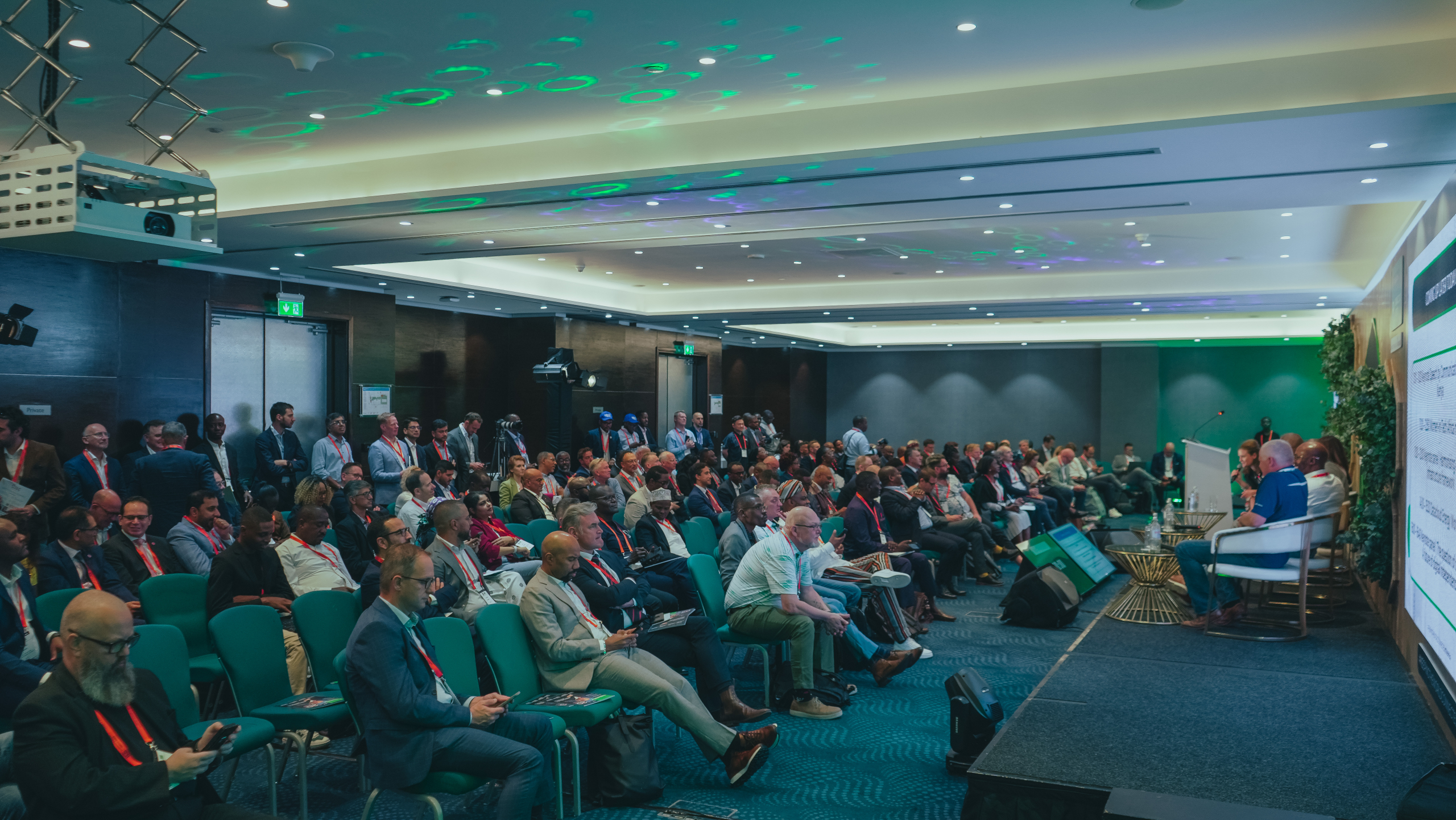
Understanding real-world examples helps illustrate the differences between conventions and summits, showing how scale, purpose, and audience shape each event.
4.1 Examples of Conventions
Conventions are typically large-scale gatherings designed to inform, entertain, and connect a wide audience. Some examples include:
- Trade Conventions: Events such as tech expos, automotive fairs, or industry trade shows bring together thousands of professionals, vendors, and enthusiasts. These conventions focus on product launches, demonstrations, and broad networking opportunities.
- Annual Membership Gatherings: Professional associations or clubs host yearly conventions to offer educational workshops, social networking, and keynote sessions for members.
- Fan Conventions: Popular culture conventions (e.g., comic cons) unite fans, creators, and vendors around shared interests, often featuring exhibitions, panels, and merchandise.
Conventions aim to educate, inspire, and engage a broad audience across multiple sessions and topics.
4.2 Examples of Summits
Summits are smaller, high-level gatherings designed for strategic discussions, decision-making, and leadership engagement. Examples include:
- Leadership Summits: Invite CEOs, executives, and thought leaders to share strategies, challenges, and solutions for industry growth or organizational development.
- Economic or Policy Summits: Convene policymakers, economists, and industry experts to discuss regulations, economic planning, or sector reforms.
- Tech Executive Roundtables: Targeted meetings for CTOs, CIOs, and senior IT leaders to tackle innovation, digital transformation, or emerging technology trends.
Summits emphasize depth, collaboration, and actionable outcomes among select participants rather than large-scale exposure.
Real-world examples demonstrate that conventions cater to large, diverse audiences with educational and networking goals, while summits focus on strategic collaboration among leaders. Recognizing these examples helps businesses and professionals decide which type of event aligns with their objectives, whether it’s broad learning, industry exposure, or high-level decision-making.
5. Benefits of Each Event Type
Difference Between a Convention and a Summit
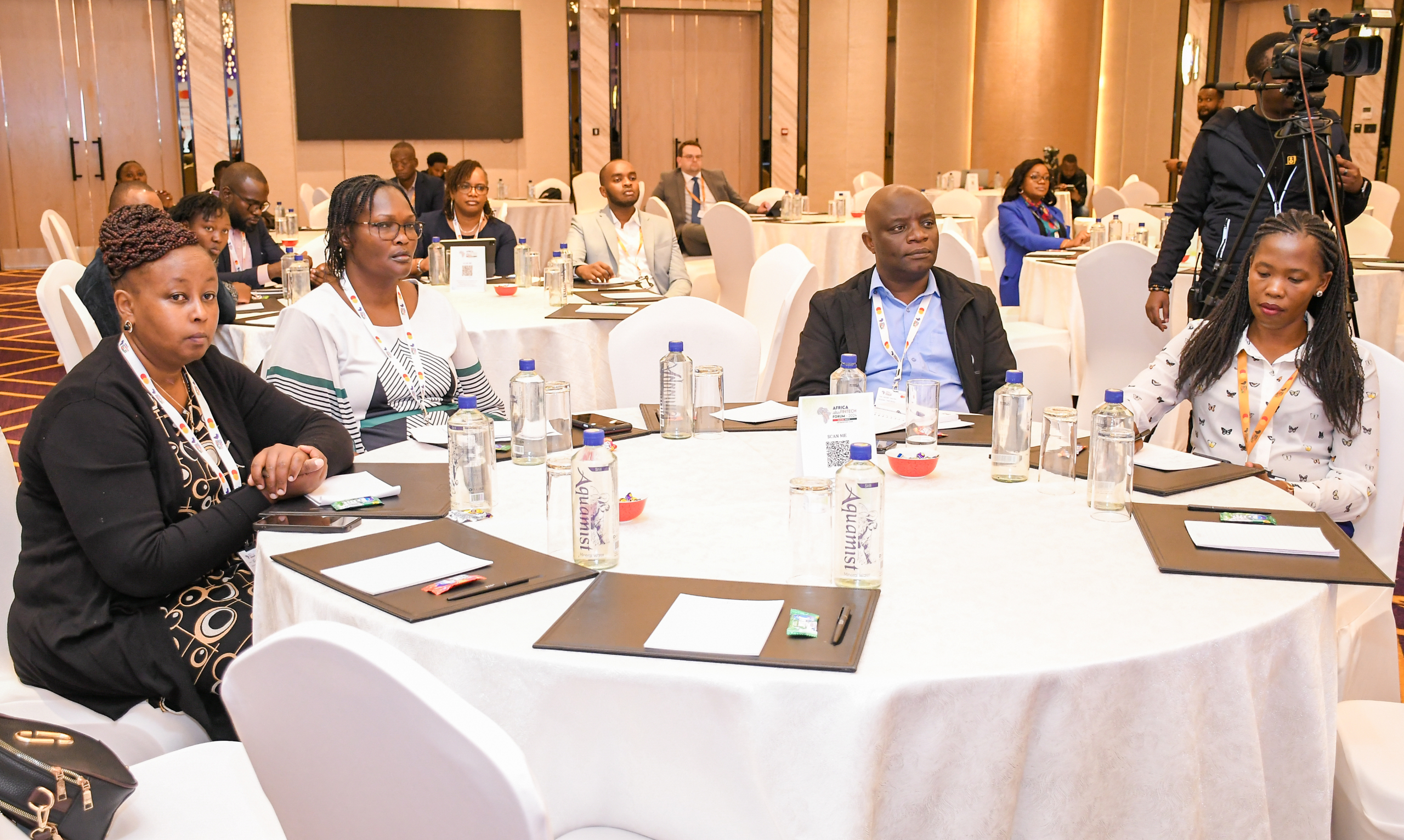
Conventions and summits each provide unique advantages depending on the participant’s goals, audience, and desired outcomes. Understanding these benefits helps individuals and organizations choose the right event type for networking, learning, and strategic growth.
5.1 Benefits of Conventions
Conventions are large-scale gatherings designed to educate, connect, and inspire a broad audience. Key benefits include:
- Broad Networking Opportunities – Conventions bring together a diverse mix of attendees, including professionals, vendors, students, and enthusiasts. This diversity allows for chance encounters, partnerships, and collaborations across industries.
- Diverse Learning Formats and Workshops – Multiple tracks, panel discussions, seminars, and hands-on workshops provide attendees with flexible learning options, catering to varied interests and expertise levels.
- Exposure to Industry Innovations – Trade floors, product showcases, and live demonstrations allow participants to stay updated on emerging trends, technologies, and best practices.
Conventions maximize breadth of knowledge and connections, ideal for learning and industry visibility.
5.2 Benefits of Summits
Summits are smaller, focused gatherings aimed at high-level discussion and decision-making. Key benefits include:
- High-Level Insights and Strategic Perspectives – Summits provide access to expert presentations, case studies, and discussions that reveal industry trends, challenges, and forward-looking strategies.
- Direct Engagement With Experts and Decision Makers – Intimate settings allow participants to interact directly with CEOs, policymakers, and thought leaders, enabling meaningful dialogue and mentorship opportunities.
- Influence on Policy or Organizational Strategy – Participants can contribute to debates, workshops, or roundtables that shape policies, strategic directions, or industry standards.
Summits excel in depth and actionable impact, perfect for leadership, strategic planning, and high-stakes decision-making.
While conventions maximize exposure, learning, and networking, summits prioritize strategic engagement and leadership influence. Together, these events provide a complementary ecosystem, supporting both professional growth and organizational advancement across Kenya’s industries.
6. How to Decide Which Event to Attend
Difference Between a Convention and a Summit
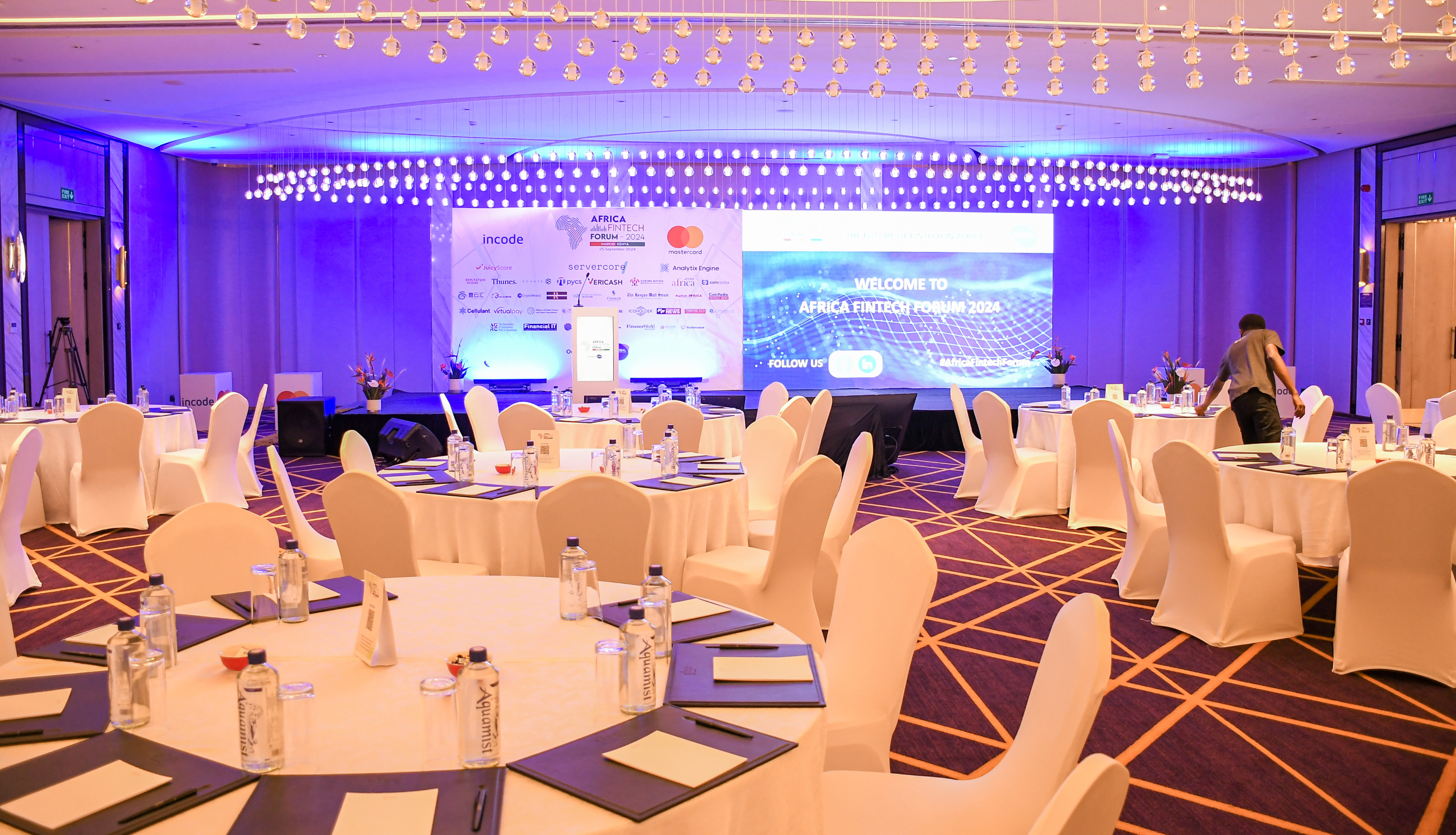
Choosing between a convention and a summit depends on your objectives, professional role, and the type of engagement you are seeking. Both event types offer unique advantages, but aligning your goals with the event format ensures the maximum return on investment of your time, resources, and effort.
6.1 Define Your Goal
Your primary purpose for attending should guide the decision:
- Networking, Learning, and Exposure → Conventions
Conventions provide access to a broad audience, diverse topics, and multiple activities. If your focus is discovering new trends, meeting a wide variety of professionals, or exploring industry innovations, conventions offer unmatched opportunities. - Strategy, Decision-Making, and Influence → Summits
Summits are designed for depth and impact. If your aim is to engage in high-level discussions, influence policy or organizational strategy, or gain exclusive insights from top experts, summits are the ideal choice.
Clarifying whether your goal is breadth or depth will immediately narrow the right event type.
6.2 Consider Your Role
Your position within the industry or organization also informs the choice:
- Practitioner, Exhibitor, or Enthusiast → Conventions
Conventions cater to participants seeking to learn, showcase products, or connect with peers across multiple sectors. The variety of sessions allows for flexible participation depending on interest and expertise level. - Leader or Decision Maker → Summits
Summits are tailored for executives, policymakers, and thought leaders who can influence outcomes, make decisions, or drive strategic initiatives. Smaller, focused groups encourage meaningful discussions and actionable insights.
Matching your role to the event ensures you engage with content and participants that are most relevant to your responsibilities.
6.3 Evaluate the Program Format
The structure and format of the event can also guide your choice:
- Multiple Tracks with Vendors → Conventions
Conventions feature concurrent sessions, exhibitions, and interactive workshops. This format is ideal for exploring various topics, engaging with different companies, and discovering innovations in one place. - Focused Plenaries and Panels → Summits
Summits have concentrated agendas with keynote sessions, roundtables, and high-level panels. This format emphasizes strategic discussion, expert insight, and actionable outcomes for targeted audiences.
Understanding the program layout helps you anticipate the type of engagement, interaction, and learning experience you will gain.
Selecting the right event hinges on clarity of purpose, participant role, and event format. Conventions excel in broad exposure, networking, and learning, while summits deliver strategic engagement, decision-making opportunities, and in-depth expert insights. Aligning these factors with your objectives ensures that every event attended contributes meaningfully to professional growth and organizational impact.
7. FAQs About Conventions and Summits
Understanding the differences between conventions and summits can be challenging, especially for first-time attendees or organizations planning participation. These FAQs clarify common questions and help guide decisions.
7.1 Can one event be both a convention and a summit?
Yes, some events blend elements of both formats. For example, a large industry convention may include a high-level executive summit track within the broader event. In such cases:
- Convention elements – Exhibitions, workshops, and open sessions for a wide audience.
- Summit elements – Closed-door panels, executive roundtables, and strategic discussions for targeted leaders.
Hybrid events combine broad exposure with focused strategic engagement, offering participants both networking breadth and decision-making depth.
7.2 Are summits always invite-only?
Not necessarily. While many summits target select industry leaders or decision makers and may require invitations or applications, some are open to registration for qualifying professionals.
- Invite-only summits – Ensure a curated, high-level audience for confidential discussions.
- Open registration summits – Allow broader participation while still maintaining focused content.
Checking entry requirements ahead of time is essential to understand access, exclusivity, and audience composition.
7.3 Which event is more networking-focused?
- Conventions – Typically offer broader networking opportunities due to larger and more diverse audiences. Exhibitions, workshops, and social events facilitate informal and professional connections.
- Summits – Focused on strategic dialogue and high-impact discussions; networking occurs but is more targeted with peers and decision makers in similar roles.
Choose conventions for volume and variety of contacts, and summits for depth and influence in strategic relationships.
7.4 Do conventions cost more than summits?
Costs vary based on scale, location, duration, and services offered:
- Conventions – Larger audience sizes, exhibition spaces, and multiple sessions can make registration and participation more expensive overall.
- Summits – Smaller, curated groups may have higher per-person costs, but fewer ancillary fees like exhibition booths.
Budgeting should consider event type, purpose, and expected ROI rather than only headline costs.
7.5 Can small organizations benefit from summits?
Absolutely. Summits provide high-value engagement opportunities for small organizations by:
- Connecting directly with decision makers or industry leaders.
- Gaining strategic insights and best practices from top experts.
- Influencing partnerships, policy, or business strategy without competing in large-scale exhibitions.
While conventions provide exposure, summits can deliver targeted, impactful opportunities even for smaller entities.
Conventions and summits serve distinct purposes but may complement each other. Understanding attendee profiles, event format, cost structure, and networking potential ensures participants make informed choices and maximize value from each event attended.