Data and Analytics Improves Corporate Events
Data and Analytics Improves Corporate Events: How Peak Audio Elevates Every Experience
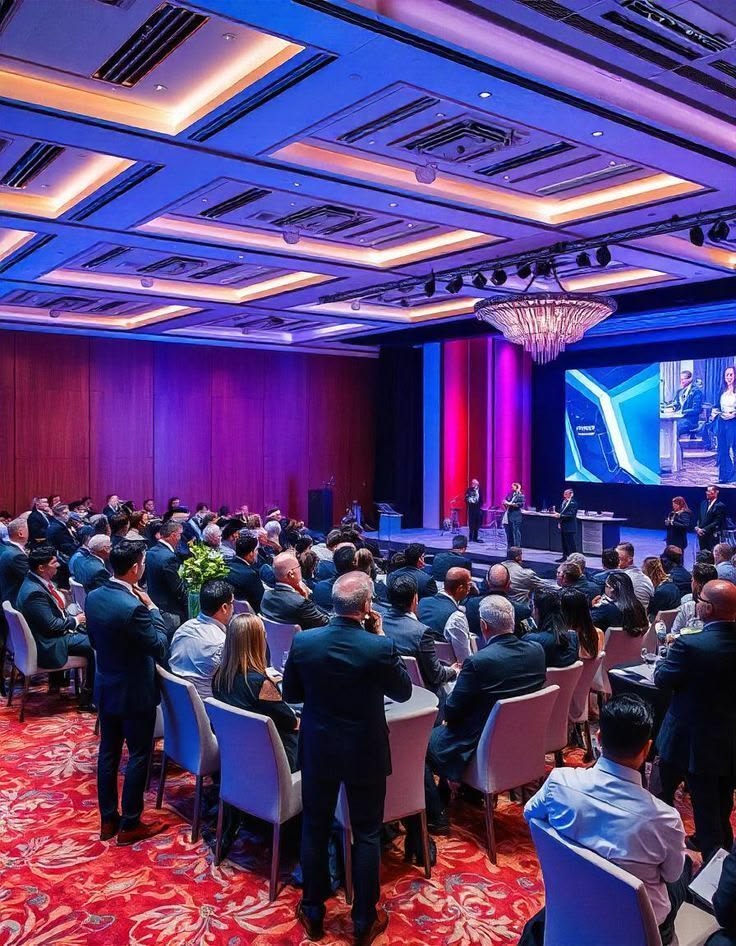
In today’s fast-paced corporate world, data and analytics are no longer optional—they are essential tools that redefine event planning and execution. By analyzing attendee behavior, engagement trends, and overall event performance, organizations can gain actionable insights that inform every decision, from session timing to content delivery. In Kenya’s competitive corporate events landscape, leveraging these insights allows companies to craft experiences that are not only seamless but also deeply engaging, ensuring every guest feels valued and connected.
Peak Audio harnesses the power of analytics to optimize audio-visual solutions for corporate events. By integrating advanced data tracking and performance metrics into AV setups, Peak Audio enables event organizers to monitor real-time engagement, identify audience preferences, and adjust presentations on the fly. This approach ensures that every aspect of the event—from sound clarity to visual impact—is tailored to maximize attendee satisfaction and create memorable experiences.
Beyond execution, data-driven strategies empower companies to evaluate event success with precision. Post-event analytics offer a clear view of ROI, attendee feedback, and engagement patterns, providing a roadmap for continuous improvement. Peak Audio’s expertise in analytics-integrated AV solutions ensures that corporate events in Kenya are not just events—they are strategic, immersive experiences that leave a lasting impression, reinforcing brand presence and fostering meaningful connections.
1. Understanding the Role of Data in Corporate Events
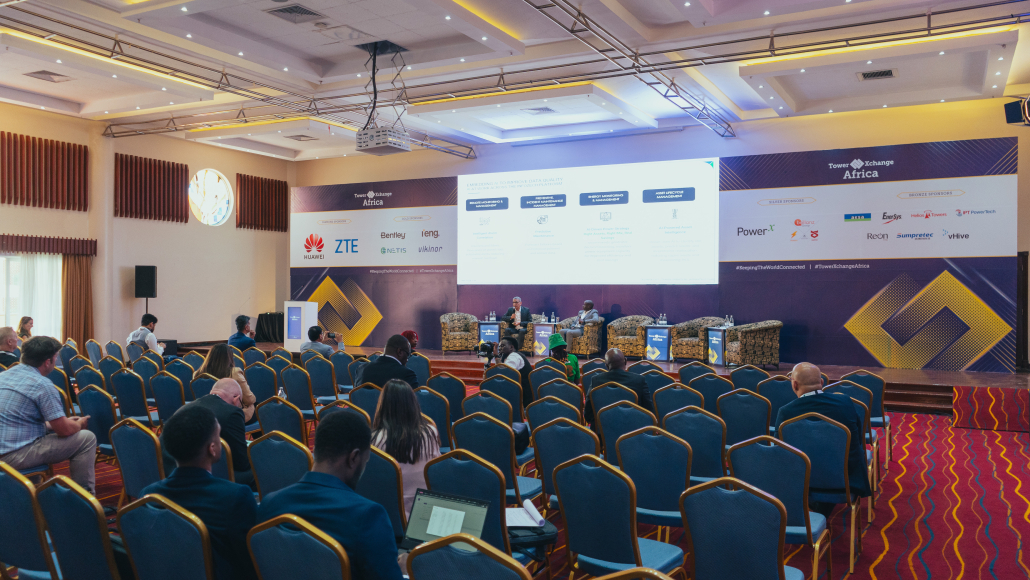
Data has become one of the most valuable assets in modern corporate event management. Beyond logistics and execution, measurable insights help organizations design smarter experiences, allocate resources effectively, and continuously improve outcomes. When data is intentionally captured and analyzed, events evolve from one-time gatherings into strategic business tools that inform future planning.
1.1 How event data informs strategic planning and decision-making
Every corporate event generates signals about audience behavior, preferences, and operational effectiveness. When interpreted correctly, these signals guide smarter decisions.
Strategic advantages of event data include
-
Identifying which sessions or activities attract the most interest
-
Understanding peak engagement moments
-
Evaluating budget allocation effectiveness
-
Measuring return on objectives (ROO) and investment (ROI)
-
Informing future scheduling and format choices
Data transforms planning from guesswork into an evidence-based strategy.
1.2 The importance of capturing accurate attendance, engagement, and satisfaction metrics
Reliable metrics are the foundation of meaningful analysis. Without accurate data, even sophisticated tools produce misleading conclusions.
Core metrics organizations should track
-
Registration vs. actual attendance
-
Session participation levels
-
Interaction rates during activities
-
Feedback and satisfaction scores
-
Drop-off or disengagement patterns
Precise measurement reveals what truly resonates with attendees and what needs refinement.
1.3 Leveraging data to personalize attendee experiences and improve content relevance
Modern attendees expect experiences tailored to their interests. Data enables planners to move from generic programming to targeted engagement.
Personalization opportunities include
-
Customized session recommendations
-
Targeted communications before and after the event
-
Content adjustments based on audience behavior
-
Segmented networking opportunities
-
Adaptive scheduling based on participation trends
Personalized experiences increase satisfaction, retention, and perceived value.
1.4 Common pitfalls of neglecting data analysis in corporate event management
Ignoring data limits growth and obscures opportunities for improvement. Many organizations collect information but fail to translate it into action.
Risks of poor data utilization
-
Repeating ineffective event formats
-
Misaligned budgeting decisions
-
Missed engagement opportunities
-
Inaccurate performance evaluation
-
Reduced stakeholder confidence
Avoiding these pitfalls requires consistent data review and intentional integration into planning cycles.
Data-driven event management empowers organizations to plan with clarity, measure impact accurately, and continuously enhance attendee experiences. By capturing reliable metrics, applying strategic analysis, and using insights to guide personalization and improvement, corporate events become smarter, more effective, and more aligned with business objectives.
2. Data-Driven Event Planning
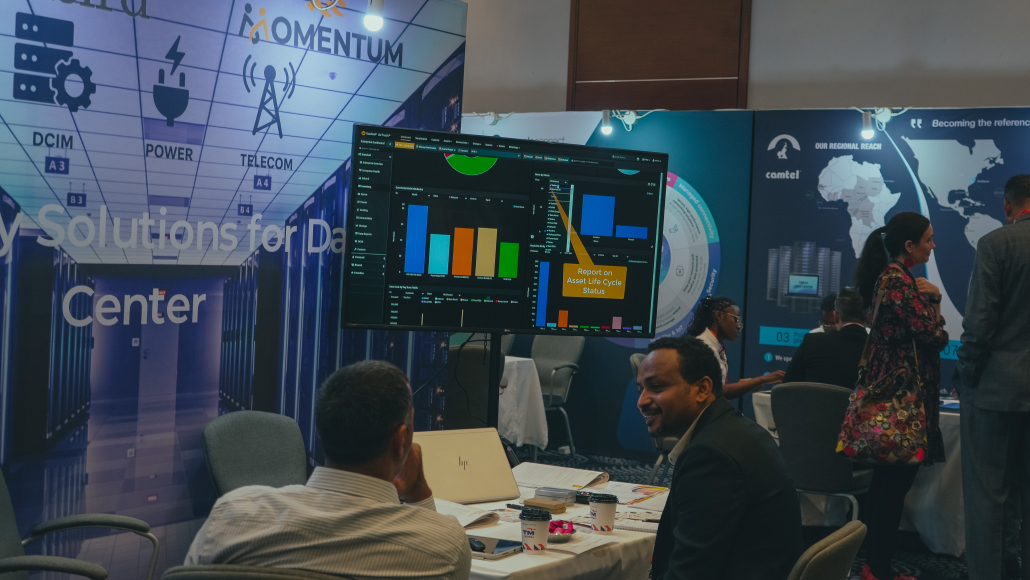
Data-driven planning allows corporate events to evolve from intuition-based decisions into measurable, repeatable success strategies. By analyzing past performance, attendee behavior, and operational metrics, organizers can forecast needs, refine formats, and allocate resources with greater precision. The result is a more efficient planning process and an event experience that aligns closely with audience expectations and business goals.
2.1 Using historical data to forecast attendance and resource requirements
Past event data is one of the strongest predictors of future needs. Attendance patterns, engagement levels, and logistical demands reveal how to scale effectively.
Forecasting insights can help planners
-
Estimate realistic attendance ranges
-
Determine seating, catering, and staffing requirements
-
Predict peak participation periods
-
Plan venue capacity more accurately
-
Allocate AV and technical resources efficiently
When forecasts are grounded in data, planners reduce waste while preventing under-preparation.
2.2 Identifying optimal event formats, sessions, and speakers through analytics
Analytics reveal which event elements consistently perform well. Understanding what audiences respond to allows planners to design more engaging programs.
Analytics-driven program decisions include
-
Selecting formats with the highest engagement rates
-
Prioritizing session lengths that retain attention
-
Identifying speaker styles that resonate
-
Refining agenda pacing for better flow
-
Highlighting high-value content themes
This evidence-based approach ensures programming aligns with attendee interests rather than assumptions.
2.3 Budget optimization based on data insights from previous events
Financial efficiency improves when spending decisions are informed by measurable outcomes. Data shows where investments generate the greatest value.
Budget optimization strategies include
-
Redirecting funds toward high-impact elements
-
Reducing overspending on low-engagement areas
-
Comparing cost-to-engagement ratios
-
Evaluating vendor performance over time
-
Planning scalable budgets for different event sizes
Smart budgeting protects resources while maintaining experience quality.
2.4 How Peak Audio utilizes data to customize AV setups, lighting, and sound for maximum impact
Technical production benefits significantly from data-driven refinement. By studying venue performance, audience response, and equipment usage trends, AV execution becomes more precise and adaptable.
Data-informed AV customization includes
-
Optimizing speaker placement based on audience distribution
-
Adjusting lighting design for visibility and atmosphere
-
Tailoring sound levels for clarity and comfort
-
Anticipating technical load requirements
-
Refining staging layouts for engagement flow
This analytical approach ensures that AV design enhances both functionality and experience, delivering consistent quality across diverse event environments.
Data-driven event planning transforms corporate gatherings into strategically engineered experiences. Historical insights guide forecasting, analytics refine programming, and financial data optimizes budgets. When applied to technical production, data enables highly customized AV environments that elevate engagement and efficiency. Organizations that plan with data gain predictability, clarity, and measurable improvement with every event cycle.
3. Enhancing Attendee Engagement through Analytics
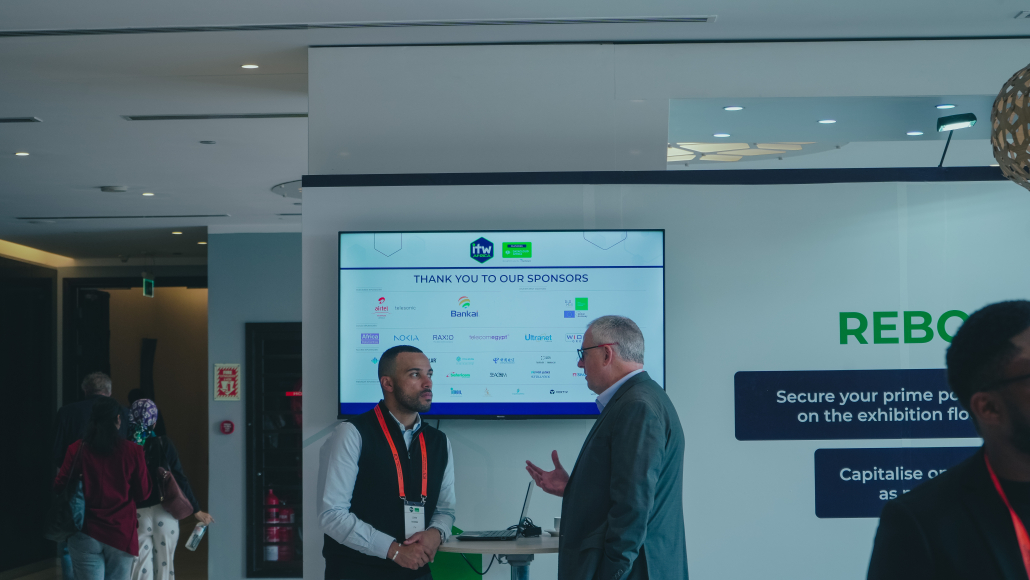
Analytics turns attendee engagement from guesswork into measurable insight. By observing behavior patterns, preferences, and interaction data, organizers can design experiences that feel responsive, relevant, and highly personalized. Engagement analytics not only reveal what captures attention — they guide real-time decisions that keep energy high and participation meaningful throughout the event.
3.1 Tracking attendee behavior during events to gauge interest and participation
Behavioral tracking helps planners understand how attendees move, interact, and respond to programming. These insights reveal engagement hotspots and areas needing improvement.
Behavior tracking can measure
-
Session attendance and dwell time
-
Participation in interactive segments
-
Movement between event zones
-
Engagement with digital content
-
Response rates to polls or activities
When analyzed properly, behavioral data highlights what truly resonates with participants.
3.2 Personalized recommendations for sessions, networking, and activities based on attendee preferences
Personalization strengthens relevance. By leveraging preference data, organizers can guide attendees toward experiences aligned with their interests.
Personalized engagement strategies include
-
Session suggestions based on prior choices
-
Targeted networking matches
-
Customized agendas
-
Relevant activity alerts
-
Tailored content reminders
This approach reduces decision fatigue while increasing perceived value.
3.3 Real-time engagement analytics to adjust event flow and content delivery
Live analytics allow organizers to respond dynamically rather than waiting for post-event feedback.
Real-time insights support
-
Adjusting session timing based on participation levels
-
Increasing interaction when engagement dips
-
Redirecting crowd flow for comfort
-
Enhancing audio-visual pacing
-
Responding instantly to attendee feedback
Adaptive management keeps the event experience energetic and attendee-focused.
3.4 Using data to improve interactions, networking, and overall attendee satisfaction
Engagement analytics reveal how people connect and what conditions encourage meaningful interaction.
Data-driven improvements include
-
Optimizing networking layouts
-
Identifying ideal interaction formats
-
Refining facilitation techniques
-
Enhancing communication touchpoints
-
Measuring satisfaction trends
Professional AV environments — such as those delivered by Peak Audio — amplify these improvements by ensuring sound, visuals, and staging support seamless interaction.
Analytics-driven engagement transforms corporate events into responsive, attendee-centered experiences. Behavioral tracking informs design, personalization increases relevance, and real-time insights enable adaptive management. When supported by strong technical execution, data-driven strategies elevate participation, networking quality, and overall satisfaction — creating events that feel intentional, immersive, and memorable.
4. Optimizing Audio-Visual (AV) Experiences with Analytics

Modern AV production is no longer driven by intuition alone — analytics introduces measurable precision into how sound, lighting, and visuals are designed and delivered. By collecting performance data and audience feedback, organizers can continuously refine technical setups to improve clarity, immersion, and reliability. Analytics-supported AV ensures every speech is intelligible, every visual is impactful, and every transition feels intentional.
4.1 Collecting feedback on audio, visuals, and stage setups to enhance performance
Audience perception is one of the most valuable indicators of AV success. Structured feedback highlights what worked well and what requires adjustment.
Feedback-driven improvements include
-
Evaluating sound clarity across seating zones
-
Assessing screen visibility and brightness
-
Measuring lighting comfort and ambiance
-
Identifying stage layout effectiveness
-
Understanding audience immersion levels
Consistent feedback loops allow planners to fine-tune technical delivery for future segments or events.
4.2 AI-driven or analytics-assisted calibration for sound, lighting, and visuals
Analytics and intelligent calibration tools help AV teams optimize systems with precision. Rather than relying solely on manual adjustments, data-informed calibration aligns equipment performance with venue acoustics and event goals.
Calibration advantages include
-
Automated sound balancing across frequencies
-
Lighting intensity adjustments based on room dynamics
-
Visual optimization for screen clarity
-
Predictive tuning for changing audience density
-
Consistent performance across program segments
This approach reduces trial-and-error while increasing technical accuracy.
4.3 Real-time monitoring of AV systems to prevent disruptions
Live monitoring transforms AV management into a proactive discipline. Instead of reacting to issues, technicians can anticipate and resolve risks before guests notice.
Real-time analytics enable
-
Continuous system health tracking
-
Early detection of signal drops or overloads
-
Power usage monitoring
-
Environmental response adjustments
-
Immediate troubleshooting alerts
Preventive oversight protects event flow and maintains professional polish.
4.4 How Peak Audio leverages analytics to ensure a seamless, immersive event experience
Professional AV providers integrate analytics into planning, setup, and live execution to maintain consistent performance standards. Peak Audio uses measurement-driven workflows to design systems that align with venue acoustics, audience size, and program structure.
Analytics-supported delivery includes
-
Data-informed equipment configuration
-
Precision tuning during rehearsals
-
Live performance monitoring
-
Adaptive lighting and sound adjustments
-
Post-event evaluation for continuous improvement
This structured methodology ensures immersive experiences that feel smooth, intentional, and technically refined.
Analytics elevates AV production from a reactive setup to precision-driven execution. Feedback collection refines performance, intelligent calibration enhances clarity, and real-time monitoring protects reliability. When implemented by experienced professionals, analytics-backed AV systems create environments that are immersive, dependable, and aligned with event objectives — ensuring guests experience every moment as intended.
5. Measuring Event Success with Data and Analytics
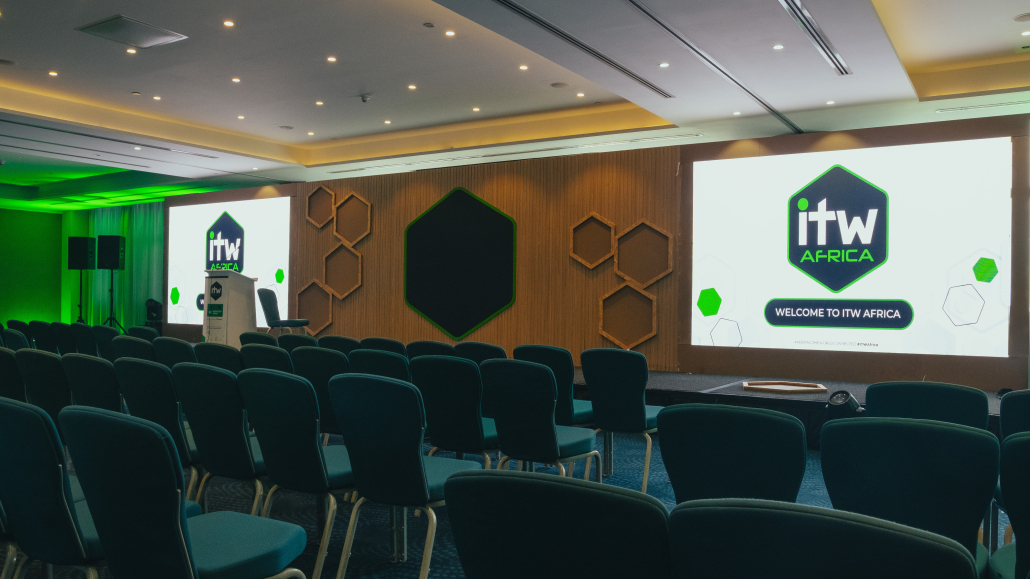
Measuring event success goes beyond attendance numbers — it requires structured data collection and thoughtful analysis. When organizations evaluate performance using analytics, they gain clear visibility into guest experience, engagement quality, and operational effectiveness. Data-driven evaluation transforms events from one-time activities into learning opportunities that strengthen future planning, budgeting, and execution.
5.1 Capturing post-event feedback through surveys, polls, and social media analytics
Post-event feedback reveals how attendees perceived the experience. Multiple data channels create a fuller picture of satisfaction, engagement, and improvement opportunities.
Effective feedback collection methods include
-
Digital post-event surveys measuring satisfaction and clarity
-
Live polls assessing session value
-
Social media engagement tracking
-
QR-based instant feedback stations
-
Facilitated discussion summaries
Combining quantitative ratings with qualitative comments provides actionable insights.
5.2 Evaluating ROI, engagement levels, and content effectiveness
Analytics helps organizations understand whether event objectives were achieved — financially, strategically, and experientially.
Key evaluation metrics include
-
Attendance versus registration ratios
-
Session participation and dwell time
-
Audience interaction levels
-
Sponsor visibility and brand recall
-
Cost-to-impact comparisons
These measurements clarify which elements delivered measurable value.
5.3 Using analytics to inform future events and improve planning accuracy
Event data becomes a blueprint for smarter decision-making. Patterns identified across multiple events help planners refine formats, timing, and technical delivery.
Planning improvements driven by analytics include
-
Optimized scheduling based on attendance trends
-
Better venue and capacity forecasting
-
Enhanced content programming
-
Refined AV requirements
-
Targeted marketing strategies
Learning from past performance reduces guesswork and improves consistency.
5.4 Reporting insights to stakeholders for transparency and continuous improvement
Clear reporting strengthens stakeholder trust and aligns teams around shared goals. Structured analytics reporting turns raw data into meaningful narratives.
Effective reporting practices include
-
Visual dashboards summarizing performance indicators
-
Comparative year-over-year metrics
-
Engagement heatmaps and participation charts
-
Budget-versus-impact analysis
-
Improvement recommendations
Professional event partners like Peak Audio support analytics-driven reporting by providing technical performance insights that complement attendee data — ensuring stakeholders see both experiential and operational outcomes.
Data and analytics provide the foundation for measuring real event impact. Feedback collection reveals guest experience, ROI analysis validates objectives, and performance insights guide smarter planning. When results are clearly reported and applied, organizations create a cycle of continuous improvement — transforming every event into a stepping stone toward stronger engagement, efficiency, and strategic success.
Leave a Reply
Want to join the discussion?Feel free to contribute!