Corporate Roadshows in Kenya
Corporate Roadshows in Kenya: Driving Brand Impact with Peak Audio’s Professional Event Solutions
Corporate Roadshows in Kenya
Corporate roadshows in Kenya have become one of the most effective ways for brands to cut through the noise and connect directly with their target audiences. By taking products, services, and messages to the streets, malls, campuses, and town centers, companies create memorable face-to-face experiences that build trust and boost brand recall. Whether it’s a product launch, brand activation, promotional tour, or public awareness campaign, roadshows allow businesses to meet customers where they are and engage them in a lively, interactive environment.
Planning a successful corporate roadshow in Kenya requires more than just a branded vehicle and promoters. It involves strategic route planning, audience targeting, reliable sound and visual systems, clear messaging, and seamless coordination across multiple locations. High-quality audio ensures your message is heard clearly even in busy outdoor environments, while professional lighting, staging, and displays elevate your brand image and attract crowds. Every detail—from setup to teardown—plays a role in how your brand is perceived.
This is where Peak Audio comes in as a trusted partner for corporate roadshows in Kenya. With extensive experience in professional audio-visual solutions and event production, Peak Audio provides powerful sound systems, LED screens, staging, lighting, and technical support tailored for roadshows of any scale. By combining technical excellence with on-the-ground expertise, Peak Audio helps brands deliver impactful, well-organized roadshows that capture attention, engage audiences, and leave a lasting impression long after the convoy moves on.
1. Understanding Corporate Roadshows
Corporate Roadshows in Kenya
Corporate roadshows are dynamic, multi-location events designed to bring a company’s message, product, or campaign directly to target audiences. Unlike single-venue corporate events, roadshows require mobility, adaptability, and consistent brand delivery across different environments. When planned professionally, roadshows become powerful tools for engagement, awareness, and relationship-building.
1.1 What Corporate Roadshows Are and Why Businesses Use Them
A corporate roadshow is a structured series of branded activations or presentations conducted across multiple locations within a defined timeframe.
Core purposes include:
-
Launching new products or services
-
Expanding brand visibility in new markets
-
Direct customer engagement
-
Investor or stakeholder presentations
-
Market education and demonstrations
Roadshows allow organizations to meet audiences where they are, creating personalized brand experiences.
1.2 The Role of Roadshows in Increasing Brand Awareness and Reach
Roadshows extend a company’s presence beyond headquarters or major cities, helping brands connect with broader audiences.
Key awareness benefits include:
-
Repeated brand exposure across regions
-
Localized audience engagement
-
Stronger community presence
-
Interactive product experiences
-
Word-of-mouth amplification
Consistent messaging across locations strengthens brand recognition and trust.
1.3 Differences Between Corporate Roadshows and Traditional Events
While traditional events occur in a single venue, roadshows involve coordinated execution across multiple sites.
Major distinctions include:
-
Mobile equipment and staging requirements
-
Flexible venue adaptation
-
Compressed setup and teardown timelines
-
Regional audience variations
-
Logistics-heavy scheduling
Roadshows demand operational agility and standardized execution.
1.4 Why Professional Planning Is Essential for Multi-Location Events
Roadshows multiply logistical and technical complexity, making expert coordination critical.
Professional planning ensures:
-
Consistent brand presentation at every location
-
Efficient equipment transport and setup
-
Compliance with venue and safety standards
-
Reliable AV performance
-
Structured scheduling and contingency planning
Without strong planning, delays and inconsistencies can undermine campaign impact.
Corporate roadshows are strategic, mobile events that bring brands directly to diverse audiences. Their success depends on consistent messaging, logistical precision, and professional execution across locations. With proper planning and technical support, roadshows become effective platforms for brand visibility, engagement, and growth.
2. Defining Roadshow Objectives and Strategy
Corporate Roadshows in Kenya
A successful corporate roadshow begins with a clear strategic foundation. Objectives guide every decision — from location selection to messaging, staffing, and technical setup. When goals are well defined, roadshows become focused campaigns that deliver measurable outcomes instead of scattered promotional efforts.
2.1 Identifying Your Target Audience and Key Locations
Understanding who you want to reach determines where and how the roadshow should operate.
Key planning considerations include:
-
Audience demographics and buying behavior
-
Regional market opportunities
-
Accessibility and foot traffic potential
-
Alignment with campaign priorities
-
Local partnerships or venue suitability
Strategic location choices maximize visibility and engagement.
2.2 Setting Clear Goals — Sales, Awareness, or Education
Roadshows should be outcome-driven, with goals shaping the experience design.
Common objectives include:
-
Driving immediate sales or sign-ups
-
Building brand recognition
-
Educating audiences about products or services
-
Strengthening stakeholder relationships
-
Generating leads or market feedback
Clear goals enable performance tracking and resource prioritization.
2.3 Aligning Messaging with Brand Identity and Campaign Goals
Consistency across locations reinforces credibility and brand trust.
Messaging alignment involves:
-
Unified brand visuals and tone
-
Clear value propositions
-
Adaptation to local audience context
-
Consistent storytelling
-
Integration with broader marketing campaigns
Strong alignment ensures audiences receive a coherent brand message everywhere.
2.4 How Strategy Influences Logistics, Staffing, and AV Needs
Strategic clarity directly informs operational planning.
Strategic impact areas include:
-
Equipment scale and mobility requirements
-
Staffing levels and skill specialization
-
Scheduling and transport logistics
-
Audience interaction tools and AV setup
-
Contingency planning
Well-defined strategy prevents overspending and operational inefficiencies.
Defining objectives and strategy transforms a corporate roadshow into a purposeful campaign. Clear audience targeting, measurable goals, consistent messaging, and strategy-driven logistics ensure each location contributes to overall success. With a strong framework in place, roadshows deliver focused engagement and tangible business value.
3. Choosing the Right Locations Across Kenya
Corporate Roadshows in Kenya
Location selection is one of the most influential decisions in a corporate roadshow. The right venues determine audience reach, engagement quality, logistical efficiency, and overall campaign impact. Because roadshows operate across diverse environments, careful evaluation ensures each stop supports your objectives while minimizing operational risks.
3.1 High-Impact Locations — Malls, Town Centers, Campuses, and Markets
Different venue types attract different audience profiles and engagement opportunities.
High-impact location considerations include:
-
Shopping malls with steady foot traffic
-
Busy town centers with strong community presence
-
University and college campuses with youthful audiences
-
Public markets with high daily circulation
-
Event grounds suited for branded activations
Selecting environments aligned with your target audience increases visibility and participation.
3.2 Urban vs Rural Roadshows: Planning for Different Environments
Urban and rural settings present unique logistical and engagement dynamics.
Urban planning factors include:
-
Crowd density and movement control
-
Space limitations
-
Noise regulations
-
Structured venue management
Rural planning factors include:
-
Infrastructure availability
-
Transport logistics
-
Community engagement approaches
-
Equipment adaptability
Tailored planning ensures consistency despite environmental differences.
3.3 Securing Permits and Approvals from Local Authorities
Roadshows often require formal permissions to operate legally and safely.
Approval considerations include:
-
County or municipal permits
-
Venue management authorization
-
Public safety compliance
-
Noise and operational regulations
-
Insurance or liability requirements
Early coordination prevents delays and legal complications.
3.4 Assessing Accessibility, Crowd Flow, and Power Availability
Operational success depends on practical site conditions.
Key assessment factors include:
-
Ease of public access and visibility
-
Safe entry and exit points
-
Crowd circulation patterns
-
Reliable electrical supply
-
Space for staging and equipment
Site evaluations reduce setup challenges and improve attendee experience.
Choosing the right roadshow locations across Kenya requires balancing audience reach with operational feasibility. High-traffic venues, environment-specific planning, regulatory approvals, and site readiness all contribute to smooth execution. Strategic location selection ensures each roadshow stop maximizes engagement while maintaining safety and efficiency.
4. Designing an Engaging Roadshow Experience
Corporate Roadshows in Kenya
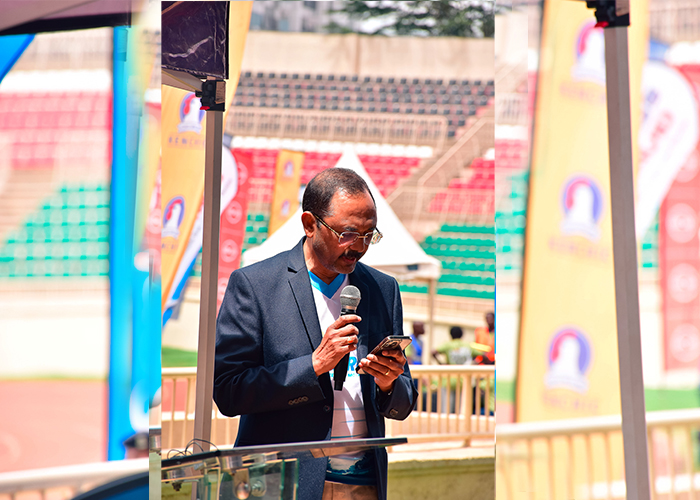
A corporate roadshow succeeds when it captures attention quickly and keeps audiences engaged long enough to communicate key messages. Because roadshows compete with busy public environments, the experience must be visually striking, interactive, and easy to understand. Thoughtful design ensures every stop feels organized, energetic, and aligned with brand goals.
4.1 Stage and Setup Options for Mobile Events
Mobile staging must balance portability with visual impact and functionality.
Common setup considerations include:
-
Compact modular stages for fast assembly
-
Branded backdrops and presentation areas
-
Weather-adaptable structures for outdoor environments
-
Flexible layouts to suit varying venue sizes
-
Safe equipment placement and cable management
Efficient staging allows quick transitions while maintaining professional presentation standards.
4.2 Branding Through Banners, LED Screens, and Décor
Strong visual branding reinforces recognition and message clarity.
Branding elements typically include:
-
Eye-catching banners and signage
-
LED displays for dynamic visuals
-
Branded tents or activation booths
-
Color schemes aligned with corporate identity
-
Decorative elements that enhance visibility
Consistent branding across locations builds familiarity and trust.
4.3 Interactive Activities, Demonstrations, and Audience Participation
Engagement increases when audiences become active participants rather than passive observers.
Interactive features may include:
-
Product demonstrations
-
Live presentations and Q&A sessions
-
Games or competitions
-
Hands-on trials
-
Audience polls or feedback opportunities
Participation encourages deeper connection and message retention.
4.4 Creating Memorable Experiences That Attract and Retain Attention
Roadshows must stand out in crowded environments to leave a lasting impression.
Experience-enhancing strategies include:
-
High-energy hosts or presenters
-
Clear storytelling around the brand message
-
Music and sound design that draw attention
-
Visual movement through lighting or screens
-
Smooth event pacing
Memorable experiences increase recall and positive brand association.
Designing an engaging roadshow experience requires a balance of mobility, branding, and interactivity. Professional staging, strong visuals, audience participation, and memorable presentation techniques transform roadshow stops into impactful brand moments. When thoughtfully designed, each activation captures attention and reinforces key messages effectively.
5. The Role of Audio Visual (AV) in Corporate Roadshows
Corporate Roadshows in Kenya
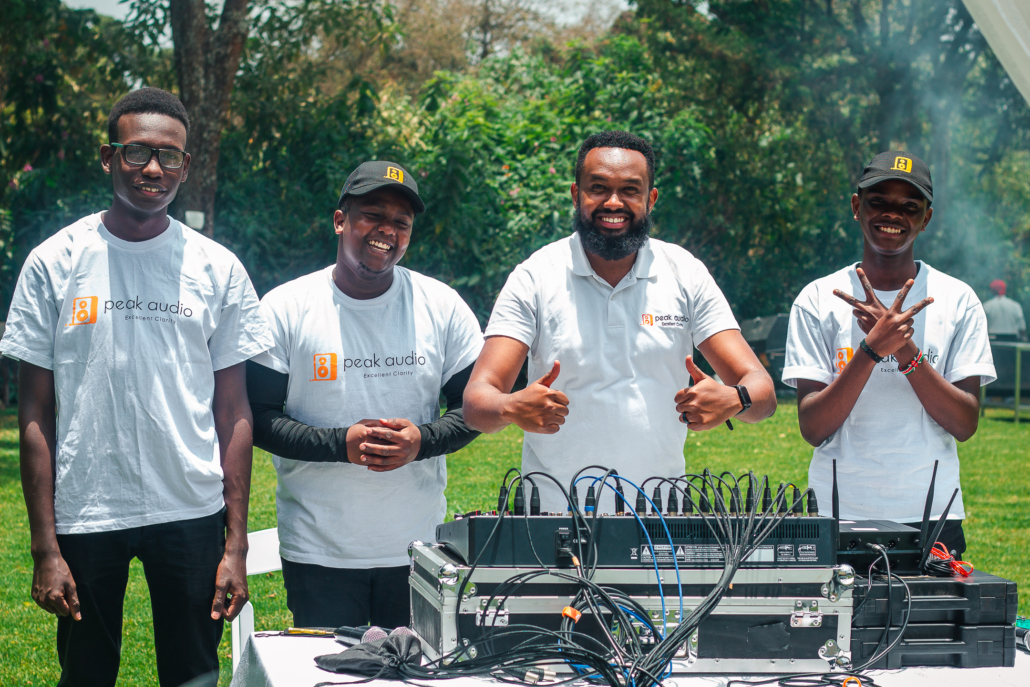
Audiovisual systems are the backbone of an effective corporate roadshow. Unlike controlled indoor venues, roadshows operate in open, unpredictable environments where noise, weather, and crowd dynamics can interfere with communication. Professional AV ensures messages remain clear, visuals stay impactful, and the experience feels polished at every location.
5.1 Why Clear Sound Is Critical in Outdoor and Noisy Environments
Roadshows often compete with environmental noise — traffic, crowds, and ambient activity.
Clear sound is essential because it:
-
Ensures announcements are heard above background noise
-
Maintains audience focus
-
Supports the presenter’s confidence
-
Reduces listener fatigue
-
Projects professionalism
Strong sound reinforcement keeps messaging effective regardless of surroundings.
5.2 Portable Sound Systems and Microphones for Mobility
Roadshow AV must be powerful yet easy to transport and deploy.
Mobile audio priorities include:
-
Compact speaker systems with wide coverage
-
Wireless microphones for presenter movement
-
Quick setup and teardown capability
-
Battery or generator compatibility
-
Durable transport-friendly equipment
Mobility ensures consistent performance across multiple stops.
5.3 Visual Tools — LED Screens and Digital Displays for Messaging
Visual reinforcement enhances message clarity and audience attraction.
Visual AV tools commonly include:
-
LED screens for bright outdoor visibility
-
Digital signage for promotions and schedules
-
Branded video loops
-
Presentation playback systems
-
Interactive display elements
Dynamic visuals draw attention and support storytelling.
5.4 How Peak Audio Delivers Durable, Roadshow-Ready AV Solutions
Roadshows demand equipment and teams built for mobility and reliability.
Peak Audio’s roadshow approach includes:
-
Rugged, transport-ready AV systems
-
Custom setups tailored to each location
-
Rapid deployment workflows
-
On-site technical support
-
Integration with staging and branding
This ensures consistent performance across the entire campaign.
AV systems are central to delivering clear communication and engaging visuals during corporate roadshows. Portable sound, bright displays, and durable equipment allow roadshows to succeed in challenging environments. With professional AV planning and execution, each stop maintains high production standards and audience impact.
6. Logistics, Power, and Technical Considerations
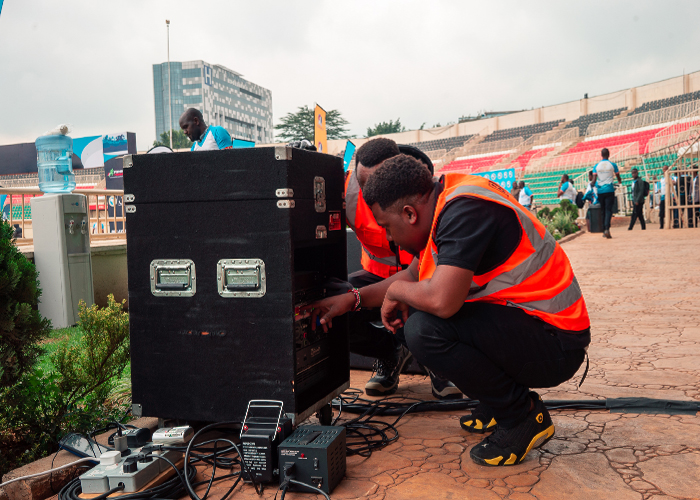
Corporate roadshows are operationally intensive because they move equipment, teams, and branding assets across multiple locations. Smooth execution depends on disciplined logistics planning, reliable power management, and proactive technical oversight. When these elements are well coordinated, each stop runs efficiently and safely, preserving both brand reputation and audience experience.
6.1 Managing Transportation and Setup Across Multiple Locations
Roadshow logistics must prioritize speed, organization, and consistency.
Key logistics practices include:
-
Structured packing and inventory tracking
-
Transport schedules aligned with event timelines
-
Modular equipment for quick assembly
-
Clear setup and teardown workflows
-
Coordination between logistics and technical teams
Efficient movement reduces delays and protects equipment integrity.
6.2 Power Solutions — Generators, Backup Systems, and Safety
Reliable power is essential for uninterrupted AV and activation activities.
Power planning considerations include:
-
Properly sized generators for equipment load
-
Backup power redundancy
-
Safe cable routing and grounding
-
Fuel planning and monitoring
-
Compliance with electrical safety standards
Strong power planning prevents downtime and safety risks.
6.3 Weather Considerations and Equipment Protection
Outdoor roadshows must anticipate environmental exposure.
Protection strategies include:
-
Weather-resistant staging and coverings
-
Protective cases for AV equipment
-
Wind stabilization for structures
-
Heat and moisture management
-
Contingency plans for sudden weather changes
Preparedness safeguards both equipment and attendees.
6.4 On-Site Technical Support for Smooth Daily Operations
Live roadshows require active monitoring and rapid response capabilities.
Technical support responsibilities include:
-
System testing before each activation
-
Real-time troubleshooting
-
Equipment calibration
-
Coordination with presenters and crew
-
Immediate issue resolution
Professional oversight ensures consistent performance throughout the campaign.
Roadshow success depends heavily on logistics discipline, dependable power systems, environmental preparedness, and on-site technical expertise. Coordinated planning keeps equipment moving efficiently, protects against interruptions, and maintains professional standards at every location. With strong operational foundations, corporate roadshows run smoothly and deliver consistent audience impact.
7. Measuring Success and Brand Impact
Corporate Roadshows in Kenya
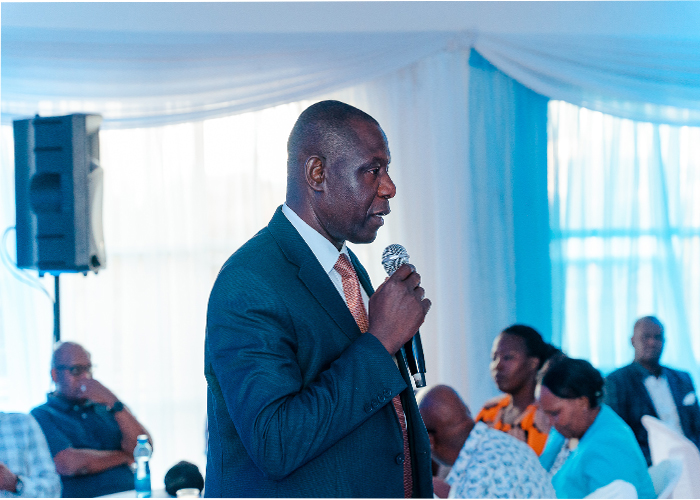
A corporate roadshow should not end when the equipment is packed up. Measuring success is essential to understand what worked, what needs improvement, and how effectively the campaign achieved its objectives. Structured evaluation turns roadshow activities into actionable insights that guide future marketing and operational decisions.
7.1 Tracking Audience Engagement and Turnout
Attendance alone does not fully define success — engagement quality matters just as much.
Key engagement indicators include:
-
Estimated audience size at each location
-
Participation in demonstrations or activities
-
Duration of audience interaction
-
Crowd response and attention levels
-
Repeat engagement throughout the activation
Tracking these metrics reveals how well the roadshow captured and maintained interest.
7.2 Collecting Feedback and Leads During Roadshows
Roadshows provide valuable opportunities for direct audience input.
Effective collection methods include:
-
On-site surveys or digital forms
-
QR code sign-ups
-
Product trial feedback
-
Contact information capture
-
Informal audience conversations
These insights help measure perception and generate actionable sales or marketing leads.
7.3 Evaluating AV Performance and Overall Execution
Technical performance directly affects audience experience.
Evaluation areas include:
-
Sound clarity in varied environments
-
Visibility of visual displays
-
Equipment reliability
-
Setup efficiency
-
Responsiveness to technical challenges
Reviewing execution helps refine operational standards.
7.4 Using Insights to Improve Future Roadshow Campaigns
Analysis should inform strategic and logistical improvements.
Improvement actions may include:
-
Adjusting location selection
-
Enhancing engagement strategies
-
Optimizing AV configurations
-
Refining staffing and workflows
-
Updating messaging or presentation style
Continuous learning strengthens future campaign performance.
Measuring roadshow success involves more than attendance counts — it requires evaluating engagement, gathering feedback, reviewing technical execution, and applying lessons learned. A structured assessment process transforms each activation into a learning opportunity, ensuring future roadshows become more effective, efficient, and impactful.
8. FAQs on Corporate Roadshows in Kenya
Corporate roadshows involve moving logistics, public engagement, and technical coordination across multiple locations. These frequently asked questions clarify practical expectations so organizers can plan confidently and execute professional, high-impact roadshow campaigns throughout Kenya.
8.1 What types of companies benefit from roadshows?
Roadshows are ideal for organizations that rely on direct public engagement and visibility.
Companies that commonly benefit include:
-
FMCG brands promoting consumer products
-
Telecommunications companies launching services
-
Financial institutions running outreach campaigns
-
NGOs conducting awareness programs
-
Startups introducing new offerings
Roadshows work best for businesses that value face-to-face interaction and market activation.
8.2 How long does a typical corporate roadshow last?
There is no fixed duration — timelines depend on goals and geographic coverage.
Typical roadshow durations include:
-
Single-day targeted activations
-
Weekend or short regional tours
-
Multi-city week-long campaigns
-
Extended multi-week awareness drives
Scheduling should balance audience reach with logistics capacity.
8.3 Do roadshows require professional AV equipment?
Yes — outdoor and public environments demand reliable audio and visual performance.
Professional AV ensures:
-
Clear speech in noisy environments
-
Visible branding and messaging
-
Consistent audience engagement
-
Reliable equipment performance
-
Efficient setup and mobility
Quality AV directly shapes audience experience.
8.4 Can roadshows be held outside major cities?
Absolutely — expanding beyond urban hubs increases campaign reach.
Benefits of regional roadshows include:
-
Access to new audience segments
-
Stronger local brand presence
-
Community-level engagement
-
Broader market exposure
-
Valuable regional insights
Planning must account for infrastructure and logistical differences.
8.5 What permits are needed for a roadshow?
Operating legally protects organizers, attendees, and partners.
Common permit requirements include:
-
County or municipal event approvals
-
Venue authorization
-
Public safety compliance
-
Noise regulation clearance
-
Insurance documentation
Early application prevents operational delays.
8.6 How do you manage sound in noisy outdoor spaces?
Outdoor sound requires strategic reinforcement and live tuning.
Effective sound control involves:
-
High-output speaker systems
-
Correct speaker placement
-
Feedback and echo management
-
Environmental noise assessment
-
Continuous technical monitoring
Professional tuning ensures messaging remains audible and clear.
8.7 Can Peak Audio provide mobile stages and LED screens?
Yes — mobile infrastructure is central to roadshow execution.
Available roadshow AV solutions include:
-
Modular mobile staging systems
-
Portable LED display screens
-
Integrated sound reinforcement
-
Branded visual setups
-
Rapid deployment equipment
These tools enable professional presentations anywhere.
8.8 What happens if it rains during a roadshow?
Weather readiness is critical for outdoor activations.
Contingency measures typically include:
-
Weather-resistant staging covers
-
Equipment protection enclosures
-
Electrical safety precautions
-
Backup scheduling flexibility
-
Rapid response teardown planning
Preparation protects both equipment and participants.
8.9 How early should planning begin?
Roadshows involve layered coordination that benefits from early preparation.
Recommended planning steps include:
-
Starting logistics planning 1–2 months ahead
-
Securing permits early
-
Scheduling equipment and staffing
-
Confirming locations and routing
-
Conducting technical readiness checks
Early planning improves reliability and execution quality.
8.10 Why choose Peak Audio for corporate roadshows in Kenya?
Successful roadshows require mobility, consistency, and technical expertise.
Peak Audio delivers through:
-
Roadshow-ready AV systems
-
Mobile staging and LED capabilities
-
Experienced on-site technicians
-
Structured logistics coordination
-
Consistent performance across locations
This ensures every activation reflects professional standards.
Corporate roadshows in Kenya demand professional planning, mobile AV infrastructure, legal compliance, and environmental preparedness. From equipment reliability to audience engagement and contingency readiness, each element contributes to smooth execution. With experienced support and structured coordination, roadshows become powerful tools for expanding brand reach and delivering consistent experiences across locations.

Leave a Reply
Want to join the discussion?Feel free to contribute!