Table of Contents
ToggleCorporate Hackathons Event Organizer in Kenya – Elevate Your Innovation with Peak Audio
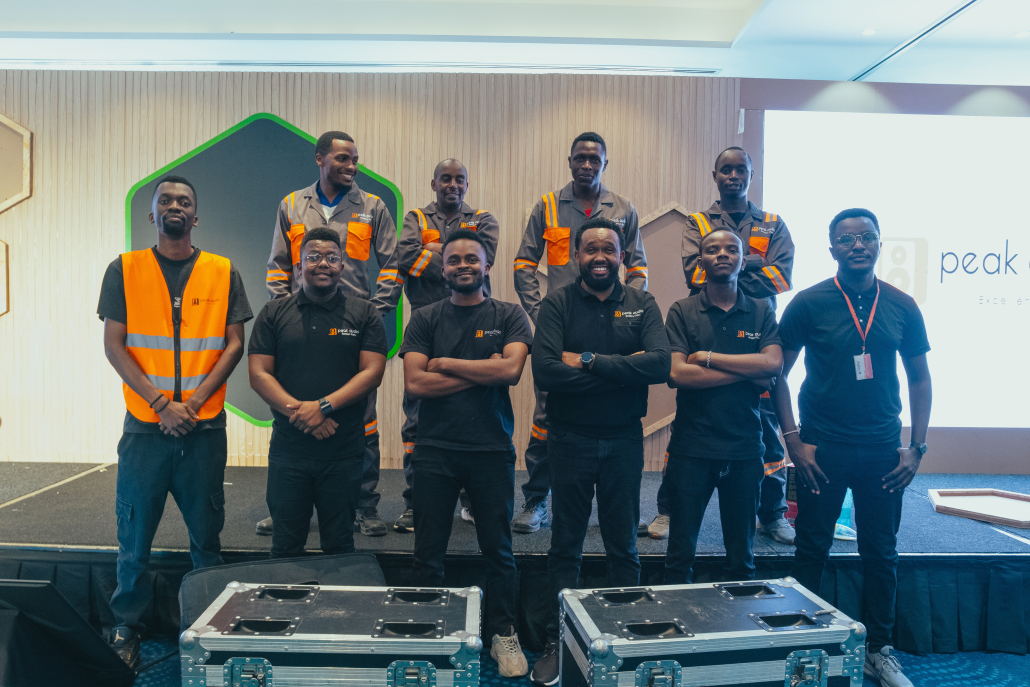
Corporate Hackathons Event Organizer in Kenya
Corporate hackathons are rapidly gaining traction in Kenya as organizations look for dynamic ways to drive creativity, collaboration, and problem-solving. These high-intensity events unite employees, partners, and sometimes external innovators to brainstorm, prototype, and present solutions within a tight timeframe, often leading to breakthrough ideas and actionable business solutions. Beyond generating new concepts, hackathons strengthen team cohesion, encourage cross-functional collaboration, and help organizations identify emerging talent within their workforce.
Successfully executing a corporate hackathon requires meticulous planning, technical expertise, and a supportive environment that fosters innovation. From seamless internet connectivity and interactive workspaces to high-quality audio-visual setups for presentations and demos, every detail matters in keeping participants engaged and productive. Without professional support, even well-intentioned hackathons can struggle with technical challenges, time management, or participant engagement, potentially undermining the event’s impact.
Peak Audio offers comprehensive support as a Corporate Hackathons Event Organizer in Kenya, ensuring every aspect of your hackathon is executed flawlessly. With experience in professional event production, advanced AV solutions, and interactive event design, Peak Audio provides the infrastructure and expertise to run efficient, engaging, and results-driven hackathons. From stage and lighting design to live demo displays, sound systems, and technical support, Peak Audio helps organizations in Kenya transform hackathons into structured innovation experiences that deliver tangible outcomes and lasting impact.
1. Understanding Corporate Hackathons

Corporate Hackathons Event Organizer in Kenya
Corporate hackathons have become an effective tool for driving innovation, collaboration, and creative problem-solving within organizations. In Kenya and globally, these events provide a structured environment where teams can rapidly prototype solutions, experiment with new ideas, and address real business or social challenges. Understanding their purpose and structure is key to appreciating the value they deliver to both employees and companies.
1.1 Hackathons Are Time-Bound Events Designed to Encourage Problem-Solving and Creativity
A defining feature of hackathons is their limited timeframe, which fosters focus and innovation.
-
Intense Collaboration – Teams work under tight deadlines to ideate and develop functional prototypes.
-
Creative Problem-Solving – The time pressure encourages participants to think outside the box and generate novel solutions.
-
Rapid Iteration – Ideas are tested and refined quickly, accelerating learning and innovation.
Time-bound structures create a dynamic environment where creativity and problem-solving are amplified.
1.2 Bringing Together Multidisciplinary Teams to Prototype Solutions
Hackathons thrive on diversity, bringing together participants with varied skills and expertise.
-
Cross-Functional Collaboration – Developers, designers, marketers, and business strategists work together to address complex challenges.
-
Knowledge Sharing – Participants exchange ideas and perspectives, enhancing solution quality.
-
Effective Teamwork – Multidisciplinary teams simulate real-world problem-solving scenarios within a condensed timeframe.
Diverse team compositions foster richer solutions and encourage collaboration across departments and disciplines.
1.3 Corporate Hackathons Aim to Generate New Ideas, Products, or Process Improvements
The primary goal of corporate hackathons is to drive innovation that adds value to the organization.
-
Idea Generation – Teams develop creative concepts that may lead to new products or services.
-
Process Optimization – Hackathons can identify ways to streamline internal operations or improve workflows.
-
Prototype Development – Solutions are tested in a controlled environment, providing actionable insights for future implementation.
Corporate hackathons serve as innovation engines, producing ideas and prototypes that can impact business strategy and operations.
1.4 Organizers Ensure That Events Are Structured, Competitive, and Goal-Oriented
Successful hackathons require careful planning and clear objectives to maximize outcomes.
-
Defined Challenges – Organizers provide specific problems or themes to guide participants’ efforts.
-
Competition & Incentives – Structured judging and rewards motivate teams to perform at their best.
-
Clear Goals & Metrics – Success is measured not only by creativity but also by feasibility, impact, and alignment with organizational priorities.
Structured, goal-oriented hackathons create a focused and competitive environment that drives meaningful results.
Corporate hackathons are intensive, structured events designed to foster creativity, collaboration, and innovation. By bringing together multidisciplinary teams to solve well-defined challenges, these events generate new ideas, products, and process improvements. Organizers ensure hackathons are competitive, goal-oriented, and outcome-driven, making them a powerful tool for organizational growth and problem-solving.
2. Benefits of Hiring a Professional Organizer

Corporate Hackathons Event Organizer in Kenya
Running a successful corporate hackathon in Kenya requires careful planning, coordination, and execution. Hiring a professional organizer ensures the event runs smoothly, maximizes participant engagement, and achieves the intended business or innovation objectives. Their expertise covers logistics, technical support, and strategic oversight, allowing companies to focus on outcomes rather than operational details.
2.1 Expertise in Planning, Coordinating, and Executing Hackathons Smoothly
Professional organizers bring experience that ensures all aspects of the hackathon are well-managed.
-
Comprehensive Planning – Developing detailed timelines, agendas, and contingency plans to avoid delays or disruptions.
-
Seamless Coordination – Aligning participants, teams, mentors, and technical staff for efficient workflow.
-
Smooth Execution – Managing event flow, schedules, and problem-solving on the spot to maintain momentum.
Expert planning and coordination guarantee a structured, stress-free, and productive hackathon experience.
2.2 Access to a Network of Mentors, Judges, and Technical Support Staff
Organizers provide connections to professionals who enhance the quality and credibility of the event.
-
Mentorship Opportunities – Experienced mentors guide teams, offering insights and feedback that improve solutions.
-
Qualified Judges – Judges with industry or technical expertise ensure fair evaluation and valuable recognition.
-
Technical Support – Access to IT specialists, facilitators, and AV technicians ensures that technical challenges are handled efficiently.
A professional organizer brings networks that elevate the hackathon’s effectiveness and participant experience.
2.3 Handling Logistics Such as Venue Setup, Equipment, and Participant Registration
Logistical management is one of the most time-consuming aspects of hackathon planning.
-
Venue & Layout – Ensuring the space supports collaboration, presentations, and technical needs.
-
Equipment Management – Arranging computers, projectors, internet connectivity, and other essential tools.
-
Registration & Onboarding – Streamlining participant check-ins and providing materials to start the event efficiently.
By managing logistics, organizers remove operational burdens from the host, allowing the event to run smoothly from start to finish.
2.4 Ensuring Engagement, Productivity, and Alignment with Corporate Objectives
Professional organizers focus not just on operations but also on outcomes.
-
Structured Activities – Facilitating workshops, brainstorming sessions, and checkpoints to maintain productivity.
-
Participant Engagement – Encouraging collaboration, creativity, and active involvement throughout the hackathon.
-
Alignment with Goals – Designing challenges and judging criteria to support corporate innovation, problem-solving, or talent development objectives.
Organizers ensure the hackathon is meaningful, productive, and aligned with business priorities, maximizing return on investment.
Hiring a professional organizer for corporate hackathons in Kenya ensures expert planning, access to mentors and technical support, efficient logistics management, and engagement that aligns with corporate objectives. Their involvement allows companies to focus on outcomes while providing participants with a seamless, productive, and impactful event experience.
3. Pre-Event Planning
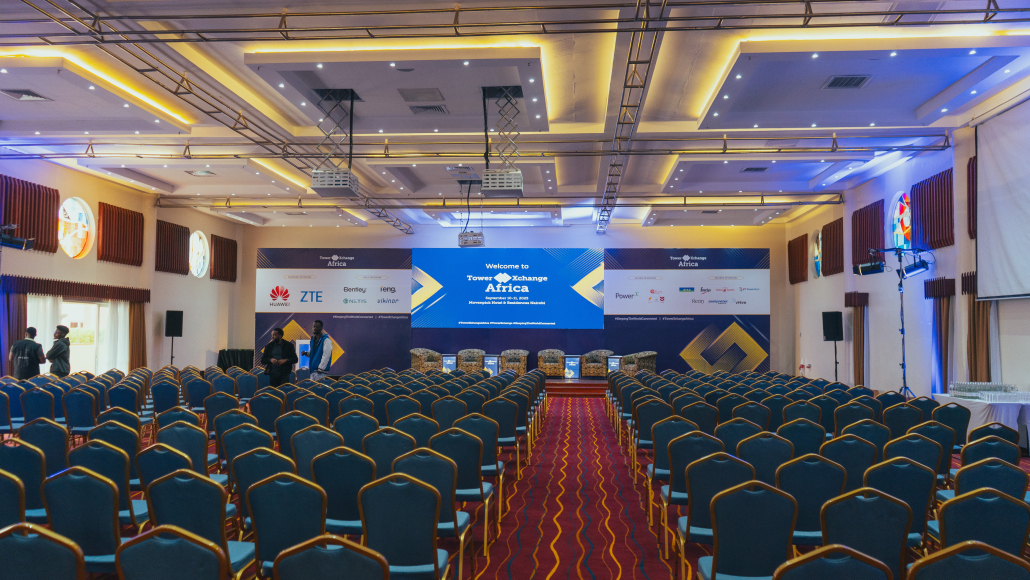
Corporate Hackathons Event Organizer in Kenya
Successful hackathons require thorough preparation before the first participant logs in or enters the venue. Pre-event planning ensures that the objectives, participants, resources, and infrastructure are all aligned with the company’s innovation goals. Careful preparation minimizes disruptions, maximizes engagement, and sets the stage for productive collaboration.
3.1 Defining Objectives and Themes for the Hackathon Aligned with Business Goals
Clear objectives guide the direction and outcomes of the event.
-
Business Alignment – Challenges and themes are designed to support corporate goals, such as product innovation, process improvement, or social impact initiatives.
-
Focused Outcomes – Objectives determine success criteria and help participants concentrate on meaningful solutions.
-
Event Messaging – A well-defined theme communicates the purpose of the hackathon to participants, judges, and stakeholders.
Defining objectives and themes ensures the hackathon drives results that are both relevant and actionable for the organization.
3.2 Identifying Participants, Team Structures, and Collaboration Strategies
The composition of participants and teams influences the quality and diversity of solutions.
-
Participant Selection – Choosing employees, students, or external innovators with complementary skills.
-
Team Formation – Structuring teams to maximize collaboration and leverage diverse expertise.
-
Collaboration Planning – Establishing strategies, tools, and communication channels for efficient teamwork.
Thoughtful participants and team planning promote creativity, engagement, and effective problem-solving throughout the hackathon.
3.3 Selecting Venues or Virtual Platforms with Reliable Connectivity and Facilities
The environment must support intensive collaboration and technical requirements.
-
Physical Venues – Ensuring adequate space, seating, power supply, and internet connectivity for all participants.
-
Virtual Platforms – Selecting platforms that support live streaming, communication, file sharing, and real-time collaboration.
-
Contingency Planning – Preparing backup solutions to prevent disruptions due to technical or logistical issues.
Choosing the right venue or platform ensures participants can work efficiently and focus on creating solutions without technical distractions.
3.4 Preparing Resources Such as Software, APIs, Datasets, and Prototyping Tools
Providing participants with the right tools is critical for successful idea development.
-
Technical Resources – Software, APIs, datasets, and prototyping platforms are made available for rapid solution development.
-
Access & Documentation – Ensuring all participants can easily use the tools and understand their functionality.
-
Support Staff – Technical support is on hand to troubleshoot issues and guide participants as needed.
Proper resource preparation empowers teams to prototype solutions effectively and maximizes the hackathon’s innovation potential.
Pre-event planning lays the foundation for a successful hackathon by defining objectives, organizing participants and teams, selecting appropriate venues or virtual platforms, and preparing essential technical resources. Careful preparation ensures participants can focus on creativity and problem-solving, while organizers maintain a smooth, productive, and goal-oriented event.
4. Event Logistics and Setup

Corporate Hackathons Event Organizer in Kenya
Proper logistics and setup are crucial for a smooth, productive, and professional hackathon. In Kenya, ensuring the right infrastructure, schedules, and amenities creates an environment where participants can focus on creativity and collaboration. Thoughtful planning in this phase minimizes disruptions, enhances engagement, and sets the stage for successful outcomes.
4.1 Setting Up Workstations, Power Supply, Wi-Fi, and Audio-Visual Support
Reliable infrastructure allows participants to work efficiently and without interruptions.
-
Workstations – Comfortable seating and functional desks arranged to encourage teamwork and easy communication.
-
Power Supply – Sufficient outlets, backup generators, or UPS systems to prevent disruptions during intensive work sessions.
-
Connectivity – High-speed, stable Wi-Fi to support coding, research, and online collaboration.
-
Audio-Visual Support – Projectors, screens, microphones, and speakers for presentations, announcements, and live demonstrations.
Ensuring a robust technical setup allows participants to focus entirely on ideation and problem-solving.
4.2 Creating Clear Schedules with Kickoff, Work Sessions, Mentoring, and Presentations
A structured schedule keeps participants engaged and maintains event momentum.
-
Kickoff Sessions – Introduce objectives, rules, and team assignments.
-
Work Sessions – Allocate time for focused development, prototyping, and testing.
-
Mentoring Slots – Schedule expert guidance sessions to provide feedback and direction.
-
Presentation & Judging – Allocate time for team presentations, Q&A, and evaluation.
A clear timeline ensures that all activities are well-organized, minimizing confusion and maximizing productivity.
4.3 Organizing Catering, Breakout Areas, and Networking Zones
Comfort and interaction are essential for participant well-being and engagement.
-
Catering – Providing meals, snacks, and beverages at scheduled intervals to maintain energy levels.
-
Breakout Areas – Spaces for informal discussions, team collaboration, or private problem-solving sessions.
-
Networking Zones – Areas designed for participants to connect, exchange ideas, and collaborate across teams.
Thoughtful facilities and amenities support creativity, collaboration, and overall participant satisfaction.
4.4 Ensuring Compliance with Health, Safety, and Accessibility Standards
Safety and inclusivity are critical to a successful hackathon.
-
Health & Safety – Emergency exits, first aid, and hygiene protocols in place for all attendees.
-
Accessibility – Ensuring the venue or platform accommodates participants with disabilities or special needs.
-
Regulatory Compliance – Adhering to local fire, building, and public health regulations.
Compliance with safety and accessibility standards ensures a secure, inclusive, and worry-free environment for all participants.
Event logistics and setup are the backbone of a successful hackathon. By arranging workstations, technical support, structured schedules, catering, networking areas, and ensuring health and safety compliance, organizers create an environment that fosters productivity, creativity, and collaboration. Proper setup ensures the hackathon runs smoothly, allowing participants to focus on delivering innovative solutions.
5. Technology and Support
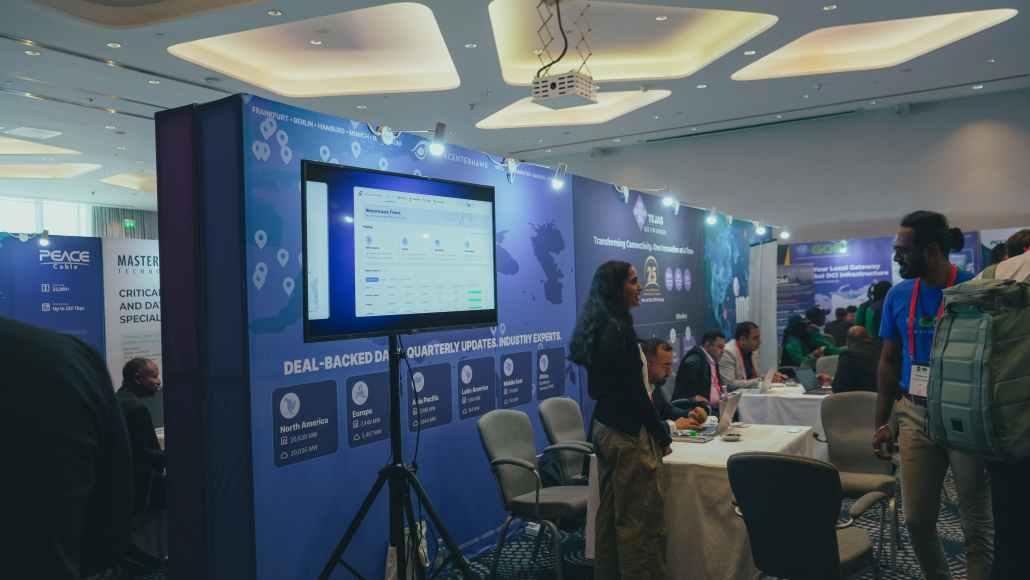
Corporate Hackathons Event Organizer in Kenya
Technology plays a critical role in ensuring a corporate hackathon runs efficiently and productively. In Kenya, providing reliable hardware, software, and technical support allows participants to focus on innovation without disruption. Proper integration of tools and continuous support ensures that both in-person and virtual participants can collaborate effectively.
5.1 Providing Necessary Hardware and Software for Coding, Prototyping, and Testing
Participants need access to reliable tools to develop and test their solutions.
-
Hardware – Computers, laptops, monitors, and peripheral devices suitable for intensive coding and prototyping tasks.
-
Software – Development environments, design tools, simulation software, and specialized applications.
-
Testing & Prototyping – Tools for building and validating functional solutions in real time.
Providing appropriate hardware and software empowers participants to focus on innovation and deliver high-quality prototypes.
5.2 Integrating Collaboration Platforms, Project Management Tools, and Cloud Services
Effective coordination requires digital infrastructure for teamwork and organization.
-
Collaboration Platforms – Communication tools such as Slack, Teams, or Discord for real-time coordination.
-
Project Management Tools – Software like Trello, Asana, or Jira to track tasks, deadlines, and team progress.
-
Cloud Services – Centralized storage, APIs, and shared resources to support teamwork and data accessibility.
Integrating collaboration and management tools enhances efficiency, reduces confusion, and ensures teams can work cohesively.
5.3 Technical Support for Troubleshooting and Maintaining Connectivity During the Event
Continuous technical support prevents delays and disruptions.
-
On-Site IT Support – Technicians available to resolve hardware or software issues quickly.
-
Connectivity Maintenance – Ensuring stable Wi-Fi, internet bandwidth, and network reliability.
-
Real-Time Problem-Solving – Immediate intervention to minimize downtime and maintain participant focus.
Reliable technical support ensures a smooth workflow and minimizes interruptions during the hackathon.
5.4 Ensuring Seamless Experience for Both In-Person and Virtual Participants
Hybrid or fully virtual participation requires special attention to maintain engagement.
-
Unified Platforms – Tools that allow both physical and remote participants to collaborate effectively.
-
Real-Time Interaction – Video conferencing, chat, and live updates to maintain connectivity.
-
Consistent Participation Experience – Ensuring virtual attendees have the same access to resources, mentorship, and presentations as in-person teams.
Technology integration and support create an inclusive, seamless experience that maximizes engagement for all participants.
Technology and support are essential for a successful hackathon. By providing the right hardware and software, integrating collaboration and project management tools, offering continuous technical assistance, and supporting both in-person and virtual participants, organizers ensure a smooth, productive, and engaging event. Effective technology management allows participants to focus on creativity and problem-solving without distraction.
6. Judging, Awards, and Recognition

Corporate Hackathons Event Organizer in Kenya
Judging and recognition are critical components of a corporate hackathon, motivating participants and validating their efforts. In Kenya, structured evaluation, meaningful feedback, and formal acknowledgment enhance the learning experience, encourage innovation, and build professional credibility for participants.
6.1 Developing Clear Criteria for Evaluating Projects, Prototypes, and Presentations
Transparent and well-defined evaluation criteria ensure fairness and consistency.
-
Assessment Metrics – Criteria often include creativity, feasibility, technical execution, impact, and presentation quality.
-
Alignment with Objectives – Evaluation focuses on how well projects address the challenges and goals set by the hackathon.
-
Scoring Systems – Structured scoring helps judges provide objective comparisons between teams.
Clear evaluation criteria ensure that judging is fair, transparent, and aligned with the event’s objectives.
6.2 Engaging Industry Experts, Mentors, and Corporate Leaders as Judges
Experienced judges add credibility and provide valuable insights.
-
Expert Knowledge – Industry professionals can assess technical feasibility and innovation quality.
-
Mentor Involvement – Judges who have guided teams offer a perspective on effort and progress.
-
Corporate Insight – Business leaders provide alignment with strategic goals and potential real-world impact.
Engaging qualified judges ensures a credible evaluation and adds professional recognition for participants.
6.3 Organizing Award Ceremonies and Recognition for Winning Teams
Recognition celebrates effort, fosters motivation, and enhances the event’s profile.
-
Award Categories – Prizes can include best innovation, best technical execution, audience choice, or most impactful solution.
-
Ceremonial Presentation – Formal events highlight achievements and give participants public acknowledgment.
-
Incentives – Awards such as cash prizes, internships, or mentorship opportunities encourage high performance.
Well-organized awards and recognition reinforce participant motivation and celebrate innovation.
6.4 Ensuring Feedback Is Constructive and Actionable for Participants’ Professional Growth
Beyond judging, feedback is crucial for learning and development.
-
Actionable Insights – Judges provide practical advice to help teams improve their projects.
-
Skill Development – Feedback addresses technical, creative, and presentation aspects, supporting professional growth.
-
Encouragement & Mentorship – Constructive critique inspires participants to refine ideas and pursue future innovation opportunities.
Providing structured feedback ensures that participants gain valuable learning experiences that extend beyond the event.
Judging, awards, and recognition play a vital role in the success of a corporate hackathon. By establishing clear evaluation criteria, engaging industry experts as judges, organizing award ceremonies, and providing constructive feedback, organizers motivate participants, validate their efforts, and enhance learning. This structured approach ensures that participants leave the event with both recognition and valuable professional growth.
7. Post-Hackathon Follow-Up

Corporate Hackathons Event Organizer in Kenya
The success of a corporate hackathon extends beyond the event itself. In Kenya, proper follow-up ensures that innovative ideas are captured, shared, and nurtured for implementation. Post-event activities also provide insights for continuous improvement, helping organizations refine future hackathons and maximize the value of participants’ efforts.
7.1 Documenting Outcomes, Prototypes, and Innovative Solutions for Future Implementation
Capturing the outputs of the hackathon is critical for turning ideas into actionable results.
-
Comprehensive Records – Collecting project descriptions, code, prototypes, and presentation materials for reference.
-
Idea Cataloguing – Organizing concepts by feasibility, impact, or alignment with corporate goals.
-
Future Planning – Identifying solutions with the potential for implementation, investment, or further development.
Documenting outcomes preserves innovation and ensures that valuable solutions are not lost after the event concludes.
7.2 Sharing Results and Insights with the Wider Organization or Stakeholders
Communicating achievements reinforces transparency and engagement.
-
Internal Reporting – Sharing results with management, teams, or departments to highlight successes.
-
Stakeholder Presentations – Engaging investors, partners, or clients with demonstrations of innovative solutions.
-
Knowledge Dissemination – Highlighting best practices, lessons learned, and creative approaches to inspire others.
Sharing outcomes ensures that the impact of the hackathon extends beyond participants, benefiting the wider organization and stakeholders.
7.3 Providing Mentorship or Incubation Support for Promising Ideas
Supporting selected projects encourages further development and implementation.
-
Mentorship Programs – Assigning experienced professionals to guide teams post-event.
-
Incubation & Resources – Offering access to tools, funding, or facilities for prototypes with high potential.
-
Innovation Pipeline – Creating a structured path for turning promising ideas into tangible business solutions.
Post-hackathon support ensures that promising projects continue to grow and contribute to organizational goals.
7.4 Evaluating Event Success to Improve Future Hackathons
Assessing performance helps refine planning and execution for future events.
-
Participant Feedback – Collecting insights on experience, engagement, and perceived value.
-
Outcome Analysis – Evaluating prototypes, ideas, and problem-solving effectiveness.
-
Process Improvement – Identifying strengths and areas for improvement in logistics, mentorship, or technical support.
Evaluation enables continuous improvement, ensuring future hackathons are more impactful and better executed.
Post-hackathon follow-up is essential for capturing innovation, sharing results, providing mentorship, and improving future events. By documenting outcomes, communicating insights, supporting promising projects, and evaluating success, organizations ensure that the hackathon’s impact extends well beyond the event itself, fostering ongoing creativity, learning, and organizational growth.
8. FAQs on Corporate Hackathons in Kenya
Corporate hackathons are increasingly popular in Kenya as a tool for innovation, collaboration, and talent discovery. These FAQs address common questions about their format, participants, resources, and value, helping organizations plan and execute successful events.
8.1 What is a corporate hackathon?
A corporate hackathon is a structured, time-bound event where teams collaborate to solve specific business or technical challenges.
-
Problem-Focused – Teams tackle predefined challenges aligned with corporate objectives.
-
Time-Bound Format – Limited durations encourage rapid ideation and solution development.
-
Innovation-Driven – Emphasizes creative problem-solving and prototype creation.
Corporate hackathons provide a focused, high-energy environment for innovation and collaborative problem-solving.
8.2 How long do hackathons usually last?
Hackathon durations vary depending on goals and complexity.
-
Short Events – Can last a few hours for brainstorming or focused solution sprints.
-
Extended Hackathons – Typically run 24–48 hours for full prototype development and testing.
-
Custom Timelines – Durations are adapted to match event objectives, participant availability, and resources.
The ideal duration balances sufficient time for creativity with the intensity needed to maintain focus and energy.
8.3 Can hackathons be virtual?
Yes, hackathons can be fully virtual or hybrid with the right technology and support.
-
Virtual Platforms – Tools for video conferencing, real-time collaboration, and project management.
-
Hybrid Integration – Combining in-person and online participation to expand reach and inclusivity.
-
Technical Support – Ensures connectivity, access to resources, and seamless participation for remote teams.
Virtual and hybrid hackathons enable participation from diverse locations while maintaining engagement and productivity.
8.4 Who should participate in corporate hackathons?
Participants should have skills relevant to the challenge and the desired outcomes.
-
Internal Employees – Encourage cross-department collaboration and idea generation.
-
External Innovators – Students, freelancers, or industry experts can bring fresh perspectives.
-
Partners & Stakeholders – Involving collaborators enhances diversity and knowledge exchange.
Inclusive and skill-aligned participation ensures richer solutions and effective teamwork.
8.5 Do I need a professional organizer?
Professional organizers simplify planning, execution, and participant experience.
-
Logistics Management – Venues, technical resources, schedules, and registration handled efficiently.
-
Participant Engagement – Ensuring teams are motivated, mentored, and productive.
-
Technical & Operational Support – IT, AV, and troubleshooting services managed professionally.
Organizers increase the likelihood of a smooth, impactful, and well-executed hackathon.
8.6 What resources are required for a hackathon?
Providing the right tools and infrastructure is critical for success.
-
Workstations & Devices – Computers, monitors, and peripherals for coding and prototyping.
-
Software & Platforms – Development environments, APIs, project management tools, and collaboration platforms.
-
Connectivity & Networking – Reliable Wi-Fi and cloud services for seamless teamwork.
-
Mentoring & Judging Panels – Experts to guide participants and evaluate outcomes.
Adequate resources empower participants to focus on innovation and problem-solving.
8.7 How are winners selected?
Judging criteria focus on both creativity and alignment with objectives.
-
Innovation – Originality and novelty of the solution.
-
Feasibility – Practicality and potential for implementation.
-
Presentation – Clarity, professionalism, and ability to communicate ideas effectively.
-
Objective Alignment – Contribution to the company’s strategic or problem-solving goals.
Transparent evaluation ensures fair recognition of the most promising and impactful solutions.
8.8 Can hackathons improve employee collaboration?
Yes, hackathons foster teamwork, creativity, and cross-departmental engagement.
-
Teamwork Skills – Participants collaborate under time constraints, improving coordination and communication.
-
Knowledge Sharing – Exposure to diverse skills and perspectives strengthens collaboration across departments.
-
Problem-Solving Culture – Encourages innovation and collective ownership of solutions.
Hackathons enhance both professional relationships and organizational innovation culture.
8.9 How much does it cost to organize a hackathon in Kenya?
Costs vary depending on scale, duration, and technical requirements.
-
Small Events – Around Ksh 200,000 for a day-long, small-scale event.
-
Large Corporate Hackathons – Can exceed Ksh 1,000,000 for multi-day events with extensive resources.
-
Cost Drivers – Venue, technical infrastructure, catering, awards, and professional support influence the budget.
Budgets should be aligned with the event’s objectives, scale, and desired participant experience.
8.10 What’s the main benefit of a hackathon for companies?
Hackathons generate value in multiple ways for organizations.
-
Innovation – Rapid development of new ideas, prototypes, and potential solutions.
-
Collaboration – Fosters teamwork and cross-functional engagement.
-
Talent Discovery – Identifies skilled employees or external innovators for future projects.
-
Organizational Growth – Drives process improvements and creative problem-solving culture.
Corporate hackathons provide companies with innovative solutions, stronger collaboration, and valuable talent insights.
Corporate hackathons in Kenya are structured, time-bound events that foster creativity, collaboration, and innovation. They can be in-person, virtual, or hybrid, and require proper planning, resources, and skilled organizers. With clear evaluation criteria, effective mentorship, and adequate technical support, hackathons deliver tangible solutions, enhance employee engagement, and uncover talent while strengthening an organization’s culture of innovation.
The Value of Corporate Hackathons in Kenya

Corporate Hackathons Event Organizer in Kenya
Corporate hackathons in Kenya have emerged as an effective way to drive innovation, encourage collaboration, and enhance problem-solving skills within organizations. These events provide teams with a focused environment to generate creative solutions, test new ideas, and strengthen workplace relationships. However, organizing a successful hackathon involves careful planning, resource management, and attention to detail, which can be time-consuming for internal teams. Partnering with professional organizers ensures that every aspect, from concept development to execution, is handled efficiently.
Professional hackathon organizers bring expertise in managing logistics, coordinating participants, and providing technical support. They help design challenges that align with company goals, manage schedules, secure necessary resources, and troubleshoot issues in real-time. Their experience ensures that participants remain engaged and productive, while organizers focus on capturing results and insights that can be turned into actionable solutions. This structured approach maximizes the impact of the hackathon, allowing companies to fully realize its innovative potential.
Ultimately, investing in a dedicated hackathon organizer elevates the event from a simple competition to a strategic tool for organizational growth. Attendees benefit from a well-coordinated experience, and companies gain tangible outcomes from visiting Peak Audio that drive innovation and collaboration. Partnering with professionals ensures a smooth, memorable, and productive hackathon that strengthens team dynamics and fosters long-term value. For expert support in planning corporate hackathons in Kenya