Corporate Event Health and Safety in Kenya
Table of Contents
ToggleCorporate Event Health and Safety in Kenya: How Peak Audio Delivers Secure, Professional Events

Corporate Event Health and Safety in Kenya
Corporate Event Health and Safety in Kenya is a critical pillar of successful event planning, especially in today’s highly regulated and safety-conscious business environment. From high-level conferences and executive meetings to corporate galas and product launches, safeguarding attendees, staff, and partners is not optional—it is a professional obligation. Proper health and safety planning minimizes risks, ensures compliance with Kenyan regulations, and creates a comfortable environment where guests can focus on the event’s purpose. Well-managed safety standards also enhance brand reputation, demonstrating responsibility, preparedness, and respect for all participants.
In Kenya’s corporate events landscape, health and safety considerations extend beyond crowd control to include electrical safety, structural stability, emergency preparedness, sound management, and clear evacuation procedures. Audio-visual setups, staging, power distribution, and lighting must all meet safety standards to prevent accidents or disruptions. This is where experienced event partners make a critical difference. A professionally planned event anticipates potential risks, implements preventive measures, and ensures all technical elements are installed and operated by qualified personnel.
Corporate Event Health and Safety in Kenya is an area where Peak Audio excels, combining technical expertise with strict safety compliance to deliver seamless, secure events. Peak Audio prioritizes proper equipment installation, safe cable management, controlled sound levels, and coordinated on-site support to reduce risks before they arise. By working closely with event organizers and venues, Peak Audio ensures every corporate event meets both safety expectations and professional standards, giving clients confidence that their event is not only impactful but also responsibly executed.
1. Understanding Health and Safety in Corporate Events
Corporate Event Health and Safety in Kenya
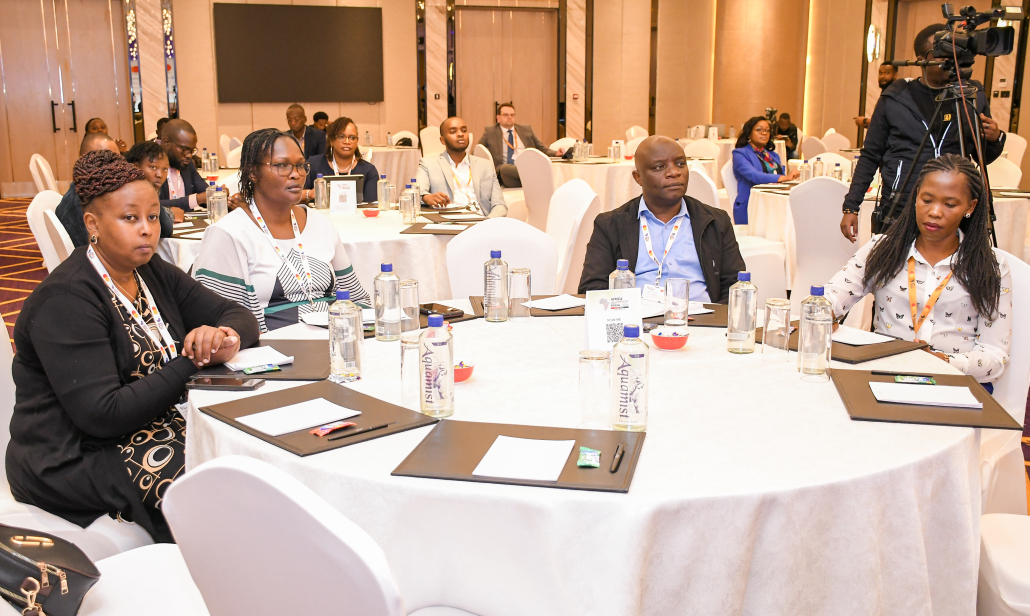
Health and safety planning is a critical foundation of any successful corporate event. Beyond protecting attendees and staff, structured safety measures ensure compliance, reduce liability, and support smooth event execution. In Kenya’s growing corporate event landscape, proactive planning helps organizations deliver professional experiences while minimizing risk.
1.1 Why is health and safety planning is essential for corporate events
Safety planning protects people, assets, and reputation.
Key reasons include:
-
Preventing accidents and medical incidents
-
Ensuring safe crowd movement and venue use
-
Reducing legal and financial exposure
-
Building attendee confidence
-
Supporting smooth operational flow
-
Protecting brand credibility
A safe environment allows participants to focus fully on the event.
1.2 Legal and regulatory considerations for events in Kenya
Corporate events must align with applicable safety frameworks.
Important considerations include:
-
Venue compliance with occupancy and safety standards
-
Emergency exit accessibility and signage
-
Fire safety provisions
-
Insurance and liability coverage
-
Public gathering permissions were required
-
Vendor adherence to safety guidelines
Compliance reduces risk and supports responsible event delivery.
1.3 Roles and responsibilities of event organizers and service providers
Safety is a shared responsibility across all stakeholders.
Clear roles typically include:
-
Organizer oversight of safety planning
-
The venue is responsible for infrastructure safety
-
Vendor compliance with operational standards
-
AV teams ensuring safe equipment setup
-
Crowd management coordination
-
Emergency response planning
Defined accountability prevents gaps in protection.
1.4 Common health and safety risks at corporate events
Understanding risks enables proactive prevention.
Typical concerns include:
-
Overcrowding or poor crowd flow
-
Electrical and equipment hazards
-
Slip, trip, and fall risks
-
Fire hazards
-
Medical emergencies
-
Environmental factors (weather, ventilation, temperature)
Risk awareness supports better preparation and response.
Health and safety planning is a non-negotiable aspect of professional corporate events. By understanding legal responsibilities, defining stakeholder roles, and addressing common risks, organizations create safer environments that protect attendees, staff, and event outcomes.
2. Risk Assessment and Event Safety Planning
Corporate Event Health and Safety in Kenya
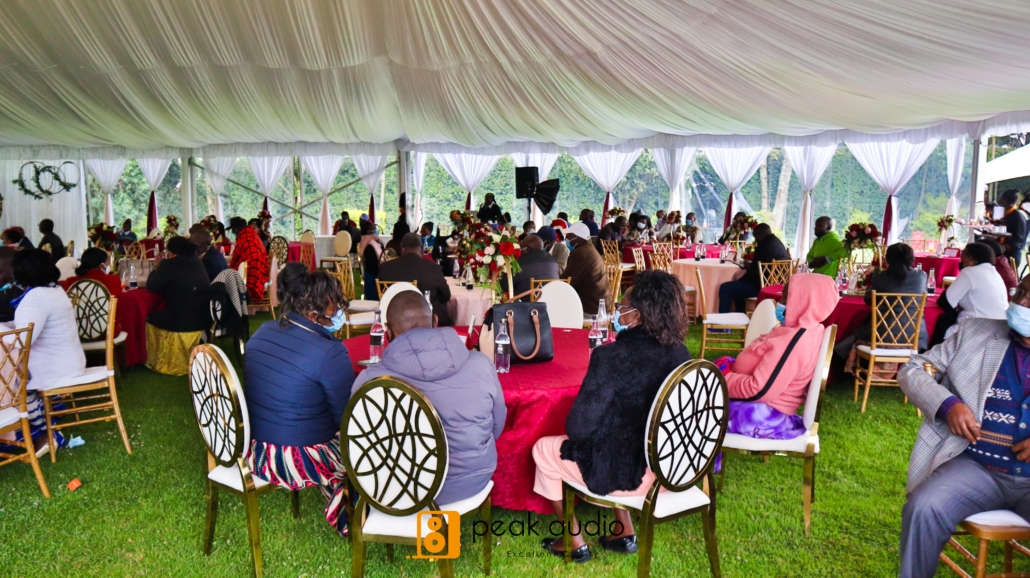
Risk assessment is the backbone of effective health and safety management in corporate events. By identifying hazards early and planning structured responses, organizers can prevent incidents, protect participants, and maintain professional event standards. Proactive safety planning ensures both operational confidence and regulatory compliance.
2.1 Conducting thorough risk assessments before the event
A structured assessment evaluates all aspects of the event environment.
Key actions include:
-
Reviewing venue layout and access points
-
Evaluating expected crowd size and flow
-
Identifying equipment and staging risks
-
Considering environmental factors
-
Assessing vendor operations
-
Documenting potential hazards and mitigation steps
Early assessment allows corrective action before setup begins.
2.2 Identifying potential hazards related to venues, equipment, and crowd movement
Hazard identification focuses on preventing avoidable incidents.
Common areas of concern include:
-
Electrical cabling and equipment placement
-
Stage and rigging stability
-
Entry and exit congestion
-
Slippery surfaces or uneven flooring
-
Poor lighting in walkways
-
Obstructed emergency routes
Recognizing risks improves layout and operational planning.
2.3 Developing safety plans and emergency response procedures
A formal safety plan ensures coordinated action if issues arise.
Important components include:
-
Emergency evacuation procedures
-
First-aid readiness and medical contacts
-
Fire response planning
-
Incident reporting protocols
-
Staff safety briefings
-
Communication chains during emergencies
Prepared teams respond faster and more effectively.
2.4 How professional AV planning minimizes technical and physical risks
Well-managed AV setups reduce both operational and safety hazards.
Professional practices include:
-
Secure cable routing and equipment mounting
-
Load-tested staging and rigging
-
Electrical safety compliance
-
Backup power and redundancy planning
-
Technical supervision during the event
-
Pre-event equipment testing
Proper AV planning protects attendees while ensuring uninterrupted production.
Risk assessment and safety planning transform potential hazards into manageable scenarios. Through early evaluation, structured procedures, and professional technical coordination, corporate events can operate confidently, safely, and efficiently.
3. Venue Safety and Crowd Management
Corporate Event Health and Safety in Kenya
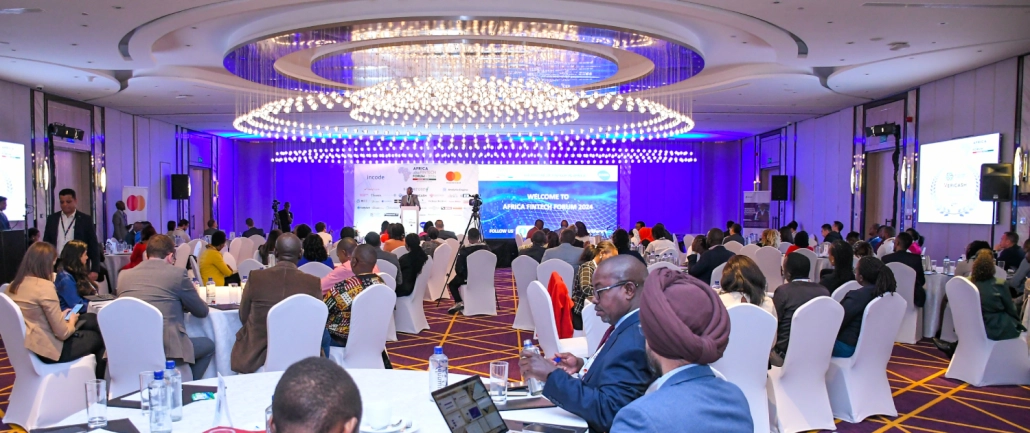
Venue safety and effective crowd management are essential to delivering corporate events that are both professional and secure. A well-planned environment protects attendees, prevents congestion, and allows smooth movement throughout the event. Proper coordination ensures safety measures support — rather than disrupt — the attendee experience.
3.1 Ensuring venues meet safety standards and capacity limits
Selecting a compliant venue reduces operational risk.
Important checks include:
-
Verified occupancy capacity limits
-
Clearly marked emergency exits
-
Functional fire safety systems
-
Safe electrical infrastructure
-
Adequate ventilation and lighting
-
Compliance with local safety regulations
Operating within venue limits protects both guests and organizers.
3.2 Managing entry, exit, and crowd flow
Controlled movement prevents congestion and confusion.
Effective strategies include:
-
Clearly designated entry and exit points
-
Queue management systems
-
Signage guiding attendee movement
-
Staff positioned to assist the flow
-
Staggered scheduling where necessary
-
Open, unobstructed walkways
Structured flow reduces accident risk and improves comfort.
3.3 Accessibility considerations for all attendees
Inclusive design ensures everyone can participate safely.
Accessibility planning may include:
-
Step-free access routes
-
Reserved seating or viewing areas
-
Accessible restrooms
-
Clear directional signage
-
Adequate lighting for navigation
-
Assistance and support were required
Accessibility planning enhances safety and attendee satisfaction.
3.4 Coordination with venue management and security teams
Collaboration strengthens overall safety readiness.
Key coordination areas include:
-
Shared emergency response protocols
-
Security presence and positioning
-
Incident reporting channels
-
Crowd monitoring responsibilities
-
Equipment safety oversight
-
Communication during live operations
Aligned teams respond faster and more effectively.
Venue safety and crowd management are foundational to securing corporate events. By selecting compliant spaces, managing attendee movement, prioritizing accessibility, and coordinating with venue teams, organizers create environments that support both safety and a seamless event experience.
4. Audio-Visual Equipment Safety
Corporate Event Health and Safety in Kenya
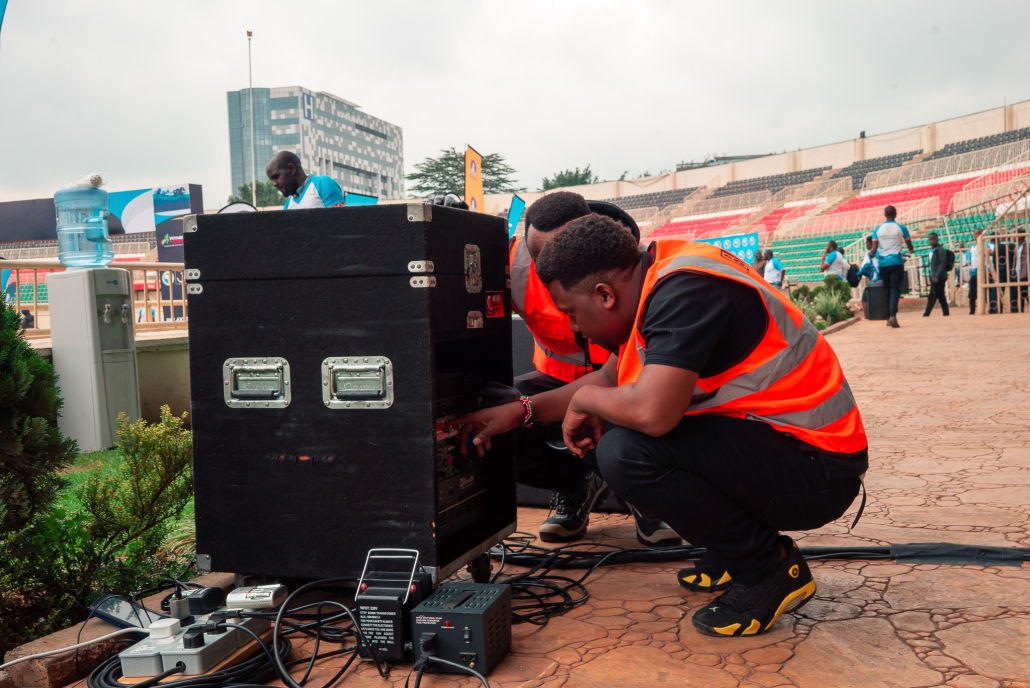
Audio-visual equipment plays a central role in modern corporate events, but it must be installed and managed with strict safety standards. Proper AV safety planning protects attendees, staff, and equipment while ensuring uninterrupted event delivery. Professional handling reduces the likelihood of accidents, electrical hazards, and operational failures.
4.1 Safe installation and securing of AV equipment
Correct installation prevents tipping, collapse, or accidental damage.
Best practices include:
-
Load-rated staging and rigging systems
-
Stable mounting of screens and lighting fixtures
-
Proper weight distribution for elevated equipment
-
Securing loose components
-
Compliance with manufacturer installation guidelines
-
Final safety inspections before operation
Secure setups protect both people and production quality.
4.2 Electrical safety and power management
Electrical planning is critical for safe AV operation.
Key safety measures include:
-
Use of certified power distribution equipment
-
Avoiding overloaded circuits
-
Grounded electrical connections
-
Surge protection for sensitive gear
-
Clear separation of power and signal lines
-
Backup power planning is required
Safe power management reduces fire and shock risks.
4.3 Cable management to prevent trips and falls
Poor cable routing is a common but preventable hazard.
Effective cable management involves:
-
Routing cables away from walkways
-
Using cable ramps or protective covers
-
Securing loose wiring with proper fasteners
-
Clearly marking cable crossings
-
Maintaining tidy backstage layouts
-
Regular inspections during the event
Well-managed cables enhance both safety and professionalism.
4.4 How Peak Audio adheres to industry best practices for AV safety
Professional AV teams follow strict safety protocols.
Peak Audio prioritizes:
-
Certified installation procedures
-
Equipment inspection and testing
-
Compliance with electrical safety standards
-
Structured cable routing systems
-
On-site technical supervision
-
Preventive risk assessments
These practices ensure reliable, safe AV delivery throughout the event.
AV equipment safety is essential to protecting people and maintaining smooth event operations. Through secure installation, responsible power management, organized cabling, and professional oversight, corporate events can deliver high-quality production without compromising safety.
5. Health Measures and Emergency Preparedness

Corporate Event Health and Safety in Kenya
Corporate events must be prepared to respond quickly and effectively to health incidents or emergencies. Proactive planning protects attendees, staff, and organizers while minimizing disruption. Clear procedures, trained personnel, and proper equipment ensure that unexpected situations are handled calmly and professionally.
5.1 First aid availability and trained personnel on-site
Immediate medical response can prevent minor incidents from escalating.
Key considerations include:
-
Designated first aid stations
-
Certified first aid personnel on-site
-
Clearly marked medical assistance points
-
Basic medical supplies are readily accessible
-
Communication channels to summon help quickly
-
Coordination with local emergency services if required
Visible preparedness increases attendee confidence and safety.
5.2 Emergency evacuation plans and communication protocols
A structured evacuation plan ensures a fast, organized response.
Effective planning involves:
-
Clearly identified emergency exits
-
Pre-event briefing for staff and volunteers
-
Public address or alert communication systems
-
Assembly points for evacuation
-
Assigned evacuation roles and responsibilities
-
Practice walkthroughs where feasible
Clear communication prevents panic and confusion.
5.3 Fire safety equipment and compliance
Fire preparedness is a critical legal and operational requirement.
Safety measures include:
-
Accessible fire extinguishers
-
Functional fire alarms and detection systems
-
Unblocked exit routes
-
Compliance with venue fire regulations
-
Staff awareness of fire response procedures
-
Inspection of electrical and staging equipment
Preparedness reduces risk and response time.
5.4 Managing health risks during large or extended events
Long-duration or high-attendance events require additional planning.
Risk management strategies may include:
-
Crowd comfort planning (ventilation, hydration access)
-
Rest areas for attendees and staff
-
Hygiene and sanitation facilities
-
Monitoring environmental conditions
-
Scheduling breaks to prevent fatigue
-
Rapid response plans for medical situations
Comfort and health planning improve overall event resilience.
Health measures and emergency preparedness are essential components of professional corporate event management. With first aid readiness, evacuation planning, fire safety compliance, and proactive risk management, organizers create safer environments that support both attendee well-being and operational continuity.
6. Staff, Vendor, and Contractor Safety
Corporate Event Health and Safety in Kenya
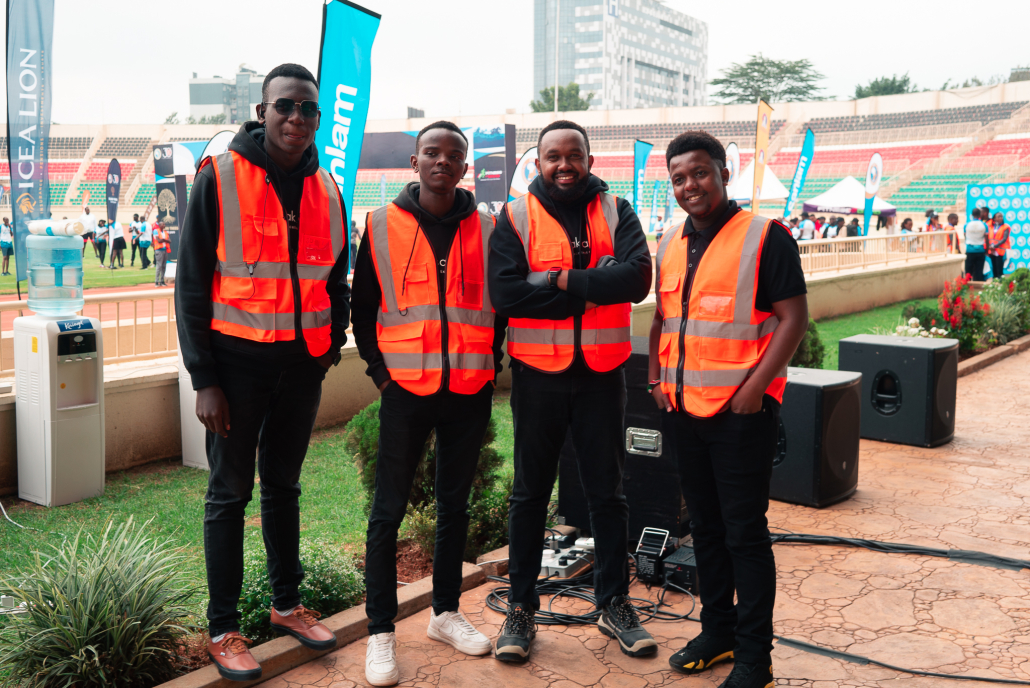
Corporate event safety extends beyond attendees — it also protects the teams responsible for setup, execution, and breakdown. Staff, vendors, and contractors often work with heavy equipment, tight timelines, and shared spaces, making structured safety coordination essential. Clear protocols reduce accidents, protect assets, and maintain professional working conditions.
6.1 Ensuring trained and certified personnel handle equipment
Qualified personnel reduce operational and physical risks.
Best practices include:
-
Assigning certified technicians for AV and staging equipment
-
Verifying operator training and credentials
-
Following manufacturer handling guidelines
-
Supervising high-risk installations
-
Providing safety briefings before work begins
-
Restricting equipment access to authorized personnel
Competence directly improves safety and efficiency.
6.2 Clear communication of safety protocols to all service providers
Everyone involved must understand shared safety expectations.
Effective communication involves:
-
Pre-event safety briefings
-
Written safety guidelines and procedures
-
Defined emergency reporting channels
-
Role clarification for hazard response
-
Coordination between vendors and venue teams
-
Continuous safety reminders during operations
Alignment prevents misunderstandings and unsafe practices.
6.3 Coordinating setup and breakdown procedures safely
Setup and teardown are high-risk phases requiring structured oversight.
Safety-focused coordination includes:
-
Scheduled work windows to reduce congestion
-
Clear equipment movement pathways
-
Proper lifting techniques and tools
-
Use of protective gear where needed
-
Sequenced installation to avoid hazards
-
Supervised dismantling procedures
Orderly workflows reduce injury and equipment damage.
6.4 Maintaining a safe working environment throughout the event lifecycle
Safety is an ongoing responsibility — not a one-time checklist.
Continuous safety management includes:
-
Routine hazard inspections
-
Immediate reporting and correction of risks
-
Safe storage of tools and materials
-
Adequate lighting in work areas
-
Monitoring fatigue during long shifts
-
Post-event safety review
Consistent vigilance keeps teams protected.
Protecting staff, vendors, and contractors is fundamental to responsible corporate event management. Through trained personnel, clear communication, structured workflows, and continuous oversight, organizers create a safe environment that supports efficient, professional event delivery from start to finish.
7. Technology and Safety Integration
Corporate Event Health and Safety in Kenya
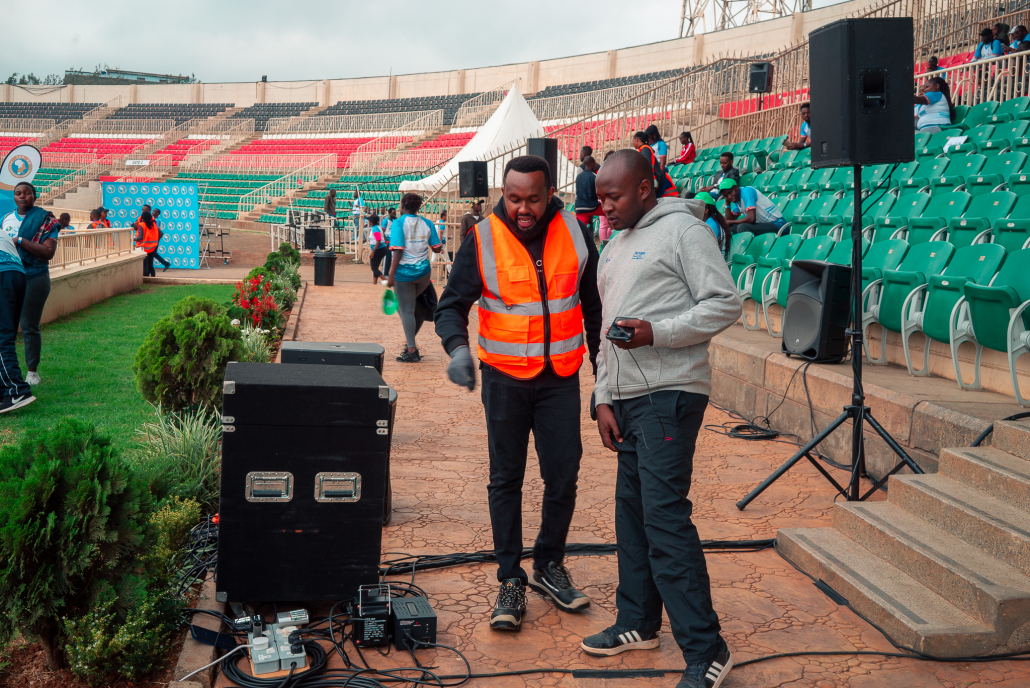
Modern corporate events increasingly rely on technology to strengthen safety planning and emergency response. When properly integrated, AV and digital systems support rapid communication, situational awareness, and coordinated action — helping organizers respond effectively while maintaining calm and professionalism.
7.1 Using AV systems for safety announcements and alerts
Audio-visual systems play a critical role in communicating urgent information.
Practical applications include:
-
Public address announcements during emergencies
-
Real-time safety instructions
-
Clear evacuation guidance
-
Priority override messaging when needed
-
Audible alerts across large venues
-
Backup communication channels
Reliable AV ensures messages are heard and understood immediately.
7.2 Digital signage for guidance and emergency information
Visual communication reduces confusion during high-pressure moments.
Effective uses include:
-
Directional signage for exits and assembly points
-
Safety reminders and protocols
-
Real-time updates during incidents
-
Crowd flow guidance
-
Emergency instructions are displayed clearly
-
Multilingual safety messaging when required
Digital signage provides fast, adaptable communication.
7.3 Live monitoring and communication tools during events
Active monitoring improves response speed and coordination.
Key tools may include:
-
Event control dashboards
-
Radio or headset communication systems
-
Security and crowd monitoring feeds
-
Incident reporting channels
-
Real-time coordination between teams
-
Backup communication systems
Centralized communication keeps teams aligned.
7.4 How technology enhances overall event safety management
Integrated technology strengthens every layer of safety planning.
Benefits include:
-
Faster incident response
-
Improved situational awareness
-
Reduced communication delays
-
Enhanced coordination between vendors
-
Automated alerts and reminders
-
Better post-event safety analysis
Technology transforms safety from reactive to proactive management.
Technology-driven safety integration enables clearer communication, faster coordination, and smarter risk management during corporate events. By leveraging AV systems, digital signage, and live monitoring tools, organizers create safer, more responsive environments that protect attendees, staff, and operations.
8. Partnering with Professional Event and AV Providers
Corporate Event Health and Safety in Kenya
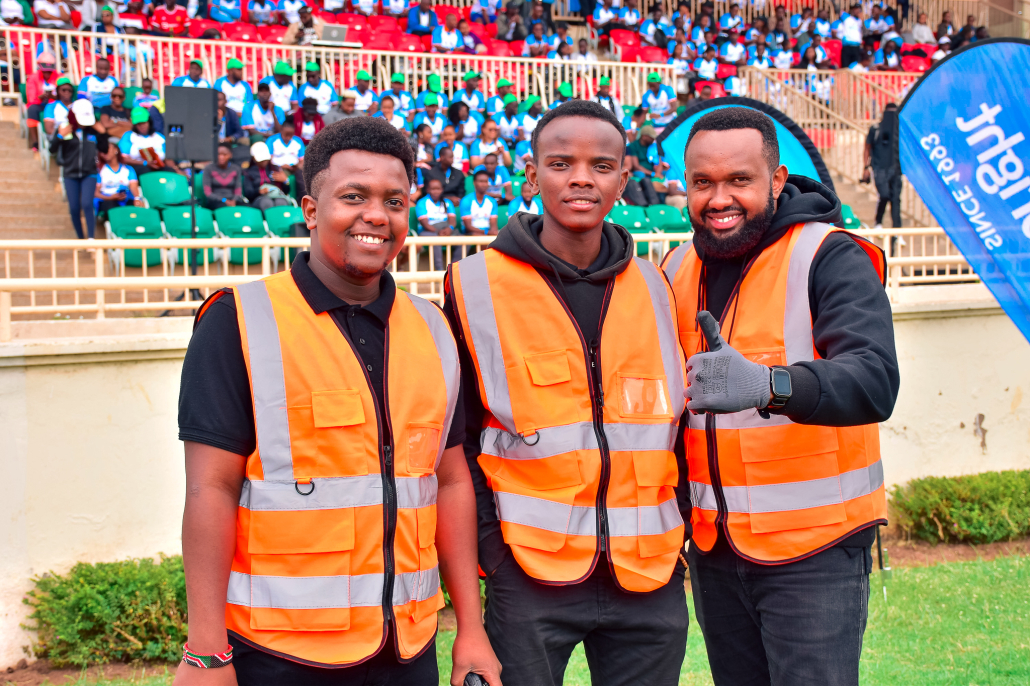
Safety in corporate events is strongest when experienced professionals are involved from planning through execution. Specialized event and AV providers bring structured processes, technical expertise, and risk awareness that help prevent incidents while maintaining a polished, professional environment.
8.1 Benefits of working with experienced, safety-conscious providers
Professional providers embed safety into every stage of event delivery.
Key advantages include:
-
Proven safety protocols and compliance standards
-
Trained personnel and certified technicians
-
Proper equipment handling and installation
-
Structured risk assessments
-
Coordinated emergency readiness
-
Reduced liability and operational disruptions
Experience translates into safer, smoother execution.
8.2 How Peak Audio prioritizes safety in event planning and execution
A safety-first AV partner integrates protection into technical design and workflows.
Peak Audio emphasizes:
-
Pre-event safety evaluations
-
Secure rigging and equipment placement
-
Electrical safety and load management
-
Cable routing to prevent hazards
-
Rehearsals and system testing
-
Compliance with industry best practices
Safety planning is built into every technical decision.
8.3 On-site technical support to manage risks in real time
Live oversight ensures rapid response when conditions change.
On-site safety support includes:
-
Continuous equipment monitoring
-
Immediate troubleshooting
-
Coordination with venue and event teams
-
Crowd-aware technical adjustments
-
Backup system activation if needed
-
Incident communication protocols
Real-time presence minimizes escalation.
8.4 Delivering safe, professional, and compliant corporate events
Professional collaboration ensures events meet operational and regulatory expectations.
This includes:
-
Adherence to safety standards
-
Clear documentation and procedures
-
Seamless coordination with vendors
-
Consistent communication
-
Preventive maintenance practices
-
Post-event safety review
Compliance and professionalism go hand in hand.
Partnering with experienced event and AV professionals strengthens safety, reduces risk, and elevates execution quality. With structured planning, on-site expertise, and compliance-focused workflows, organizations can deliver corporate events that are secure, reliable, and professionally managed from start to finish.
9. FAQs on Corporate Event Health and Safety in Kenya — Detailed Guide
9.1 What are the key health and safety requirements for corporate events in Kenya?
Corporate event safety begins with regulatory compliance and structured risk management. Organizers must ensure the venue meets legal occupancy limits, fire safety standards, and emergency access requirements. Electrical installations should be certified, temporary structures must be secure, and clear signage should guide attendees. Beyond compliance, safety planning includes risk assessments, crowd flow design, accessible exits, first-aid readiness, and coordination with venue management. These elements work together to prevent incidents, protect attendees, and ensure smooth event execution.
9.2 Who is responsible for safety during a corporate event?
Safety is a shared duty anchored by the event organizer, who oversees the entire safety framework. However, responsibility is distributed: the venue ensures structural and environmental safety, security teams manage crowd control, and service providers—such as AV professionals—handle equipment safety within their scope. Effective events operate under a coordinated safety chain where each stakeholder understands their role, communicates clearly, and follows documented protocols.
9.3 How can AV equipment pose safety risks if not handled professionally?
AV systems involve electricity, elevated rigging, cables, and heavy equipment. Improper installation can lead to electrical shocks, overheating, falling fixtures, trip hazards, or equipment failure. Sound levels can also affect comfort if not calibrated correctly. Professional AV teams mitigate these risks through certified power distribution, secure rigging, structured cable management, load testing, and system rehearsals—ensuring safety without compromising production quality.
9.4 What emergency measures should be in place at corporate events?
A well-prepared event includes clearly defined emergency procedures. These typically cover evacuation routes, assembly points, emergency communication channels, and coordination with medical or fire services. First-aid stations, trained personnel, and fire suppression equipment should be accessible. Most importantly, event teams should rehearse emergency protocols so responses are calm, fast, and coordinated if a real incident occurs.
9.5 How early should safety planning begin for an event?
Safety planning should start at the concept stage—not as a last-minute checklist. Early planning allows organizers to conduct comprehensive risk assessments, review venue compliance, integrate safety into layout design, and align vendors on protocols. Starting early ensures that safety measures are built into every decision, from staging to crowd movement, rather than added reactively.
9.6 Can Peak Audio assist with safety compliance during events?
Yes. Professional AV providers like Peak Audio incorporate safety into every stage of technical planning and execution. This includes secure equipment installation, certified power management, cable routing, rehearsals, and on-site supervision. Their expertise ensures AV setups comply with industry standards while supporting the broader event safety strategy.
9.7 What are common safety mistakes made at corporate events?
Frequent oversights include overcrowding spaces, ignoring cable management, skipping technical rehearsals, underestimating power requirements, poor signage, and lack of emergency preparation. Another major mistake is relying on untrained personnel to handle equipment. These shortcuts may save time initially but significantly increase risk during live execution.
9.8 How can technology improve event safety?
Technology strengthens safety through communication and monitoring. Digital signage can guide attendees during emergencies, while AV systems broadcast announcements instantly. Access control tools manage crowd flow, and real-time monitoring systems allow organizers to detect issues quickly. Integrated communication platforms ensure all teams stay aligned during critical moments.
9.9 Are health and safety measures different for indoor and outdoor events?
Yes—each environment presents unique risks. Indoor events emphasize fire safety, ventilation, crowd capacity, and emergency exits. Outdoor events require additional considerations such as weather protection, ground stability, structural anchoring, power shielding, and environmental hazards. Planning must adapt to the setting to maintain consistent safety standards.
9.10 What role does staff training play in event safety?
Training transforms safety plans into effective action. Skilled personnel can identify hazards early, operate equipment correctly, guide attendees calmly, and respond to emergencies with confidence. Regular briefings, rehearsals, and clear communication channels ensure that everyone understands procedures—reducing panic and improving response time when it matters most.
Corporate event safety in Kenya is built on proactive planning, shared responsibility, professional execution, and continuous communication. From regulatory compliance and AV safety to emergency preparedness and trained personnel, each element contributes to a secure environment. Partnering with experienced providers and integrating safety into every stage of planning ensures events are not only successful—but responsibly managed from start to finish.
Safe Corporate Events in Kenya – Professional Execution with Peak Audio
Corporate Event Health and Safety in Kenya
Health and safety form the backbone of successful corporate events in Kenya. Careful planning, risk assessment, and structured execution help organizations protect attendees, staff, and equipment while maintaining a smooth event flow. When safety considerations are built into every stage of preparation, events run with greater confidence and professionalism.
A proactive approach to safety supports both compliance and experience quality. From secure equipment setup to crowd management and contingency planning, responsible execution minimizes disruption and builds trust with participants. Well-managed environments allow attendees to focus on engagement and learning rather than potential hazards.
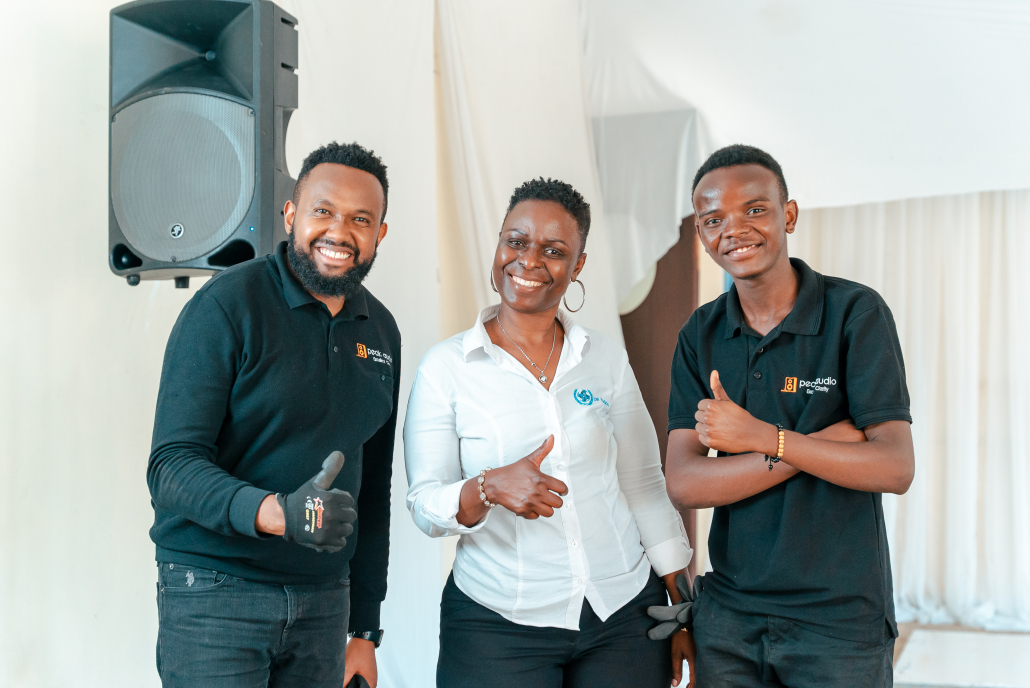
At Peak Audio, safety is embedded into every aspect of our AV and event production services. Our team prioritizes compliant setups, reliable equipment handling, and professional technical management to safeguard your event. Visit Peak Audio to discover how we deliver corporate events that are engaging, polished, and responsibly executed from start to finish.
Leave a Reply
Want to join the discussion?Feel free to contribute!