Table of Contents
ToggleConference vs Summit in Kenya – Choose the Right Event Format with Peak Audio
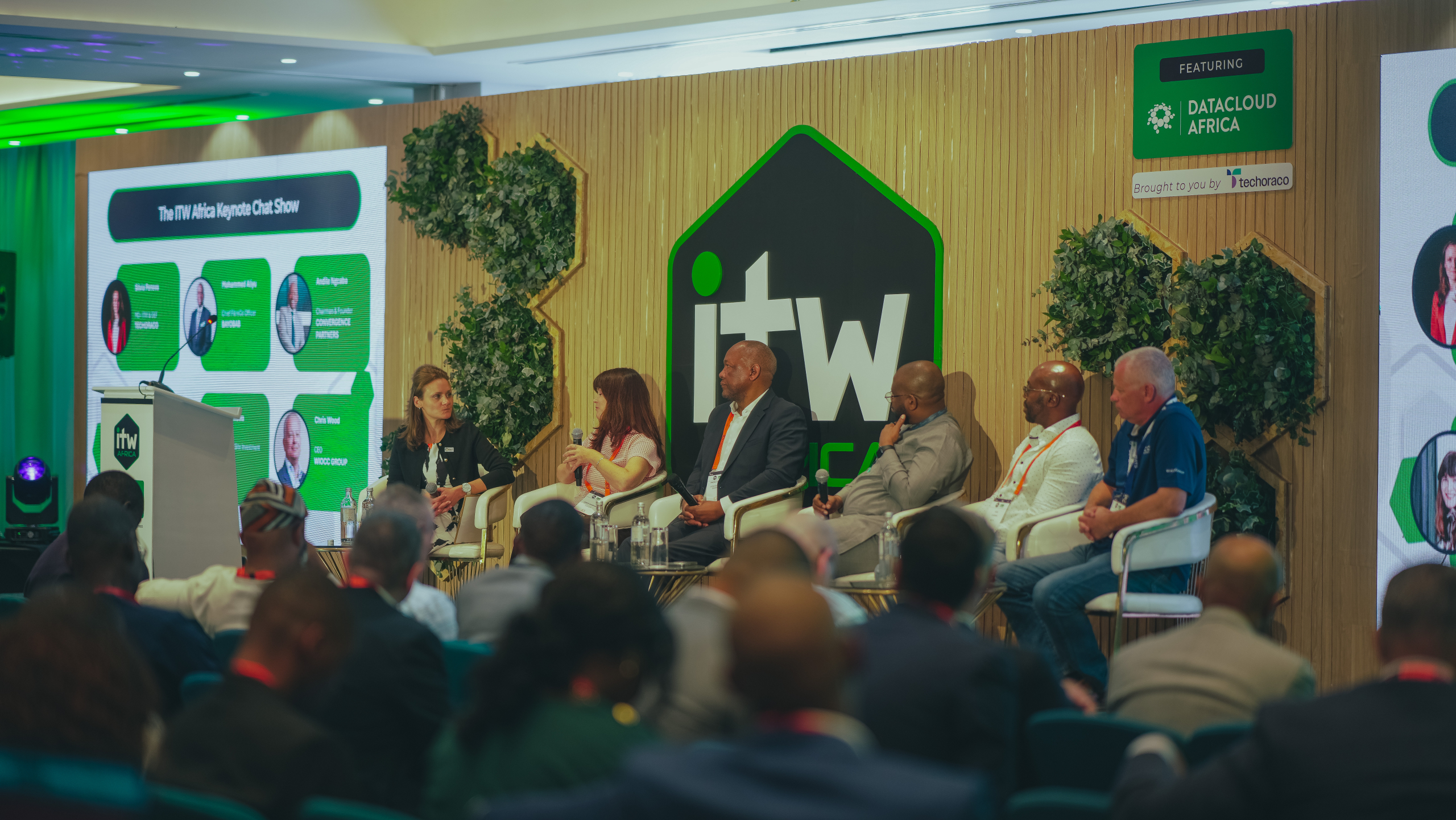
Conference vs Summit in Kenya
In Kenya’s evolving corporate and events landscape, the terms conference and summit are often used interchangeably, yet they represent two distinct types of events with different goals and structures. Conferences are typically larger gatherings designed to share knowledge, showcase industry trends, and bring together a broad audience through multiple sessions, presentations, and networking opportunities. Summits, on the other hand, are more focused and exclusive, often involving senior leaders, decision-makers, or experts who engage in high-level discussions, strategy sessions, and collaborative problem-solving. Understanding these differences is essential for organizations aiming to host impactful and purpose-driven events.
Choosing between a conference and a summit depends on your objectives, target audience, and desired outcomes. Conferences are ideal for education, brand exposure, and large-scale engagement, while summits are better suited for strategic dialogue, leadership alignment, and decision-making. The format, size, content depth, and level of interaction all vary significantly between the two. Additionally, the event setup—including venue design, seating arrangements, and audio-visual requirements—differs based on the format. Conferences may require large stages, multiple screens, and expansive sound systems, while summits often benefit from more intimate setups with focused AV solutions that encourage discussion and interaction.
Peak Audio provides expert support for both conferences and summits in Kenya, ensuring each event format is executed with precision and professionalism. With advanced audio-visual systems, customized stage design, lighting solutions, and seamless technical support, Peak Audio helps organizations deliver engaging and well-structured events tailored to their goals. Whether hosting a large conference or an exclusive summit, partnering with Peak Audio ensures a high-quality experience that enhances communication, audience engagement, and overall event success.
1. What Is a Conference?
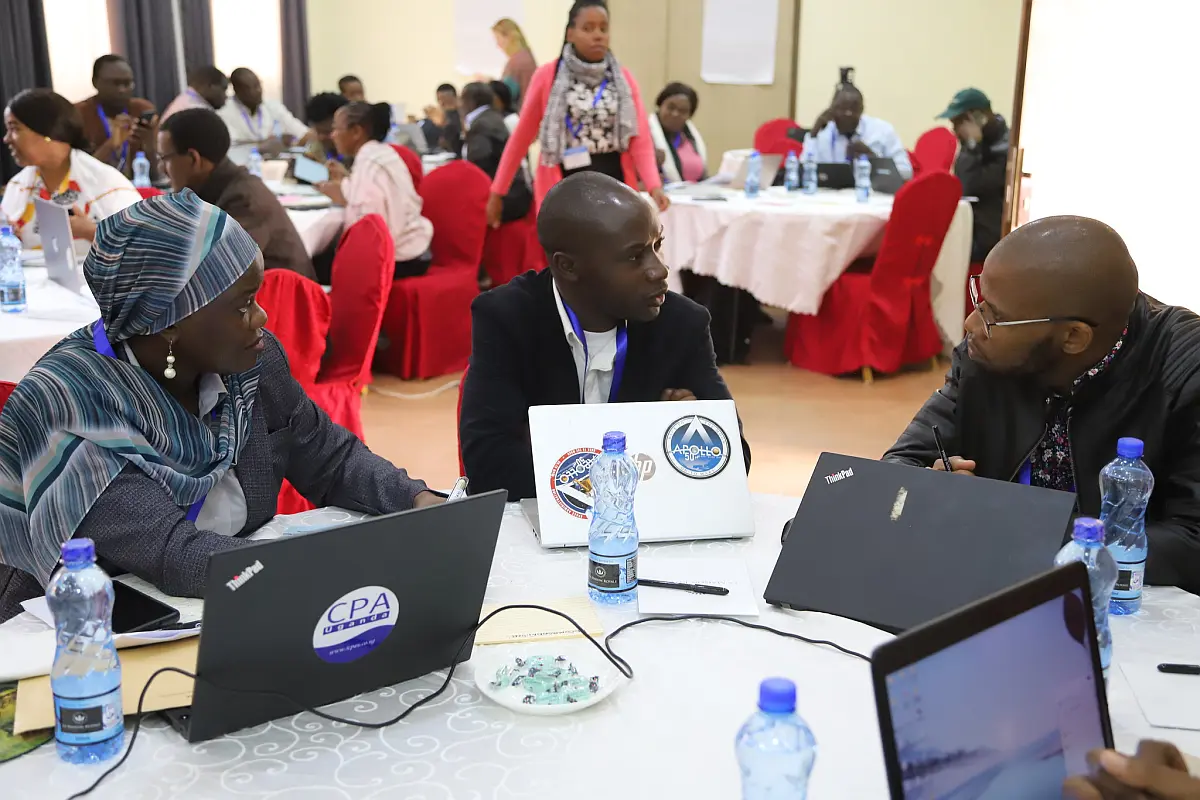
Conference vs Summit in Kenya
A conference is a structured, large-scale event that brings people together to share knowledge, exchange ideas, and build professional connections within a specific industry or field. Conferences are designed to foster learning, highlight emerging trends, and encourage collaboration among participants with shared interests or goals. They play a key role in professional development and industry advancement.
1.1 A Conference Is a Large-Scale Event Designed for Knowledge Sharing, Networking, and Industry Engagement
Conferences serve as platforms for learning and connection.
- Knowledge Exchange – Experts and thought leaders share insights, research, and best practices.
- Networking Opportunities – Attendees connect with peers, partners, and industry professionals.
- Industry Engagement – Organizations and stakeholders come together to discuss trends and challenges.
Conferences create an environment where learning, networking, and collaboration happen simultaneously.
1.2 Typically Includes Multiple Sessions Such as Keynote Speeches, Panels, and Workshops
A variety of session formats cater to different learning styles and objectives.
- Keynote Speeches – Delivered by industry leaders to provide inspiration and high-level insights.
- Panel Discussions – Multiple experts share diverse perspectives on specific topics.
- Workshops & Breakouts – Interactive sessions that allow deeper engagement and practical learning.
Diverse session formats ensure participants gain both broad insights and practical knowledge.
1.3 Open to a Broader Audience, Including Professionals, Students, and Stakeholders
Conferences bring together a wide range of participants.
- Industry Professionals – Gain insights, network, and explore business opportunities.
- Students & Learners – Acquire knowledge and exposure to real-world industry practices.
- Stakeholders & Partners – Engage in discussions that influence industry direction and collaboration.
A diverse audience enriches discussions and creates a dynamic learning environment.
1.4 Focuses on Education, Trends, and Collaboration Within a Specific Field
Conferences are centered around advancing knowledge and innovation.
- Educational Value – Provide learning opportunities through expert-led sessions and discussions.
- Trend Awareness – Highlight emerging technologies, practices, and market developments.
- Collaborative Opportunities – Encourage partnerships, idea-sharing, and joint initiatives.
Conferences drive growth and innovation by combining education, trends, and collaboration.
A conference is a large-scale event designed to bring together professionals, learners, and stakeholders for knowledge sharing, networking, and industry engagement. Through diverse sessions such as keynotes, panels, and workshops, conferences provide valuable insights and foster collaboration. Common across industries like technology, healthcare, business, and education, conferences play a vital role in advancing knowledge, building connections, and shaping the future of various fields.
2. What Is a Summit?

Conference vs Summit in Kenya
A summit is a focused, high-level event designed for in-depth discussions, strategic alignment, and decision-making. Unlike larger conferences, summits are typically smaller and more exclusive, bringing together senior professionals and leaders to address critical issues, explore opportunities, and shape the direction of industries or organizations.
2.1 A Summit Is a Smaller, More Exclusive Event Focused on High-Level Discussions
Summits are designed for depth rather than scale.
- Selective Participation – Attendance is often limited to ensure meaningful and productive discussions.
- Focused Topics – Sessions concentrate on specific challenges or strategic themes.
- Quality Over Quantity – Smaller groups allow for deeper engagement and more impactful conversations.
The exclusivity of summits enables more focused, high-value discussions among participants.
2.2 Usually Attended by Executives, Decision-Makers, or Industry Leaders
The audience at summits is typically composed of senior-level professionals.
- Executive Presence – CEOs, directors, and senior managers participate in discussions.
- Decision-Making Authority – Attendees often have the power to influence or implement outcomes.
- Peer-Level Engagement – Conversations occur among professionals with similar levels of experience and responsibility.
The presence of decision-makers ensures that discussions are strategic and outcome-oriented.
2.3 Emphasizes Strategy, Problem-Solving, and Leadership Dialogue
Summits focus on addressing real challenges and shaping future direction.
- Strategic Thinking – Discussions revolve around long-term goals and organizational direction.
- Problem-Solving – Participants collaborate to find solutions to industry or business challenges.
- Leadership Insights – Leaders share experiences, perspectives, and best practices.
Summits provide a platform for high-level thinking and actionable strategic outcomes.
2.4 Often Structured Around Roundtables, Closed-Door Sessions, and Targeted Discussions
The format of summits encourages active participation and confidentiality.
- Roundtable Discussions – Small groups foster open dialogue and equal participation.
- Closed-Door Sessions – Private settings allow for honest and in-depth conversations.
- Targeted Topics – Sessions are tailored to specific challenges or industries.
Structured, interactive formats enable meaningful discussions and actionable insights.
A summit is an exclusive, high-level event designed for strategic discussions, problem-solving, and leadership engagement. With a focused audience of executives and decision-makers, summits emphasize depth, collaboration, and actionable outcomes. Through formats like roundtables and closed-door sessions, they provide an environment for meaningful dialogue and impactful decision-making.
3. Key Differences Between Conferences and Summits
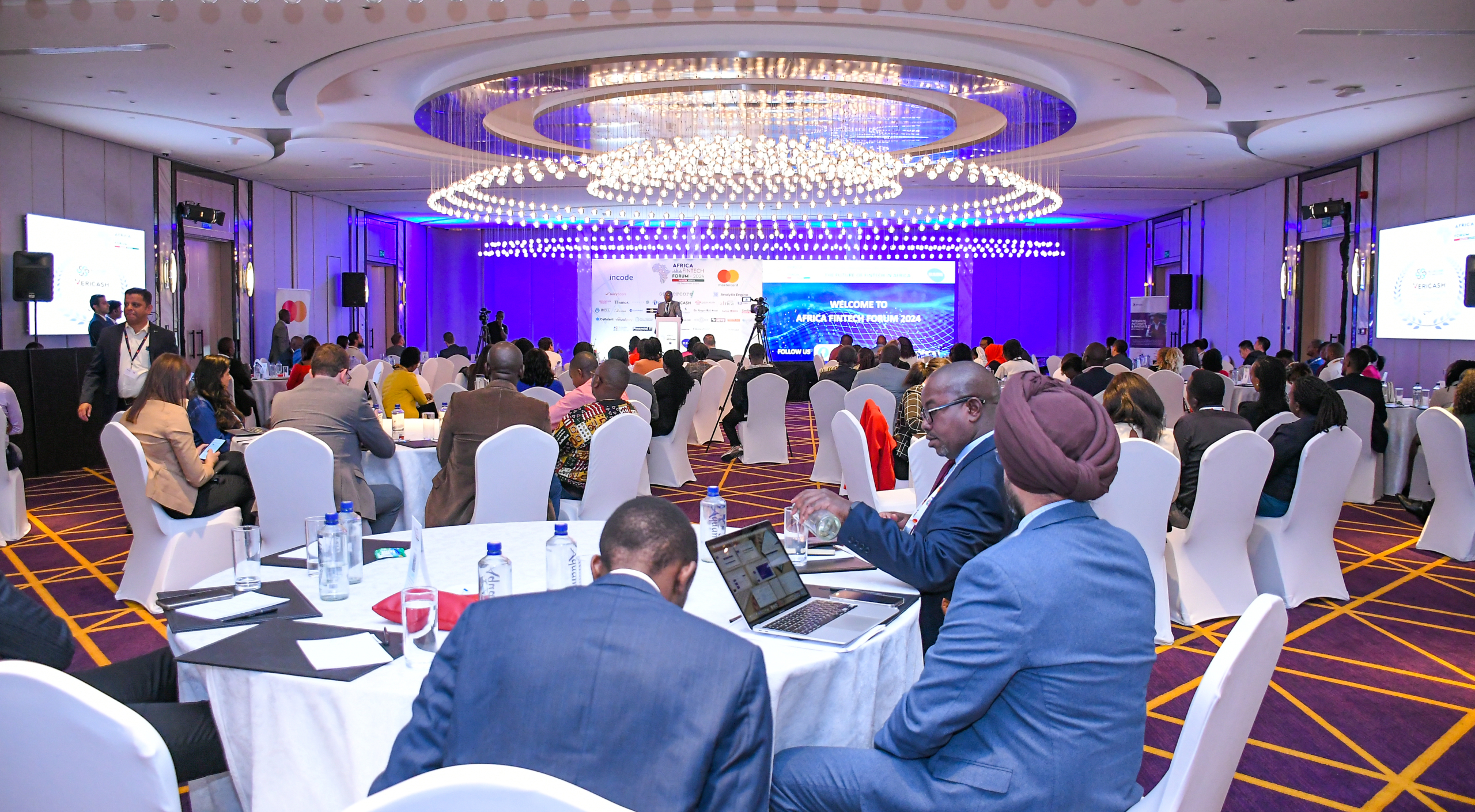
Conference vs Summit in Kenya
While both conferences and summits are valuable professional events, they differ significantly in structure, purpose, audience, and level of engagement. Understanding these differences helps attendees and organizers choose the right format based on their goals—whether it’s broad knowledge sharing or focused strategic discussions.
3.1 Audience Size and Type
The composition and size of participants vary greatly between the two formats.
- Conferences: Large, Diverse Audiences – Open to a wide range of participants including professionals, students, exhibitors, and stakeholders from different backgrounds.
- Summits: Smaller, Selective Groups – Attendance is limited to executives, decision-makers, or experts to ensure meaningful engagement.
- Impact on Experience – Conferences offer broad exposure, while summits provide more personalized and high-level interactions.
Conferences emphasize scale and diversity, whereas summits prioritize exclusivity and targeted participation.
3.2 Purpose and Focus
Each event type serves a different primary objective.
- Conferences: Knowledge Sharing and Networking – Focus on learning, industry updates, and building connections across a wide audience.
- Summits: Strategy and Decision-Making – Centered on solving problems, shaping strategy, and fostering leadership collaboration.
- Outcome Orientation – Conferences provide insights, while summits aim for actionable decisions and outcomes.
Conferences are education-driven, while summits are strategy-driven.
3.3 Event Structure
The format and organization of sessions differ significantly.
- Conferences: Multi-Track Structure – Include keynote speeches, breakout sessions, exhibitions, and multiple parallel activities.
- Summits: Focused Sessions – Feature roundtables, panel discussions, and private or closed-door meetings.
- Flexibility vs Focus – Conferences offer variety, while summits provide depth in fewer, targeted sessions.
Conferences offer a wide range of activities, while summits maintain a concentrated and focused structure.
3.4 Level of Interaction
The degree of participation and engagement varies between formats.
- Conferences: Moderate Interaction – Often presentation-driven, with limited audience participation in large sessions.
- Summits: High Interaction – Encourage active participation, discussions, and collaboration among attendees.
- Engagement Style – Conferences are more observational, while summits are highly conversational.
Summits provide deeper engagement, while conferences offer broader but less interactive experiences.
3.5 Duration and Format
The time commitment and pacing of events differ.
- Conferences: Longer Duration – Typically span multiple days with extensive agendas and numerous sessions.
- Summits: Shorter and Focused – Usually condensed into shorter timeframes with a clear agenda.
- Participant Experience – Conferences require more time investment, while summits deliver concentrated value quickly.
Conferences are expansive and time-intensive, whereas summits are concise and goal-oriented.
Conferences and summits differ in audience size, purpose, structure, interaction level, and duration. Conferences are large, diverse events focused on knowledge sharing and networking, offering multiple sessions and broad exposure. Summits, on the other hand, are smaller, exclusive gatherings designed for strategic discussions, high-level collaboration, and actionable outcomes. Choosing between the two depends on whether your goal is to learn and connect widely or engage deeply and strategically.
4. When to Choose a Conference
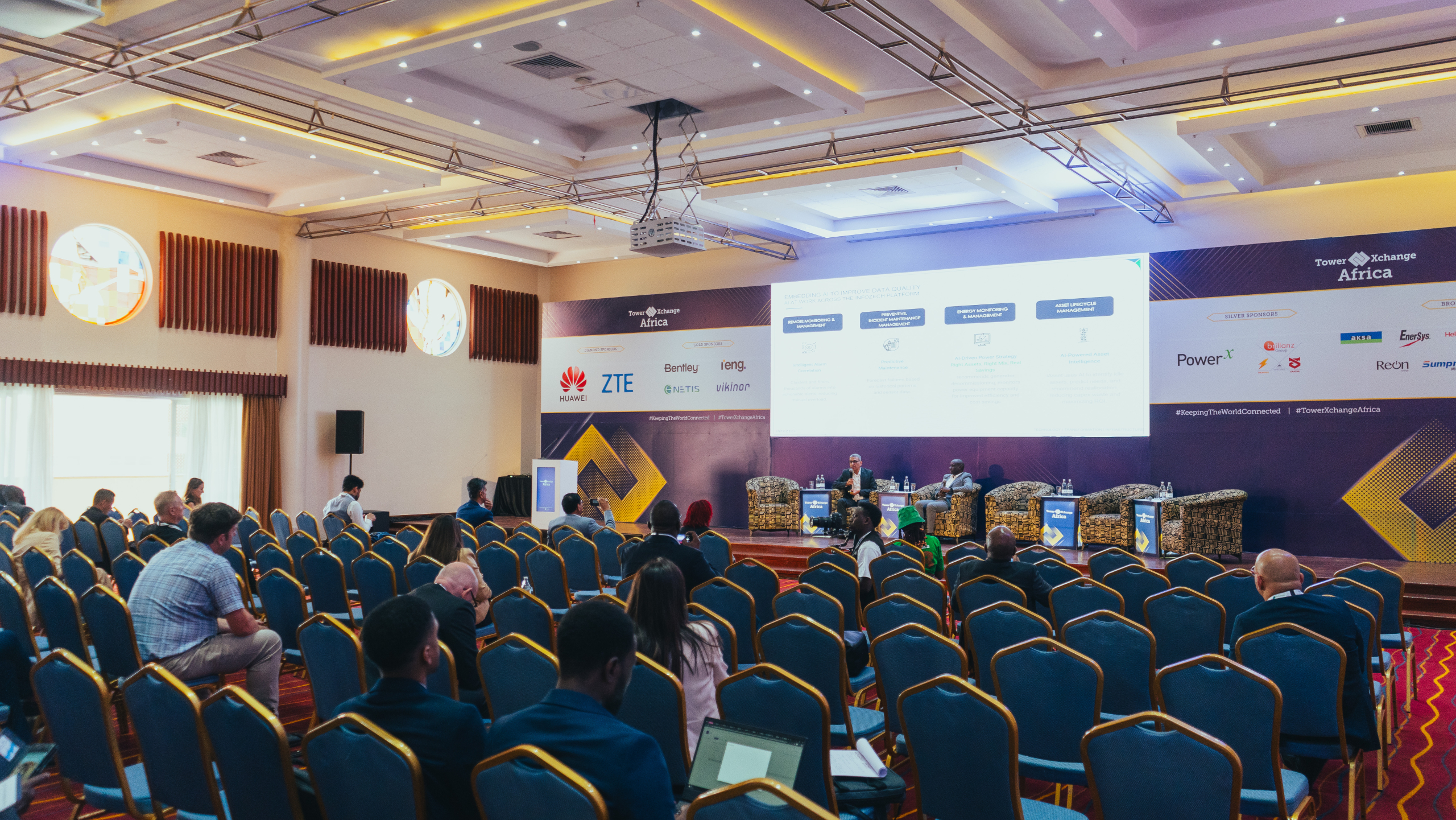
Conference vs Summit in Kenya
Choosing a conference format is ideal when your primary goal is to reach a broad audience, share knowledge, and maximize visibility within your industry. Conferences provide scale, diversity, and multiple engagement opportunities, making them effective for education, marketing, and networking. Understanding when to choose a conference helps you align your participation with clear, impactful outcomes.
4.1 When You Want to Reach a Large Audience
Conferences are designed to accommodate and engage many participants at once.
- Mass Engagement – Ideal for communicating with hundreds or thousands of attendees simultaneously.
- Diverse Audience – Access professionals from different sectors, roles, and experience levels.
- Brand Exposure – Large audiences increase visibility and awareness of your brand or message.
Conferences are the best choice when your goal is to reach and influence a wide and diverse audience.
4.2 When the Goal Is Education, Awareness, or Industry Exposure
Conferences are highly effective for sharing knowledge and building awareness.
- Educational Content – Deliver presentations, workshops, and insights to inform and educate attendees.
- Thought Leadership – Position yourself or your organization as an industry expert.
- Market Awareness – Highlight trends, innovations, and ideas to a broad audience.
Conferences are ideal for spreading knowledge, building credibility, and increasing industry awareness.
4.3 When Showcasing Products, Services, or Innovations
Exhibition opportunities make conferences powerful marketing platforms.
- Product Demonstrations – Showcase offerings through live demos, displays, or presentations.
- Customer Engagement – Interact directly with potential clients and gather feedback.
- Competitive Positioning – Stand out among competitors by highlighting unique value propositions.
Conferences provide an excellent platform for promoting products and engaging with potential customers.
4.4 When Networking and Brand Visibility Are Key Priorities
Conferences offer multiple opportunities to connect and build relationships.
- Structured Networking – Participate in sessions, meetups, and organized networking activities.
- Informal Interactions – Build connections during breaks, exhibitions, and social events.
- Brand Recognition – Increased visibility through participation, presentations, or booth presence.
Conferences are ideal when your focus is building connections and enhancing brand presence.
A conference is the right choice when your goal is to reach a large audience, share knowledge, showcase products, and enhance networking and brand visibility. With diverse participants, multiple sessions, and exhibition opportunities, conferences provide a powerful platform for education, marketing, and relationship-building. They are especially effective for organizations and individuals seeking broad exposure and meaningful industry engagement.
5. When to Choose a Summit
Conference vs Summit in Kenya
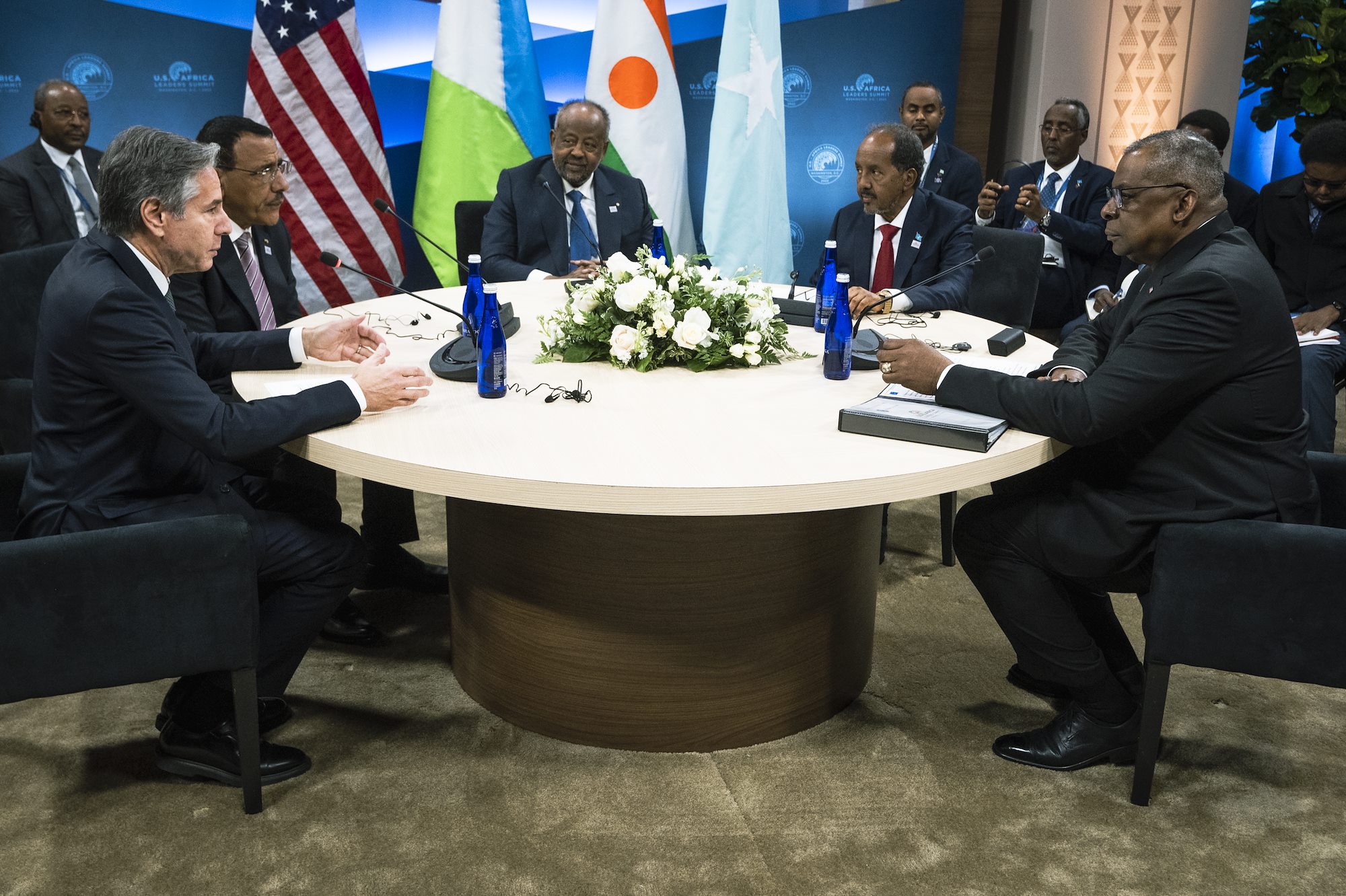
A summit is the right format when your priorities shift from broad exposure to focused, high-level outcomes. Designed for smaller, curated audiences, summits enable deeper conversations, faster decision-making, and stronger peer-to-peer connections. If your goal is to engage senior leaders, align strategy, and drive actionable results, a summit offers the structure and environment to achieve it
5.1 When Targeting Executives or Decision-Makers
Summits are tailored for senior audiences with authority and influence.
- Curated Attendee Lists – Invitations focus on CEOs, directors, founders, and senior managers.
- Decision Authority – Participants can approve initiatives, allocate budgets, and move ideas forward.
- Peer-Level Dialogue – Conversations occur among leaders with comparable experience and responsibility.
Choose a summit when you need direct access to decision-makers and high-value conversations with leadership.
5.2 When the Goal Is Strategy Development or Problem-Solving
Summits are built to produce outcomes, not just insights.
- Focused Agendas – Topics are tightly aligned to strategic priorities or pressing challenges.
- Collaborative Problem-Solving – Participants co-create solutions through guided discussions.
- Actionable Outputs – Sessions often end with clear next steps, frameworks, or pilot initiatives.
If you need concrete strategies and solutions, a summit provides the depth and structure to deliver results.
5.3 When You Need Focused, High-Level Discussions
Smaller groups enable deeper, more meaningful engagement.
- Roundtable Formats – Encourage equal participation and in-depth exchange of ideas.
- Confidential Settings – Closed-door sessions allow honest, candid discussions.
- Expert-Led Dialogues – Facilitators and industry experts guide conversations toward outcomes.
Summits are ideal when depth, candor, and quality of discussion matter more than scale.
5.4 When Exclusivity and Premium Experience Are Important
Summits emphasize quality, personalization, and a high-end experience.
- Exclusive Access – Limited attendance enhances the value of each interaction.
- Premium Environments – Carefully selected venues, curated content, and personalized services.
- High-Value Networking – Fewer participants mean more time for meaningful, one-on-one connections.
Choose a summit when you want a premium, exclusive environment that maximizes the quality of engagement.
A summit is the best choice when your focus is on engaging executives, developing strategy, solving complex problems, and facilitating high-level discussions. With curated audiences, focused formats, and premium experiences, summits deliver depth, confidentiality, and actionable outcomes. They are ideal for organizations seeking meaningful dialogue, faster decision-making, and high-impact results.
6. Role of Audio-Visual Solutions in Both Events
Conference vs Summit in Kenya
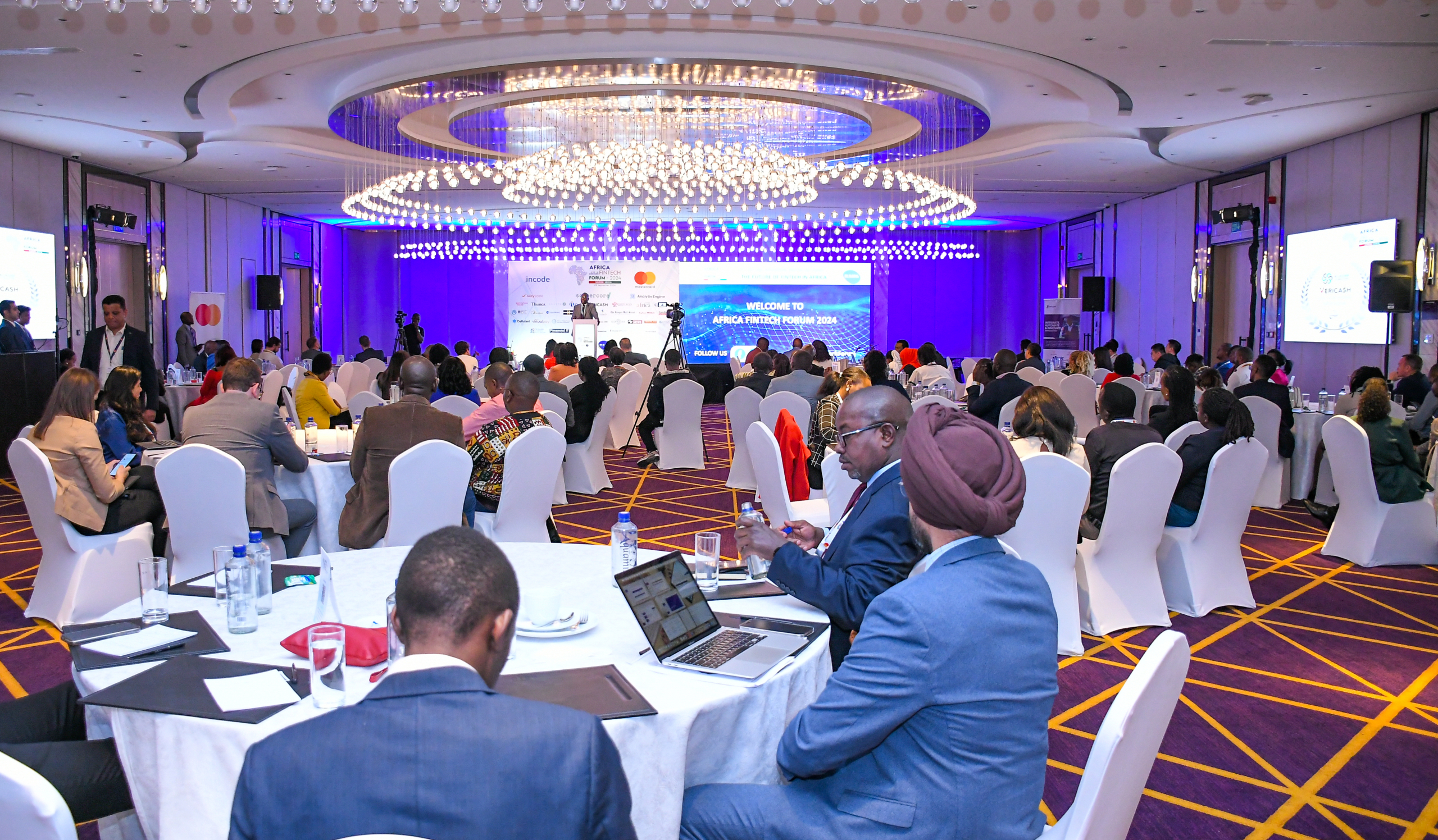
Audio-visual (AV) solutions are a critical foundation for both conferences and summits, directly influencing how information is delivered, understood, and experienced. While both event types rely on AV, their requirements differ in scale, setup, and interaction level. Choosing the right AV approach ensures clear communication, strong engagement, and a professional experience tailored to the audience and event objectives.
6.1 Conferences Require Large-Scale AV Setups for Clear Communication Across Big Audiences
Conferences demand robust AV systems to support large audiences and complex environments.
- Wide Coverage Audio – High-powered speakers and distributed sound systems ensure everyone in large halls can hear clearly.
- Large Display Screens – LED walls and projection systems make content visible from any distance.
- Multi-Zone Setup – Different rooms or tracks require coordinated AV systems running simultaneously.
- Scalability – Equipment must handle large crowds without compromising quality or clarity.
Large-scale AV ensures consistent communication and engagement across expansive conference environments.
6.2 Summits Need High-Quality, Intimate AV Setups for Clear Discussions and Presentations
Summits prioritize clarity, precision, and interaction in smaller settings.
- Close-Range Audio – Table microphones and compact speaker systems support clear, conversational dialogue.
- Focused Visuals – Smaller screens or displays tailored for boardroom-style environments.
- Minimal Disruption – Quiet, unobtrusive AV setups that support discussion without distraction.
- Precision Setup – Emphasis on sound clarity and visual sharpness for detailed conversations.
Intimate AV setups ensure effective communication and collaboration in high-level summit environments.
6.3 Hybrid and Virtual Capabilities Are Important for Both Formats
Modern events often extend beyond physical venues.
- Live Streaming – Enables remote participants to attend sessions in real time.
- Recording & On-Demand Access – Allows content to be accessed after the event.
- Interactive Tools – Polls, Q&A, and chat features engage both in-person and virtual audiences.
- Global Reach – Expands audience size and accessibility beyond geographic limitations.
Hybrid and virtual AV capabilities enhance accessibility, engagement, and overall event reach.
6.4 Peak Audio Provides Tailored AV Solutions to Match Each Event Type and Audience Size
Professional AV providers ensure the right setup for every event.
- Customized Solutions – AV setups designed specifically for conferences or summits based on scale and objectives.
- Technical Expertise – Professional installation, operation, and troubleshooting throughout the event.
- Integrated Systems – Seamless coordination of sound, visuals, lighting, and streaming technologies.
- Reliable Performance – Ensures smooth execution without technical interruptions.
Partnering with experts like Peak Audio guarantees a high-quality, tailored AV experience for any event format
Audio-visual solutions play a vital role in both conferences and summits by ensuring clear communication, engagement, and professionalism. Conferences require large-scale AV systems to reach broad audiences, while summits depend on precise, high-quality setups for intimate discussions. With the addition of hybrid and virtual capabilities, AV technology extends event reach and impact. Working with experienced providers like Peak Audio ensures that each event is supported with the right technology, tailored to its unique needs and audience.
7. Hybrid Events: Blending Conferences and Summits
Conference vs Summit in Kenya
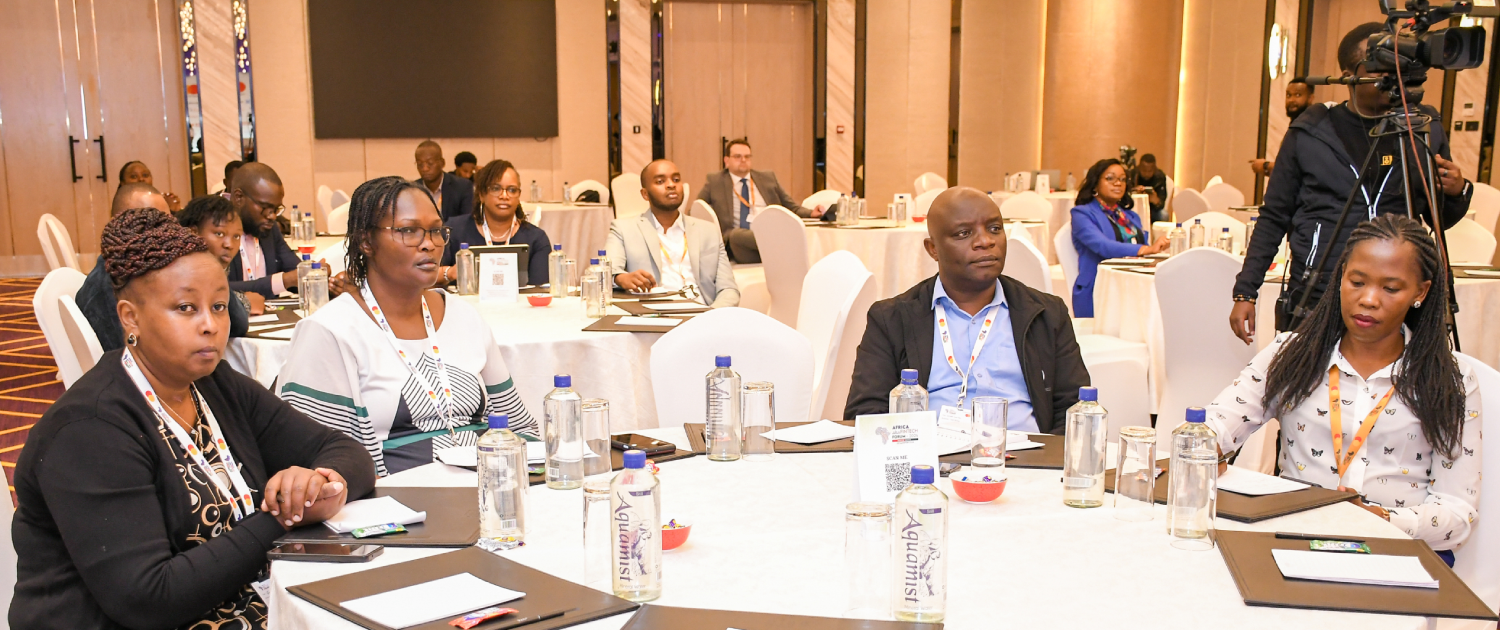
Modern events are increasingly adopting hybrid formats that combine the scale of conferences with the depth of summits. This approach allows organizers to deliver broad reach while still creating spaces for focused, high-level discussions. By integrating physical and virtual experiences, hybrid events provide flexibility, inclusivity, and enhanced engagement for diverse audiences.
7.1 Many Modern Events Combine Elements of Both Formats
Hybrid events merge the strengths of conferences and summits.
- Scalable Structure – Large audiences attend keynote sessions while smaller groups participate in focused discussions.
- Flexible Design – Organizers can tailor sessions to different audience needs and engagement levels.
- Enhanced Value – Combines broad knowledge sharing with deep, strategic conversations.
Blending formats allows events to cater to both wide audiences and targeted participants effectively.
7.2 Large Conferences May Include Exclusive Summit-Style Sessions
Conferences often integrate smaller, high-level segments within the larger event.
- VIP Sessions – Invite-only discussions for executives or key stakeholders.
- Focused Roundtables – Smaller groups address specific challenges or strategies.
- Targeted Engagement – Provides deeper value for select participants within a larger event.
Incorporating summit-style sessions within conferences adds depth and exclusivity to the experience.
7.3 Hybrid Setups Allow Both In-Person and Virtual Participation
Technology enables participation beyond physical boundaries.
- Dual Participation – Attendees can join physically or remotely based on convenience.
- Live Streaming – Real-time access to sessions for virtual audiences.
- Interactive Tools – Polls, chats, and Q&A features engage both in-person and online participants.
Hybrid setups increase accessibility and ensure broader participation across different locations.
7.4 This Approach Maximizes Reach While Maintaining Engagement
Hybrid events balance scale with meaningful interaction.
- Global Reach – Expands audience size beyond geographical limitations.
- Sustained Engagement – Combines large-scale presentations with interactive sessions.
- Improved ROI – Maximizes value for organizers, sponsors, and participants.
Hybrid events deliver both reach and engagement, making them highly effective for modern audiences.
Hybrid events combine the best aspects of conferences and summits, offering both large-scale reach and focused engagement. By integrating in-person and virtual participation, incorporating exclusive sessions, and leveraging flexible formats, hybrid events provide a dynamic and inclusive experience. This approach allows organizers to maximize audience reach while maintaining meaningful interaction and high-value outcomes.
8. Benefits of Choosing the Right Event Format

Conference vs Summit in Kenya
Selecting the appropriate event format—whether a conference, summit, or hybrid model—has a direct impact on the success of your event. The right format ensures that your objectives are met, your audience is engaged, and your resources are used effectively. By aligning structure, content, and delivery with your goals, you can create a more impactful and rewarding experience for all participants.
8.1 Aligns the Event with Your Goals and Target Audience
The right format ensures your event meets its intended purpose.
- Goal Matching – Conferences support broad awareness and learning, while summits focus on strategy and decision-making.
- Audience Fit – Tailoring the format ensures the right participants attend and engage effectively.
- Clear Direction – A well-aligned format helps structure content and activities around specific objectives.
Choosing the right format ensures your event is purpose-driven and aligned with your audience’s expectations.
8.2 Improves Engagement and Participant Satisfaction
An appropriate format enhances how attendees interact and experience the event.
- Relevant Content Delivery – Participants receive information that matches their needs and interests.
- Interactive Opportunities – Formats can be designed to encourage discussion, networking, or hands-on engagement.
- Positive Experience – A well-structured event keeps attendees engaged and satisfied throughout.
The right format creates a more engaging and enjoyable experience for participants.
8.3 Enhances ROI Through Better Content Delivery and Networking
Strategic alignment leads to measurable outcomes.
- Effective Communication – Content is delivered in a way that maximizes understanding and impact.
- Stronger Connections – Networking opportunities are tailored to the audience and event goals.
- Measurable Results – Improved engagement and participation lead to higher returns on investment.
Choosing the right format maximizes value by improving both content delivery and networking outcomes.
8.4 Ensures Efficient Use of Resources and Event Planning Efforts
Proper planning reduces waste and increases efficiency.
- Resource Optimization – Aligns budget, time, and technology with the event’s needs.
- Streamlined Planning – Clear structure simplifies logistics and execution.
- Reduced Risk – Minimizes inefficiencies and ensures smoother event delivery.
An appropriate event format ensures resources are used effectively, leading to better execution and results.
Choosing the right event format is essential for achieving your objectives and delivering a successful experience. By aligning the format with your goals and audience, improving engagement, enhancing ROI, and optimizing resources, you can maximize the impact of your event. A well-chosen format ensures efficiency, satisfaction, and meaningful outcomes for both organizers and participants.
9. FAQs on Conferences vs Summits
Understanding the differences between conferences and summits helps organizers and attendees choose the right format for their goals. These frequently asked questions clarify key distinctions, benefits, and considerations for both event types.
9.1 What is the main difference between a conference and a summit?
The primary difference lies in scale and purpose.
- Conferences – Large-scale events focused on education, knowledge sharing, and broad networking.
- Summits – Smaller, exclusive events centered on strategy, leadership, and decision-making.
- Experience – Conferences offer variety and scale, while summits provide depth and focus.
Conferences are education-driven and large, while summits are strategic and more intimate.
9.2 Which is better for networking?
Both formats offer networking, but in different ways.
- Conferences – Provide access to a wide and diverse audience, ideal for expanding your network.
- Summits – Offer smaller, high-level interactions with decision-makers and industry leaders.
- Networking Style – Conferences emphasize quantity, while summits emphasize quality.
Conferences are best for broad networking, while summits are ideal for deeper, high-value connections.
9.3 Are summits more exclusive than conferences?
Yes, summits are typically more selective.
- Invitation-Based Access – Many summits require invitations or targeted participation.
- Curated Attendees – Focus on executives, leaders, or specialists.
- Focused Environment – Smaller groups ensure meaningful engagement.
Summits are more exclusive, allowing for deeper and more focused discussions.
9.4 Can an event be both a conference and a summit?
Yes, many modern events combine both formats.
- Hybrid Structure – Large conference sessions alongside smaller summit-style discussions.
- Tiered Access – General attendees join conferences, while select participants join exclusive sessions.
- Enhanced Value – Combines reach with depth.
Blending both formats allows events to maximize both scale and engagement.
9.5 Which format is better for businesses?
The best choice depends on your objectives.
- Conferences – Ideal for brand visibility, marketing, and reaching a large audience.
- Summits – Best for strategic planning, partnerships, and executive-level discussions.
- Goal Alignment – Select the format based on desired outcomes.
Conferences suit visibility goals, while summits are better for strategy and collaboration.
9.6 Do both require AV support?
Yes, but the requirements differ.
- Conferences – Require large-scale AV setups for big audiences and multiple sessions.
- Summits – Need high-quality, focused AV for clear discussions in smaller settings.
- Technology Role – AV ensures clarity, engagement, and professionalism in both formats.
Both formats rely on AV, but the scale and setup vary significantly.
9.7 How long do these events last?
Duration depends on the format and objectives.
- Conferences – Often span multiple days with extensive agendas.
- Summits – Typically shorter, focusing on key discussions and outcomes.
- Time Efficiency – Summits are more condensed, while conferences offer broader coverage.
Conferences are longer and more expansive, while summits are shorter and focused.
9.8 Are summits more expensive to organize?
Costs vary depending on scope and quality.
- Conference Costs – Higher due to scale, venues, and large audiences.
- Summit Costs – May involve premium venues, curated experiences, and high-end services.
- Budget Factors – Technology, location, and audience size influence overall costs.
Summits are not always more expensive but may require premium investments for quality experiences.
9.9 Can small businesses host summits?
Yes, especially in niche or targeted industries.
- Focused Audience – Small businesses can target specific groups or sectors.
- Lower Scale Requirements – Smaller events are easier to manage and personalize.
- High Impact – Even small summits can deliver strong value through meaningful engagement.
Small businesses can successfully host summits by focusing on niche audiences and clear objectives.
9.10 How can Peak Audio help?
Professional AV support enhances both conferences and summits.
- Tailored AV Solutions – Customized setups for large conferences or intimate summits.
- Technical Expertise – Ensures smooth setup, operation, and troubleshooting.
- Enhanced Experience – Improves clarity, engagement, and overall event quality.
Partnering with experts like Peak Audio ensures high-quality AV support for any event format.
Conferences and summits differ in scale, purpose, and engagement level, but both offer valuable opportunities for learning, networking, and growth. Conferences are ideal for broad exposure and education, while summits focus on strategy and high-level collaboration. By understanding these differences and leveraging professional AV support from providers like Peak Audio, organizations can choose the right format and deliver impactful, successful events.
Choosing Between a Conference and a Summit in Kenya

Conference vs Summit in Kenya
Understanding the difference between a conference and a summit is crucial for planning impactful events in Kenya. Conferences are typically designed for larger audiences, focusing on knowledge sharing, presentations, and broad networking opportunities. In contrast, summits are more exclusive, bringing together key decision-makers for focused discussions, strategic planning, and high-level outcomes. Recognizing these distinctions helps organizers align their event format with their specific objectives.
Selecting the right format plays a significant role in achieving the desired results. A conference is ideal when the goal is education, exposure, and wide participation, while a summit works best for targeted engagement and decision-making among industry leaders. By choosing appropriately, event organizers can ensure better audience satisfaction, more relevant discussions, and a stronger overall impact. Careful planning, audience targeting, and content structuring are essential in making either format successful.
Ultimately, both conferences and summits can deliver exceptional value when executed professionally. Clear communication, seamless coordination, and engaging experiences are key to leaving a lasting impression on participants. With expert AV support from Peak Audio, events are enhanced through high-quality sound, visuals, and technical precision, ensuring they are not only successful but also memorable and impactful for all attendees.