Conference Sound Setup Best Practices
Table of Contents
ToggleConference Sound Setup Best Practices in Kenya: How Peak Audio Delivers Crystal-Clear Conference Experiences
Conference Sound Setup Best Practices
Conference sound setup best practices in Kenya begin with one simple principle: every word matters. Whether it’s a corporate board meeting, a government forum, or a large international conference, clear and consistent audio ensures that speakers are heard, messages are understood, and audiences remain fully engaged. From selecting the right microphones and speakers to managing acoustics in diverse venues, professional sound design plays a huge role in the success of any event. Poor audio doesn’t just cause inconvenience—it affects credibility, attention, and overall impact.
In Kenya’s dynamic conference landscape, sound challenges can vary widely depending on venue size, room layout, audience capacity, and technical demands such as hybrid or live-streamed sessions. Best practices include proper sound system sizing, strategic speaker placement, feedback control, and thorough sound checks before the event begins. Wireless microphones must be reliable, mixers well-calibrated, and backup systems always on standby. These details ensure seamless communication, even during long sessions or multi-speaker conferences.
Peak Audio stands out by turning these best practices into consistently exceptional results. With deep experience across Kenyan conference venues, Peak Audio provides professionally engineered sound solutions tailored to each event’s unique needs. From planning and setup to live monitoring and technical support, their team ensures flawless audio delivery from start to finish. When clarity, professionalism, and reliability matter most, Peak Audio helps conferences sound as powerful as their ideas.
1. Why Sound Quality Matters in Conferences
Conference Sound Setup Best Practices
Sound quality is one of the most critical — yet often underestimated — elements of a successful conference. Clear, balanced audio ensures that every message is understood, speakers feel supported, and attendees remain engaged. When sound is managed professionally, it reinforces credibility, improves learning, and contributes to a polished event experience.
1.1 Ensuring Every Attendee Hears Clearly, Regardless of Seating Position
A well-designed audio system distributes sound evenly throughout the venue.
Key factors that support clear coverage include:
-
Strategic speaker placement to eliminate dead zones
-
Volume balancing across the room
-
Acoustic adjustments based on venue layout
-
Use of appropriate microphones for presenters
-
Continuous monitoring during sessions
Uniform sound coverage ensures no participant is left straining to hear.
1.2 Enhancing Audience Engagement and Focus During Sessions
Clear audio helps attendees stay mentally present and connected to the content.
Engagement benefits include:
-
Reduced listening fatigue
-
Improved comprehension of key points
-
Sustained attention during long sessions
-
Easier participation in discussions
-
Greater retention of information
When participants hear effortlessly, they engage more fully.
1.3 Supporting Speaker Confidence and Presentation Effectiveness
Reliable sound systems allow presenters to focus on delivery rather than technical concerns.
Speaker advantages include:
-
Clear voice projection without strain
-
Freedom to move with wireless microphones
-
Immediate feedback from the audience
-
Smooth transitions between speakers
-
Confidence in consistent audio performance
Strong audio support improves presenter impact.
1.4 Why Poor Sound Reflects Negatively on Event Professionalism
Audio issues are immediately noticeable and can undermine credibility.
Negative impacts of poor sound include:
-
Audience frustration and distraction
-
Miscommunication or missed information
-
Perception of poor planning
-
Reduced trust in event organizers
-
Loss of engagement
Professional sound management protects the event’s reputation.
High-quality sound is essential for conference success. It ensures every attendee hears clearly, keeps audiences engaged, supports confident presenters, and reinforces professionalism. Investing in proper audio design and management prevents disruptions and elevates the entire conference experience.
2. Understanding Conference Sound Requirements
Conference Sound Setup Best Practices
Designing the right sound system for a conference begins with understanding the event’s scale, environment, and format. Audio requirements vary widely depending on audience size, venue characteristics, and the nature of the conference itself. A thoughtful assessment ensures sound is clear, balanced, and appropriate for the experience organizers want to deliver.
2.1 Assessing Audience Size and Room Capacity
The number of attendees and the physical space directly influence audio system design.
Key assessment considerations include:
-
Coverage needed to reach all seating areas
-
Speaker power and distribution requirements
-
Room acoustics and echo control
-
Distance between presenters and audience
-
Comfort listening levels for large groups
Proper scaling prevents uneven sound and listening fatigue.
2.2 Identifying the Type of Conference — Corporate, Academic, or International
Different conference styles place unique demands on audio clarity and flexibility.
Audio priorities vary by event type:
-
Corporate conferences: Clear speech reinforcement and smooth transitions
-
Academic conferences: Precision audio for lectures and discussions
-
International conferences: Multilingual support and interpretation systems
Matching audio design to event purpose improves communication effectiveness.
2.3 Matching Sound Systems to Indoor and Outdoor Venues
The venue environment significantly affects how sound behaves.
Indoor audio considerations include:
-
Managing reflections and reverberation
-
Integrating with venue acoustics
-
Controlling volume levels
Outdoor audio considerations include:
-
Wider sound projection needs
-
Environmental noise compensation
-
Weather-resistant equipment
-
Stable power solutions
Tailored systems maintain clarity in any setting.
2.4 How Event Format Influences Audio Setup Decisions
Conference structure determines how sound systems are configured.
Format-driven factors include:
-
Keynote presentations vs. panel discussions
-
Audience participation and Q&A needs
-
Breakout sessions or multi-room setups
-
Hybrid streaming requirements
-
Session timing and transitions
Audio planning aligned with the format ensures smooth operation.
Conference sound requirements depend on audience scale, event type, venue environment, and session format. Careful assessment allows organizers to select systems that deliver consistent clarity and reliability. When audio design is matched to these factors, communication remains effective, and the overall conference experience is enhanced.
3. Choosing the Right Audio Equipment
Conference Sound Setup Best Practices
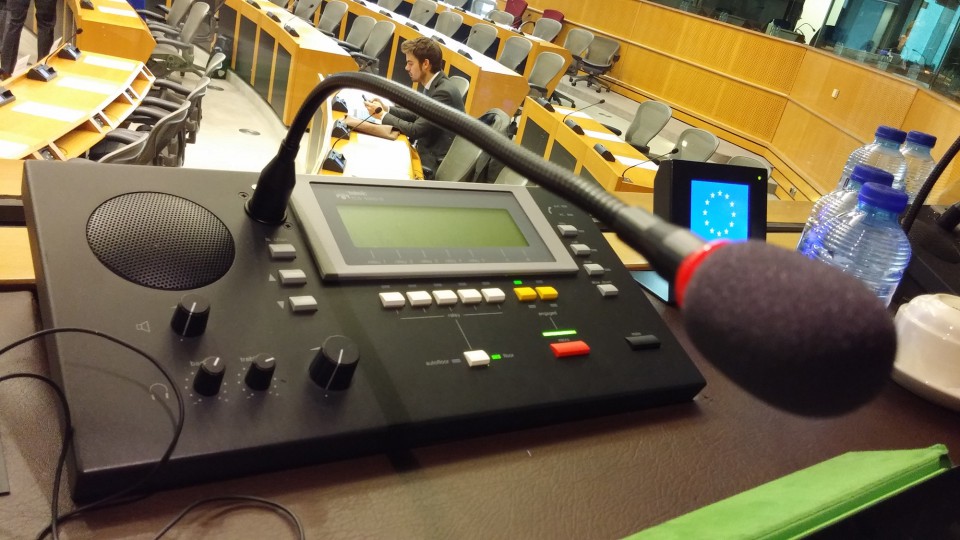
Selecting appropriate audio equipment is essential to delivering clear, reliable sound in a conference setting. The right combination of microphones, speakers, and control systems ensures presenters are heard comfortably and consistently. Equipment choices should reflect venue size, event format, and the level of interaction expected.
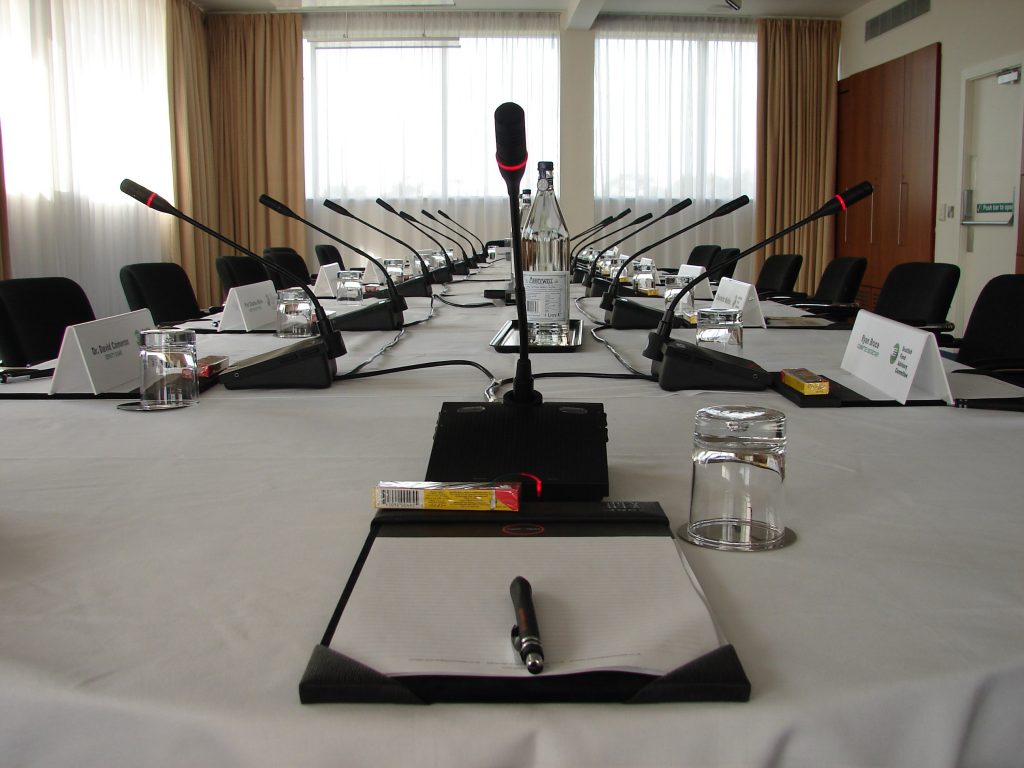
3.1 Microphone Options — Lapel, Handheld, Headset, and Podium Microphones
Different microphones serve different speaking styles and movement needs.
Common microphone options include:
-
Lapel (lavaliere) microphones: Ideal for presenters who need hands-free mobility
-
Handheld microphones: Suitable for Q&A sessions and shared speaking
-
Headset microphones: Provide stable, close-range pickup for active presenters
-
Podium microphones: Best for formal speeches with minimal movement
Choosing the right microphone supports clarity and presenter comfort.
3.2 Speaker Systems for Small, Medium, and Large Conference Halls
Speaker systems must be scaled to match room size and audience distribution.
Speaker selection considerations include:
-
Compact speakers for small rooms with focused coverage
-
Distributed speaker arrays for medium halls
-
High-output systems for large venues
-
Even sound dispersion to avoid hot spots
-
Integration with venue acoustics
Proper scaling ensures consistent listening quality.
3.3 Mixing Consoles and Sound Processors for Balanced Audio
Audio control systems manage signal levels and tonal balance.
Key functions include:
-
Adjusting the microphone and playback levels
-
Equalizing sound to suit room acoustics
-
Preventing feedback and distortion
-
Managing multiple audio sources
-
Enabling smooth transitions between speakers
Professional control systems maintain audio clarity throughout the event.
3.4 Backup Equipment to Prevent Technical Disruptions
Redundancy planning protects against unexpected equipment failure.
Important backup measures include:
-
Spare microphones and cables
-
Secondary power sources
-
Backup signal paths
-
Replacement audio components
-
Quick-change contingency plans
Preparedness minimizes downtime and maintains professionalism.
Choosing the right conference audio equipment involves matching microphones, speaker systems, and control tools to the venue and event format. Proper scaling, professional audio management, and backup readiness ensure consistent clarity and reliability. Well-selected equipment supports confident presenters and engaged audiences.
4. Venue Acoustics and Sound Placement
Conference Sound Setup Best Practices
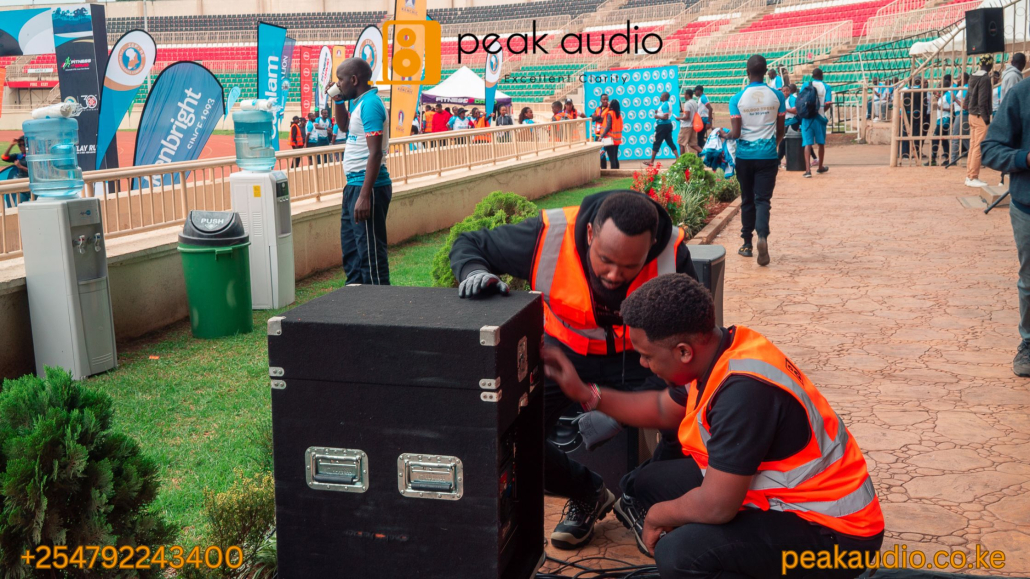
Even the best audio equipment can underperform if venue acoustics and sound placement are poorly managed. Understanding how sound behaves within a space allows organizers to position equipment correctly, control echo, and deliver clear, balanced audio to every attendee. Proper acoustic planning is essential for professional conference sound.
4.1 Understanding Room Acoustics and Echo Control
Every venue interacts differently with sound based on its size, shape, and surfaces.
Key acoustic factors include:
-
Reflective surfaces such as walls, glass, and ceilings
-
Room shape and ceiling height
-
Furnishings that absorb or reflect sound
-
Reverberation time affects speech clarity
-
Ambient noise sources
Managing echo improves intelligibility and listener comfort.
4.2 Proper Speaker Placement for Even Sound Distribution
Speaker positioning determines how evenly sound travels across the audience.
Best placement practices include:
-
Positioning speakers to cover all seating areas
-
Angling speakers toward the audience, not walls
-
Using distributed speakers for larger rooms
-
Aligning speakers with audience sightlines
-
Balancing volume levels across zones
Even distribution prevents dead spots and overpowering areas.
4.3 Avoiding Feedback and Sound Distortion
Feedback and distortion disrupt sessions and distract audiences.
Prevention strategies include:
-
Keeping microphones behind speaker lines
-
Adjusting gain and equalization settings
-
Using directional microphones
-
Monitoring sound levels continuously
-
Positioning speakers away from microphones
Proactive control maintains clean, stable audio.
4.4 Conducting Sound Checks and Rehearsals Before the Event
Testing ensures the sound system performs as intended during live sessions.
Sound check activities include:
-
Testing all microphones and audio sources
-
Verifying speaker coverage
-
Adjusting equalization and volume
-
Simulating session flow and transitions
-
Identifying and resolving issues early
Rehearsals reduce risk and build confidence.
Effective conference sound depends on understanding venue acoustics and placing audio equipment strategically. Proper echo control, balanced speaker placement, feedback prevention, and thorough sound checks ensure clear, reliable audio. When acoustics and placement are addressed professionally, conferences deliver a smooth and engaging listening experience.
5. Managing Sound for Multi-Speaker and Panel Sessions
Conference Sound Setup Best Practices
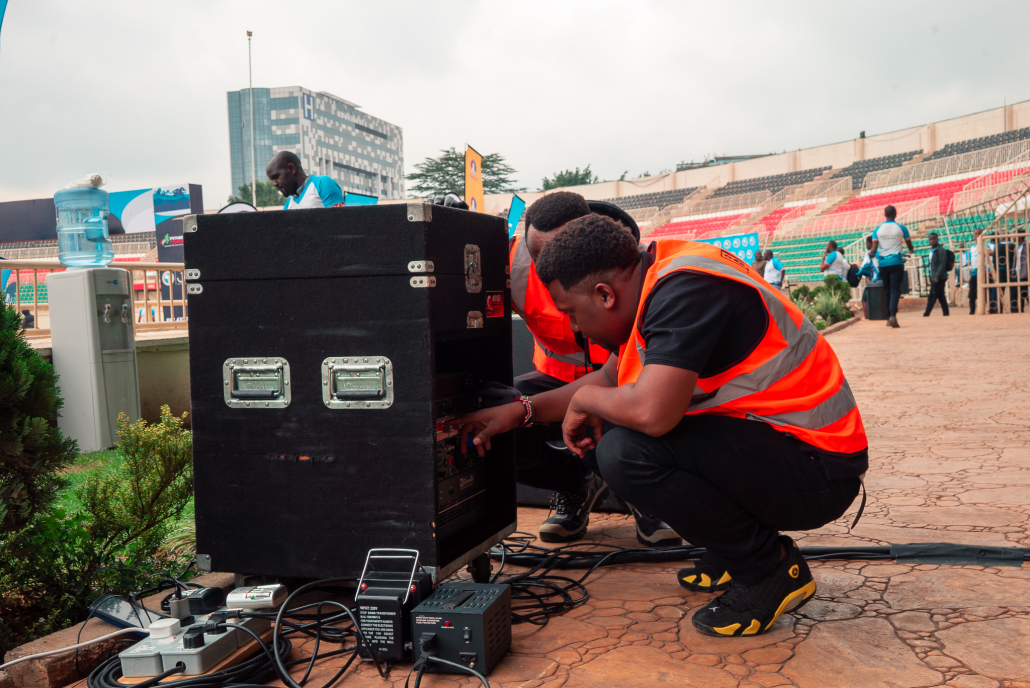
Panel discussions and multi-speaker sessions introduce added complexity to conference audio. Multiple voices, changing speaking positions, and dynamic interaction require careful coordination to maintain clarity and balance. A structured approach ensures every speaker is heard clearly while transitions feel seamless and professional.
5.1 Coordinating Microphones for Panel Discussions
Each panelist must have reliable audio access without clutter or confusion.
Coordination priorities include:
-
Assigning dedicated microphones to each speaker
-
Choosing appropriate mic types for seated discussions
-
Labeling or organizing channels for quick identification
-
Managing battery levels and signal stability
-
Preparing spare microphones
Proper coordination prevents delays and audio interruptions.
5.2 Ensuring Smooth Transitions Between Speakers
Transitions should feel natural and free of technical distractions.
Transition strategies include:
-
Pre-setting microphone levels
-
Muting unused channels to reduce noise
-
Cueing speakers before handovers
-
Coordinating with moderators
-
Monitoring transitions in real time
Smooth handovers maintain session momentum.
5.3 Balancing Audio Levels for Different Voice Types
Speakers vary in projection, tone, and speaking style.
Balancing techniques include:
-
Individual-level adjustments per microphone
-
Equalization for clarity and consistency
-
Compression to control volume fluctuations
-
Continuous monitoring during discussions
-
Fine-tuning based on room acoustics
Balanced audio ensures fairness and comfort for listeners.
5.4 Using Professional Sound Engineers for Live Adjustments
Live sound management requires expertise and quick decision-making.
Professional support provides:
-
Real-time audio balancing
-
Immediate response to feedback or noise
-
Seamless troubleshooting
-
Coordination with stage management
-
Consistent sound quality
Expert oversight protects session flow and professionalism.
Managing audio for panel and multi-speaker sessions demands coordination, level balancing, and skilled live monitoring. Proper microphone organization, smooth transitions, and professional engineering ensure every voice is heard clearly. When handled effectively, complex sessions feel effortless and engaging for the audience.
6. Integrating Sound with Visual and Presentation Systems
Conference Sound Setup Best Practices
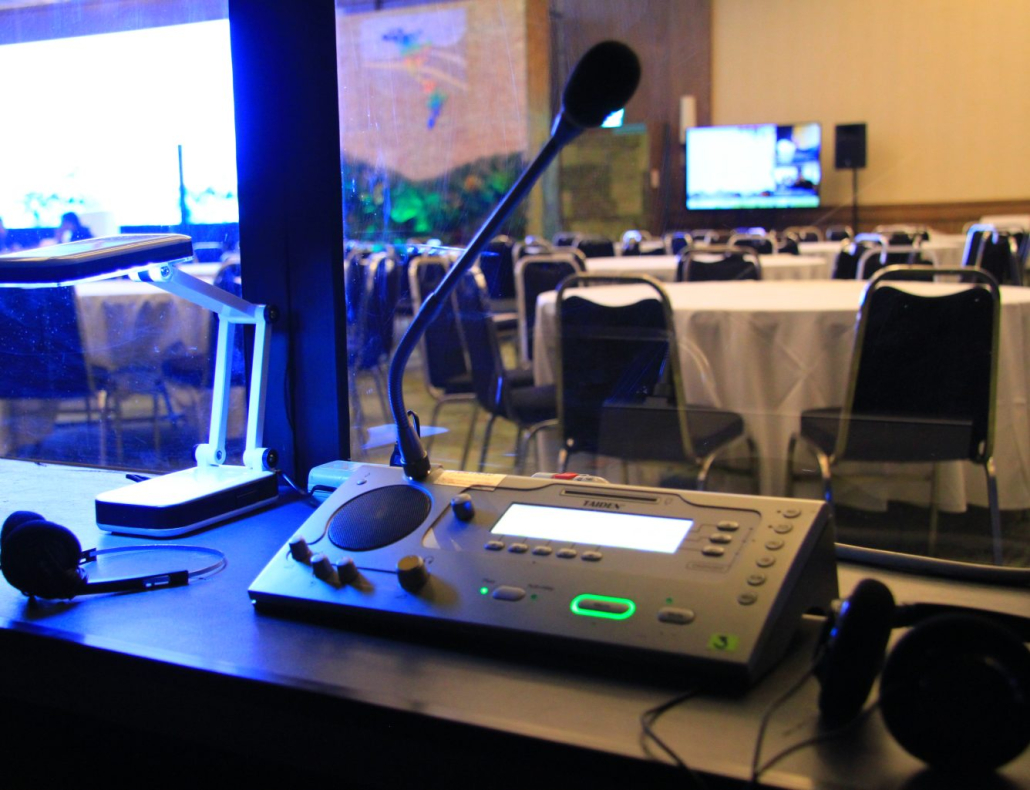
Modern conferences rely on audio and visual systems functioning as a single, coordinated platform. When sound is properly integrated with screens, video playback, and streaming tools, presentations become clearer, transitions feel seamless, and the audience experiences fewer distractions. Integration ensures that what attendees see and hear is synchronized and professionally delivered.
6.1 Syncing Audio with Projectors and LED Screens
Audio and visual elements must align to maintain clarity and timing.
Key synchronization practices include:
-
Matching audio output with on-screen content
-
Preventing delays between sound and visuals
-
Balancing speaker volume with presentation playback
-
Testing signal routing before sessions
-
Monitoring synchronization during live presentations
Accurate syncing supports smooth, professional delivery.
6.2 Supporting Video Playback and Multimedia Presentations
Multimedia segments require audio systems that preserve clarity and impact.
Important considerations include:
-
High-quality playback routing through the sound system
-
Volume consistency between live speech and media
-
Clear dialogue reproduction
-
Avoiding distortion during dynamic audio segments
-
Coordinating cues with presentation timing
Proper setup ensures multimedia enhances — not disrupts — the session.
6.3 Audio Requirements for Hybrid and Live-Streamed Conferences
Hybrid events demand audio that serves both in-room and remote audiences.
Hybrid audio priorities include:
-
Dedicated feeds for streaming platforms
-
Balanced microphone capture for remote listeners
-
Echo control for two-way communication
-
Consistent audio levels across channels
-
Monitoring broadcast sound quality
Well-managed hybrid audio maintains engagement for all participants.
6.4 How Integrated AV Improves Overall Conference Experience
When sound and visuals operate together, the conference feels organized and intentional.
Integration benefits include:
-
Seamless transitions between segments
-
Reduced technical interruptions
-
Enhanced audience immersion
-
Clear communication of key messages
-
Professional production standards
A unified AV approach elevates event quality.
Integrating sound with visual and presentation systems ensures conferences run smoothly and deliver clear, synchronized communication. From multimedia playback to hybrid streaming, coordinated AV systems reduce distractions and enhance engagement. Professional integration creates a cohesive experience that reflects strong event management.
7. Working with Professional Sound Providers in Kenya
Conference Sound Setup Best Practices
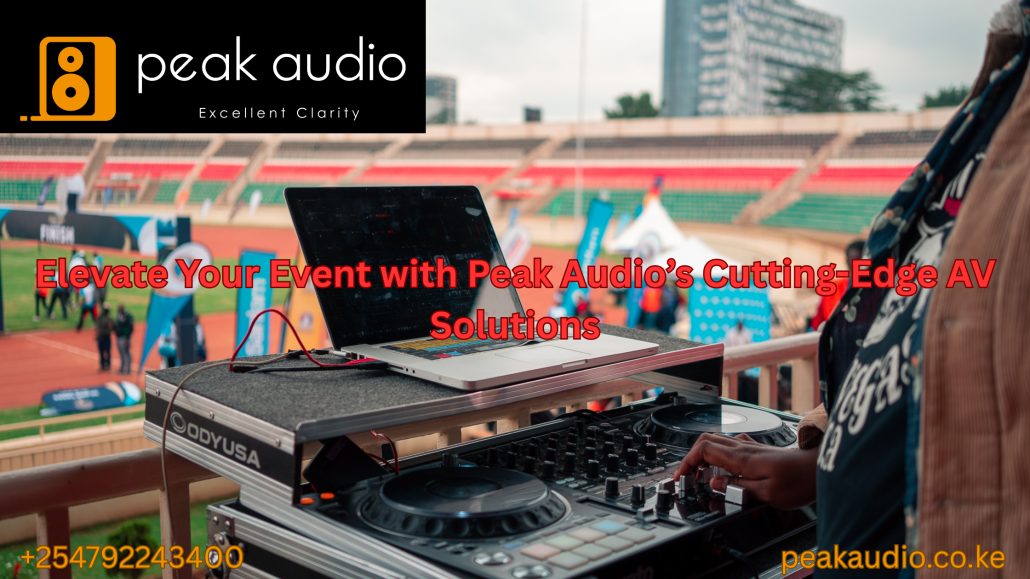
Professional sound providers play a critical role in ensuring conferences run smoothly, safely, and without technical distractions. Conferences often involve multiple speakers, presentations, multimedia playback, and hybrid participation — all of which demand expert audio planning and execution. Partnering with experienced AV professionals allows organizers to focus on content and audience engagement while technical teams manage sound performance behind the scenes.
7.1 Why Experienced AV Partners Are Essential for Conferences
Conference environments are dynamic and technically demanding. Experienced AV partners bring structured processes and practical knowledge that prevent avoidable issues.
Key advantages include:
-
Accurate assessment of venue acoustics and layout
-
Proper equipment selection for the event scale
-
Efficient system setup and calibration
-
Anticipation of technical risks
-
Smooth coordination with event schedules
Experienced providers ensure sound delivery supports — rather than disrupts — conference flow.
7.2 Safety, Reliability, and Technical Expertise Considerations
Sound systems involve electrical equipment, rigging, and signal routing that must be managed professionally.
Critical considerations include:
-
Compliance with electrical safety standards
-
Secure equipment installation and cable management
-
Redundant systems to prevent failures
-
Qualified technicians oversee operations
-
Preventive maintenance and system checks
Reliable infrastructure protects attendees while maintaining uninterrupted audio performance.
7.3 On-Site Technical Support During the Event
Live conferences require real-time monitoring and rapid problem-solving.
On-site support typically includes:
-
Continuous audio level monitoring
-
Immediate troubleshooting of microphones or playback
-
Adjustments for speaker transitions
-
Coordination with presenters and moderators
-
Backup equipment deployment if needed
Active support minimizes downtime and maintains professional delivery.
7.4 How Peak Audio Delivers Dependable, High-Quality Conference Sound Solutions
Peak Audio approaches conference sound with a focus on planning, integration, and reliability.
Their service model emphasizes:
-
Detailed pre-event technical assessments
-
Custom sound system design based on venue needs
-
Professional installation and calibration
-
On-site engineering support throughout the event
-
Coordination with visual, staging, and event teams
This structured approach ensures conferences achieve clear, consistent audio that enhances communication and audience engagement.
Working with professional sound providers ensures conference audio is safe, reliable, and expertly managed. From planning and installation to live technical support, experienced AV partners eliminate uncertainty and elevate production quality. With dependable systems and skilled technicians, conferences maintain clear communication and professional standards throughout the event.
8. FAQs on Conference Sound Setup in Kenya
Conference organizers often have practical questions about sound setup, reliability, and professional standards. Understanding these fundamentals helps ensure clear communication, audience comfort, and smooth event execution.
8.1 What is the most important element of conference sound?
The primary goal of conference audio is clear speech reinforcement — ensuring every attendee hears presenters without strain or distortion.
Why this matters:
-
Maintains audience focus and comprehension
-
Reduces listening fatigue
-
Supports speaker confidence
-
Prevents misunderstandings
-
Reflects professional event standards
Clear audio is the foundation of effective communication.
8.2 How many microphones are needed for a conference?
Microphone requirements depend on event format, number of speakers, and interaction level.
Factors influencing microphone count include:
-
Keynote speakers and presenters
-
Panel discussions
-
Moderators
-
Audience Q&A sessions
-
Backup microphones
Proper planning ensures seamless transitions and uninterrupted participation.
8.3 Do small conferences need professional sound systems?
Yes — room size does not eliminate the need for balanced audio.
Benefits for small conferences include:
-
Even sound coverage
-
Elimination of echo or uneven volume
-
Professional presentation quality
-
Better audience engagement
-
Reduced strain on speakers
Professional sound improves clarity regardless of event scale.
8.4 How early should the sound setup be done before a conference?
Early setup allows time for testing, adjustments, and rehearsals.
Recommended preparation timeline includes:
-
Equipment installation ahead of schedule
-
Full system sound checks
-
Microphone testing
-
Playback verification
-
Presenter rehearsals
Preparation minimizes last-minute disruptions.
8.5 Can sound systems support hybrid conferences?
Modern conference audio must serve both in-room and remote audiences.
Hybrid audio considerations include:
-
Dedicated streaming audio feeds
-
Balanced microphone capture
-
Echo management
-
Clear remote playback
-
Real-time monitoring
Integrated systems maintain consistent sound quality across platforms.
8.6 How do you prevent feedback during conferences?
Audio feedback is avoidable with a proper technical setup.
Prevention methods include:
-
Strategic microphone placement
-
Correct speaker positioning
-
Gain control and tuning
-
Acoustic awareness
-
Continuous monitoring
Professional tuning ensures a stable, clean sound.
8.7 Are outdoor conferences common in Kenya?
Yes — outdoor events are popular but require specialized sound planning.
Outdoor sound considerations include:
-
Weather-resistant equipment
-
Wider sound coverage
-
Wind and environmental noise management
-
Stable power supply
-
Safety-focused setup
Outdoor audio must adapt to changing conditions.
8.8 Can Peak Audio provide sound engineers on-site?
On-site technicians are essential for live conference support.
Technical support typically includes:
-
Real-time sound monitoring
-
Microphone management
-
Immediate troubleshooting
-
Session transitions
-
Equipment oversight
Professional engineers ensure uninterrupted audio performance.
8.9 What happens if equipment fails during a conference?
Professional AV providers plan for redundancy to avoid disruptions.
Backup strategies include:
-
Spare microphones and cables
-
Secondary signal paths
-
Redundant playback systems
-
Immediate replacement procedures
-
Technical contingency planning
Preparedness protects event continuity.
8.10 Why choose Peak Audio for conference sound in Kenya?
Reliable conference sound depends on expertise, planning, and equipment quality.
Peak Audio’s strengths include:
-
Proven conference experience
-
Professional-grade sound systems
-
Skilled technical teams
-
Comprehensive pre-event planning
-
On-site support and redundancy
This approach ensures consistent, high-quality audio delivery.
Conference sound setup is about more than equipment — it is about clarity, preparation, and professional execution. From microphone planning and hybrid integration to safety and backup systems, each element contributes to smooth communication and audience engagement. Partnering with experienced providers ensures conferences in Kenya achieve dependable, distortion-free sound that supports both presenters and attendees.
Conference Sound Solutions in Kenya – Crystal-Clear Audio with Peak Audio

Conference Sound Setup Best Practices
Conference sound setup is far more than a technical checkbox — it is the foundation of effective communication. When audio is clear, balanced, and dependable, speakers present with confidence, and audiences remain fully engaged. Strong sound design ensures that every message is delivered without strain or distraction, elevating the professionalism of conferences across Kenya.
Applying best practices — from proper microphone selection to balanced speaker placement and sound testing — prevents common audio issues that disrupt events. Working with experienced professionals guarantees that equipment is configured correctly and monitored throughout the conference. This proactive approach supports smooth delivery, consistent clarity, and a comfortable listening experience for every attendee.
At Peak Audio, we specialize in seamless conference sound solutions designed to meet world-class standards. Our expertise ensures every word is heard clearly and every session runs without technical interruptions. Visit Peak Audio to discover how professional audio execution keeps your conference engaging, polished, and successful from start to finish.
Leave a Reply
Want to join the discussion?Feel free to contribute!