Conference Attendee Tracking in Kenya – Streamline Your Event Success with Peak Audio
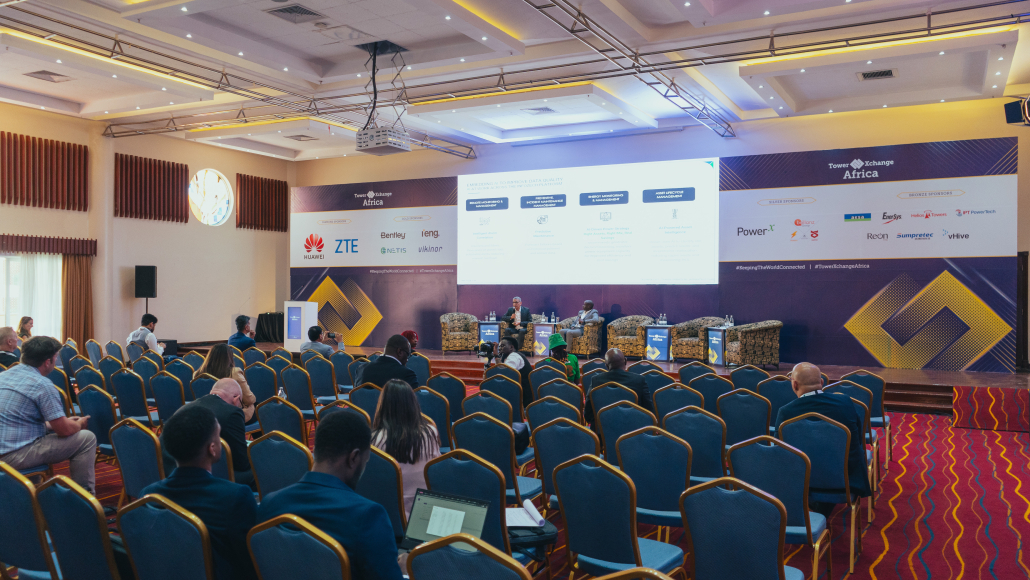
Conference Attendee Tracking in Kenya
Effective conference attendee tracking is essential for organizations in Kenya aiming to maximize the impact of their events. By monitoring who attends, how participants engage, and collecting real-time feedback, event organizers gain valuable insights into attendee behavior, preferences, and satisfaction. Whether managing corporate conferences, trade shows, or industry seminars, accurate tracking helps organizers optimize event flow, tailor experiences, and demonstrate return on investment, ultimately ensuring each event achieves its strategic goals.
Modern technologies and software solutions have transformed how conferences capture and analyze attendee data. Tools such as RFID badges, QR code check-ins, mobile event apps, and integrated CRM systems provide real-time attendance tracking, session participation metrics, and personalized engagement analytics. These solutions allow organizers to not only measure attendance but also understand engagement levels, identify key influencers, and improve future event planning based on actionable insights.
Peak Audio offers professional support for Conference Attendee Tracking in Kenya, providing the expertise and technology needed to track attendees seamlessly. From advanced check-in systems and interactive badges to data analytics dashboards and on-site technical assistance, Peak Audio ensures that your conference runs smoothly while capturing comprehensive attendance and engagement data. By partnering with Peak Audio, Kenyan event organizers can enhance attendee experiences, streamline management processes, and make data-driven decisions that elevate the success of every conference.
1. Understanding Conference Attendee Tracking

Conference Attendee Tracking in Kenya
Conference attendee tracking is a critical component of event management, enabling organizers to monitor participation, engagement, and overall event effectiveness. In Kenya, leveraging attendee data helps improve planning, enhance experiences, and optimize outcomes for both organizers and participants.
1.1 Attendee Tracking Involves Monitoring Participant Registration, Check-Ins, Session Attendance, and Interactions
Tracking begins from the moment participants register and continues throughout the event.
-
Registration Monitoring – Collecting participant details and preferences during sign-up.
-
Check-Ins – Recording attendance at the event and specific sessions to gauge participation.
-
Interaction Tracking – Monitoring engagement through workshops, Q&A sessions, networking activities, and digital tools.
Comprehensive tracking ensures organizers have visibility into who attends, when, and how they engage with event activities.
1.2 It Provides Valuable Insights into Engagement, Behavior, and Event Effectiveness
Data collected from attendee tracking informs strategic decision-making.
-
Engagement Analysis – Identifying which sessions, topics, or speakers captured the most attention.
-
Behavior Patterns – Understanding how participants move through the event, including session drop-offs or popular networking spots.
-
Effectiveness Evaluation – Measuring the impact of content, activities, and logistics on participant satisfaction and learning outcomes.
Insights from attendee tracking allow organizers to assess the success of their event and pinpoint areas for improvement.
1.3 Tracking Allows Organizers to Tailor Content, Networking Opportunities, and Marketing Strategies
Organizers can use collected data to create more personalized and impactful experiences.
-
Content Customization – Offering session recommendations or targeted resources based on attendee interests.
-
Networking Facilitation – Suggesting connections or grouping participants for workshops and discussion groups.
-
Marketing Optimization – Leveraging attendee behavior to inform future promotional campaigns or engagement strategies.
Tracking data helps deliver personalized experiences that enhance engagement and value for participants.
1.4 Accurate Data Collection Ensures Better Planning for Future Events
Reliable attendee information strengthens long-term event strategy.
-
Trend Analysis – Understanding participation trends over multiple events to guide planning.
-
Resource Allocation – Using data to optimize staffing, venue layout, and technical requirements.
-
Continuous Improvement – Applying insights to refine content, scheduling, and engagement tactics for future conferences.
Accurate and comprehensive data collection supports more informed, efficient, and successful planning for subsequent events.
Understanding conference attendee tracking is essential for maximizing engagement, measuring effectiveness, and planning successful events. By monitoring registrations, check-ins, session participation, and interactions, organizers gain valuable insights that allow for personalized content, better networking opportunities, and strategic improvements for future events. Accurate tracking transforms raw data into actionable strategies that enhance both participant experience and event outcomes.
2. Benefits of Attendee Tracking

Conference Attendee Tracking in Kenya
Attendee tracking provides valuable insights that help organizers improve event execution and participant experience. In Kenya, leveraging attendee data ensures conferences are well-organized, highly engaging, and aligned with business or educational objectives.
2.1 Improves Event Organization by Identifying Attendance Trends and Popular Sessions
Tracking attendance helps organizers make informed decisions about scheduling and resource allocation.
-
Session Popularity – Identifying which sessions attract the most participants guides future programming decisions.
-
Trend Analysis – Recognizing patterns in participation helps anticipate peak periods and manage resources efficiently.
-
Operational Efficiency – Data-driven decisions support smoother check-ins, staffing, and venue management.
Understanding attendance trends enables organizers to plan more effective and participant-friendly events.
2.2 Enhances Networking Opportunities by Knowing Who Attends Specific Sessions
Attendee data can be used to facilitate meaningful interactions.
-
Targeted Introductions – Organizers can connect participants with shared interests or professional goals.
-
Session-Based Networking – Identifying session attendees helps plan follow-up discussions or small group meetups.
-
Relationship Building – Data-driven networking increases engagement and collaboration among participants.
Tracking attendance allows for more personalized networking, enhancing the value of the event for participants.
2.3 Supports Marketing and Follow-Up Strategies with Targeted Data
Collected data helps optimize marketing and communication efforts.
-
Segmentation – Grouping attendees based on interests, industries, or session choices for tailored communication.
-
Follow-Up Campaigns – Sending relevant content, surveys, or invitations for future events.
-
Promotional Insights – Understanding which marketing channels drive participation for better future campaigns.
Attendee tracking ensures marketing and follow-up strategies are precise, targeted, and effective.
2.4 Helps Measure ROI, Engagement, and Overall Satisfaction for Stakeholders
Tracking provides metrics to evaluate event success and impact.
-
Engagement Metrics – Measuring session participation, interactions, and feedback.
-
ROI Evaluation – Assessing the value of sponsorships, resources, and participant outcomes.
-
Stakeholder Reporting – Providing detailed insights to sponsors, organizers, and management for accountability.
Attendee tracking delivers concrete data to measure event effectiveness, engagement, and return on investment.
Attendee tracking enhances conference planning and execution by improving organization, enabling targeted networking, supporting marketing strategies, and providing measurable insights into engagement and ROI. By leveraging participant data, organizers in Kenya can create more efficient, impactful, and satisfying event experiences for both attendees and stakeholders.
3. Methods of Attendee Tracking

Conference Attendee Tracking in Kenya
Selecting the right attendee tracking method ensures accurate data collection and seamless event management. In Kenya, organizers can choose from traditional manual approaches to advanced digital solutions depending on event scale, budget, and technological requirements.
3.1 Manual Check-Ins – Traditional Sign-In Sheets or Staff-Assisted Registration
The simplest form of tracking involves physical record-keeping.
-
Sign-In Sheets – Attendees manually record their names and contact information upon arrival.
-
Staff-Assisted Registration – Event staff verify participant details, distribute materials, and monitor attendance.
-
Pros & Cons – While cost-effective, this method is labor-intensive and prone to errors.
Manual check-ins provide a basic solution for small events but may lack efficiency and real-time reporting.
3.2 RFID Badges – Electronic Tracking via Smart Badges for Instant Check-In and Session Monitoring
RFID (Radio Frequency Identification) technology allows automated tracking.
-
Instant Check-Ins – Attendees scan or tap badges for quick access to the venue and sessions.
-
Session Monitoring – Tracks which sessions participants attend, duration, and engagement levels.
-
Real-Time Data – Organizers receive immediate insights into attendance patterns and room capacities.
Conclusion: RFID badges offer a fast, efficient, and accurate method for tracking attendees in medium to large events.
3.3 QR Code Scanning – Attendees Scan Codes on Badges for Entry and Session Attendance
QR codes provide a flexible, technology-driven tracking option.
-
Badge Integration – Each participant receives a unique QR code linked to their registration profile.
-
Session Check-Ins – Scanning codes, recording attendance, and generating analytics for each session.
-
Cost-Effective Automation – Less expensive than RFID but still allows real-time tracking and data collection.
QR code scanning is a practical and reliable option for digitally monitoring attendance at conferences of varying sizes.
3.4 Mobile Event Apps – Track Registration, Participation, Session Engagement, and Provide Real-Time Analytics
Mobile apps offer comprehensive tracking with enhanced participant interaction.
-
Registration Management – Streamlines sign-ups, check-ins, and profile updates.
-
Engagement Analytics – Monitors session participation, polling, and interactions during the event.
-
Real-Time Reporting – Provides organizers with immediate insights to adjust schedules or resources if needed.
-
Additional Benefits – Offers networking, messaging, and event updates directly through the app.
Mobile event apps provide an all-in-one solution for attendee tracking, engagement, and analytics, suitable for large-scale and hybrid conferences.
Attendee tracking can be achieved through manual check-ins, RFID badges, QR code scanning, or mobile event apps, each offering different levels of efficiency, accuracy, and insights. By selecting the appropriate method for the event size and objectives, organizers in Kenya can ensure seamless registration, accurate attendance data, and actionable analytics to enhance both participant experience and event outcomes.
4. Using Technology for Efficient Tracking
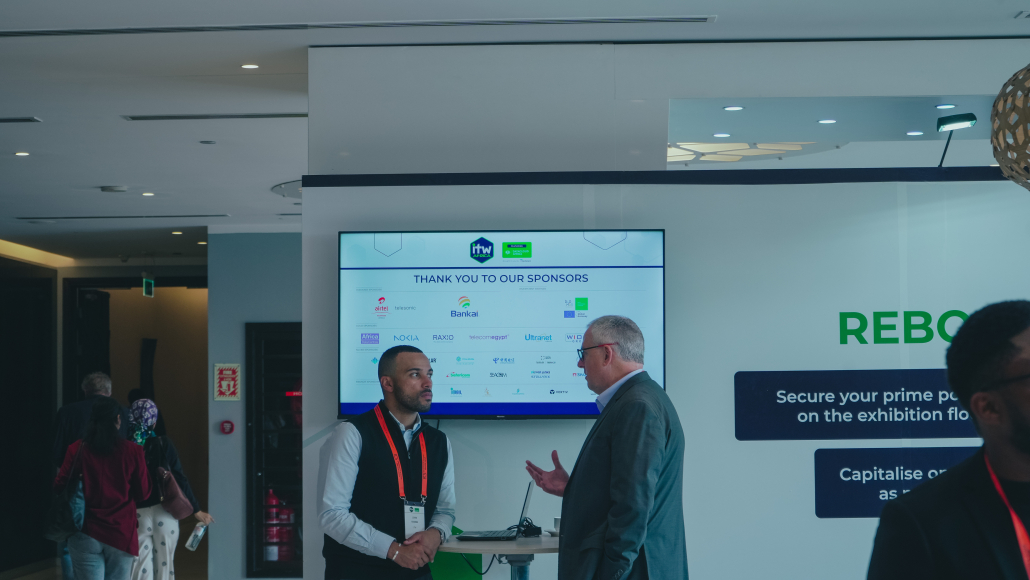
Conference Attendee Tracking in Kenya
Leveraging technology enhances attendee tracking by streamlining processes, improving data accuracy, and providing actionable insights. In Kenya, modern solutions enable organizers to monitor participation, analyze engagement, and create personalized experiences for participants.
4.1 Mobile Apps Enable Seamless Check-In and Personalized Attendee Experiences
Mobile event apps simplify registration and interaction.
-
Seamless Check-In – Attendees can register or check in quickly using their smartphones.
-
Personalized Experience – Apps provide customized agendas, session reminders, and networking suggestions.
-
Interactive Features – Polls, surveys, and live Q&A improve engagement during sessions.
Mobile apps streamline attendee tracking while enhancing the overall participant experience.
4.2 RFID or NFC Technologies Provide Real-Time Data on Movement and Session Participation
RFID (Radio Frequency Identification) and NFC (Near Field Communication) offer precise tracking for larger events.
-
Instant Check-Ins – Participants tap badges for entry to sessions and networking areas.
-
Movement Monitoring – Tracks attendance patterns and flow within the venue.
-
Session Participation – Provides real-time data on which sessions are most attended and engaging.
RFID and NFC technologies deliver accurate, real-time insights that support efficient event management and decision-making.
4.3 Cloud-Based Solutions Allow Data Collection and Reporting from Multiple Locations
Cloud platforms facilitate centralized management for multi-venue or hybrid events.
-
Centralized Data – Collect attendee information from all locations in a single system.
-
Remote Access – Organizers can monitor attendance and engagement from anywhere.
-
Scalable & Secure – Easily accommodates events of any size while ensuring data protection.
Cloud-based solutions enable flexible and secure tracking for events that span multiple locations or include virtual participants.
4.4 Analytics Dashboards Help Organizers Monitor Trends, Popular Sessions, and Engagement Levels
Data visualization tools transform raw tracking data into actionable insights.
-
Trend Analysis – Identify which sessions, speakers, or topics attract the most attention.
-
Engagement Monitoring – Evaluate participant activity, interaction levels, and session completion rates.
-
Strategic Planning – Use insights to optimize scheduling, resource allocation, and future event design.
Analytics dashboards provide organizers with an overview of engagement, helping to improve decision-making and maximize event impact.
Using technology for attendee tracking enhances efficiency, accuracy, and engagement. Mobile apps, RFID/NFC, cloud-based systems, and analytics dashboards enable seamless check-ins, real-time monitoring, and actionable insights. By adopting these tools, organizers in Kenya can optimize participant experience, track engagement effectively, and make informed decisions to improve both current and future events.
5. Enhancing Attendee Experience
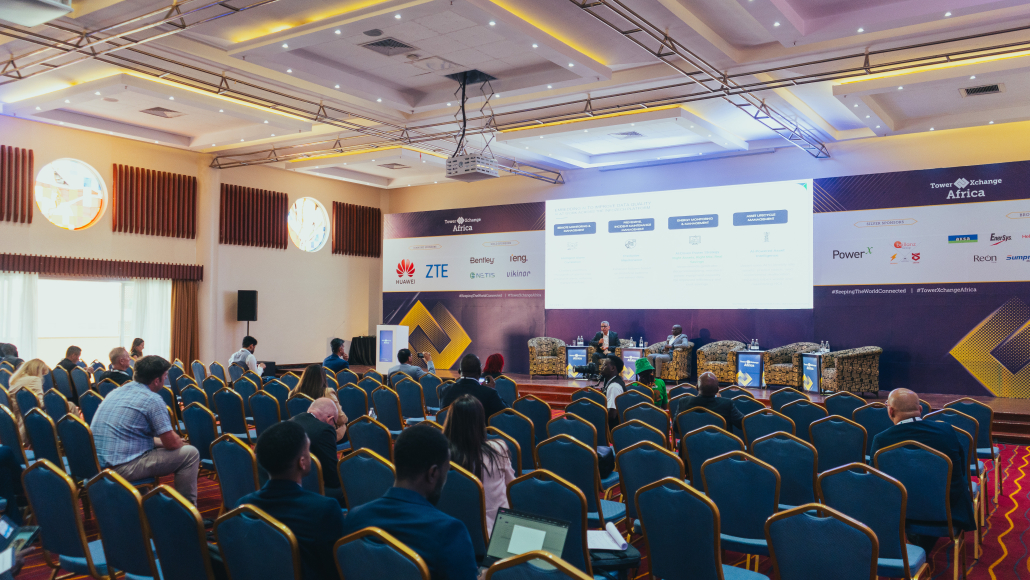
Conference Attendee Tracking in Kenya
Attendee tracking not only provides data for organizers but also directly improves the participant experience. In Kenya, leveraging technology and smart tracking methods can make conferences more engaging, efficient, and enjoyable, leading to higher satisfaction and stronger event outcomes.
5.1 Quick, Contactless Check-Ins Reduce Wait Times and Improve Satisfaction
Efficient check-in processes create a positive first impression.
-
Contactless Entry – Attendees scan QR codes, NFC badges, or mobile apps to check in without queues.
-
Time-Saving – Reduces delays at registration desks, allowing participants to start sessions on time.
-
Enhanced Satisfaction – Smooth entry contributes to a professional and welcoming event experience.
Fast and contactless check-ins streamline the start of the event, boosting attendee satisfaction from the outset.
5.2 Personalized Schedules and Reminders via Event Apps Increase Session Participation
Tailoring the event experience keeps attendees engaged and informed.
-
Custom Agendas – Apps provide schedules based on individual interests or roles.
-
Session Reminders – Push notifications alert participants to upcoming talks or workshops.
-
Optimized Participation – Ensures attendees attend sessions most relevant to their goals.
Personalized scheduling helps attendees make the most of the event while increasing overall engagement.
5.3 Real-Time Notifications Guide Attendees Through Sessions, Networking, and Exhibitor Booths
Active communication during the event enhances orientation and engagement.
-
Session Alerts – Notify participants when a session is starting or about to change venues.
-
Networking Prompts – Highlight networking opportunities or key contacts to meet.
-
Exhibitor Guidance – Direct attendees to booths, product demos, or sponsored areas.
Real-time notifications help attendees navigate the event efficiently and maximize interactions.
5.4 Gamification, Feedback Forms, and Engagement Tracking Increase Interaction and Satisfaction
Interactive features encourage participation and provide valuable insights.
-
Gamification – Points, leaderboards, and challenges motivate attendee involvement.
-
Feedback Forms – Collect opinions on sessions, speakers, and the overall experience.
-
Engagement Tracking – Monitors which activities or features are most utilized, allowing organizers to adjust in real-time.
Interactive tools enhance engagement, provide actionable insights, and make the event more enjoyable for participants.
Enhancing attendee experience through efficient tracking and technology improves satisfaction, participation, and engagement. Quick check-ins, personalized schedules, real-time notifications, and interactive features ensure that participants navigate events smoothly, stay informed, and remain actively involved. By focusing on attendee experience, organizers in Kenya can create memorable and productive conferences that leave a lasting impact.
6. Data Privacy and Security

Conference Attendee Tracking in Kenya
Protecting attendee data is a critical responsibility for conference organizers. In Kenya, adhering to data privacy regulations and implementing robust security measures ensures participant trust, compliance with the law, and the safe management of sensitive information.
6.1 Ensure Attendee Data Is Collected Securely and in Compliance with Kenya’s Data Protection Laws
Legal compliance safeguards participants and protects the organization.
-
Regulatory Adherence – Follow Kenya’s Data Protection Act and any sector-specific privacy regulations.
-
Secure Collection – Use trusted platforms for registration forms and surveys.
-
Accountability – Maintain transparent processes for how attendee data is used and stored.
Secure and compliant data collection builds trust and ensures organizers meet legal obligations.
6.2 Use Encrypted Systems to Store Personal and Registration Information
Encryption protects sensitive information from unauthorized access.
-
Data Encryption – Secure servers and databases ensure attendee information is stored safely.
-
Backup Protection – Encrypted backups prevent data loss and unauthorized recovery.
-
Transmission Security – Encrypt data during online registration, check-in, or app usage.
Encryption safeguards personal data, minimizing the risk of breaches or misuse.
6.3 Provide Clear Consent and Privacy Policies to Attendees
Transparency ensures participants understand how their data will be used.
-
Informed Consent – Attendees are made aware of the type of data collected and its purpose.
-
Privacy Policies – Written guidelines outline data handling, sharing, and storage practices.
-
Participant Rights – Clarify how attendees can access, modify, or request deletion of their information.
Clear consent and privacy policies empower participants and demonstrate ethical data handling.
6.4 Limit Access to Sensitive Information to Authorized Staff Only
Controlled access reduces the risk of misuse or accidental exposure.
-
Role-Based Access – Only staff with a legitimate need can view or modify sensitive data.
-
Authentication Measures – Passwords, multi-factor authentication, and secure login protocols.
-
Monitoring & Audits – Track data access to ensure compliance with security policies.
Restricting access ensures sensitive attendee information remains confidential and protected.
Ensuring data privacy and security is essential for any conference. By collecting data securely, using encryption, providing clear consent and privacy policies, and restricting access to authorized personnel, organizers in Kenya can protect participant information, comply with legal requirements, and maintain attendee trust. Proper data management contributes to a safe, professional, and credible event environment.
7. Post-Conference Analysis
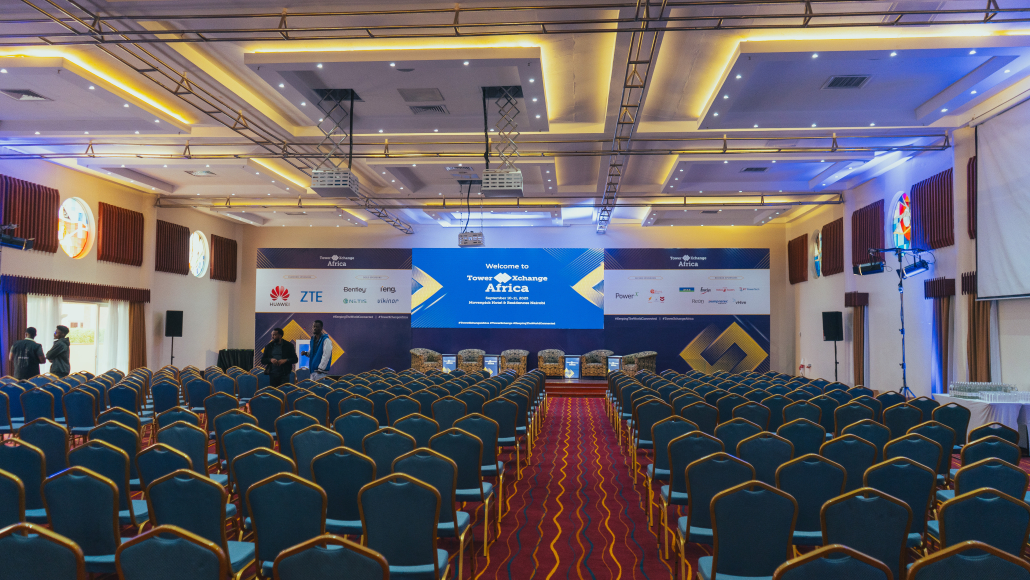
Conference Attendee Tracking in Kenya
Post-conference analysis is a vital step for maximizing the impact of an event. In Kenya, reviewing attendee data and engagement metrics helps organizers understand what worked well, identify areas for improvement, and plan more effective events in the future.
7.1 Analyze Attendance Patterns, Session Popularity, and Engagement Metrics
Understanding participant behavior provides actionable insights.
-
Attendance Tracking – Examine which sessions or workshops had the highest participation.
-
Engagement Metrics – Assess interaction levels through Q&A, polls, networking sessions, and app usage.
-
Behavior Patterns – Identify drop-off points or areas of high interest to guide content planning.
Analyzing these patterns allows organizers to make data-driven decisions that improve future events.
7.2 Identify Trends for Improving Content, Scheduling, and Event Logistics
Data analysis helps refine operational and programmatic aspects of conferences.
-
Content Optimization – Recognize which topics or speakers resonated most with attendees.
-
Schedule Adjustments – Use insights to plan session timing, breaks, and room allocations more effectively.
-
Logistics Planning – Determine staffing needs, catering requirements, and resource allocation for better efficiency.
Identifying trends enables organizers to enhance both the quality and flow of future conferences.
7.3 Generate Reports for Stakeholders and Sponsors to Demonstrate ROI
Detailed reporting strengthens accountability and stakeholder confidence.
-
Performance Metrics – Highlight attendance, engagement, and satisfaction data.
-
Value Demonstration – Show the impact of sponsorships, content delivery, and event organization.
-
Decision Support – Provide actionable insights for stakeholders to support investment in future events.
Comprehensive reports illustrate the event’s value and effectiveness, reinforcing relationships with stakeholders and sponsors.
7.4 Use Insights to Refine Future Conference Planning and Marketing Strategies
Post-event insights guide strategic planning for future activities.
-
Continuous Improvement – Apply lessons learned to optimize logistics, programming, and participant engagement.
-
Targeted Marketing – Use attendee profiles and preferences to tailor communications for upcoming events.
-
Strategic Growth – Enhance event reach, impact, and reputation by implementing data-driven improvements.
Leveraging post-conference insights ensures that future events are more engaging, efficient, and impactful.
Post-conference analysis turns attendee tracking and engagement data into actionable strategies. By reviewing attendance patterns, identifying trends, generating stakeholder reports, and refining planning and marketing strategies, organizers in Kenya can continuously improve event quality, demonstrate ROI, and deliver more effective and engaging conferences.
8. FAQs on Conference Attendee Tracking in Kenya
Attendee tracking is an essential aspect of modern conferences, providing insights that improve engagement, event management, and planning for future activities. These FAQs address common questions about methods, technology, privacy, and costs for events in Kenya.
8.1 What is attendee tracking?
Attendee tracking is the process of monitoring participants throughout the event.
-
Scope – Includes registration, check-ins, session attendance, and participant interactions.
-
Purpose – Ensures organizers understand who attends, when, and how participants engage with sessions and activities.
Tracking allows event organizers to gather valuable data to optimize both the current and future conferences.
8.2 Why is attendee tracking important?
Tracking provides insights that improve overall event effectiveness.
-
Improved Management – Helps organizers monitor flow, session popularity, and participation levels.
-
Enhanced Engagement – Identifies opportunities to increase interaction and networking.
-
ROI Measurement – Assists in evaluating event success and justifying investments.
Attendee tracking is key to understanding event impact and improving participant satisfaction.
8.3 Which technologies are used for tracking?
Several tools can simplify and automate tracking for conferences.
-
RFID Badges – Enable instant check-ins and session monitoring.
-
QR Codes – Scanned on badges for attendance and participation tracking.
-
Mobile Event Apps – Track registration, engagement, and provide real-time analytics.
-
Cloud-Based Platforms – Centralized systems for data collection and reporting.
Modern technologies streamline tracking, making it faster, more accurate, and actionable.
8.4 Can attendee tracking improve networking?
Yes, tracking allows organizers to facilitate meaningful connections.
-
Session-Based Insights – Identify which participants attended specific sessions.
-
Targeted Networking – Connect attendees with shared interests or professional goals.
-
Relationship Building – Encourages collaboration and engagement throughout the event.
Data-driven networking increases value and interaction for participants.
8.5 How is data privacy handled?
Privacy is a priority to maintain trust and legal compliance.
-
Secure Systems – Data is collected and stored using encrypted platforms.
-
Legal Compliance – Adheres to Kenya’s Data Protection Act.
-
Controlled Access – Only authorized personnel can view sensitive information.
Proper privacy measures ensure participant data is protected and used responsibly.
8.6 Are mobile apps better than manual tracking?
In most cases, yes.
-
Efficiency – Mobile apps allow faster check-ins and reduce queues.
-
Real-Time Analytics – Provides instant insights on attendance and engagement.
-
Enhanced Experience – Offers personalized schedules, notifications, and interaction tools.
Mobile apps outperform manual methods in accuracy, convenience, and participant satisfaction.
8.7 How do you measure session engagement?
Session engagement is evaluated using multiple metrics.
-
Attendance Tracking – Check-ins and duration of participation.
-
Interaction Monitoring – Participation in polls, surveys, and Q&A sessions.
-
Feedback Analysis – Collect opinions on sessions to gauge interest and satisfaction.
Measuring engagement helps organizers understand session impact and improve content delivery.
8.8 Can tracking work for virtual or hybrid conferences?
Absolutely.
-
Online Platforms – Track virtual session attendance, chat activity, and resource downloads.
-
Hybrid Integration – Combines in-person and virtual data for a complete picture of participation.
-
Engagement Insights – Allows organizers to optimize both physical and online experiences.
Tracking ensures effective management and engagement in all conference formats.
8.9 How soon should tracking systems be implemented?
Early implementation ensures comprehensive data collection.
-
Pre-Registration – Collect participant details and preferences before the event.
-
Event Duration – Track check-ins, session attendance, and interactions throughout the conference.
-
Post-Event Analysis – Ensure complete datasets are available for reporting and improvement.
Implementing tracking systems early maximizes the quality and utility of the data collected.
8.10 What’s the cost of implementing attendee tracking in Kenya?
Costs vary depending on the technology and event scale.
-
Small Events – Around Ksh 50,000 for basic solutions like QR codes or manual-assisted tracking.
-
Medium to Large Conferences – Ksh 200,000 to Ksh 500,000+ for mobile apps, RFID, and cloud-based analytics.
-
Factors Affecting Cost – Technology choice, number of participants, level of analytics, and hybrid capabilities.
Budget planning should align with the scale and tracking sophistication required to meet event objectives.
Attendee tracking in Kenya provides crucial insights for enhancing event management, engagement, and ROI. Using technologies such as mobile apps, RFID, QR codes, and cloud-based platforms allows for accurate and efficient monitoring of registration, attendance, and interactions. Combined with strong data privacy practices, early implementation, and targeted analytics, tracking empowers organizers to improve networking, optimize sessions, and plan more successful conferences.