1. Understanding the Importance of Catering in Corporate Events
Choosing the Best Catering Options for Corporate Events in Kenya
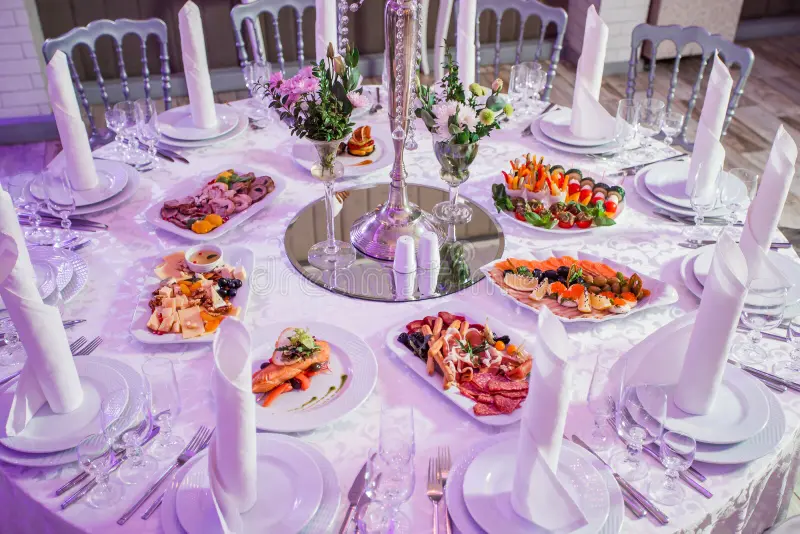
Catering is one of the most visible — and memorable — elements of any corporate event. Guests often judge the overall experience based on food quality, service efficiency, and hospitality standards. Beyond nourishment, catering contributes to brand storytelling, guest comfort, and the smooth pacing of the event. When planned professionally, catering becomes a strategic component that supports atmosphere, engagement, and operational flow.
1.1 How Catering Influences Guest Satisfaction and Event Perception
Food service is closely tied to how guests emotionally evaluate an event. A positive dining experience enhances mood, encourages interaction, and reinforces professionalism.
Key ways catering shapes perception include:
-
Creating a welcoming and hospitable environment
-
Influencing guest comfort and energy levels
-
Encouraging networking during shared meals
-
Reflecting organizational standards and care
-
Leaving lasting impressions long after the event
When catering is thoughtfully executed, guests associate the event with quality and attentiveness.
1.2 The Role of Food in Reinforcing Theme, Culture, and Brand Experience
Menus and presentation can communicate identity just as effectively as décor or visuals. Food choices signal cultural awareness, creativity, and brand personality.
Catering can reinforce event themes by:
-
Aligning cuisine with cultural or regional influences
-
Reflecting brand colors through presentation styling
-
Supporting themed menus for immersive experiences
-
Highlighting local flavors and seasonal ingredients
-
Enhancing storytelling through curated dining moments
Well-designed menus strengthen the overall event narrative.
1.3 Why Professional Catering Enhances Efficiency and Event Flow
Corporate events run on tight schedules. Professional caterers understand how timing, logistics, and service coordination affect the guest experience.
Operational benefits include:
-
Structured meal service aligned with program timing
-
Efficient guest movement during breaks
-
Proper staffing to avoid delays
-
Hygiene and food safety compliance
-
Seamless coordination with planners and AV teams
Smooth catering execution prevents bottlenecks and keeps the program on track.
1.4 How Quality Catering Reduces Event Stress and Supports Hospitality Goals
Event hosts should focus on guests — not food logistics. Reliable catering removes uncertainty and ensures consistent service standards.
Professional catering support provides:
-
Planning and menu consultation
-
Set up, service, and cleanup coordination
-
Contingency planning for dietary needs
-
Reliable portion management
-
Hospitality-focused guest service
This structured approach allows organizers to prioritize engagement, networking, and relationship-building.
Catering is far more than a logistical necessity — it is a cornerstone of guest experience in corporate events. From shaping perception and reinforcing brand identity to ensuring operational efficiency and hospitality excellence, professional catering elevates the entire occasion. When thoughtfully planned, food service contributes to a smooth, memorable event that reflects organizational care and professionalism.
2. Defining Your Event’s Theme and Catering Style
Choosing the Best Catering Options for Corporate Events in Kenya
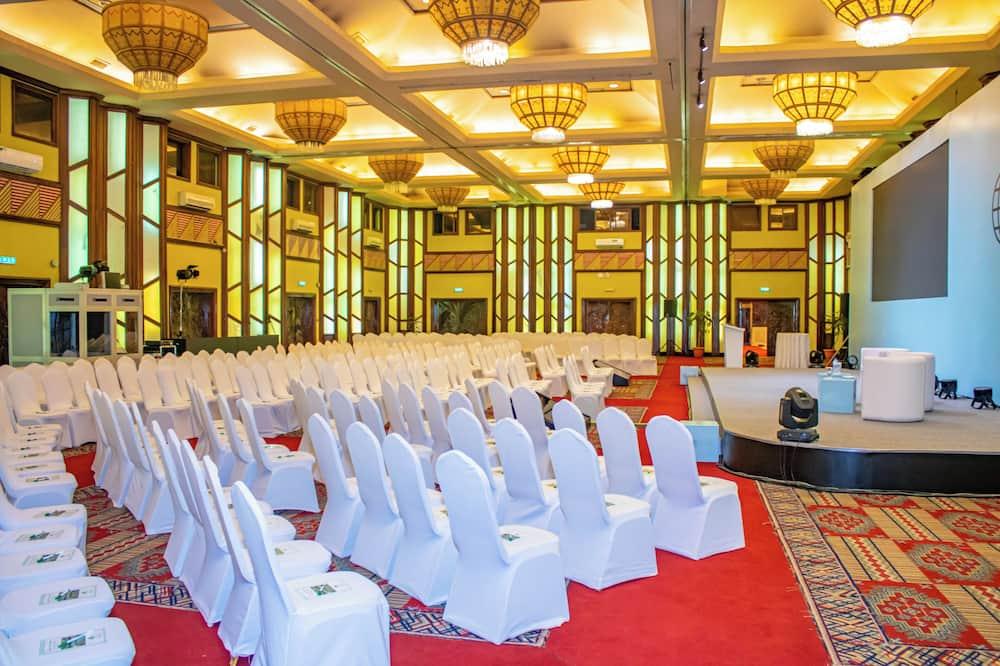
The theme and catering style of a corporate event shape how guests experience the occasion from the moment they arrive. Food presentation, service format, and menu design should complement the event’s purpose, audience expectations, and brand identity. When theme and catering style are aligned, the dining experience becomes an extension of the event story — reinforcing atmosphere, professionalism, and guest comfort.
2.1 How Event Type Influences Menu Selection — Conferences, Dinners, Launches
Different corporate events demand different dining strategies. The menu should support energy levels, scheduling, and guest interaction without disrupting the program.
Menu planning considerations include:
-
Light, energizing meals for conferences to maintain focus
-
Structured multi-course dining for formal corporate dinners
-
Interactive or bite-sized options for product launches
-
Timing meals to match session breaks or networking windows
-
Selecting foods that minimize mess and disruption
Matching menu style to event purpose ensures guests remain comfortable and engaged.
2.2 Matching Catering Style to Your Event Format: Buffet, Plated, Cocktail, or Food Stations
Service format influences pacing, guest movement, and the social atmosphere of the event. Choosing the right catering style supports flow and hospitality goals.
Each style offers unique advantages:
Buffet service
-
Encourages guest interaction
-
Flexible portion selection
-
Efficient for large audiences
Plated dining
Cocktail-style catering
Interactive food stations
Selecting the right format balances efficiency with atmosphere.
2.3 Aligning Cuisine with Your Brand Identity or Event Message
Food communicates personality, culture, and values. A carefully curated menu reinforces the event narrative and brand positioning.
Strategic alignment can include:
-
Reflecting the company culture through cuisine style
-
Highlighting regional or cultural influences
-
Incorporating brand color themes in a presentation
-
Supporting sustainability or wellness messaging
-
Creating signature dishes tied to event identity
When cuisine mirrors brand values, the experience feels intentional and cohesive.
2.4 Balancing Formality and Convenience Based on Guest Expectations
Corporate audiences vary — executives, partners, staff, and clients each bring different expectations. Catering should feel appropriate without sacrificing comfort or efficiency.
Balancing factors include:
-
Matching service style to event tone
-
Considering the guest dress code and mobility
-
Ensuring quick service during tight schedules
-
Providing accessible menu options
-
Maintaining elegance without overcomplication
The right balance enhances hospitality while preserving event momentum.
Defining an event’s theme and catering style is a strategic decision that shapes guest perception, program flow, and brand storytelling. By aligning menu choices, service format, and presentation with event objectives and audience expectations, organizations create dining experiences that feel cohesive, professional, and engaging. Thoughtful catering design transforms food service into an integral part of the overall corporate event experience.
3. Key Factors to Consider When Choosing a Caterer
Choosing the Best Catering Options for Corporate Events in Kenya
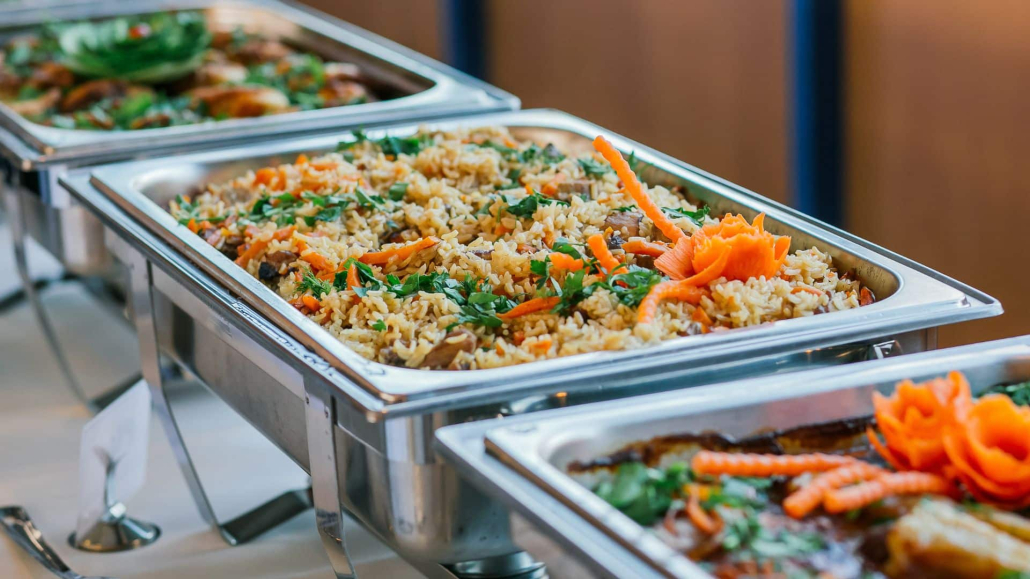
Selecting the right caterer is a critical decision that directly affects guest satisfaction, event flow, and overall professionalism. Beyond food quality, a reliable caterer brings experience, structure, and service excellence that support smooth execution. Evaluating caterers using clear criteria helps organizations avoid last-minute issues and deliver a consistently positive guest experience.
3.1 Experience in Corporate Events and Handling Large Groups
Corporate events require a different level of organization compared to private functions. Experienced corporate caterers understand schedules, protocols, and expectations.
Key indicators of relevant experience include:
-
Proven track record with conferences, meetings, and corporate dinners
-
Ability to serve large guest numbers efficiently
-
Familiarity with formal service standards and timelines
-
Experience coordinating with event planners and AV teams
-
Capacity to manage multiple service points simultaneously
An experienced caterer anticipates challenges and responds professionally under pressure.
3.2 Menu Variety, Customization, and Dietary Accommodation
Modern corporate audiences are diverse, and menus must reflect inclusivity and flexibility.
Important menu considerations include:
-
Wide selection of local and international cuisine
-
Customizable menus to match event theme or brand
-
Vegetarian, vegan, halal, and gluten-free options
-
Allergy-aware preparation and labeling
-
Balanced meal options for different event formats
Menu flexibility ensures all guests feel considered and well catered for.
3.3 Tasting Sessions and Quality Assurance Before Final Selection
Tasting sessions provide confidence in food quality and presentation before committing.
Benefits of tastings and quality checks include:
-
Evaluating flavor, portion size, and presentation
-
Confirming consistency across menu items
-
Assessing creativity and plating style
-
Reviewing ingredient quality and freshness
-
Making informed adjustments before final approval
Quality assurance reduces risk and ensures expectations are clearly aligned.
3.4 Professionalism, Staffing, Hygiene Standards, and Service Quality
Food quality alone is not enough — service delivery defines the guest experience.
Professional catering standards should include:
-
Well-trained, courteous service staff
-
Clear service structure and leadership on-site
-
Strict hygiene and food safety practices
-
Proper uniforms and presentation
-
Efficient setup, service, and cleanup processes
High service standards reflect positively on the host organization and enhance overall event perception.
Choosing the right caterer goes beyond selecting a menu. Experience with corporate events, flexible and inclusive menu options, proven quality assurance, and strong service professionalism are essential factors. When these elements are carefully evaluated, organizations secure catering partners who contribute to smooth execution, satisfied guests, and a polished corporate event experience.
4. Popular Catering Options for Corporate Events in Kenya
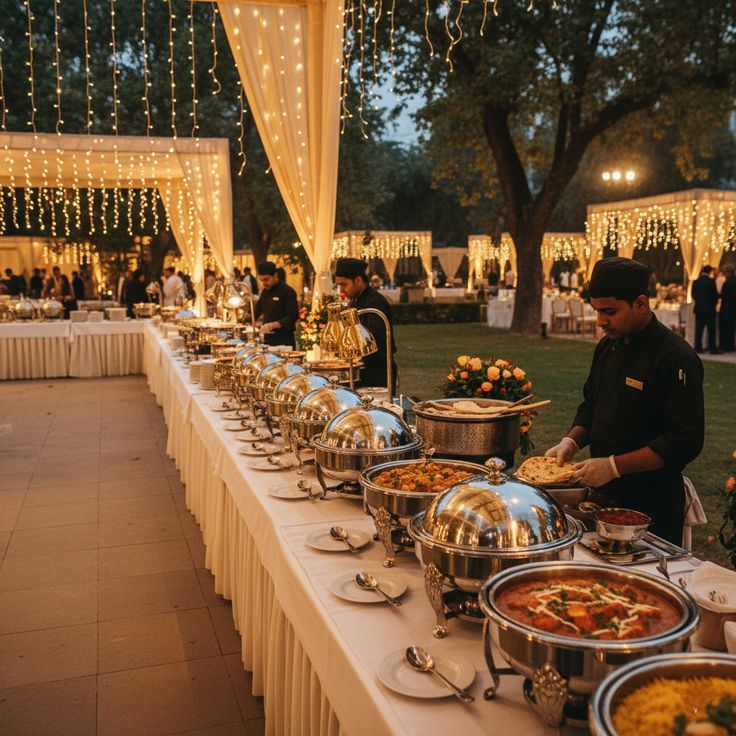
Corporate events vary widely in tone, audience size, and objectives — and catering style plays a major role in shaping the guest experience. The right service format influences pacing, interaction, and atmosphere while supporting logistical efficiency. Understanding popular catering approaches helps planners choose options that align with event goals and guest expectations.
4.1 Buffet Catering: Flexible, Diverse, and Ideal for Mixed Preferences
Buffet catering is one of the most widely used formats for corporate gatherings because it balances variety, efficiency, and guest autonomy.
Key advantages include:
-
Wide menu selection to suit diverse dietary needs
-
Flexible portion control for guests
-
Efficient service for large audiences
-
Encourages guest movement and networking
-
Adaptable to casual or semi-formal settings
Buffet setups work especially well for conferences, staff celebrations, and large corporate functions where variety and accessibility are priorities.
4.2 Plated Service: Elegant Presentation for Formal Dinners and Awards Nights
Plated service delivers a refined dining experience suited to structured corporate events where timing and presentation are critical.
Benefits of plated catering include:
-
Formal, polished presentation
-
Controlled service timing aligned with the program
-
Enhanced guest comfort with table service
-
Consistent portioning and plating quality
-
Elevated atmosphere for executive or VIP audiences
This format is ideal for gala dinners, recognition ceremonies, and high-profile corporate evenings.
4.3 Cocktail-Style Catering: Best for Networking Events and Product Launches
Cocktail-style catering emphasizes mobility, interaction, and social engagement — making it perfect for dynamic corporate environments.
Core strengths include:
-
Bite-sized servings for easy mingling
-
Continuous service without interrupting conversations
-
Space-efficient layout for standing receptions
-
Encourages networking and guest circulation
-
Supports energetic event pacing
This approach suits launches, mixers, and informal corporate receptions where conversation and movement are central.
4.4 Live Food Stations: Interactive, Modern, and Memorable for Large Events
Live food stations introduce an experiential element by allowing guests to watch chefs prepare dishes in real time.
Notable benefits include:
-
Interactive and engaging guest experience
-
Customizable meal preparation
-
Visual appeal and entertainment value
-
Reduced service congestion through distributed stations
-
Memorable culinary highlights
Food stations are particularly effective for themed celebrations and large corporate events seeking a modern, immersive dining touch.
Choosing the right catering format shapes guest comfort, interaction, and overall event atmosphere. Buffet service offers flexibility and variety, plated dining delivers elegance and structure, cocktail-style catering promotes networking, and live food stations create interactive experiences. By aligning catering style with event objectives and audience expectations, organizations can deliver dining experiences that enhance professionalism, engagement, and guest satisfaction.
5. Budgeting for Corporate Event Catering
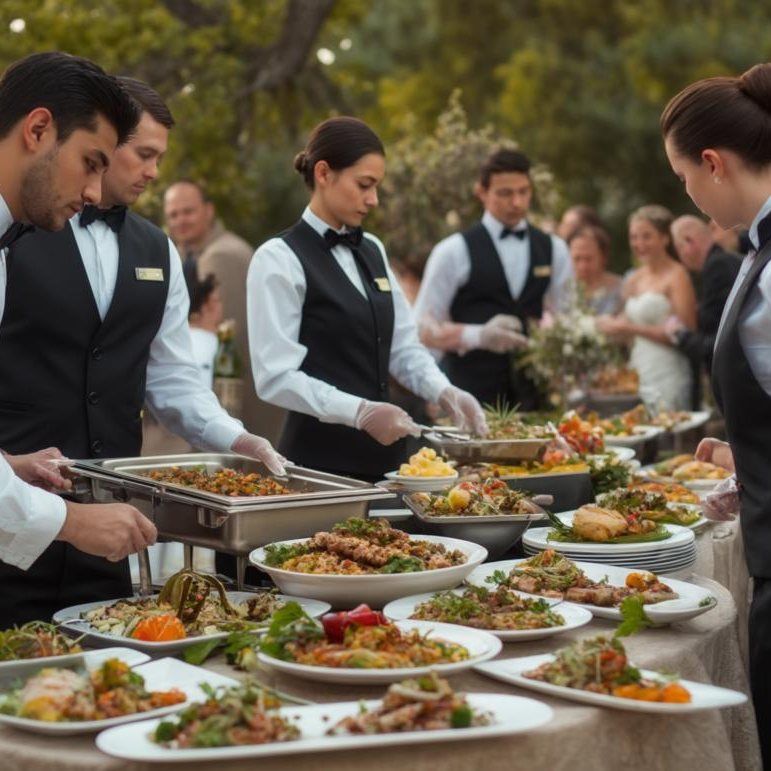
Catering is often one of the largest line items in a corporate event budget, making thoughtful financial planning essential. A well-structured catering budget balances guest expectations, food quality, and operational efficiency without overspending. Understanding where costs originate — and how planning influences pricing — allows organizations to make informed decisions that protect both experience and value.
5.1 Understanding Cost Drivers — Menu Choice, Guest Count, Service Style
Several variables directly influence catering expenses, and recognizing them early helps prevent budget surprises.
Primary cost drivers include:
-
Complexity and ingredient quality of menu selections
-
Total number of confirmed guests
-
Service format (buffet, plated, cocktail, or stations)
-
Staffing requirements and service duration
-
Equipment, rentals, and presentation elements
Each decision impacts the overall cost structure, so aligning catering scope with event goals is key.
5.2 Creating a Realistic Budget Without Compromising on Quality
A strong catering budget focuses on value rather than simply minimizing cost. Strategic allocation ensures guest satisfaction remains high.
Effective budgeting practices include:
-
Prioritizing food quality and service reliability
-
Setting per-guest cost benchmarks
-
Reserving contingency funds for last-minute adjustments
-
Balancing premium items with practical menu options
-
Evaluating vendor proposals transparently
This approach preserves quality while maintaining financial discipline.
5.3 How Early Planning Helps Secure Better Pricing and Options
Timing plays a major role in catering affordability and availability. Early coordination opens access to preferred vendors and pricing flexibility.
Advantages of advance planning include:
-
Access to early booking discounts
-
Greater menu customization options
-
Reduced rush fees and last-minute costs
-
Improved vendor availability during peak seasons
-
Time for negotiation and cost optimization
Early decisions create financial breathing room and operational confidence.
5.4 How Peak Audio Works with Caterers to Align Costs and Event Technical Needs
Catering does not operate in isolation — it must integrate with staging, lighting, sound, and event timing. Coordinated planning prevents hidden expenses and logistical conflicts.
Technical collaboration supports budgeting by:
-
Aligning catering layouts with the stage and AV placement
-
Preventing equipment clashes that cause redesign costs
-
Streamlining power and setup logistics
-
Coordinating service timing with program flow
-
Reducing last-minute adjustments that increase expenses
Integrated planning ensures both catering and technical elements support a cohesive, cost-efficient event.
Budgeting for corporate event catering requires understanding cost drivers, prioritizing value, and planning early to secure favorable pricing. When catering decisions are coordinated with technical and logistical elements, organizations avoid unnecessary expenses while maintaining guest satisfaction. A structured budgeting approach allows events to deliver quality dining experiences that align with both financial goals and professional standards.
6. Coordinating Catering With AV and Event Flow
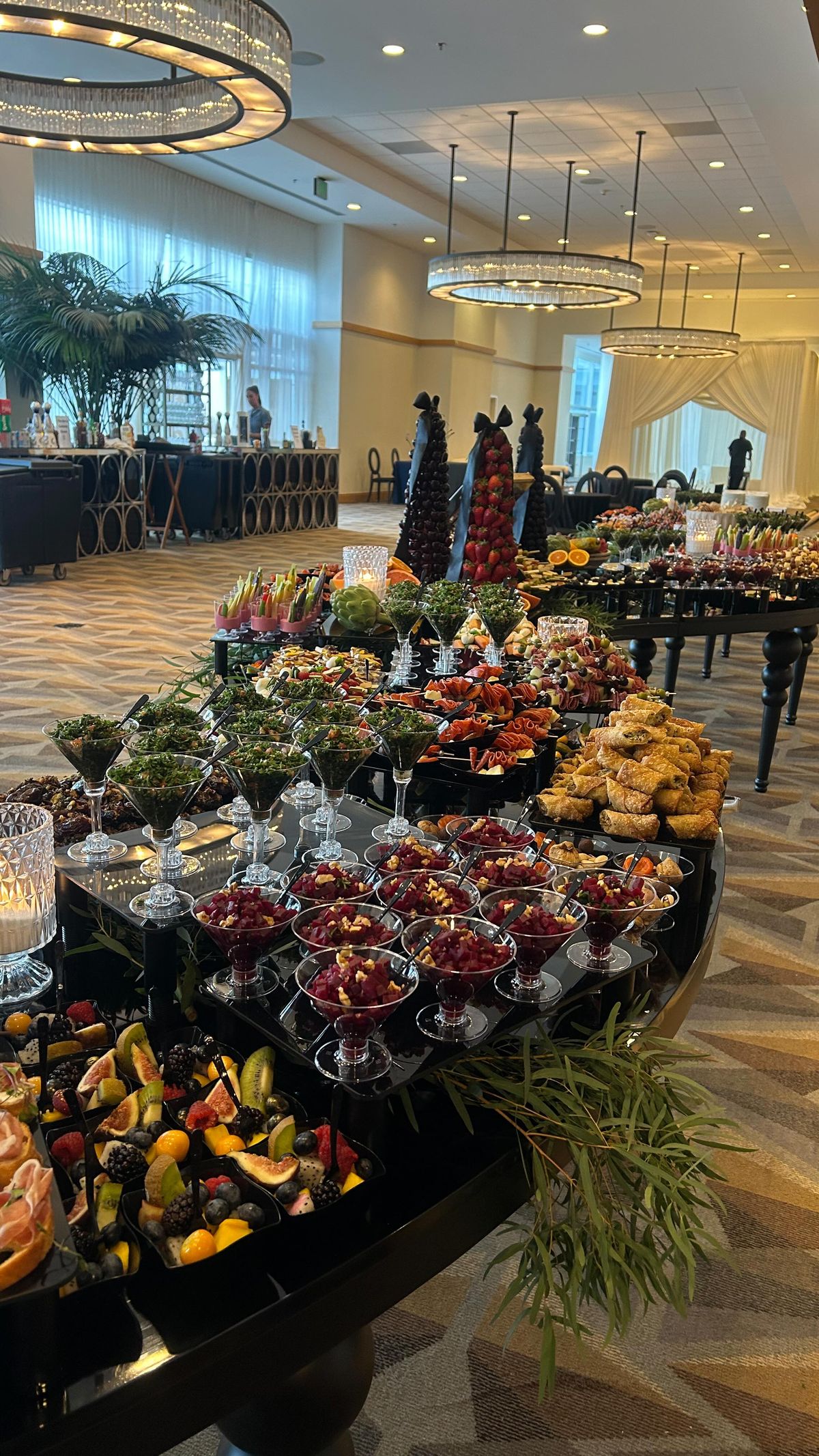
Catering and audio-visual execution are deeply interconnected in corporate events. Food service timing, guest movement, and presentation schedules must work together to preserve program flow and guest focus. When catering operates independently of AV planning, disruptions can occur — from noise conflicts to delayed transitions. Coordinated planning ensures that dining enhances the experience rather than interrupting it.
6.1 Why Catering Timing Must Sync With Program Segments
Corporate programs are carefully structured around speeches, awards, networking, and entertainment. Catering timing should support — not compete with — these moments.
Benefits of synchronized timing include:
-
Preventing service interruptions during key speeches
-
Aligning meal breaks with agenda transitions
-
Maintaining guest attention during presentations
-
Supporting smooth crowd movement
-
Reducing logistical congestion
When catering is timed strategically, the event feels organized and professional.
6.2 Ensuring Food Service Doesn’t Interfere With Sound or Presentations
Service activity can generate noise and movement that distracts from live content. Proper coordination minimizes disruptions.
Key protective measures include:
-
Scheduling service during low-impact program moments
-
Positioning service stations away from speakers and stages
-
Training staff on quiet service protocols
-
Managing guest flow to avoid presentation areas
-
Coordinating announcements with service pauses
These precautions protect clarity, audience focus, and presenter confidence.
6.3 Lighting and Staging Considerations for Food Displays and Dining Areas
Dining spaces must remain functional while supporting the event’s visual atmosphere. Lighting and staging design influence both presentation quality and guest comfort.
Important considerations include:
-
Adequate lighting for safe food service
-
Accent lighting to enhance food presentation
-
Avoiding glare that disrupts stage visibility
-
Clear pathways between dining and presentation zones
-
Visual consistency with the overall event theme
Thoughtful layout planning ensures catering areas complement — rather than compete with — the main stage environment.
6.4 How Peak Audio Seamlessly Integrates AV With Catering Schedules for Smooth Execution
Professional AV coordination ensures catering logistics align with program flow and technical requirements.
Integrated planning typically includes:
-
Shared run-of-show scheduling with caterers
-
Stage and dining layout coordination
-
Timing cues between service teams and AV operators
-
Sound and lighting adjustments during service windows
-
On-site communication to handle live changes
This collaboration keeps transitions smooth, protects guest experience, and prevents avoidable disruptions.
Leave a Reply
Want to join the discussion?Feel free to contribute!