Avoid Blowing Your Corporate Event Budget in Kenya: A Complete Guide by Peak Audio
Avoid Blowing Your Corporate Event Budget
Corporate events are powerful tools for networking, brand visibility, and team engagement — but they can quickly become costly if spending isn’t carefully managed. From venue hire and catering to production and logistics, expenses accumulate fast, especially when last-minute decisions or unclear priorities come into play. In Kenya’s competitive corporate environment, organizations are under pressure to deliver professional, memorable events without stretching financial limits. Smart budgeting isn’t about cutting corners; it’s about aligning spending with clear objectives and measurable value.
Effective cost control begins with intentional planning, transparent vendor communication, and realistic expectations. Businesses that define their goals early can allocate resources where they matter most, avoiding impulse upgrades or overlooked hidden fees. Prioritizing essentials — such as audience experience, program flow, and technical reliability — helps maintain quality while preventing waste. Kenyan event planners increasingly recognize that disciplined budgeting supports creativity rather than restricting it, enabling teams to design impactful experiences within practical limits.
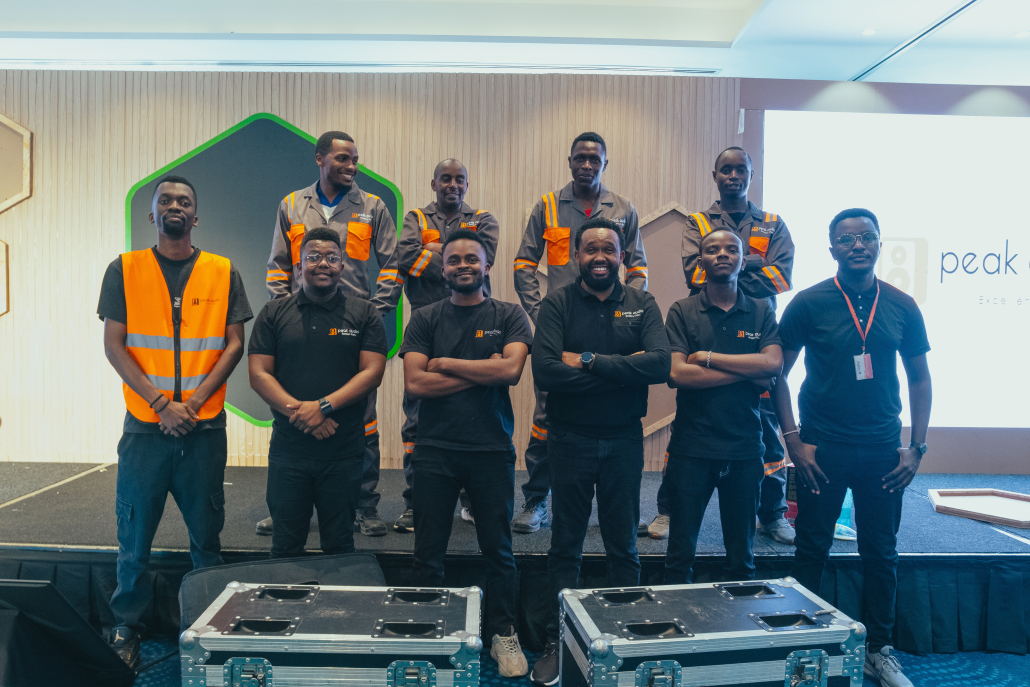
This guide outlines practical strategies to keep corporate event spending under control while preserving professionalism and impact. Technical production, when planned correctly, can enhance engagement without inflating costs. Peak Audio supports organizations by providing scalable audiovisual solutions, expert consultation, and efficient setup that maximize value for every shilling spent. With thoughtful planning and reliable technical partners, companies can host high-quality corporate events that stay on budget while delivering strong results and lasting impressions.
3. Choosing the Right Venue and Date
Avoid Blowing Your Corporate Event Budget
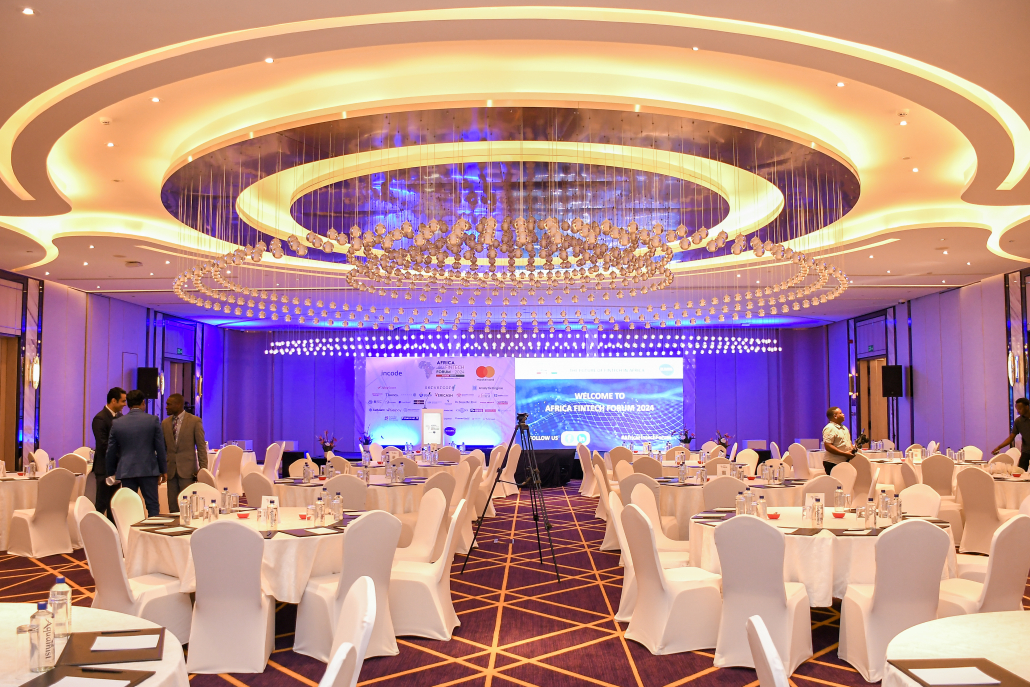
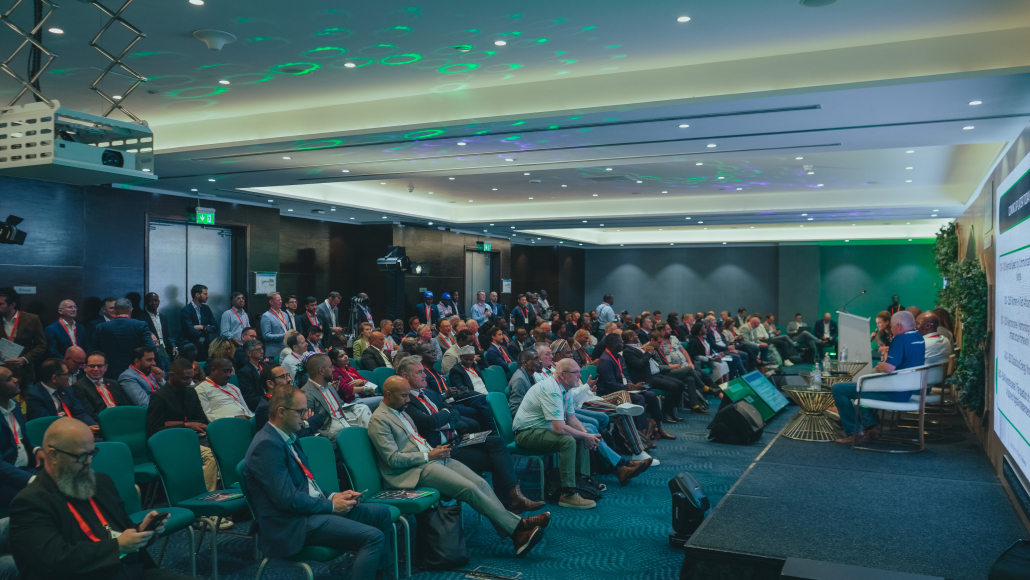
Venue and scheduling decisions are among the biggest financial drivers of any corporate event. A thoughtful approach to location and timing can significantly influence total costs, logistical efficiency, and attendee experience. Smart selection prevents hidden expenses while maximizing value.
3.1 How venue selection impacts overall costs
The venue sets the baseline for many budget categories.
Key cost influences include:
-
Rental fees and package inclusions
-
Capacity and space efficiency
-
Built-in AV infrastructure
-
Staffing and service charges
-
Set up and teardown logistics
-
Accessibility and transportation needs
A well-matched venue reduces downstream expenses.
3.2 Booking during off-peak seasons or days for better rates
Timing can unlock meaningful savings.
Strategic scheduling may offer:
-
Lower venue rental pricing
-
Flexible vendor availability
-
Negotiation leverage
-
Reduced accommodation costs
-
Easier logistics coordination
-
Greater choice of preferred dates
Off-peak planning stretches the budget further.
3.3 Assessing venue amenities to avoid extra expenses
Built-in resources can prevent duplicate spending.
Valuable amenities to evaluate include:
-
Existing sound and lighting infrastructure
-
Furniture and staging availability
-
Reliable power access
-
Wi-Fi and connectivity support
-
Parking or transport facilities
-
On-site staffing or coordination
Included amenities reduce external rental needs.
3.4 Why site visits and comparisons save money in the long run
Seeing venues firsthand prevents costly surprises.
Site evaluations help you:
-
Identify logistical constraints early
-
Confirm infrastructure compatibility
-
Compare true value versus headline pricing
-
Anticipate setup requirements
-
Assess flow and attendee comfort
-
Avoid last-minute adjustments
Informed decisions protect the budget.
Venue and date choices shape both the financial and operational framework of a corporate event. By evaluating cost drivers, leveraging off-peak opportunities, assessing built-in amenities, and conducting thorough site visits, organizers can minimize unnecessary spending while maximizing efficiency and event quality.
4. Budgeting for AV and Event Production
Avoid Blowing Your Corporate Event Budget
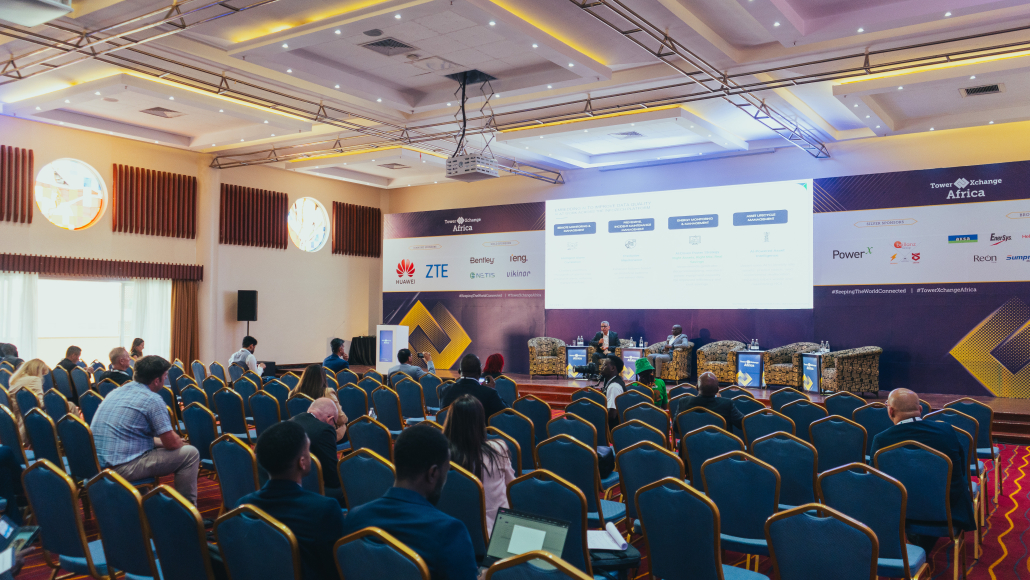
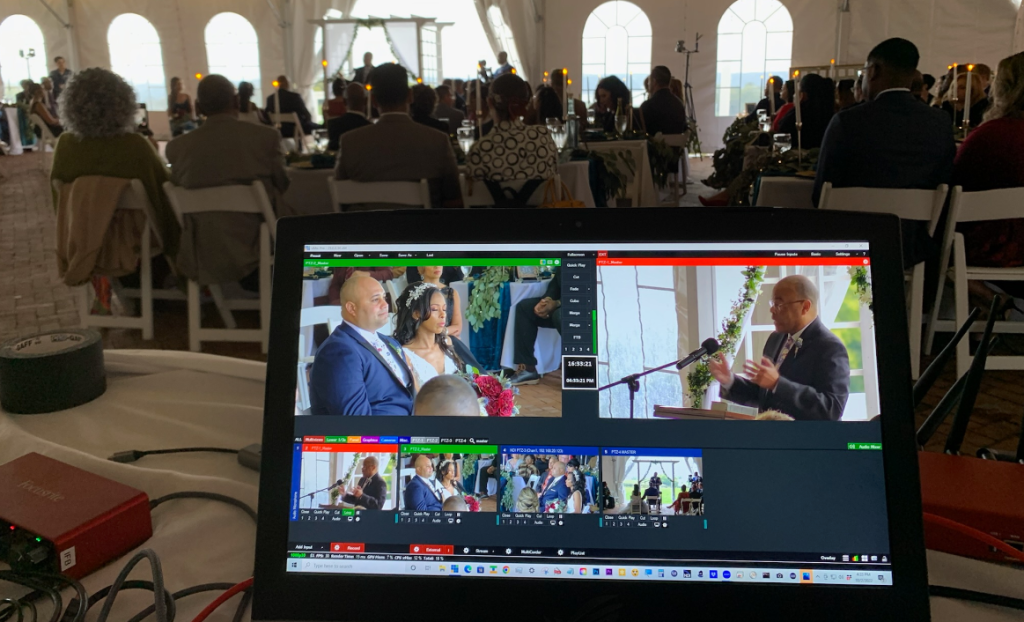
Audiovisual production is one of the most visible — and impactful — components of a corporate event. Proper AV budgeting ensures your message is delivered clearly, your brand is represented professionally, and your audience remains engaged. Strategic planning prevents overspending while protecting event quality.
4.1 Understanding the cost of sound, lighting, and visuals
AV pricing reflects both equipment and expertise.
Typical cost components include:
-
Sound system rental and configuration
-
Microphones and audio mixing support
-
Stage and ambient lighting design
-
LED screens or projection equipment
-
Technical crew and on-site supervision
-
Set up, testing, and breakdown logistics
Understanding these elements supports realistic budgeting.
4.2 Choosing scalable AV solutions to fit your budget
Not every event requires maximum production scale.
Smart scaling involves:
-
Matching AV setup to venue size
-
Prioritizing audience clarity over excess effects
-
Selecting modular equipment packages
-
Adjusting lighting complexity to event goals
-
Using multipurpose displays when possible
-
Balancing visual impact with practicality
Scalable solutions protect both experience and finances.
4.3 How professional AV prevents costly last-minute fixes
Cutting corners often increases total cost.
Professional preparation reduces:
-
Emergency equipment rentals
-
Technical downtime or delays
-
Compatibility issues with presentations
-
Rehearsal overruns
-
Speaker interruptions
-
Reputation risks
Preventive planning saves money and stress.
4.4 How Peak Audio delivers cost-effective AV setups without compromising quality
Expert providers maximize value through efficiency.
Cost-conscious production includes:
-
Needs-based equipment recommendations
-
Integrated sound and visual planning
-
Reliable, tested systems
-
Skilled on-site technicians
-
Redundancy planning to avoid disruption
-
Clear pricing and scalable packages
Quality AV enhances impact without unnecessary expense.
AV budgeting is about aligning technical capability with event objectives. By understanding cost drivers, choosing scalable solutions, and investing in professional preparation, organizers can deliver polished, engaging events while maintaining financial control.
5. Catering and Hospitality Cost Management

Avoid Blowing Your Corporate Event Budget
Catering and hospitality often represent a significant portion of a corporate event budget. Thoughtful planning ensures guests feel welcomed and cared for — without unnecessary overspending. Strategic decisions around quantities, suppliers, and service style can dramatically improve cost efficiency while preserving quality.
5.1 Estimating guest numbers accurately to avoid waste
Accurate attendance forecasting protects both budget and logistics.
Smart estimation practices include:
-
Confirming RSVPs with clear deadlines
-
Tracking historical attendance patterns
-
Allowing a realistic buffer for no-shows
-
Coordinating headcounts with catering timelines
-
Adjusting orders as confirmations change
-
Monitoring last-minute registrations
Precision reduces excess food, staffing, and rental costs.
5.2 Selecting catering packages that balance quality and cost
Menu choices influence perception and spending.
Balanced package planning involves:
-
Matching menu style to event format
-
Prioritizing presentation and taste over volume
-
Choosing seasonal or locally available ingredients
-
Comparing buffet versus plated service costs
-
Evaluating service staffing requirements
-
Negotiating bundled catering options
Quality experiences do not require extravagant menus.
5.3 Considering local suppliers for competitive pricing
Local sourcing improves efficiency and affordability.
Benefits of nearby vendors include:
-
Reduced transportation costs
-
Faster setup coordination
-
Familiarity with local venues
-
Flexible scheduling
-
Competitive pricing structures
-
Easier communication and oversight
Local partnerships streamline hospitality planning.
5.4 Creative alternatives to reduce food, beverage, and staffing costs
Innovative service models can maintain guest satisfaction.
Cost-conscious approaches include:
-
Limited but high-quality menu selections
-
Self-service beverage stations
-
Staggered refreshment timing
-
Smaller plated portions with premium presentation
-
Hybrid snack-and-meal formats
-
Multi-purpose service staff roles
Creativity preserves hospitality without excess spending.
Effective catering cost management combines accurate forecasting, smart menu design, local sourcing, and creative service strategies. With planning, organizers can deliver welcoming hospitality experiences that support both guest satisfaction and financial discipline.

8. FAQs on Avoiding Corporate Event Budget Overruns in Kenya
Budget overruns are one of the biggest concerns in corporate event planning. The key is proactive planning, disciplined tracking, and partnering with experienced professionals who understand both logistics and cost control. Below are practical answers to common budgeting concerns.
8.1 How can I prevent my corporate event budget from blowing up?
Prevention starts with structure and discipline.
Best practices include:
-
Setting clear objectives before spending
-
Prioritizing must-have elements
-
Building a detailed line-item budget
-
Tracking expenses in real time
-
Working with experienced vendors
-
Allocating a contingency reserve
Strong planning minimizes financial surprises.
8.2 What are common hidden costs in corporate events?
Unexpected expenses often come from overlooked logistics.
Typical hidden costs include:
-
Extra equipment rentals
-
Overtime venue or staffing fees
-
Last-minute catering adjustments
-
Technical setup or troubleshooting
-
Delivery and transport charges
-
Licensing or permit requirements
Early identification protects your budget.
8.3 Can small budgets still deliver high-quality events?
Impact depends more on strategy than size.
Cost-smart approaches include:
-
Focusing on audience experience
-
Choosing scalable AV solutions
-
Leveraging in-house talent
-
Simplifying décor without losing professionalism
-
Selecting multi-use equipment
-
Prioritizing high-visibility elements
Smart allocation drives quality.
8.4 How early should I plan to stay within budget?
Time is a powerful cost-control tool.
Early planning allows you to:
-
Secure better vendor rates
-
Compare multiple options
-
Avoid rush fees
-
Negotiate favorable contracts
-
Coordinate logistics efficiently
-
Reduce last-minute spending
Planning increases flexibility and savings.
8.5 Does AV quality affect my budget?
Yes — but cutting corners often costs more later.
Professional AV helps by:
-
Preventing technical failures
-
Reducing emergency rentals
-
Ensuring compatibility
-
Protecting event flow
-
Avoiding reputation damage
-
Minimizing downtime
Quality AV is a cost safeguard.
8.6 Are there cost-effective entertainment options?
Engagement doesn’t require extravagant spending.
Affordable options include:
-
Interactive audience activities
-
Live streaming segments
-
Employee-led presentations
-
Digital multimedia showcases
-
Moderated panels
-
Gamified participation
Creativity delivers value without excess cost.
8.7 How can Peak Audio help manage event budgets?
Expert AV partners bring financial discipline to production.
Support includes:
-
Transparent pricing structures
-
Scalable equipment packages
-
Needs-based recommendations
-
Efficient technical planning
-
Redundancy to prevent costly failures
-
Clear cost forecasting
Professional support improves budget predictability.
8.8 Should I allocate a contingency fund?
Absolutely — flexibility is essential.
A contingency fund helps cover:
-
Last-minute vendor adjustments
-
Equipment replacements
-
Schedule changes
-
Unexpected staffing needs
-
Logistics variations
-
Emergency fixes
A 5–10% reserve is a practical guideline.
8.9 Can multi-day events stay on budget?
Yes — with disciplined coordination.
Cost-control strategies include:
-
Negotiating bundled venue rates
-
Consolidating equipment rentals
-
Scheduling efficient setups
-
Monitoring daily expenditures
-
Planning staffing rotations
-
Maintaining clear approvals
Structured oversight keeps spending stable.
8.10 Why choose Peak Audio for cost-efficient corporate events?
Reliable AV production protects both experience and finances.
Peak Audio contributes through:
-
Efficient resource planning
-
High-quality, scalable equipment
-
Professional on-site management
-
Reduced risk of technical overruns
-
Transparent communication
-
Experience-driven optimization
Technical precision supports financial control.
Avoiding budget overruns requires proactive planning, accurate tracking, contingency preparation, and collaboration with experienced partners. When financial discipline is combined with smart production choices, corporate events in Kenya can remain impactful, professional, and firmly within budget.